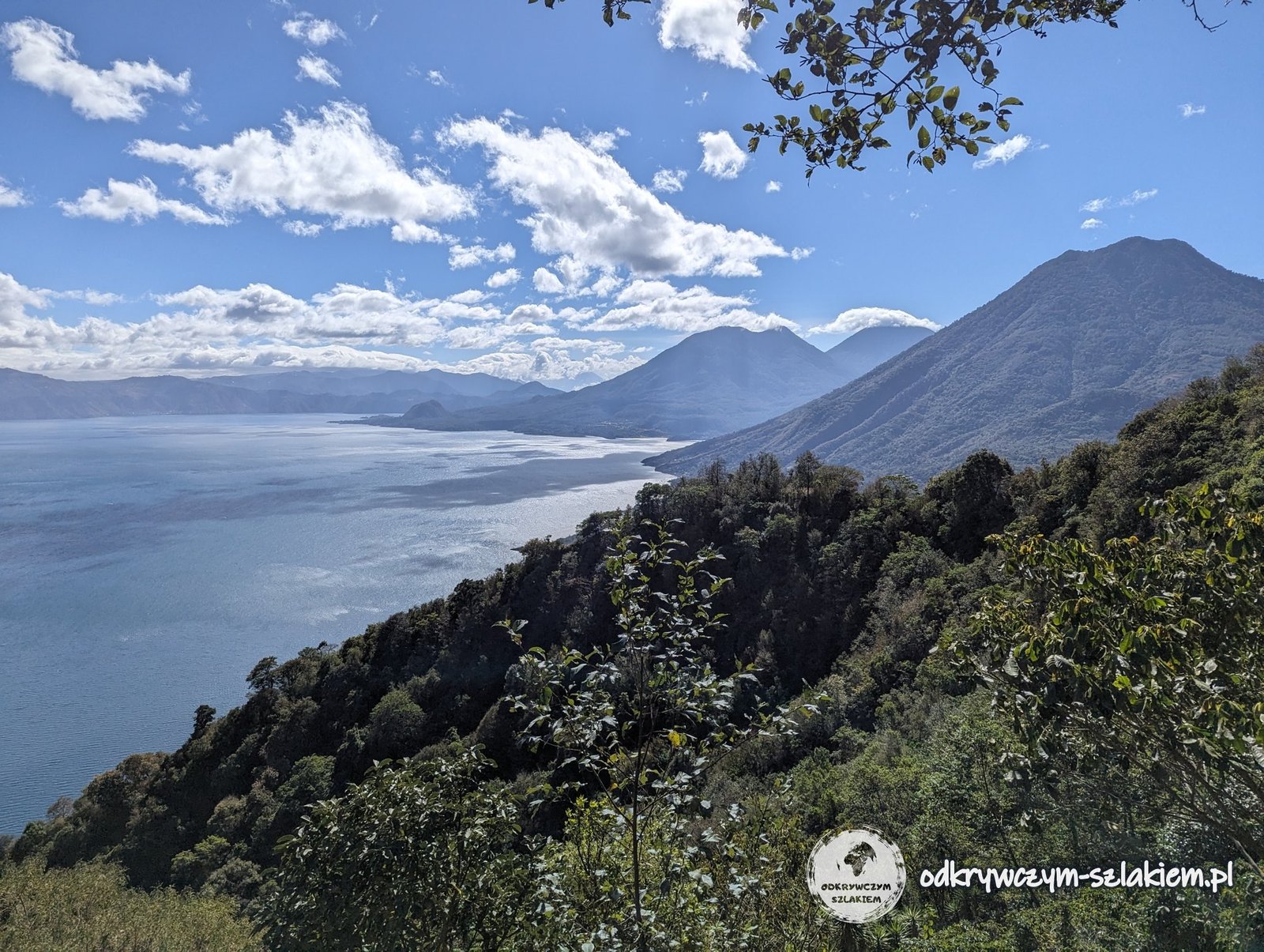
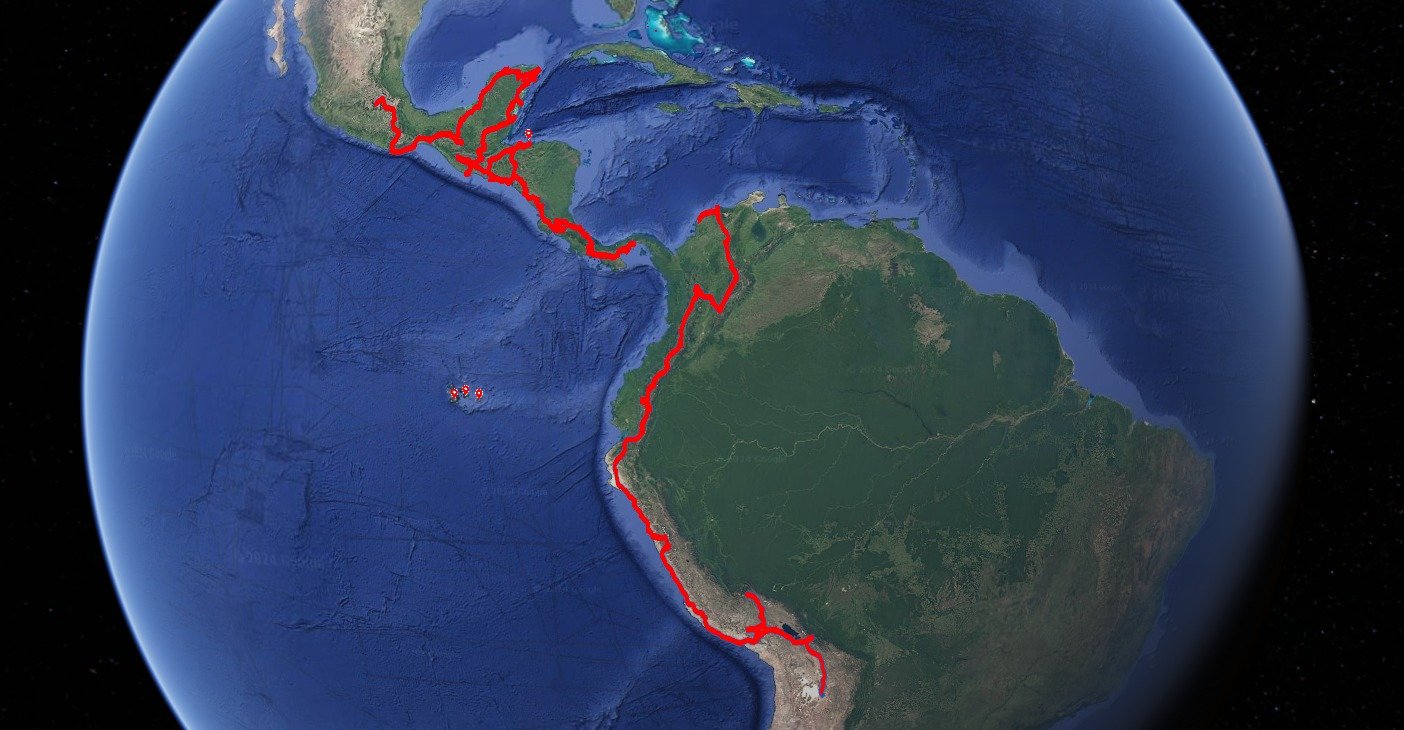
On 11 October 2023 Patrycja and I set off from Mexico City on a long journey through Latin America, and on 19 June 2024 I flew from Lima back to Europe. In between there were more than eight months on the road and eleven countries: Mexico, Belize, Guatemala, El Salvador, Honduras, Nicaragua, Costa Rica and Panama, followed by Colombia, Ecuador with the Galápagos, and Peru. Patrycja kept travelling around Peru and Bolivia until the end of July, so the whole trip lasted nine months, covered 12 countries and more than 20,000 kilometres. We crossed every border overland, except for the flight from Panama to Colombia; we also flew from Quito to the Galápagos.
This post sums up the whole journey through Latin America and is also an index of all the trip reports. Country by country, I give the number of days we spent there, how much we spent on average and what we remember best and worst – with links to the detailed posts. On top of that: the route and how the plan changed, costs, safety, practical information and lessons learned after coming home. Prices and regulations are from 2023–2024.
Table of contents
- The trip in numbers
- The route – plan versus reality
- Why we cut the trip short
- How much the trip cost – days and costs in each country
- Mexico – 65 days
- Belize – 7 days
- Guatemala – 58 days
- El Salvador – 15 days
- Honduras – 20 days
- Nicaragua – 14 days
- Costa Rica – 11 days
- Panama – 22 days
- Colombia – three weeks
- Ecuador and the Galápagos – three weeks
- Peru – our last days together
- Safety
- Lessons learned after coming home
- Videos from the trip
- Practical information
The trip in numbers
The key numbers first:
- Time – we travelled together from 11 October 2023 to 19 June 2024, i.e. more than eight months. Patrycja came back at the end of July 2024, so the whole trip lasted nine months.
- Countries – 12: Mexico, Belize, Guatemala, El Salvador, Honduras, Nicaragua, Costa Rica, Panama, Colombia, Ecuador, Peru and Bolivia (only Patrycja made it to Bolivia).
- Distance – more than 20,000 kilometres travelled, over 4000 of them in Mexico alone.
- Costs – over the whole time we travelled together we spent on average US$35 (about €34) per person per day, not counting the flight to Mexico and the flight home from Peru – about US$8800 per person in total. The breakdown by country is in the section How much the trip cost.
- Longest we stayed in Mexico (65 days) and Guatemala (58 days), shortest in Peru (6 days) and Belize (7 days).
- Favourite country – definitely Guatemala.
- New skills – conversational Spanish after a course in Antigua, diving certificates from Honduras and my first paragliding flight in Colombia.
The route – plan versus reality
In a way, we “owe” this trip to the pandemic. We had been saving up for a journey around Asia, but because of covid many countries stayed closed for a long time, so we went for plan B. I don’t know if I would ever have considered this part of the world otherwise – mainly because of safety. Where the idea came from and how we got to Mexico I describe in the post Mexico in 65 days.
The plan was to slowly work our way down the continent: from Mexico through Guatemala, Nicaragua, Costa Rica and Panama to Colombia, and then through Ecuador, Peru, Bolivia, Chile, Argentina, Uruguay and Paraguay all the way to Brazil. A trip like this can’t be planned in detail, though – new places always come up and something else has to be dropped. Already in Central America the route started to change:
- Belize was supposed to be a transit country on the way to Guatemala, but we spent a week there, mostly on the islands.
- Honduras was meant to be just a pass-through. If it hadn’t been for snorkelling at Caye Caulker in Belize, we wouldn’t have gone to Utila for a diving course and wouldn’t have stayed in the country for 20 days.
- El Salvador was also supposed to be just a transit – a direct shuttle from Guatemala to Nicaragua. Only from talking to locals and other travellers did we learn that it was now safe for tourists, and we stayed there for two weeks.
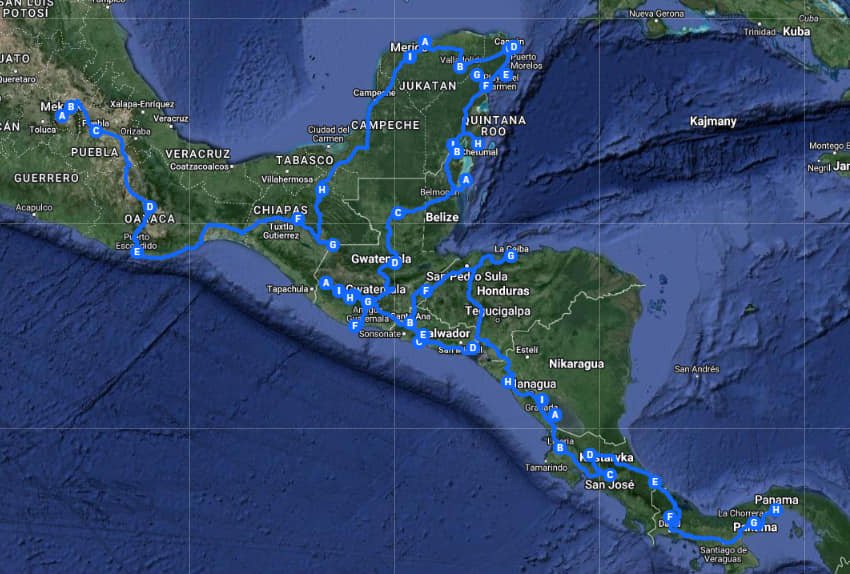
From Central to South America we flew from Panama City to Cartagena, and from there we travelled overland again – through Colombia and Ecuador to Peru. The route through Central America is shown on the map below.
Why we cut the trip short
In mid-May 2024, already in Colombia, we decided to cut the trip short. Several things came together. At first everything amazed us, because it was completely different from Europe. Over time new places became “normal”, and with every similar view it got harder to be amazed. In Mexico, and even more so in Guatemala and Honduras, we often had great company. From Nicaragua on (apart from the campsite on Ometepe Island) we travelled mostly on our own, and loneliness started to weigh on us. For a long time, when asked whether we were tired, we honestly answered that everything was fine – until the moment came when we had to admit that we were tired, though not exhausted.
So we decided to spend half of the planned time in Colombia, Ecuador and Peru and focus on the most special places, and in Bolivia to see only the area around La Paz. We put Chile, Argentina, Uruguay, Paraguay and Brazil off for another time. In Chile and Argentina we would have hit the local winter, and we would have had a very long time to wait for the carnival in Brazil, which would have dragged the trip out too much. We planned our flight out of Lima for 23 July 2024.
In the end I came back even earlier. On the night of 10–11 June, on a night bus from Baños to Cuenca in Ecuador, almost all of our electronics were stolen, and after that I no longer had the energy to carry on. We still made it to Peru together; on 17 June we said goodbye in Lima, and on 19 June I flew via Madrid to Berlin. Patrycja went on as planned and travelled around Peru and Bolivia until the end of July. The whole story of the theft is in a separate post: Robbed on a night bus in Ecuador.
How much the trip cost – days and costs in each country
The averages below include all expenses on the spot – accommodation, food, transport, attractions, as well as visas and border fees – per person per day. We added up the amounts for Central America after half a year of travelling, at the beginning of May 2024 (the euro amounts are approximate). For Guatemala I give the cost without and with the Spanish course separately.
| Country | When | Days | Average per person per day |
|---|---|---|---|
| Mexico | 11 Oct–14 Dec 2023 | 65 | US$29 (about €27) |
| Belize | 14–20 Dec 2023 | 7 | US$33 (about €31) |
| Guatemala | 20 Dec 2023–15 Feb 2024 | 58 | US$25 (about €23), with the Spanish course US$33 (about €30) |
| El Salvador | 15–29 Feb 2024 | 15 | US$20 (about €19) |
| Honduras | 29 Feb–19 Mar 2024 | 20 | US$19 (about €18) |
| Nicaragua | 19 Mar–1 Apr 2024 | 14 | US$21 (about €20) |
| Costa Rica | 1–11 Apr 2024 | 11 | US$27 (about €25) |
| Panama | 11 Apr–3 May 2024 | 22 | US$24 (about €23) |
| Colombia | 3–23 May 2024 | 21 | – |
| Ecuador with the Galápagos | 24 May–13 Jun 2024 | 21 | – |
| Peru | 14–19 Jun 2024 | 6 | – |
In Central America the cheapest countries were Honduras and El Salvador, and our highest average was in Belize: we were there only briefly, and on top of that came pricier things such as snorkelling (we skipped the attractions on the mainland mainly for financial reasons). Costa Rica is a more expensive country, but we spent more time there and tried to cut costs, so our average came out lower. I don’t give separate averages for Colombia, Ecuador and Peru. Over the whole time we travelled together, from Mexico to Peru, we spent on average US$35 (about €34) per person per day. This includes all expenses during the trip, including the flight from Panama to Colombia and the Galápagos trip – it excludes only the flight to Mexico and the flight home from Peru. In total, over 253 days, I spent about US$8800 on the spot. South America turned out to be noticeably more expensive than Central America, mainly because of the Galápagos and the flight from Panama to Colombia.
Flights – from Europe the cheapest flights are usually to Mexico City and Cancún. We flew direct from Amsterdam to Mexico City (we got to Amsterdam by coach), which with checked luggage cost about €580 per person. Tickets to and from Peru are more expensive and always involve a change. My flight home from Lima via Madrid to Berlin with checked luggage cost €850.
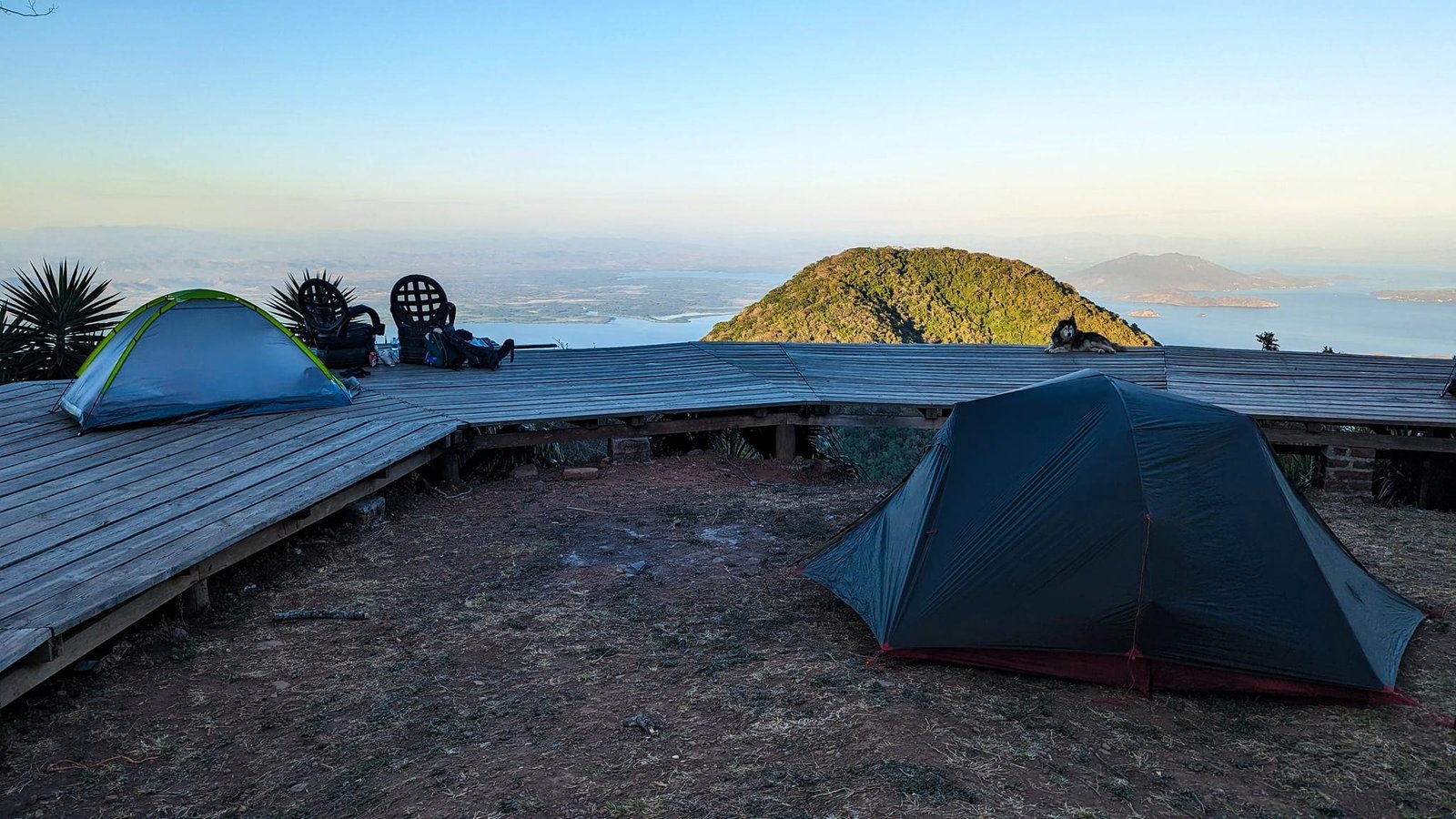
Accommodation – we always looked for the best of the cheapest options. A double room often cost about the same as, or only a little more than, two beds in a shared room, so until May 2024 we slept in a dorm only once. Air conditioning or a fan is standard in cheap accommodation, and a private bathroom usually doesn’t cost much extra. Hot water is hit and miss – it’s worth asking about. In Central America we also carried a tent, which we slept in on the Conchagua volcano in El Salvador and on Ometepe, among other places, until it disappeared from the luggage hold of a bus in Costa Rica. Most of the time we cooked for ourselves, since our accommodation usually had a kitchen (mostly shared). On longer routes we regularly took night buses to save time and money.
Mexico – 65 days
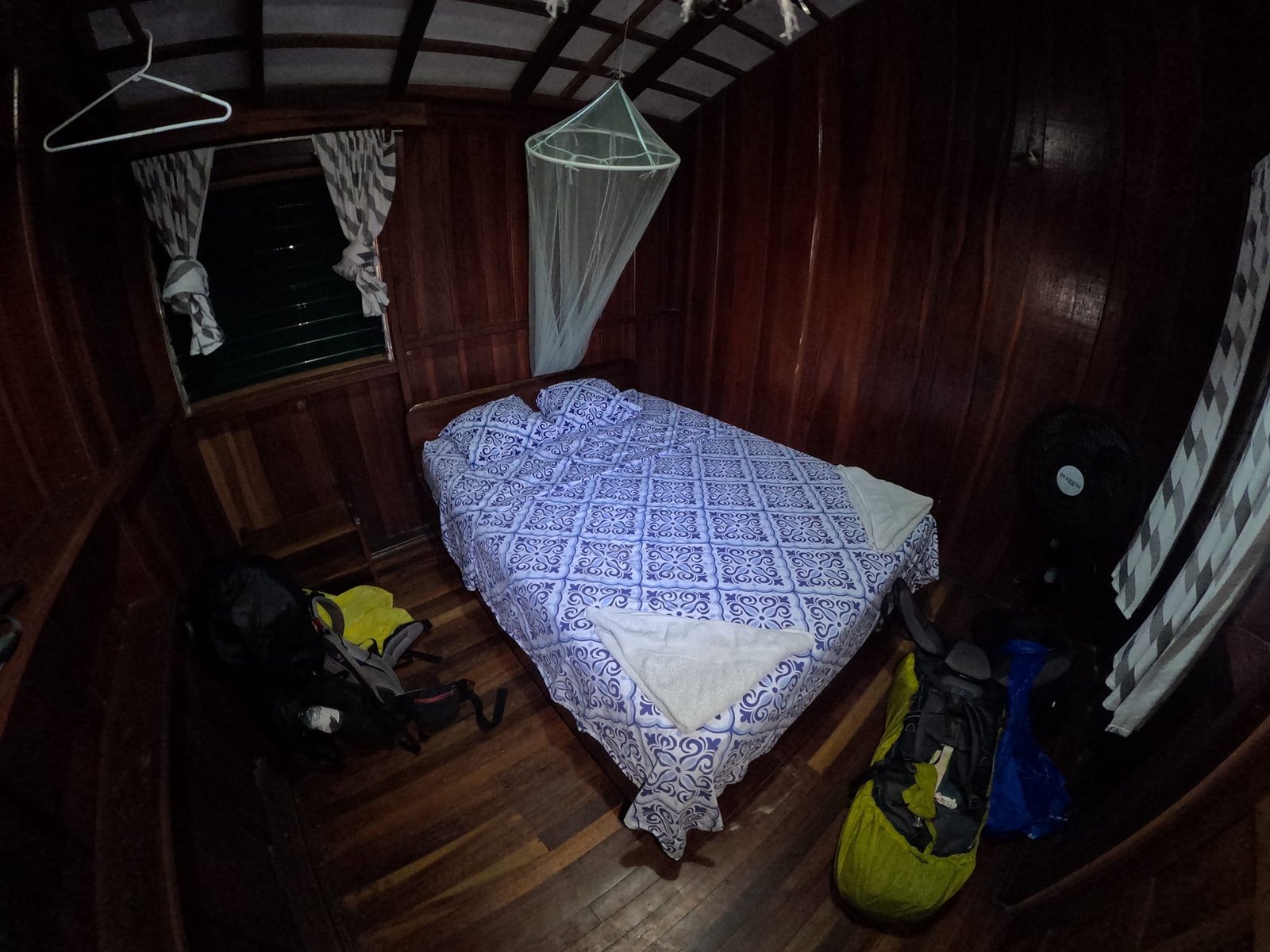
A huge country with plenty of options: varied nature, countless ancient ruins and cenotes. From 11 October to 14 December 2023 we covered more than 4000 km – from Mexico City through the states of Puebla, Oaxaca, Chiapas and Yucatán all the way to Quintana Roo – and spent on average US$29 (about €27) per person per day. What stayed with us most from Mexico were the ruins, from Teotihuacán, Monte Albán and Palenque to Chichén Itzá, Tulum and Cobá. At first we felt a little unsure here, but attitude made a big difference – it got better every week.
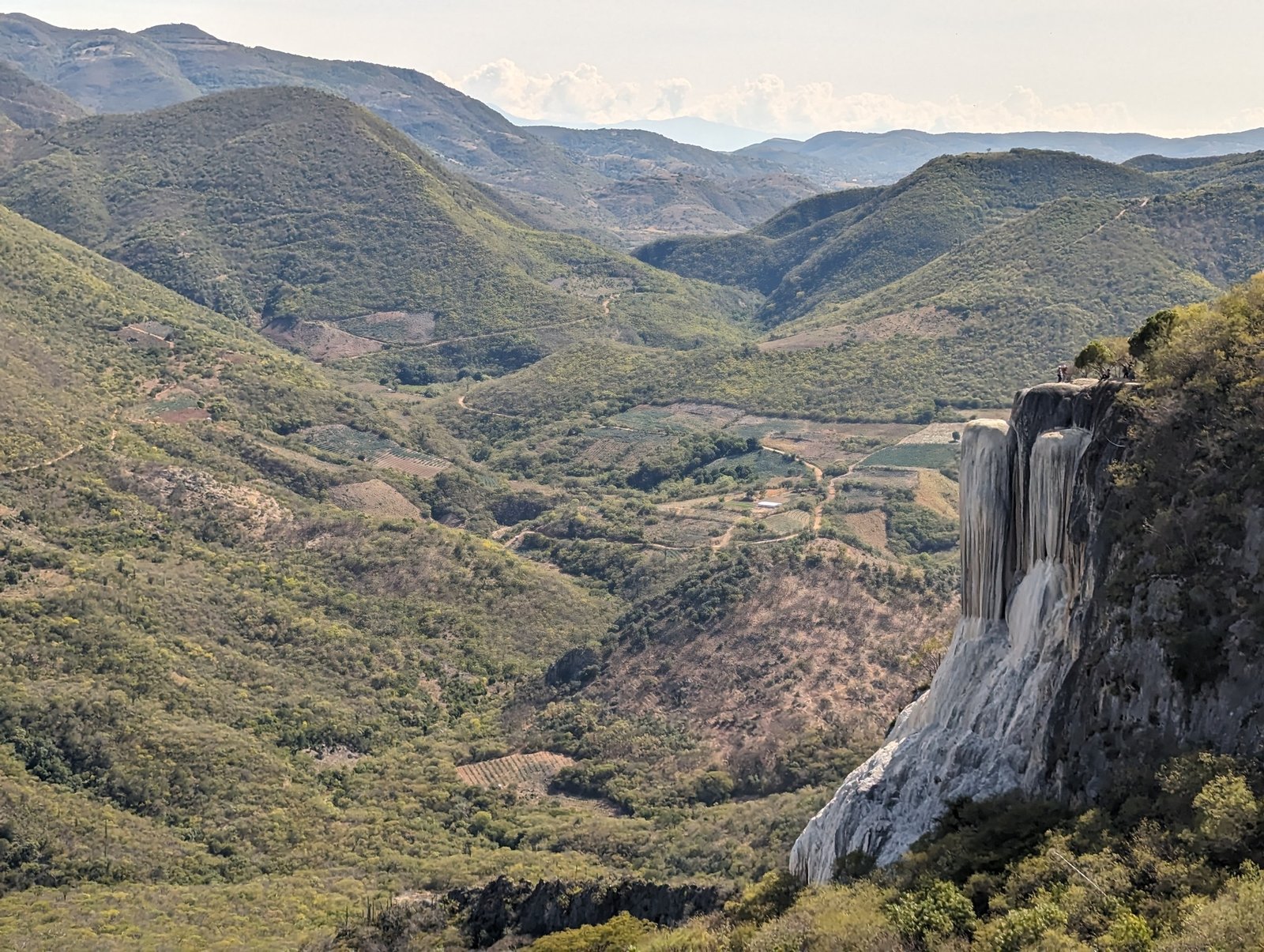
The whole route day by day, the must-sees and practical tips are collected in the post Mexico in 65 days – trip summary. From there, links lead to more than twenty reports from Mexico, including Teotihuacán, Hierve el Agua, Palenque, Chichén Itzá and Tulum.
Belize – 7 days
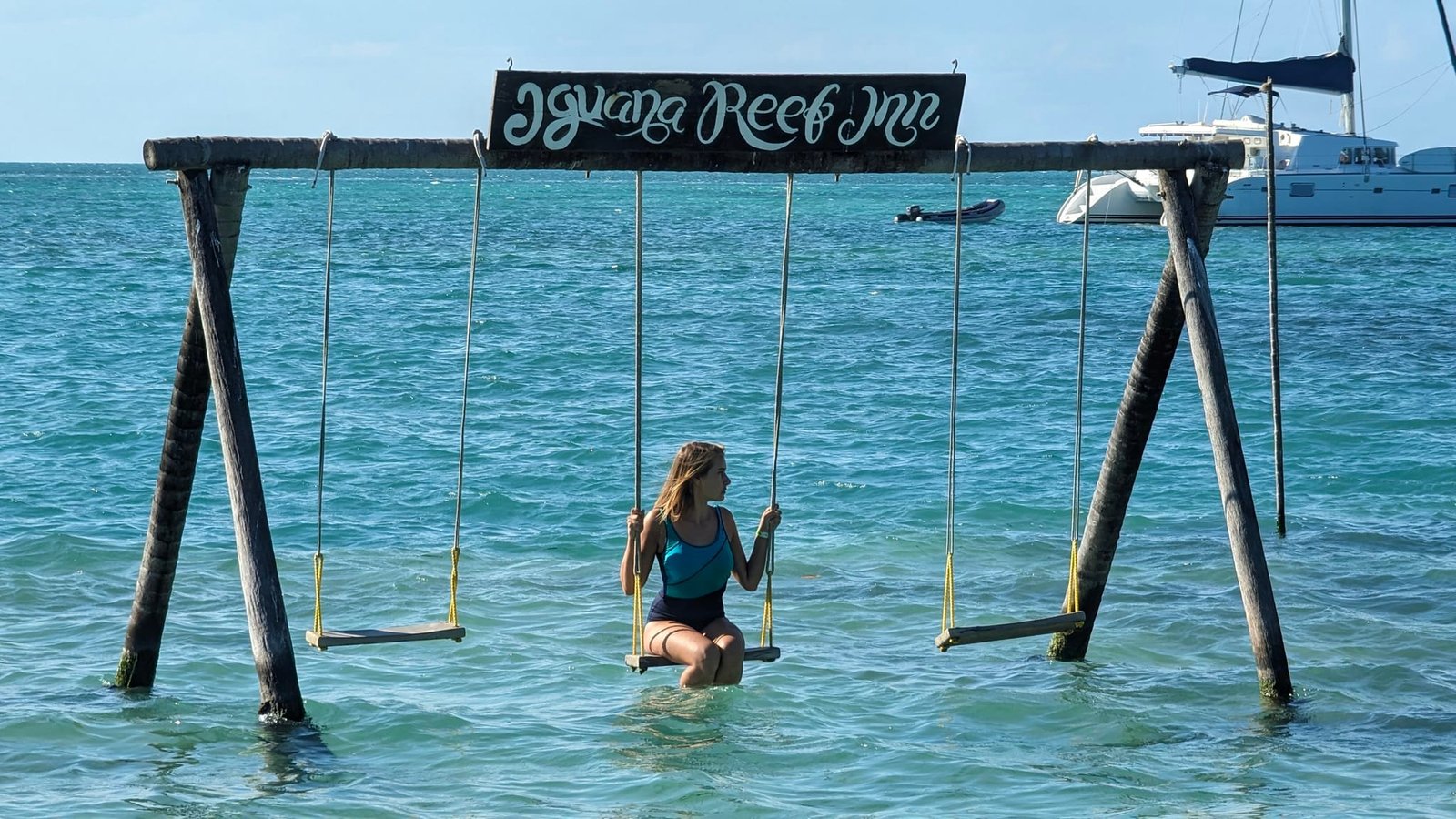
We entered Belize from Mexico on 14 December 2023. We were only going to pass quickly through the country on the way to Guatemala, but we stayed a week – mostly on the laid-back islands of Ambergris Caye and Caye Caulker. Off Caye Caulker we had the best snorkelling of our lives: the coral reef is within arm’s reach, no diving needed, we saw loads of fish and sharks, and every day fed stingrays swim up to the shore and you can stroke them. The downside? Belize is very expensive – we spent on average US$33 (about €31) per person per day, the most of all the Central American countries. We skipped the attractions on the mainland, such as the caves or the Caracol ruins, mainly for financial reasons.
The border crossing and our first night are described in the post Belize: across the border from Mexico and the first night in Sarteneja, and the islands and snorkelling in the post Belize: the islands of Ambergris Caye and Caye Caulker.
Guatemala – 58 days
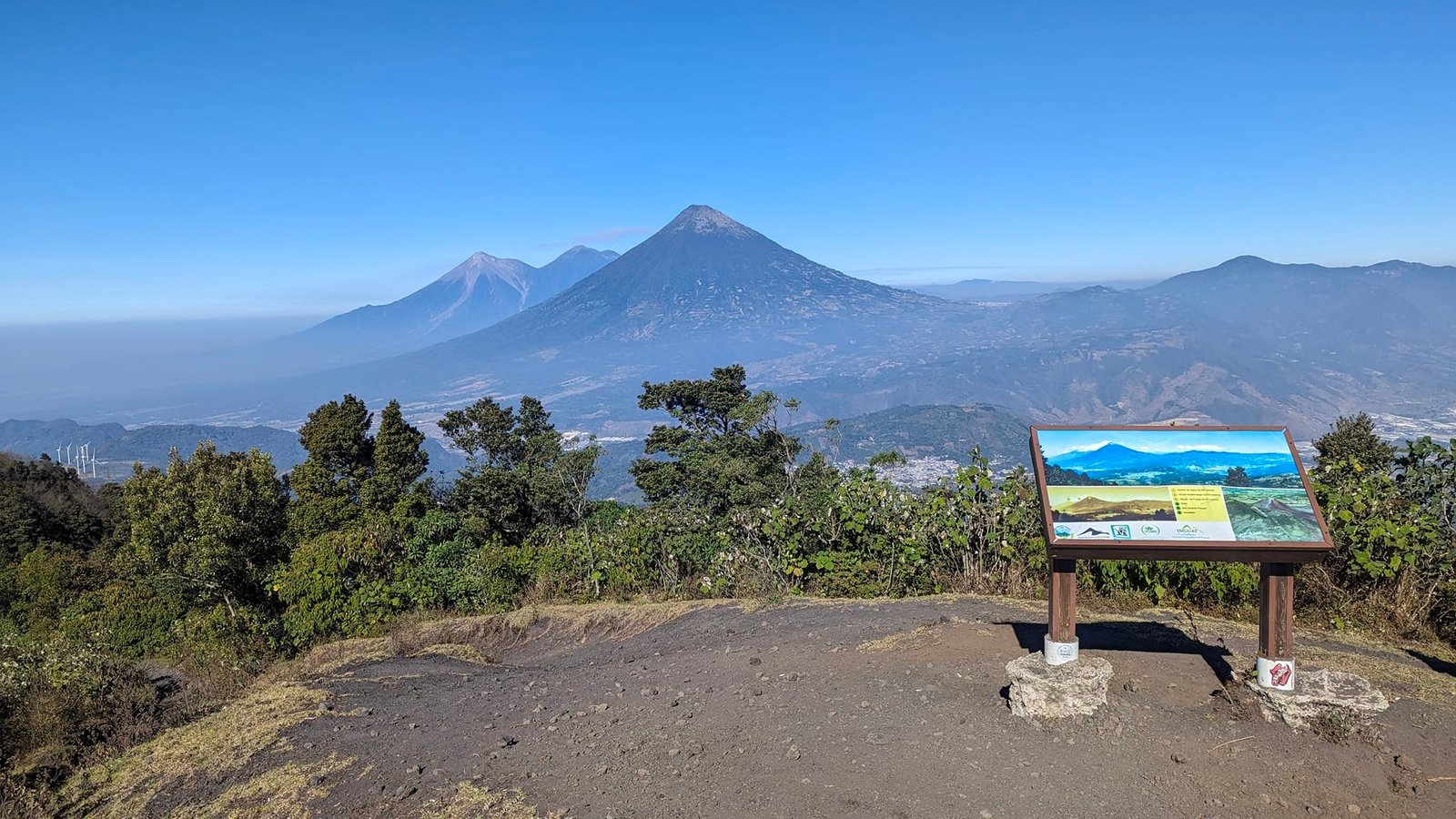
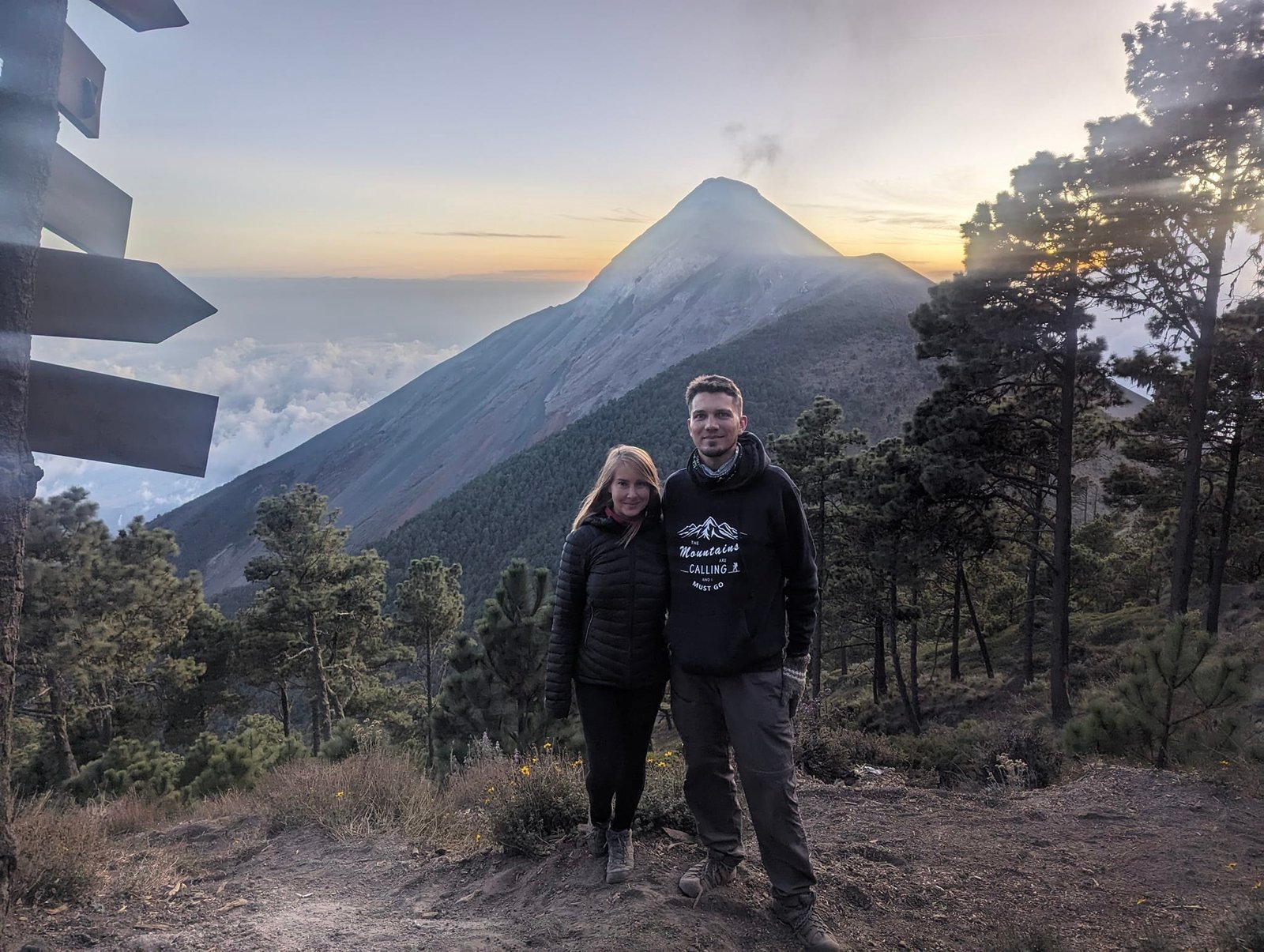
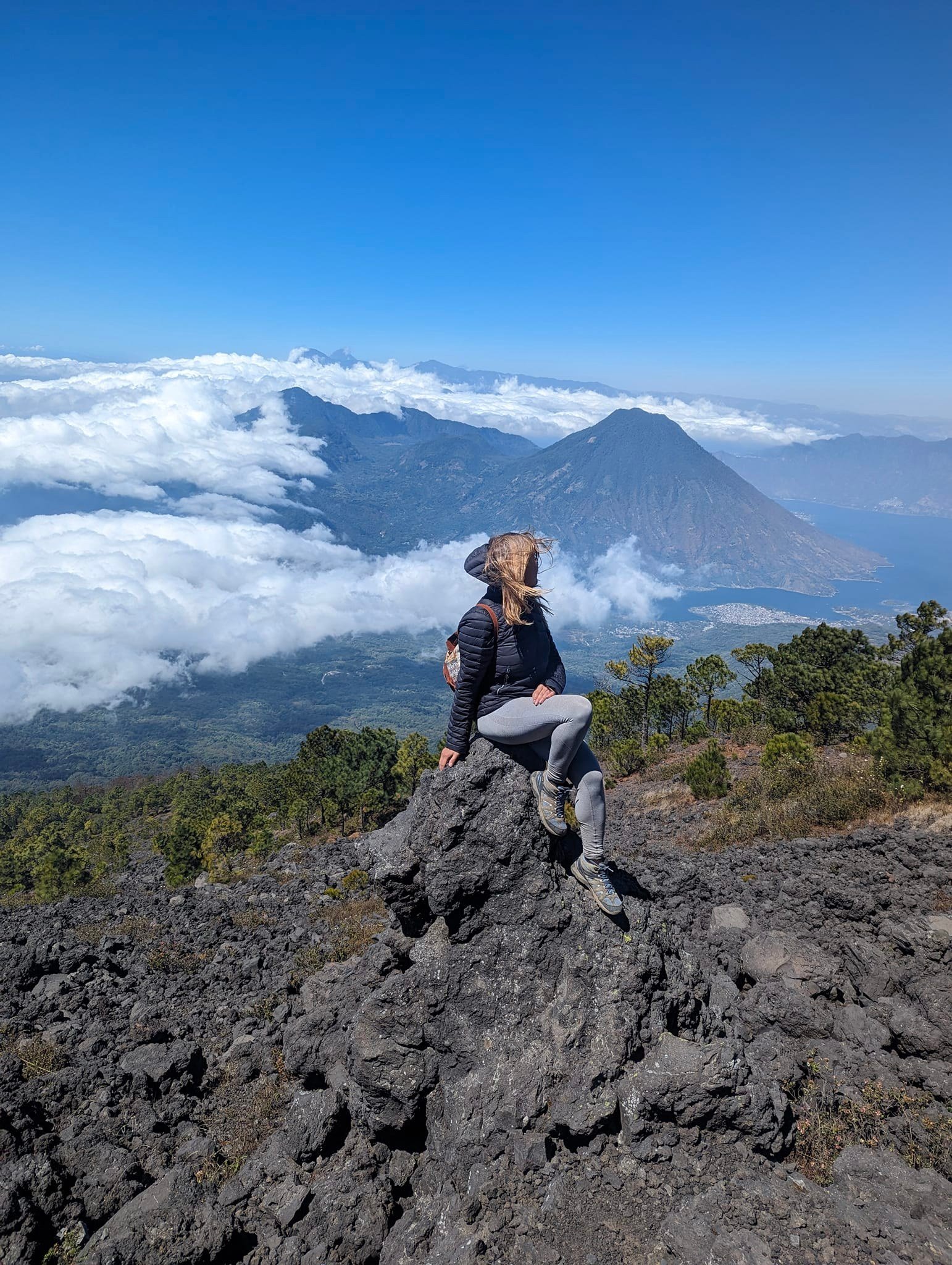
Our favourite country of the whole trip and one of the few I would really like to go back to. Guatemala is a beautiful land of volcanoes and sacred Mayan sites, and also a great place to learn Spanish. We were here from 20 December 2023 to 15 February 2024 and spent on average US$25 (about €23) per person per day, and including the five-week Spanish course in Antigua – US$33 (about €30). Our best memories are of the volcanoes: we climbed six of them, from the camp on Acatenango we watched the night-time eruptions of Fuego, and on Tajumulco we stood on the highest peak in Central America.
The route, costs, safety, ATMs and language schools are collected in the post Guatemala in 58 days – summary. Reports from individual places: Tikal and Flores Island, Semuc Champey and Lanquín, Christmas in Antigua, a Spanish course in Antigua and El Paredón, Acatenango and Pacaya, Lake Atitlán, Quetzaltenango (Xela) and Santa María and Tajumulco. All six volcanoes are described in the guide Volcanoes of Guatemala.
El Salvador – 15 days
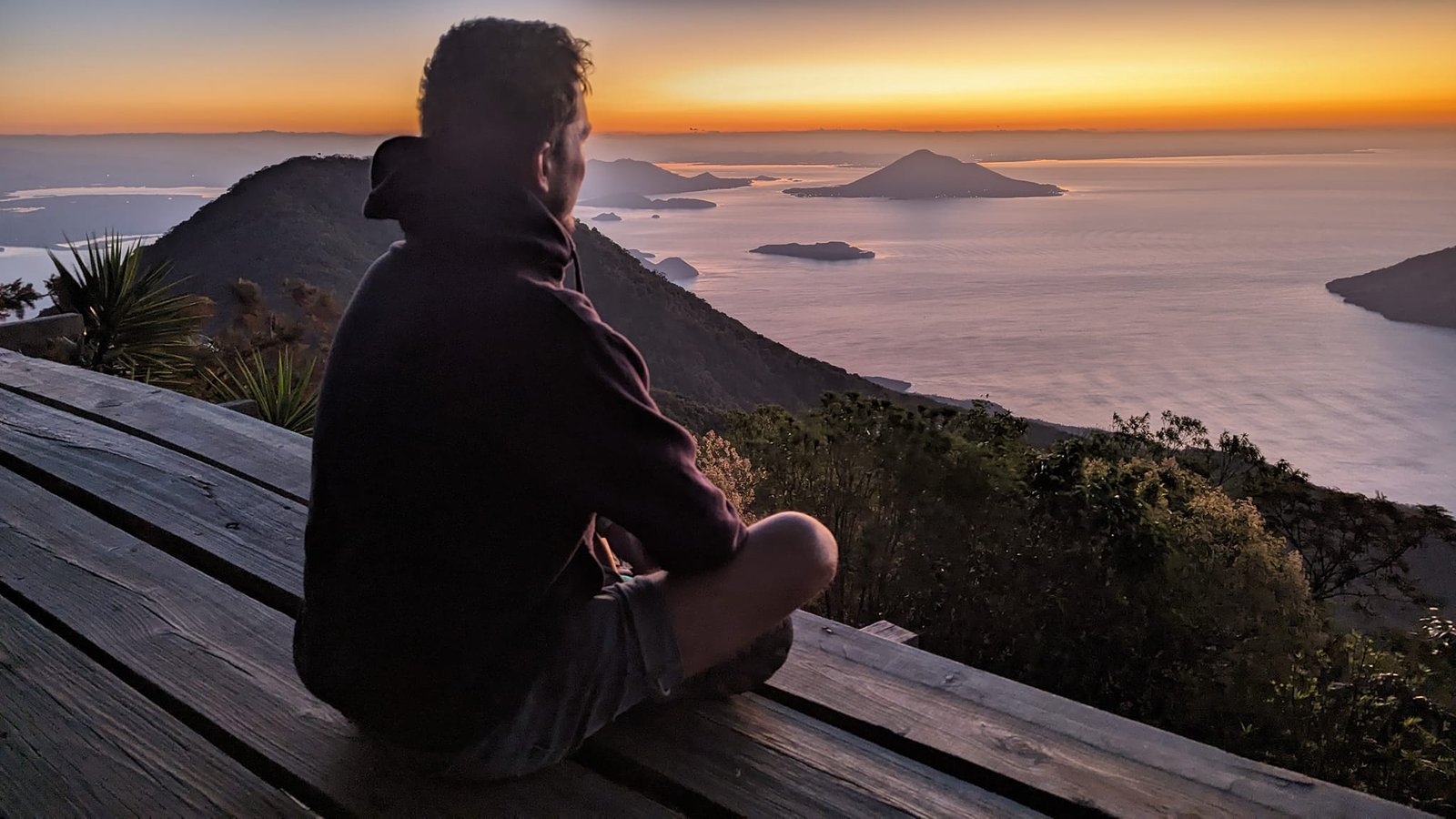
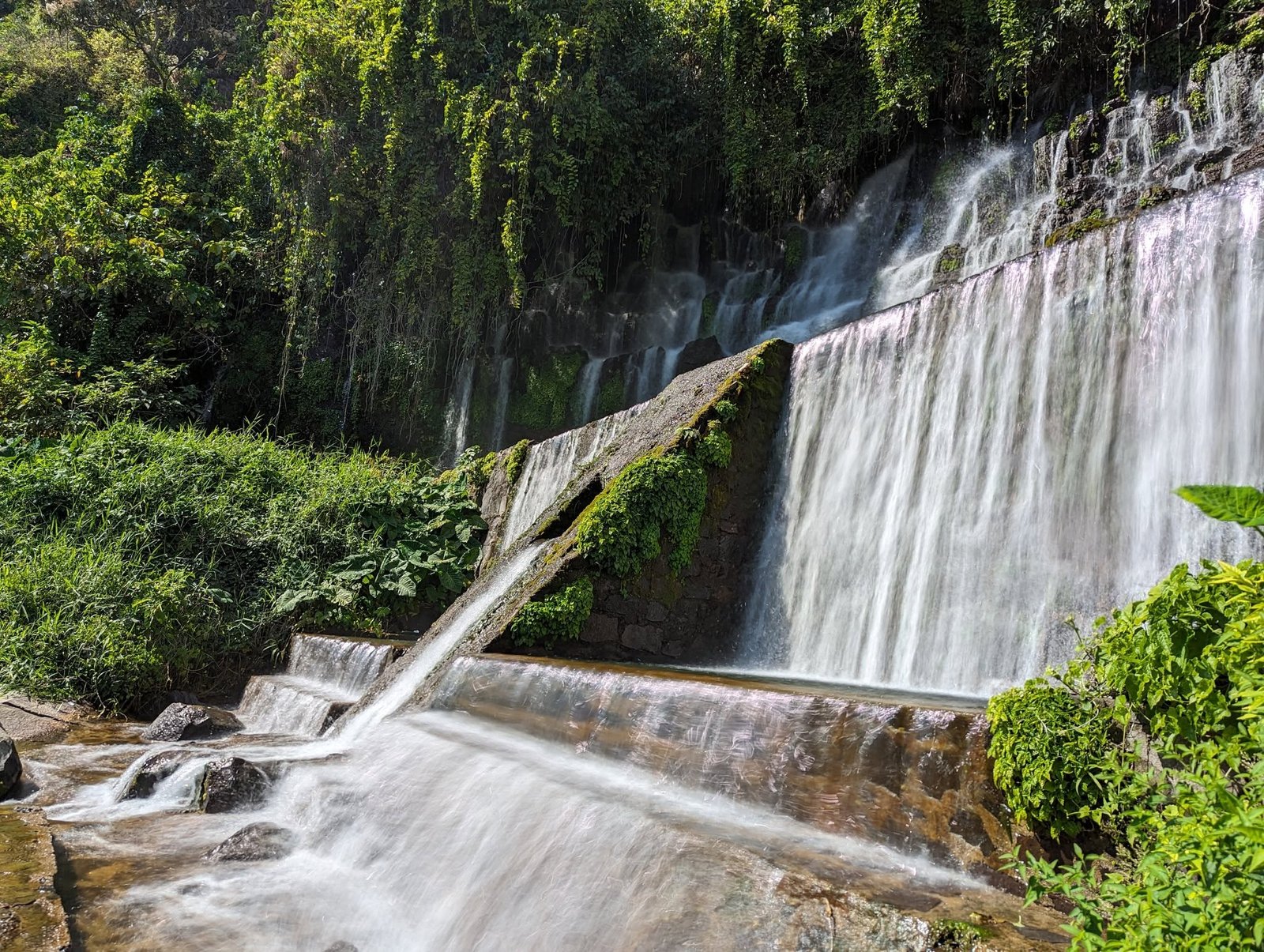
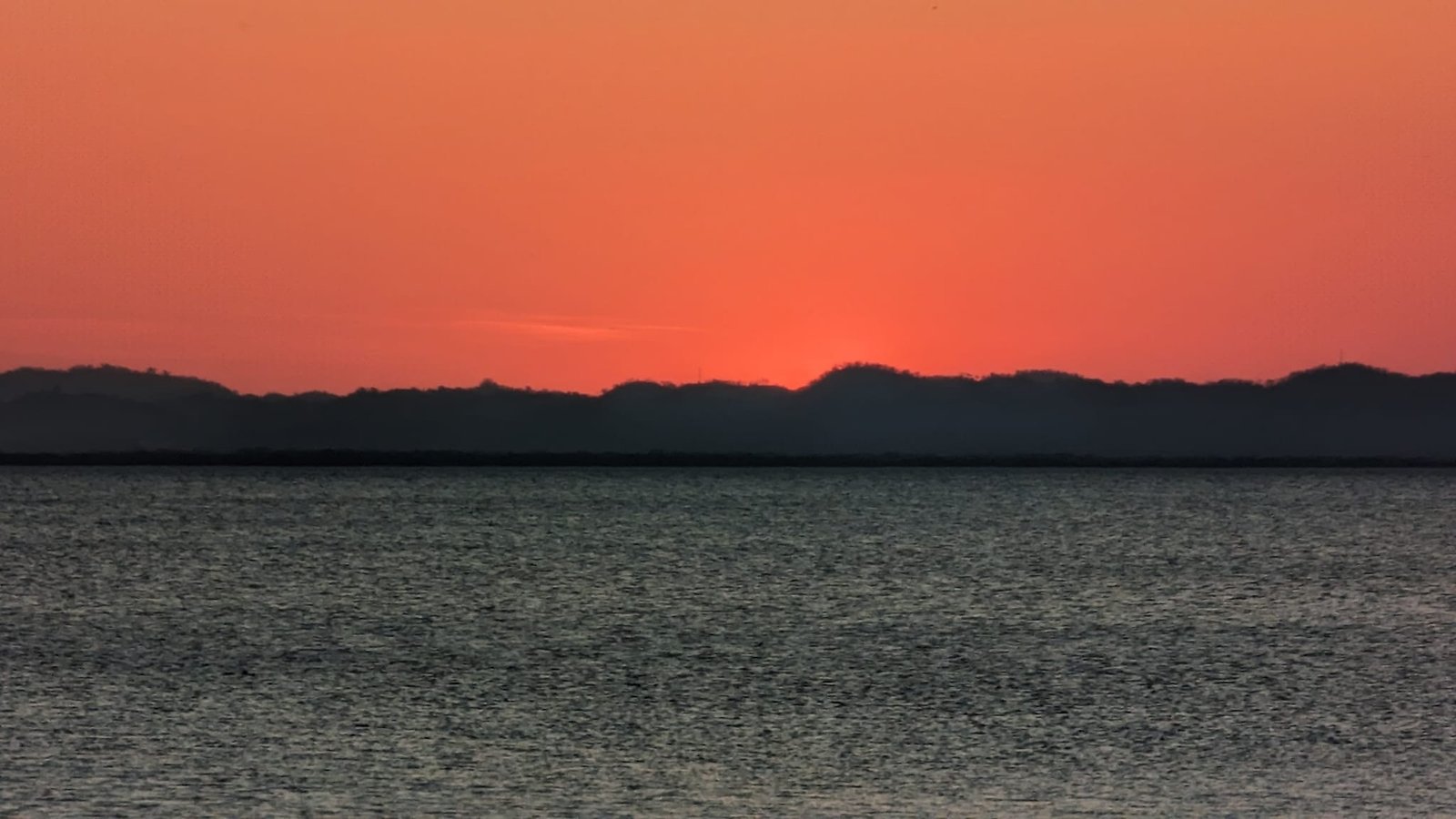
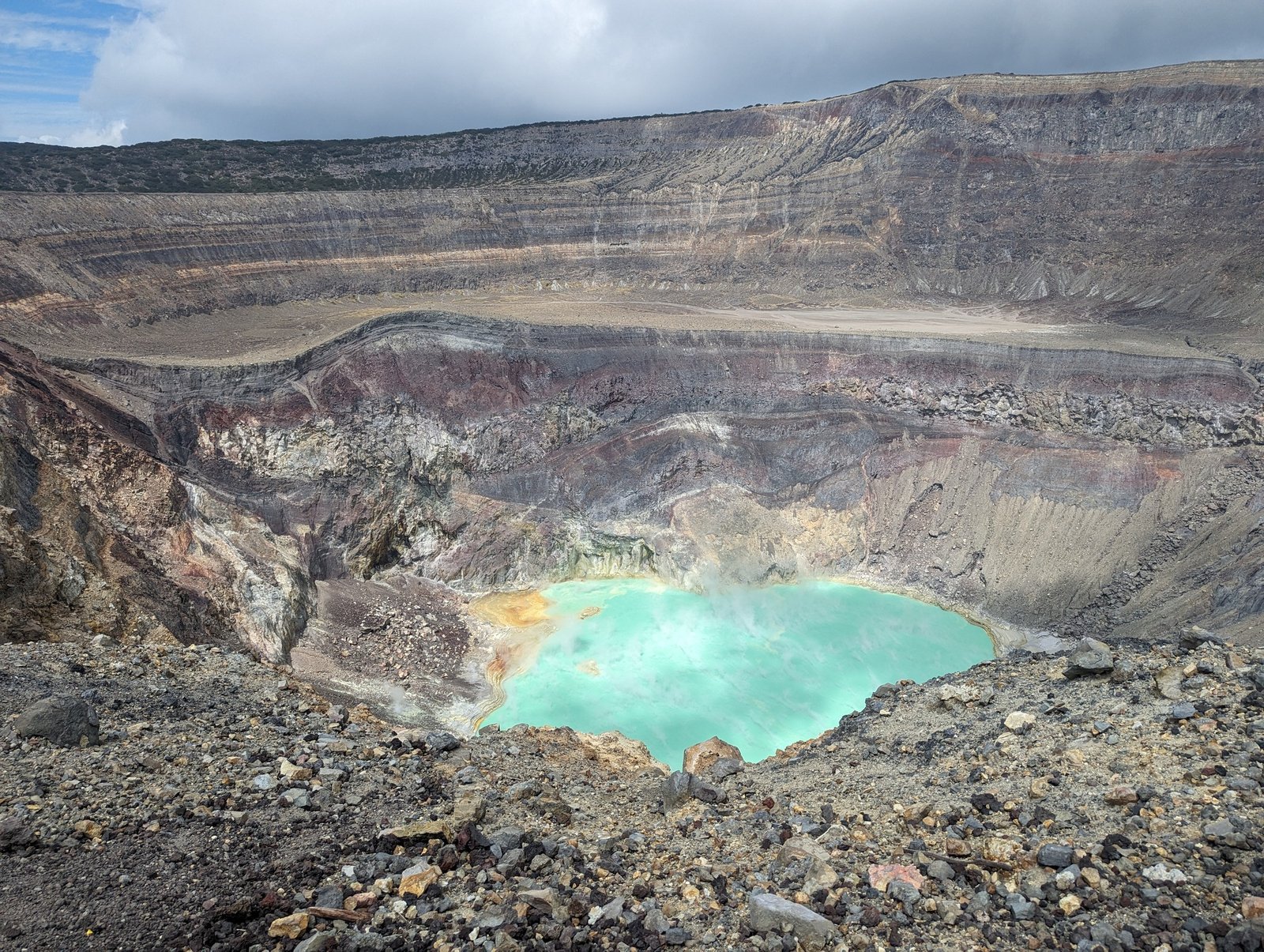
A country we had basically meant to skip, and which turned out to be one of the biggest surprises of the trip. Just a few years earlier, because of gang activity, it had been the most dangerous country among those not at war. When we were there (15–29 February 2024), it was considered the country where safety had improved the most in recent years – and that is exactly what has stayed in our memory most strongly from El Salvador. It was also very cheap (on average US$20, i.e. about €19 per person per day) and very beautiful. We climbed the Santa Ana volcano with its turquoise crater lake, did the seven waterfalls trail in Juayúa, where you climb up the waterfalls, tried surfing on the Pacific and spent a night on the Conchagua volcano, from which you can see three countries and a beautiful sunrise.
Details and prices are in the post El Salvador: top attractions, safety.
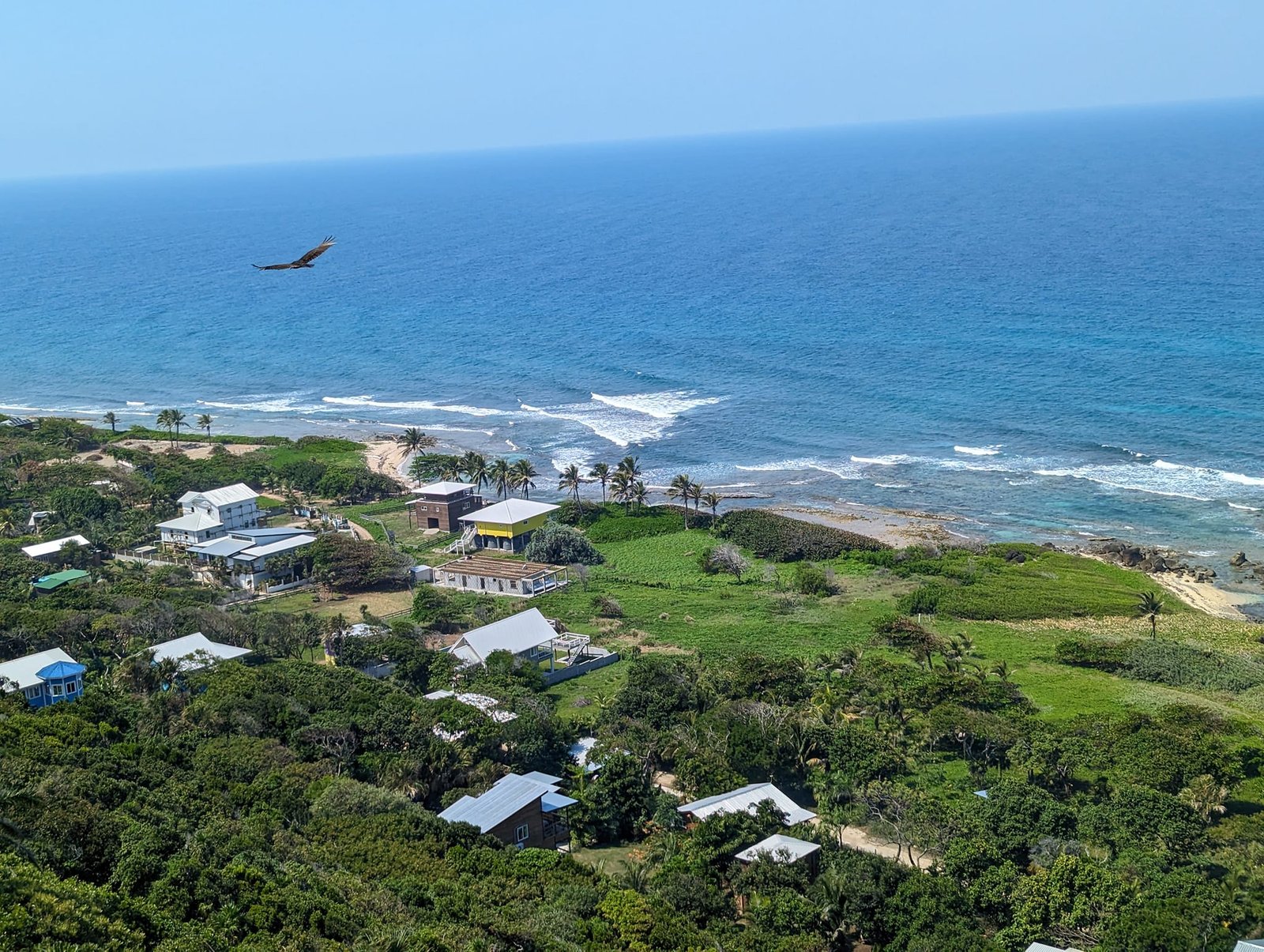
Honduras – 20 days
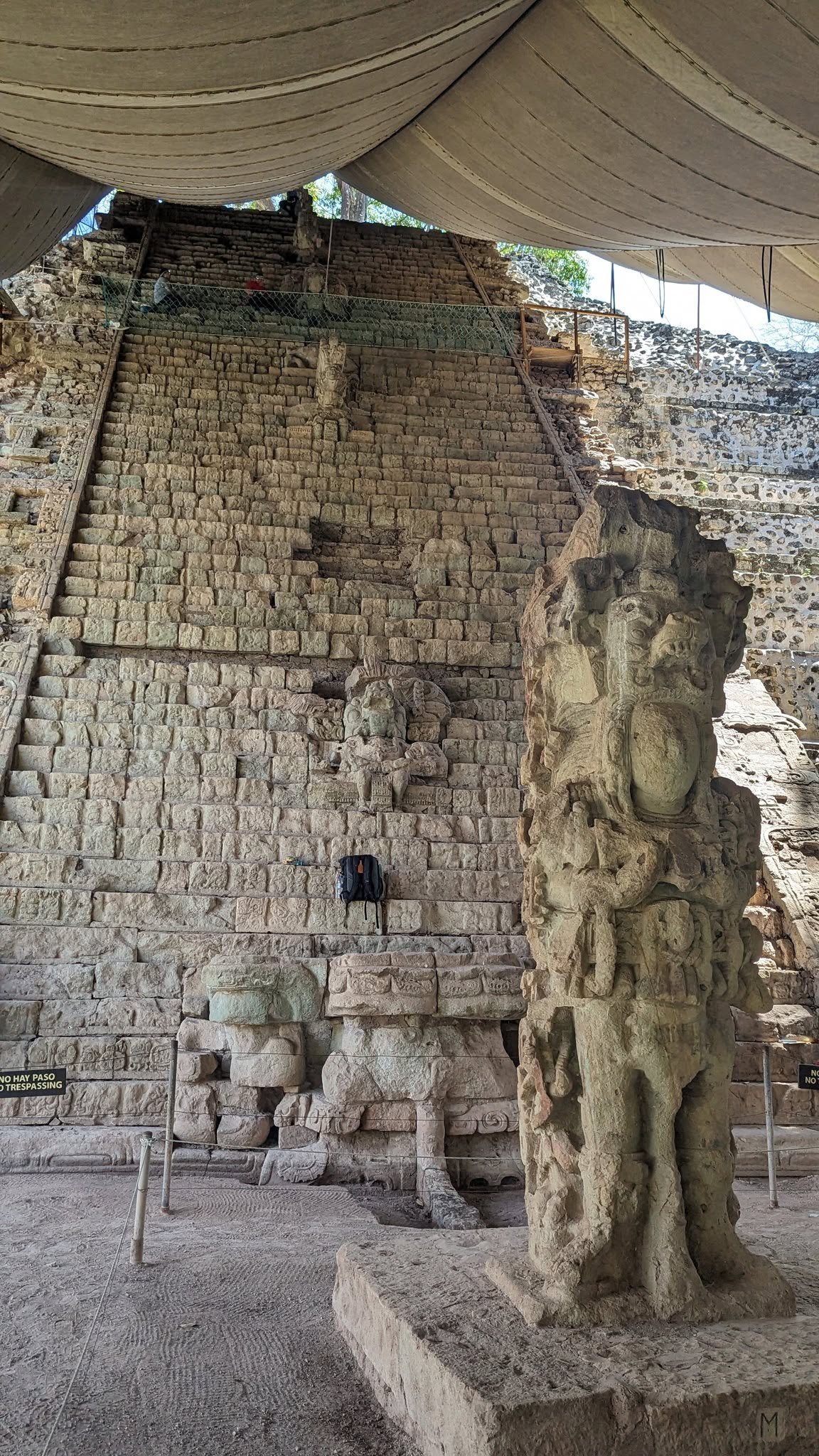
Honduras, too, was meant to be just a pass-through on the way to Nicaragua, but we stayed 20 days (29 February – 19 March 2024). It was our cheapest country: on average US$19 (about €18) per person per day. We stuck to places considered safe. In Copán Ruinas we visited the easternmost Mayan city, and on the island of Utila we did an Open Water diving course – courses here are among the cheapest in the world, and diving is our best memory of Honduras. On Utila we also extended our stay in the CA-4 zone, i.e. Guatemala, El Salvador, Honduras and Nicaragua, where you can stay for up to 90 days in total.
Both places have their own posts: Copán Ruinas – Mayan ruins, scarlet macaws and how to get there and Utila – a diving course, the ferry from La Ceiba and life on the island.
Nicaragua – 14 days
Colonial towns, volcanoes and the only place in the world where you can slide down an active volcano on a board – boarding down Cerro Negro is our best memory of Nicaragua. We were here from 19 March to 1 April 2024 and spent on average US$21 (about €20) per person per day. We visited León, Granada and the Laguna de Apoyo, and finally the island of Ometepe on Lake Nicaragua – one of the largest lake islands in the world.
Our worse memories are of attempted scams. Several times scooter rental people, taxi drivers or someone offering a paid room instead of a free tent pitch tried to convince us that the buses weren’t running or would come late. In no other country did this happen so often. More in the post Nicaragua: volcanoes, colonial towns and Ometepe Island.
Costa Rica – 11 days
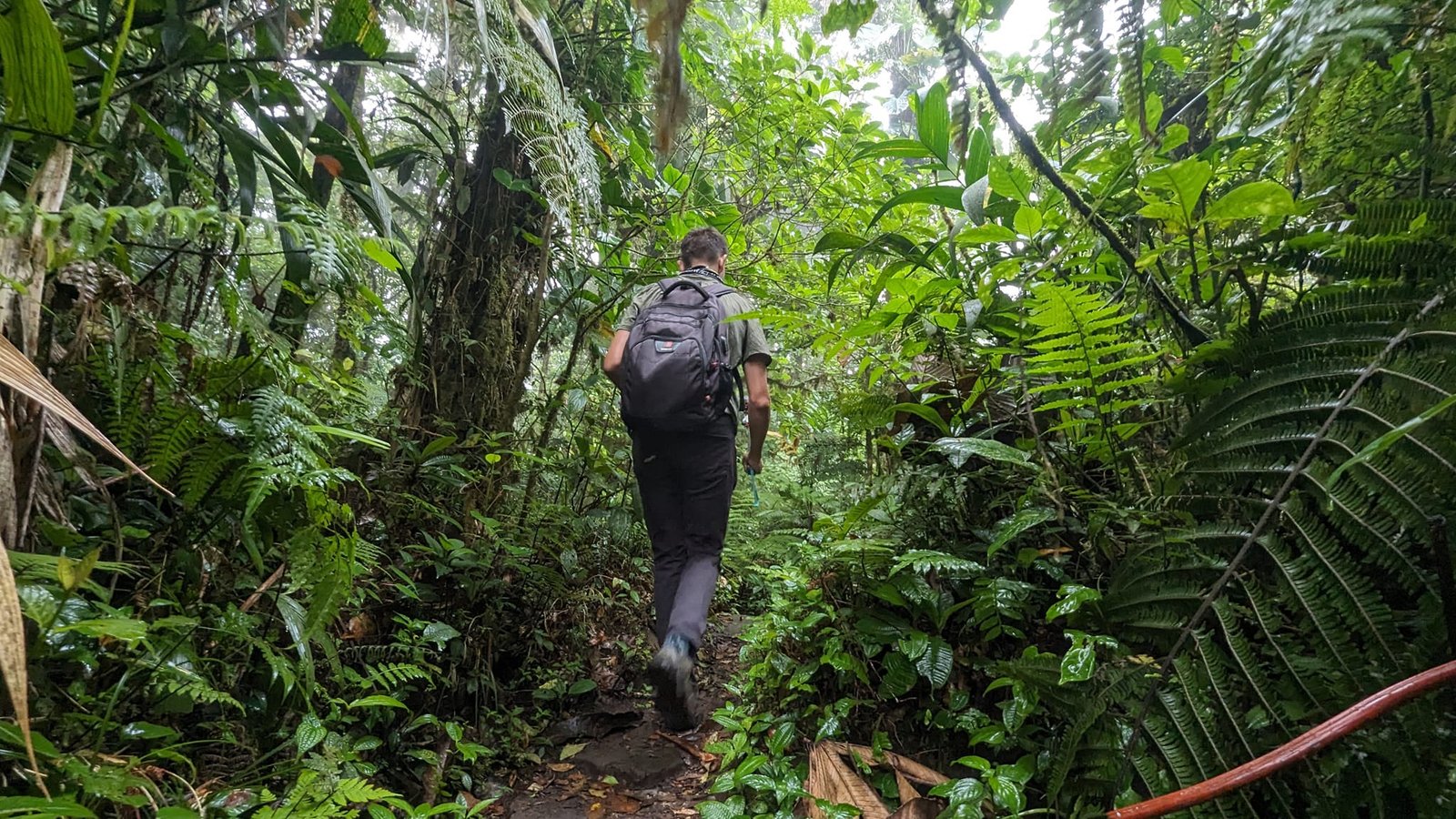
Costa Rica is above all about wildlife: cloud forests full of animals, with sloths at the top of the list. It was here that we saw the first sloths of our lives, and that is our best memory of the country. The worst? The prices – you have to pay for practically everything here. Over 11 days (1–11 April 2024) we spent on average US$27 (about €25) per person per day, even though we saved wherever we could, for example by hitchhiking. We visited San José, the Santa Elena cloud forest near Monteverde, La Fortuna and Cahuita National Park on the Caribbean Sea.
Details, entrance fees and cheaper alternatives are in the post Costa Rica: cloud forests, sloths and Cahuita National Park.
Panama – 22 days
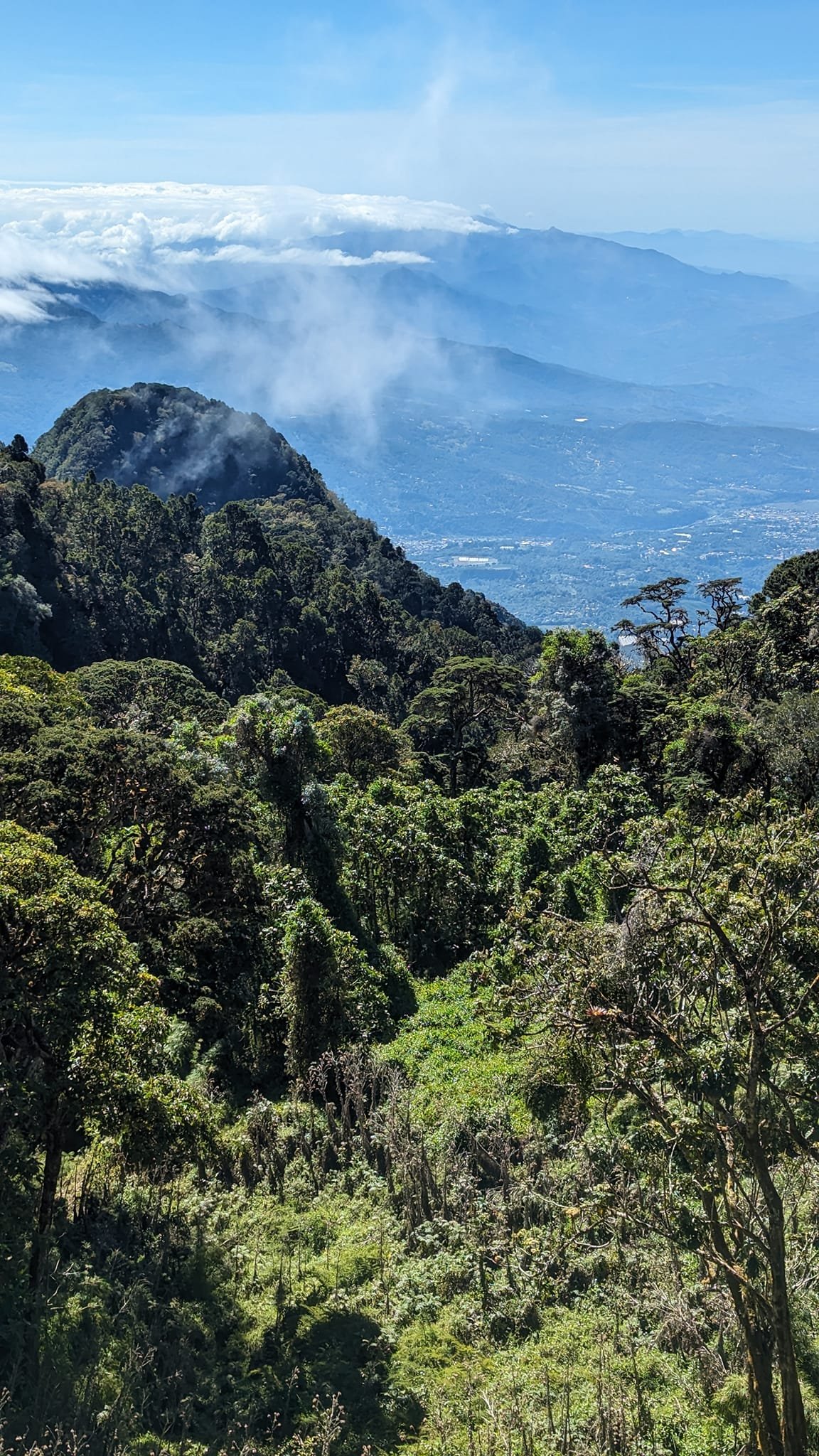
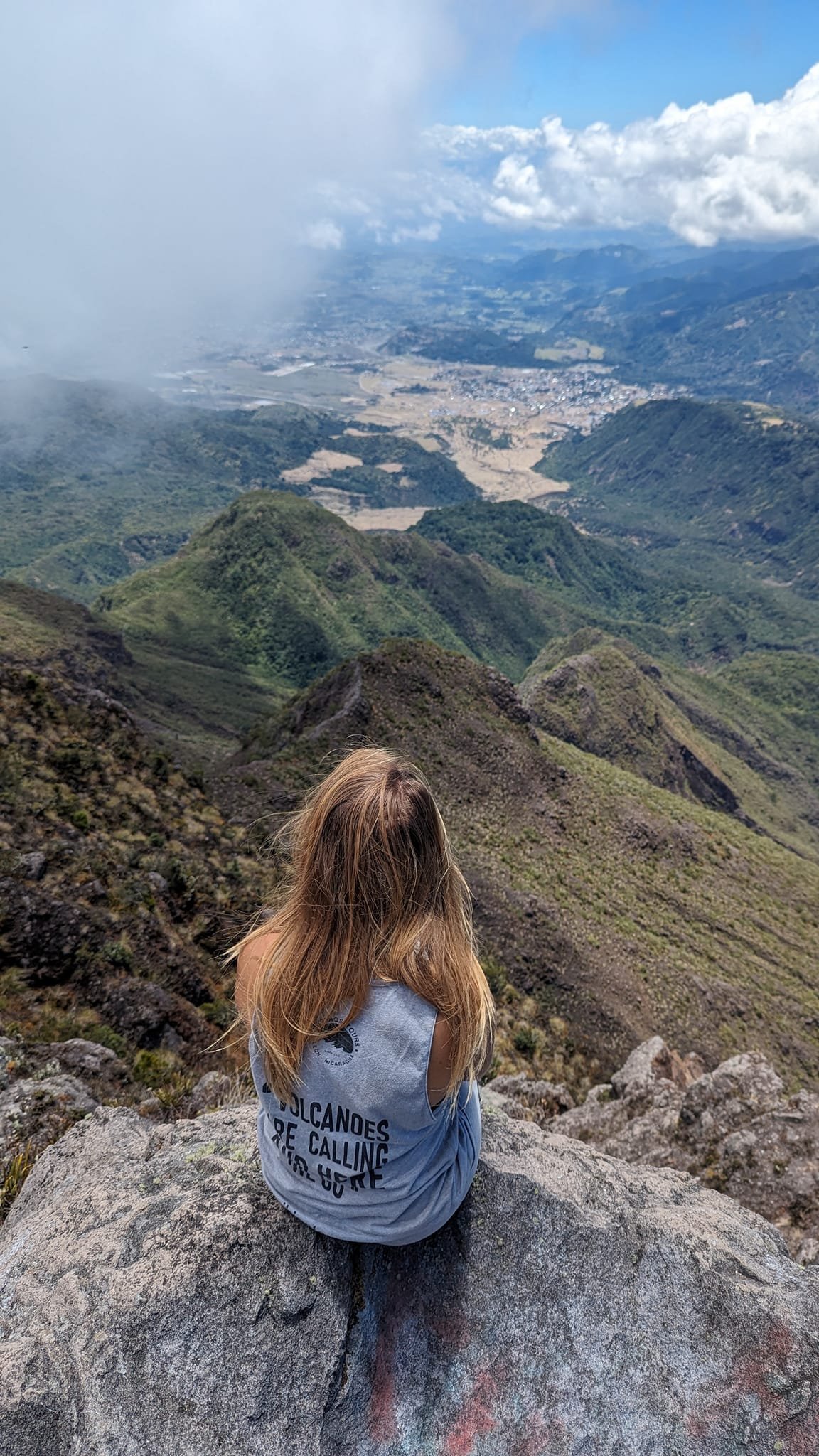
The last country of Central America (11 April – 3 May 2024), with interesting mountain trails and a pretty capital whose parks are home to wild animals. Our best memories are precisely of the mountain hikes: in Boquete we climbed, among others, the Barú volcano (3475 m), the highest peak in the country, and in El Valle de Antón we hiked a different trail every day for four days. In Panama City we saw the Panama Canal, the old town of Casco Viejo and sloths right in the middle of the capital. We spent on average US$24 (about €23) per person per day.
There are two posts about Panama: trails in Boquete, the Barú volcano and El Valle de Antón and Panama City – the Panama Canal, Casco Viejo and wildlife in the capital. For the next leg, to Colombia, the only sensible option for us was to fly – on 3 May we flew to Cartagena.
Colombia – three weeks
On 3 May 2024 the second part of the trip began – South America. We crossed Colombia in three weeks, from north to south: from Cartagena and the Caribbean coast with Santa Marta, Tayrona National Park and Minca, through San Gil, Bogotá, Salento and the Valle de Cocora, all the way to Medellín, Cali and the Las Lajas sanctuary just before the border with Ecuador.
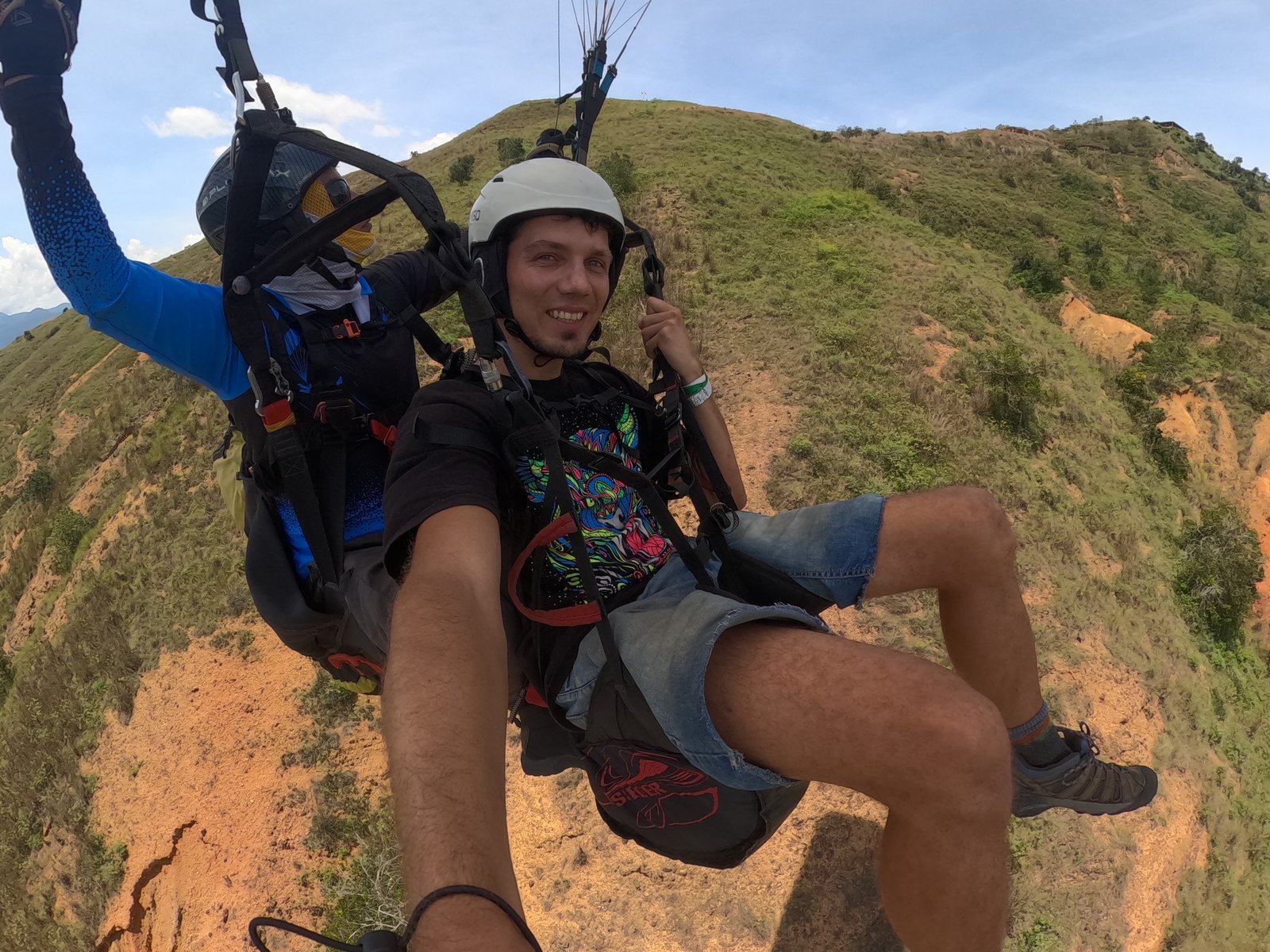
What stayed with us most were the beautifully green national parks and the extreme sports in San Gil, where I went paragliding for the first time in my life – over the Chicamocha Canyon. Our worse memories are of people who didn’t keep their word and were out to make money: several times someone broke an agreement, and in Cartagena we were pestered by touts and pushy vendors. On the other hand, prices were relatively low.
Each stage has its own post: Cartagena, Tayrona National Park and Santa Marta, San Gil and Barichara, Bogotá in one day, Valle de Cocora and Salento and Medellín, Guatapé, Cali and Las Lajas.
Ecuador and the Galápagos – three weeks
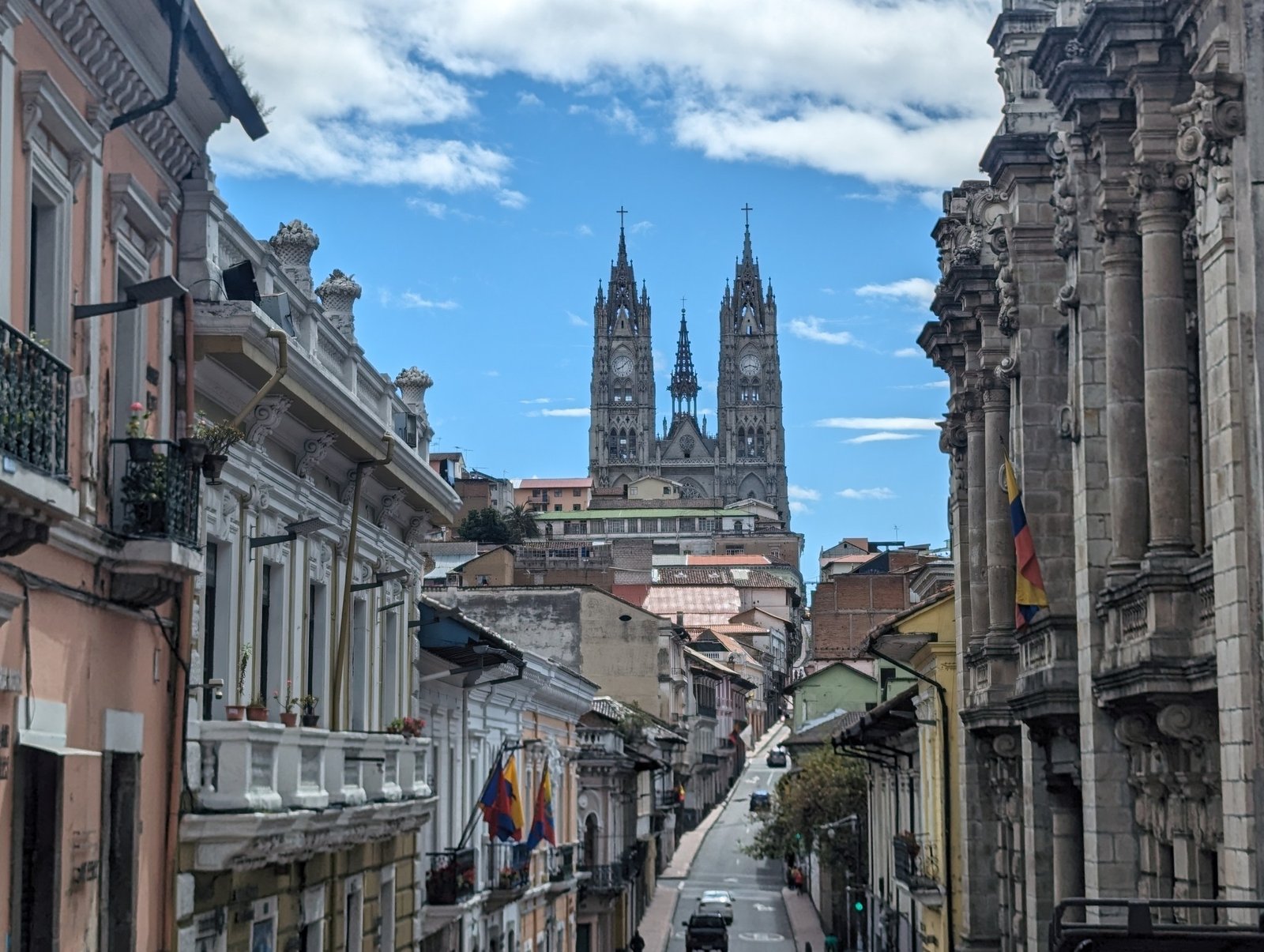
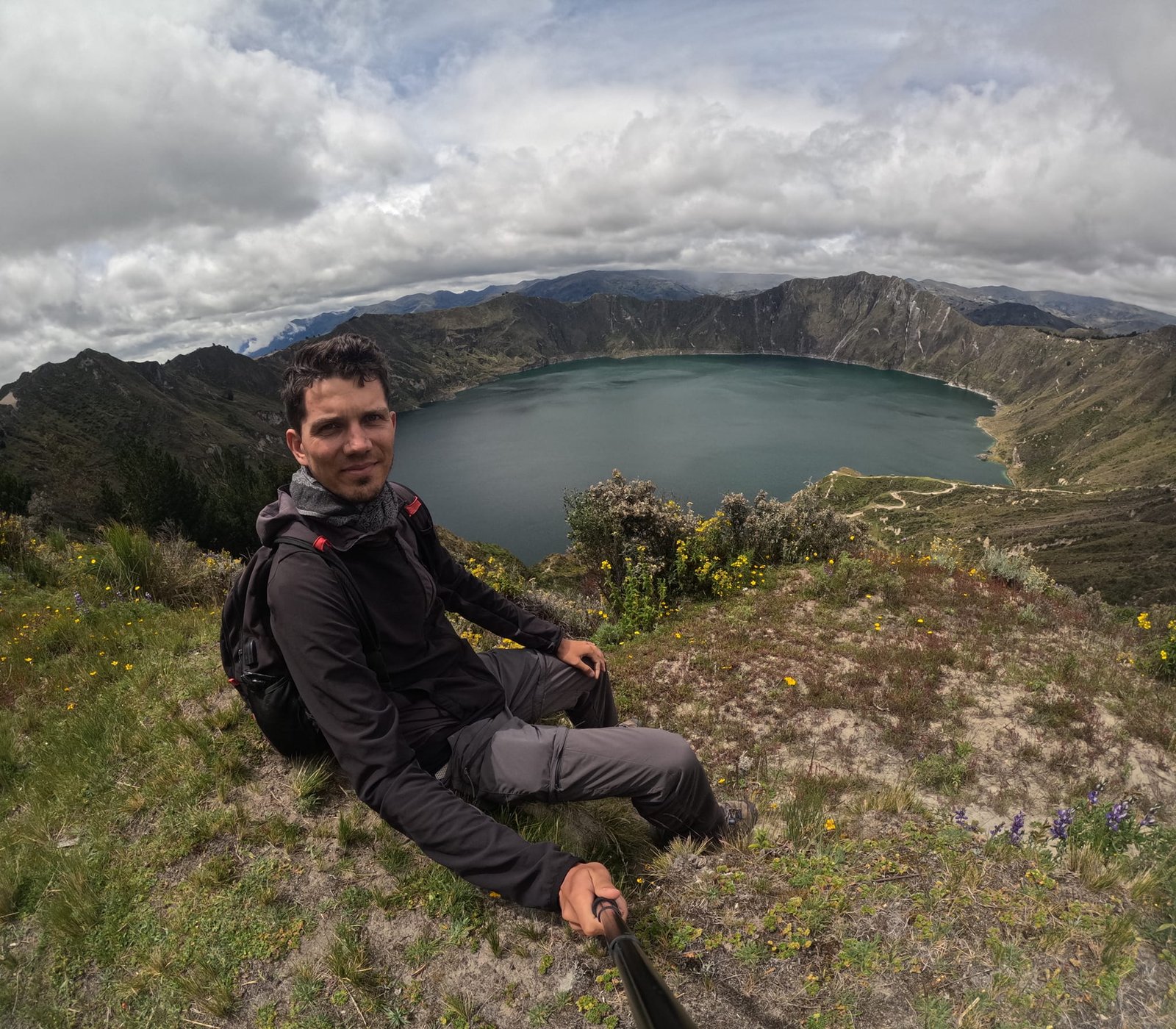
On 24 May 2024 we entered Ecuador through the Rumichaca crossing. We started with Quito and the equator at Mitad del Mundo, and then spent ten days exploring the Galápagos independently. Sea lions, iguanas and tortoises within arm’s reach, and snorkelling with turtles, sharks and penguins, were the greatest delight of this part of the trip. Paradoxically, it was also there that I had my biggest disappointment – the dive at Kicker Rock. Back on the mainland we did the three-day Quilotoa Loop trek, and in Baños we saw the Pailón del Diablo waterfall.
The worst memory of Ecuador, and probably of the whole trip, is the night of 10–11 June on the night bus to Cuenca, when we were robbed. Posts from Ecuador: Quito and Mitad del Mundo, The Galápagos on your own, Quilotoa Loop, Baños, Pailón del Diablo and Cuenca and Robbed on a night bus in Ecuador.
Peru – our last days together
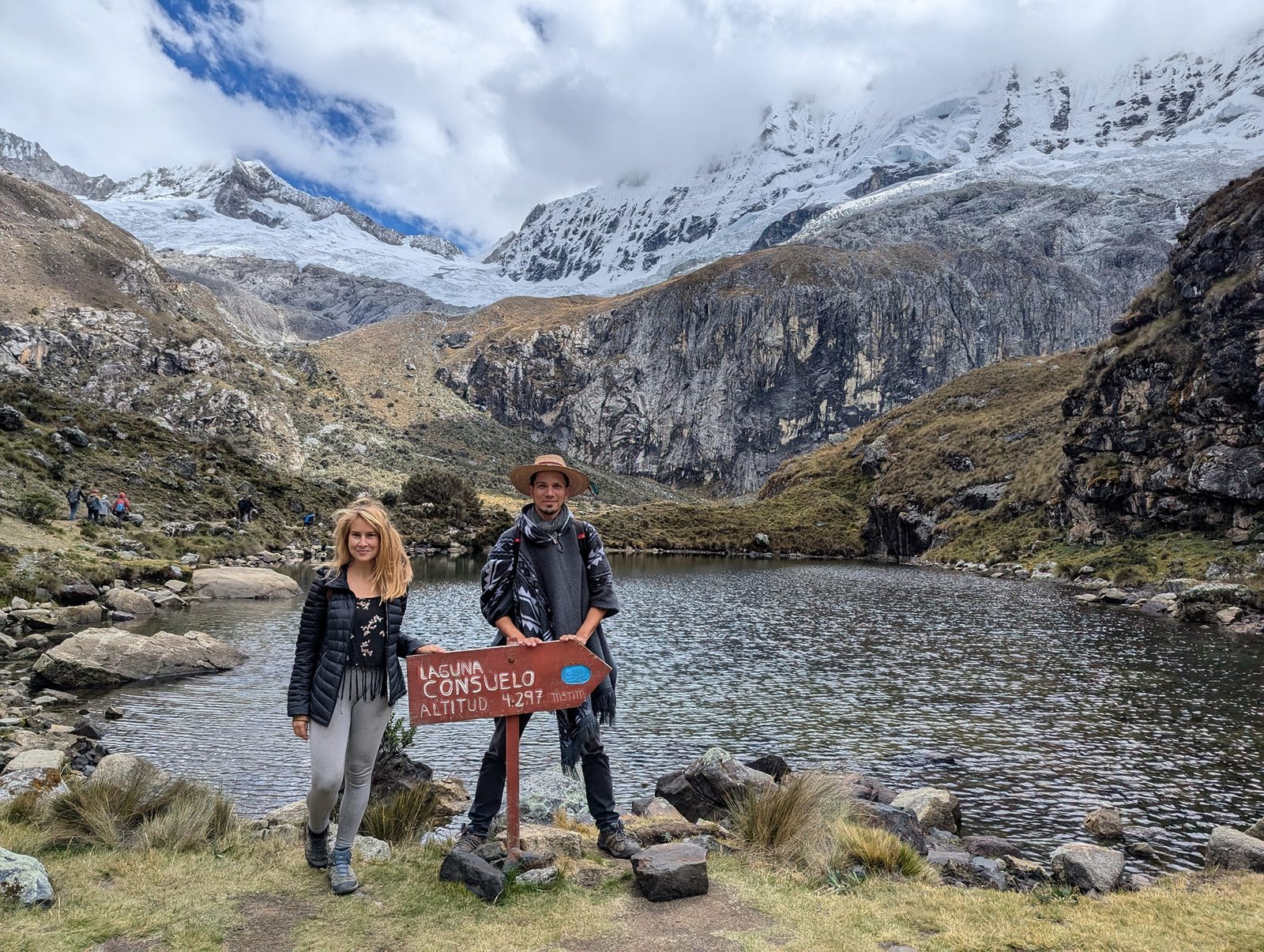
We reached Peru on 14 June 2024 on a night bus from Cuenca. Out of the whole country we managed to see just one place together – Laguna 69 in Huascarán National Park, where we set our altitude record: 4604 m above sea level. The report is in the post Peru: Laguna 69 in Huascarán National Park.
On 17 June we said goodbye in Lima. Patrycja headed towards Arequipa and travelled around Peru and Bolivia – the twelfth country of the trip – until the end of July, while I flew to Europe on 19 June. So I practically didn’t see Peru or Bolivia at all.
Safety
The countries on our route are considered fairly dangerous, and safety here really is measured on a different scale than in Europe. But by following simple rules and using common sense you can avoid a lot of unpleasant situations. For almost the whole trip we felt relatively safe, and in Central America we never once found ourselves in a dangerous situation. In Mexico we felt unsure at first, but the further we went, the calmer we felt – in Nicaragua, Costa Rica and Panama we simply felt normal.
- Guatemala, El Salvador and Honduras – the Northern Triangle of Central America has a bad reputation, but popular tourist spots are watched over, and a lot of information on the internet is out of date. In Guatemala robberies happen on a few specific trails (I list them in the Guatemala summary). In El Salvador, after the crackdown on the gangs, we actually felt very safe, and in Honduras we stuck to places considered safe – Copán Ruinas, La Ceiba and Utila.
- Nicaragua – it is considered one of the safer countries in the region and we didn’t feel any threat there, but the political situation is unstable. People don’t talk about politics in public, and tourists should avoid it too. On the other hand, you have to watch out for scam attempts at every turn.
- Theft – throughout the region there is a kind of tolerance of theft: if you let yourself get robbed, it’s your own fault. Nothing bad happened to us for eight months, until in Ecuador, on a night bus, thieves took almost all the electronics out of my backpack, even though it was zipped up and I kept it at my feet. How they did it and how to protect your gear – in a separate post about the theft on a bus in Ecuador.
- Insurance – before leaving we didn’t think about theft insurance at all, and it wasn’t an entirely conscious decision. More about what came of it is in the same post.
Lessons learned after coming home
There were countless contrasts. On the one hand, many things could be sorted out surprisingly easily; on the other, we missed conveniences that in Europe are within easy reach. Beautiful nature sits next to rubbish in the streets, friendly people next to the need to think about safety all the time, and modern capitals next to the poverty of most of their inhabitants. People are usually kind and helpful, but it is a completely different culture. And the food? The most popular dishes – tacos, tostadas, pupusas, baleadas or burritos – are basically fast food to us, and most meals are based on meat, rice and beans.
We brought back more than just memories. Thanks to cheap, intensive courses in Antigua, practically with a “private” teacher, we learned conversational Spanish – it came in very handy in the following countries, as most people don’t speak English. On Utila we got our diving certificates, and in San Gil we went paragliding for the first time.
After so long on the road it was hard to get back to everyday life. This trip broadened my horizons even further and made me want to discover both what is close and what is far away – anything can be done if your goals don’t stay just plans “for some day”. Even then I decided that I would go back to Peru and Bolivia, which I practically didn’t see because we cut the trip short.
Videos from the trip
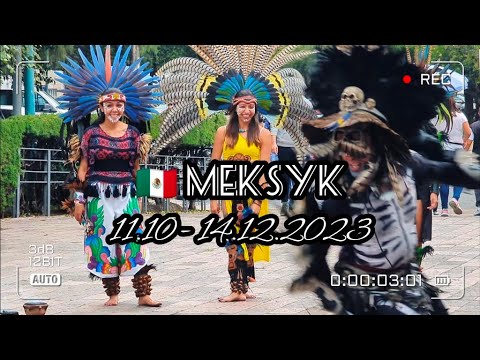
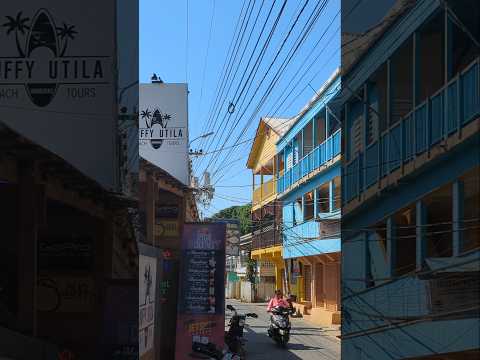
On my YouTube channel there are videos summing up our time in several countries of the trip – from the teaser from Mexico through Guatemala, El Salvador, Honduras and Nicaragua to Panama.
 2:54
 0:59
 0:37
 1:00
 1:00
 1:30
Practical information
The key information in a nutshell (as of 2023–2024):
- Costs – on average US$35 (about €34) per person per day over the whole time we travelled together, not counting the flight to Mexico and the flight home from Peru. The cheapest were Honduras (US$19) and El Salvador (US$20); we spent the most in Belize (US$33 – a short stay and snorkelling) and Costa Rica (US$27, despite saving) – table with all the countries.
- Flights – Amsterdam – Mexico City direct, about €580 per person with luggage; Lima – Madrid – Berlin €850 with checked luggage (June 2024).
- Stay in the CA-4 – in Guatemala, El Salvador, Honduras and Nicaragua you can stay for up to 90 days in total. Our limit was running out in Honduras, so we extended our stay on Utila.
- Border fees – all official, and not at every border. We paid when leaving Mexico and Belize (40 BZD), when entering Honduras (US$3) and Nicaragua (US$13), and when leaving Nicaragua. Taxes are also often charged on domestic ferries – this happened to us in Mexico, Honduras and Nicaragua. The border offices usually looked very professional and nobody asked us for a bribe.
- From Panama to Colombia – by plane; we flew with Wingo – the ticket price included one change of date or destination (April 2024).
- Colombia–Ecuador border – in 2024 foreigners crossing Ecuador’s land border had to have a criminal record certificate.
- Transport – local buses (in Central America often chicken buses, i.e. former American school buses), colectivos, tourist shuttle buses, and night buses on longer routes.
- Accommodation – a double room often costs about the same as beds in a dorm; air conditioning or a fan is standard, hot water – not always.
- Cold nights in the Andes – in Ecuador and Peru the cold nights took us by surprise: rooms, bathrooms included, are not heated, and the water is often barely warm or cold.
- Language – Spanish is very useful. A course in Antigua is one of the cheapest ways to learn – more in the post Antigua Guatemala – a Spanish course, ruins and El Paredón.
Photo gallery