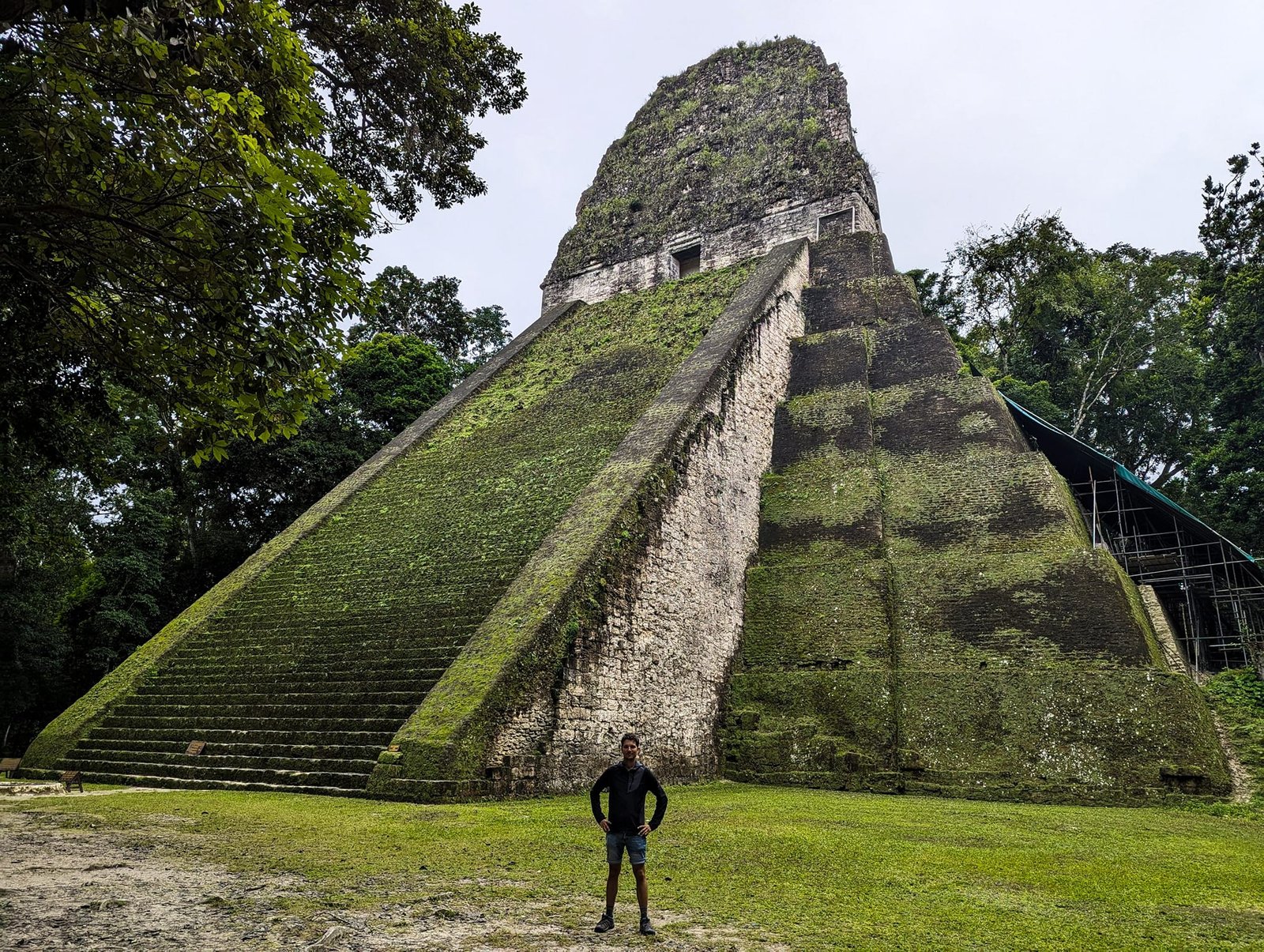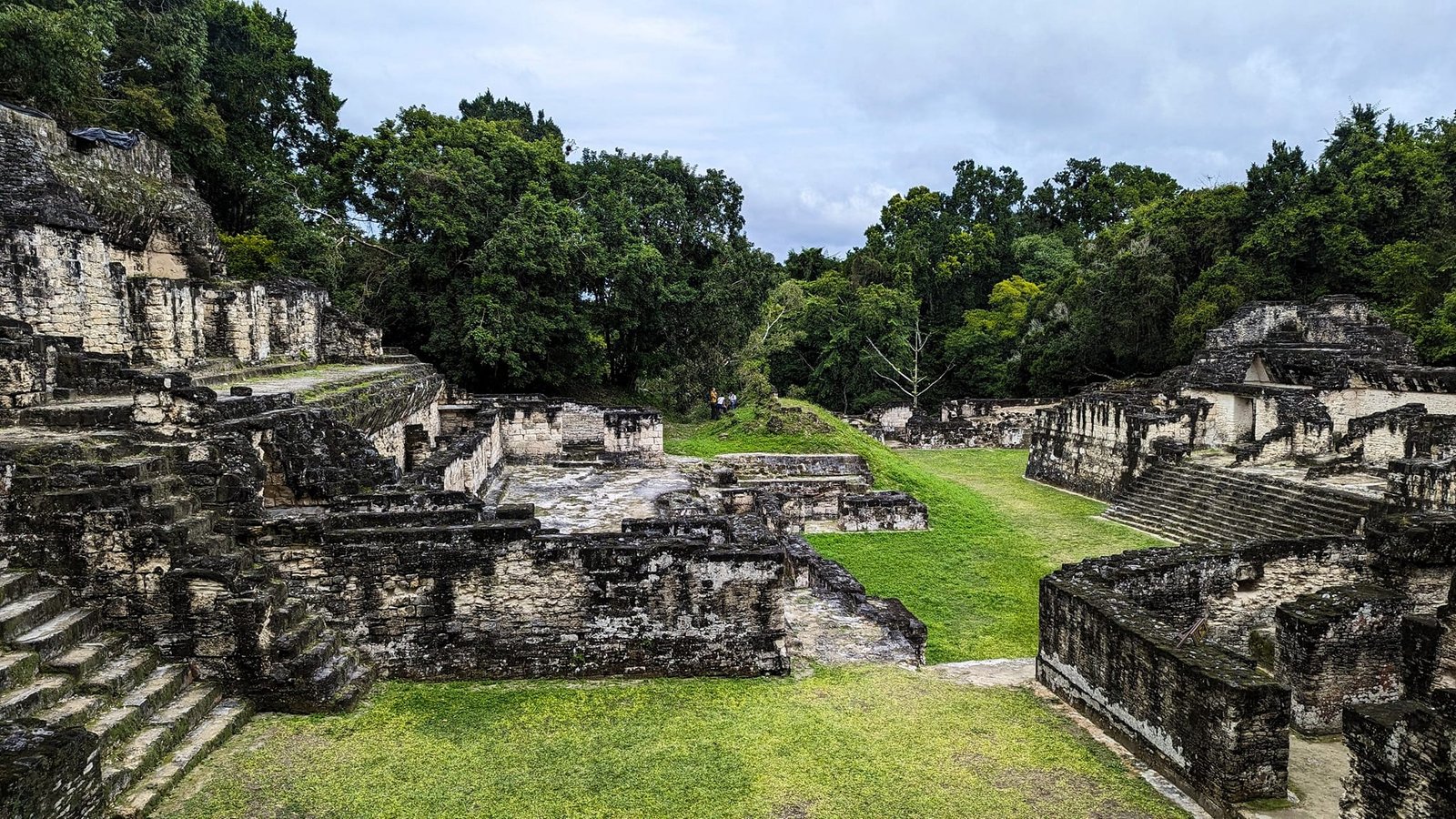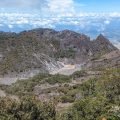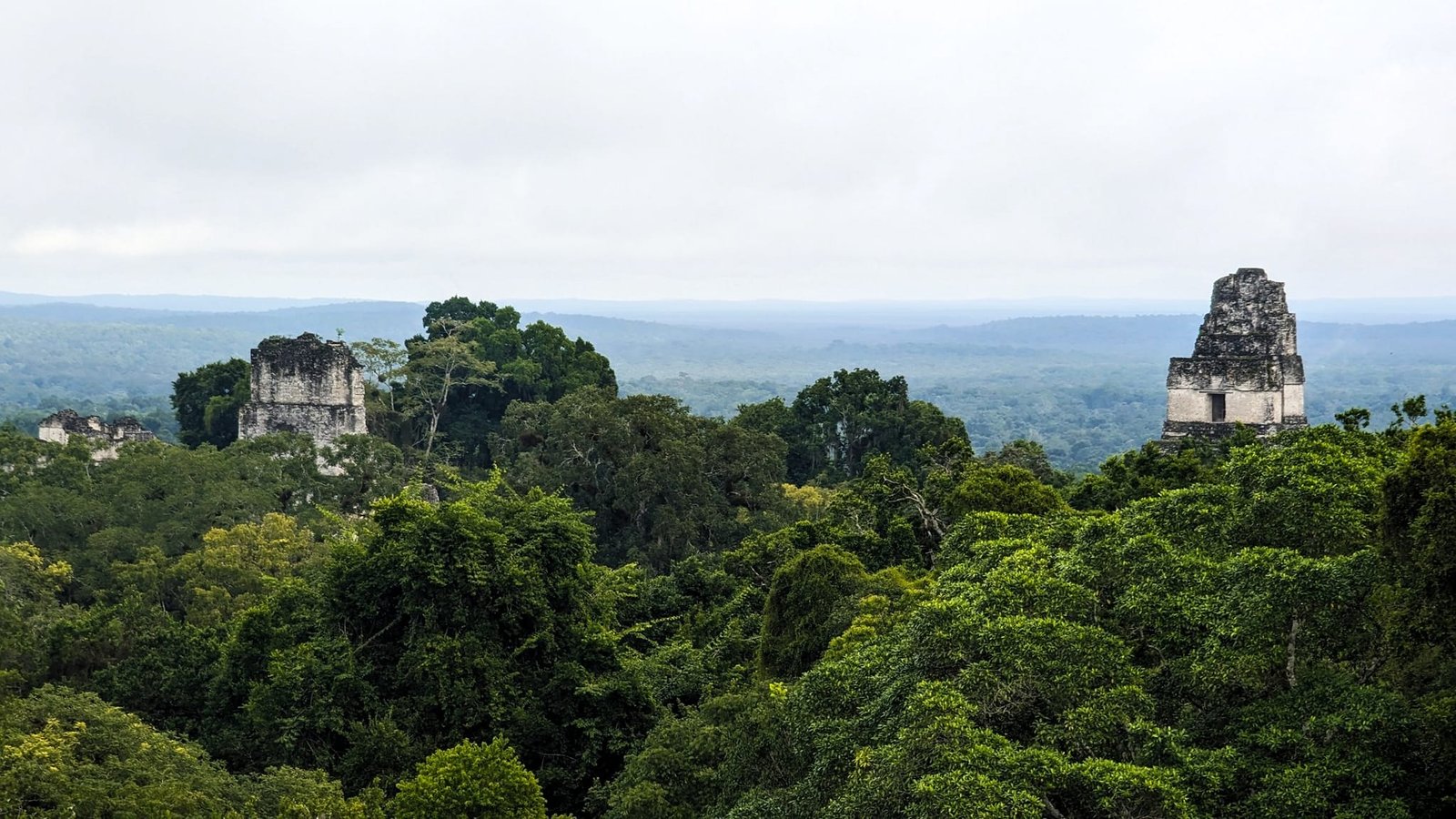
After a week in Belize, on 20 December 2023 we arrived in Guatemala – from Belize City by a pre-booked shuttle bus straight to Flores. The next day, before dawn, we set off for Tikal – an ancient Maya city hidden in the jungle in the north of the country. The first buildings are estimated to date from around 300 BC (the first traces of settlement are even older – from the 7th century BC), and today Tikal is one of the most important and largest Maya archaeological sites, a UNESCO World Heritage Site. Within it lie, among other things, 6 temples, 5 plazas, 6 complexes and 3 acropolises – and all around grows a rich jungle full of animals. Guatemala has fewer ruins than Mexico, but Tikal is by far the most impressive complex we have seen.
Table of contents
- Flores – a little town on an island
- Getting there at dawn and tickets
- The jungle and its animals
- The Great Plaza – the Temple of the Jaguar and the acropolises
- On top of the pyramids
- Practical information
Flores – a little town on an island
Our base was Isla de Flores – a small island on Lake Petén Itzá, linked to the mainland by a causeway, with colourful houses right by the water. Transfers to Tikal leave from here at dawn, so it is the most convenient place to stay before visiting the ruins.
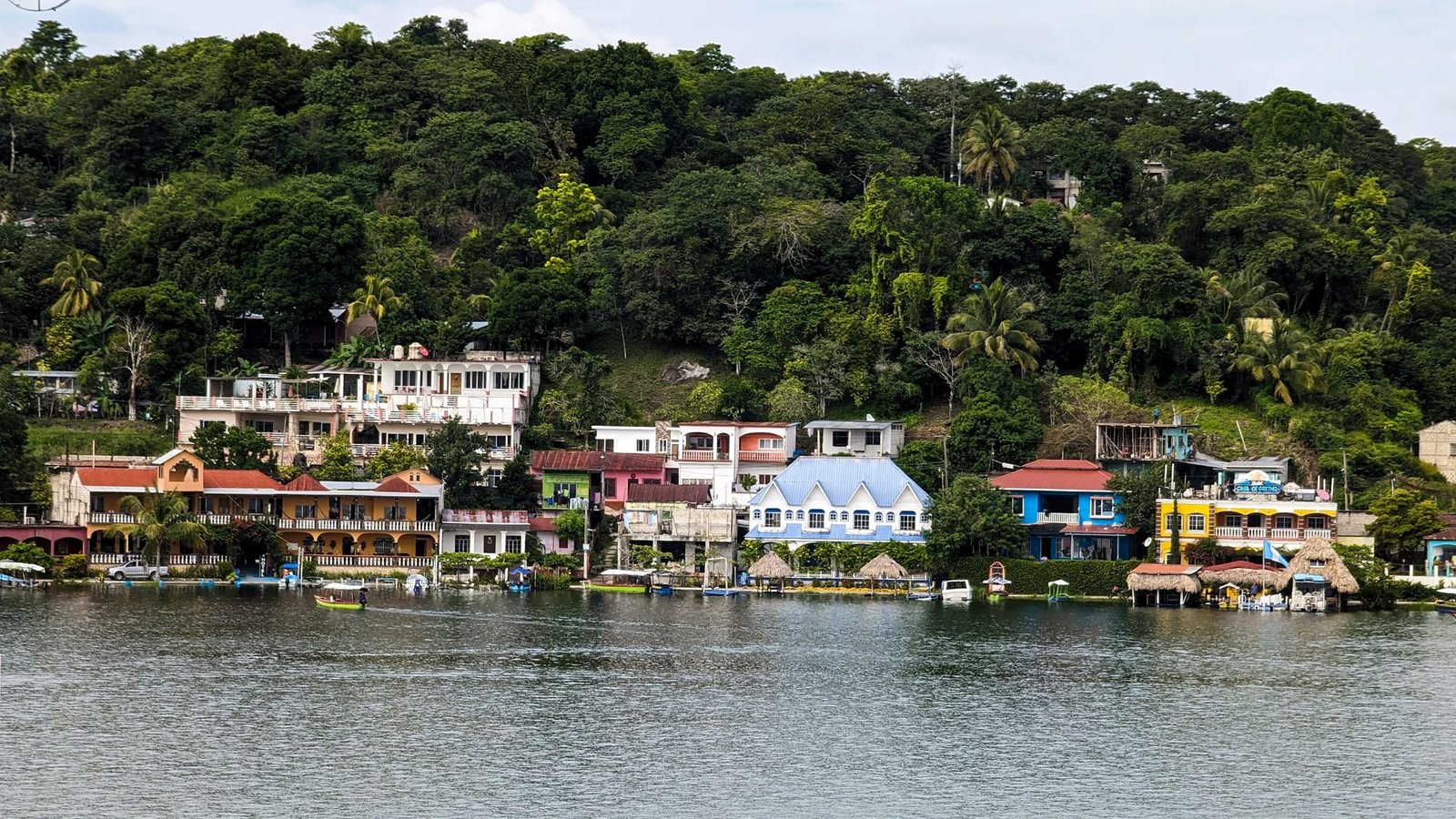
The island has a long history. This was the site of Nojpetén, capital of the Itzá Maya and the last independent Maya kingdom. Spanish troops under Martín de Ursúa only captured it in 1697, more than 170 years after the fall of the Aztec capital. The town has borne its current name since 1831, in honour of Cirilo Flores, one of the first leaders of independent Guatemala. Today Flores is the capital of the Petén department, with cobbled lanes and colourful houses, and several smaller islets dot the lake around it.


Getting there at dawn and tickets
We booked a transfer with the company Mayan World: departure from the island at 4:30, return at 14:00. Thanks to this we were at the ticket office even before it opened, at around 6:00. The complex is large and the distances between the different parts of the city are quite long – we explored for more than 5 hours, and if it had not been for the return bus at a fixed time, we would gladly have stayed longer, although we managed to see almost everything.
A price list hangs by the ticket booths. In December 2023 foreigners paid 150 Q for entry, 30 Q for the museums, 50 Q for camping, 100 Q each for a sunrise or sunset tour and 50 Q for the Uaxactún ruins; Guatemalans pay several times less. The park is open daily from 6:00 to 18:00. A board next to it notes that Tikal has been a national park since 1955 and that in 1979 it became the first site in the world to be inscribed on the UNESCO list as mixed heritage – both cultural and natural.


The jungle and its animals
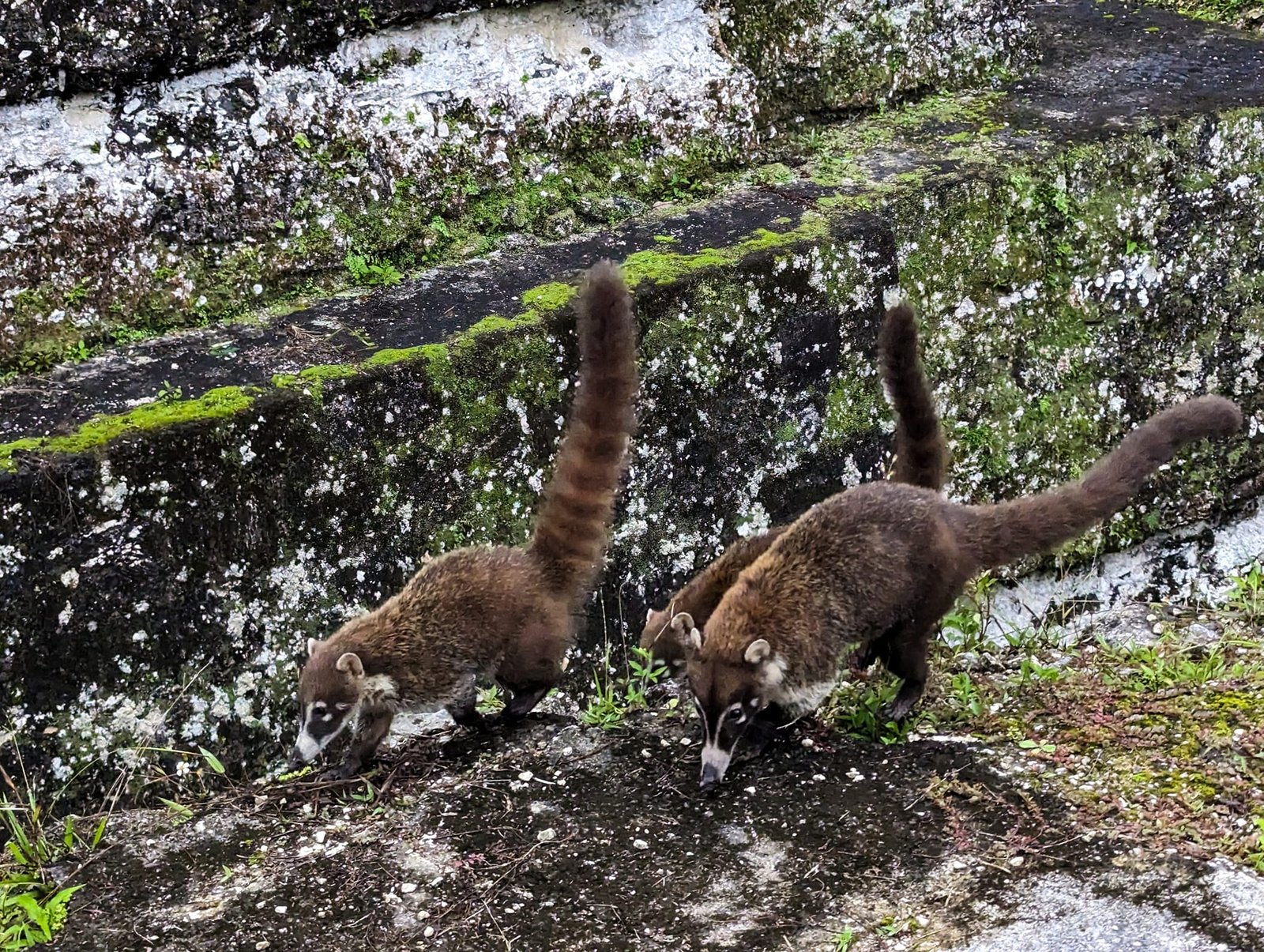
The ruins lie in the middle of the jungle, and early morning is the best time to see wild animals. Coatis were wandering around the paths and stones, and we also saw birds and monkeys. Lucky visitors may also see toucans, quetzals and maybe even traces of a jaguar.
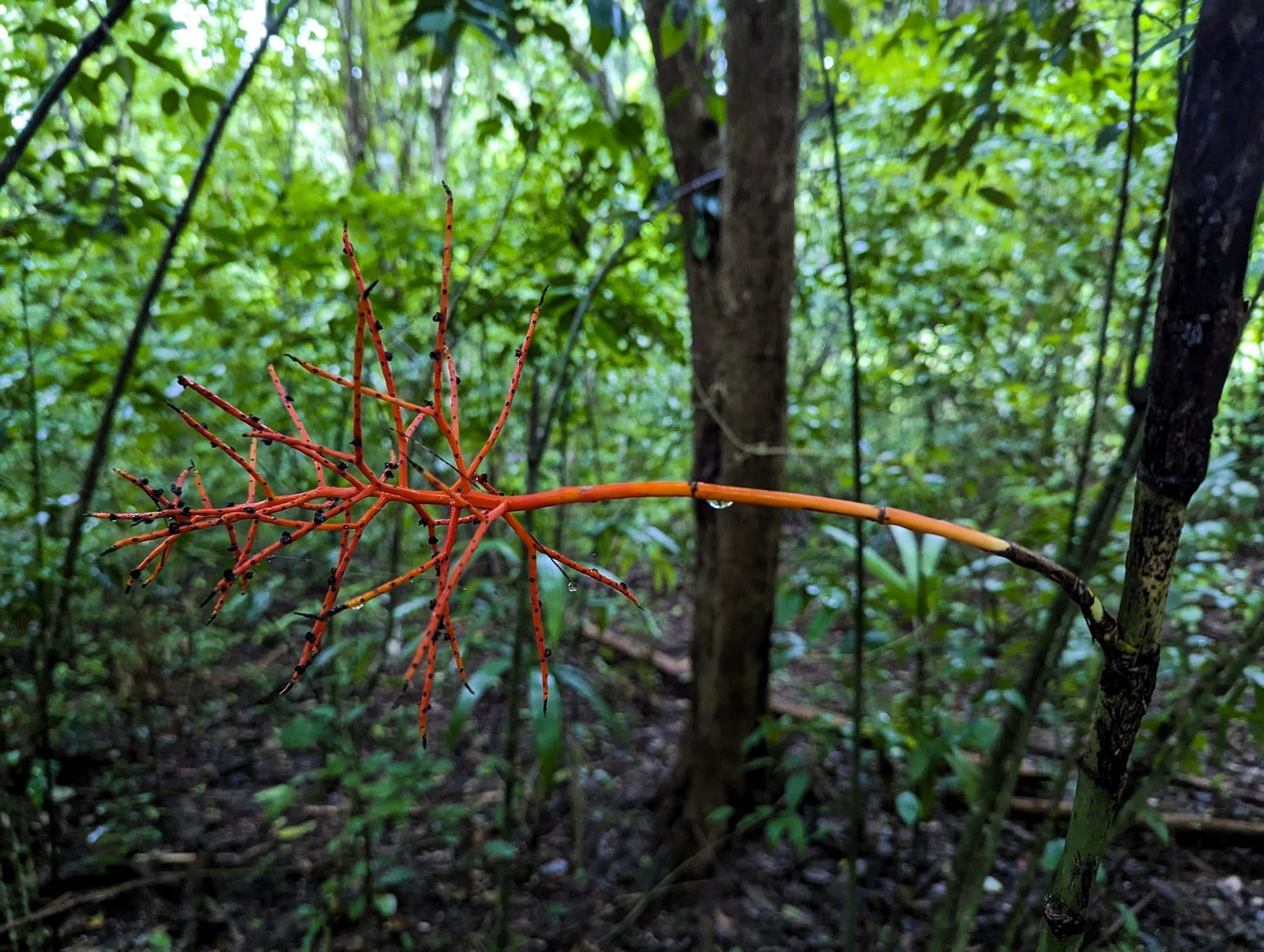
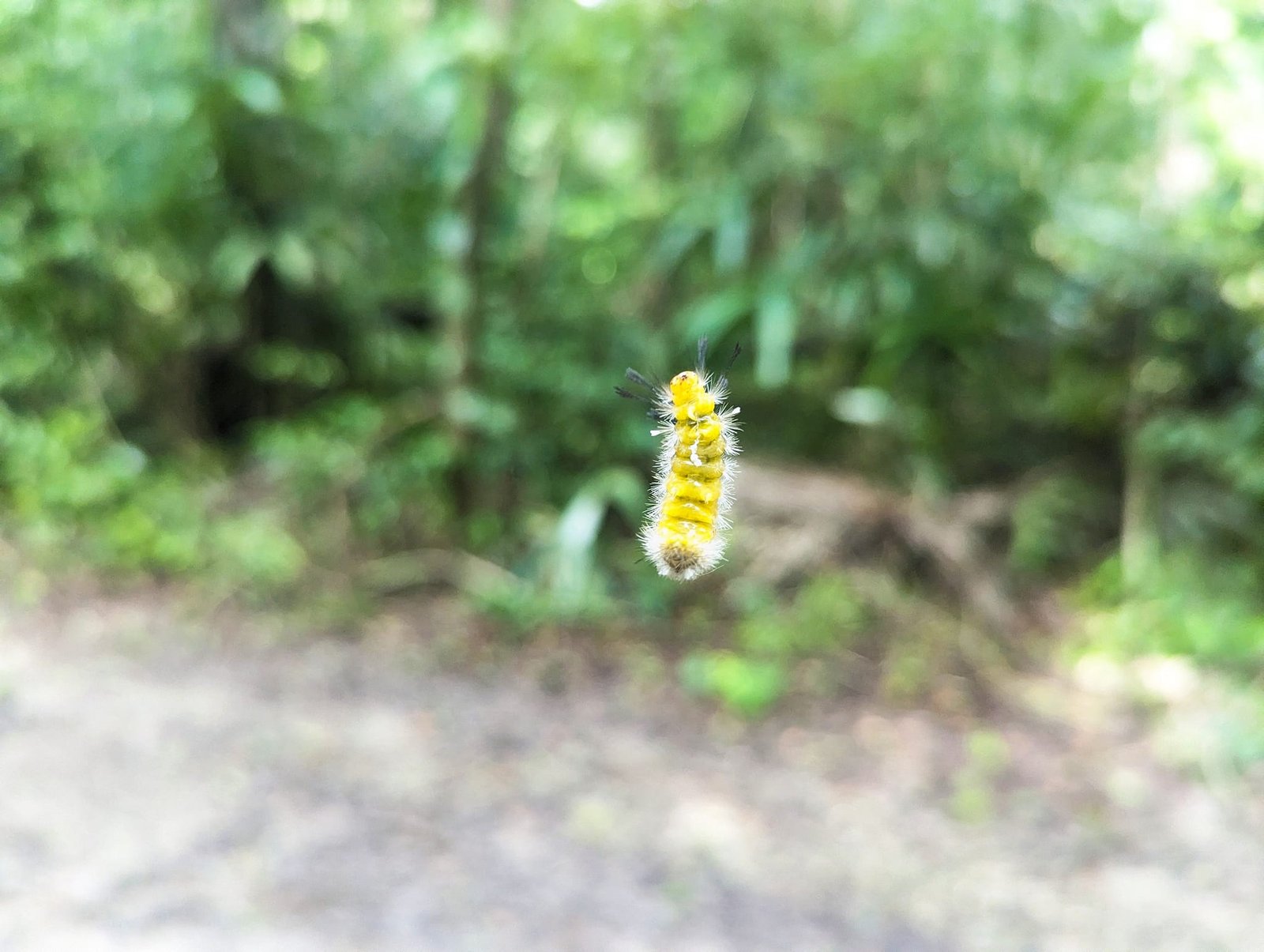
You walk between the temples along forest paths, so on the way you can also take a close look at the plants and insects.
Huge ceiba trees grow along the road from the entrance. Since 1955 the ceiba has been Guatemala’s national tree, and for the Maya it was sacred, linking the sky, the earth and the underworld. Among the first ruins along this road are the twin pyramids of Complex Q, built in 771 under the ruler Yax Nuun Ayiin II to mark the end of a k’atun – a cycle of the Maya calendar of almost 20 years. In front of the restored eastern pyramid stands a row of plain stelae with round altars.


The Great Plaza – the Temple of the Jaguar and the acropolises
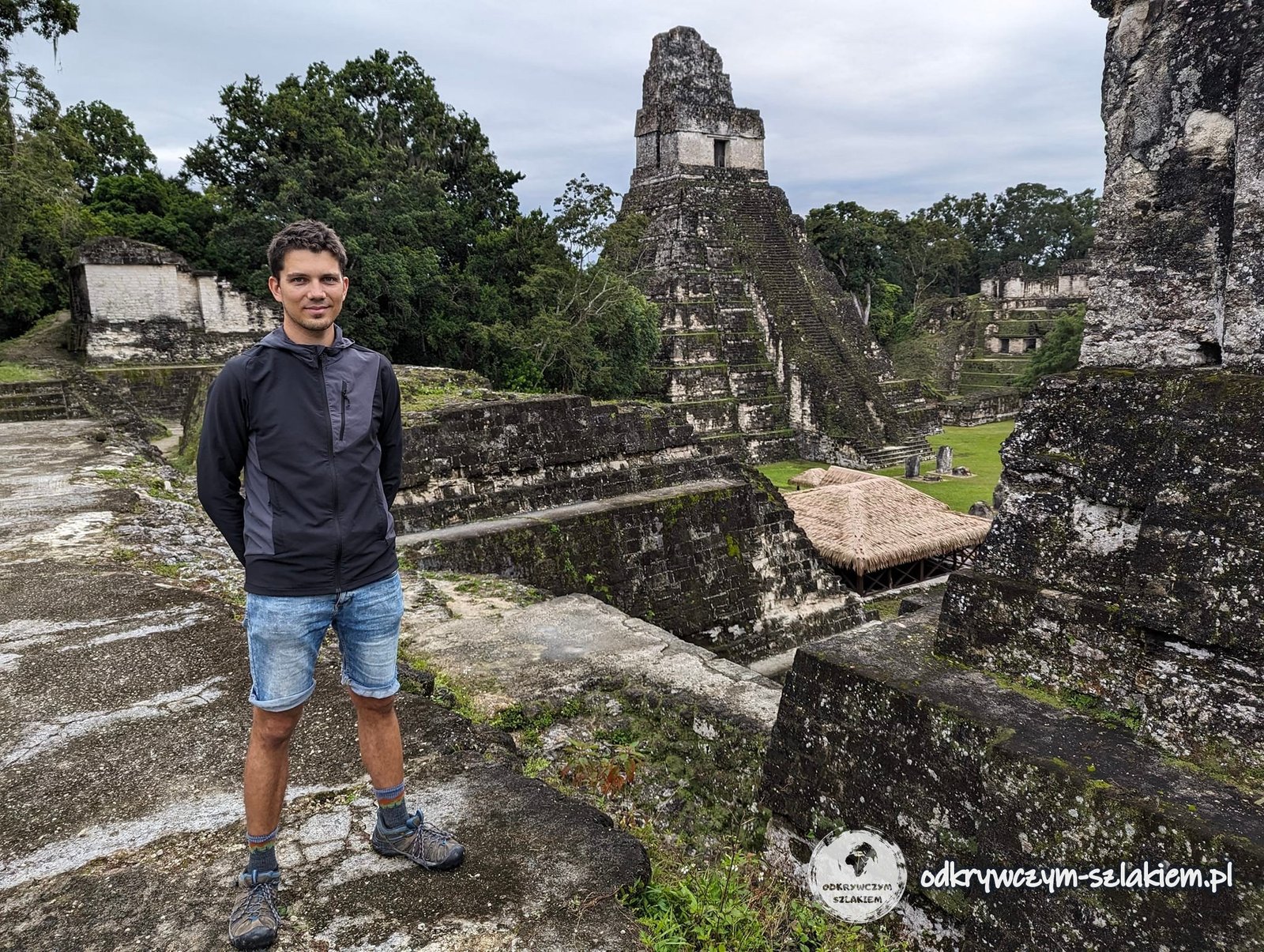
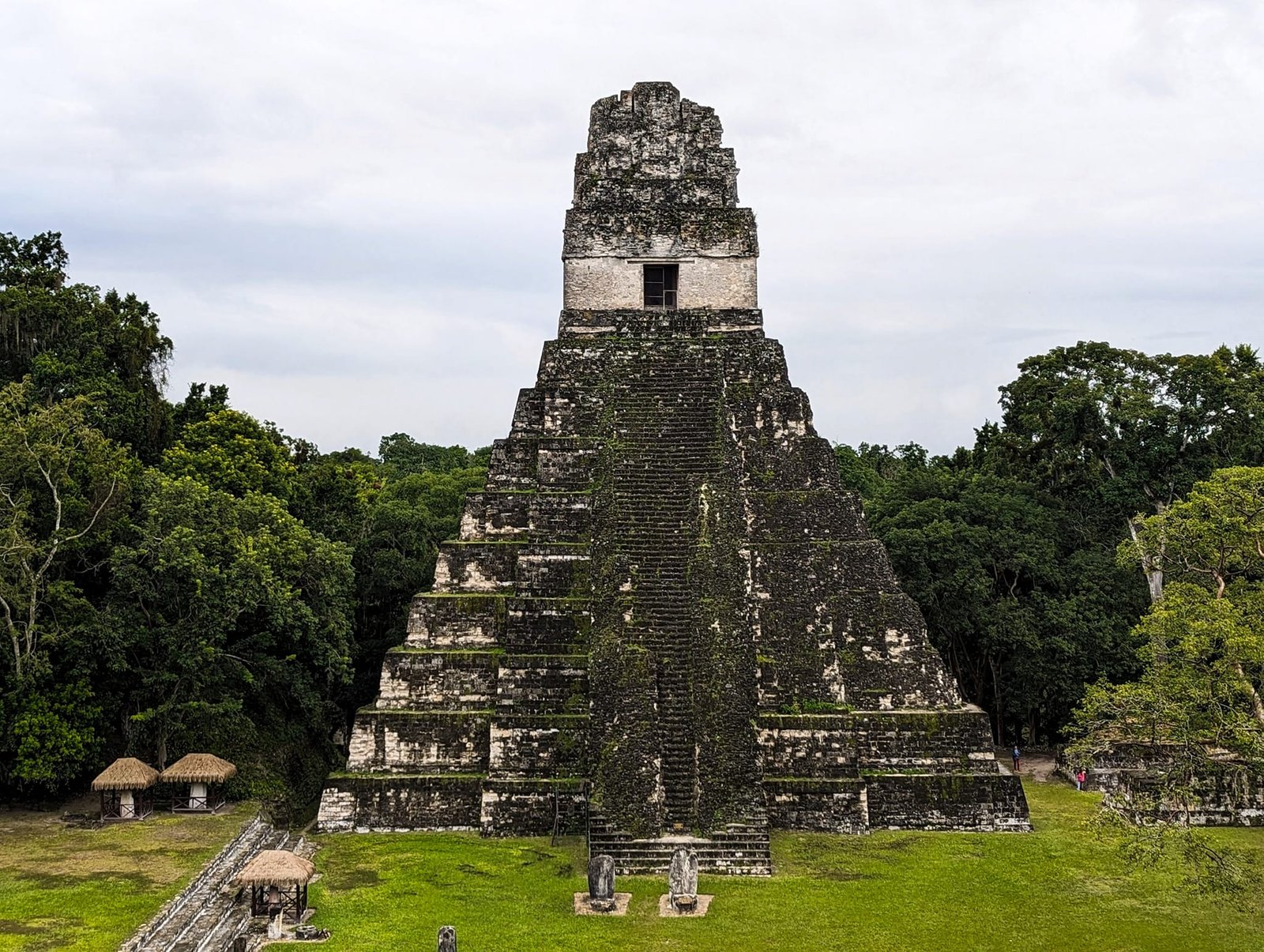
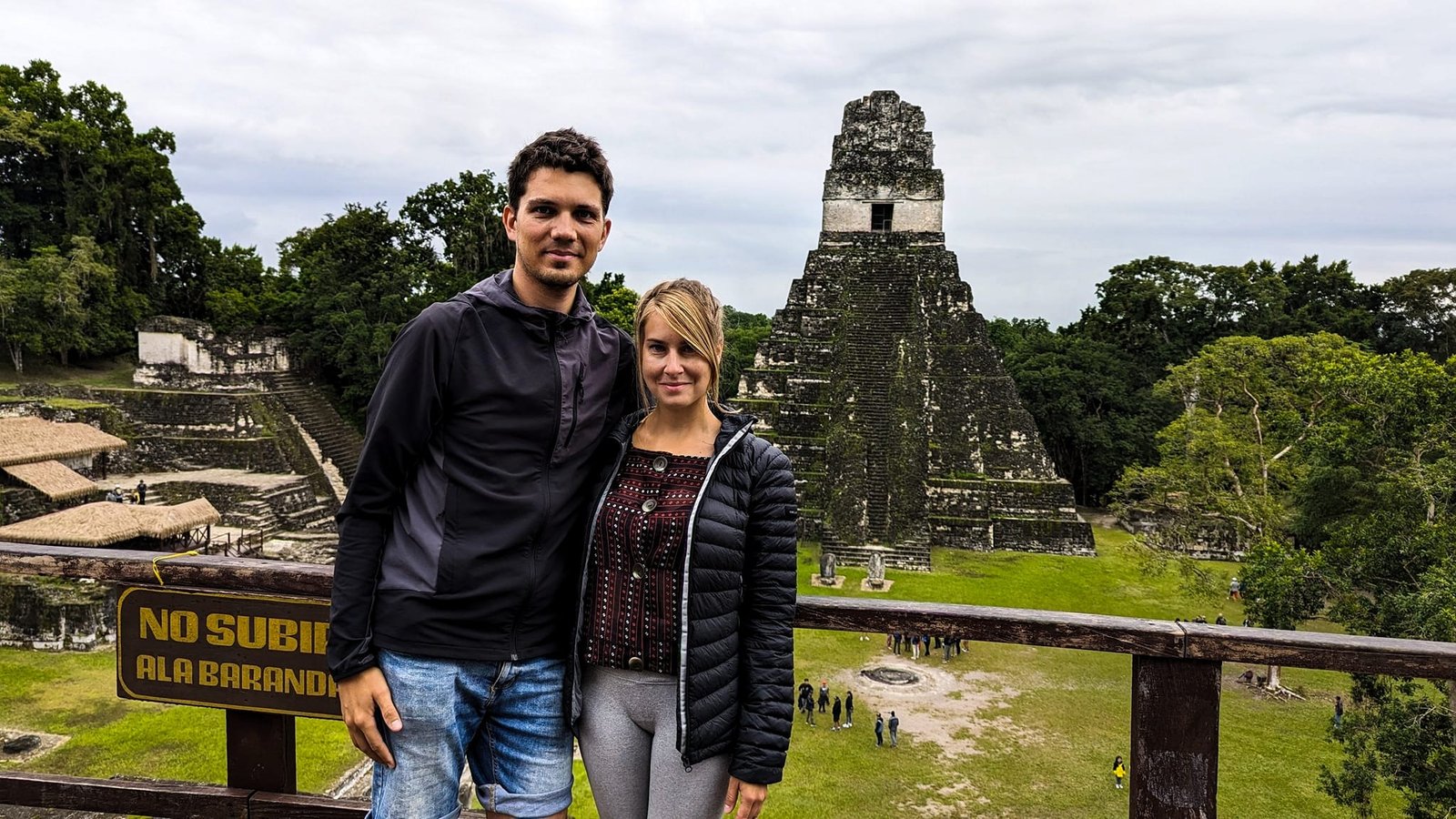
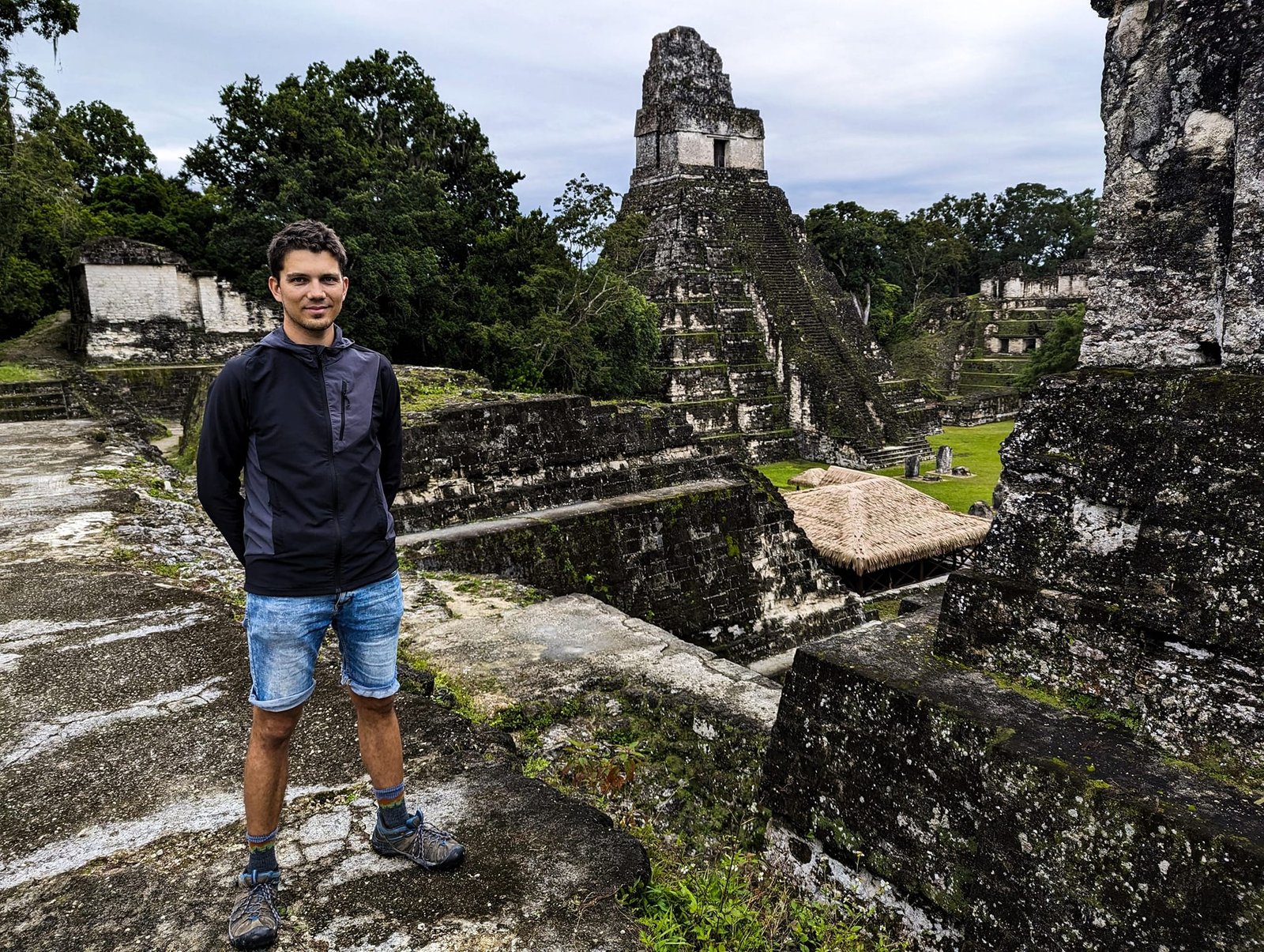
The best-known and most recognisable building in Tikal is the Temple of the Great Jaguar, standing on the Great Plaza. Opposite it rises the Temple of the Masks, and on the sides of the plaza – acropolises with dozens of smaller temples, platforms and stairways.
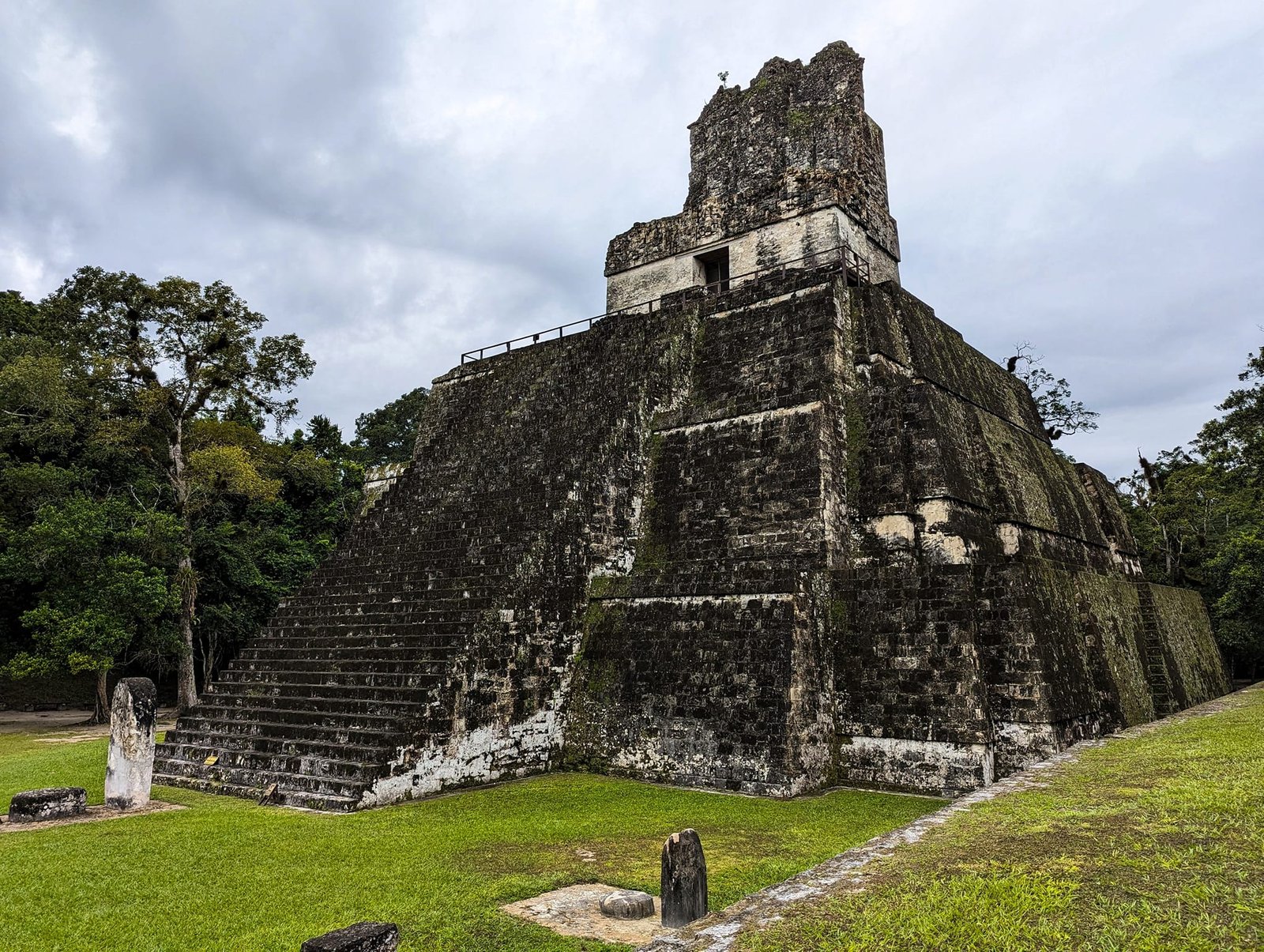
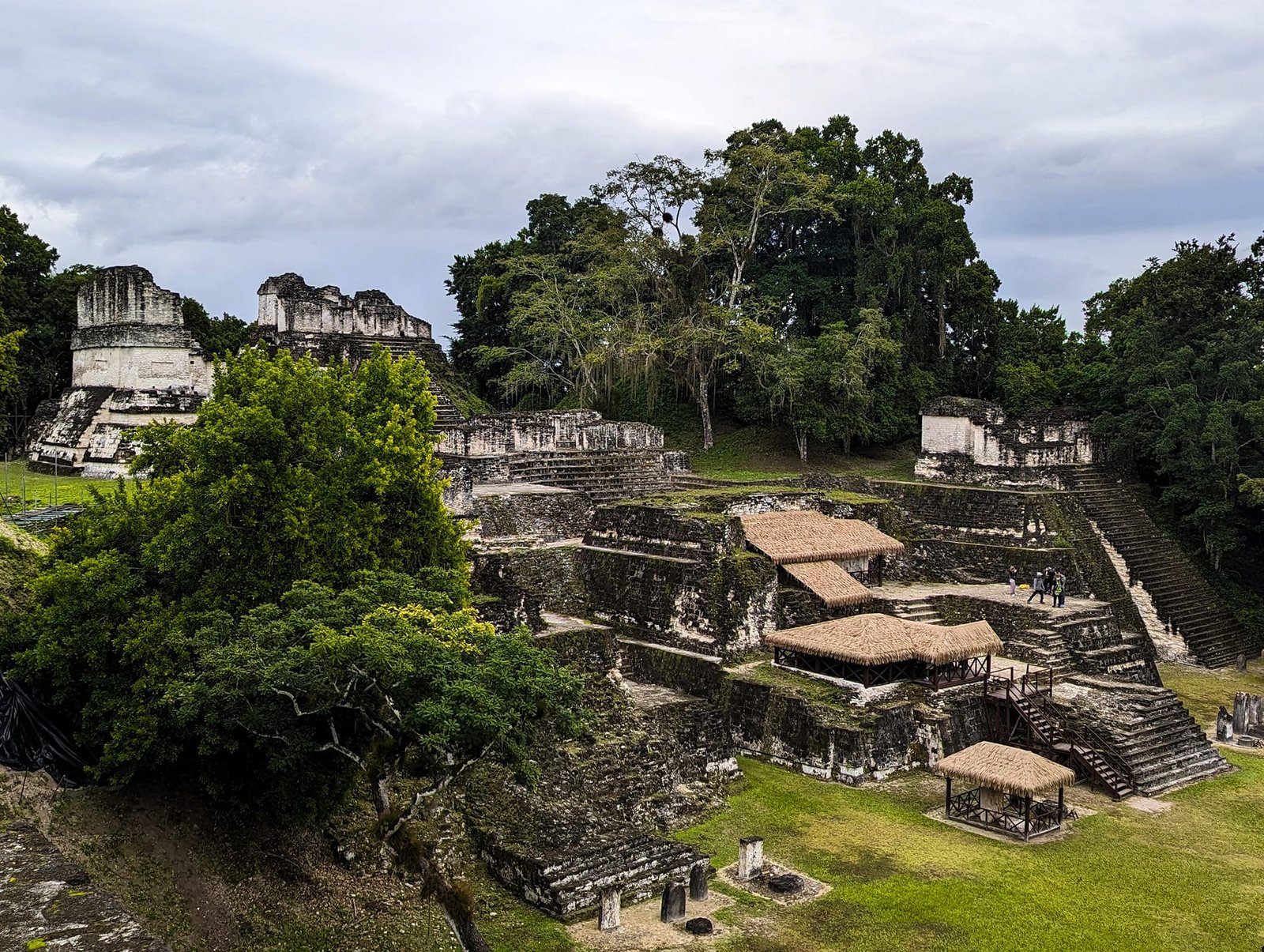
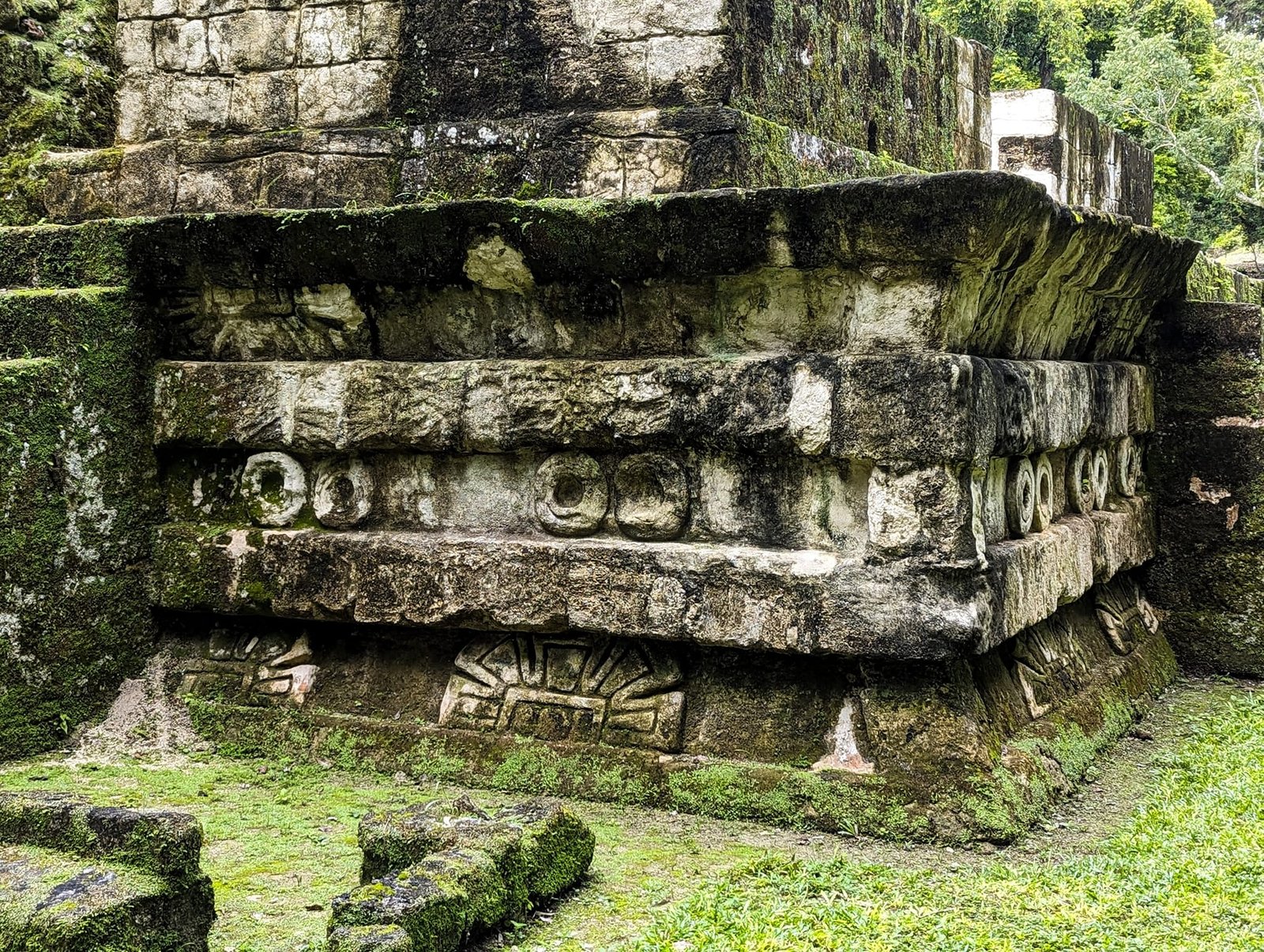
The North Acropolis is a tangle of buildings added one on top of another over the centuries. Among the stones, large masks with reliefs have survived, among other things.
The Central Acropolis and the Palace of the Grooves
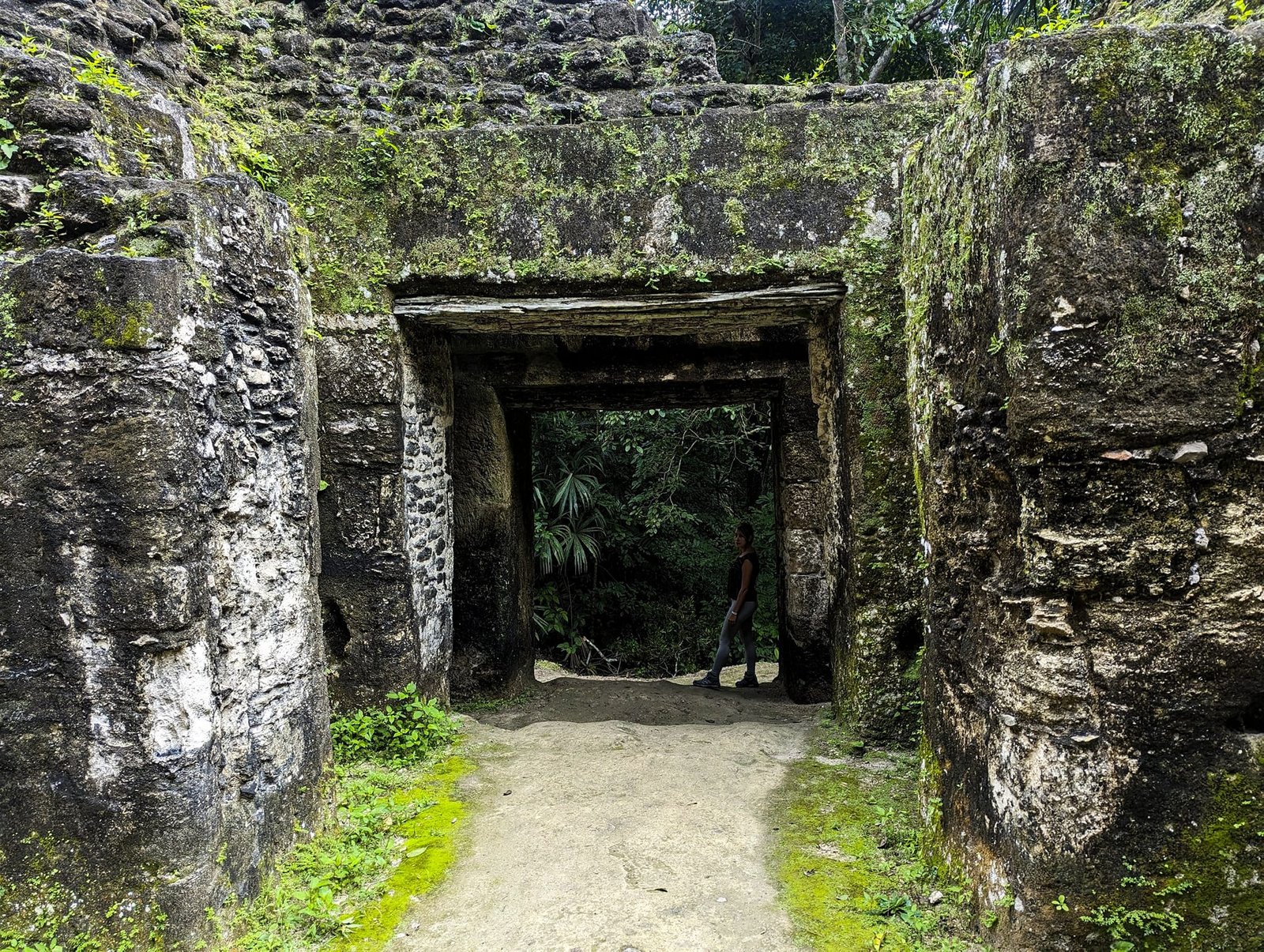
South of the Great Plaza stretches the Central Acropolis – a complex of palaces where the royal family lived and officials worked. It has six courtyards and borders the largest water reservoir in the city. One of its best-known buildings is the Maler Palace from around 800 AD, named after the Austrian explorer Teobert Maler, who lived in it while working at Tikal in 1904–1905. Narrow passages run between the palace walls, with the Temple of the Great Jaguar appearing behind them.


A little further south-east lies Group G with the Palace of the Grooves (Palacio de las Acanaladuras). It owes its name to the vertical grooved panels on the walls around the inner courtyard. It was a residential building with many bedrooms with built-in beds. You enter through a narrow tunnel that leads straight into the courtyard, where the remains of a giant stucco mask of the earth deity can be seen.


On top of the pyramids
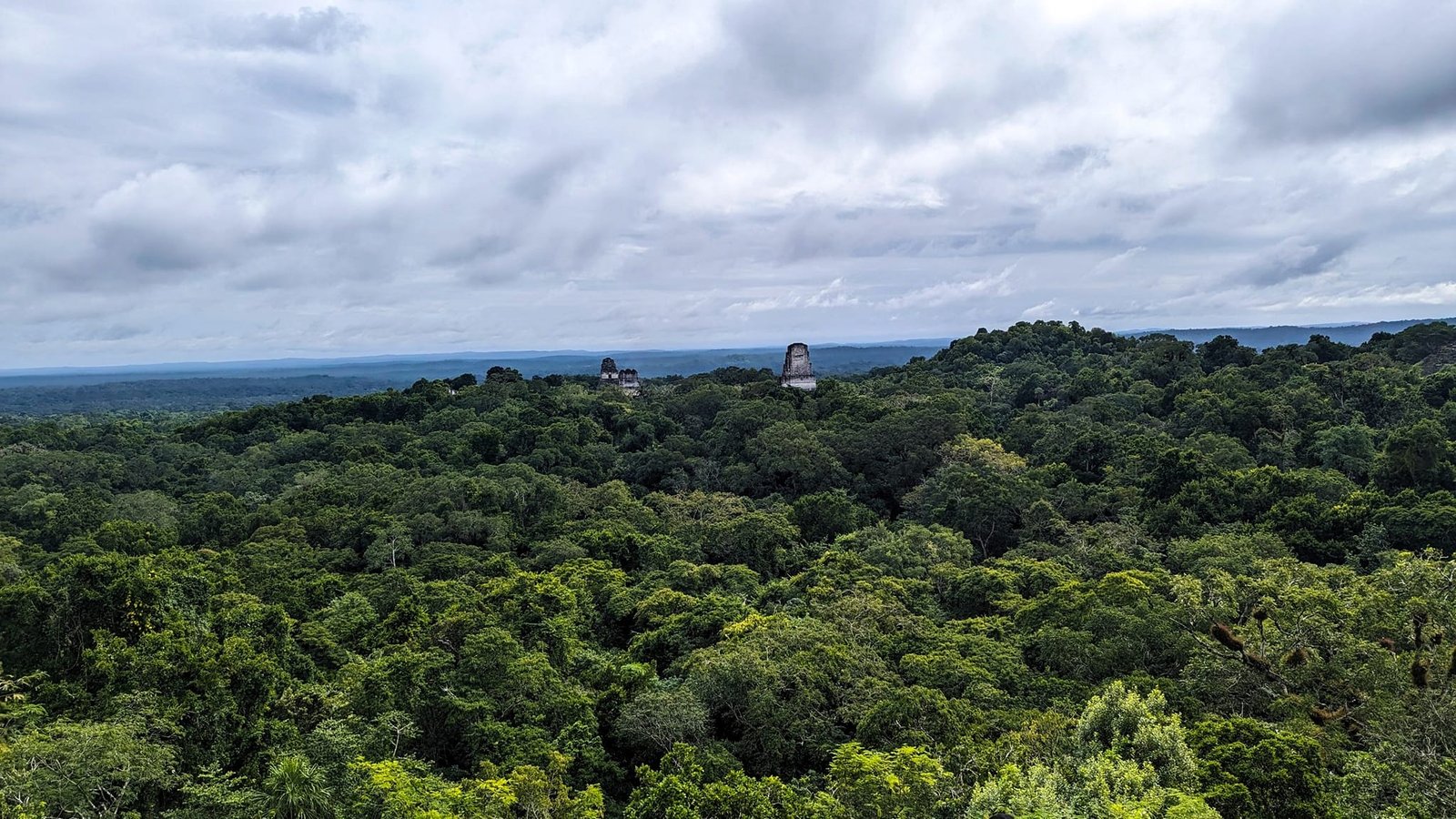
Interestingly, you can climb some of the pyramids – not up the ancient steps, but up wooden stairs built right next to them. From the top there is a beautiful panorama of the Petén jungle, with the tops of other temples poking out of it here and there.
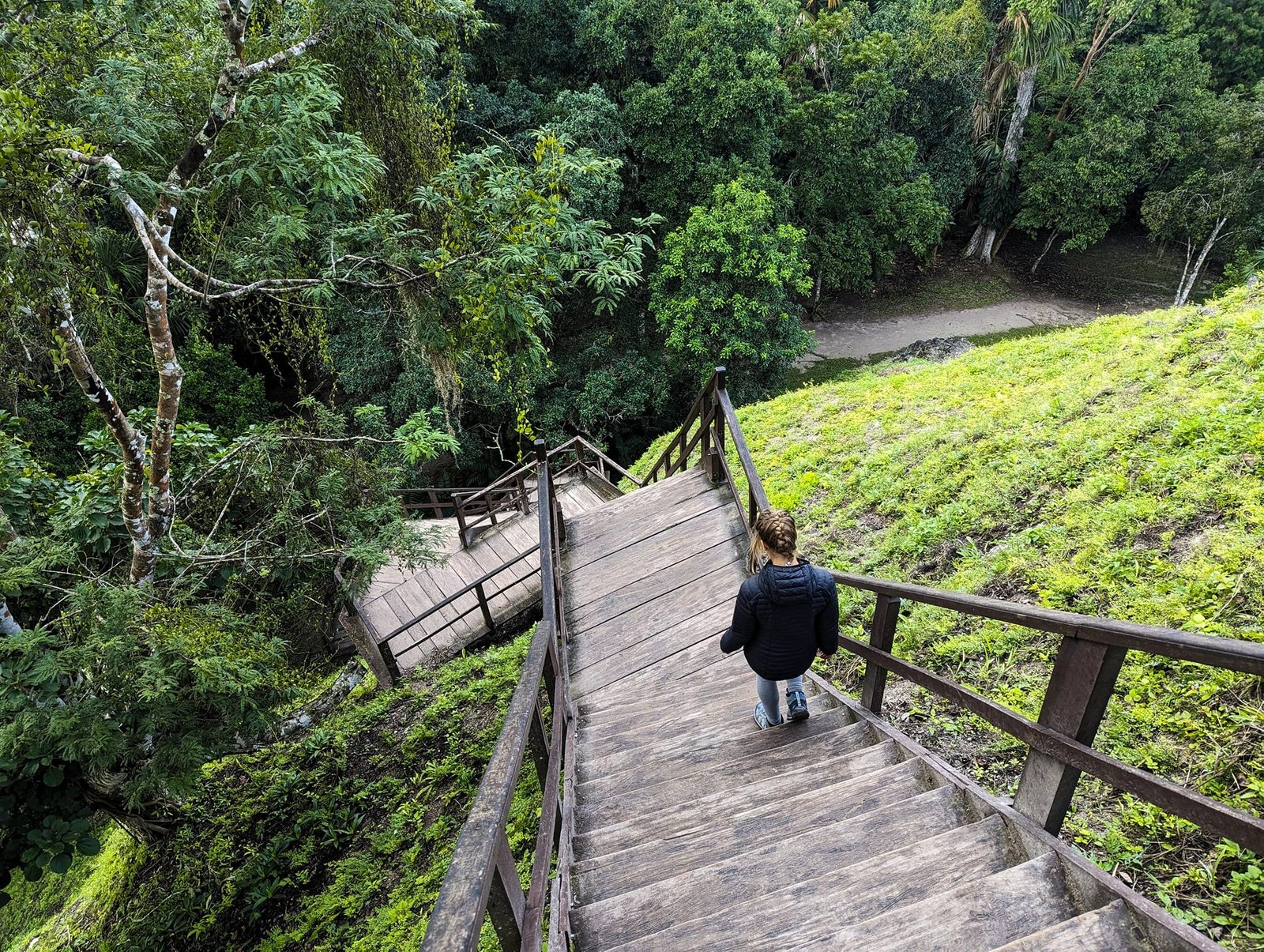
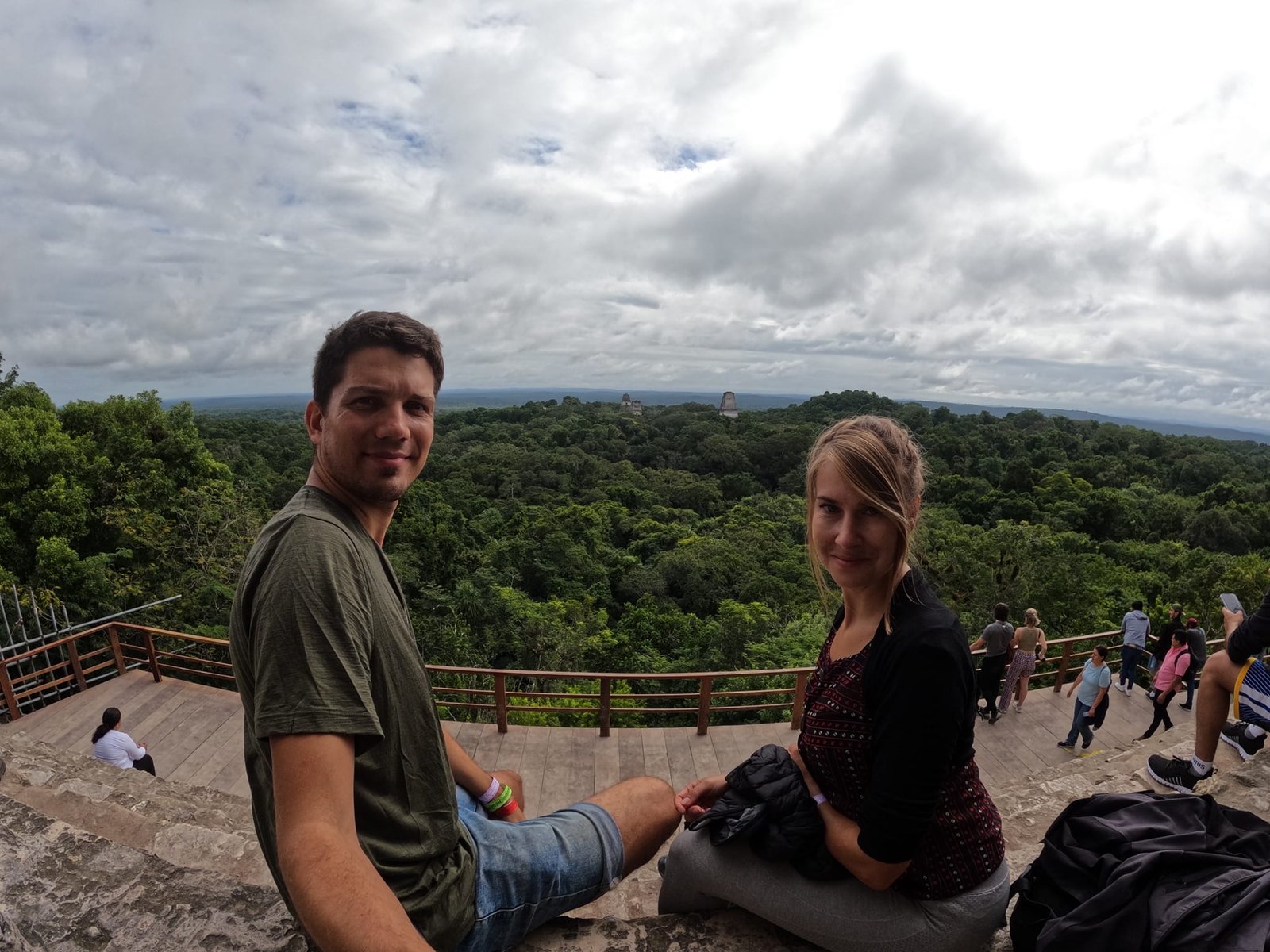
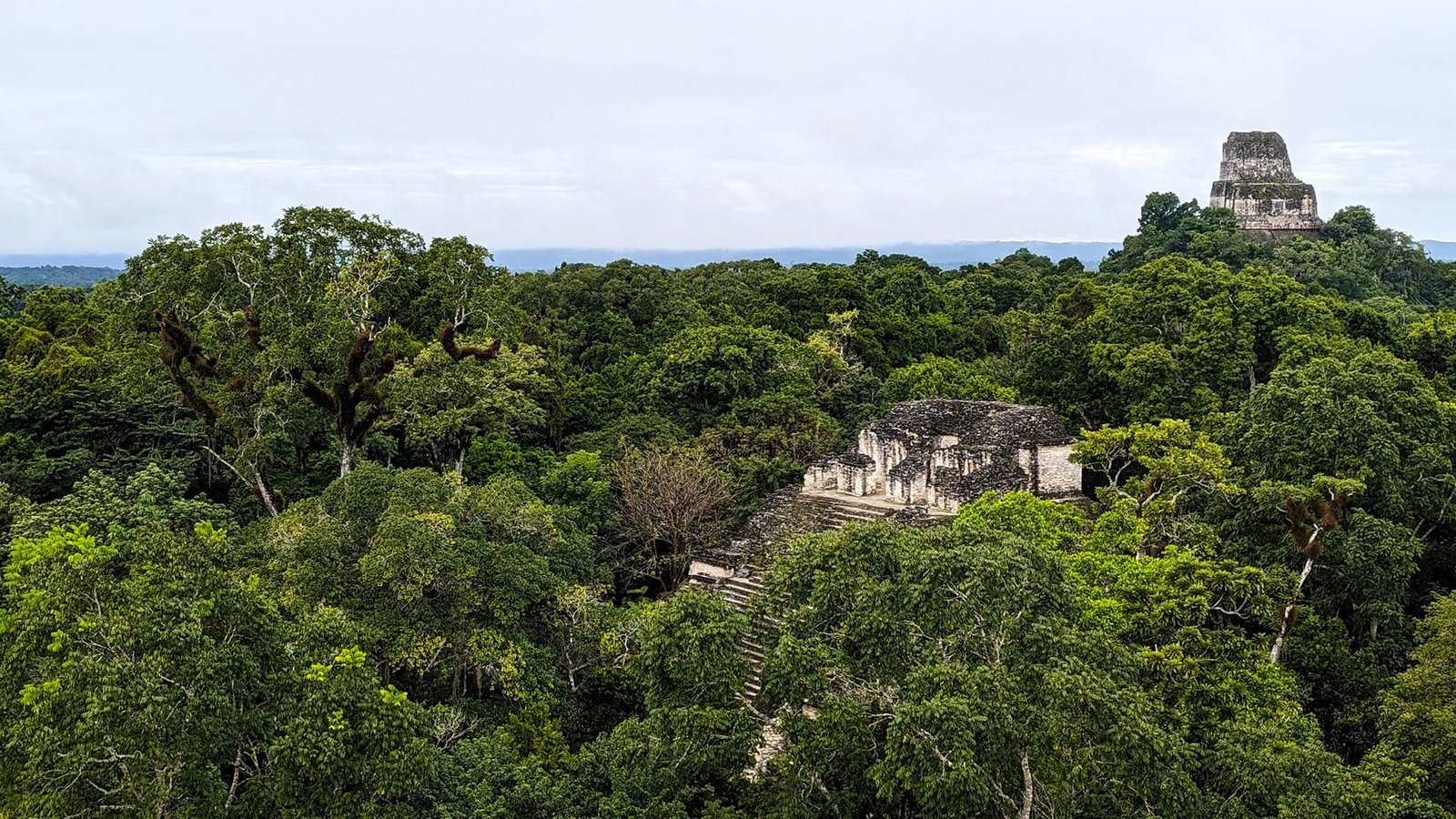
The tallest building in Tikal is Temple IV – according to the board at its foot it is 64.6 m high. It was built around 741 for the ruler Yik’in Chan K’awiil; inside, a carved wooden lintel was found commemorating his victory over the city of El Perú-Waka’. Most of the pyramid is still covered by forest – from below you only see its top above the trees. Wooden stairs lead up to a terrace below the roof comb, and the view from here of temple tops rising above the jungle appeared in the 1977 “Star Wars” as the rebel base on the moon Yavin 4.


West of the Great Plaza lies Mundo Perdido (“Lost World”) – a complex of 38 structures covering about 6 ha, whose beginnings go back to before the Common Era. Its main building, the Great Pyramid, is over 30 m high, with stairways on all four sides; it was used to observe the stars and the solar cycle. Next to it stands a 22-metre temple in the talud-tablero style – sloping walls topped with rectangular panels, typical of Teotihuacan in central Mexico, with which Tikal traded.


From Flores we went south, to Semuc Champey.
Practical information
- Transfer from Flores to Tikal – Mayan World, 100 GTQ (about €12) return; departure from the island of Flores at 4:30, return at 14:00 (December 2023).
- Tickets – a standard entry ticket cost 150 GTQ (about €17); for an extra 100 GTQ (about €12) you can add a sunrise or sunset ticket.
- How much time? It is worth setting aside at least 5 hours for the visit – we saw almost everything, but to do it without rushing you would need more.
- Time of day – the earlier the better: in the morning there is a much bigger chance of seeing animals.
- Prices in Guatemala – it was more expensive than we expected (more expensive than in Poland or Mexico), but still cheaper than in Belize. Public buses are cheap, shuttle buses reasonably priced, and the food in restaurants is good and fairly priced.
- El Mirador – the largest Maya pyramid discovered so far is neither in Tikal nor in Chichén Itzá, but in El Mirador, north of Tikal, close to the Mexican border. Getting there takes two days on foot each way through semi-wild terrain – with our tight schedule we did not even consider it.
 6:47
Photo gallery