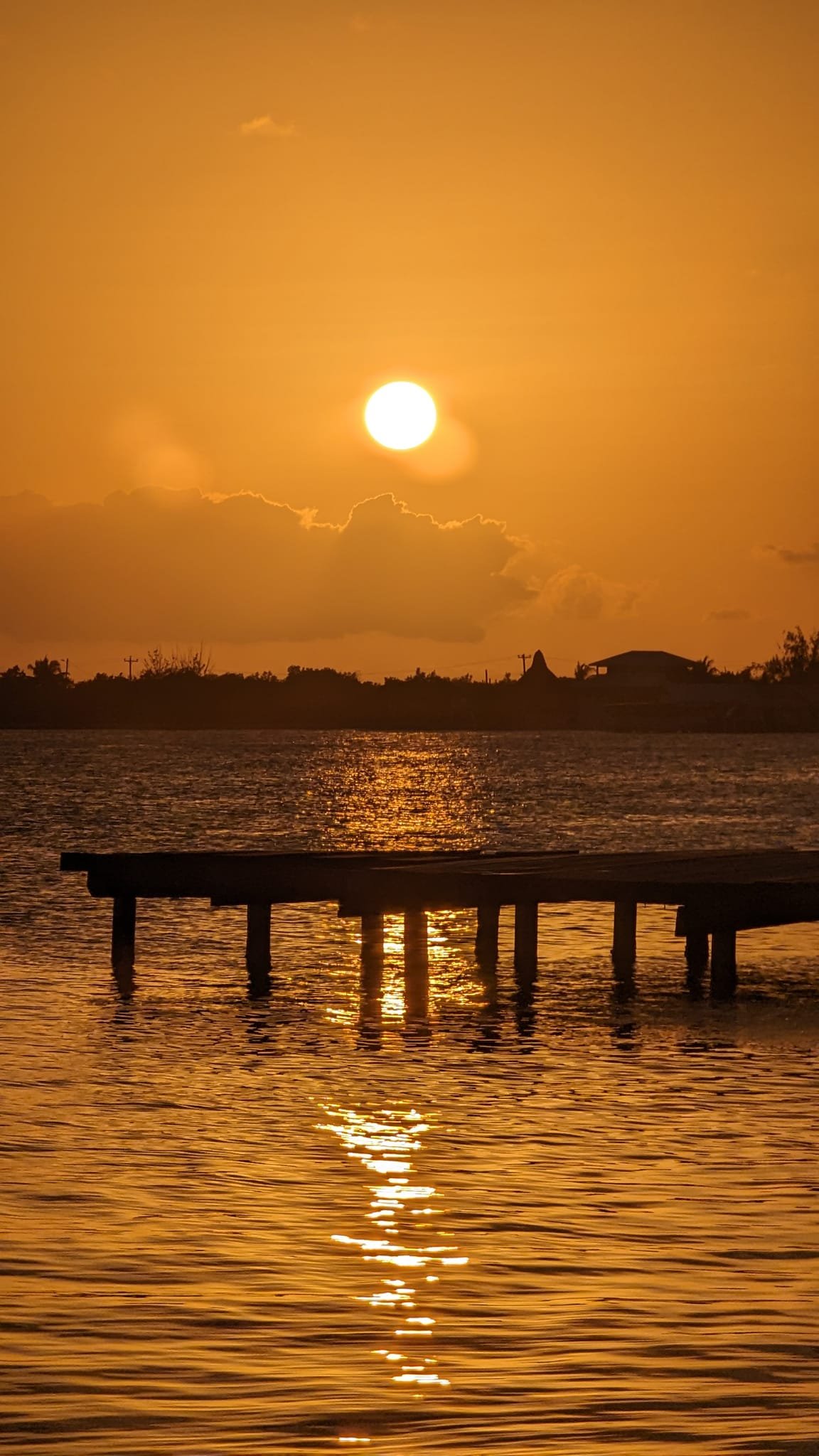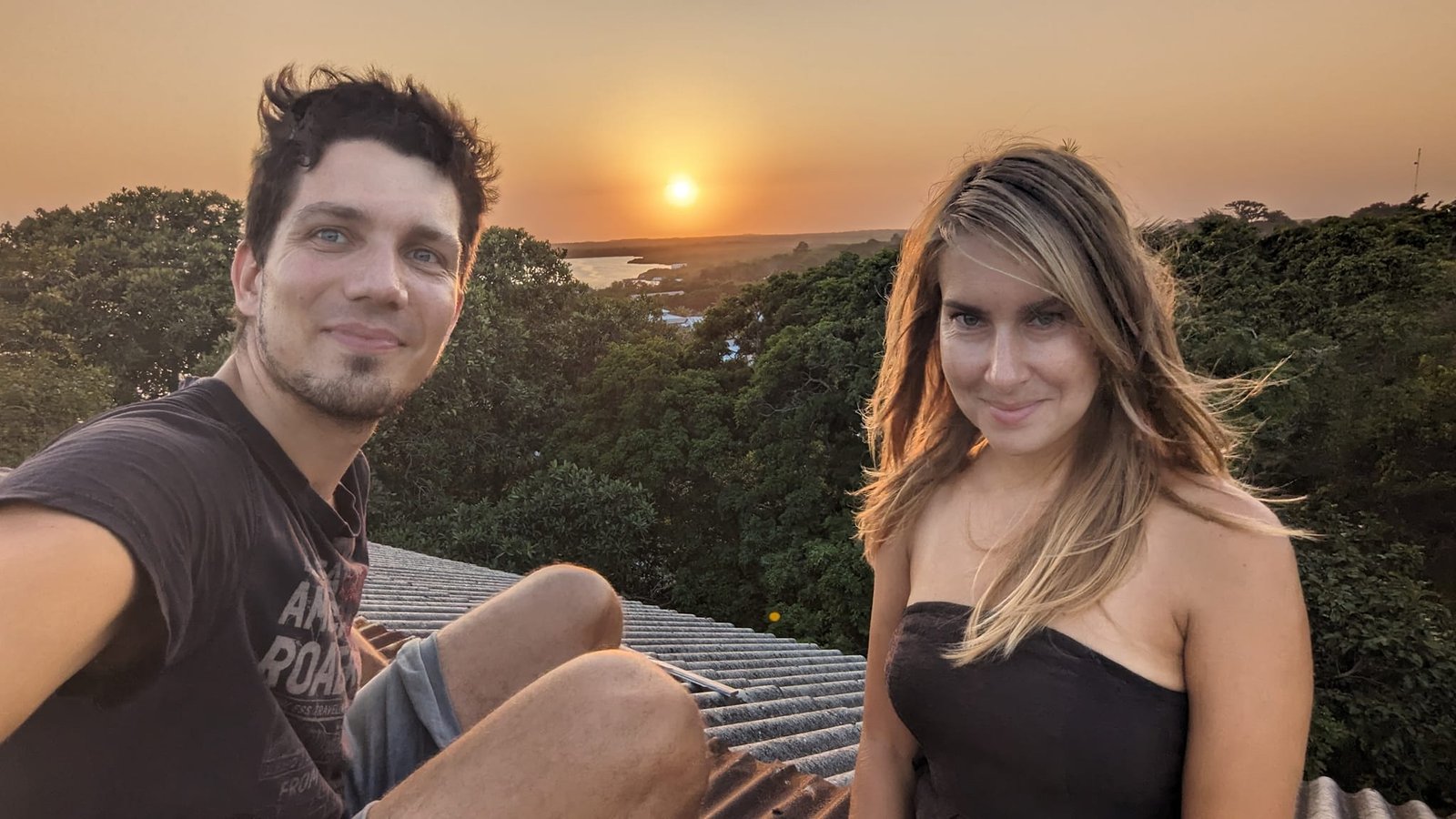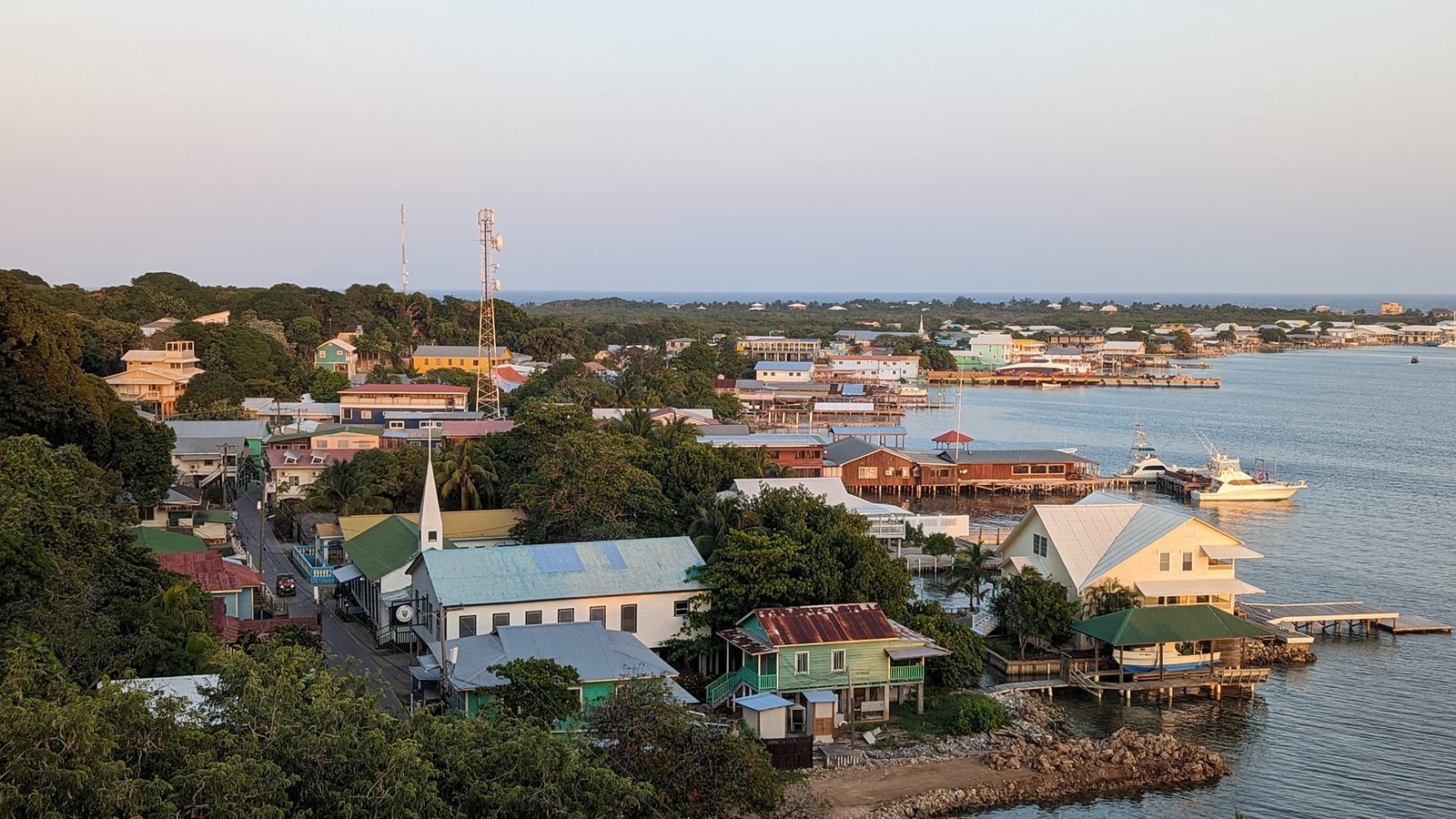
While snorkelling on Caye Caulker in Belize, Patrycja got interested in a diving course in Honduras. One conversation led to another, and we decided to do it on the island of Utila – known among travellers as a great and cheap place to dive. The island lies on the second-largest coral reef system in the world and has about 80 dive sites, and the courses here are among the cheapest in the world. We planned to stay a week and stayed two (from 3 to 18 March 2024) – and to this day Utila is one of my favourite places in all of Central America.
We reached the island from Copán Ruinas, where we had explored the Maya ruins, via La Ceiba on the Caribbean coast – that is where the ferries to Utila leave from.
Table of contents
- From Copán Ruinas to La Ceiba
- The ferry to Utila
- Utila – an island where you don’t feel you’re in Honduras
- The Open Water diving course at Paradise Divers
- Underwater – the reef off Utila
- Pumpkin Hill, beaches and Utila on foot
- Water Cay – saying goodbye to the island
- Sand fleas – an unwanted souvenir
- Extending our stay on Utila (90 days in the CA-4)
- Practical information – costs, getting there and safety
From Copán Ruinas to La Ceiba
We left Copán Ruinas on the morning of 2 March. Just as before from El Salvador, we travelled to La Ceiba on public minibuses – and the whole trip across the country went without any problems.
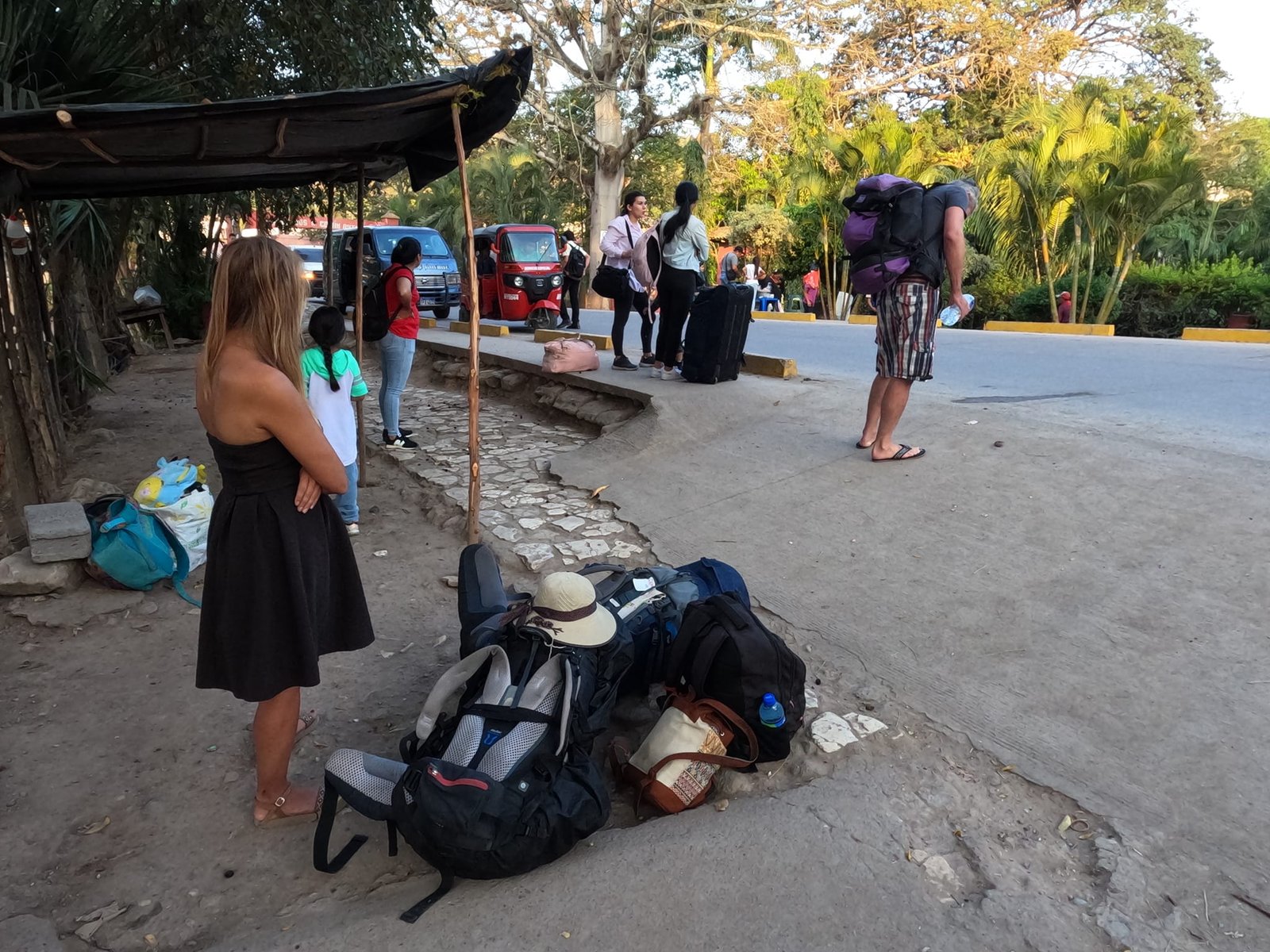
It was only in La Ceiba itself that we felt uneasy for a moment. After dark everything closed, there were very few people on the streets, and we knew straight away that this was not a place where we would want to walk around at night. We stayed the night and took the boat to the island the next morning. In Honduras places generally close earlier than in the neighbouring countries, so it is better to get around La Ceiba during the day.
The ferry to Utila
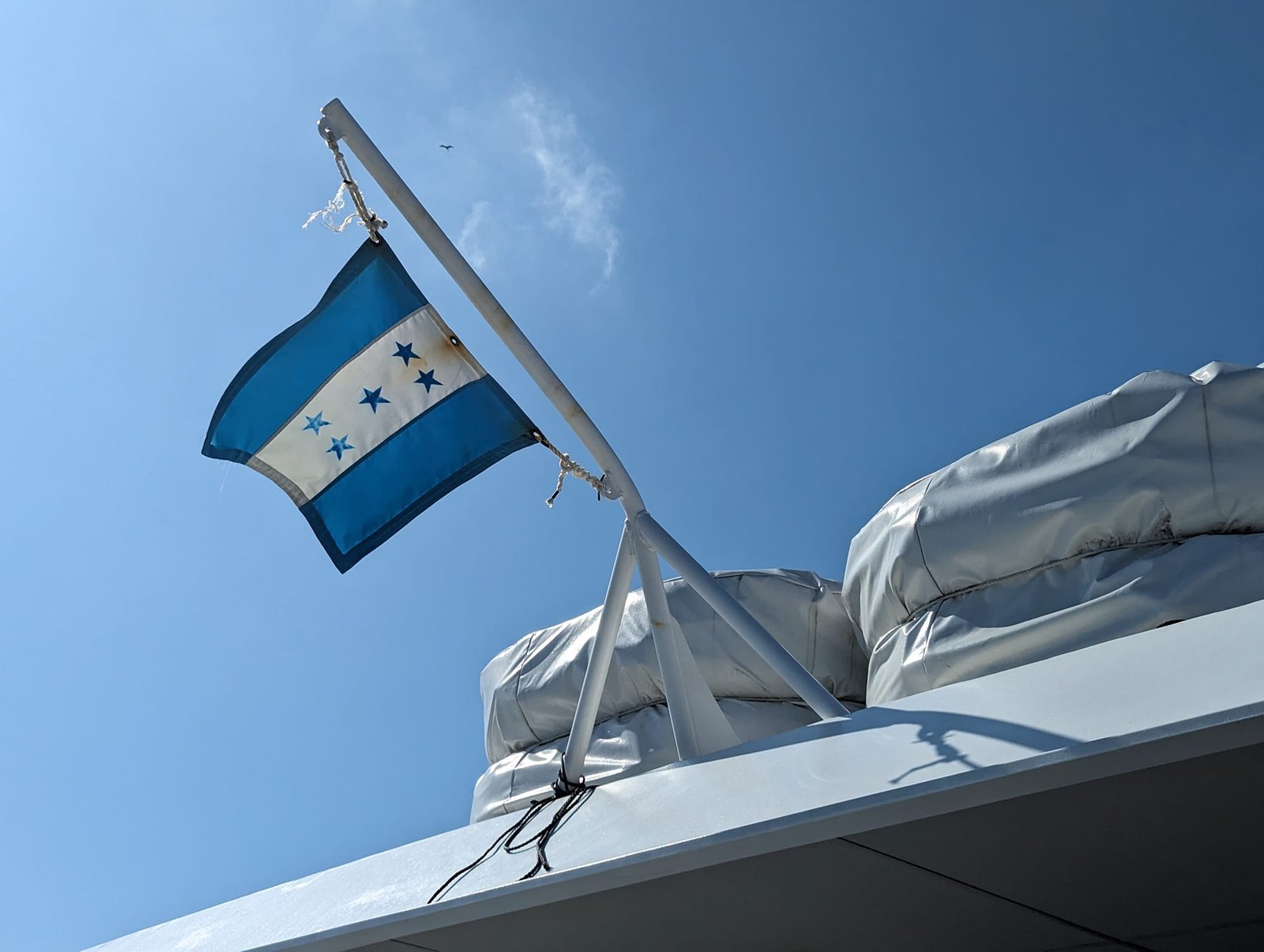
Ferries to Utila leave from the port in La Ceiba. We took the morning ferry on 3 March, with the Honduran flag fluttering above the stern on the way. Be prepared that – as on many domestic ferries in the region – a separate tax is charged on top of the ticket; that was the case for us in Mexico, Honduras and Nicaragua.
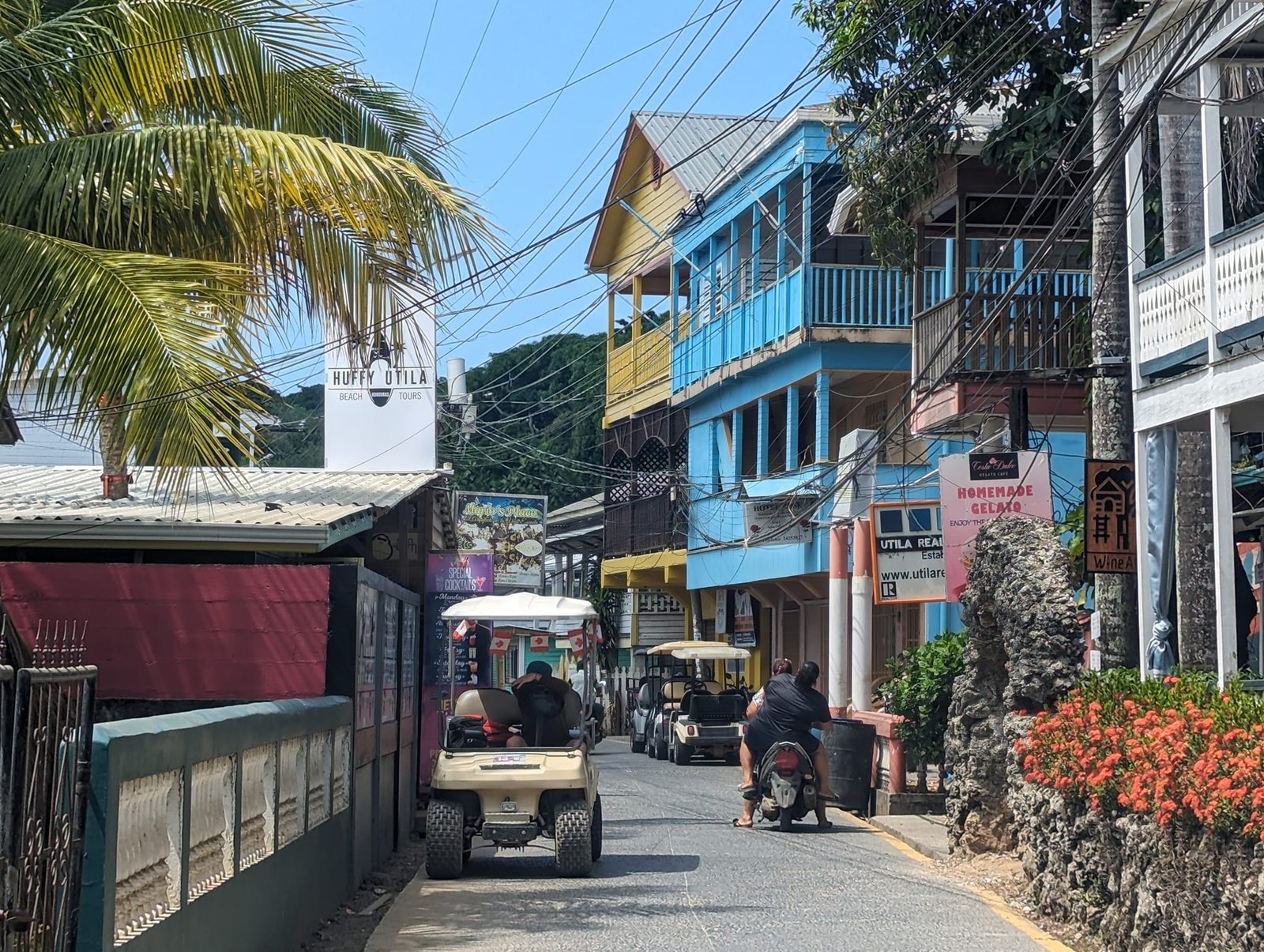
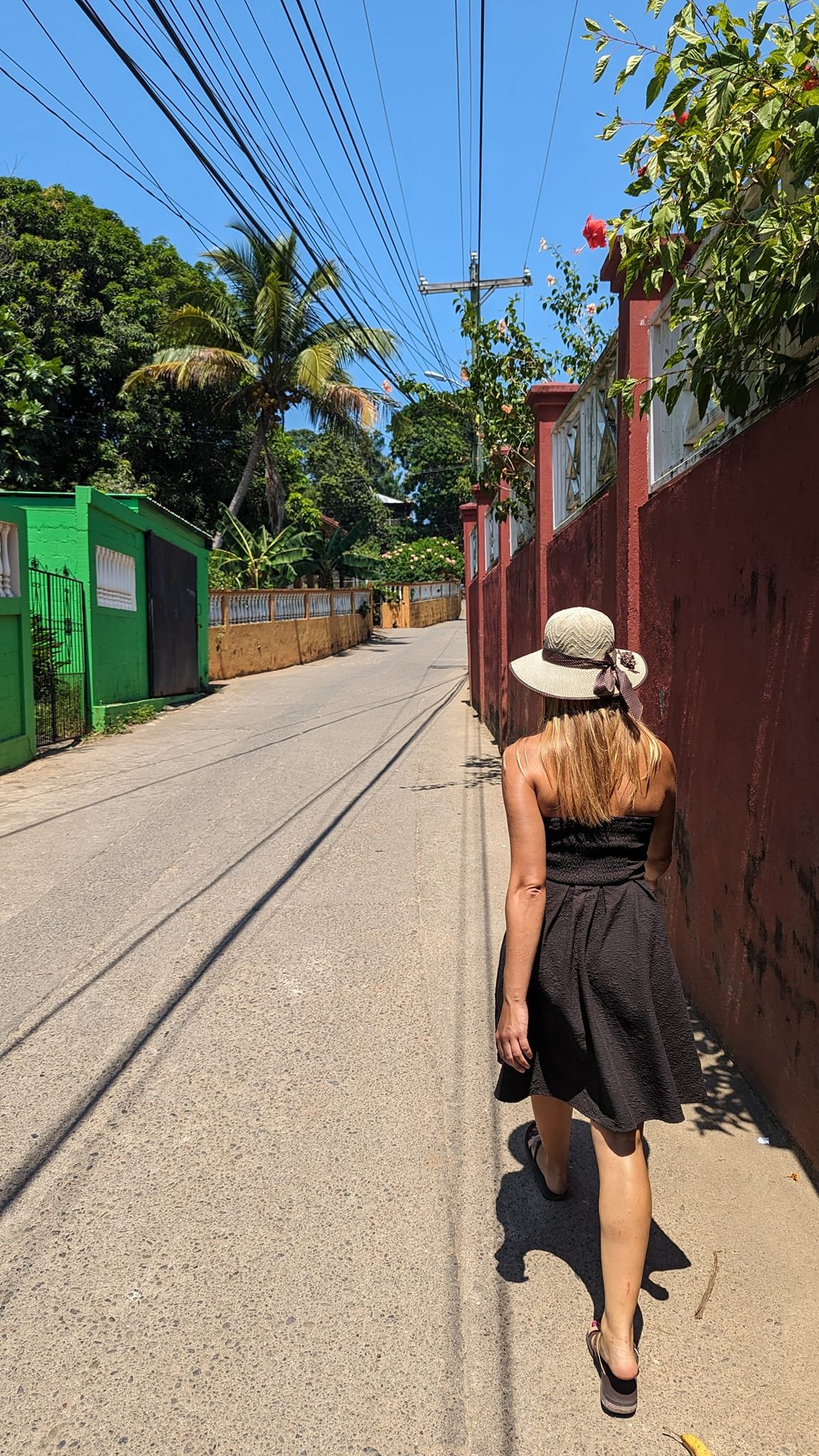
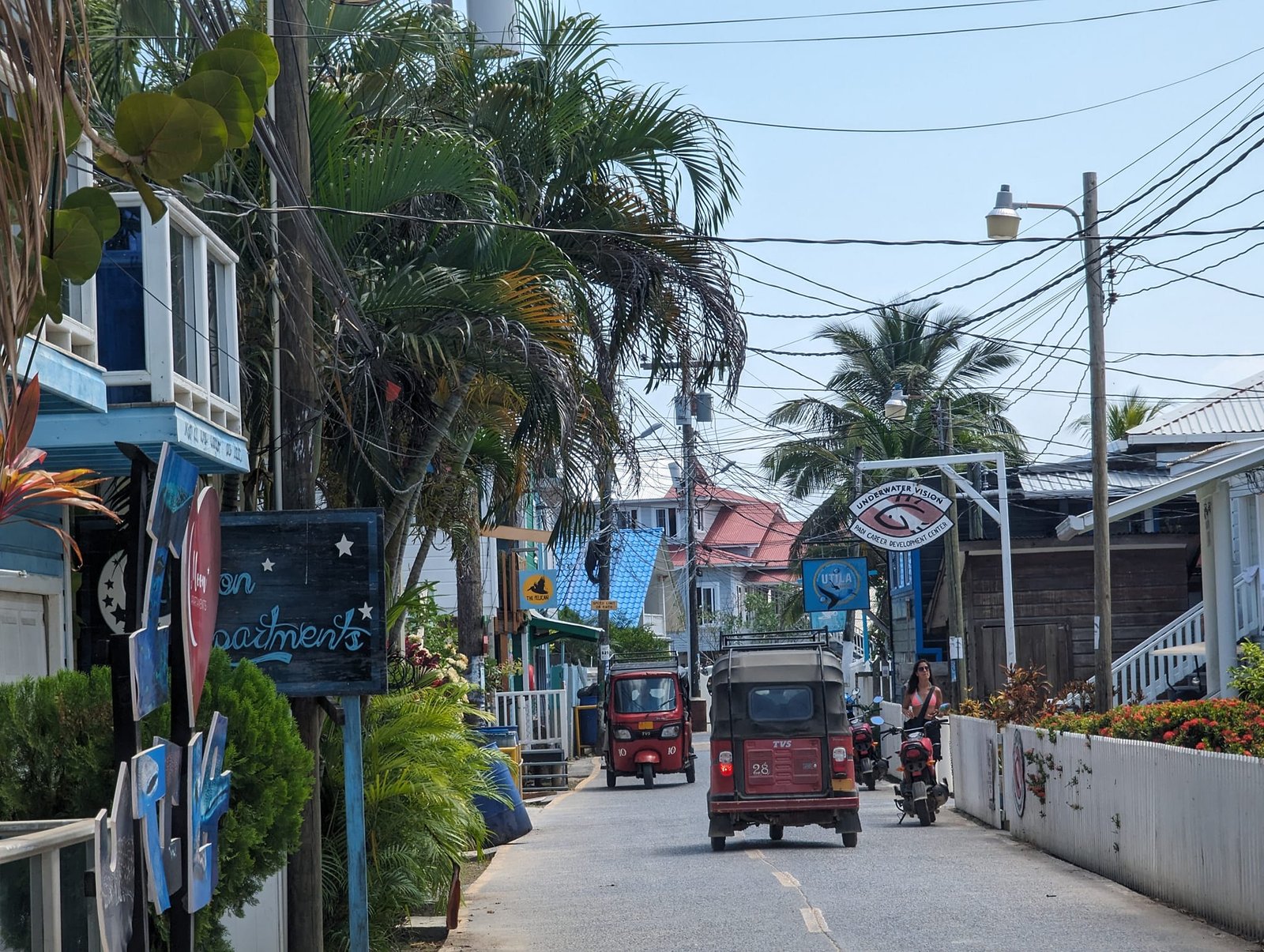
As soon as you arrive, you can see it is a completely different world from the mainland: the narrow streets are used mainly by tuk-tuks, scooters and golf carts, and they are lined with colourful wooden houses, bars and dive schools.
Utila – an island where you don’t feel you’re in Honduras
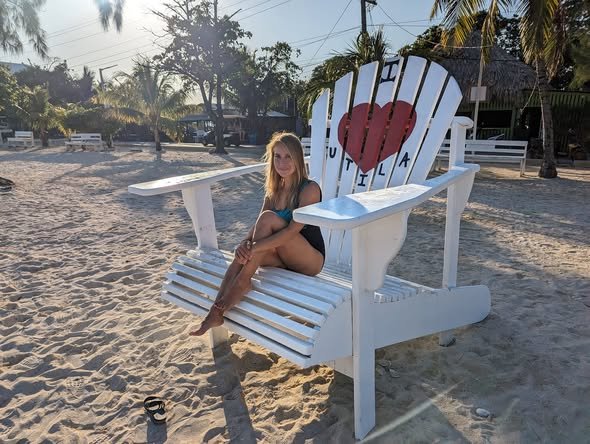
Utila is a small island with about 5000 inhabitants – mainly of African (Garífuna), English and Dutch descent. Because of their roots and because of tourism, most locals speak English, so it is easy to communicate. It is safe here: everyone knows each other, so if any crime happens, it is easy to track someone down. We never once felt threatened, and with so many tourists around and English everywhere, you don’t feel you are in Honduras at all.
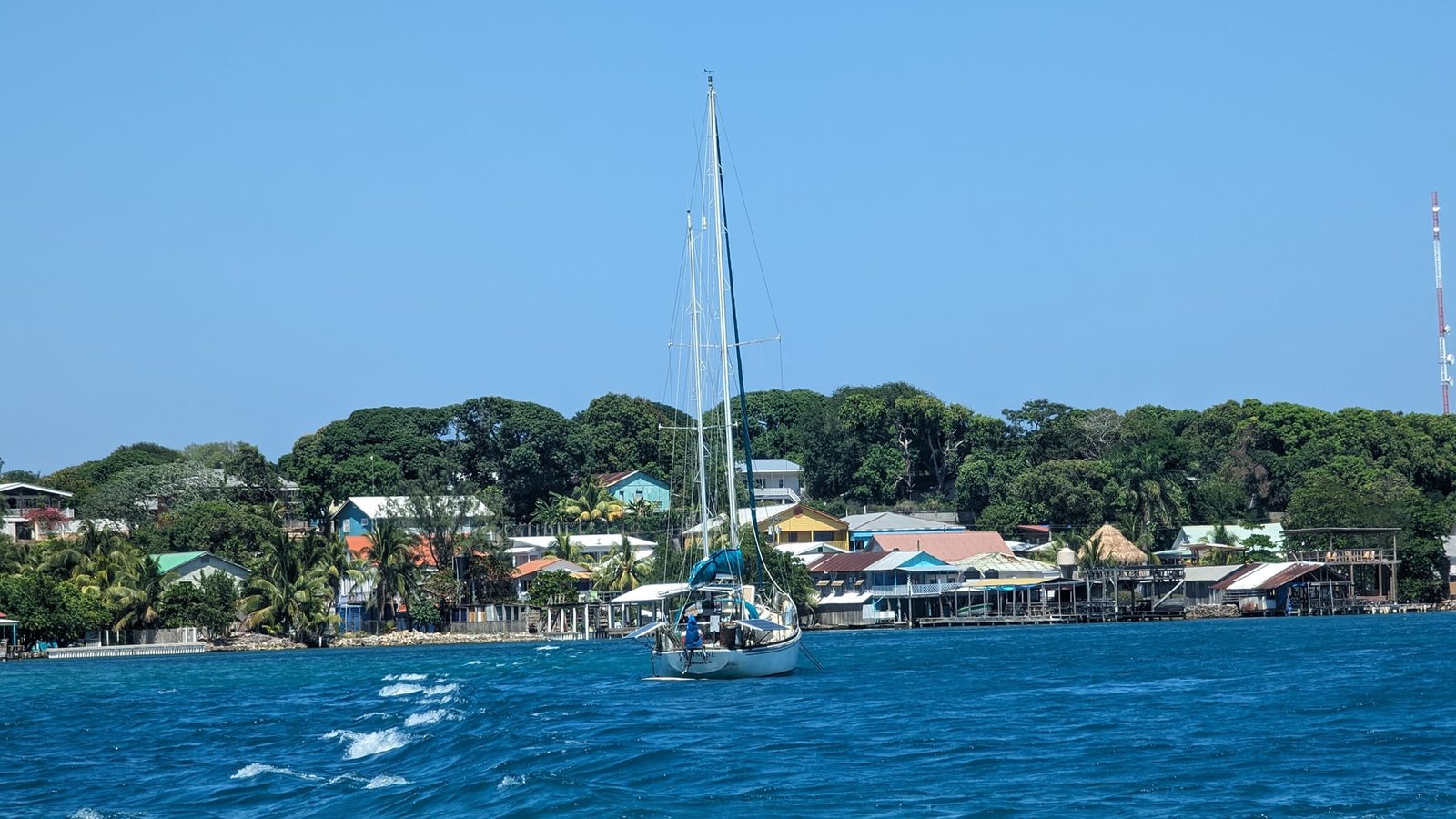
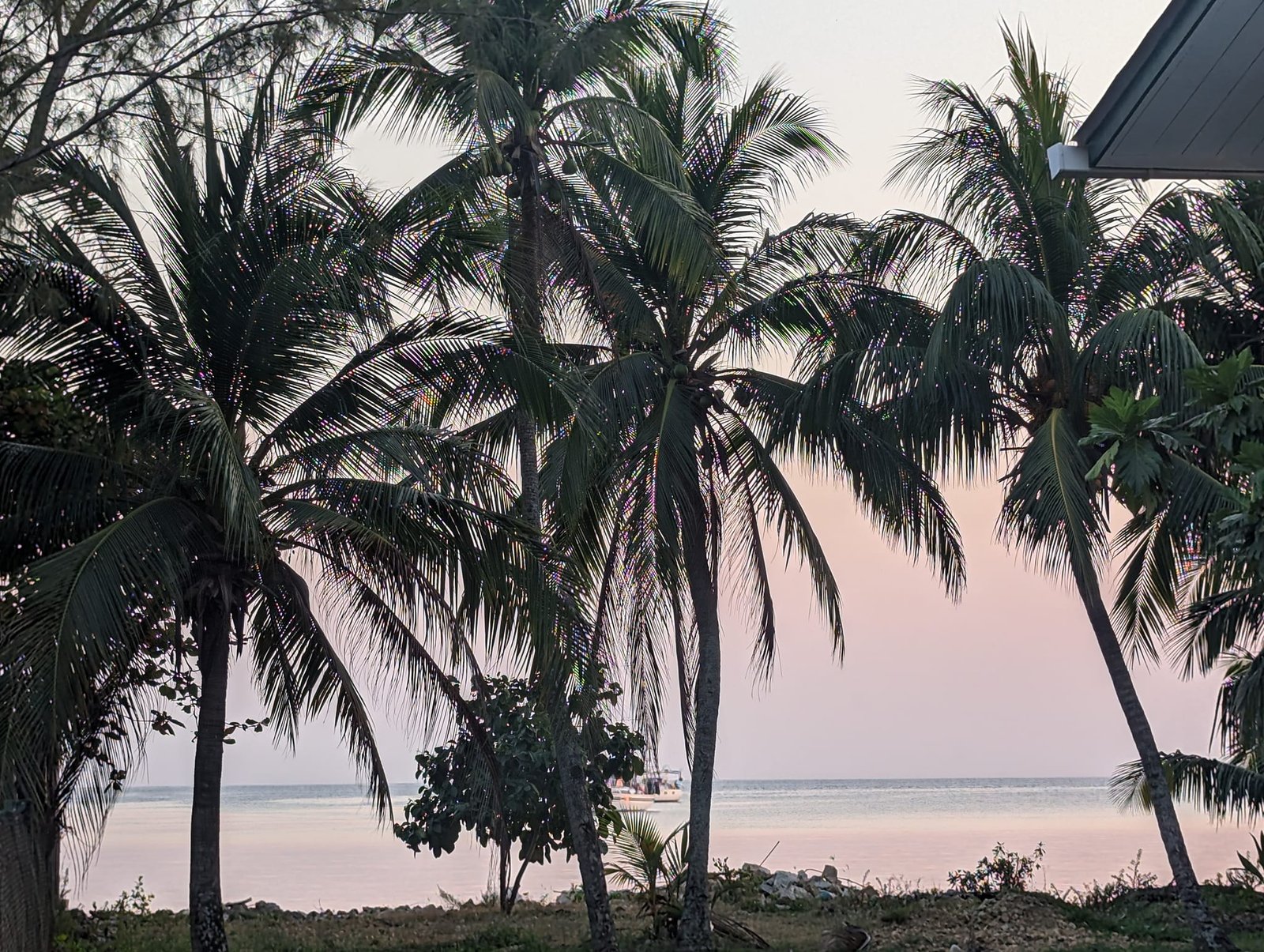
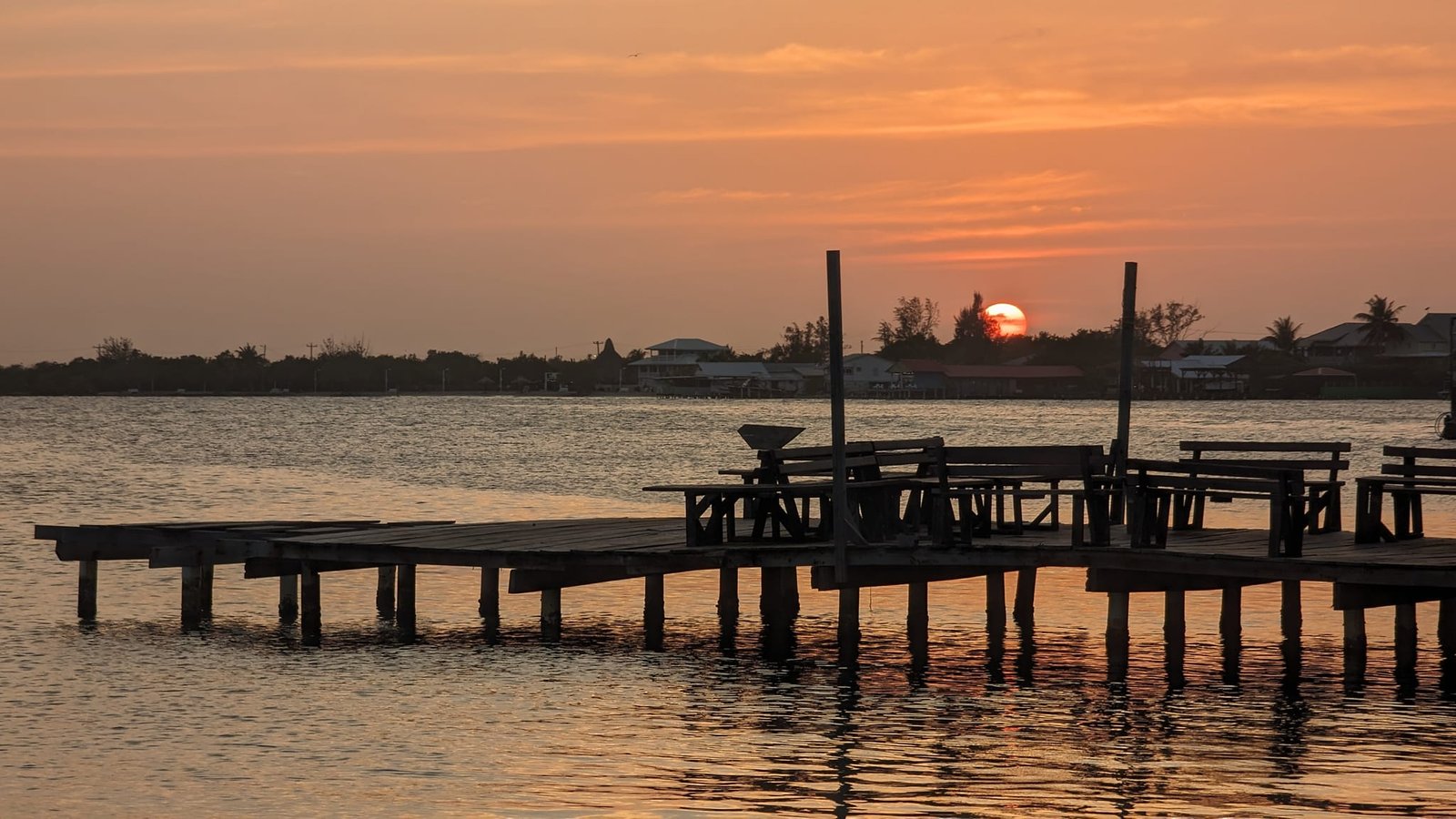
The island is so small that we covered most of the area open to tourists on foot – walking from one end of the town to the other took about an hour. Houses here often stand on raised ground or on stilts over the water, in case of flooding or even a tsunami.
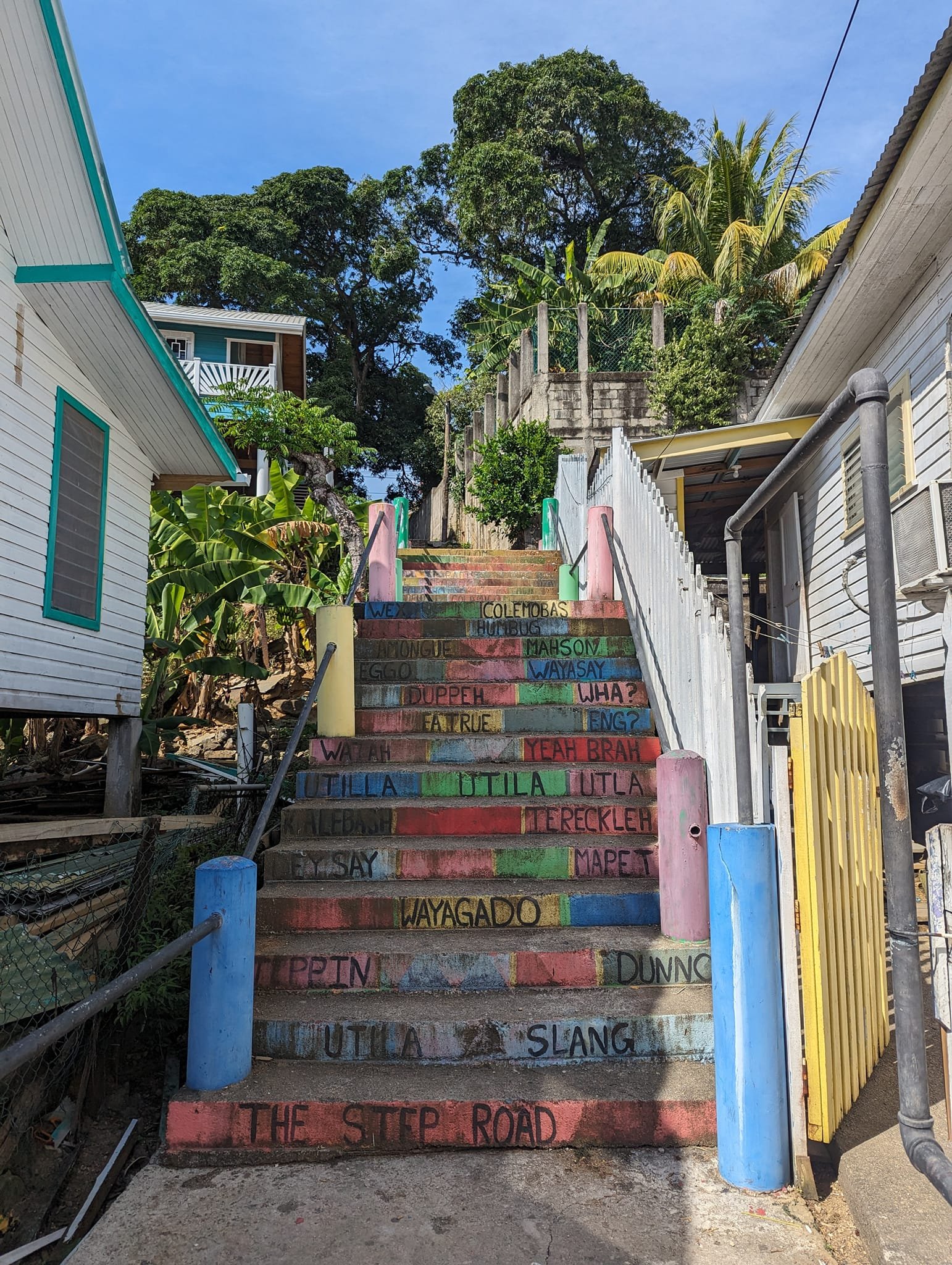
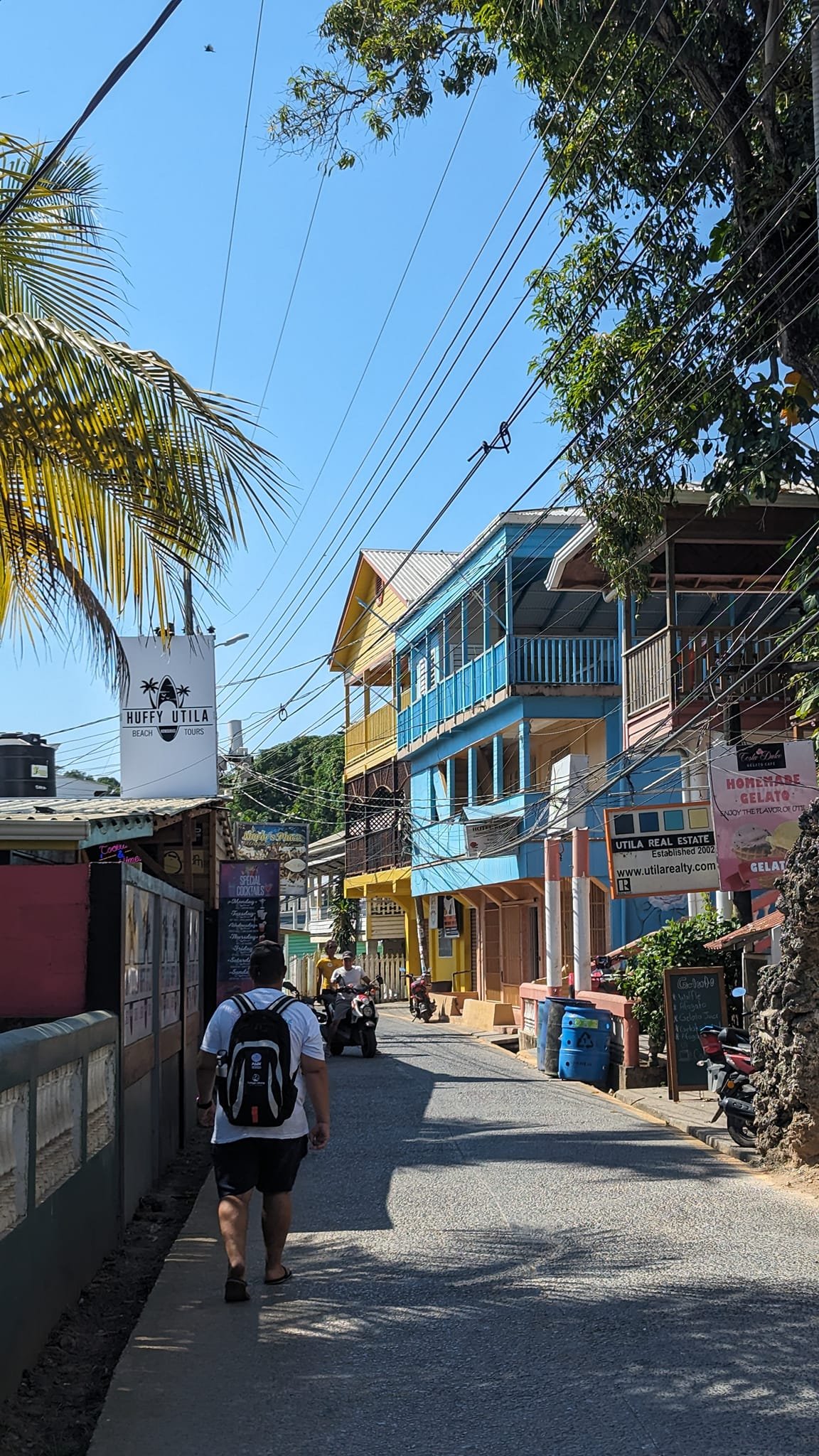
As is usual on islands, it is expensive. Prices in shops and restaurants can be twice as high as on the mainland, so most of the time we cooked simple meals ourselves or bought baleadas – traditional Honduran flatbreads with various fillings, much cheaper than other dishes. Even so, you can stay within a reasonable budget.
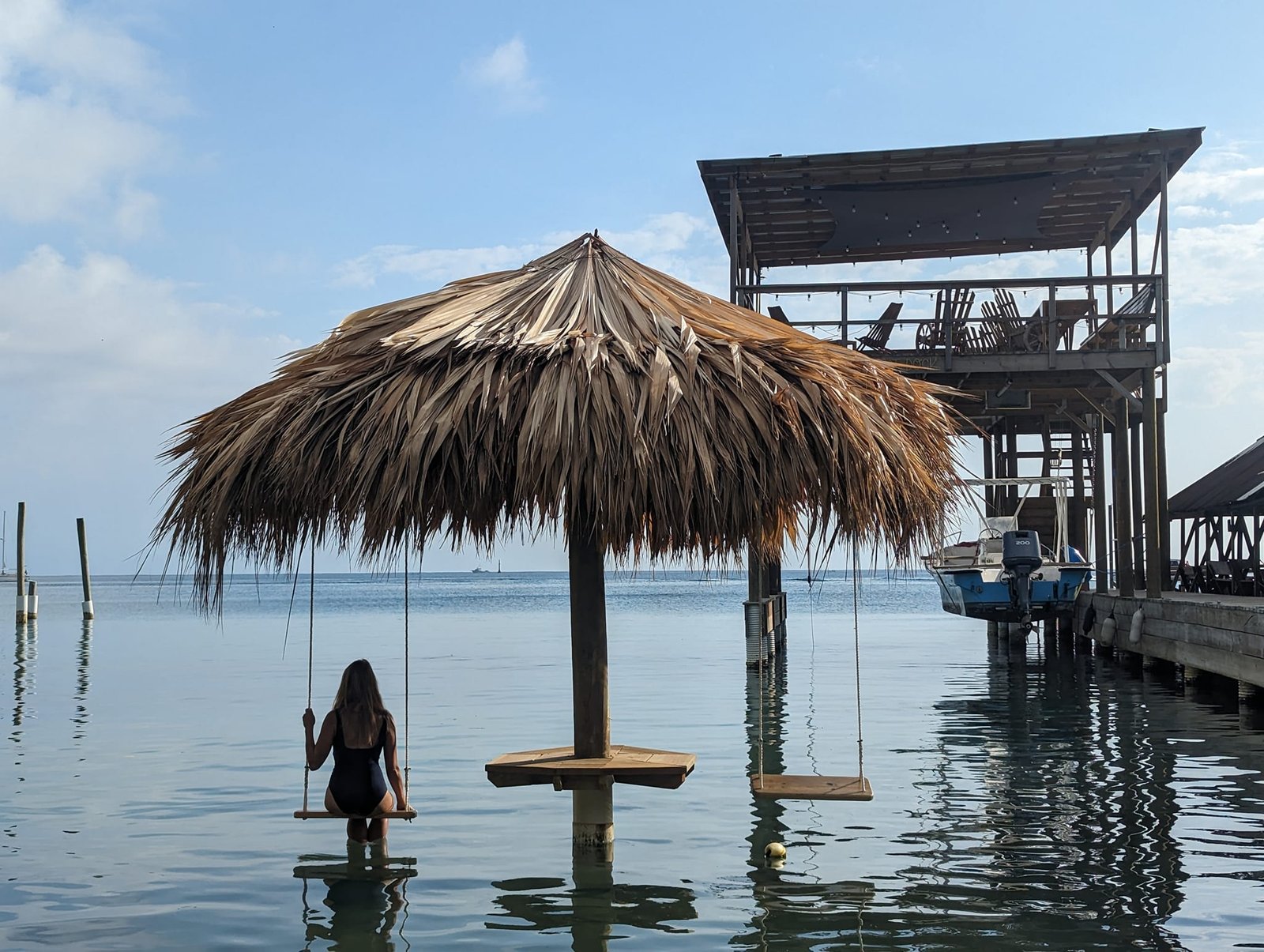
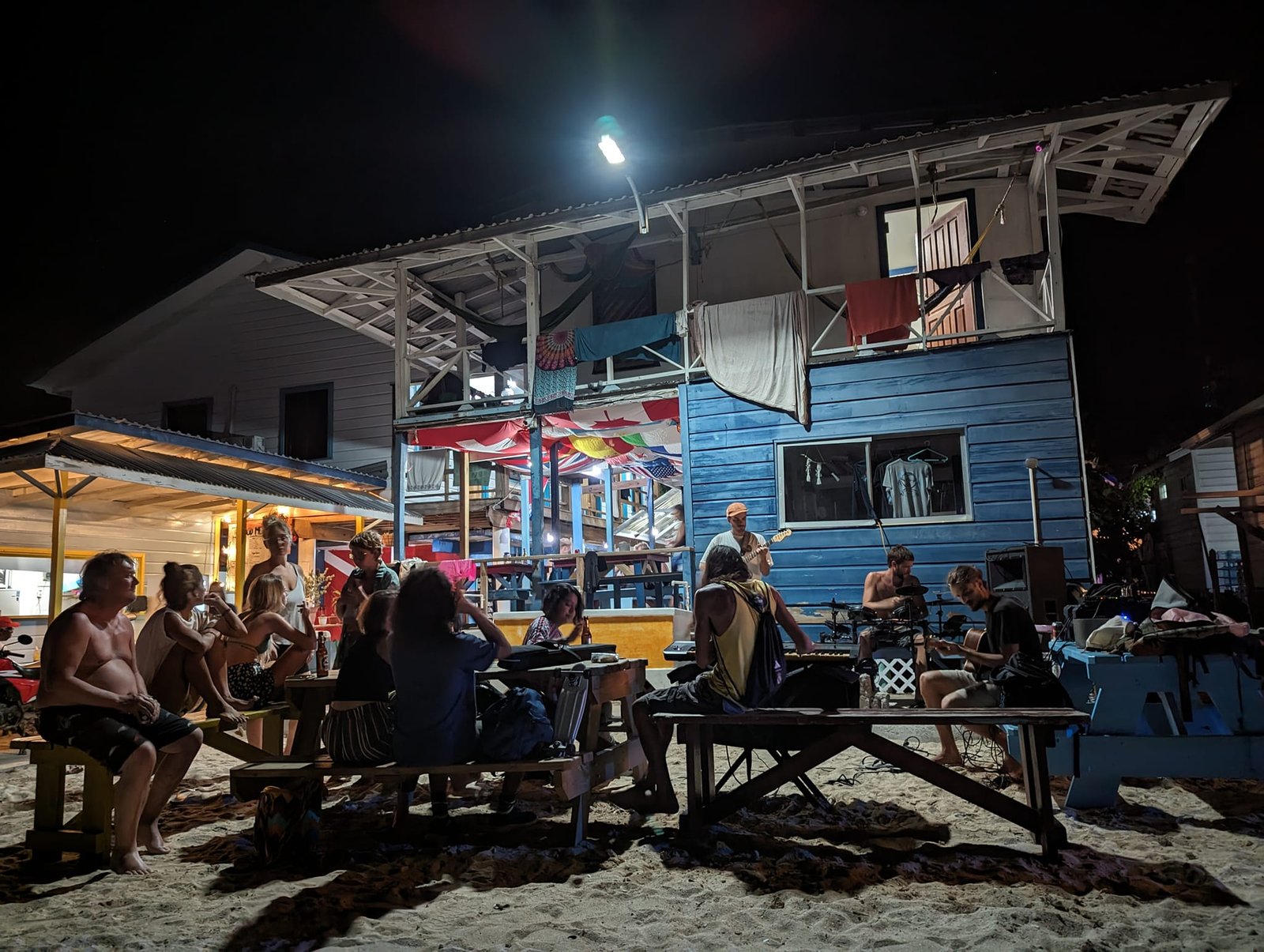
Our dive school was also a hotel with a very backpacker vibe. Apart from the dives, events were organised regularly, and every evening you could grab a beer, step out of your room and sit with others – there was always someone around. Quite a few beers did go down, because in a school like that it was hard to do otherwise.
The Open Water diving course at Paradise Divers
We went with the Paradise Divers school and its basic Open Water course (down to 18 m). Fun fact: on the very first day two people told us they remembered us from the language school in Antigua – the backpacker world in Central America really is small.
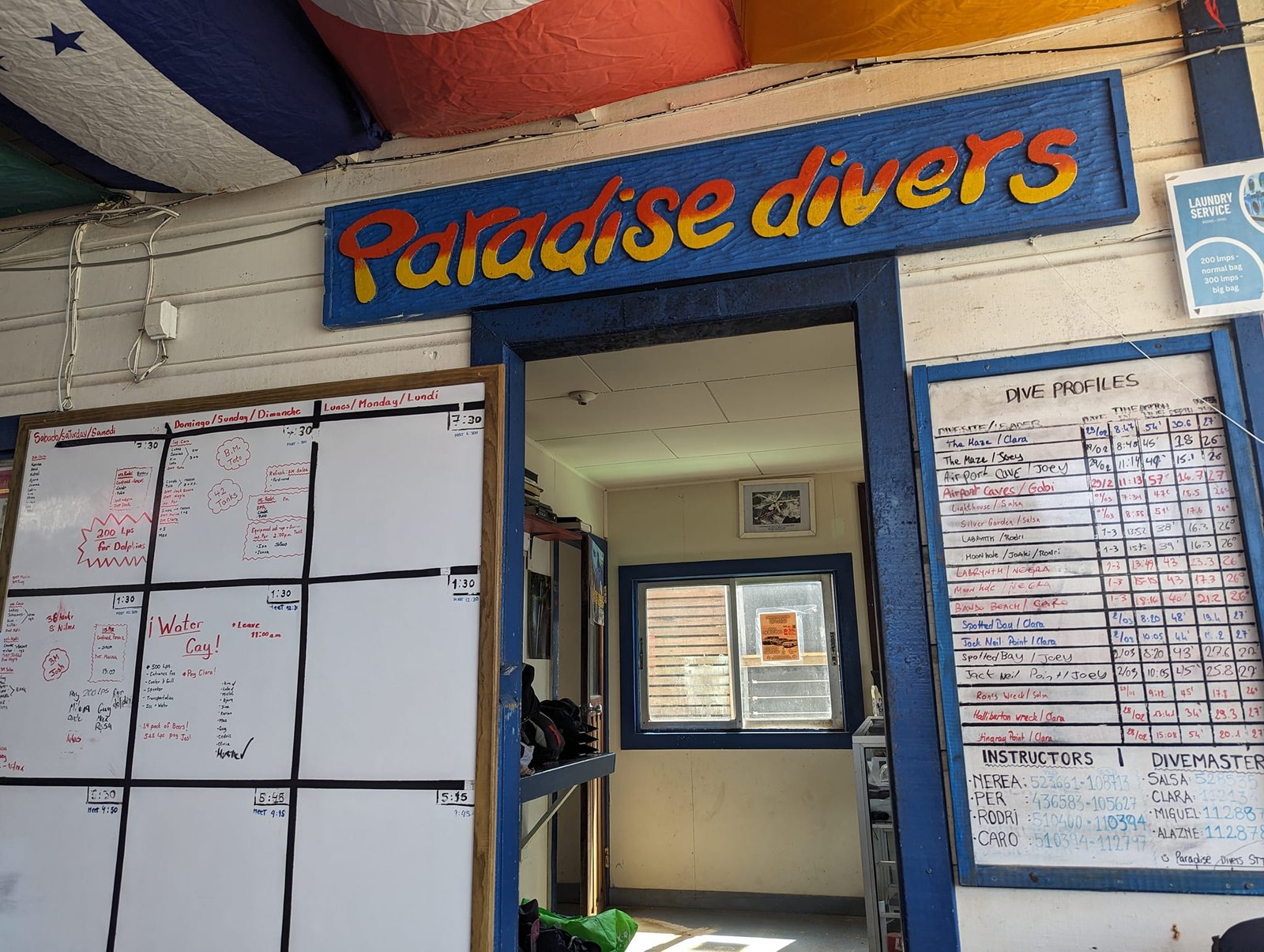
The course price (288 USD) included:
- a swimming test and learning to assemble the equipment,
- two sessions in shallow, calm water close to the shore,
- four open-water dives – all with an instructor, down to a maximum of 18 m,
- after finishing the course – two fun dives,
- accommodation for 4 days, i.e. the time planned for the whole course (after that an extra 8 USD per night).
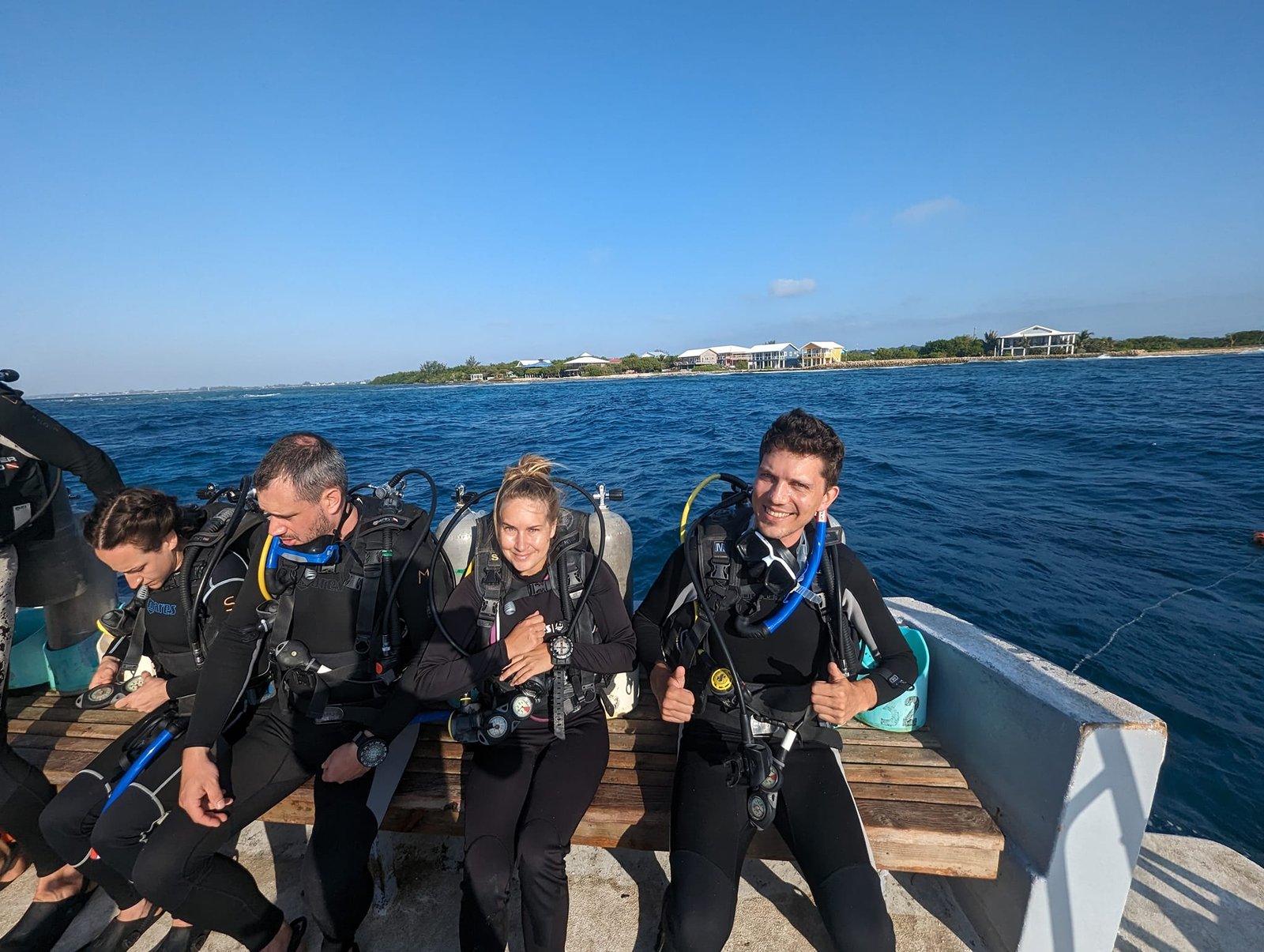
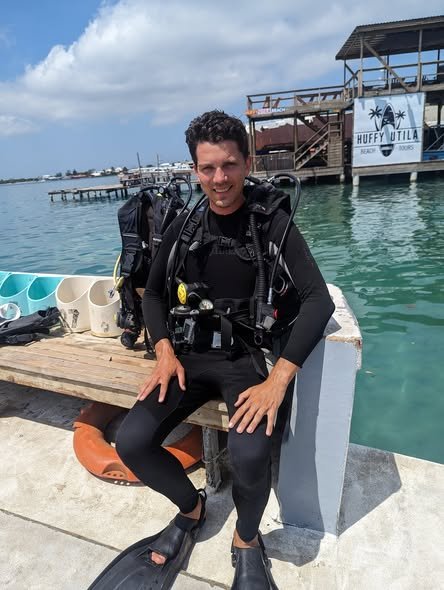
We went out to the dives on the school’s boat, and every descent started at the surface, by a buoy, together with the instructor. The course took us much longer than 4 days, because almost from the start I had trouble equalising and pain in my ear – we had to wait for it to get better. But we only paid 8 USD per night for the extra nights, so it was not too bad.
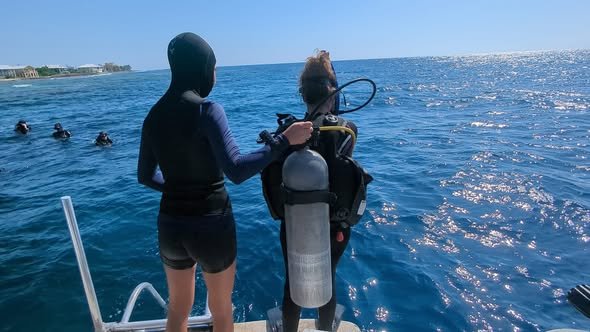
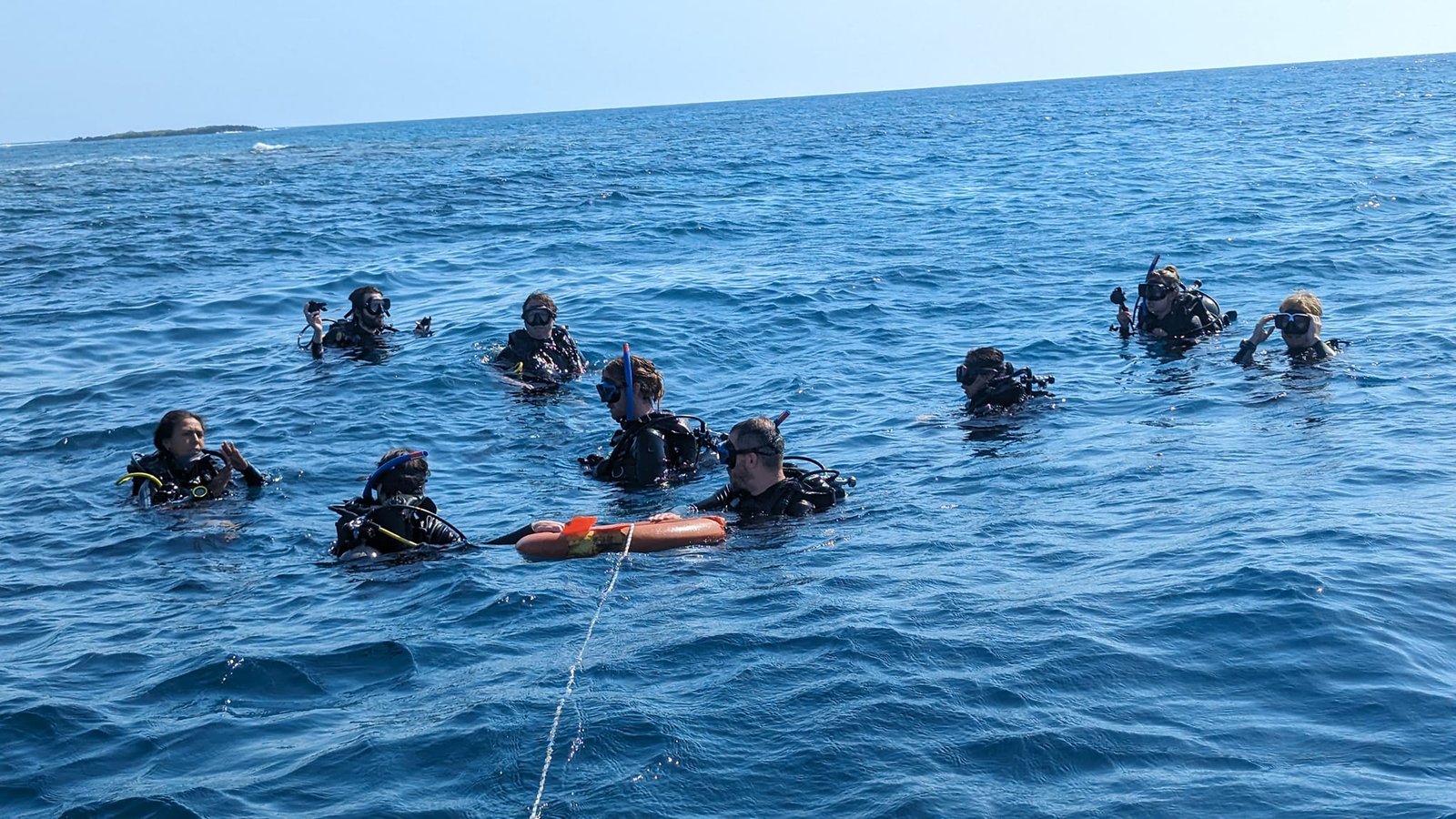
You study the theory on your own and at the end you take a written exam. Now we can dive with a buddy down to 18 m – and a few months later this came in handy in the Galápagos, where we dived at Kicker Rock.
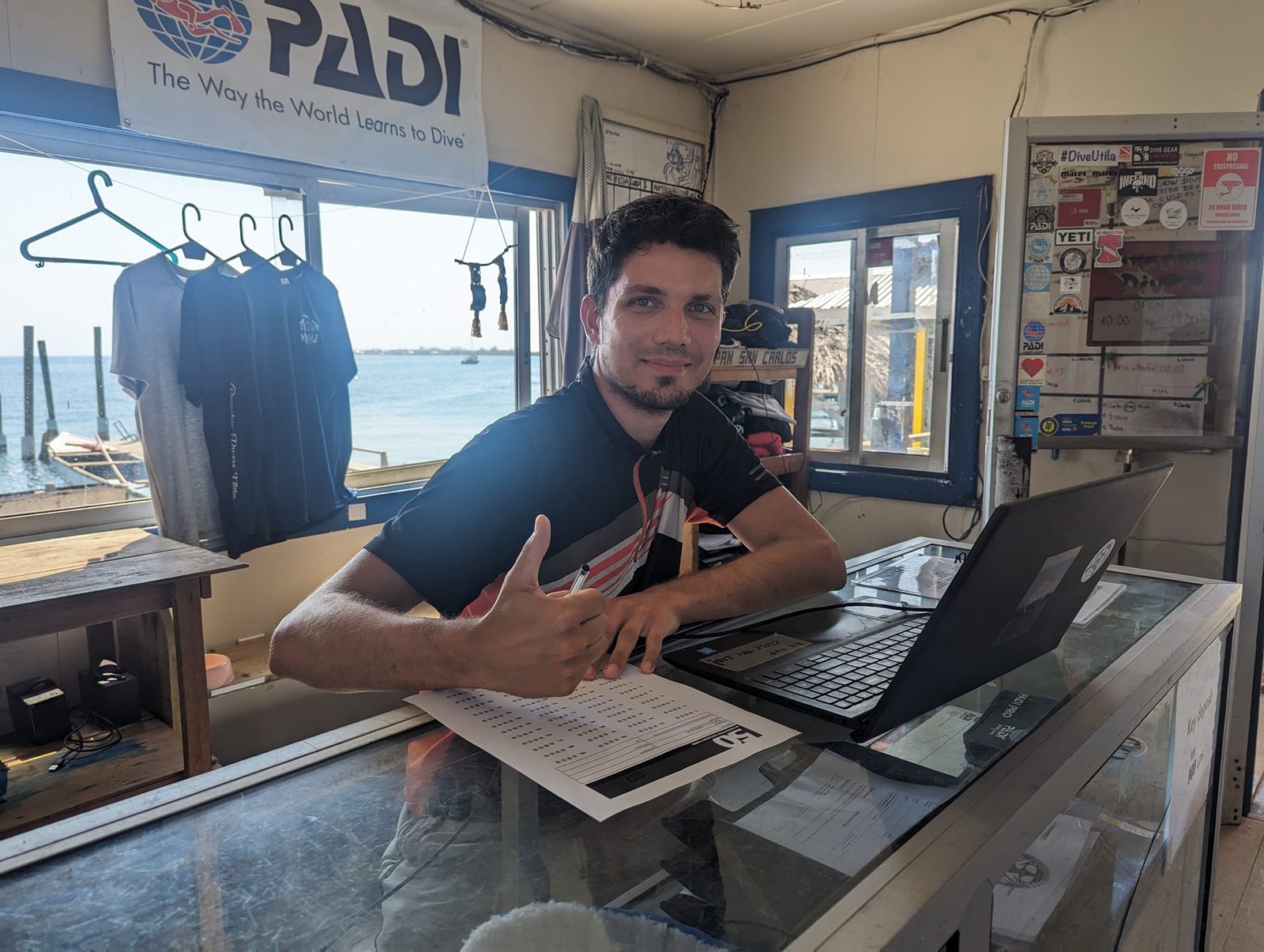
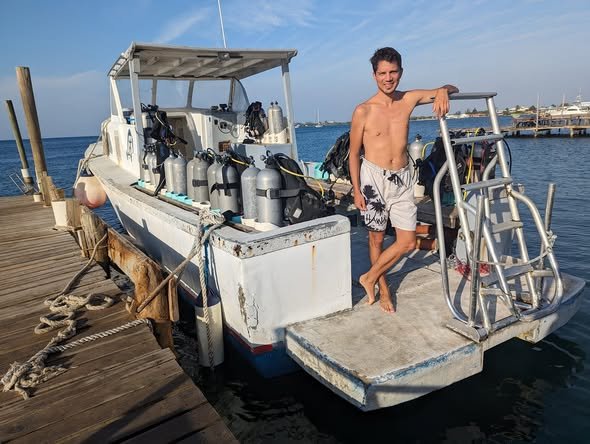
On Utila we also met, among others, Karina, who had studied at the same language school as us in Guatemala – and two months later we ran into each other again completely by chance in Tayrona Park in Colombia.
Underwater – the reef off Utila
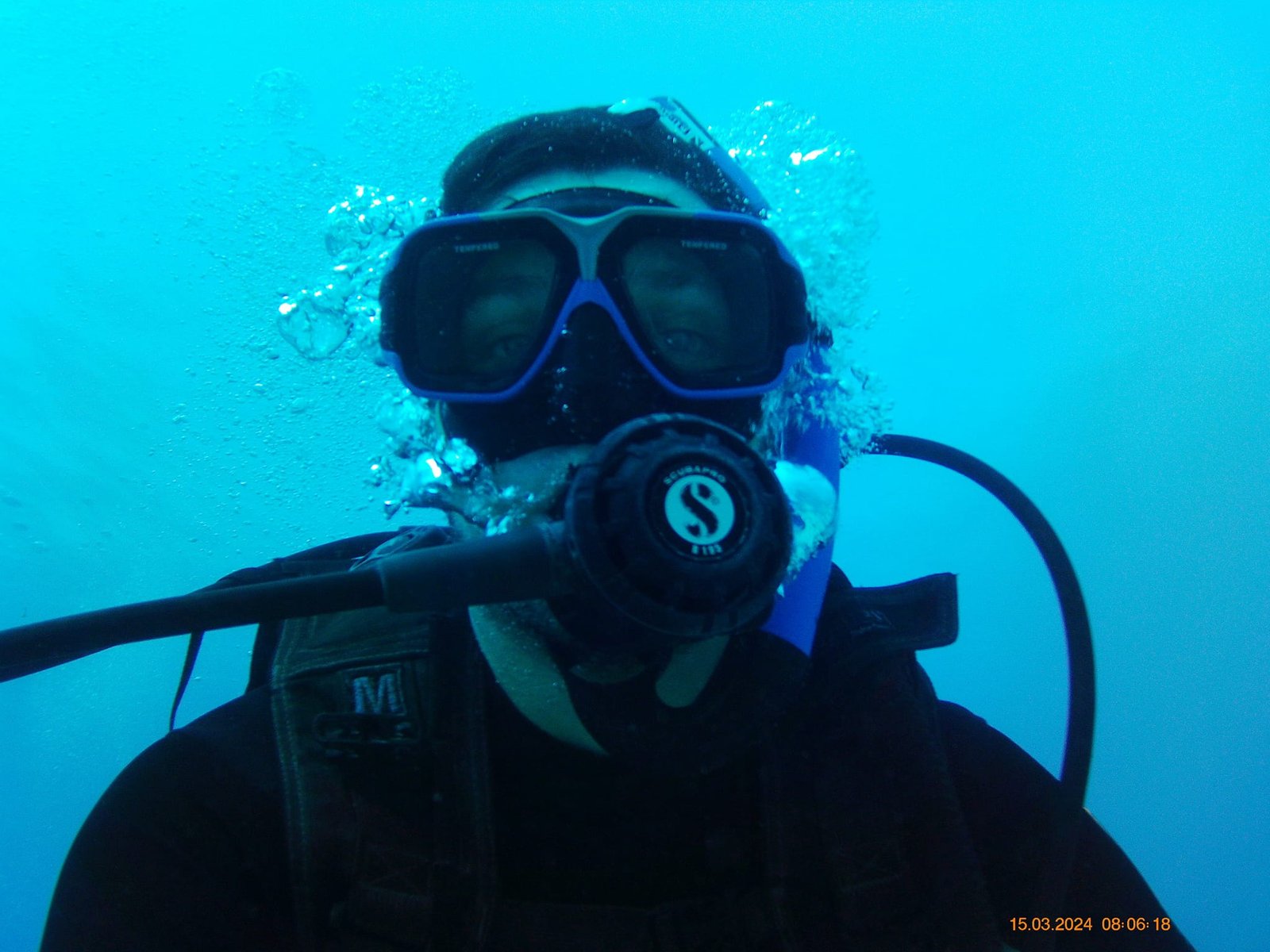
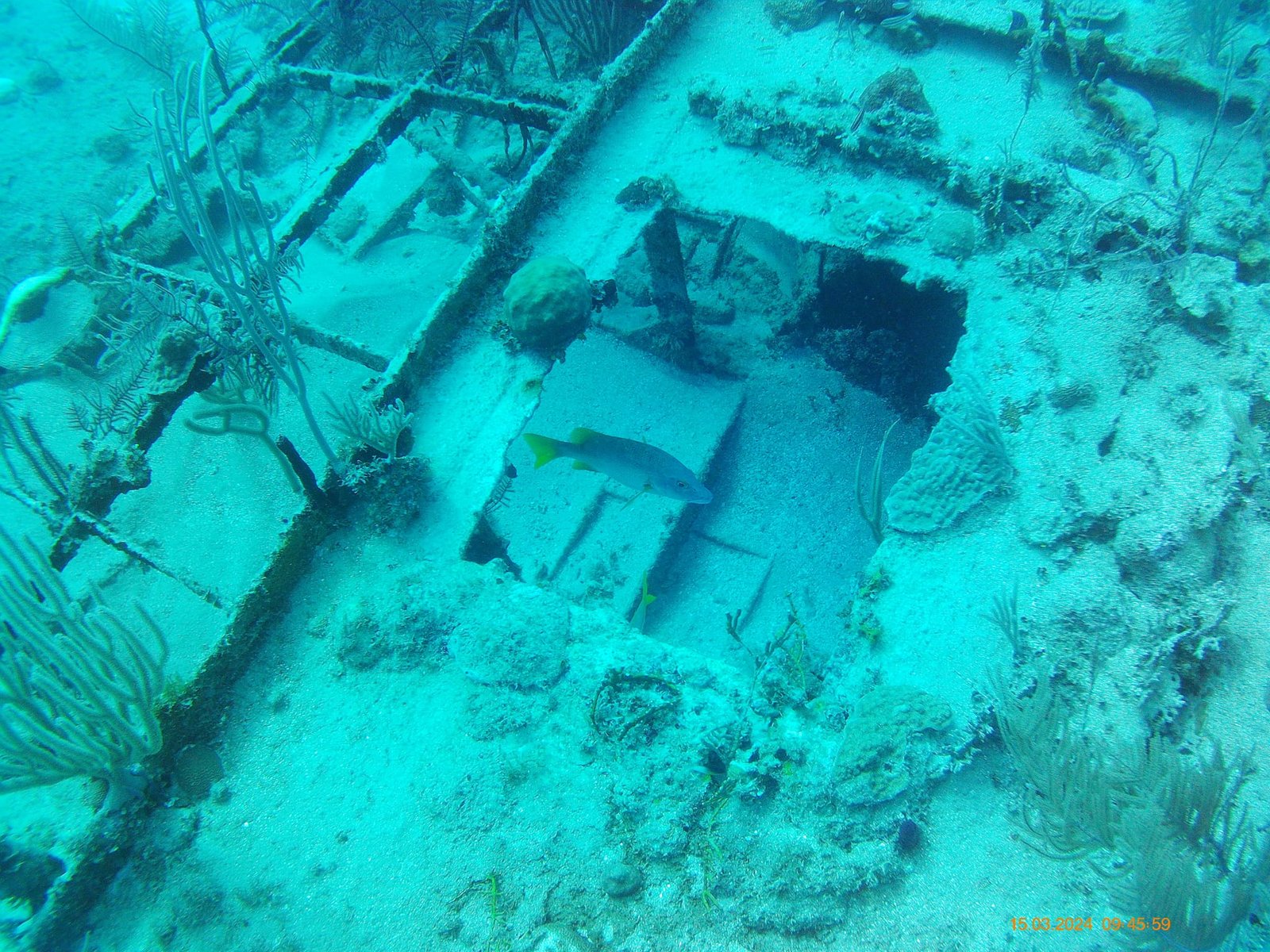
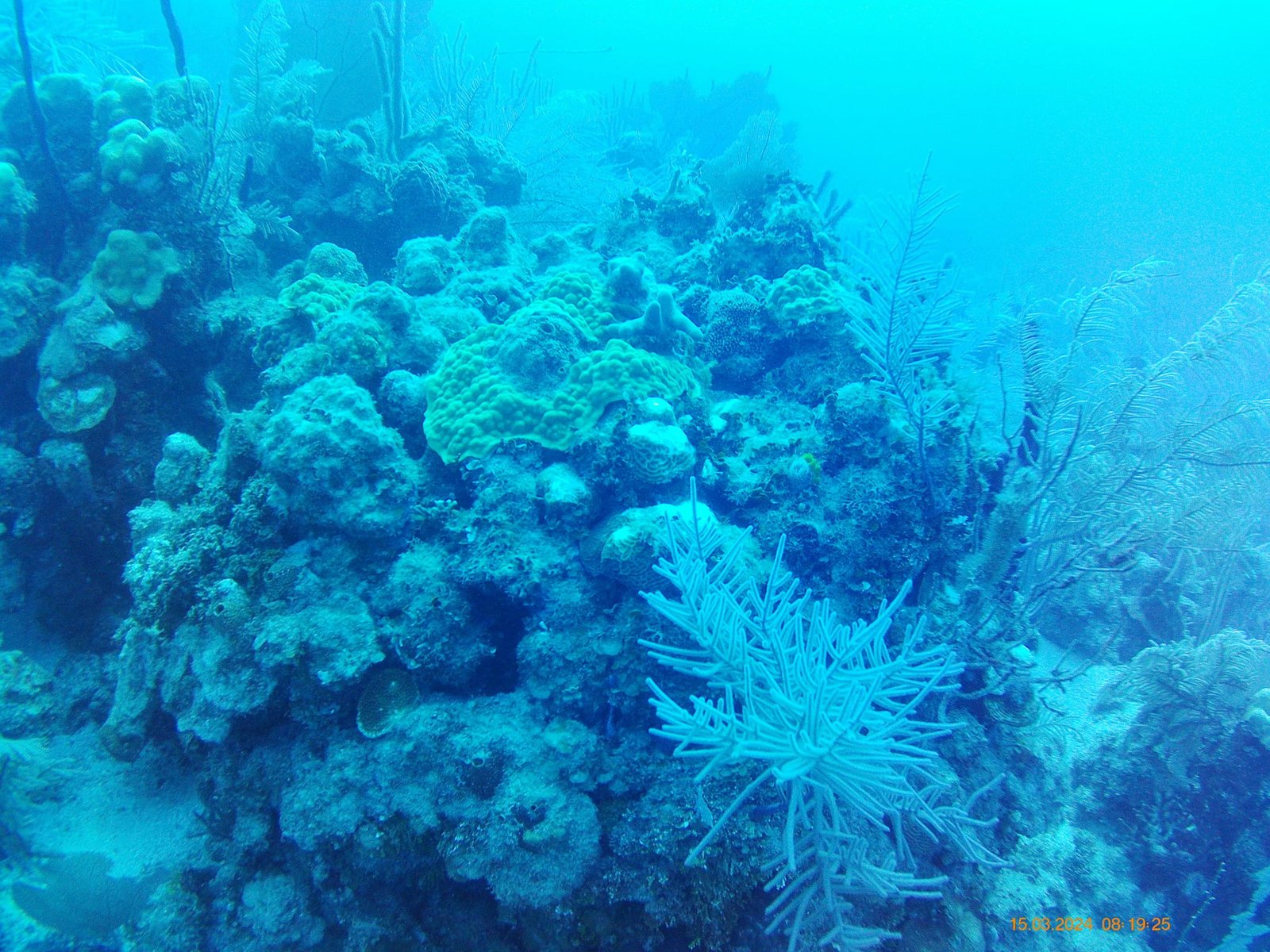
Utila lies on the second-largest coral reef system in the world, so it would be a shame not to make the most of it – and so the island has become a paradise for divers. There are about 80 dive sites around it, and underwater we saw corals and a sunken wreck, among other things.
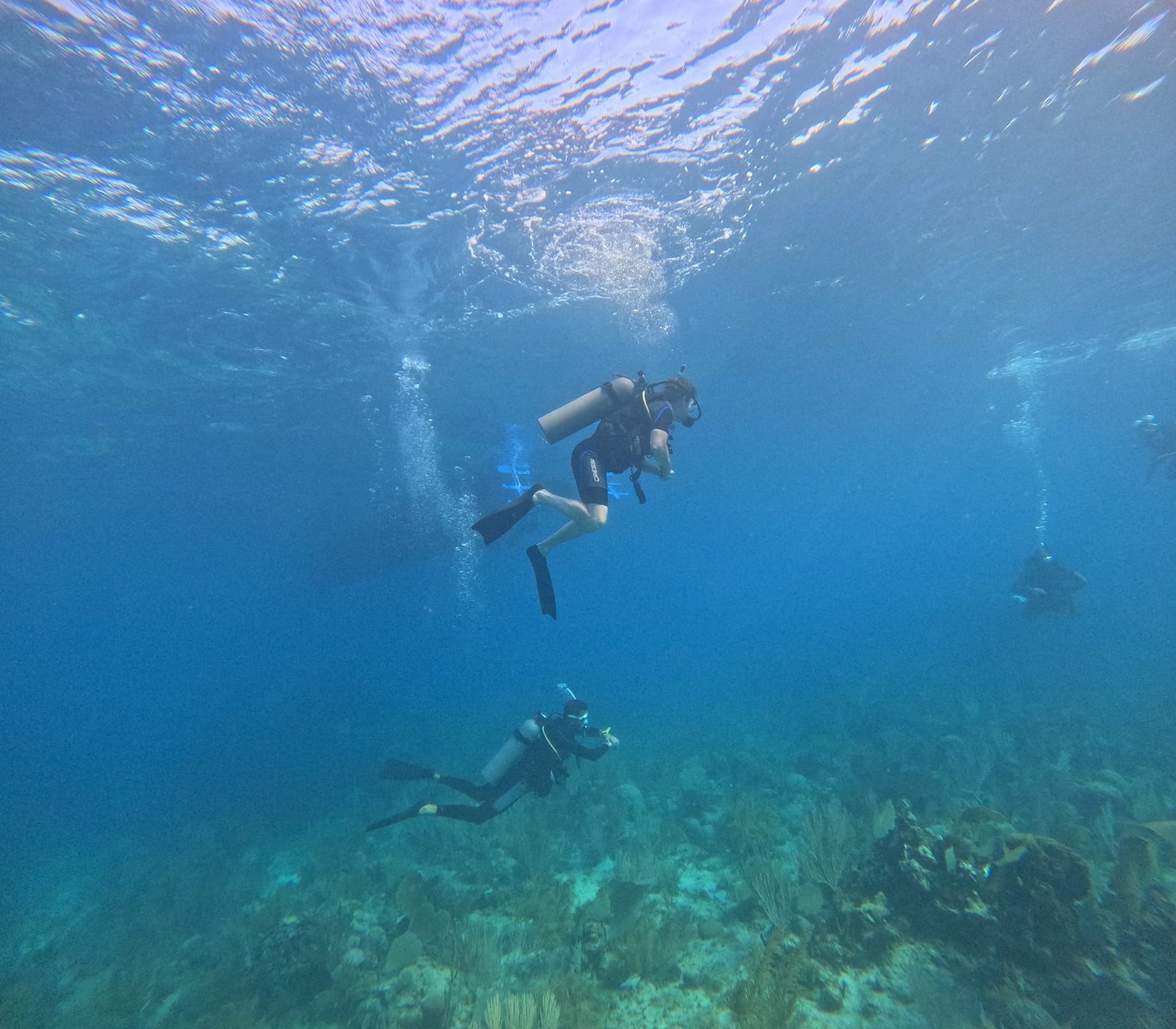
Unfortunately we have few underwater photos – our GoPro camera broke shortly after we arrived on the island. We managed without it through the whole of Nicaragua and only picked up a new camera in San José in Costa Rica.
Pumpkin Hill, beaches and Utila on foot
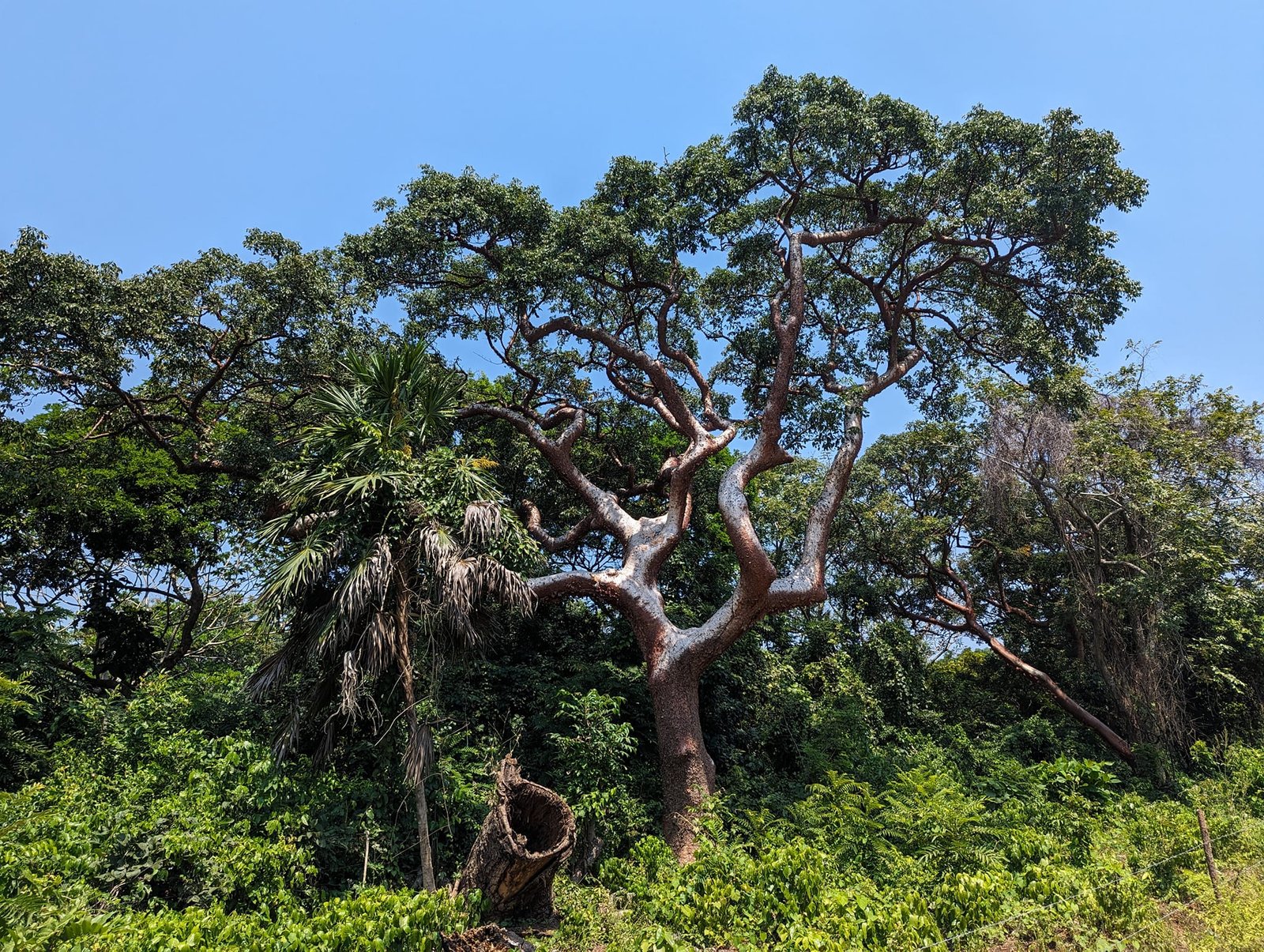
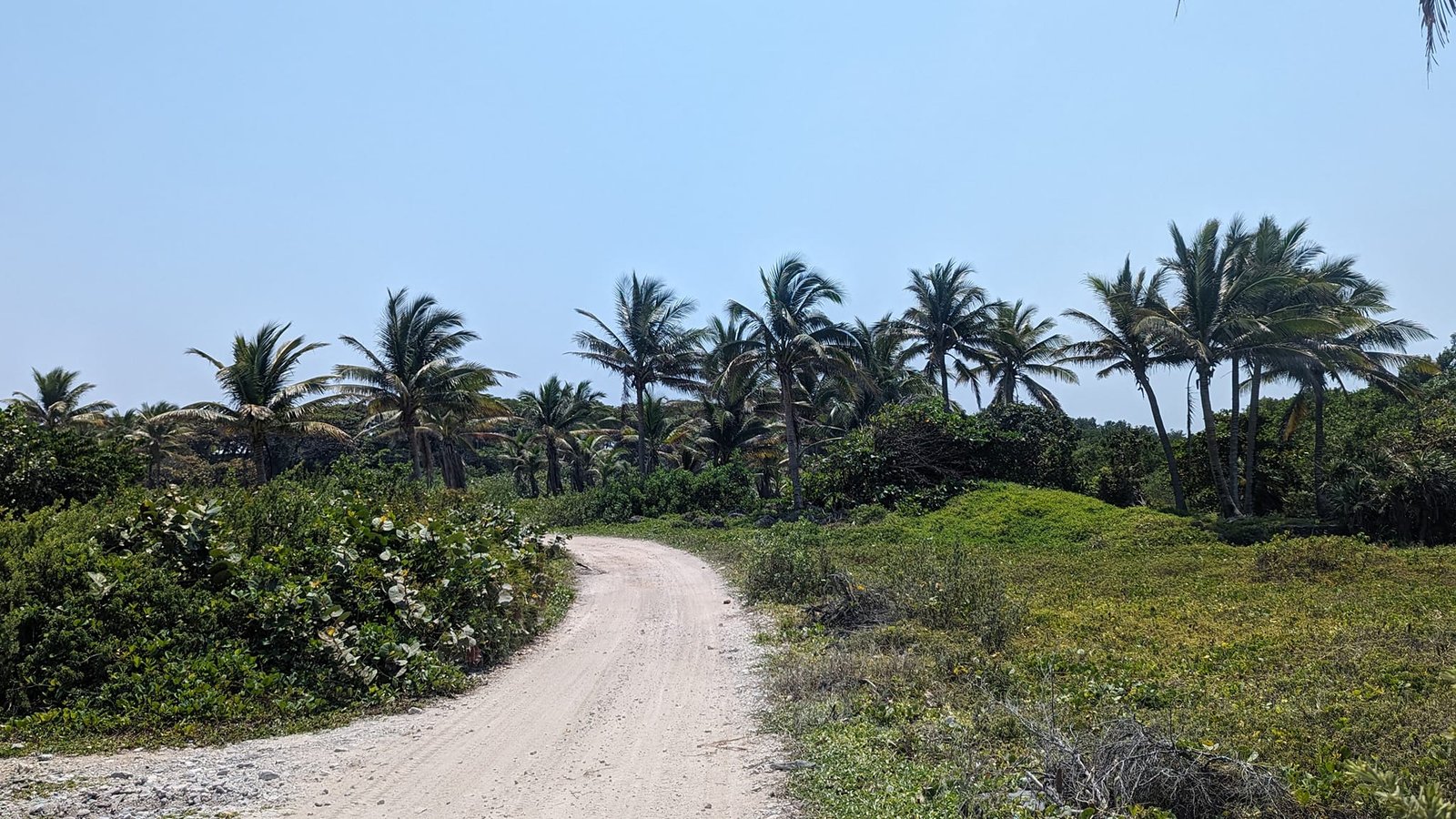
Between dives we explored the island on foot – in total we walked about 30 km. Just a little beyond the centre the feel is completely different, rural: gravel roads, forest and people living an even quieter life than in the town.
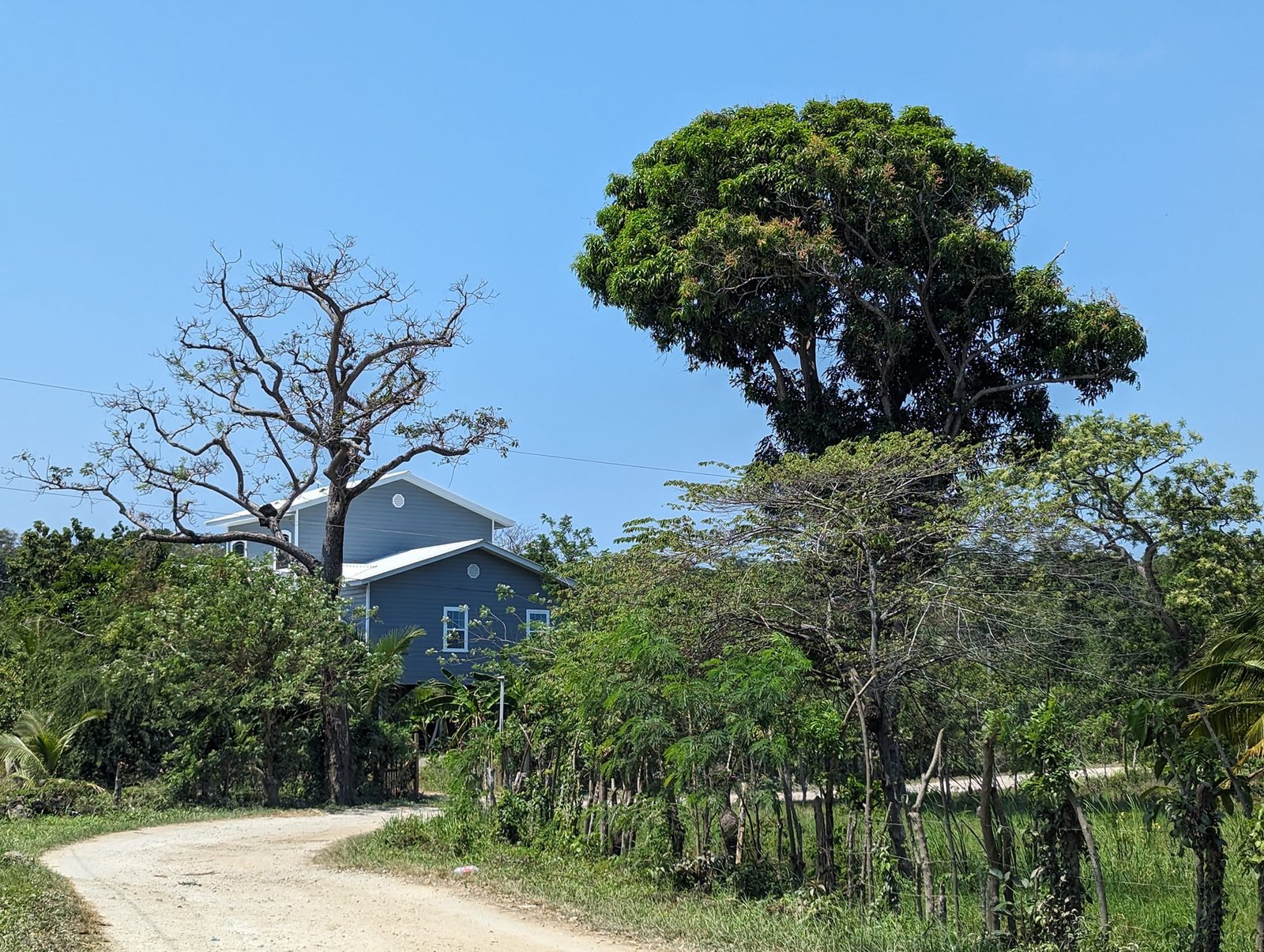
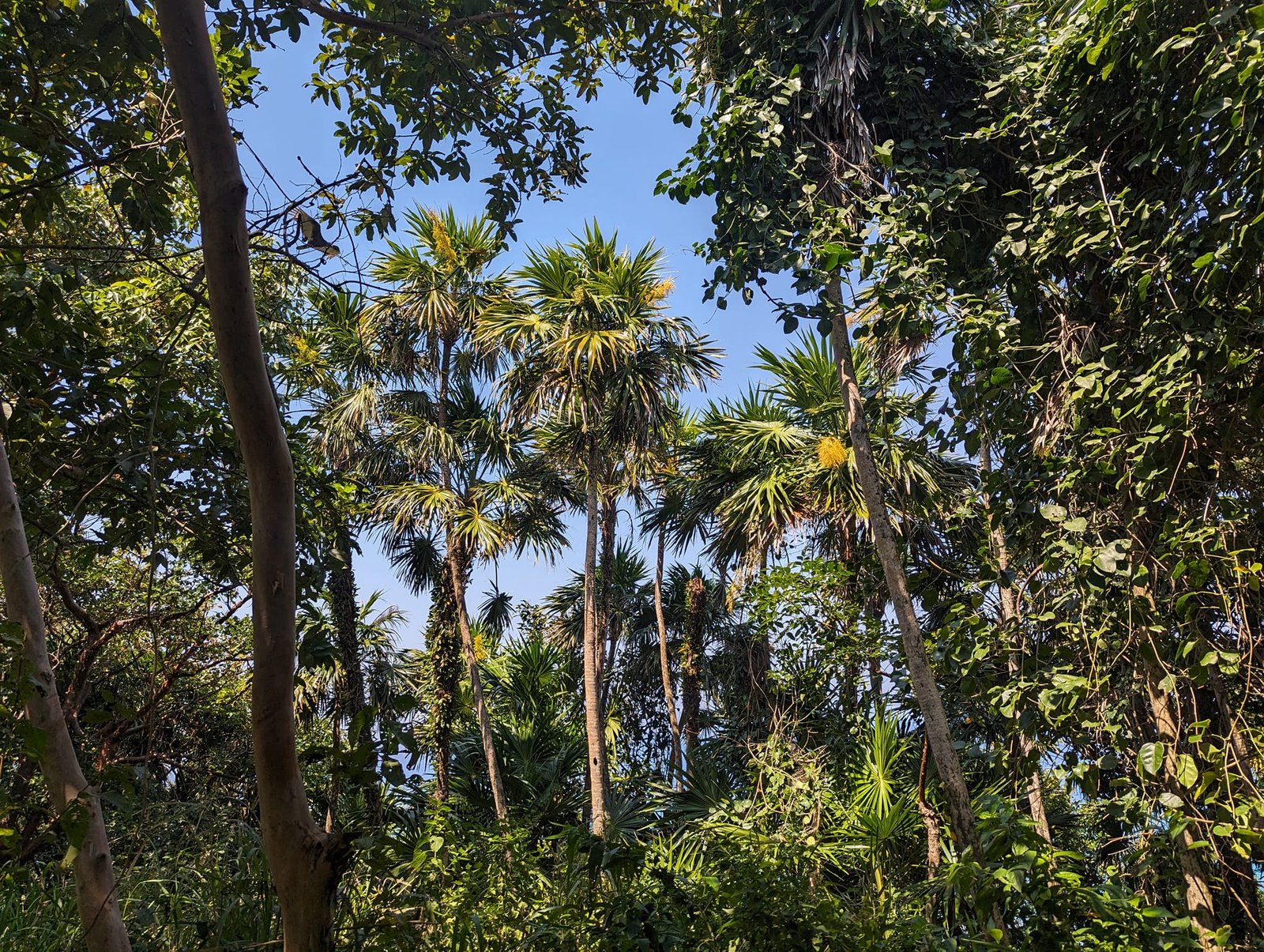
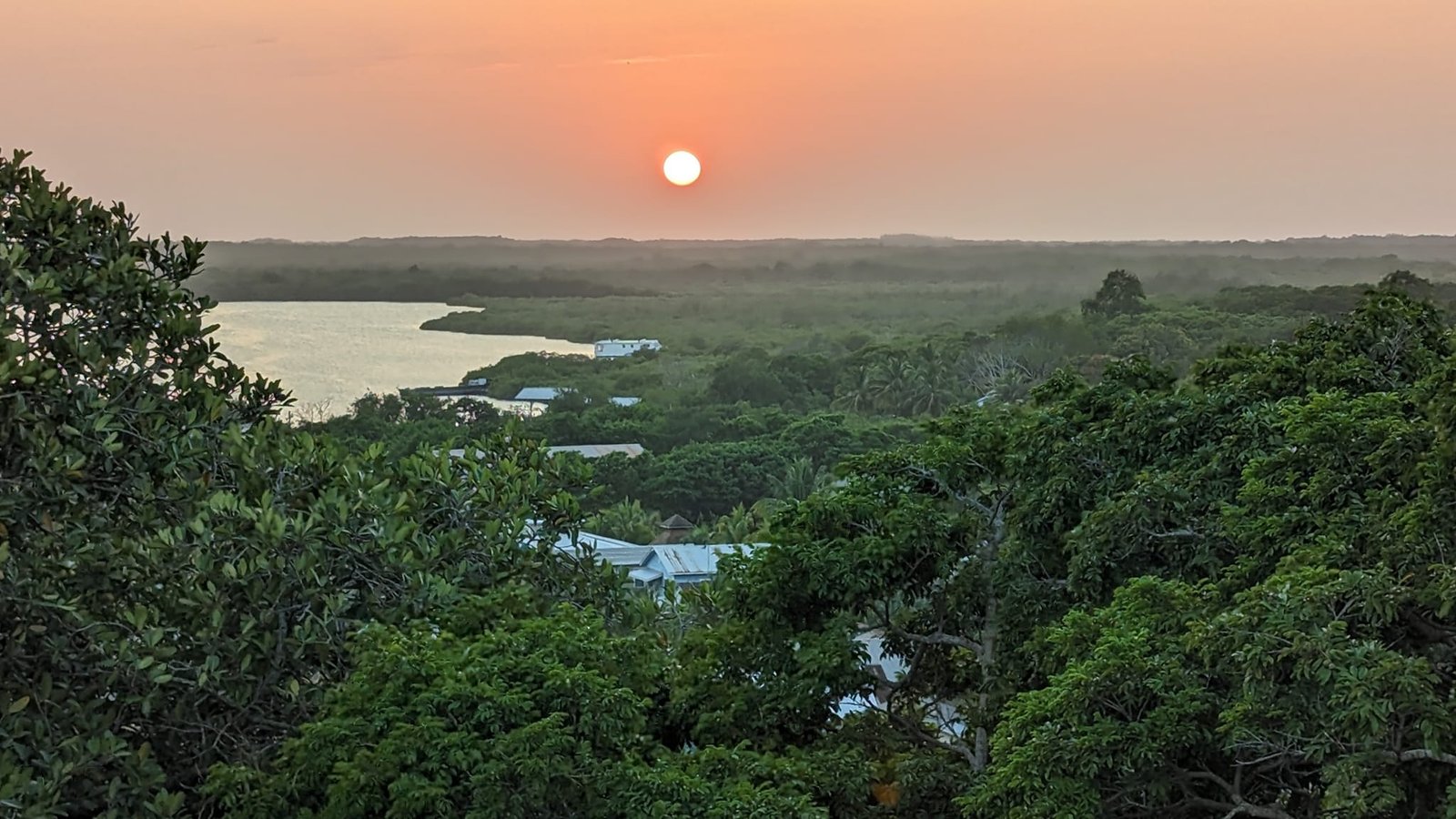
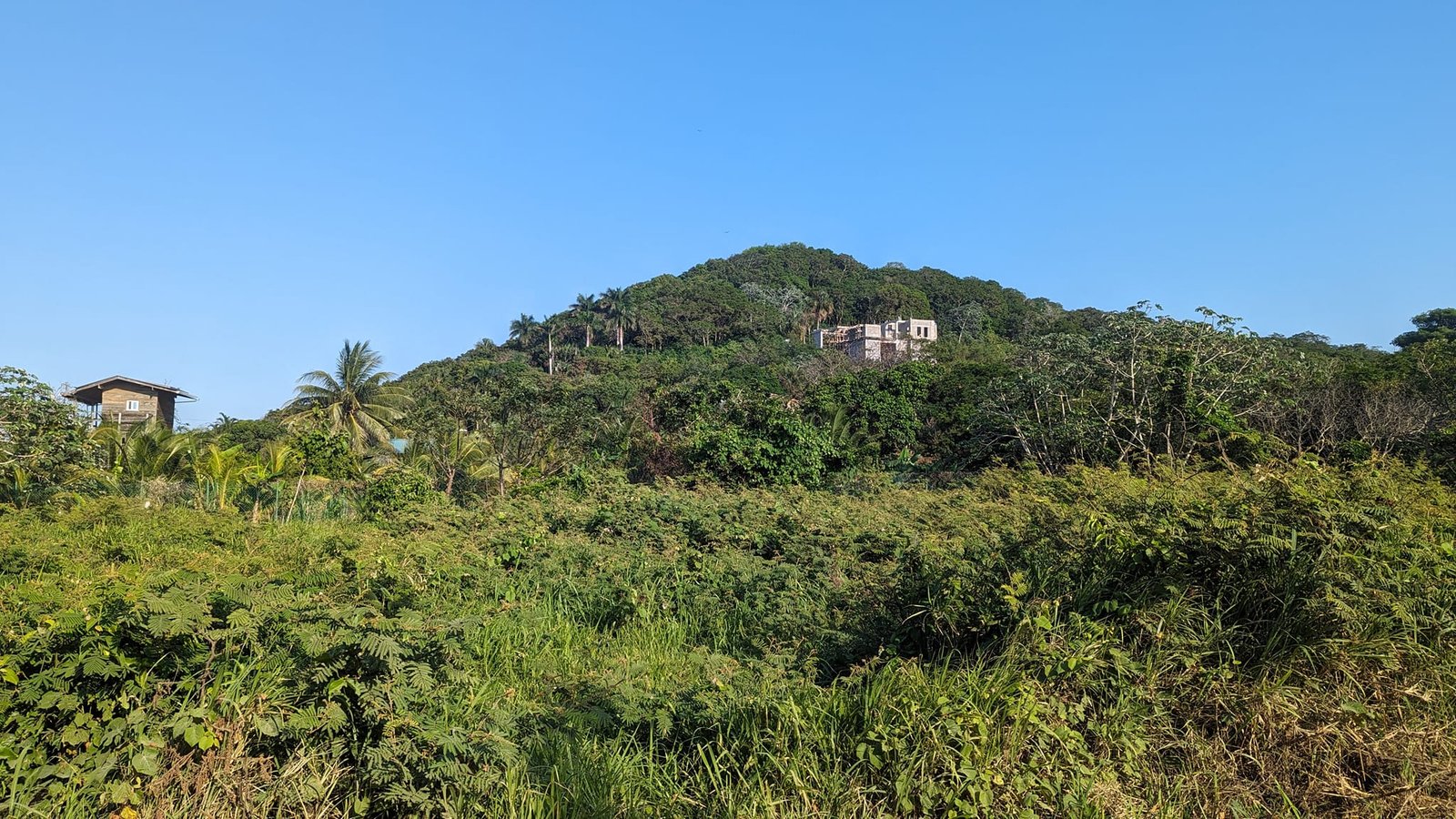
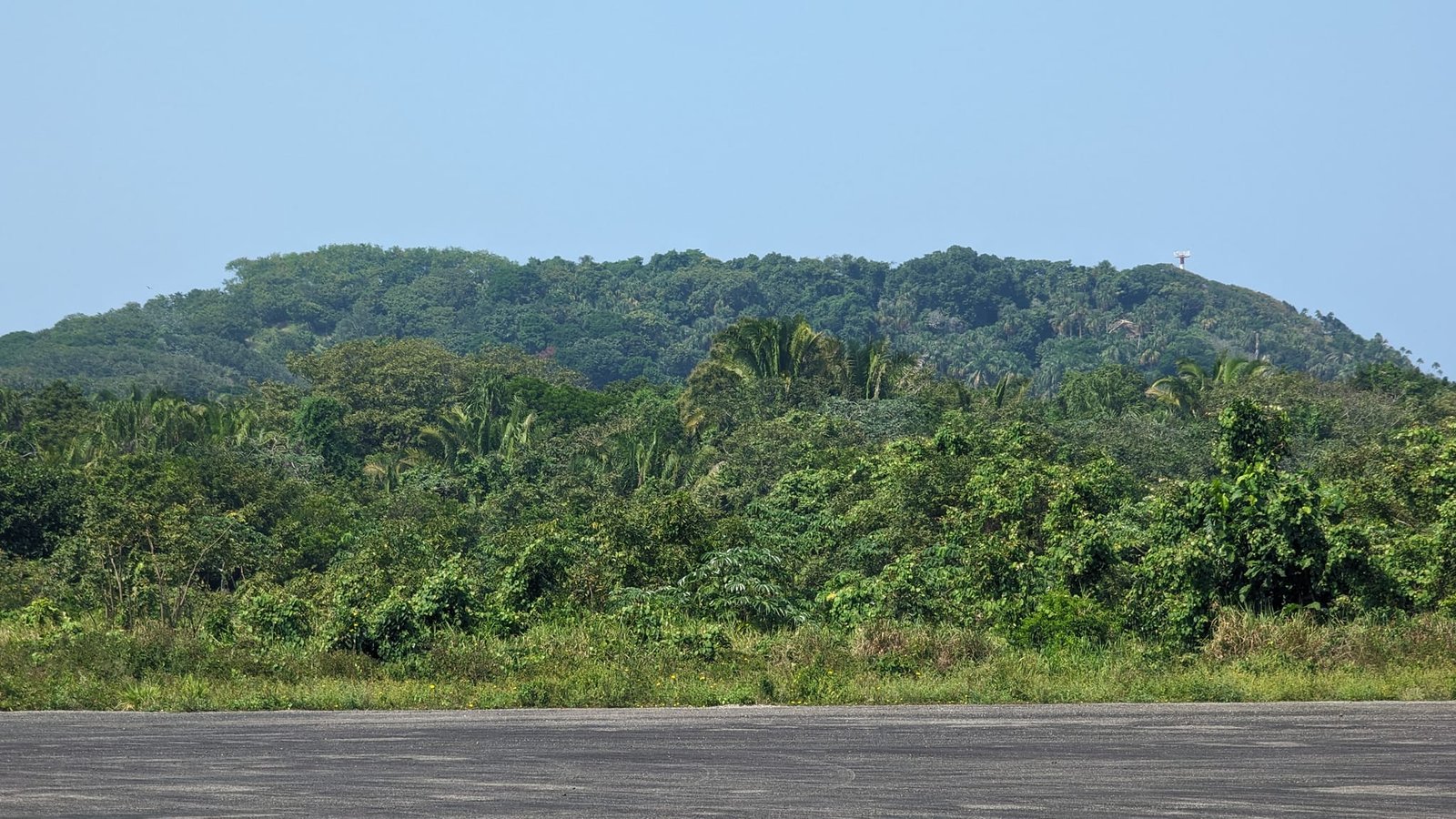
We climbed the highest point of the island – Pumpkin Hill (74 m) with an old lighthouse. The path leads through dense scrub, and from the top you can see the green interior of the island, the coast with scattered houses, and the sea.
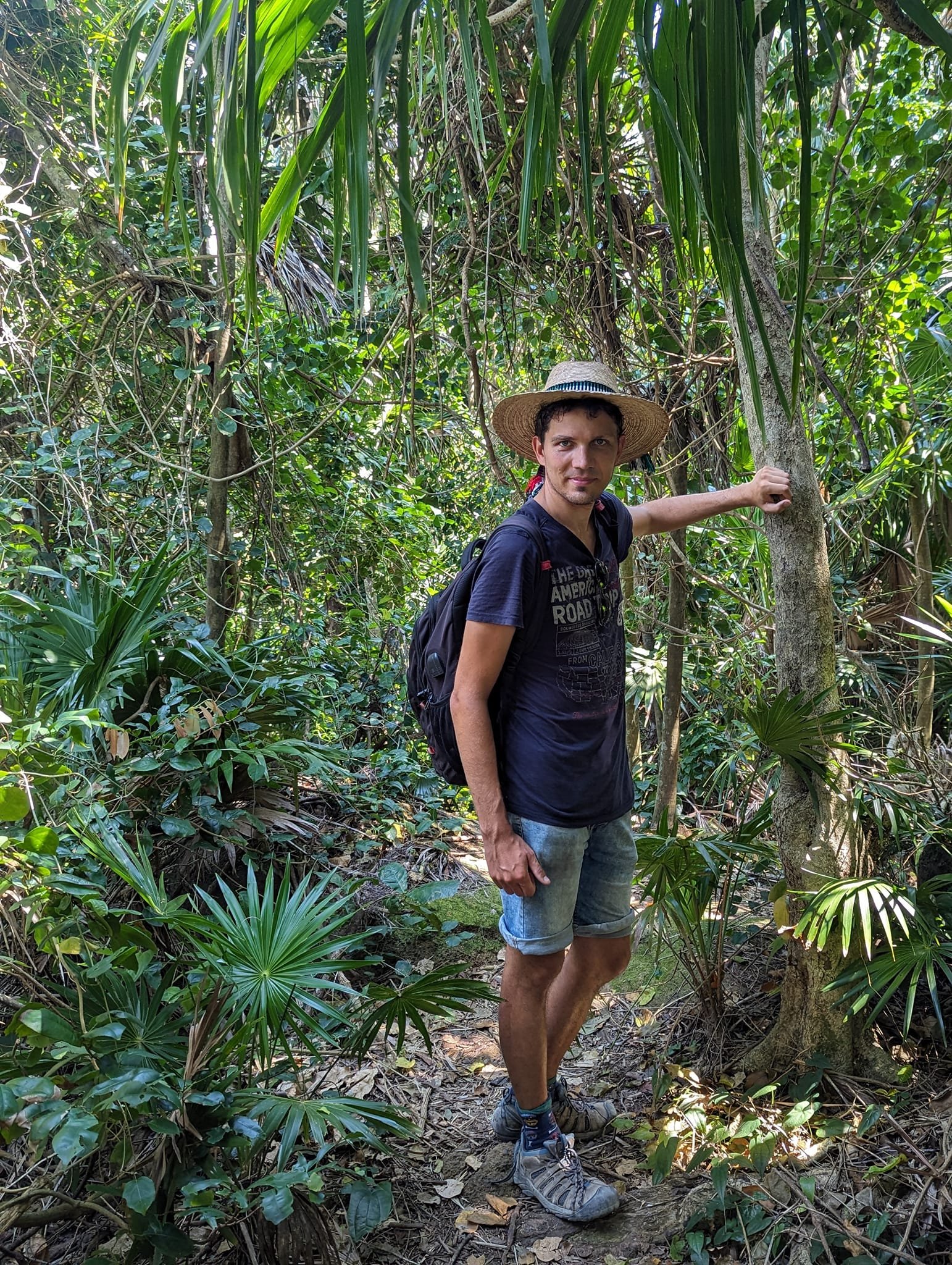
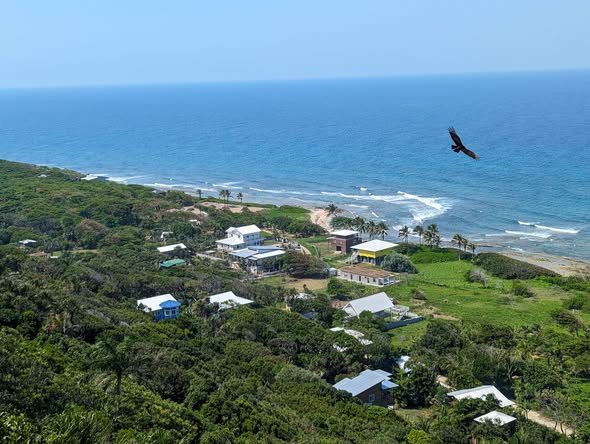
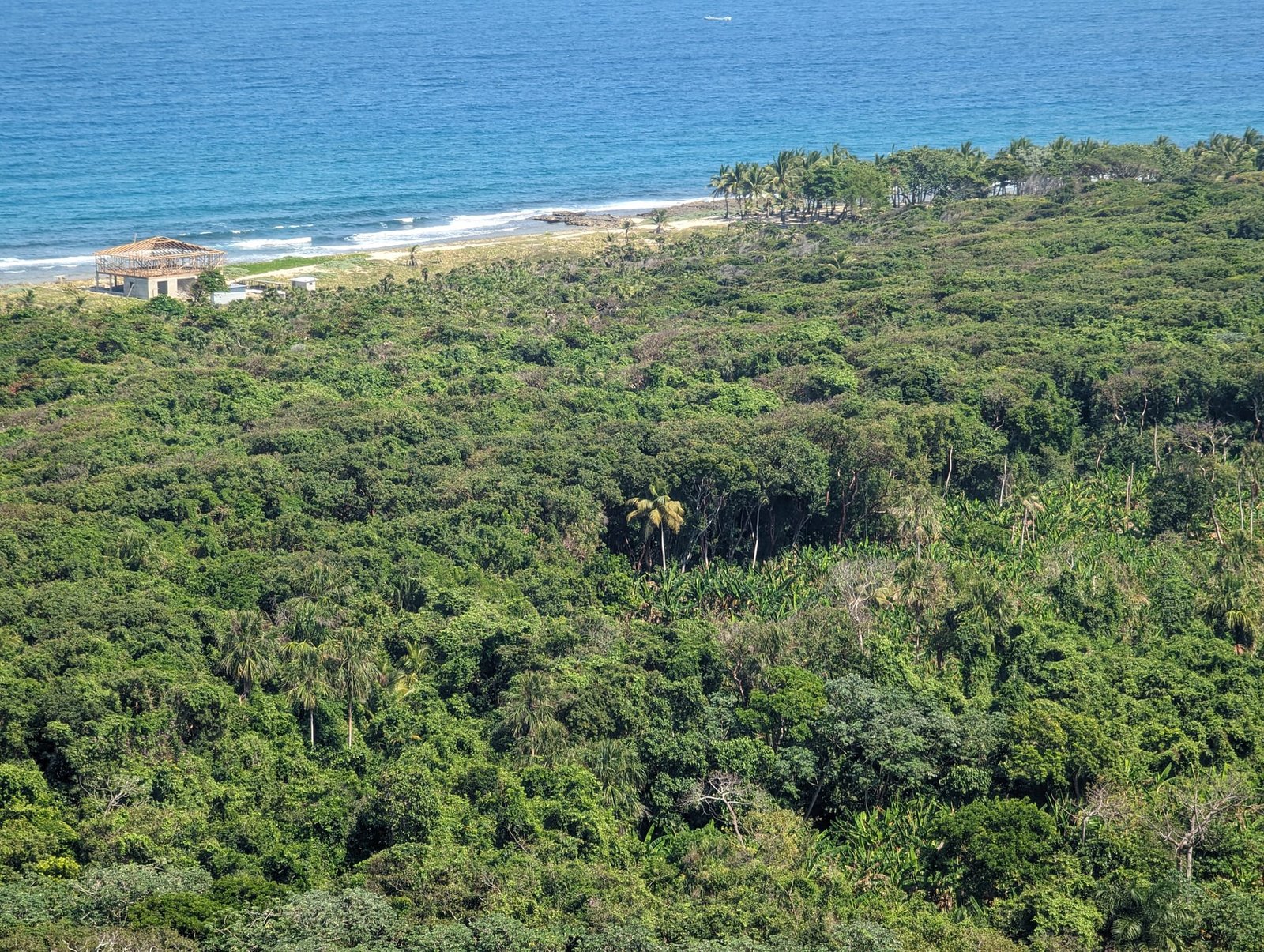
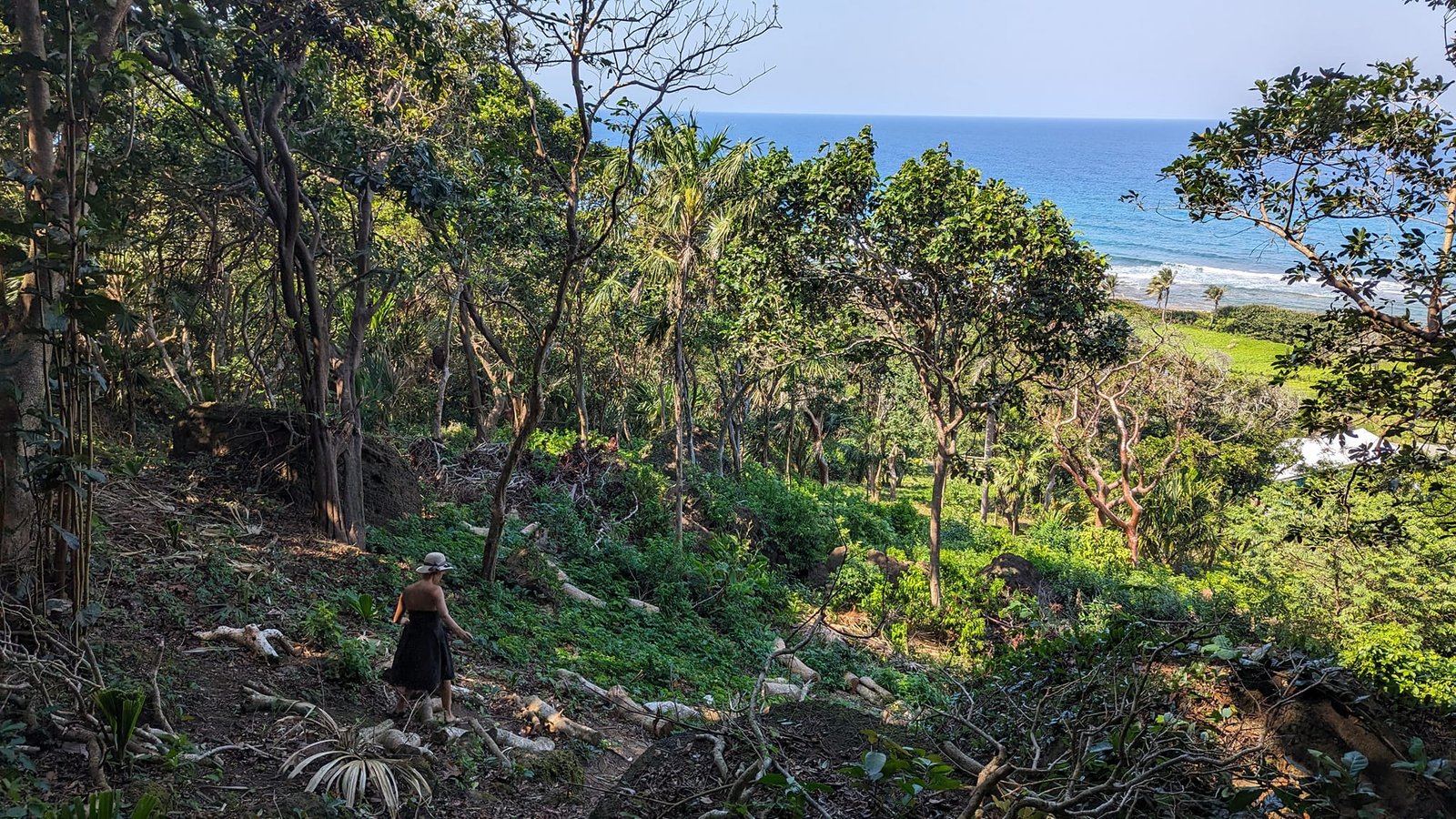
After coming down we relaxed on a wild beach with a reef right by the shore. We also visited a few other beaches and the freshwater caves (Fresh Water Caves).
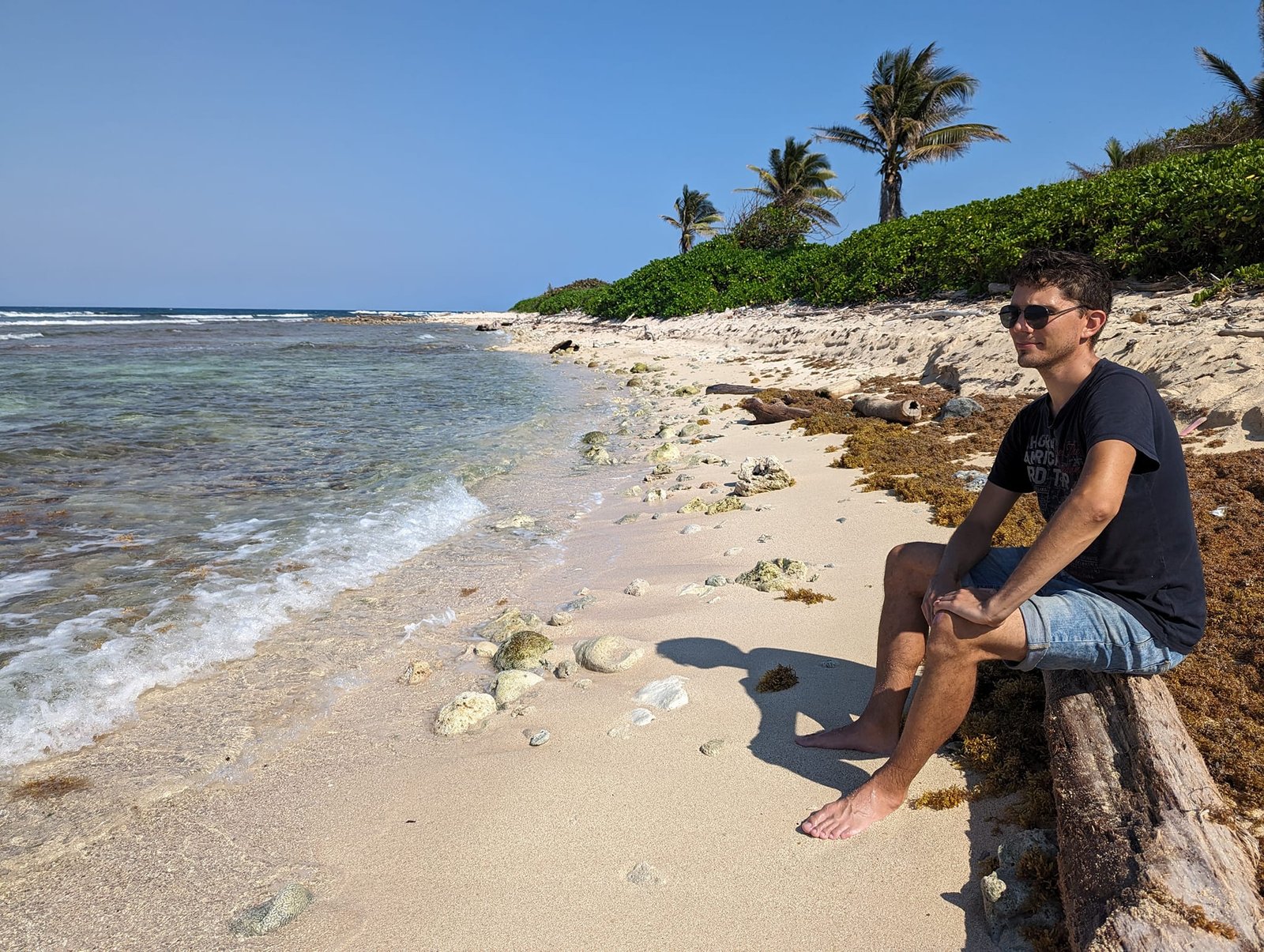
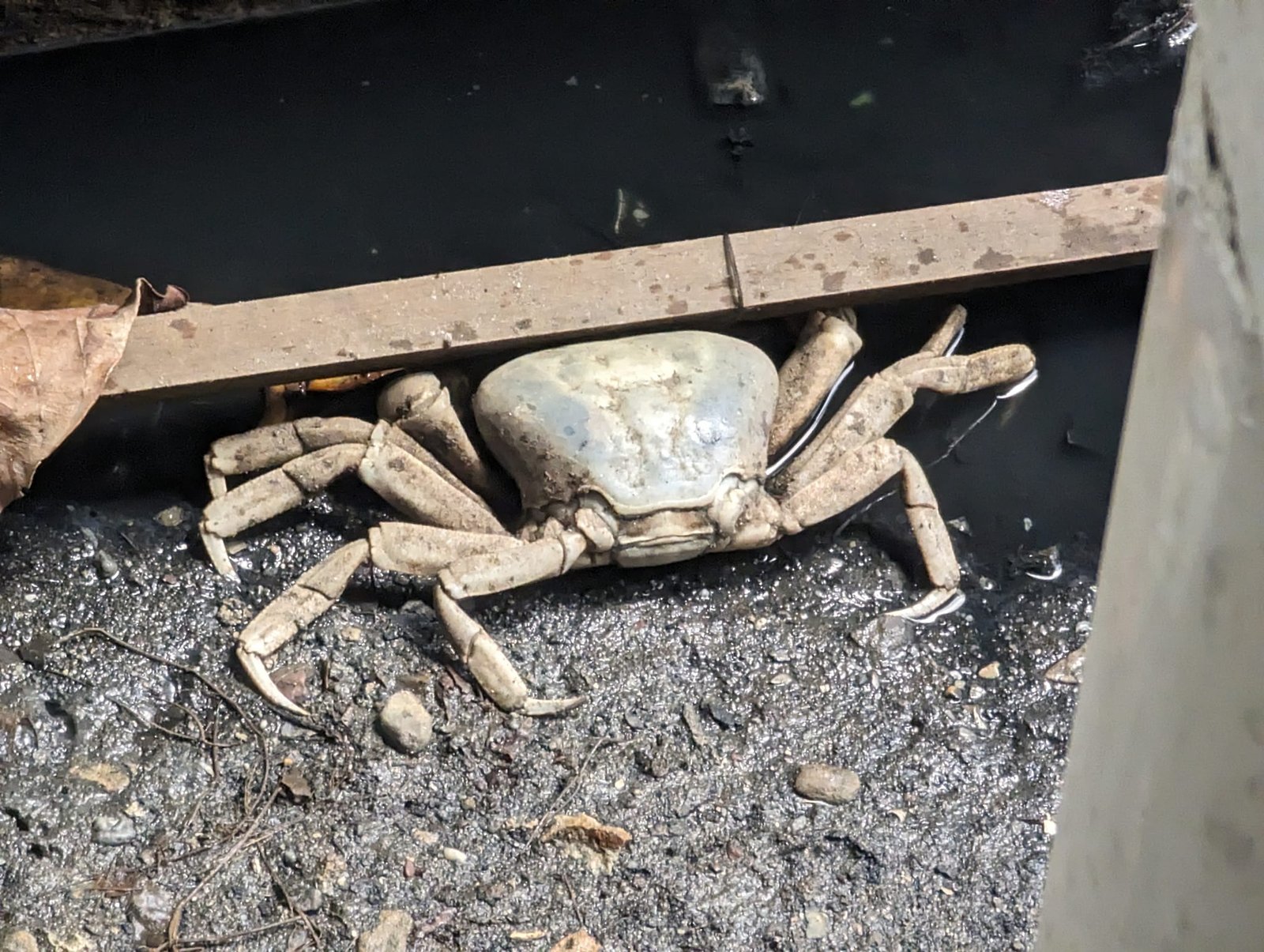
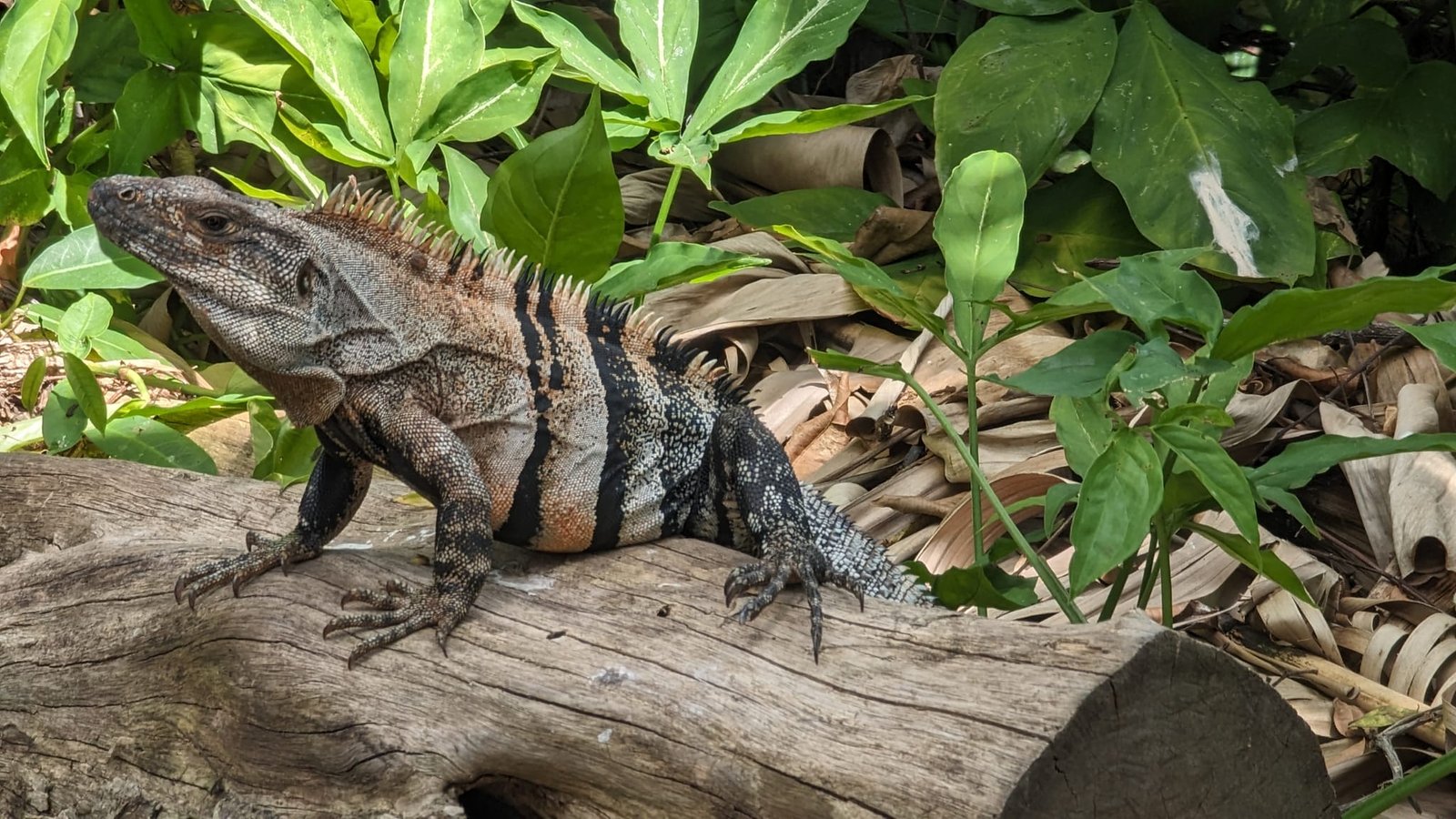
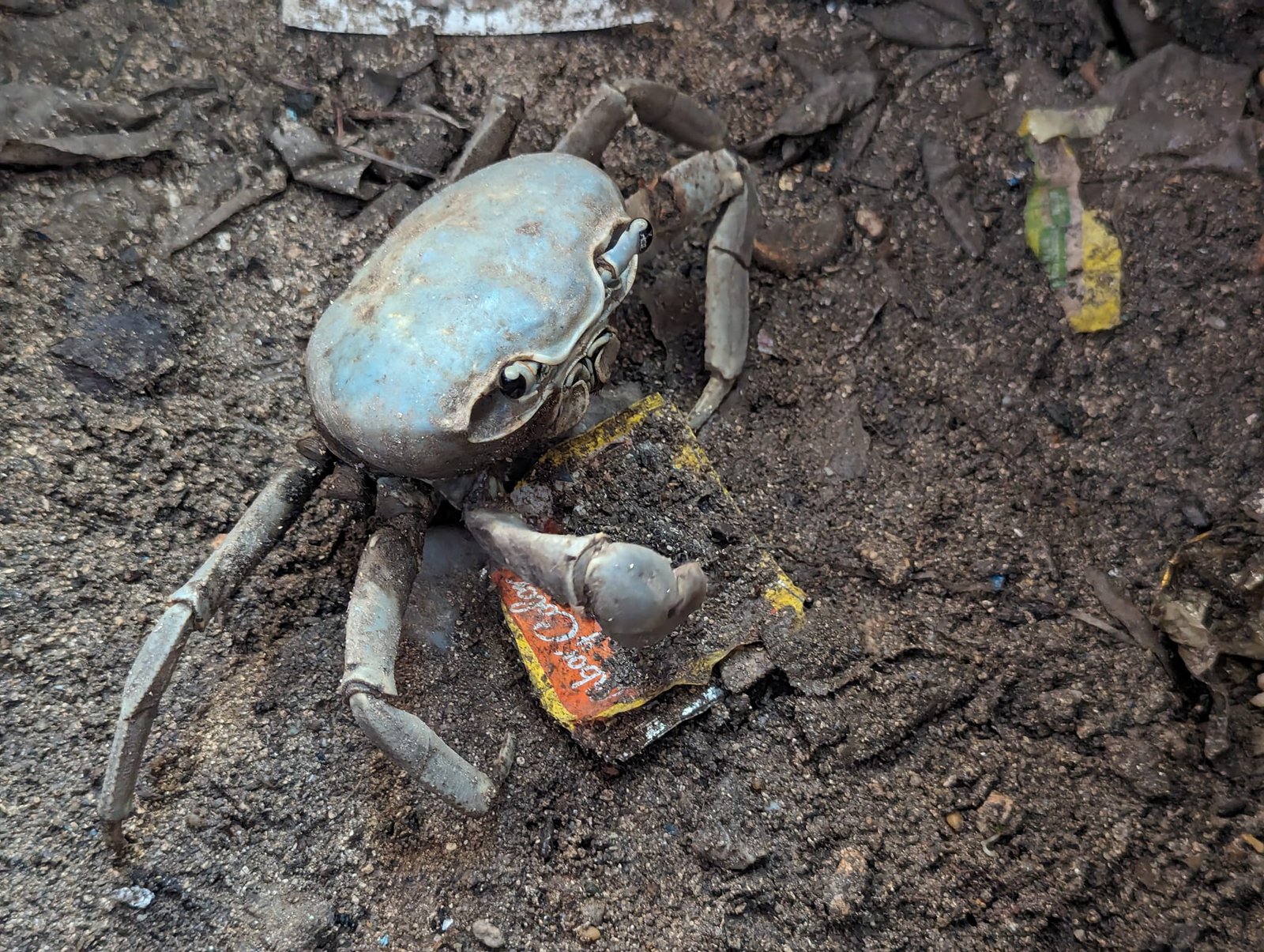
The animals you see most often on the island are iguanas – although they are much shyer than the ones we used to see in Mexico. Land crabs also scuttle across the ground.
Water Cay – saying goodbye to the island
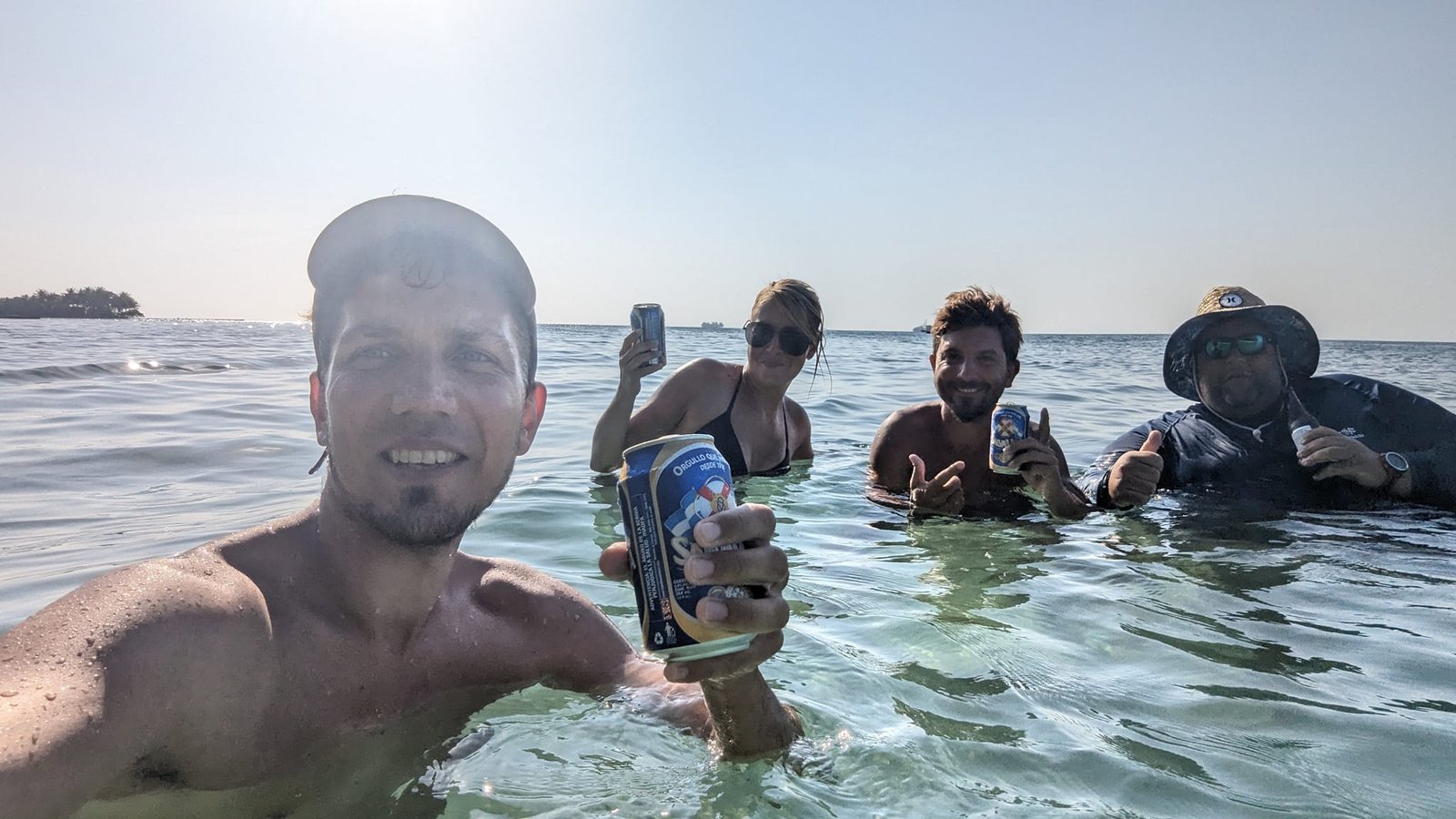
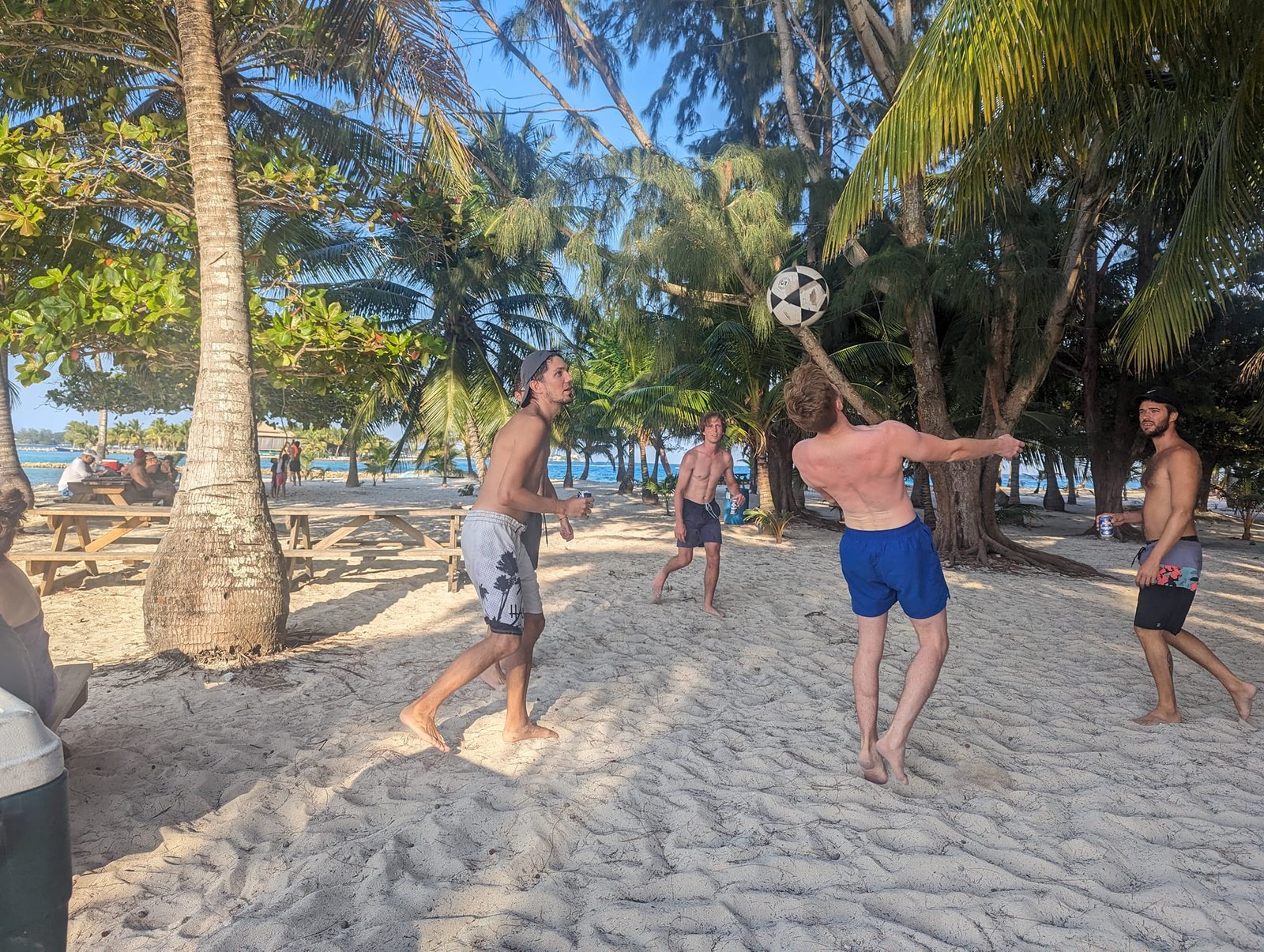
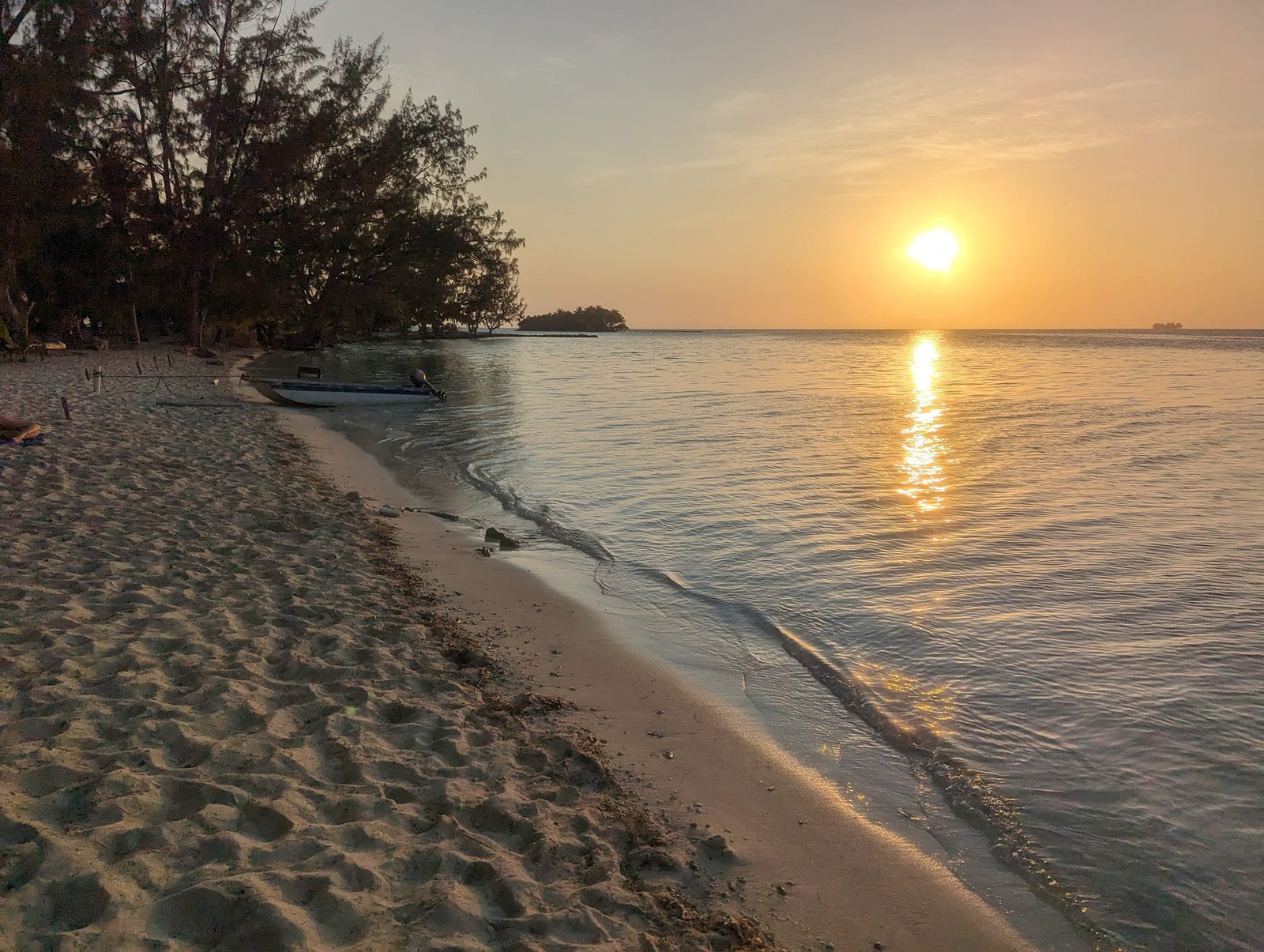
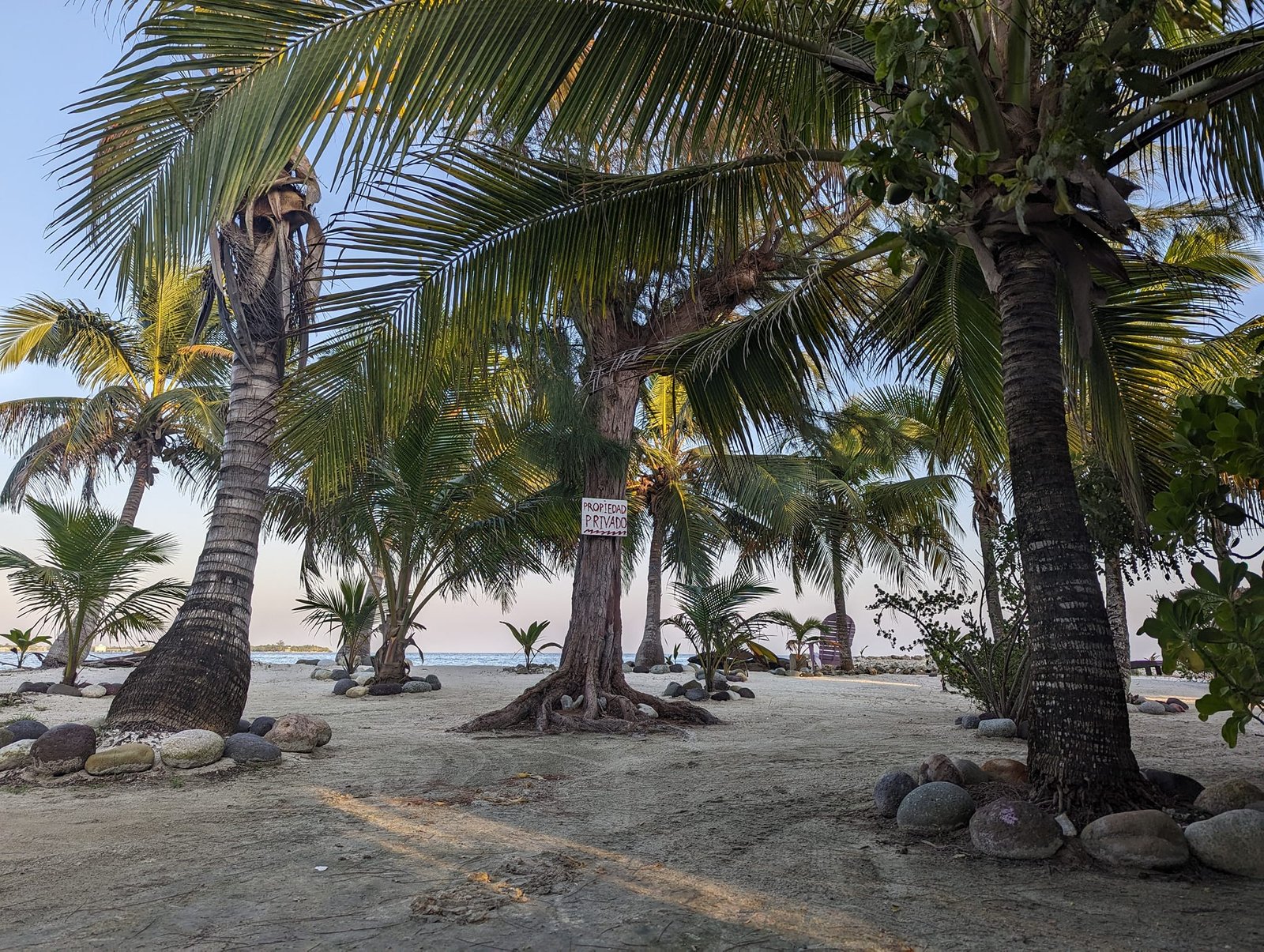
To say goodbye to Utila, we sailed with the dive school to Water Cay – supposedly a must for everyone who comes here. It is a small, uninhabited islet, great for relaxing, swimming and having a beer in the water.
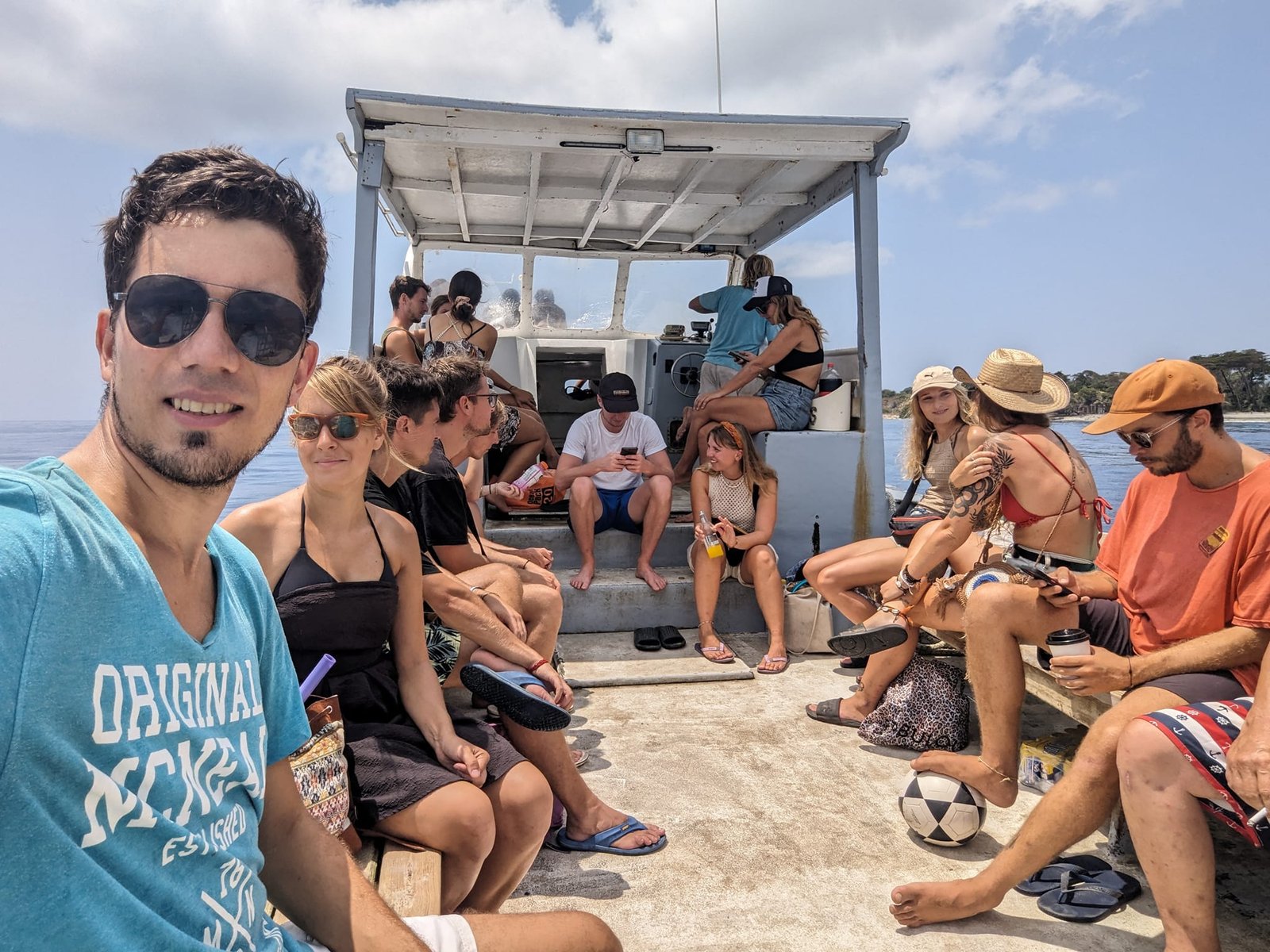
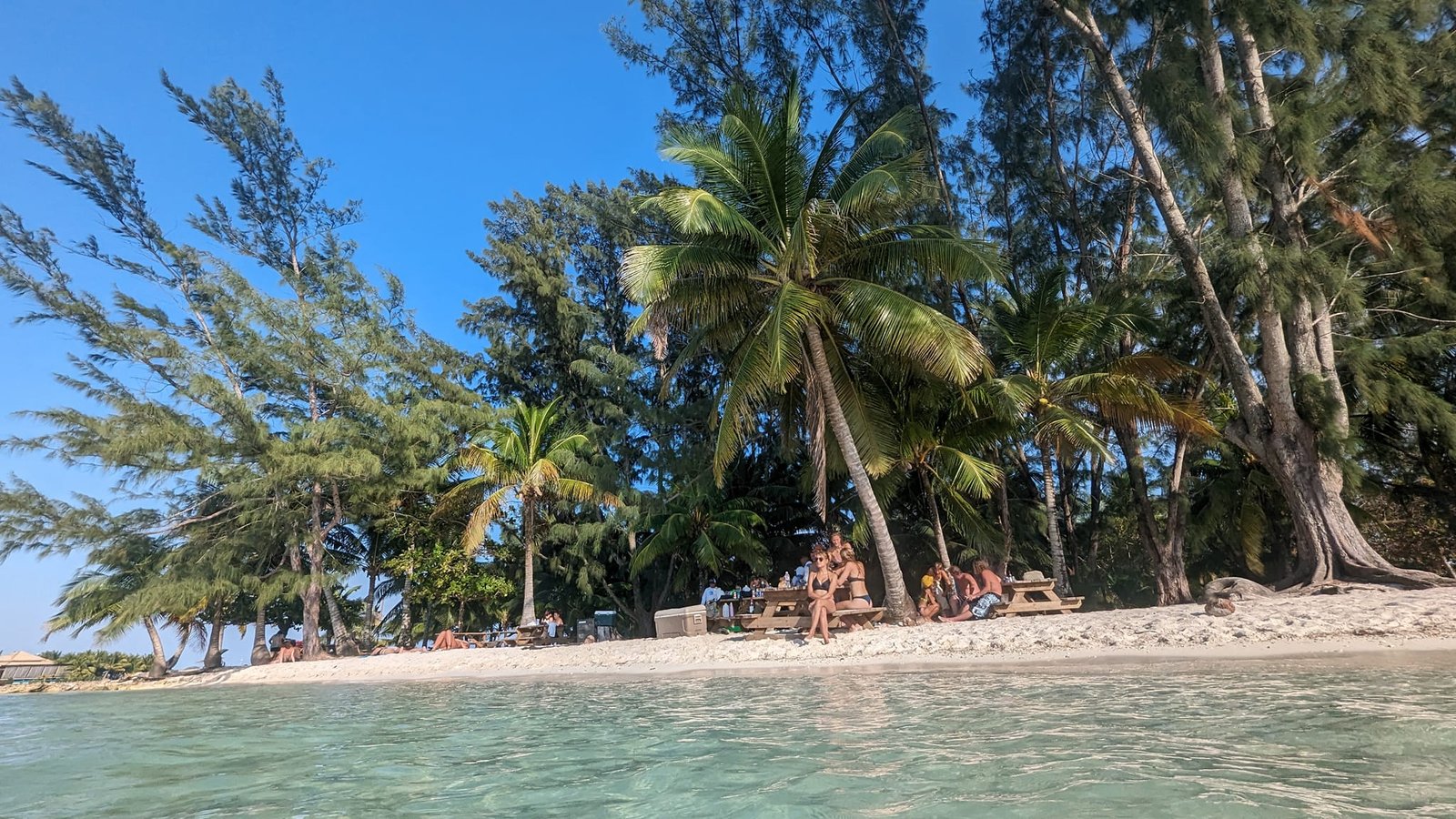
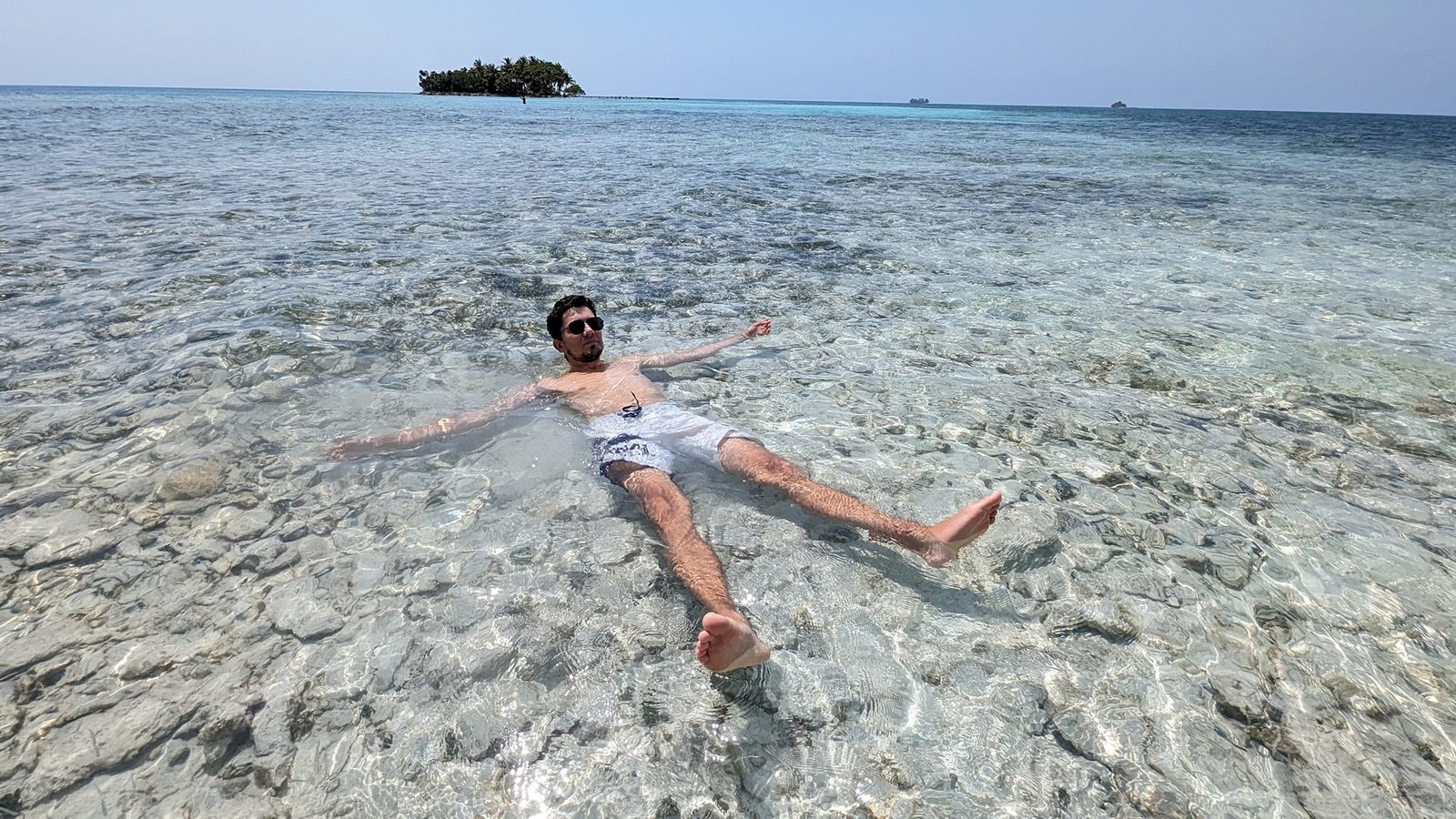
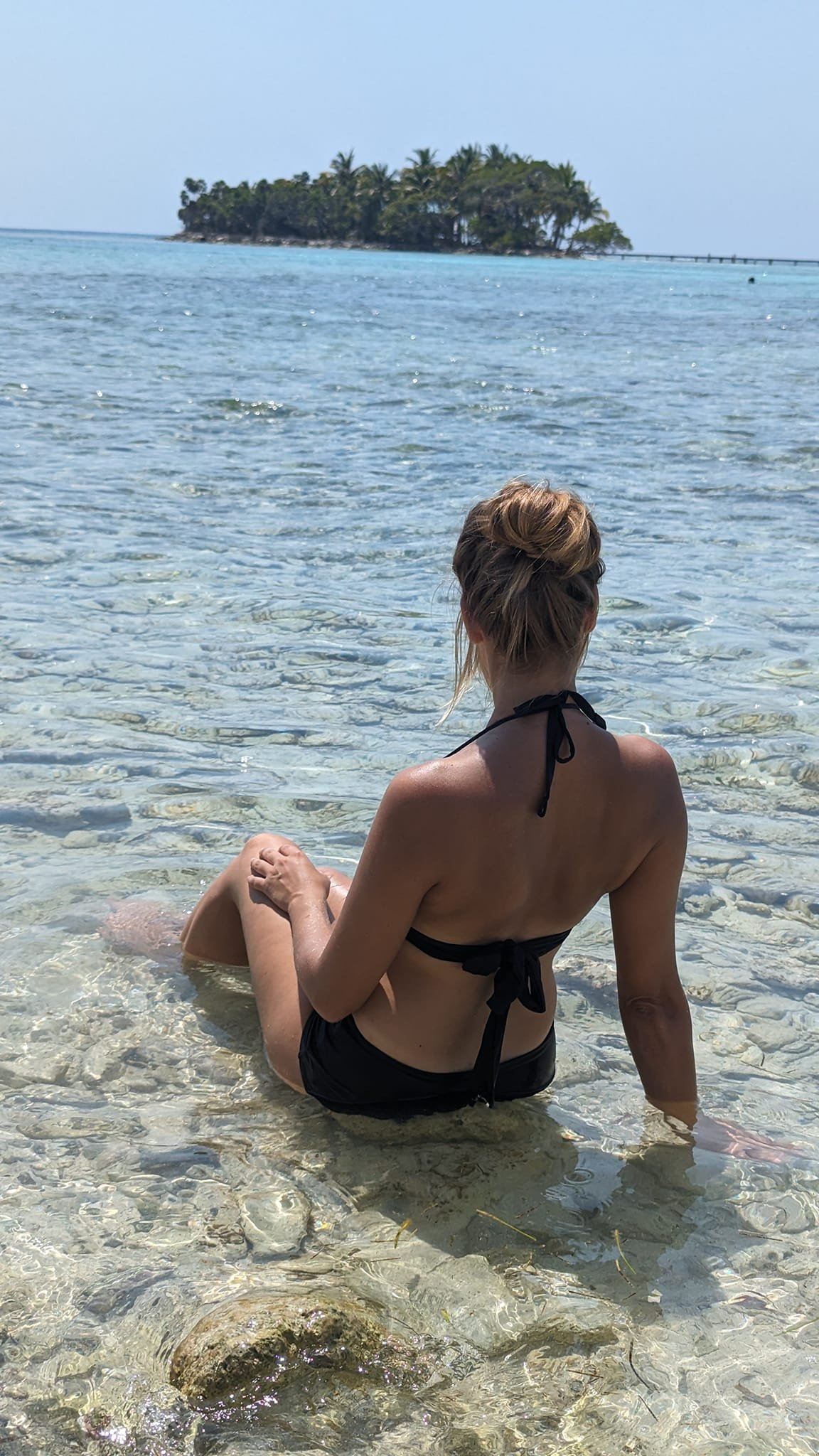
The planned week turned into two and – honestly – for the first time on this trip we were sad to leave a place. After two weeks we felt we belonged to the local community.
Sand fleas – an unwanted souvenir
A less pleasant souvenir from Utila: Patrycja picked up sand fleas here, which she had never even heard of before. On the island she thought mosquitoes kept biting her; in Nicaragua, that it was ants in the tent. Only in Costa Rica, when the itching kept coming back, did she realise something was up.
Sand fleas live in tropical climates. They usually jump onto your legs and arms, reproduce in the skin and leave it only after a few weeks – and the whole time the skin itches like crazy. Although I was in the same places, I came out of it unscathed.
Extending our stay on Utila (90 days in the CA-4)
As Poles we did not need a visa, but in Guatemala, El Salvador, Honduras and Nicaragua (the CA-4 agreement) you can stay up to 90 days in total. Our limit was running out exactly on the day we were crossing the border into Nicaragua, so we had to extend our stay in Honduras.
We sorted it out on Utila, at an office that acts as an intermediary in such matters:
- we paid the immigration office the equivalent of about 20 USD per person, and the person who handled everything 12 USD;
- we needed copies of our passports (made on the spot) and proof of paying the immigration fee at a nearby bank;
- we had to give a reason for the extension – in our case finishing the diving course, so the head of the school signed a document confirming that we really were doing a course with him;
- the documents were sent to the office online, and after a few days (a weekend fell in between) we received the visa in electronic form.
Larger cities have immigration offices where you can do this without paying an intermediary. The electronic visa did, however, cause us trouble at the border with Nicaragua: the officers first claimed it was only valid in Honduras, and then that a stamp was missing (which a visa issued online could not have). After a long wait they decided everything was fine and let us in.
Practical information – costs, getting there and safety
The key information in a nutshell (prices from March 2024):
- Getting there: from Copán Ruinas by public minibuses to La Ceiba, and from there by ferry to Utila (a ferry tax is added to the ticket). From the island we took the ferry back to La Ceiba, and from there a direct overnight shuttle to León in Nicaragua. These shuttles do not run every day, so check the departure date well in advance.
- Open Water course: 288 USD with 4 nights’ accommodation, each extra night 8 USD. The course with two weeks of accommodation cost us about 333 USD per person.
- Prices on the island: in shops and restaurants up to twice as high as on the mainland; baleadas are the cheapest. By comparison, in the Galápagos restaurants and shops were cheaper than on the “paradise” islands of Belize and Honduras.
- Costs in Honduras: over 20 days we spent on average 19 USD per person per day, or 33.5 USD including the diving course. The currency is the lempira (HNL).
- Length of stay: 90 days in total in Guatemala, El Salvador, Honduras and Nicaragua; an extension on Utila costs about 20 USD + 12 USD for the intermediary.
- Safety: on Utila we felt completely safe; in La Ceiba it is better not to walk around after dark. We avoided San Pedro Sula and Tegucigalpa, where gangs operate.
- Health: watch out for sand fleas on the beaches.
The previous stage of the trip – the Maya ruins, the town and the journey from El Salvador – is described in the post Copán Ruinas, and the next one in the post about Nicaragua.
Photo gallery