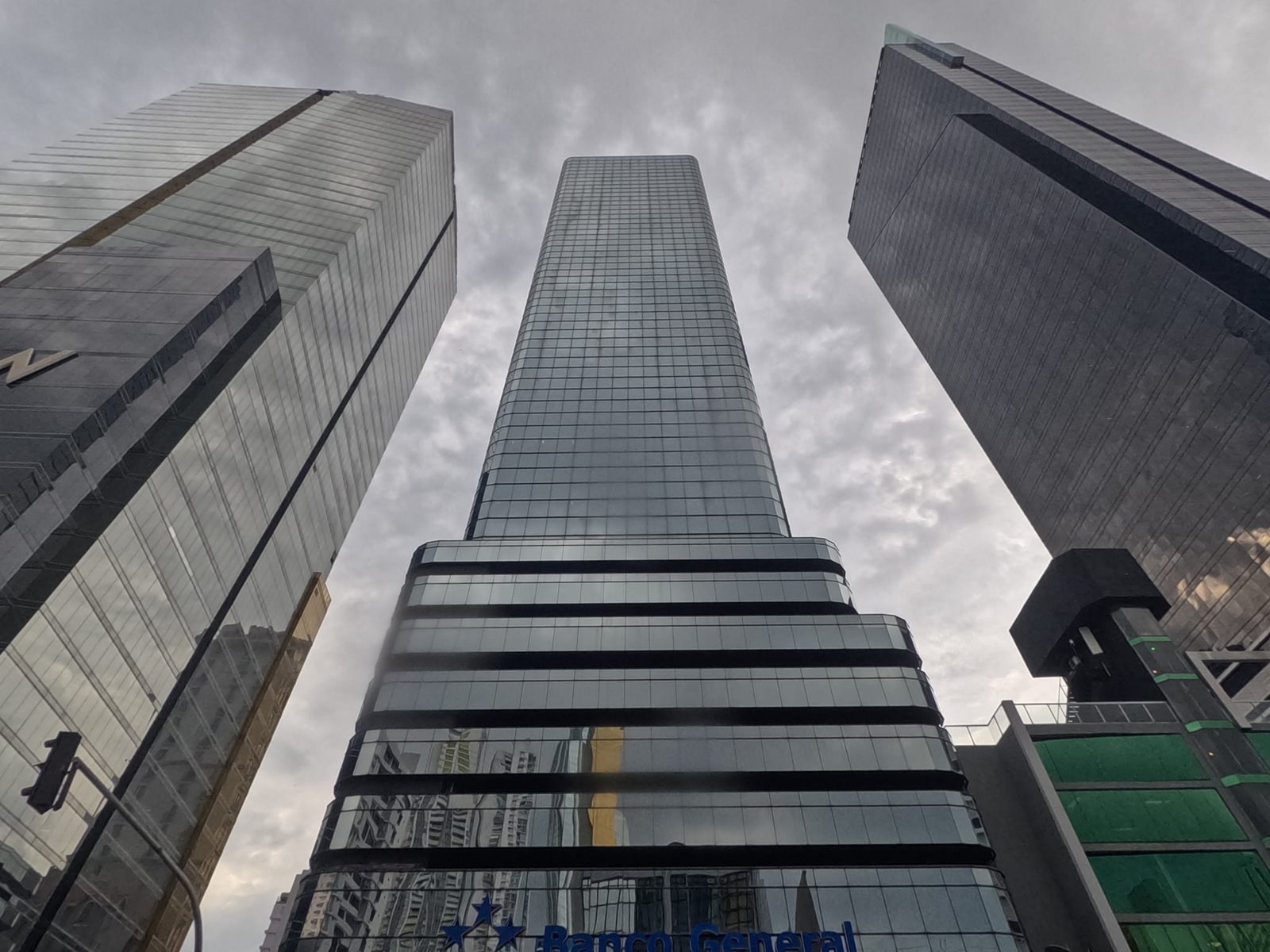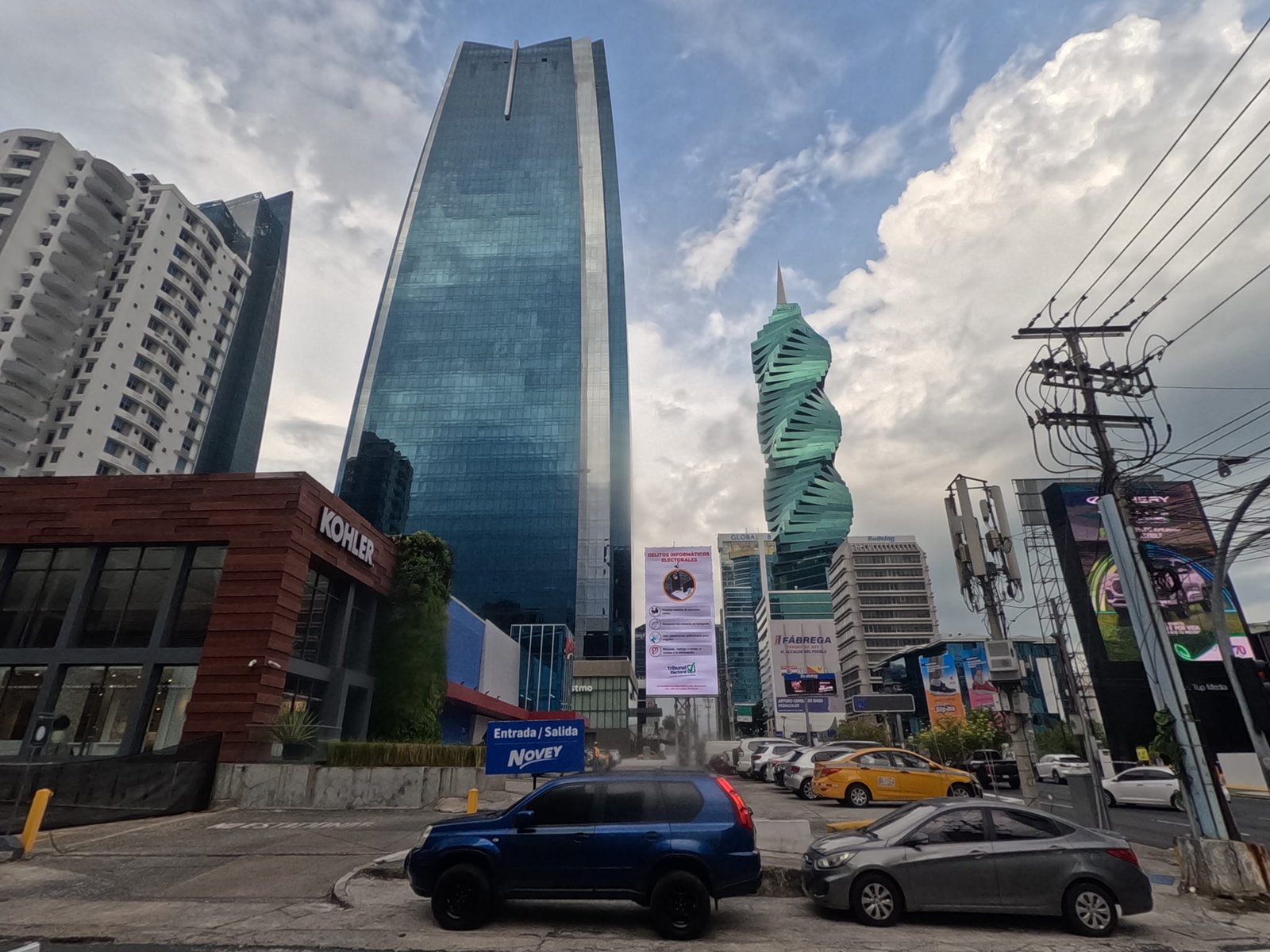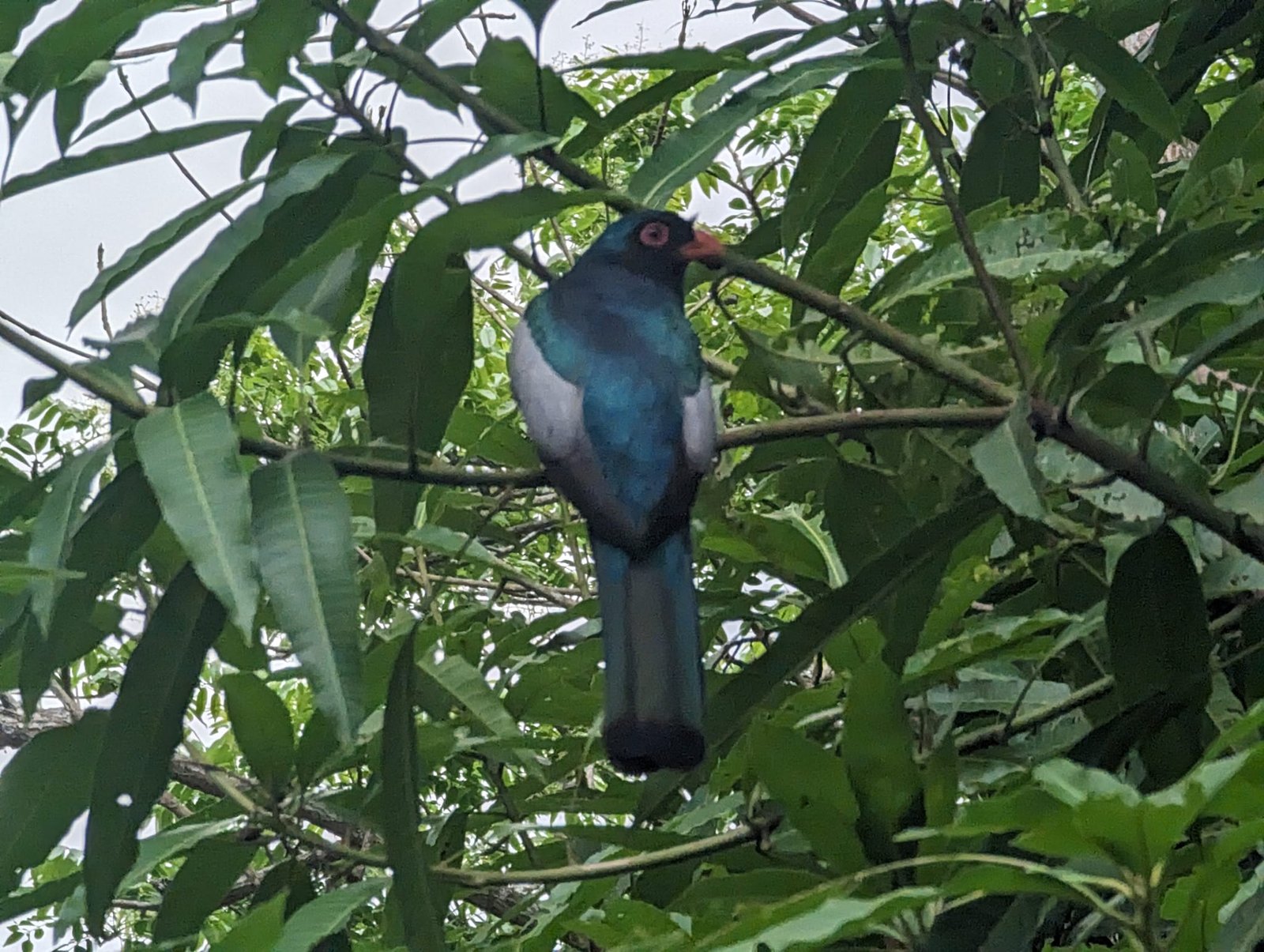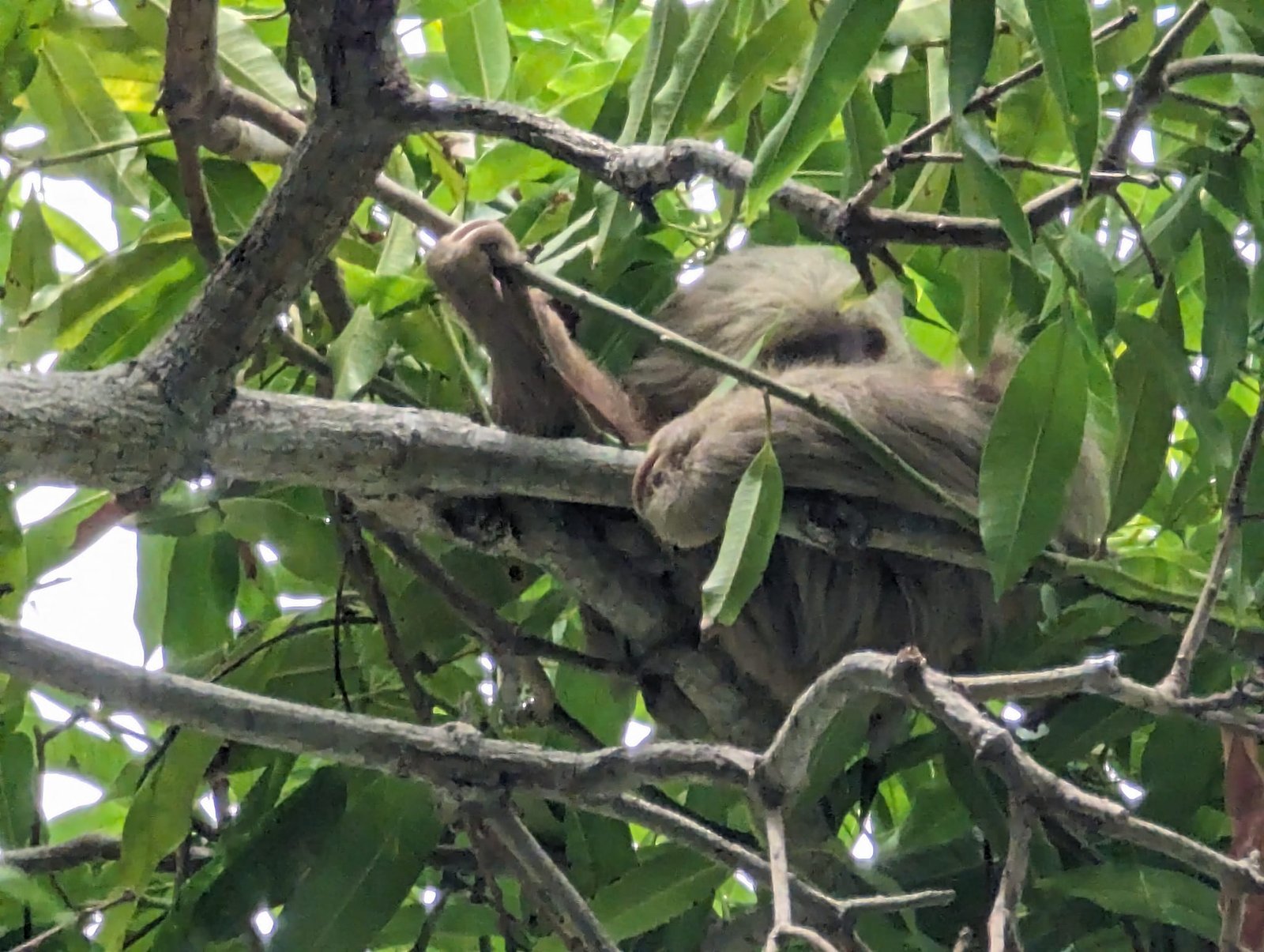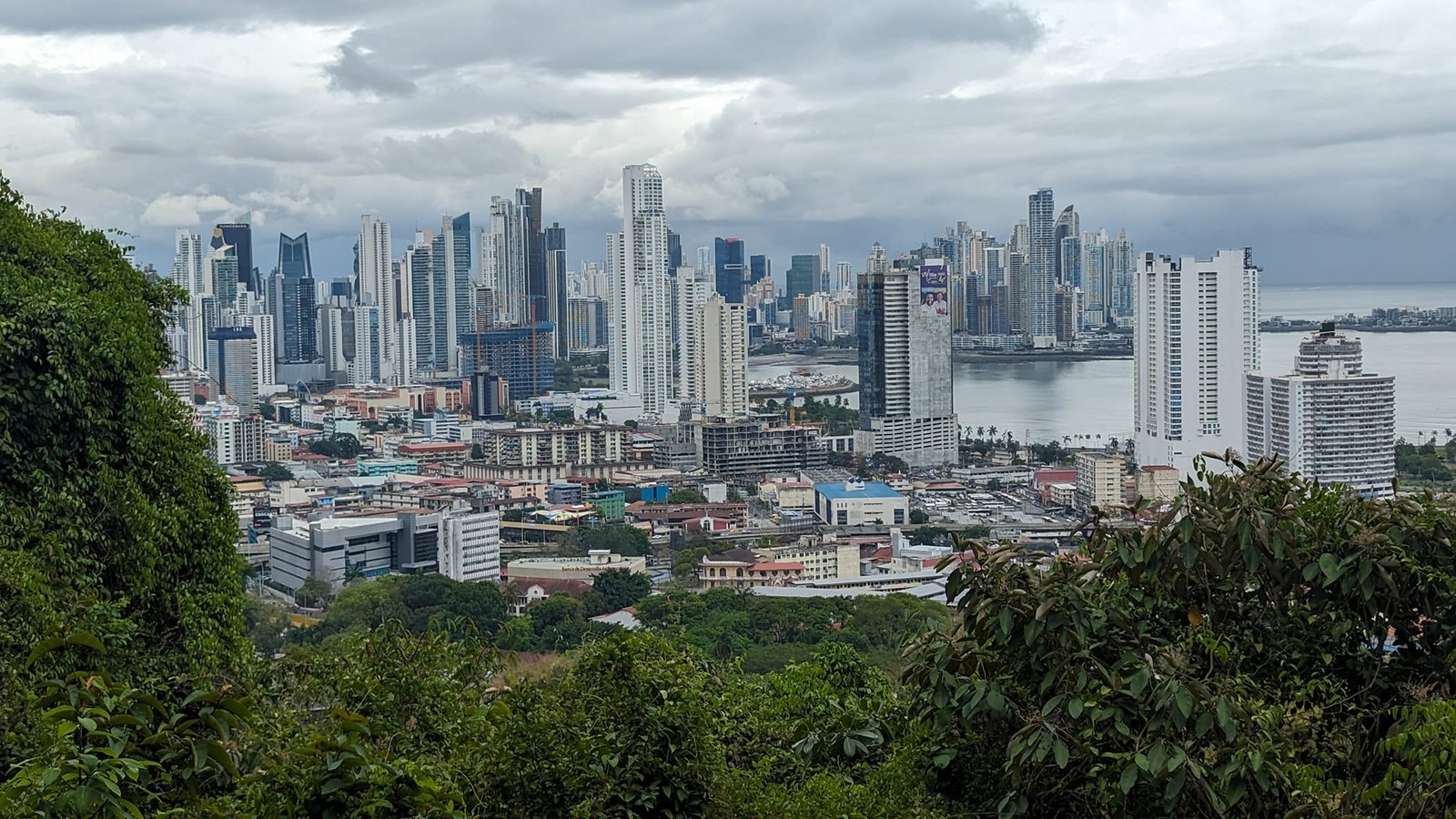
The capital of Panama – Panama City (Ciudad de Panamá in Spanish) – is an urban jungle, both literally and figuratively. On the one hand there are loads of skyscrapers, on the other – right next to them – tropical forests in Parque Natural Metropolitano and on Cerro Ancón hill, where you can come across sloths, toucans, agoutis, coatis, frogs and turtles. It is similar at the Punta Culebra nature centre. It is probably the only capital in the world with so many wild animals living within its limits. We arrived here after eight days in the mountains – in Boquete, on Barú volcano and in El Valle de Antón – on 21 April 2024 and stayed until 3 May, partly because of the date of our flight to Colombia. We saw the Panama Canal, the old town of Casco Viejo and parks full of animals, and the last days were very relaxed – we mostly focused on resting.
 1:30
Table of contents
- Skyscrapers and the Cinta Costera promenade
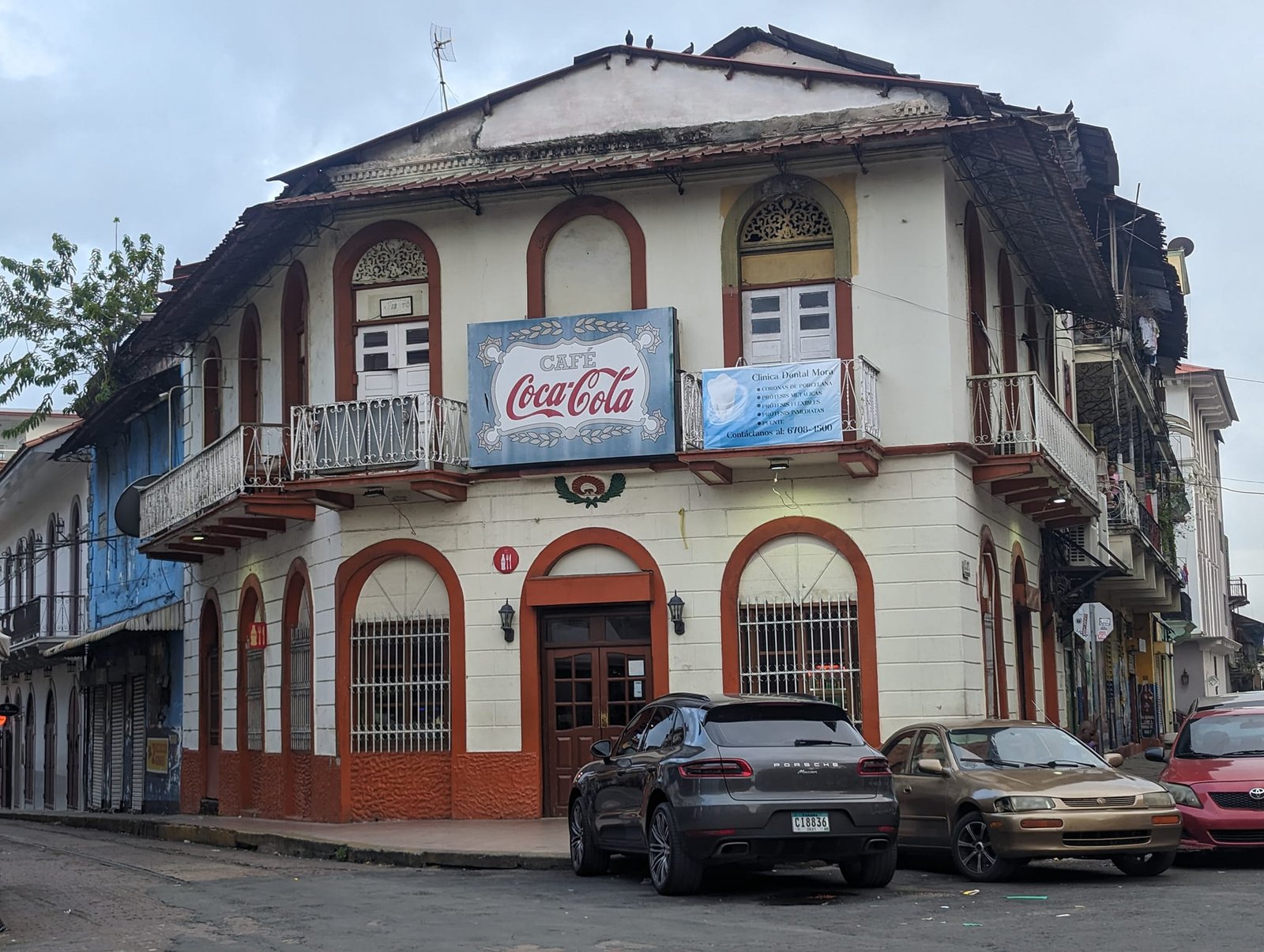
- Casco Viejo and Café Coca-Cola
- Wildlife in the middle of the capital
- The Panama Canal – the Miraflores Locks
- A luxury apartment for 14 dollars
- Practical information
- Summary
Skyscrapers and the Cinta Costera promenade
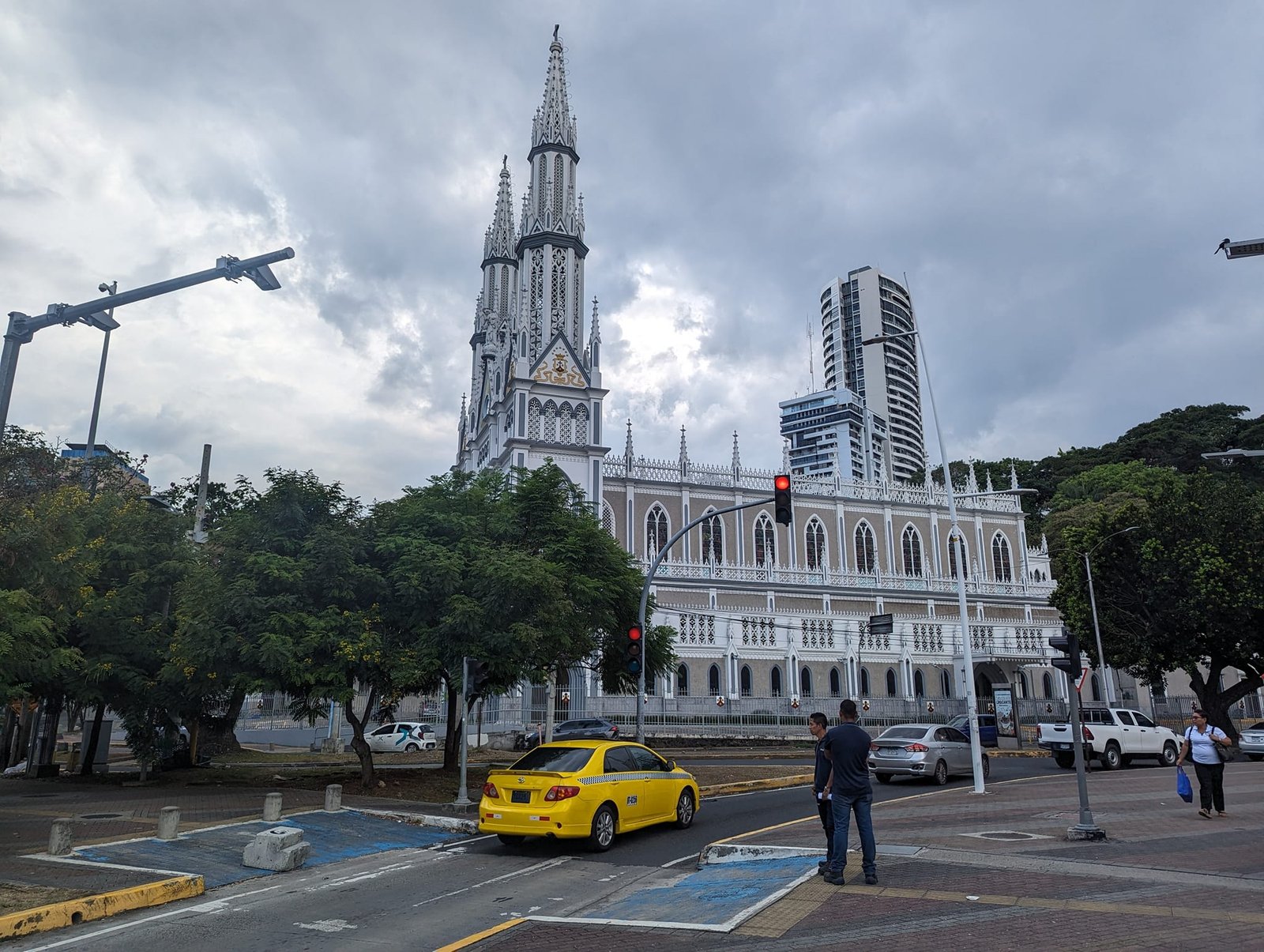
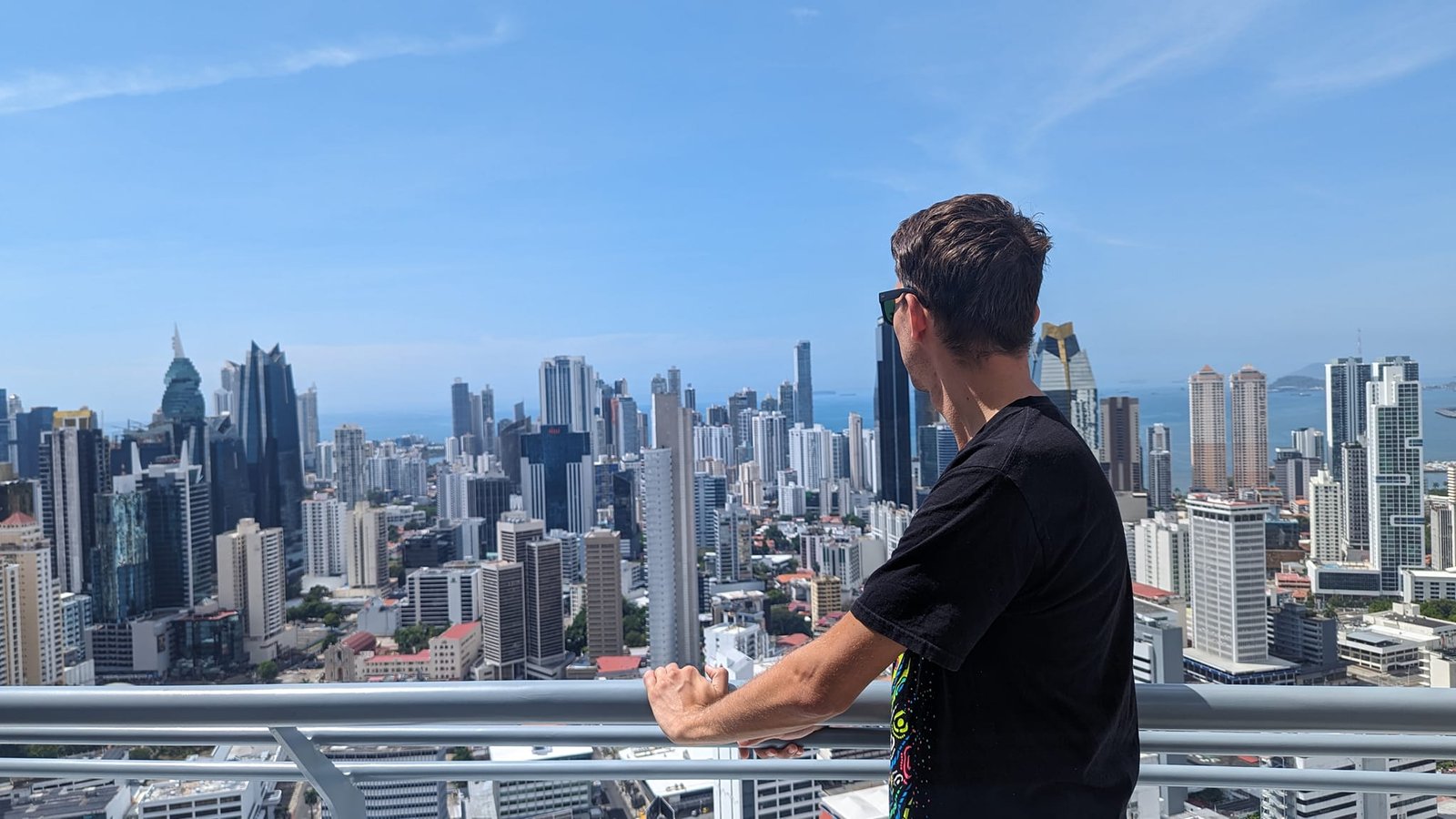
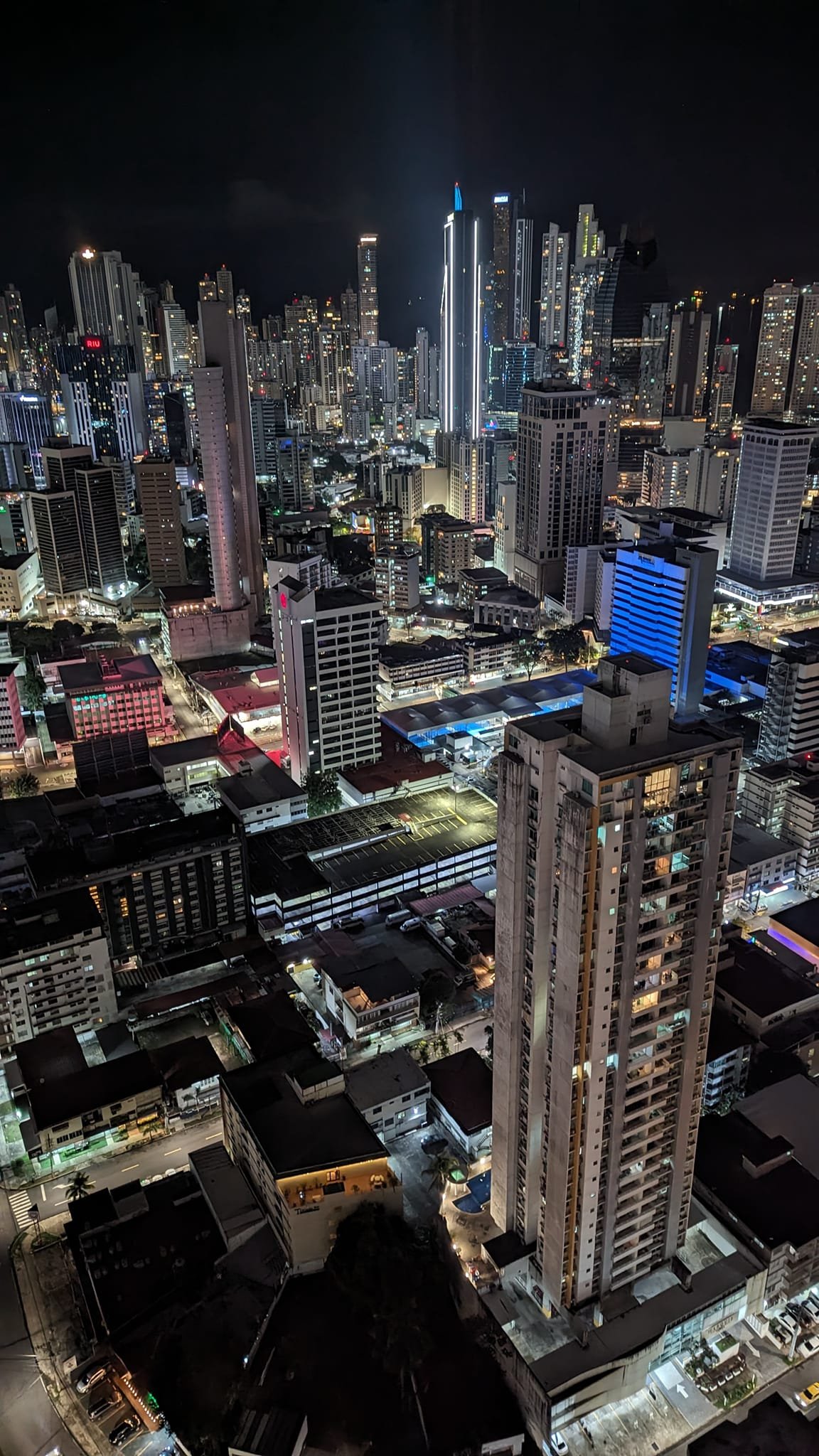
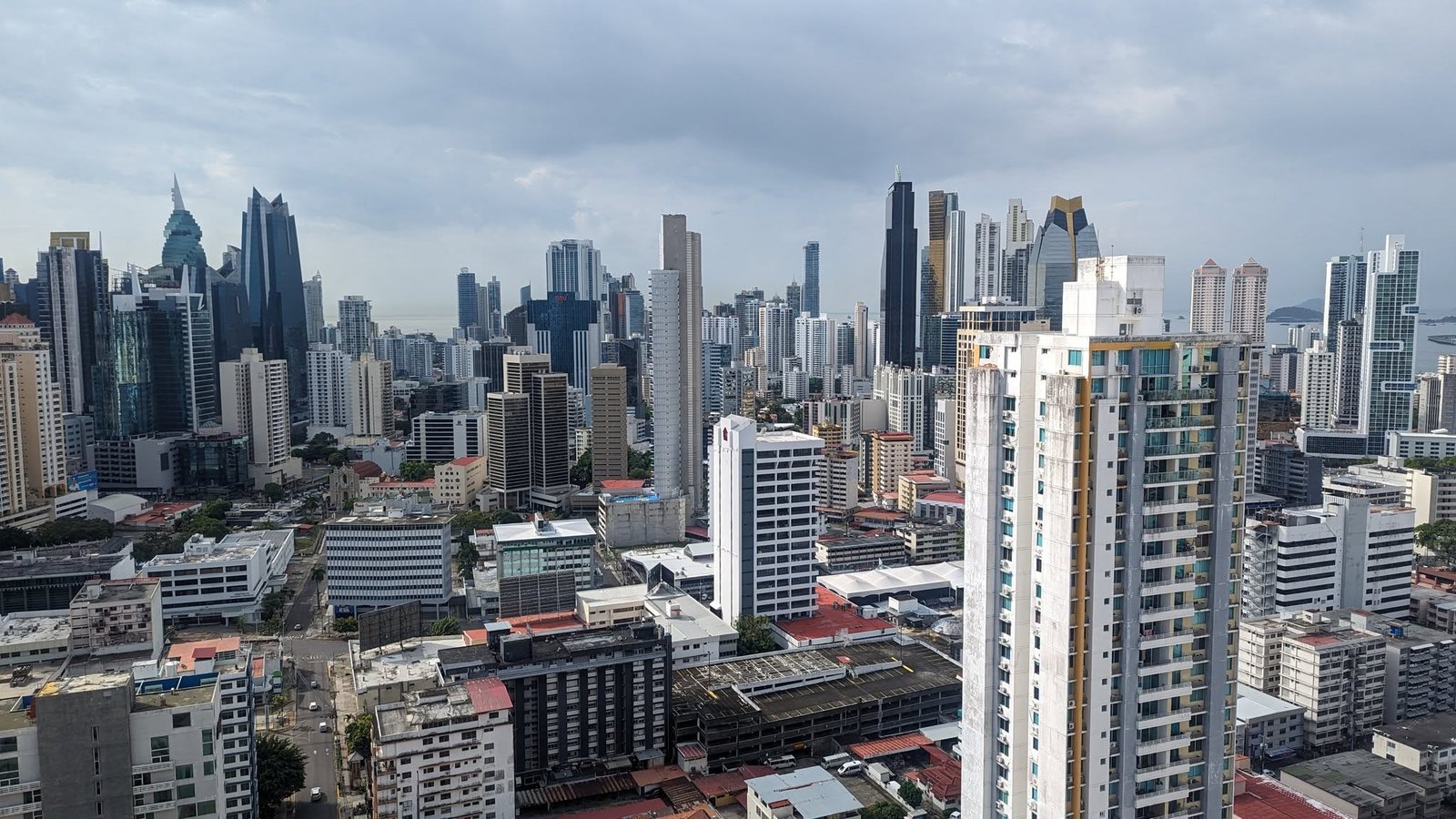
The modern part of Panama City is a forest of high-rises, some with very unusual shapes. Among the glass skyscrapers there are also older buildings, such as the neo-Gothic church of Nuestra Señora del Carmen.
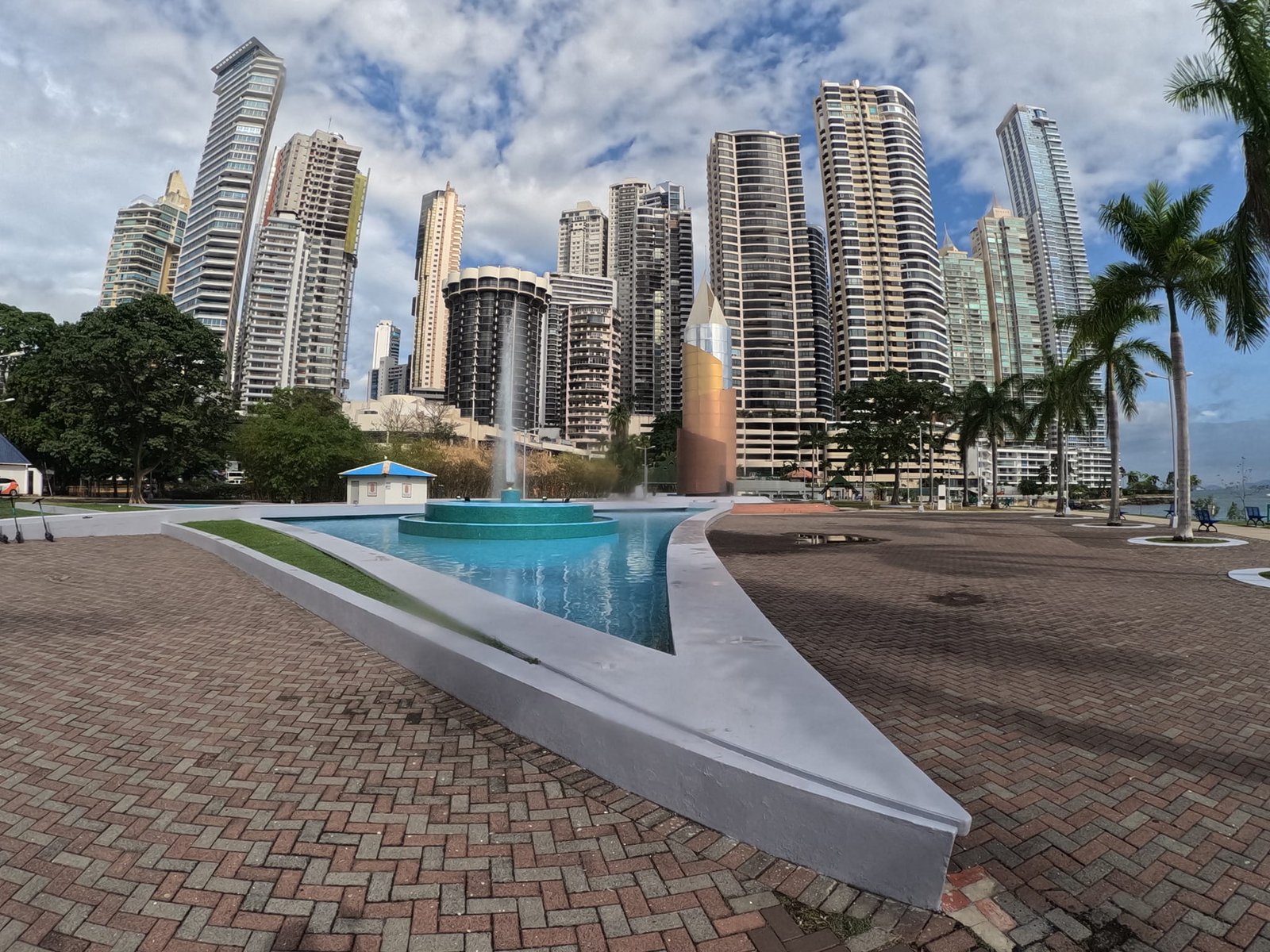
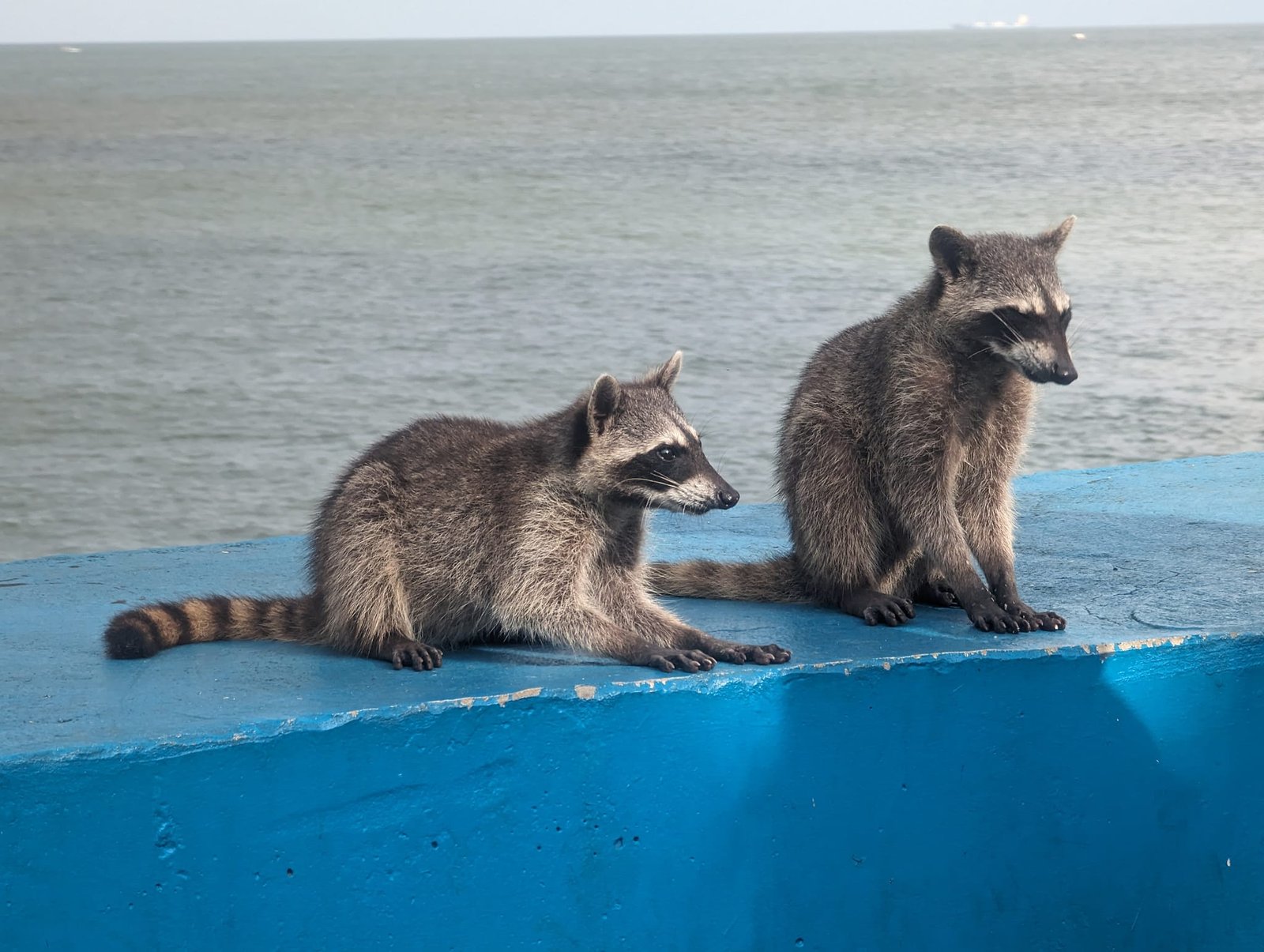
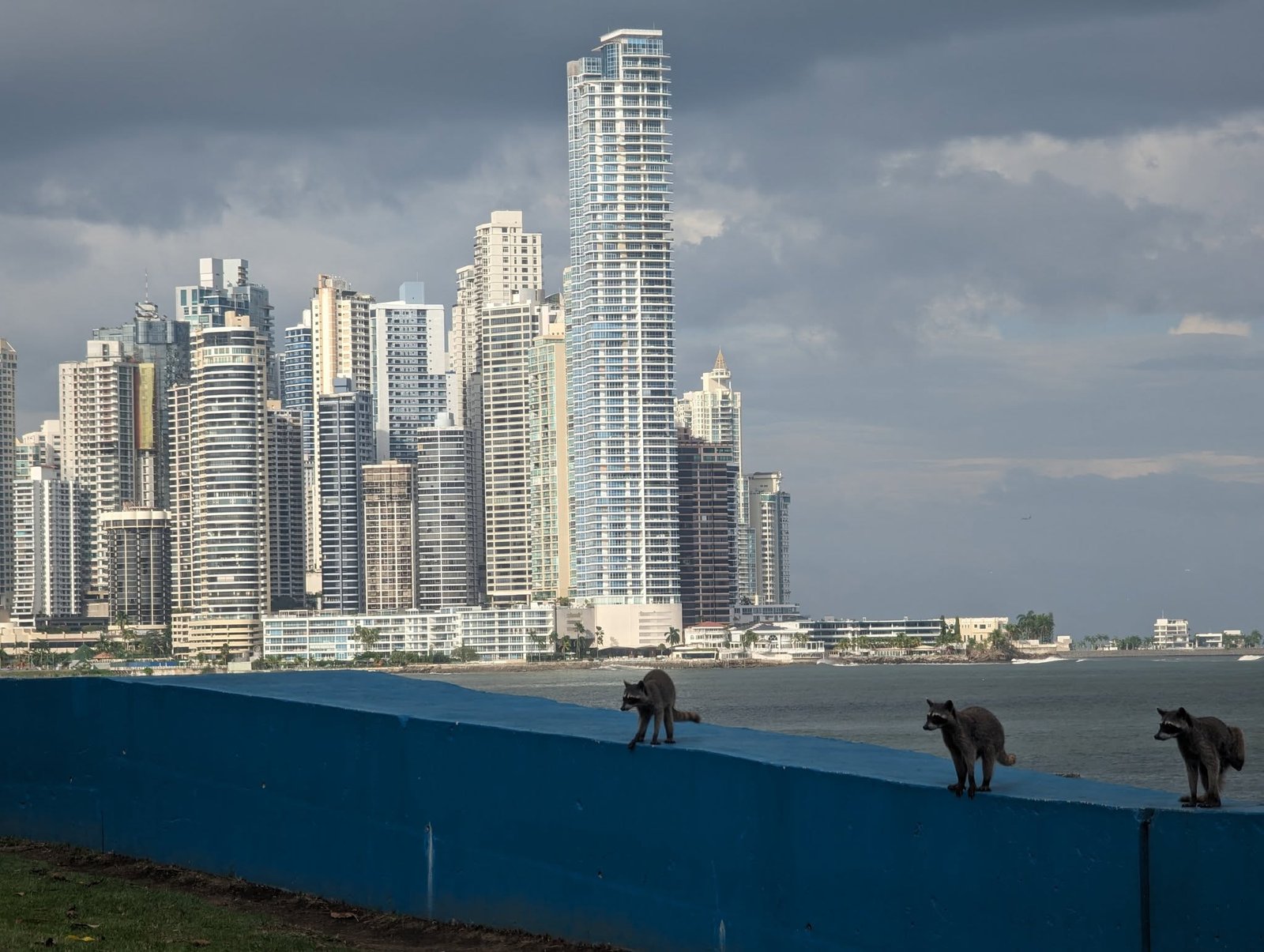
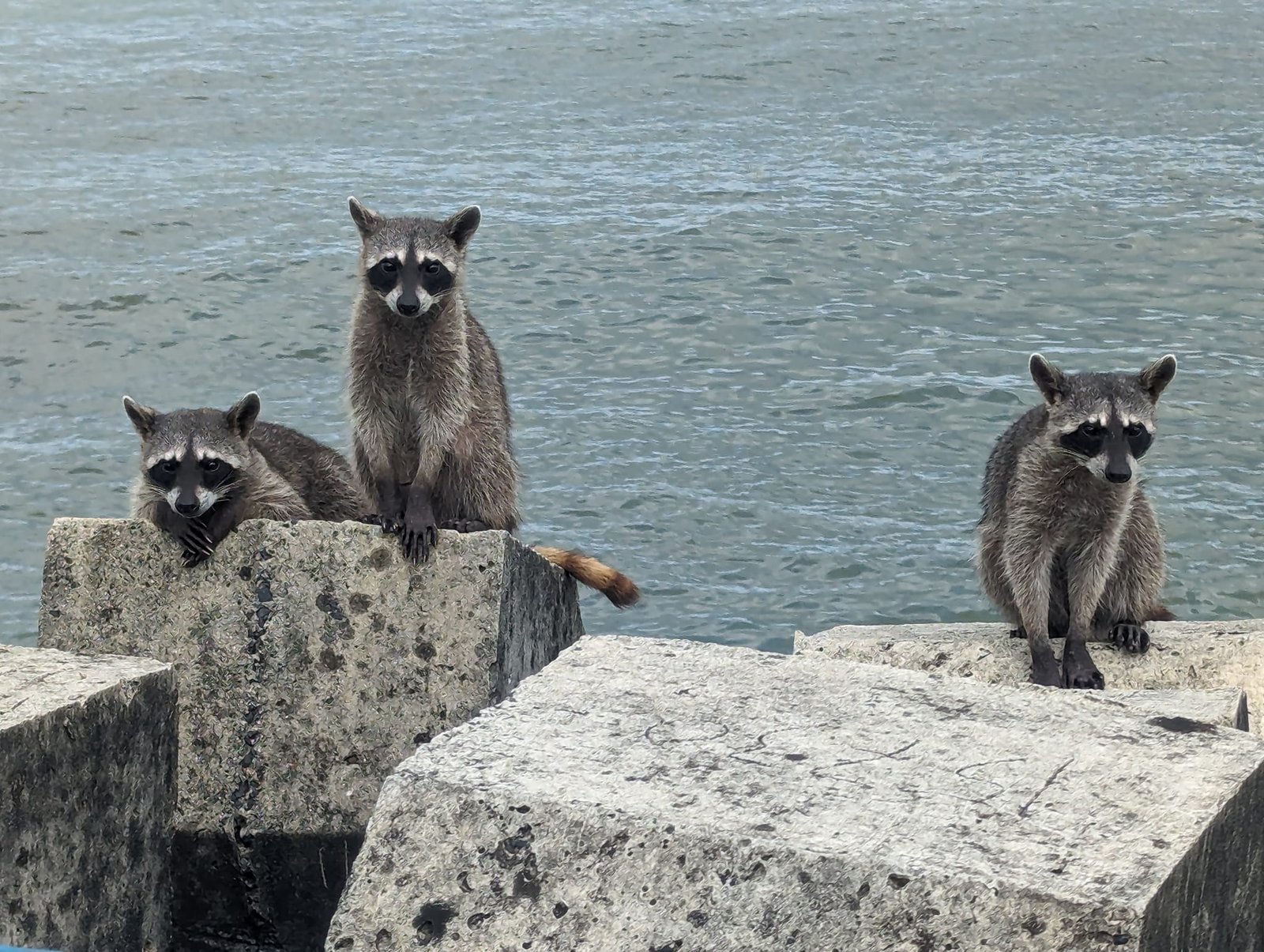
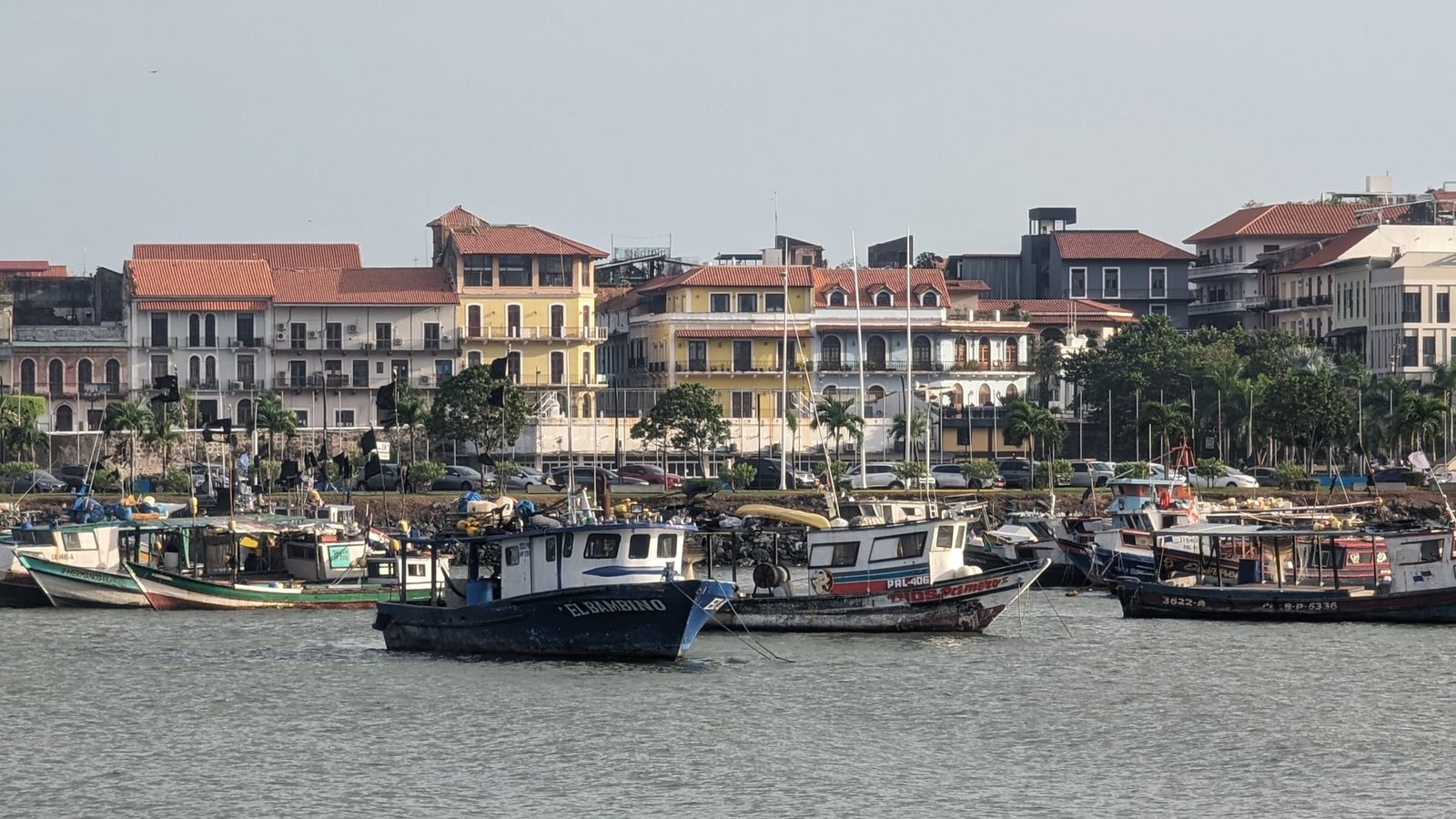
A popular place for a walk is the Cinta Costera – a promenade right by the water, running along the skyscrapers. You can see lots of raccoons here – they hang around on the low walls and concrete blocks above the bay. From the promenade you can also see the old town, Casco Viejo, behind the fishing boats bobbing in the bay.
Casco Viejo and Café Coca-Cola
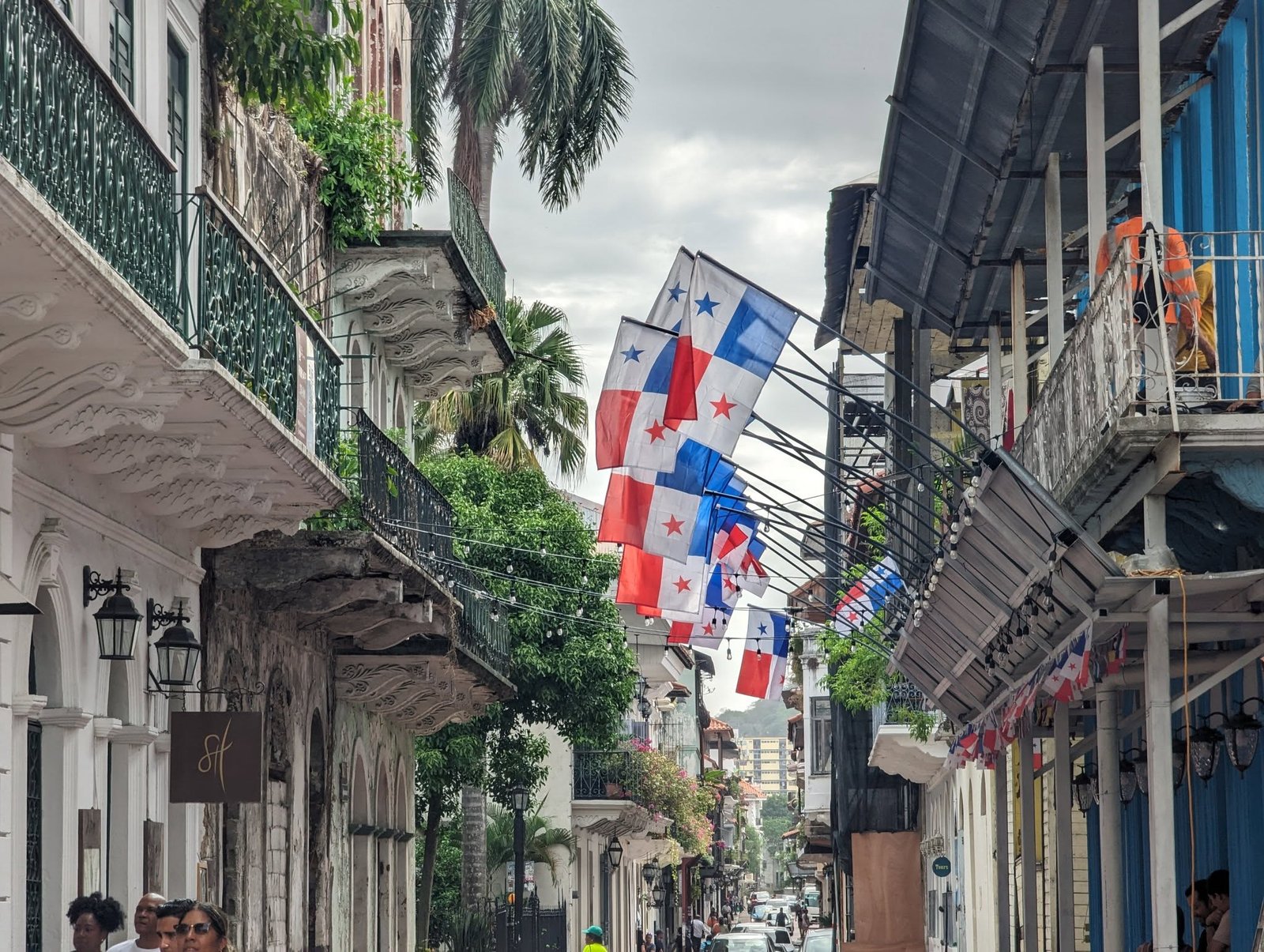
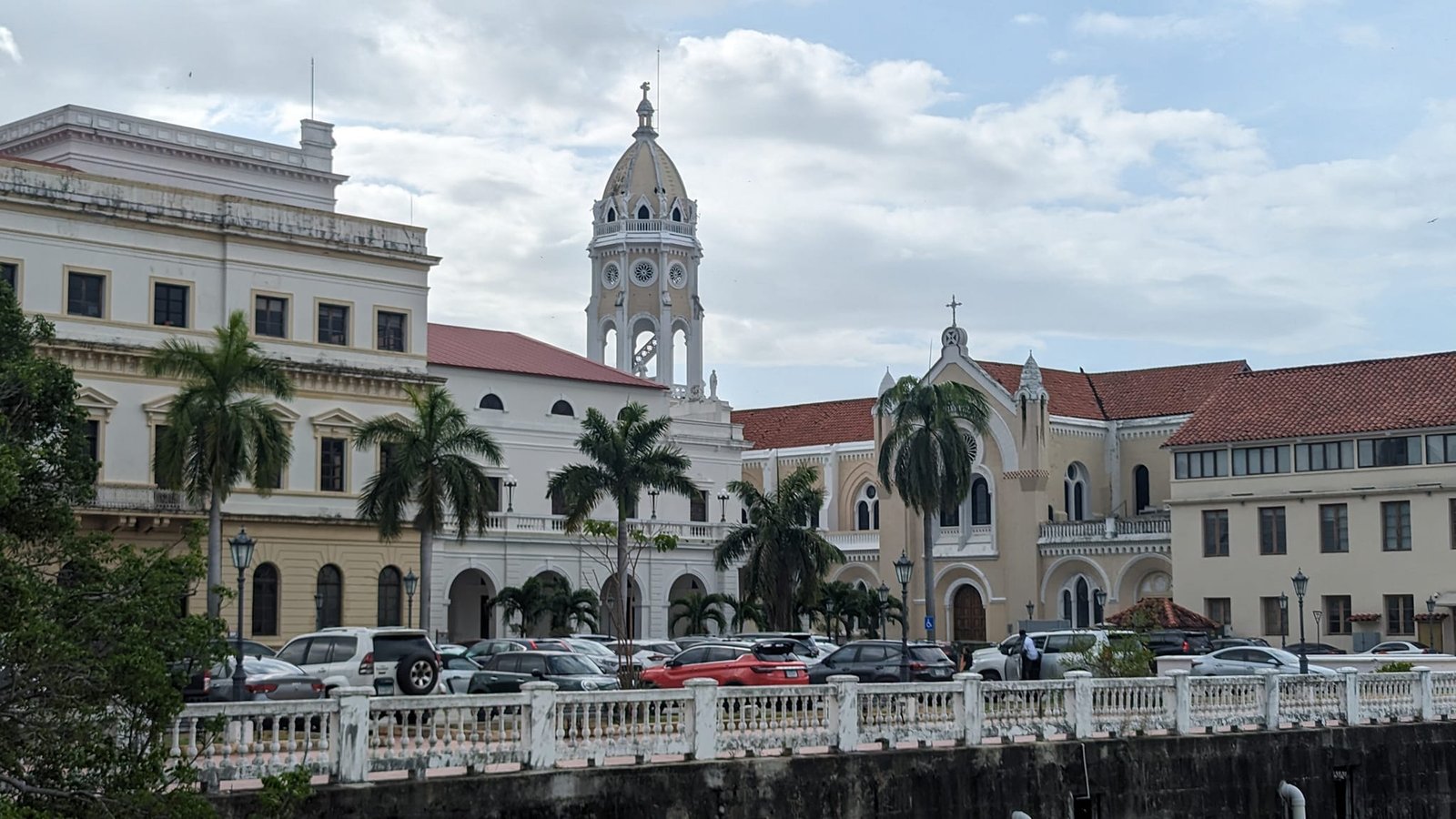
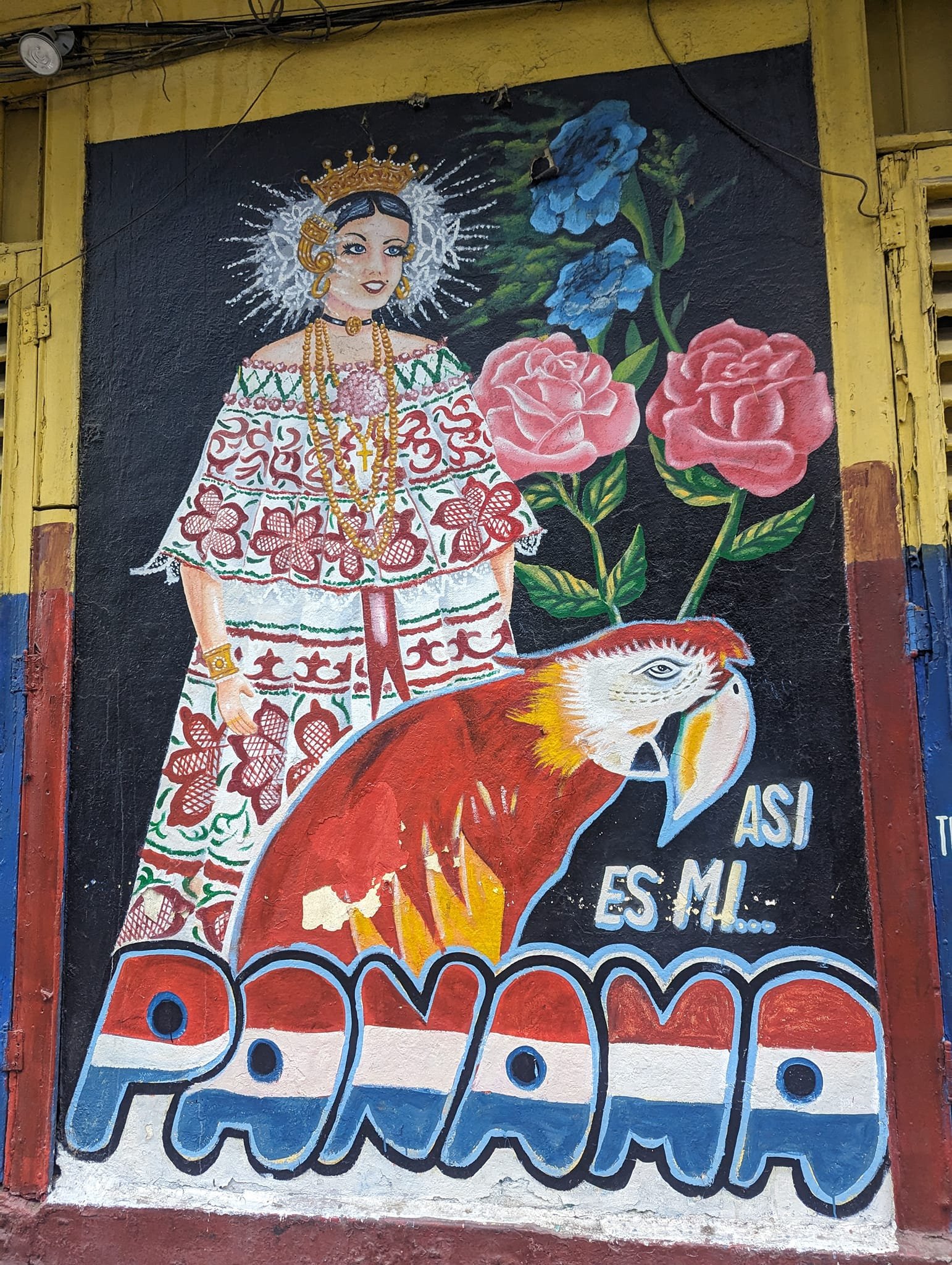
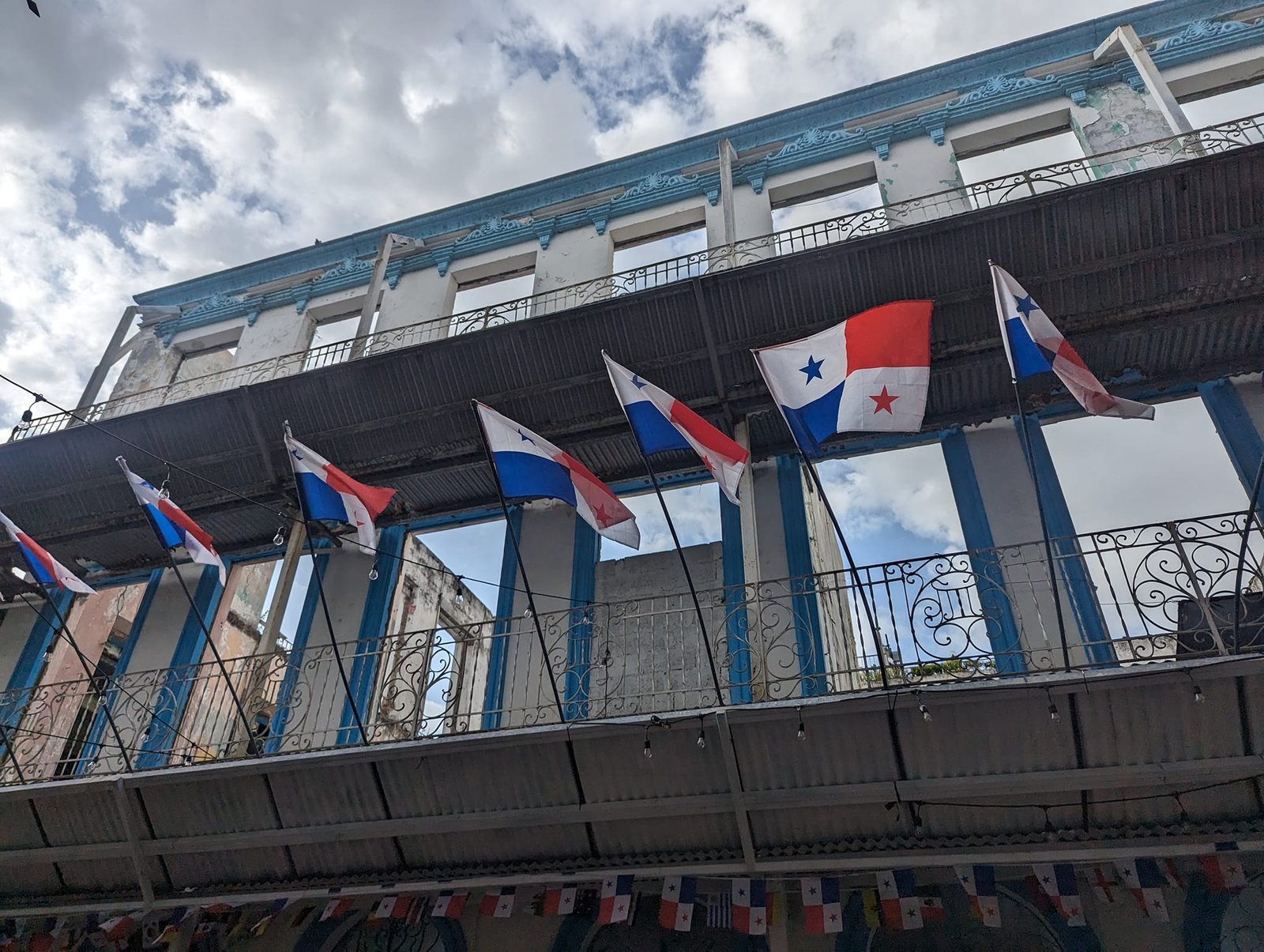
In the old quarter of the city, Casco Viejo, you will find beautiful colonial architecture: townhouses with wrought-iron balconies decorated with flags, squares and lots of churches. You can also pop into the free museum of Panama here.
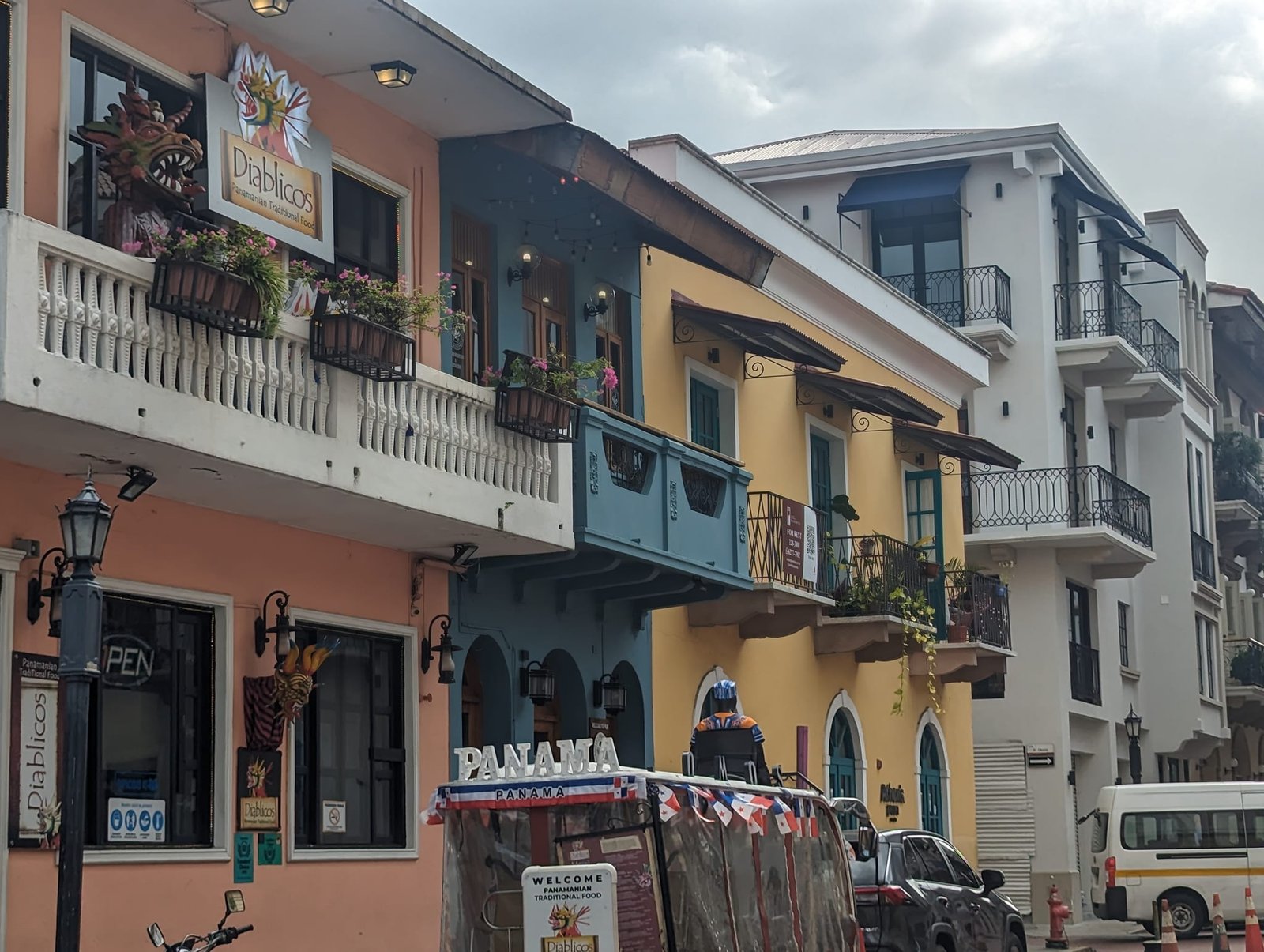
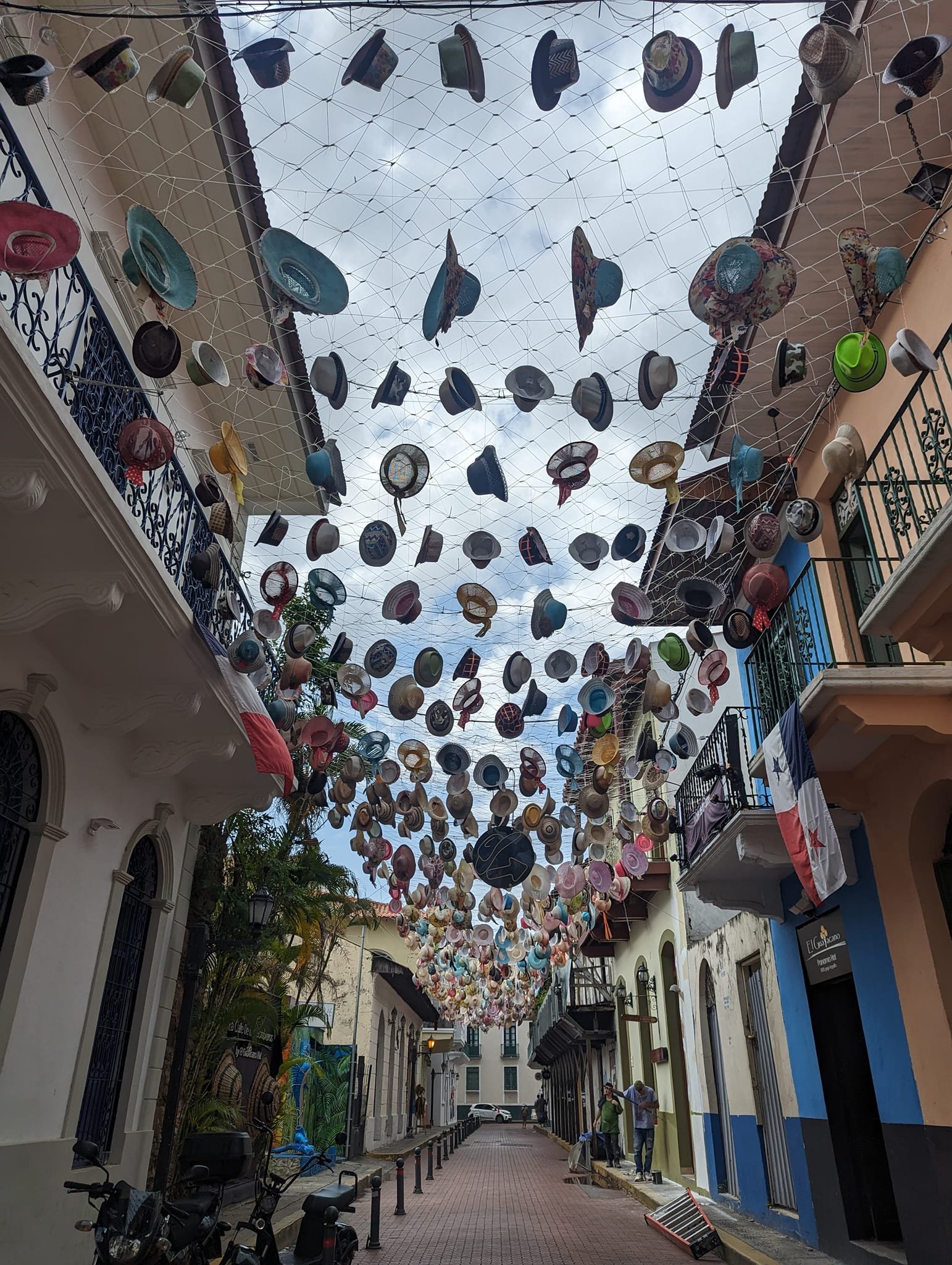
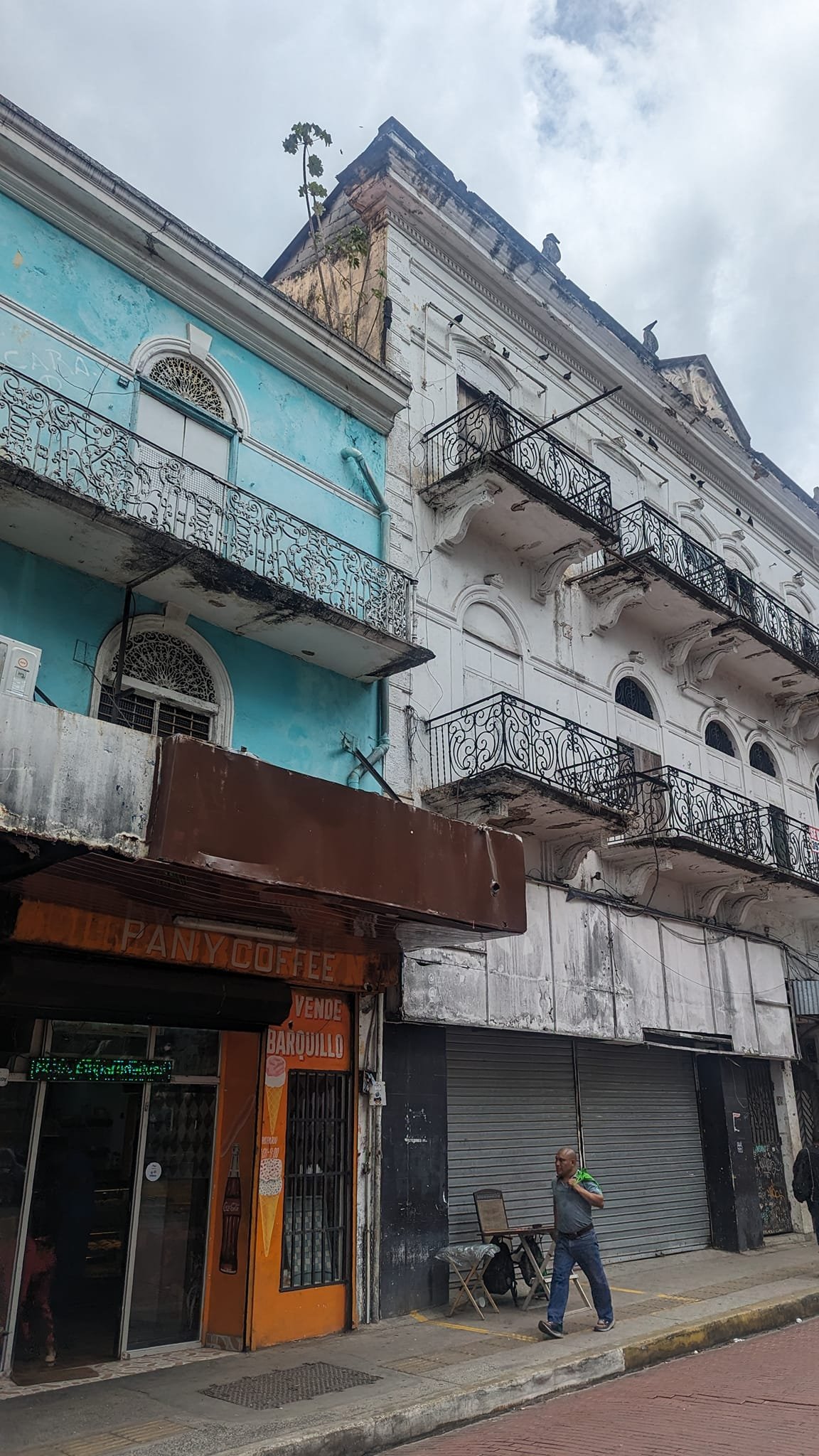
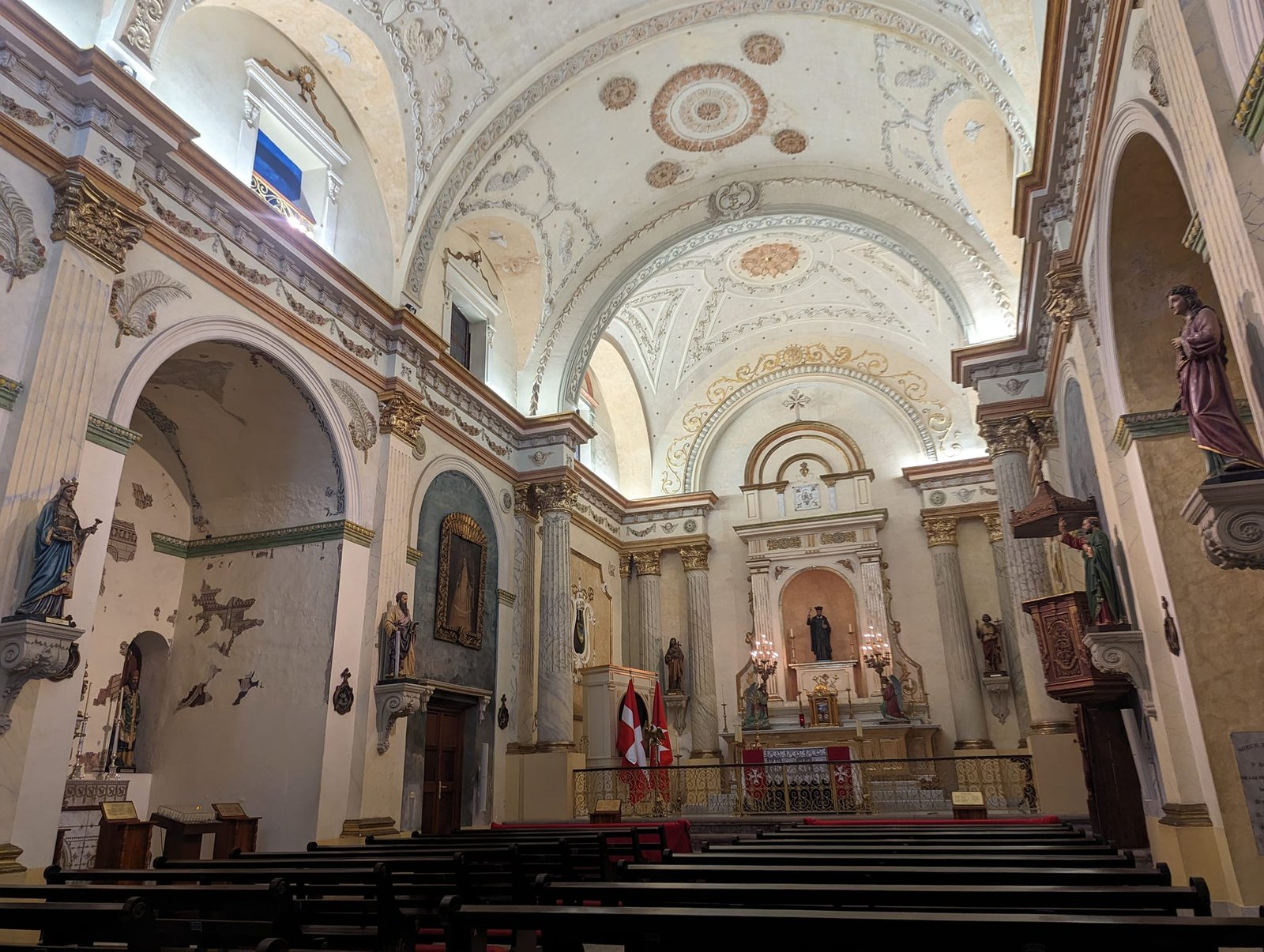
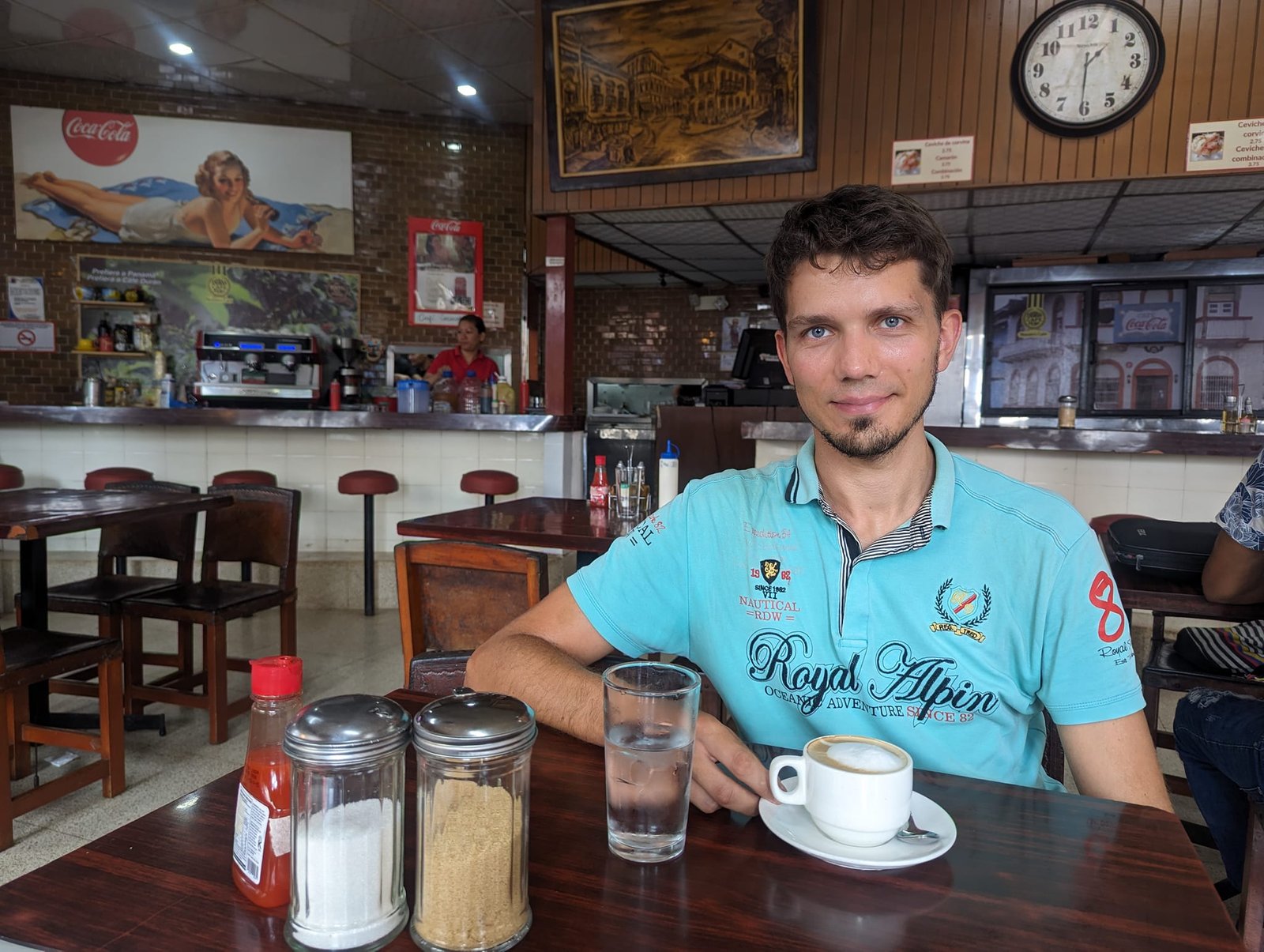
Nearby is Café Coca-Cola – the only café allowed to use that name, open without interruption since 1875. Over the years it has hosted many famous people. It is worth dropping in, even just for a coffee – a white coffee cost 1.50 USD (April 2024).
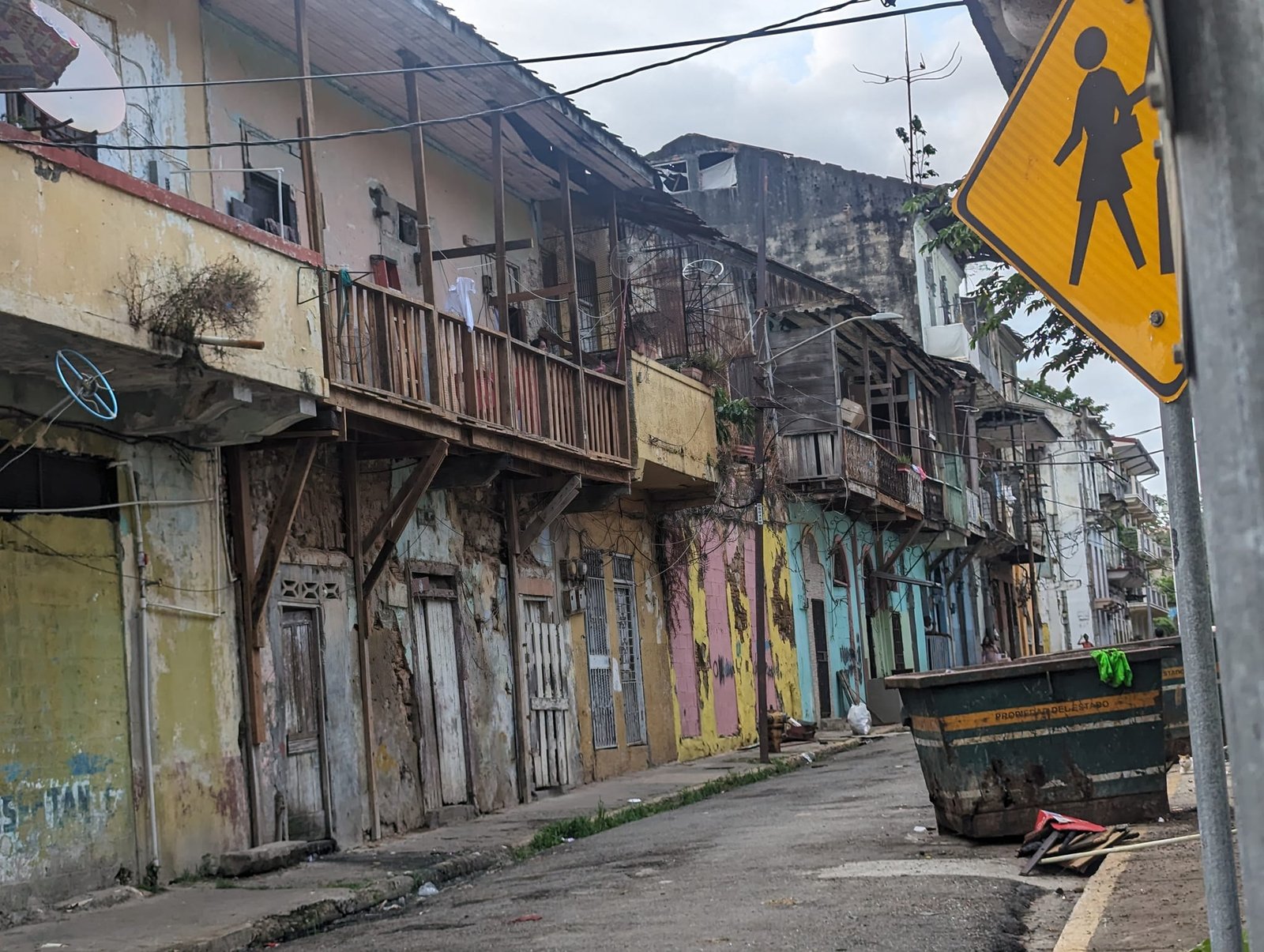
Very close by is the El Chorrillo district, considered dangerous. In 1989 it was destroyed during the American military intervention, and today poorer people live there.
Wildlife in the middle of the capital
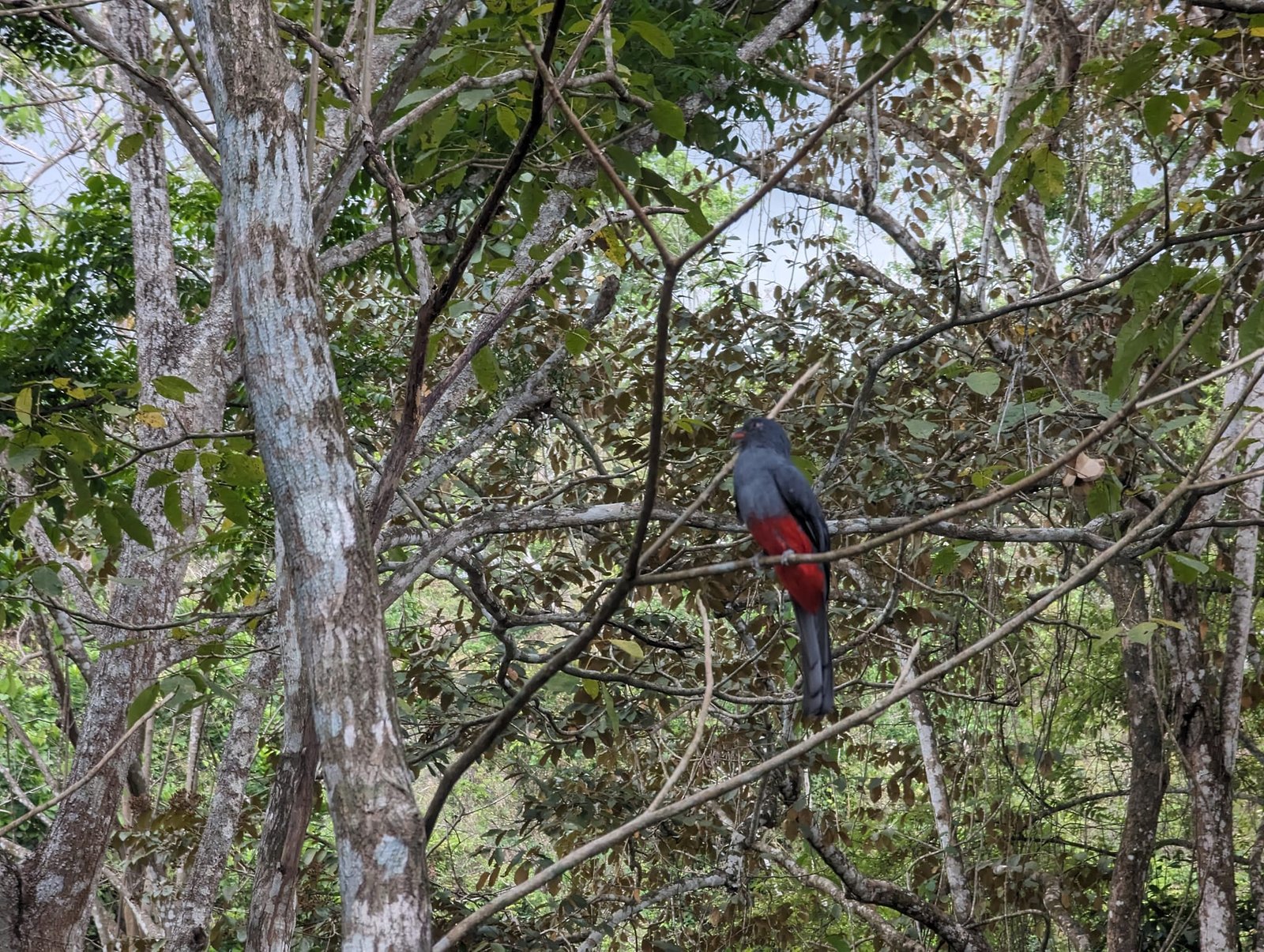
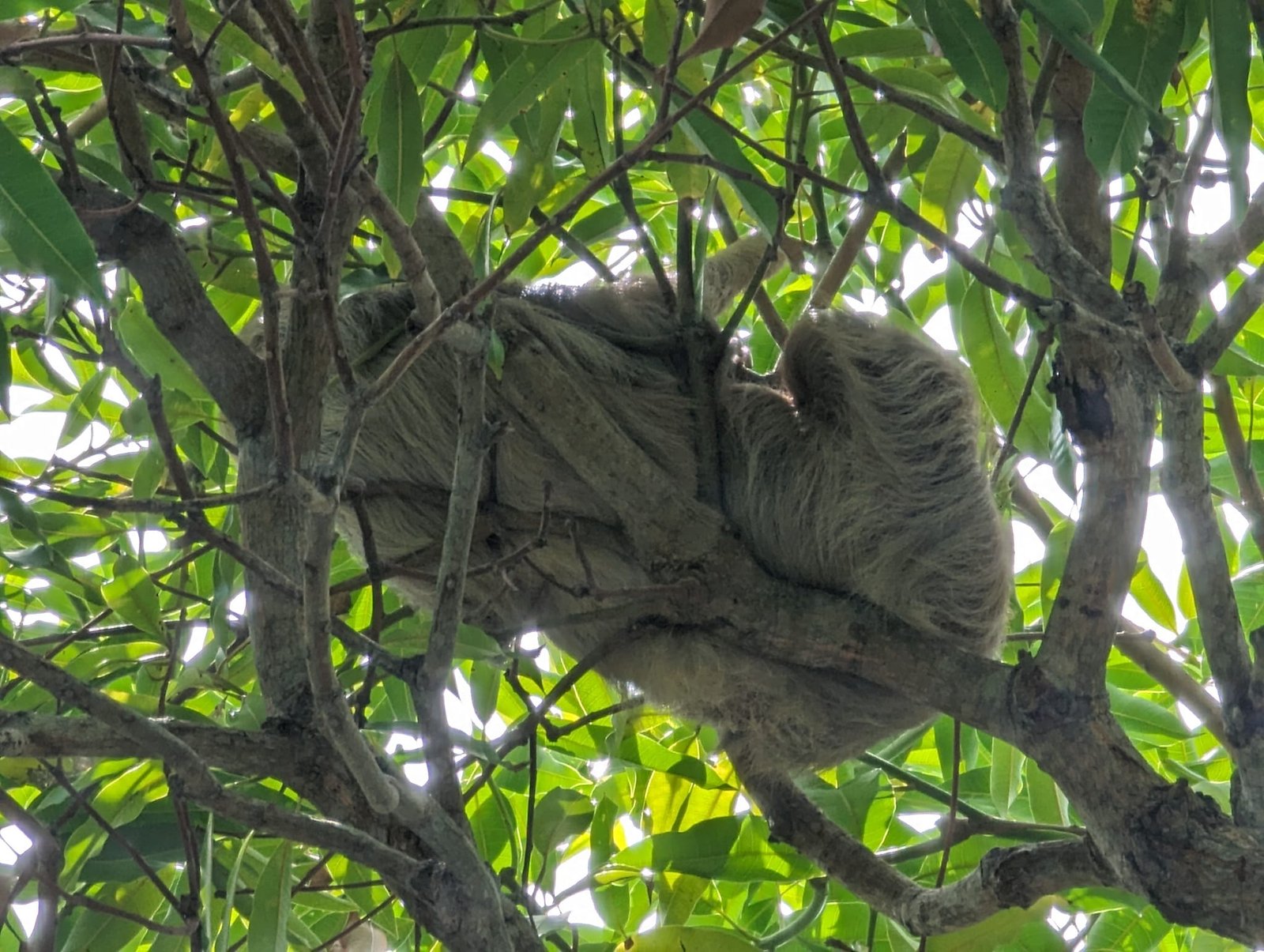
What pleasantly surprised us in Panama City was how much wildlife you can see without leaving the city. In the tropical forests of Parque Natural Metropolitano and on Cerro Ancón hill we watched sloths, toucans, agoutis and colourful birds, and a coati was rummaging in a rubbish bin. We had seen our first sloths ever a few weeks earlier in Costa Rica – here they were hanging in the trees within the city limits, not far from the skyscrapers.
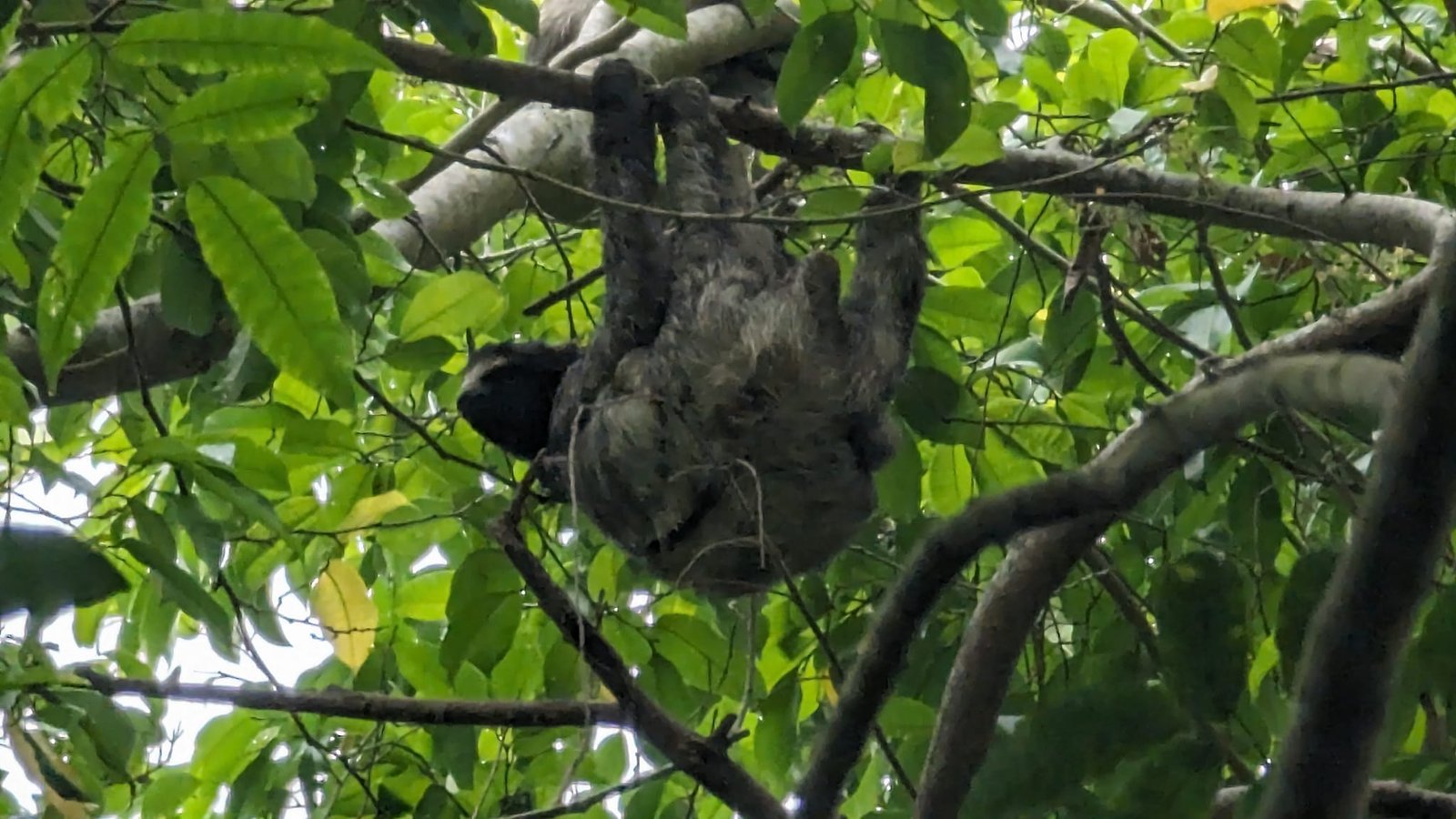
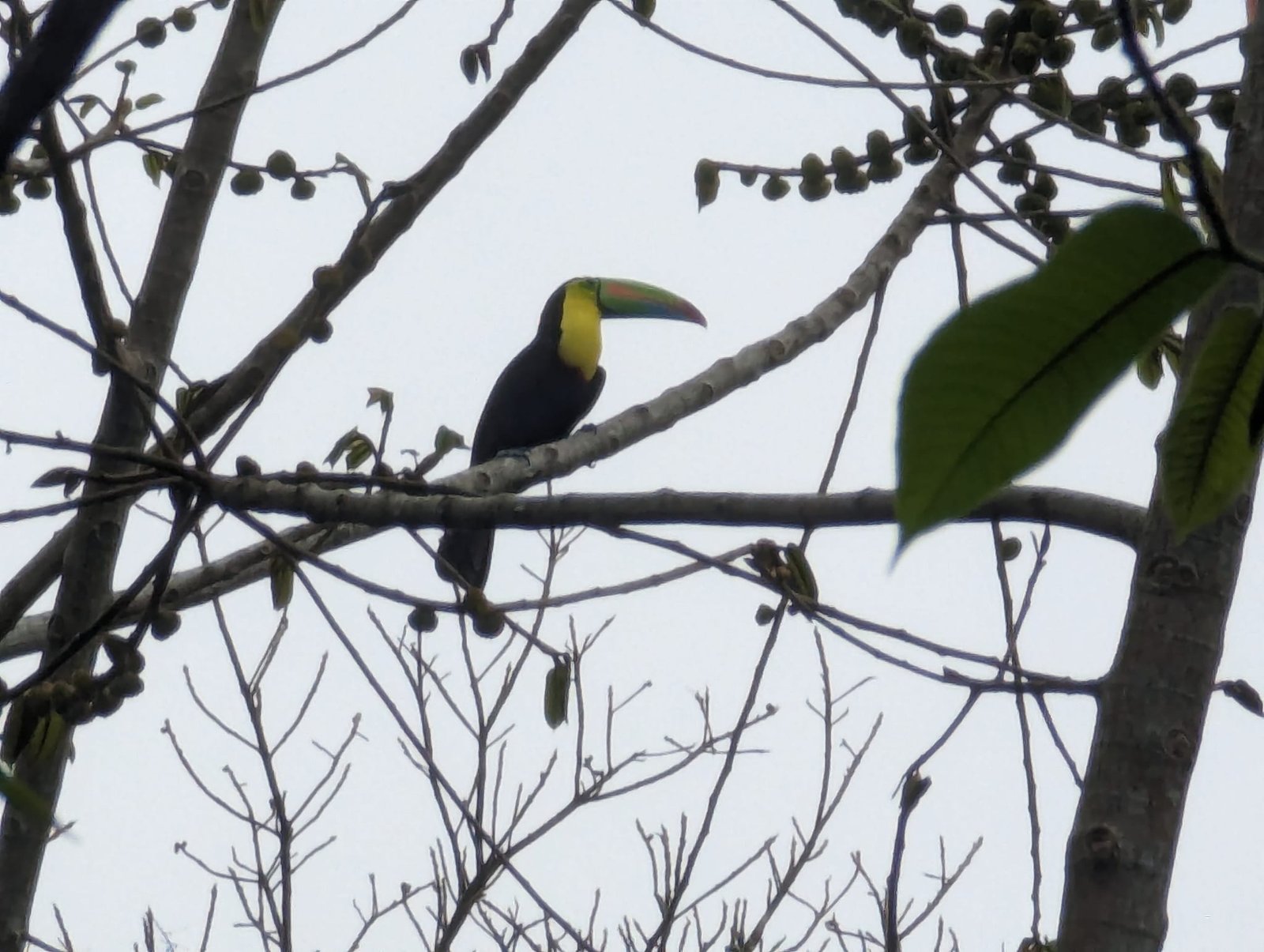
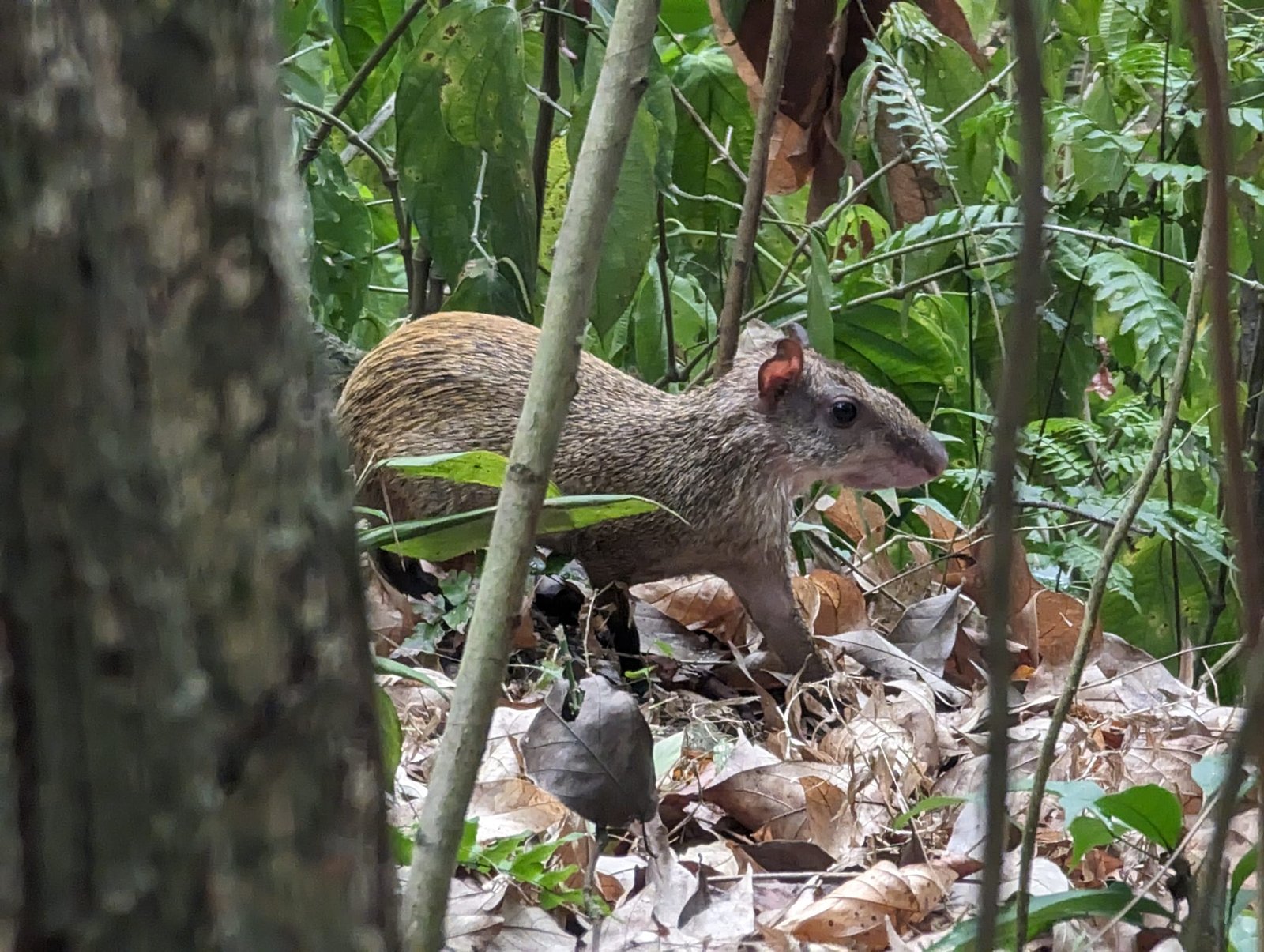
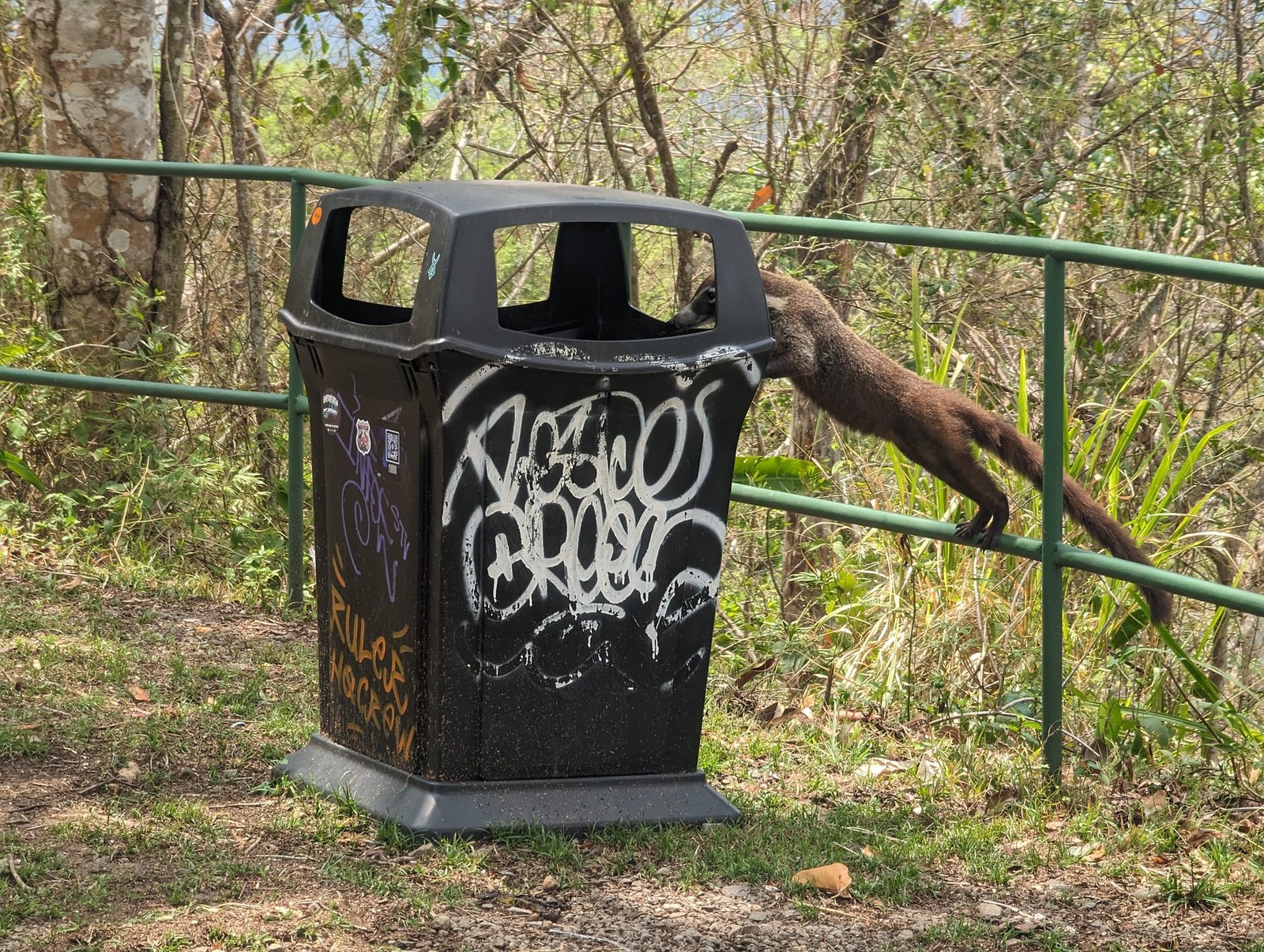
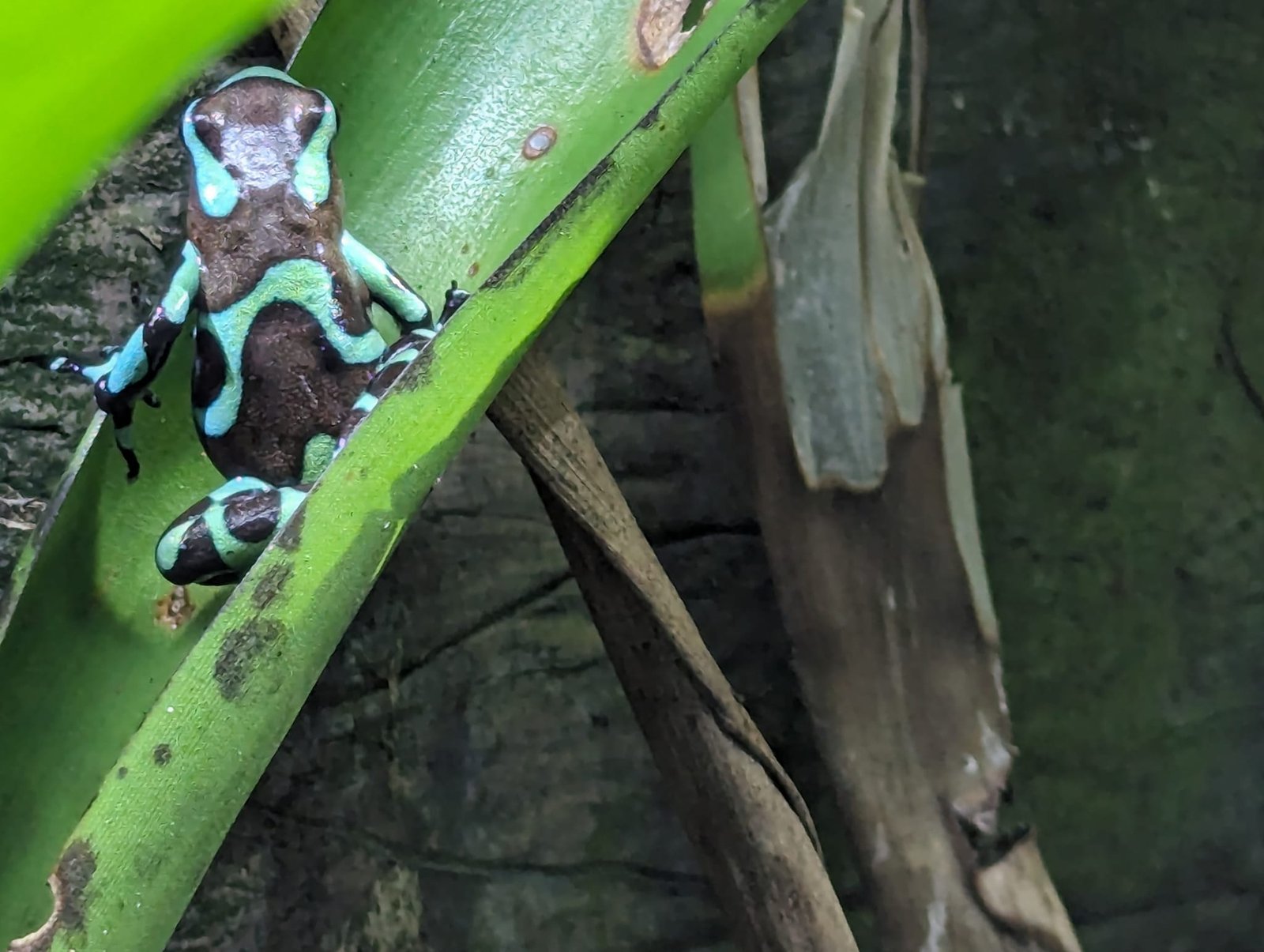
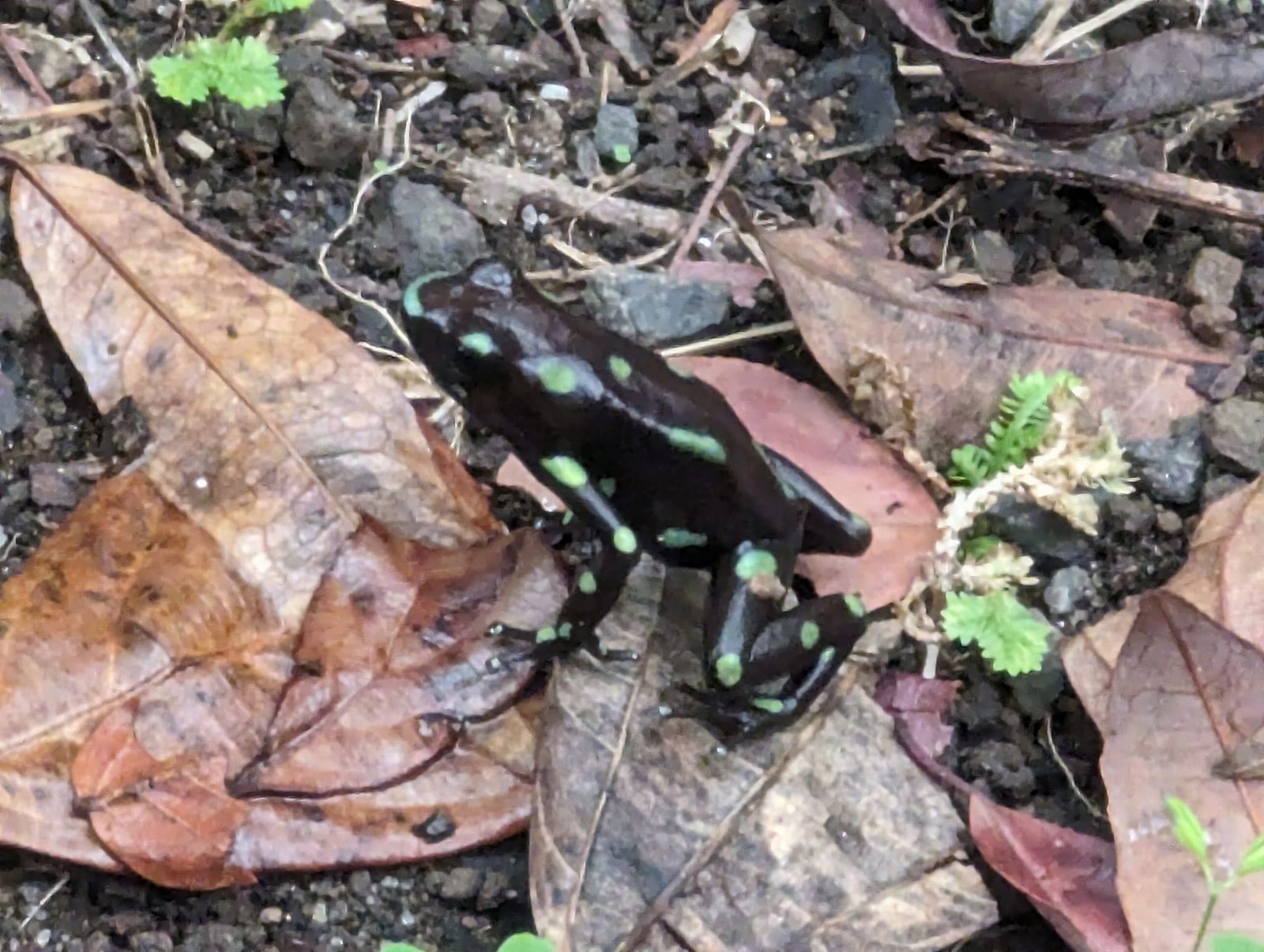
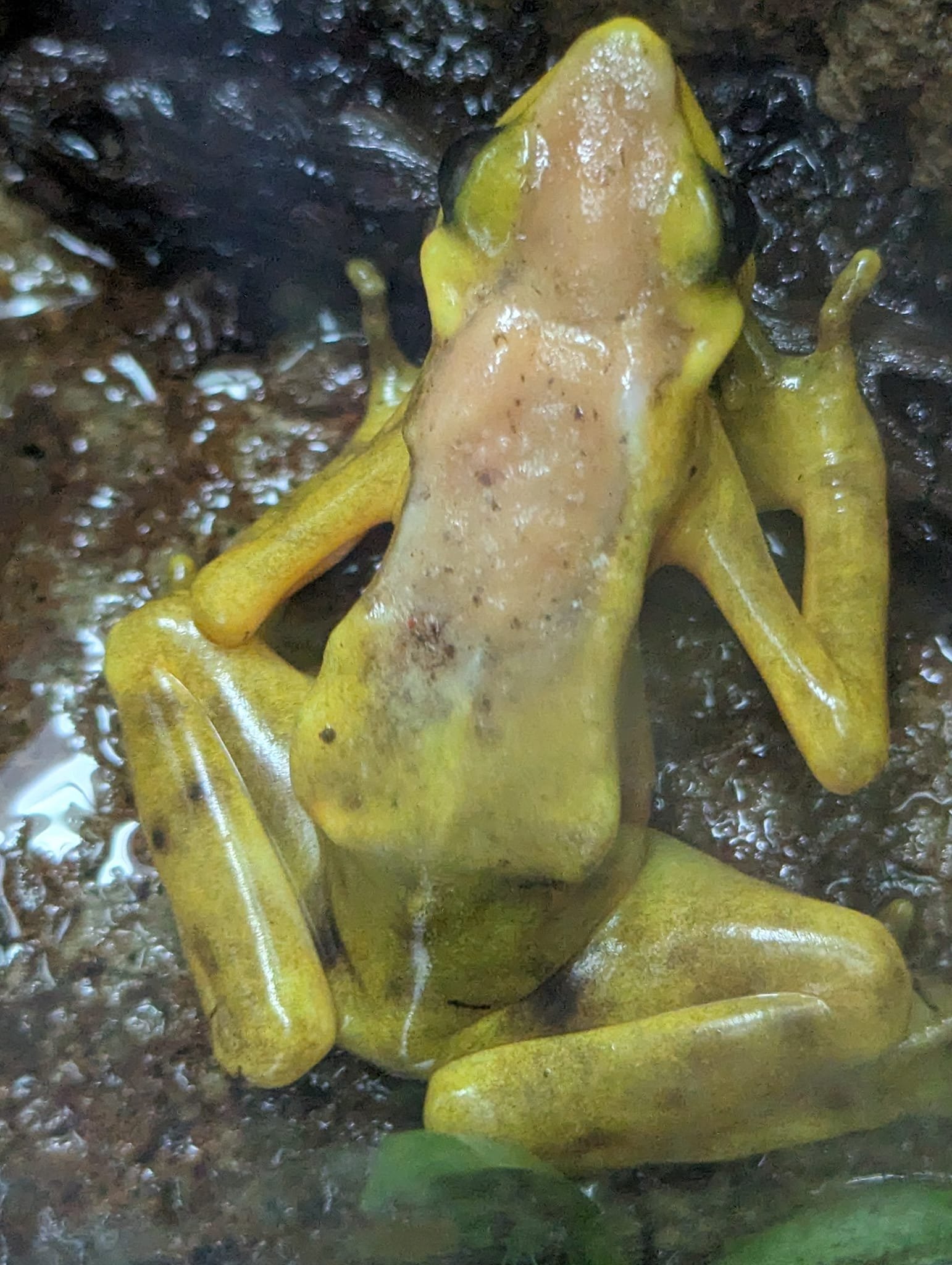
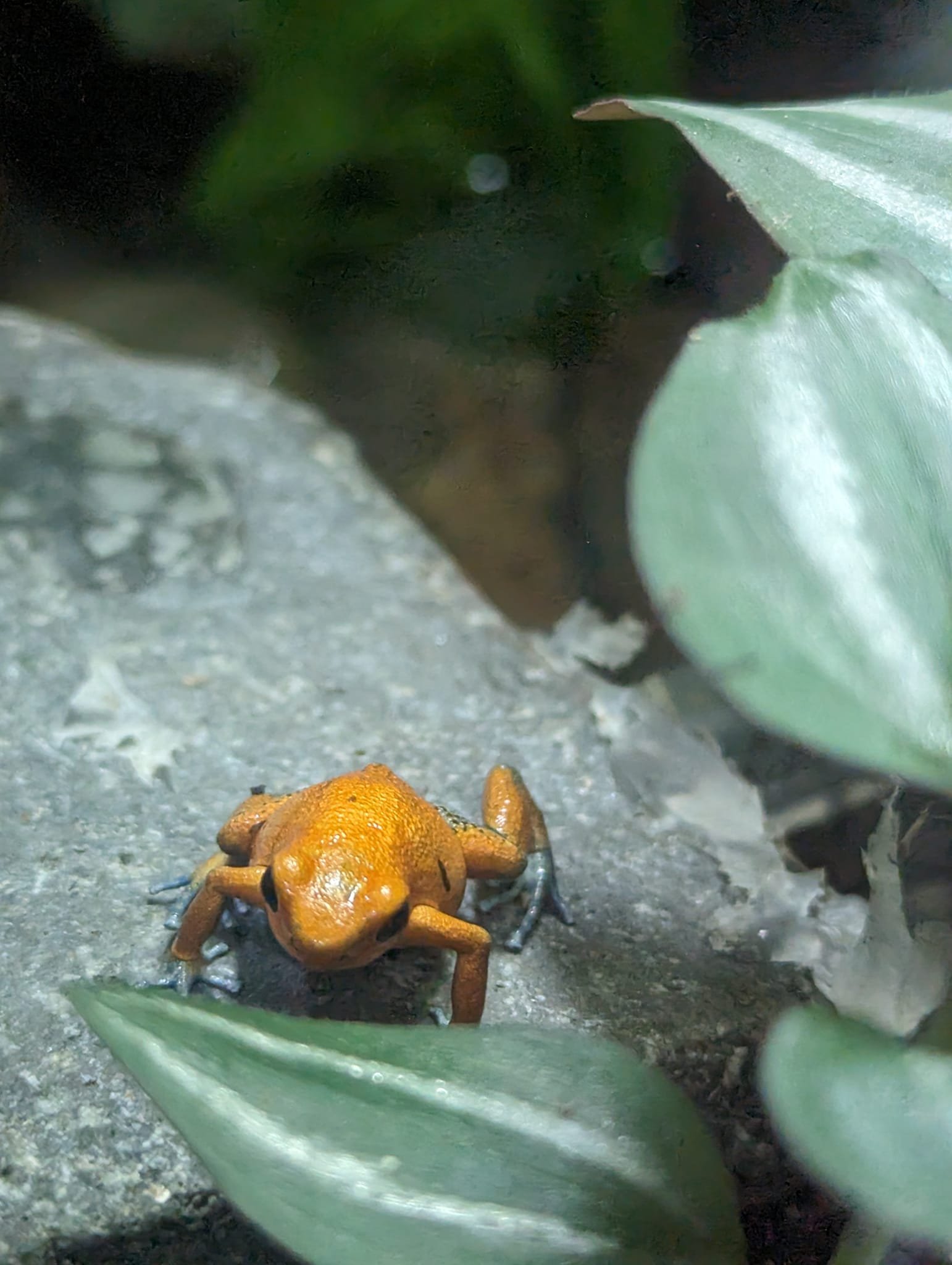
In the forest we also came across a black-and-green poison dart frog – we had looked for these tiny, brightly coloured frogs in Costa Rica without any luck.
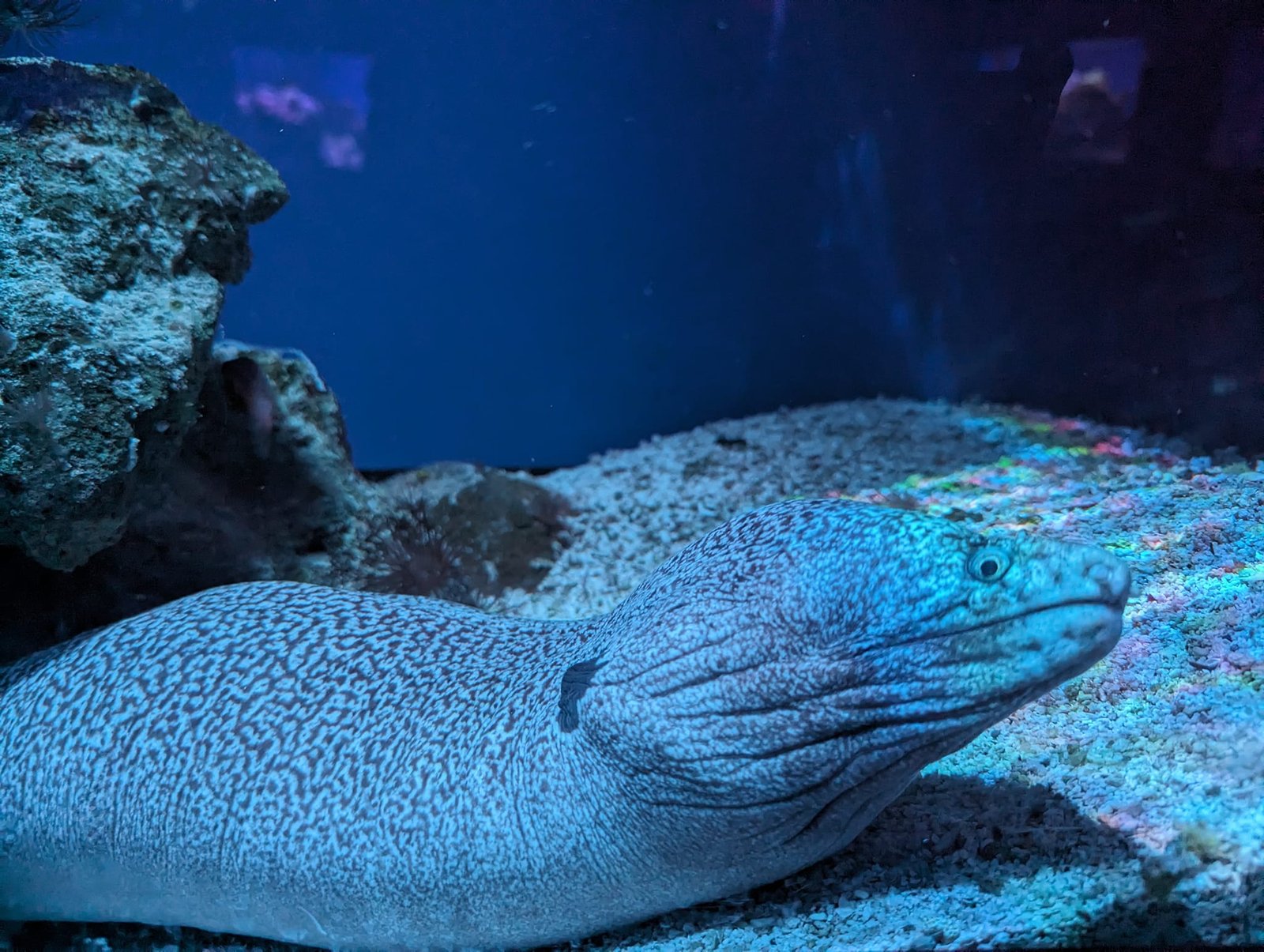
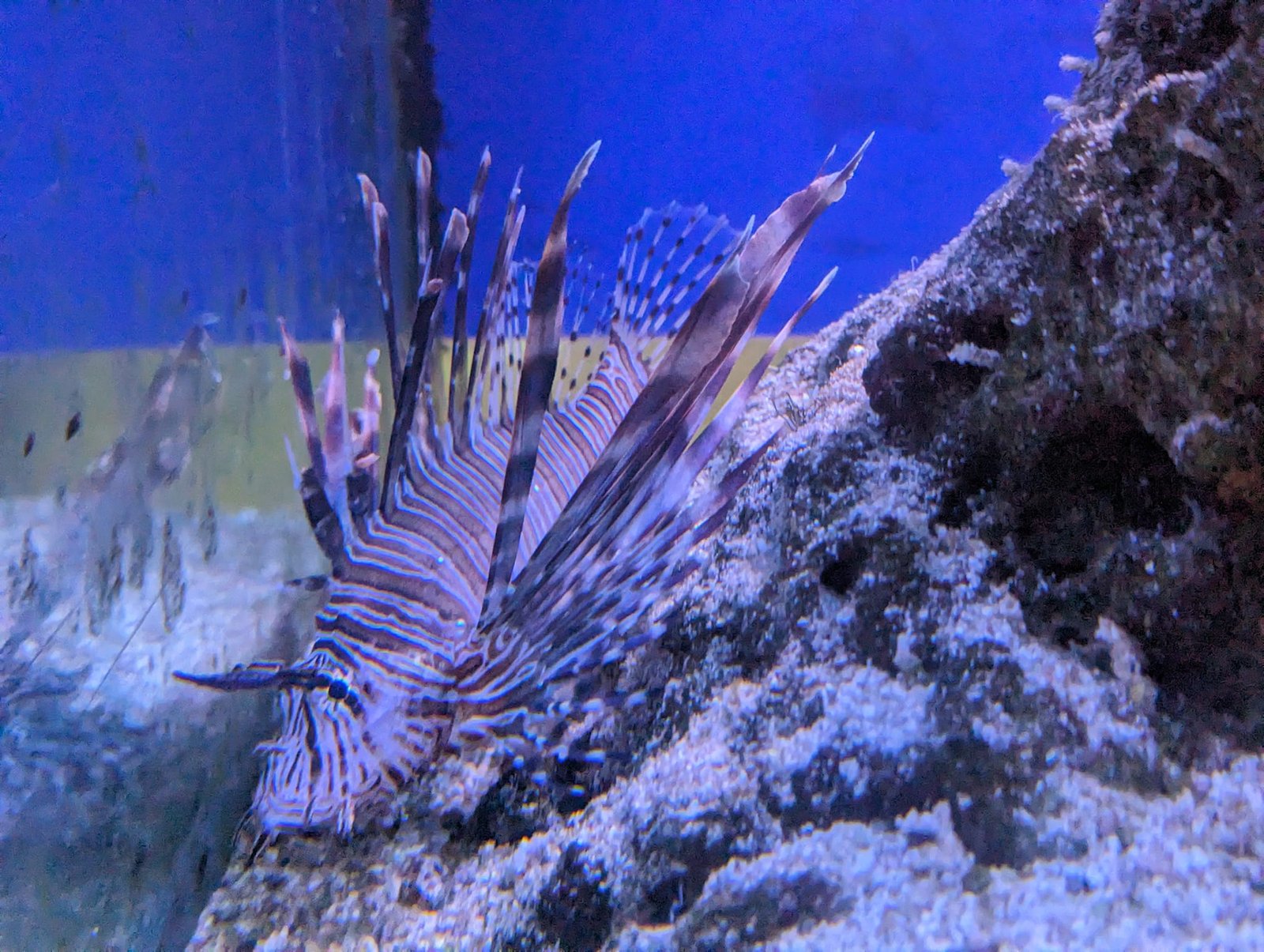
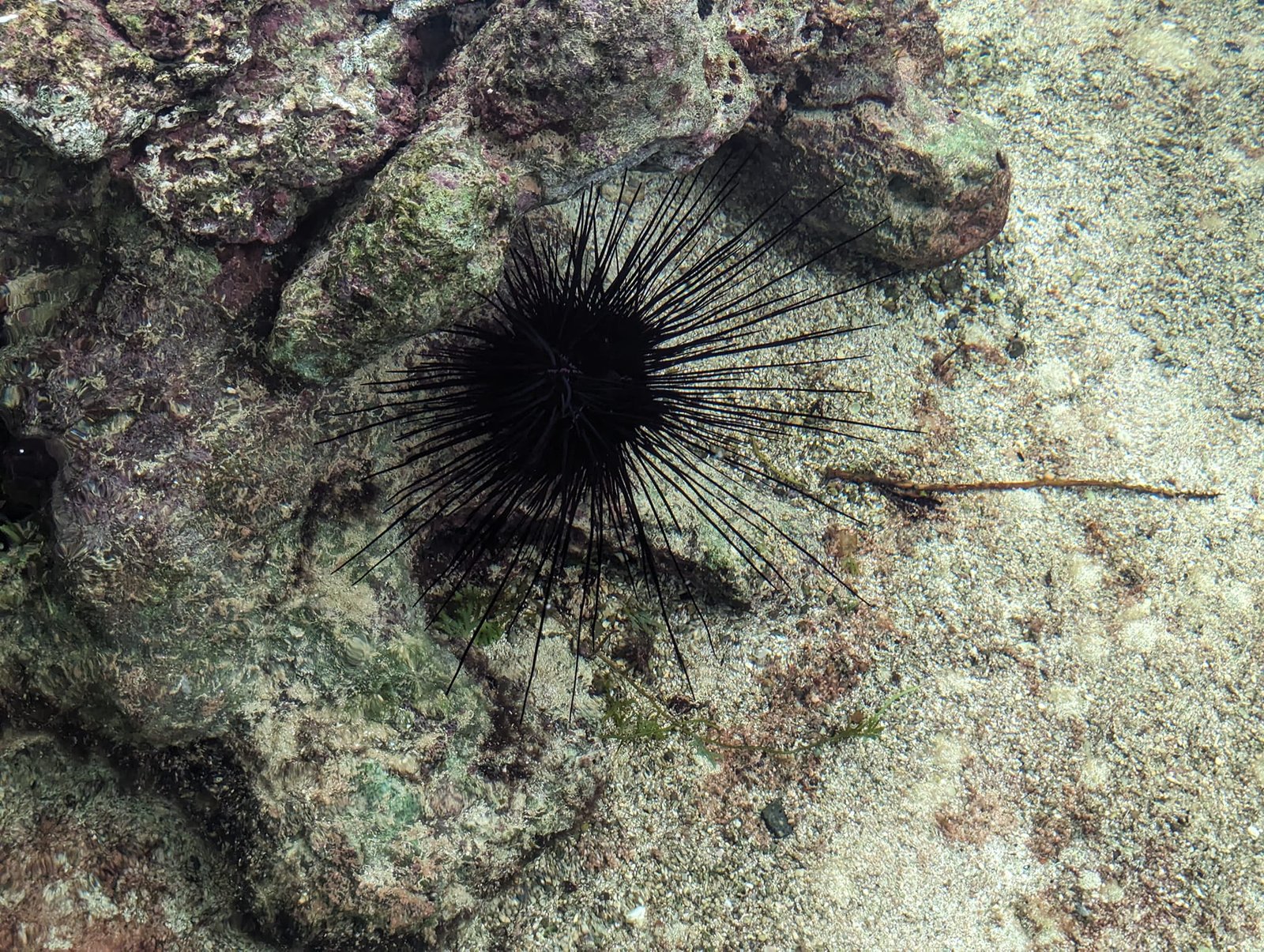
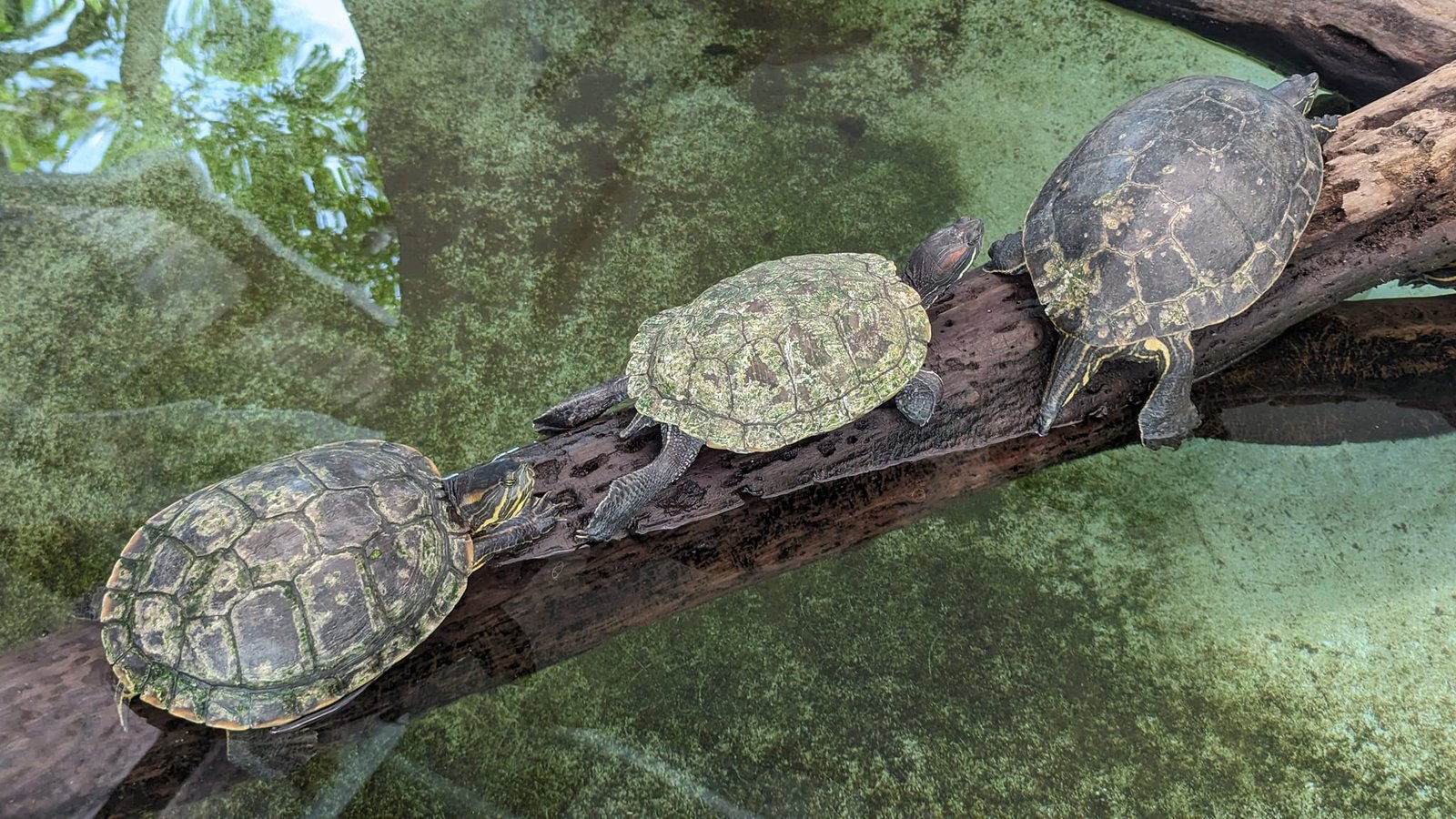
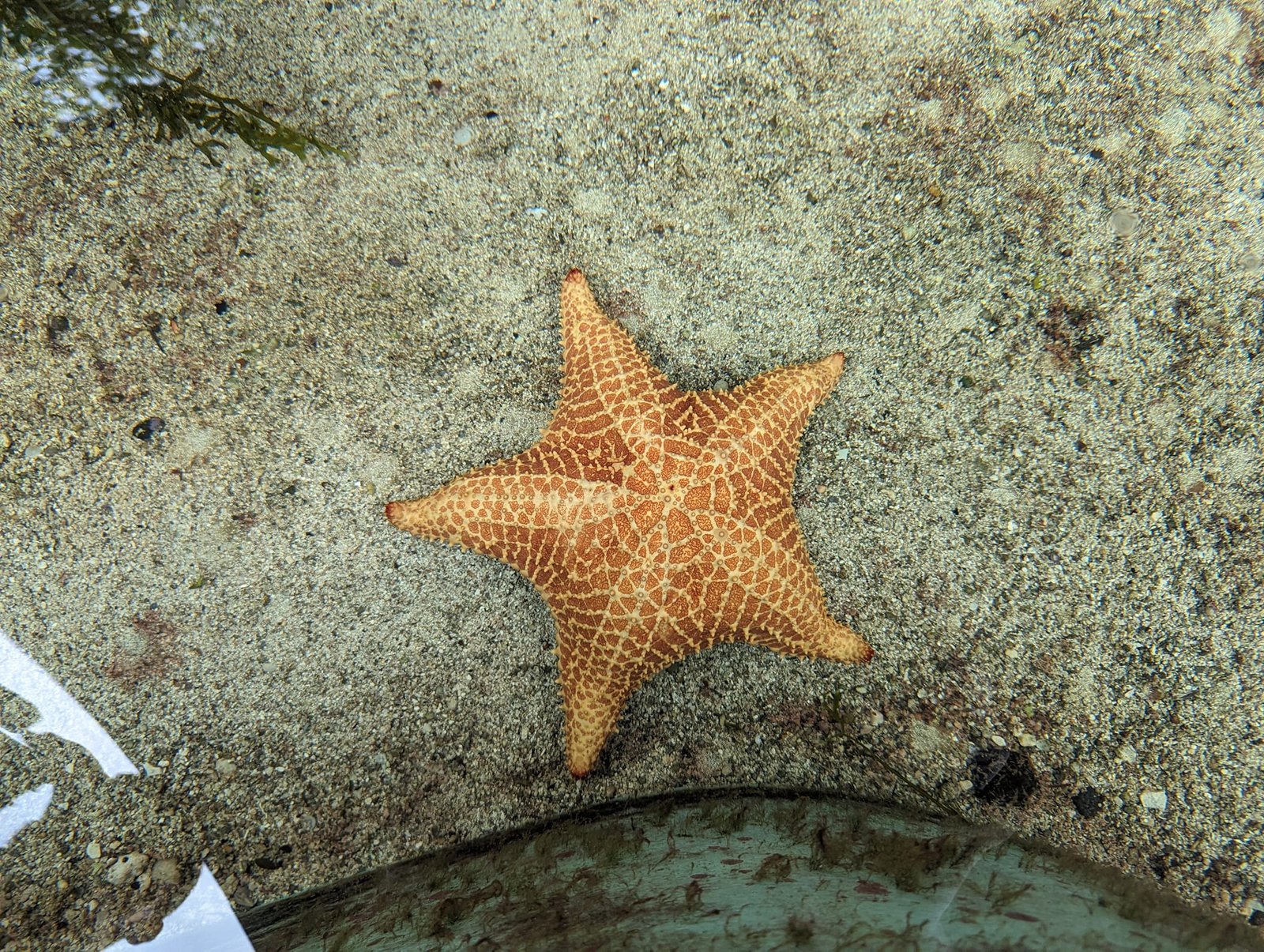
The third place full of animals is Centro Natural Punta Culebra by the ocean. Sloths were sleeping in the trees, turtles were basking on logs, and in the aquariums, pools and terrariums you can take a close look at starfish, sea urchins, moray eels and colourful frogs.
The Panama Canal – the Miraflores Locks
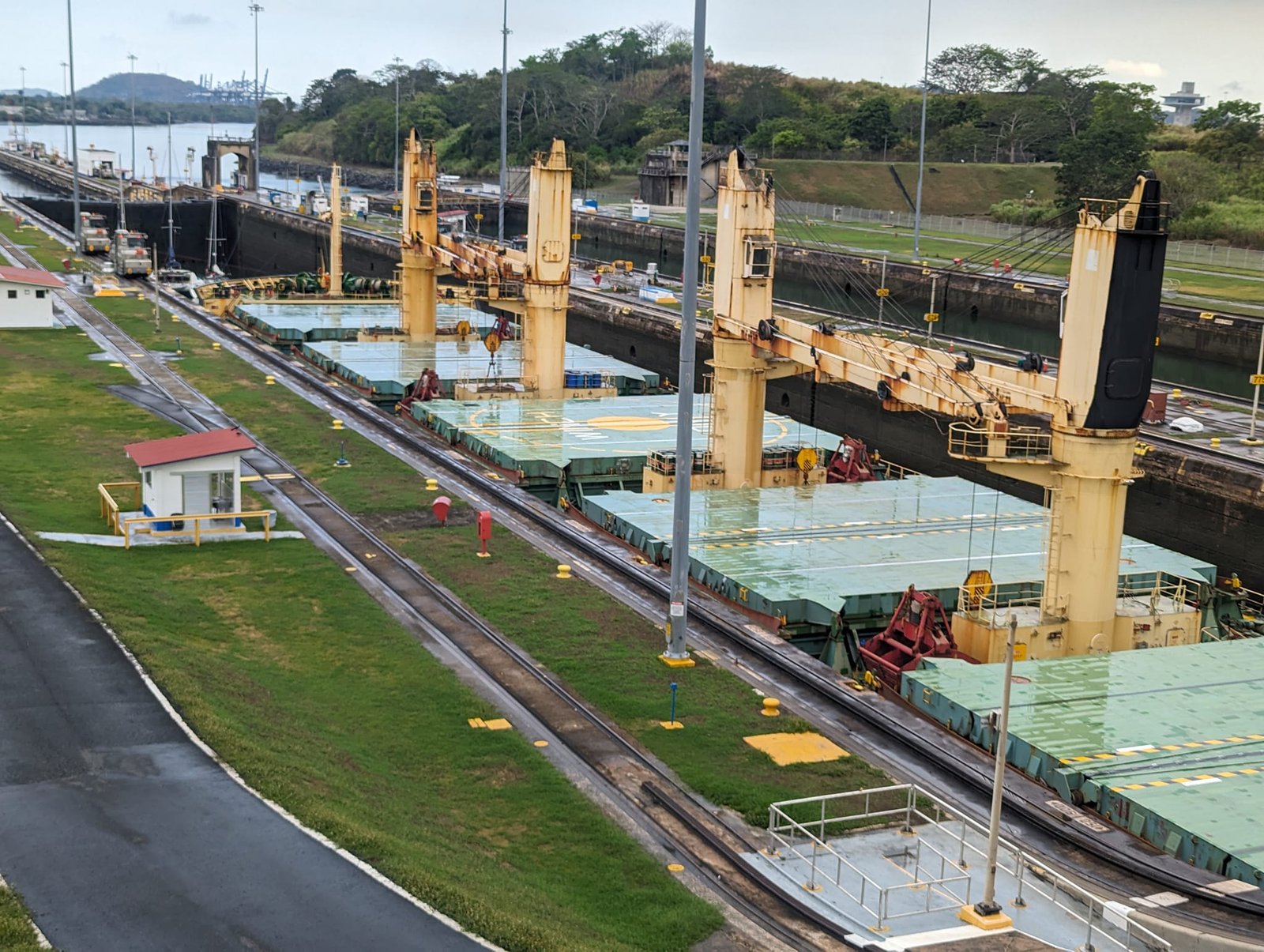
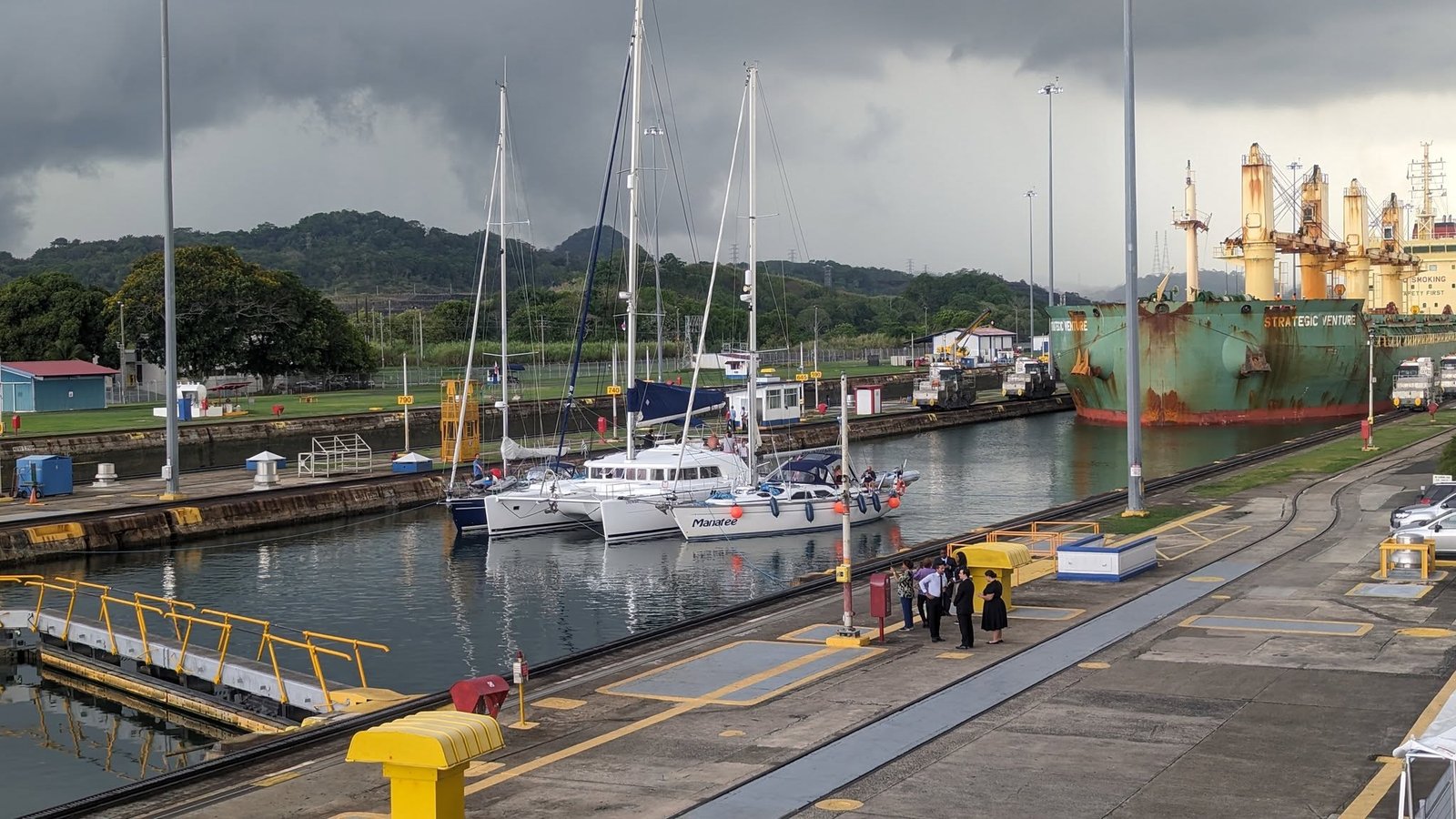
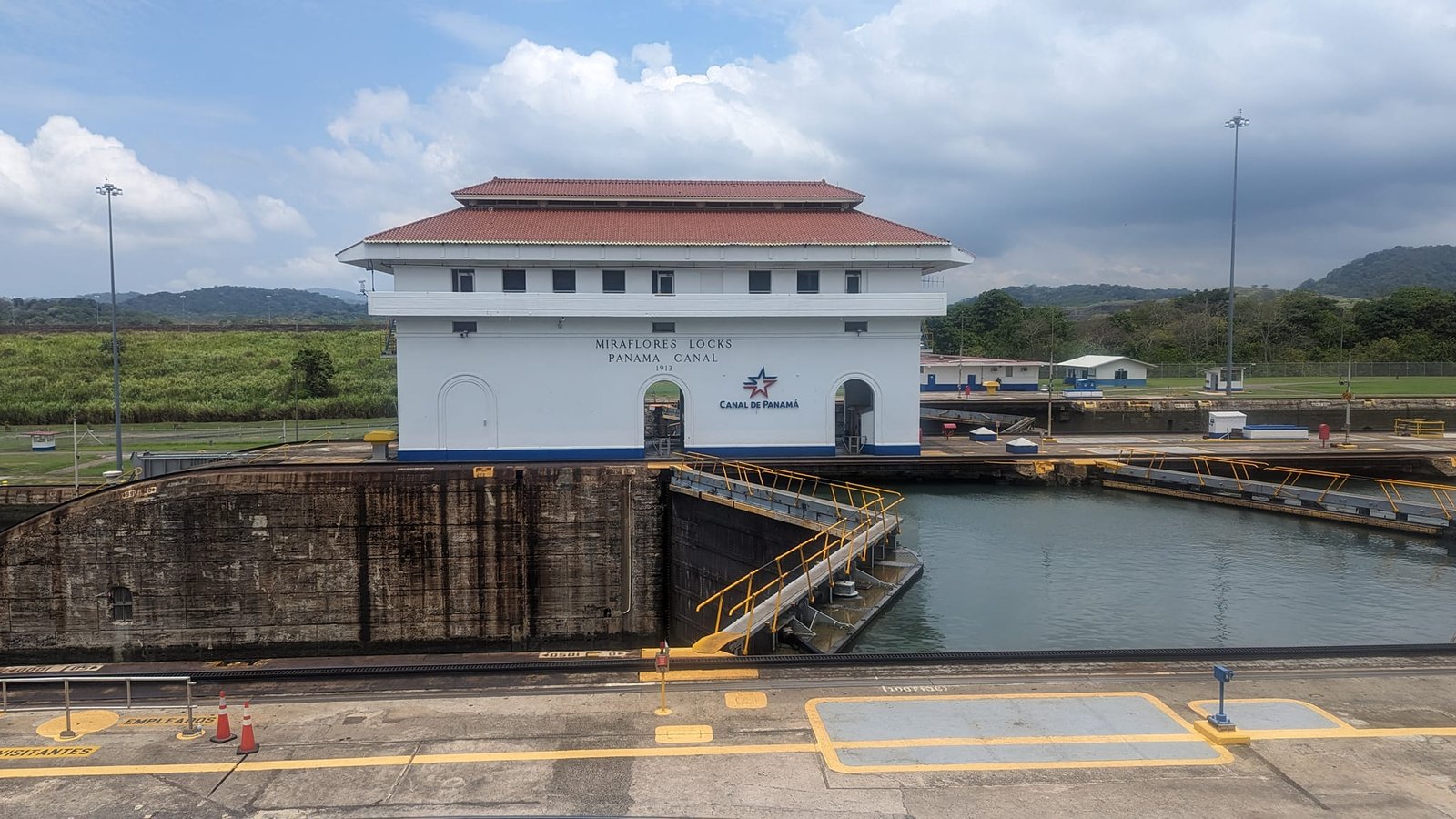
When in Panama, you can’t skip the Panama Canal. This 82 km canal is a marvel of modern engineering – sadly paid for with a huge number of lives during its construction. The first ships passed through it in 1914, and it was officially opened in 1920. For many years it was under American jurisdiction, and today it is one of Panama’s main sources of income. Around 14,000 ships pass through it every year, greatly shortening their route between the oceans.
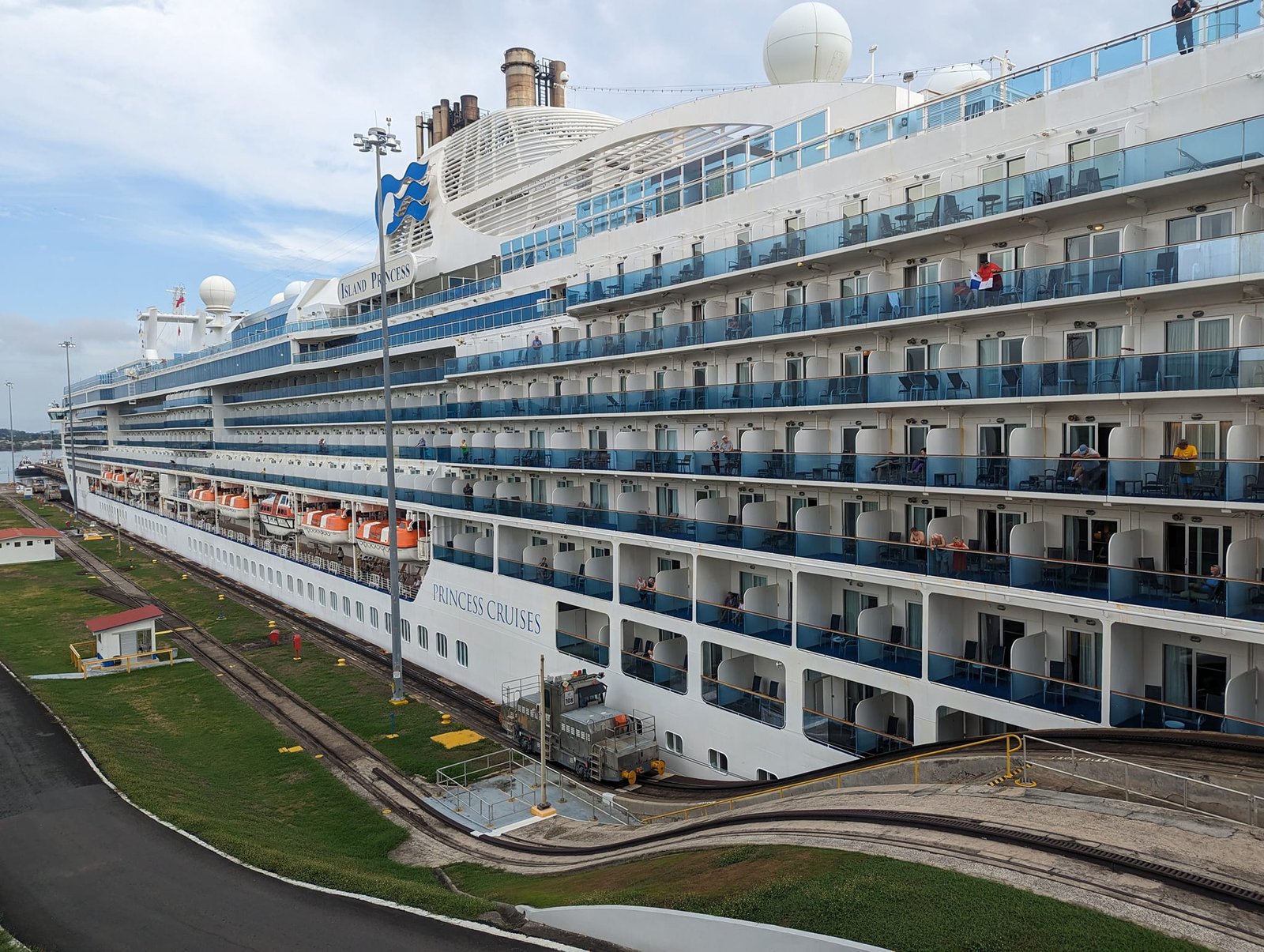
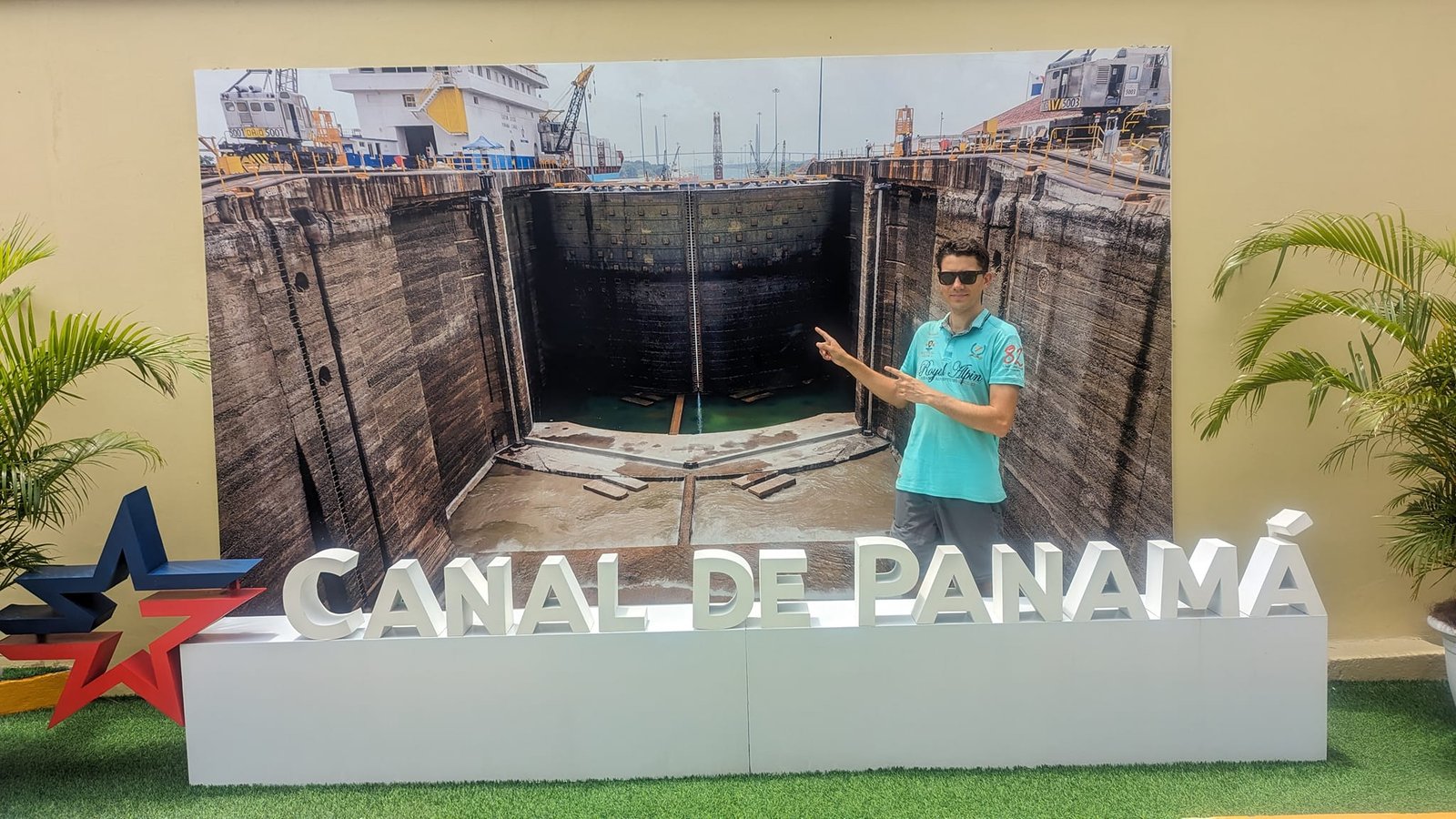
You can watch ships passing through the locks at Miraflores – we went there on 29 April. The ticket (17 USD, April 2024) includes access to two viewing terraces above the locks and a 3D film about the history of the canal. We watched a huge cruise ship, a cargo ship with cranes and several yachts pass through the chambers.
A luxury apartment for 14 dollars
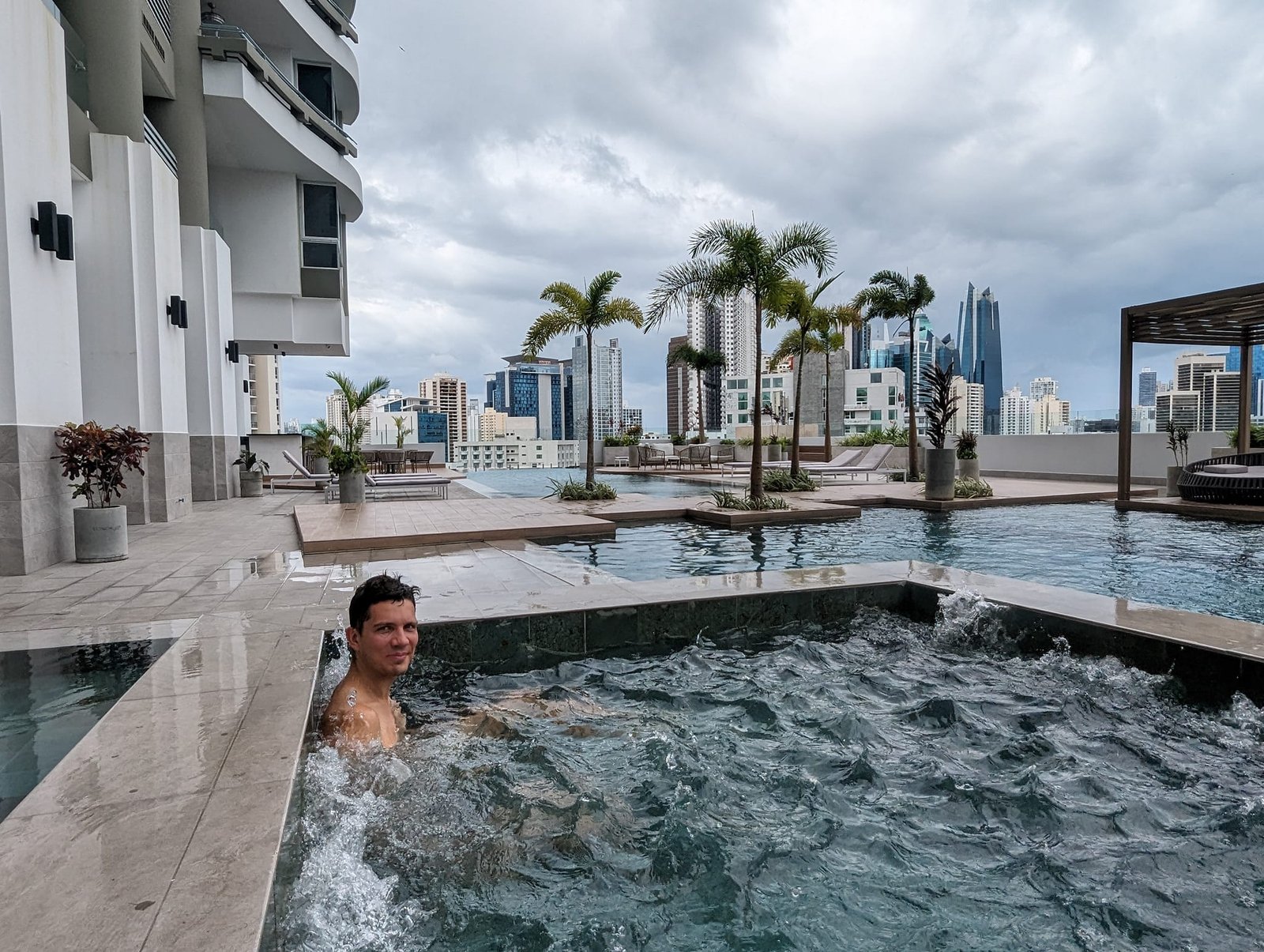
We were very lucky with accommodation in the capital – we found fairly cheap places in great condition, and we struck it luckiest for the last few days. For just 14 USD a night (Airbnb) we stayed in a luxury apartment building: a superbly equipped flat, a gorgeous view of the city, and a sauna, gym, pool, jacuzzi and pool table included in the price.
A price like that is more of a one-off bargain: the listing was new, we were probably the first guests, and on the day we arrived the air conditioning was still being installed. The only downside – despite the high standard, only cold water came out of the tap, so it is worth asking about hot water every time. In fact, resting in that apartment building and being able to do laundry whenever we wanted (including washing our backpacks) turned out to be our best memory of Panama.
Practical information
- How much time? – you can easily see the main sights in a few days.
- Miraflores Locks – ticket 17 USD (April 2024): two viewing terraces above the locks and a 3D film about the history of the canal.
- Café Coca-Cola – white coffee 1.50 USD (April 2024).
- Wildlife in the city – we saw sloths, toucans, agoutis and coatis in Parque Natural Metropolitano and on Cerro Ancón, and sloths, turtles and frogs also at Centro Natural Punta Culebra.
- Accommodation – we spent the last days in an Airbnb apartment for 14 USD a night (April 2024), but it was a new listing whose price probably went up quickly. Even in high-standard flats it is worth asking about hot water.
- Safety – in Panama we felt completely normal. We avoided the El Chorrillo district, which is considered dangerous. There were protests in Panama (as in Guatemala), but we managed to visit the country without any problems.
- Costs – across Panama (22 days) we spent on average 24 USD (about €22) per person per day, counting all expenses, including transport (2024). We give prices in dollars because that is what we paid in.
- From Panama to Colombia – the only sensible way is by plane. We bought our tickets on the very day we entered Panama, with the airline Wingo – the fare allowed one change of date or destination (April 2024). Flights to Colombia were reasonably priced – compared with, for example, Ecuador or Peru.
Summary
Panama pleasantly surprised us: interesting mountain trails, an attractive capital with loads of things to do, parks where wild animals live right next to skyscrapers, and cheap accommodation in a luxury apartment building where it really shouldn’t be cheap. When you asked us after this leg about the downsides of Panama, we couldn’t name a single one. Alongside Guatemala, it is probably my favourite country in Central America. On 3 May 2024 we flew to Colombia – starting an adventure in a new country and on a new continent.
Photo gallery