 7:01







 7:01
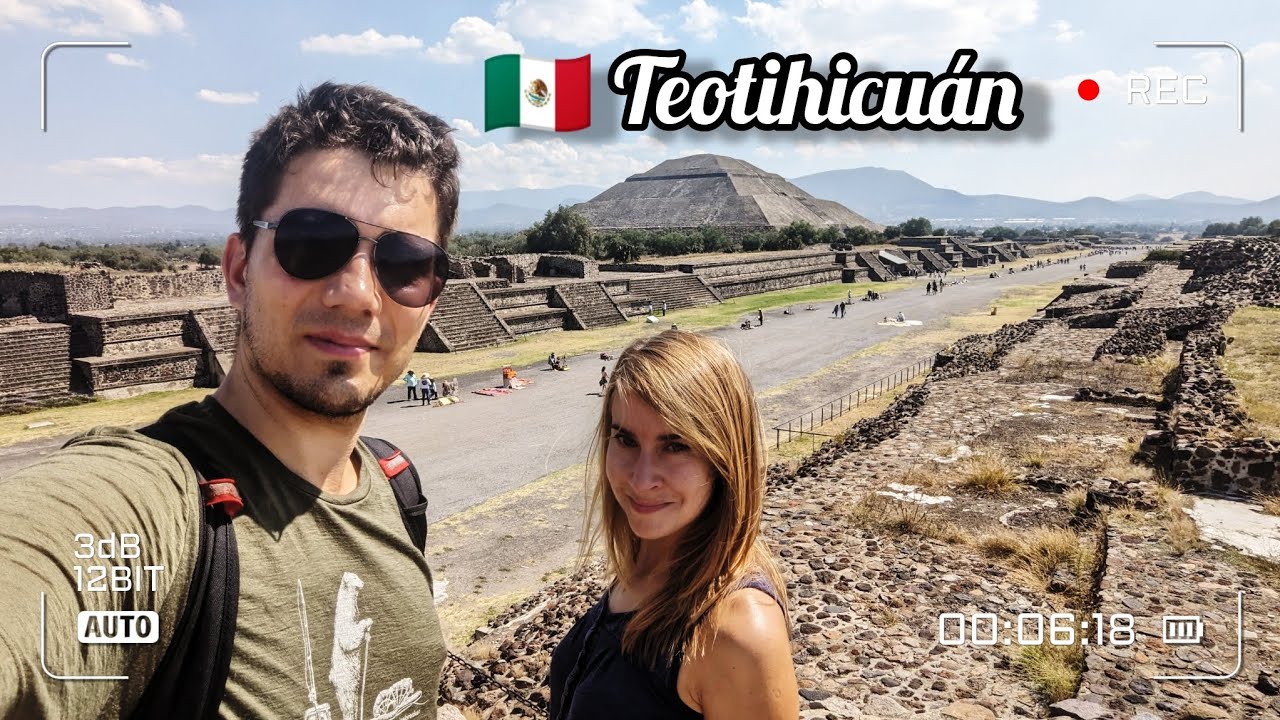
Teotihuacan is the ruins of an ancient city. A lot of it has survived, which is why the archaeological complex has become a well-known tourist attraction. You can see the Pyramid of the Sun and the Pyramid of the Moon, and between them runs the so-called Avenue of the Dead, lined with the remains of buildings that were tombs of sacrificial victims (a place of ritual burials). The site also includes, among other things, the ruins of the temple and palace of Quetzalpapálotl with murals on the walls. It is an undoubted must-see during a stay in Mexico’s capital (click here to see the article about Mexico City).
Teotihuacán is about an hour’s drive from the capital. Around the 5th century AD it was one of the largest cities in the world, and the Pyramids of the Sun and the Moon are among the largest pyramids in the world. We were here on 12 October 2023.
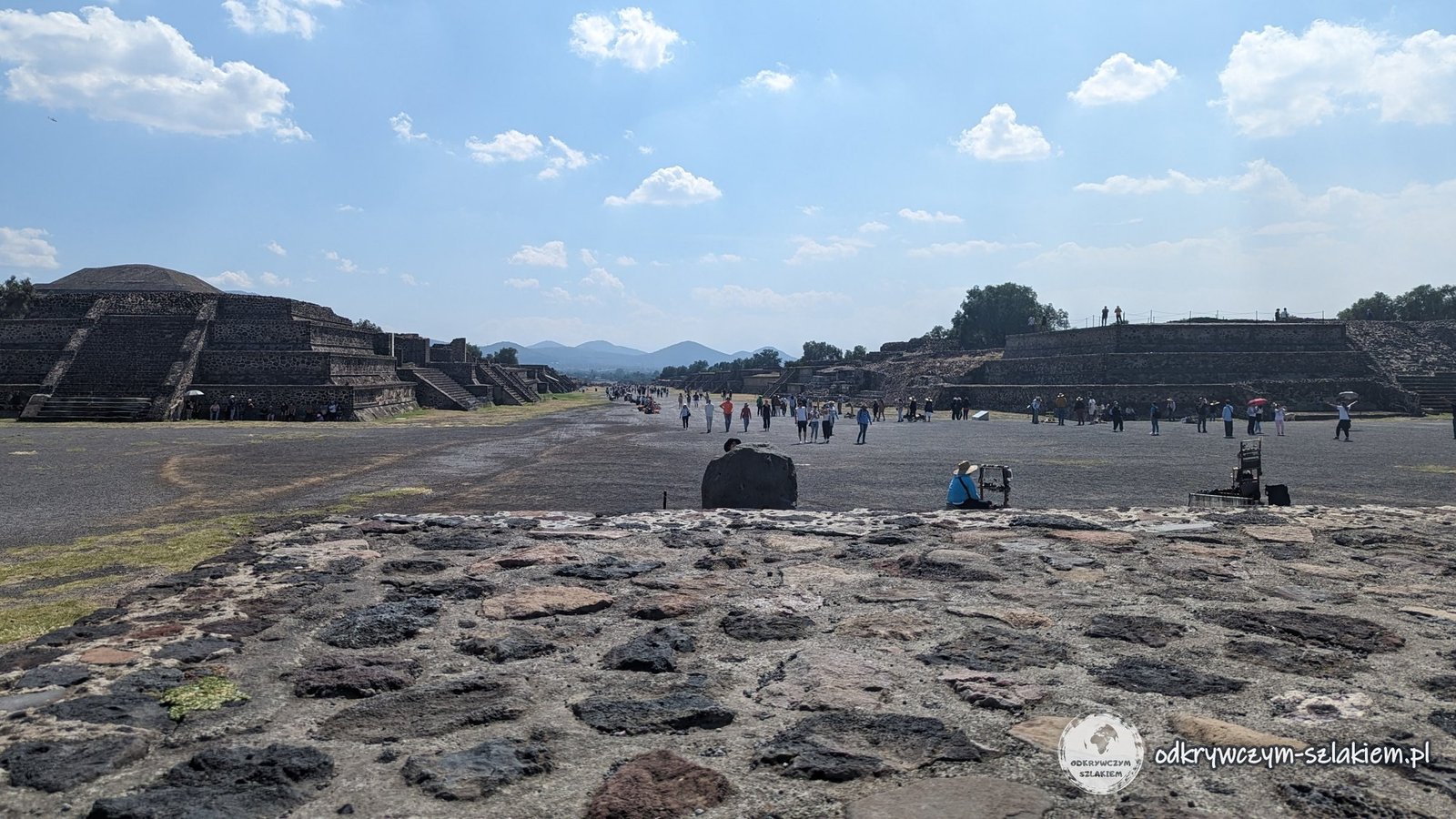
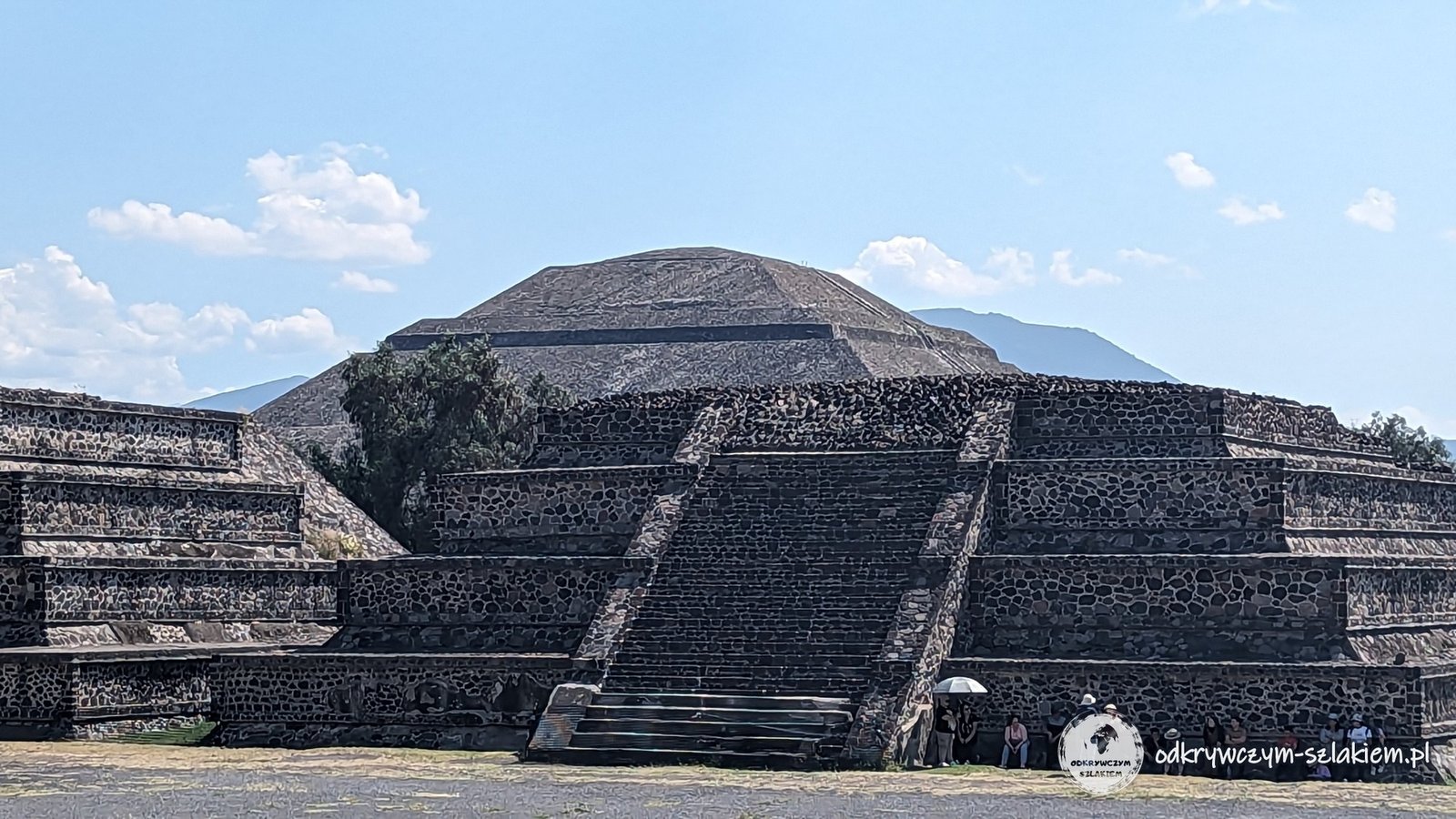
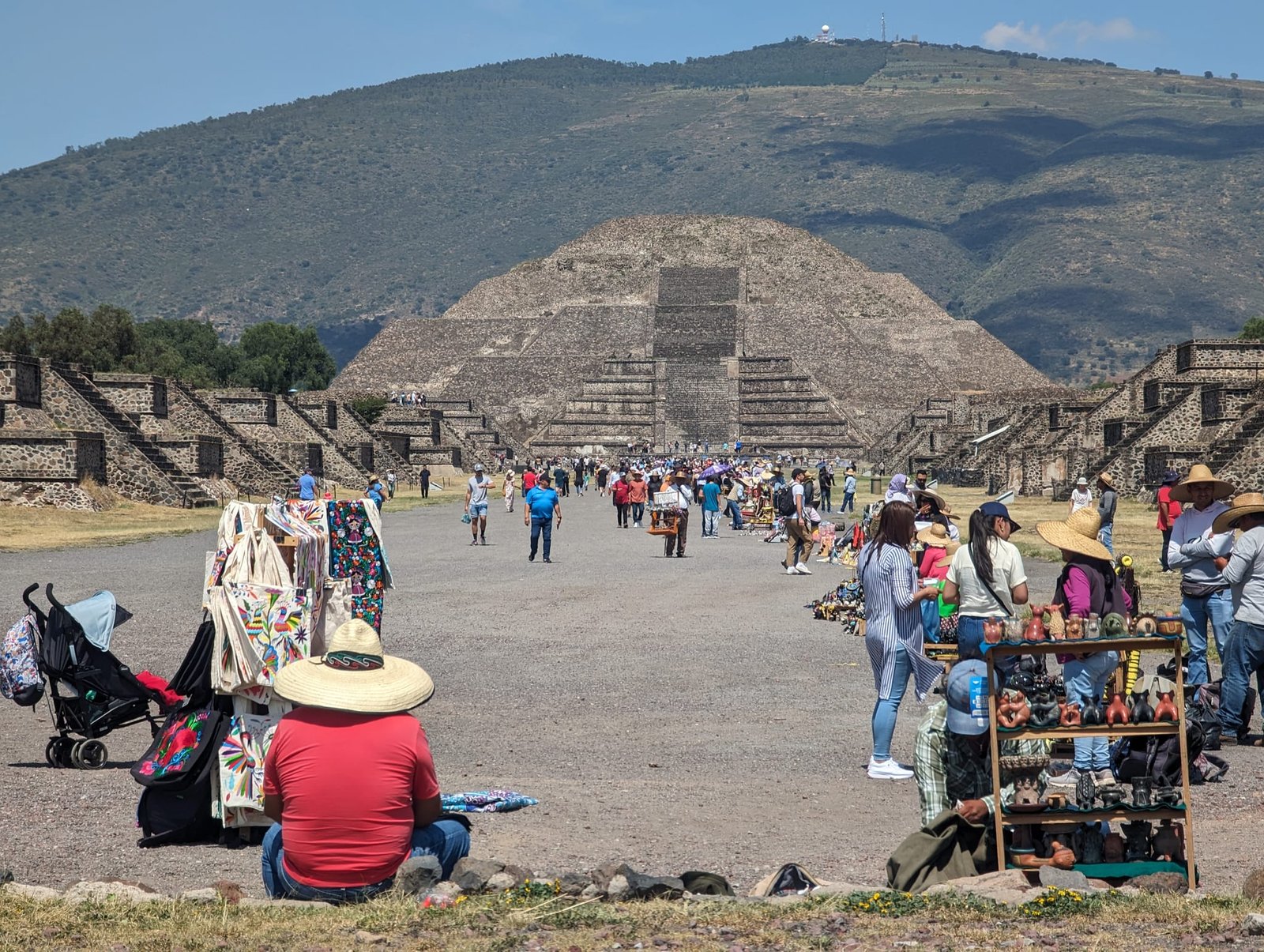
The city’s main axis is the Avenue of the Dead (Miccaotli in Nahuatl), about 40 m wide. The stretch walked by visitors today – from the Ciudadela to the Pyramid of the Moon – is about 2 km long, and the whole avenue is estimated at up to 4 km. It was named by the Aztecs, who took the low buildings on both sides for tombs. Today archaeologists regard them as platforms that once carried temples – with walls typical of Teotihuacán: a sloping one (talud) and a vertical one (tablero).
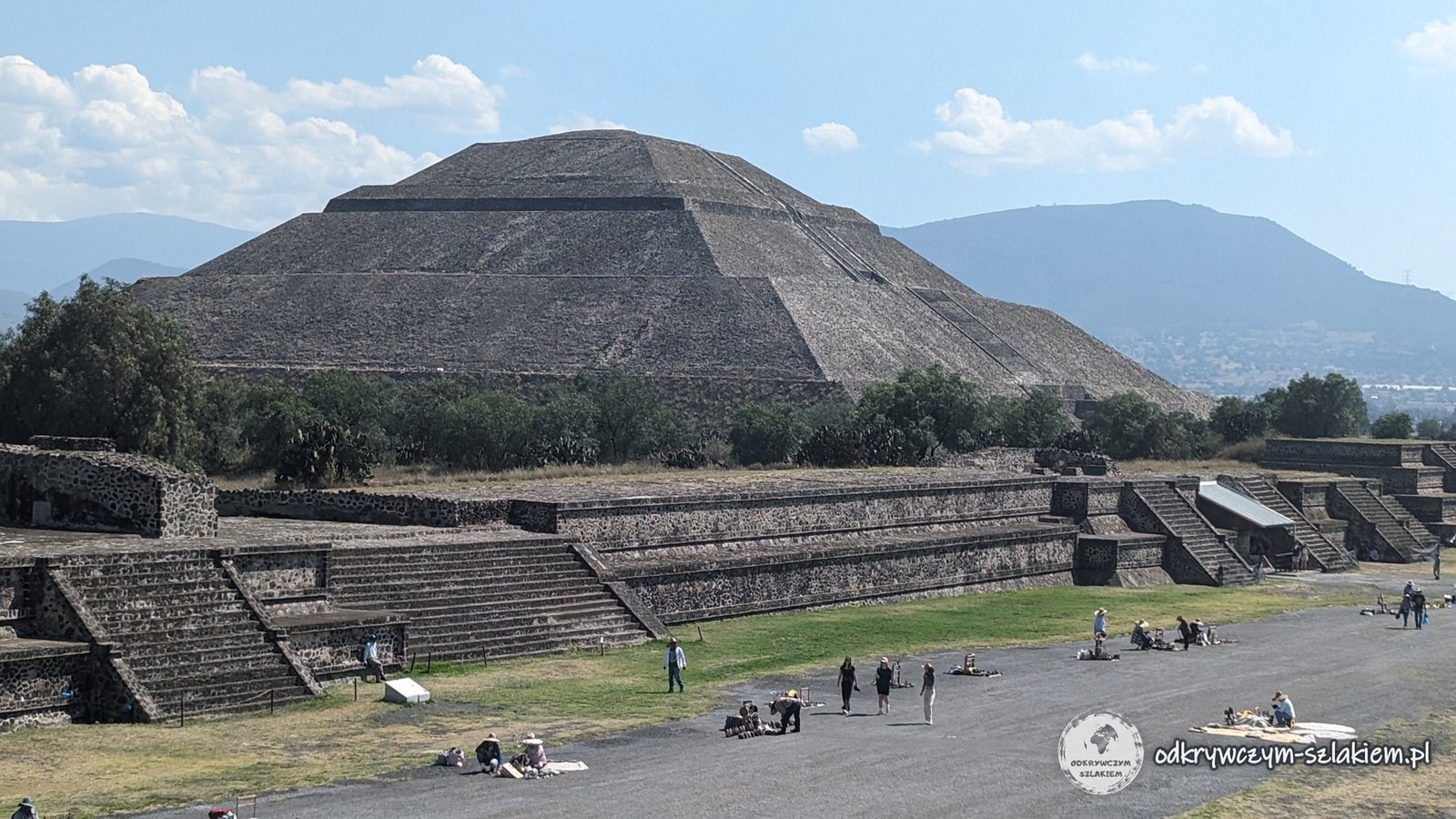
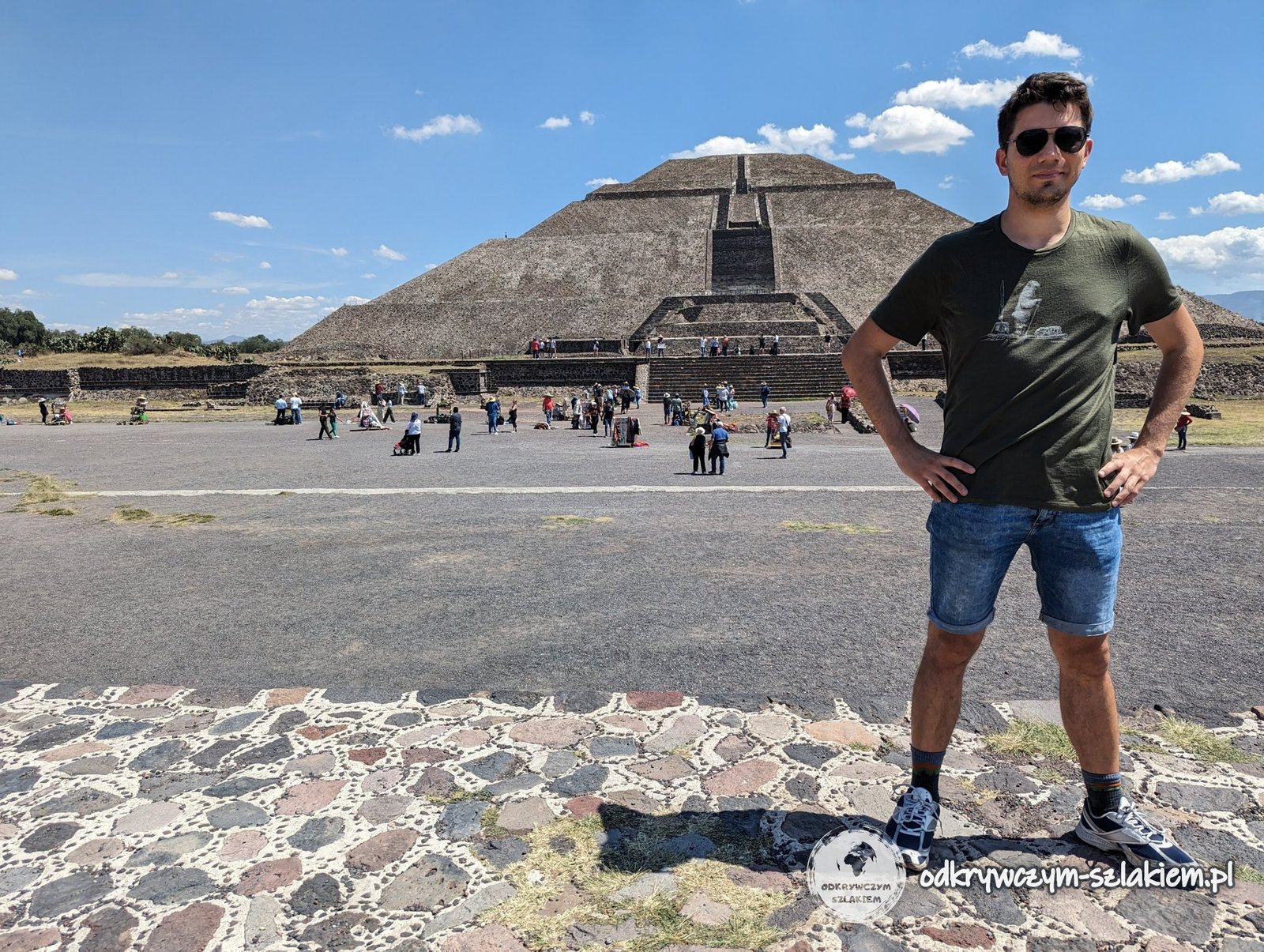
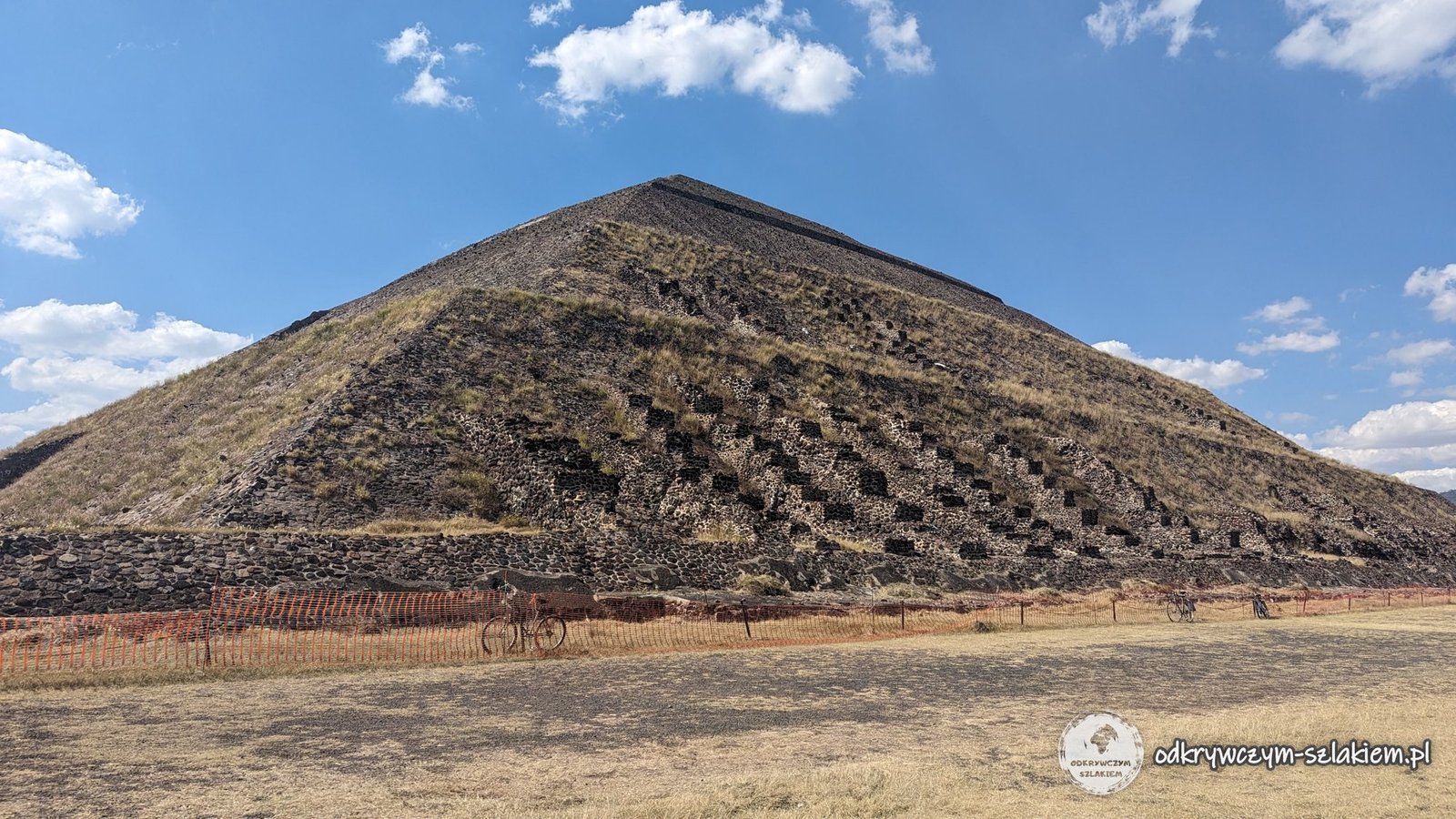
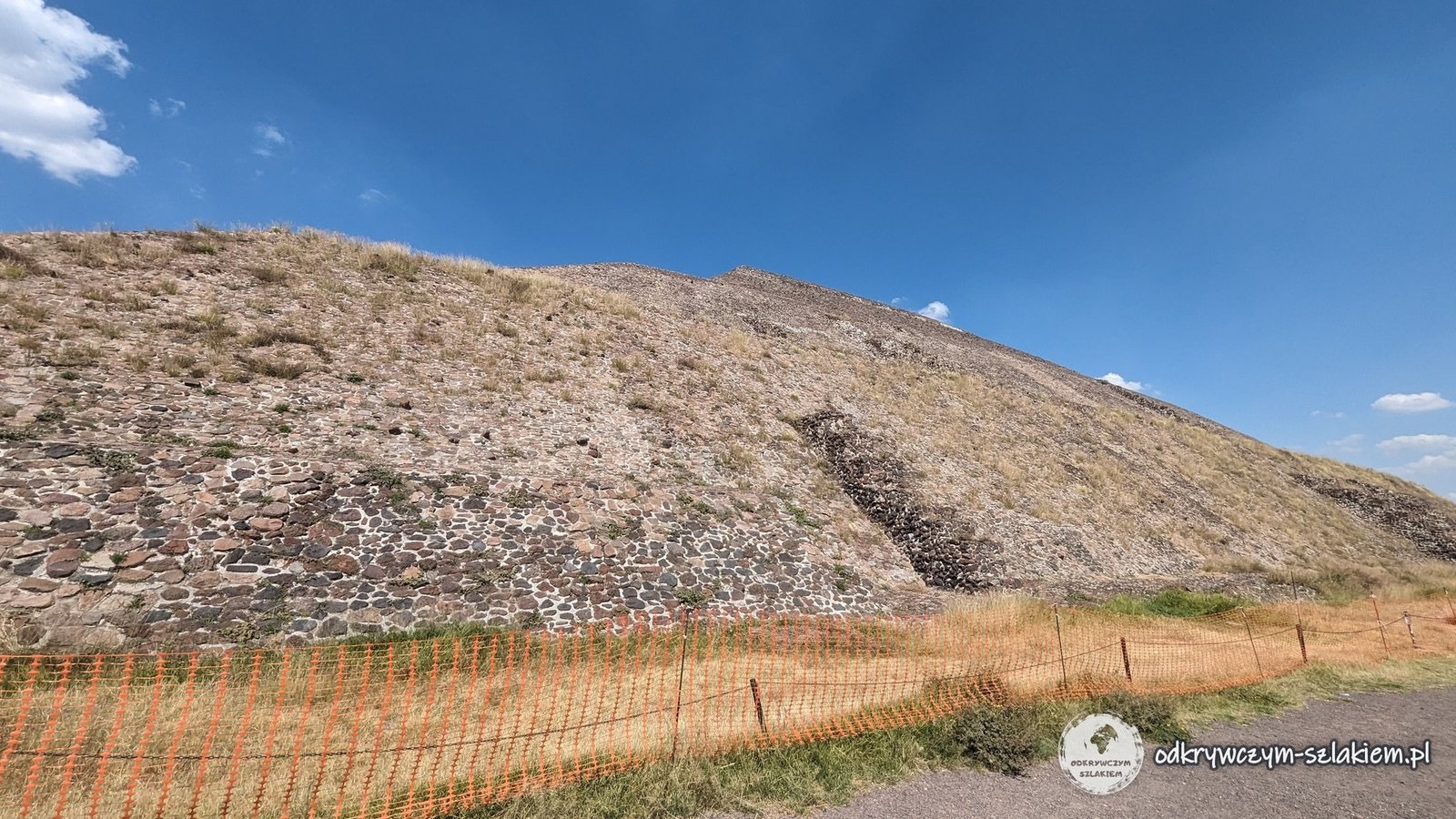
According to INAH, the Pyramid of the Sun is 65 m high and about 224 m long on each side of its base. It is the third-largest pyramid in the world – after the pyramid of Cholula and the Great Pyramid of Giza. Most of it was built around 100–200 AD, and its real name is unknown – “Pyramid of the Sun” is an Aztec name. In 1971 the entrance to a tunnel leading under the centre of the structure was found at the foot of the main staircase; it turned out to be man-made. The pyramid was restored in 1905–1910 by Leopoldo Batres – for the centenary of the start of Mexico’s War of Independence.
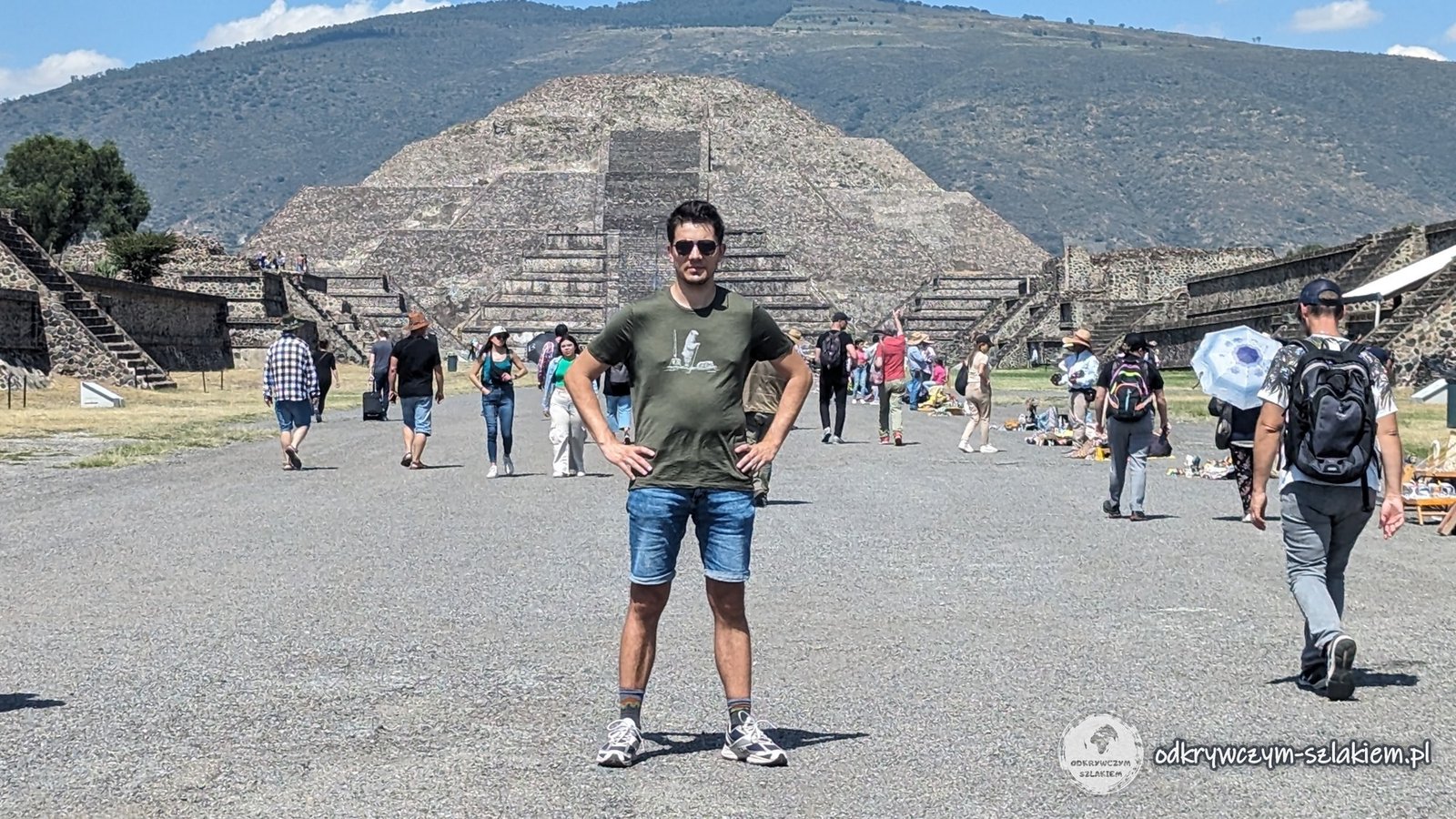
The Pyramid of the Moon is about 43 m high, and its outline mimics Cerro Gordo, the mountain rising right behind it. It was built in stages: the oldest part dates from around 100 AD and the last one, visible today, from around 400 AD. Since 1998 archaeologists have been digging tunnels inside it and have found sacrificial burials of people and animals – among them pumas, eagles and wolves, and in one of them 17 human heads. In front of the pyramid lies the Plaza of the Moon with an altar in the middle.
At its peak – around 350–450 AD according to INAH – Teotihuacán had about 100,000 inhabitants and was the largest city in the Americas. It covered about 20 km². Most people lived in multi-family apartment compounds, and some neighbourhoods were settled by newcomers, among others from today’s Oaxaca and the Gulf of Mexico coast. The city’s wealth was based on obsidian from mines near Pachuca – goods made from it reached Monte Albán and the Maya cities. According to Maya inscriptions, in 378 a warrior linked to Teotihuacán, Siyaj K’ak’, conquered Tikal. In the middle of the 6th century the elite buildings around the Avenue of the Dead burned down – possibly set on fire by the city’s own inhabitants during an uprising.
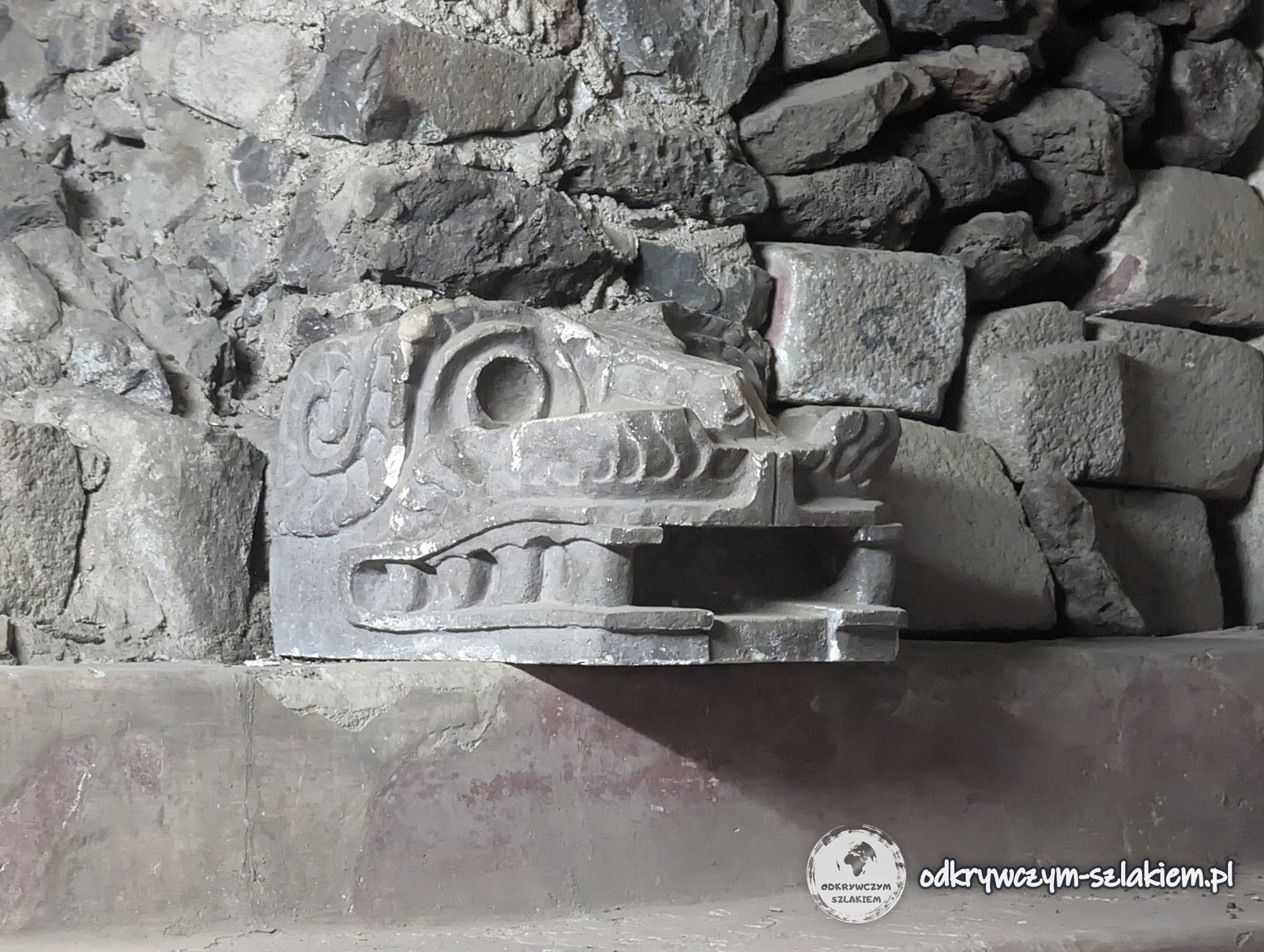
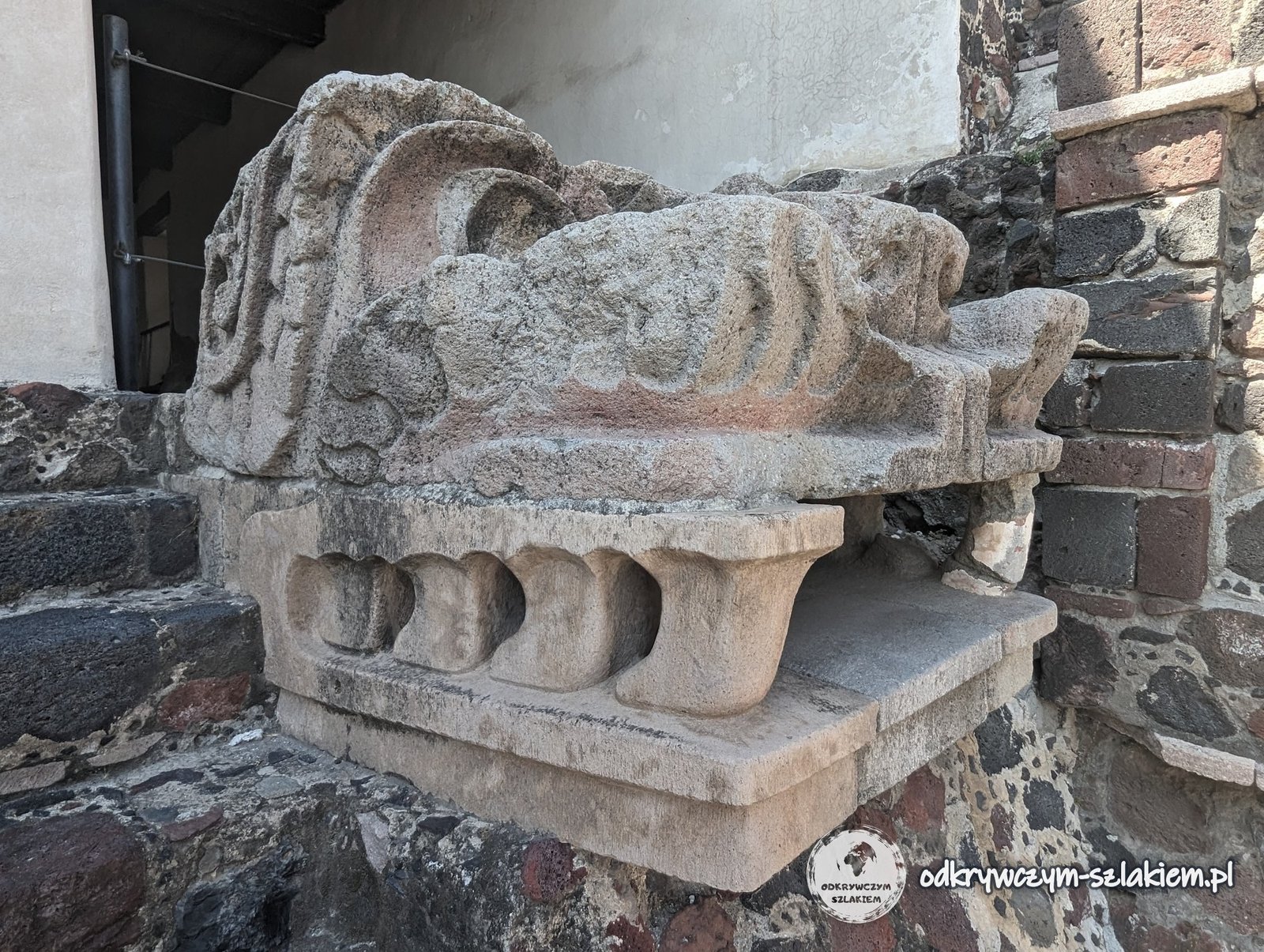
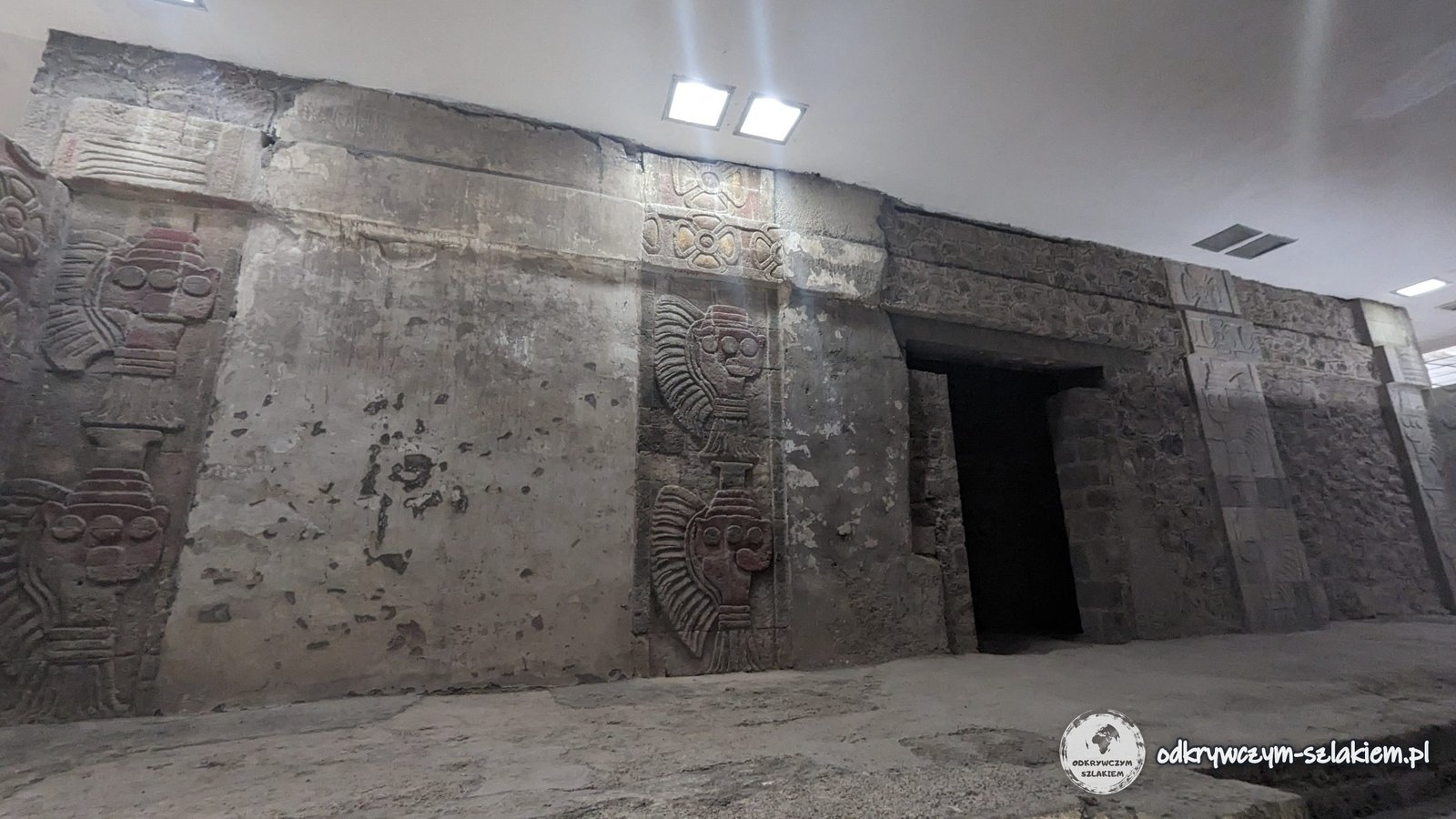
The most richly decorated building in Teotihuacán is the Temple of the Feathered Serpent (Quetzalcoatl) – stone serpent heads still protrude from its façade today. Stone serpent heads can also be seen in the palace complex by the Plaza of the Moon (Quetzalpapálotl, Palace of the Jaguars) – those are the ones in the photos below.
The Temple of the Feathered Serpent itself stands at the other, southern end of the Avenue of the Dead, in the Ciudadela (Citadel) – a square enclosure about 400 m on each side, named by the Spaniards, who took it for a fortress. The temple was built around 150–200 AD. Under its foundations archaeologists found the remains of more than a hundred sacrificed people, many with their hands tied behind their backs. In 2003, after heavy rain, the ground caved in next to the temple – this is how a tunnel about 14 m below the surface and almost 100 m long was discovered. Some 75,000 fragments of objects were recovered from it, and in a chamber under the centre of the pyramid there were pools of mercury.
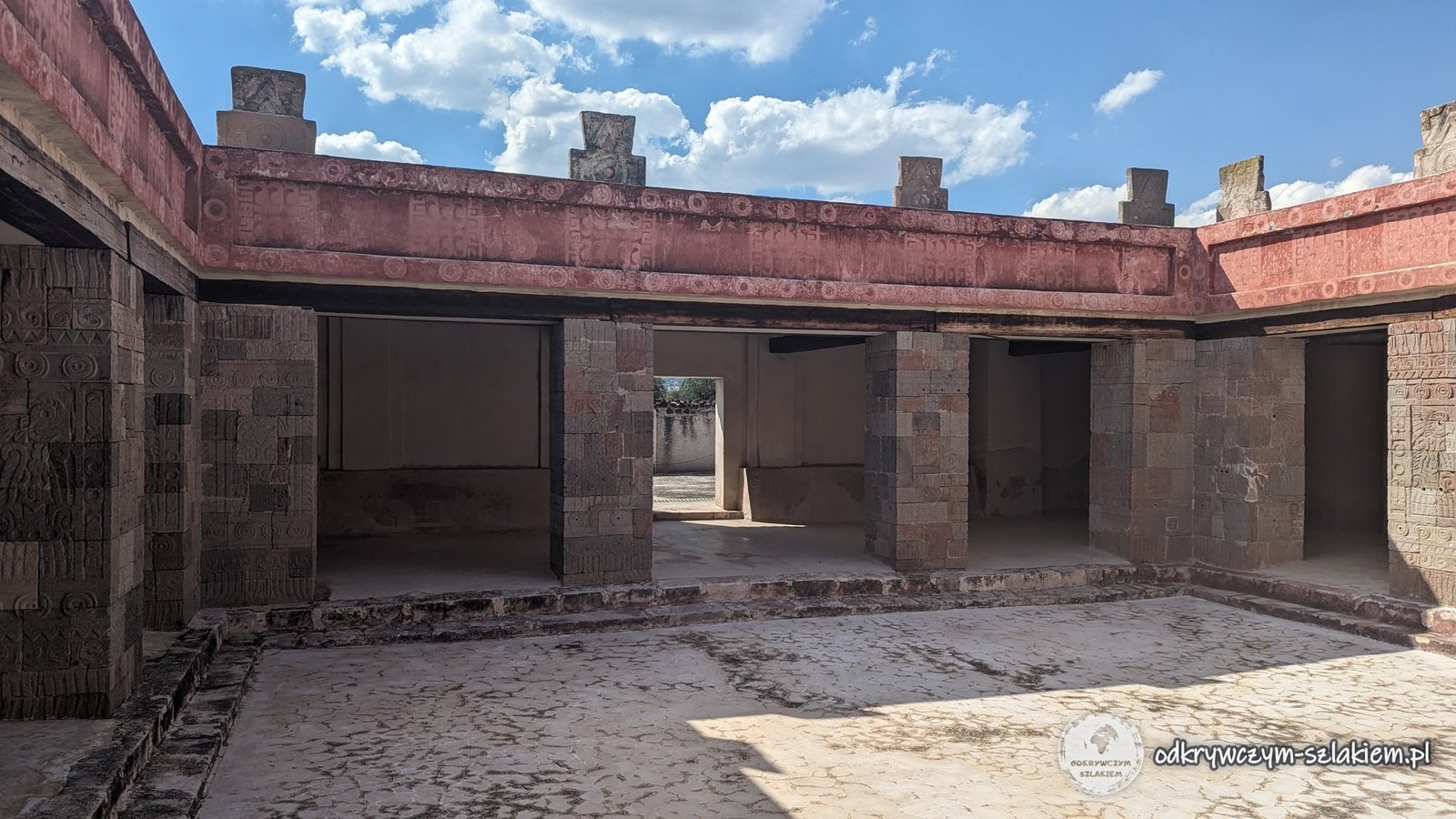
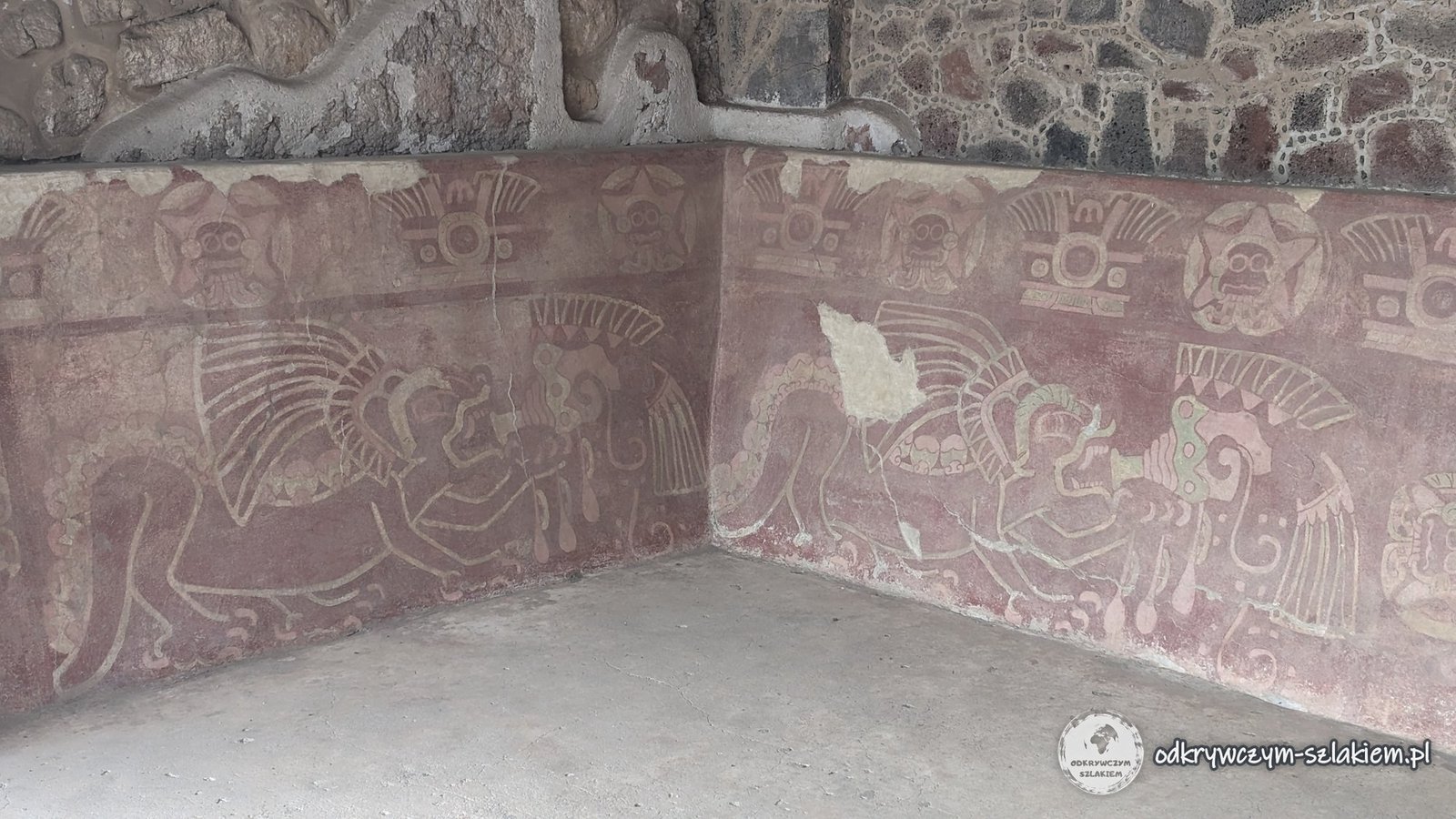
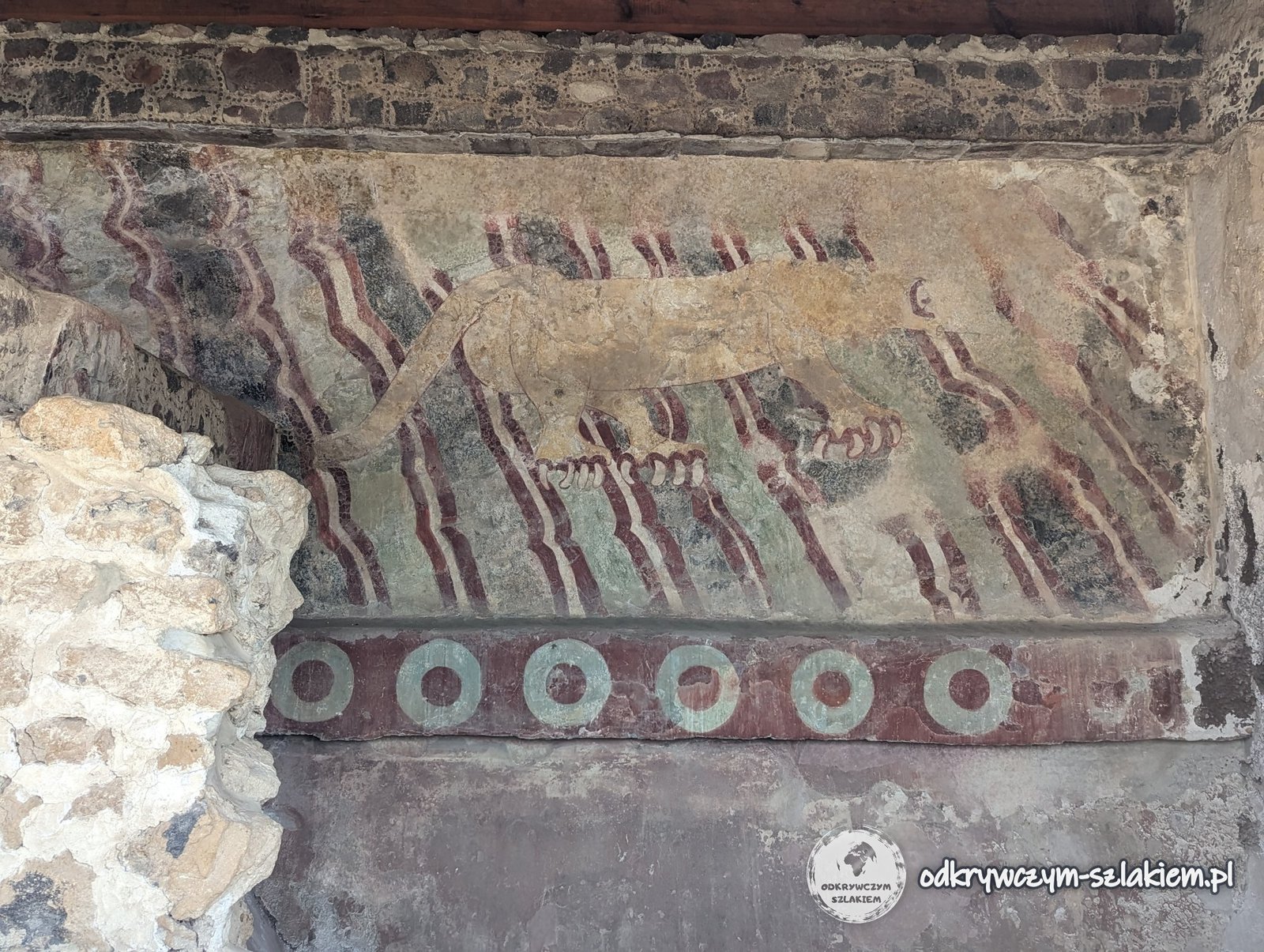
The name of the Palace of Quetzalpapálotl comes from Nahuatl (quetzalli – precious feather, papalotl – butterfly) and is often translated as “precious butterfly”. It comes from the reliefs on the pillars around the courtyard – according to the INAH sign they show quetzals and owls, and were once painted and inlaid with obsidian. The palace was built around 450–500 AD and was probably a residence of the elite. It was uncovered in 1962 by the archaeologist Jorge Acosta. In the neighbouring Jaguar Complex, curled scrolls – a sign of speech – come out of the mouths of the painted cats wearing feather headdresses.
Beneath the palace lies an older, buried building – the Temple of the Feathered Conch Shells (Templo de los Caracoles Emplumados), from around 250–300 AD. Its façade still has reliefs of large conch shells decorated with feathers, and its base has colourful paintings of birds walking in procession. Today it is seen under a roof.
As of 2026, according to INAH, a ticket for foreign visitors costs 210 MXN and for Mexicans 105 MXN; on Sundays Mexicans and foreign residents of Mexico get in free. The site is open daily from 8:00 to 17:00, last entry at 16:30. There are two museums on site: the Museum of Teotihuacan Culture and the Beatriz de la Fuente Museum of Teotihuacan Murals. Climbing the Pyramid of the Sun has not been allowed since the pandemic. From May 2025 visitors could climb the Pyramid of the Moon up to its first terrace, but in April 2026 access was closed until further notice – check the current rules before you go.
At the foot of the Pyramid of the Moon there are souvenir stalls.
Stay with me on the road – follow me wherever you like best.
Clicking loads the profiles from Facebook, Instagram and YouTube (they may set cookies).