From 11 October to 14 December 2023 – for 65 days – we travelled around Mexico independently: from Mexico City south and east, through the states of Puebla, Oaxaca, Chiapas and Yucatán, all the way to Quintana Roo and the border with Belize. It was the first stage of our long trip through Latin America. In this post you will find our whole route with links to the detailed reports, our must-sees, what surprised and disappointed us, safety and practical tips – largely answers to the questions you asked us towards the end of our stay.
 2:54
Table of contents
- Where the idea for the trip came from
- Getting to Mexico
- The first days in Mexico City
- Our route through Mexico
- Must-sees in Mexico
- What surprised us and what disappointed us
- Safety, insects and snakes
- What we would do differently
- Practical information
Where the idea for the trip came from
Our move to Berlin in 2019 was largely driven by the wish to save money for a trip around Asia planned for 2020 – including a ride on the Trans-Siberian Railway across Russia. Then came the pandemic, many countries (mainly China) stayed closed for a long time, and travelling through Russia became problematic. We stayed in Berlin longer and went for plan B: Latin America. We started with Mexico, intending to slowly work our way down the continent – through Guatemala, Nicaragua, Costa Rica, Panama, Colombia, Ecuador, Peru, Bolivia, Chile, Argentina, Uruguay and Paraguay all the way to Brazil. For such a long trip we tried to keep the amount of stuff in our backpacks to an absolute minimum.
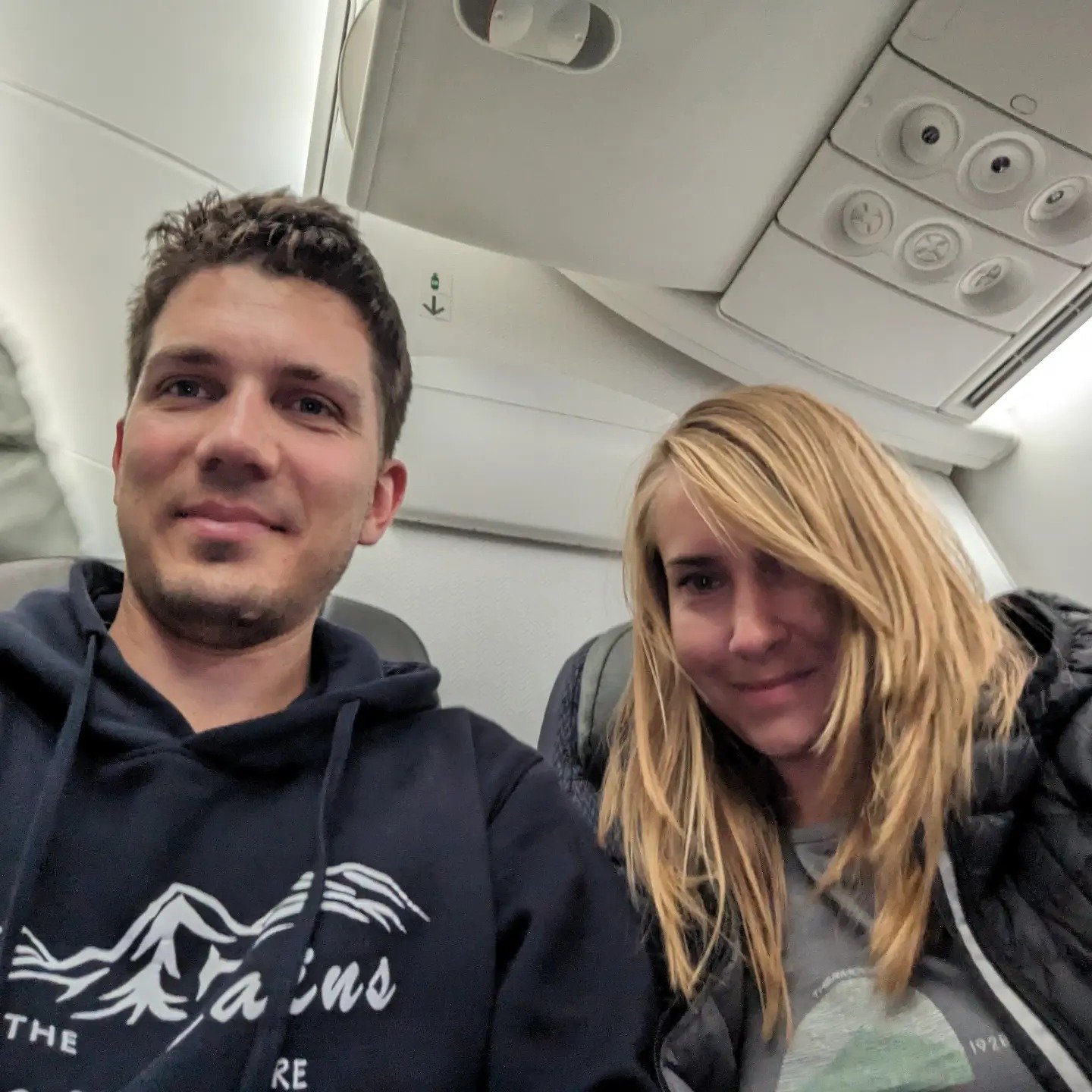
Getting to Mexico
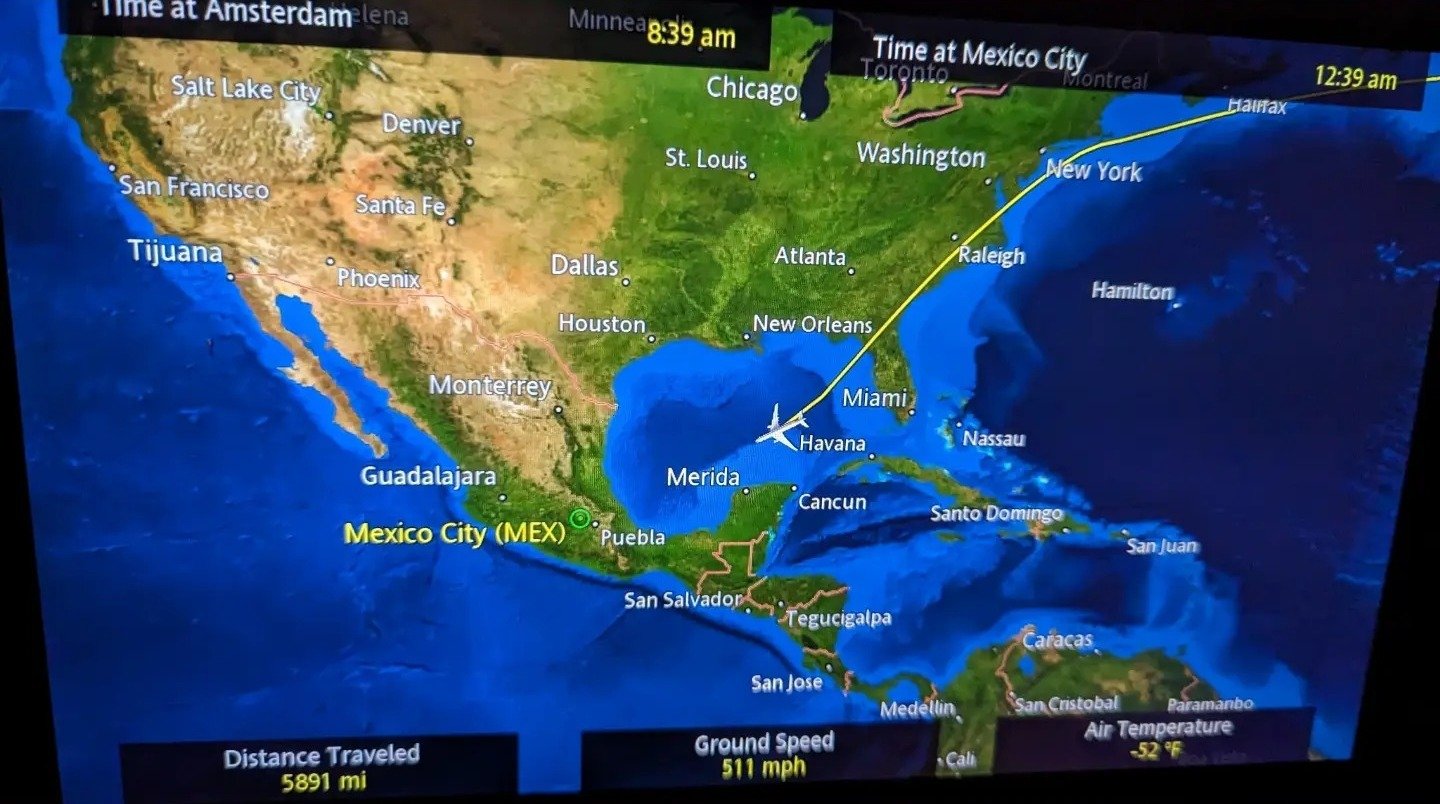
We set off from Szczecin – by coach via Berlin airport to Amsterdam, where we had one day for a walk around the centre: canals, bikes, bars and beautiful townhouses. It is very expensive there – the most basic pizza cost €10, a beer during happy hour €5 and a train ride of one stop €3.60. The flight from Amsterdam to Mexico City took 11 hours (the day before we had been told about a delay of over an hour and a half). On board there were two meals, a screen with films, plus headphones, a blanket and a pillow – we slept through most of the flight. The direct flight cost about €580 per person including luggage – getting to Amsterdam by coach worked out cheaper than connecting flights. Flights to Cancún are usually cheaper, but we started with the capital so that we could then head south and east to Belize without backtracking.
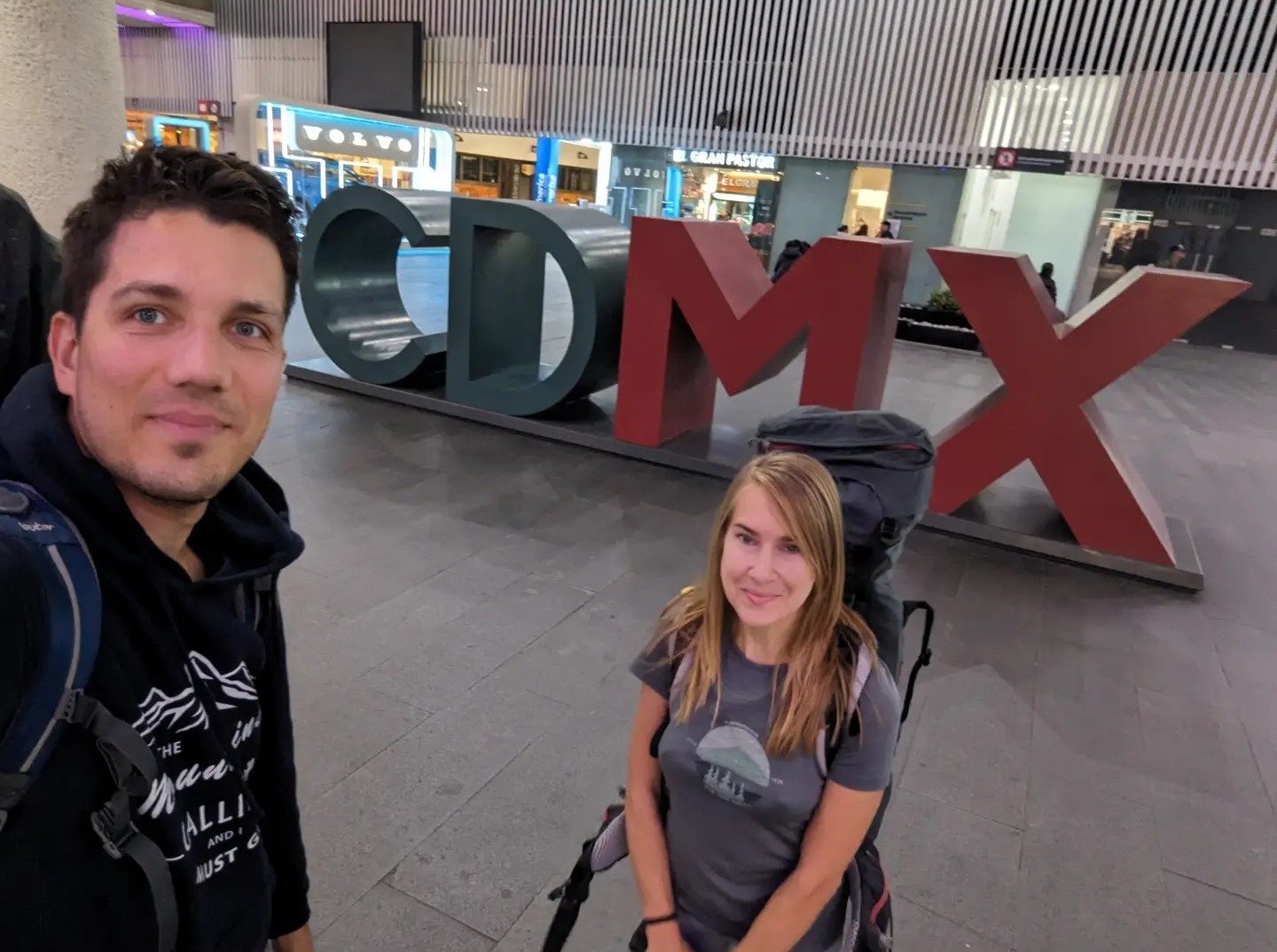
After immigration and the luggage scan we bought a Mexican SIM card at the airport (Telcel – 199 MXN, about €11 for two weeks with 4 GB of data and unlimited calls within Mexico) and ordered an Uber – at night it is the safest option (230 MXN, about €13). In Mexico City we stayed with Enya, whom we had met earlier in Berlin at a name-day party.
The first days in Mexico City
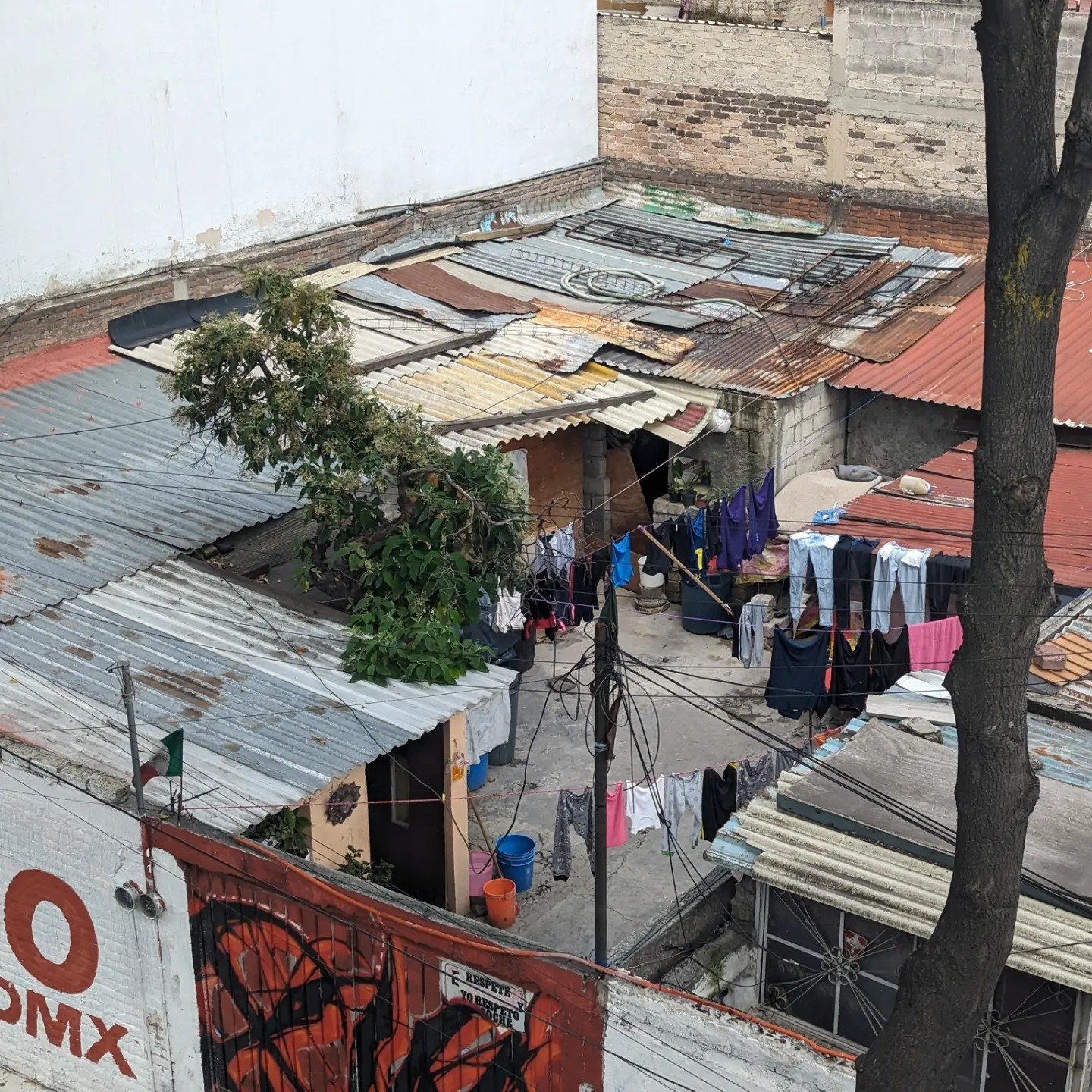
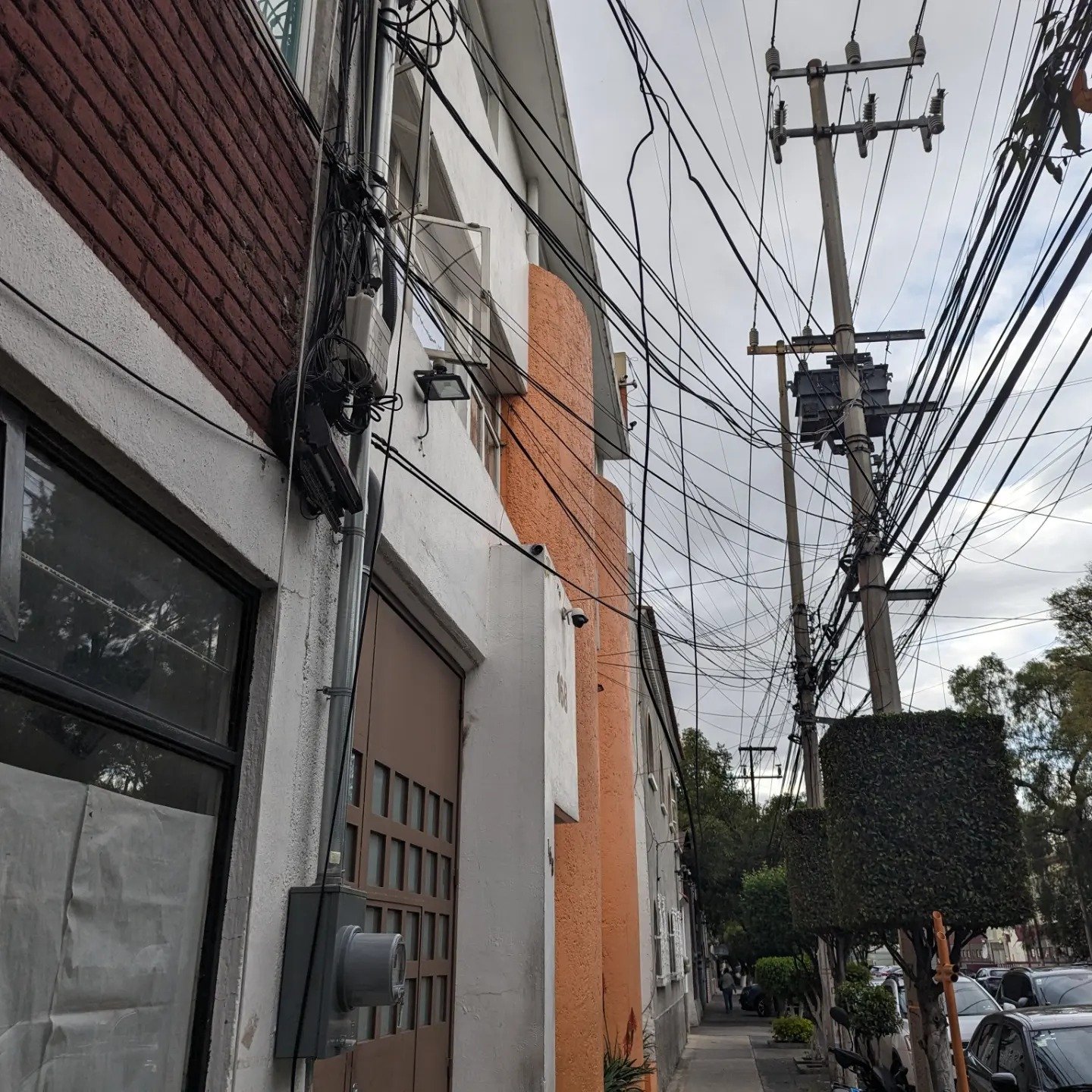
First impressions of the capital? At two metro stations you could not pay by card (there were no ticket machines), and we only managed to withdraw cash with our Revolut card at the second ATM. Walmart – just like in the States – had a huge choice, with prices similar to Polish ones, most products a little cheaper (except beer and spirits). We were surprised that in many places pedestrians have no traffic lights of their own and have to watch the lights for cars, that modest houses of sheet metal and brick stand right next to ordinary apartment blocks, and that electric cables sometimes hang over the street at head height. Every few steps there are food stalls along the streets where you can eat your fill for a decent price.
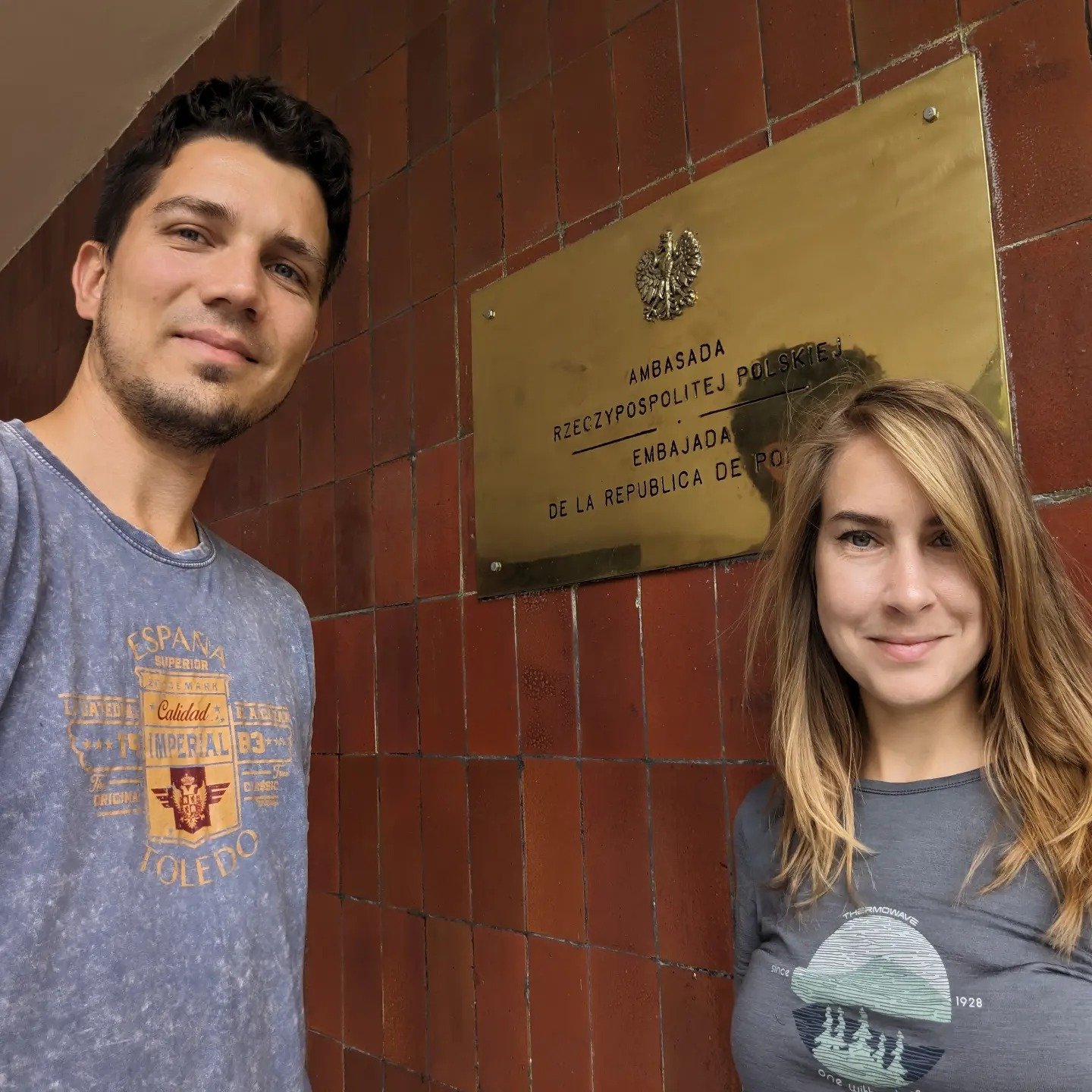
On Saturday 14 October we went to the Polish Embassy to vote in the Polish parliamentary elections – abroad, voting took place a day earlier than in Poland. Fun fact: the embassy is on Cracovia Street (named after Kraków), and in Mexico City alone about 360 people had registered to vote. All it took was registering online in advance.
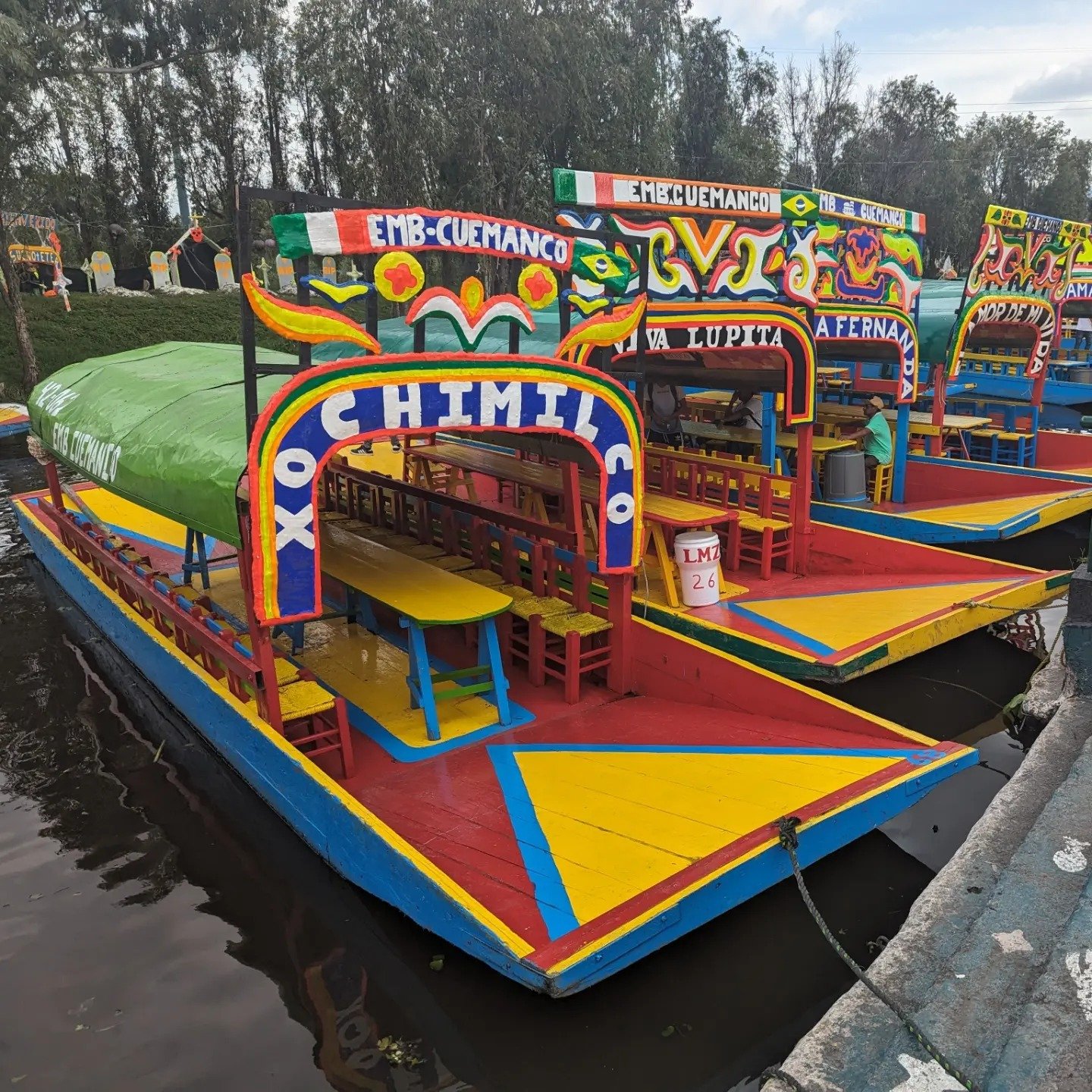
The second part of the day was a flop: we wanted to get to the famous Island of the Dolls in Xochimilco. The buses were packed, the first location from Google Maps turned out to be wrong, and once there it became clear that the colourful boats (trajineras) can only be hired privately – the trip takes 4–5 hours and costs about 2400 MXN, i.e. about €110 (to a replica of the island), or 3000 MXN, i.e. about €135 (to the original one). It ended with a quesadilla and the trip back. More about the island itself and the capital’s sights in the post Sightseeing in Mexico City.
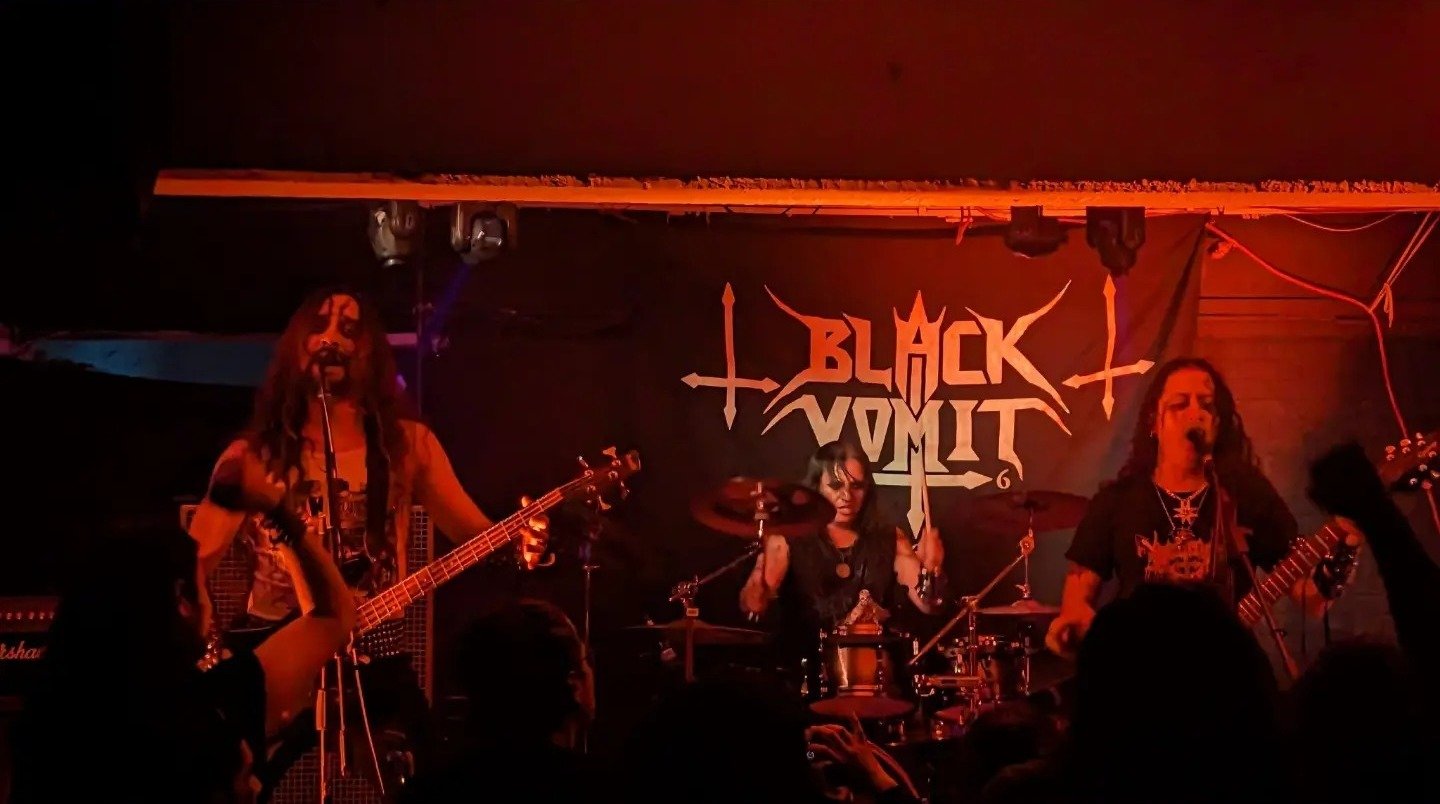
In the evening Enya and her friend took us to some metal gigs – six bands played, mostly Mexican, and an advance ticket cost about €8.50 (a beer in the club about €3). We would never have found the place on our own. It turned out that Mexicans listen to all kinds of music, including a lot of metal.
Our route through Mexico
Below is the whole route day by day – with links to the posts about individual places (more reports will follow).
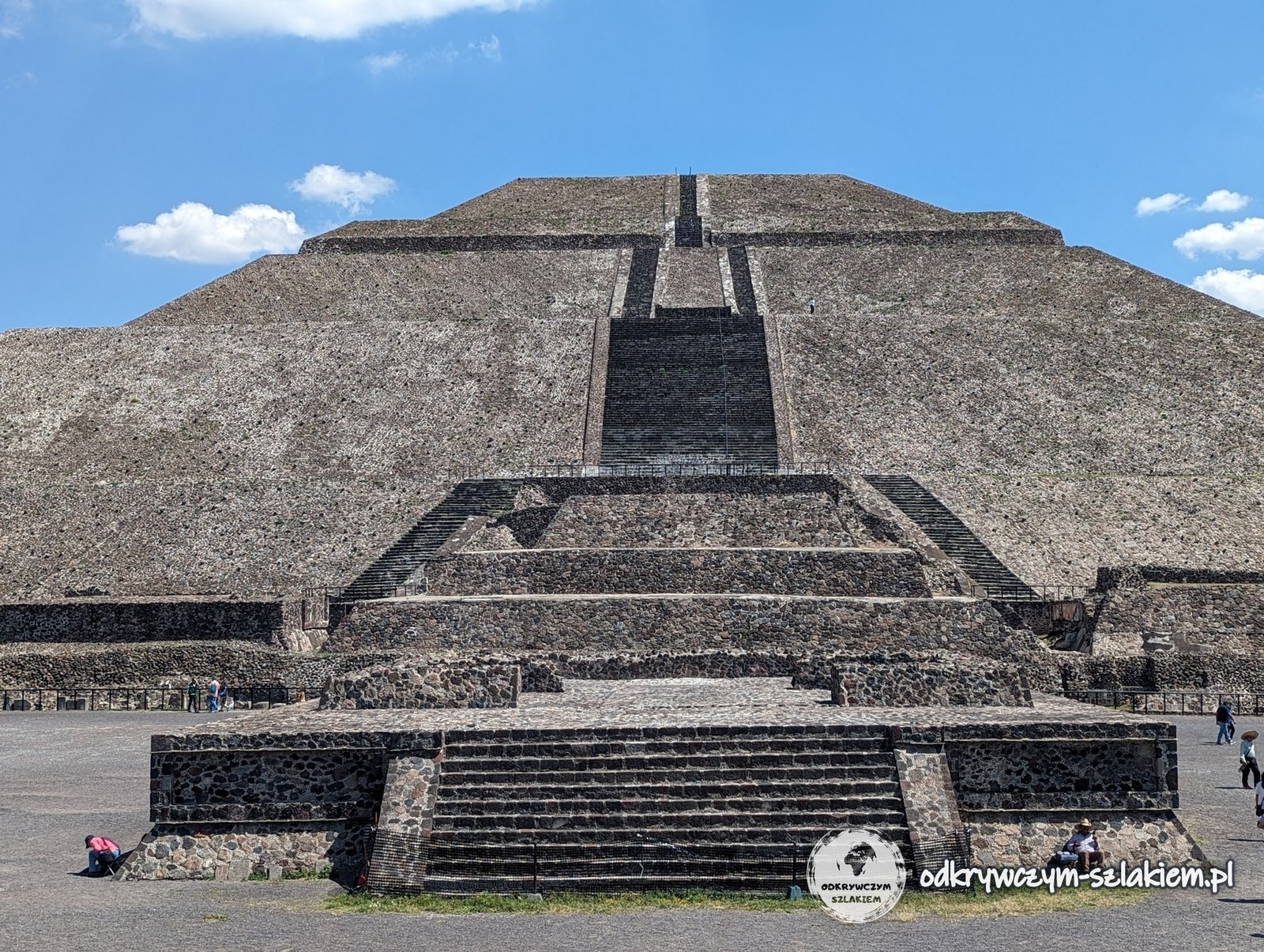
- Mexico City (11–16 Oct) – sightseeing in the capital, the Basilica of Our Lady of Guadalupe and the Teotihuacán pyramids (12 Oct).
- Puebla (17 Oct) – the colourful centre, Capilla del Rosario and mole poblano.
- Oaxaca (18–23 Oct) – the city of Oaxaca and the Tree of Tule, the ruins of Monte Albán (20 Oct) and the petrified waterfalls of Hierve el Agua (21 Oct).
- The Oaxaca coast (24–29 Oct) – Puerto Escondido, Zipolite and Mazunte.
- Chiapas (from the end of October) – Día de Muertos in San Cristóbal de las Casas, San Juan Chamula and Zinacantán (1–2 Nov), the Sumidero Canyon (3 Nov), the El Chiflón cascades and the Montebello lakes (4 Nov), the Agua Azul and Misol-Ha waterfalls (10 Nov), the ruins of Palenque and Aluxes Ecopark (11–12 Nov).
- Yucatán – Mérida (13 Nov), a campsite on the Gulf of Mexico in San Crisanto (14–18 Nov), Valladolid and the nearby cenotes (18–23 Nov), Chichén Itzá (21 Nov).
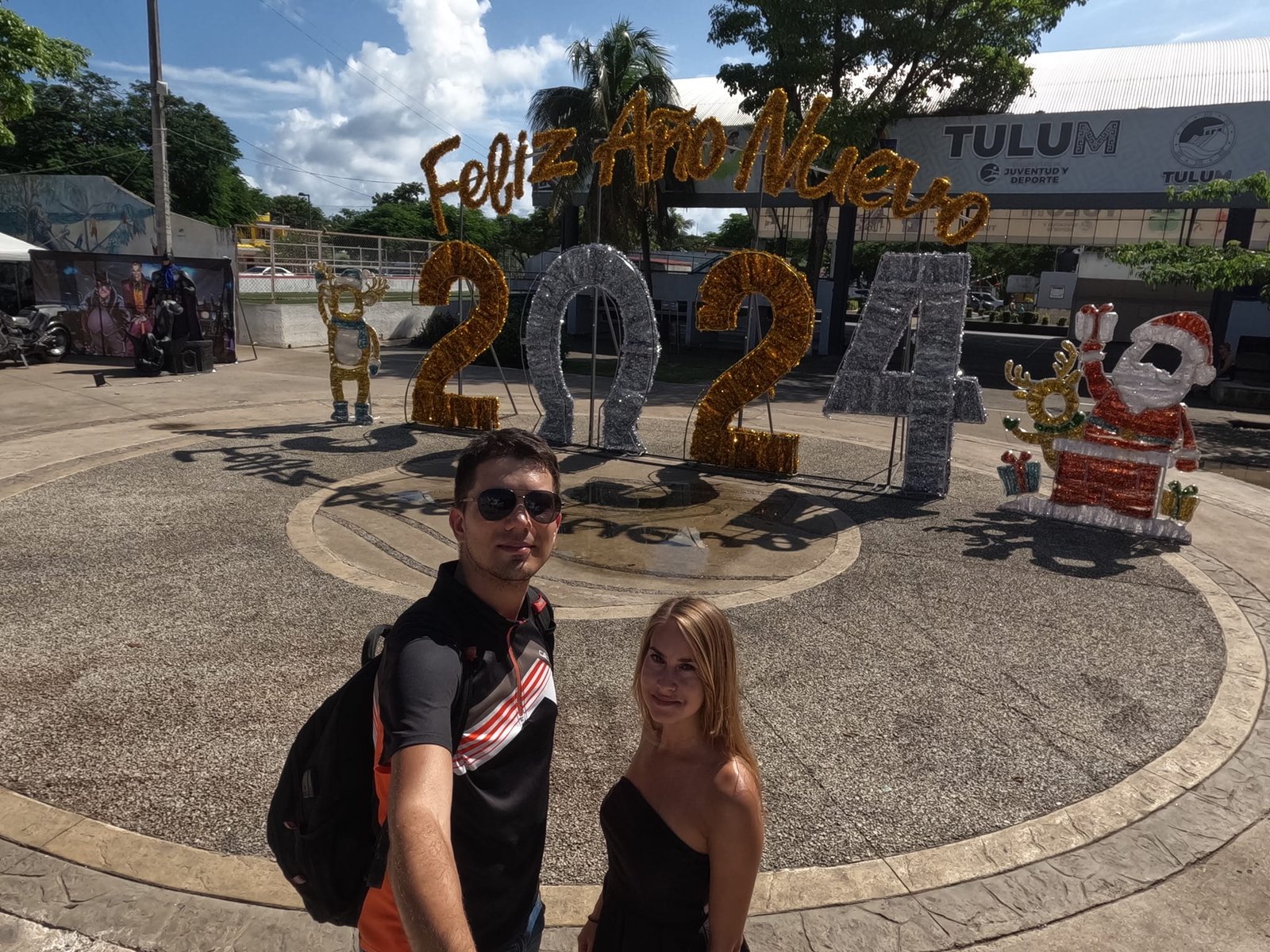
- Quintana Roo – Cancún and Isla Mujeres (24–25 Nov), the island of Cozumel (26–30 Nov), Tulum with the cenotes in Chemuyil (30 Nov – 5 Dec) and the ruins of Cobá (2 Dec), Mahahual, Bacalar and Chetumal (5–13 Dec).
- Belize (from 14 Dec) – across the border to Sarteneja and the islands of Ambergris Caye and Caye Caulker.
Must-sees in Mexico
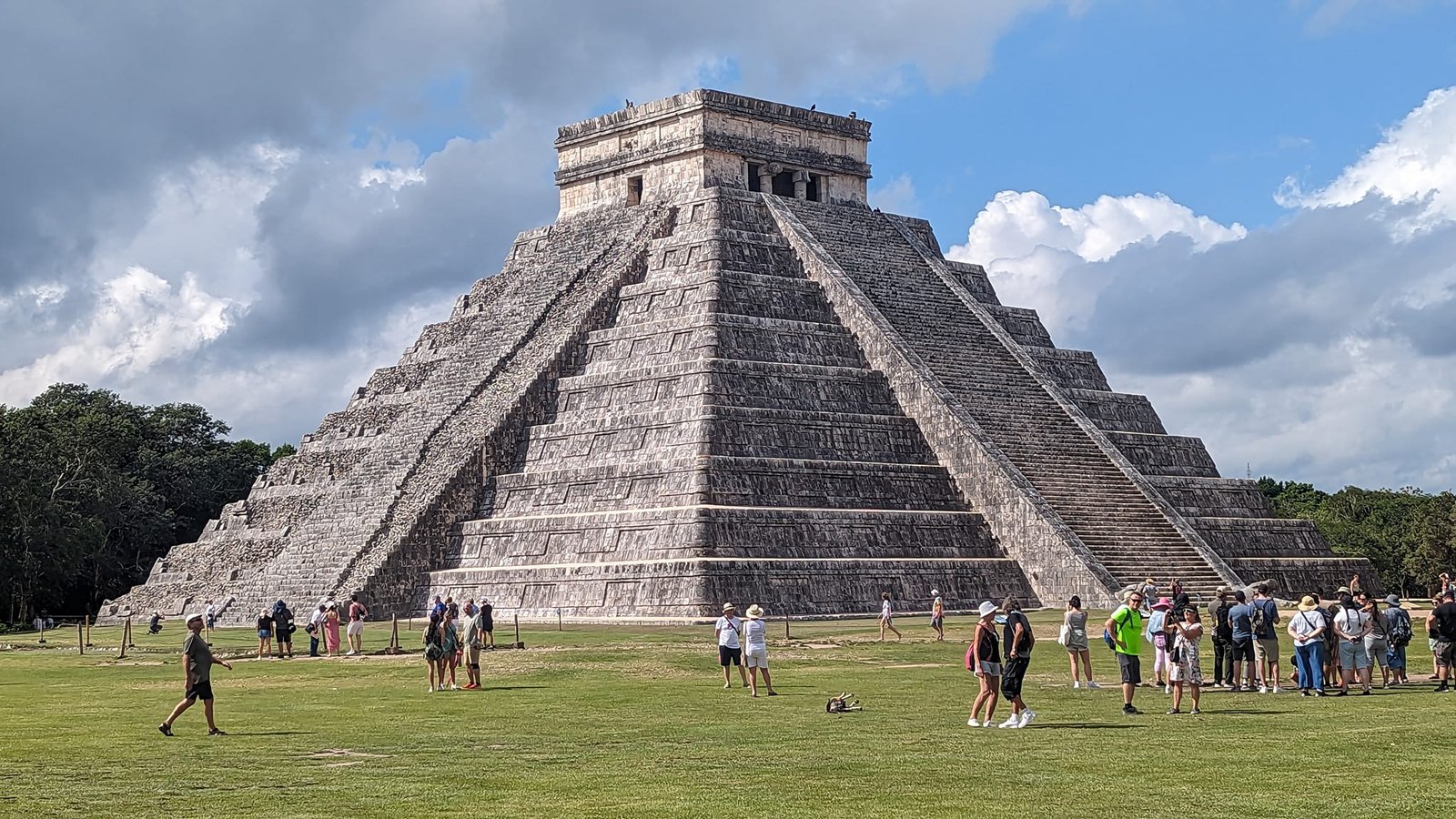
Mexico has a huge legacy of pre-Columbian peoples, so the first “must-see” is the ancient cities. You cannot visit them all, and it is hard to choose which ones to skip. We went to Teotihuacán, Monte Albán, Palenque, Chichén Itzá, Tulum and Cobá – we can recommend every one of them, and each is different: some lie in open country, others in the jungle or by the sea (although the ruins of Tulum are actually the least spectacular). Some are hard to reach, so fewer tourists visit them, which makes them special. Still, we cannot imagine visiting Mexico without Chichén Itzá – one of the New Seven Wonders of the World.
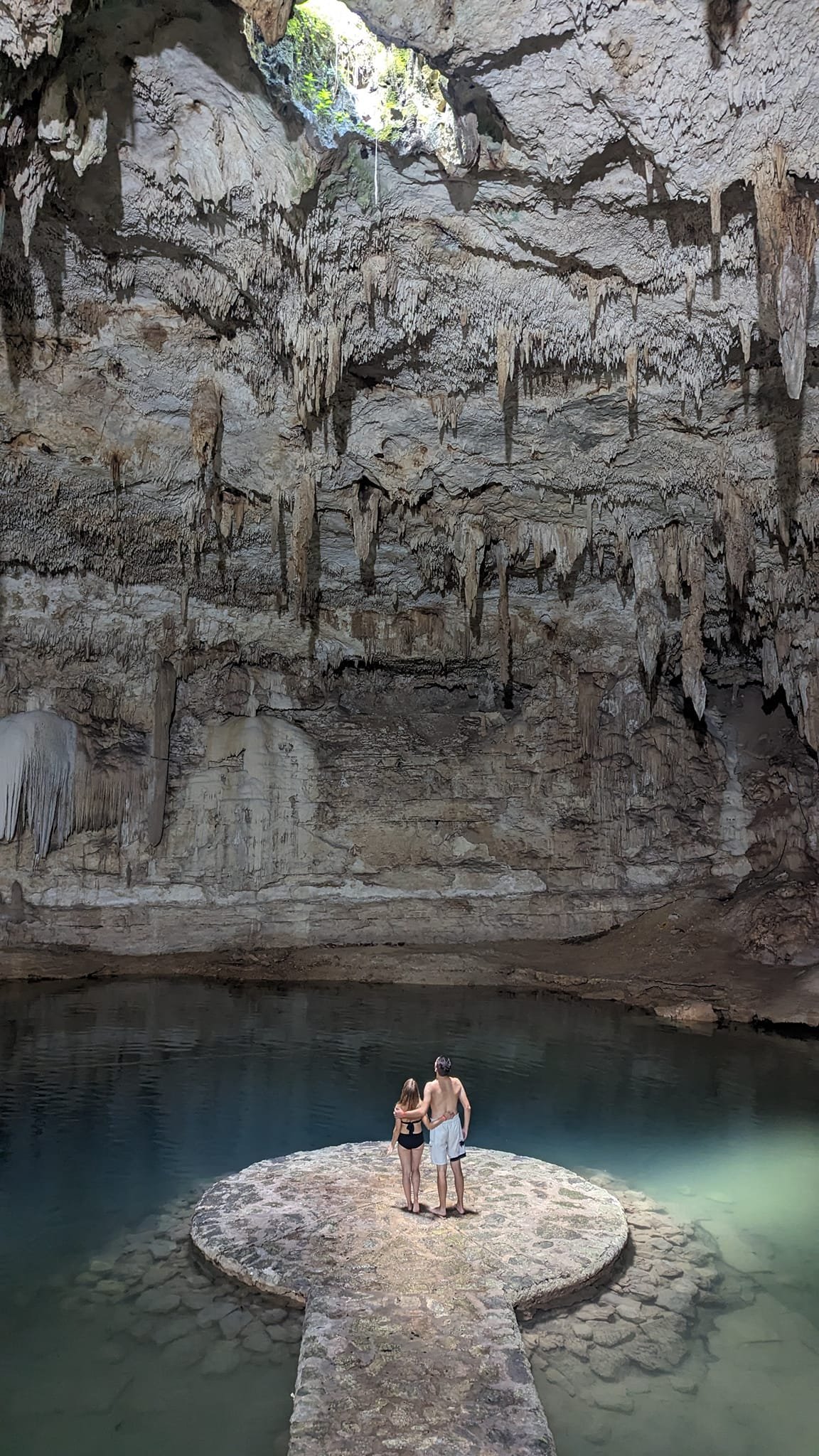
When in Mexico, you absolutely have to swim in a cenote. Most of them are in Yucatán and Quintana Roo – which ones to choose depends on your own preferences. Mexico is so big that every state has its own “must-sees”. In Oaxaca, for us, it is the petrified waterfalls of Hierve el Agua (along with Pamukkale in Turkey, the only place of its kind in the world), and in Chiapas – the Sumidero Canyon, the Agua Azul waterfalls and San Juan Chamula, where Maya culture blends with Christianity.
Our “bests” of the whole trip:
- City – Mexico City (the most to see); the most atmospheric centre – Puebla.
- Beaches – the Oaxaca coast: Puerto Escondido, Mazunte and Zipolite.
- Food – in Oaxaca and Puebla.
- Cenotes – Suytun and X’kekén.
- Nature – the Sumidero Canyon, Hierve el Agua and Agua Azul.
- Ancient cities – Chichén Itzá, Teotihuacán and Palenque.
What surprised us and what disappointed us
Pleasant surprises:
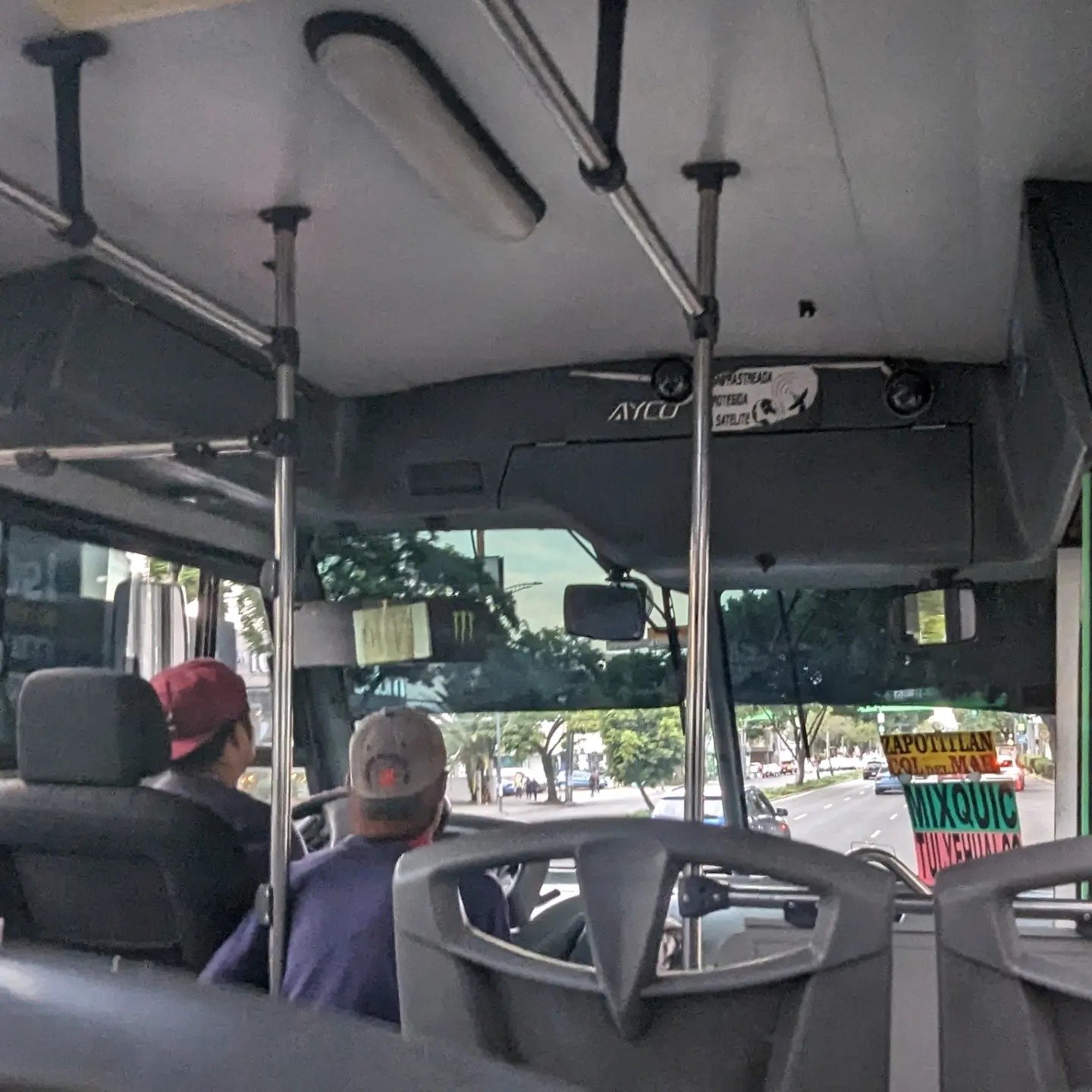
- Music – Mexicans listen to all kinds of music: loud blues plays in the colectivo, rock in the shop and folk in the taxi. Big speakers often stand in front of shops, which creates a great atmosphere in the streets.
- The number of sights – wherever you go, there are remains of ancient cities or cenotes.
- The people – generally helpful and polite, although most of the time we could not communicate in English, and tourist spots are full of touts.
- Few tourists in the south of Oaxaca state and on the north coast of Yucatán – at least in the places we went to and at the time we were there.
Disappointments:
- Prices – very similar to Polish ones. Some products are cheaper, others more expensive, and the prices of accommodation and restaurant food depend on the state: Chiapas was cheap, Yucatán and Quintana Roo expensive.
- Bathrooms – often without a toilet seat, paper or soap, and on top of that you have to pay. As in Arab countries, paper does not go into the toilet, because the sewage pipes are narrow.
- Food – not very varied (lots of beef and pork), so it gets boring quickly; good bread is also hard to find.
- Roads – mountainous and winding, so a journey of a few hundred kilometres can take a whole day.
We heard about the protests in Guatemala after the presidential election at a hostel in Oaxaca, a month before our planned arrival there. They lasted a dozen or so days and died down – and Guatemala later turned out to be our favourite country of the whole trip.
Safety, insects and snakes
Crime statistics in Mexico really are bad. However, we were in the part of the country considered fairly safe – Mexico City and the states of Puebla, Oaxaca, Chiapas, Yucatán and Quintana Roo (the most dangerous part is the north, near the US border – the further north and west, the riskier it gets, while Yucatán is considered safe; the separatist movements active in Chiapas are not aimed at tourists). Most crimes are score-settling between drug cartels – the most likely thing to happen to a tourist is being cheated out of money. We never found ourselves in a dangerous situation, but we also tried not to let one happen: we usually stayed in city centres, rarely walked around after dark and never left our things unattended. Michał and Alicja hitchhiked a similar route at the same time, regularly wild camping in a tent, and nothing bad happened to them either. In our opinion Mexico is safer than most people think – as long as you do not tempt fate.
We did, however, hear two second-hand stories: about a couple spending the night in a camper van on an avocado plantation, and about a French cyclist riding from Canada who slept in a tent by the road – in both cases they were woken at night by armed men. The cartels extort protection money from farmers and guard the crops, so it is better not to spend the night in random places.
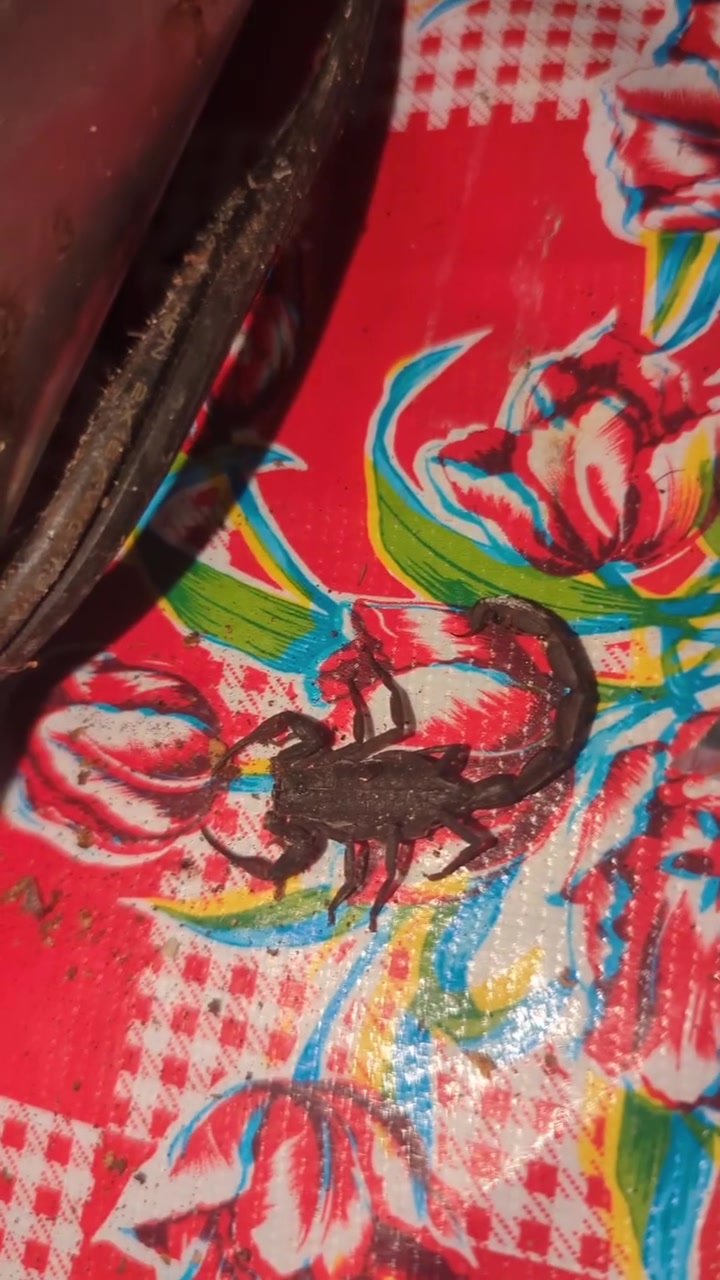
And how did we deal with insects, scorpions and snakes while sleeping in a tent? We stayed at two guarded campsites. In San Crisanto on the Gulf of Mexico the owner told us that in several years he had seen only five snakes on the grounds and had removed each of them right away. Scorpions are said to be more common, but not very dangerous – we only saw one, and it was dead. We always kept the tent closed, used a torch after dark and checked shoes left outside before putting them on (every time there was only sand inside). Insects are worse: even with repellent you cannot avoid mosquito bites, and ants and flies are a nuisance too.
What we would do differently
- We would research the sights earlier – in Mexico City we wasted a lot of time trying to get to the Island of the Dolls, which turned out to be too expensive and time-consuming.
- We would not save on transport at all costs – we went to Monte Albán by city bus for 8 MXN instead of the tourist bus for 50 MXN and walked back through a poor neighbourhood. The next day someone who took the same route was mugged.
- We would see the El Chiflón cascades on our own – on the organised tour there was no time to climb to the highest points of the cascades, yet we spent a long time standing by a foggy lake in Montebello.
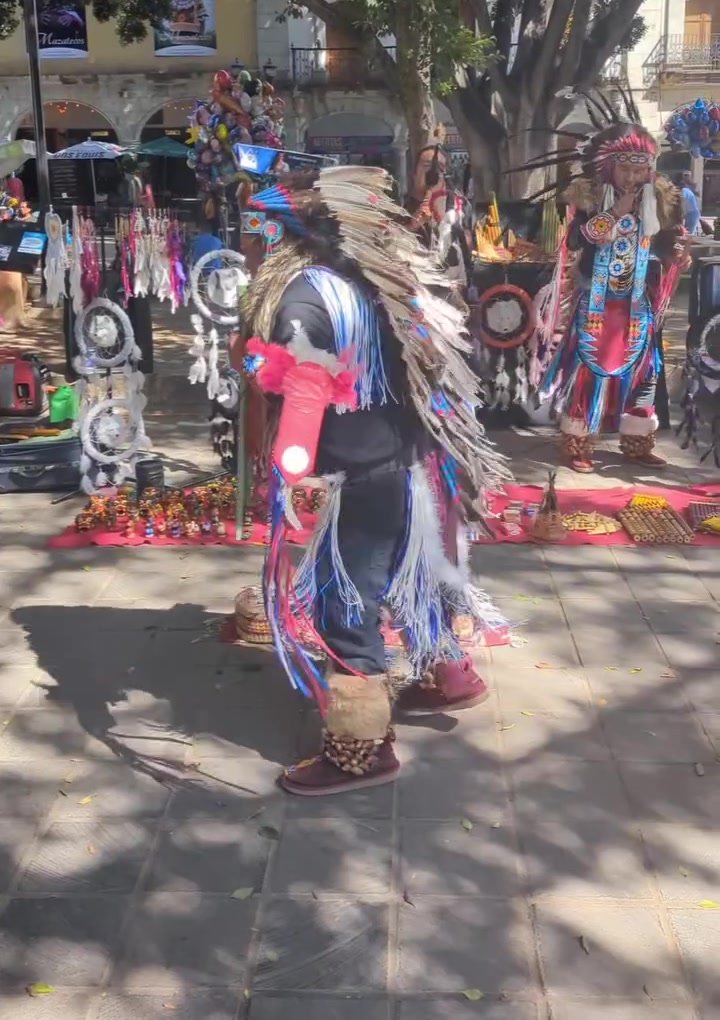
- We would be even more careful with scammers – a “Batman” in San Cristóbal de las Casas first invited us to take a photo with him and then demanded 200 MXN.
- We would allow more time for getting around and leave the hostels as early as possible – a colectivo can take ages to come or be full, and information about stops is often misleading. Getting to Agua Azul and Misol-Ha took us much longer than we had expected.

Practical information
- Independent travel – we organised the whole trip ourselves. We only booked two one-day group tours (the Sumidero Canyon, and El Chiflón with Lagos de Montebello in Chiapas), because they solved the transport problem and cost fairly little.
- SIM card – we had Telcel the whole time: the starter pack for the first two weeks cost about 200 MXN, after that we topped up about 300 MXN a month for data (about 6 GB). It is not the cheapest option, but you can buy the card straight away at the airport and the coverage was good.
- Money – the Revolut card was the most convenient: at any time you can exchange money into pesos, pay by card and withdraw cash from ATMs (at the beginning we only managed to withdraw cash at the second ATM, with a fee). A quick conversion: 100 MXN is about €5, so divide by 20 to get euros.
- Transport – in most places Google Maps does not show public transport, so it is best to ask locals. Between cities we travelled on ADO buses (night ones too), and locally on minibuses and colectivos. We chose night buses on purpose – they save time and one night’s accommodation; we also used shared taxis.
- Accommodation and food – hostels, hotels, apartments and a campsite twice; a double room often cost as much as two dorm beds. We mostly cooked for ourselves in shared kitchens.
- Water – we did not drink tap water, but from the start of the trip we brushed our teeth with it and – apart from the very beginning – we were fine; “Montezuma’s revenge” kept me down for just under a week.
- Language – we arrived knowing only basic Spanish phrases. With them and mobile internet you can get by; English worked only rarely, mainly in tourist spots. About 10% of the population consider themselves indigenous, and 5–6% speak the languages of their ancestors; roughly one Mexican in ten speaks English, usually at a basic level – hence our idea of taking an intensive Spanish course in Guatemala.
- Mexico in numbers – more than 4000 km, 25 cities, 6 ancient cities, 8 cenotes and 2 islands; we spent an average of €27 per person per day – a third more than we had planned.
- Post – the postcards we sent from Mexico never reached Poland (although they did arrive in Spain, late).