5:10





 5:10
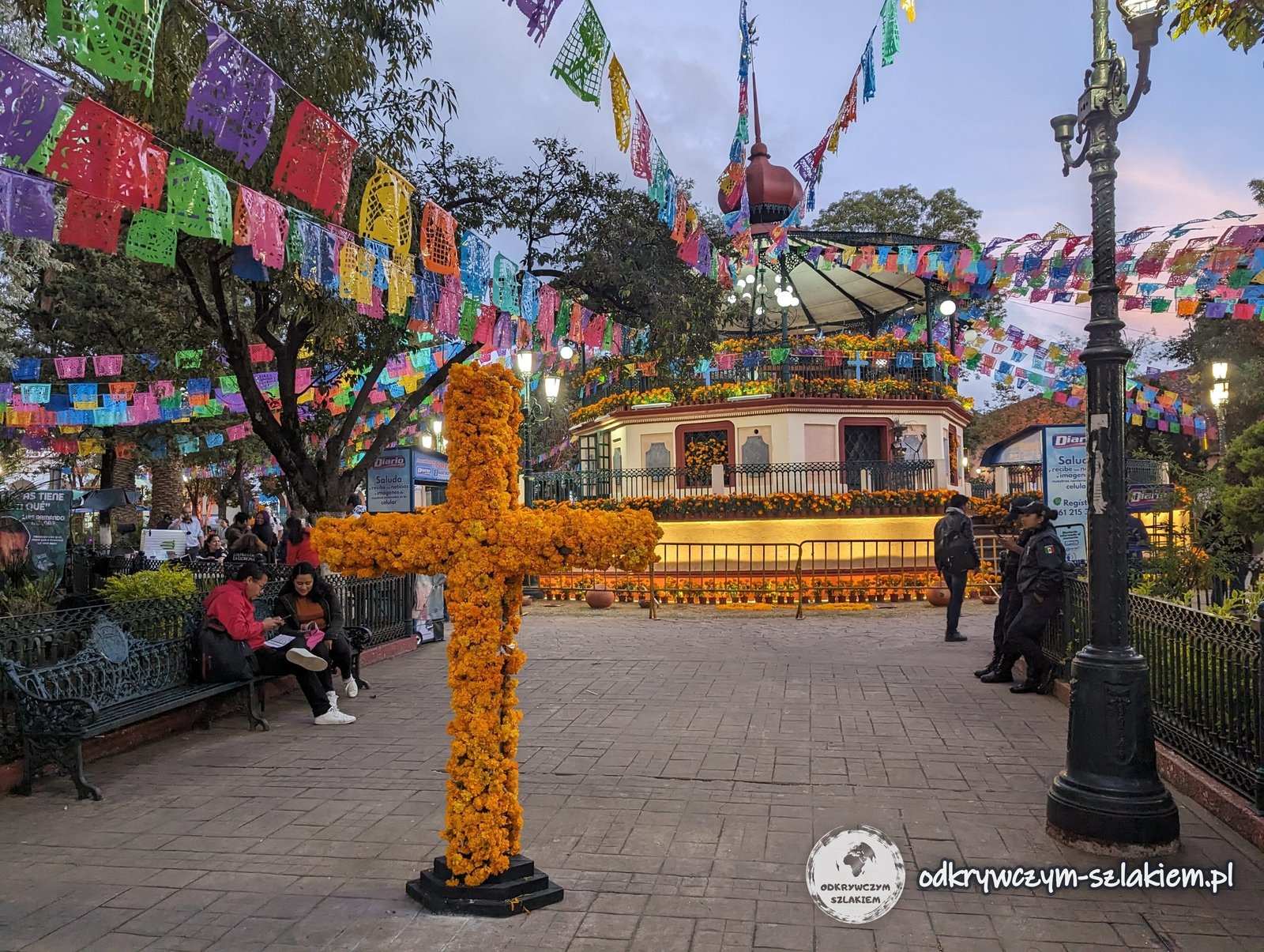
San Cristóbal de las Casas lies at an altitude of about 2200 m above sea level, so it can get really cold. It is a low-rise colonial town, one of the first “magic towns” (Pueblos Mágicos) designated by Mexico’s Ministry of Tourism. It has a pretty setting and lots of churches – some of them on hills with panoramic views. For us the town was mainly a base for other attractions in the state of Chiapas. We were there around the Day of the Dead (Día de Muertos), so we got to experience the celebrations. They are not as big as in Mexico City or Oaxaca, but certainly just as interesting.
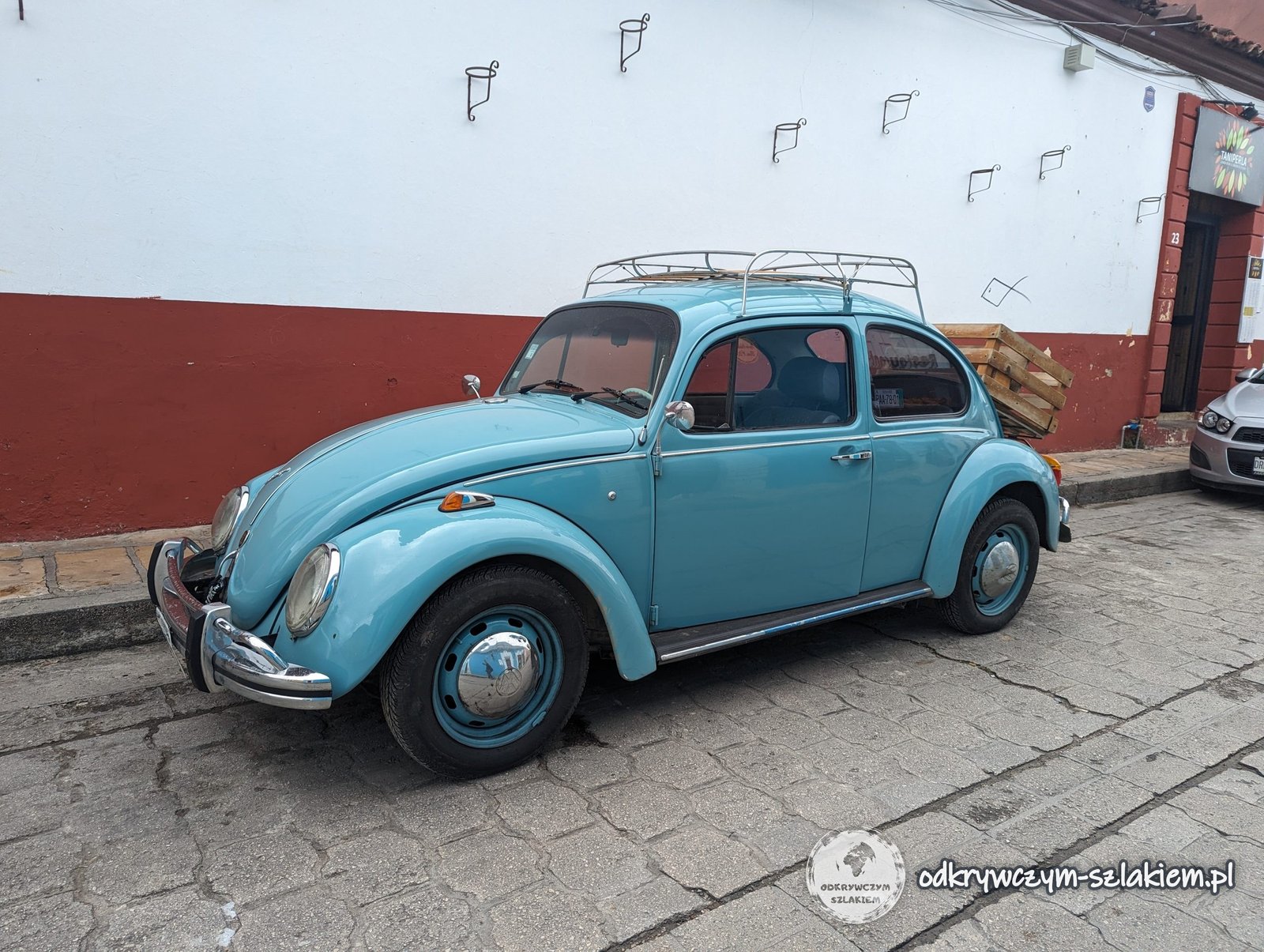
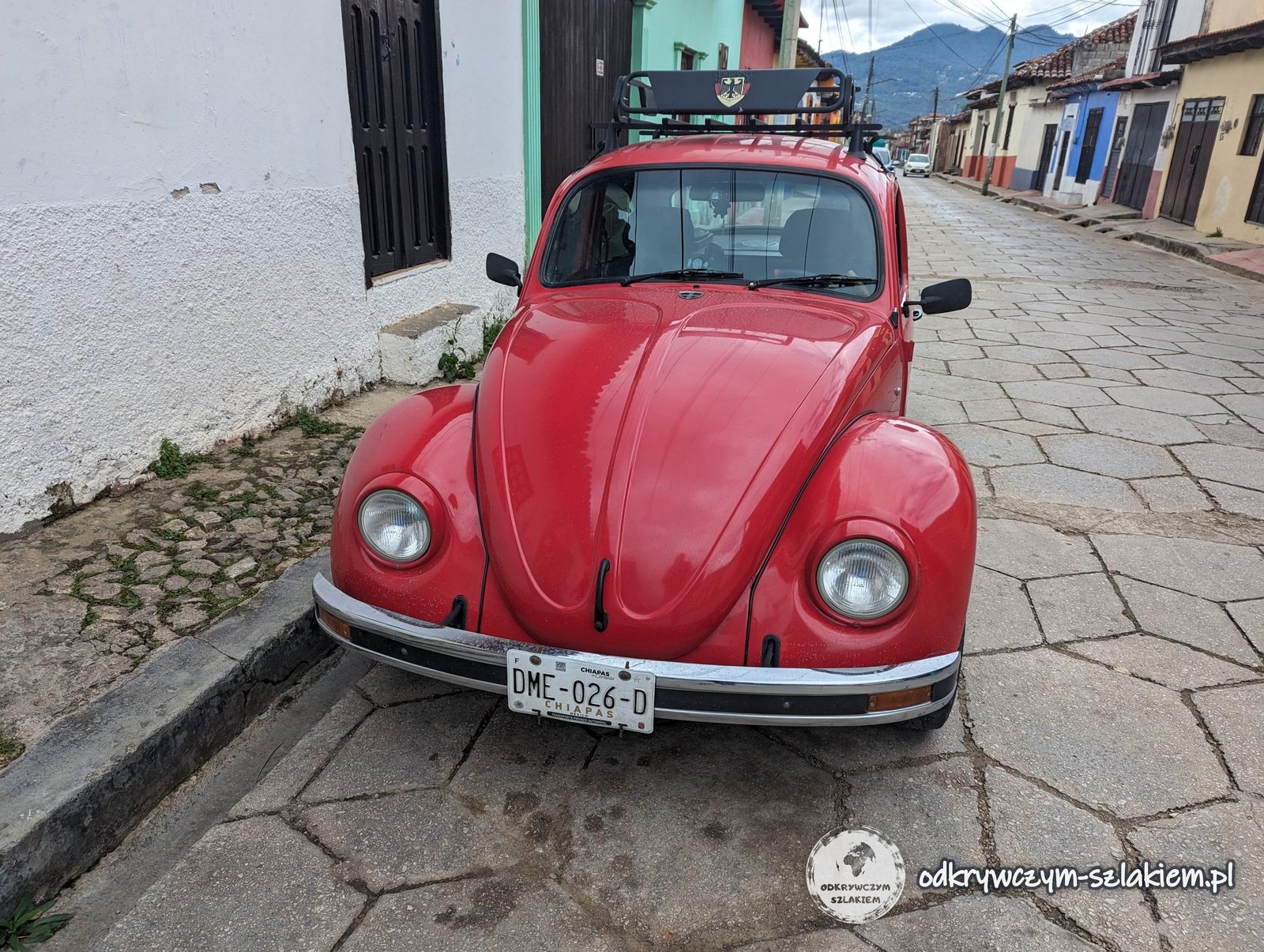
Lots of VW Beetles still drive around the streets.
The town was founded in 1528 by the Spanish conquistador Diego de Mazariegos. Over the centuries it changed its name several times (including Ciudad Real), and “de las Casas” was added in 1848 in honour of the friar Bartolomé de las Casas, who was Bishop of Chiapas in the 1540s and defended the indigenous people against exploitation. Until 1892 San Cristóbal was the state capital – then the government moved to Tuxtla Gutiérrez. The Tsotsil and Tseltal Maya call the town Jovel.
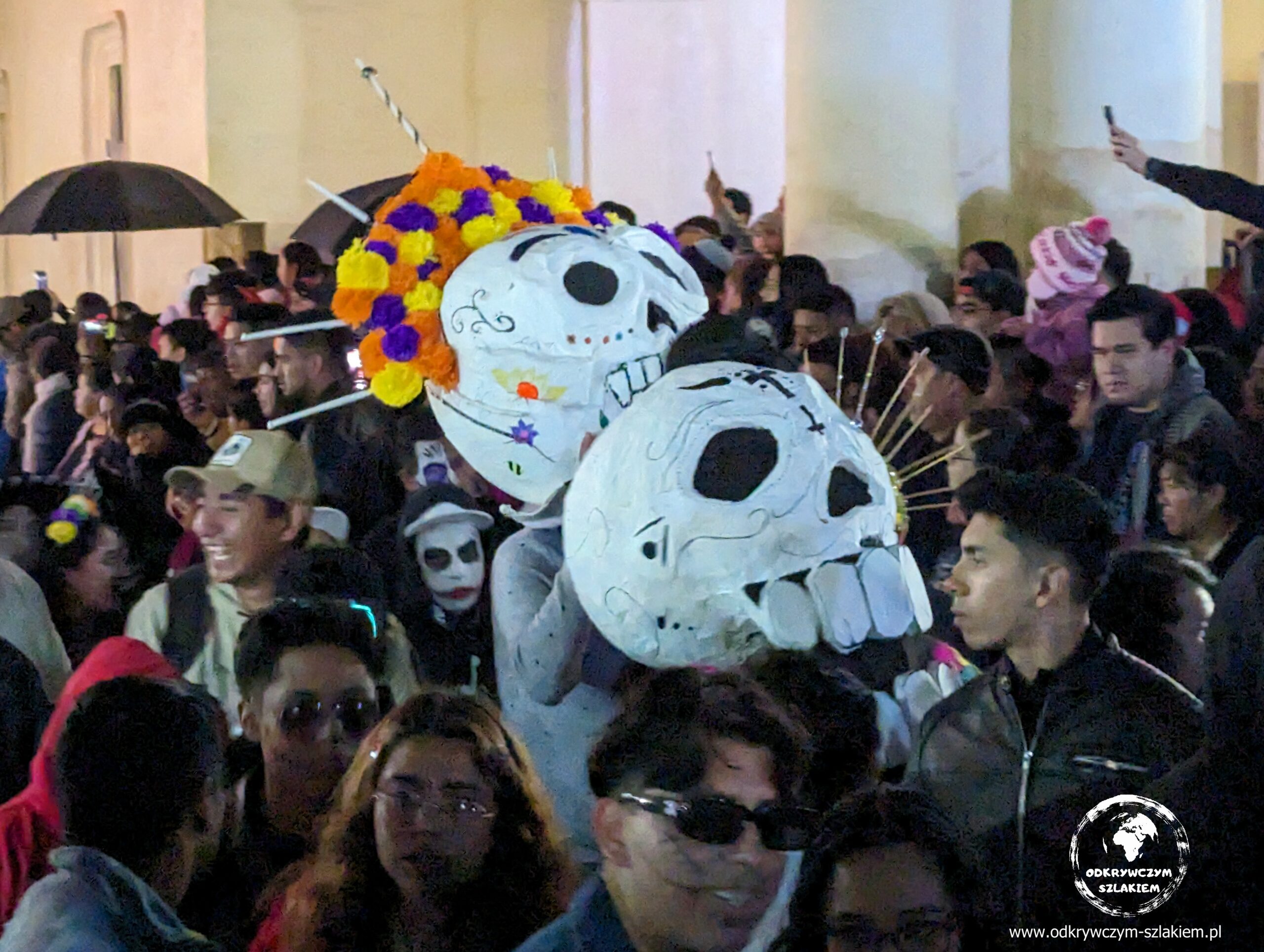
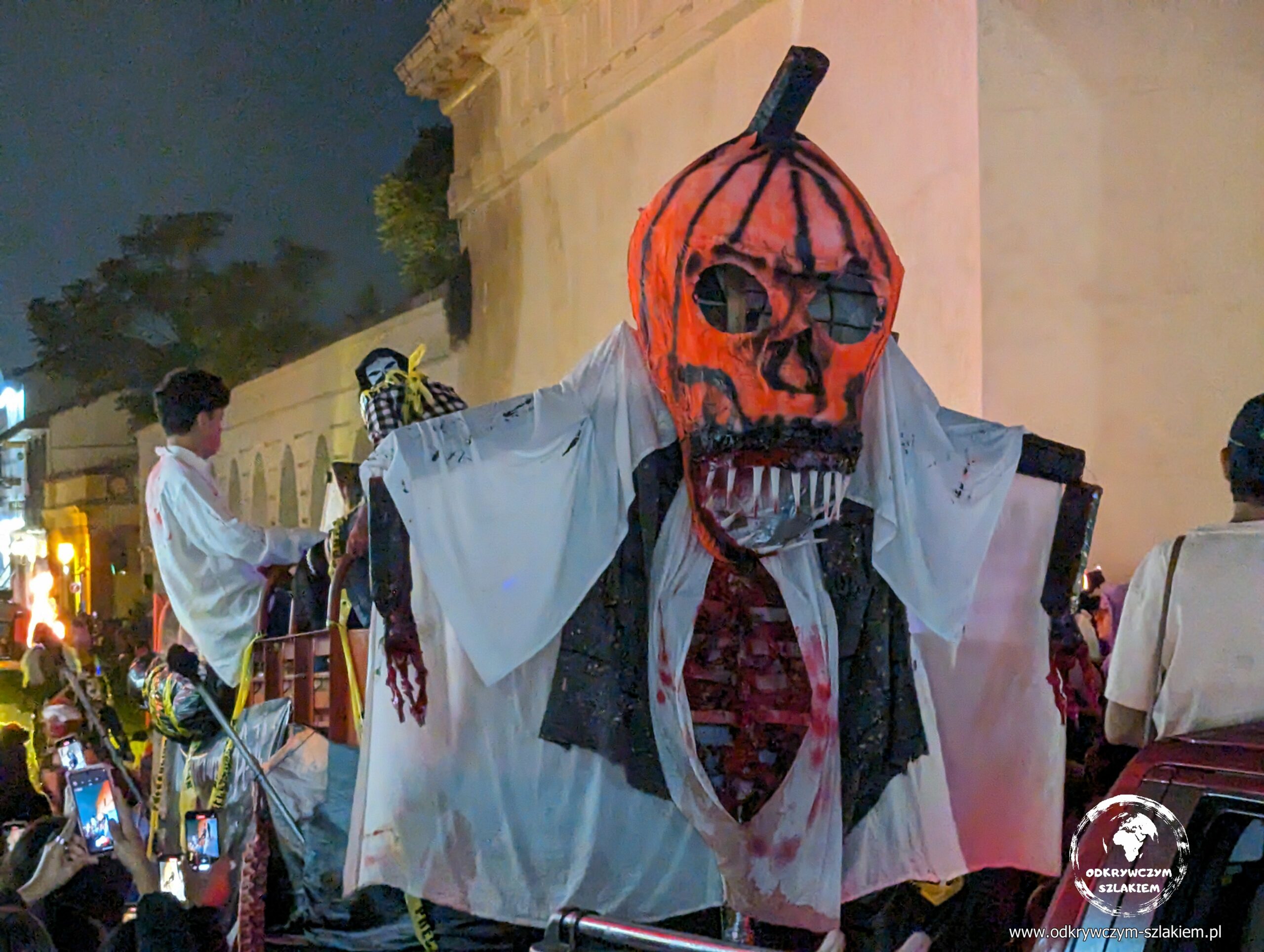
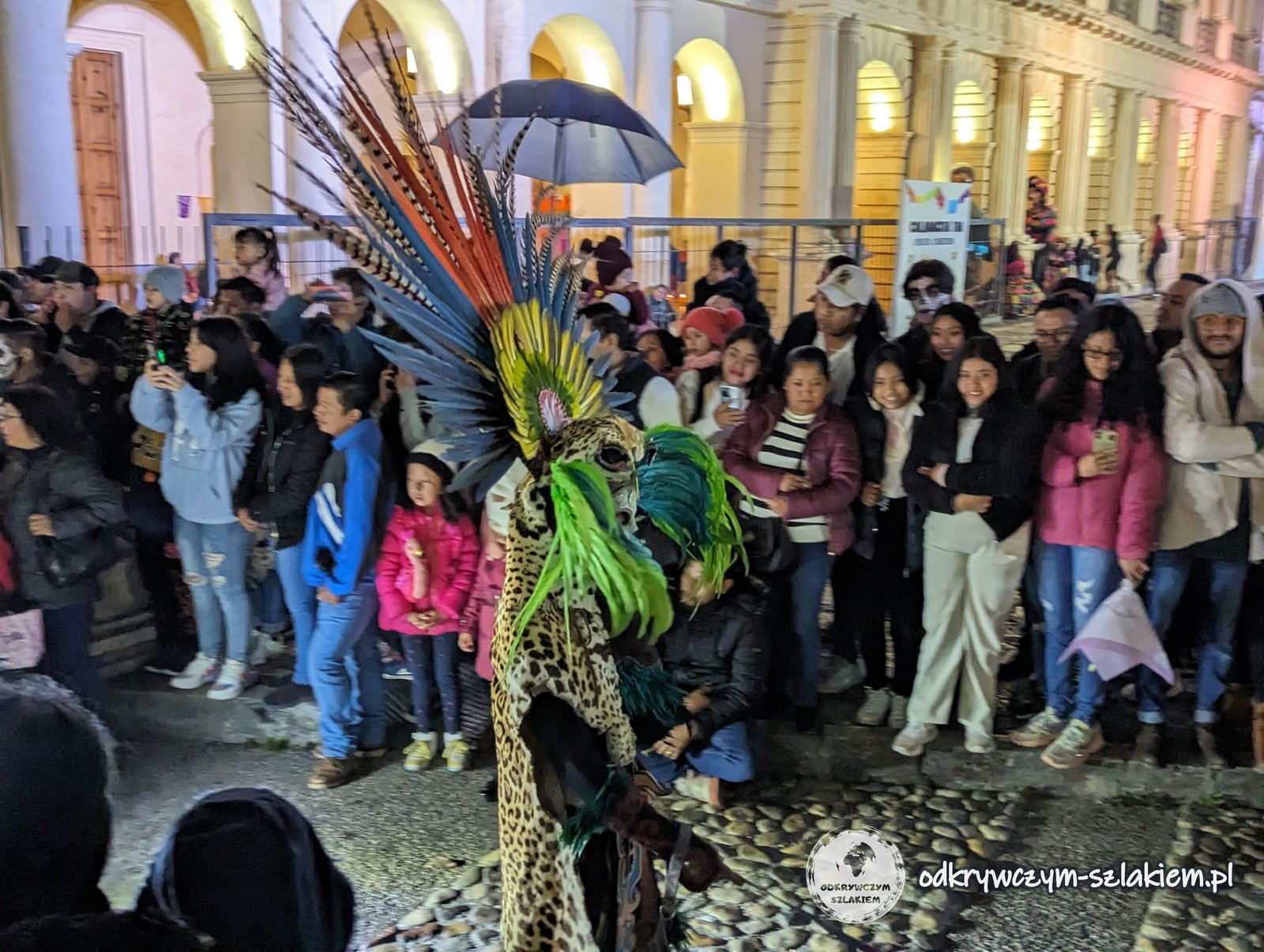
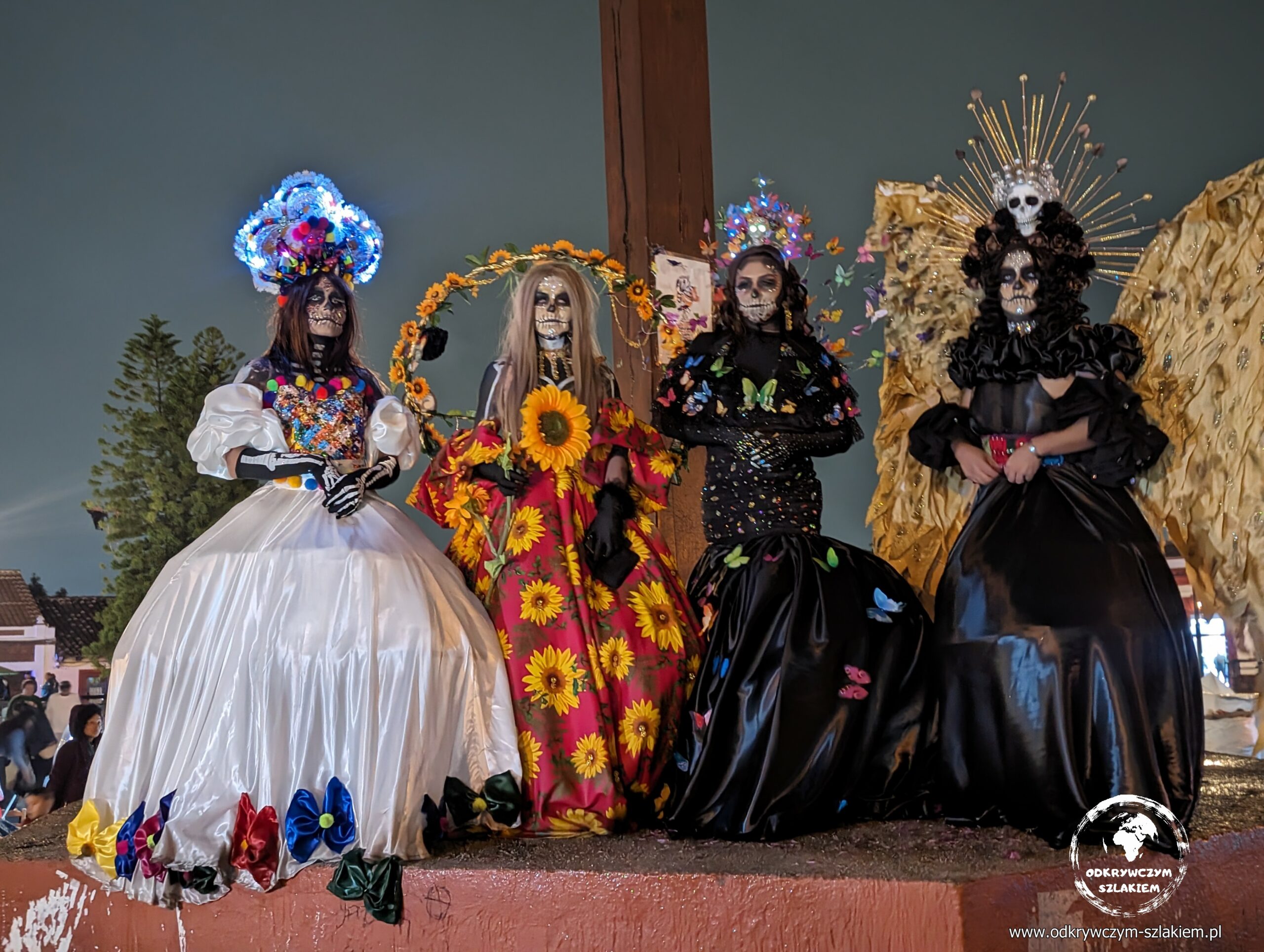
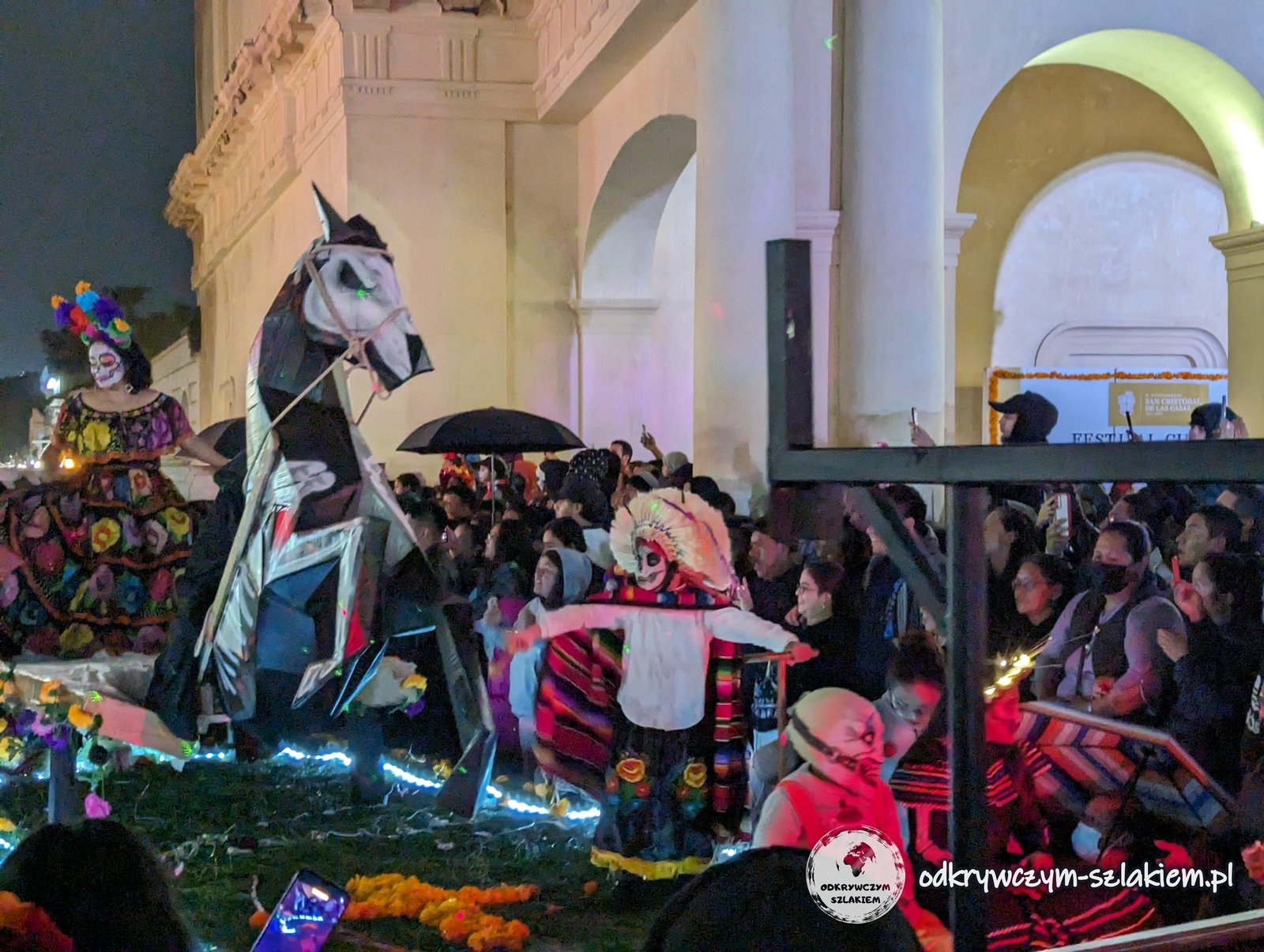
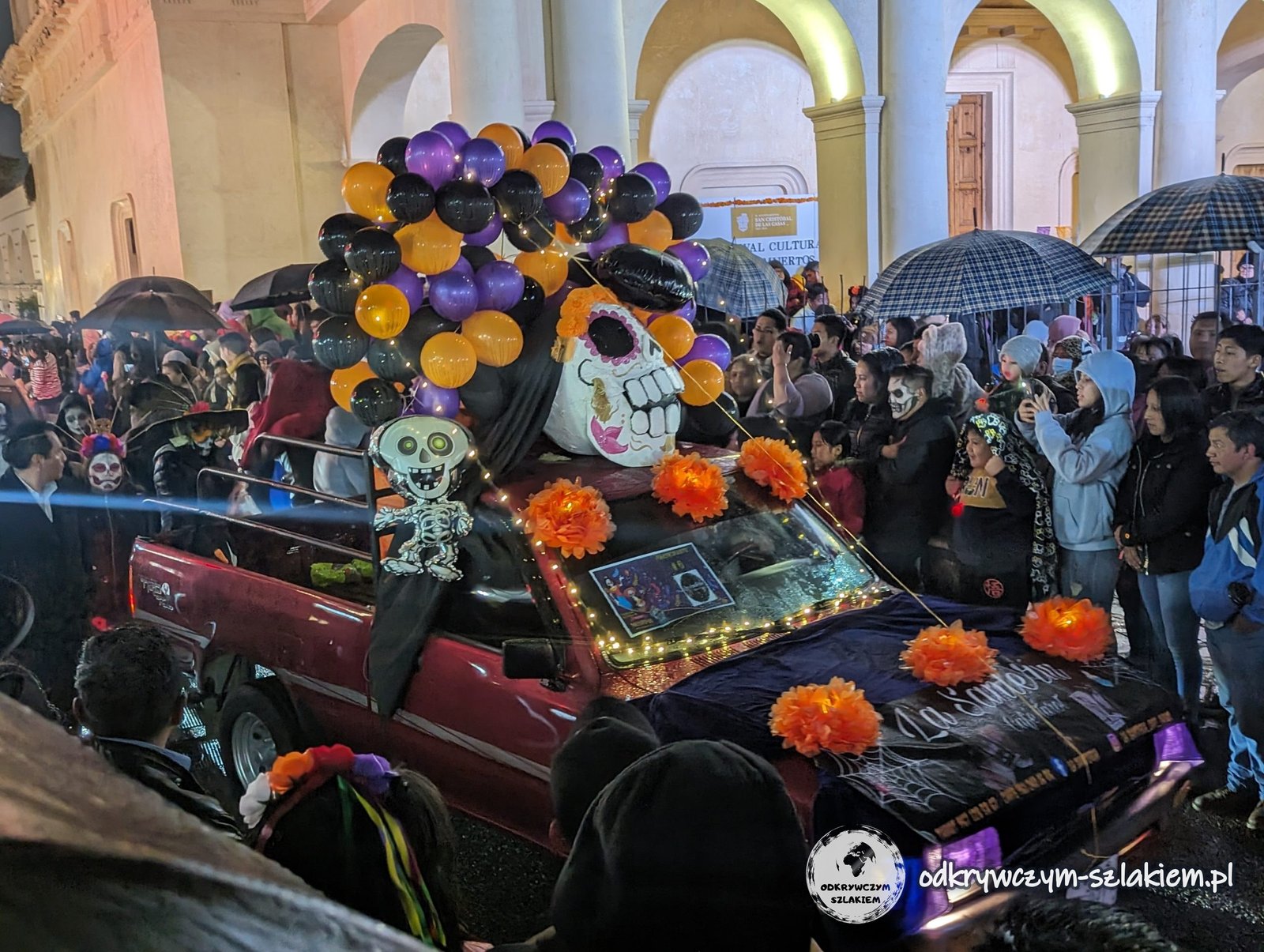
💀The costume parade – the most spectacular part of the celebrations.
☠️🎉This is a new custom that came about mainly for tourists – after one of the James Bond films was shot (Spectre in 2015), in which he made his way through a crowd of people dressed as skeletons. As interest in Mexico grew at the time, the authorities decided to recreate something like the scene in the film. On the last day of October we had the chance to watch the parade in San Cristóbal de las Casas, with decorated vehicles and loud music, and the procession lasted about an hour! Afterwards there were concerts.
✝️ In Mexico the Day of the Dead (Día de Muertos) combines the traditions of pre-Columbian peoples with Catholicism. In the ancestral culture, the day of the dead fell in August. Death itself was seen as just another stage of life, so people weren’t afraid of it at all. The fear of hell or purgatory only came with the Spanish.
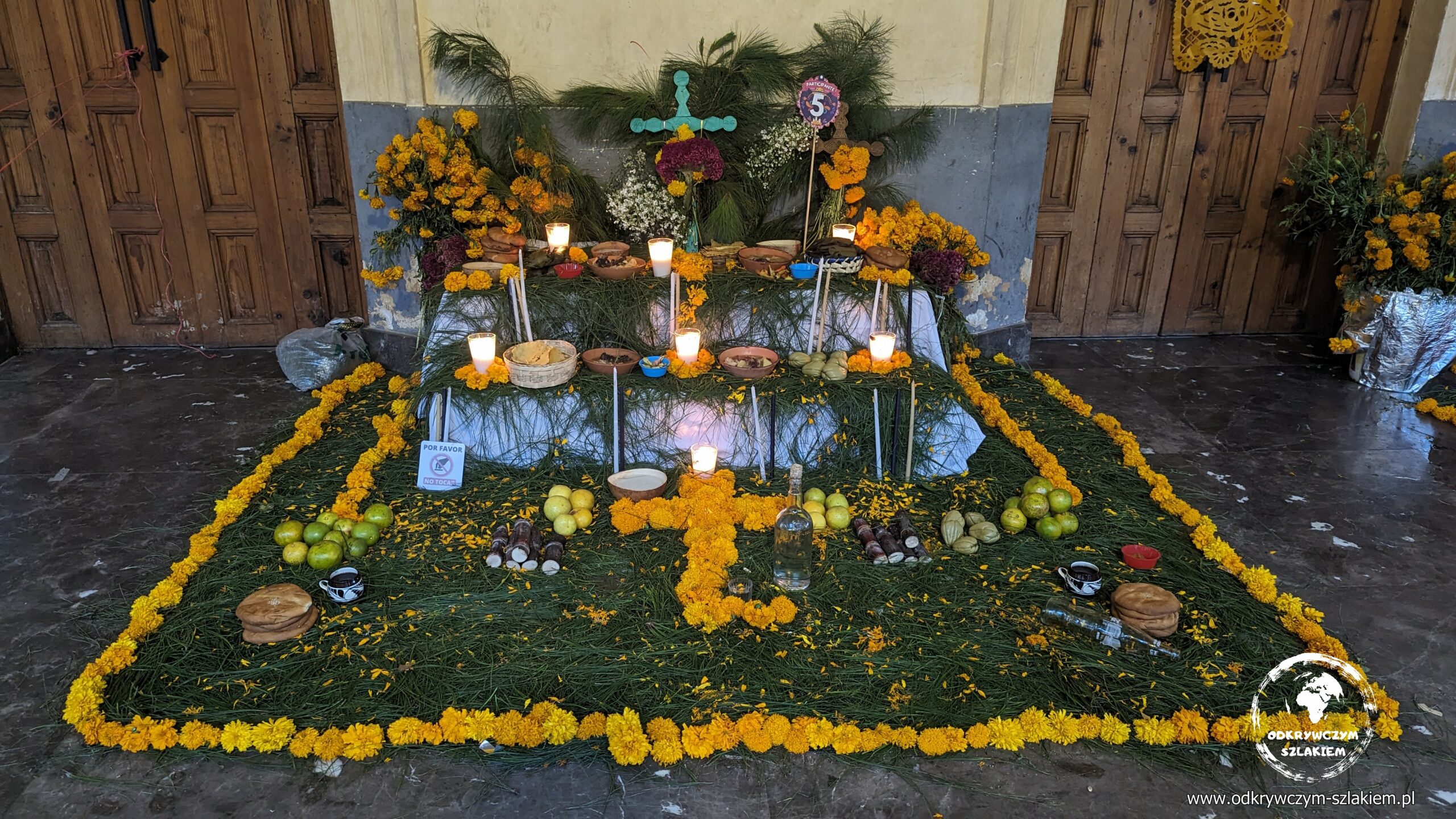
People used to believe there were several lands of the dead, and the soul went to one of them depending on the kind of death. There was no purgatory. There were different levels of the afterlife that had to be passed through to finally reach eternal rest next to the sun. On one day a year, souls could meet their loved ones. Food was left out for them, which is why today, during the festival of the dead, families go to their relatives’ graves to eat, drink and feast, leaving behind food or the stimulants the deceased liked. If it isn’t possible to go to the cemetery, people set up small altars with several tiers and a photo.
According to Aztec beliefs, those who died an ordinary death went to Mictlán – an underworld made up of nine levels. On the way the soul had to cross a river, helped by a dog – which is why figures of the hairless xoloitzcuintle dog often stand on the altars.
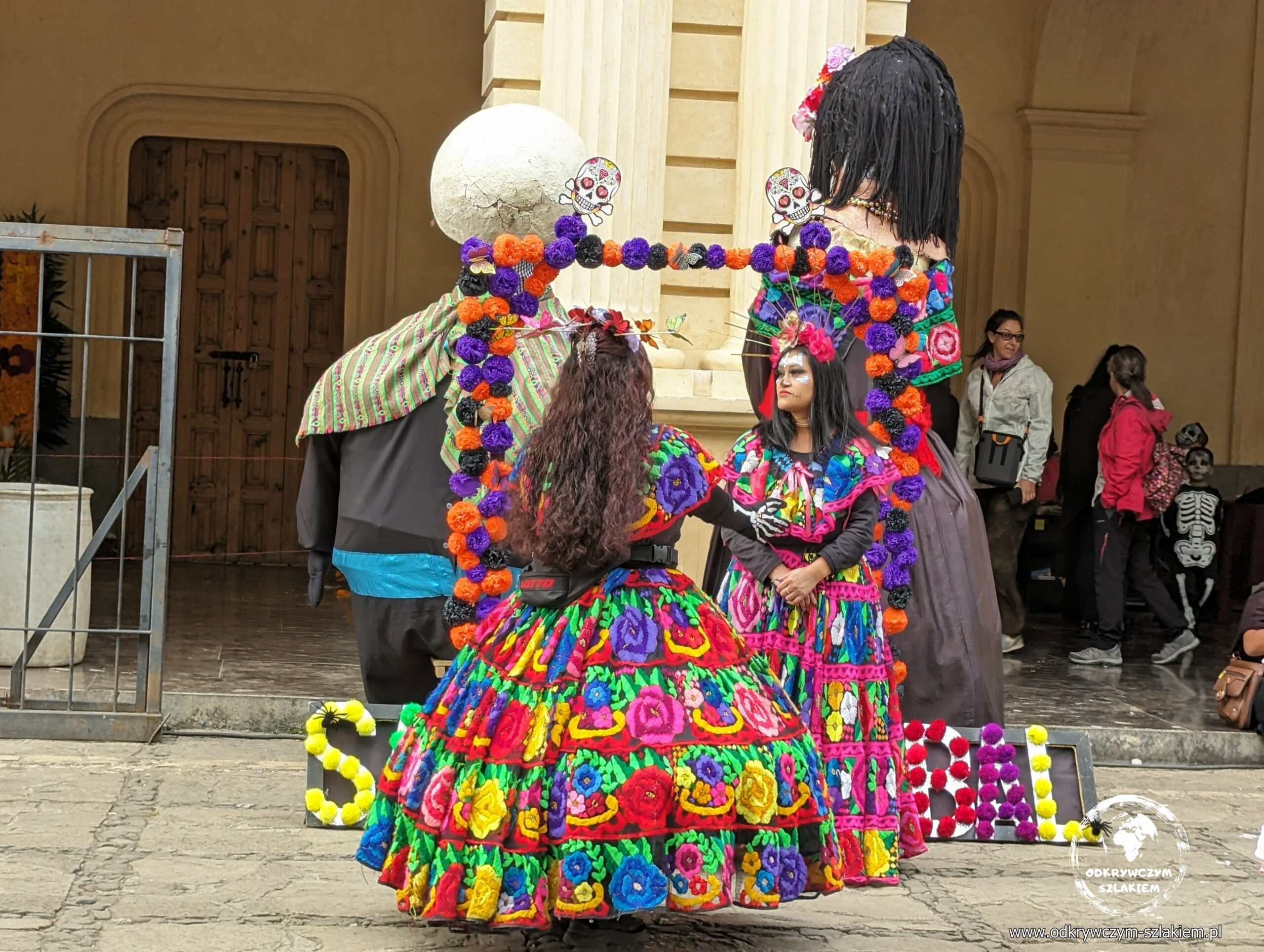
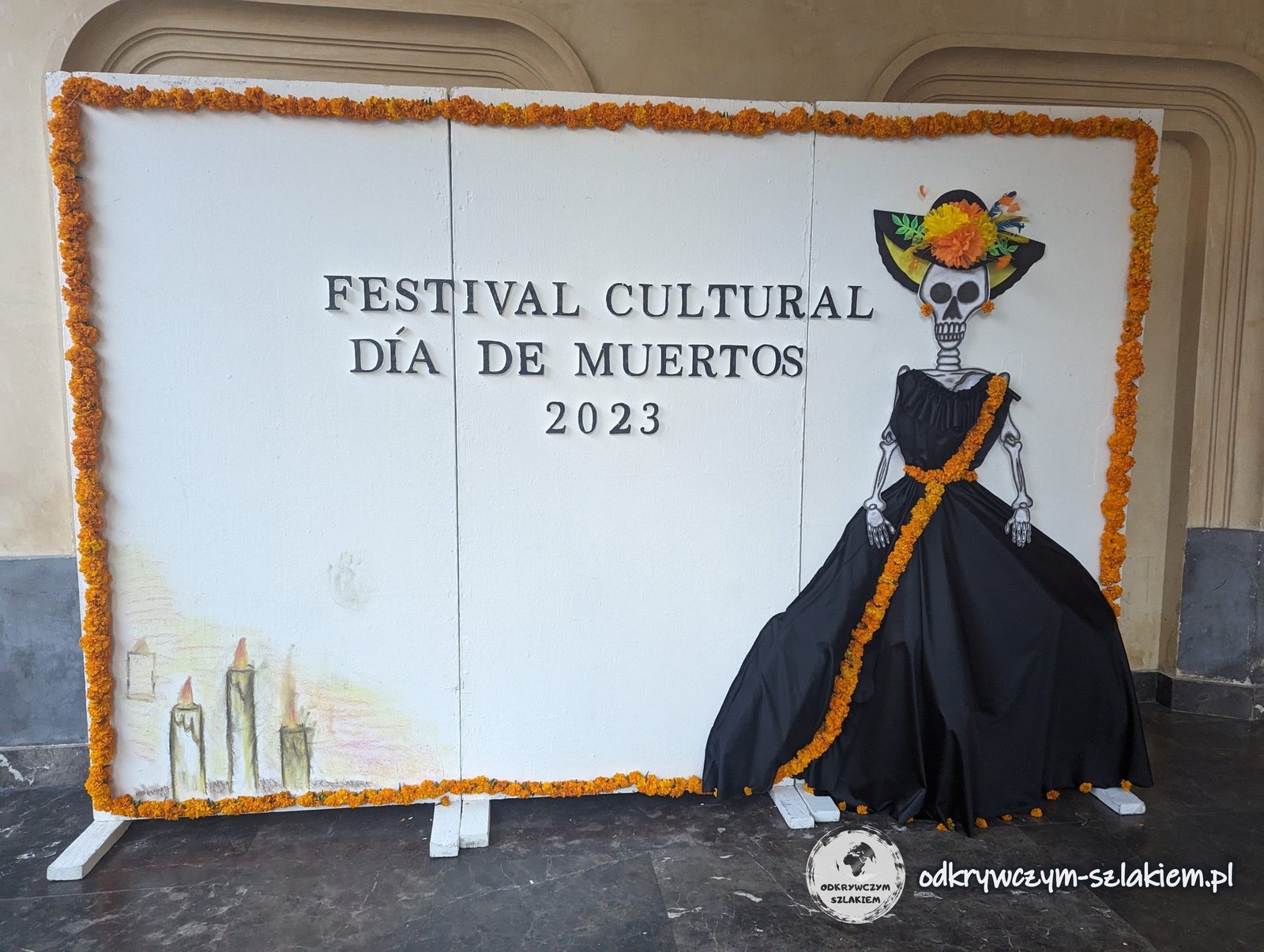
👶🧓On 1 November the souls of children arrive, and on the 2nd those of adults. Today in Mexico, streets and houses are decorated with colourful skeletons at this time, and people dress up – especially as Catrina, a lady with a skull face.
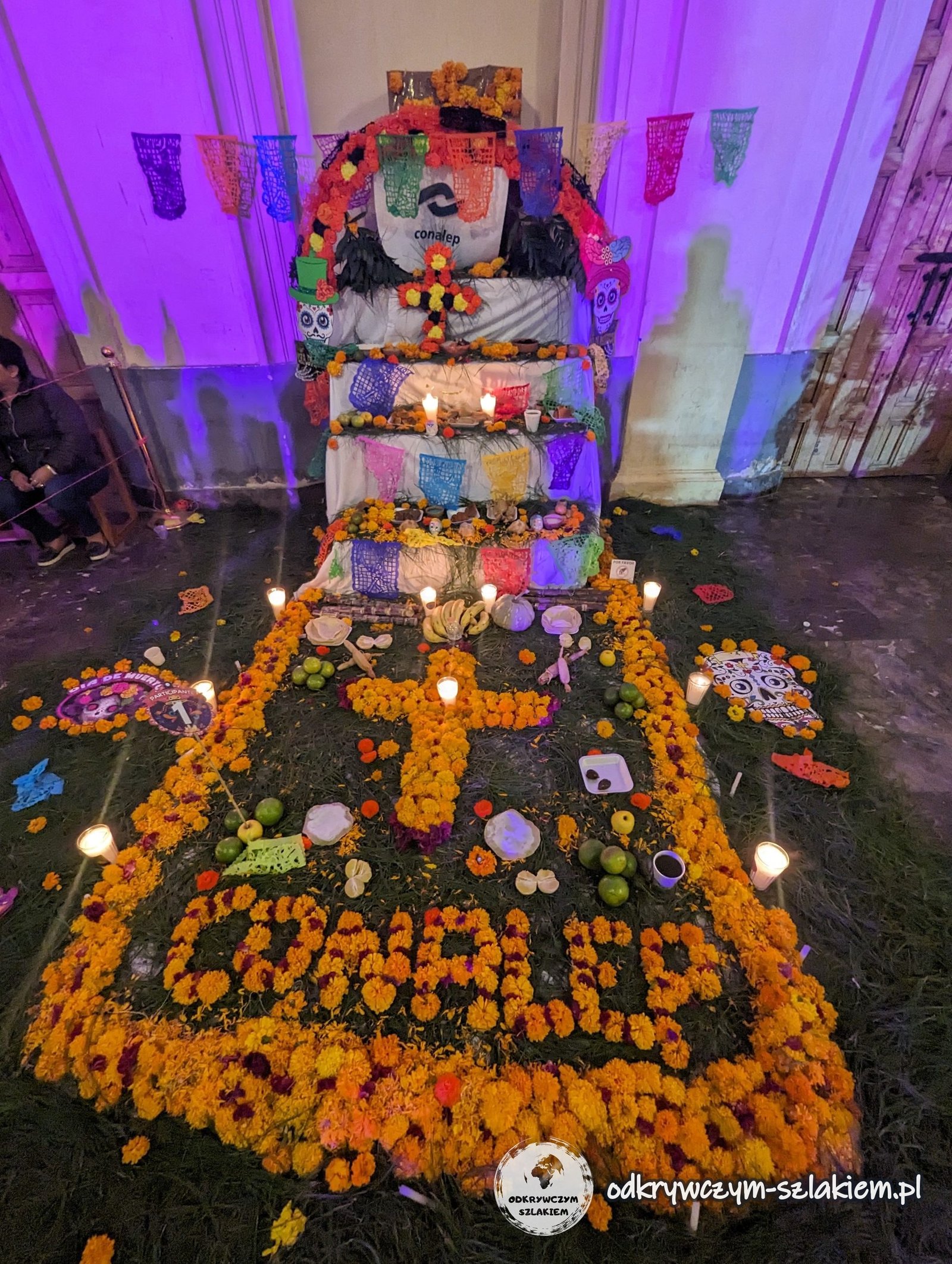
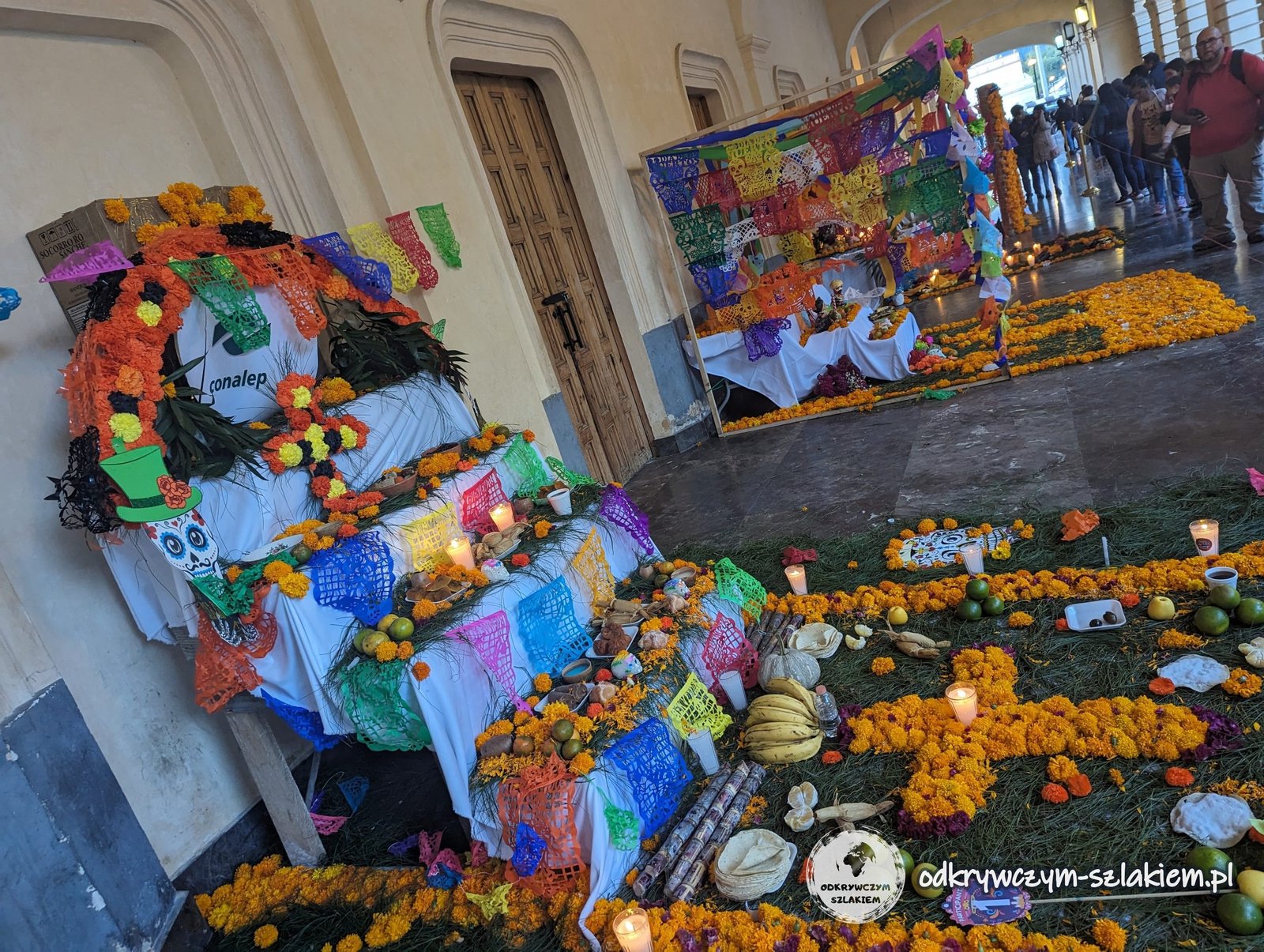
All over the centre – even in shops – there were ofrendas, altars for the dead: on 1 November for the souls of children, with toys and sweets, and on 2 November for adults – with alcohol, cigarettes, the deceased’s favourite dishes and the sweet bread pan de muerto. In the parade, many women were dressed as Catrina.
😔For us this was something completely new and quite different from our Polish day of the dead (All Saints’ and All Souls’ Day), which, unlike the Mexican one, is full of sadness and reflection
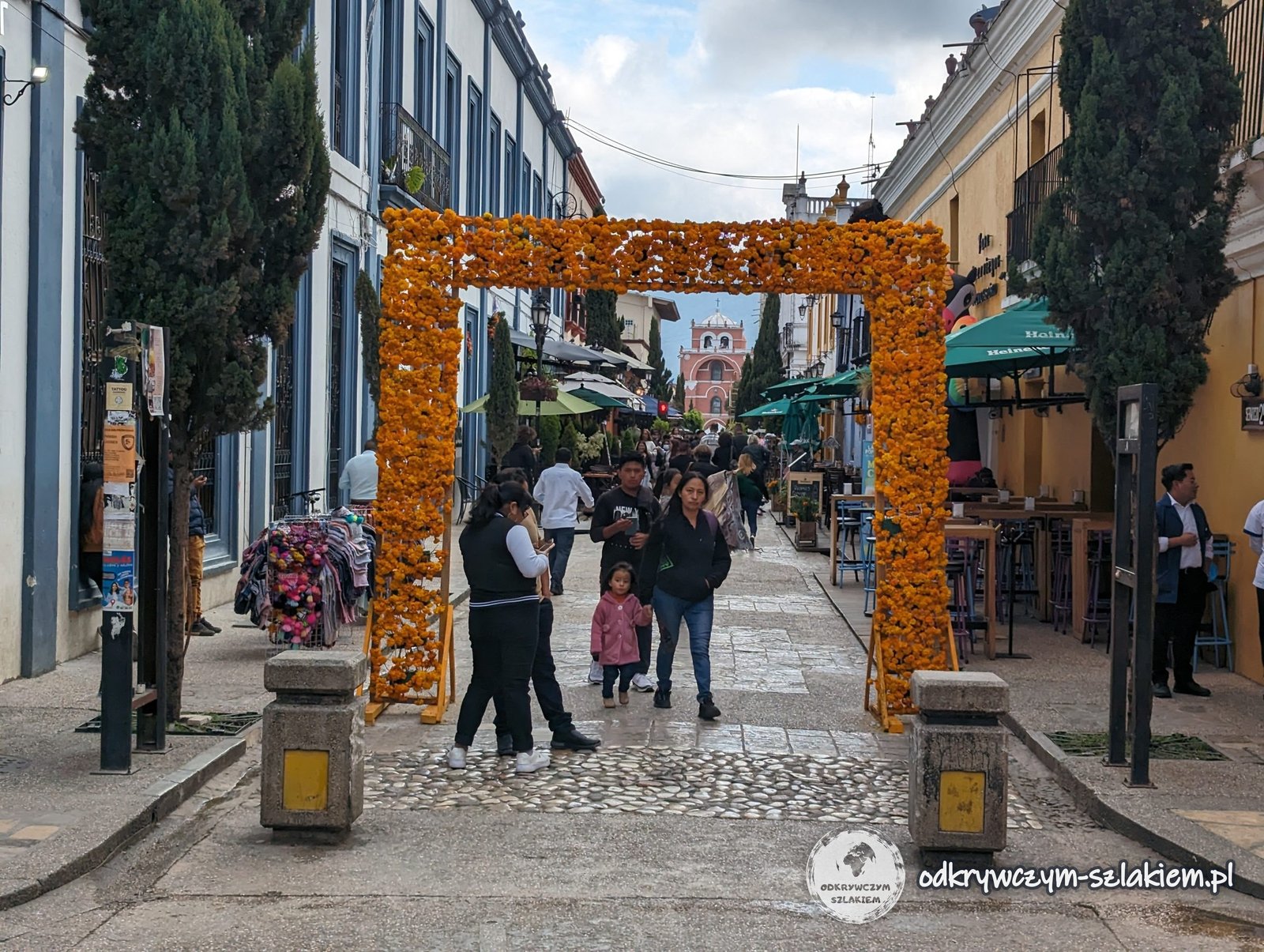
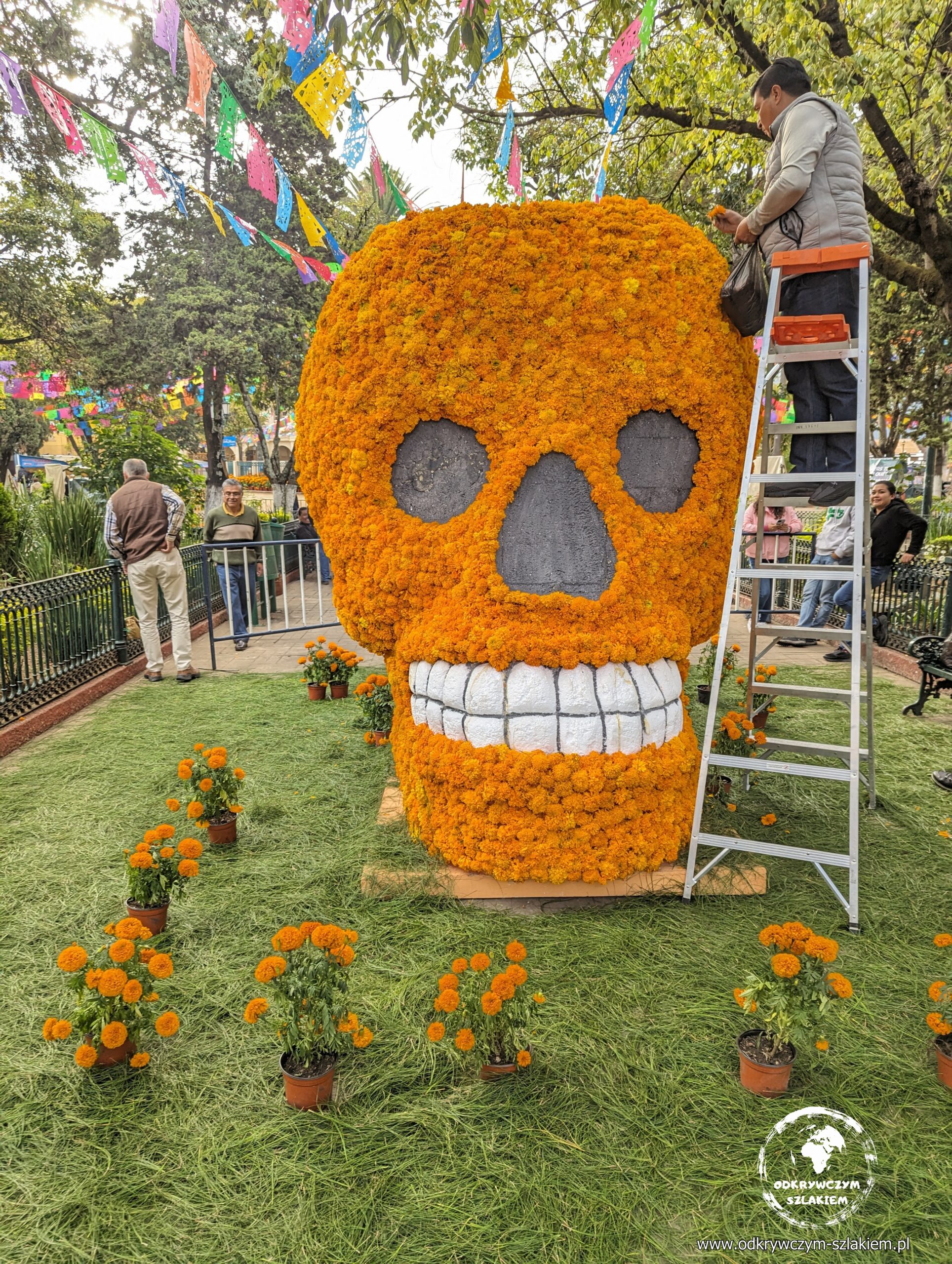
The symbol of the festival is the orange marigold (cempasúchil) – its colour and scent are meant to show the souls the way home. The Catrina figure was drawn in the early 20th century by the engraver José Guadalupe Posada, and Diego Rivera made her famous by putting her in his 1947 mural. Since 2008 Mexico’s Day of the Dead celebrations have been on UNESCO’s list of intangible cultural heritage.
The sweet pan de muerto on the ofrendas also has a symbolic shape: the ball in the middle is the skull, and the crossed strips are bones (or tears). Also popular are calaveritas de azúcar – skulls made of sugar paste (alfeñique), a technique brought over by the Spanish; the forehead often bears the name of the deceased, or of a living person to whom the skull is given. The holiday also has its calaveras literarias – humorous rhyming verses, printed in newspapers since the 19th century, in which famous people or friends are “killed off”.
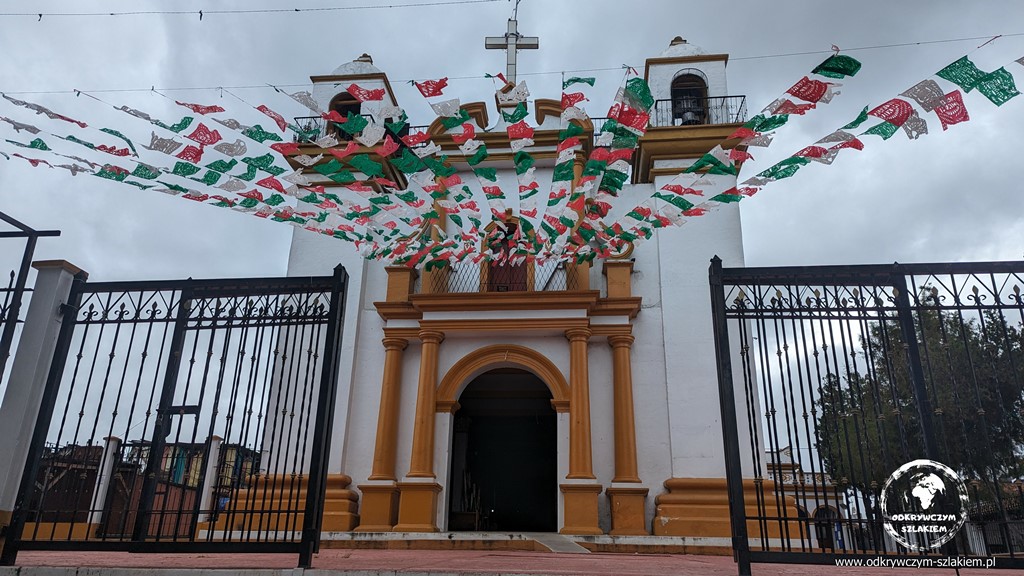
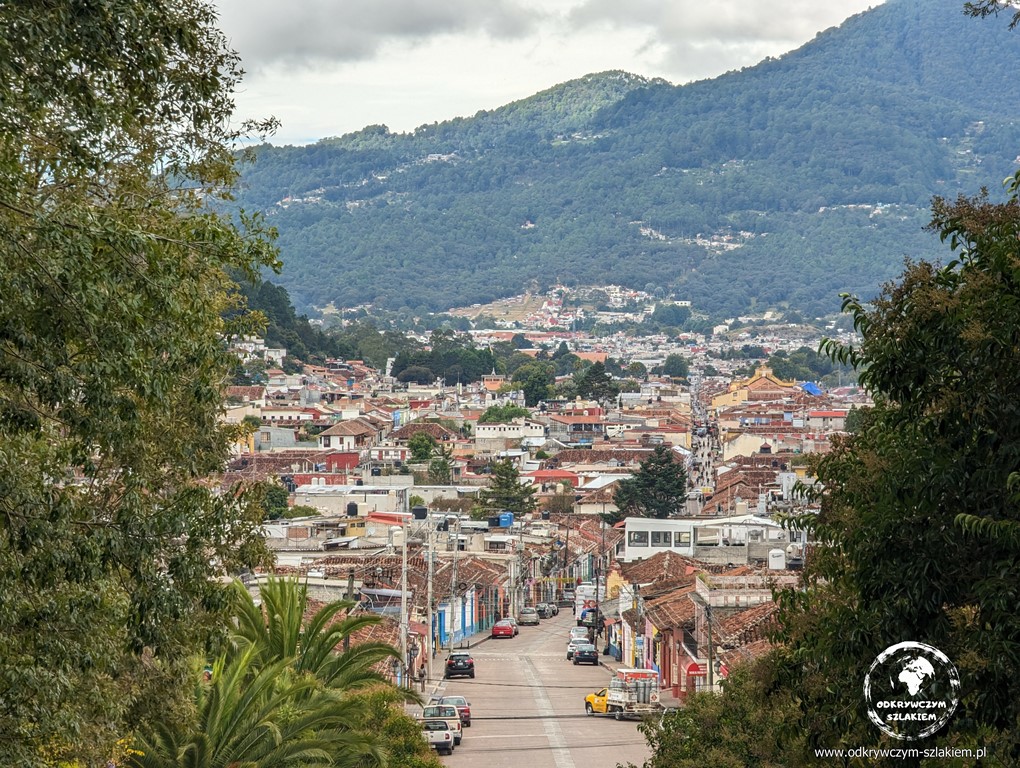
This is quite a large church with an image of the Virgin Mary in the foreground, lit up with coloured lights. After climbing a good number of steps you get a panoramic view of the town.
The church was built in 1834, and 79 steps lead up to it. From the Zócalo you can walk here along the Andador Real de Guadalupe, a pedestrian street full of shops, restaurants and hotels.
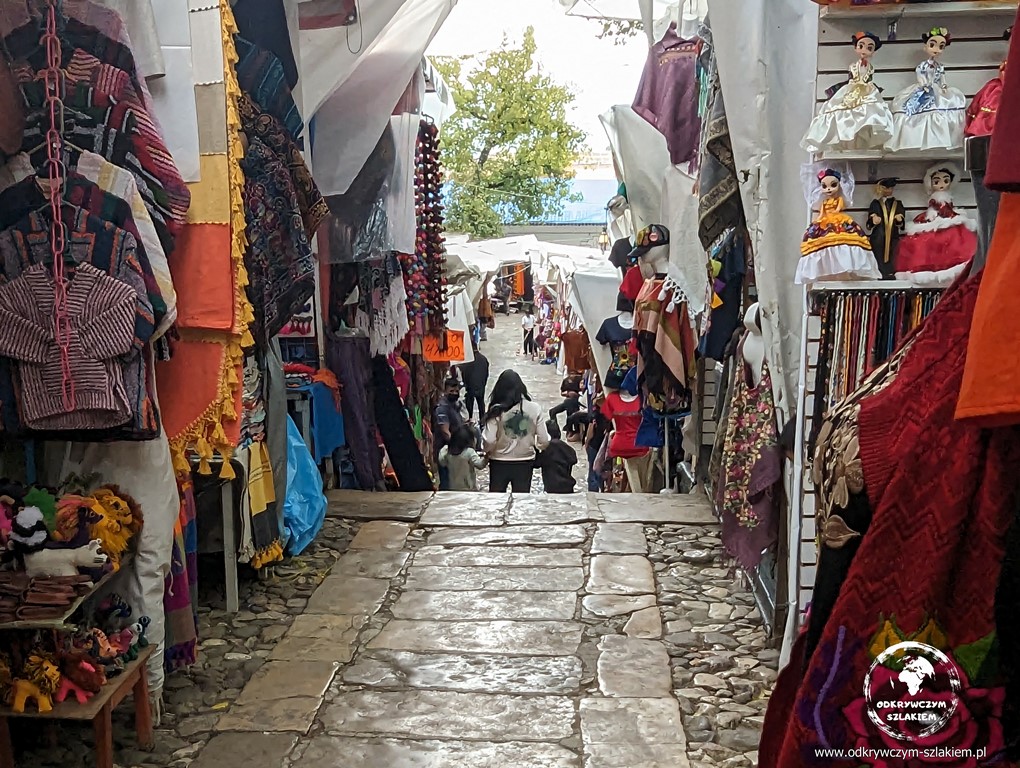
The place draws you in with its colours, creativity and tradition. There are lots of handmade crafts here. You can buy textiles or jewellery. It is located right next to the Santo Domingo Monastery and the Temple of La Caridad.
Construction of the church and monastery of Santo Domingo began in 1547; the Baroque façade is decorated with twisted, so-called Solomonic columns and stucco work. The upper floor of the former monastery houses the Centro de Textiles del Mundo Maya – a museum of traditional Maya textiles. It is open Tuesday to Sunday, and according to the state tourism office a ticket costs about MXN 52.
Plaza 31 de Marzo, also known as Parque Vicente Espinoza, the Zócalo or the main garden, is a meeting place for the locals.
On top of a two-storey structure stands a marimba, which every evening entertains people sitting comfortably on wrought-iron benches in the shade of leafy trees.
It is the starting point for tourists getting on or off buses here to begin a walking tour of the town and its surroundings; around it are the Cathedral, the Temple of San Nicolás, the Municipal Palace, Casa Mazariegos and Los Portales.
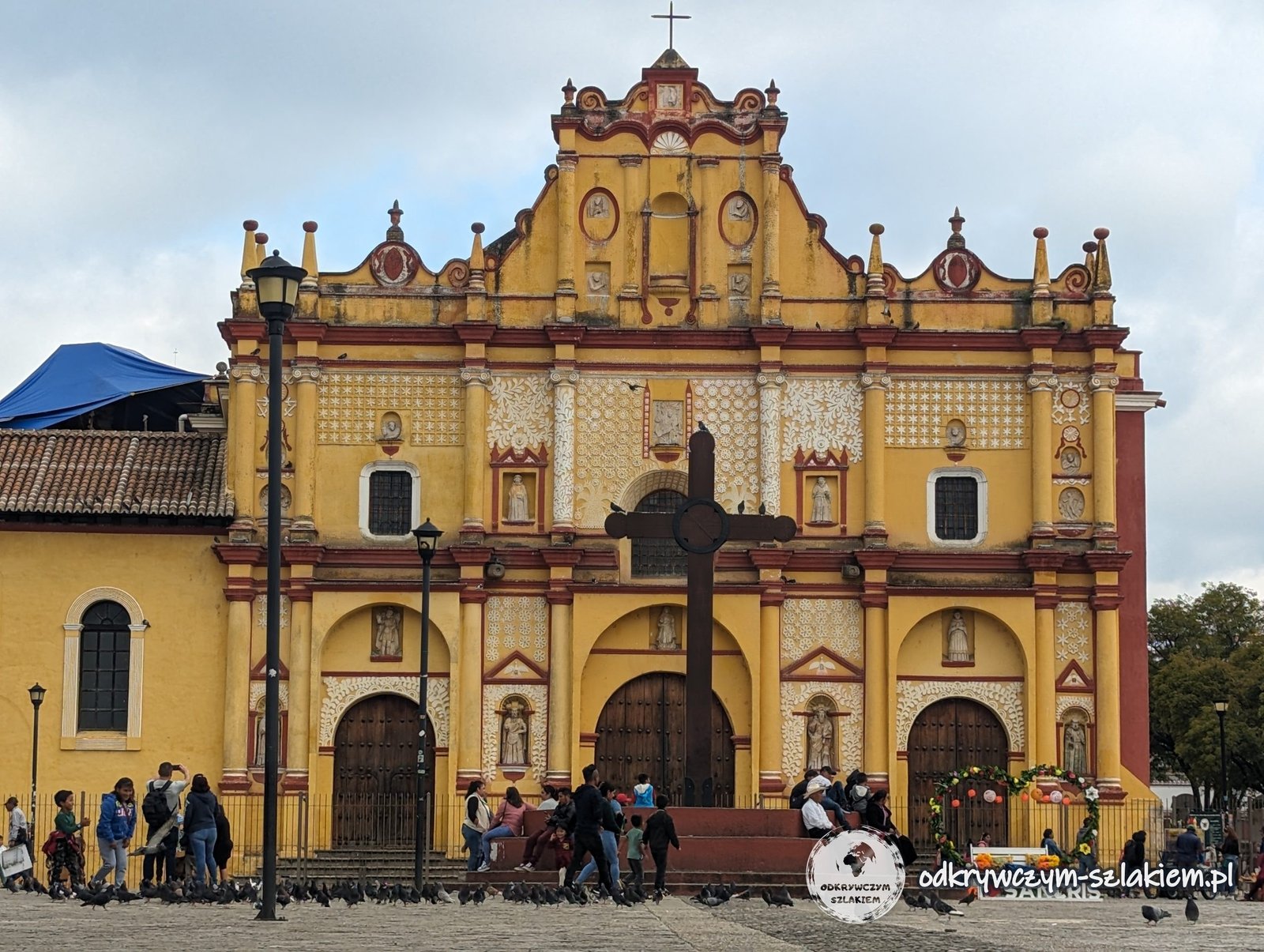
The square’s official name commemorates the day the town was founded – 31 March 1528. To the north stands the cathedral, with a yellow Baroque façade completed in 1721 (the first, modest church was built here in the very year the town was founded), and in front of it lies the Plaza de la Paz. This is also where the Andador Eclesiástico pedestrian street runs, linking Santo Domingo with the Arco del Carmen.
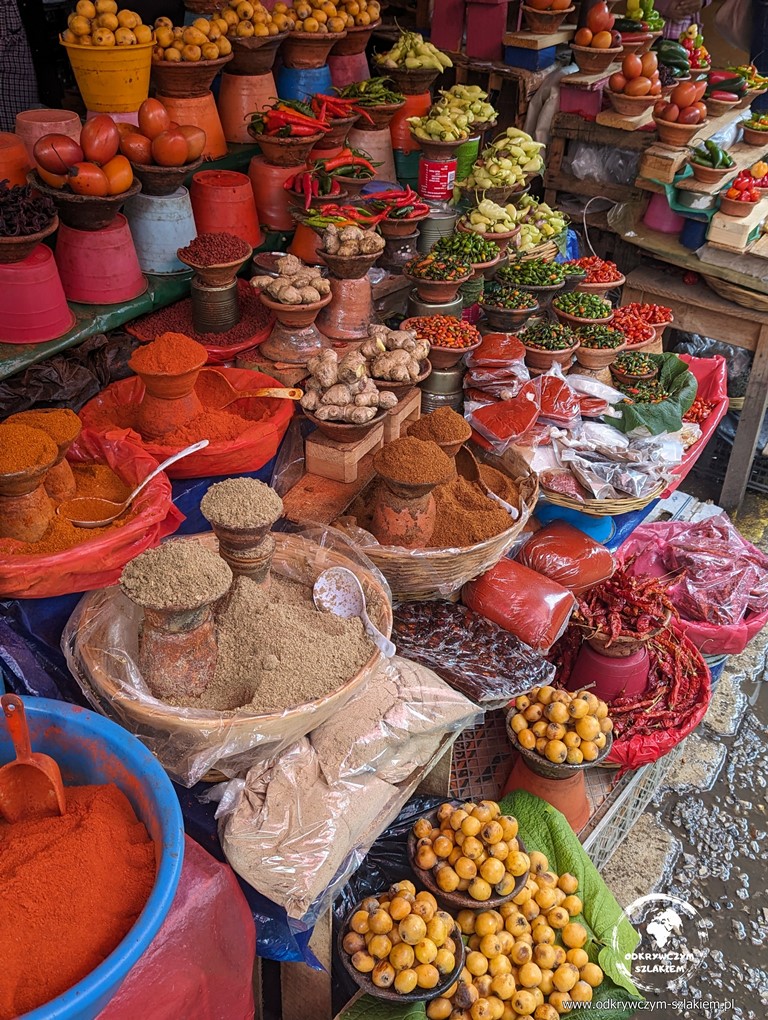
This is a big local market with loads of different kinds of food.
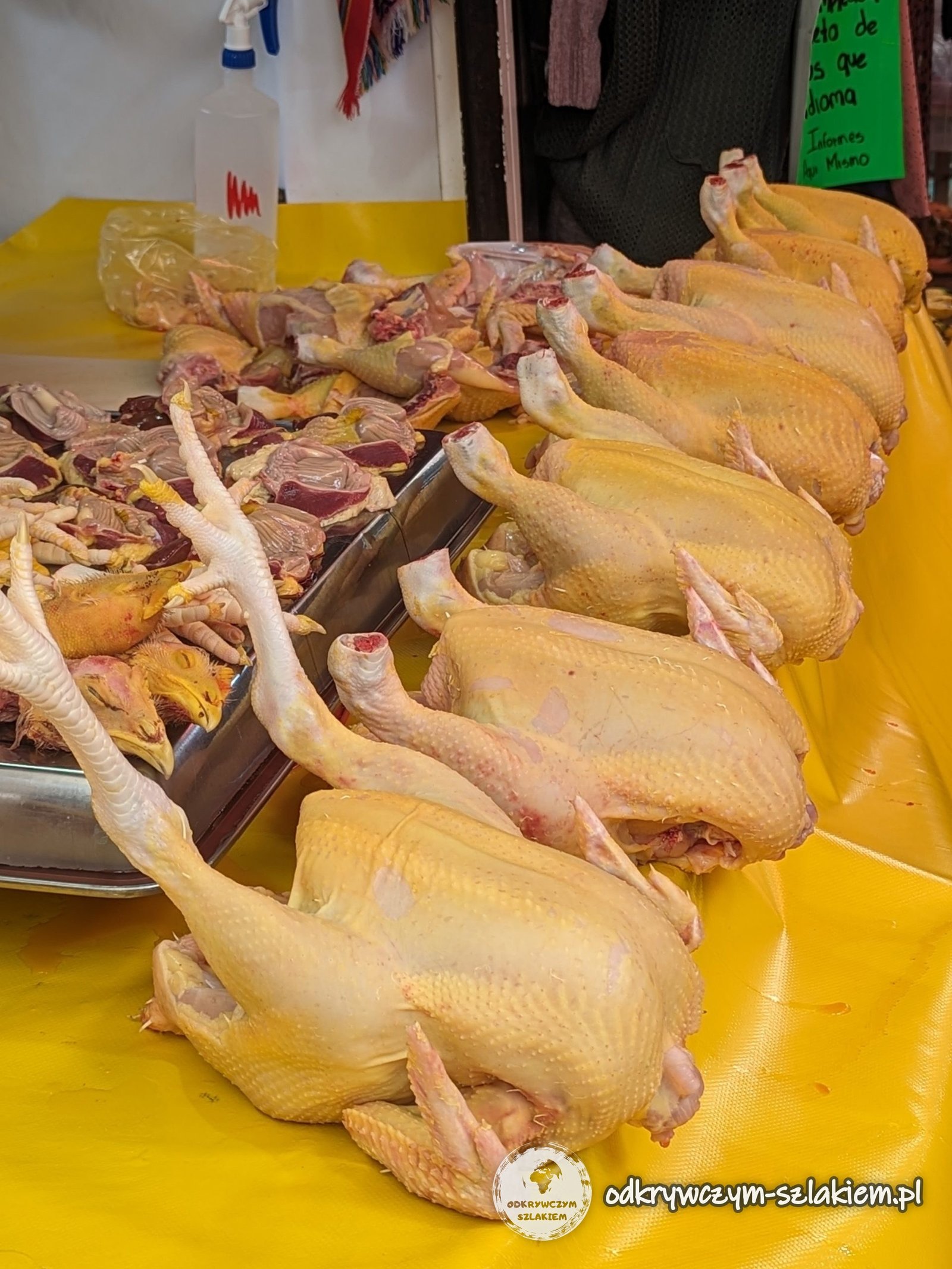
The aisles between the stalls are narrow, and what catches your eye are the “yellow chickens” – dyed.
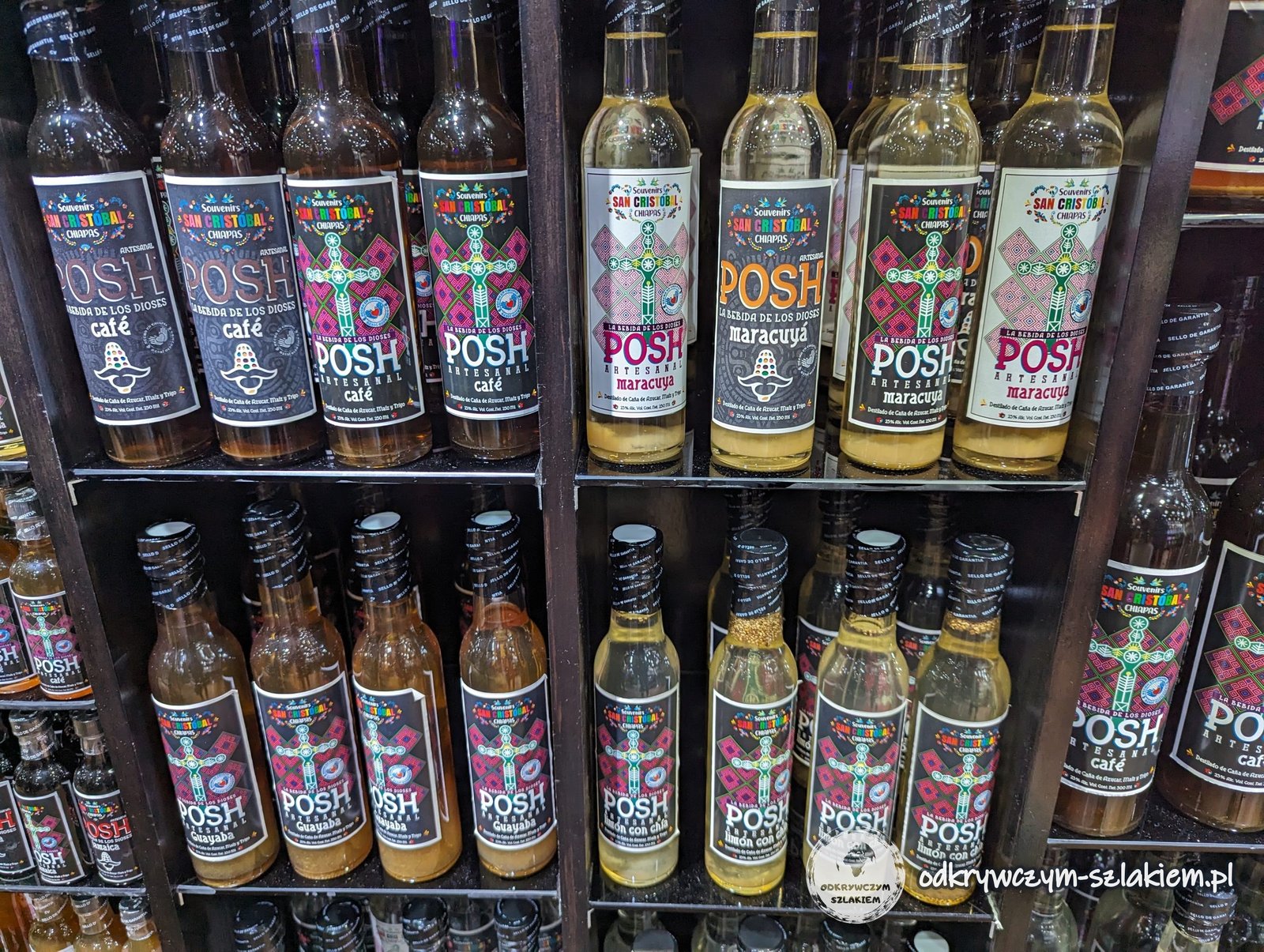
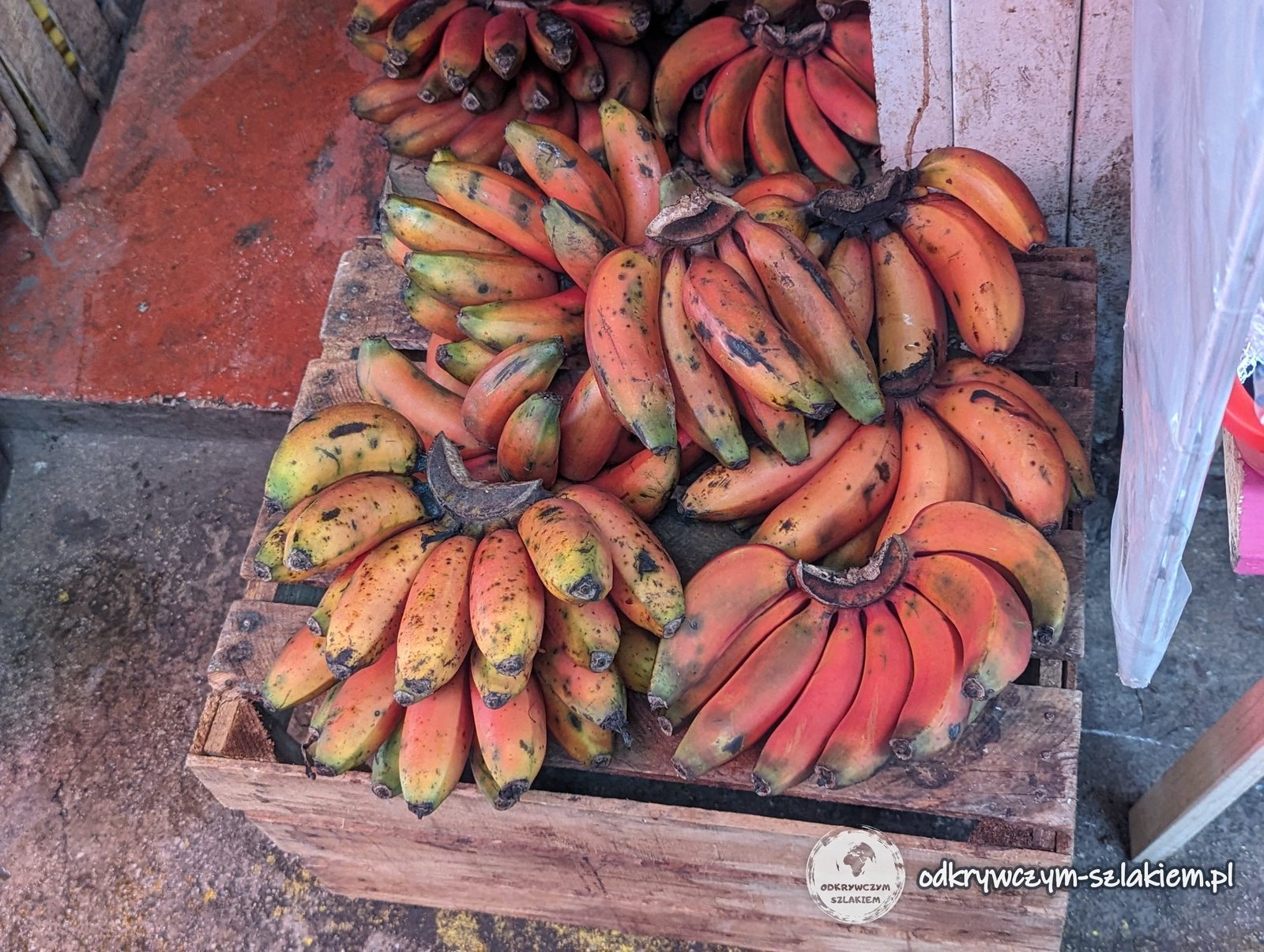
Shops and markets sell pox (pronounced “posh”) – the traditional Tsotsil drink made from maize and sugar cane. In their language the name means “medicine”, and it is also used in rituals, for example in San Juan Chamula. The stalls also sell red bananas.
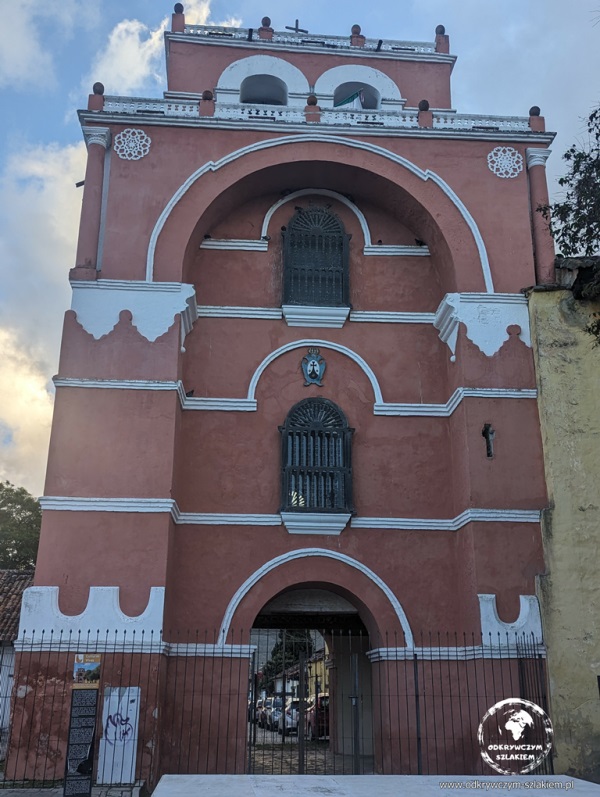
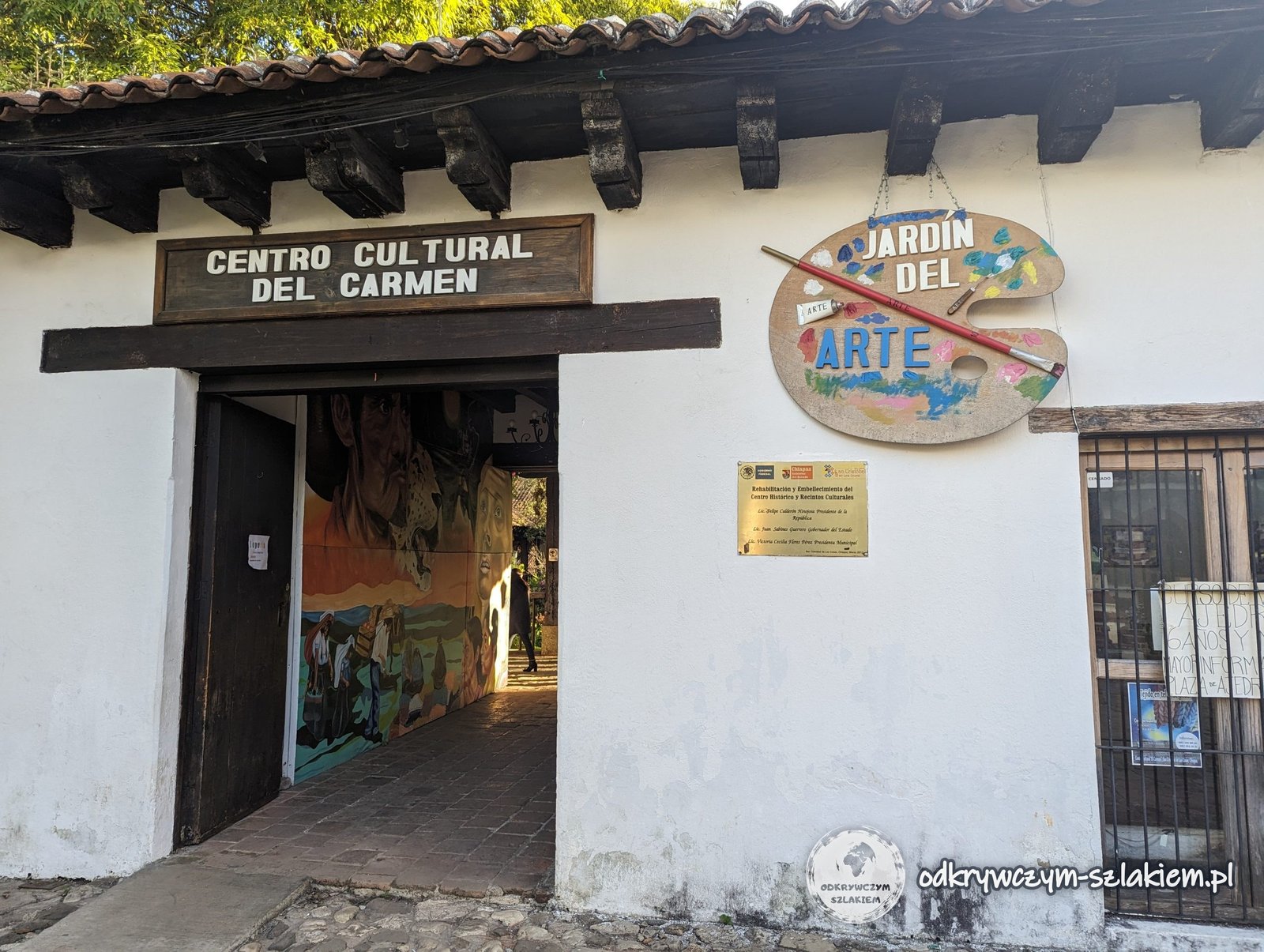
Arco del Carmen was built in 1677 in the Mudéjar (Moorish) style. The tower with its arch was once the gateway to the town. The centre hosts art exhibitions, cultural events and educational activities highlighting the historical and cultural importance of the place
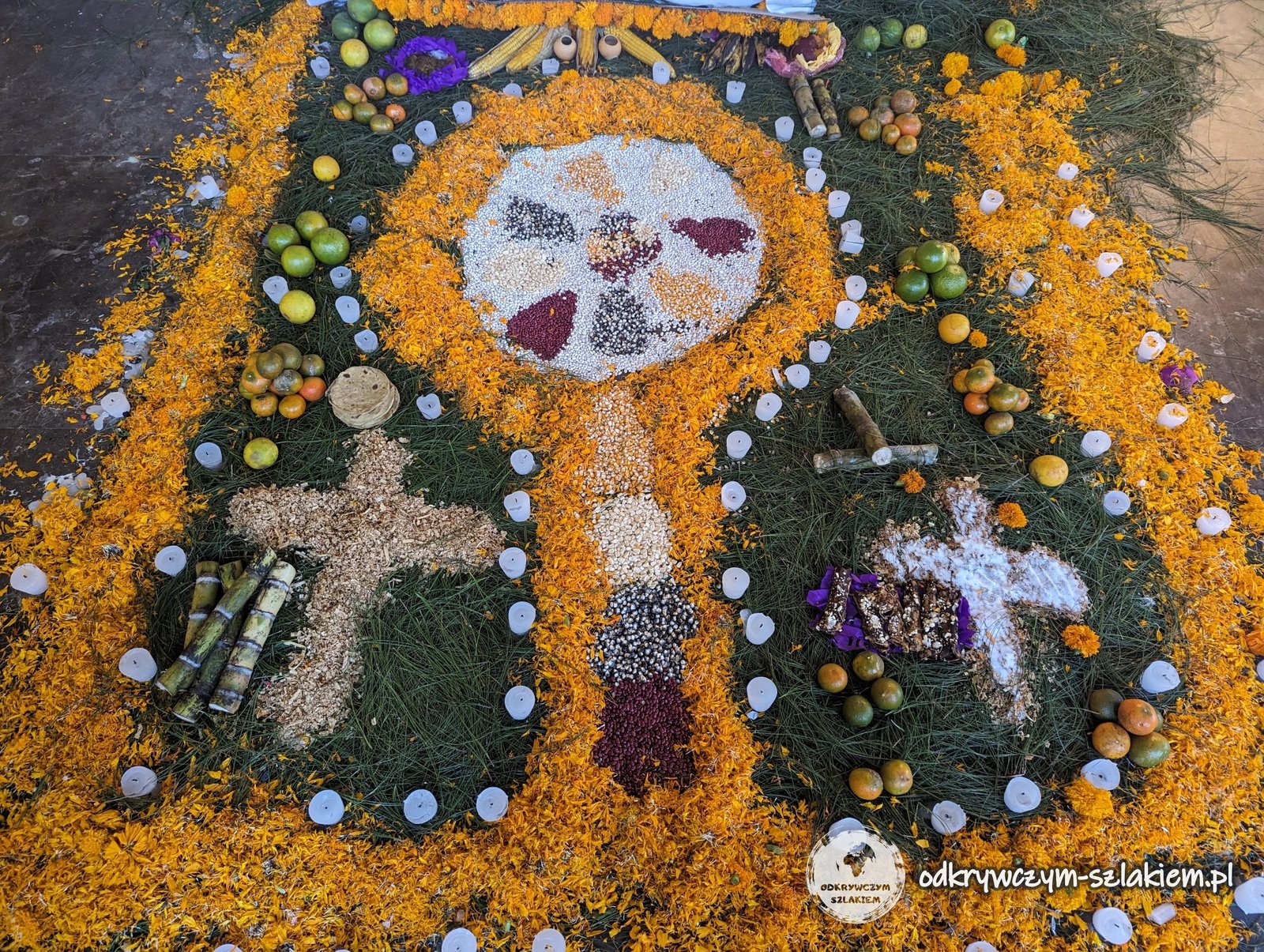
Behind the arch is the El Carmen Cultural Centre. While we were there, the 2023 Day of the Dead Cultural Festival was on – altars (ofrendas) stood under the arcades, and patterns of marigolds, fruit and candles were laid out on the ground.
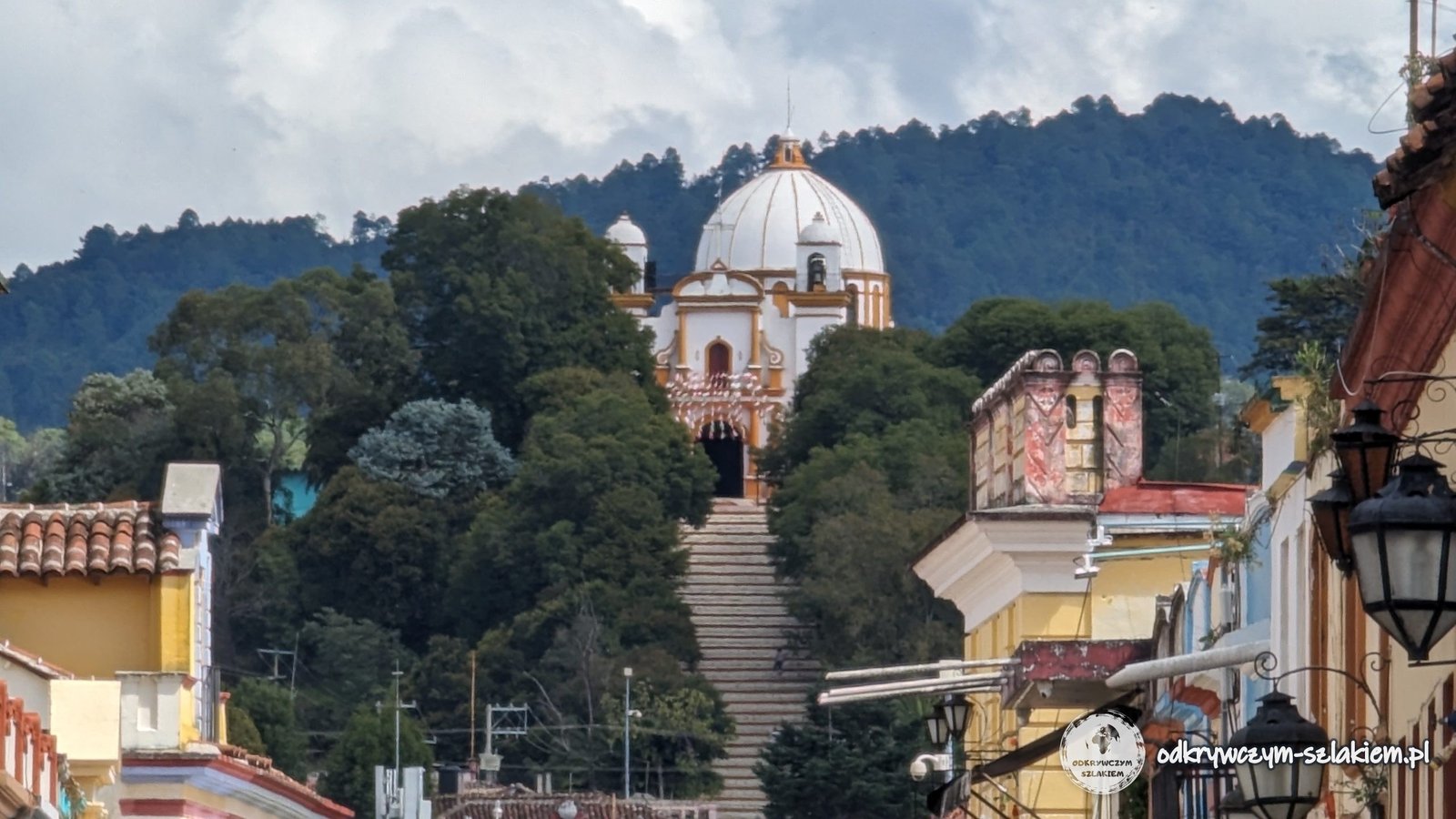
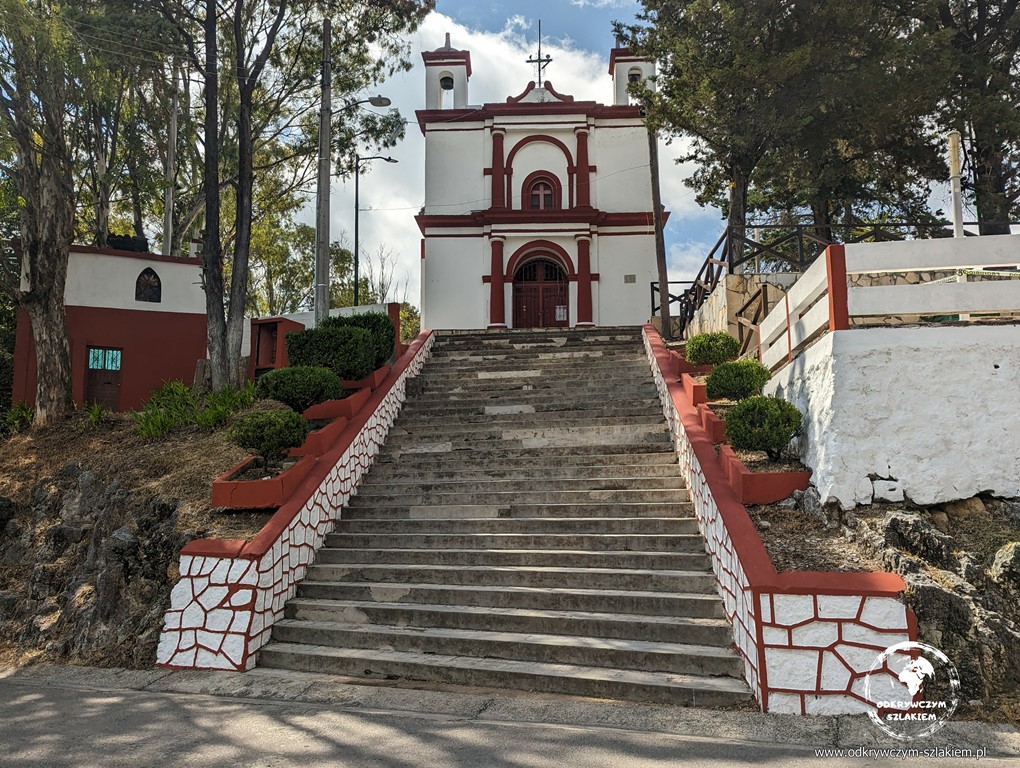
The church is one of the most distinctive sights of San Cristóbal.
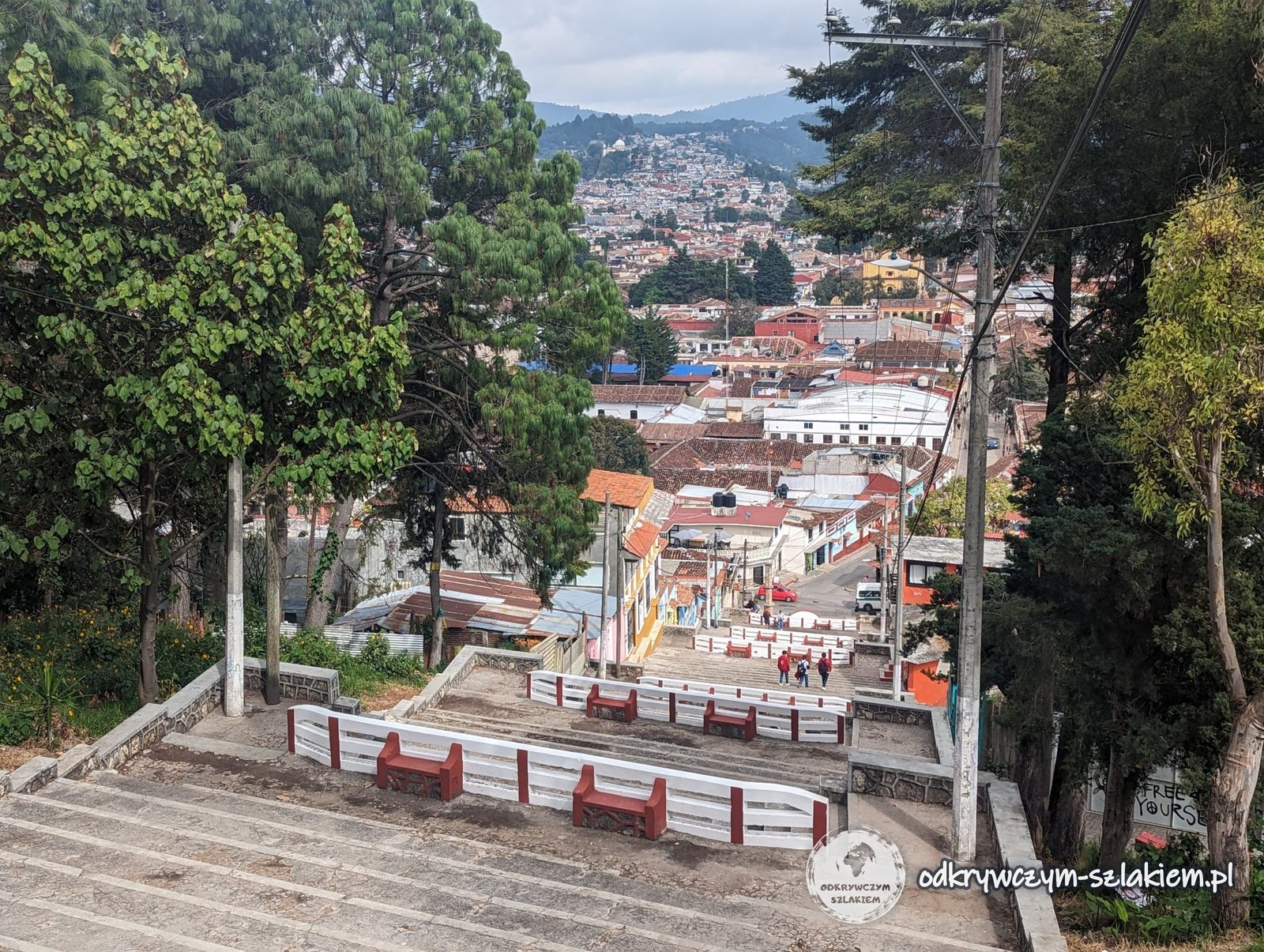
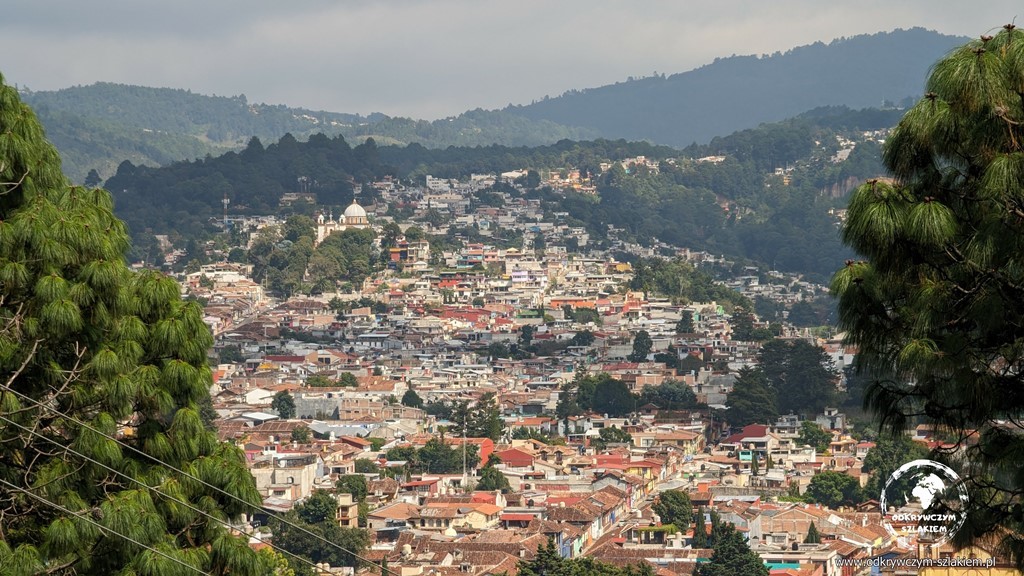
It stands high up – to reach it you have to climb as many as 180 steps. From here, too, there is a panoramic view of the town towards the Guadalupe Church. Because of its high location, the place once served as military barracks.
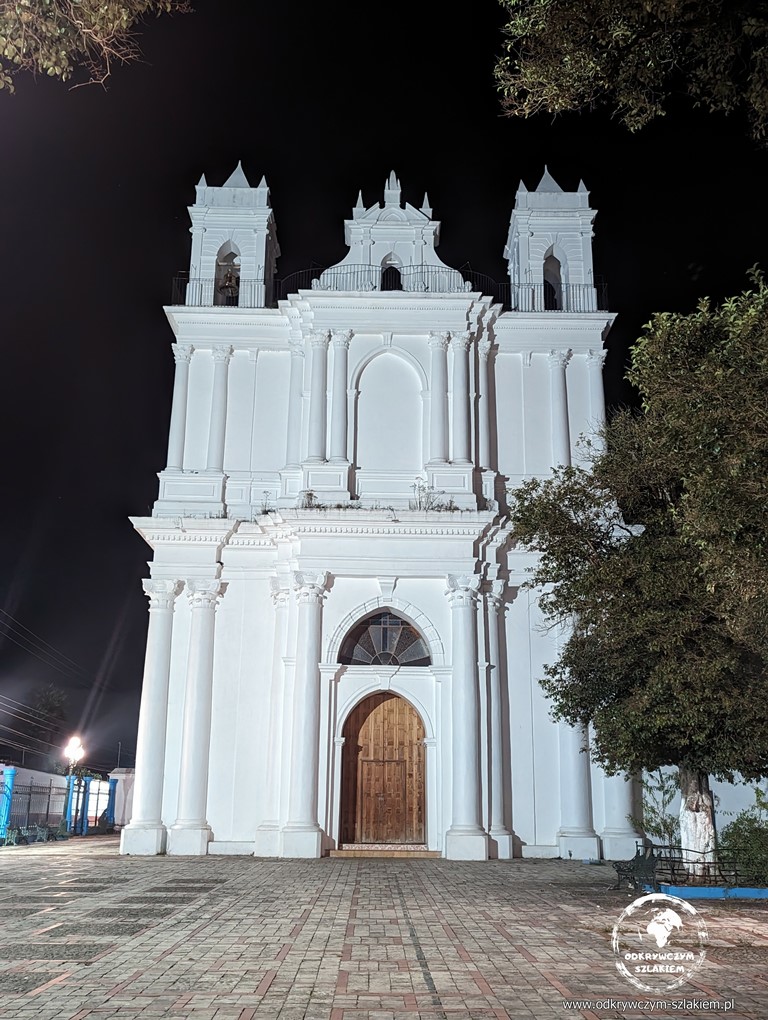
The Iglesia de Santa Lucía was built in 1884–1892. It is an example of a neoclassical building. Inside there is a Gothic-style altar with elements of neoclassical and Art Nouveau architecture.
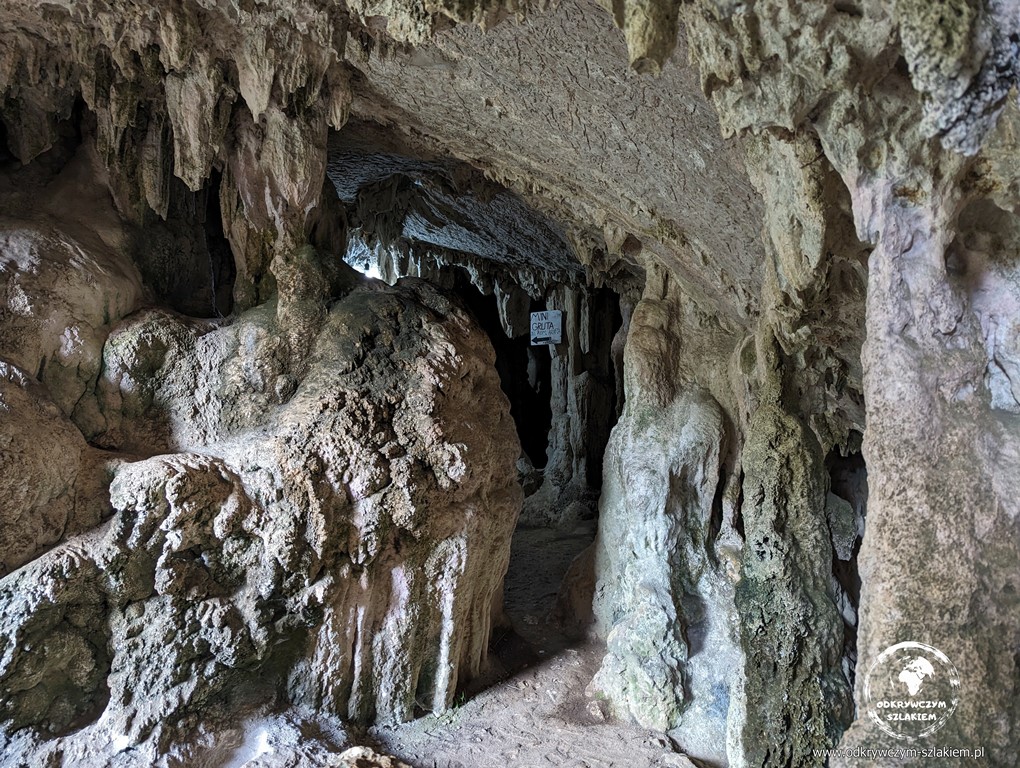
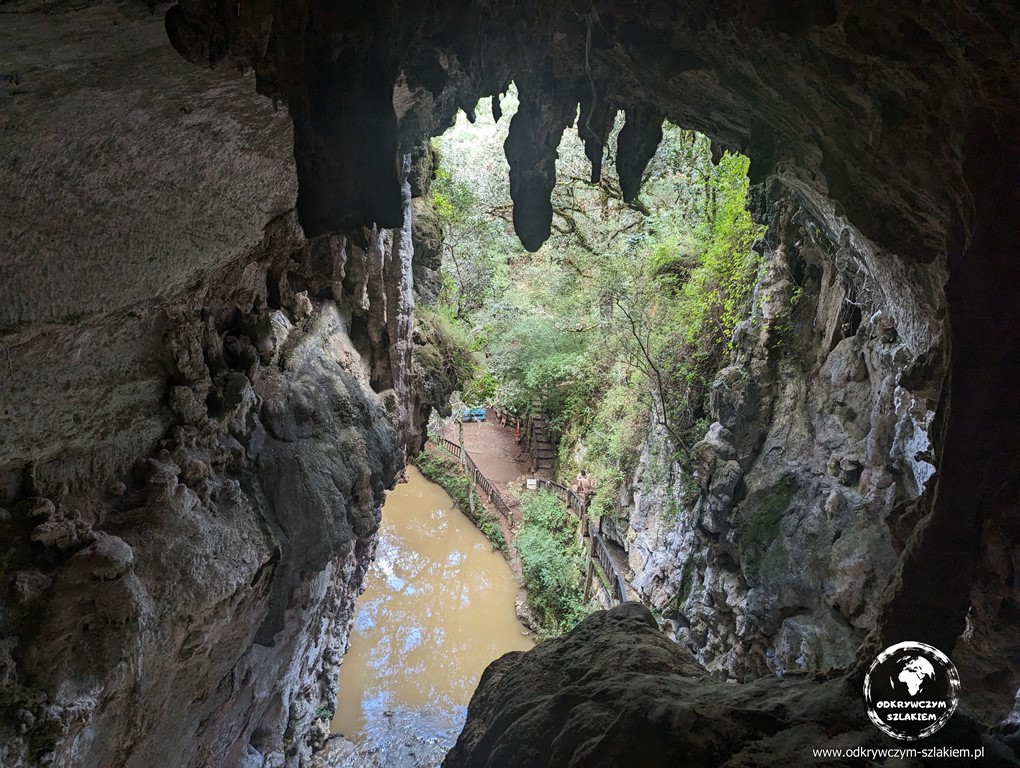
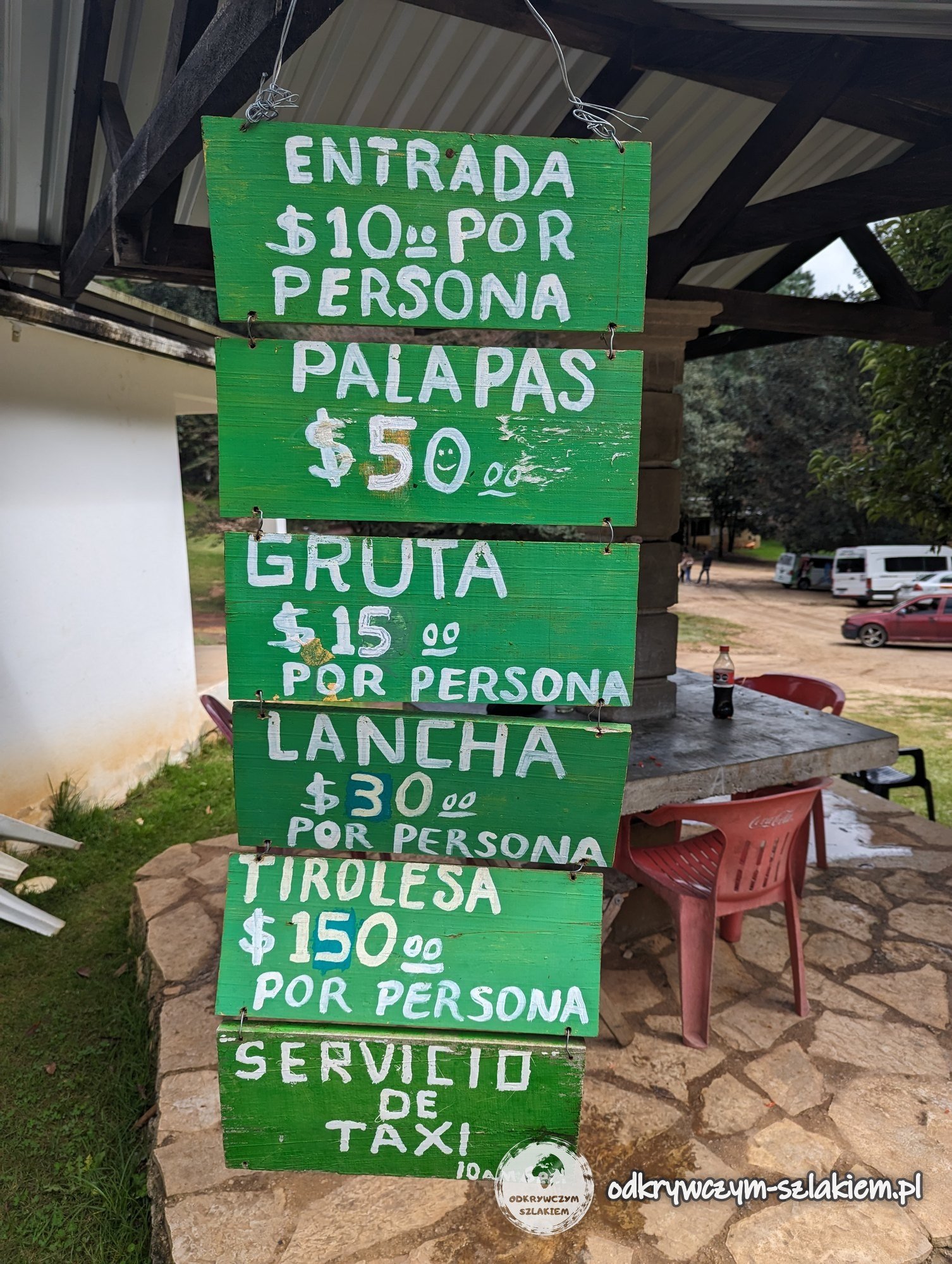
This is a nature park near San Cristóbal where you can go for a walk, visit a cave (400 m) or ride a zip line (150 MXN).
You can get there by colectivo from near Plaza de la Paz, towards Calle María Adelina Flores / Nicolás Ruiz ↔️ Direction: Arcotete (last stop).
The fare is 15 MXN (about €0.80).
And the admission to the park is 10 MXN (about €0.50), to the cave 15 MXN (about €0.80).
In the town itself it is also worth visiting the Museo del Ámbar in the former La Merced monastery (opened in 2000, with about 300 exhibits) – Chiapas amber is mined mainly around Simojovel, north of the town. San Cristóbal lies about 80 km from Tuxtla Gutiérrez, where the nearest airport is (the town’s own airport closed in 2010). The rainy season lasts from May to October, and from December to February the nights are cold – there is even the occasional frost.
Stay with me on the road – follow me wherever you like best.
Clicking loads the profiles from Facebook, Instagram and YouTube (they may set cookies).