Mérida is the capital of the state of Yucatán and the first stop on our trip around the Yucatán Peninsula – we were here on 13 November 2023. The city was built on the site of a former Maya city, today about a million people live here, and for many it’s a gem of colonial architecture. You can see practically all the main sights in one day: mostly a few churches, parks and mansions.
 1:49
Table of contents
- The main square, the cathedral and the churches
- Colonial mansions and colourful streets
- Is Mérida worth a visit?
- Practical information
The main square, the cathedral and the churches
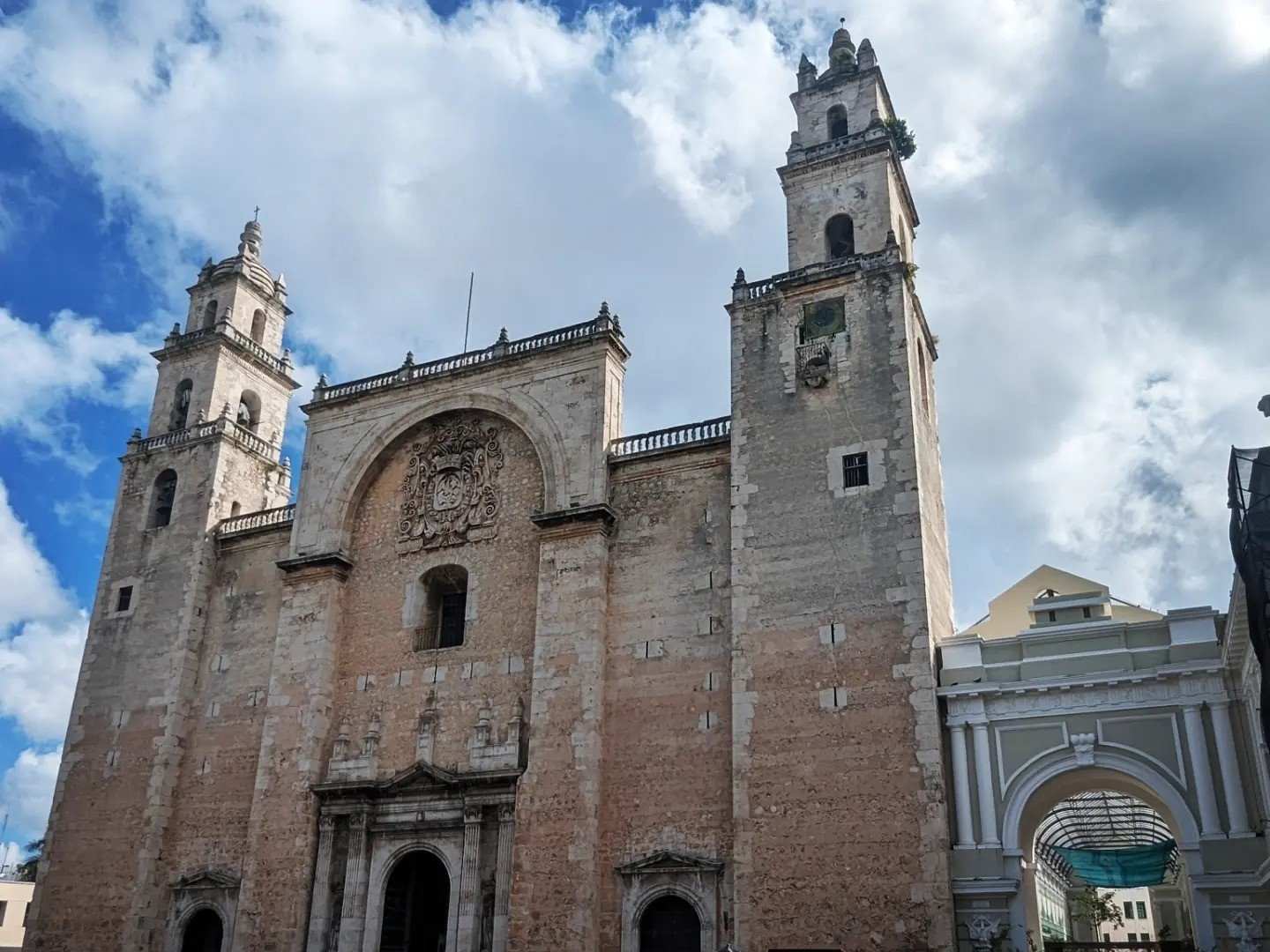
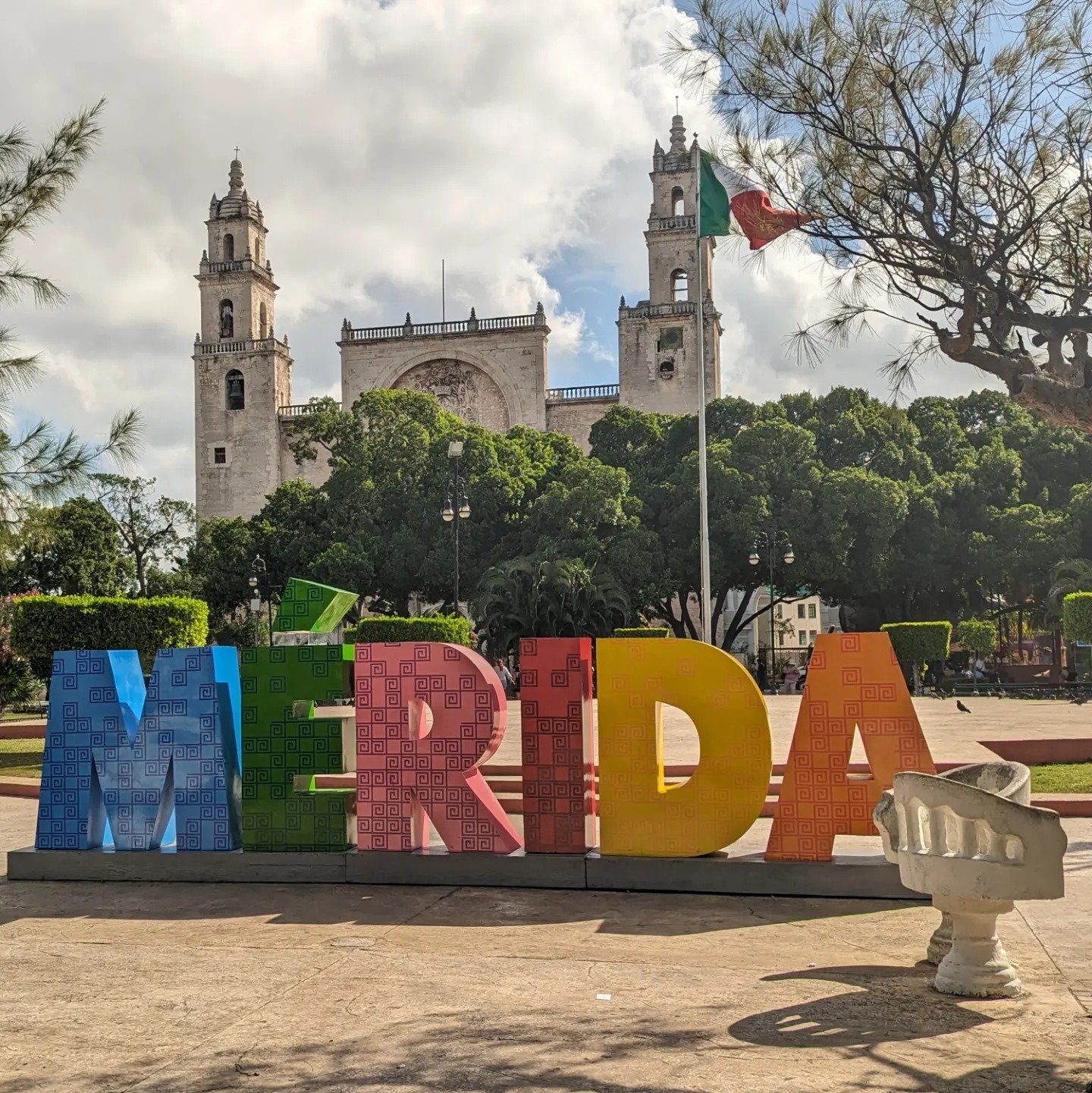
It’s best to start at the main square in the centre. It’s dominated by the Cathedral of San Ildefonso from the 16th century, considered one of the oldest cathedrals in the Americas. On the square there’s also the colourful “Mérida” sign – a must for a photo – and all around it colonial buildings with arcades.
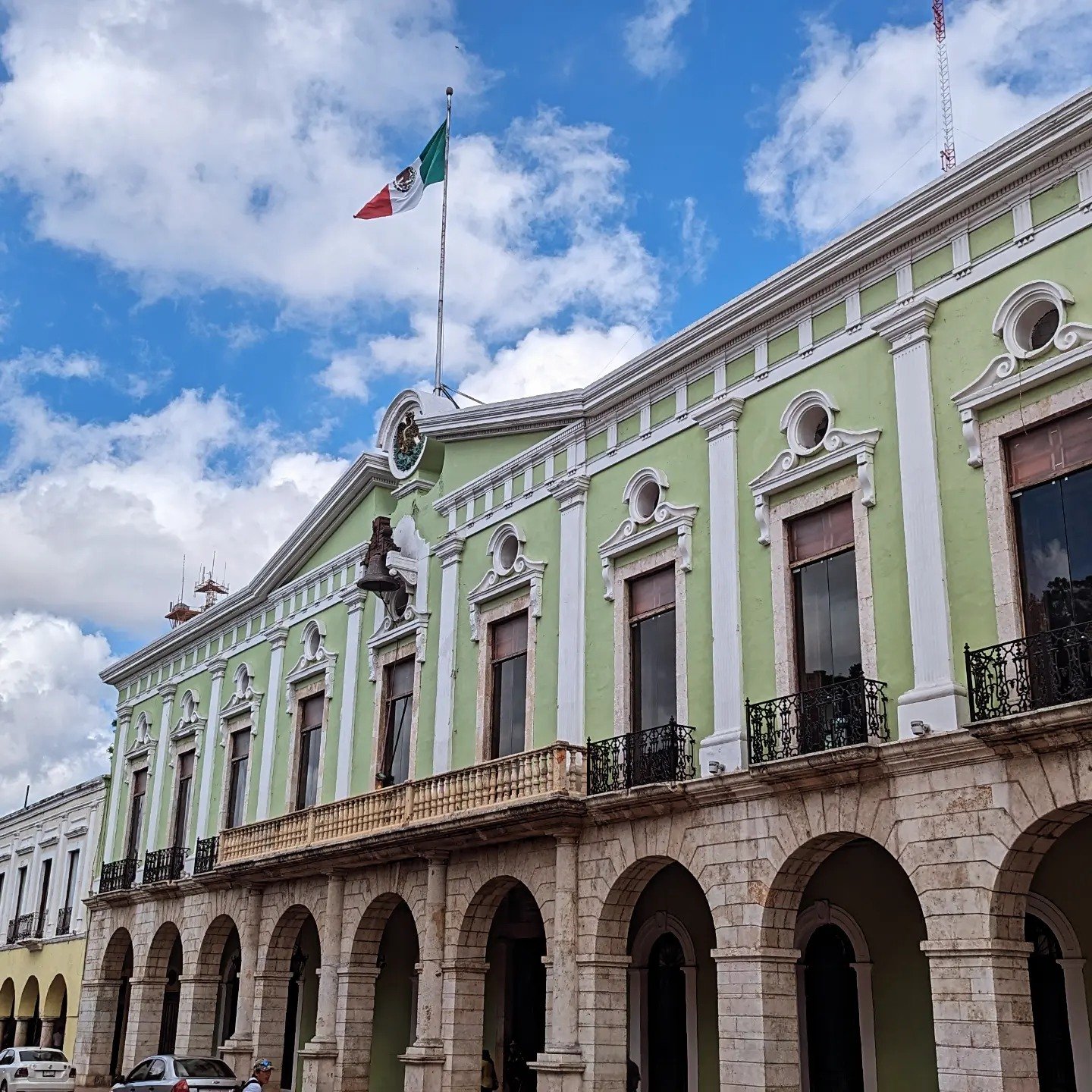
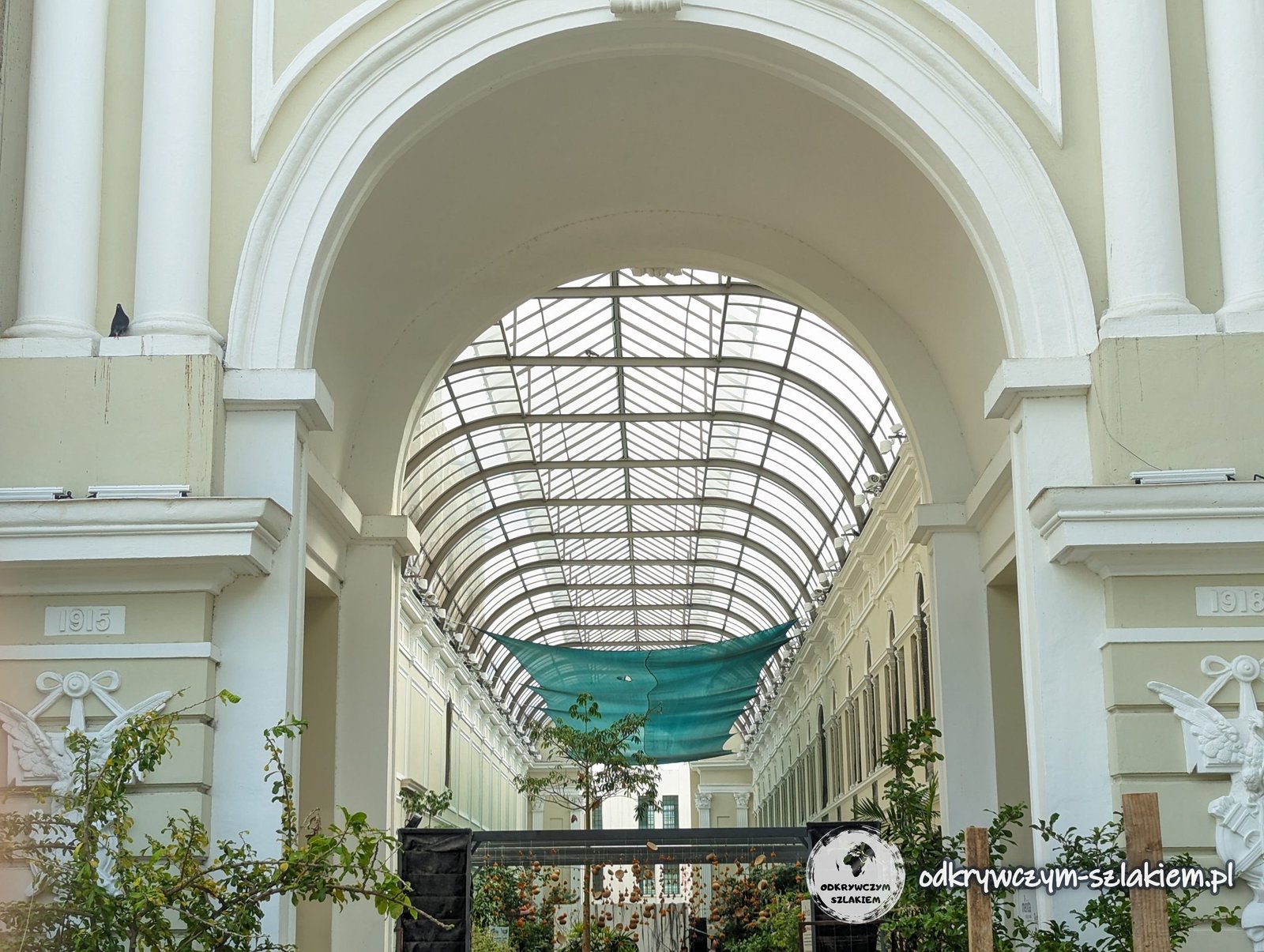
On the west side of the square stands the Palacio Municipal – the arcaded town hall built in 1735, whose clock tower was added in 1928. Between the cathedral and the MACAY contemporary art museum runs the Pasaje de la Revolución – an arcade with an iron and glass roof where MACAY holds exhibitions. Its renovation was completed in January 2023.

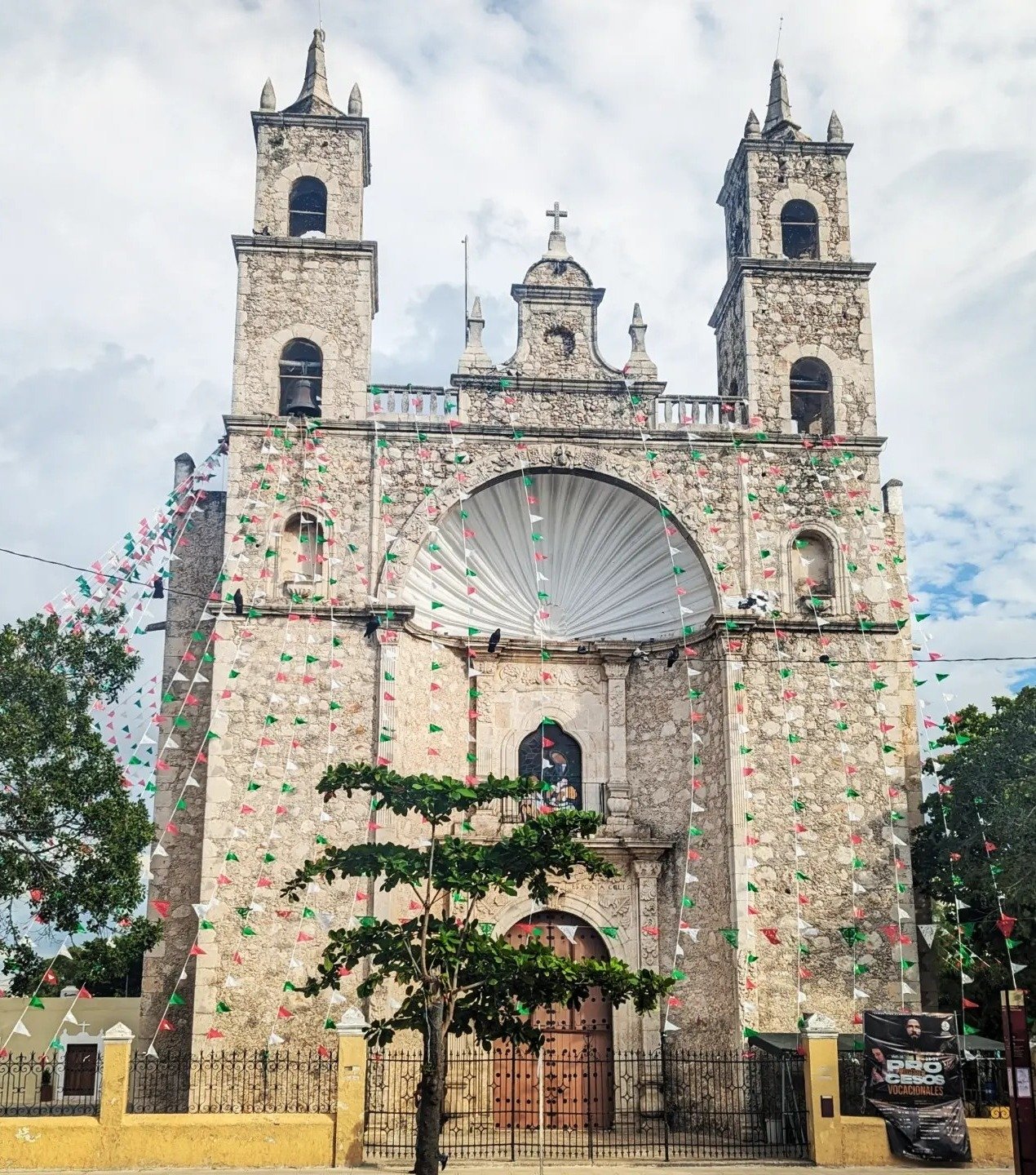
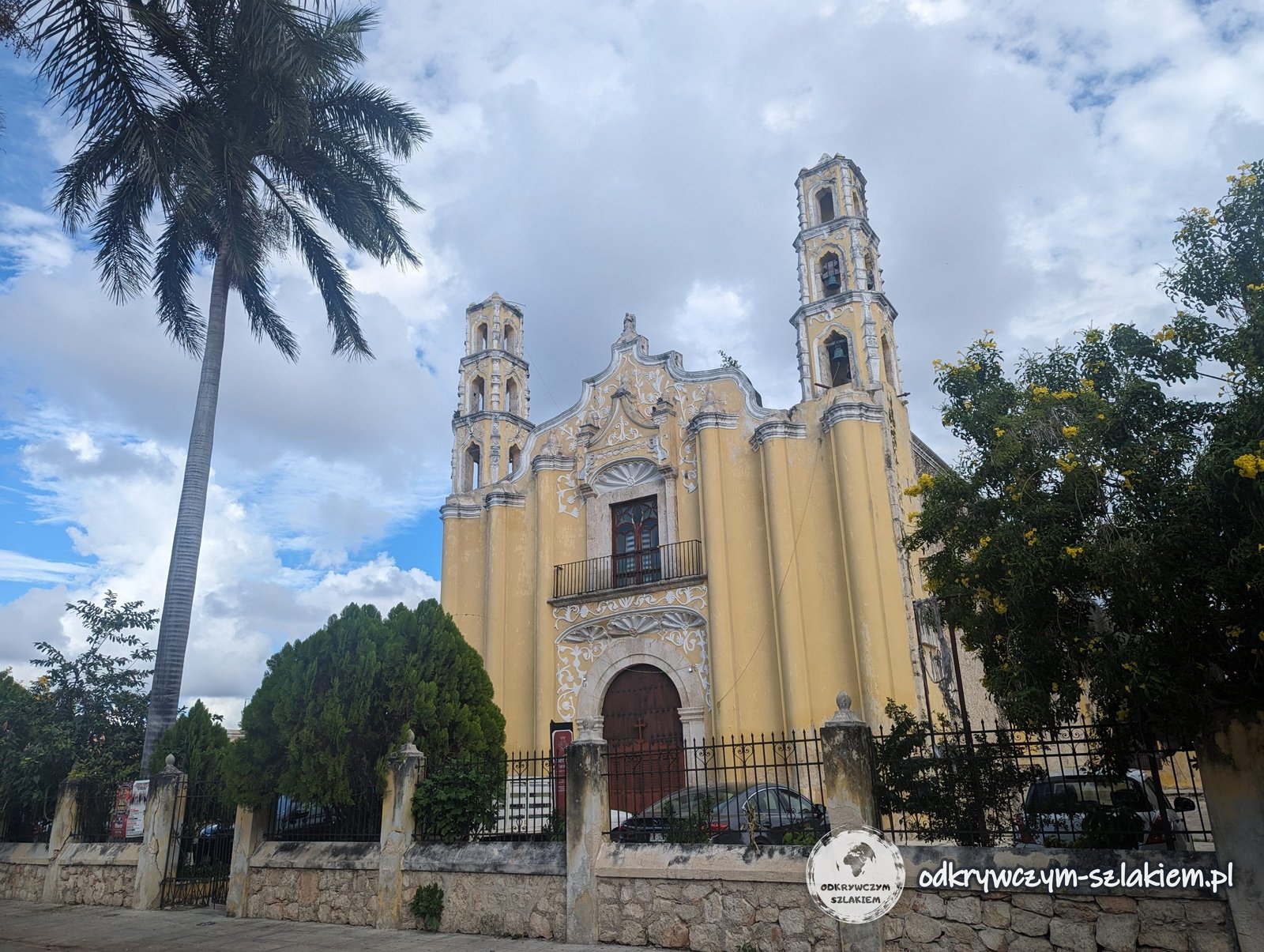
Walking around the centre, you’ll come across several more churches – in November decorated with garlands in the colours of the Mexican flag – and buildings in surprising styles, like the one with an arch reminiscent of Moorish architecture.

Colonial mansions and colourful streets
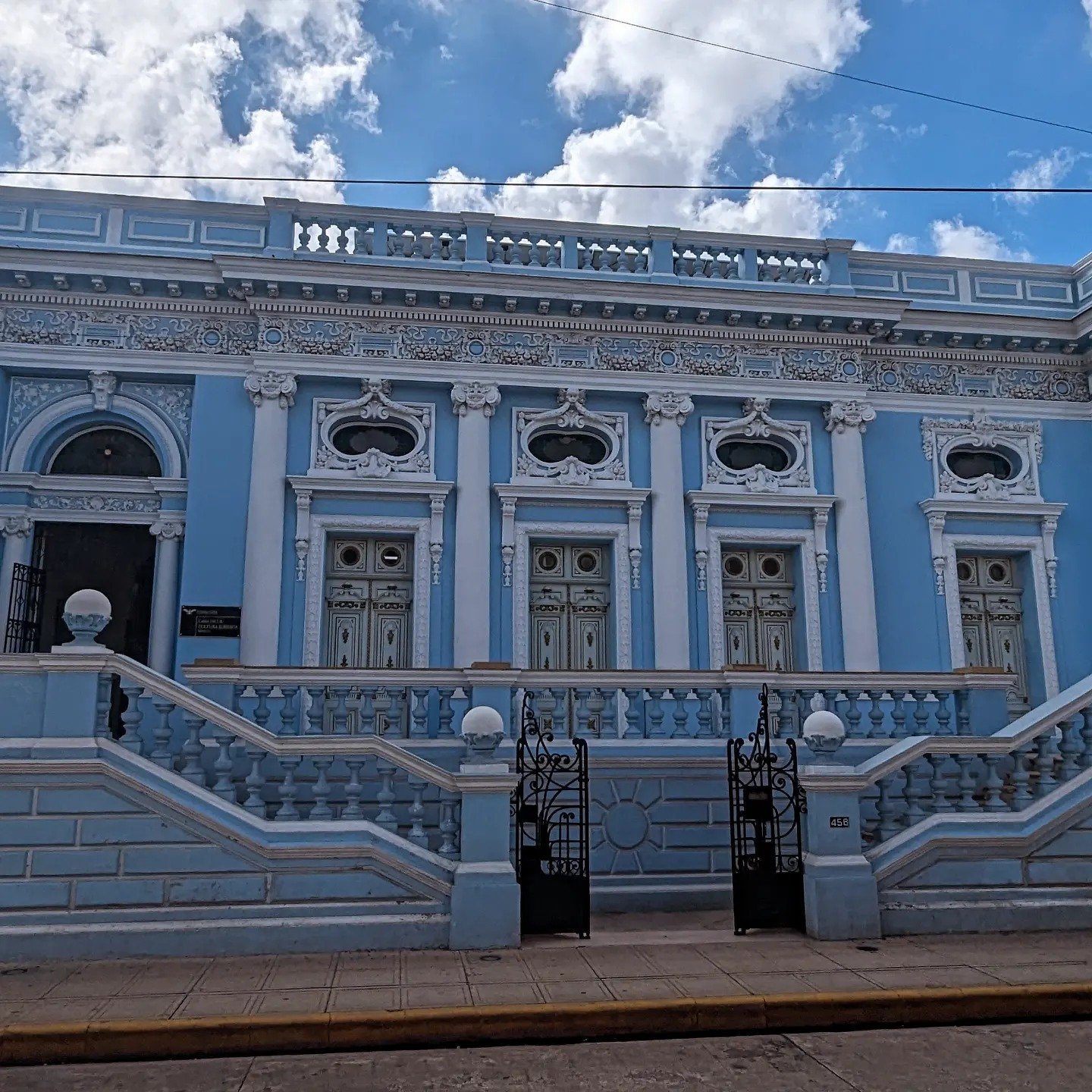
Mérida’s greatest adornment is its elegant colonial mansions and palaces – white, yellow, sky blue, with wrought-iron gates, balustrades and decorated windows.
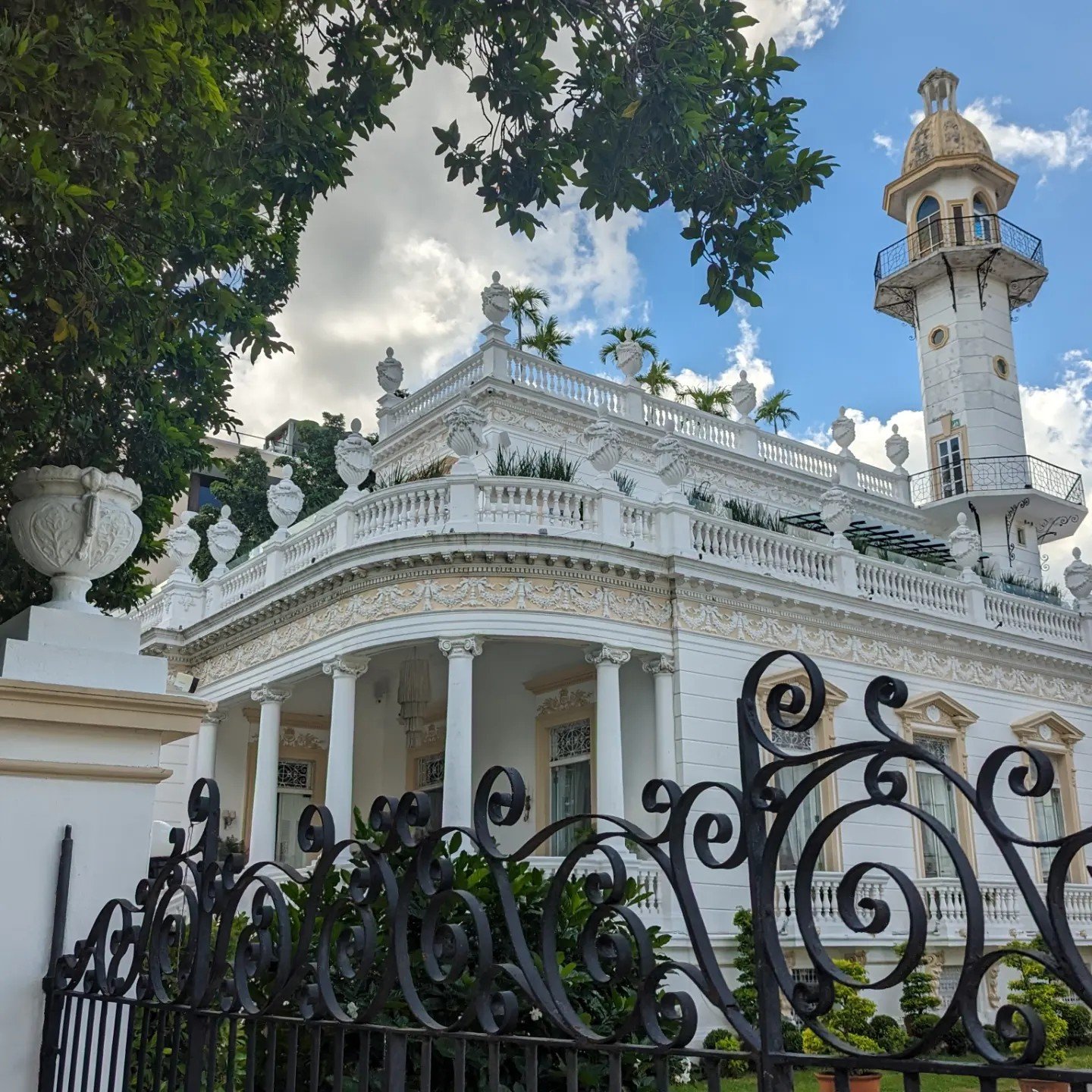
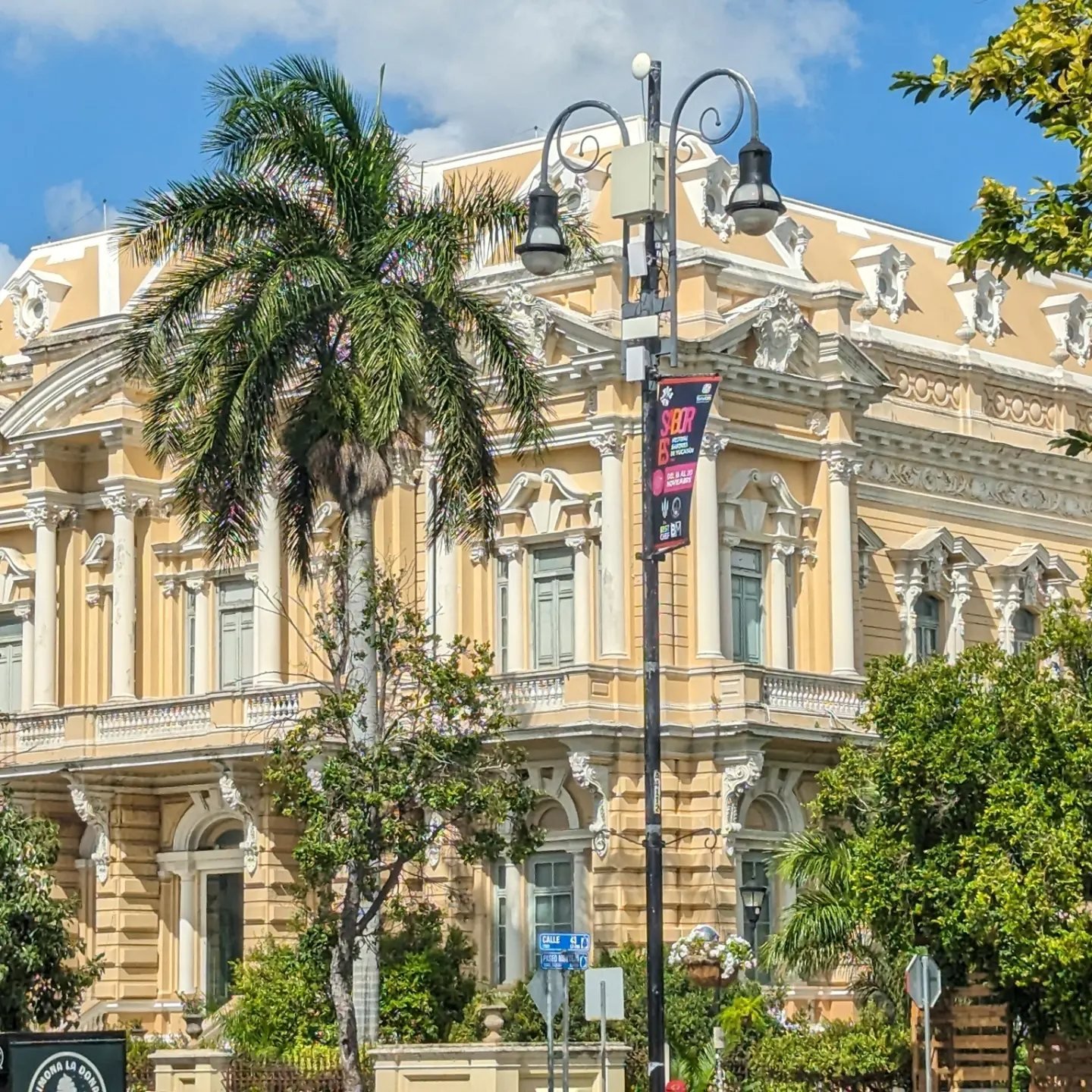
The grandest residences stand on Paseo de Montejo – an avenue begun in 1888 and modelled on the Champs-Élysées in Paris. The avenue and its mansions were built during the boom in henequen – an agave whose fibres were made into twine and rope, known as “green gold”. The yellow palace in the photo above is Palacio Cantón, built in 1904–1911 for General Francisco Cantón, governor of Yucatán; today it hosts temporary exhibitions of the Regional Museum of Anthropology.
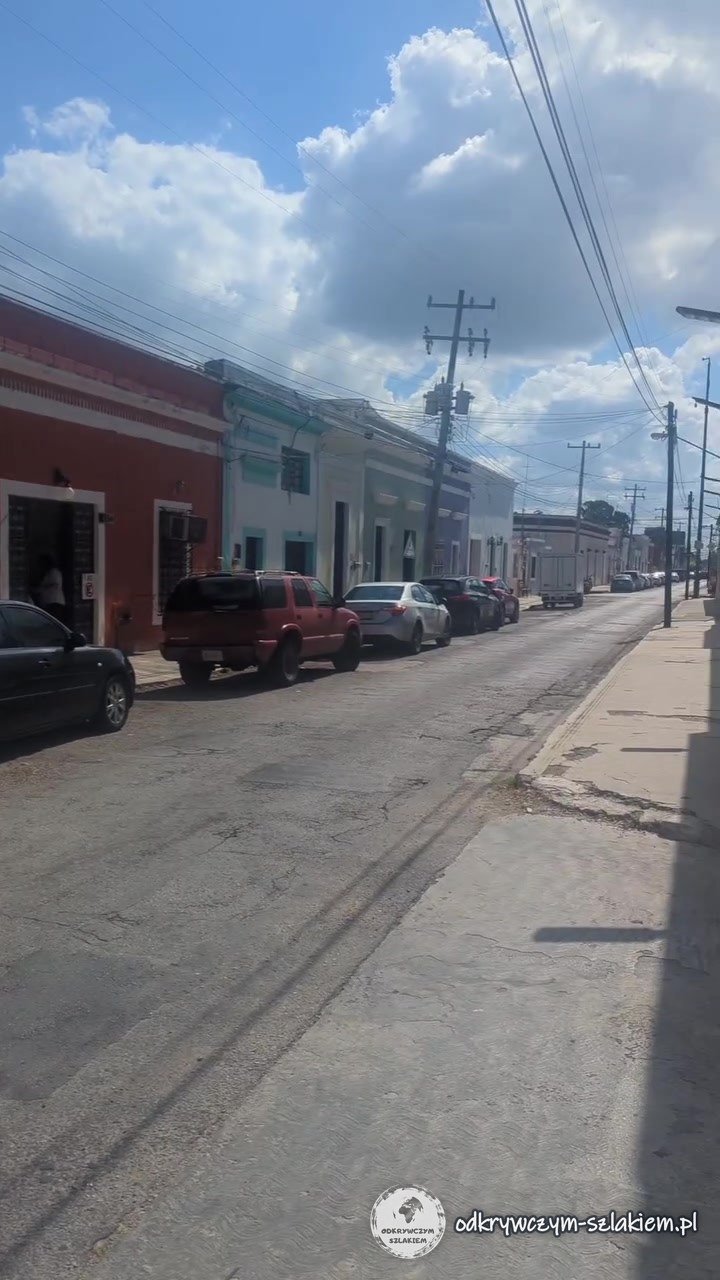
Beyond the grand buildings of the centre stretch streets of low, colourful houses. Unfortunately, pretty buildings alternate here with run-down ones, which spoils the impression of the city a little.
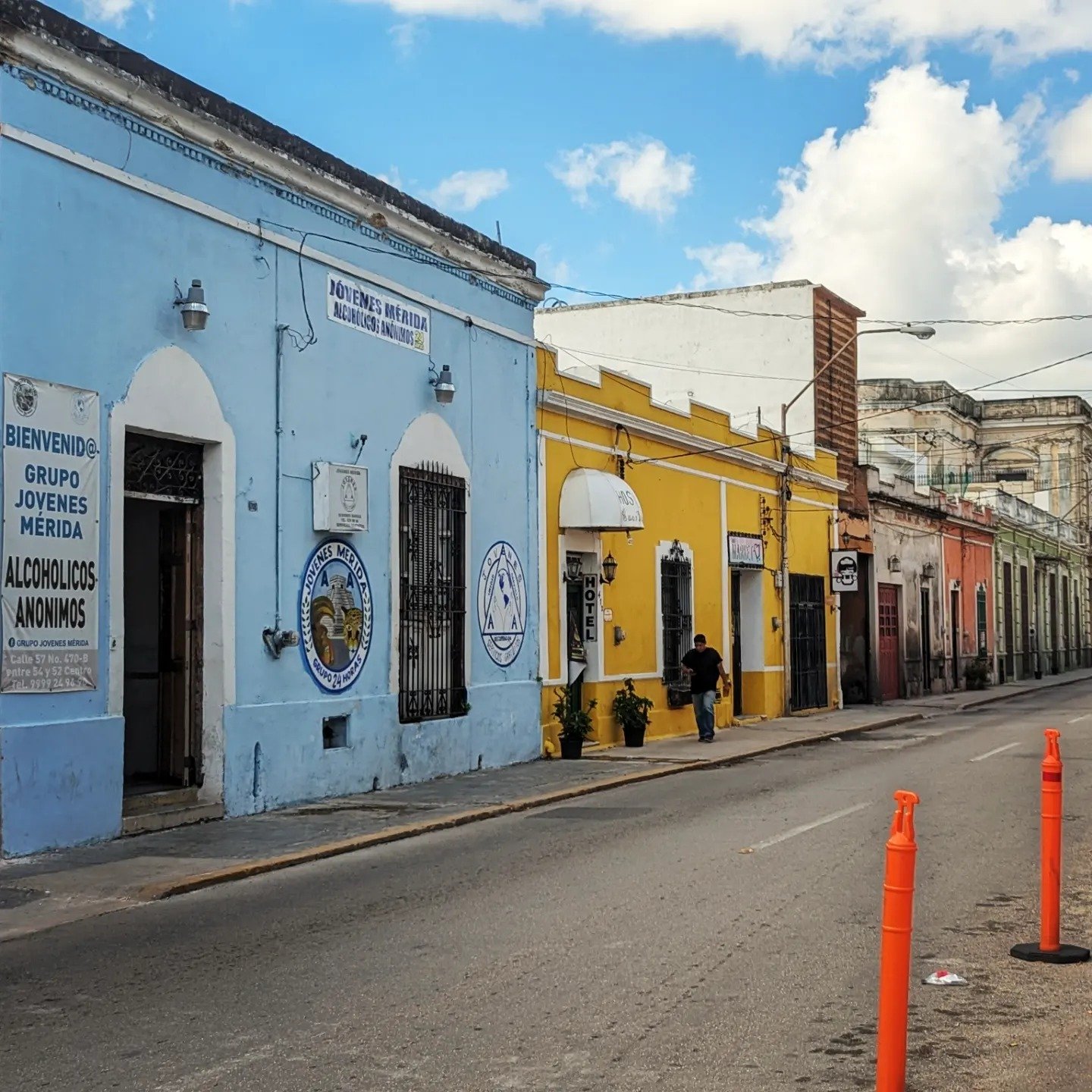
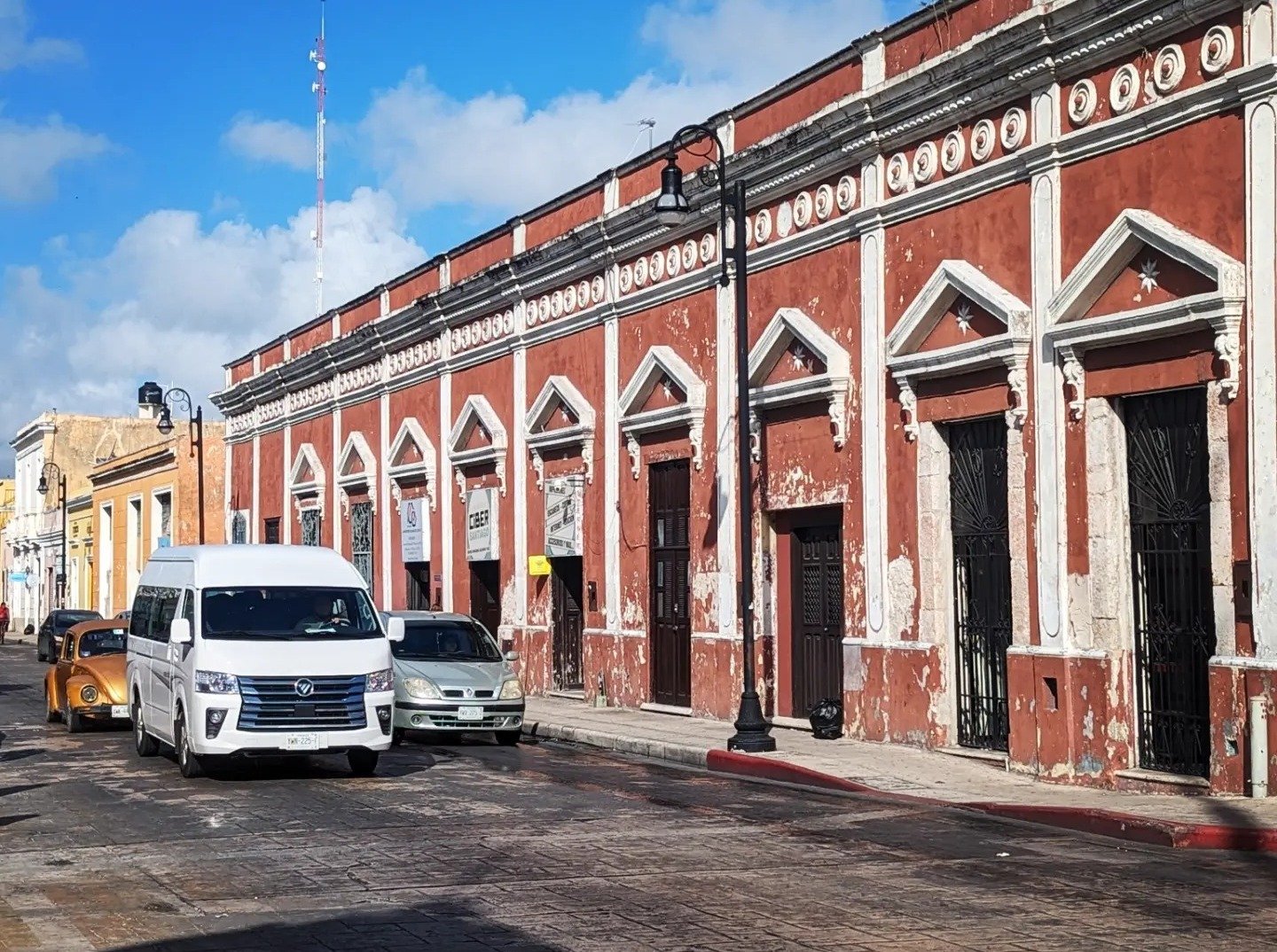
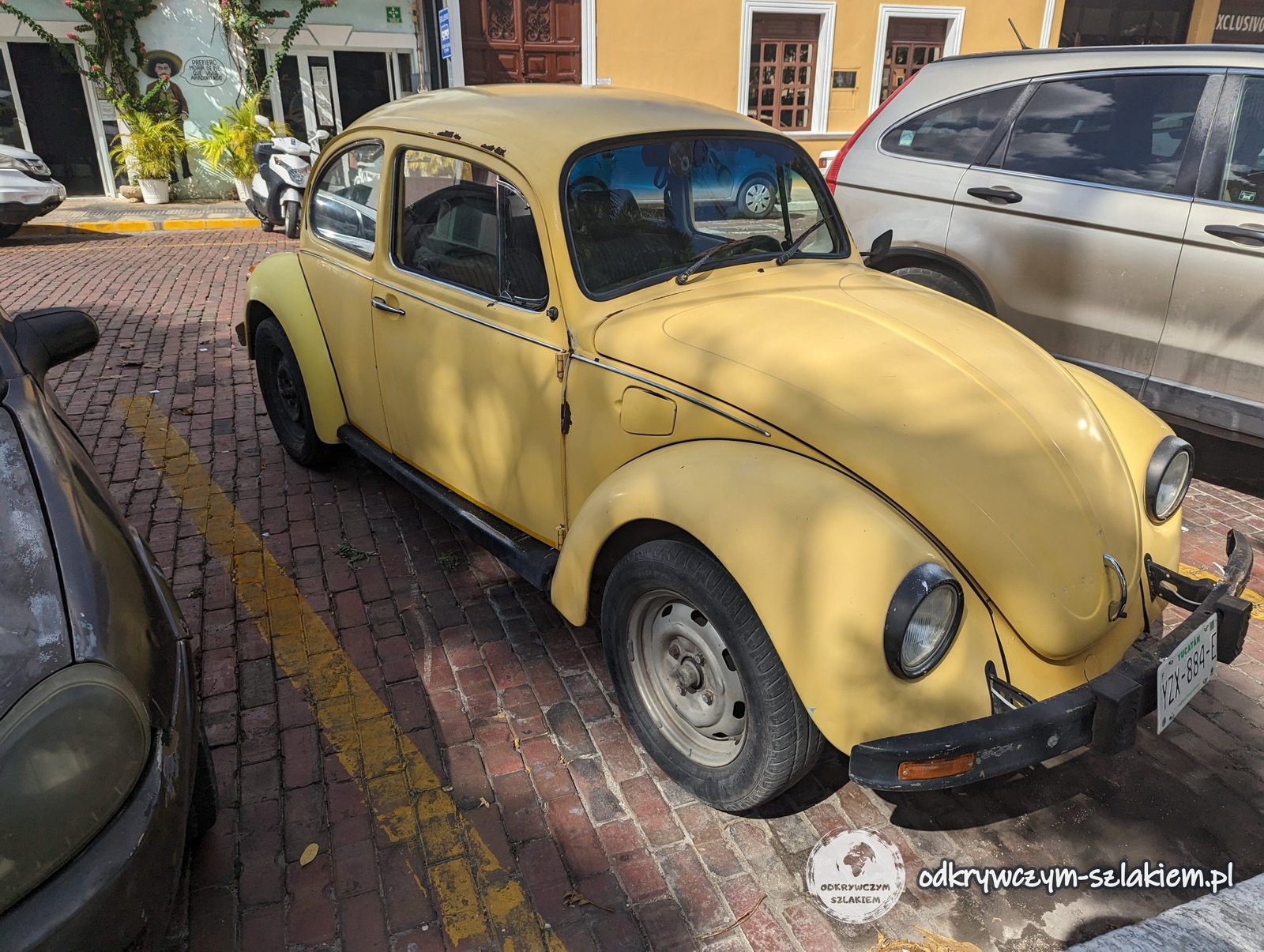
Plenty of old Beetles still drive around the streets – in Mexico they are called vocho, and the classic Volkswagen Beetle was made in Puebla until 2003.
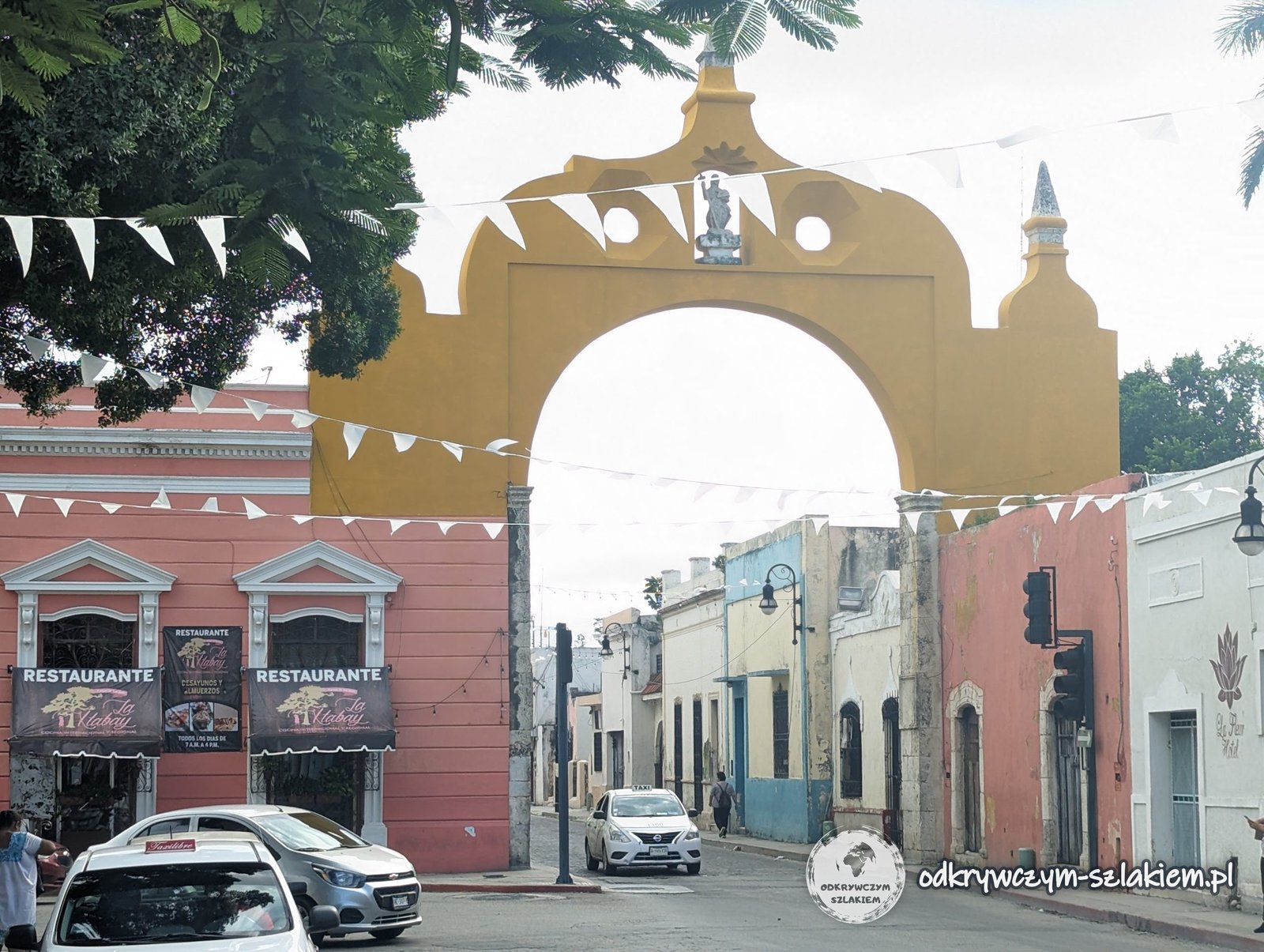
Three arches survive from the old city gates: the Arco de San Juan, the Arco del Puente and the Arco de Dragones. They were built around 1690 as gates in a planned city wall – of the eight gates erected, only these three remain. The Arco de San Juan stands on the old road to Campeche, and a statue of John the Baptist has survived in its niche. Right next to it, by San Juan park, stands the yellow church of San Juan Bautista.
Is Mérida worth a visit?
Honestly – Mérida didn’t win us over. There’s mainly a few churches, parks and mansions to see, and the museums were closed on Monday anyway. On top of that it was scorching – about 40°C – and there’s hardly any greenery in the centre to hide in. Without much to do here, we only stayed one night (13 to 14 November) so we could get to the Gulf of Mexico sooner – to San Crisanto.

If you’re short of time in Yucatán, you’re better off spending it on the cenotes near Valladolid and Chichén Itzá. Mérida is, however, worth knowing as a transport hub – buses leave from here for the gulf coast and further east across the peninsula.
Practical information
- How much time? One day is enough for the main sights in the centre.
- Museums – they were closed on Monday, worth bearing in mind when planning.
- Accommodation after a night bus – we arrived on a night bus first thing in the morning, and for the first time on the trip we didn’t get our room before check-in time. We left our big backpacks at the hostel and went sightseeing with one smaller (but still heavy) one.
- Onward travel – you can get to San Crisanto on the Gulf of Mexico by bus (about €4.50 per person, 2–3 hours), and to Valladolid on ADO buses.

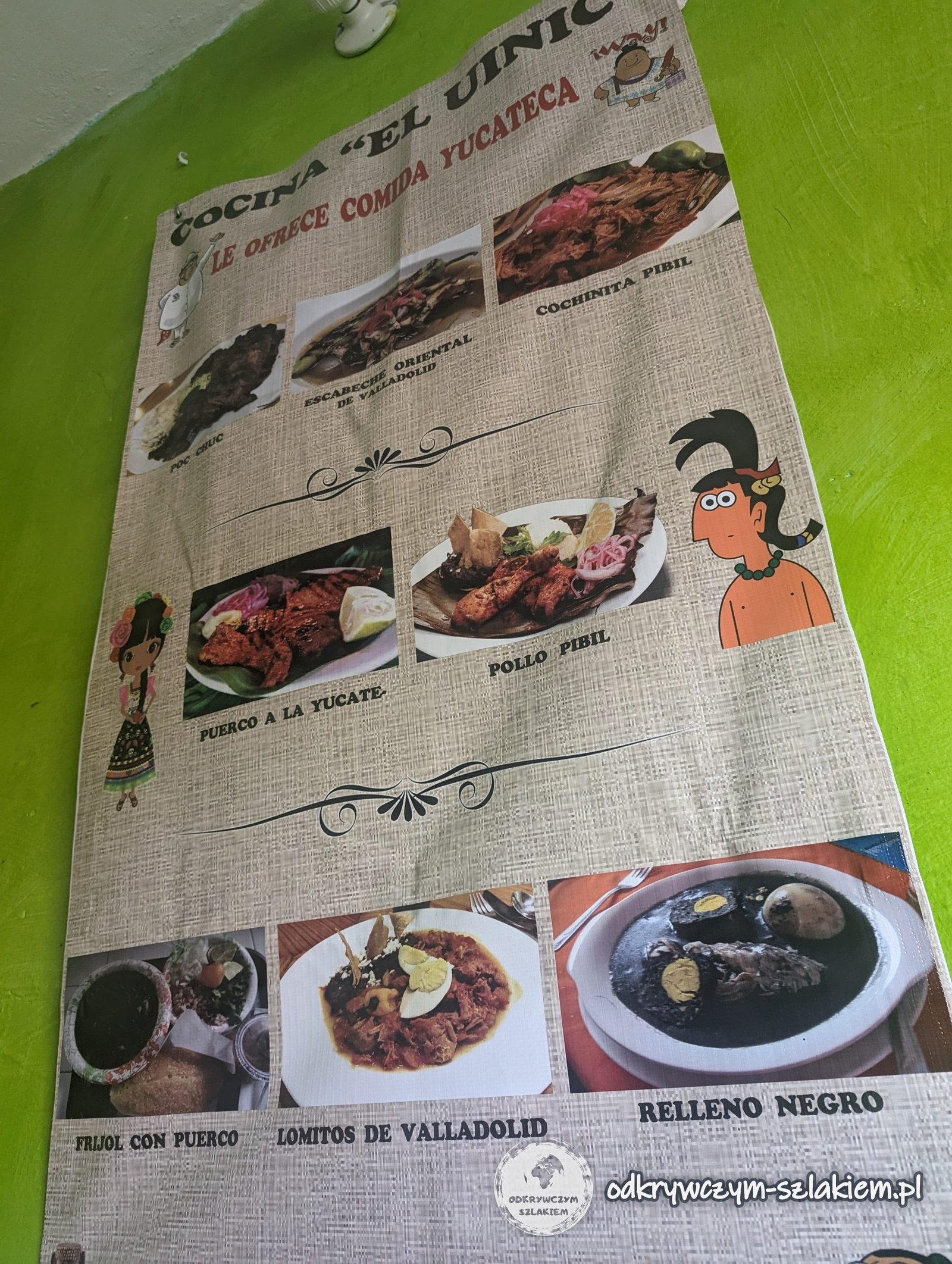
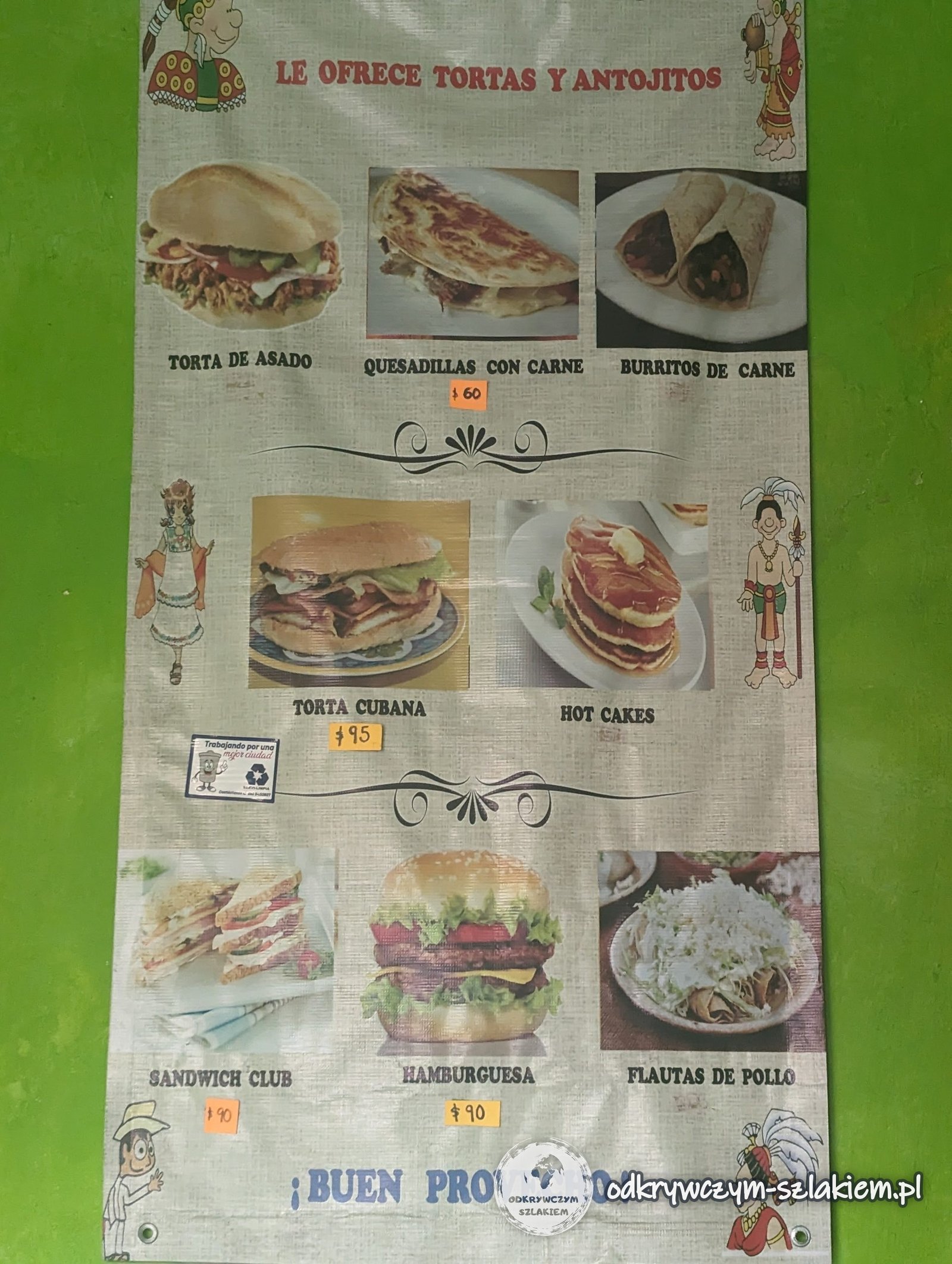
Food – Yucatecan cuisine has many dishes with Maya roots. The menu at the “El Uinic” eatery lists, among others, cochinita pibil (pork marinated in achiote and bitter orange juice and baked in banana leaves), poc chuc, relleno negro and frijol con puerco – beans with pork, which in Mérida are traditionally eaten on Mondays. The second menu covers tortas and antojitos: quesadillas with meat for 60 MXN, a hamburger for 90 MXN and a torta cubana for 95 MXN.
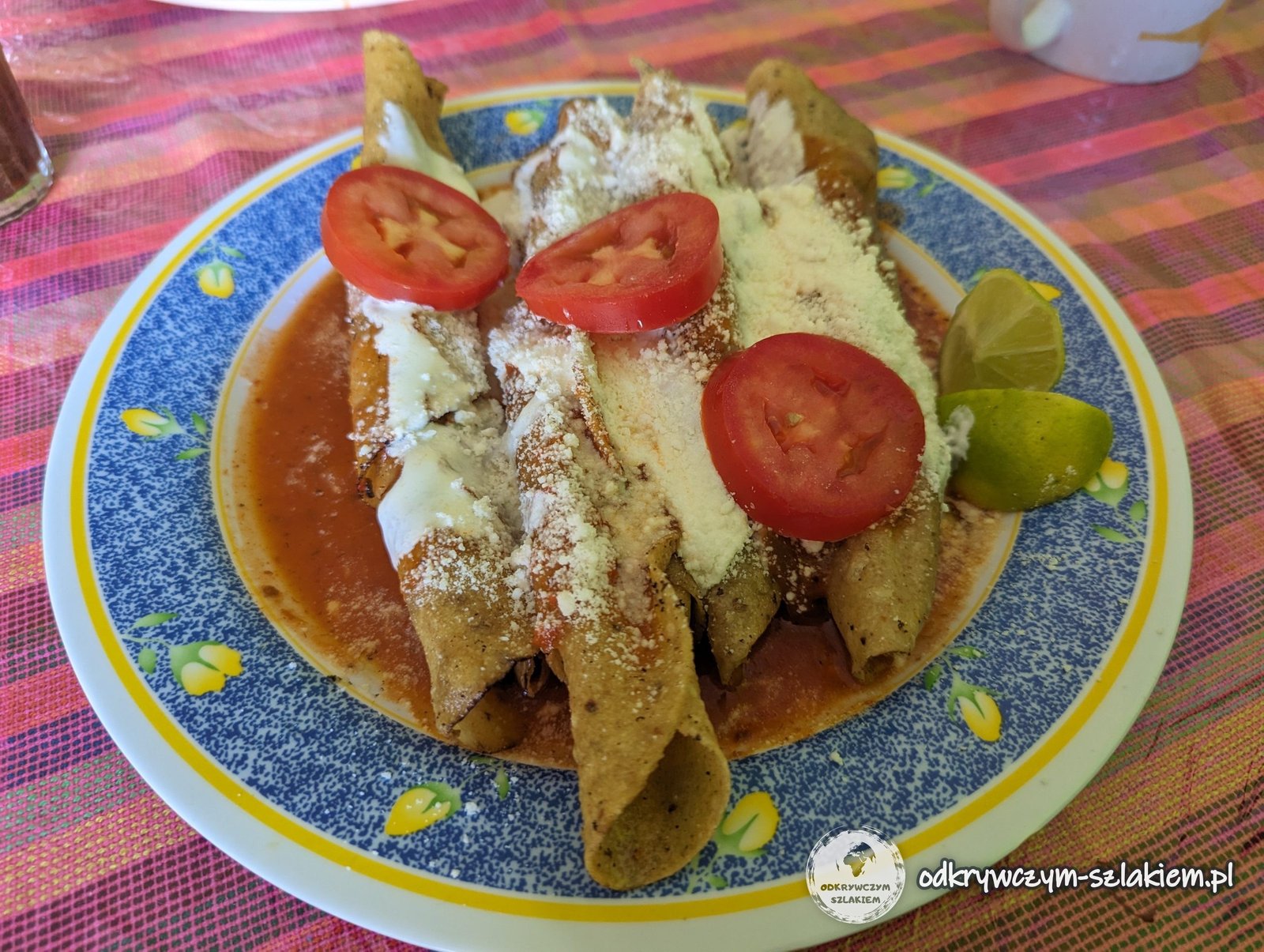
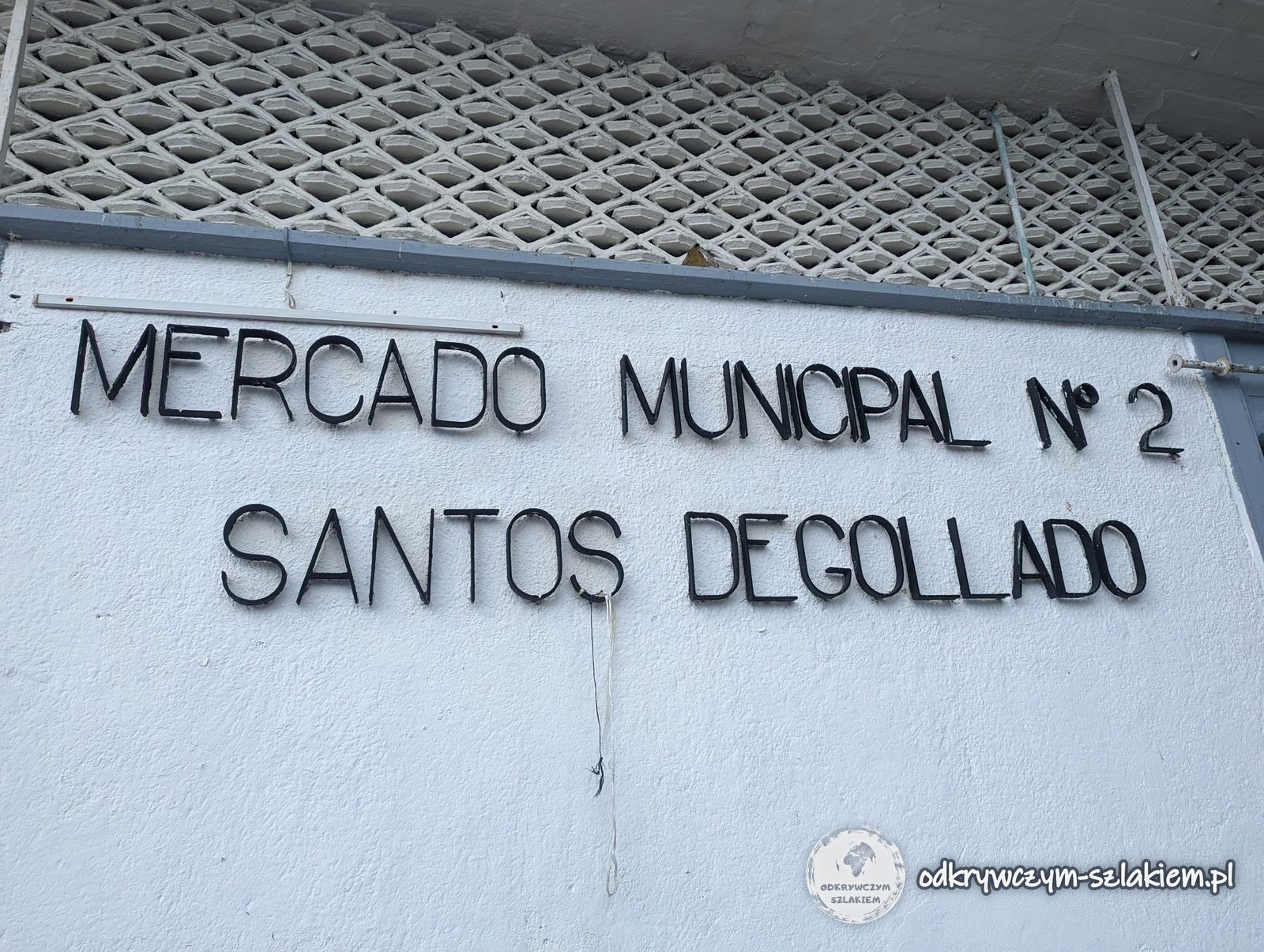
On the plate: flautas – rolled tortillas with a filling, fried until crispy, topped with tomato sauce and cream and sprinkled with cheese. Cheap food, cochinita included, is also sold at market stalls, for example in the Mercado Santos Degollado, known after its neighbourhood as the Mercado de Santiago.
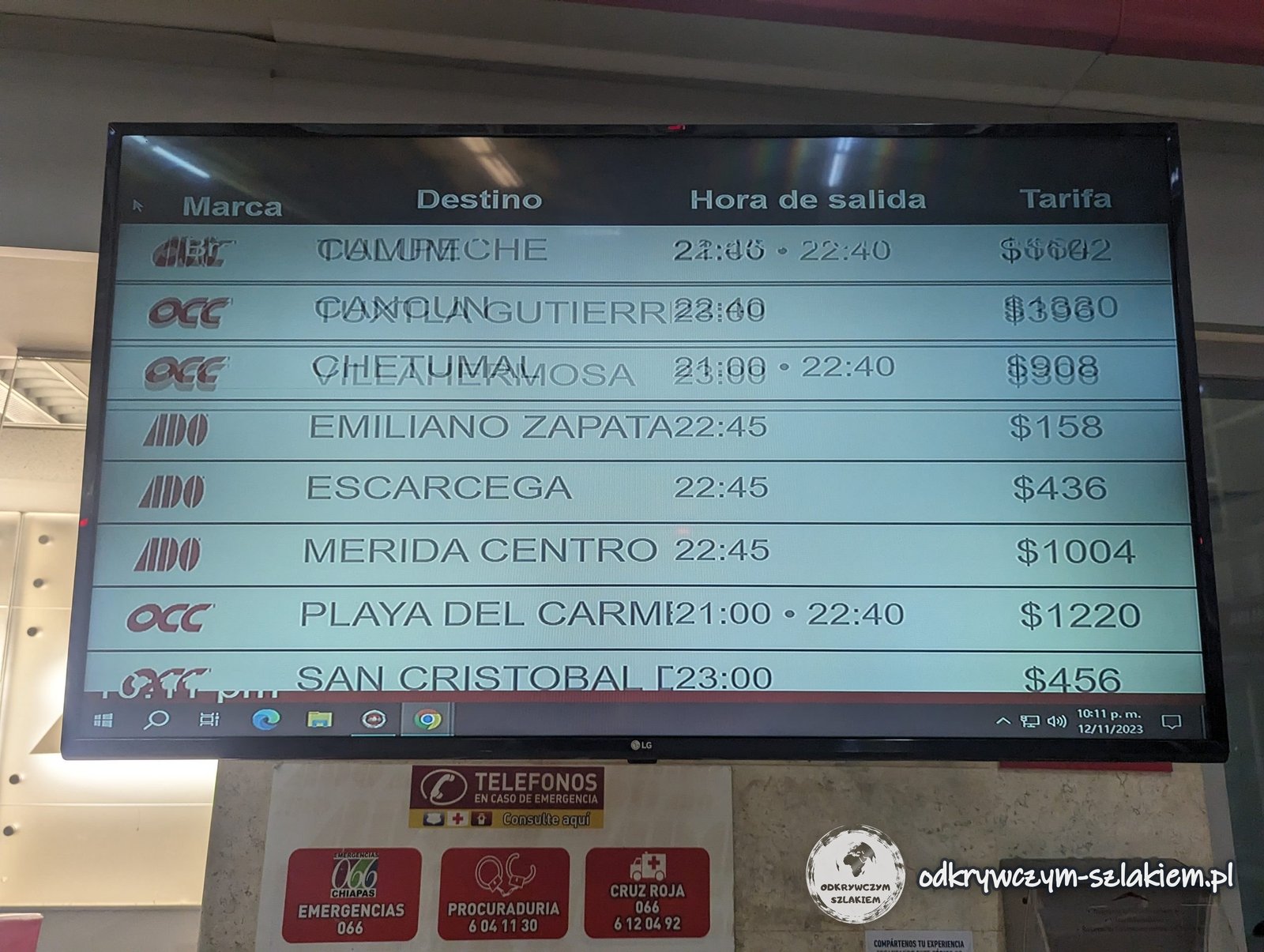
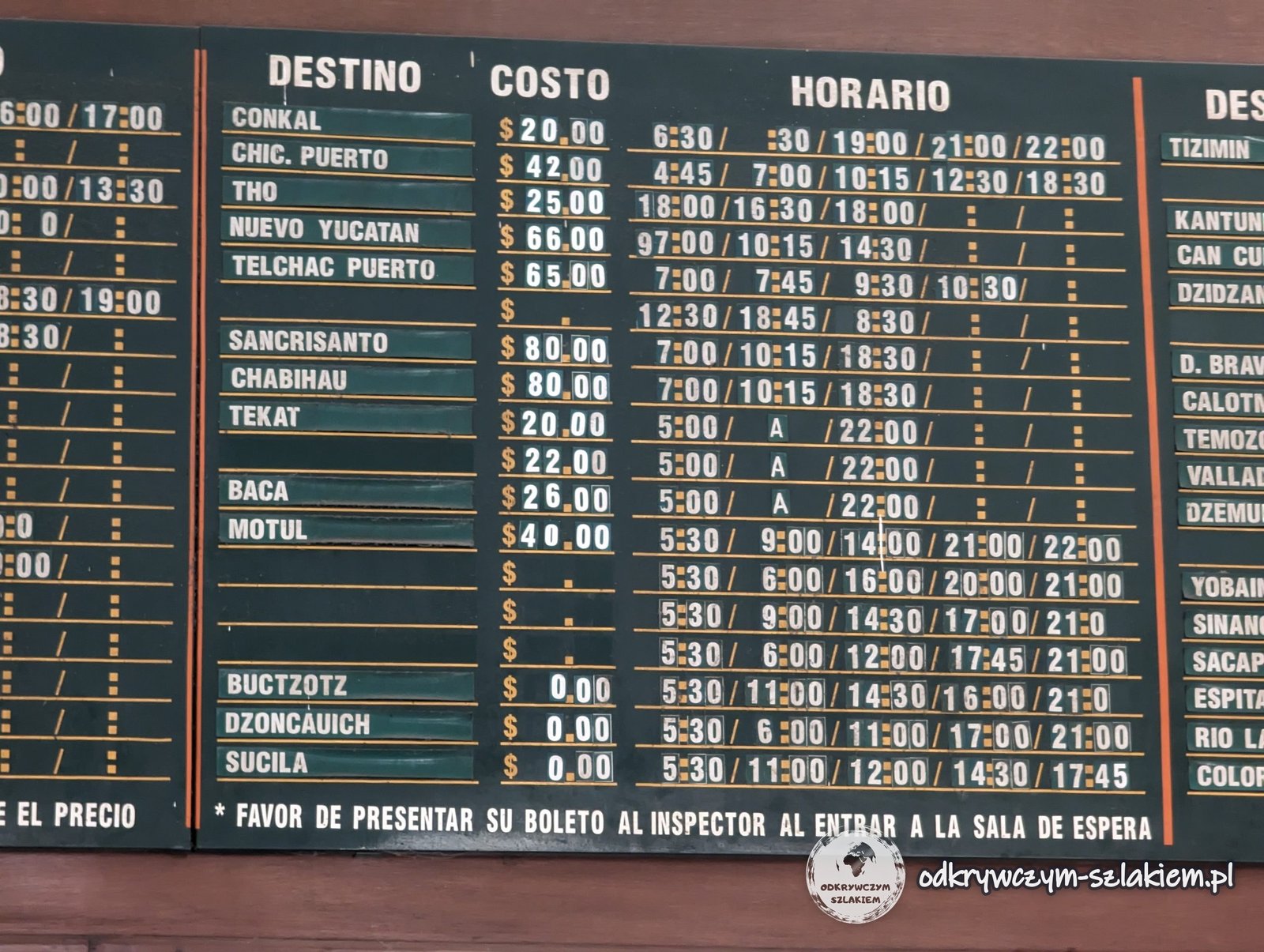
Getting there – a night ADO bus runs from Palenque to Mérida: on 12 November 2023 the board at the station showed a departure to Mérida Centro at 22:45 and a fare of 1004 MXN (about €55). Buses to the Gulf coast leave from the small Noreste bus station (Calle 67 between 50 and 52), near the San Cristóbal church. According to the board, a ticket to San Crisanto cost 80 MXN, with departures at 7:00, 10:15 and 18:30; to Telchac Puerto – 65 MXN.