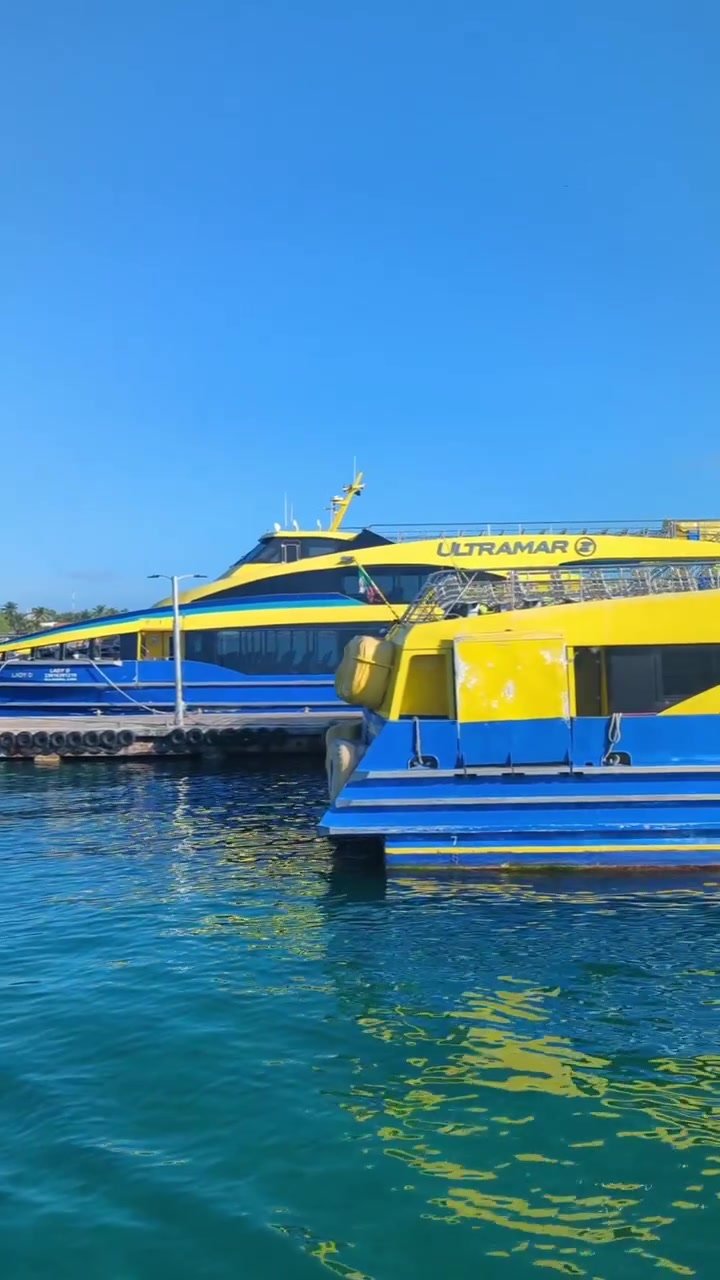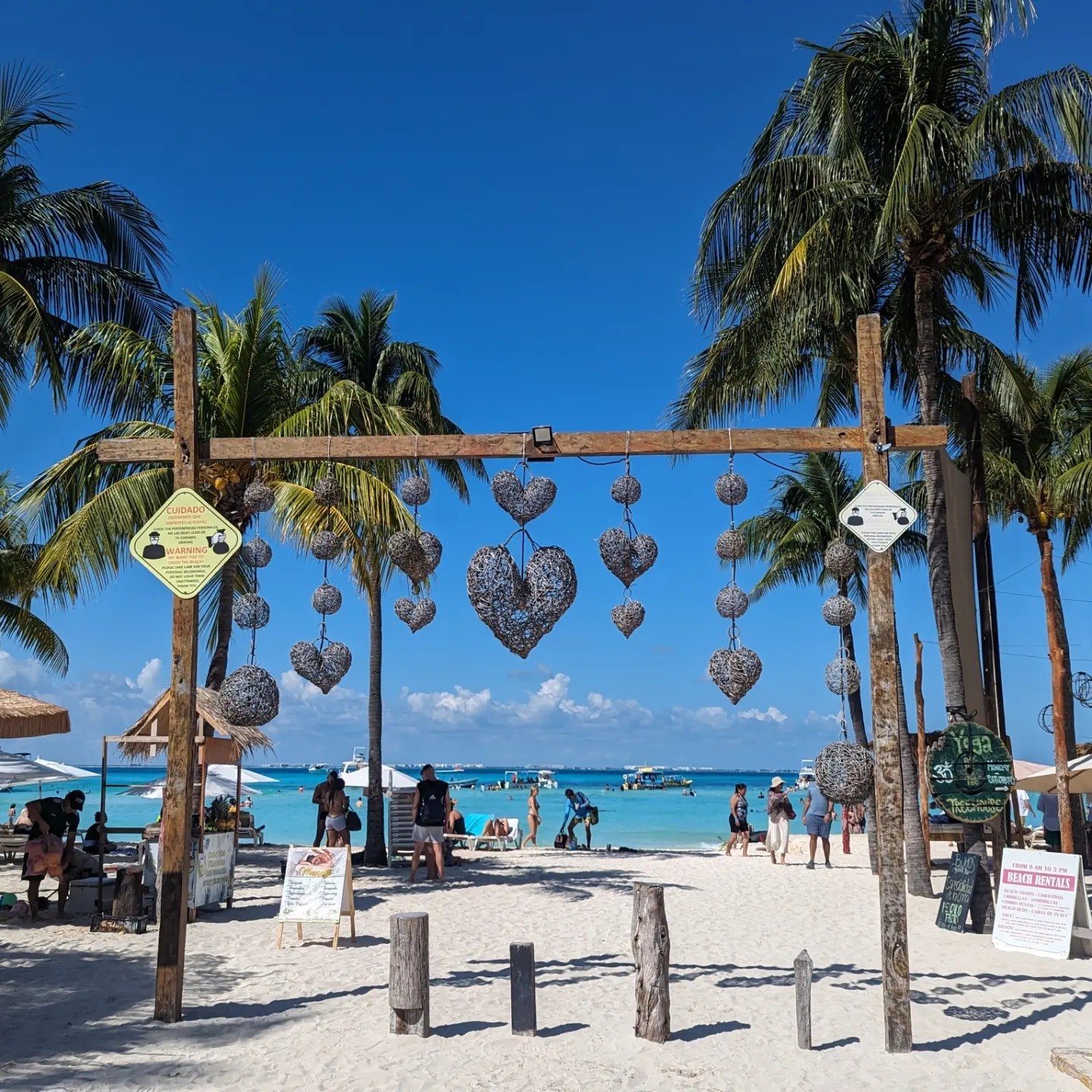
From Yucatán – after Chichén Itzá and the cenotes around Valladolid – we moved on to the state of Quintana Roo, Mexico’s Caribbean coast. To start with, two days, 24 and 25 November 2023: the first in Cancún, the second on the island of Isla Mujeres, which you reach from Cancún by ferry. We expected turquoise water and white sand – and that is what we got, but together with huge numbers of tourists, tour boats and touts. For such a short stay it was more than enough. There is also a summary of these two days in my video:
 6:06
Table of contents
- Cancún – Playa Tortugas and the Nichupté Lagoon
- Isla Mujeres – Playa Norte and snorkelling
- Hitchhiking around the island – on golf carts
- Punta Sur – cliffs at the end of the island
- Practical information
Cancún – Playa Tortugas and the Nichupté Lagoon
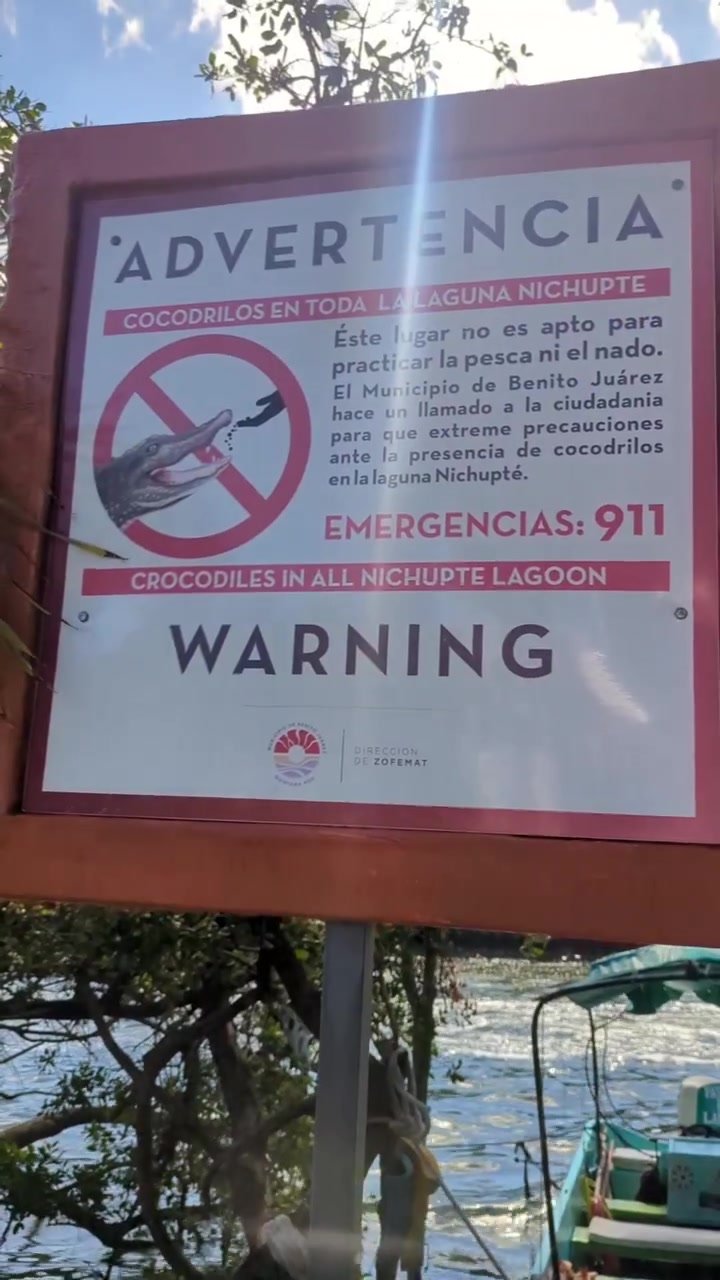
We started our first day in Cancún planning to rent a kayak on the Nichupté Lagoon, which stretches behind the strip of hotels. It turned out, however, that it is best to book a time in advance, and the price we were offered was not tempting. There are no boat trips on the lagoon for larger groups either, so we gave up on seeing it from the inside altogether. Besides, signs on the shore warn that crocodiles live throughout the lagoon – swimming and fishing are forbidden there.
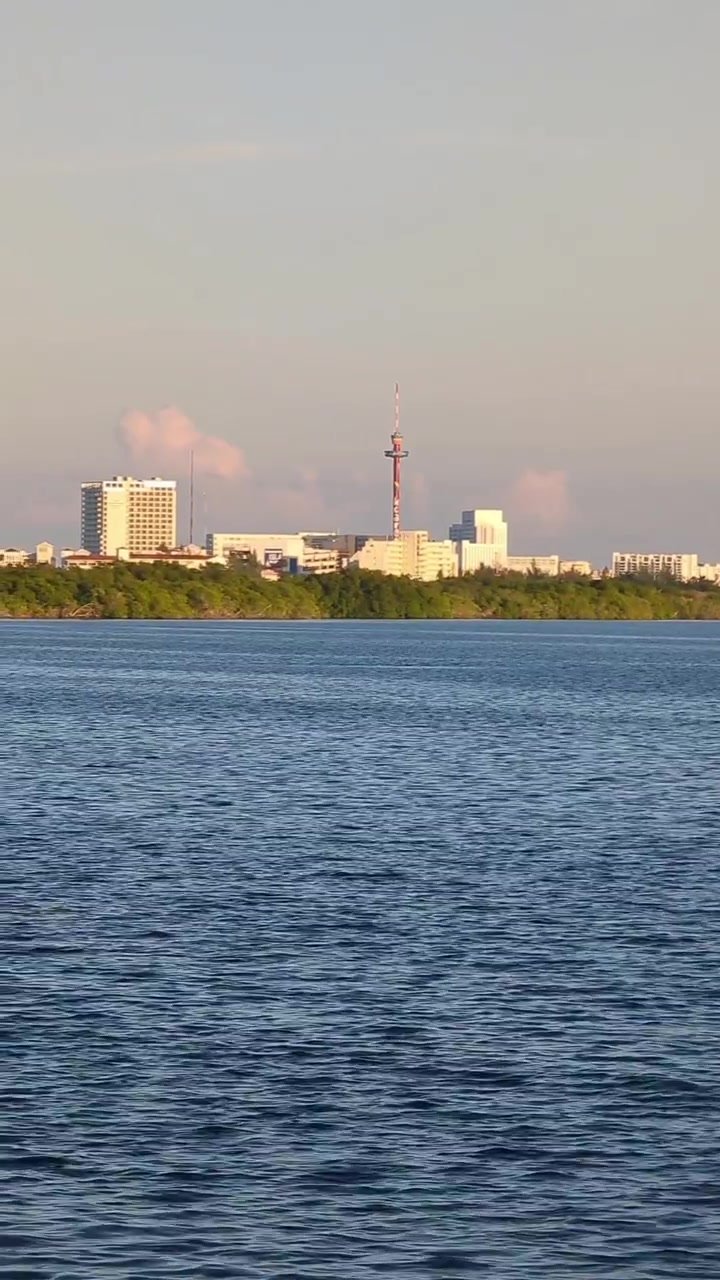
In the end we spent most of the day on Playa Tortugas in the hotel zone, and in the evening we went to a viewpoint over the lagoon – the Malecón Tejamar. For the first time while in Mexico, I felt least of all in Mexico: the city, and especially the hotel zone, runs for tourists, and on the beach someone was trying to lure us into a bar every few minutes. Maybe it was for the best that the kayak did not work out – at least the crocodiles did not eat us.
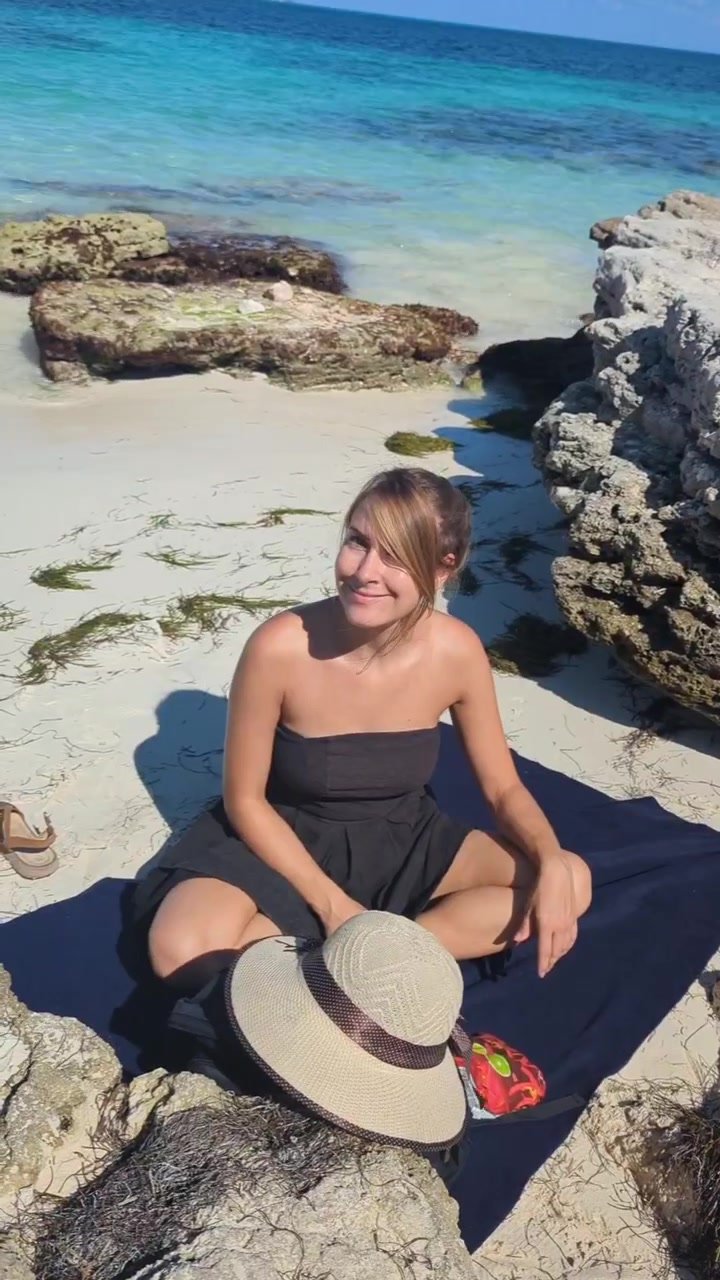
Cancún was built practically from scratch – in the 1970s the Mexican government created it as a planned resort; today it is run by the state tourism agency FONATUR. The hotel zone is a narrow strip of land shaped like the number 7, stretching for about 22 km between the Nichupté lagoon and the Caribbean Sea. By the road you can spot iguanas basking in the sun.


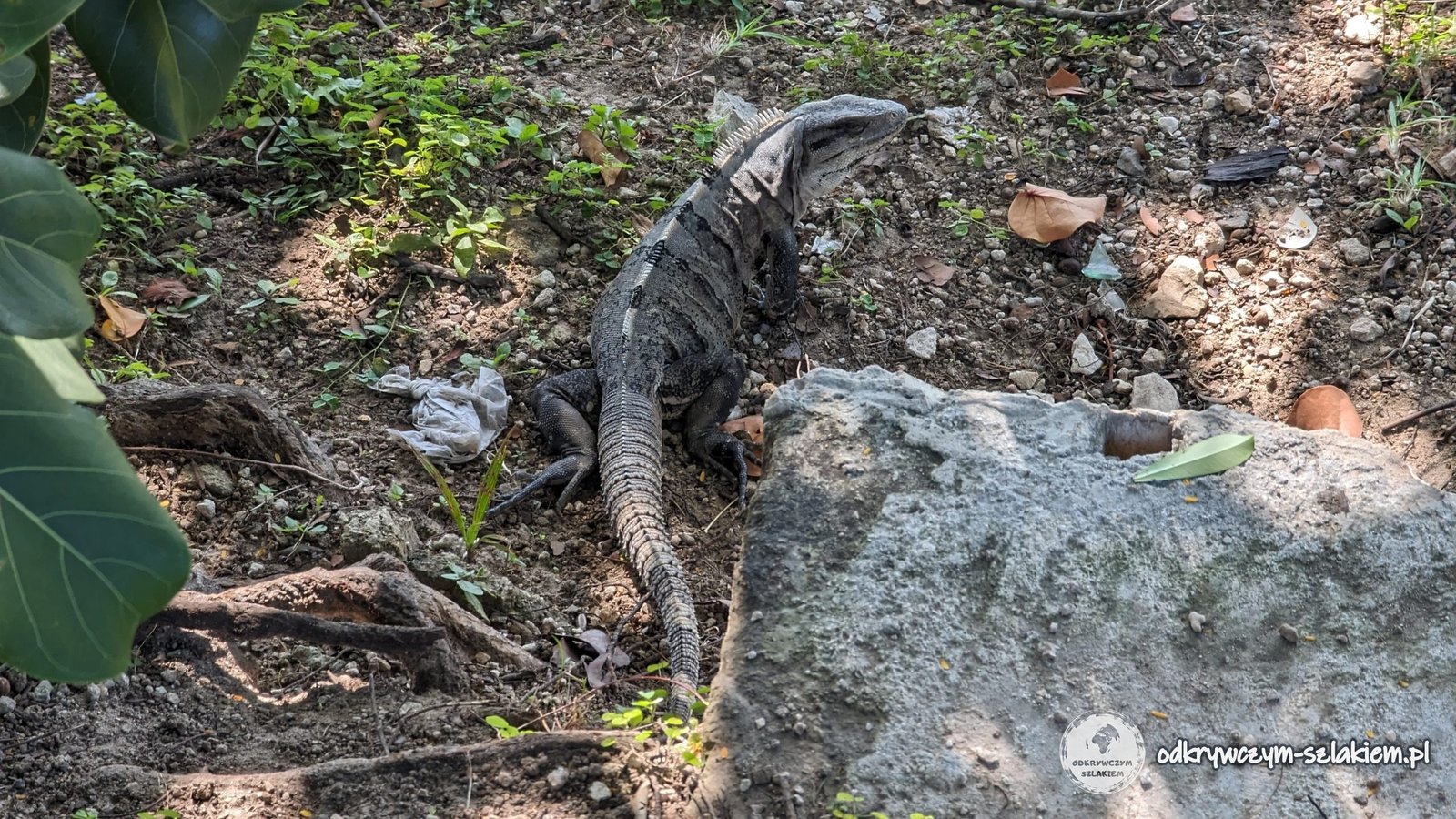
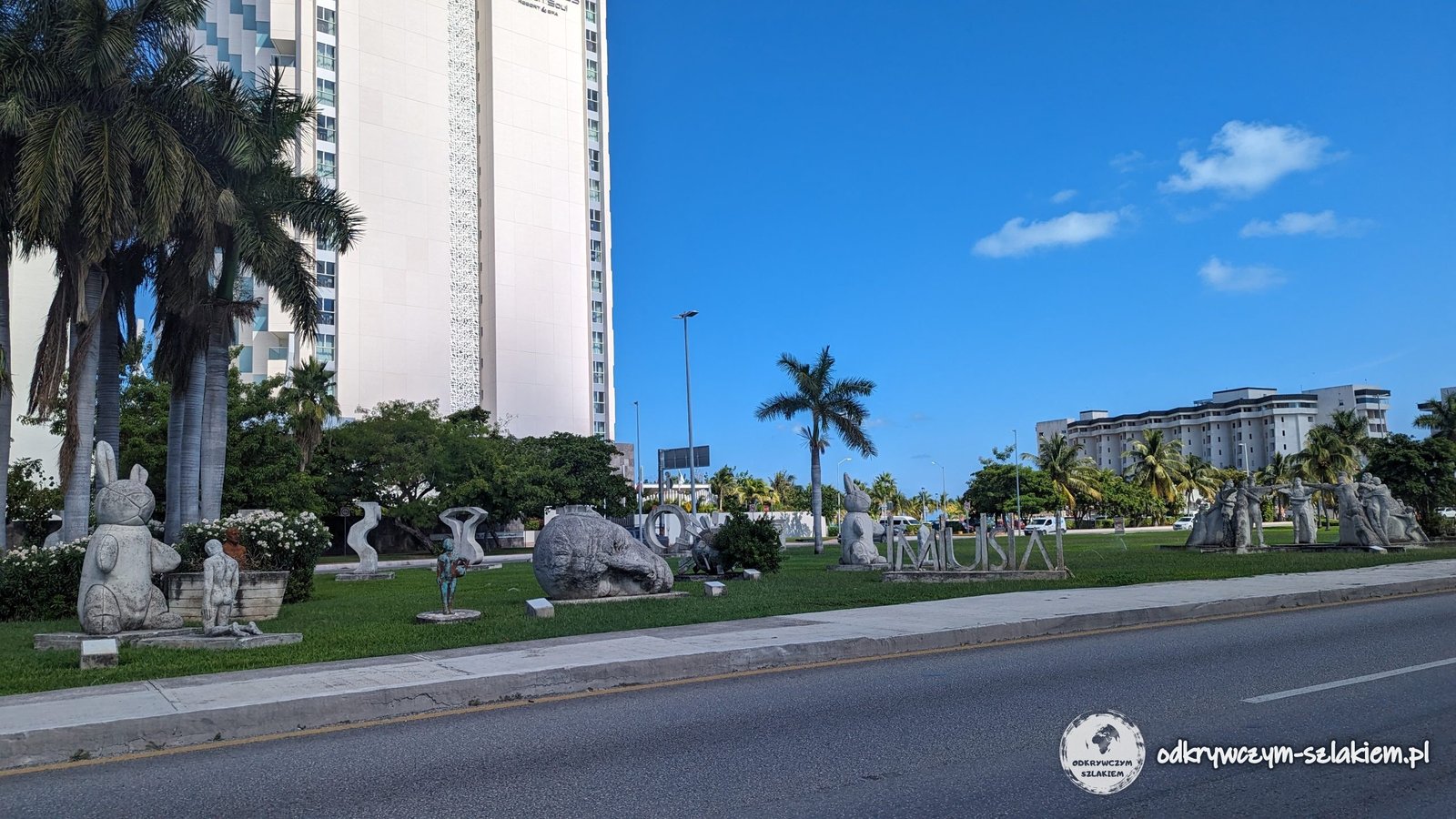
Good to know: in Mexico all beaches are public – the 20 m strip from the high-tide line is federal land, so nobody can bar you from the beach itself. In Cancún’s hotel zone, however, the hotels stand almost side by side, so you have to look for the public beach accesses.
Isla Mujeres – Playa Norte and snorkelling
We spent the second day on Isla Mujeres. Excited about trying out our newly bought snorkelling gear, we first went to the island’s best-known beach – Playa Norte. The water here really is turquoise, and the bottom is sandy and shallow.
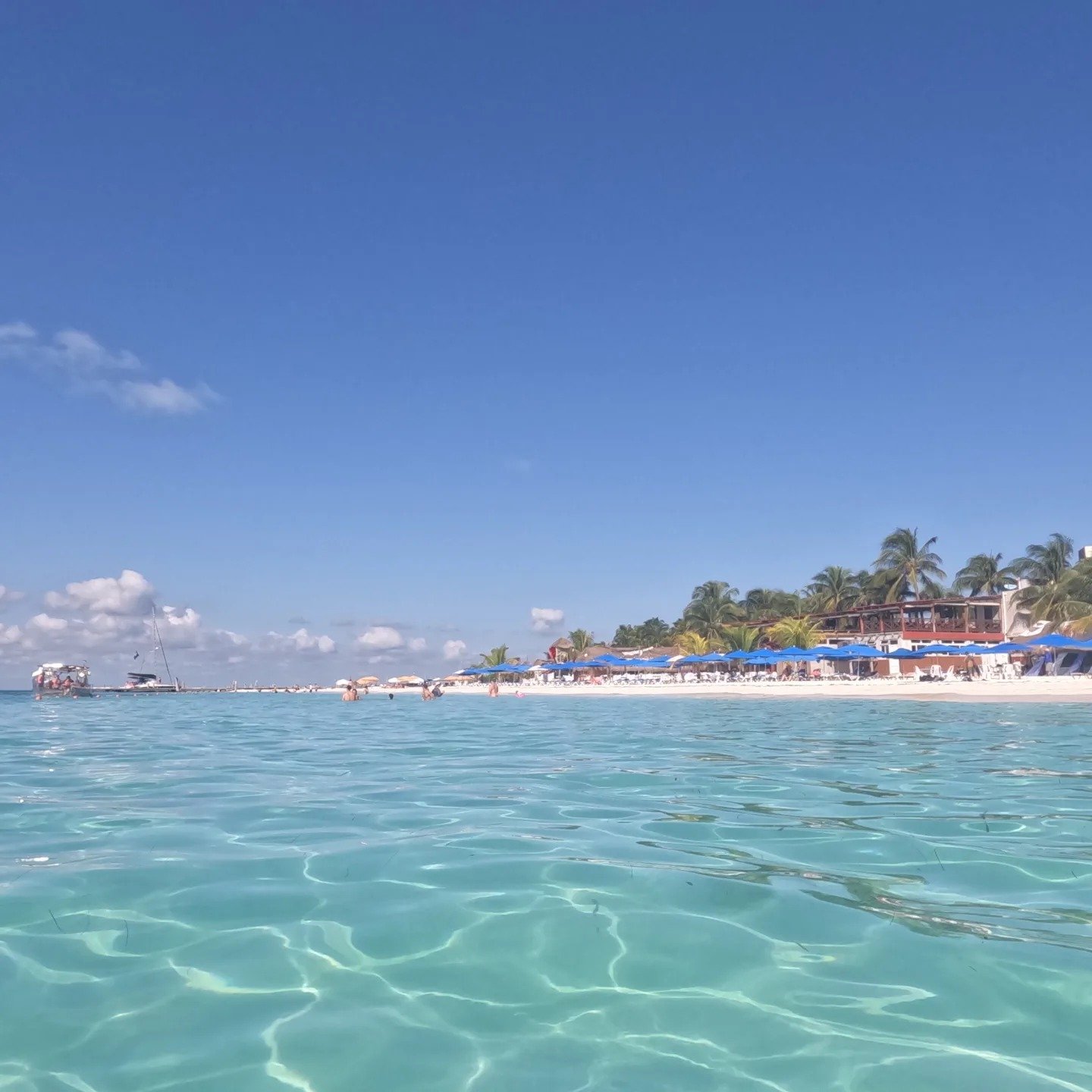
The island is only about 7 km long. Its name (“Island of Women”) was reportedly given by Spaniards from Francisco Hernández de Córdoba’s expedition in 1517 – after the female figurines of the Maya goddess Ixchel they found in a temple.


On the seabed between Cancún and Isla Mujeres, within a marine national park, lies the Underwater Museum of Art (MUSA) – about 500 life-size sculptures, sunk since 2009, most of them by the British artist Jason deCaires Taylor. Over time the sculptures become covered in coral, and the museum was meant to draw divers and snorkellers away from the natural reef. You can see them on diving or snorkelling trips or from a glass-bottom boat.
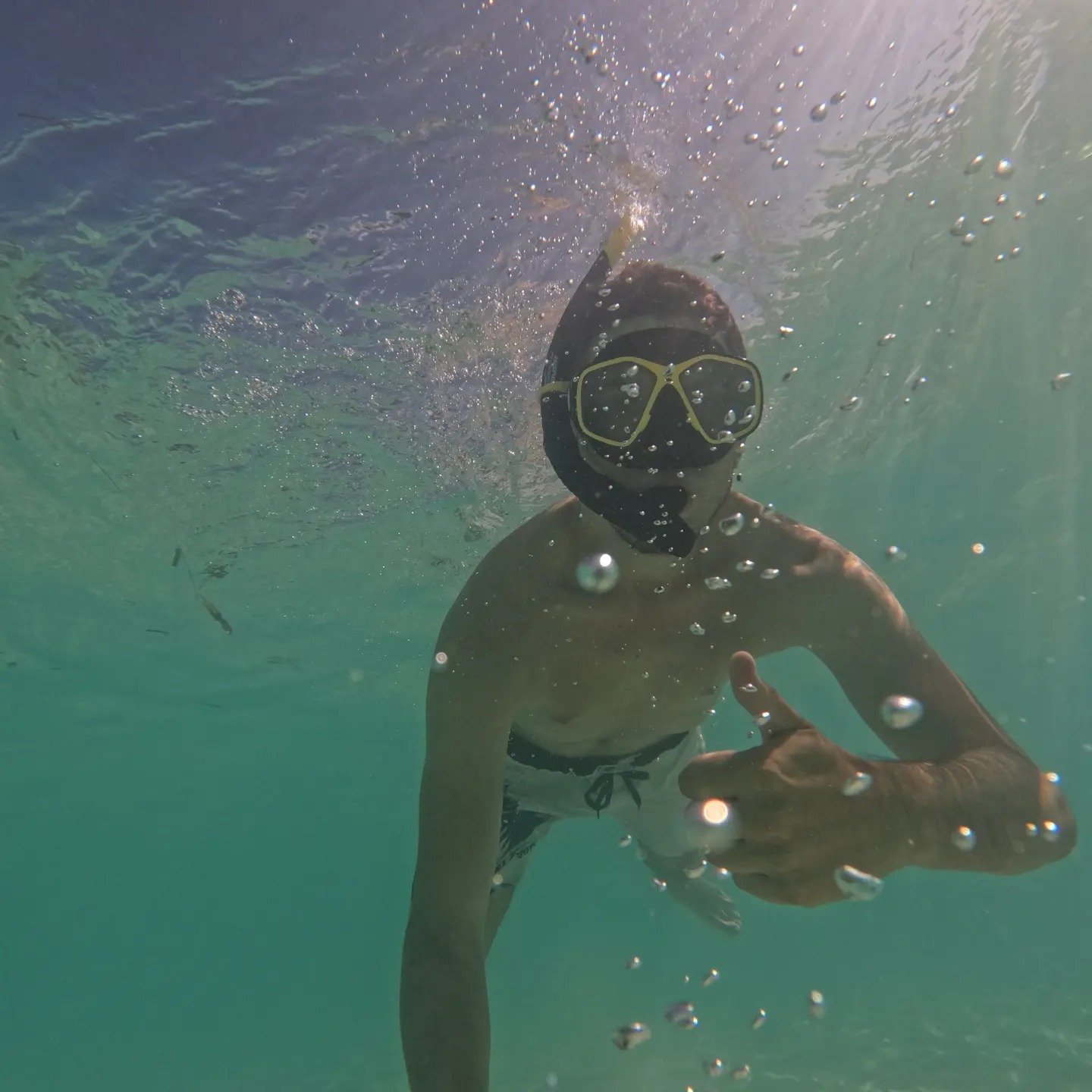
Unfortunately we did not see much underwater: the buoys marking the swimming area were close to the shore, and the sand had been stirred up by lots of tour boats. All I managed to spot was a starfish. The beauty of the beach is buried under tourism – lots of boats, sun loungers and vendors calling out to sell ice cream. For swimming and resting in peace, the island’s other, lesser-known beaches are a better choice.
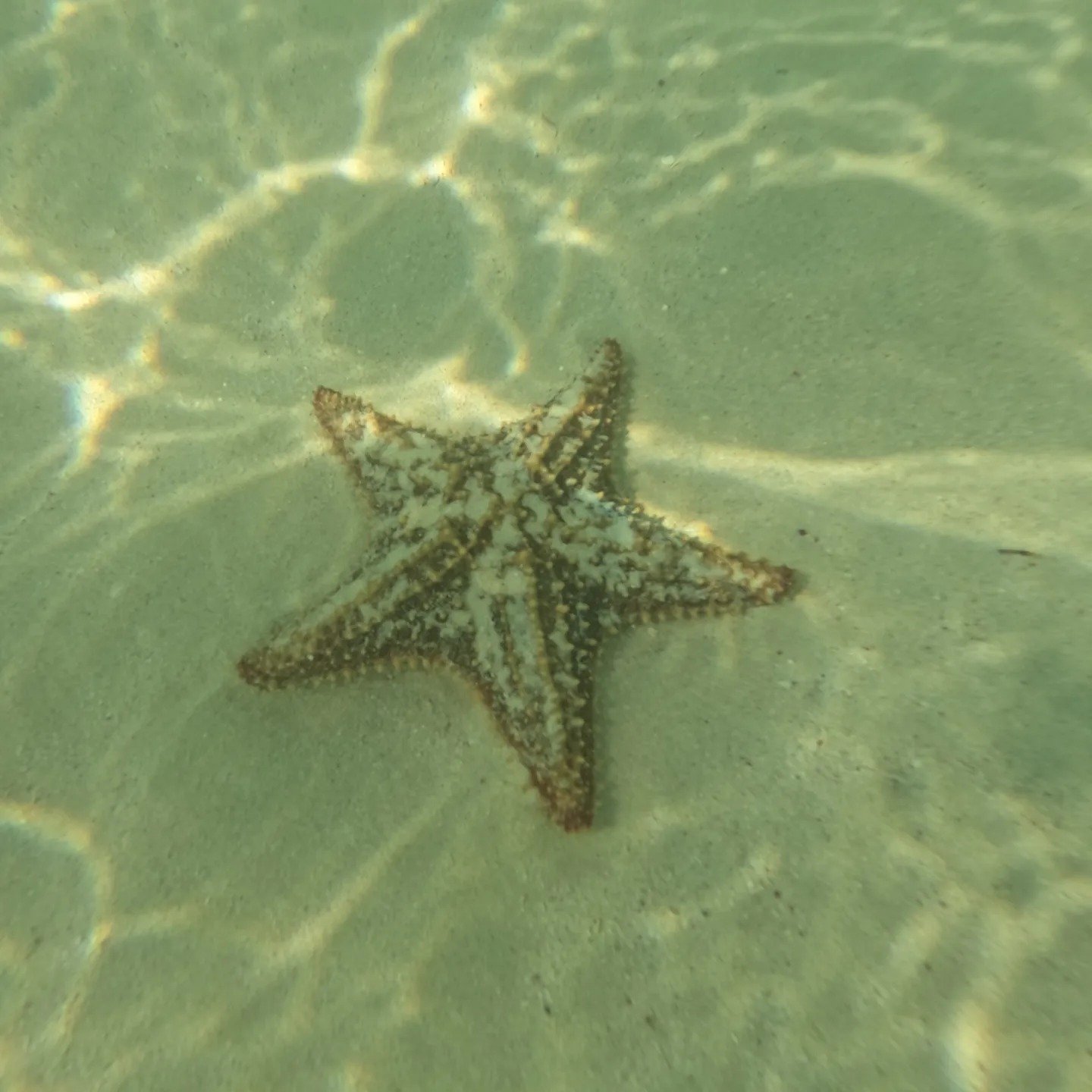
Starfish should not be taken out of the water or picked up – they take oxygen from the water through their skin, so they can suffocate in the air. Catching them without a permit is an offence in Mexico.
Hitchhiking around the island – on golf carts
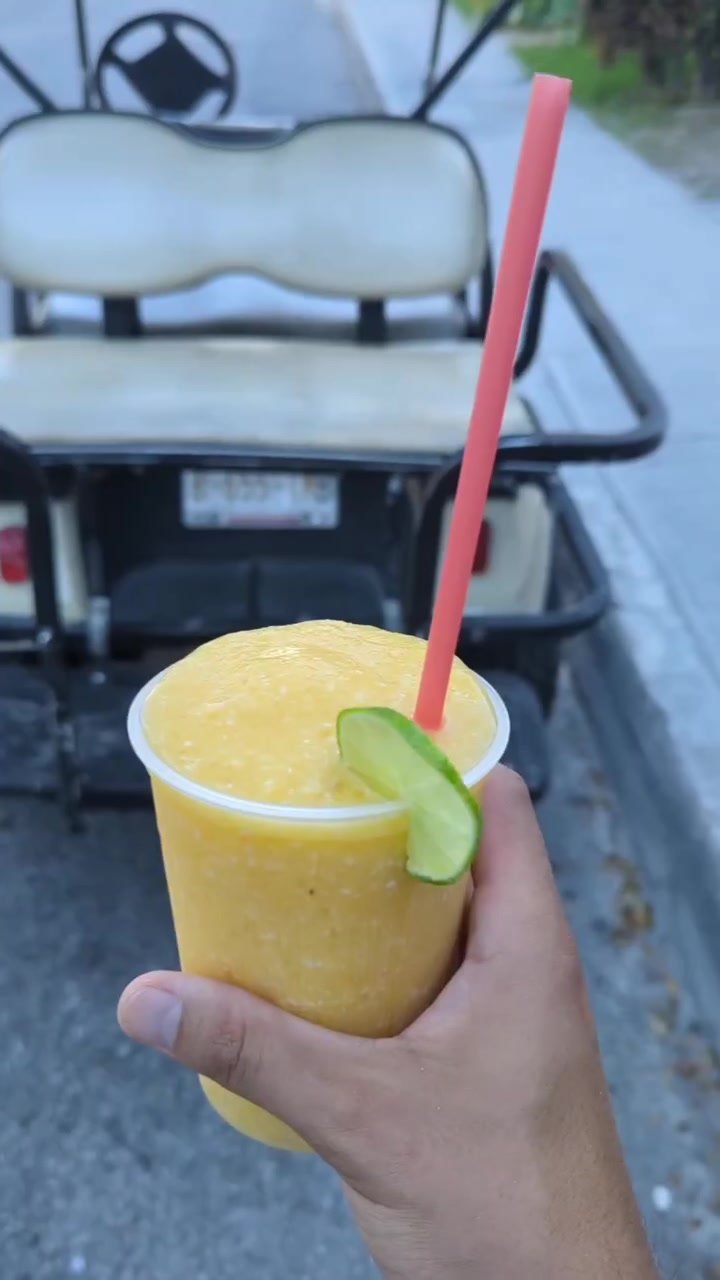
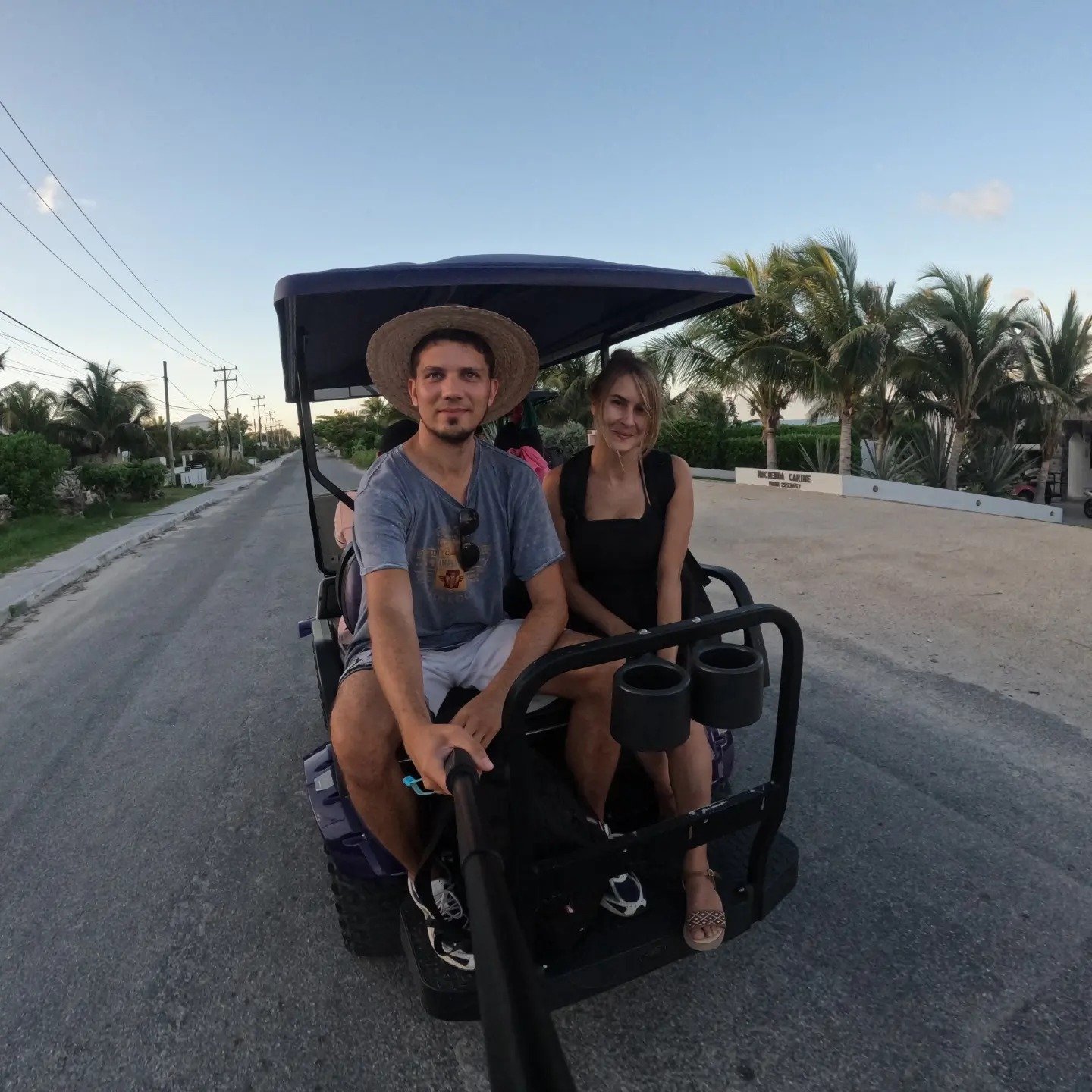
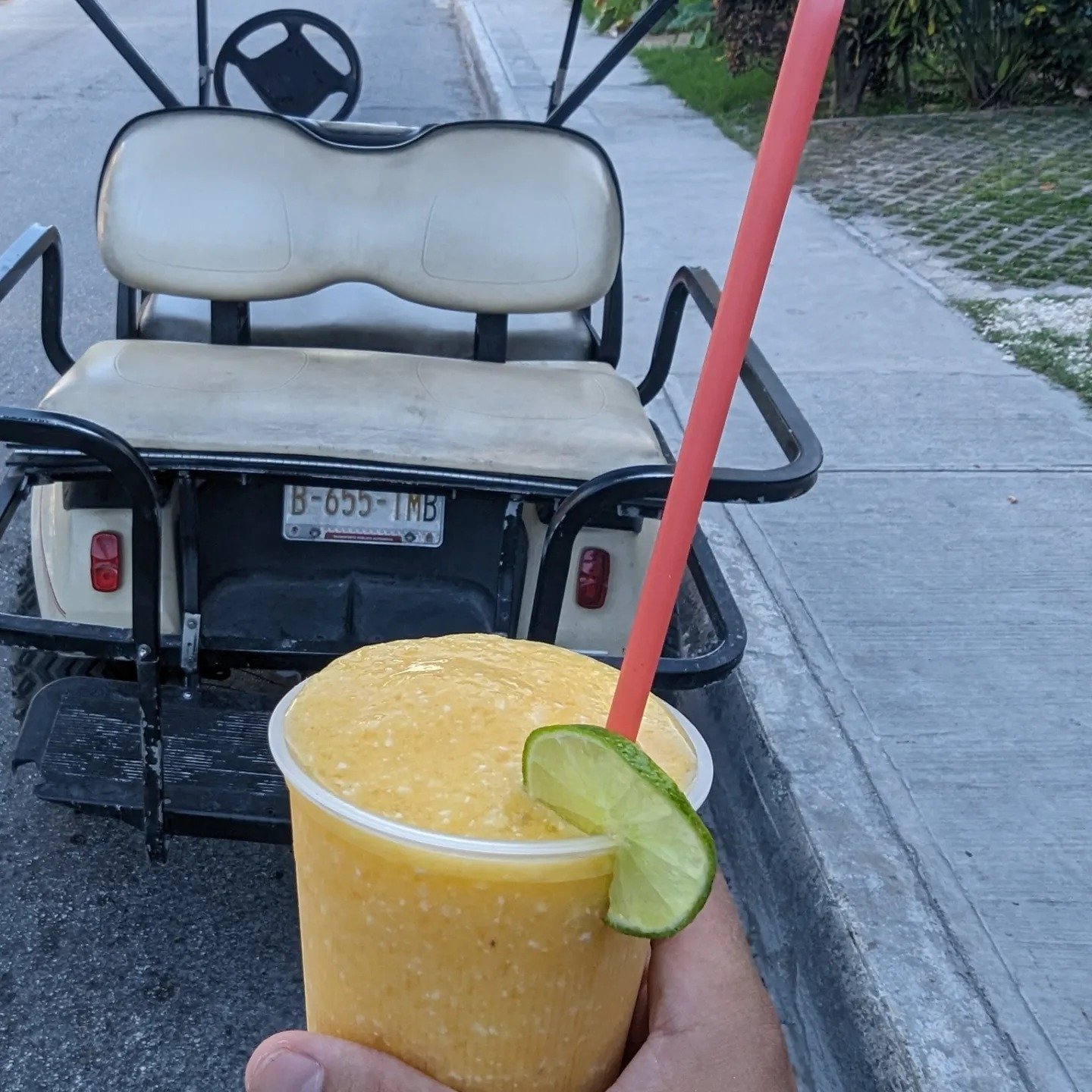
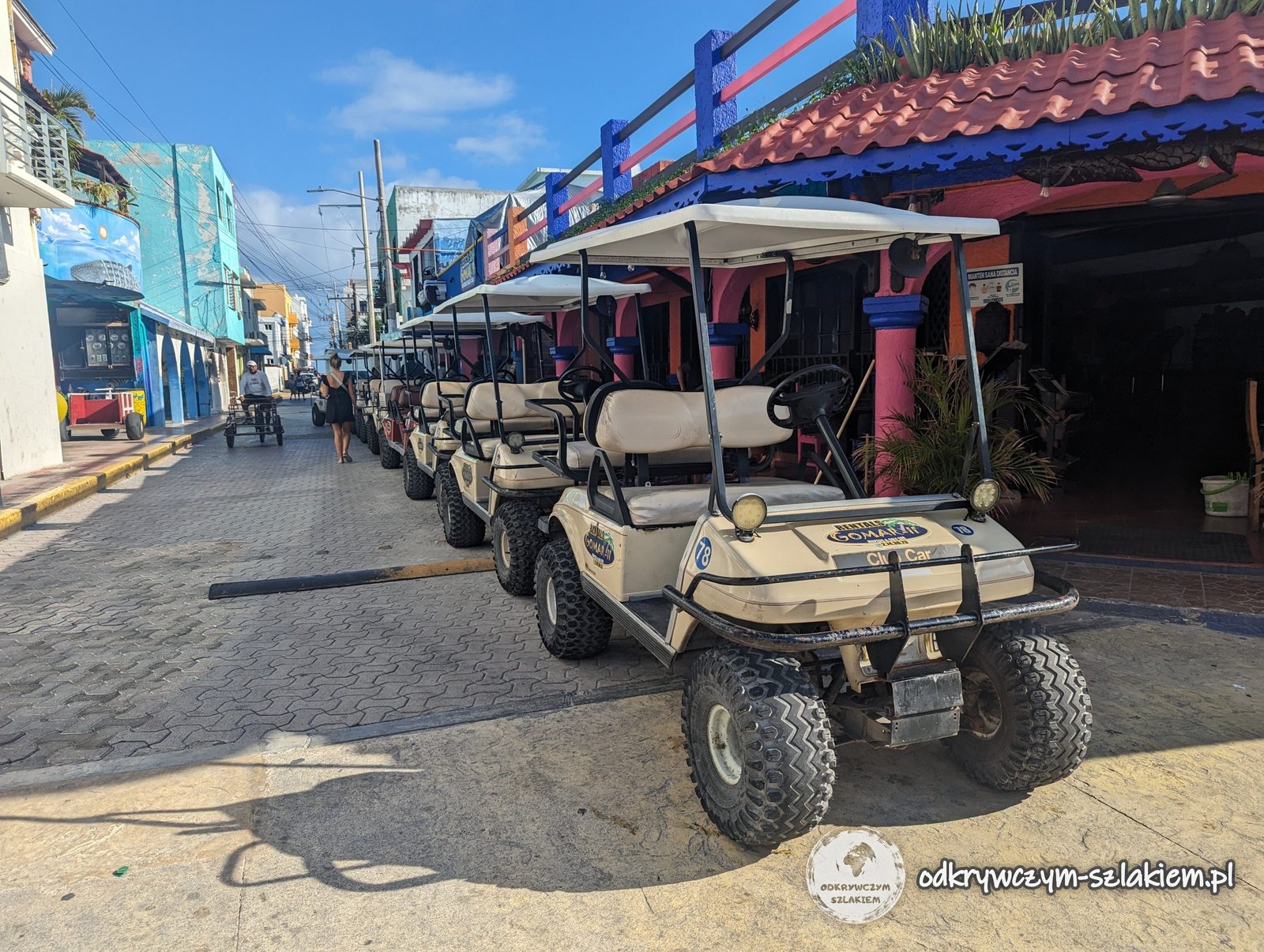
At first we wanted to get around the island by bike, then by bus, and in the end we were hitchhiking… on golf carts – because that is what most tourists rent. We got two lifts this way, and one married couple even bought us a fruit smoothie each. This final plan turned out to be the best one.
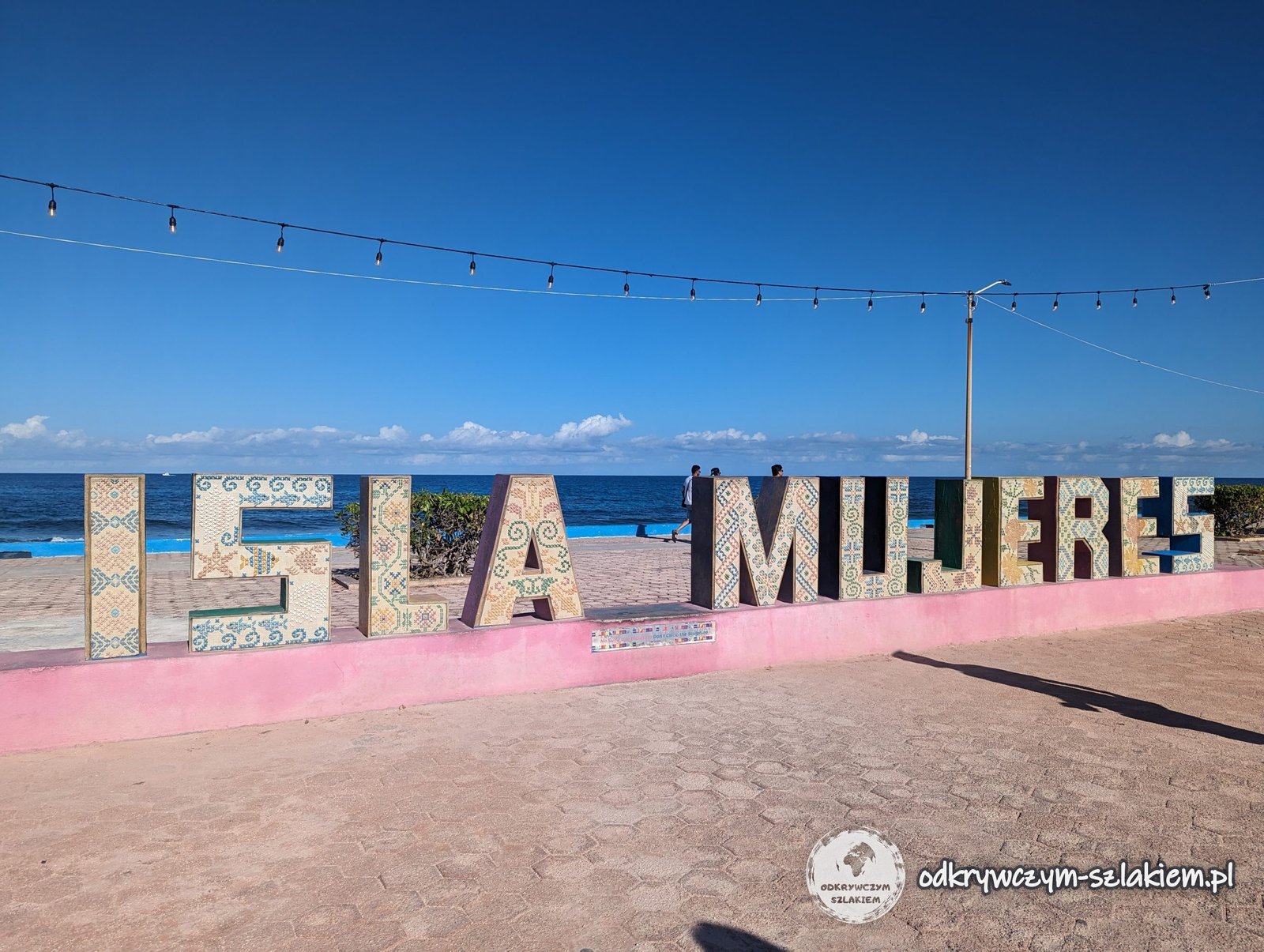
Punta Sur – cliffs at the end of the island
The highlight of the day was reaching the southern tip of the island – Punta Sur – and seeing the cliffs. In the southern part of the island the coast is rocky, although the cliffs are not high. It turned out that you can be charged even for a short stretch of path here: sculptures had been set up at the very end of the cliff, and entry cost 5 USD. The whole very short path, the cliffs and the sculptures are clearly visible without going in, so we only walked to the point where entry is free.
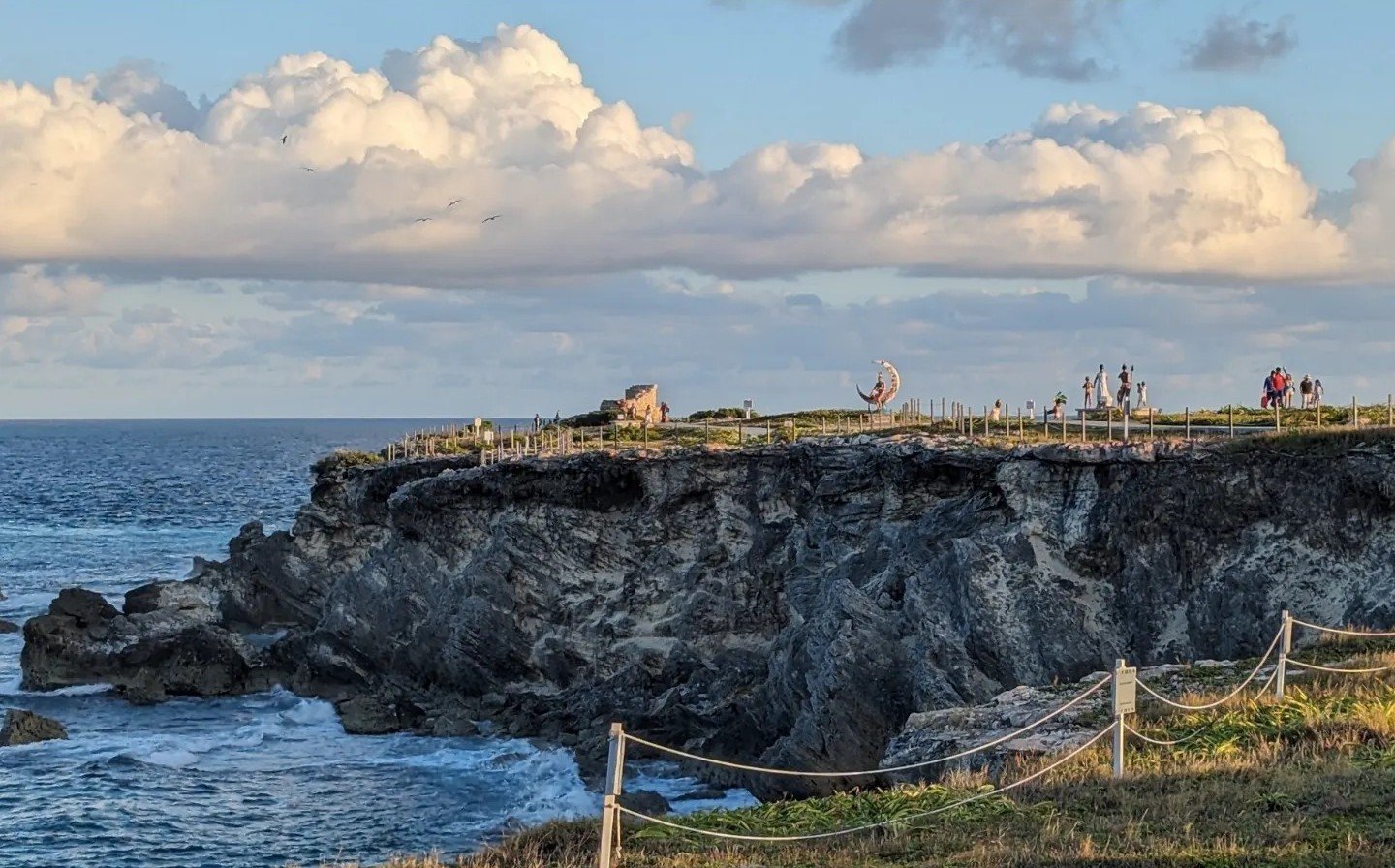
At Punta Sur there are remains of a small Maya temple dedicated to Ixchel, and a sculpture park has been laid out above the cliff.

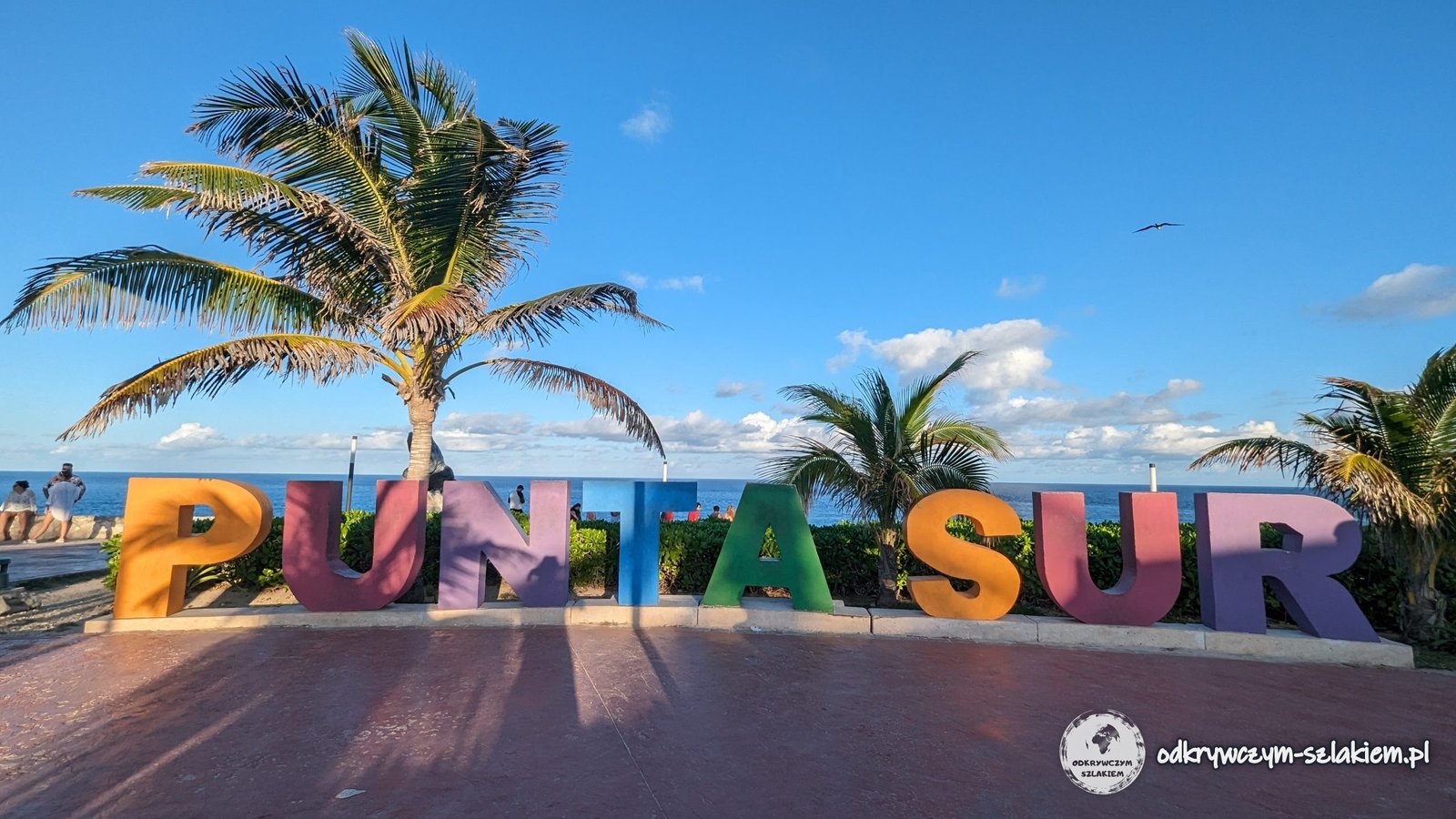
Punta Sur is the easternmost point of Mexico – the first place in the country to be lit by the rising sun each morning. The sculpture park (Parque Escultórico Punta Sur) opened in December 2001: 23 sculptors from Mexico and abroad came to the island and donated their works to it – mostly metal, abstract pieces up to 3 m tall. Next to them there are also colourful figures, such as the iguana and the woman in Maya dress in the photos below.
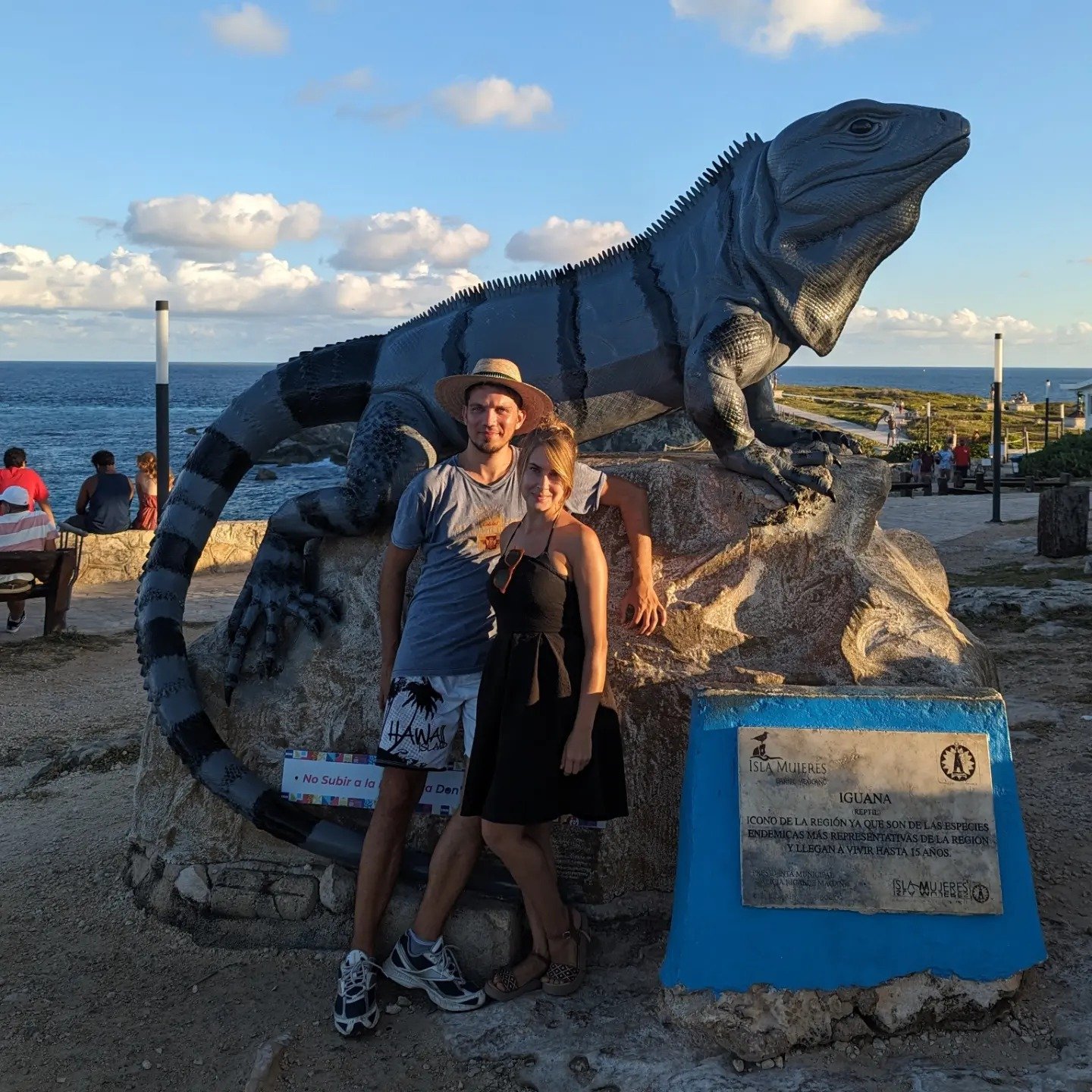
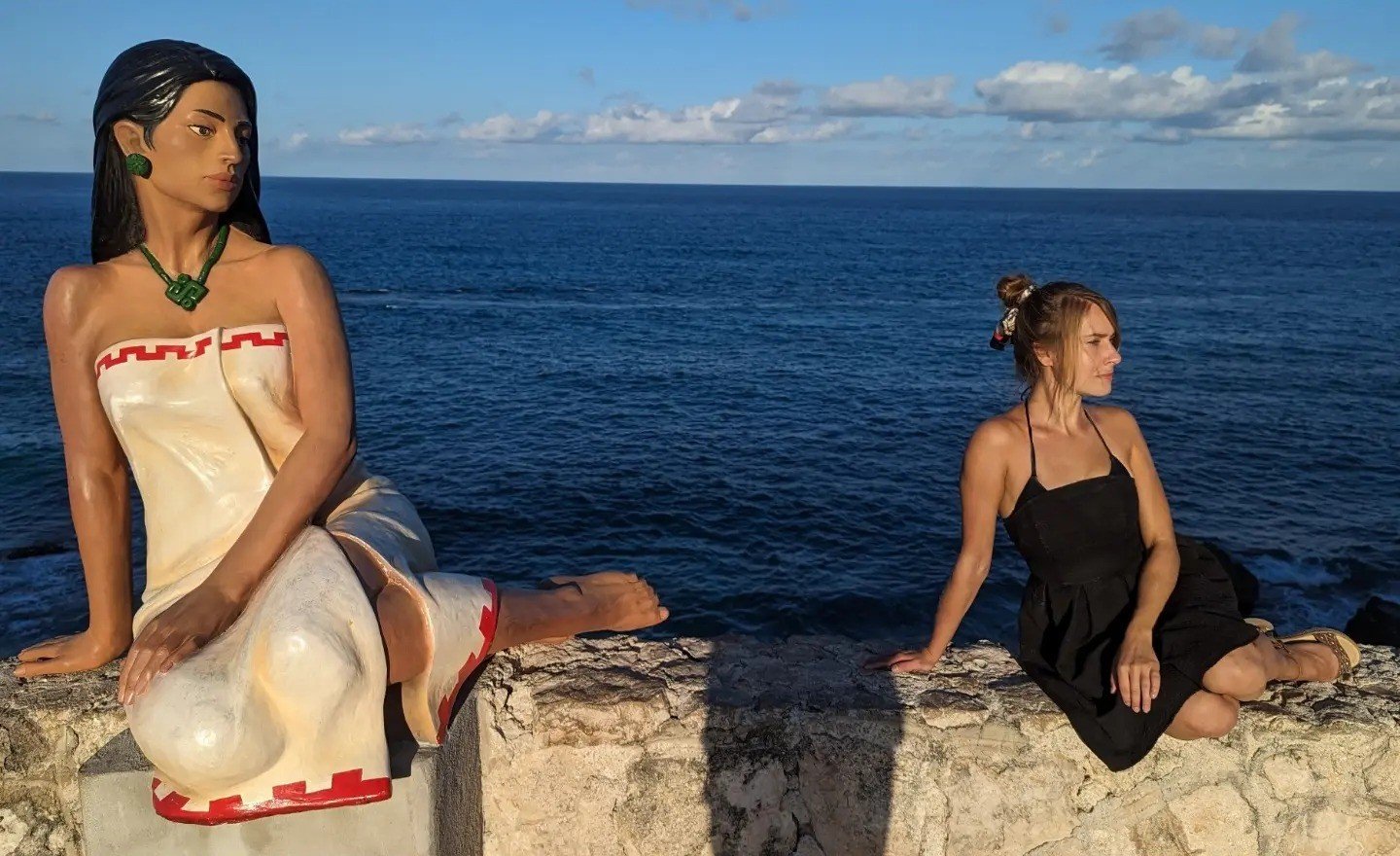
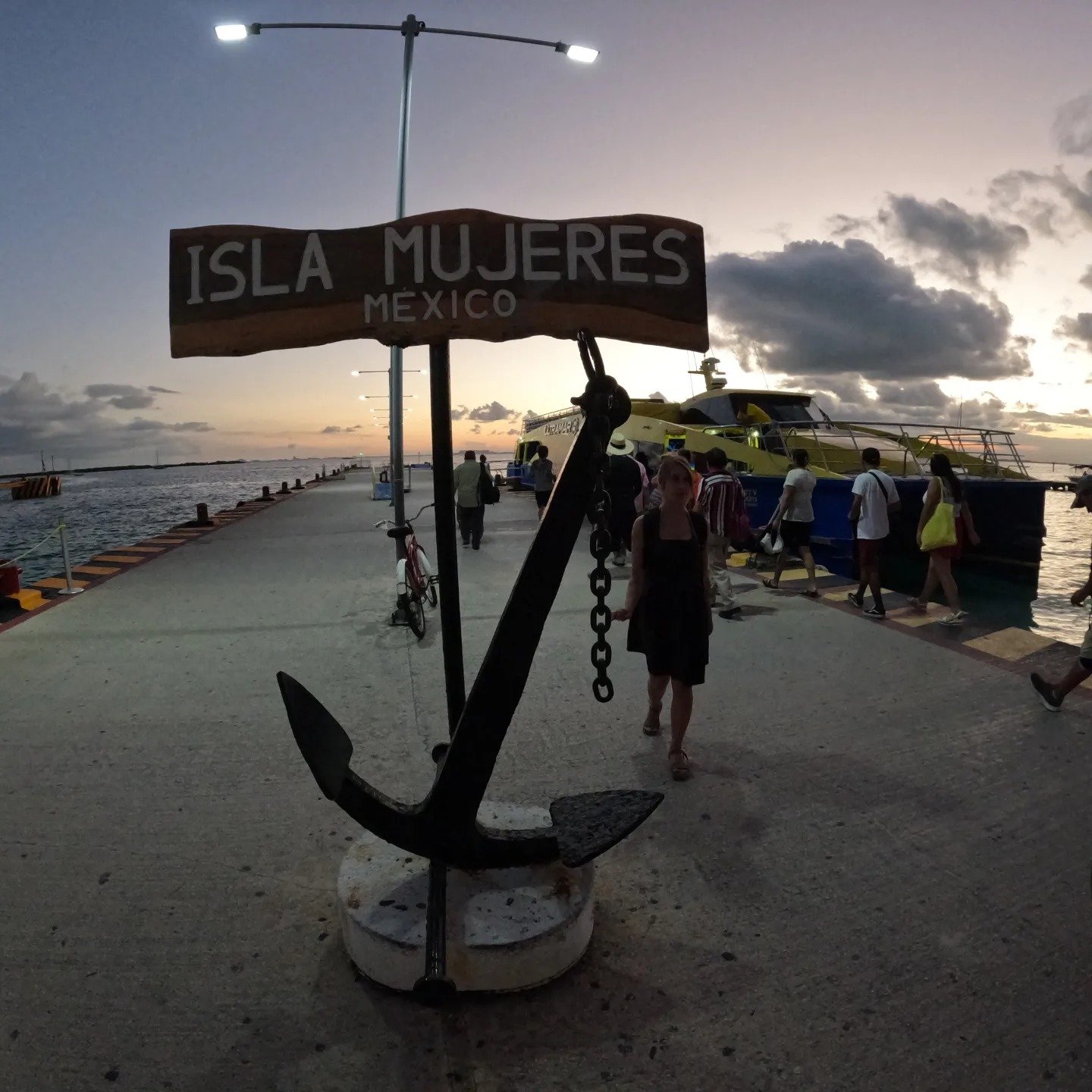
We returned to Cancún by ferry at sunset. Our next stop in Quintana Roo was another island – Cozumel.
Practical information
- Getting to Isla Mujeres: from downtown Cancún (near the ADO bus station) take colectivo no. 6 to the Puerto Juárez pier – 10 MXN (about €0.50), and from there the Ultramar ferry – 540 MXN (about €29) return. If you are also going to Cozumel, buy a combined ferry ticket for both islands in Cancún – it works out much cheaper. The ferry also leaves from the hotel zone (Zona Hotelera), but later.
- Getting around the island: bike (about 300 MXN / €16 a day), scooter or golf cart; there are also minibuses – 20 MXN (about €1) per ride. Hitchhiking on golf carts worked best for us.
- Golf carts: according to the official price list of the Rentadora Caribe rental, a 4-seater cart cost 450 MXN (about €24) per hour, 1000 MXN per day (9:00–17:00) and 1550 MXN for 24 hours; a bicycle – 80 MXN per hour.
- Punta Sur: entry to the very end of the cliff with the sculptures cost 5 USD – the cliffs are also clearly visible from the free part.
- How much time? Two days were enough for us for Cancún and a day trip to Isla Mujeres.
- Prices: as of November 2023.
- When to go: the Atlantic hurricane season runs from June to November, and brown sargassum seaweed washes up on the Quintana Roo coast mainly from April to October (most of it from May to August). In recent years it has also turned up outside the season, so check the current reports before you go.