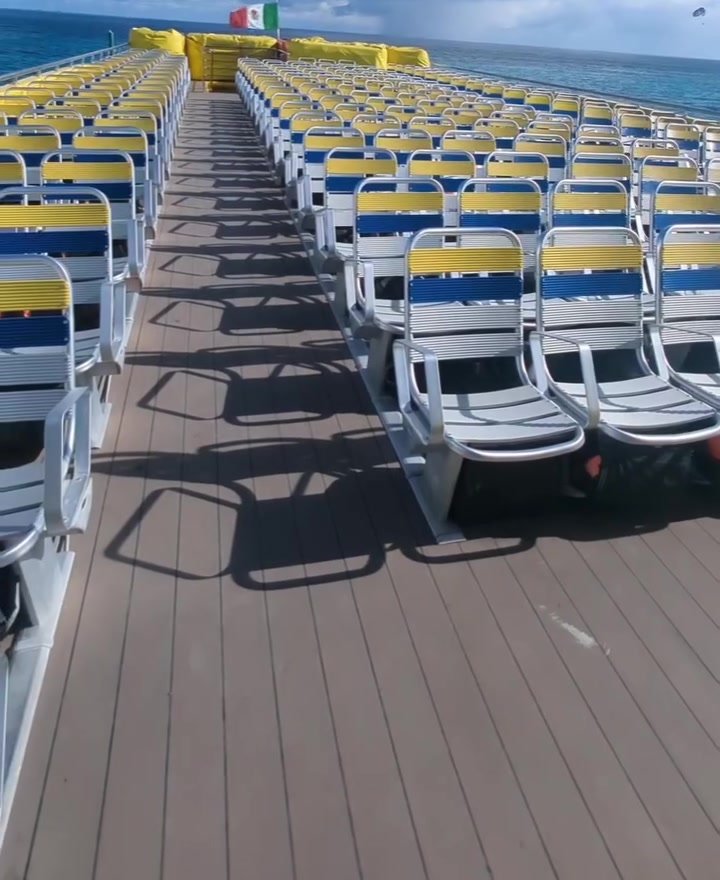
After Cancún and Isla Mujeres we moved on to Quintana Roo’s second, larger island – Cozumel. The ferry from Playa del Carmen takes about 40 minutes. The island is 48 km long and 16 km wide, and we spent three full days there (27–29 November 2023). Cozumel is said to be a diver’s paradise. We liked it a lot – the only downside is that it’s more expensive than on the mainland. You can see a summary of our stay in my video:
 9:39
Table of contents
- Snorkelling on the reef – rays, starfish and a turtle
- San Miguel de Cozumel in the rain
- A beach club and snorkelling on our own
- Around the island by scooter – the wild east coast
- What we left for next time
- Practical information
Snorkelling on the reef – rays, starfish and a turtle
On the first day – taking advantage of a window of good weather – we made an exception and joined an organised tour: a speedboat to several snorkelling spots that can only be reached from the sea. Part of the world’s second-largest coral reef (the Mesoamerican Reef) runs along Cozumel. Besides corals we saw loads of fish, rays, starfish and a sea turtle – although meeting one here is a matter of luck.
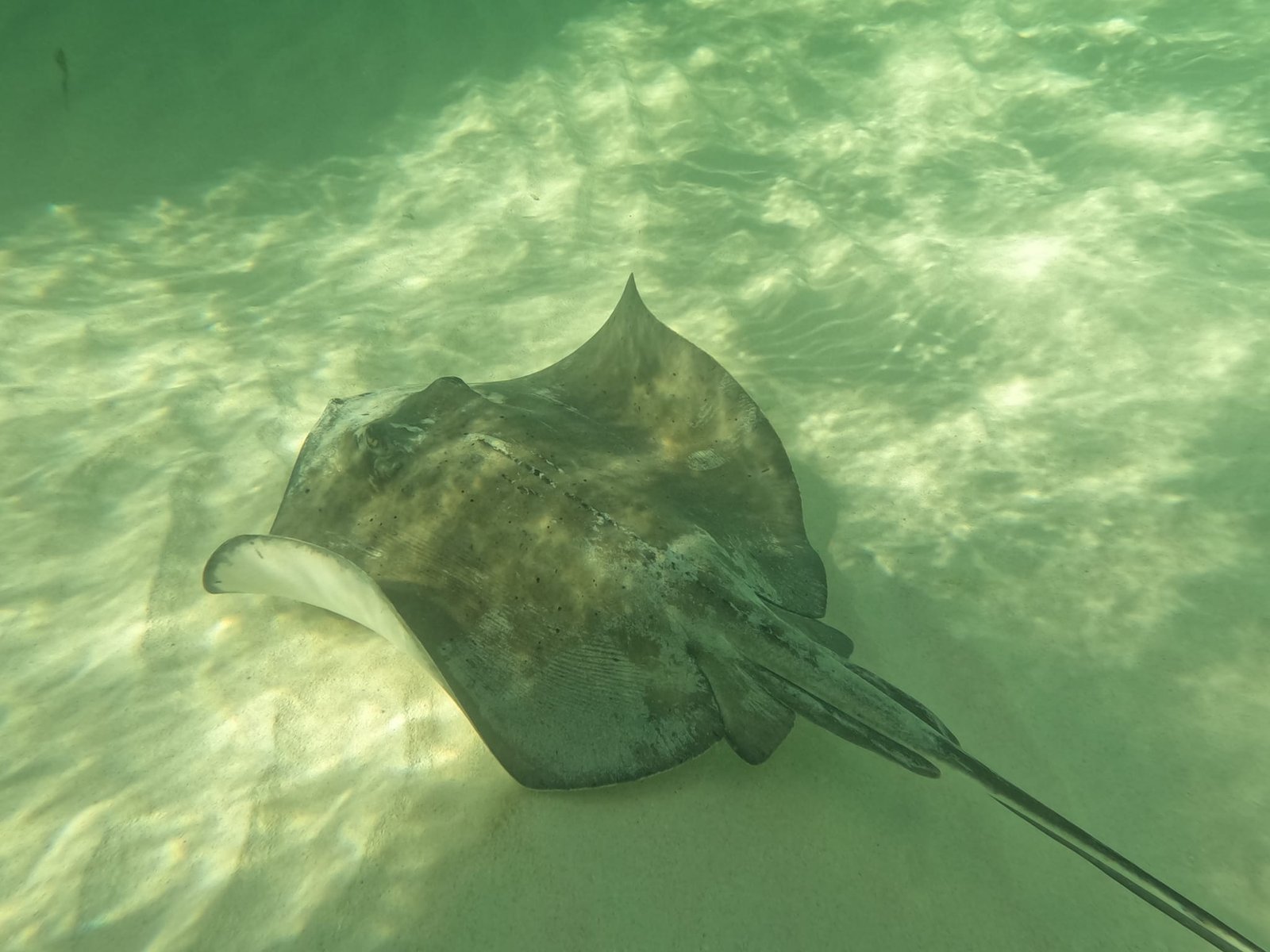
The reefs off the southern and south-western shores of the island have been protected since 1996 by the Arrecifes de Cozumel National Park (120 km²). It is home to more than 1,000 marine species, including three species of sea turtle and the fish Sanopus splendidus, found only around Cozumel. Since 2020 the park has been closing three dive sites at a time in rotation so the corals can rest and recover – the closure calendar is published in advance.
Among other places we stopped at El Cielo beach, which can only be reached by sea – starfish lie there in the shallows. The tour price included snacks and as many margaritas as we wanted to drink.
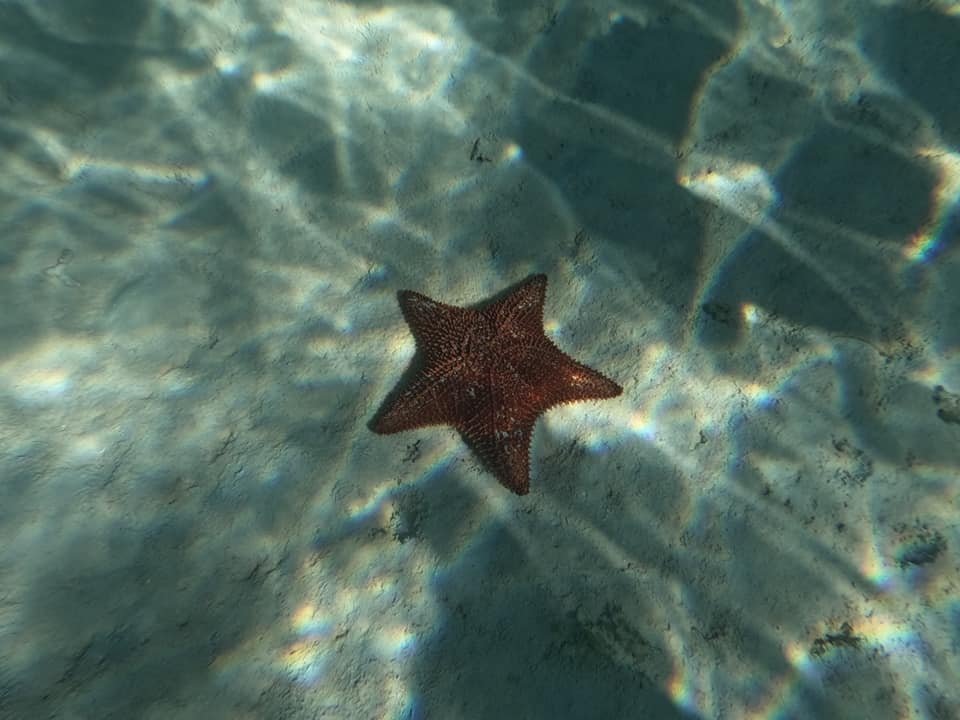
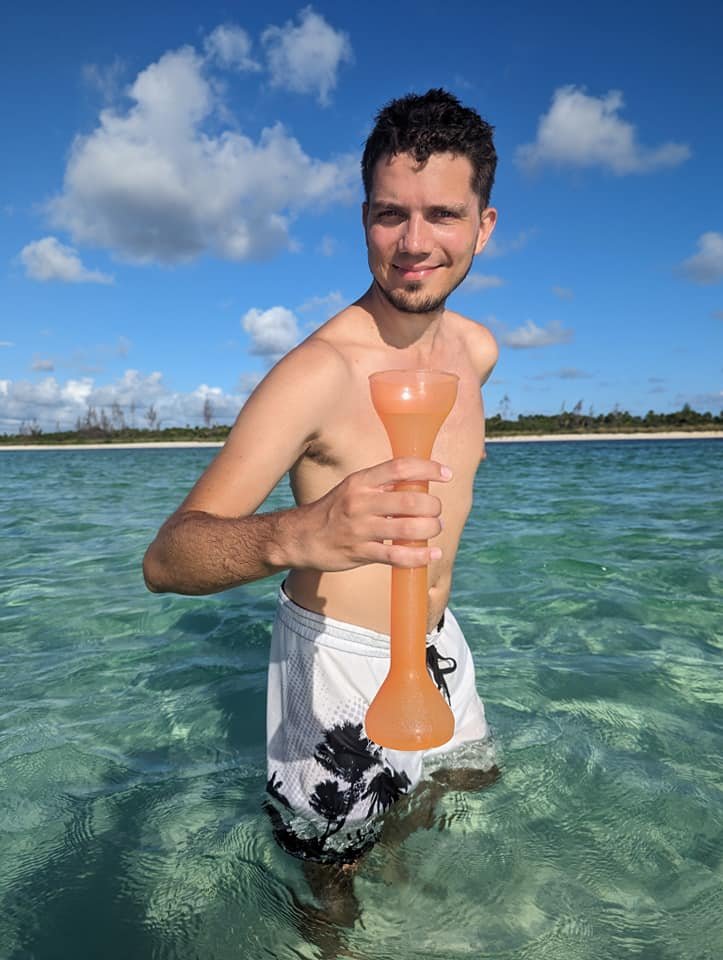
The name El Cielo (“the sky”) comes from the starfish – on the pale, sandy bottom they look like stars in the sky. The sandbar lies in the south of the island, within the national park, so you must not touch the starfish or any other animals, and sunscreen has to be biodegradable. The snacks were served to us right in the water – on a floating board.


Cozumel is famous for drift diving – in the channel between the island and the mainland the water flows from south to north, usually at 1–2 knots. The water is 25–32°C all year round, and visibility reaches 40–50 m. The reefs were badly hit in 2005: after hurricanes Emily and Wilma, live coral cover dropped by 56%.
On the way back we passed cruise ships. Cozumel has been receiving them since 1968 and is now Mexico’s leading cruise port – in 2025 about 4.7 million passengers arrived here on 1,300 ships. They dock at three piers: Punta Langosta, Puerta Maya and the International Pier. Building a deep-water cruise pier in the 1990s damaged some of the reefs.

San Miguel de Cozumel in the rain
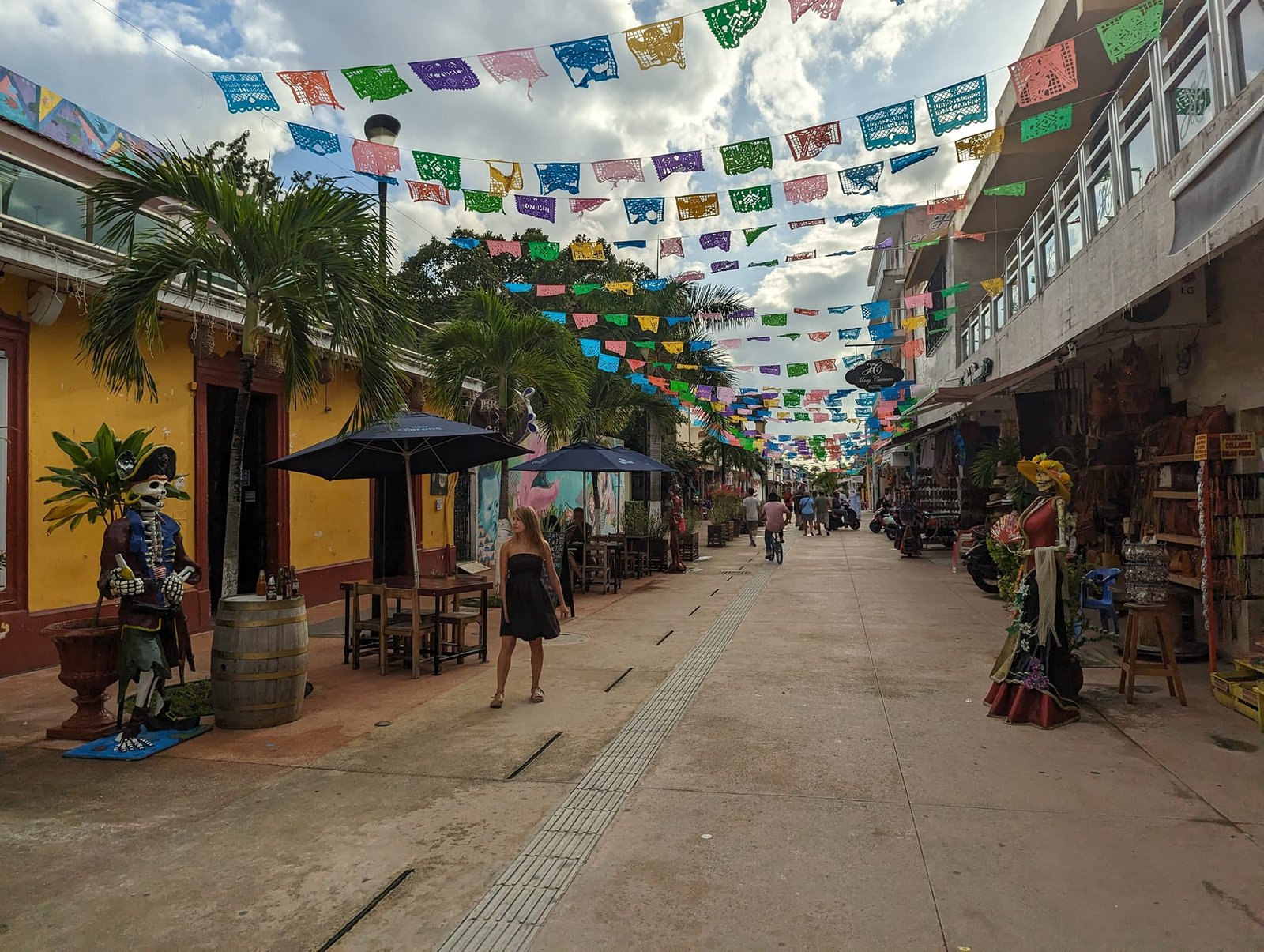
On the second day it rained heavily and a strong wind was blowing, so we only explored the centre of San Miguel de Cozumel – the largest town on the island. There are a few pretty, colourful streets with papel picado bunting, and on the Parque Benito Juárez square lots of sculptures of skulls, animals and fantastic creatures such as dragons – probably temporary, for Día de Muertos.
The island’s name comes from the Mayan Cuzamil – “island of swallows”. In 1848 refugees from the Caste War of Yucatán settled here, and a year later San Miguel was officially recognised as a town. According to the 2020 census, about 85,000 of the island’s nearly 89,000 inhabitants live here. In 2023 Cozumel received the title of Pueblo Mágico (“magical town”), awarded by the Mexican government for special cultural and historical value.
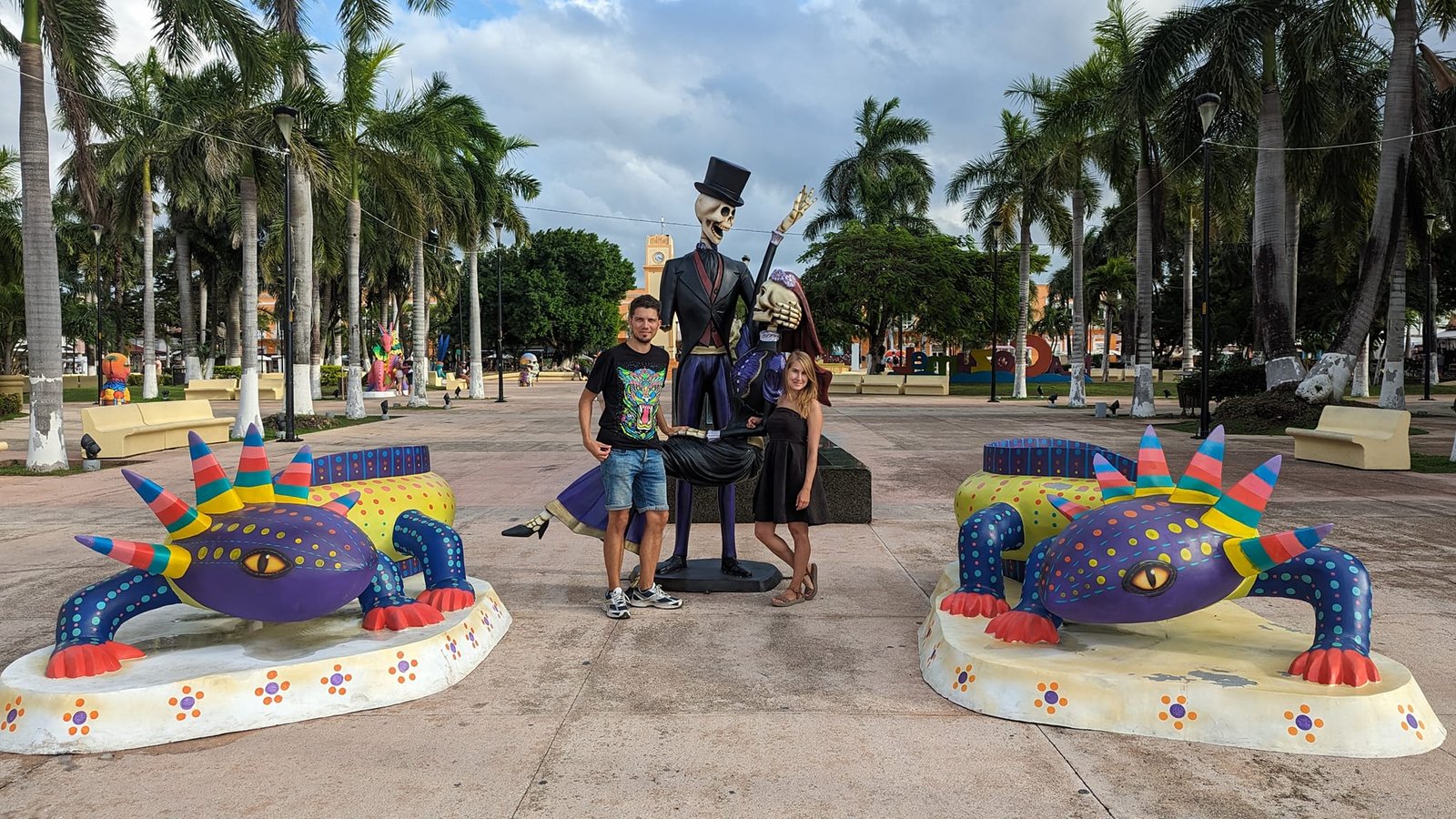
The colourful fantastic creatures are alebrijes. They were invented in 1936 by Pedro Linares from Mexico City, a craftsman who made papier-mâché figures – in a fever he dreamt of strange animals, such as a donkey with butterfly wings or a rooster with bull’s horns. Later, artisans from Oaxaca began carving them from copal wood. Alebrijes often appear around Día de Muertos, although they are not traditionally part of the holiday.
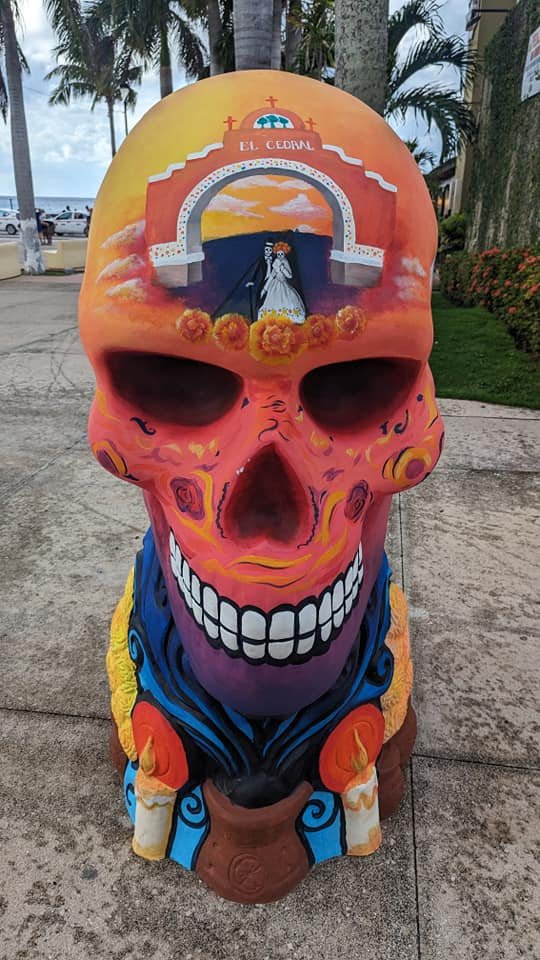
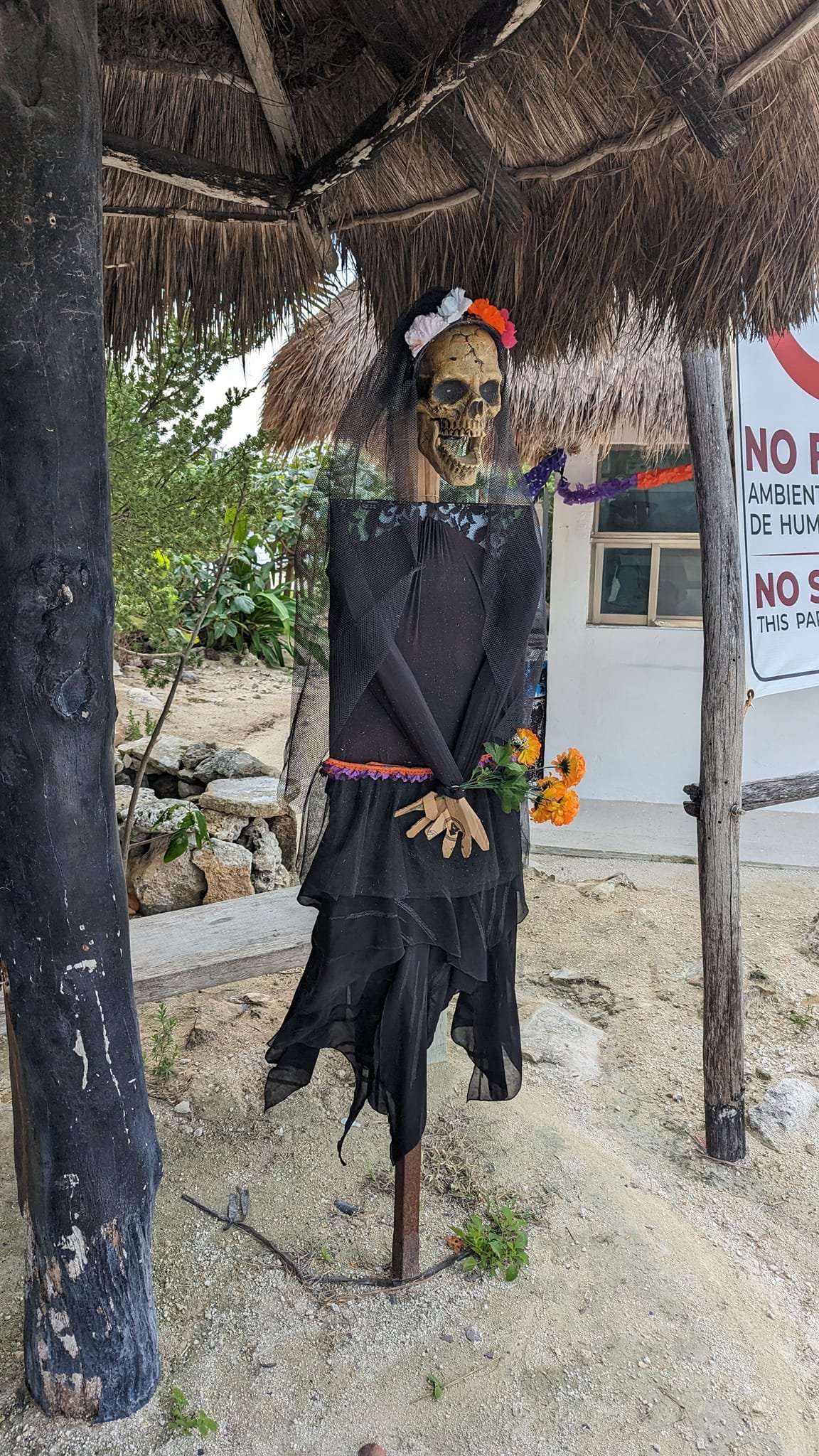
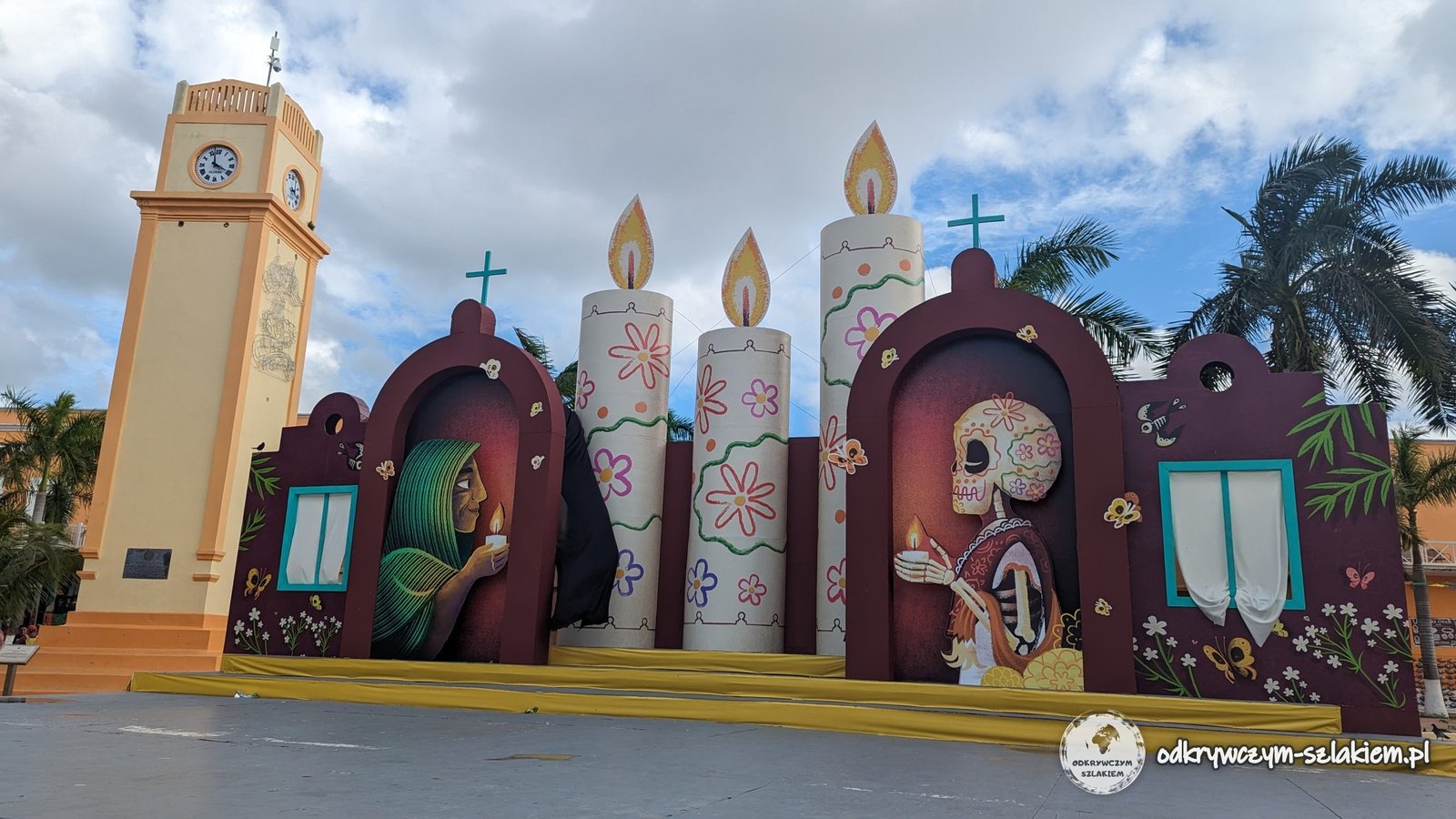
Next to the clock tower on the square there was also a large altar with giant candles and skeleton figures. Altars like this (ofrendas) are set up at the turn of October and November – according to tradition, the souls of the dead briefly return to their loved ones at that time. Mexico’s Day of the Dead has been on the UNESCO Intangible Cultural Heritage list since 2008.

On the first evening, after the reef trip, we walked along the seafront promenade (malecón) on Avenida Rafael E. Melgar. General Rafael E. Melgar was governor of the territory of Quintana Roo from 1935 to 1940, and the promenade was built under his administration. The ferries from Playa del Carmen dock at the Muelle Fiscal pier, and a little further on stands a fountain dedicated to the coral reefs – an arch of corals, fish and a turtle with two divers swimming beneath it.


A beach club and snorkelling on our own
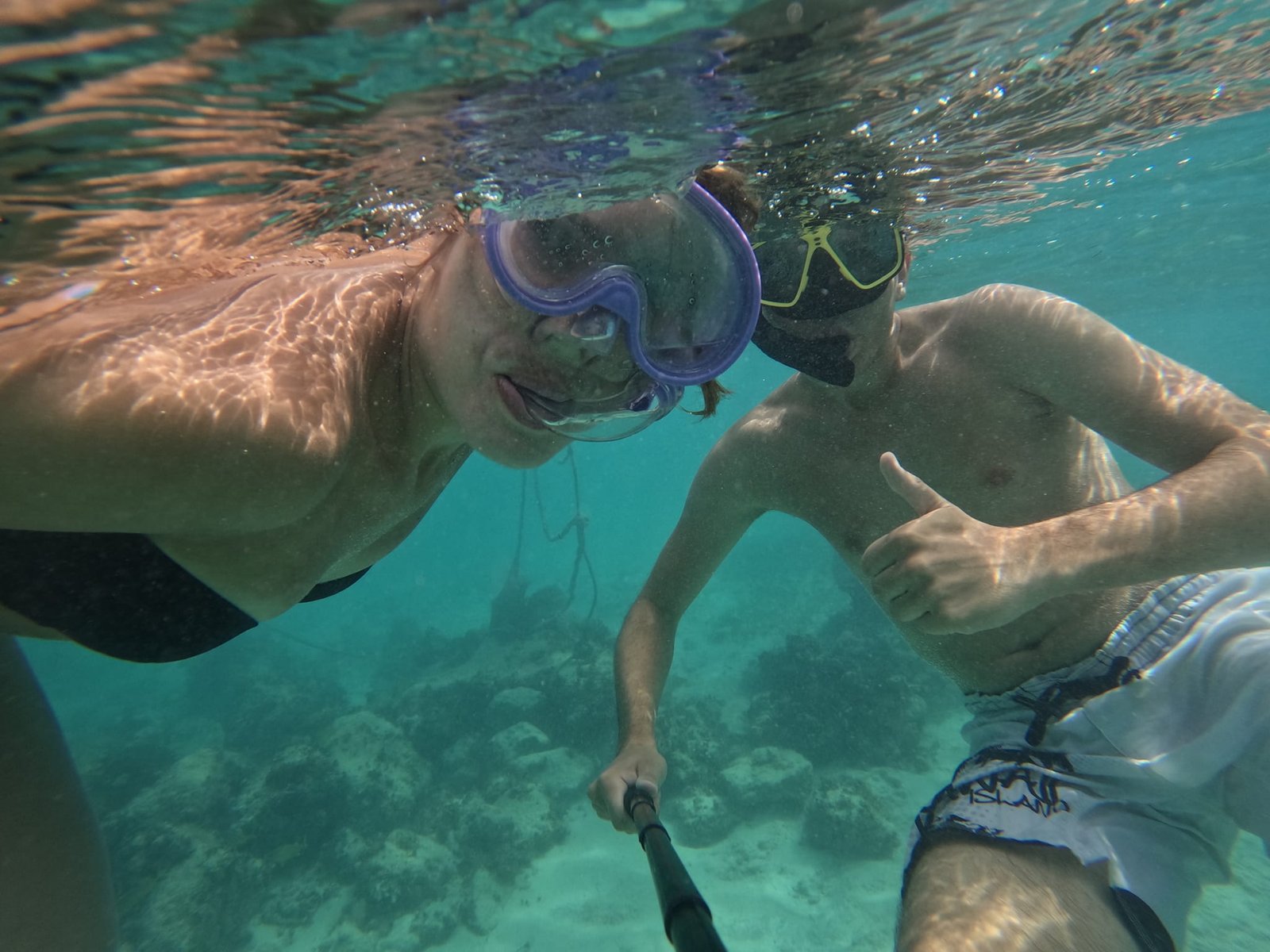
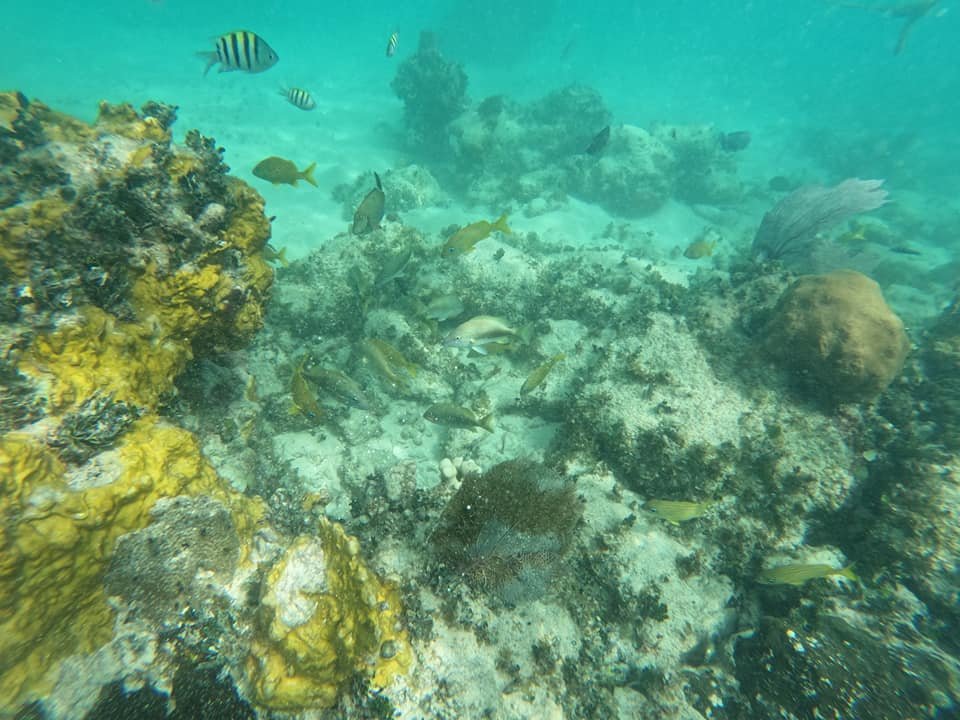
The tour programme also included a beach club, but there wasn’t enough time for it – instead we got free entry on another day. Beach clubs are bars with a good spot for sunbathing and usually for snorkelling; either you pay an entry fee or you commit to spending a certain amount on food and drink (for us 20 USD). Ours (Bahia Bay Aquarium) wasn’t great – we recommend trying somewhere else. As luck would have it, that day you couldn’t rent kayaks because of the strong waves, but while snorkelling on our own we stumbled upon a piece of coral reef.
Around the island by scooter – the wild east coast
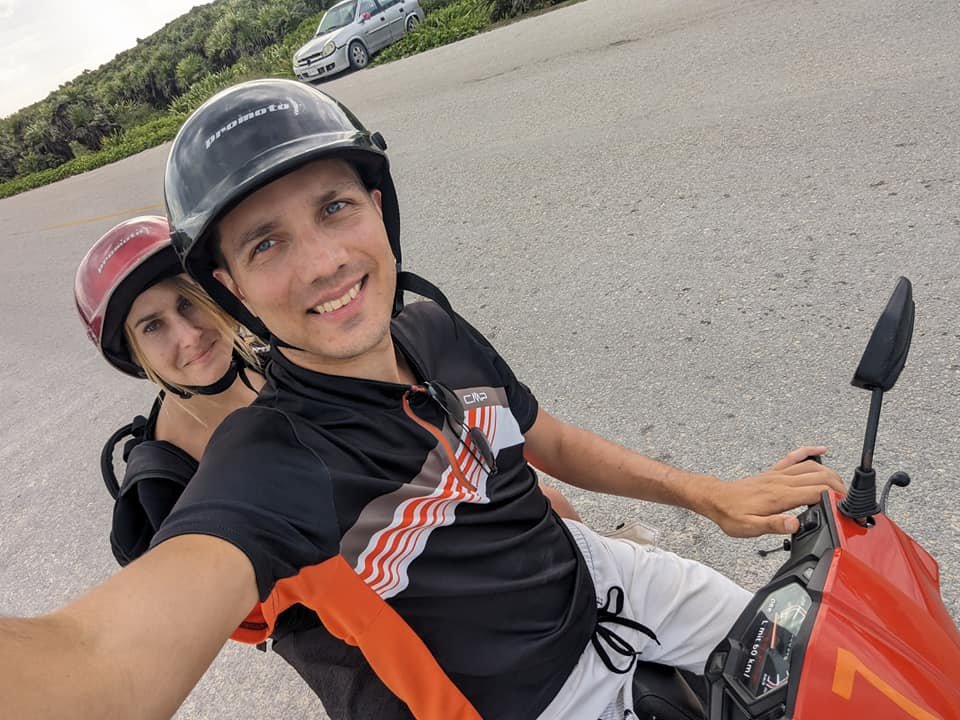
Public transport on the island works practically only within San Miguel, so we rented a scooter and rode around the whole of Cozumel. The interior of the island is dense jungle, and on the way we visited beautiful beaches on the east coast.
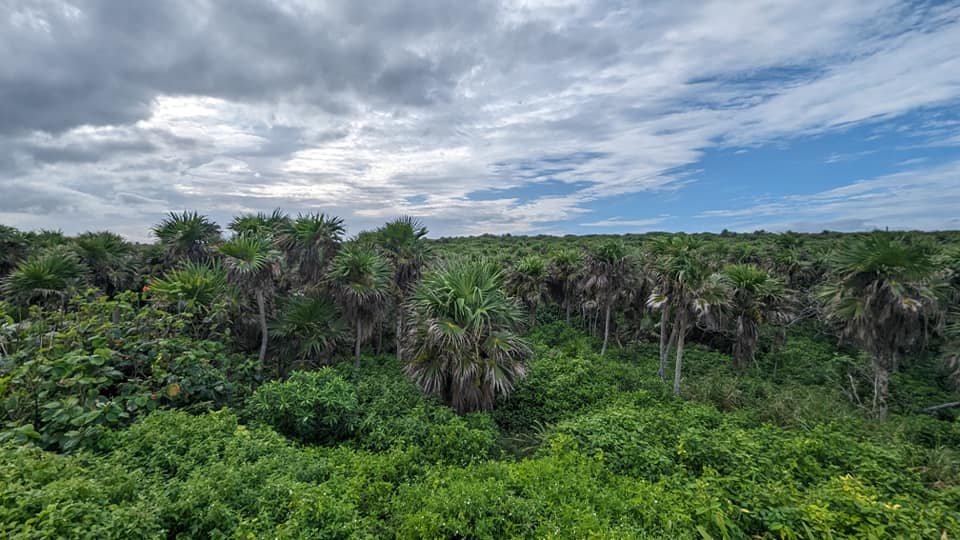
Cozumel is Mexico’s largest Caribbean island. It is flat and made of limestone – its highest natural point is less than 15 m above sea level. The karst ground hides 18 deep cenotes and more than 250 shallow bodies of water, and large areas are covered with mangroves. Several endemic species live here, including the pygmy raccoon and the Cozumel emerald hummingbird.
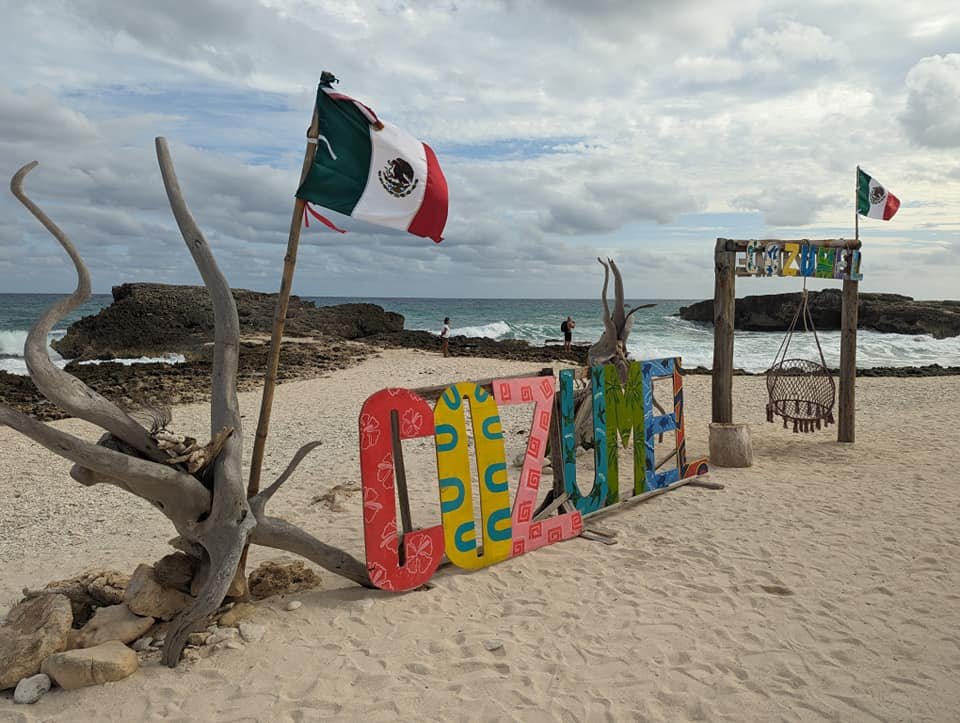
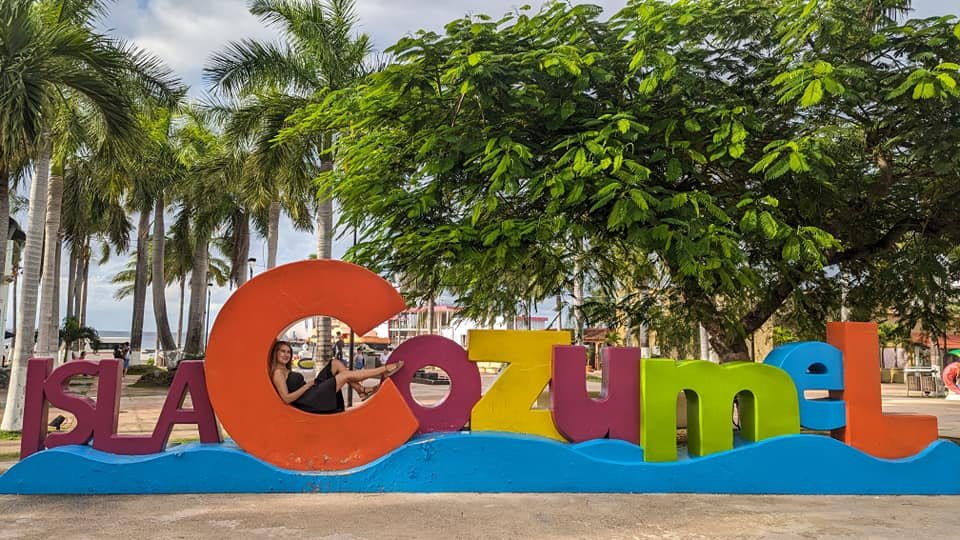
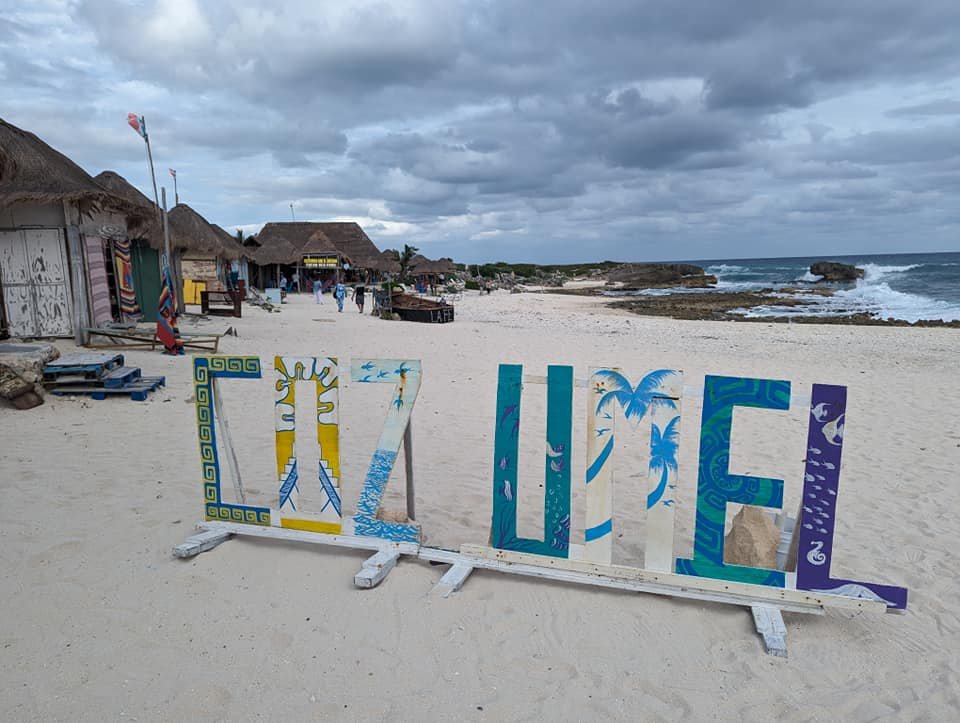
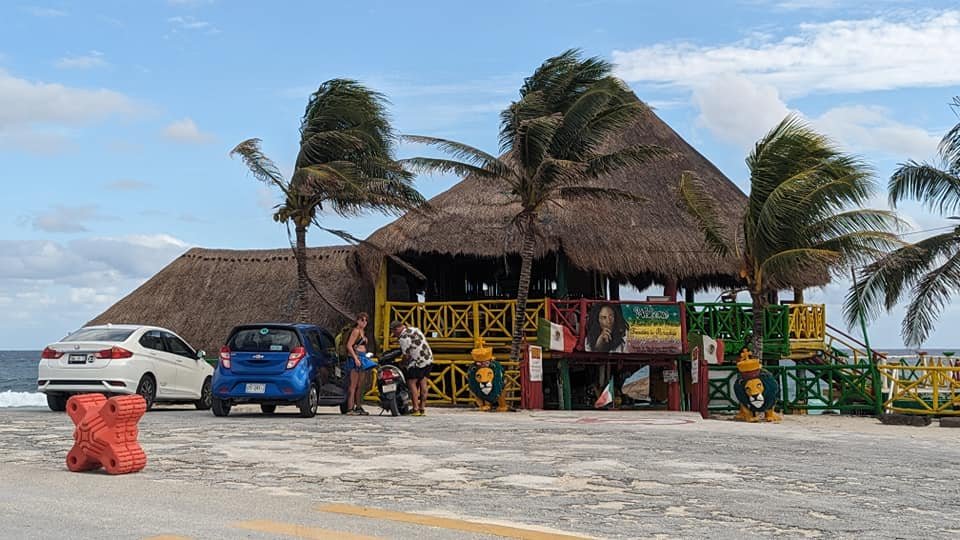
The east of the island is far less touristy than the west – only every now and then do you pass a restaurant or a shop, and by the beaches there are thatched bars and colourful “Cozumel” letters.
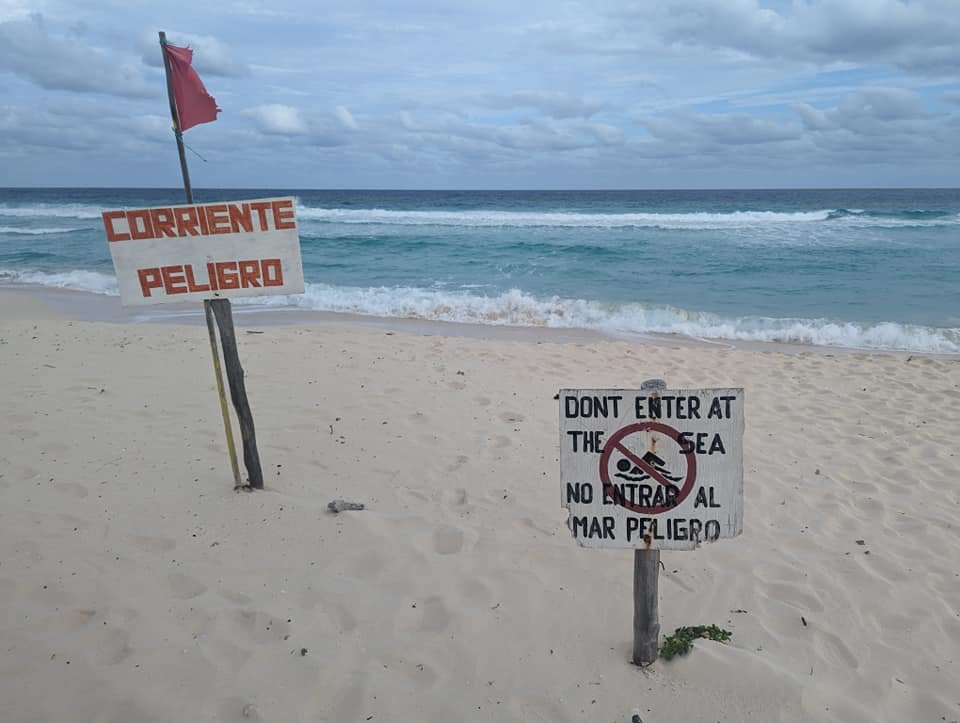
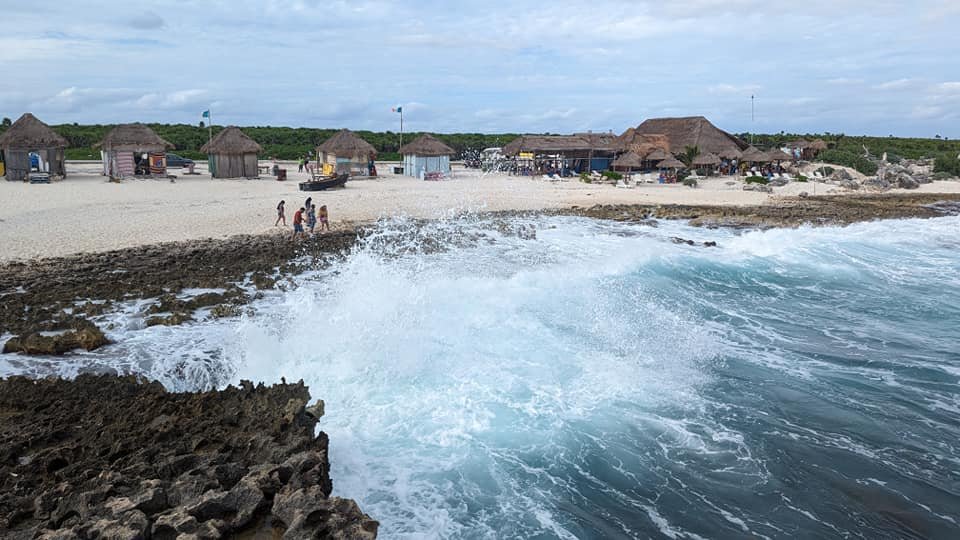
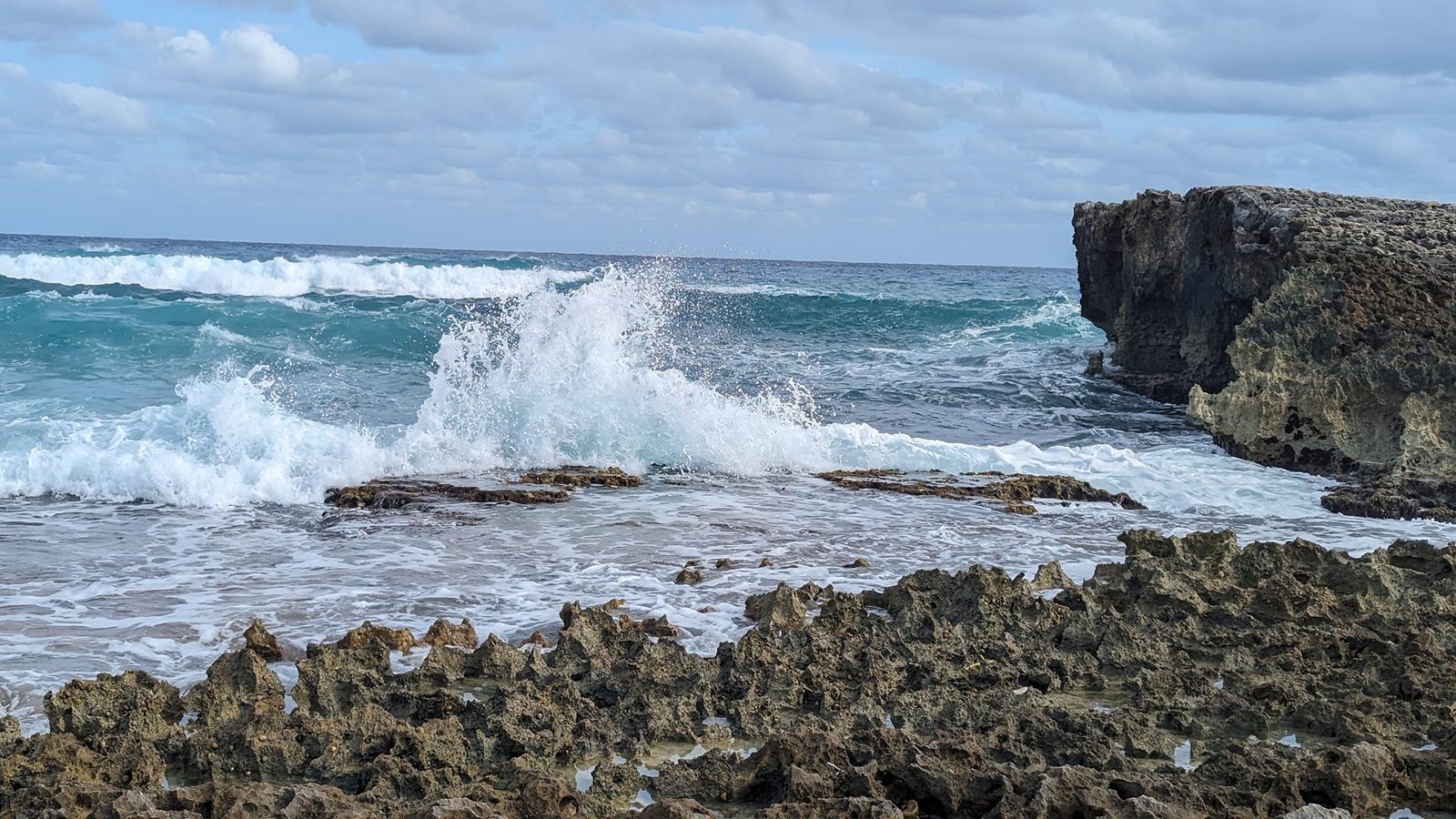
Unfortunately some beaches are only good for sunbathing – because of strong sea currents swimming is forbidden there, as signs warn. The waves crash loudly against the rocky shore.
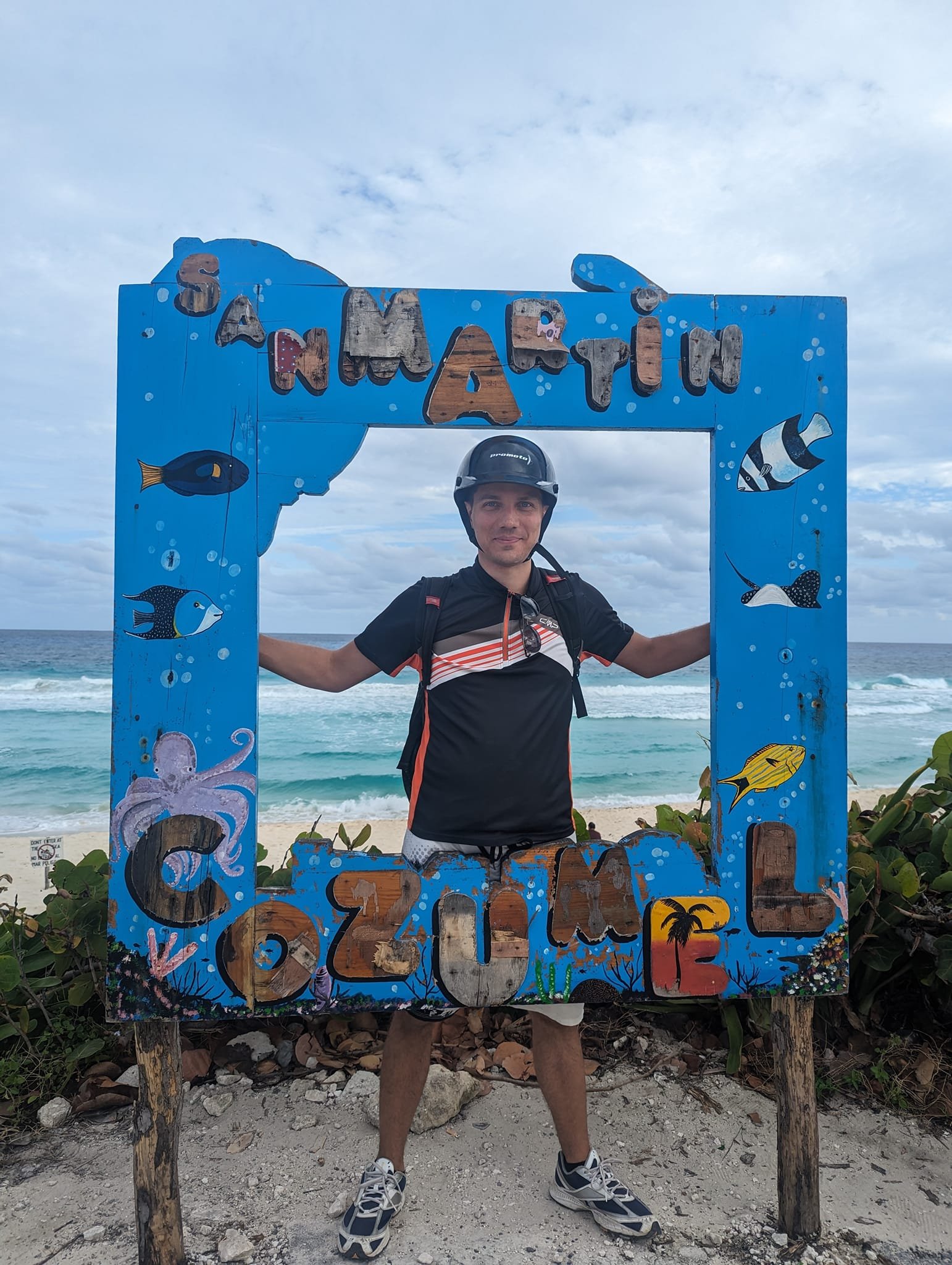
A little further on, at San Martín beach, a wooden boardwalk leads to the Mirador San Martín viewpoint. Further north the road runs along the coast between palm trees and low scrub.


What we left for next time
With more time, it’s worth going (preferably as early as possible) to Punta Sur Eco Beach Park at the southern tip of the island – you can climb the lighthouse, relax on beautiful beaches or take a catamaran trip on a lagoon with crocodiles. Admission cost 306 MXN for adults. We skipped the San Gervasio ruins, though, because compared with those on the mainland they look unimpressive, as well as the “Mayan”-style theme parks (Pueblo del Maíz, Kun Che Park). We’d had plenty of ruins anyway in Tulum and Cobá.


Officially, Punta Sur is the Laguna Colombia State Ecological Park. Next to the Celarain lighthouse, in the former lighthouse keeper’s house, there is a navigation museum, and nearby stands a small Maya structure, El Caracol – shells set into its dome hummed in strong winds, warning of storms.
The ruins of San Gervasio are the remains of the largest Maya city on the island. It was a centre of worship of the goddess Ixchel, patroness of childbirth, fertility and weaving – Maya women tried to come here with an offering at least once in their lives.
A statue of Ixchel also stands in the centre of San Miguel, on the main square. And the swallow that gave the island its name (Cuzamil) features on the flag of Cozumel.

Practical information
- Getting there: ferries from Playa del Carmen (including Ultramar) arrive at the Muelle Fiscal pier in the centre of San Miguel; the crossing takes about 40 minutes. In windy weather it gets very bumpy – a seasickness tablet may come in handy.
- Snorkelling tour: boat trips to the reefs and the El Cielo sandbar are sold by agencies in San Miguel. The reefs are in a national park, so only boats with a permit may run tours there. It is worth checking what is included – gear, snacks, drinks, entry to a beach club.
- Scooter: the most convenient way to go around the whole island – there are rental shops in San Miguel. Before setting off it is worth photographing the scooter so that you are not held responsible for earlier scratches when you return it.
- Beaches in the east: pay attention to the signs – on many of them swimming is dangerous because of the currents.
- Prices: the island is more expensive than the mainland.
- Punta Sur (as of 2026): tickets from MXN 323, entry 9:00 am – 4:00 pm, the park is usually closed on Sundays. There is no public transport – you need a scooter, your own car or a taxi.
- San Gervasio (as of 2026): the ruins are open daily from 8:00 to 16:00, the gate on the main road closes at 15:45, and from there it is another 7 km to the ticket office. There is no public transport to the site.