When in Mexico, you absolutely have to visit a cenote. It is a natural well or sinkhole, formed when the limestone bedrock collapses and exposes the groundwater. The name comes from the Yucatán Peninsula, where the ancient Maya drew water from cenotes and also made offerings in them. There are open cenotes, underground ones and ones hidden in caves. Most of them are in the states of Yucatán and Quintana Roo.
During our stay in Valladolid (18–23 November 2023) we visited five cenotes: Suytun, Káapeh, X’kekén, Samula and X’canché. Each one is different – from underground caves with stalactites to open pools in the jungle. Entry usually costs from about €9, and after a few cenotes the experience gets rather repetitive – which is why we chose three places, two of which have two cenotes each.
 6:47
Table of contents
- Suytun and Káapeh
- X’kekén and Samula
- X’canché – the most fun
- Water temperature and wildlife
- Valladolid – a base for trips
- Practical information – getting there and prices
Suytun and Káapeh
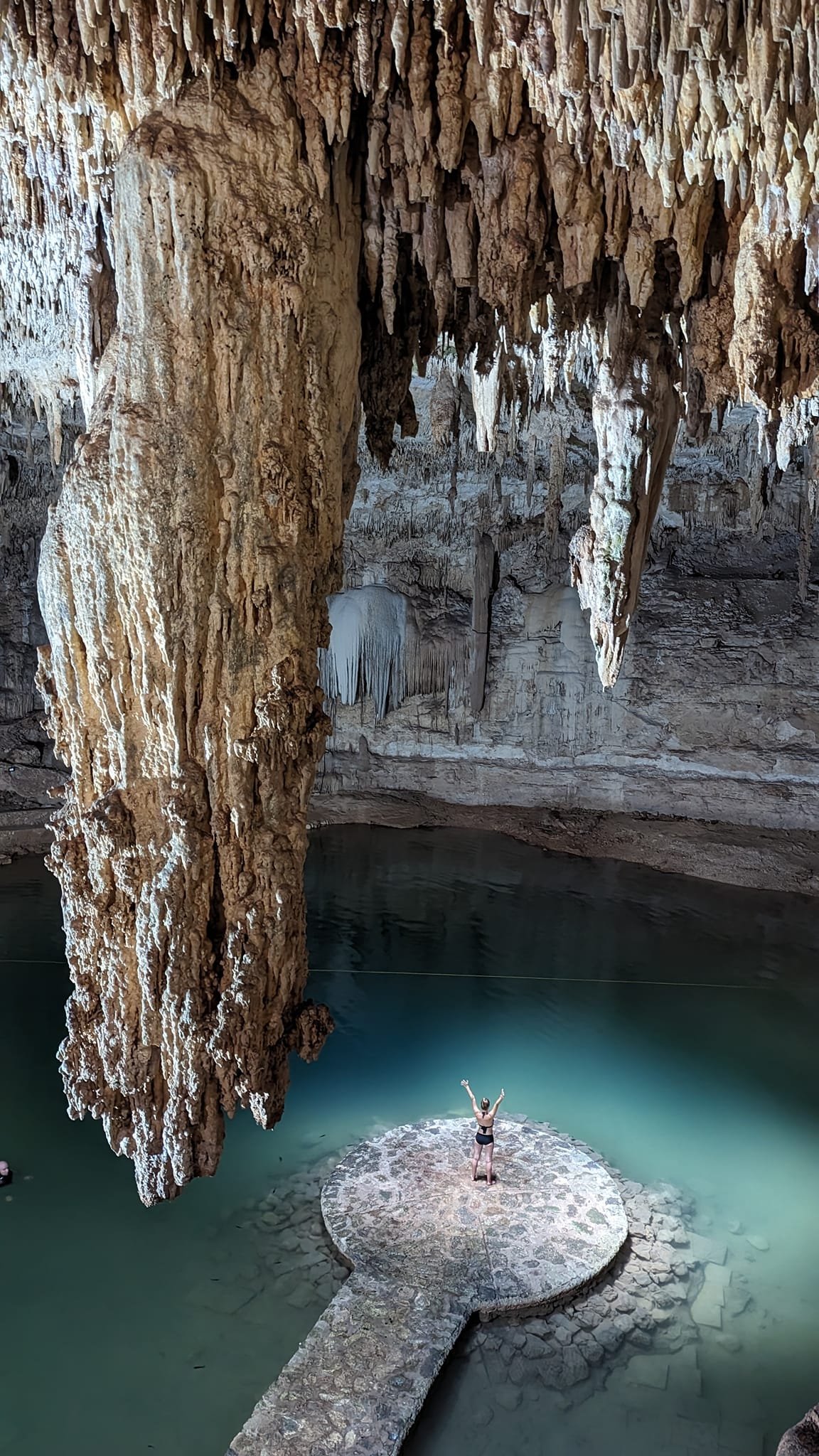
Among the most beautiful of the eight cenotes we saw in Mexico (including those in Chemuyil) are Suytun and X’kekén – both are in caves where you can admire stalactites. Suytun is famous for its stone platform in the middle of the water, lit through an opening in the ceiling – a spot made for social media photos, which is why it is extremely crowded. It is best to arrive first thing in the morning, just before opening: that way we managed to take plenty of photos and videos without waiting.
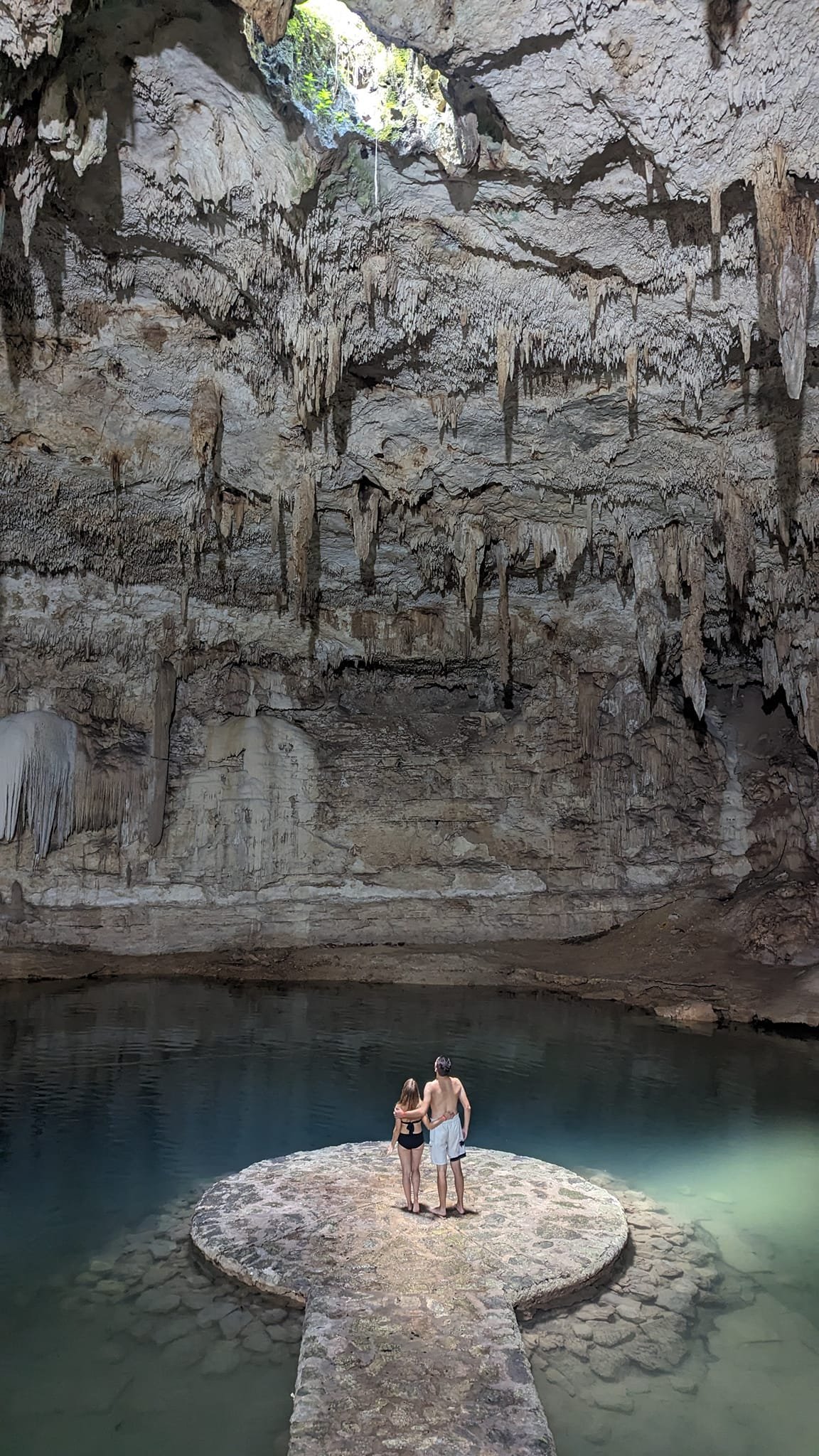
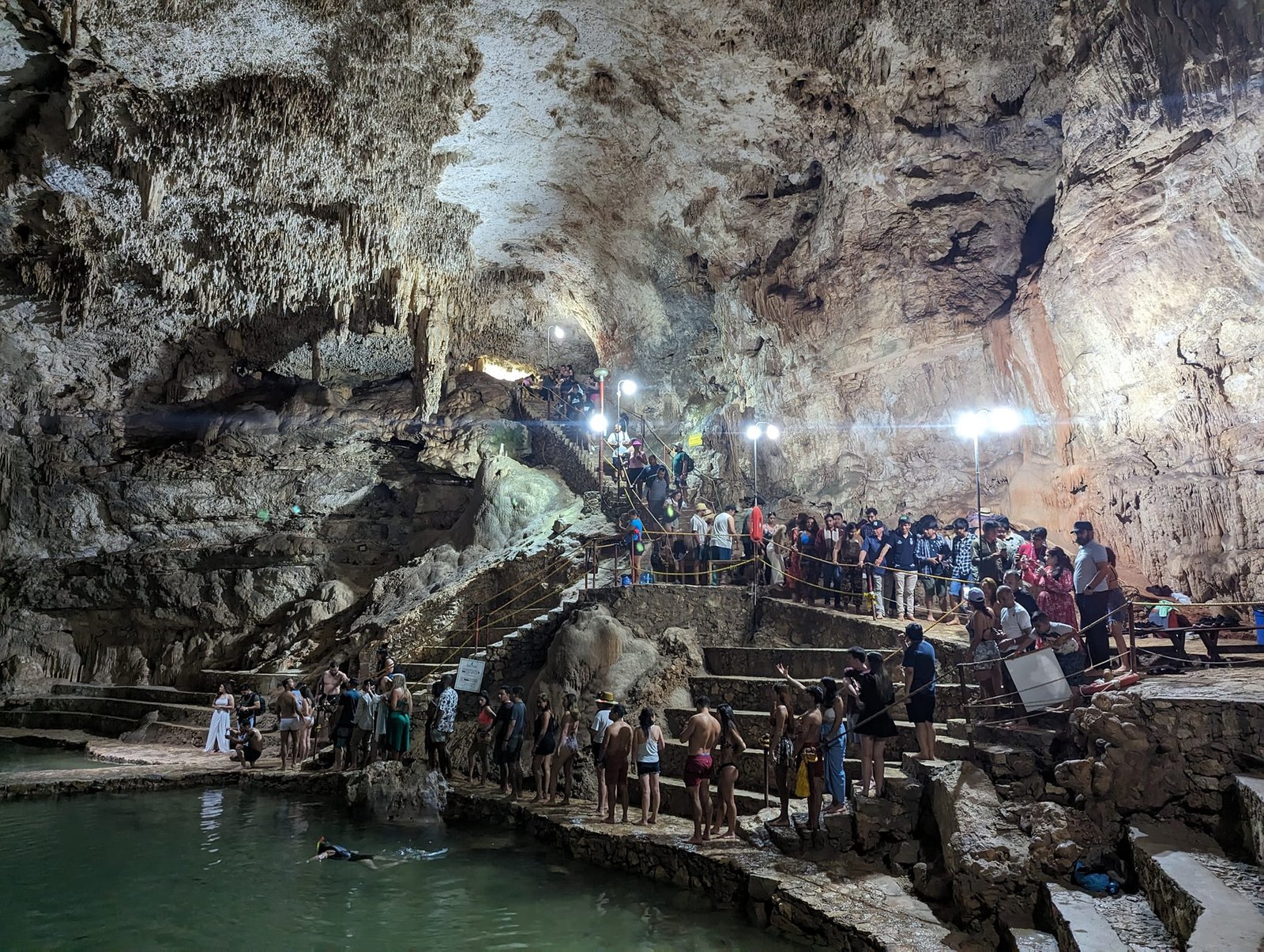
An hour later there was already a gigantic queue. For us Suytun is definitely too touristy, so we did not spend much time there.
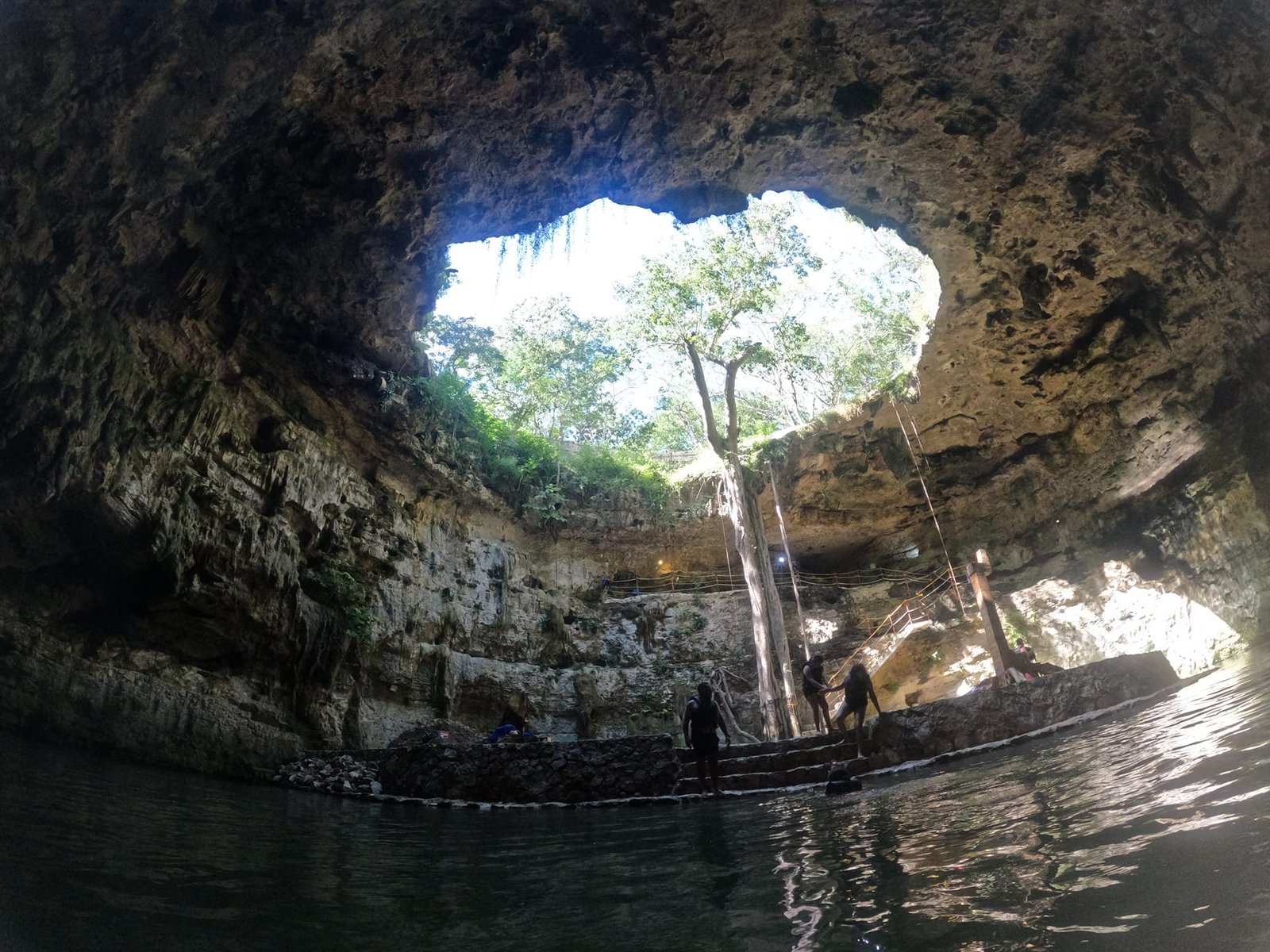
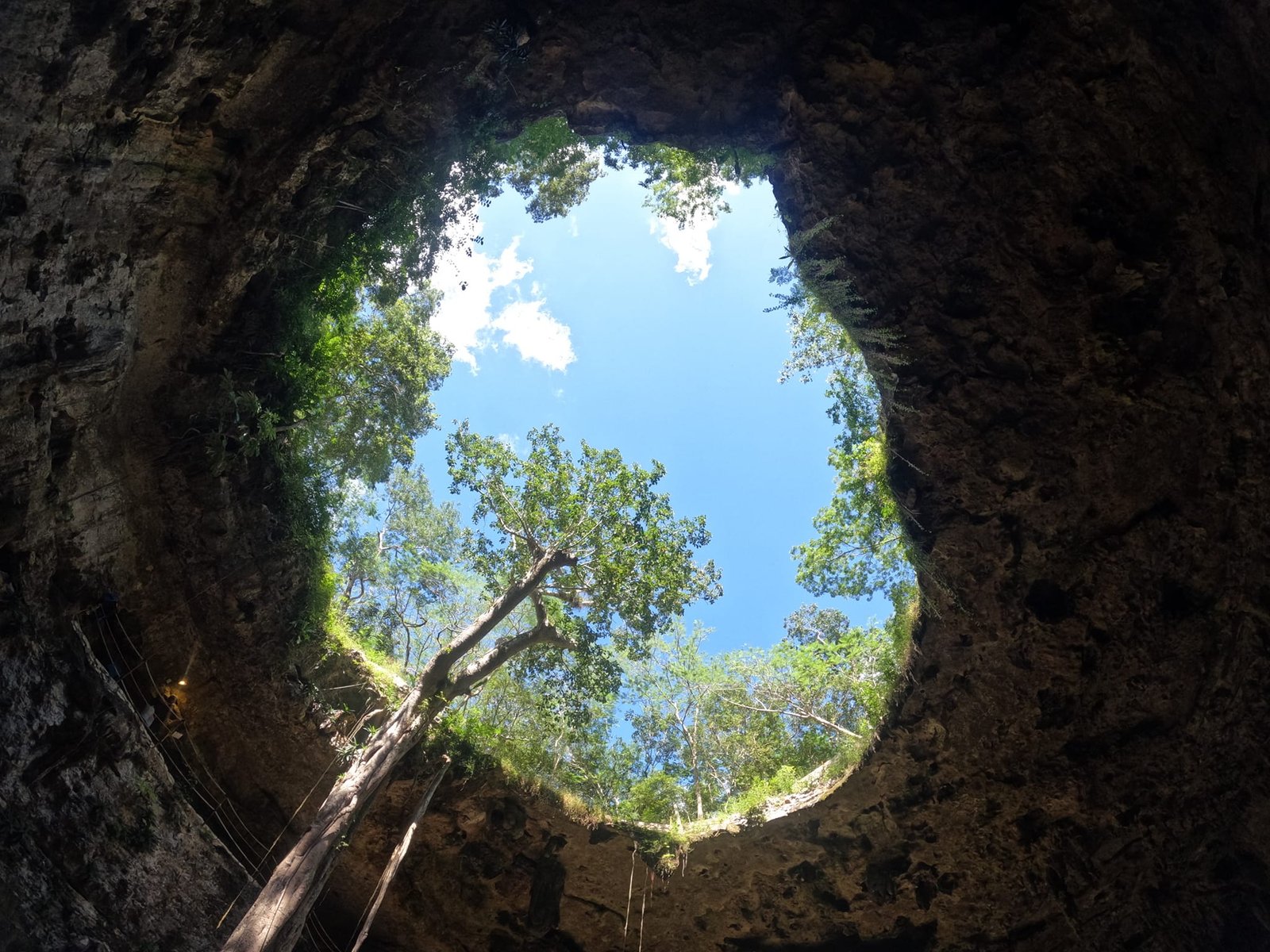
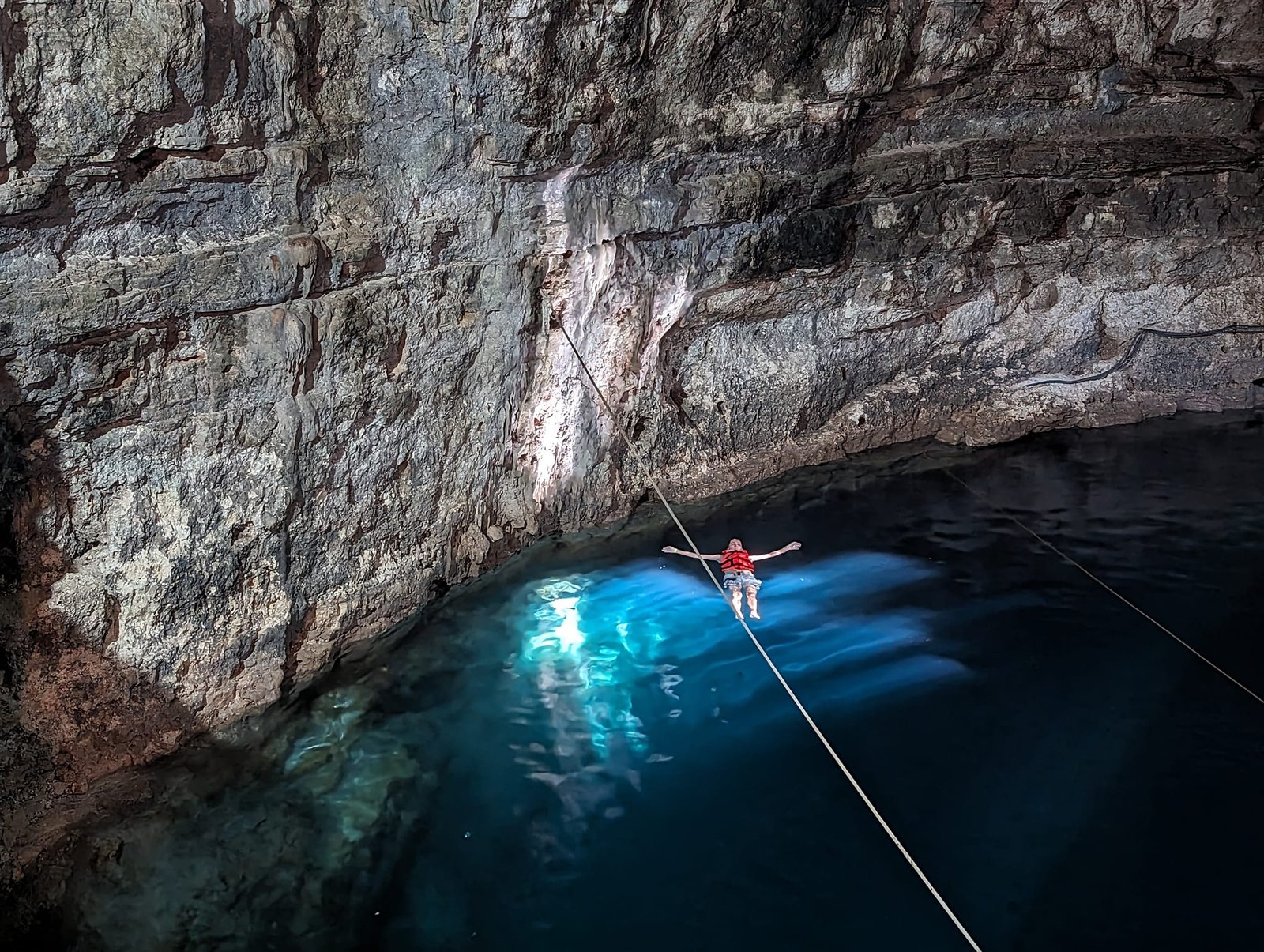
Fortunately, the ticket (250 MXN, about €13) also lets you visit the open cenote Káapeh right next door. There are far fewer tourists there, and you can swim in peace, looking up at the sky through a round hole in the rock.
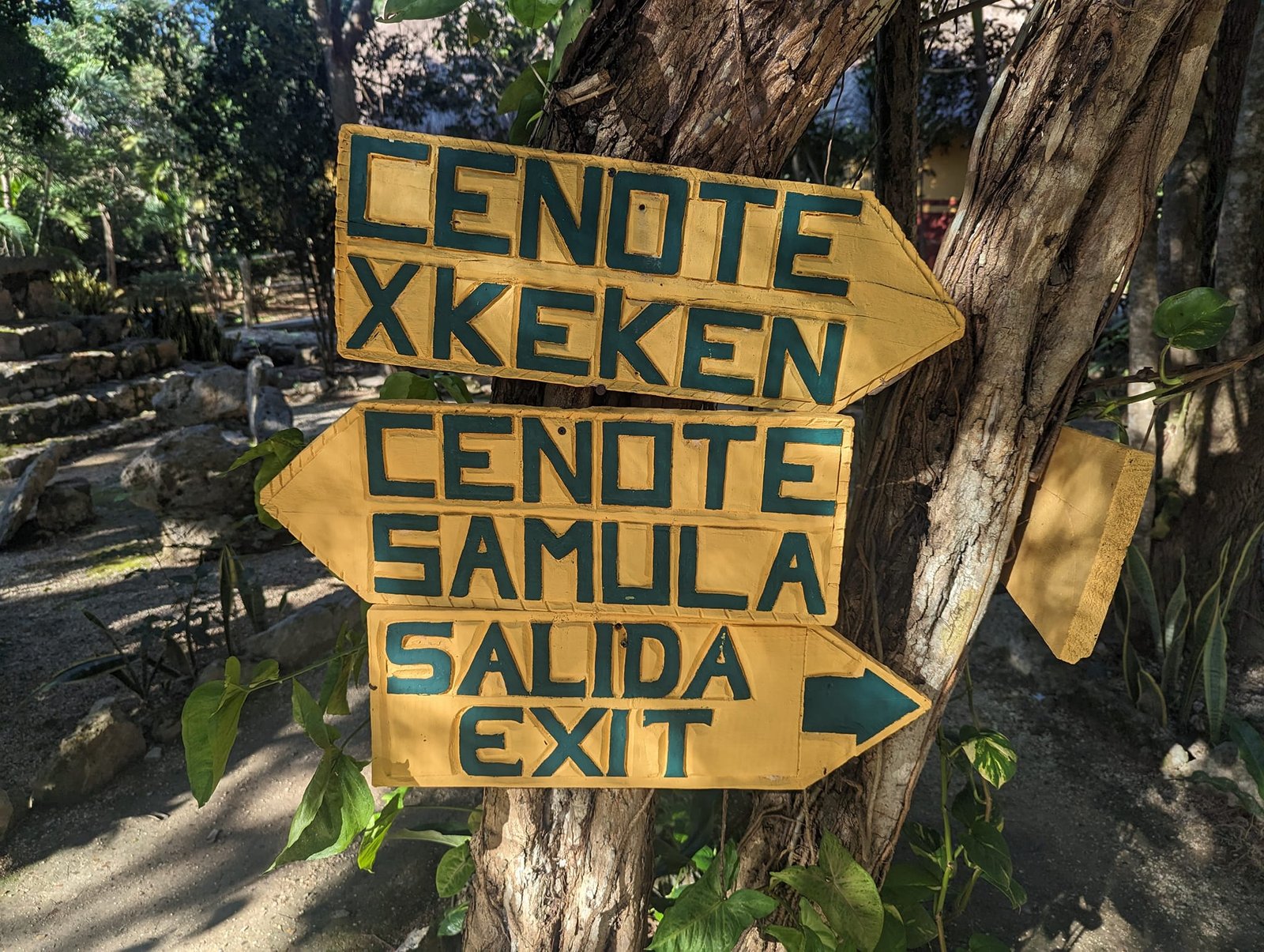
X’kekén and Samula
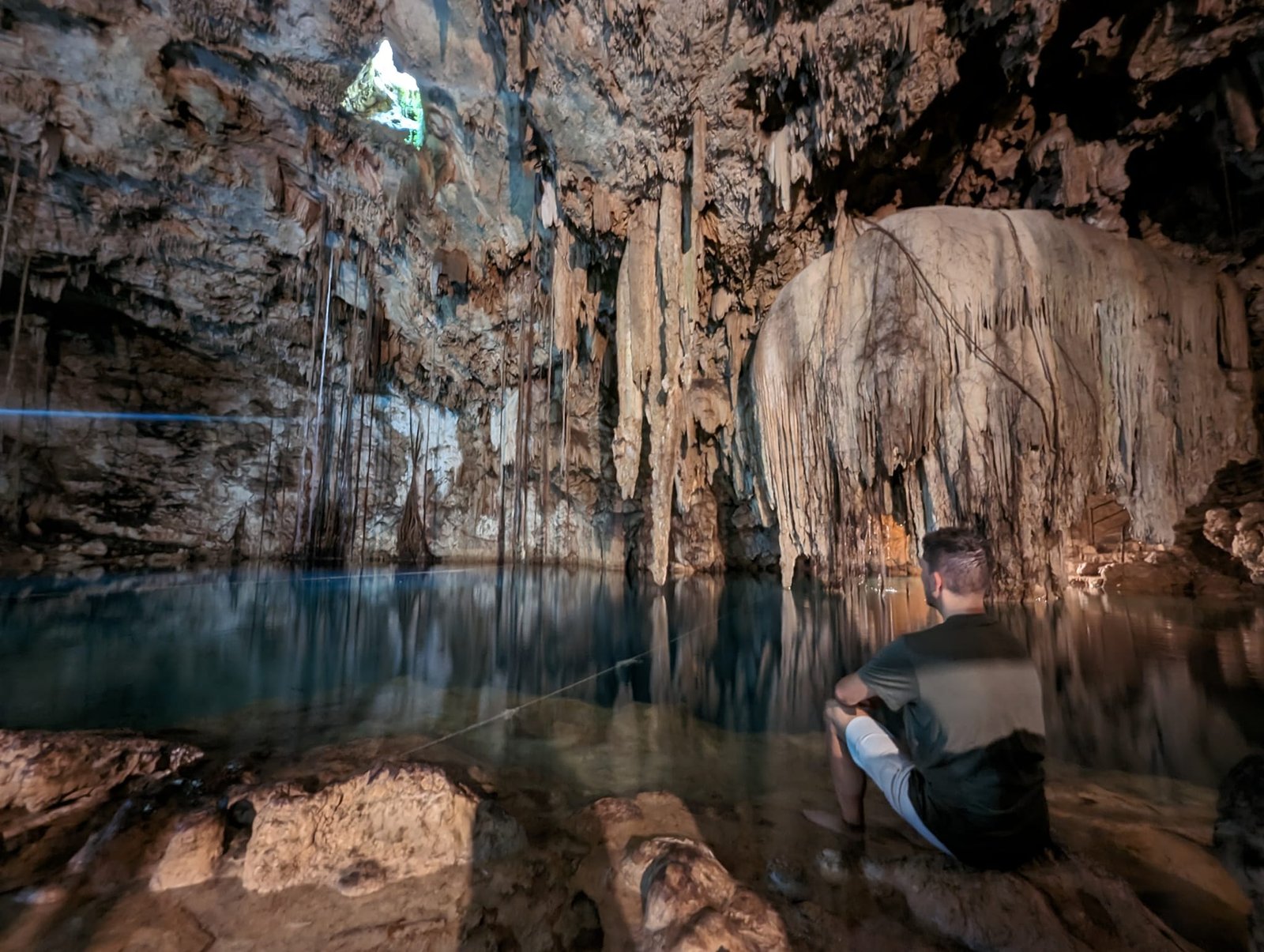
X’kekén works the same way: with your ticket you can also enter the neighbouring cenote Samula (226 MXN, about €12 for both). Early in the morning there are almost no tourists – it is quiet, peaceful and atmospheric.
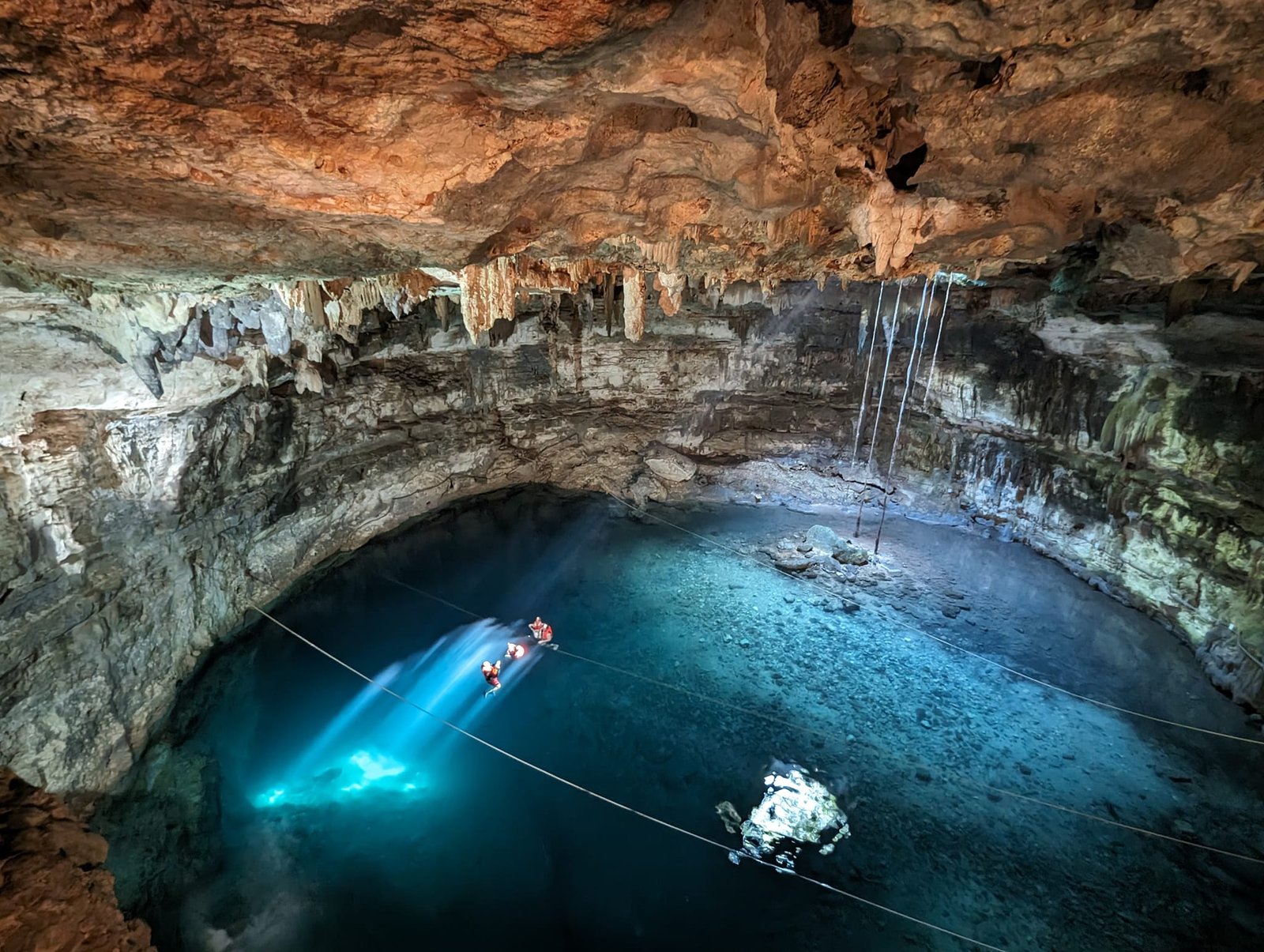
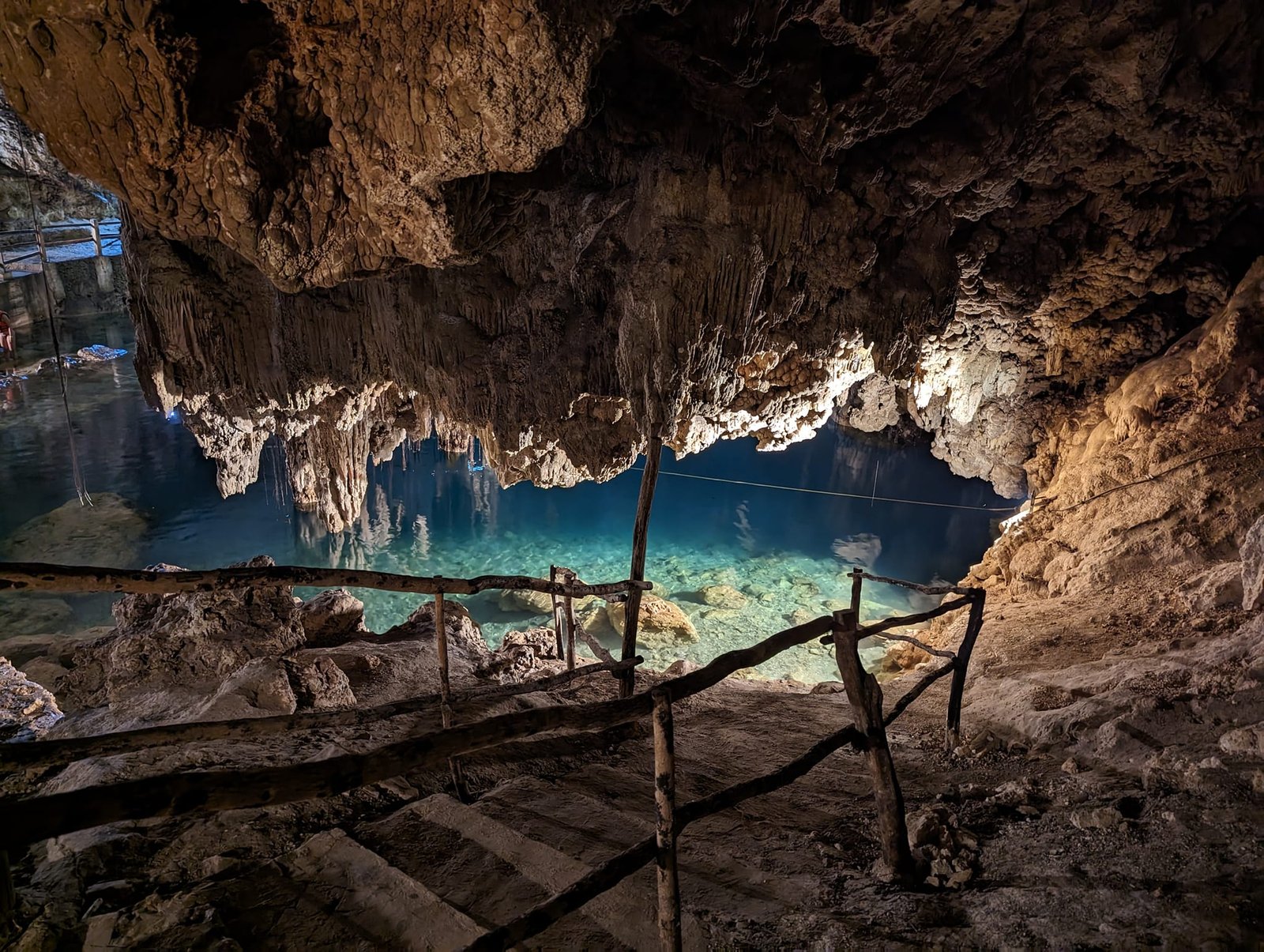
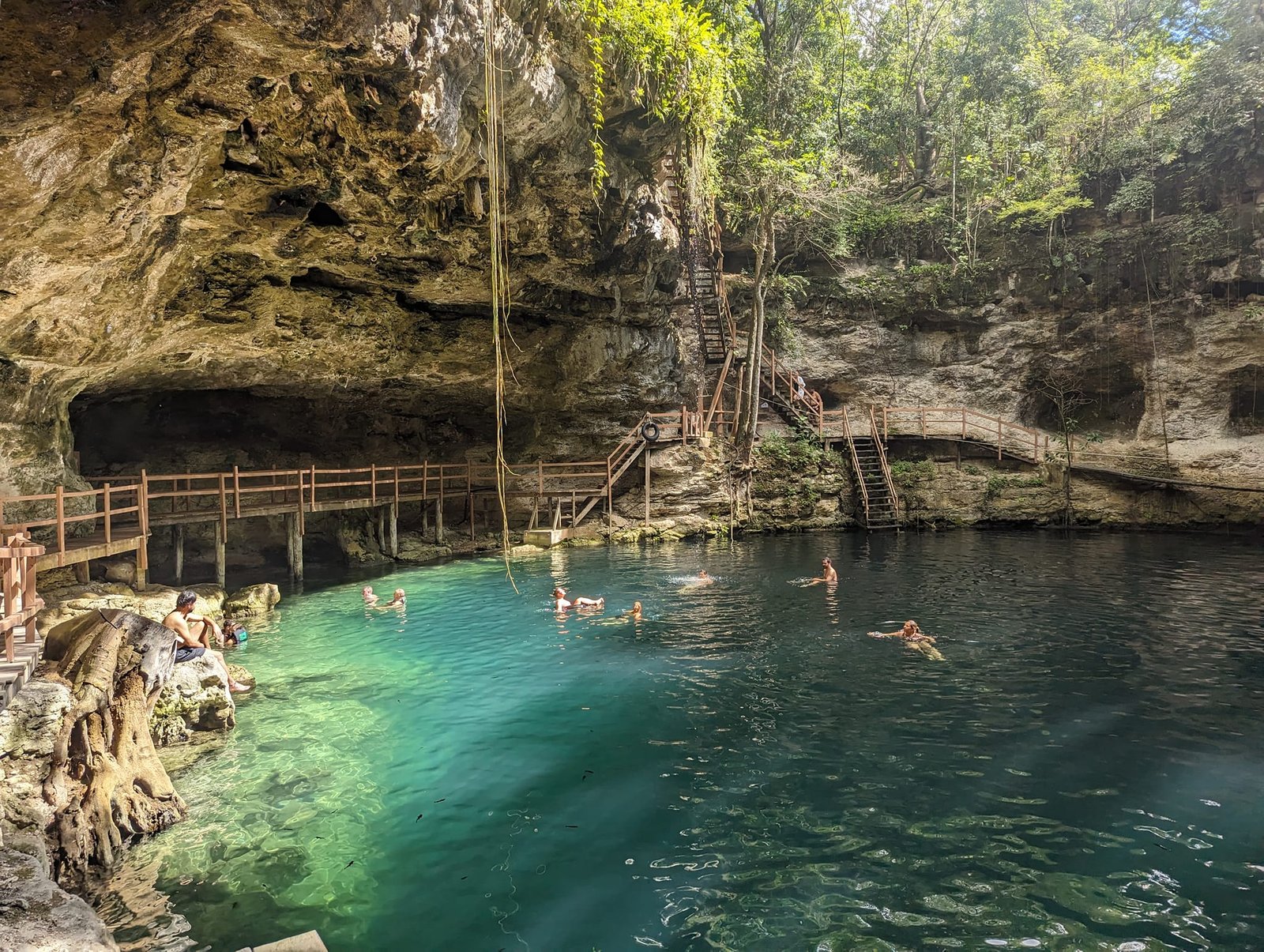
X’kekén is a cave full of stalactites, with turquoise water and wooden railings along the path. A beam of light comes in through a small opening in the ceiling.
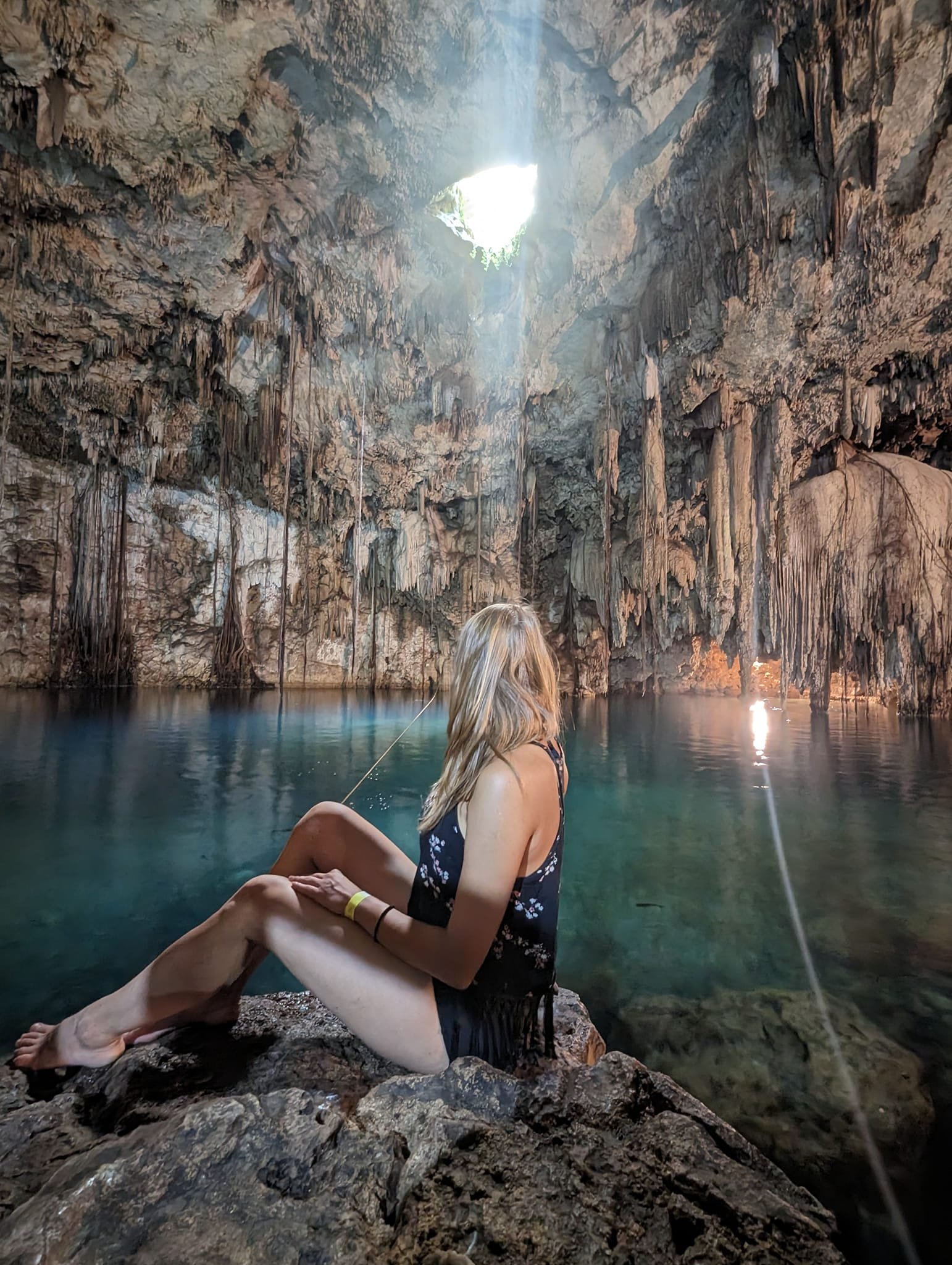
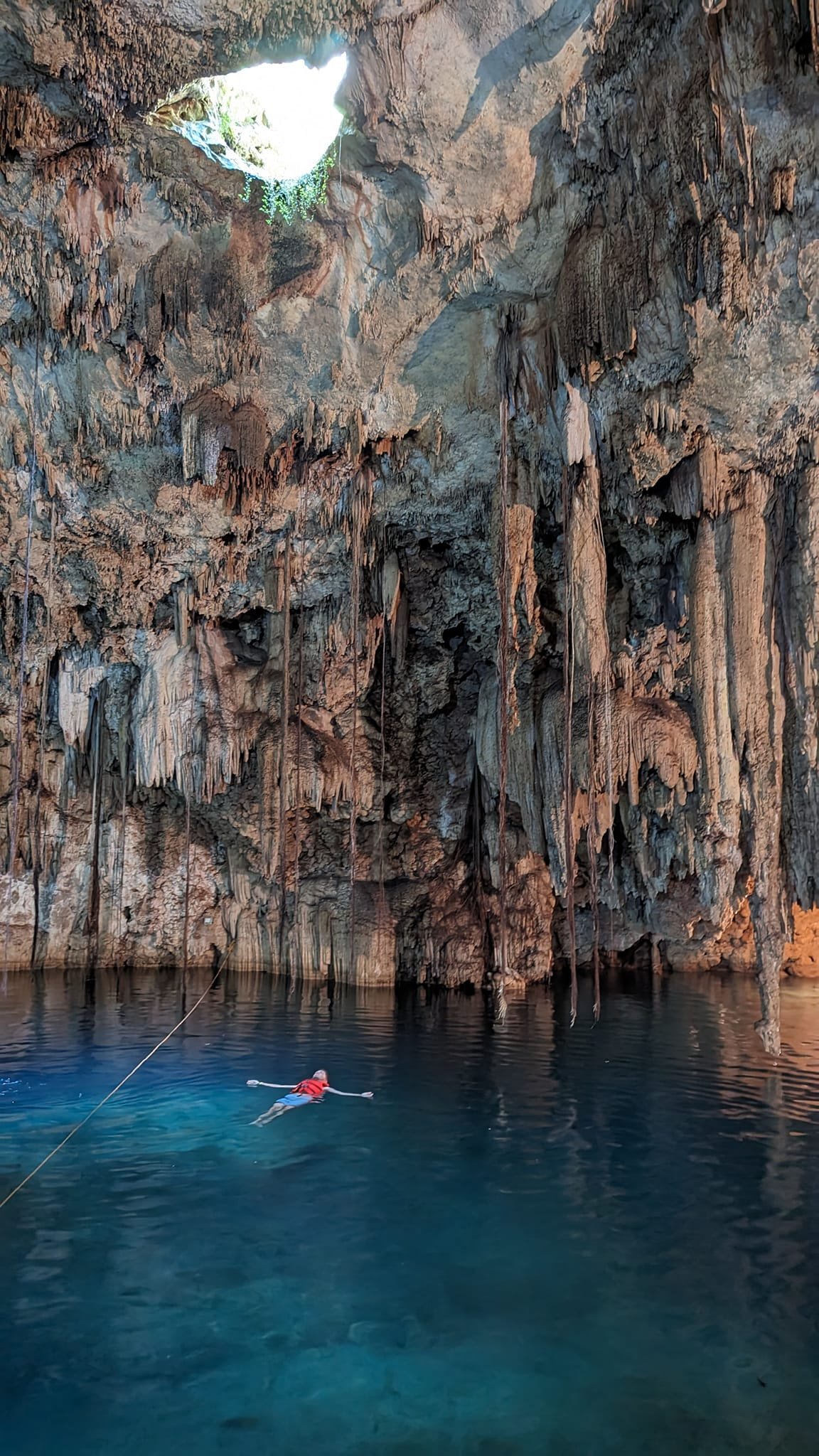
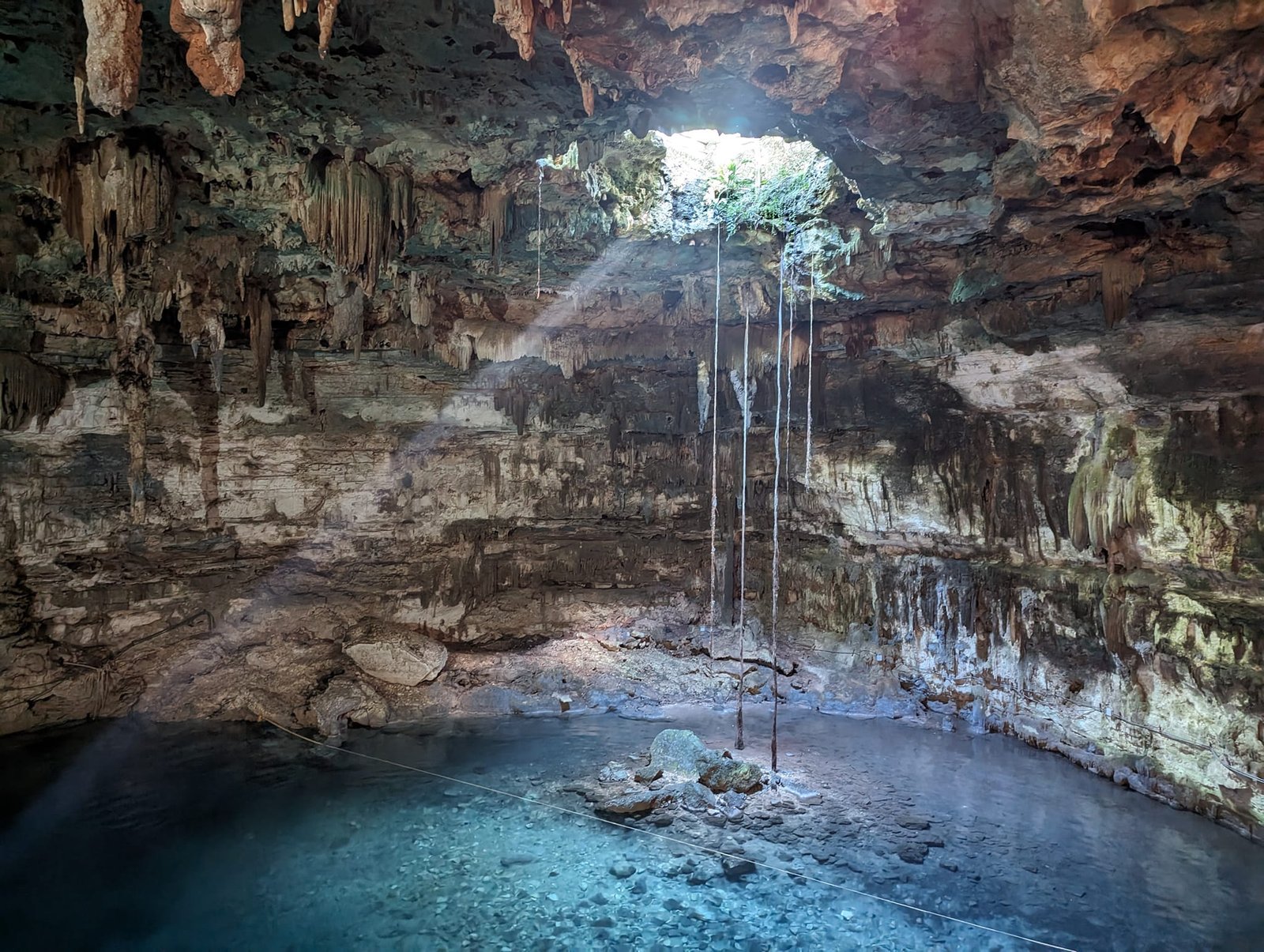
In Samula, tree roots hang down through the opening in the ceiling, and when the sun is out a beam of light falls into the turquoise water.
X’canché – the most fun
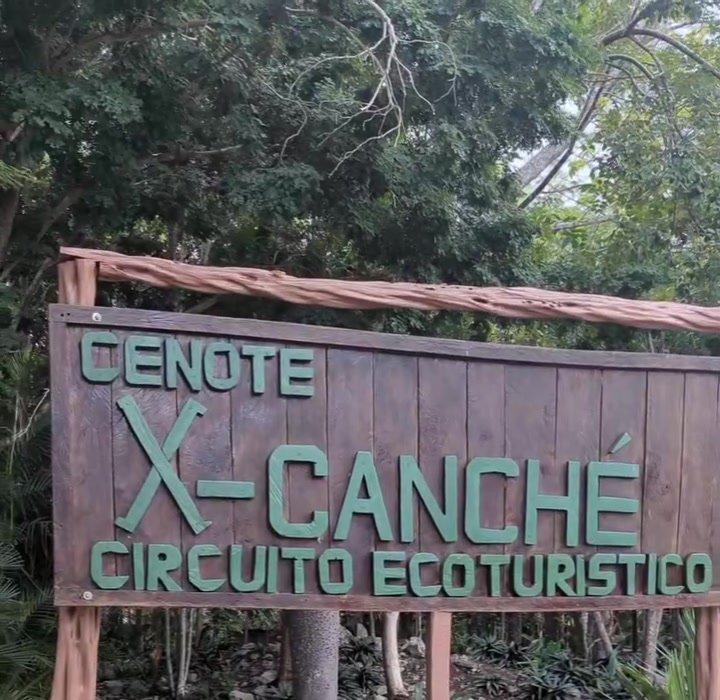
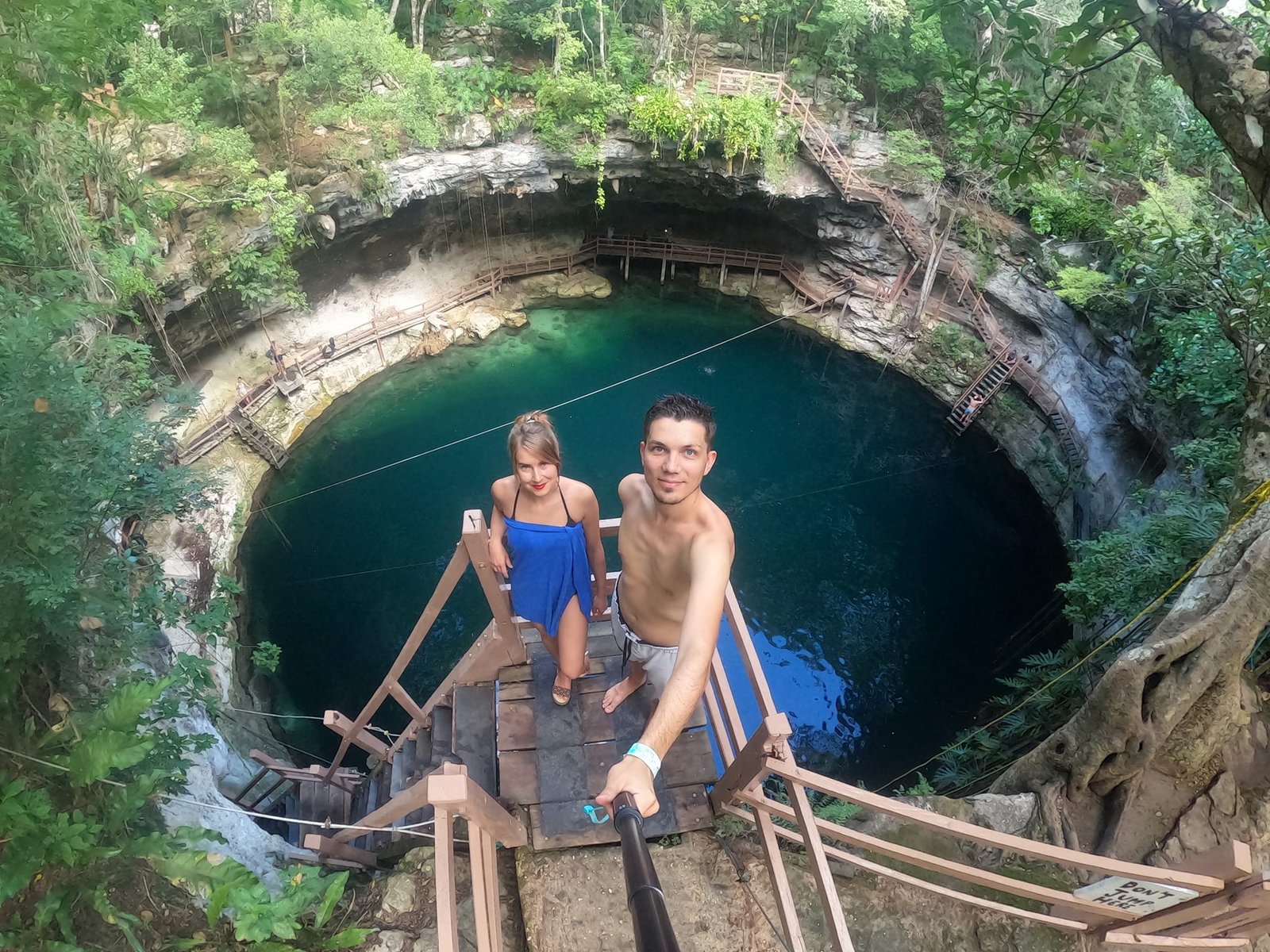
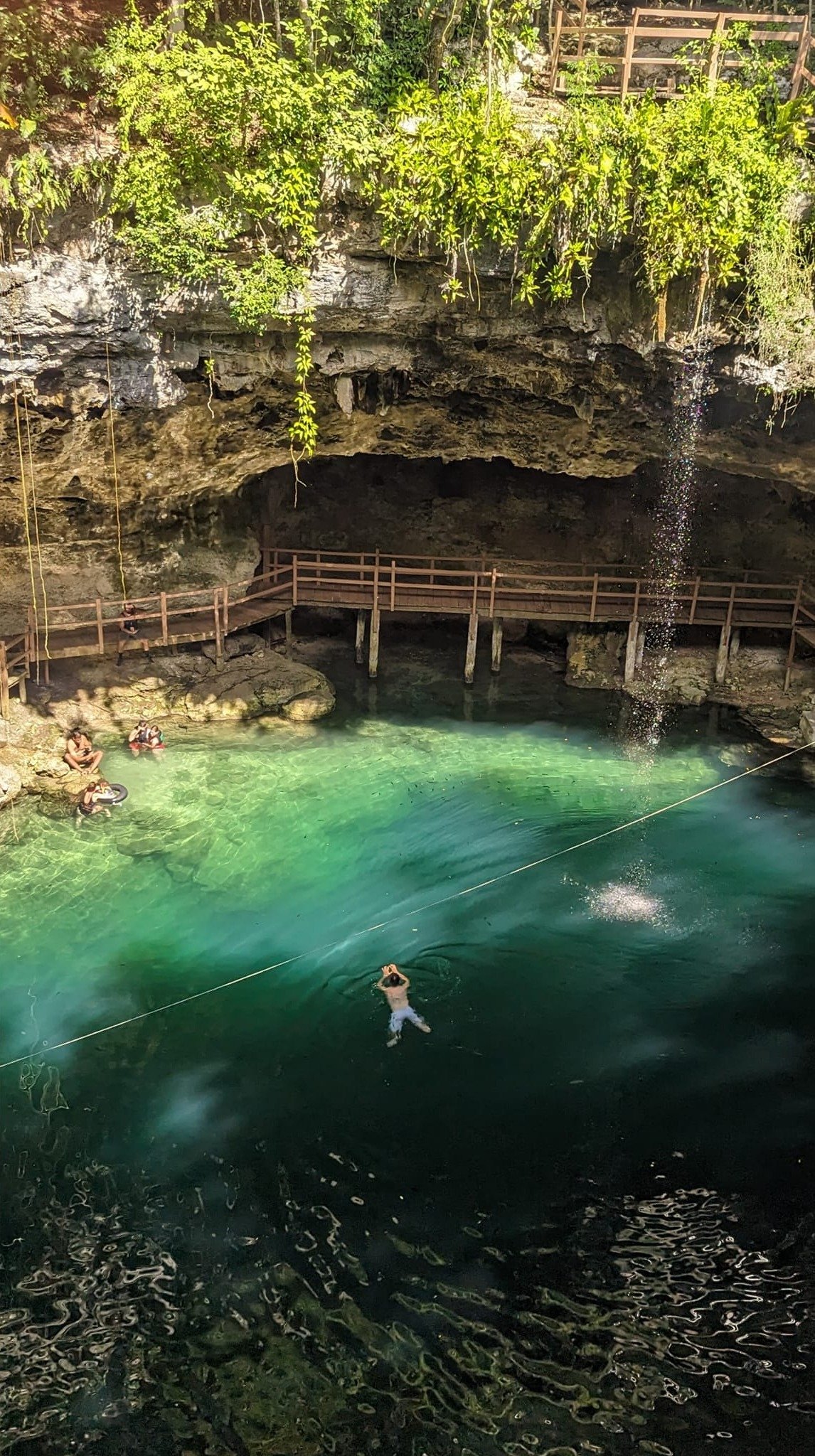
We had the most fun, though, at the cenote X’canché (170 MXN, about €9). It is open to the sky, and inside there is plenty of room to swim. You can also jump into the water from a rope swing or from a small bridge.

Water temperature and wildlife
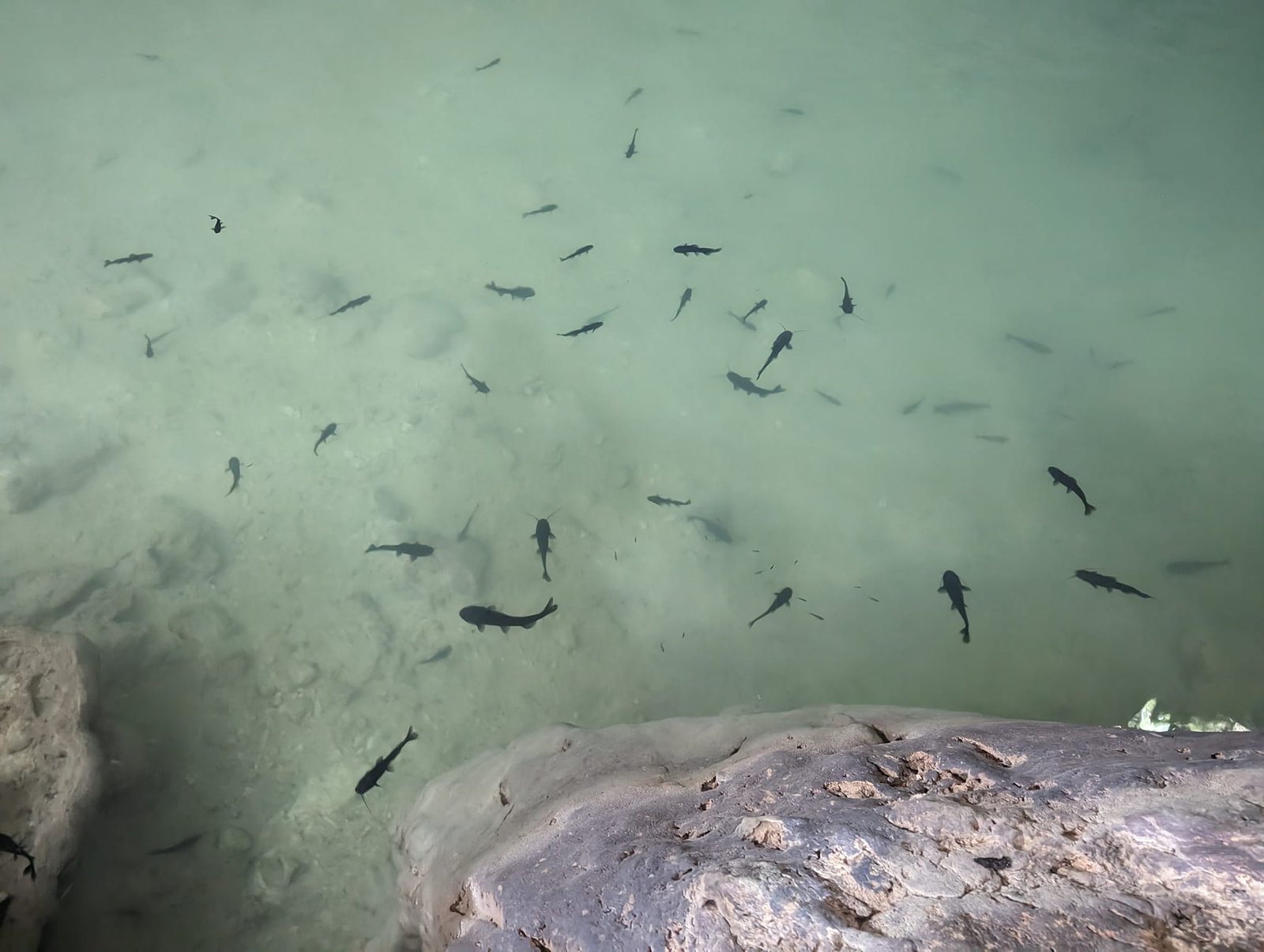
The water in the cenotes is about 24–25°C – it is especially cool in the underground cenotes, where little sunlight gets in. In every one of them swim small catfish, and apart from them you can come across lizards and bats.
Valladolid – a base for trips
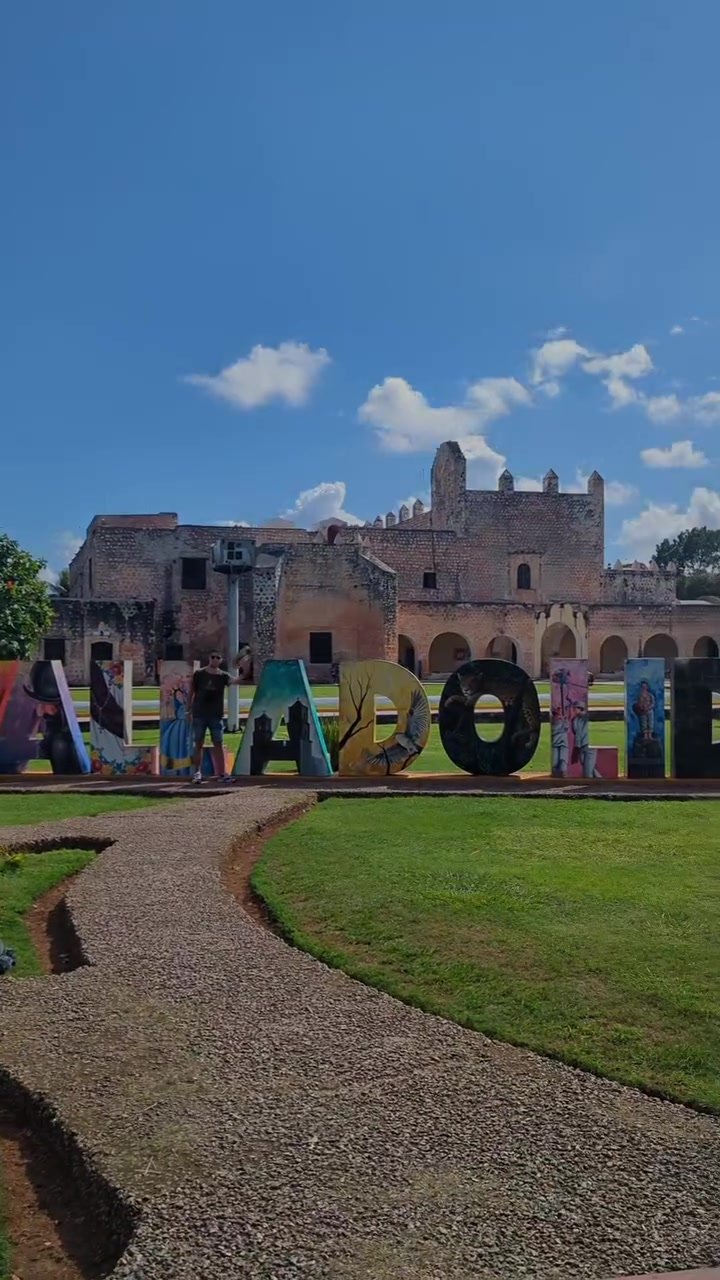
Valladolid was founded in the 16th century and named after the Spanish Valladolid; today it is one of Mexico’s “magical towns” (Pueblos Mágicos). The town itself did not impress us, though, and there is not much to see – for us it was above all a base for trips to the cenotes and to Chichén Itzá. There is a cenote in town, Zací, but we did not go: after visiting five others we were worried that, being so easy to reach, it would be packed with people. It is worth stopping by the Franciscan monastery of San Bernardino de Siena, though (40 MXN per person), from which the first stages of the “conversion” of the Maya were overseen, and the folk costume museum MUREM (Museo de Ropa Étnica de México). The ruins of Ek Balam are also nearby, but the ticket there is almost as expensive as for Chichén Itzá and the site itself is not very big – so we skipped it.
We came to Valladolid from the Gulf of Mexico – from San Crisanto via Mérida (from there you get more connections and fewer changes).
Practical information – getting there and prices
- Getting to the cenotes – transport was a real nightmare for us. No colectivos run from Valladolid to the cenotes, only taxis. Shared taxis wait in different parts of town depending on the direction – it is best to ask at the tourist information office. To pay as little as possible, you have to wait for other people going the same way or flag down a ride on the road.
- Prices (November 2023) – Suytun with Káapeh: 250 MXN (about €13); X’kekén with Samula: 226 MXN (about €12); X’canché: 170 MXN (about €9).
- Cash – always carry cash; you cannot pay by card everywhere.
- Timing – the most popular cenotes (especially Suytun) are best visited right after opening. On Sundays, the Mexicans’ day off, the cenotes are busier.