In September 2021 we went on our first holiday of the year – eight full days in Turkey, from 18 to 25 September, the three of us with Ania. Our base was Antalya, the largest city on the Turkish Riviera. From there we travelled to ancient cities – Perge, Aspendos and Phaselis – and for the two most distant sights, Cappadocia and Pamukkale, we joined organised tours. For me it was my third visit to Turkey – I came back after 14 years. I already knew some of the places, but after so long I experienced them completely differently.
Table of contents
- Antalya – Konyaaltı beach, the old town and Hadrian’s Gate
- The Düden waterfalls – lower and upper
- The Tünektepe cable car – Antalya from above
- Perge and Aspendos – ancient Pamphylia
- Phaselis – ruins above a paradise bay
- Cappadocia – an underground city, fairy chimneys and Zelve
- Konya – the dervish lodge and the tomb of Mevlana
- Pamukkale and Hierapolis
- Lake Salda – the “Turkish Maldives”
- Alanya and Side – my first stays (2005 and 2007)
- Turkish cuisine
- Practical information – prices, tours, weather
Antalya – Konyaaltı beach, the old town and Hadrian’s Gate
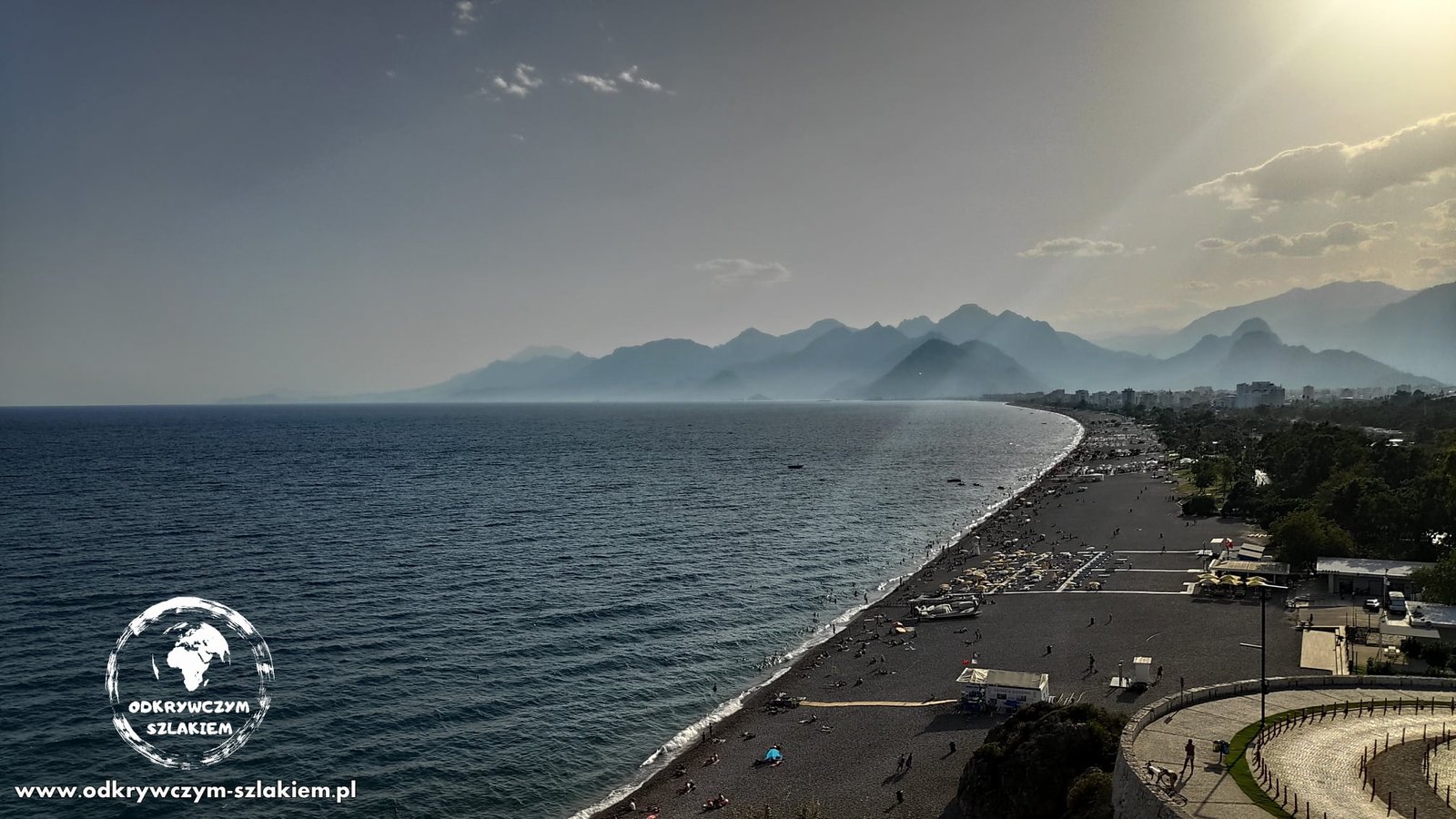
Antalya is a big, modern city where you can see the influence of European culture at every turn. West of the centre stretches the long pebble beach of Konyaaltı, with the Taurus Mountains in the background – this is where we started our holiday on the first evening (the photo at the top of the post). It was still very warm – over 30 degrees – and the sea was as warm as 28 degrees, so we went swimming several times.
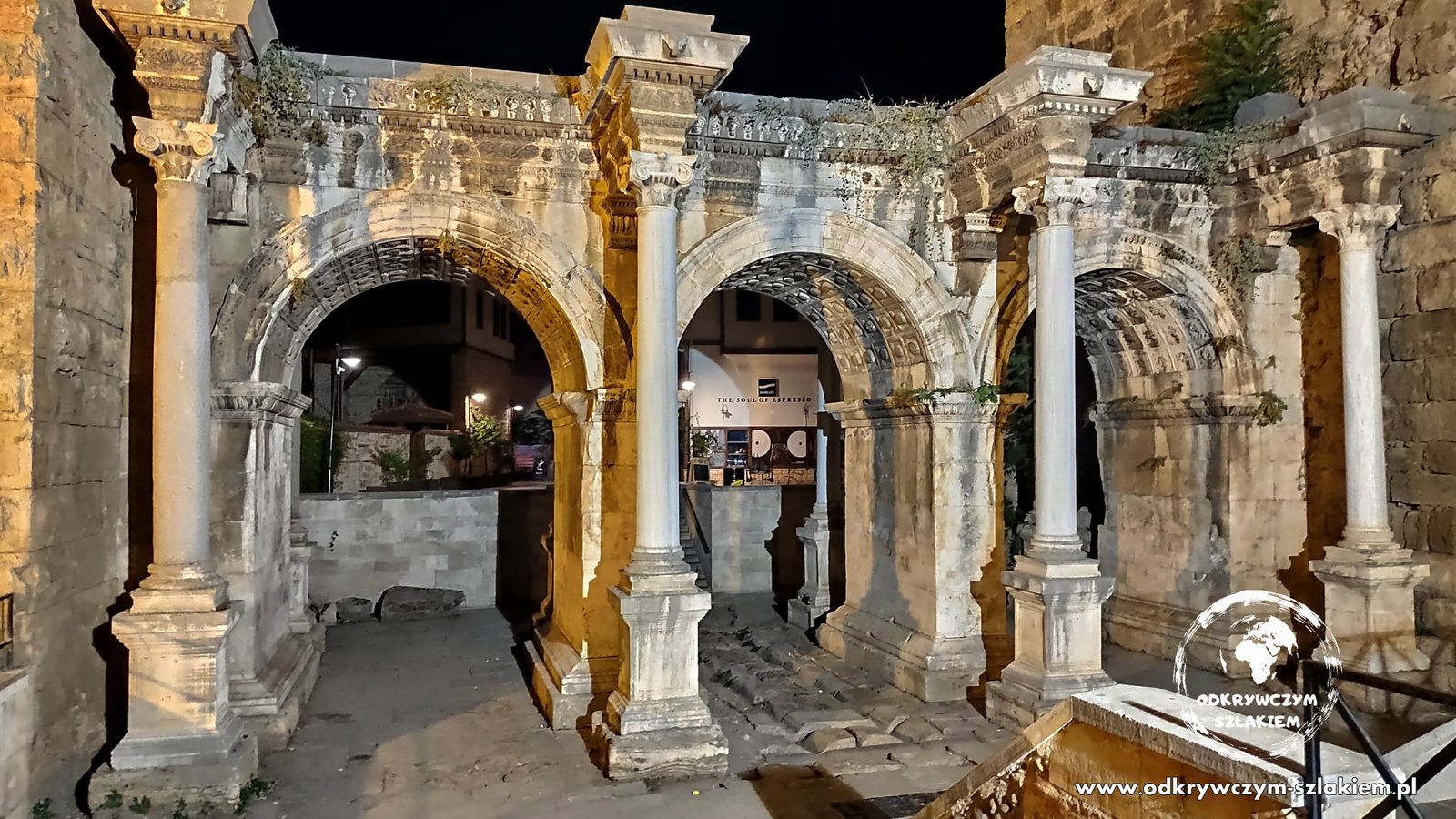
The most interesting part of the city is the old town (Kaleiçi) with its harbour, where remains from Roman times have survived. You enter it through Hadrian’s Gate – a marble arch with three passages, built in honour of Emperor Hadrian, who visited the city in 130 AD. I captured it before dawn, on the way to the Cappadocia tour.

The city’s symbol is Yivli Minare, a fluted minaret from the 13th-century Seljuk period. Near the old town we also found a street with colourful umbrellas hanging overhead.


The Düden waterfalls – lower and upper
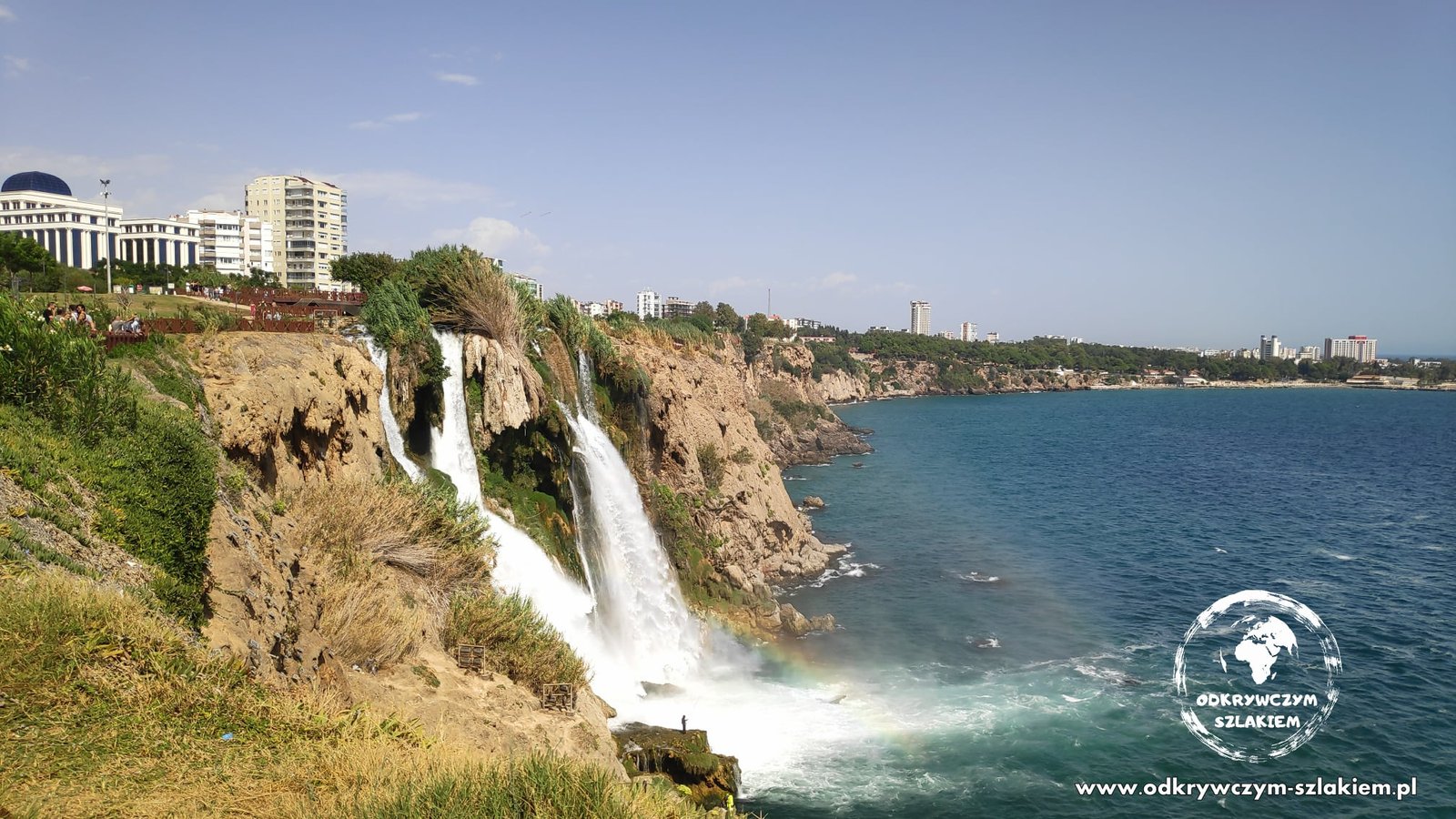
In Antalya there are two parts of the Düden waterfall, quite far apart. The lower waterfall drops from a high cliff straight into the Mediterranean – it’s best seen from the park on the shore, and when the sun is out a rainbow appears above the water.
The upper waterfall lies inland, in a park on the northern outskirts of the city. The river flows from here, and right by the waterfall there are caves – from one of them you can look at the falling water from the inside.
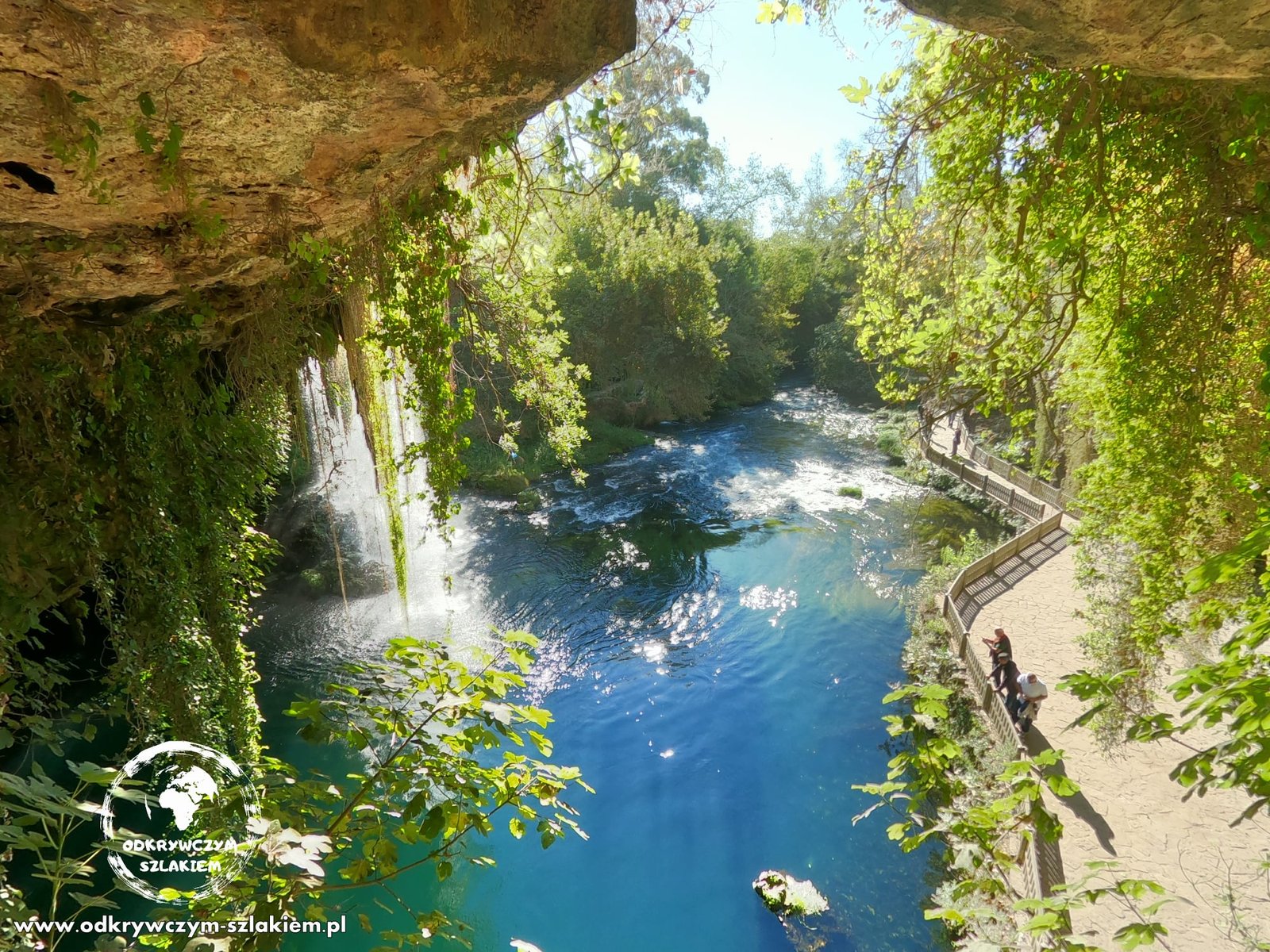
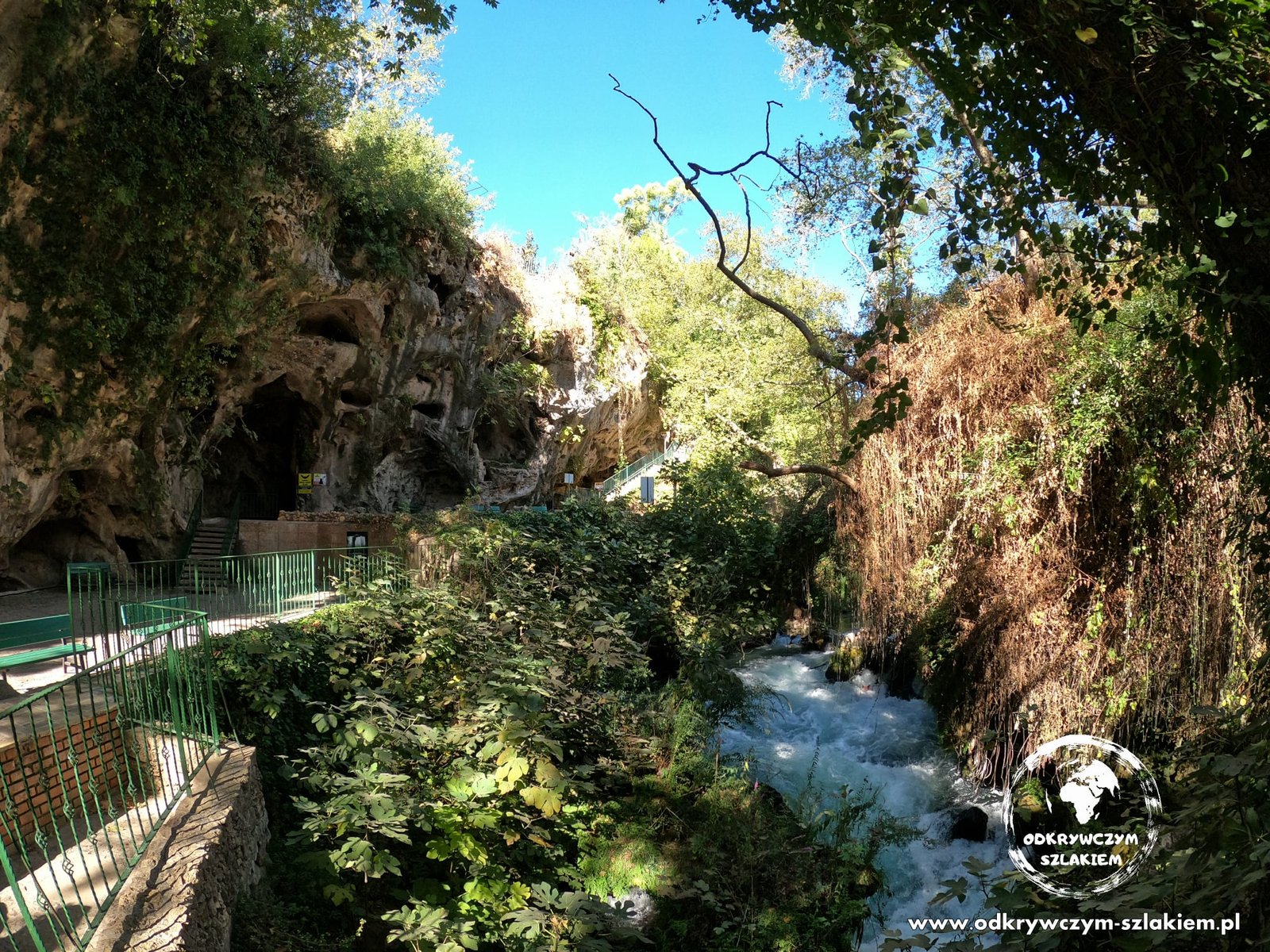
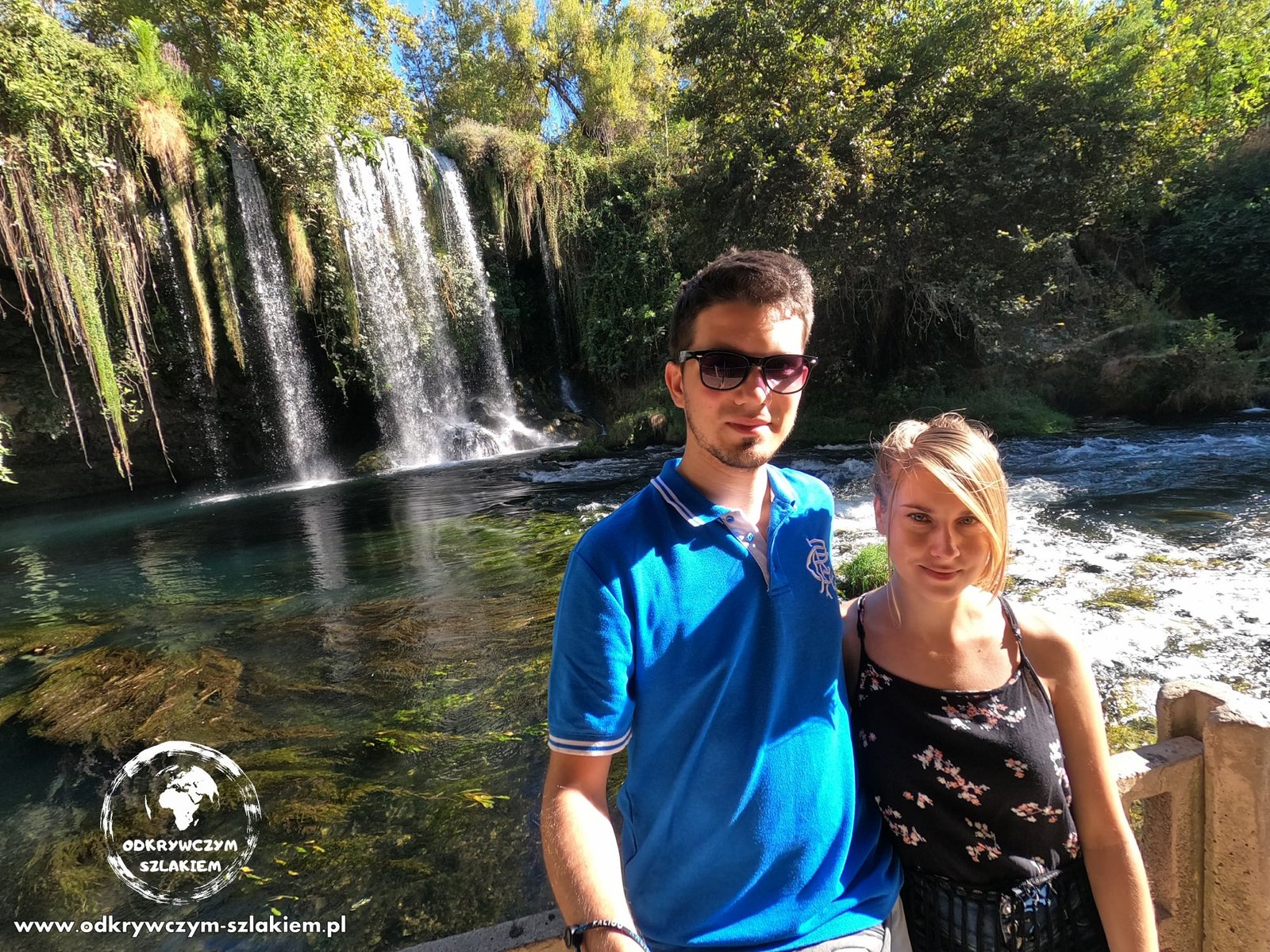
I first saw this waterfall in 2005, during my first stay in Turkey.

The Tünektepe cable car – Antalya from above
It’s worth going to the other, western end of the city, where the Tünektepe cable car goes up to a viewpoint at about 600 m. The ticket is cheap, but you have to expect a long wait. On the way up you can already see the Taurus Mountains, and from the top – the coast and the whole city above the bay.
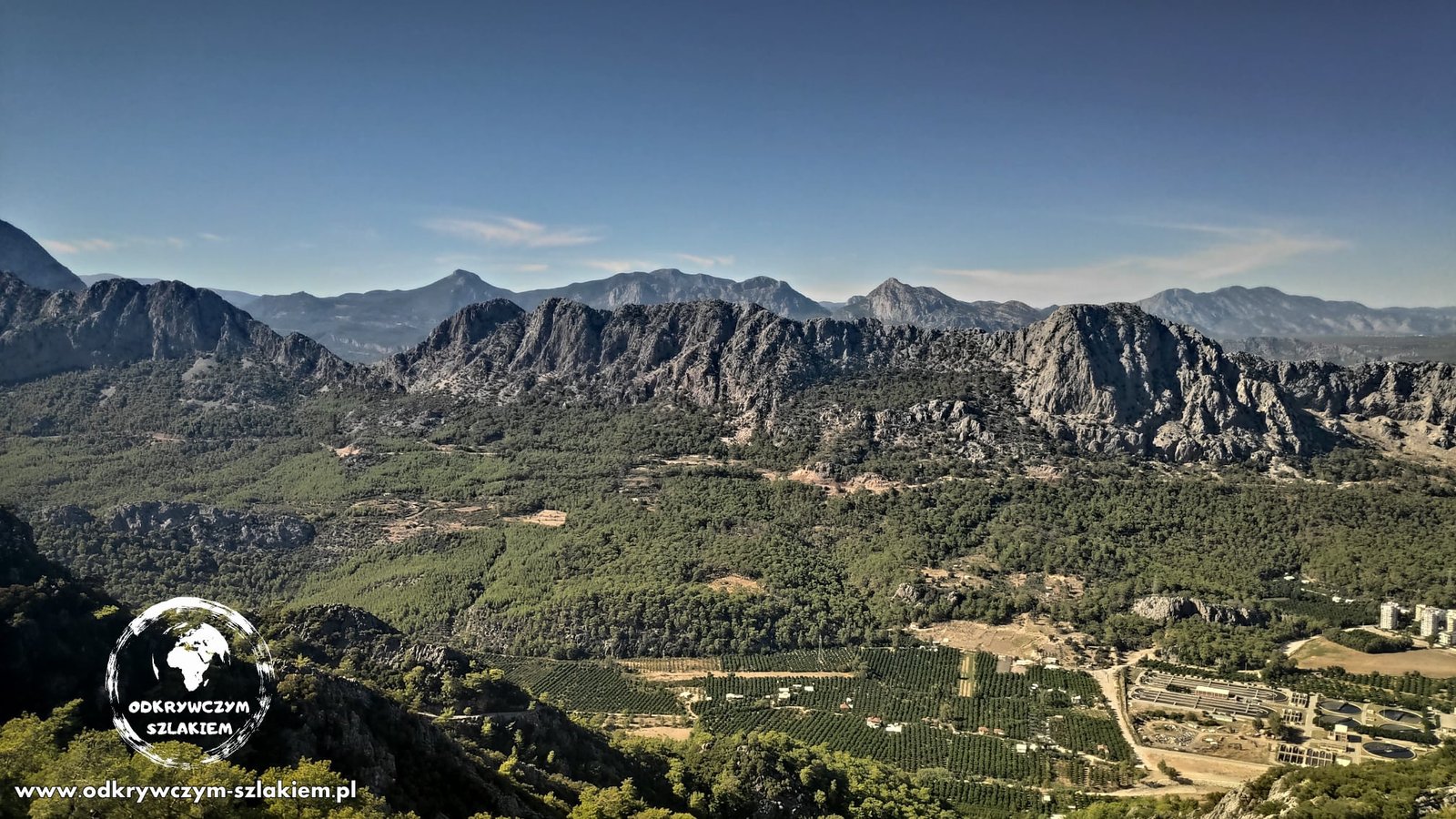
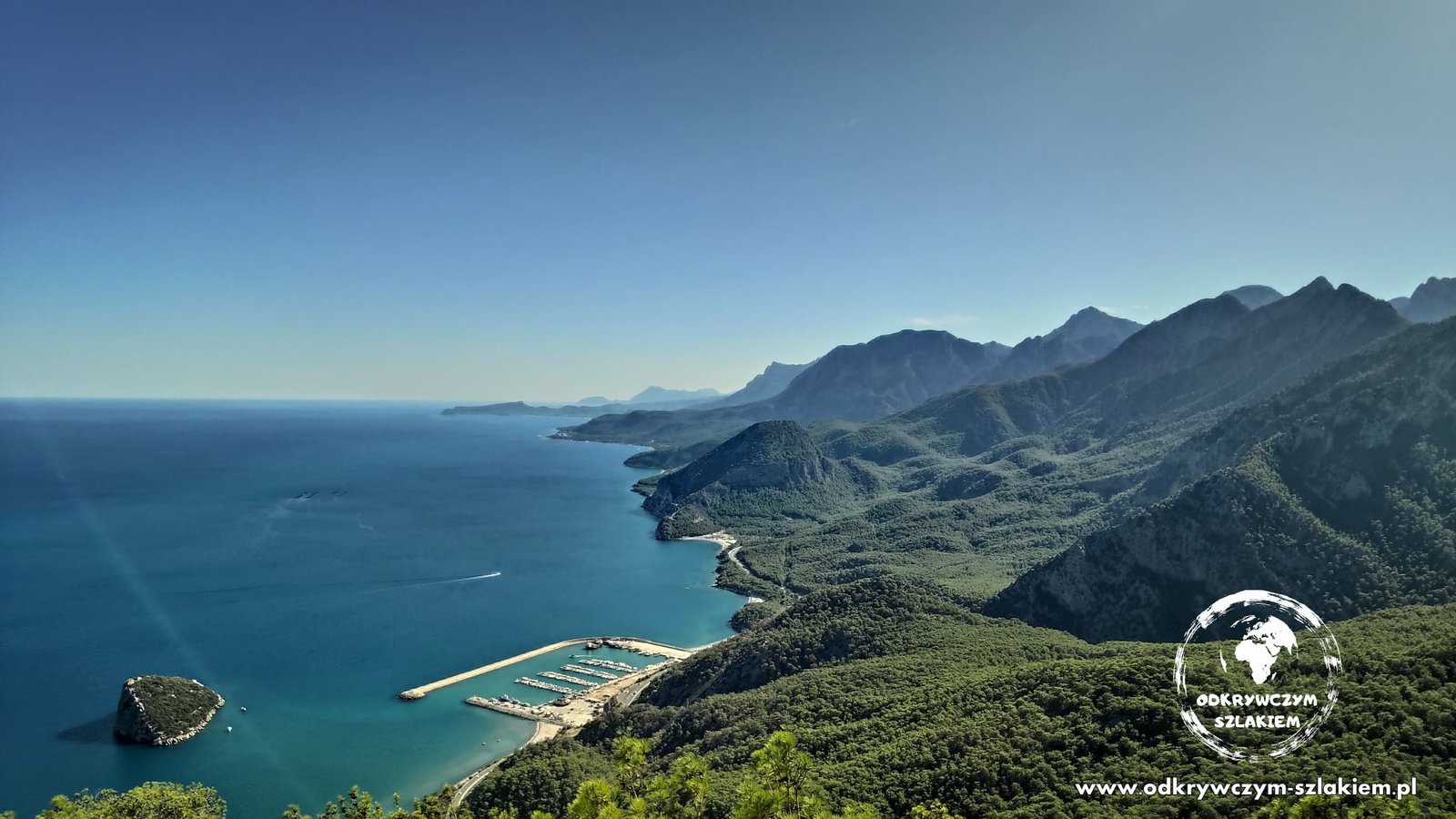
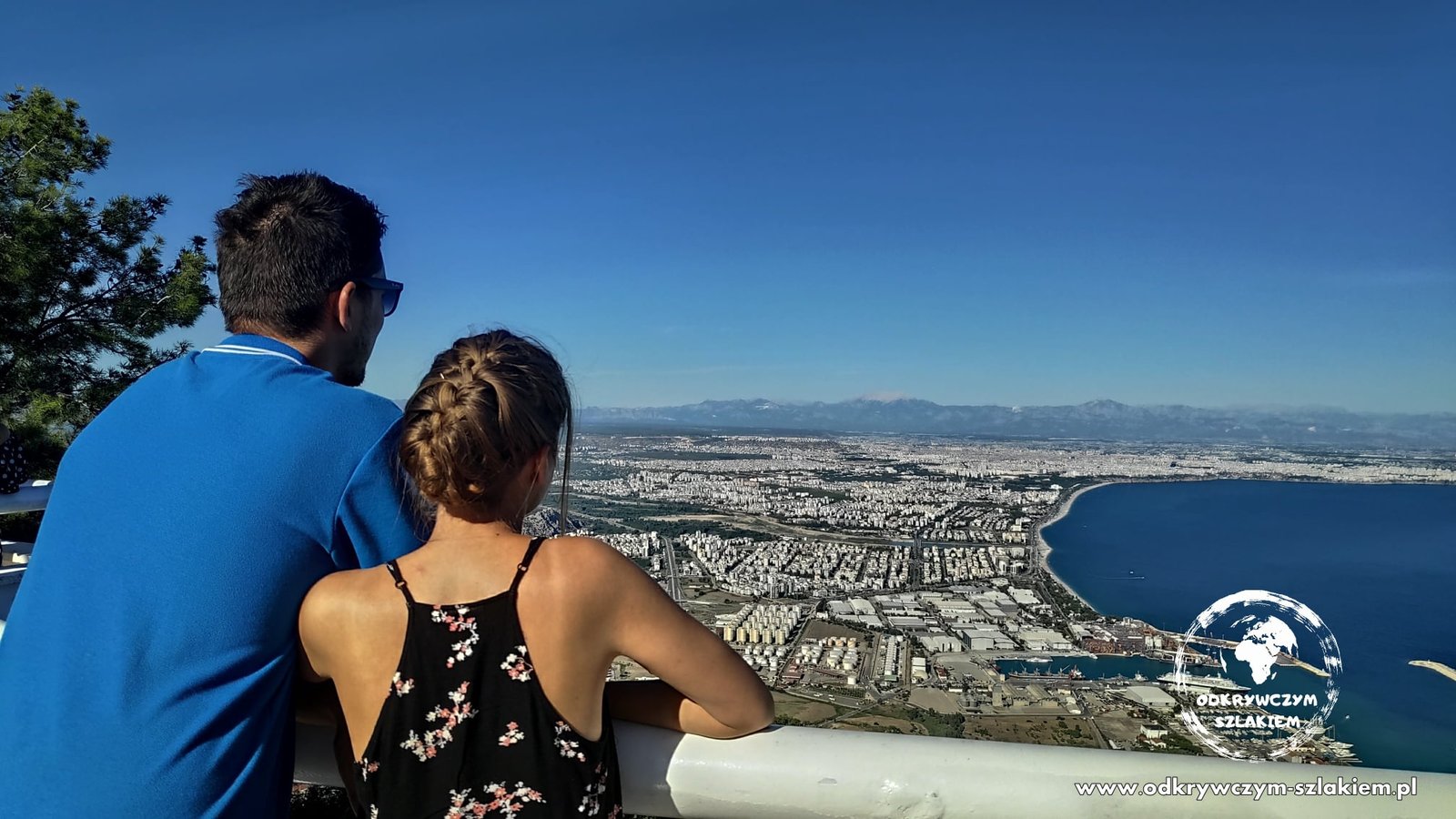
Originally we had planned to take the more expensive cable car up to the summit of Tahtalı Dağı (2365 m above sea level), but we gave up because of poor visibility.

Perge and Aspendos – ancient Pamphylia
There are many ancient cities around Antalya. Turkey alone has more remains of ancient Greece and Rome than those two countries put together – and often in better condition. In one day we visited two of them. Perge was the most important city of ancient Pamphylia – we walked down the main colonnaded street with its arches and then sat down in the ruins of the theatre.
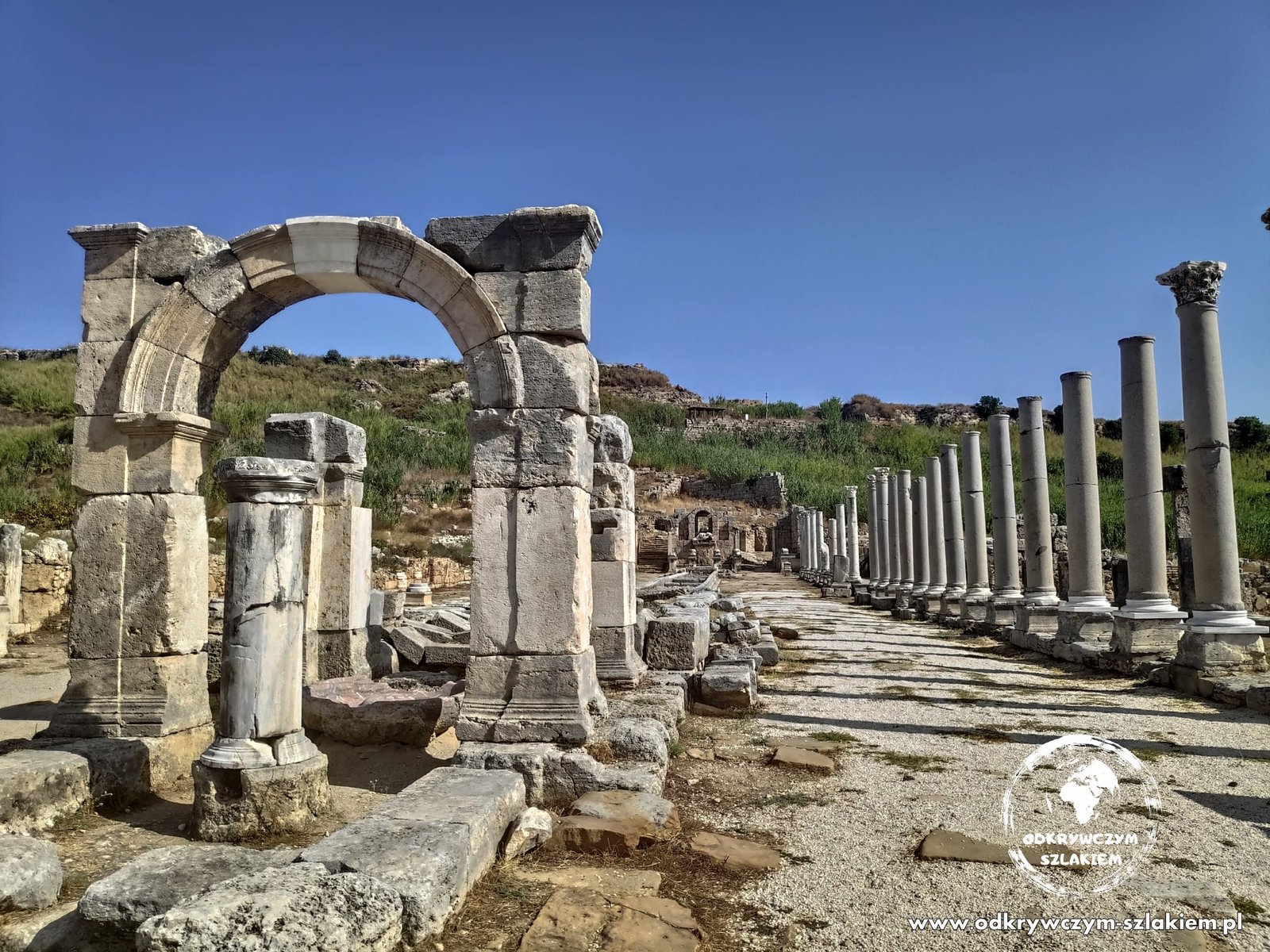
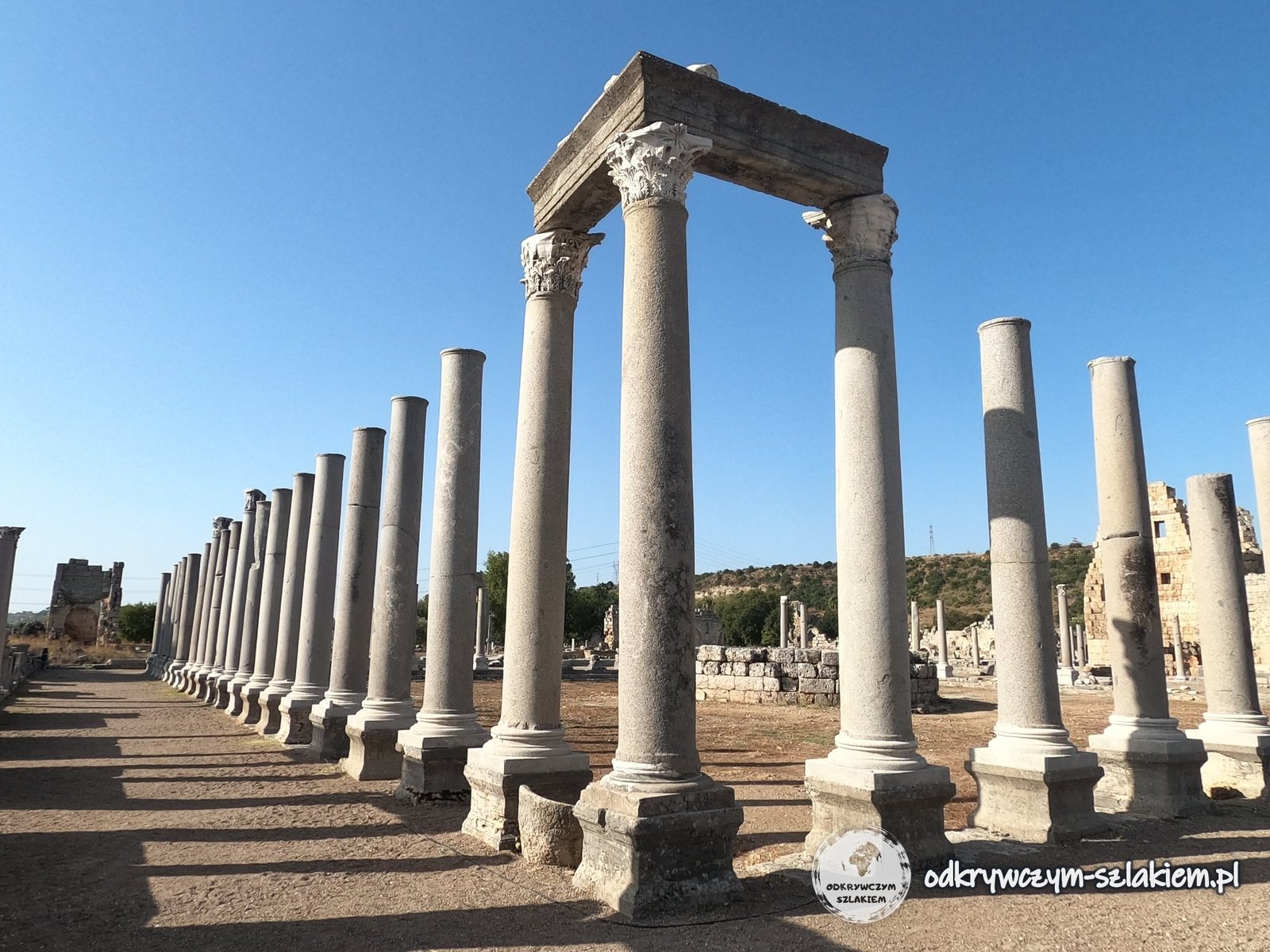
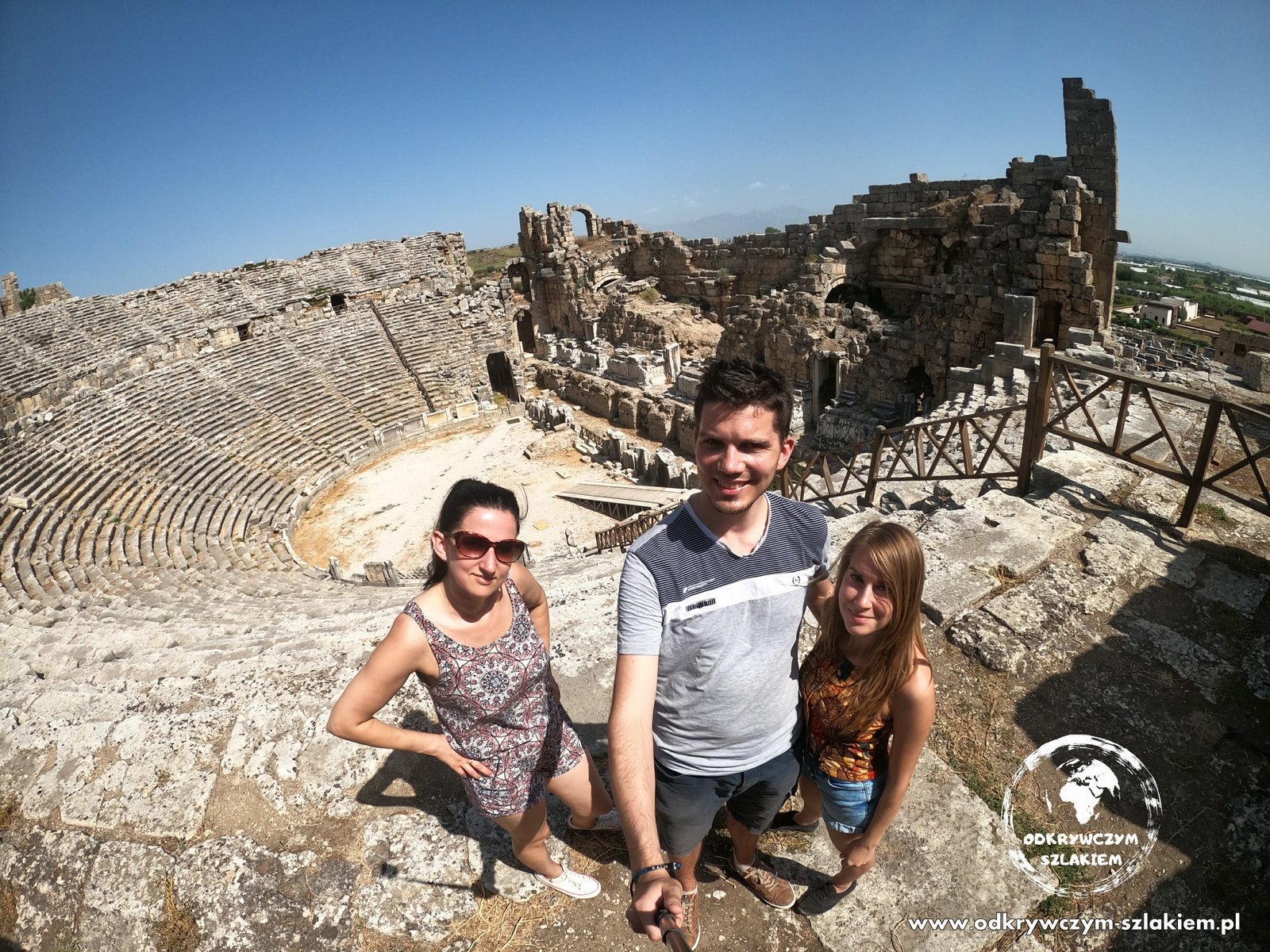
In Perge it is also worth seeing the ruins of the nymphaeum, a monumental fountain, and the stadium, one of the best preserved in this part of the world.


Aspendos has the best-preserved ancient theatre – a Roman building from the 2nd century AD, with a complete auditorium and an almost intact stage building. Concerts are even held there. Unfortunately the rest of the city’s ruins were closed to visitors – Turkey was still under a fire alert after the summer wildfires (there were fires near Manavgat, not far from Alanya, among other places). For the same reason we had to give up on ancient Termessos.
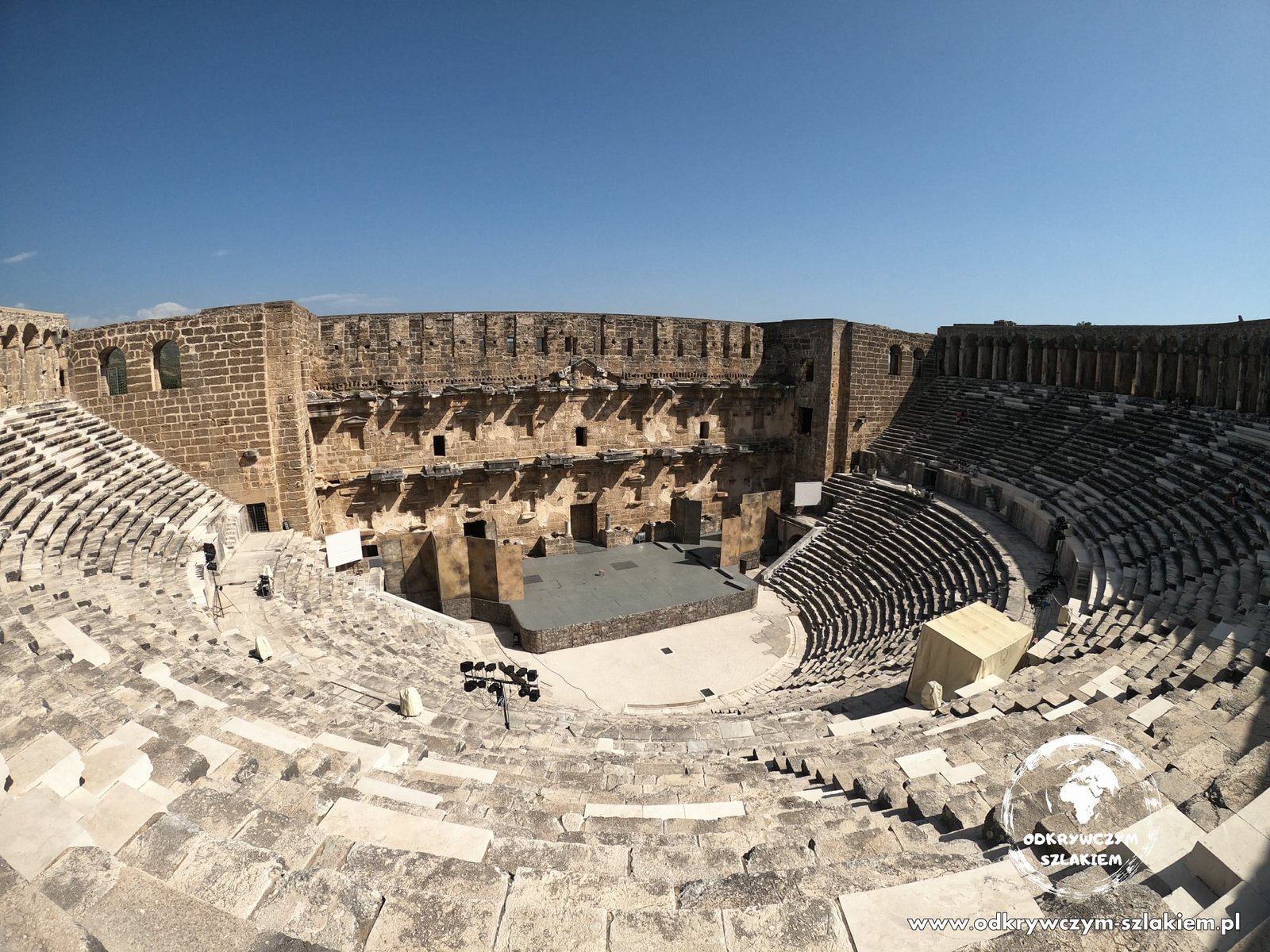
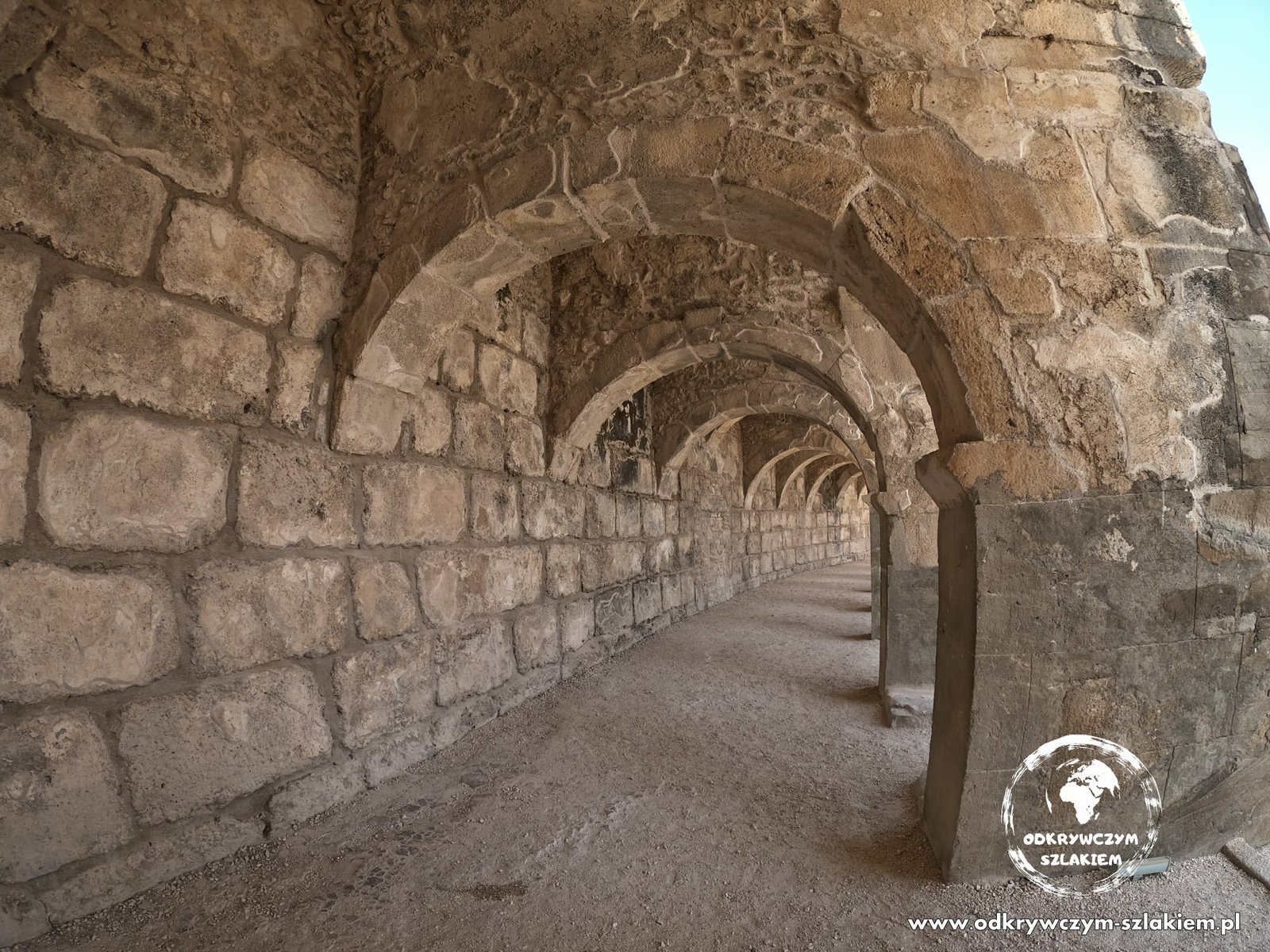


I also visited Aspendos in 2005, during my first stay in Turkey with my sister. In front of the theatre’s façade a person looks tiny.

Phaselis – ruins above a paradise bay
Phaselis is an ancient port city south of Antalya, hidden in a pine forest between three bays. Between the ruins – including a small theatre – you can see the summit of Tahtalı Dağı.
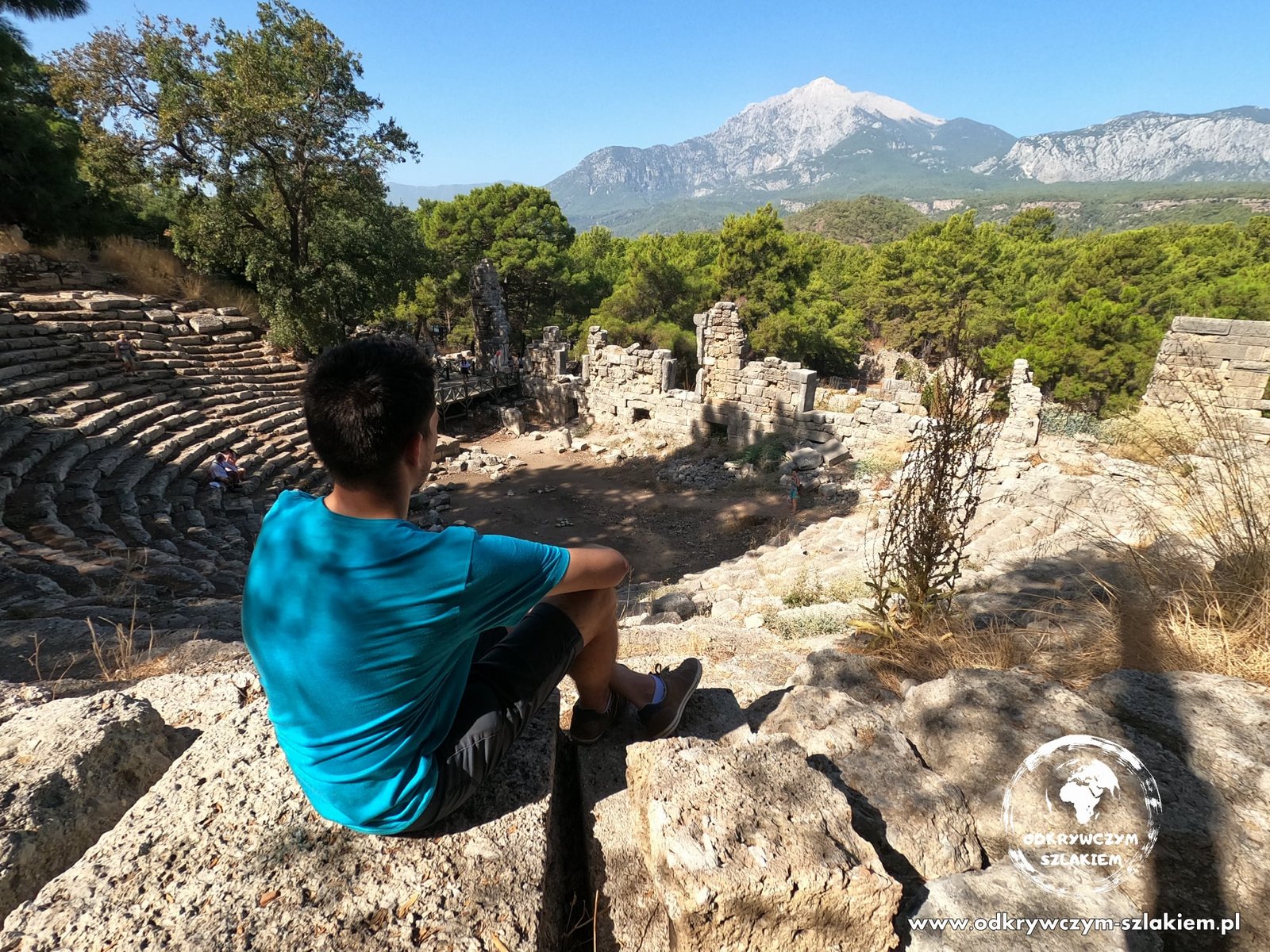


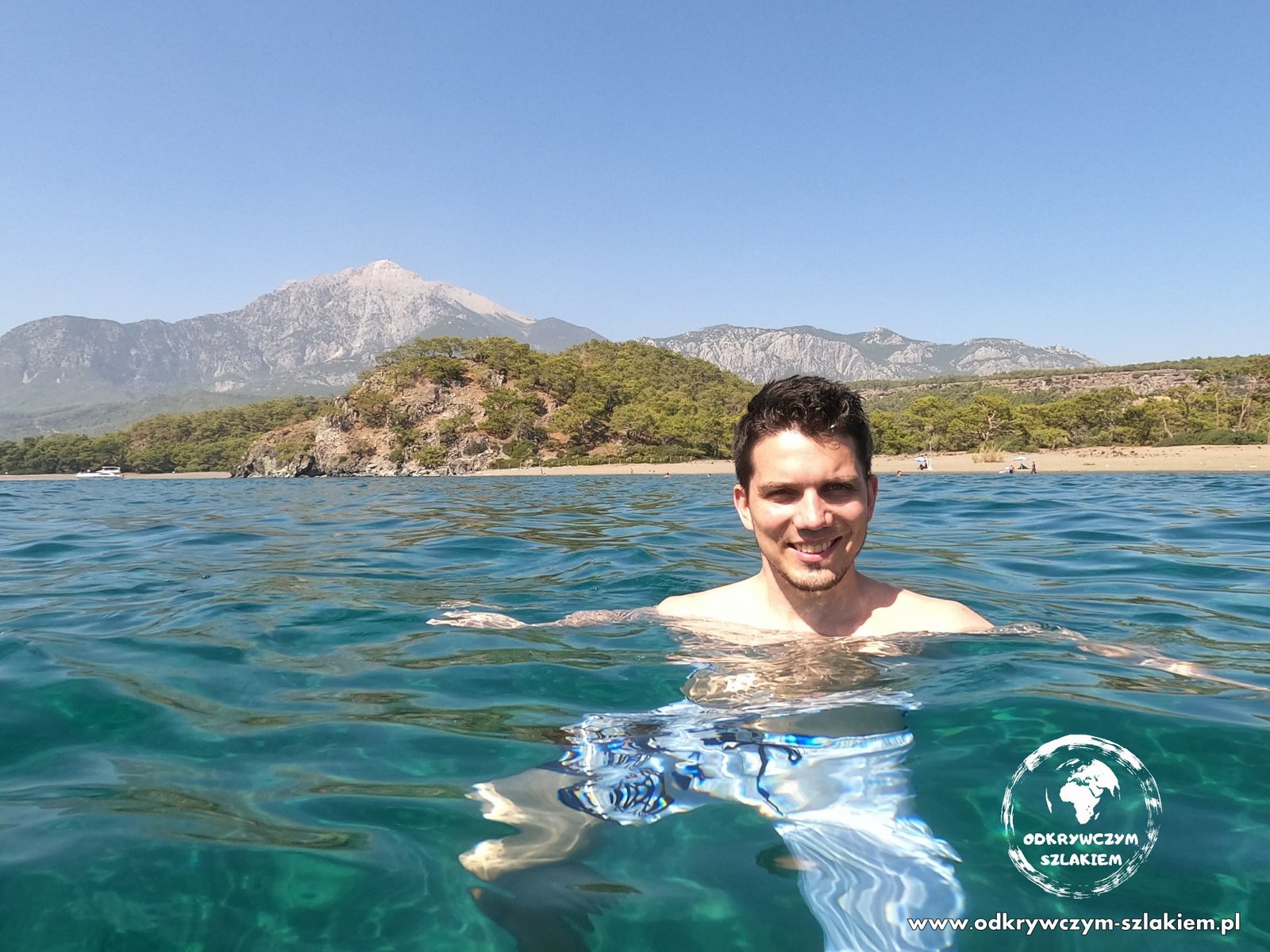
The greatest asset of Phaselis, however, is its beach in idyllic surroundings: swimming in clear water with a view of the mountains is something we didn’t expect in an ancient city.
An aqueduct led through the forest to the city, and its arches still stand, while carved sarcophagi lie among the pines.


Cappadocia – an underground city, fairy chimneys and Zelve
We don’t usually do this, but this time we went on two organised tours – to Cappadocia and to Pamukkale. Our schedule was tight, and this way we could make good use of our time at a cost comparable to going on our own (if not lower). We set off from Antalya on the two-day Cappadocia tour before dawn.
Cappadocia is Turkey’s top attraction – a region known for rock formations shaped from volcanic tuff and for houses and churches carved into the rock. There are a great many valleys here, all fairly similar – to see them all you would need to spend quite a few days.
The Saratlı underground city
On the way to Cappadocia we stopped at Saratlı in Aksaray province, at the Kırkgöz underground city. It is one of many such cities in the region. A vaulted tunnel and stairs lead down to corridors and halls carved into the soft tuff.


Light and fresh air come in through openings in the roof. The corridors also still have round stone doors that the inhabitants used to seal passages against invaders.


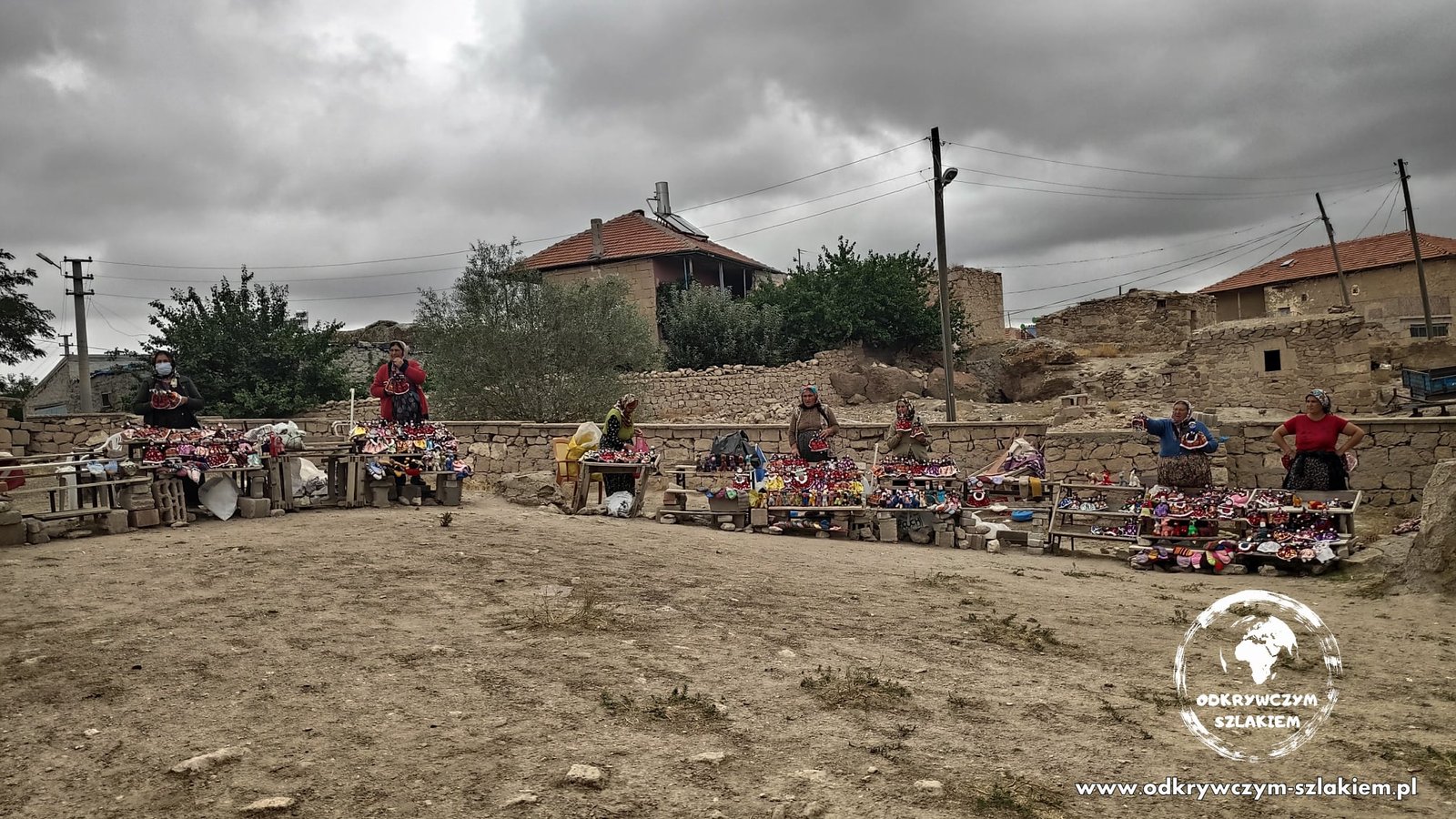
Back on the surface, souvenir stalls wait by the entrance.
Rock houses and Göreme
From Saratlı we drove on, deeper into Cappadocia. Here houses and churches were carved not underground but into the rocks themselves, and some still have frescoes. The main stop is the UNESCO-listed Göreme Open Air Museum, with rock churches whose frescoes show scenes including the Last Supper and the Crucifixion.


Fairy chimneys and Zelve
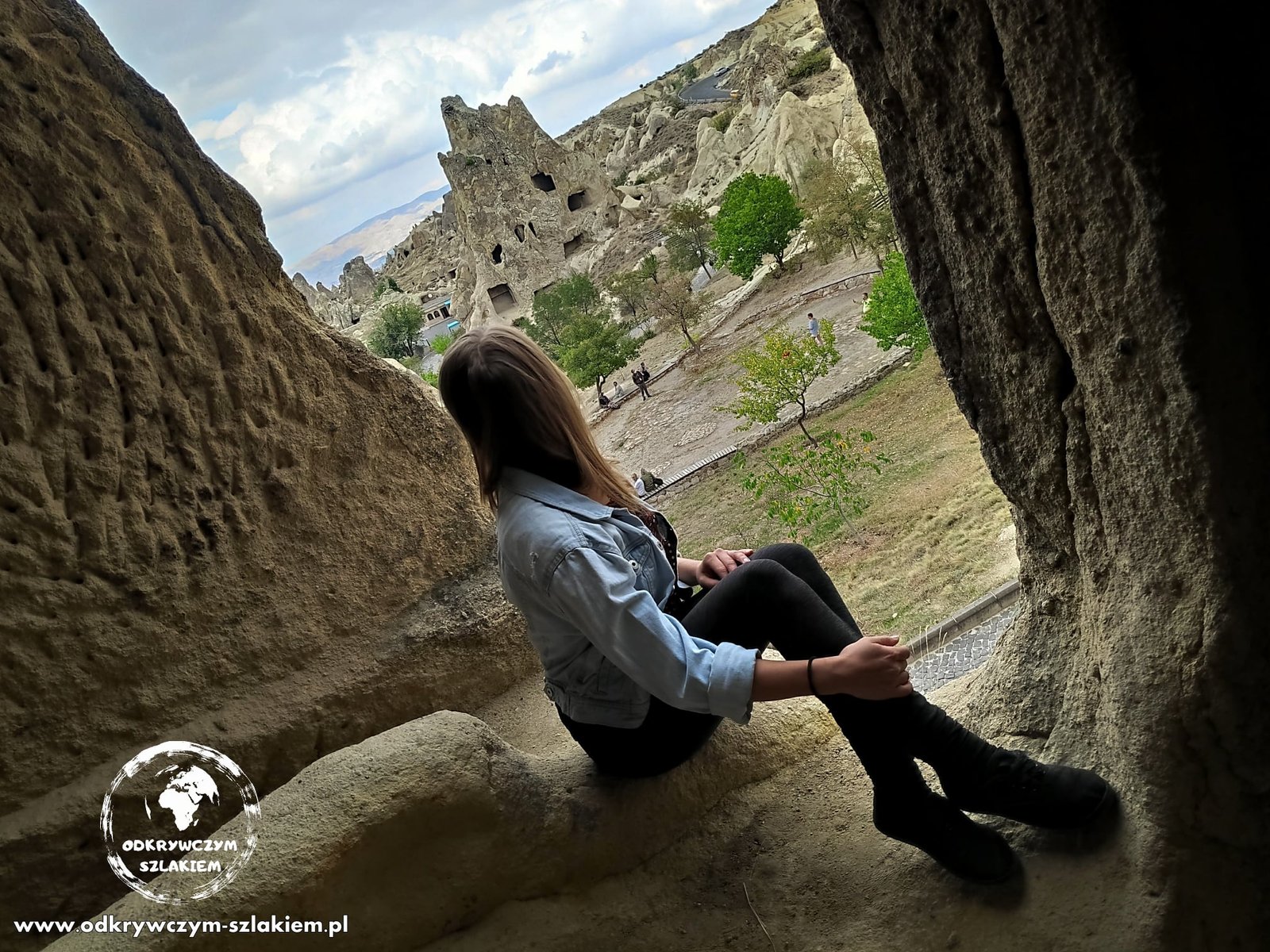
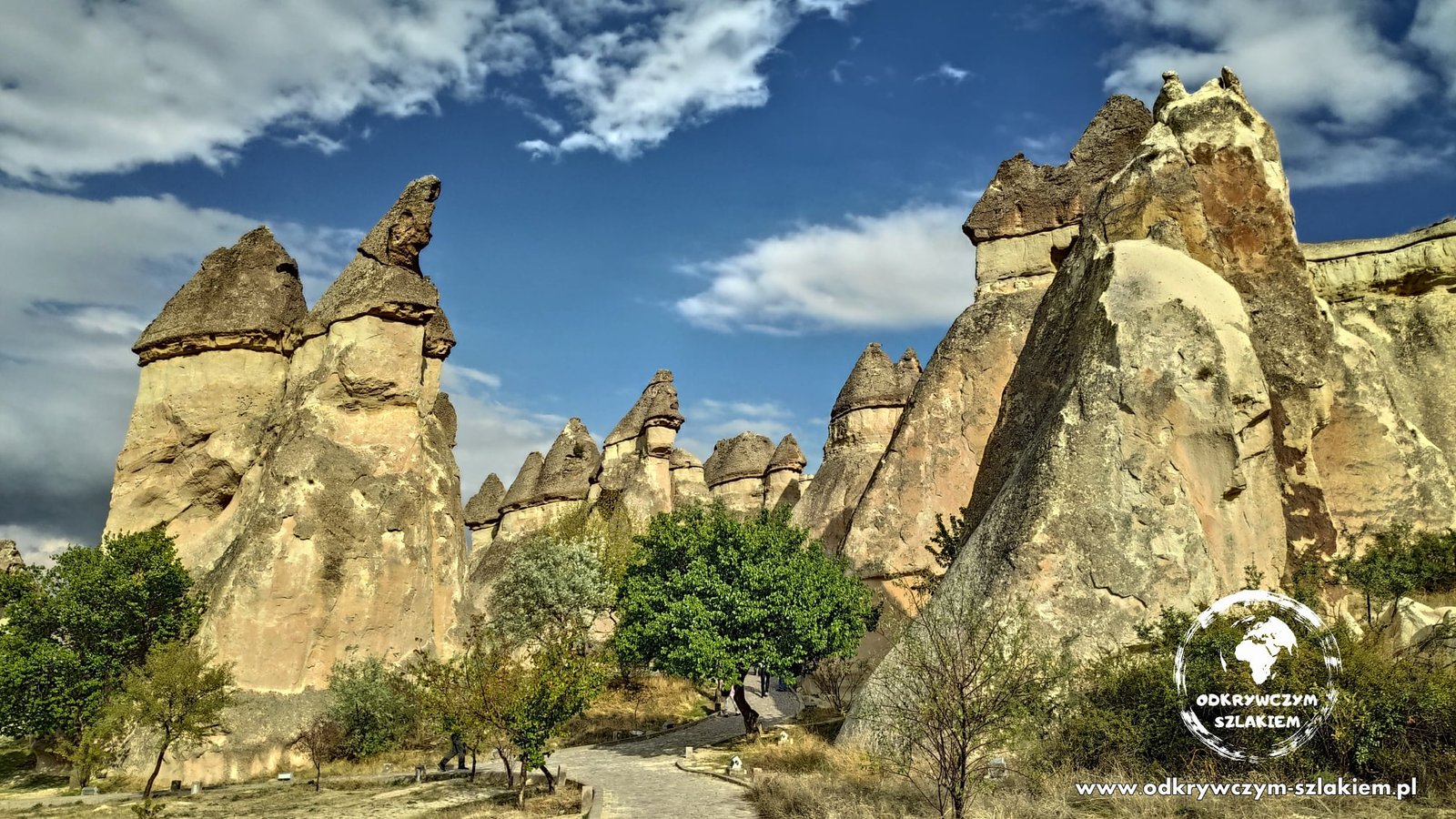
The most characteristic sights are the fairy chimneys – tuff cones with darker “caps” on top, as in the Valley of the Chimneys.


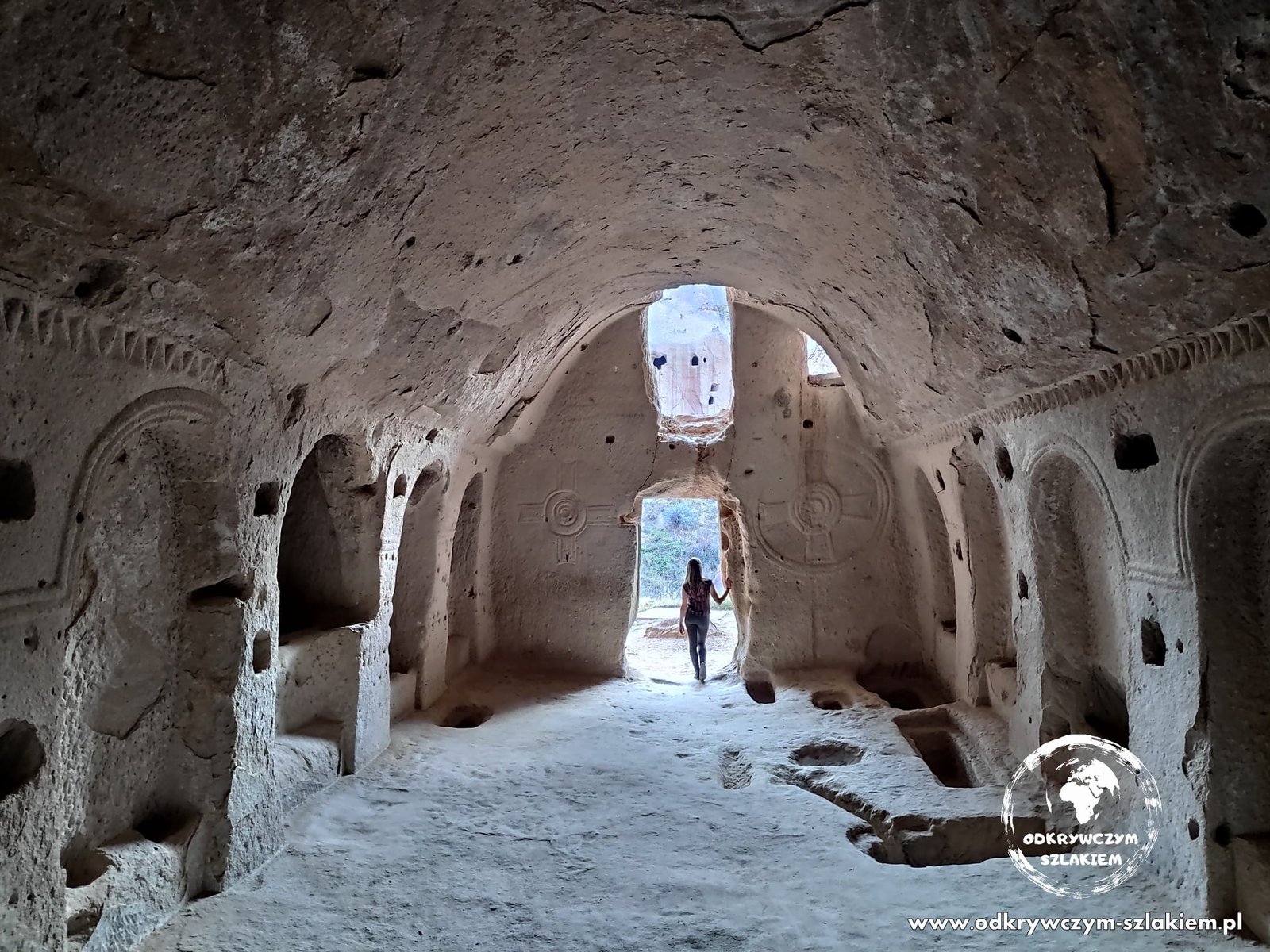
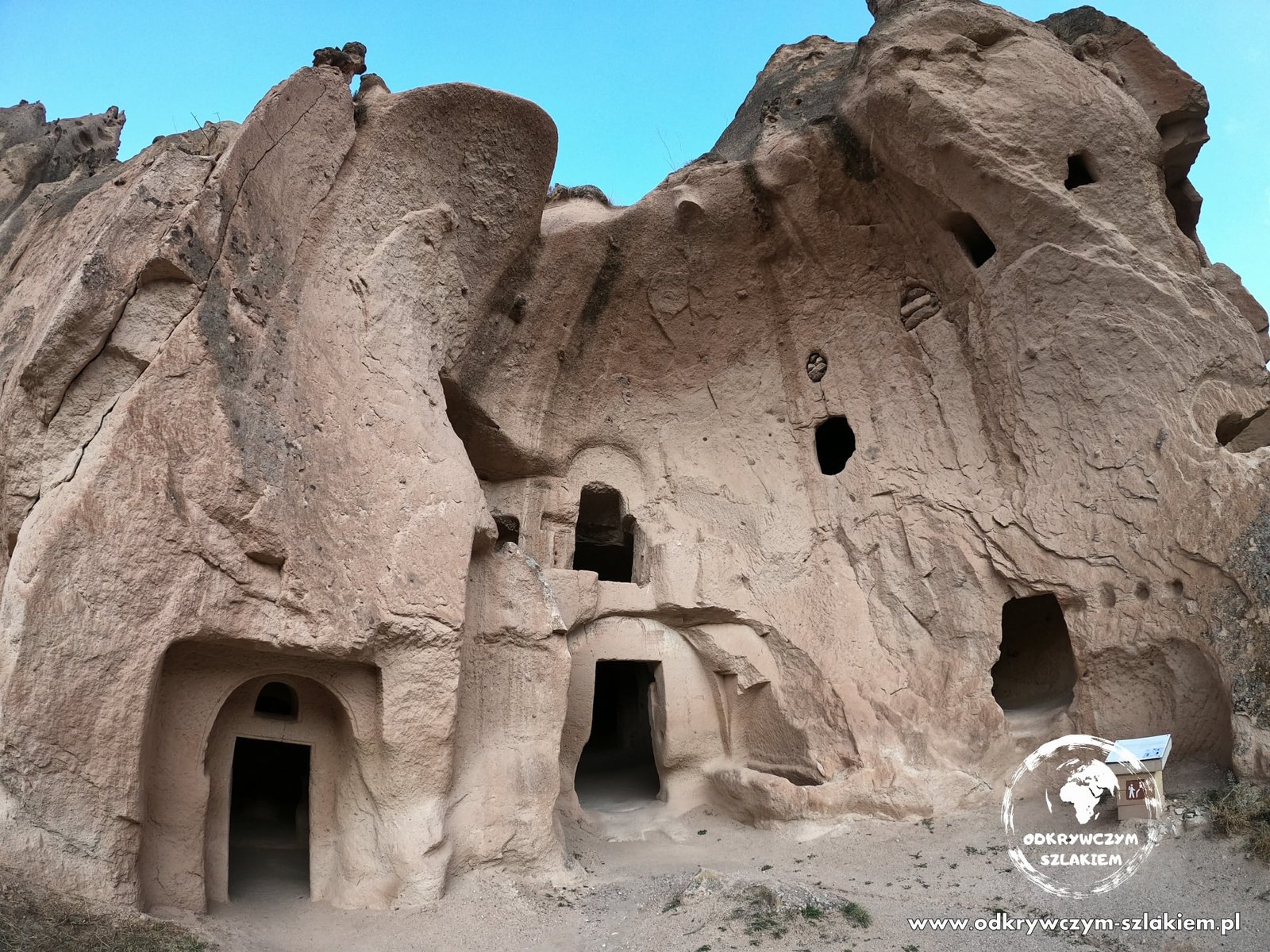
In Zelve we explored a former settlement carved into the rock – with homes, churches and places of worship, still inhabited in the 20th century.


Devrent Valley and the Three Beauties
Towards the end of the day we reached Devrent Valley, also called Imagination Valley. Its rocks resemble animals and figures, the most famous being the camel. Near Ürgüp stand the Three Beauties (Üç Güzeller), three chimneys that are one of the region’s symbols.


A Cappadocian evening and Pigeon Valley
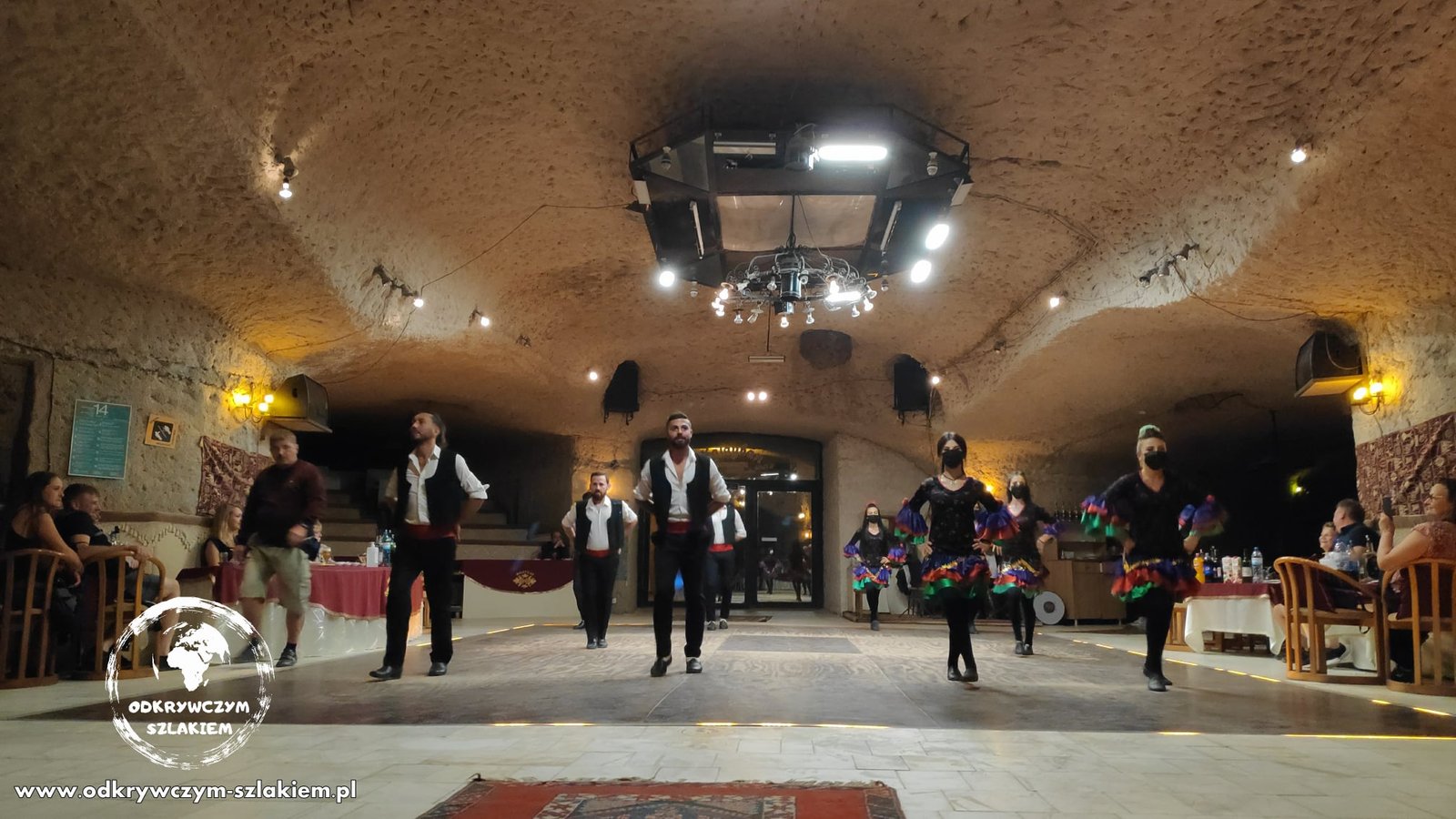
At the end of the first day we took part in a “Cappadocian evening” near Uçhisar – a show by local performers at well-laden tables. The next morning we looked out over Pigeon Valley with the rock Uçhisar Castle in the background.
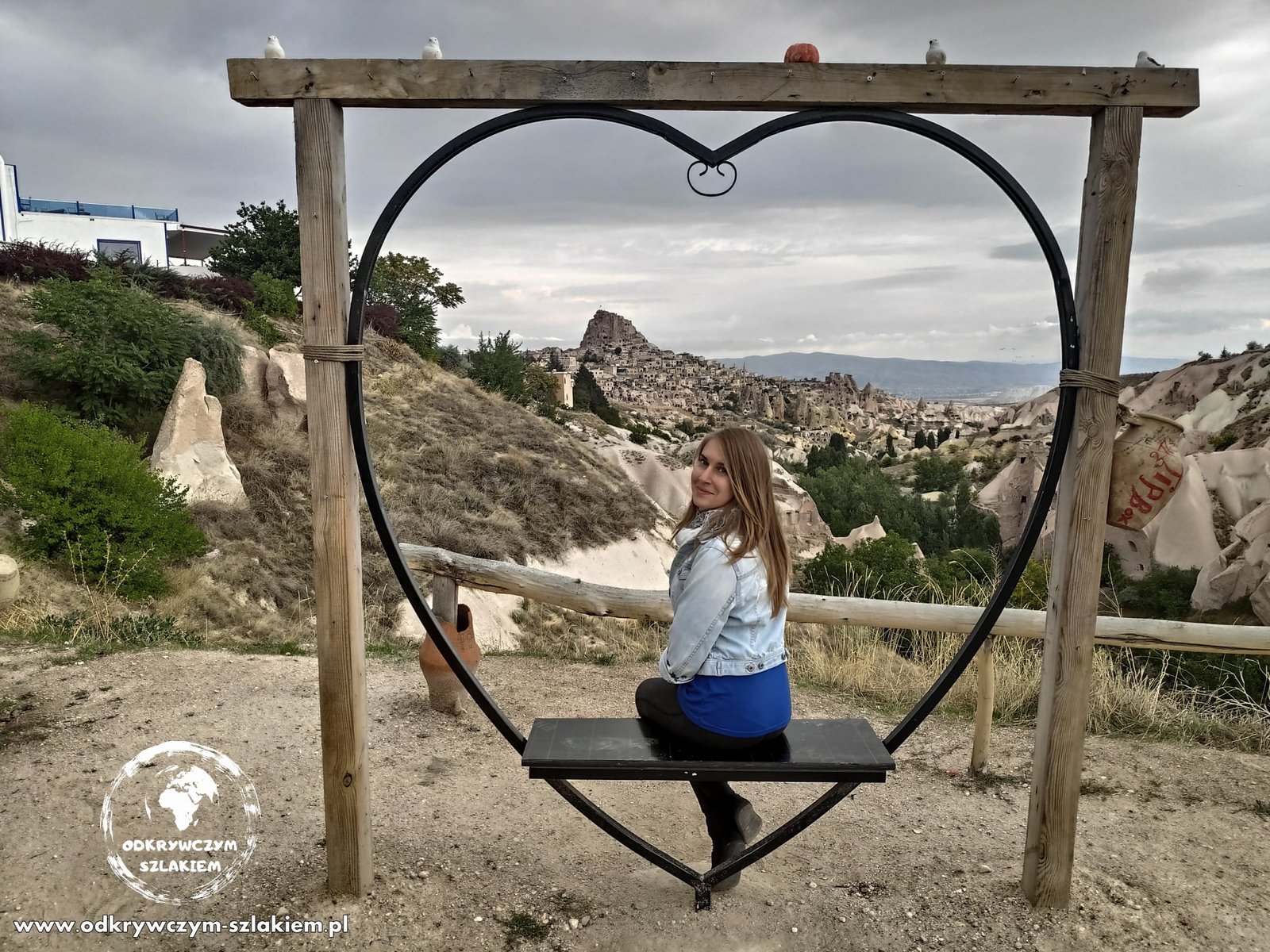


In the morning we went to viewpoints above the valley. The trees here are hung with blue nazar amulets, which in Turkish tradition protect against the evil eye, and frames and swings for photos stand along the edge.


Cappadocia lies at over 1000 m above sea level, so the climate here is completely different from the coast. A cold spell had just arrived and autumn was beginning, but in the end the weather was bearable – a little over ten degrees.
Cappadocia in 2007
I was also in Cappadocia in 2007. That time I saw the valleys of rock chimneys from viewpoints and visited rooms carved into the rock.


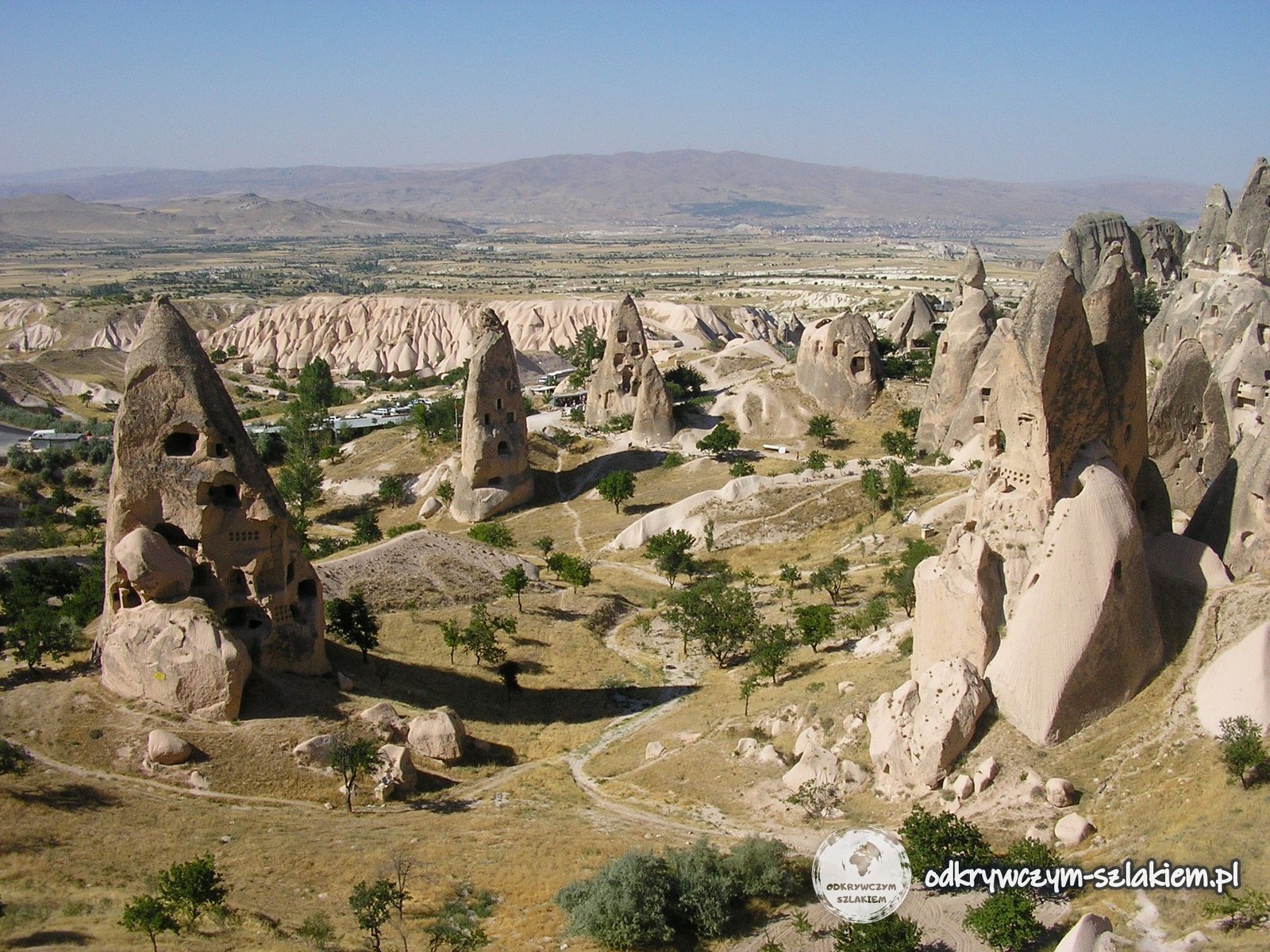
From the same trip I also have Avanos, a potters’ town on the Kızılırmak river, where ceramics fill the shelves from floor to ceiling.

We also went down into one of the underground cities back then.


Konya – the dervish lodge and the tomb of Mevlana
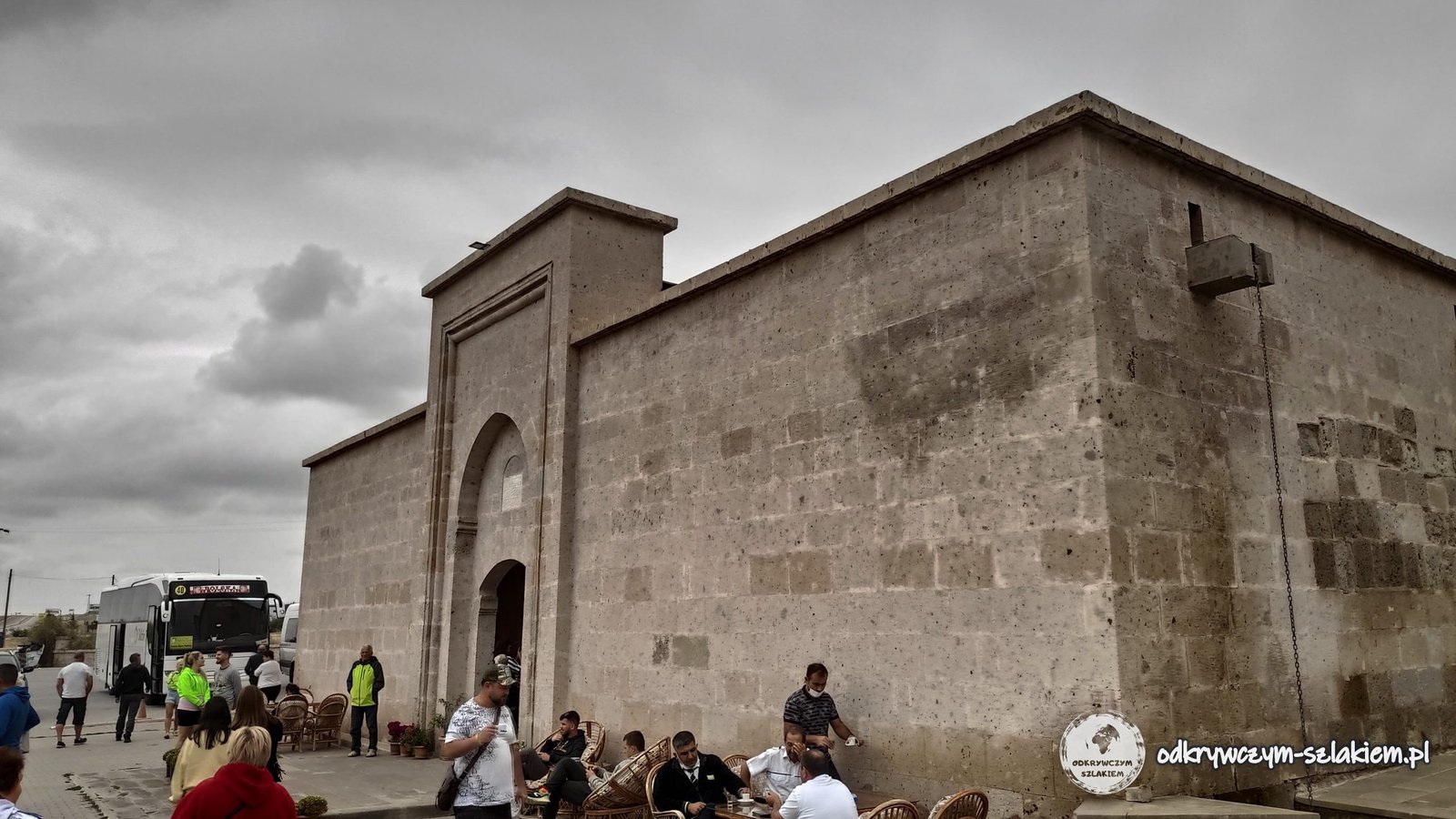
On the way from Cappadocia we stopped at the 13th-century Sultanhanı caravanserai, one of the largest in Turkey. Such inns stood along Seljuk trade routes and gave merchants and their animals a place to stay.

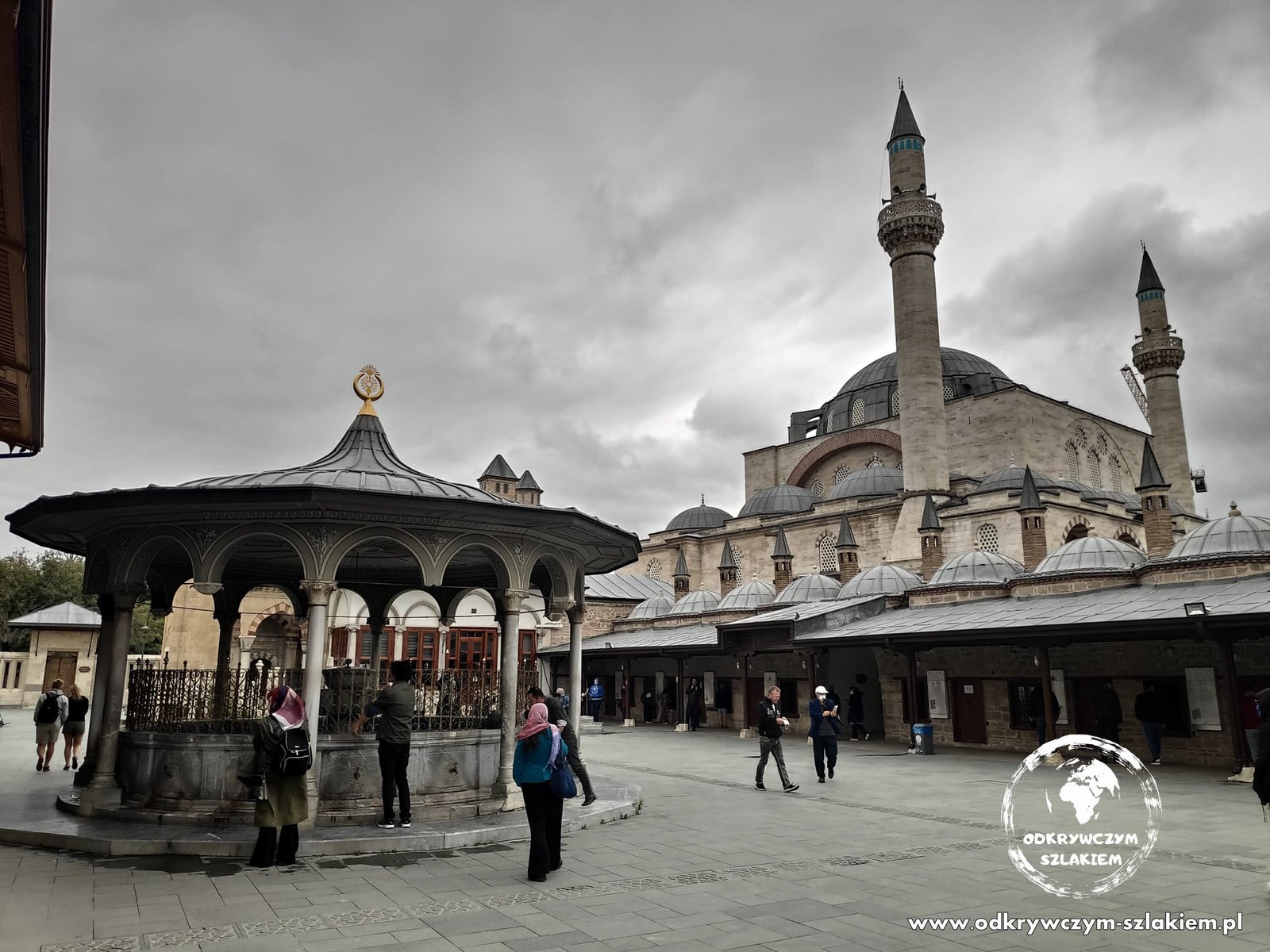
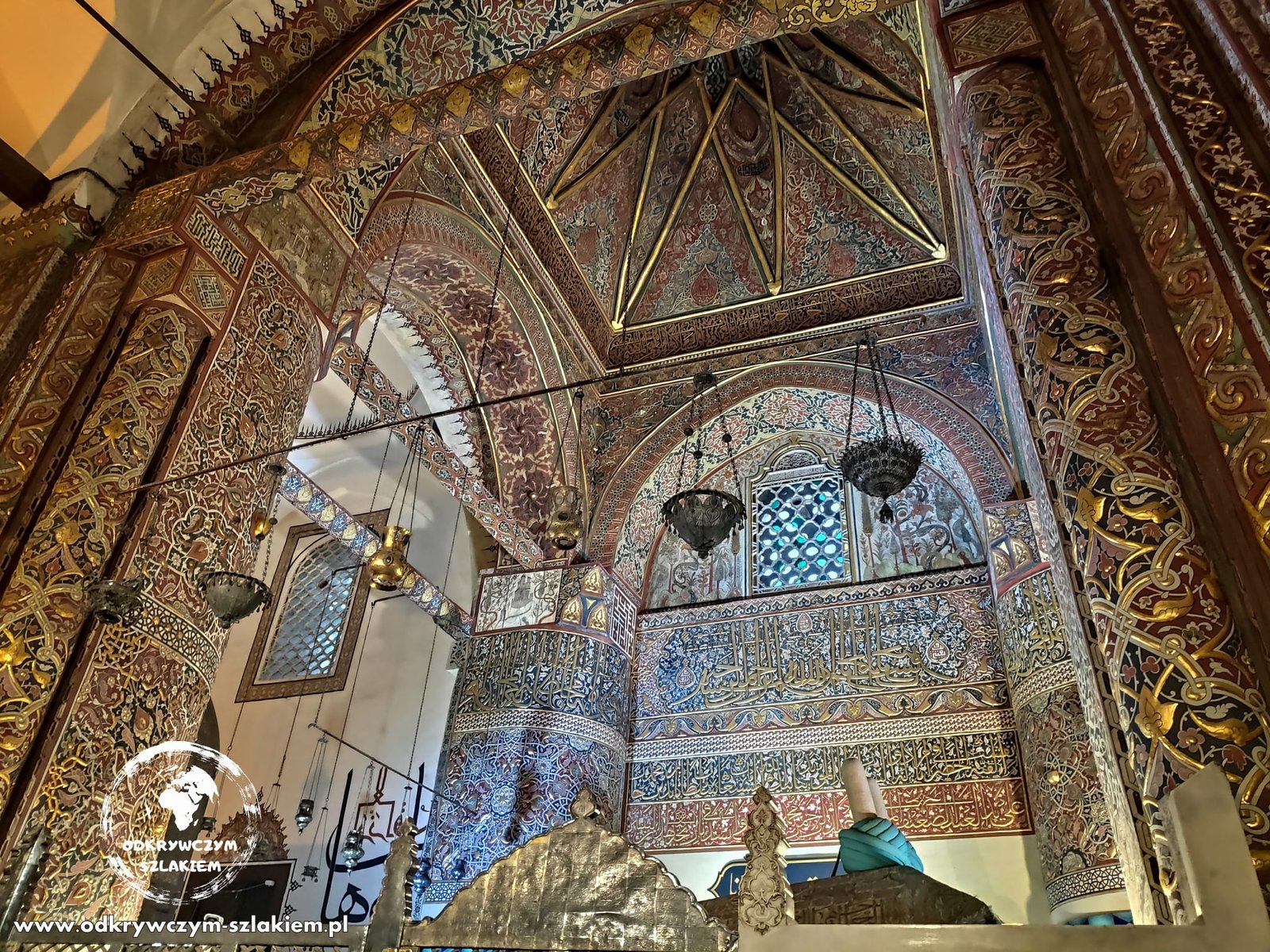
On the way back from Cappadocia we stopped in Konya, at the dervish lodge (today the Mevlana Museum). Under the green dome lies the tomb of Mevlana (Rumi) – the 13th-century poet and mystic from whom the order of whirling dervishes originates. The place is popular not only with tourists but above all with Muslims.


Pamukkale and Hierapolis
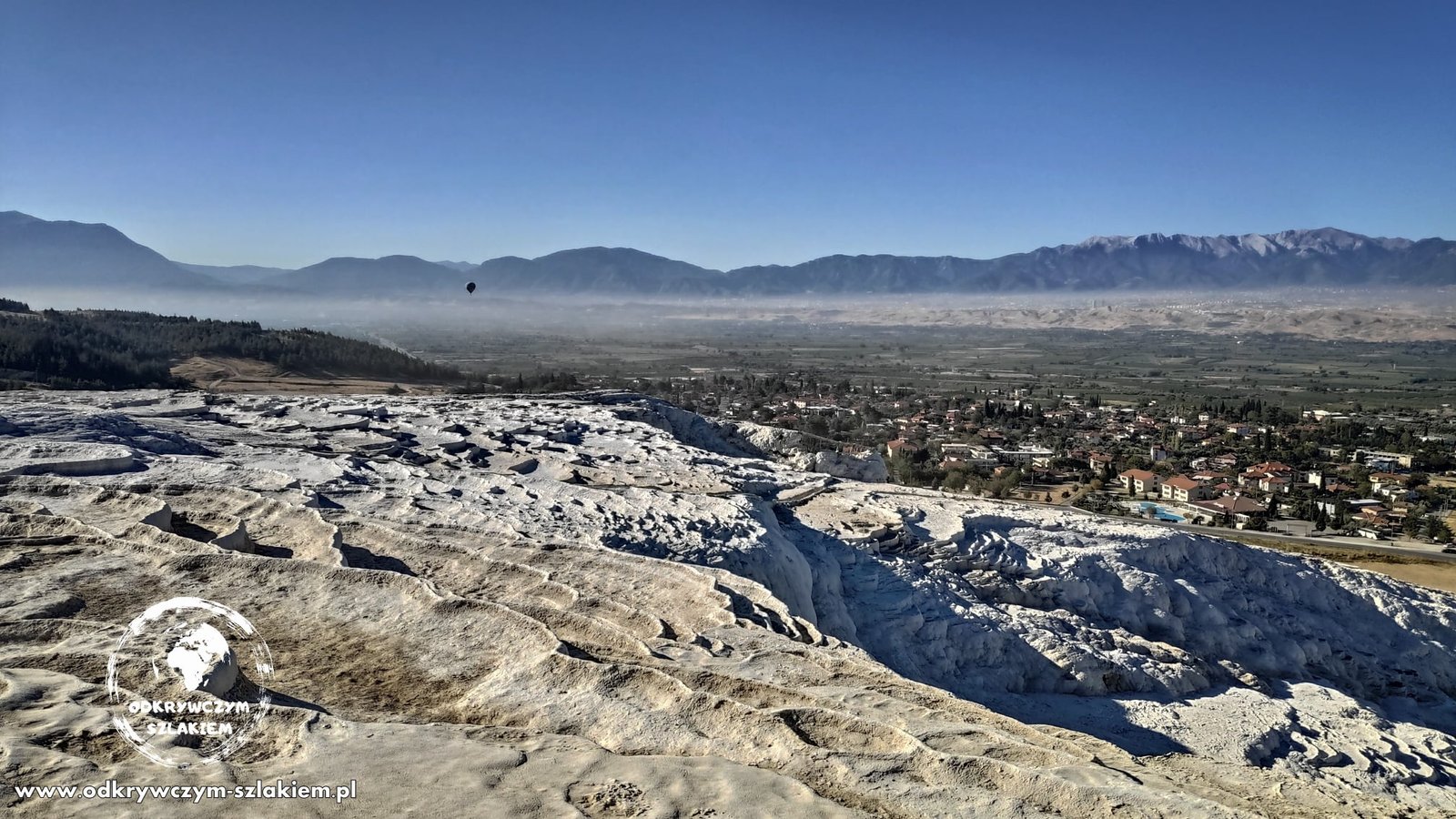
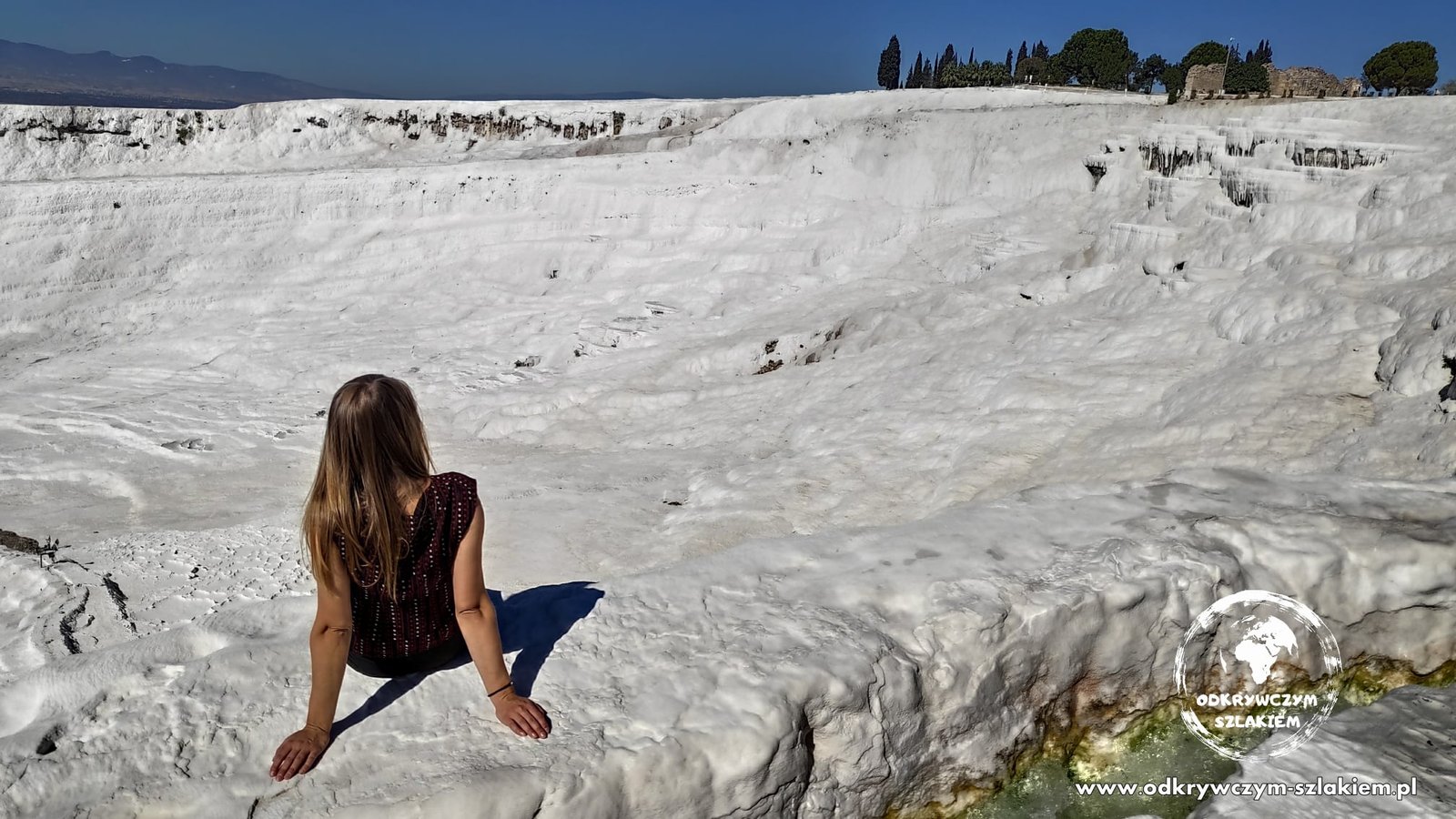
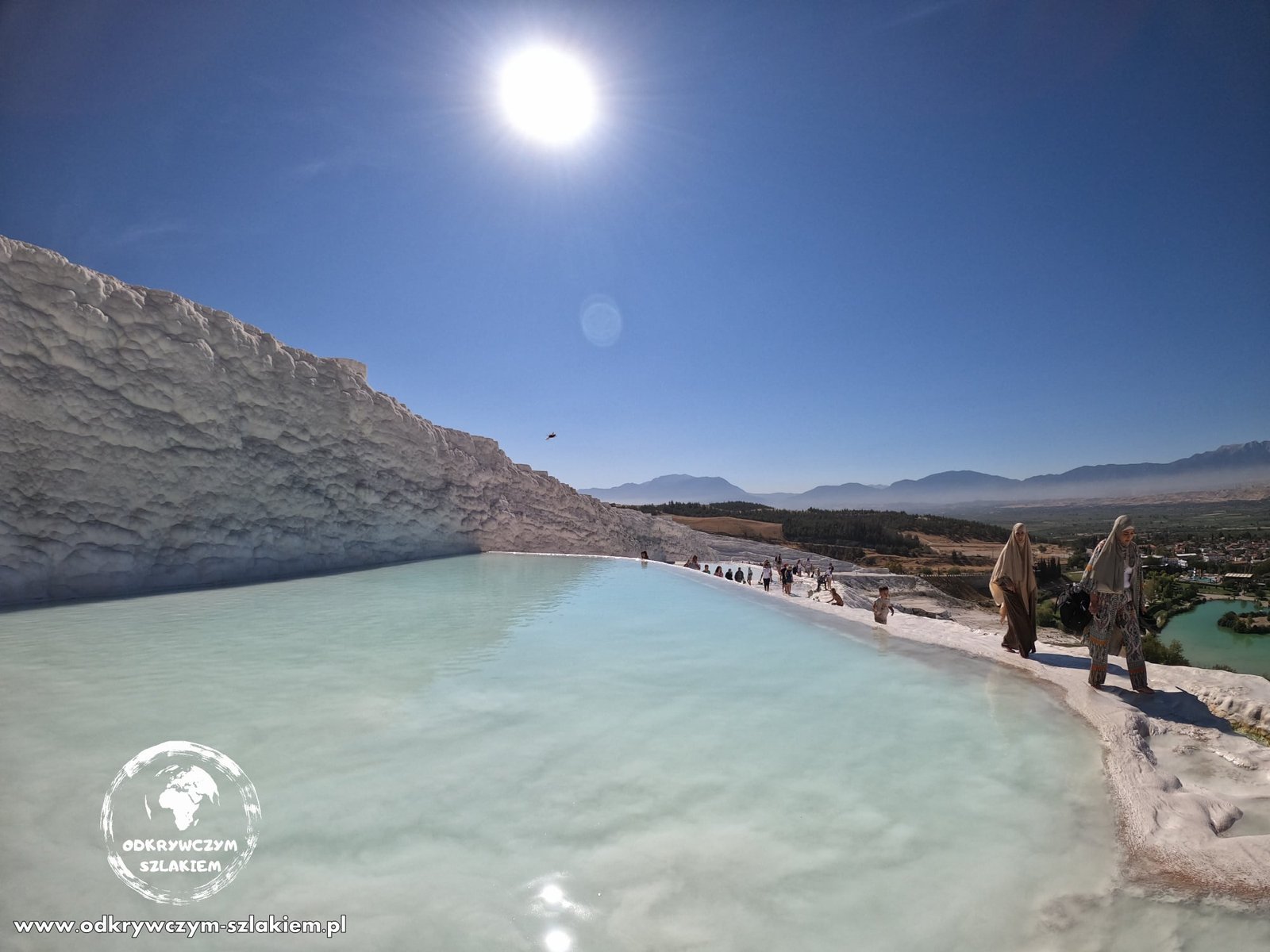
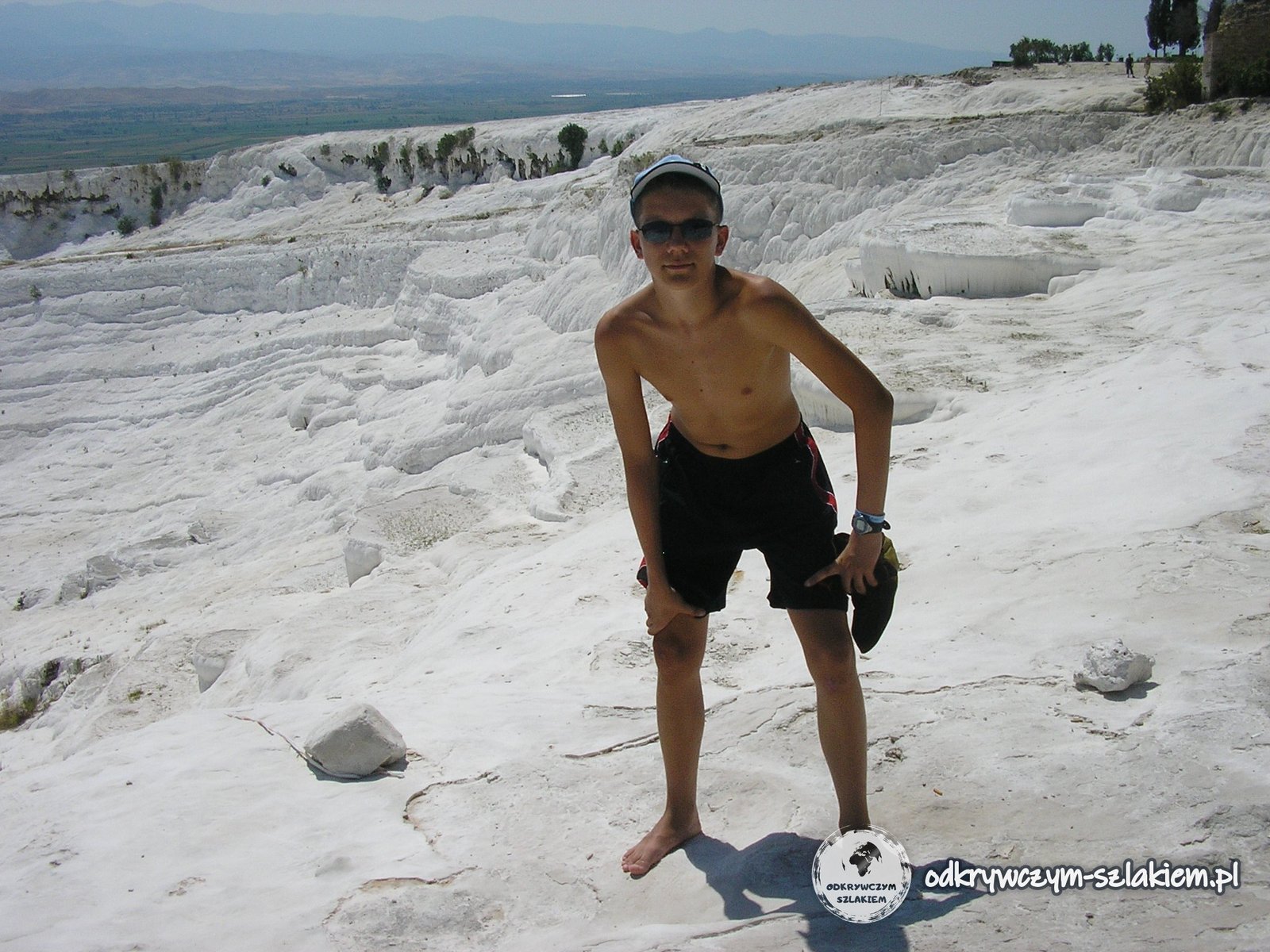
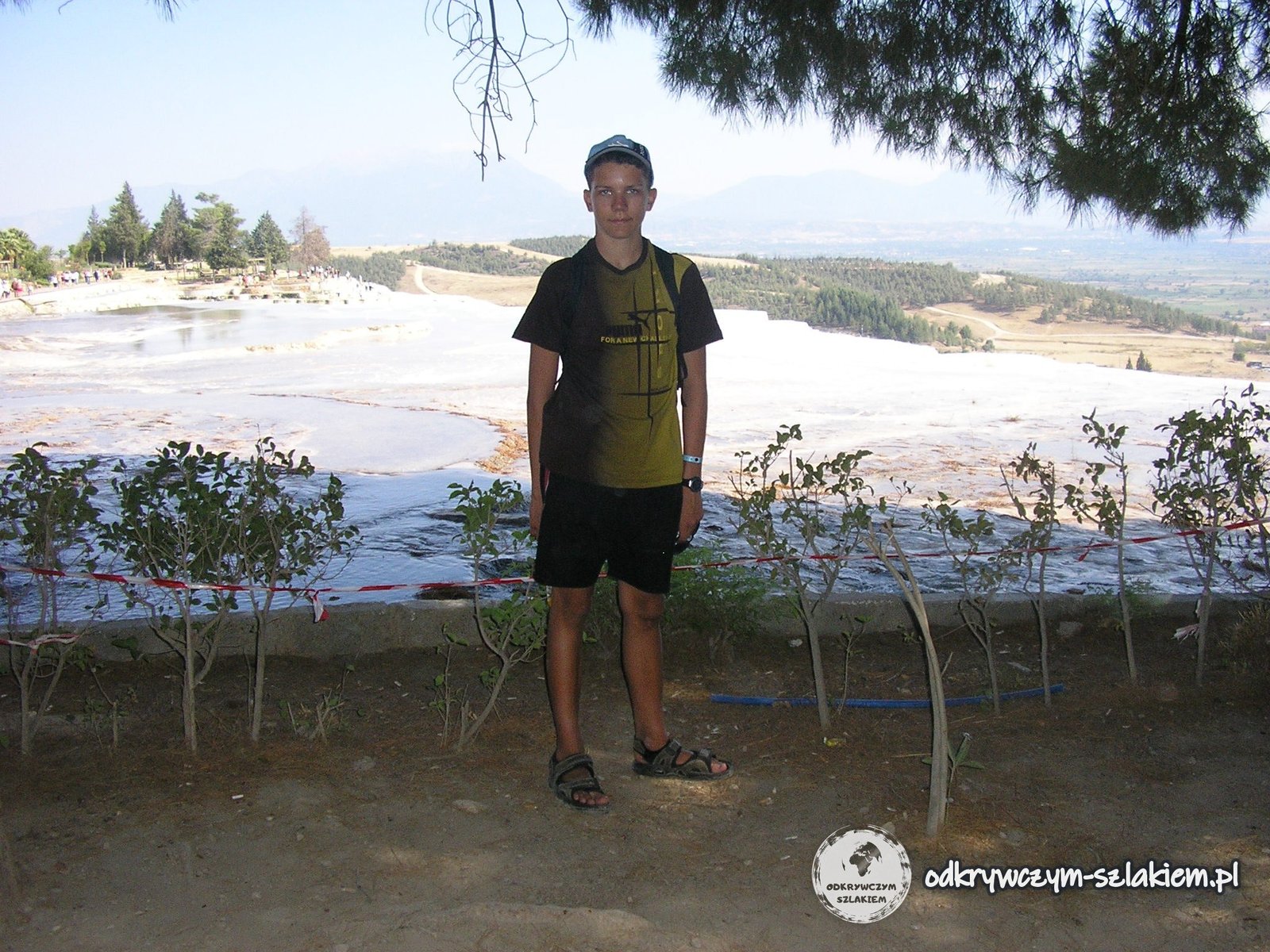
On the second organised tour we went to Pamukkale (“cotton castle”). The place is famous for its limestone terraces – travertines down which warm water from thermal springs flows. We later saw similar, though much smaller, petrified waterfalls in Mexico – at Hierve el Agua.

The backdrop to the terraces is the ancient city of Hierapolis. It didn’t play a big role in history, but a theatre and an extensive necropolis have survived here. Pamukkale together with Hierapolis is a UNESCO World Heritage Site.
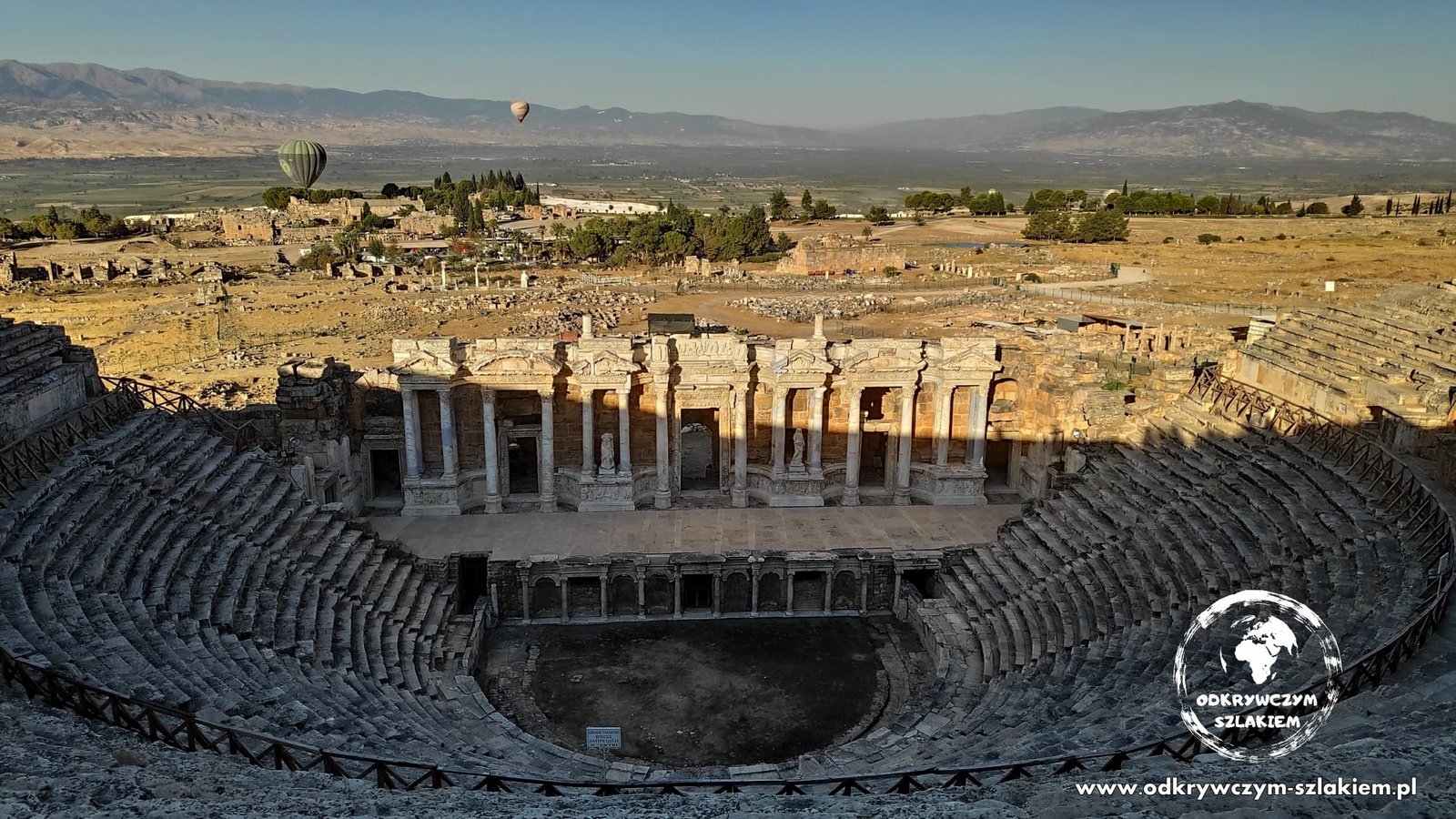
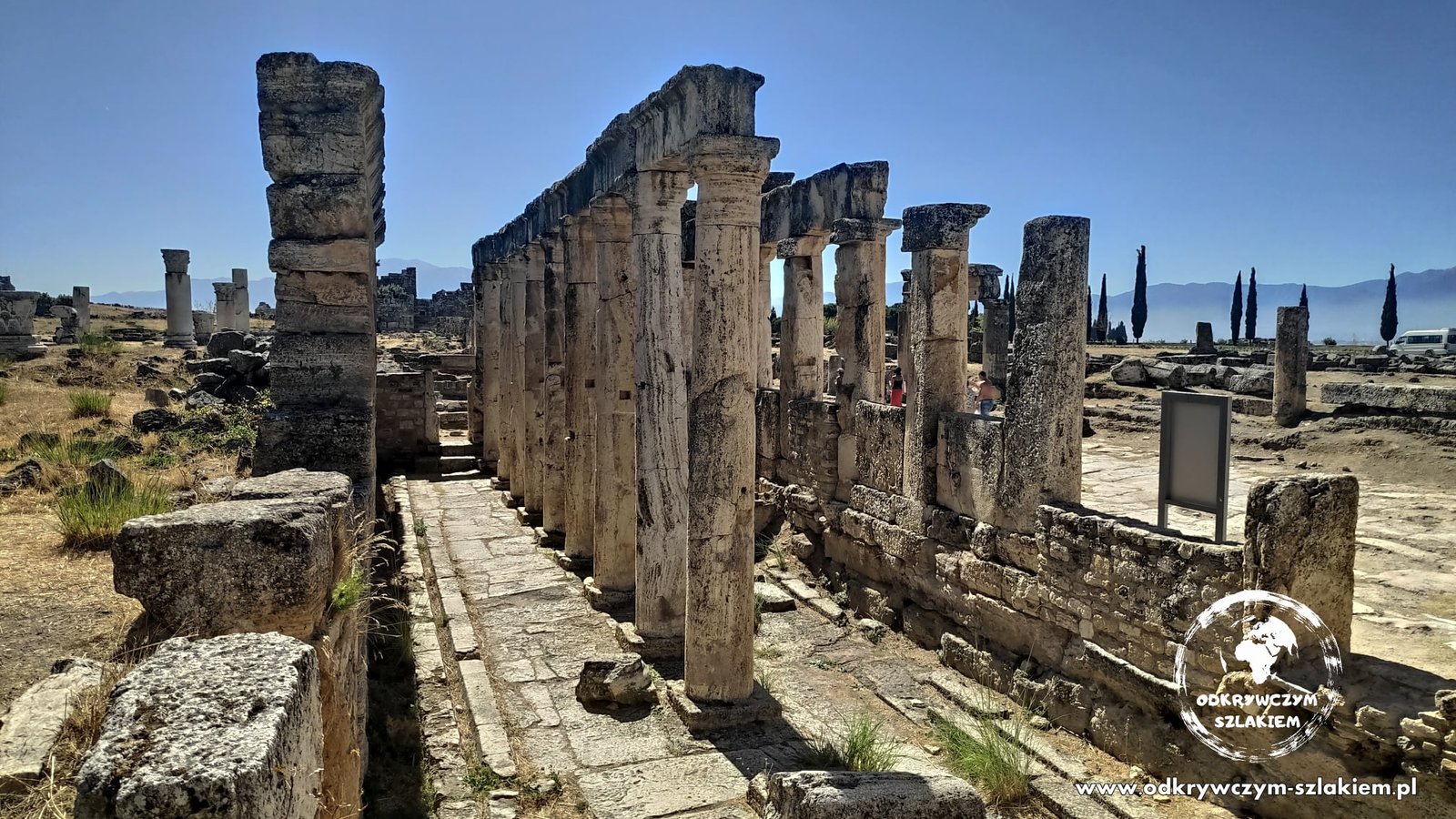

At the top you can also see the Antique Pool, where pieces of columns lie under the warm water, and the main street of Hierapolis ends at the three-arched Gate of Domitian.


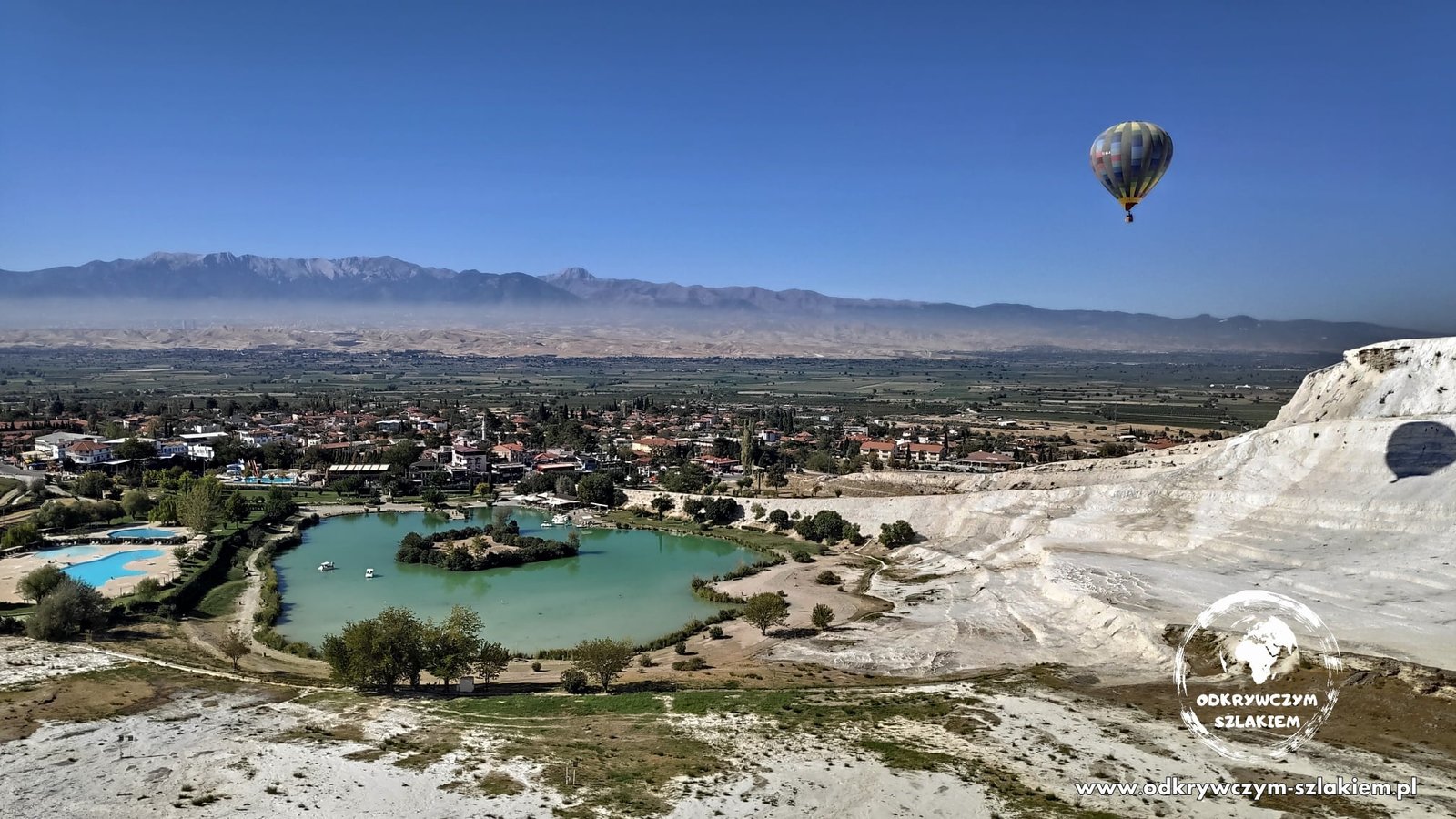
To protect the site, some of the terraces are closed to visitors. On the others you walk barefoot – halfway down the slope there are pools of blue water, and from the top you can see a lake, the village of Pamukkale and Denizli in the distance.
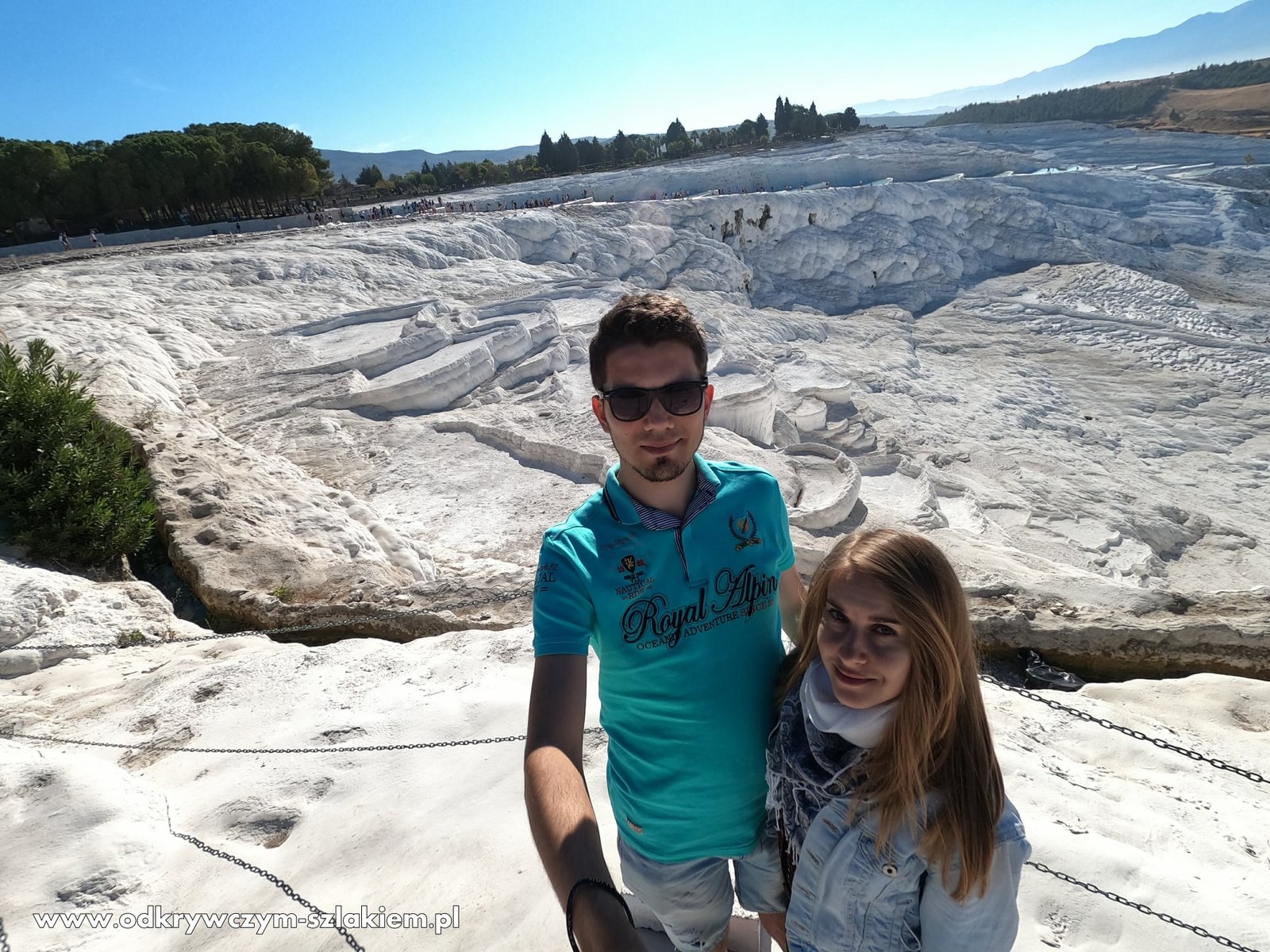
I was also in Pamukkale in 2007.
Lake Salda – the “Turkish Maldives”
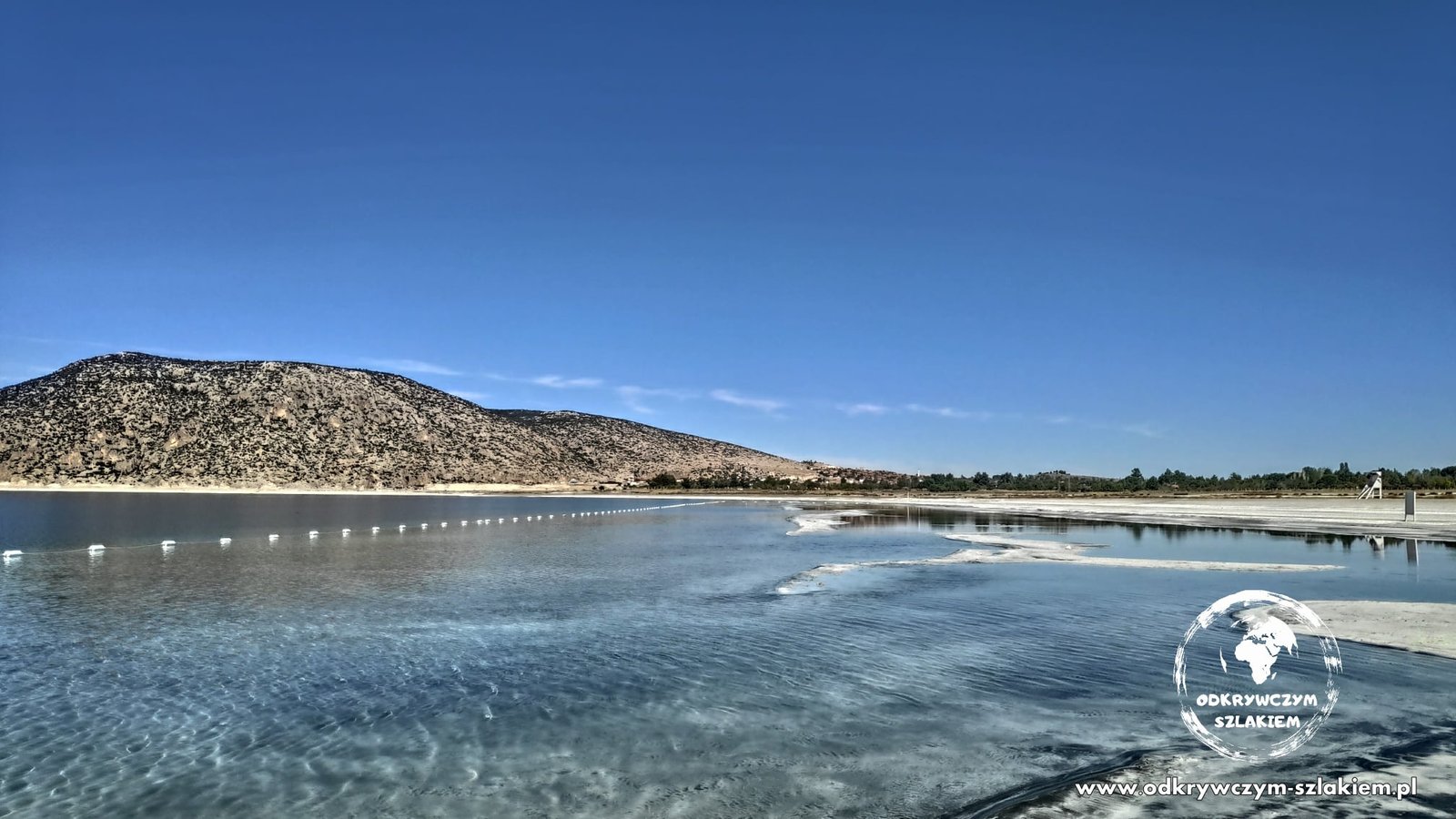
On the way back from Pamukkale we stopped at the crater lake Salda, called the “Turkish Maldives” because of its azure water and the white sand along the shore. Fun fact: NASA scientists compared its sediments to those in Jezero crater on Mars.


Alanya and Side – my first stays (2005 and 2007)
I had been to Turkey before – in 2005 my hotel was in Belek, and in 2007 in Alanya. In 2007, with my parents, it was a package trip from a travel agency, and for excursions around the country we used an outside company. In 2005 I saw, among other things, the columns of the Temple of Apollo by the sea in Side and the panorama of Alanya from the Seljuk fortress on the peninsula.


The road to old Side runs between ancient ruins, and in Alanya the cliffs of the peninsula drop straight into the sea.


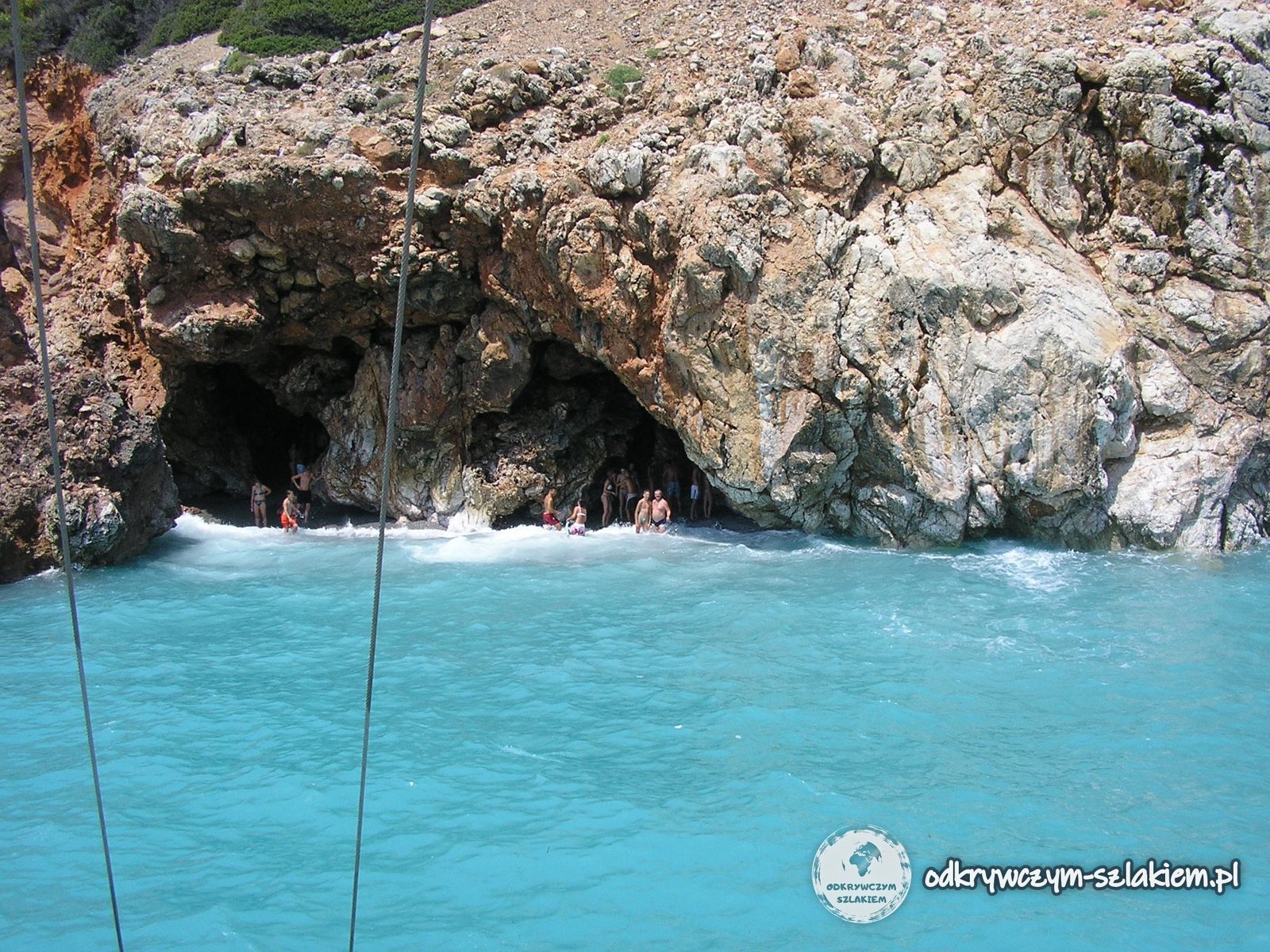
In 2007 I took a boat along the cliffs of the peninsula to sea caves with turquoise water and went down into Damlataş Cave with its dripstones, discovered in 1948.

On my second visit I also went back to Alanya Castle. Its walls run for about 6.5 km, and the town can be seen well from the deck of a boat too.


Turkish cuisine
We tried to eat local food as often as possible, but many restaurants were geared towards tourists and served what we already know well. Turkish dishes are mainly meat – vegetarians have little choice, and others may get bored of it after a while. A plate of vegetables often comes with the dish, included in the price.
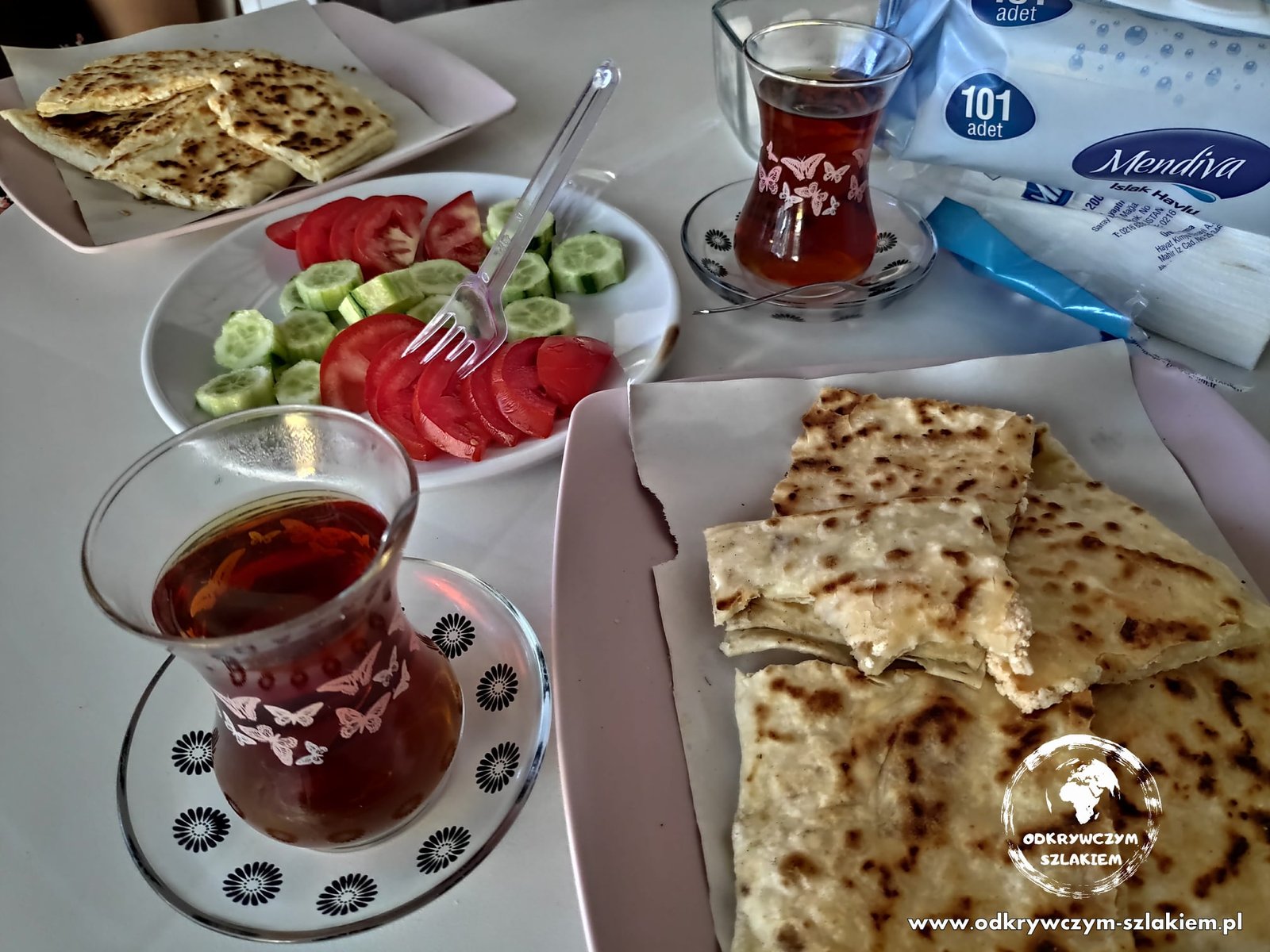
We regularly popped into bakeries, where pastries with spinach, cheese, minced meat and olives reigned supreme. Particularly interesting were pide (a flatbread with filling on top) and gözleme (a stuffed flatbread) – best with Turkish tea.



Practical information – prices, tours, weather
- Currency and prices – the currency is the Turkish lira, whose exchange rate was very weak, so it’s cheap for Europeans: you pay little for a meal out, shopping or public transport. The exception is beer – at least about €1.50 in a shop (2021).
- Language – despite Antalya’s European character, quite a lot of Turks don’t speak any foreign language.
- The muezzin at 5 a.m. – what bothered us most was the daily wake-up call when the muezzin called from the mosque to prayer. Earplugs come in handy.
- Organised tours – the tours to Cappadocia (2 days, with Konya) and Pamukkale (1 day, with Lake Salda) cost about the same as going on our own and allowed us to fit everything into a week. Downsides: with so many places there is little time for each, and we ended up with some grumbling fellow travellers.
- Weather – in the second half of September it was over 30°C on the coast, and the sea was up to 28°C. In Cappadocia and Konya (over 1000 m above sea level) – only a little over ten degrees.
- Wildfires – after the summer fires some archaeological sites (the ruins of Aspendos apart from the theatre, Termessos) were closed. It’s worth checking this before you go.


Turkey is such a big country that you would need to come back several more times – and we still have Termessos and the summit of Tahtalı Dağı, among others, on our list.