Bavaria is the largest state in Germany. I have been here several times, including in July 2014 and July 2016 – the photos in this article come from those two trips. In 2014 I took a boat through the Danube Gorge from Kelheim to Weltenburg Abbey and looked in at the Hundertwasser tower in Abensberg. In 2016 I spent a few days in Munich and walked through the Breitachklamm gorge in the Allgäu Alps. I describe both gorges, the Alpe Dornach pasture with its mountain views, Munich’s Englischer Garten and Theresienwiese, Weltenburg Abbey with its brewery and the Kuchlbauer Tower – and at the end, practical information with current prices.
Table of contents
- The Breitachklamm – the deepest rock gorge in Central Europe
- Alpe Dornach and views of the Allgäu Alps
- Munich – the Englischer Garten, the Theresienwiese and the Allianz Arena
- The Danube Gorge – by boat from Kelheim to Weltenburg Abbey
- Weltenburg Abbey – the Asam brothers’ church and the monastery brewery
- Abensberg – Hundertwasser’s Kuchlbauer Tower and the Hallertau hop gardens
- Practical information
The Breitachklamm – the deepest rock gorge in Central Europe
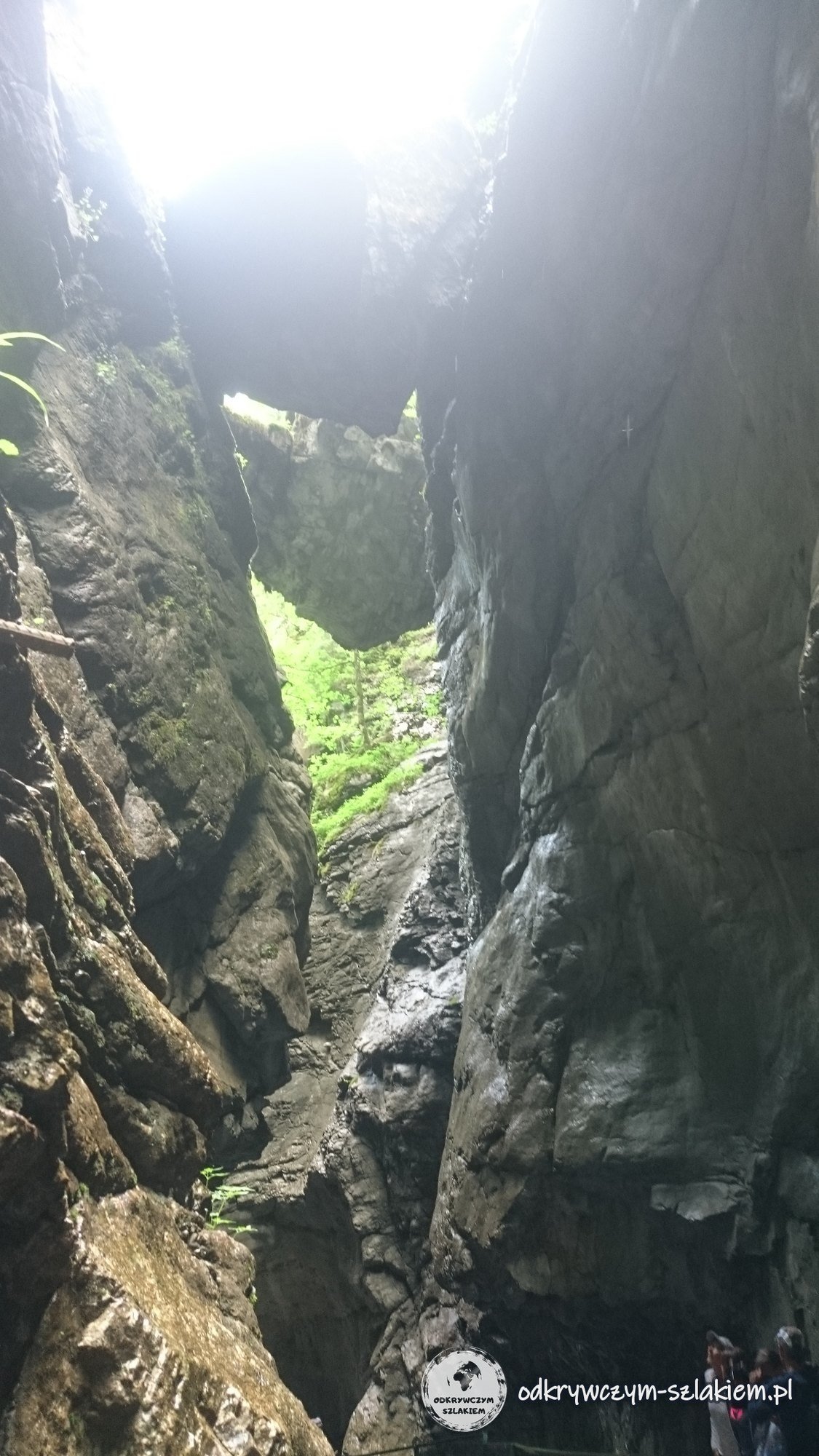
The Breitachklamm lies in Tiefenbach, part of the municipality of Oberstdorf in the Allgäu, right on the border with Austria’s Kleinwalsertal valley. It was carved by the Breitach river. After the last ice age, meltwater from a retreating glacier began cutting into the limestone – according to the gorge’s operators, this has been going on for about 10,000 years. The Breitachklamm is promoted as the deepest rock gorge in Central Europe: its walls are about 100 m high, and some sources say as much as 150 m.

I was here on 3 July 2016. I entered the gorge at the lower entrance in Tiefenbach. At first the Breitach flows in a wide bed between wooded slopes, but after a few hundred metres the valley narrows, and the path and footbridges follow the rock walls just above the foaming water.

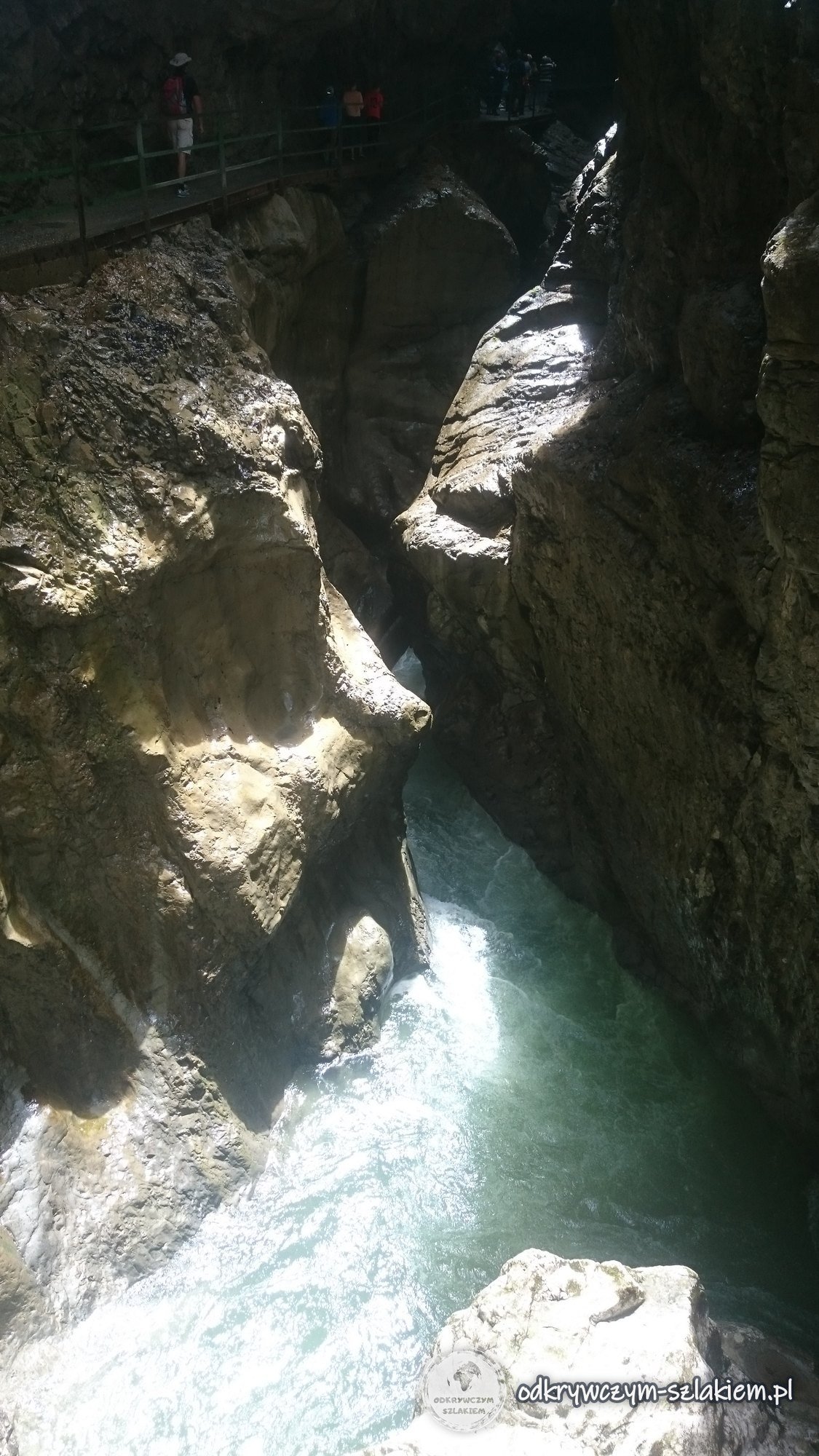
Side streams tumble down the walls into the Breitach as waterfalls. In the deepest sections, light reaches the bottom only through a narrow gap high above, so the water glistens against the dark rock.

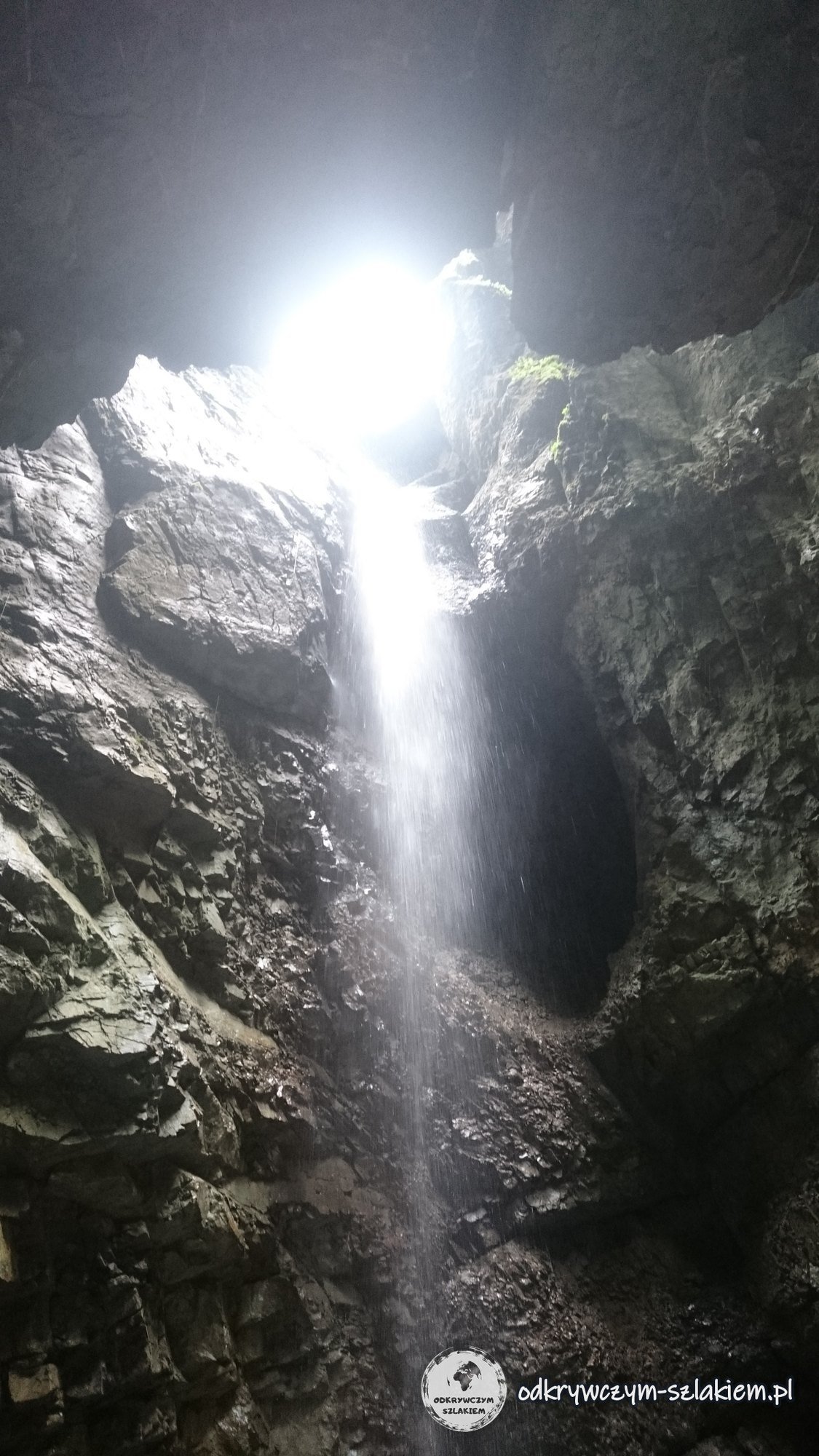
The gorge opened to visitors in 1905. The idea came from the parish priest of Tiefenbach, Johannes Schiebel, and in 1904 local people founded the Breitachklammverein cooperative, which still runs the trail today. At its narrowest point, called the Zwing, the gorge is only about 2 m wide. More than 300,000 people walk through it every year.


The Breitachklamm can be dangerous. In September 1995 about 50,000 m³ of rock and earth slid into it and dammed the river. In March 1996 the water broke through this natural dam and destroyed the path. Walking through the gorge itself takes about 45 minutes. At its upper end the path crosses a metal footbridge and leaves the gorge for the forest.


Alpe Dornach and views of the Allgäu Alps
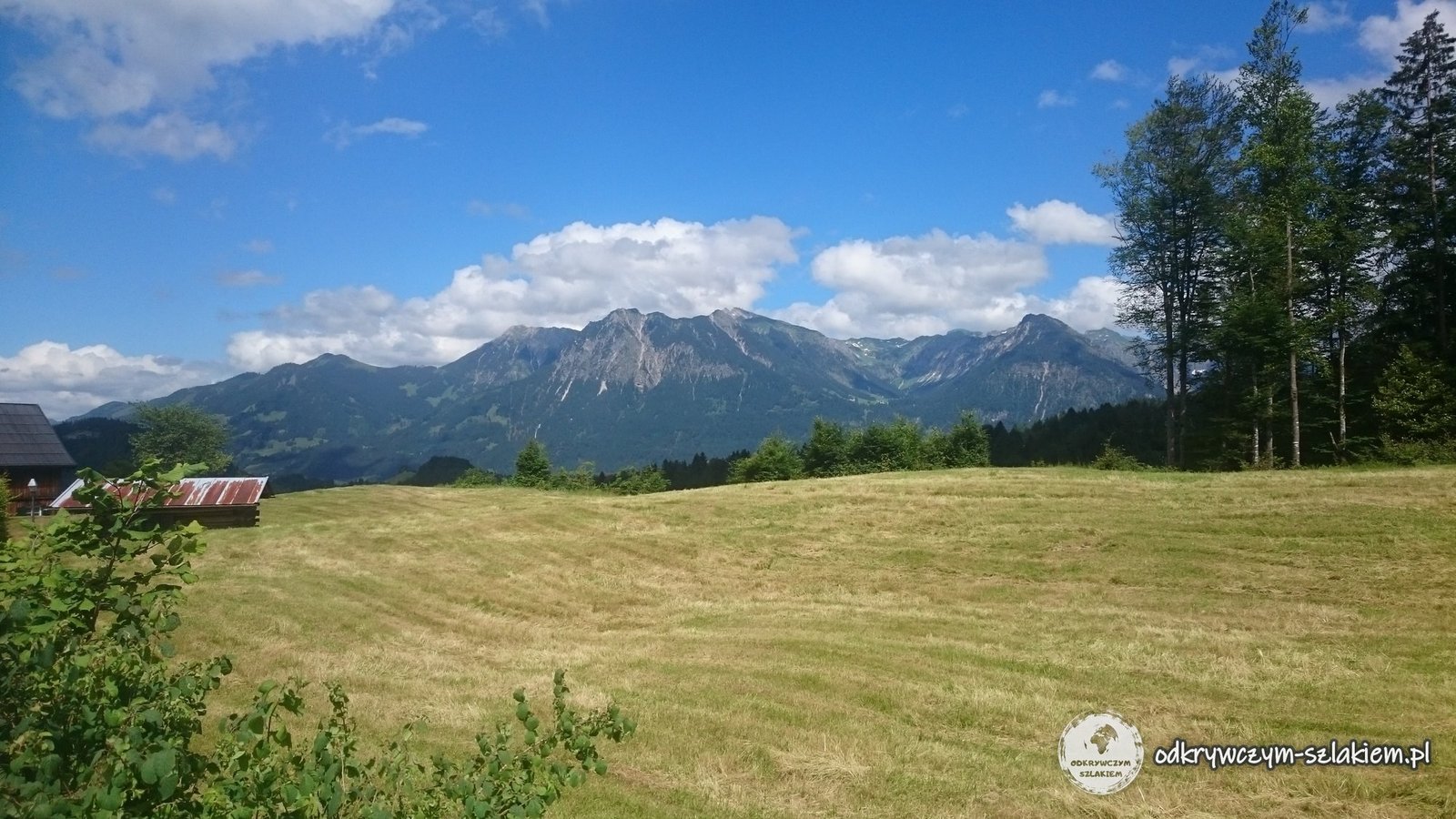
From the upper end of the gorge I didn’t go back the same way. The path climbs through the forest and then comes out onto the meadows of Alpe Dornach – in the Allgäu, an “Alpe” is a high mountain pasture used in summer. From here a narrow paved road leads back down to Tiefenbach.

On the pasture stands the Alpe Dornach inn with a beer garden. According to the sign by the road, it serves lemonades, coffee, homemade cakes, hot meals and Bavarian snacks (Brotzeit).
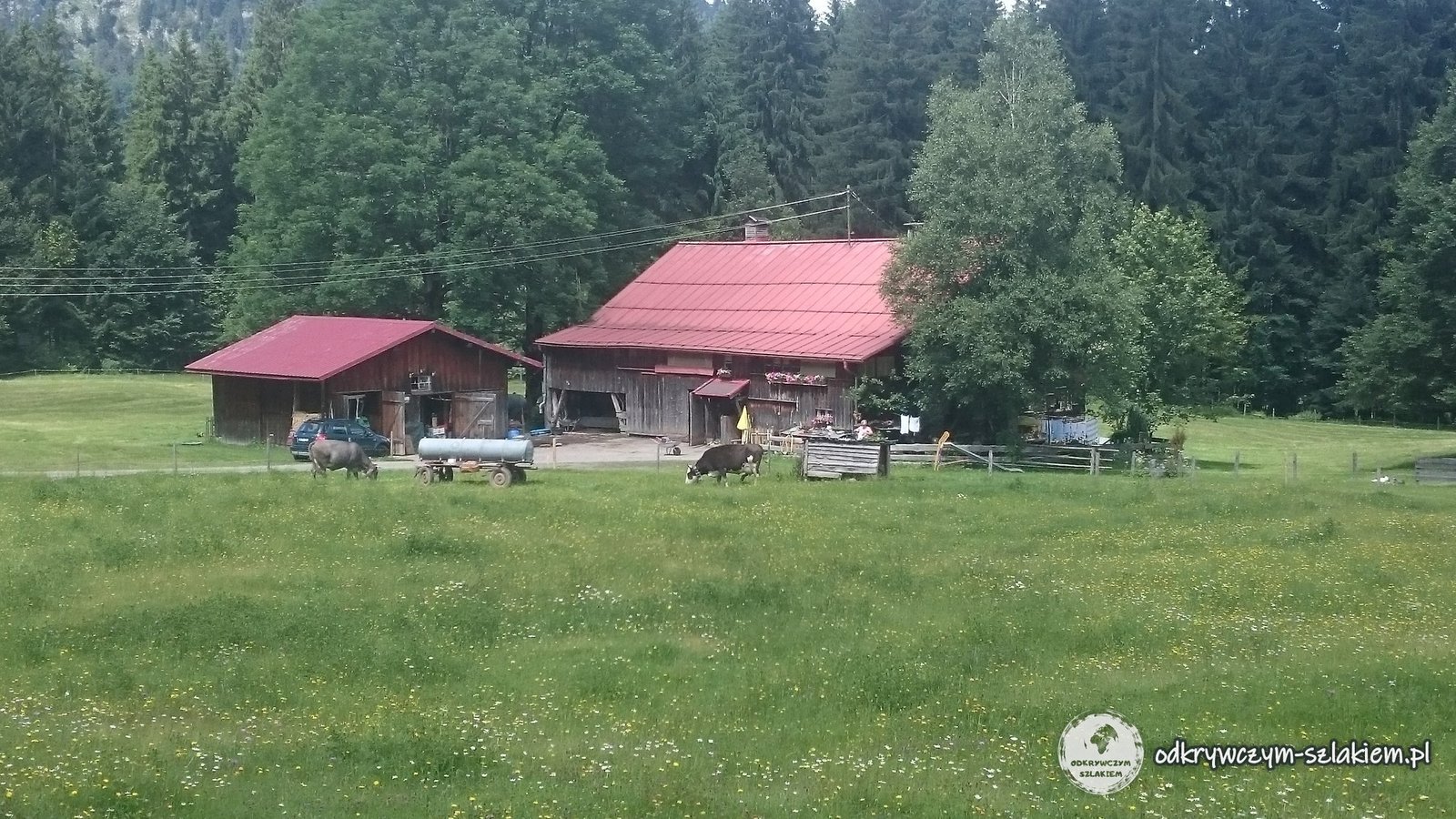
I stopped here for a beer from the regional Engelbräu brewery in Rettenberg in the Allgäu.


The meadows look out over the peaks of the Allgäu Alps around Oberstdorf. The whole loop – the gorge, Alpe Dornach and back to Tiefenbach – took me about 3 hours including the stop.

Munich – the Englischer Garten, the Theresienwiese and the Allianz Arena
Munich is the capital of Bavaria and the third-largest city in Germany. On my first day, 1 July 2016, I went to the Englischer Garten – one of the largest city parks in the world (about 375 ha), laid out in 1789. In the middle of it stands the wooden Chinese Tower (Chinesischer Turm), a 25-metre pagoda from 1789–1790. It burned down after an air raid in 1944, and today’s tower is a reconstruction from 1952. Around it is a beer garden with 7,000 seats, serving beer from the Hofbräu brewery, including in one-litre mugs.


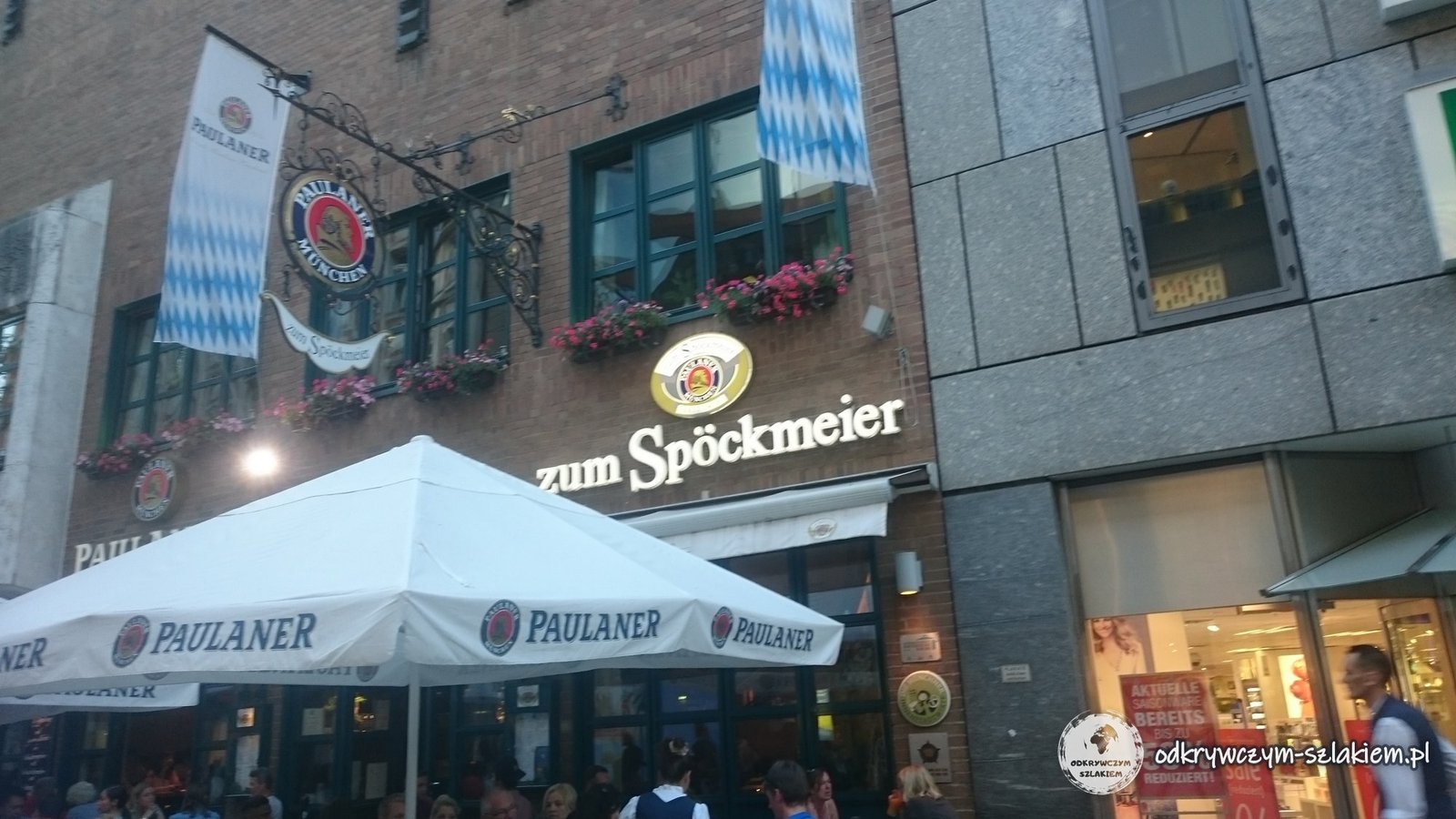
In the evening I walked around the old town. A few steps from Marienplatz is the Zum Spöckmeier restaurant, serving beer from Paulaner – one of the six Munich breweries that sell beer at the Oktoberfest.
The next day I went to the Theresienwiese – the open ground where the Oktoberfest takes place every year. Above it stands the bronze statue of Bavaria, the personification of the state, 18.52 m tall. It was sculpted by Ludwig Schwanthaler, cast under the direction of Ferdinand von Miller and unveiled in 1850. Behind the statue is the Hall of Fame (Ruhmeshalle) designed by Leo von Klenze, with busts of distinguished Bavarians. You can climb a spiral staircase up into Bavaria’s head.

On the last day I drove past the Allianz Arena on the A9 motorway. Bayern Munich’s stadium opened in 2005, holds about 75,000 spectators, and its façade of plastic cushions lights up at night. In 2024 it hosted the opening match of Euro 2024 – Germany beat Scotland 5–1. In the evening I flew from Munich to Berlin.

The Danube Gorge – by boat from Kelheim to Weltenburg Abbey
Two years earlier, on 20 July 2014, I was in Lower Bavaria, in Kelheim. This small town lies where the Altmühl and the Main–Danube Canal flow into the Danube. Above it, on the Michelsberg hill, stands the Befreiungshalle (Hall of Liberation). It was built between 1842 and 1863 for King Ludwig I to commemorate the Wars of Liberation against Napoleon (1813–1815). It is 45 m high, and its 18 buttresses carry statues representing the German lands. It was opened on 18 October 1863 – the 50th anniversary of the Battle of Leipzig.

From Kelheim I took a boat upstream to Weltenburg Abbey. Here the Danube breaks through the limestone hills of the Franconian Jura. The stretch known as the Weltenburger Enge is about 5.5 km long, and its rock walls rise up to 80 m above the water. No road runs along the river, so the easiest way to see the gorge is from the deck of a boat.
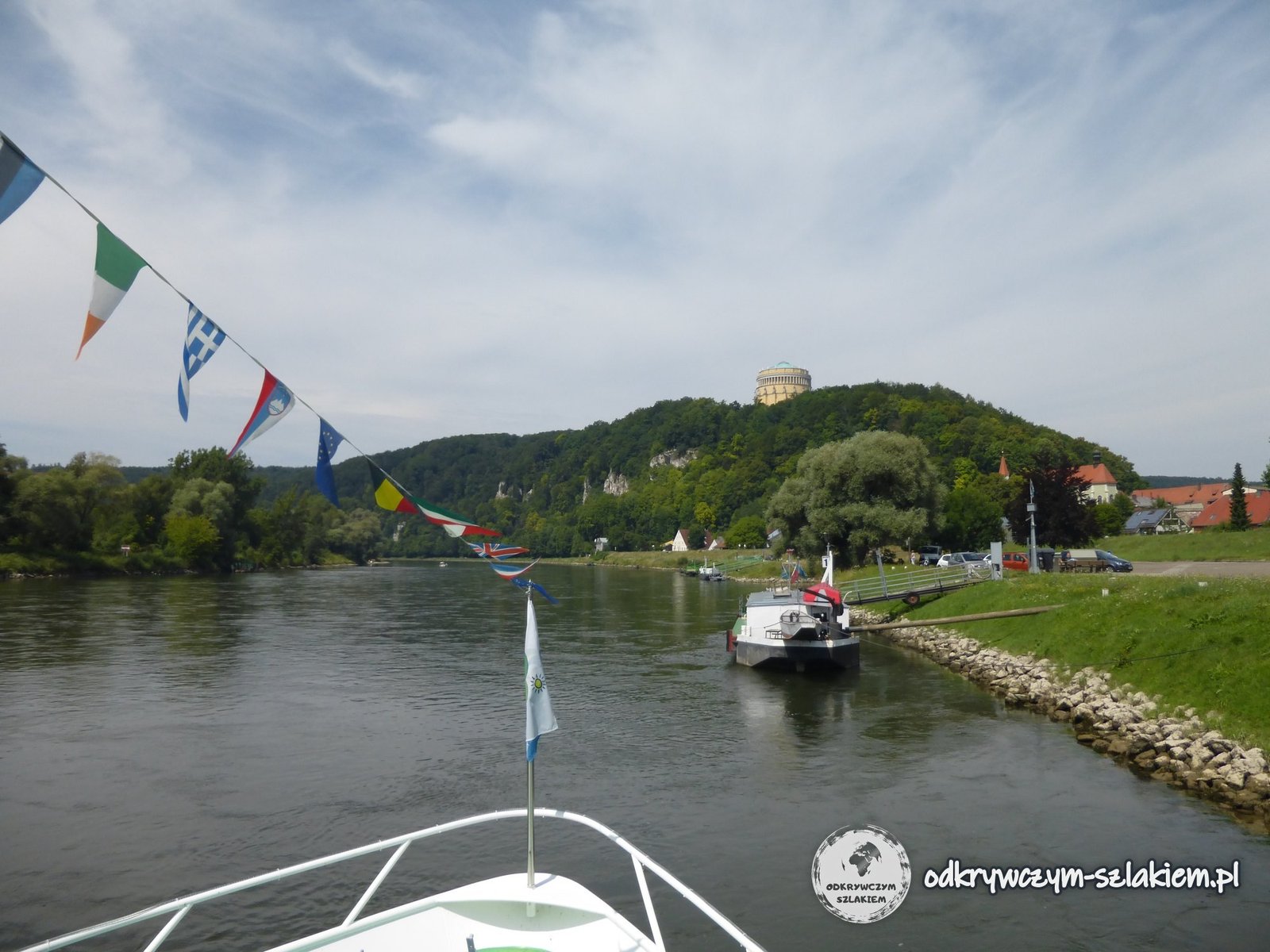
At the start of the gorge, on the left bank, stands the Klösterl – a former hermitage from the mid-15th century with a church set under a rock overhang.

The limestone the Danube flows through formed about 150 million years ago at the bottom of a shallow sea. Many of the rocks have names, among them the Bavarian Lion, Peter and Paul, the Petrified Maiden and Napoleon’s Suitcase. As early as 1840 King Ludwig I placed the gorge under protection, and in 1938 it became a nature reserve. In 1978 it received the European Diploma of the Council of Europe, and in 2020 the status of a national natural monument.
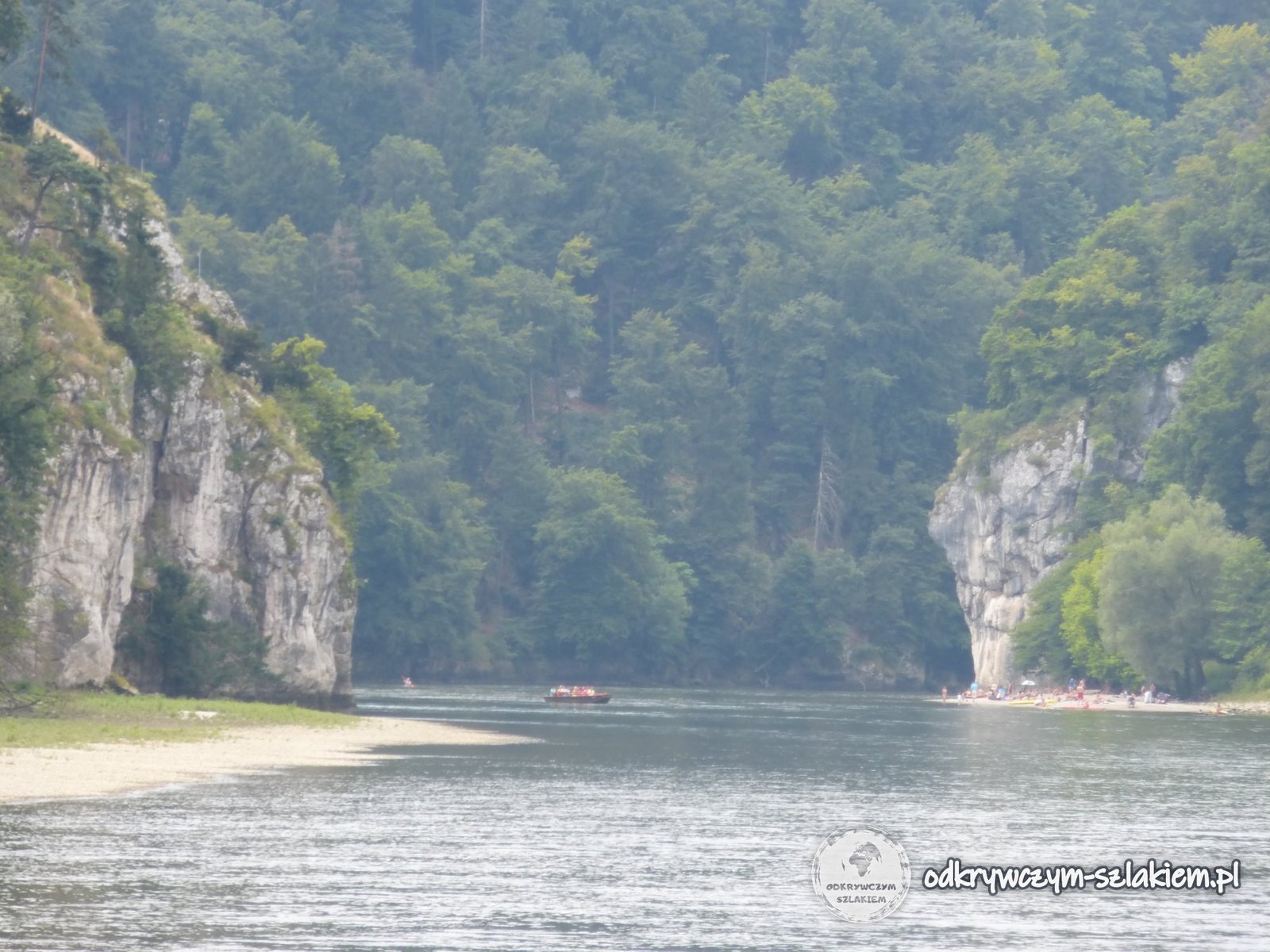
In the rock face known as the Lange Wand stands a statue of St John of Nepomuk, patron saint of bridges and protector against floods. At its narrowest point the gorge is about 110 m wide and 20 m deep.

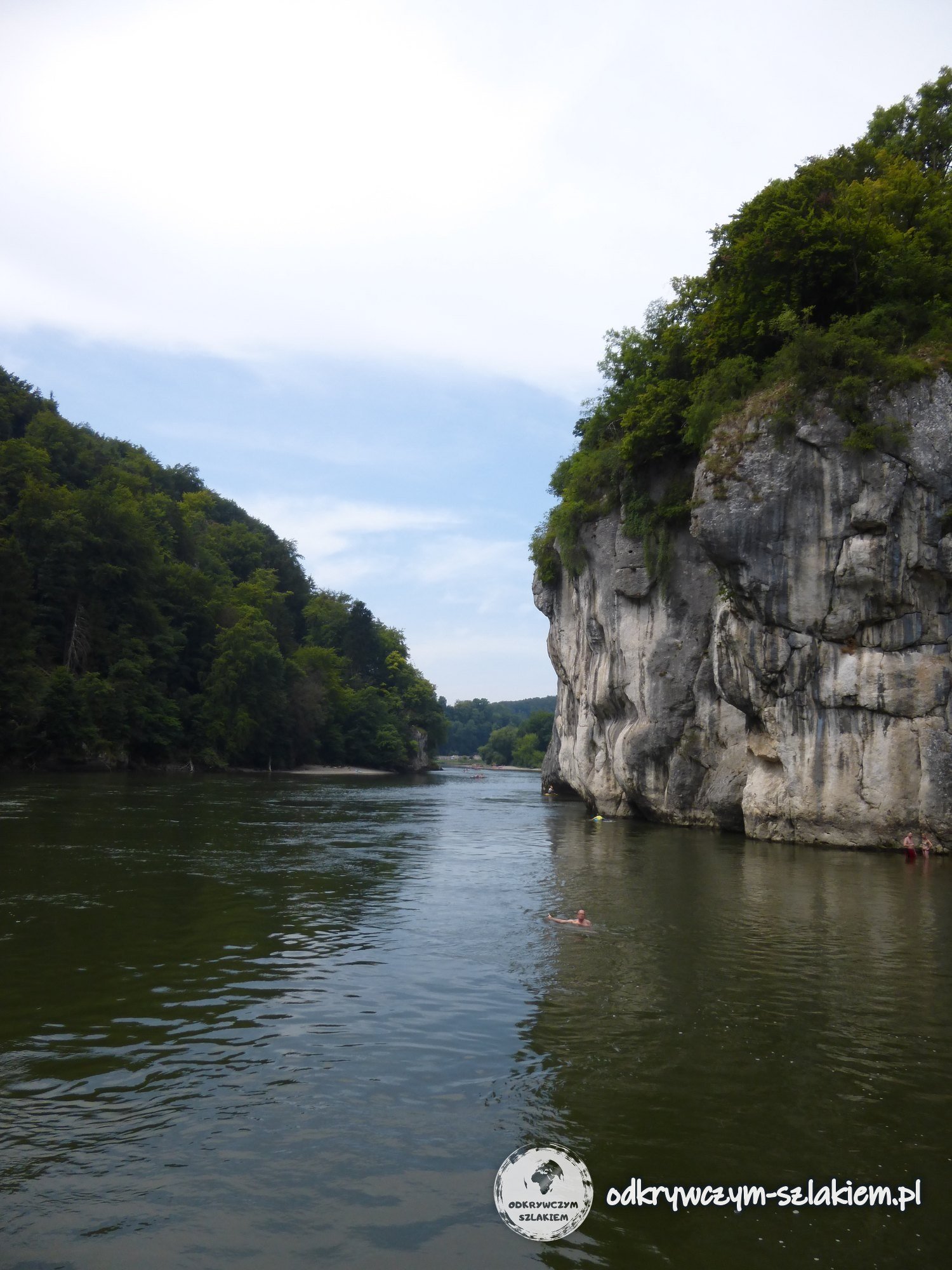
In summer, boats leave Kelheim many times a day. In 2022 environmental and angling groups took this traffic to court – according to them, there are as many as 2,950 trips in the summer half of the year.

Weltenburg Abbey – the Asam brothers’ church and the monastery brewery
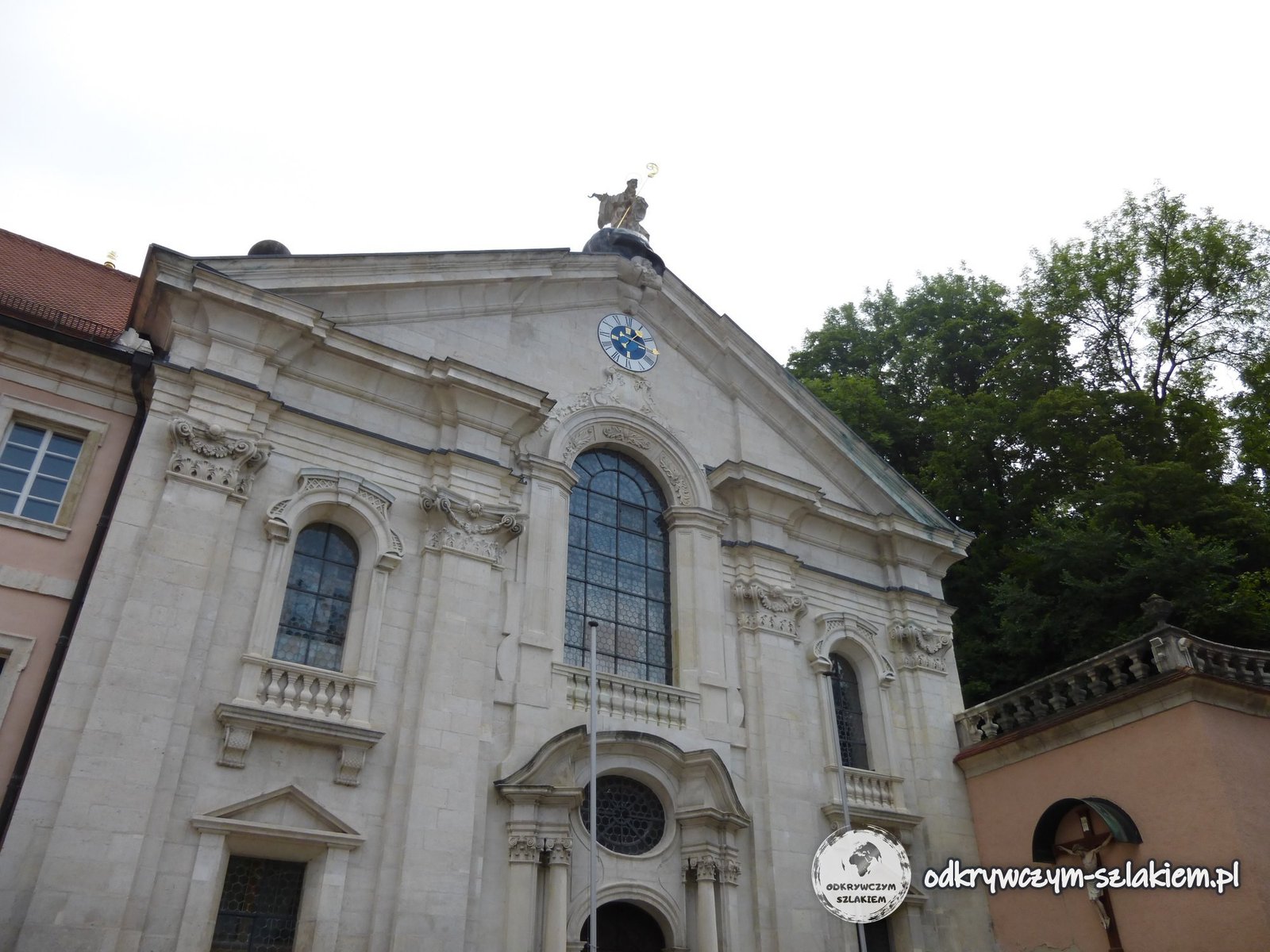
The gorge ends at the Benedictine abbey of Weltenburg on a bend of the Danube. According to tradition, the monastery was founded around 617 by the monks Eustasius and Agilus, which would make it one of the oldest in Bavaria – historians, however, dispute this date. The monks probably adopted the Rule of St Benedict in the 8th century. The abbey stands right by the river, so it is often hit by floods – high-water marks are painted on the walls, and a flood protection system was opened here in 2006.
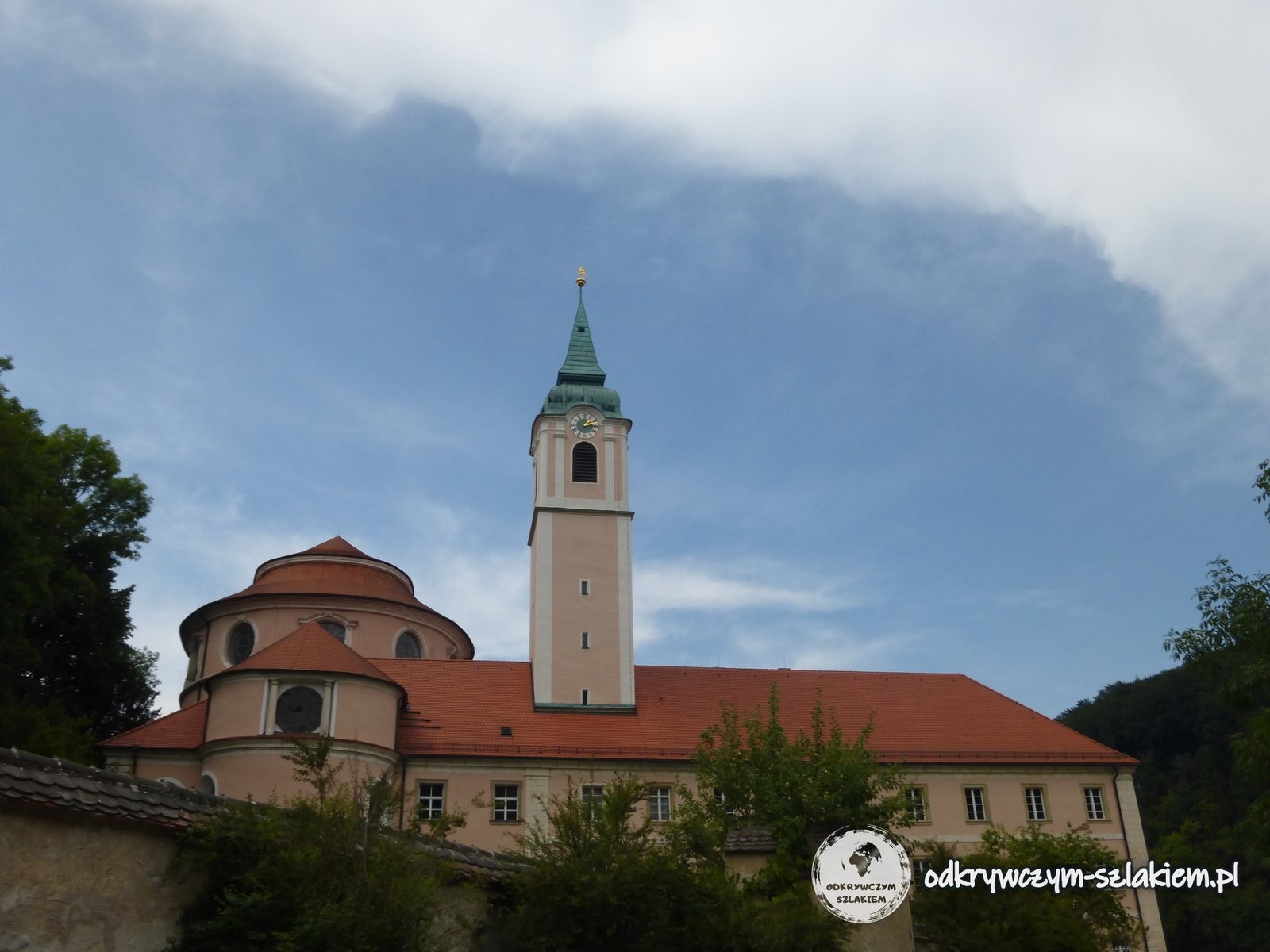
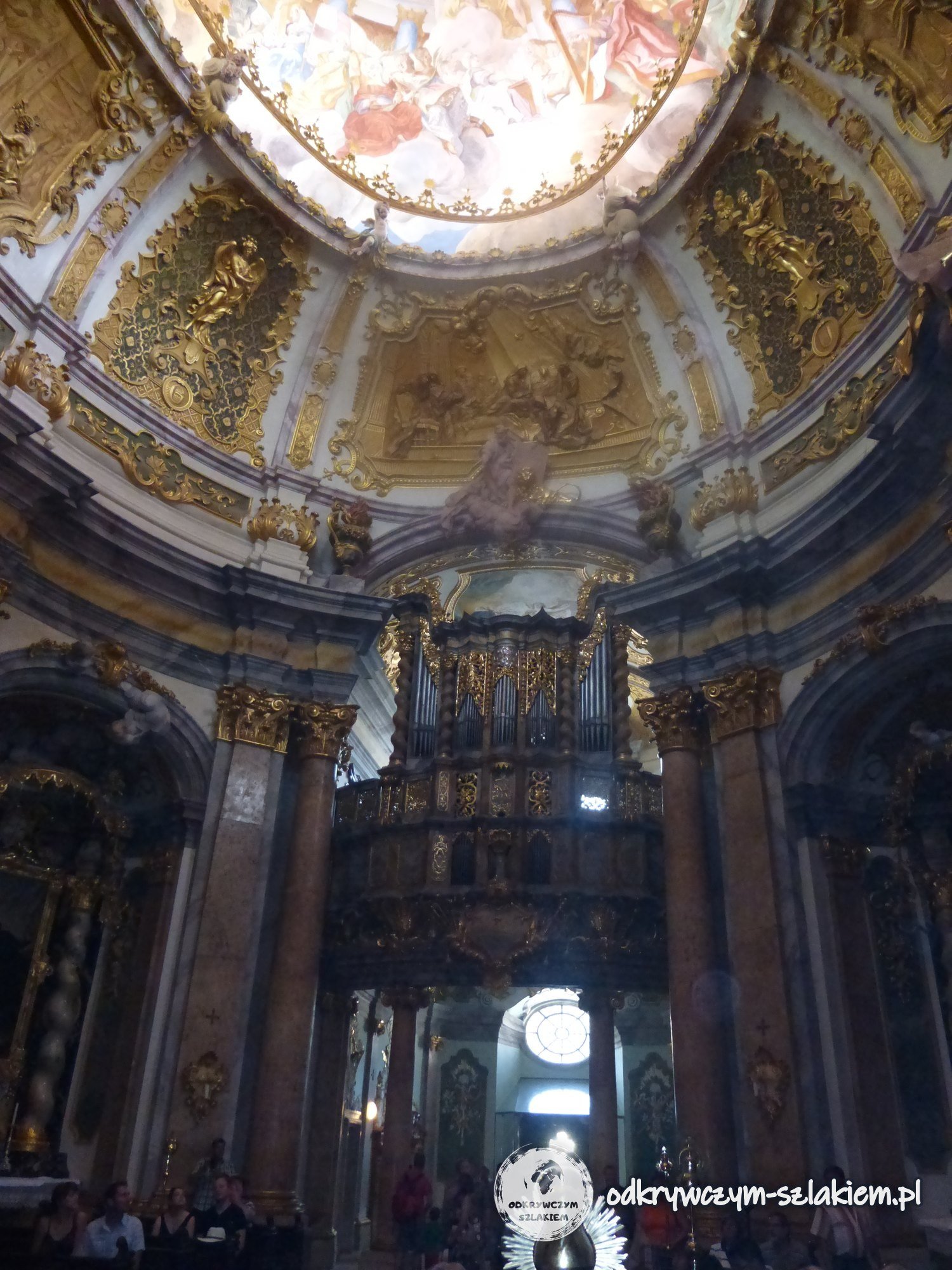
The abbey church of St George was built in 1716–1718, and until 1735 its interior was decorated by the brothers Cosmas Damian and Egid Quirin Asam. The elder was a painter and architect – he reshaped the interior into an oval nave under a frescoed dome. The younger was a sculptor and stucco artist.

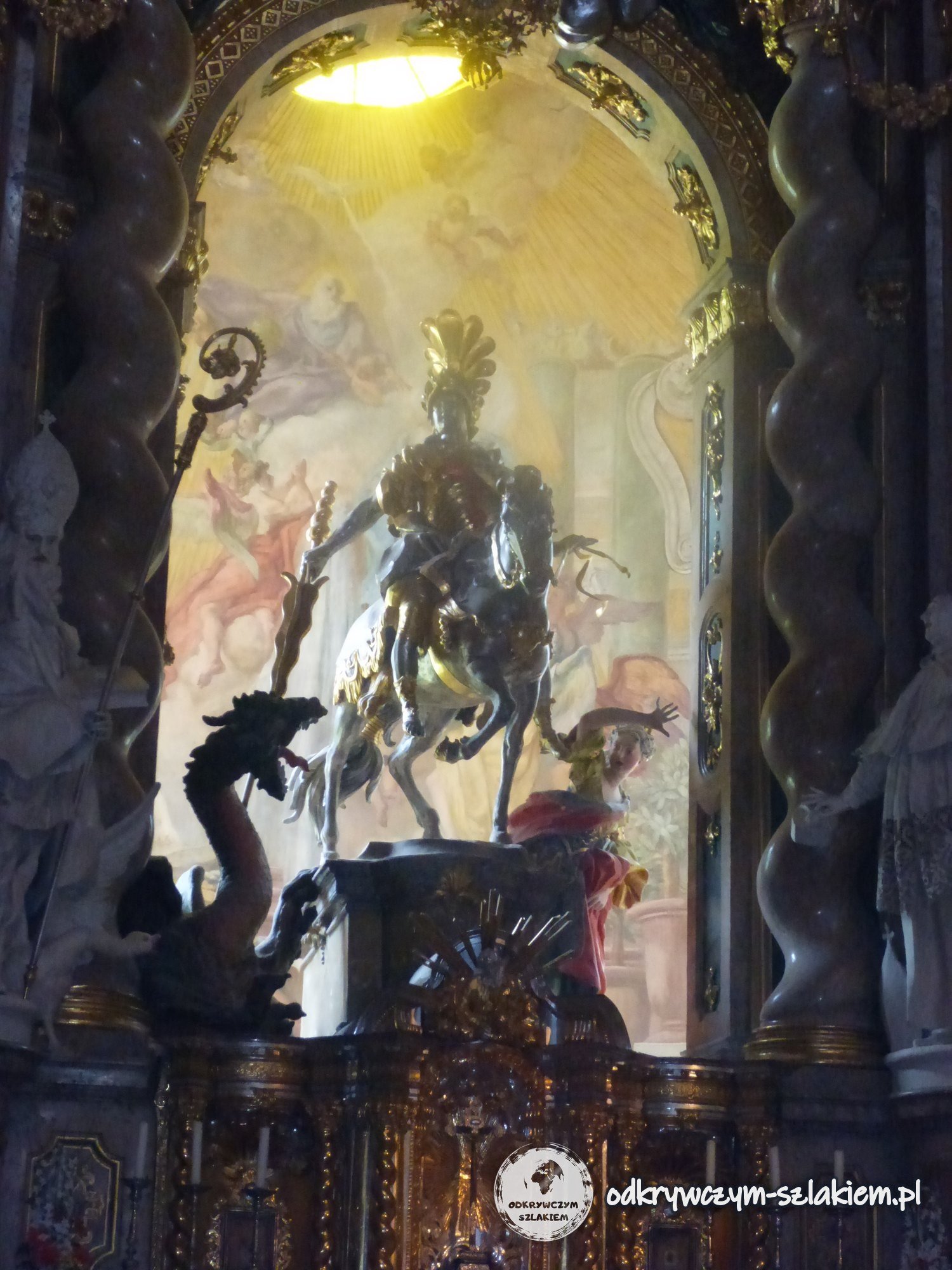
The high altar holds a gilded figure of St George on horseback fighting the dragon – the work of Egid Quirin Asam from 1721. Beside him a princess flees from the dragon. The scene is lit by light coming from behind the altar, as if on a theatre stage.
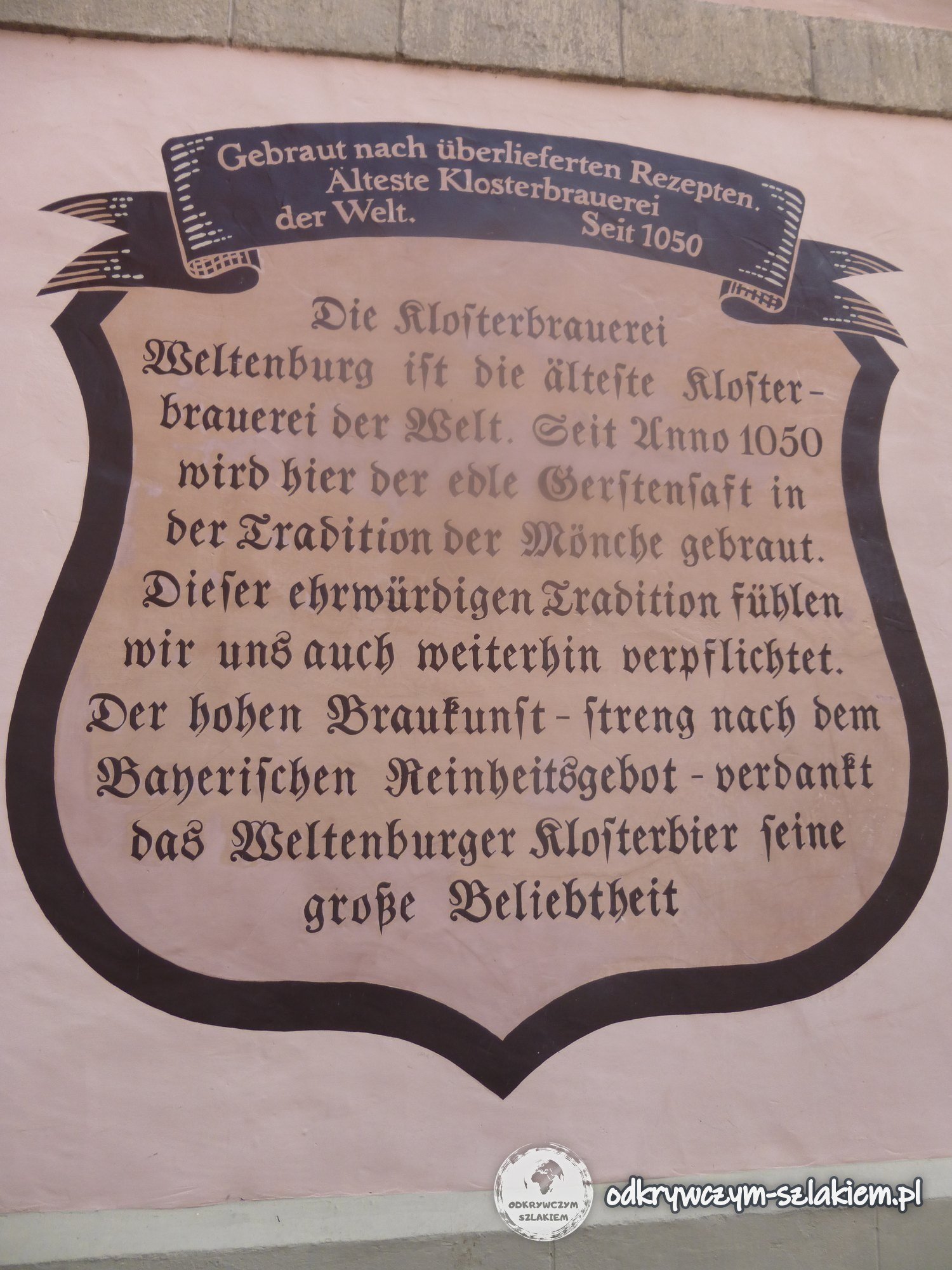
According to the inscription on the wall, the monks have been brewing beer here since 1050, and the brewery advertises itself as the oldest monastery brewery in the world. It produces about 30,000 hectolitres of beer a year. The dark Weltenburger Kloster Barock Dunkel won the World Beer Cup in its category in 2004, 2008 and 2012.
You can drink the beer in the beer garden in the abbey courtyard.

In front of the abbey the Danube has built up a gravel bank. Many people wade into the water here with a view of the gorge’s cliffs – and so did I.


Abensberg – Hundertwasser’s Kuchlbauer Tower and the Hallertau hop gardens
The same day I went to Abensberg. On the grounds of the Kuchlbauer brewery there stands a colourful tower designed by the Austrian artist Friedensreich Hundertwasser. Hundertwasser died in 2000, while it was still being planned. The architect Peter Pelikan led the construction to an altered design, and the brewery owner Leonhard Salleck oversaw the whole project.
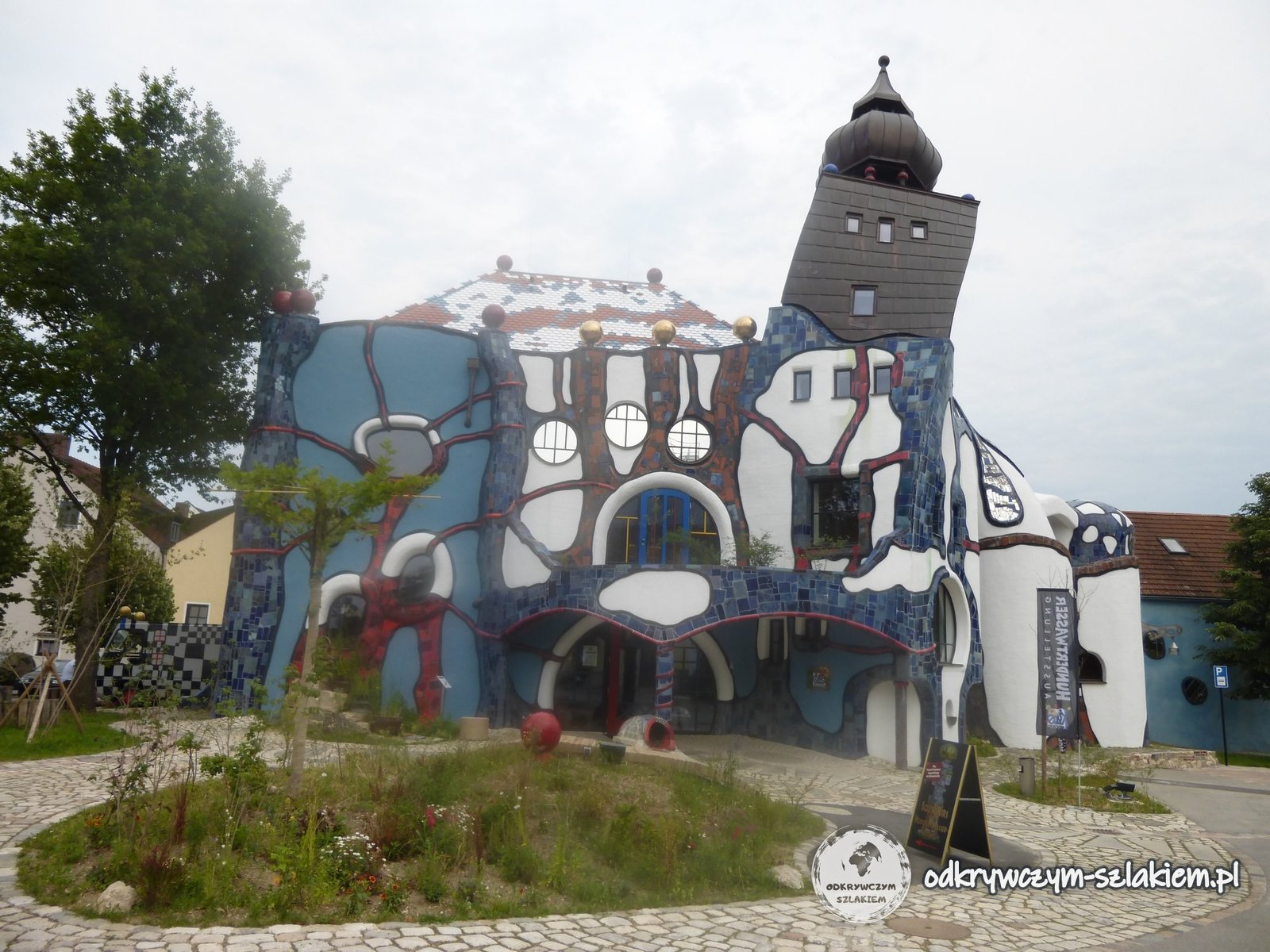
The foundation stone was laid in 2007, and in 2008 a golden ball 10 m in diameter and weighing 12 t was mounted on top. The tower opened in January 2010. It is 34 m high – it was originally meant to reach 70 m, but the church and heritage authorities would not allow it to be taller than the church tower in the old town. The viewing terrace is at a height of 25 m.
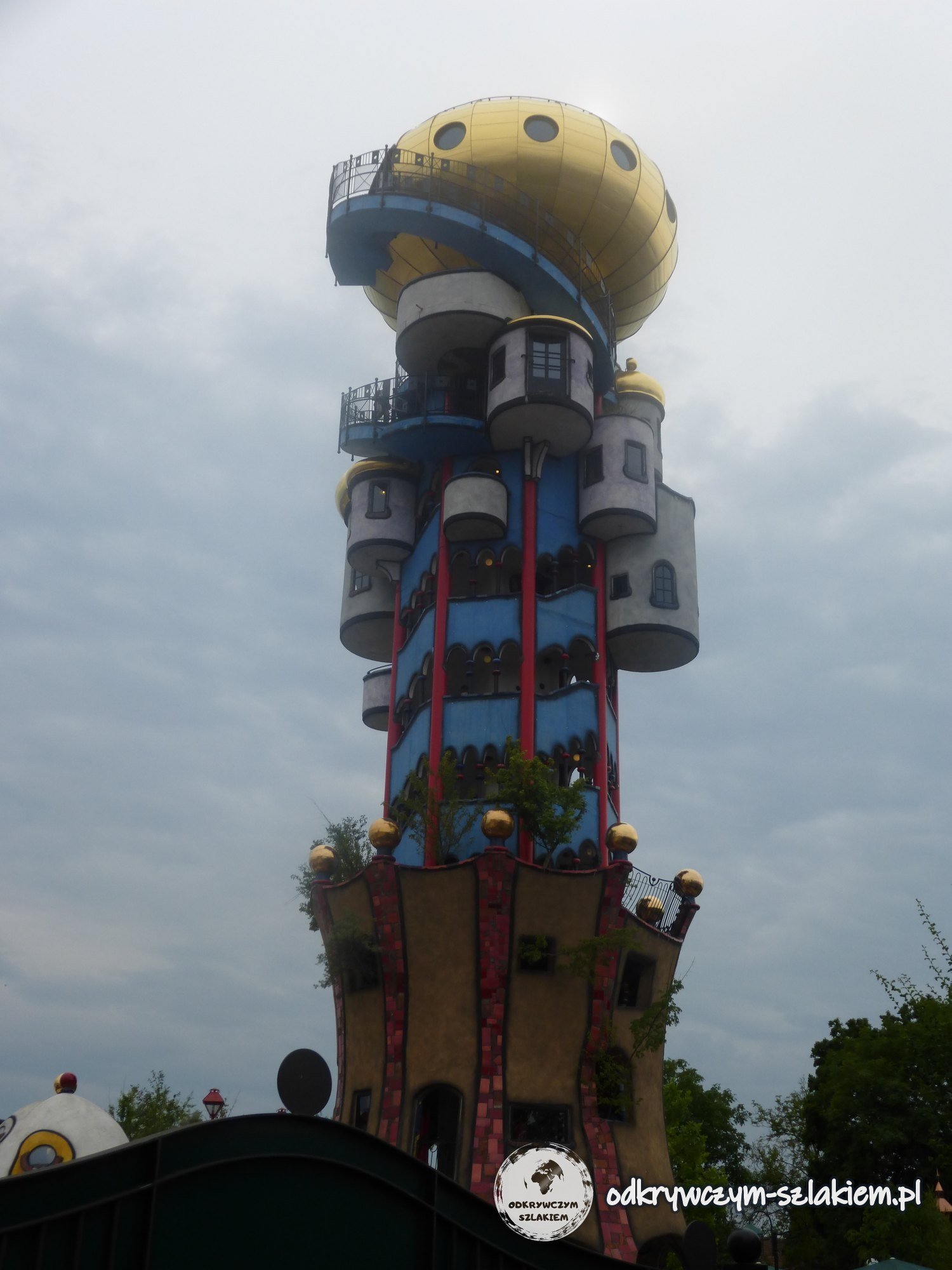
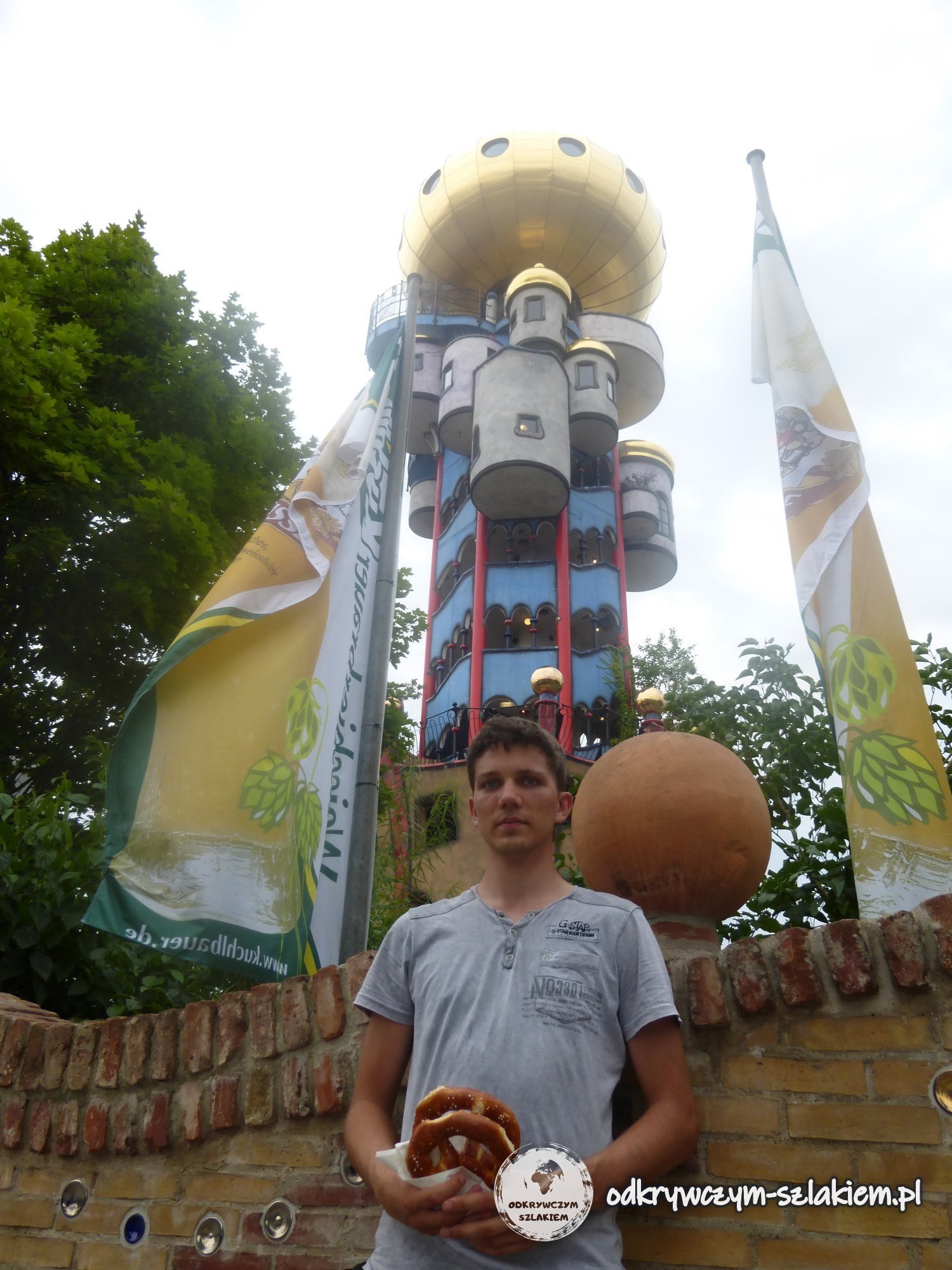
The tower is part of Kuchlbauer’s Bierwelt. Its basement holds an exhibition on brewing and the Bavarian Purity Law (Reinheitsgebot), as well as a collection of about 4,200 wheat beer glasses. Around the tower there are wavy walls, colourful columns and a pond, and at its foot a beer garden. The brewery makes a wheat beer called Turm Weisse with the tower on its label.

The area around Abensberg belongs to the Hallertau – the largest continuous hop-growing region in the world. In 2016 about 34% of the hops processed worldwide came from here. Along the roads stretch hop gardens with trellises several metres high.

Practical information
- Getting to the Breitachklamm: it is about 165 km from Munich to Oberstdorf – on the A96 motorway past Landsberg am Lech, from Buchloe on the B12 to Kempten and then on the B19. Trains also run to Oberstdorf, and buses go, among other places, to the upper entrance at the Walserschanz.

- Breitachklamm – tickets: in 2026 €9 for adults (16 and over) and €2.50 for children aged 5–15; in 2016 it was €4 and €1.50. Parking at the lower entrance in Tiefenbach costs €5 (2026). Dogs are allowed on a lead.
- Breitachklamm – opening hours: from May to September 9:00–17:30 (last entry at 17:00), in autumn and winter until 16:30. The gorge is closed roughly from mid-March to the end of April and from the end of the Bavarian autumn school holidays until Christmas, and also at short notice in bad weather – the gorge’s website shows the current status.
- Footwear: the path is well secured but can be wet and slippery – shoes with a good grip are a good idea.
- Boat through the Danube Gorge: runs from Kelheim to Weltenburg Abbey from mid-March to early November (in 2026 from 14 March to 8 November). An adult ticket in 2026: €12.50 one way and €21.50 return, a bicycle €5.50. The trip upstream takes about 40–50 minutes, the return about 20–25 minutes. When the water is low, the boats don’t reach Weltenburg – as happened, for example, in October 2026.

- Kuchlbauer Tower: the tower and Kuchlbauer’s Bierwelt are visited on a guided tour – dates and tickets are on the brewery’s website. There is a beer garden at the foot of the tower.
- Munich: the beer garden at the Chinese Tower in the Englischer Garten charges no admission. The Oktoberfest takes place on the Theresienwiese, below the Bavaria statue, from mid-September to early October.
- More of Germany: Saxon Switzerland, Dresden in 2 days, Hamburg in a weekend and Berlin – what to see.
Photo gallery