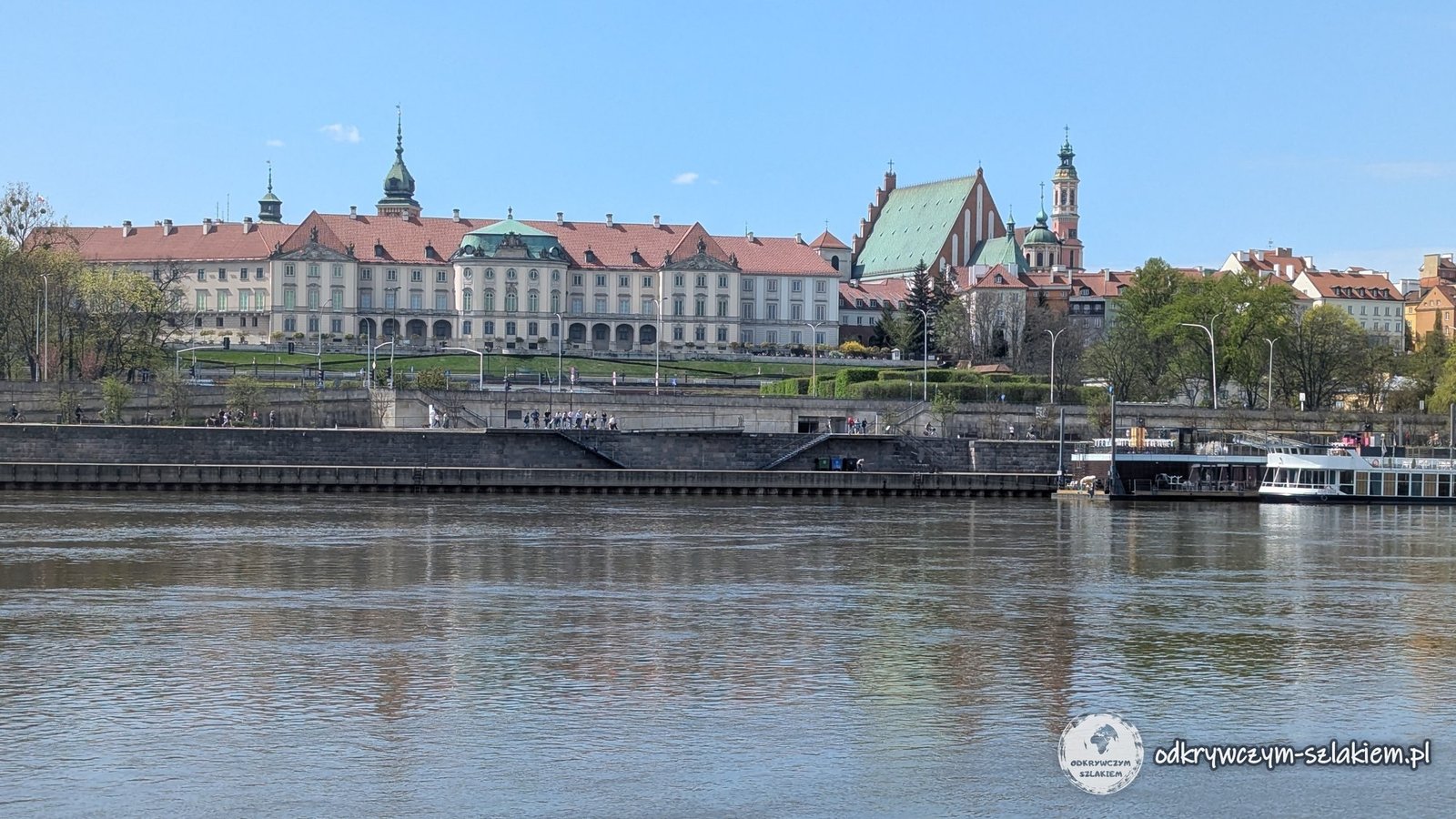
Warsaw is the capital and the largest city of Poland – more than 1.8 million people live here. Between 2024 and 2026 I came here several times, among other things for national team matches and concerts, and I explored the city along the way. From those trips I have put together a weekend plan: the Old Town and the Royal Castle, Krakowskie Przedmieście, the Vistula boulevards, the National Museum, the Palace of Culture and Science, Krasiński Palace, places of remembrance in Wola and Powązki and, for an extra day, the Kampinos Forest just outside the city limits. At the end of the post you will find ticket prices and a two-day plan.
Table of contents
- Old Town – Castle Square, the Market Square and the Barbican
- The Royal Castle – the Throne Room, Canaletto and Matejko
- Krakowskie Przedmieście and Nowy Świat
- By the Vistula – the Mermaid, the boulevards and the National Stadium
- The National Museum – from Faras to the “Battle of Grunwald”
- The Palace of Culture and Science
- Krasiński Palace and the Palace of the Commonwealth exhibition
- Places of remembrance – the Warsaw Rising Museum, the Insurgents Cemetery and Old Powązki
- Warsaw in December – lights and a Christmas market
- Fort Bema – an old fortress in the middle of a housing estate
- The Kampinos Forest – dunes just outside the city
- Practical information and a weekend plan
Old Town – Castle Square, the Market Square and the Barbican
The best place to start is Castle Square (Plac Zamkowy). On one side stands the Royal Castle, on the other the colourful town houses of the Old Town, and in the middle Sigismund’s Column. On a Saturday just before sunset the square was full of people.
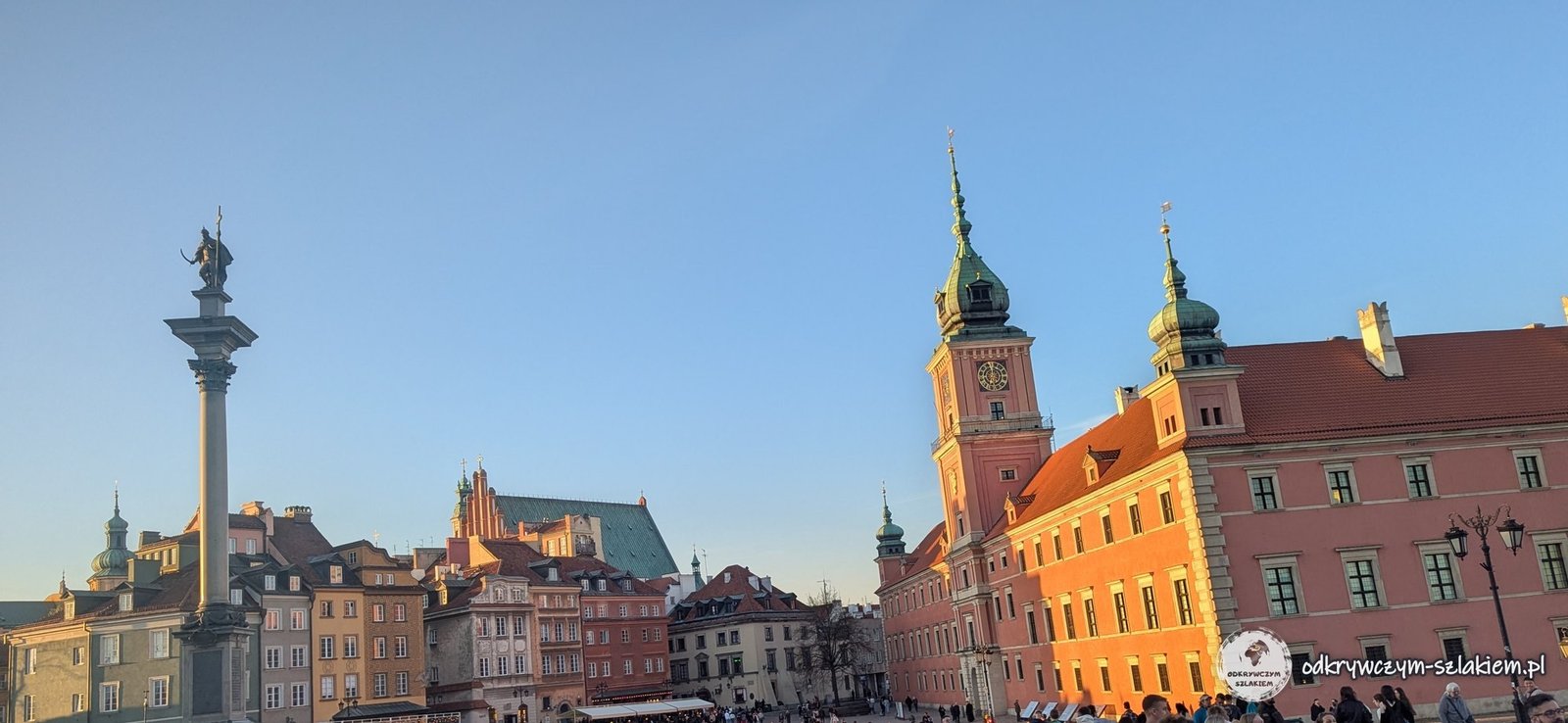
The column with the statue of King Sigismund III Vasa was erected in 1644, funded by his son, Władysław IV. It is the oldest monument of its kind in Warsaw. On 1 September 1944, during the Warsaw Uprising, the Germans toppled the column. After the war the damaged statue was repaired and in 1949 it was placed on a new granite column.
After the war the whole Old Town lay in ruins and was rebuilt from scratch. In 1980 it was inscribed on the UNESCO World Heritage List – precisely because of that reconstruction. The heart of the district is the Old Town Market Square, lined with narrow town houses with restaurant terraces in front of them in spring.
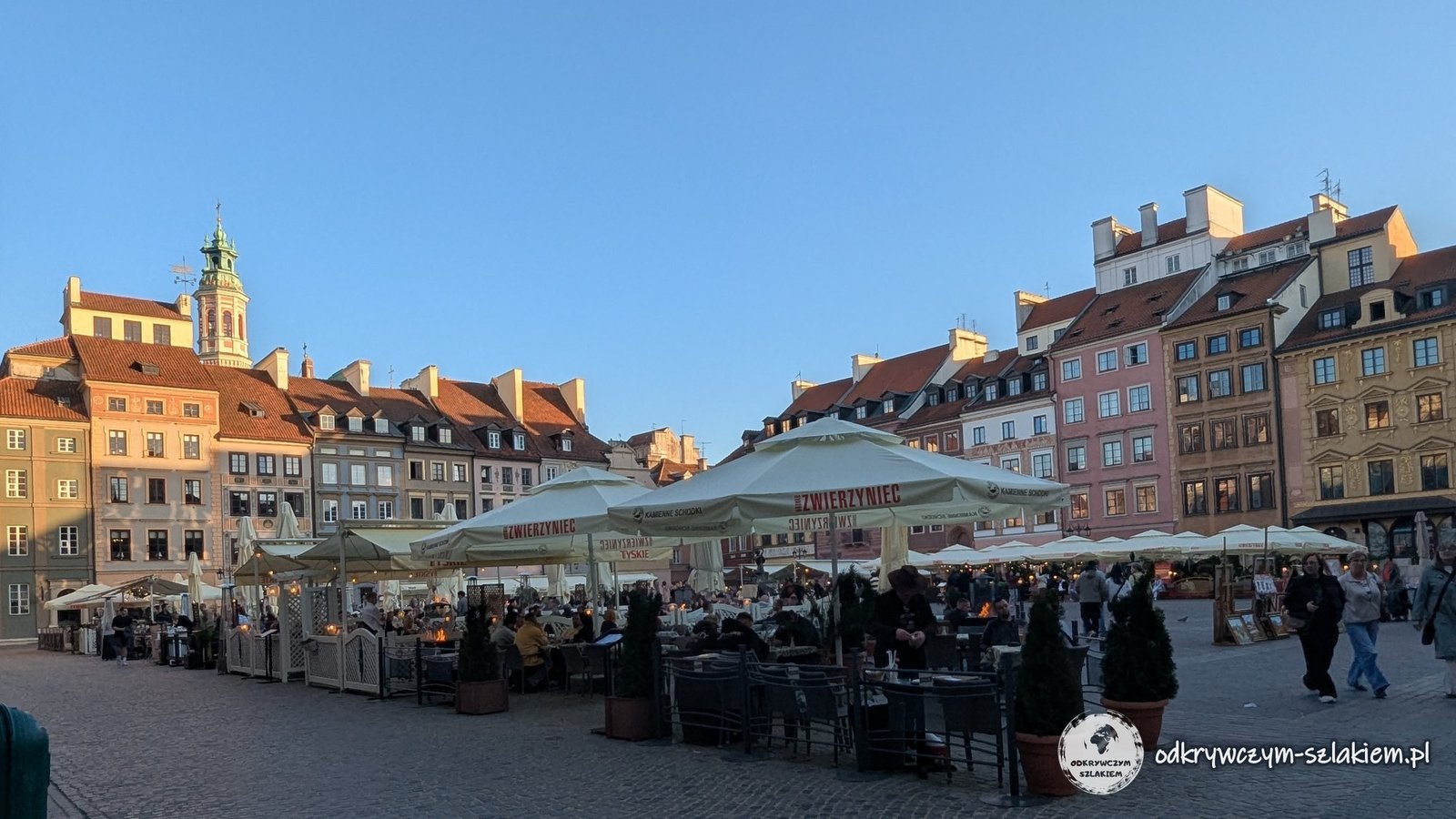
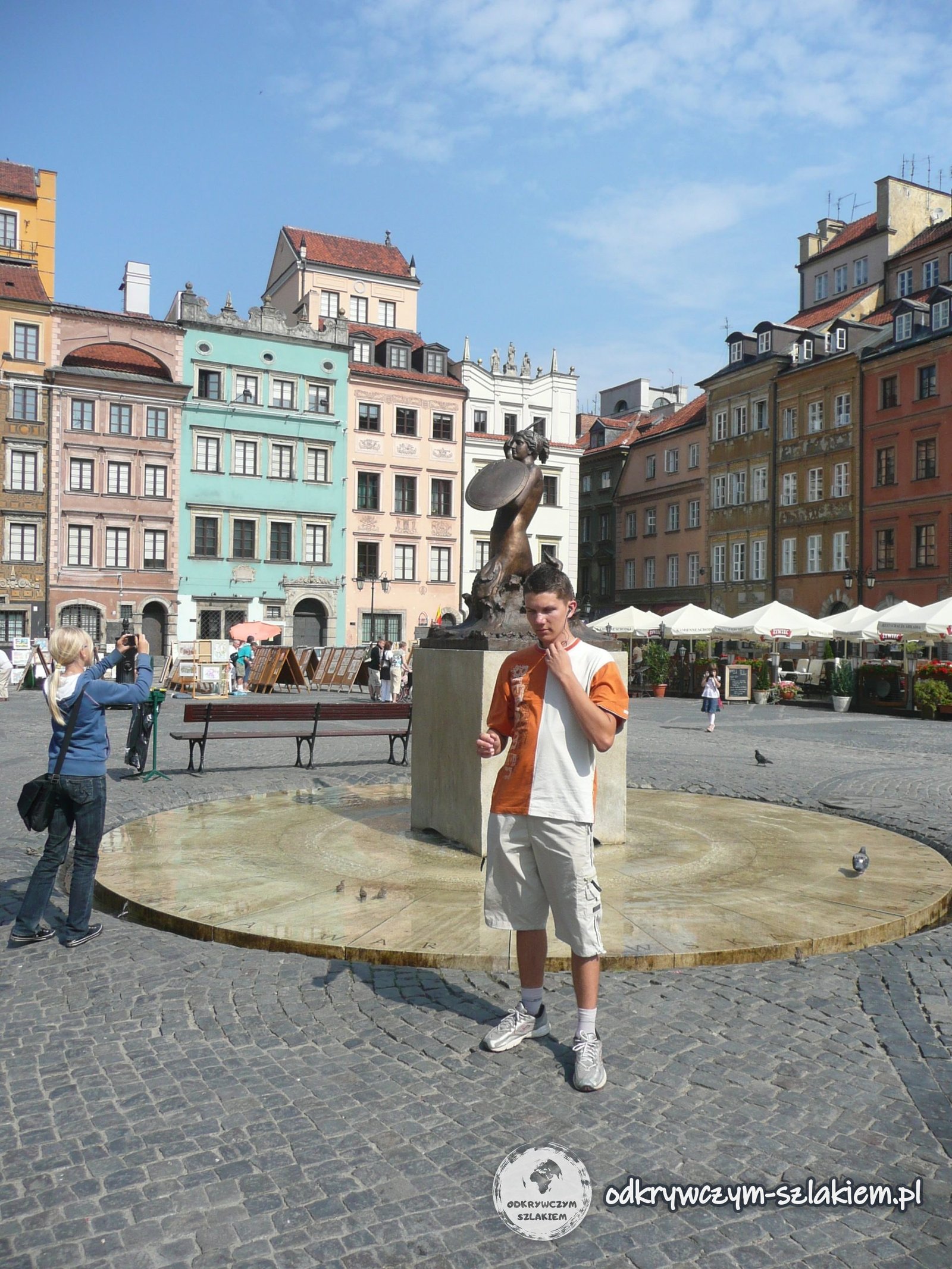
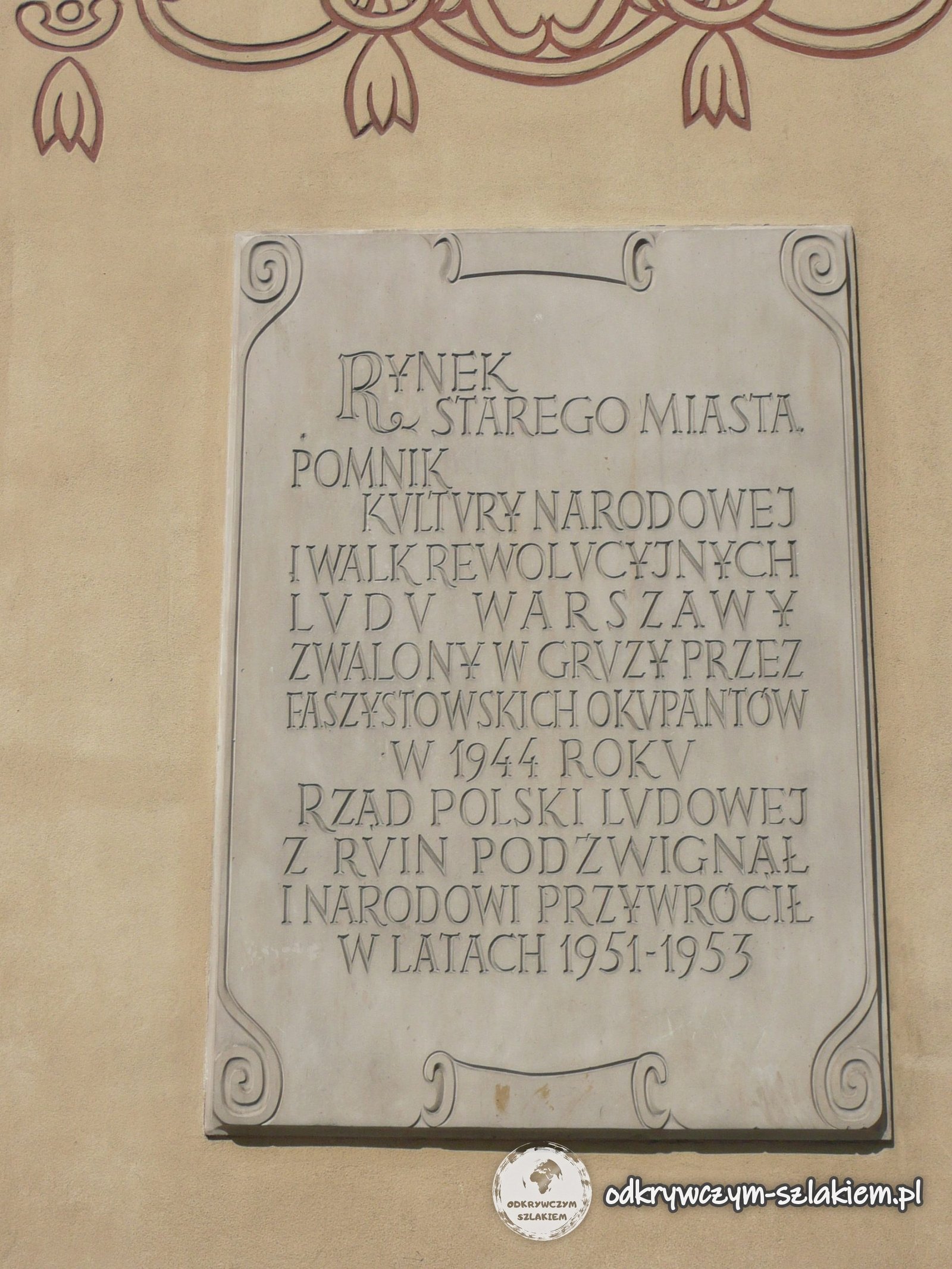
In the middle of the Market Square stands the Mermaid – older than the one by the Vistula. Its model was made in 1855 by Konstanty Hegel, and the figure was cast in tin. Vandals damaged the sculpture again and again, so in 2008 the original went to the Museum of Warsaw and a copy was put up in the square. On the corner of the square and Zapiecek Street there is still a plaque from communist times: the Market Square, “reduced to rubble” in 1944, was rebuilt in 1951–1953.
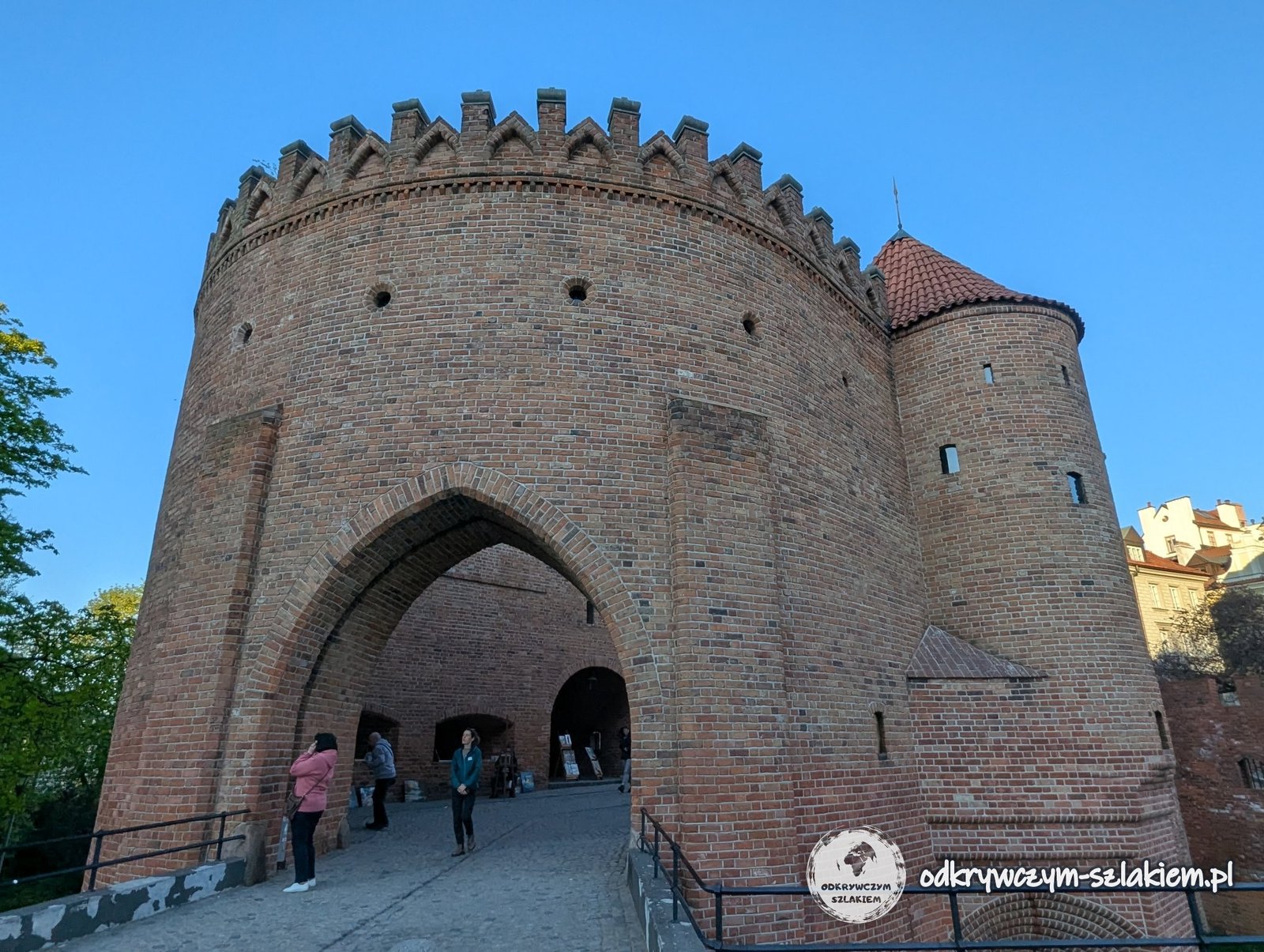
From the Market Square, Nowomiejska Street leads to the Barbican – a semicircular brick defensive structure from the mid-16th century that guarded the northern entrance to the town. The Barbican was rebuilt in 1952–1954, together with sections of the town walls.
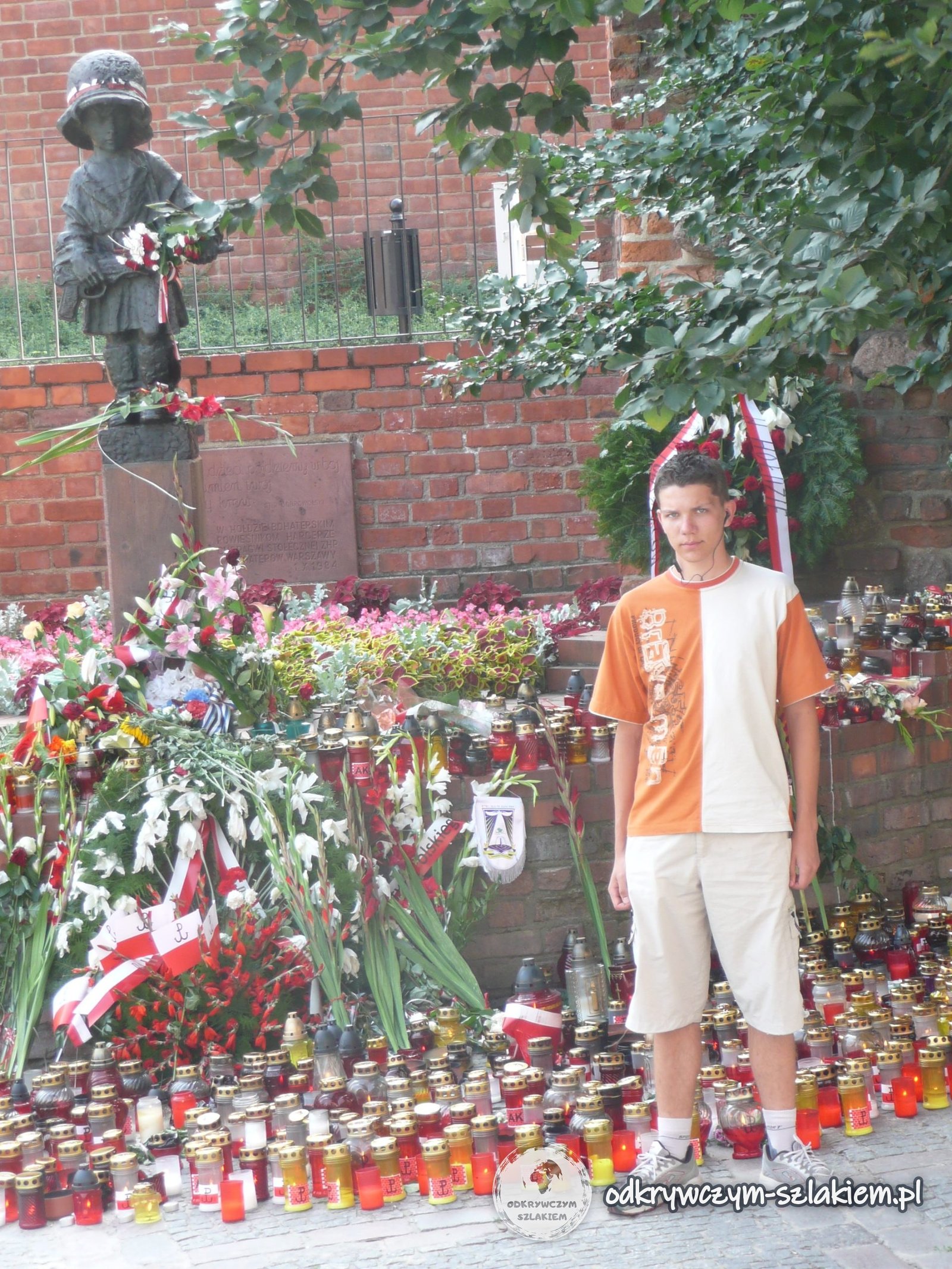
By the walls on Podwale Street stands the Little Insurgent Monument – a boy in an oversized helmet with a rifle slung over his shoulder. Jerzy Jarnuszkiewicz made the first, small version of the figure in 1946, and the monument was unveiled on 1 October 1983. The inscription on the plinth reads “Warszawskie dzieci, pójdziemy w bój…” (“Children of Warsaw, we will go into battle…”).
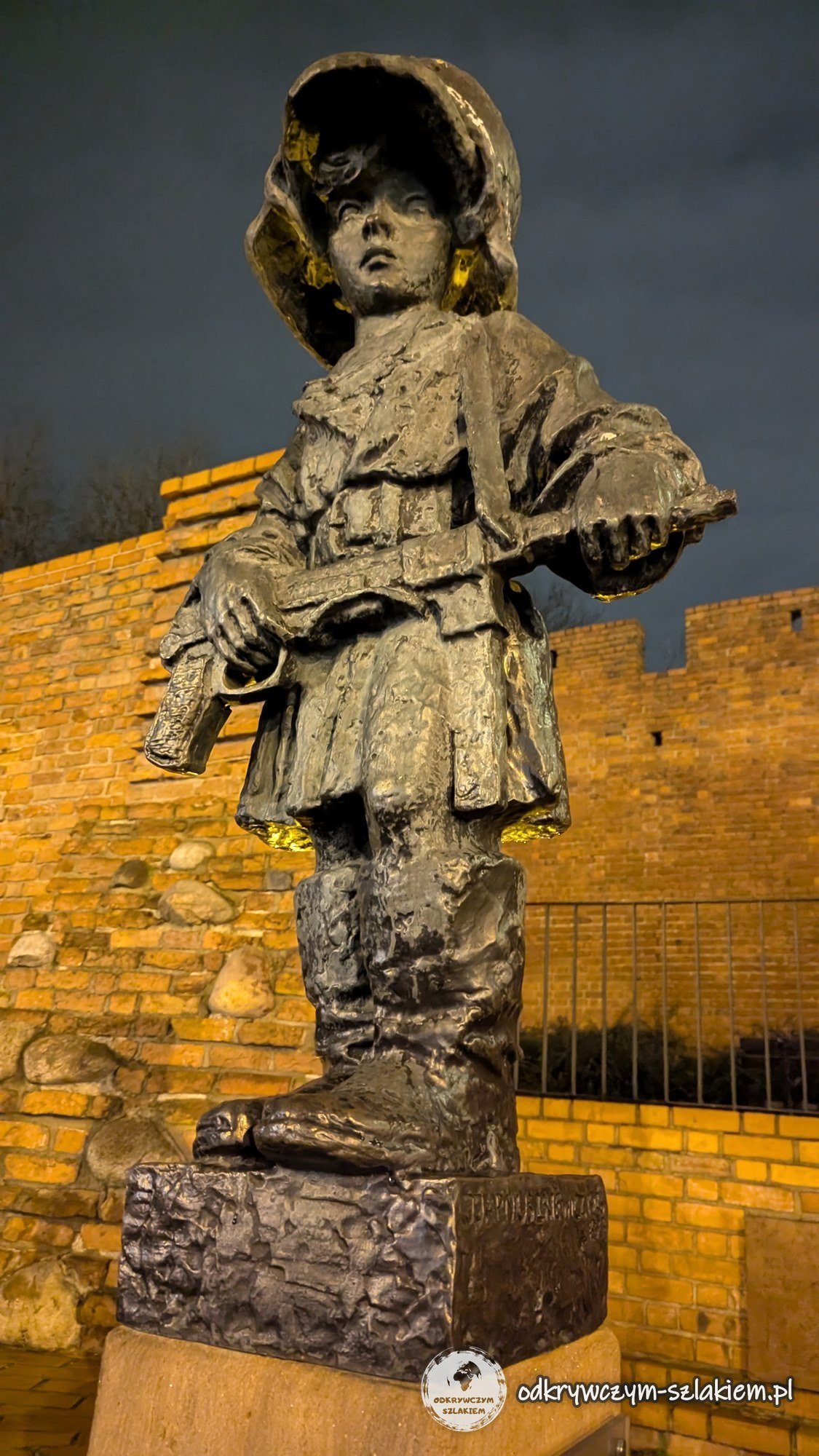
On 2 August 2009, the day after the 65th anniversary of the outbreak of the Uprising, the monument was surrounded by wreaths, white and red ribbons and hundreds of candles. A little further on, also on Podwale, stands the Jan Kiliński Monument – he was a shoemaker who in April 1794 led the people of Warsaw during the Kościuszko Uprising.
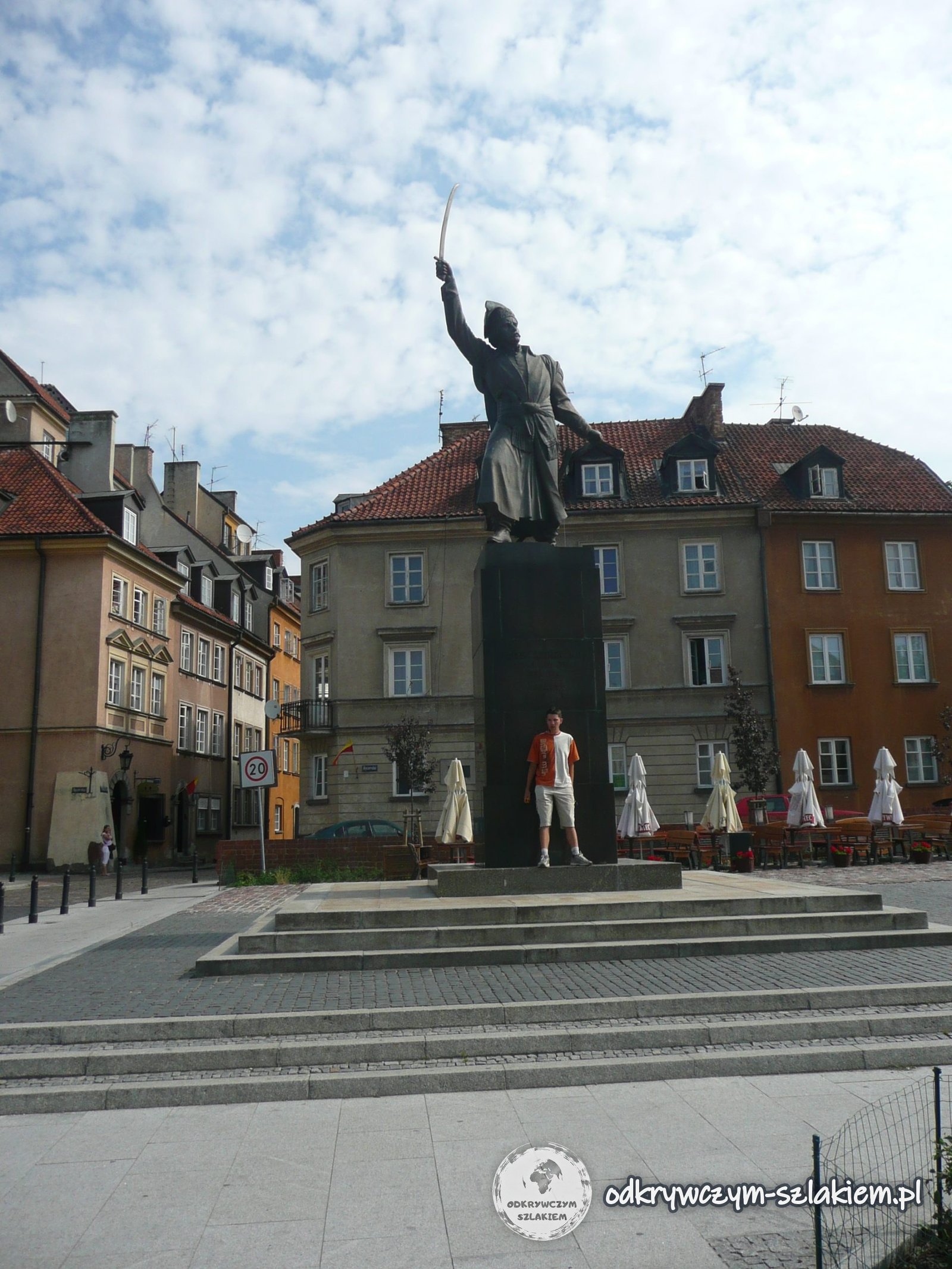
The monument by Stanisław Jackowski was unveiled in 1936 on Krasiński Square. In March 1942 the Germans dismantled it in reprisal after the scout Alek Dawidowski had removed a German plaque from the Copernicus Monument on Krakowskie Przedmieście. The figure survived the war in the cellars of the National Museum, and Dawidowski painted a message on the museum wall saying that “Kiliński” was here. After the war the monument returned to Krasiński Square, and in 1959 it was moved to Podwale.
The Royal Castle – the Throne Room, Canaletto and Matejko
The Royal Castle was the seat of the kings and later of parliament as well. In 1944 the Germans blew it up. The decision to rebuild it was only taken in 1971 – the money came mainly from public donations – and the castle was formally opened on 30 August 1984.
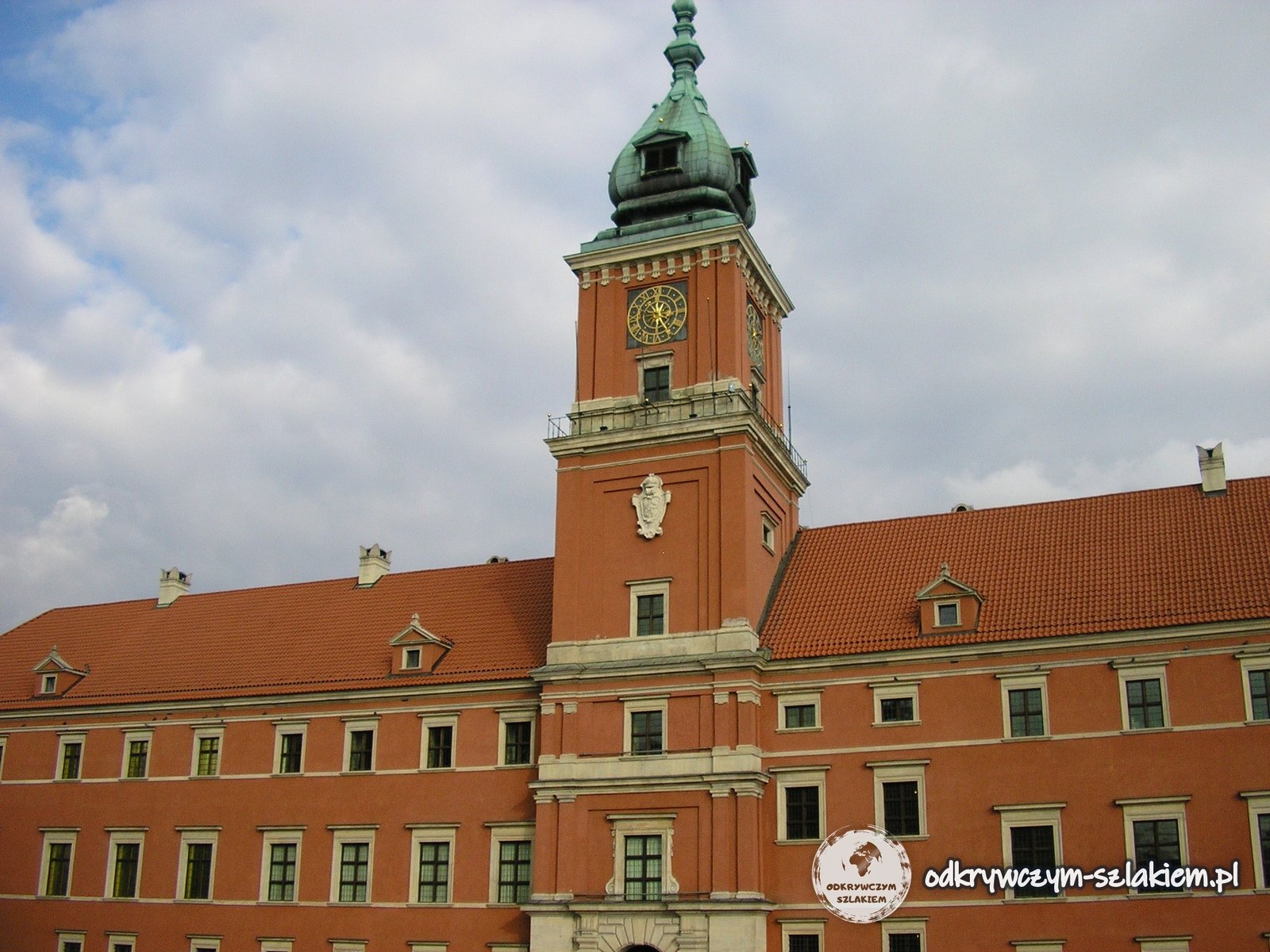
Above Castle Square rises the Clock Tower, also called the Sigismund Tower. On 17 September 1939, during the siege of Warsaw, the castle caught fire and the clock on the tower stopped at 11:15. It was started again on 19 July 1974 – at exactly the same time – as a symbolic crowning of the reconstruction.
I visited with Łukasz in November. As part of the “Free November” campaign, the “Royal Apartments and Parliament Halls” route was free. We queued for about half an hour for the free tickets, and the visit itself took us an hour.
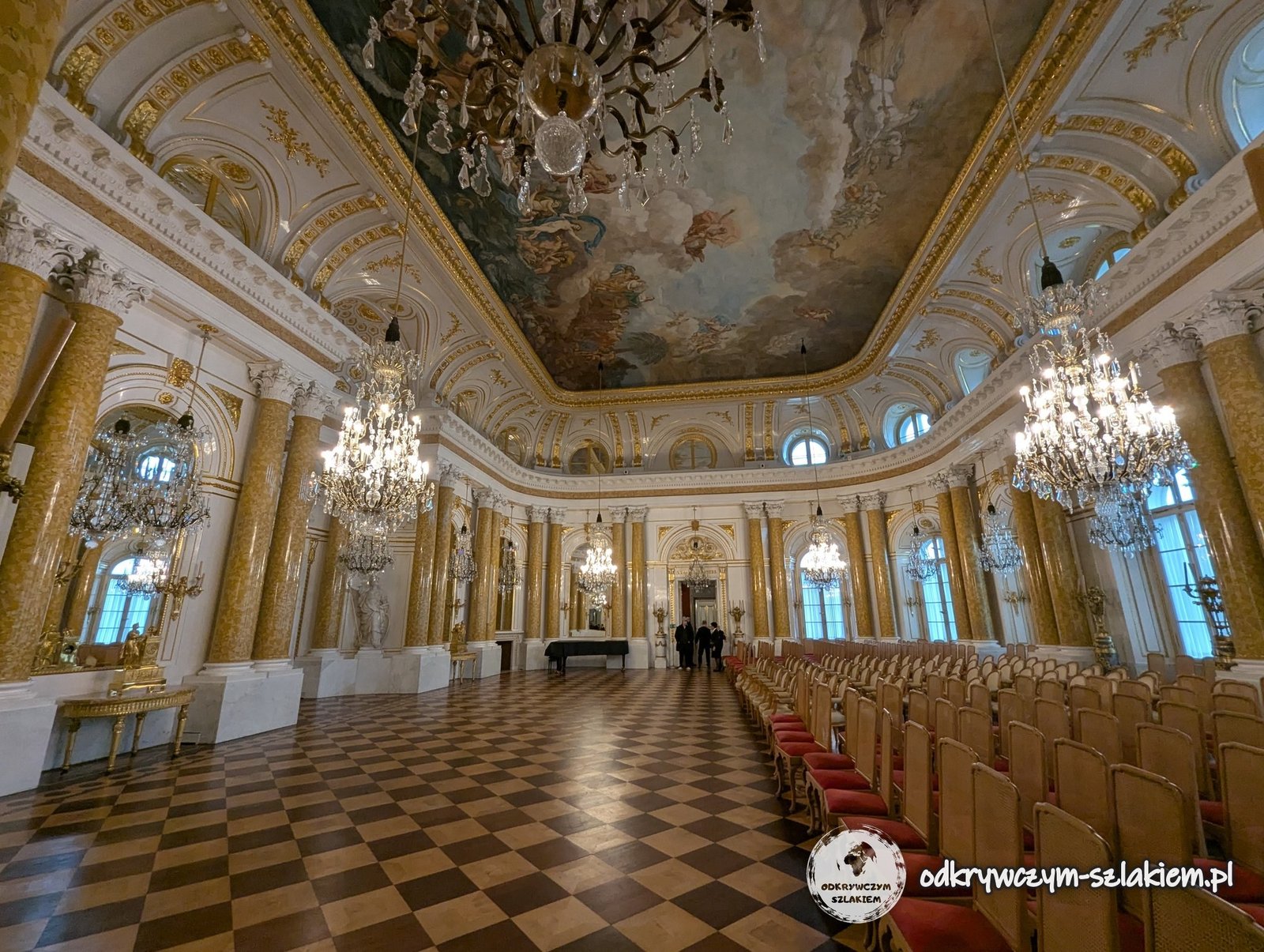
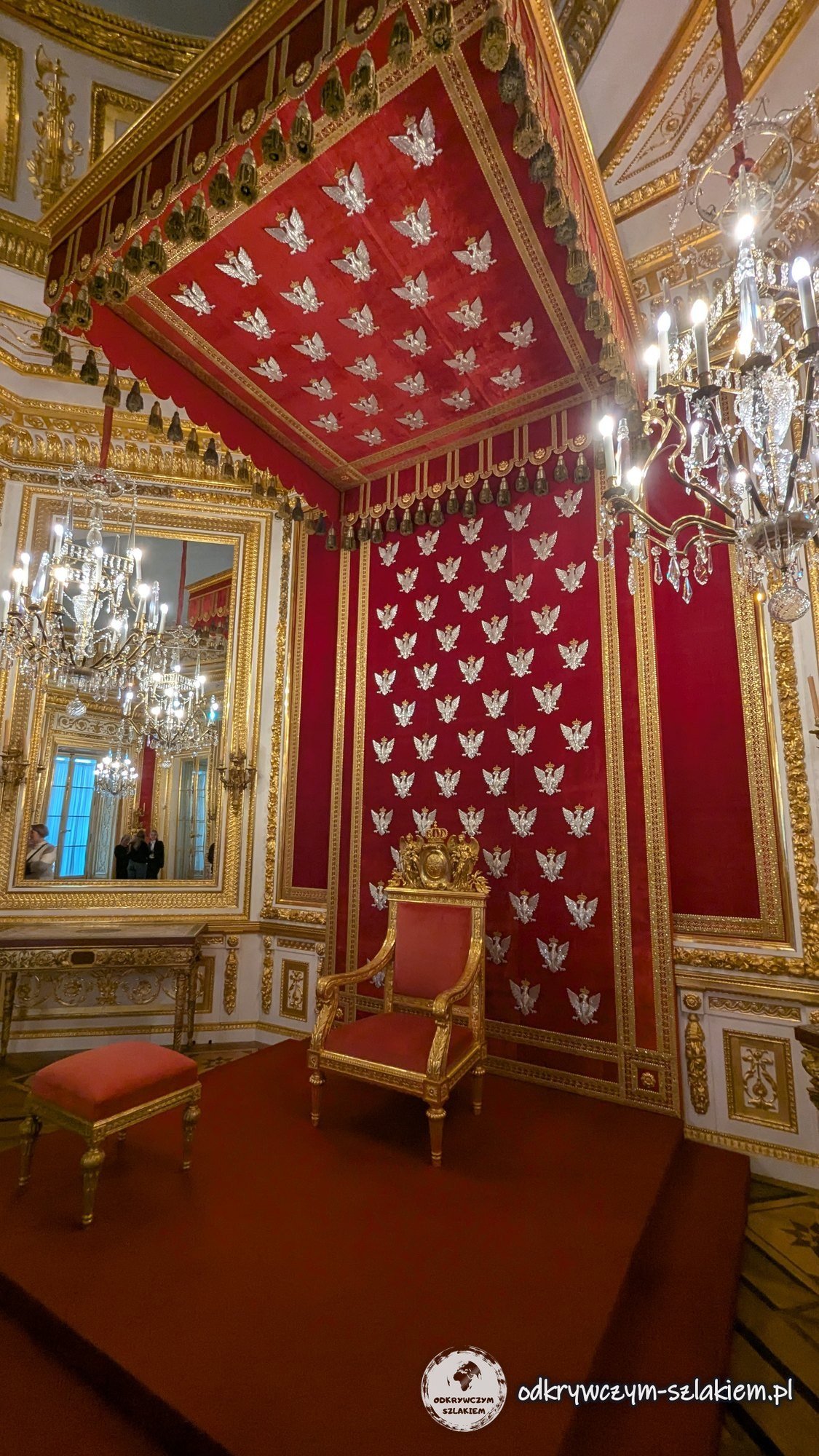
The most magnificent room is the Great Hall, or ballroom, with gilded columns, crystal chandeliers and a painted ceiling. A few rooms further on is the Throne Room, where the throne stands under a red canopy embroidered with white eagles.
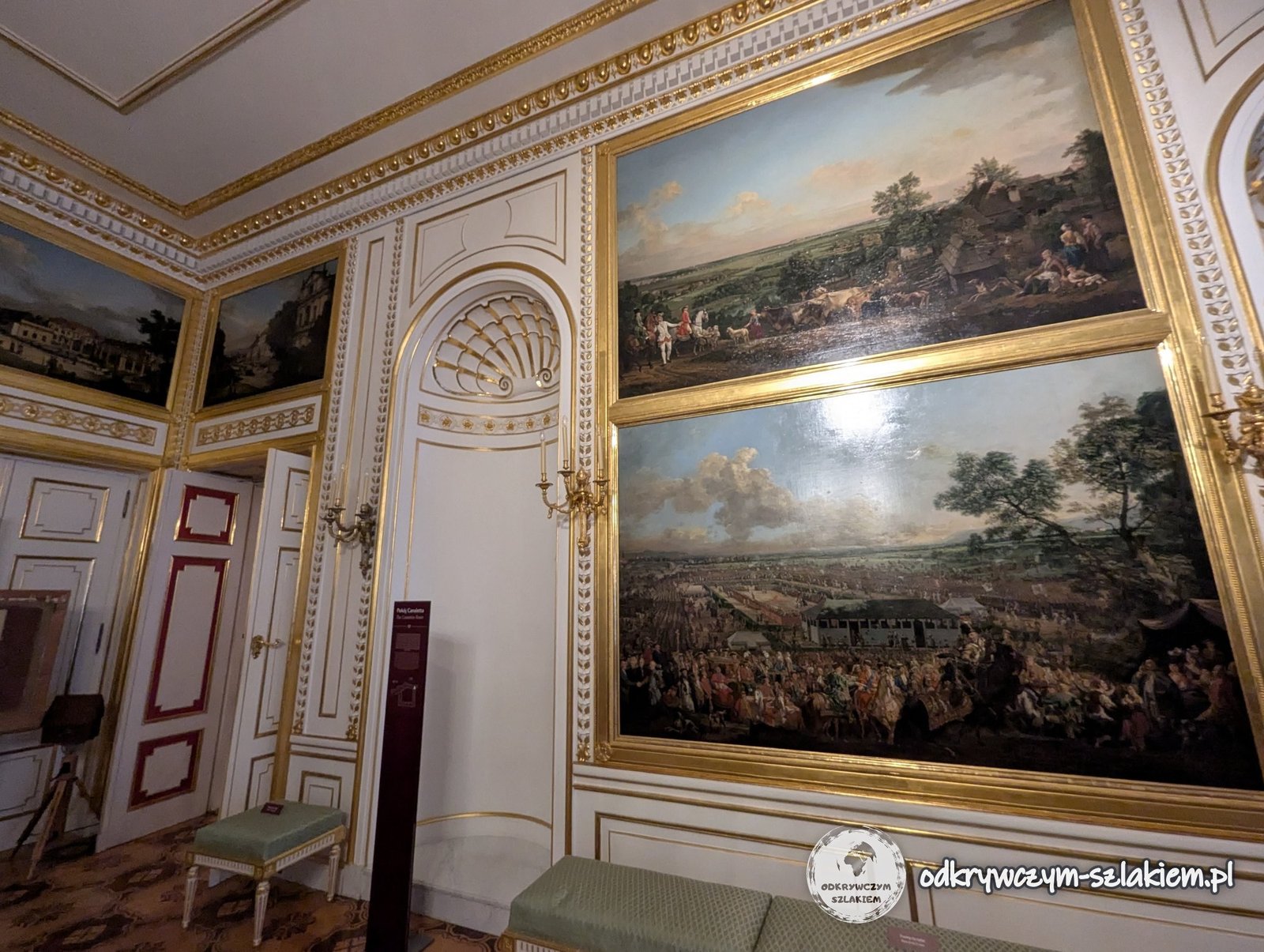
In the Canaletto Room hang 22 views of Warsaw that Bernardo Bellotto, known as Canaletto, painted for King Stanisław August. The paintings are so detailed that after the war they were used in rebuilding the city.
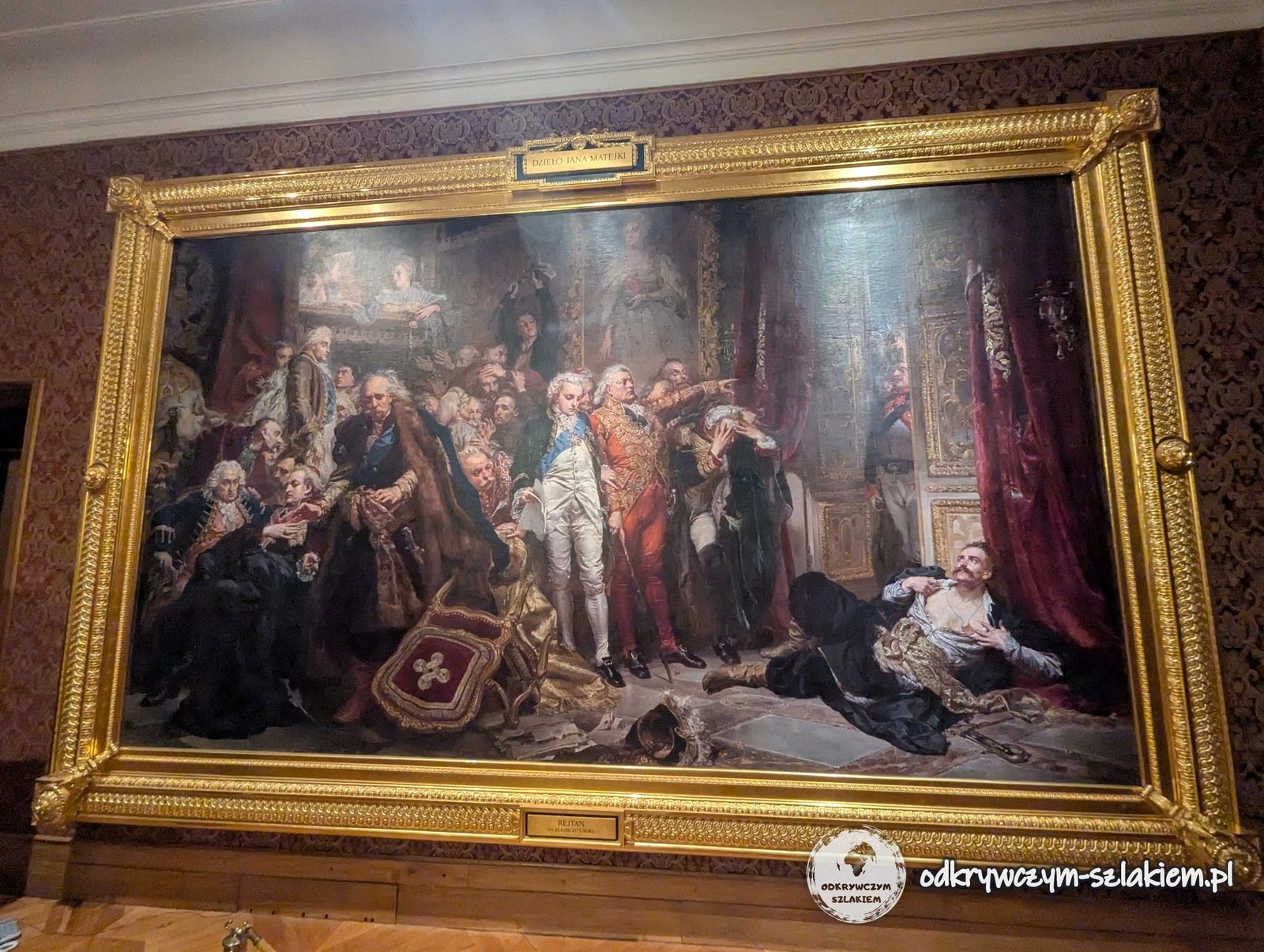
The route also includes rooms with huge paintings by Jan Matejko. Among others I saw “Rejtan – the Fall of Poland”, “The Constitution of 3 May 1791” and “Stefan Batory at Pskov”. Outside the November campaign, entry is free on Wednesdays – a shorter route through the Royal Apartments is open then, and free tickets are collected at the ticket office on the day of the visit.
Krakowskie Przedmieście and Nowy Świat
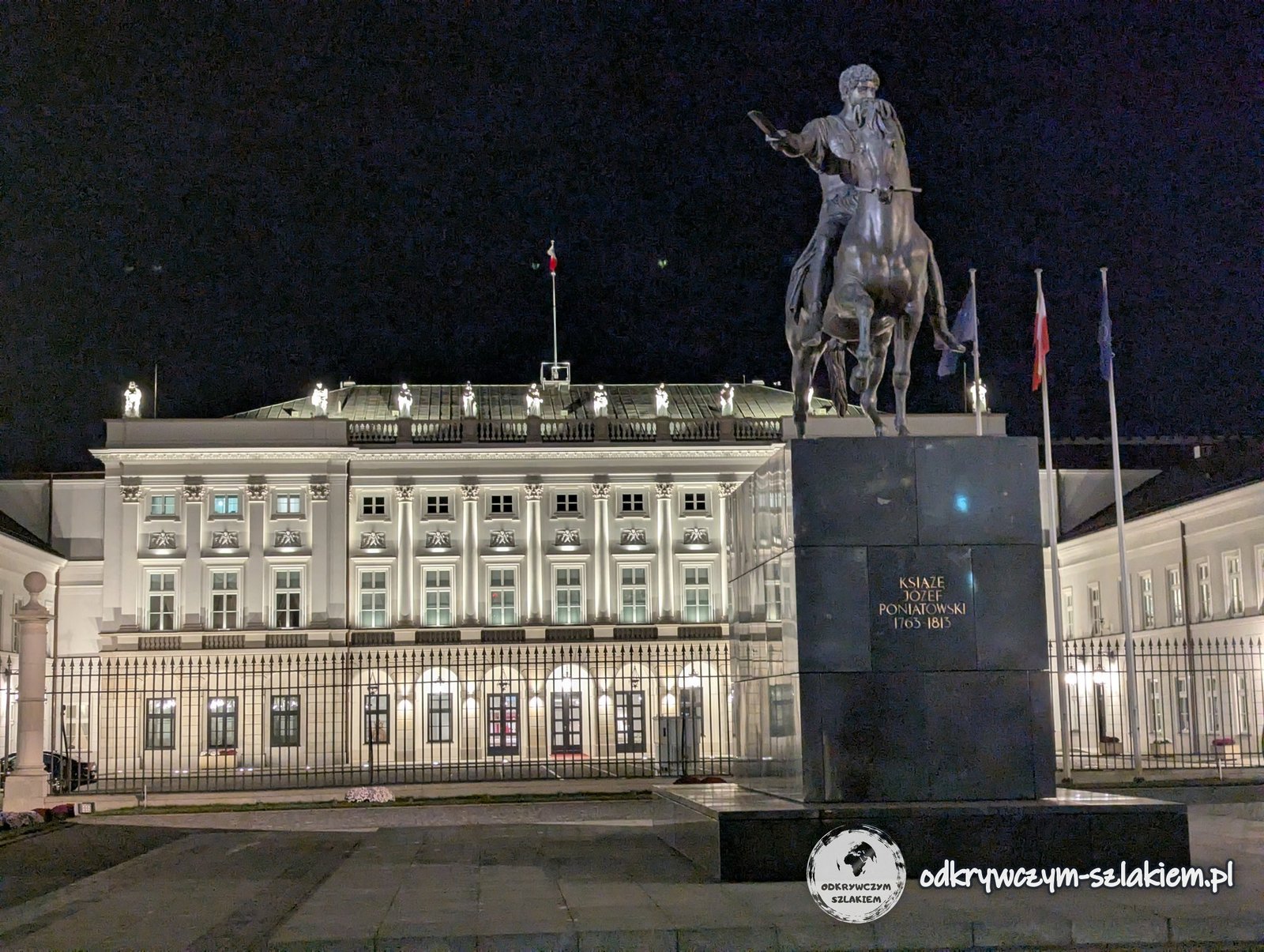
From Castle Square the Royal Route runs south. Its first section is Krakowskie Przedmieście, lined with palaces, churches and buildings of the University of Warsaw. We walked along it in the evening with Łukasz and Mateusz, who was hosting us in Warsaw. In front of the Presidential Palace stands an equestrian statue of Prince Józef Poniatowski, the work of the Danish sculptor Bertel Thorvaldsen.
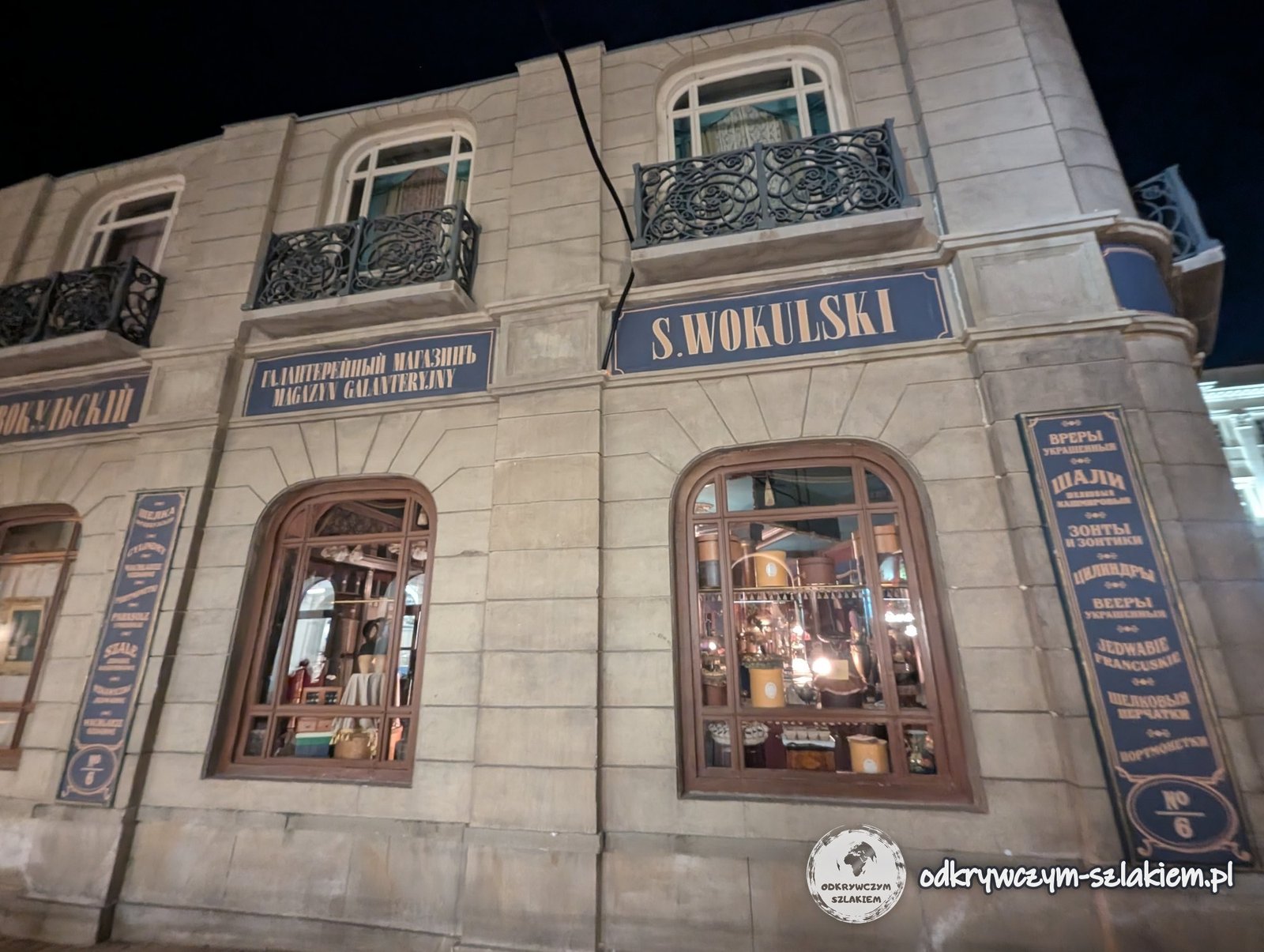
A little further on stood Stanisław Wokulski’s shop – a set from the film “The Doll” (Lalka), based on the novel by Bolesław Prus. The set was built in autumn 2025 on the spot where, in Prus’s time, a town house stood that was not rebuilt after the war. In mid-November the façade with signs in Polish and Russian was still there, and goods were on display in the windows.
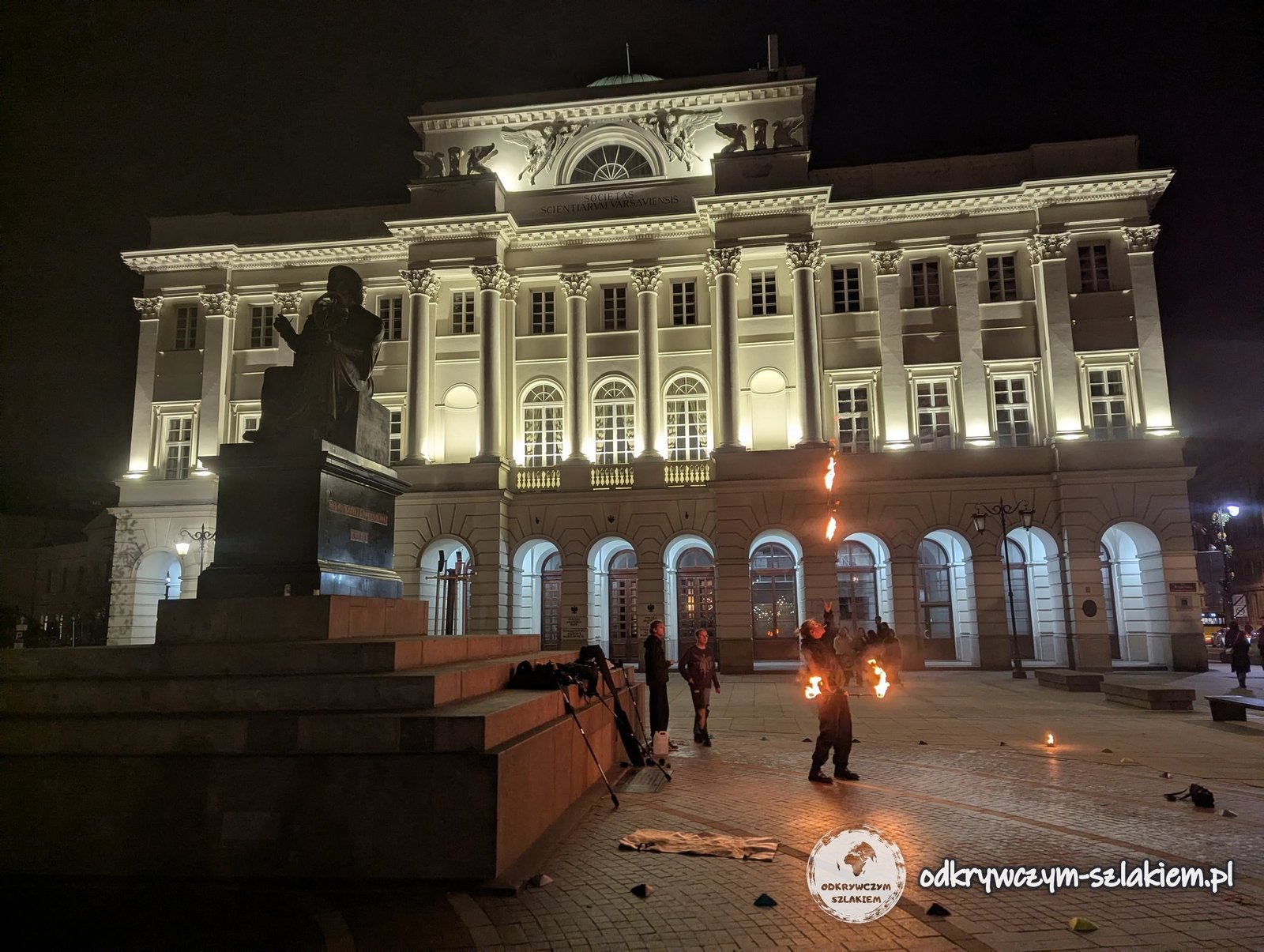
In front of Staszic Palace stands the Nicolaus Copernicus Monument – also by Thorvaldsen, unveiled in 1830. That evening street performers were doing a fire show at the foot of the monument.
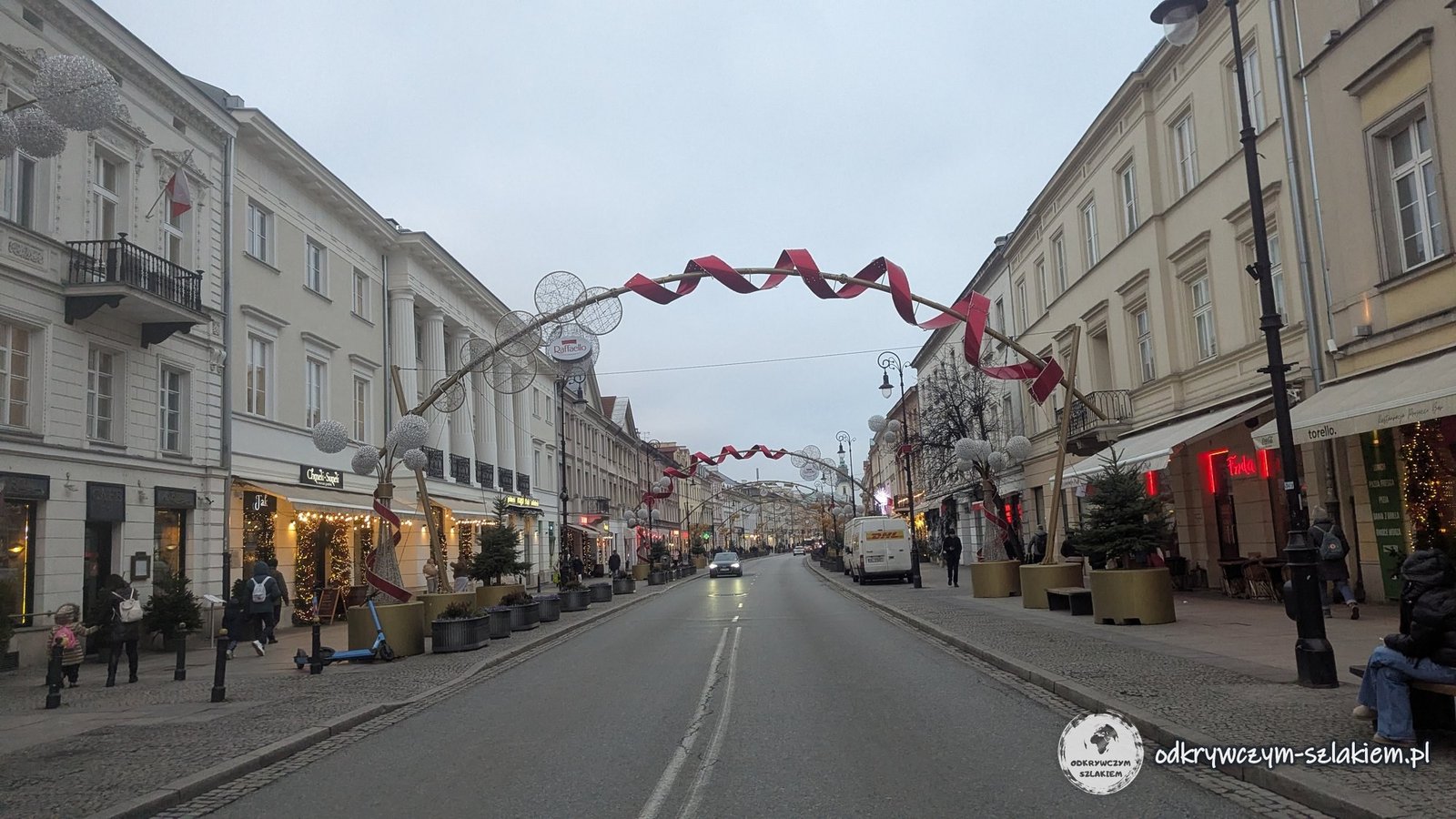
Beyond the Copernicus Monument begins Nowy Świat – a street of cafés, restaurants and shops that leads to Jerozolimskie Avenue. At the beginning of December Christmas decorations were already hanging over the road.
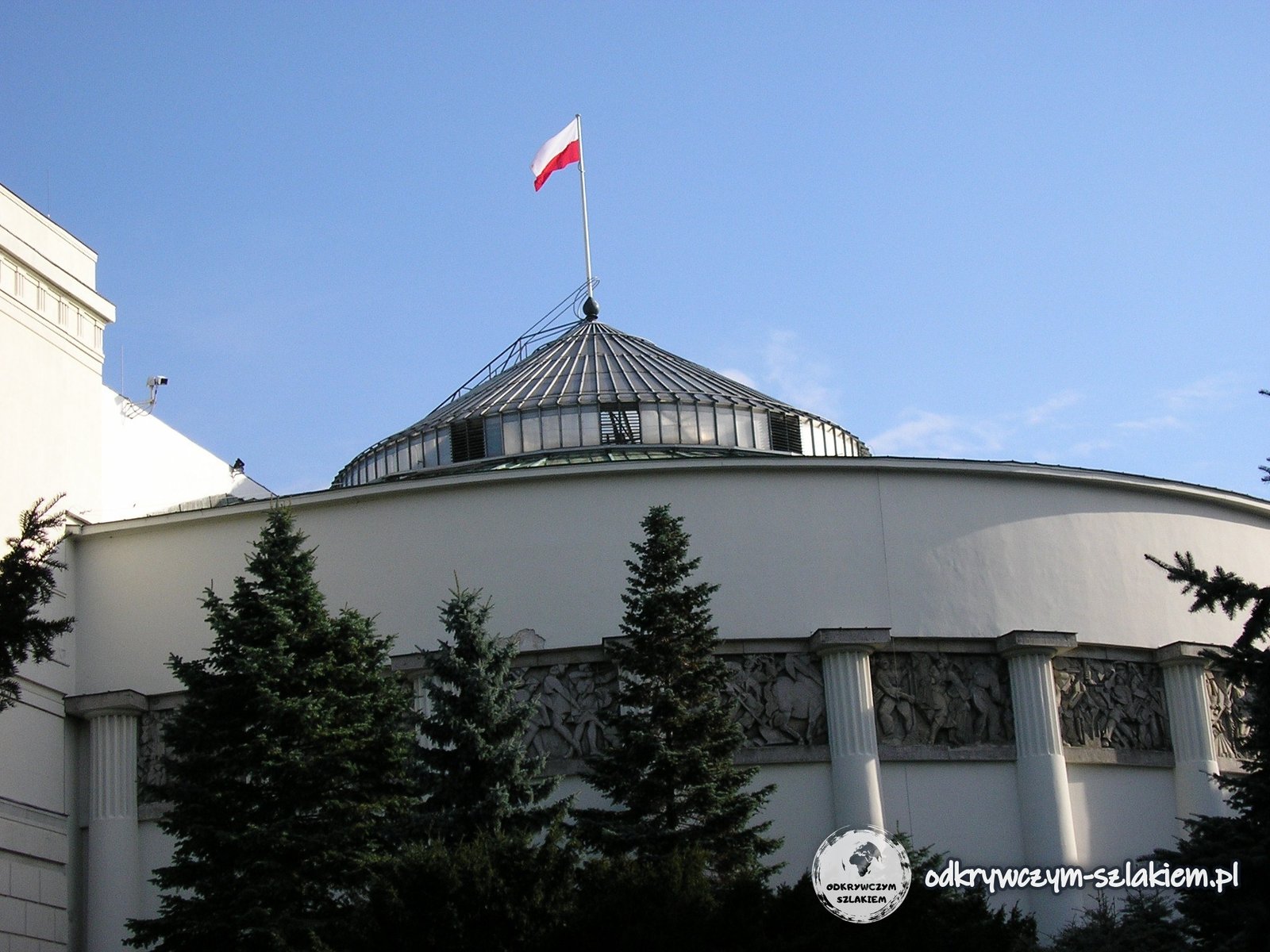
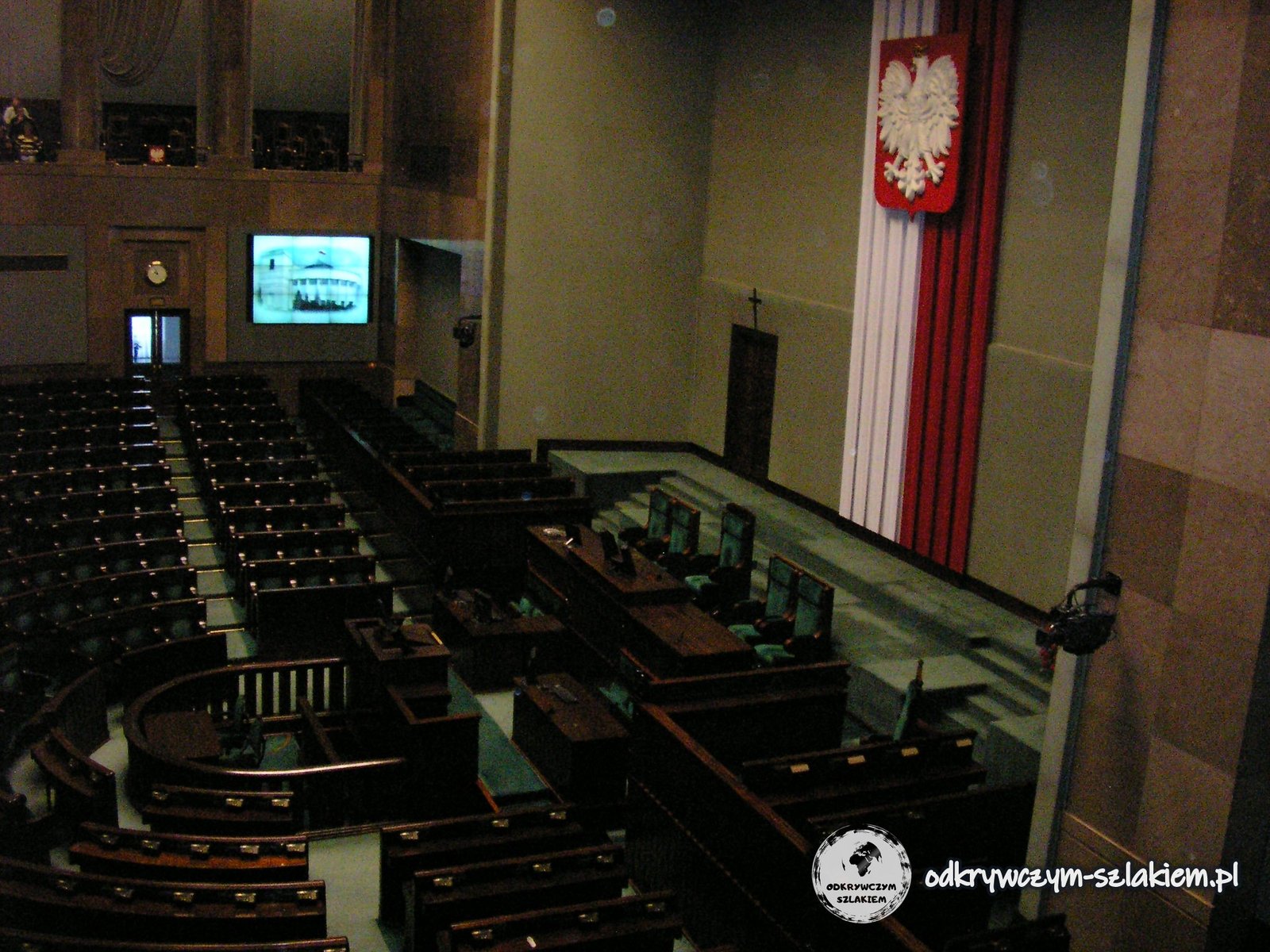
Beyond Jerozolimskie Avenue, Nowy Świat reaches Three Crosses Square, from where the Royal Route continues along Ujazdowskie Avenue. Close by, on Wiejska Street, stands the Sejm, the Polish parliament. Its semicircular debating chamber was built in 1925–1928 to a design by Kazimierz Skórewicz, and its outer wall is decorated with a frieze of 18 reliefs by Jan Szczepkowski and Jan Biernacki. I went inside on a school trip – we looked at the chamber from the public gallery.
By the Vistula – the Mermaid, the boulevards and the National Stadium
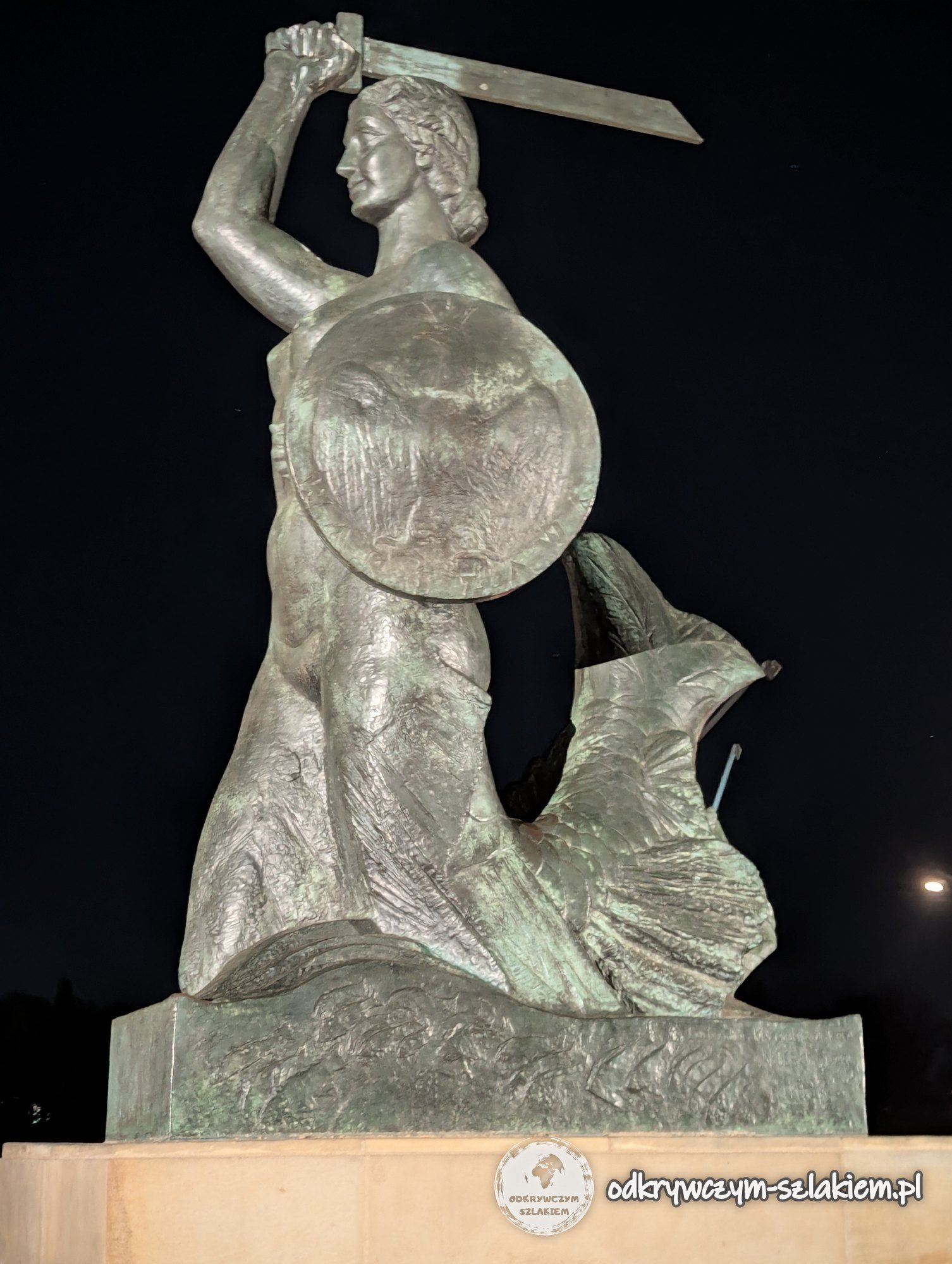
From the Old Town it is a few minutes’ walk down to the Vistula. The boulevards stretch along the left bank – wide promenades with steps down to the water. At the end of Tamka Street stands the Mermaid Monument, the symbol of Warsaw. It was sculpted by Ludwika Nitschowa, and the poet Krystyna Krahelska posed for it. The monument was unveiled on 15 August 1939, two weeks before the outbreak of war.
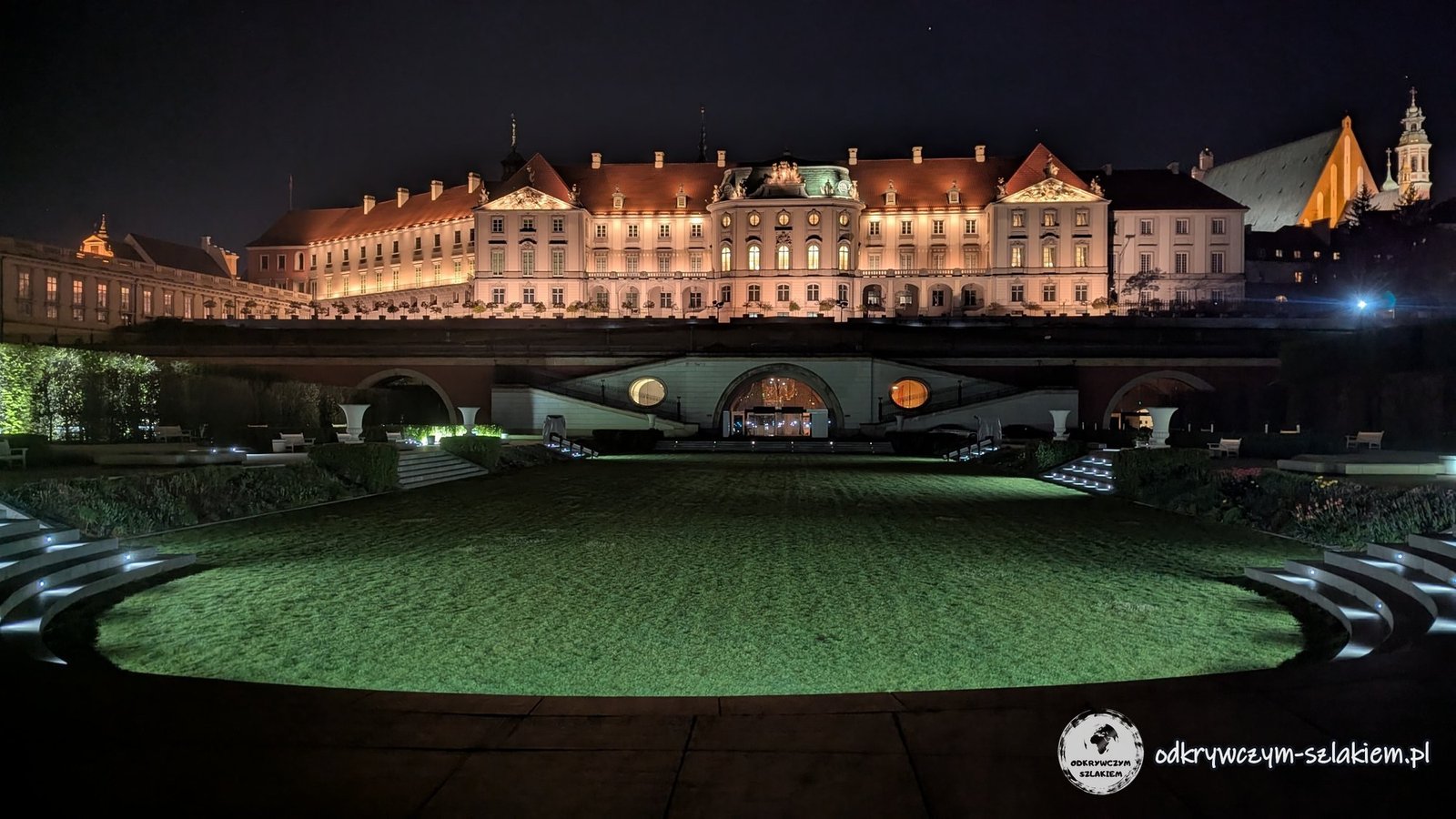
One evening I walked along the boulevards from the Mermaid to the Royal Castle – its eastern façade was lit up, with the Kubicki Arcades and the castle gardens visible below it. Across the river stands the National Stadium.
The National Stadium opened on 29 January 2012, ahead of Euro 2012. Its stands hold about 58,000 spectators. I was here on Friday, 14 November 2025, with Łukasz for the World Cup qualifier Poland vs the Netherlands. We couldn’t get tickets in the regular sale, so we bought them second-hand – at a higher price and with a PZPN fee for changing the ticket holder’s details. We reached the stadium an hour before kick-off, but because of the huge queues we got in almost at the last minute.
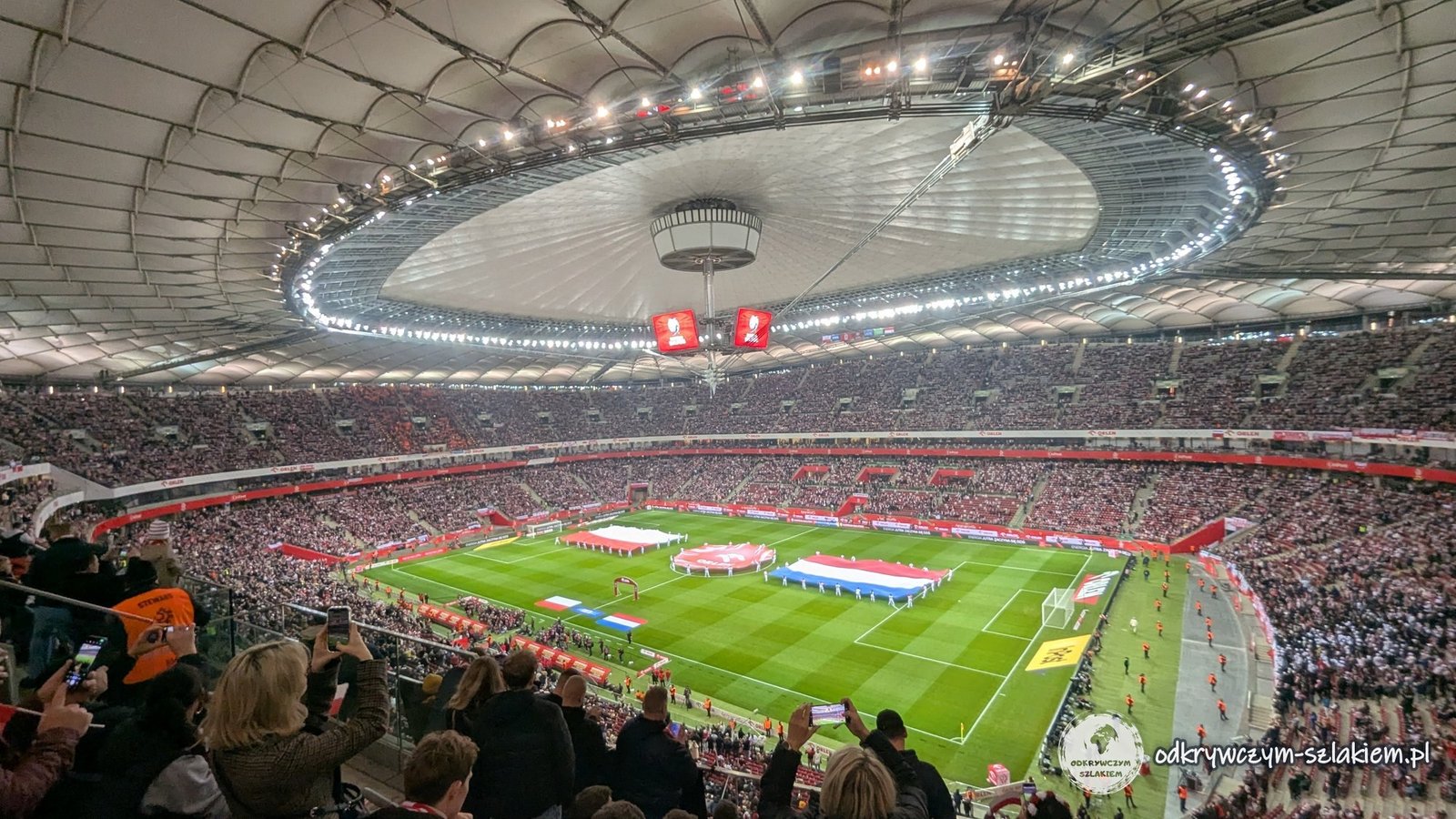
The match ended 1–1. The support was well organised until fans in one of the sections threw flares onto the pitch – the game was stopped, and afterwards they left the stands in protest. For me it was the first chance to see the current national team live. That same year I also went to the Poland–Brazil legends match in Chorzów.
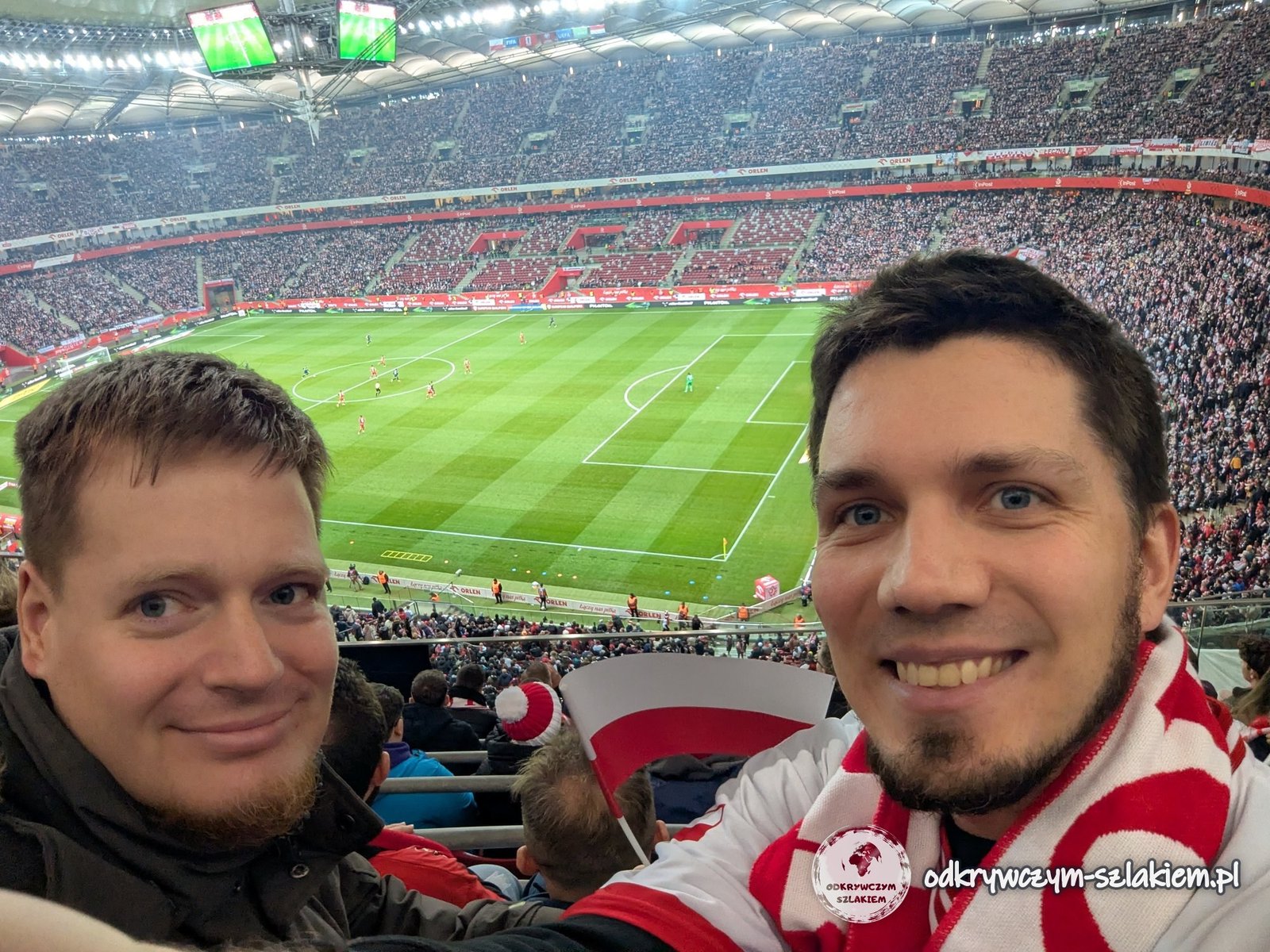
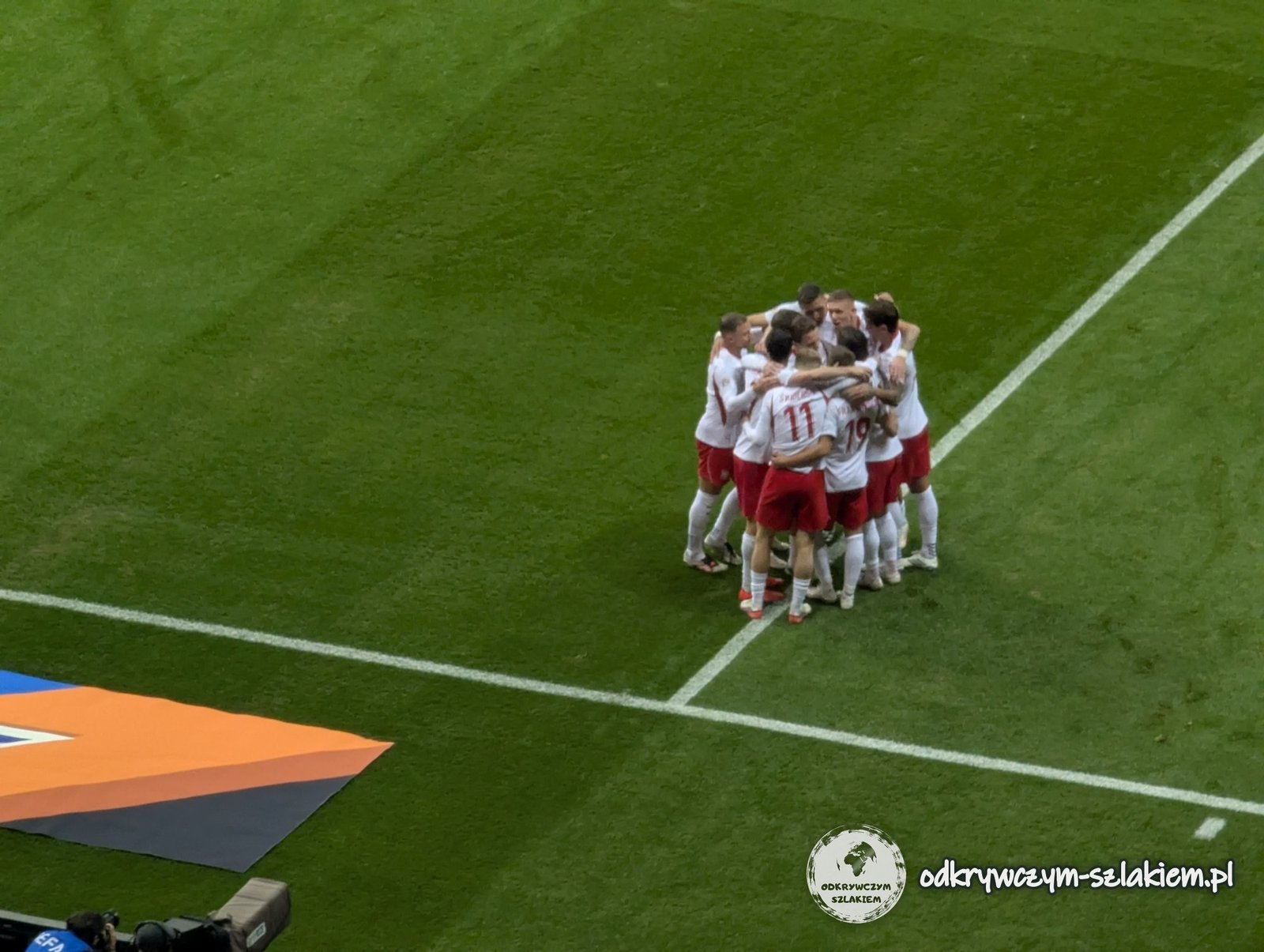
I came back to the National Stadium on 2 October 2026 for the UEFA Nations League match Poland – Romania. Romania played with ten men from the 22nd minute, and Poland won 6–0.
The National Museum – from Faras to the “Battle of Grunwald”
At the beginning of December I came to Warsaw with Artur for a concert at the Stodoła club. The next day was a Tuesday, and on Tuesdays entry to the permanent exhibitions of the National Museum is free – so I decided to make use of it. The museum building stands at Aleje Jerozolimskie 3, next to the Polish Army Museum.
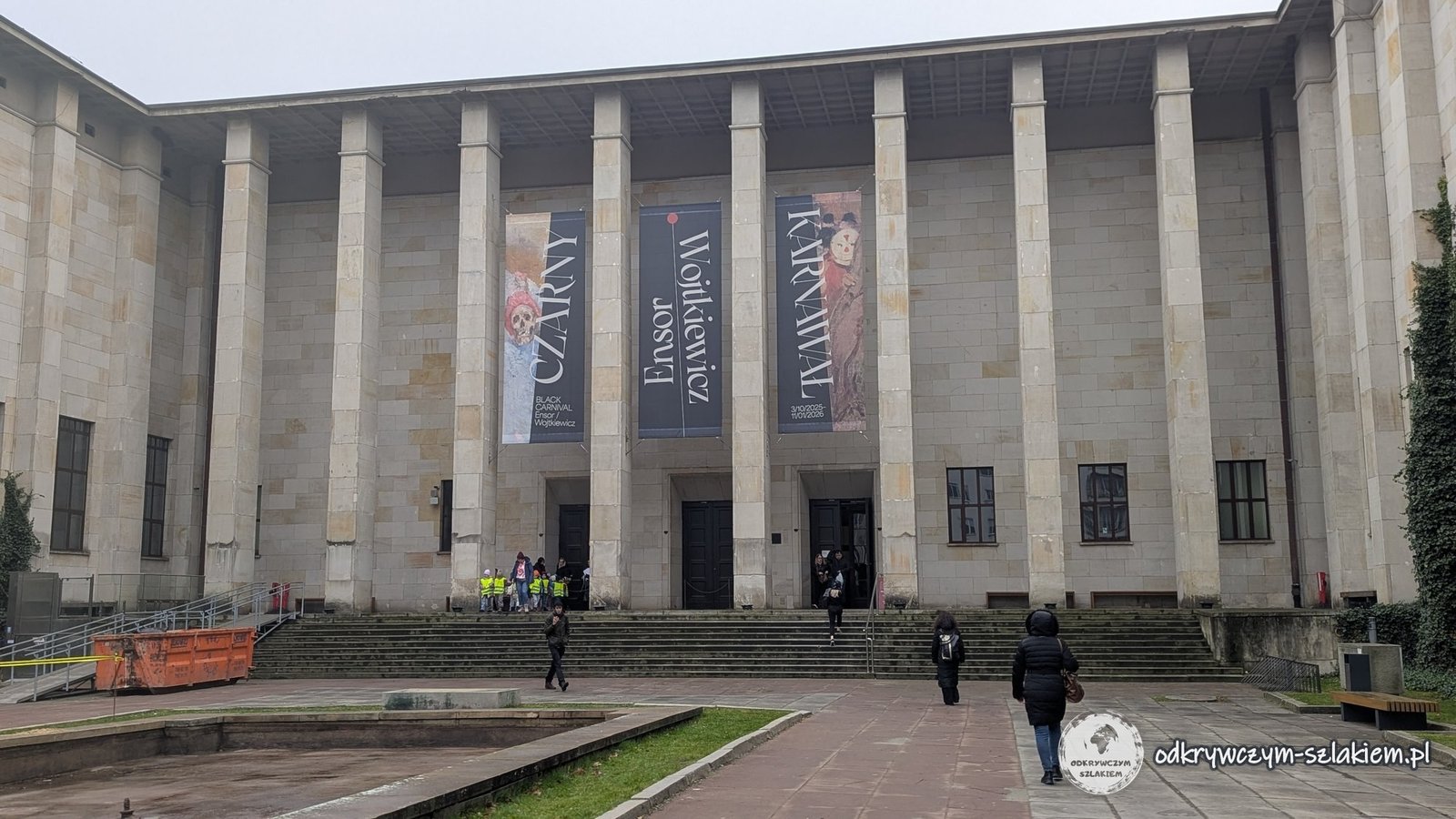
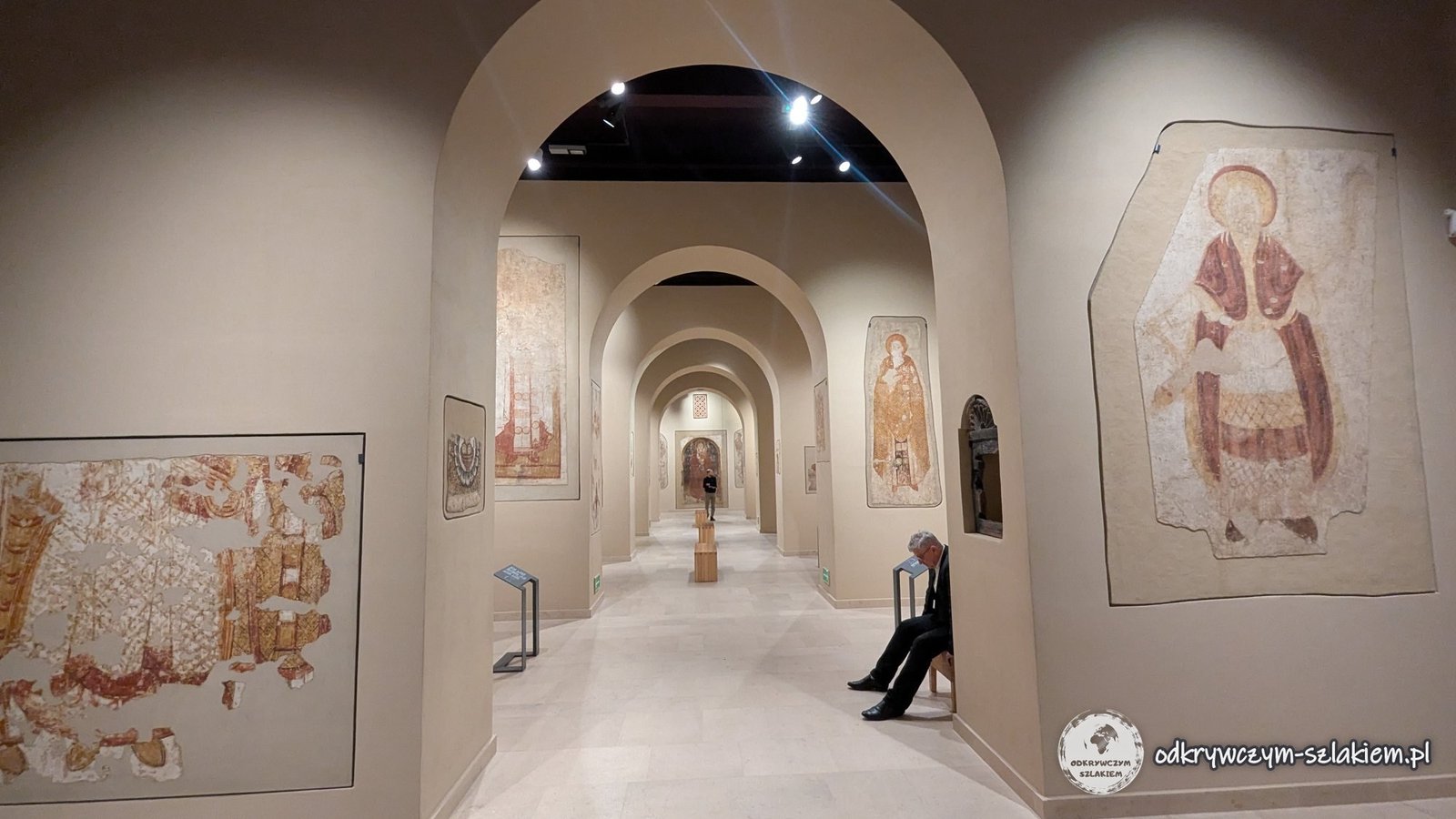
The collection covers art from antiquity to the 20th century. The Faras Gallery displays wall paintings from the cathedral in Faras, Sudan. The cathedral was excavated in the early 1960s by Polish archaeologists led by Kazimierz Michałowski, as part of the campaign to save the monuments of Nubia from being flooded by the reservoir behind the Aswan High Dam. It is the only permanent exhibition of medieval Nubian painting in Europe.
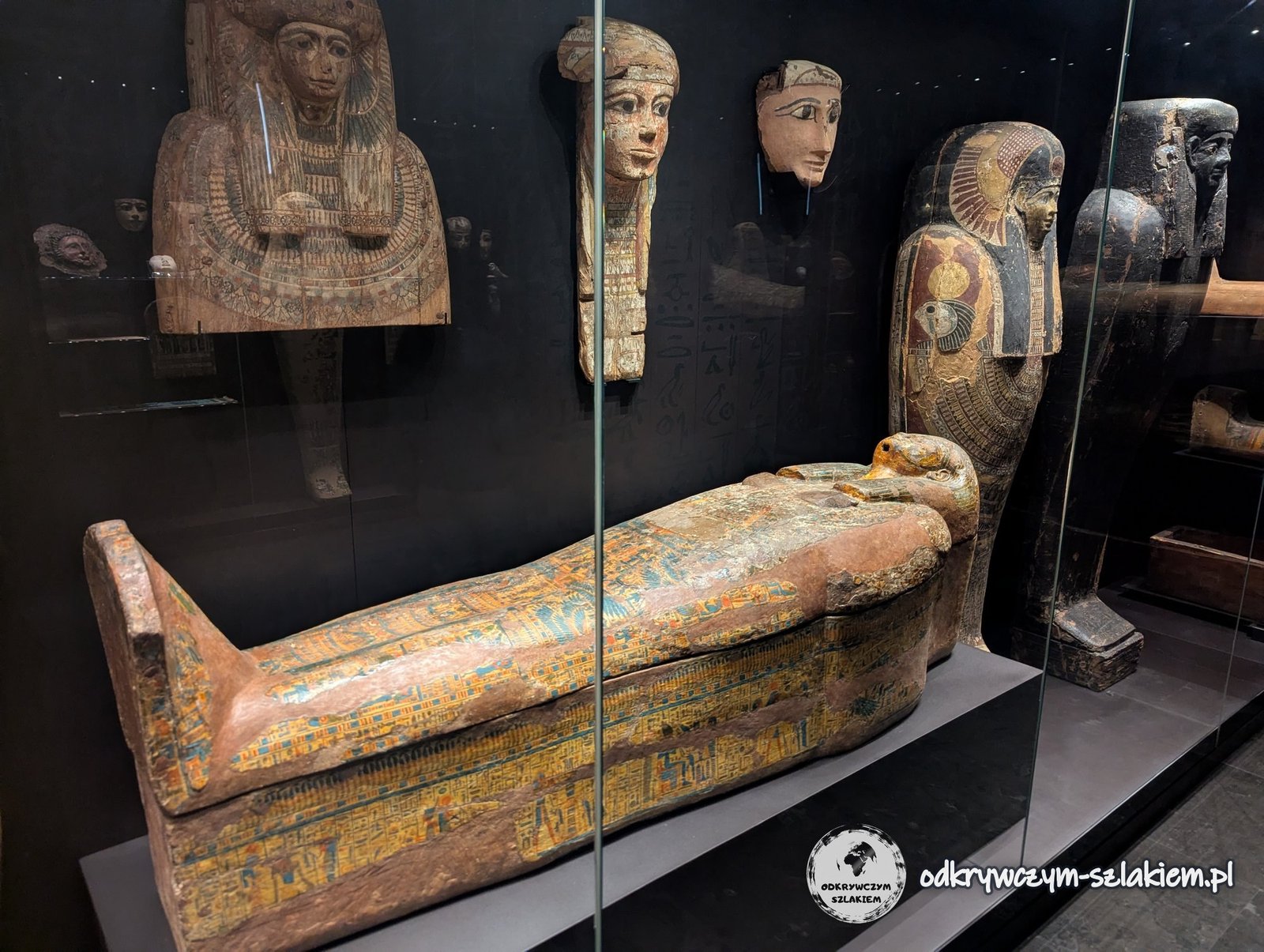
The Gallery of Ancient Art has, among other things, Egyptian mummies, sarcophagi and papyri, as well as Greek vases and Roman sculptures.
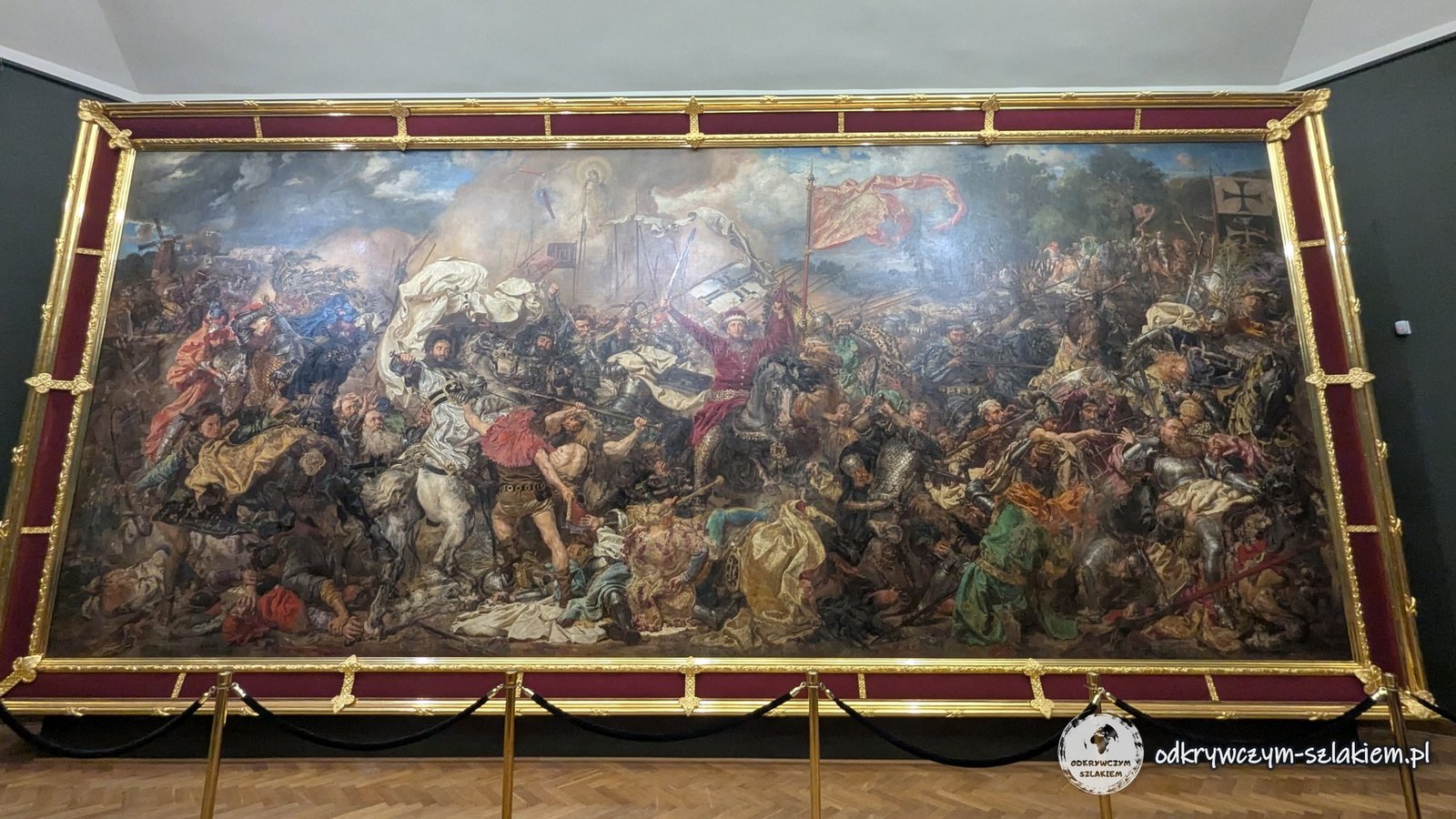
Most visitors gather around the paintings by Jan Matejko. The “Battle of Grunwald” from 1878 measures 426 × 987 cm and fills an entire wall of the room.
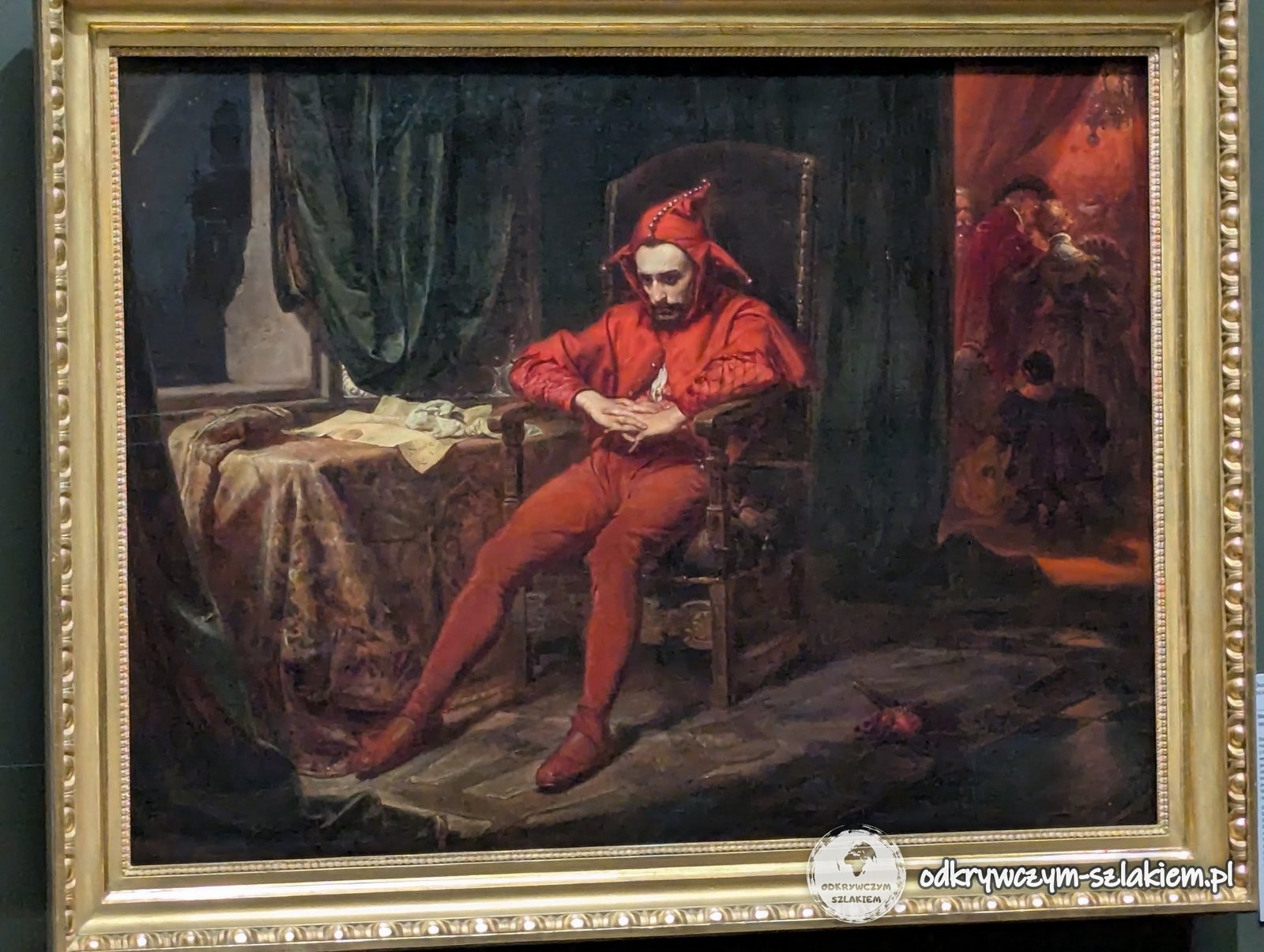
Smaller, but just as famous, is “Stańczyk” – the court jester sits lost in thought in an armchair while a ball goes on in the next room.
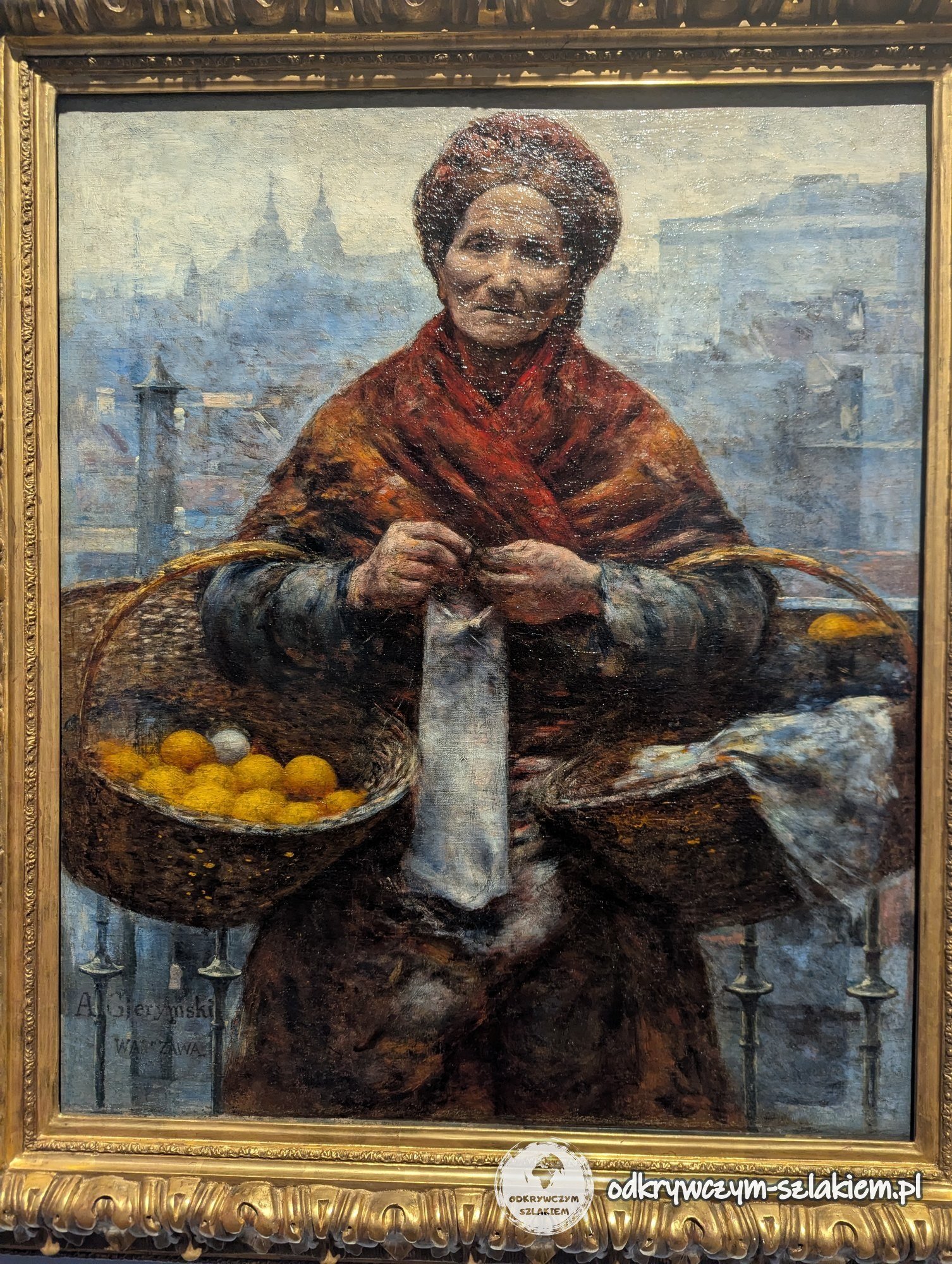
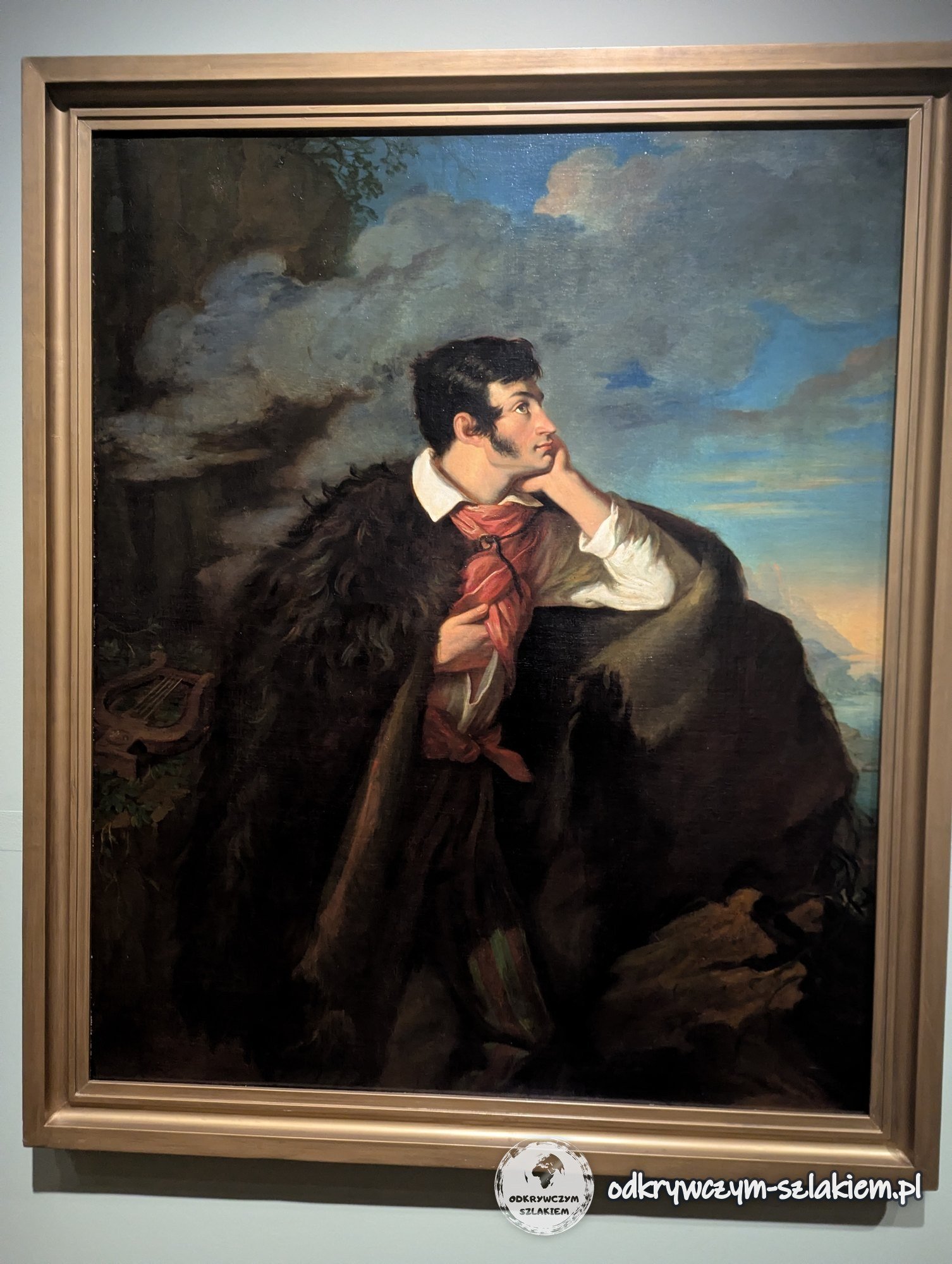
Matejko’s paintings hang in the Gallery of 19th-Century Art. It also shows, among others, “Jewish Woman Selling Oranges” by Aleksander Gierymski from around 1880–1881 and the portrait of Adam Mickiewicz on the Ayu-Dag rock by Walenty Wańkowicz. Gierymski’s painting went missing after the Warsaw Uprising – it turned up at an auction in Germany and returned to the museum in 2011.
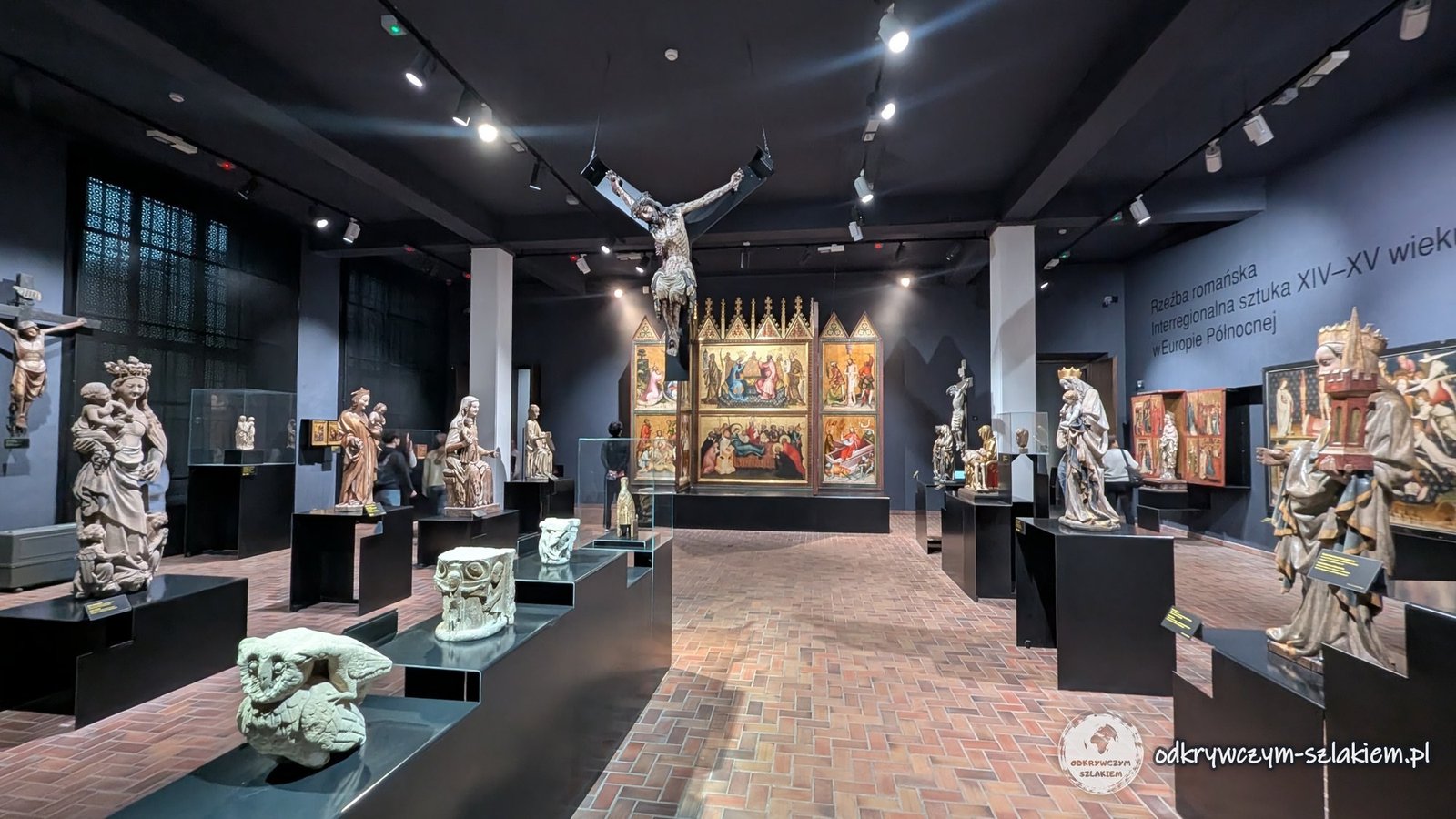
I started my visit in the Gallery of Medieval Art. It mainly shows works from the 14th–16th centuries, most of them made for churches in the Polish lands – statues of saints, crucifixes and large winged altarpieces, including the Grudziądz Polyptych.
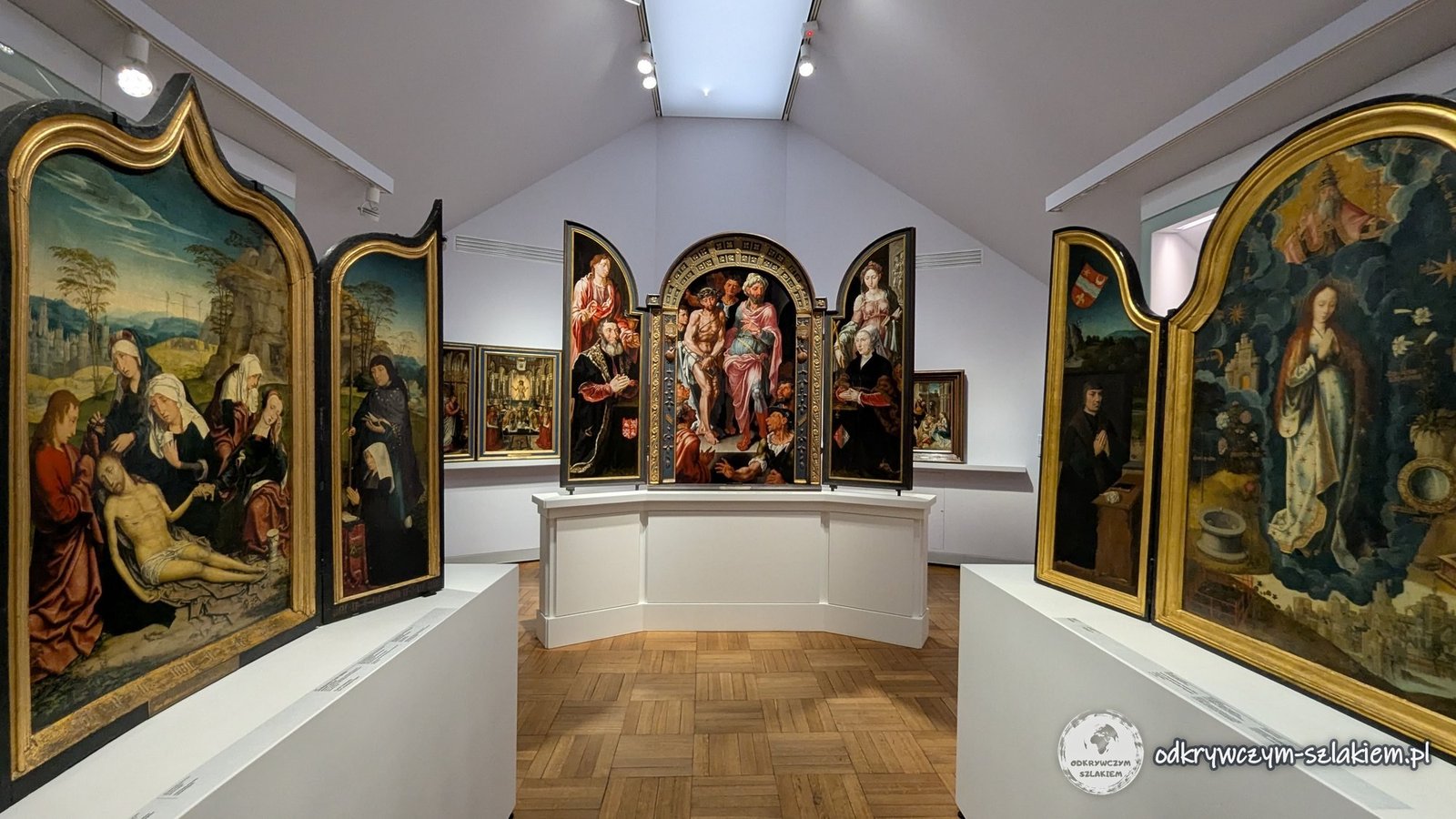
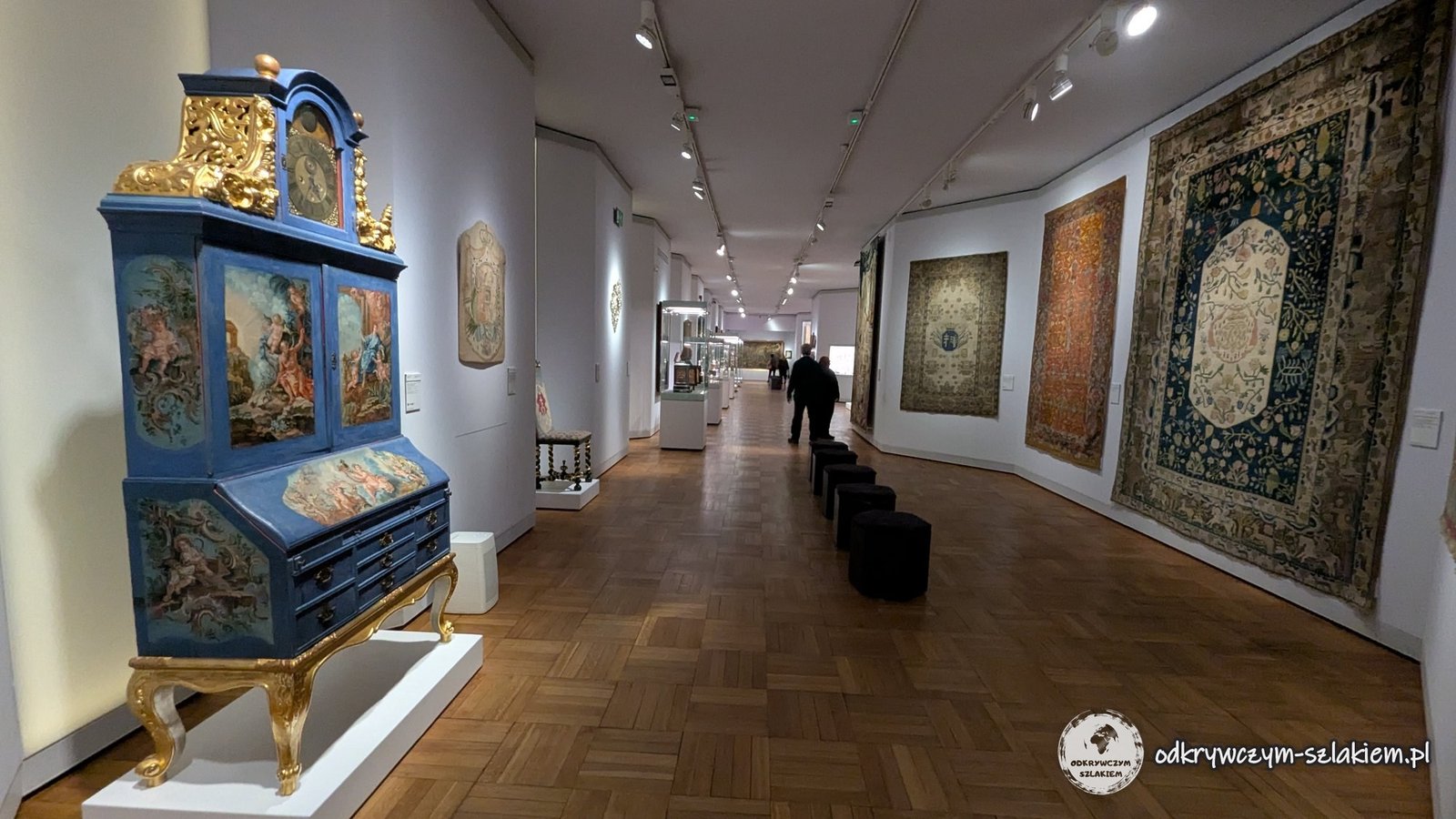
In the Gallery of Old Art, alongside paintings such as winged triptychs, there are furniture, textiles, silverware and porcelain – objects that once belonged to kings, nobles and townspeople.
The Palace of Culture and Science
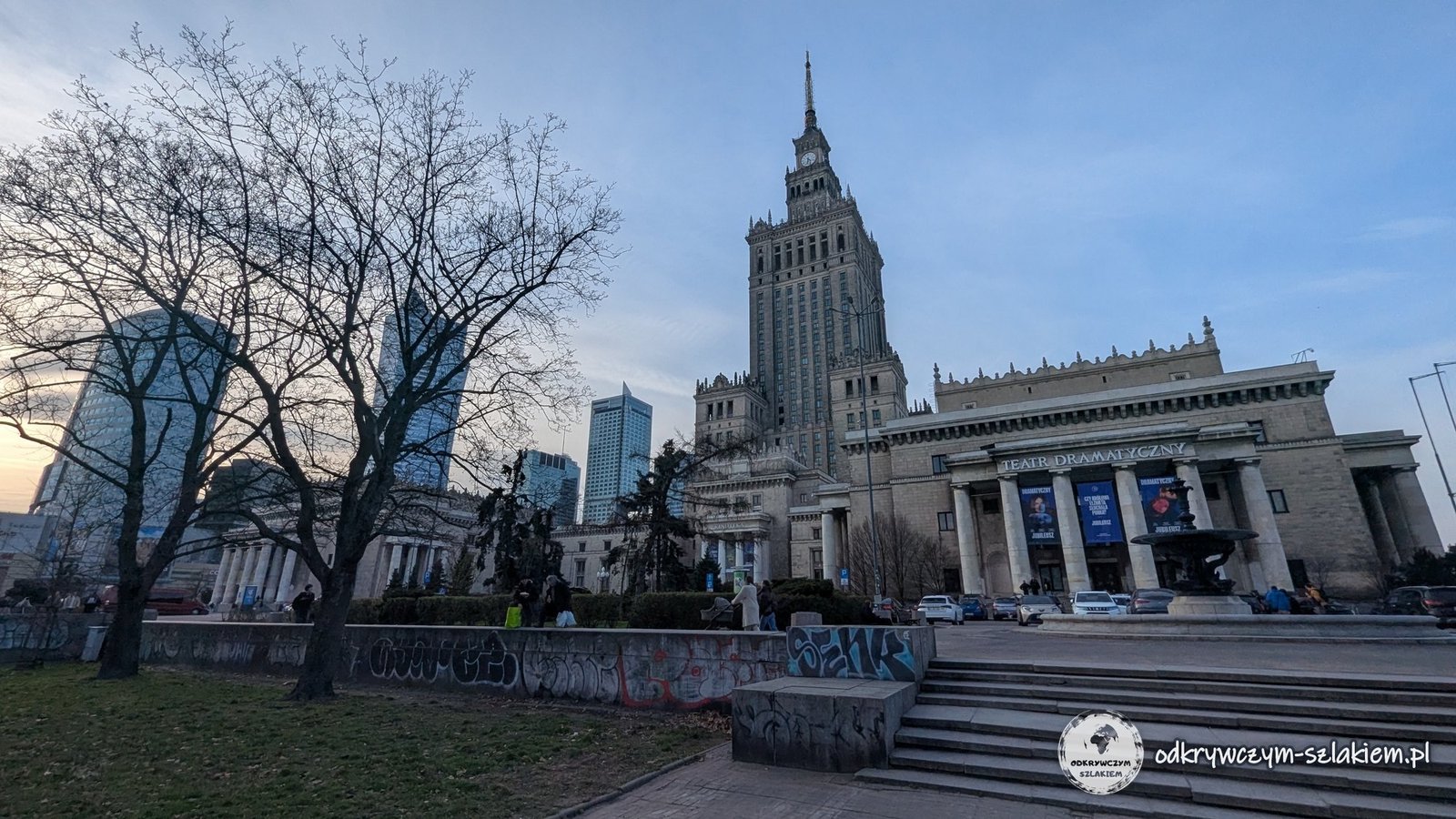
A fifteen-minute walk from the museum stands the Palace of Culture and Science. It was built in 1952–1955 as a “gift from the Soviet people”. Including the spire it is 237 metres tall, and on the 30th floor, 114 metres above the ground, there is an observation terrace. The palace houses theatres, a cinema and museums, and glass skyscrapers have grown up around it.
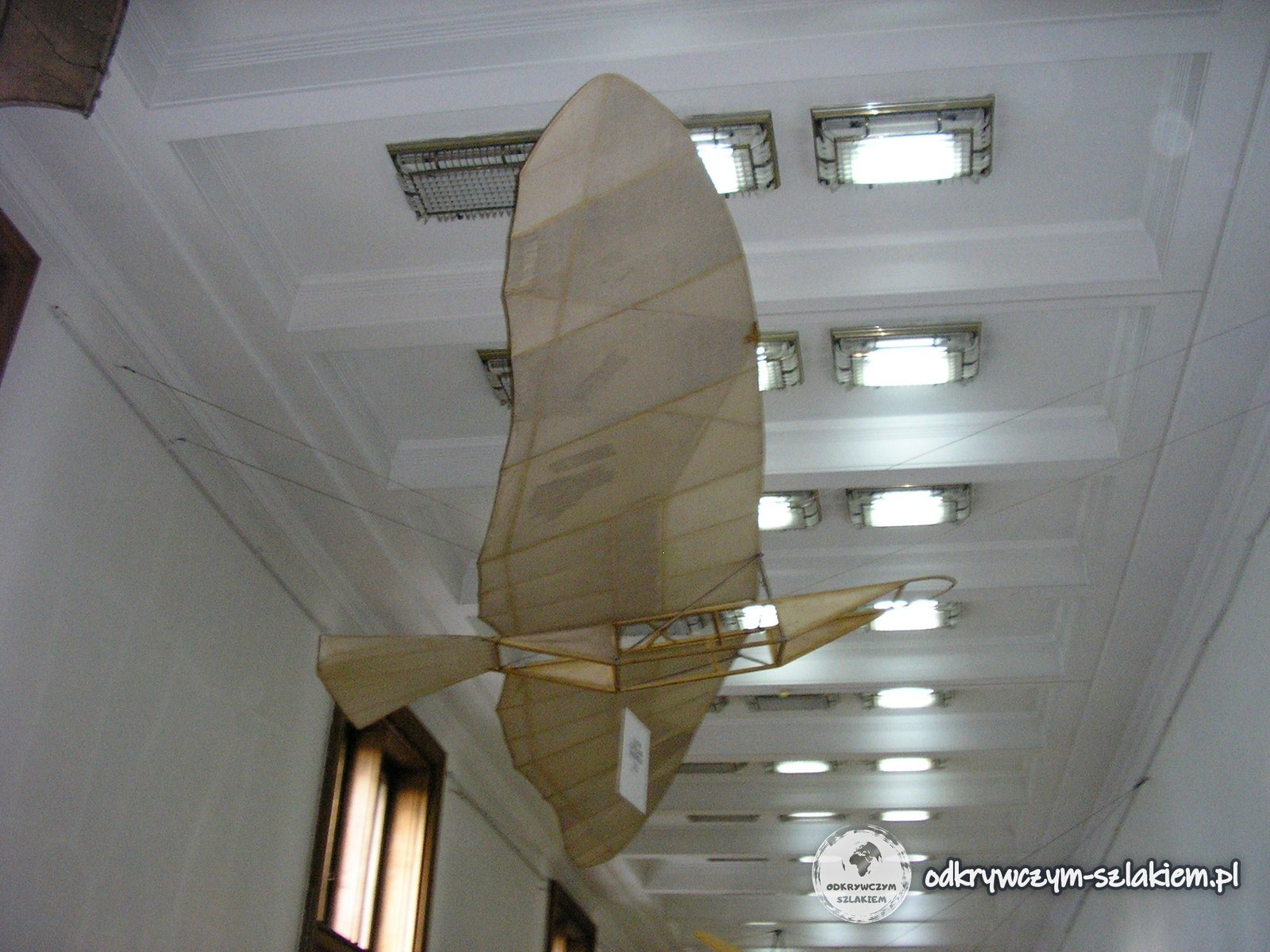
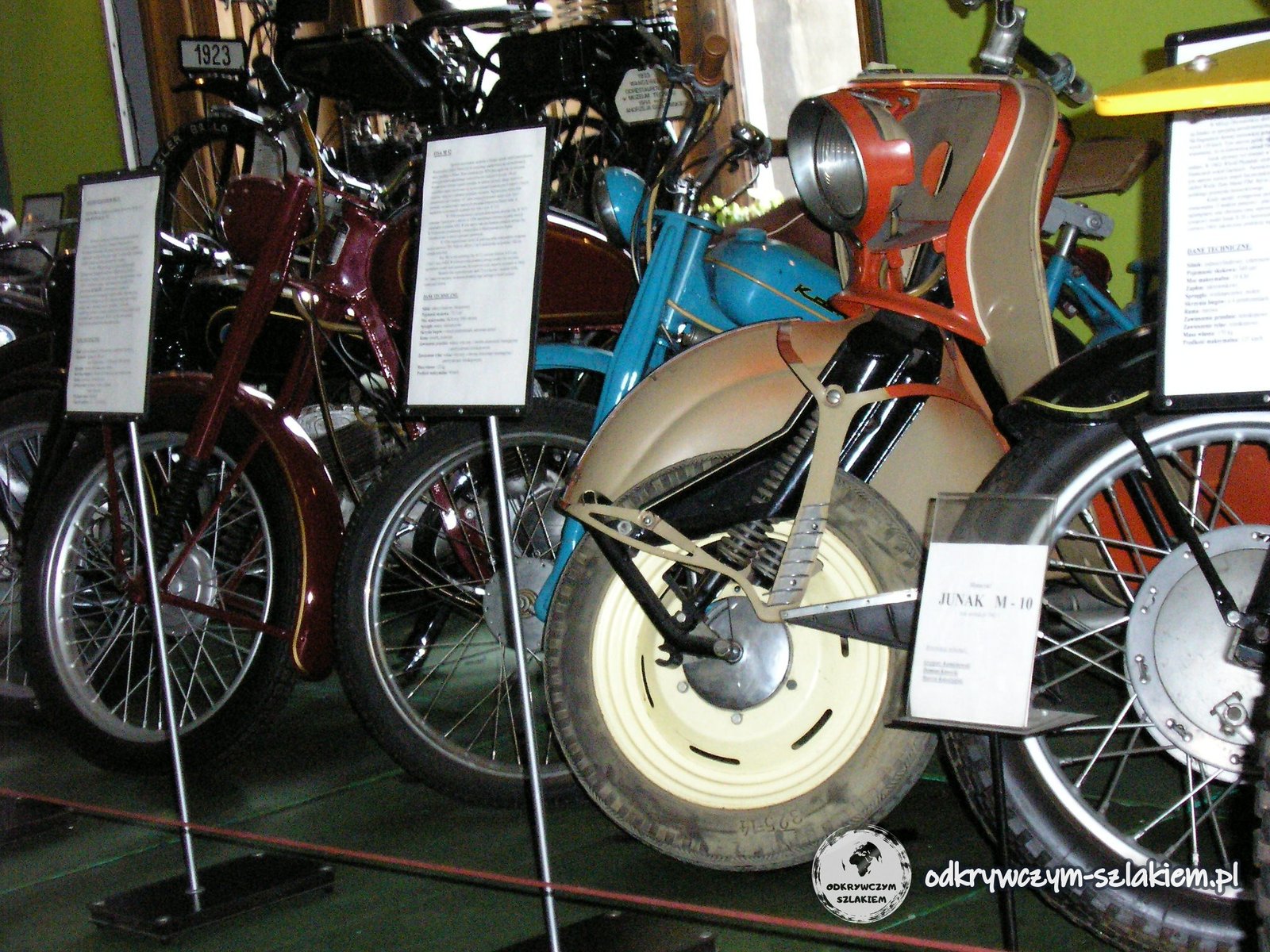
From 1955 a wing of the palace housed the Museum of Technology. I visited it in 2007 – Otto Lilienthal’s glider from 1894 hung from the ceiling, and the halls displayed vintage motorcycles, radios and computers, among other things. The museum operated until 2017, and its collections were taken over by the National Museum of Technology, which since 2022 has again been showing exhibitions at plac Defilad 1 – including on the history of transport, computers and space exploration.
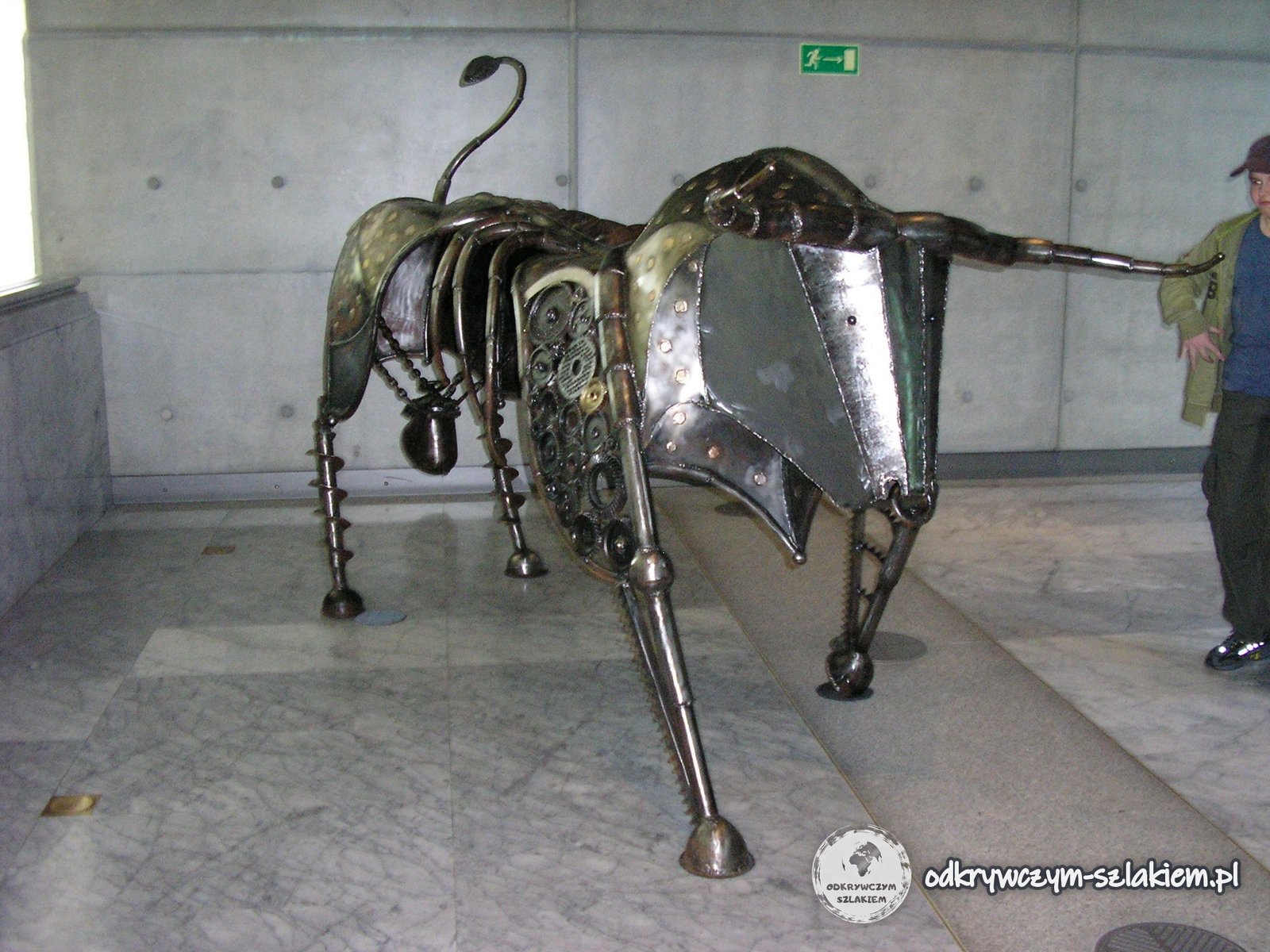
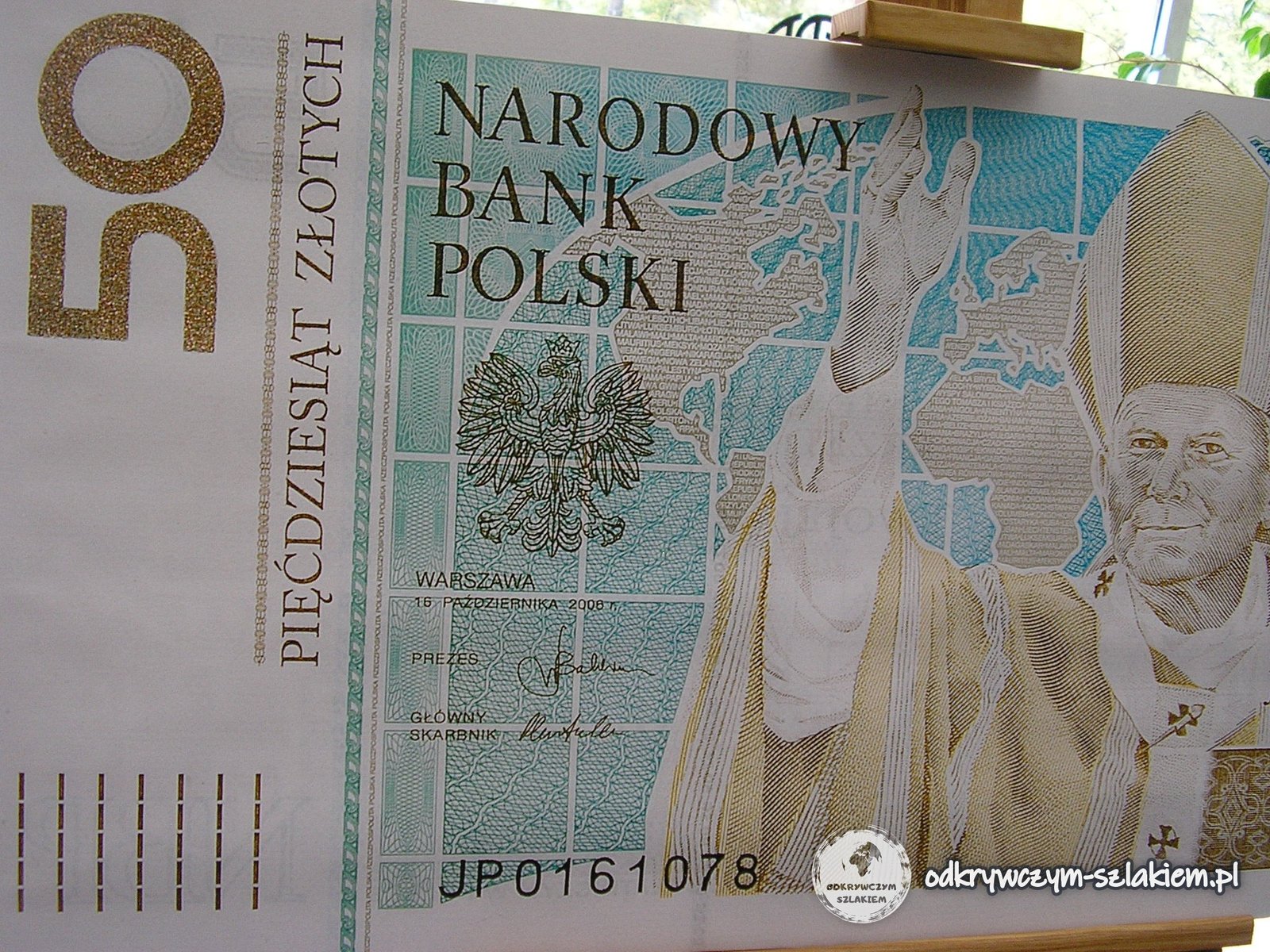
On the same school trip we also visited the headquarters of the National Bank of Poland (NBP) on Świętokrzyska Street, a few minutes’ walk from the Palace of Culture. In the lobby stood a sculpture of a bull made of metal parts, and in one of the rooms an enlarged collector’s 50-złoty banknote with John Paul II. We also saw a bust of Władysław Grabski – the prime minister who carried out the currency reform in 1924 and introduced the złoty. Since 2016 the building has housed the NBP Money Centre, with an exhibition on the history of money.
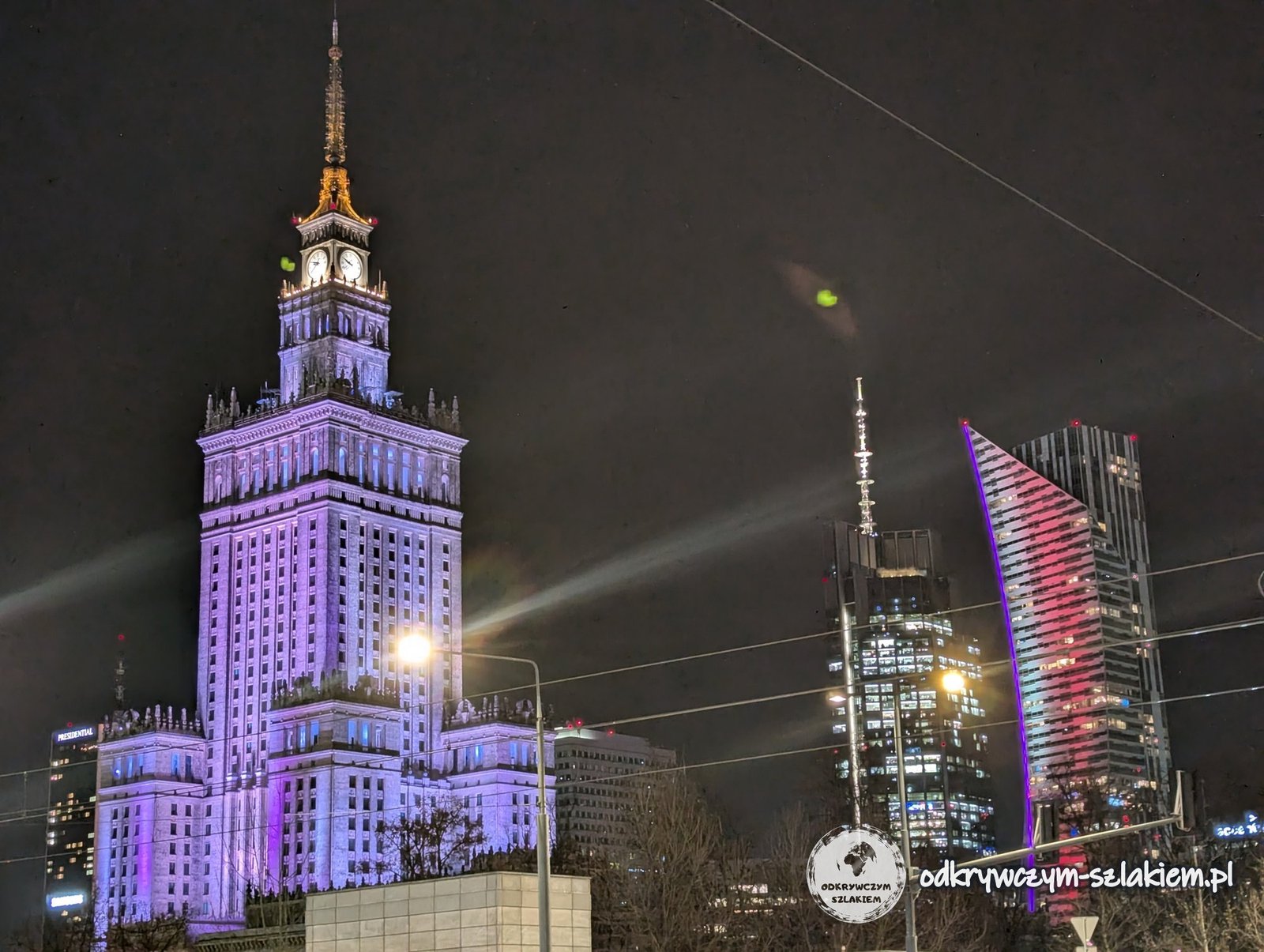
In the evening the building is illuminated – when I photographed it, it glowed purple.
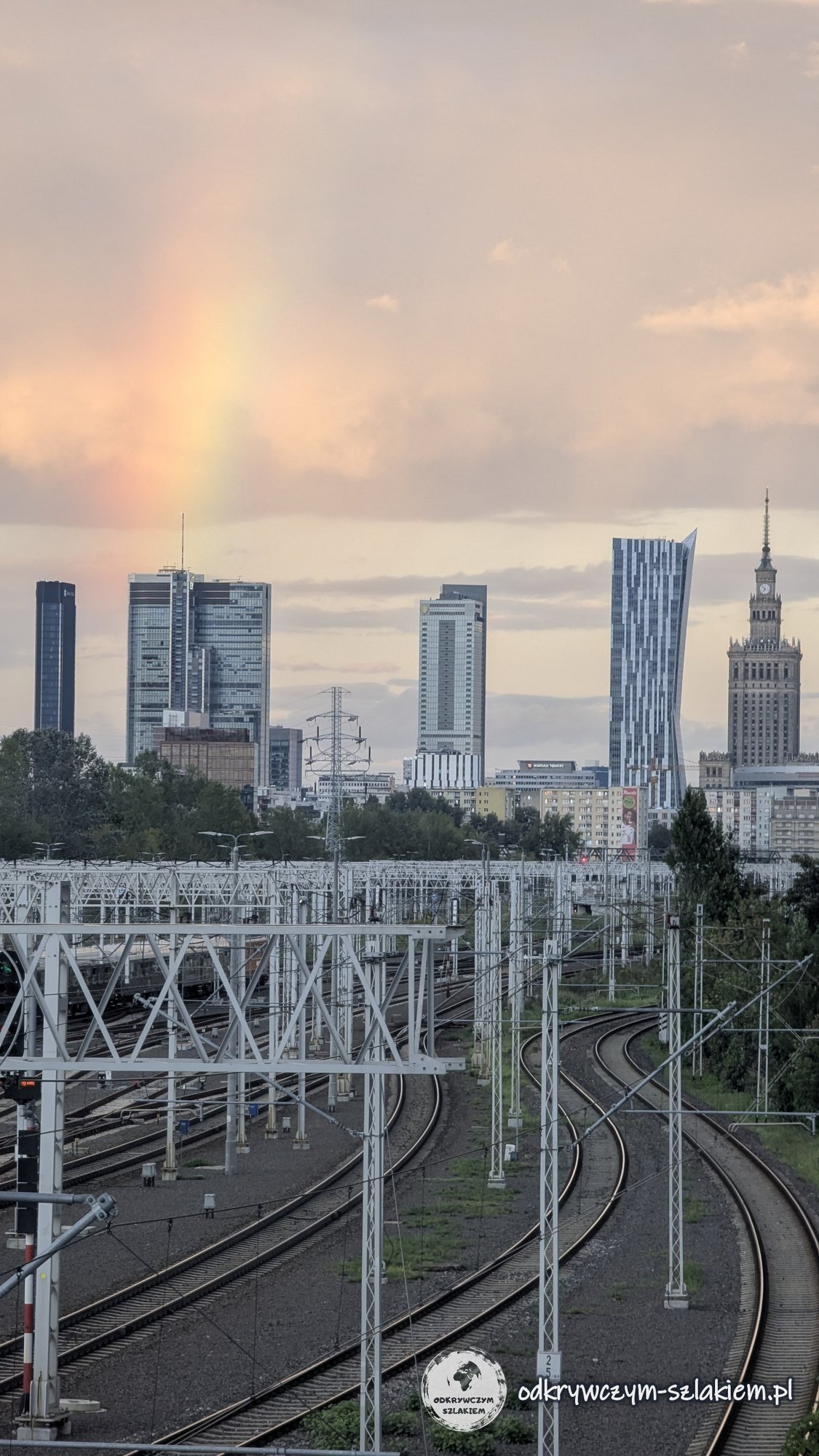
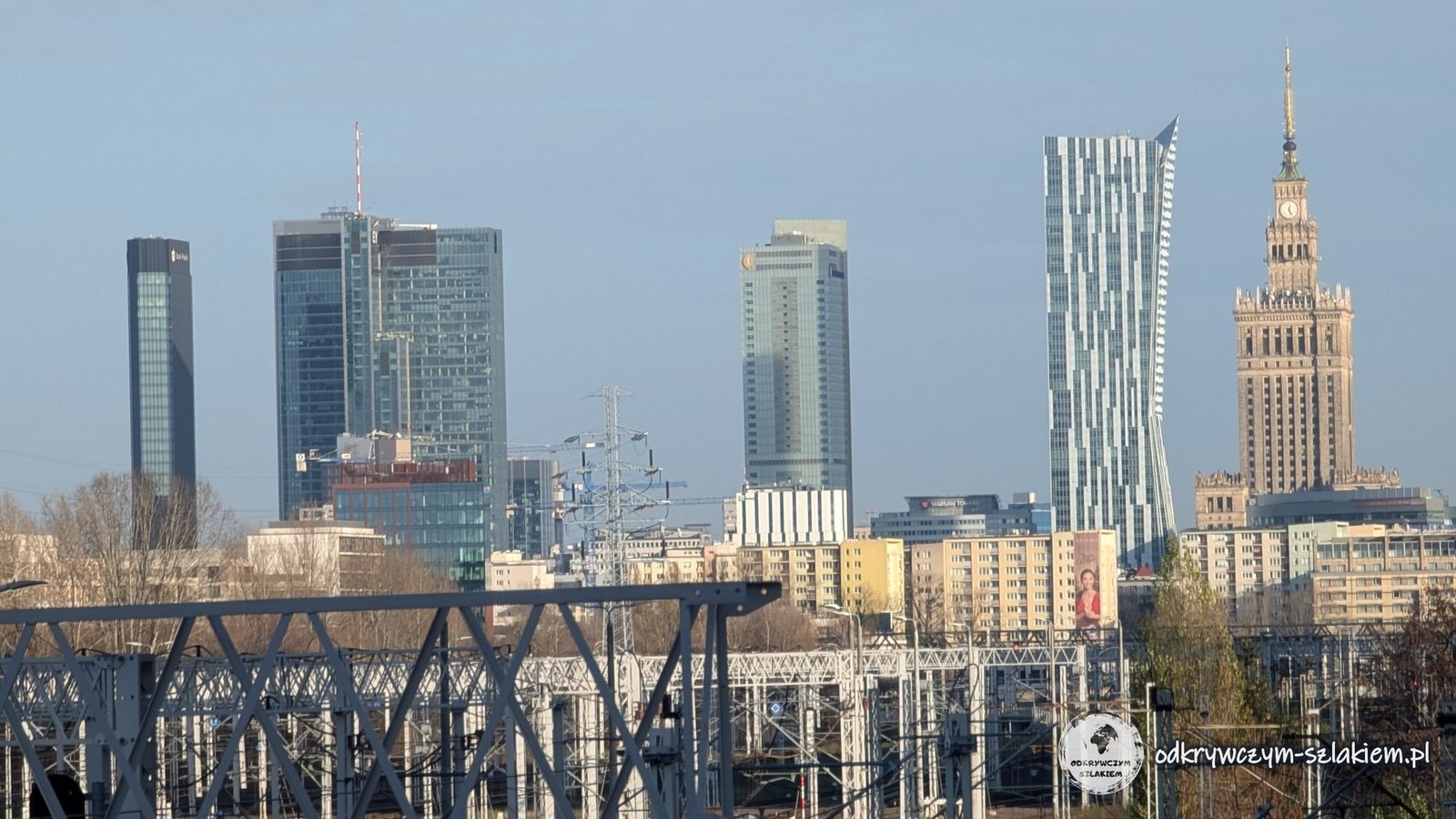
The palace and the skyscrapers around it can also be seen well from the platforms of Warszawa Zachodnia station. In the photo you can see a rainbow over the city centre.
Krasiński Palace and the Palace of the Commonwealth exhibition
North-west of the Old Town, on Krasiński Square, stands the Baroque Krasiński Palace. It was built in 1688–1699 for Jan Dobrogost Krasiński, and after the war it was rebuilt and handed over to the National Library. Behind the palace lies the Krasiński Garden with a pond and paths. In April the flower beds in front of the palace were already in bloom.
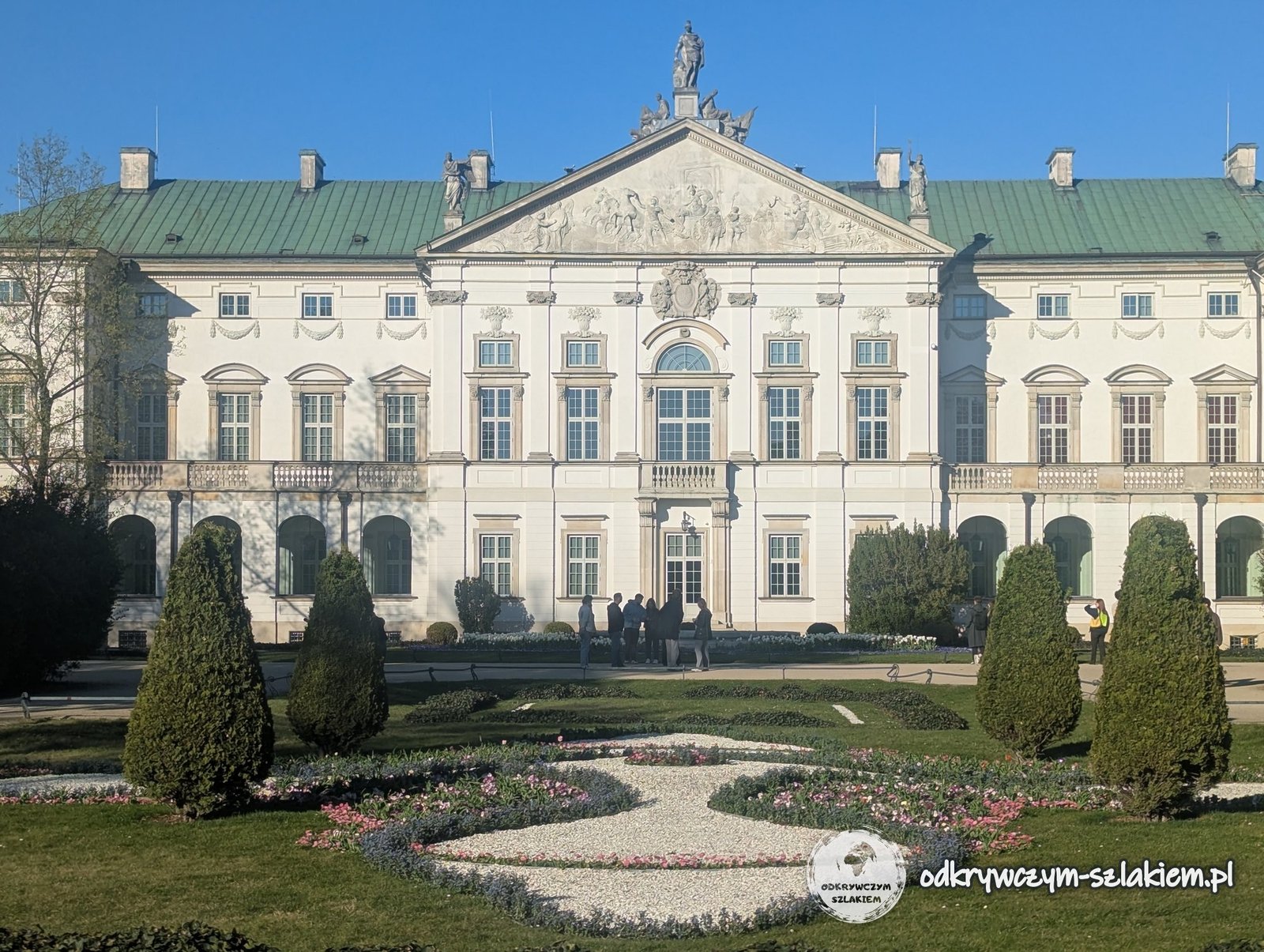
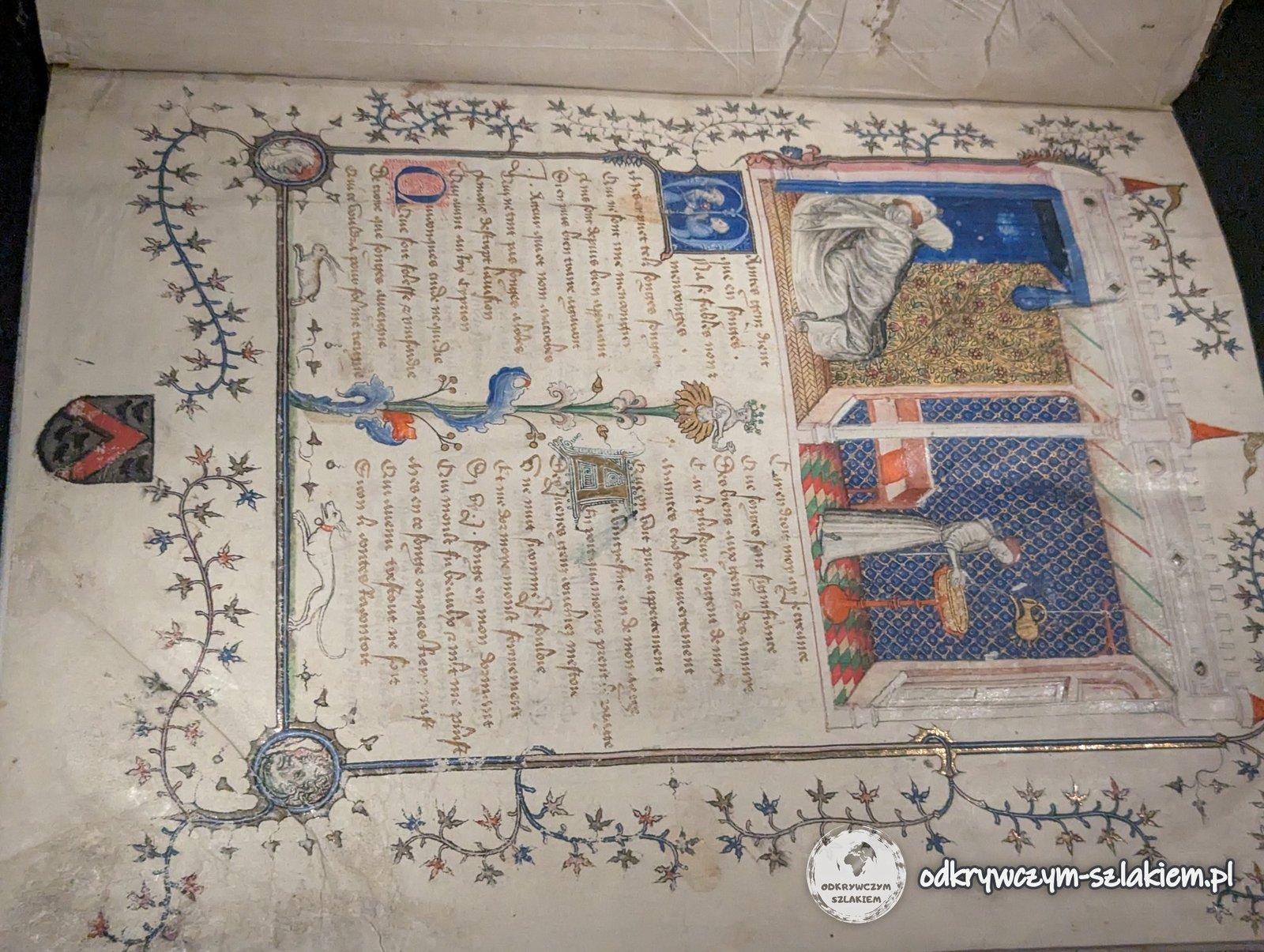
Since 21 May 2024 the palace has housed the permanent exhibition Palace of the Commonwealth (Pałac Rzeczypospolitej), and admission is free. It shows the most valuable holdings of the National Library – among them the Holy Cross Sermons, the St Florian Psalter, manuscripts of the chronicles of Gallus Anonymus and Wincenty Kadłubek, and manuscripts and first editions from Jan Kochanowski to Witold Gombrowicz. Illuminated medieval manuscripts lie in the dimly lit rooms.
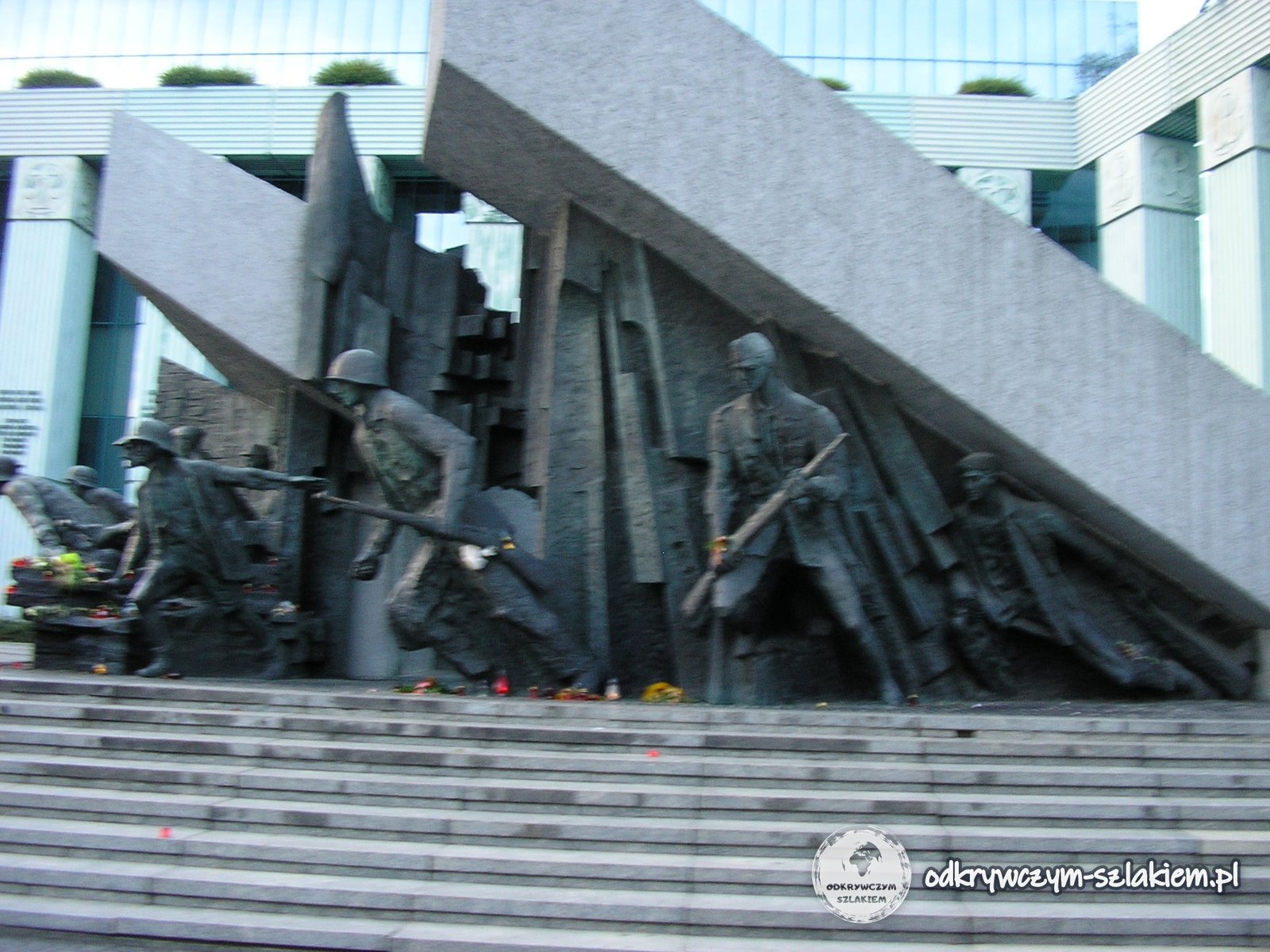
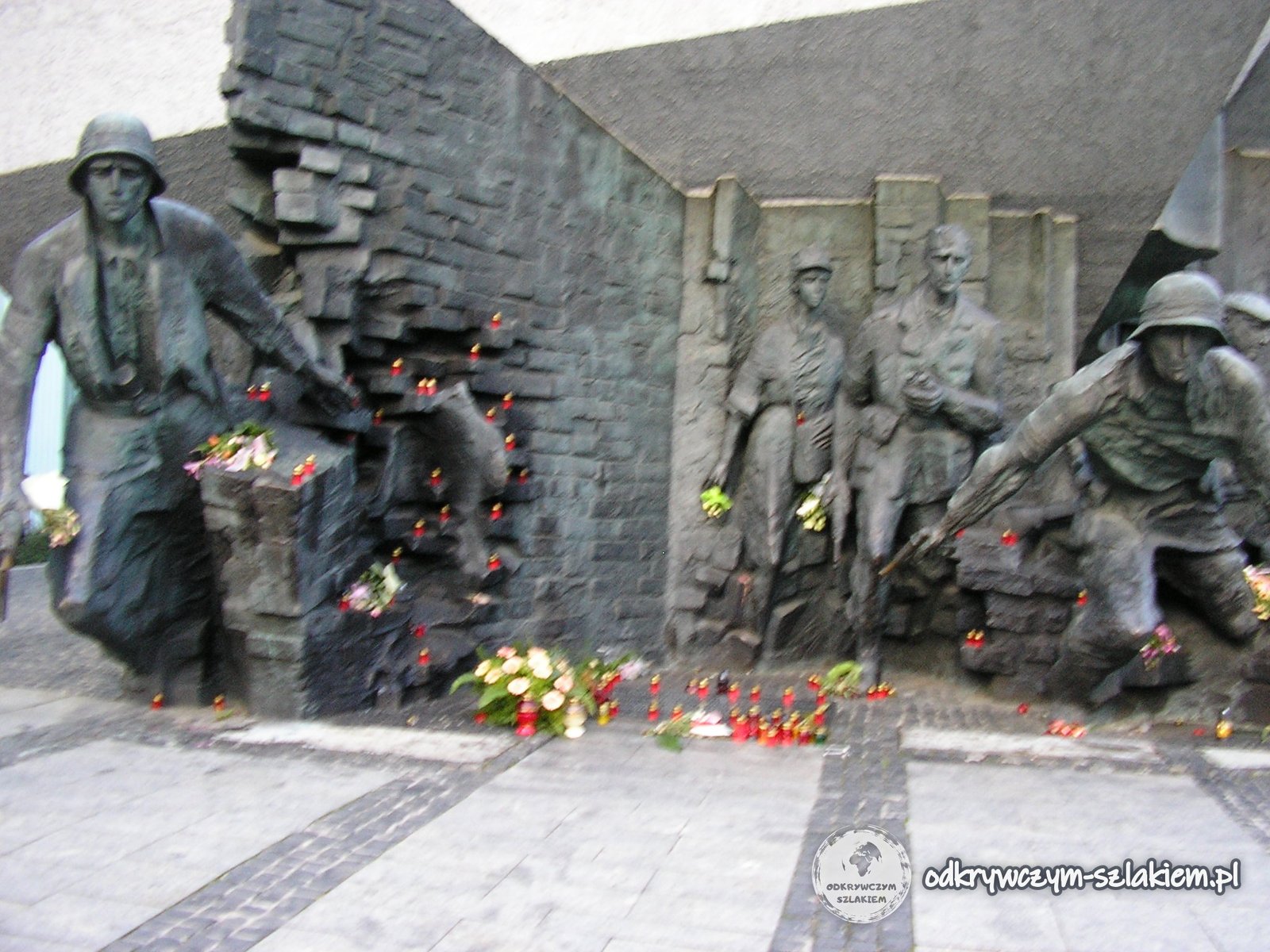
Opposite the palace, in front of the Supreme Court building, stands the Warsaw Uprising Monument, unveiled on 1 August 1989 – the 45th anniversary of the outbreak of the Uprising. It was designed by Wincenty Kućma and Jacek Budyn. Some of the insurgents are running out from under collapsing walls, others are climbing down into a sewer. This refers to the evacuation of the Old Town: before it fell in September 1944, thousands of insurgents and civilians escaped through the sewers to the city centre and Żoliborz via a manhole at the corner of Krasiński Square and Długa Street.
Places of remembrance – the Warsaw Rising Museum, the Insurgents Cemetery and Old Powązki
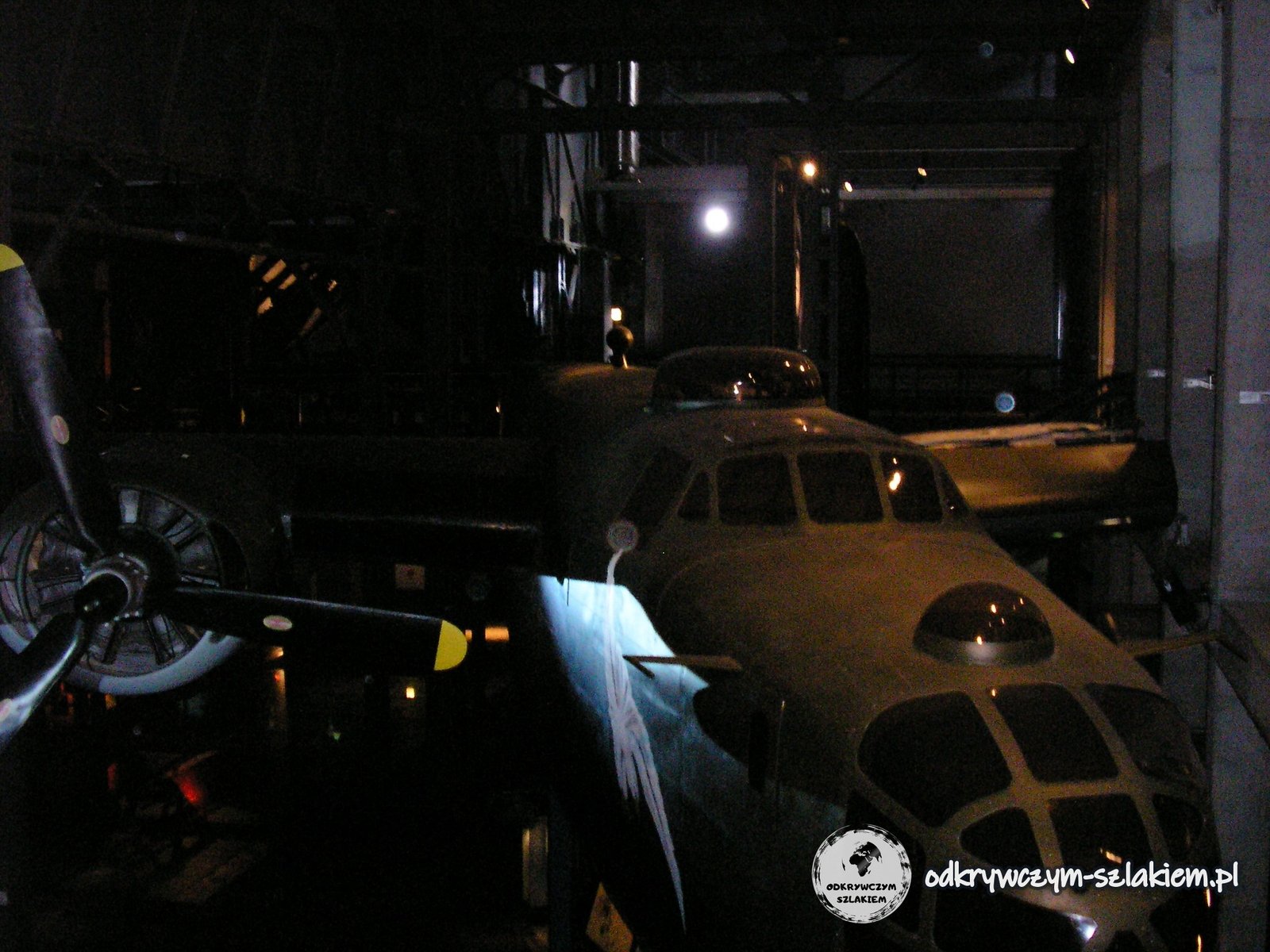
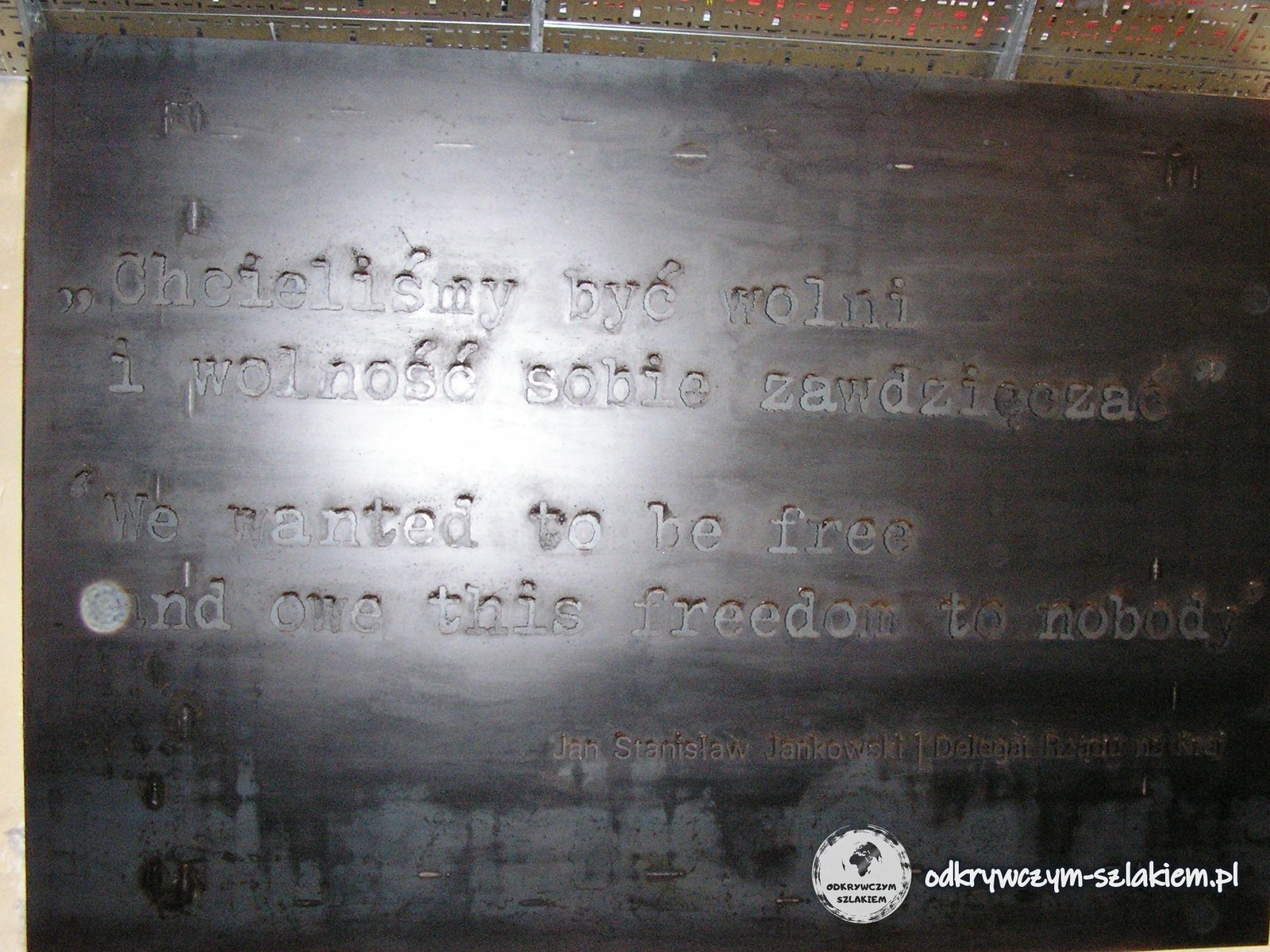
You can learn the most about the Uprising at the Warsaw Rising Museum (Muzeum Powstania Warszawskiego) at 79 Grzybowska Street, which I visited on a school trip. The museum opened on the 60th anniversary of the outbreak of the Uprising, in 2004, in a former tram power station from the early 20th century. The hall known as “under the Liberator” holds a full-scale replica of a B-24J Liberator bomber – aircraft like this took off from Brindisi in Italy and dropped weapons and supplies to the insurgents. On one of the walls are the words of Jan Stanisław Jankowski, the Government Delegate for Poland: “We wanted to be free and owe this freedom to nobody”.
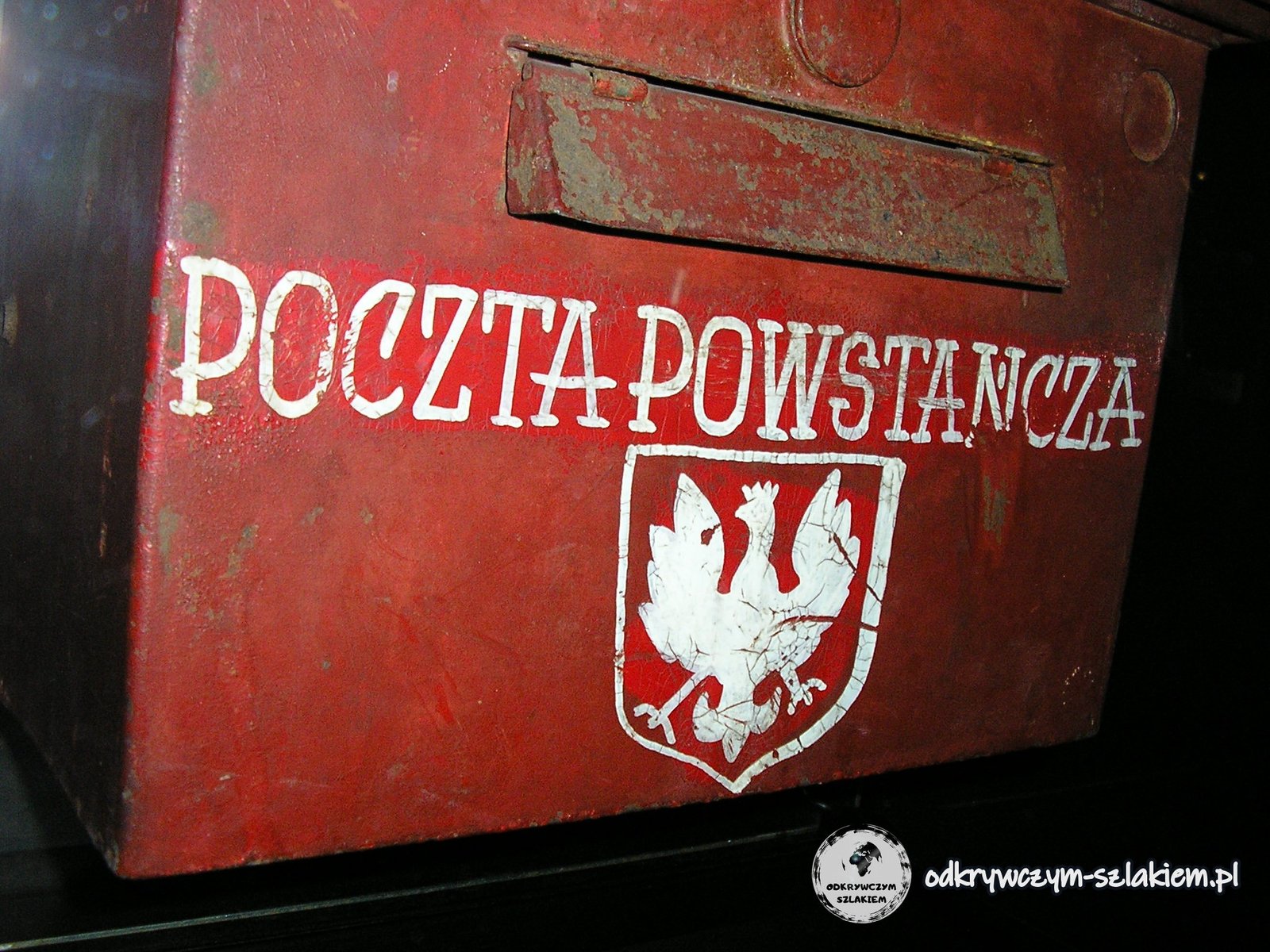
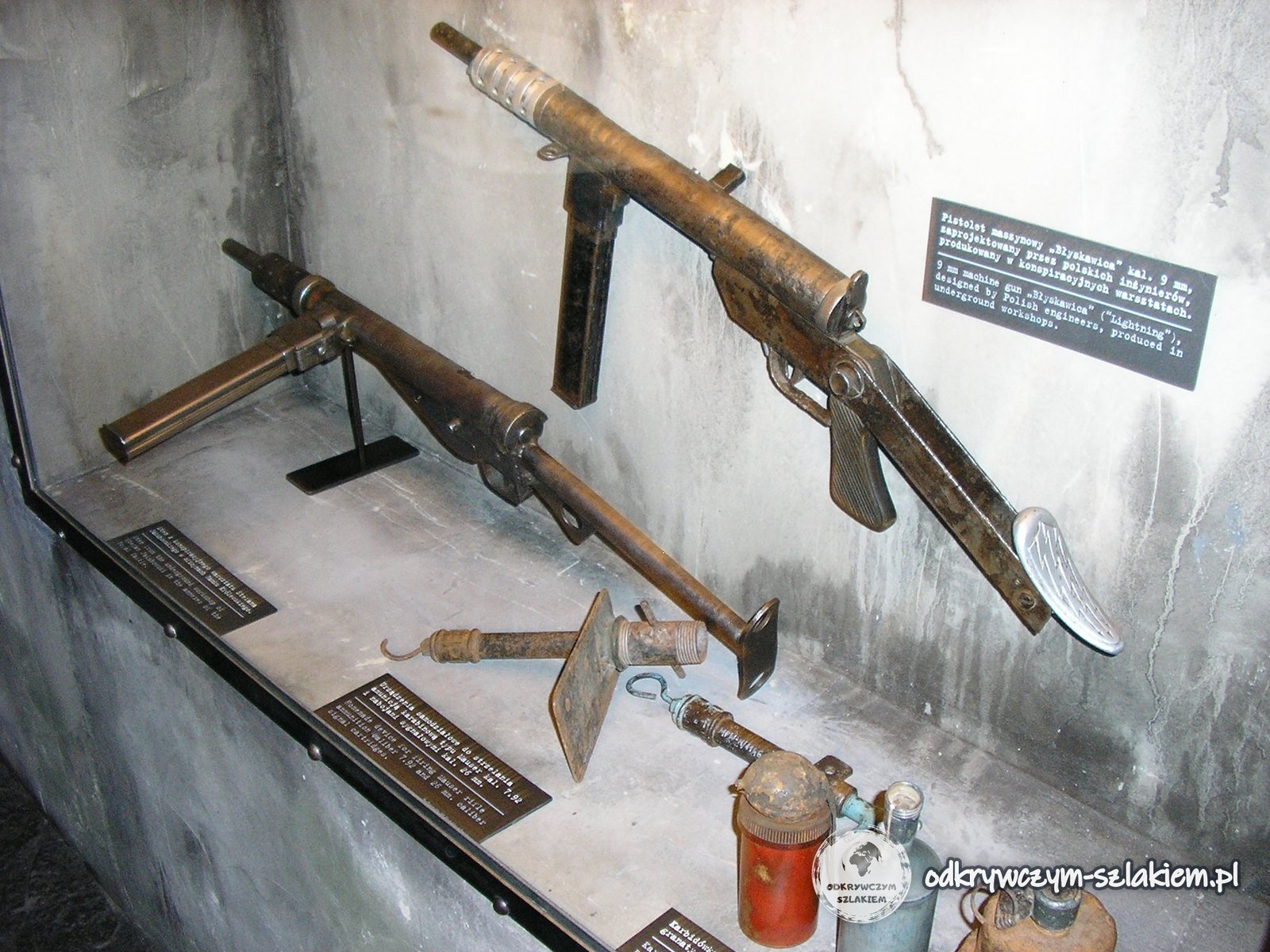
Throughout the Uprising, letters were delivered to the city’s residents by the Scouts’ Field Post – among the exhibits is a red box marked “Poczta Powstańcza” (Uprising Post). The display cases also hold weapons, including the 9 mm “Błyskawica” submachine gun, designed by Polish engineers and produced in underground workshops. The museum is being expanded – a new building of about 7,200 m², with access from Towarowa Street, is planned for 2025–2029.
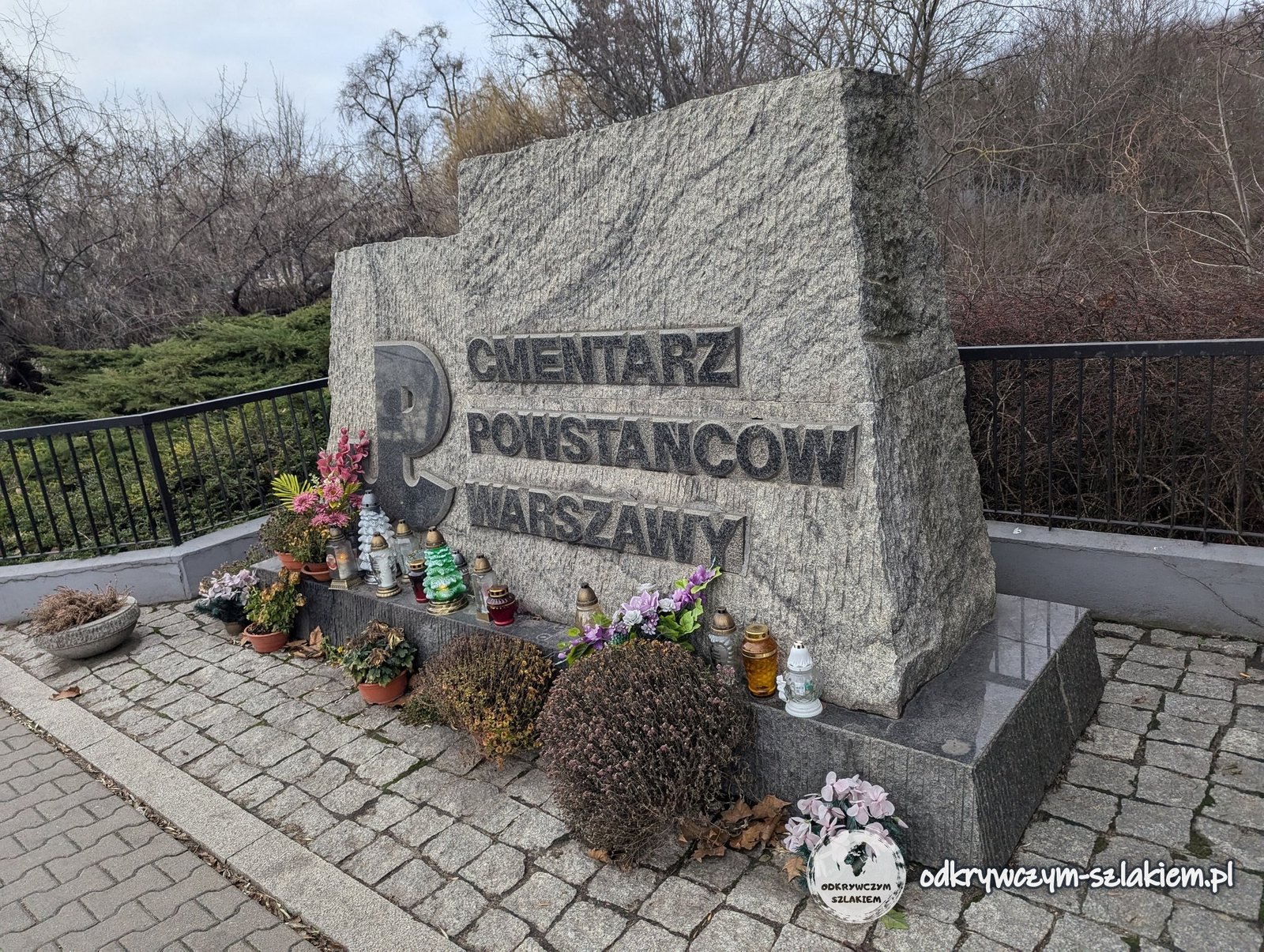
In Wola, on Wolska Street, lies the Warsaw Insurgents Cemetery. It was founded in 1945, and the exhumed remains of more than 100,000 people were buried here – most of them civilian residents of the city killed during the Warsaw Uprising. Next to the cemetery is the Chamber of Remembrance (Izba Pamięci), a branch of the Museum of Warsaw devoted to the victims of the Uprising.
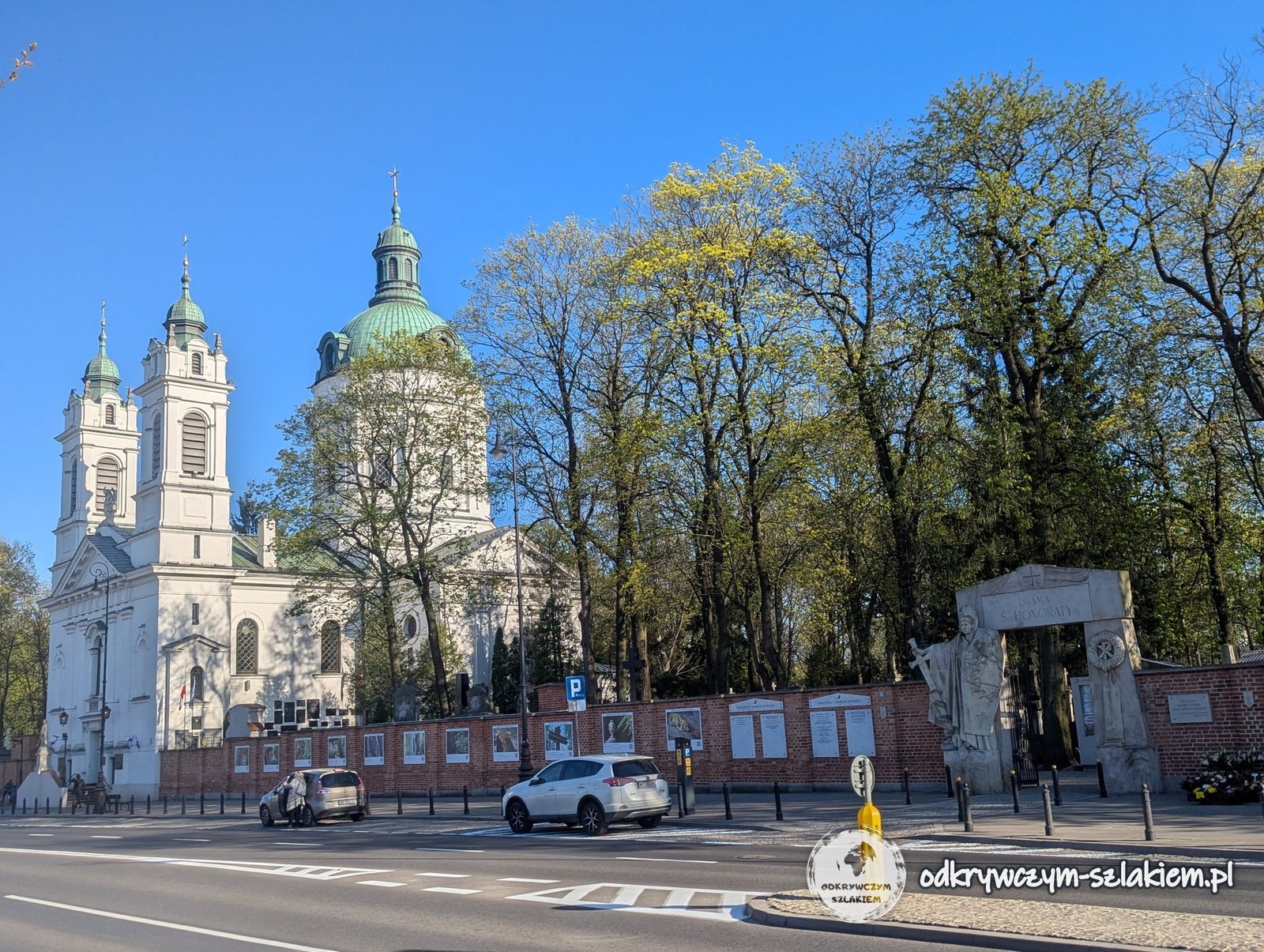
Warsaw’s best-known necropolis is Old Powązki (Stare Powązki), founded on 4 November 1790. By the gate on Powązkowska Street stands the Church of St Charles Borromeo. The first, modest church was designed by Dominik Merlini, and the building owes its present form to a reconstruction in 1890–1895. A little further on lies the Powązki Military Cemetery, where I also took a walk.
Warsaw in December – lights and a Christmas market
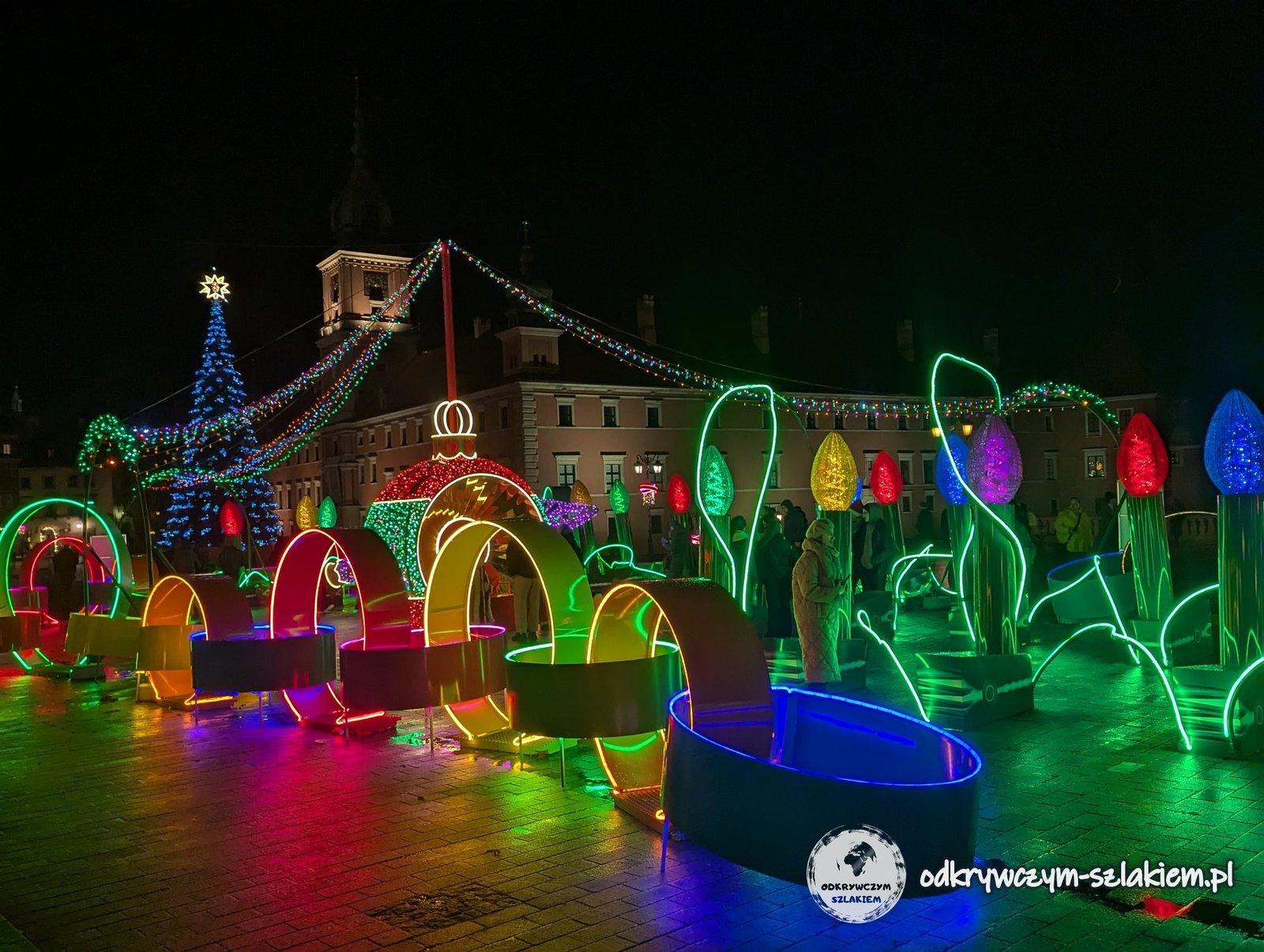
In December the centre of Warsaw is lit up for Christmas. In December 2024 a tall Christmas tree stood on Castle Square, surrounded by light installations – colourful neon tendrils and giant “light bulbs”. Next to them was an illuminated WARSZAWA sign, a Christmas market was open on the Old Town Market Square, and garlands lit up Krakowskie Przedmieście.
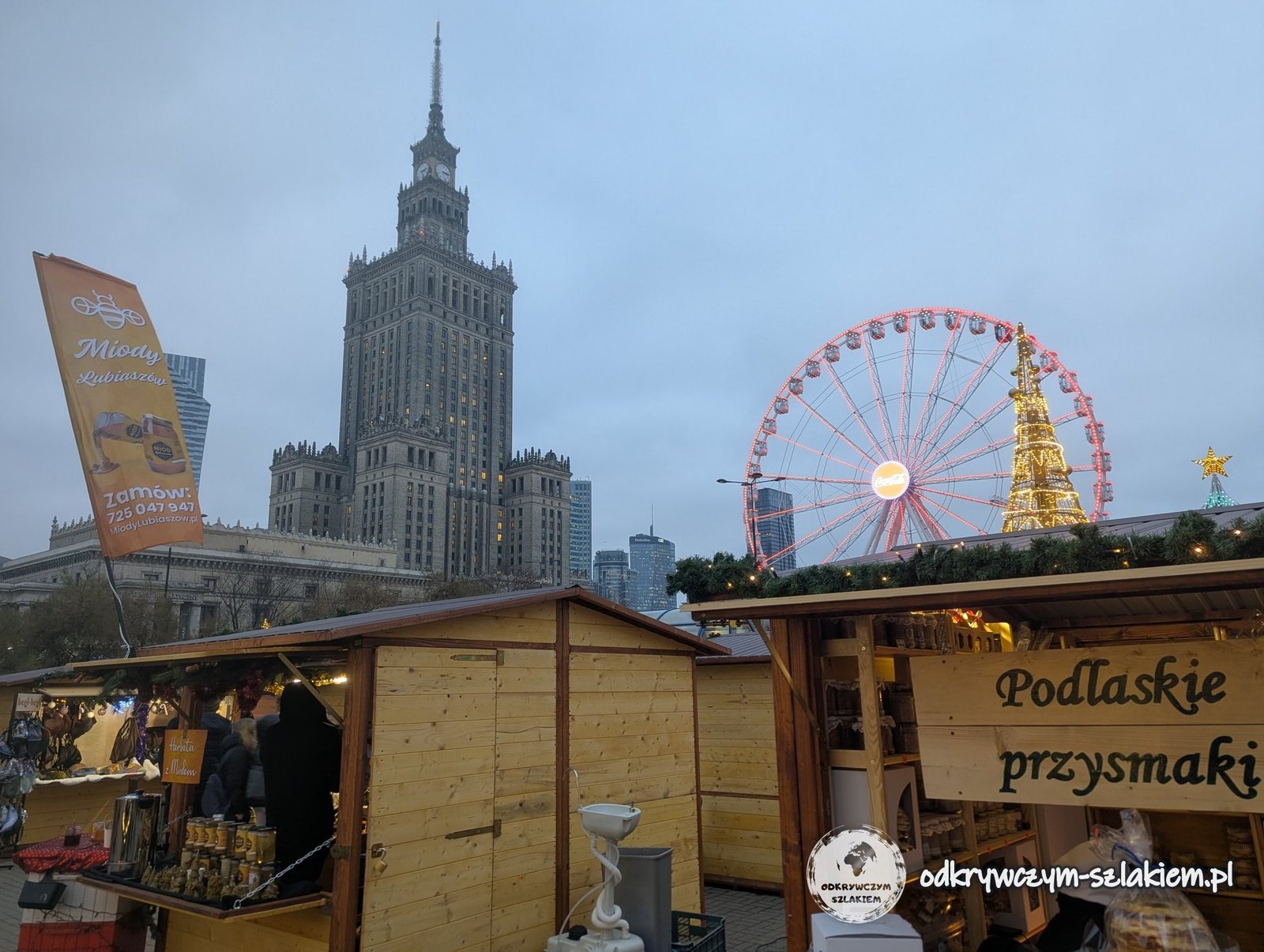
In the 2025/2026 season a Christmas Market was held for the first time on Parade Square (plac Defilad) by the Palace of Culture. It came with a 55-metre Ferris wheel and a carousel. I dropped by at the beginning of December – the wooden huts were selling, among other things, regional delicacies.
Fort Bema – an old fortress in the middle of a housing estate
Fort Bema was built by the Russians in 1886–1890 as part of the Warsaw Fortress. From 1924 to 1939 it housed an ammunition factory, and in 1939 and 1944 the area saw fighting and war crimes. Today it stands among the housing blocks of Bemowo, the district named after it, and from 2002 its central part was turned into a park.
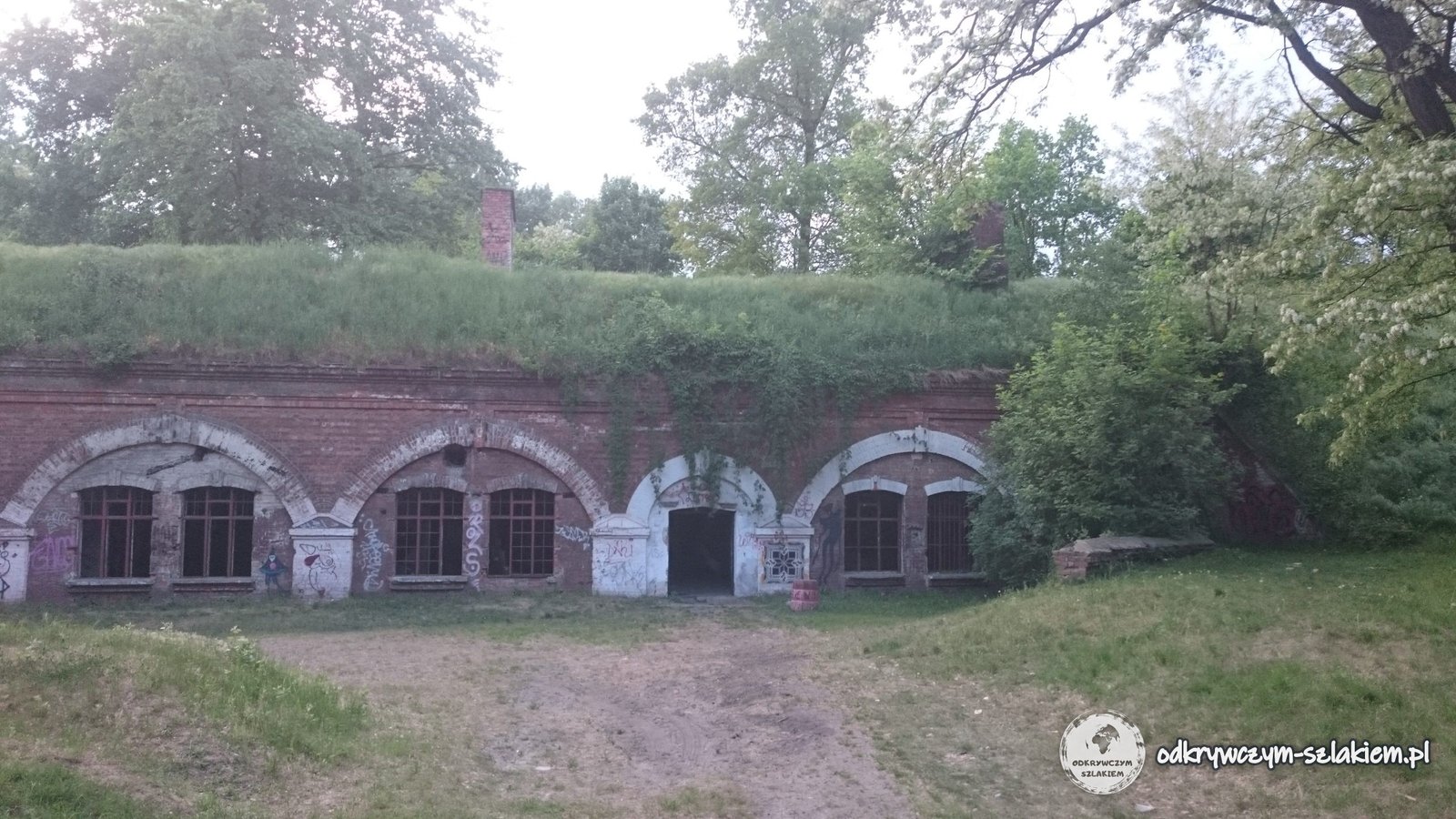
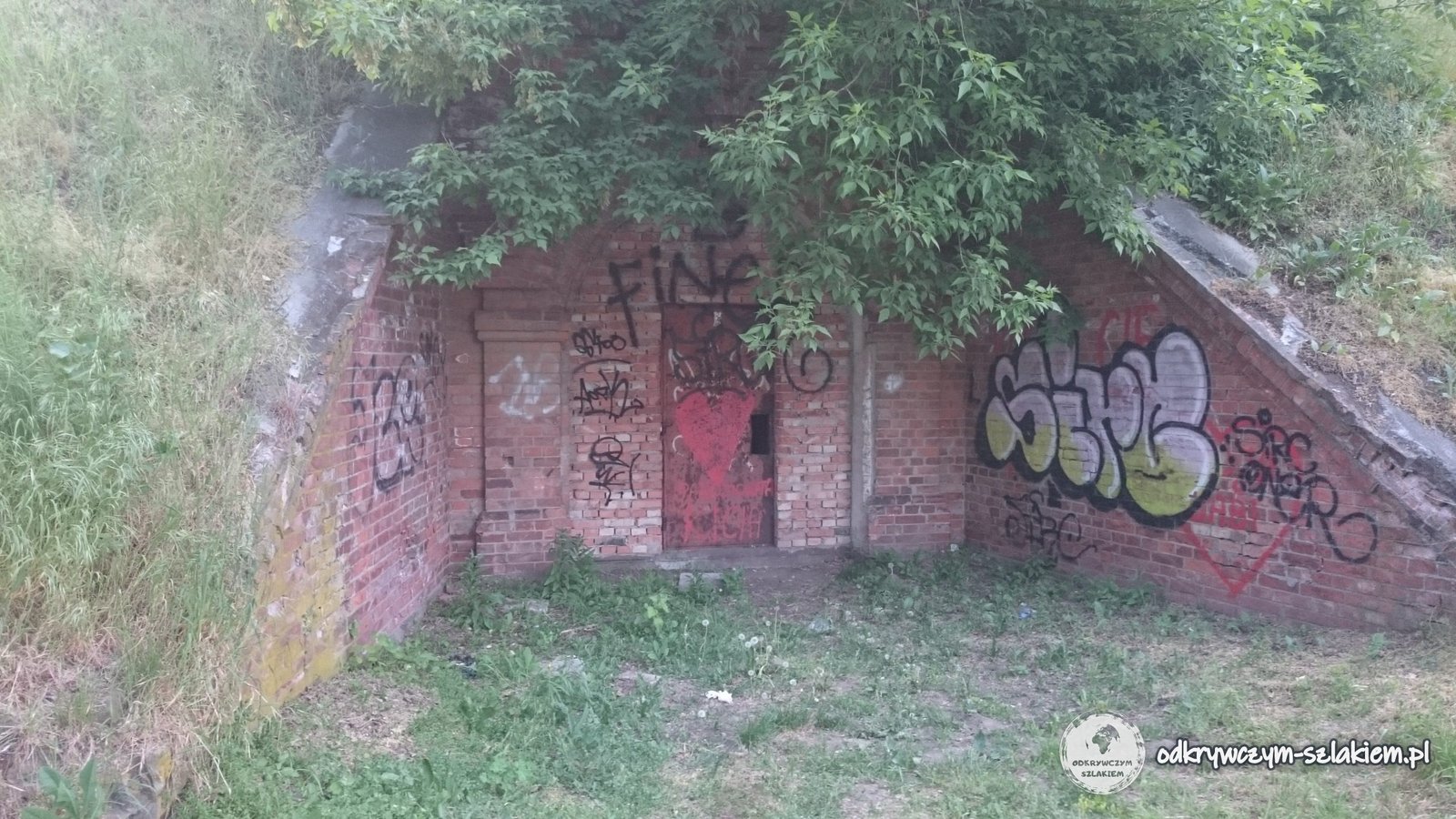
I walked around the fort. The brick casemates are overgrown with greenery, and you can clearly see how the earth ramparts protected the buildings.
The Kampinos Forest – dunes just outside the city
For an extra day it is worth heading out of town. Kampinos National Park begins just beyond Warsaw’s north-western boundary. The park was established on 16 January 1959, covers about 385 km² and is the second-largest national park in Poland. Among other things it protects one of the best-preserved inland dune complexes in Europe, and in 2000 the Kampinos Forest was recognised as a UNESCO biosphere reserve.
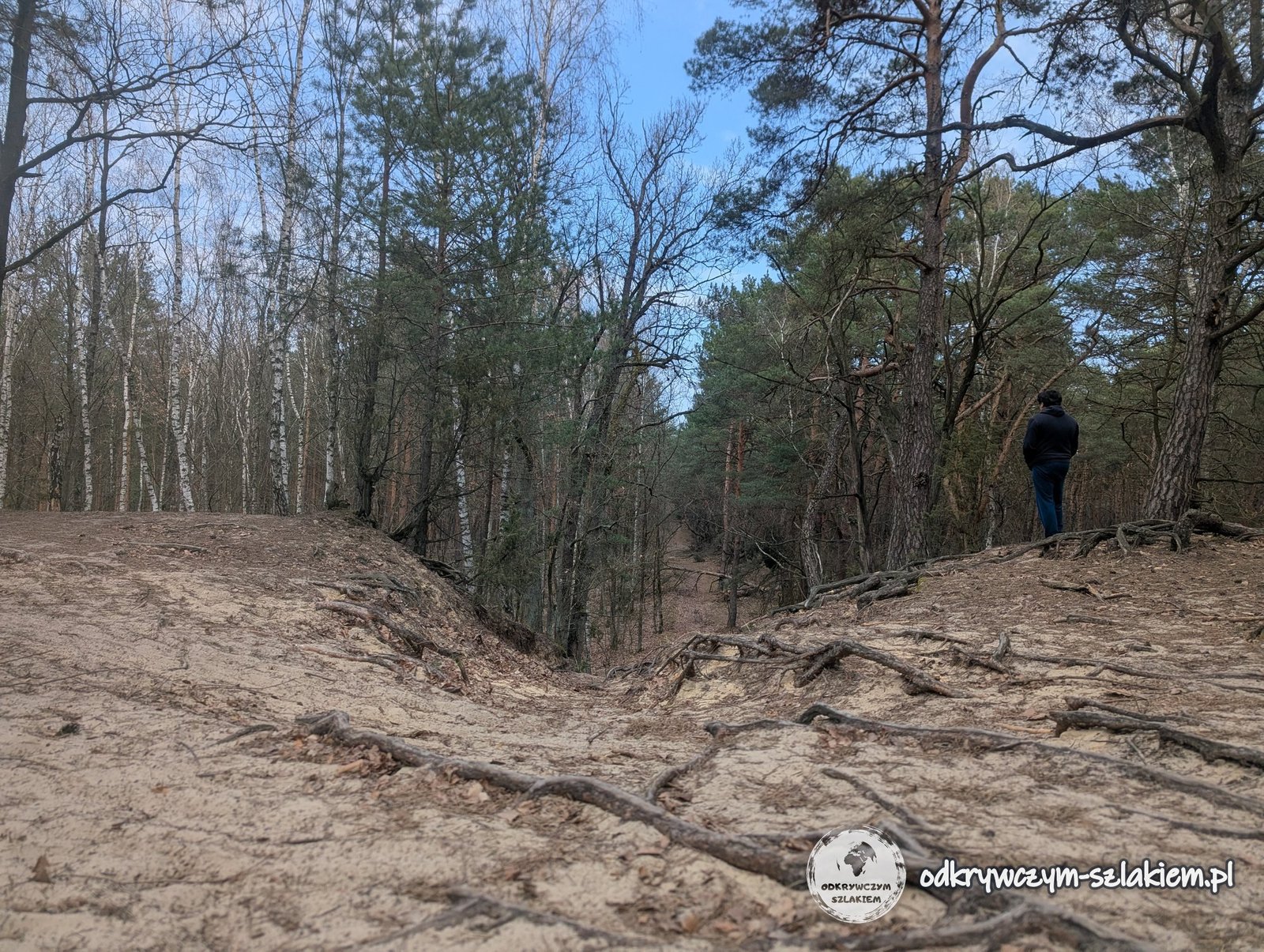
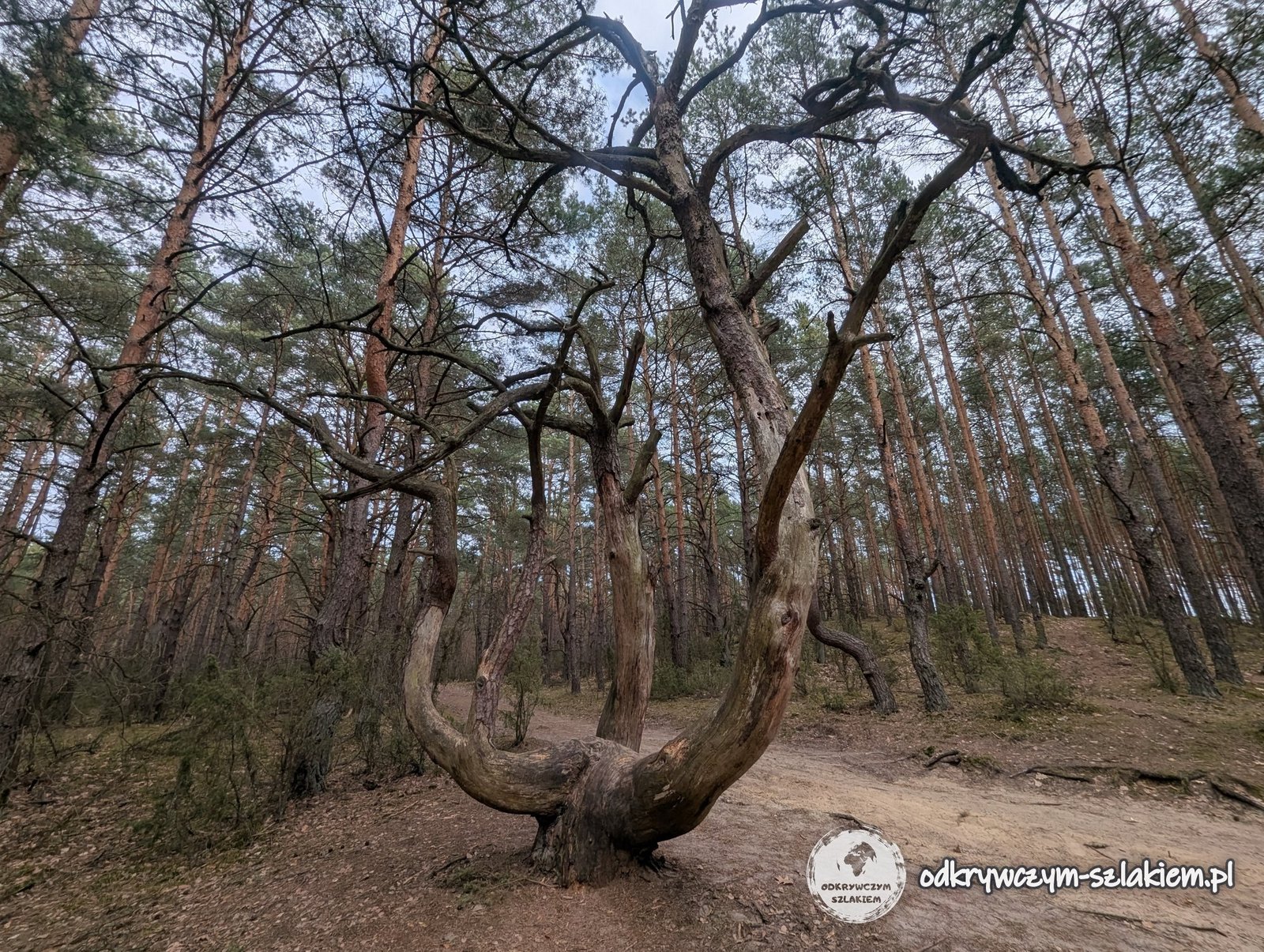
At the end of March I walked the trails around Laski in the municipality of Izabelin, about 13 km north-west of central Warsaw. The paths lead through pine forest and over sandy dunes with twisted pines growing on them. The signposts at the junctions pointed, among others, to Góra Ojca, Izabelin, Michałówka and Wólka Węglowa.
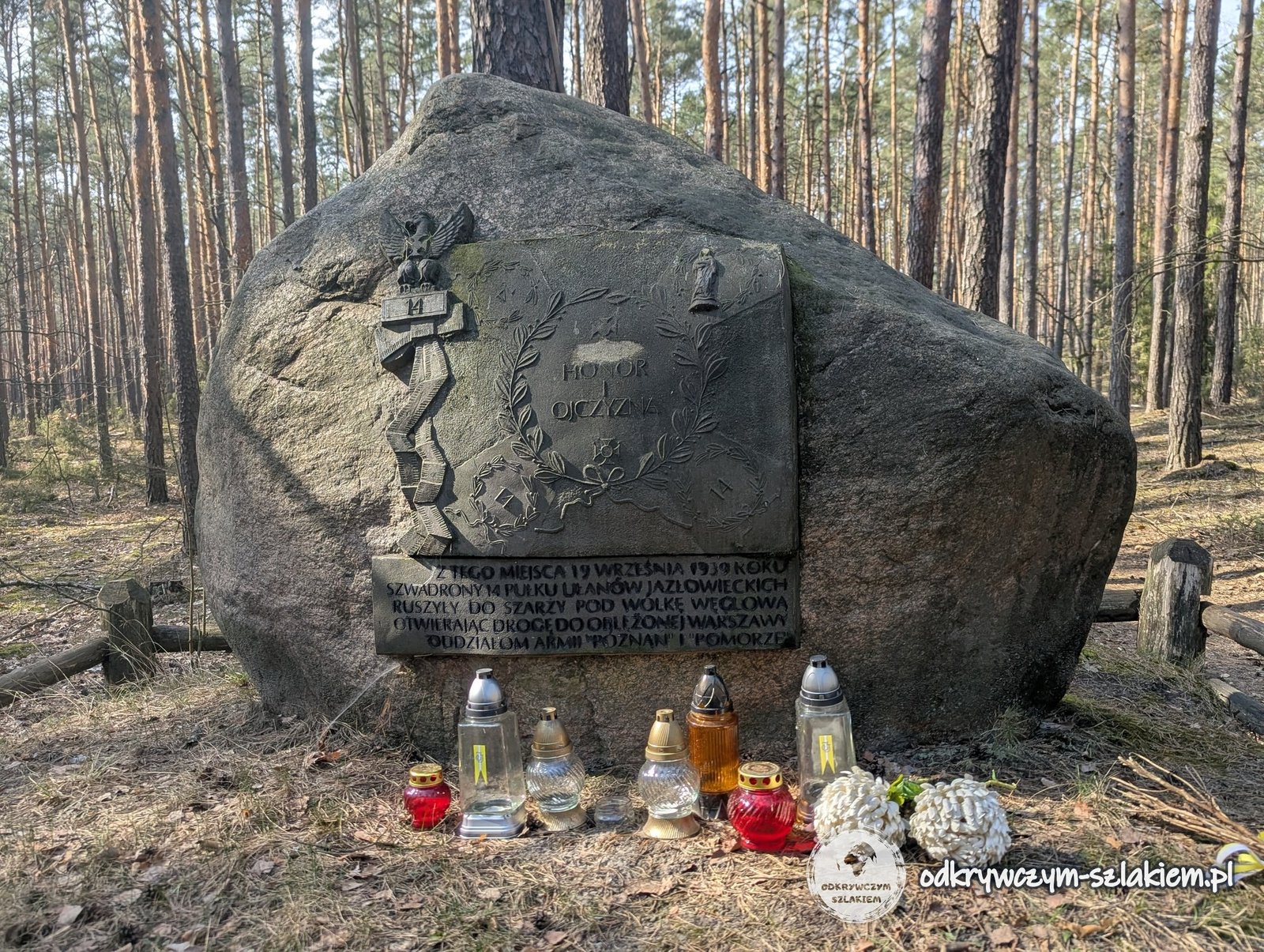
The forest is also a place of remembrance. By one of the trails a wooden plaque commemorates an execution on 22 June 1942 – the Germans murdered 28 people here, and their ashes were later moved to the cemetery in Palmiry. Further along the trail lies a boulder with a plaque: from this spot on 19 September 1939 squadrons of the 14th Jazłowiec Uhlan Regiment set off on the charge at Wólka Węglowa, opening the way to besieged Warsaw for units of the “Poznań” and “Pomorze” armies.
Practical information and a weekend plan
- Getting there: long-distance trains stop at, among others, Warszawa Centralna, Warszawa Zachodnia and Warszawa Wschodnia. Chopin Airport is in Okęcie, about 10 km from the centre.
- Public transport: the metro, trams and buses all use the same tickets. In October 2026 a 20-minute ticket cost 3.40 zł, a 75-minute ticket 4.40 zł, a 24-hour ticket (zone 1) 15 zł and a weekend ticket (from Friday 19:00 to Monday 8:00) 24 zł.
- Royal Castle: open Tuesday to Sunday, 10:00–17:00. According to the castle’s website (October 2026), a regular ticket for the Royal Route with an audio guide costs 60 zł, a reduced one 45 zł, and for people aged 8–26 from the EU 1 zł. On Wednesdays entry to a shorter route is free.
- National Museum: open Tuesday to Sunday, 10:00–18:00, on Fridays until 20:00. In October 2026 a ticket for the permanent exhibitions cost 30 zł (reduced 15 zł, under 26 1 zł), and on Tuesdays entry is free.
- Palace of the Commonwealth: free admission, closed on Tuesdays – check the opening hours on the palace’s website before your visit.
- Warsaw Rising Museum: closed on Tuesdays, admission is free on Thursdays. In November 2026 a standard ticket cost 35 zł and a reduced one 30 zł. Allow about 2 hours for the visit.
- Sejm: it opens to visitors on open days (in 2026, for example, on Sunday 18 January from 10:00 to 16:00) – no booking is needed, just bring an ID and report to the pass office on Wiejska Street.
- NBP Money Centre: 11/21 Świętokrzyska Street, free admission; groups book in advance, individual visitors can walk in (as of 2026).
- Weekend plan: on Saturday Castle Square, the Royal Castle, the Market Square and the Barbican, in the afternoon Krakowskie Przedmieście and Nowy Świat, and in the evening the boulevards and the Mermaid. On Sunday the National Museum and the Palace of Culture, then Krasiński Palace and Garden, and Powązki or the Warsaw Insurgents Cemetery. If you are staying until Tuesday, move the National Museum to that day. For a third day – the Kampinos Forest.
- More of Poland: Poznań in a weekend, Olsztyn, Podlasie, Świętokrzyskie over the May holiday and Silesia over a long weekend.