In September 2014 Michał and I set off on a five-day cycling trip with panniers and a tent through the Suwałki Region and Podlasie. We started on 4 September at 10:30 pm from the station in Giżycko and finished riding on 9 September at around 3 pm outside the station in Białystok. On the way we passed, among other places, Olecko, Suwałki, Wigry National Park, Sejny, forest roads near the Belarusian border, Mikaszówka on the Augustów Canal, Lipsk, the edge of Biebrza National Park, Sokółka and Supraśl. We covered 354 km by bike and came back by train via Grajewo, Ełk and Korsze. We spent four nights in the tent and the last one under a roof.
Table of contents
- A night-time start in Giżycko and a camp by a lake
- Through Dobra Wola and Giże to Olecko
- Suwałki – arriving after dark and camping among pines
- Wigry National Park and Leszczewo
- Sejny – the basilica, the White Synagogue and the Marycha
- Stanowisko – the KOP memorial near the border tripoint
- Along the Belarusian border to Rygol
- Mikaszówka – a wooden church on the Augustów Canal
- Lipsk and a camp near Szuszalewo
- Biebrza National Park – the Szuszalewo Island
- Dąbrowa Białostocka and Sidra
- Sokółka and a campfire in Planteczka
- Through the Knyszyn Forest to Supraśl
- Białystok and the train journey back
- Practical information
A night-time start in Giżycko and a camp by a lake
We were at Giżycko station on Thursday, 4 September, just before 10:30 pm. We rode the first kilometres in the dark, heading east towards Wydminy. We pitched the tent at night by a small lake among the hills and fields beyond Wydminy.

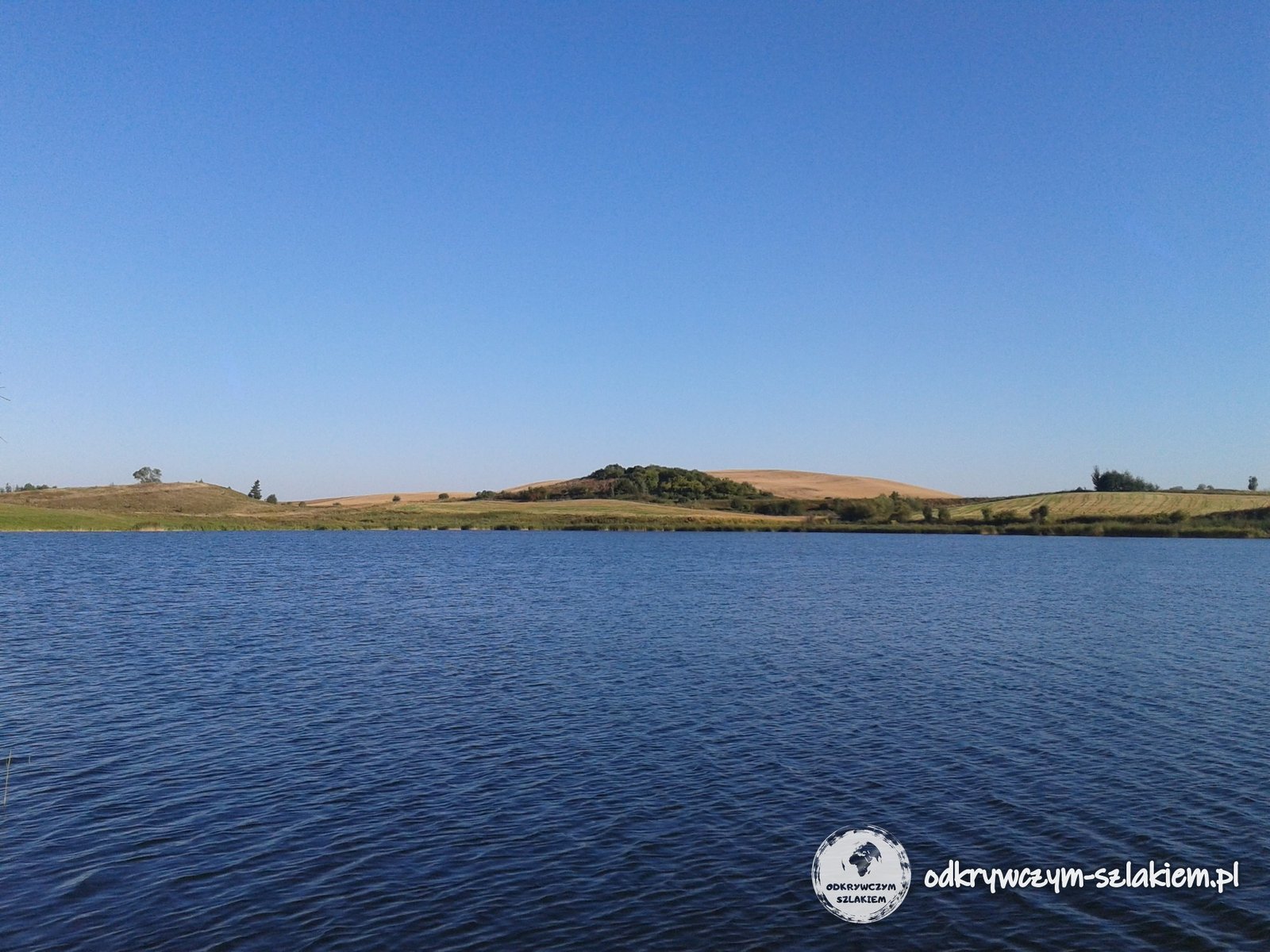
In the morning, on Friday 5 September, I took photos of the camp. The tent stood in the grass a few metres from the water, next to a narrow wooden jetty, and beyond the lake there were rolling hills and fields.

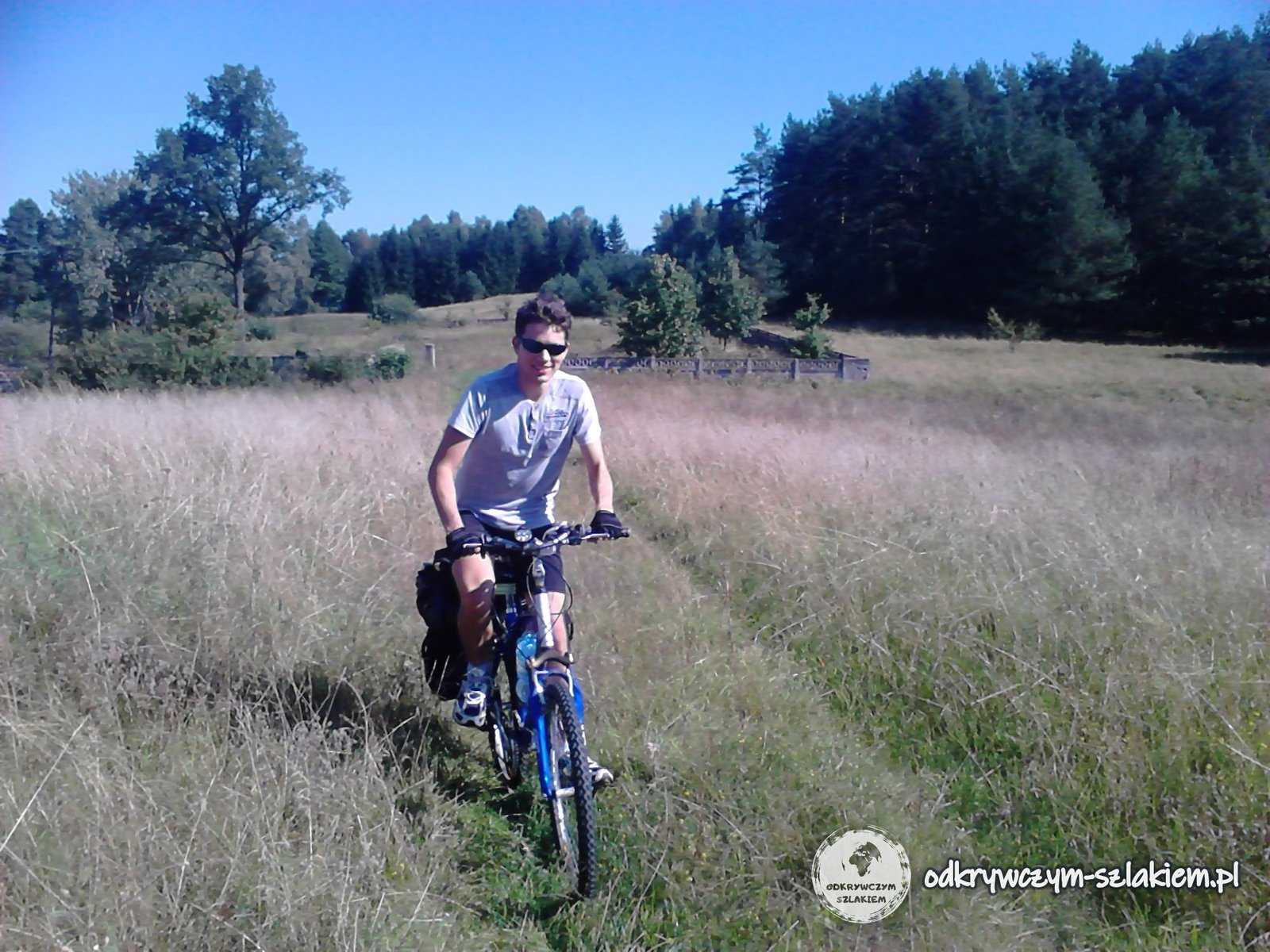
We were packed before ten. Then we rode along field tracks and across meadows, following ruts in the grass.

Through Dobra Wola and Giże to Olecko
At noon we reached the village of Dobra Wola in the Stare Juchy commune. A gravel avenue of old trees runs through it, and from the hills behind the village you can see lakes.


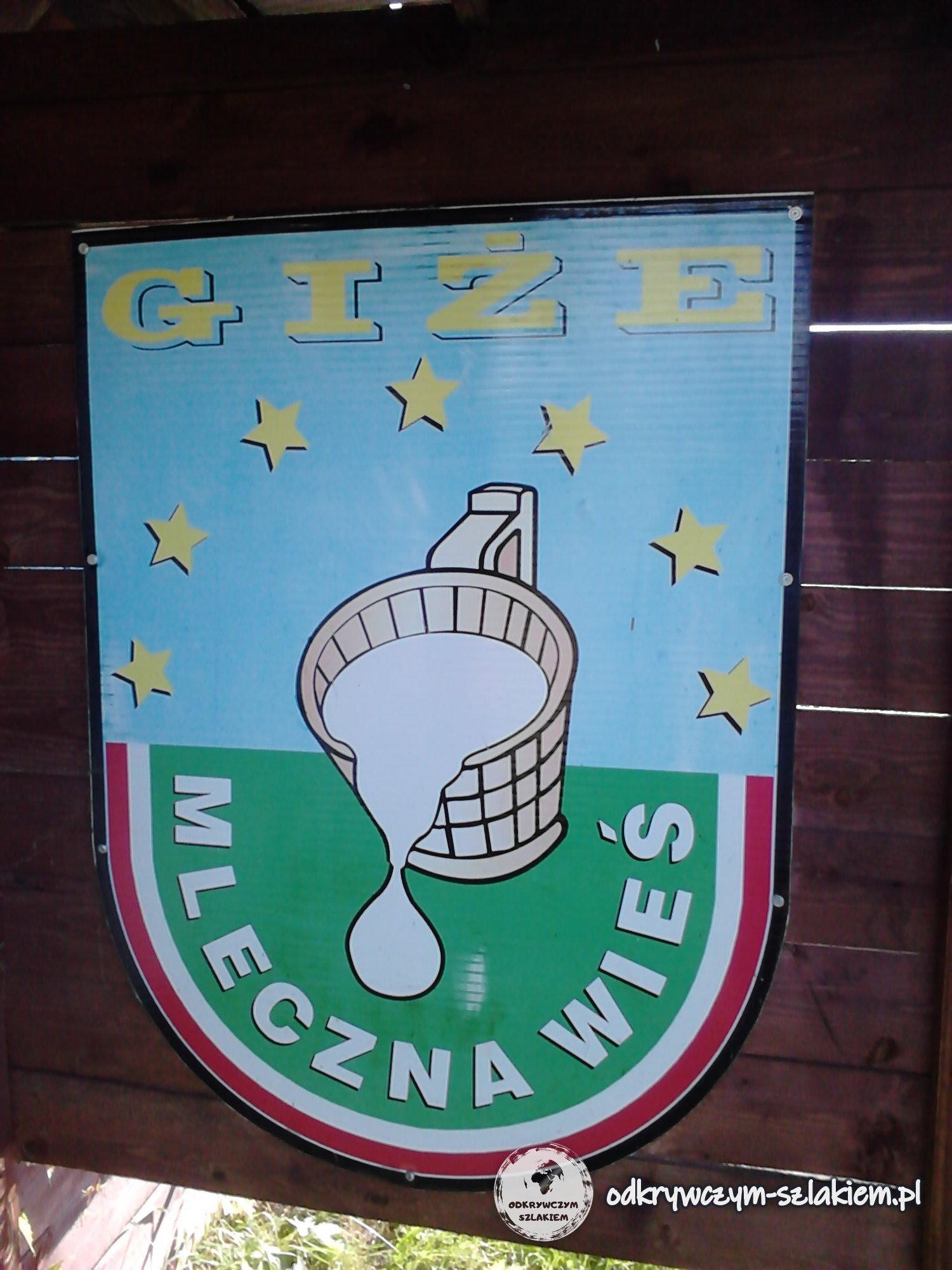
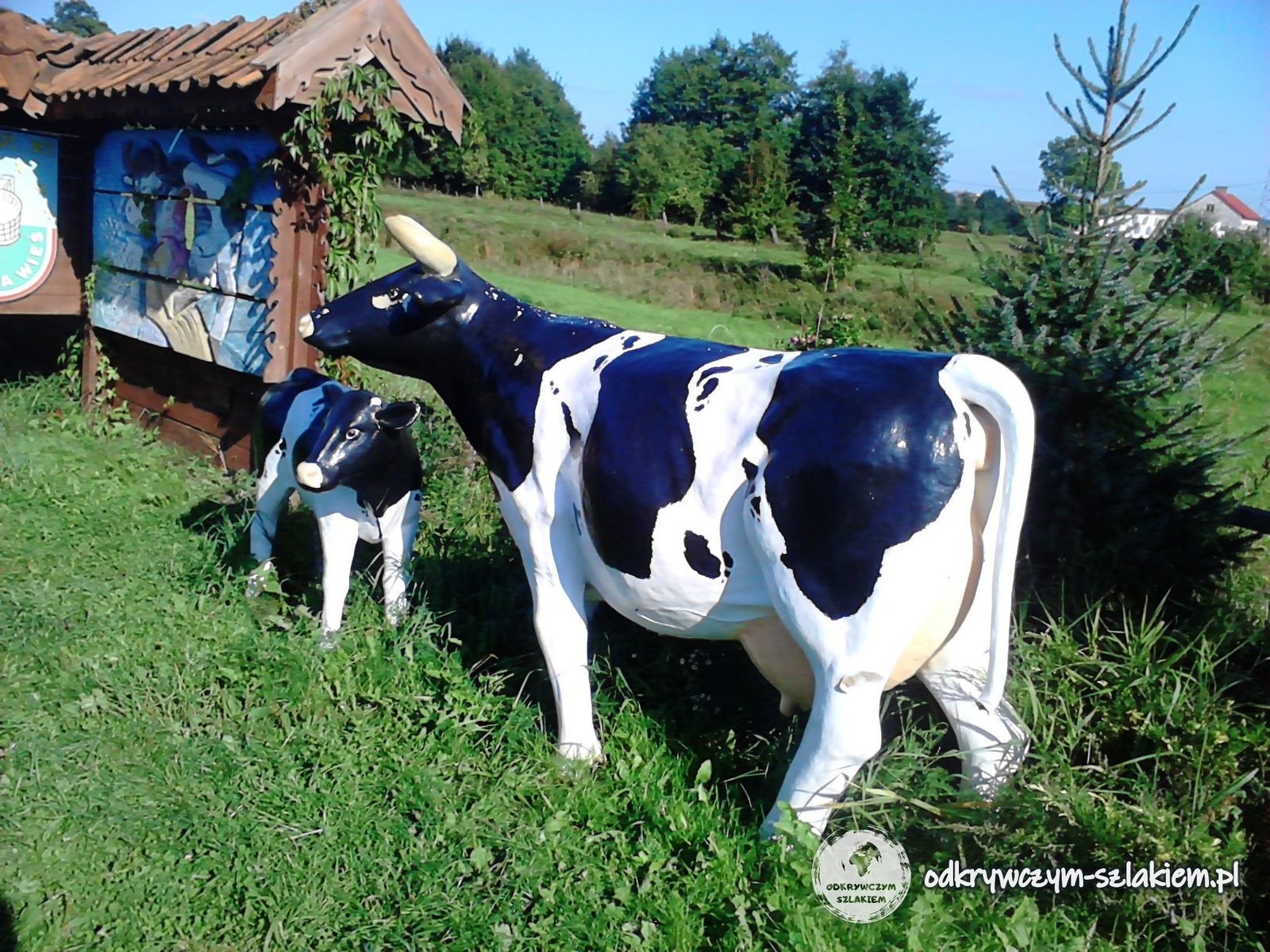
At around 3:30 pm we were in Giże in the Świętajno commune. By the road there are figures of a cow and a calf and a wooden board with a painted cow, and the village coat of arms bears the words “Mleczna Wieś” (Dairy Village) and a wooden milk pail.

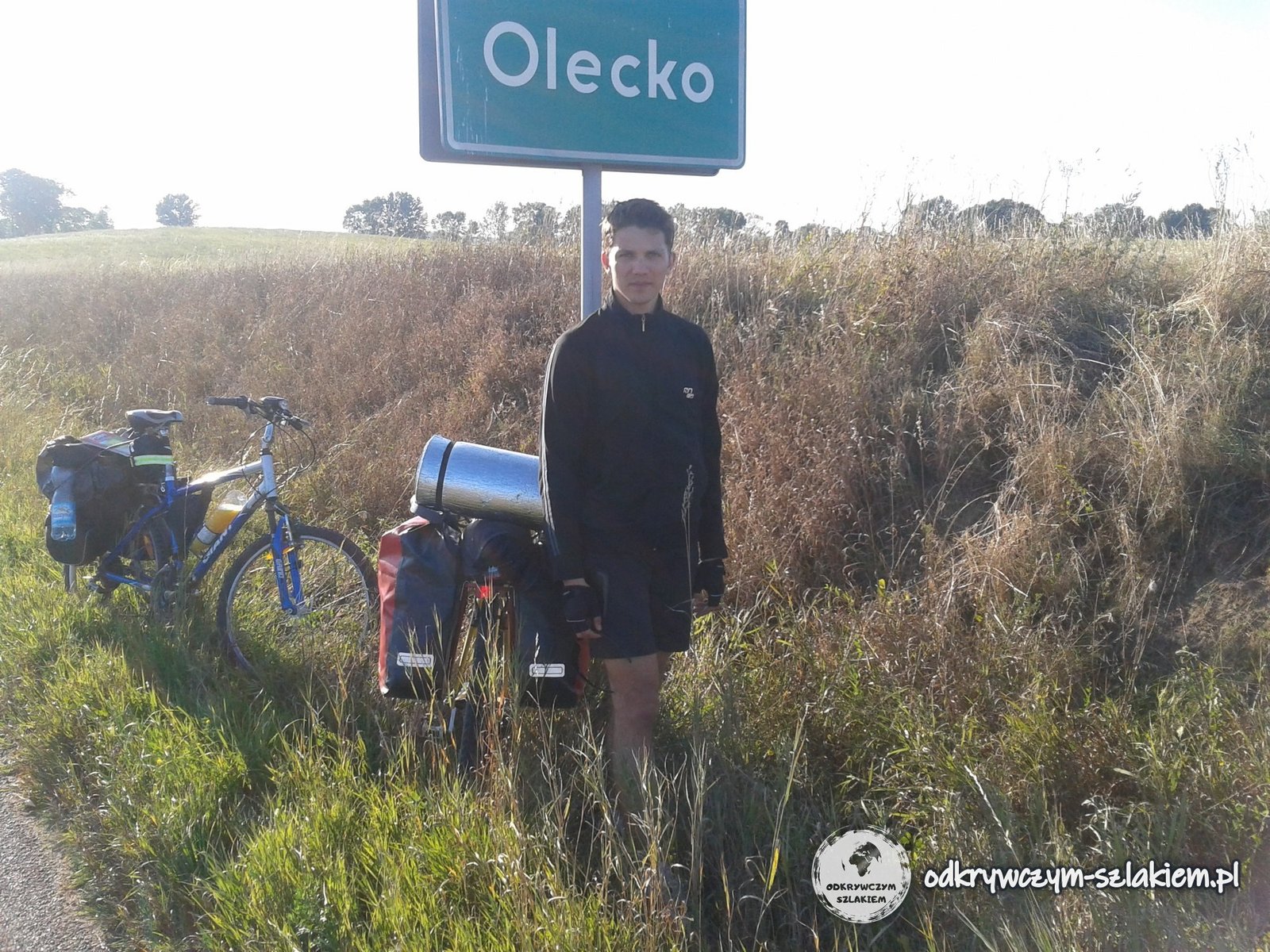
At around 5 pm we reached Olecko. The town was founded in 1560 by Duke Albrecht Hohenzollern, and its market square, with an area of over 5.5 ha, is the largest in Poland. We took a photo by the town sign and rode on east, towards Bakałarzewo and Suwałki.
Suwałki – arriving after dark and camping among pines
We rode into Suwałki after dark, at around 8 pm. Counting the night section from Giżycko, it was the longest stage of the trip – over 100 km.

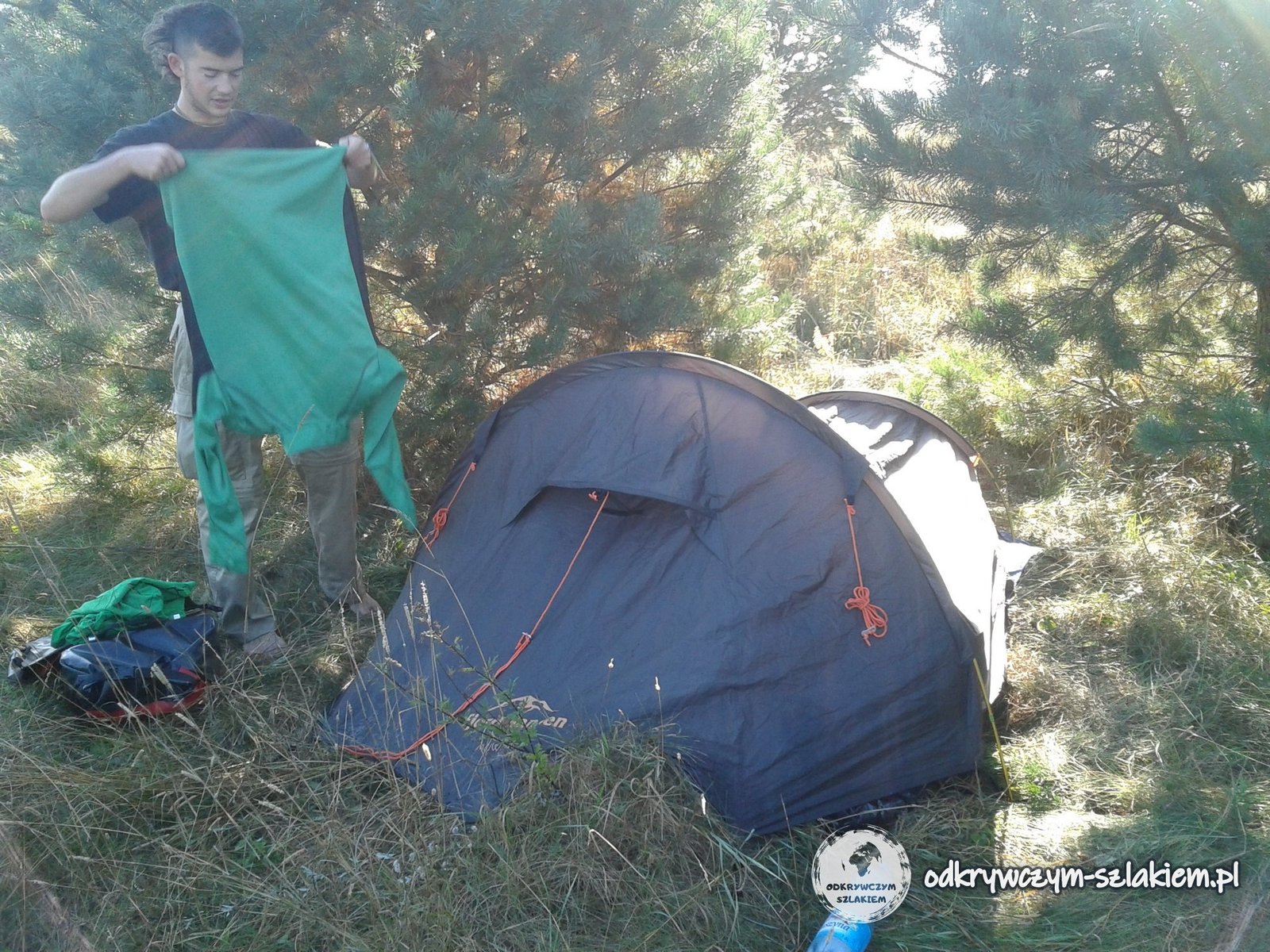
We pitched the tent among young pines not far from the town. In the morning, on Saturday 6 September, we went back into the centre. That is where the Suwałki Plaza shopping centre stands, opened in May 2010 on the site of a former tsarist prison.

Before 11 am we left Suwałki heading east, towards Stary Folwark and Lake Wigry.

Wigry National Park and Leszczewo
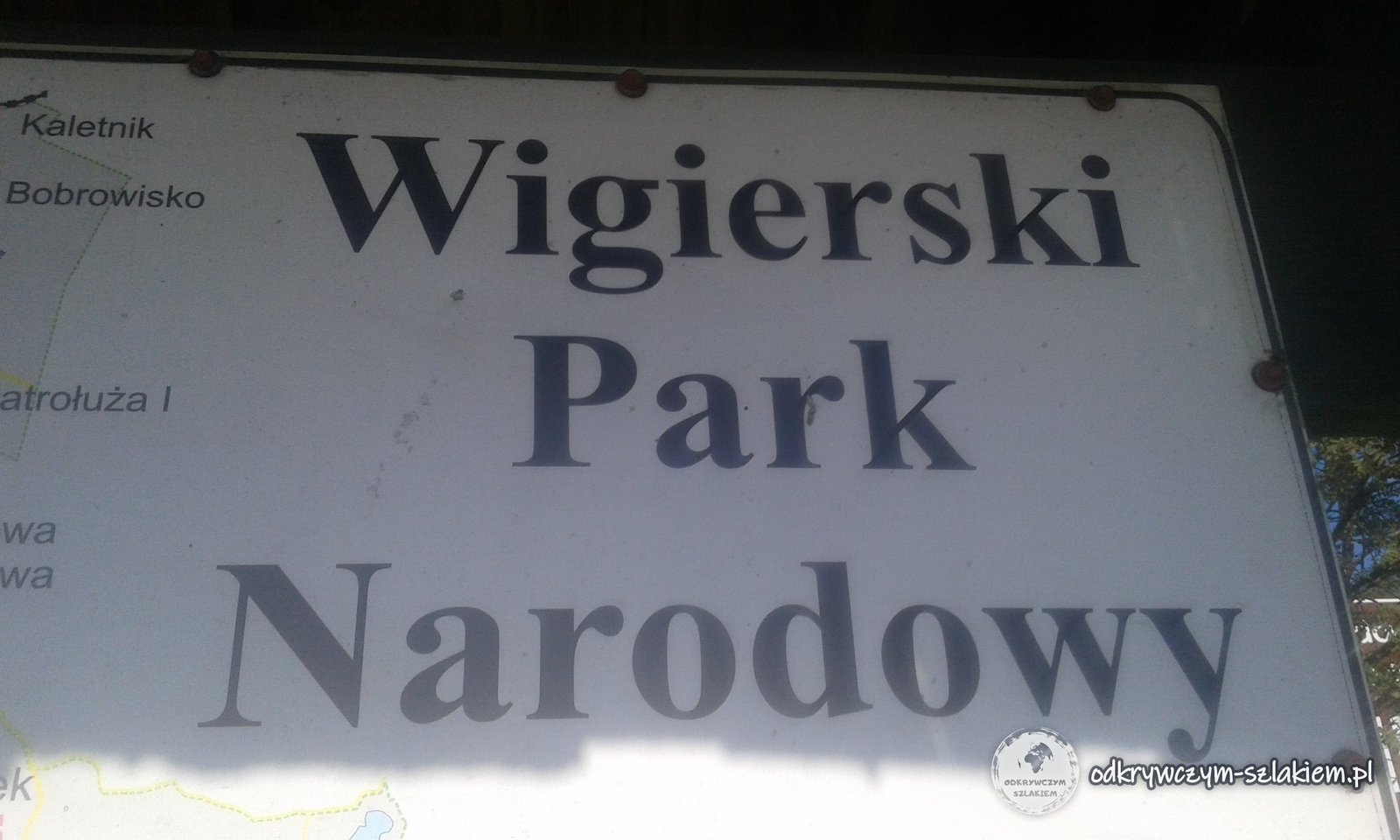
A few kilometres outside the town begins Wigry National Park, established on 1 January 1989. It covers about 150 km² and has 42 lakes; the largest of them, Wigry, covers 2,187 ha and is up to 73 m deep. By the road there is a board with a map of the park.
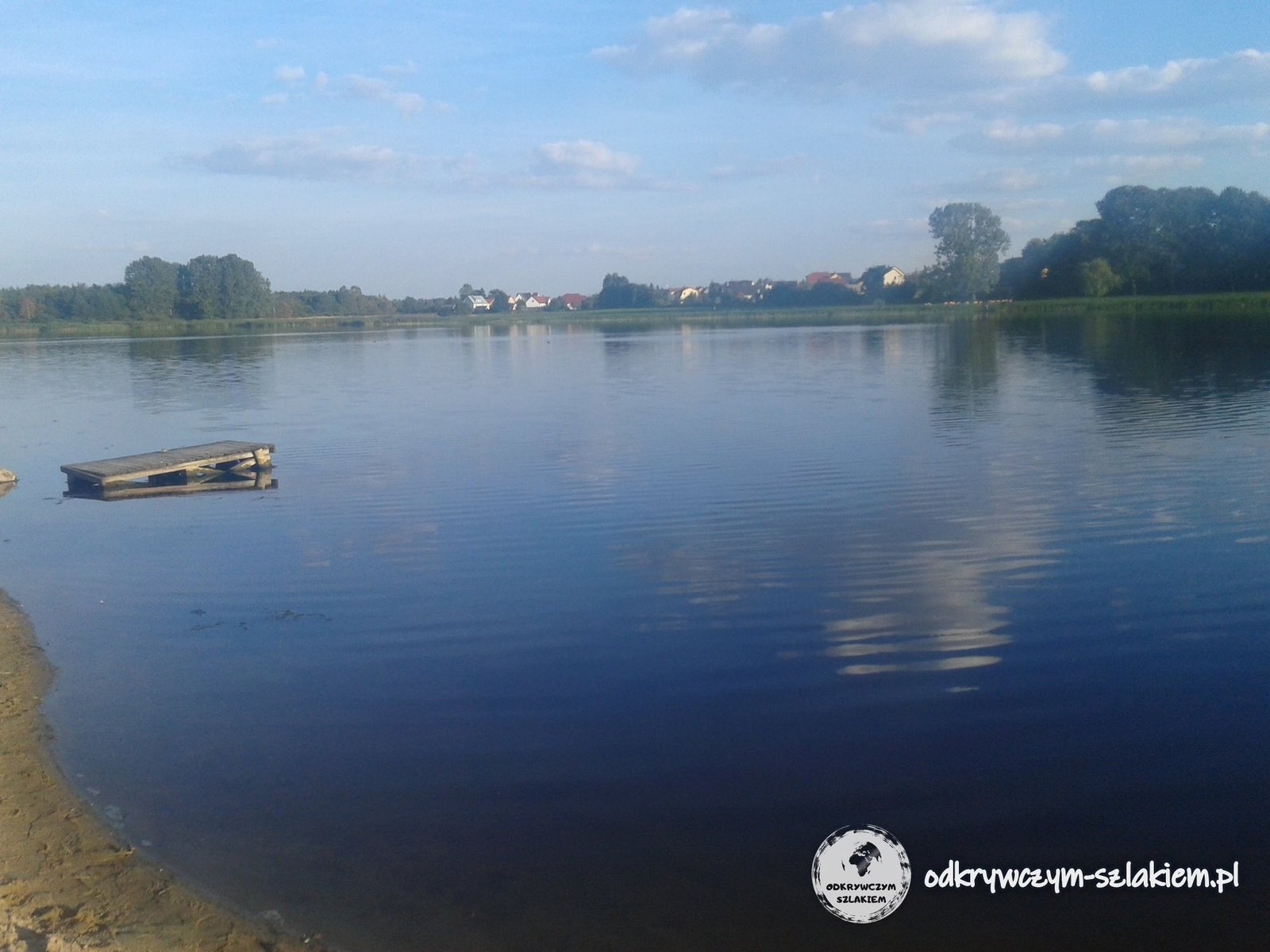
Before noon we took a break at a bathing spot on a lake, with a wooden jetty, a sandy beach and shelters.


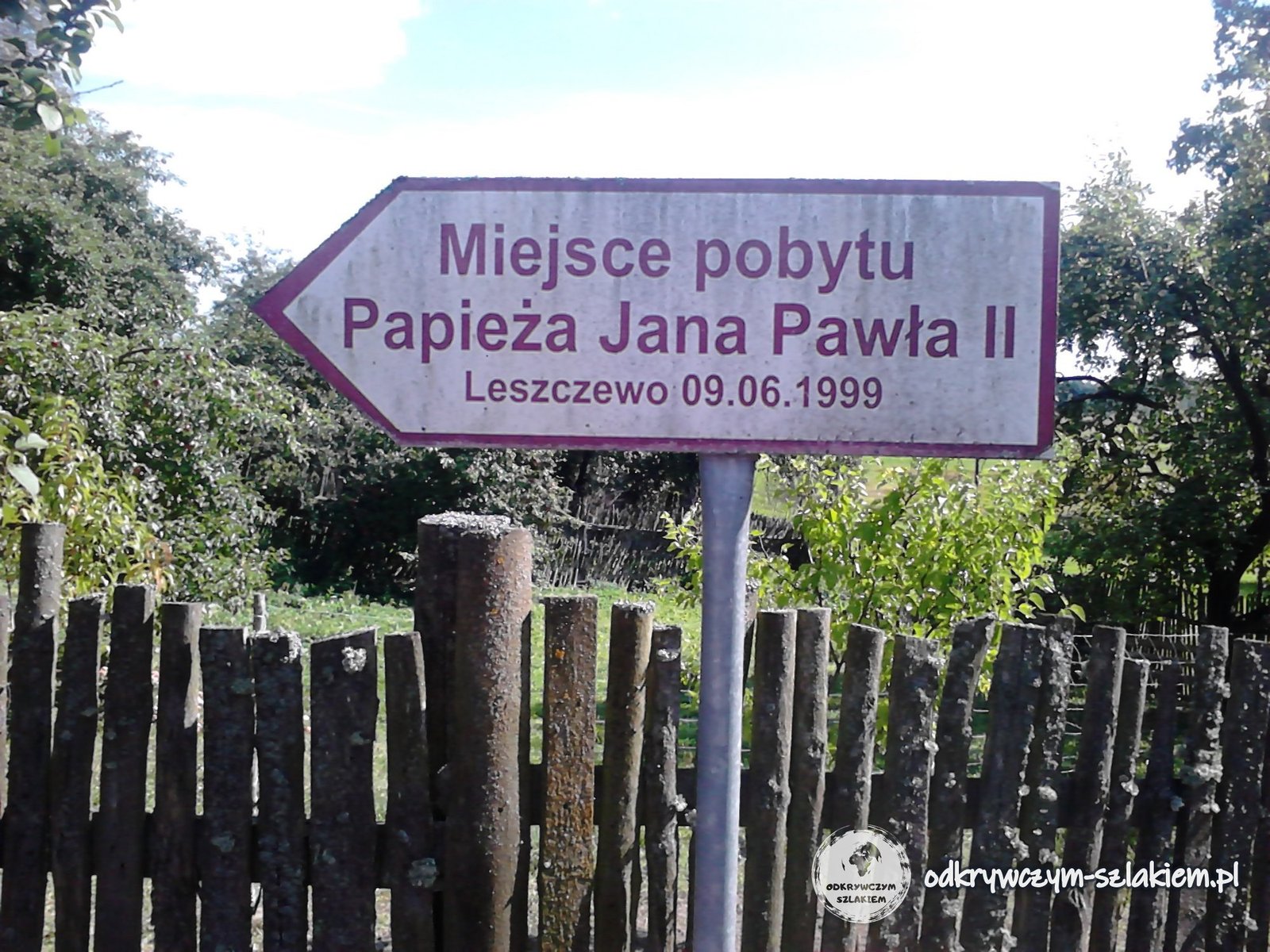
Before 1 pm we rode through Leszczewo on Lake Wigry. Here a signpost reading “Place of Pope John Paul II’s stay” leads to the farm of the Milewski family, which the Pope visited on 9 June 1999, while resting in the Suwałki Region after the first part of his pilgrimage to Poland. He spent about 15 minutes with them.
Sejny – the basilica, the White Synagogue and the Marycha
From Leszczewo we rode along local roads through the villages of the Krasnopol commune, among them Żubrówka, towards Sejny.


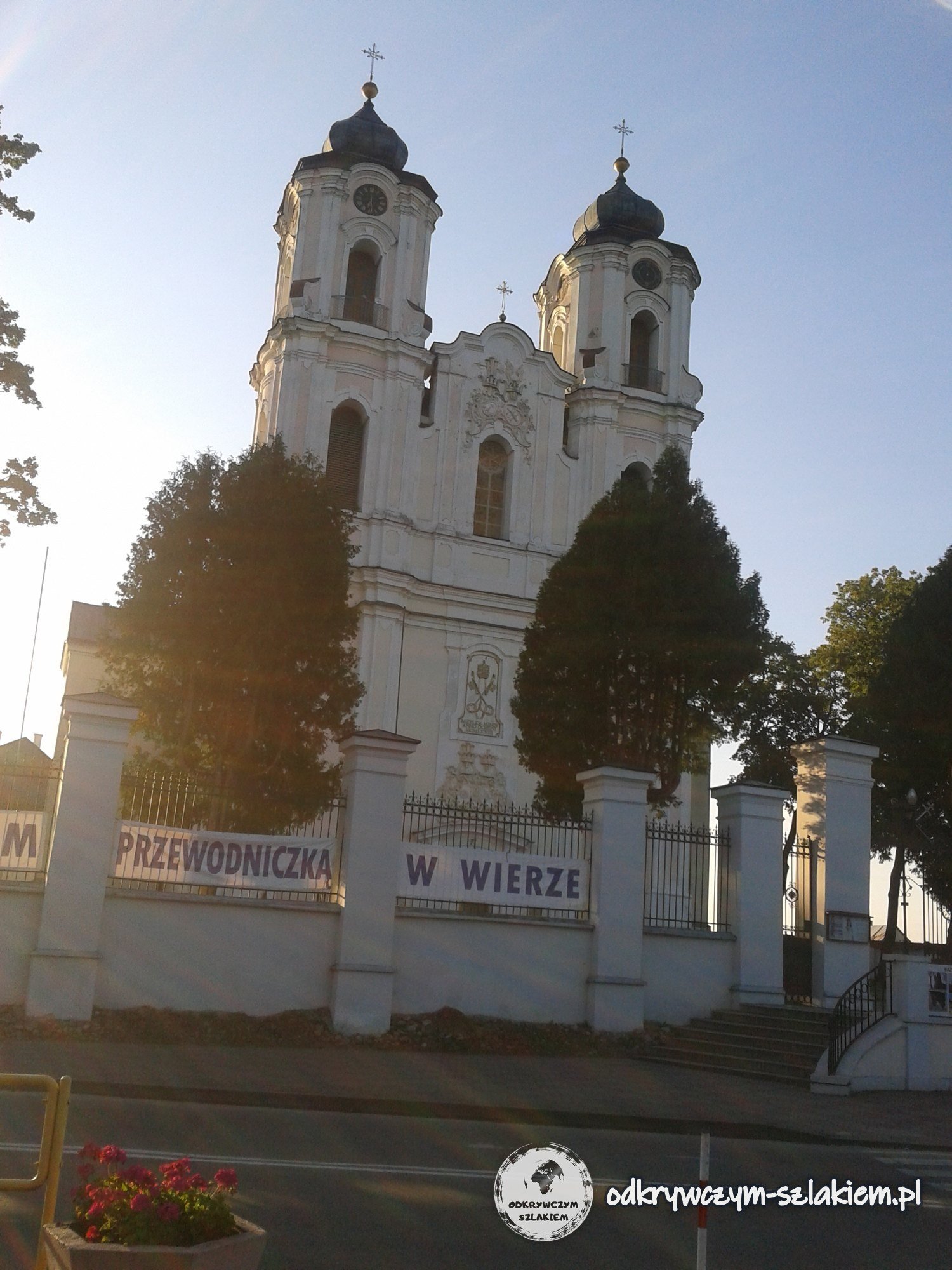
We reached Sejny at around 5:45 pm. The town is dominated by the twin-towered Basilica of the Visitation of the Blessed Virgin Mary with its Dominican monastery, built in 1610–1619. It holds the figure of Our Lady of Sejny, brought to the town in 1602. In the centre there is also a monument inscribed “To the Sejny Insurgents of the Polish Military Organisation”. The Sejny Uprising lasted from 23 to 28 August 1919.

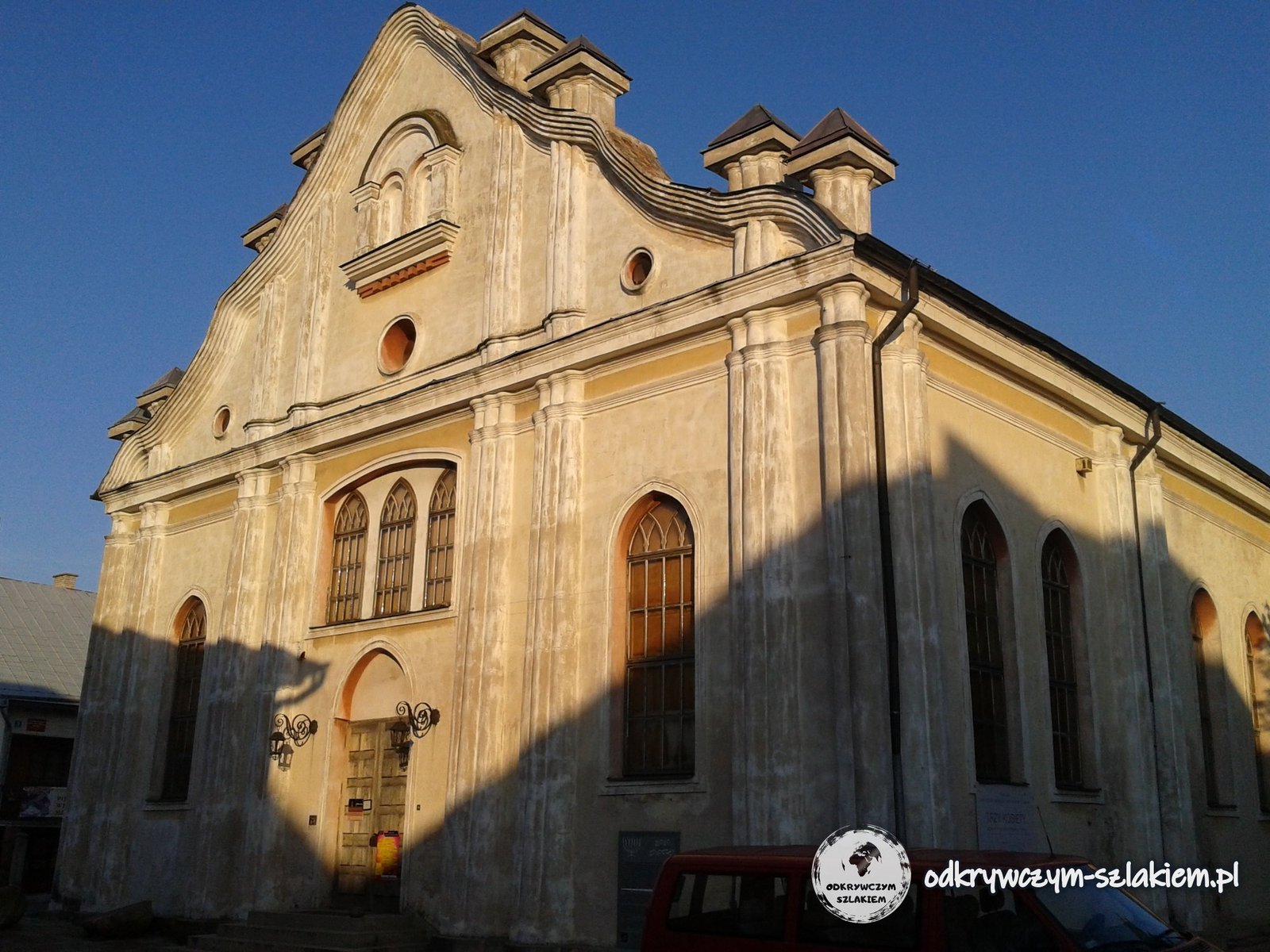
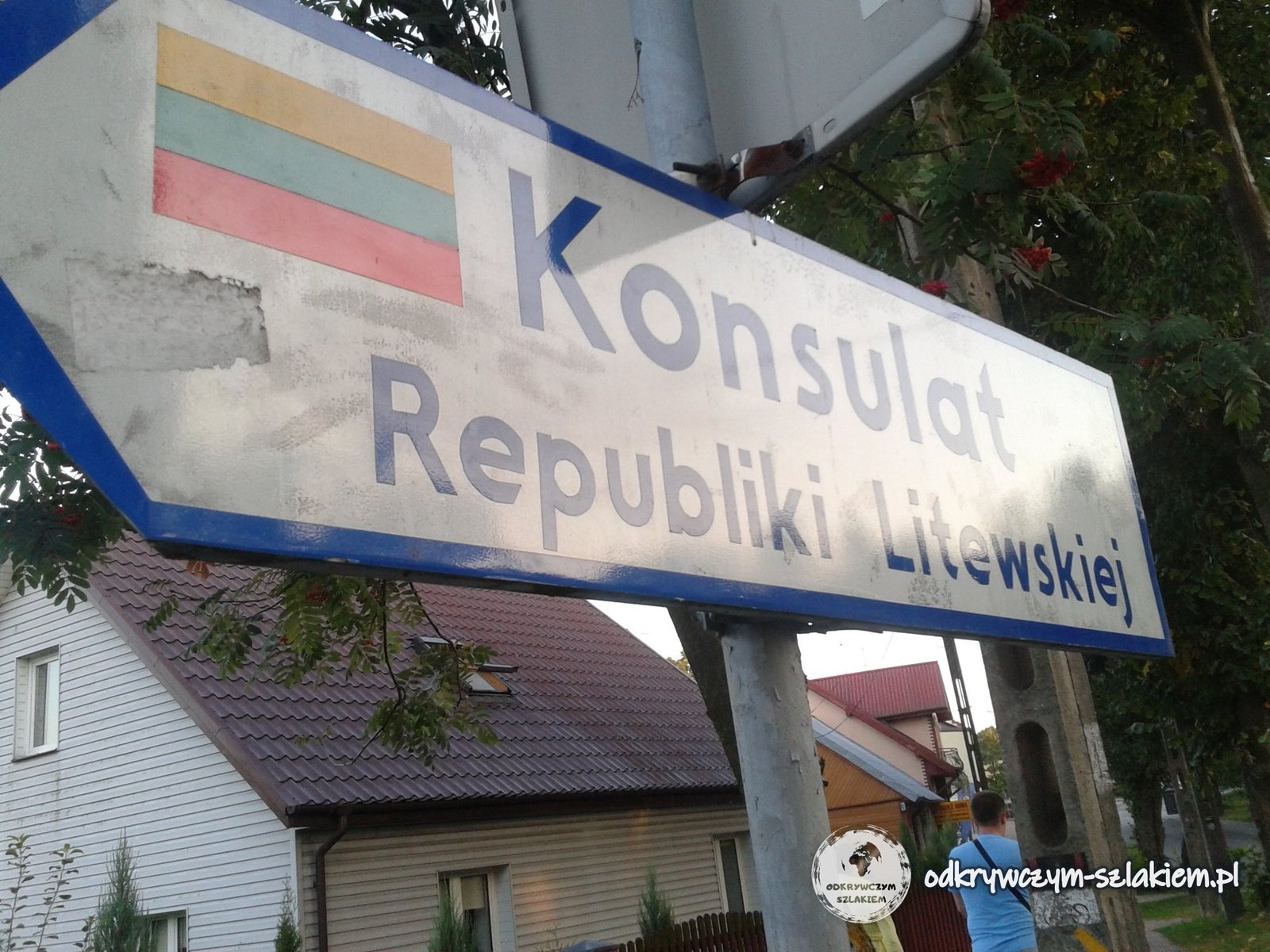
Nearby stands the White Synagogue from 1860–1870. Many Lithuanians live in Sejny – in the 2002 census they made up 7.9% of the population – and there is a consulate of the Republic of Lithuania here.
The Marycha, a left tributary of the Czarna Hańcza, flows through the town. By the bridge over the river I took a photo of Michał, and then another one of the basilica, already at dusk.


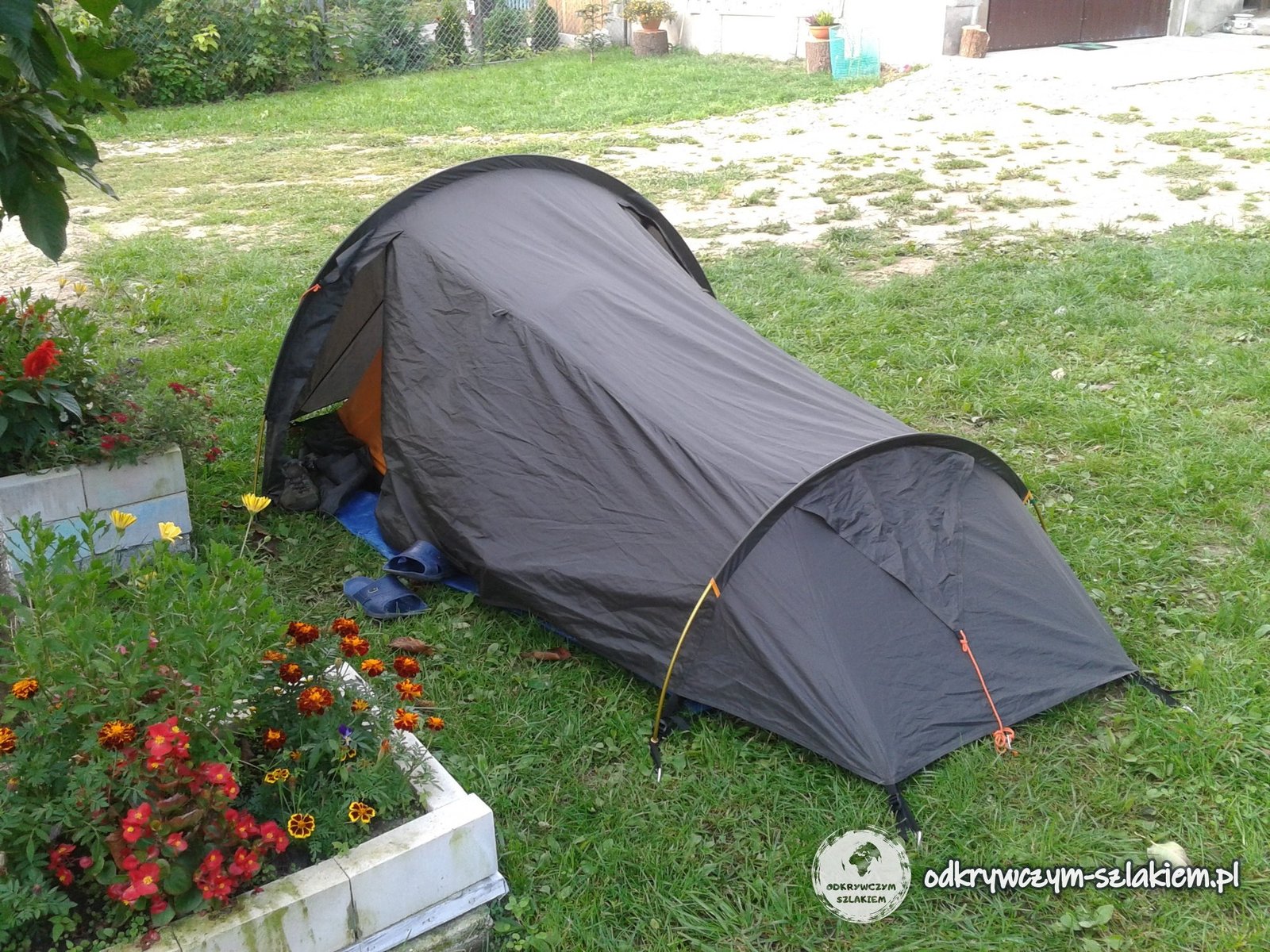
We spent the night of 6 to 7 September in Sejny, with the tent pitched in a garden.
Stanowisko – the KOP memorial near the border tripoint
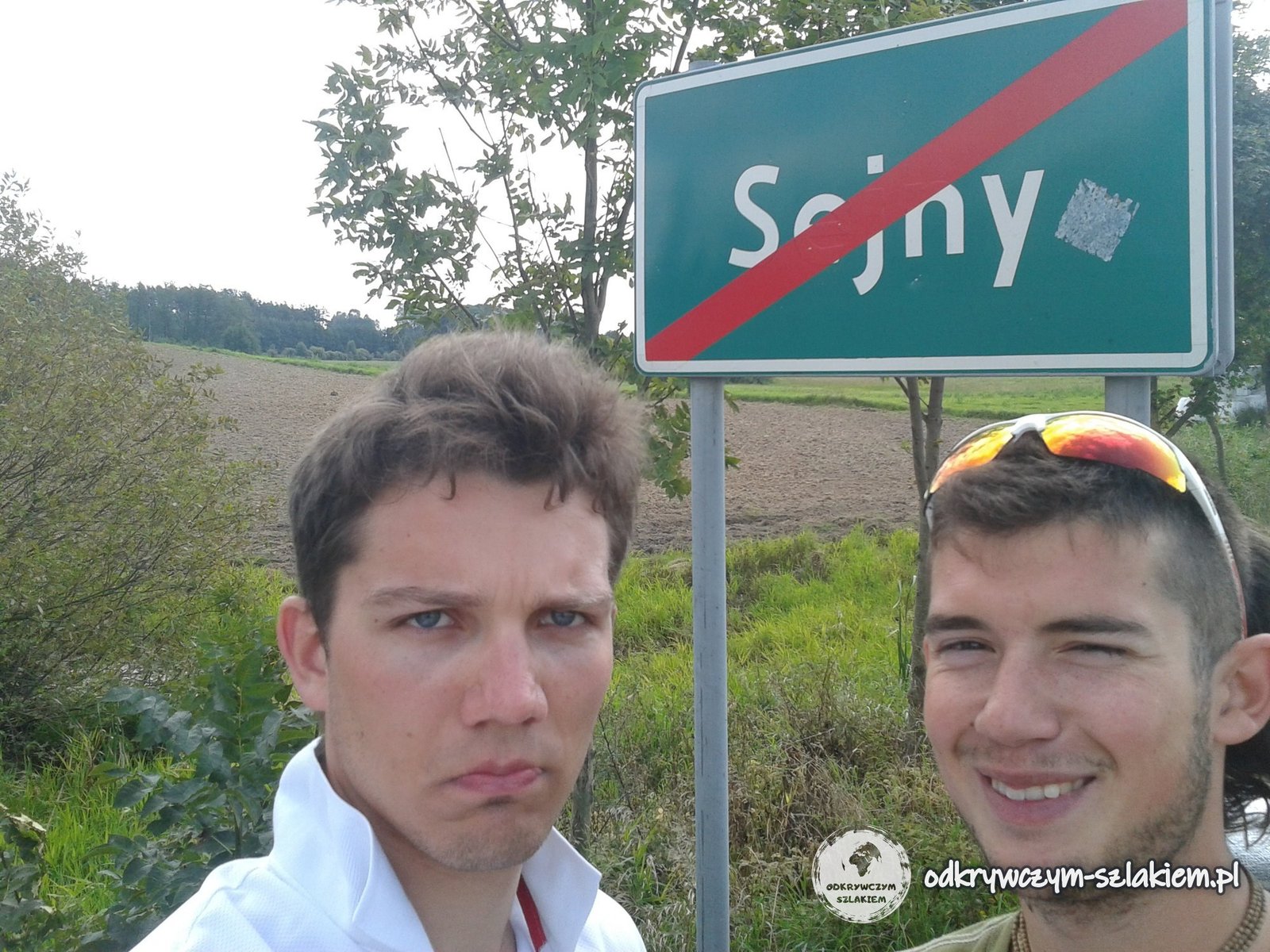
We left Sejny on Sunday, 7 September, at around 12:30 pm, heading south towards Giby.
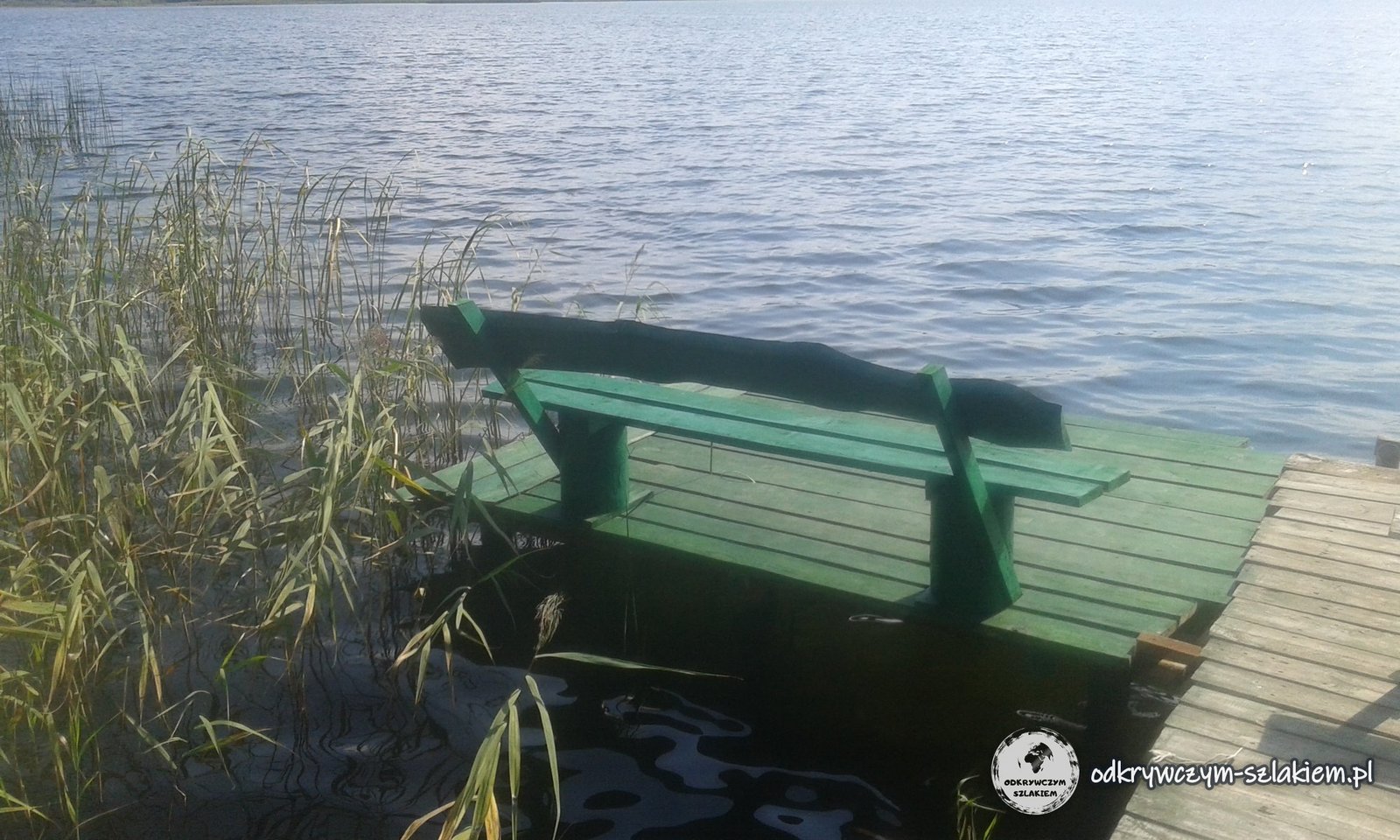
After 1:30 pm we took a break by a lake with a wooden jetty and a bench, and then turned east into the forests near the border.

Before 3 pm we reached Stanowisko in the Giby commune. The village lies near the tripoint of the Polish, Lithuanian and Belarusian borders on the Marycha river. Before the war there was an outpost of the Border Protection Corps (KOP) here. A stone by the forest road bears the inscription: “Place of the murder of soldiers of the 24th Border Protection Corps Battalion ‘Sejny’ at the outpost in Stanowisko on 24 September 1939 by the Soviet Army occupying the eastern territories of Poland”. In 1997 eight soldiers were exhumed and buried in the cemetery in Berżniki.

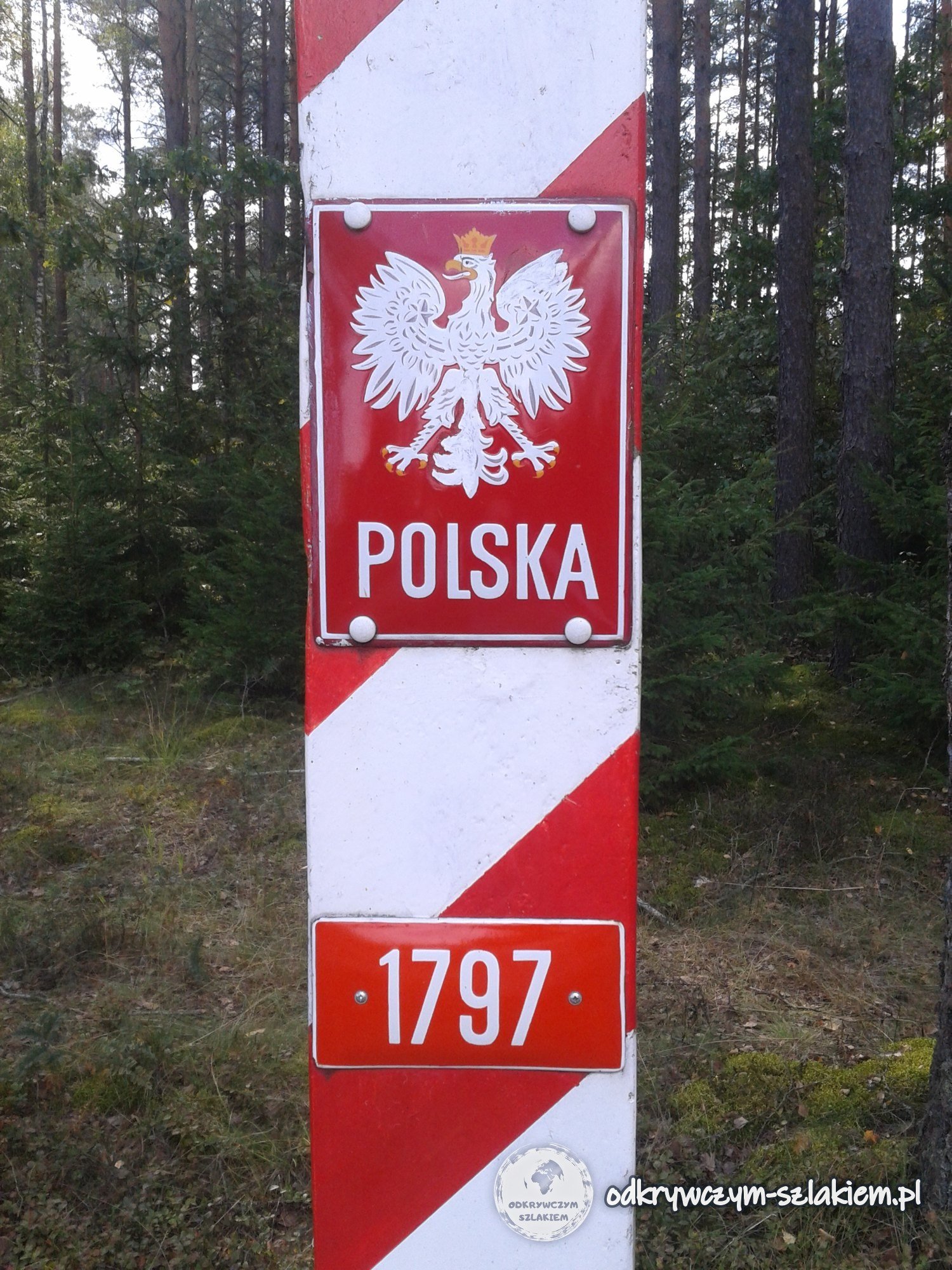
Next to the memorial stands a red and white border post with an eagle and the number 1797, and a board nearby describes the combat trail of the 24th KOP Battalion “Sejny” in the September 1939 campaign.

Along the Belarusian border to Rygol
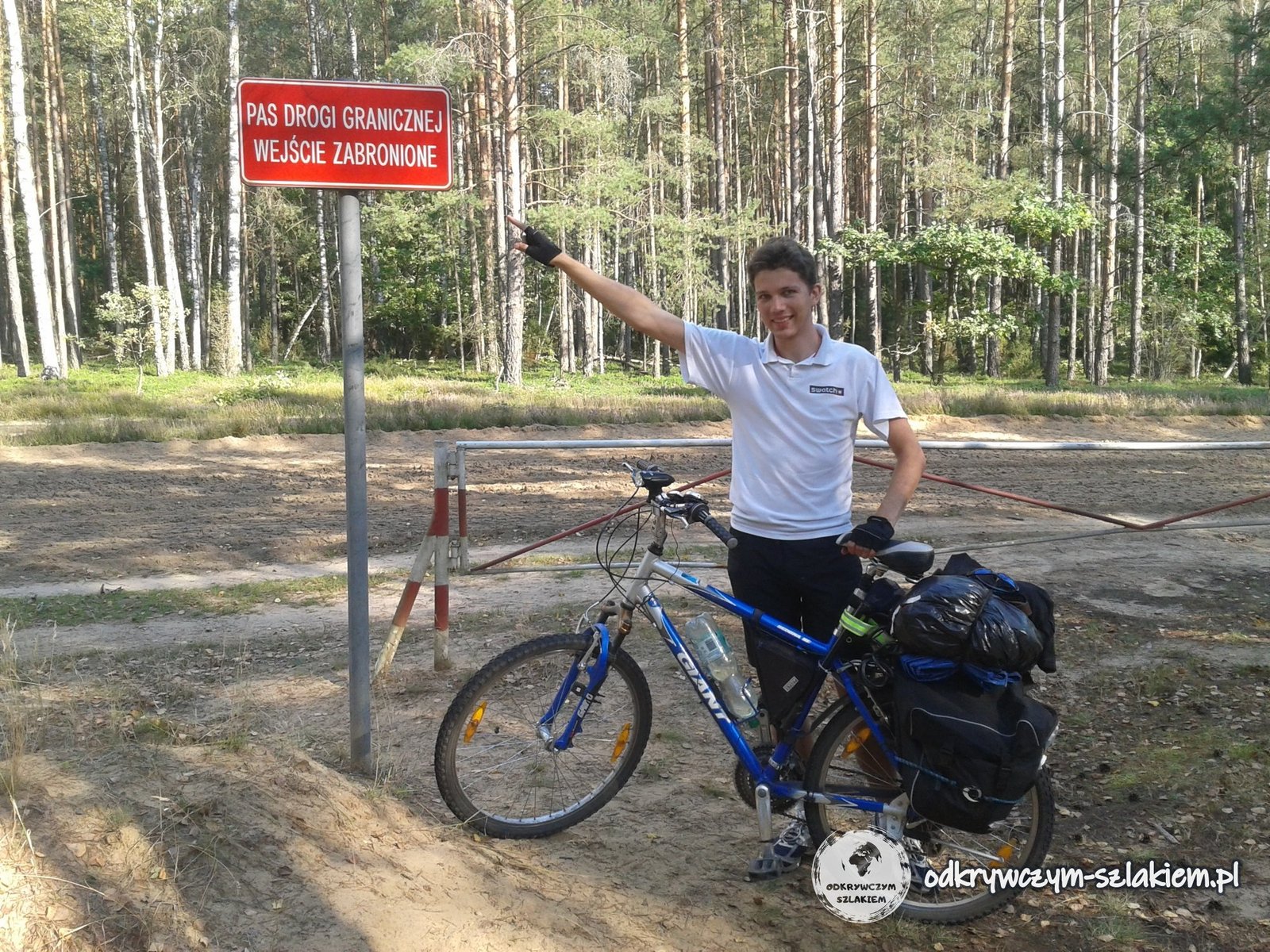
From Stanowisko we rode south along forest roads, following the border with Belarus. At one of the forest rides there is a barrier and a red sign reading “Border road strip – no entry”. The border road strip is a 15-metre-wide belt of land along the border line, and on some sections it is forbidden to stay in it.


At around 4 pm we reached Rygol in the Płaska commune, in the Augustów Forest. The village name comes from a French word for a drainage ditch, and its origins are linked to the construction of the Augustów Canal. By the road there is a wooden wayside shrine with a figure, a cross and a stone with the inscription: “Place of murder and eternal rest of Senior Rifleman Stanisław Pientkiewicz, a soldier of the 11th Infantry Regiment, and an unknown officer of the State Police, murdered on 23 September 1939 by the Soviet army”. The stone was put up in 2012 by the residents of Rygol and employees of the State Forests.


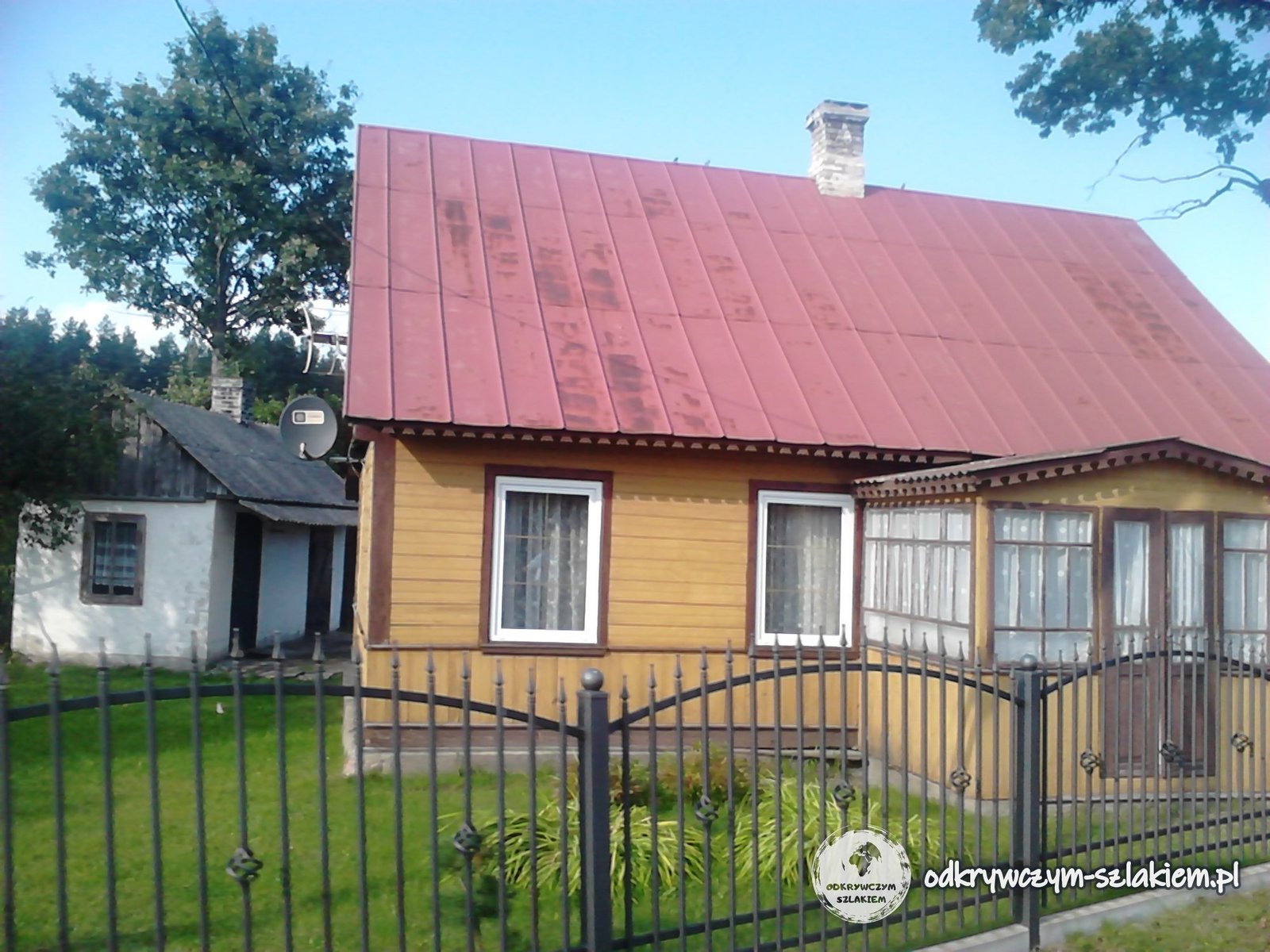
Rygol has wooden houses with colourful roofs and picket fences.

Mikaszówka – a wooden church on the Augustów Canal
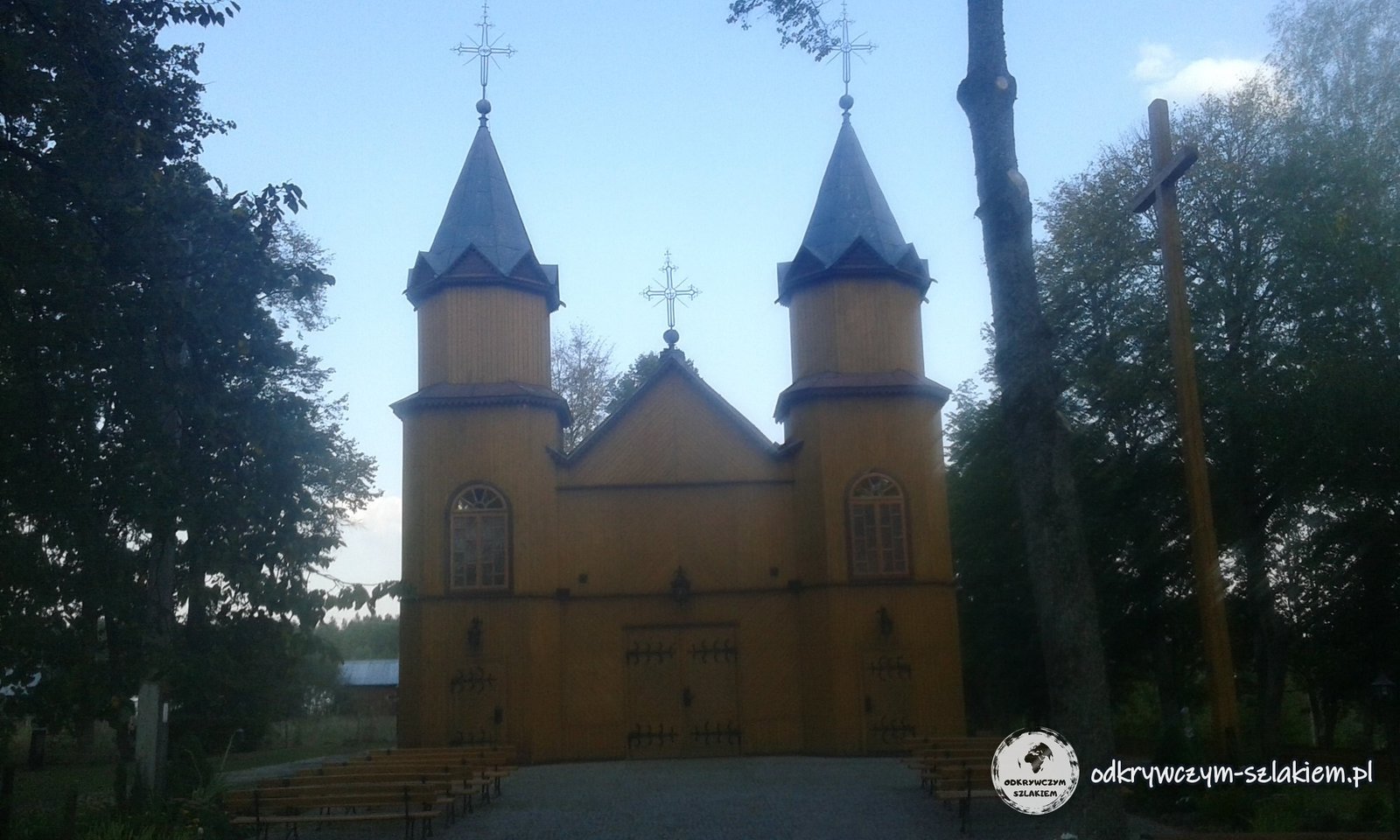
Not far from Rygol lies Mikaszówka, through which the Augustów Canal flows – one of the canal’s locks is here. In the centre of the village stands the wooden Church of St Mary Magdalene from 1907, with two 14-metre towers. It has been on the heritage register since 1985, as has the wooden bell tower next to it.


By the church there is a board of the “Mysteries of Light” Papal Trail, which runs from Ełk to Wigry. Its map marks, among other places, Rajgród, Augustów, Studzieniczna, Mikaszówka, Sejny and Leszczewo.

Lipsk and a camp near Szuszalewo
From Mikaszówka we headed south and at around 6:30 pm reached Lipsk. The town was granted town rights in 1580 by King Stephen Báthory. Above the rooftops rise the two towers of the neo-Gothic Church of Our Lady of the Angels, consecrated in 1914.
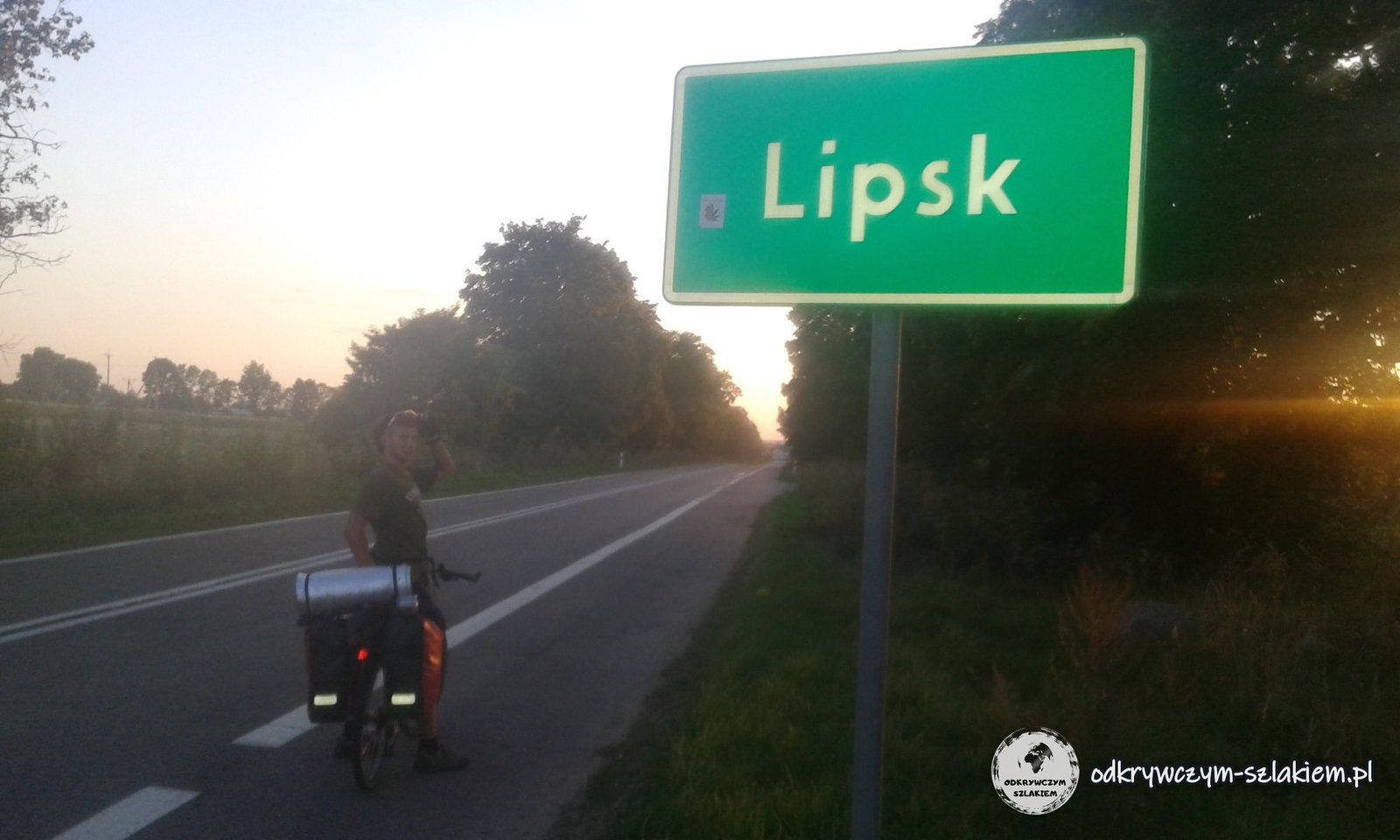

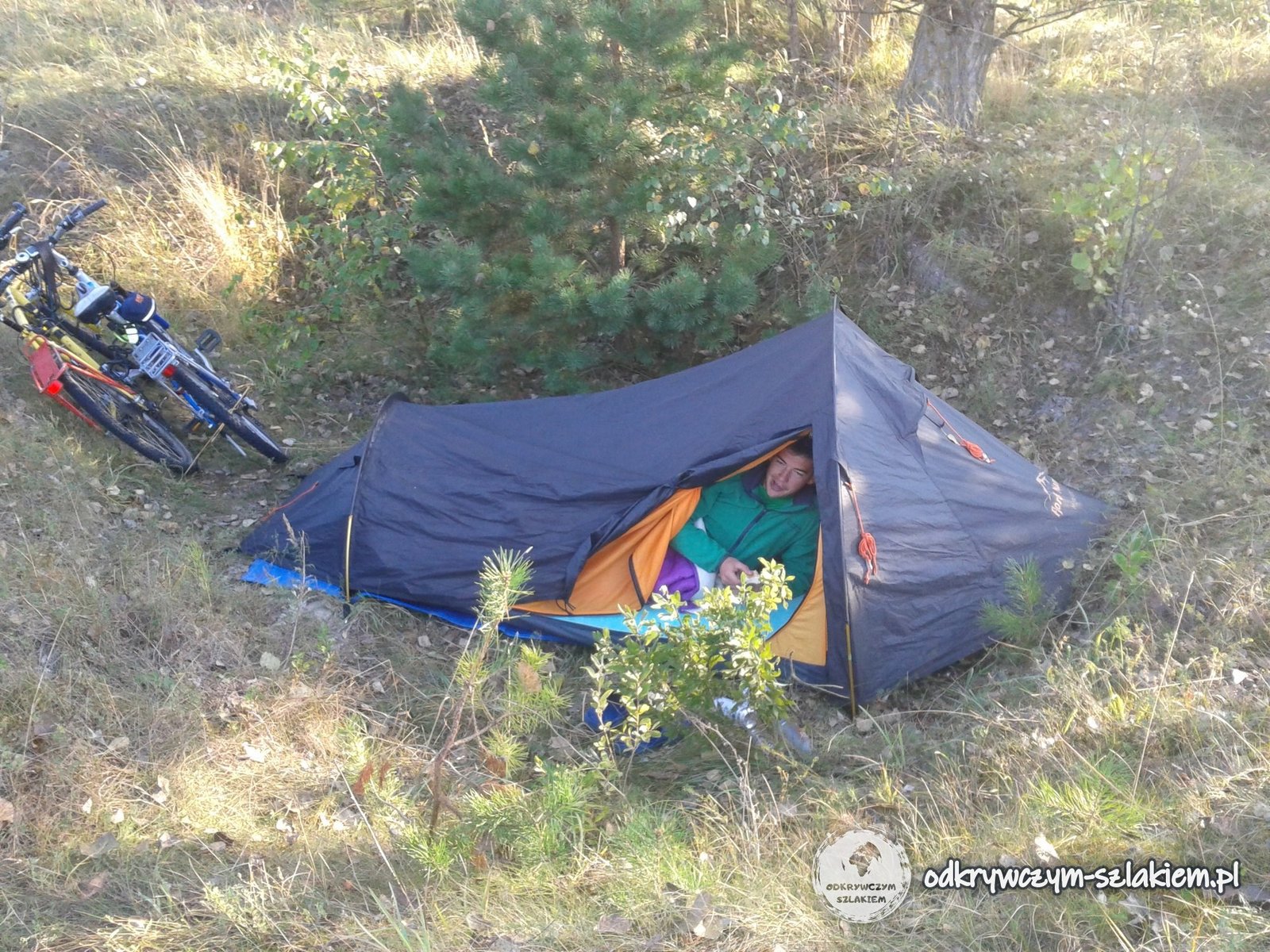
In Lipsk we did some shopping, ate zapiekanka (Polish open baguette sandwiches) and in the dark rode on towards the Biebrza. We pitched the tent in a hollow overgrown with grass and young pines, near the village of Szuszalewo. That day we covered about 70 km. In the morning, on 8 September, a lizard was sitting on the tent.

Biebrza National Park – the Szuszalewo Island
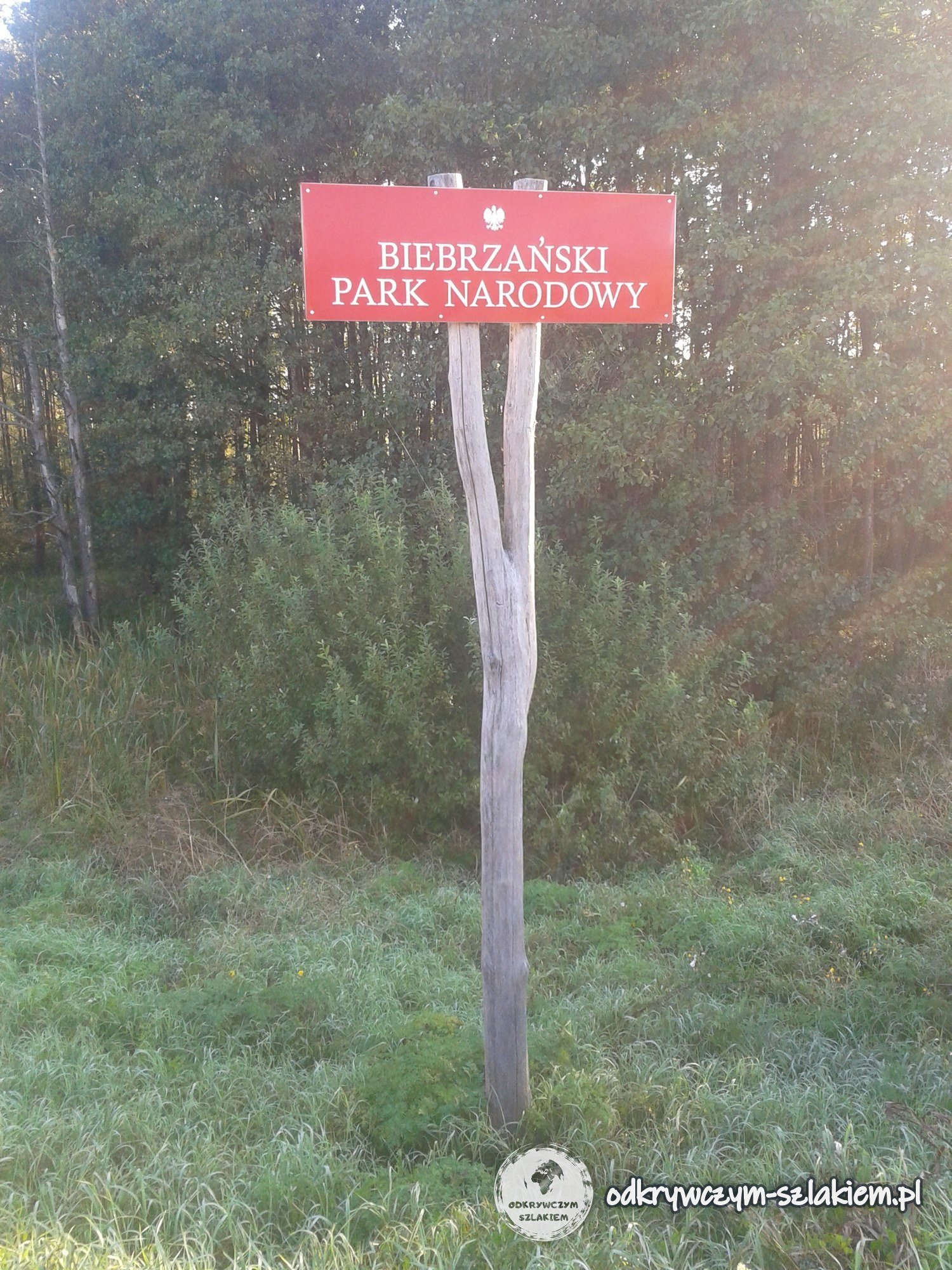
Next to the camp there are boards of Biebrza National Park. The park was established in 1993. It covers 592 km² and is the largest national park in Poland, and since 1995 it has been on the Ramsar Convention’s list of wetlands of international importance.

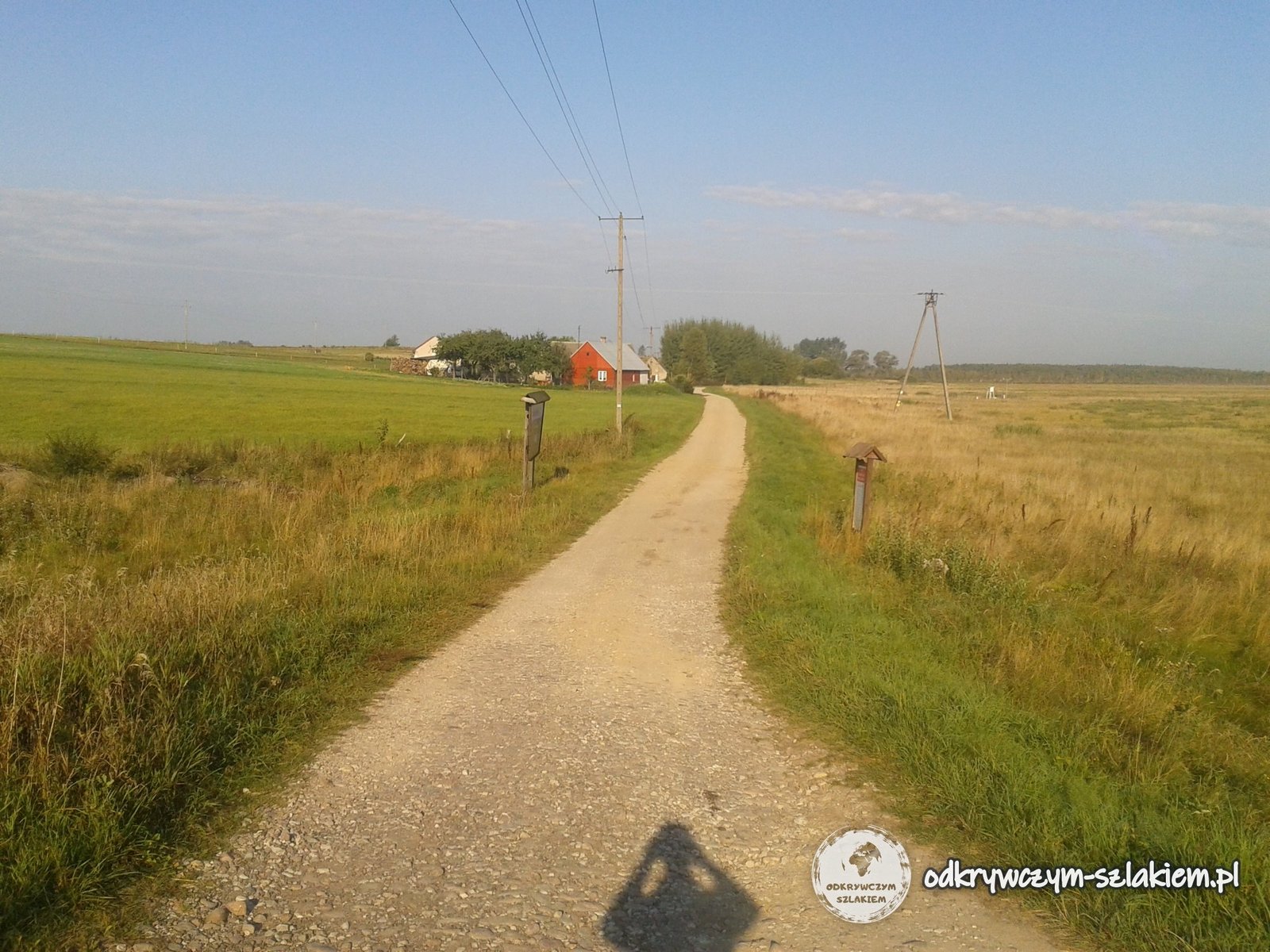
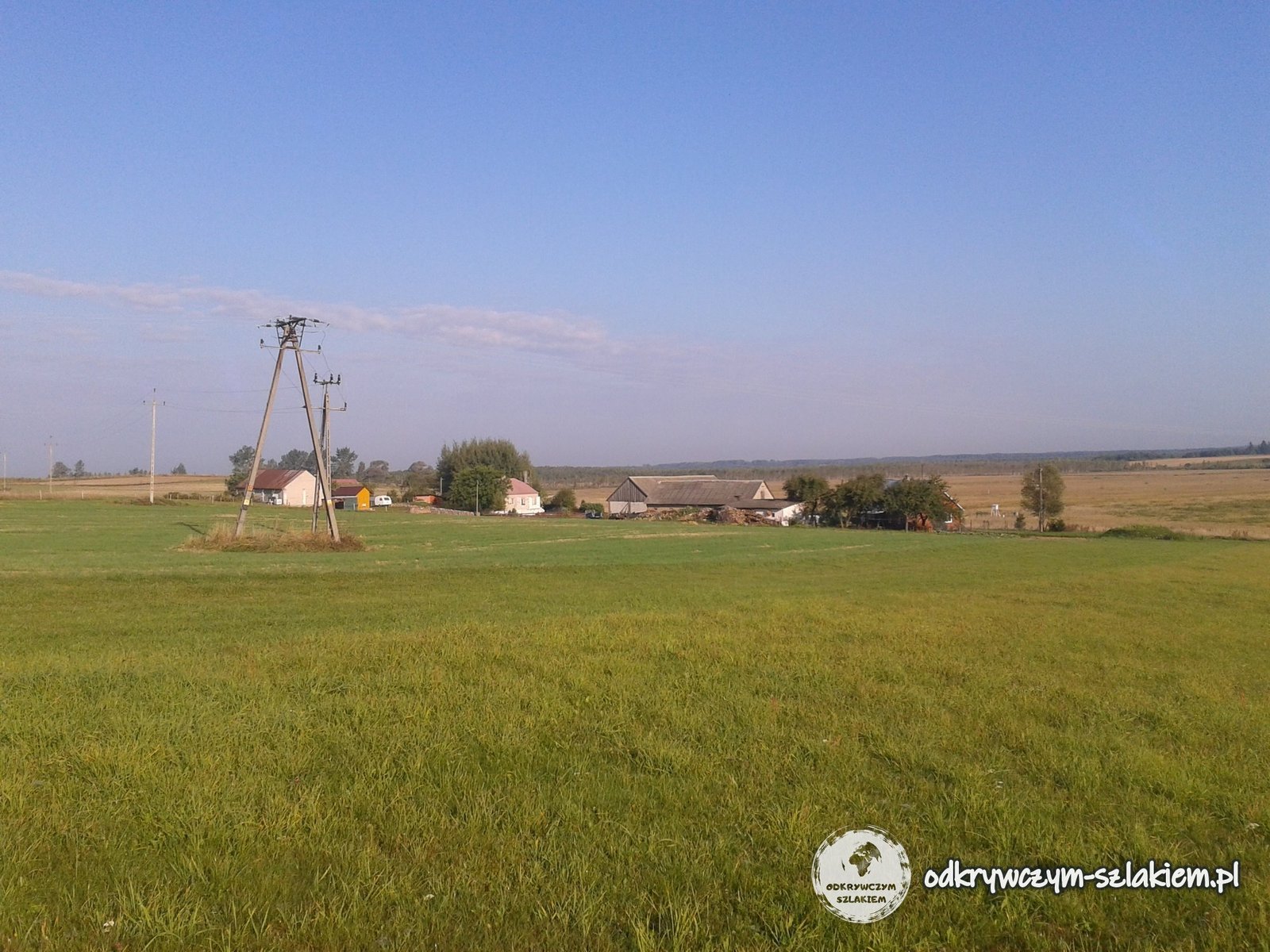
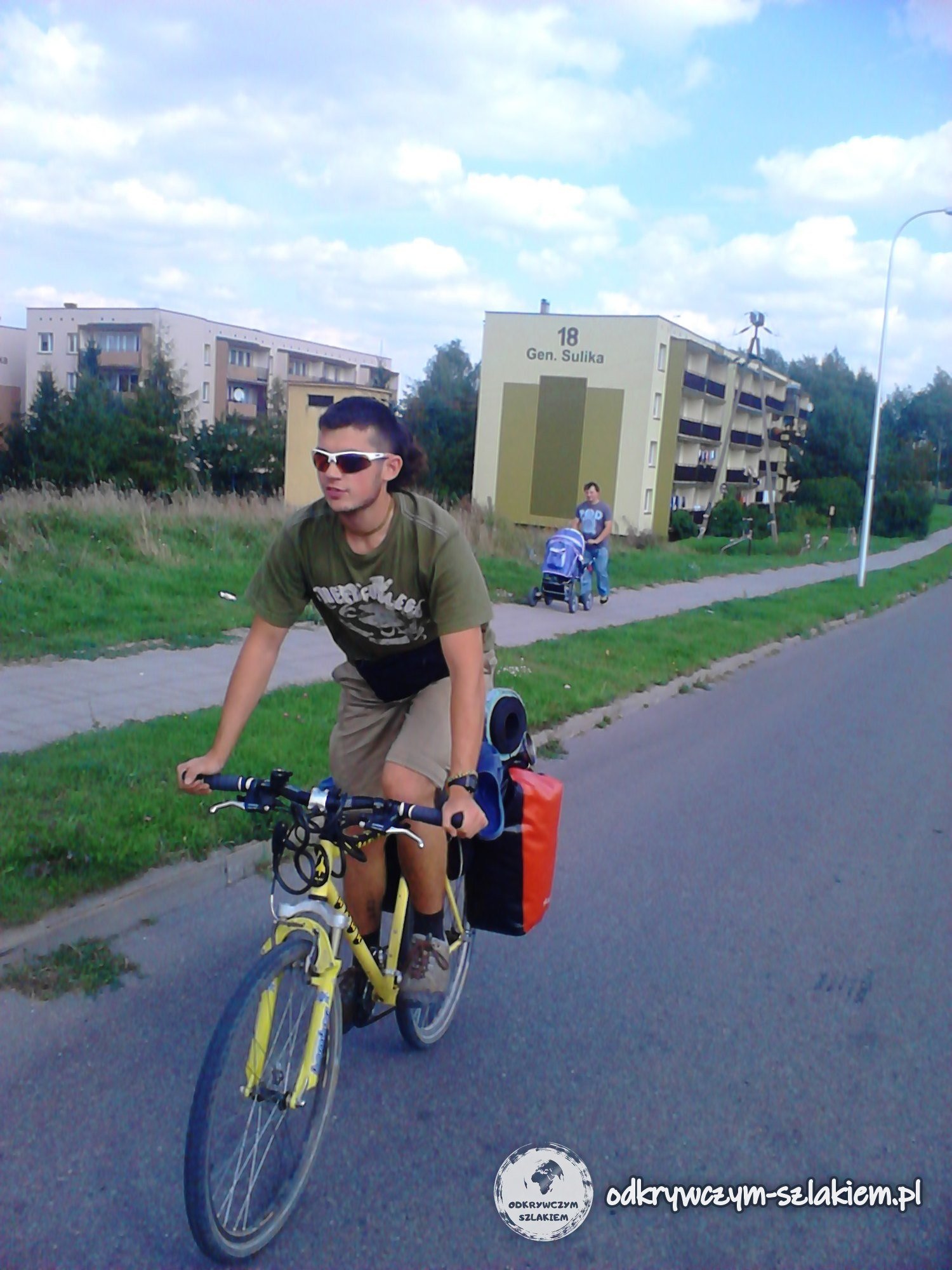
Szuszalewo, in the Dąbrowa Białostocka commune, lies on the sandy Szuszalewo Island, surrounded by marshes – a board by the road calls it “an island among the marshes”. A nature trail with an observation tower over the Biebrza marshes leads from here across the peat bogs. In the morning we rode along gravel roads between meadows and fields – the photo at the top of this post was taken on one of them.

Dąbrowa Białostocka and Sidra
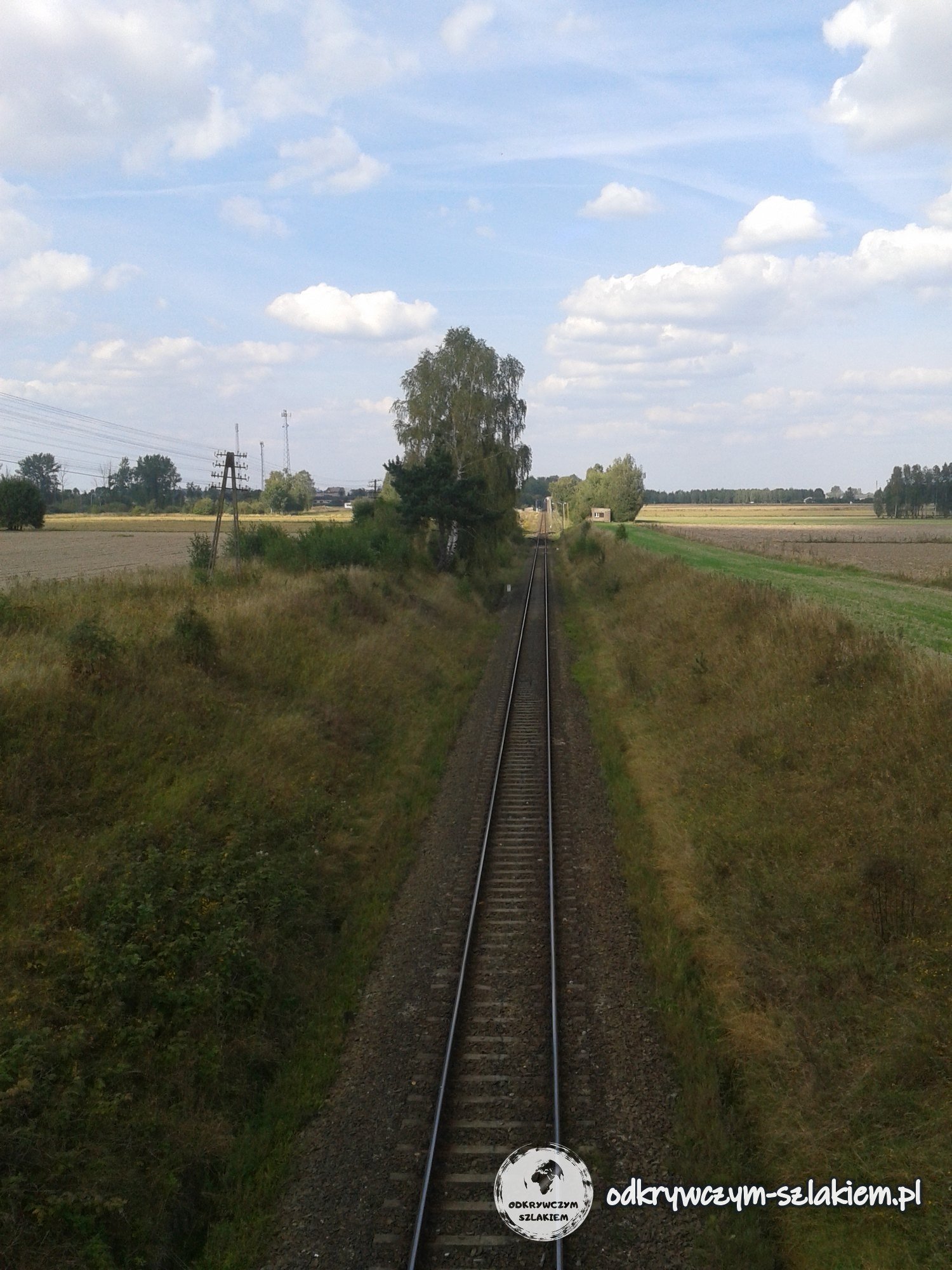
At around 1 pm we rode through Dąbrowa Białostocka. There is a historic Dutch-type windmill from 1924 here, listed on the heritage register. Outside the town we crossed a footbridge over the tracks of railway line no. 40.

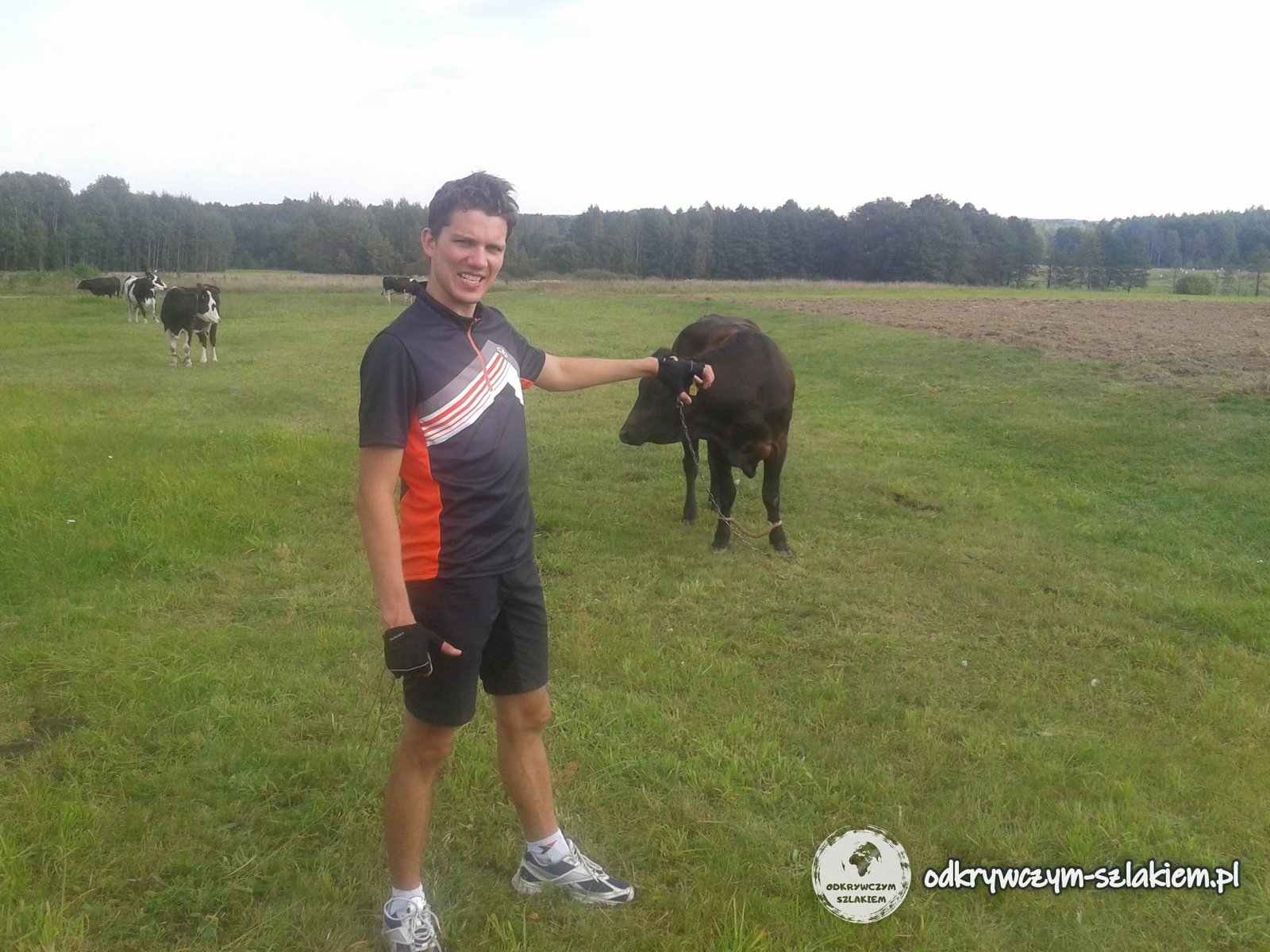
Then we rode along country roads through Nierośno and Łozowo. Cows were grazing in the pastures by the road.


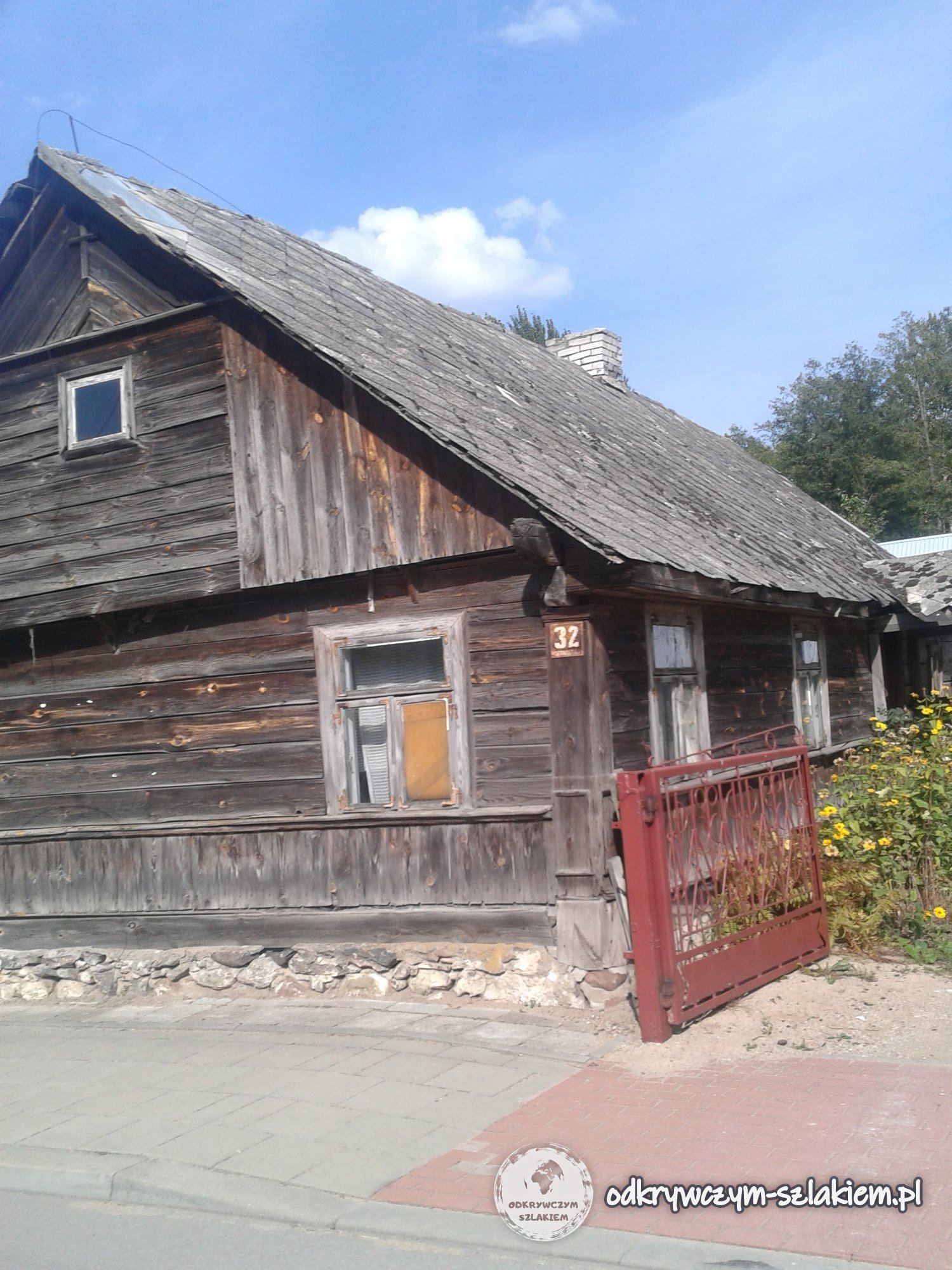
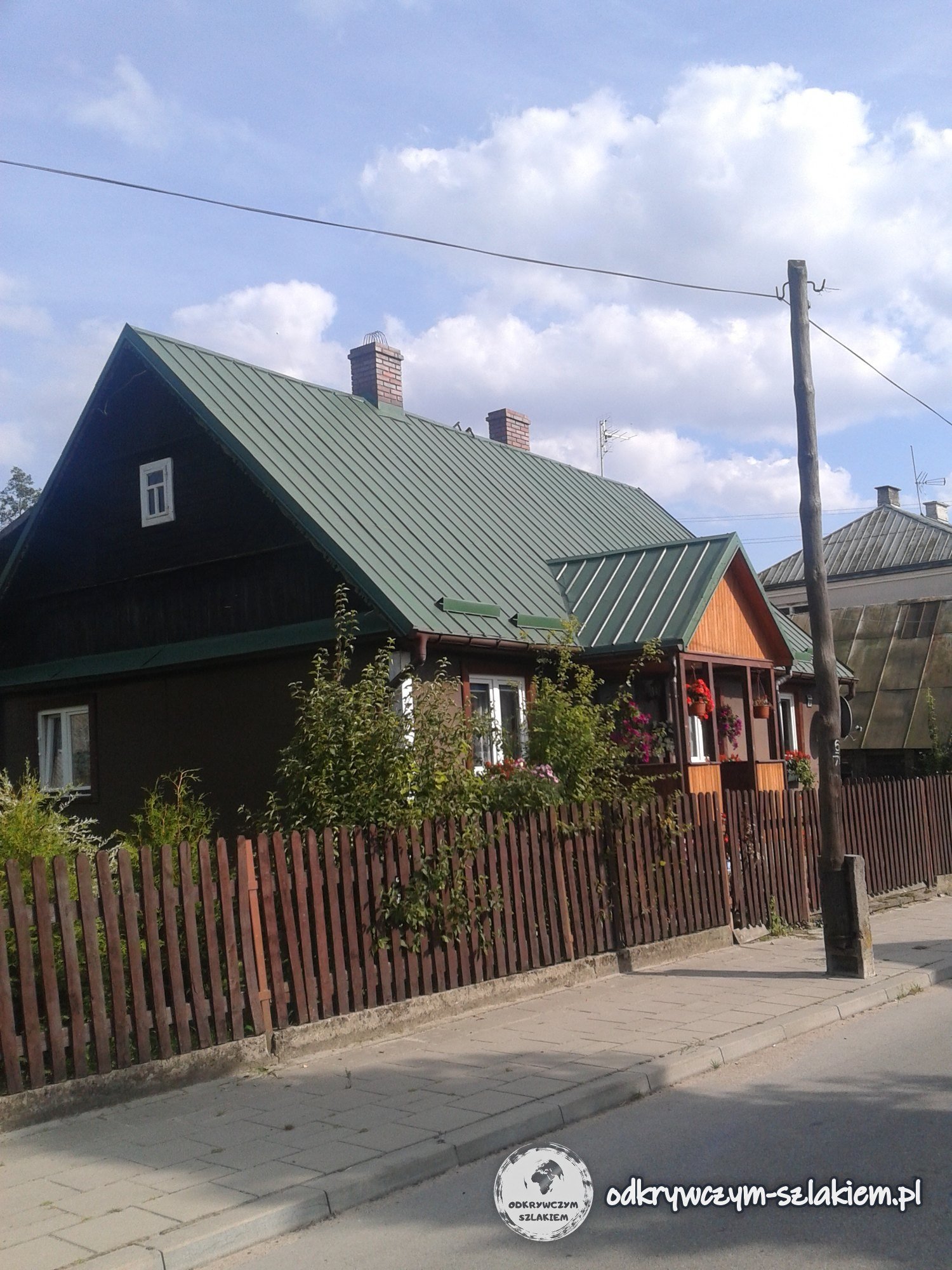
At around 2:40 pm we were in Sidra. Sidra was granted town rights in 1566 and lost them in 1897. It has a brick neoclassical Holy Trinity Church, completed in 1781–1783, and wooden houses from the late 19th and early 20th centuries.

Sokółka and a campfire in Planteczka
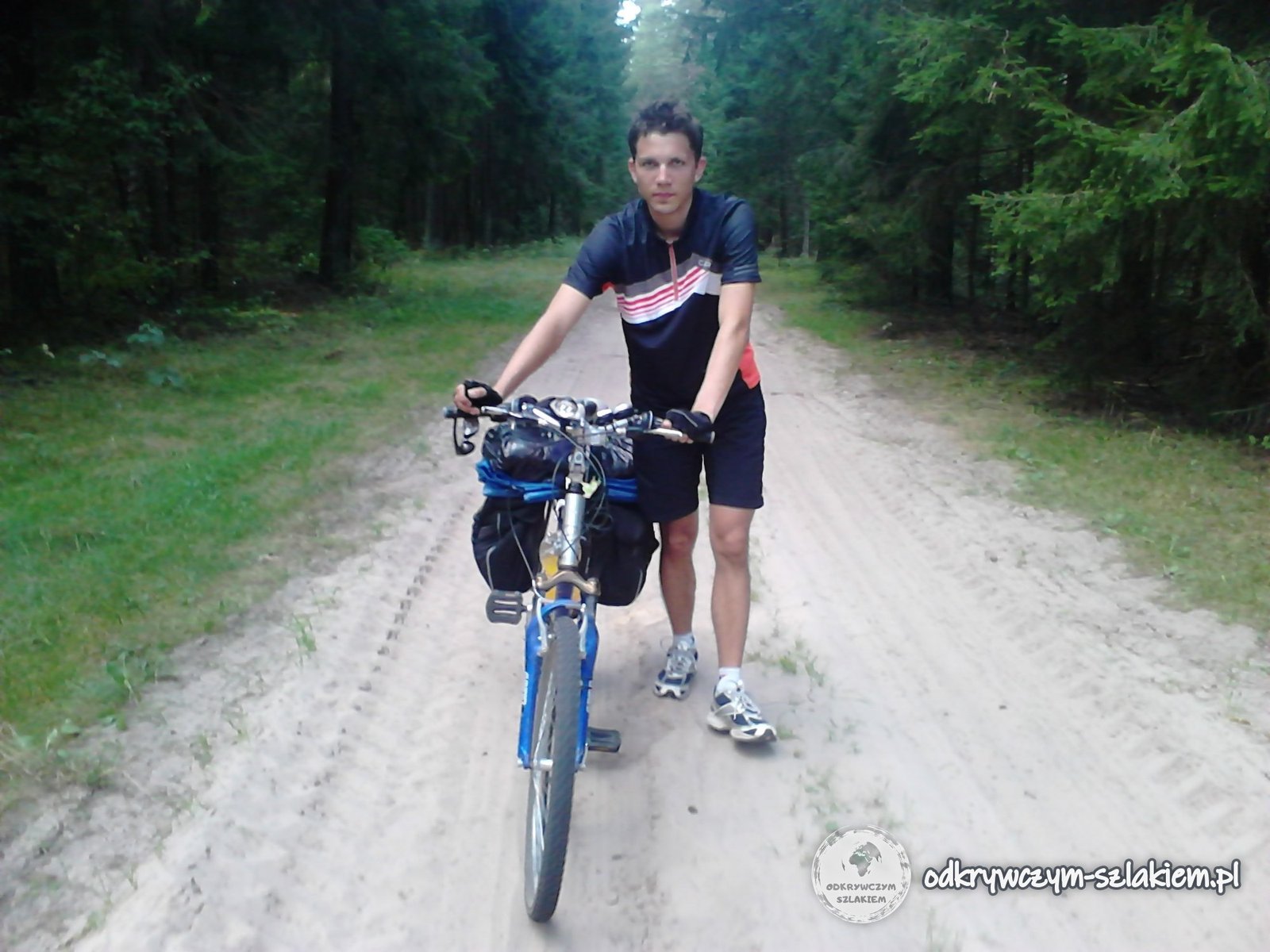
Part of the way from Sidra to Sokółka was a sandy road through the forest. In the deep sand we had to push the loaded bikes.

At around 4:30 pm we rode into Sokółka. The brown sign at the entrance shows three symbols: the mosque in Bohoniki, a church and an Orthodox church. The Tatar Trail, marked out in 1979, starts in Sokółka, and the wooden mosque in Bohoniki was probably built in 1873. The town also has, among others, St Anthony’s Church from around 1848 and the Orthodox Church of St Alexander Nevsky from 1853.

Later we rested at the Sokółka reservoir (Zalew Sokólski) – a 20-hectare body of water with a beach.

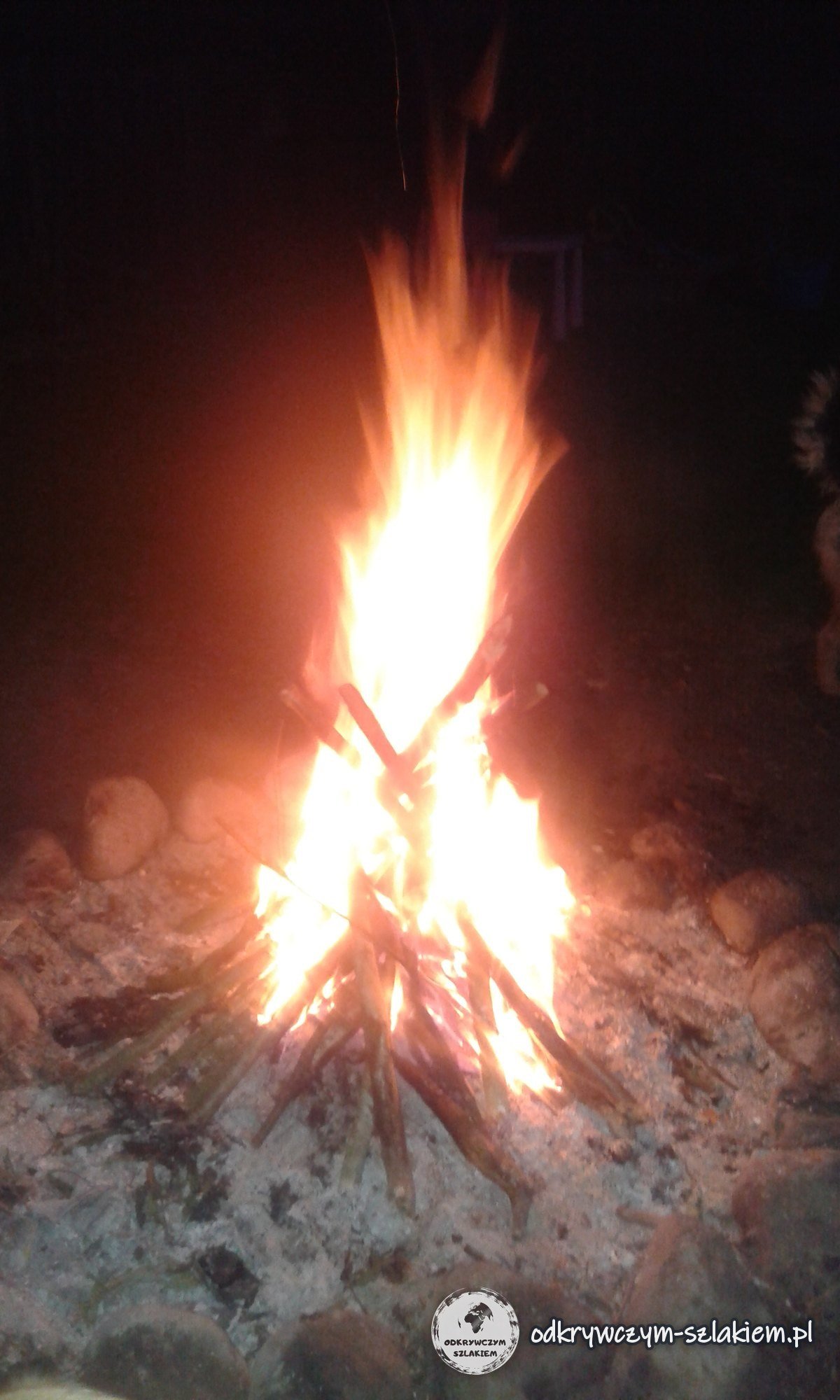
Before 6:30 pm we reached Planteczka, a village in the Sokółka commune. That day we covered about 50 km. In the evening we had a campfire, and we spent the last night of the trip under a roof, in a wooden house.

Through the Knyszyn Forest to Supraśl
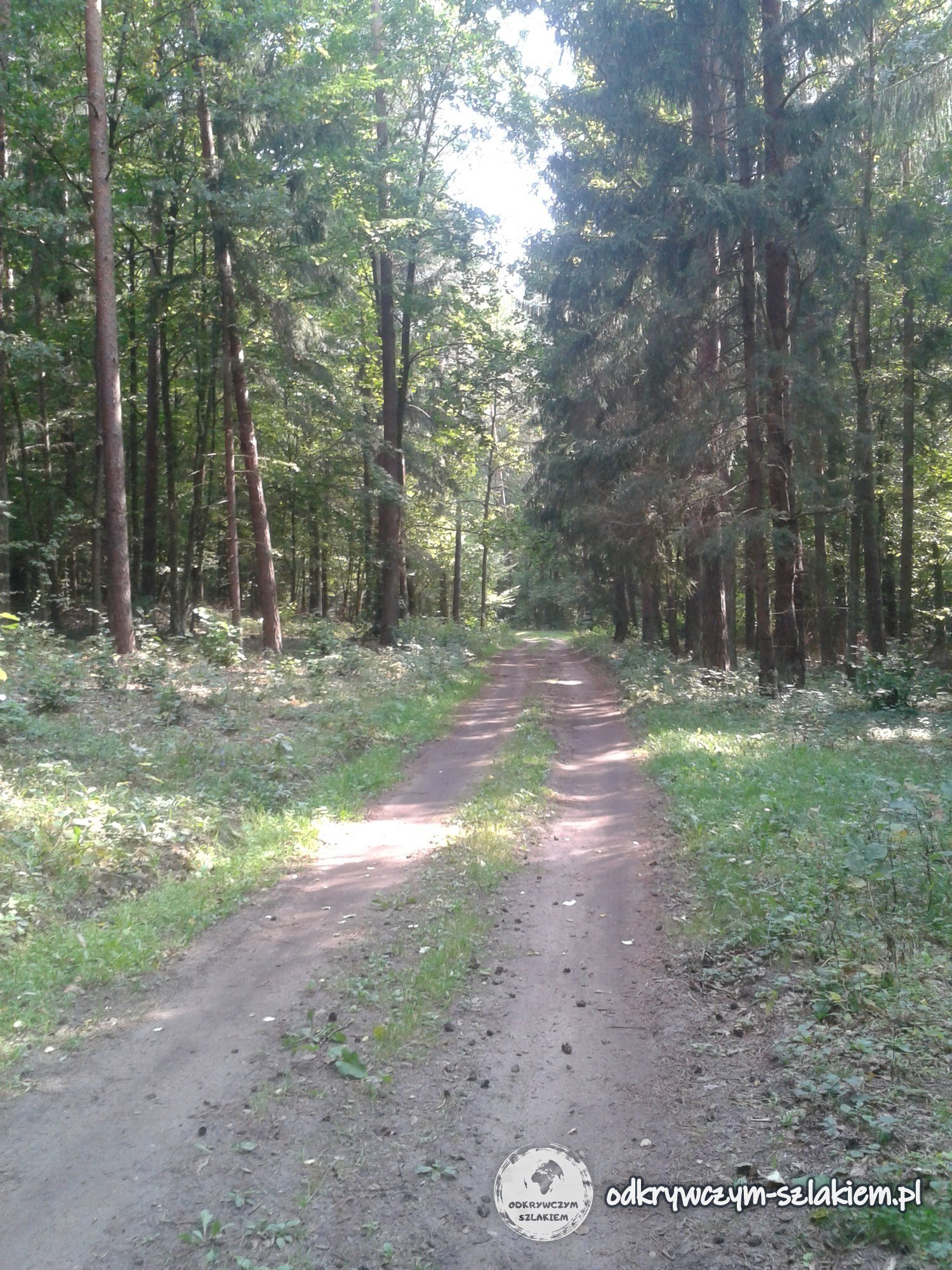
On Tuesday, 9 September, we rode south along forest roads through the Knyszyn Forest. At one crossroads a wooden signpost pointed to Góra Powstańców (3.9 km), Dworzysk (12 km) and Czarna Białostocka (11 km).


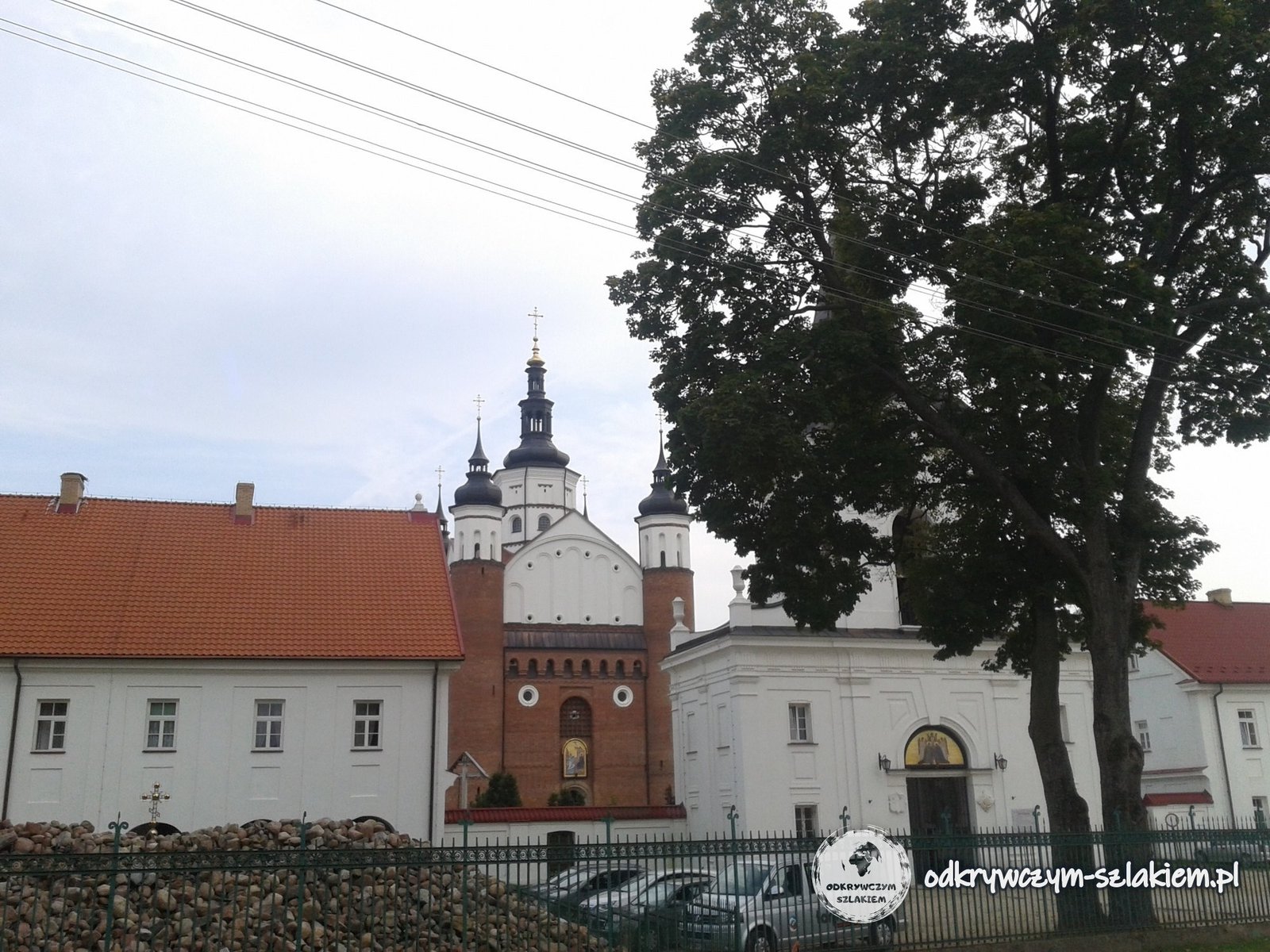
At around 12:40 pm we crossed the bridge over the Supraśl river into the town of Supraśl. Its most important monument is the Orthodox Monastery of the Annunciation of the Most Holy Mother of God, founded at the turn of the 15th and 16th centuries by Aleksander Chodkiewicz. The monastery’s main church, built from 1503, was blown up in 1944 by the retreating Germans. Its reconstruction was completed in 2021. The monastery has been active again since 1984, and since 2006 it has housed the Icon Museum.


After lunch we set off for Białystok – on the way we got caught in the rain.
Białystok and the train journey back
At around 2:40 pm we were in Białystok, at the gate of the Branicki Palace. The fountains were on in the park by the palace. I described the palace and the city centre in the post Podlasie – Tykocin, Łomża, Białystok and Biała Podlaska.


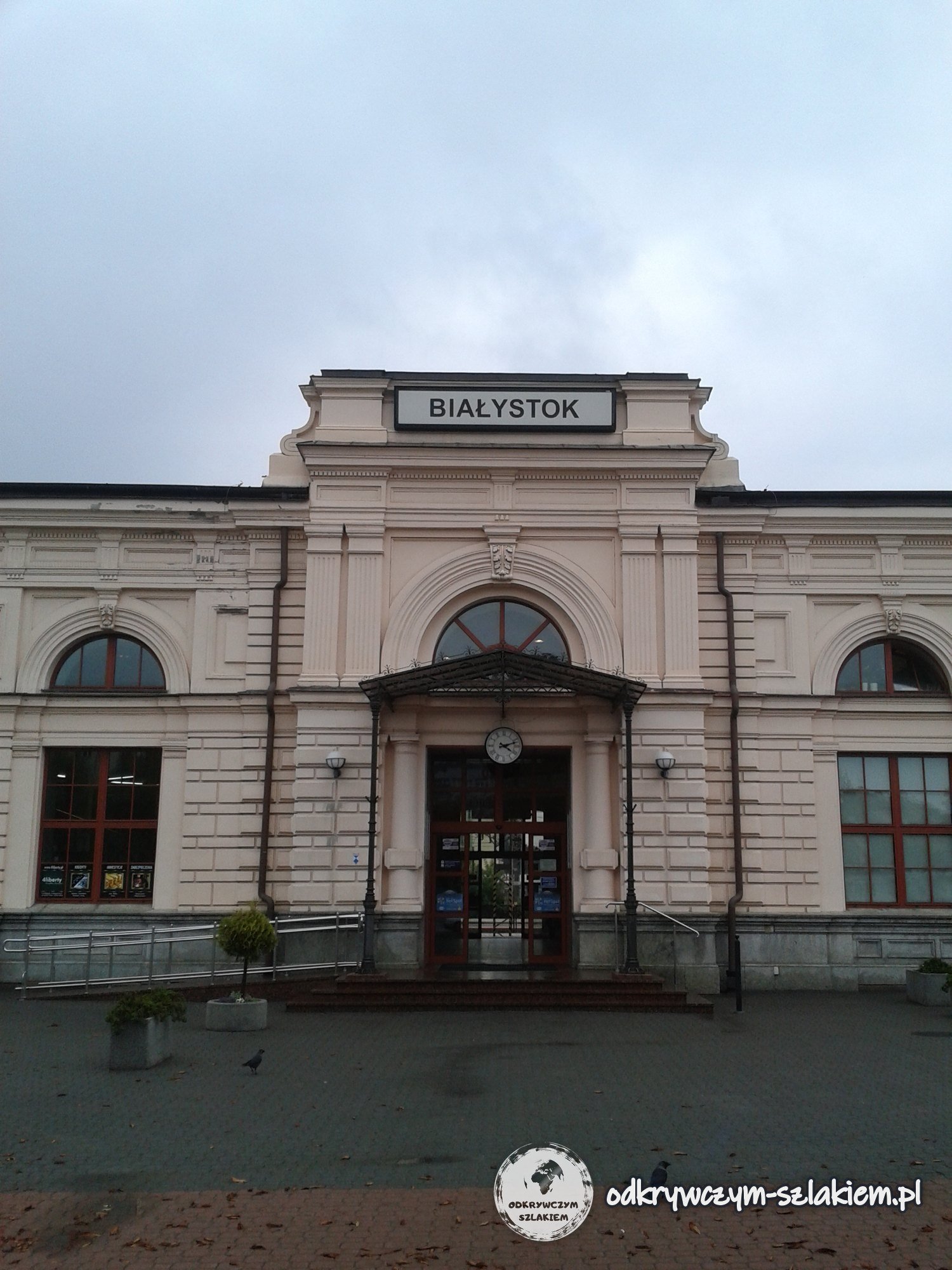
We finished riding at around 3 pm outside the railway station. The classical-style station building dates from 1861, when the Saint Petersburg–Warsaw Railway was built, and an old Tx100 steam locomotive stands in front of it. On the last day we covered about 60 km.

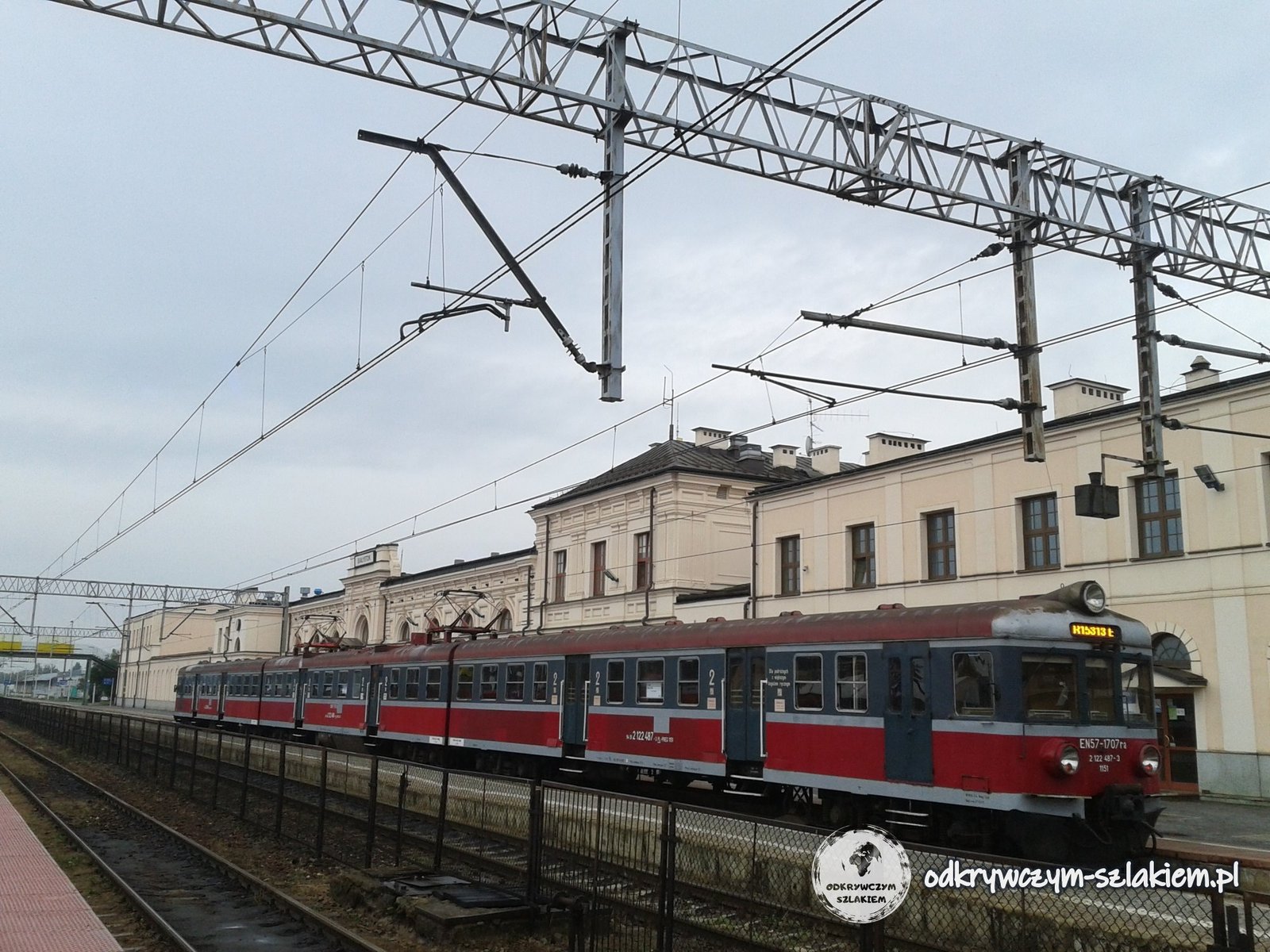
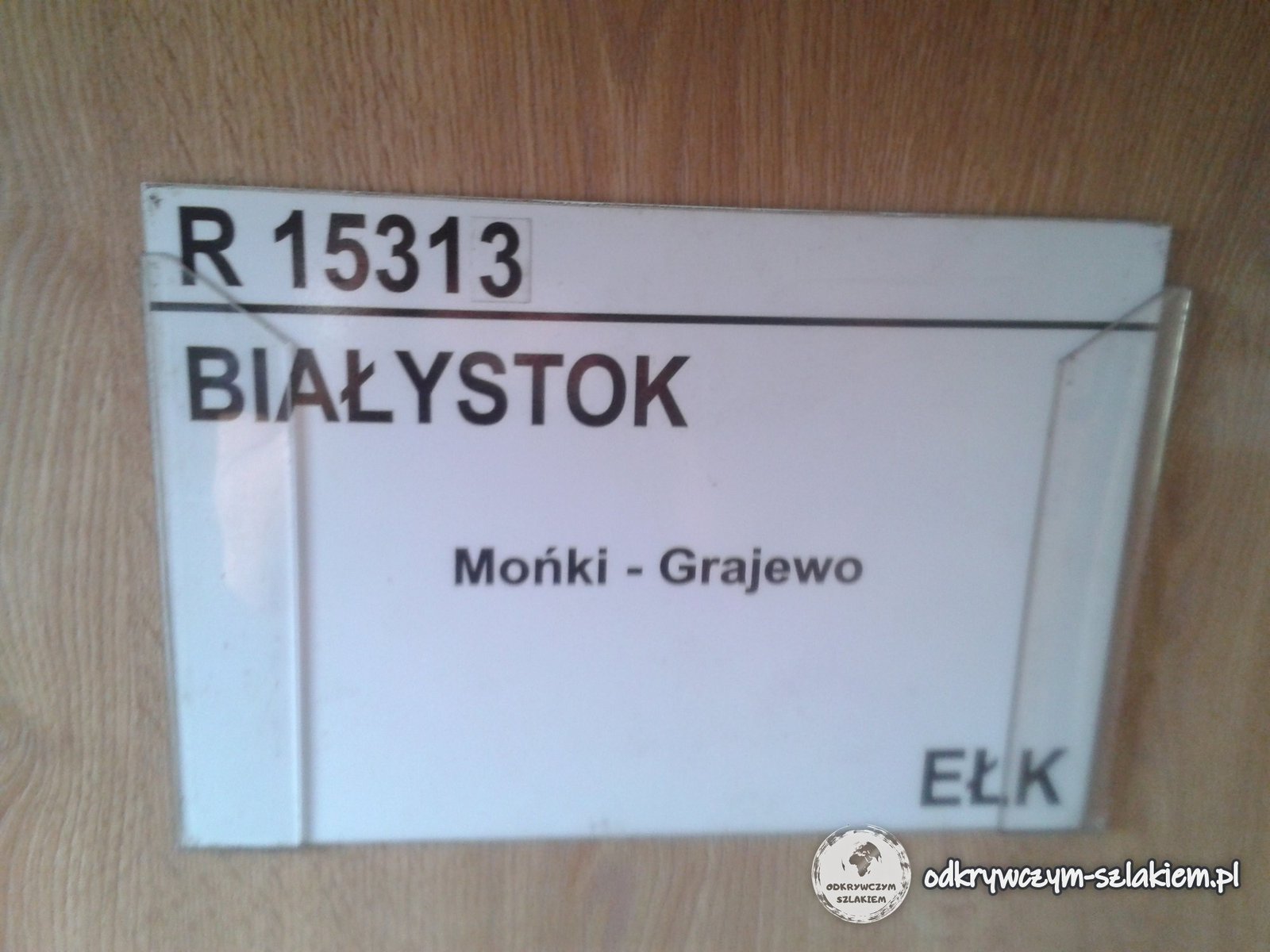
We went back by train, with the bikes. After 4:30 pm we took a regional train from Białystok via Mońki and Grajewo to Ełk, and in Ełk we changed to a railcar to Korsze. In the evening we passed through Giżycko, where we had started the trip five days earlier, and in Korsze we boarded a train to Olsztyn.

Practical information
- Route: Giżycko – Wydminy – Dobra Wola – Giże – Olecko – Suwałki – Stary Folwark – Leszczewo – Krasnopol – Sejny – Giby – Stanowisko – Rygol – Mikaszówka – Lipsk – Szuszalewo – Dąbrowa Białostocka – Sidra – Sokółka – Knyszyn Forest – Supraśl – Białystok. 354 km in total, in five days. Part of the route runs on gravel and sandy roads, so a bike with wider tyres works better.
- Bikes on trains: there are stations along the route in Giżycko, Ełk, Suwałki, Dąbrowa Białostocka, Sokółka and Białystok, among others, so it is easy to shorten the trip or start somewhere else. On POLREGIO regional trains you pay a flat fee for a bike, regardless of the distance – in 2025 it was PLN 8.20. There are only a few bike spaces.

- Near the border: you must not enter the border road strip where there are signs prohibiting it, and Border Guard patrols check documents near the border – it is worth carrying your ID. Since June 2024 a buffer zone with a ban on staying has been in force on part of the border with Belarus, for example near Białowieża and Michałowo. Before you go, check the current Border Guard announcements.
- Camping: in national parks you may pitch a tent only in places designated by the park. Since 2021 the State Forests have run the “Zanocuj w lesie” (Spend the night in the forest) programme – in designated areas you can stay overnight for free for up to two nights in a row, in a group of up to 9 people, without notifying anyone. The map of these areas is in the Forest Data Bank (the mBDL app).
- More: I described Tykocin, Łomża and Białystok in the post Podlasie, another cycling trip with a tent in the post Brandenburg by bike, and a cycling trip from Giżycko in Masuria in the post By bike to the Pyramid in Rapa.
Photo gallery