After four months of working on Work & Travel – first in Yosemite and, after a wildfire and an evacuation, in Grand Teton – it was time for a month-long trip around the United States (25 September – 25 October 2018). For three weeks we drove a rental car through the national parks of the West: a loop from Los Angeles through California, Arizona, Utah and Nevada. We spent the last week on the East Coast – in New York, Philadelphia, Washington, Boston and Salem. Below is the whole plan day by day, with links to the detailed posts. How we did it on a budget – the car, accommodation, food and gear – I describe in a separate post: How to plan a cheap trip around the USA.
Table of contents
- The route in brief – 30 days, day by day
- Los Angeles and Joshua Tree
- Route 66, the Grand Canyon and Horseshoe Bend
- Monument Valley
- Utah: Arches, Canyonlands and Bryce Canyon
- Las Vegas and the Hoover Dam
- Zion, Death Valley, Bodie and back to Yosemite
- Big Sur and the end of the western loop
- The East Coast in a week
- The trip in numbers
- How to plan it – our conclusions
The route in brief – 30 days, day by day
At the beginning there were five of us – with Kasia, Karolina and Wojtek, whom we had arranged to travel with while we were still working – and we set the order of the places around them (Karolina was flying back to Poland on 8 October, Kasia and Wojtek on 16 October).
- 25–27 September – Los Angeles, the Knott’s Berry Farm amusement park, a night in Joshua Tree National Park (261 km from Los Angeles)
- 28 September – Route 66 on the way to the Grand Canyon (about 600 km)
- 29 September – 1 October – the Grand Canyon, Bright Angel Trail and Horseshoe Bend
- 2 October – Monument Valley on the way from Page to Arches (475 km)
- 3 October – Arches National Park
- 4 October – Canyonlands National Park
- 5 October – Bryce Canyon National Park (480 km from Canyonlands)
- 6–7 October – Las Vegas (423 km from Bryce Canyon)
- 8 October – the Hoover Dam, Zion in the evening (343 km from Las Vegas)
- 8–10 October – Zion National Park – Angels Landing and Observation Point
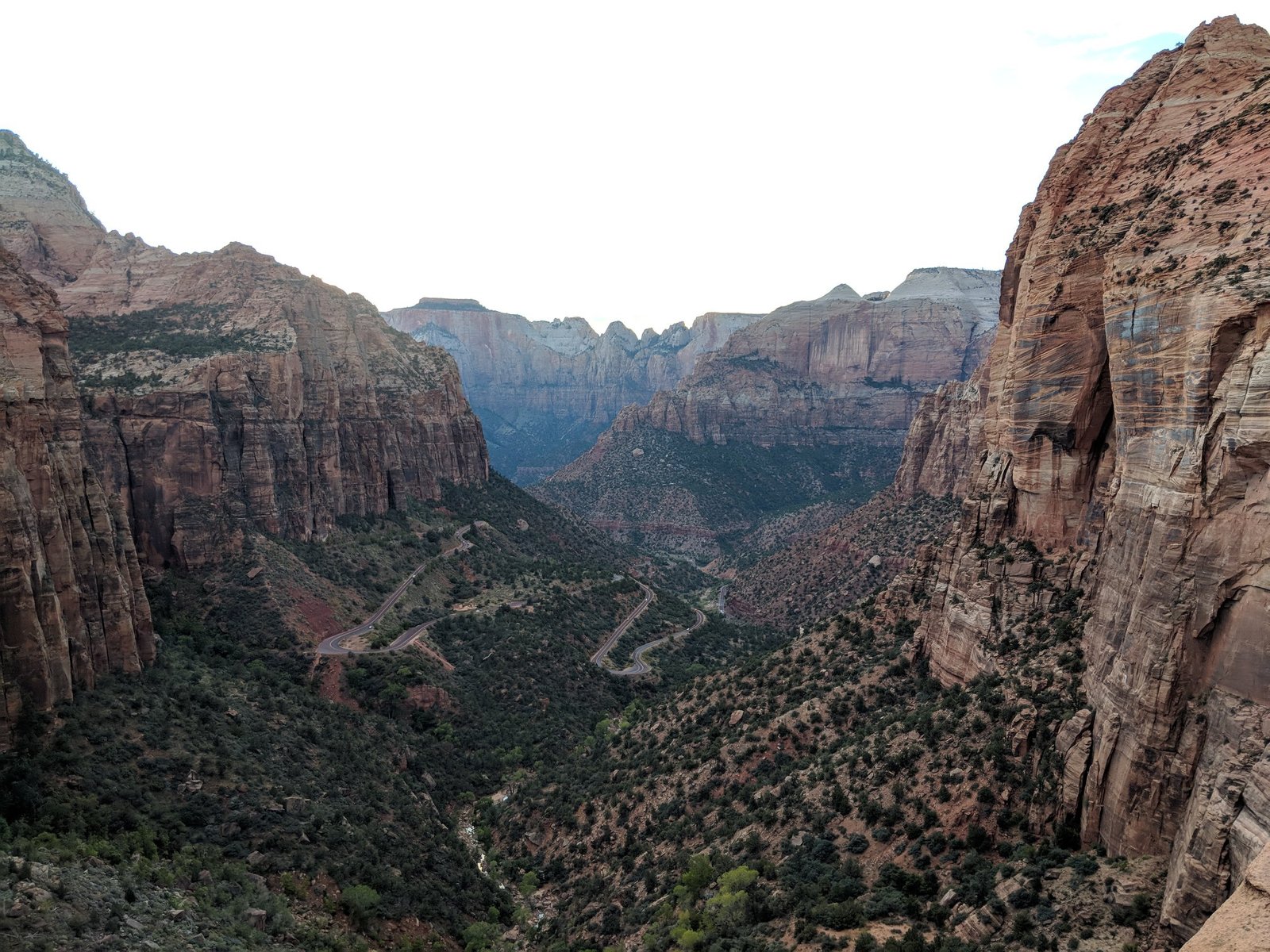
- 11 October – Death Valley on the way from Zion to Lee Vining (859 km)
- 12 October – the ghost town of Bodie
- 12–14 October – back to Yosemite (Tioga Road, Sentinel Dome)
- 14–15 October – the Hobbs Grove haunted house in Sanger near Fresno, a campsite by San Luis Reservoir, the Big Sur coast
- 16 October – San Jose, returning the car in Los Angeles (665 km from San Jose)
- 17/18 October – a night flight from Los Angeles to New York (3921 km)
- 18–20 October – New York in 3 days
- 21 October – Philadelphia
- 22 October – Washington
- 24 October – Boston and Salem
- 25 October – flight back to Europe from Newark airport
Los Angeles and Joshua Tree
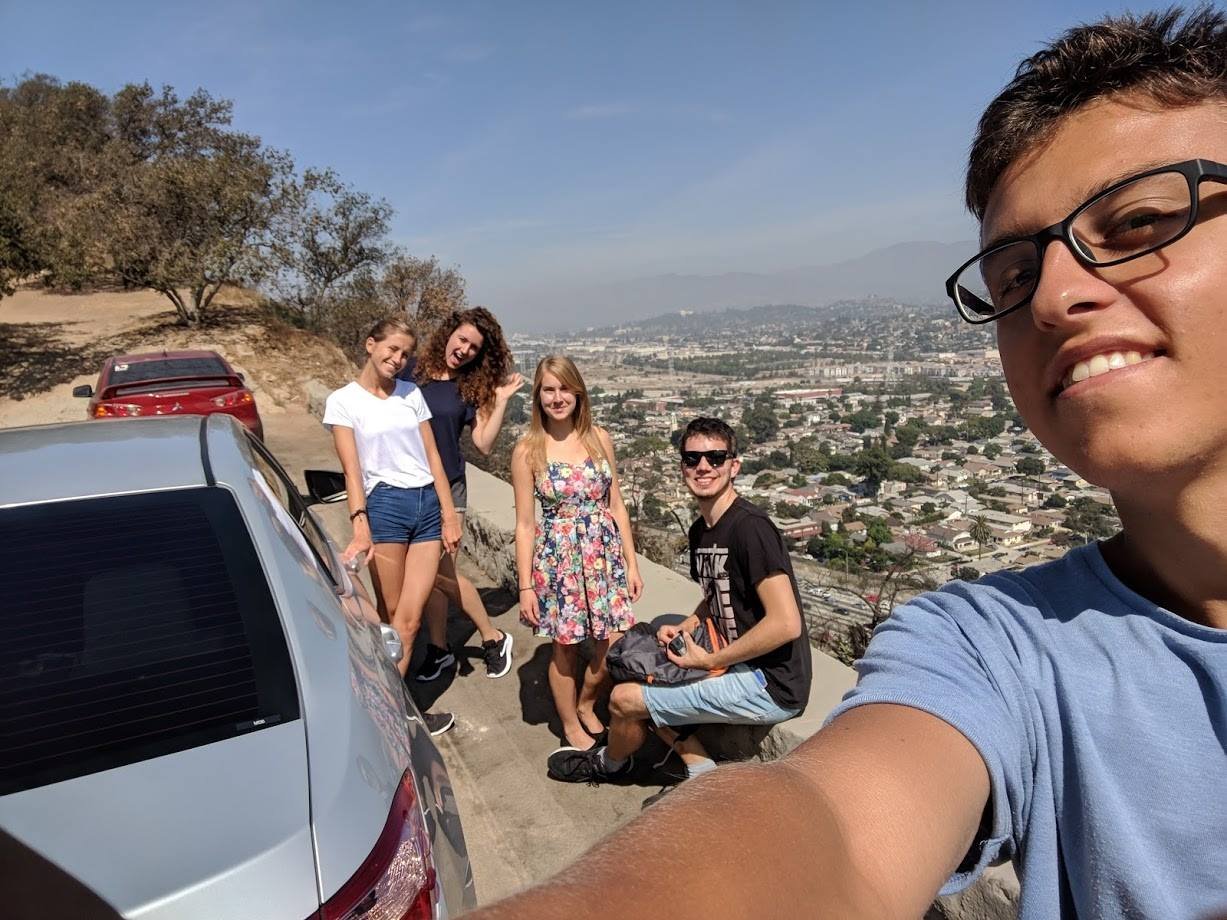
From Grand Teton we got to Los Angeles by bus to Salt Lake City and then by plane. On the morning of 25 September Wojtek, Kasia and Karolina joined us, we picked up the car and headed into the city: on the first day Beverly Hills, the Walk of Fame and the Chinese Theatre, and in the evening a view of Los Angeles by night from Griffith Observatory. On the second day a swing with a view of the city (Angels Secret Swing), the Hollywood sign (we took the wrong road right up to the sign and someone on a loudspeaker threatened to call the police if we didn’t turn back), the beaches of Malibu and Venice Beach with its canals. On the third day we said goodbye to our Couchsurfing host, went to the Knott’s Berry Farm amusement park and reached a campsite in Joshua Tree National Park for the night. More about the city in the post Los Angeles – the top attractions.


Route 66, the Grand Canyon and Horseshoe Bend
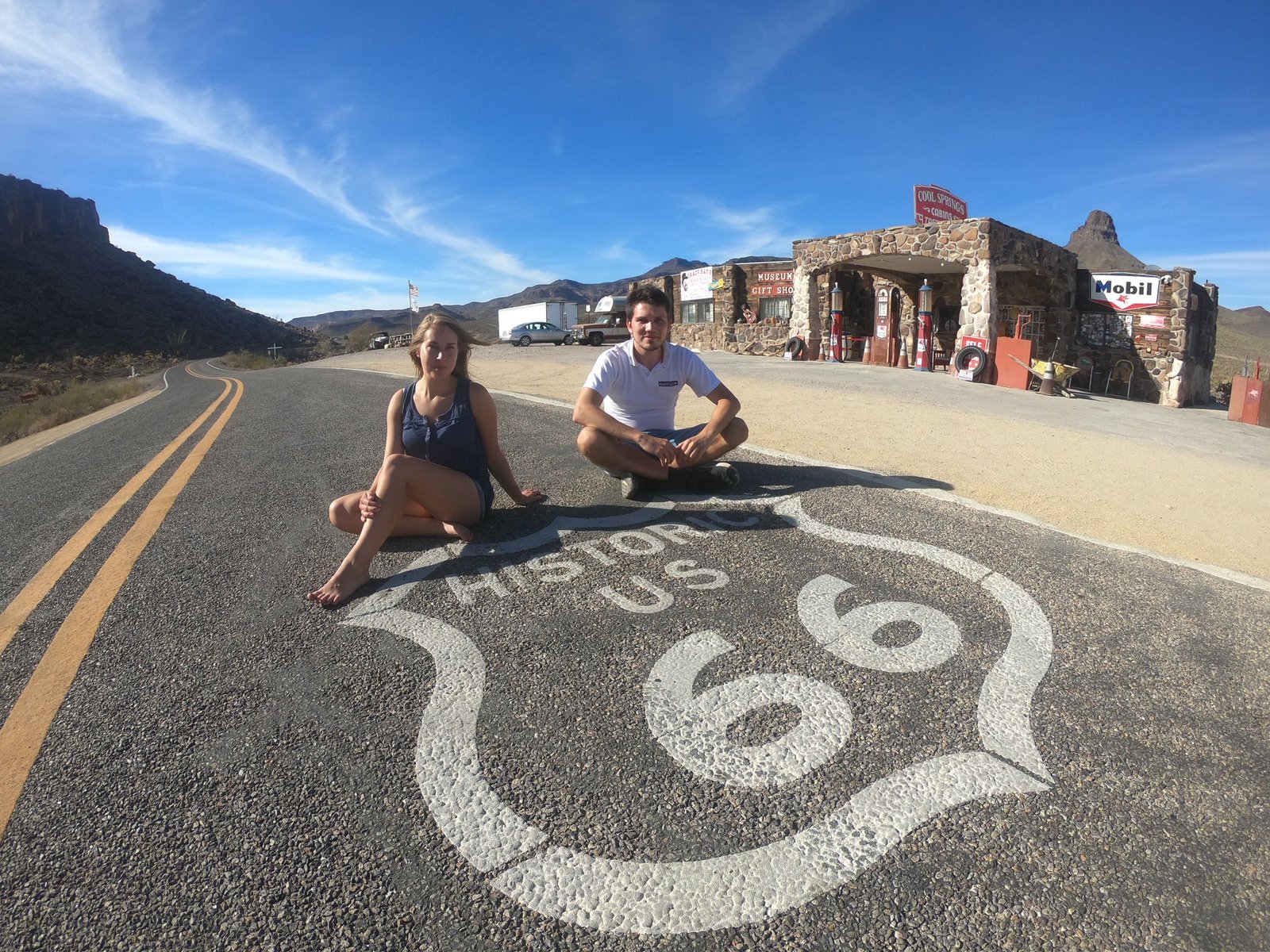
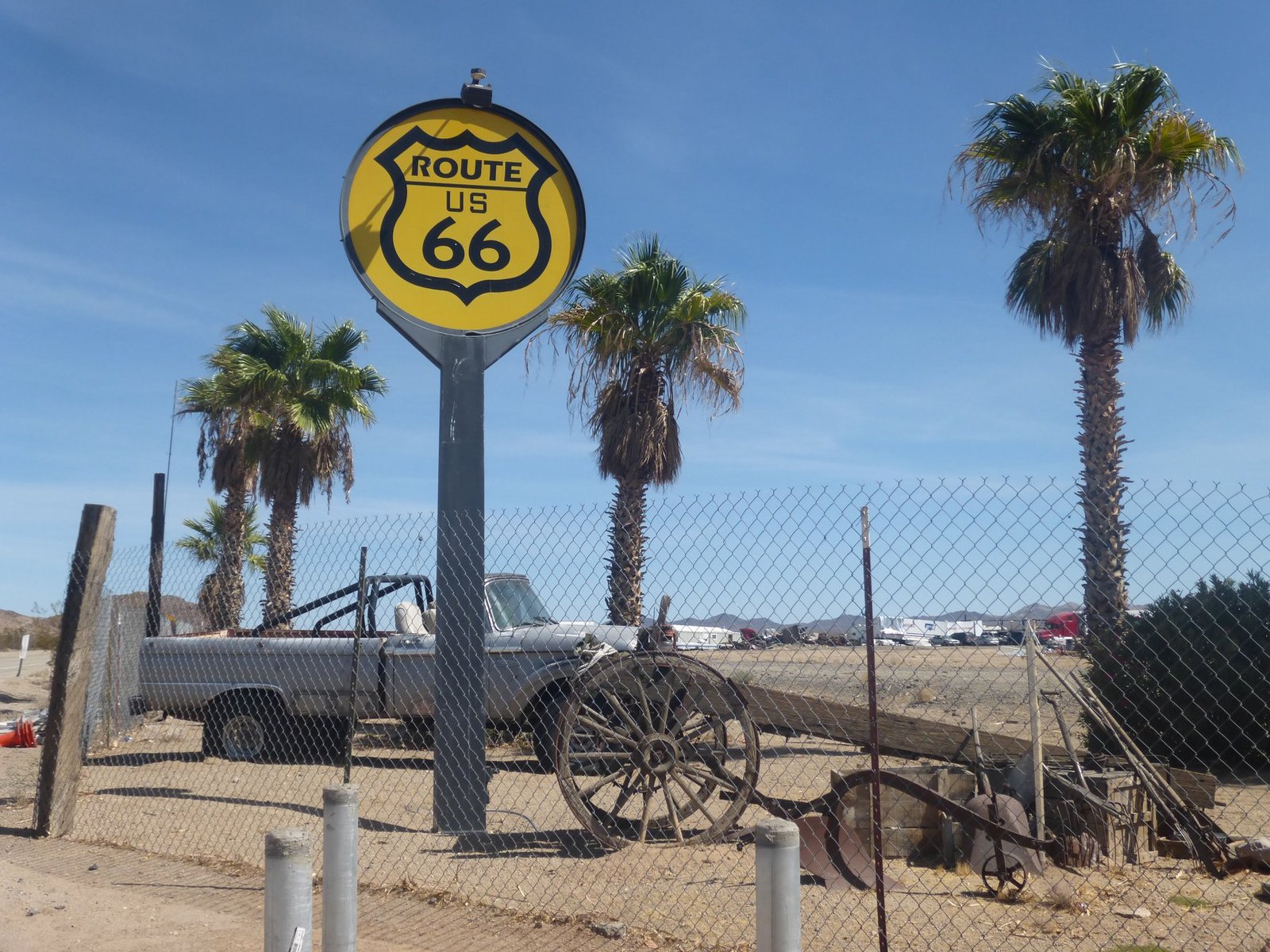
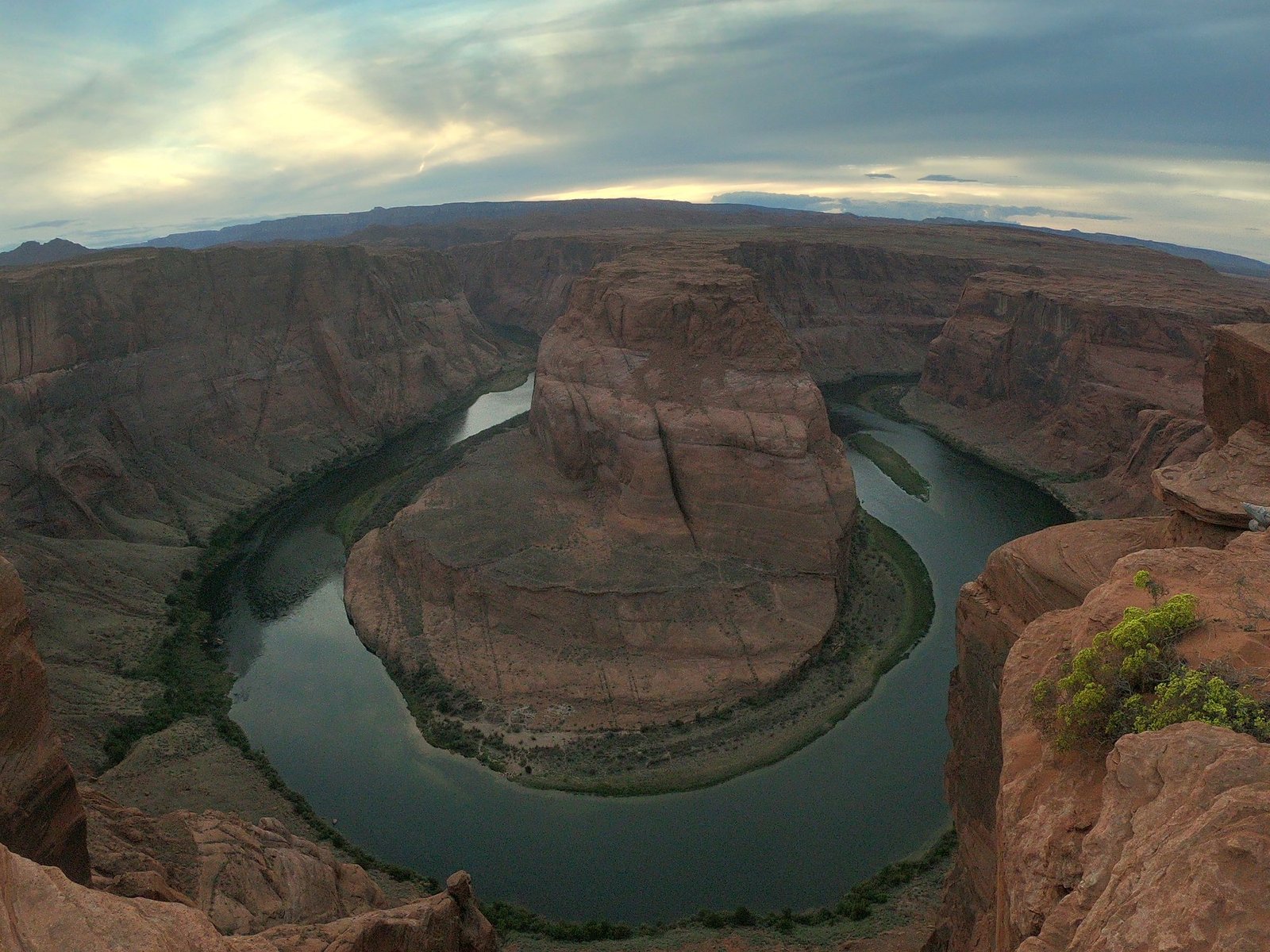
From Joshua Tree we drove east, stopping on the way at a stretch of the historic Route 66, which once connected Chicago with Los Angeles. We spent two days at the Grand Canyon: viewpoints on the South Rim, the hike down the Bright Angel Trail to the Colorado River, and a sunset. Further on we stopped at the Horseshoe Bend meander near Page. I describe it all in the post The Grand Canyon in two days.

Monument Valley
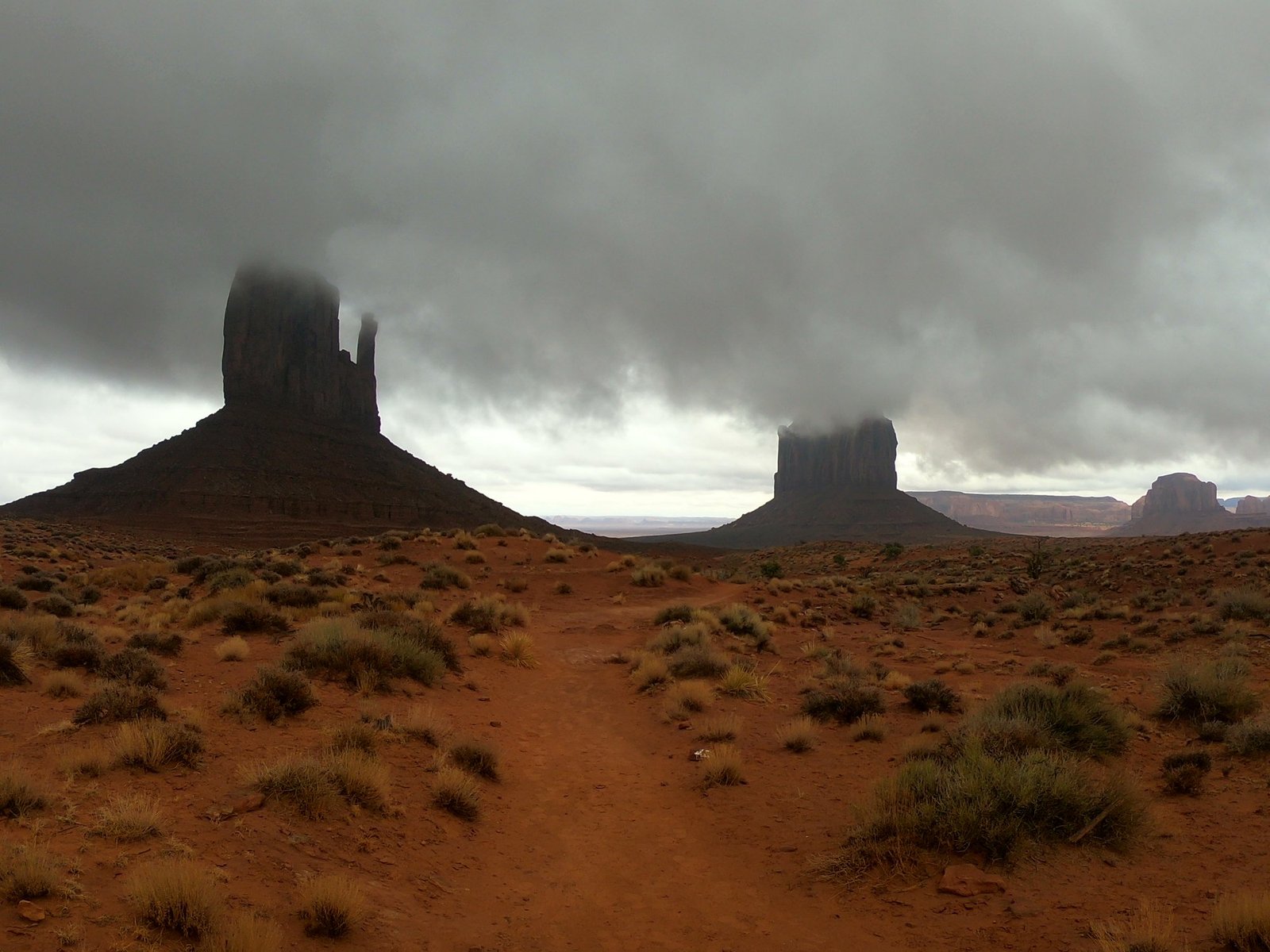
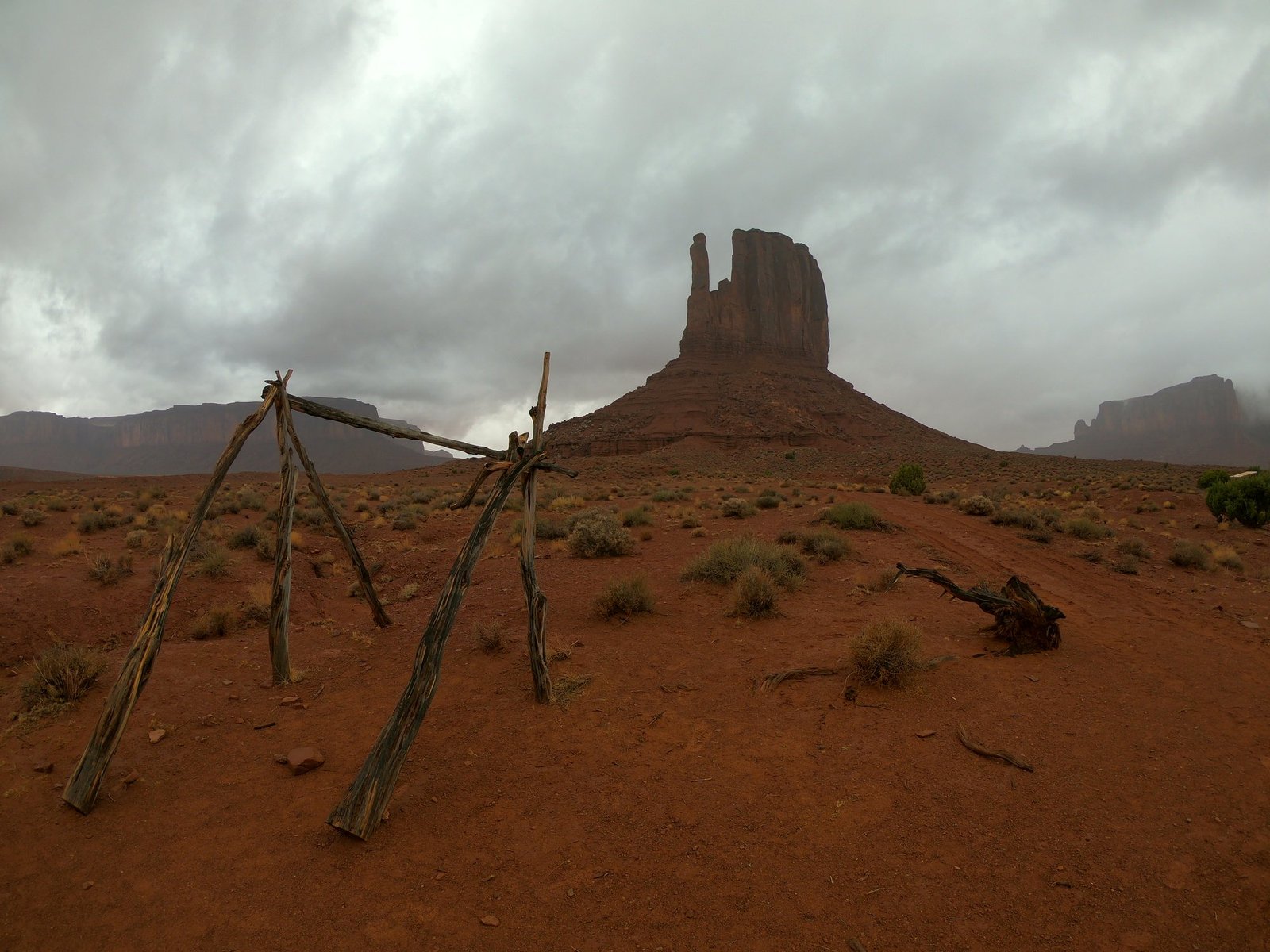
On 2 October we reached Monument Valley on the Arizona–Utah border – a valley of rock buttes that have appeared in many films, mostly westerns. The rock formations are up to about 300 m high, and the valley floor lies at an average of about 1855 m above sea level. We were unlucky with the weather: it rained for most of the day and low clouds hid the landscape. The valley is within the Navajo Nation reservation, so there is a separate entrance fee – it is not covered by the national parks pass. You will find more photos of the valley and of the Utah parks in the post Monument Valley and the national parks of Utah.
Utah: Arches, Canyonlands and Bryce Canyon
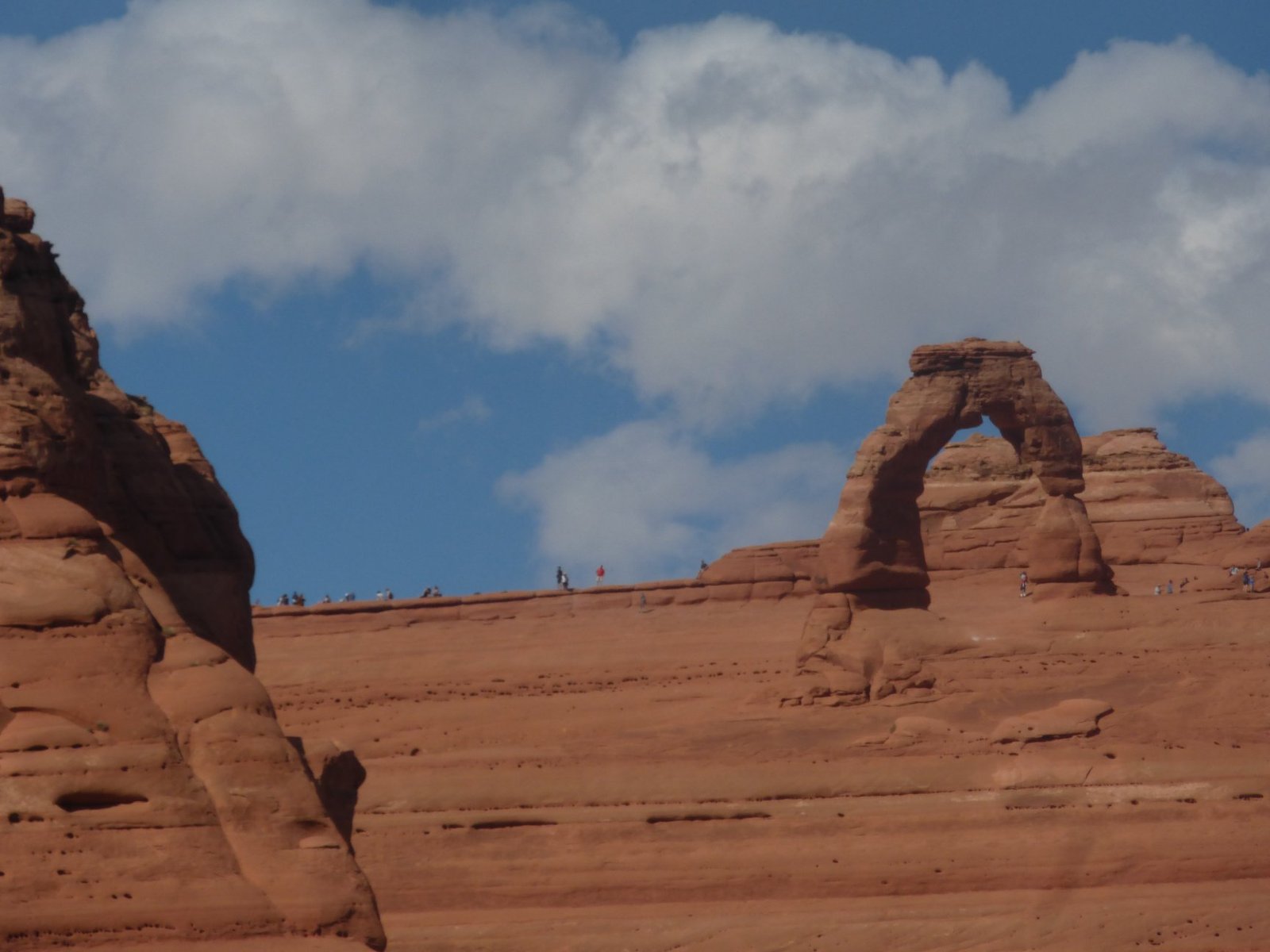
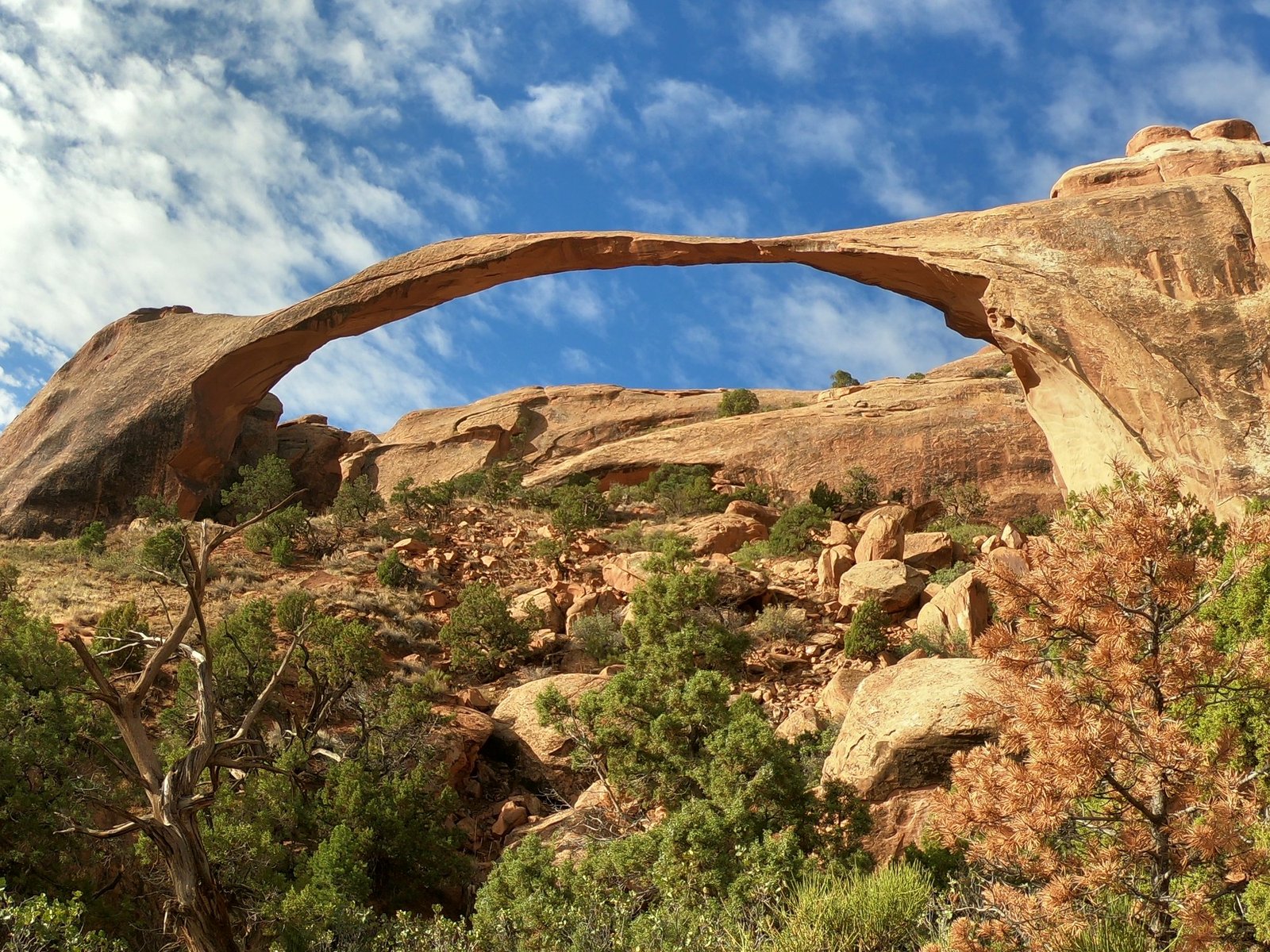
On 3 October we visited Arches National Park, which – as the name suggests – is famous for rock arches carved by wind and water (there are more than 2000 of them). The best known is Delicate Arch – a lone arch on the edge of a sandstone bowl and the symbol of the whole state of Utah.
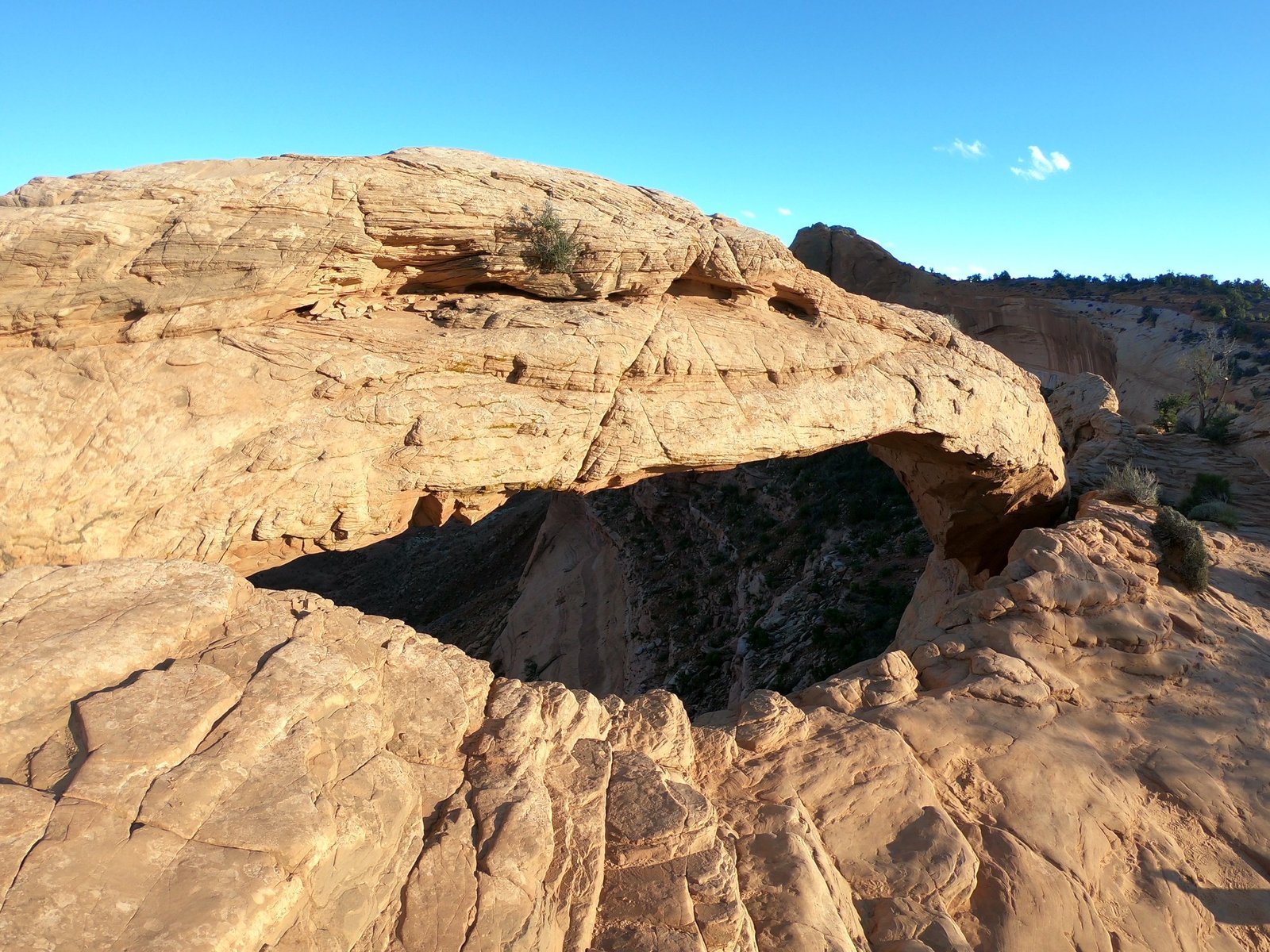
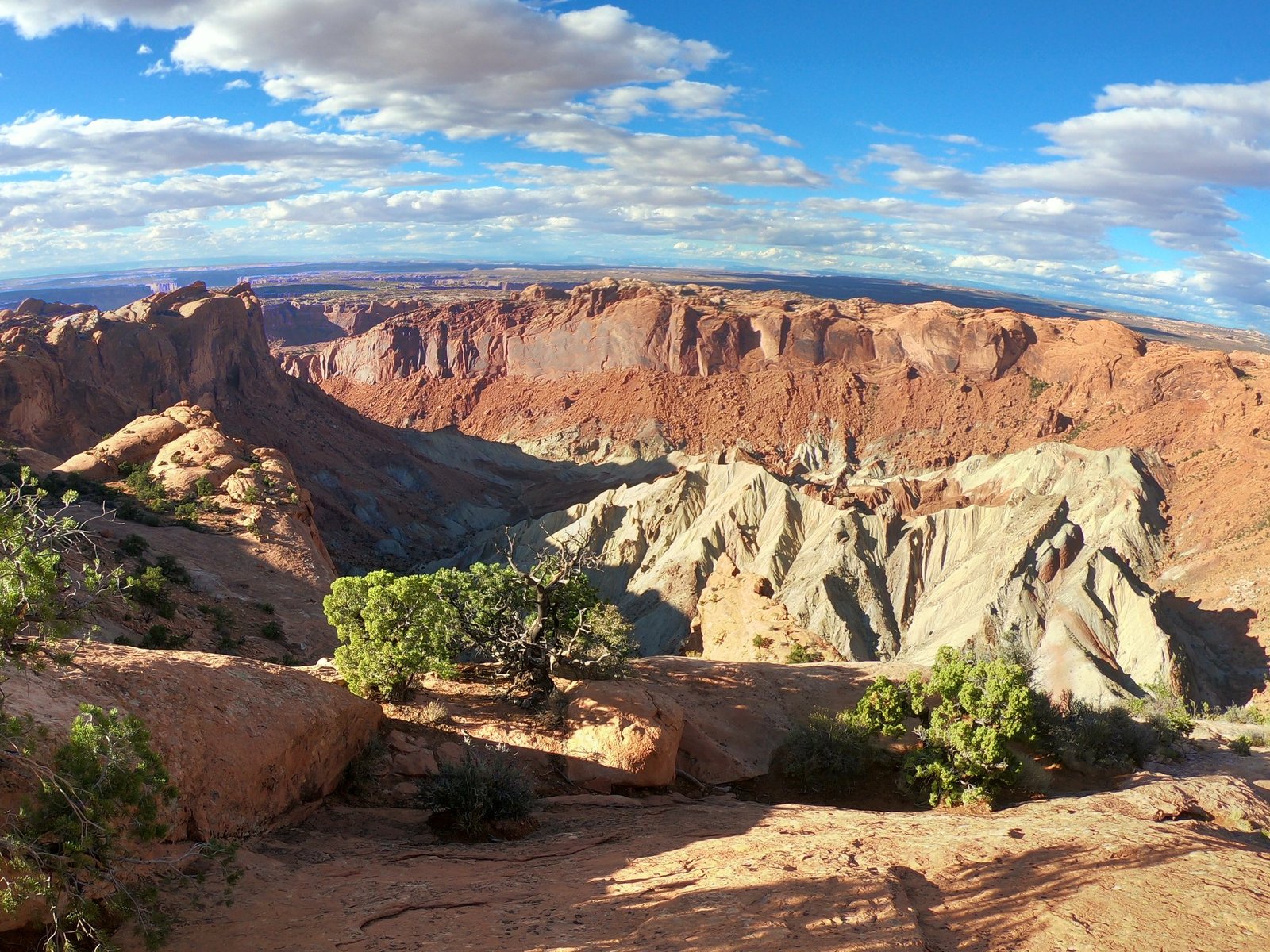
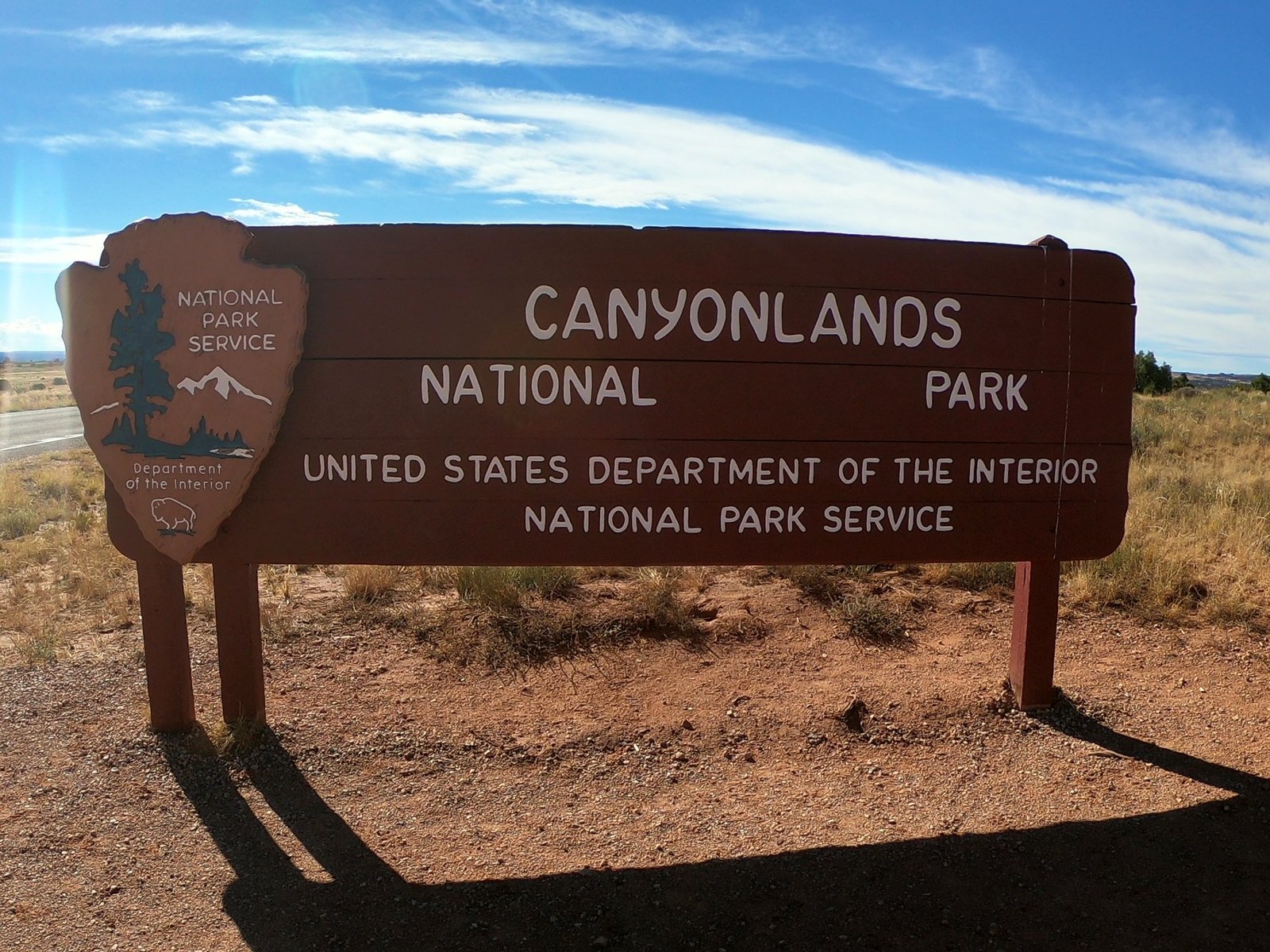
The next day we went to Canyonlands – the park where we had the least time of all. First thing in the morning we were caught in a huge storm, so we couldn’t do the trail we had planned and were left mostly with viewpoints. One of them, Gooseneck Overlook with a view of the Colorado River, was reached by a narrow, steep road meant rather for off-road vehicles – driving it in an ordinary car, especially on the way back, was quite a challenge. Canyonlands is a bit like a mix of the Grand Canyon and Arches: there are deep canyons, rock arches (such as Mesa Arch) and the Upheaval Dome crater, probably formed by a meteorite impact or by salt being washed away.
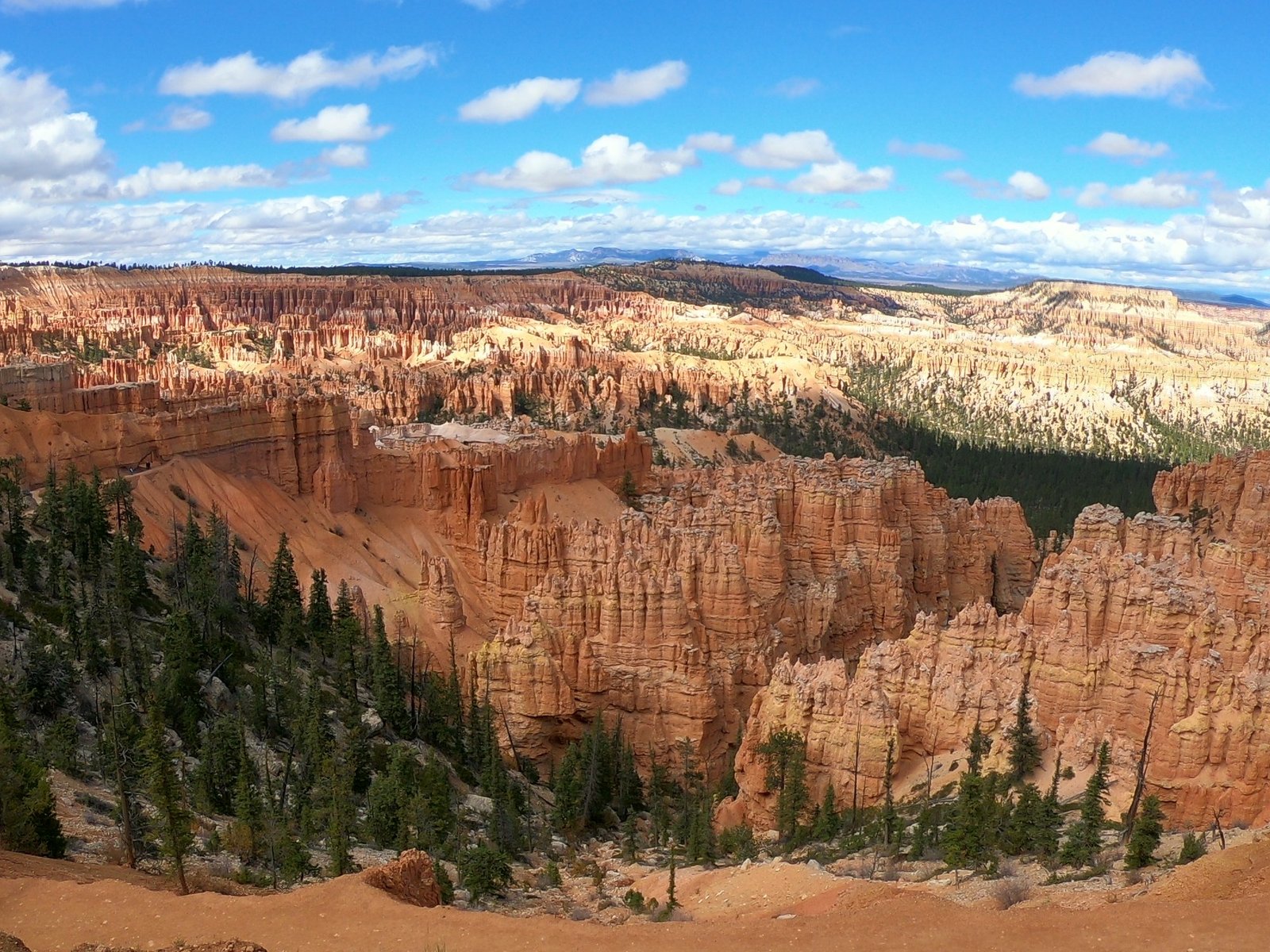
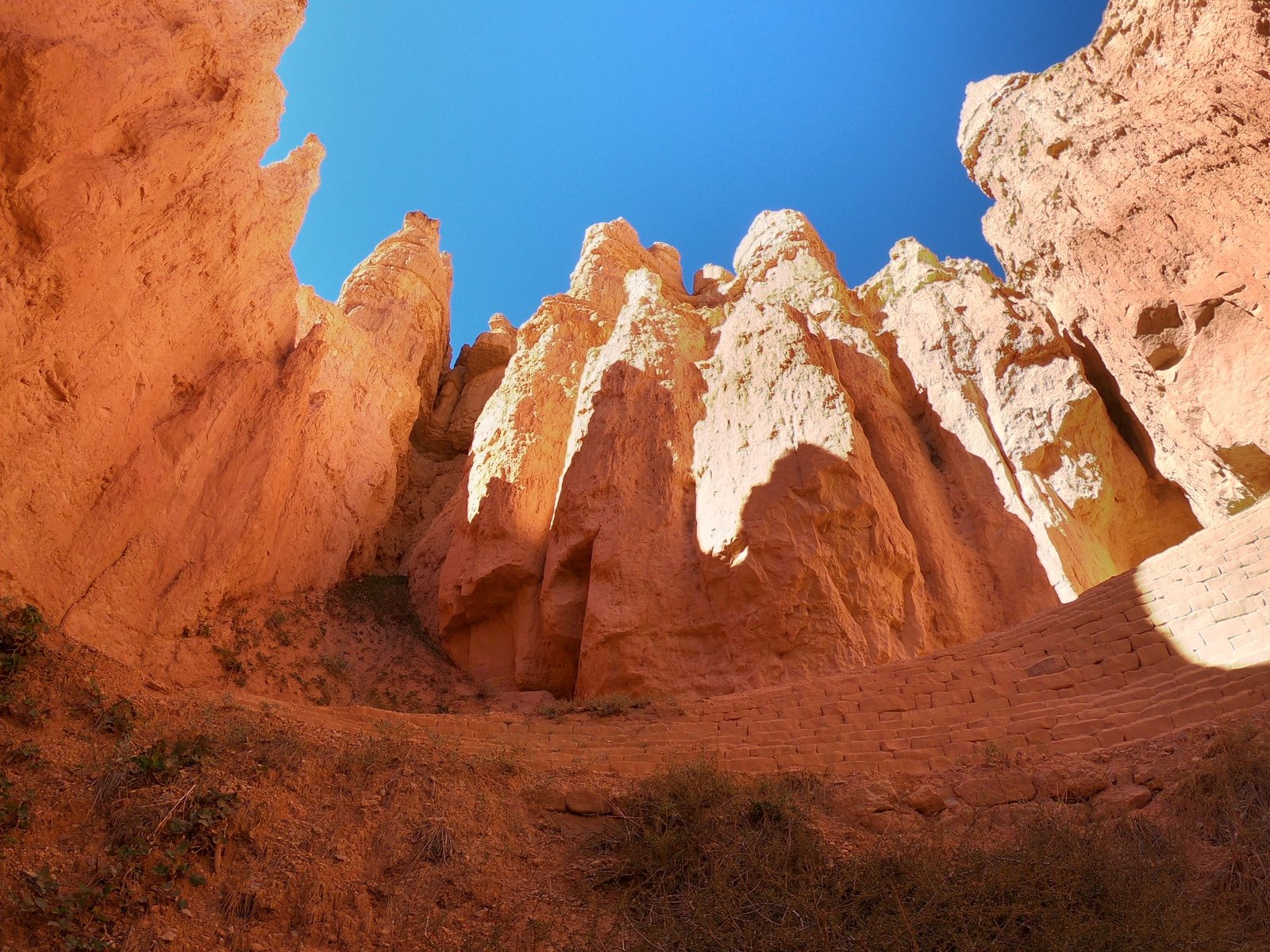
On 5 October we were in Bryce Canyon – a park with thousands of rock spires (hoodoos) in amphitheatres that look like… well, it’s hard to say what. The park lies high up (about 2400–2700 m above sea level), so in October it was really cold. Here we met a Polish couple who invited us to stay with them near New York – and a dozen or so days later they really did host us. The details and all the photos are in the post Monument Valley and the national parks of Utah.
Las Vegas and the Hoover Dam
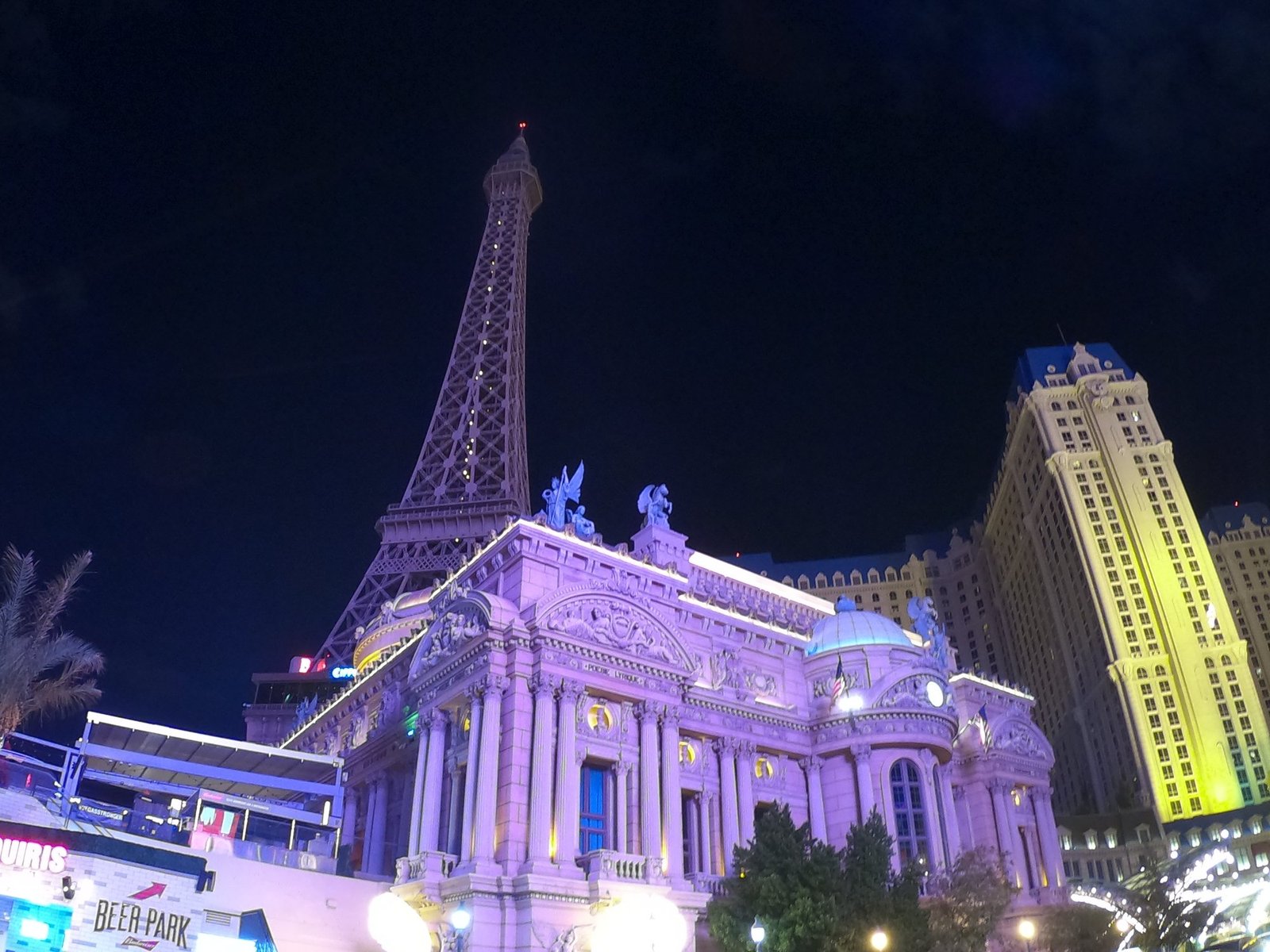
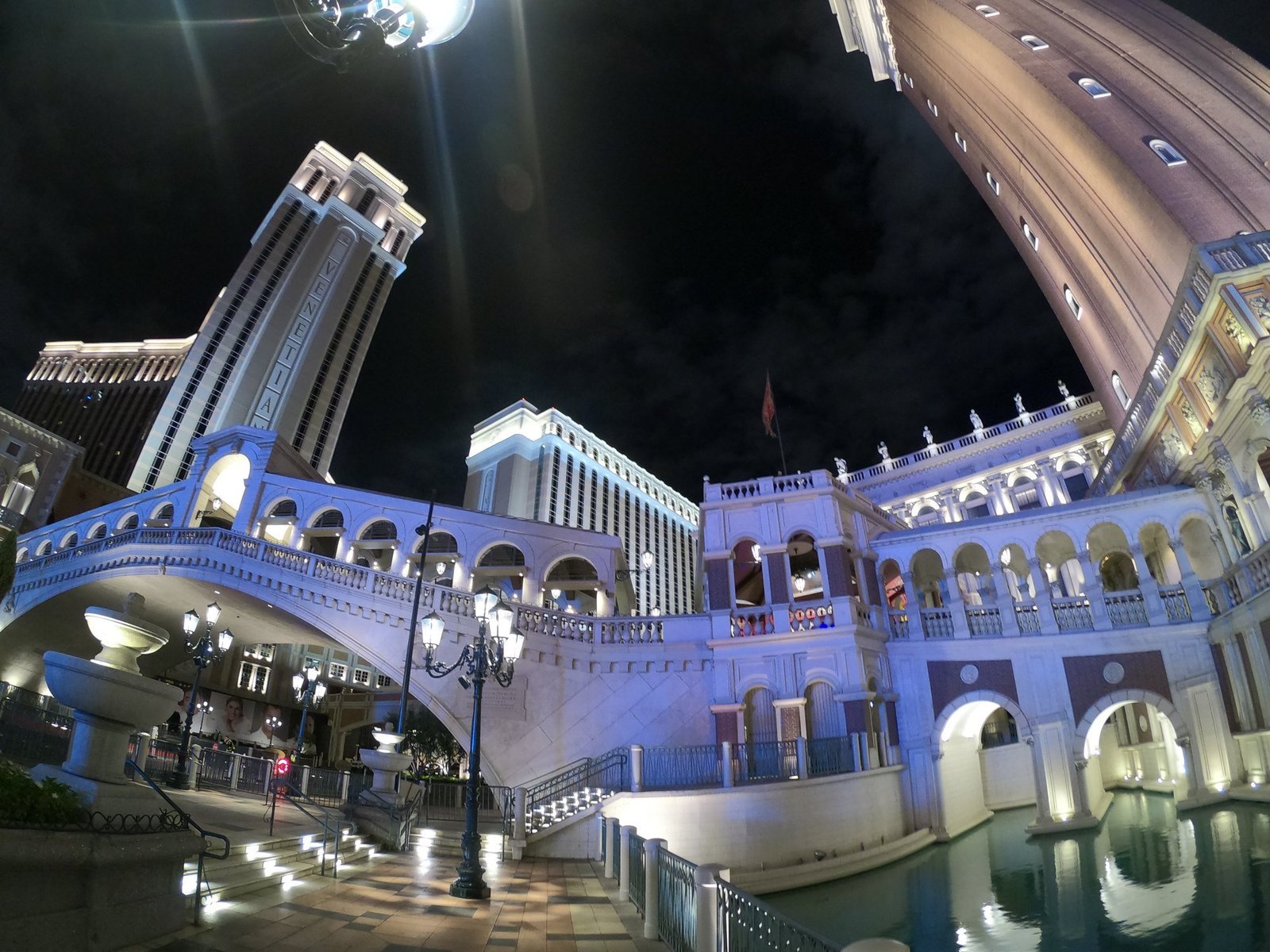
We were in Las Vegas on 6 and 7 October. We explored it mainly at night – that’s when the city comes alive: countless casinos (even in fast-food places), luxury, lights and people who came here to have fun. What we liked most were the replicas of buildings from other parts of the world – Paris, Venice, Rome, Egypt and New York. Two nights were more than enough; it was a short break from rushing around the parks and also the only hotel nights of the whole trip (at a decent price). Because Karolina was flying back to Poland, we changed the order and visited Zion only after Las Vegas.
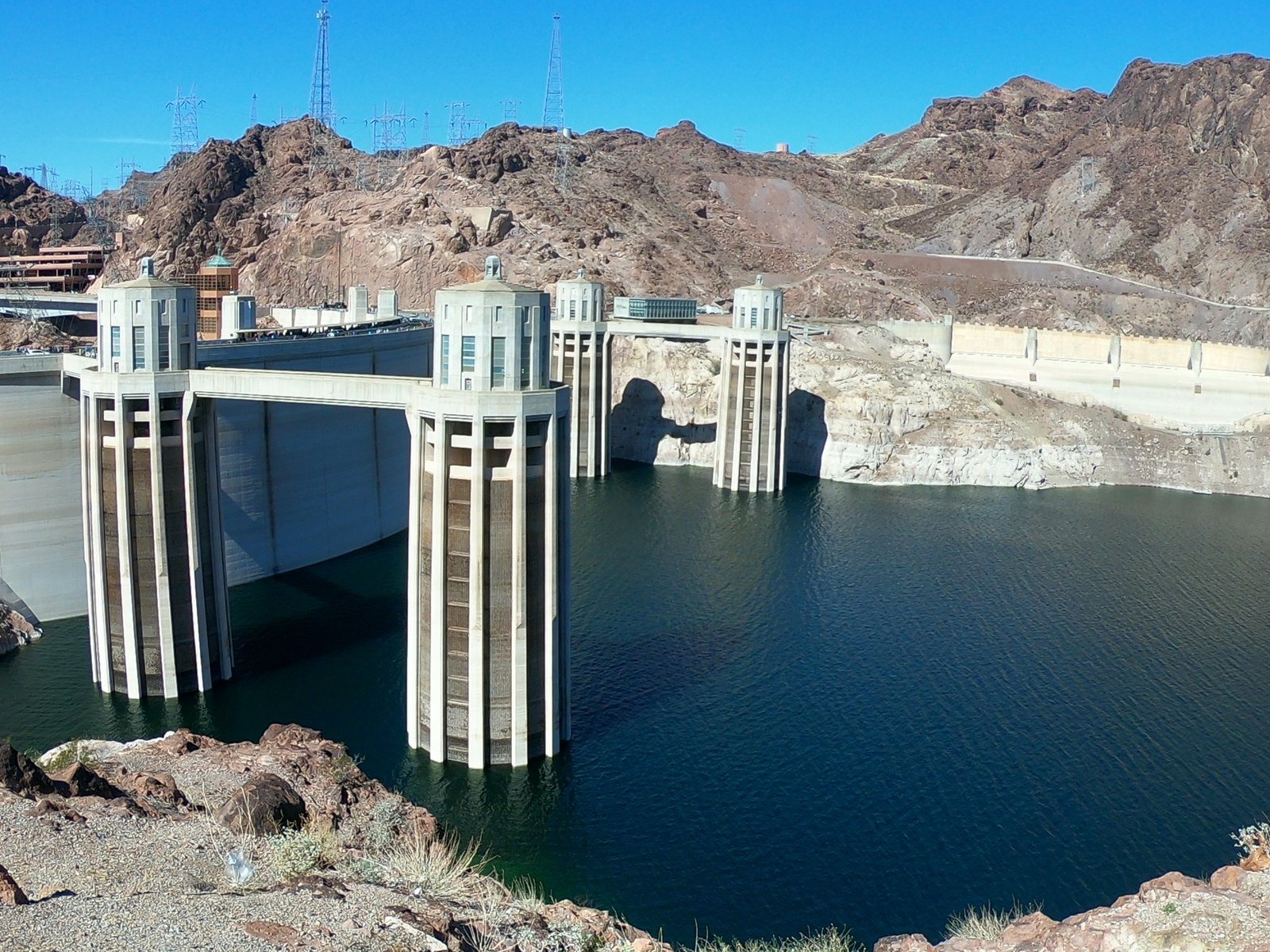
On 8 October, on the way to Zion, we stopped at the Hoover Dam on the Nevada–Arizona border. When it was completed (1936) it was the largest hydroelectric power plant and the largest concrete structure in the world – it was called the eighth wonder of the world. The Colorado River dammed by it forms Lake Mead. More about both places in the post Las Vegas and the Hoover Dam.

Zion, Death Valley, Bodie and back to Yosemite
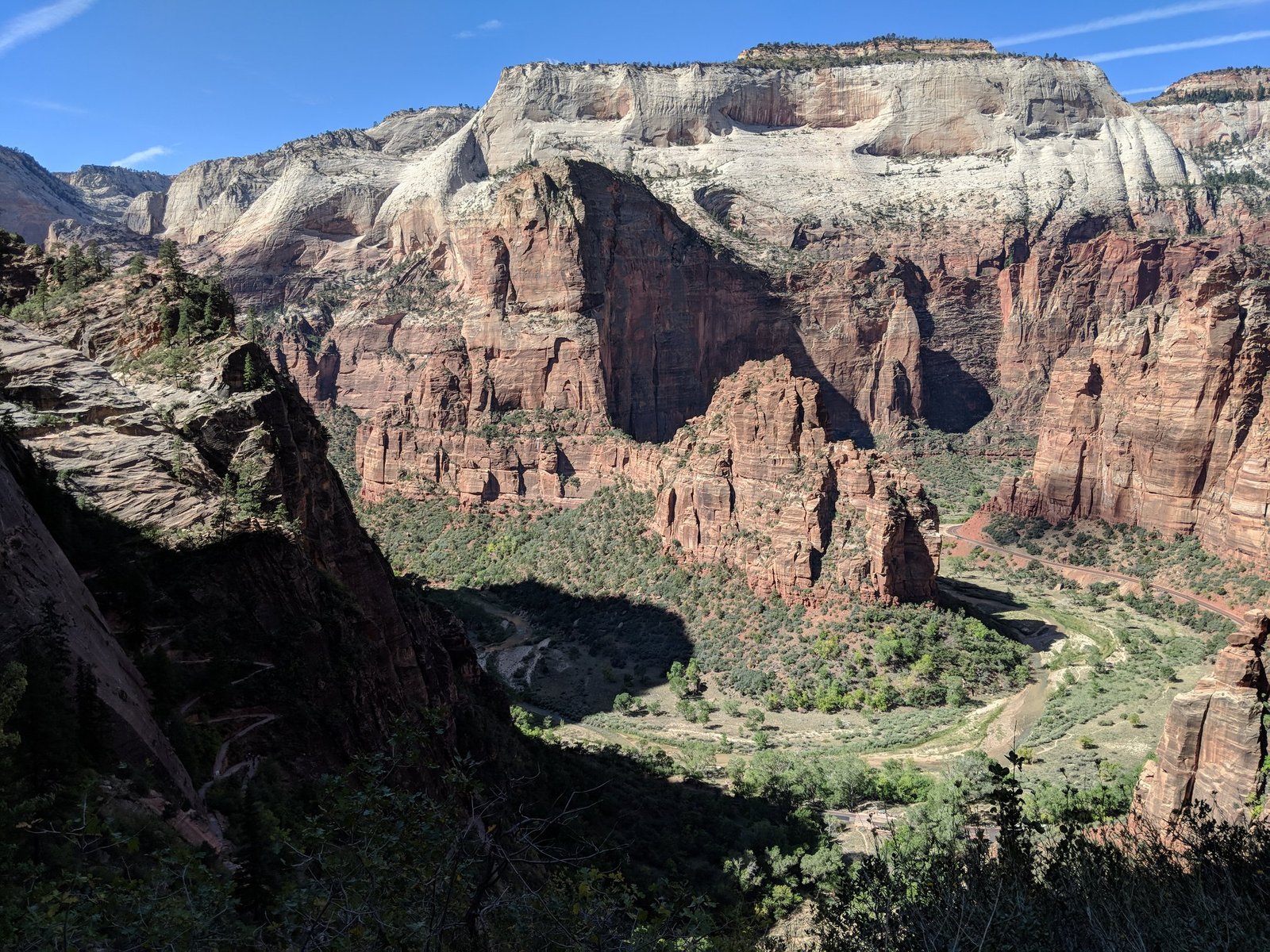
We reached Zion on the evening of 8 October and spent two full days there – climbing Angels Landing and Observation Point (the post about Zion).
Then we drove to Death Valley, which, despite just one day there, became one of our favourite places in the States: the salt flats of Badwater Basin 86 m below sea level, colourful rocks, dunes and craters, and in October still about 38°C (Death Valley in one day).

On 12 October we visited Bodie – a gold rush town abandoned in the mid-20th century together with all of its residents’ belongings (the post about Bodie).

From there we took Tioga Road for two more days in Yosemite, where we had worked in the summer.

Big Sur and the end of the western loop
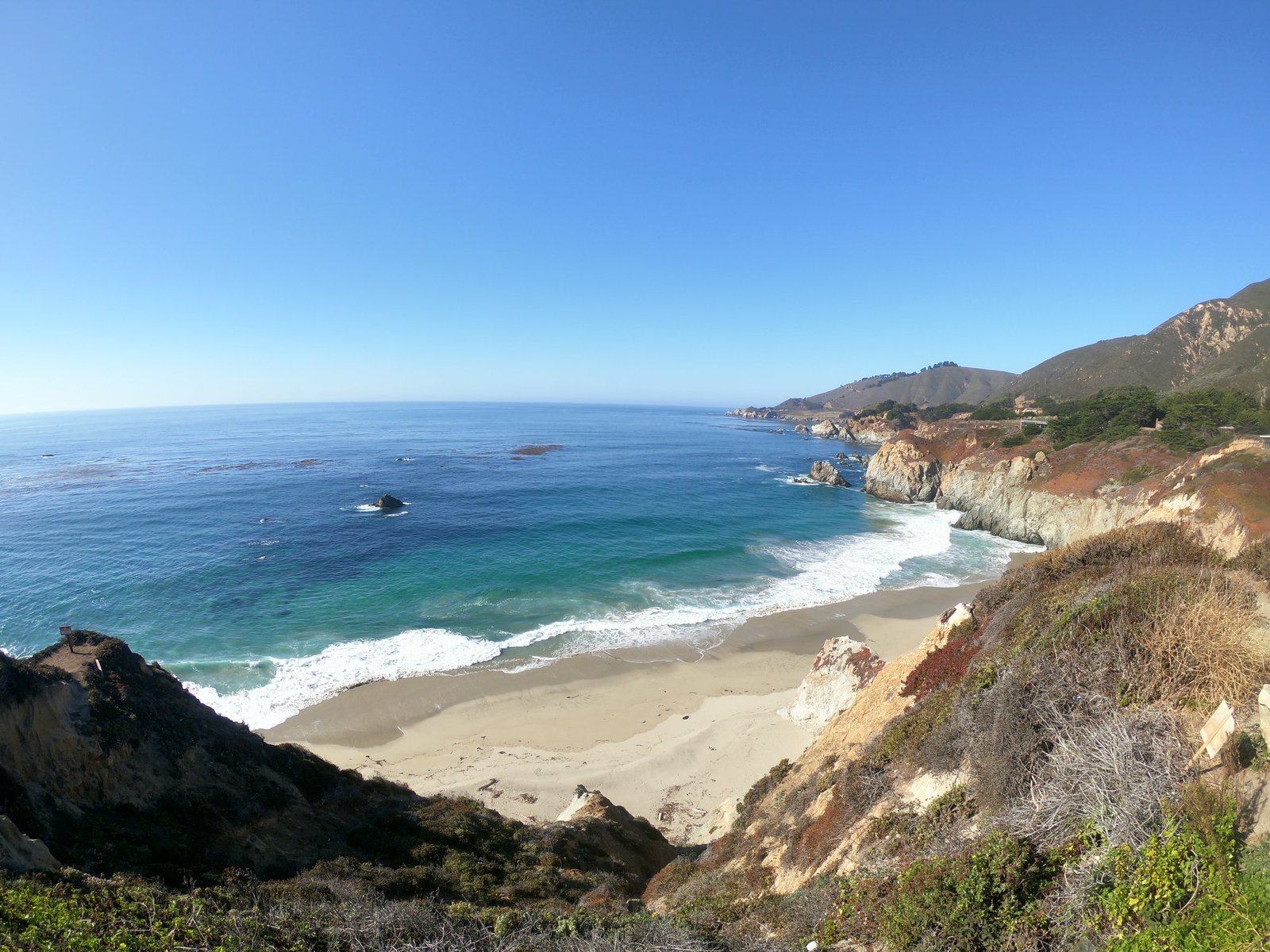
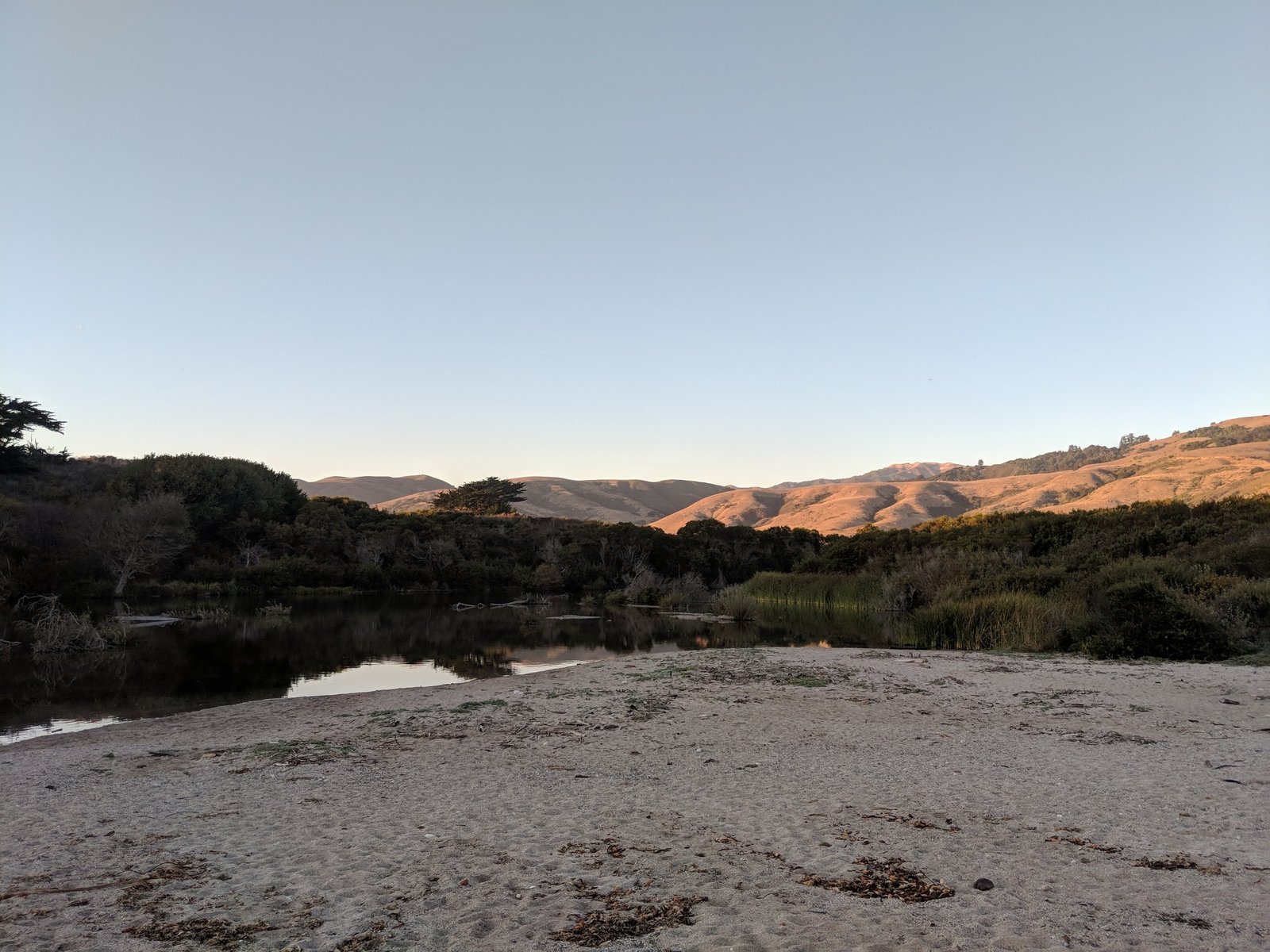
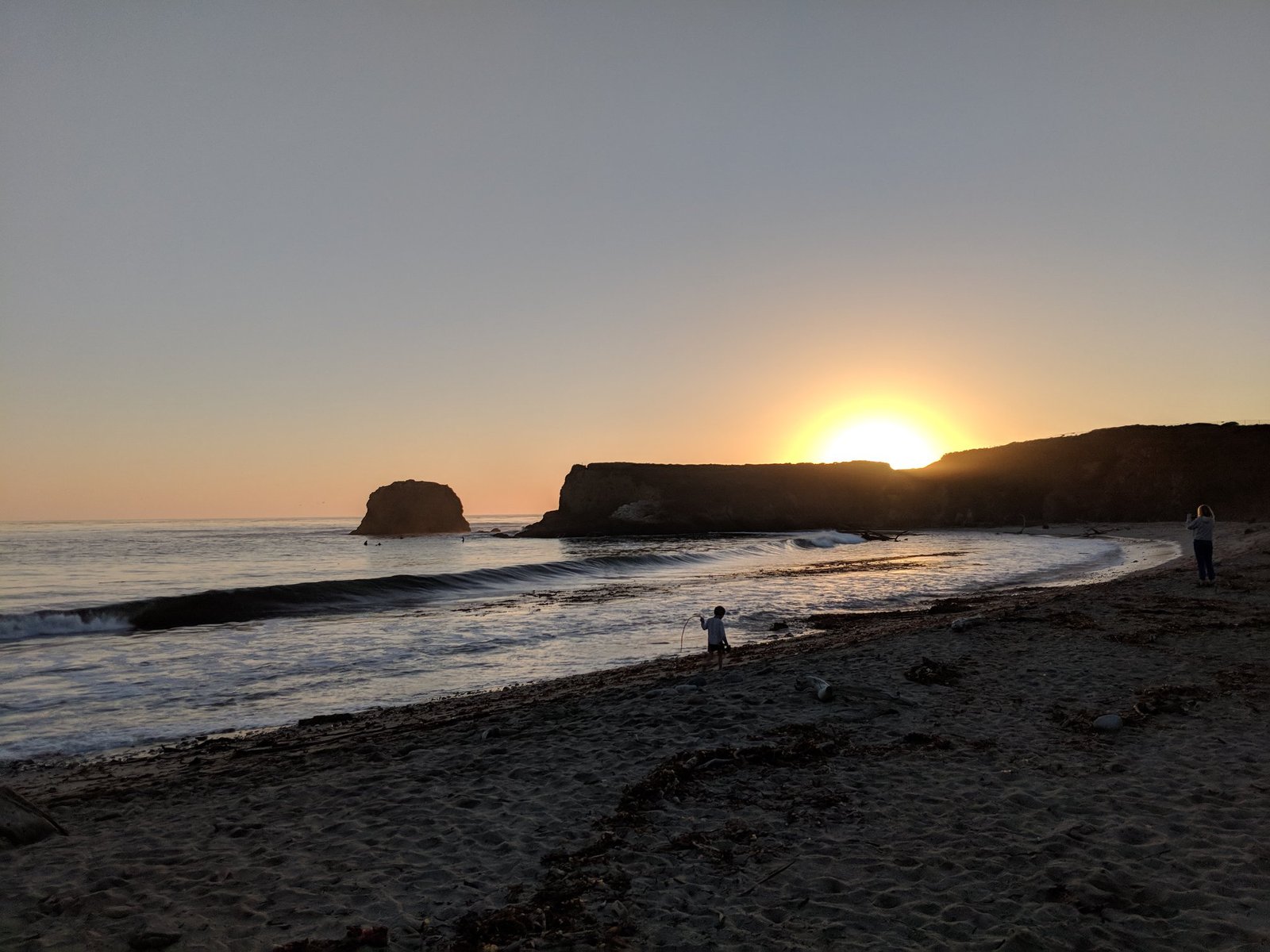
We left Yosemite late in the evening on 14 October and still stopped at the Hobbs Grove haunted house in Sanger near Fresno (it was Halloween season, and the actors in costume looked very realistic). We spent the night at a campsite by San Luis Reservoir, among hills covered in dry, yellow grass. The next day we reached the Pacific coast along the famous Highway 1 around Big Sur – on the beach we watched the sunset and dolphins close to the shore. Then we dropped Kasia and Wojtek off at the station in San Jose and, now just the two of us, drove to Los Angeles, where we returned the car on 16 October. In three weeks we had driven about 5800 km in it.
The East Coast in a week
On the night of 17 to 18 October we flew from Los Angeles to New York (Newark airport). For three days we were hosted by the Polish couple we had met in Bryce Canyon – with an airport pick-up, breakfasts, dinners and a beer or two. Of all the cities in the USA, we liked New York the most – we saw most of the famous places in Manhattan, and the people were completely different from those in Los Angeles: always in a hurry and crossing on a red light, almost getting run over. The Statue of Liberty doesn’t seem as big in real life as it does in photos. The details are in the post New York in 3 days.

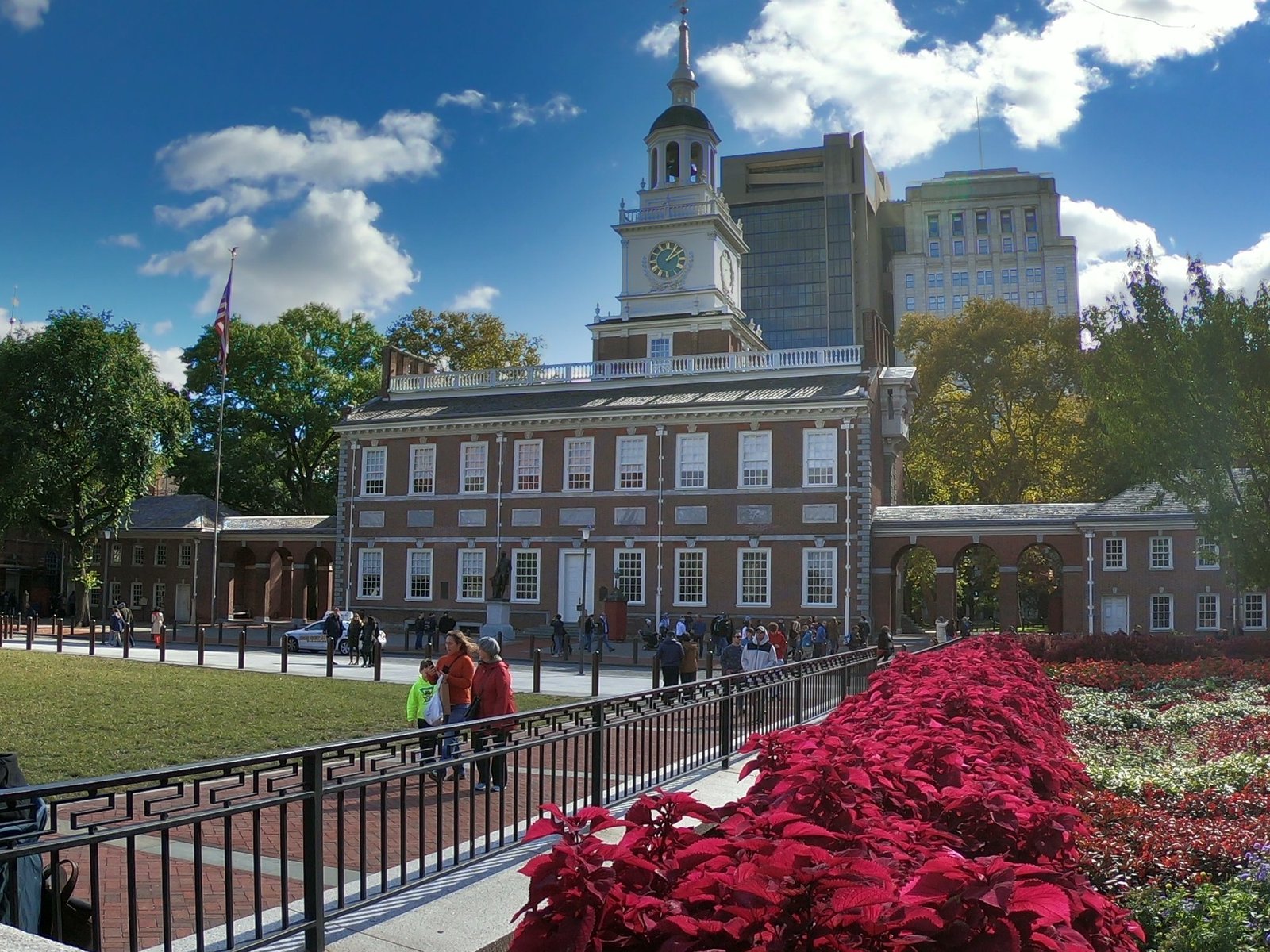
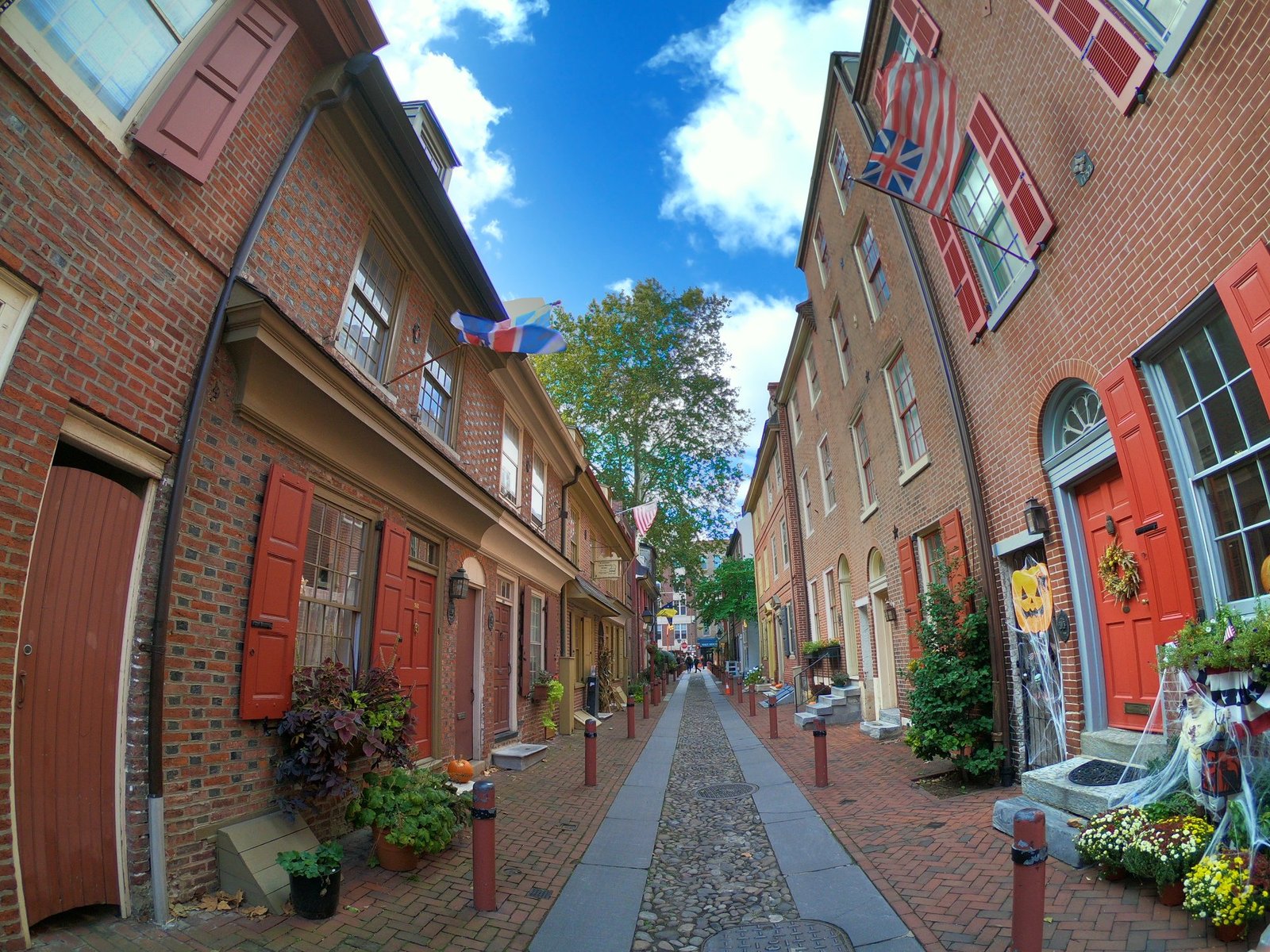
For the cities that played a key role in the founding of the United States we rented a car (which we also slept in) and gave each of them one day. 21 October – Philadelphia, the first capital of the USA, where many ideas of the revolution and independence were born. Among other things we saw Independence Hall, where the Declaration of Independence and the Constitution were signed, the Philadelphia Museum of Art with its steps and the Rocky statue, the house where Tadeusz Kościuszko lived, Elfreth’s Alley – one of the oldest inhabited streets in the USA, the mosaics of Philadelphia’s Magic Gardens and the Eastern State Penitentiary prison from 1829. Quite a lot of Polish Americans live in the Port Richmond neighbourhood.
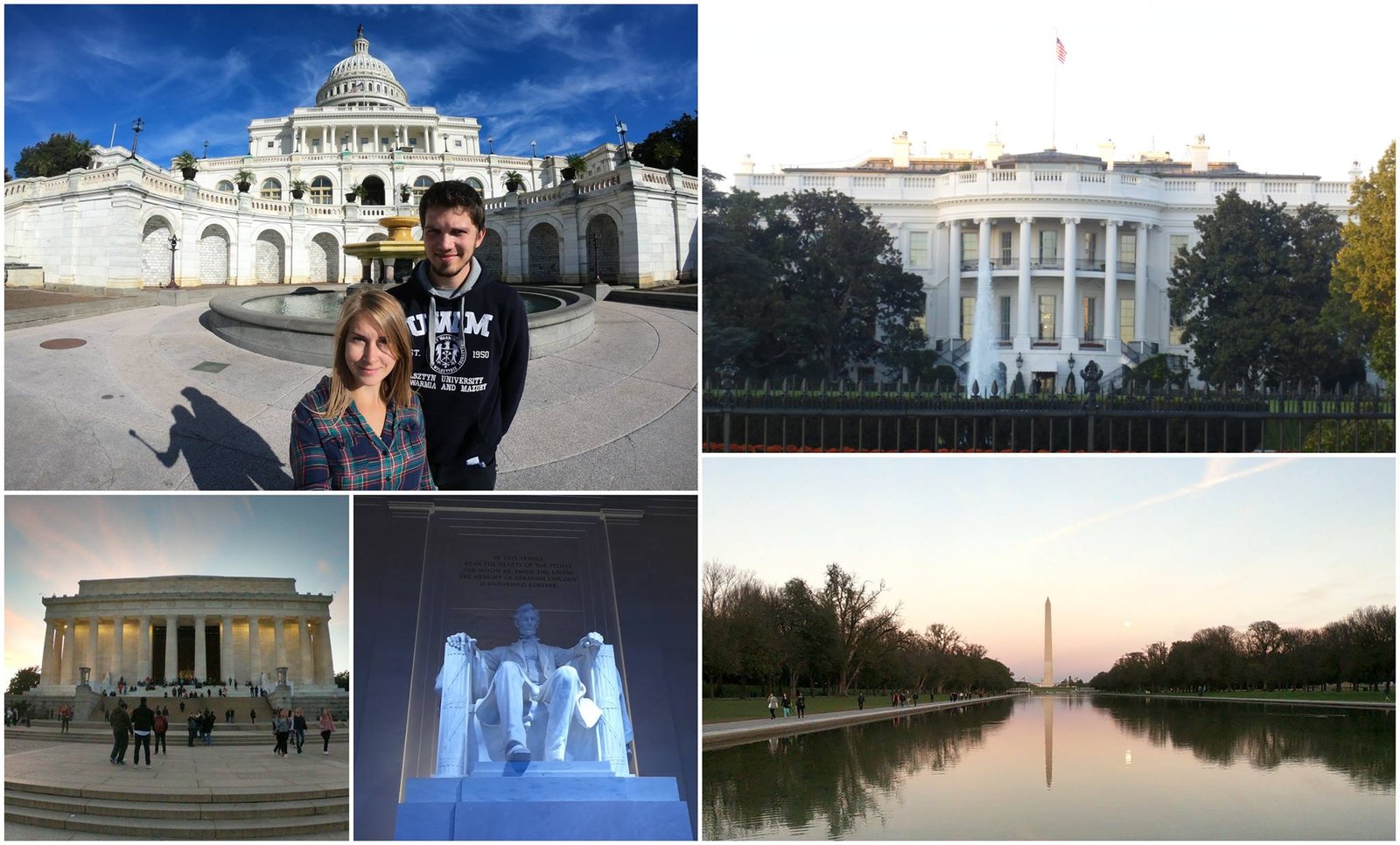
22 October – Washington (formally the District of Columbia), the capital and seat of the country’s government. In one day we saw the most important sights: the Capitol, the White House, the Washington Monument and the Lincoln Memorial; there was no time left for museums, we only made it to the botanic garden. The biggest problem, as in every big city, was finding a parking space.
24 October – Boston, the cradle of American independence (this is where the famous “Boston Tea Party” took place). We walked The Freedom Trail – about 4 km and 16 of the most important historic sites in the centre – and the Harvard University campus. We kept the evening for nearby Salem, known for the witch trials of the late 17th century: the whole town lives on horror and magic – museums, decorations, esoteric shops and night tours, and not only in the Halloween season.
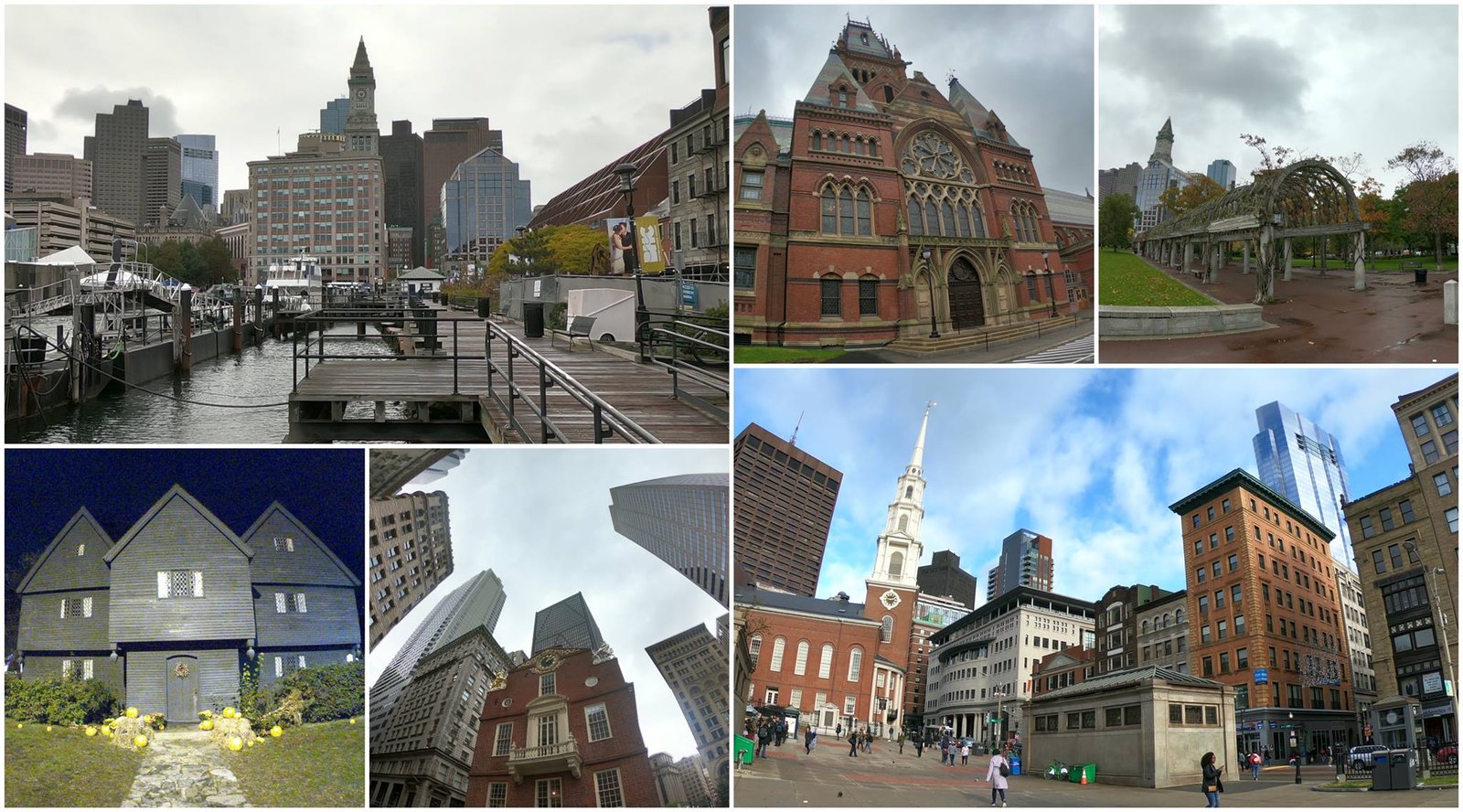
At the very end we had one more adventure: on the last day, while we were repacking our things for the flight, two police cars pulled up – someone had reported that we were stealing the car (apparently cars often go missing in that area). Everything was quickly cleared up, and on 25 October we flew from Newark back to Europe. I describe Philadelphia, Washington, Boston and Salem in more detail in the post about the East Coast.
The trip in numbers
We added up how many kilometres we covered in the States over the whole trip – four and a half months of Work & Travel and a month of travelling. It came to 17,723 km:
- by car – 7347 km (about 5800 km in three weeks in the West and 1530 km on the East Coast),
- by plane – 6436 km (counting only flights within the USA, without the flights from Europe and back),
- by train and bus – 3627 km,
- hitchhiking – 313 km.
The longest was the night flight from Los Angeles to Newark – 3921 km. The longest stretch by car – from Zion through Death Valley to Lee Vining – was 859 km, and we drove it in a single day.
How to plan it – our conclusions
- Pick a region. The States are huge and you can’t see everything in a month – it’s better to focus on states that are close to each other. In the West the national parks are (by American standards) close together, so a loop from Los Angeles worked out great.
- Cities quickly, parks for longer. Accommodation in cities is very expensive – two days are enough for Los Angeles, one for Las Vegas, two for San Francisco (the post about San Francisco).
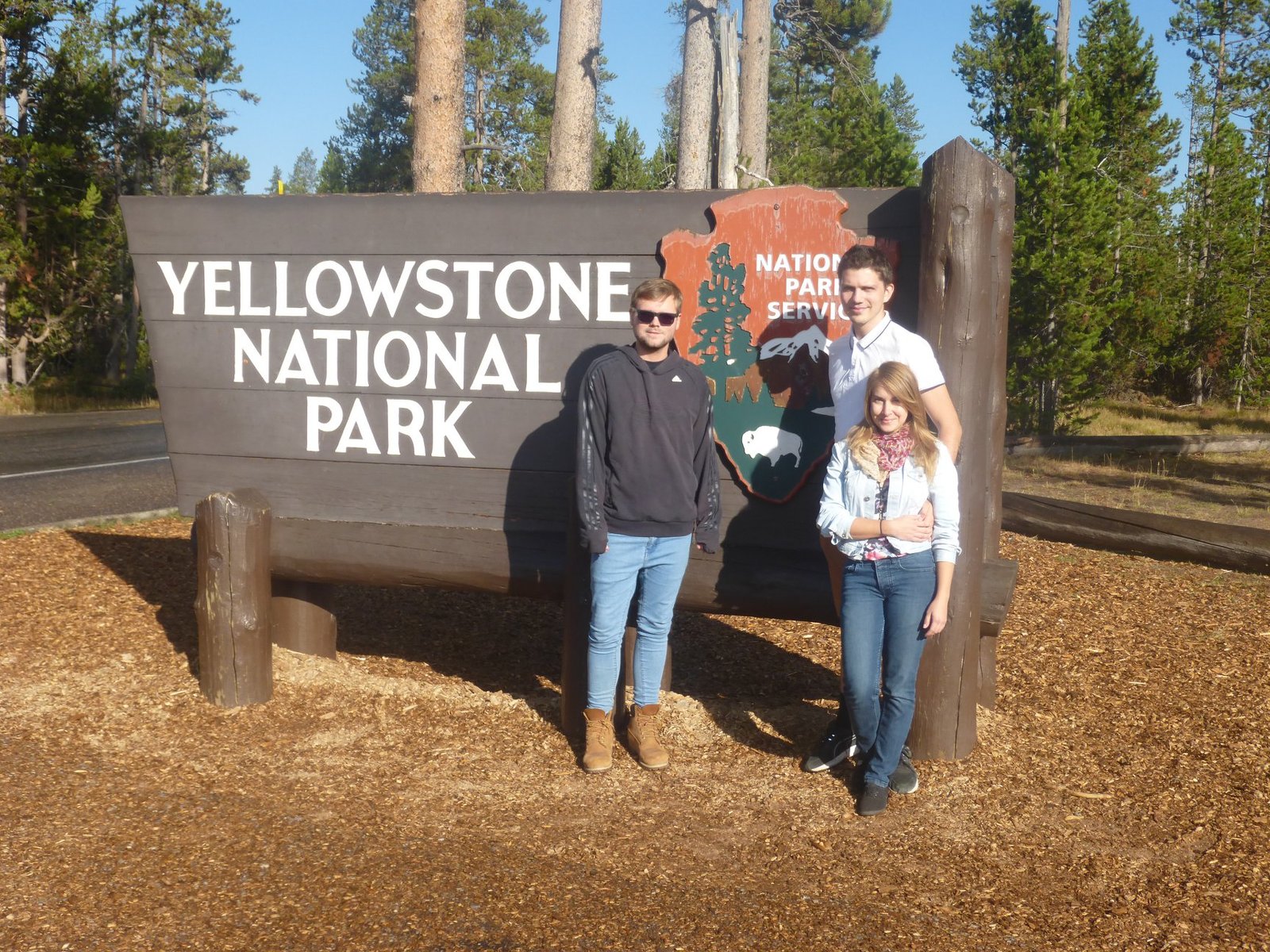
- Yellowstone is far from the rest. On our own we would probably have skipped it – we only saw it thanks to working in Grand Teton (Yellowstone in one day). If you do go there, be sure to combine it with Grand Teton.
- Check the type of road. Our blunder was Paria Canyon and Vermilion Cliffs with their colourful rocks – without an off-road vehicle we couldn’t get there, and we drove quite a few extra kilometres; some places also require a permit.
- Reservations and fees. In high season some parks may require timed-entry reservations (in recent years Yosemite and Arches, among others), and Angels Landing in Zion needs a permit from a lottery. On a road trip the annual America the Beautiful pass pays off; from 2026 visitors from outside the USA pay 250 USD for it, and without it they pay an extra 100 USD per person in the most popular parks (including the Grand Canyon, Zion, Bryce Canyon, Yosemite, Grand Teton and Yellowstone). The current rules are on nps.gov.
- Spontaneity pays off. Before the trip we drew up a list of places and worked out the details as we went – in terms of logistics and money this turned out better than a rigid plan.
I have gathered practical tips – car rental, camping, food, buying gear and the weather – in the post How to plan a cheap trip around the USA.