











Scotland is a beautiful green part of Great Britain. It offers lots of interesting places, a huge number of castles and wonderful (if not very high) mountains. We went there at the end of September 2017. The idea was a trip based on hitchhiking and nights in a tent.
We flew from Warsaw Modlin to Glasgow (about €40 per person return). We landed very late, though (around 10:30 pm), so, as planned, we pitched our tent near the airport (watch the video above from the beginning). The next day we first took a city bus to the centre of Glasgow (expensive tickets at £7.50), and then a MegaBus to Edinburgh. We had bought the tickets well in advance, so it came out really cheap (£5 each, if I remember correctly). Click here to read on.
We got off the bus in the centre, on Princes St, so the first sights were just a stone’s throw away.
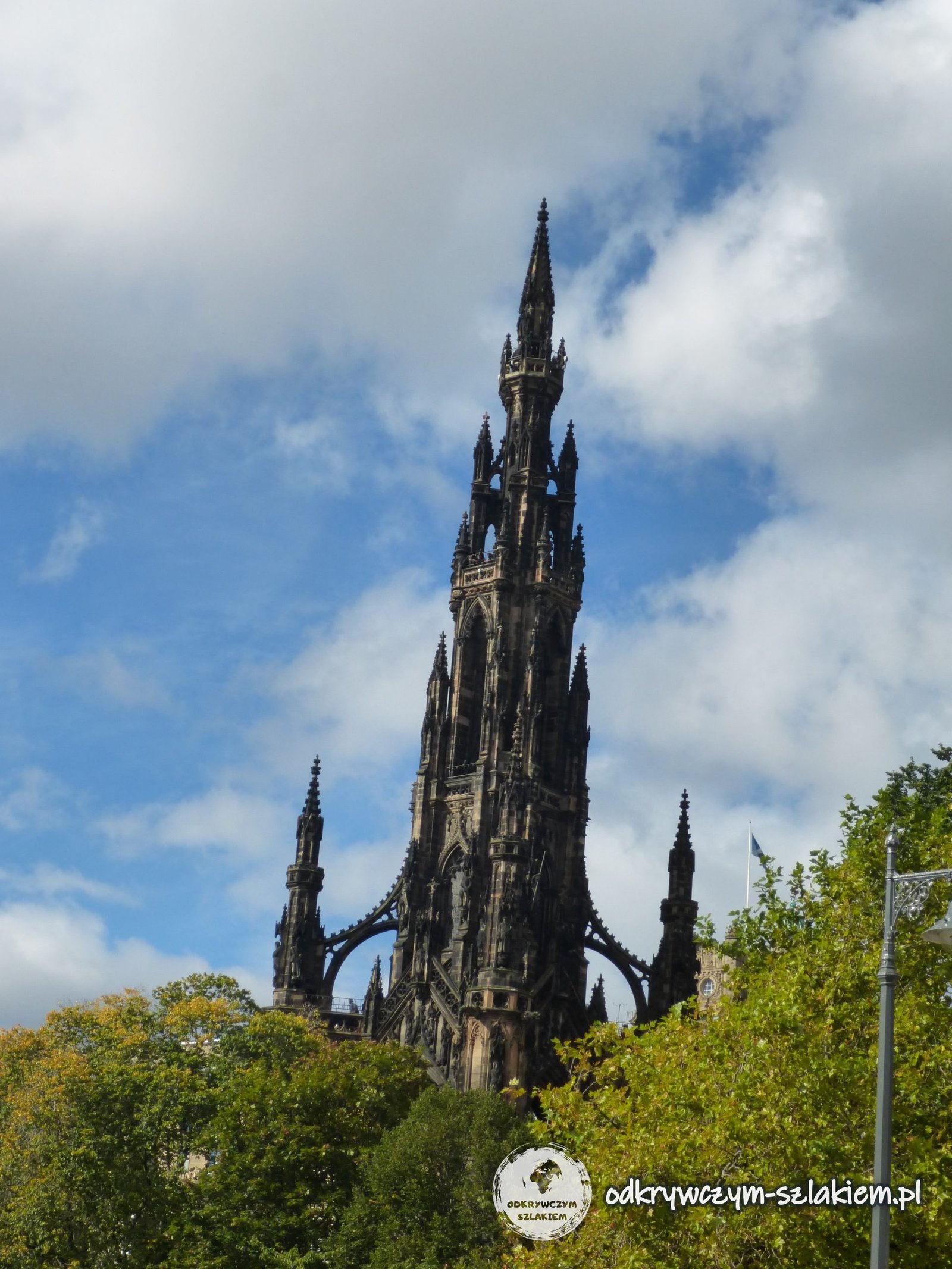
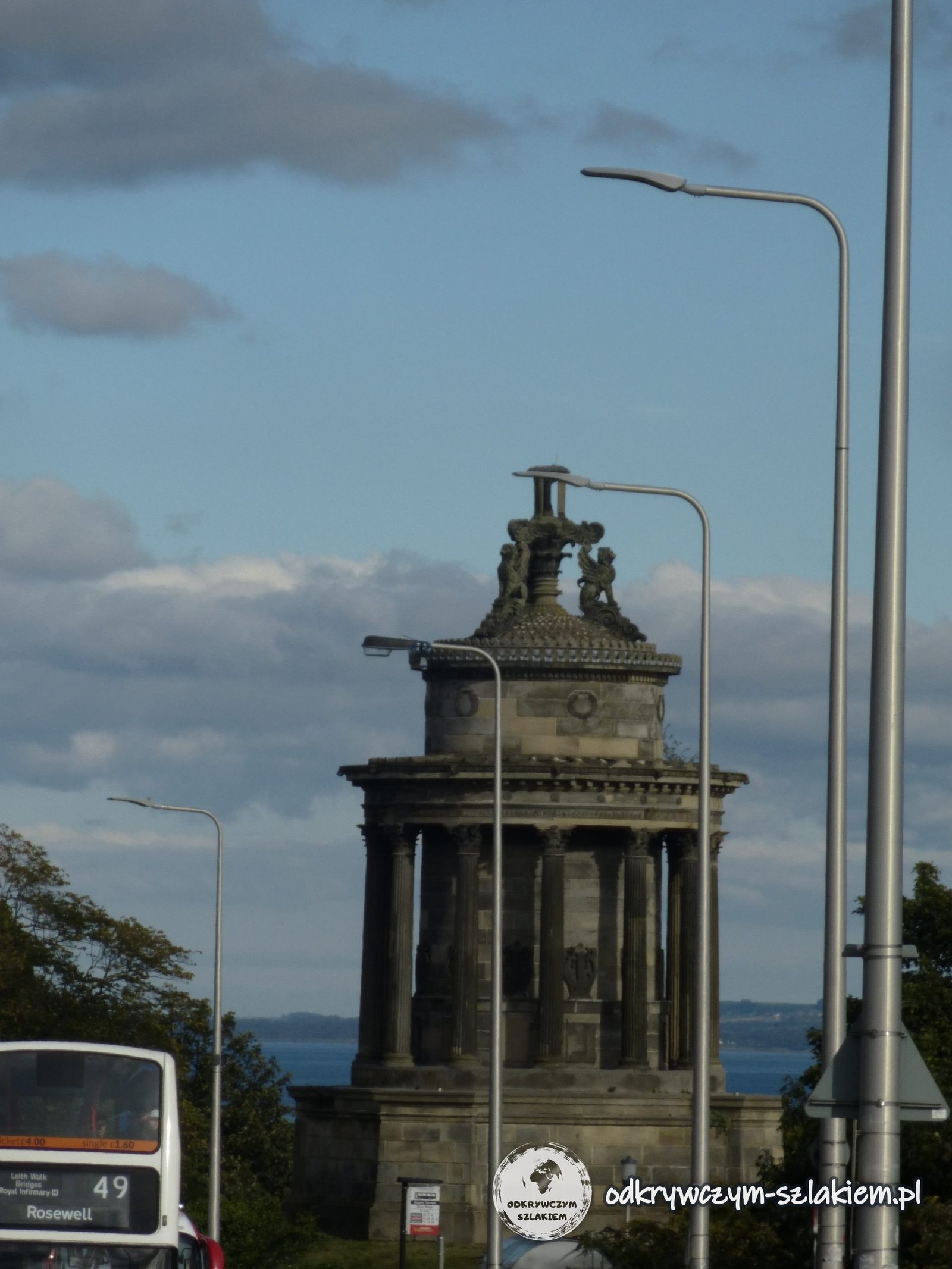
The Scott Monument on Princes Street is over 61 m tall and is the second-largest monument to a writer in the world – only the José Martí monument in Havana is bigger. It was built in 1840–1846, and 287 steps lead to the highest platform. The Old Royal High School on the slope of Calton Hill is a former school from 1826–1829, modelled on the Temple of Hephaestus in Athens – in the 1970s it was prepared to house a Scottish assembly. A few steps further, on Regent Road, stands the round Burns Monument.
We got to Stirling by Megabus. Booked more than a week in advance, the ticket cost us £5. Below are the sights we visited (watch the video above from the beginning).
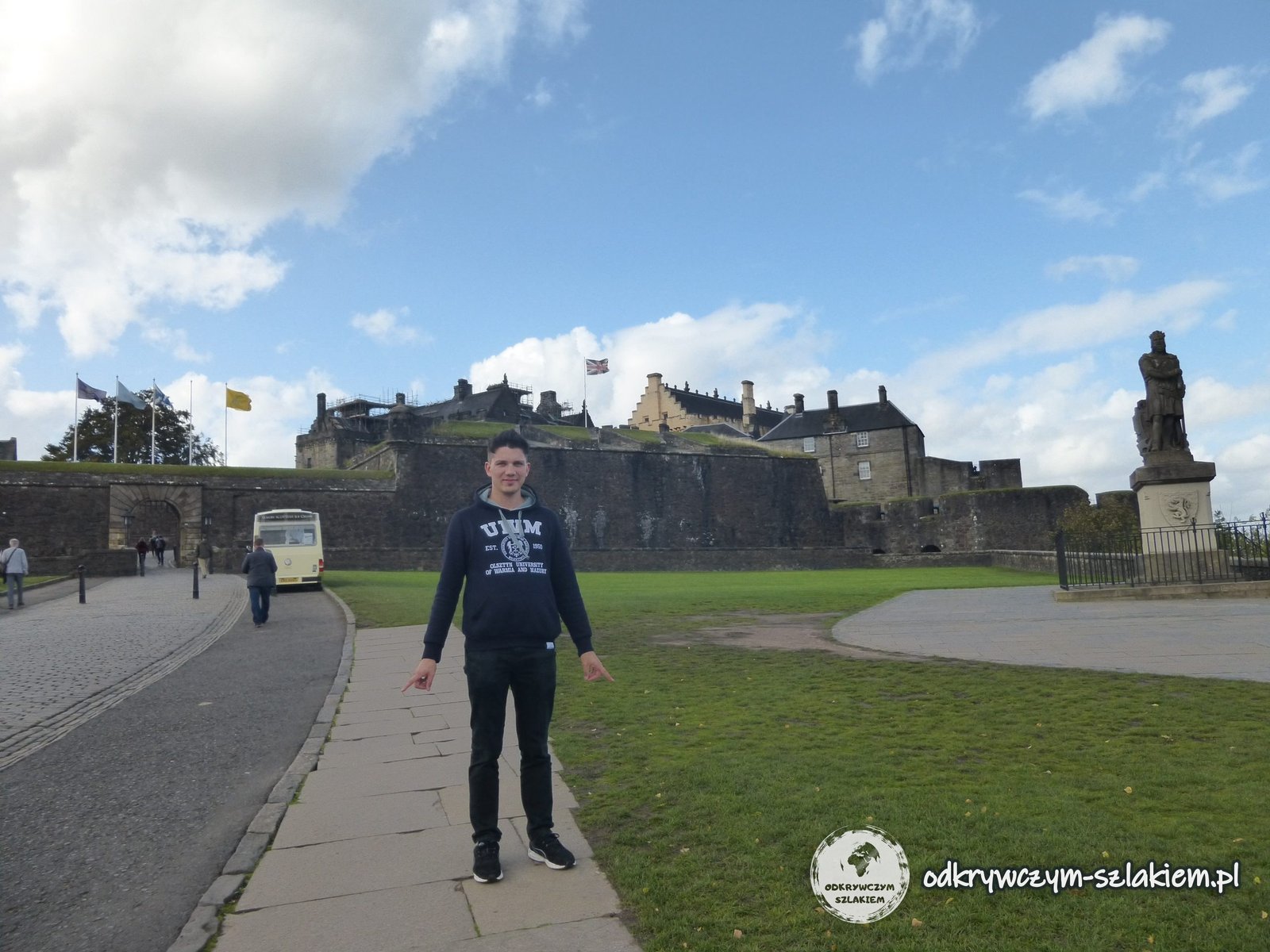
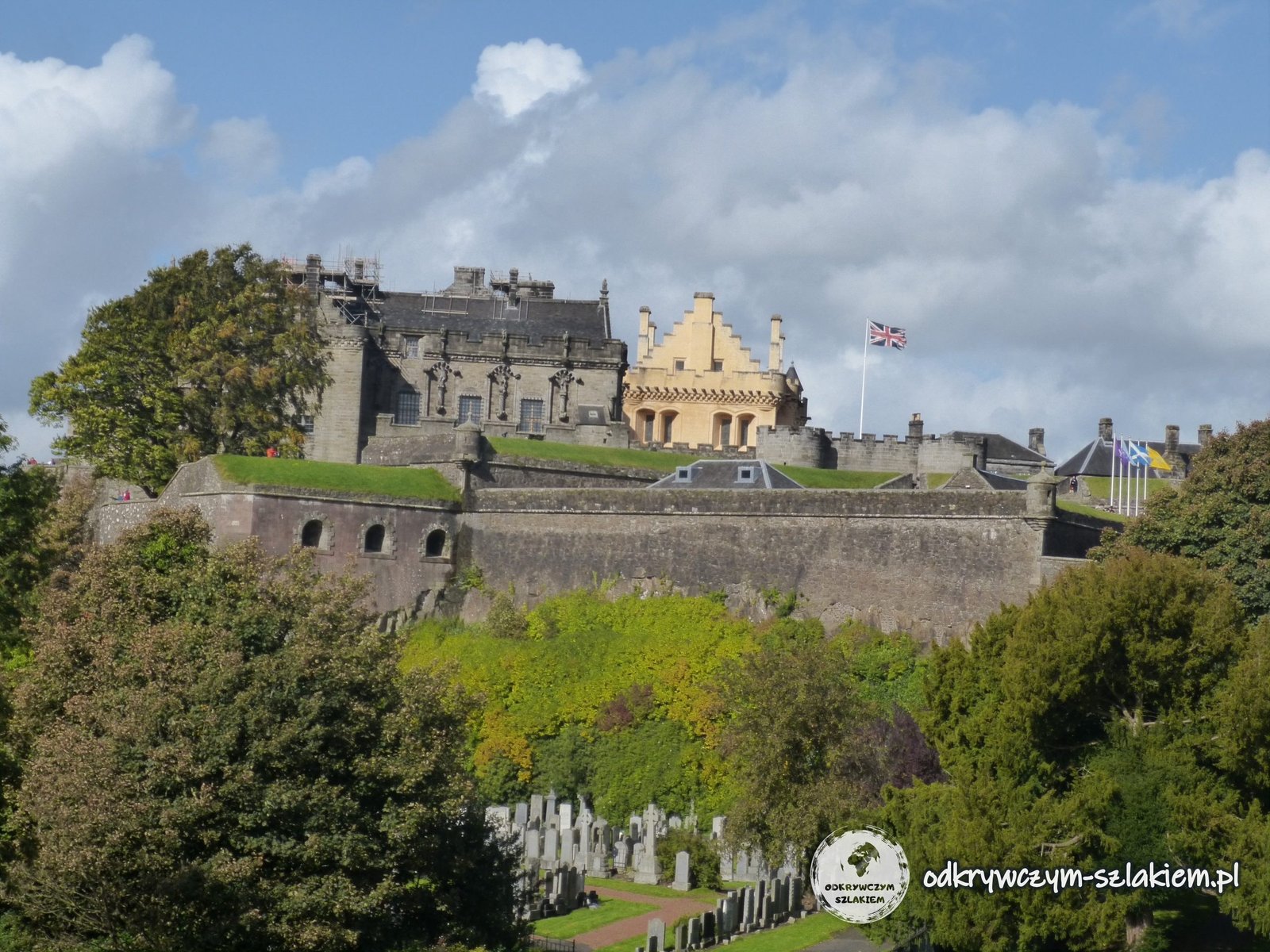
Stirling Castle – The first records of it date from the 12th century. It guarded a river crossing on the route linking the north and south of the country. It was also the place where many Scottish kings were crowned and lived, as well as a scene of battles with the English. Apart from the castle, it’s worth visiting the old part of town nearby. Watch from 1:31.
The pale yellow building in the courtyard is the Great Hall, built by King James IV – it was already being plastered in 1503. It is regarded as the grandest secular building of late medieval Scotland. Around 1800 it was converted into barracks, and its original appearance, including the limewash on the outer walls, was only restored in 1999. In the castle chapel, Mary, Queen of Scots was crowned in 1543, when she was less than a year old. On the esplanade in front of the gate stands the statue of Robert the Bruce – in 1314 his army defeated the English at the Battle of Bannockburn, fought within sight of the castle walls.
The old town has many historic sights, such as the Church of the Holy Rude (a 15th-century church), the Old Town Cemetery and the Star Pyramid (a pyramid by the cemetery). There is also the 19th-century old town jail (The Old Town Jail) and a 17th-century almshouse (Cowane’s Hospital). Watch from 0:48.
Cowane’s Hospital is an almshouse founded in 1637 with money from the estate of the merchant John Cowane – it was meant to house “twelve decayed guild brethren”, elderly merchants who could no longer support themselves. In a niche on the tower stands a statue of the founder, known as “Auld Staneybreeks” (old stone-trousers) – local legend says that at Hogmanay it comes down to the courtyard and dances. In the neighbouring Church of the Holy Rude, James VI was crowned in 1567. It is one of three churches still in use in Britain that have hosted a coronation. In the churchyard, extended in 1851, stands the stone Star Pyramid.
Wallace Monument: – A memorial to Scotland’s national hero, William Wallace. It is 67 metres tall. That’s also where we pitched our tent, and in the morning we got to watch a historical re-enactment (watch from 1:57).
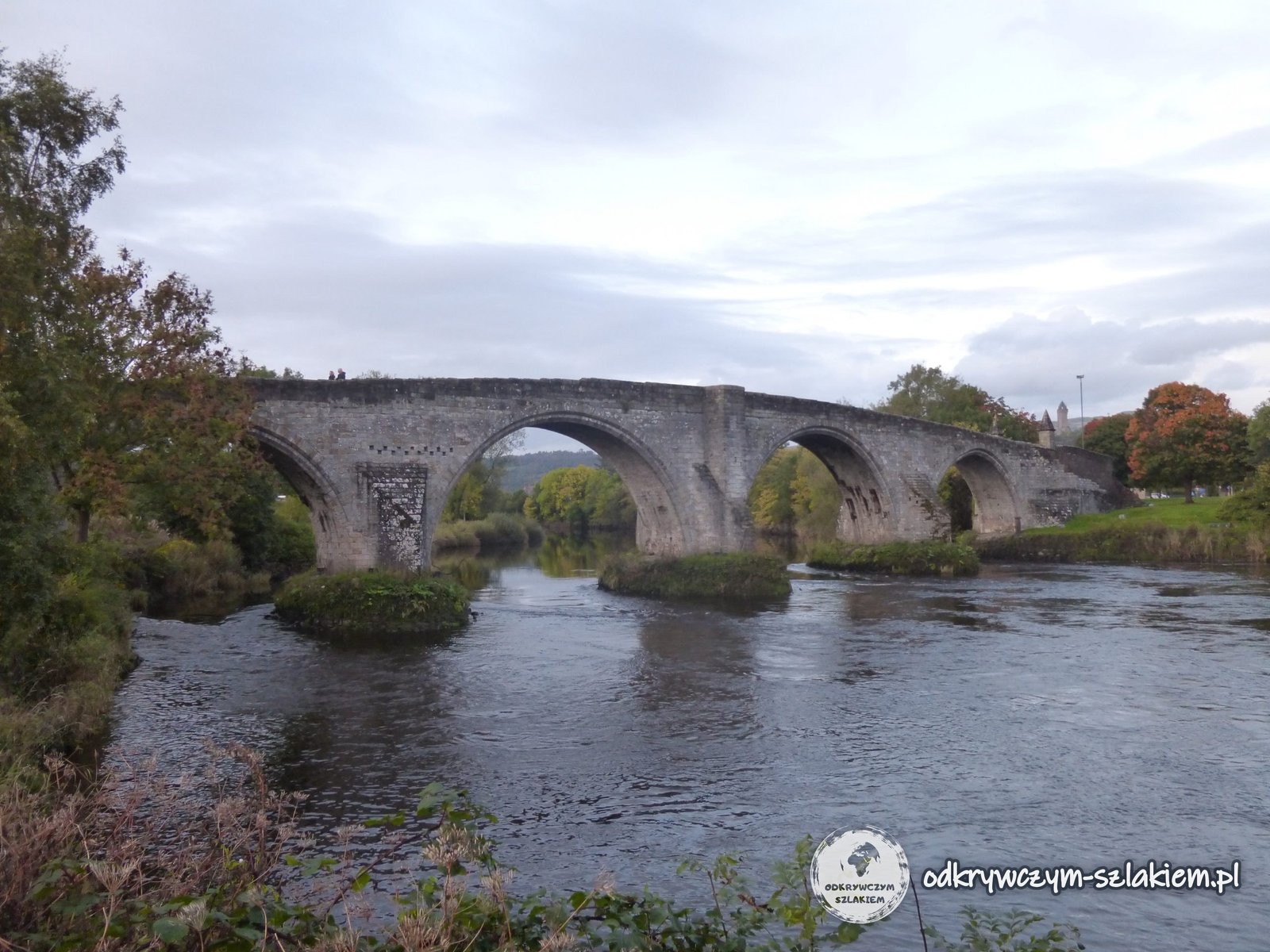
The tower was built in 1861–1869 on Abbey Craig. According to tradition, it was from here that Wallace watched the army of King Edward I before the Battle of Stirling Bridge – on 11 September 1297 the forces of Wallace and Andrew Moray routed the English by the River Forth. 246 steps lead up to the viewing platform at the top. The stone Old Bridge in Stirling was built around 1500 – it replaced earlier wooden bridges, including the one where the battle was fought.
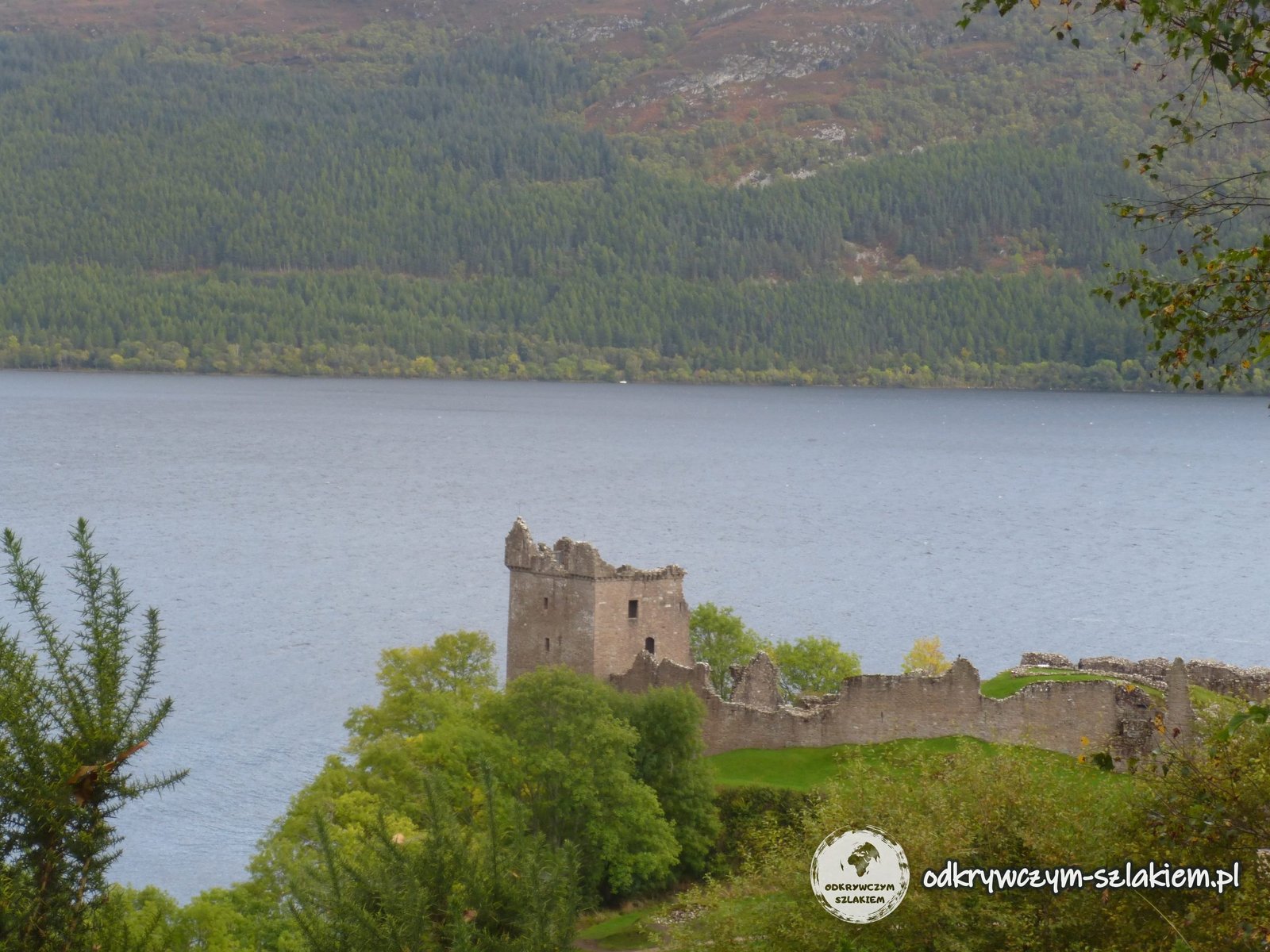
On the fourth day we started hitchhiking from Stirling to Perth (watch from 3:30, second video). It was the first larger town in the direction of Loch Ness. Then, hitchhiking via Aviemore, Forres and Inverness, we reached our destination (watch the third video from the beginning), where apart from the distinctive Highland cows (watch from 2:24) and the lake, we saw Urquhart Castle (watch from 2:59). It was built in the mid-13th century. The fortress’s main task was to control the strategic route through the valley between Inverness and Fort William. In 1692, during one of the Scottish risings, the fortress was blown up to stop the Jacobites from taking it.
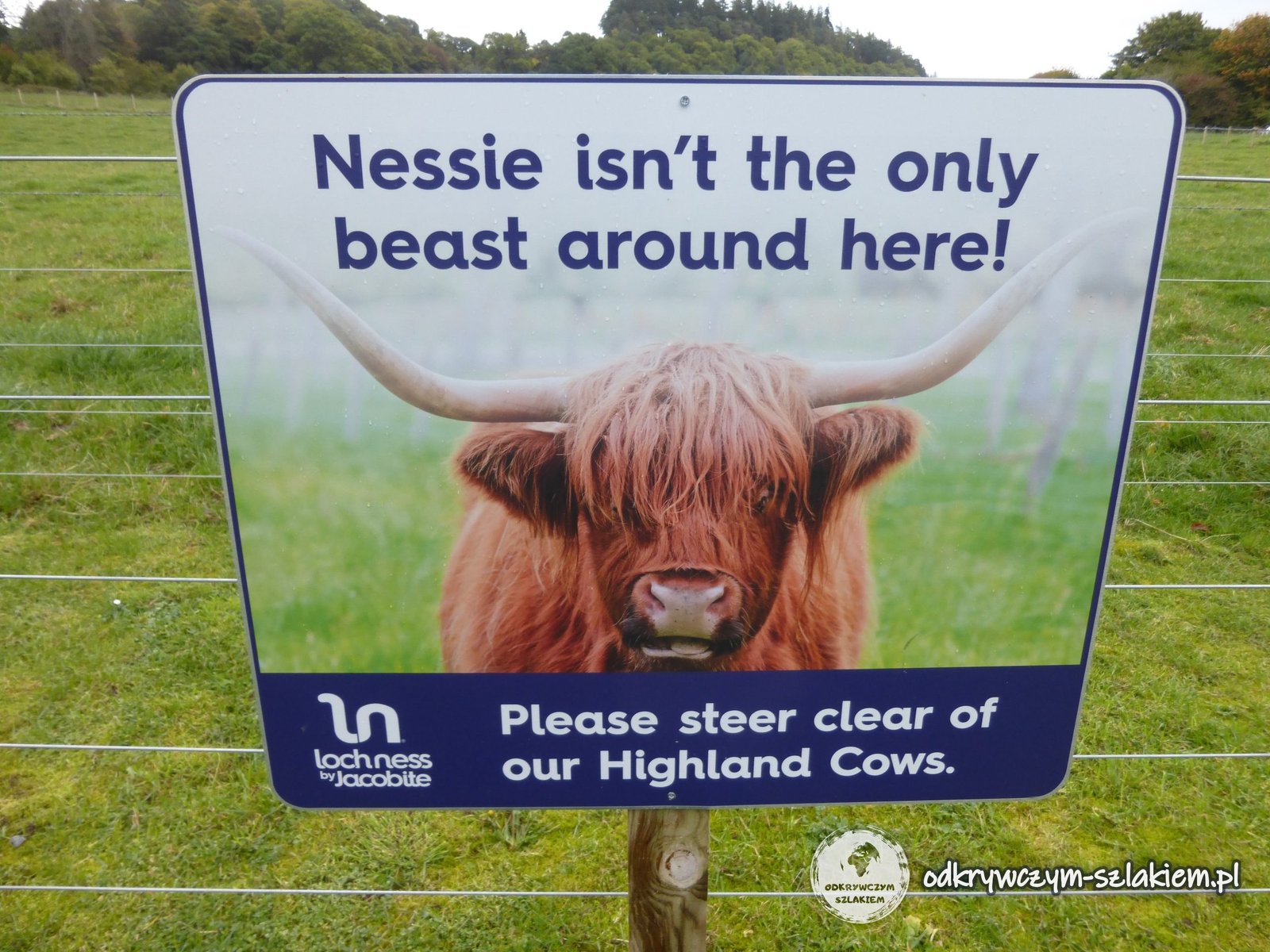
Loch Ness stretches for about 37 km. It holds the greatest volume of water of any lake in Great Britain and is the second deepest – about 230 m at its deepest point. The loch is part of the Caledonian Canal, which links the North Sea with Scotland’s west coast. The most recognisable part of Urquhart Castle is the five-storey Grant Tower, the result of a 16th-century rebuilding – it partly collapsed in a storm in 1715. By the pasture with shaggy Highland cows in Dochgarroch hangs a sign saying “Nessie isn’t the only beast around here!”.
On the fifth day, despite the fairly long way (from Urquhart Castle – watch the third video from 3:42), we managed to hitch a ride straight to our next destination. It was the Glenfinnan Viaduct, which appeared in the Harry Potter films. You can climb to several viewpoints there and walk a trail. The whole route from the Visitor Centre to the historic railway station is about 2.5 km long (see the map below & watch the fourth video from the beginning).
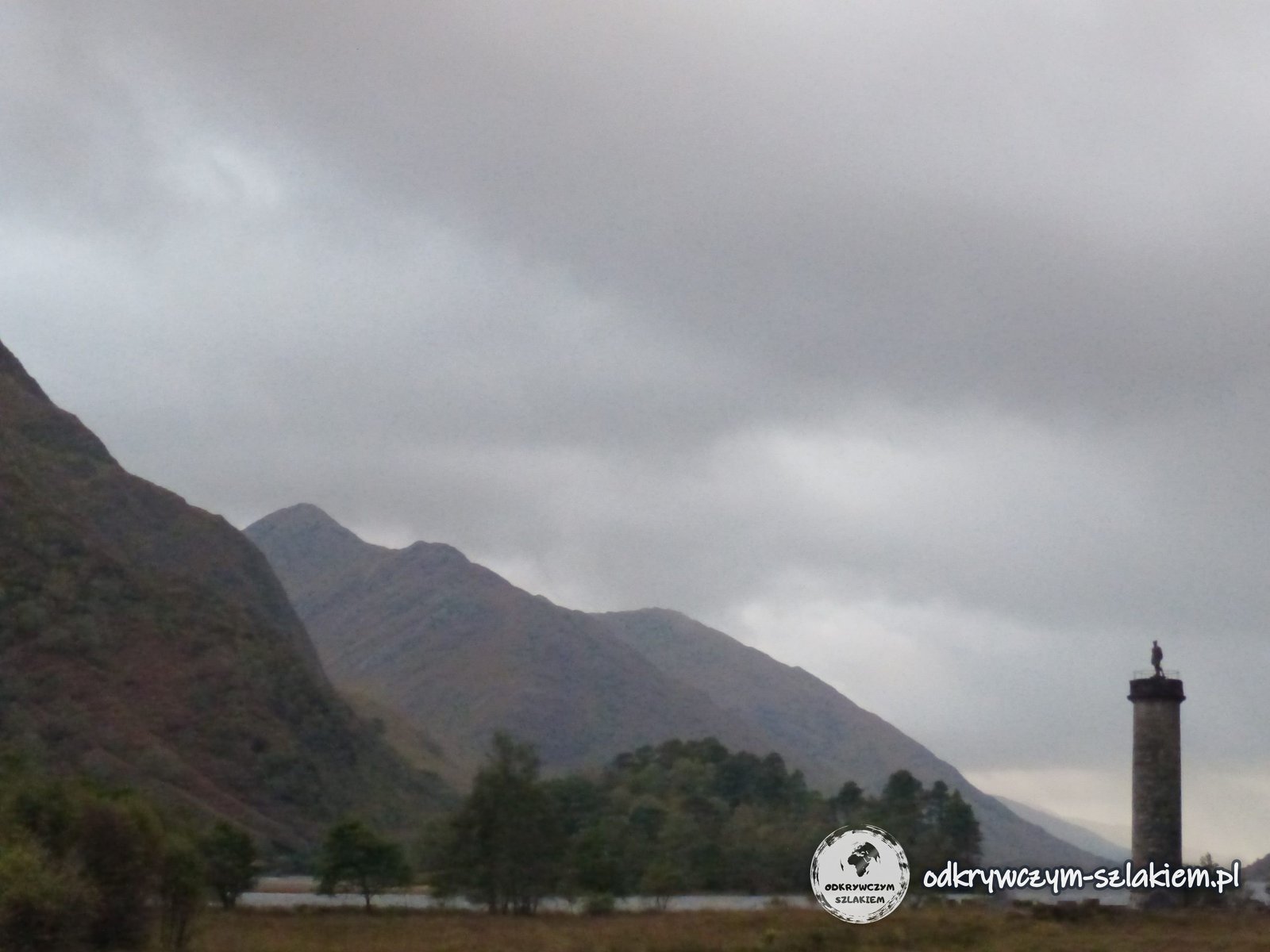
The viaduct was built of concrete in 1897–1901. It has 21 arches, is about 380 m long and runs some 30 m above the River Finnan – it is the longest concrete railway bridge in Scotland. It carries the West Highland Line, used among others by The Jacobite steam train. On the shore of Loch Shiel stands the Glenfinnan Monument – an 18-metre tower from 1814 commemorating the Highlanders who fought for Charles Edward Stuart in the Jacobite rising of 1745.
Hitchhiking to Glasgow, we got to travel a long way with the lovely Donald (watch from 1:20). He was heading to Edinburgh Airport and picking up a friend on the way. While waiting for the other passenger, who still had a few things to sort out, Donald decided to take us to a café and show us a museum. After setting off and picking up his friend, we were invited to a food bar where we stopped on the way. We could take whatever we wanted. Out of politeness, though, we modestly chose coffee. This is without doubt the ride we remember most fondly. In the town where we were dropped off, we quickly got another lift (watch from 2:28). That was also the first time we found out how much the Scottish accent makes the language hard to understand. It was difficult to communicate with the driver. But he was so kind that he drove us almost to the door of the building where we had booked our accommodation.
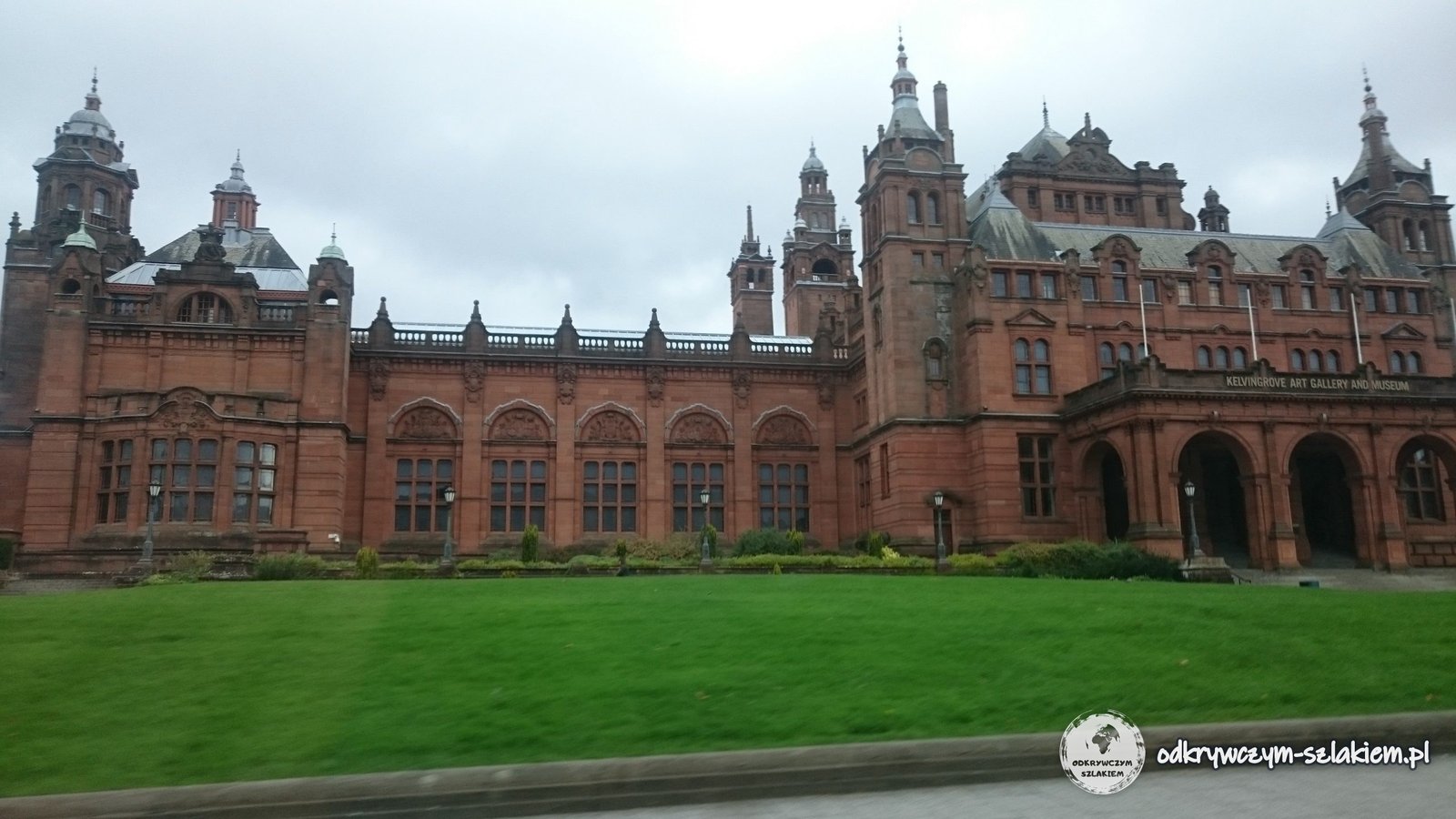
Watch from 2:53. We got to see Glasgow on our last day in Scotland. Because time was short (we went sightseeing before our flight back to Poland), we only saw places such as:
Kelvingrove opened in 1901 as the Palace of Fine Arts for the Glasgow International Exhibition. Its collection includes Salvador Dalí’s Christ of Saint John of the Cross and Sir Roger, a stuffed Asian elephant. The university was founded in 1451 – it is the fourth-oldest university in the English-speaking world. Since 1870 it has been based on Gilmorehill, in a neo-Gothic building by George Gilbert Scott – after the Palace of Westminster, the second-largest example of Gothic Revival architecture in Britain.
In total we travelled about 800 km in Scotland, more than 600 km of it by hitchhiking. We also spent 7 nights (5 in the tent, 1 as guests and 1 paid).
Stay with me on the road – follow me wherever you like best.
Clicking loads the profiles from Facebook, Instagram and YouTube (they may set cookies).