I have been to Podlasie, the region in north-eastern Poland, three times – each time to a different part of it. On 7 July 2023 I drove a one-day route along the Narew river: the 1939 bunkers in Nowogród, the Łopuchowo Forest, Tykocin with its castle and Great Synagogue, Góra Strękowa near Wizna, and Łomża. In February 2025 I spent a weekend in Białystok, and in October 2021 one in Biała Podlaska, which lies in southern Podlasie and today belongs to the Lublin province. In this post I have put together what to see in Podlasie based on these three trips – with dates, prices and practical information at the end.
Table of contents
- Nowogród – bunkers on the Narew
- Łopuchowo Forest – memorial to the Jews of Tykocin
- Tykocin Castle
- The Great Synagogue and the Talmud House in Tykocin
- Tykocin – the Czarniecki monument, the church and the Alumnat
- Góra Strękowa and Wizna – the “Polish Thermopylae”
- Łomża – the Old Market Square
- Białystok – Branicki Palace and the medical museum
- Białystok – Kościuszko Market Square, churches and bears
- Białystok – Akcent ZOO
- Biała Podlaska – the Radziwiłł castle and park
- Biała Podlaska – the centre and memorials
- Practical information
Nowogród – bunkers on the Narew
My first stop was Nowogród in Łomża county. In September 1939 Polish troops defended the Narew crossing here, and concrete combat bunkers still stand in the river valley. They are linked by the Narew Bunker Trail (Nadnarwiański Szlak Schronów Bojowych) – the map by the trail shows 24 bunkers, most of which are ruins today. I was there in the morning, around 9:00.
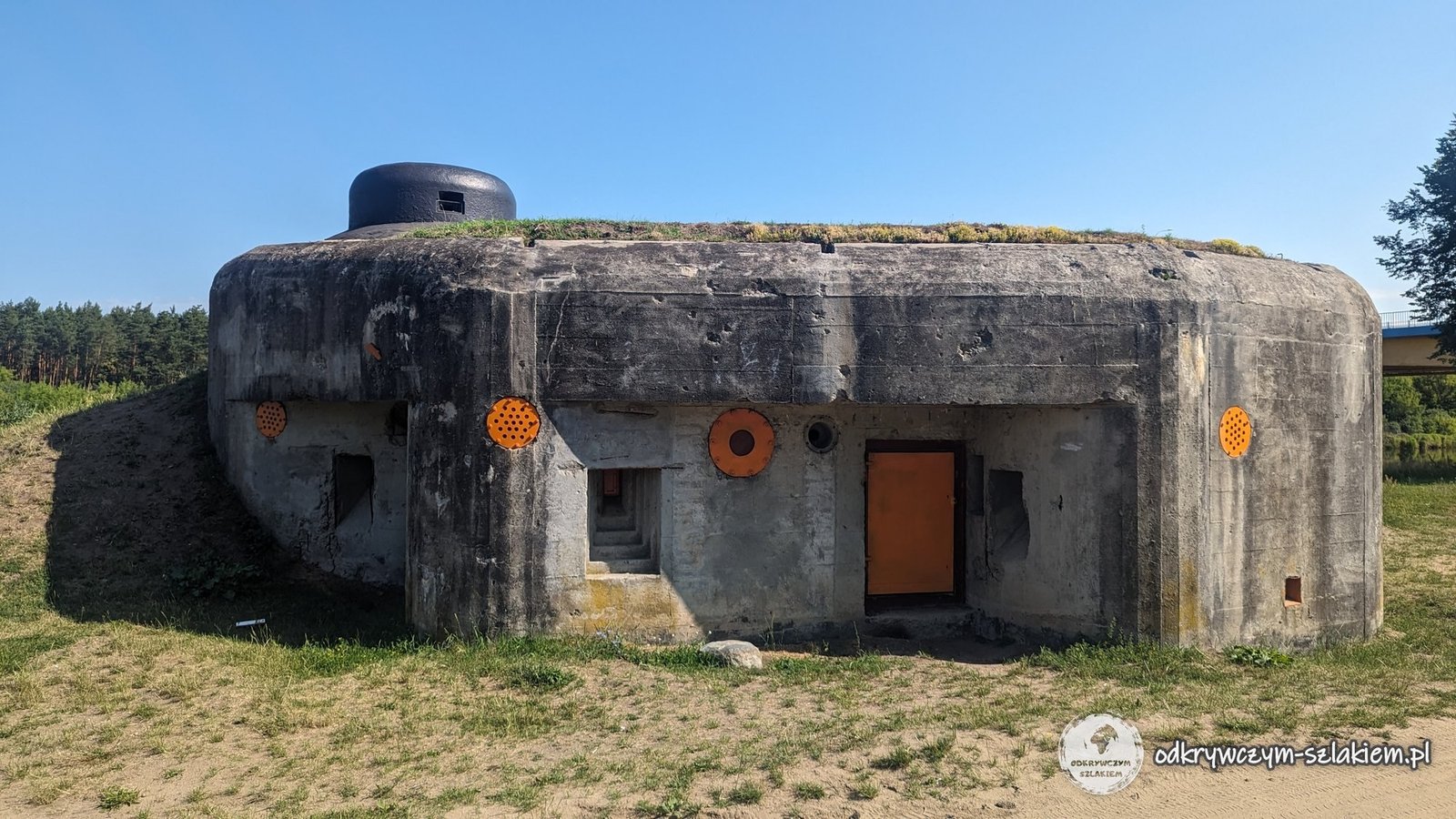

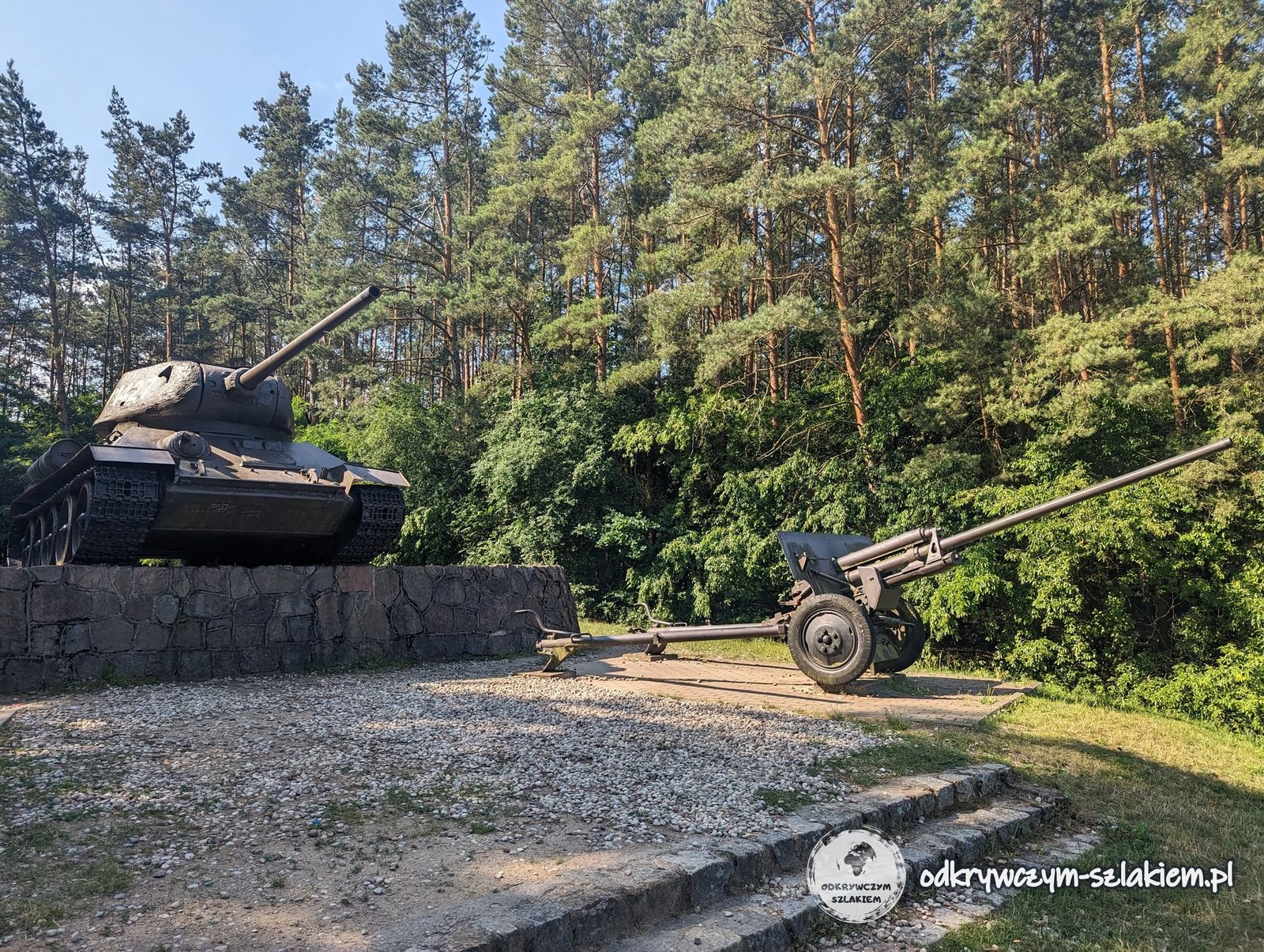
The best preserved is the heavy combat bunker “Most” (“Bridge”), not far from the bridge over the Narew. According to the information board, it stood less than 10 m from the river, and its front wall and roof were about 180 cm thick. It was armed with three heavy machine guns – one of them in the steel cupola on the roof. Its crew from the “Nowogród” Fortress Company fought from 8 to 10 September 1939 and late on the evening of 10 September withdrew with their weapons to a nearby hill. The retreating Germans blew up the other front-line bunkers in autumn 1944, so “Most” is the only one of them that survived. Nowogród also has a monument with a T-34 tank and two guns (photo in the gallery at the bottom).
Łopuchowo Forest – memorial to the Jews of Tykocin
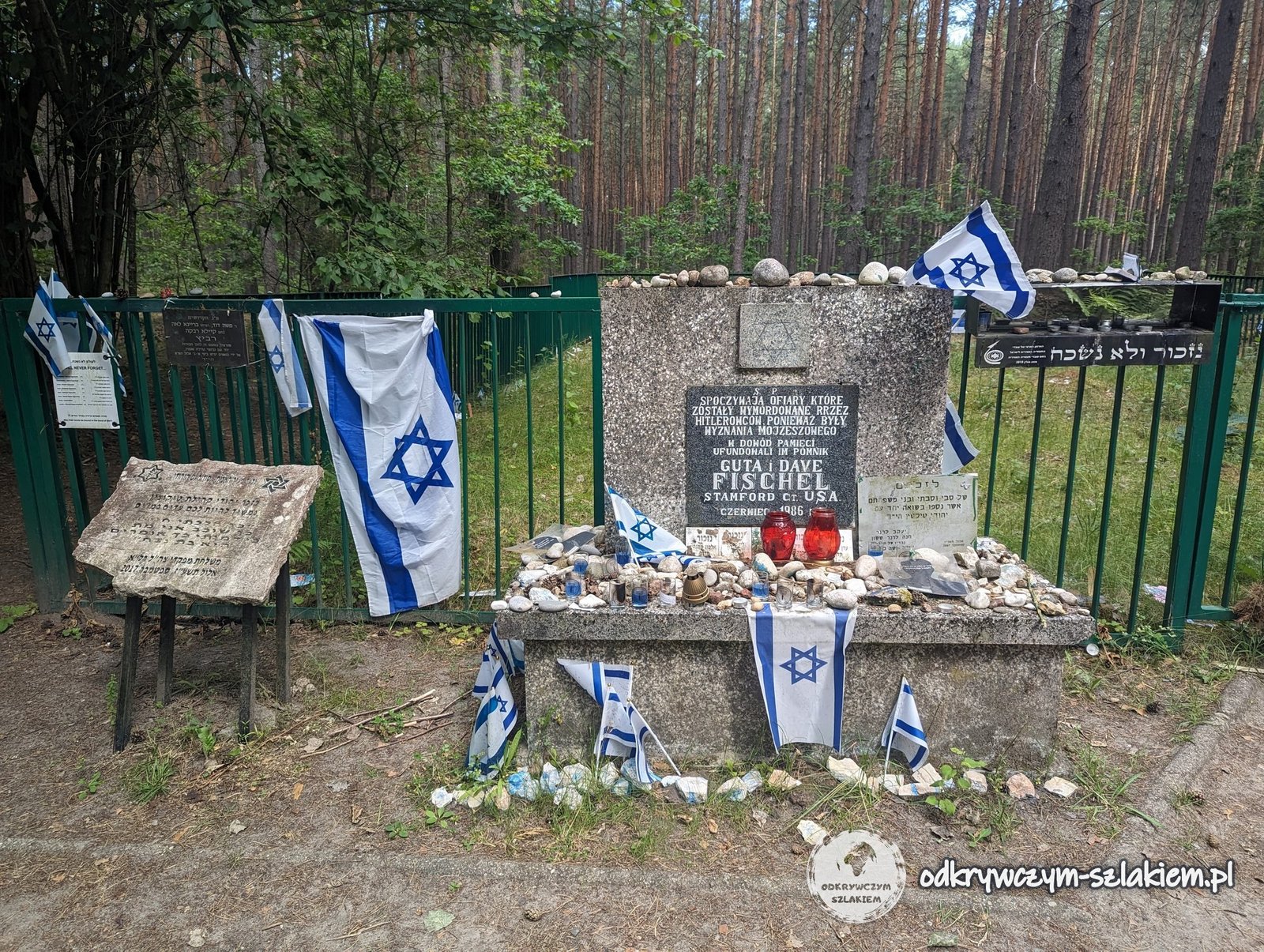
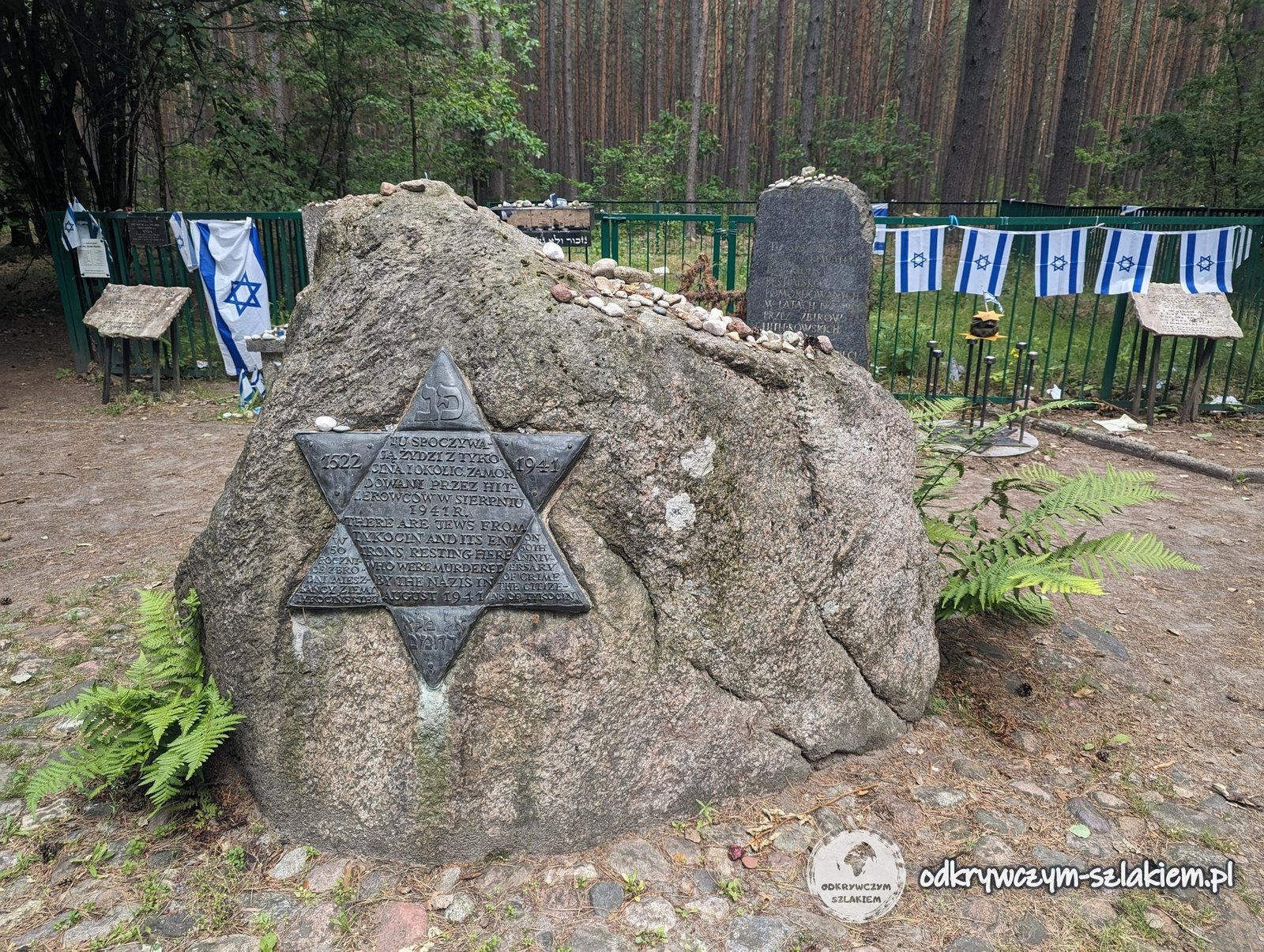
A few kilometres before Tykocin, in the Łopuchowo Forest (Las Łopuchowski), there is a mass grave of the Jews of Tykocin – victims of the Holocaust. Signposts in Polish and Hebrew lead to it. Before the war, Jews made up about half of Tykocin’s 5,000 inhabitants. On 25 and 26 August 1941 the Germans took them to this forest and shot them – sources give a figure of about 1,400 victims, some even over 2,000.
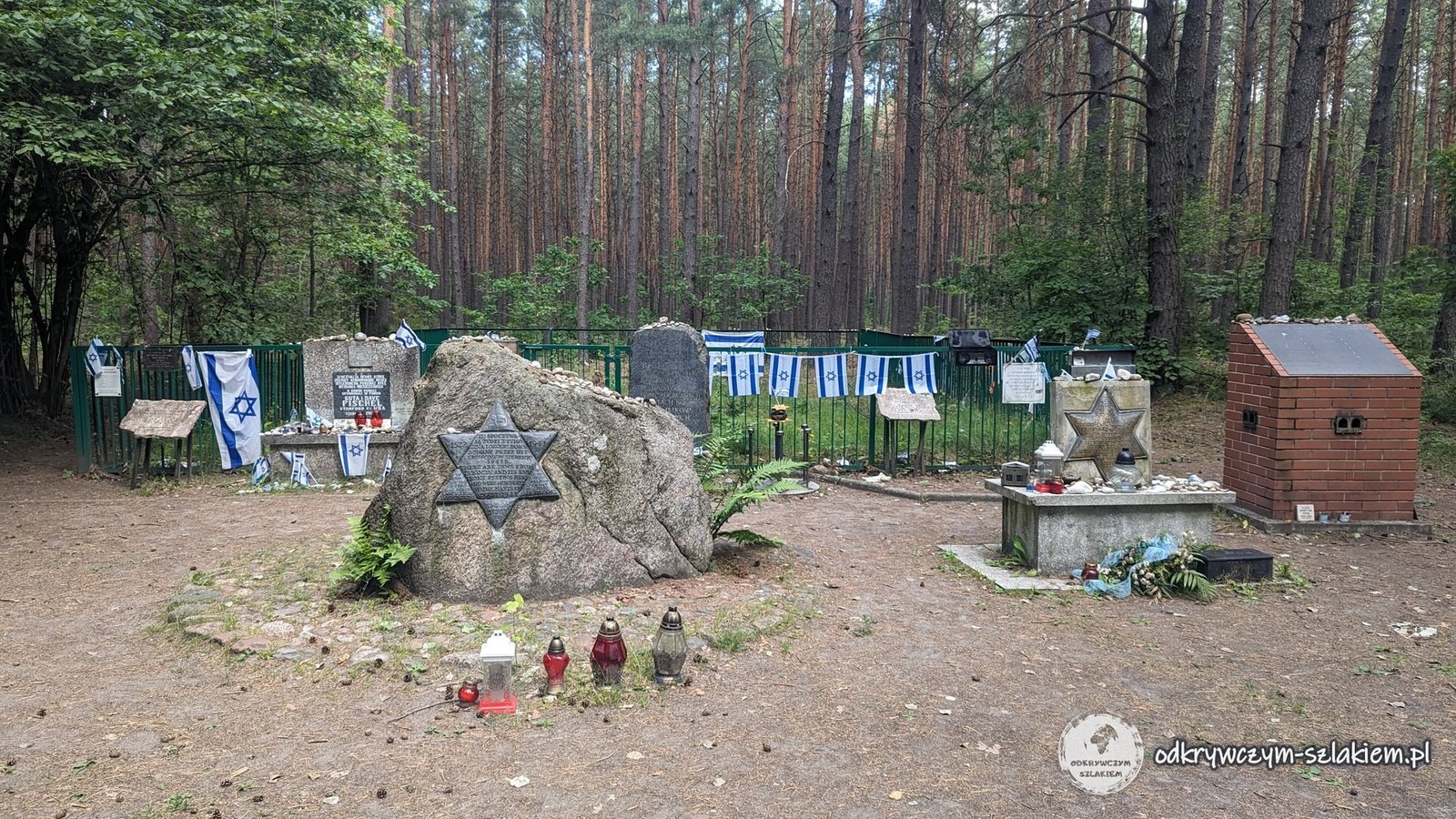
The fenced execution site has graves, a boulder with the Star of David and memorial plaques. When I was there, Israeli flags hung on the fence, and pebbles and candles left by visitors lay on the plaques. A forest path leads to the site from a car park by the road.
Tykocin Castle
Tykocin is a small town on the Narew, about 30 km west of Białystok. It has fewer than 1,900 inhabitants, yet it received its town charter as early as 1425. I started with the castle, which stands on the right bank of the Narew, across the river from the market square.
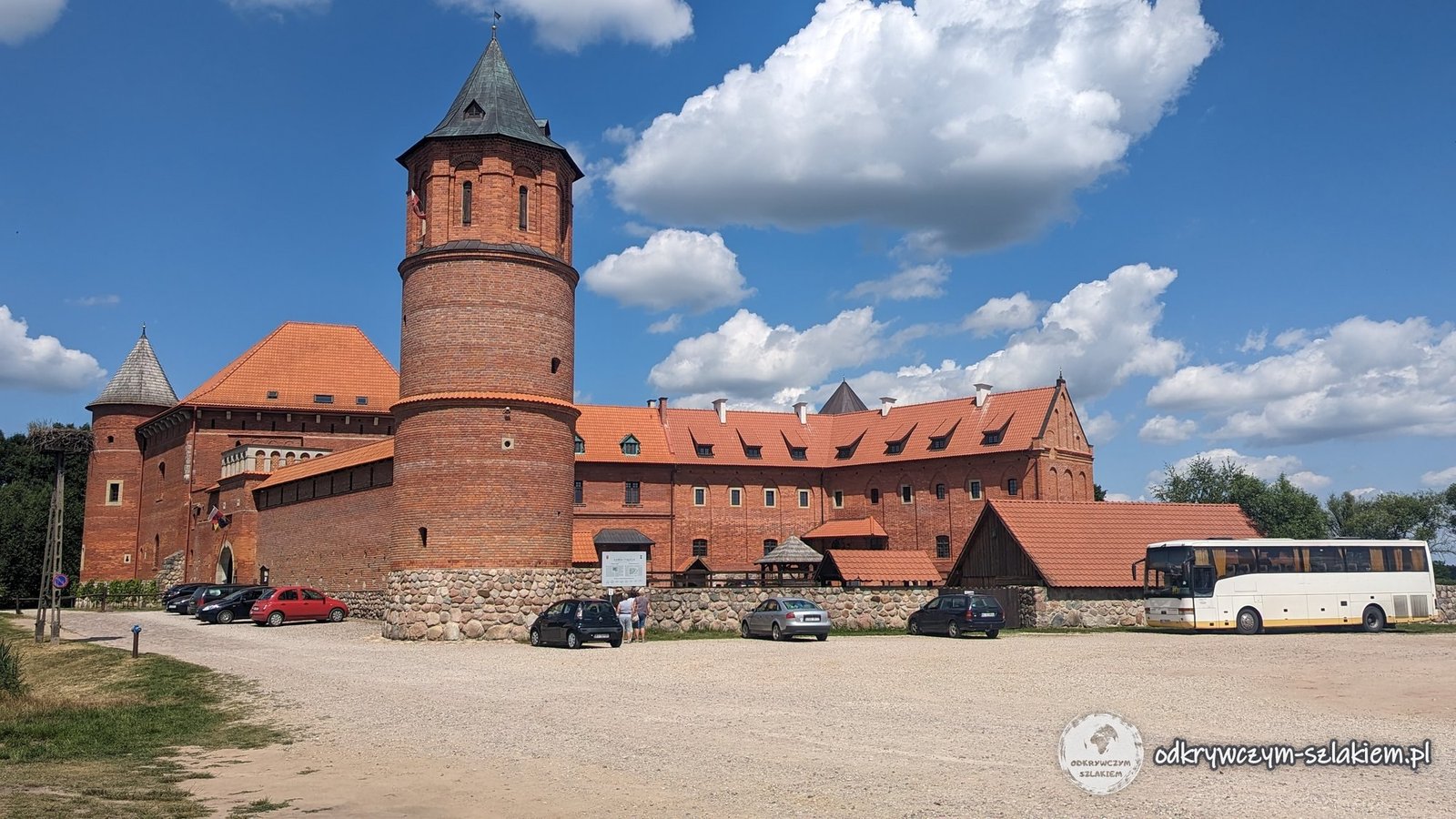
The brick castle was built in the second half of the 16th century for King Sigismund II Augustus, who kept his treasury and library here, among other things; later Stephen Báthory placed the Crown arsenal in it. The castle was ruined by the wars with Sweden and a fire in 1734, and in 1750 Grand Hetman Jan Klemens Branicki had the ruins dismantled. What you see today is a reconstruction – a private investor laid the cornerstone of the new building in 2002. Inside there is a museum, a restaurant and hotel rooms.
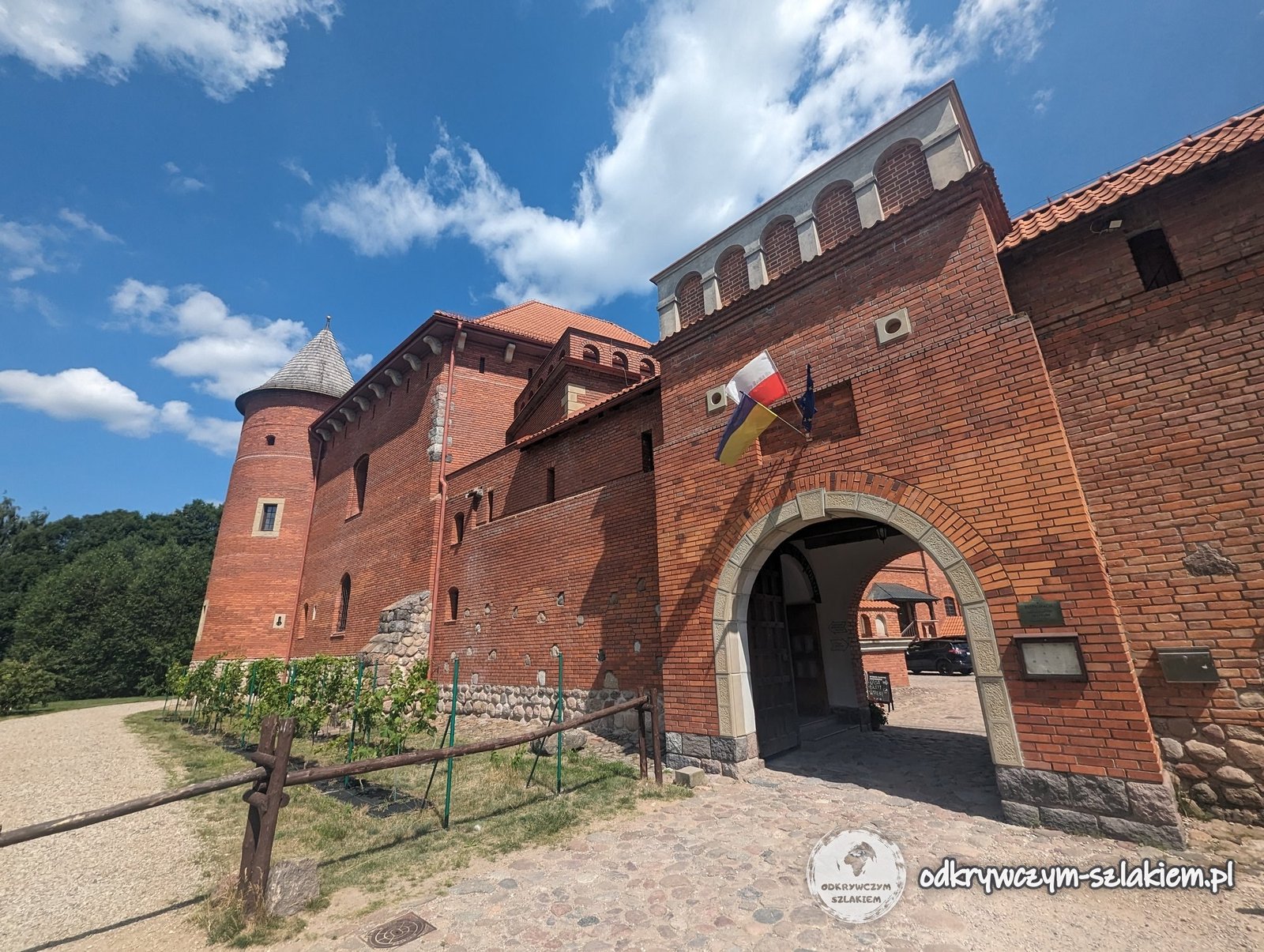
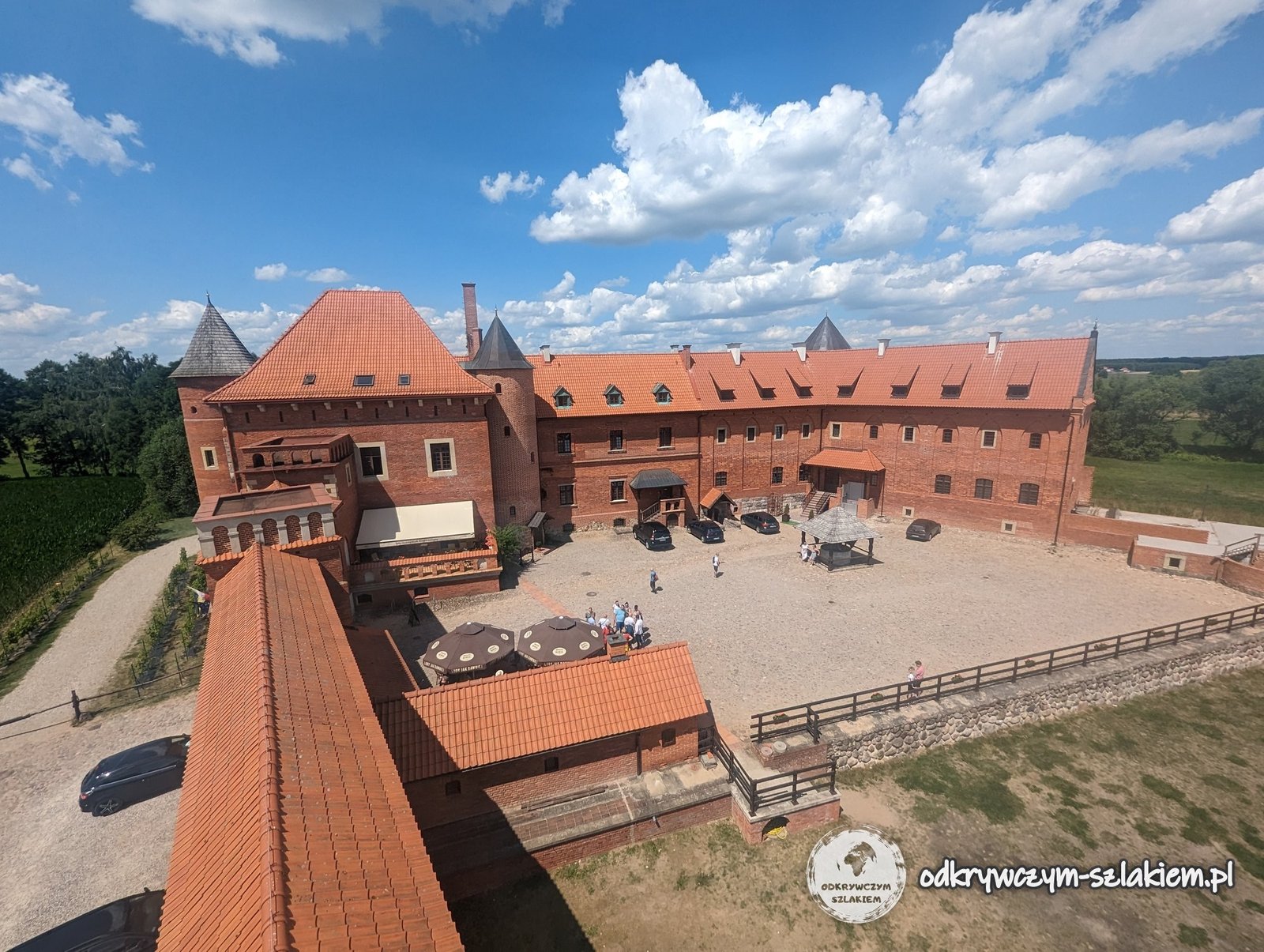
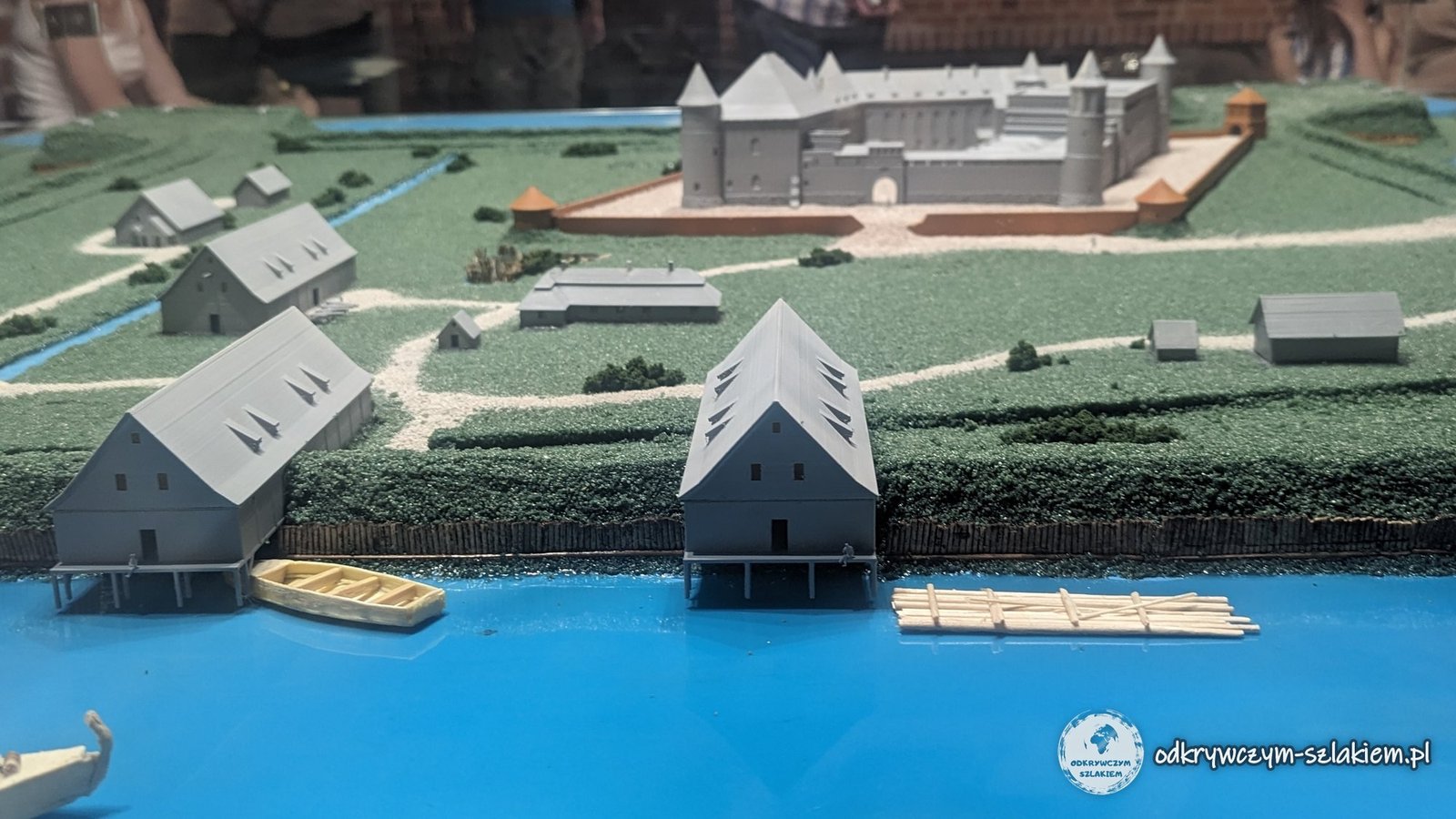
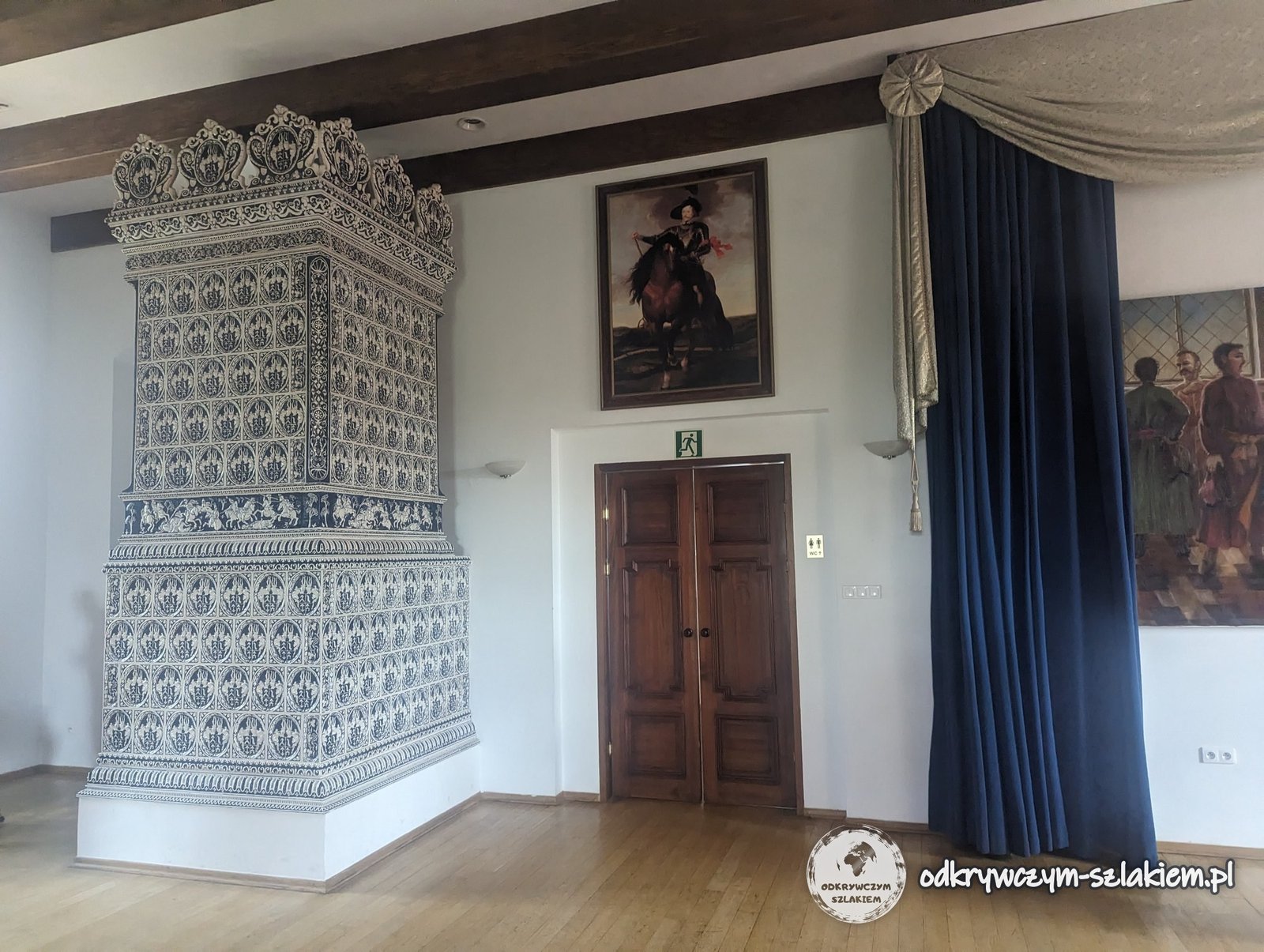
The tour includes the underground exhibition, with tiles and other finds from the excavations, royal portraits and a model of the old castle on the Narew. The Glass Hall has a large tiled stove, and you can climb a spiral staircase up the Turma, a former prison tower – from the top you can see the courtyard, the castle wings and the fields around.
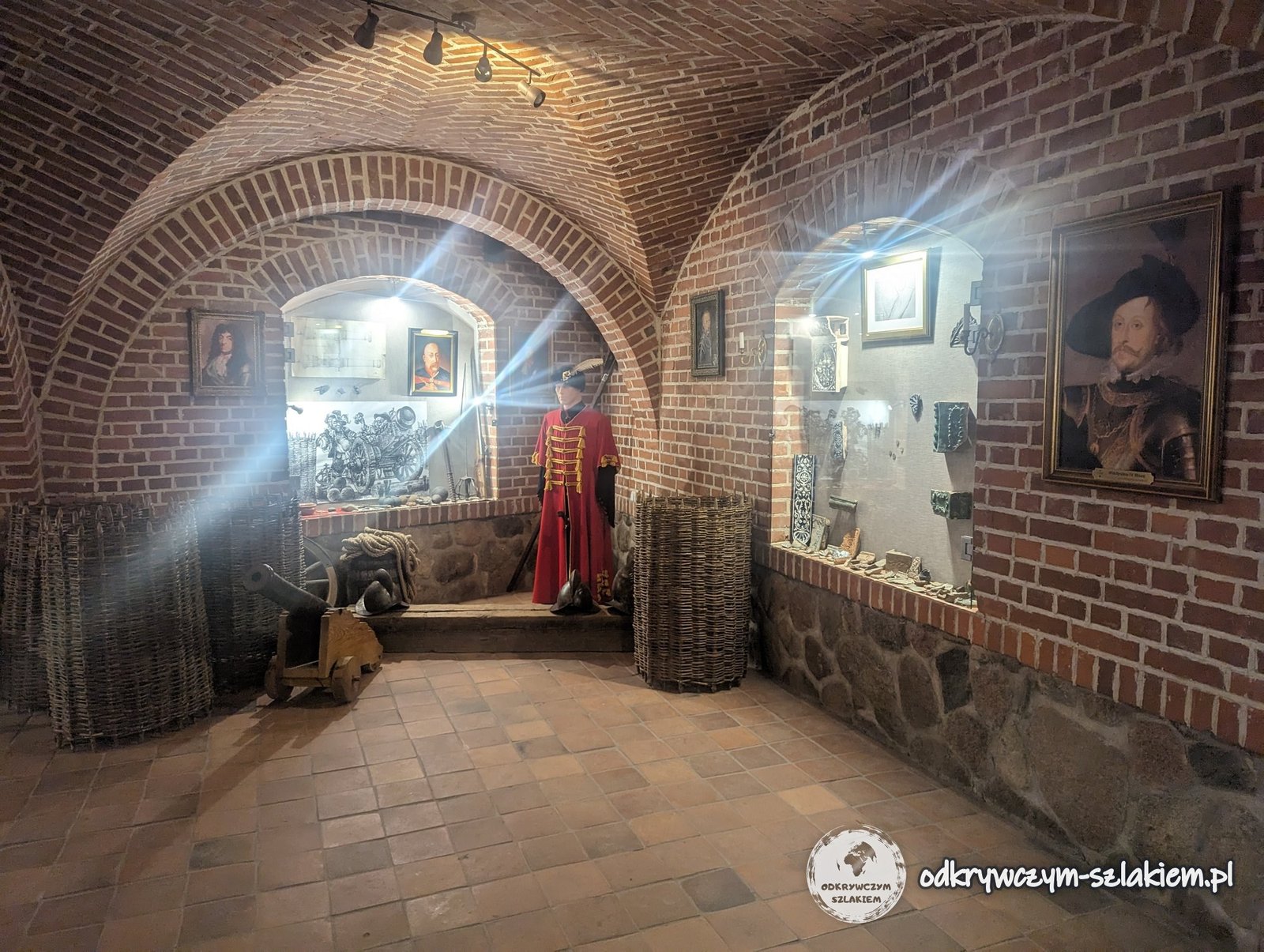
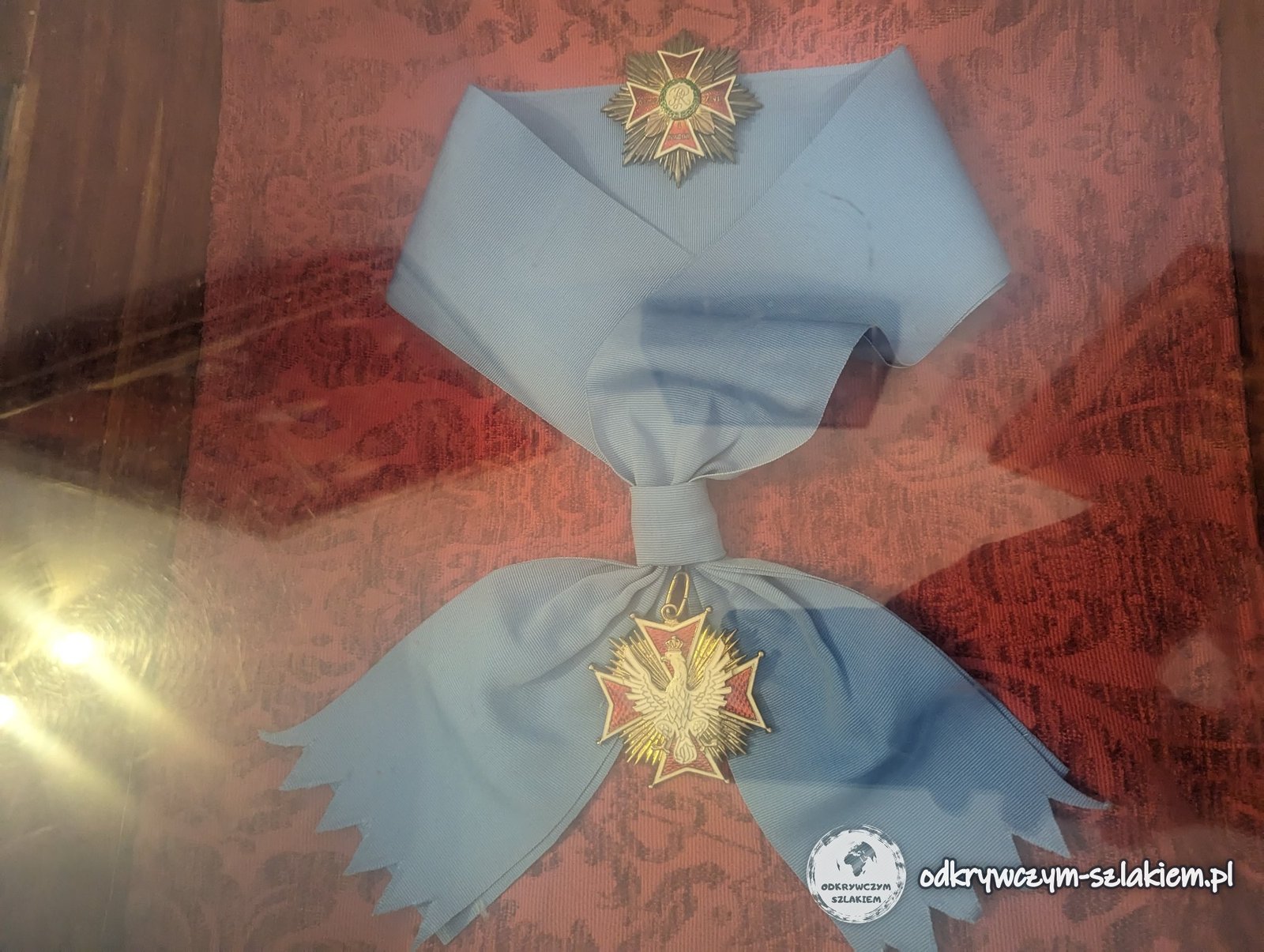
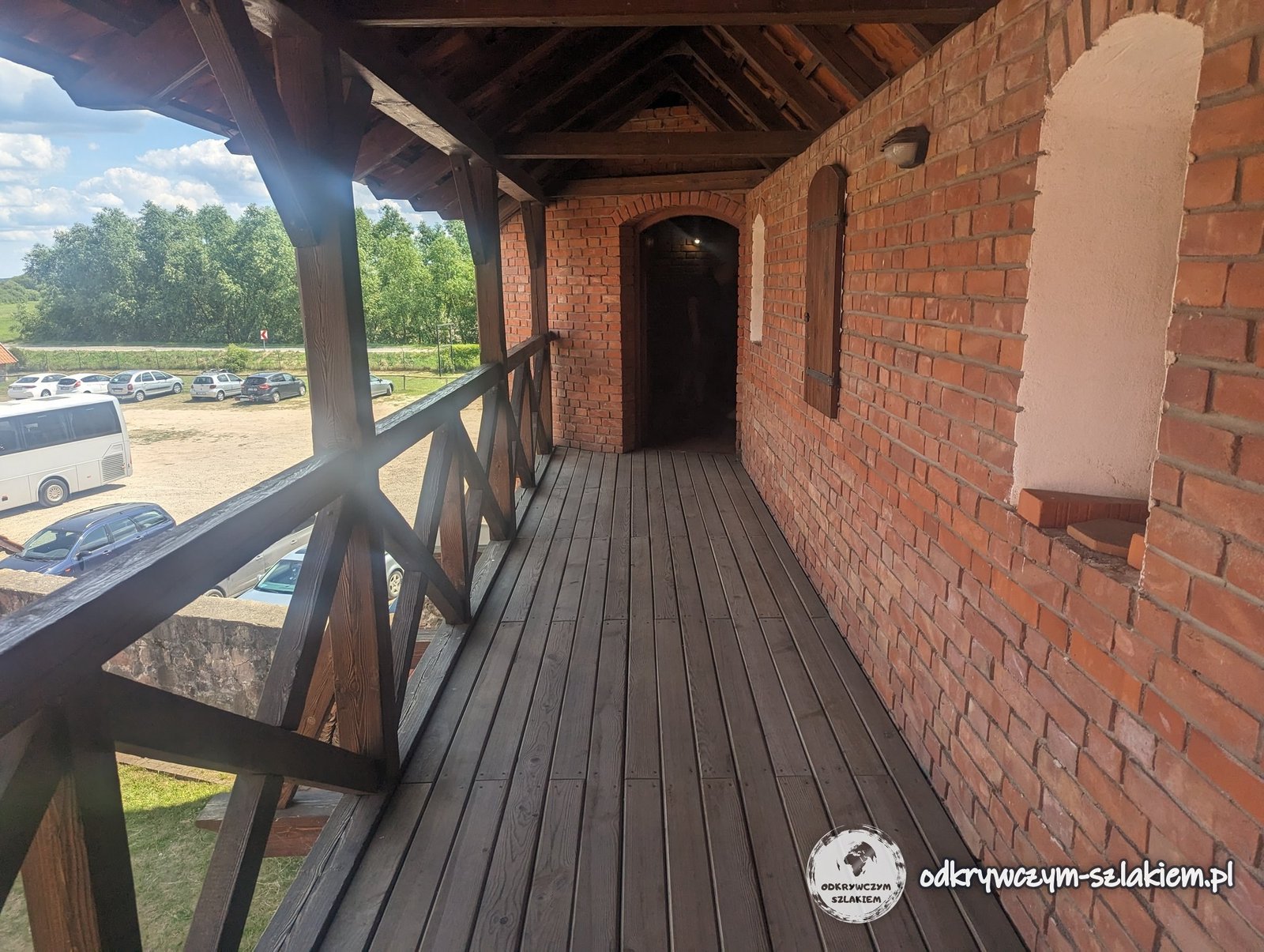
An important date is linked to the castle: on 1 November 1705 King Augustus II the Strong established the Order of the White Eagle here, Poland’s oldest decoration. One of the rooms displays the order’s sash with its cross and star. A covered wooden walkway runs along the walls.
The Great Synagogue and the Talmud House in Tykocin
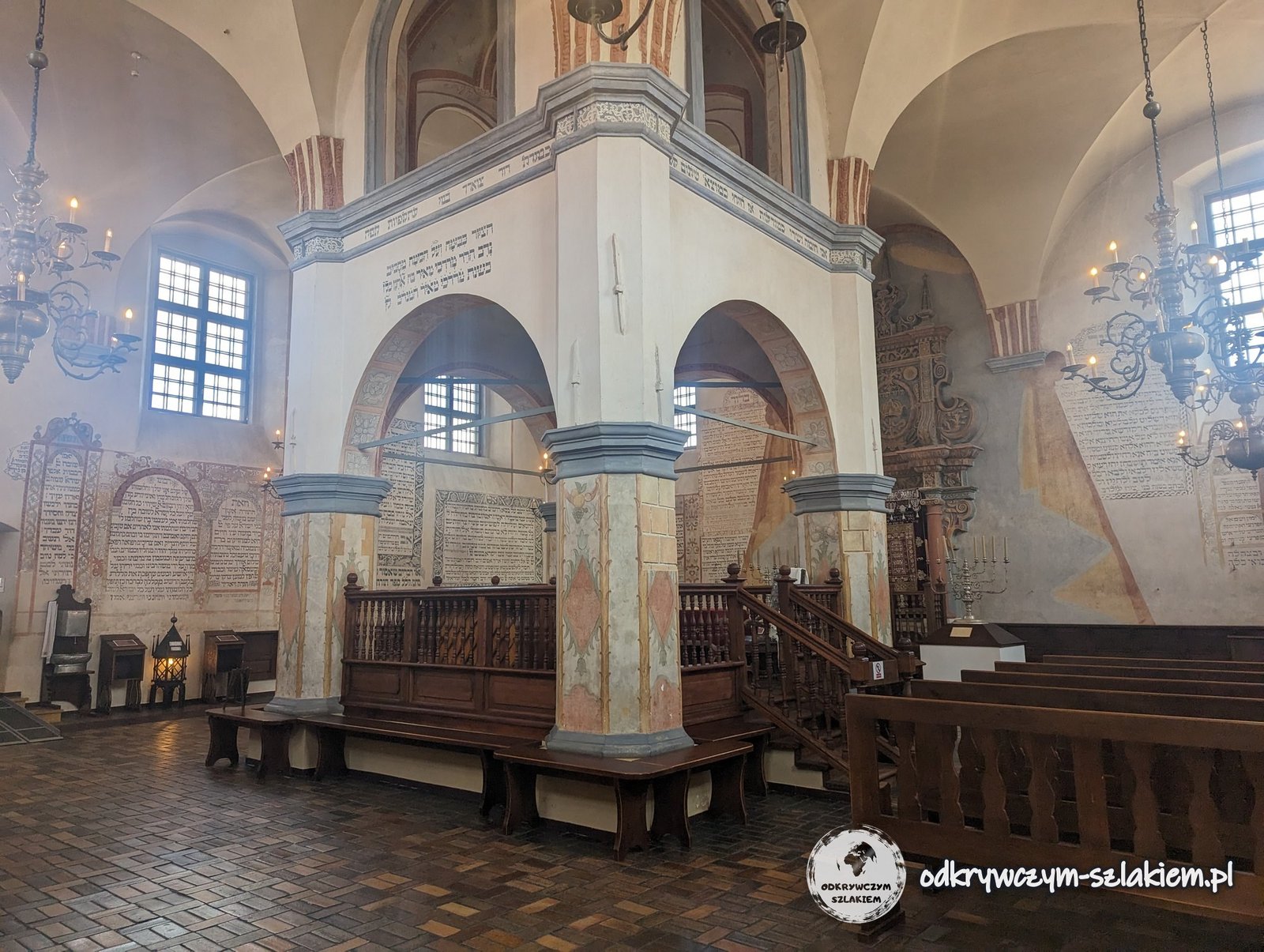
On the other side of the Narew, on Kozia Street, stands the Great Synagogue, built in 1642 on the site of an older wooden prayer house. Until World War II Tykocin was largely a Jewish town, and the synagogue is one of the best preserved in Poland. Today, together with the neighbouring Talmud House, it forms the Museum in Tykocin – a branch of the Podlasie Museum.

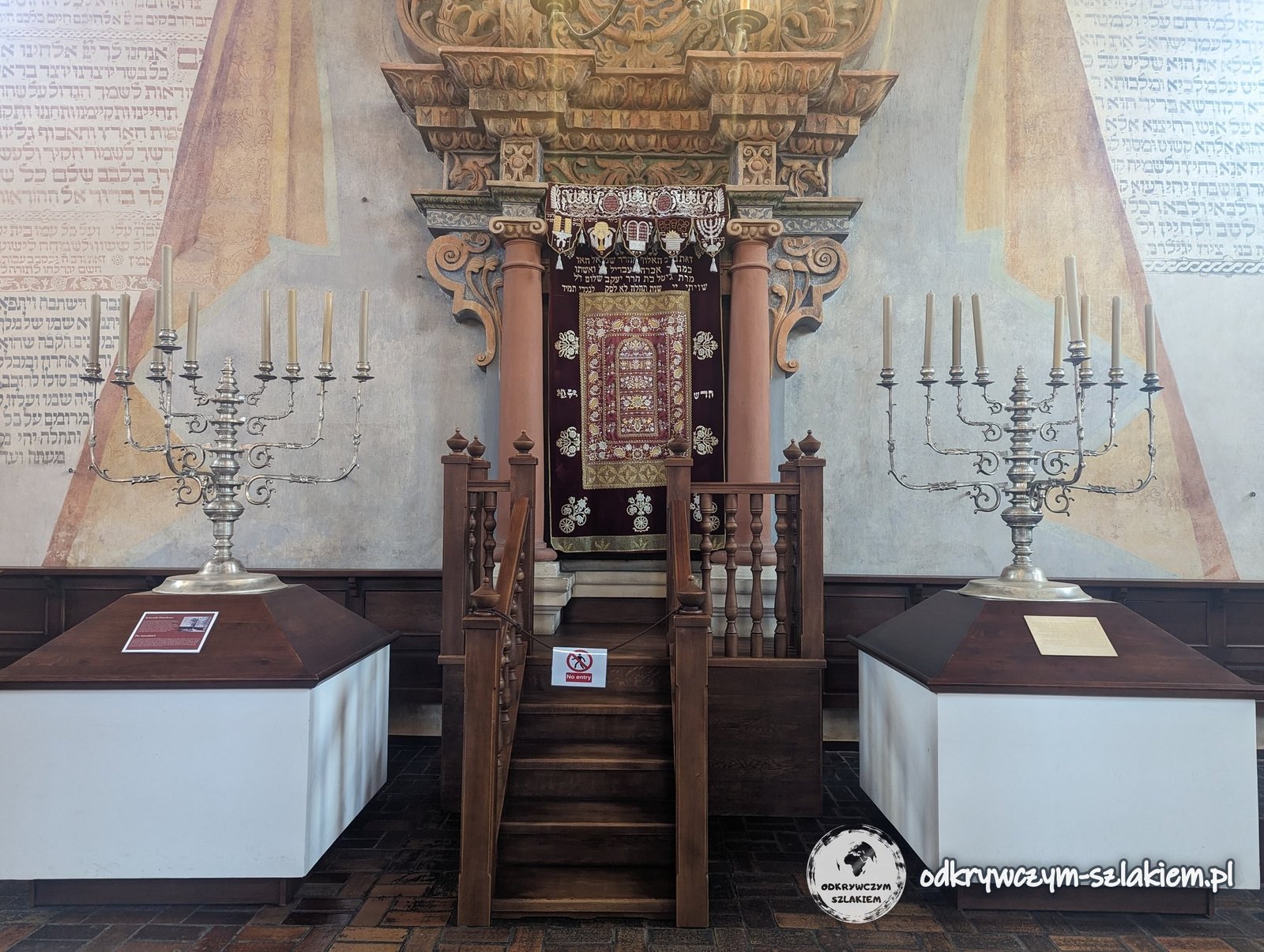
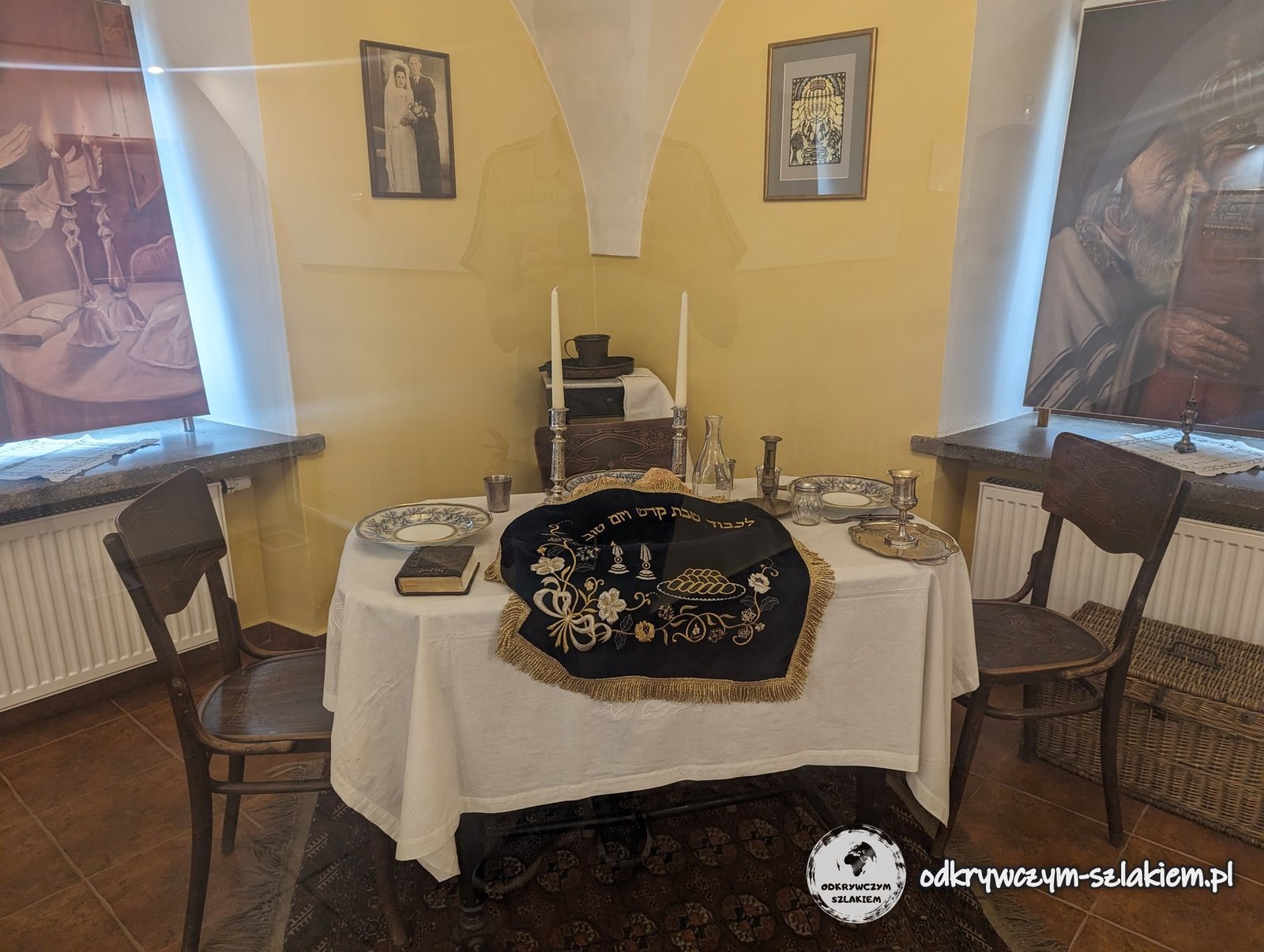
The interior has been restored to its interwar appearance. The walls are covered with prayers in Hebrew and Aramaic, the four-pillar bimah stands in the middle, and the aron ha-kodesh, the ark for the Torah scrolls, stands against the east wall. The side rooms have an exhibition of Judaica, including a set Shabbat table, prayer shawls and silver candlesticks.
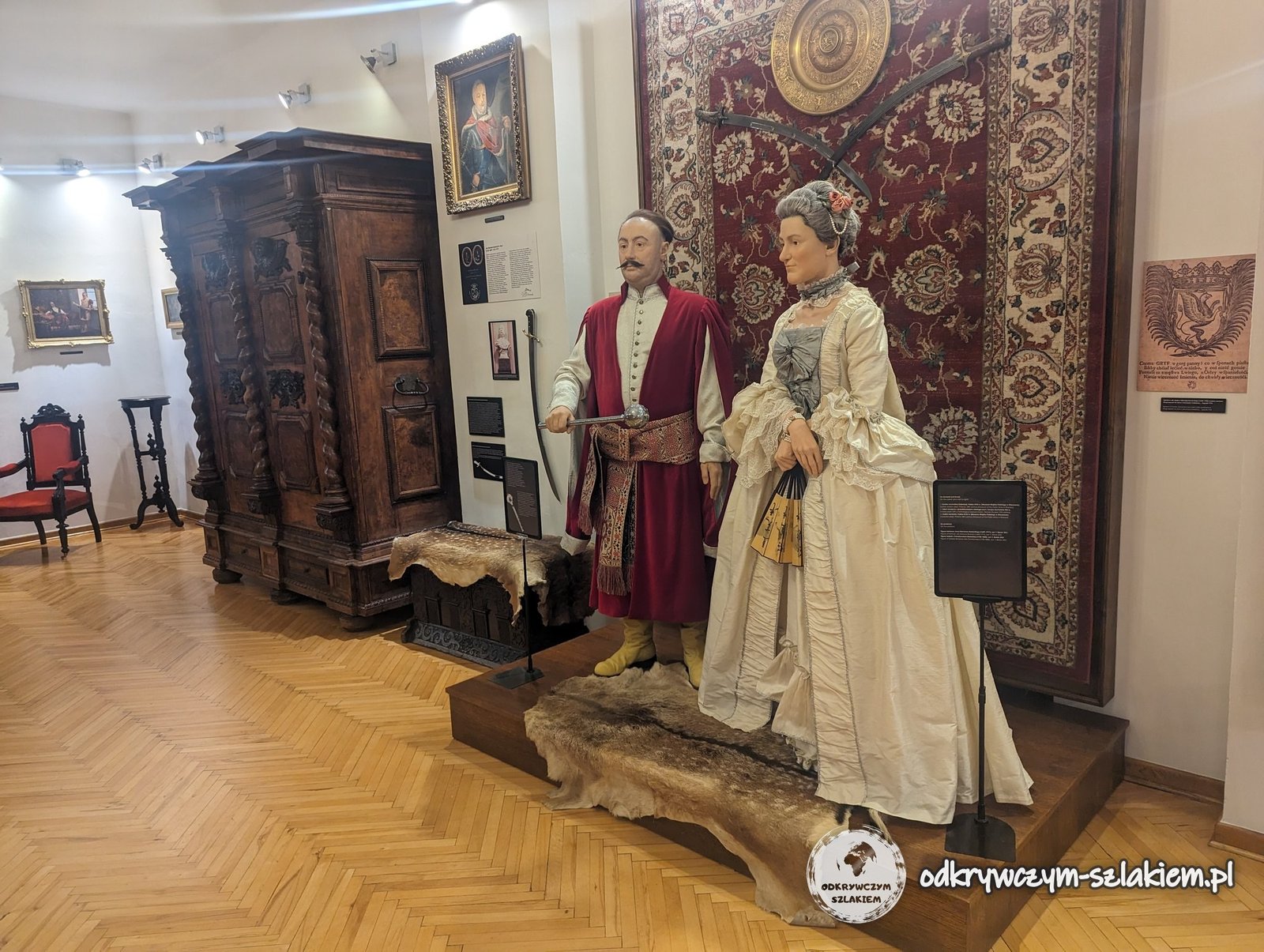
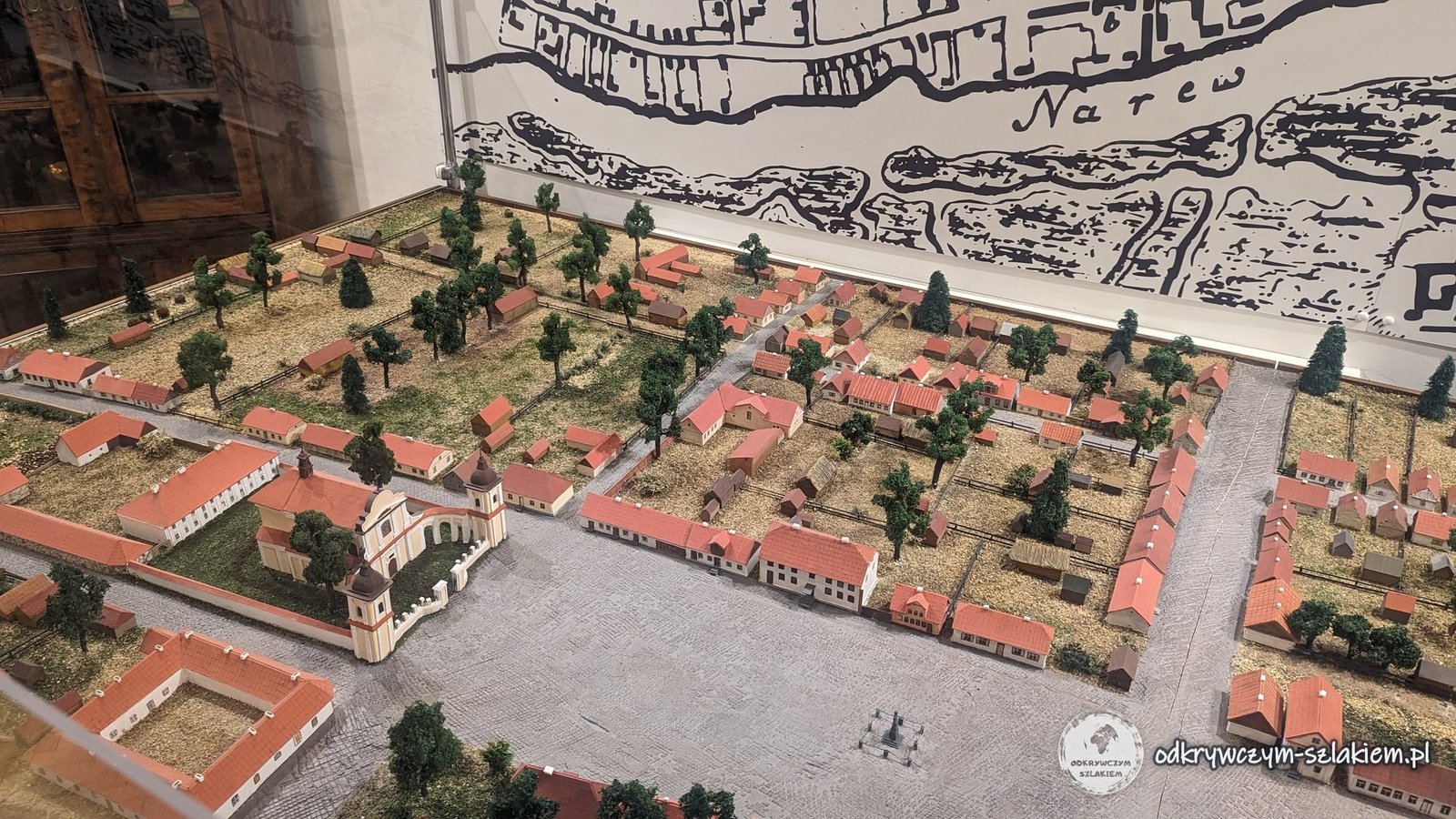
The Talmud House, a former religious school, hosts the exhibition “Tykocin in the Stream of History”, which runs from the late Middle Ages to the second half of the 20th century. It includes armour and noble costumes, an Old Polish drawing room, figures of Jan Klemens Branicki and his wife Izabela, and a large model of the town on the Narew. A combined ticket for both buildings costs 25 zł.
Tykocin – the Czarniecki monument, the church and the Alumnat
The heart of Tykocin is a large square with the monument to Hetman Stefan Czarniecki from 1763. It was put up on the initiative of Jan Klemens Branicki, the hetman’s great-grandson, and it is the second-oldest secular monument in Poland, after Sigismund’s Column in Warsaw. A few steps away is the Alumnat from 1634–1638, the first home for war veterans in Poland. A poster for Jacek Bromski’s film “U Pana Boga w ogródku” (“In God’s Little Garden”), shot partly in Tykocin, hung by its gate.
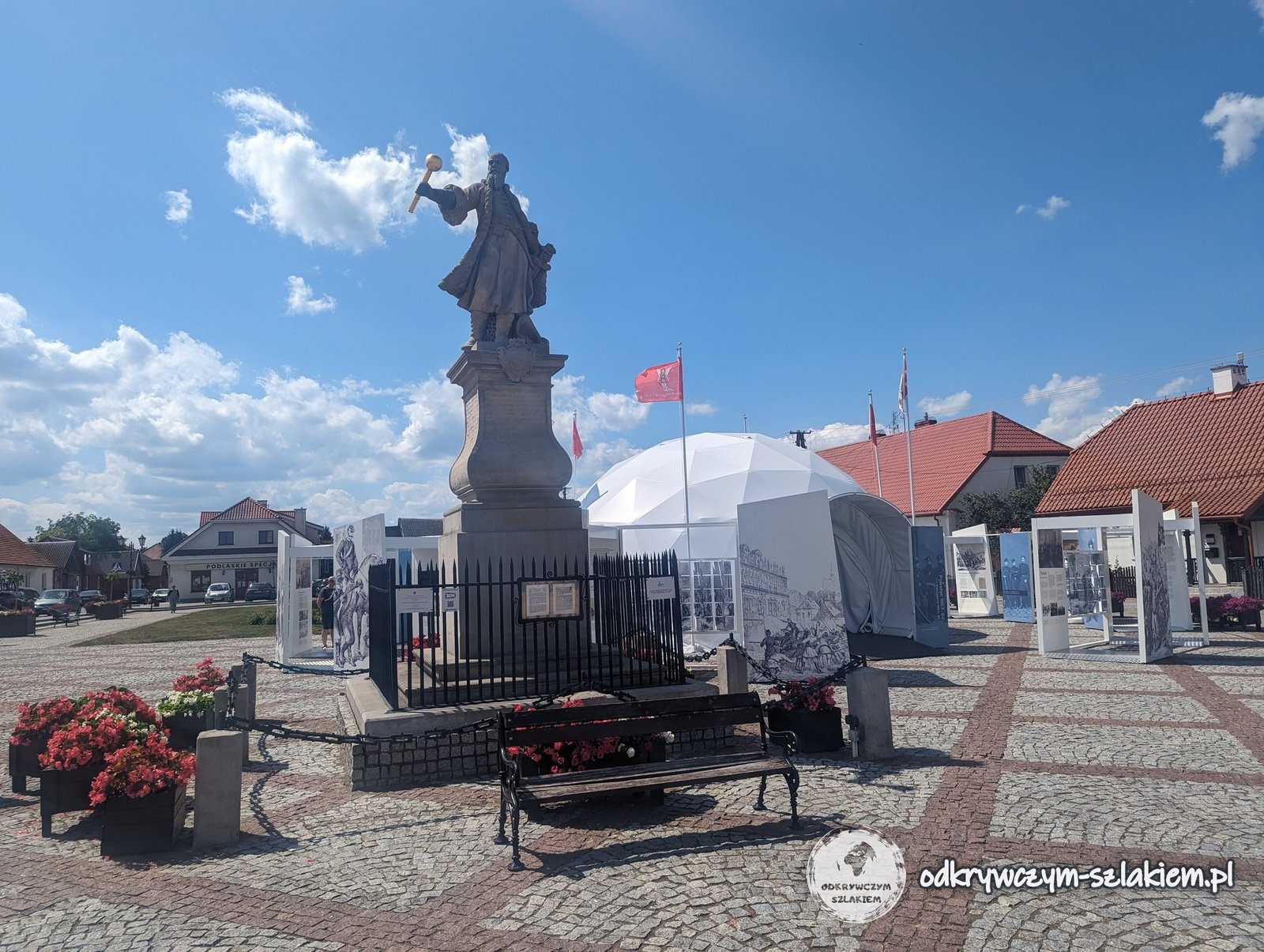

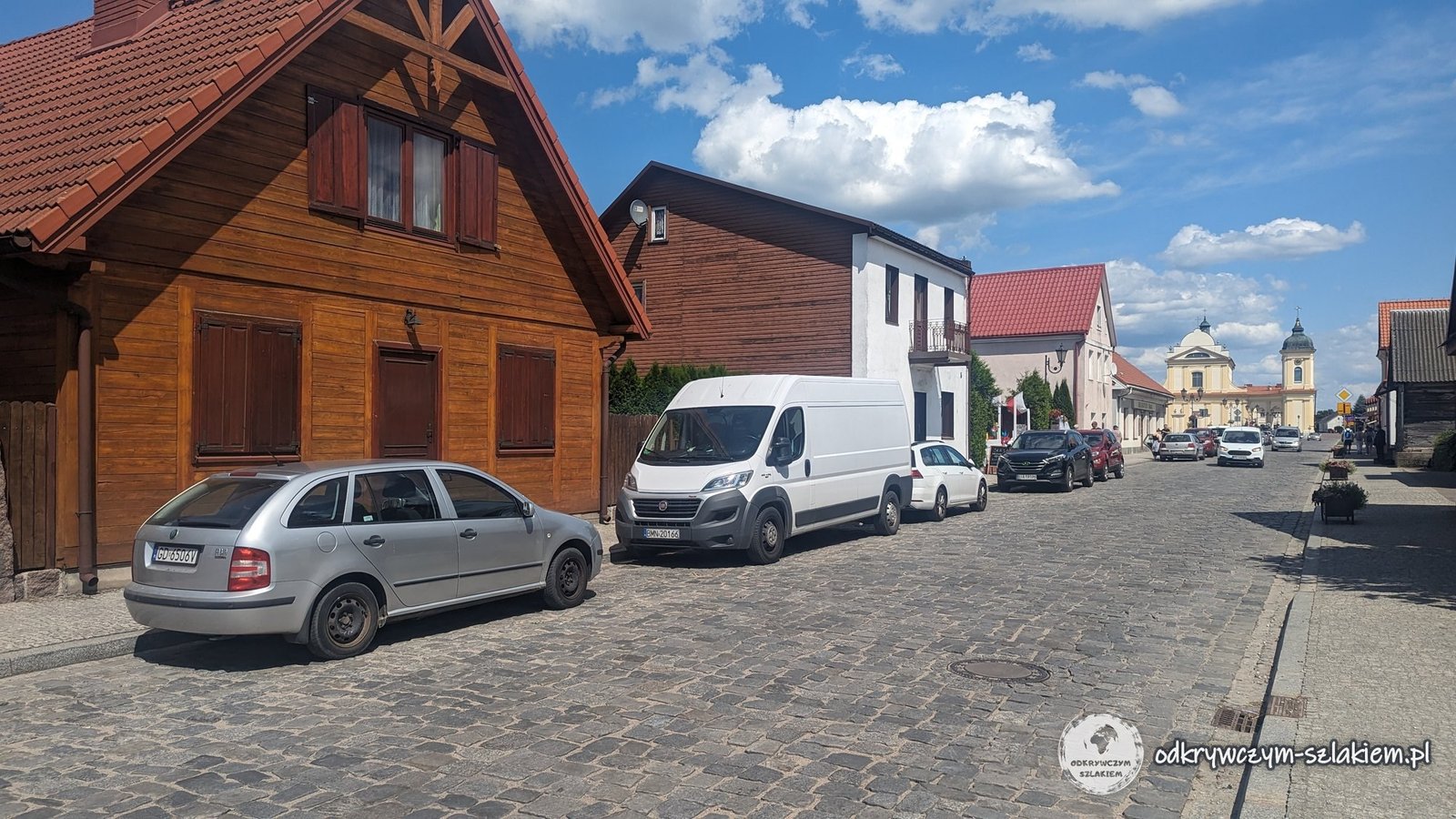
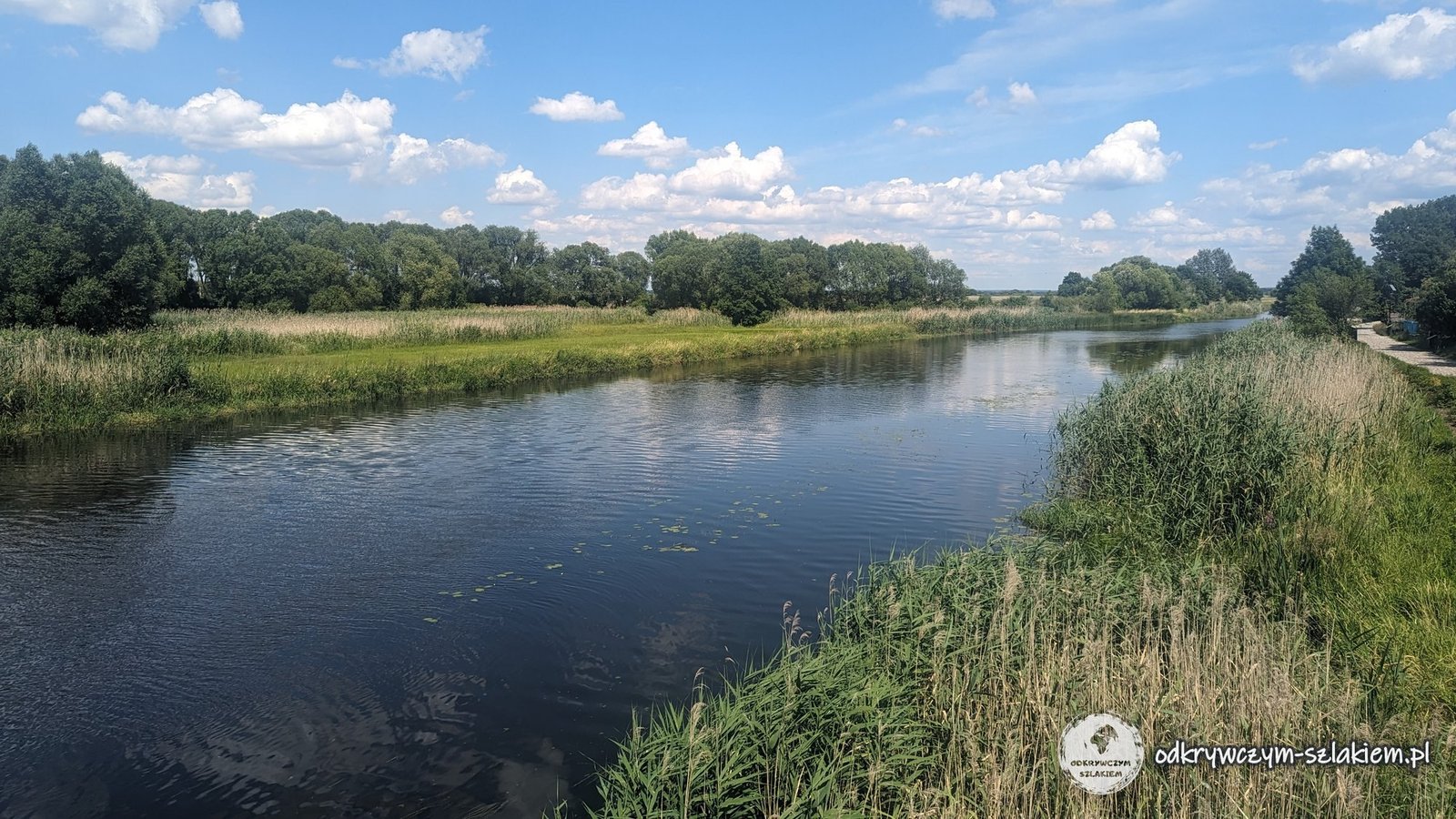
At the end of the square stands the Baroque Holy Trinity Church from 1742–1749, founded by Branicki – its two towers are joined to the façade by curved arcades. Many wooden houses survive in the side streets, and from the bridge over the Narew you get a view of the whole town – that photo opens this post.


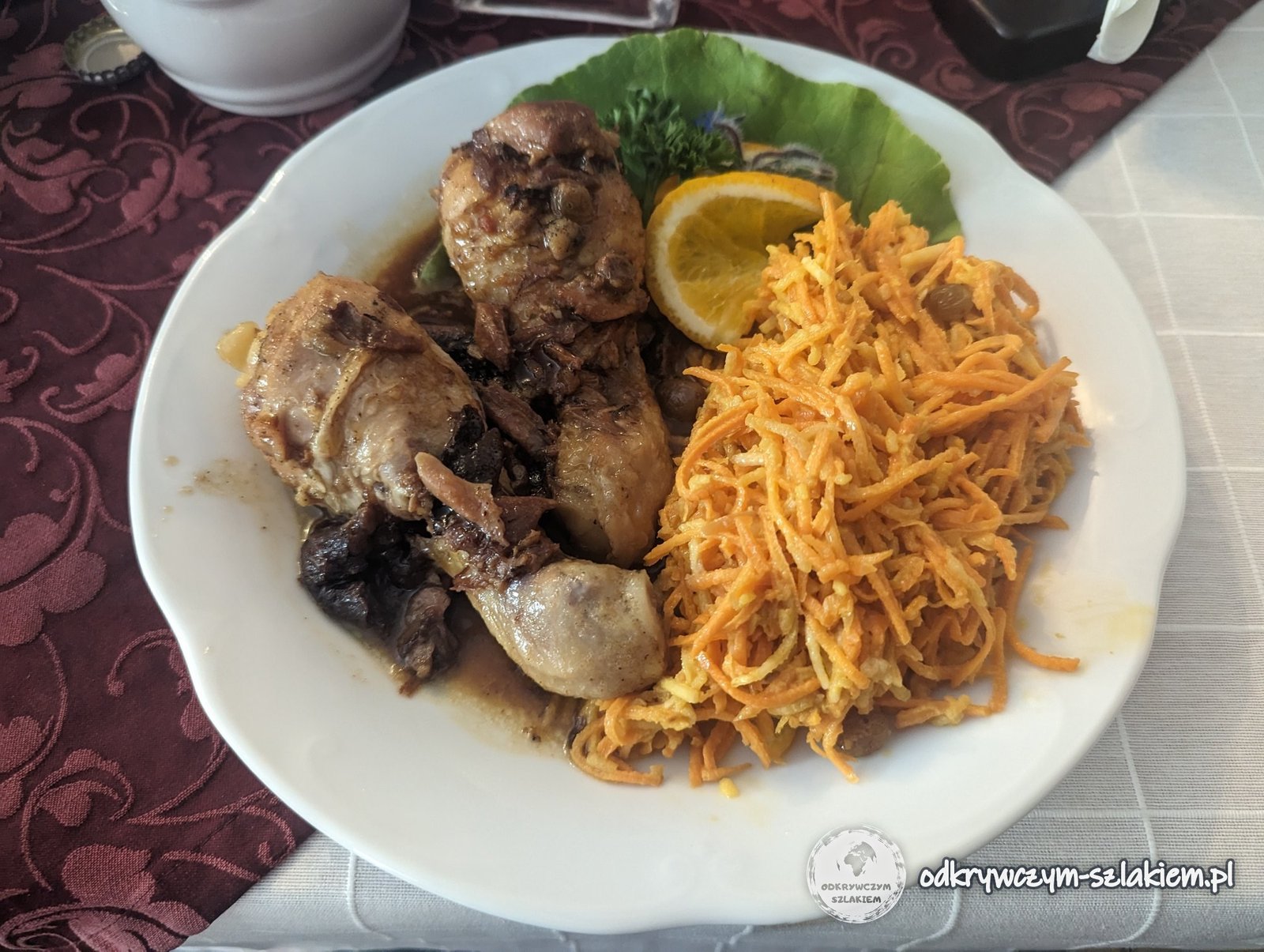
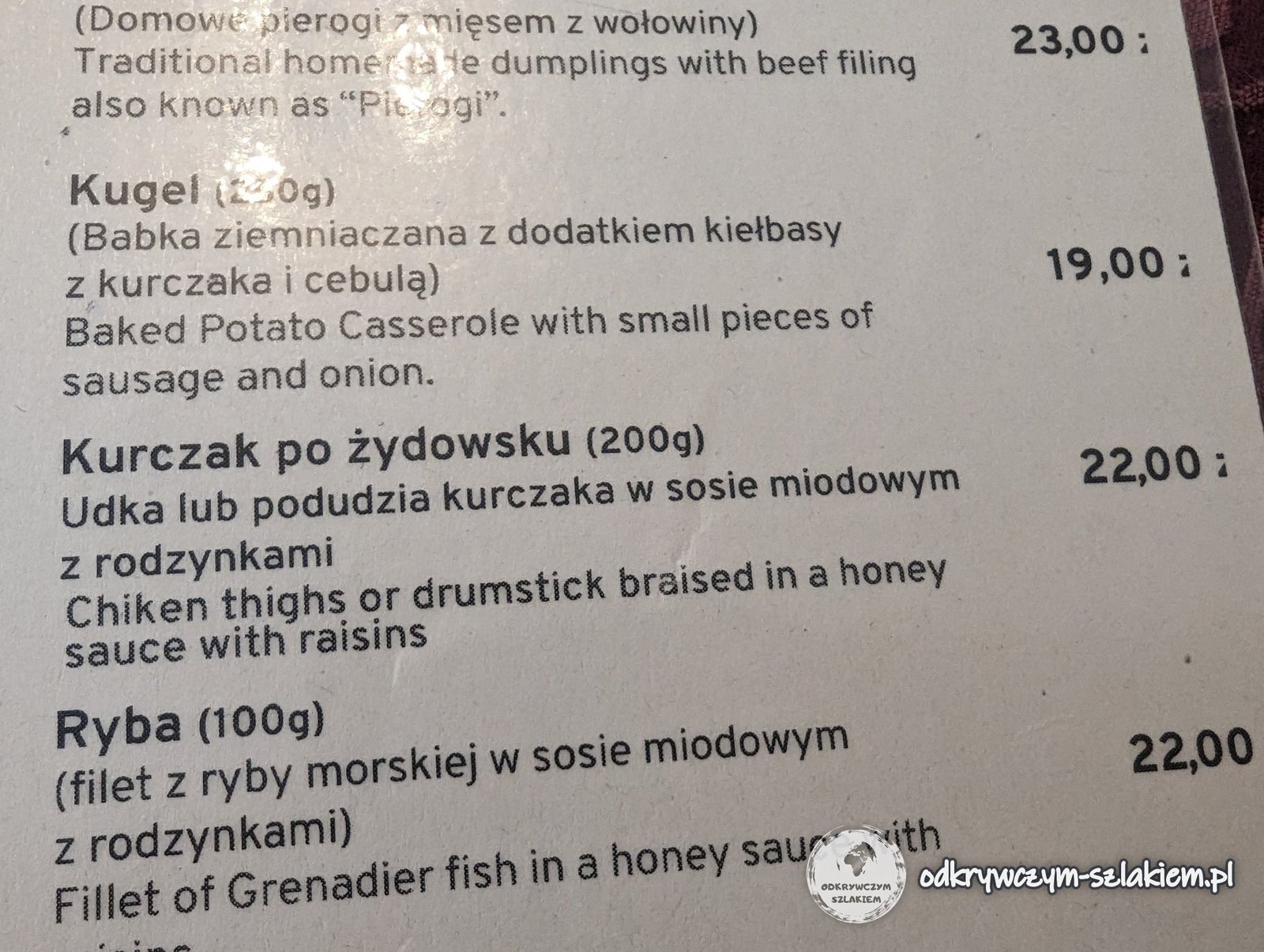
For lunch I stopped at the Tejsza restaurant right next to the synagogue, which serves Jewish cuisine. In July 2023 Jewish-style chicken (thighs braised in honey sauce with raisins) cost 22 zł, kugel 19 zł and Jewish-style salad 10 zł.
Góra Strękowa and Wizna – the “Polish Thermopylae”
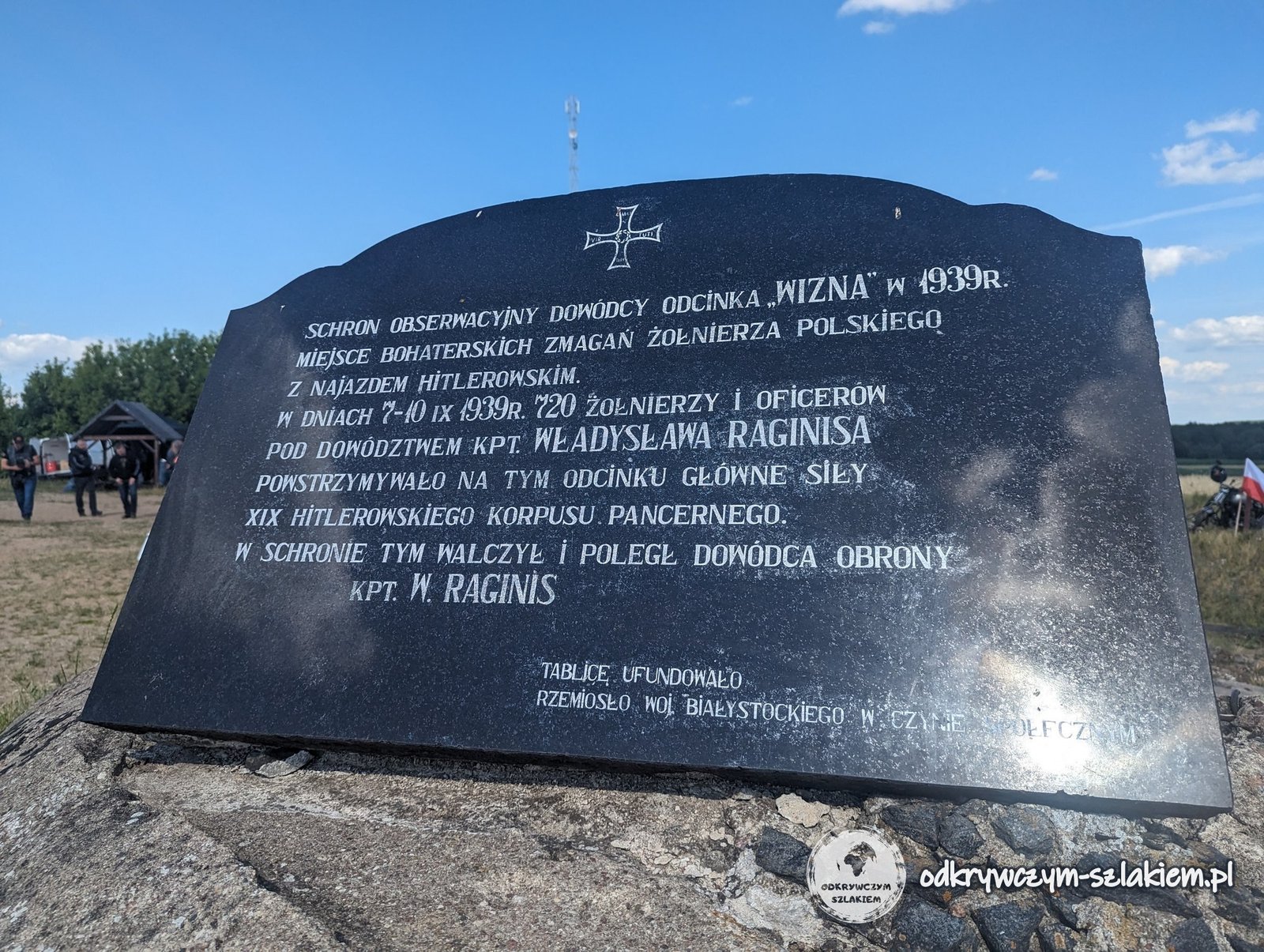
In the afternoon I drove to Góra Strękowa near Wizna, the site of the Battle of Wizna in September 1939. According to the plaque, from 7 to 10 September 1939 some 720 soldiers under Captain Władysław Raginis held back the main forces of the German XIX Panzer Corps here. That is why this defence is called the “Polish Thermopylae”.

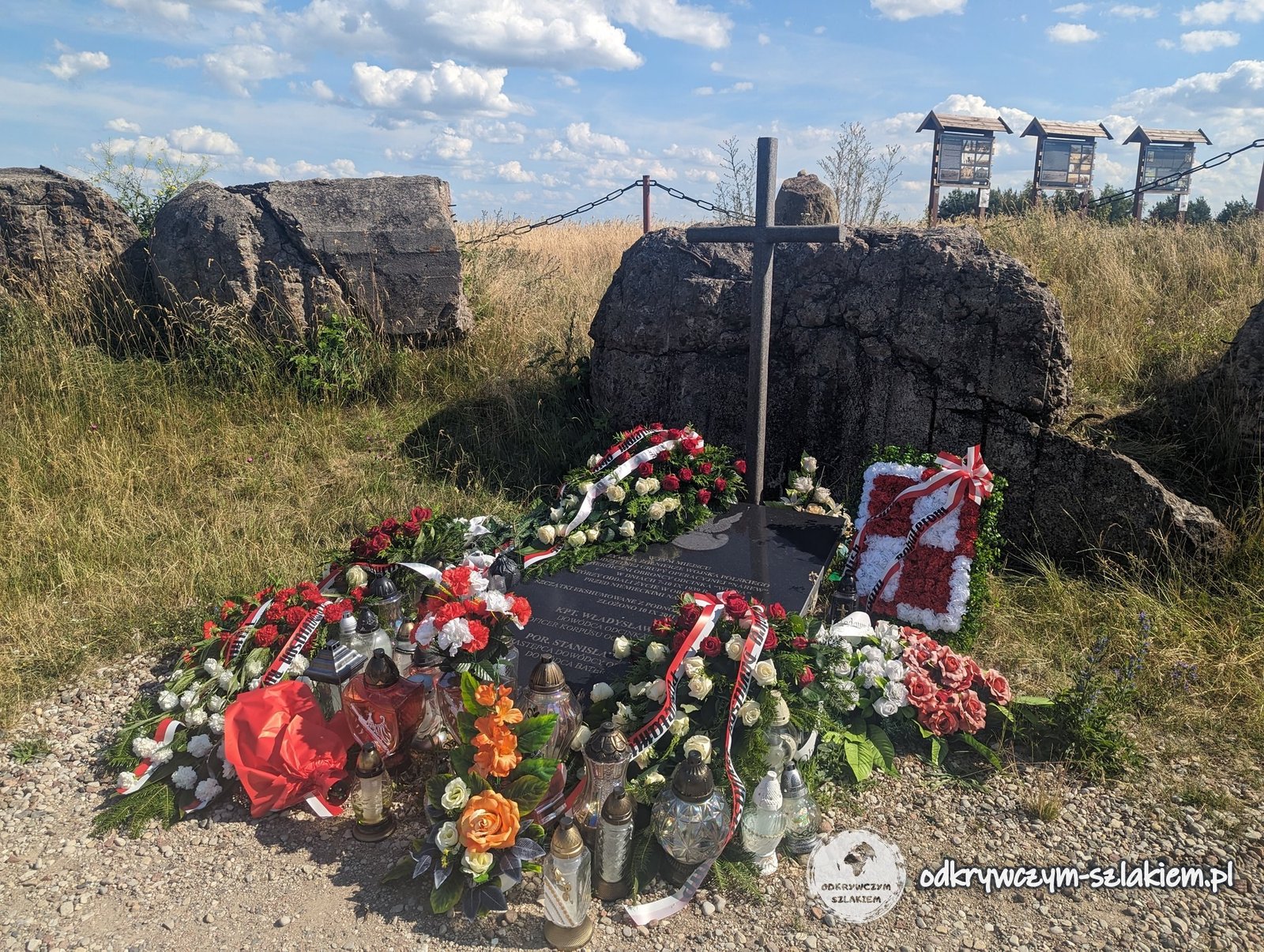
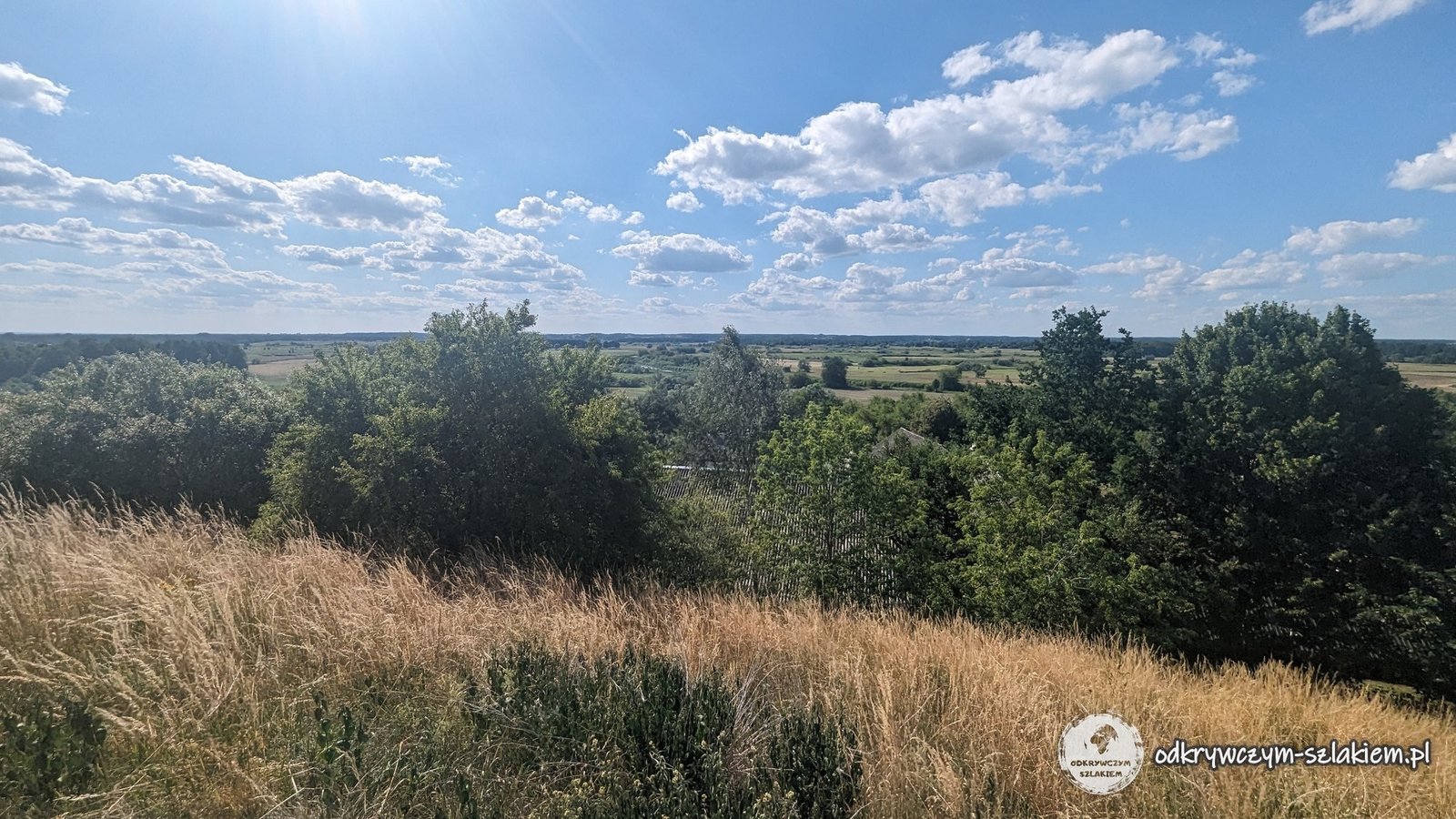
Concrete blocks of destroyed bunkers lie on the hill. Captain Raginis fought and died on 10 September 1939 in the observation bunker of the sector commander. His remains and those of his deputy, Lieutenant Stanisław Brykalski, were exhumed and laid to rest in a grave on the summit on 10 September 2011 – it was covered with wreaths and white-and-red ribbons. From Góra Strękowa you can see the Narew valley and the fields around Wizna.
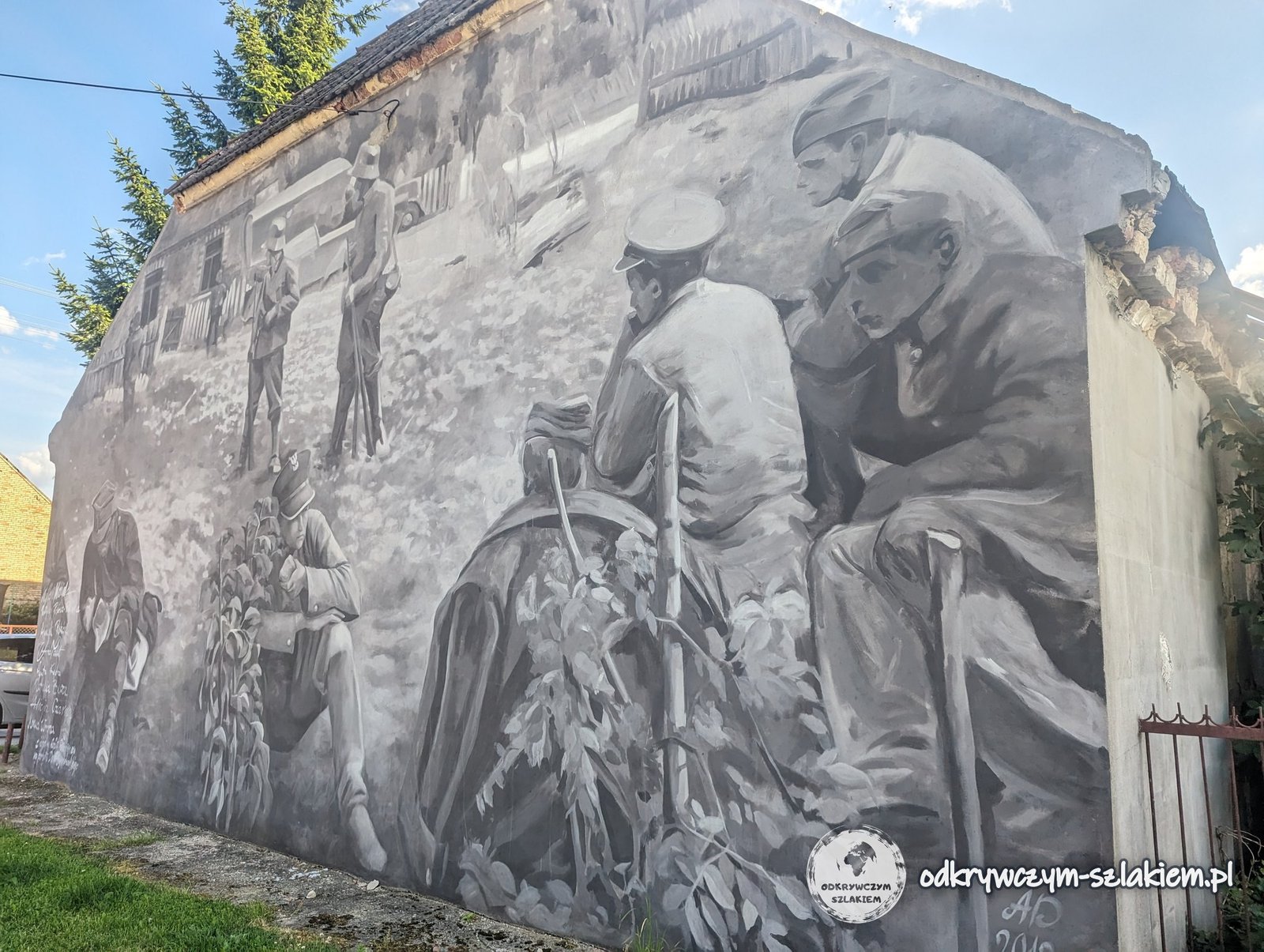
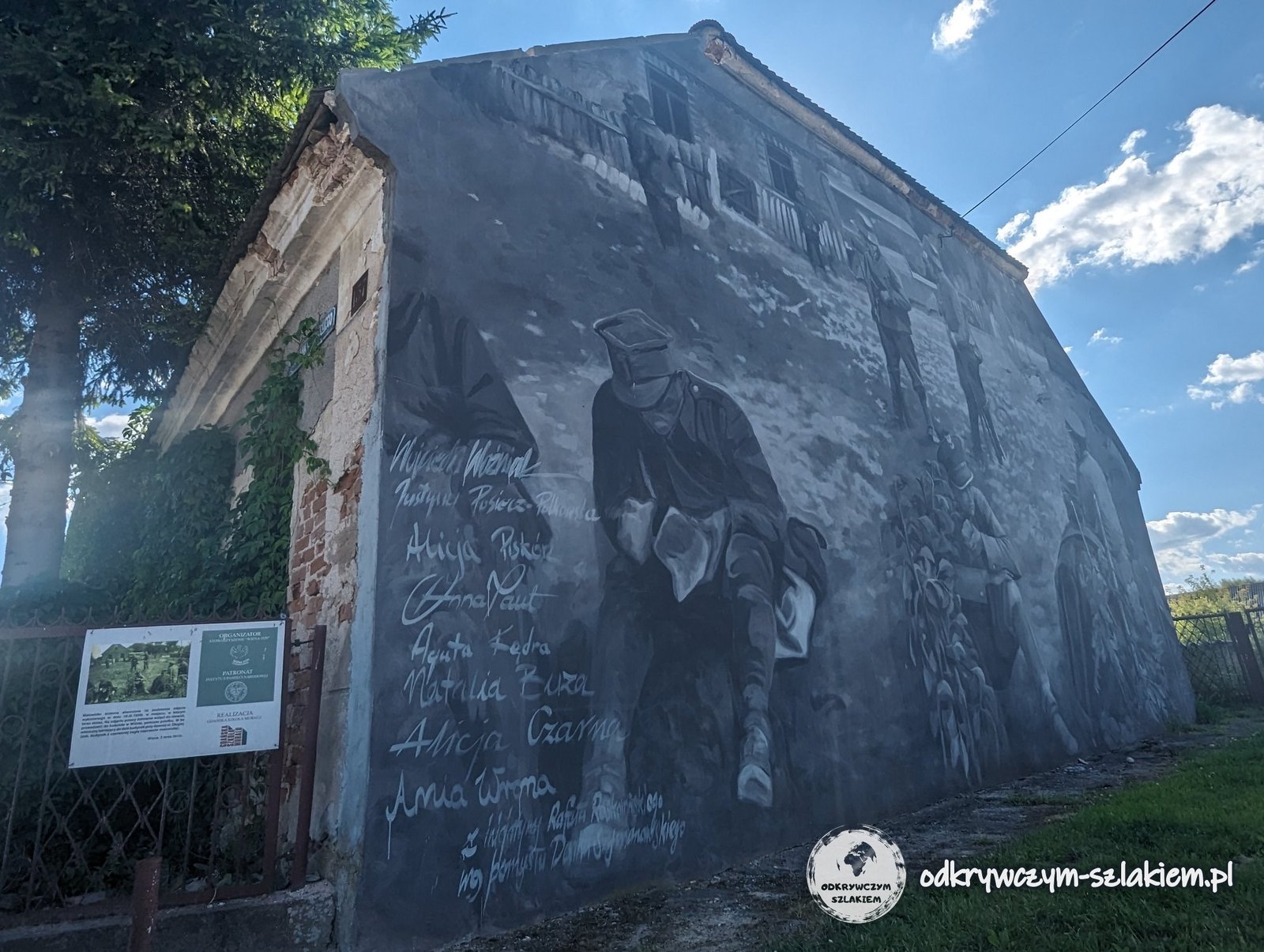
In Wizna itself there is a large black-and-white mural on the wall of a building. According to the board, it was painted in 2012 from a photo taken on this spot on 10 September 1939 – it shows Polish soldiers taken prisoner and being led to the church in Wizna, eating a meal. The mural was made on the initiative of the “Wizna 1939” association under the patronage of the Institute of National Remembrance (IPN).
Łomża – the Old Market Square
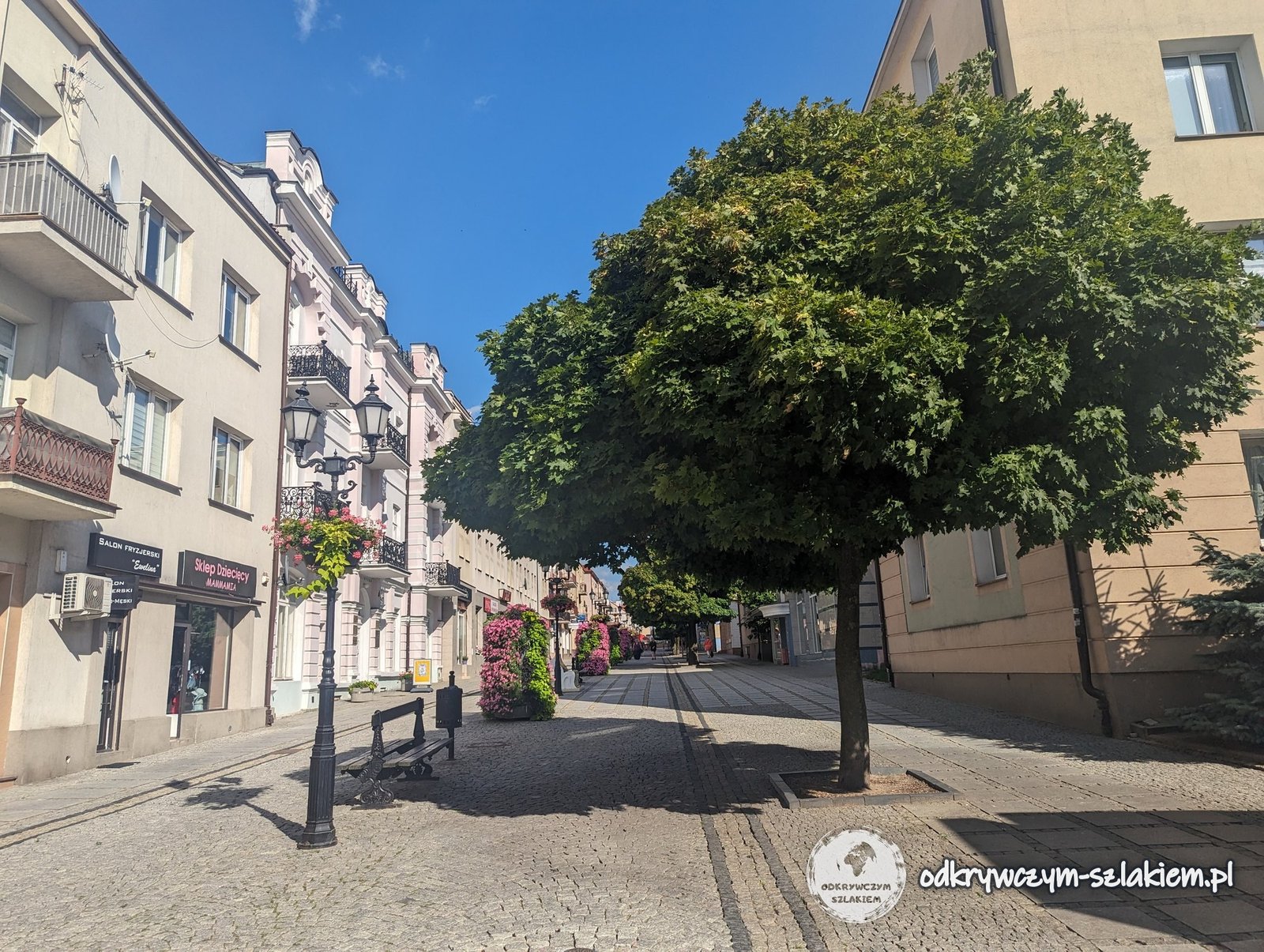
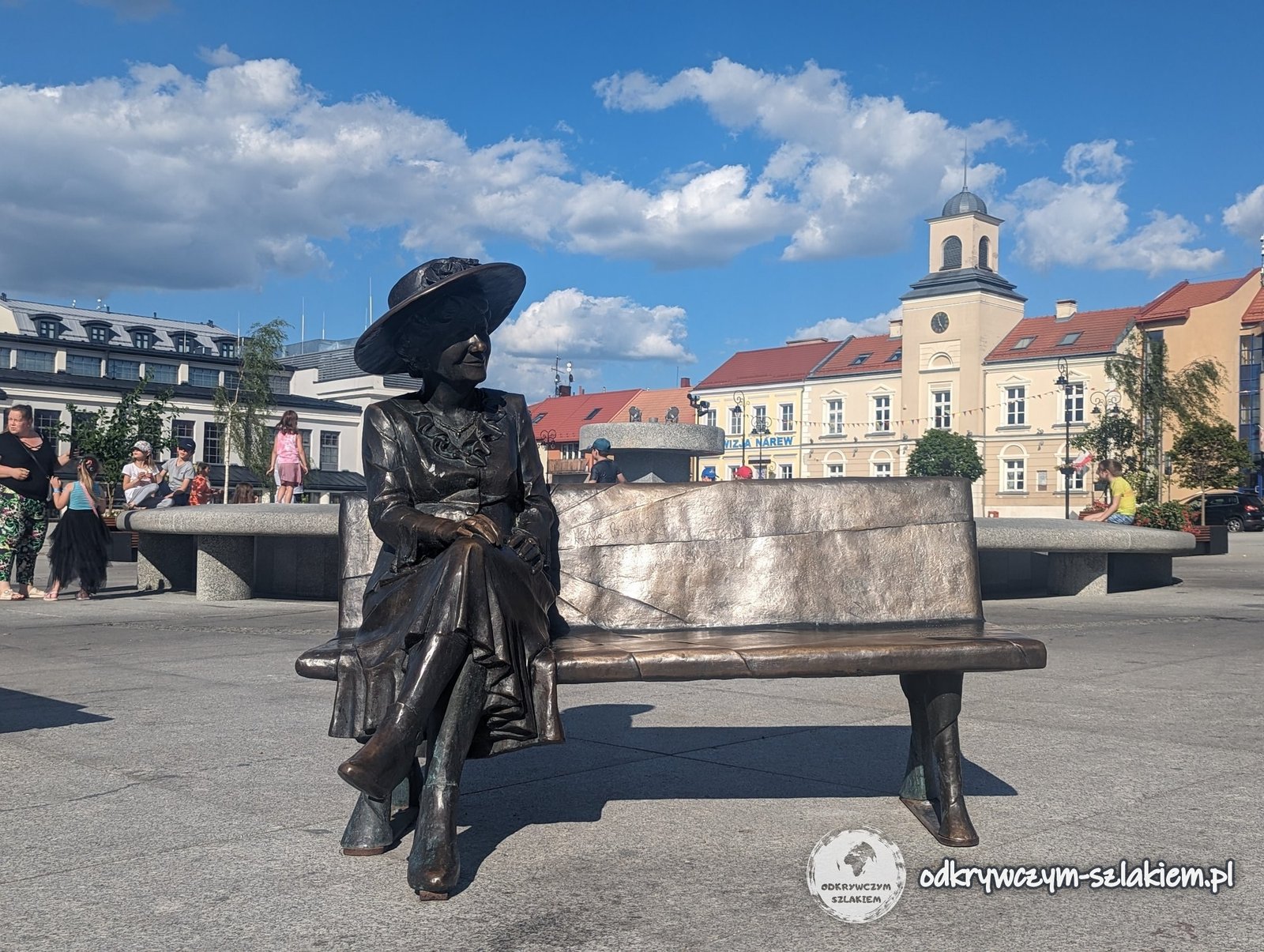
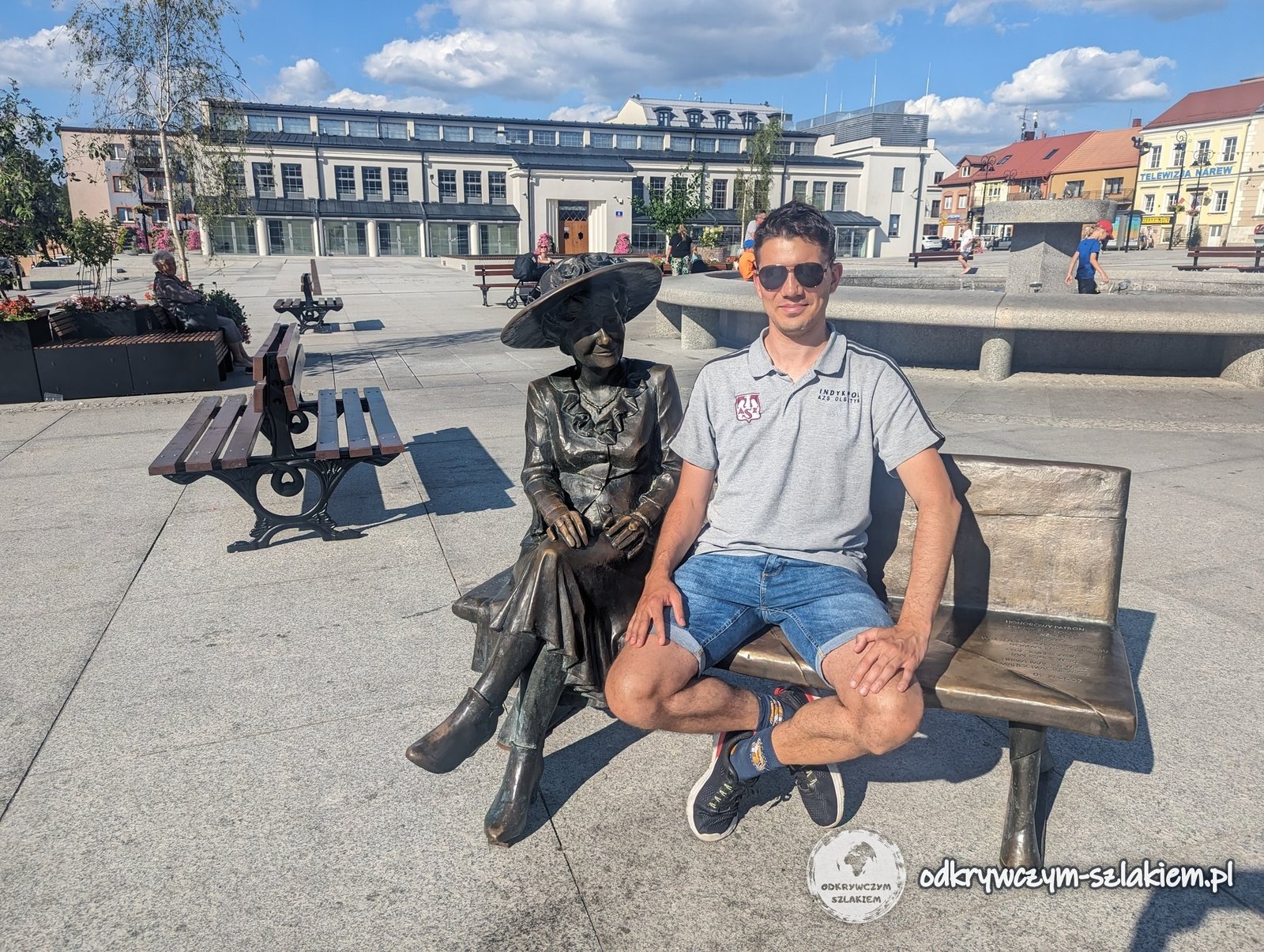
The last stop of the day was Łomża. The Old Market Square reopened after its redevelopment in June 2023, a few weeks before my visit; the classicist town hall stands on it. That is when Hanka Bielicka’s bench was moved here: the actress, in her trademark hat, sits on a bronze bench, and you can sit down next to her. Bielicka lived in Łomża until the outbreak of World War II. A pedestrian street lined with townhouses leads off the square.
Białystok – Branicki Palace and the medical museum
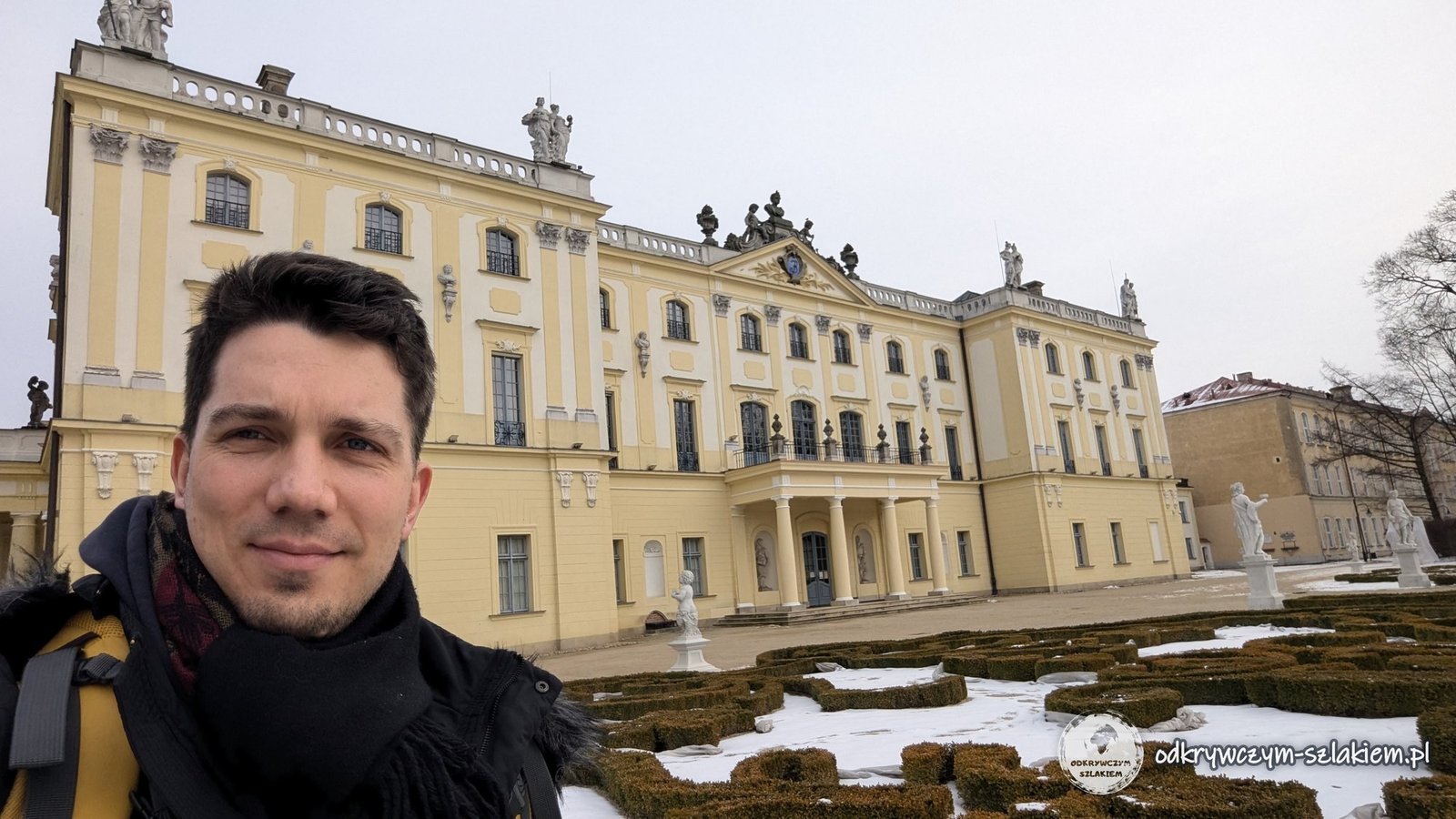
I arrived in Białystok on the evening of Friday 21 February 2025, on a direct PKP Intercity train from Olsztyn via Pisz and Ełk. The next morning I started with Branicki Palace, known as the “Versailles of Podlasie”. In the 18th century it was the residence of Hetman Jan Klemens Branicki – the same man who founded the church and the Czarniecki monument in Tykocin. In 1944 the palace was largely destroyed, and it was rebuilt in 1946–1960. Today it houses the Medical University.

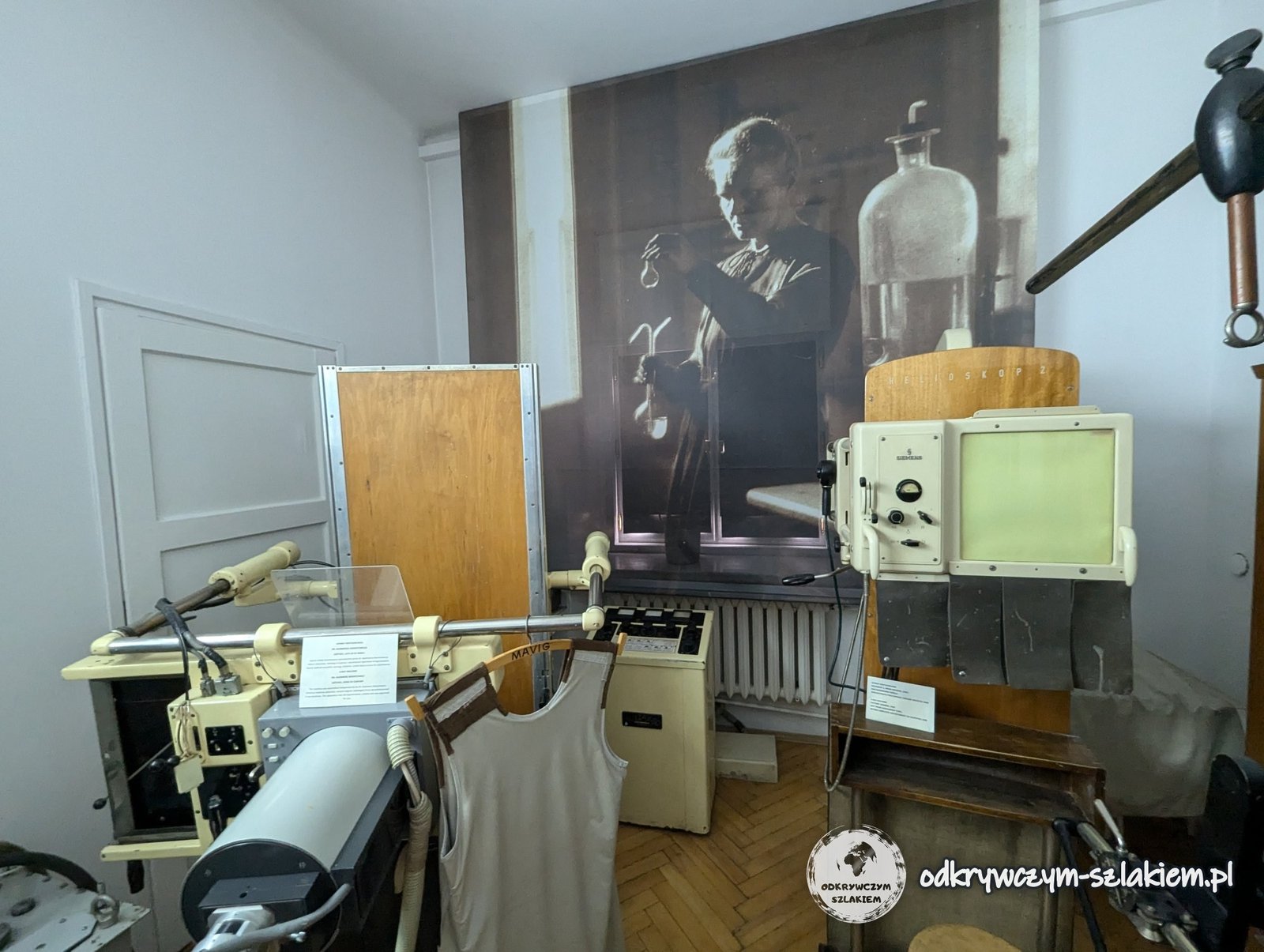
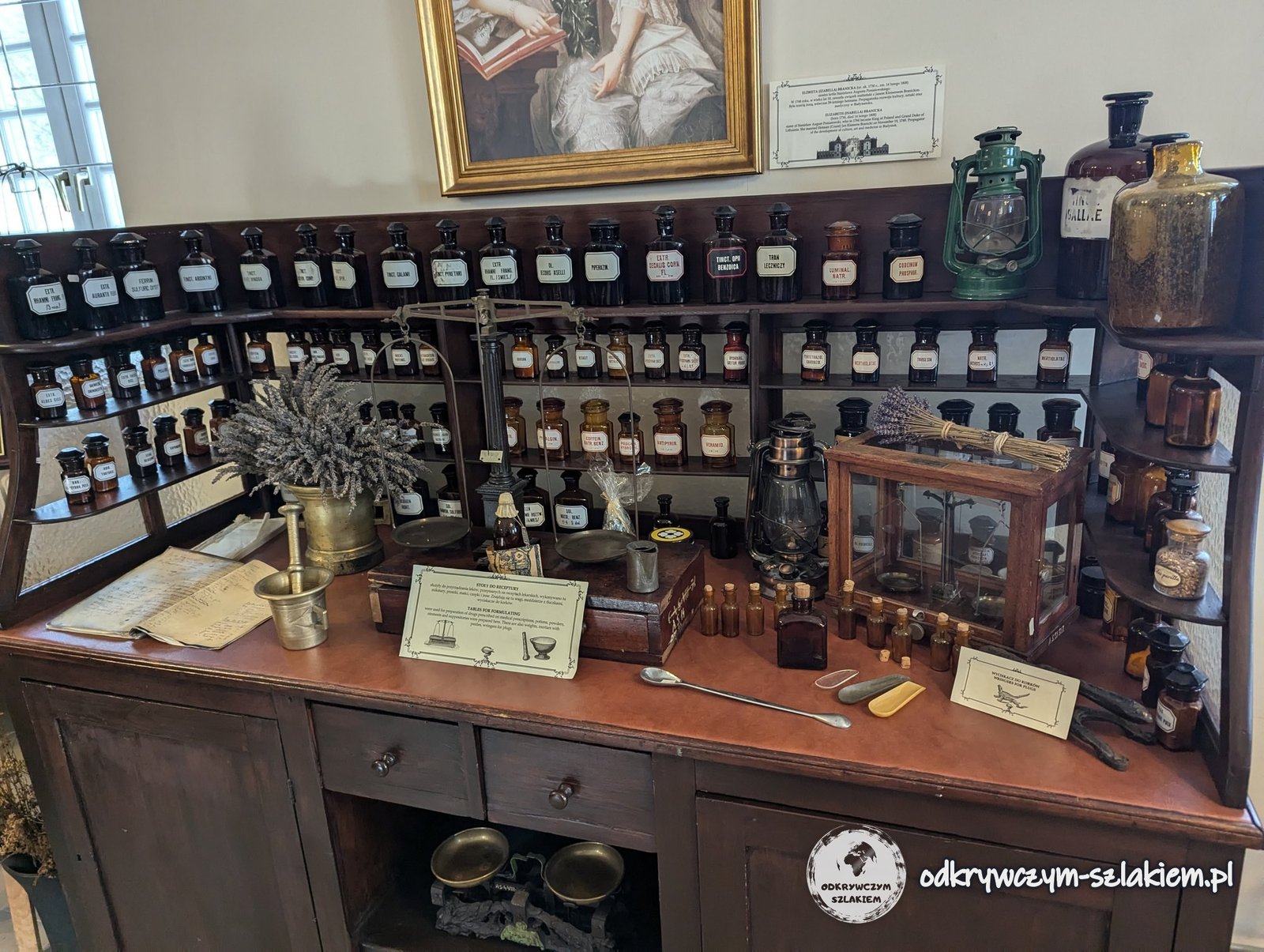
You visit the palace interiors with a ticket from the Museum of the History of Medicine and Pharmacy, located in the right wing. I chose the “Spacer w przeszłość” (“A Walk into the Past”) route, which covers the museum, the state rooms and the cellars. The museum includes an old pharmacy full of porcelain and glass vessels, a poison cabinet, a dentist’s and an ophthalmologist’s surgery, and old X-ray machines.

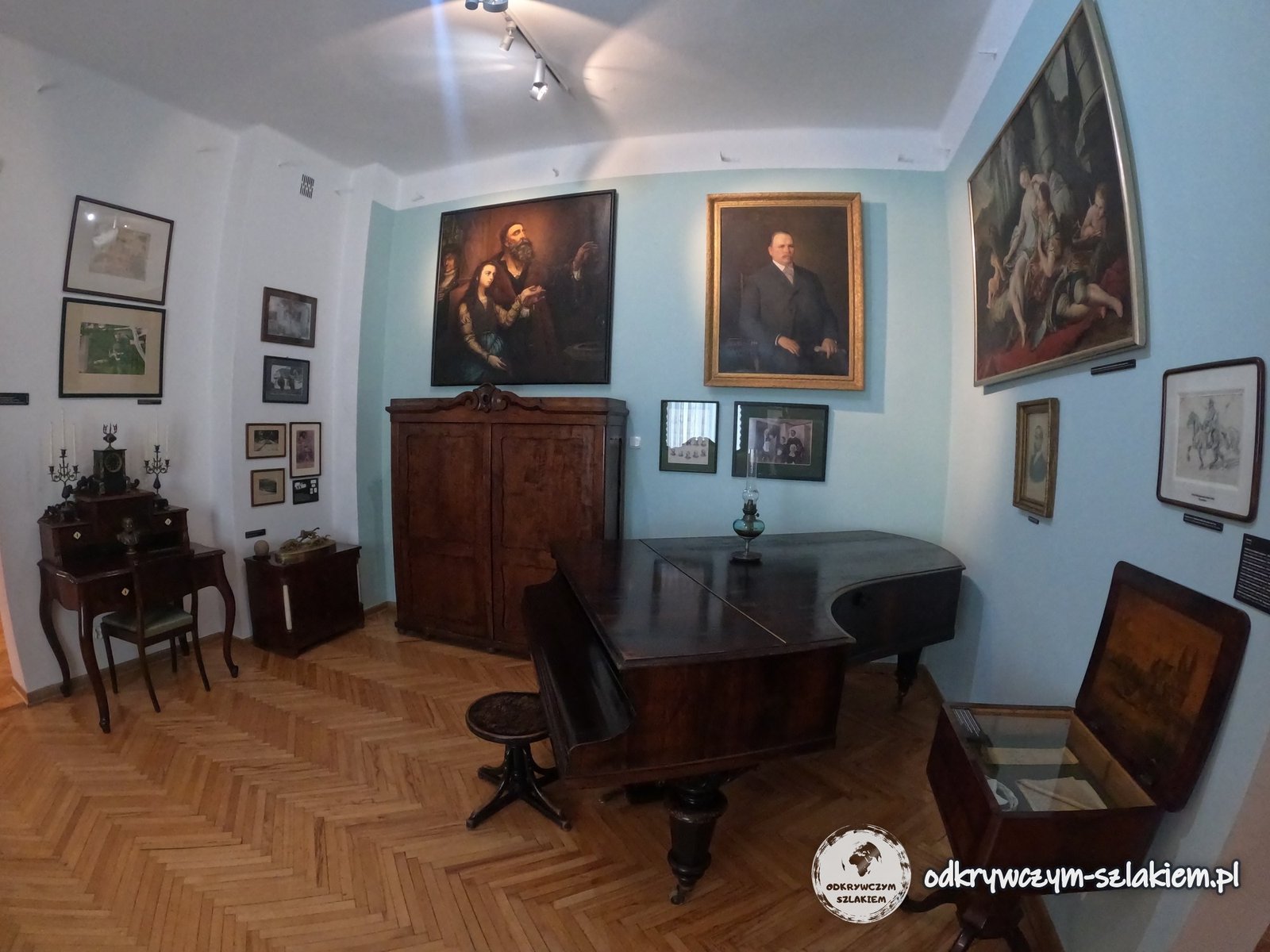
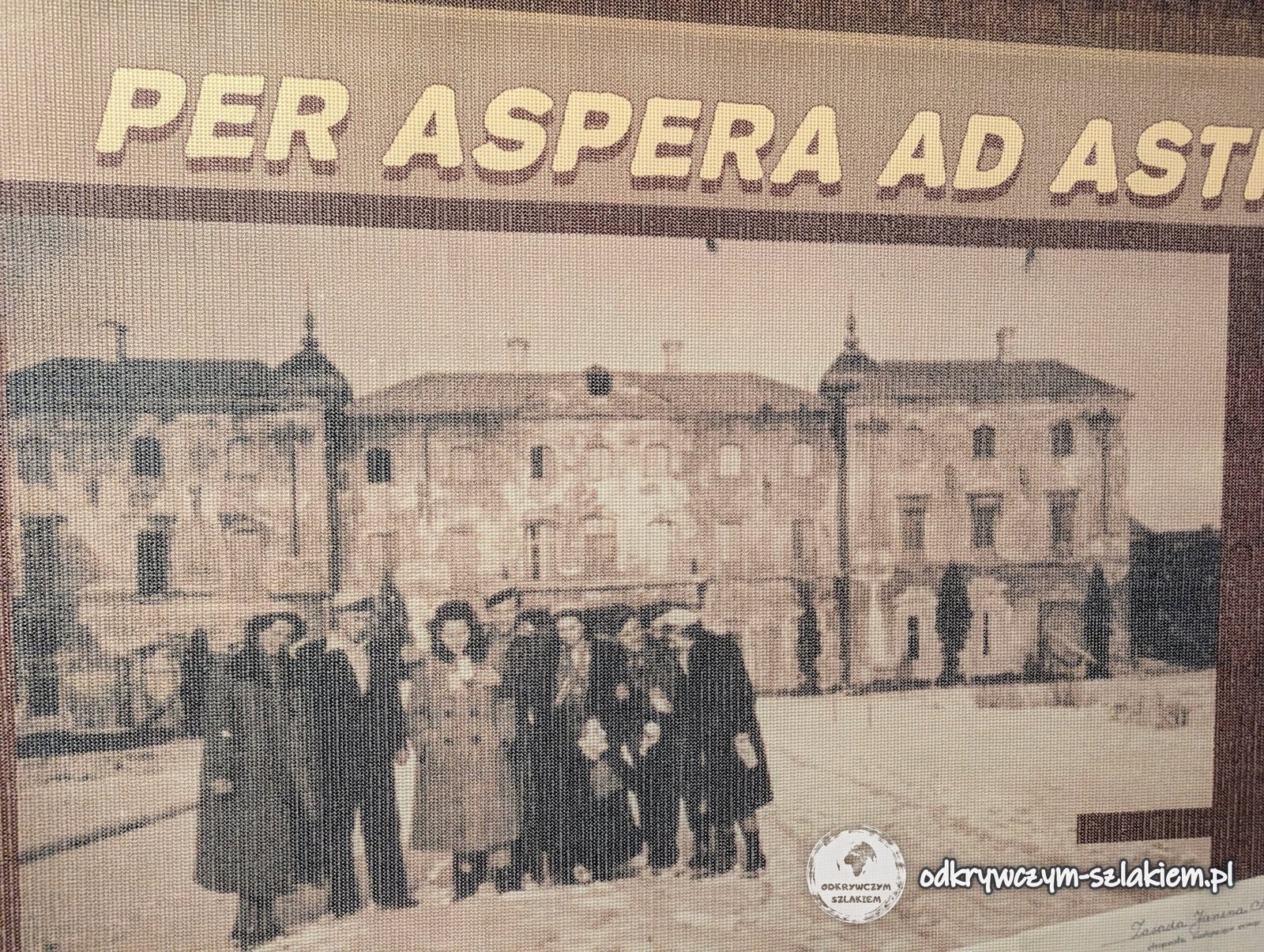
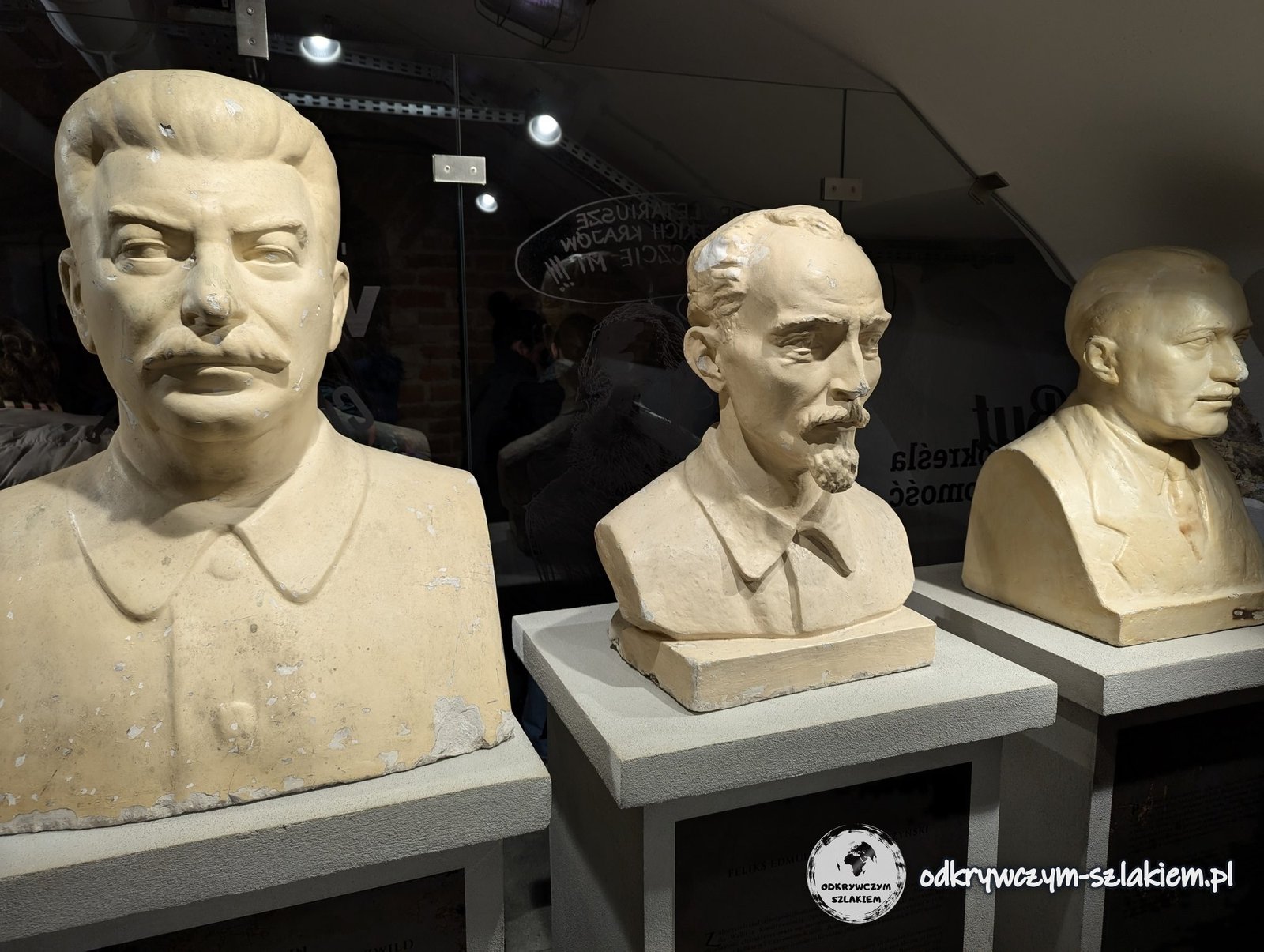
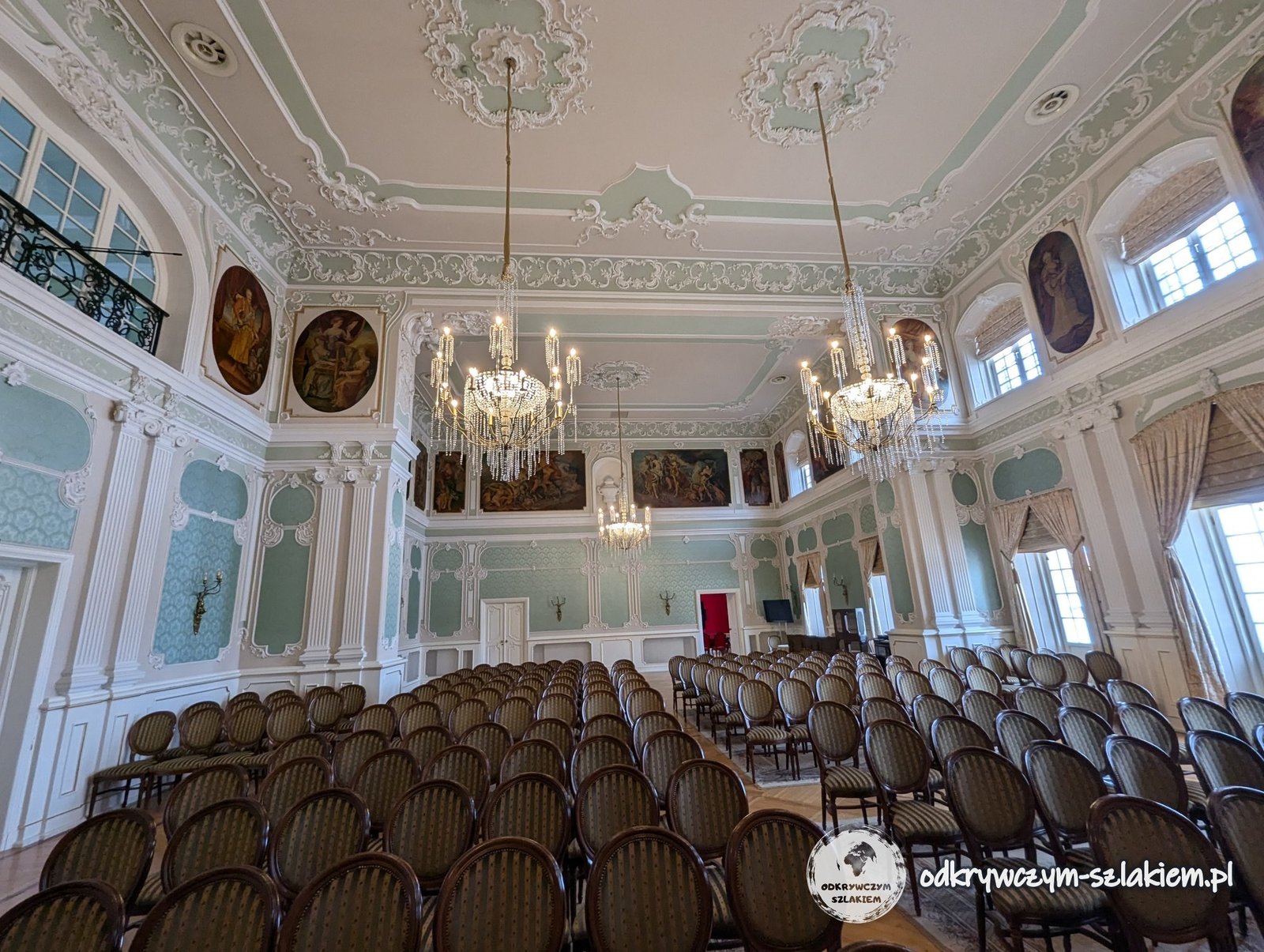
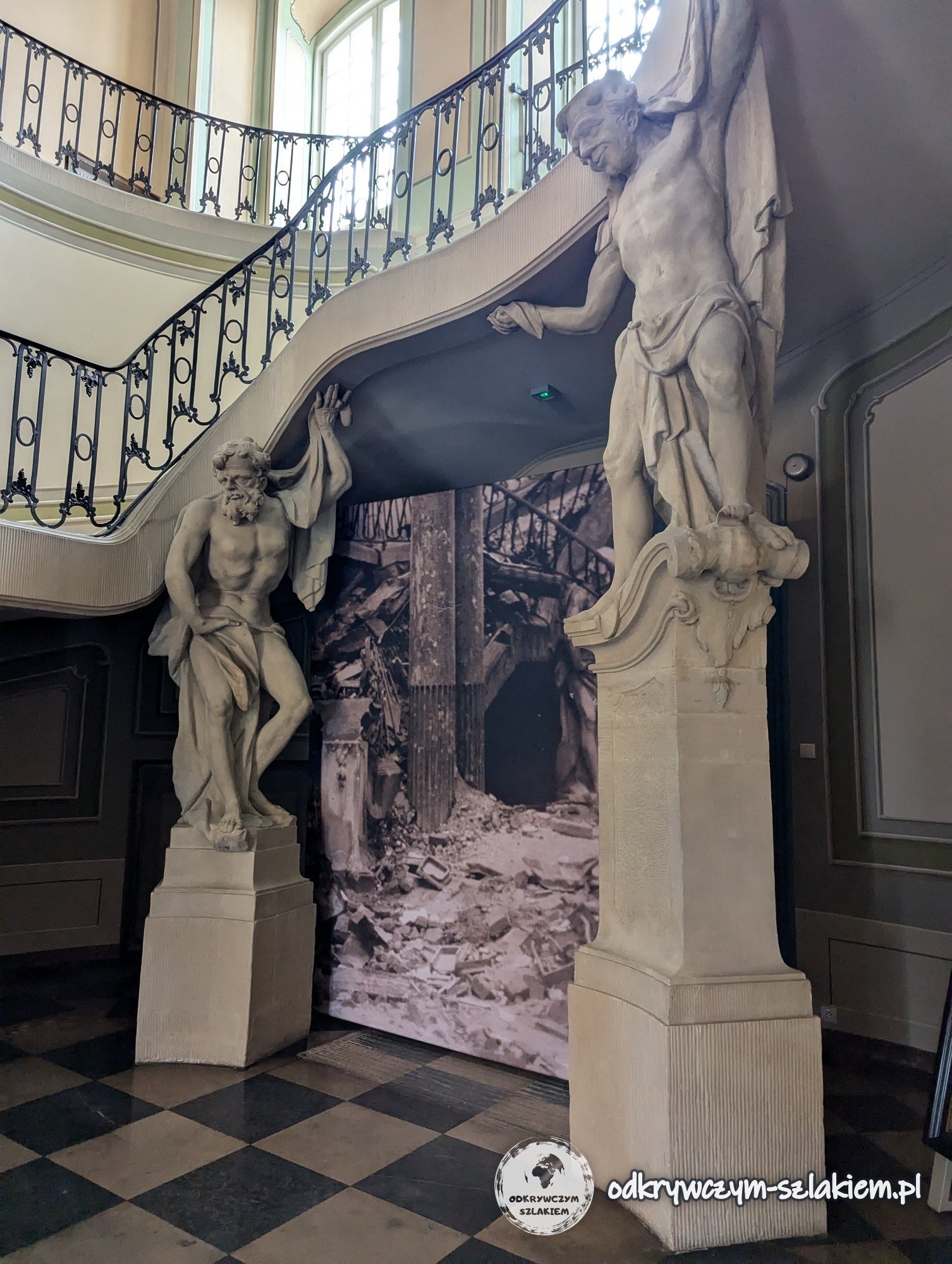
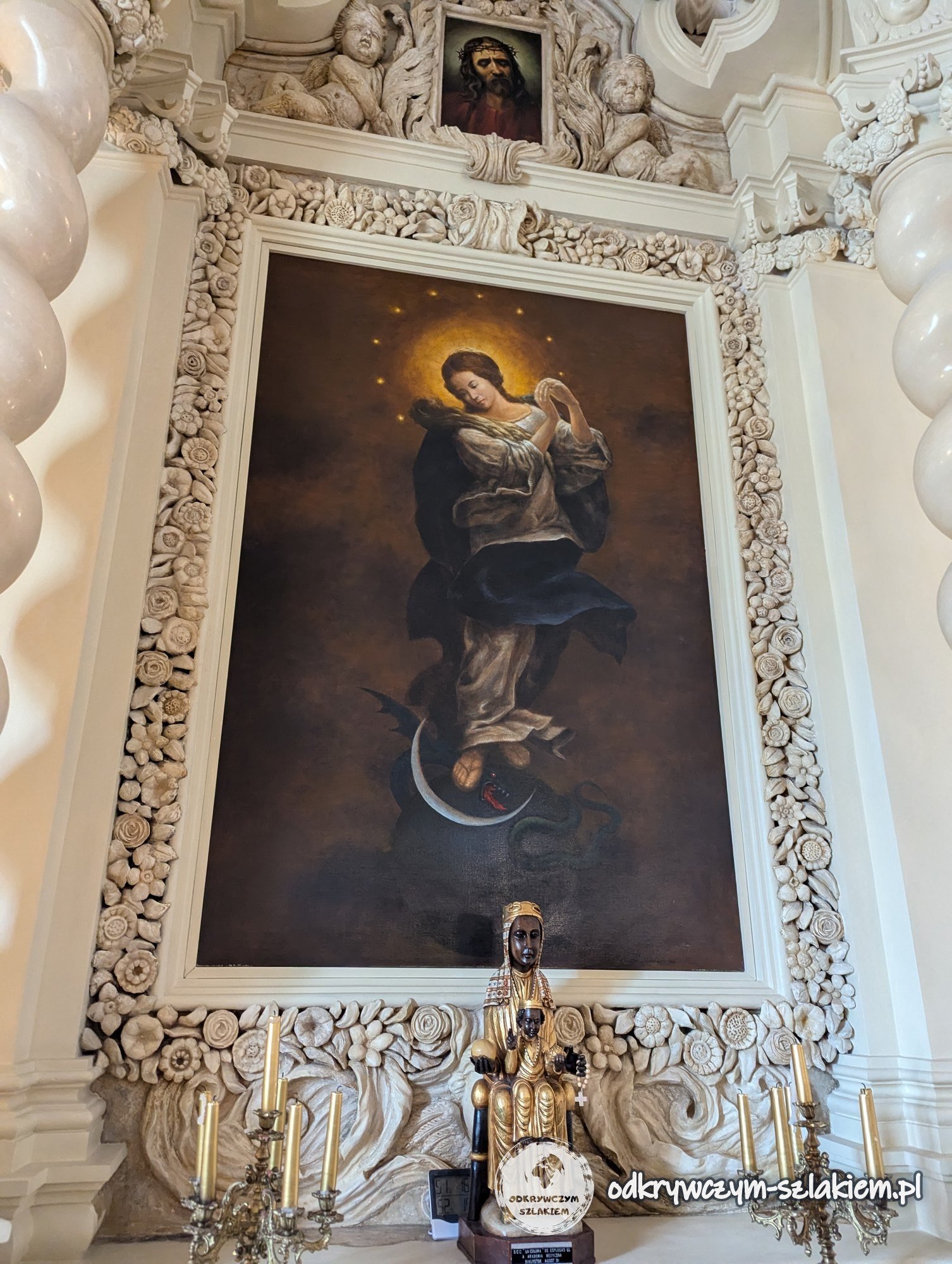
The cellars hold an exhibition on the history of the palace: charred ceiling beams, photos of the palace in ruins after the war and busts of communist leaders. From the cellars the route goes upstairs – via a staircase with Atlas sculptures to the Aula Magna, drawing rooms with portraits and the palace chapel.
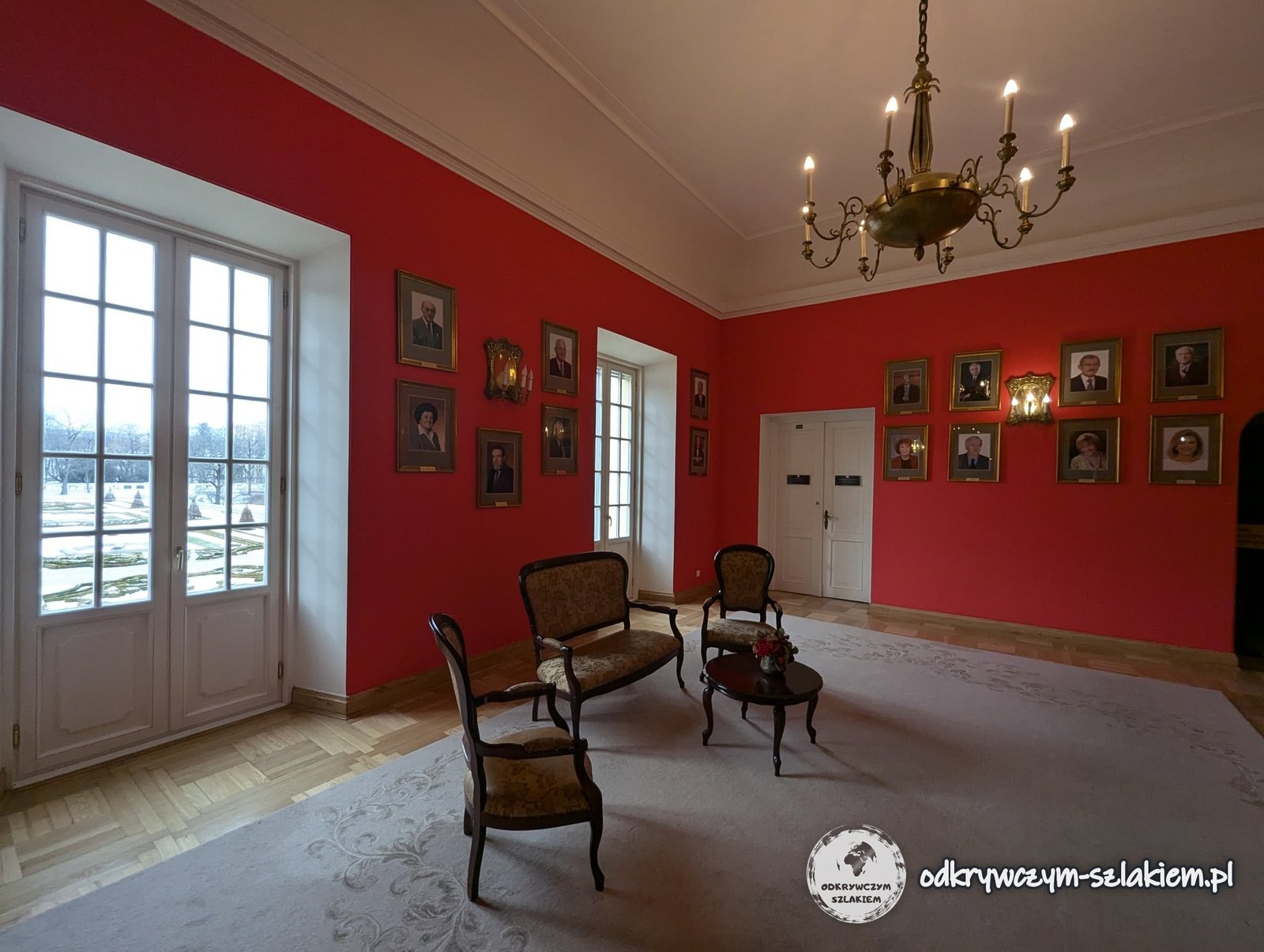
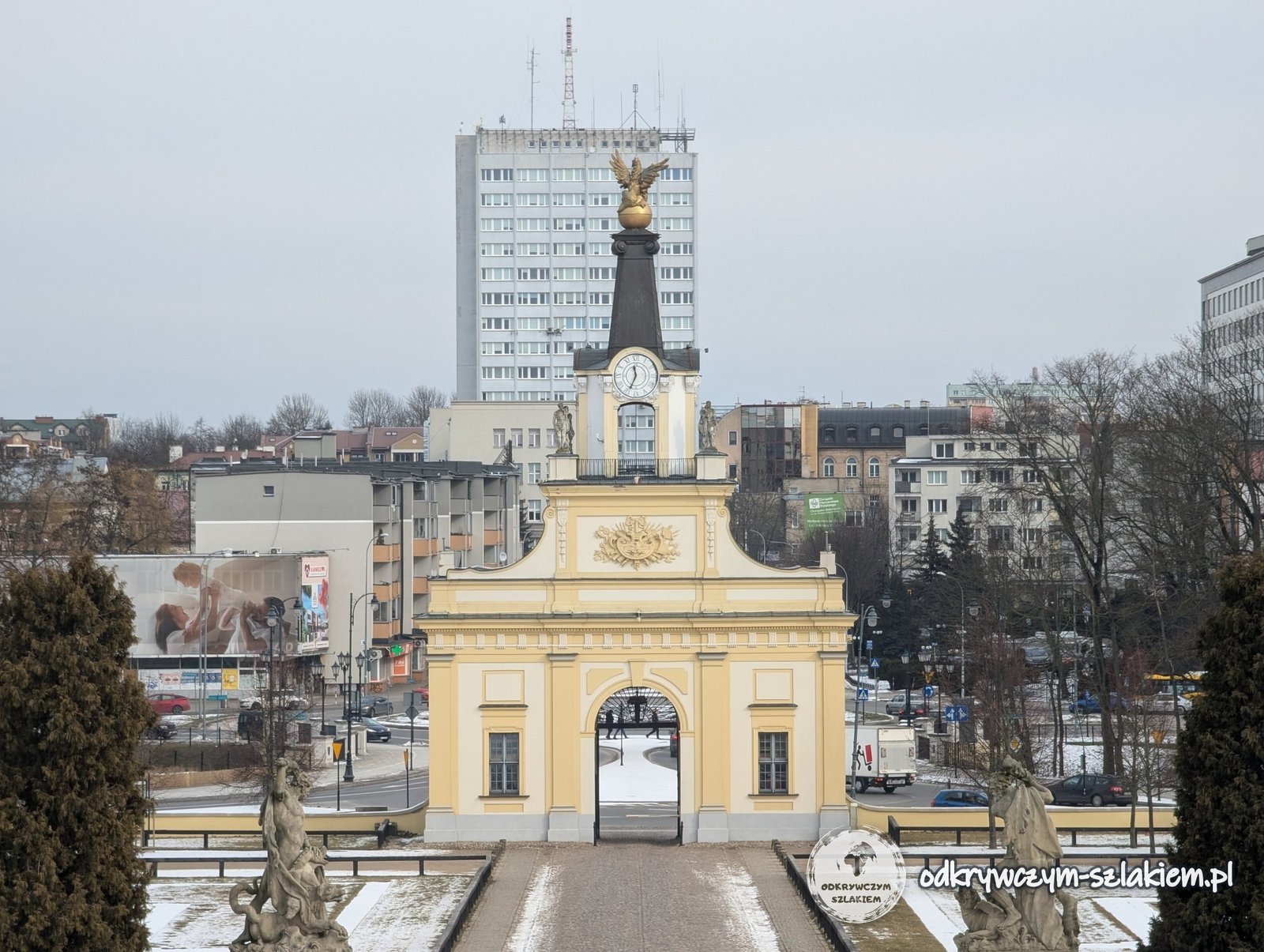
The palace windows overlook the French garden – covered in snow in February – and the Great Gate with a griffin on top, through which you enter the courtyard from the town. The garden is open and free. It also has the black Eagle Pavilion with a golden eagle on its roof.


Białystok – Kościuszko Market Square, churches and bears
From the palace it is a few minutes’ walk to the centre. On Kościuszko Market Square stands the town hall from 1745–1761. The Soviets demolished it in 1940, it was rebuilt in the 1950s, and since 1958 it has housed the Podlasie Museum. One of the townhouses on the square is decorated with sgraffito showing knights, an eagle and winged hussars. There is also a monument to Józef Piłsudski by the square.

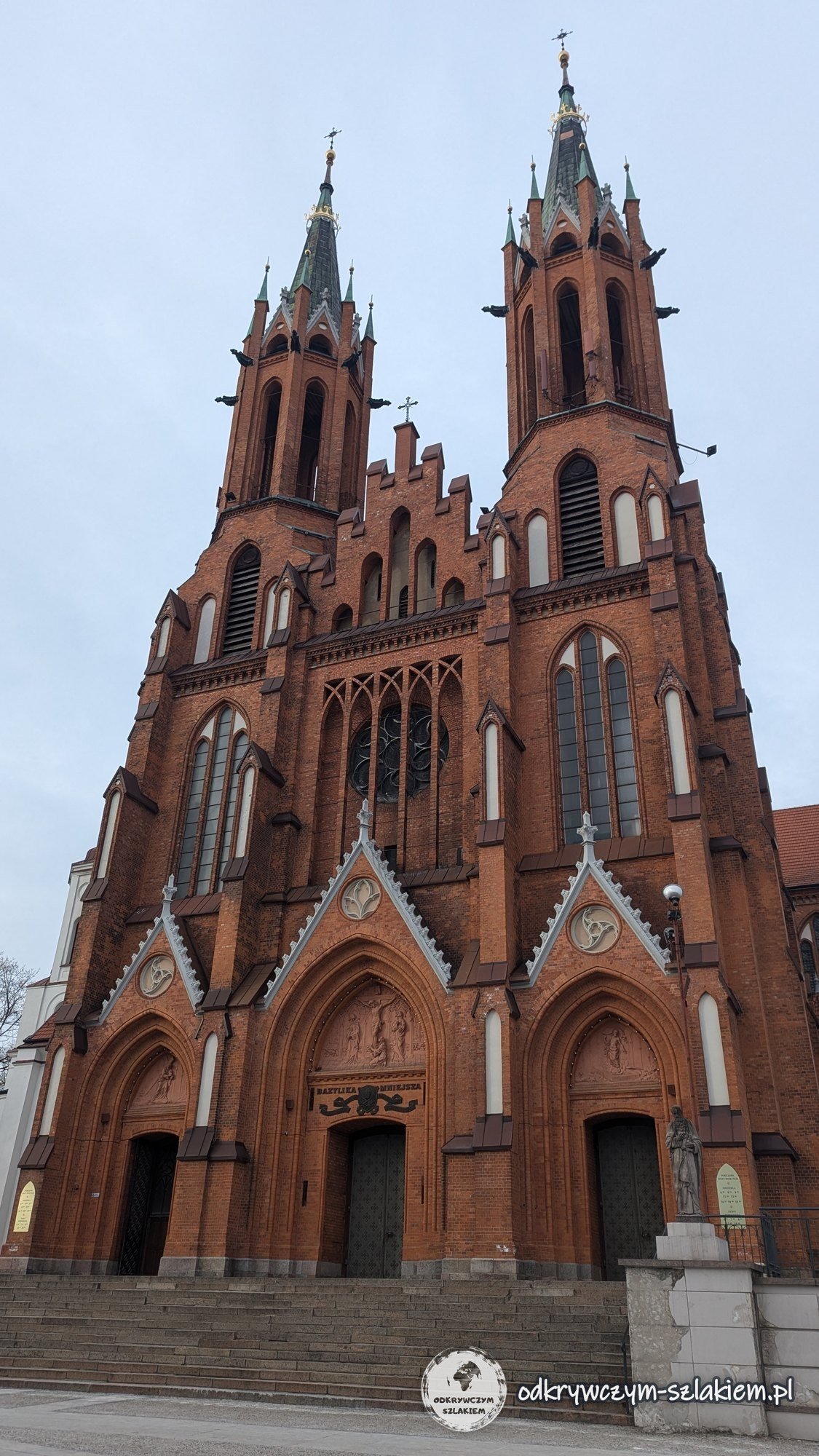
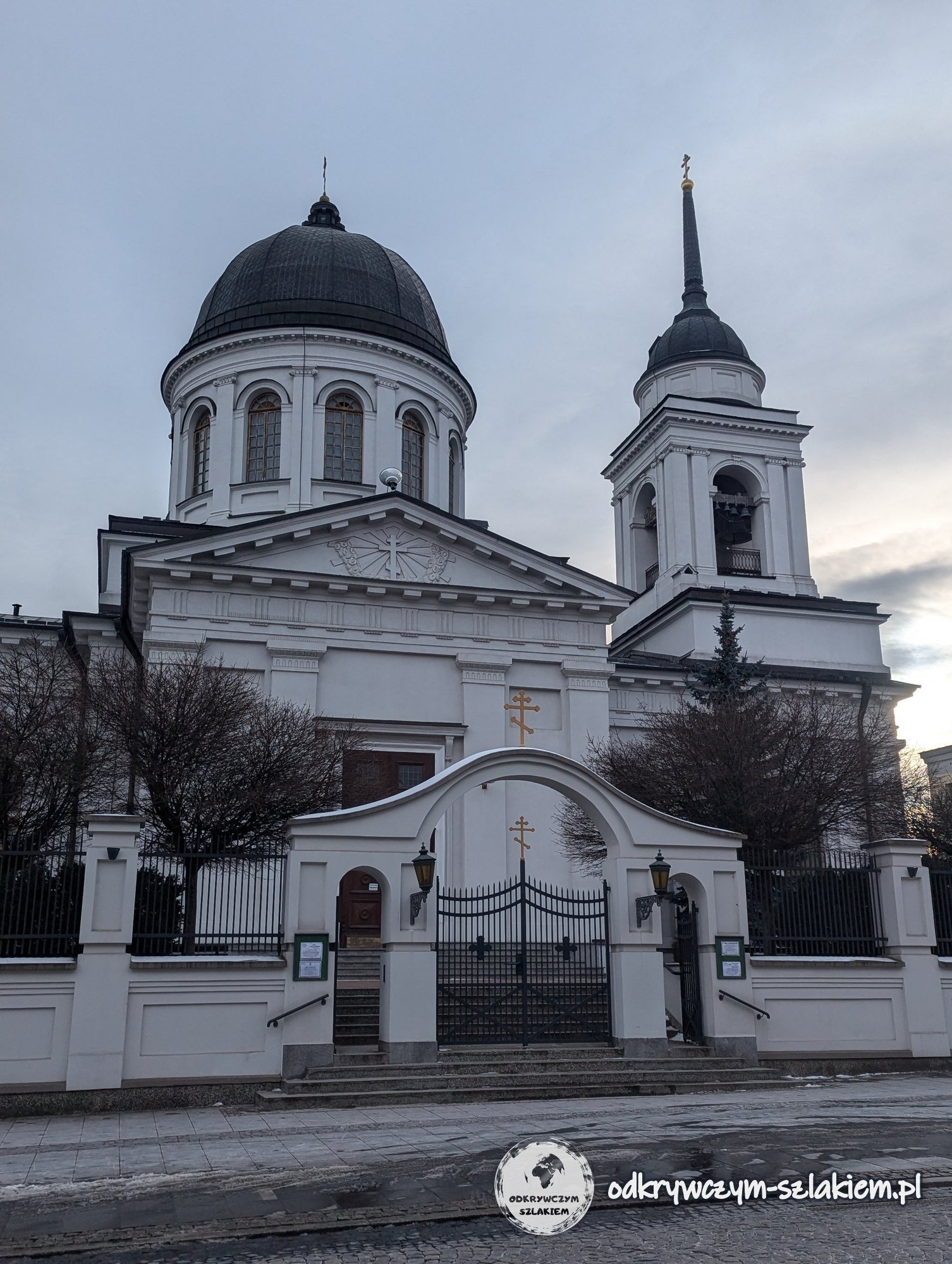
Next to the square stands the Cathedral Basilica of the Assumption, known as the parish church (Fara). It consists of two churches: the Baroque “little white church” from 1617–1625 and a large neo-Gothic red-brick basilica built in 1900–1905 to a design by Józef Pius Dziekoński. The tsarist authorities only allowed an extension of the old church, so formally the new building is its “annex”. A few hundred metres away stands the Orthodox St Nicholas Cathedral from 1843–1846.
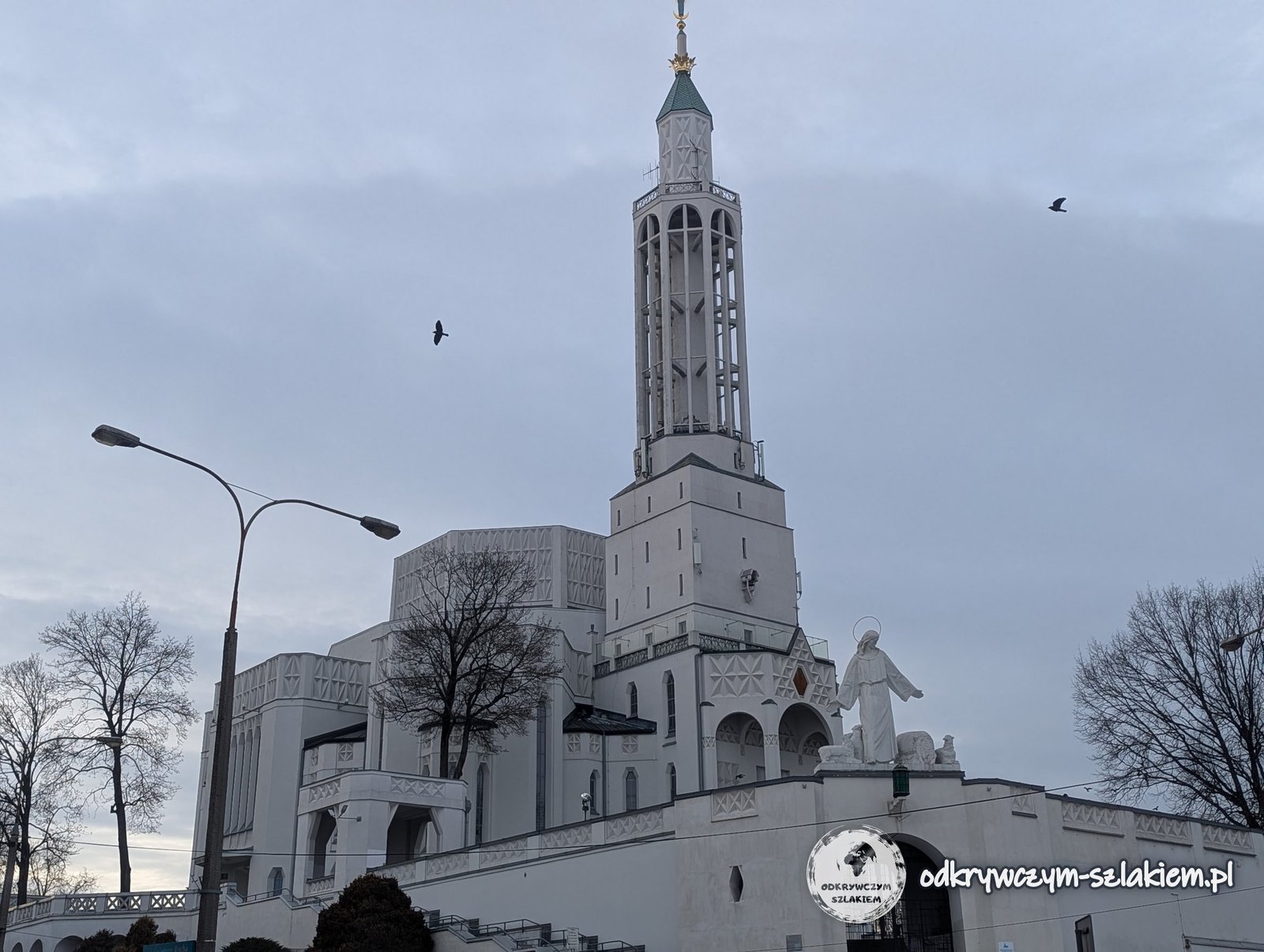
On a hill on Lipowa Street, on the site of a former cemetery, stands the white St Roch’s Church – a modernist church from 1927–1946 designed by Oskar Sosnowski and listed as a Monument of History. Inside is a bright octagonal space with a round stained-glass window in the vault.

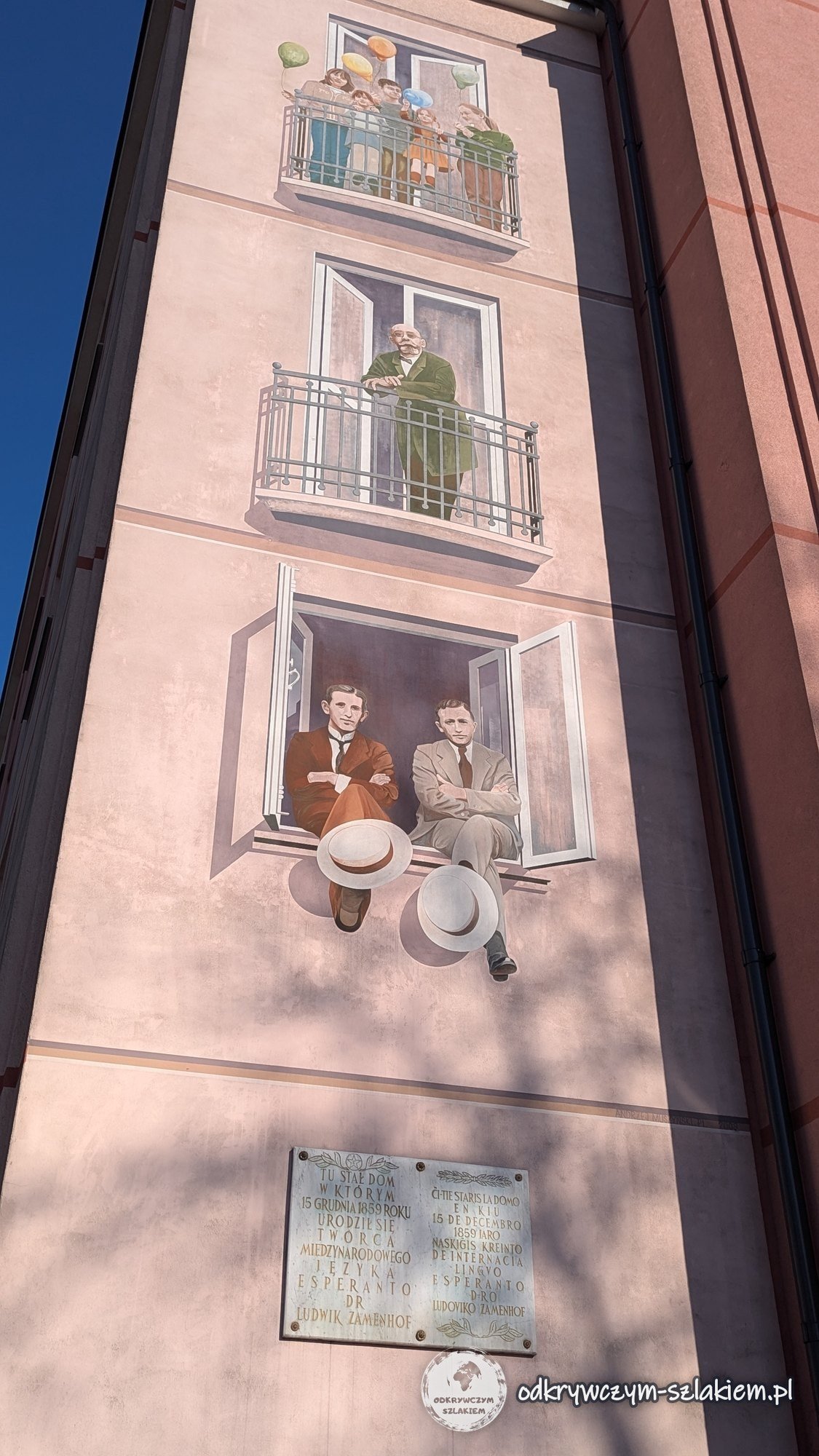
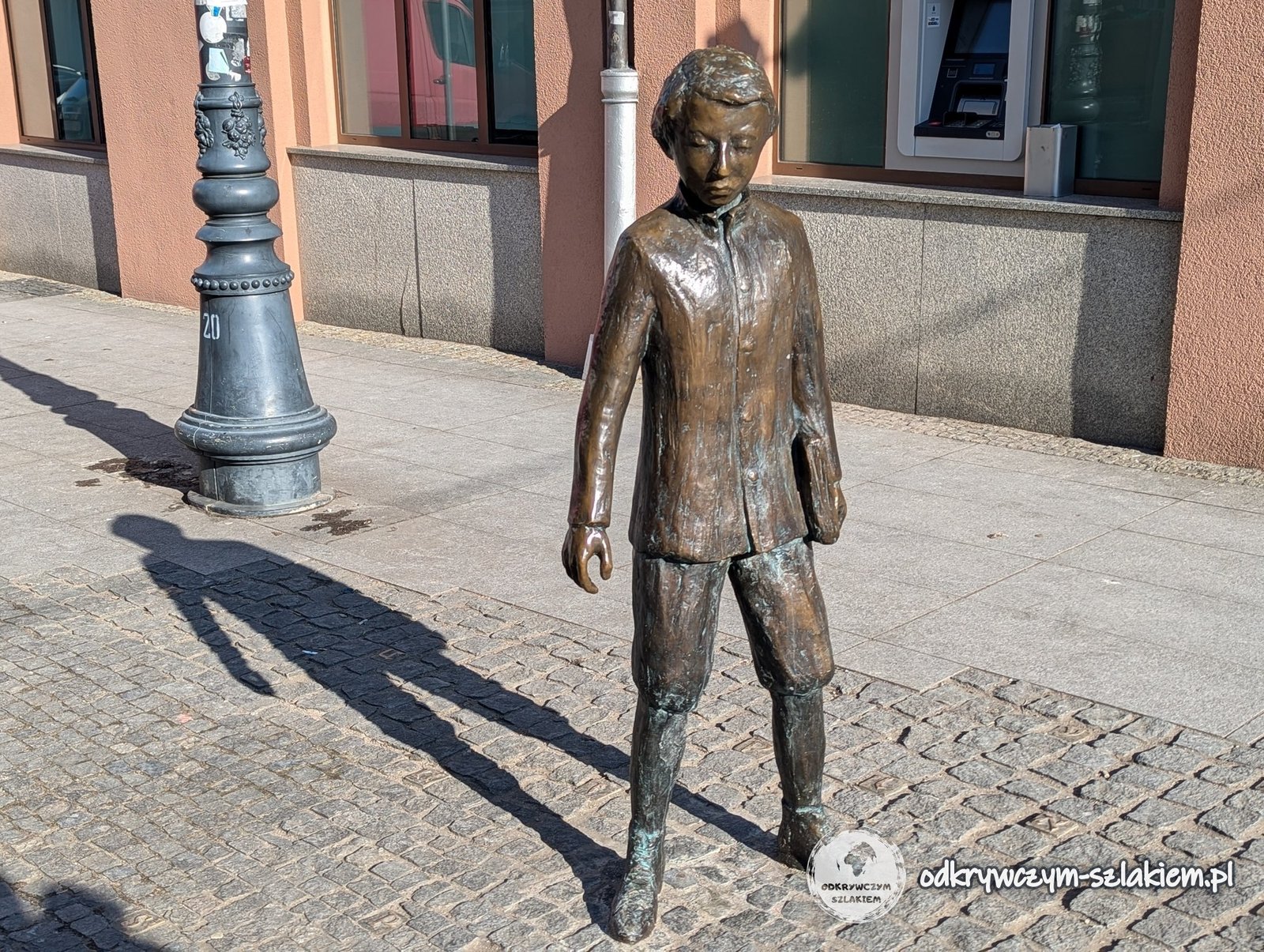
Ludwik Zamenhof, the creator of Esperanto, was born in Białystok on 15 December 1859. On a building on Zamenhofa Street, where his family home once stood, there is a mural with figures in the windows and a plaque in Polish and Esperanto. At the corner of Kościuszko Market Square there is a statue of the young Zamenhof, looking at letters of different alphabets set into the pavement.

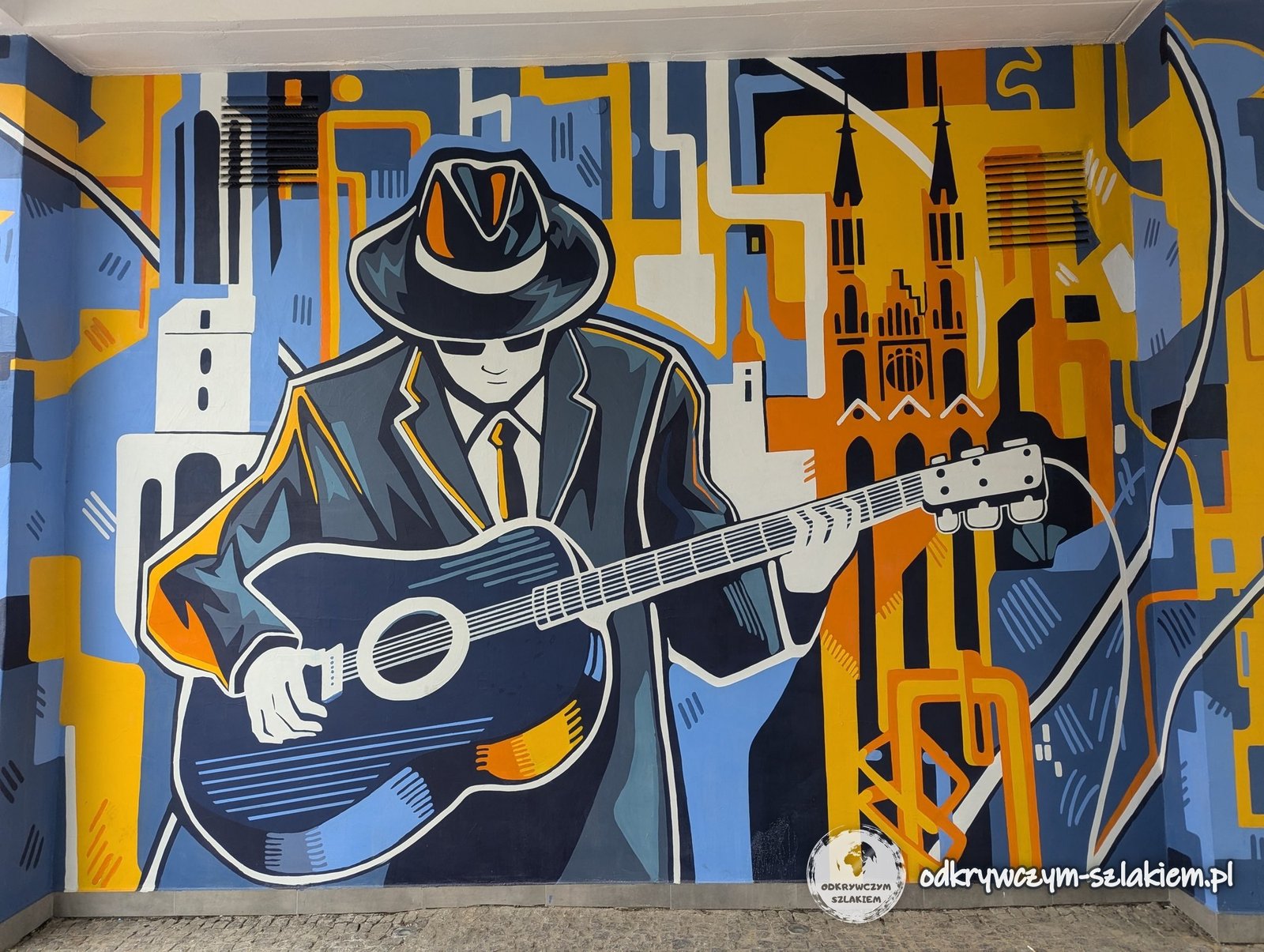
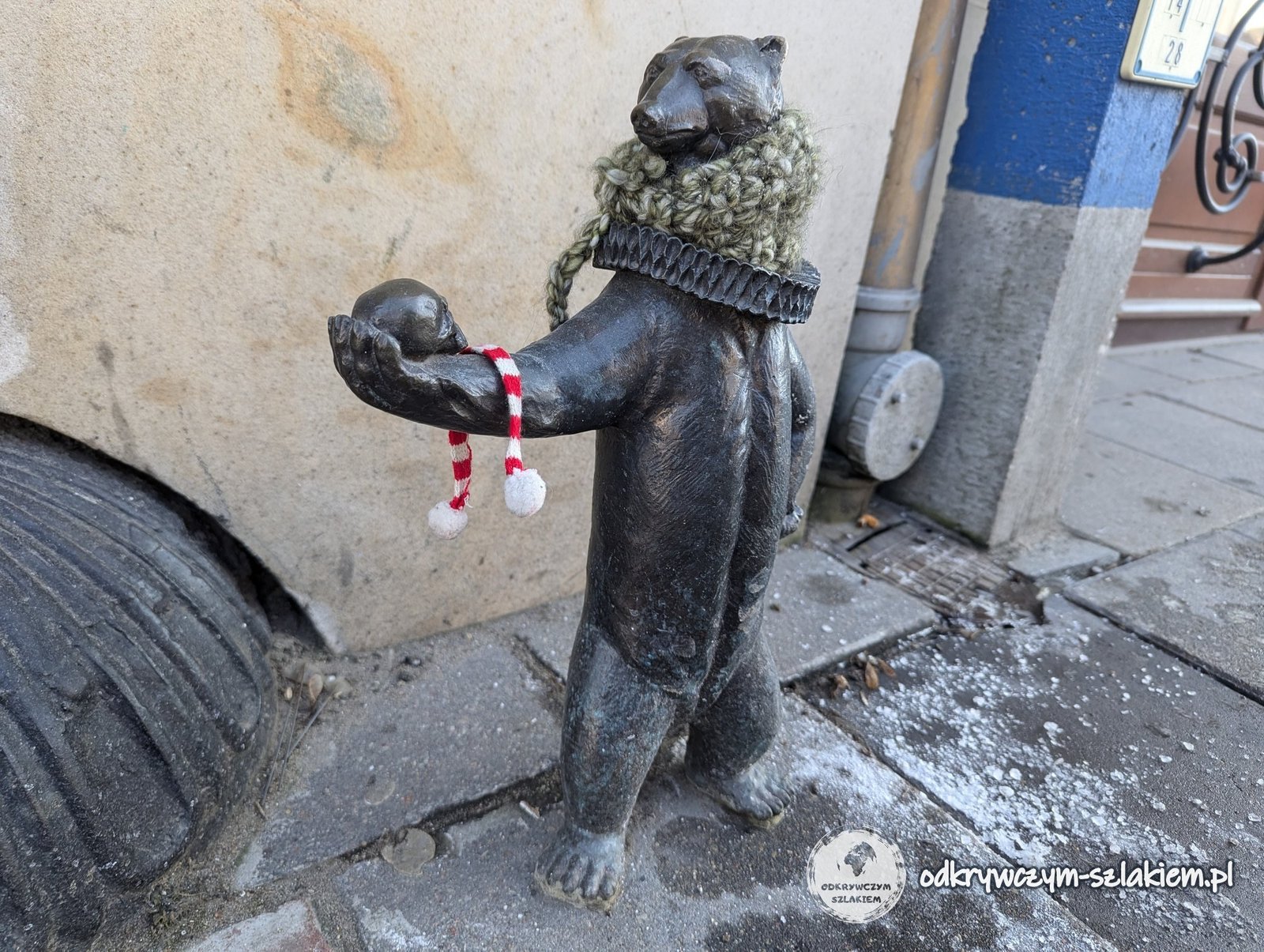
Keep an eye on the ground when walking around the city: small bear figures from the WidziMisie project, funded by the participatory budget, stand in various places. Each bear is different – there is an archer and a bear with a ball, among others – and in winter some of them wore knitted scarves and hats.

Białystok – Akcent ZOO
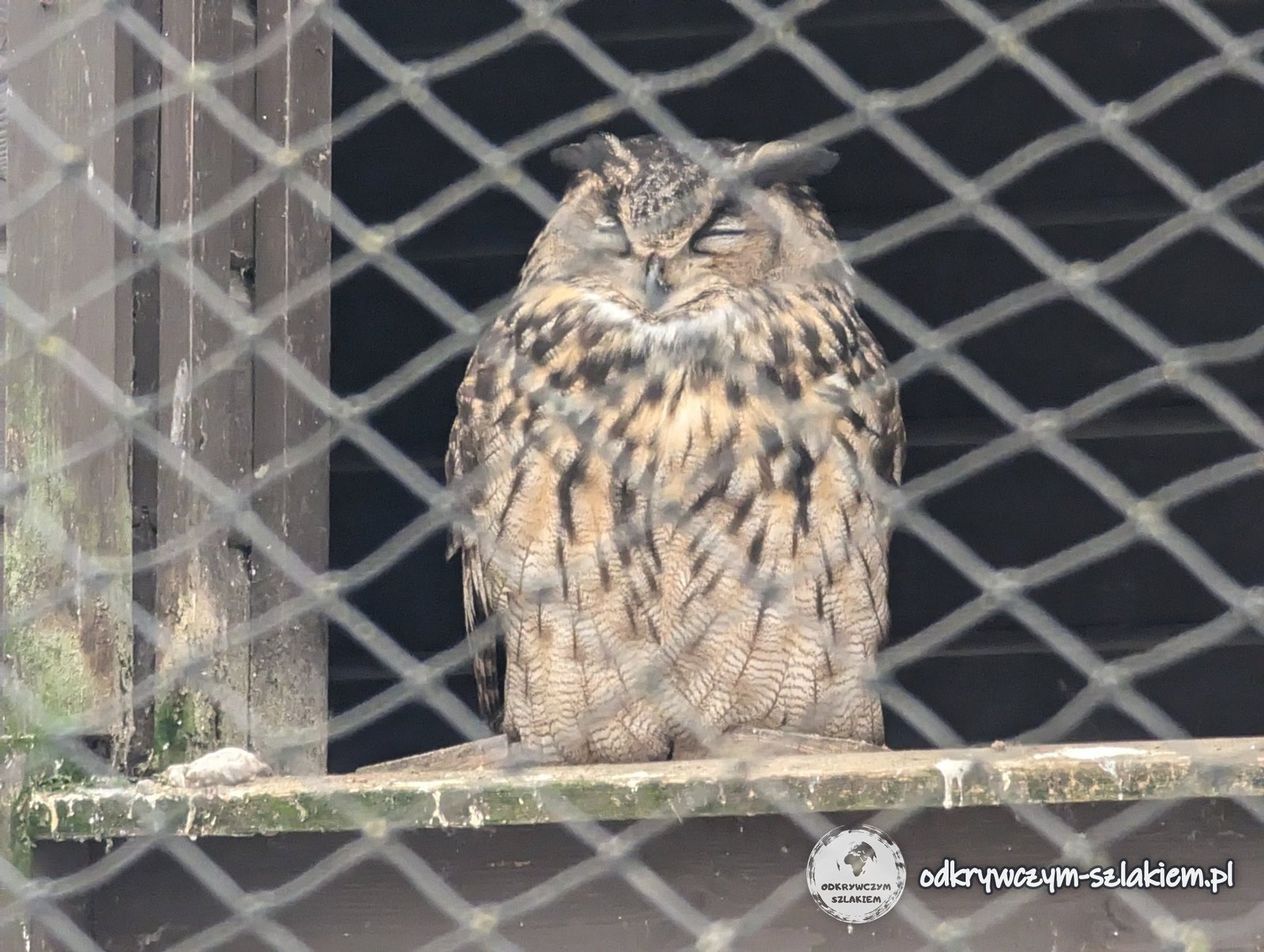
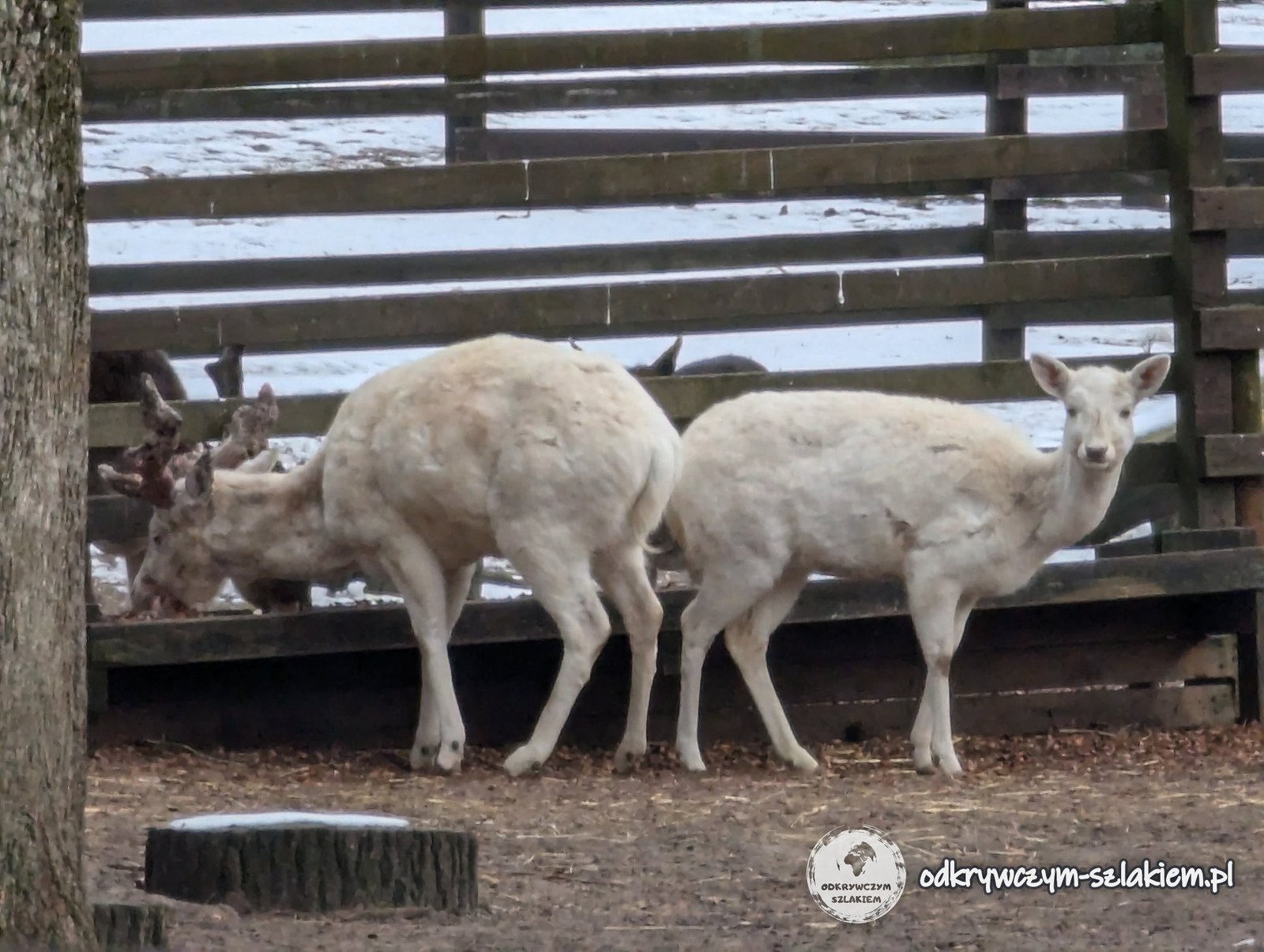
South of the centre, behind Branicki Palace, is Akcent ZOO – a small zoo with free admission. It mainly keeps animals native to Poland: European bison, red deer, fallow deer (including white ones), wild boar, wolves and birds of prey such as the eagle owl. I was there on Saturday 22 February 2025 at midday – the bison were lying under a shelter next to the hay.

Biała Podlaska – the Radziwiłł castle and park
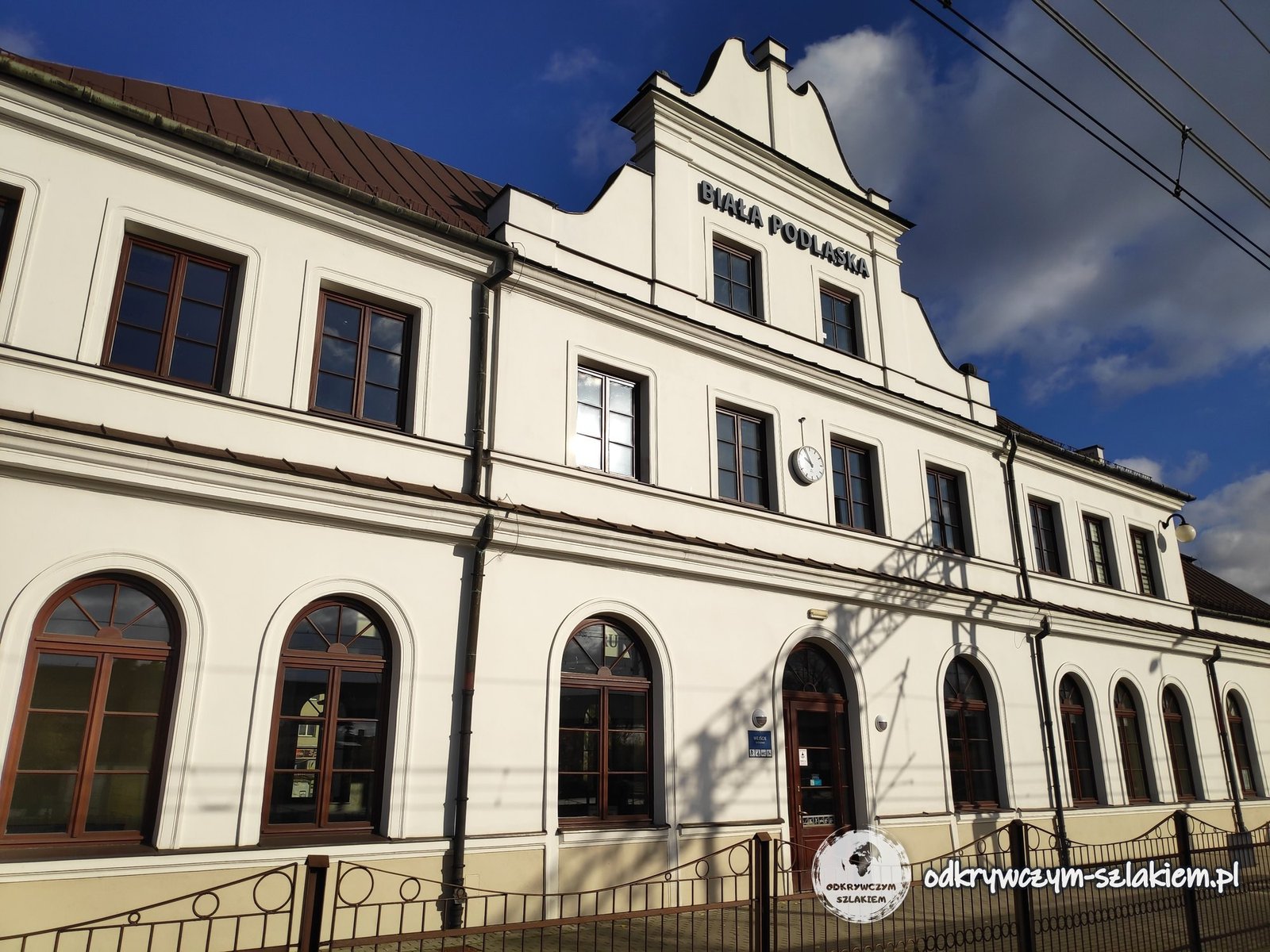
I came to Biała Podlaska on 22 October 2021 by train from Warszawa Wschodnia – the town lies on the line to Terespol, about 35 km from the Belarusian border. With an area of 49.4 km² it is the second-largest town in the Lublin province by area, and it has about 52,000 inhabitants. Because I had a foreign phone number at the time, I received a text message meant for people trying to cross the border illegally from Belarus: “The Polish border is closed. The Belarusian authorities lied. Go back to Minsk! Don’t take any pills from Belarusian soldiers.”
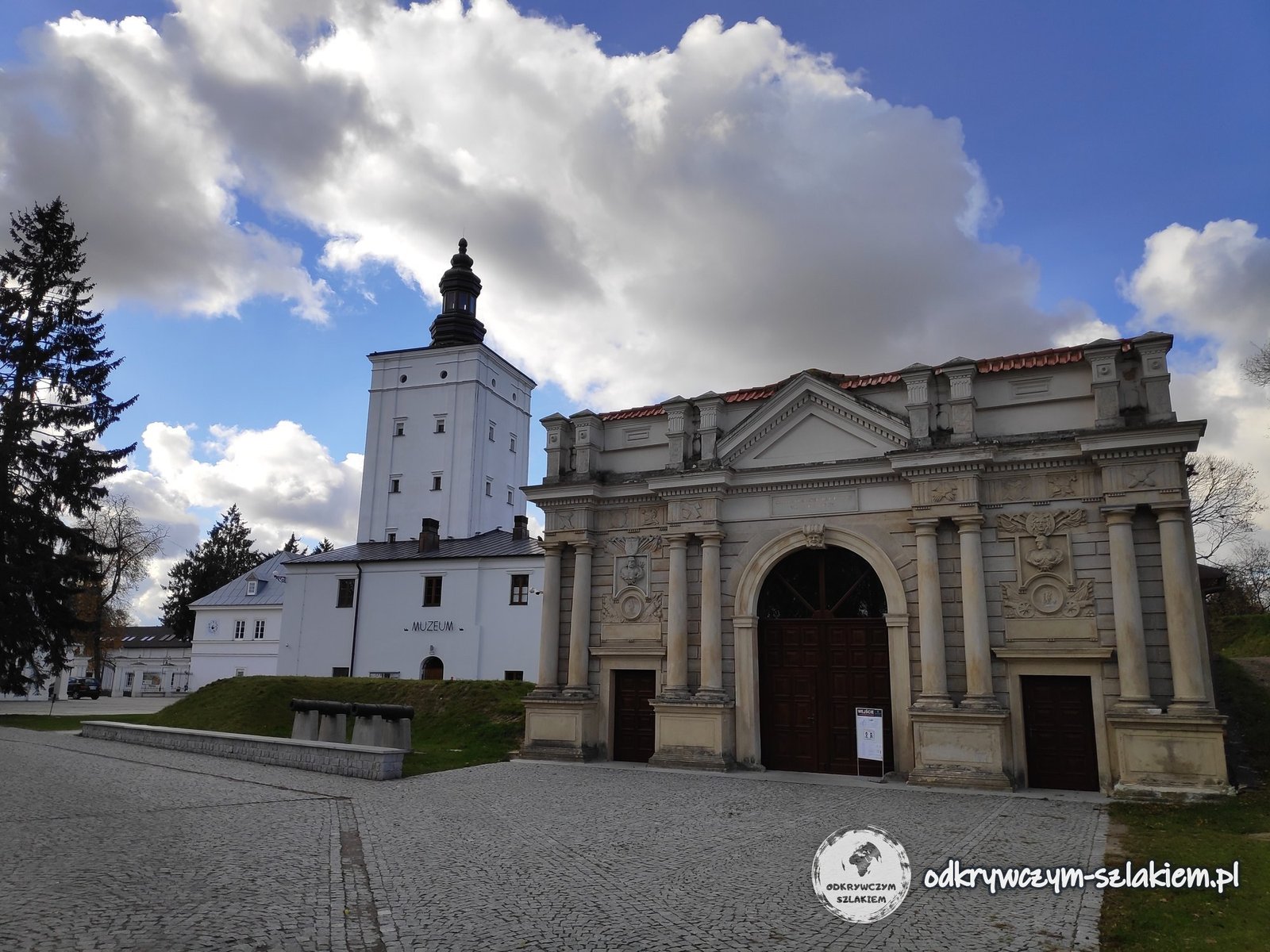
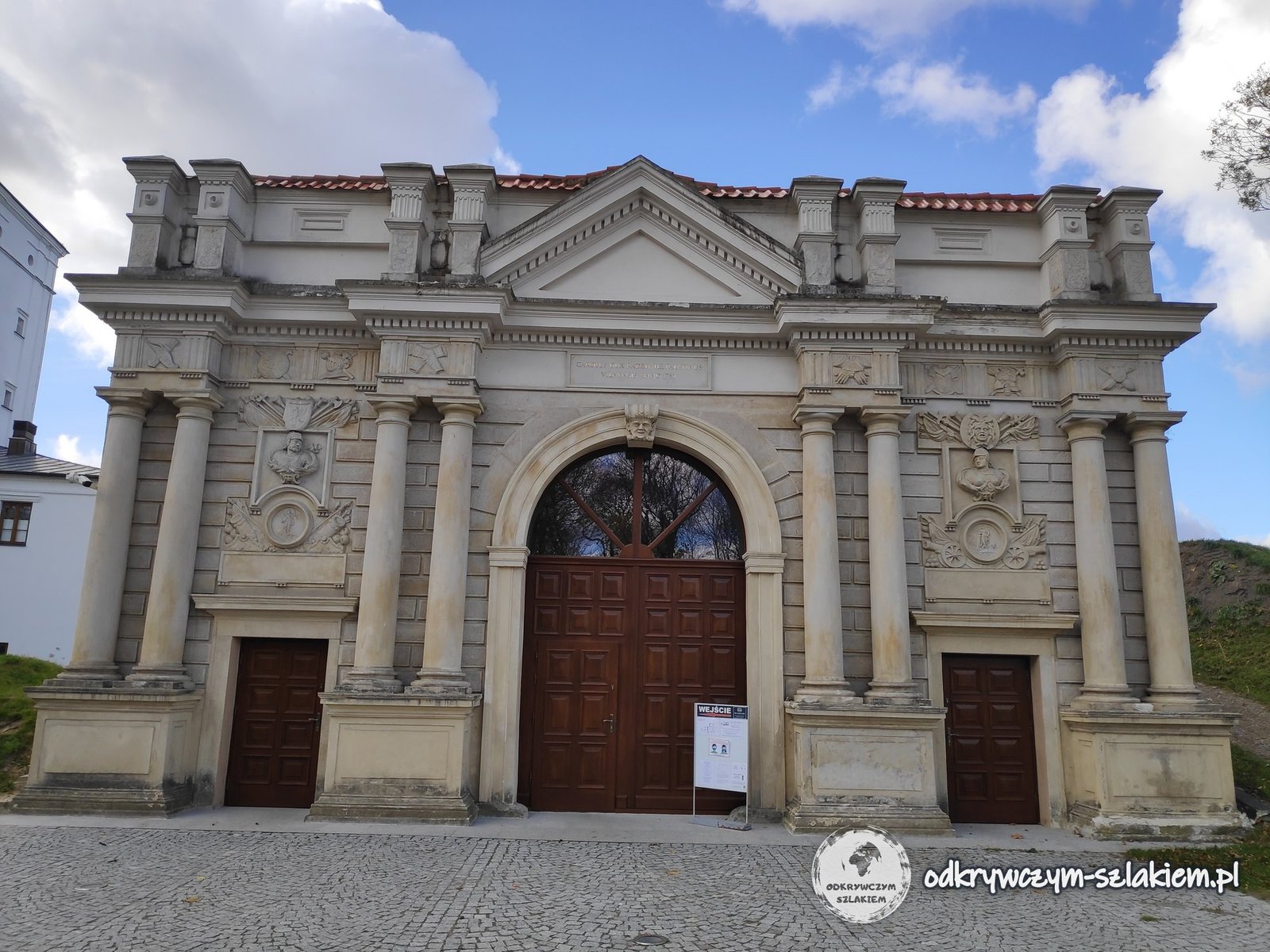
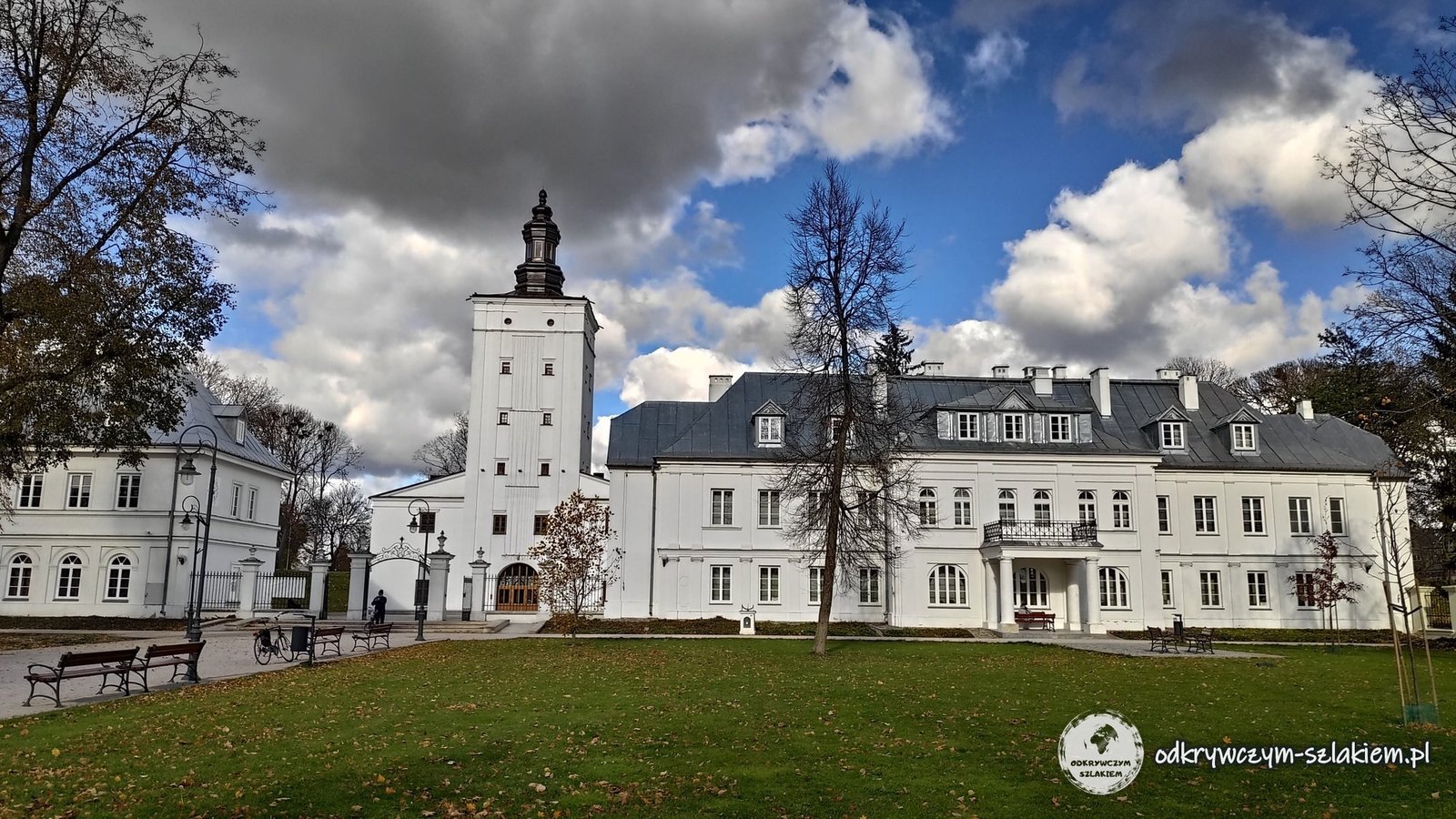
The town’s most important monument is the Radziwiłł castle and park complex, begun in 1622 by Aleksander Ludwik Radziwiłł. The palace itself was demolished in 1883, but the gate tower with its Baroque cupola, the entrance gate with a triumphal-arch façade, the outbuildings, the chapel and the earthen ramparts have survived. The tower houses the Museum of Southern Podlasie, and the outbuildings hold a music school and a library, among others. I was there on Sunday 24 October 2021.
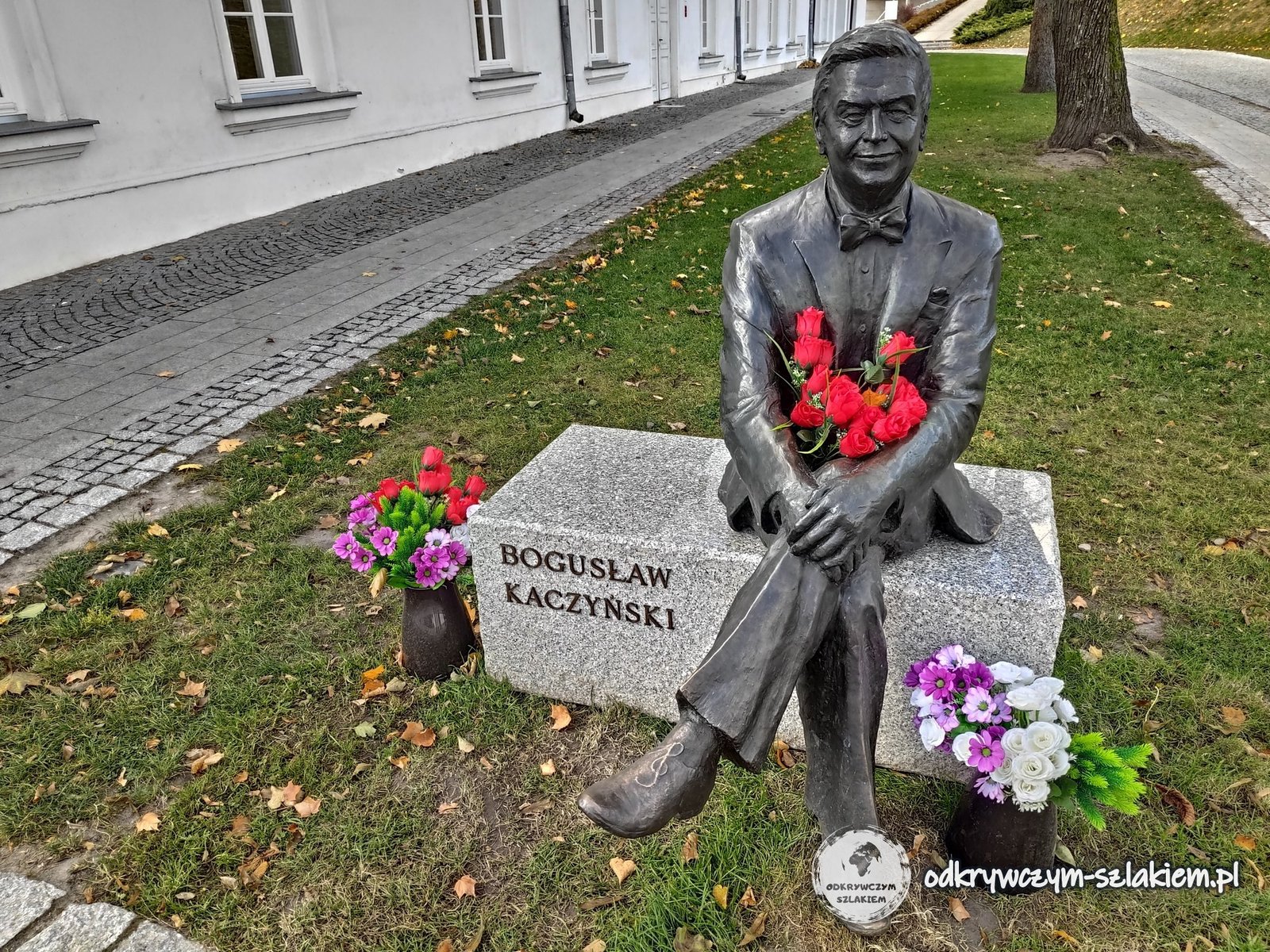
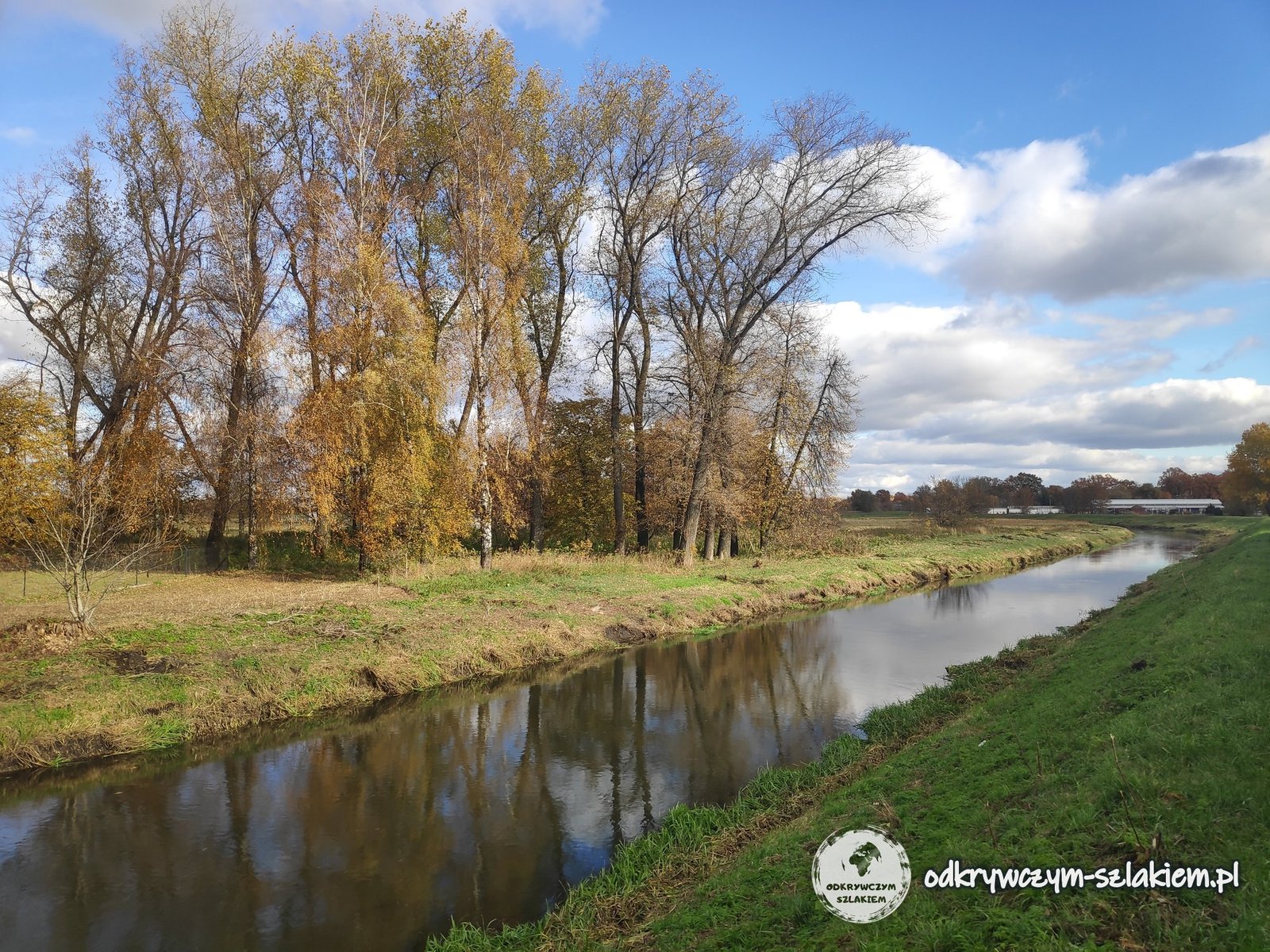
By the music school stands a monument to Bogusław Kaczyński, a popularizer of opera and operetta who was born in Biała Podlaska in 1942 – it was unveiled on 2 May 2020, on the anniversary of his birth. At the edge of the park, in the valley of the Krzna river, a wooden walkway on stilts with towers and stairs leads among the treetops above a pond.
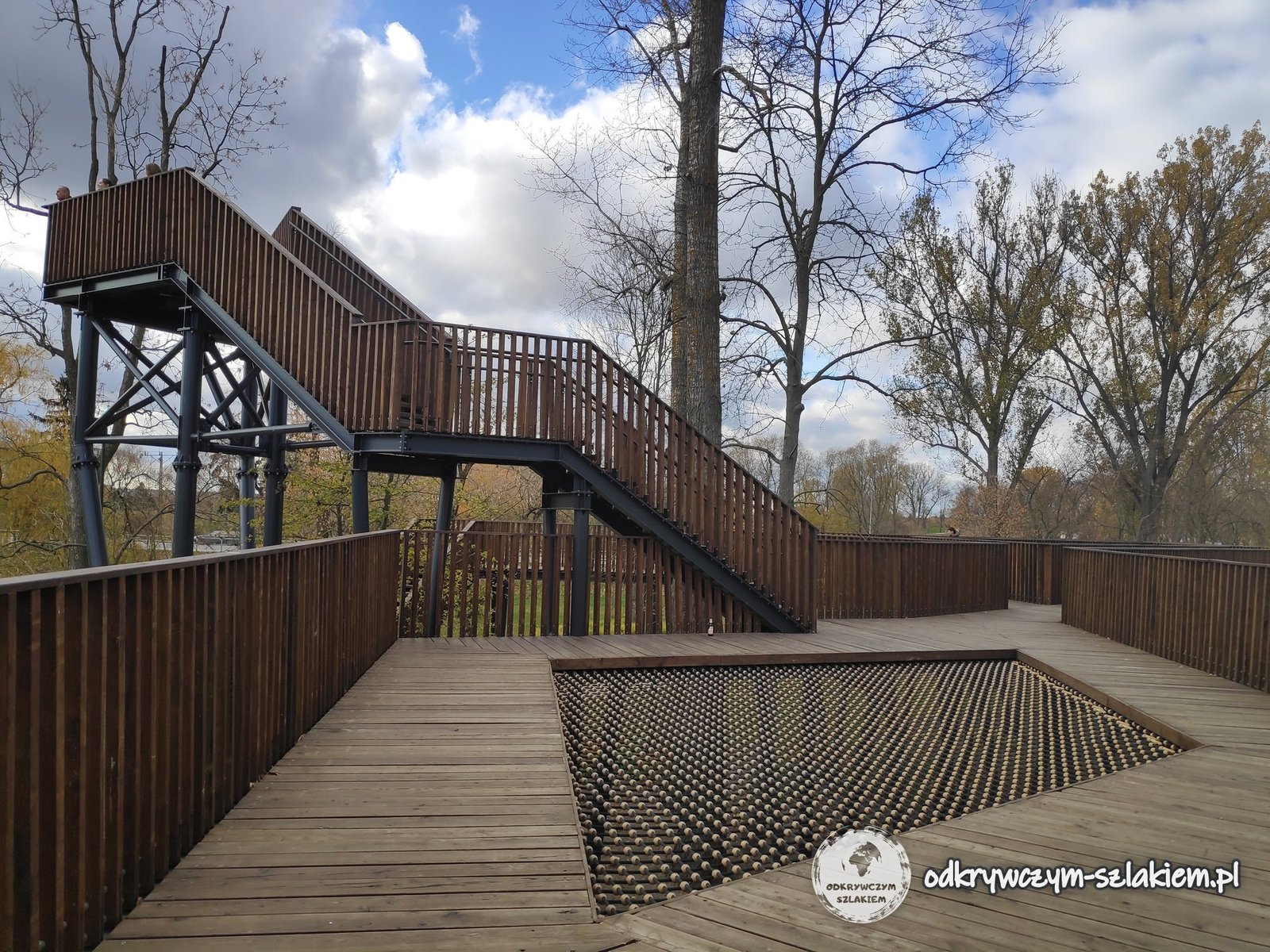
Biała Podlaska – the centre and memorials
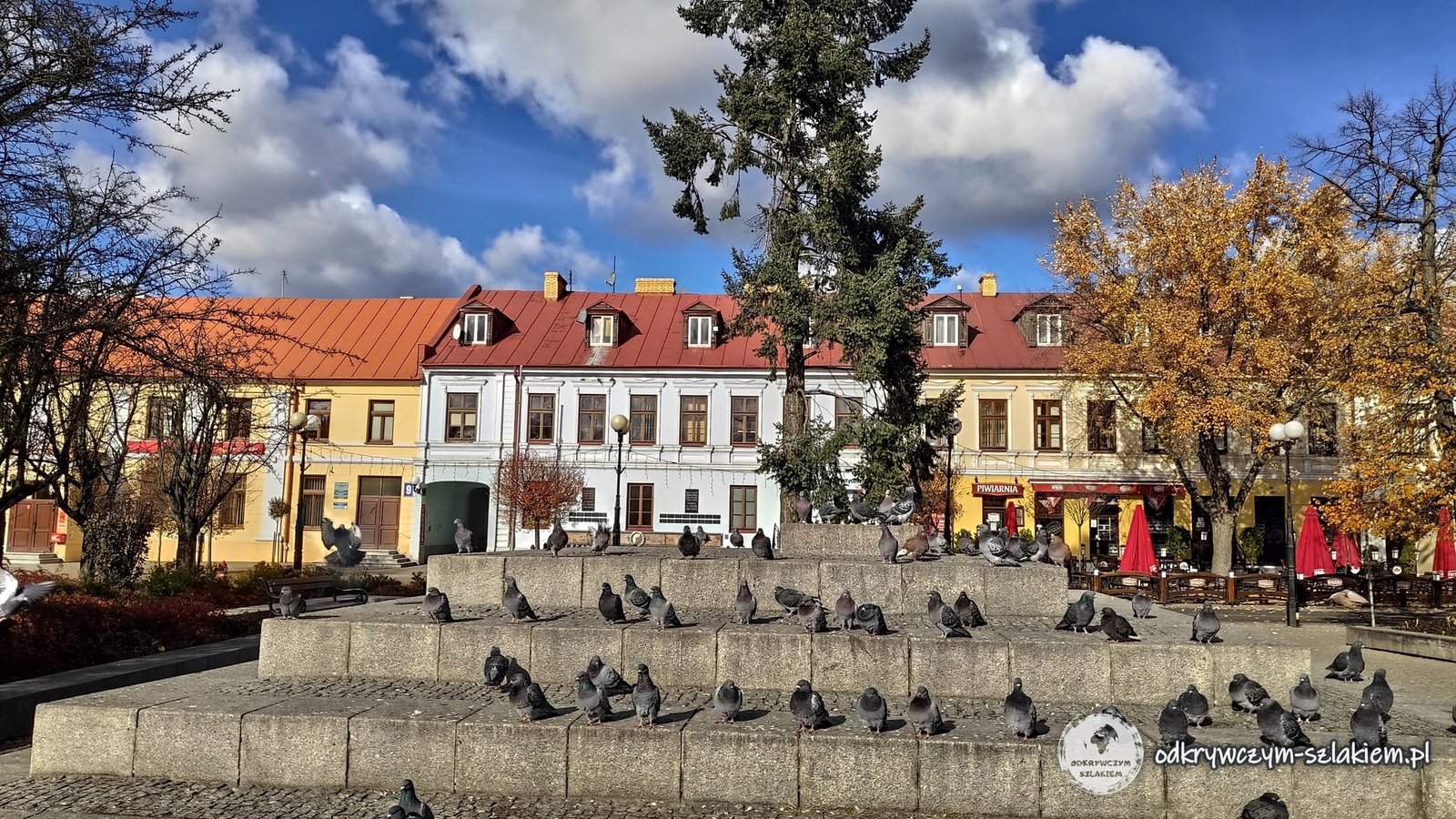
In the town centre lies Freedom Square (Plac Wolności), with colourful townhouses and a monument with an eagle and the inscription “Niepodległej” (“To Independent Poland”). On the wall of a building by the square there is a memorial “To the Fallen Heroes” and a plaque marking an execution site: on 13 November 1943 the German gendarmerie shot 10 Home Army (AK) soldiers here, and on 23 November 16 hostages from the Biała Podlaska district.

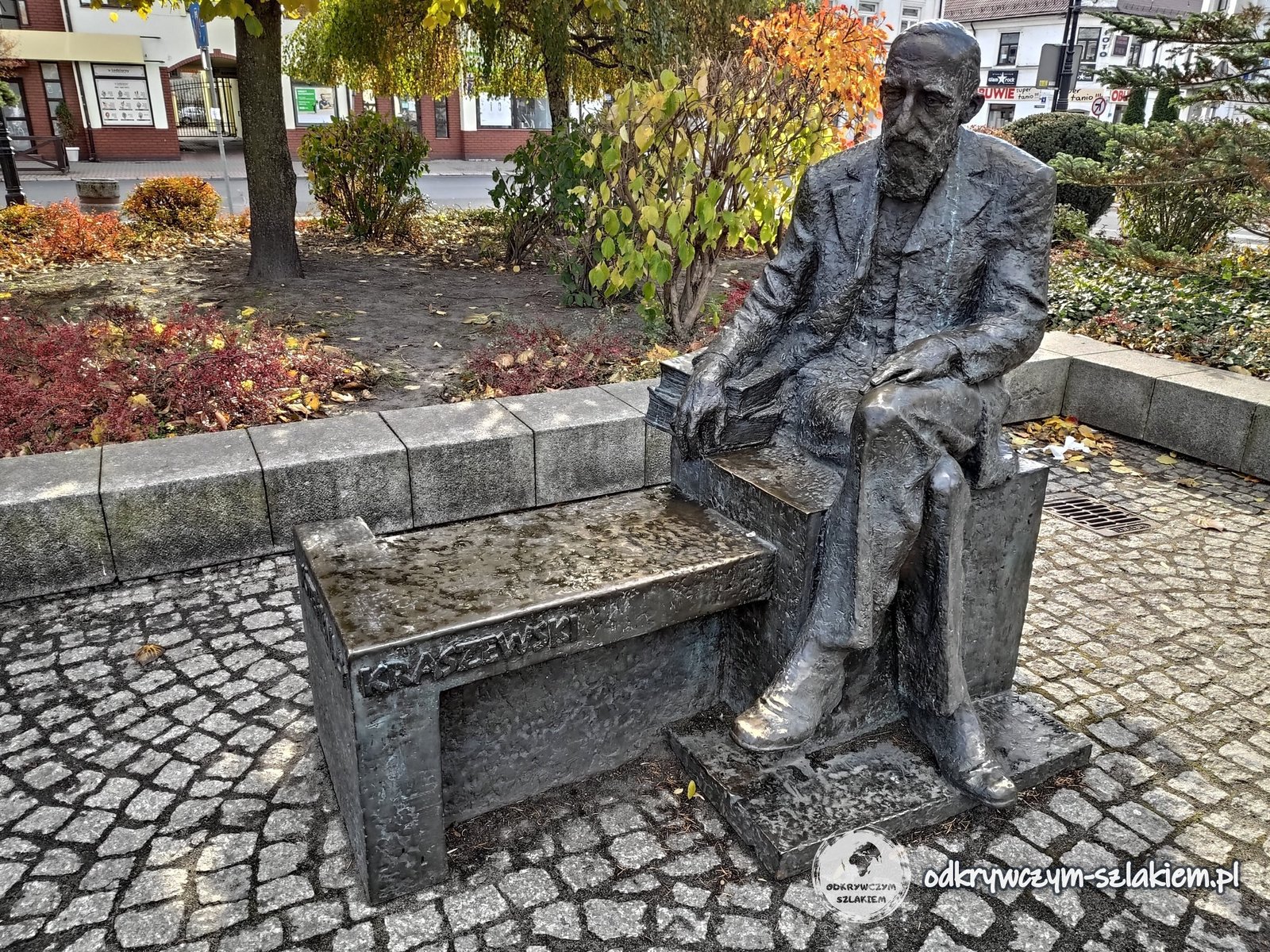
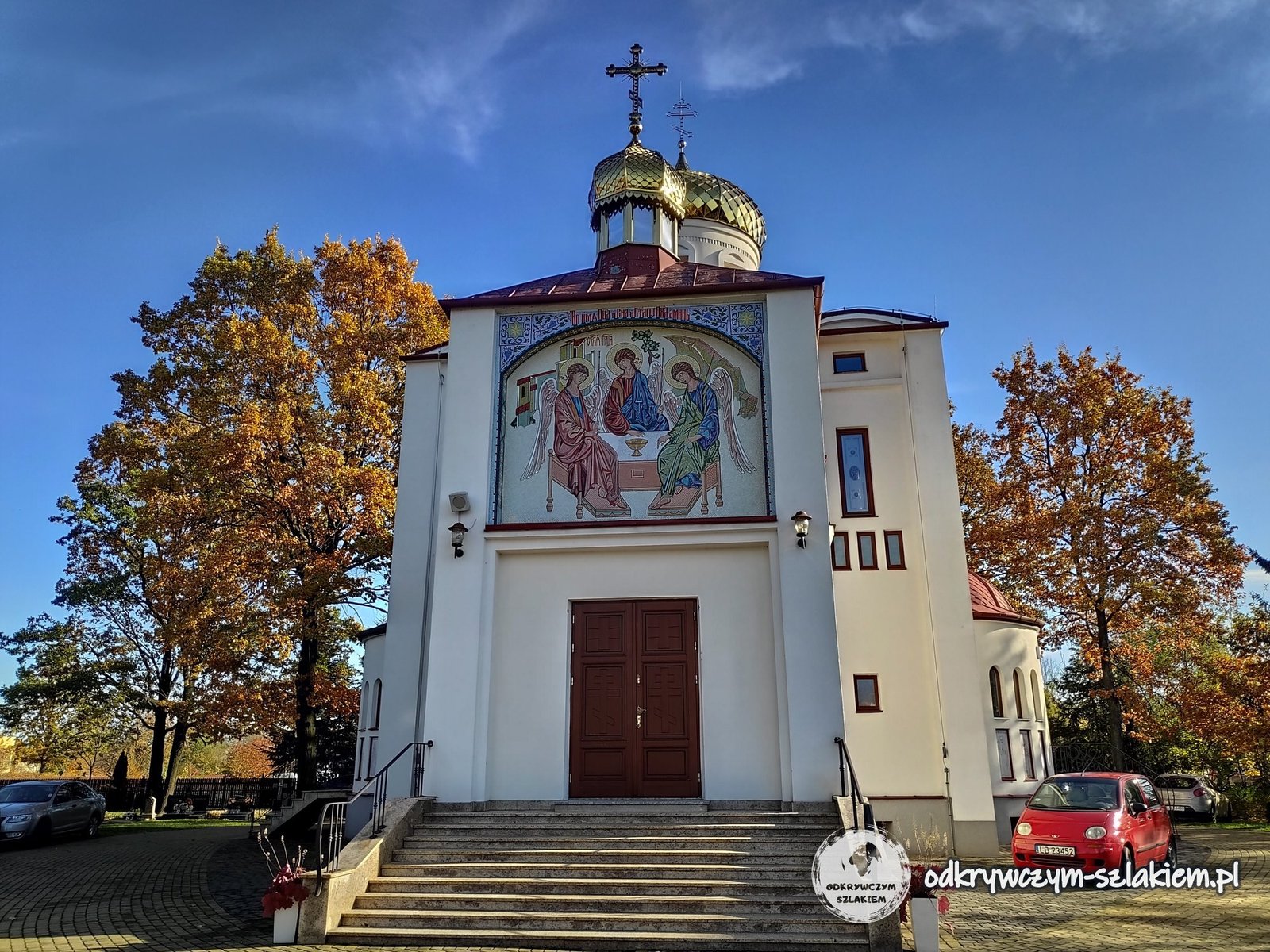
Nearby is a bench with Józef Ignacy Kraszewski, who studied here in 1822–1826 at a school that grew out of the Biała Academy, founded in 1628. On Terebelska Street stands the Orthodox Church of Saints Cyril and Methodius, with a bell tower and a mosaic above the entrance, built in the 1980s.
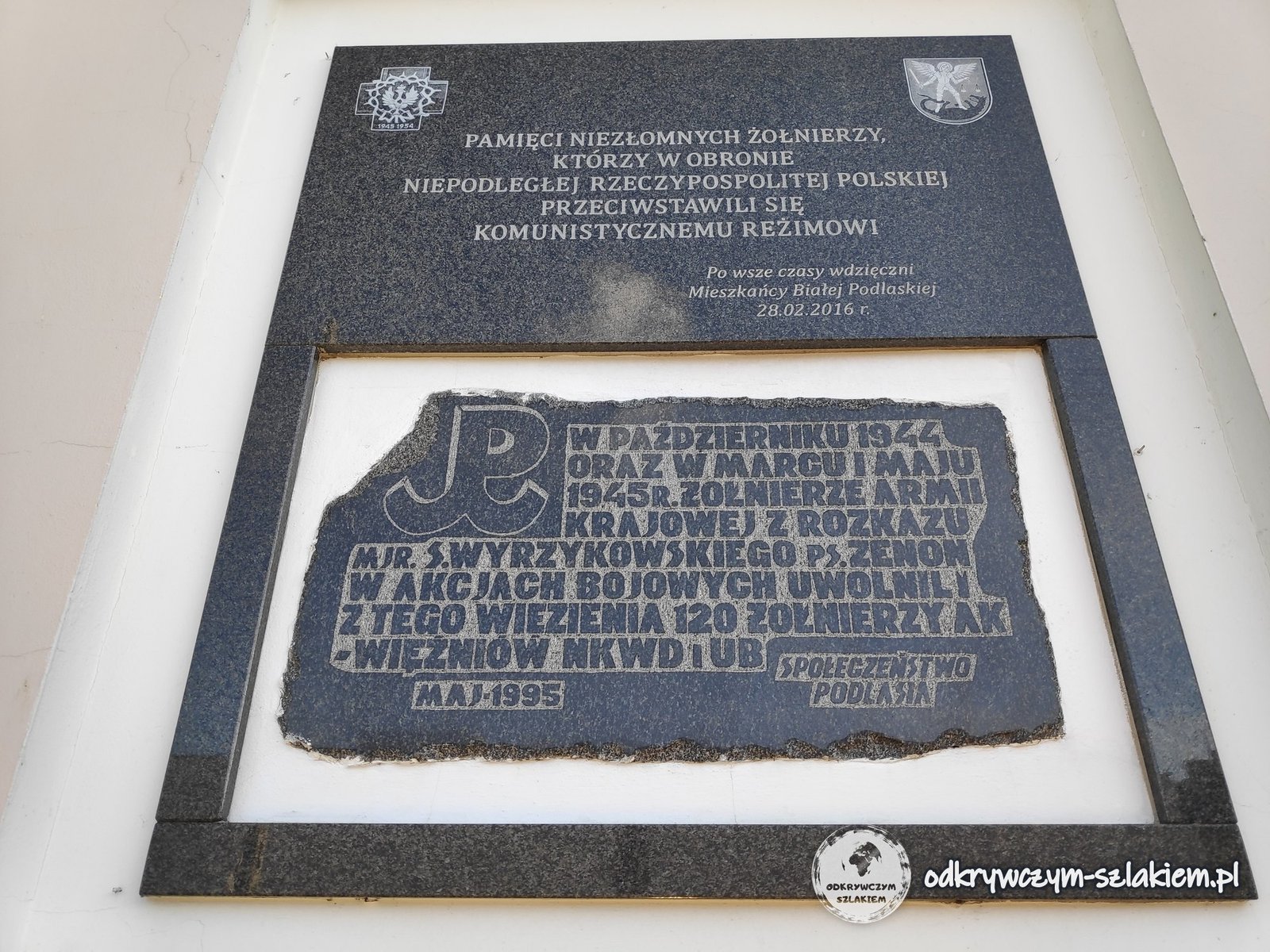
On Prosta Street stands the prison building from 1897–1898. A plaque on its façade recalls that in October 1944 and in March and May 1945, Home Army soldiers acting on the orders of Major Stefan Wyrzykowski “Zenon” freed 120 Home Army soldiers held here by the NKVD and the communist security service (UB).

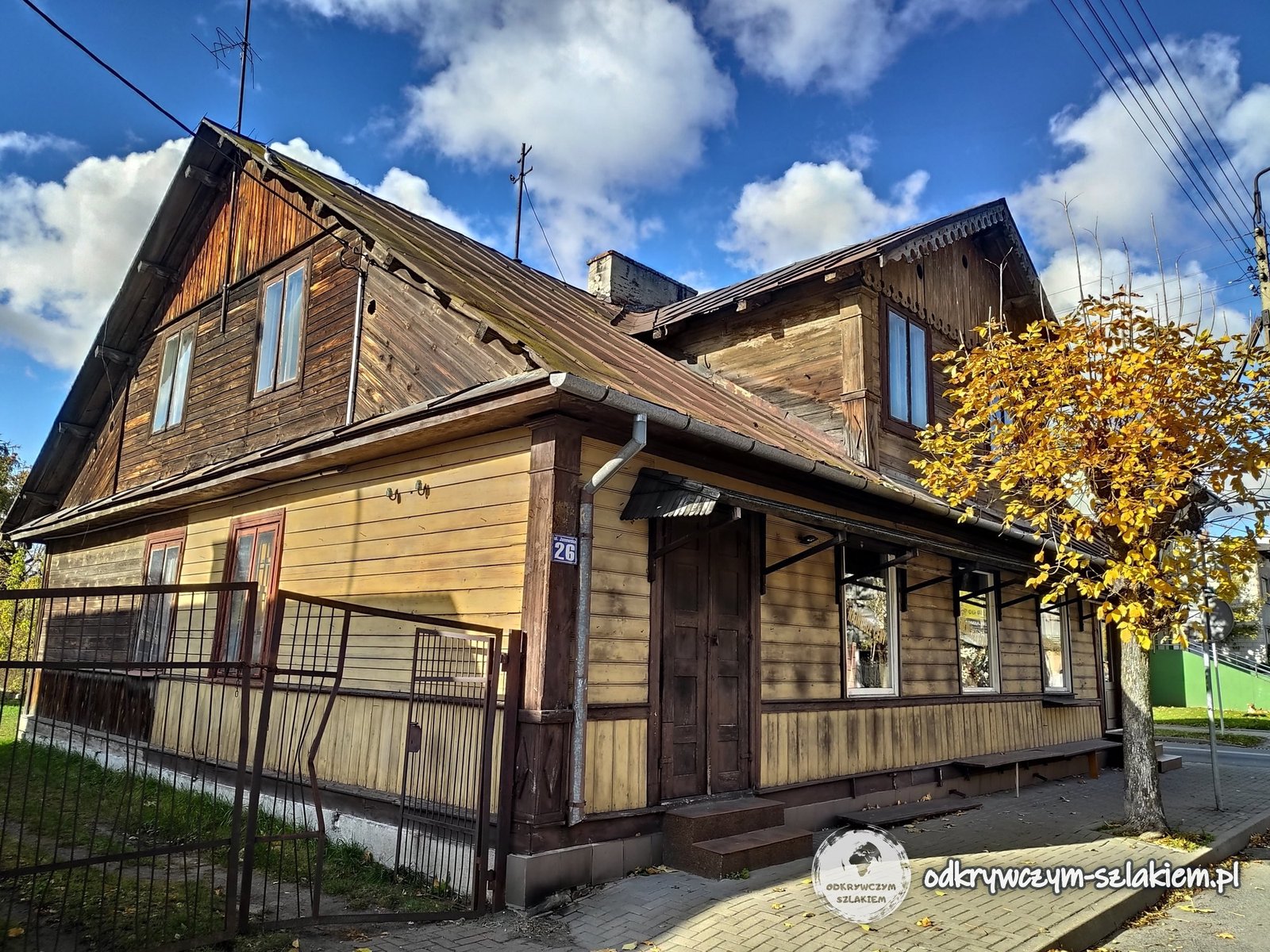
Many wooden houses have also survived in the town, for example on Janowska and Sadowa streets. I left Biała Podlaska on the morning of Monday 25 October 2021, by train towards Olsztyn.
Practical information
- Route along the Narew: Nowogród, the Łopuchowo Forest, Tykocin, Góra Strękowa, Wizna and Łomża can be done by car in one day. Tykocin takes the most time – allow about 4 hours for the castle, the synagogue and the square.
- Getting to Tykocin: the town is about 30 km from Białystok; without a car you can get there by bus from Białystok (check the timetable before you go).
- Museum in Tykocin (synagogue and Talmud House): 2 Kozia Street, open Tuesday to Sunday 10:00–17:00 (last entry one hour before closing), closed on Mondays. A ticket for both buildings costs 25 zł (reduced 15 zł), the synagogue alone 20 zł (reduced 10 zł), the Talmud House alone 10 zł (reduced 8 zł); on Thursdays the permanent exhibitions are free (prices as of October 2026).
- Tykocin Castle: it is privately owned – visits are paid, so check current prices and opening hours on the castle’s website.
- Łopuchowo Forest and Góra Strękowa: these are open-air memorial sites with no tickets. Góra Strękowa is easiest to reach by car.

- Getting to Białystok: the fastest trains from Warsaw take about 1.5 hours, most connections about 2 hours. From Olsztyn there is a direct PKP Intercity train via Pisz and Ełk (in 2025 it took about 4 hours).
- Branicki Palace: a ticket for the “Spacer w przeszłość” route (museum, state rooms and cellars) cost 30 zł, reduced 20 zł; the museum with the cellars only, 25 zł, reduced 15 zł (2024 price list). The ticket office is in the Museum of the History of Medicine and Pharmacy in the right wing of the palace. The garden is free.
- Akcent ZOO in Białystok: 4 Podleśna Street, free admission.
- How much time in Białystok: one full day is enough for the palace with the museum, the centre, the churches and the zoo.
- Getting to Biała Podlaska: PKP Intercity trains from Warsaw (on the Terespol line) take about 1.5 hours. From the station it is a 20–30-minute walk to the Radziwiłł complex and Freedom Square.
- Museum of Southern Podlasie: 12 Warszawska Street, in the gate tower of the Radziwiłł complex – the park around it is open and free.
Photo gallery