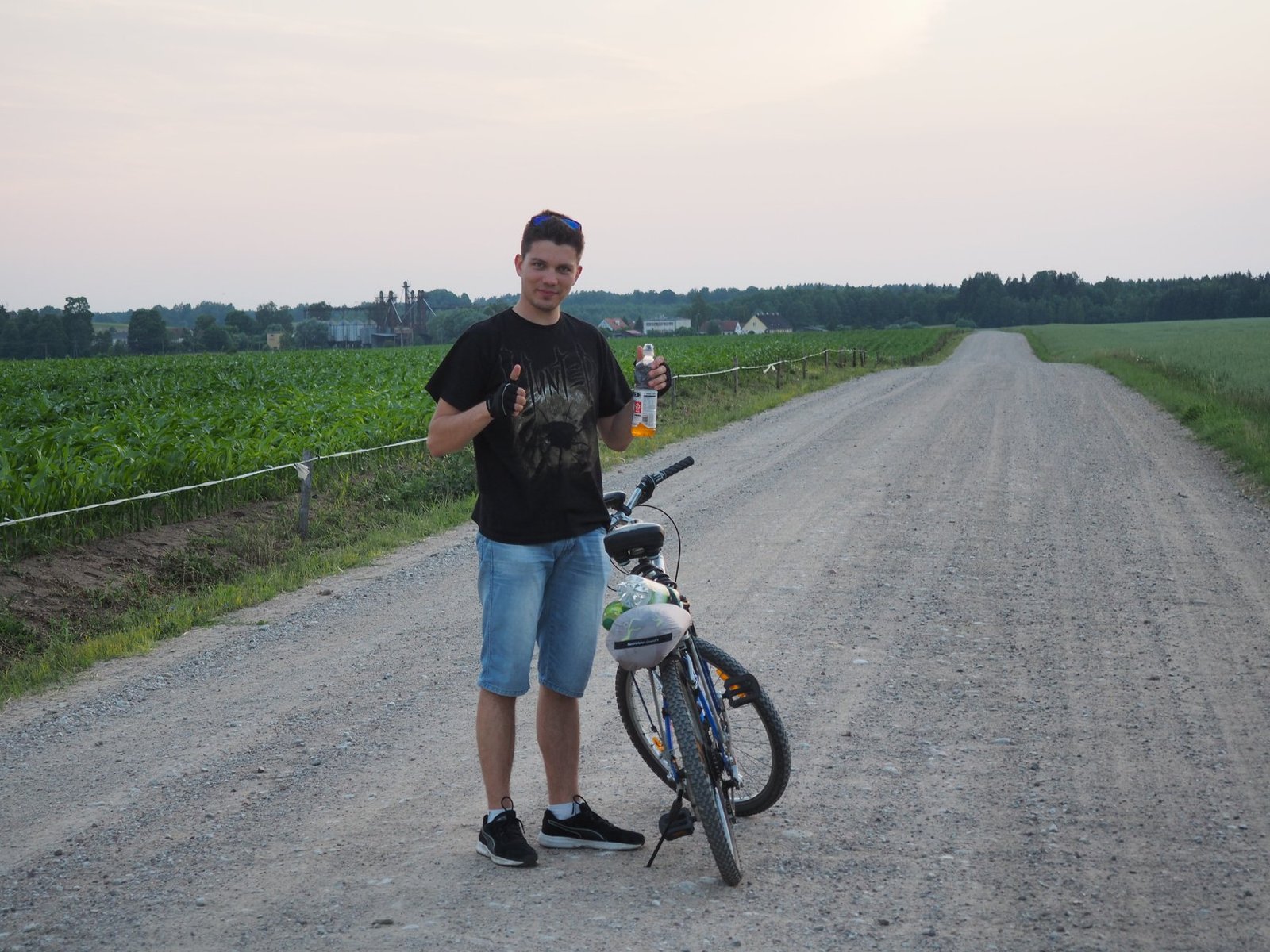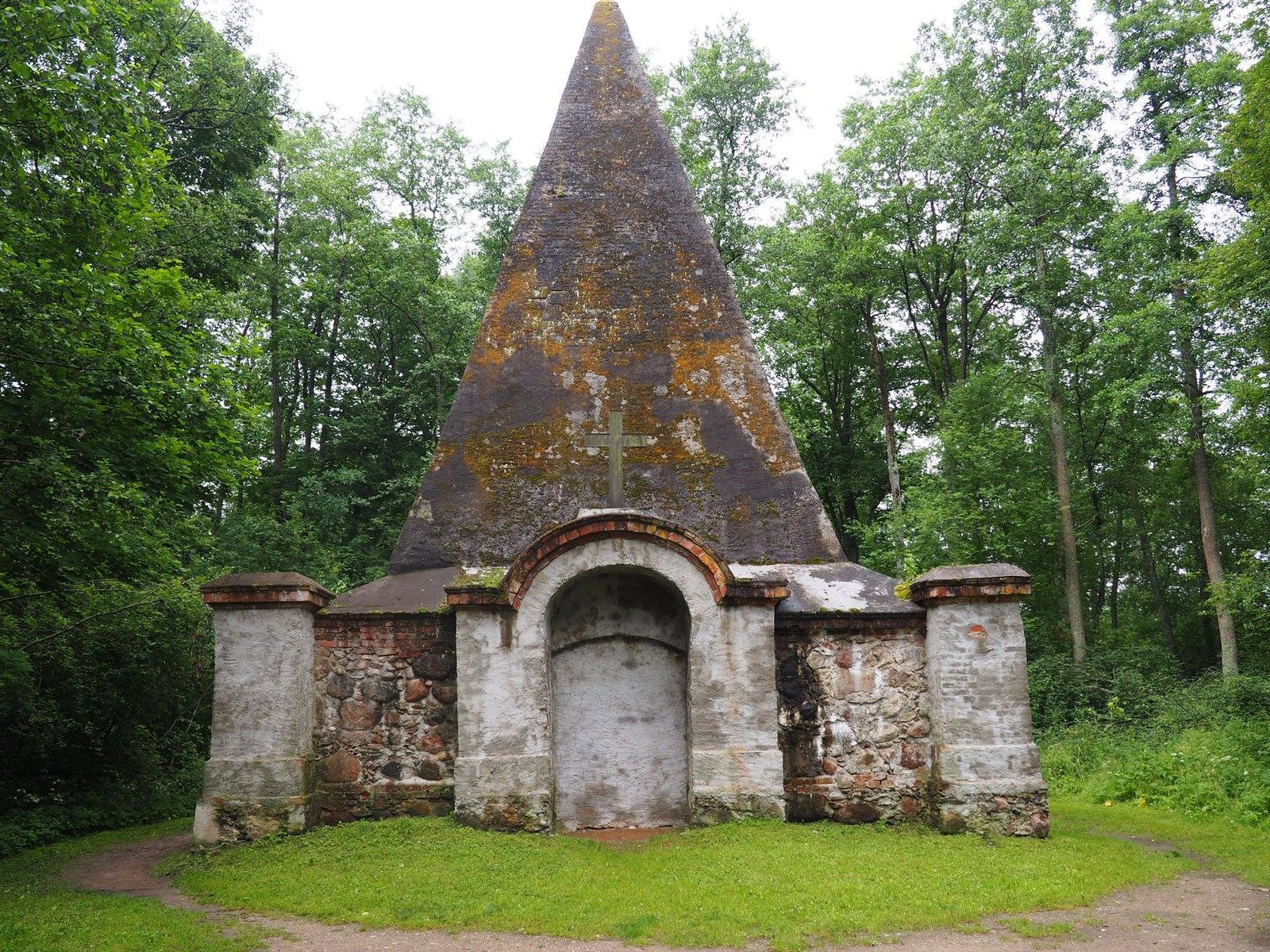
A pyramid in Masuria? Yes – in the small village of Rapa, near the border with the Kaliningrad Oblast, stands a real pyramid: the family tomb of the Prussian von Fahrenheid family. I had read a lot about it online and, as a sceptic and an enthusiast at the same time, I decided to see it with my own eyes. At the end of June 2017 (28–29 June) Michał and I went there on a two-day bike trip. We planned to see only the pyramid, but on the way we also came across a burial chapel with mummies and an abandoned manor house – plus flooded roads and a downpour. In two days we cycled about 112 km.
Table of contents
- By train to Giżycko and onto the bikes
- The burial chapel in Zakałcze – the “Steinert tomb”
- The Pyramid in Rapa
- A night in a tent
- An abandoned manor house on the way to Węgorzewo
- Węgorzewo and a downpour to finish
- Practical information
By train to Giżycko and onto the bikes
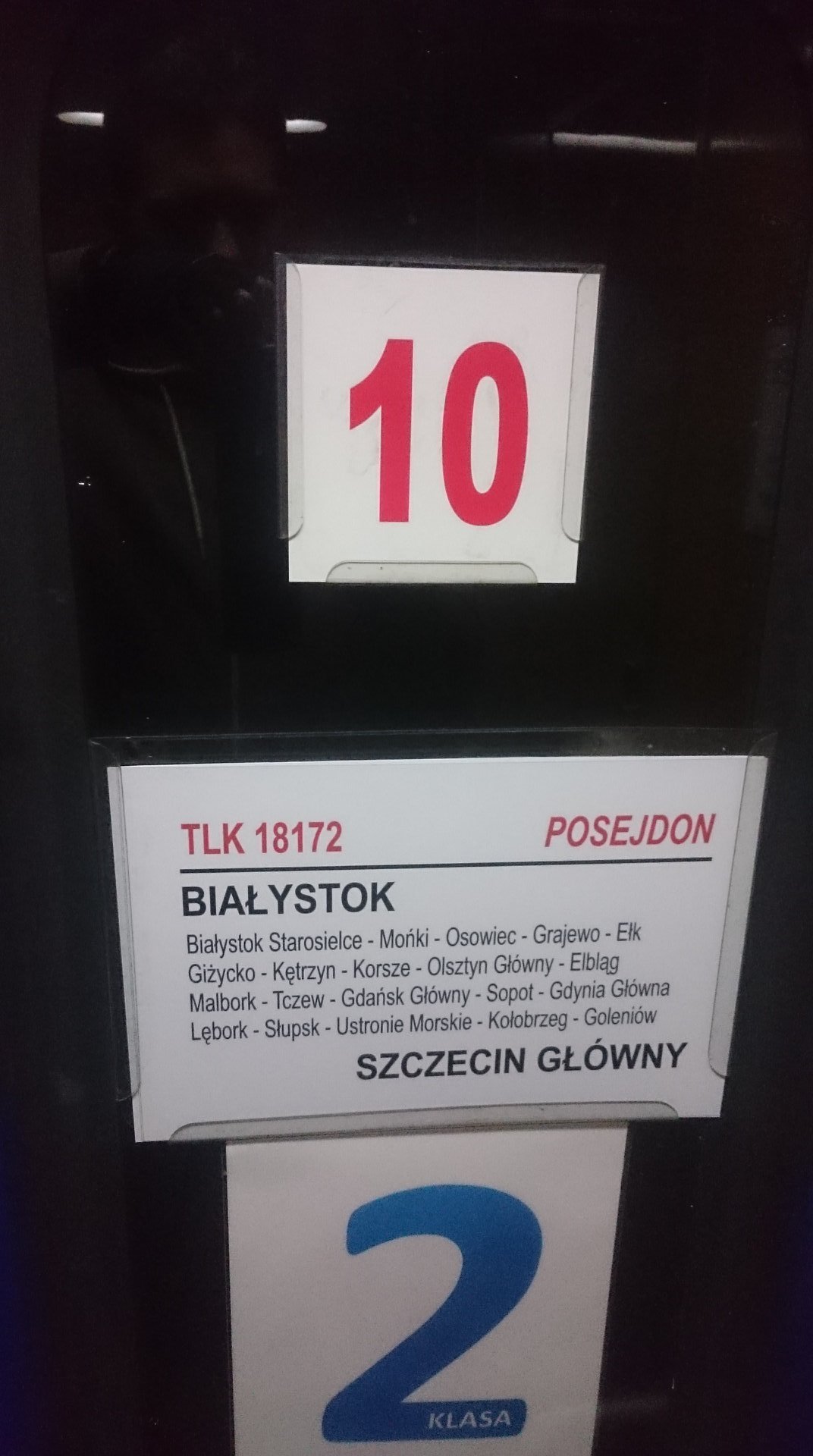
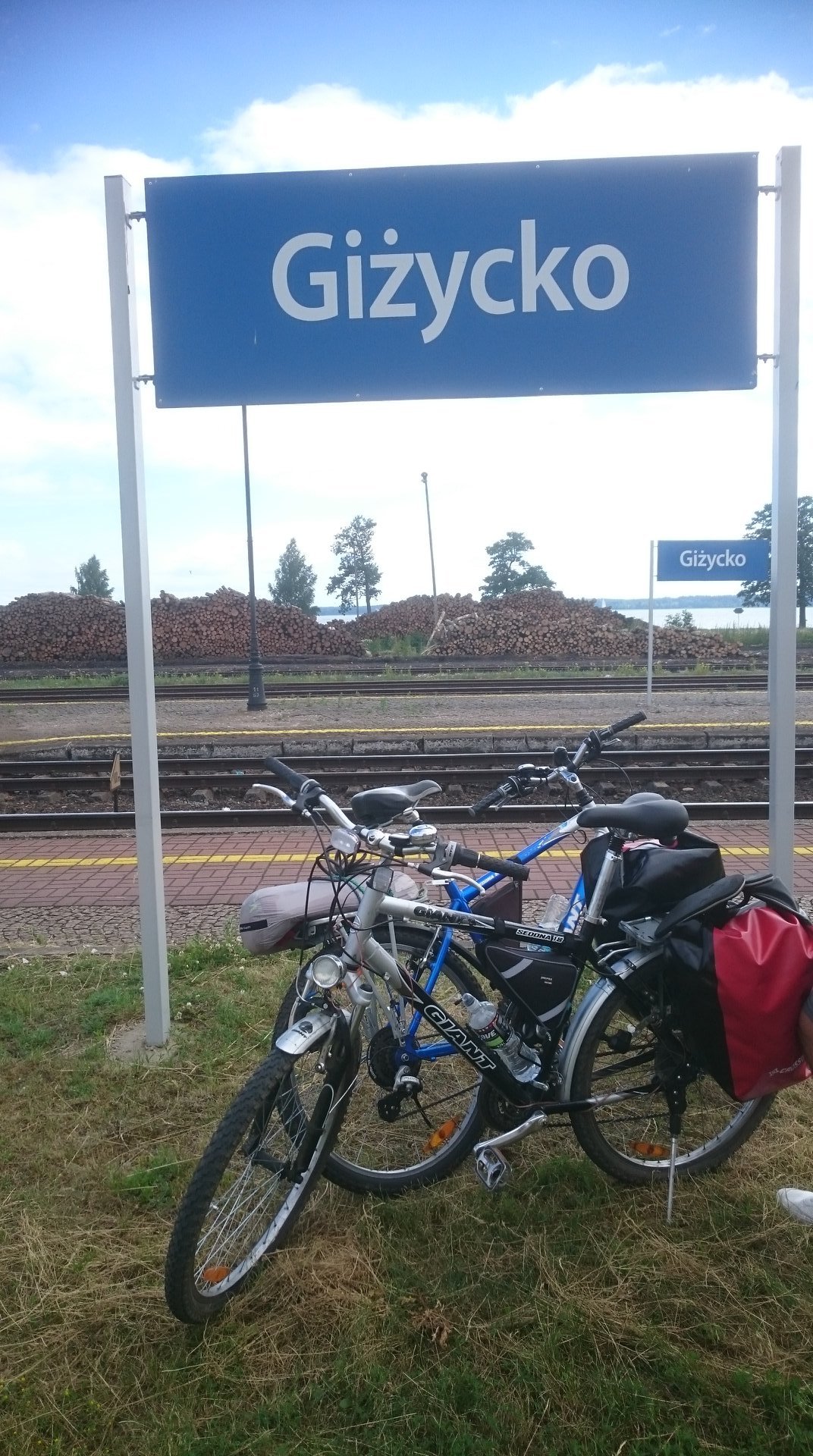
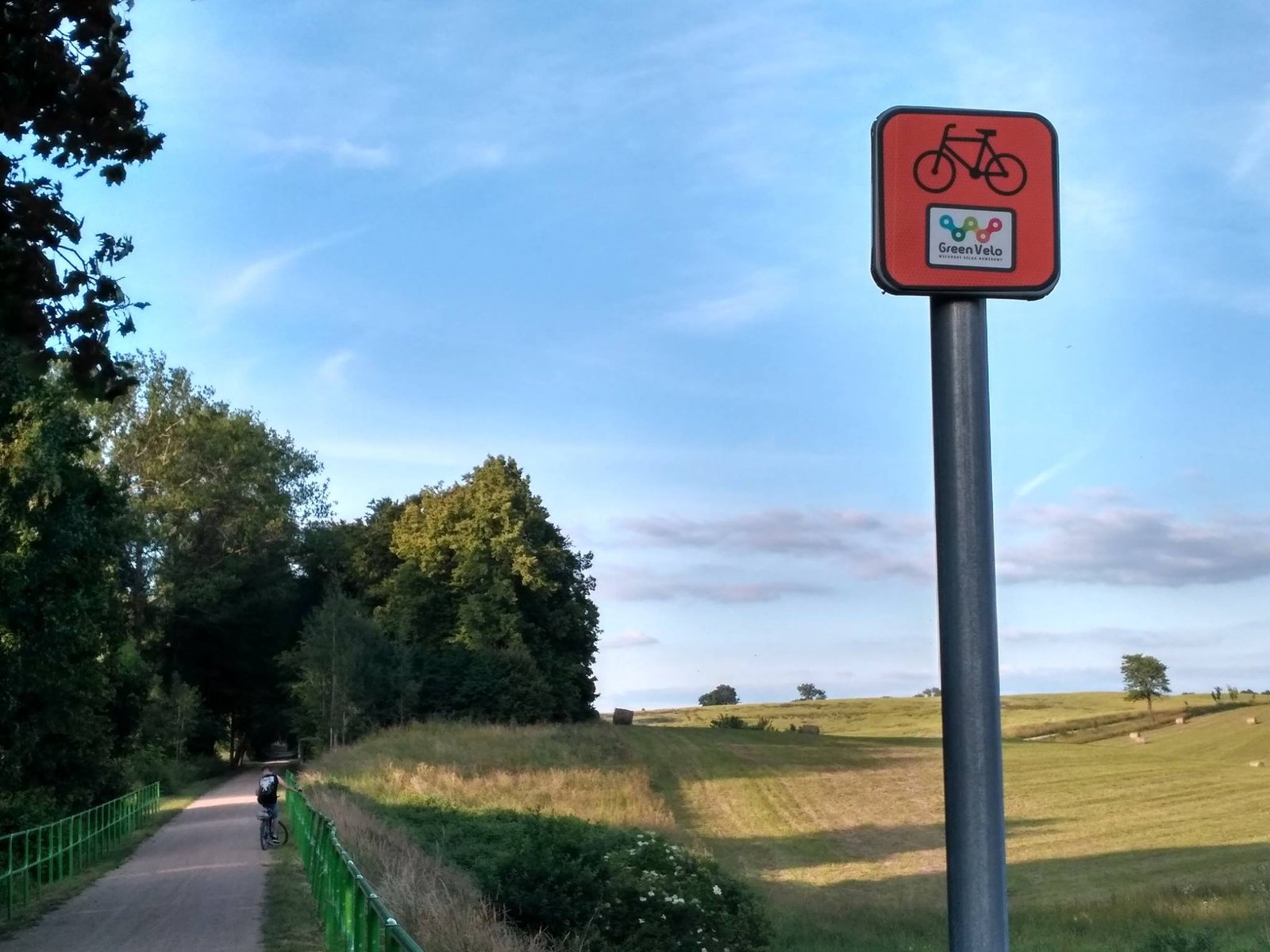
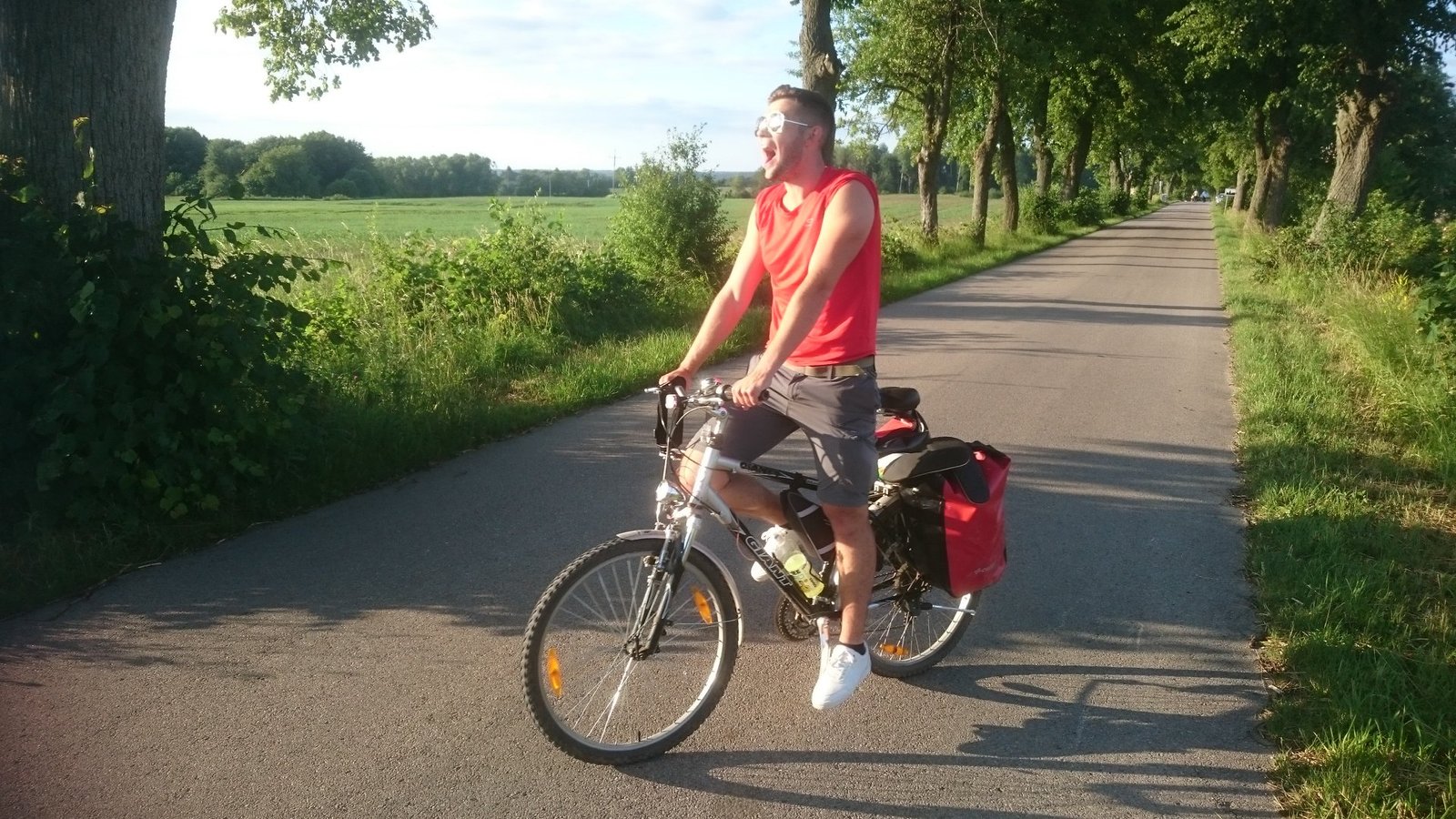
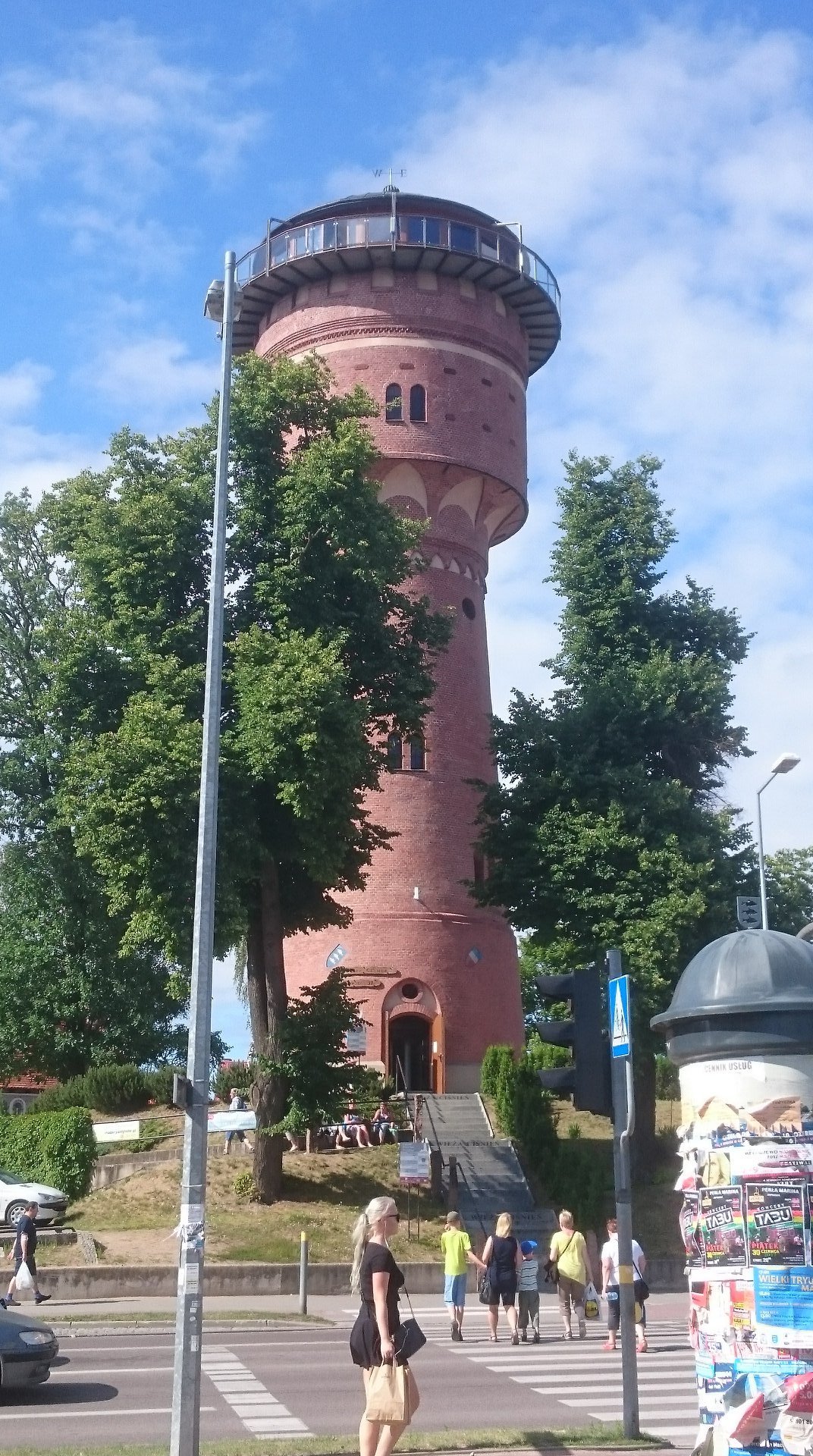
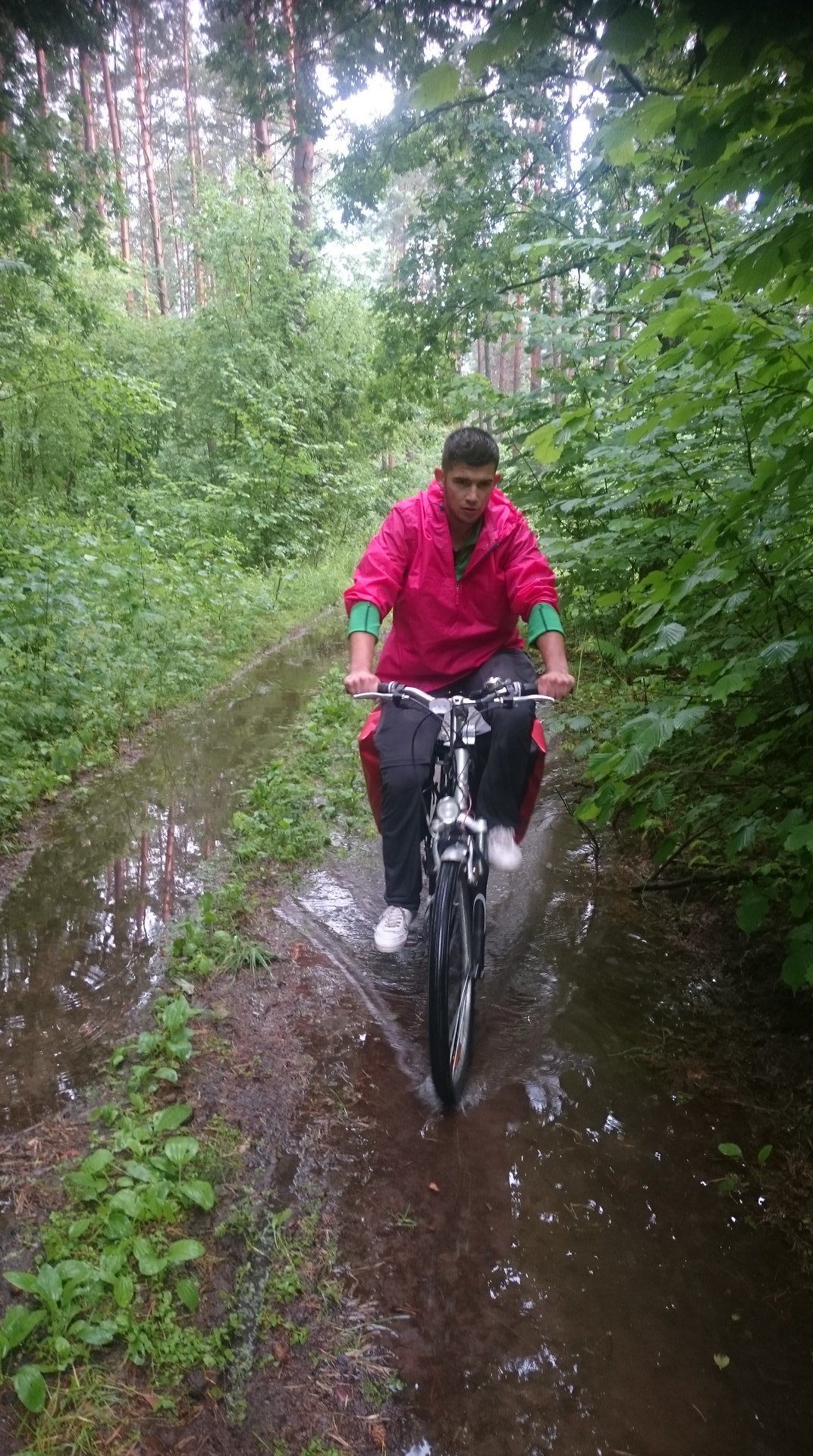
We decided that, time-wise, it would be best to take the train with our bikes from Olsztyn to Giżycko and set off east from there. The roads were all sorts – from excellent asphalt, through the paths of the Green Velo cycle route, to dirt tracks and puddles in the forests that we sometimes had to “swim” through.

Our only regret is missing Heinrich Himmler’s field headquarters (Hochwald) in the forests near Pozezdrze – we rode past just a kilometre away from it.
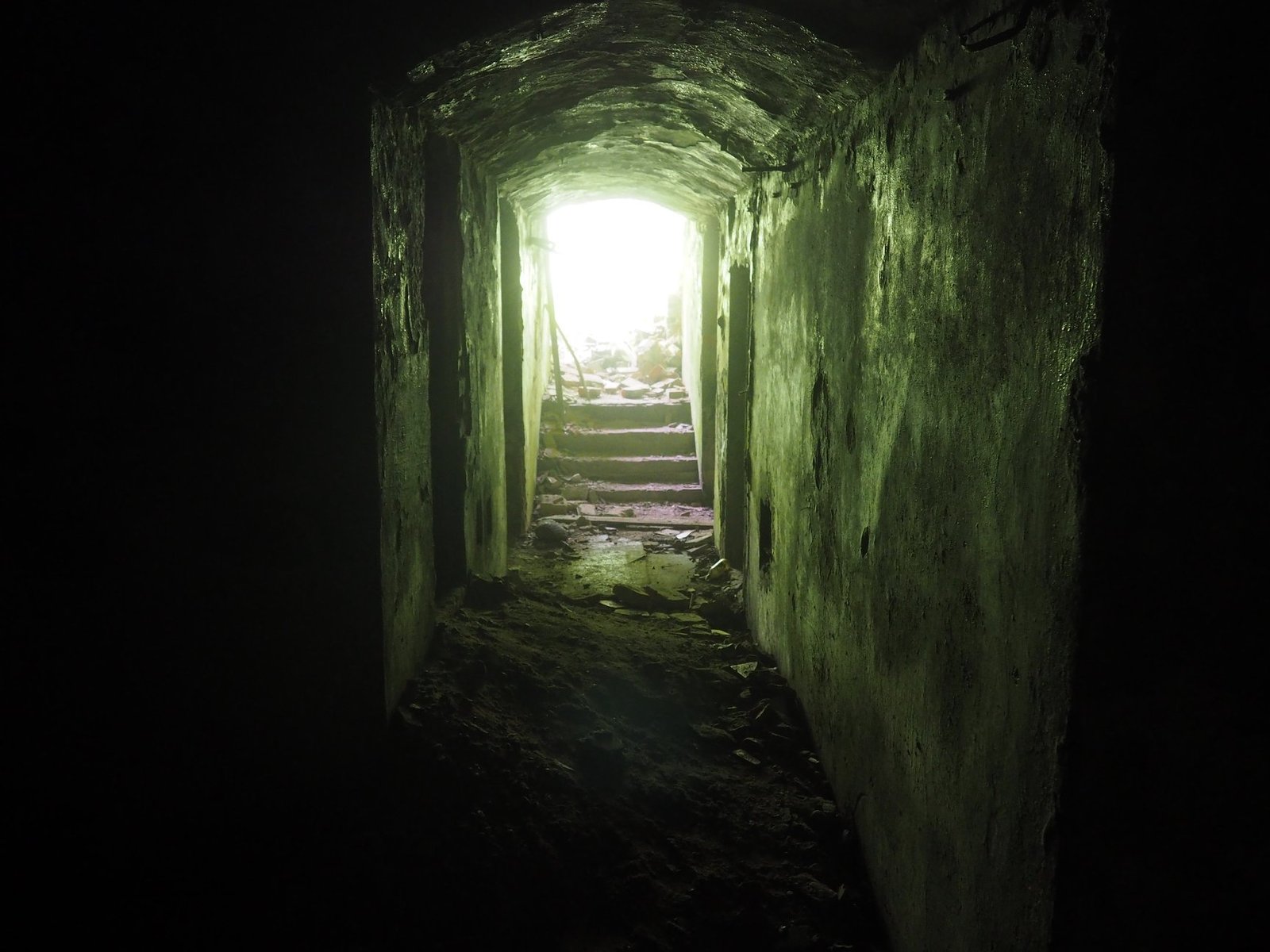
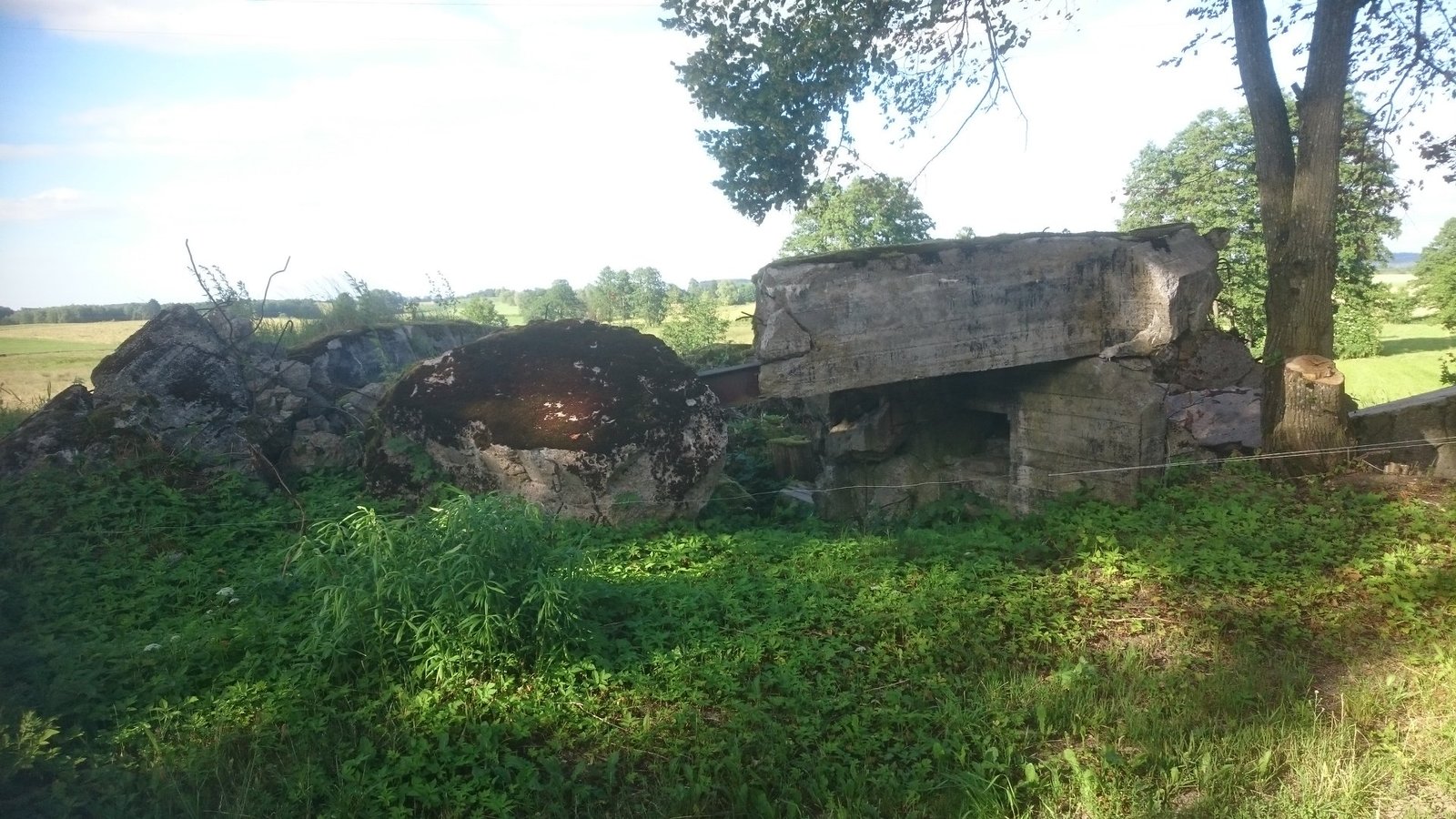
The Hochwald headquarters in the forest near Pozezdrze was built by Organisation Todt – the same organisation that built the Wolf’s Lair and the OKH headquarters at Mamerki. Heinrich Himmler used it from June 1941 to November 1944, and his special train stood on a siding nearby. There were several type “B” shelters with walls and ceilings about 2 m thick; the one Himmler used was encased in 1943–1944 in an extra concrete shell measuring 21.4 × 19.3 m. In January 1945 the Germans blew the buildings up – Himmler’s bunker is the best preserved.
The burial chapel in Zakałcze – the “Steinert tomb”
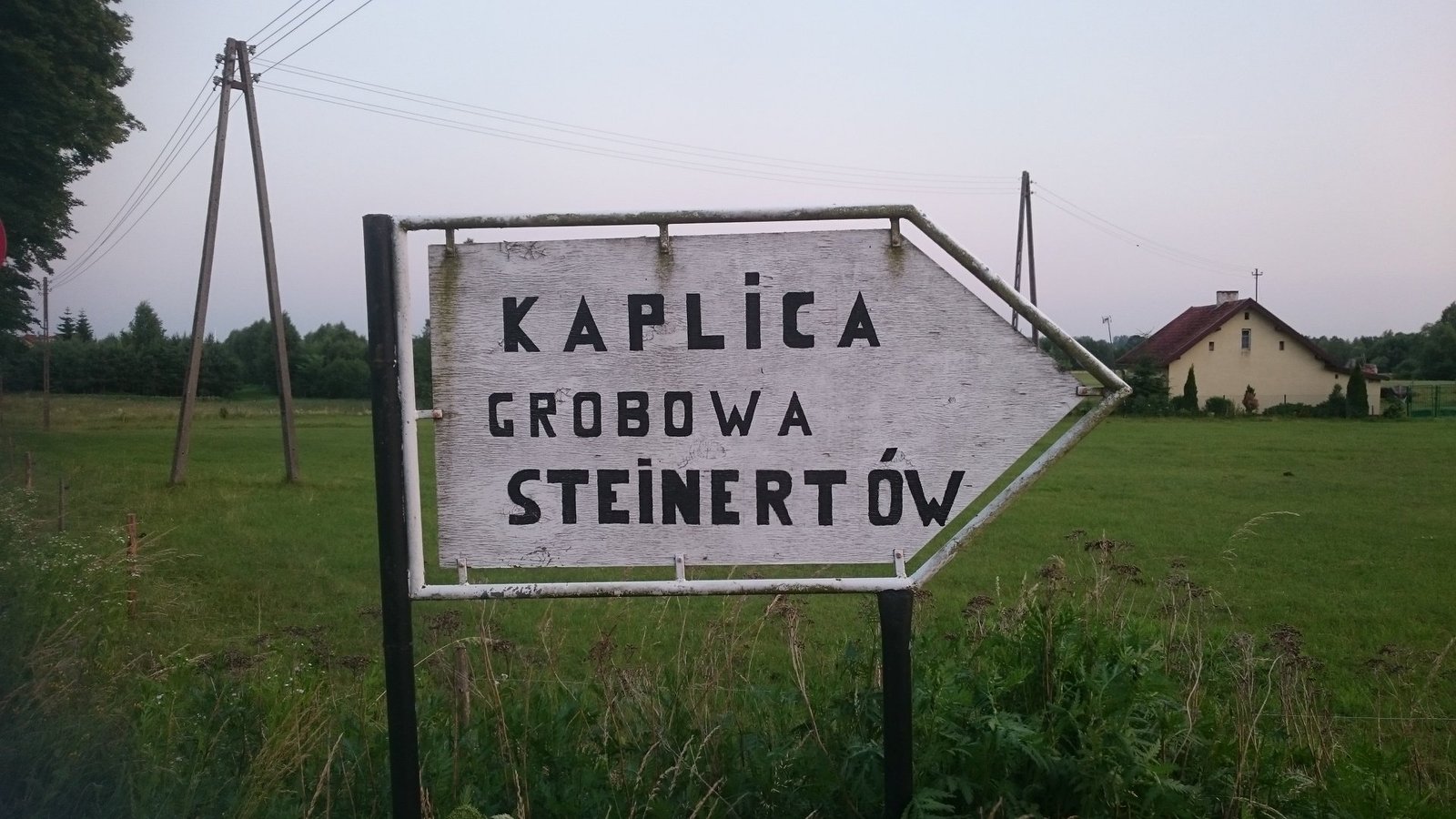
The first surprise was a small burial chapel with a crypt in Zakałcze Wielkie (Banie Mazurskie municipality), standing alone among the fields. The signpost calls it the Steinert burial chapel – after the family that owned the local estate. The crypt contains mummified remains. The history of the place is not entirely clear, though: newer research suggests they may be the remains of the Bark family, who bought the estate in 1917, and that the chapel itself was built in the 1920s rather than – as previously believed – in the mid-19th century.
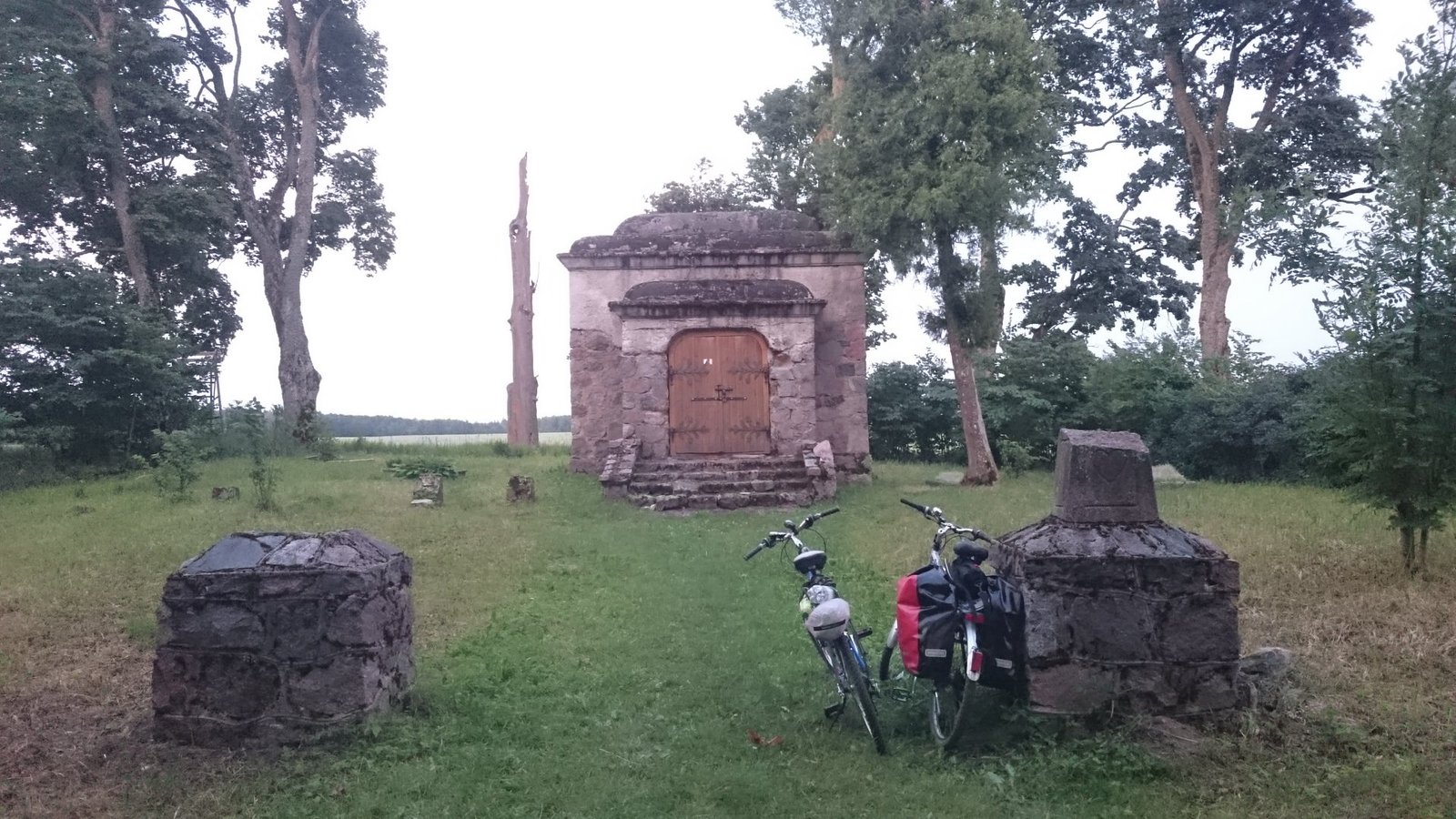
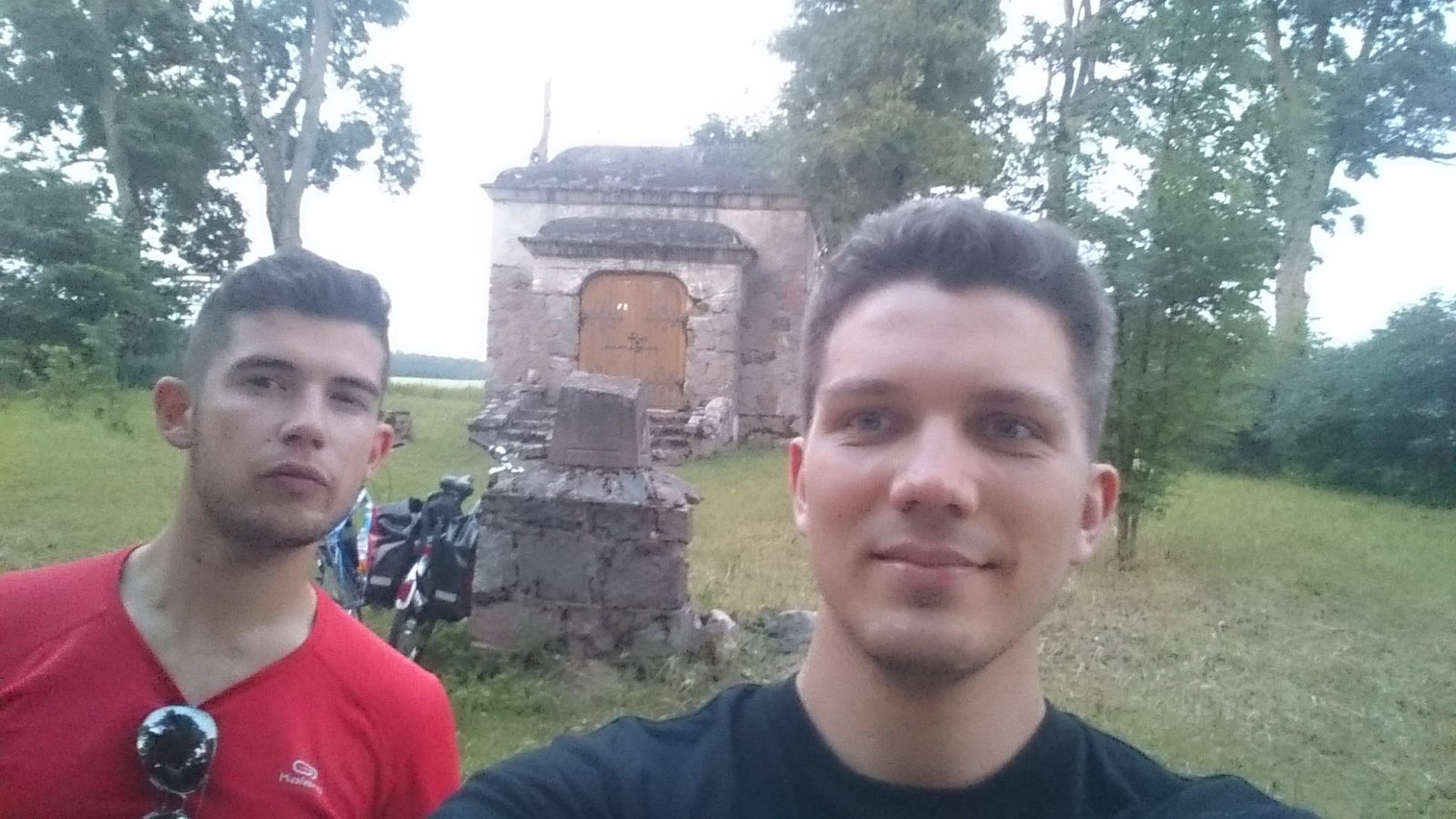
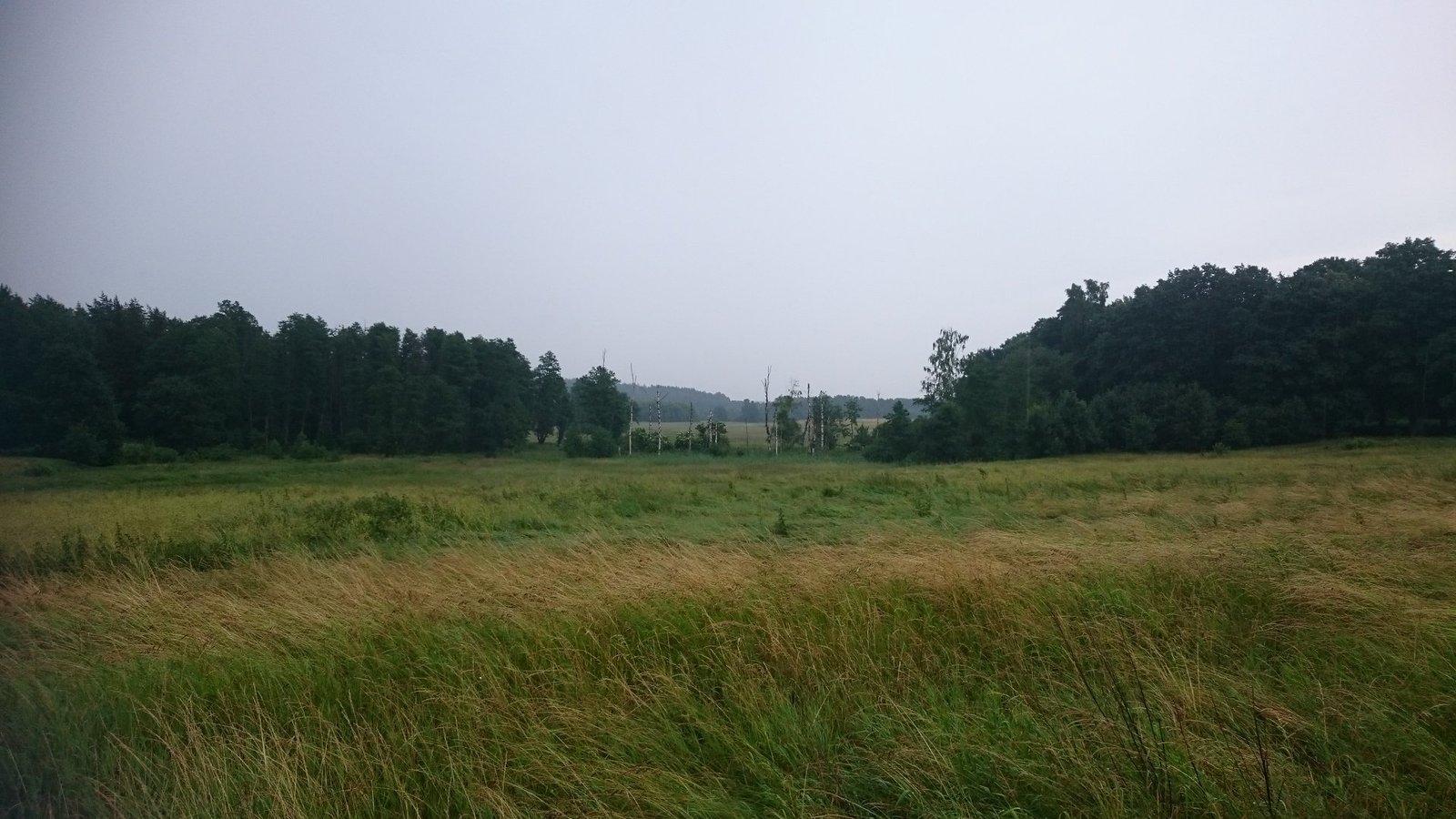
Near Banie Mazurskie there is a sign for the Natura 2000 “Lasy Skaliskie” bird area (PLB280011). One of the species protected here is the lesser spotted eagle, which hunts over open ground – so the Czerwony Dwór Forest District has the meadows mown to stop them turning into scrub and forest. The same forest district looks after the pyramid in Rapa.


The Pyramid in Rapa
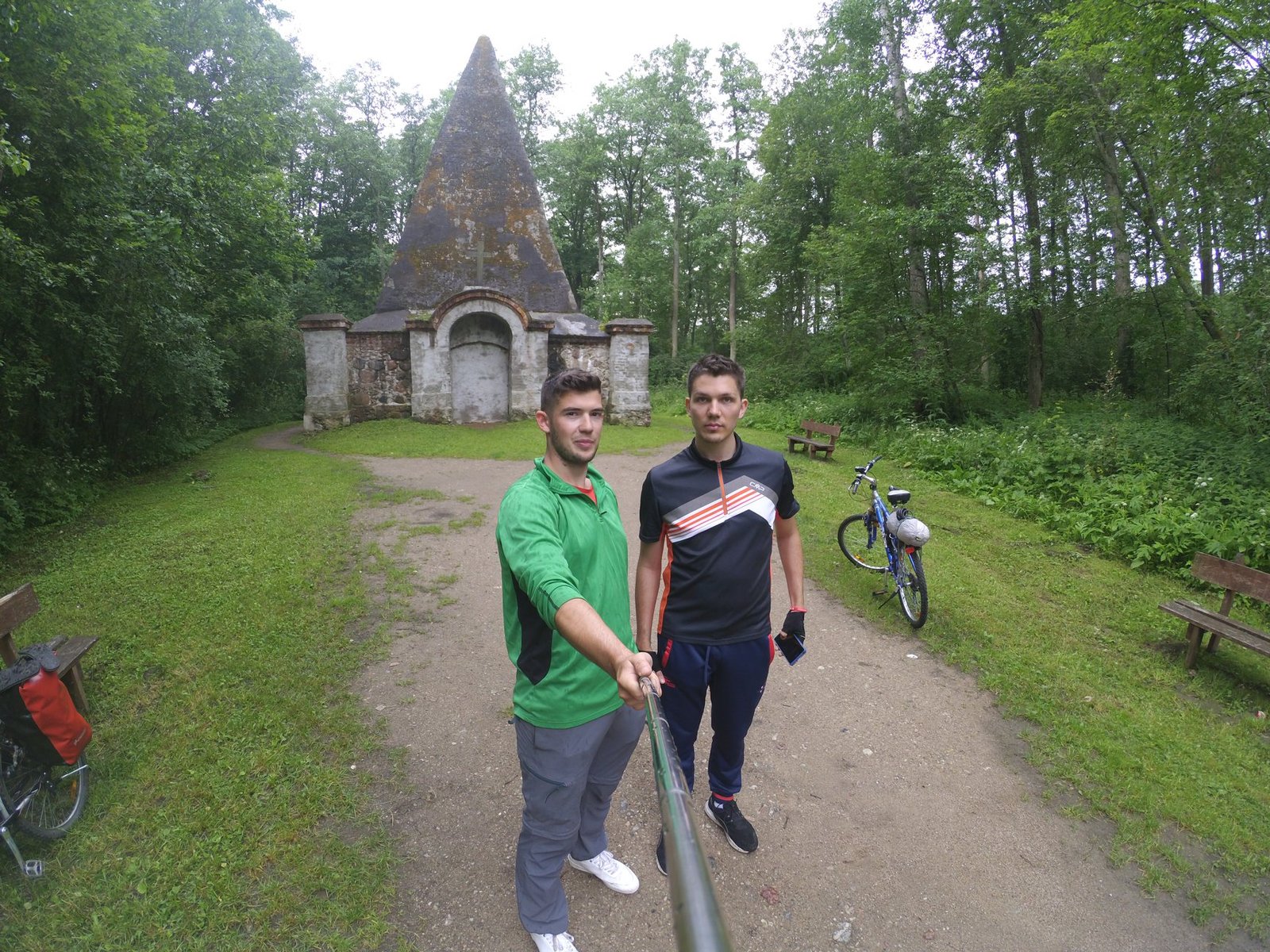
The main goal of the trip – the Pyramid in Rapa – stands in the woods at the edge of the village. It is the tomb of the von Fahrenheid family, built at the beginning of the 19th century (1811 is the date most often given). The idea came from Baron Friedrich von Fahrenheid, who was fascinated by Egyptology, then in fashion. The pyramid is about 15.9 m high, and its walls slope at an angle very close to that of the Great Pyramid of Giza. According to tradition, the baron’s little daughter, who died in 1811, was among those laid to rest here.
Many legends have grown up around the pyramid: the bodies laid in the tomb were said not to decompose, which was attributed to the “power” of the pyramid shape, and the place attracts seekers of unusual energies. After the war the tomb was looted. You can look inside – a sign at the entrance says you visit at your own risk.
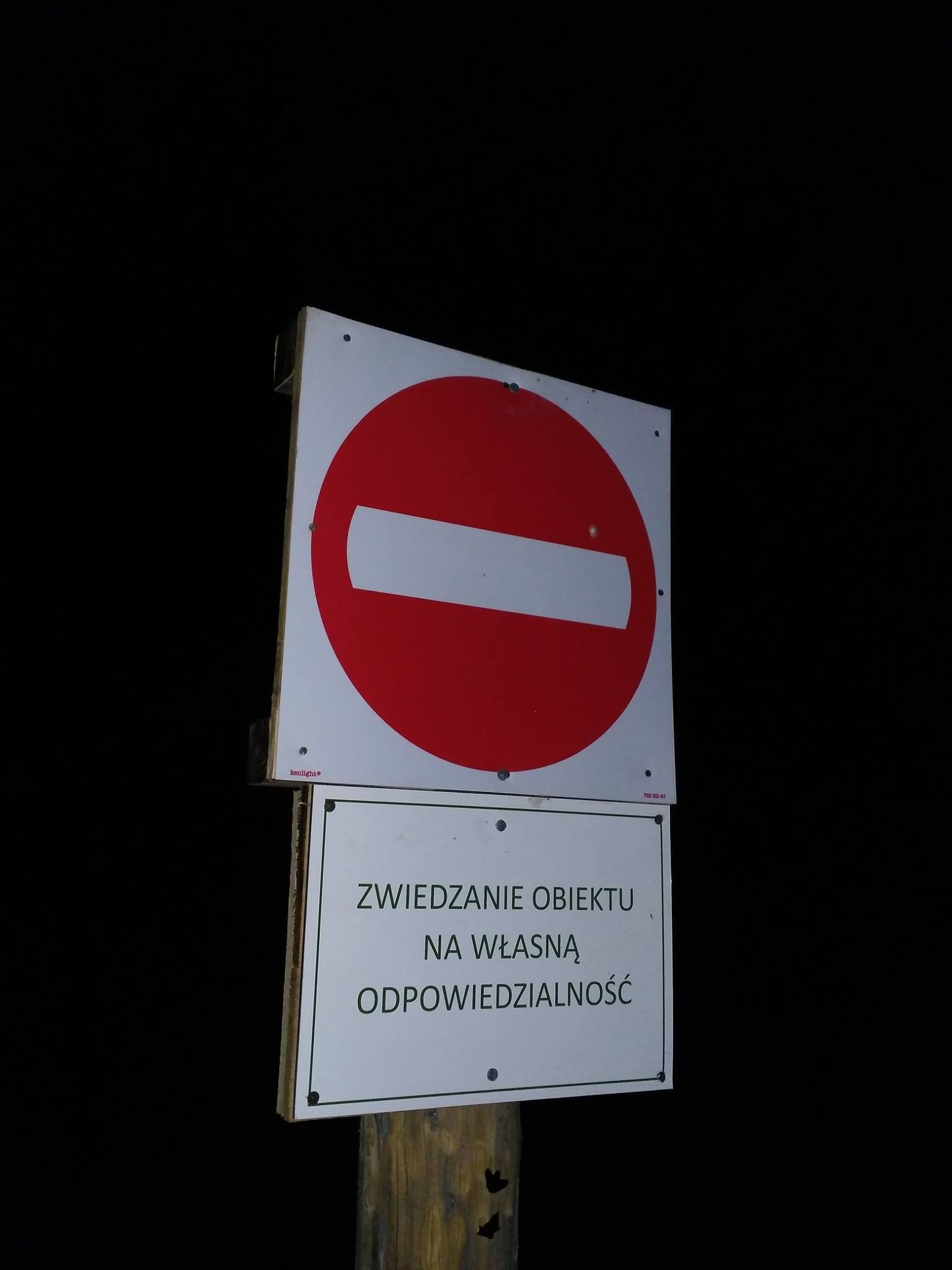
In 2015 the pyramid was studied by archaeologists from the University of Warsaw – among other things, they made a 3D scan and inventoried the interior. According to their findings, seven people were buried here: five adults and two children, and some of the remains had mummified. Resistivity measurements ruled out a cellar beneath the pyramid. According to newer research, the building may date back as early as 1792–1795 and was commissioned by Baron Johann Friedrich Wilhelm von Fahrenheid (1747–1834), and researchers link its shape to Freemasonry rather than to the fashion for Egypt.
We were at the pyramid both by day and after dark – by torchlight it looked really mysterious.
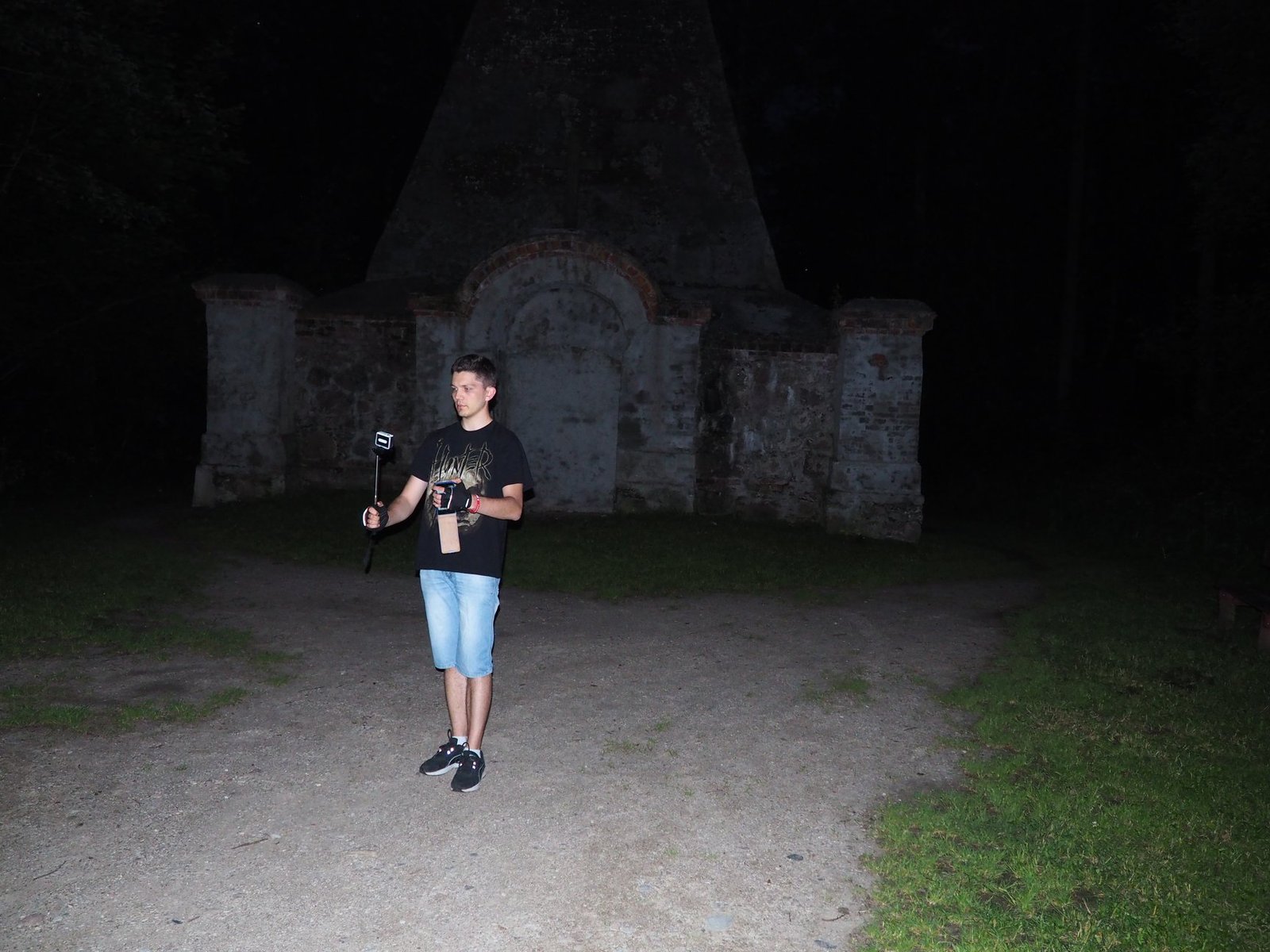
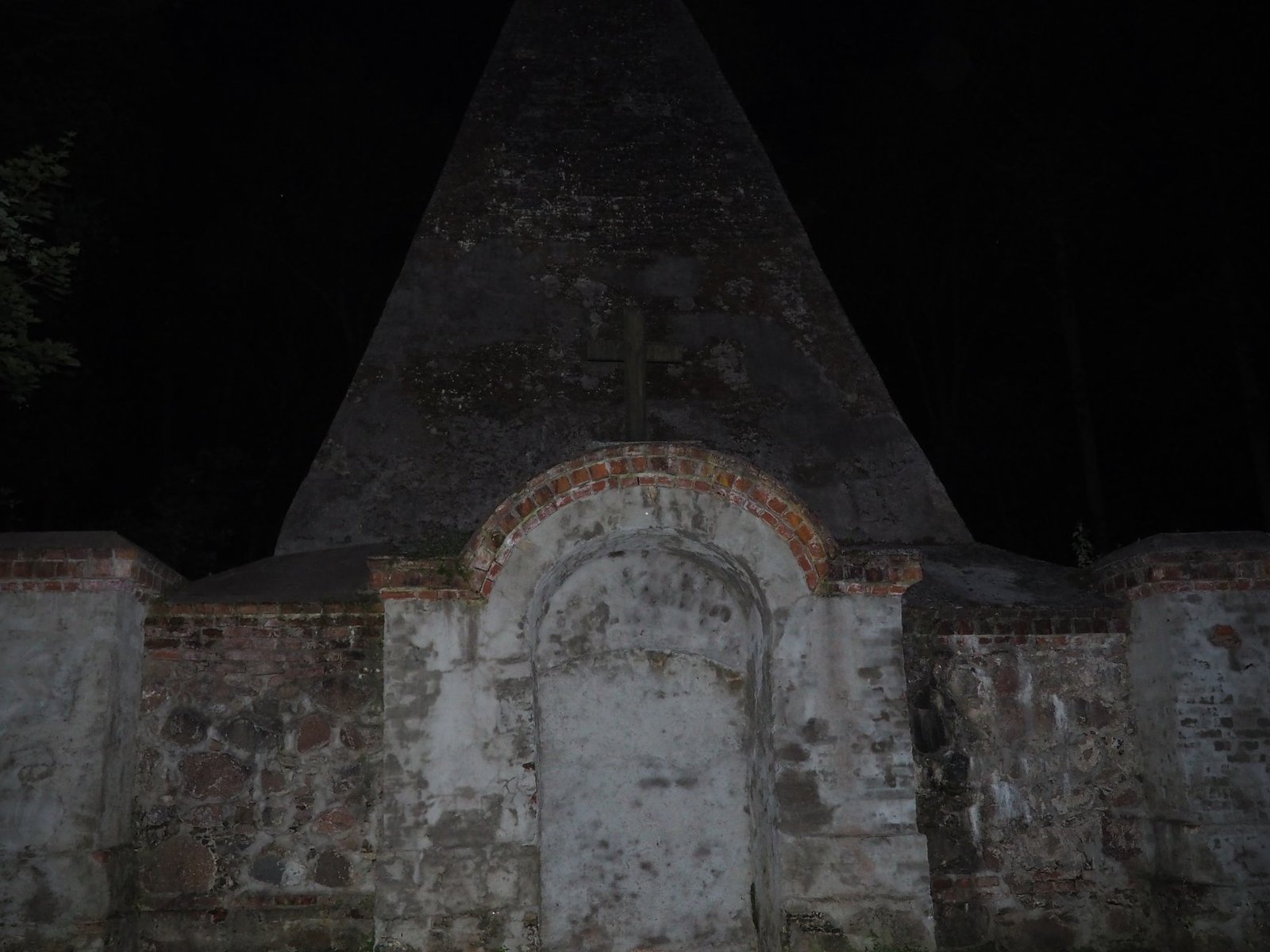
According to historians, the Fahrenheids were related to the Gdańsk Fahrenheit family, which produced Daniel Gabriel Fahrenheit (born in Gdańsk in 1686) – inventor of the mercury thermometer and of the temperature scale of 1725. The tomb was plundered by Tsarist soldiers in 1914–1915 and later by the Red Army in 1945. In November 2018 the Czerwony Dwór Forest District completed an almost four-month renovation costing PLN 890,000 from the Forest Fund, intended to restore the pyramid’s original appearance – our photos were taken before that renovation.
I edited a video of the trip which, besides the footage, also includes the history and maps of the places we visited (the chapel from 1:17, the pyramid from 4:06, the abandoned manor from 8:37):
 13:28
A night in a tent
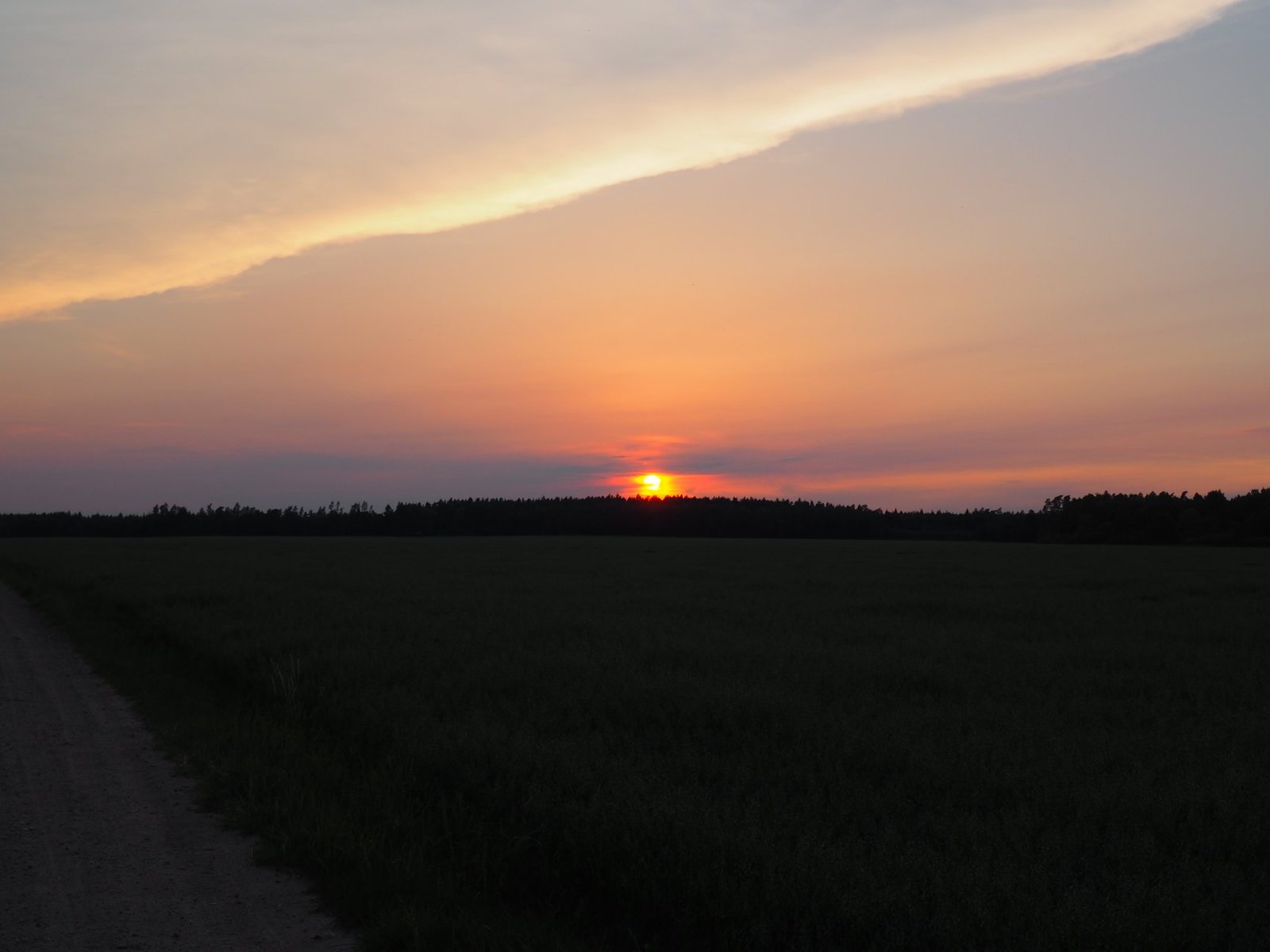
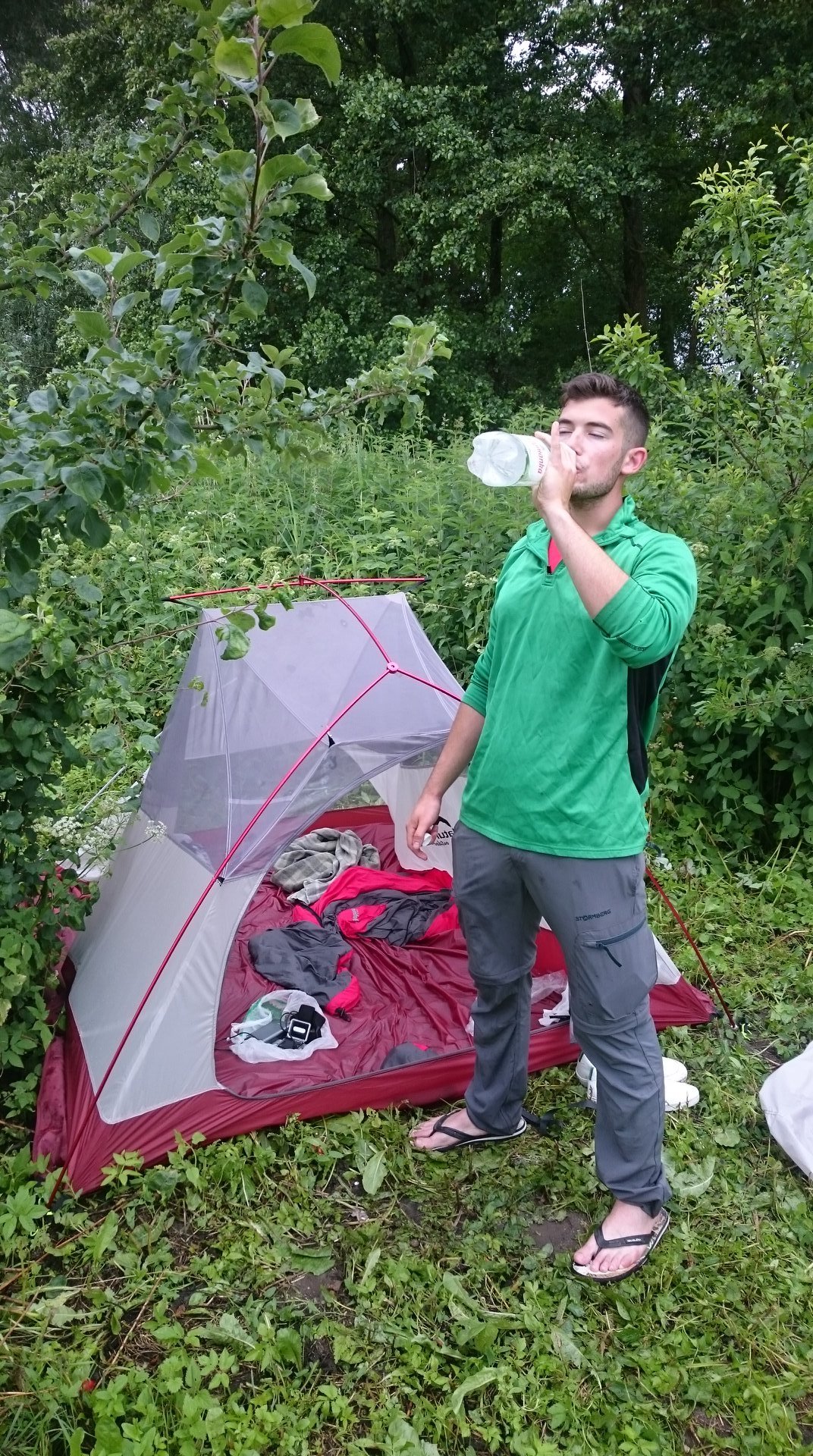
We spent the night in a tent, and in the morning – after a quick breakfast and packing the panniers – we set off again towards Węgorzewo.
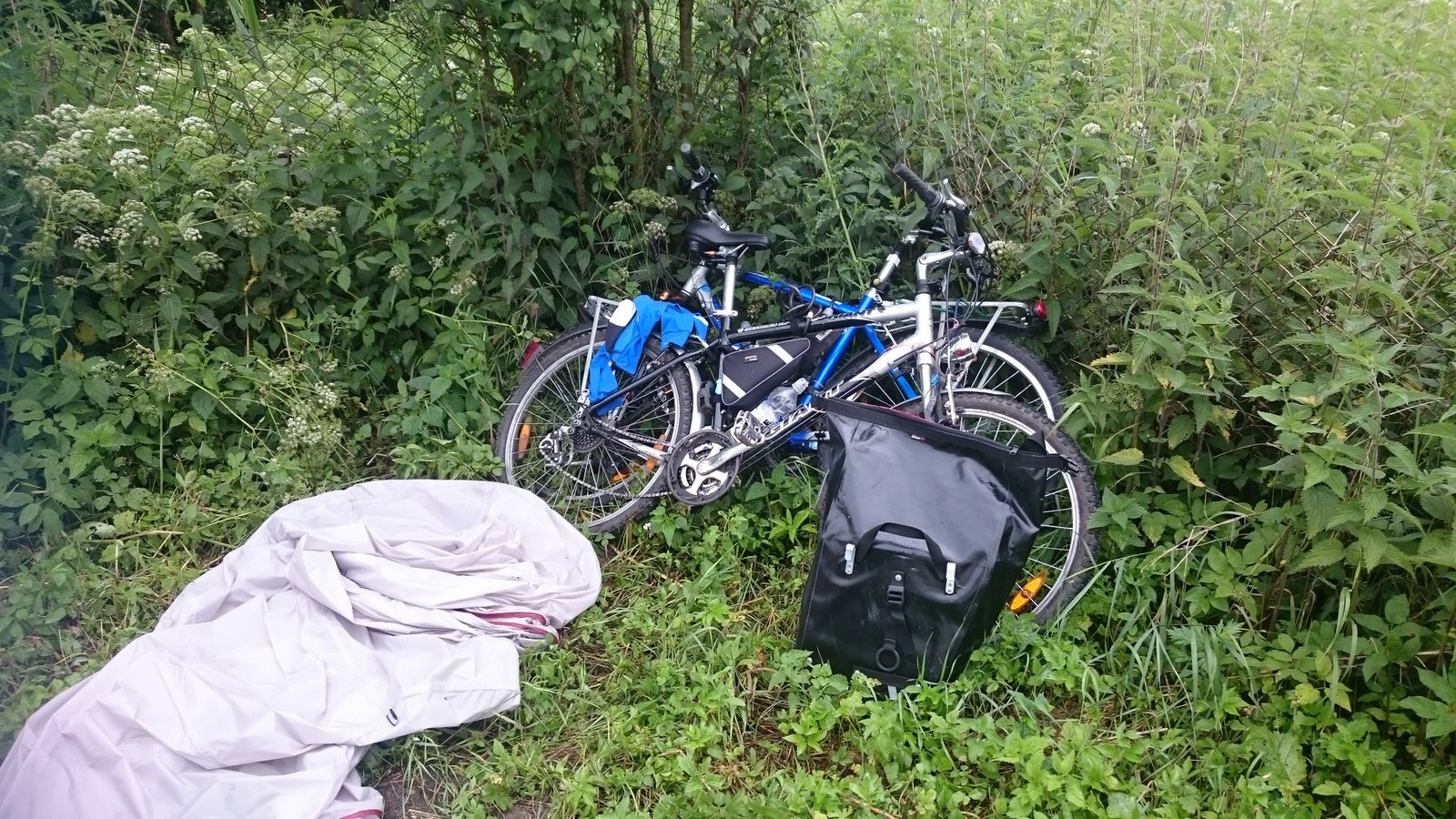
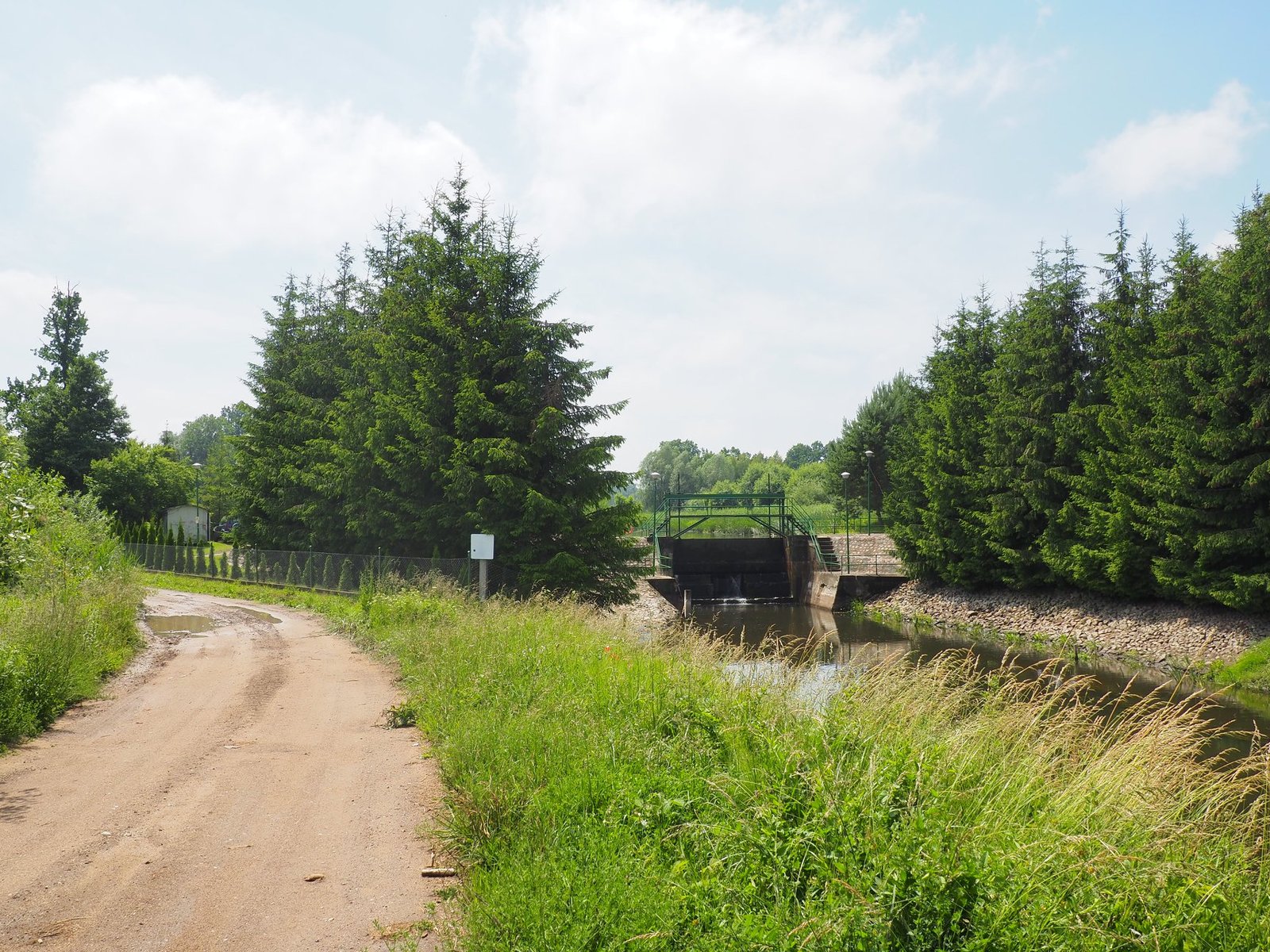
The Green Velo route was built by the end of 2015. In the Warmian-Masurian province it runs for about 420 km, and some 230 cyclist service points (MOR) were planned along the whole route – with shelters, benches, bike racks, bins and information boards. Construction cost over PLN 270 million, mostly from European Union funds.


An abandoned manor house on the way to Węgorzewo
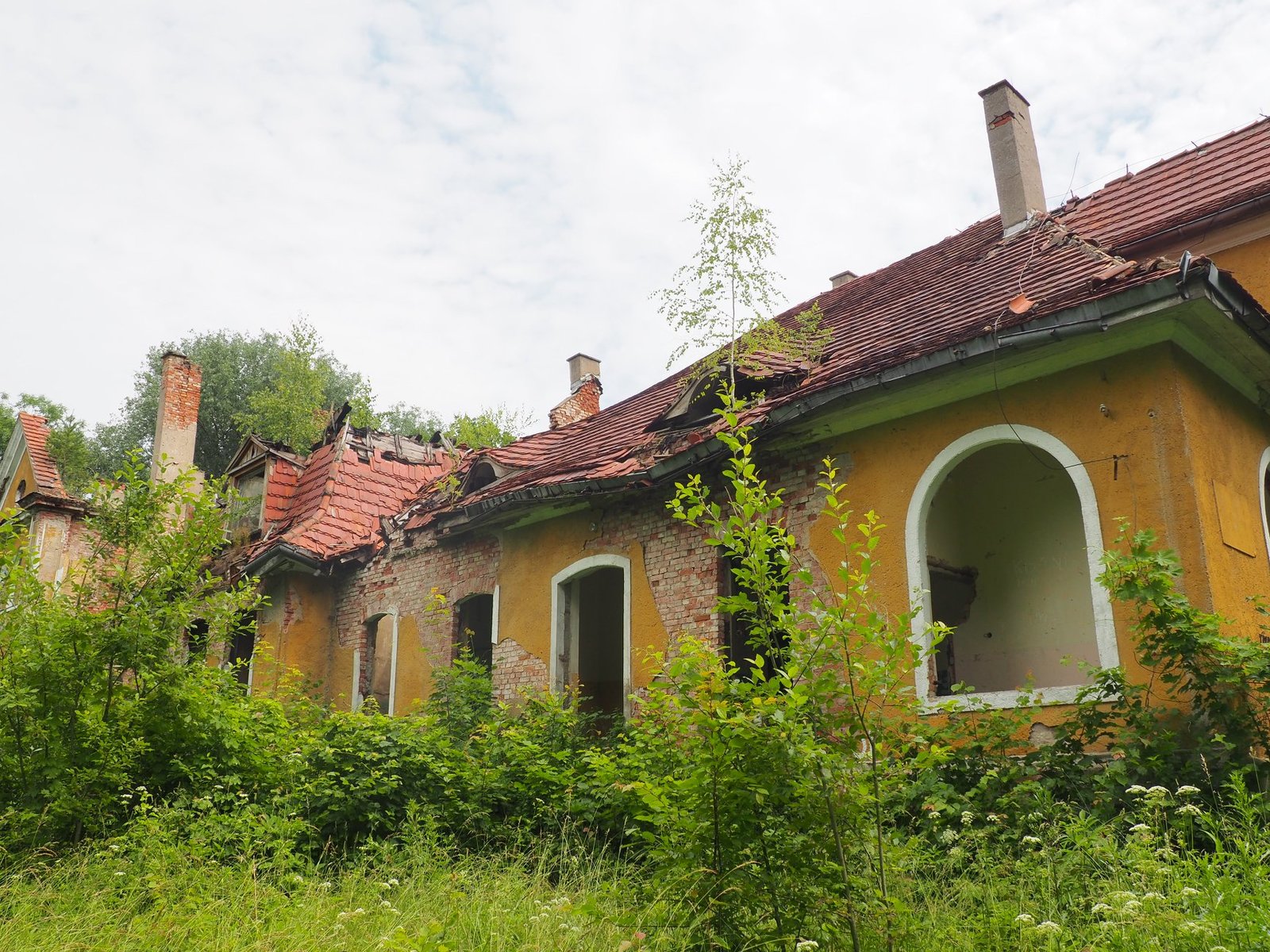
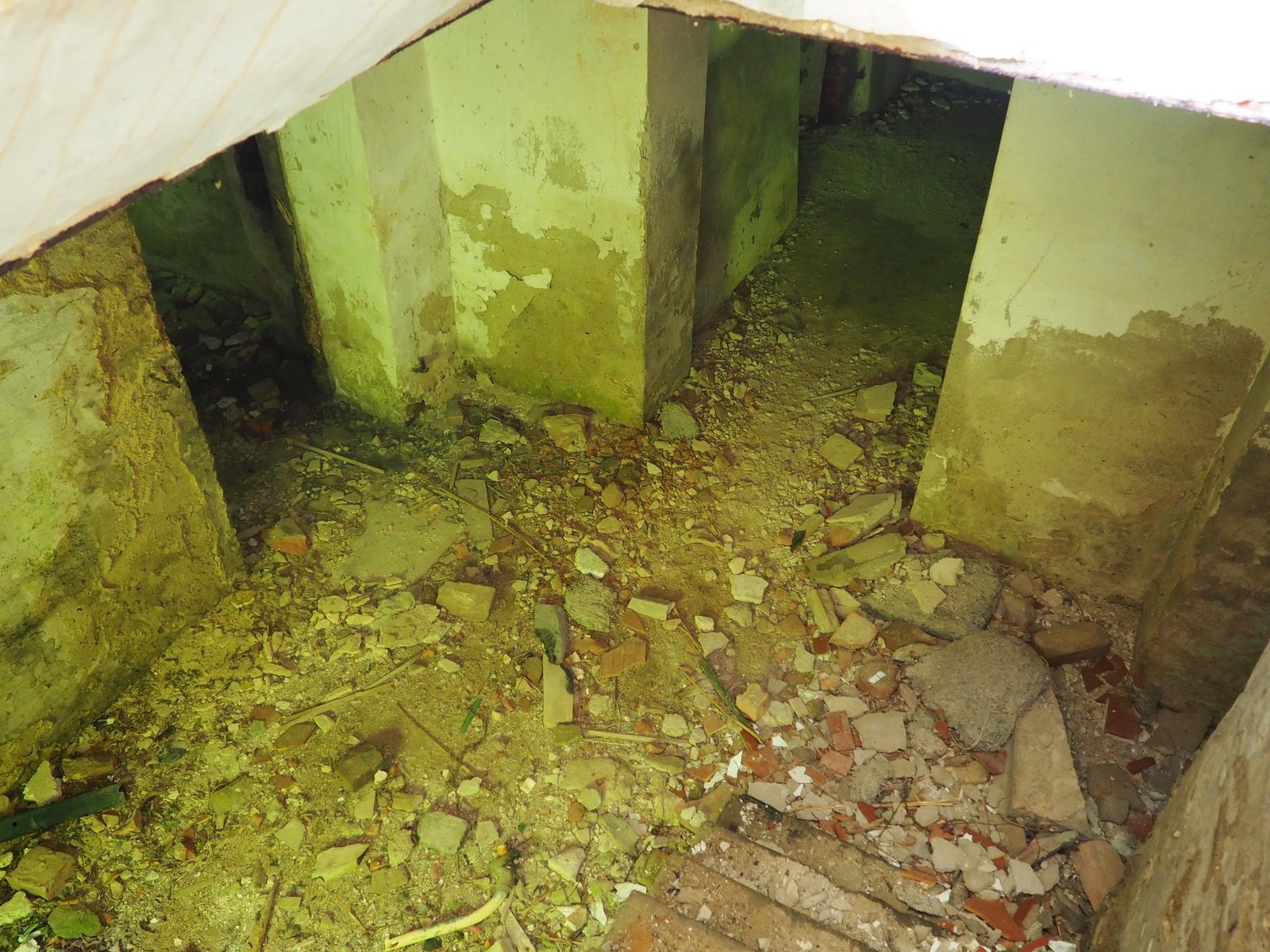
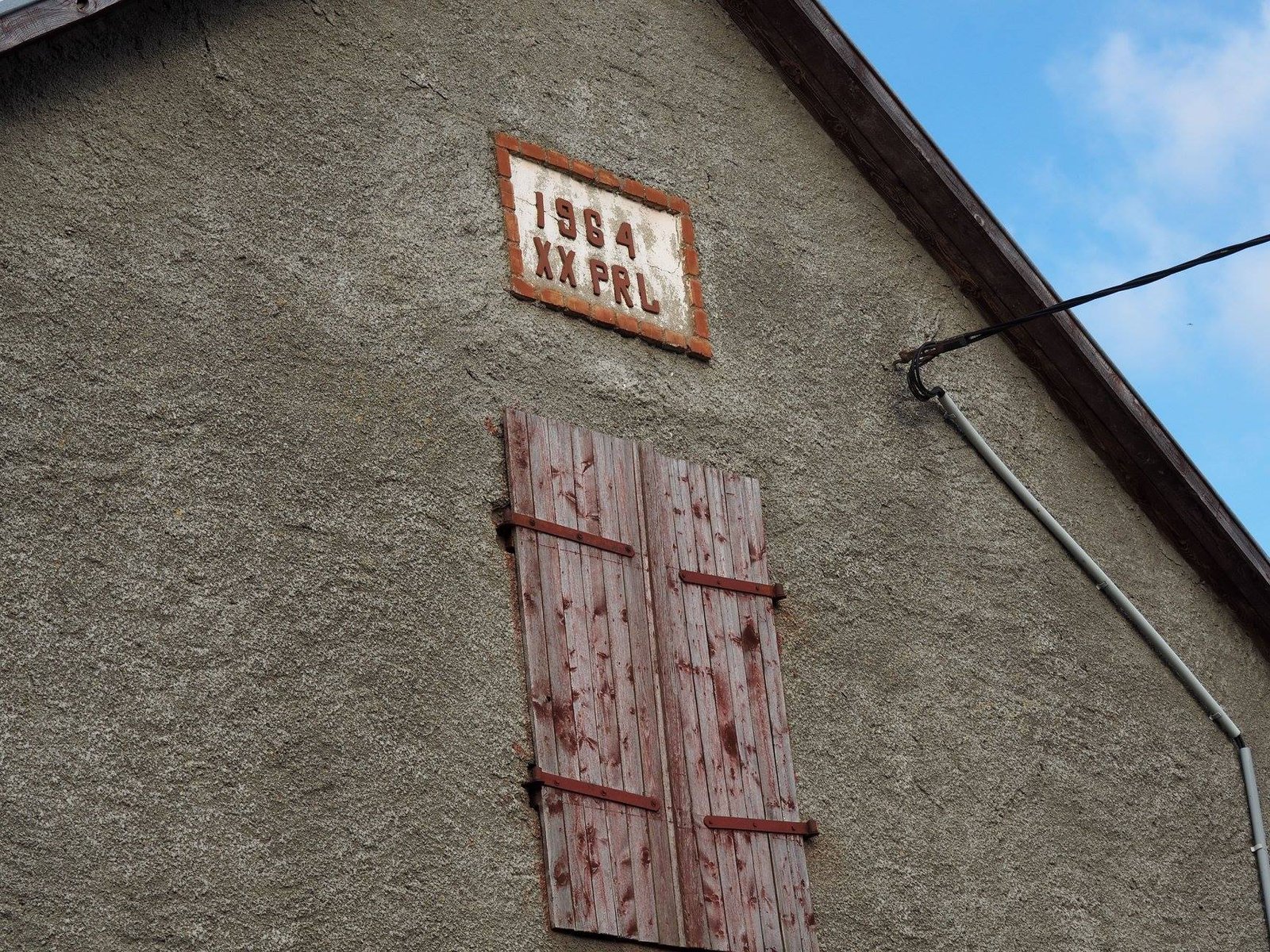
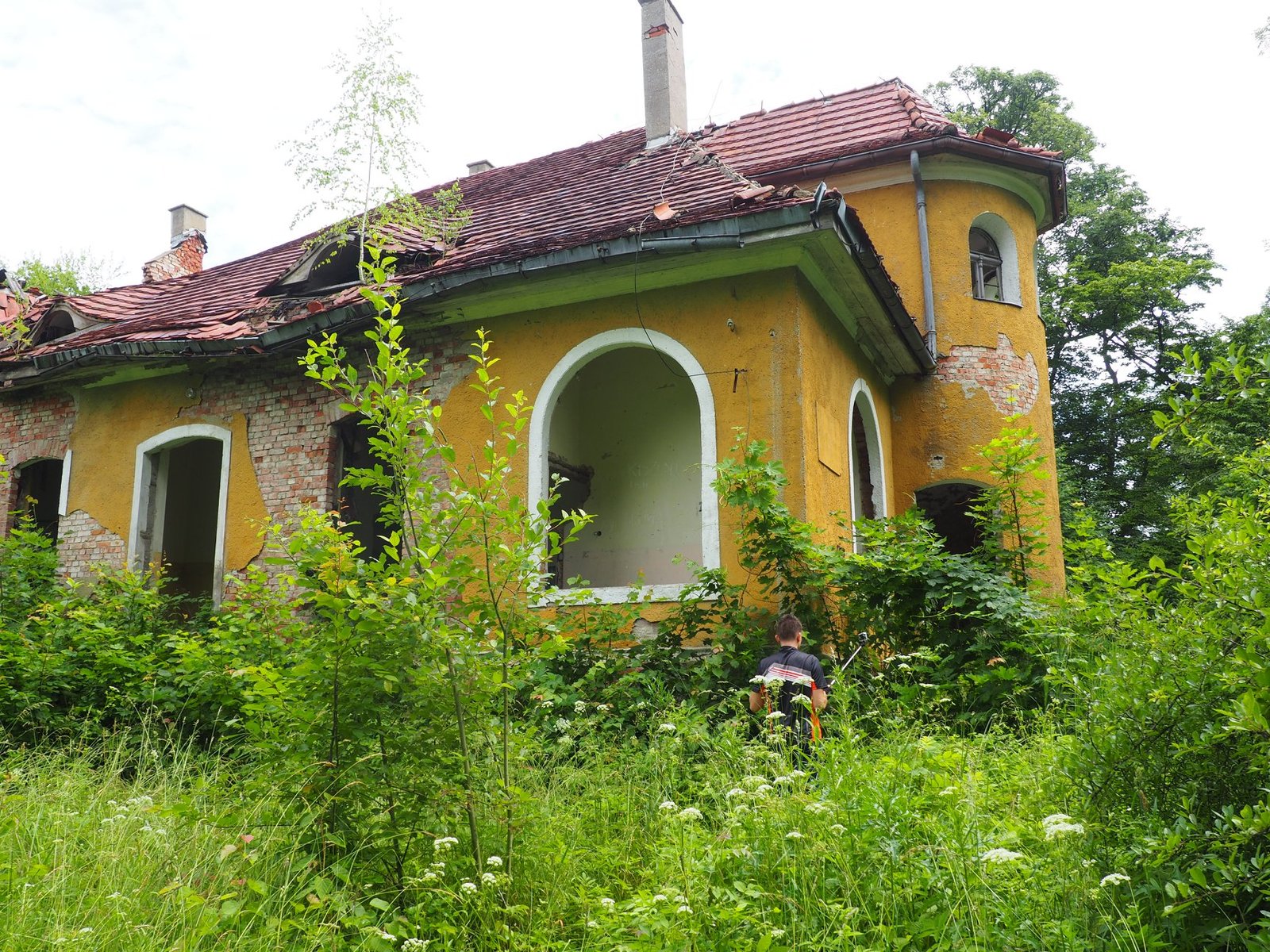
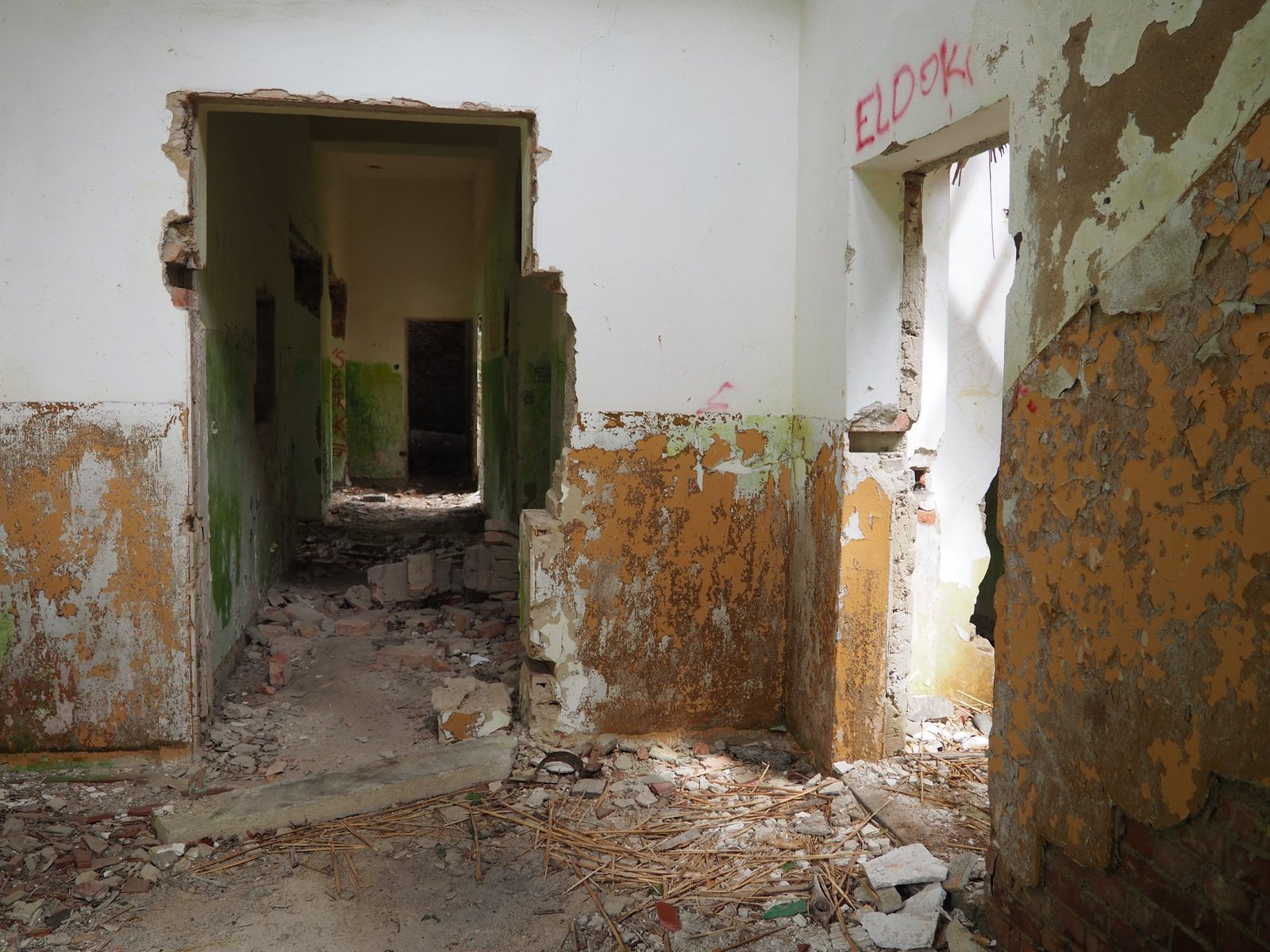
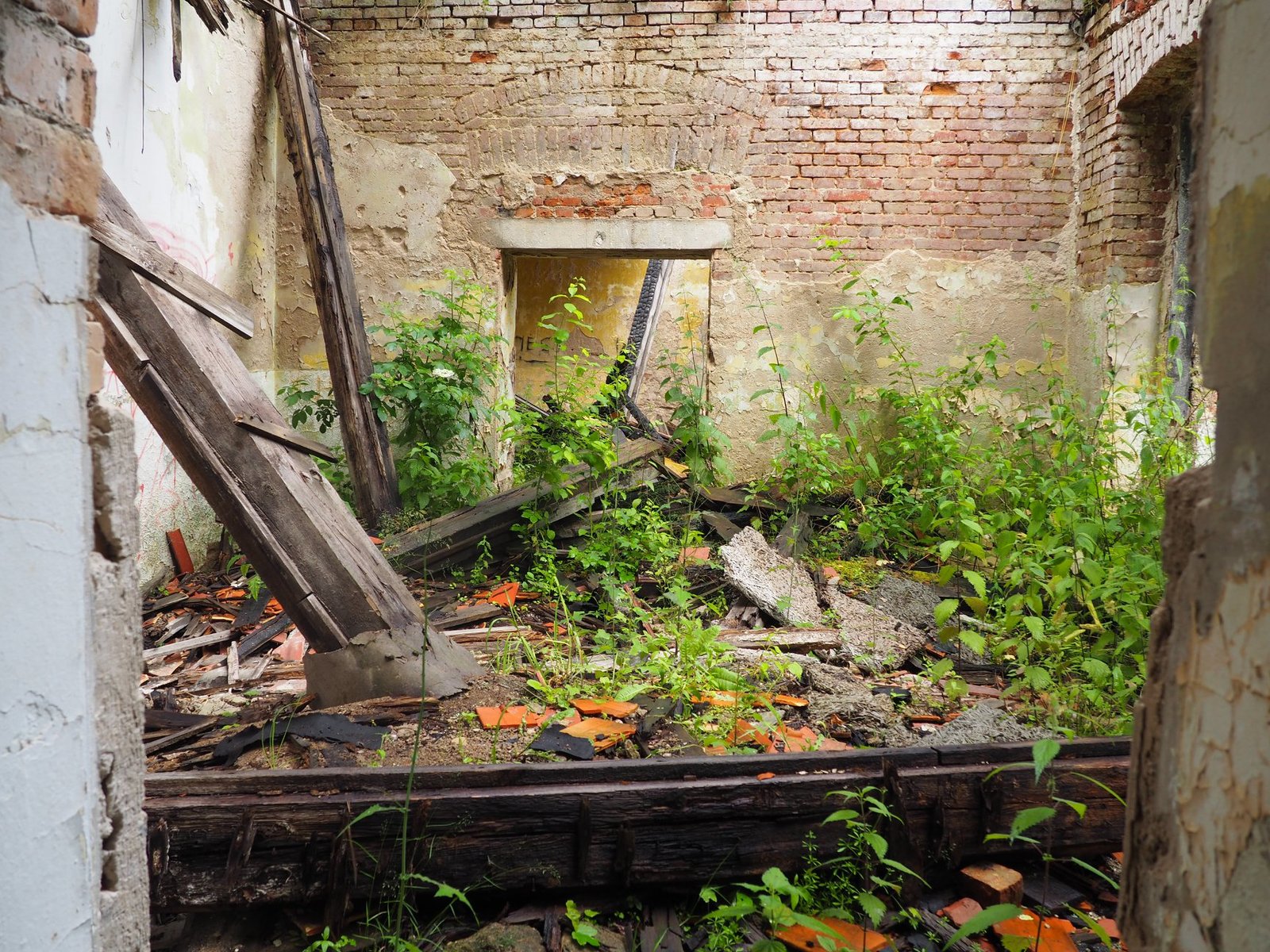
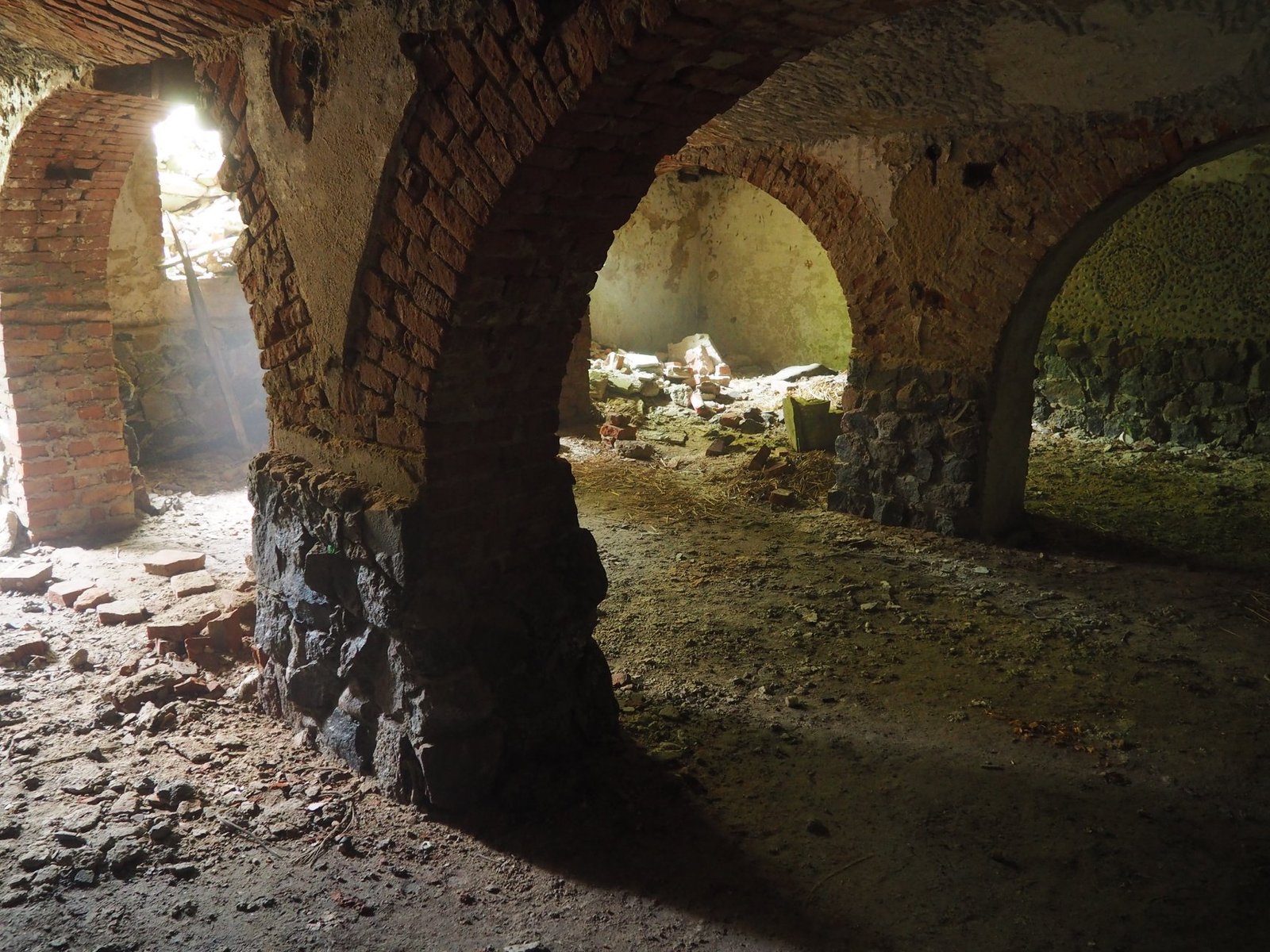
On the way to Węgorzewo we came across an abandoned manor house – a yellow, overgrown building with collapsed ceilings and peeling plaster. For me it was a kind of introduction to another type of travel that I later came to love – exploring abandoned places (urbex). Remember that such buildings can be in poor condition and belong to someone.
Węgorzewo and a downpour to finish
We reached Węgorzewo partly on roads along the lakes. There we were caught in a downpour – because of it we got back to Olsztyn several hours later than planned. There was no shortage of adventures and meetings with interesting people, but that’s exactly what the best bike trips are like.

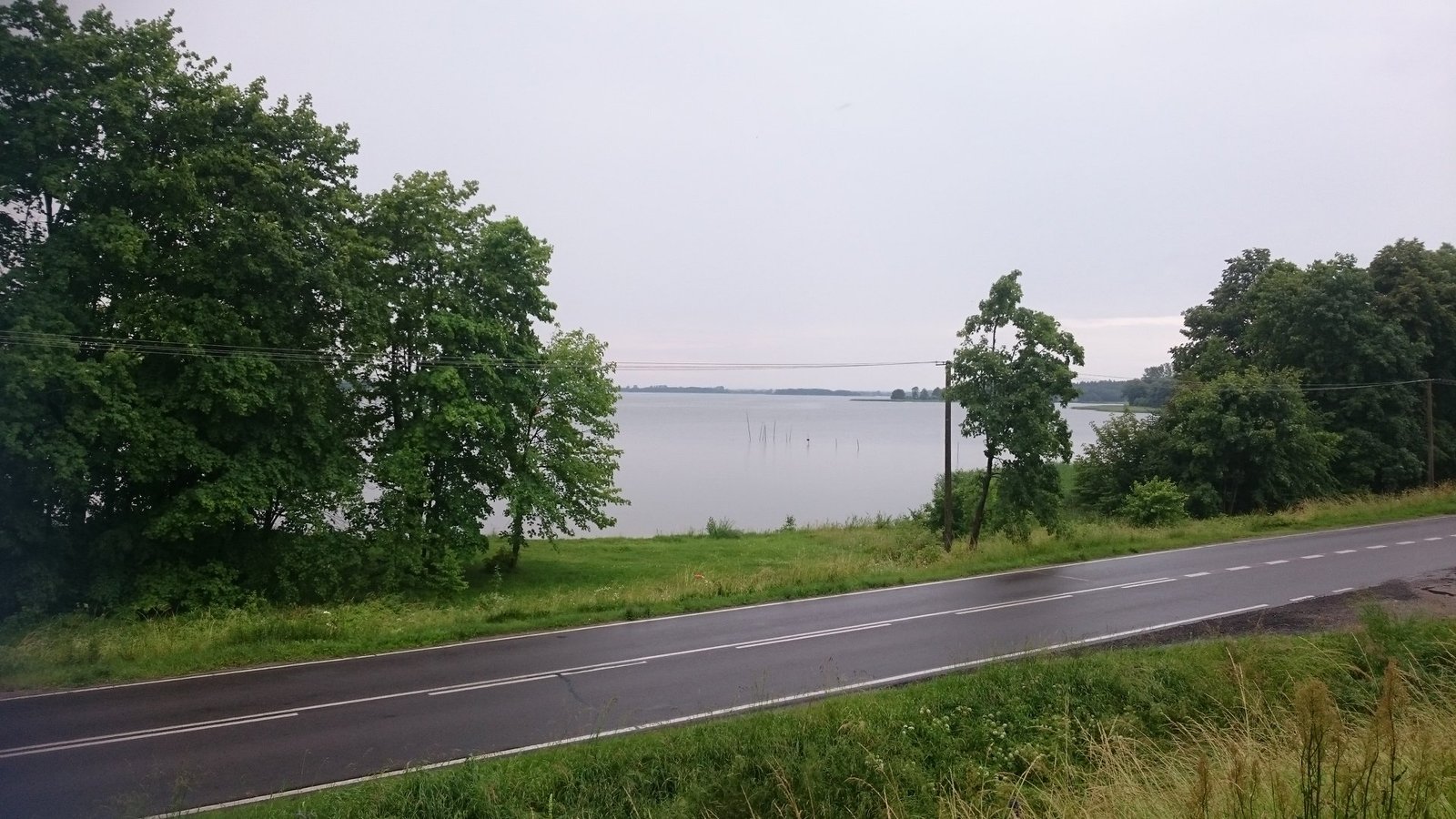
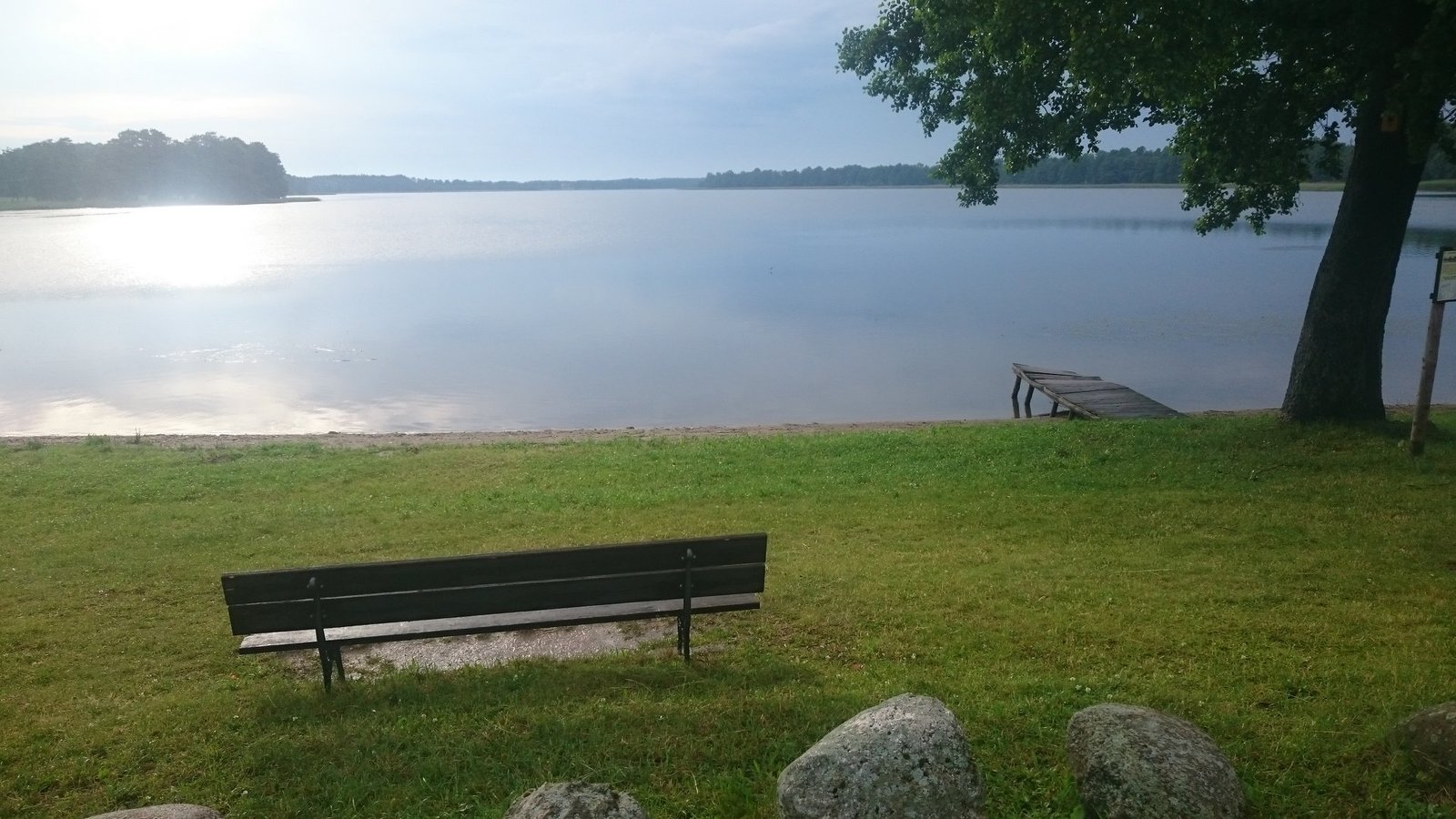
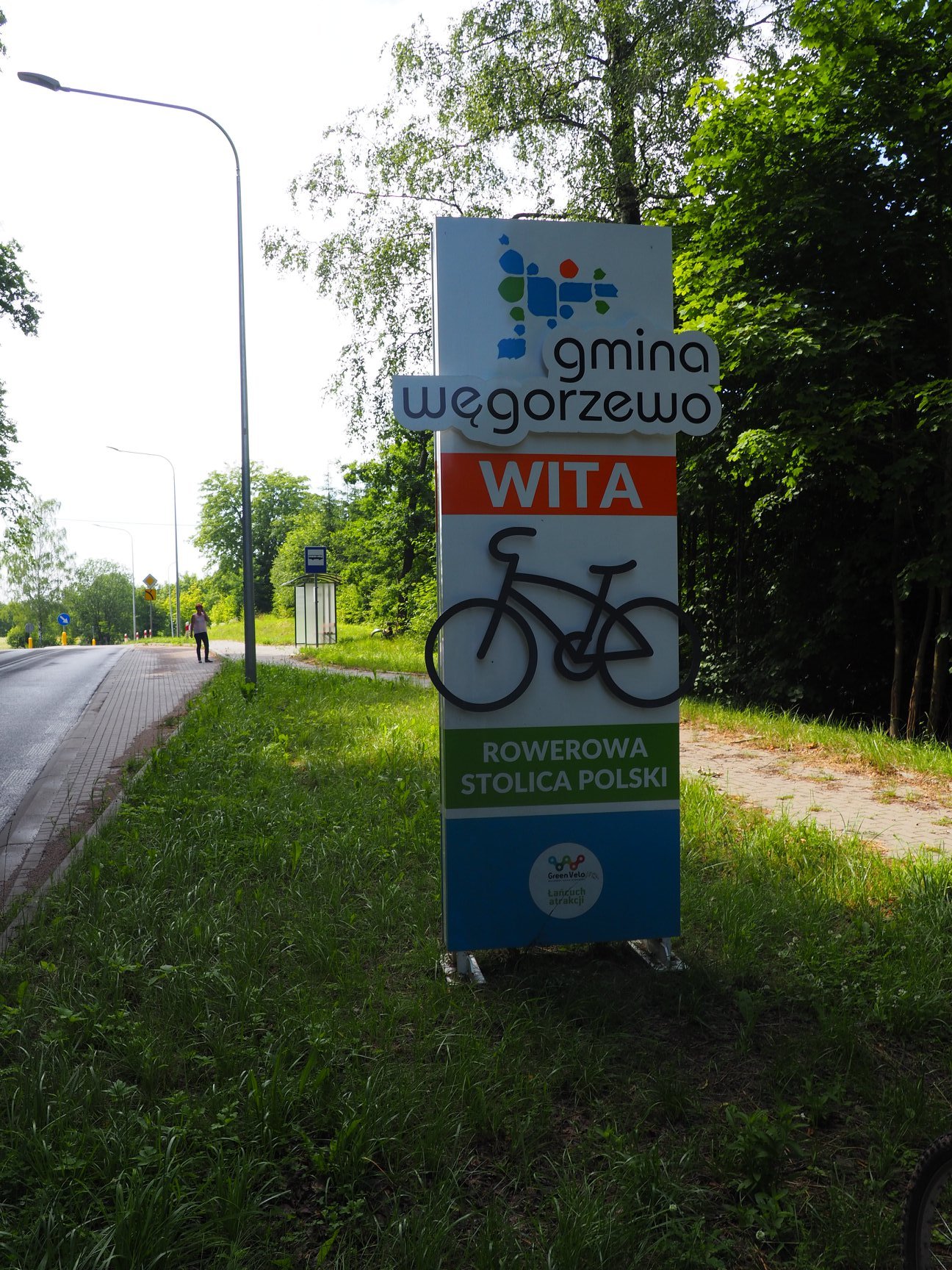
Węgorzewo (German: Angerburg) lies on Lake Mamry, from which the Węgorapa river flows out here. The Teutonic Knights built a castle here in 1398, and the town regained its municipal rights in 1571. The sign at the entrance to town lists the passenger shipping harbour, the Church of St Peter and St Paul (built in 1605–1611) and the Museum of Folk Culture – its archaeologist Jerzy Łapo also worked on dating the pyramid in Rapa.


Just two days after returning from Rapa, on 1 July 2017, Michał and I set off on another trip – through the Bieszczady Mountains to Ukraine (I summed up the whole trip in the post Ukraine 2017 in a nutshell).
Practical information
- Getting there – you can get to Giżycko by train with a bike (e.g. from Olsztyn and Białystok); from there it’s a few dozen kilometres to Rapa, partly on cycle routes. The pyramid is in Banie Mazurskie municipality, in Gołdap County.
- Green Velo – the longest cycle route in Poland (more than 2000 km through five provinces of eastern Poland) runs through Masuria, so it’s easy to plan a route on signposted roads.
- Admission – the pyramid stands in the woods, and in 2017 access was free; you visit the interior at your own risk.
- Surface – be prepared for dirt roads and puddles, especially after rain; a trekking or mountain bike and panniers instead of a backpack will come in handy.
- Weather – in Masuria summer storms arrive quickly; it’s worth having a rain jacket and a plan for sitting out a downpour.
- Distance from Green Velo – according to the route’s website, the pyramid is about 8.6 km from the main route.
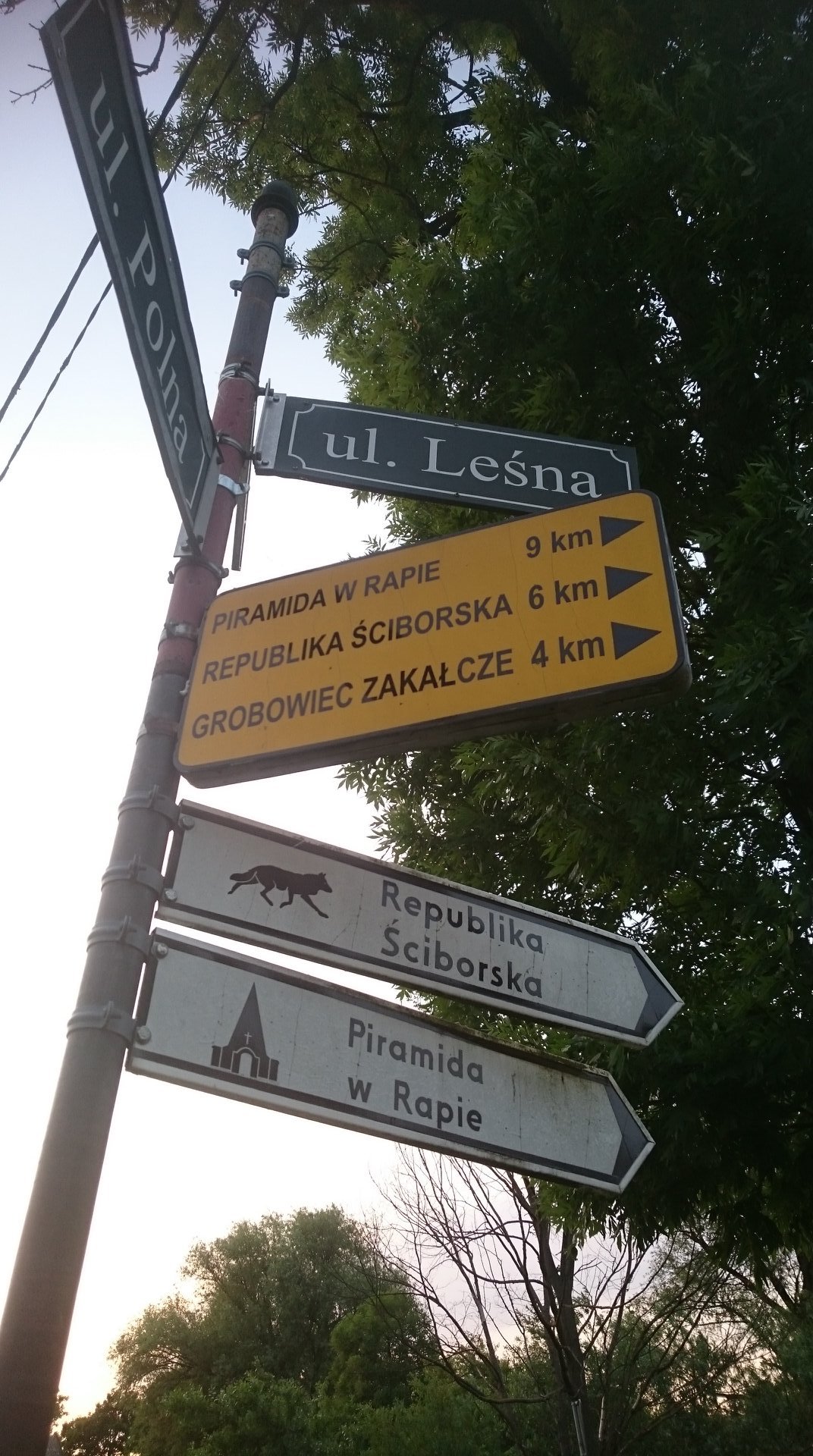
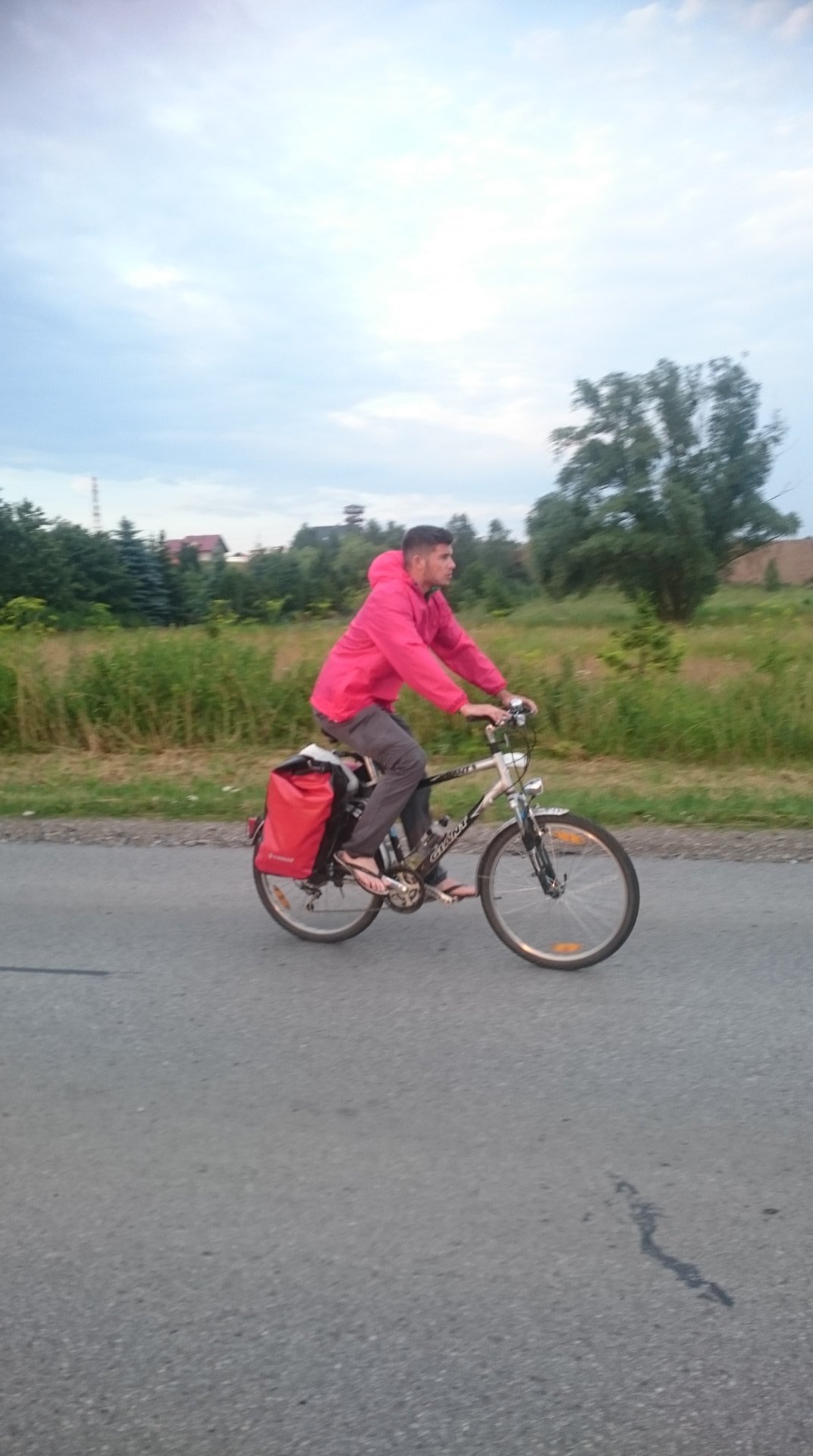
Photo gallery