For more than four years, from 2019 to 2023, I lived in Berlin, and I think that whenever I come here I will always feel as if I were coming home. That is how it felt at the end of December 2024 (25–28 December), too, when I came back for a few days – partly to do some sightseeing, partly with a specific mission to complete. For a long time I had been promising myself an article about what is worth seeing in Berlin – not just the most obvious places. So below is my list, the one I recommend to everyone who asks me about Berlin, updated with the December trip and practical tips from the years I lived here. Many places have their own detailed posts – I link to them in each section.
Table of contents
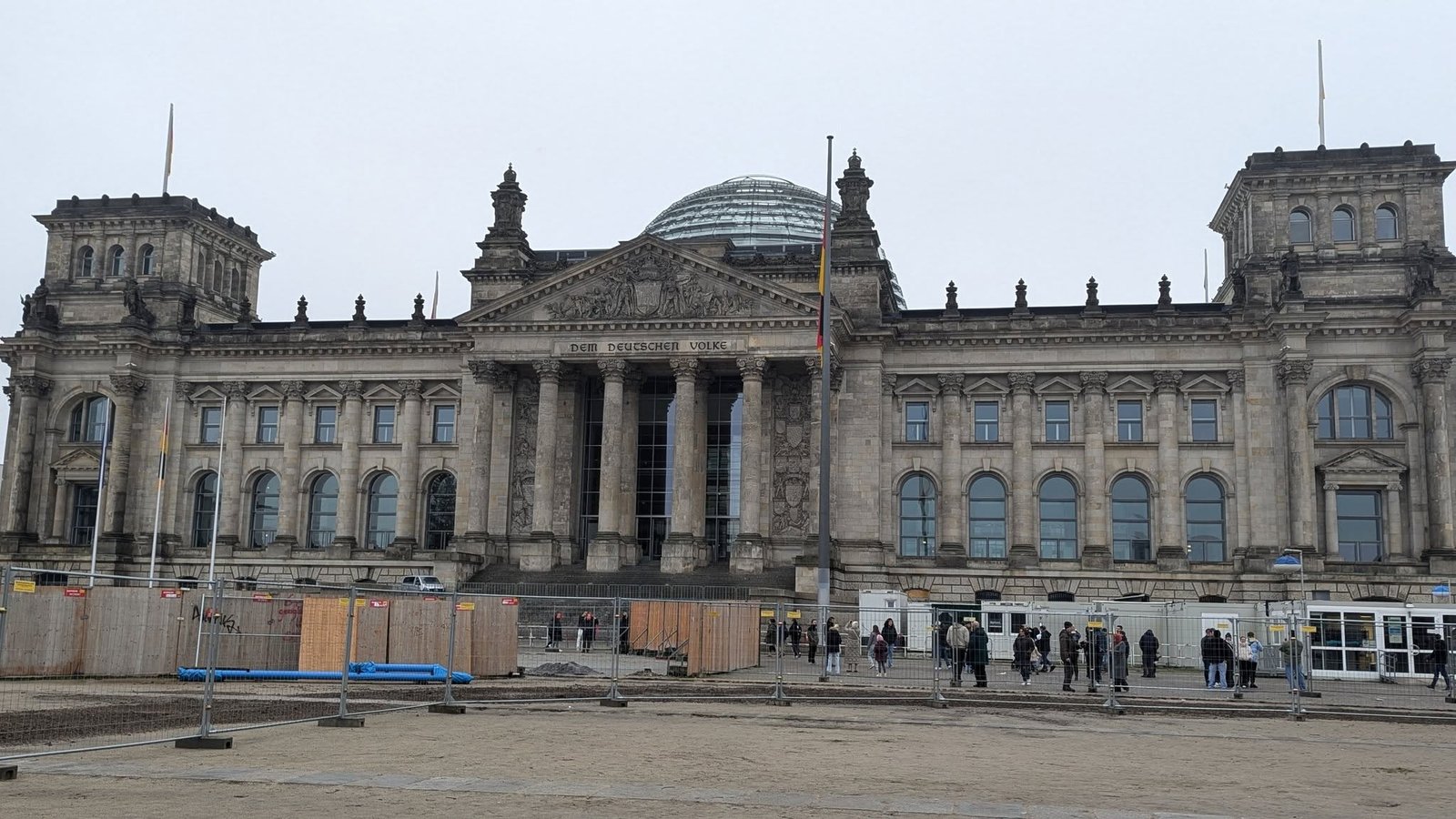
- The Brandenburg Gate, the Reichstag and the Memorial to the Murdered Jews of Europe
- Potsdamer Platz, the Topography of Terror and Checkpoint Charlie
- Gendarmenmarkt, Bebelplatz and Unter den Linden
- Berlin Cathedral and its viewing terrace
- Nikolaiviertel, Alexanderplatz and the TV Tower
- The Berlin Wall – East Side Gallery, Bernauer Straße and Tränenpalast
- Museum Island and the New Synagogue
- Tiergarten and West Berlin – the Victory Column, the Memorial Church and Ku’damm
- Green Berlin and the surroundings
- Berlin all year round – Christmas markets, festivals and football
- Practical information
The Brandenburg Gate, the Reichstag and the Memorial to the Murdered Jews of Europe
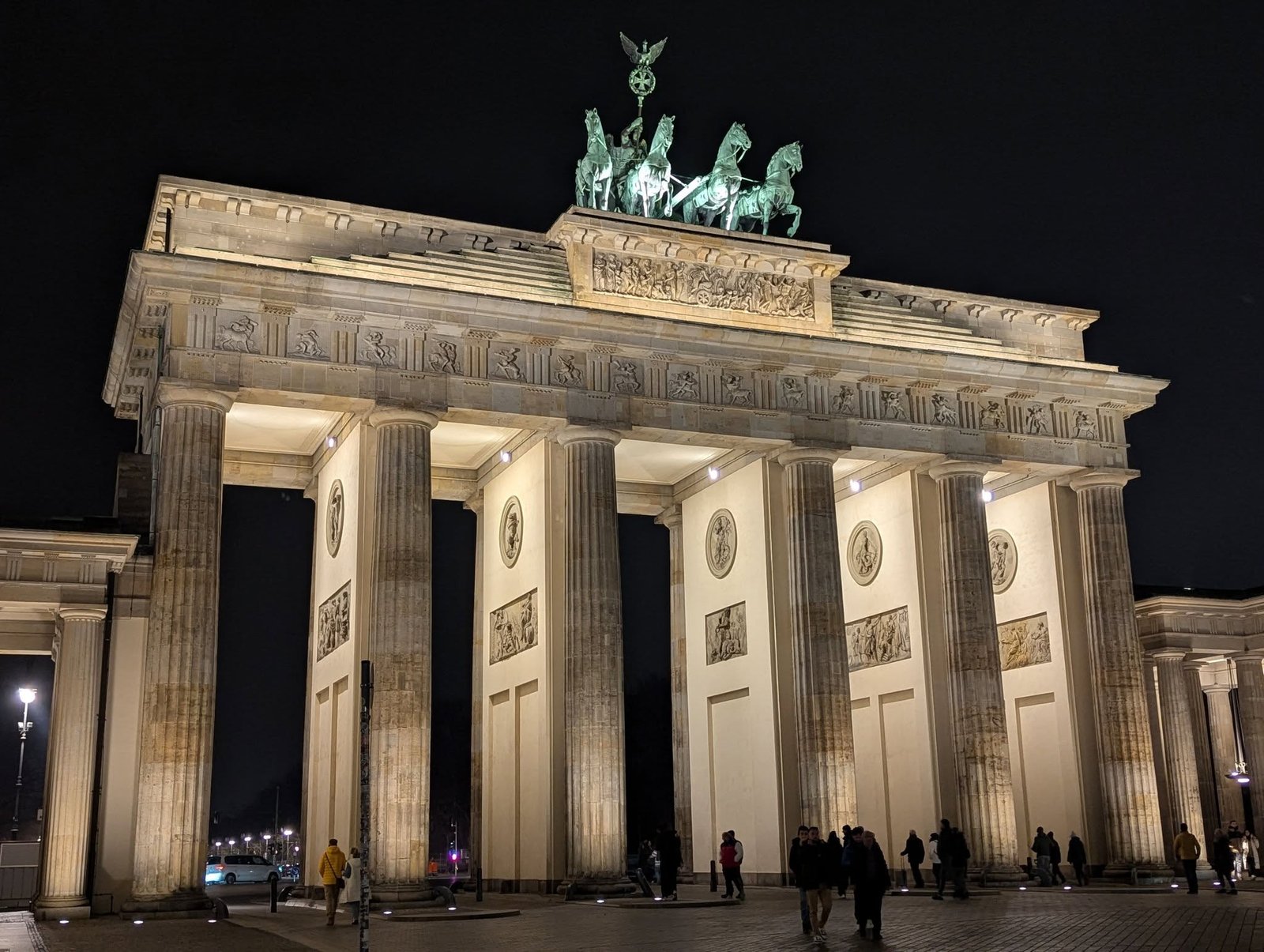
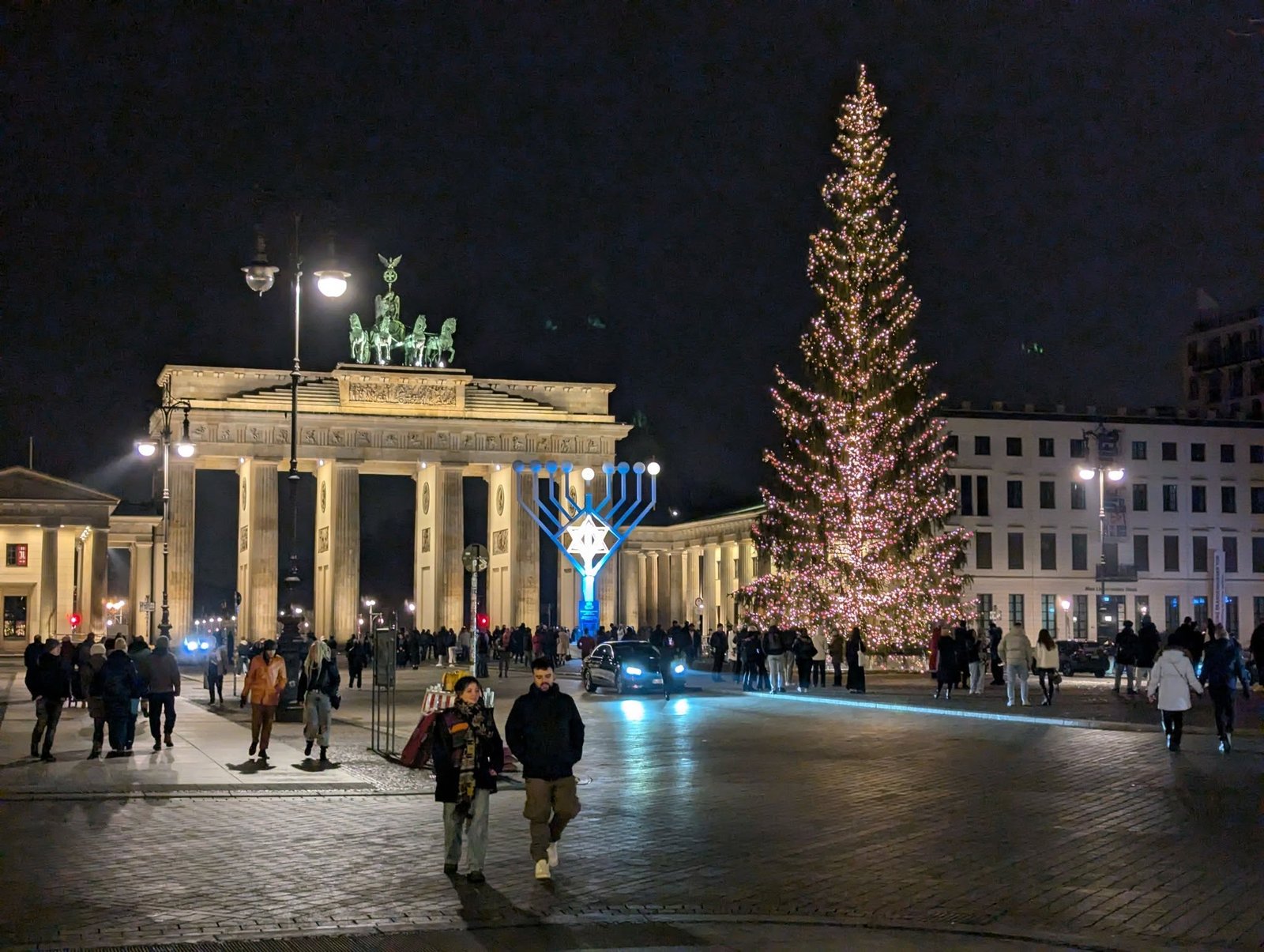
The best place to start is the city’s best-known symbol – the Brandenburg Gate (Brandenburger Tor). By day it impresses with its size, and in the evening it is beautifully lit. In December 2024 a huge Christmas tree stood next to it.
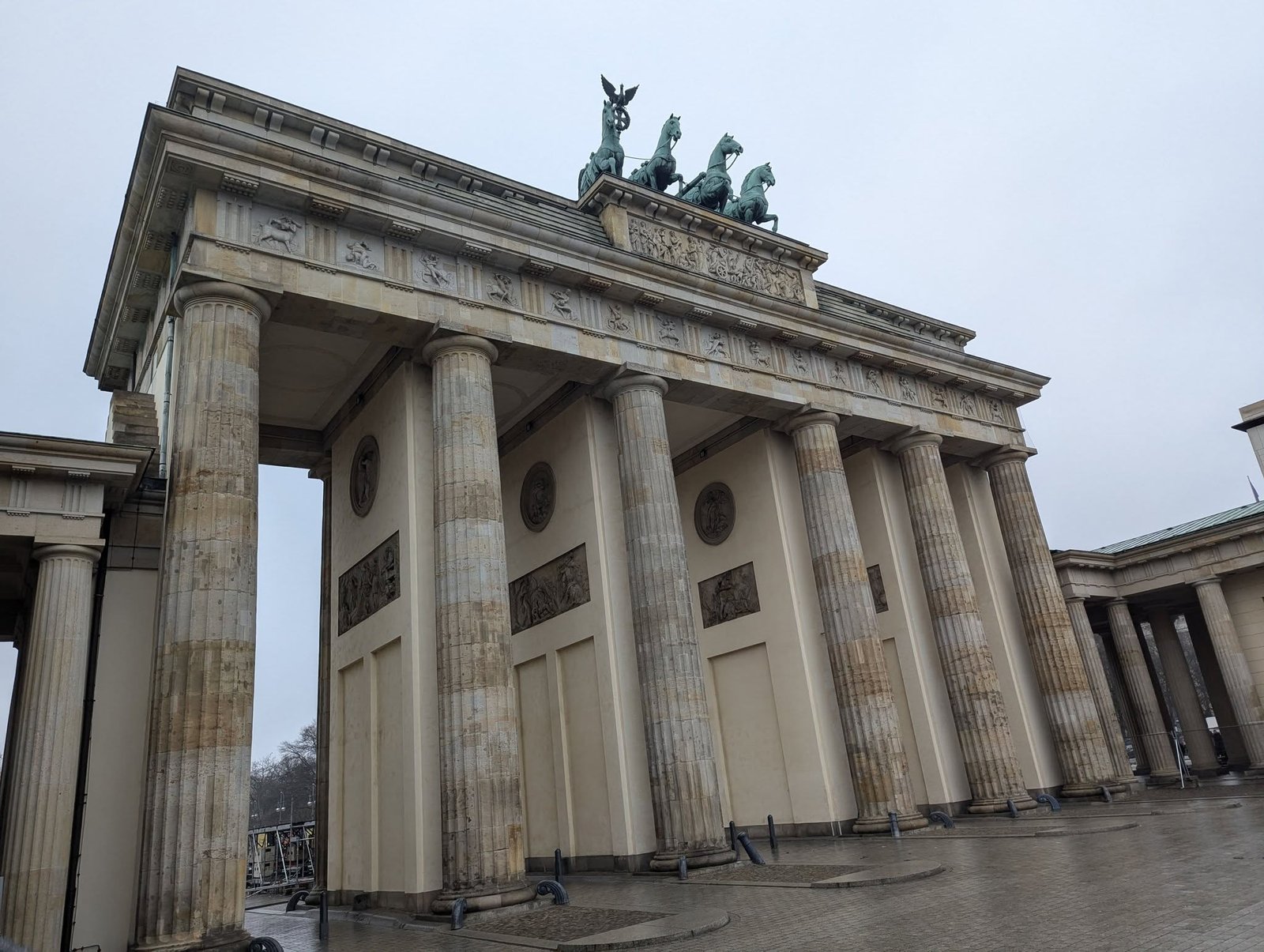
A few minutes’ walk from the Gate stands the Reichstag, the seat of the Bundestag. You can look at it from the outside without any booking – to go inside you have to register in advance.
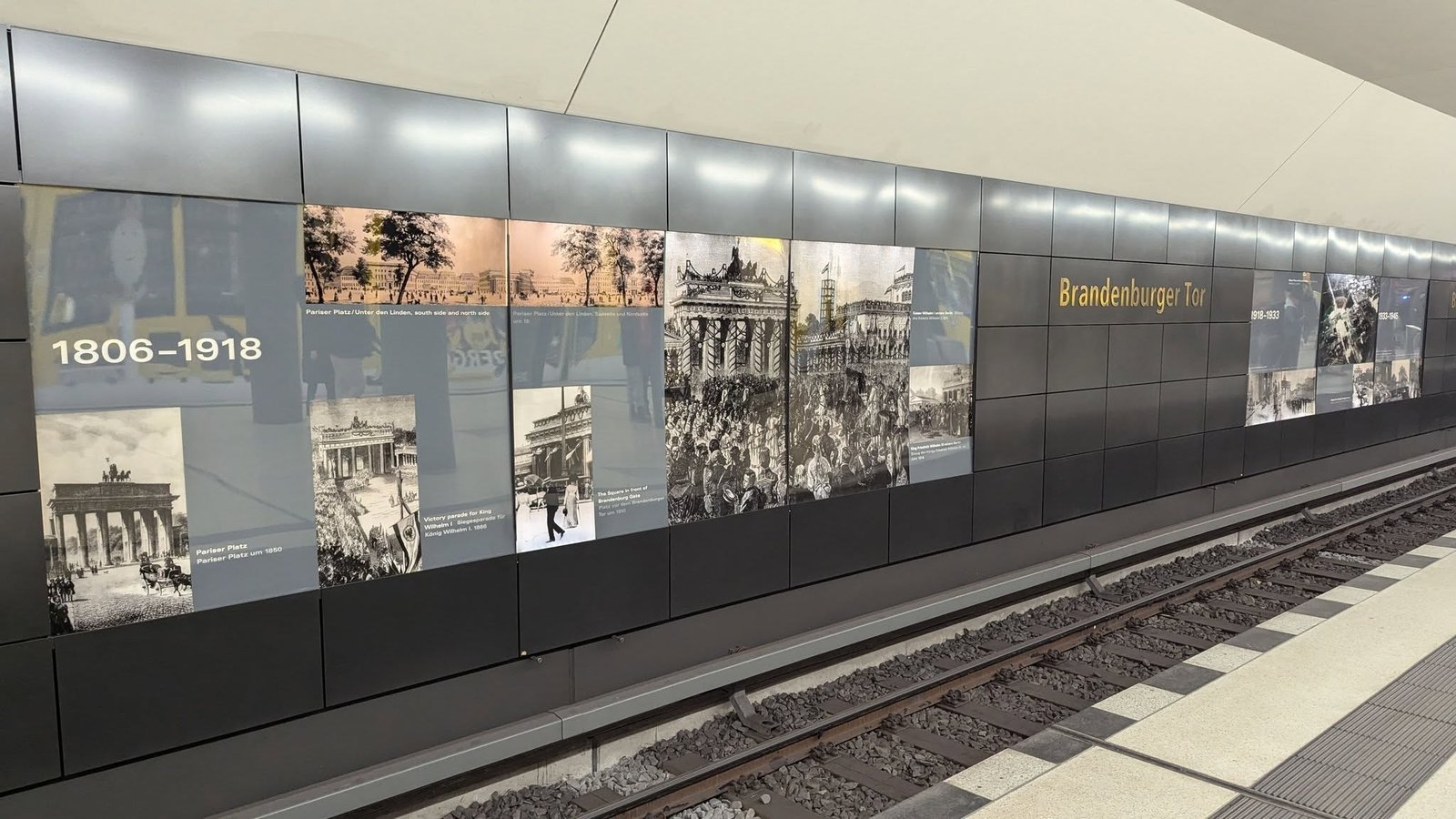
Even the Brandenburger Tor U-Bahn station is a small history lesson – the platform walls are hung with photos from the history of the Gate and its surroundings.
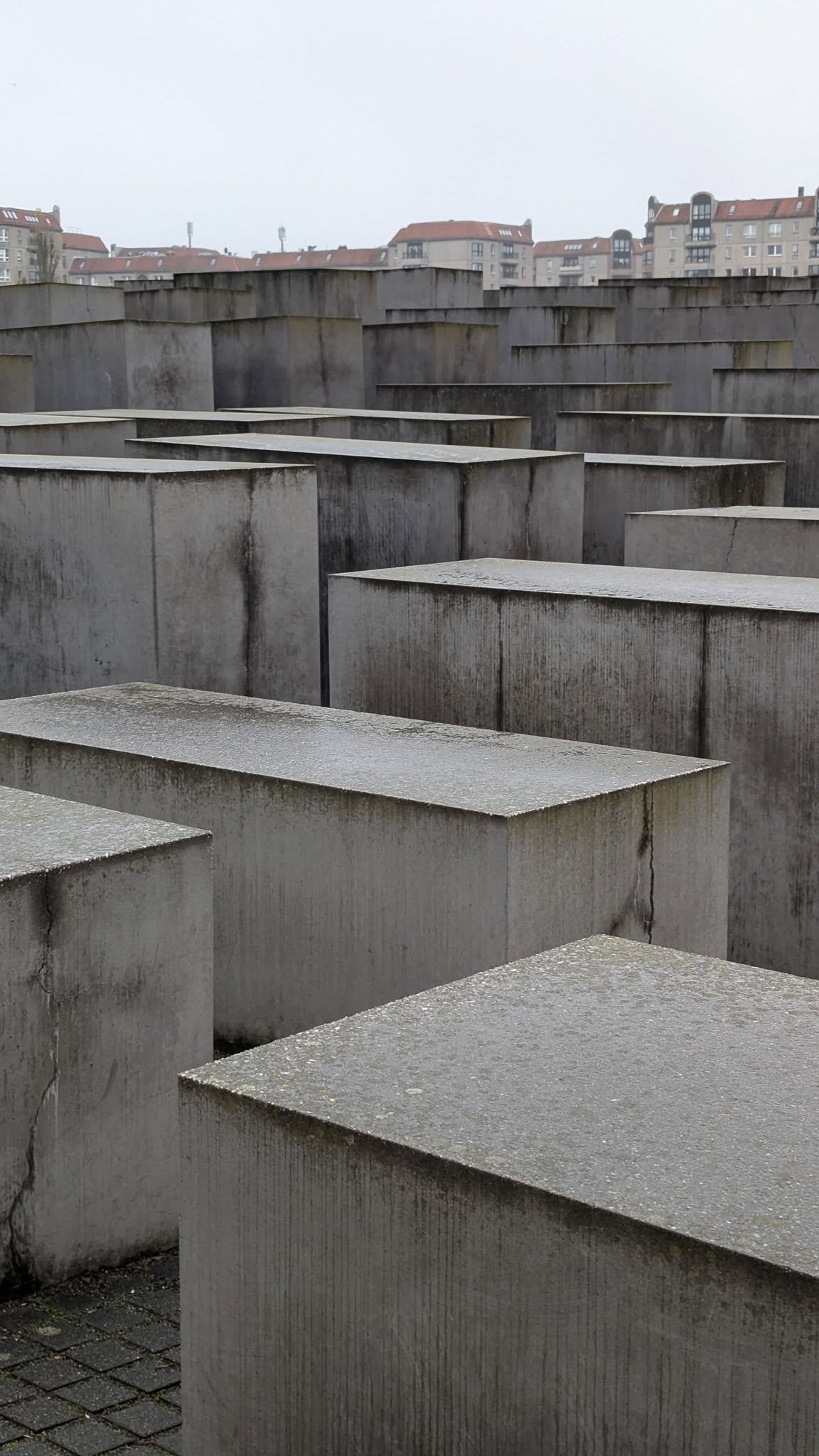
South of the Gate is the Memorial to the Murdered Jews of Europe – a field of concrete blocks of different heights, with narrow paths between them. It is a place of remembrance, not a playground: many people don’t know that and climb onto the blocks or jump across them. It is worth keeping in mind.
Right next to the Gate there is a wax museum – whether it is worth a visit, I write in the post Berlin: Madame Tussauds. In autumn, the light projections of the Festival of Lights fall on the Gate and other buildings in the centre.
Potsdamer Platz, the Topography of Terror and Checkpoint Charlie
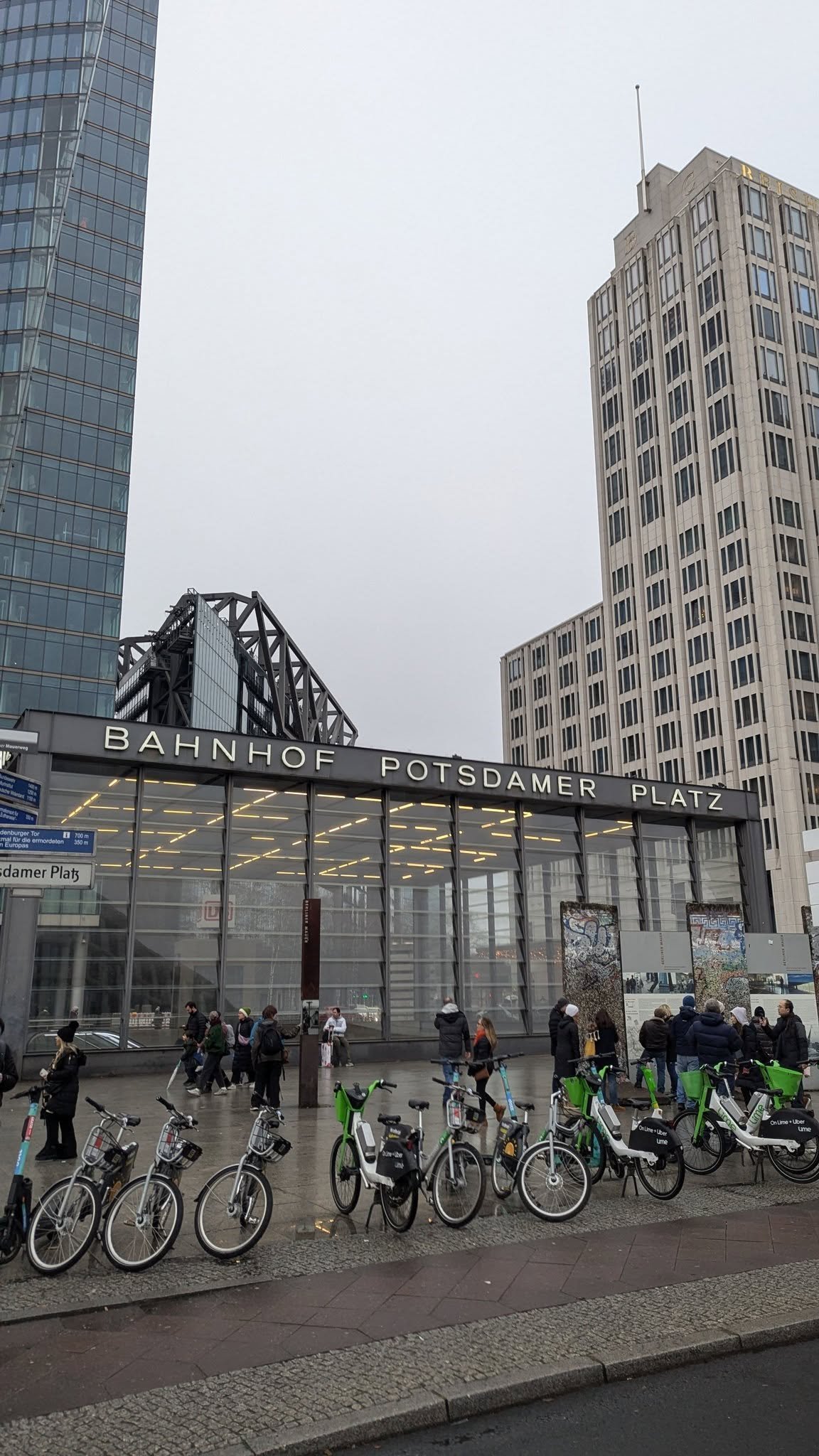
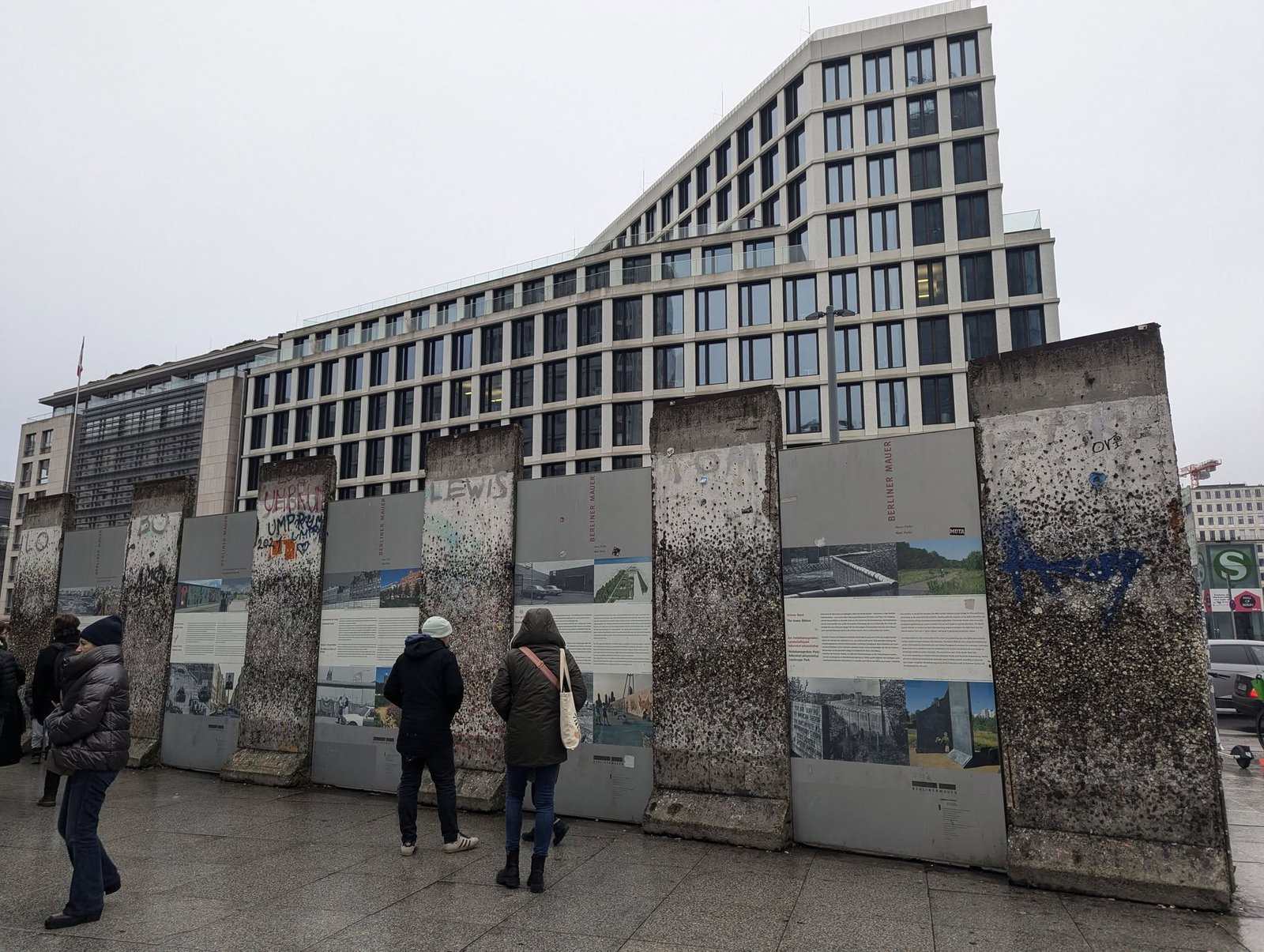
A little further south lies Potsdamer Platz, with modern high-rises and sections of the Berlin Wall. It is the symbol of the “new Berlin” – while the Wall stood, there was practically nothing here, and everything you see today was built only after the city was reunited.
In December 2024 a giant snow globe with a snowman and Christmas trees inside stood in front of the glass buildings near the square.
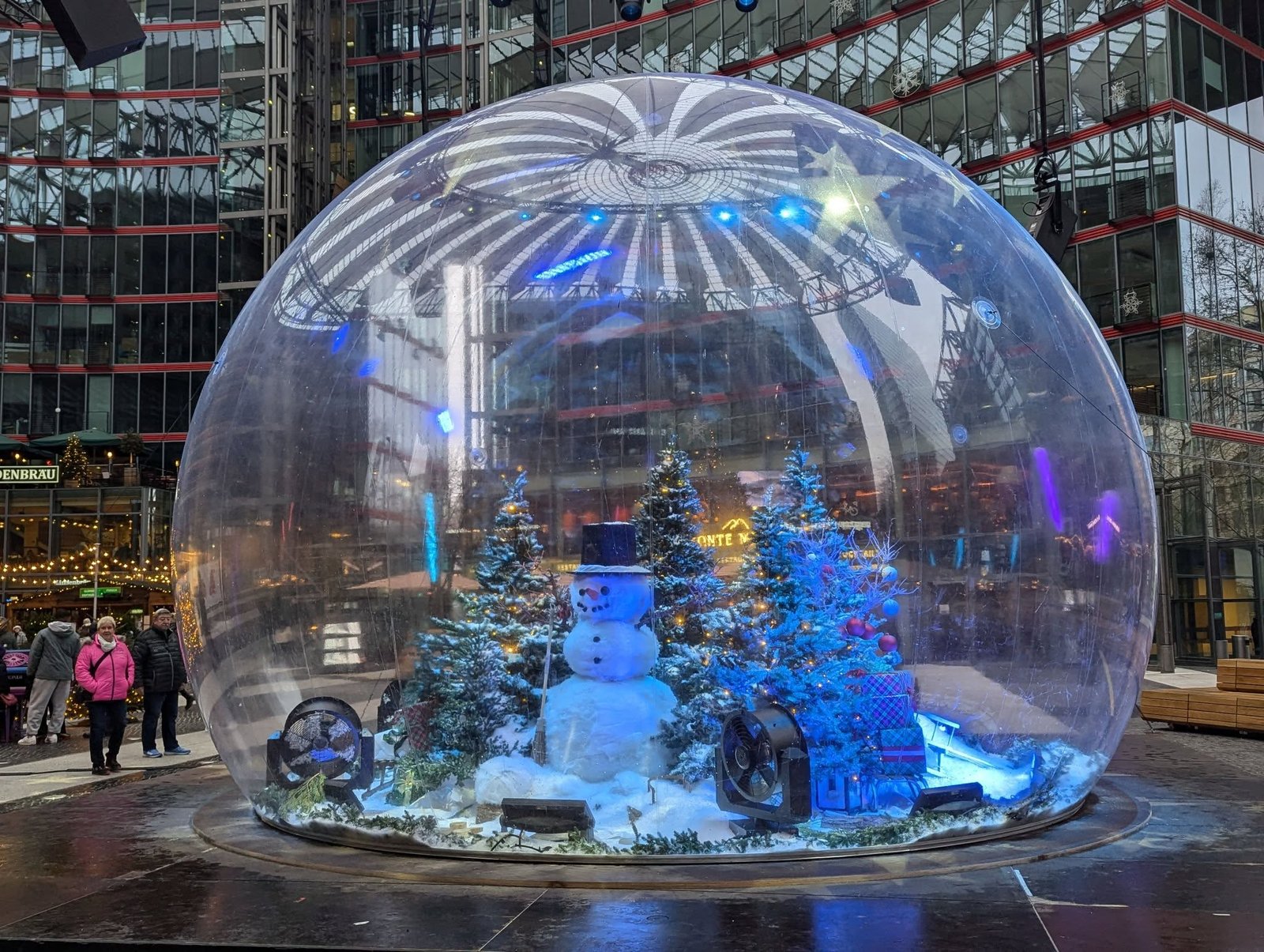
Walking further south, you reach the Topography of Terror (Topographie des Terrors) – a free museum about Nazi terror. Very close by is Checkpoint Charlie – the best-known crossing point between the eastern and western parts of the city from the days of the Wall.
Gendarmenmarkt, Bebelplatz and Unter den Linden
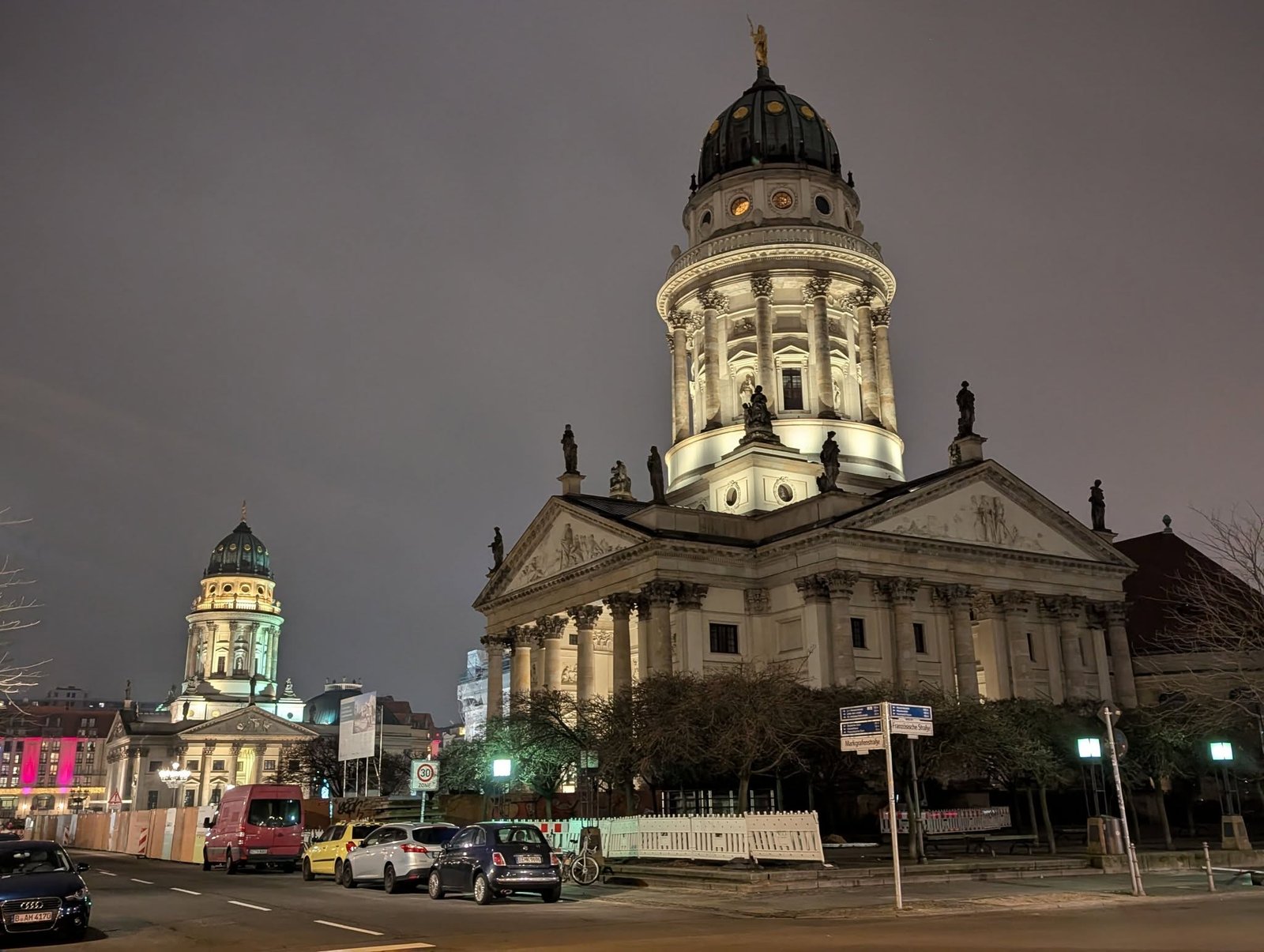
From Checkpoint Charlie it is worth heading north to Gendarmenmarkt and Bebelplatz – two beautiful squares with grand architecture. On Gendarmenmarkt two twin cathedrals, the German and the French, face each other, with the Konzerthaus between them.
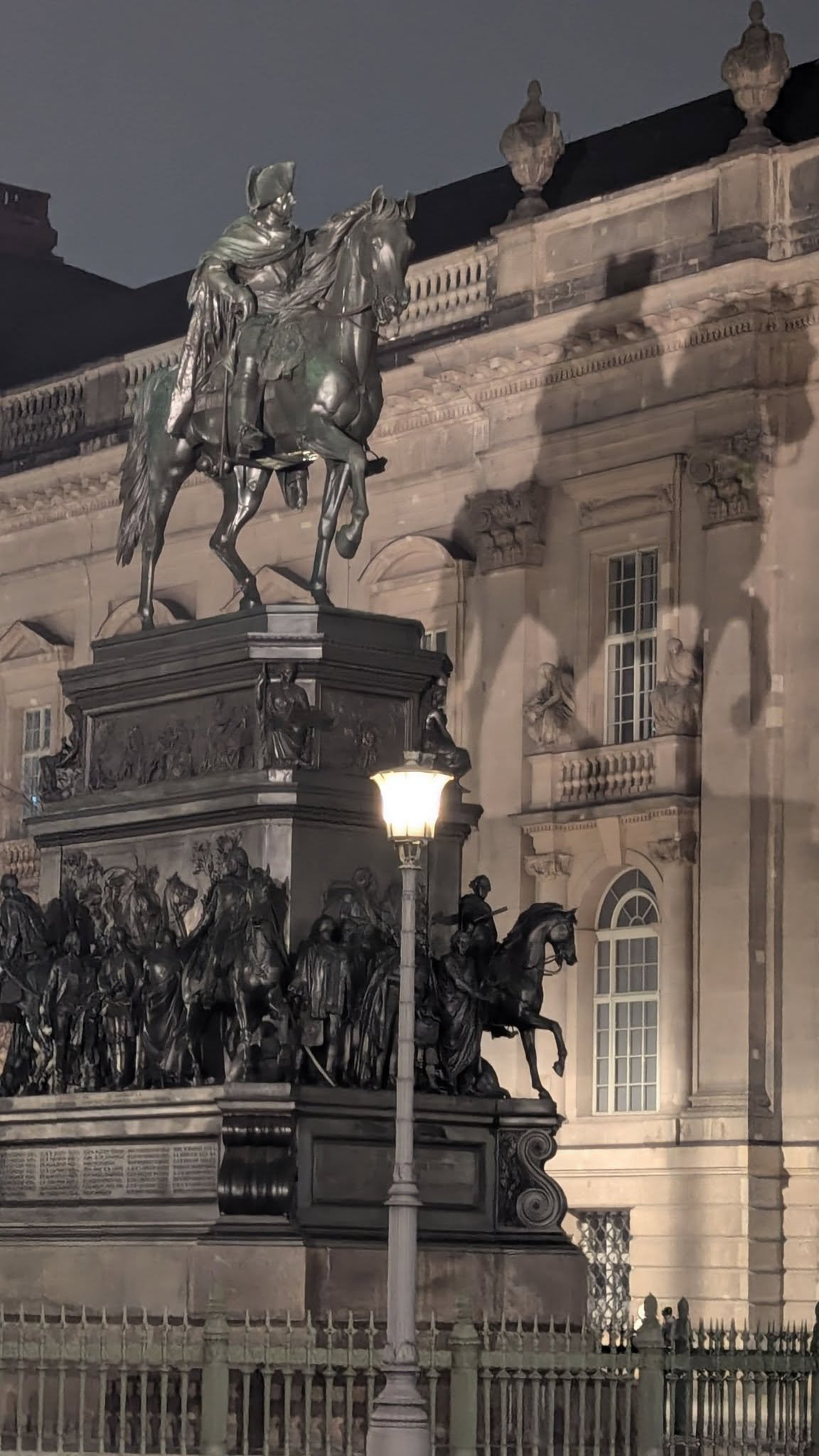
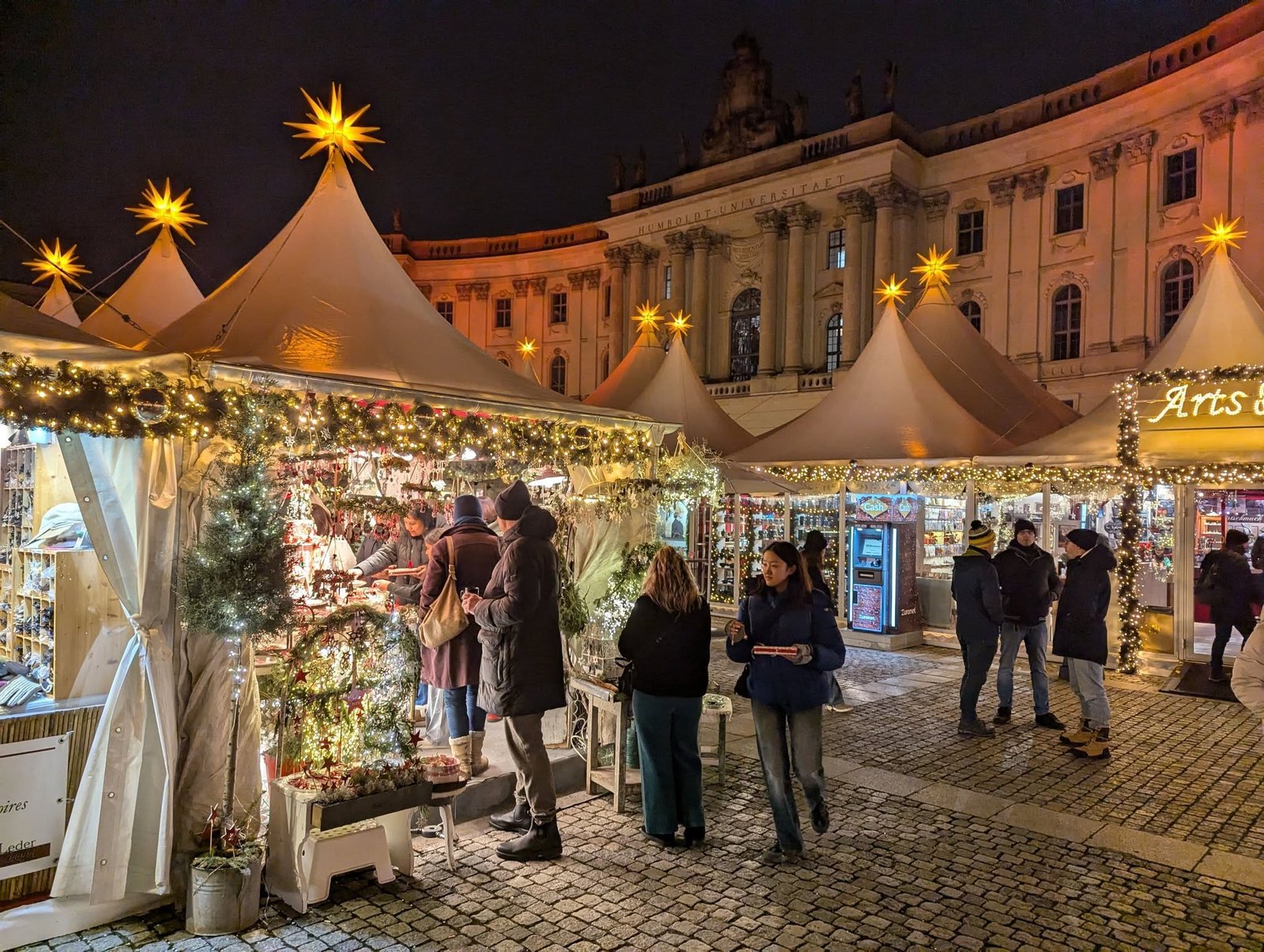
Bebelplatz lies on the grand boulevard of Unter den Linden, where you will also find the equestrian statue of Frederick the Great, among other things. In December 2024 the square hosted an elegant Christmas market with white tents.
Berlin Cathedral and its viewing terrace
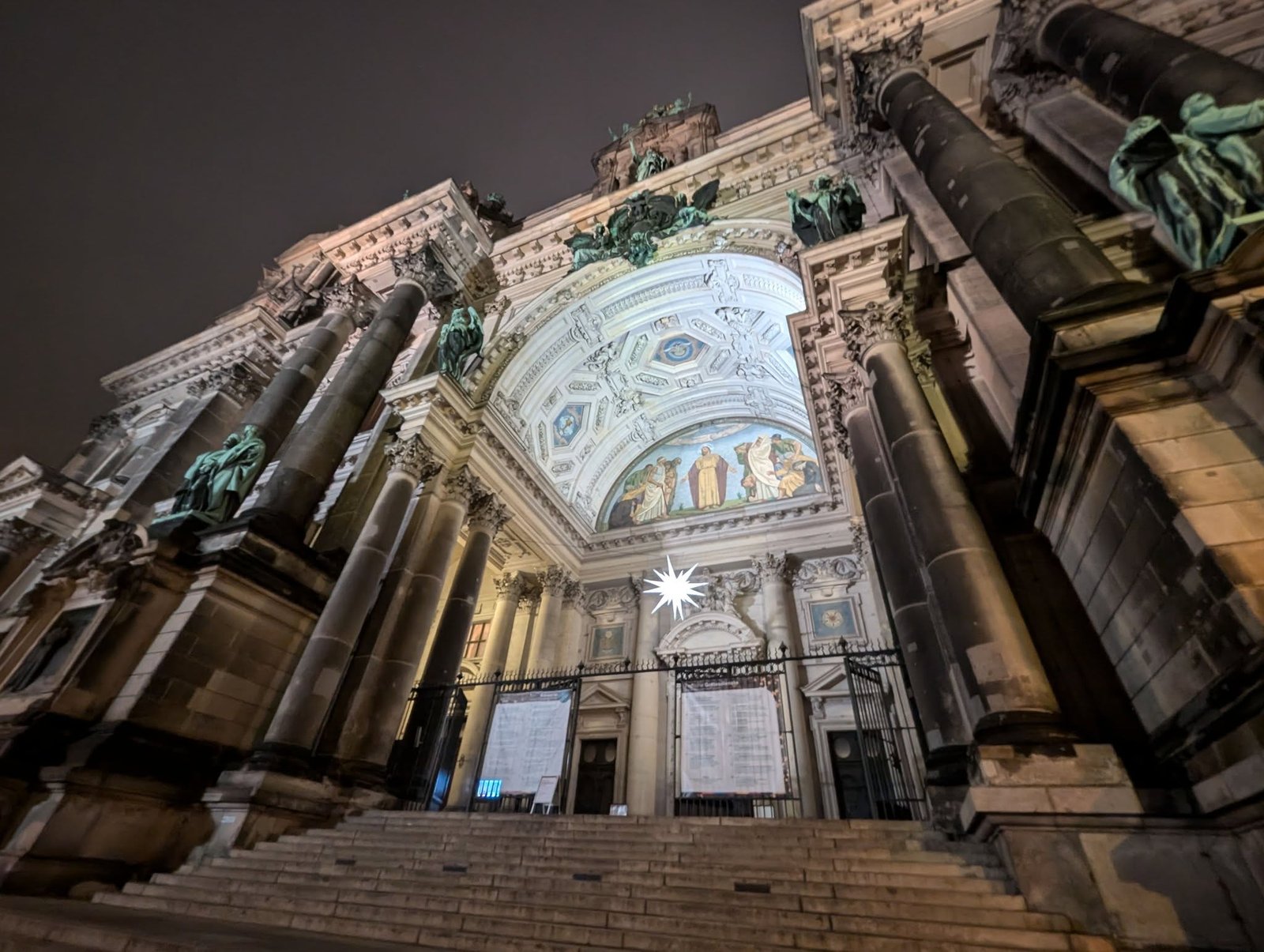
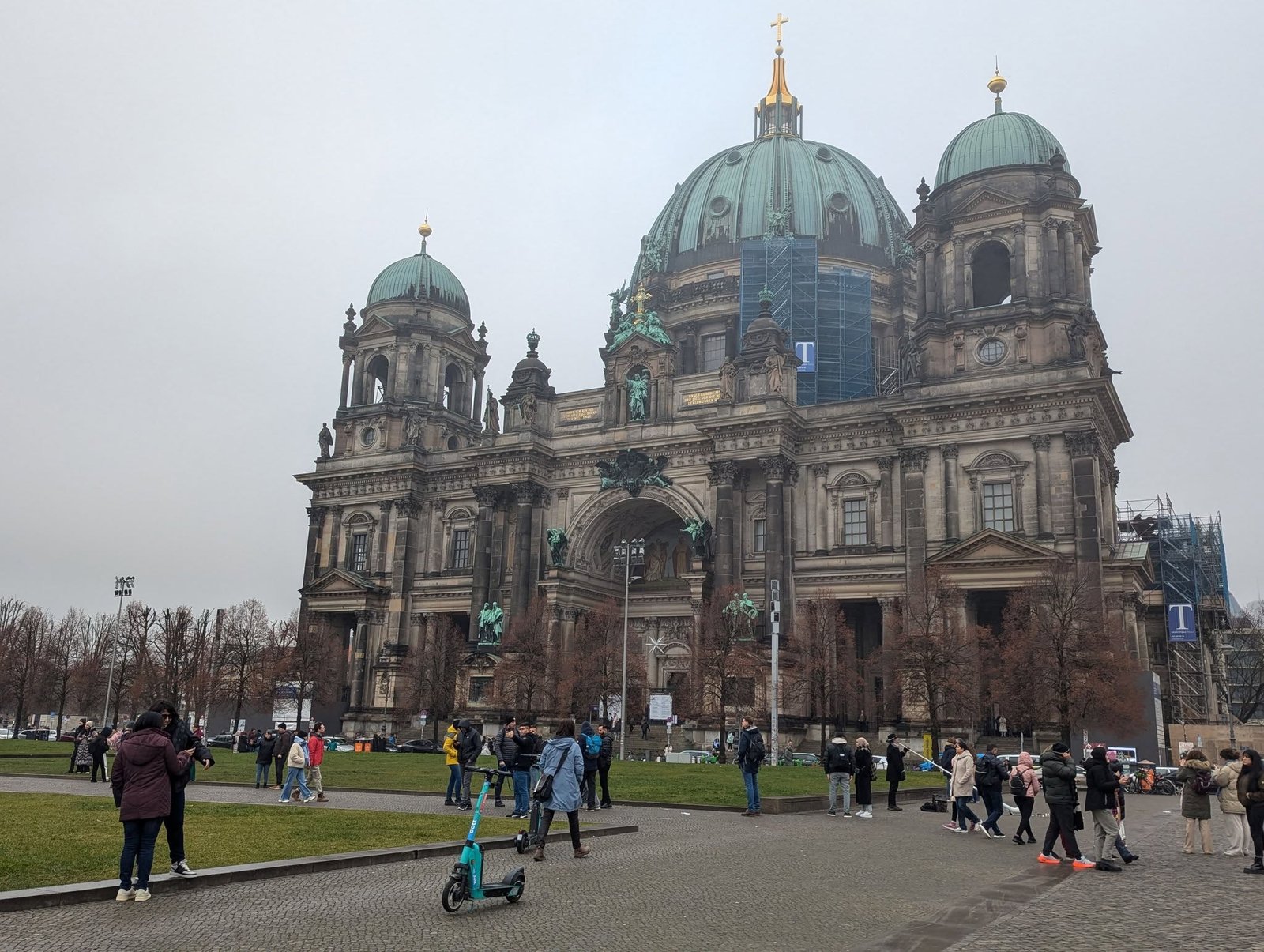
From Bebelplatz it is a really short walk to Berlin Cathedral (Berliner Dom), which stands on the Spree on Museum Island. Although I lived in Berlin for several years, I only went inside in December 2024 – and it was a nice novelty for me. Admission cost €10.
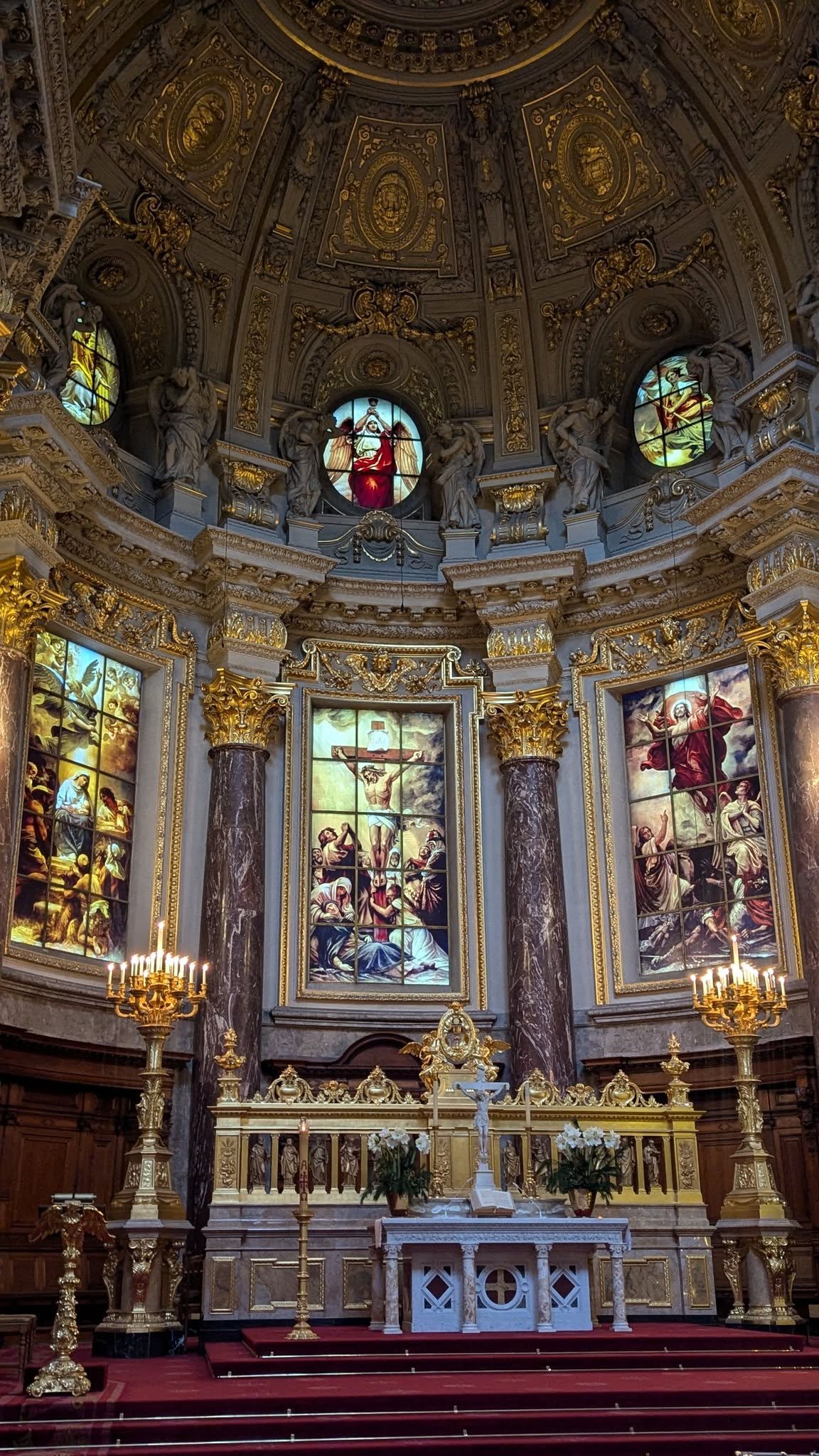
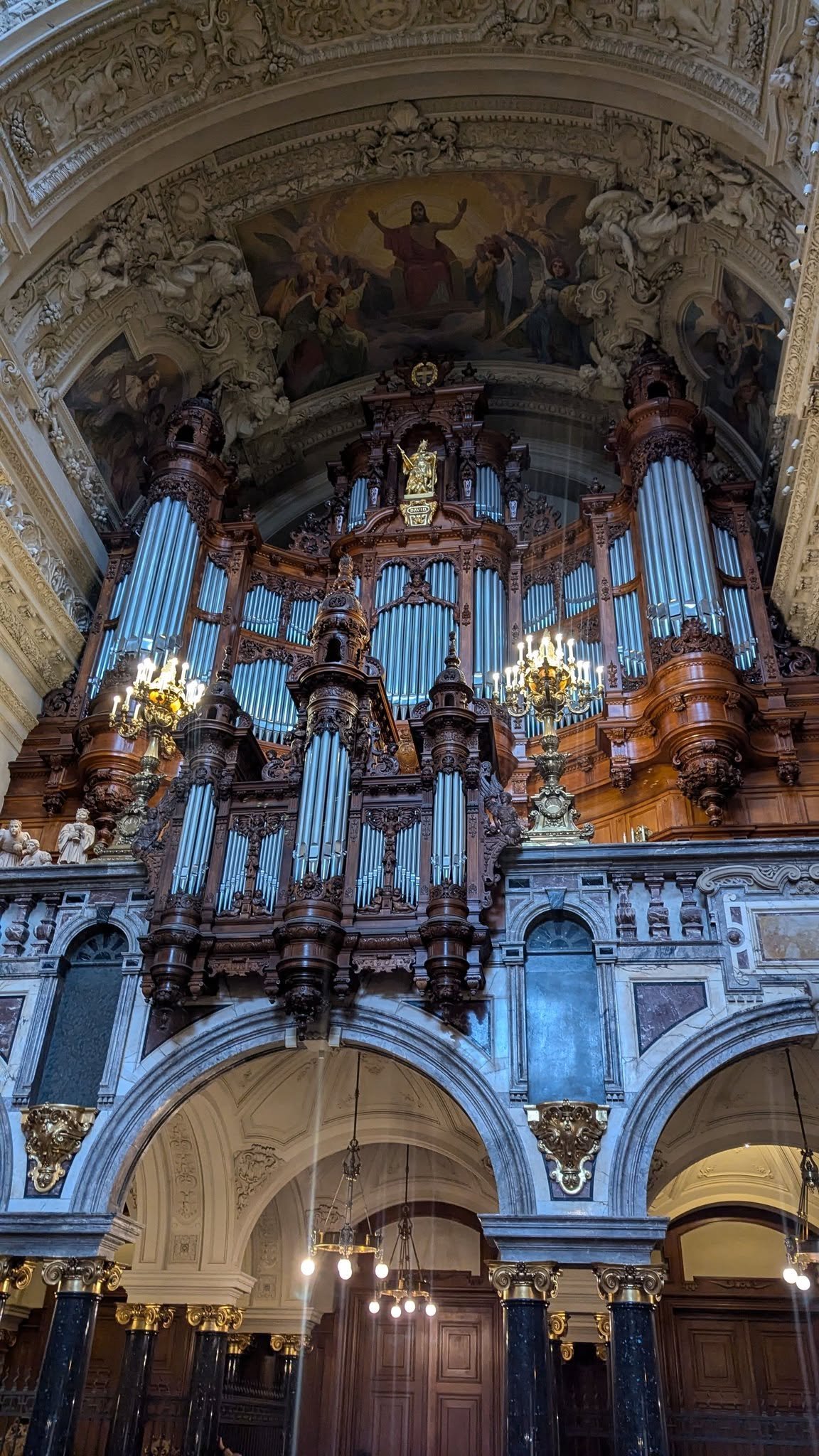
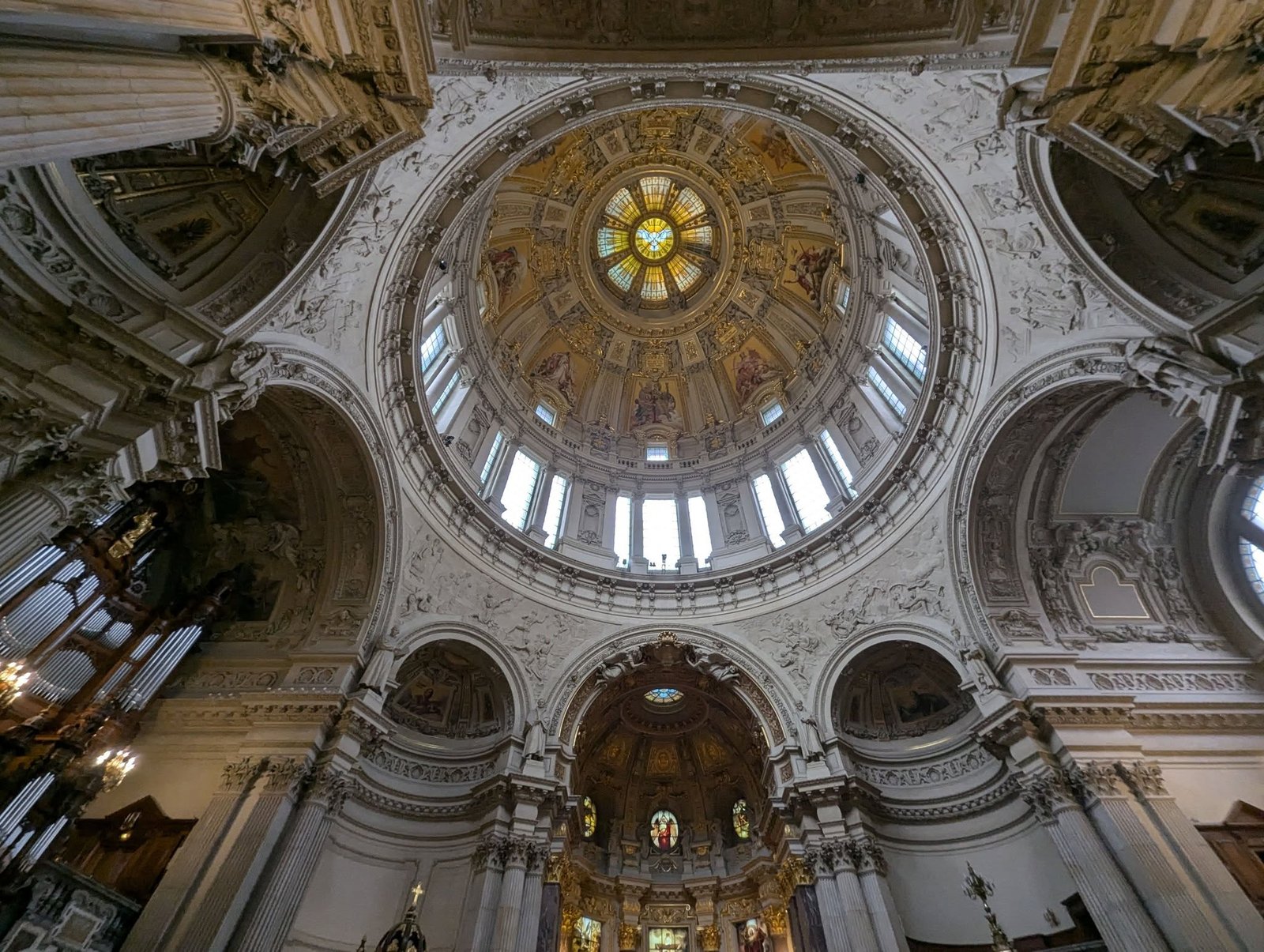
The interior is richly decorated – a gilded altar, stained-glass windows, a huge organ and a dome covered in mosaics.
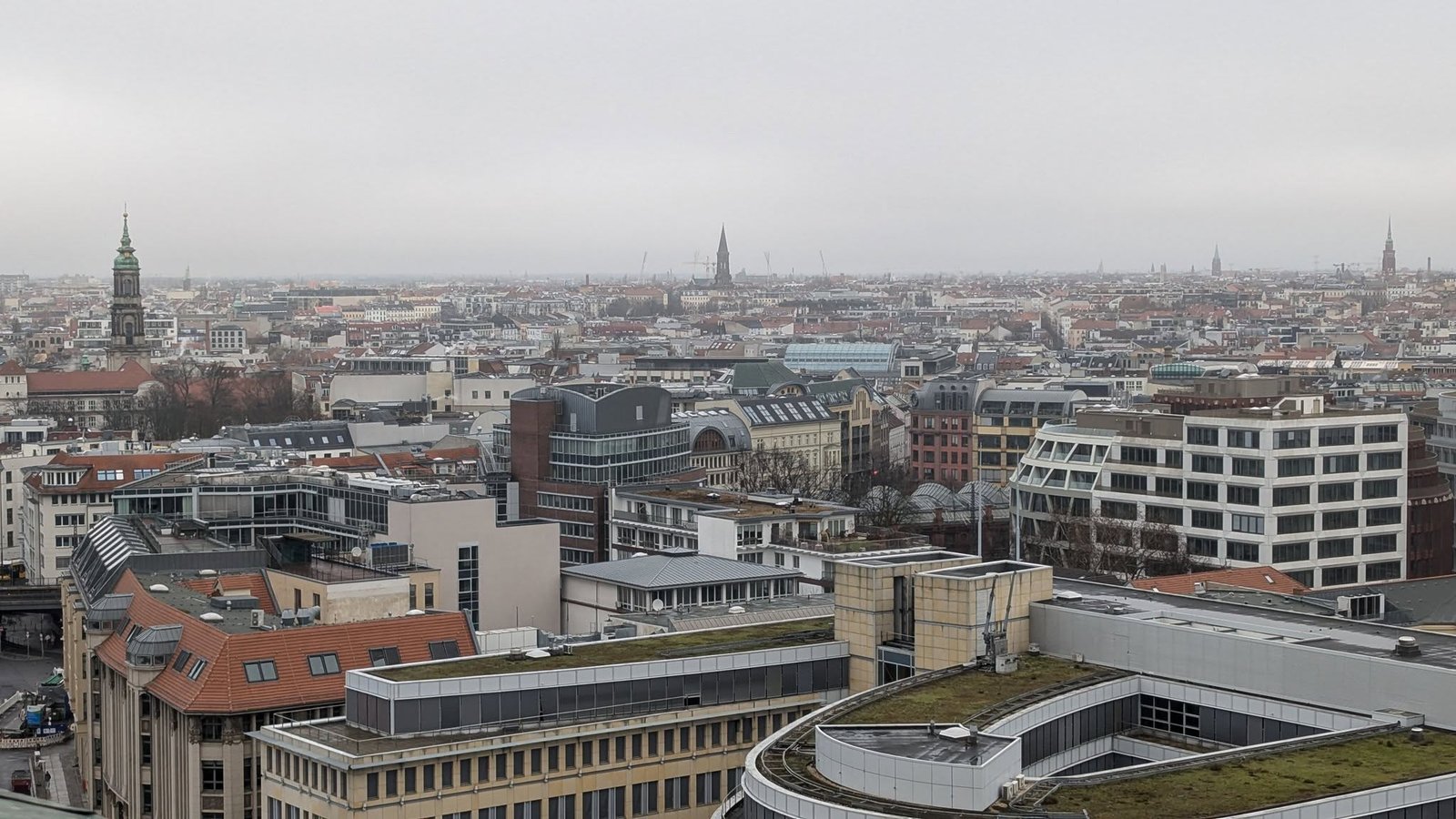
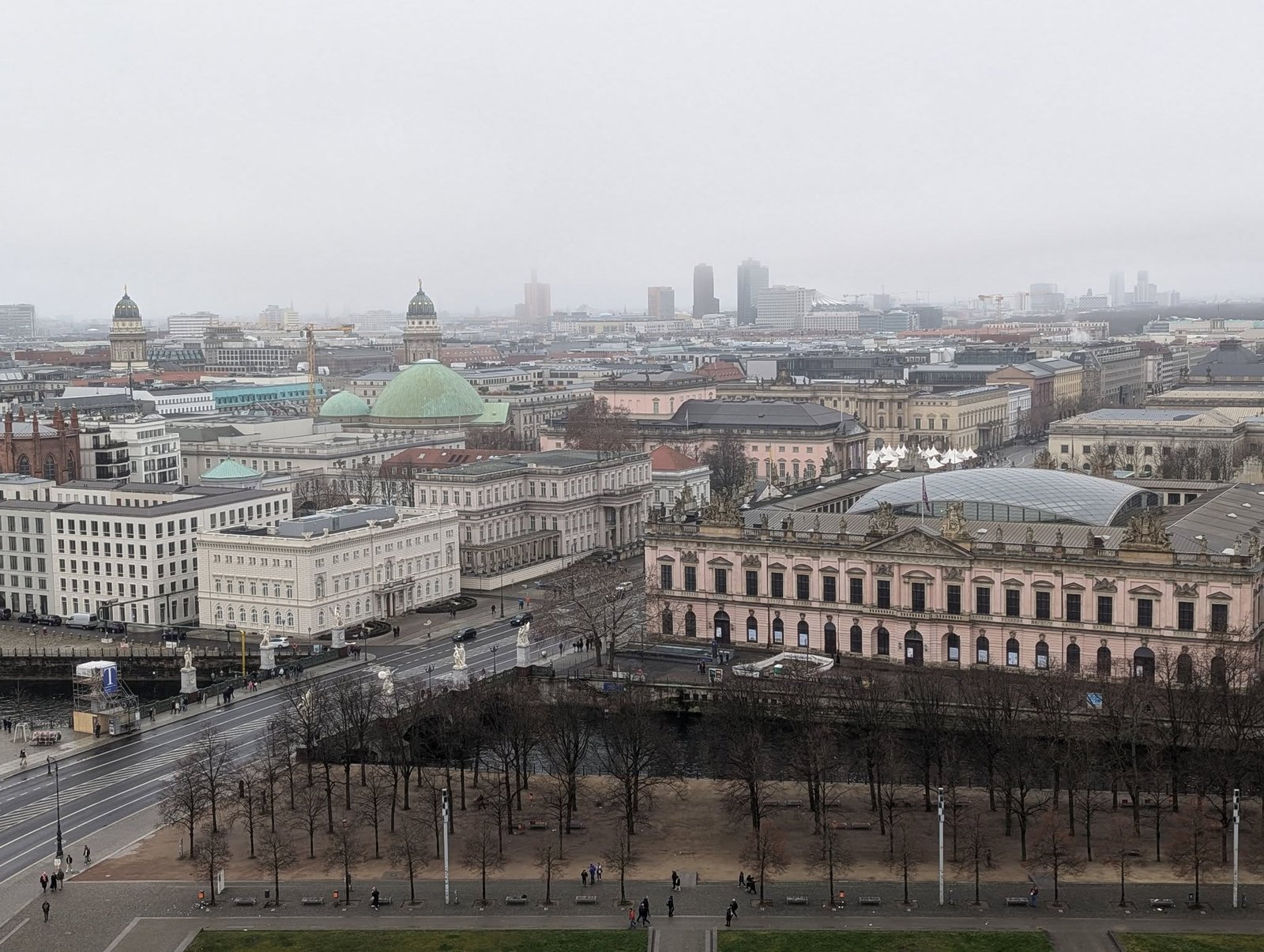
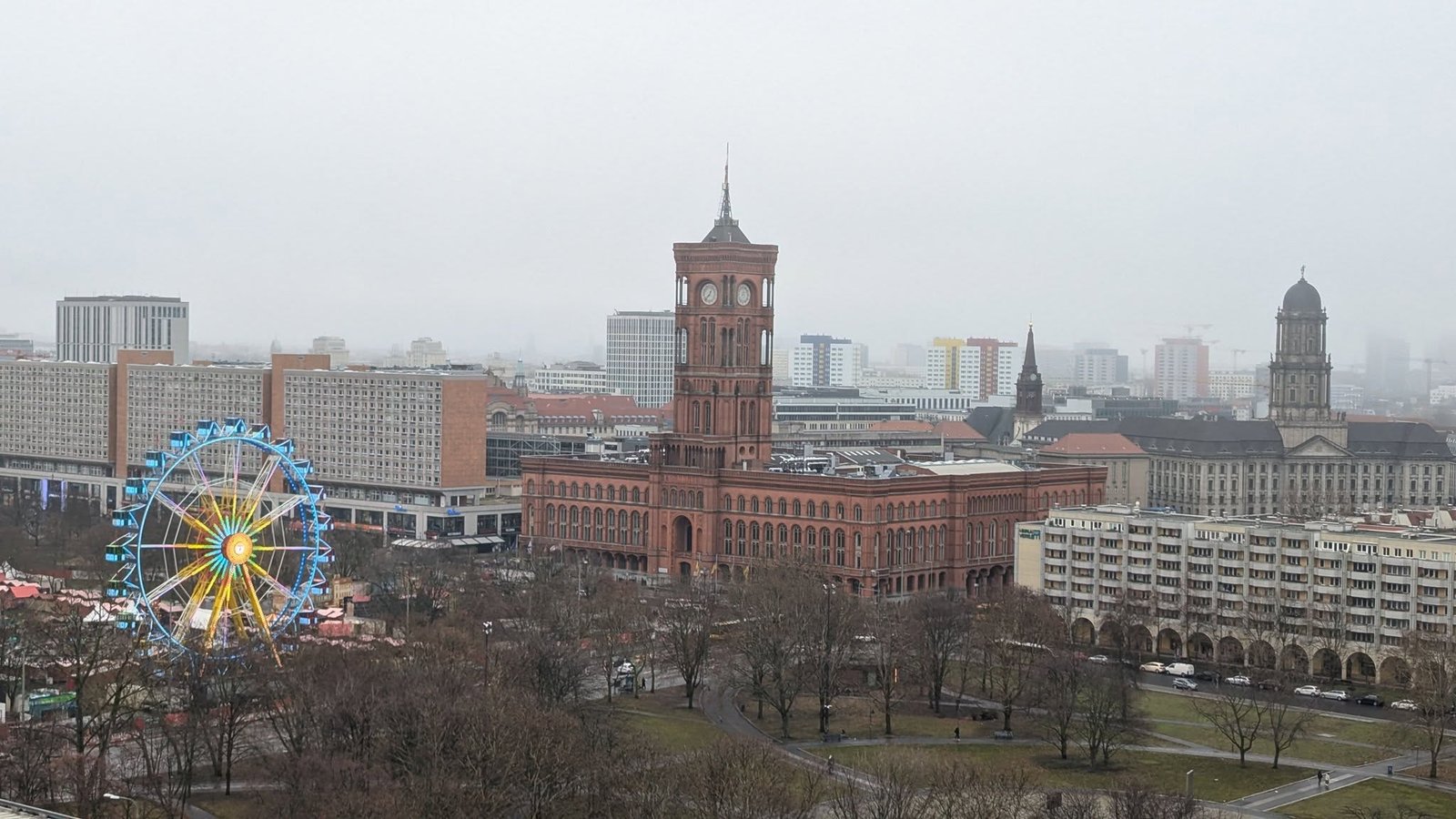
From the cathedral you can also climb to the viewing terrace at the top, with a view all around (360°). It is best to go on a day with good visibility. The fog did not help me – in better weather I would have seen, for example, the whole TV Tower from here, but as it was, its upper part disappeared in the mist. The Red Town Hall with the Ferris wheel of the Christmas market was clearly visible, though.
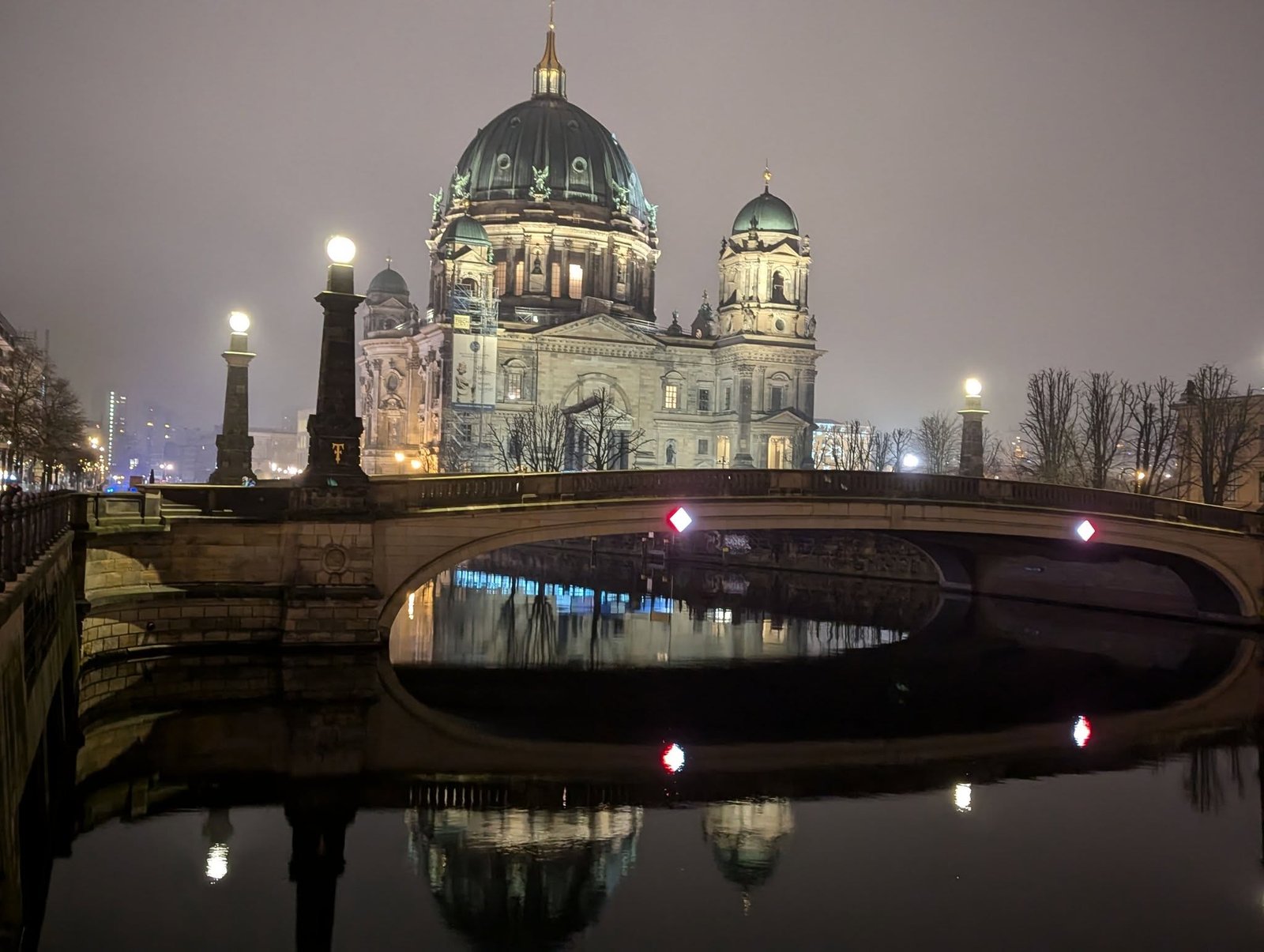
In the evening it is worth looking at the cathedral from the other bank of the Spree – lit up, it is reflected in the water.
Nikolaiviertel, Alexanderplatz and the TV Tower
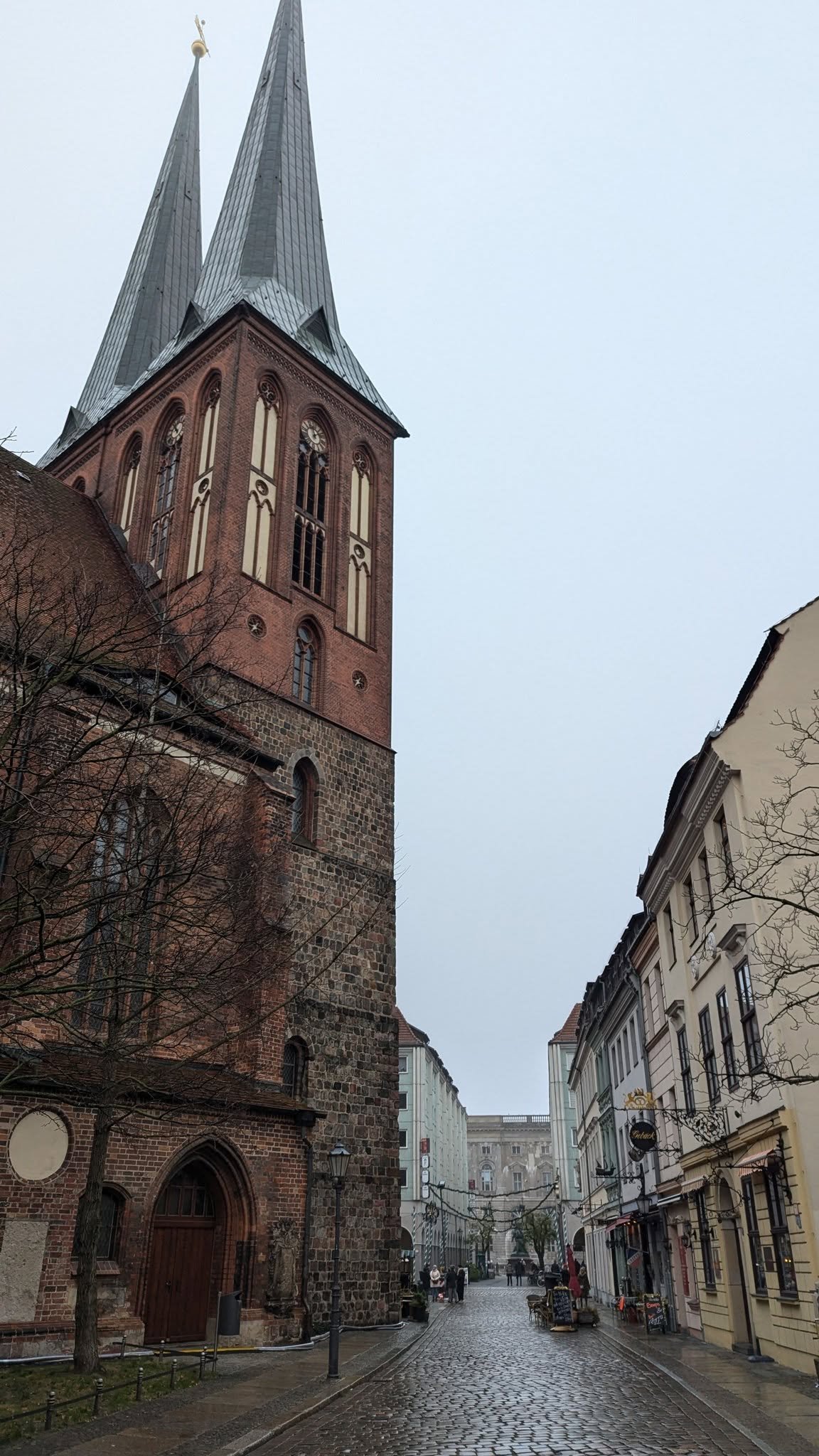
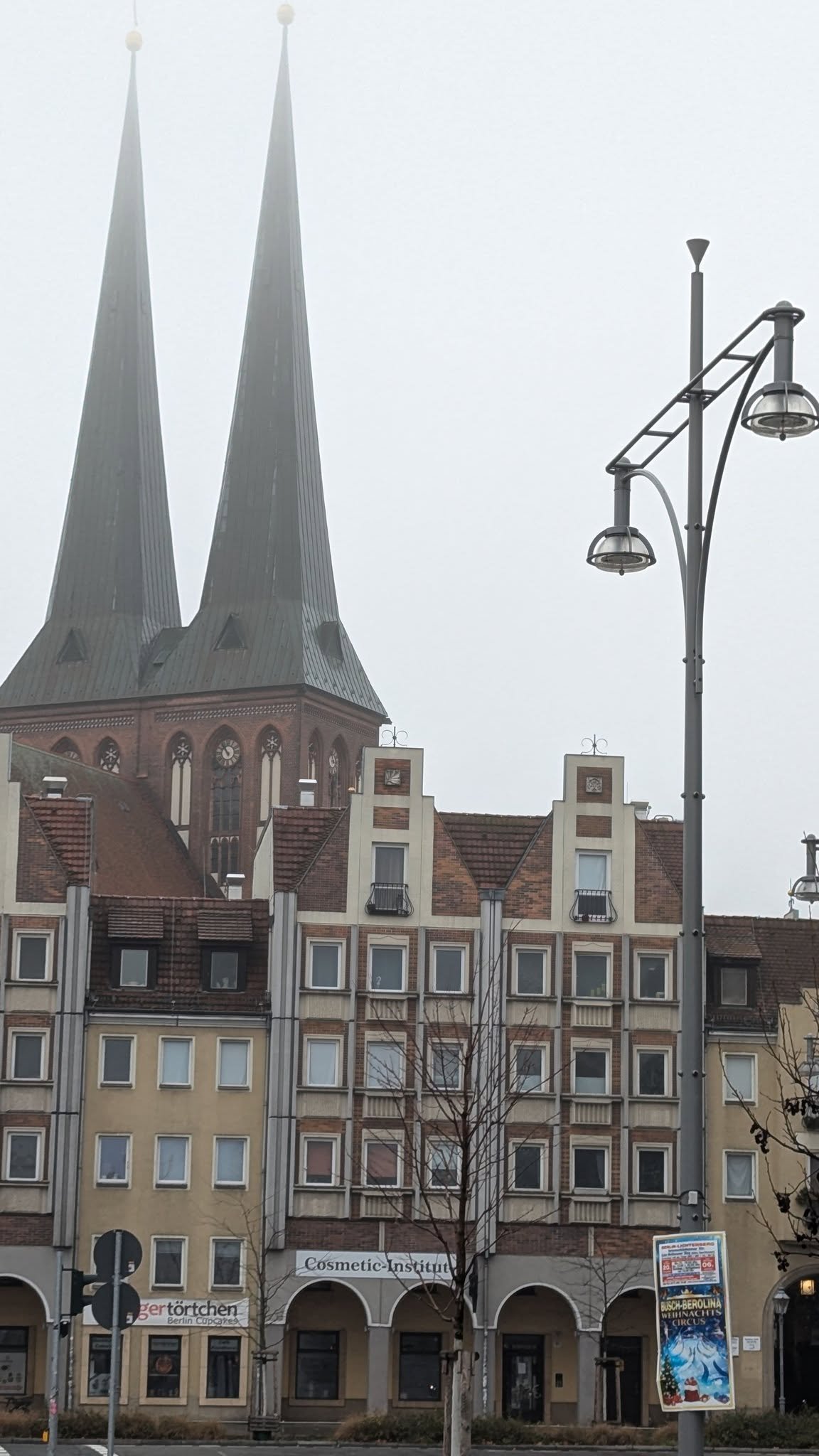
Across the Spree, near Alexanderplatz, lies the Nikolaiviertel – a small “old town” with St Nicholas’ Church and narrow lanes. It looks a bit as if it did not belong in the centre of a big city, and that is exactly why it is definitely worth a look. Nearby, on Klosterstraße, stand the brick ruins of the Gothic church of the Franciscan friary.
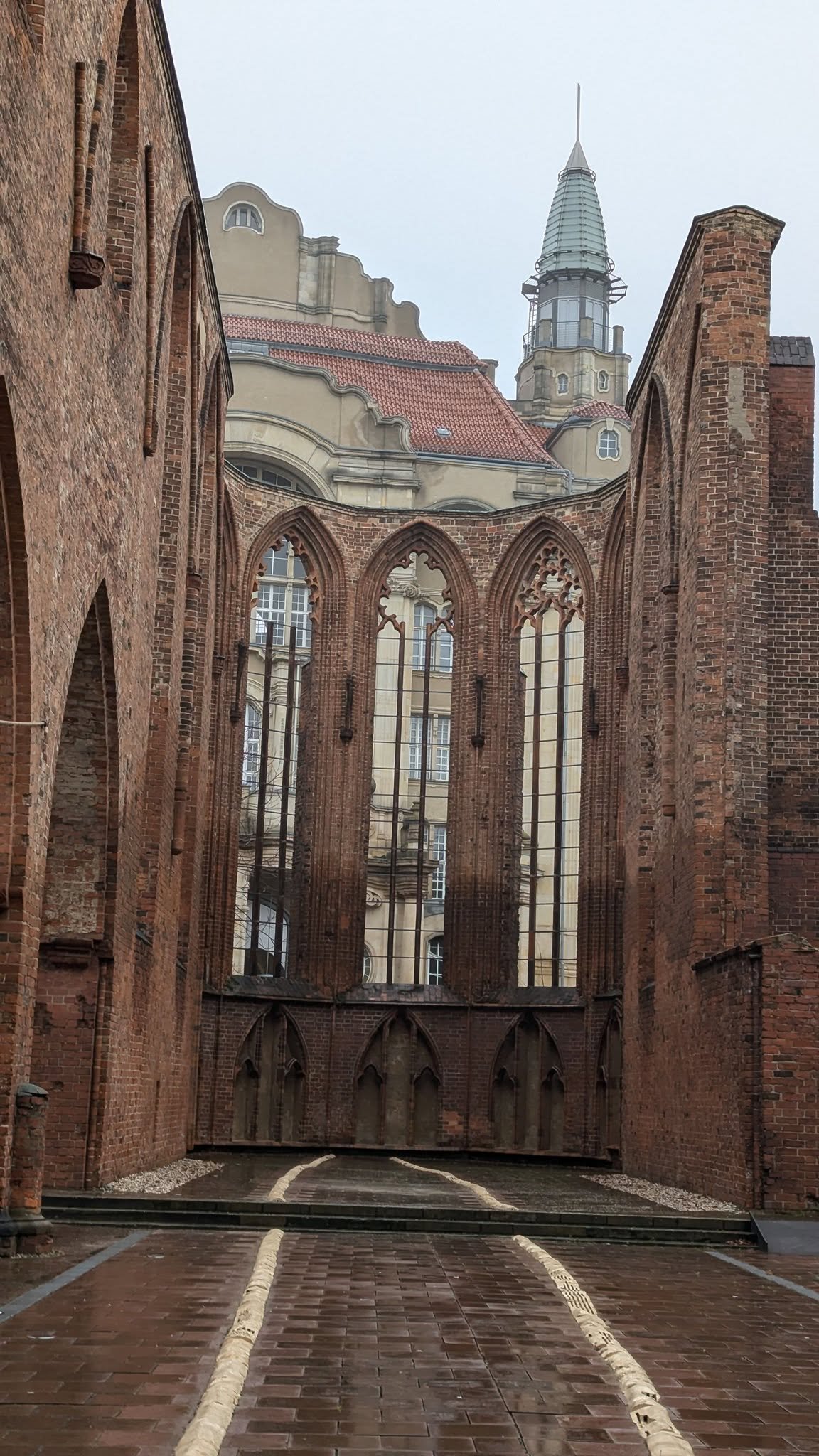
On Alexanderplatz itself stands the World Clock (Weltzeituhr), which shows the current time in cities all over the world. In December a Christmas market with a big Christmas pyramid is held here.
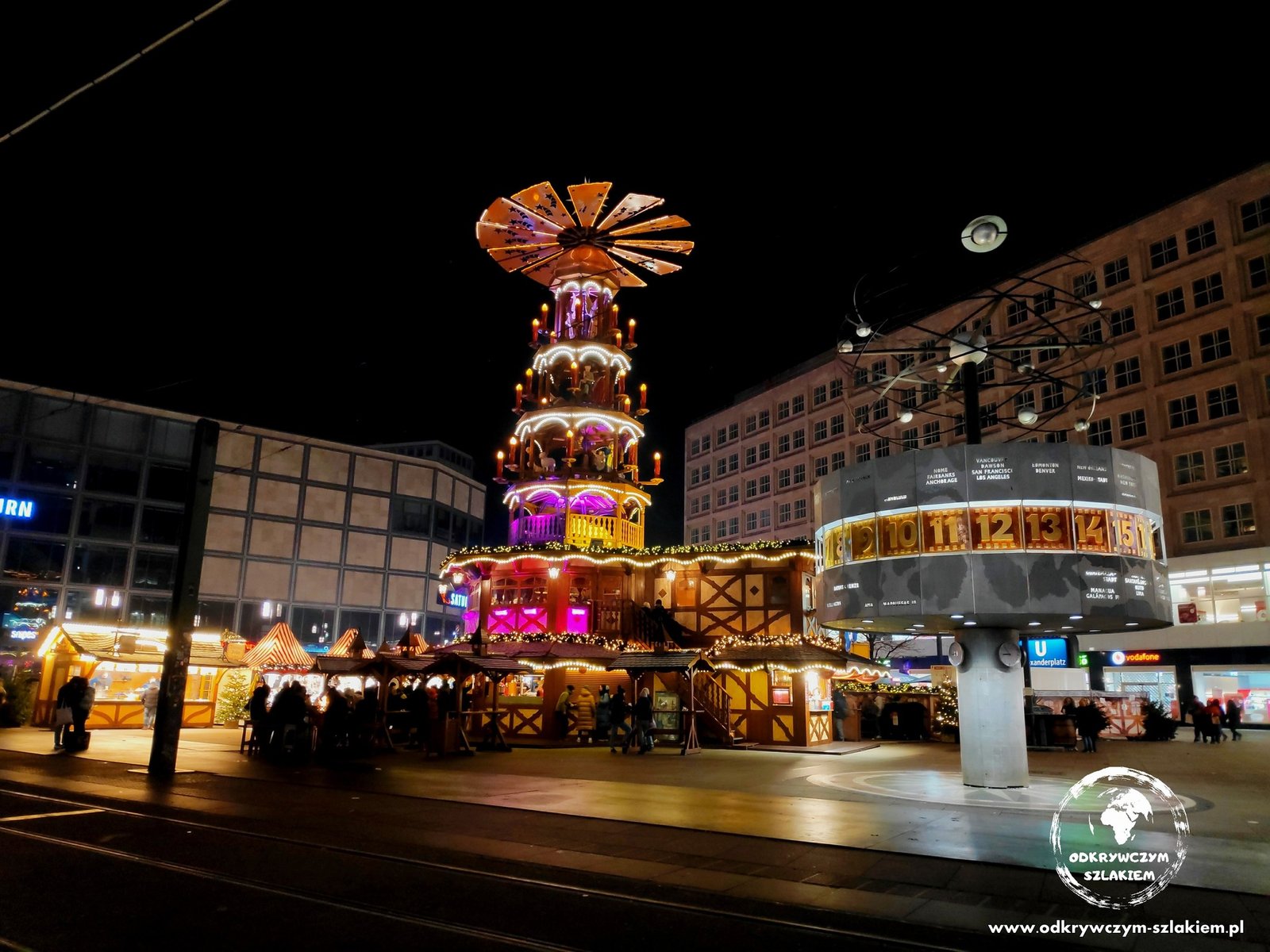
The square is dominated by the TV Tower (Berliner Fernsehturm). It is 368 m tall – the tallest structure in Germany. It was built in 1965–1969 and in GDR times it was meant to symbolise the might of the socialist system. Even though I lived in Berlin, I only went up after four years, on 31 March 2023. Two lifts take visitors up to the viewing deck at 203 m in just 40 seconds, and 4 m higher there is a restaurant that turns 360° in an hour. When the air is clear, the view reaches as far as 60 km – you can even see the Tropical Islands dome from here.
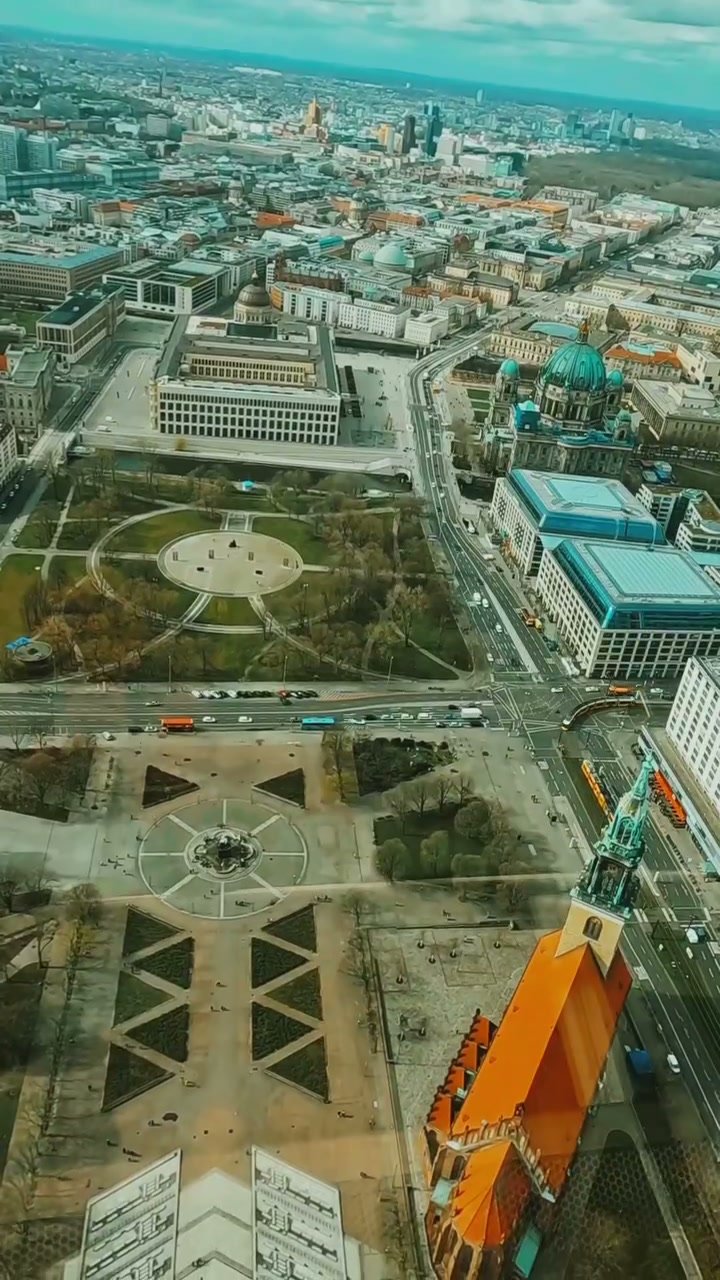
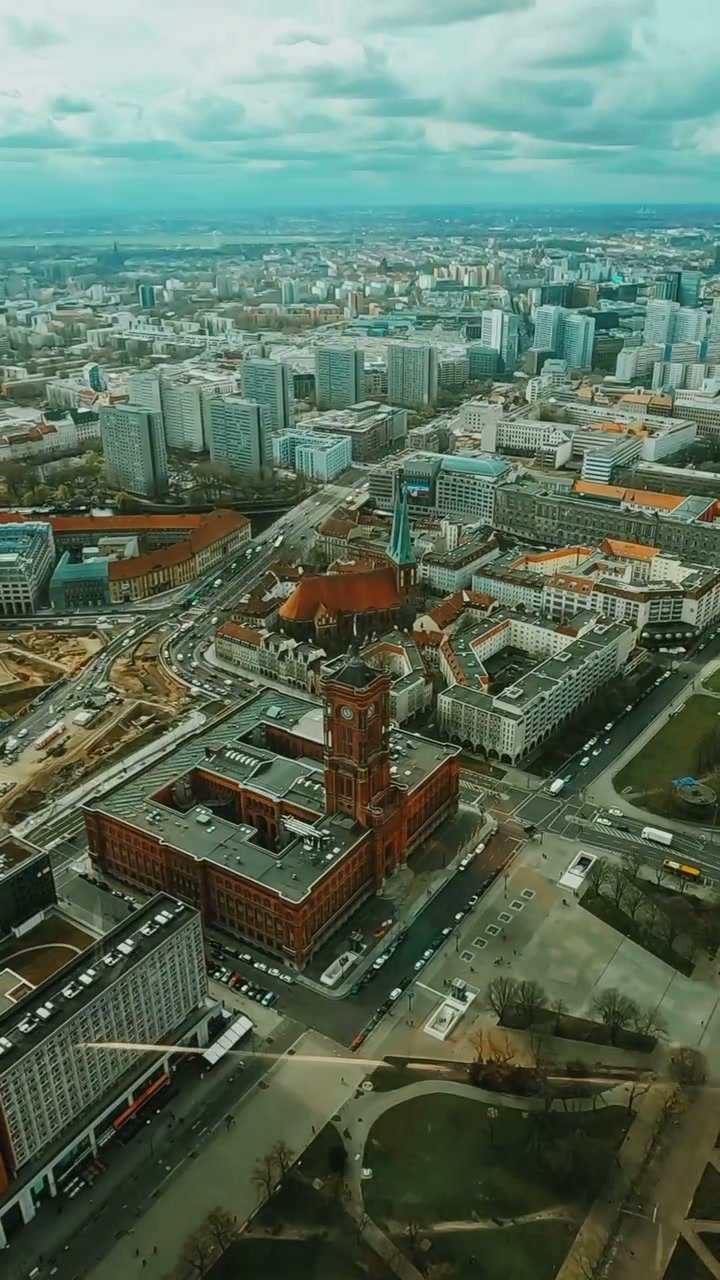
Going up the tower is not cheap: in 2023 a ticket to the viewing deck cost €25.50, and the combined version with a virtual reality (VR) history of Berlin €29.50. It is best to buy your ticket online in advance for a specific time slot, as it is cheaper than at the door. The price is off-putting, but it is the highest viewpoint in the city – just pick a day with good visibility.
Nearby, in the lobby of the Radisson hotel, there used to be the AquaDom aquarium – a 16 m tall cylinder with about 1500 tropical fish, which you could see from the inside while riding a lift. I had the chance to see it, but on 16 December 2022 the aquarium burst, so this attraction no longer exists.
The Berlin Wall – East Side Gallery, Bernauer Straße and Tränenpalast
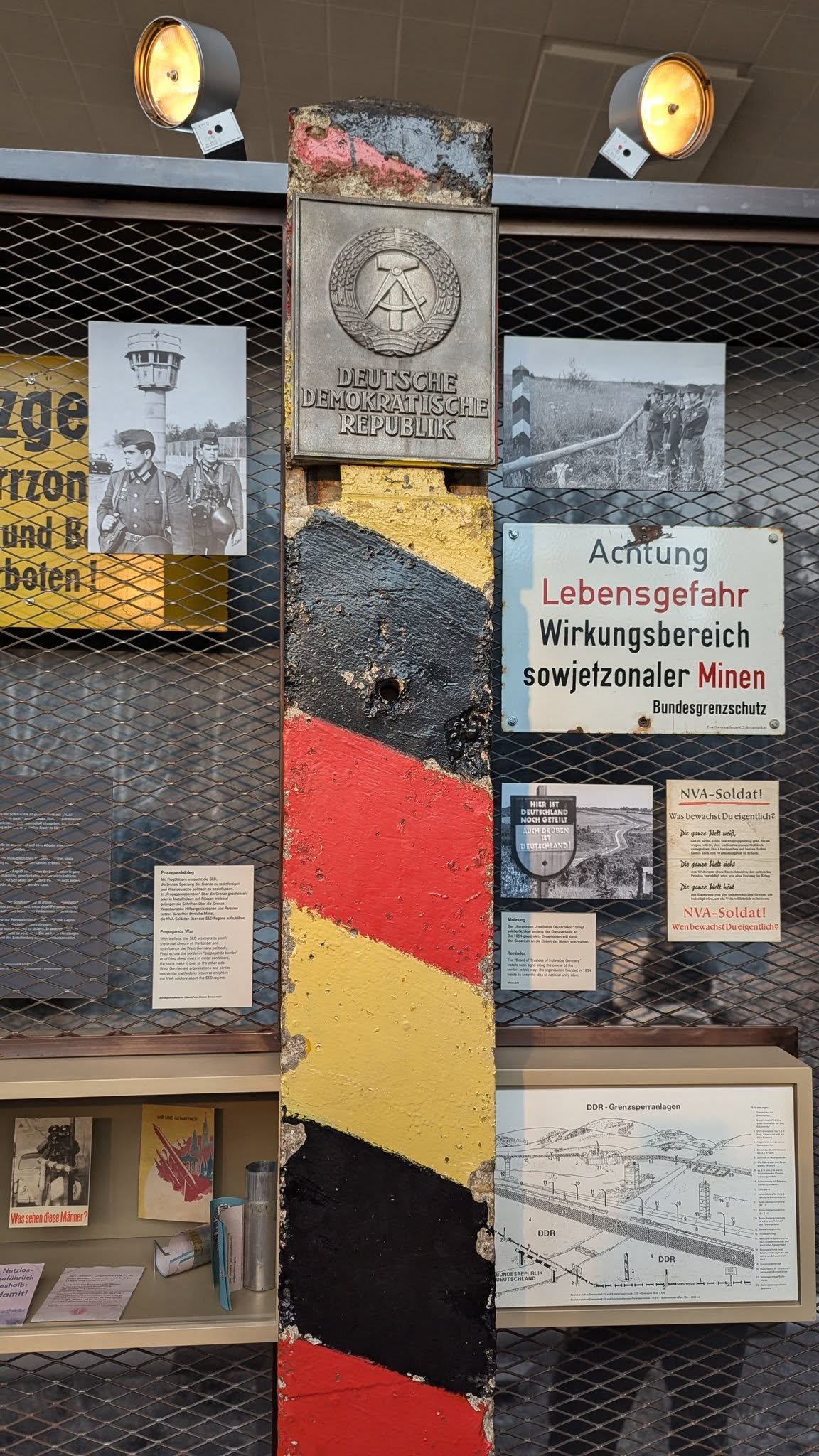
There are plenty of traces of the Berlin Wall in the city, and the most interesting places connected with it are free. I describe them in detail in the post Berlin: following the Berlin Wall; here is just a short overview.
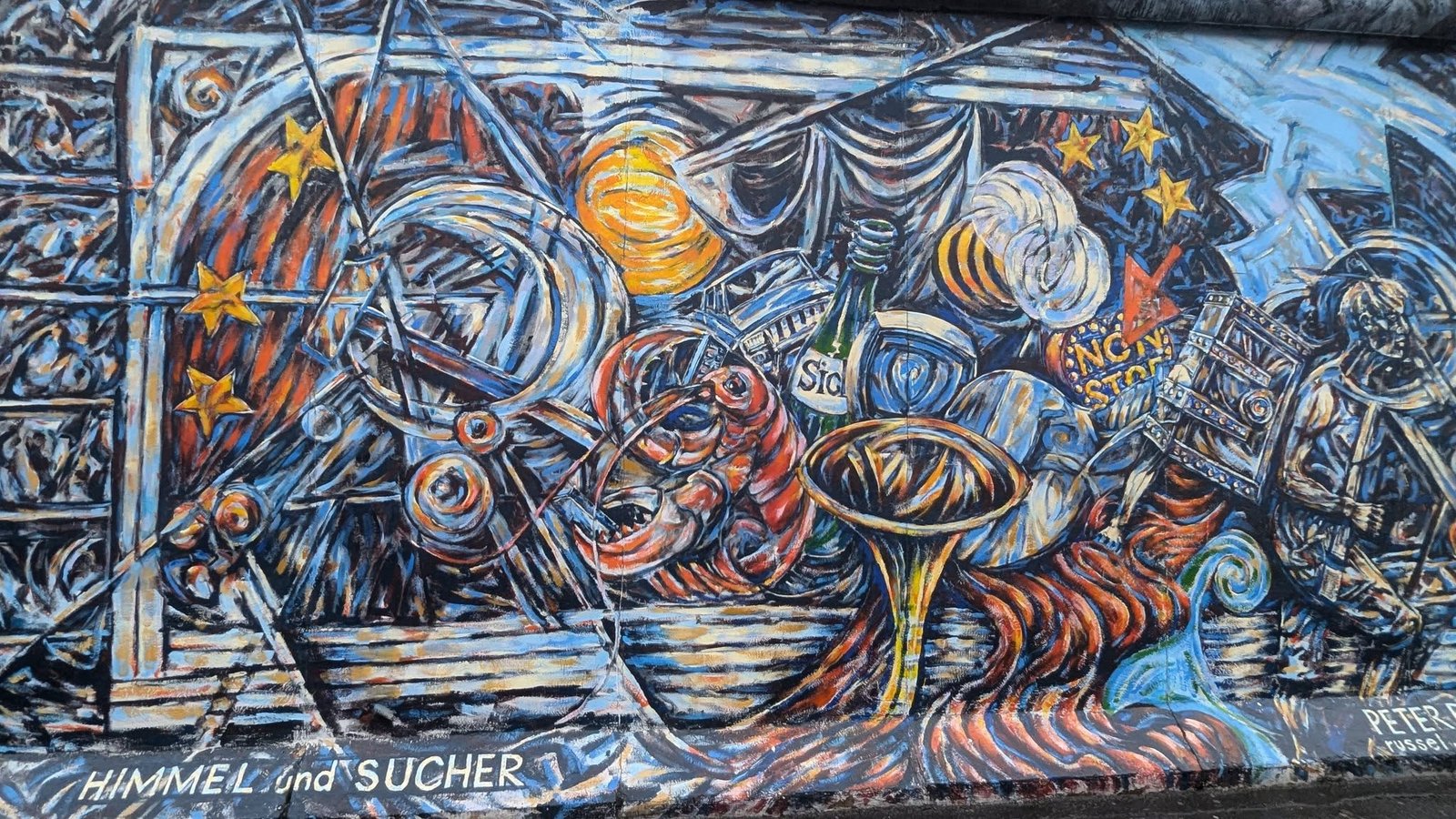
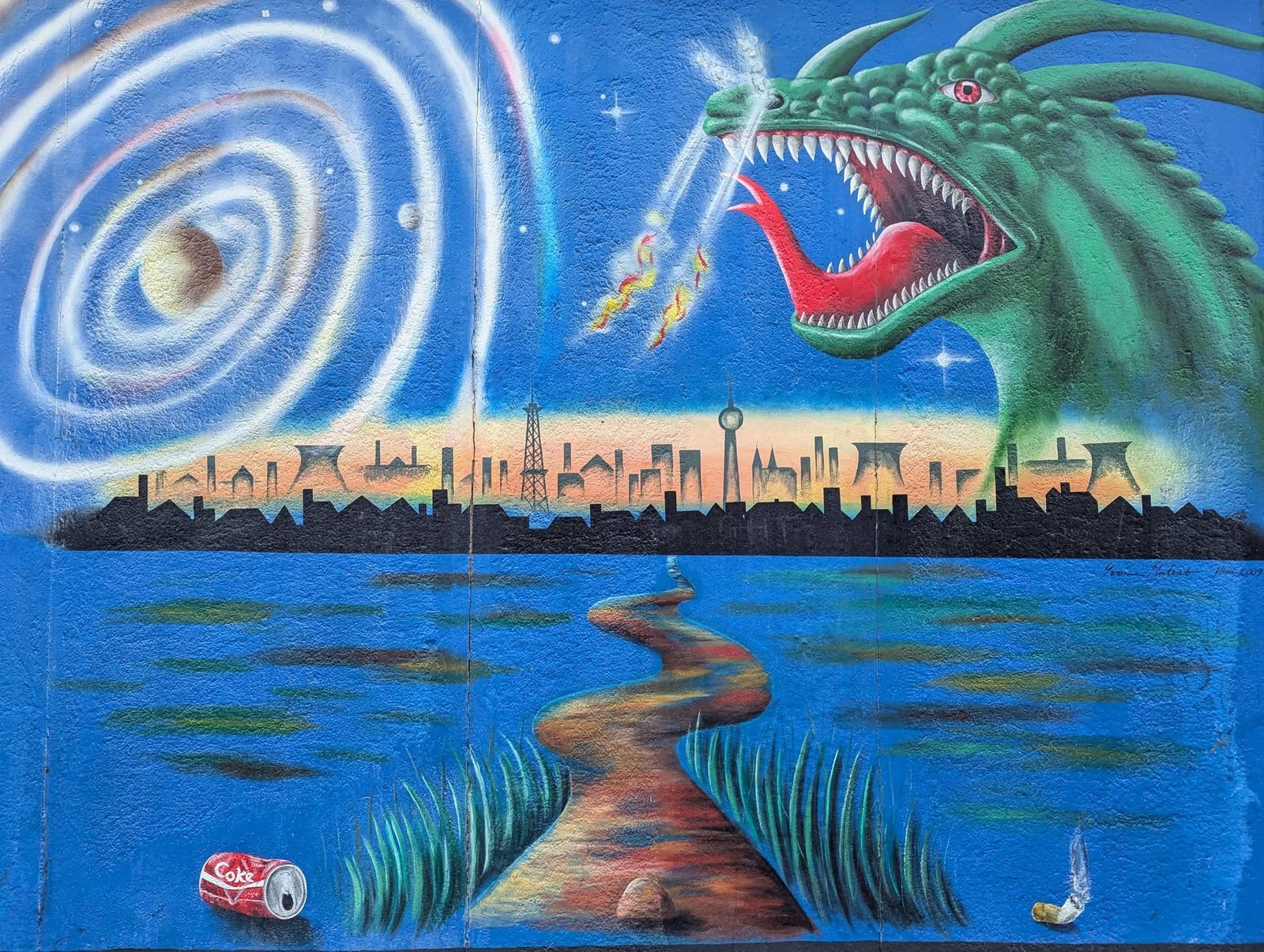
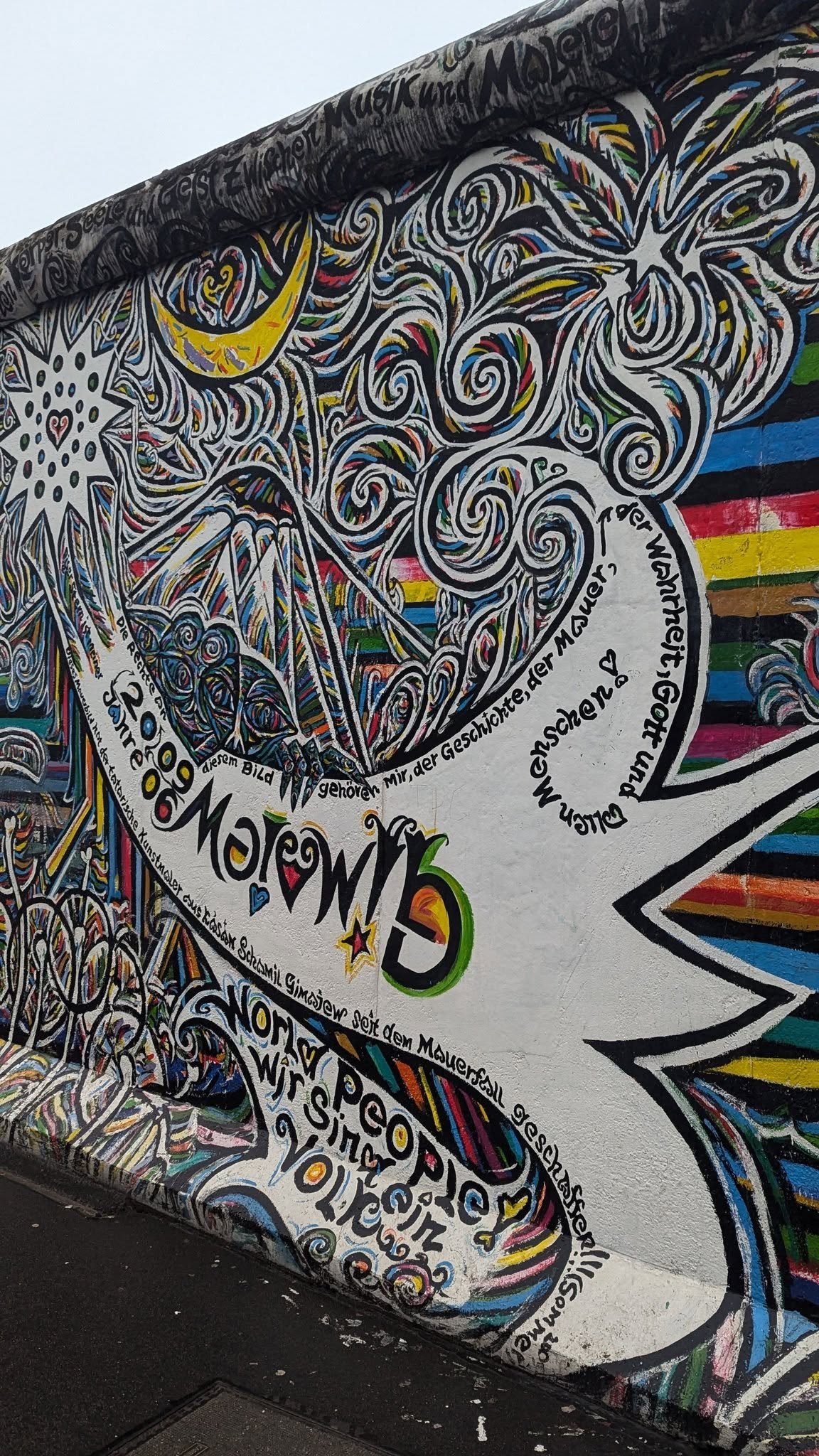
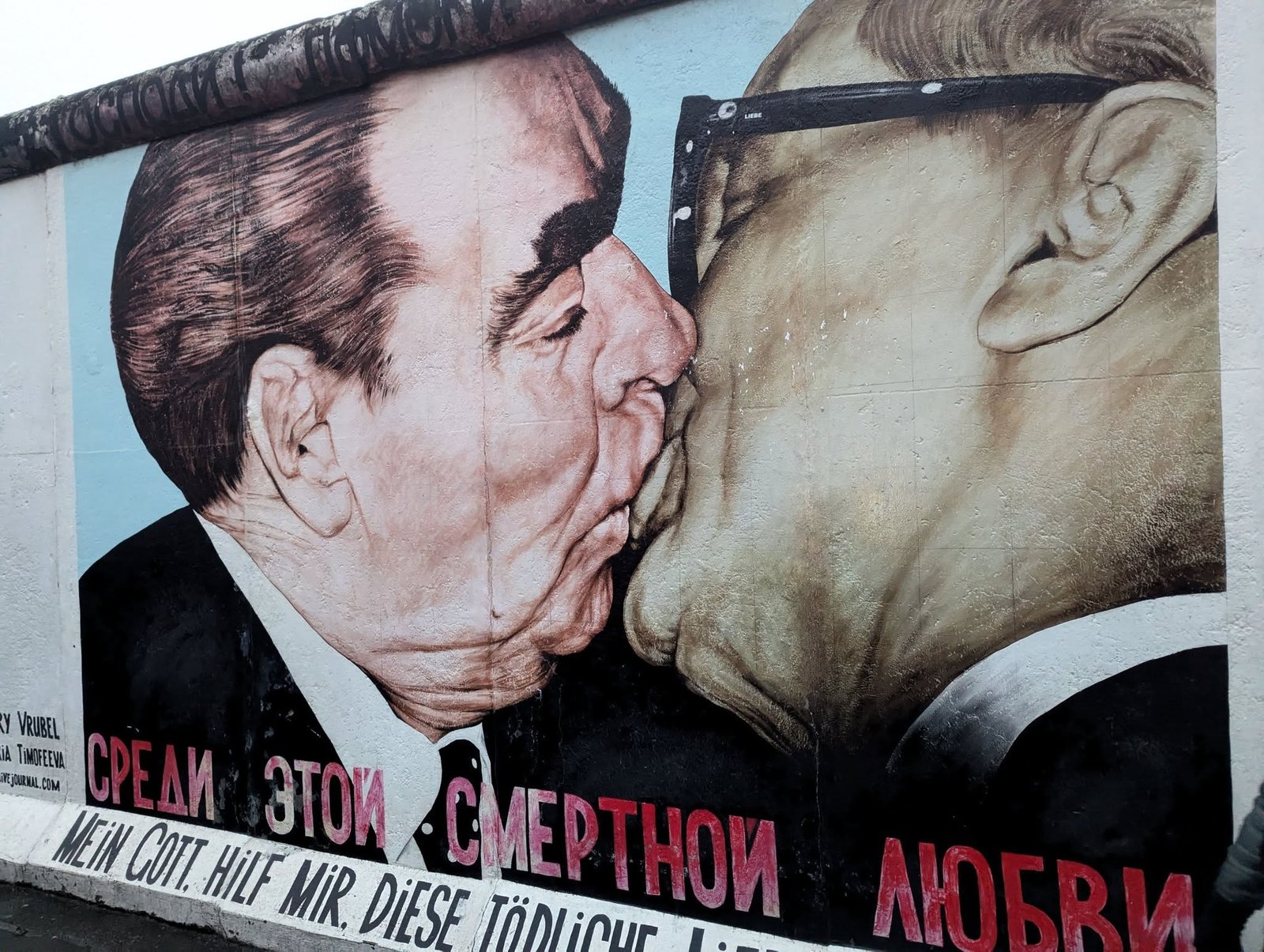
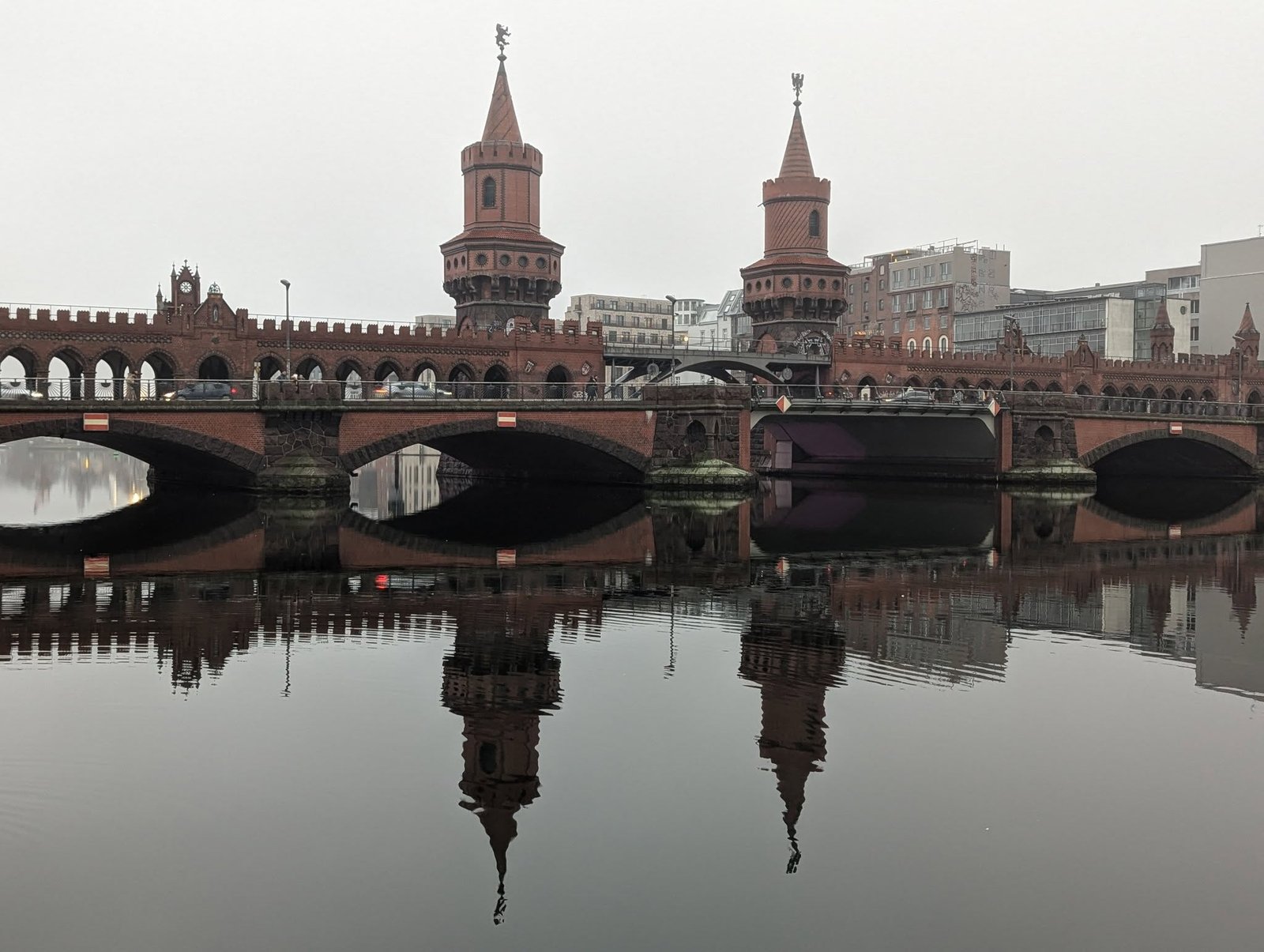
The East Side Gallery is the longest surviving section of the Wall, running along the Spree and painted by artists from all over the world. It is an ordinary street, so you can see the murals for free at any time. The most famous of them is the “Fraternal Kiss” of Brezhnev and Honecker. The walk is best finished at the brick Oberbaumbrücke bridge.
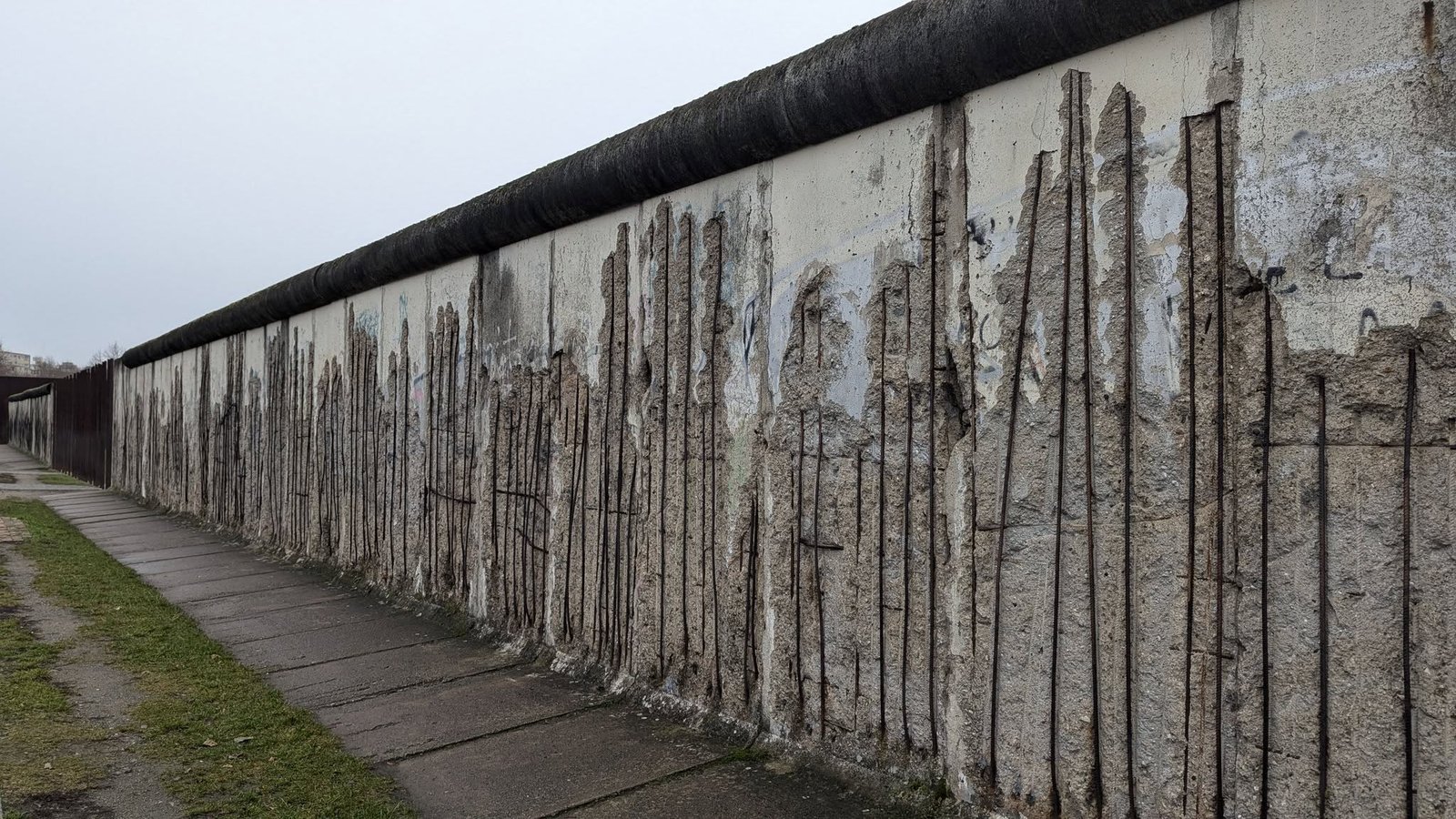
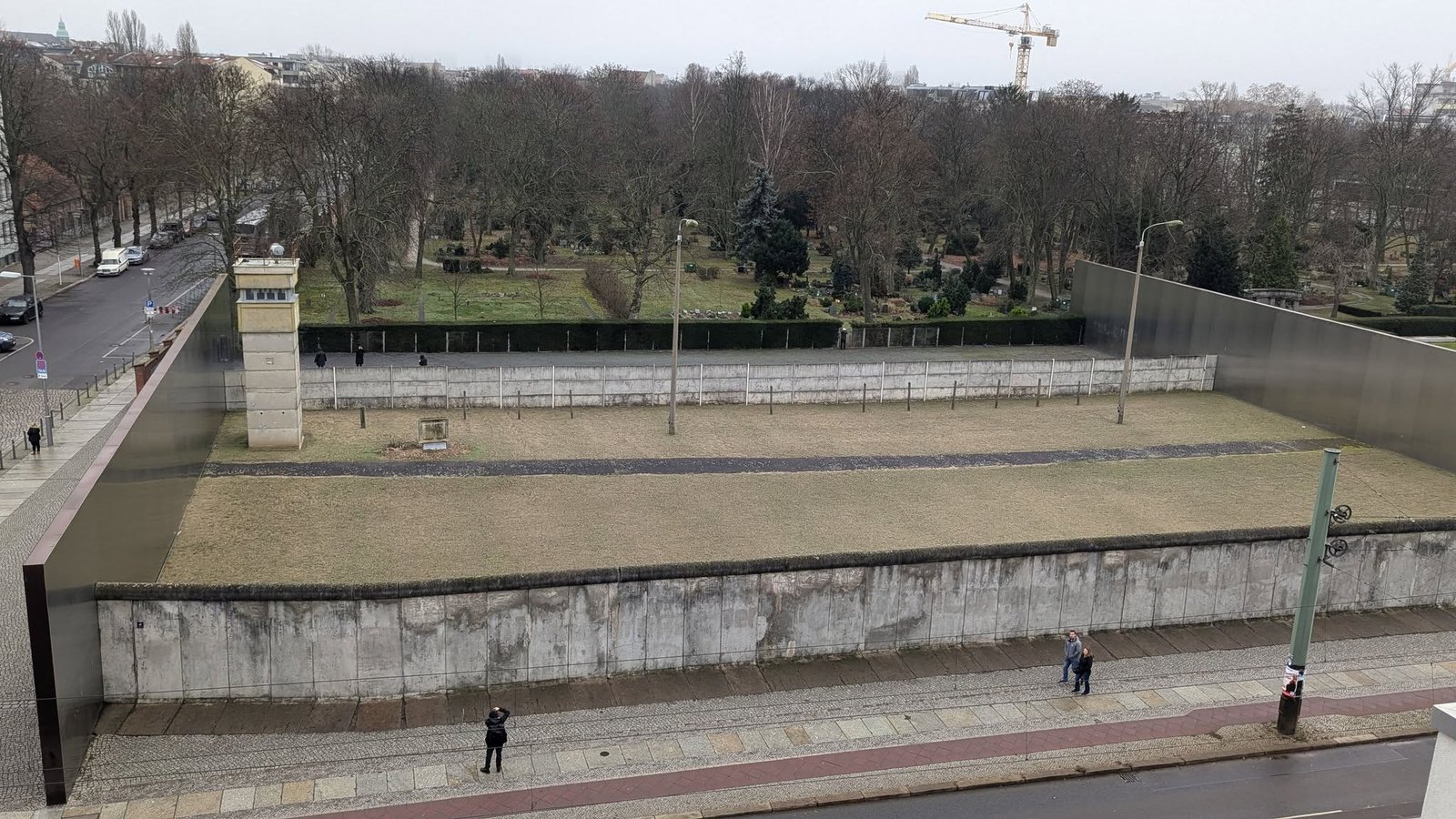
The Berlin Wall Memorial on Bernauer Straße has a completely different character – a free open-air museum with an original section of the Wall. From the viewing platform you can clearly see what the death strip between the two walls looked like.
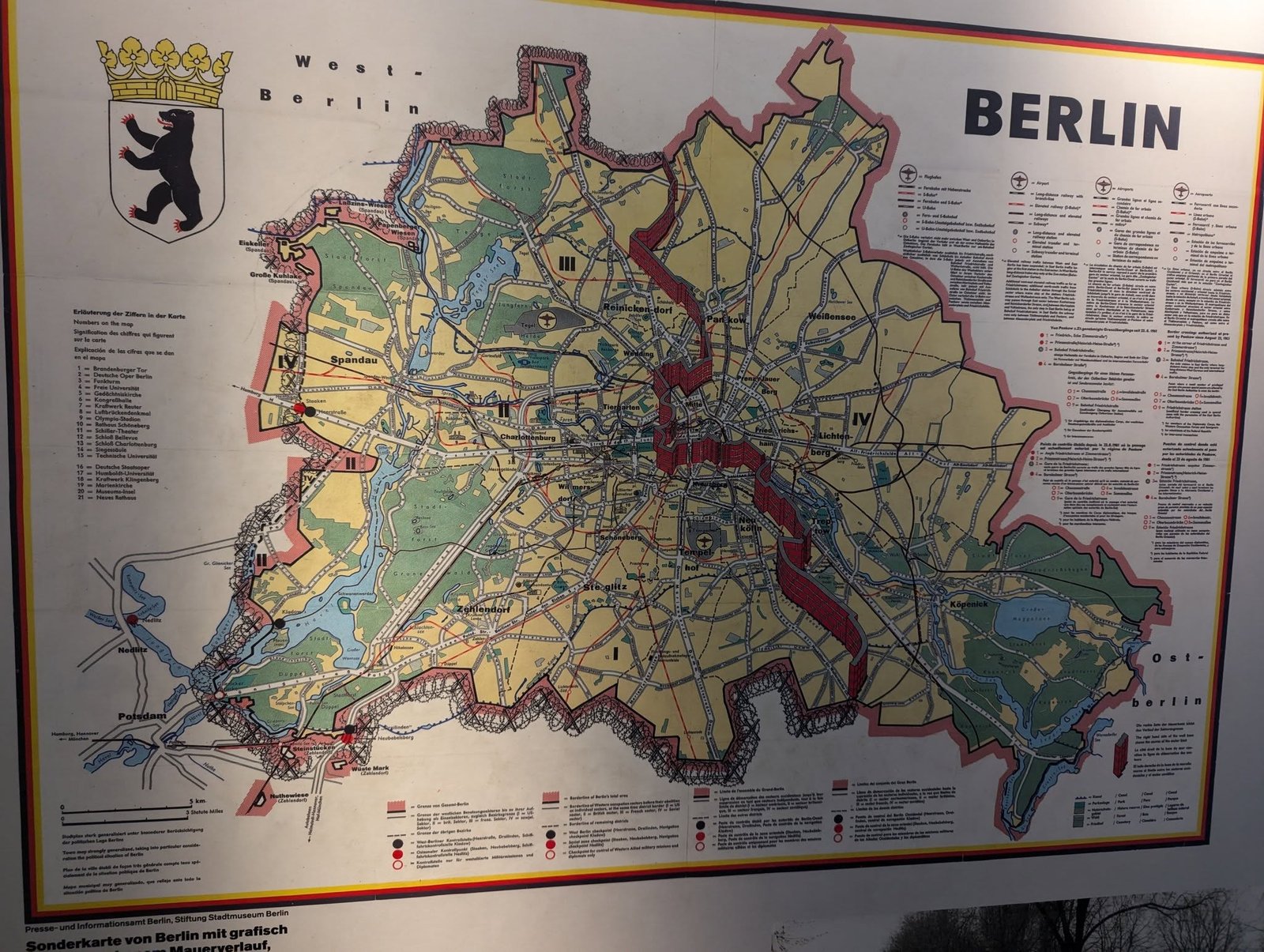
The third place I recommend is the Tränenpalast (“Palace of Tears”) – a free museum of a former border crossing between the two parts of the city, set up in the original building. The exhibitions about divided Berlin include old maps showing the course of the border.
Museum Island and the New Synagogue
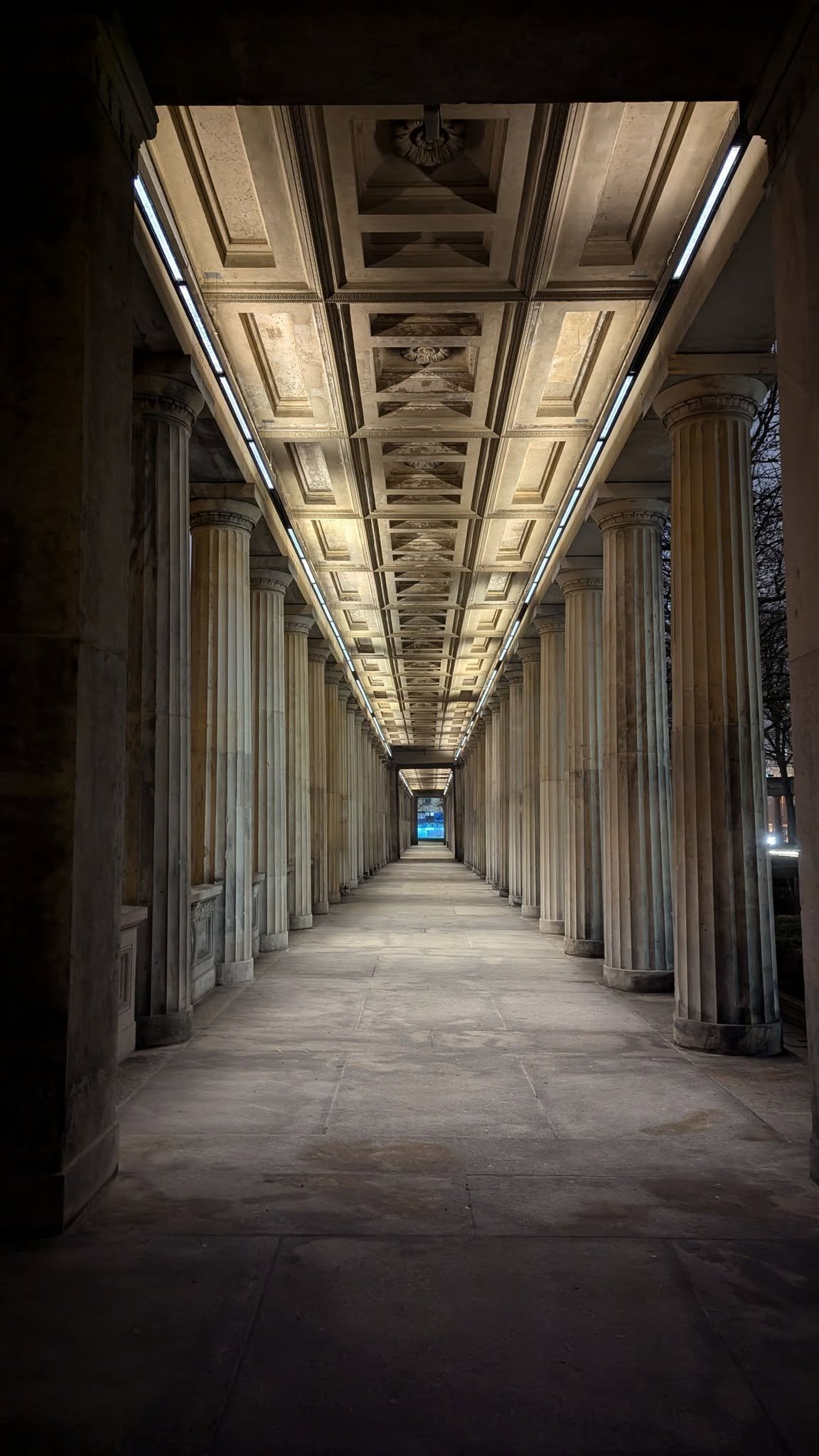
Right next to the cathedral, on Museum Island (Museumsinsel), stand Berlin’s best-known museums, including the Pergamonmuseum, the Neues Museum and the Altes Museum. The Pergamonmuseum, however, has been closed for a renovation lasting many years since autumn 2023. I describe the museums I visited – including the Pergamonmuseum, the Bode-Museum and the Natural History Museum with its dinosaurs – in a separate post, Berlin: museums.
When I lived in Berlin, I made use of Museumssonntag – on the first Sunday of every month many museums, including the best-known ones, could be visited for free after booking a free ticket in advance (the best ones were gone within minutes). The scheme only ran until 1 December 2024, though – the city stopped funding it because of cuts to the culture budget. Free admission to the state museums is now mainly for under-18s; it is best to check the current rules on the website of each museum.
It is worth creating an account on the website – that makes it easy to manage your tickets, and one account can often get tickets for two people. Some museums let you in all day, others only within a set time slot. Realistically, you could visit three museums in one day this way. If they are far apart or you plan more than one big one, it is better to take it easy and choose two. That is how it worked in 2023 – check the current rules before your trip.
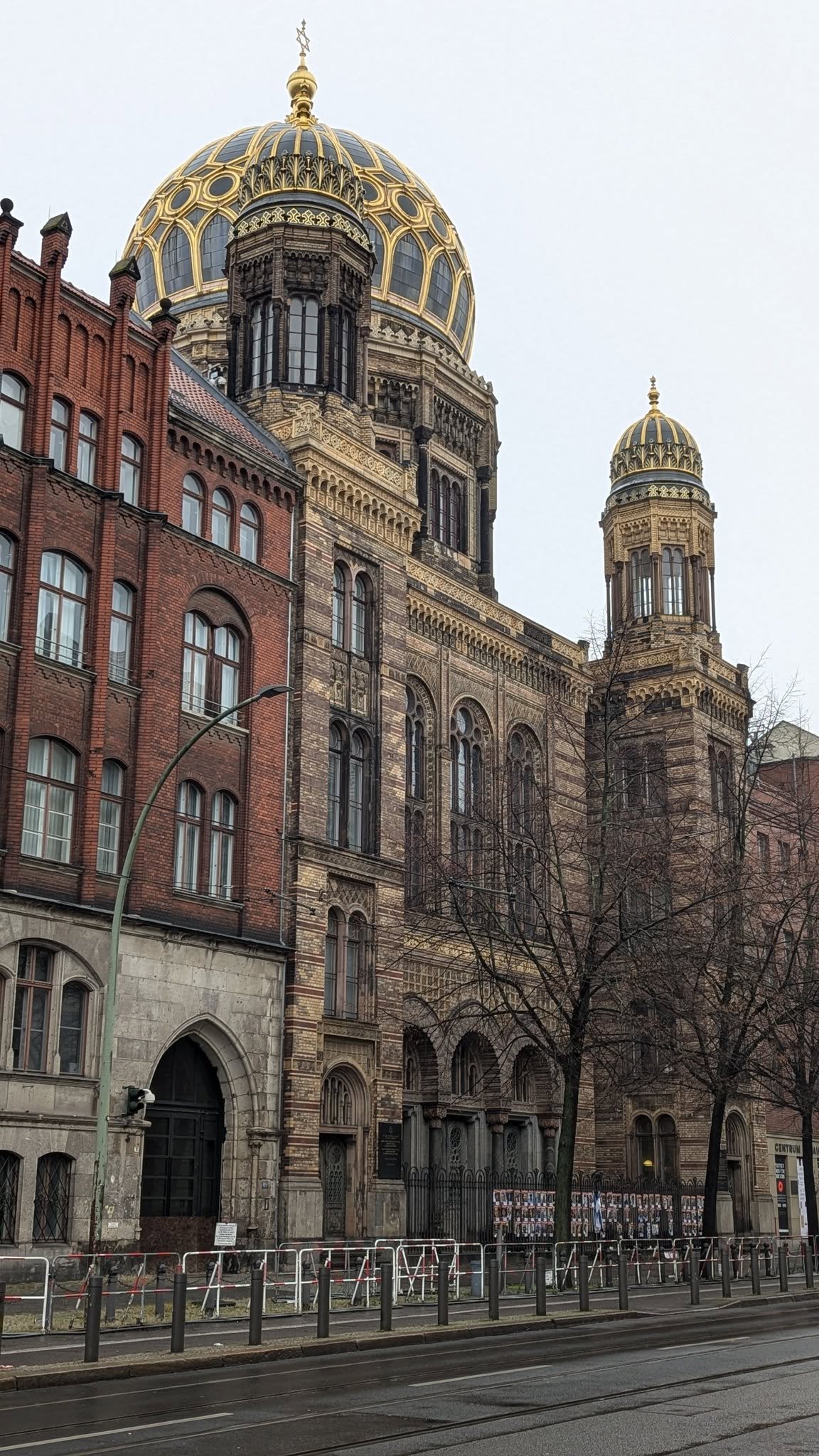
Back then you could enter the New Synagogue (Neue Synagoge) on Oranienburger Straße without booking, among other places. There is a security check at the entrance, though, and a long queue forms, so it is better to arrive before opening time. The synagogue itself, rebuilt after being destroyed, looks best from the outside – the museum inside normally charges admission and in my opinion is not very interesting.
Tiergarten and West Berlin – the Victory Column, the Memorial Church and Ku’damm
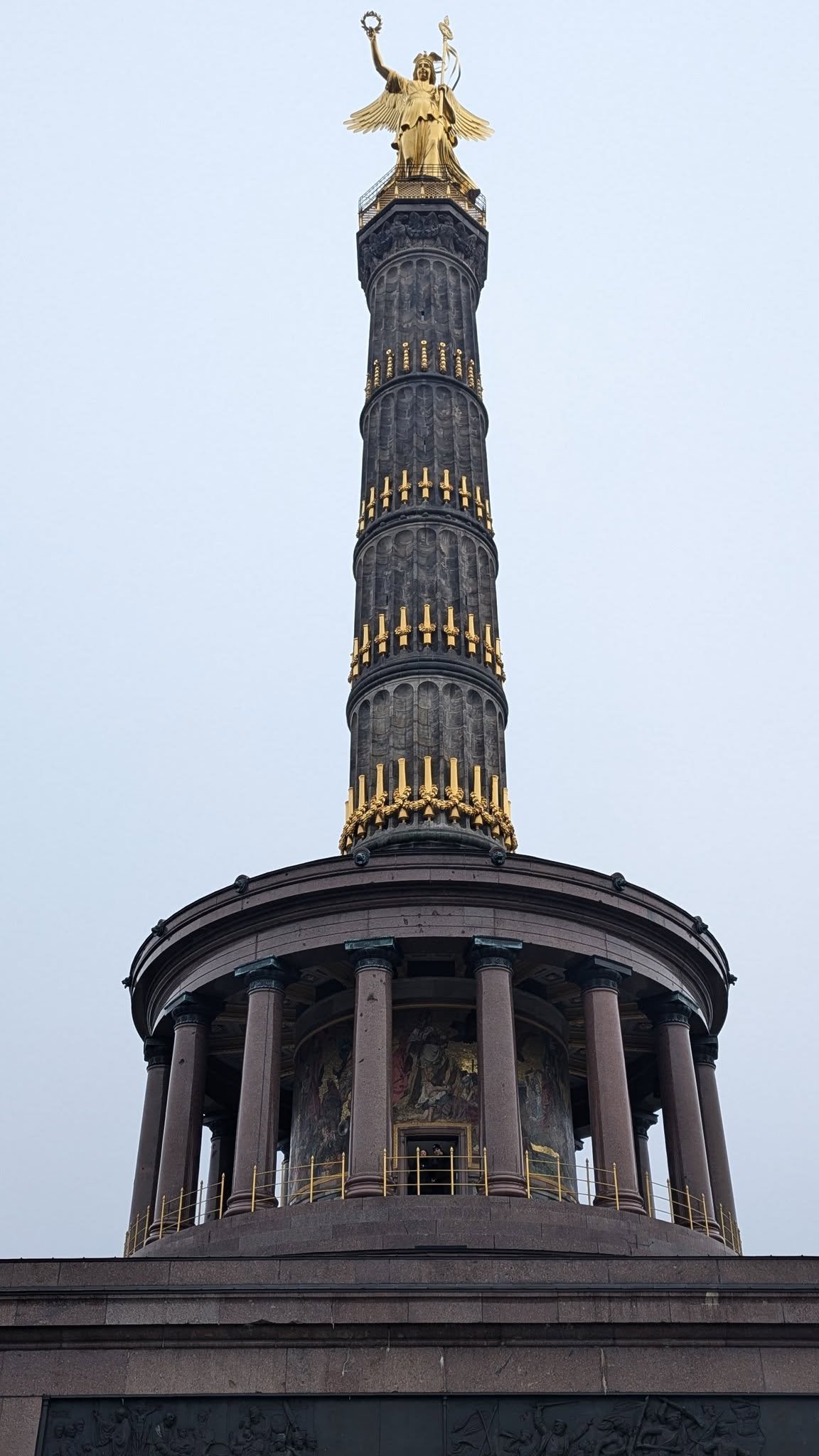
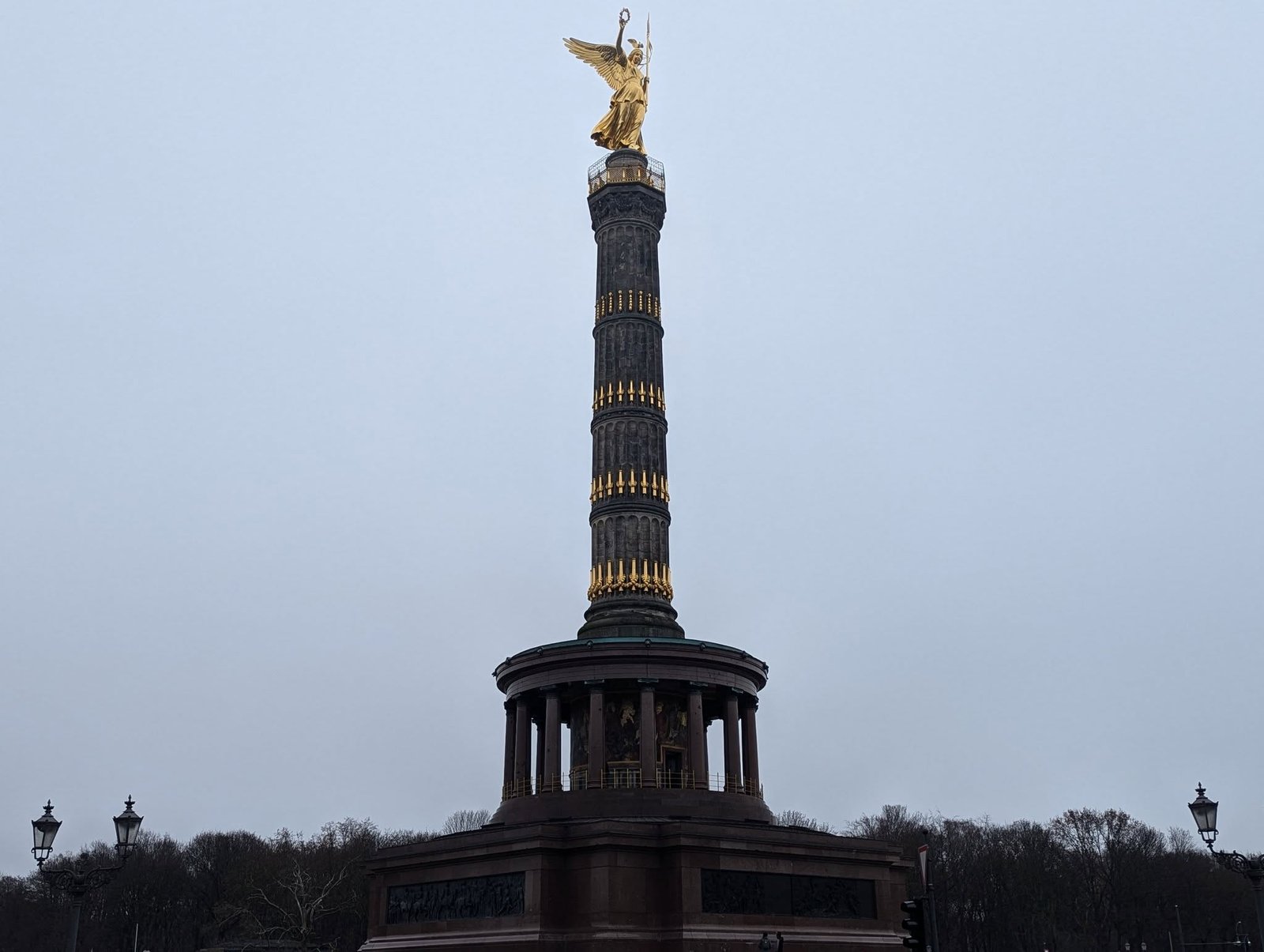
West of the Brandenburg Gate stretches the Tiergarten park. It is crossed by an avenue leading to the Victory Column (Siegessäule), which commemorates Prussia’s victorious wars of 1864–1871. On top stands the golden Victoria.
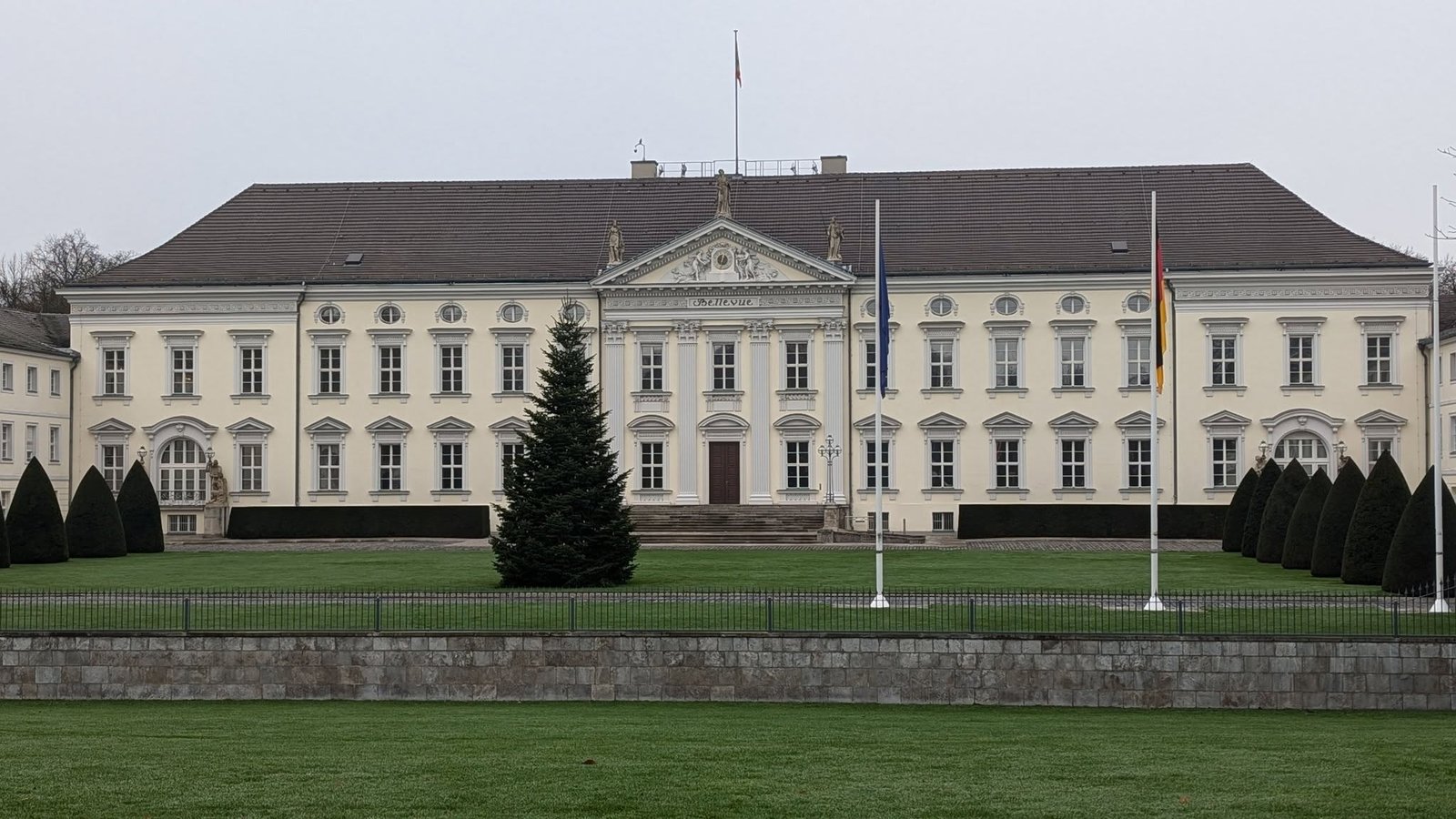
Nearby, on the edge of the park, is Bellevue Palace – the residence of the German President.
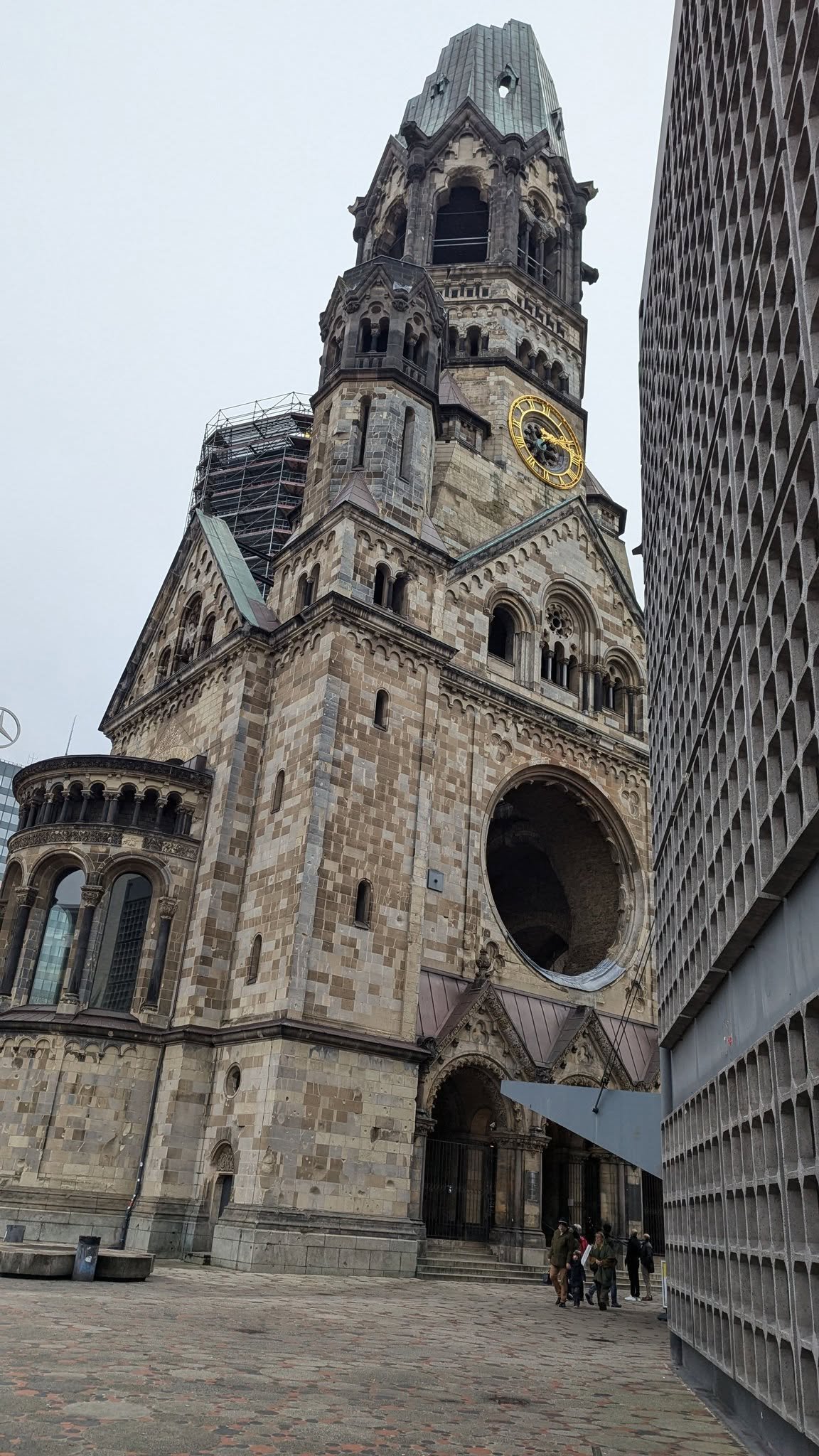
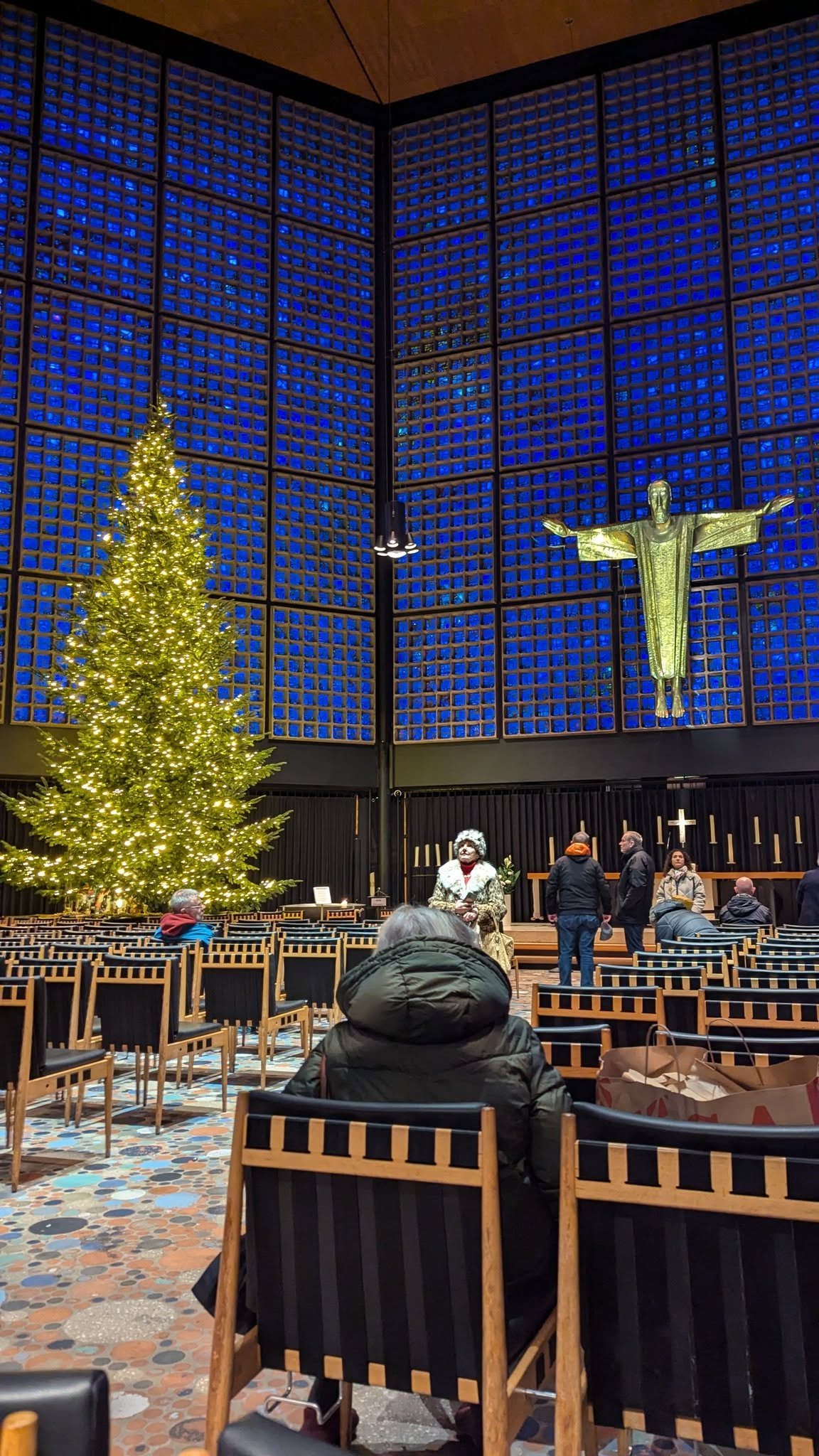
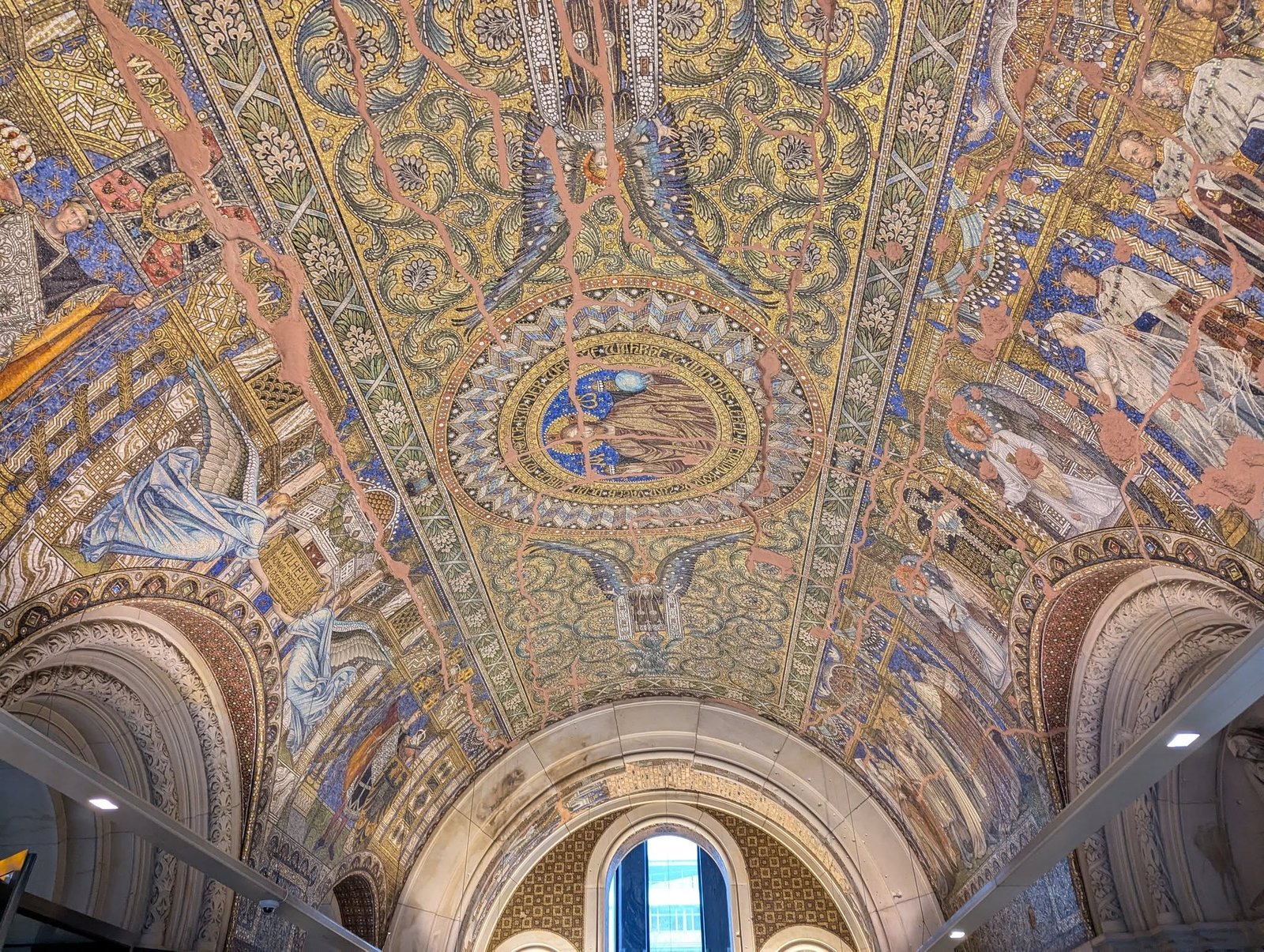
Further west, in Charlottenburg, stands the Kaiser Wilhelm Memorial Church (Kaiser-Wilhelm-Gedächtniskirche). Its tower, destroyed in World War II, survived as a ruin and memorial, and a new church with walls of blue glass was built next to it. The golden mosaics on the ceiling have survived in the old tower.
Right next to it begins the Kurfürstendamm (Ku’damm) – a grand, upmarket street with elegant shops. Charlottenburg also has a Baroque palace, in front of which one of Berlin’s prettiest Christmas markets is held in December (more about it below).
I describe the palaces and castles – from Charlottenburg to Peacock Island and Köpenick – in the post Berlin: palaces and castles, traces of the GDR in the eastern part of the city in Berlin: traces of the GDR, and day trips out of the city in Day trips from Berlin.
Green Berlin and the surroundings
Berlin is not just monuments – the city has loads of greenery and lakes. In spring 2020, when during the pandemic you were allowed to go to the forest, I used to walk by the Grunewaldsee in the Grunewald forest. In the same forest rises the Teufelsberg with its former listening station – I write about it in the post Berlin: abandoned places.
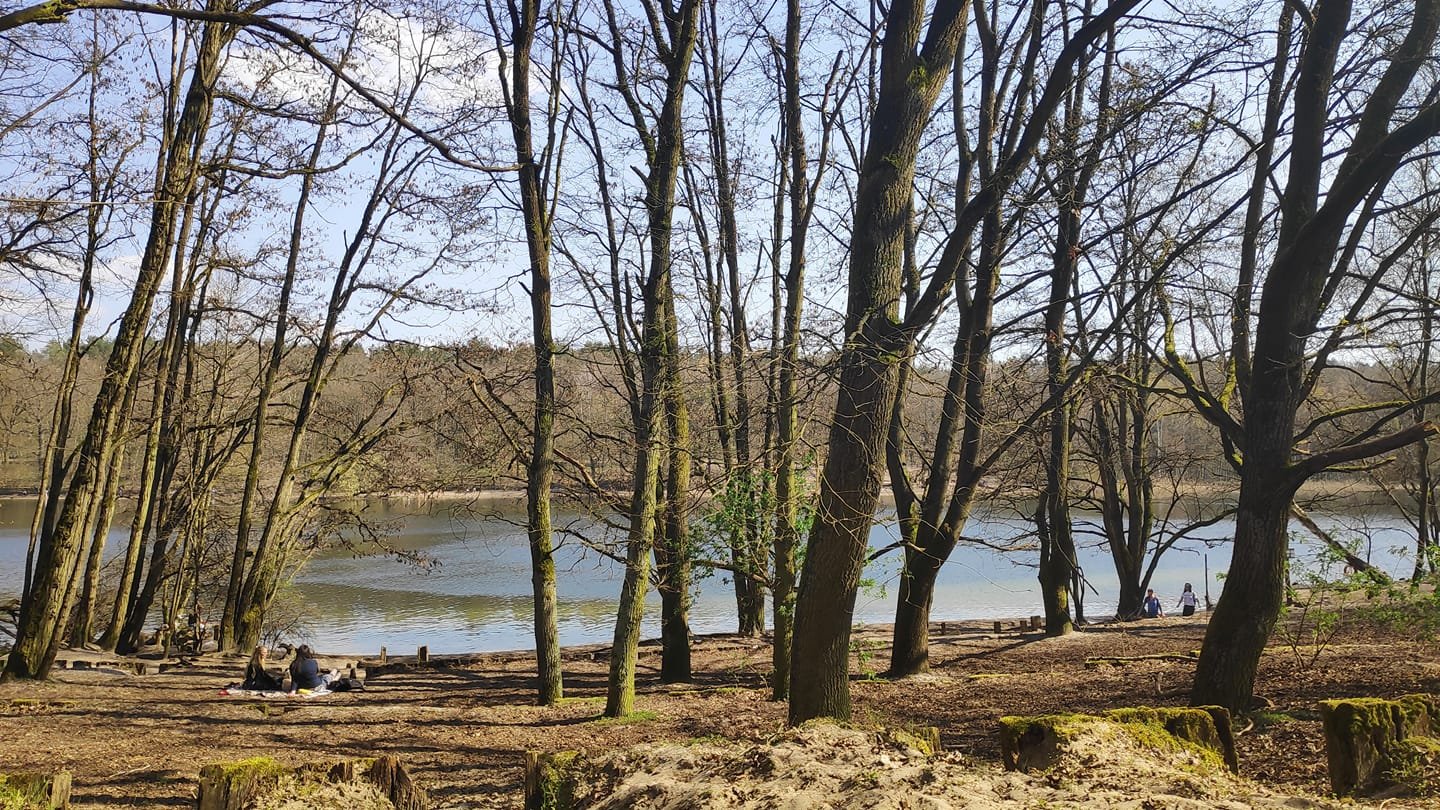
Another good place for a spring walk is the Britzer Garten in the Neukölln district – a large park with flowers and a lake, where I went at the end of March 2023. You’ll find more parks, gardens and lakes – from the Tiergarten to the Gärten der Welt and the Tegeler Forst – in the post Green Berlin.
On the very edge of the city lies the Wannsee district with the Glienicke palace park, and just beyond Berlin’s border – Potsdam with Sanssouci and Babelsberg Park. It makes a great day trip; more in the post Potsdam and Wannsee. About 60 km from Berlin, in a former hangar, is the Tropical Islands water park, and for a weekend it is easy to pop over from Berlin to, for example, Hamburg.
Berlin all year round – Christmas markets, festivals and football
Berlin has loads of recurring events, and many of them are free. December is the time of Christmas markets (Weihnachtsmärkte). In 2024 I arrived right at Christmas, and most markets were still open until the end of the year, so I managed to visit several of them. The days were short – they started late and ended early – and the fog did not make sightseeing any easier. But the markets have the most atmosphere after dark anyway.
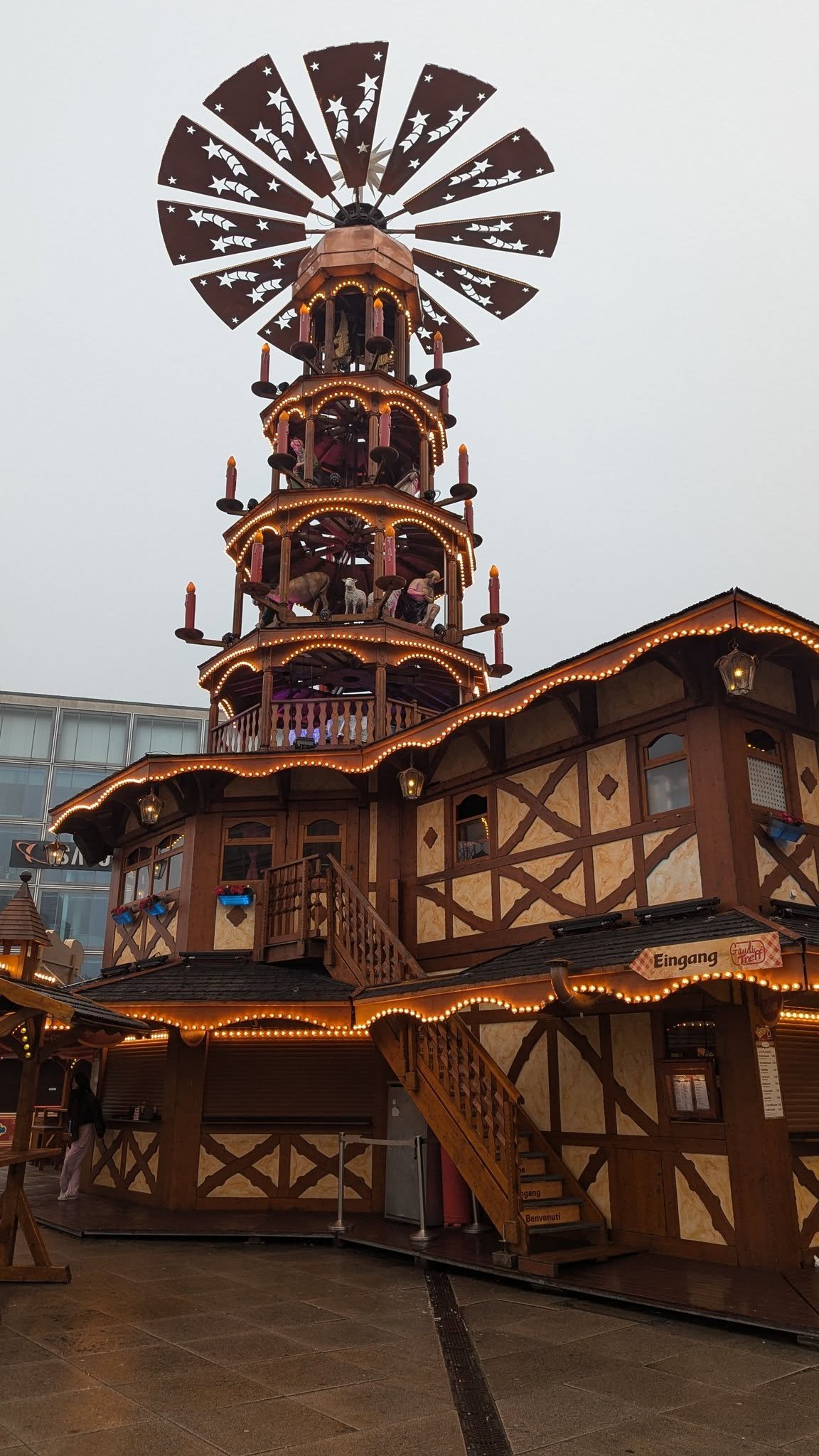
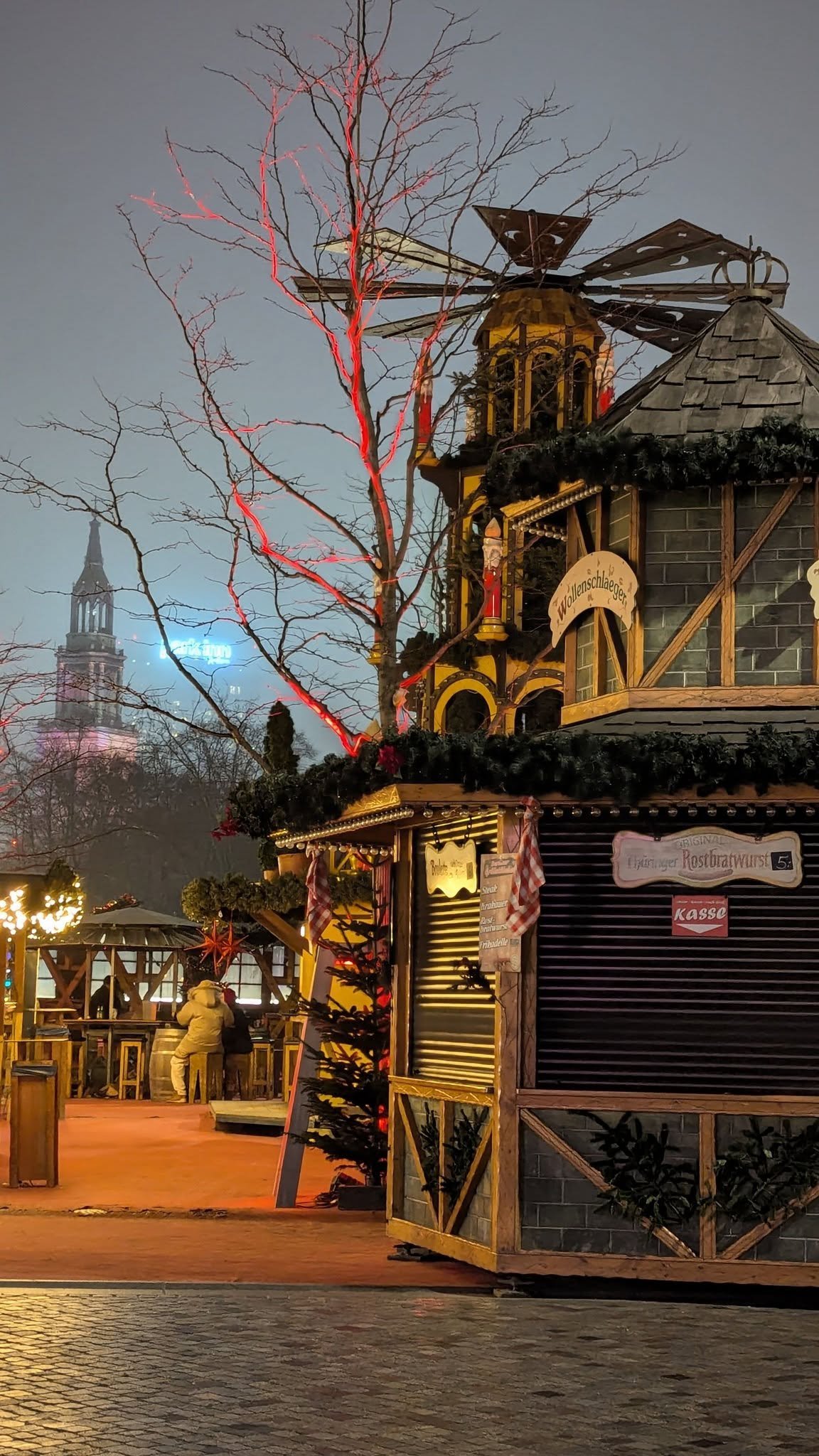
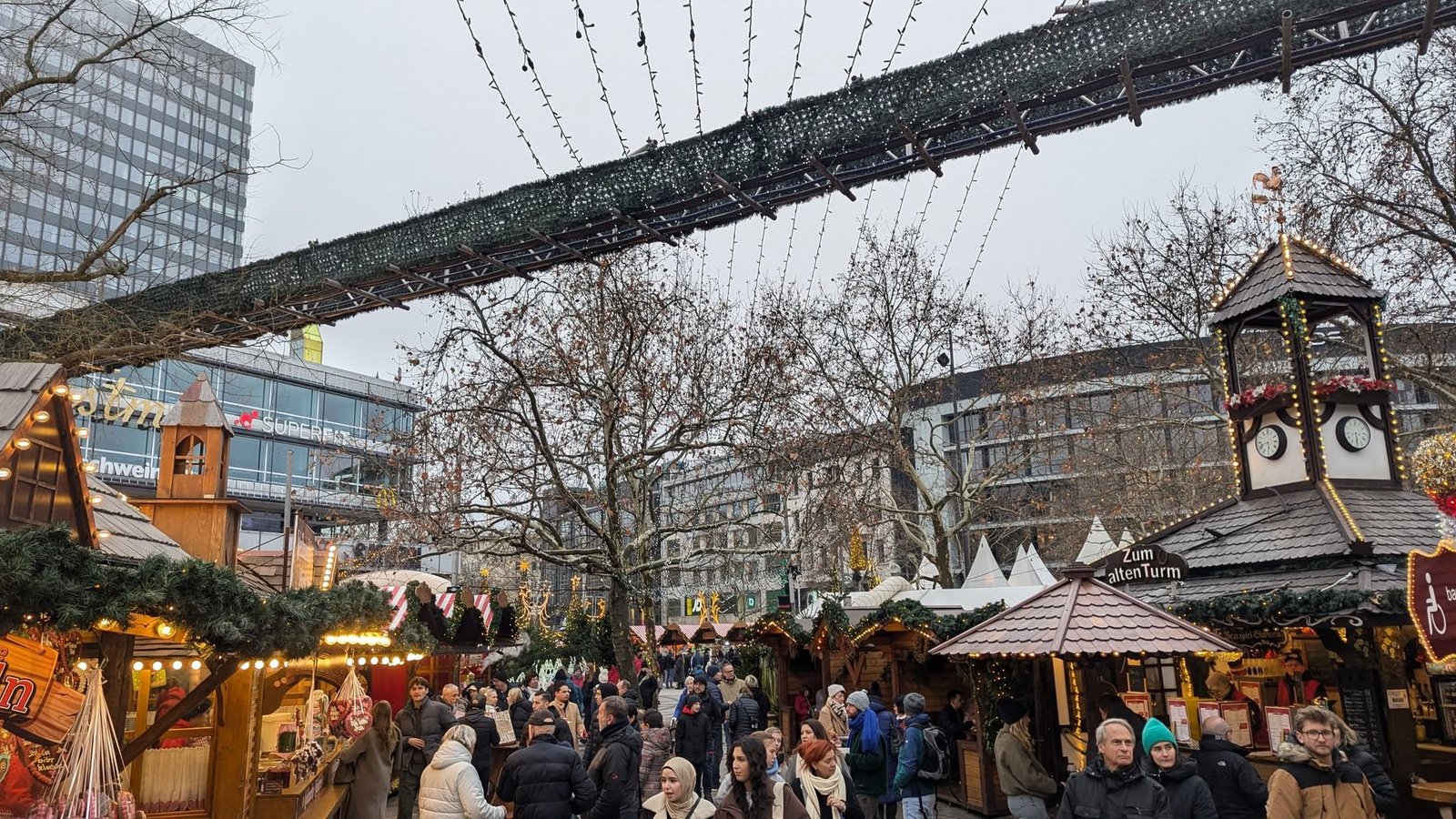
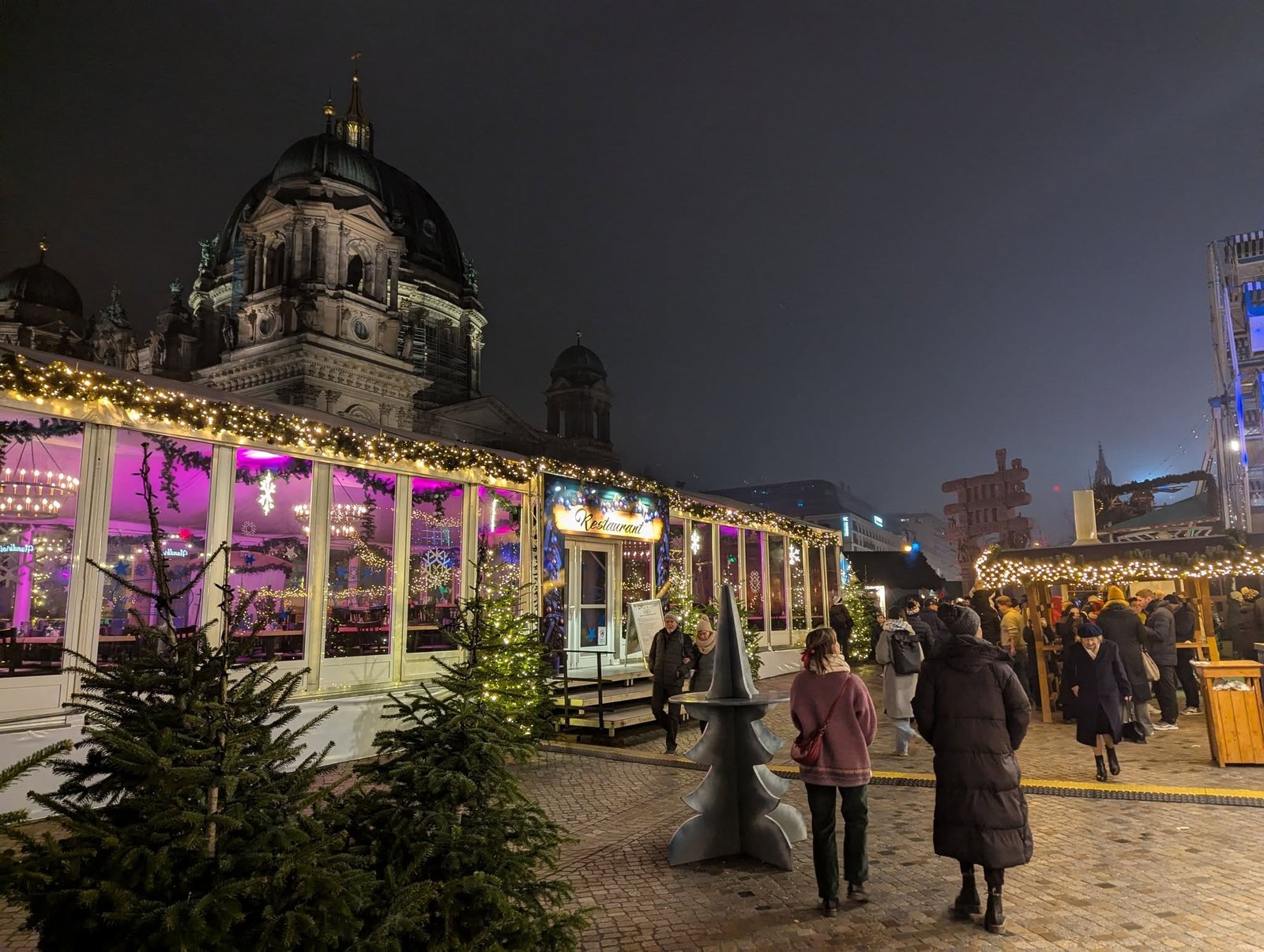
An overview of the markets I visited in 2019–2022 – Alexanderplatz, the Red Town Hall, Gendarmenmarkt, Kulturbrauerei, RAW-Gelände and Charlottenburg – with admission prices and opening hours is in a separate post, Berlin: Christmas markets.
In autumn the city is lit up by the Festival of Lights – projections on the Brandenburg Gate, the cathedral and many other buildings. I watched it four years in a row, from 2019 to 2022.
In June 2019 I went to two summer events. The Carnival of Cultures (Karneval der Kulturen) is a festival of cultures from all over the world – with stalls selling food and drinks from different countries, performances by artists and a parade of decorated floats. I even found a Polish stall there, although it was a bit embarrassing that our culture was represented by Harnaś, a cheap Polish lager. During the Fête de la Musique there are free concerts in many places across the city, with bands playing all kinds of music.
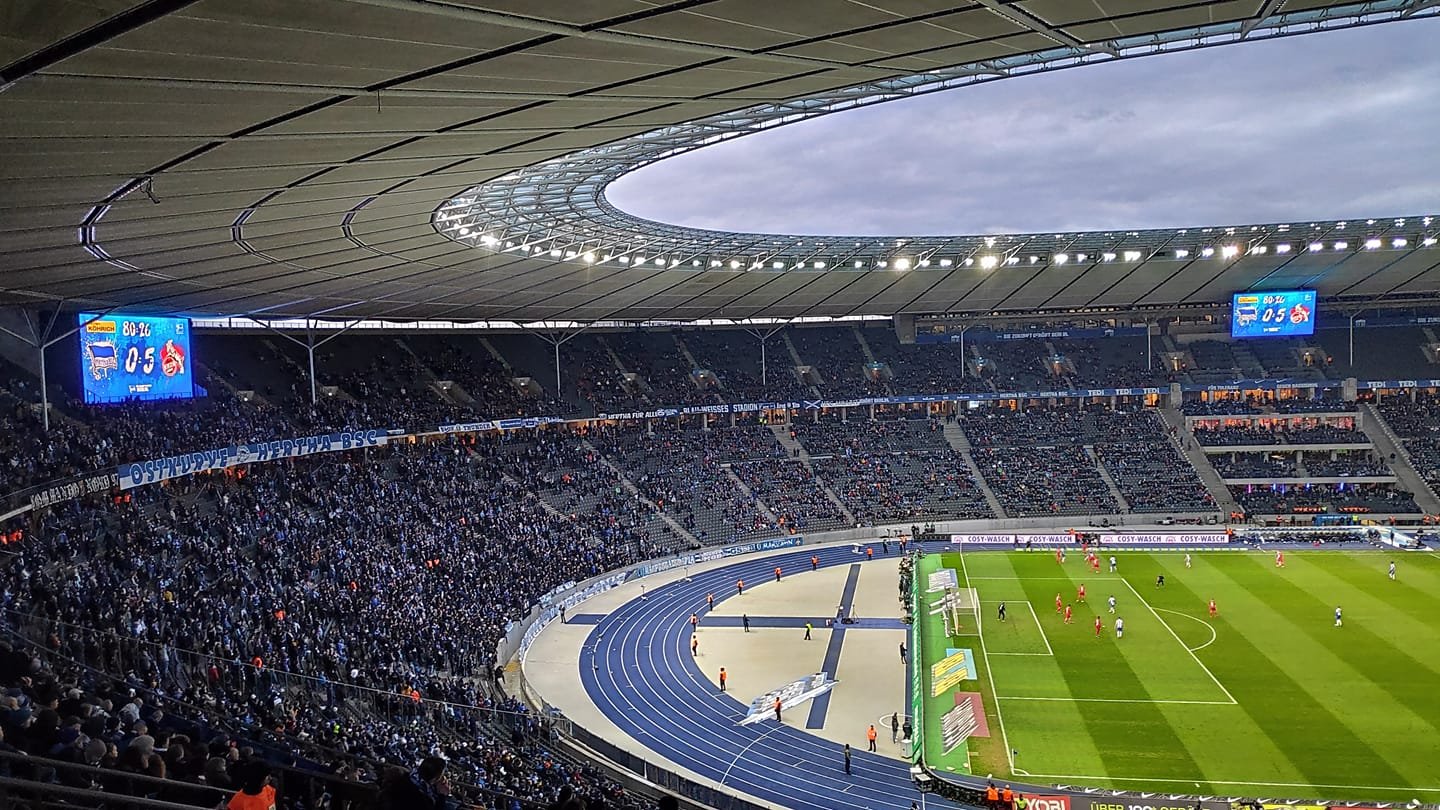
For football fans I recommend a match at the Olympic Stadium (Olympiastadion), home of Hertha BSC. In May 2019, at the game against Bayer Leverkusen (1:5), there were almost 60,000 fans, and in February 2020, at the game against 1. FC Köln, about 46,000. More about matches, concerts and festivals in the post Berlin for sport and music.
Practical information
- How much time? You can see the most important places in the centre in two days – that is what I had in December 2024, moving around the districts of Mitte, Charlottenburg, Friedrichshain and Prenzlauer Berg. For everything on this list, a week would be comfortable.
- How to combine them? The Brandenburg Gate, the Reichstag, the Holocaust Memorial, Potsdamer Platz, Checkpoint Charlie, Gendarmenmarkt, the cathedral and Alexanderplatz are close to each other, so you can see them on foot. The East Side Gallery, Bernauer Straße and the western part of the city are easiest to reach by S-Bahn or U-Bahn.
- In winter the days are short and fog is common – save the viewpoints (the cathedral terrace, the TV Tower) for a day with good visibility. Most Christmas markets are open until the end of December.
- Free: the East Side Gallery, the Berlin Wall Memorial on Bernauer Straße, the Tränenpalast, the Topography of Terror, the Memorial to the Murdered Jews of Europe and the Reichstag from the outside.
- Prices: Berlin Cathedral – €10 (December 2024), the TV Tower – €25.50, with VR €29.50 (2023; cheaper online than at the door).
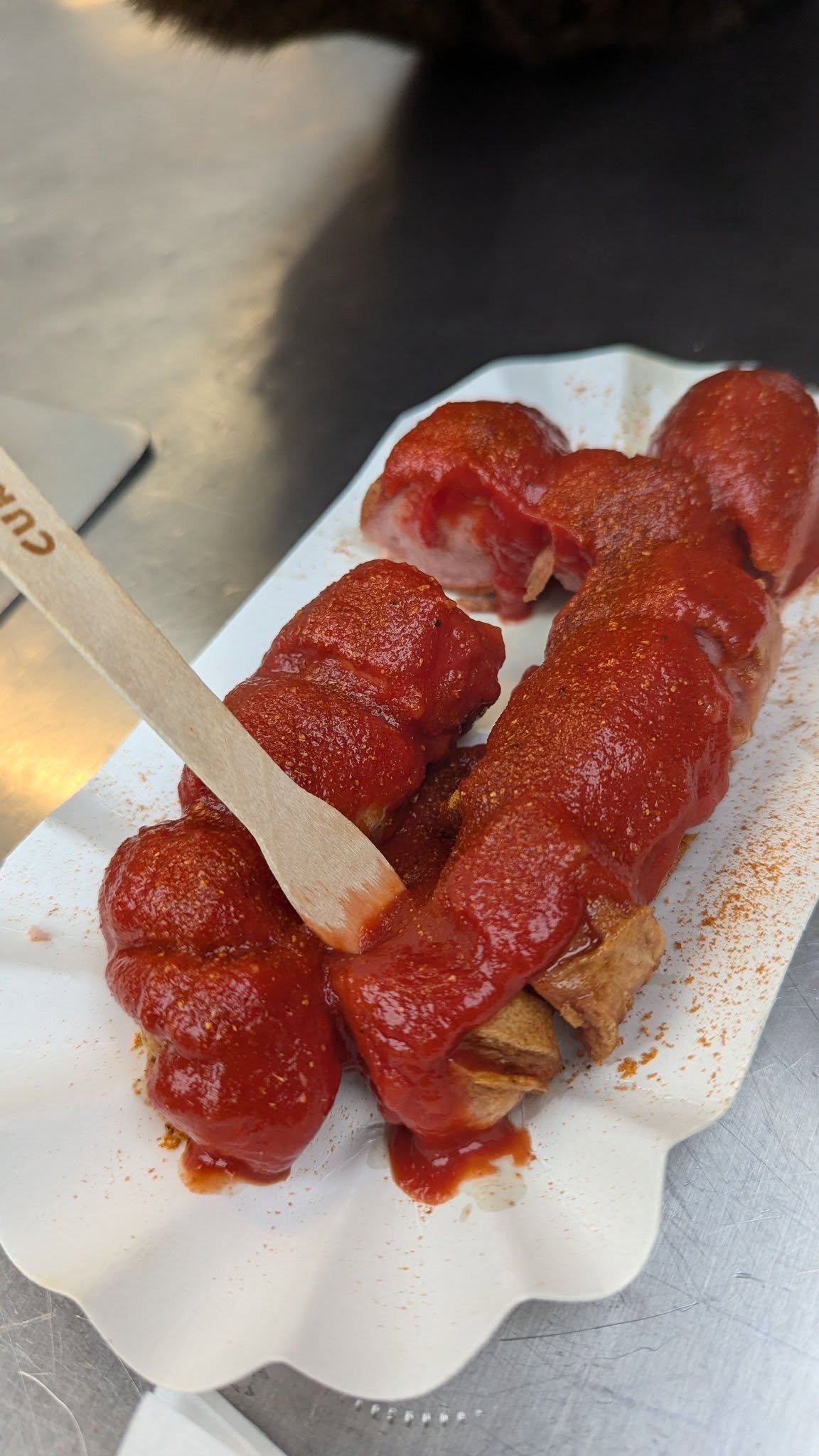
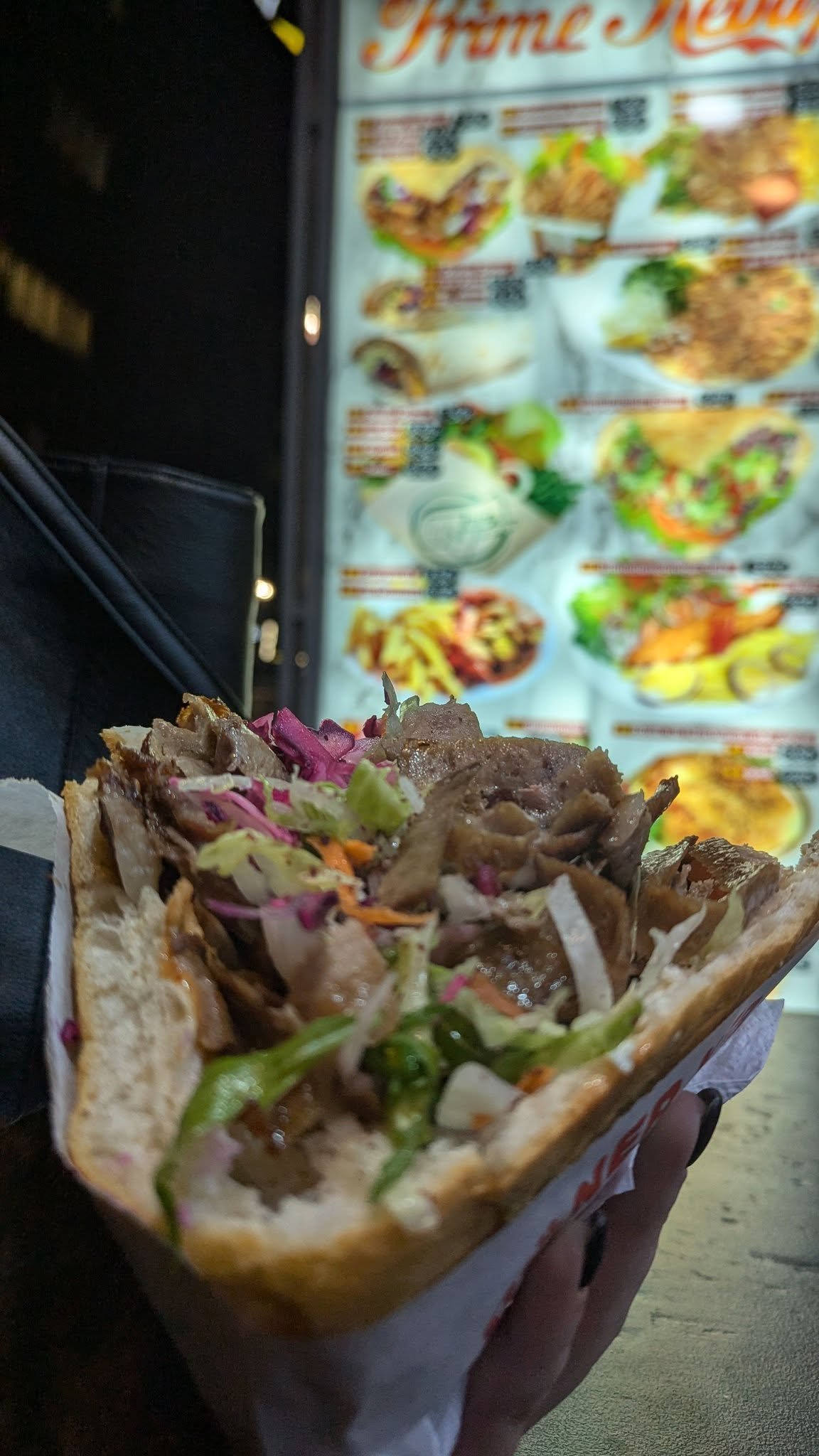
- Food: for a quick bite, usually currywurst or döner kebab – Berlin street food classics.
If you have already done the classic sights and would like to see Berlin from a completely different side, take a look at the post Berlin: abandoned places.
Photo gallery