Potsdam, the capital of Brandenburg, lies just beyond Berlin’s western border – from the centre of the German capital you can get here by S-Bahn in under an hour. The city is famous for the palaces and parks of the Prussian kings, which, together with the parks on the Berlin side of the Havel, are a UNESCO World Heritage Site. We have been here twice. In summer 2020 we spent a whole day in the centre of Potsdam and in Sanssouci Park – the video below is from that day. A year later we went to the very edge of Berlin, to the district of Wannsee, and from there walked through Glienicke Park and over the Moritzberg hill, along Lake Griebnitzsee, to Babelsberg Park.
Table of contents
- Potsdam in a day – the Old Market, the Dutch Quarter, Cecilienhof and Sanssouci
- Wannsee and Glienicke Park
- Moritzberg and a walk along the Griebnitzsee
- Babelsberg Park
- The House of the Wannsee Conference
- Practical information
Potsdam in a day – the Old Market, the Dutch Quarter, Cecilienhof and Sanssouci
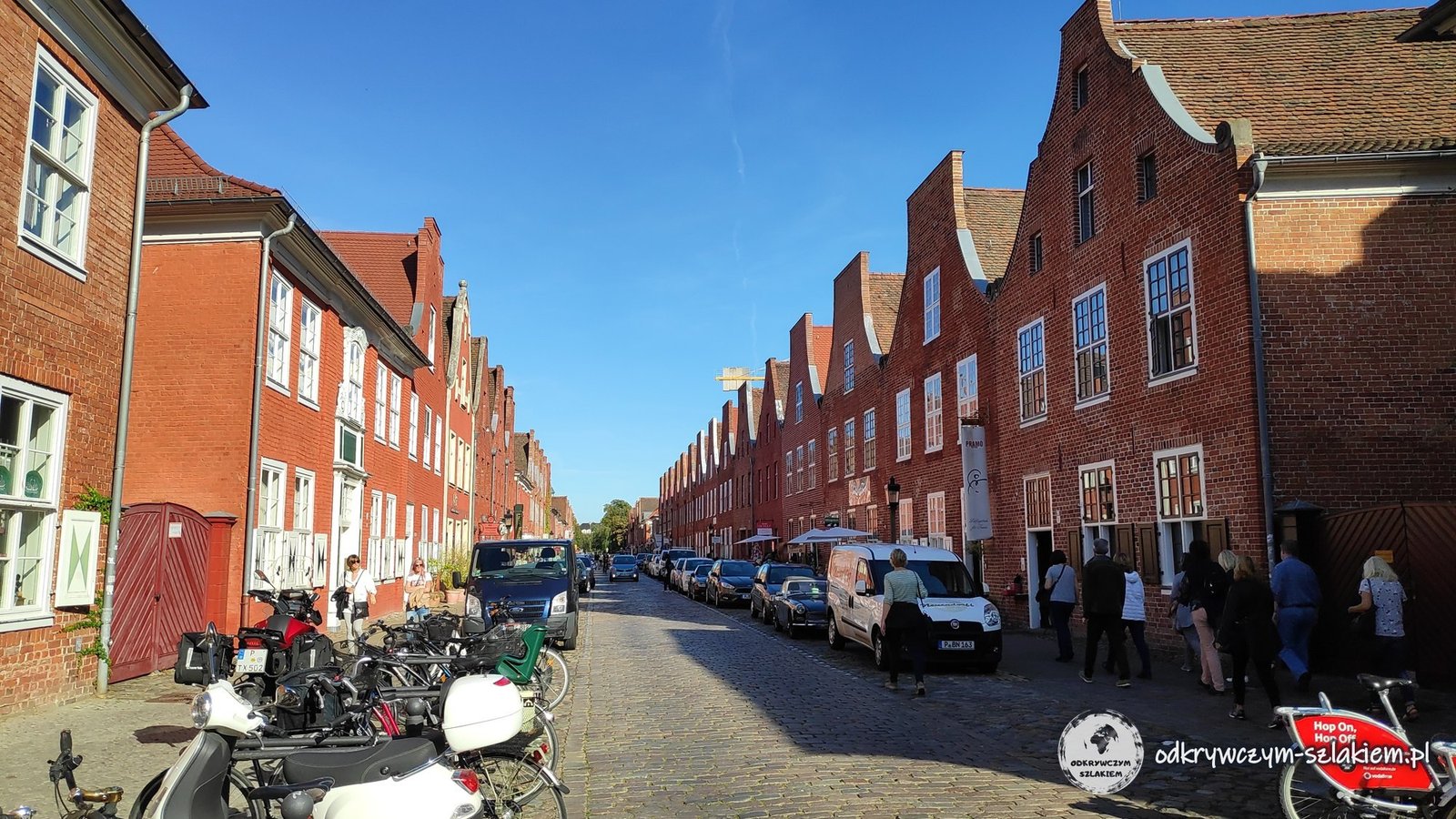
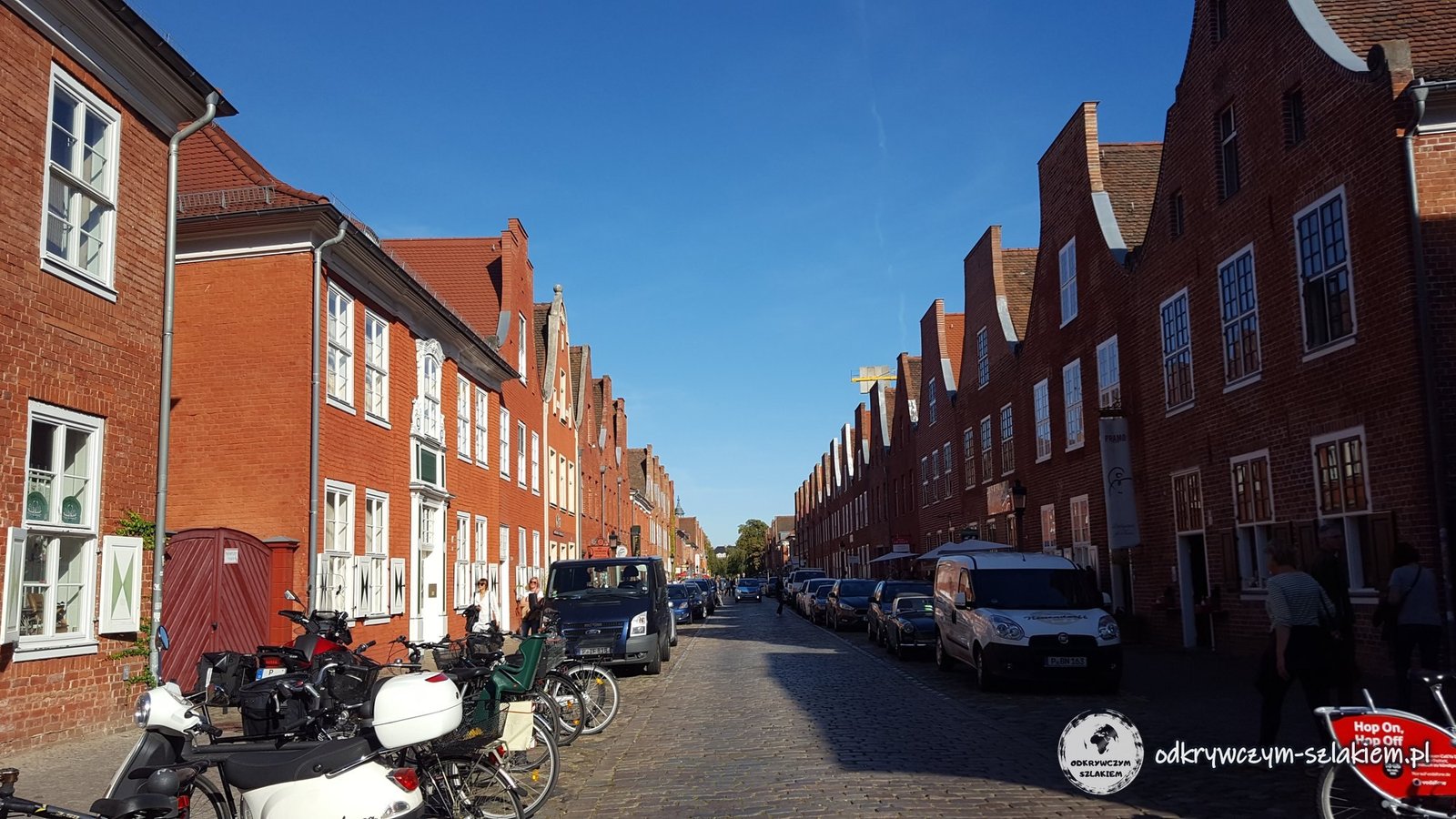
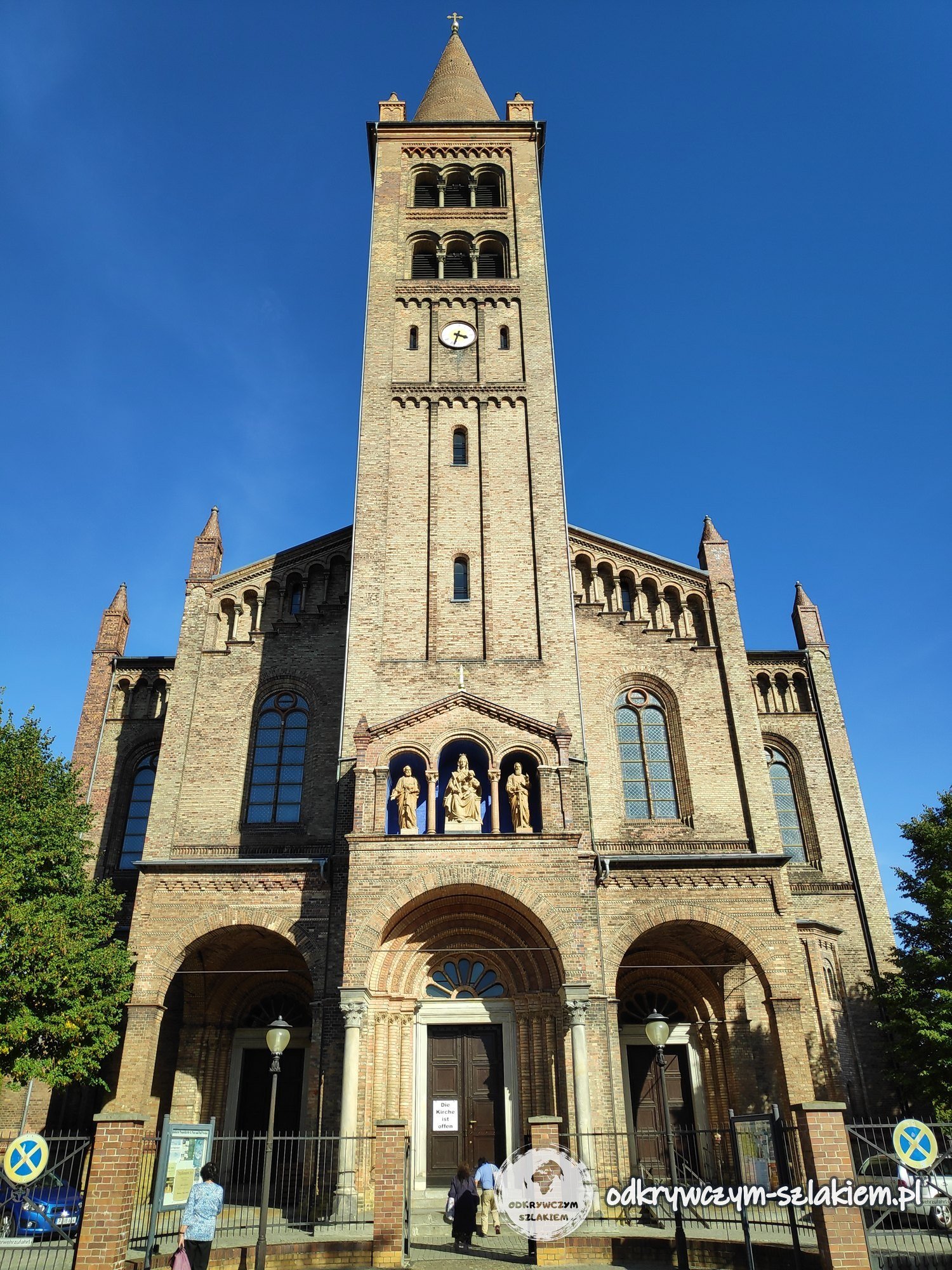
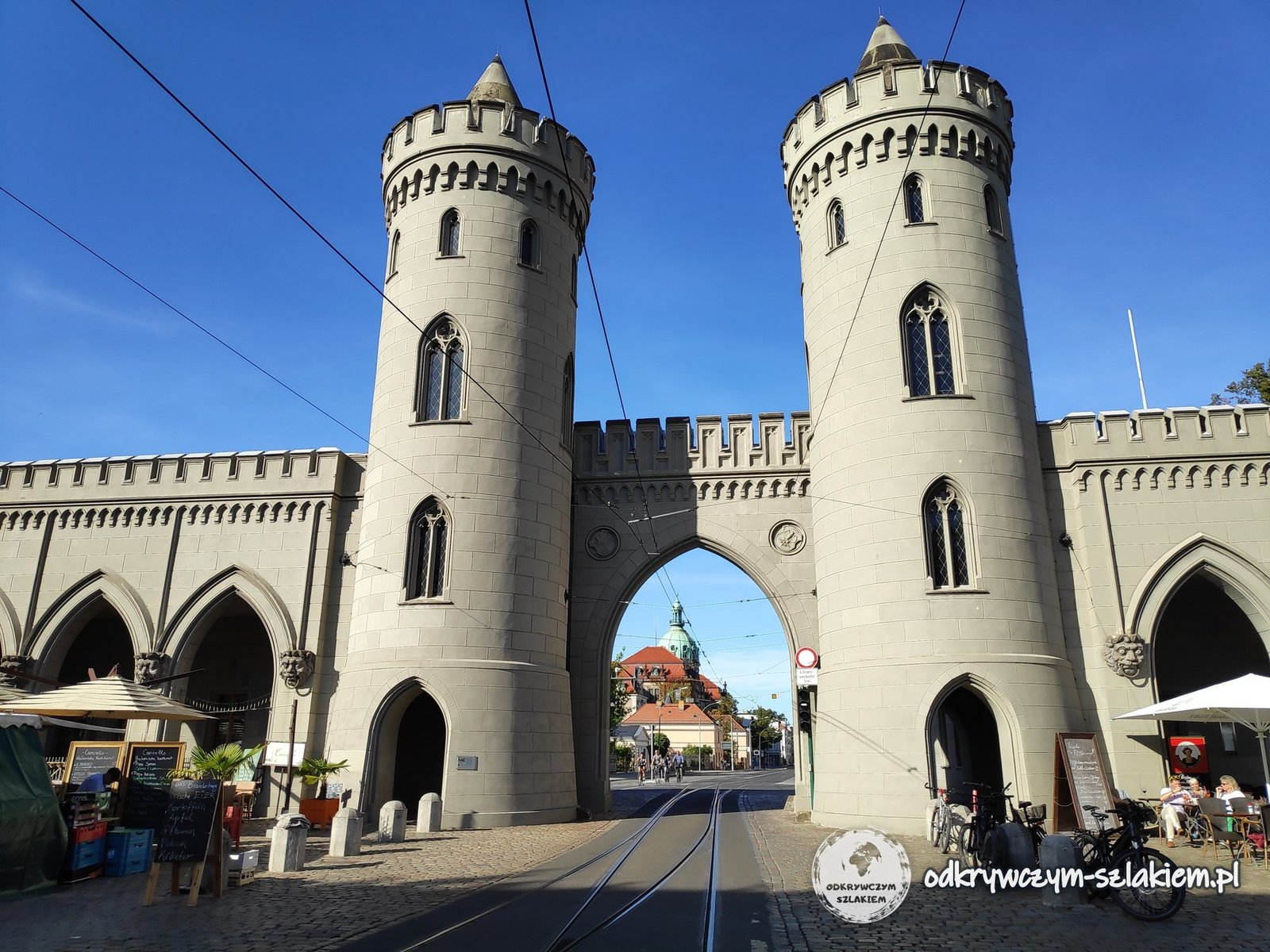
We explored the western part of Potsdam. We started at the Old Market (Alter Markt), dominated by the dome of St Nicholas’ Church, next to the rebuilt City Palace – today the seat of the Brandenburg state parliament. From there we walked across the New Market, past the Church of Saints Peter and Paul and the Nauen Gate, to the Dutch Quarter (Holländisches Viertel) with its distinctive red-brick houses.
Earlier, in September 2019, I was in Potsdam in sunny weather – some of the photos of the centre and the New Garden come from that visit.
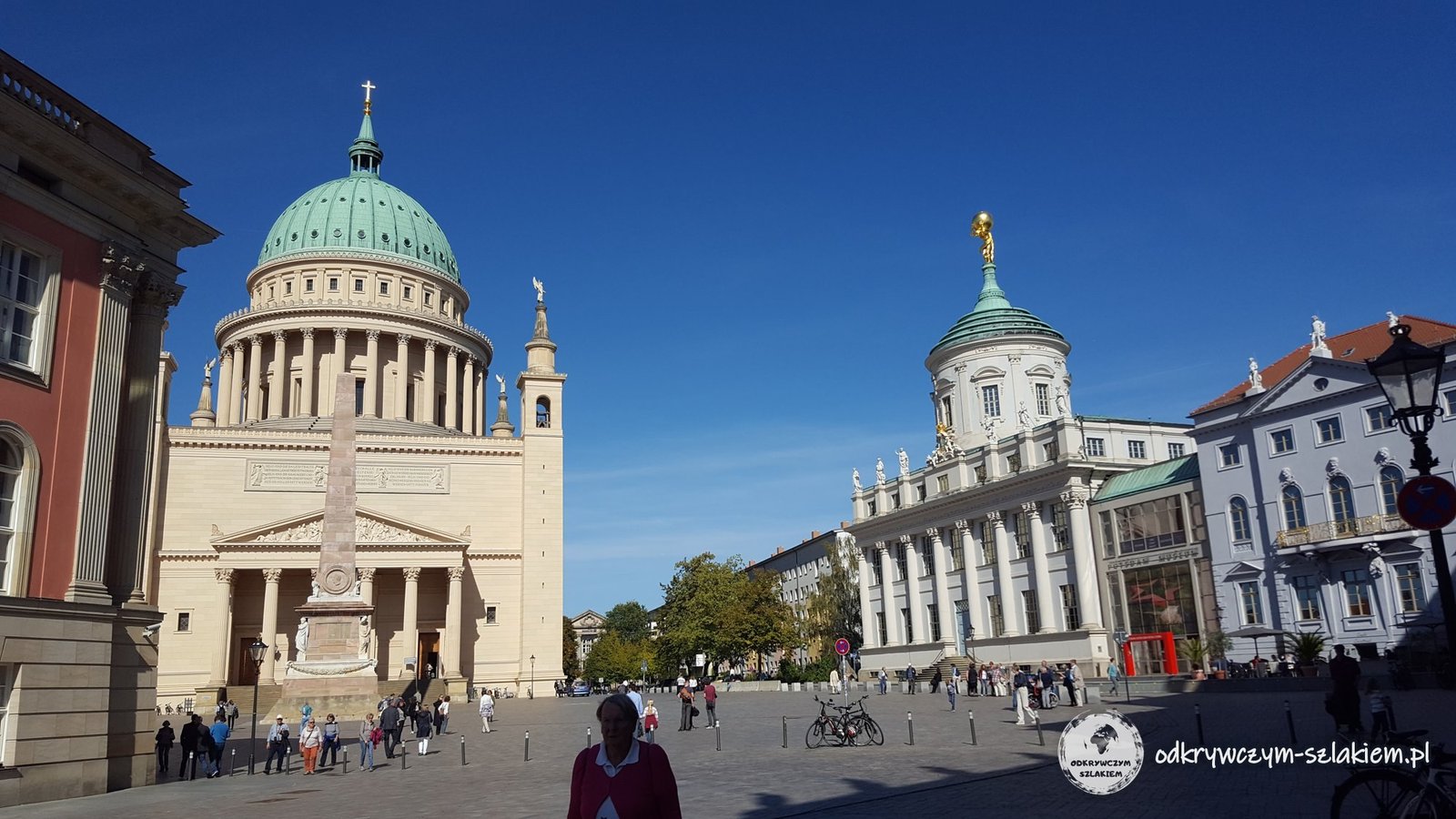
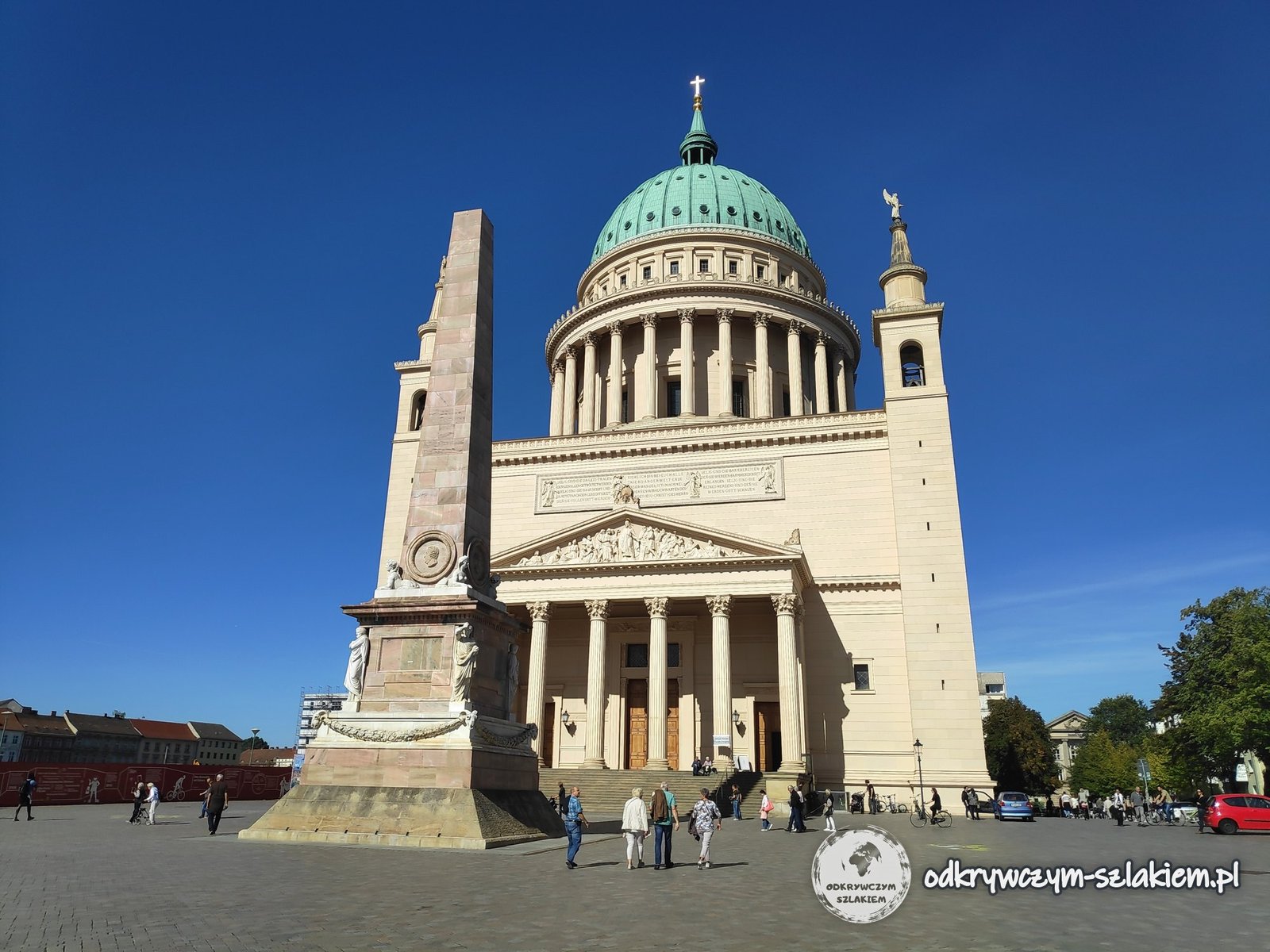
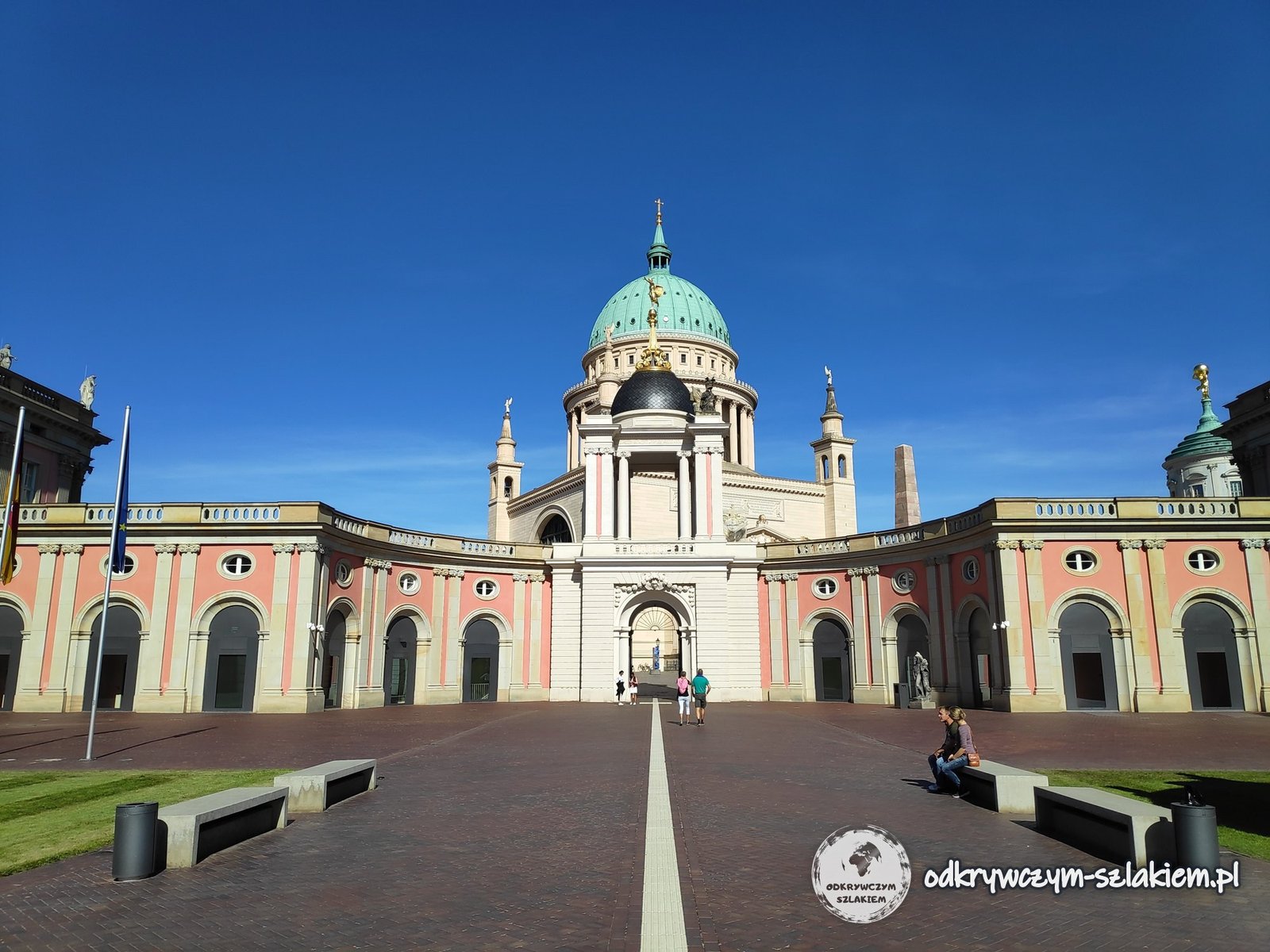
St Nicholas’ Church was designed by Karl Friedrich Schinkel. The main body was built in 1830–1837 and the dome was added only in 1843–1850 – with it the church is 77 m high and towers over the whole centre. It was badly damaged at the end of the Second World War and was not reconsecrated until 1981. The Fortuna Portal, with a gilded figure of the goddess on its dome, leads into the courtyard of the neighbouring City Palace. The first portal was put up in 1701 for the coronation of Frederick I, the first King in Prussia. The ruins of the palace were blown up in 1960, and its reconstruction began with the portal, which returned to its place in 2002, partly thanks to donations from the TV presenter Günther Jauch.


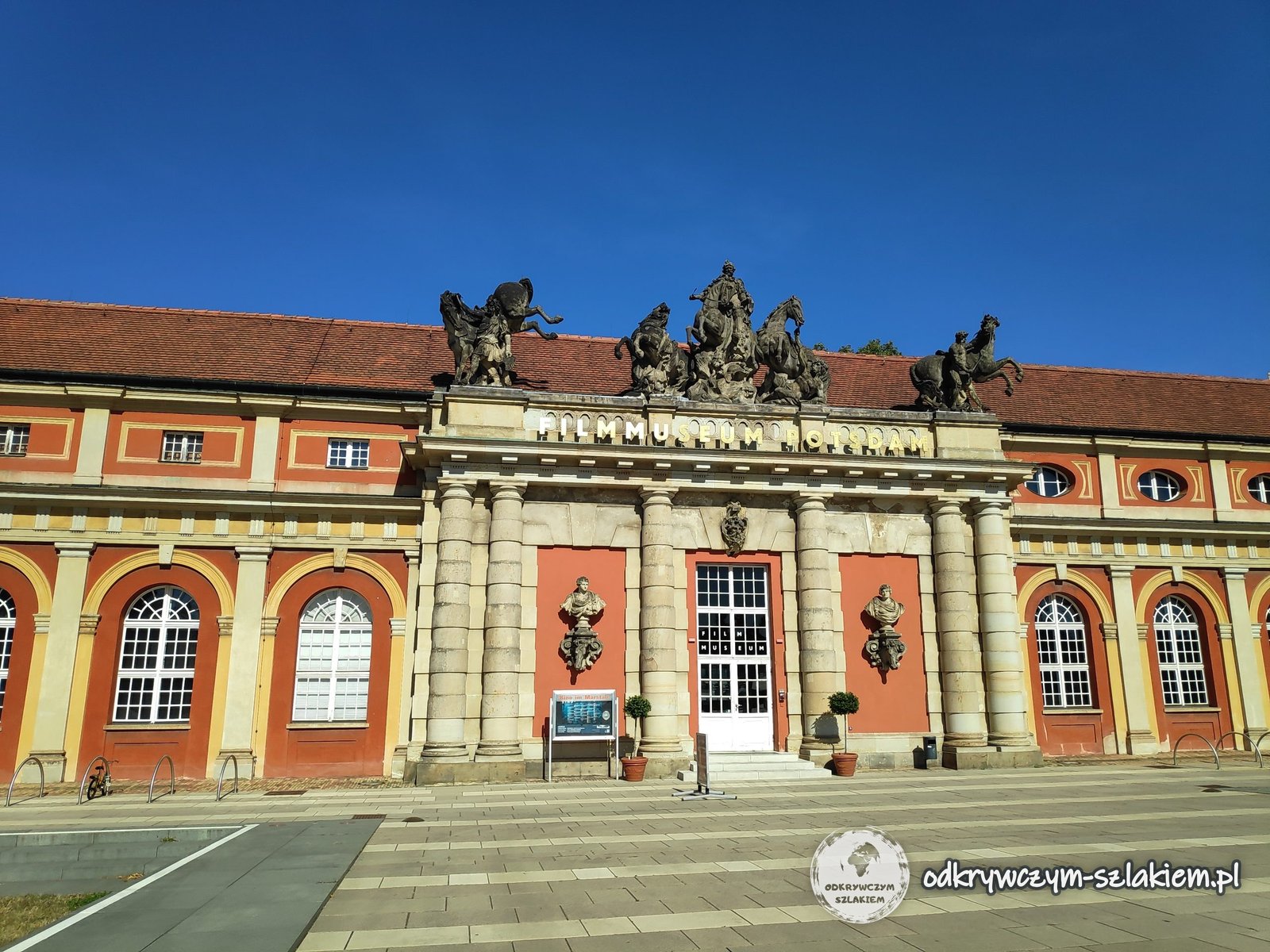
A few steps further on stands the Marstall – the oldest surviving building in Potsdam. It was built in 1685 as an orangery, and in 1714 the “Soldier King” Frederick William I turned it into a stable for the royal horses. In 1746 it was remodelled to plans by Georg Wenzeslaus von Knobelsdorff, and its attics are decorated with sculptures of horse tamers. Since 1981 it has housed the Film Museum (Filmmuseum Potsdam).
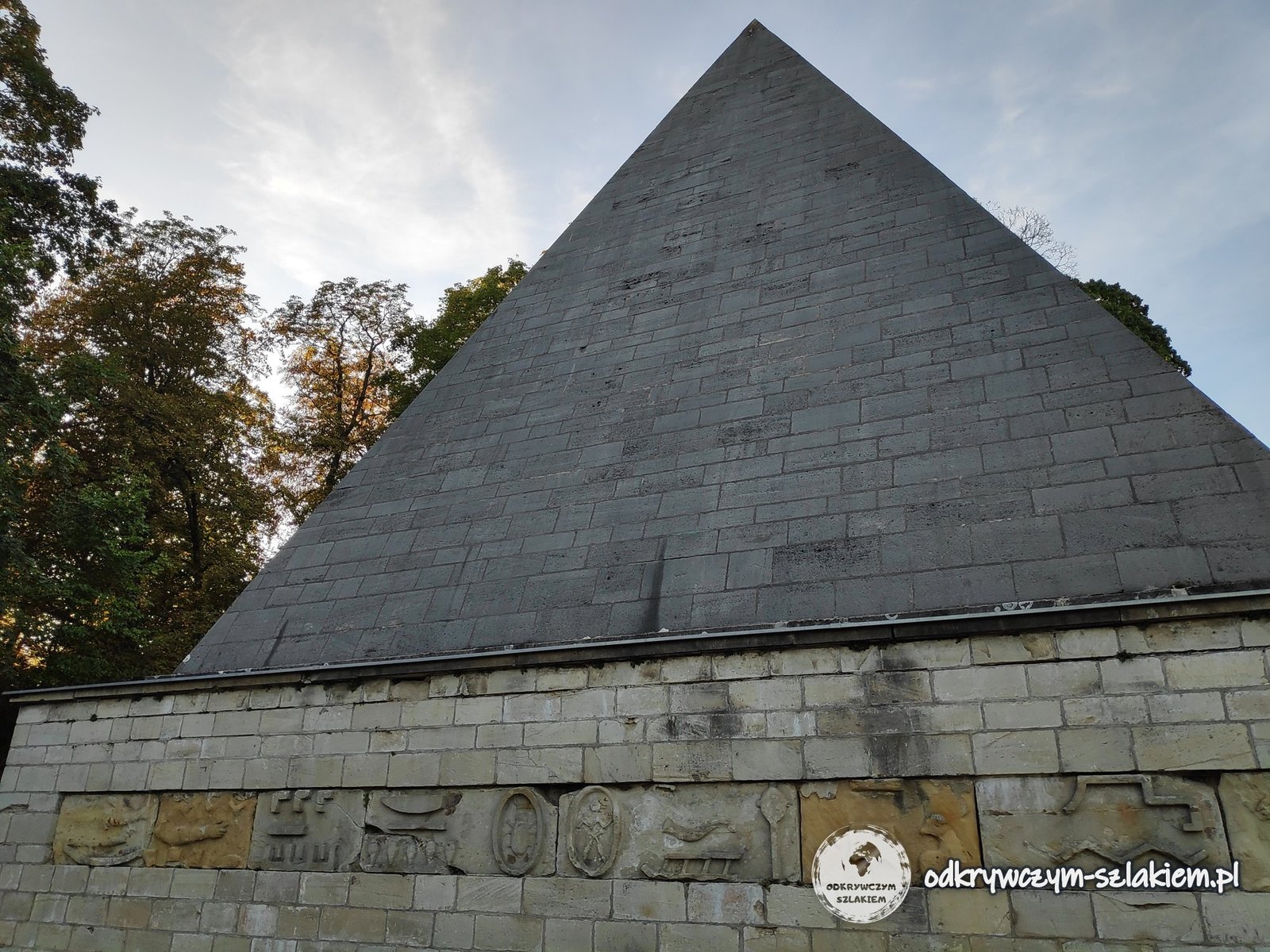
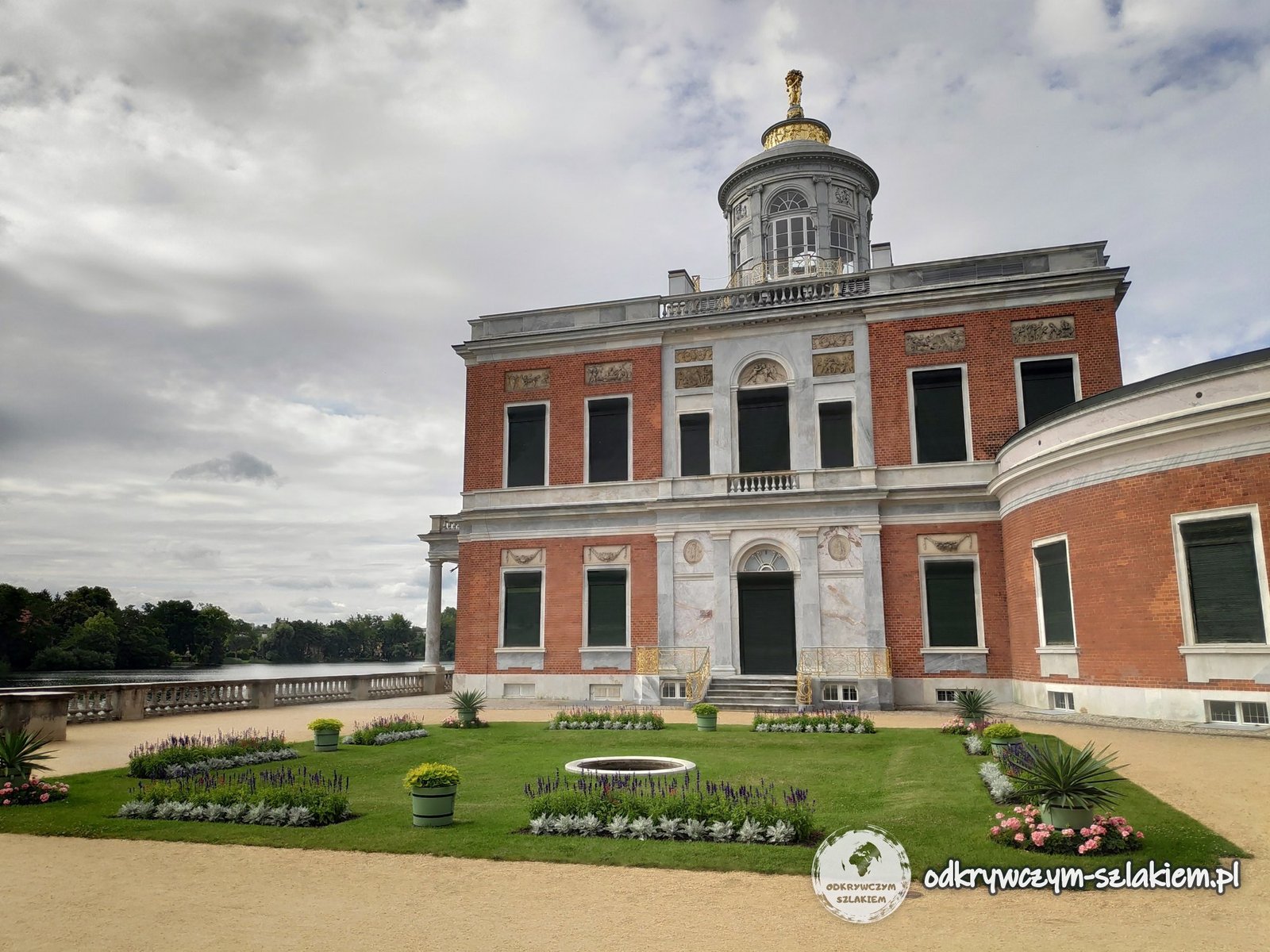
In the New Garden (Neuer Garten) on the Heiliger See lake we saw the Gothic Library, the Orangery, the Marble Palace, the pyramid (a former ice house) and Cecilienhof Palace, where the Potsdam Conference took place in summer 1945. Then we went up to the Belvedere on the Pfingstberg hill, and on the way to Sanssouci we looked into the Church of St Alexander Nevsky and the Russian colony of Alexandrowka with its wooden houses.

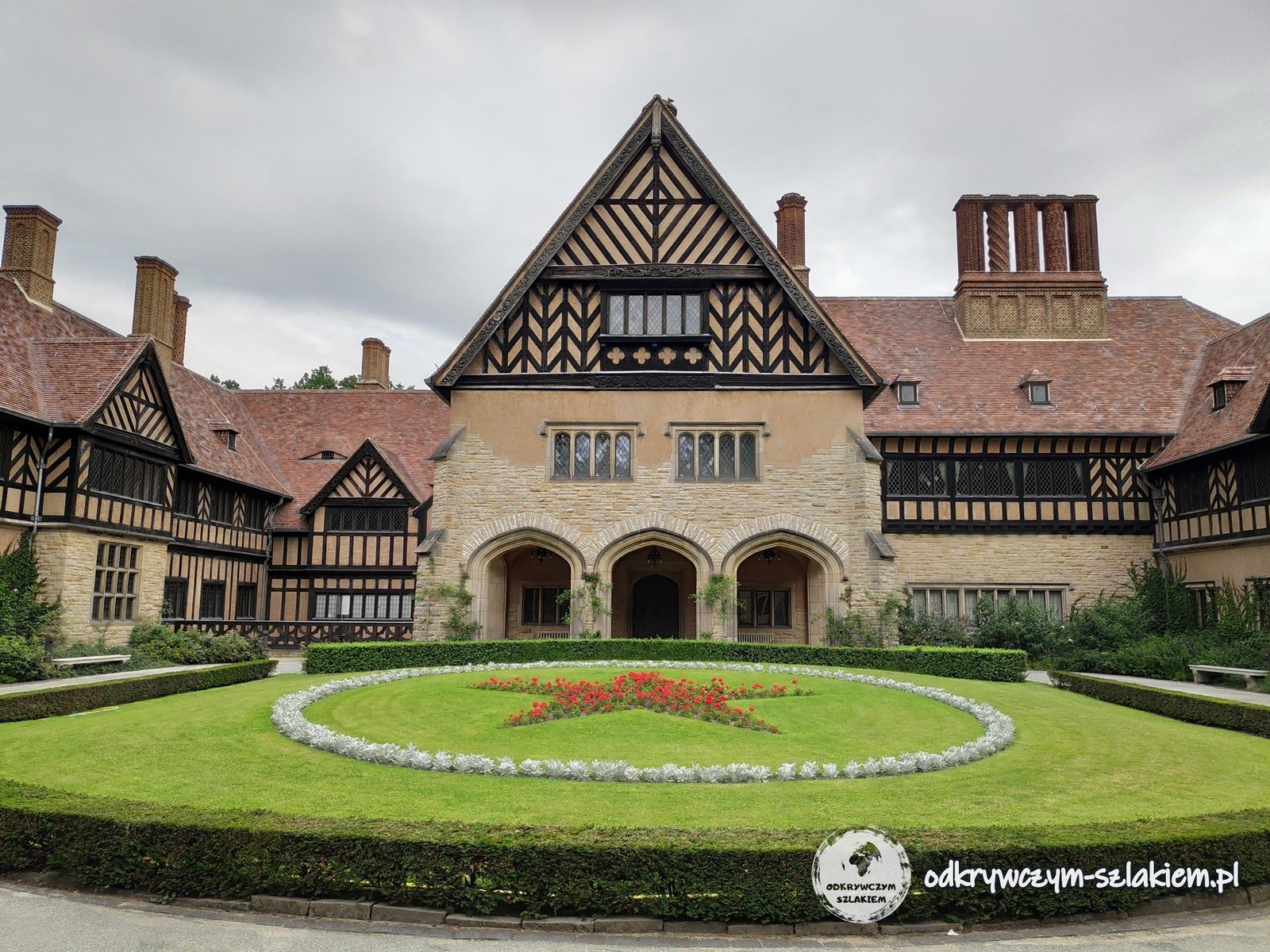
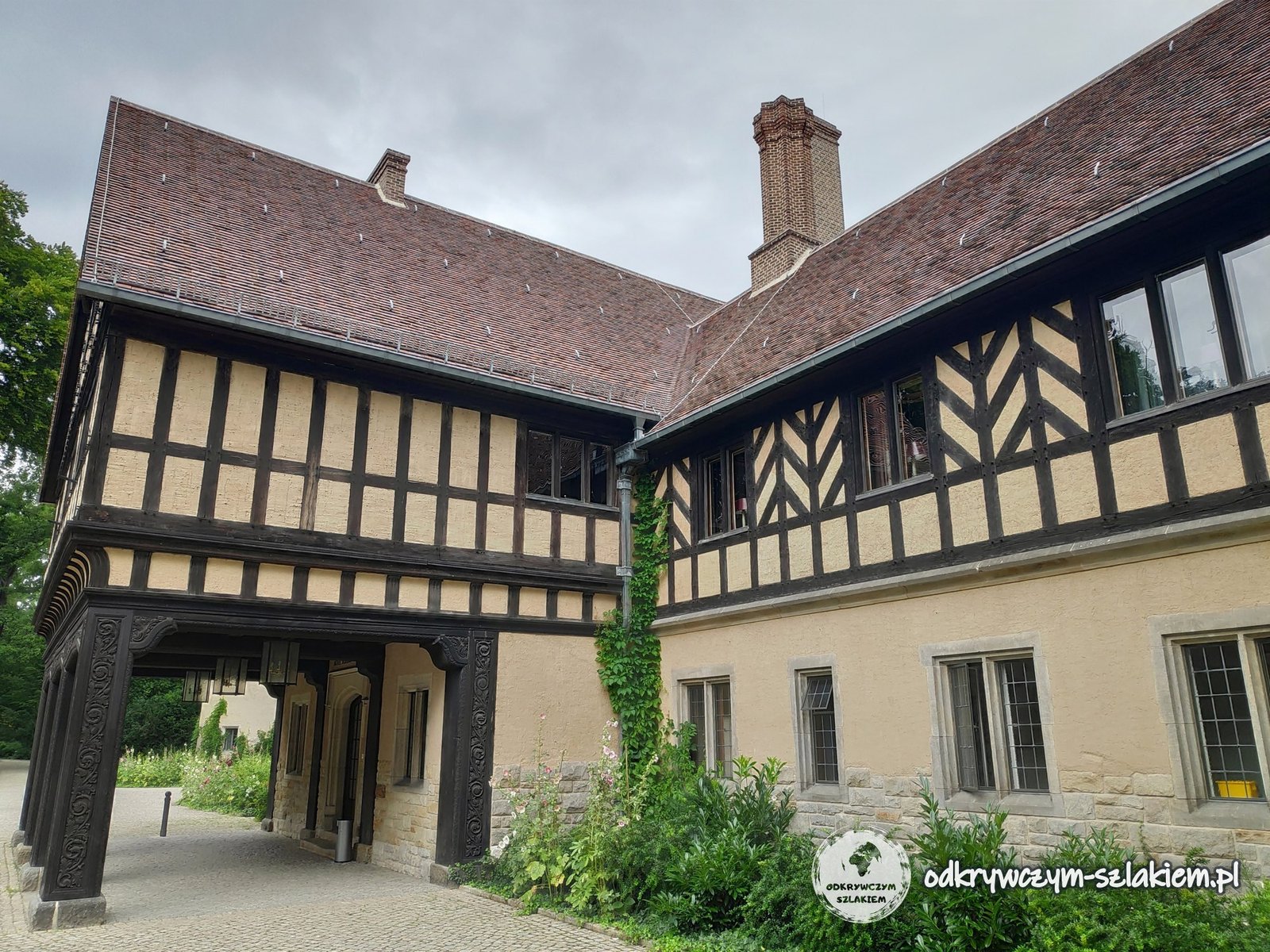
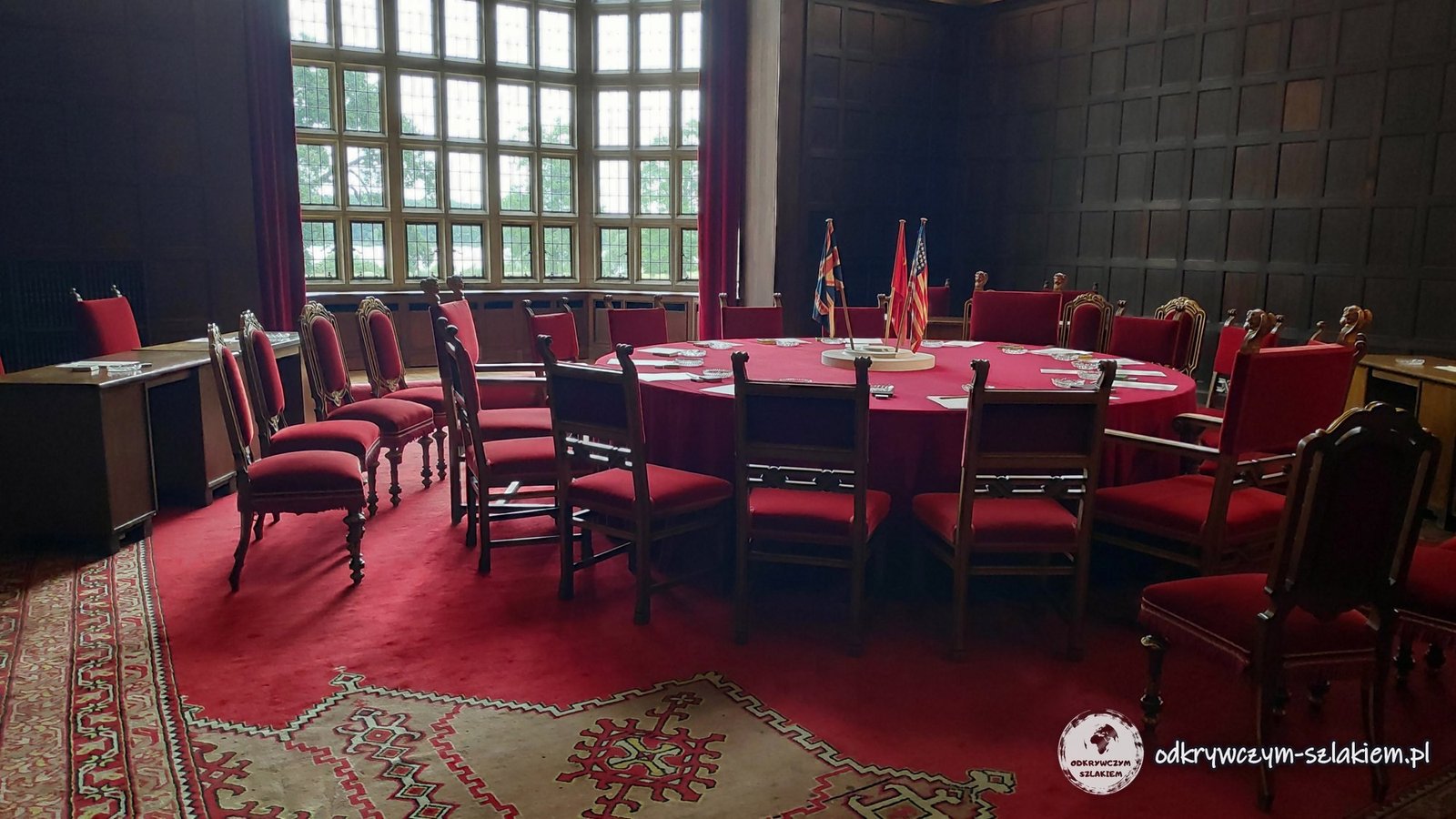
Cecilienhof was the last palace built by the Hohenzollerns. It went up in 1914–1917 for Crown Prince Wilhelm and his wife Cecilie in the style of an English Tudor manor house, and has 176 rooms. The conference lasted from 17 July to 2 August 1945, and the Soviet soldiers who prepared the palace planted a red star of flowers in the courtyard. Under the Potsdam Agreement signed here, the German territories east of the Oder and Lusatian Neisse were placed under Polish administration. On the garden terrace stand replicas of the wicker armchairs in which the leaders of the Big Three posed for press photographs.

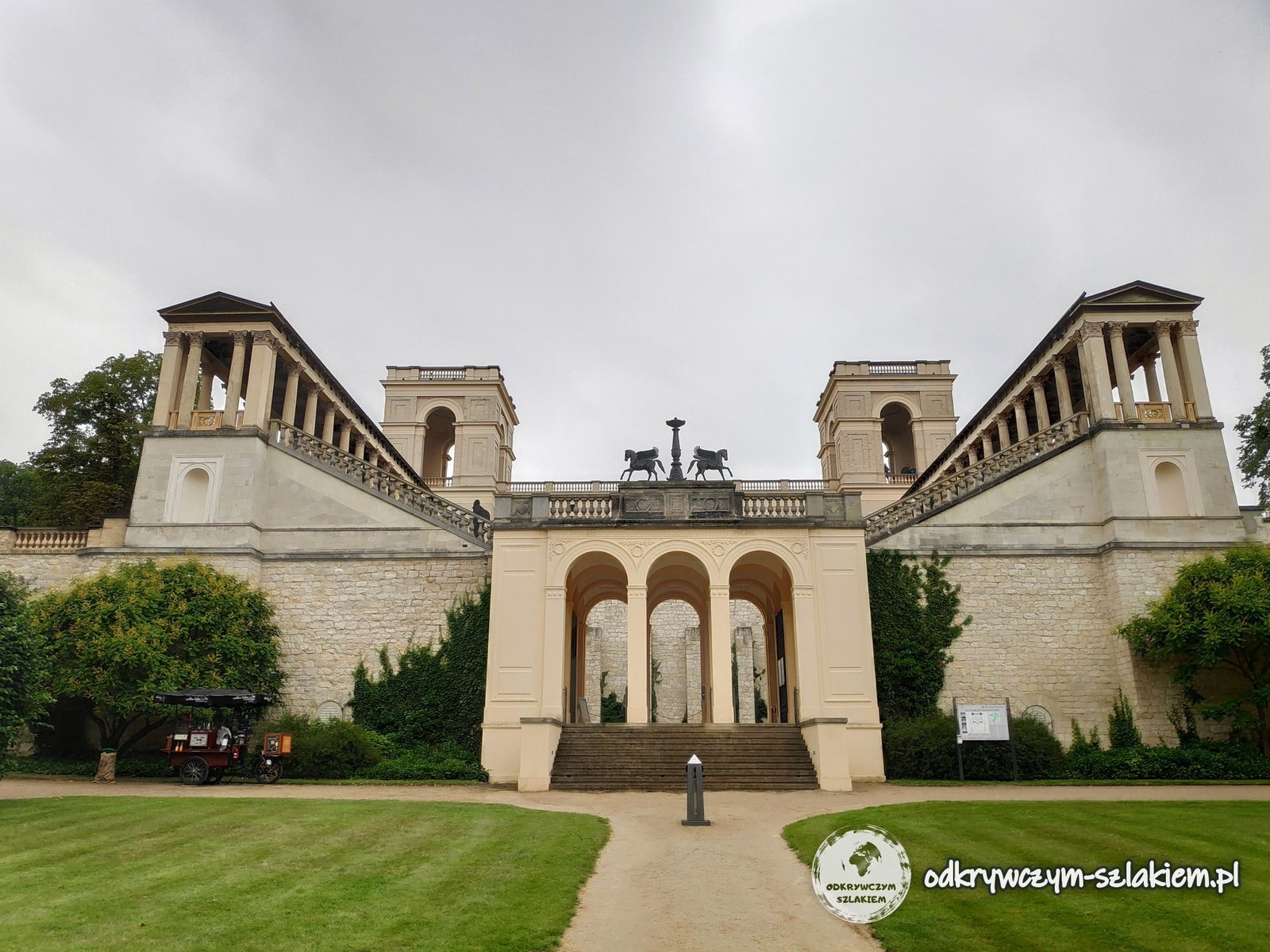
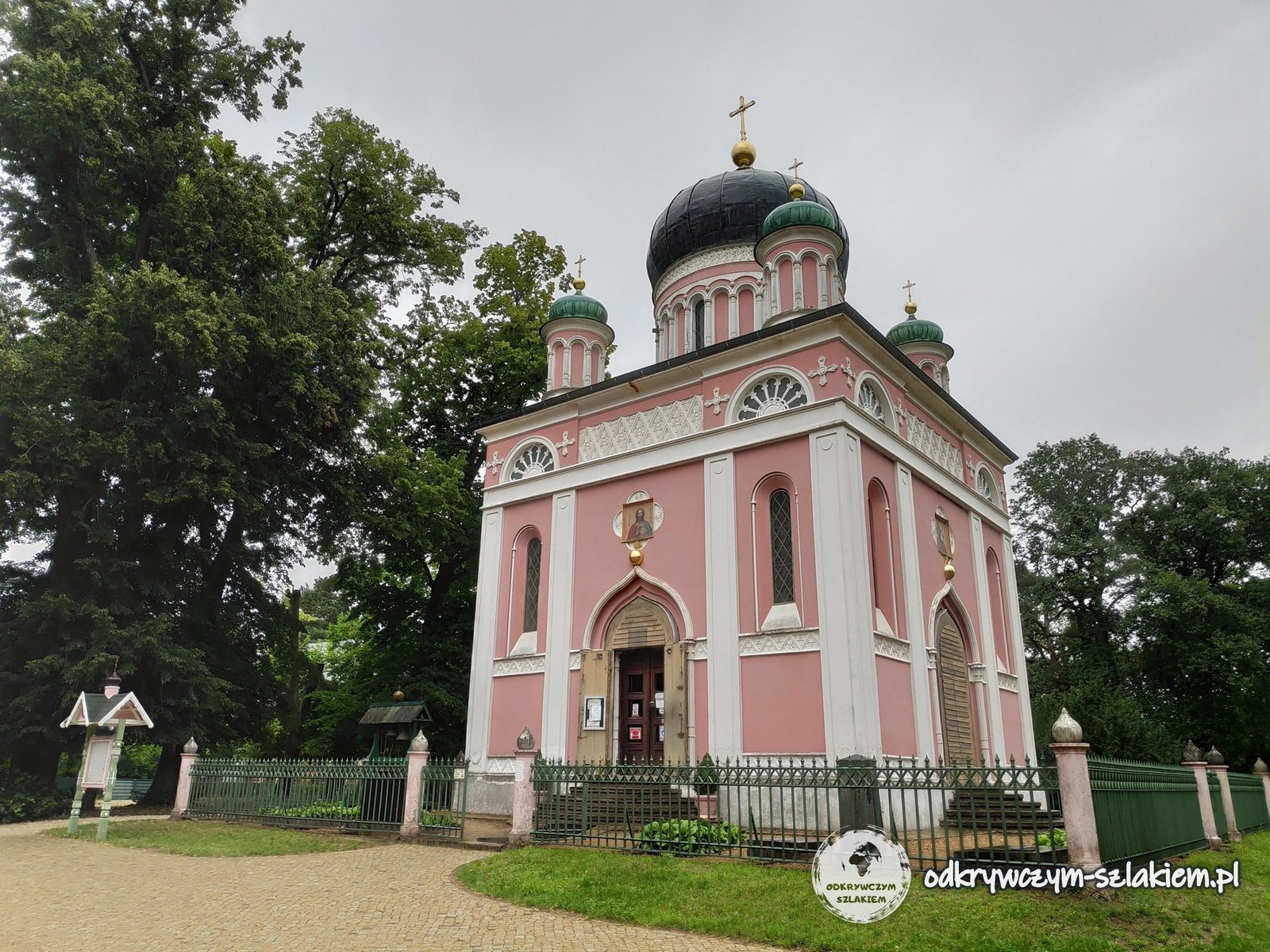
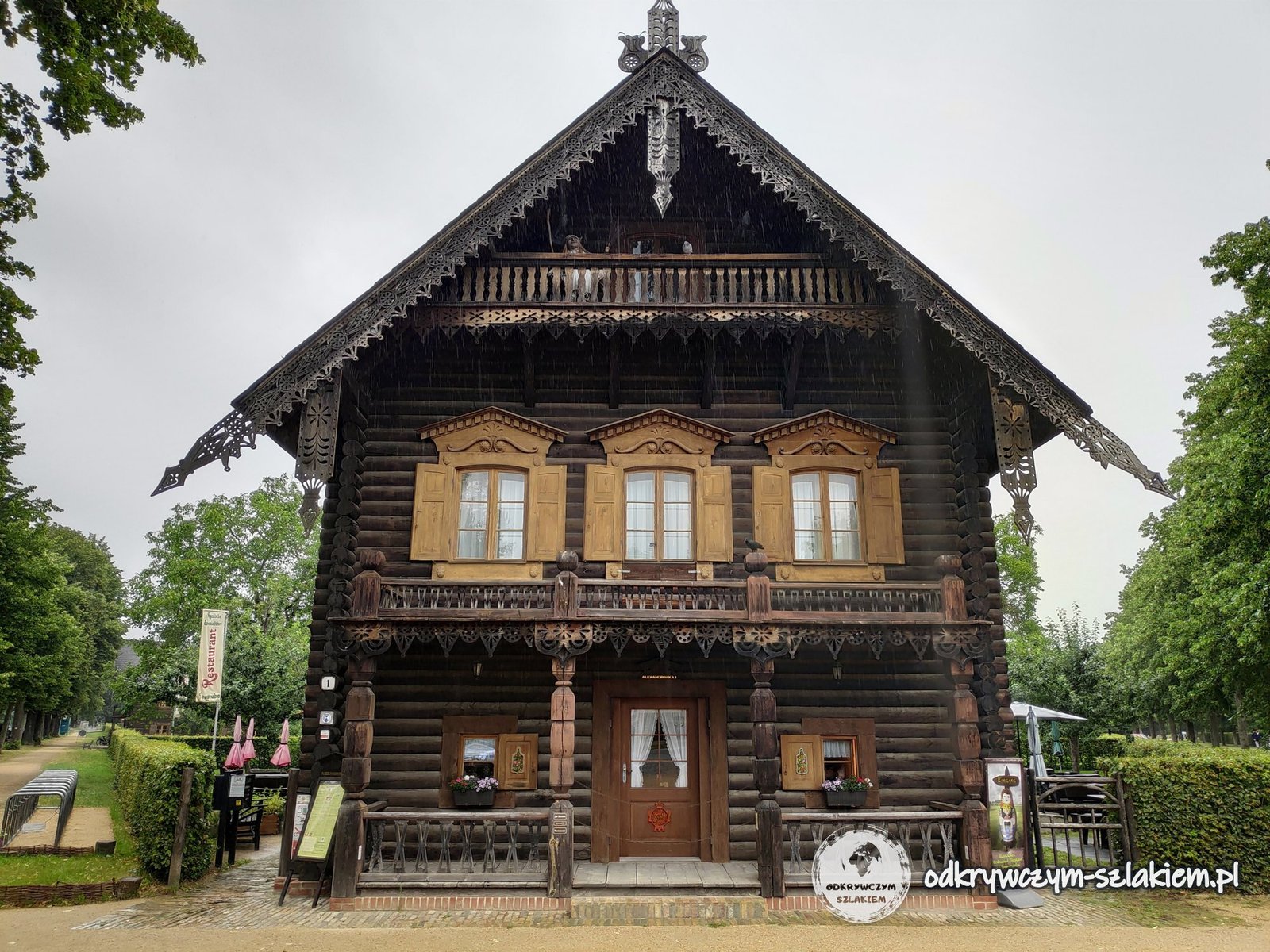
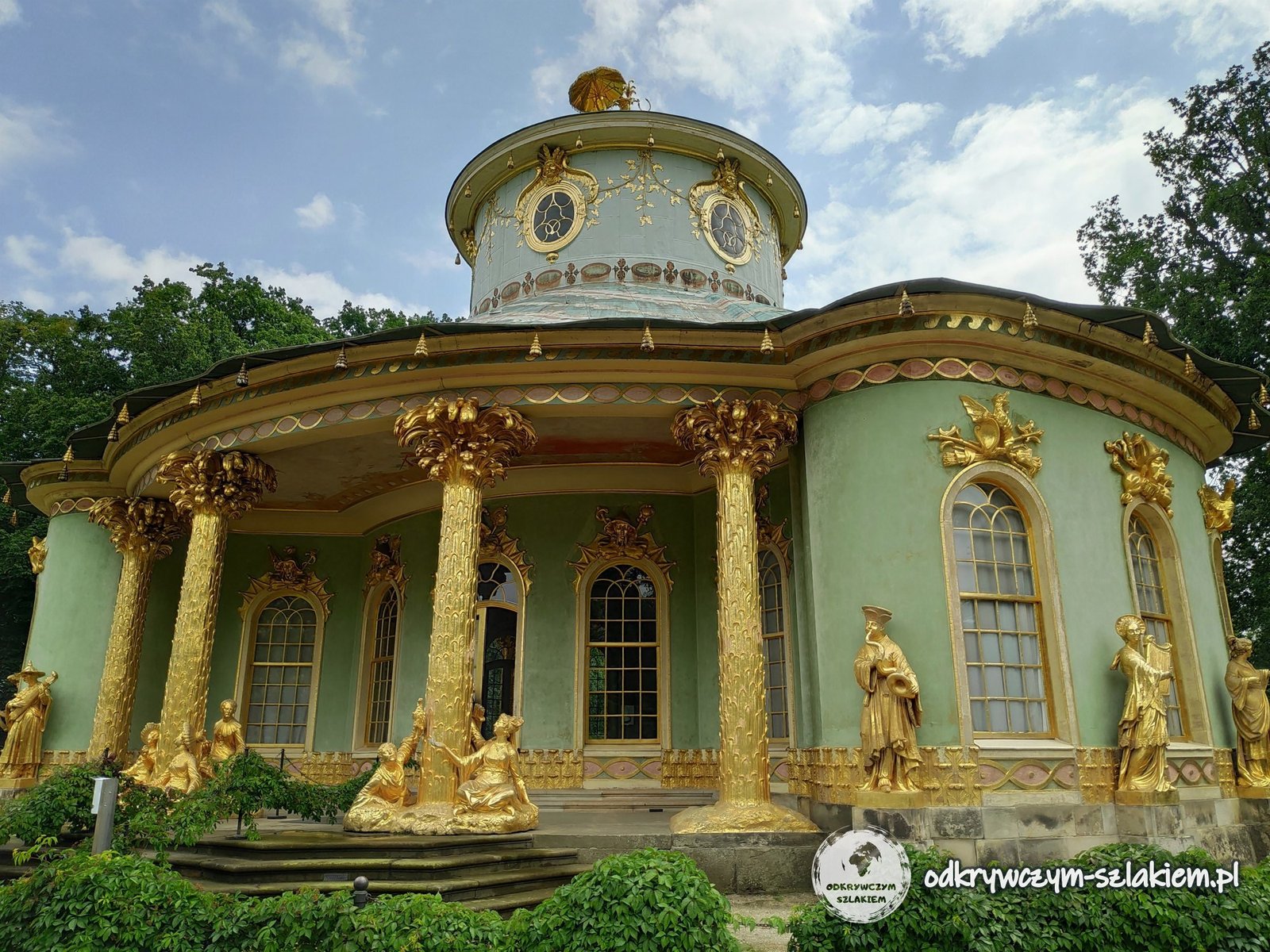
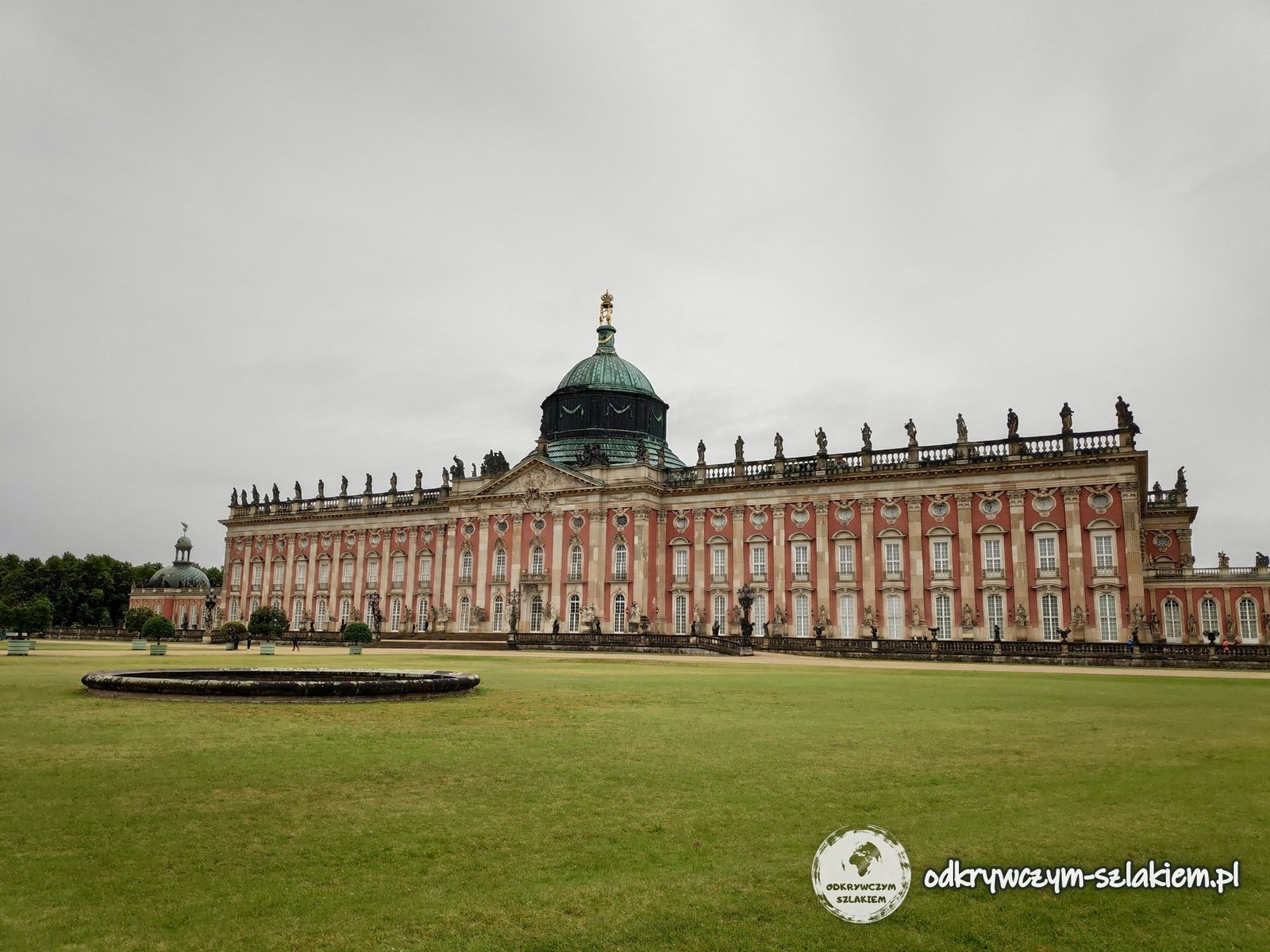
Finally, Sanssouci Park – the summer residence of Frederick the Great. The park is huge: besides Sanssouci Palace itself with its vineyard terraces and the New Chambers (Neue Kammern), there are, among others, the New Palace (Neues Palais), the Antique Temple and the Temple of Friendship, the Pheasantry, Charlottenhof Palace, the Roman Baths, the Chinese House, the New Orangery with the Sicilian Garden and a historic windmill. We left the park through the Obelisk Gate, and the last stop of the day was Potsdam’s Brandenburg Gate – older than the one in Berlin. One visit is definitely not enough to see everything Potsdam has to offer – I show most of these places in the video.
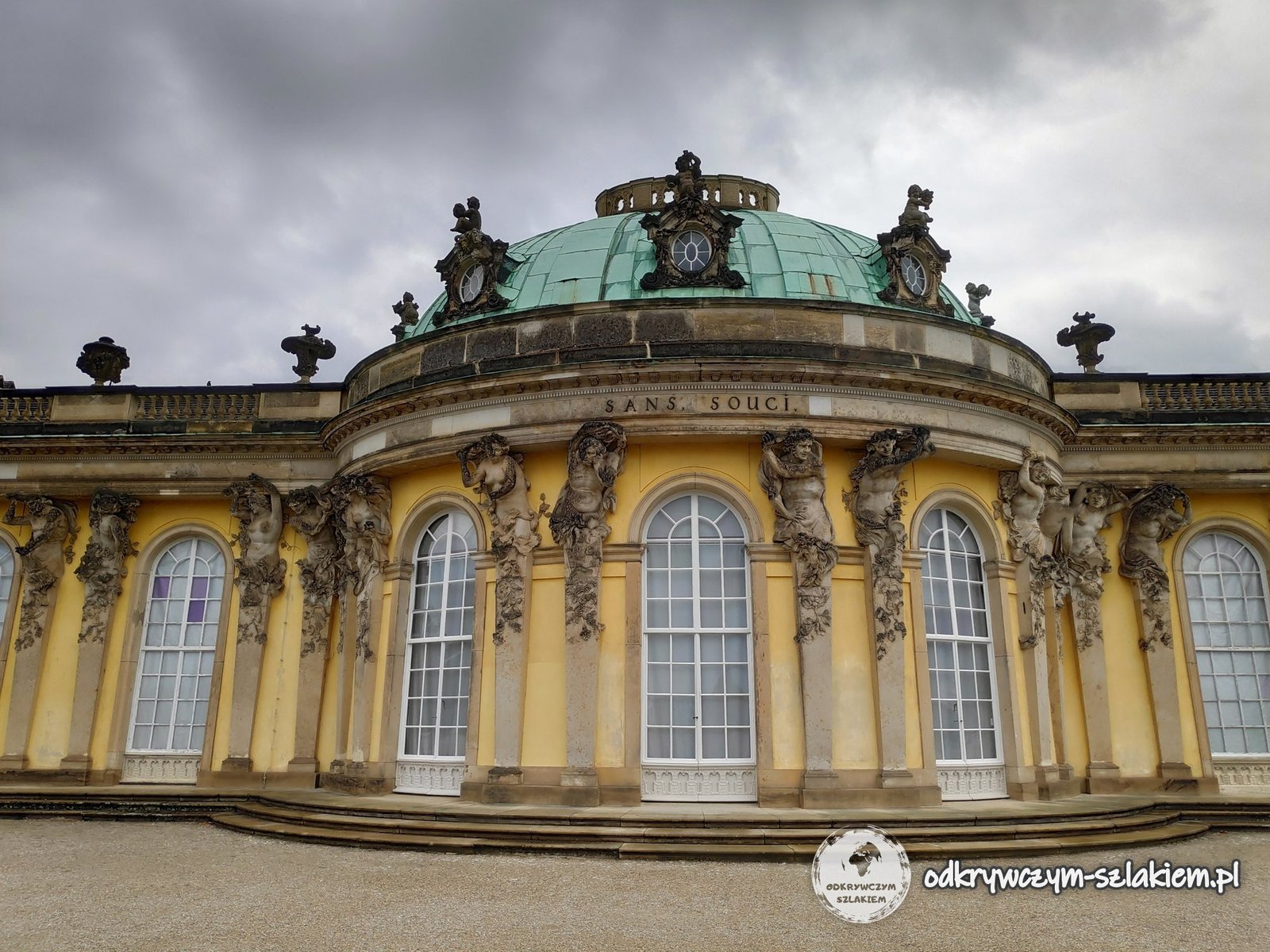
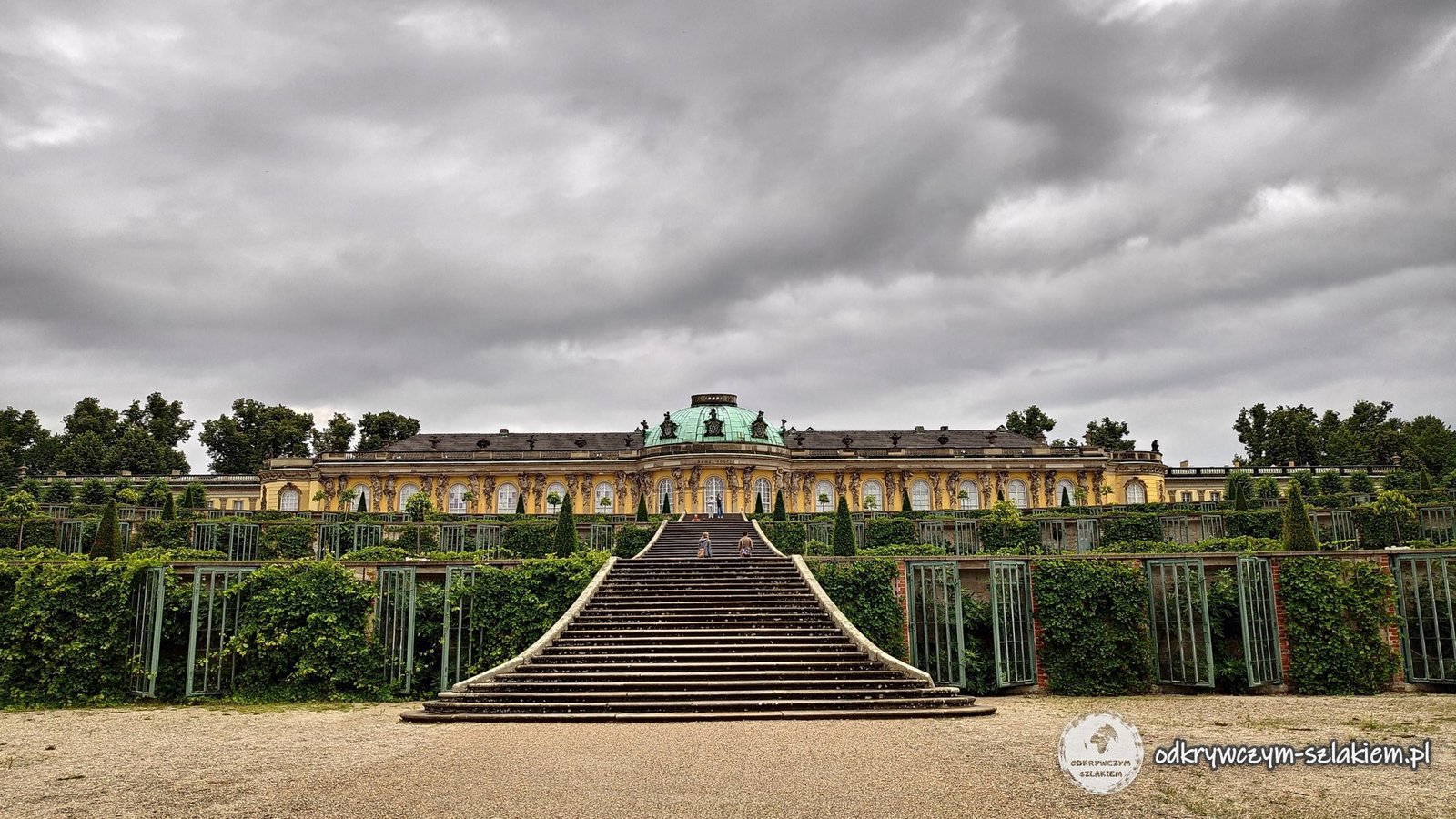
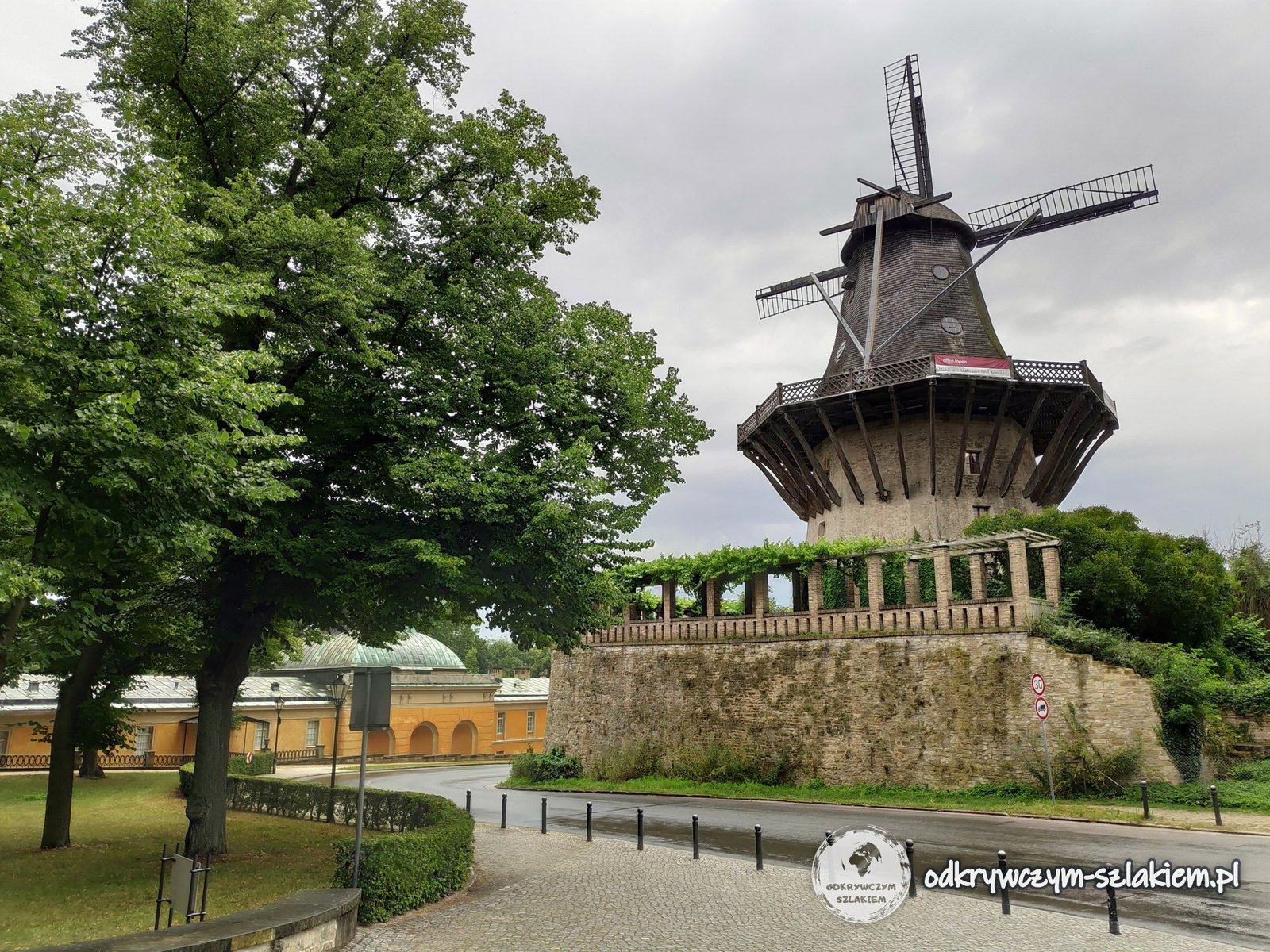
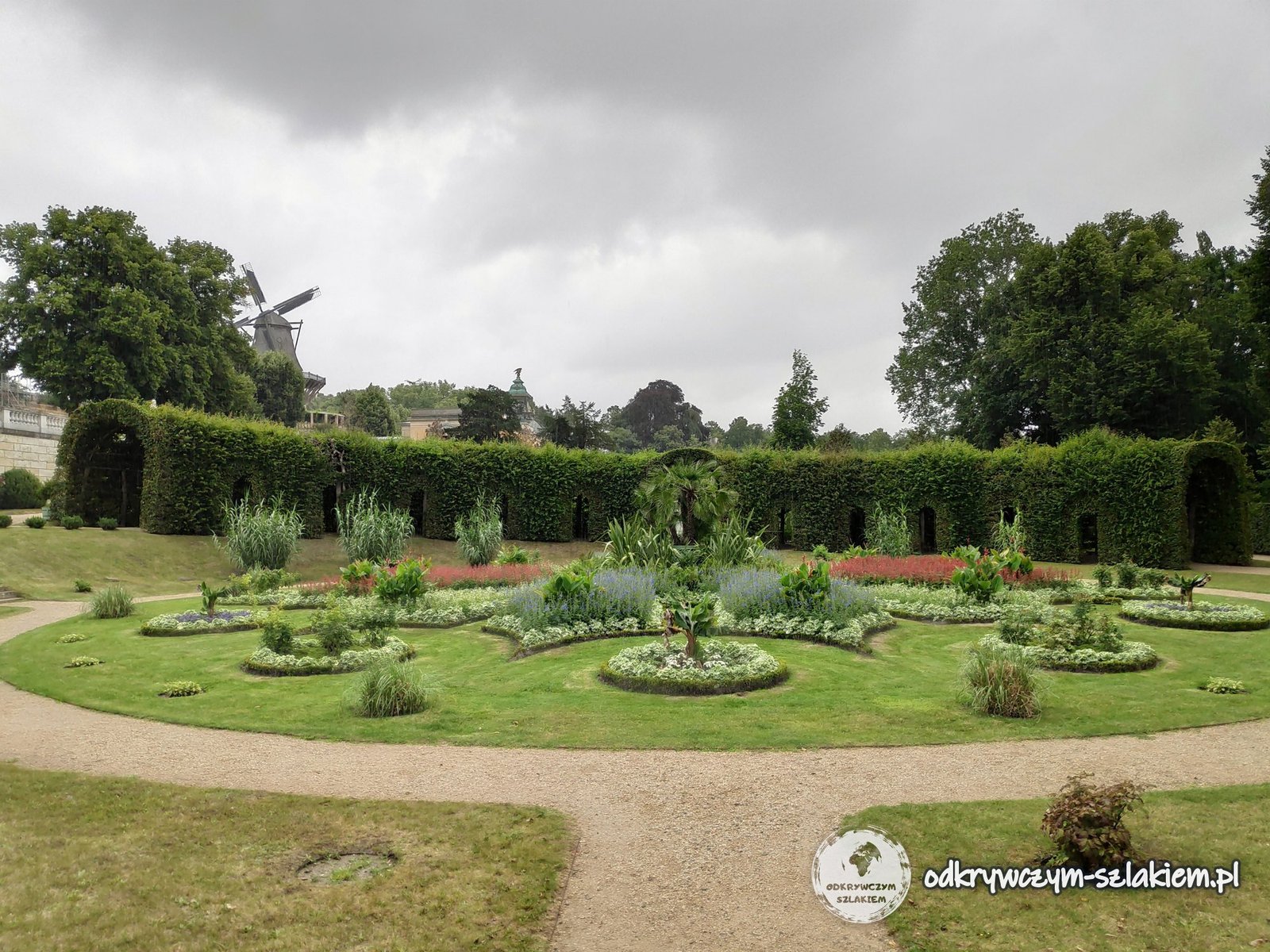
West of the palace stands the Historic Mill. According to legend, Frederick the Great wanted to buy the mill standing next to his summer residence, but the miller refused and pointed to the courts in Berlin – hence the saying “Il y a des juges à Berlin” (“There are still judges in Berlin”). The first mill, a post mill, was built here in 1737–1739, and the present Dutch-style mill in 1787–1791. Its wooden upper part burned down at the end of the Second World War, and it was rebuilt in 1991–1993. From the viewing gallery at a height of about 11 m you can see the New Chambers and the park.

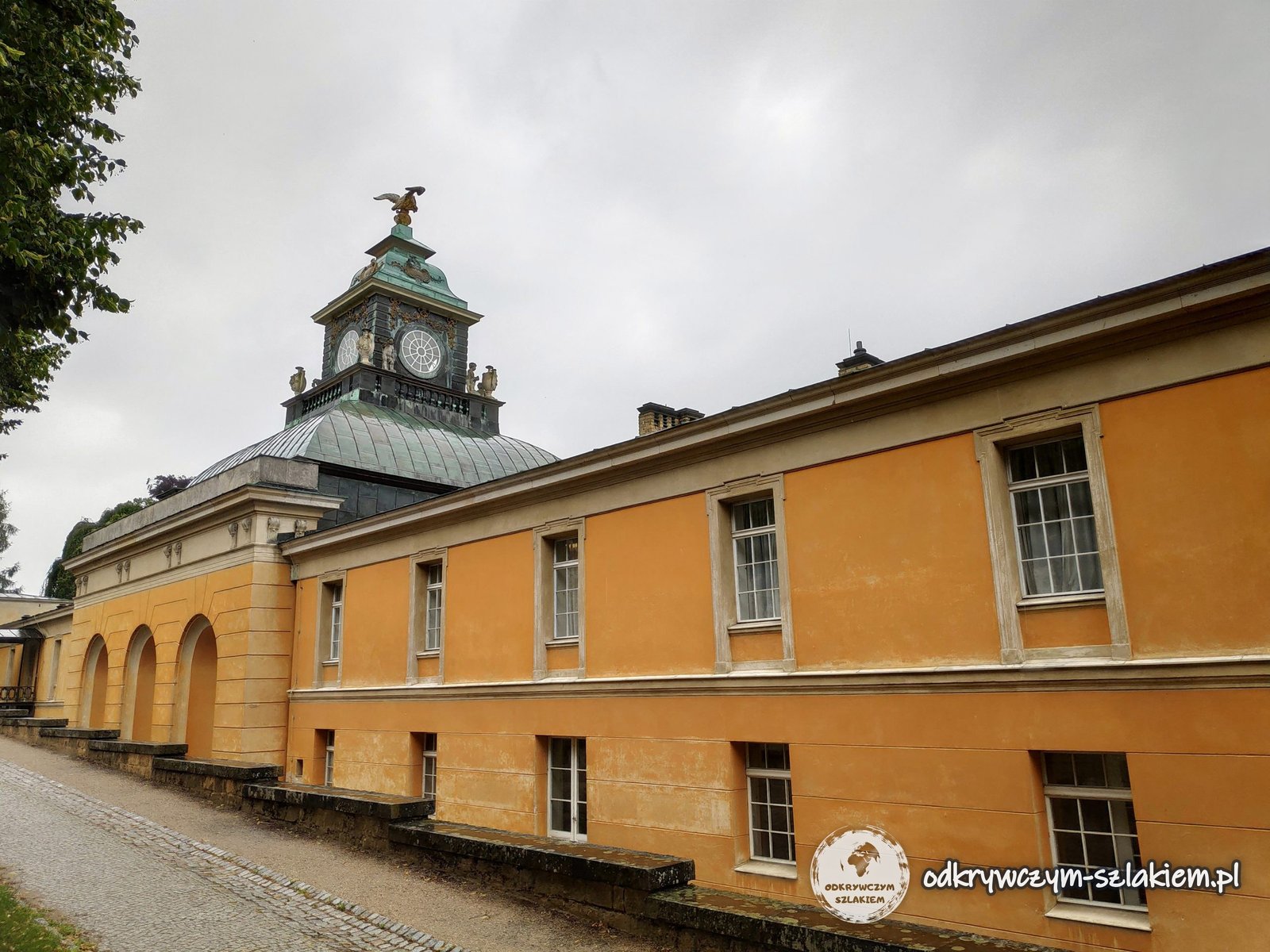
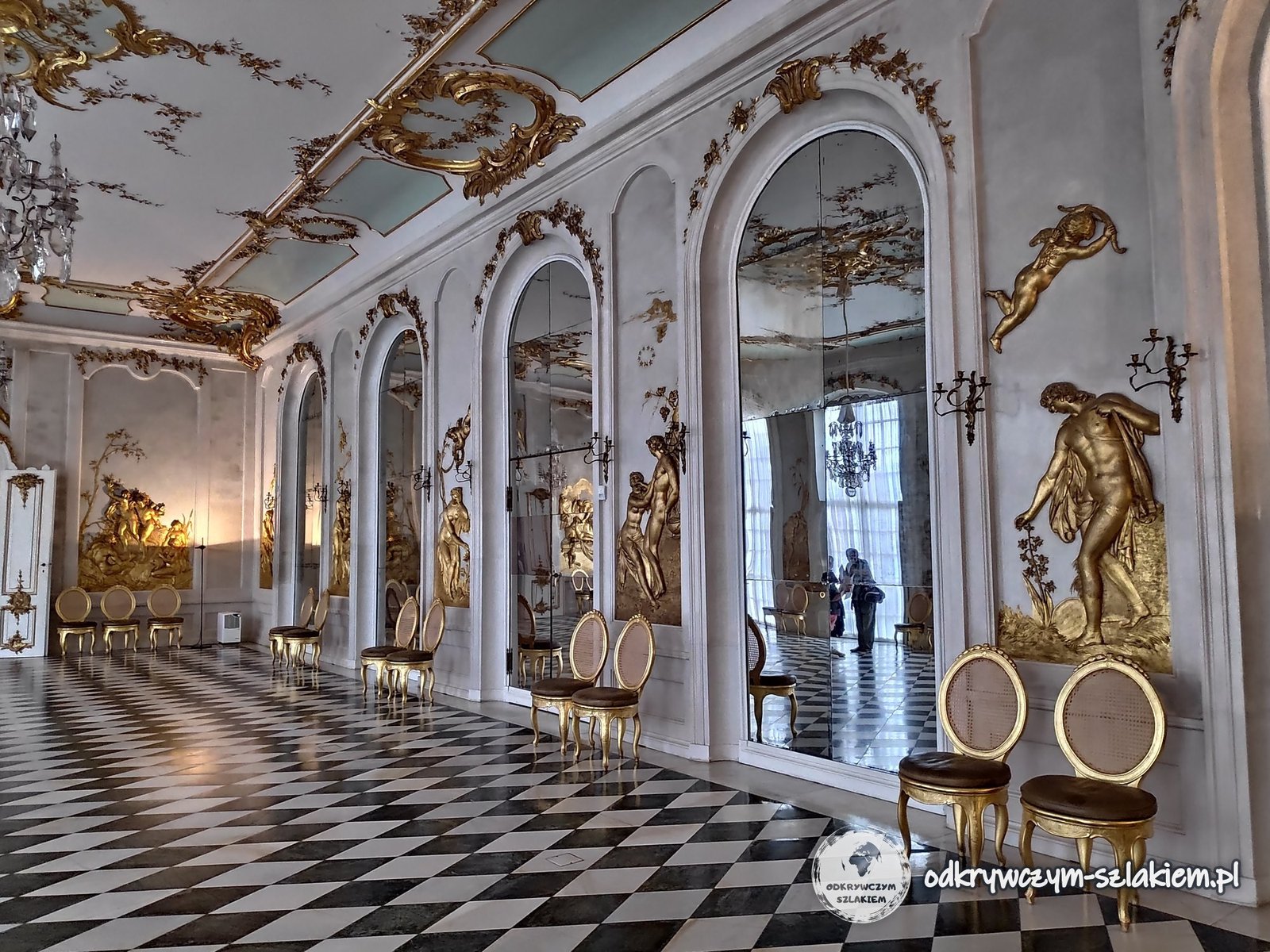
The New Chambers (Neue Kammern) were built in 1747 to a design by Knobelsdorff as an orangery where potted plants spent the winter. In 1771–1775 they were converted into a guest palace – with the Ovid Gallery, decorated with 14 gilded reliefs showing scenes from the “Metamorphoses”, and the Jasper Hall under the dome.
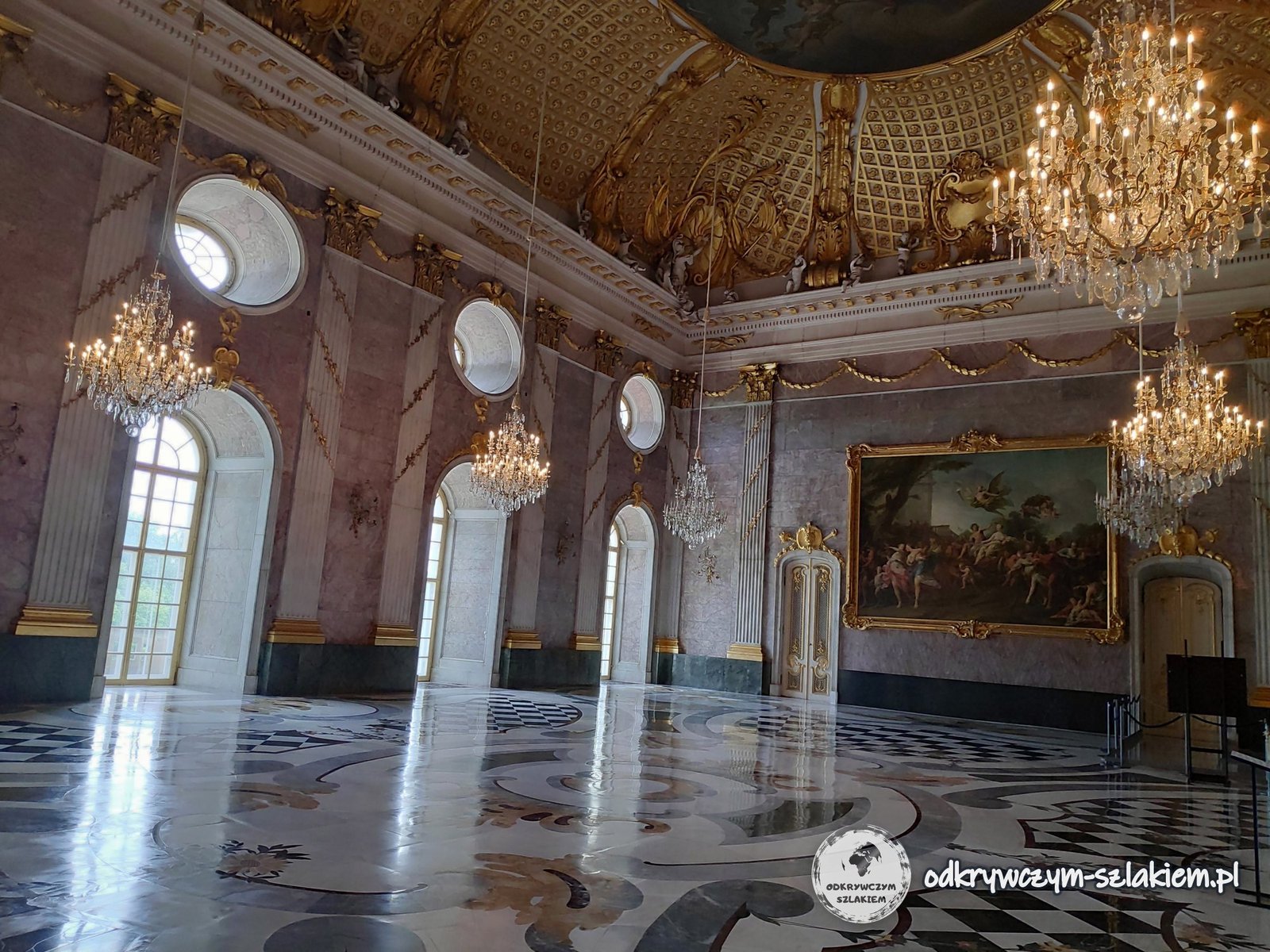
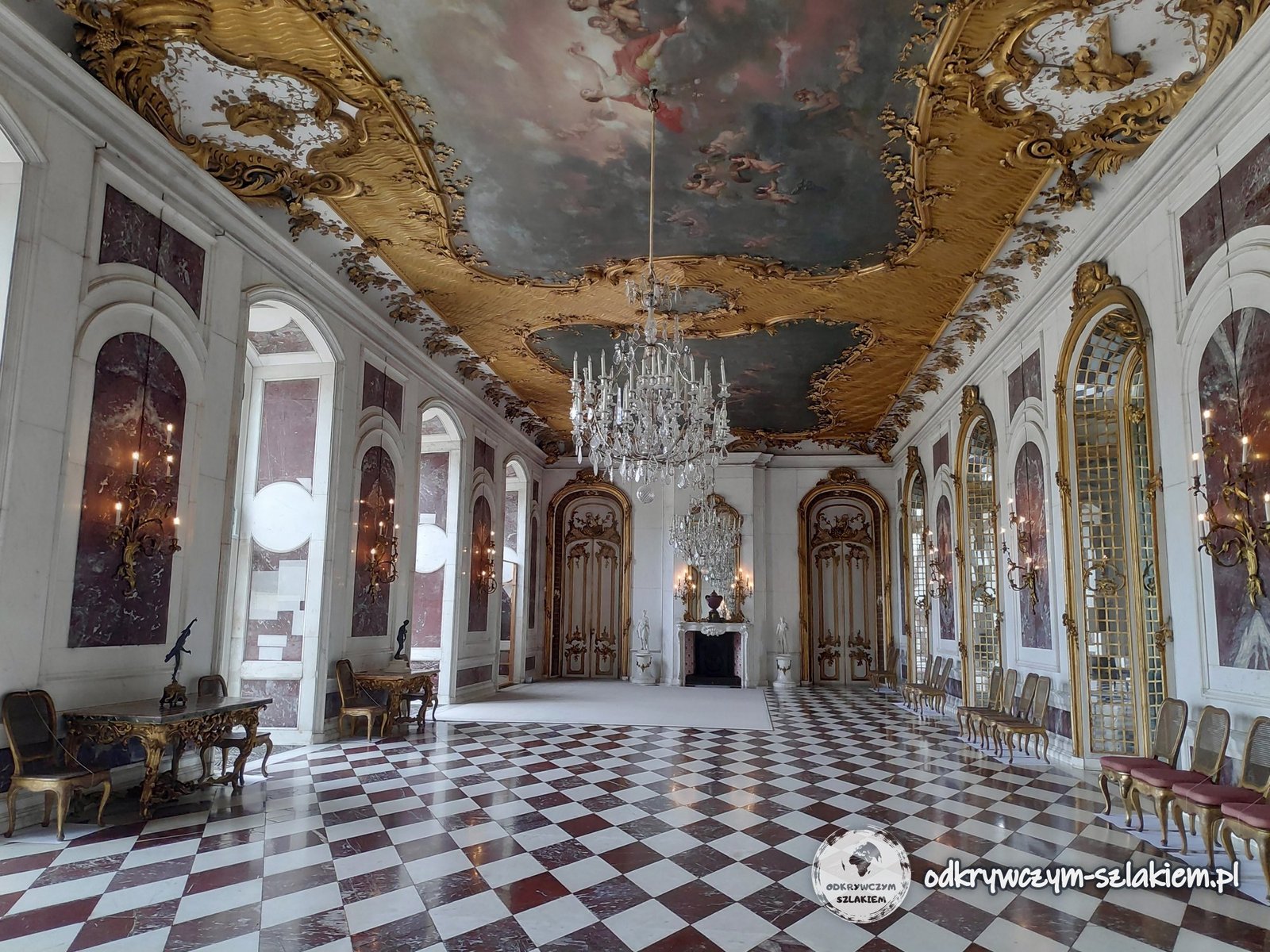
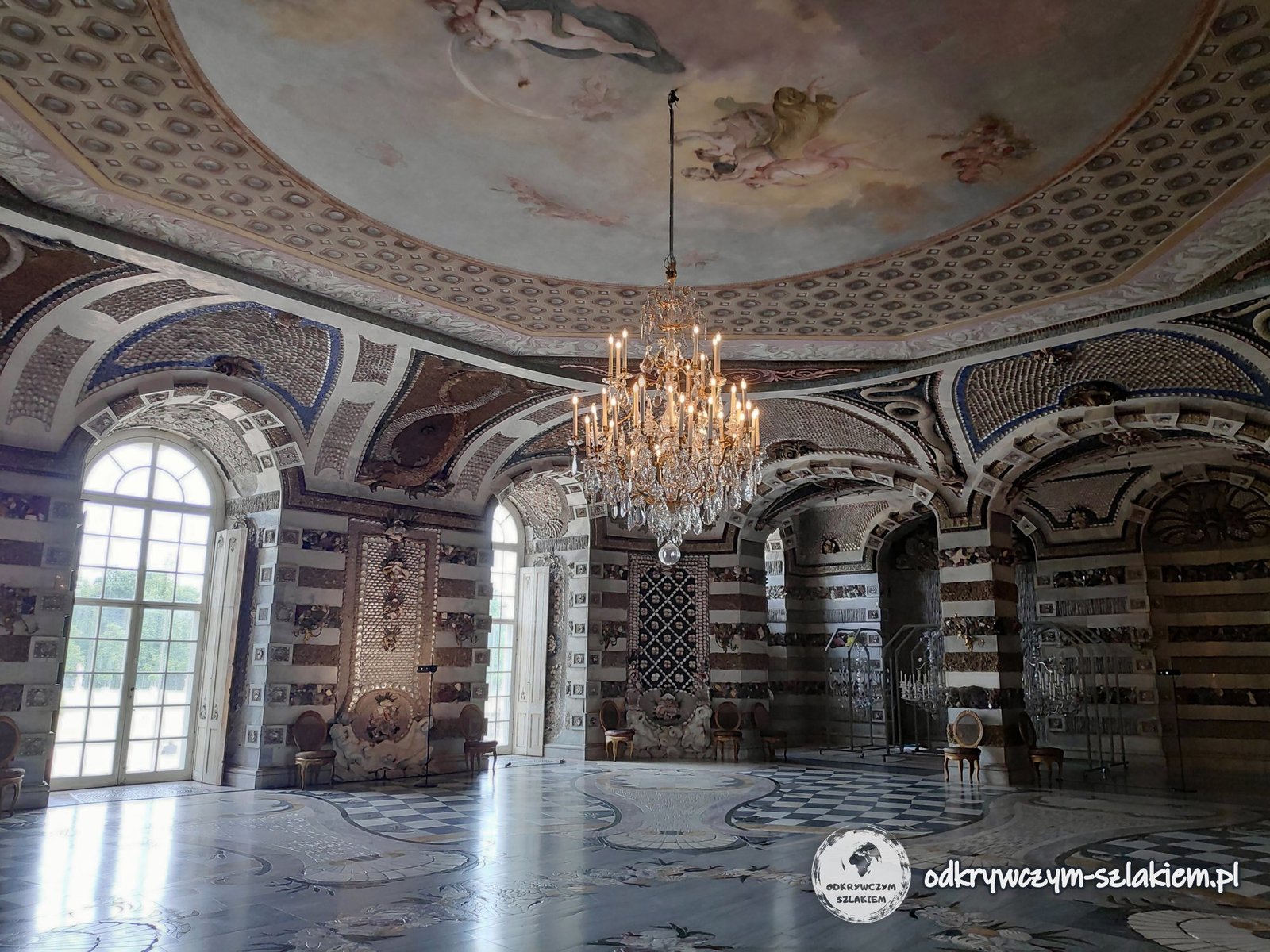
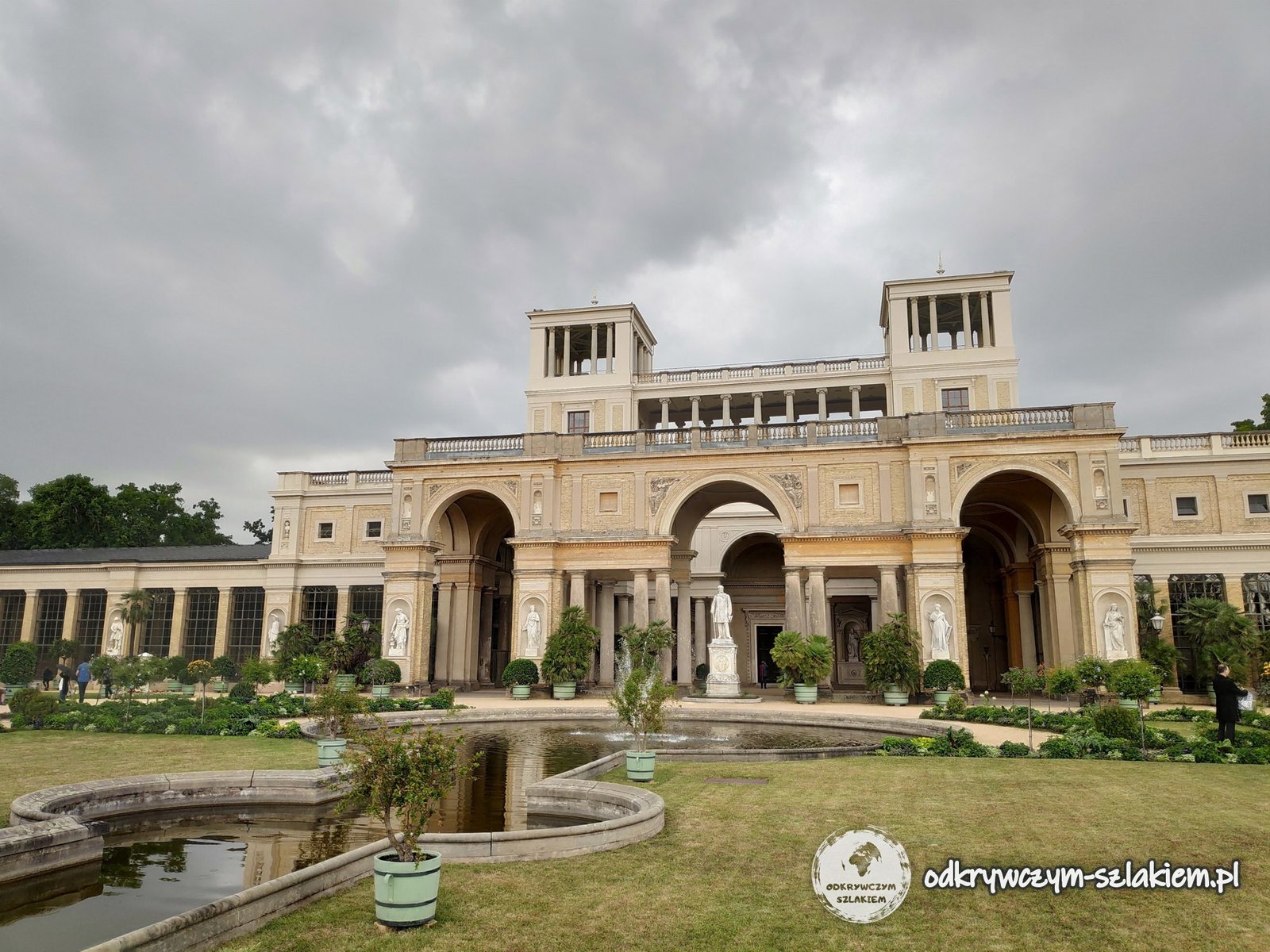
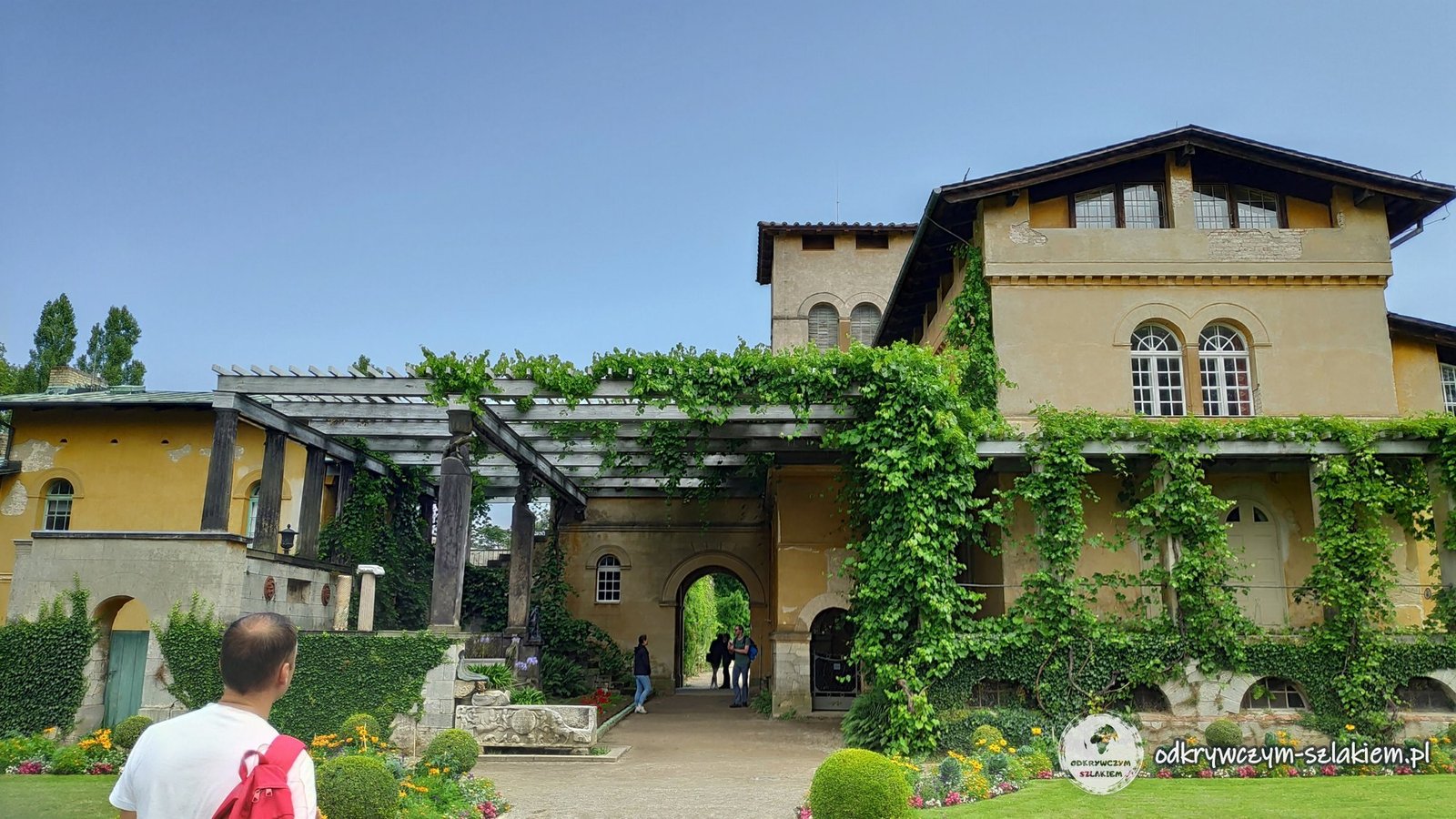
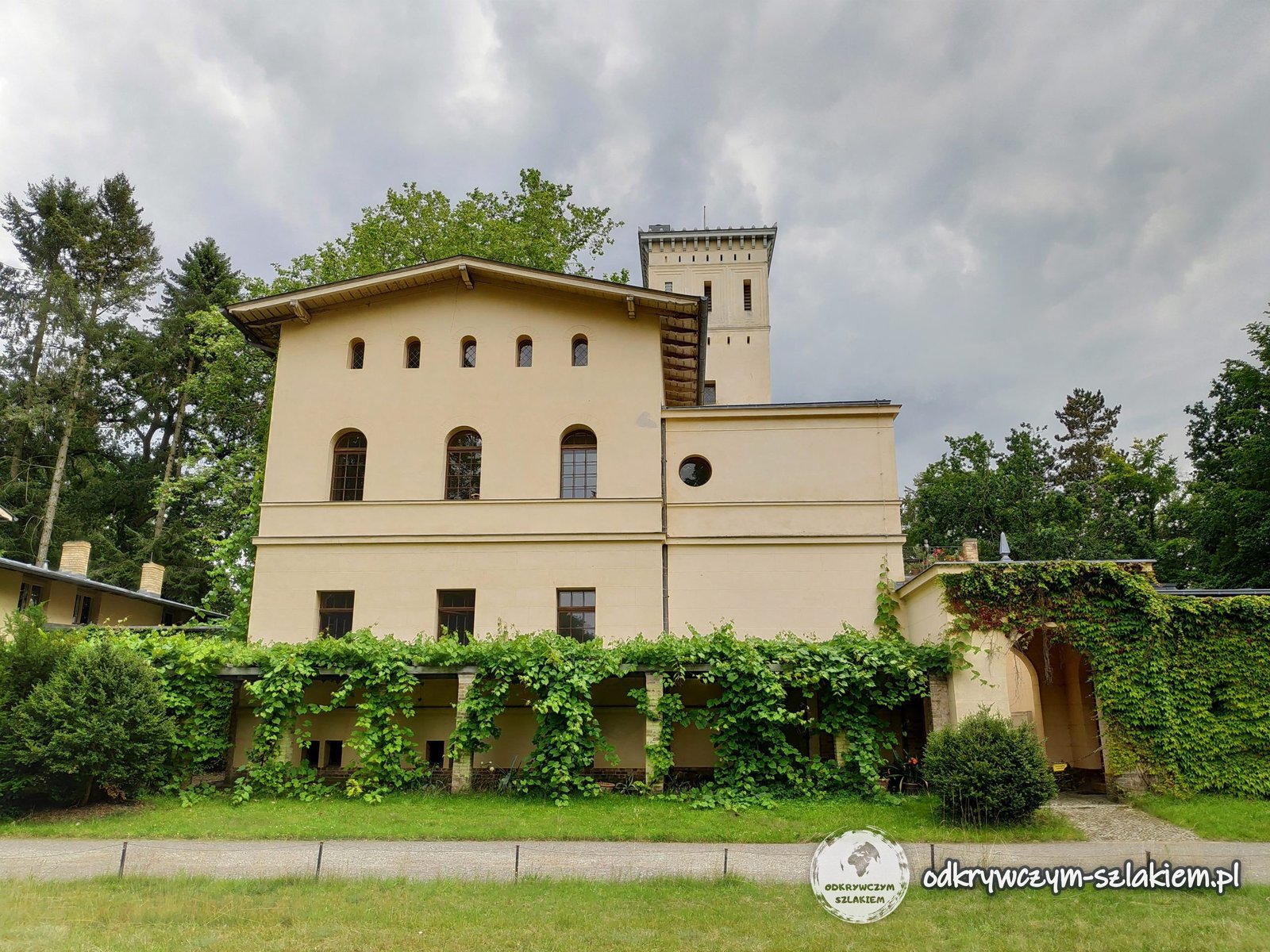
West of Charlottenhof Palace stands the Pheasantry (Fasanerie), built in 1842–1844 for Frederick William IV to a design by Ludwig Persius. It takes the form of an Italian villa with a tower and – as the name suggests – pheasants were bred here.

 3:39
Wannsee and Glienicke Park
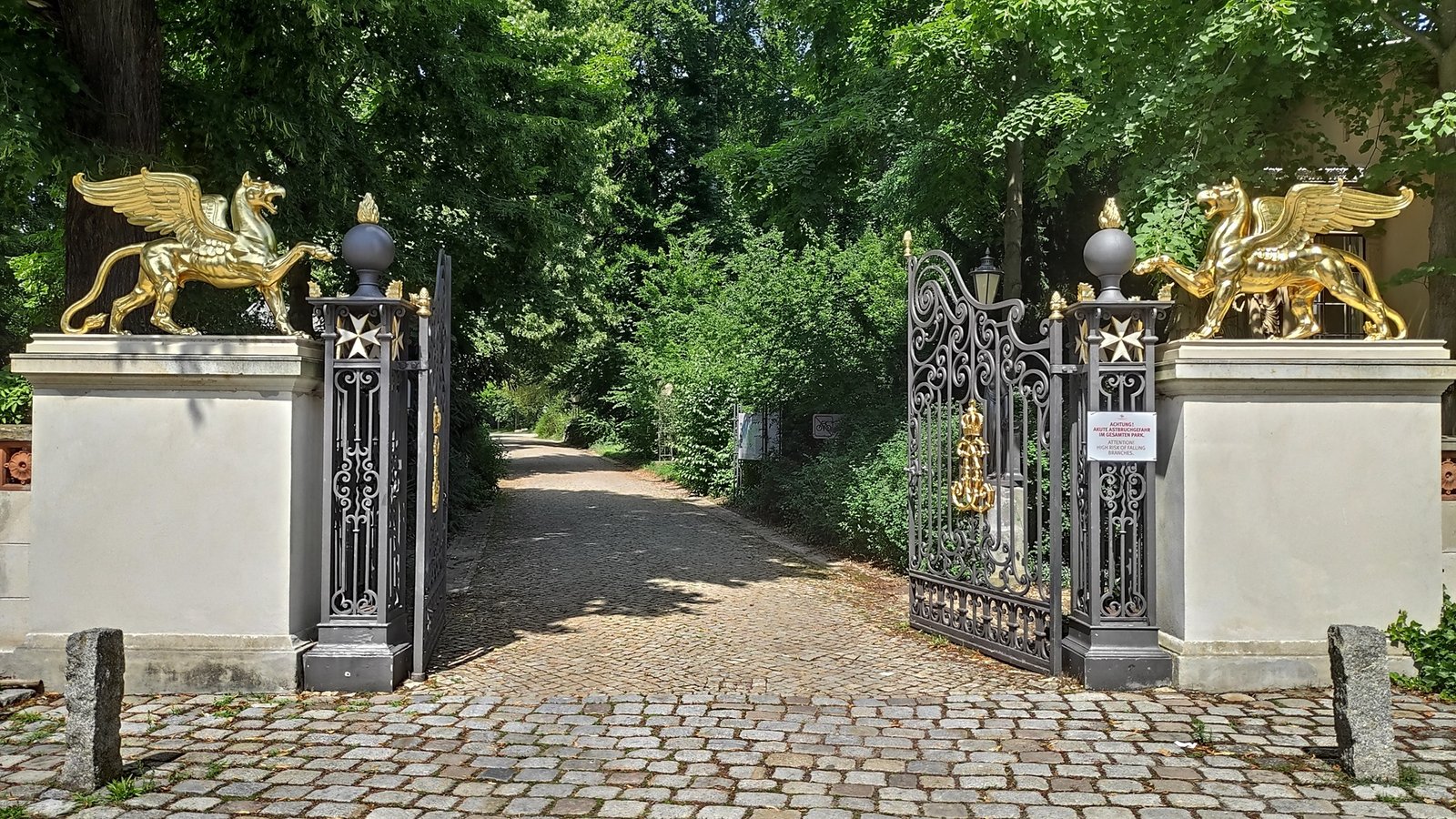
Living in Berlin, we had already seen quite a lot, but given the size of the city there is always something new to discover. A year later we went to the very edge of the capital – to the district of Wannsee, which lies between the lake of the same name and the Havel. Our first stop was the 19th-century Glienicke Palace park. A gate with golden griffins leads to the palace. I write more about the palace itself in the post Berlin: palaces and castles.
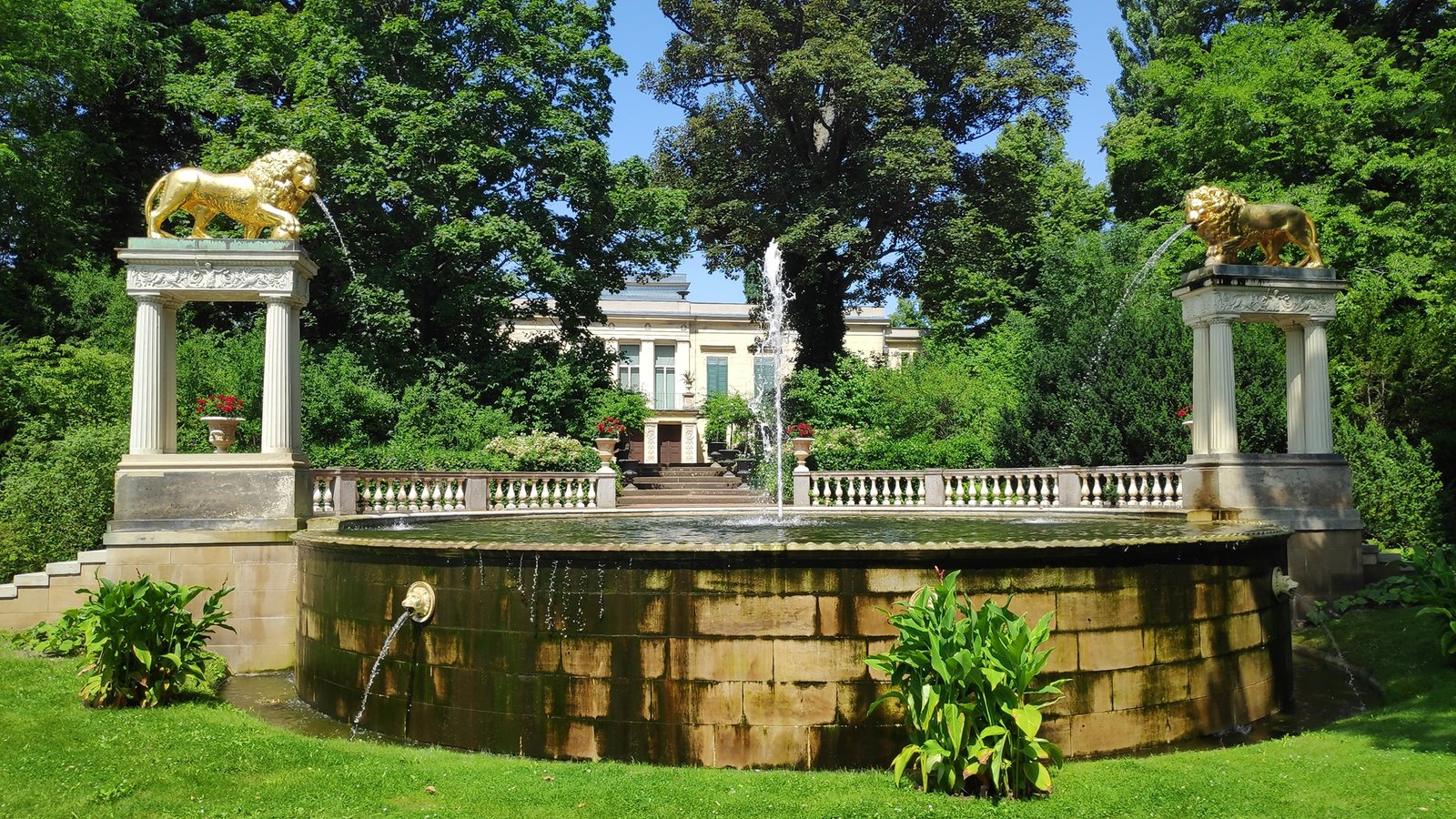
The park was laid out for Prince Carl of Prussia, and the palace and pavilions were remodelled by Karl Friedrich Schinkel. In front of the palace stands a fountain with golden lions (Löwenfontäne).
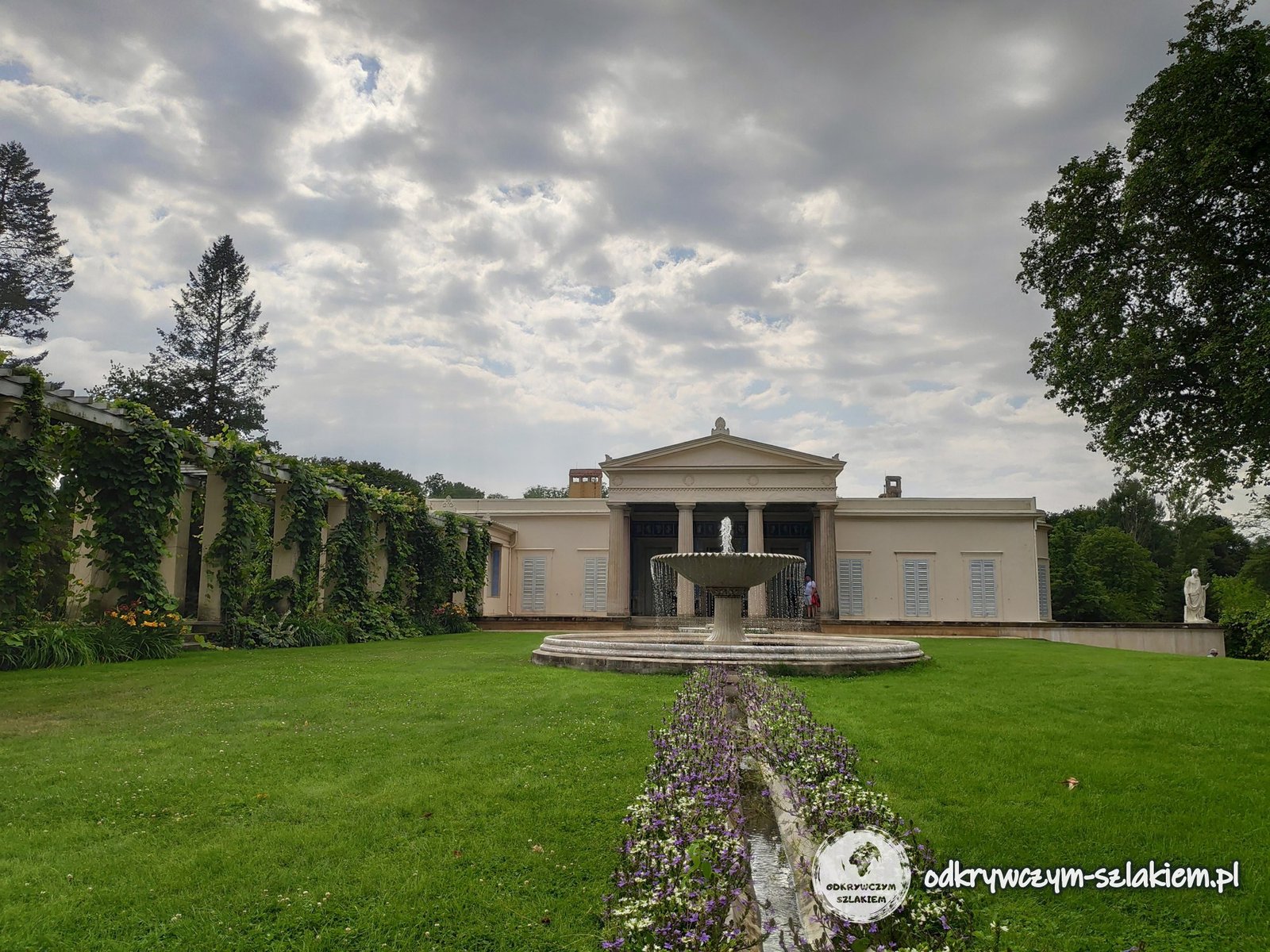
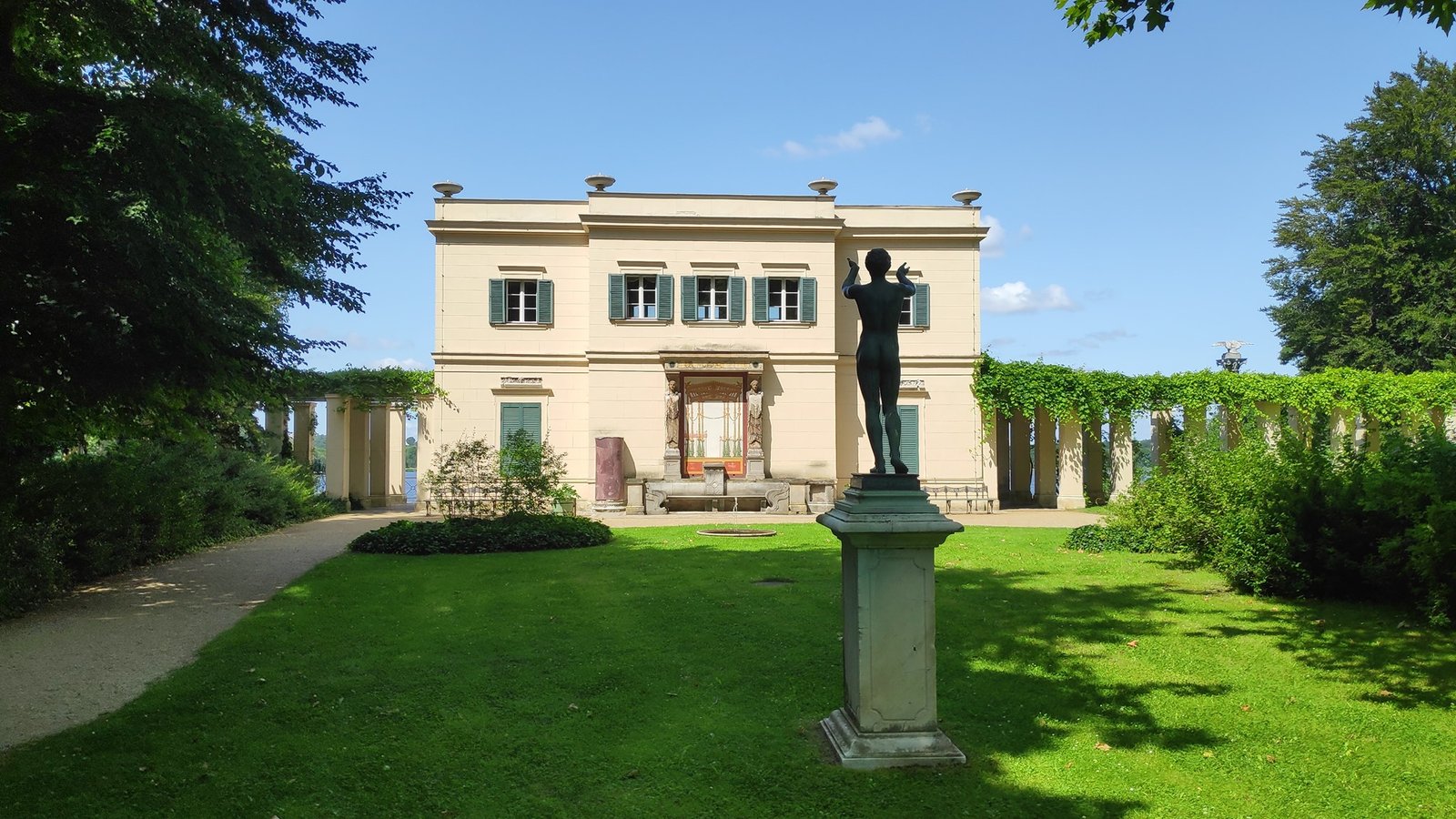
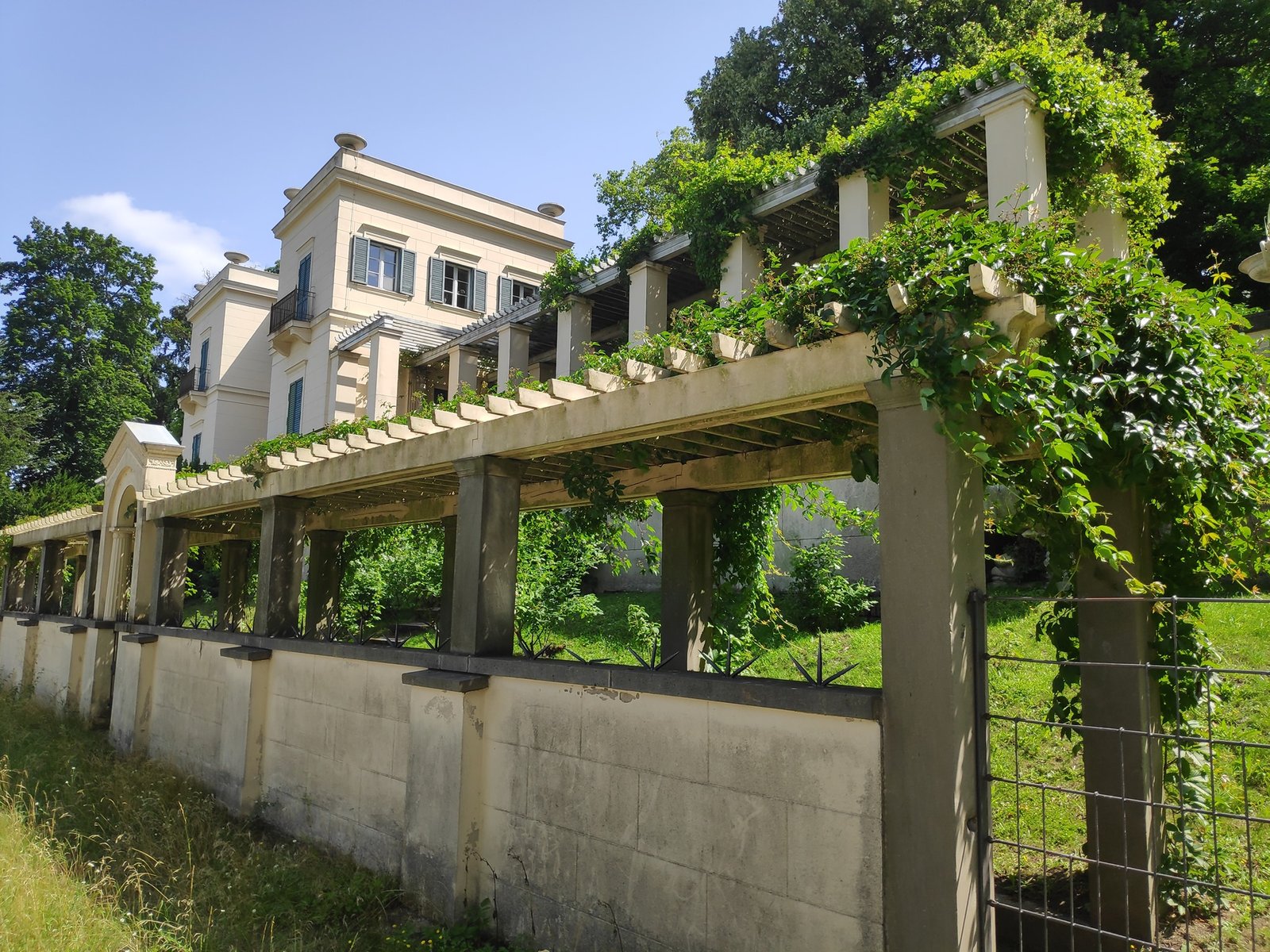
On the bank of the Havel stands the Casino – an Italian-style villa with long pergolas on both sides.
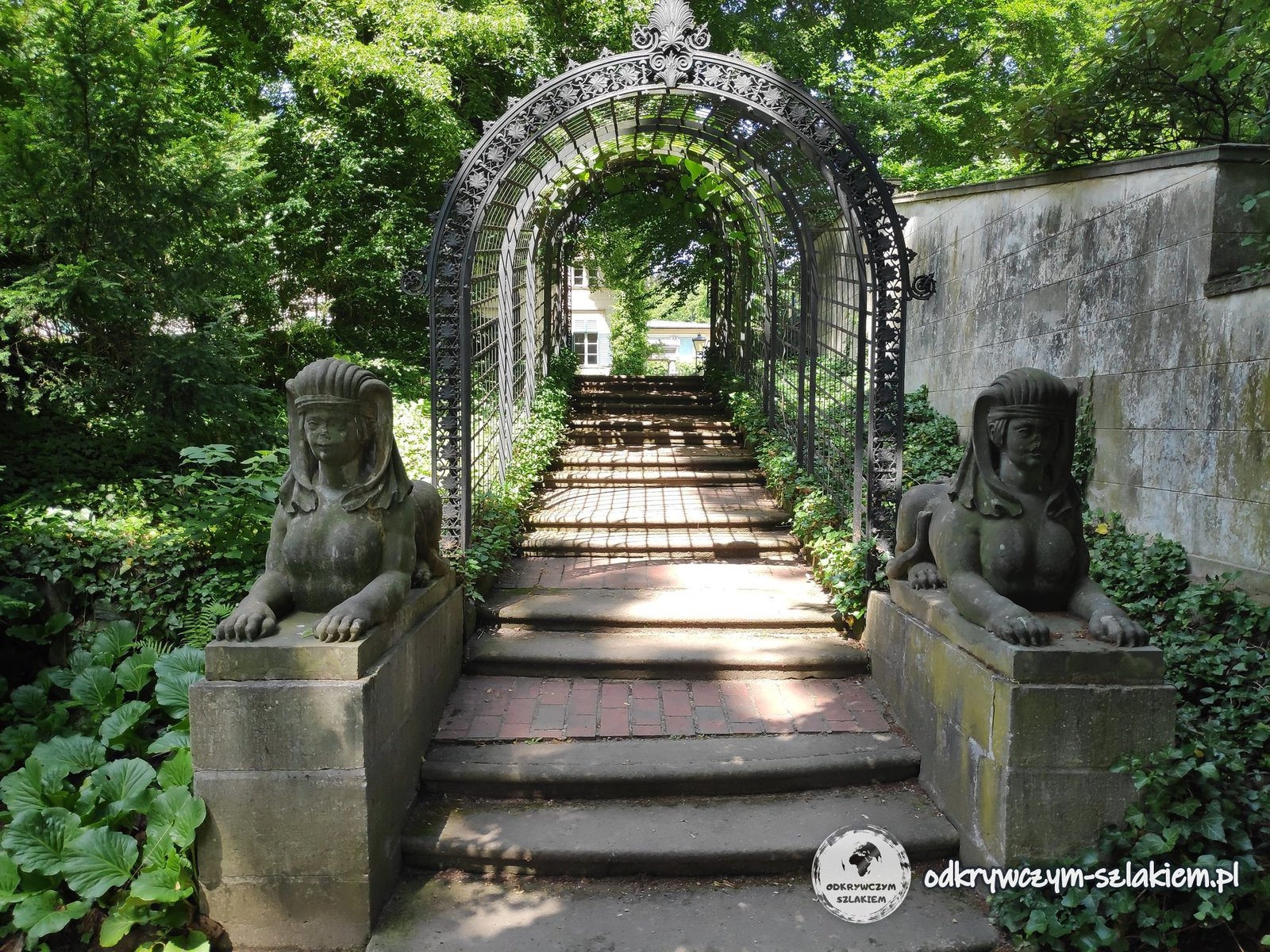
The park also has a flight of steps under an openwork pergola guarded by two stone sphinxes, and a courtyard with a fountain topped by Neptune with his trident.

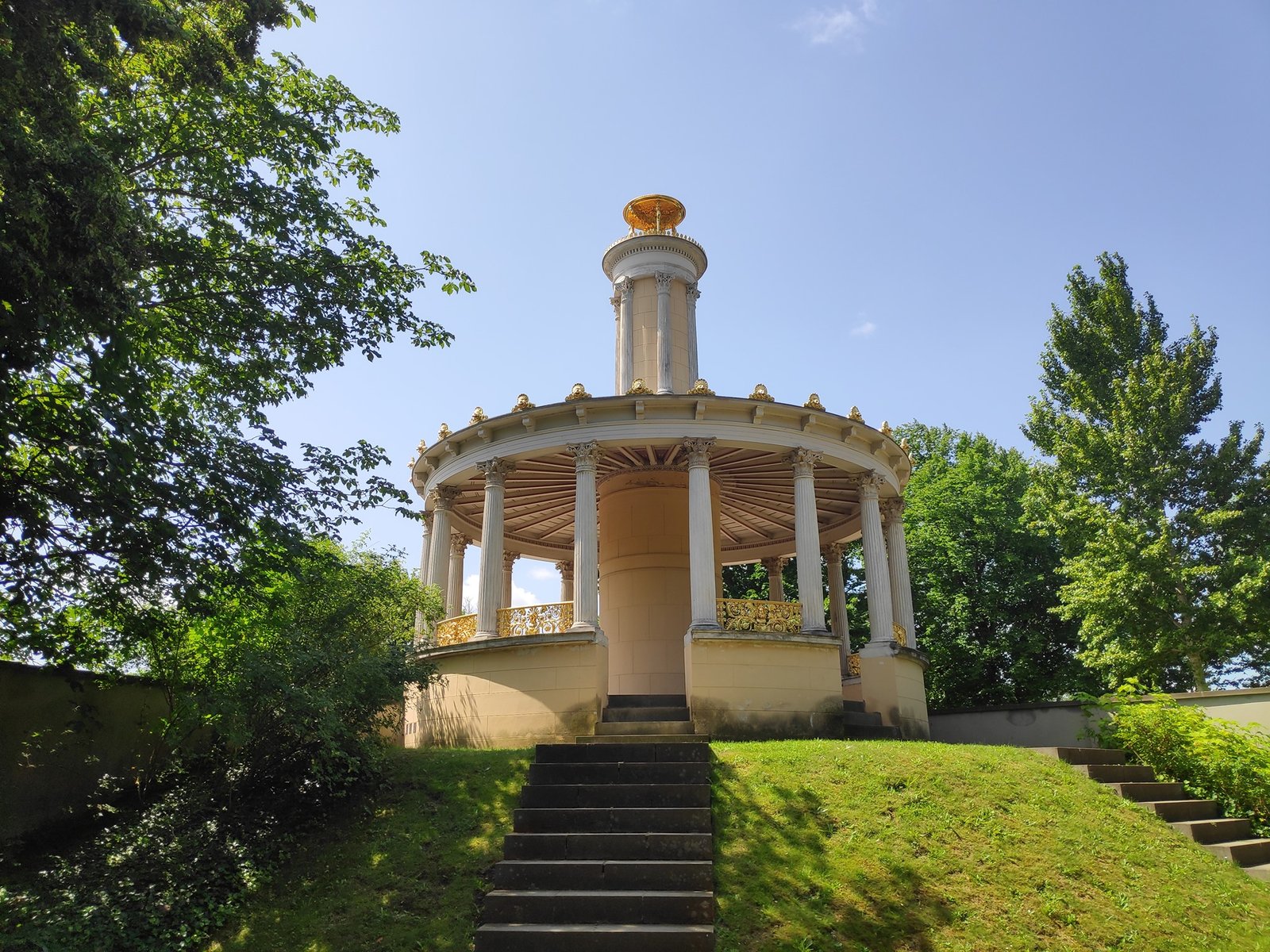
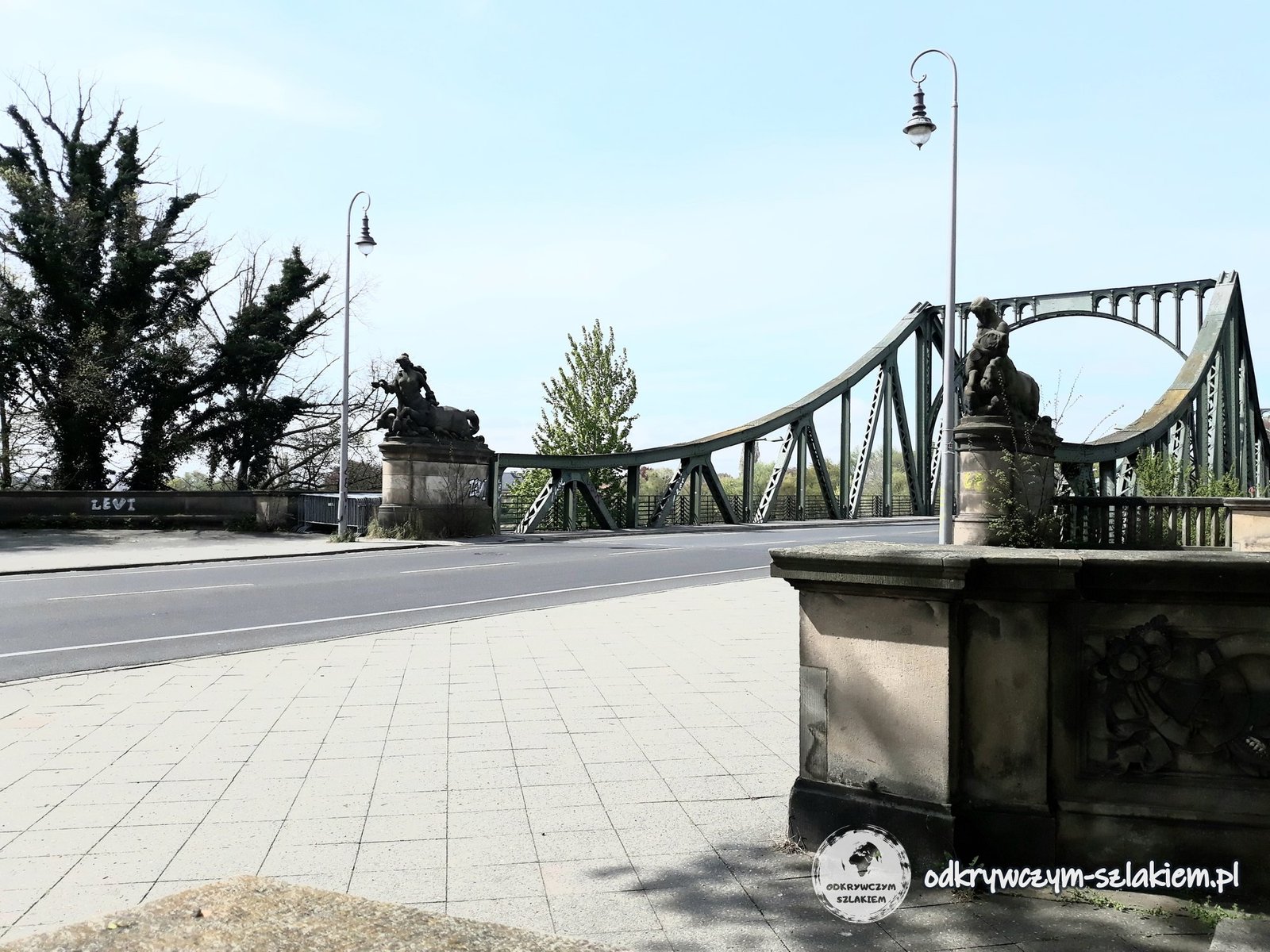
In a corner of the park, right next to the Glienicker Brücke bridge, stands a round pavilion with a colonnade – the Große Neugierde. During the Cold War the bridge itself connected West Berlin with East Germany, and spies were exchanged on it, hence its nickname, the “Bridge of Spies”.
The most famous exchange took place here on 10 February 1962: the American U-2 pilot Francis Gary Powers was swapped for the Soviet spy Rudolf Abel. I photographed the bridge itself – with its steel arches and the sculptures on its abutments – when I came here with my dad.
Moritzberg and a walk along the Griebnitzsee
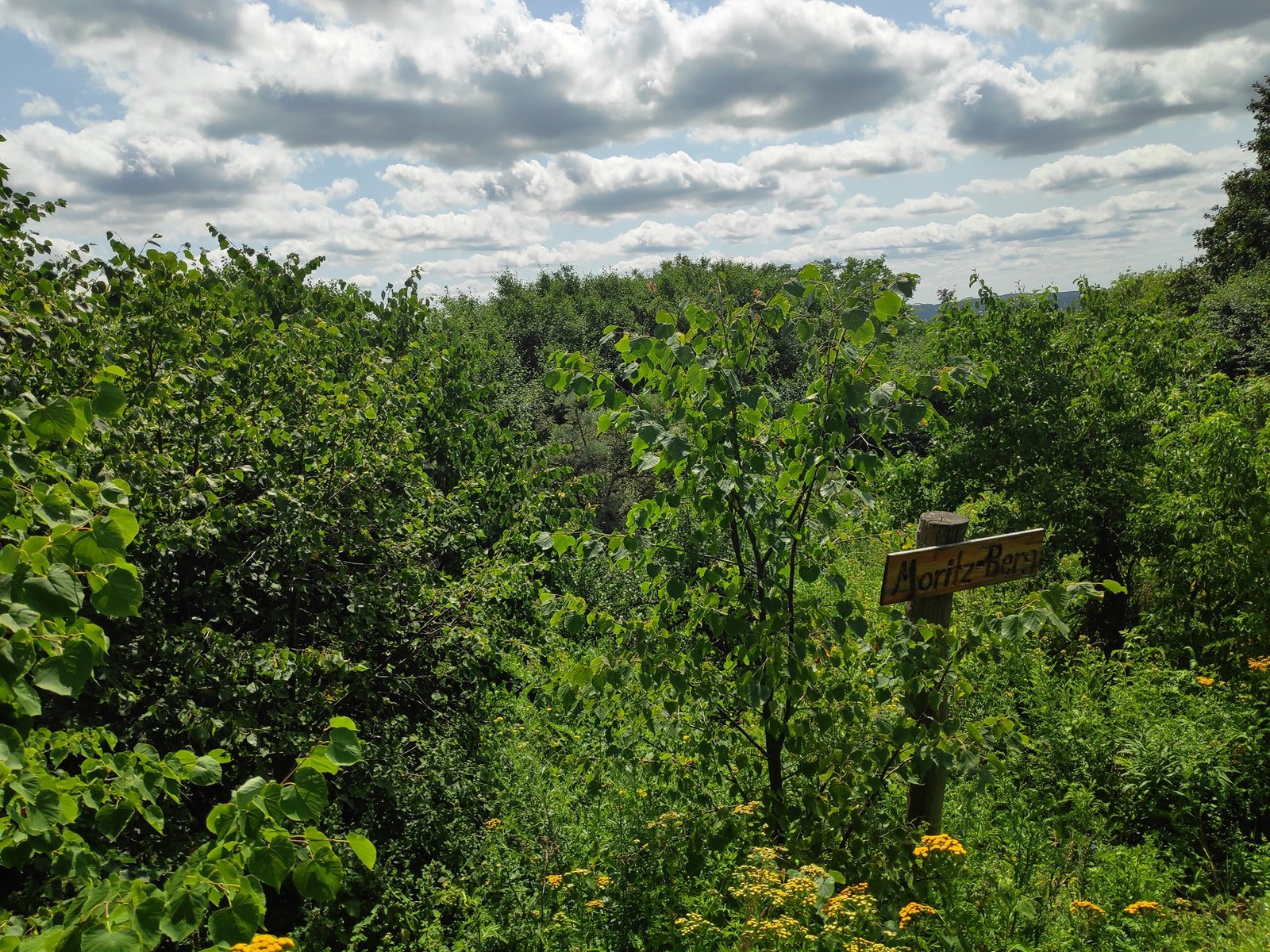
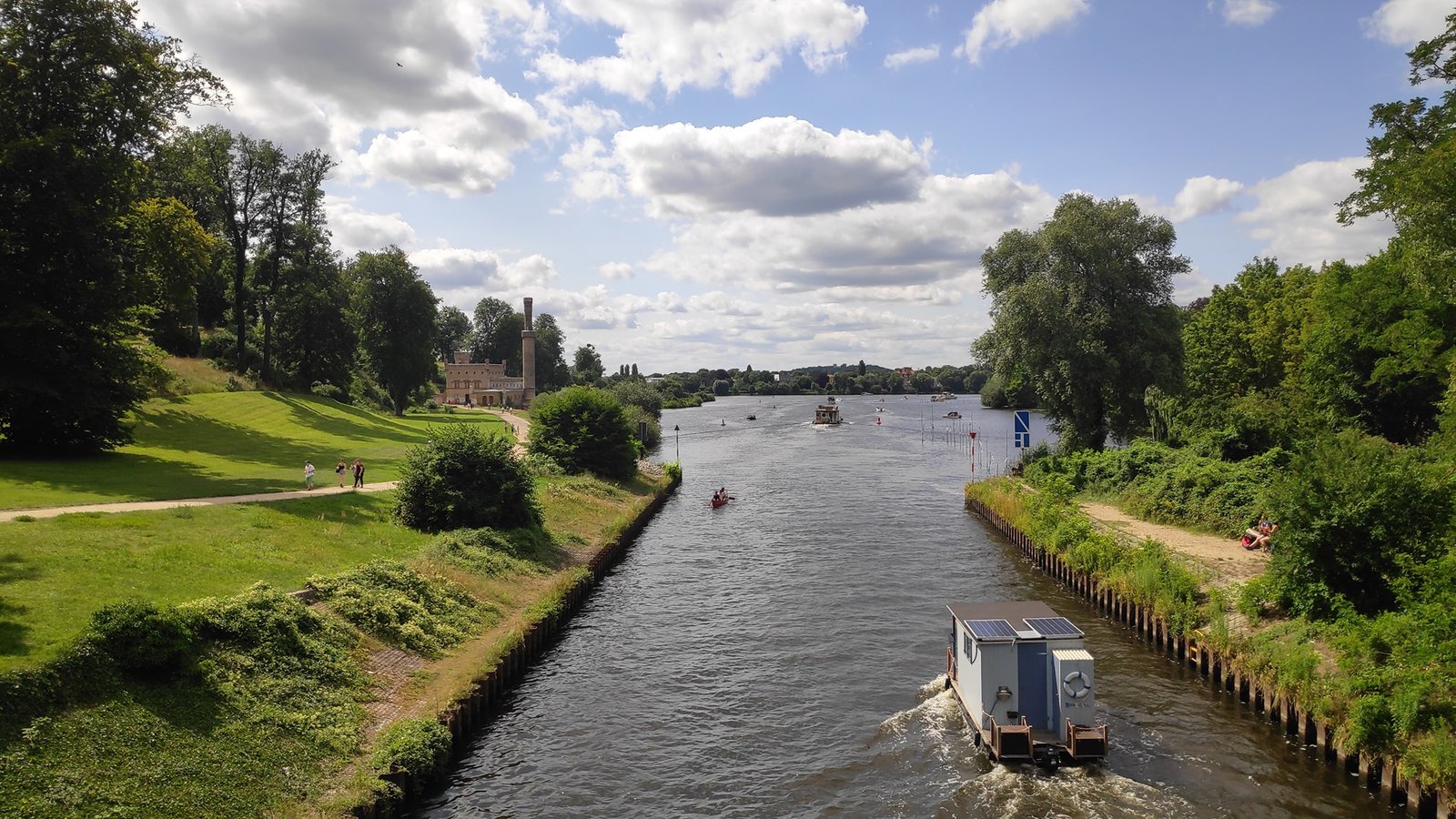
From Glienicke Park we climbed the modest summit of the Moritzberg, and then walked along Lake Griebnitzsee, through which the border between Berlin and Potsdam runs. On the way we passed canals and narrow channels between the lakes with boats sailing along them.
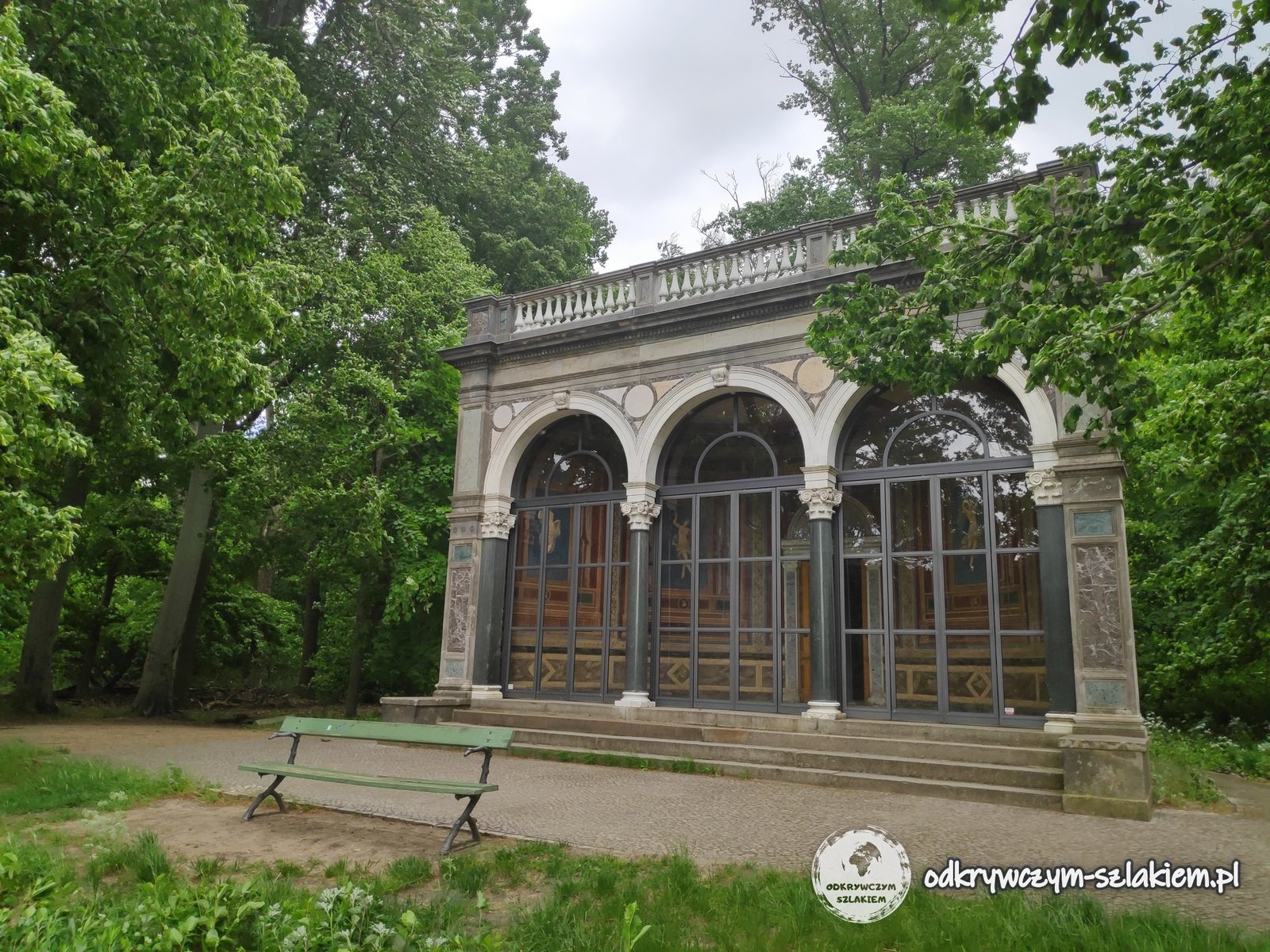
Another time I came back to the area and climbed the neighbouring Böttcherberg hill. On the top stands the Loggia Alexandra – an arcaded pavilion from 1869–1870 that Prince Carl of Prussia built in memory of his sister, Tsarina Alexandra Feodorovna. According to the sign there, the interior is decorated with Pompeian-style paintings, restored in 1997–2000.

Babelsberg Park
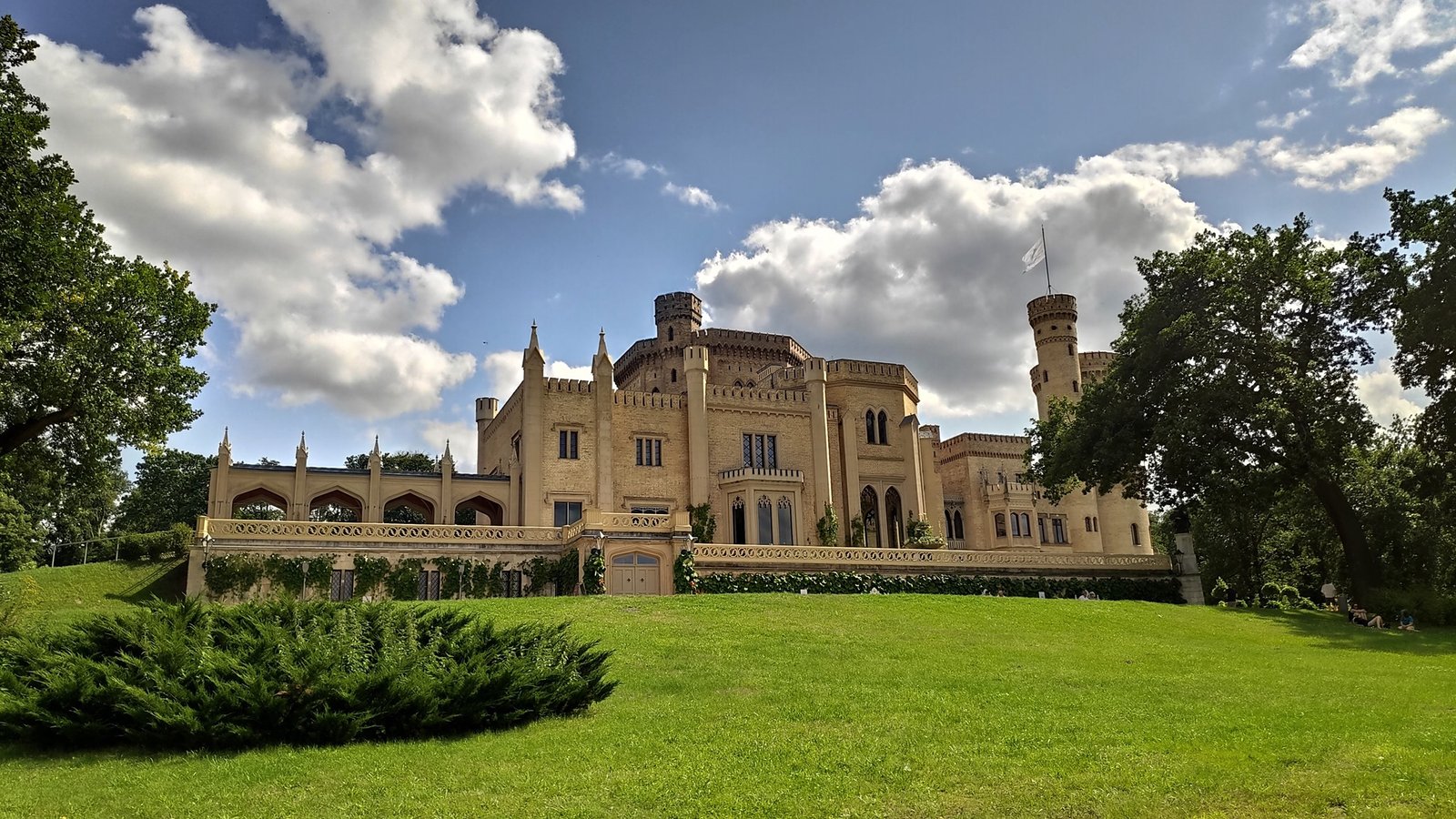
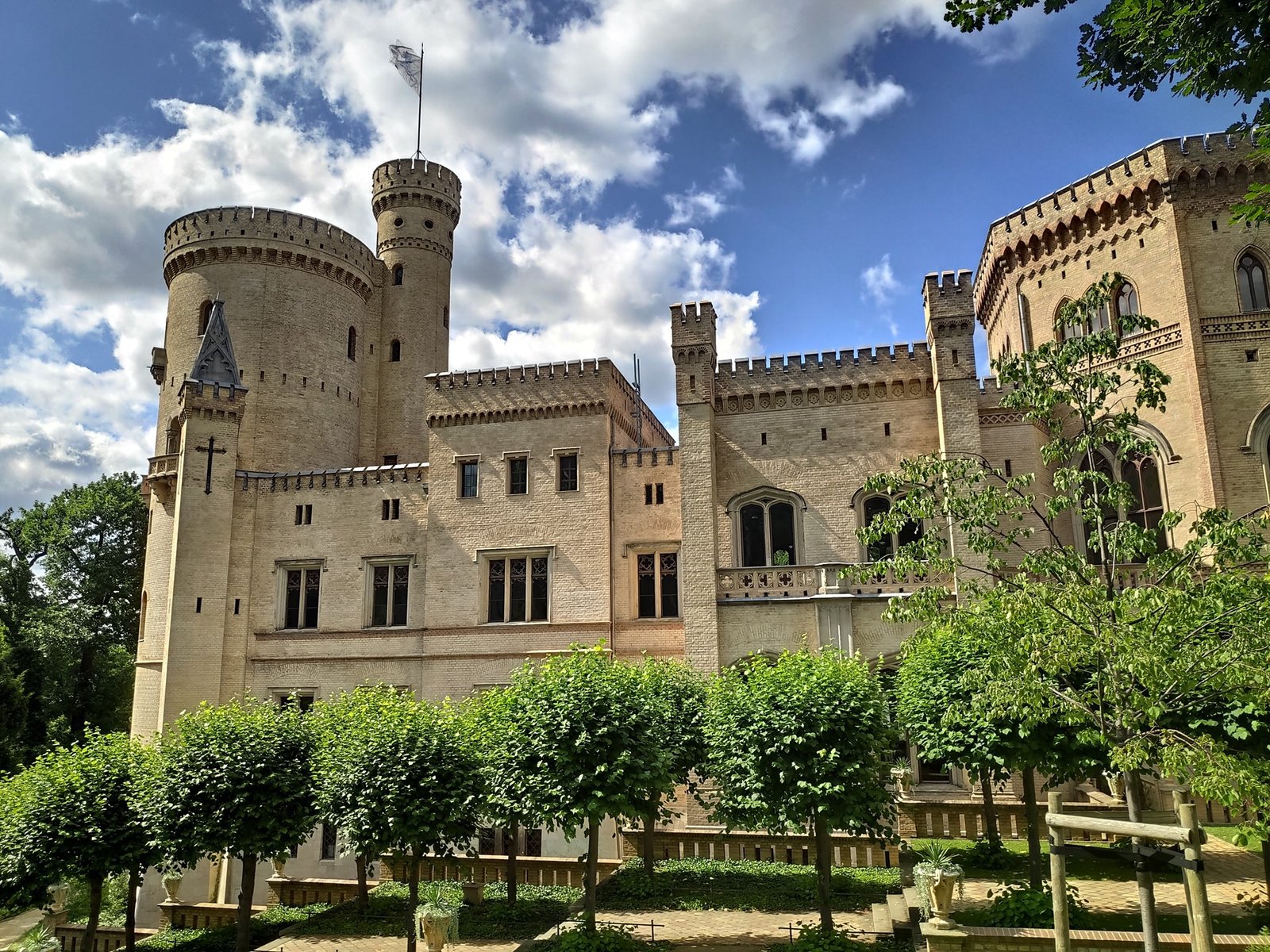
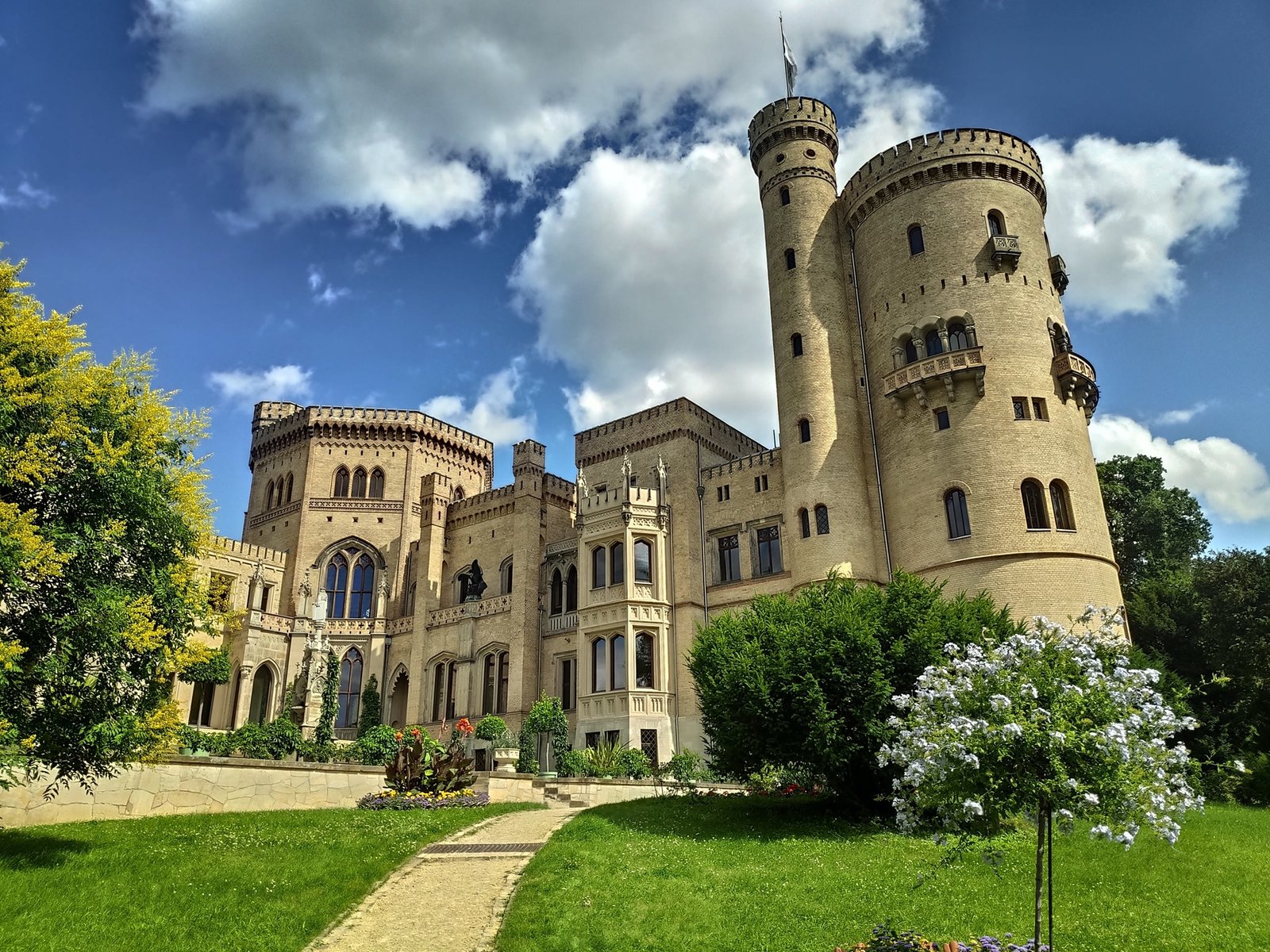
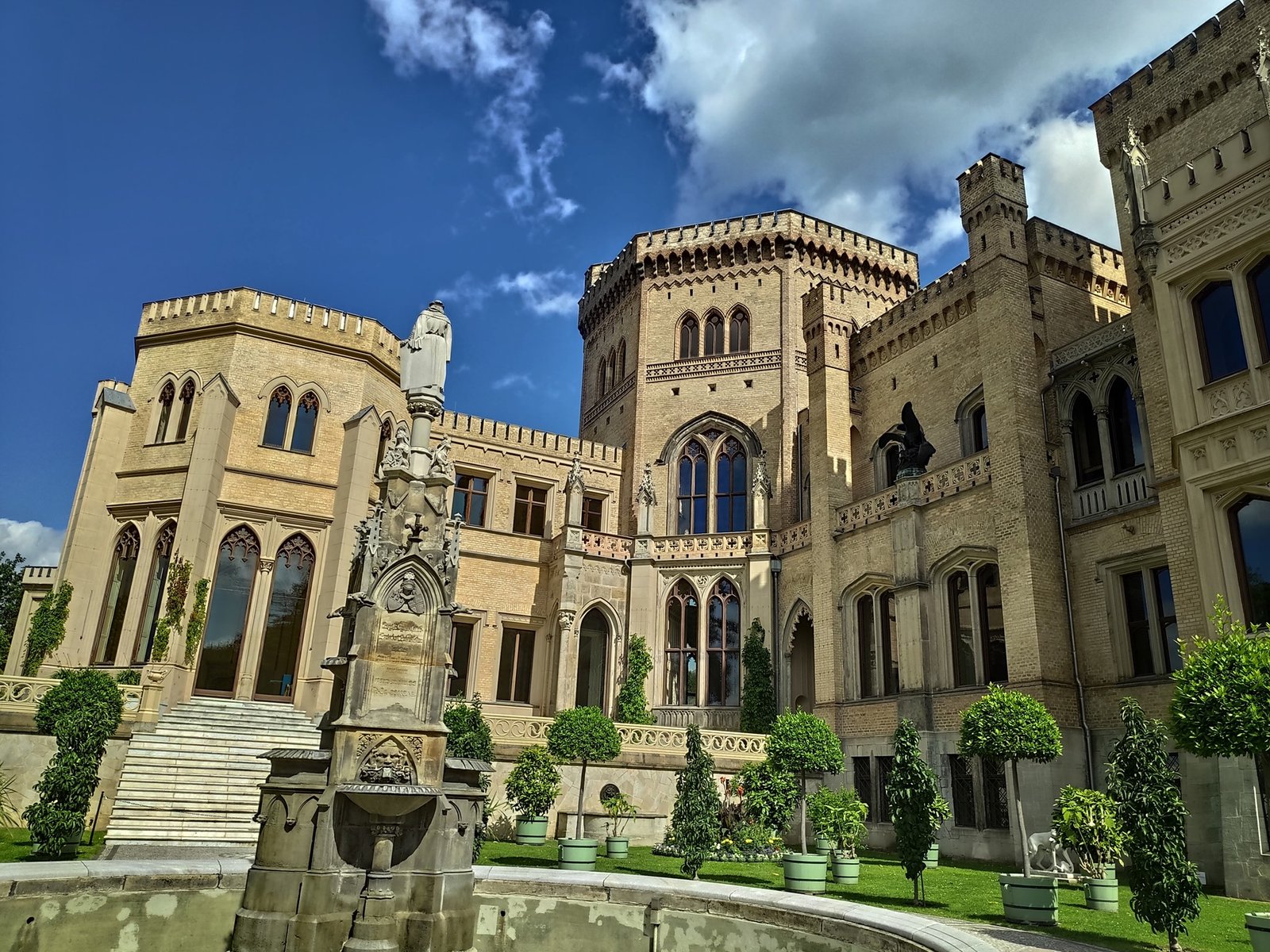
At the end we reached Babelsberg Park, already on the Potsdam side – beautiful and full of things to see. Its heart is the neo-Gothic Babelsberg Palace, the summer residence of Prince William, later Emperor William I, built in the style of English Tudor Gothic. With its towers and battlements it looks more like a castle than a palace.
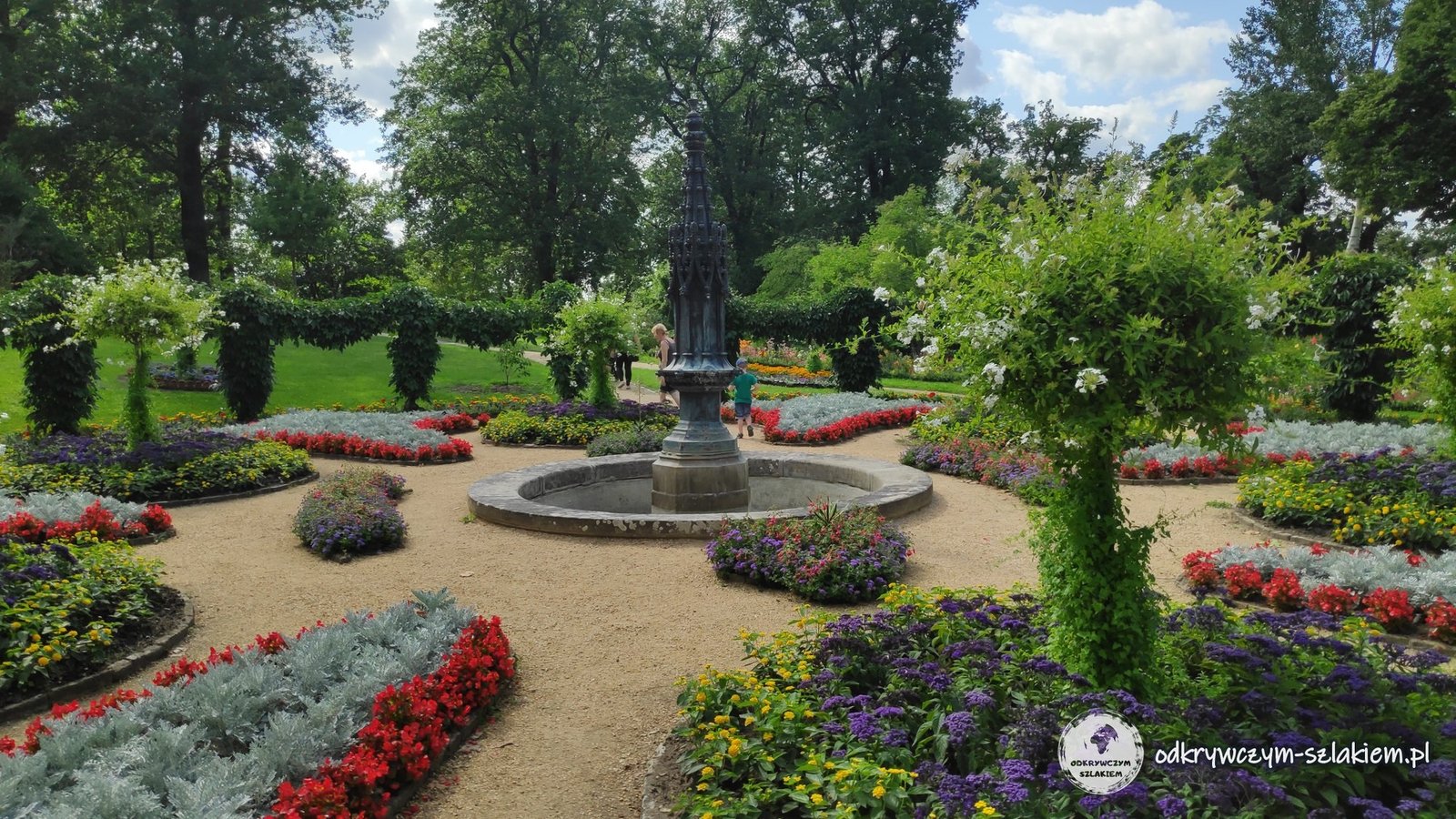
Next to the palace there is a colourful flower garden with a neo-Gothic fountain.
More buildings are scattered around the park. On a hill stands the Gerichtslaube – a Gothic red-brick arcade that in the Middle Ages was part of Berlin’s town hall and served as a court, and in the 19th century was moved to Babelsberg.
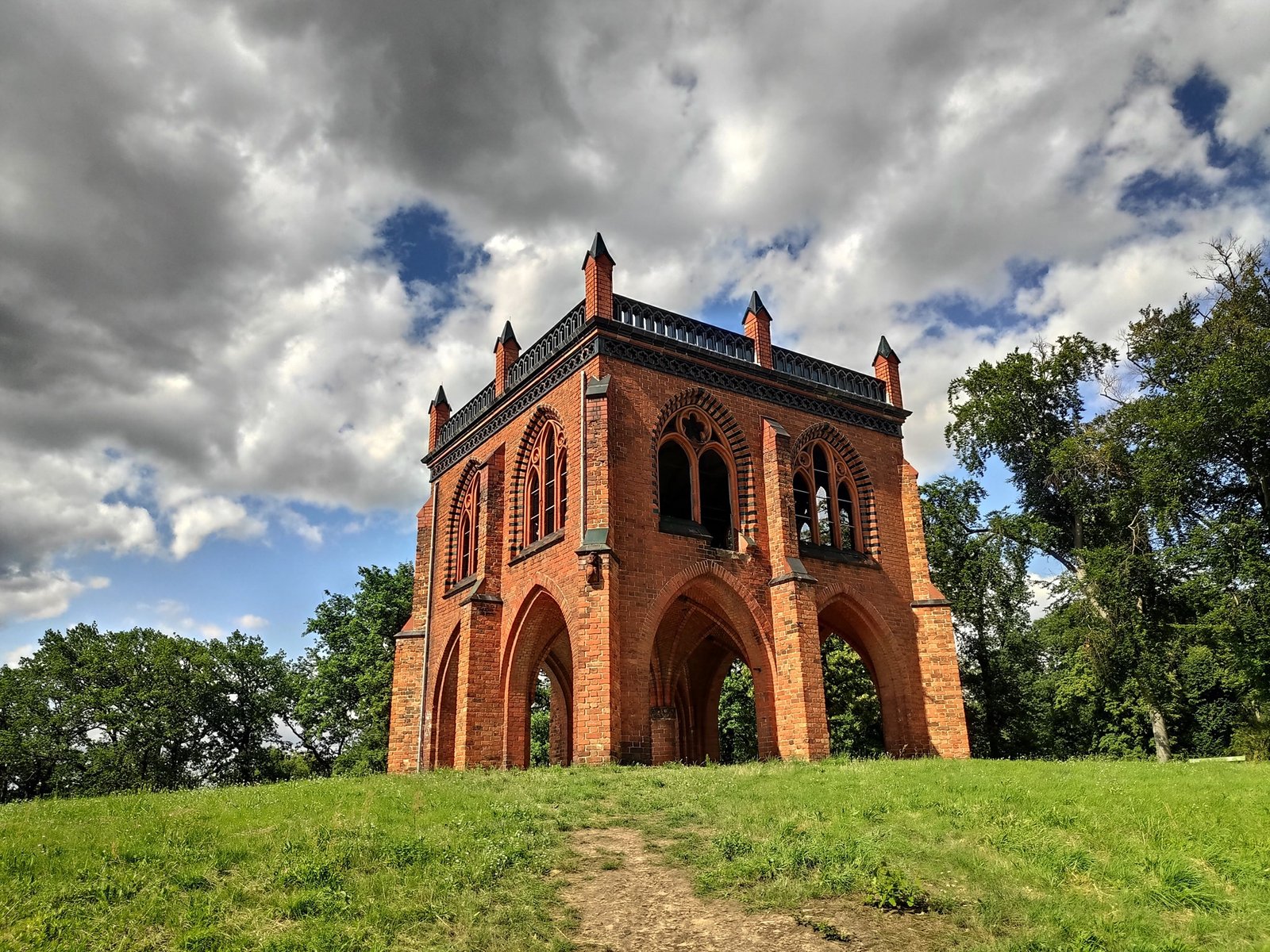
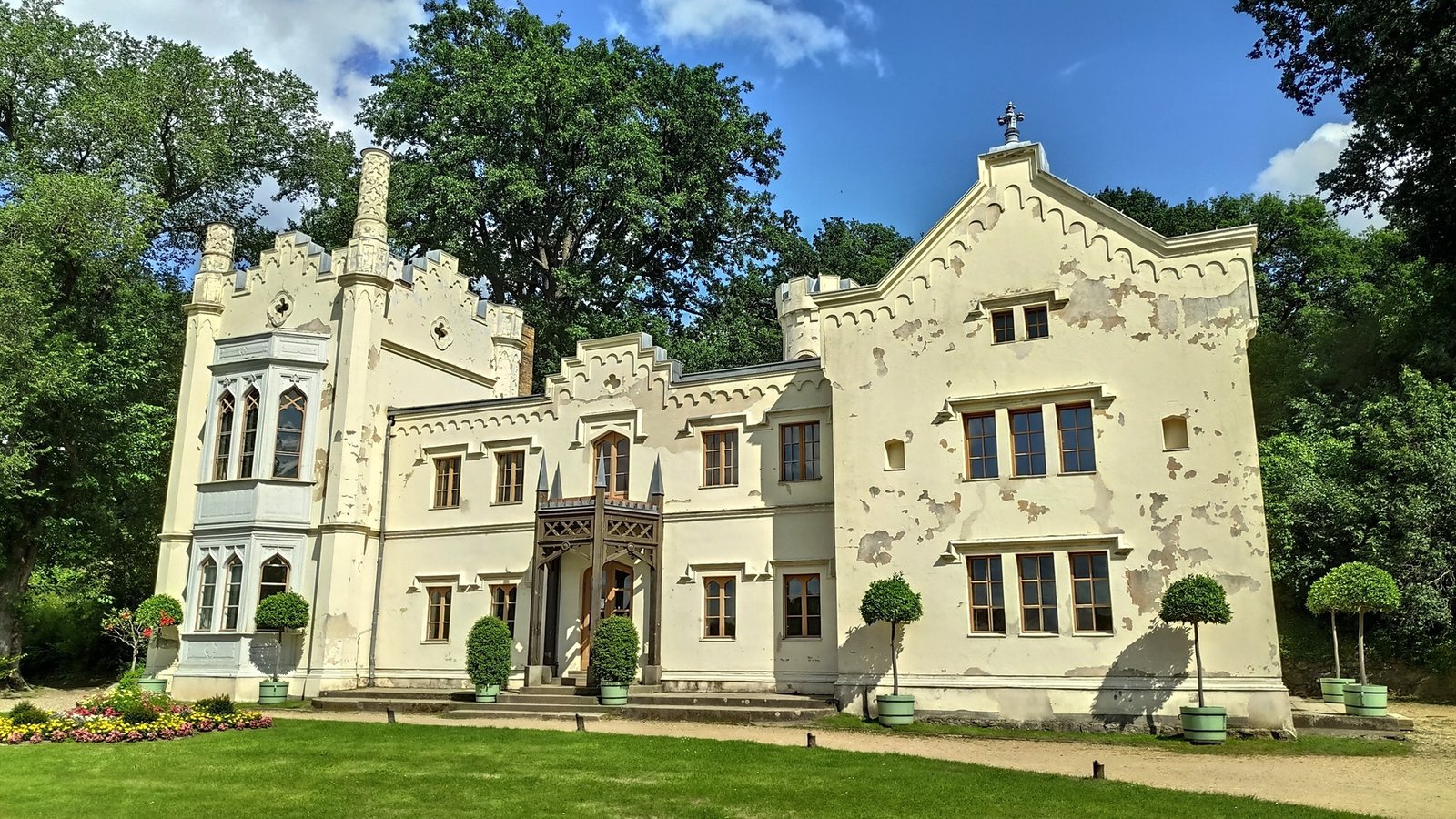
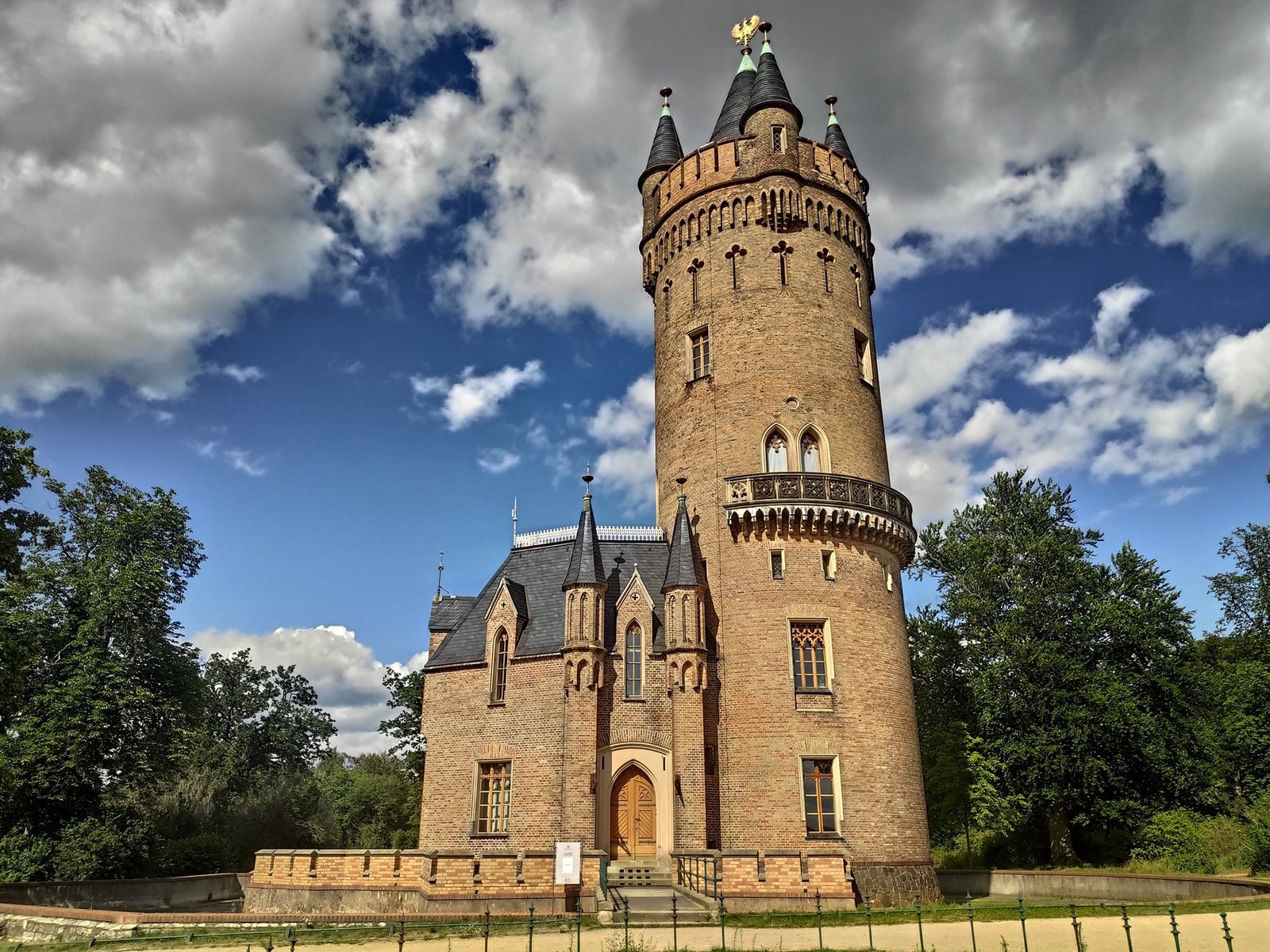
On the bank of the Havel stands the Small Palace (Kleines Schloss), and deeper in the park – the brick Flatow Tower (Flatowturm) with a viewing terrace.
Rising by the water is also the steam engine house – a castle-style building with a tall tower-shaped chimney that pumped water from the Havel to the park’s fountains. And a flight of steps guarded by statues of halberdiers leads to a neo-Gothic monument with the figure of an angel.
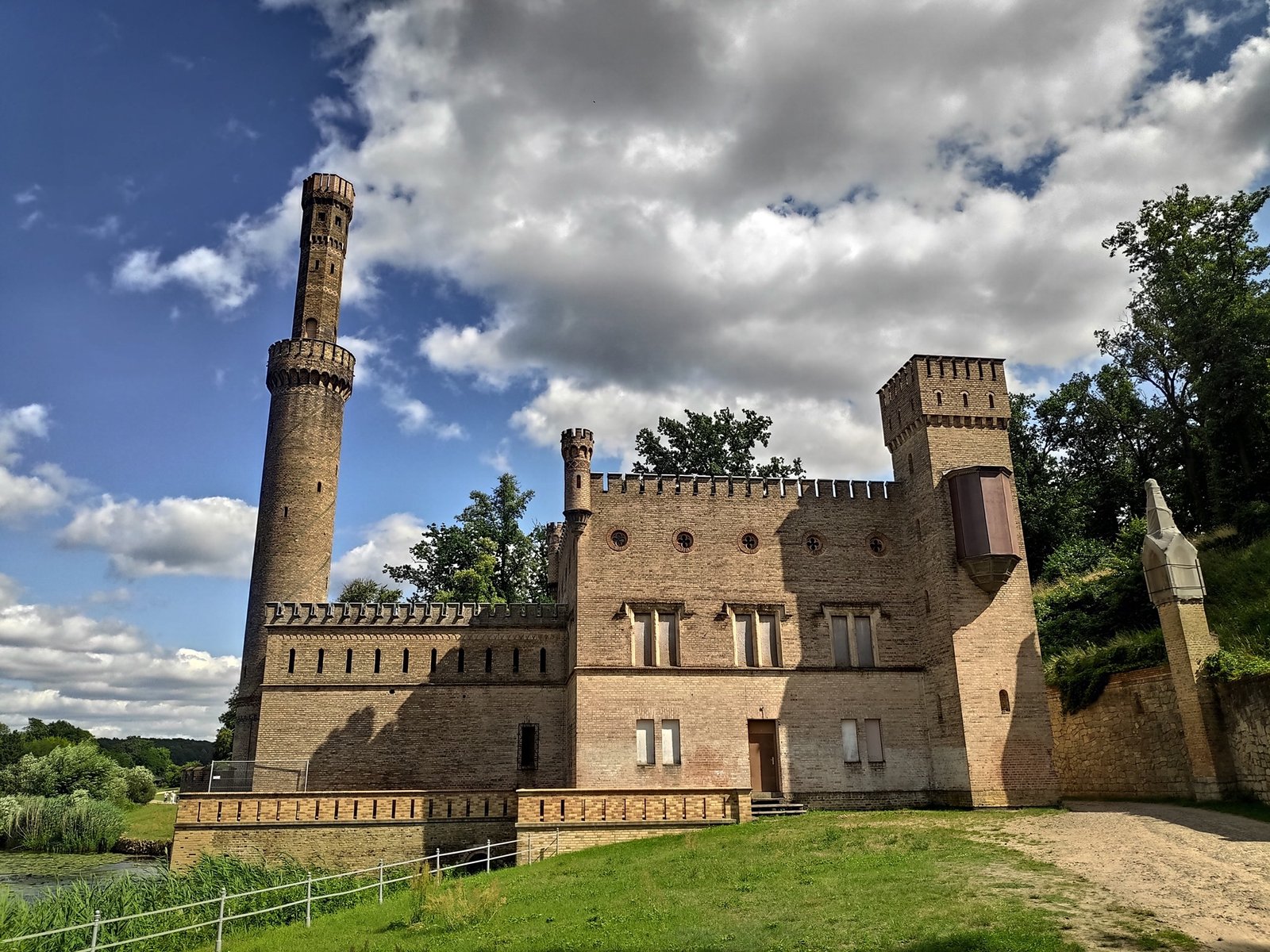
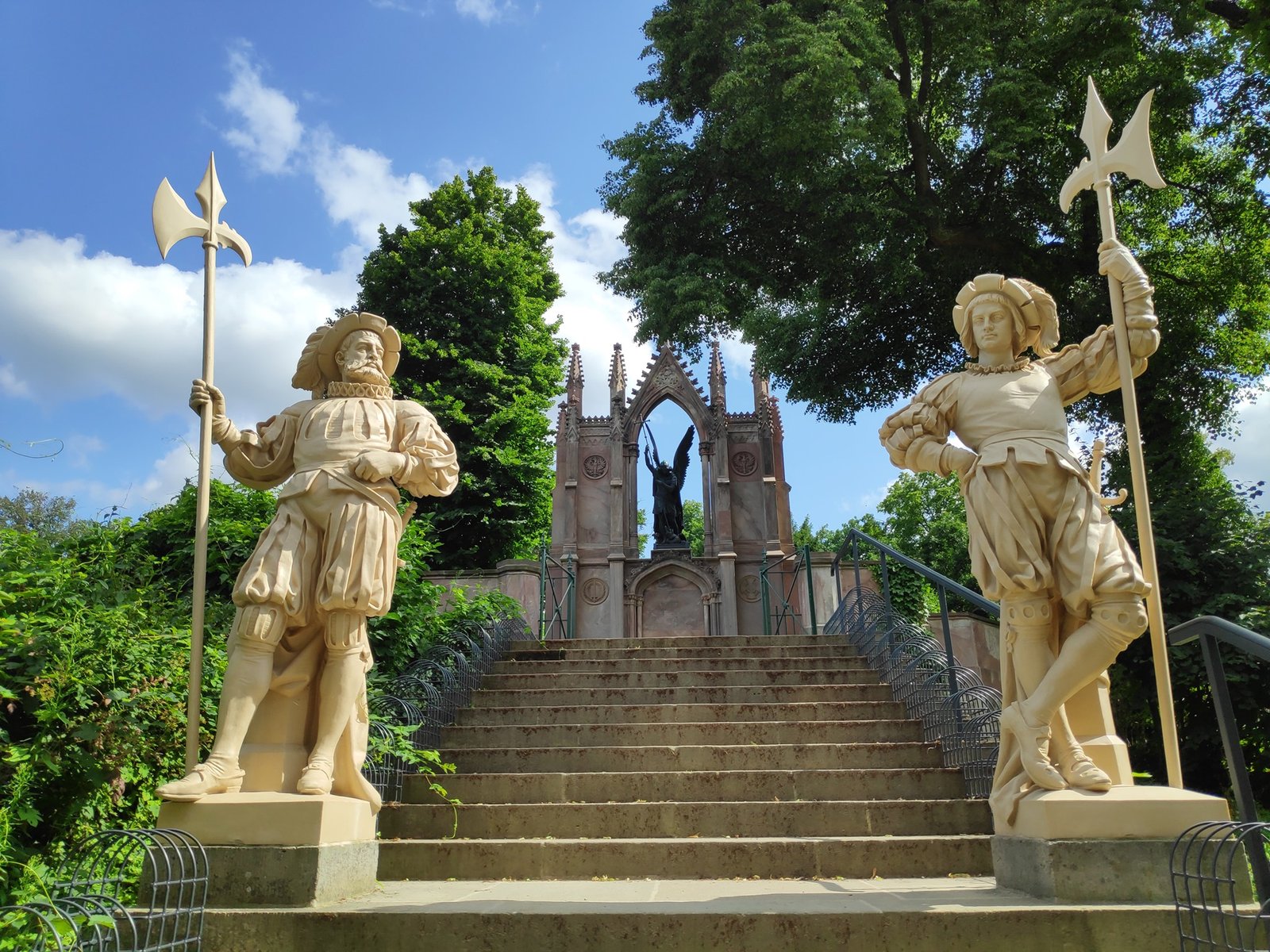
The angel on the neo-Gothic monument is the Archangel Michael – the monument is a copy of one in a cemetery in Karlsruhe dedicated to Prussian soldiers who fell fighting the insurgents in Baden. Deeper in the park stands the Matrosenhaus, the Sailors’ House from 1842. It was home to the sailor who looked after the park’s gondolas and sailing boats, and its stepped gables, modelled on the medieval town hall in Stendal, were added in 1868. Nearby rises the Victory Column with a figure of Victoria after a model by Christian Daniel Rauch – Wilhelm I erected it to commemorate the war with Austria in 1866. The park covers about 124 ha; Peter Joseph Lenné began laying it out in 1833, and later Prince Hermann von Pückler-Muskau took over the work.


The House of the Wannsee Conference
On the shore of the Großer Wannsee stands the villa where, on 20 January 1942, senior officials of the Third Reich and SS officers coordinated the murder of the Jews of Europe, which the Nazis called the “final solution of the Jewish question”. Since 1992 it has housed the memorial and educational site Haus der Wannsee-Konferenz, and admission is free.
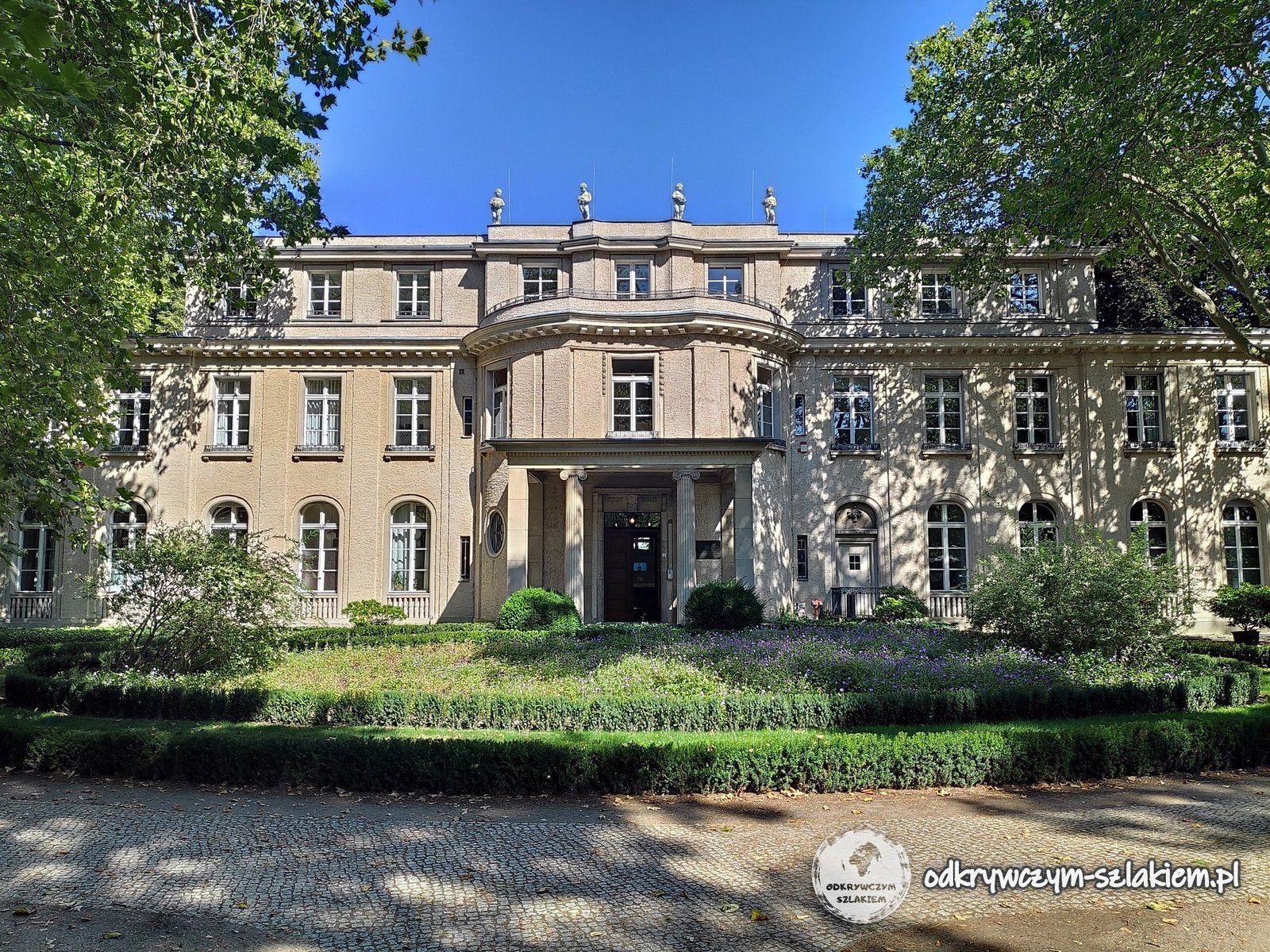

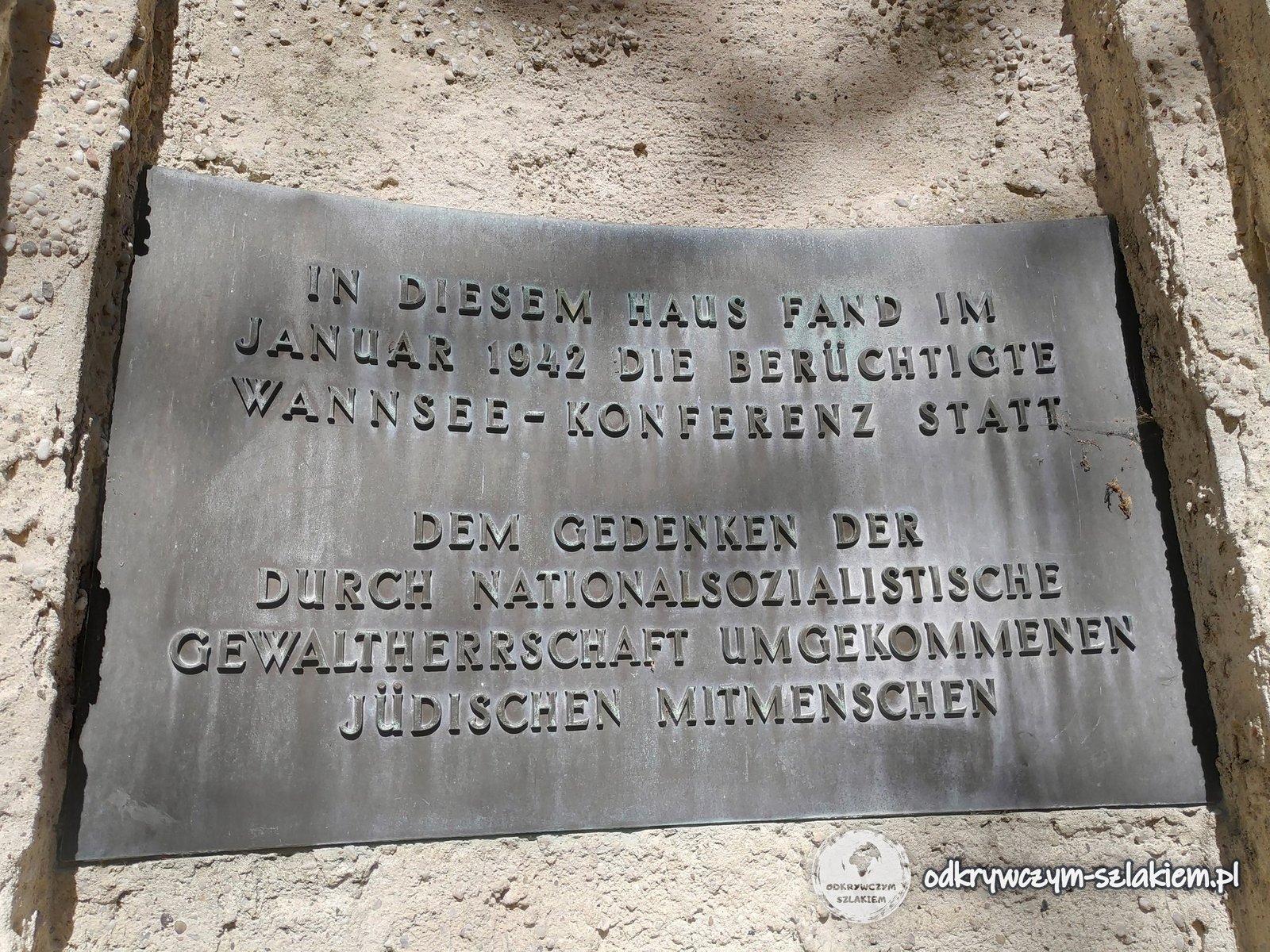
A plaque on the wall of the villa reads: “In this house the infamous Wannsee Conference took place in January 1942. In memory of our Jewish fellow human beings who perished under National Socialist tyranny.” The exhibition also has a Polish thread – including a board about a Jewish woman from Włocławek who fled to Jerusalem after the German invasion of Poland and in 1940 told a commission about the first weeks of the occupation.

Practical information
- Getting there – from central Berlin to Potsdam you can take the S7 S-Bahn line (stations include Wannsee, Griebnitzsee, Babelsberg and Potsdam Hauptbahnhof) or regional trains. A Berlin ABC zone ticket is enough – Potsdam is in zone C.
- Admission – the parks (Sanssouci, the New Garden, Glienicke, Babelsberg) are free; you pay to visit the palace interiors.
- Tickets (as of 2026) – the one-day sanssouci+ ticket covers all the open SPSG palaces in Potsdam and costs €22 (reduced €17, family €49). When you buy it online, you book a time slot for Sanssouci Palace. The New Palace is closed on Tuesdays, and some palaces open only in season (roughly from April or May to October).
- How much time – for central Potsdam, the New Garden and Sanssouci a whole day is the minimum, and even then you won’t see everything. The walk from Wannsee through Glienicke Park to Babelsberg is another day.
- More from Berlin – following the Berlin Wall and the Festival of Lights.