While living in Berlin, I left the city every now and then. Many interesting places in Brandenburg are at the end of an S-Bahn or regional train line, so all you need is an ABC ticket and a ride of several dozen minutes. In this post I describe four such trips: Oranienburg with its palace and the Sachsenhausen Memorial, Königs Wusterhausen with its hunting lodge and lock, Erkner and Woltersdorf with an observation tower, and a route along the former border near Hennigsdorf. I wrote about Potsdam separately, in the post Potsdam and Wannsee.
Table of contents
- Oranienburg and the Sachsenhausen Memorial
- Königs Wusterhausen and the Neue Mühle lock
- Erkner and Woltersdorf – the tower on the Kranichsberg
- Hennigsdorf – following the Wall along the Havel
- Practical information
Oranienburg and the Sachsenhausen Memorial
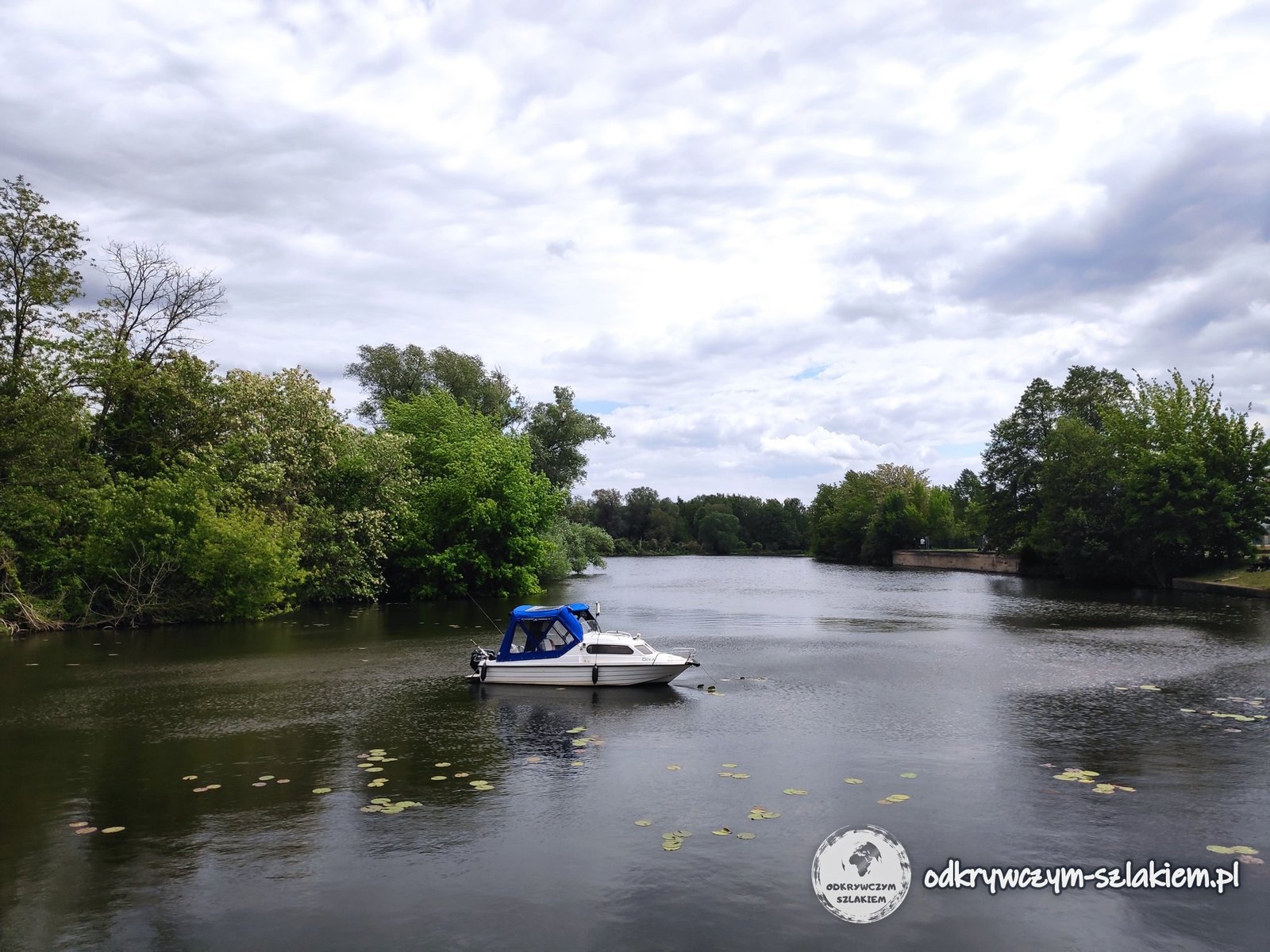
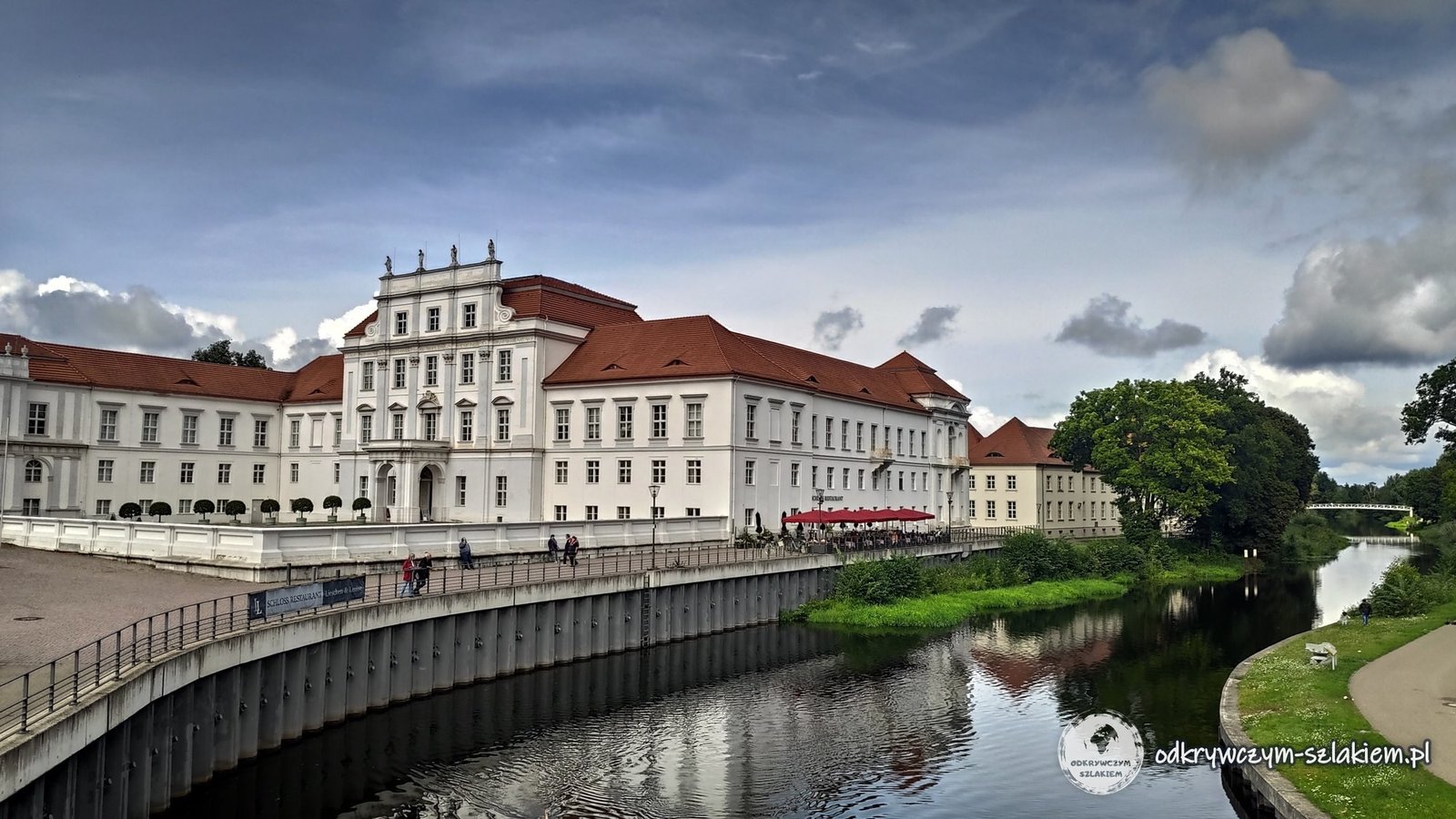
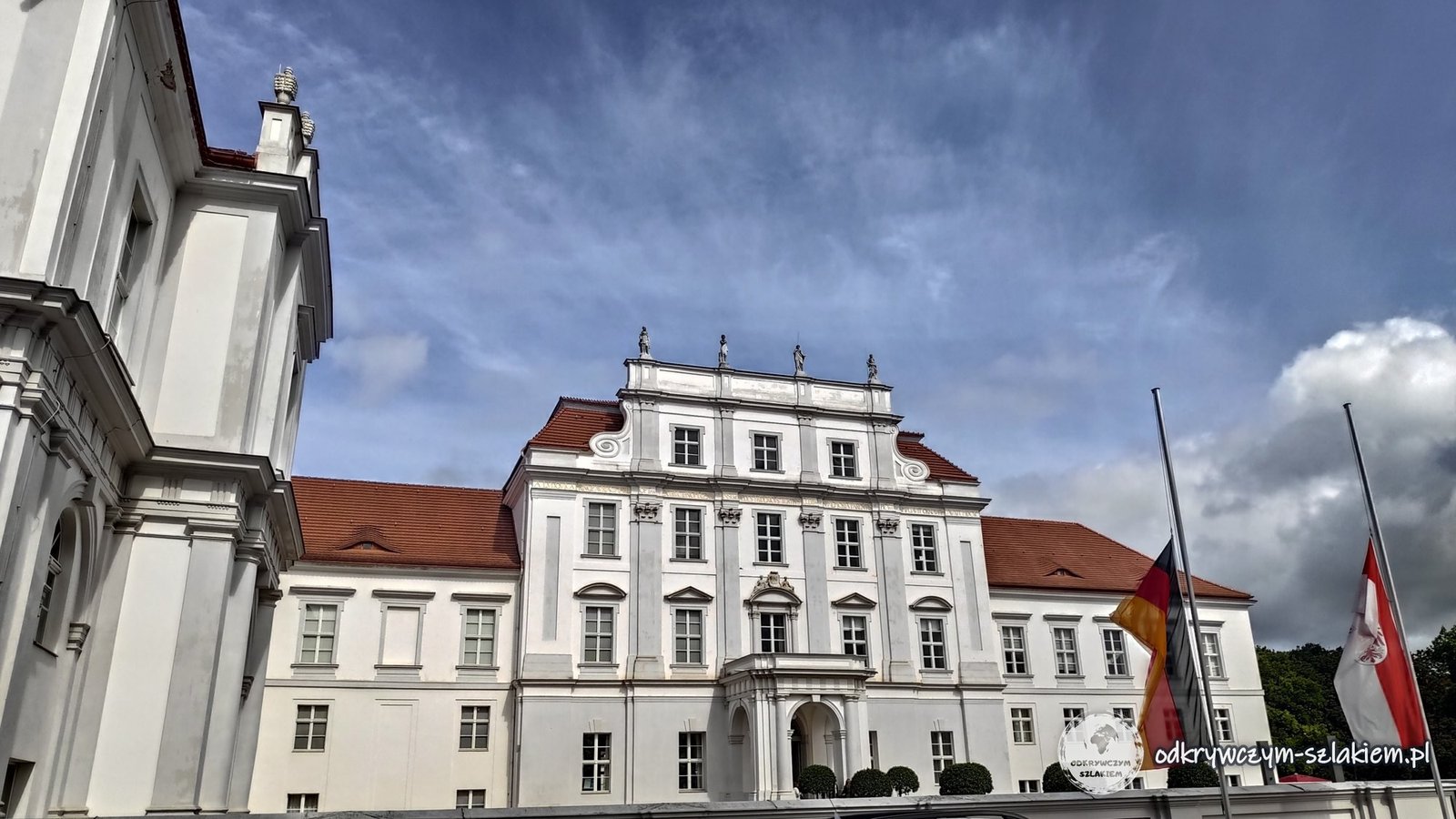
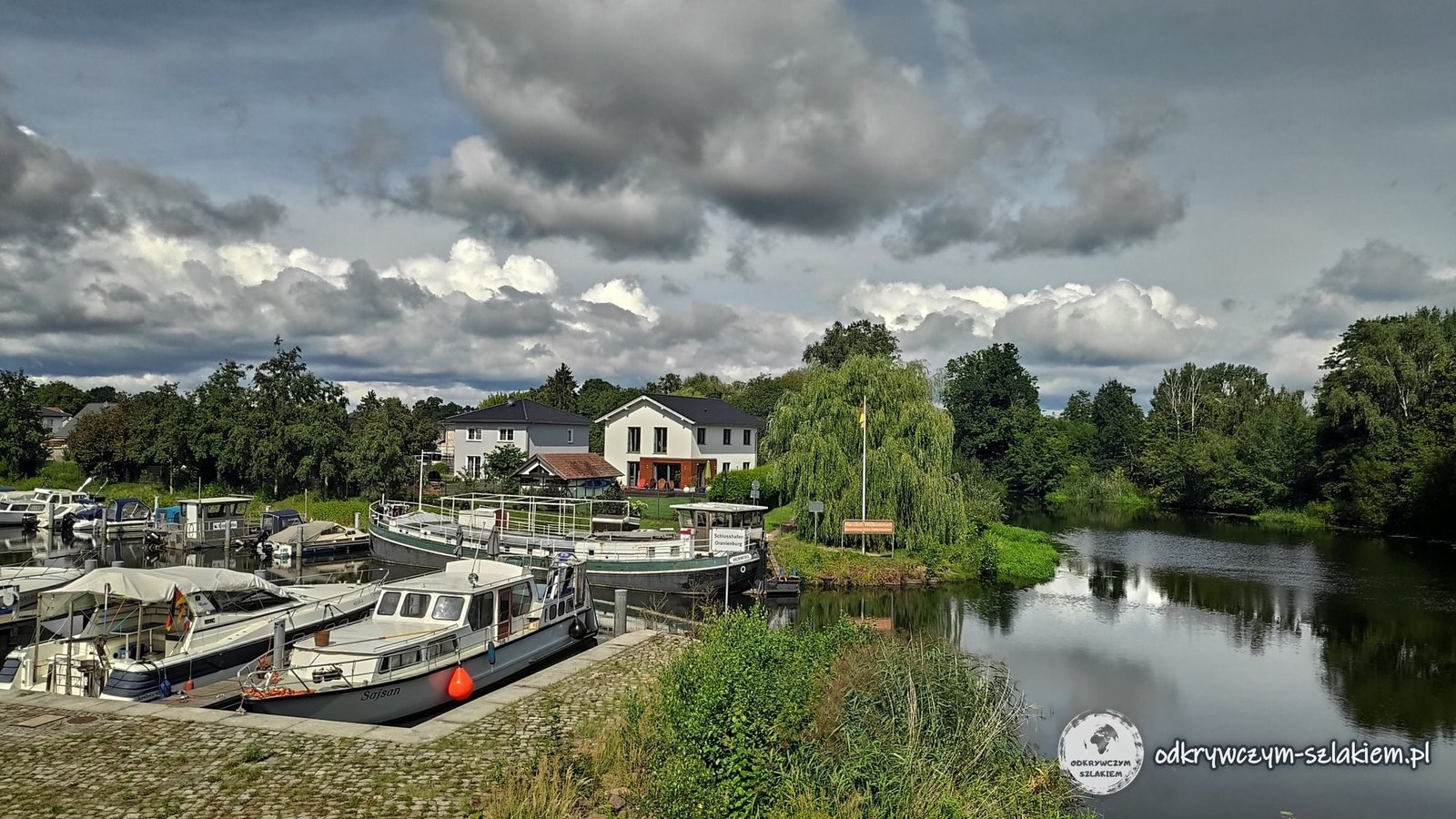
Oranienburg lies north of Berlin, at the end of the S1 line. I went there at the end of August 2021. In the town centre, on the Havel, stands Oranienburg Palace (Schloss Oranienburg). In the mid-17th century it was rebuilt by Louise Henriette of Orange, wife of the Great Elector – the town takes its name from her family. Next to it there is a park and a small harbour.
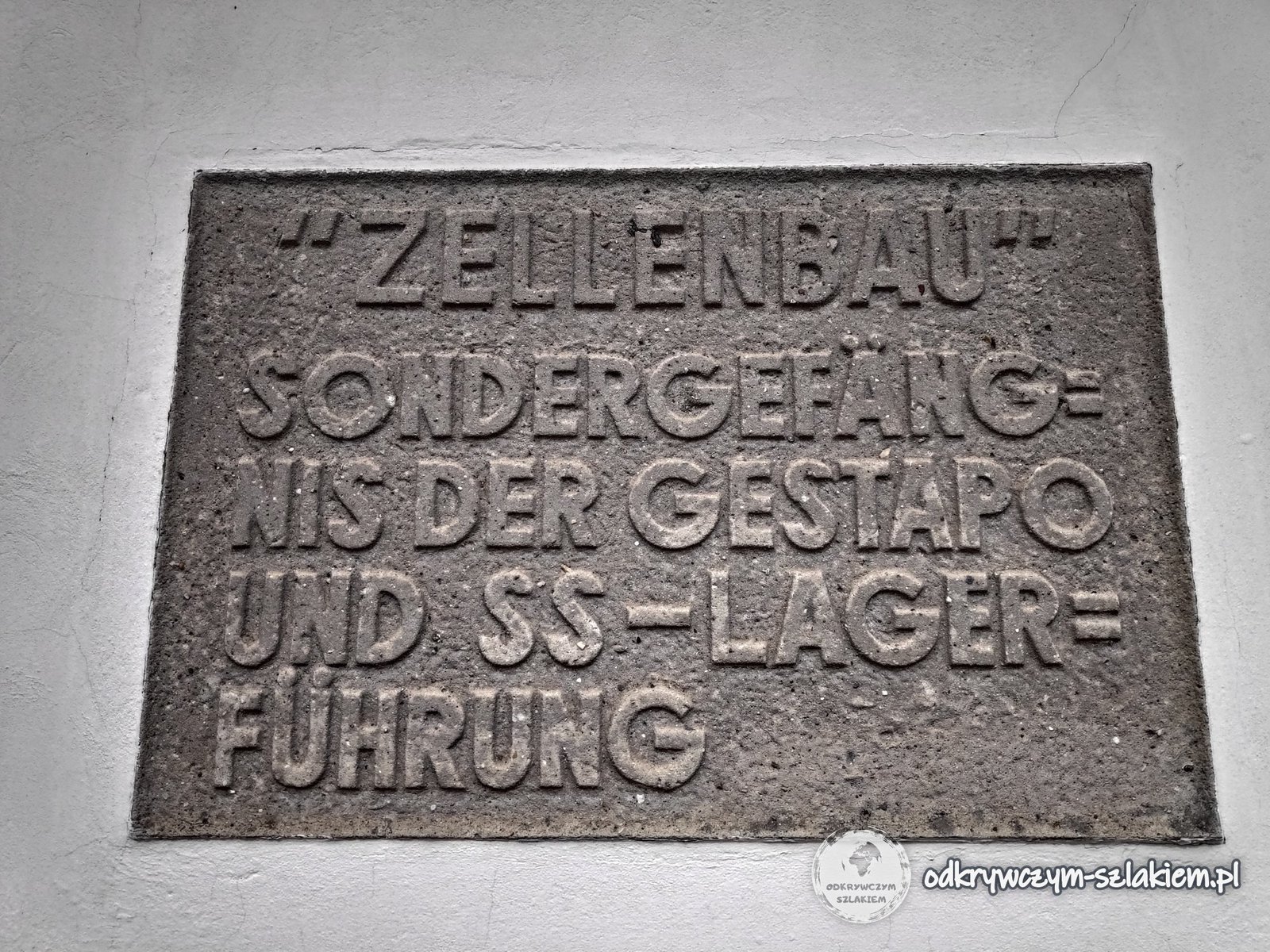
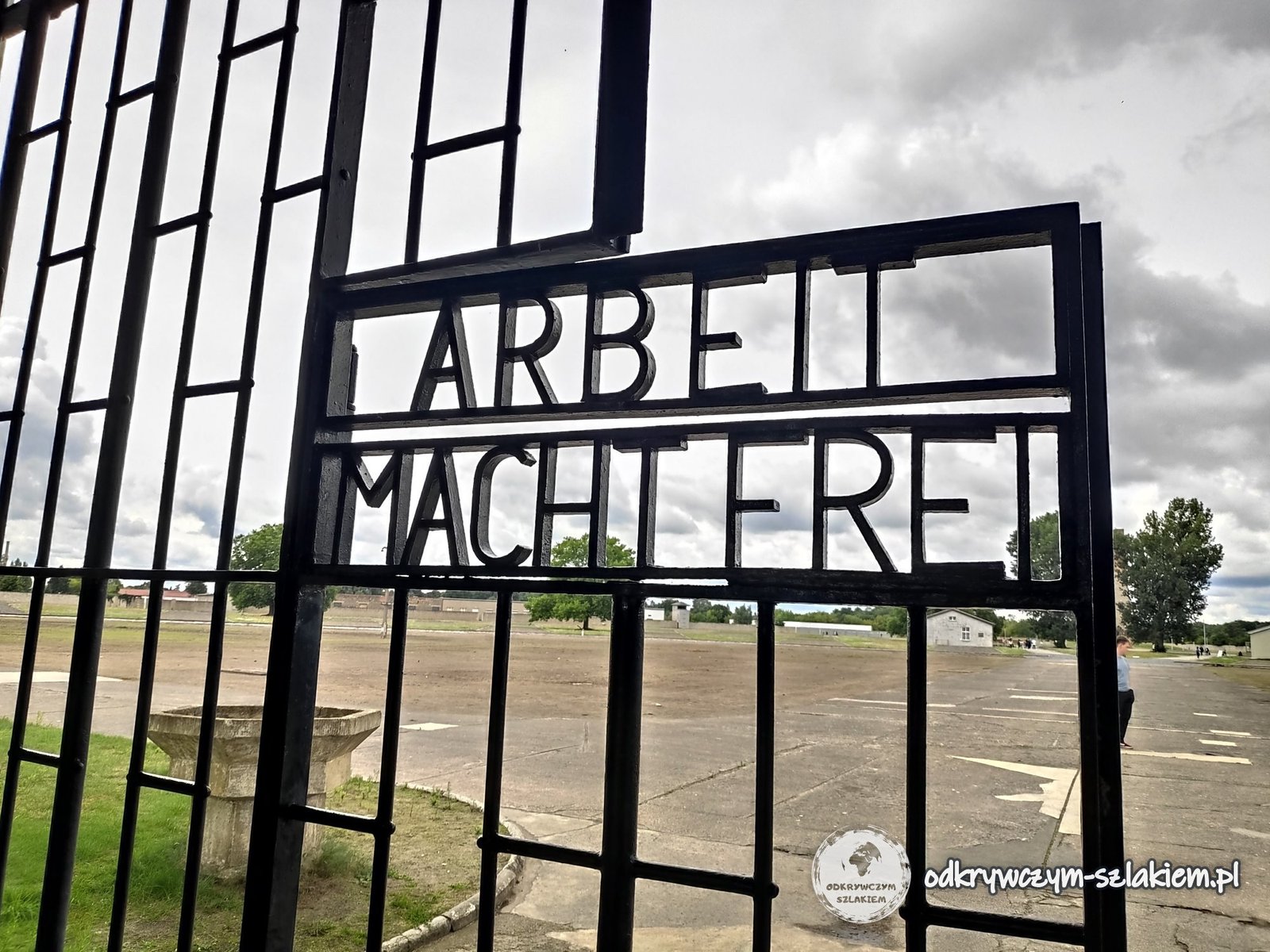
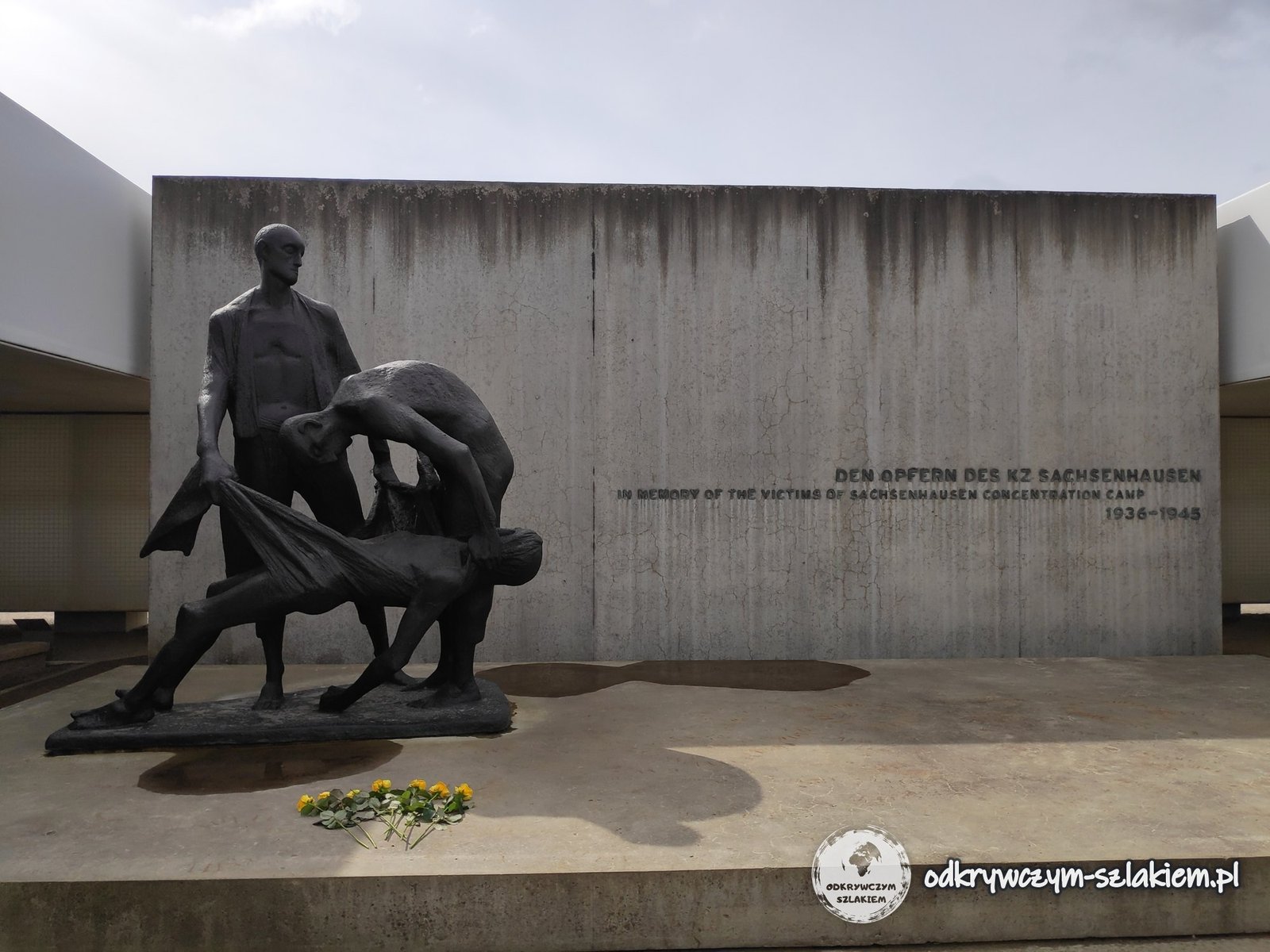
The main reason to come to Oranienburg, however, is the Sachsenhausen Memorial and Museum (Gedenkstätte und Museum Sachsenhausen). In 1936 the SS set up a concentration camp here. By 1945, more than 200,000 prisoners had passed through it – many of them Poles. The main gate bears the inscription “Arbeit macht frei”, and behind it lies the triangular roll-call square.
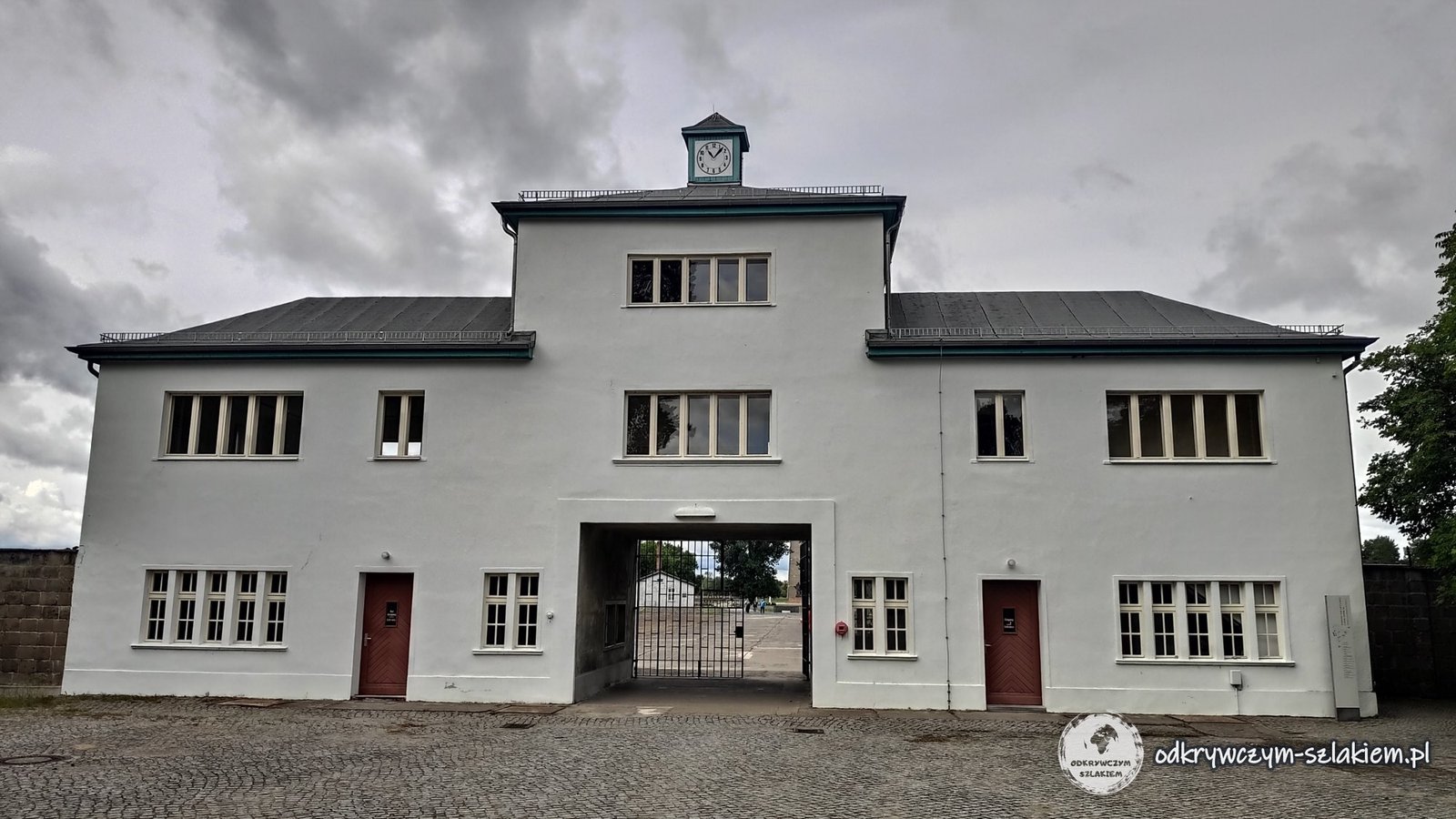
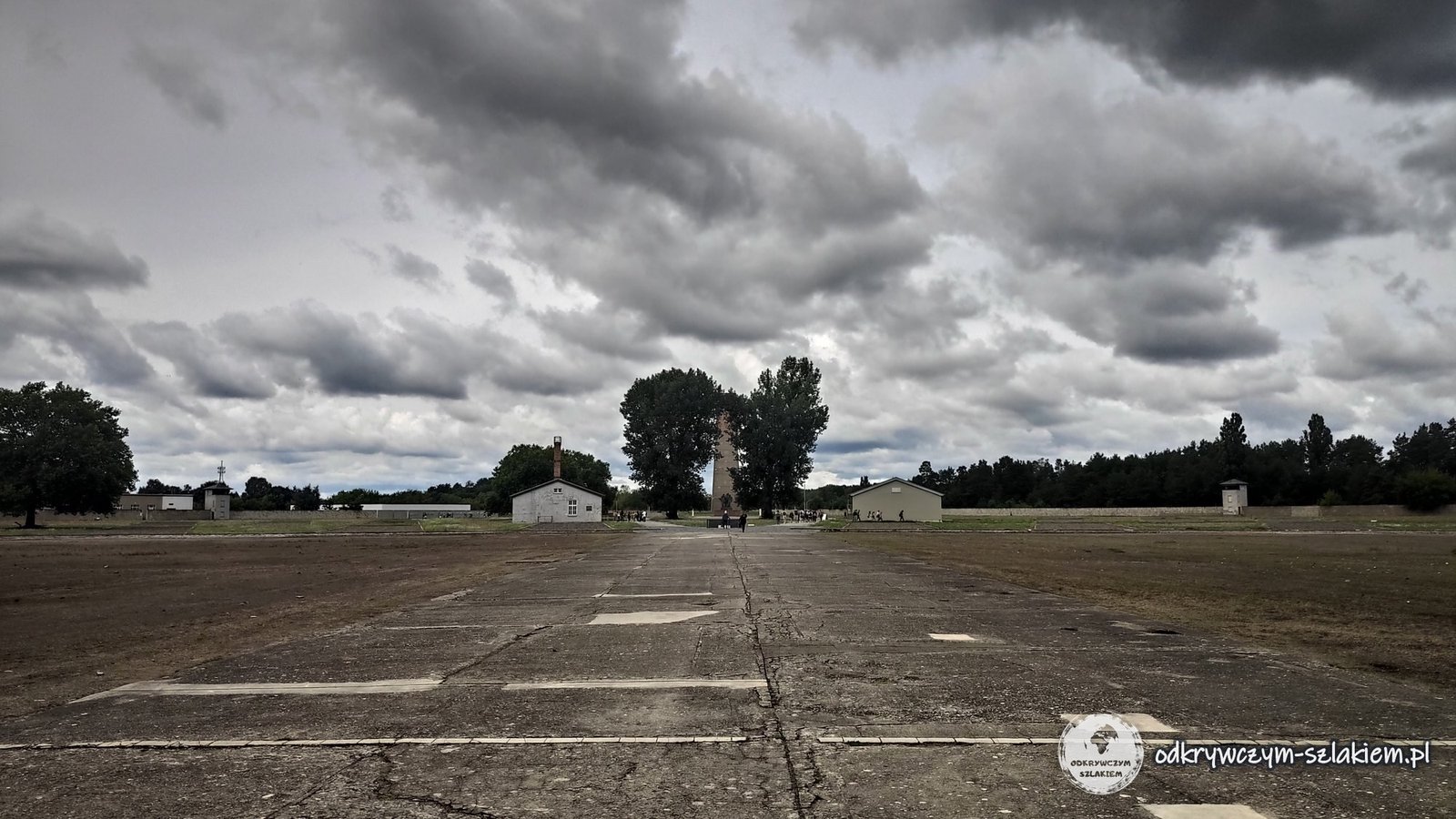
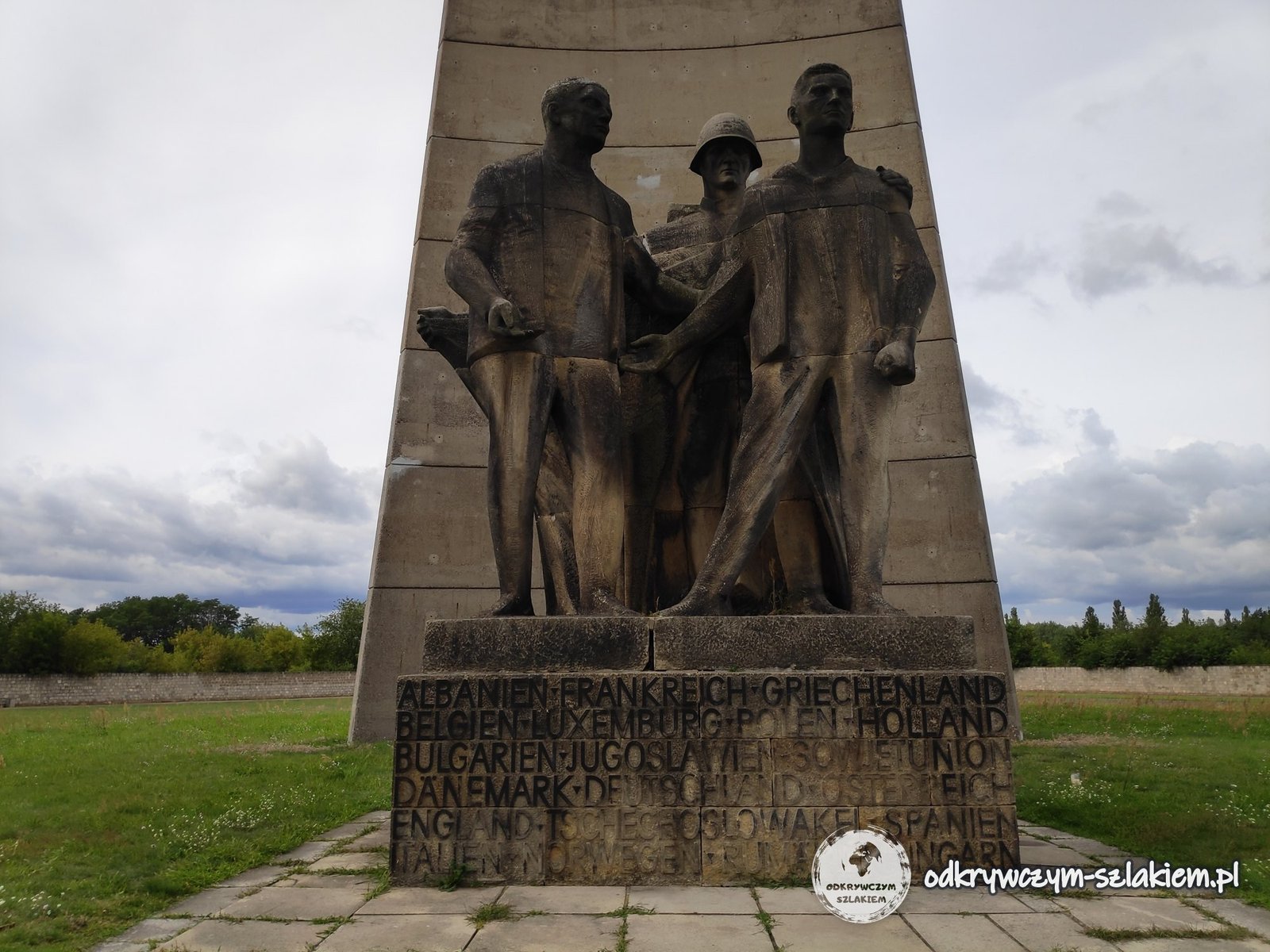
The site still has its walls with watchtowers, reconstructed barracks and the camp prison building. Further back stands a tall obelisk from the GDR era with a sculpture at its base. The hardest place is the so-called Station Z – the remains of the execution site and crematorium, now under a roof.
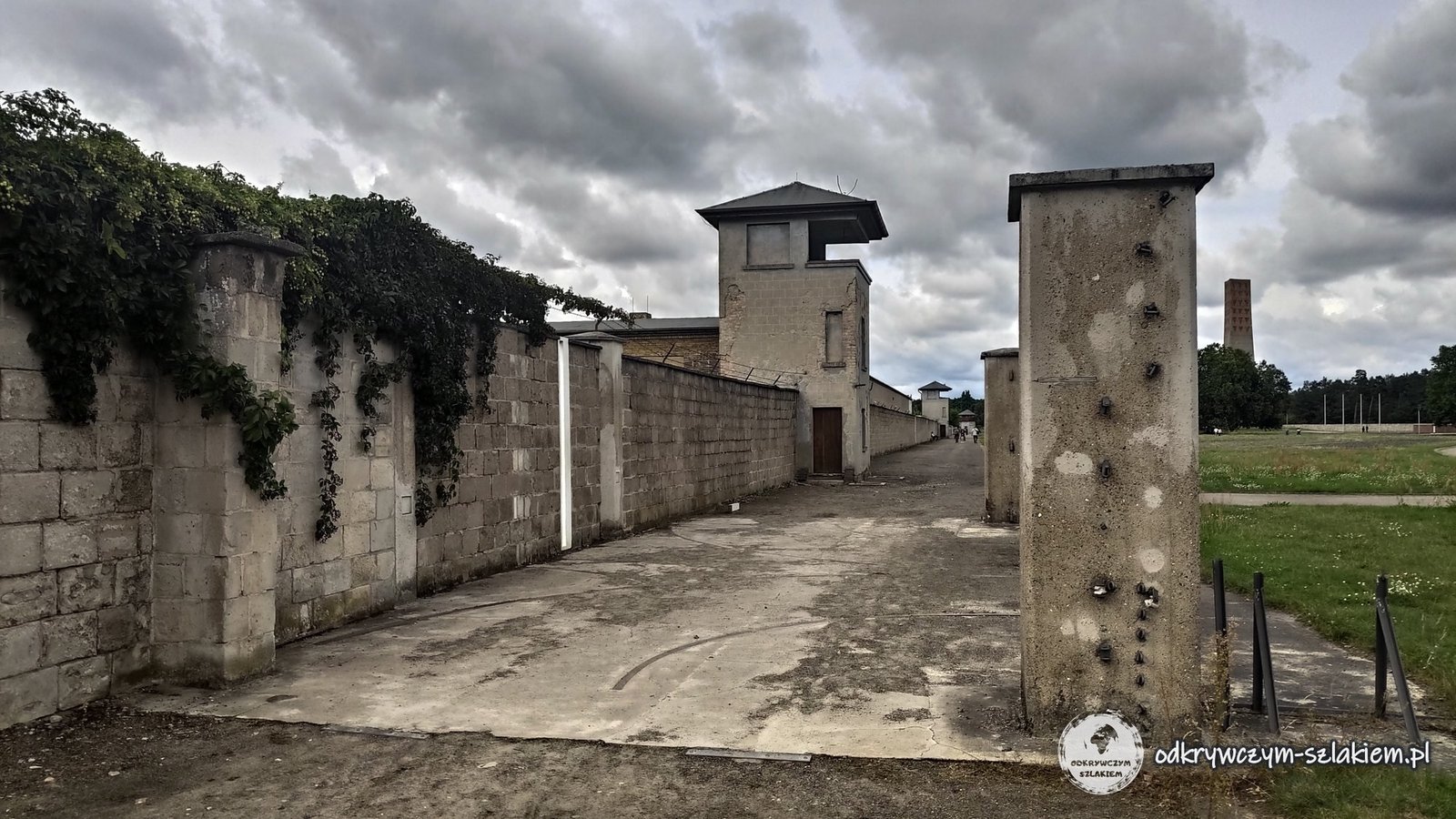
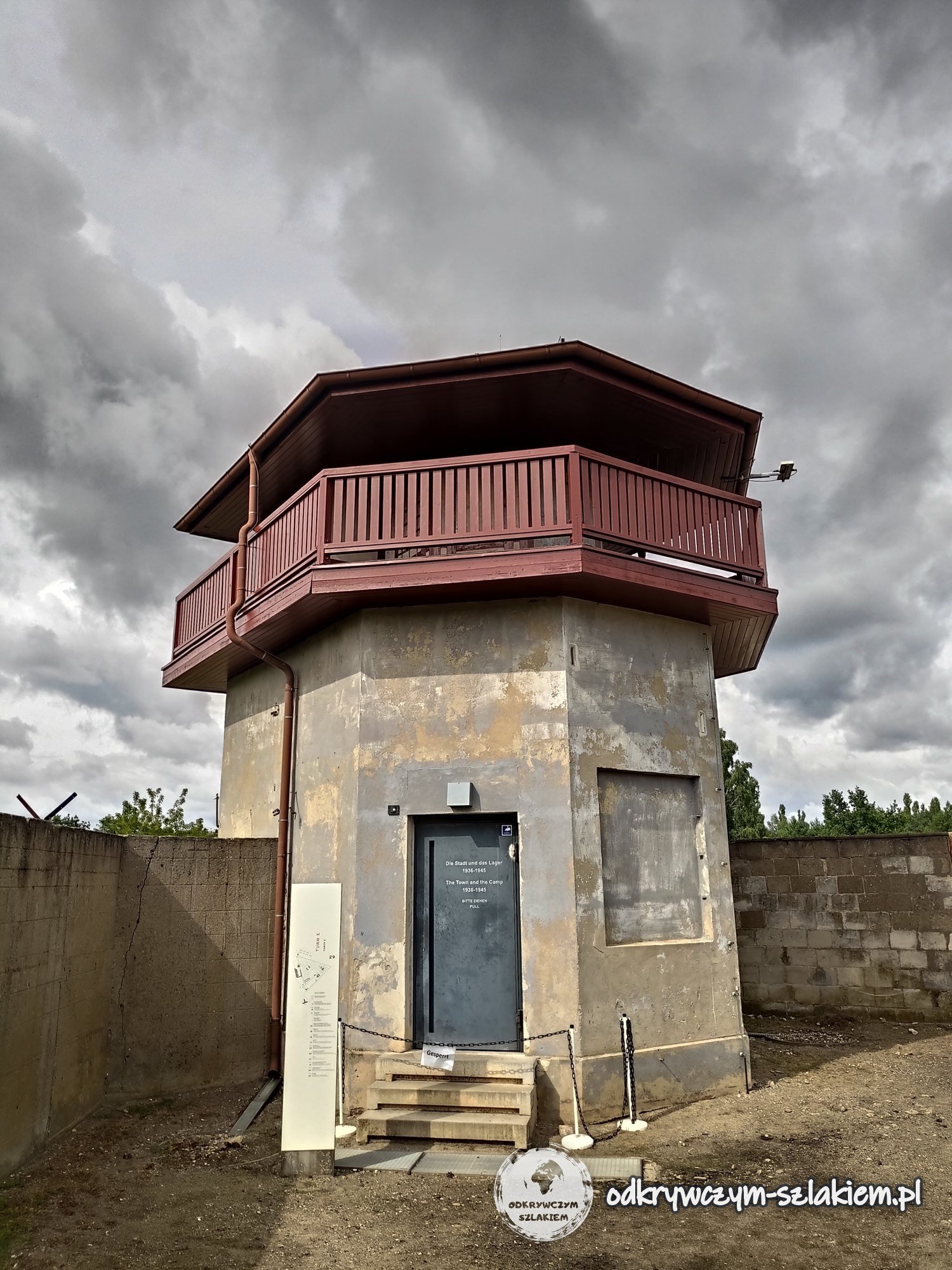
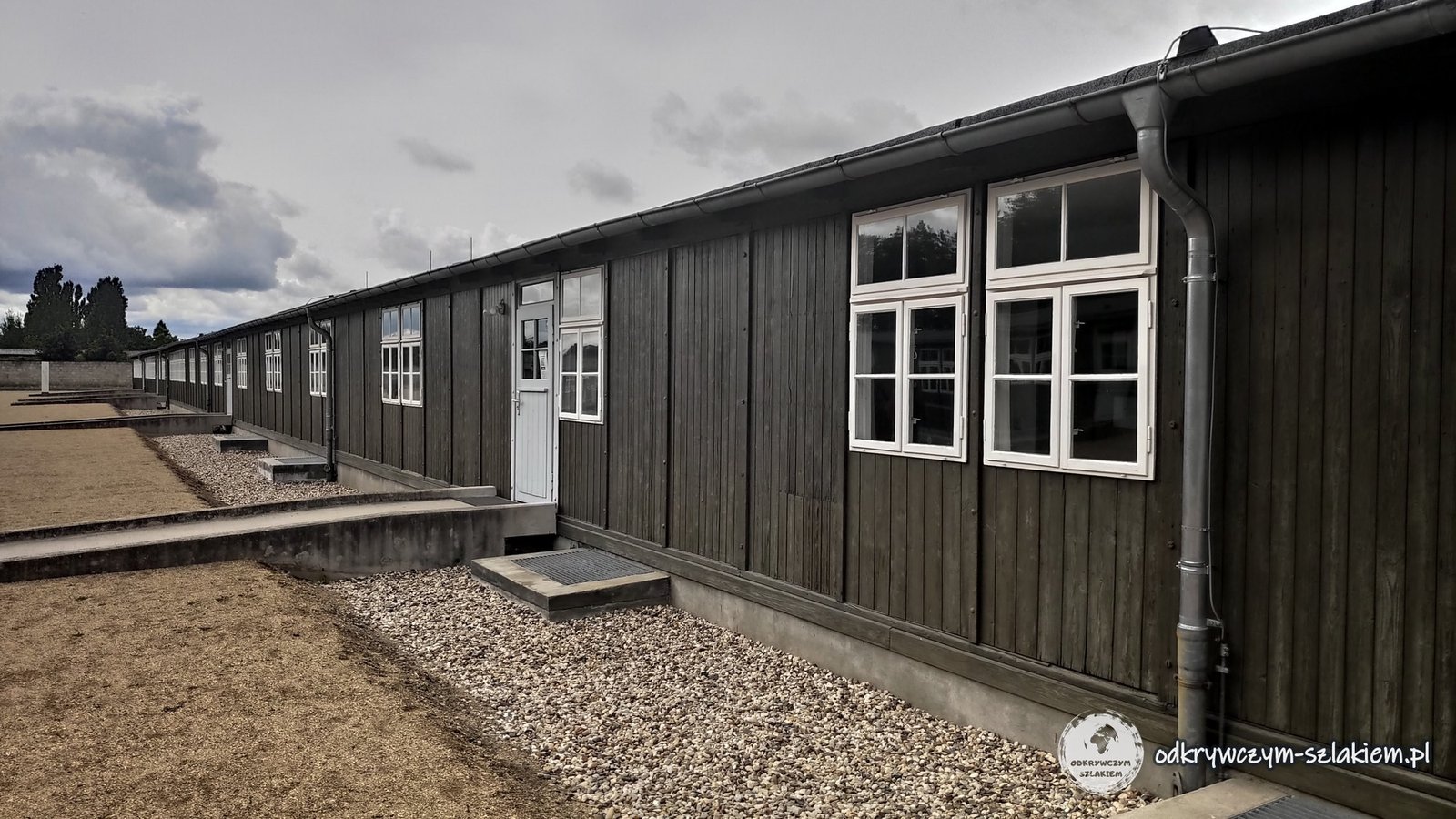
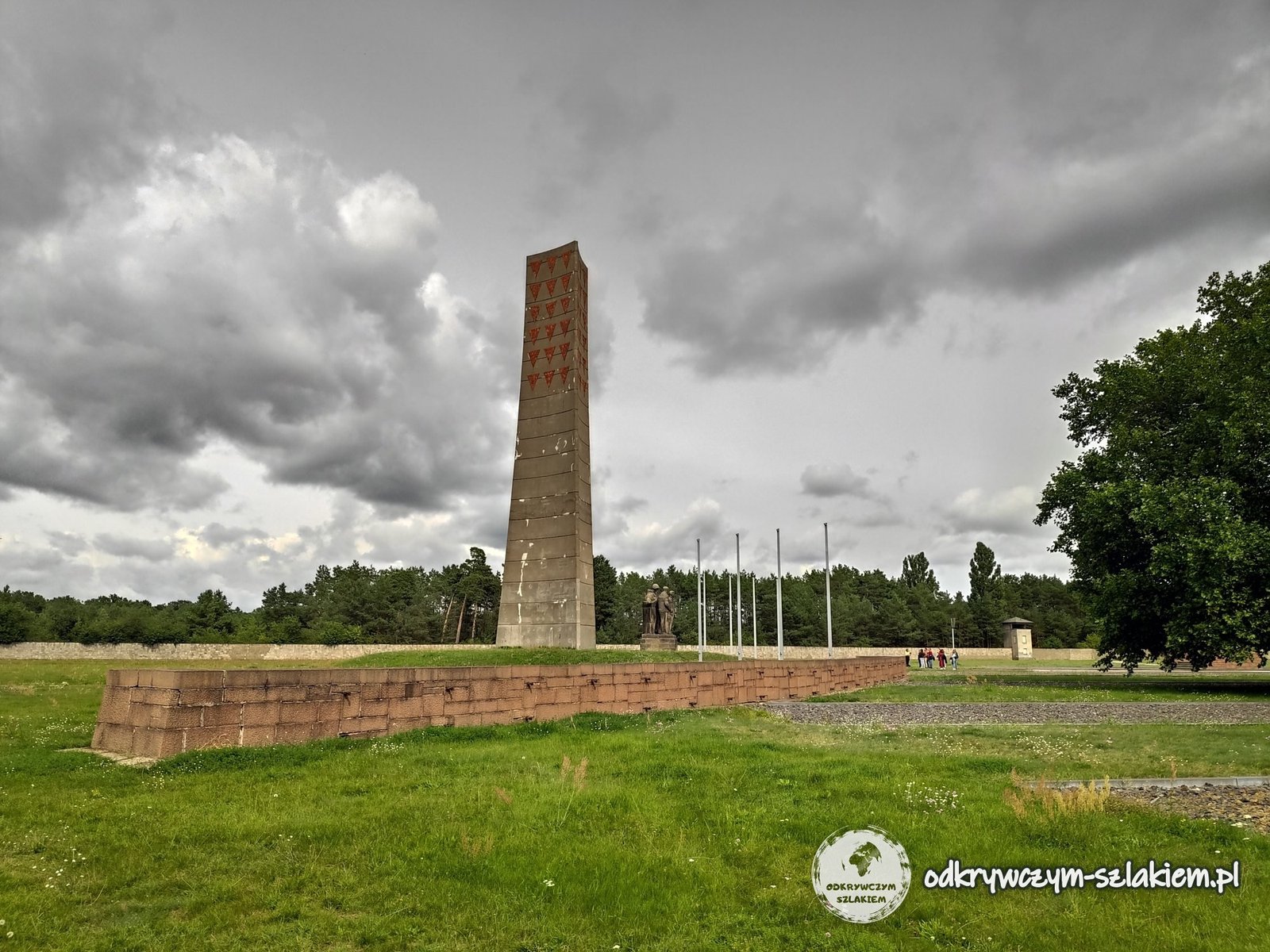

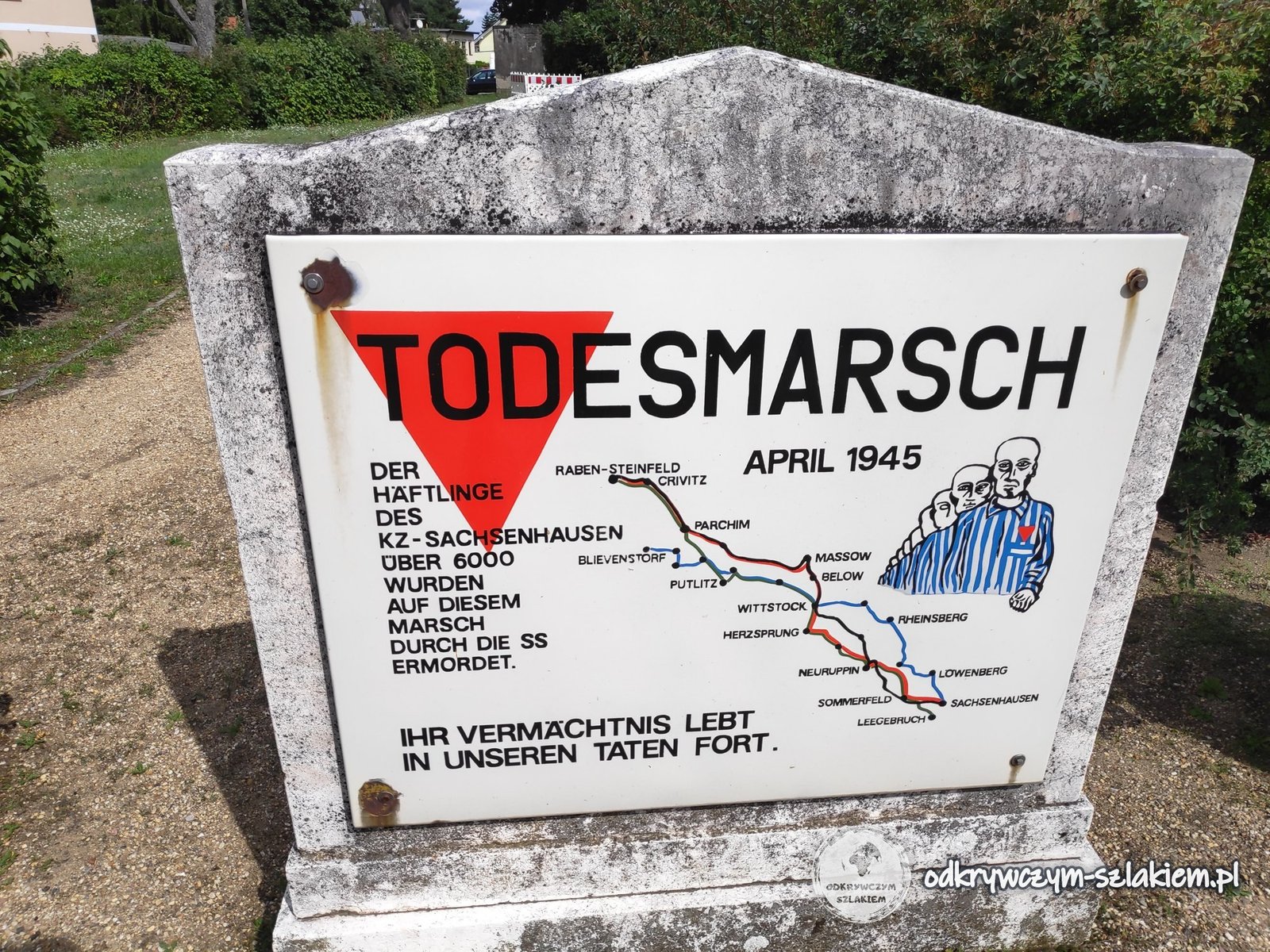
On the way from the station to the camp you pass plaques about the Death March – in April 1945 the SS marched more than 30,000 prisoners out of the camp to the north-west, and many of them died along the way.
Königs Wusterhausen and the Neue Mühle lock
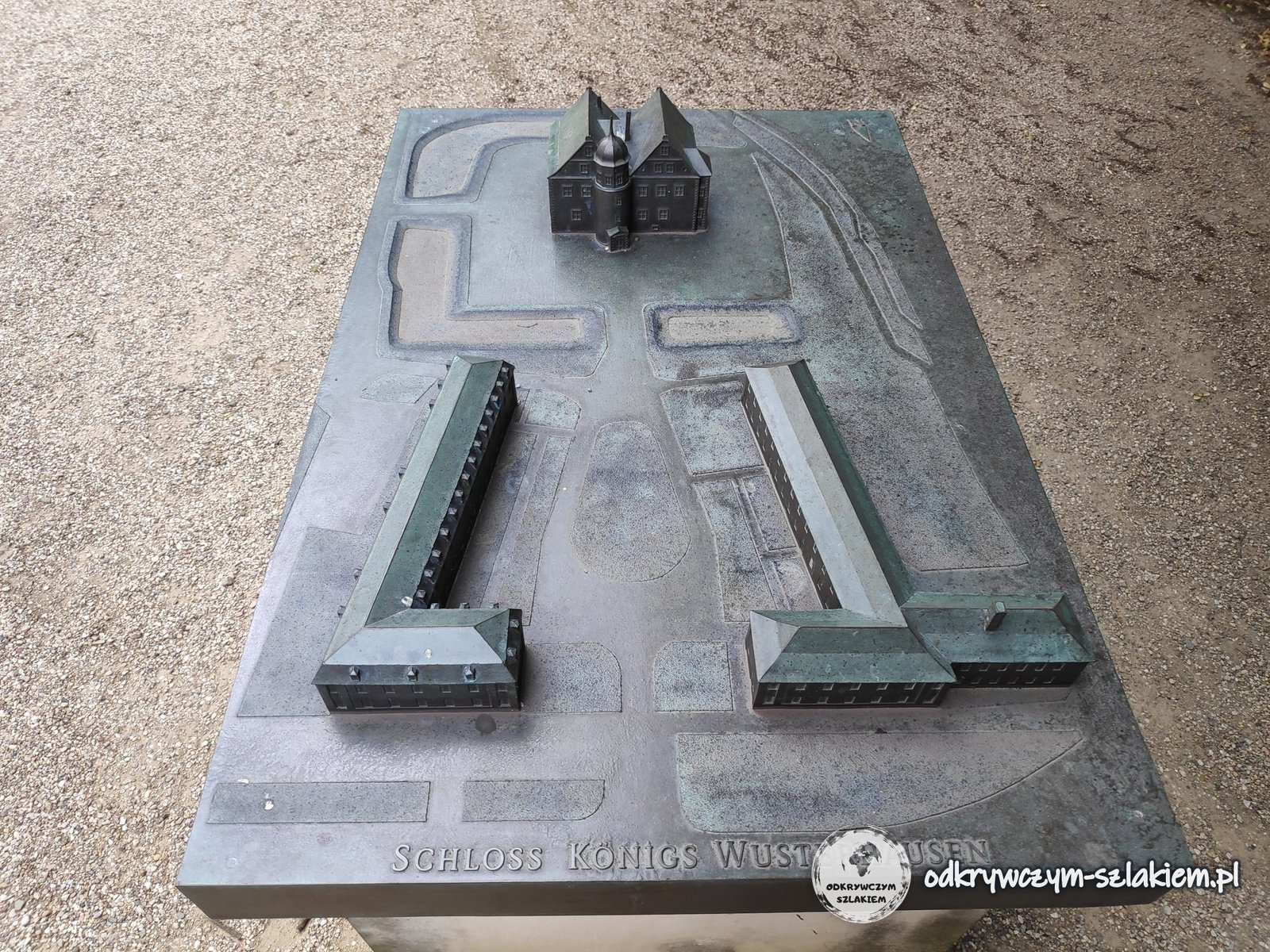
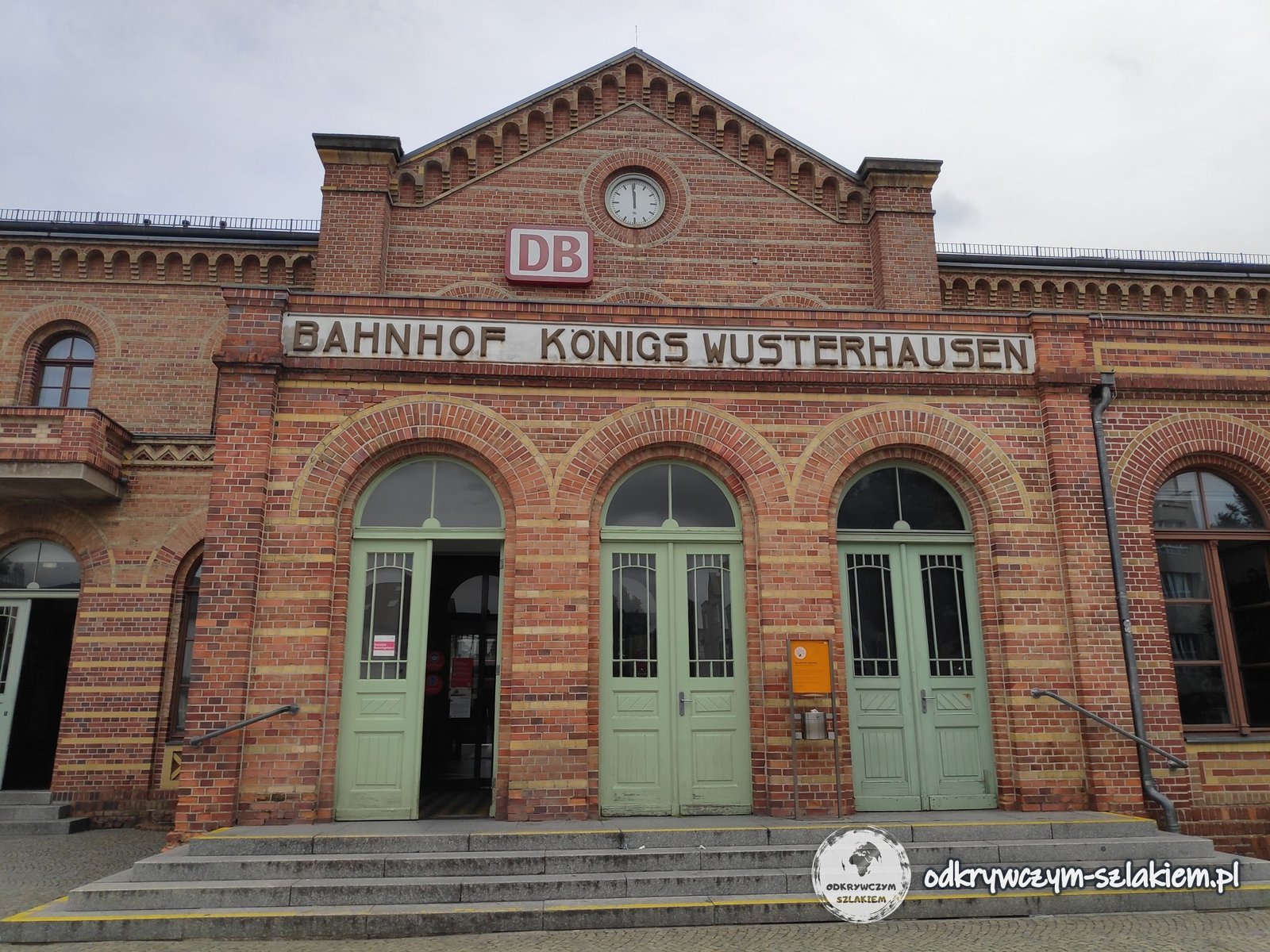
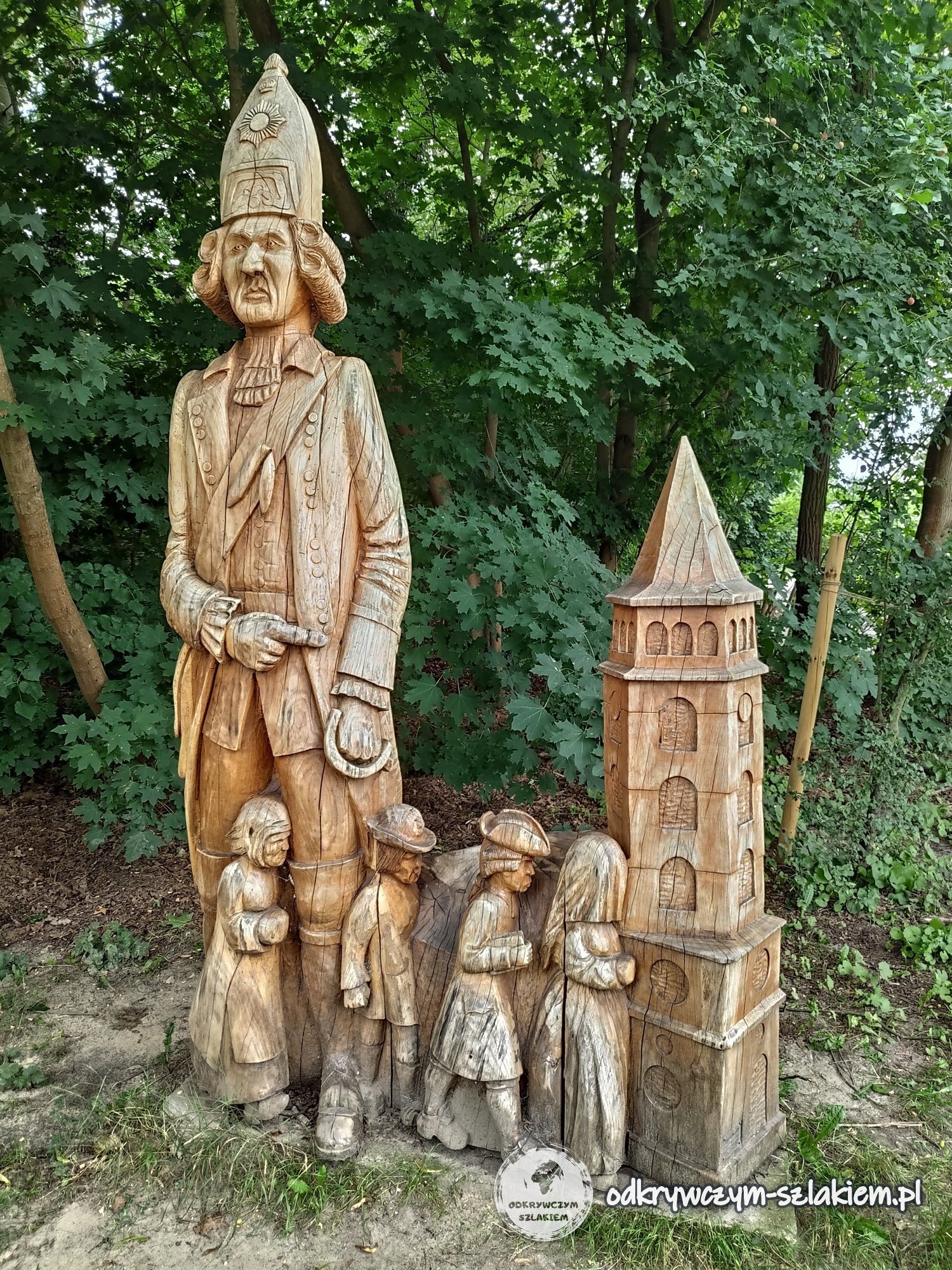
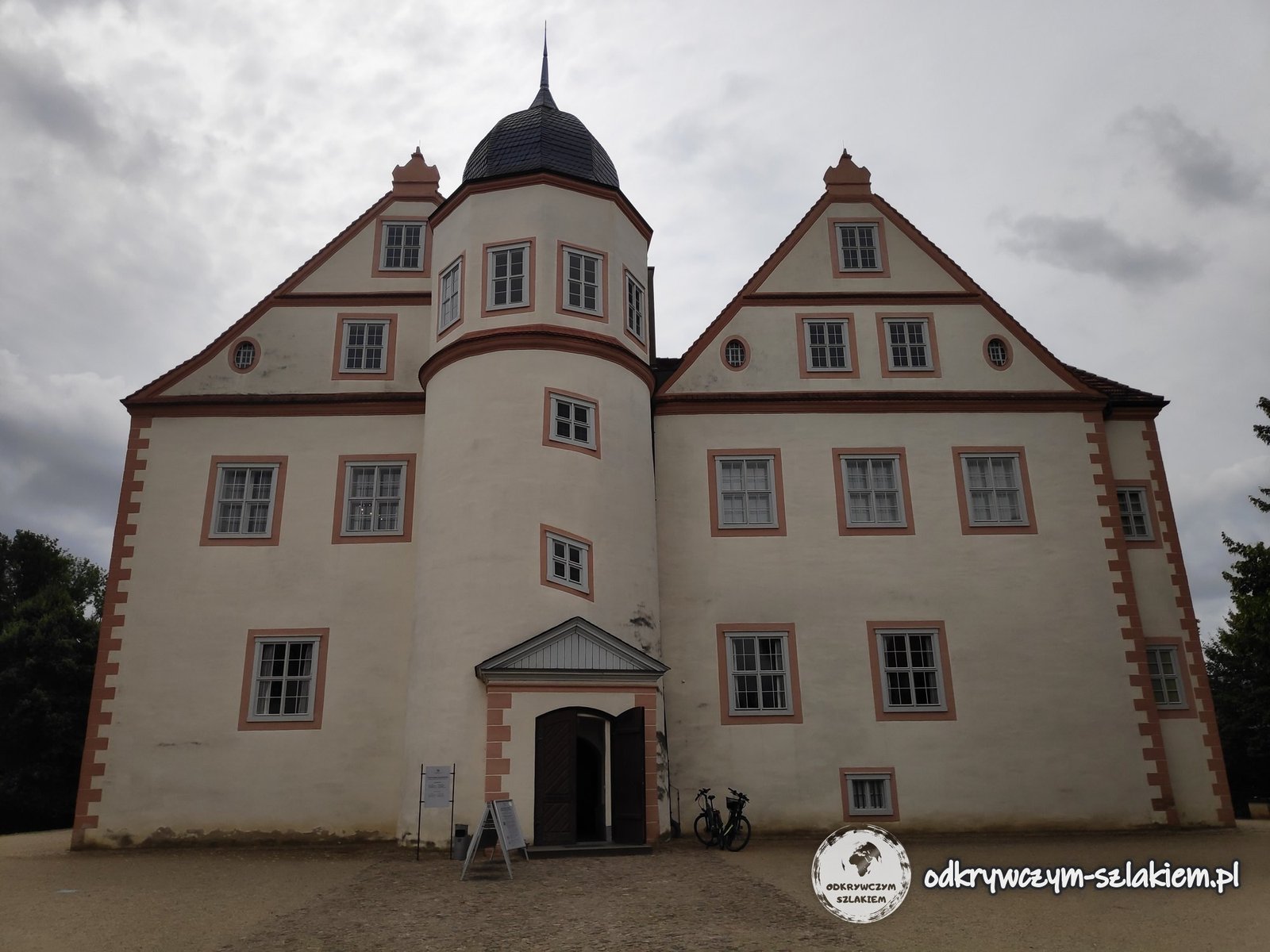
Königs Wusterhausen lies south-east of Berlin, at the end of the S46 line. I was here at the beginning of August 2021. The main attraction is the small hunting lodge (Jagdschloss), the favourite residence of King Frederick William I, known as the “Soldier King”. He was given it as a ten-year-old boy for Christmas in 1698 and came here every autumn to hunt. In the evenings he met his officers and advisers at the so-called Tobacco Cabinet (Tabakskollegium) – over pipes and beer they talked about politics.

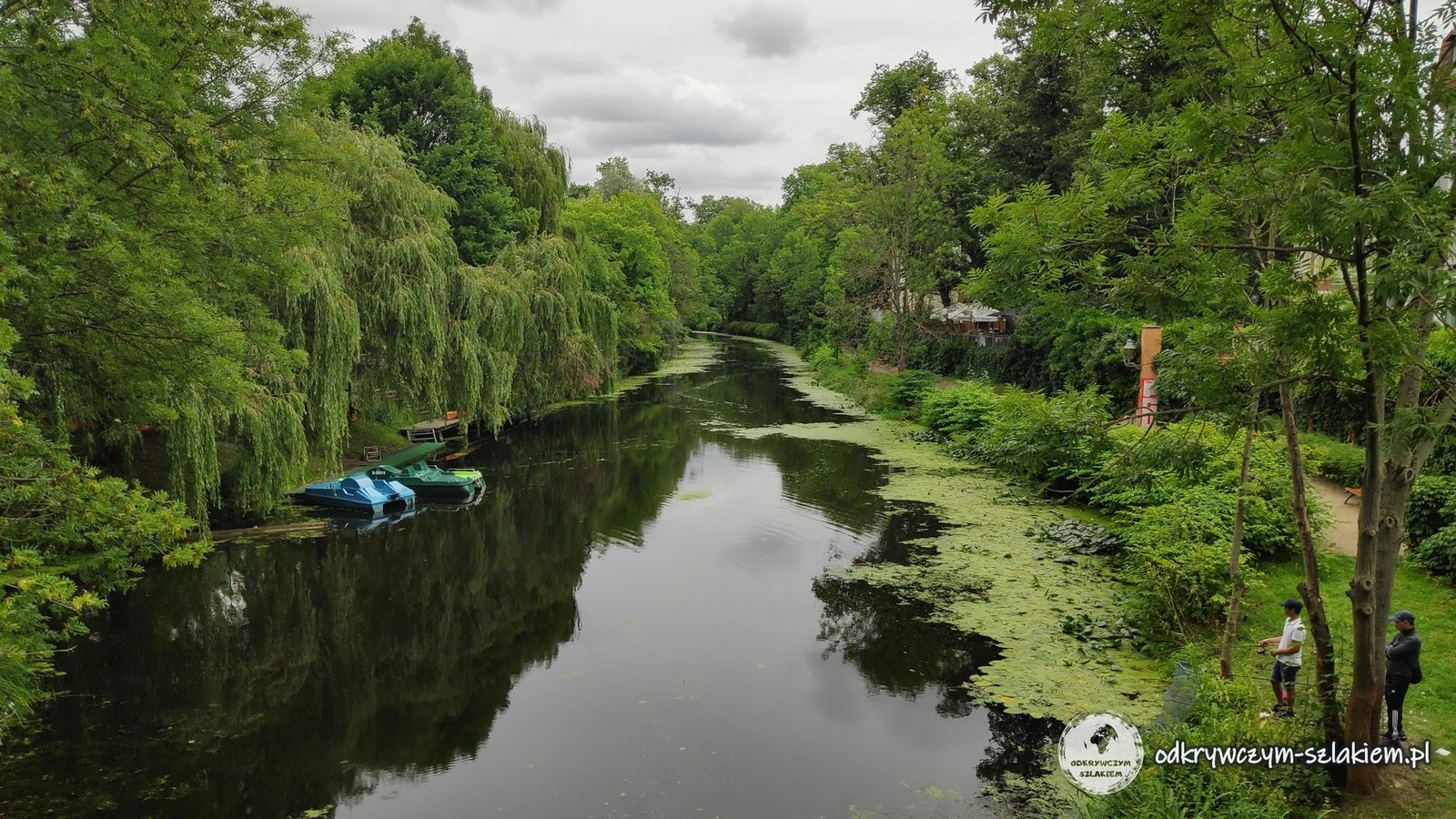
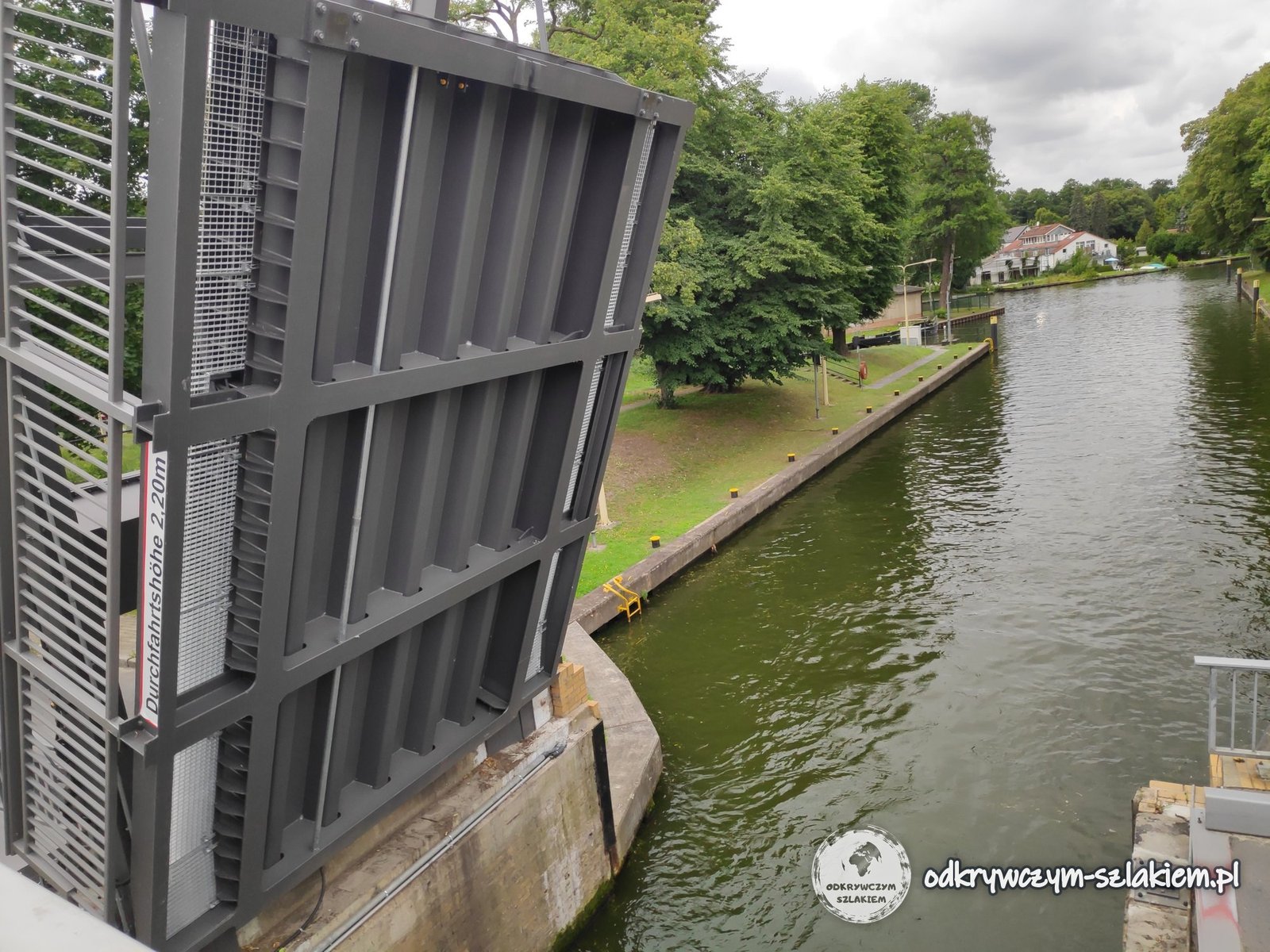
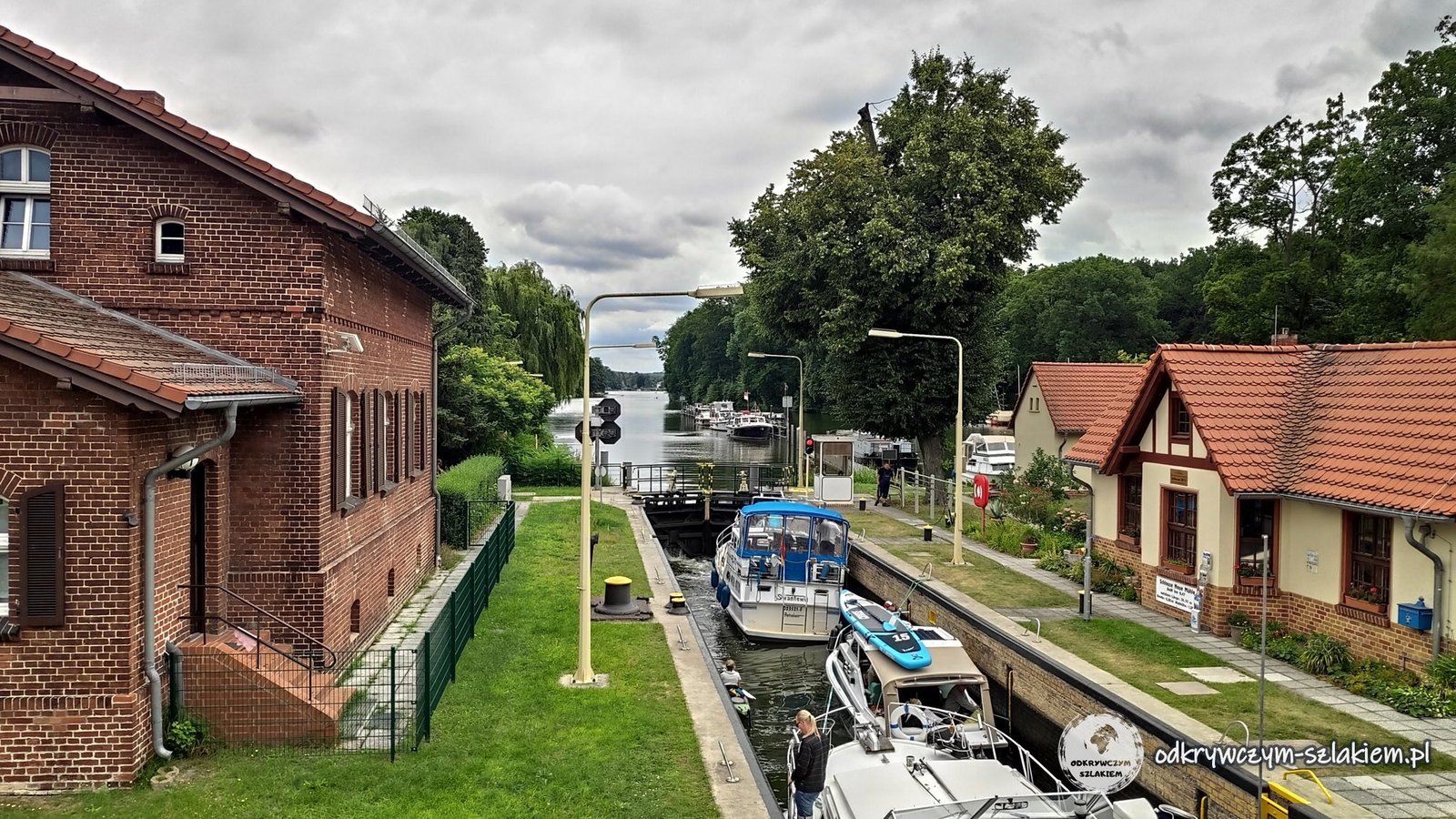
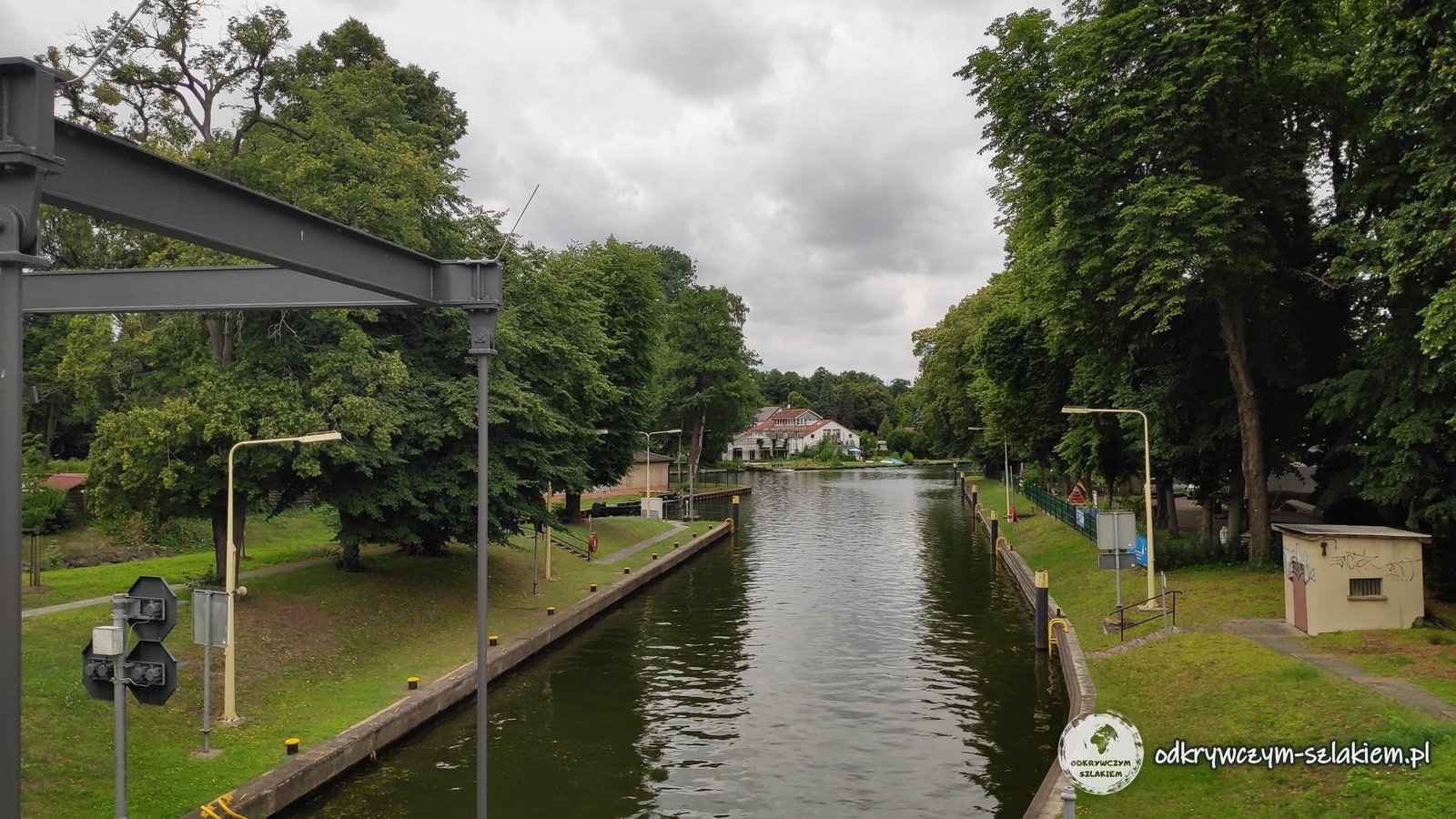
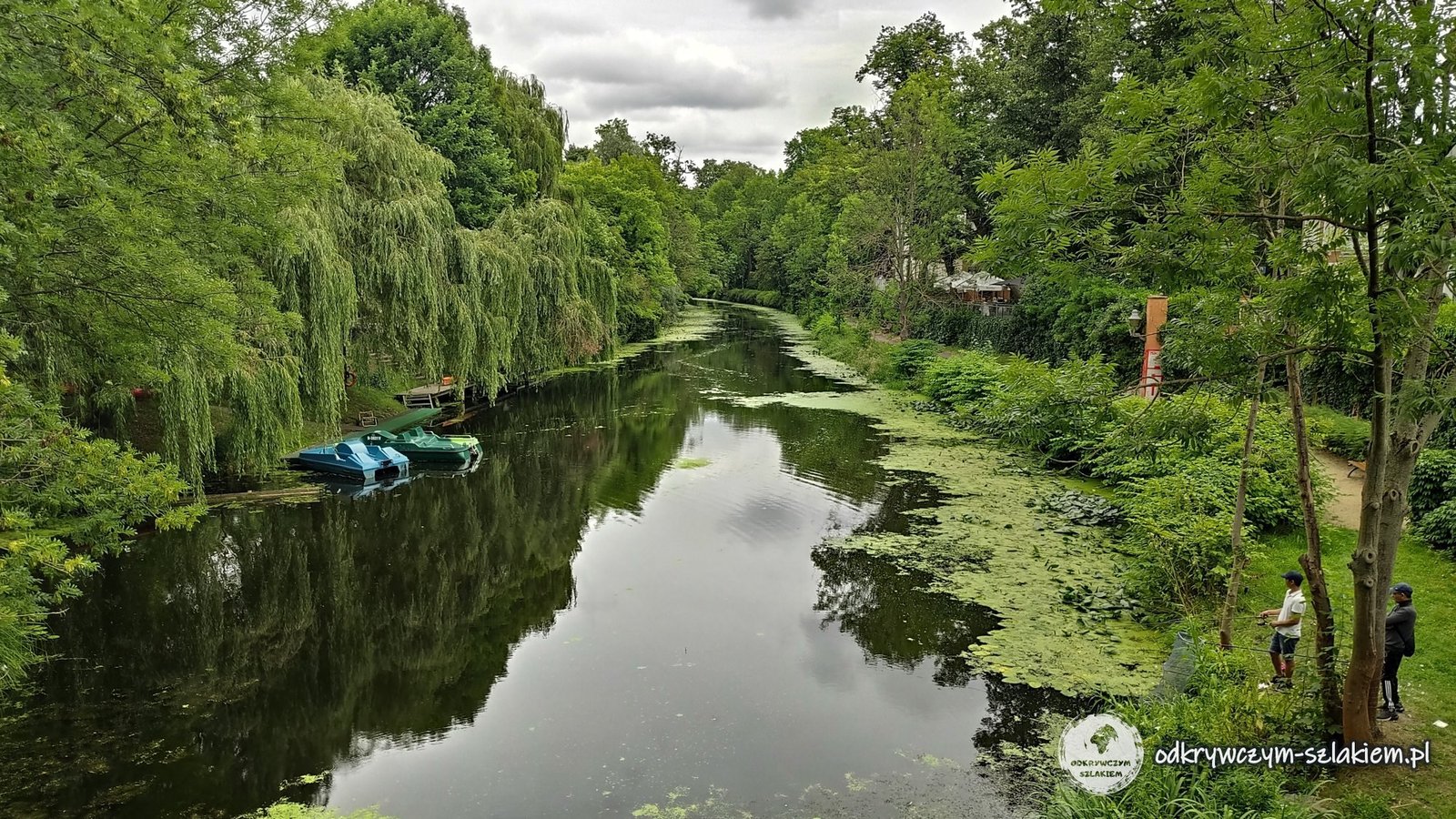
From the palace it is worth walking along the canal to the Neue Mühle lock. At weekends quite a lot of boats and yachts pass through it, and watching them go through the lock is quite interesting.
Erkner and Woltersdorf – the tower on the Kranichsberg
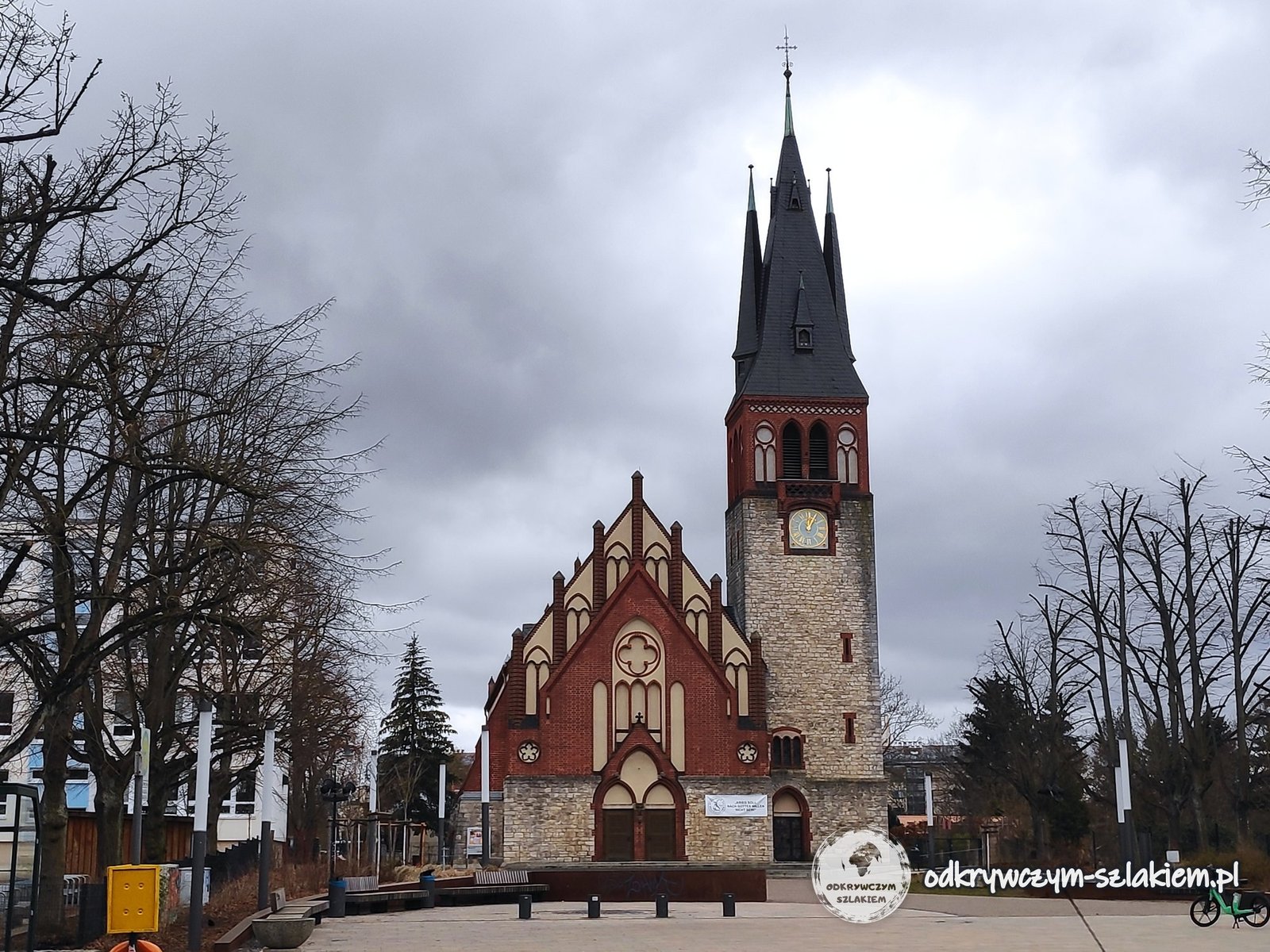
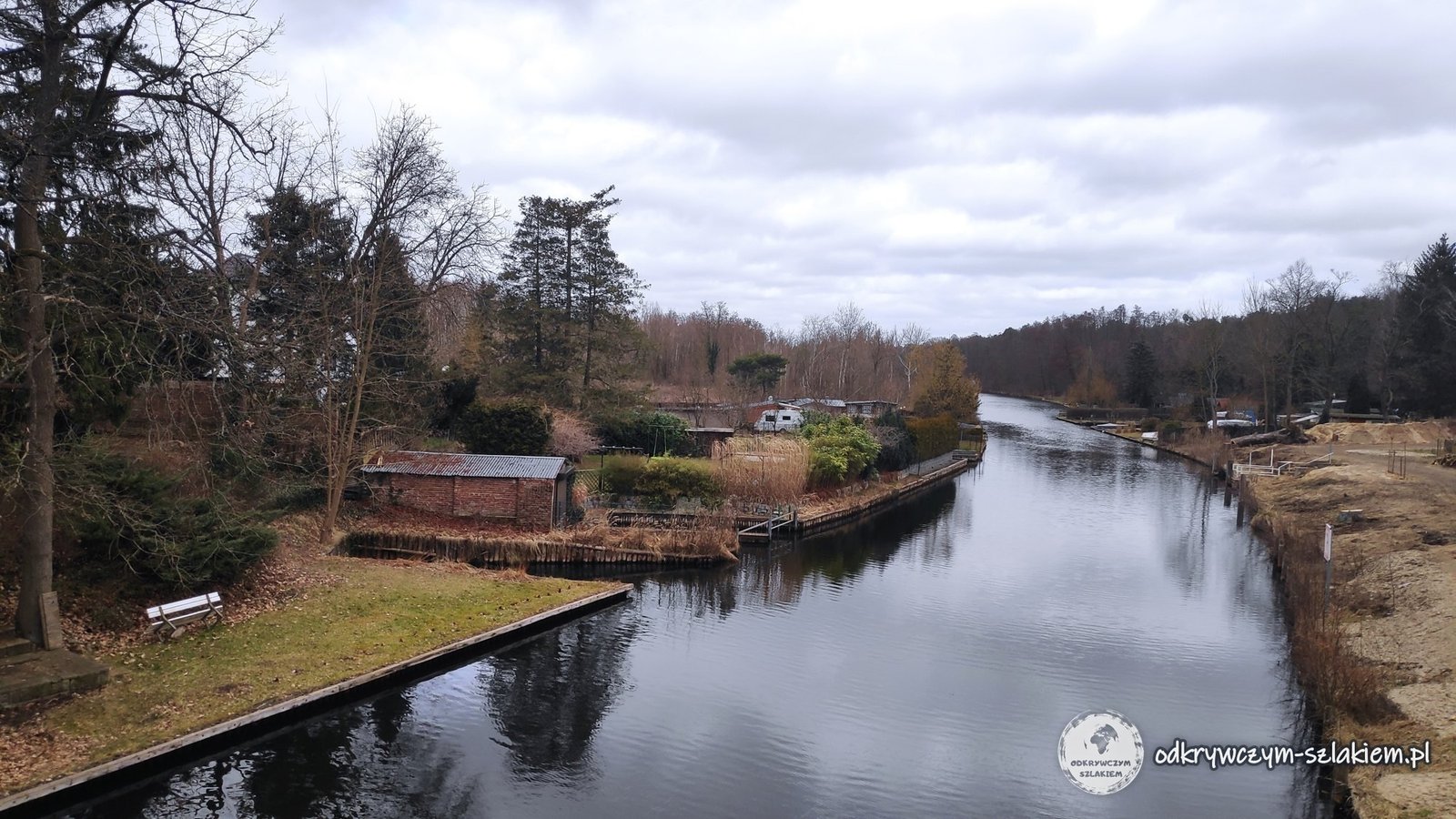
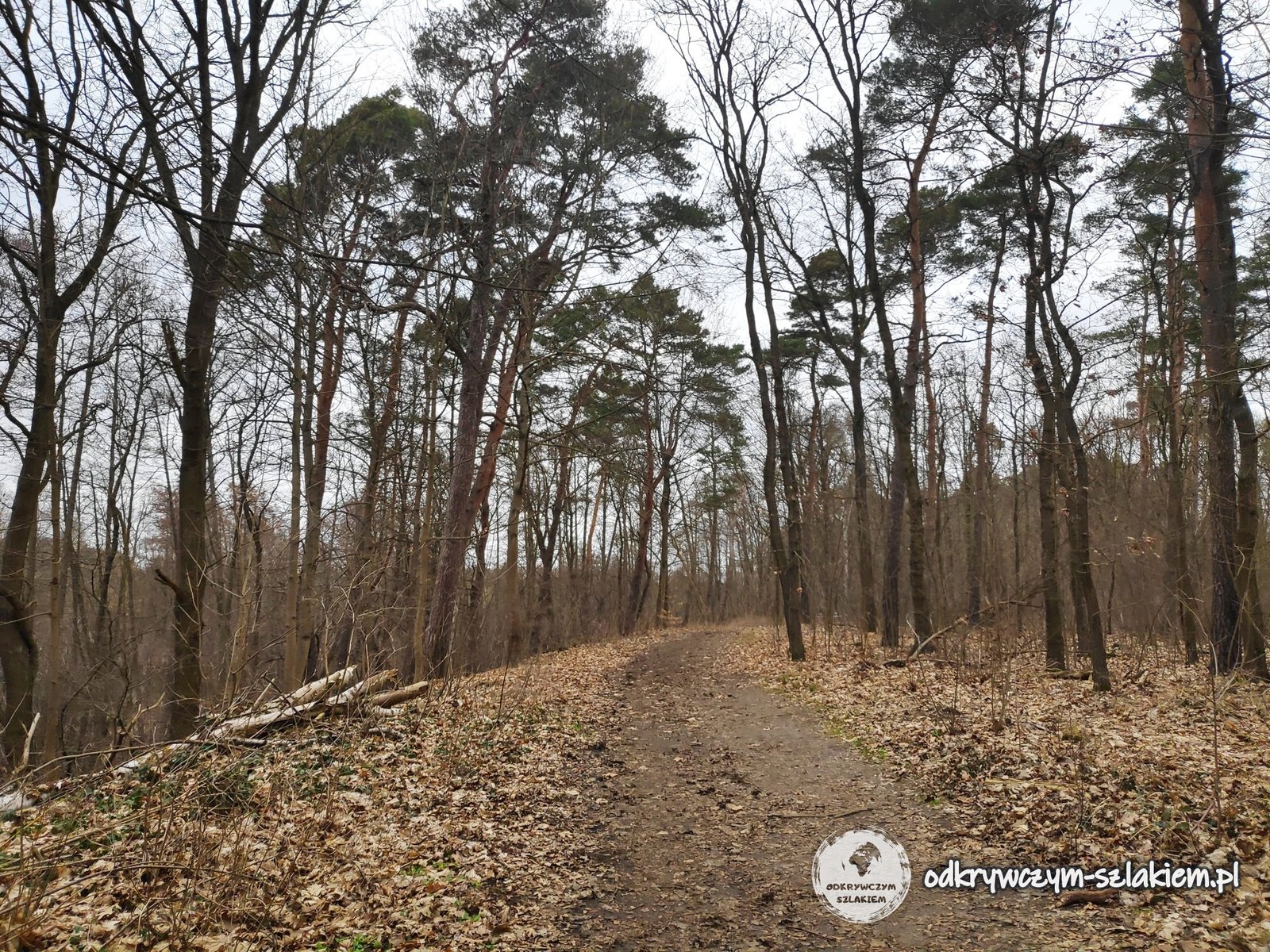
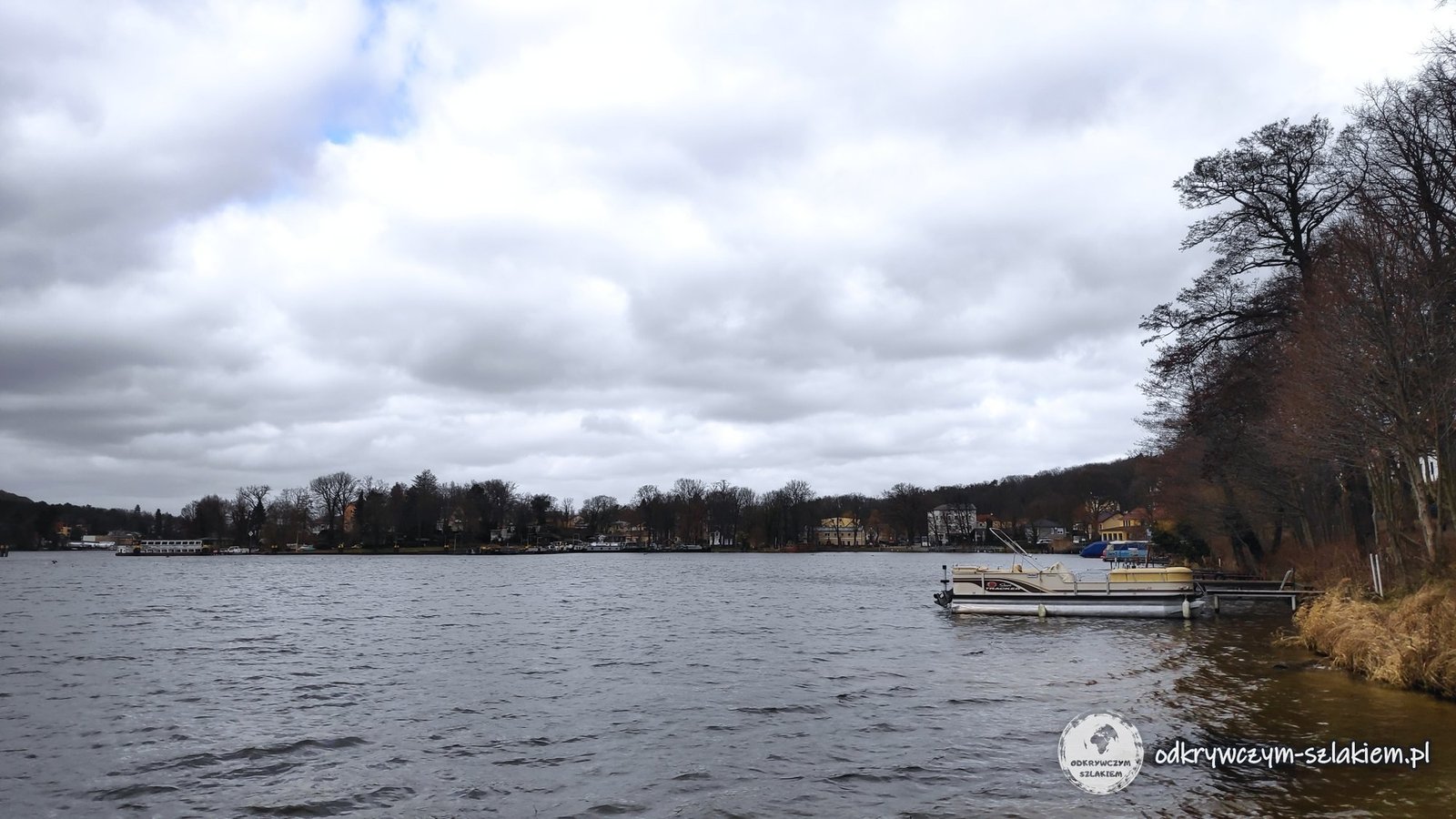
At the beginning of March 2023 I took the S-Bahn to Erkner, east of Berlin. From the station I walked past a brick church and along the canal, and then along a forest path with information boards to the Flakensee lake.
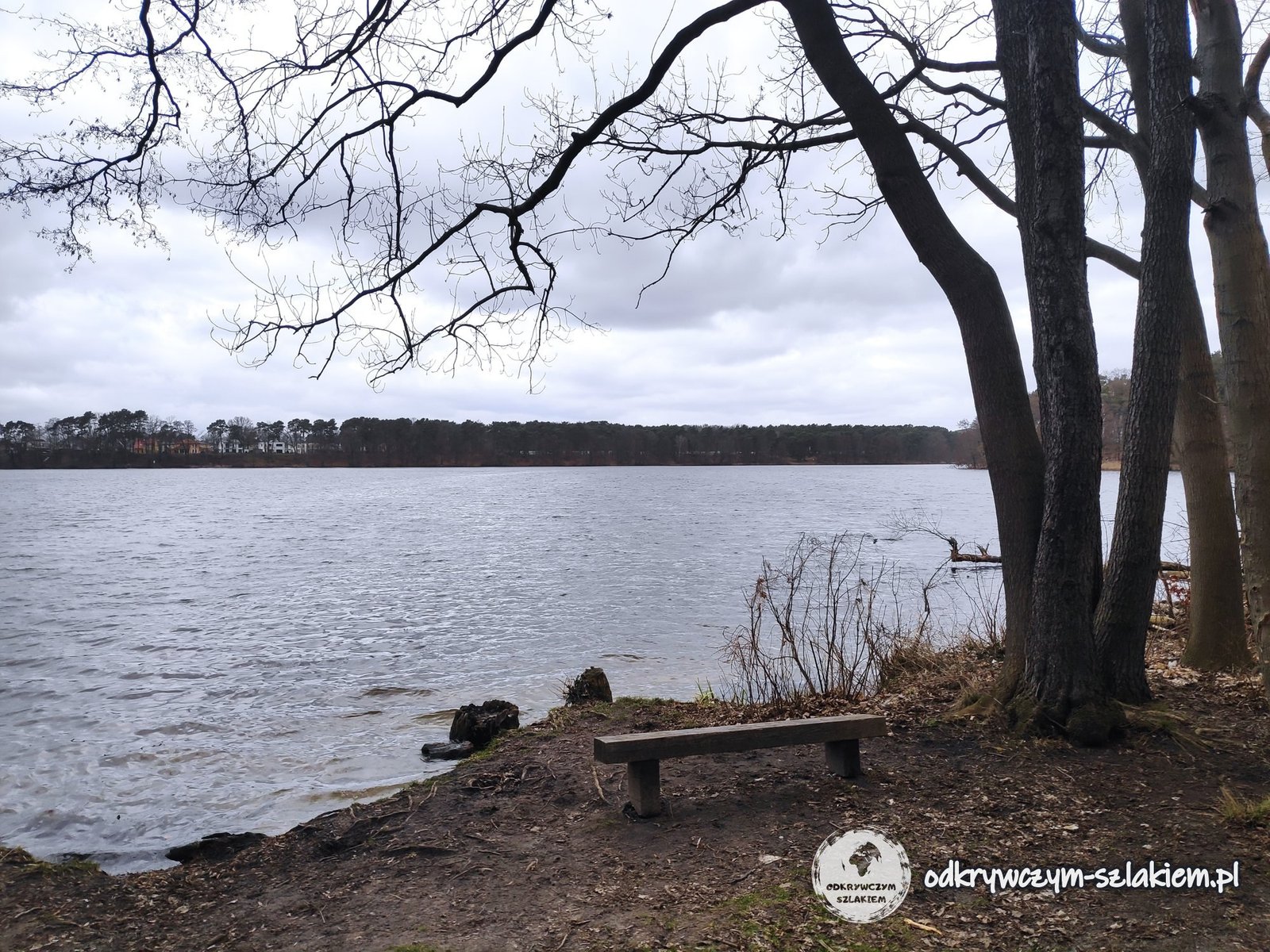
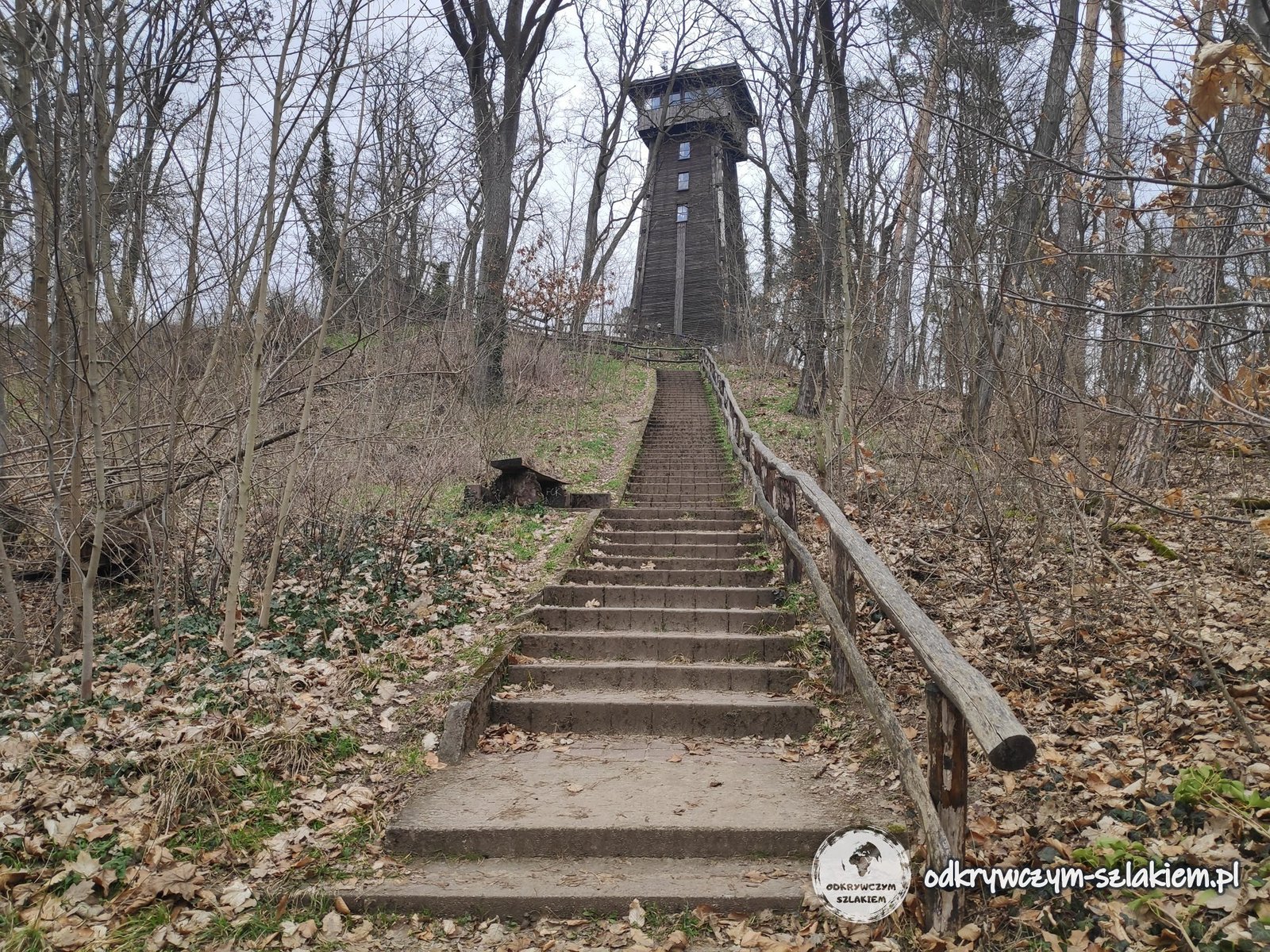
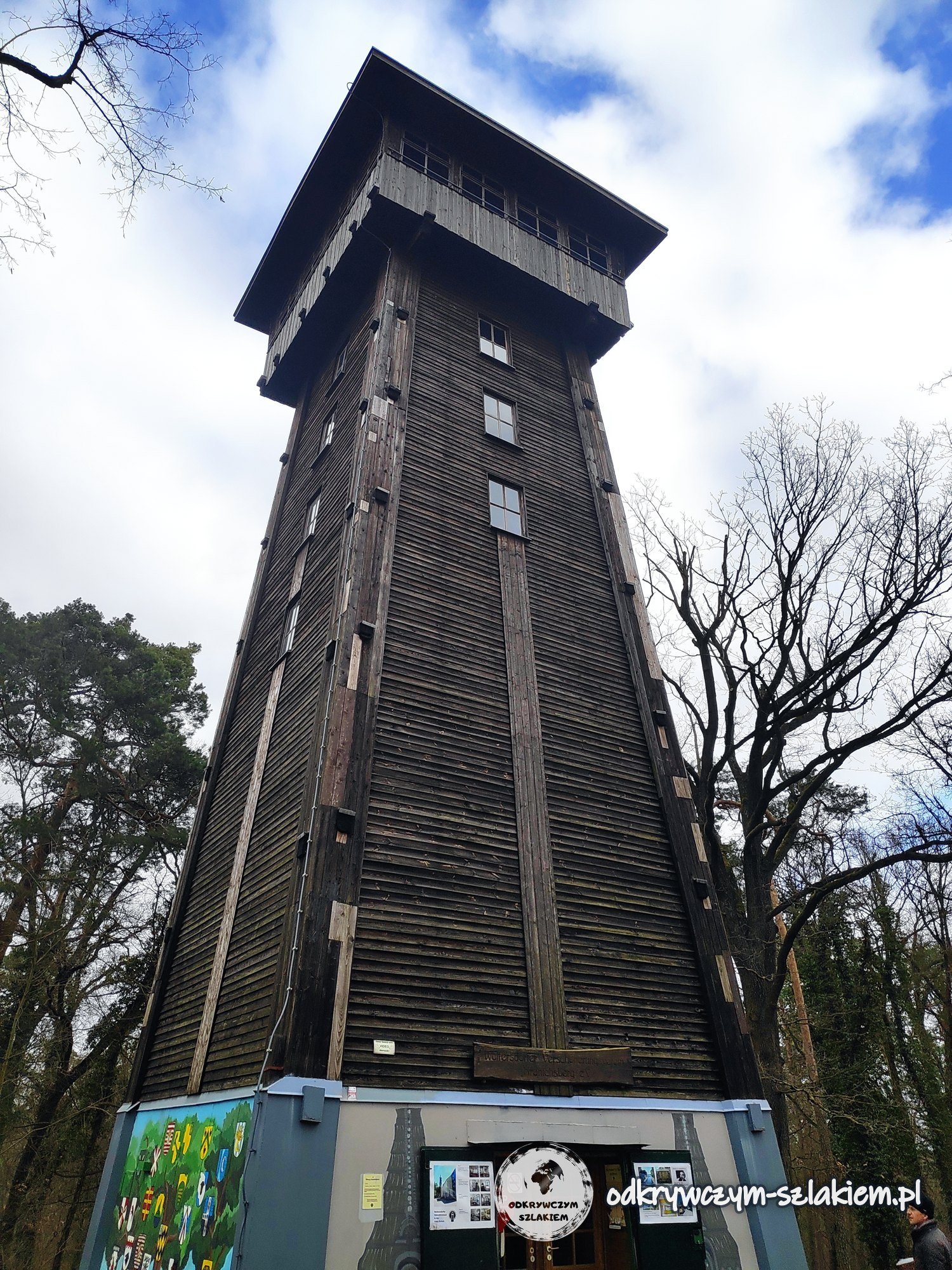
On the other side of the lake lies Woltersdorf, and above it the Kranichsberg hill (about 100 m above sea level). Wooden steps lead to the top, where a 25-metre observation tower from 1961 stands – the first one, from 1886, was destroyed in the war. Inside there are boards about the history of the area, and from the top you can see forests, lakes and, when visibility is good, even the TV Tower in Berlin.
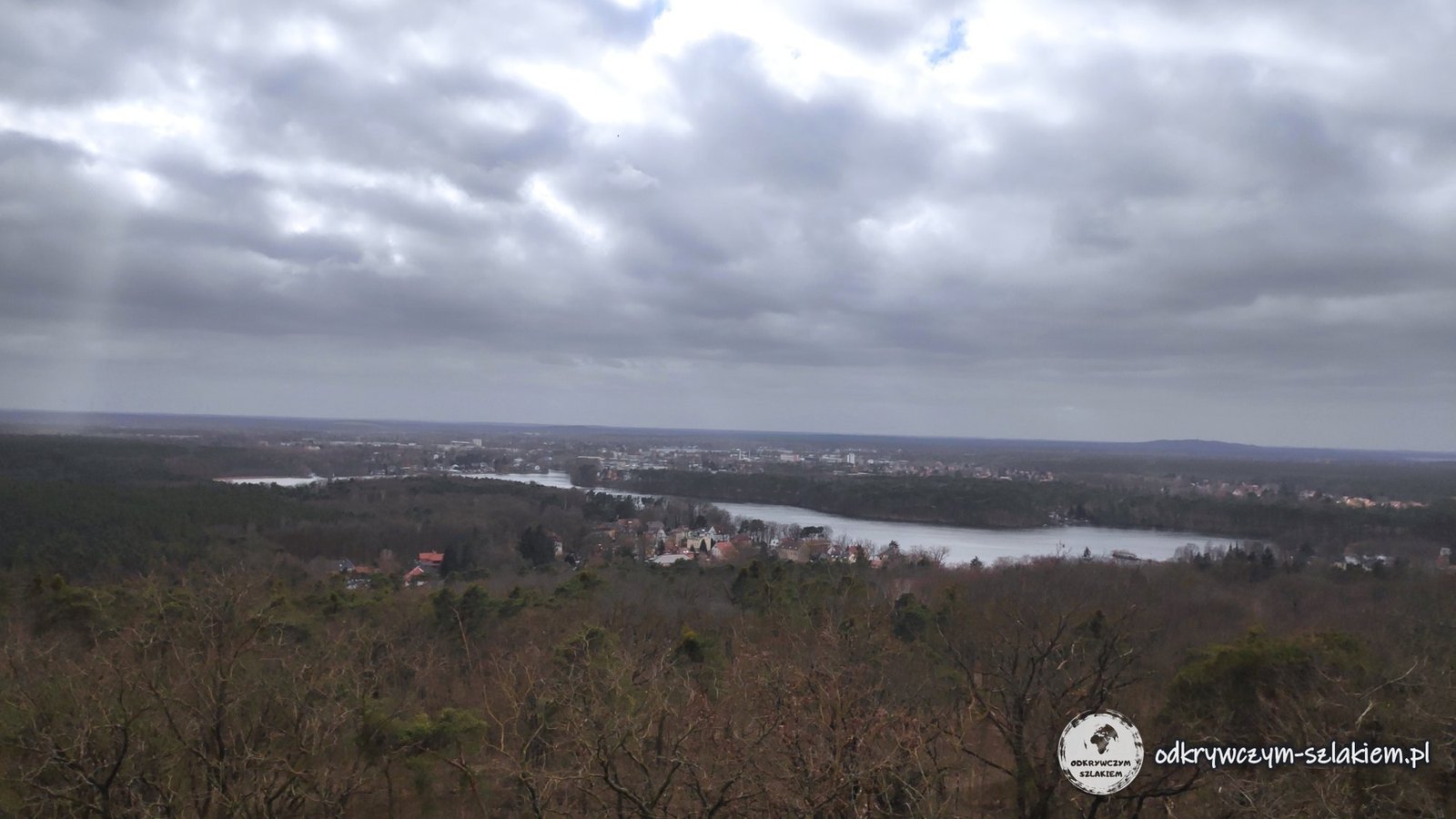
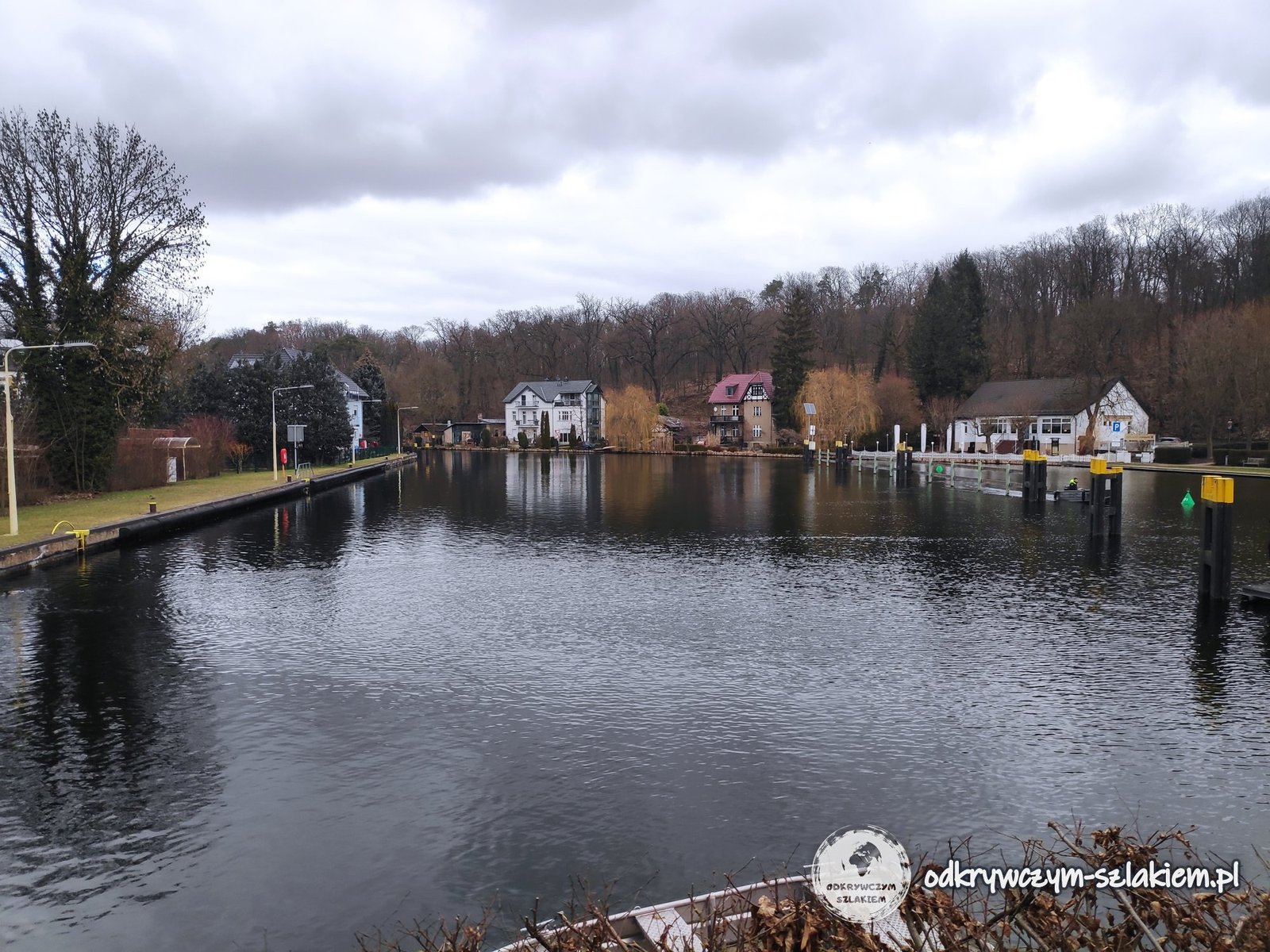
Finally I walked down to the lock in Woltersdorf, from where you can get back to Berlin by tram to the Rahnsdorf S-Bahn station.
Hennigsdorf – following the Wall along the Havel
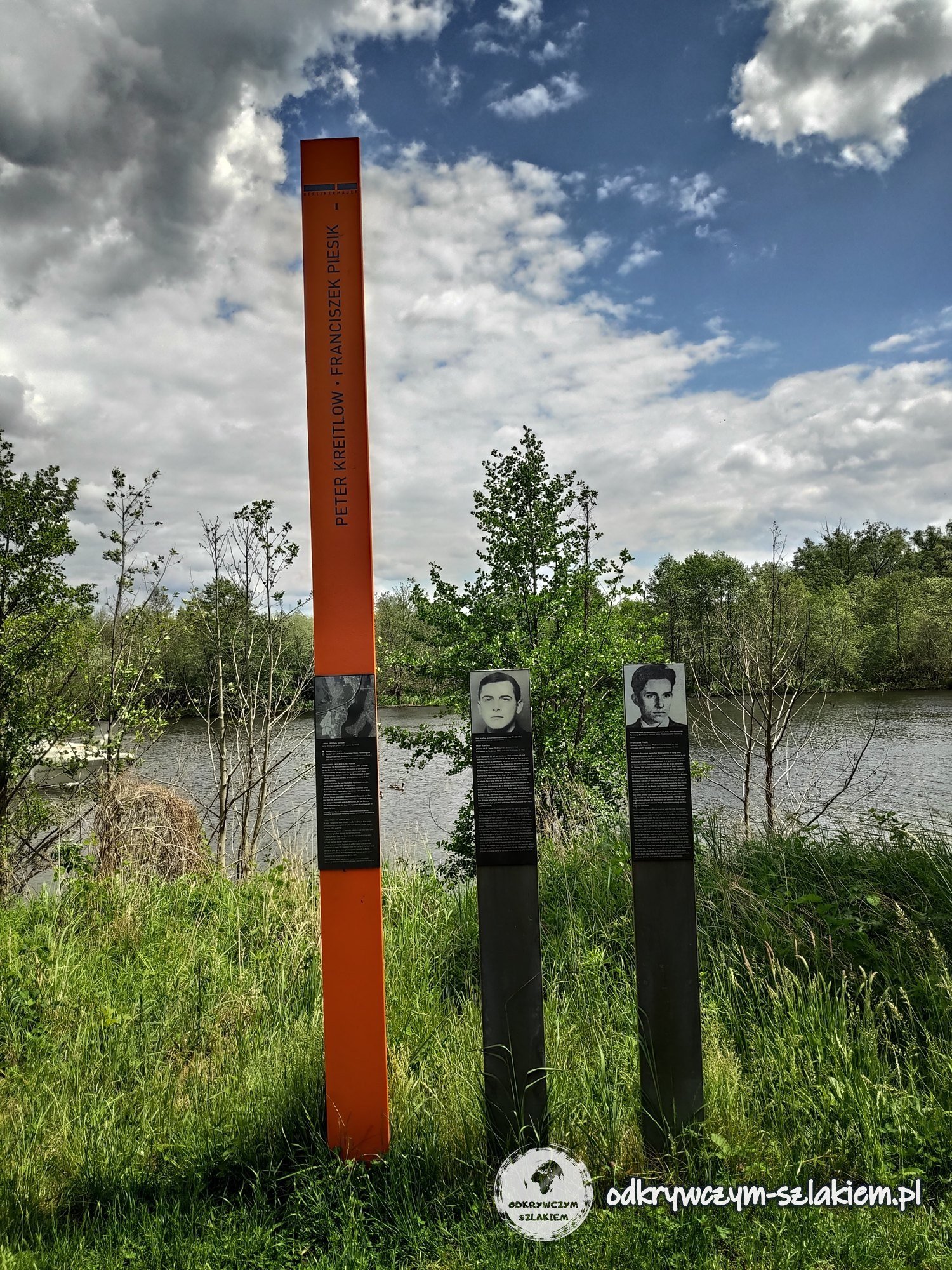
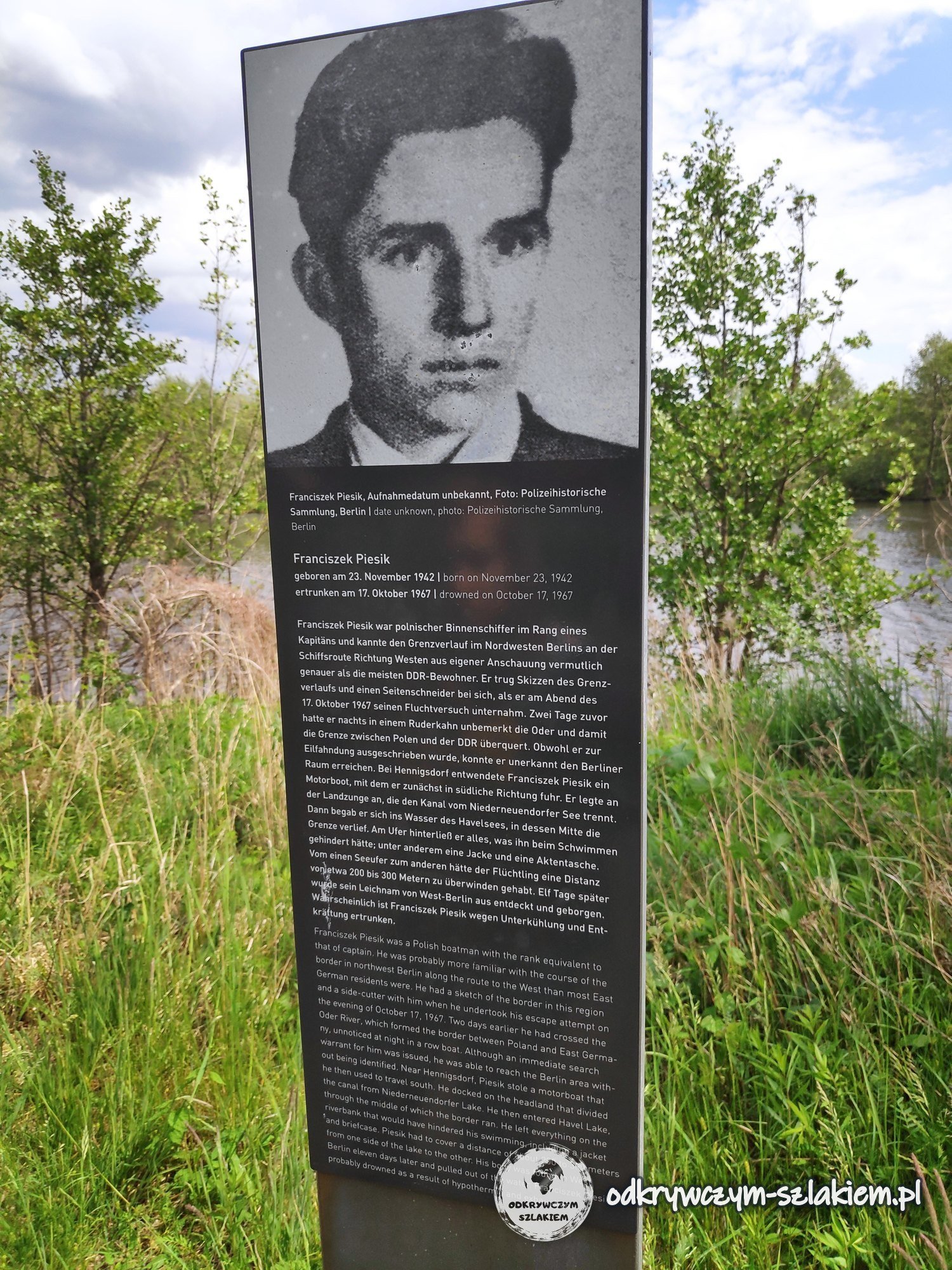
At the end of May 2022 I walked a section of the Berlin Wall Trail (Berliner Mauerweg), which follows the former border around West Berlin. I started in Hennigsdorf, north-west of the city, and walked south along the Havel. Along the way there are orange posts and steles with boards about the history of the border, including the people who died trying to escape across it.
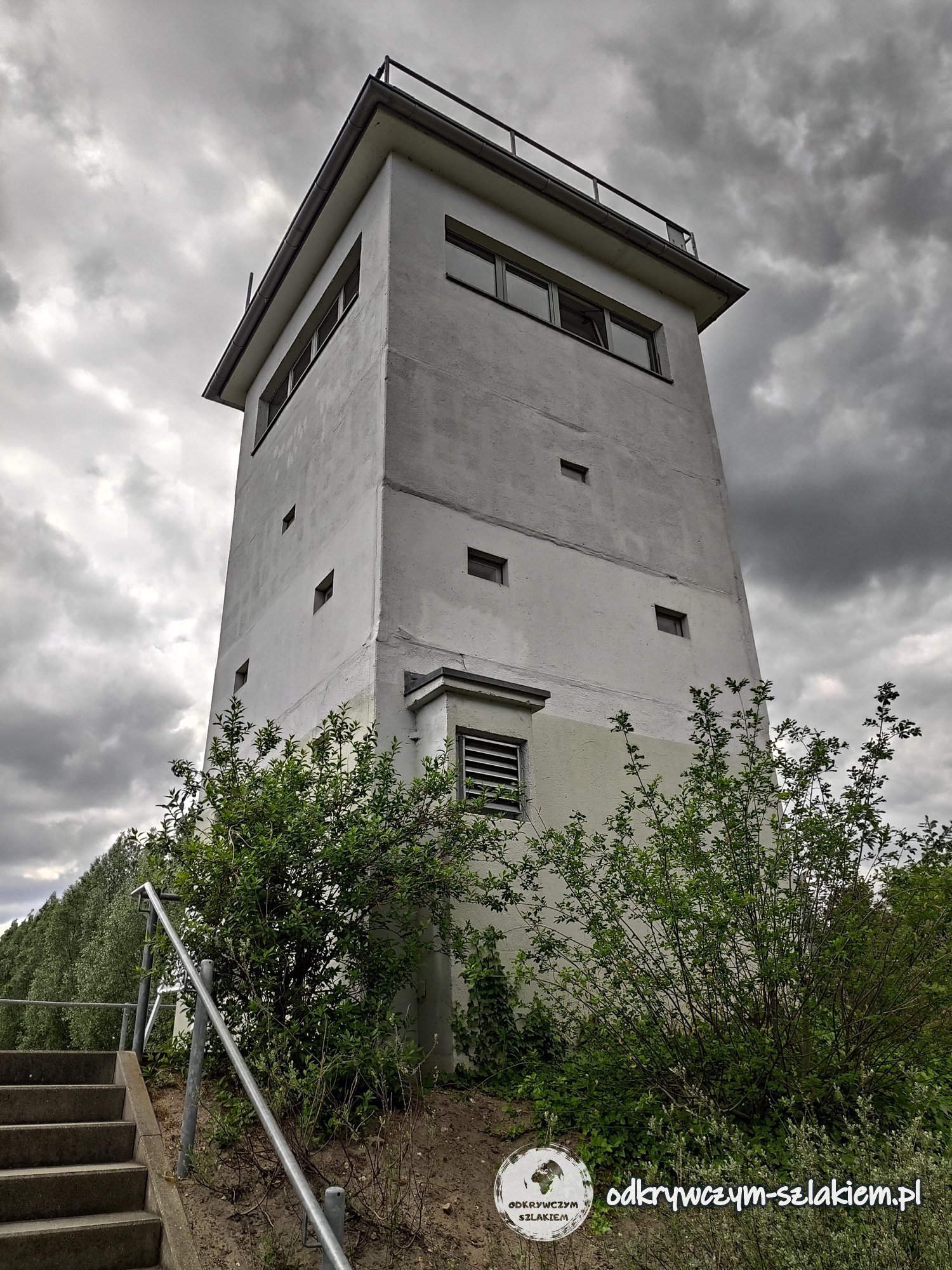
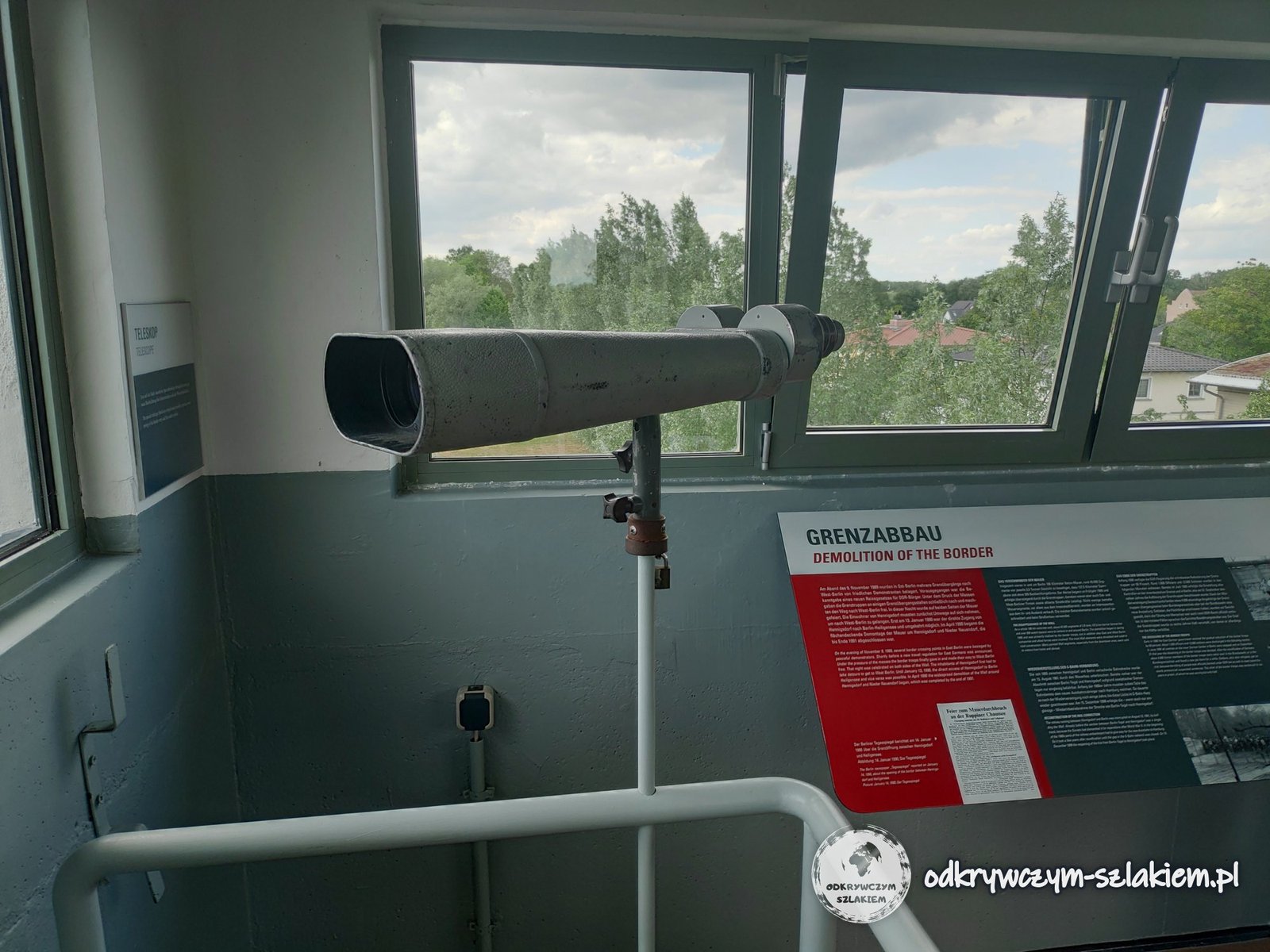
In Nieder Neuendorf stands one of the last surviving GDR border towers. It was used to command the guards on a several-kilometre stretch of the border, and today it houses a small exhibition about the Wall and the border guards. From the tower window, through a telescope, you can see the Havel, which formed the border here.
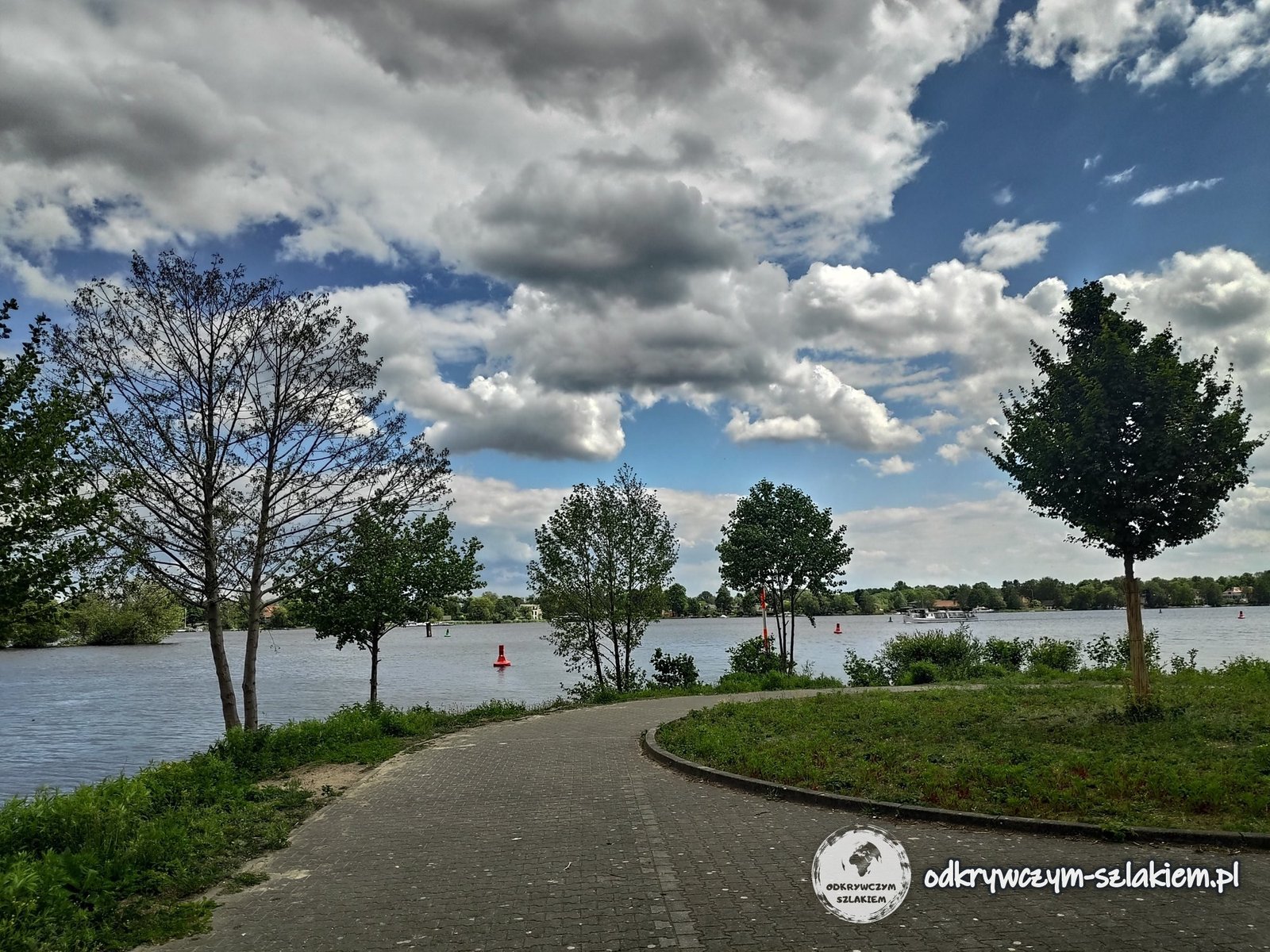
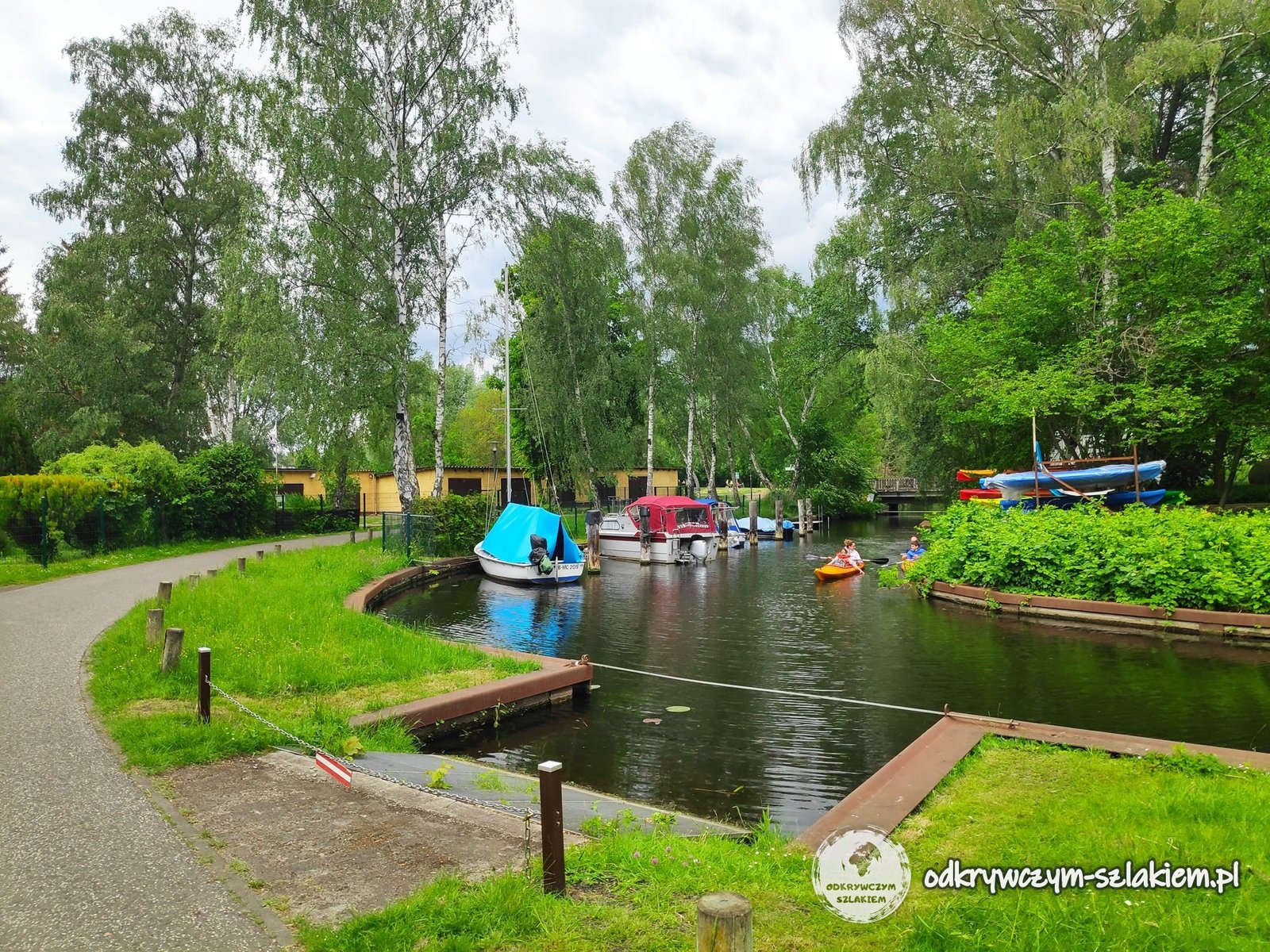
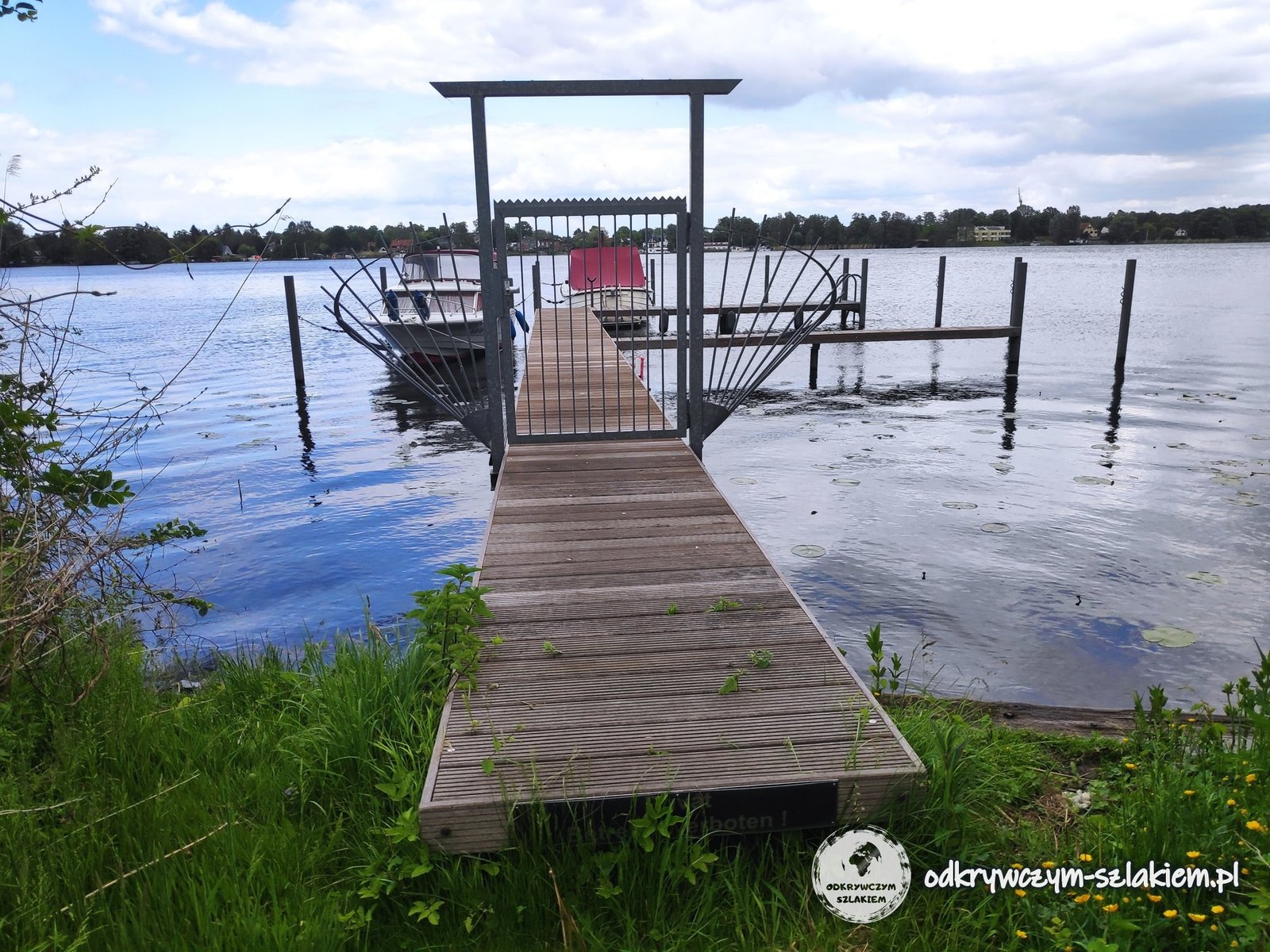
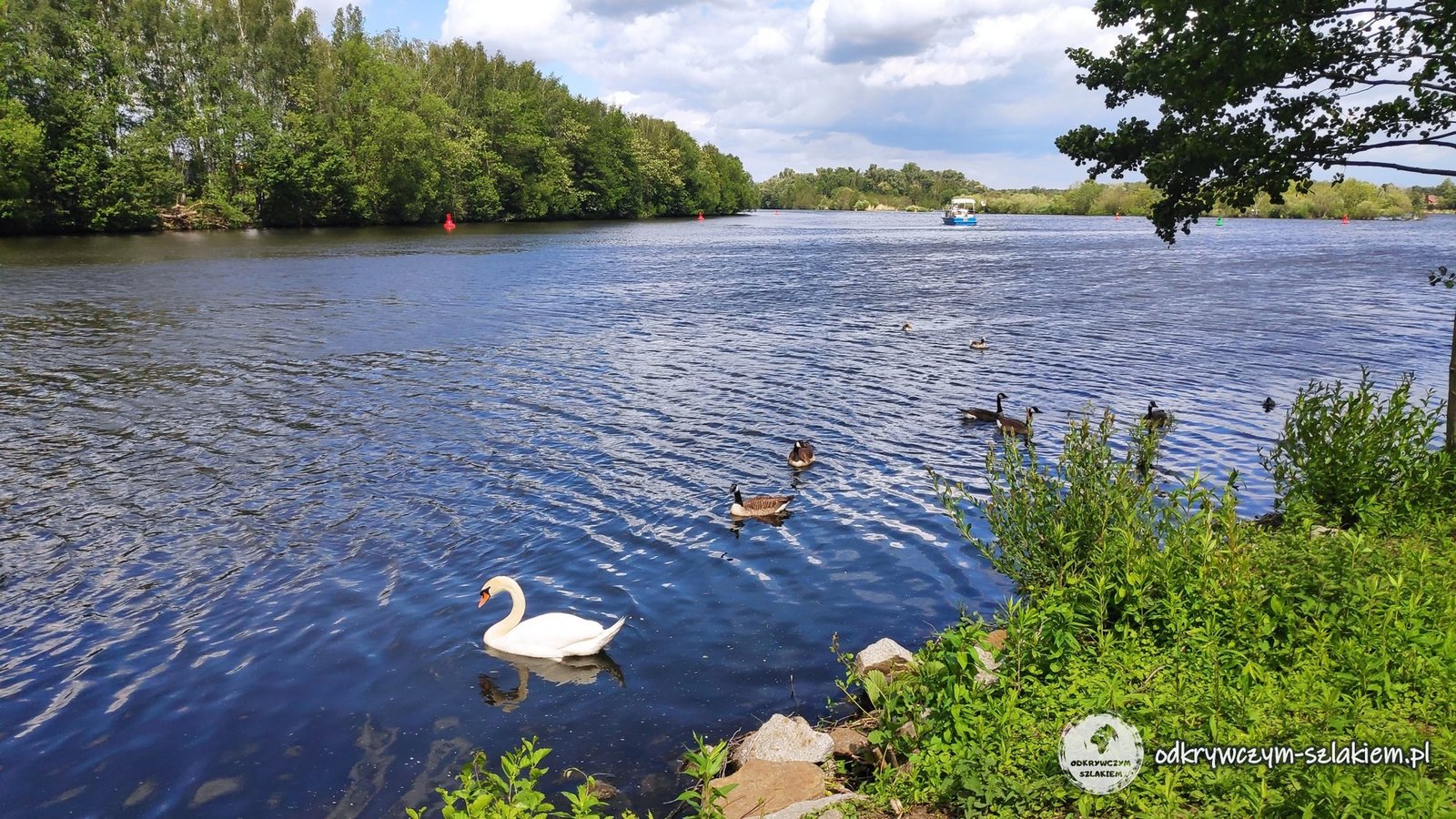
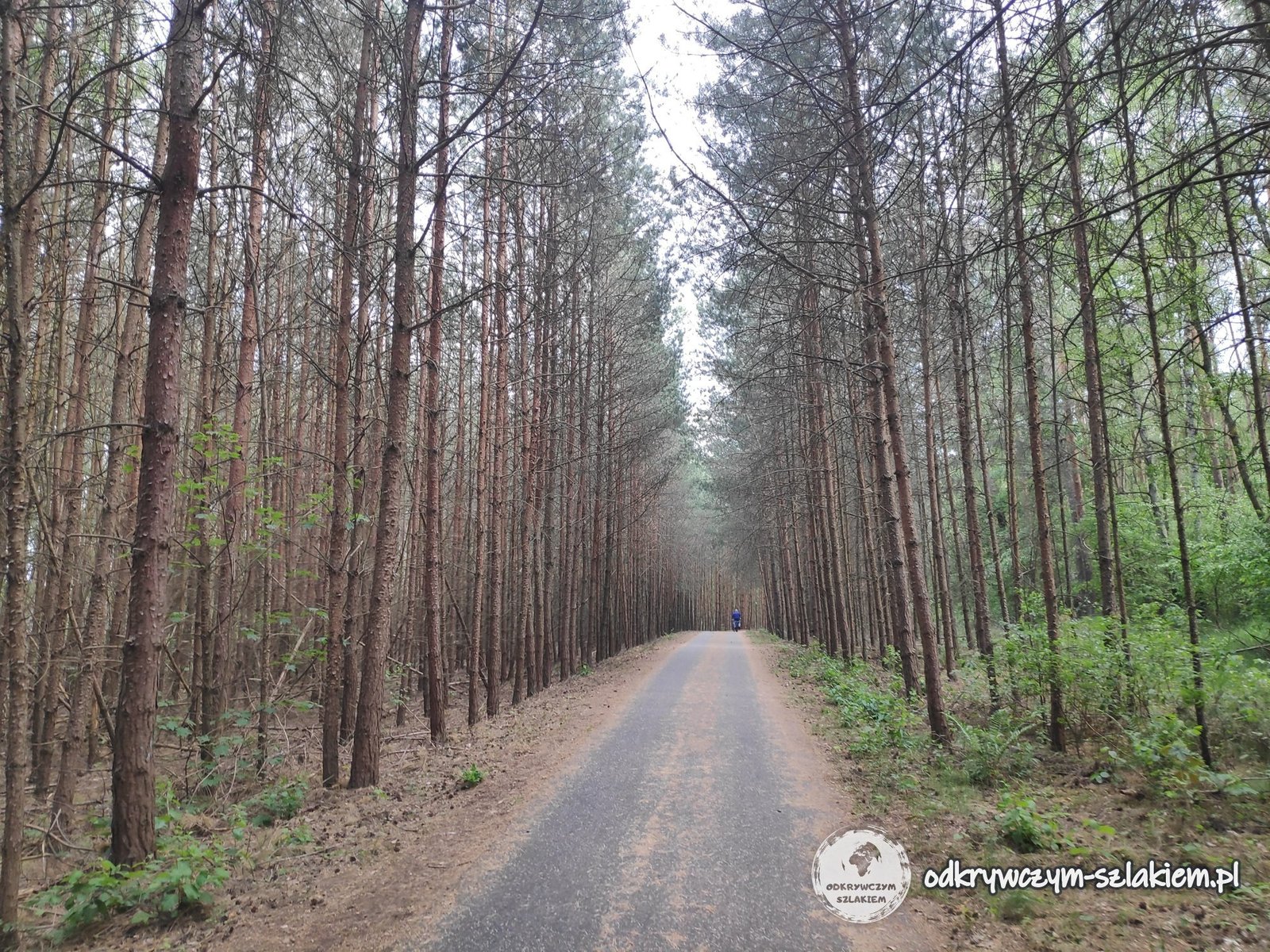
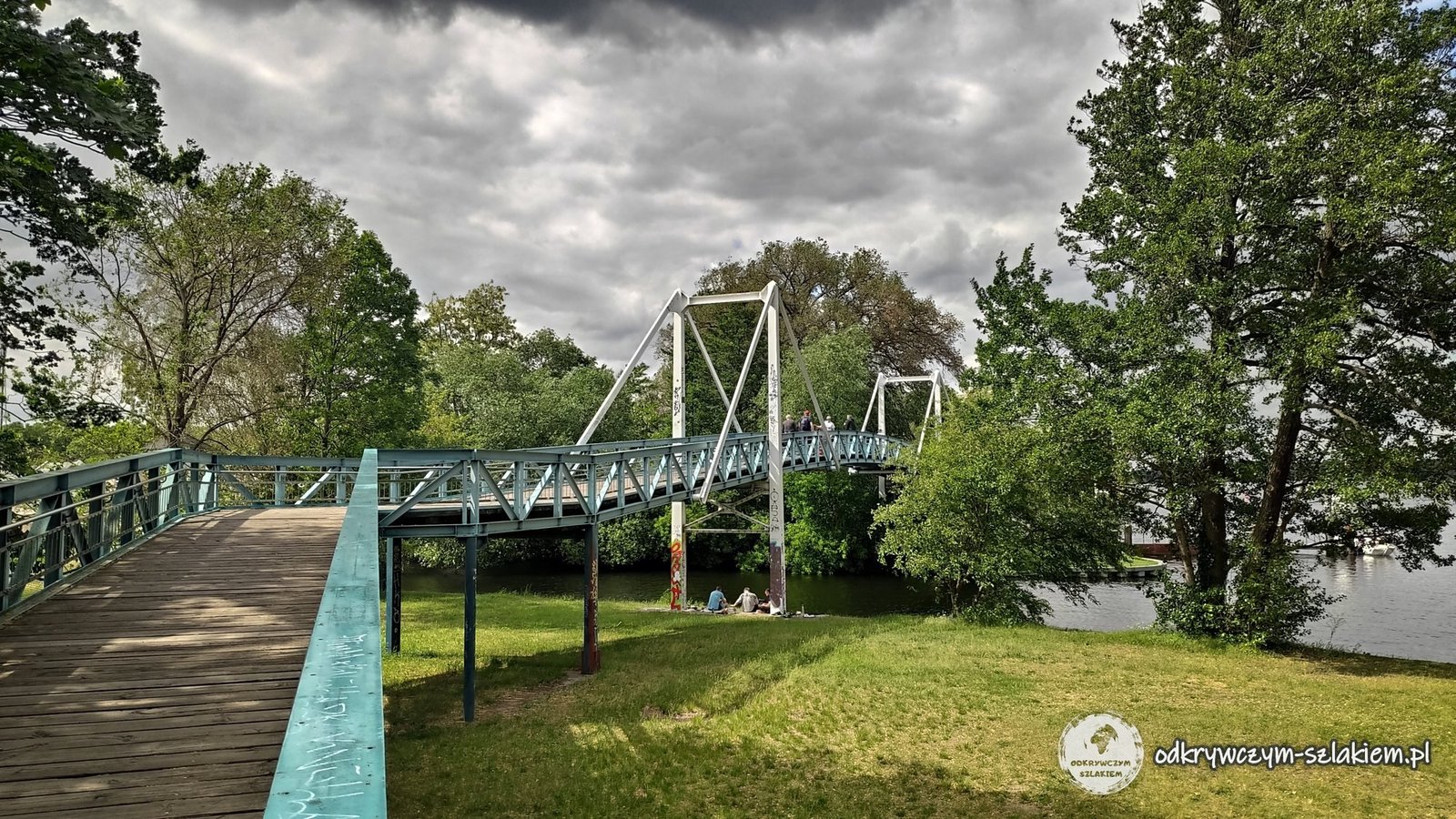
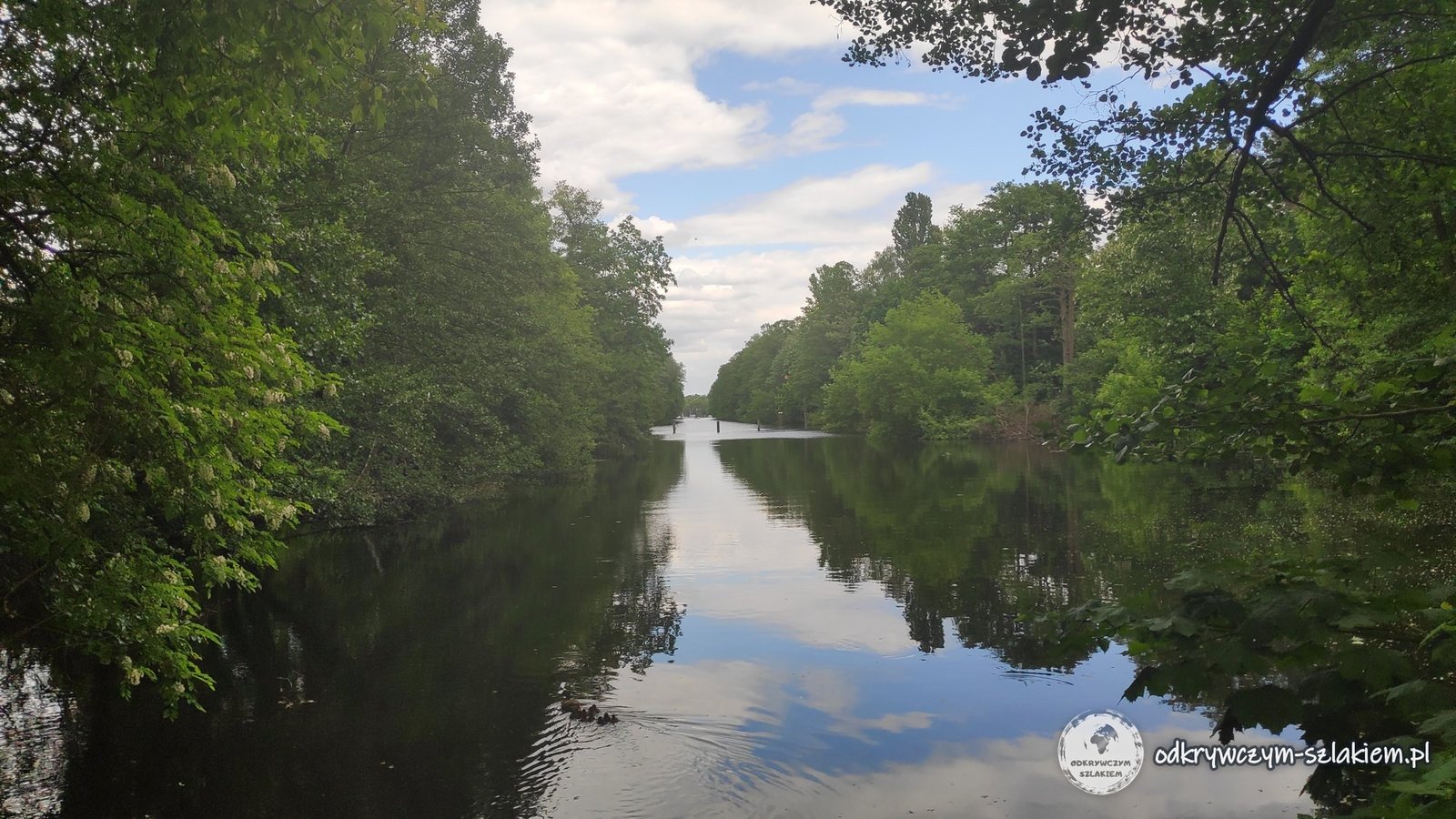
Further on, the trail runs by the water, through pine forests and over footbridges. It is more of a nature walk than a city one – along the way I saw swans, jetties and quiet side arms of the river.
Practical information
- Ticket: Oranienburg, Königs Wusterhausen, Erkner and Hennigsdorf are in fare zone C of Berlin public transport – an ABC ticket is enough, with no separate regional ticket.
- Sachsenhausen: admission is free (only the audio guide is paid). From Oranienburg station it is a walk of about 20–25 minutes to the camp. It is a memorial site, so plan a few hours for it and don’t combine it with many other attractions.
- Kranichsberg: the tower is sometimes closed or open only on selected days of the season – check before you go whether you can climb it.
- Mauerweg: the trail is about 160 km long and divided into sections – you can walk or cycle any part of it and return by S-Bahn or bus.
- More Berlin: Berlin: what to see, palaces and castles, Green Berlin and the Berlin Wall.
Photo gallery