Berlin has more than 170 museums – from ancient gates and dinosaurs to steam locomotives and contemporary art. While living in Berlin I visited many of them, often during Museumssonntag, the free first Sunday of the month. In this post I have gathered the ones that impressed me most: the Pergamonmuseum and the Bode-Museum on Museum Island, the Natural History Museum with the tallest dinosaur skeleton in the world, the Hamburger Bahnhof, the German Museum of Technology and the free Tränenpalast. At the end you will find some practical tips – including what has changed since my visits.
Table of contents
- Museum Island in brief
- Pergamonmuseum – the Ishtar Gate, Miletus and Islamic art
- Bode-Museum – sculpture, Byzantium and coins
- Natural History Museum – dinosaurs, Archaeopteryx and Knut
- Hamburger Bahnhof – contemporary art in a former railway station
- German Museum of Technology – trains, planes and the first computer
- Tränenpalast – a museum in a former border crossing
- Sea Life and the AquaDom
- Practical information
Museum Island in brief
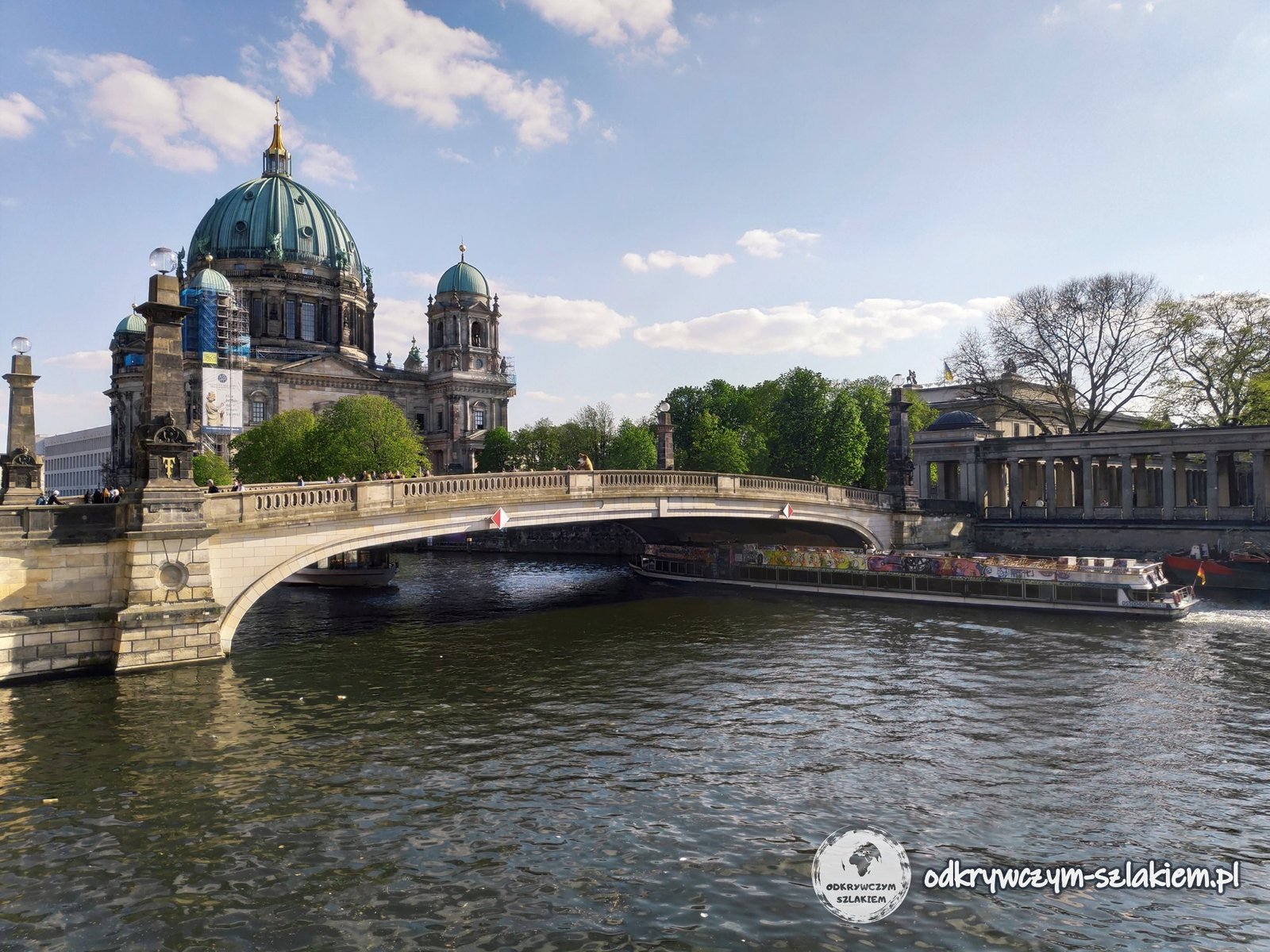
Museum Island (Museumsinsel) is the northern tip of an island in the Spree, right in the centre of Berlin, next to Berlin Cathedral. Between 1830 and 1930 five museums were built here: the Altes Museum, the Neues Museum, the Old National Gallery (Alte Nationalgalerie), the Bode-Museum and the Pergamonmuseum. Since 1999 the whole ensemble has been a UNESCO World Heritage Site. Even without going inside, it is worth strolling between the colonnades and along the riverbanks – especially in spring, when locals relax on the lawns in front of the Old National Gallery.

Pergamonmuseum – the Ishtar Gate, Miletus and Islamic art
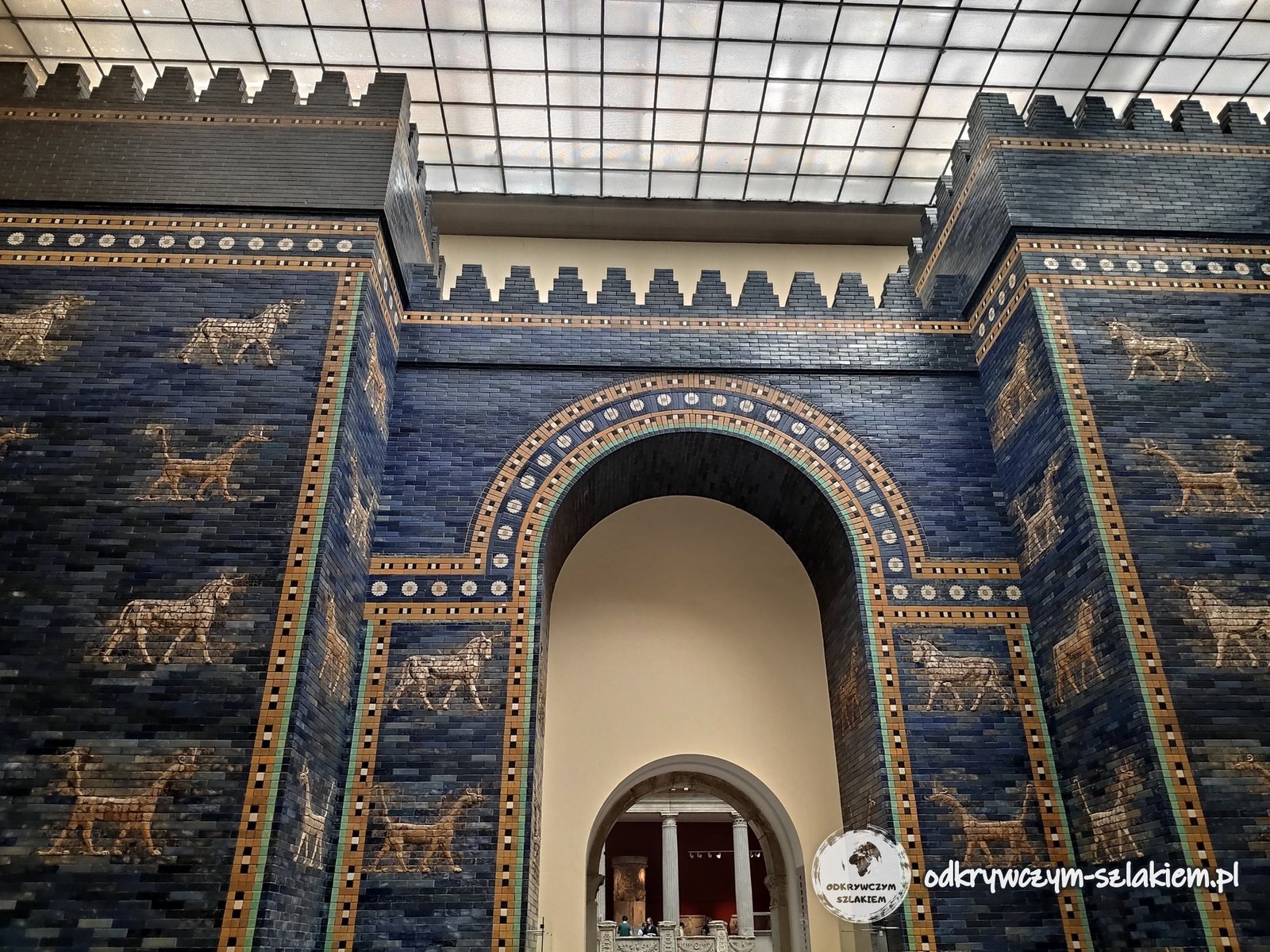
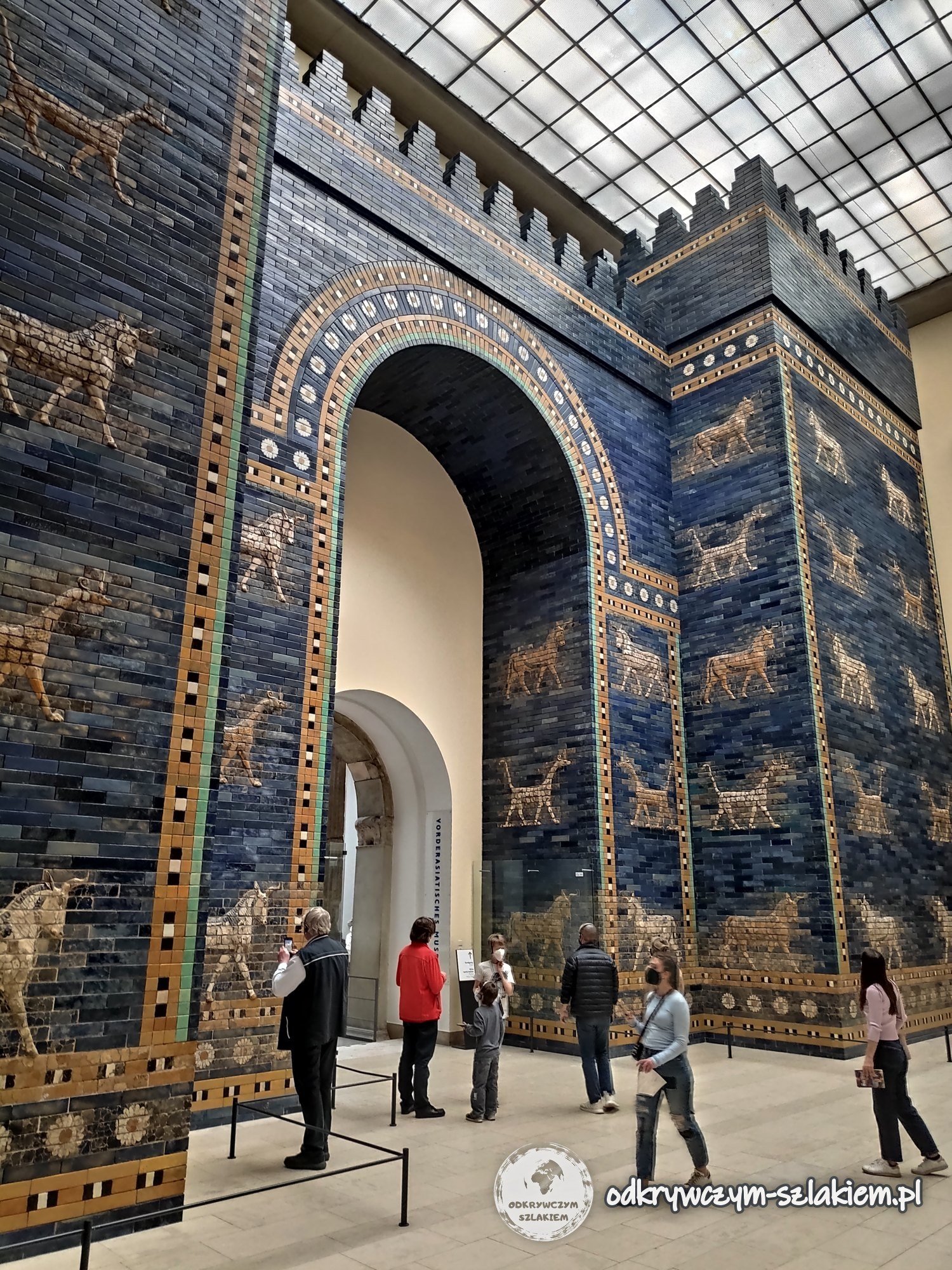
I went to the Pergamonmuseum in April 2022. It is the most famous museum on Museum Island, built specifically to house entire sections of ancient buildings. The Pergamon Altar itself, which gave the museum its name, I did not get to see – the hall with the altar had been closed for renovation since 2014.
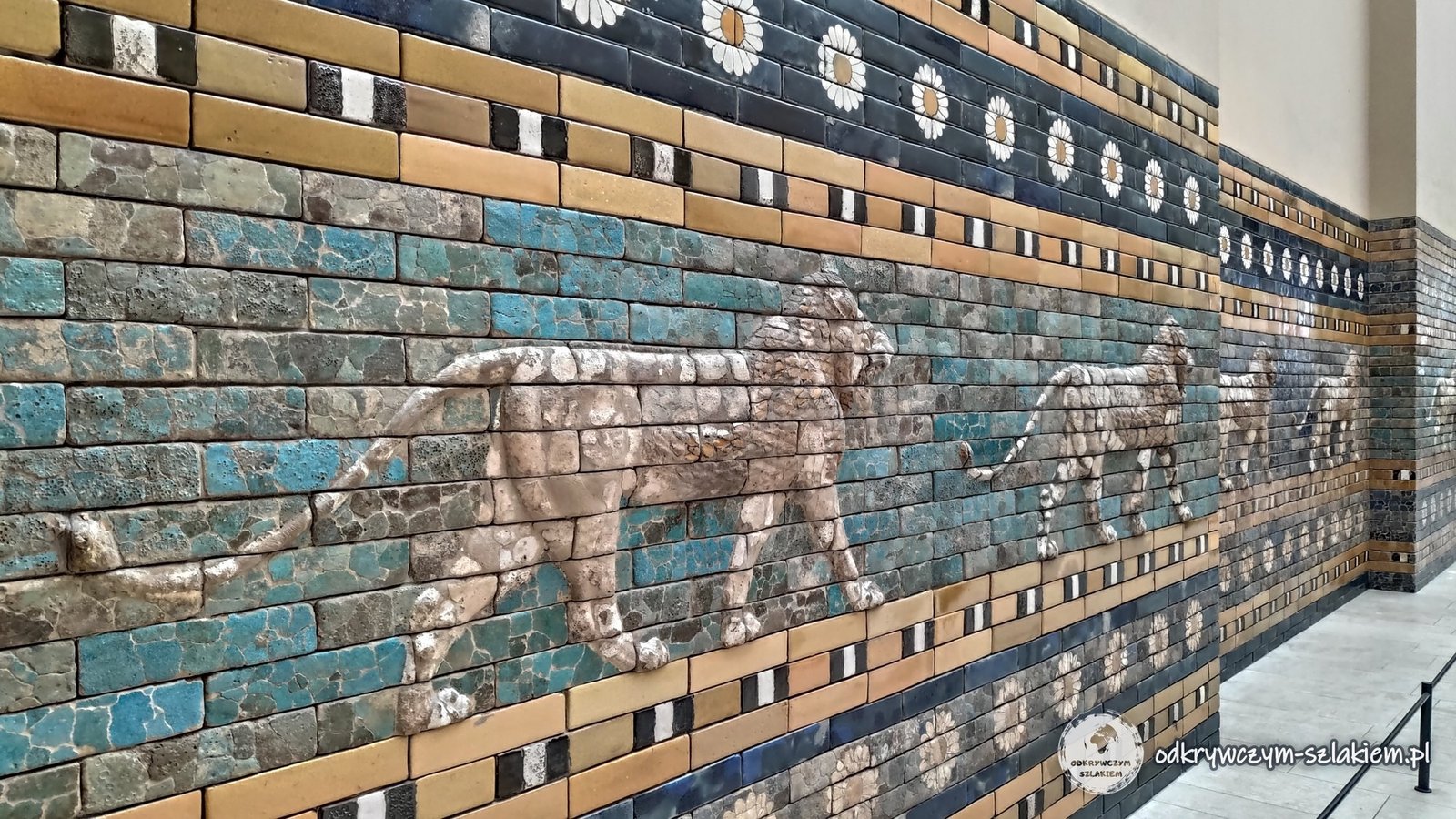
The best-known exhibit is the Ishtar Gate from Babylon, built during the reign of King Nebuchadnezzar II in the 6th century BC. At the beginning of the 20th century German archaeologists excavated thousands of fragments of glazed bricks and reassembled the gate in Berlin. Bulls and dragons stand out against the intensely blue background, and the Processional Way leading to the gate is decorated with striding lions – the symbol of the goddess Ishtar. The gate is more than 2500 years old.
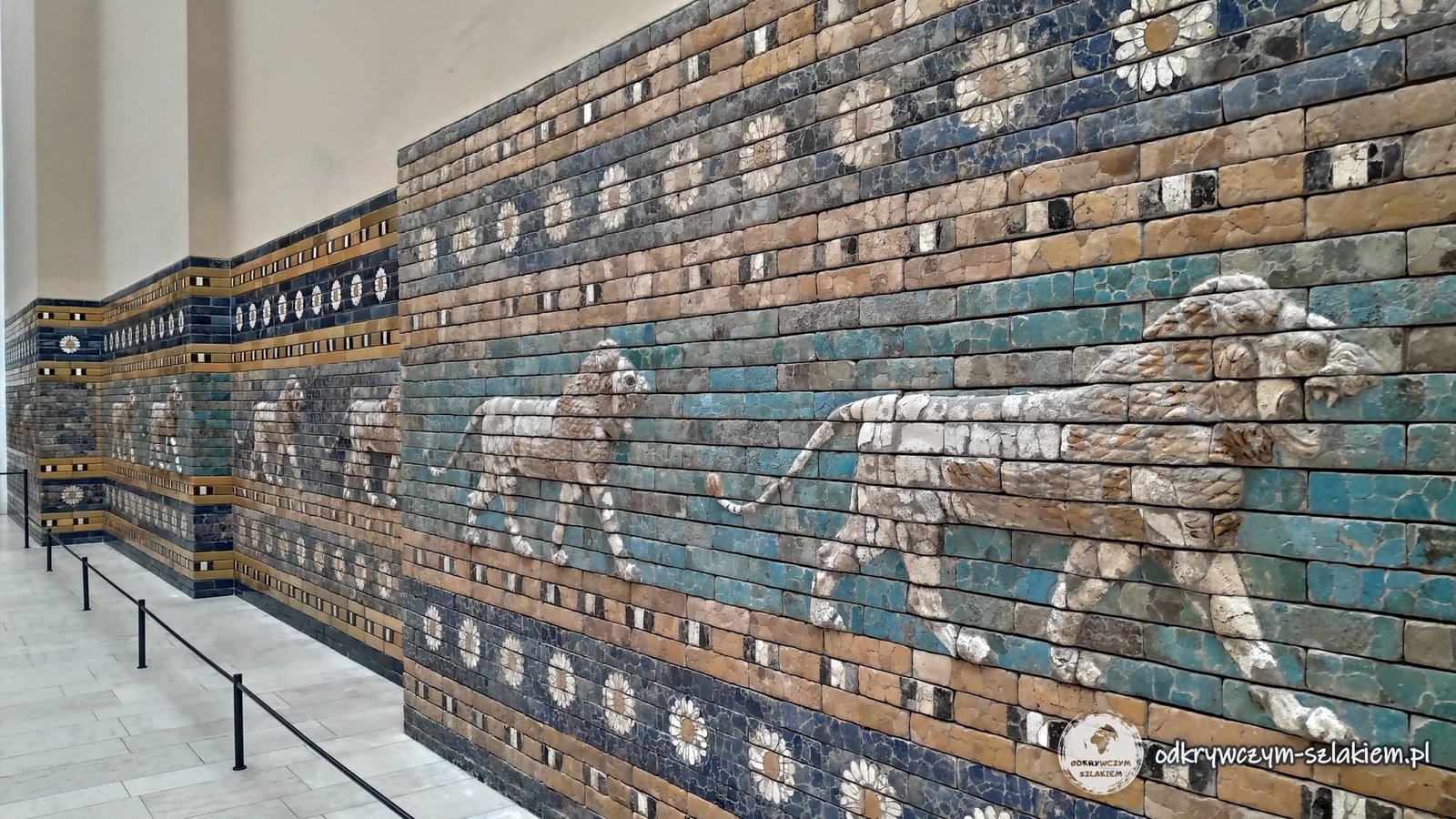
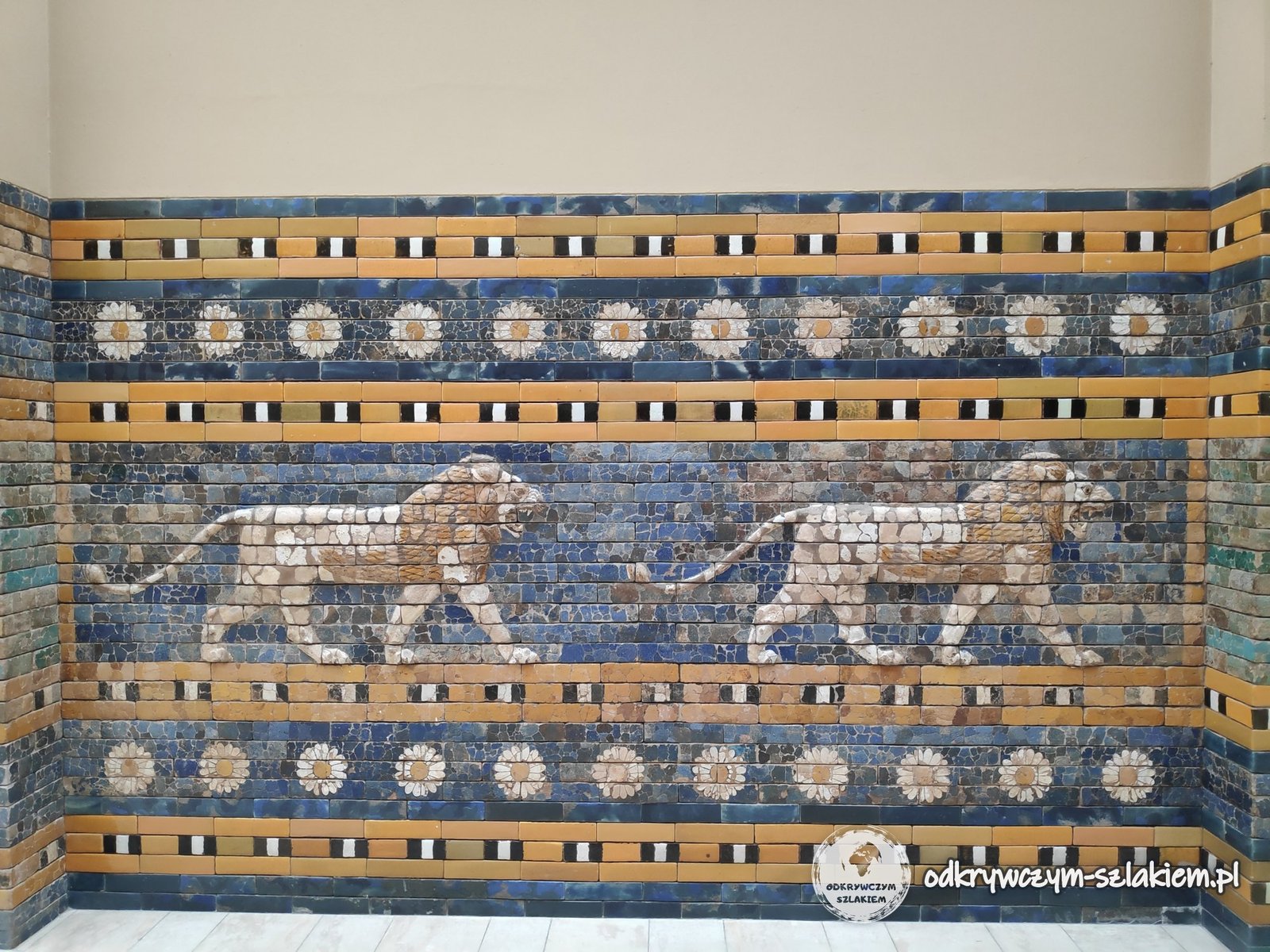
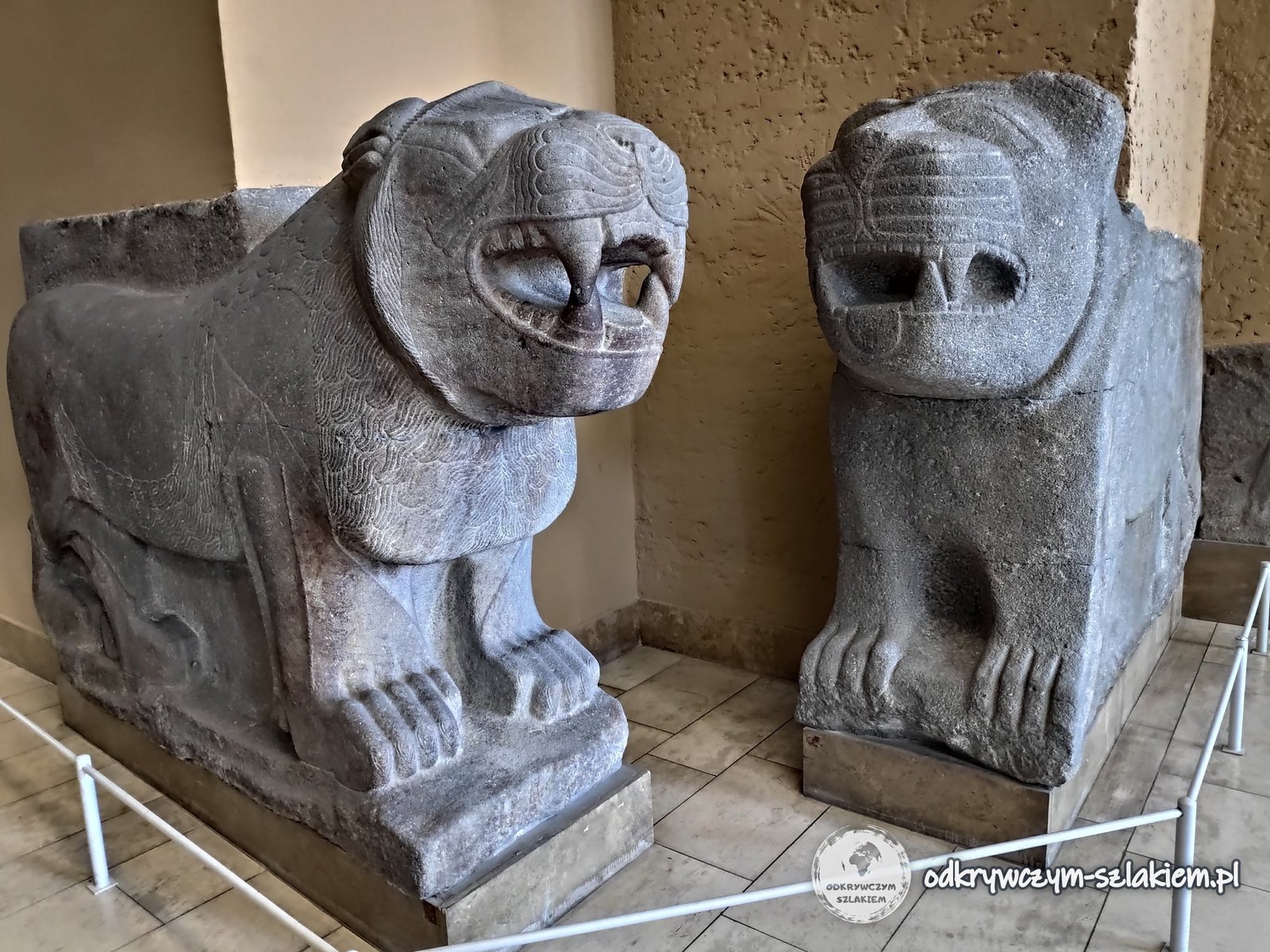
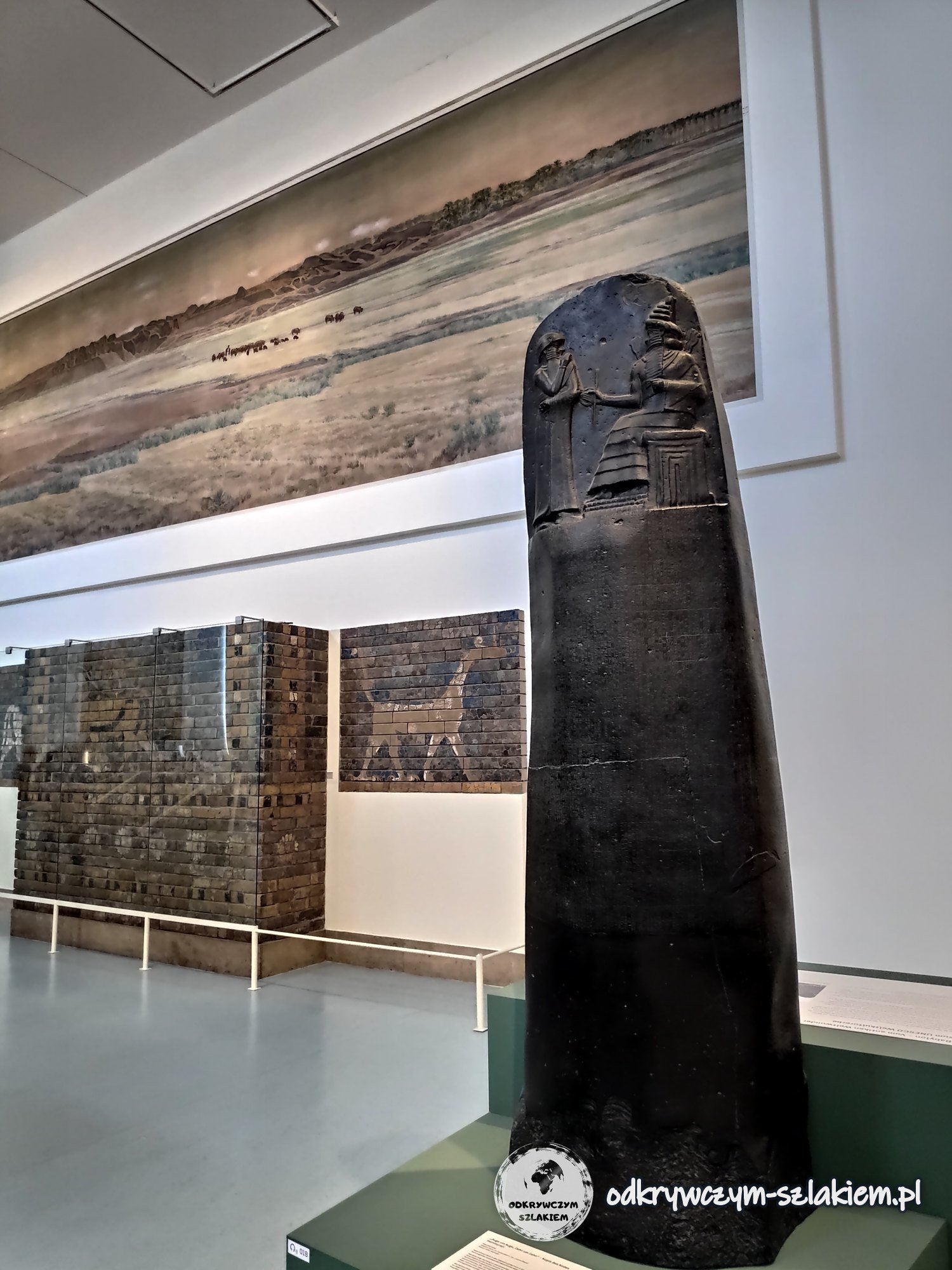
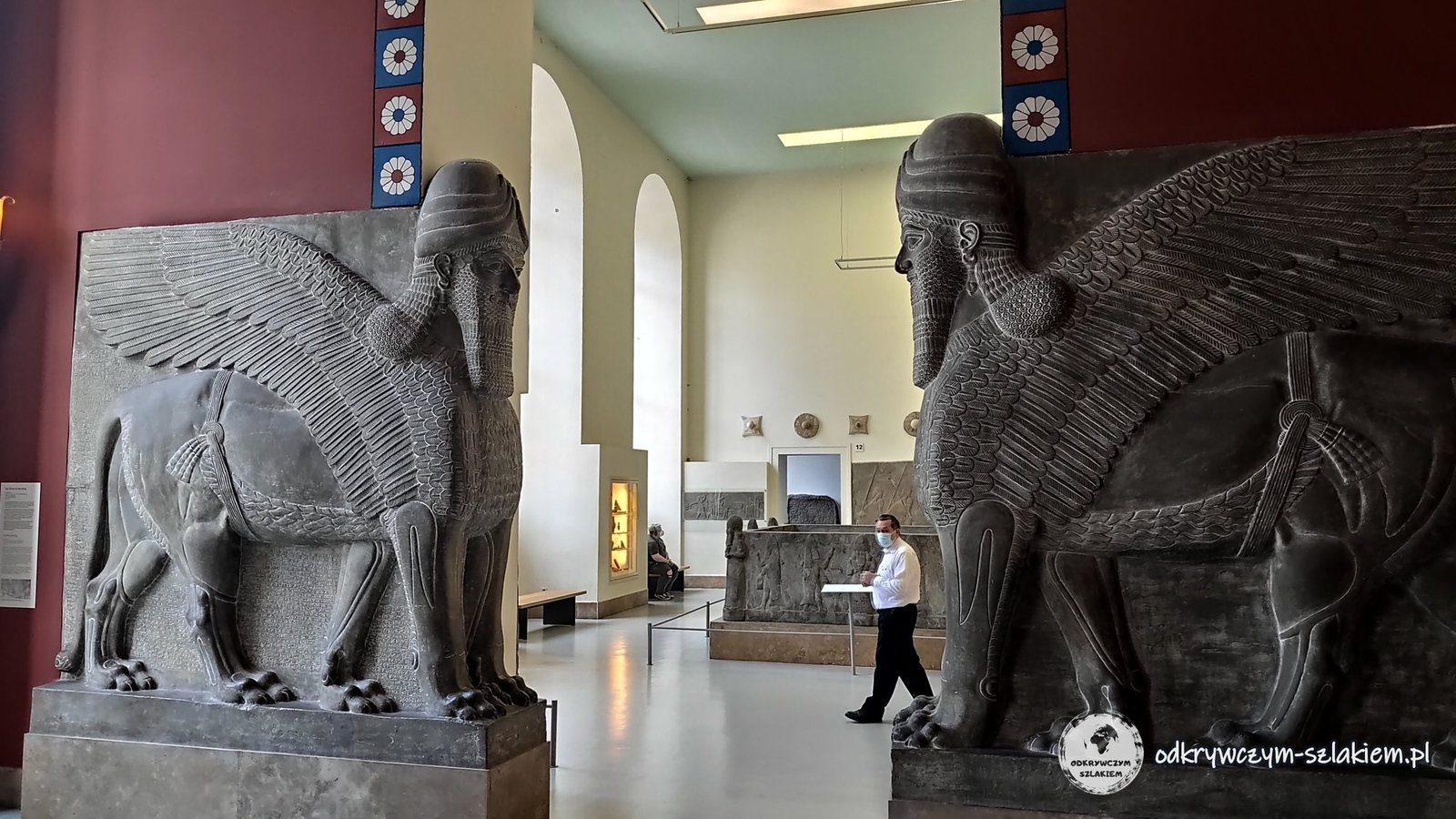
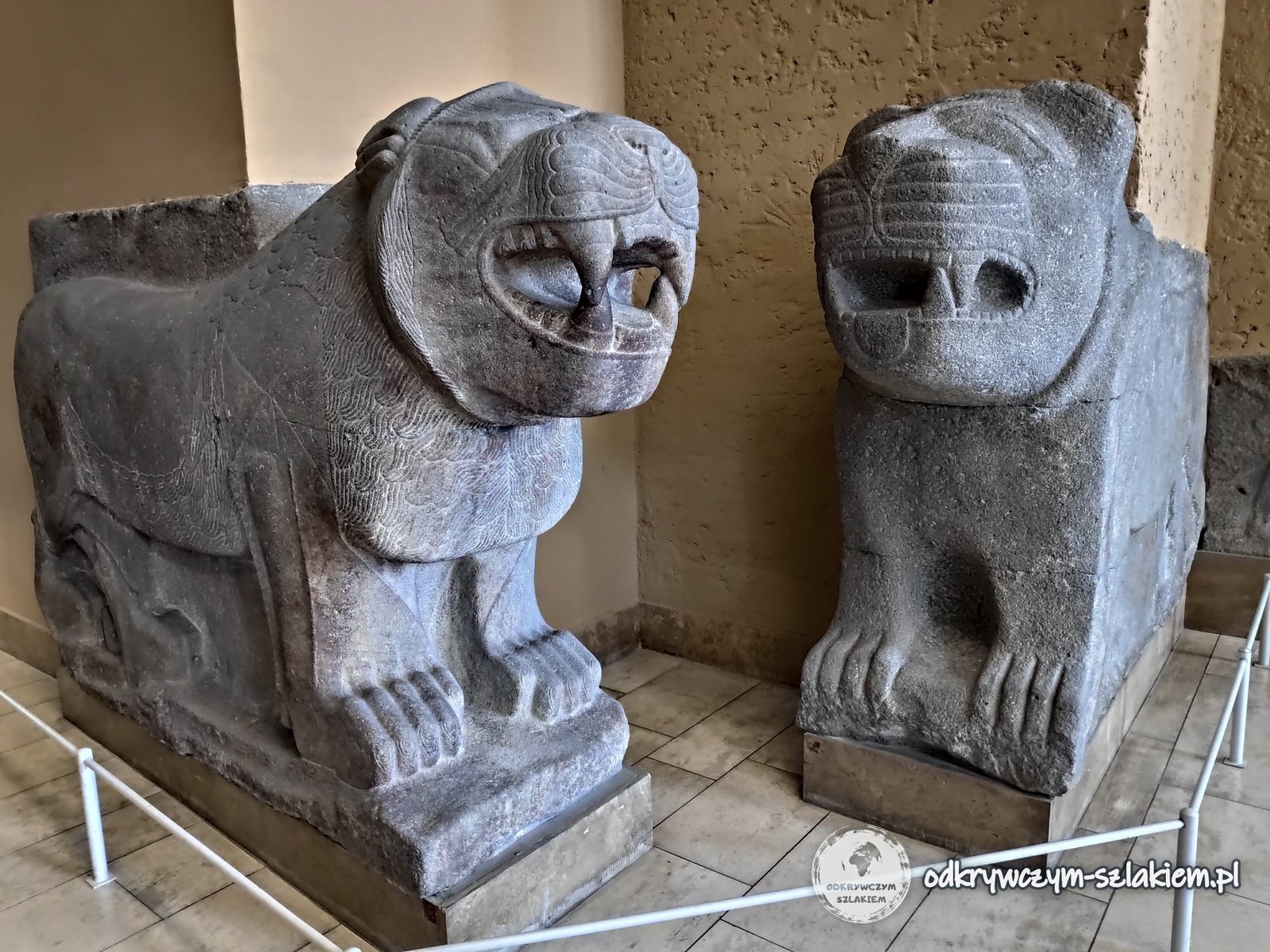
The halls of the Museum of the Ancient Near East (Vorderasiatisches Museum) also hold a cast of the famous stele with the Code of Hammurabi – one of the oldest written collections of laws – Assyrian winged bulls with human heads that once guarded palace entrances, and stone guardian lions from ancient cities of Syria and Anatolia.
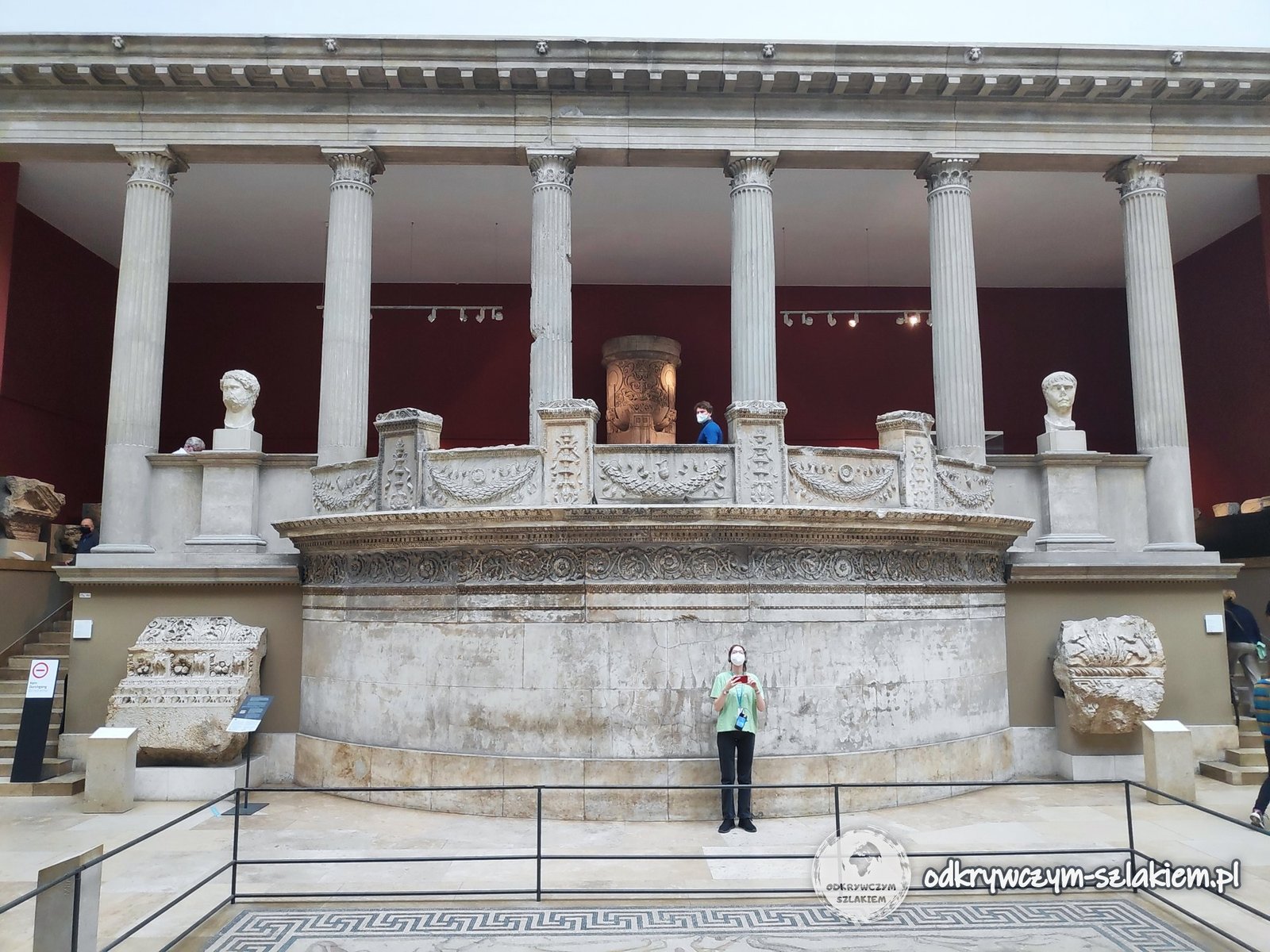
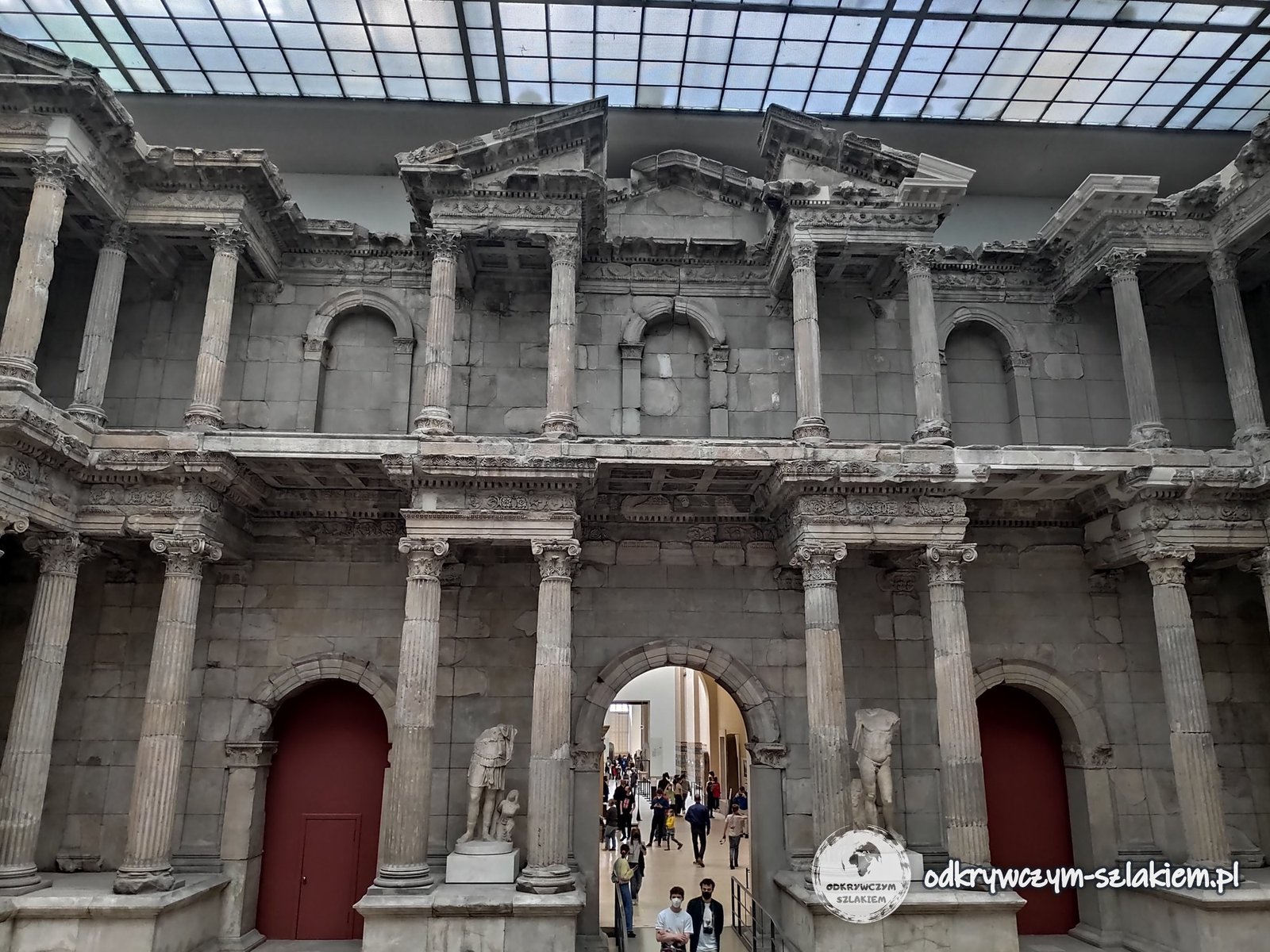
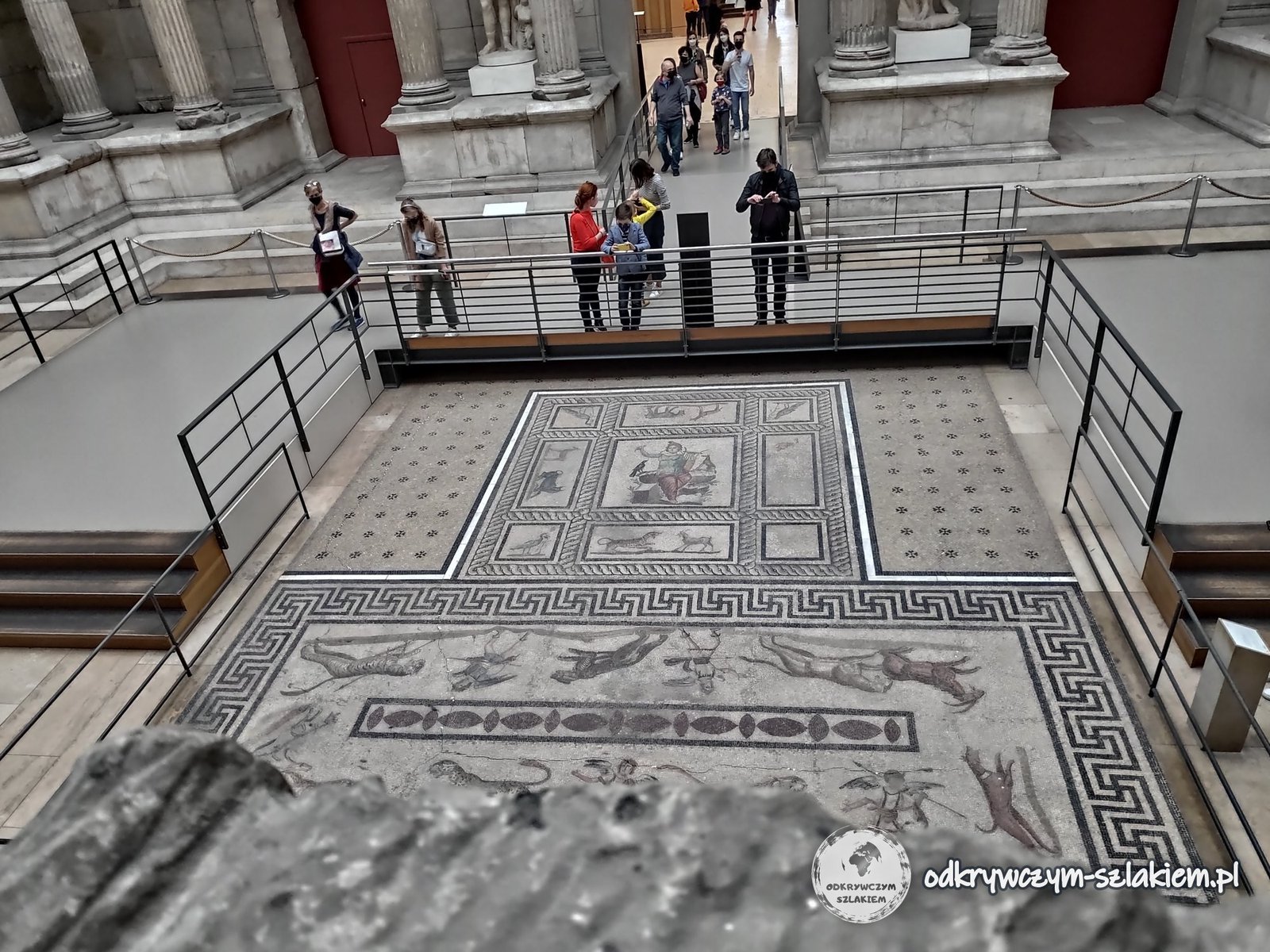
The second gigantic structure is the Roman Market Gate of Miletus from the 2nd century AD – a two-storey façade about 17 metres high, through which you walk on to the next halls. In front of it lies a Roman floor mosaic, also from Miletus.
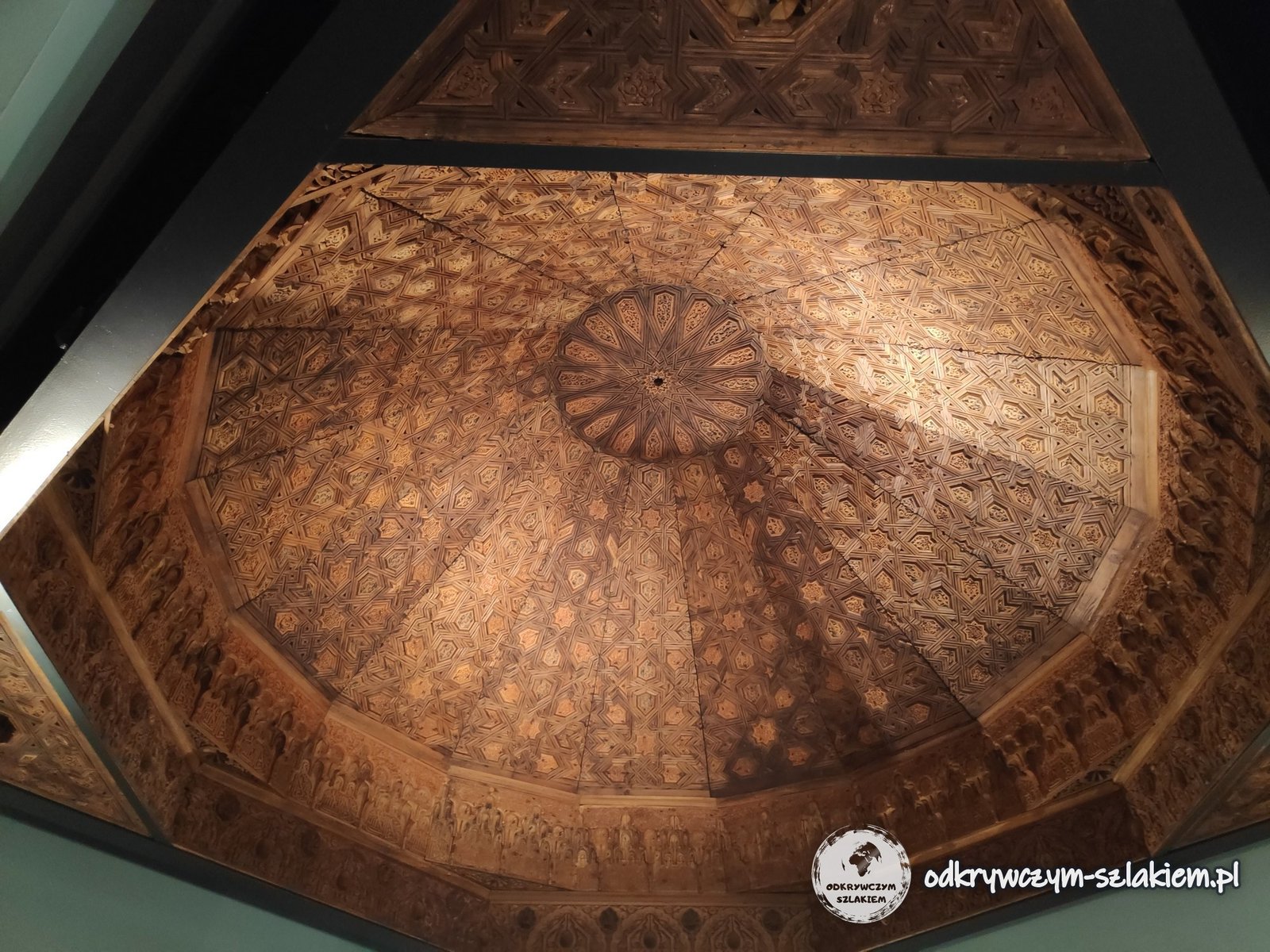
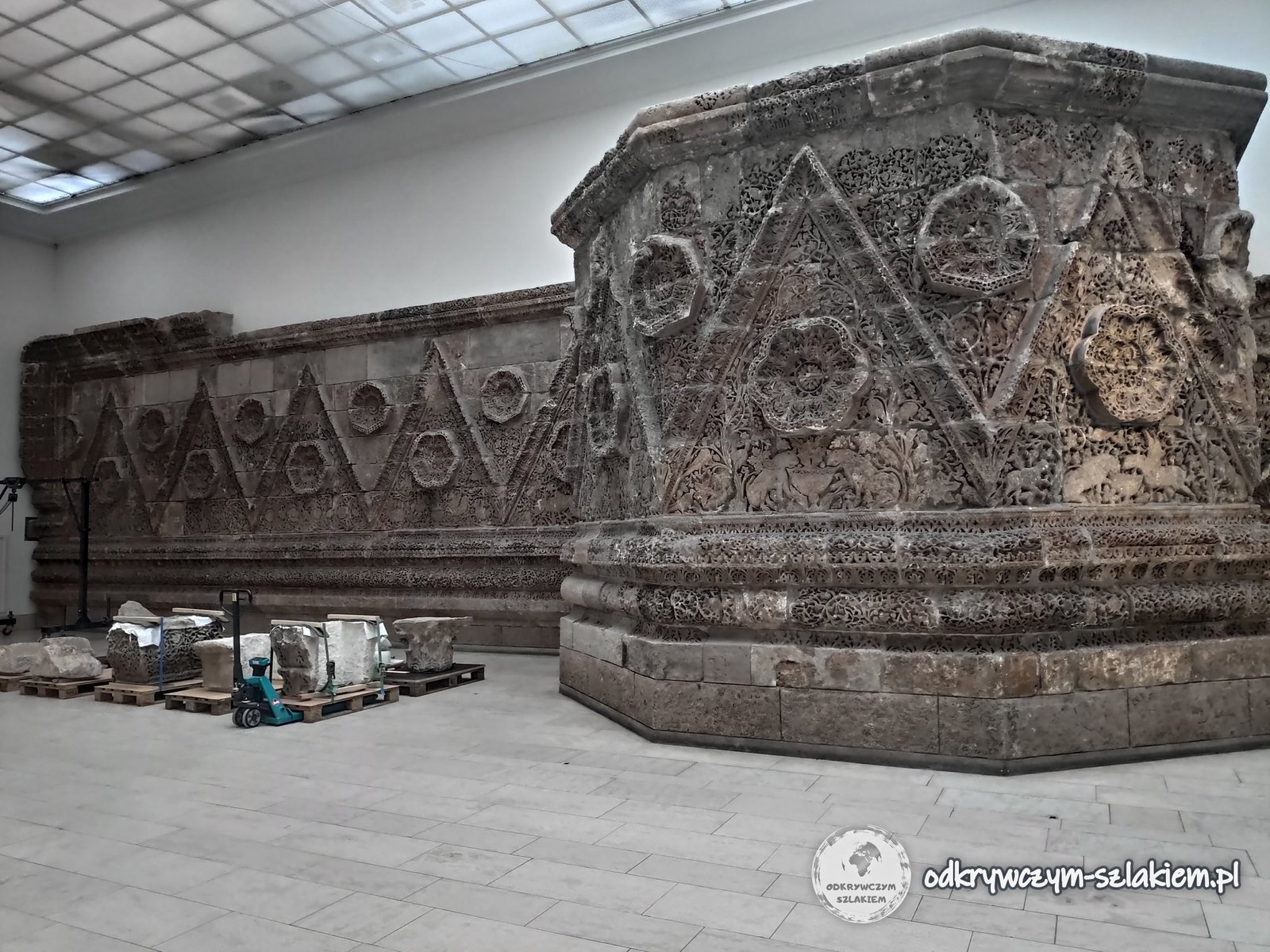
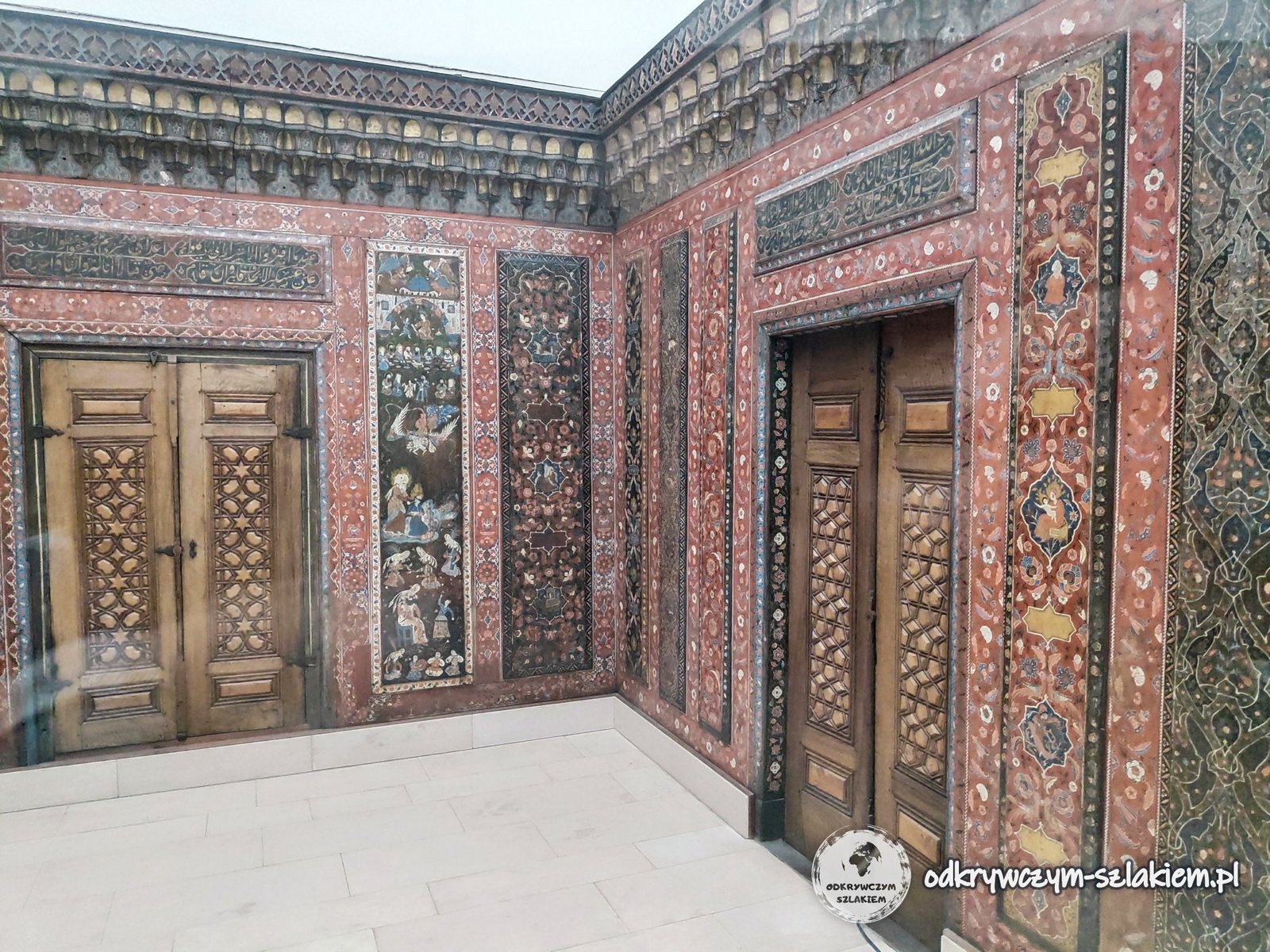
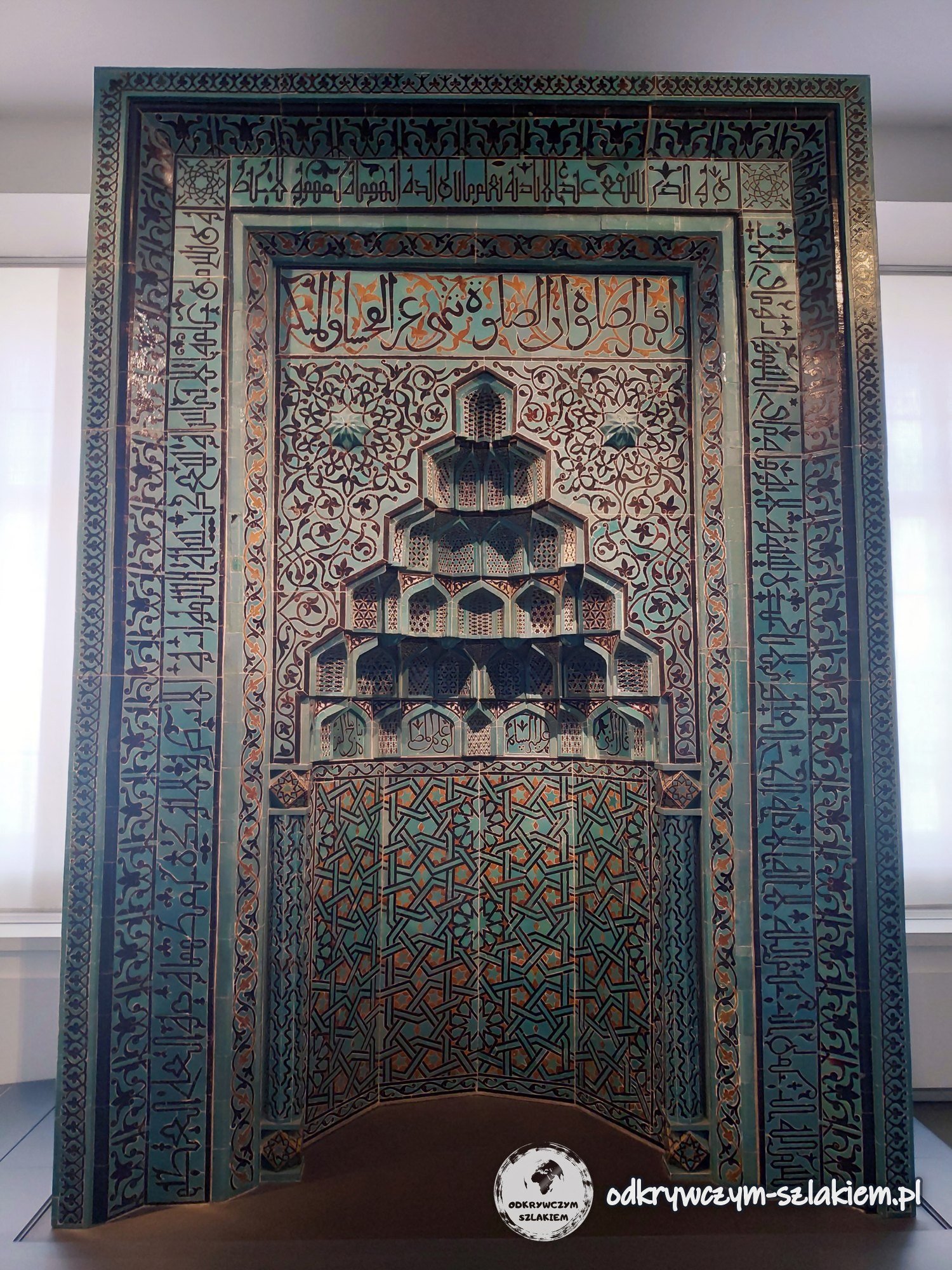
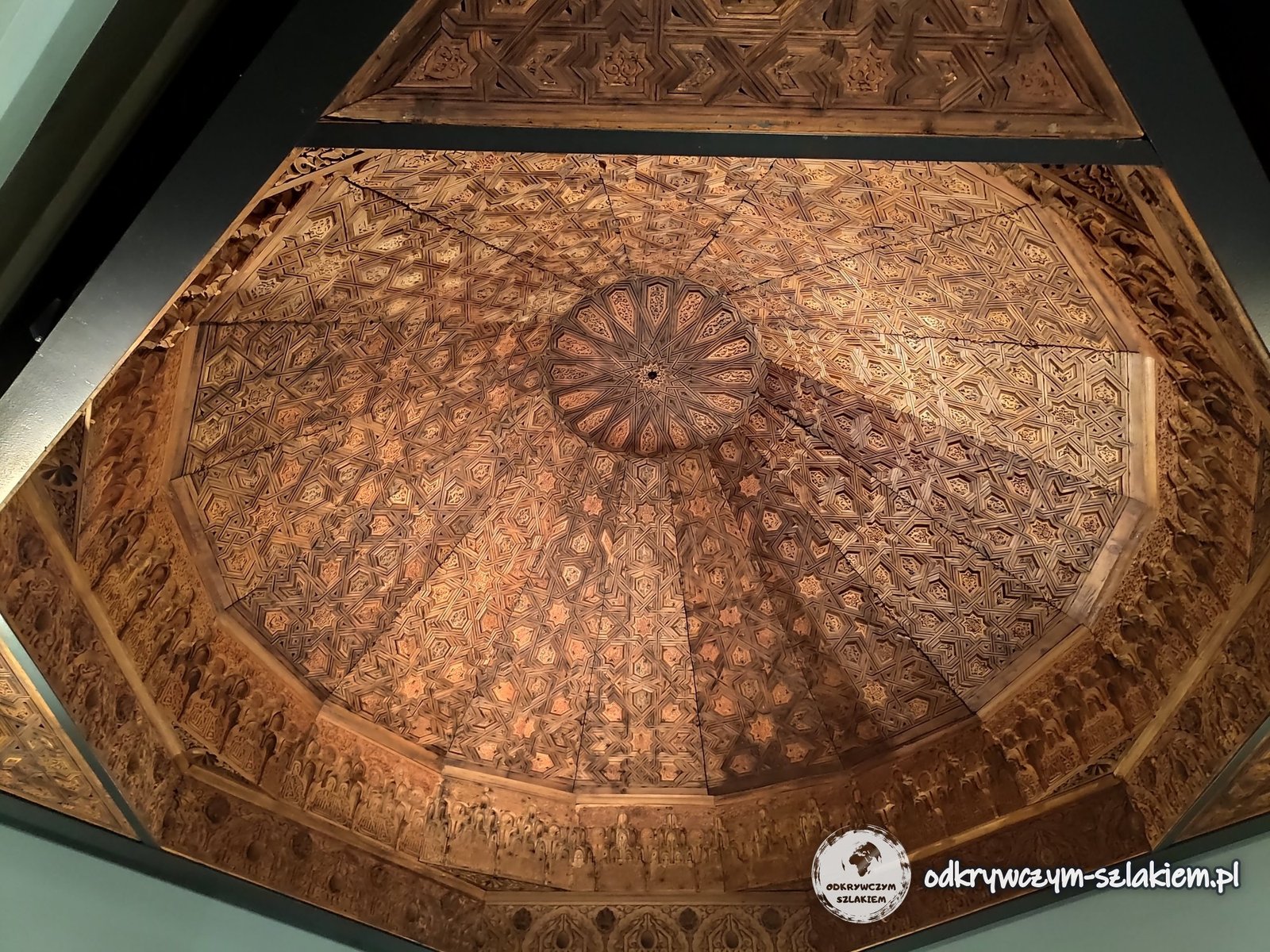
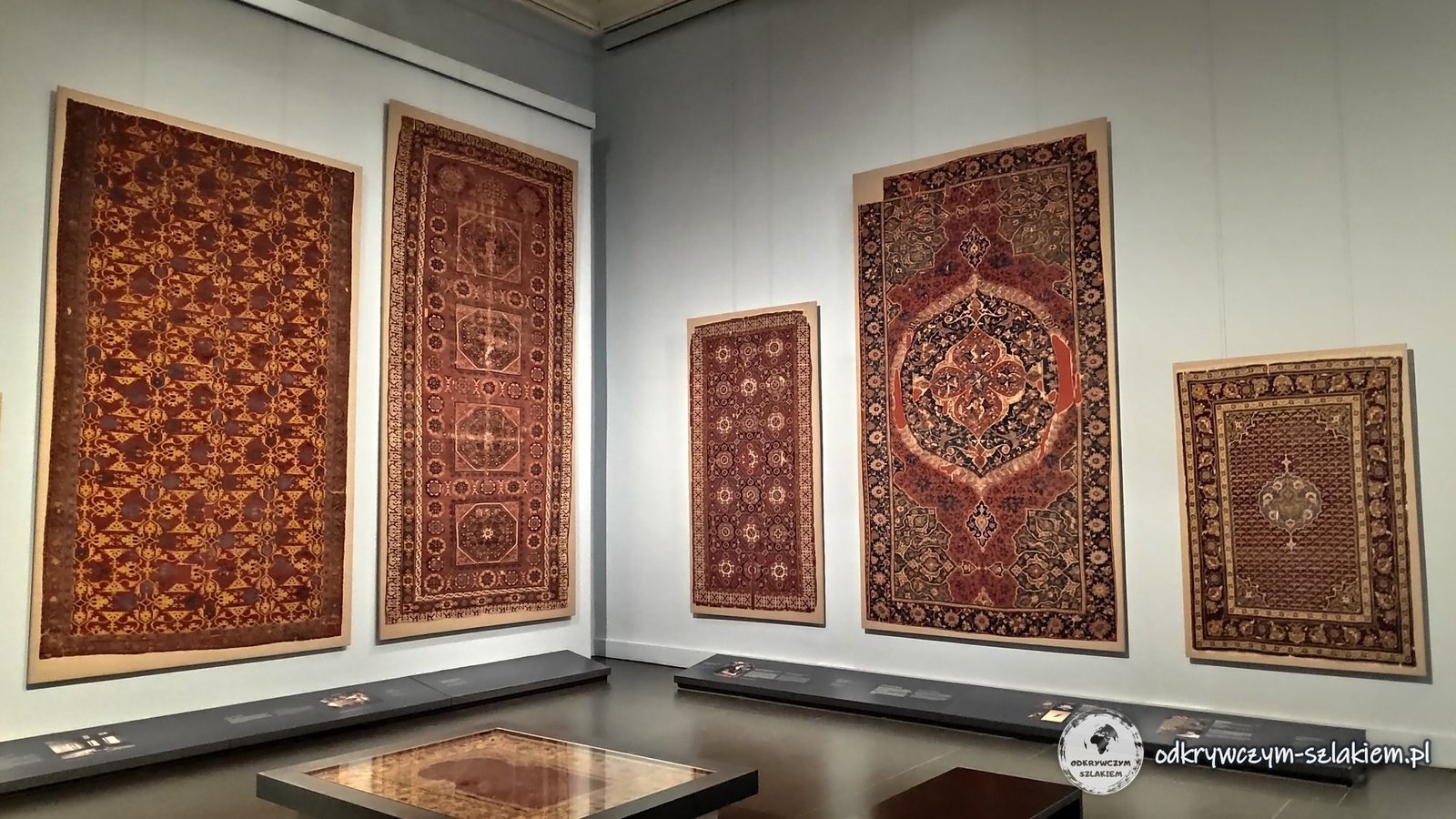
The upper floor housed the Museum of Islamic Art. Its entrance is dominated by the huge, richly carved Mshatta Façade of an 8th-century palace in present-day Jordan, which the Ottoman sultan gave to Emperor Wilhelm II in 1903. There is also the Aleppo Room – a reception room panelled with painted wood from the house of a Syrian merchant, dating from the early 17th century, in which Christian and Islamic motifs intertwine. On top of that: mihrabs of turquoise tiles, a wooden dome from the Alhambra in Granada and a collection of oriental carpets.
Bode-Museum – sculpture, Byzantium and coins
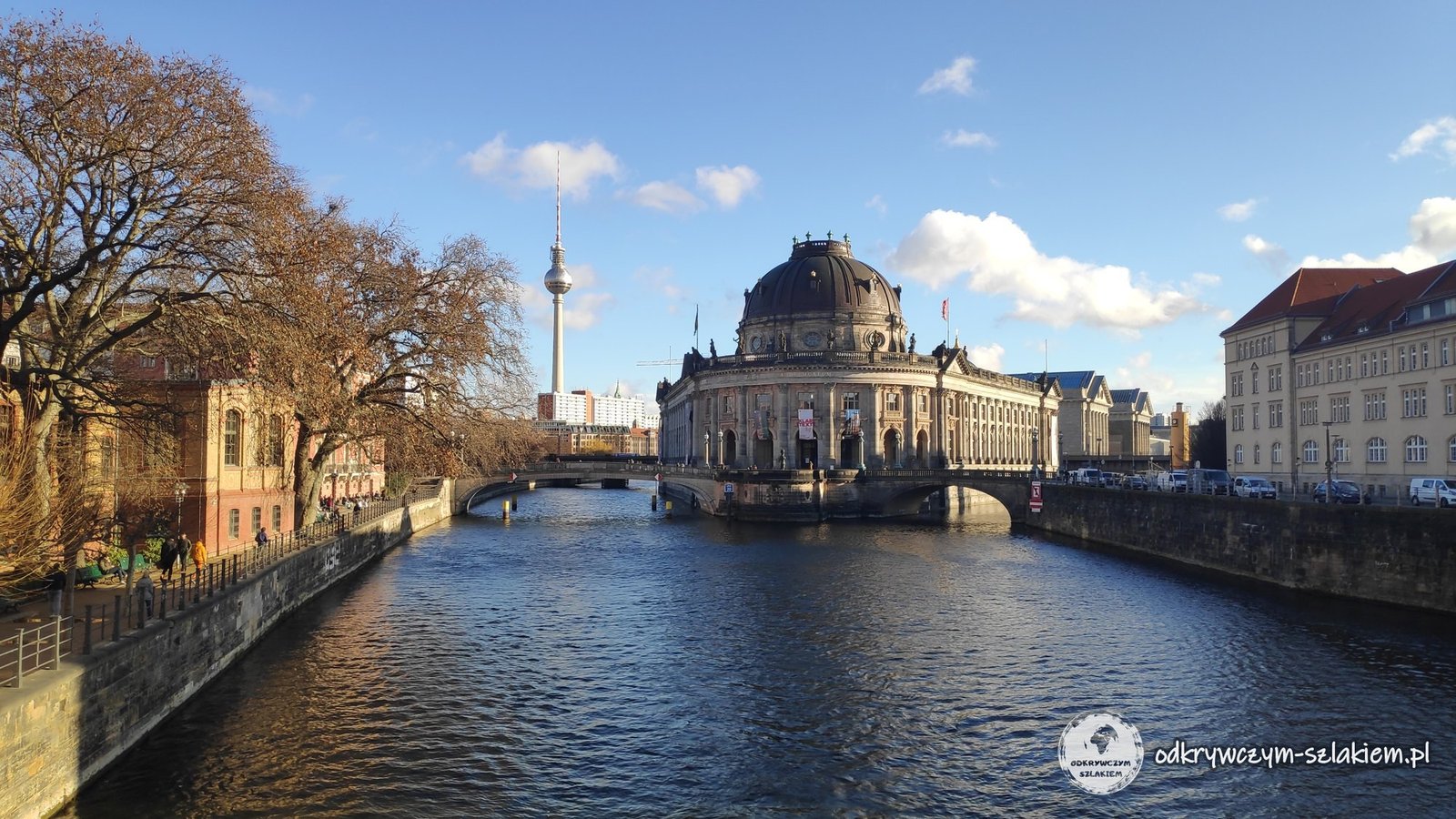
The Bode-Museum stands at the very tip of Museum Island, and its rounded, domed façade rises straight out of the water. The museum opened in 1904 as the Kaiser Friedrich Museum and takes its current name from its first director, Wilhelm von Bode. I visited it in April 2023 during Museumssonntag – on the same day as the Natural History Museum and the Hamburger Bahnhof.
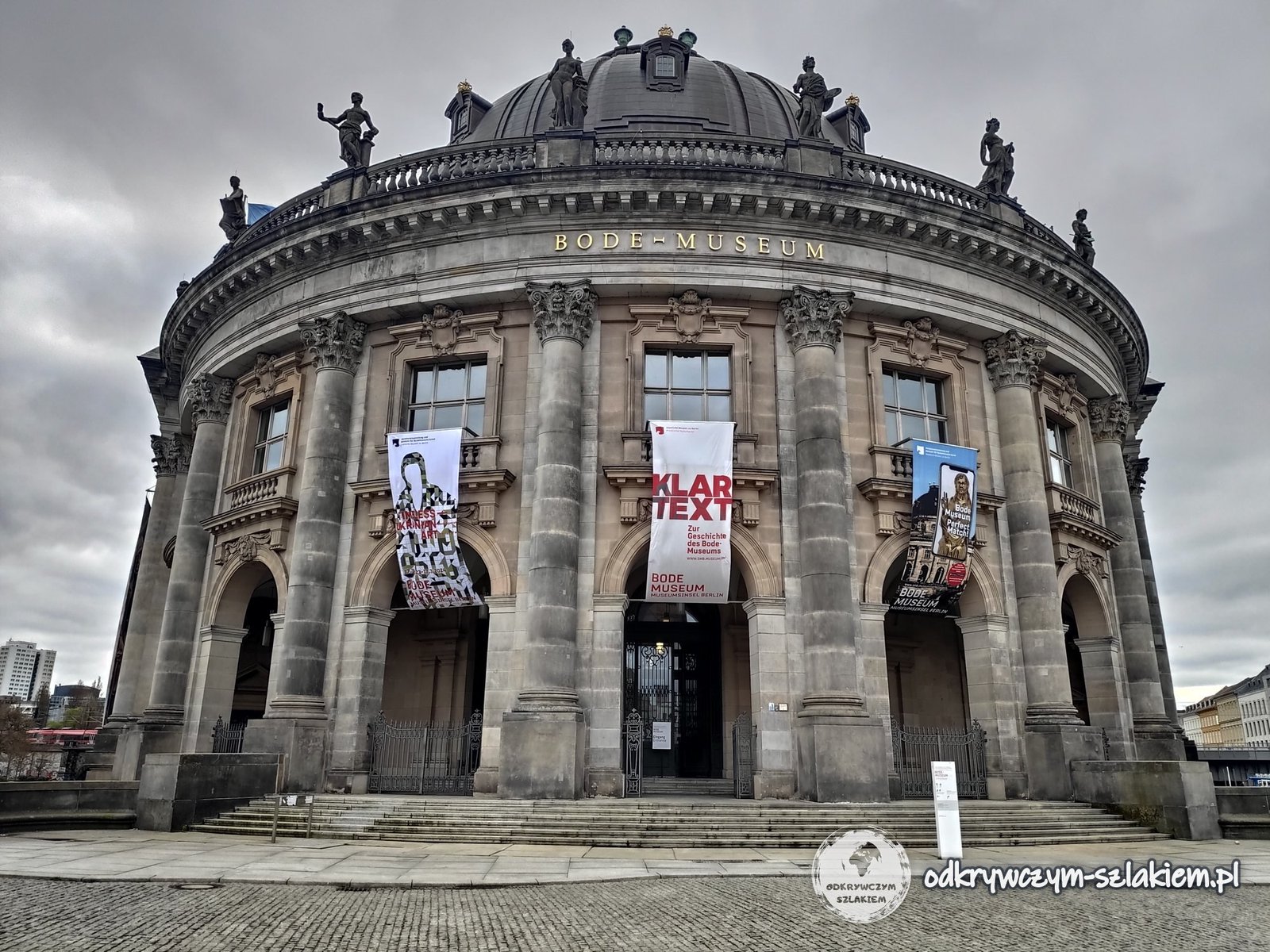
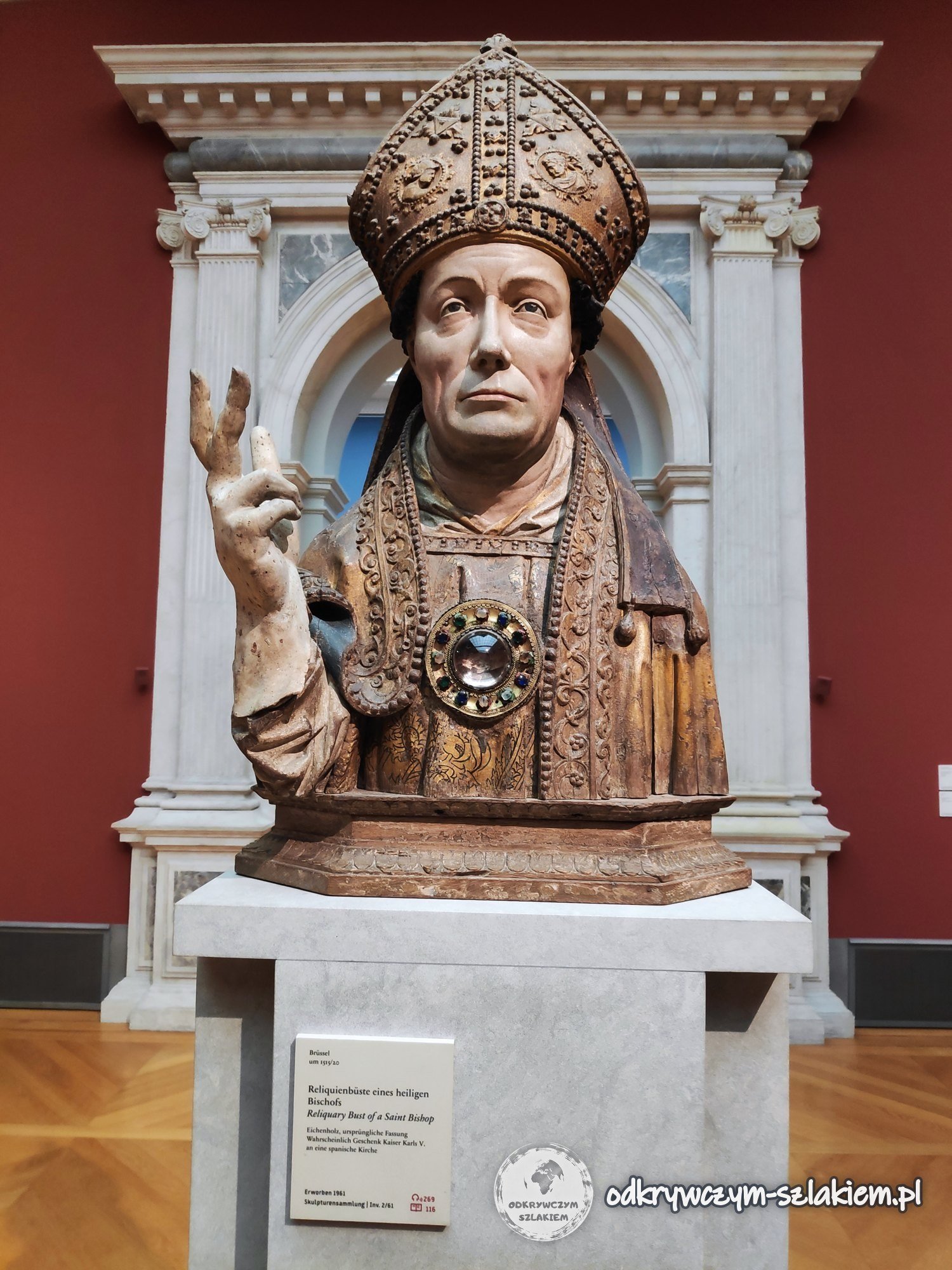
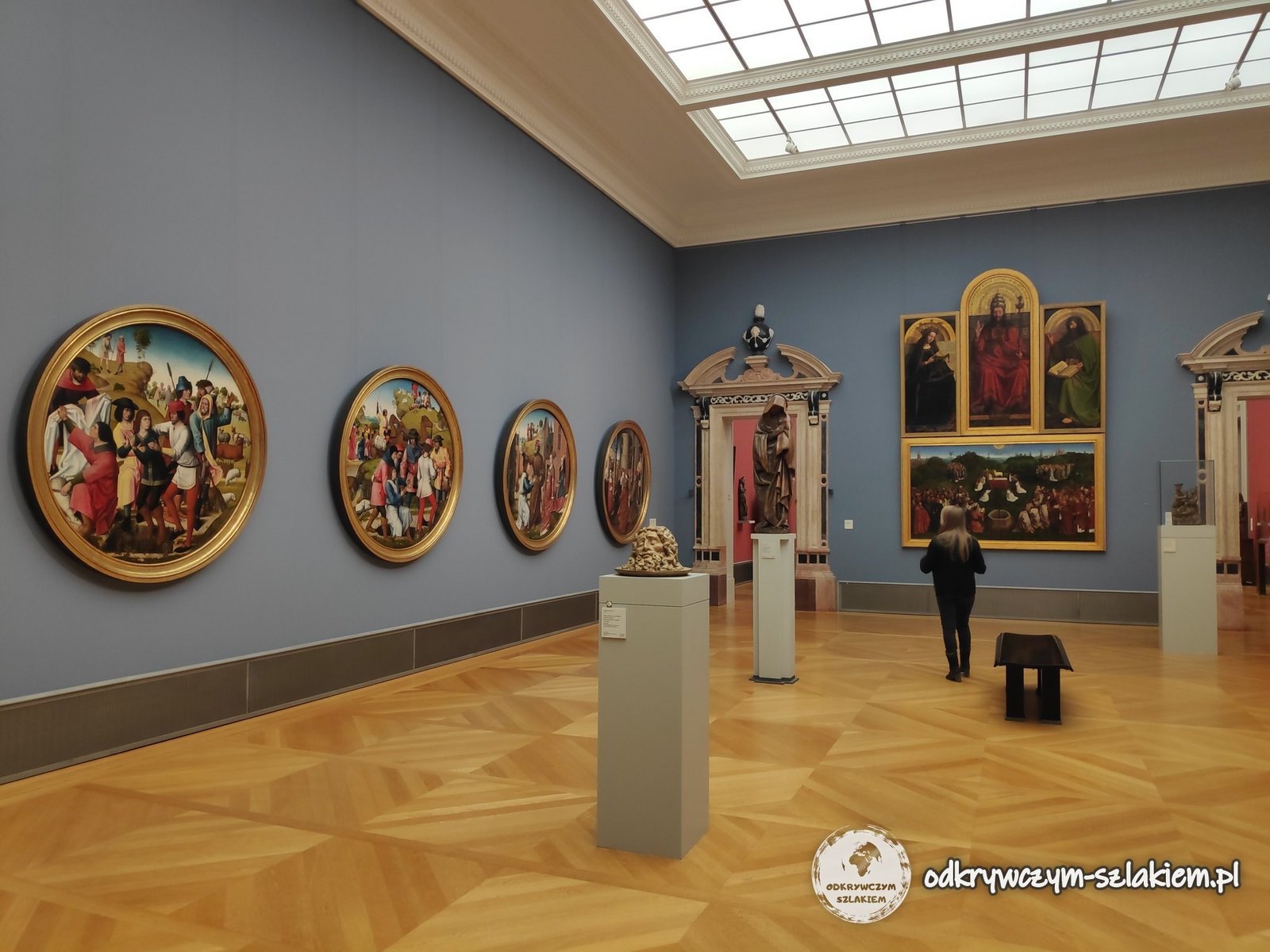
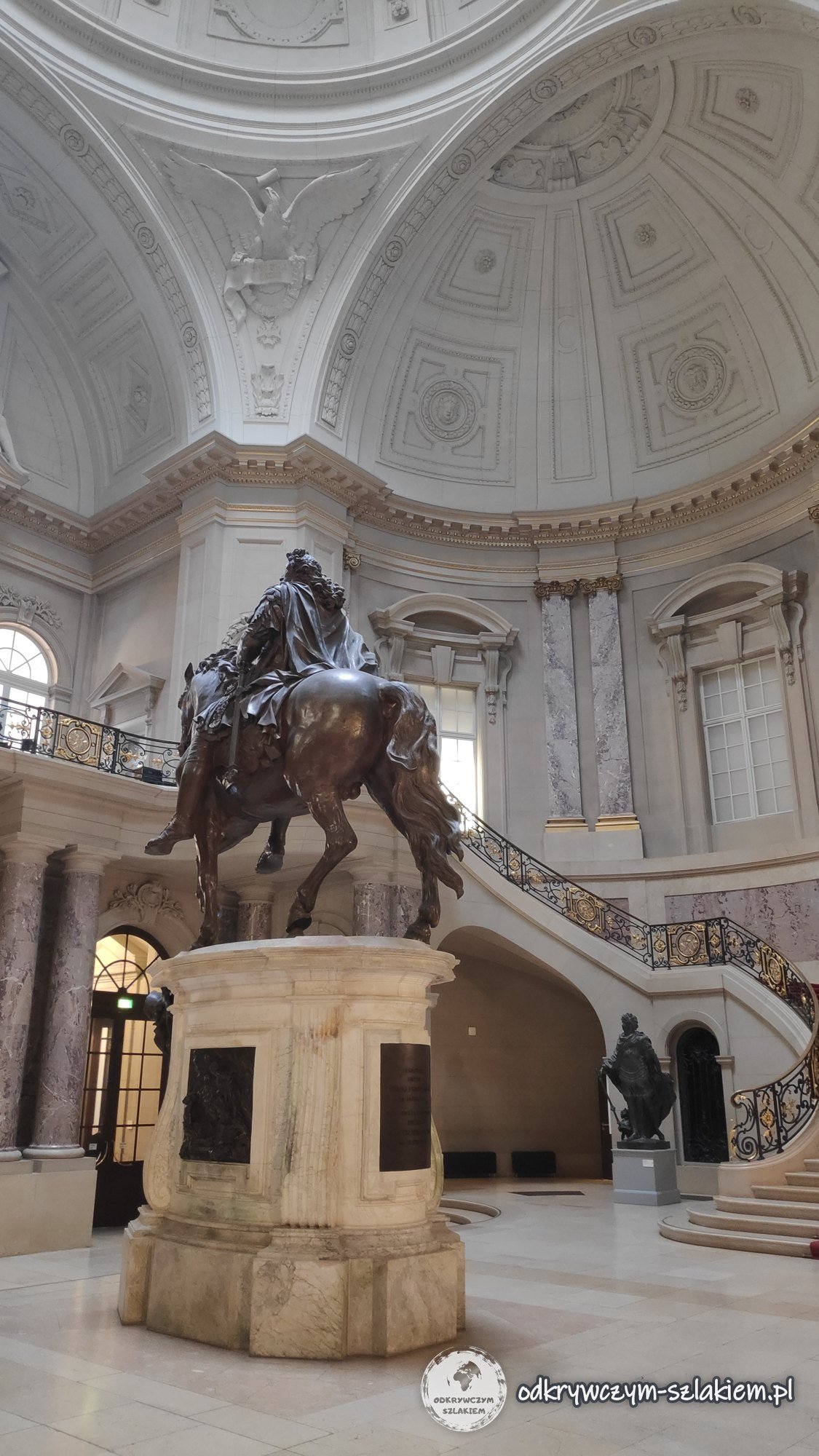
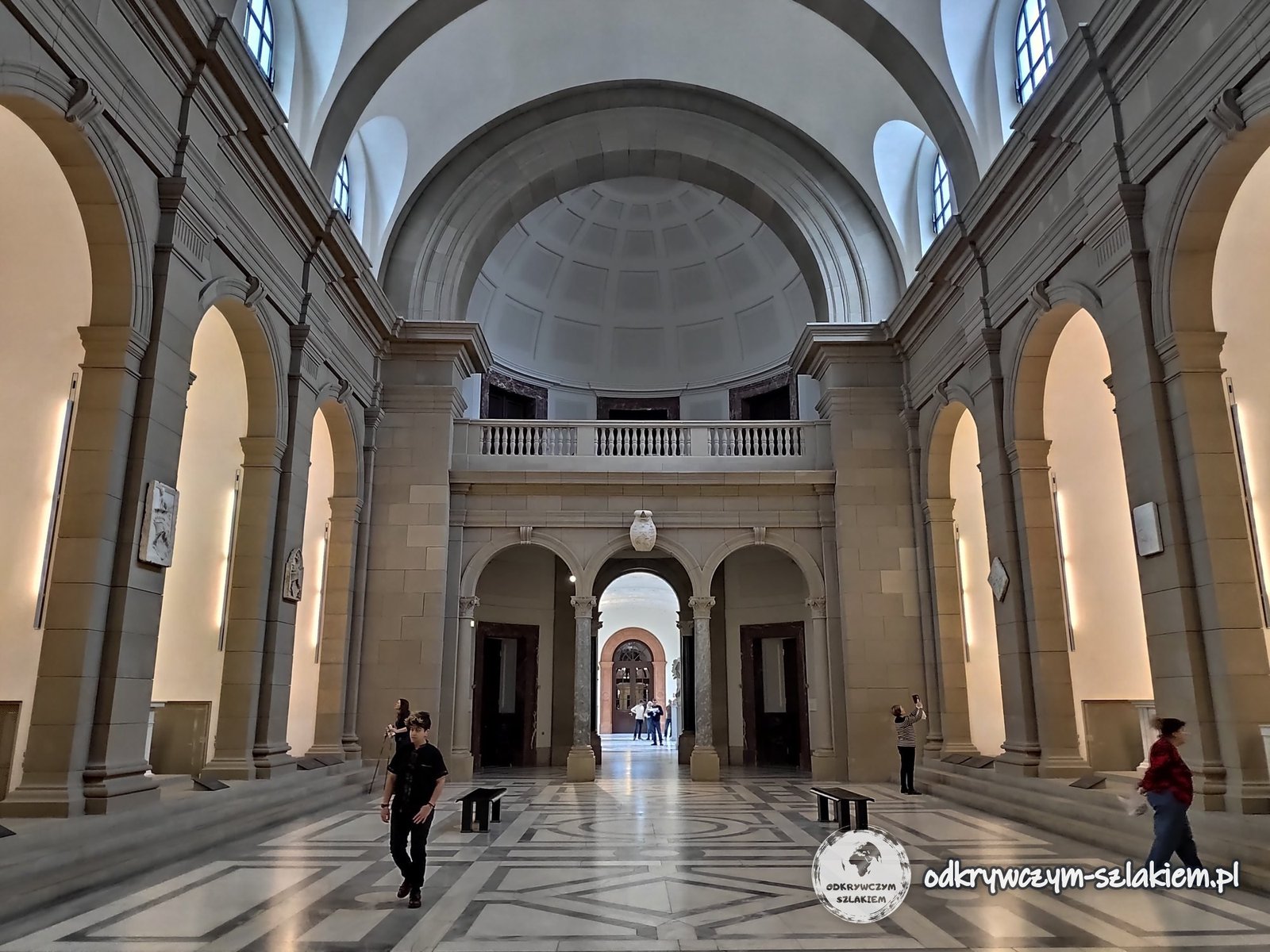
Right after you enter, you are greeted by the equestrian statue of the Great Elector beneath the Great Dome – a copy of the work by Andreas Schlüter, whose original stands in front of Charlottenburg Palace. Beyond it stretch the halls of the sculpture collection, from the Middle Ages to the 18th century, including a tall basilica hall that resembles the interior of a Renaissance church.
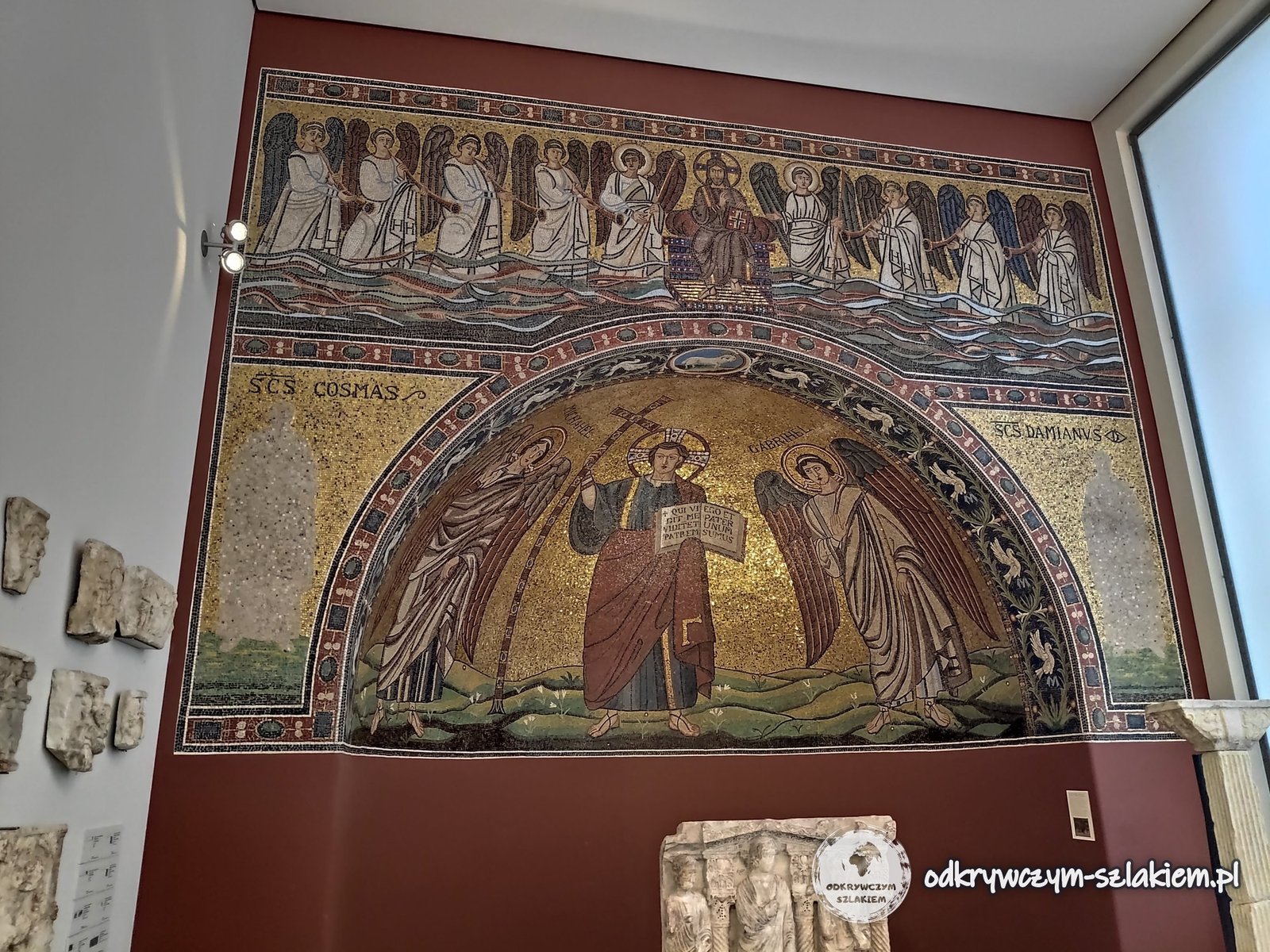
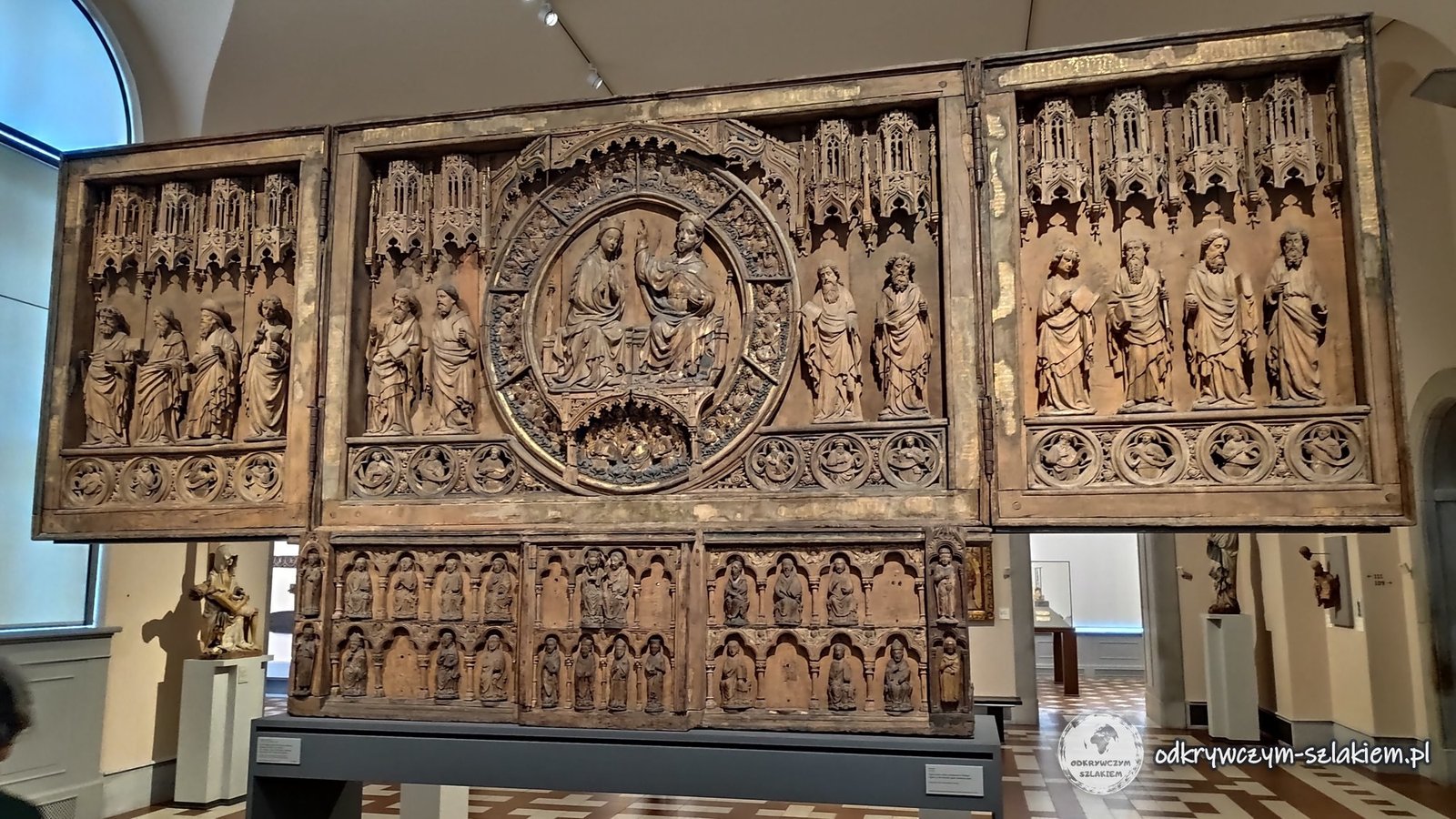
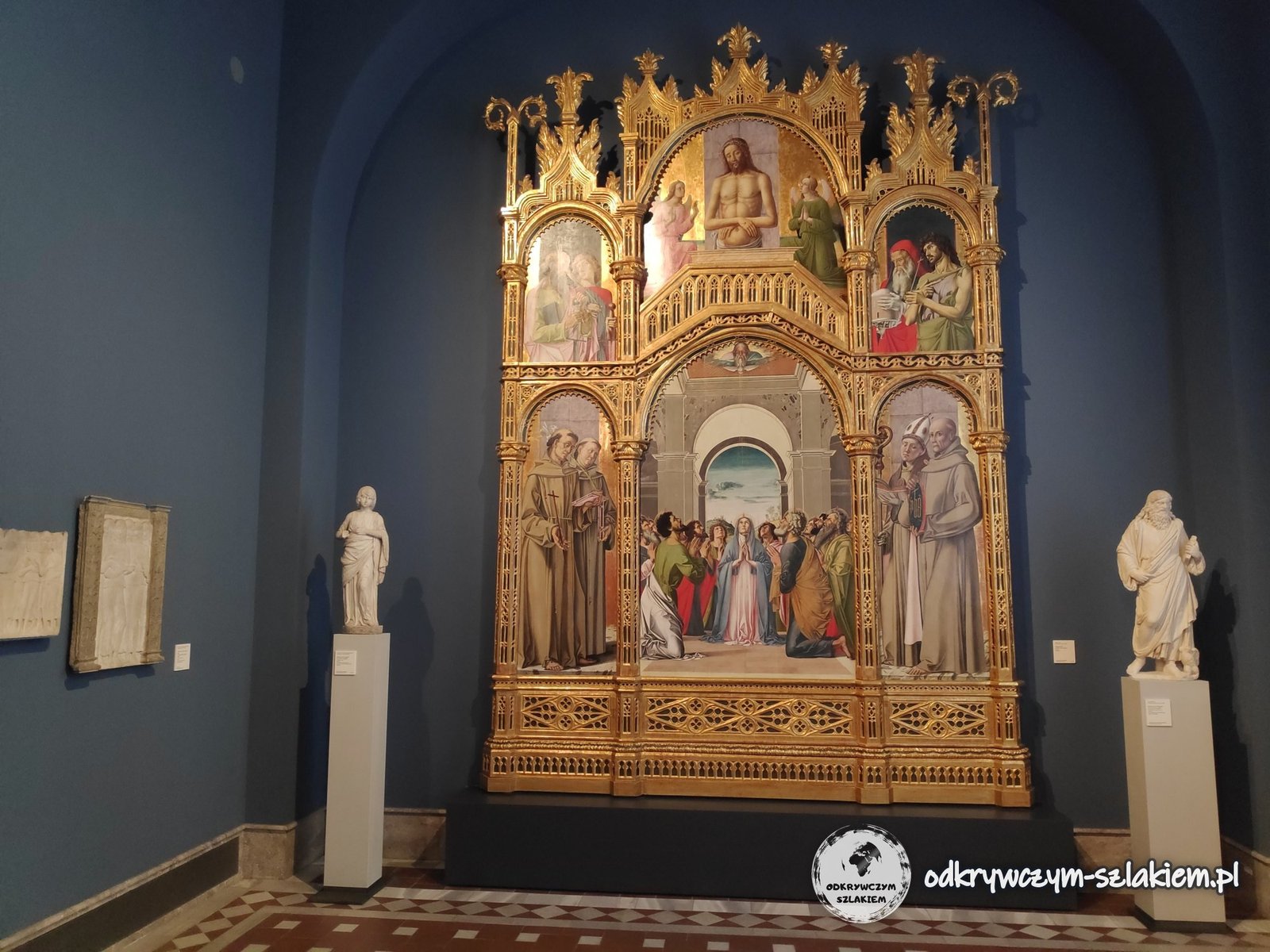
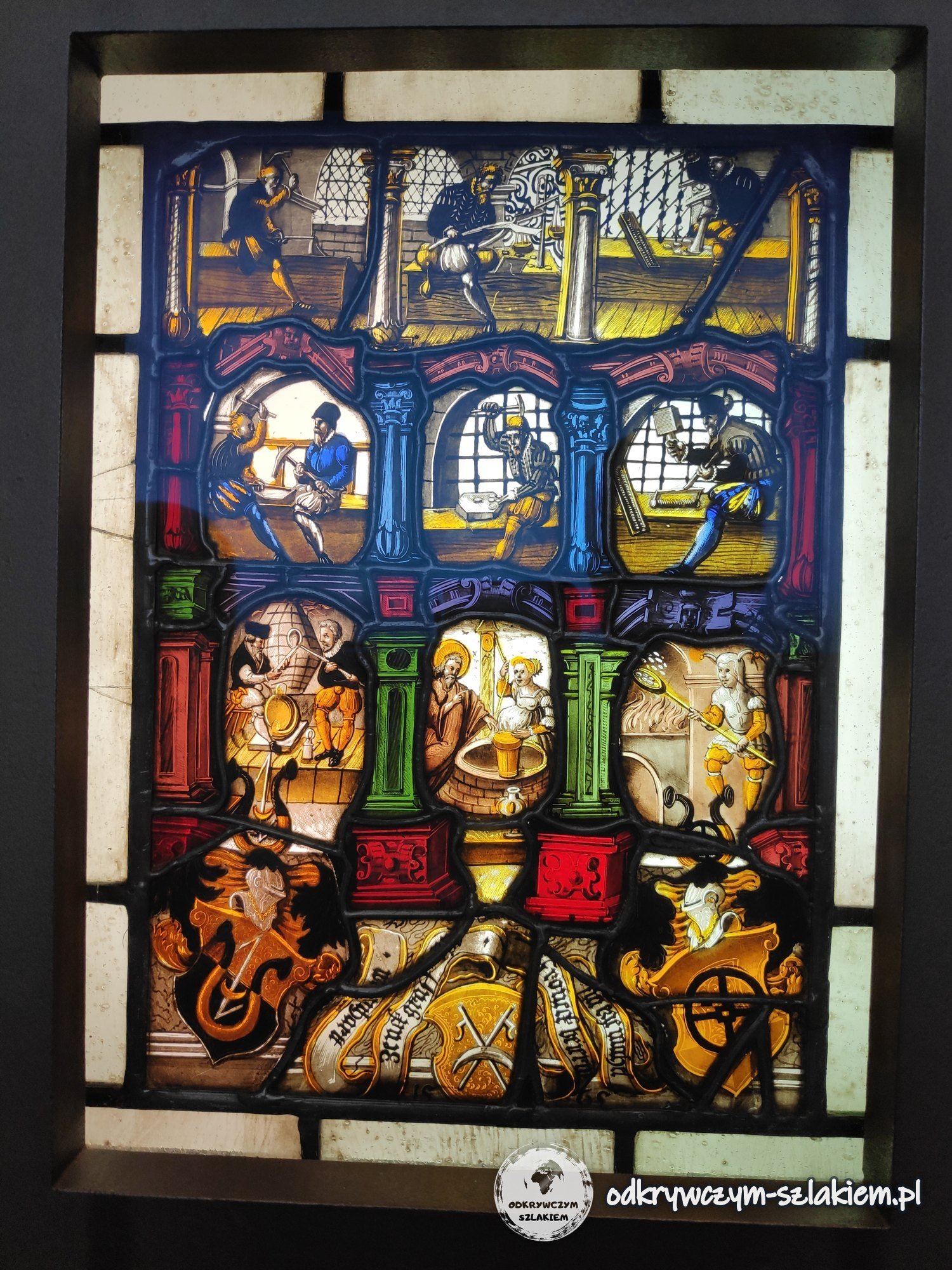
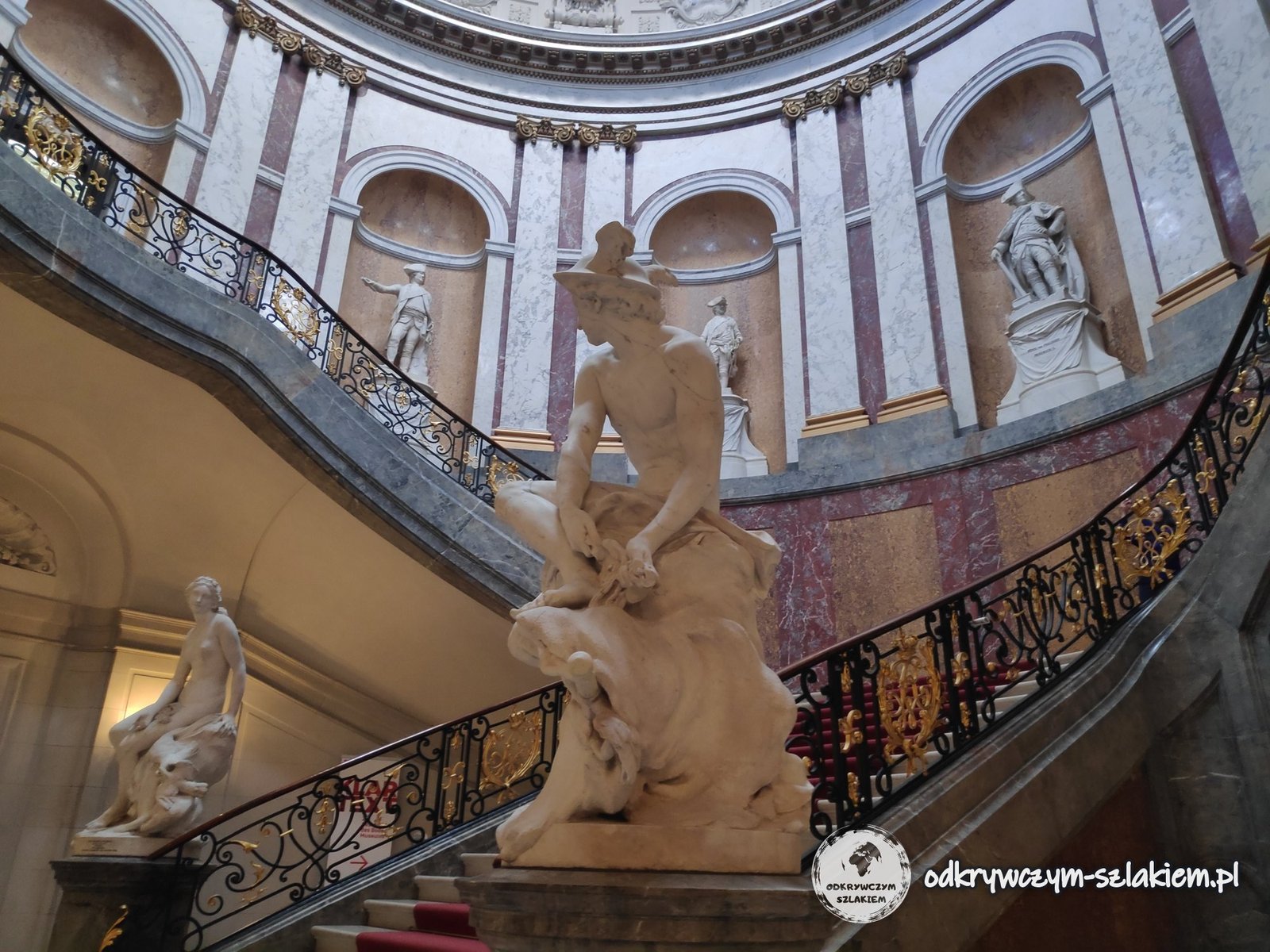
The most precious exhibit of the Byzantine art department is the apse mosaic from the church of San Michele in Ravenna, from the 6th century, brought to Berlin in the 19th century. Nearby you can see Gothic altarpieces, a gilded retable from Venice, stained-glass windows and a grand staircase with sculptures.
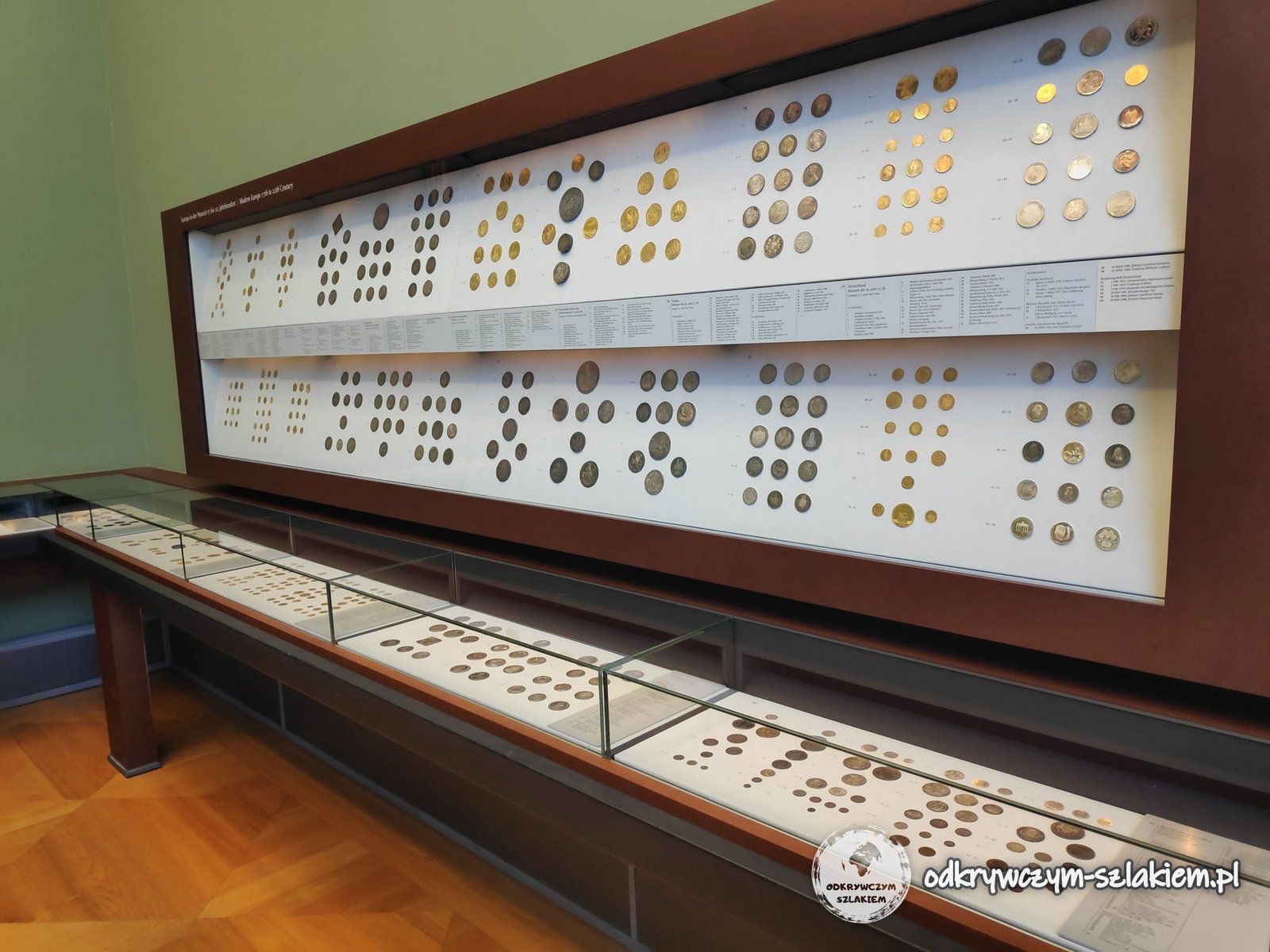
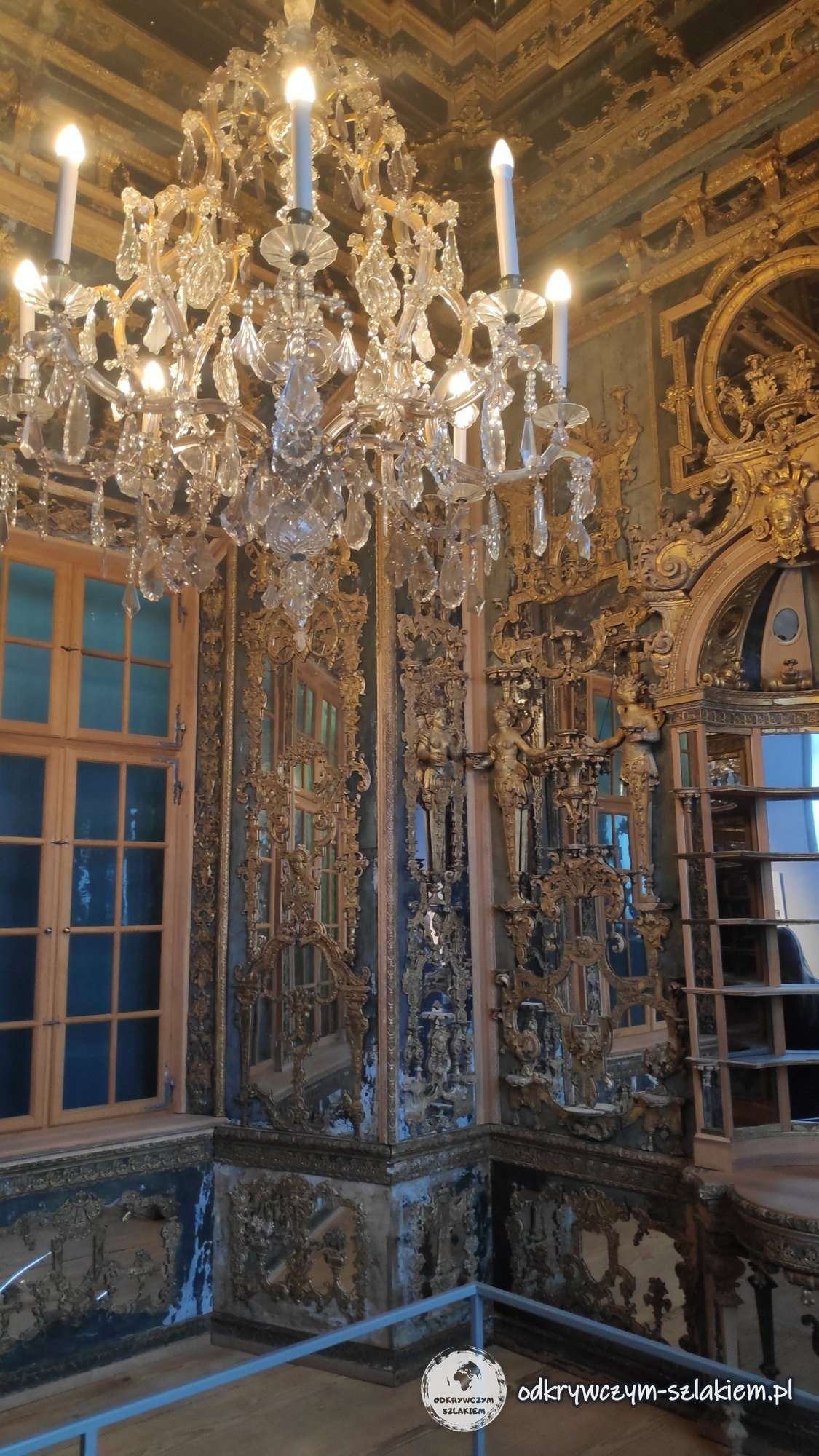
The Bode-Museum is also home to the Coin Cabinet (Münzkabinett) – one of the largest coin collections in the world, from antiquity to the present day. At the end I came across a gilded Baroque cabinet with a chandelier that looks as if it had been taken straight out of a palace.
Natural History Museum – dinosaurs, Archaeopteryx and Knut
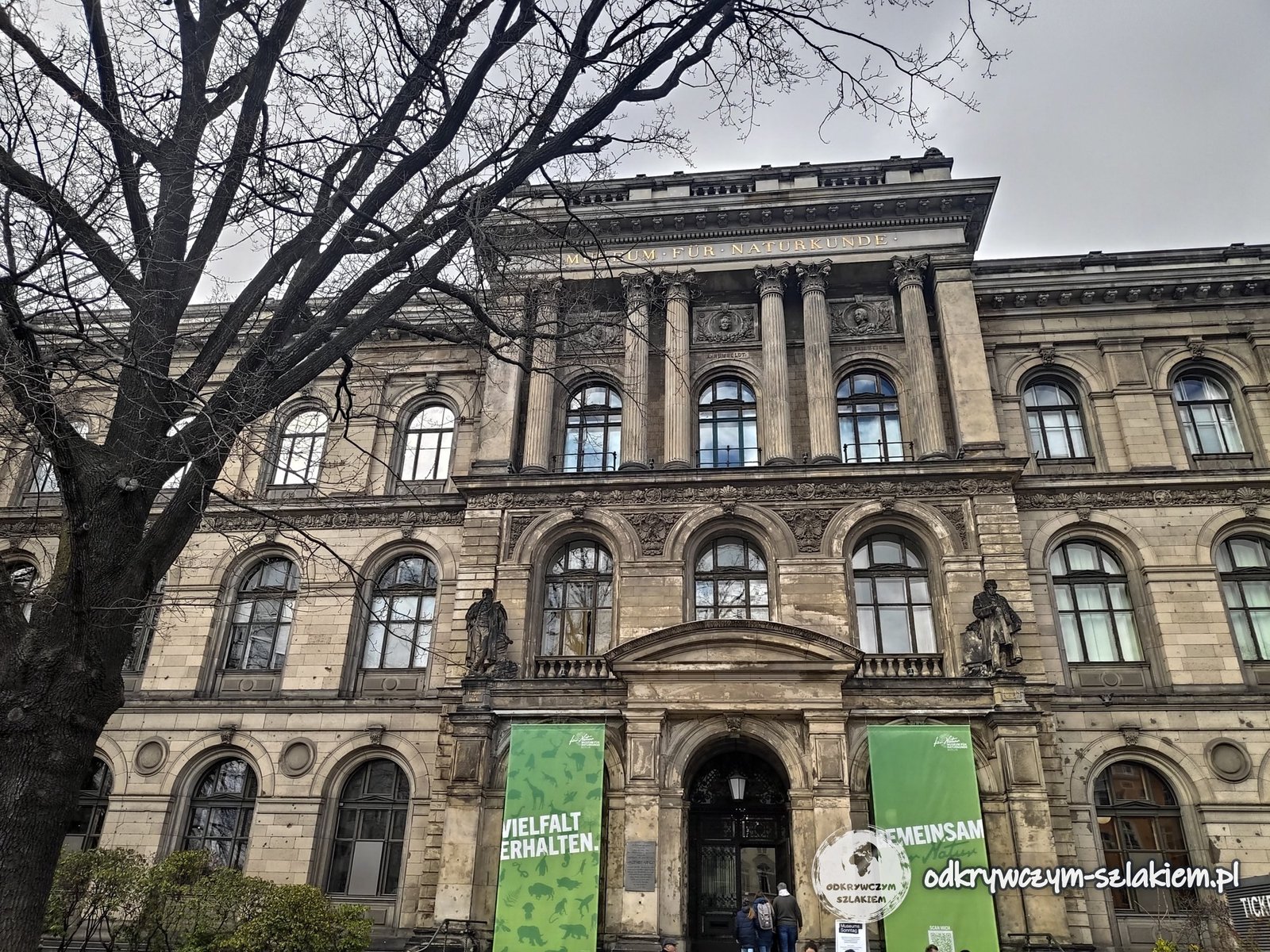
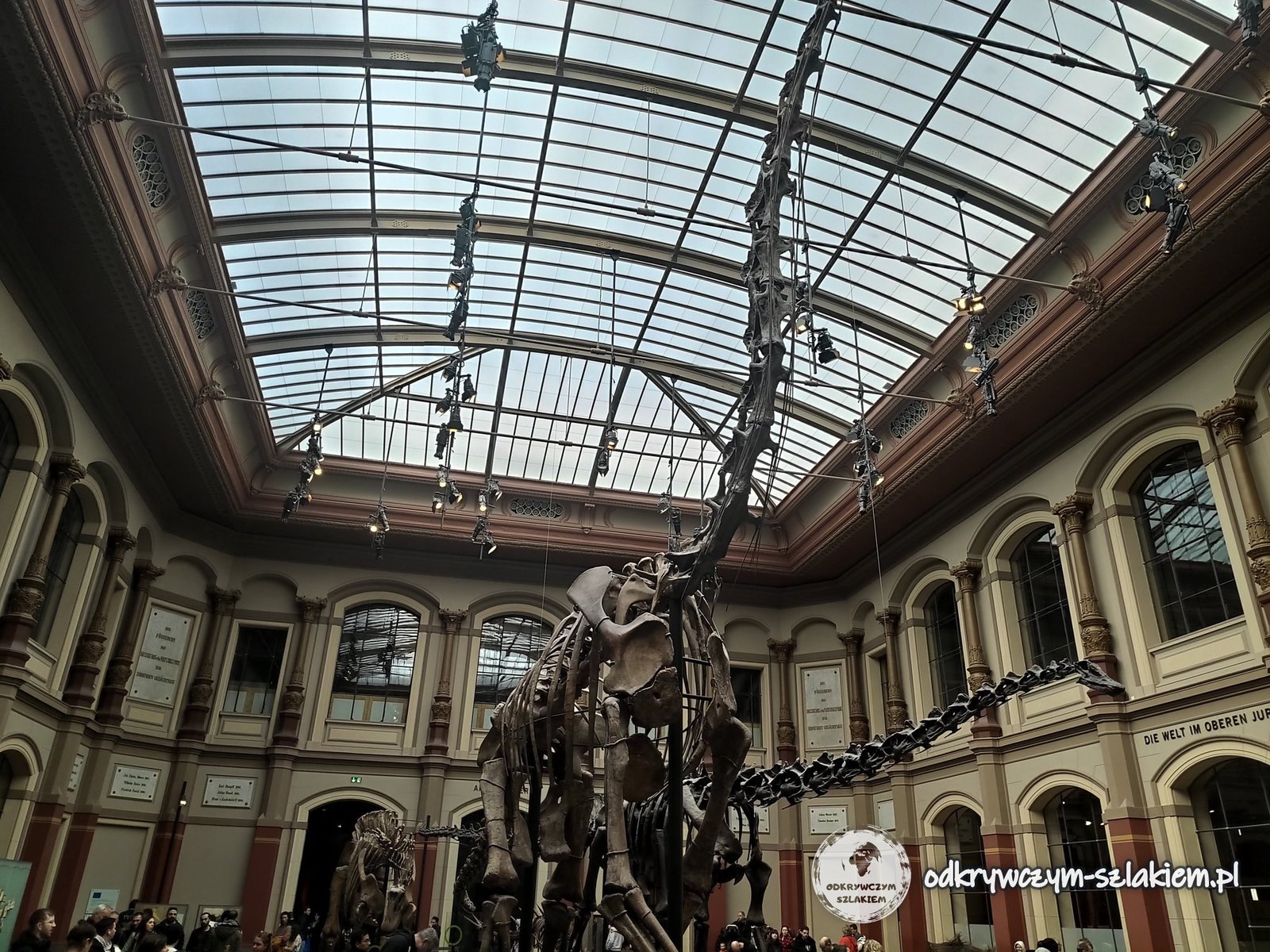
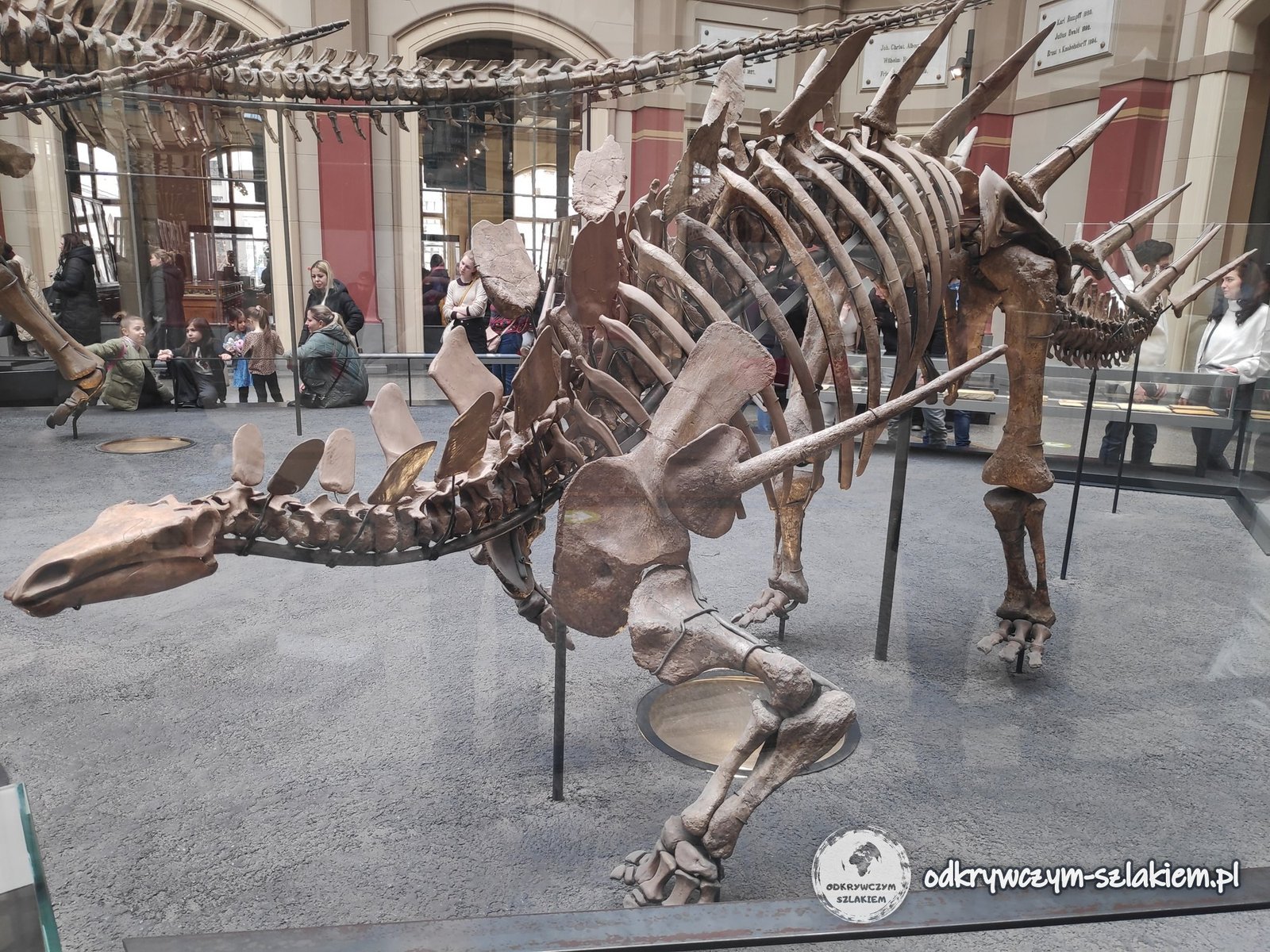
The Natural History Museum (Museum für Naturkunde) on Invalidenstraße is one of the most visited museums in Berlin – on the first Sunday of the month the queue stretched far outside the building. The main attraction is the dinosaur hall under a glass roof. It is home to the skeleton of a Brachiosaurus (Giraffatitan brancai), 13.27 m tall – according to Guinness World Records the tallest mounted dinosaur skeleton in the world. Its bones were dug up at the Tendaguru site in Tanzania – the country where in 2026 I climbed Kilimanjaro. The spiky Kentrosaurus also comes from Tendaguru.
A separate, dimly lit room held Tristan Otto – one of the best-preserved Tyrannosaurus skeletons, with a skull full of teeth that always had a crowd of visitors in front of it. The museum’s real treasure, however, is a small limestone slab: the Berlin specimen of Archaeopteryx, an early bird from about 150 million years ago, considered the best-preserved in the world.
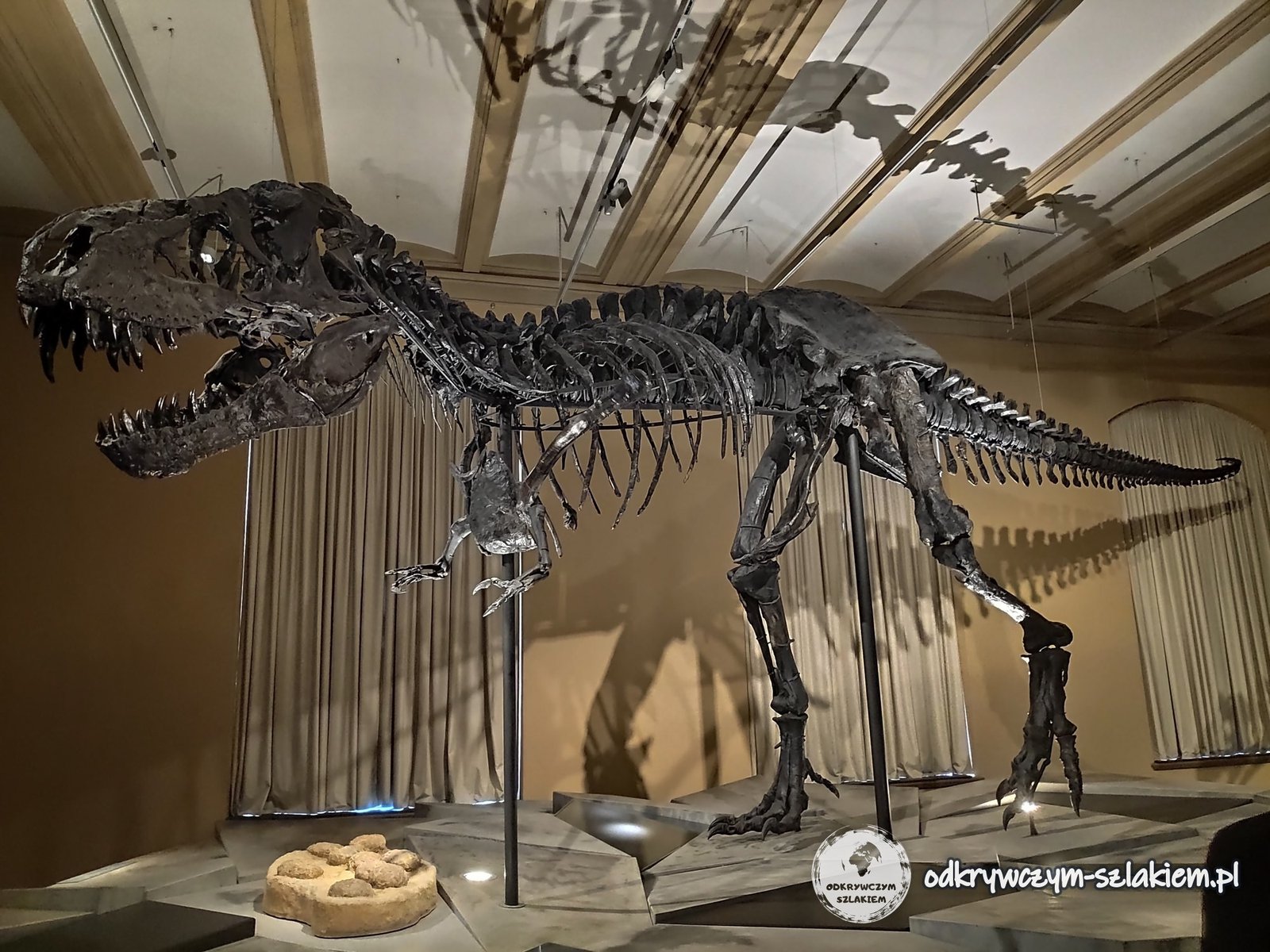
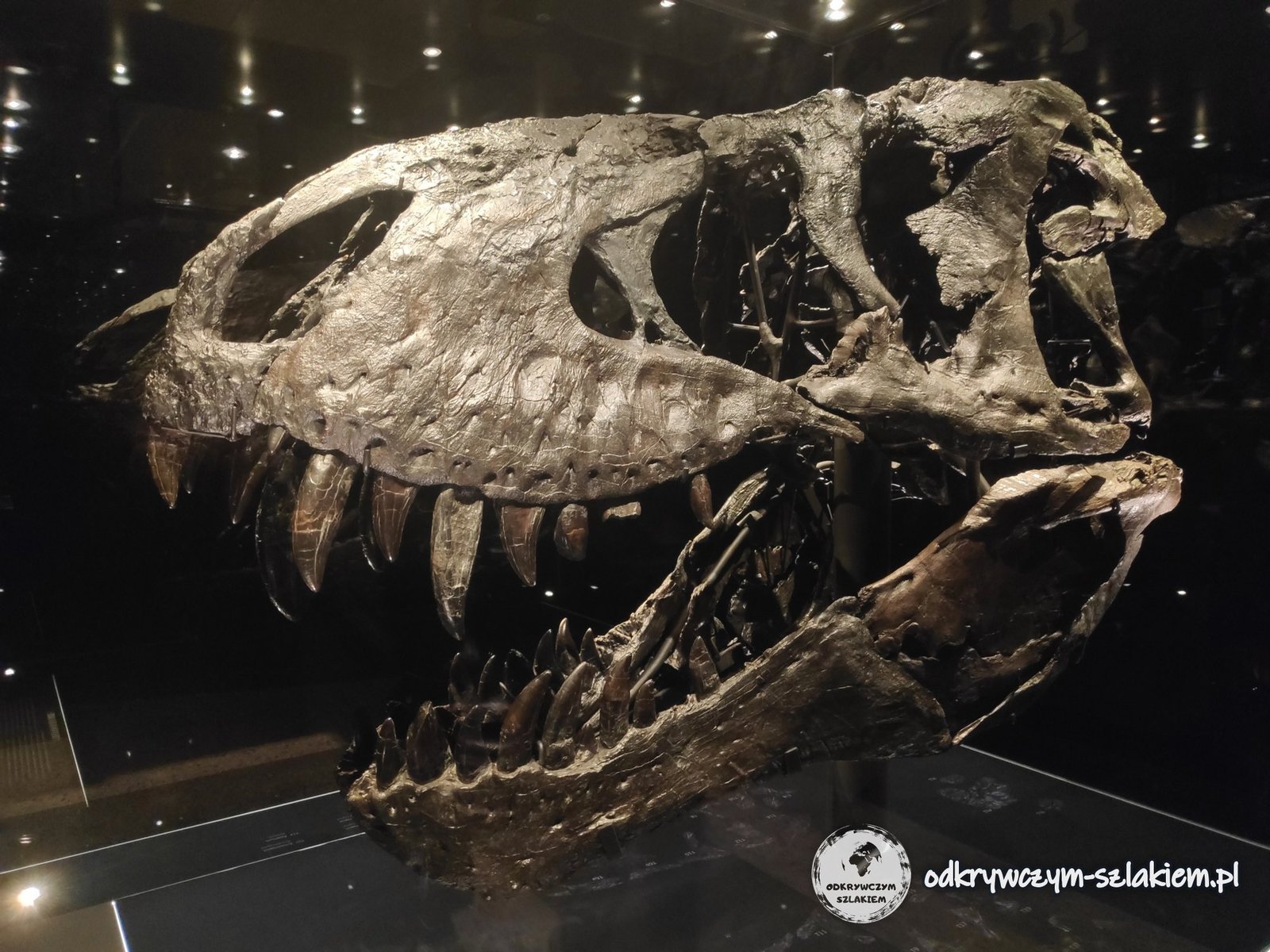
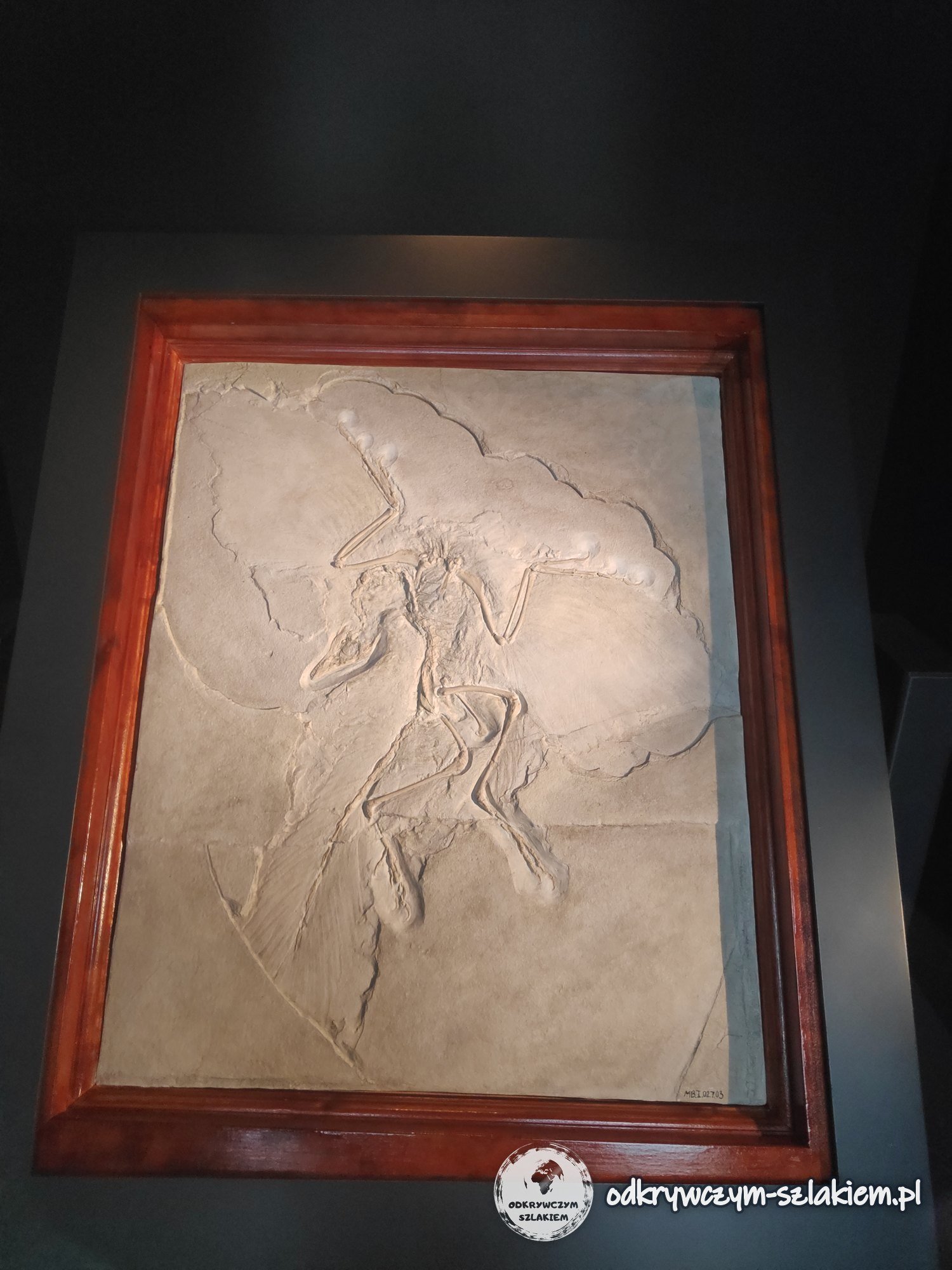
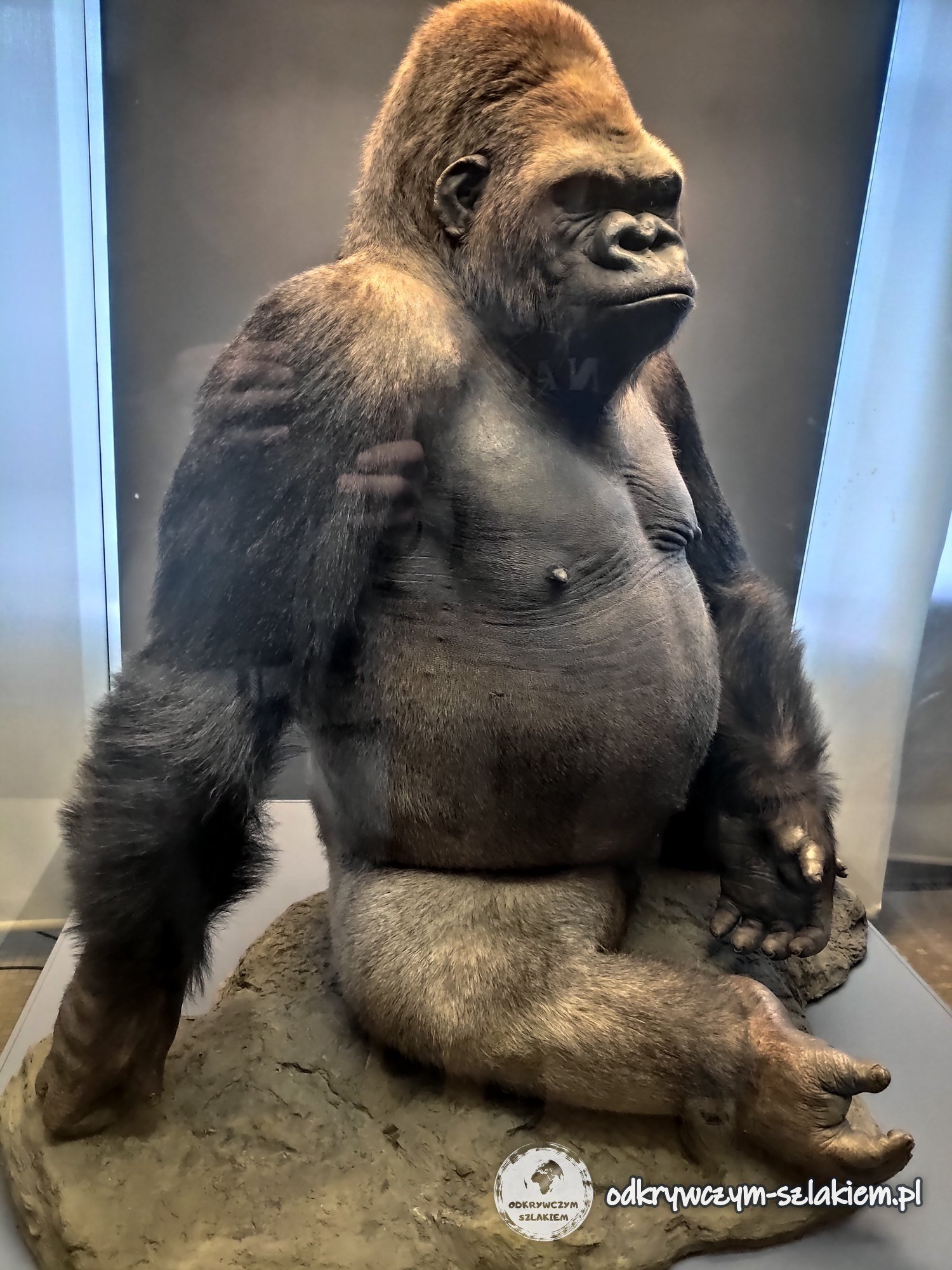
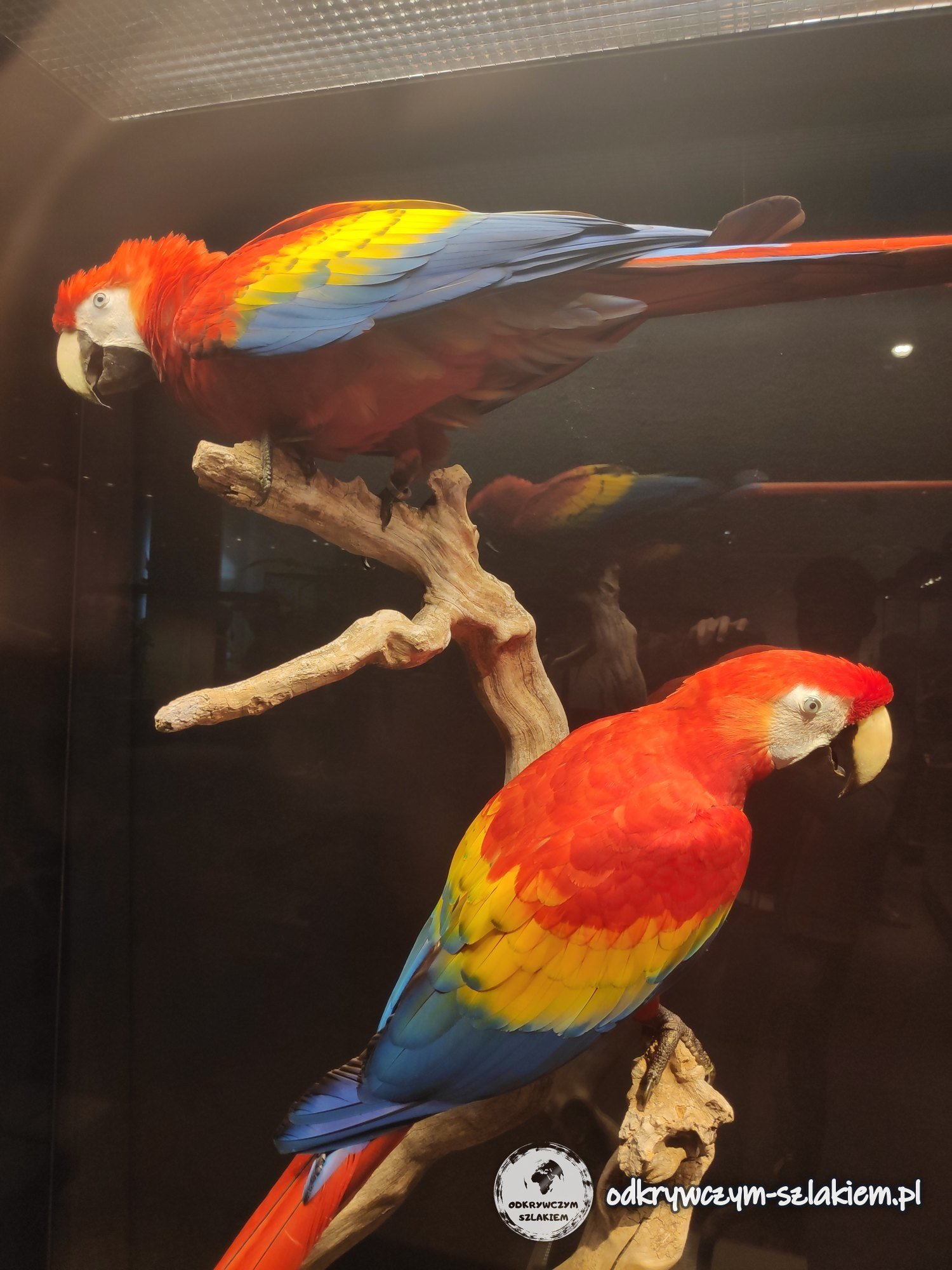
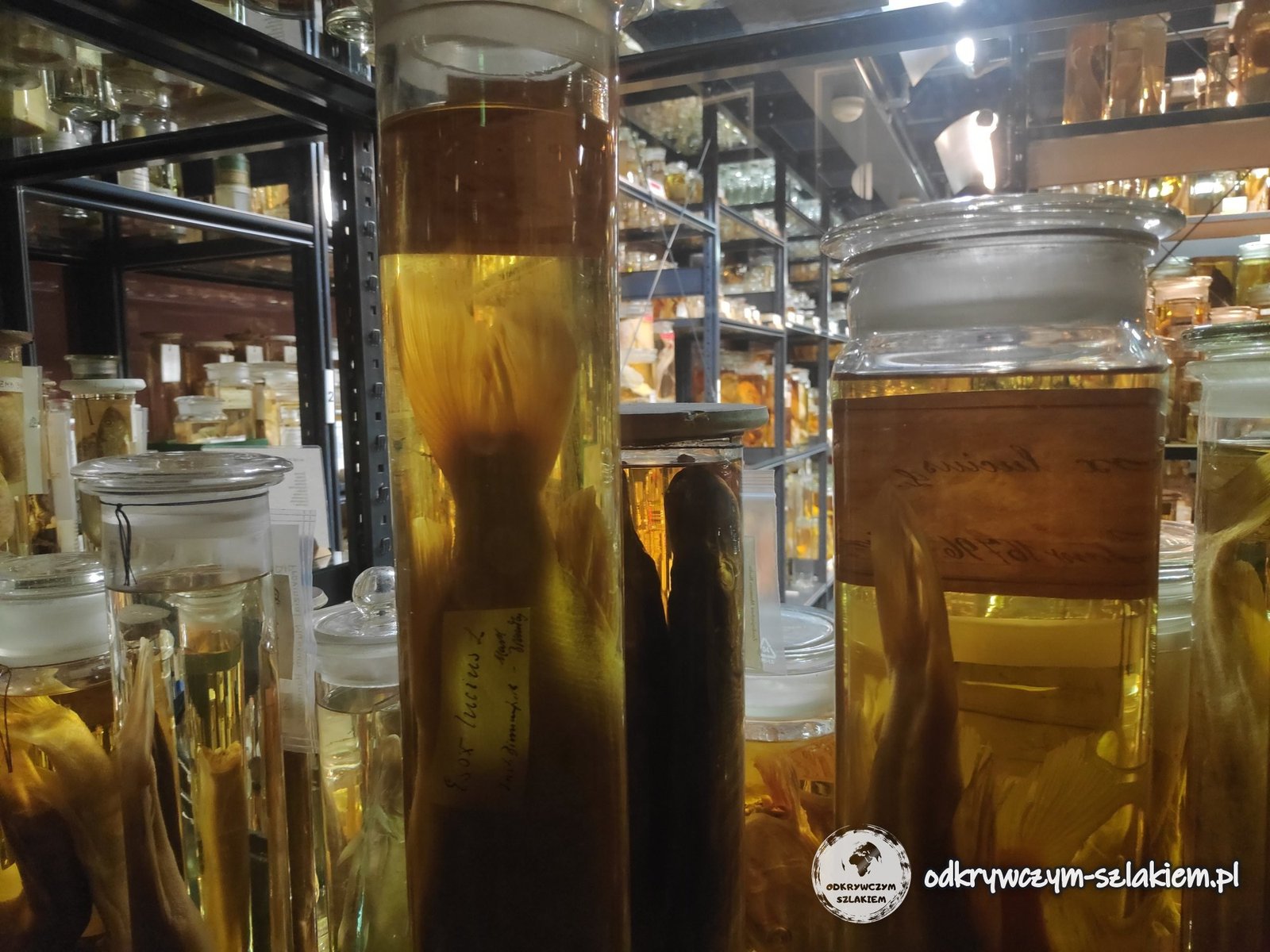
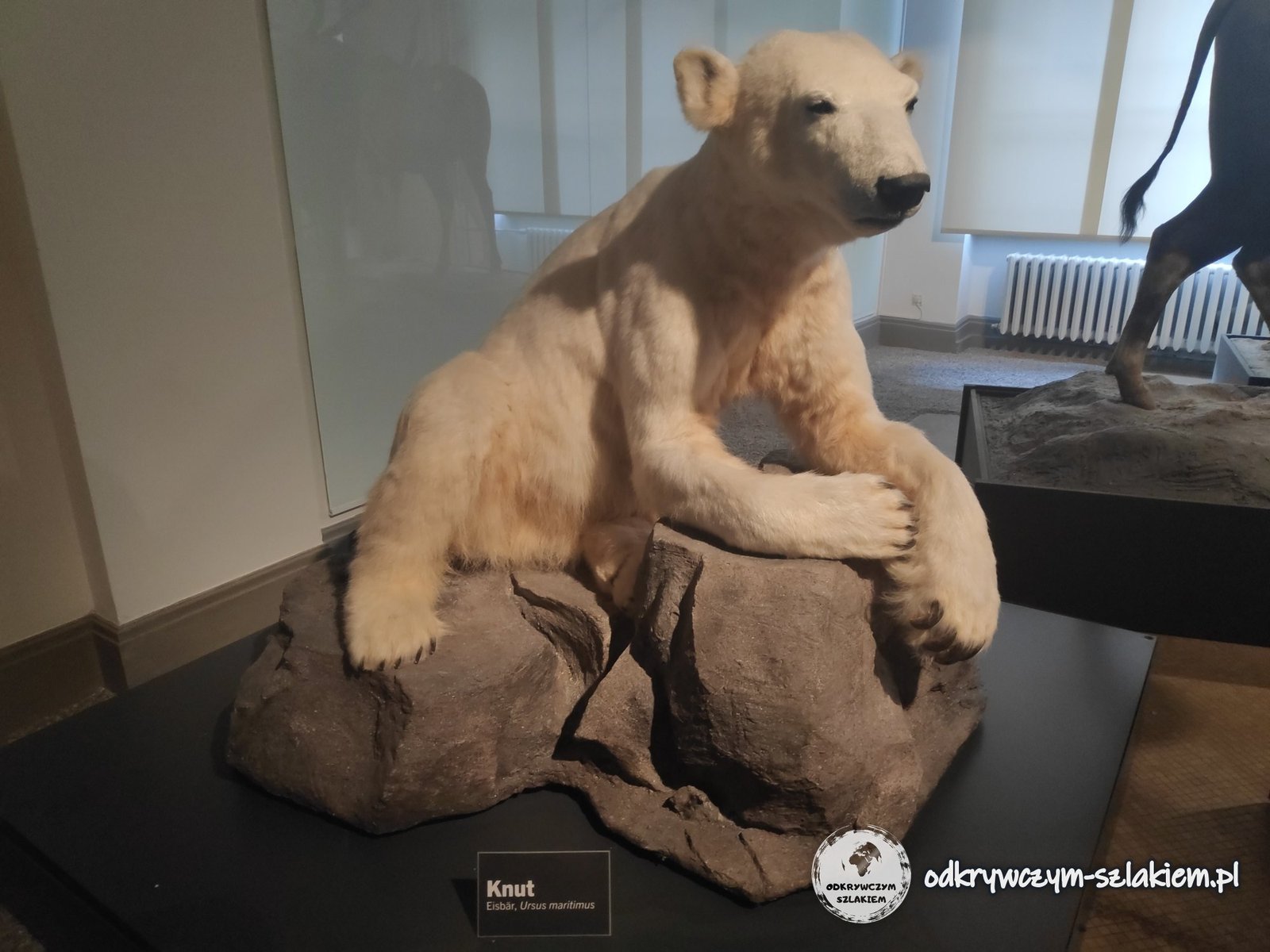
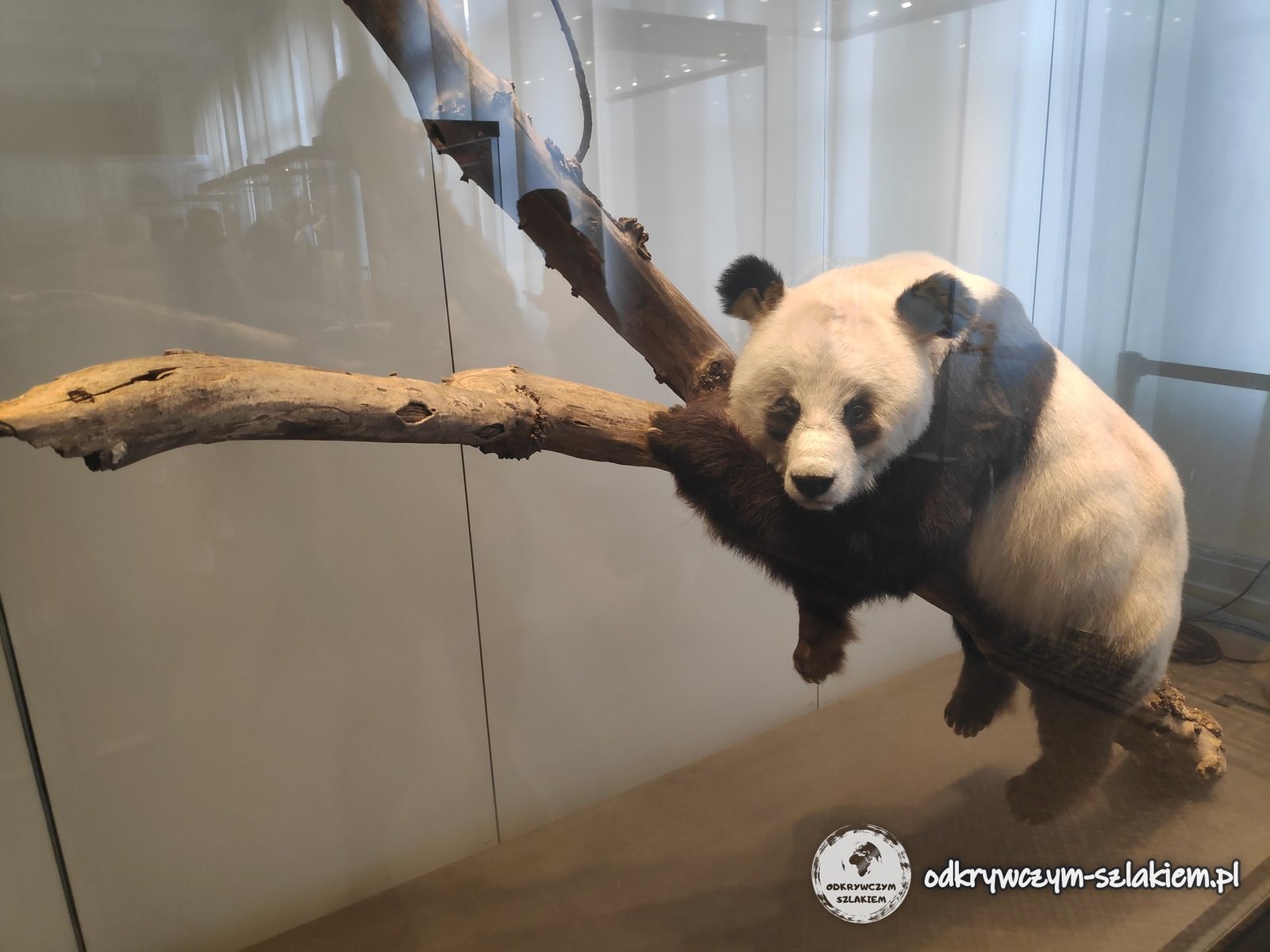
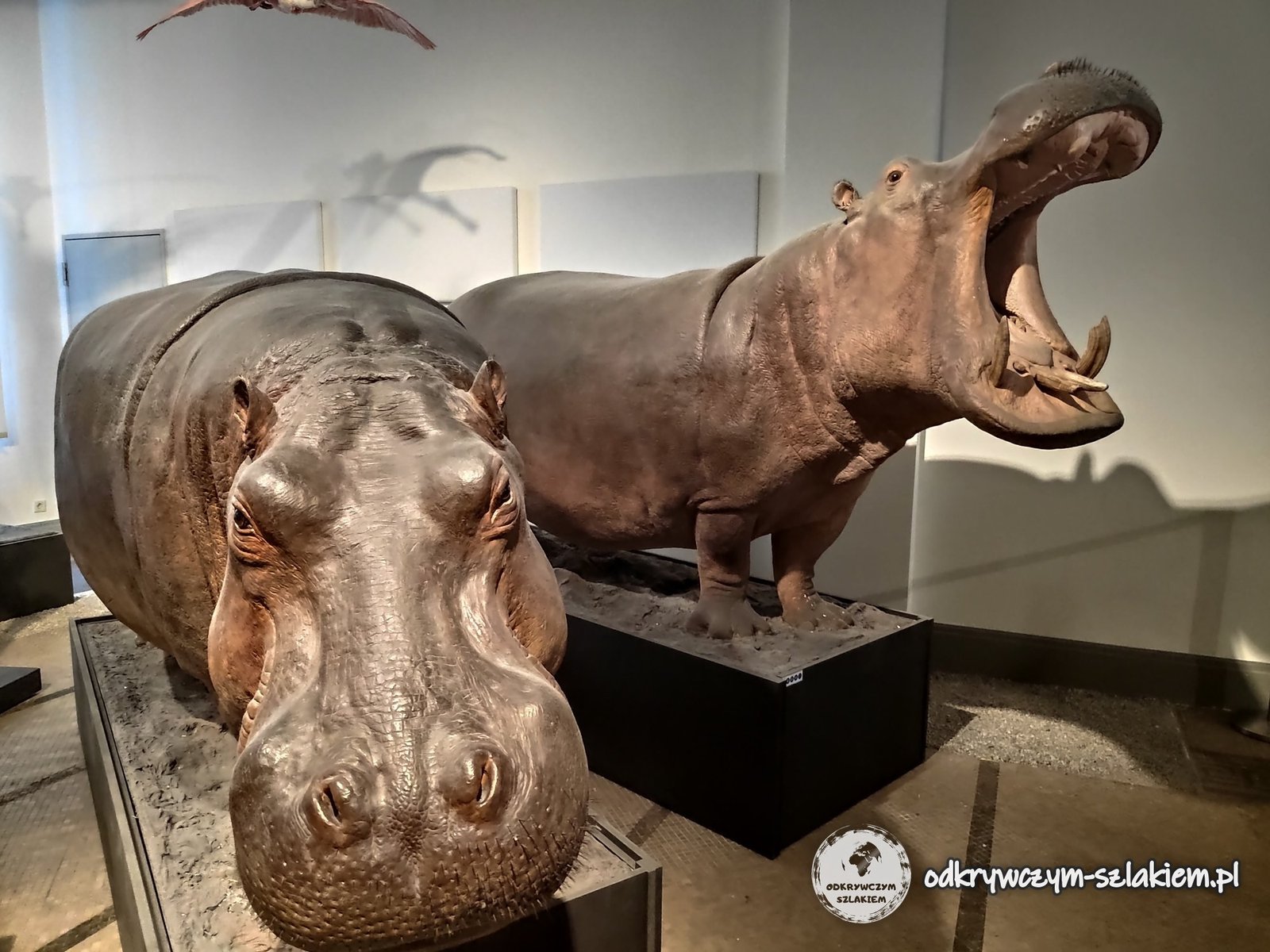
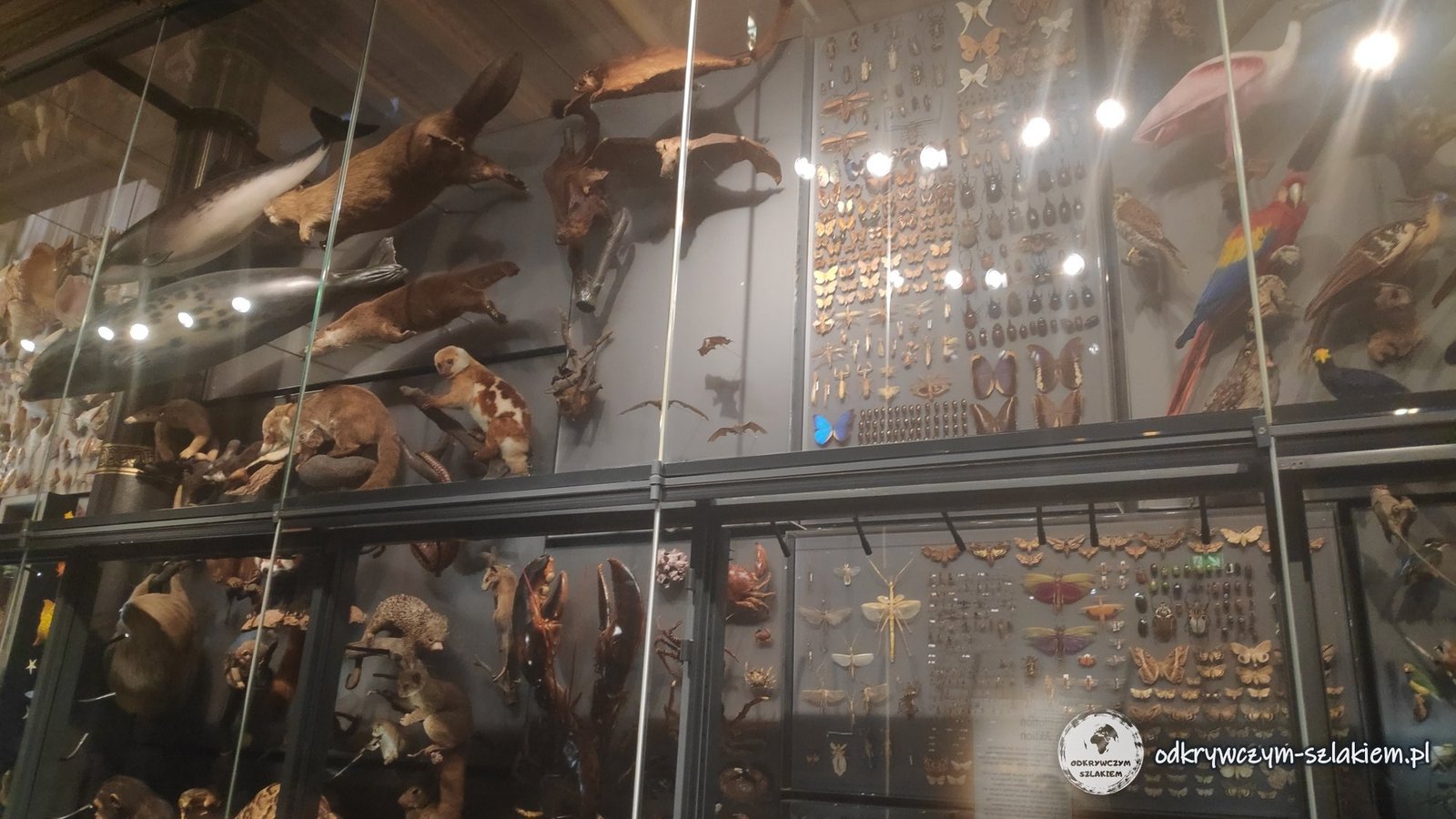
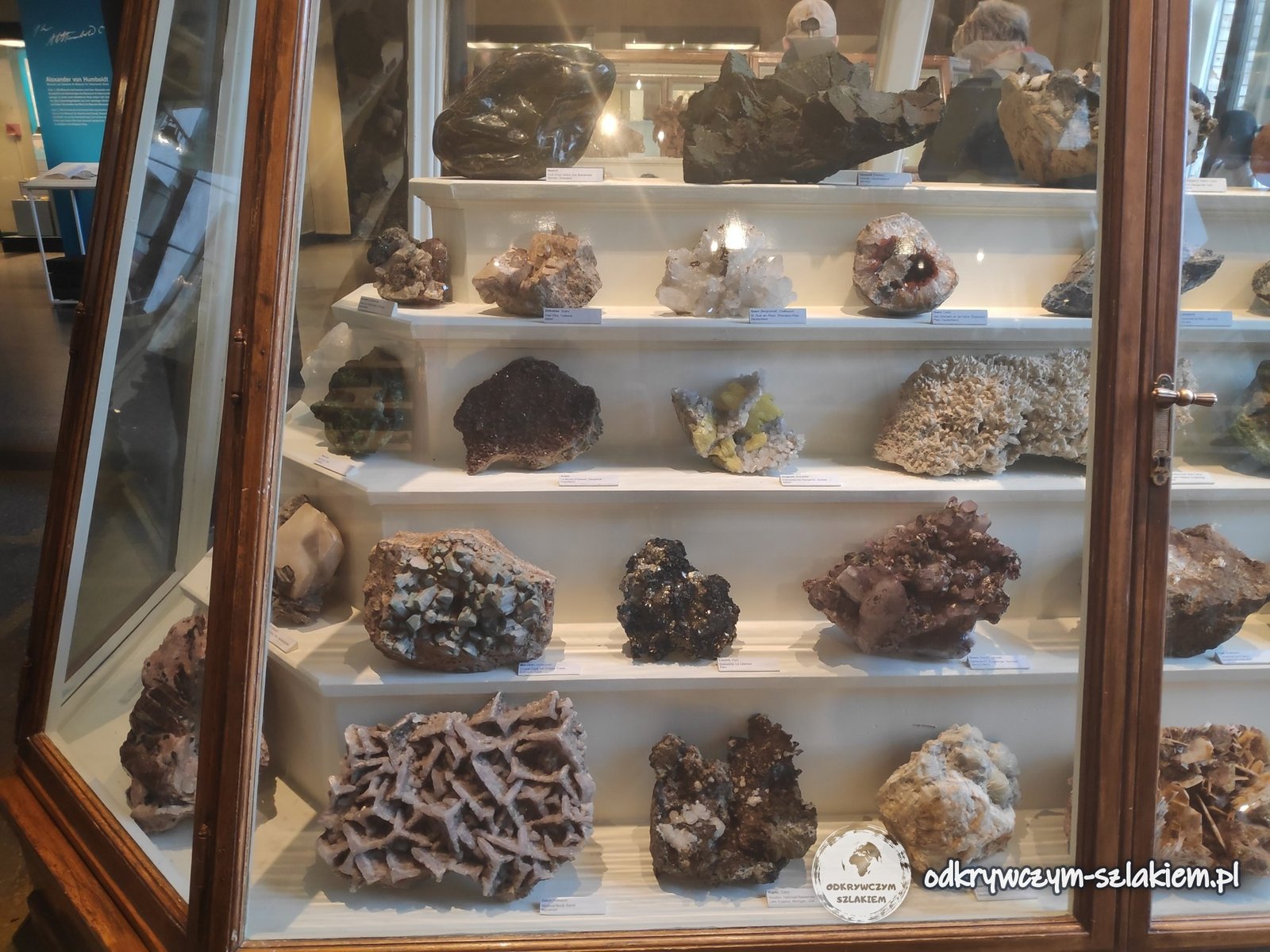
Further rooms show the wet collection – shelves full of jars with specimens preserved in alcohol – and stuffed animals. Among them are two Berlin zoo stars: the polar bear Knut, whom the whole world talked about between 2007 and 2011, and the giant panda Bao Bao. To finish, a huge biodiversity wall and a hall of minerals.
Hamburger Bahnhof – contemporary art in a former railway station
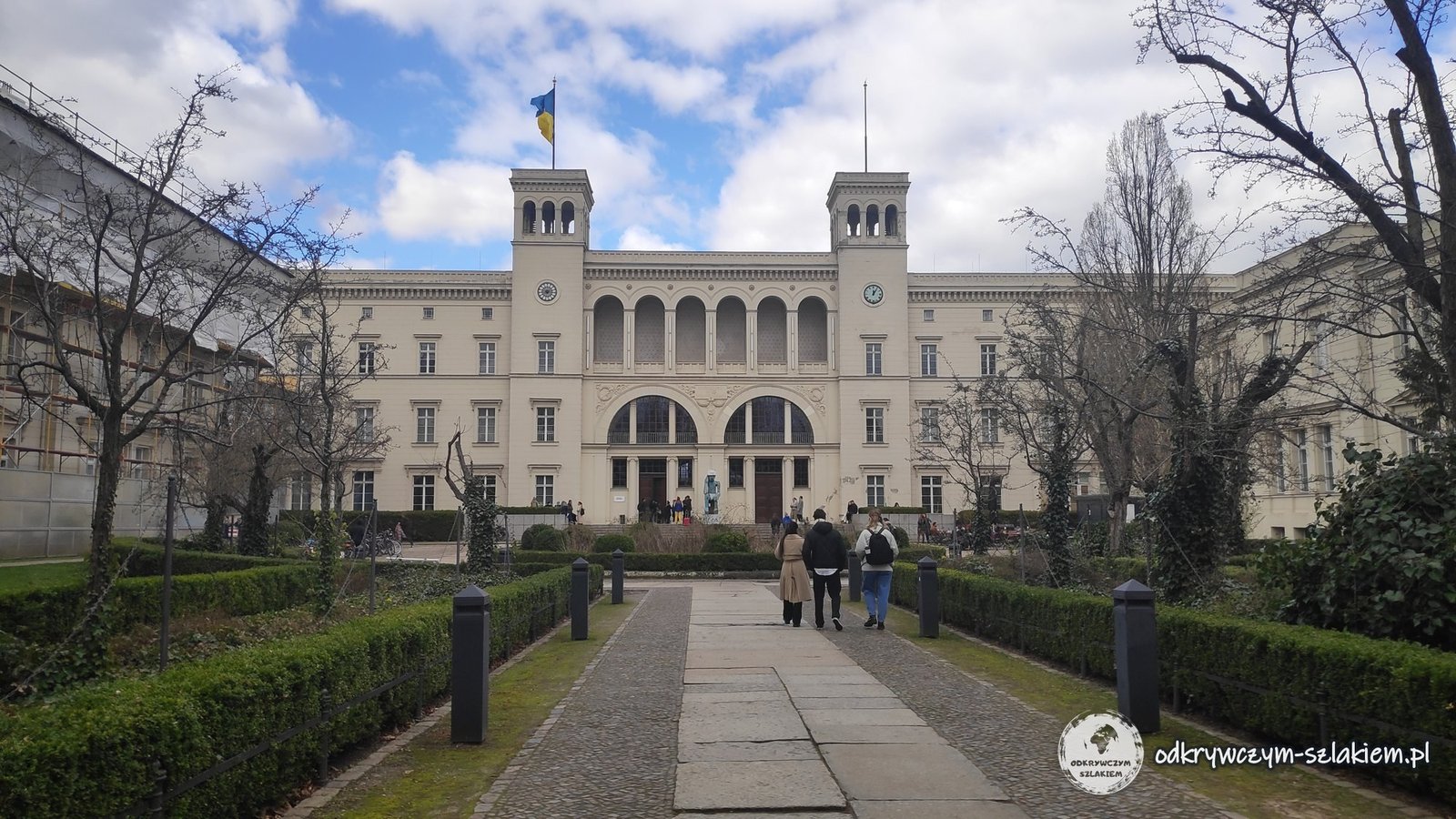
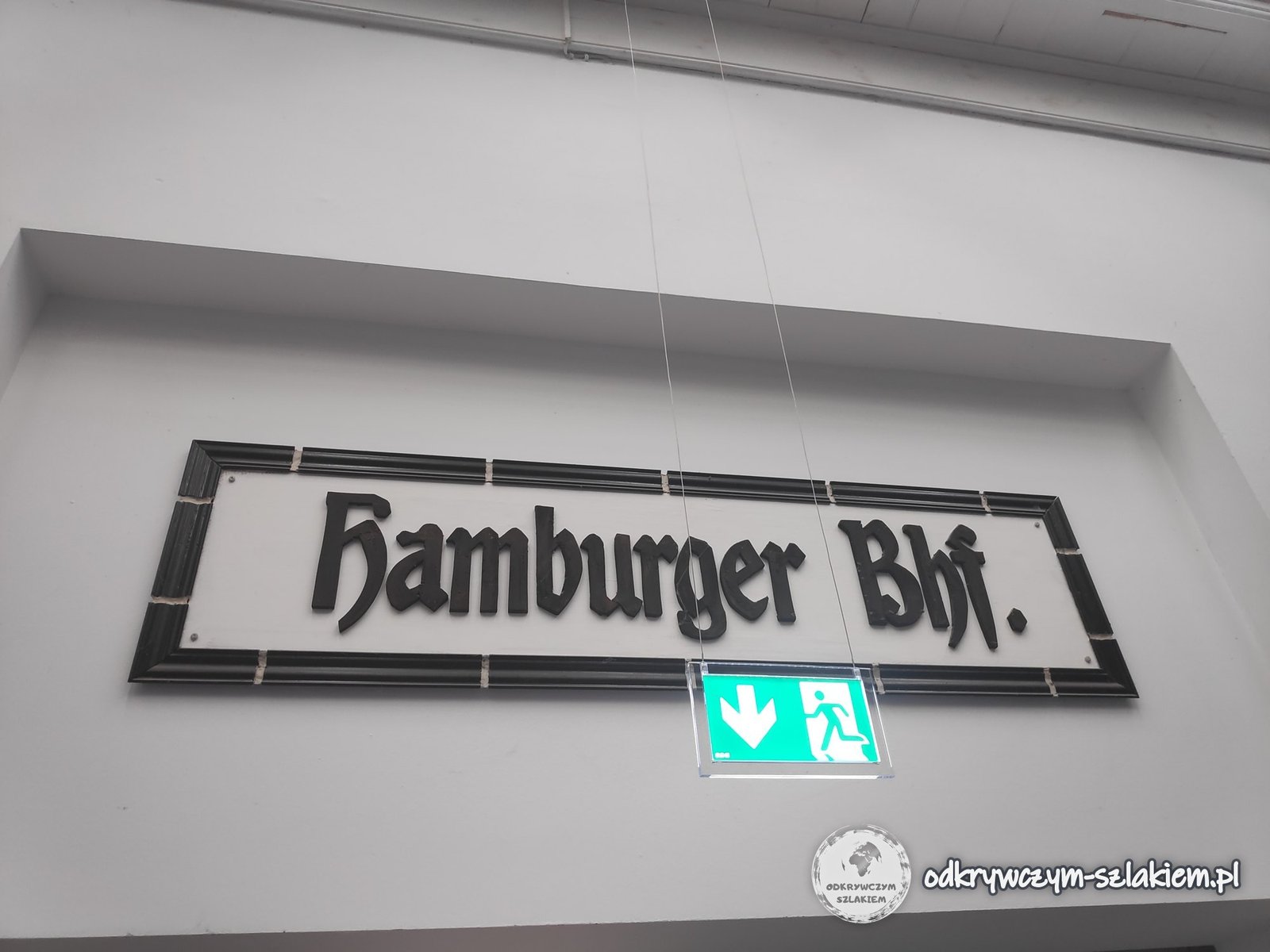
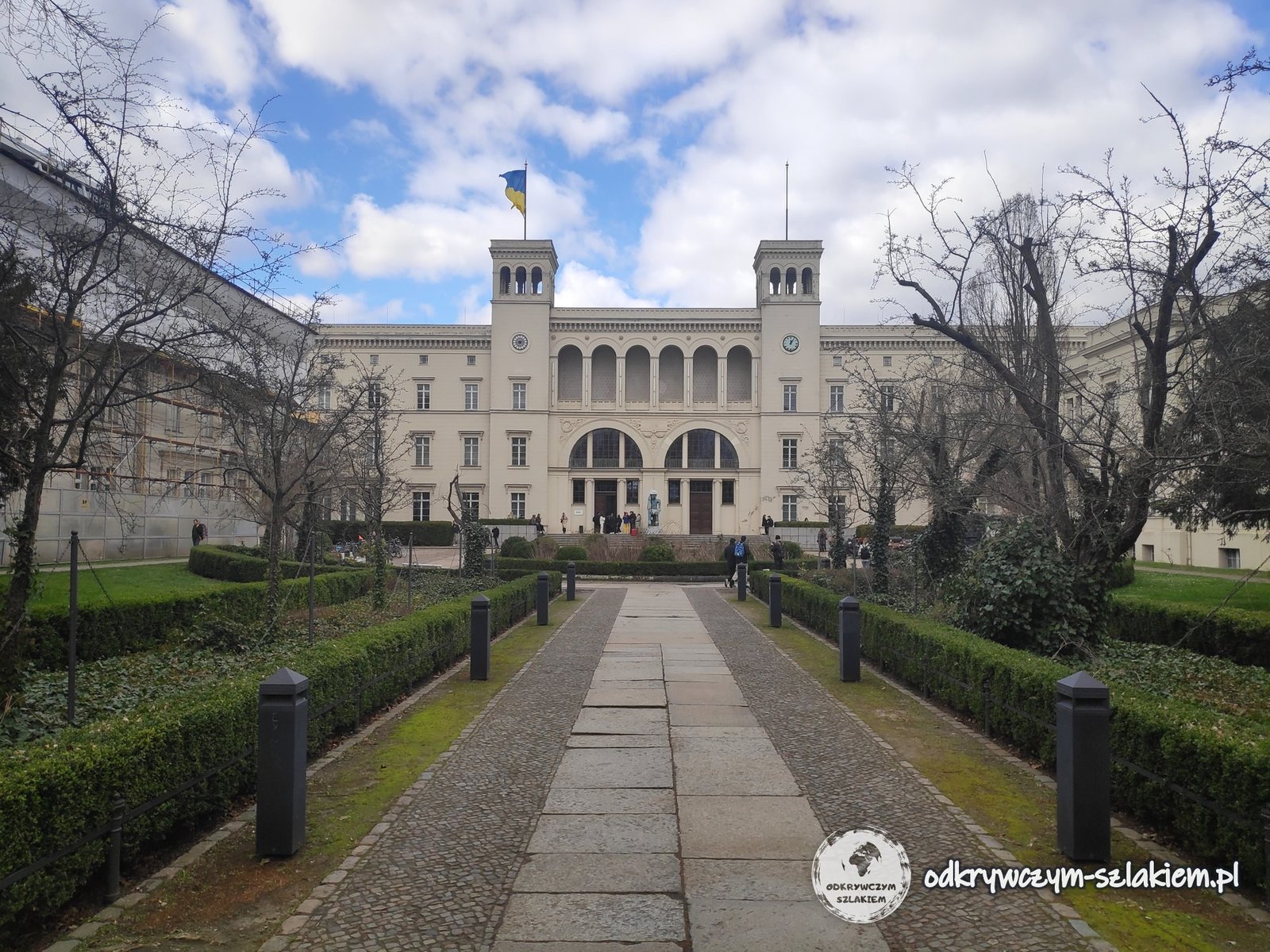
The Hamburger Bahnhof, a few minutes’ walk from Berlin Central Station, is one of the oldest railway stations in the city – in 1846 trains to Hamburg departed from here. Since 1996 the former station building has housed the National Gallery’s museum of contemporary art. Inside, the old train shed with its cast-iron roof structure and the old “Hamburger Bhf.” sign have survived.
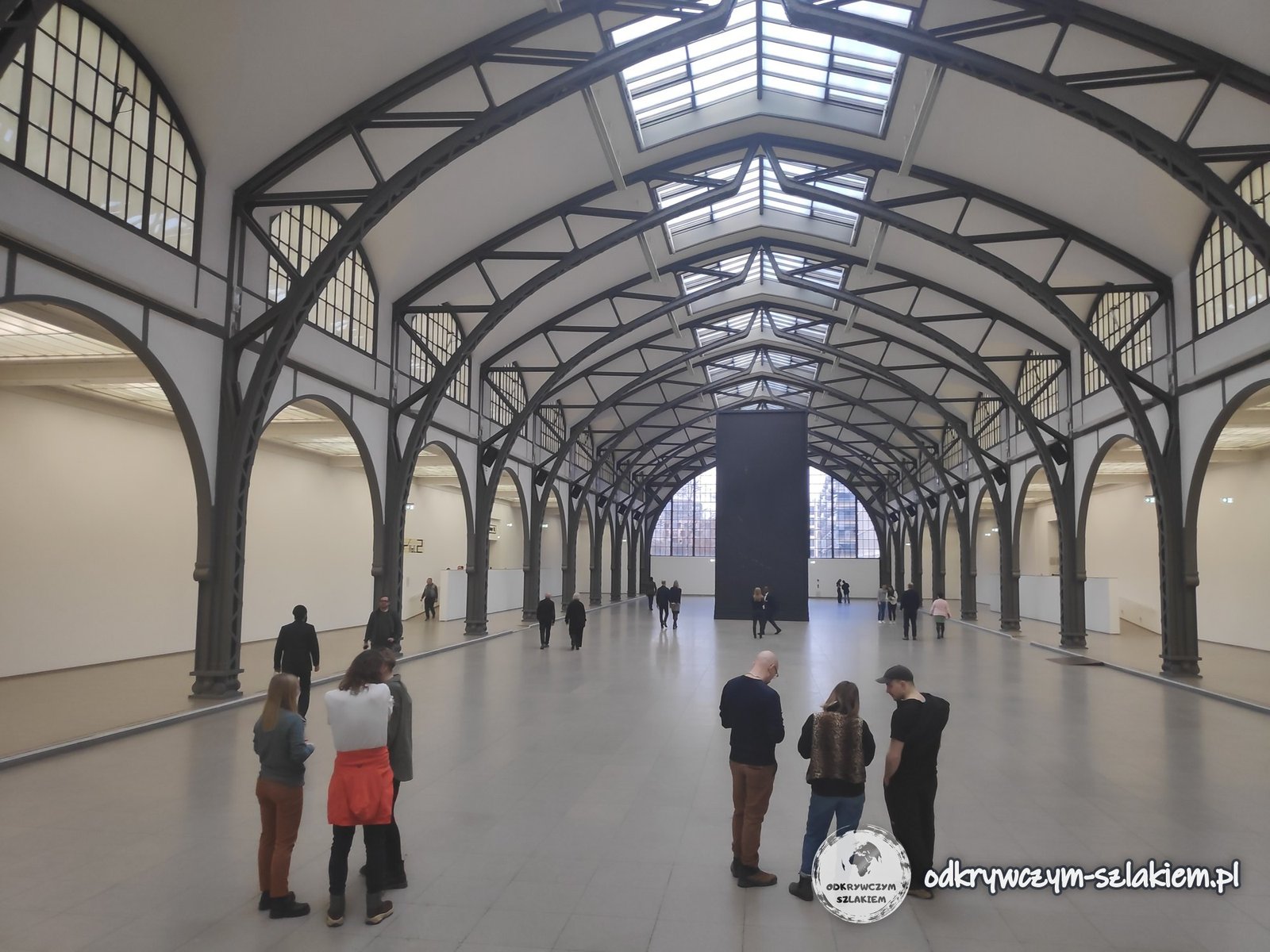
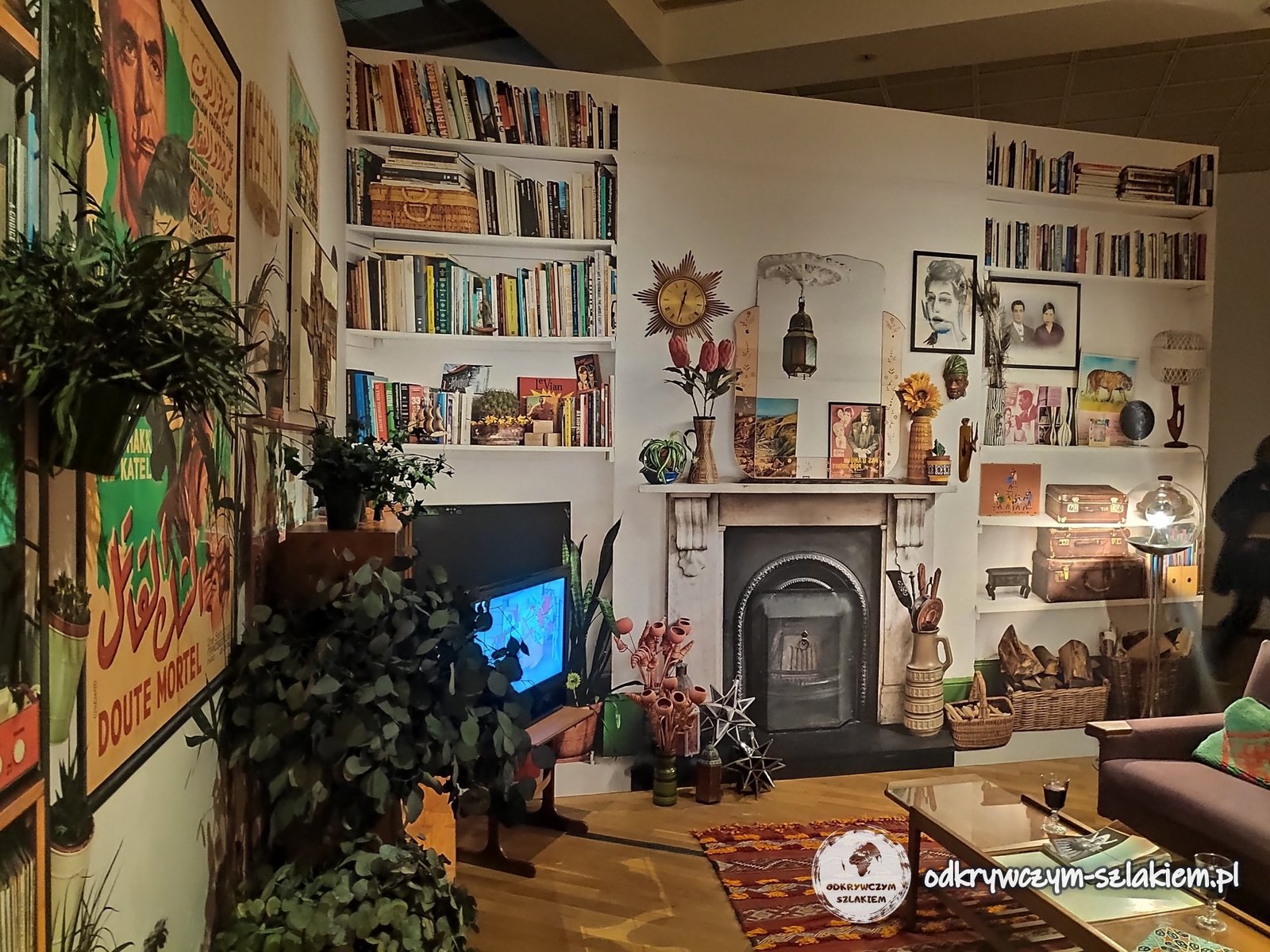
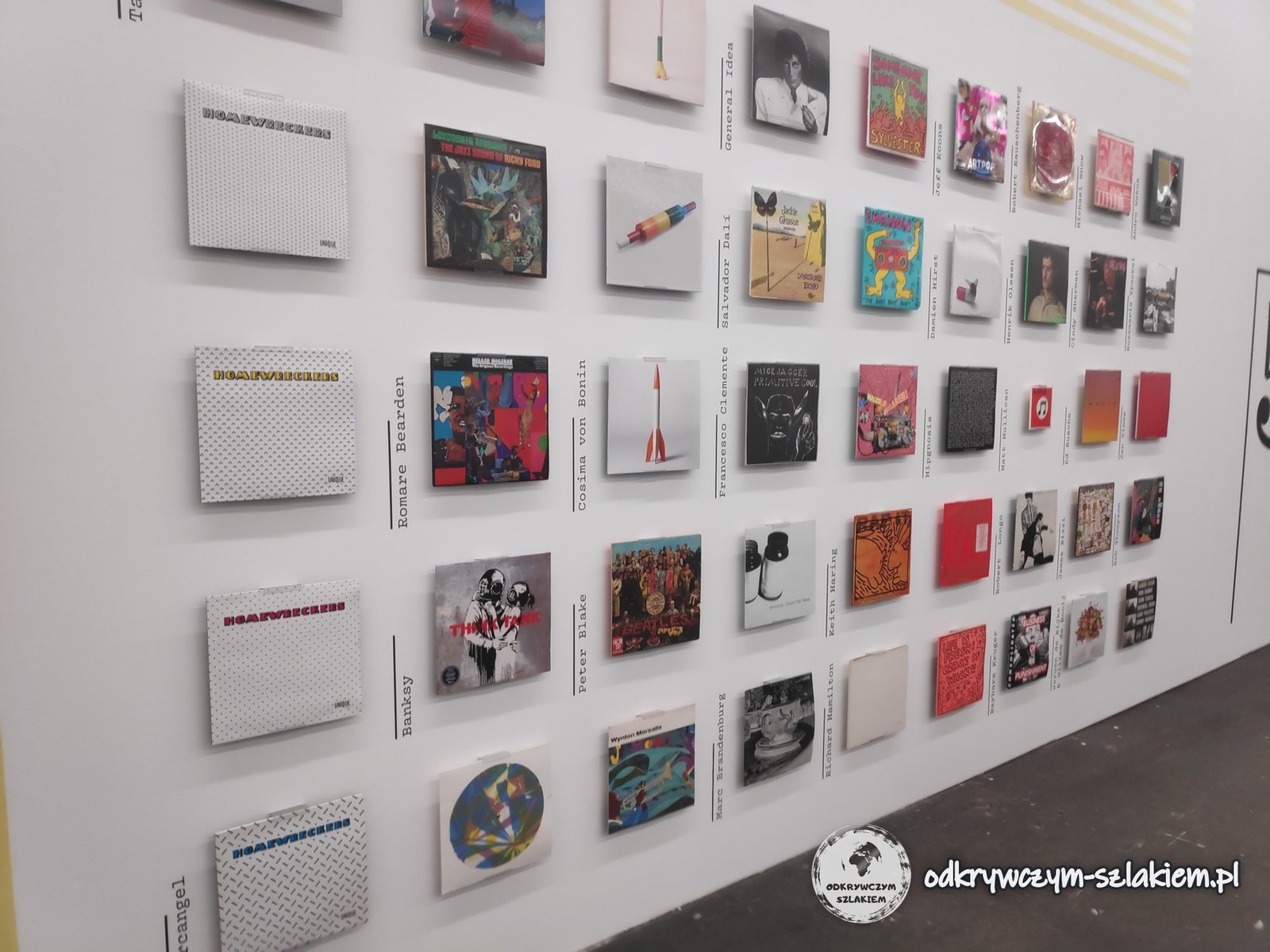
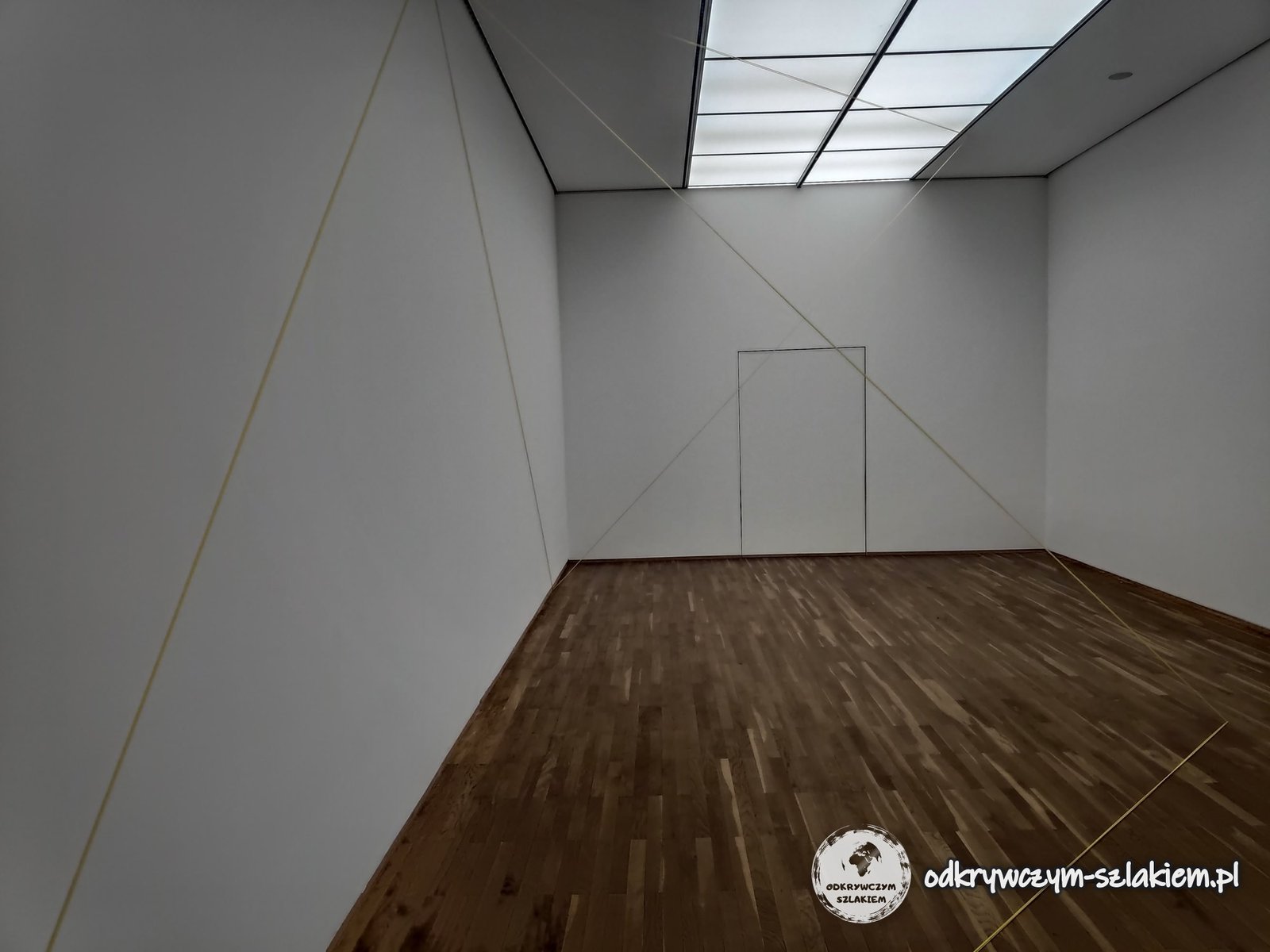
The exhibitions change every few months. In April 2023 I caught Zineb Sedira’s “Dreams Have No Titles”, where the rooms were arranged like film sets – with a bar, a living room full of books and a room with a camera – as well as the minimalist installations of Fred Sandback, made solely of threads stretched through space.
German Museum of Technology – trains, planes and the first computer
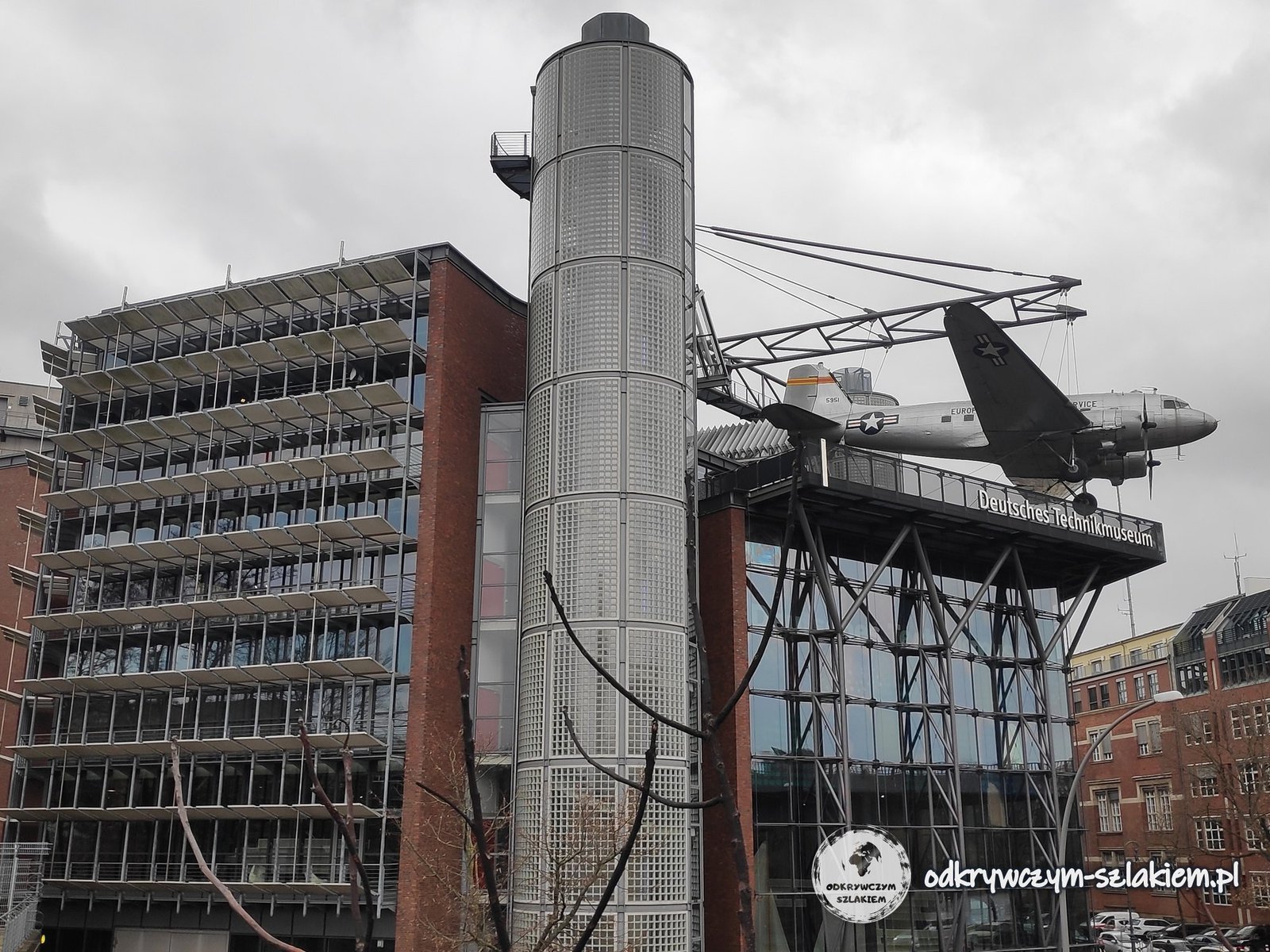
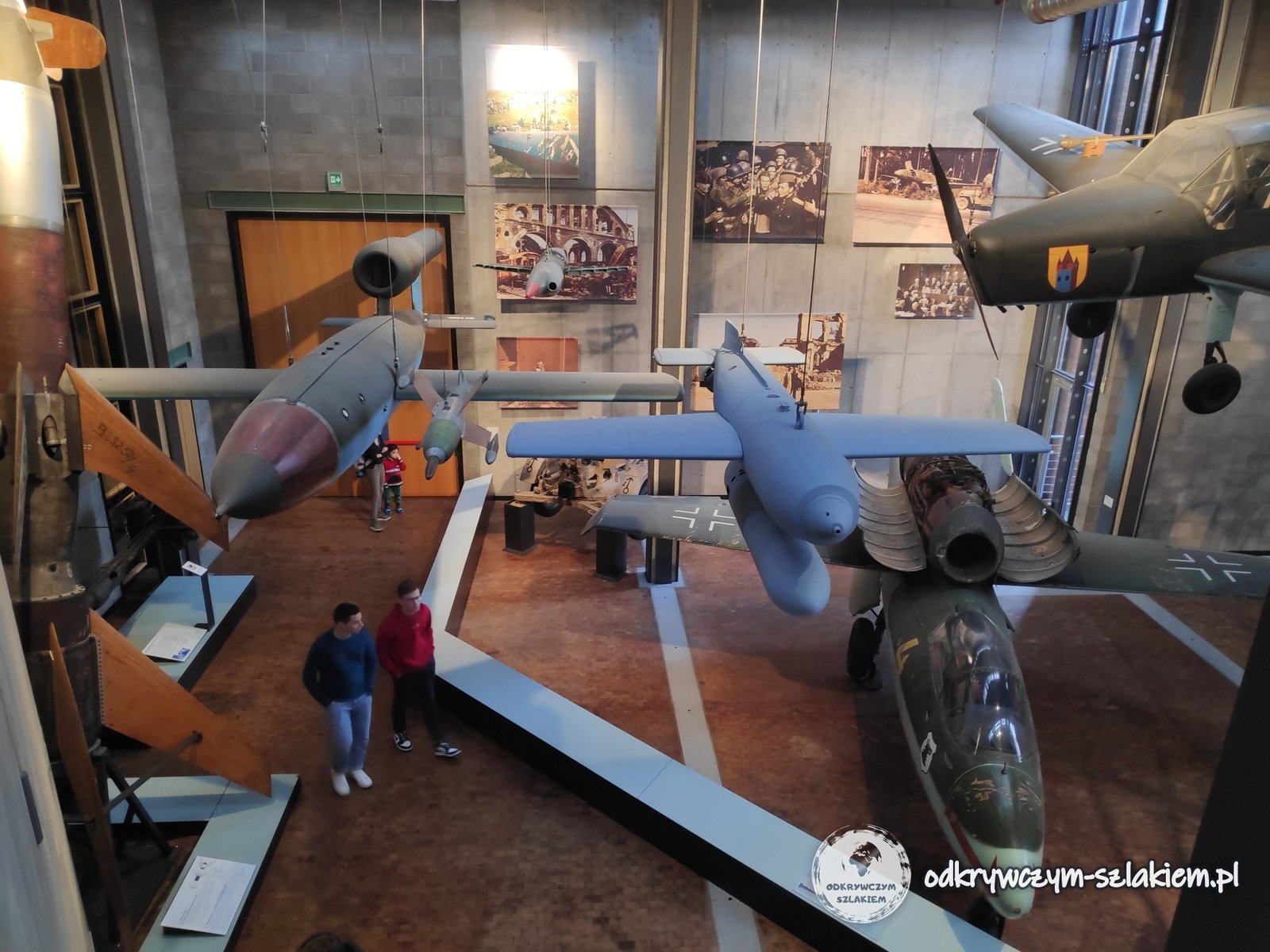
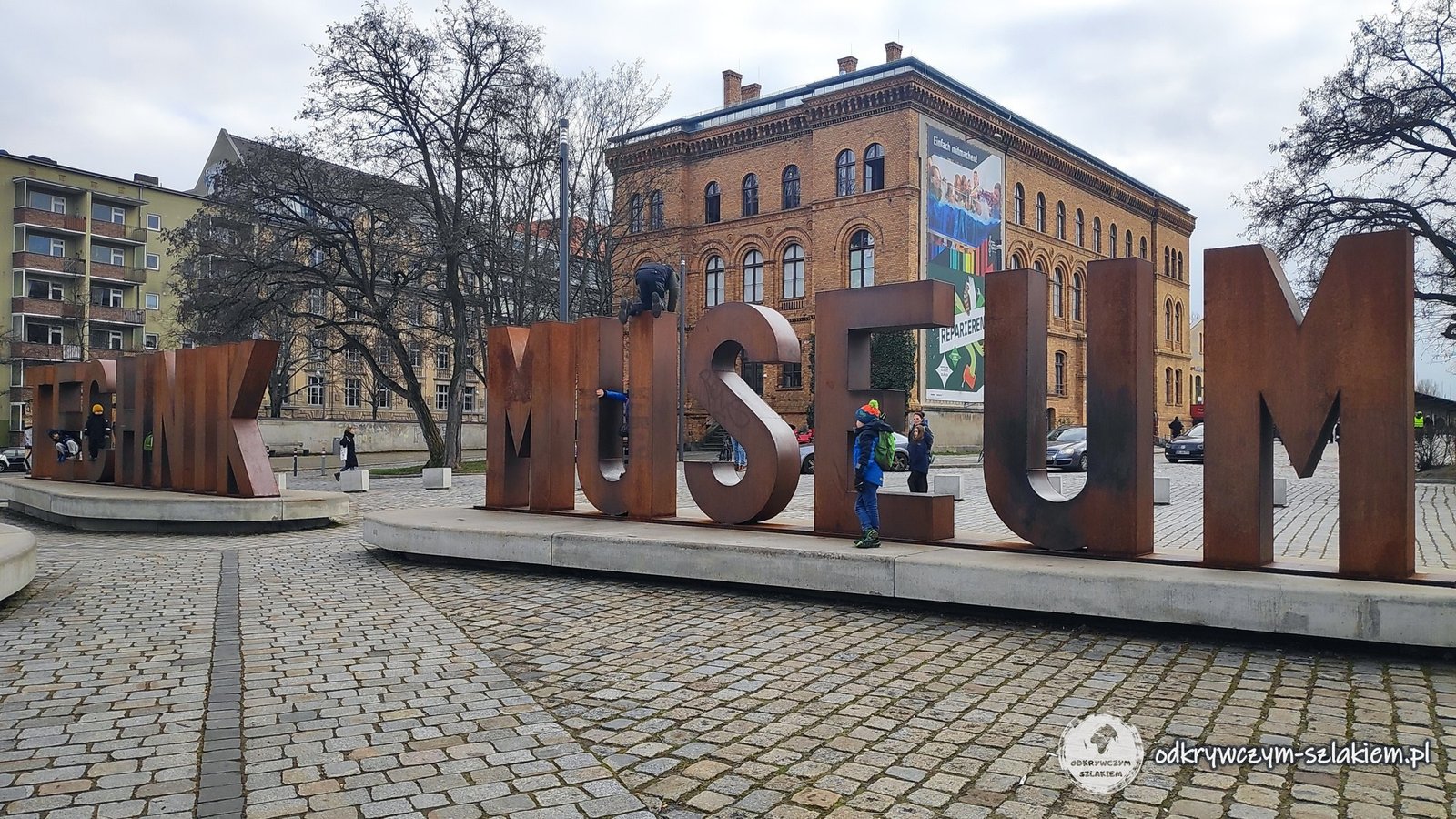
The German Museum of Technology (Deutsches Technikmuseum) in the Kreuzberg district can be recognised from afar – an American C-47 transport plane, the so-called “Rosinenbomber” (raisin bomber), hangs on the roof of the new wing, a reminder of the airlift to West Berlin in 1948–1949. I was here in March 2023, and you can easily spend a whole day inside.
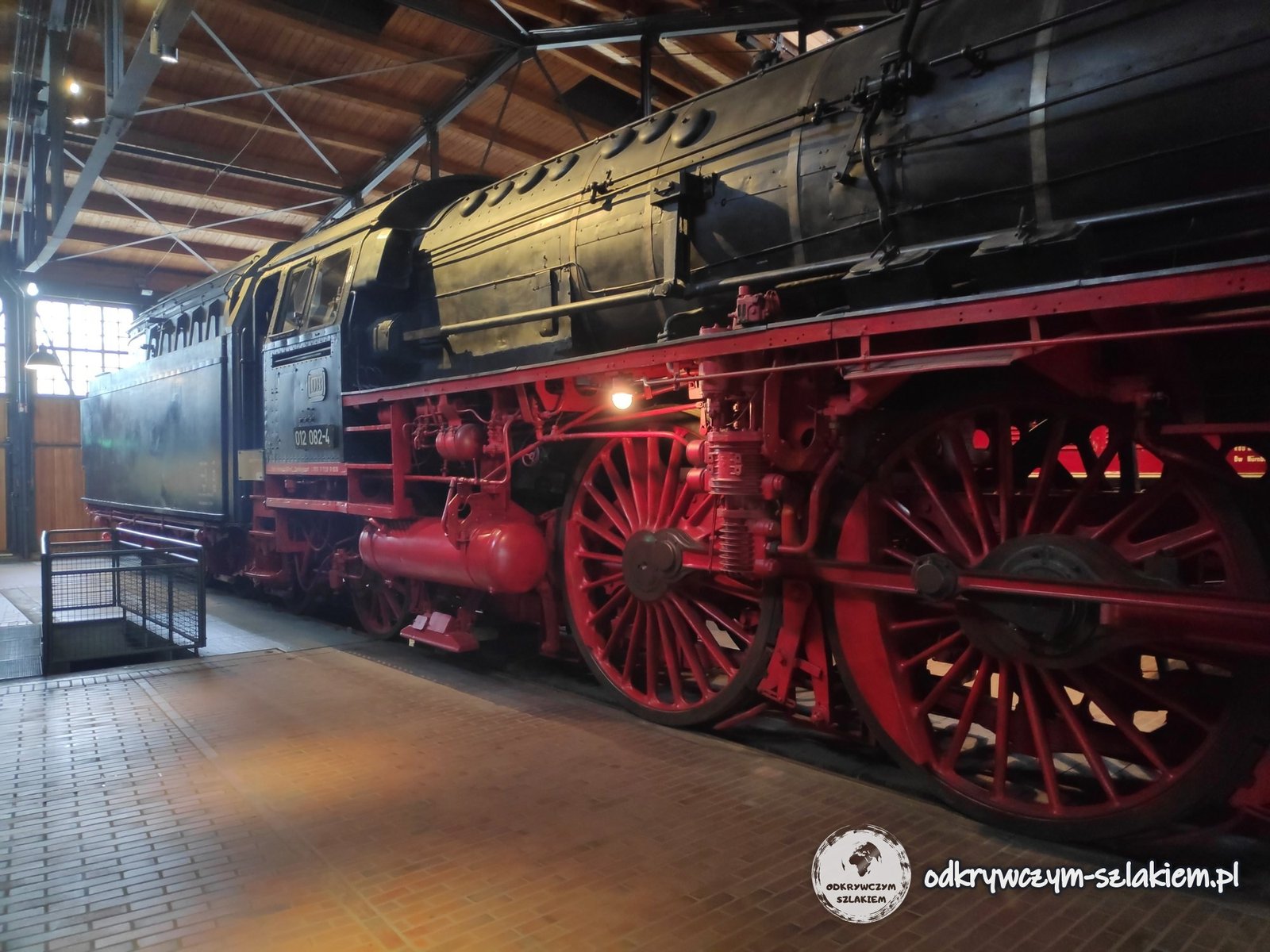
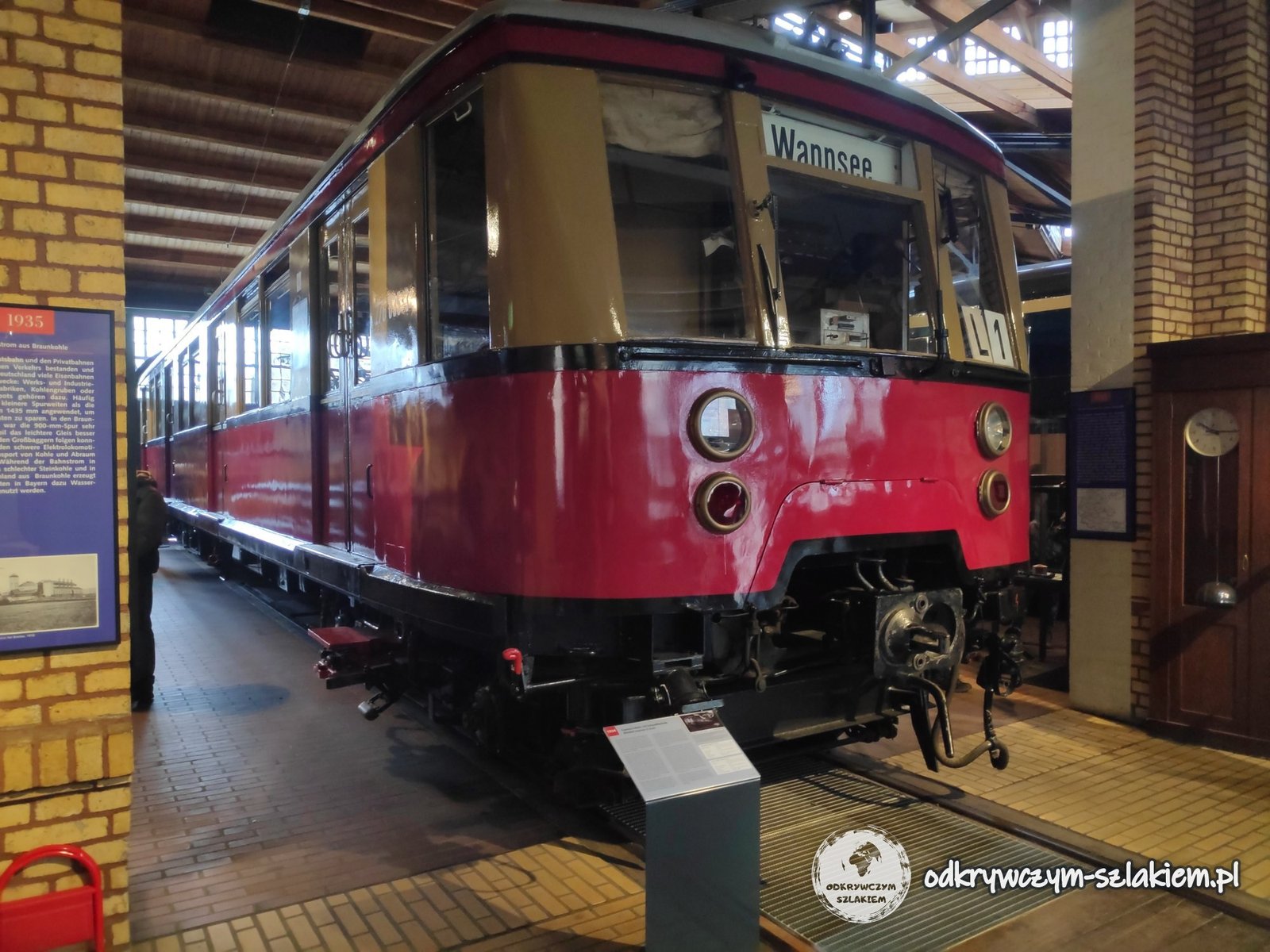
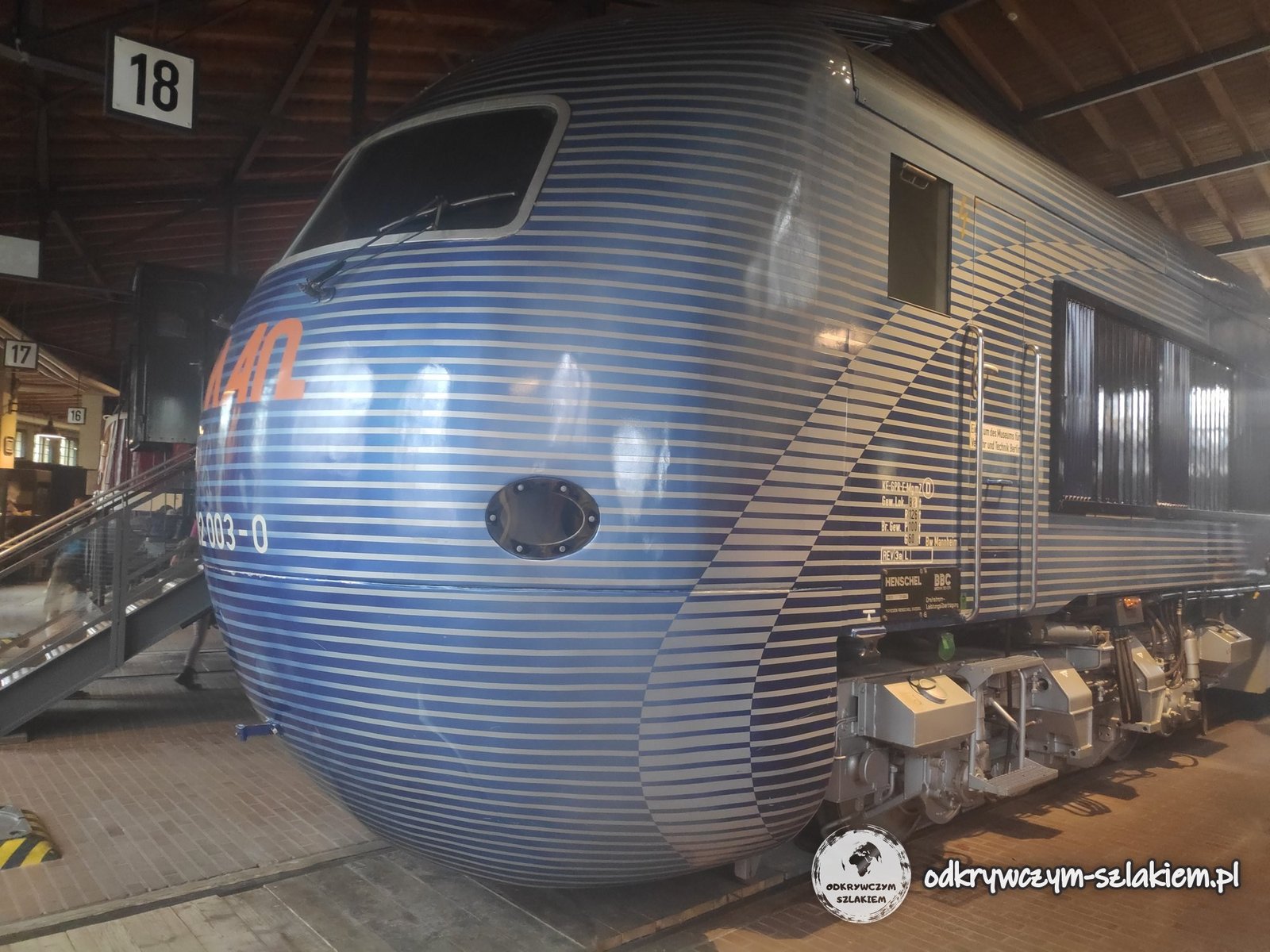
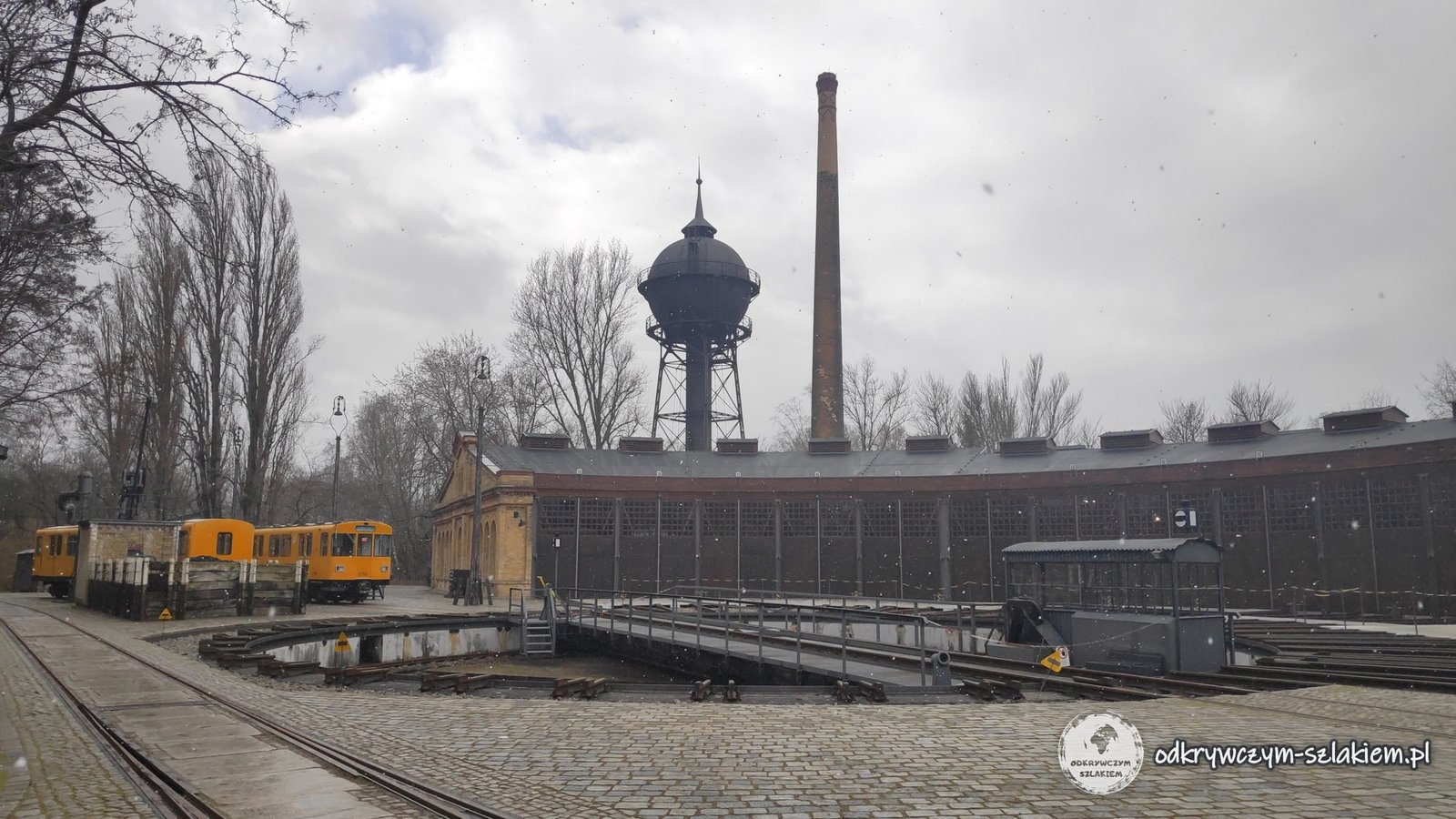
The museum was built on the site of a former goods station, and its heart is two historic locomotive sheds with dozens of engines and carriages – from steam locomotives with red wheels, through old Berlin S-Bahn trains, to streamlined railcars. Among them stands a freight wagon recalling the deportation of Jews by rail during the Second World War.
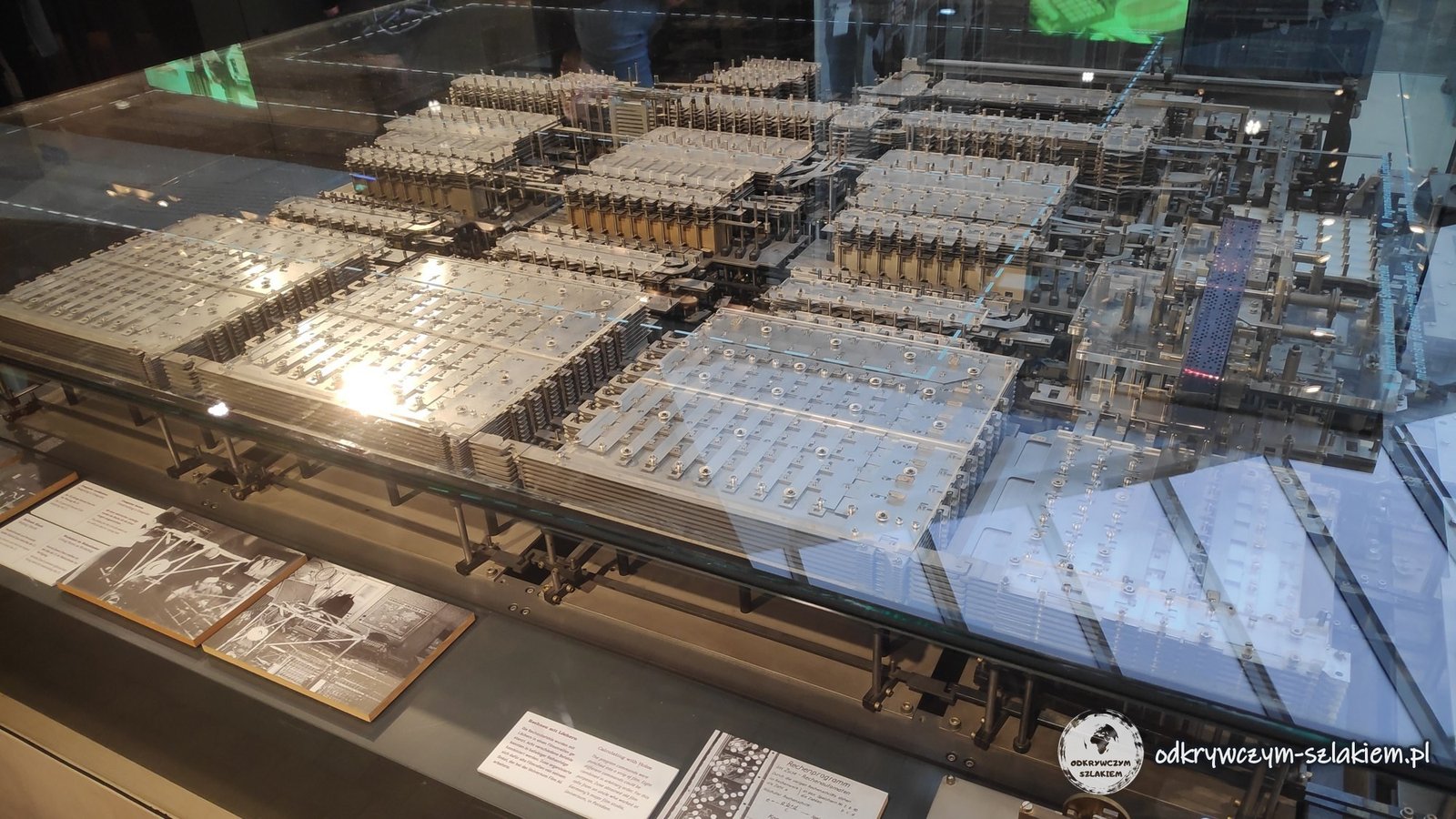
An interesting section is devoted to Konrad Zuse, with a replica of the Z1 – a mechanical computer built in Berlin in 1936–1938, the predecessor of the Z3, which is regarded as the first working programmable computer. The new wing has aircraft, including a Junkers Ju 52 in Lufthansa livery, and a shipping section with models of sailing ships and a real tugboat.
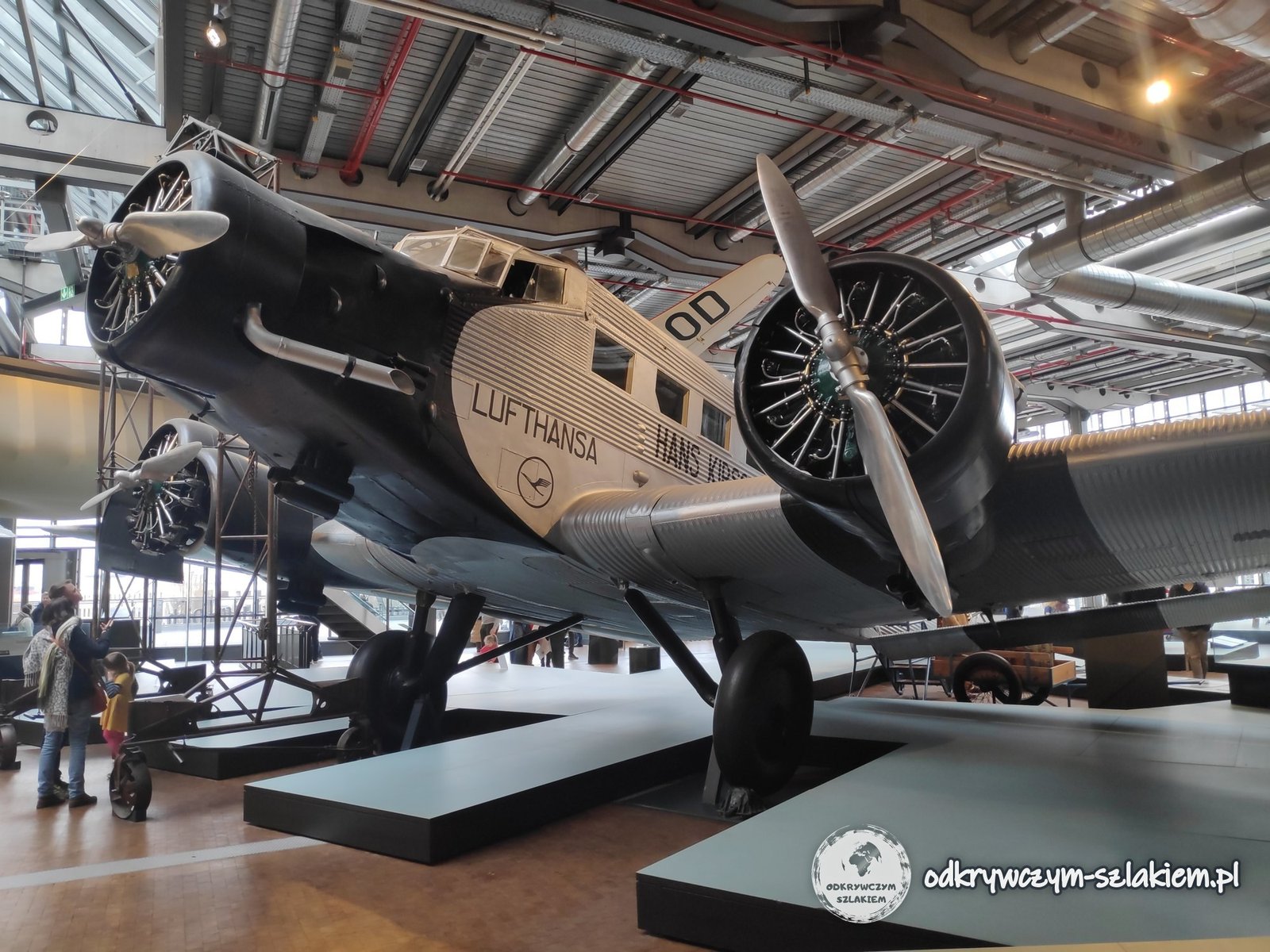
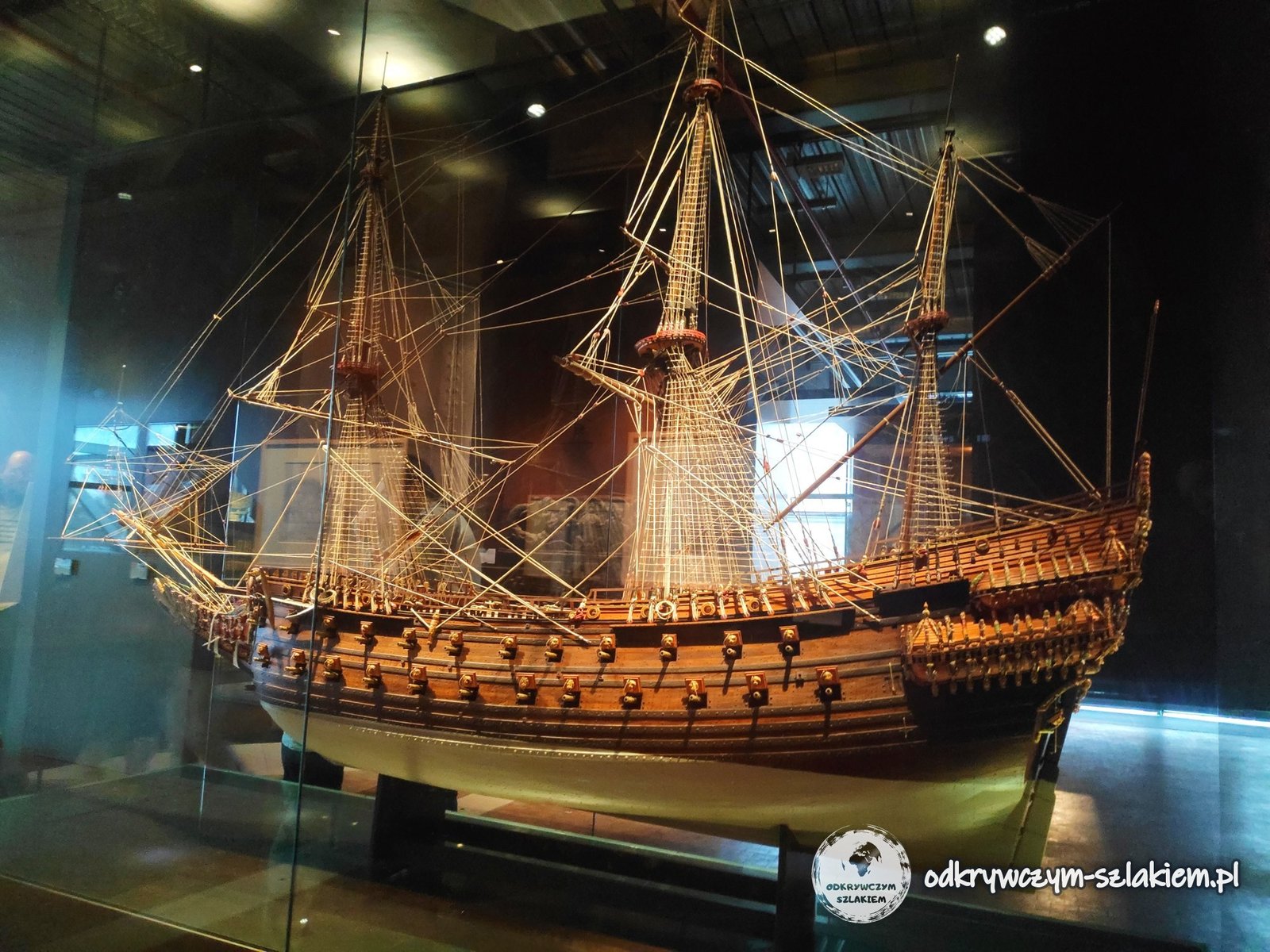
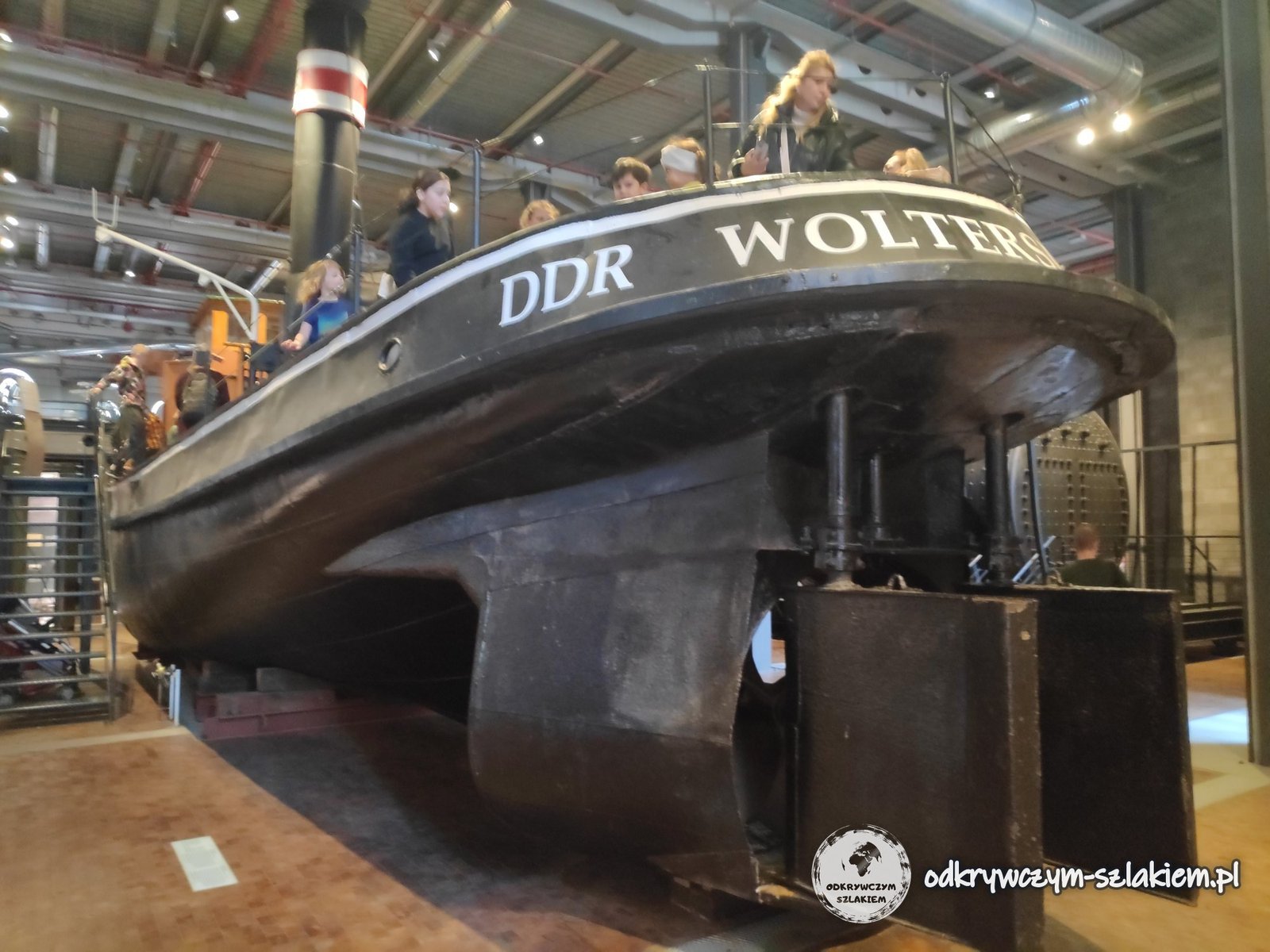
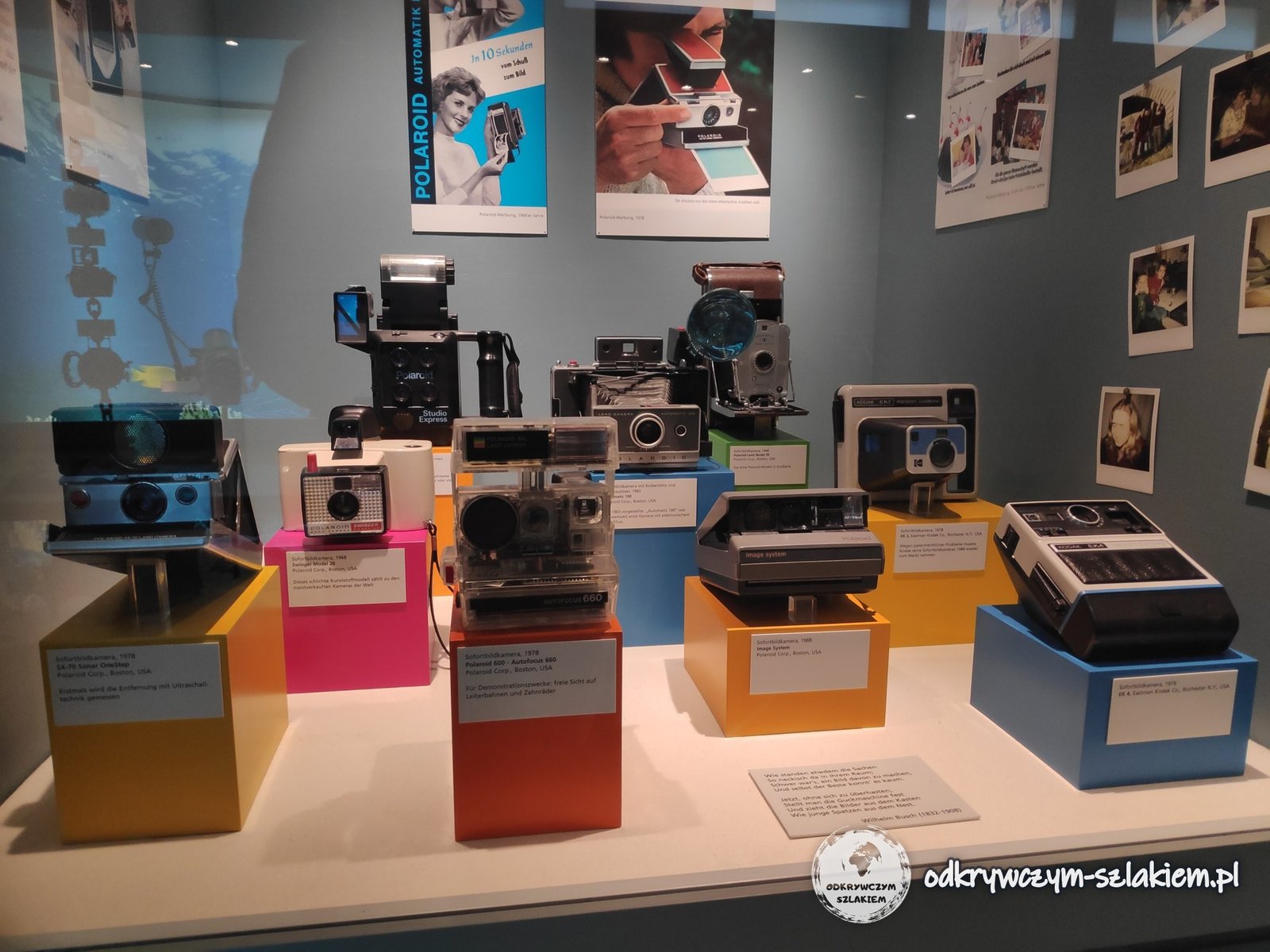
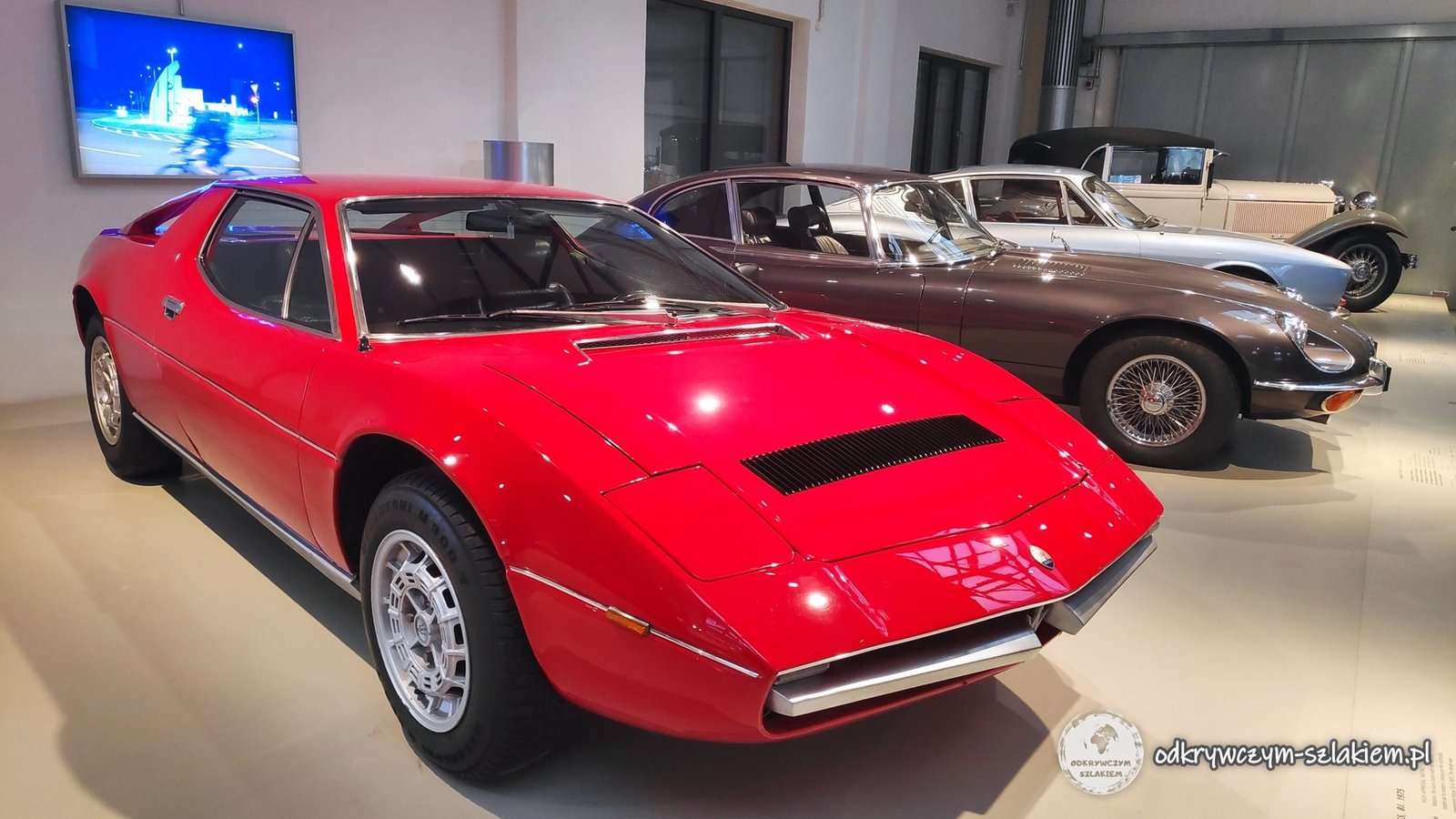
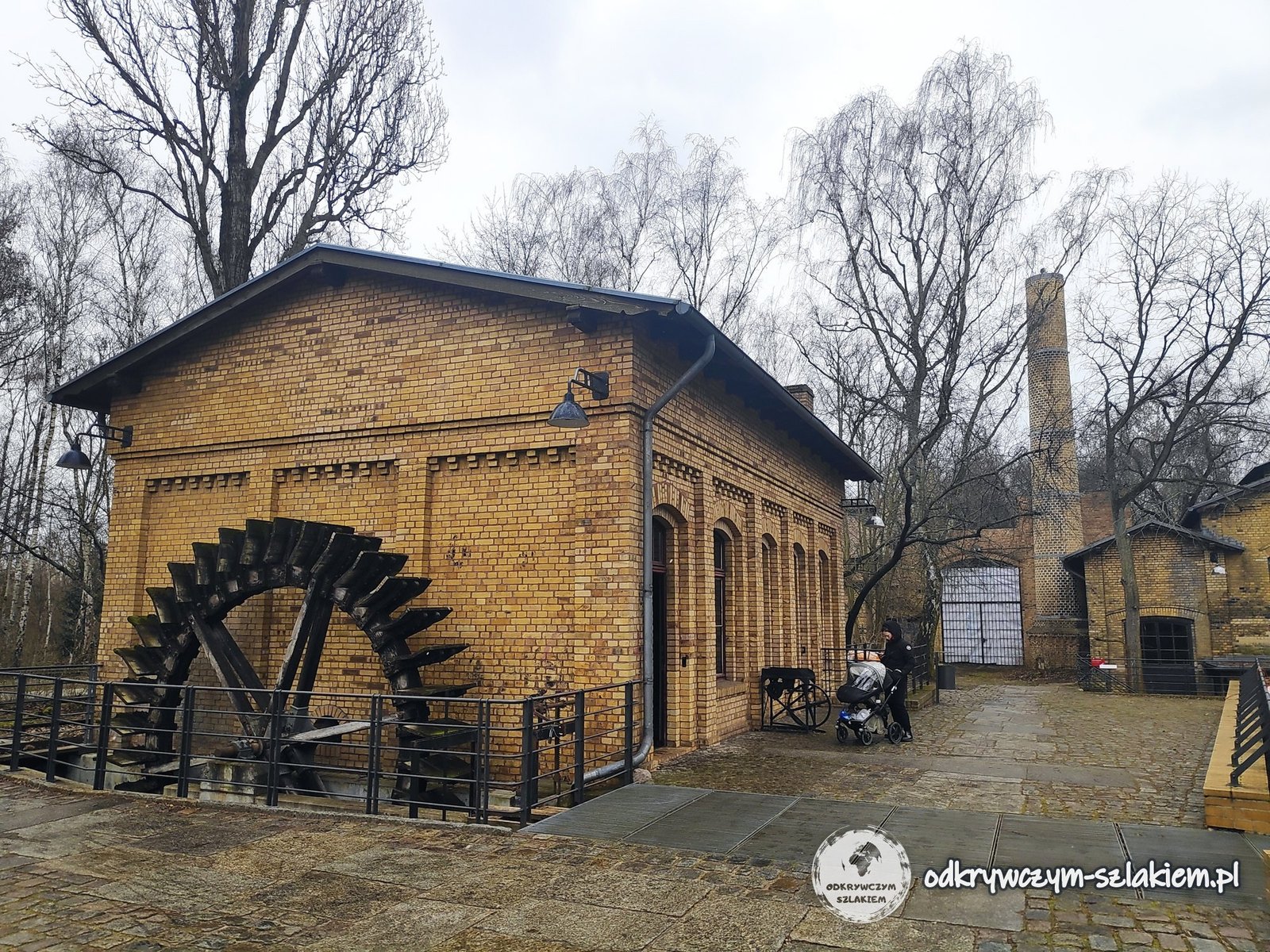
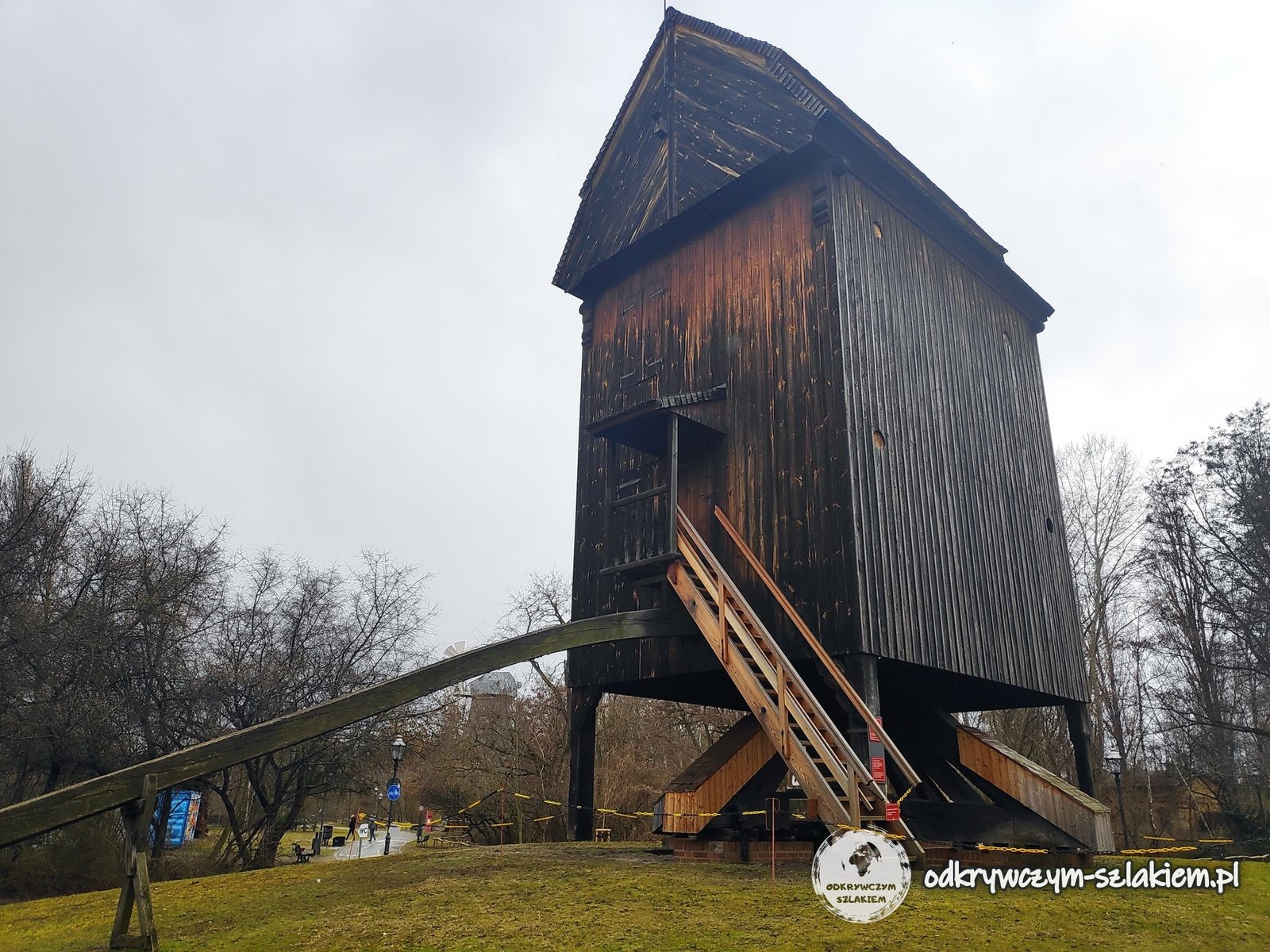
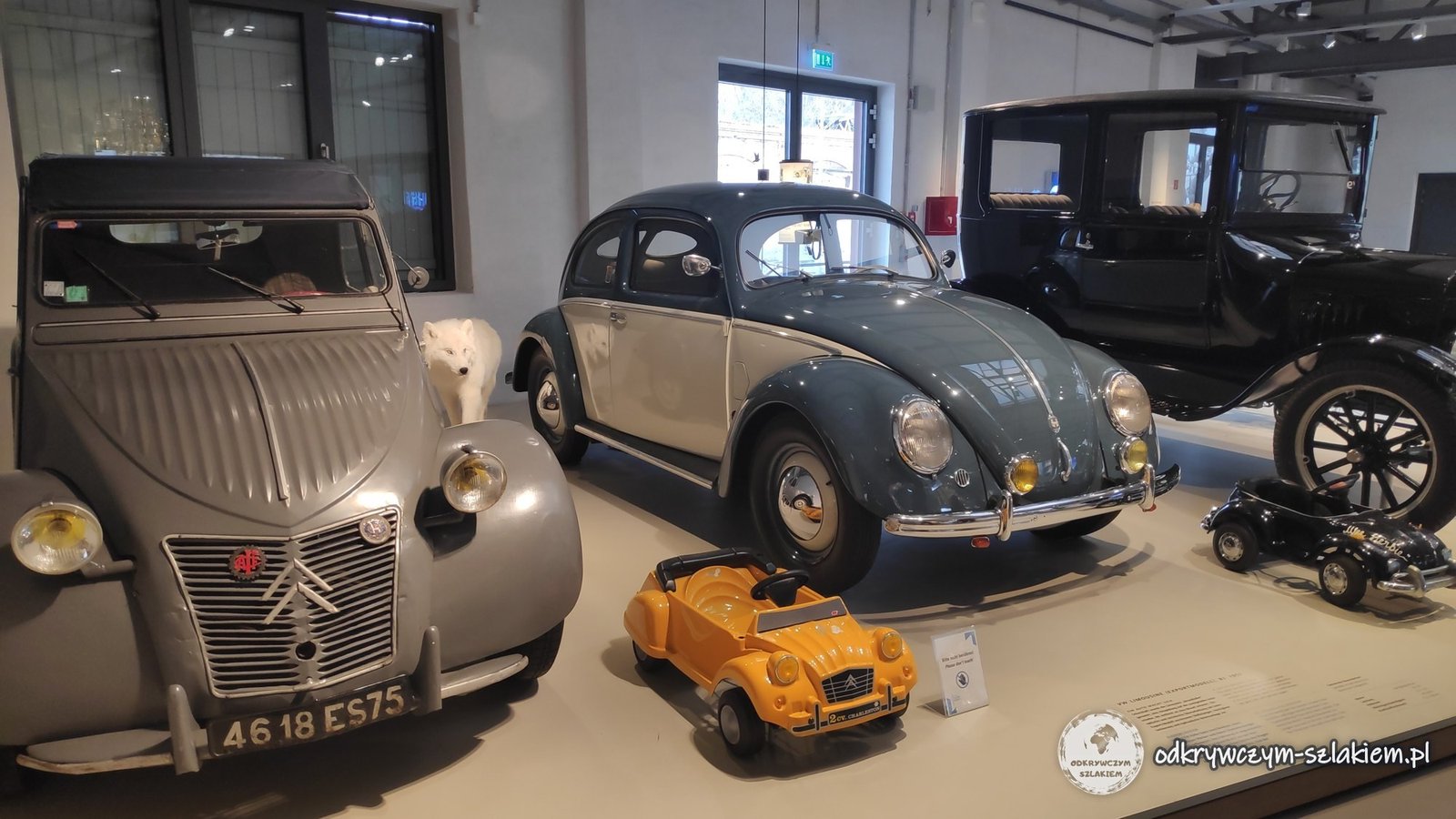
On top of that there are exhibitions on photography, telecommunications and computers, a hall of cars – from a Citroën 2CV to a red Maserati – and a museum park with windmills, a water wheel and a locomotive shed with a turntable. Next door is the interactive Science Center Spectrum, especially popular with families with children.
Tränenpalast – a museum in a former border crossing
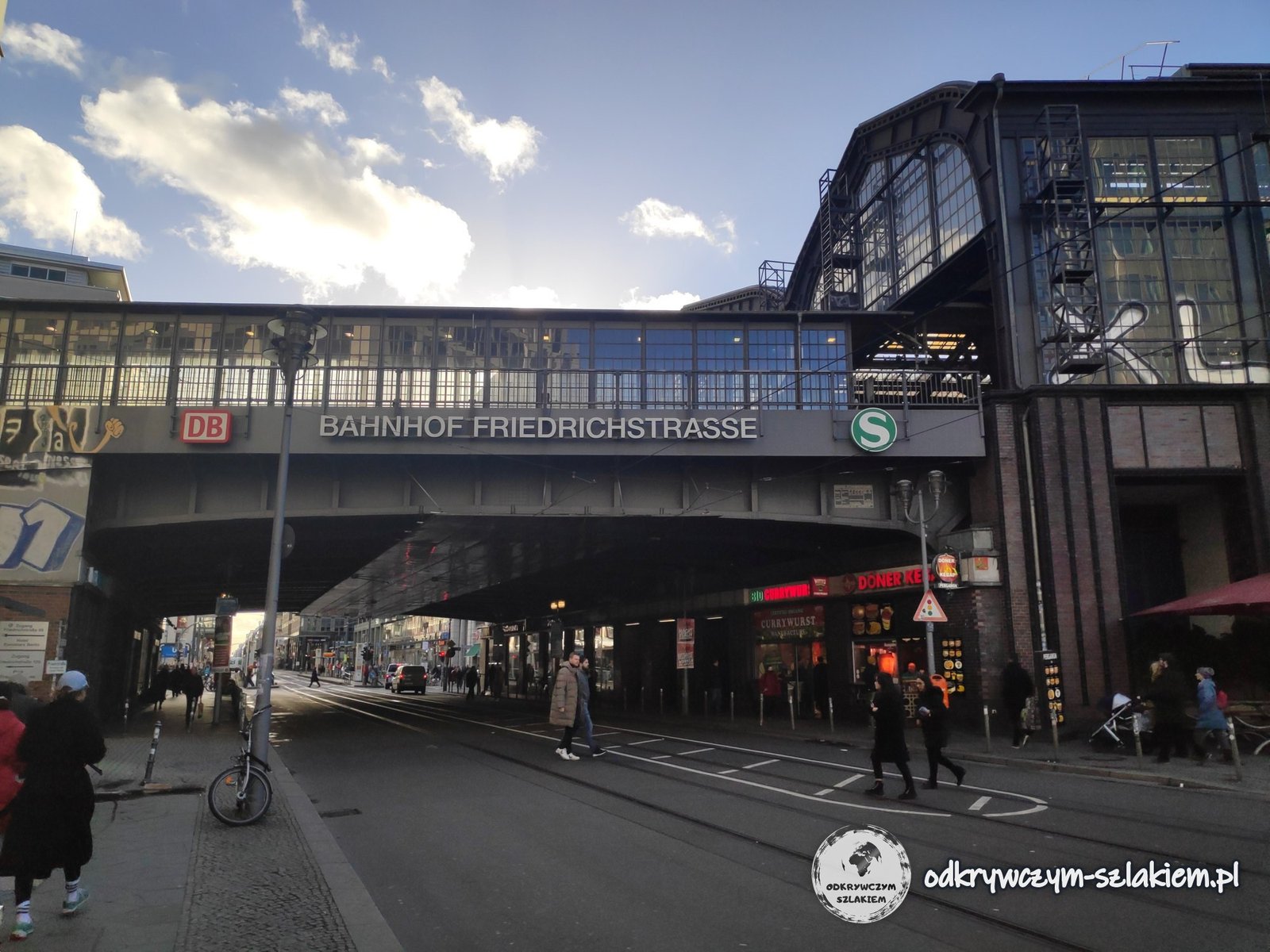
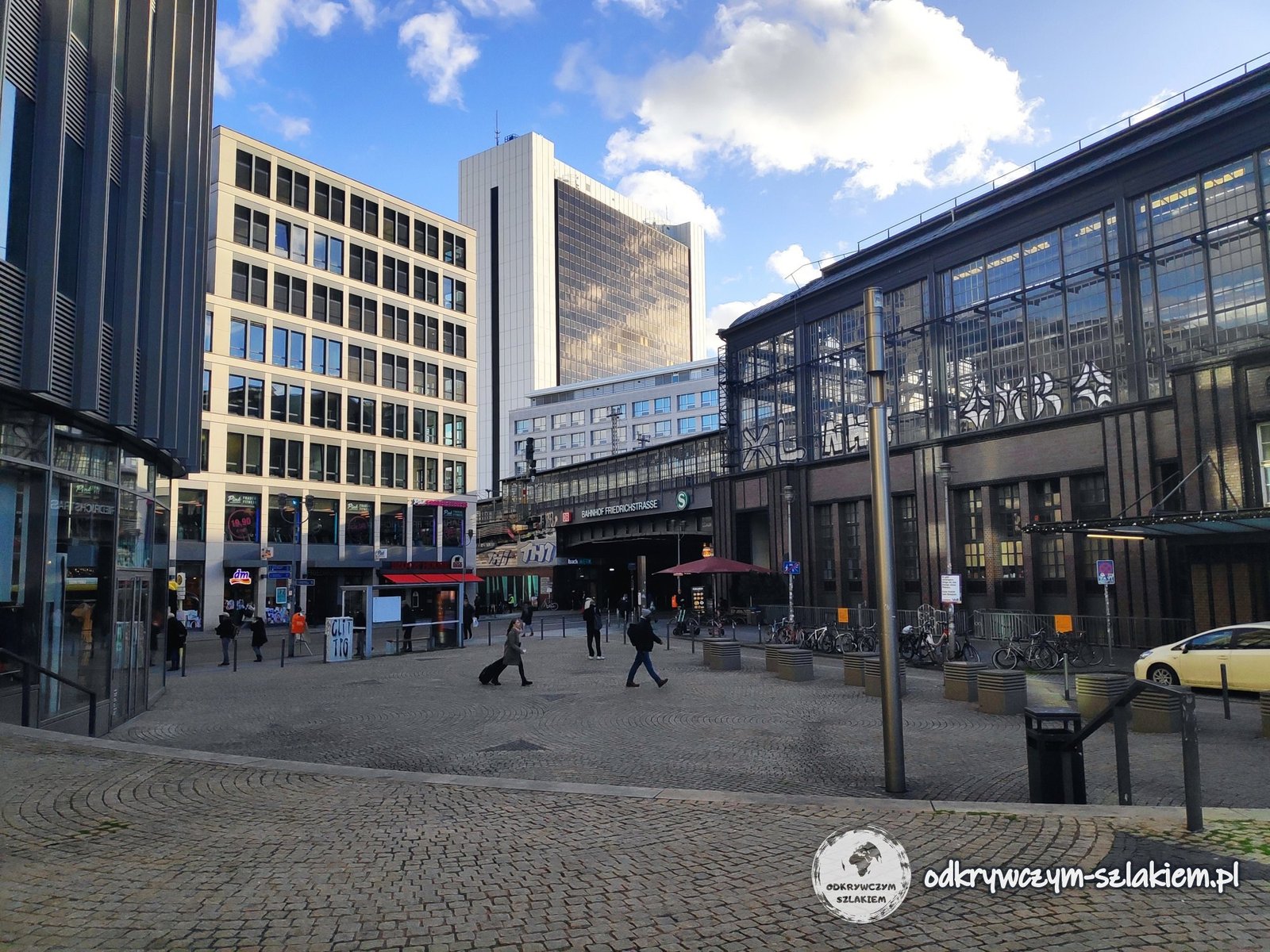
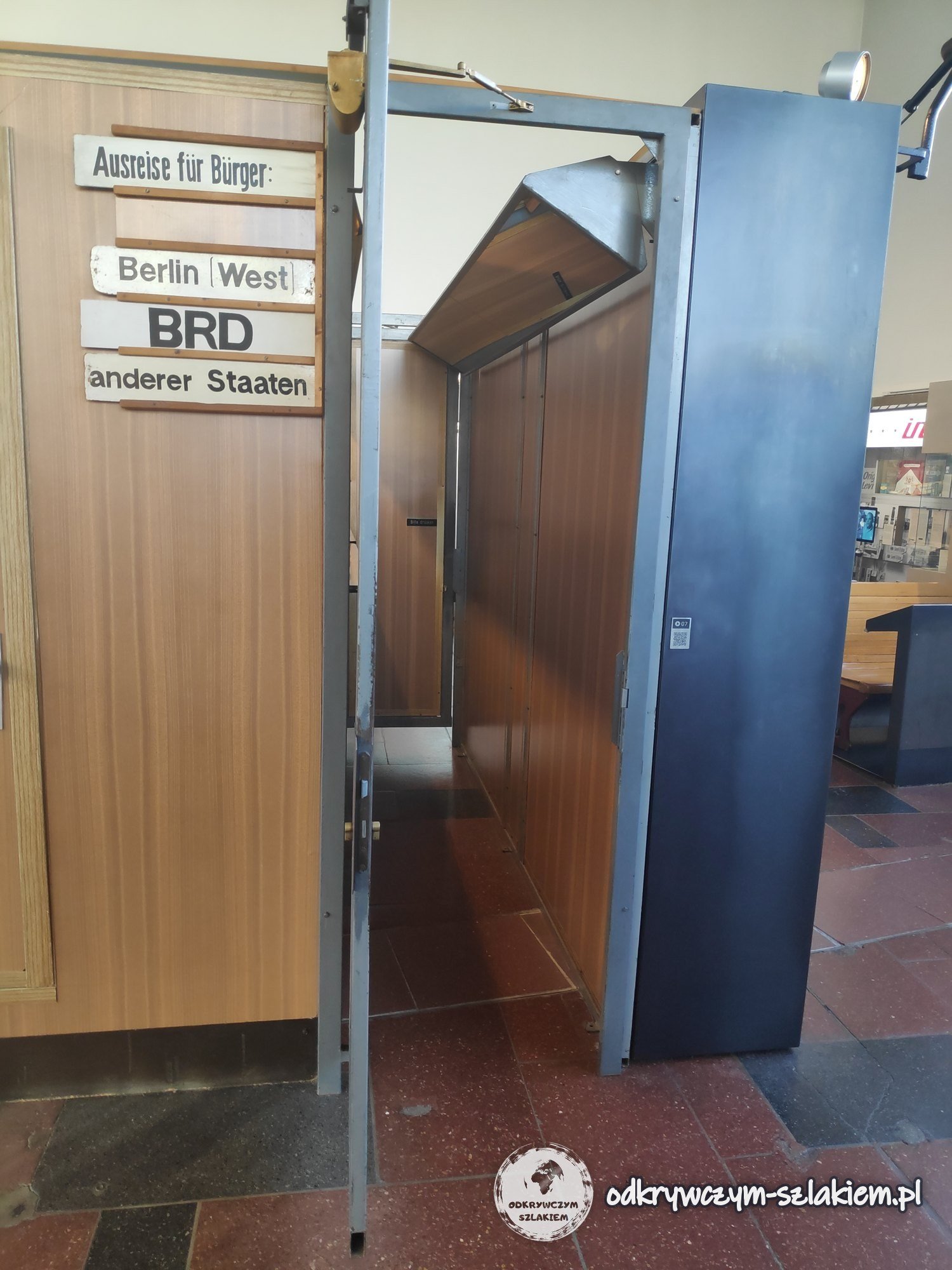
Next to Friedrichstraße station stands an unassuming glass pavilion known as the Tränenpalast, the “Palace of Tears”. From 1962 it housed the border checkpoint for travellers leaving East Berlin for the West. East German citizens could accompany their loved ones only as far as this point – hence the tears of farewell and the name. Today the building hosts a free exhibition about divided Germany and everyday life at the border. I dropped in here in January 2023 with Artur, who had come to Berlin for a concert.
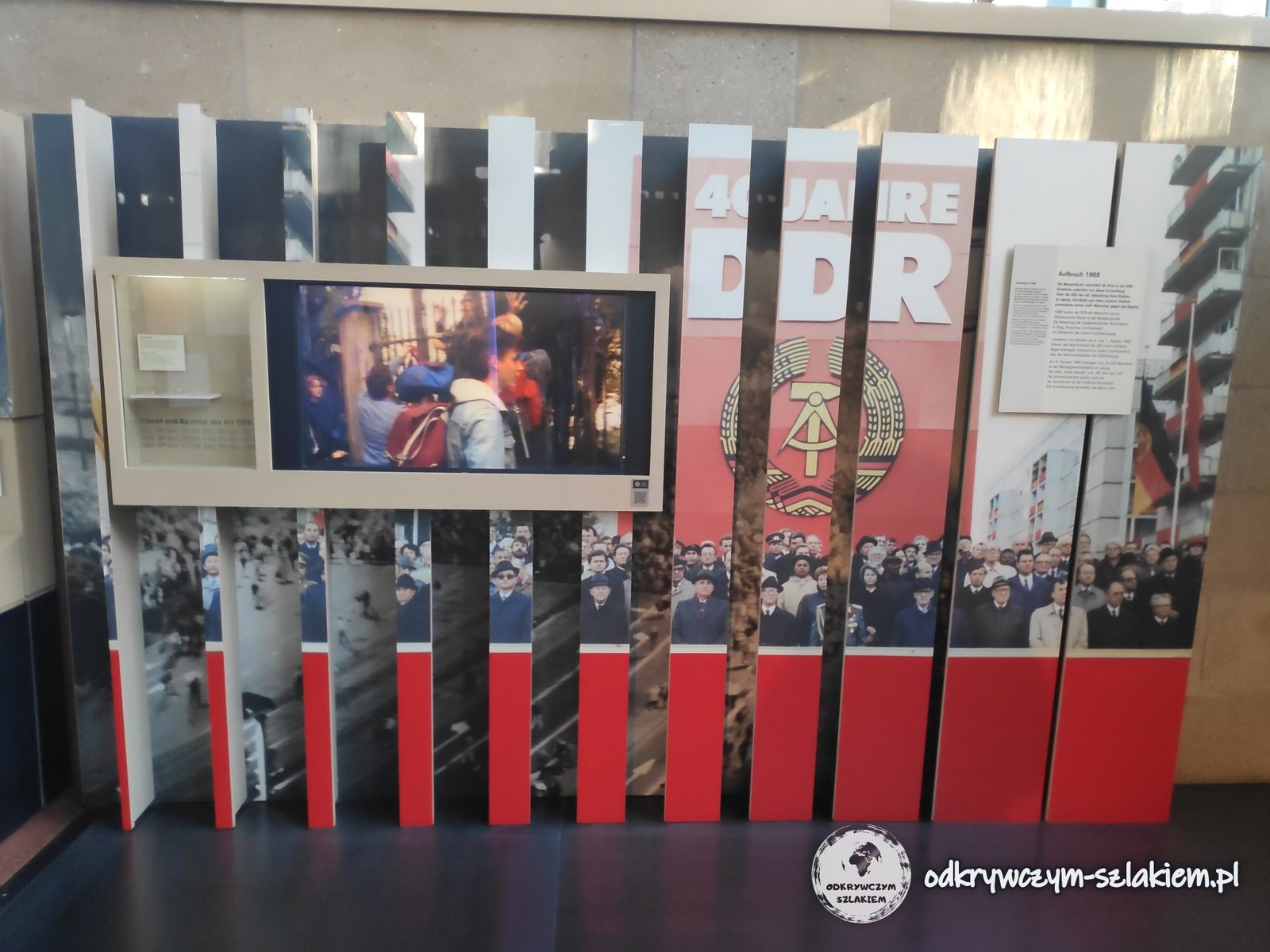
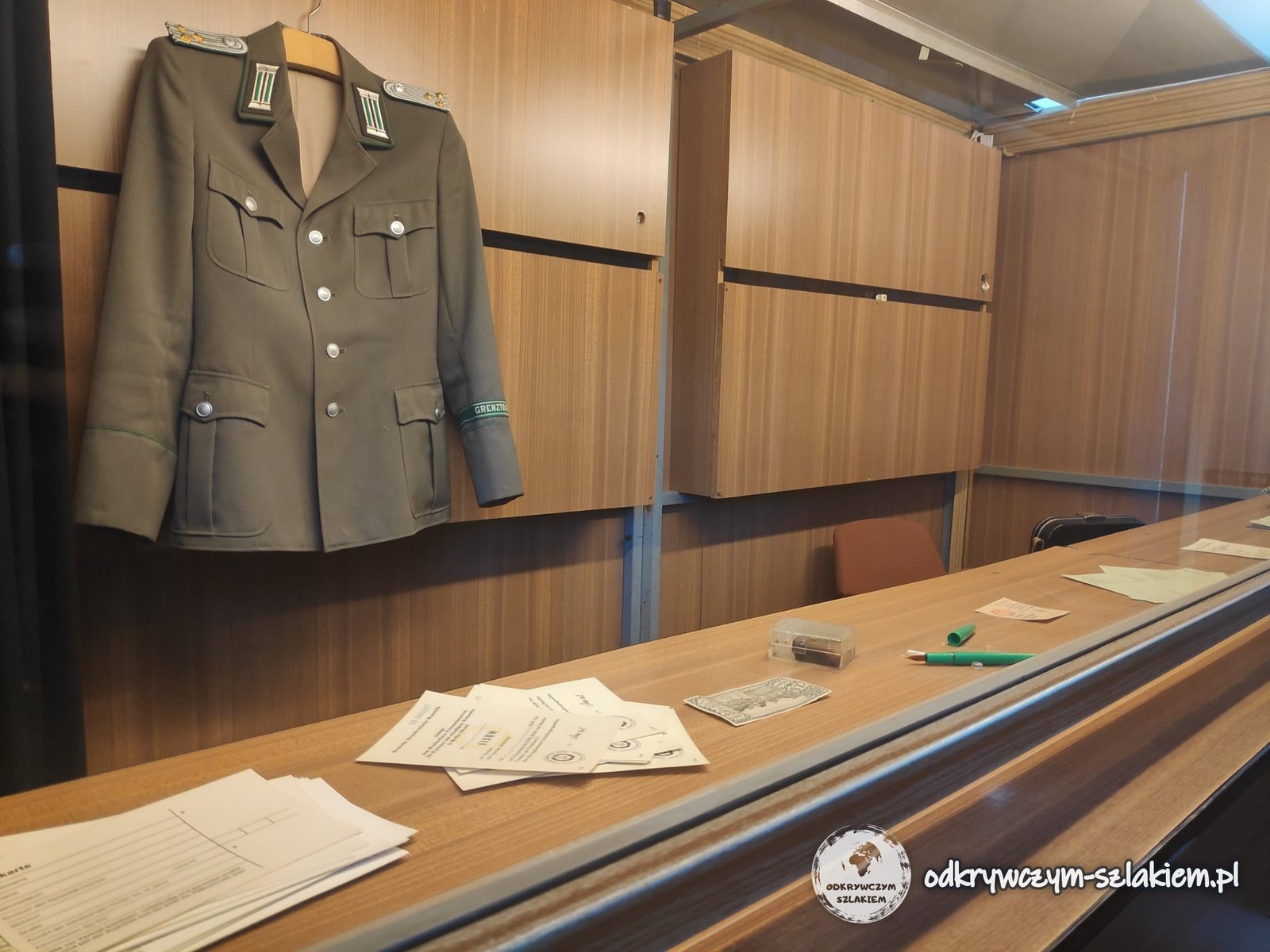
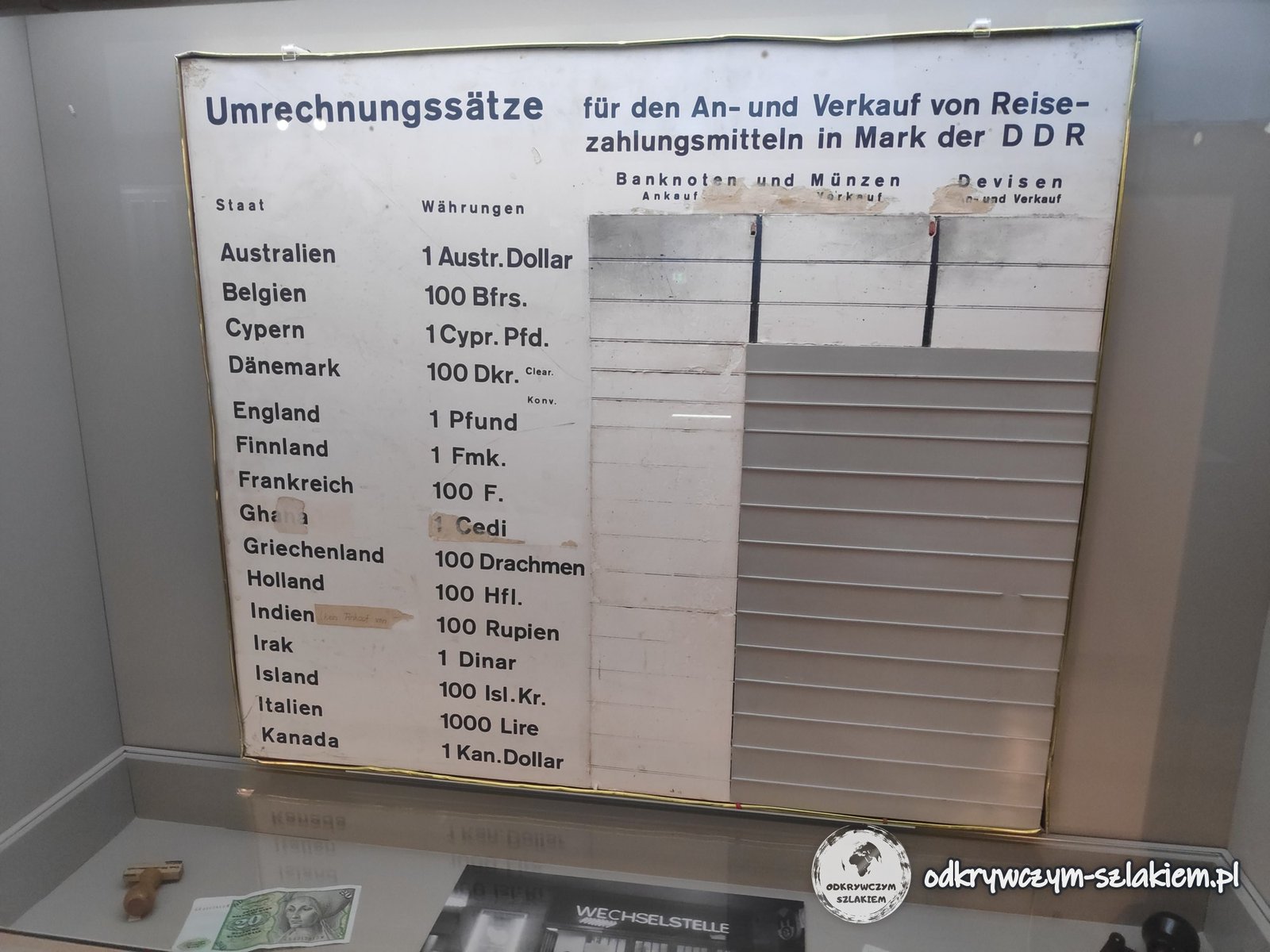
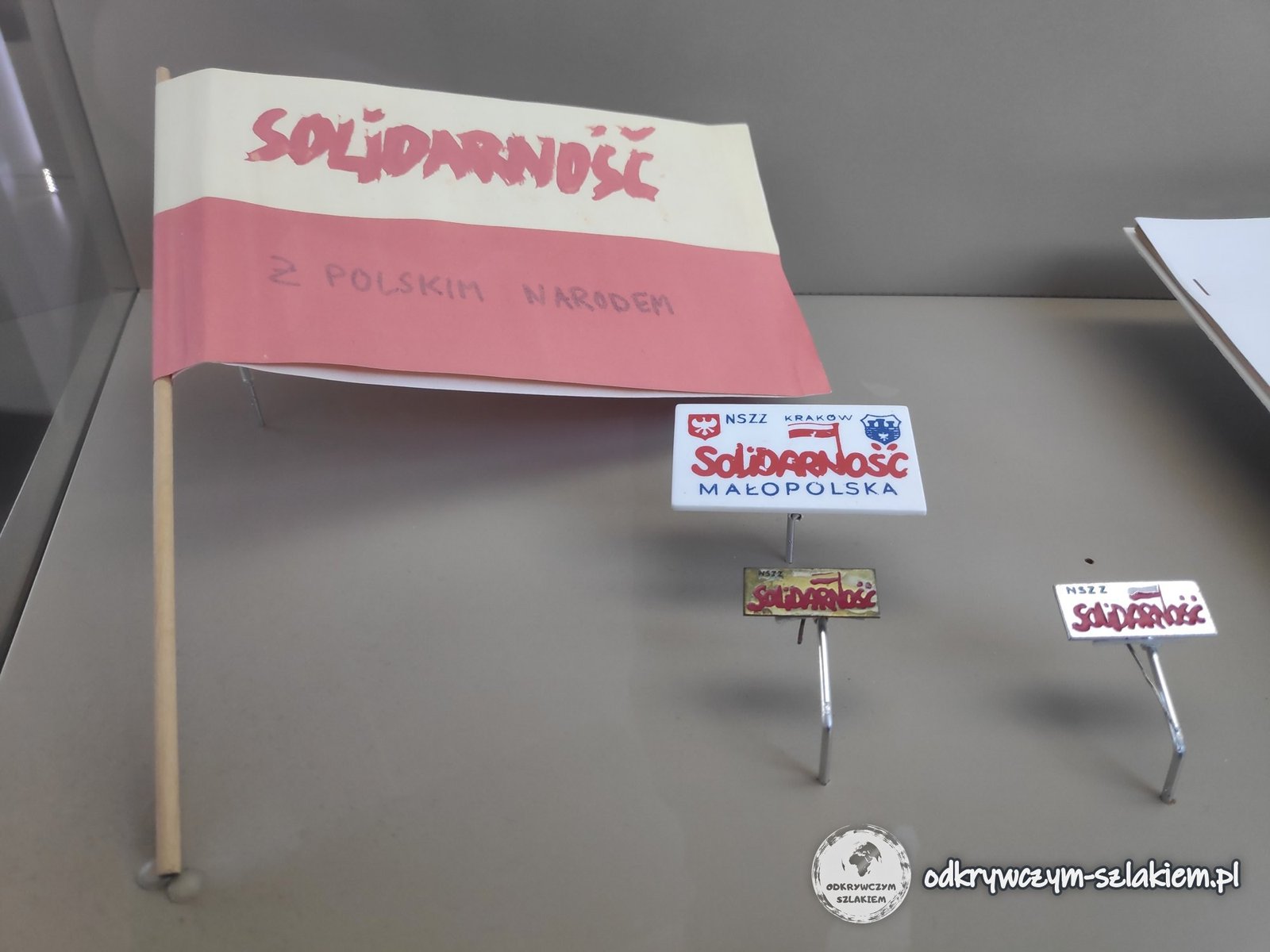
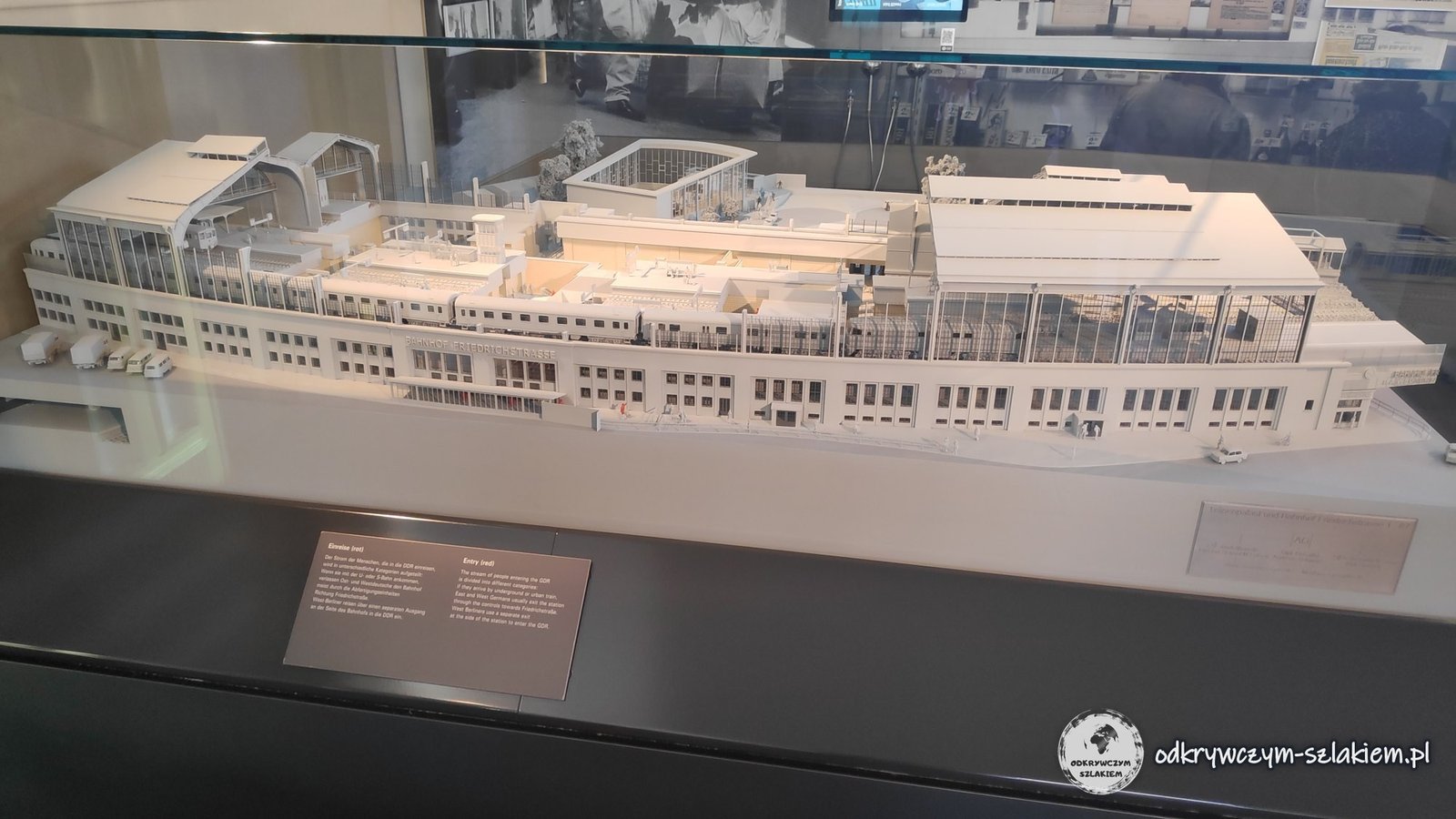
You can step into the original passport control booths, see a board with GDR currency exchange rates and a model of Friedrichstraße station, through which the border ran. A Polish touch comes from the flag and badges of “Solidarity” – the movement in Poland also gave courage to the opposition in the GDR.
I have described more places connected with the division of the city in the post Berlin: in the footsteps of the Berlin Wall.
Sea Life and the AquaDom
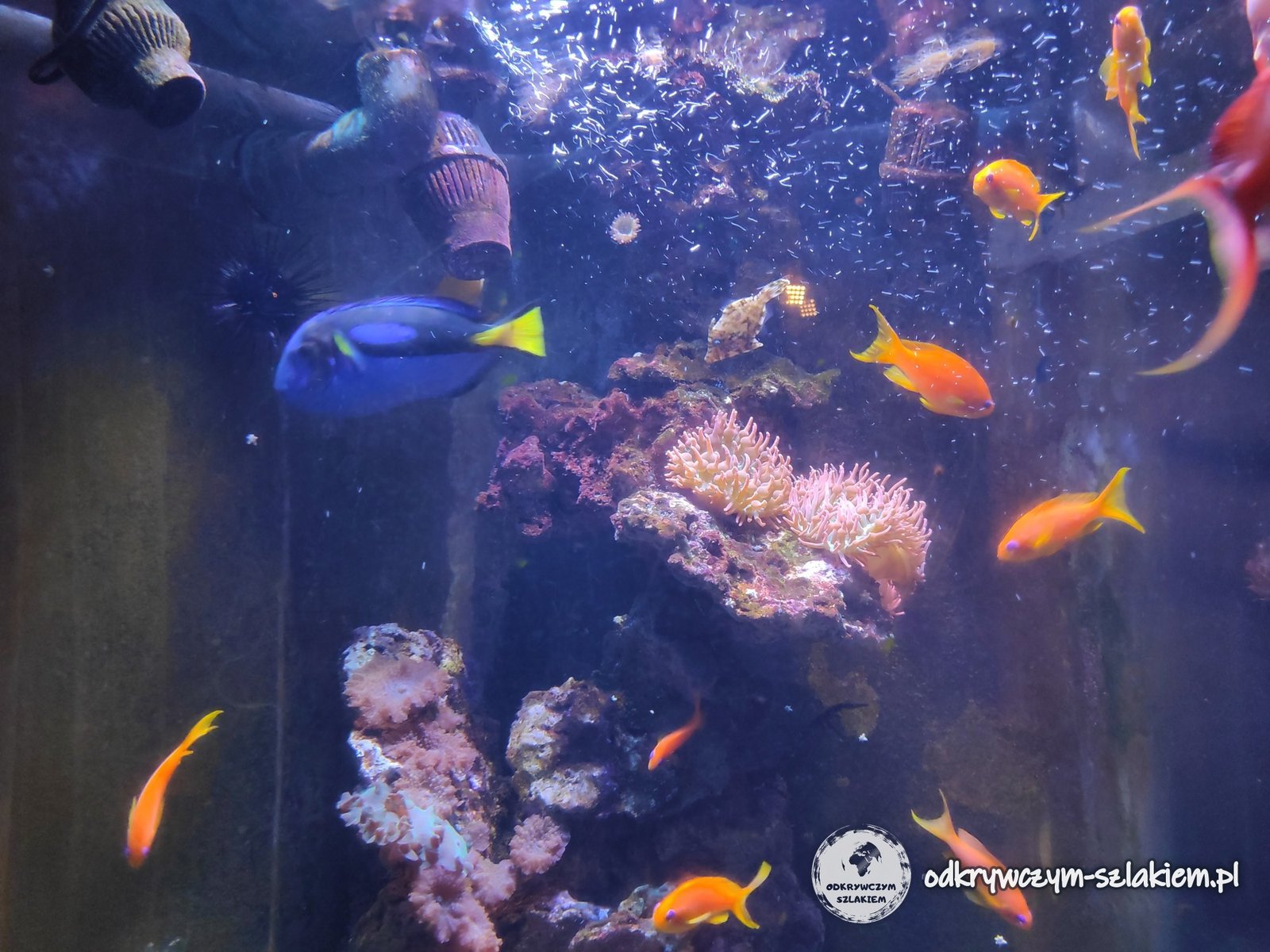
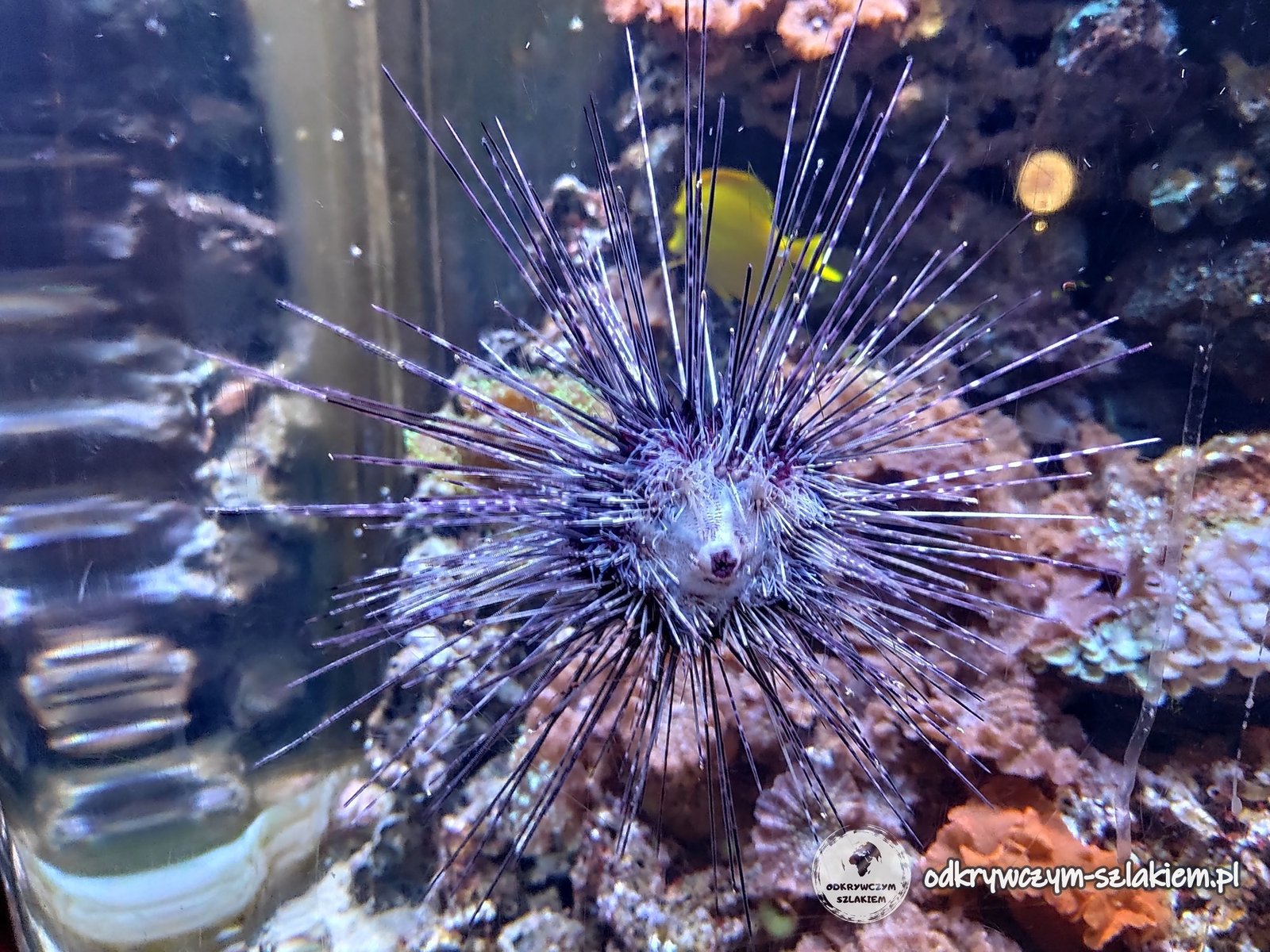
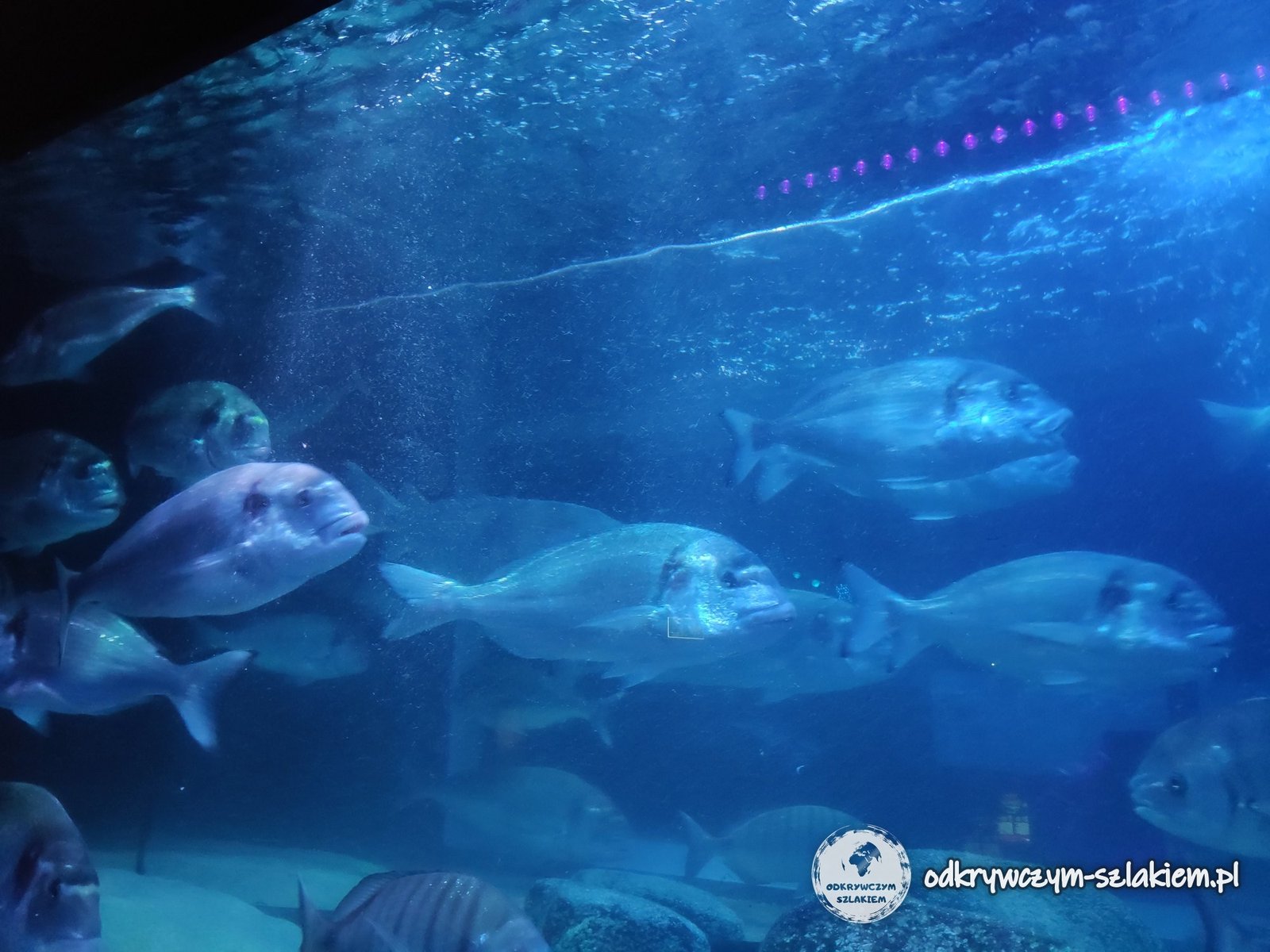
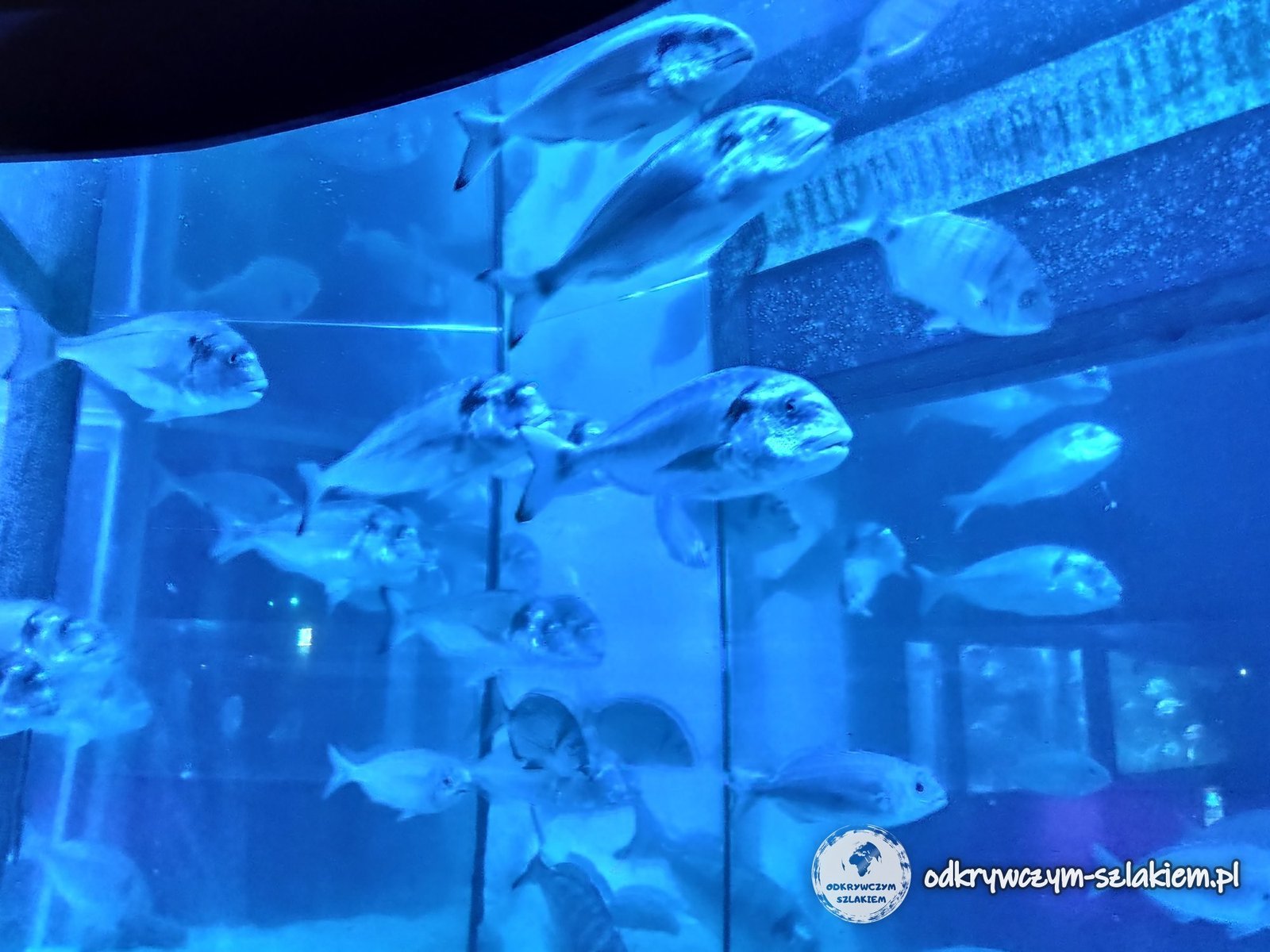
Finally, something different: Sea Life Berlin on Spandauer Straße, an aquarium with fish from Europe’s rivers and lakes, a coral reef and large marine tanks. I was there in November 2019. Back then the highlight of the whole complex was the AquaDom – a cylindrical aquarium 16 metres high, standing in the lobby of the neighbouring hotel. On 16 December 2022 the aquarium burst, and the water and glass that poured out destroyed the lobby and part of the street. Sea Life reopened in May 2023, but without the AquaDom.
Practical information
- Museumssonntag no longer exists – free admission to several dozen museums on the first Sunday of the month (after booking a free ticket a week in advance) ended on 1 December 2024, because the city stopped funding it. I wrote more about it in the post Berlin: what to see.
- For free – the Tränenpalast is free every day, and under-18s get in free to the state museums (including those on Museum Island).
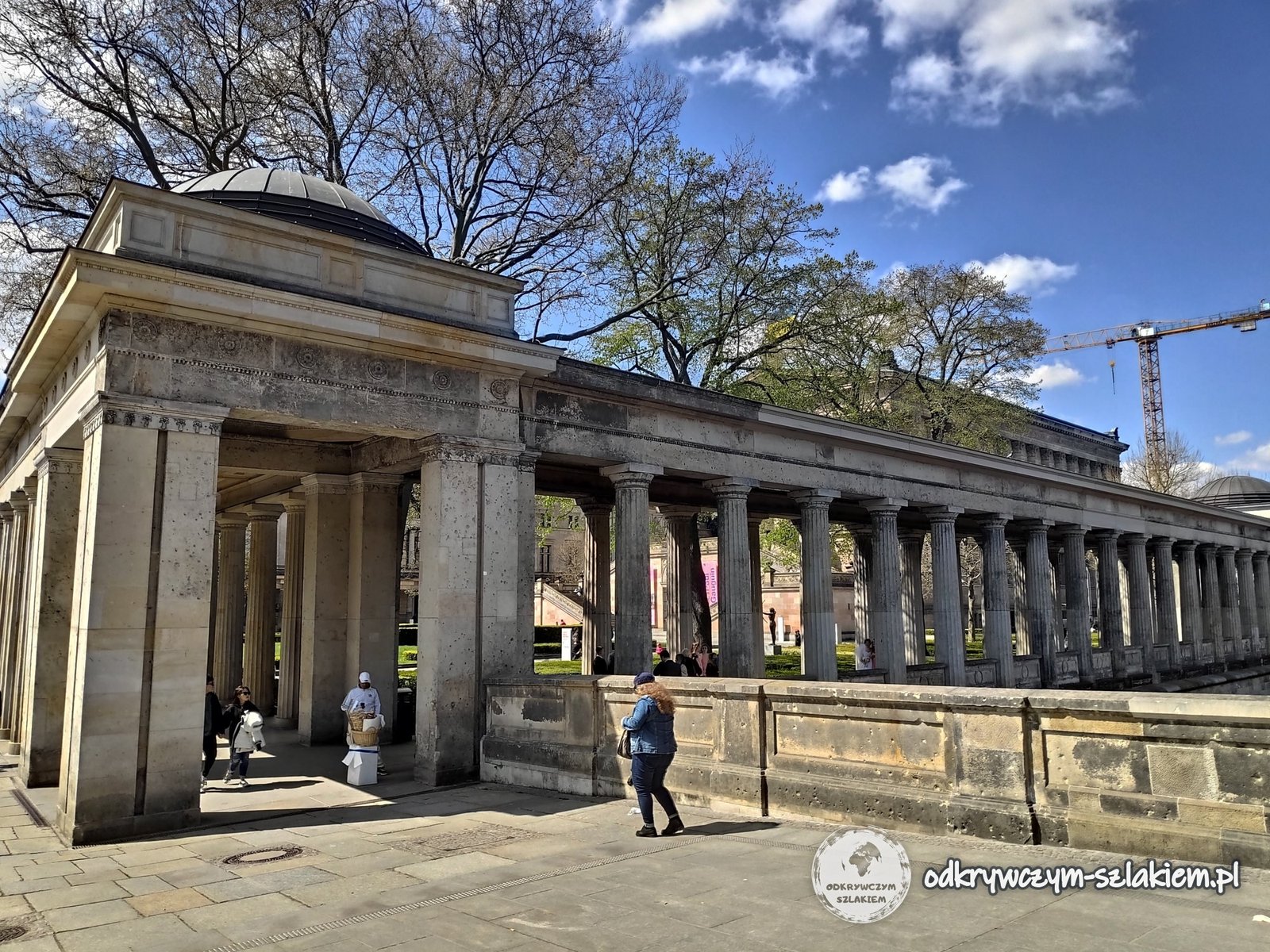
- Pergamonmuseum – closed for renovation since October 2023. The reopening of the north wing with the Pergamon Altar and the Museum of Islamic Art has been announced for 4 June 2027. The Ishtar Gate and the Processional Way (south wing) will probably not be on view again until around 2037.
- Museum Island – if you are planning several museums on the island in one day, check the combined ticket for the whole island; it usually works out cheaper than separate tickets.
- How many museums a day – realistically three smaller ones or two big ones. The Museum of Technology is a whole day on its own.
- Mondays – most of the museums described here (including the Bode-Museum, the Natural History Museum, the Hamburger Bahnhof, the Museum of Technology and the Tränenpalast) are closed on Mondays.
- Getting there – the Natural History Museum has its own U-Bahn station (U6 Naturkundemuseum), the Hamburger Bahnhof is a few minutes from Berlin Central Station, the Museum of Technology is closest to Gleisdreieck or Möckernbrücke stations, and the Tränenpalast stands next to Friedrichstraße station.
- Opening hours and prices – these change, so check them on the museums’ websites before your visit; for many exhibitions online tickets are cheaper or guarantee entry without queuing.
Photo gallery