Berlin is associated with the Wall, museums and nightlife, and few people know how green it is. Forests cover almost a fifth of the city’s area, and on top of that there are hundreds of parks and several dozen lakes. While living in Berlin, I visited many of them. In this post I have gathered the parks, gardens, forests and lakes I visited between 2019 and 2023: from the Tiergarten in the very centre, through gardens from different parts of the world in the Gärten der Welt, to the forests and lakes on the outskirts of the city.
Table of contents
- Tiergarten and the Victory Column
- Viktoriapark – a hill with a waterfall in Kreuzberg
- Volkspark Friedrichshain – the Fairy Tale Fountain and a Polish memorial
- Humboldthain – a rose garden and a flak tower
- Gärten der Welt – gardens from all over the world in Marzahn
- Britzer Garten – spring in Neukölln
- Blankenfelde-Pankow Botanical People’s Park
- Grunewald – the Grunewaldsee and the hunting lodge
- Forests and lakes in the north – Tegeler Forst, Tegeler See and Lübars
- Practical information
Tiergarten and the Victory Column
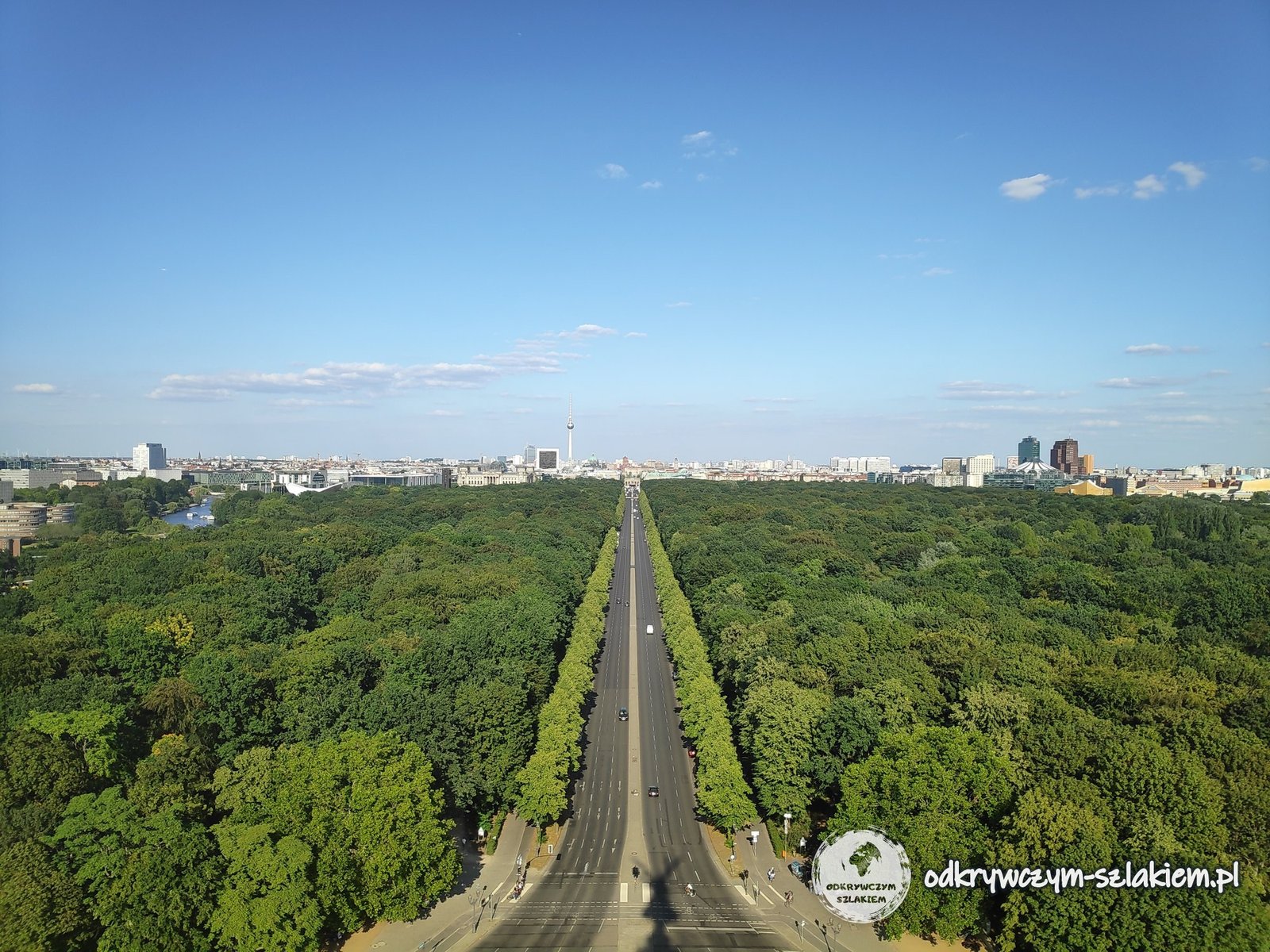
The Tiergarten is the largest park in central Berlin – it covers more than 200 hectares and stretches from the Brandenburg Gate all the way to Zoologischer Garten station. It was once a royal hunting ground, hence the name (“animal garden”). The wide Straße des 17. Juni runs through the middle of the park, and in its centre, on the Großer Stern roundabout, stands the Victory Column (Siegessäule) with a golden Victoria on top. Berliners call her “Goldelse”.
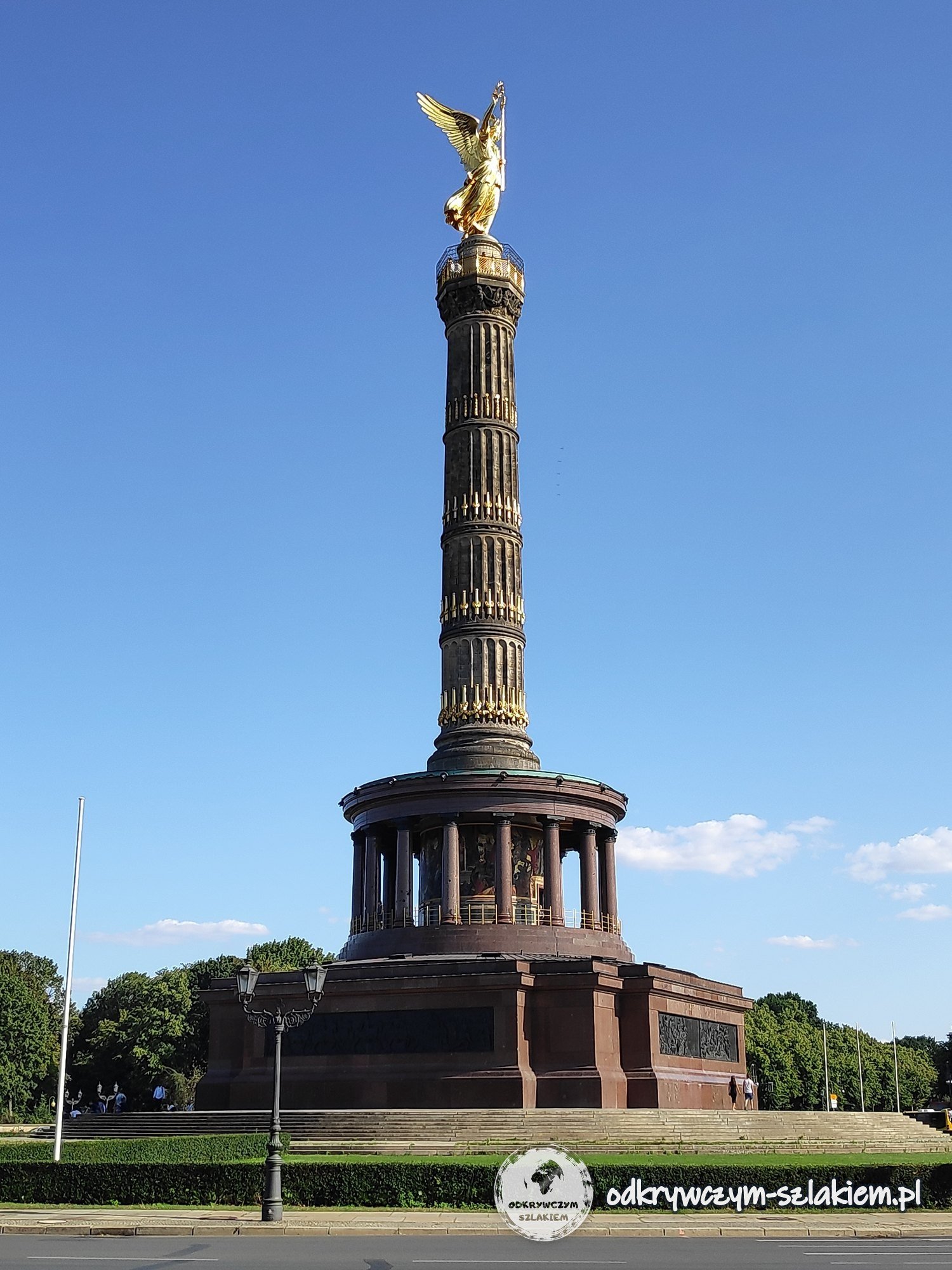
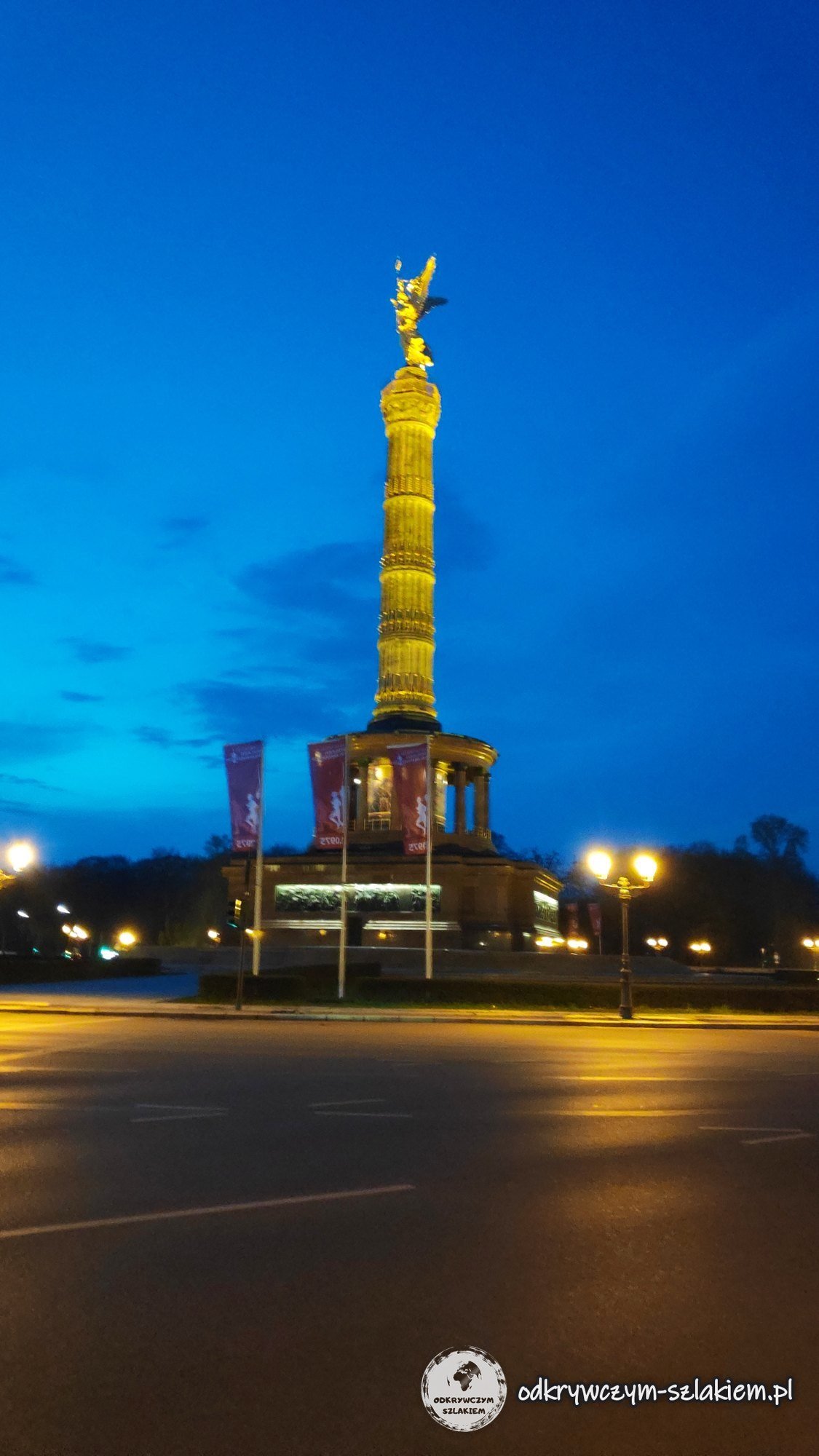
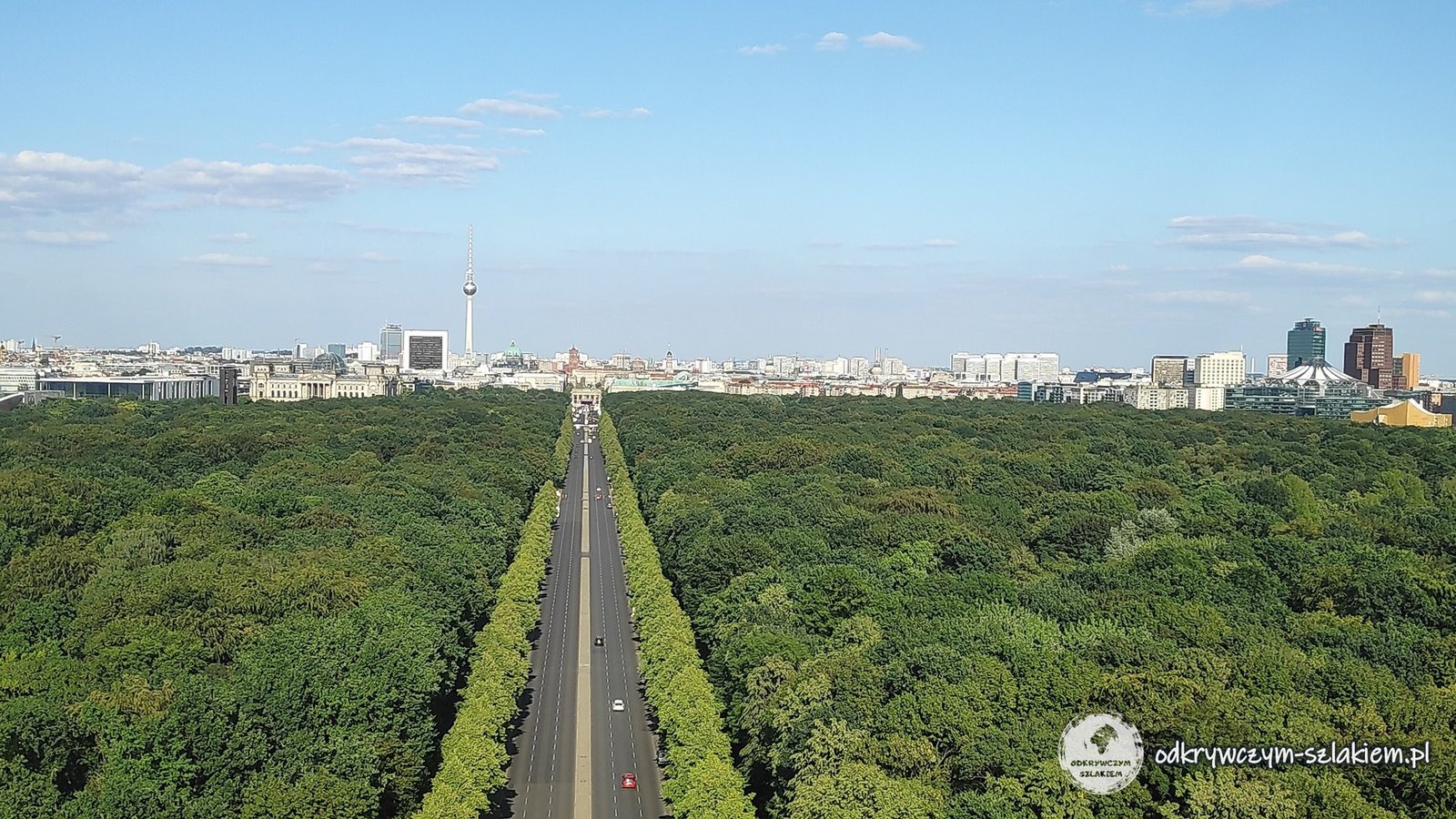
285 steps lead to the top of the column. There is an entrance fee, but the view is worth it – from the terrace you can best see how big the Tiergarten is and how a dead-straight avenue cuts through it. In July 2019 I was there on a sunny day and could see the whole centre, as far as the TV Tower.
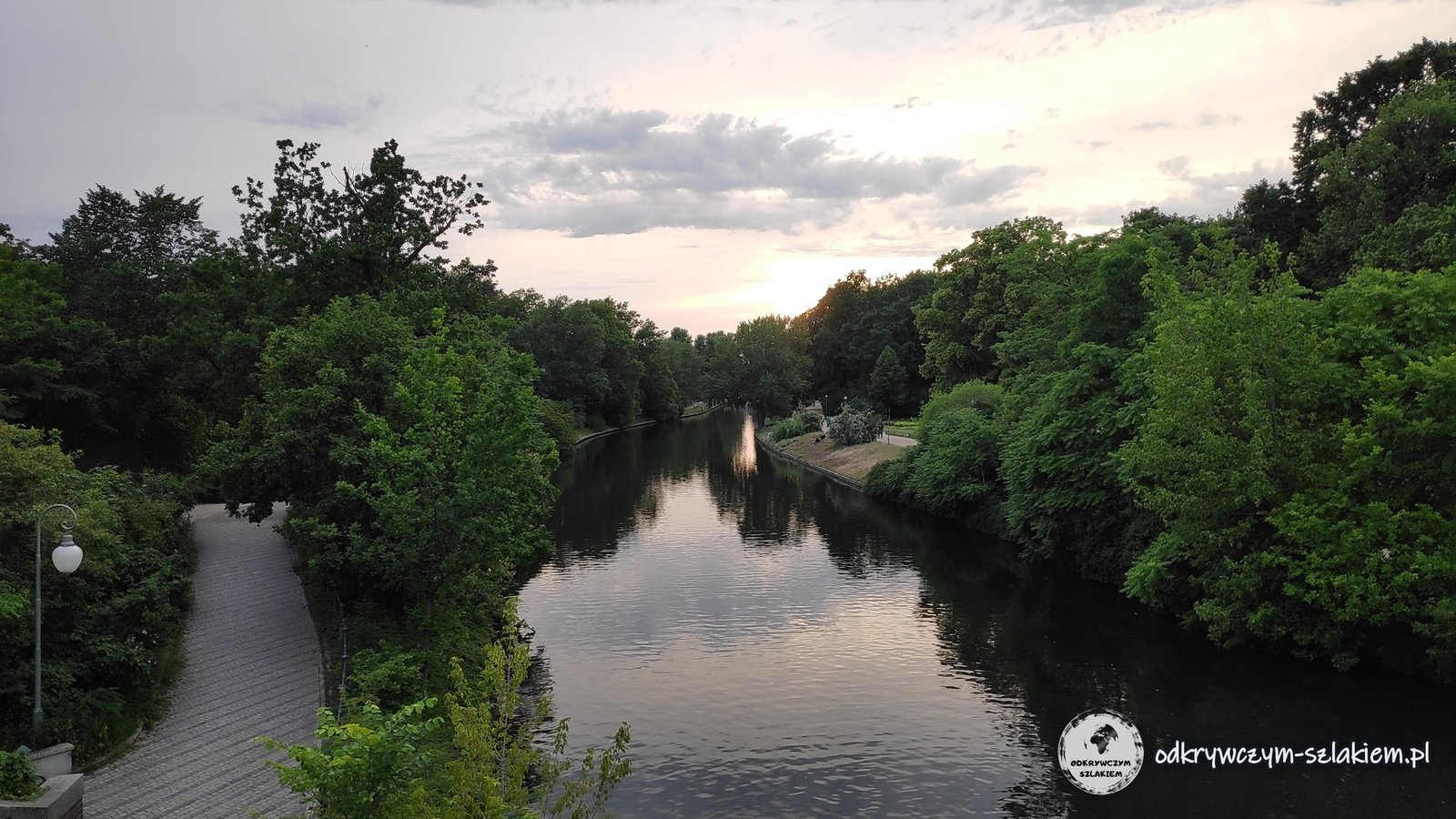
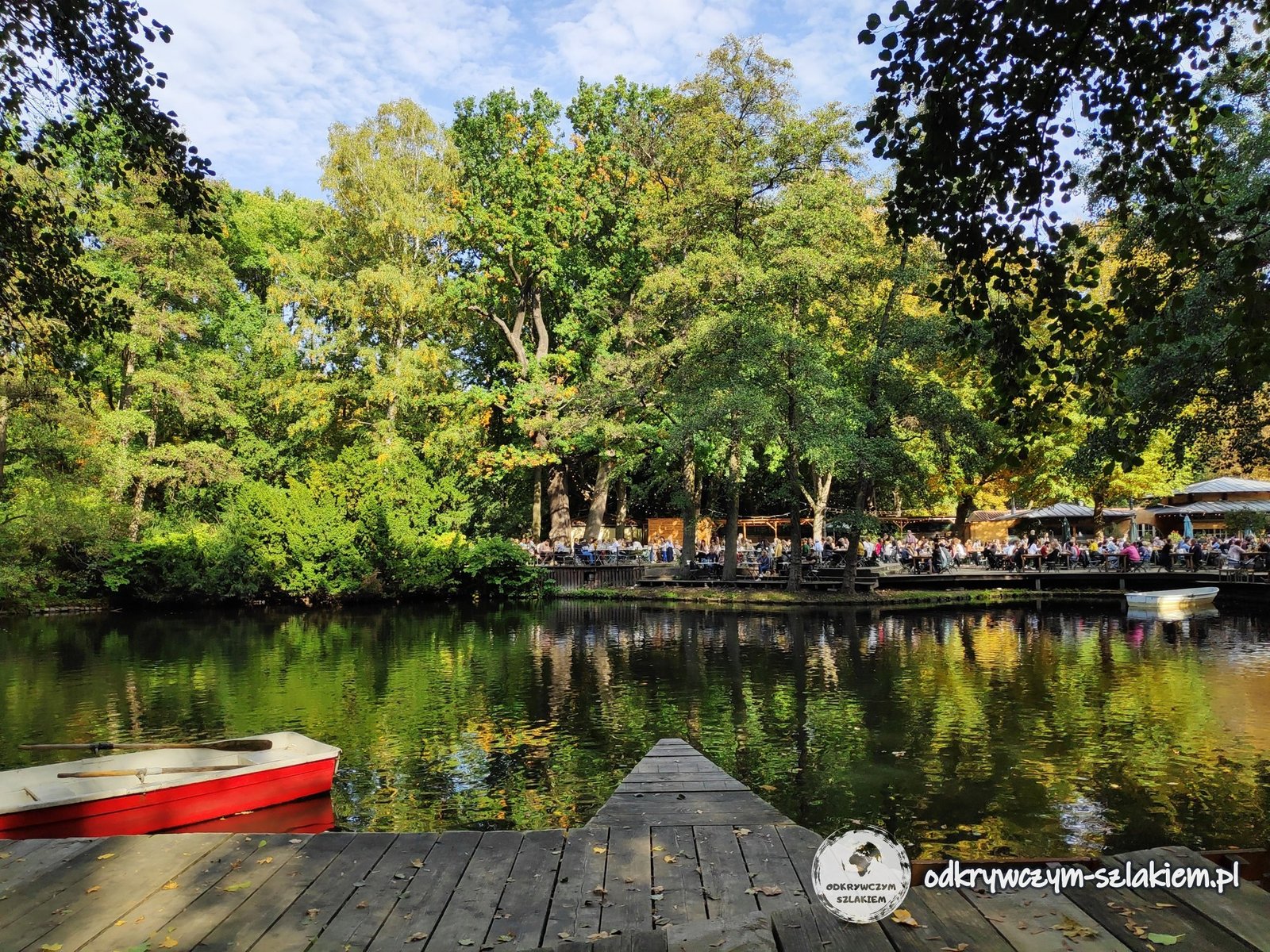
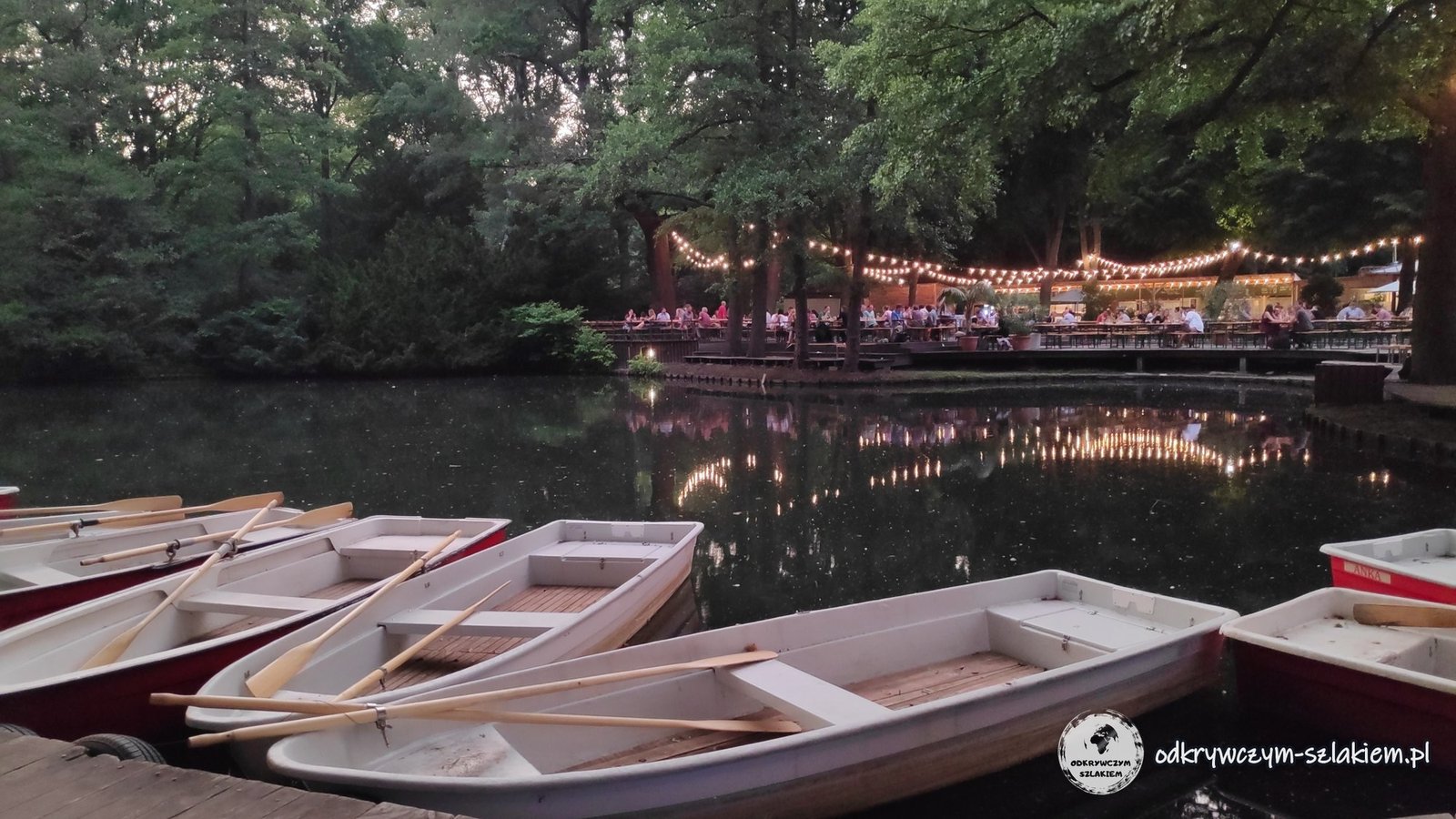
In summer I also went to the Neuer See lake. There is a beer garden by the water where it is hard to find a free seat on warm days, and next to it you can rent a boat and row around the lake and the canals.
Viktoriapark – a hill with a waterfall in Kreuzberg
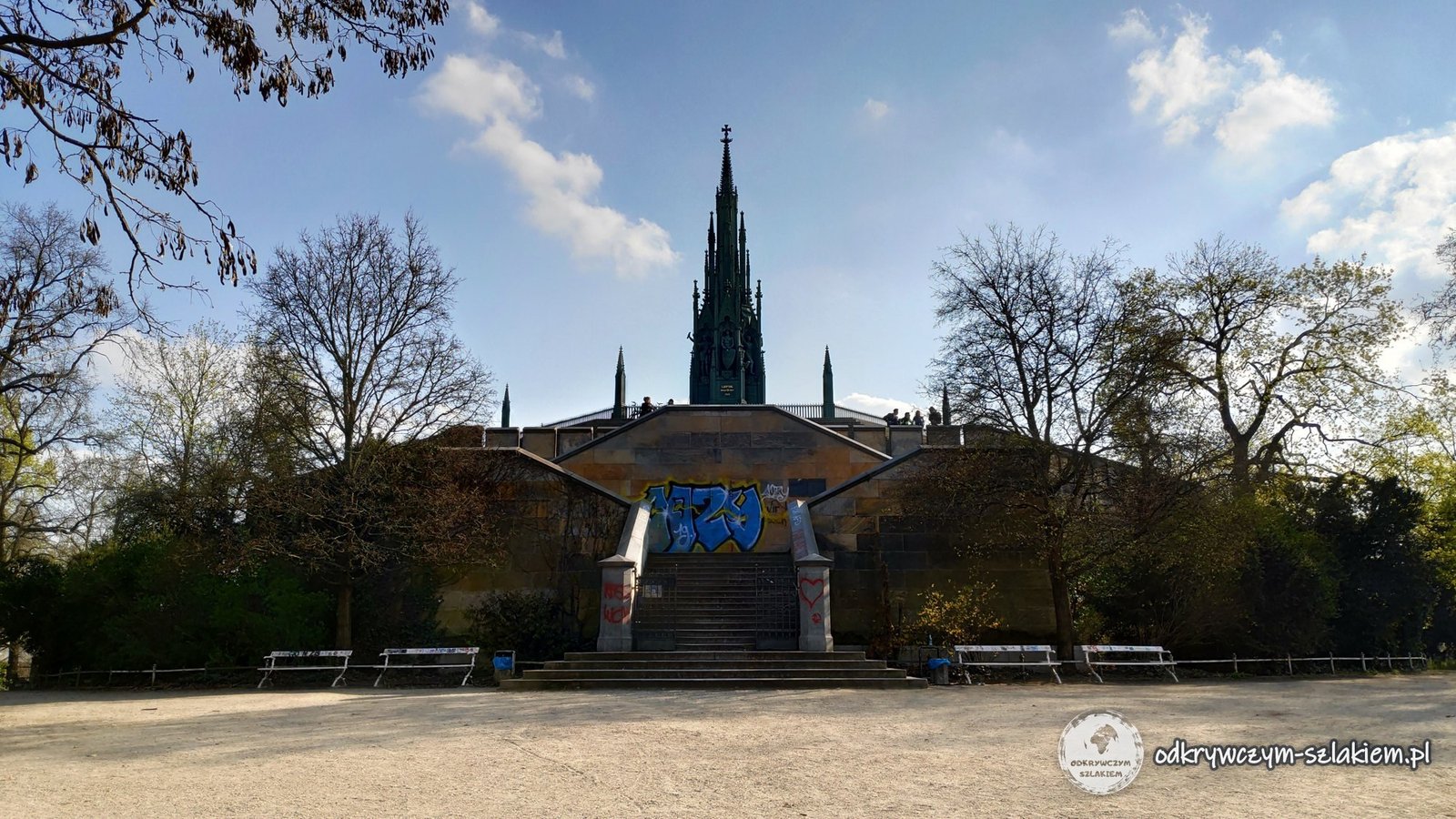
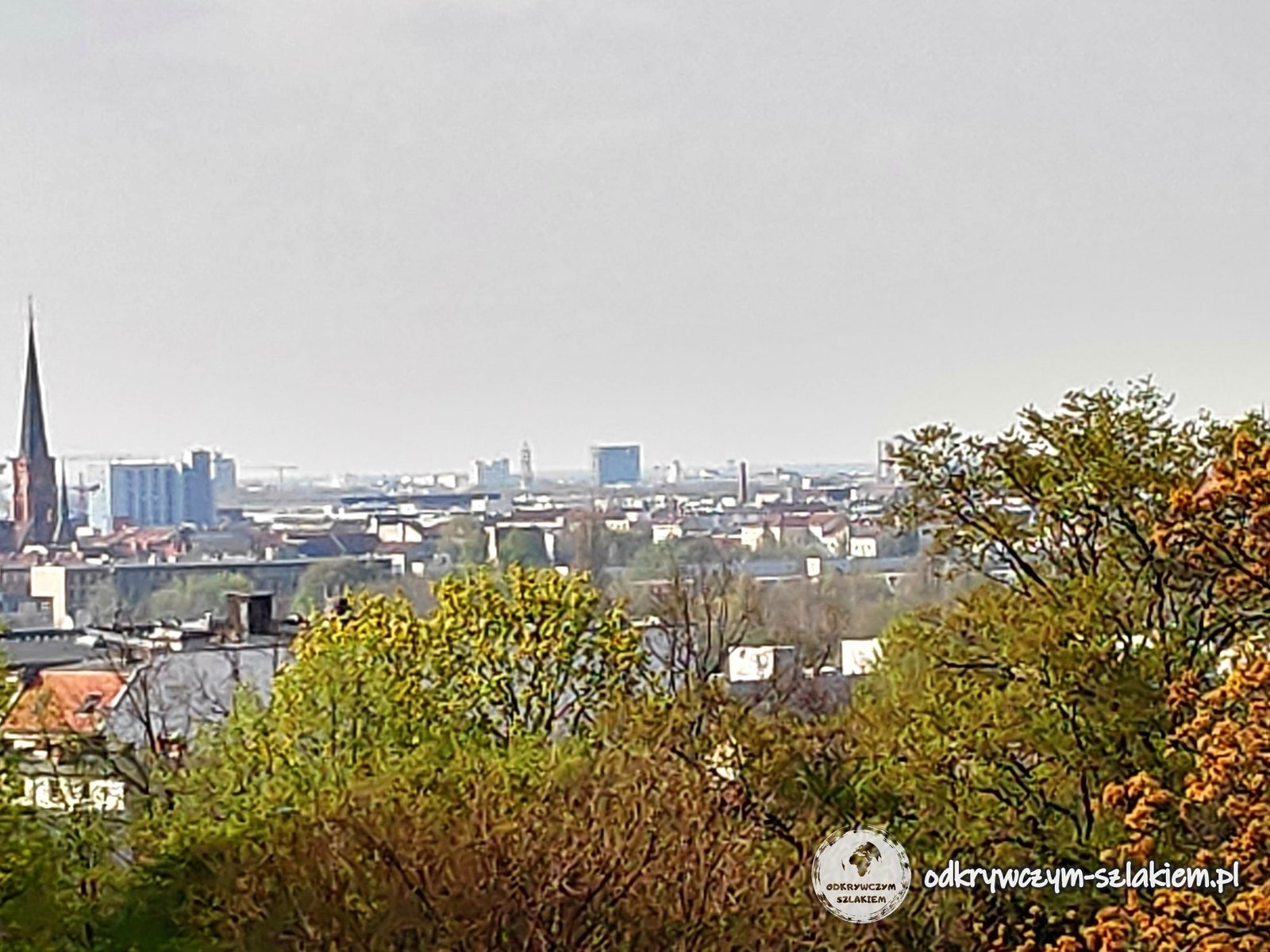
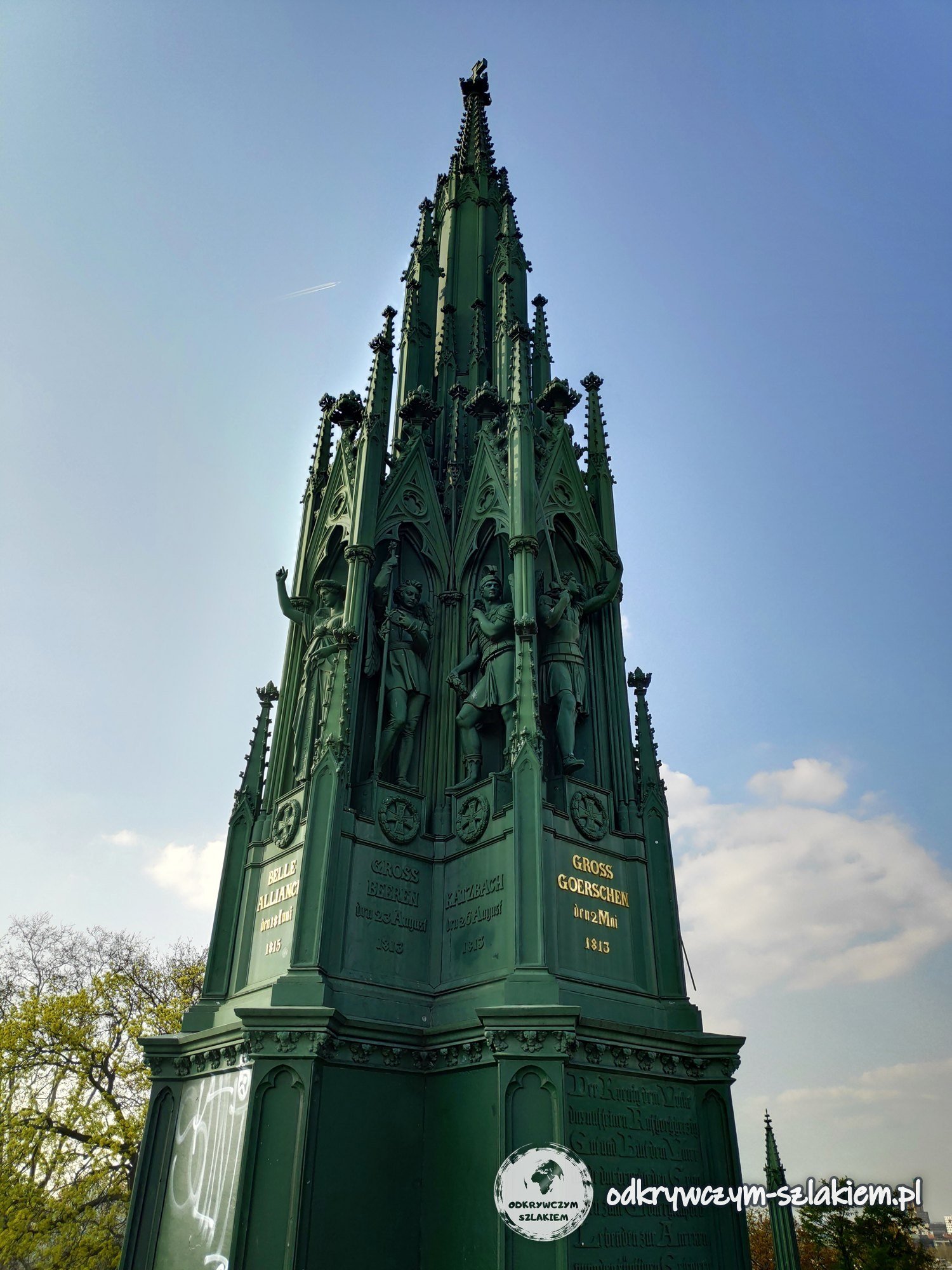
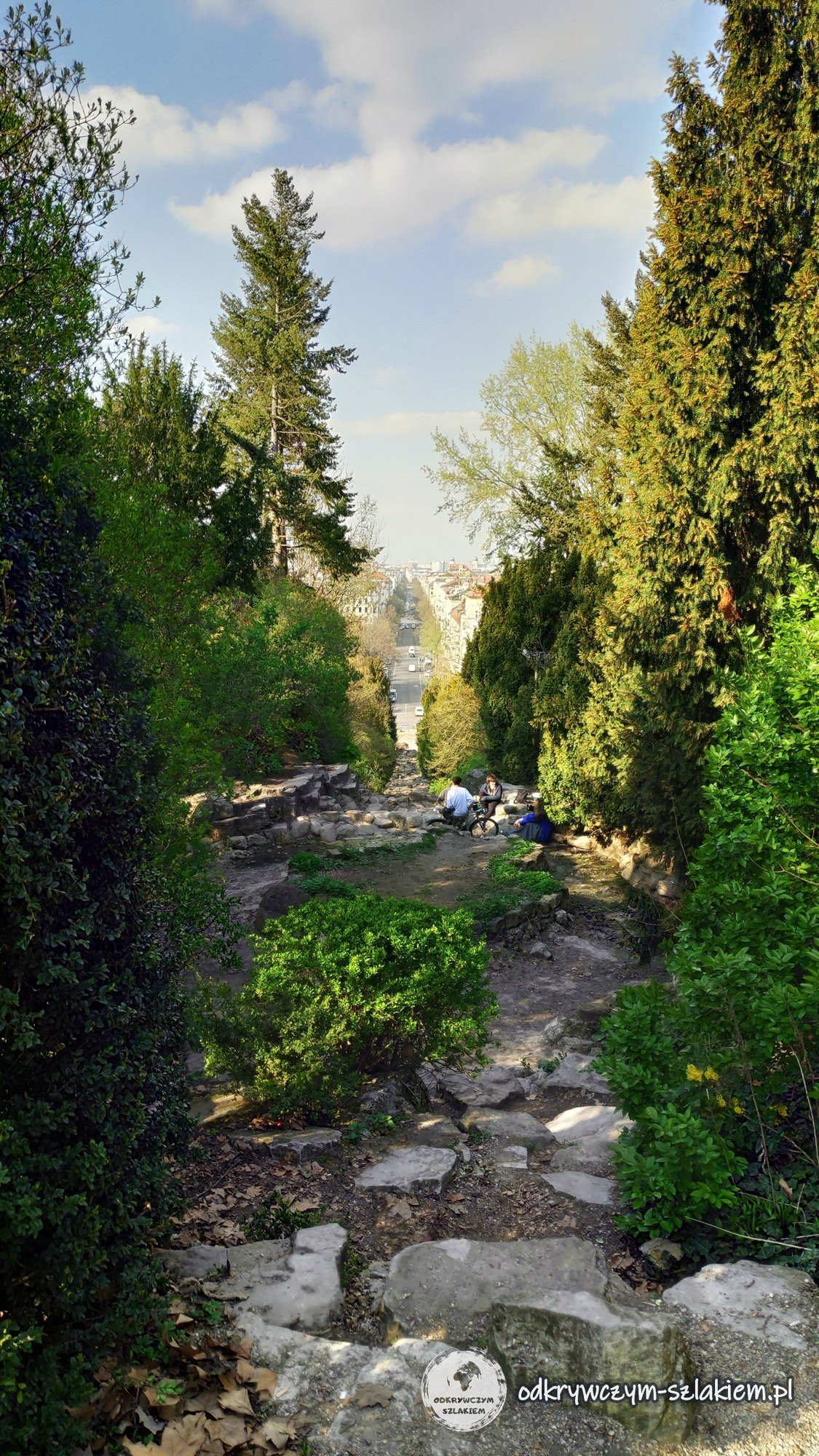
Viktoriapark lies on the hill that gave the whole Kreuzberg district its name. The hill is only 66 m above sea level, but in flat Berlin that already makes it a viewpoint – in April 2019 you could see the roofs of Kreuzberg and the city centre from here. On the summit stands the cast-iron National Monument designed by Karl Friedrich Schinkel, commemorating the wars against Napoleon.
An artificial waterfall flows down the hill among rocks. A Polish touch: it was modelled on the waterfalls of the Giant Mountains (Karkonosze) – the one most often mentioned is the Kamieńczyk Waterfall. The water only runs in the warmer months, so at the beginning of April I mostly saw bare rocks.
Volkspark Friedrichshain – the Fairy Tale Fountain and a Polish memorial
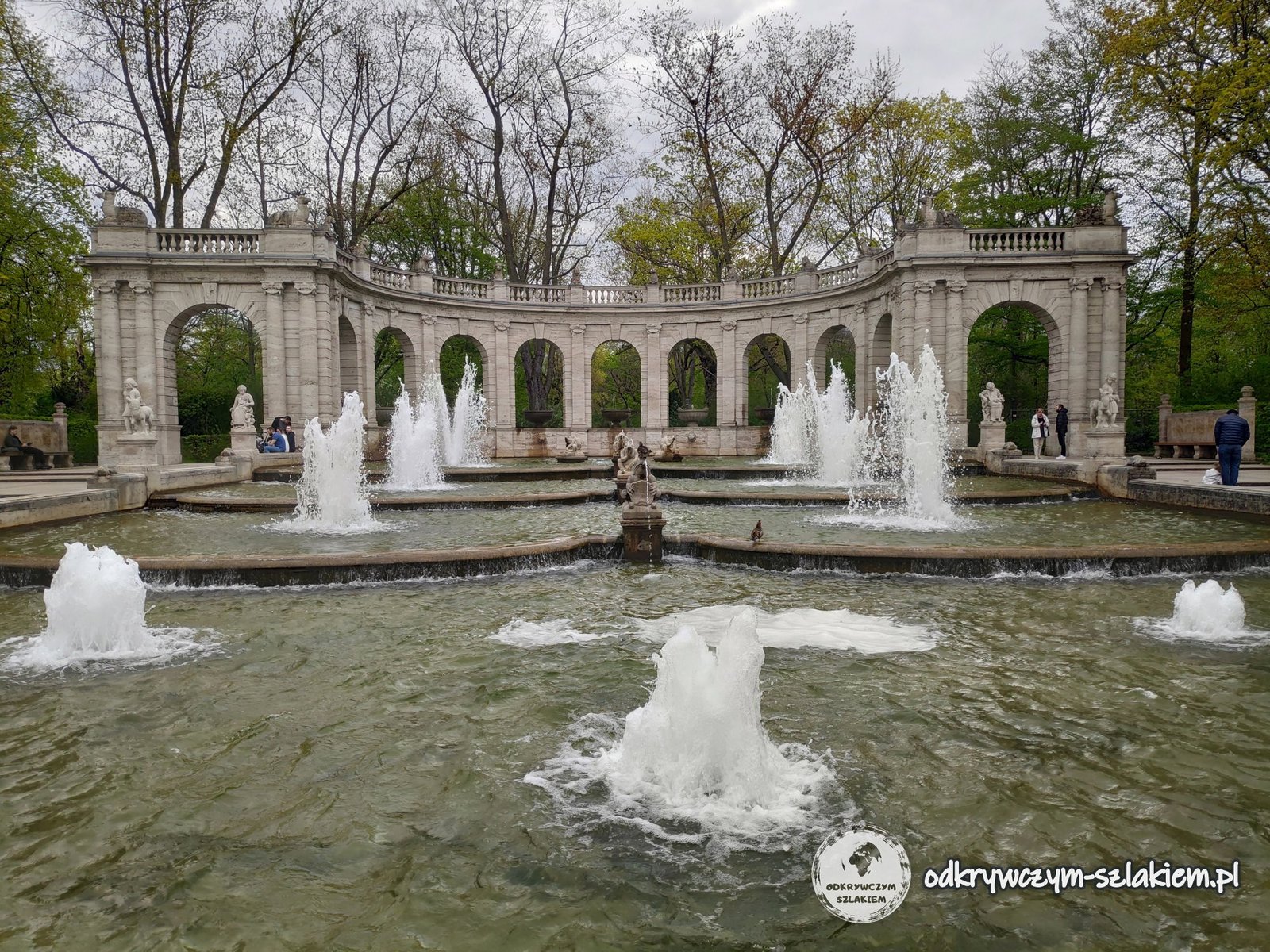
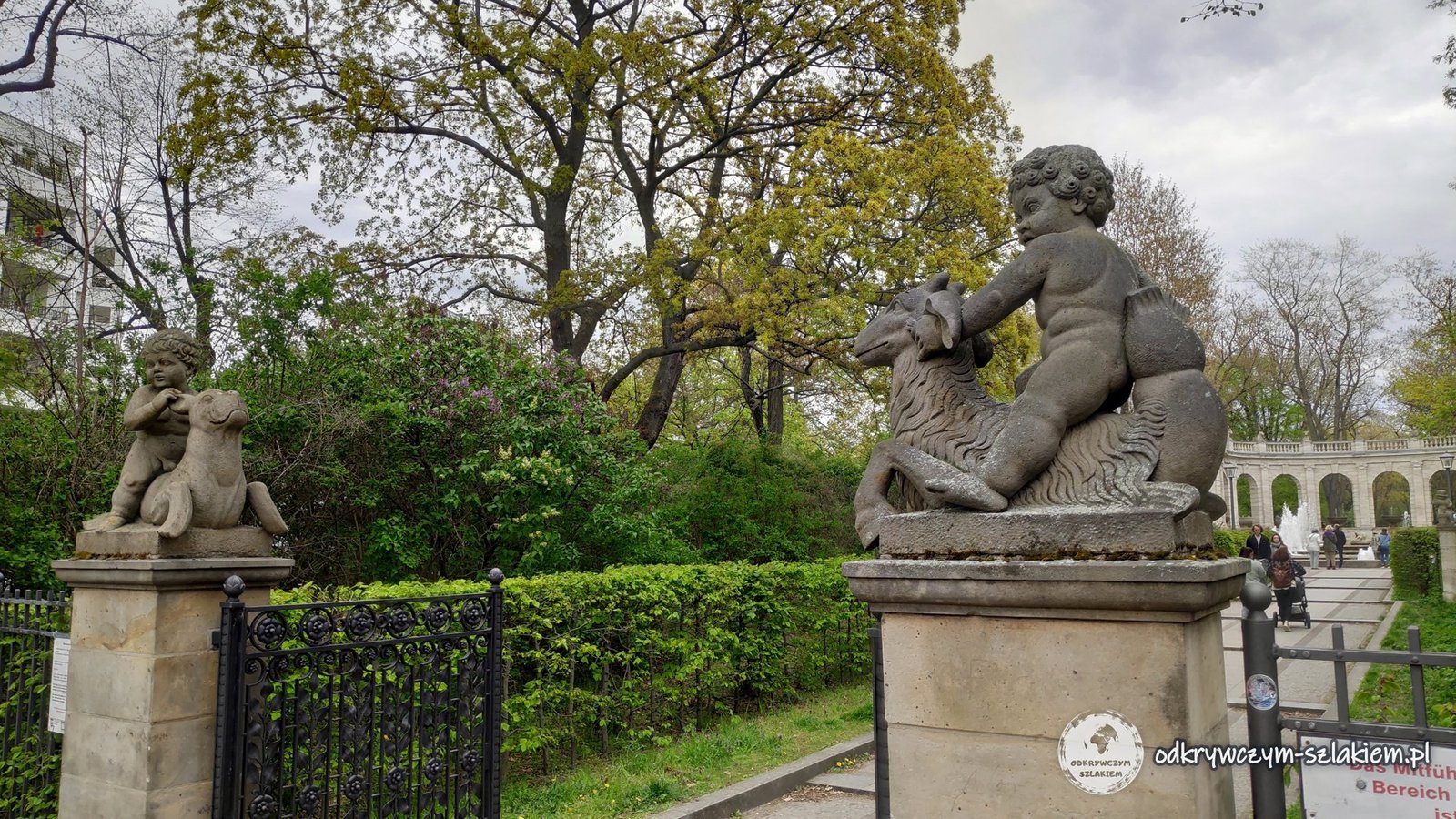
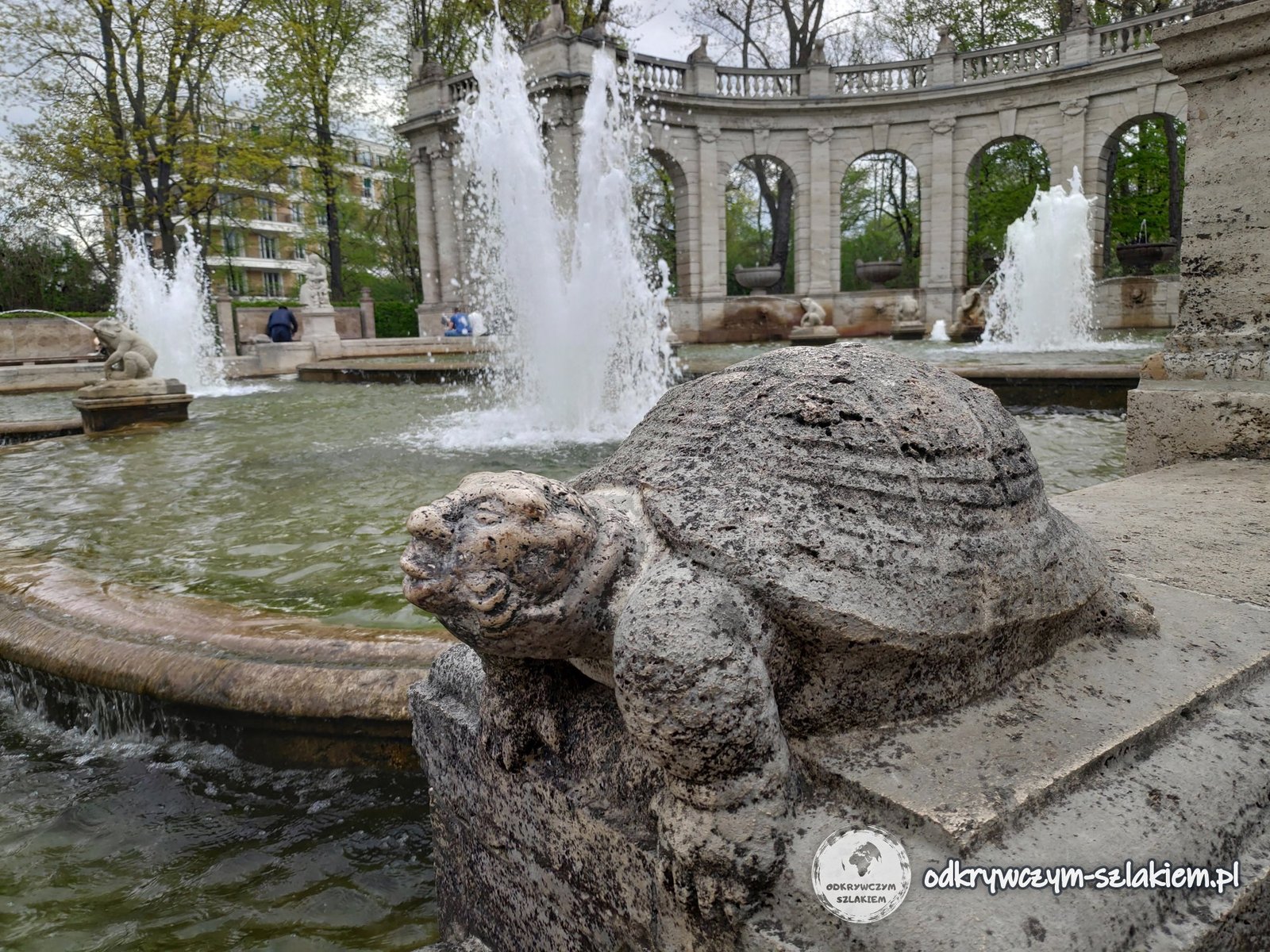
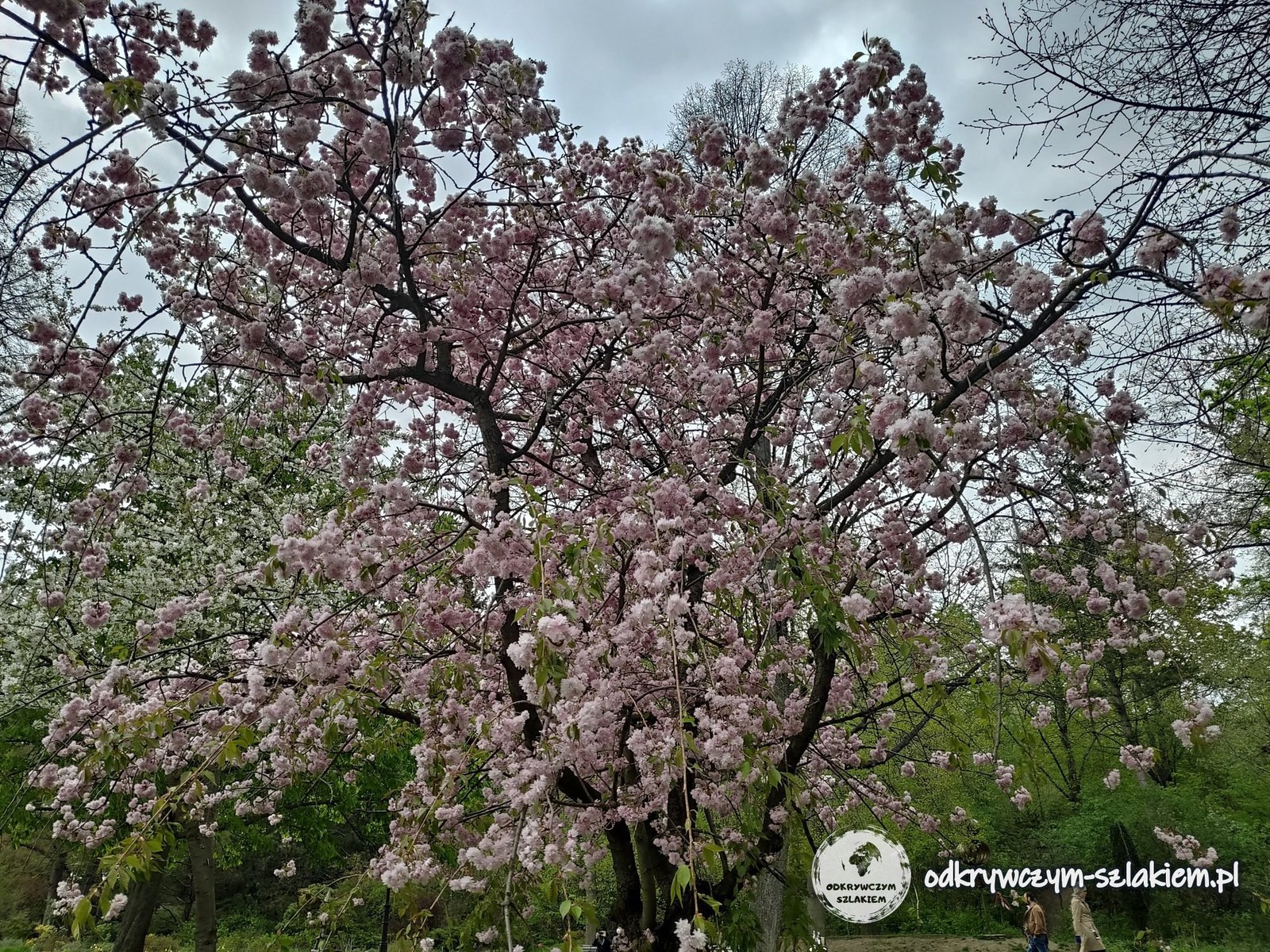
Volkspark Friedrichshain is the oldest public park in Berlin, laid out in the mid-19th century. I was here in April 2022, when the trees were in blossom. Right by the entrance on the Am Friedrichshain side stands the Fairy Tale Fountain (Märchenbrunnen) from 1913 – a cascade of basins surrounded by stone figures from the Brothers Grimm fairy tales and animals, including turtles.
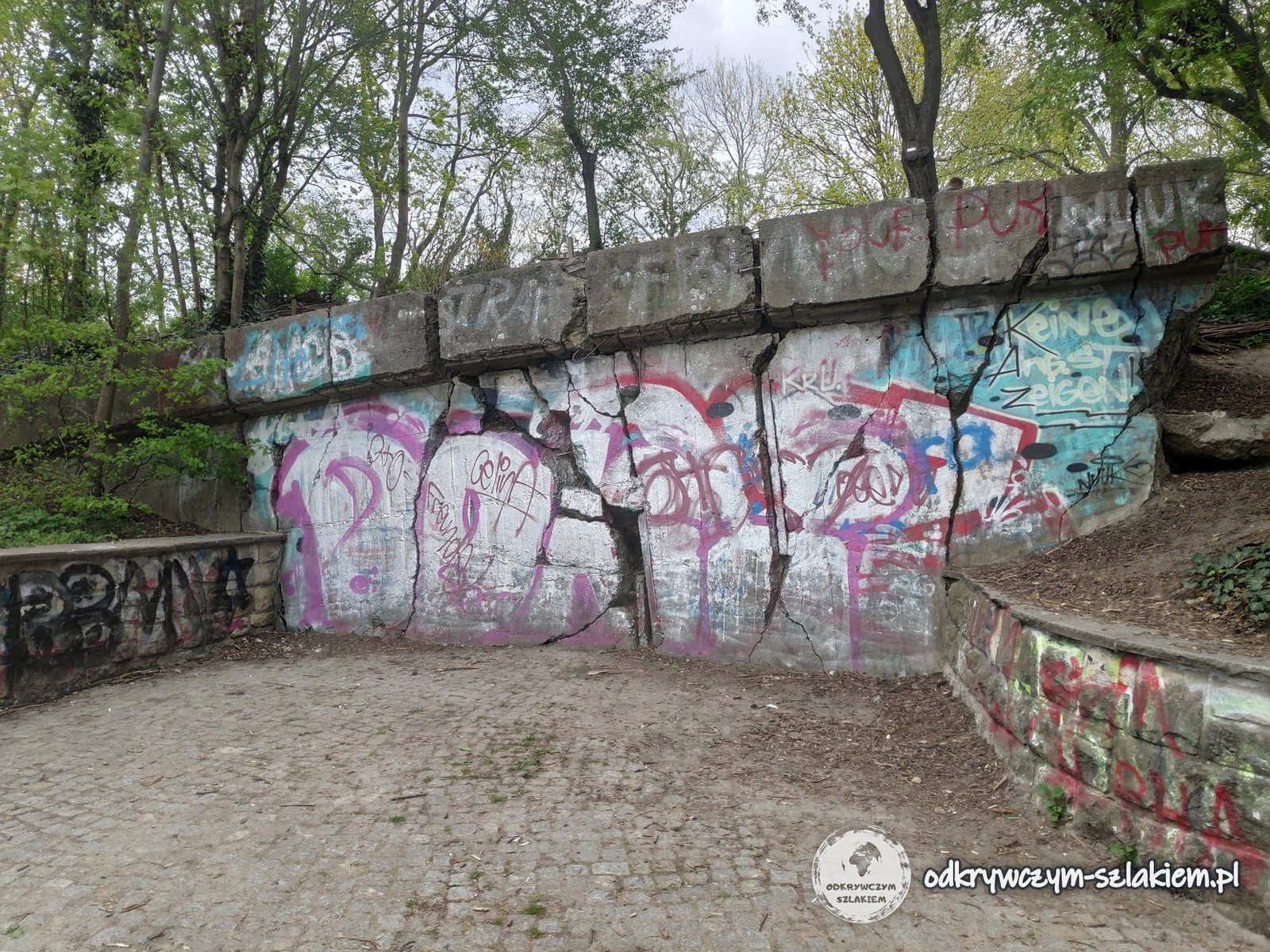
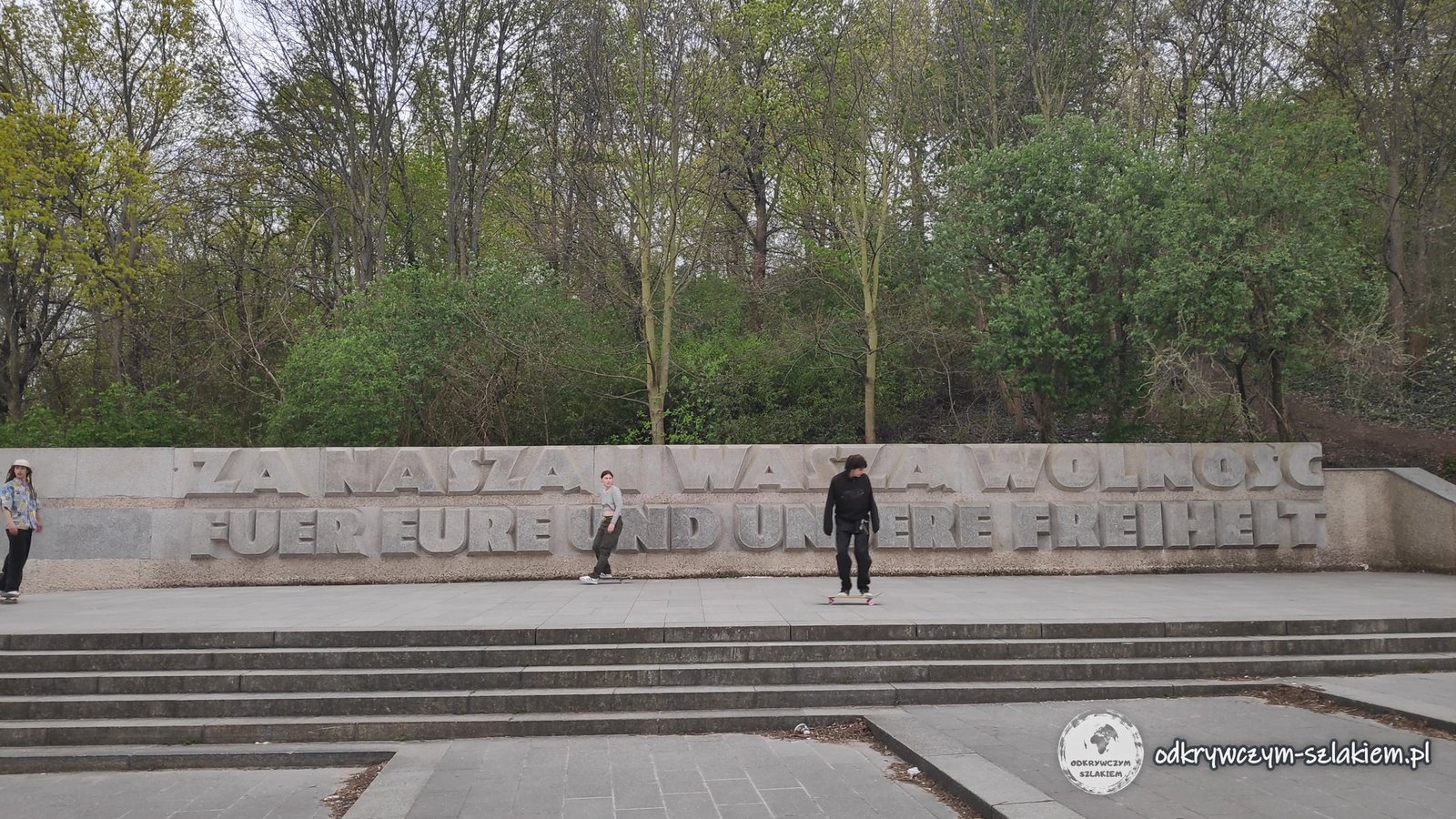
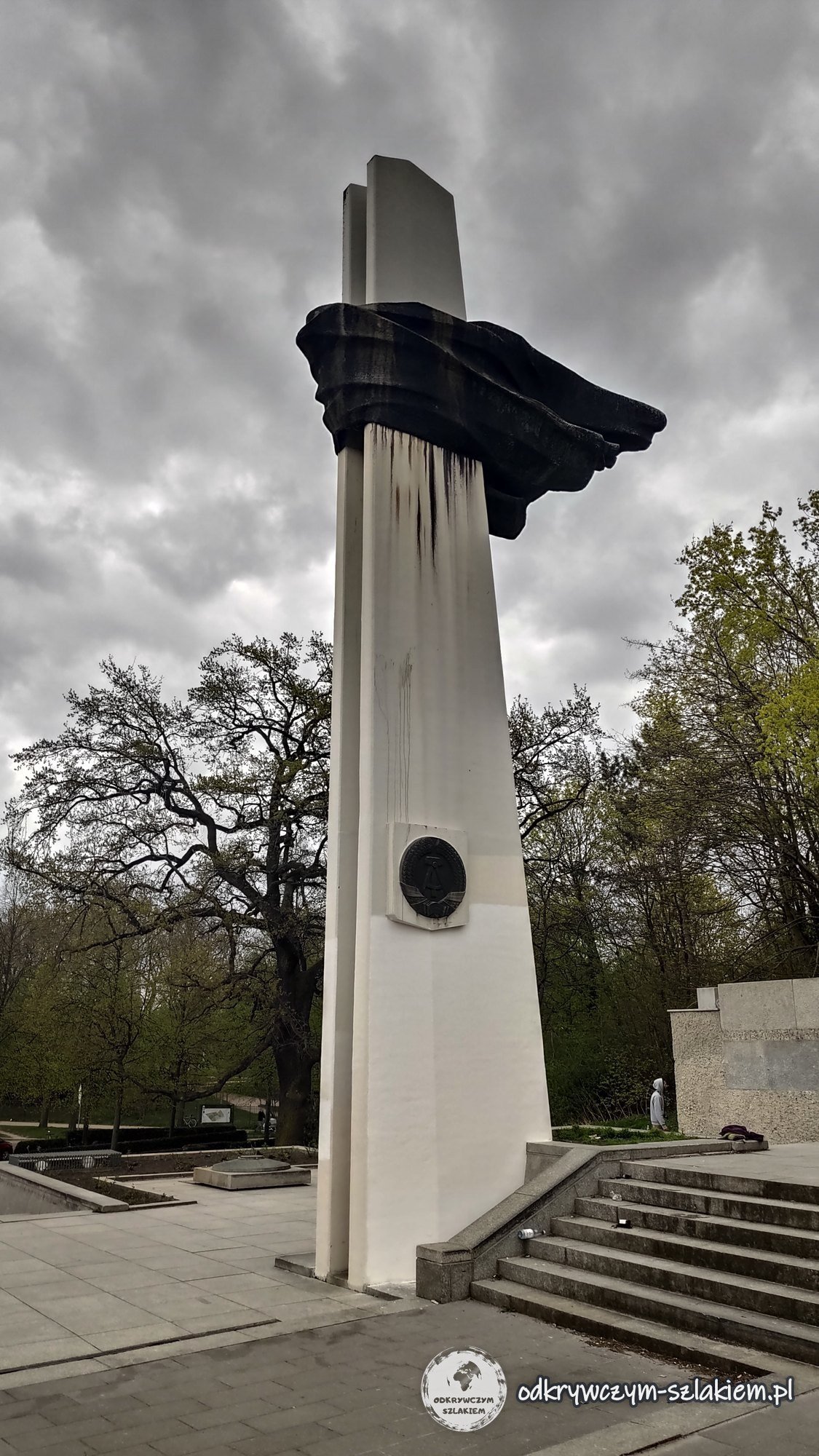
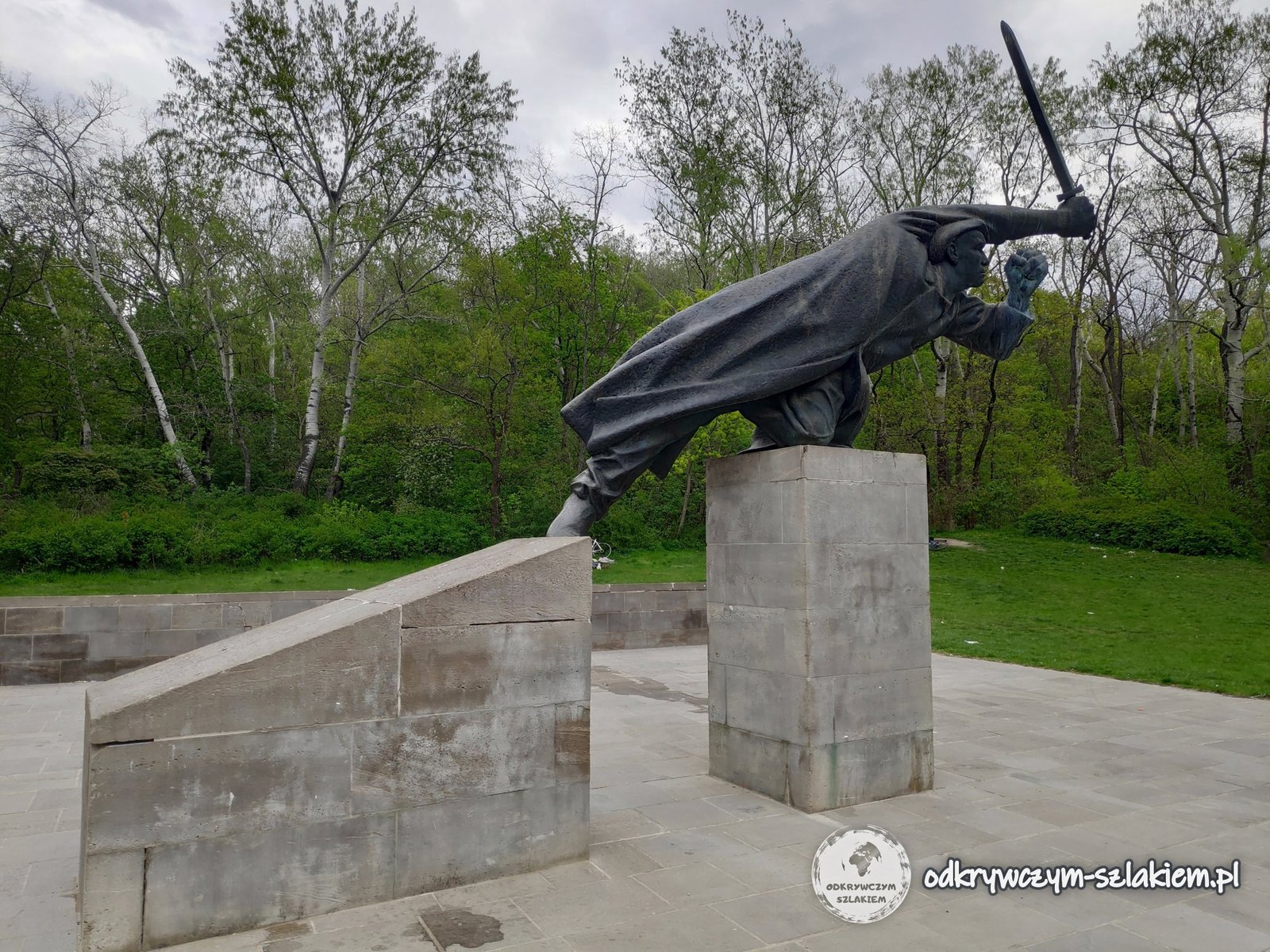
For a Pole, the Memorial to Polish Soldiers and German Anti-Fascists from 1972 is of particular interest. The wall bears an inscription in German and Polish: “For our freedom and yours”. The memorial commemorates the Polish soldiers who fought against Nazi Germany and the German anti-fascists. Nearby there is also a memorial to the Germans who fought in the International Brigades in Spain.
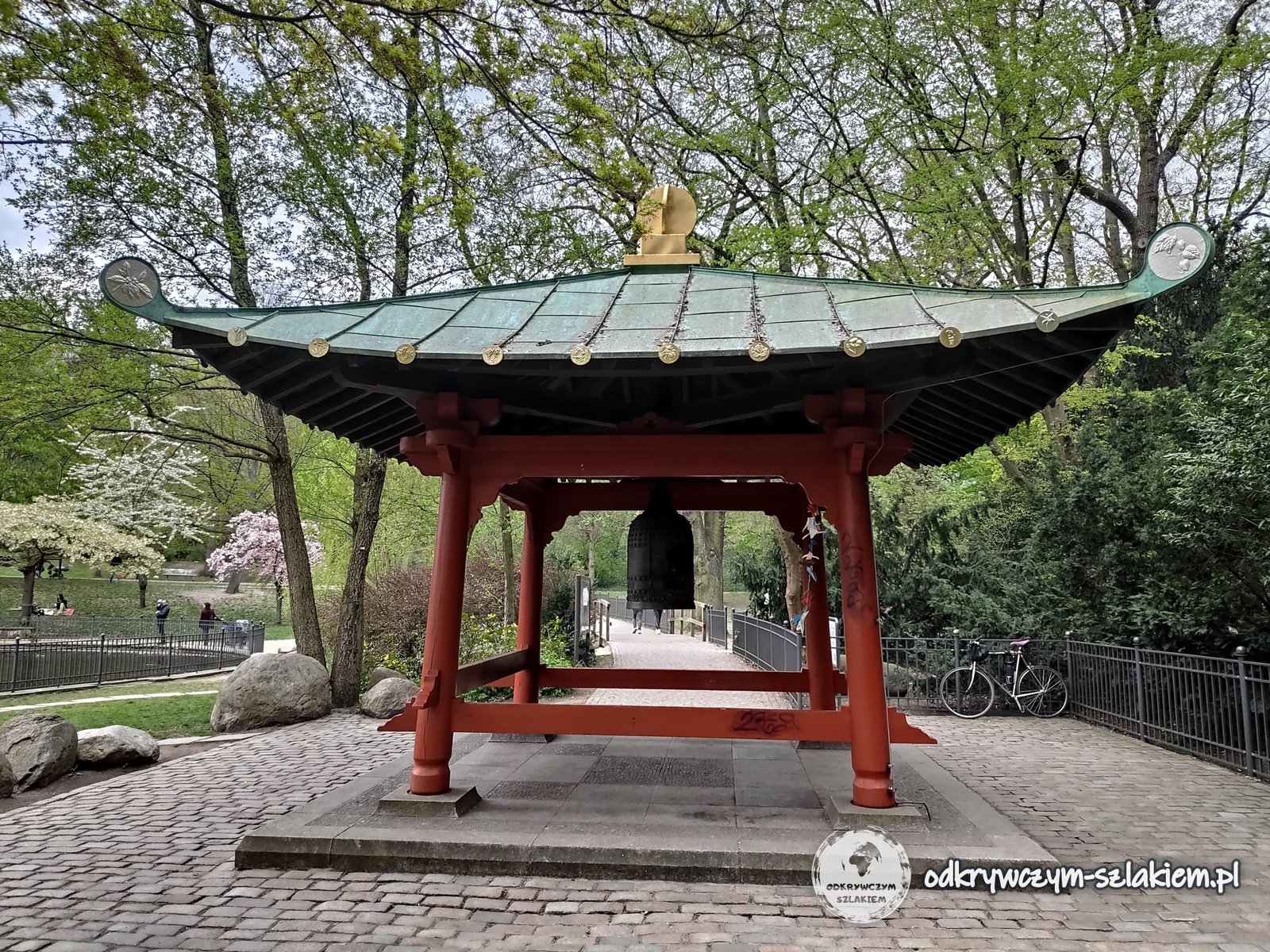
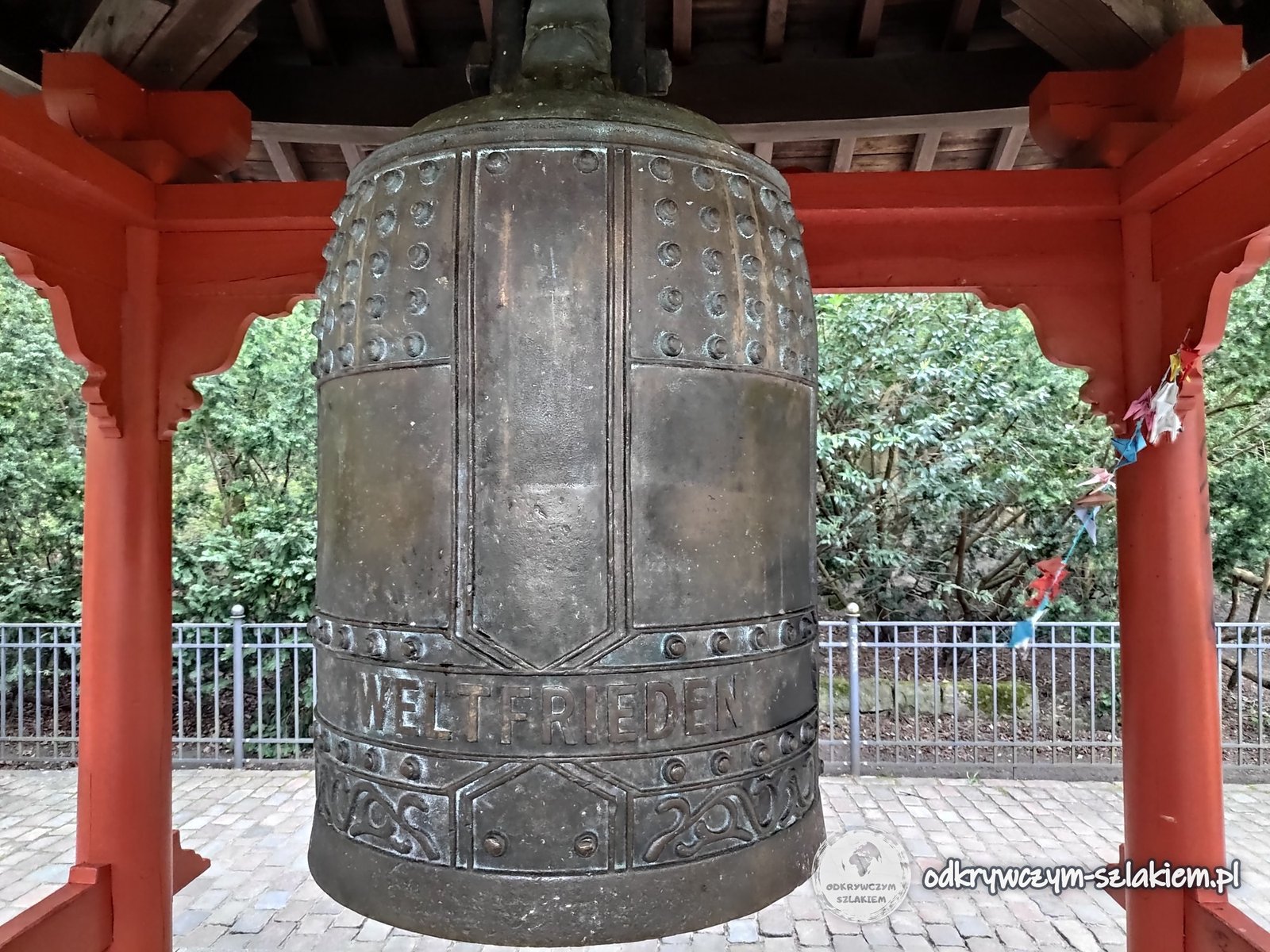
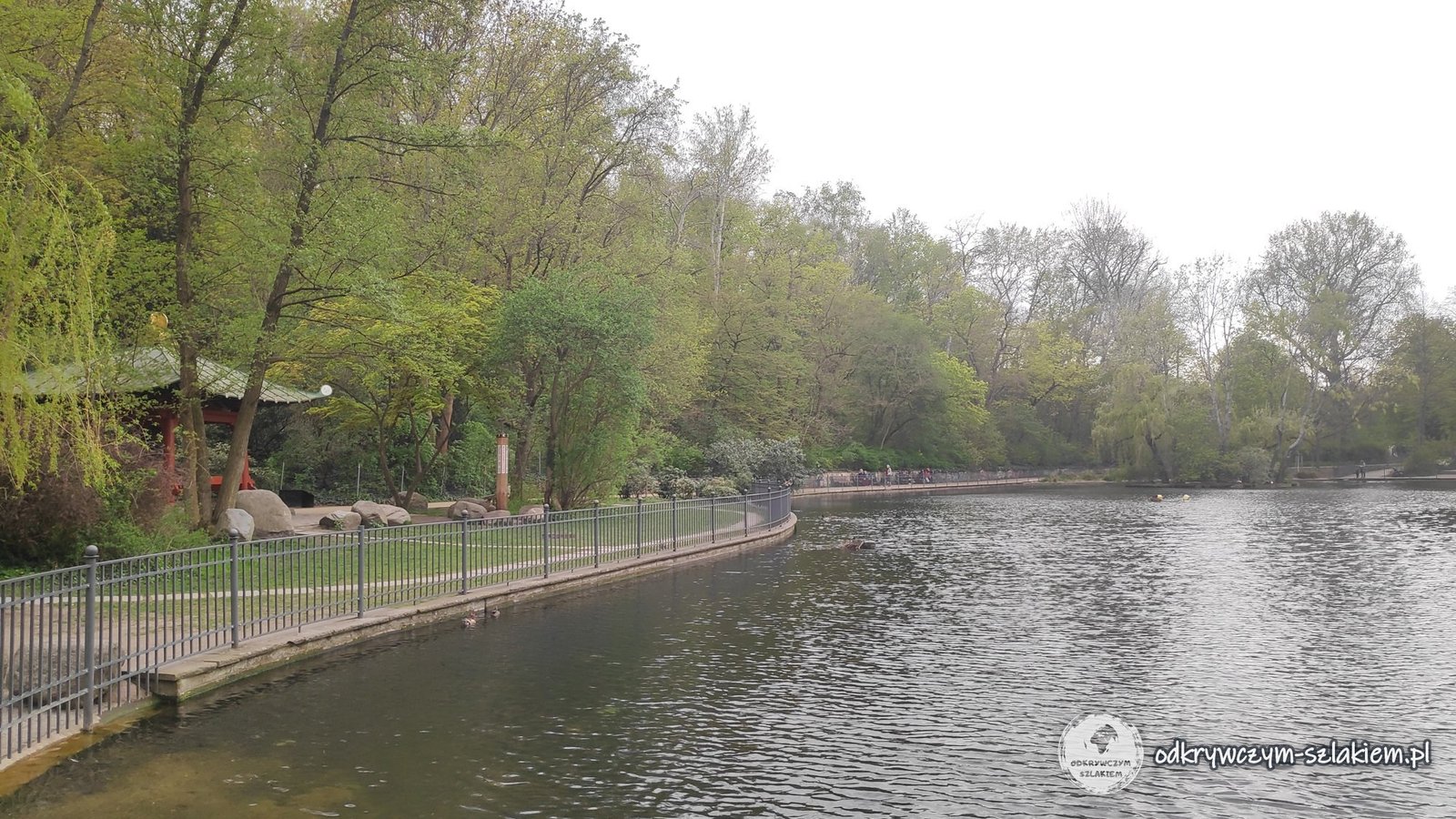
The park also has two hills piled up from post-war rubble on the remains of anti-aircraft bunkers – the higher one is called “Mont Klamott”. Between them stands a red pavilion with the Japanese Peace Bell, a gift from Japan. In spring it gets very colourful by the pond.
Humboldthain – a rose garden and a flak tower
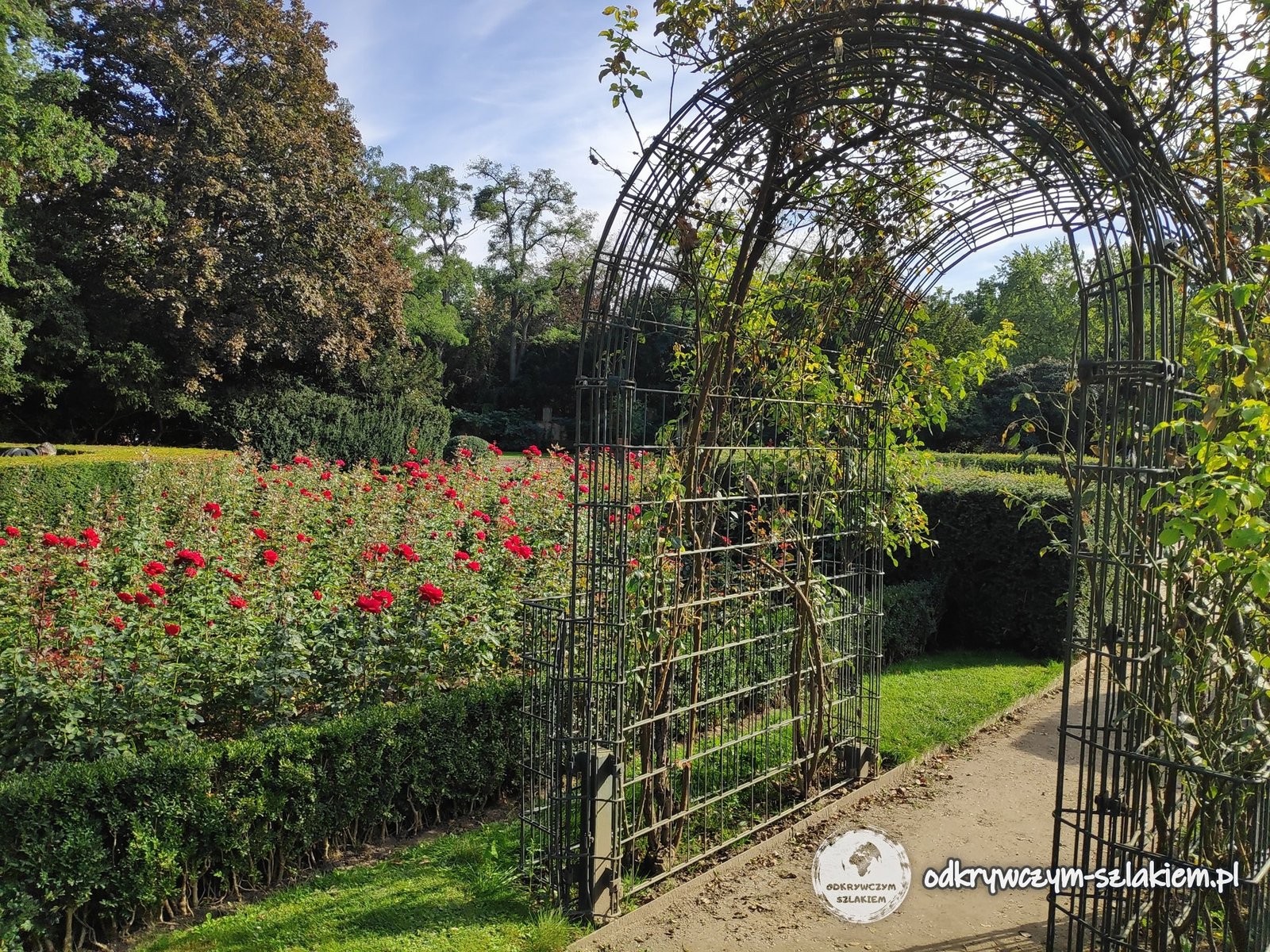
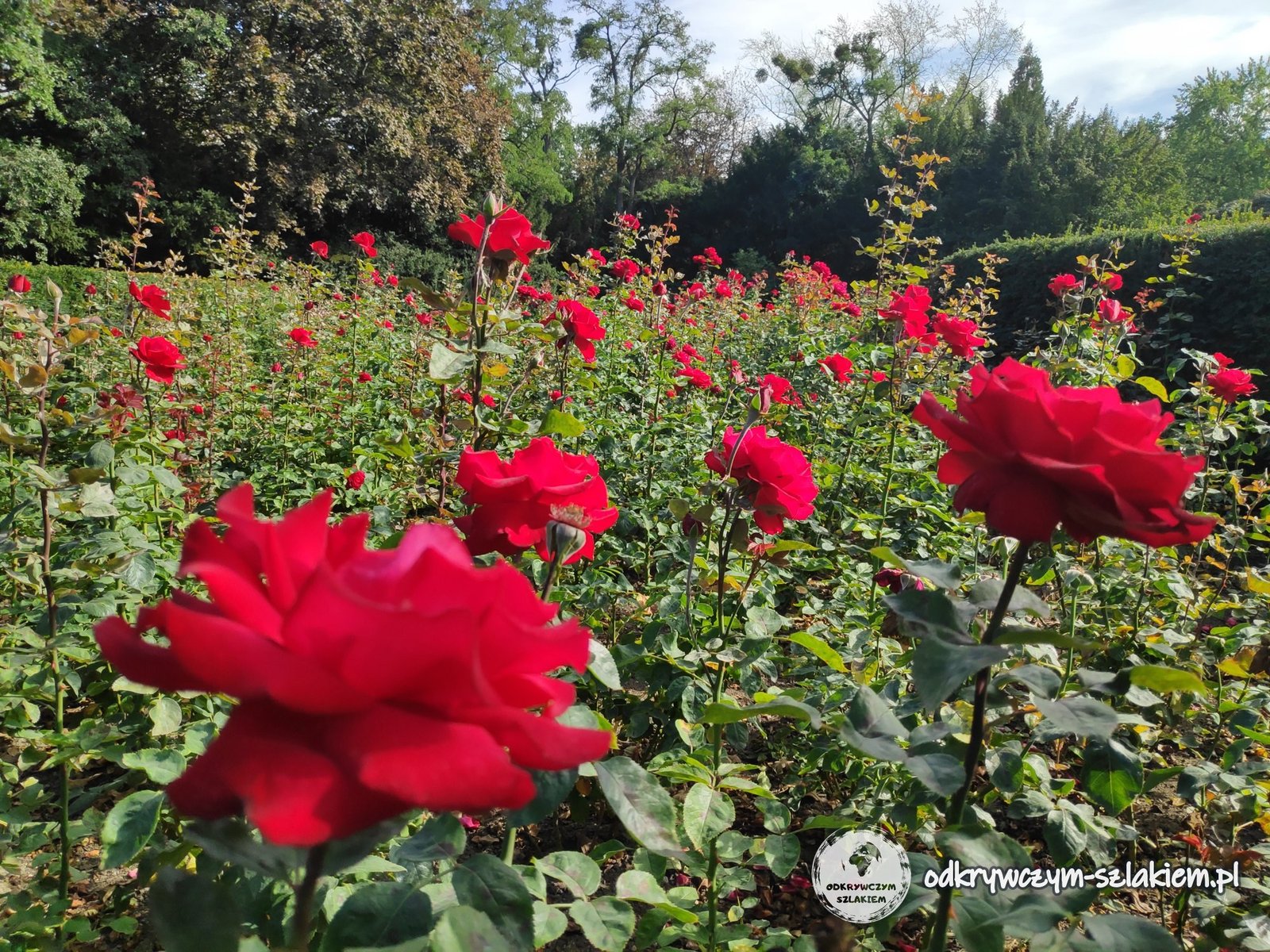
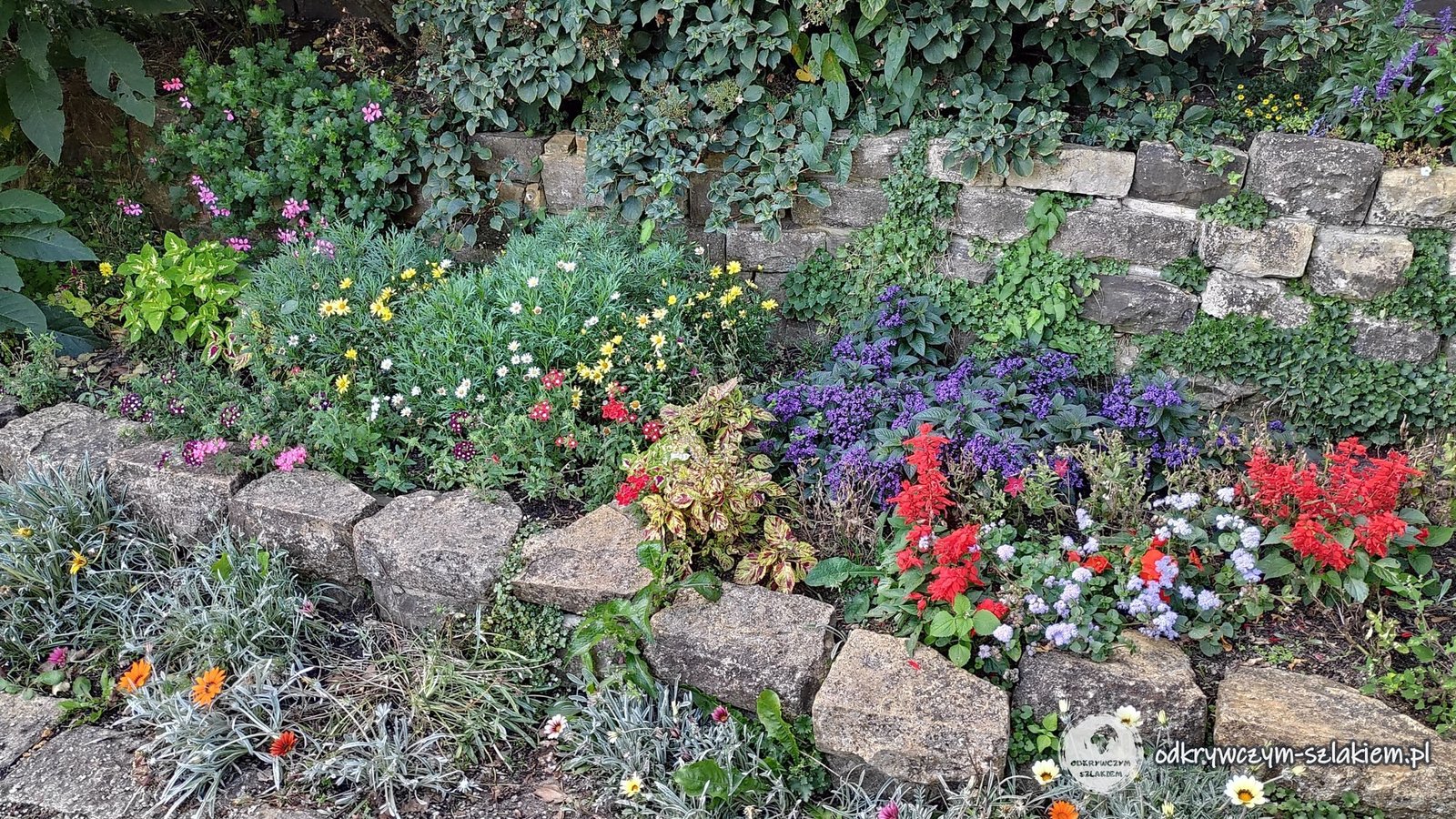
I visited Humboldthain park in the Wedding district in September 2020. The prettiest part is the rose garden with pergolas and colourful flower beds – in September the roses were still in full bloom.
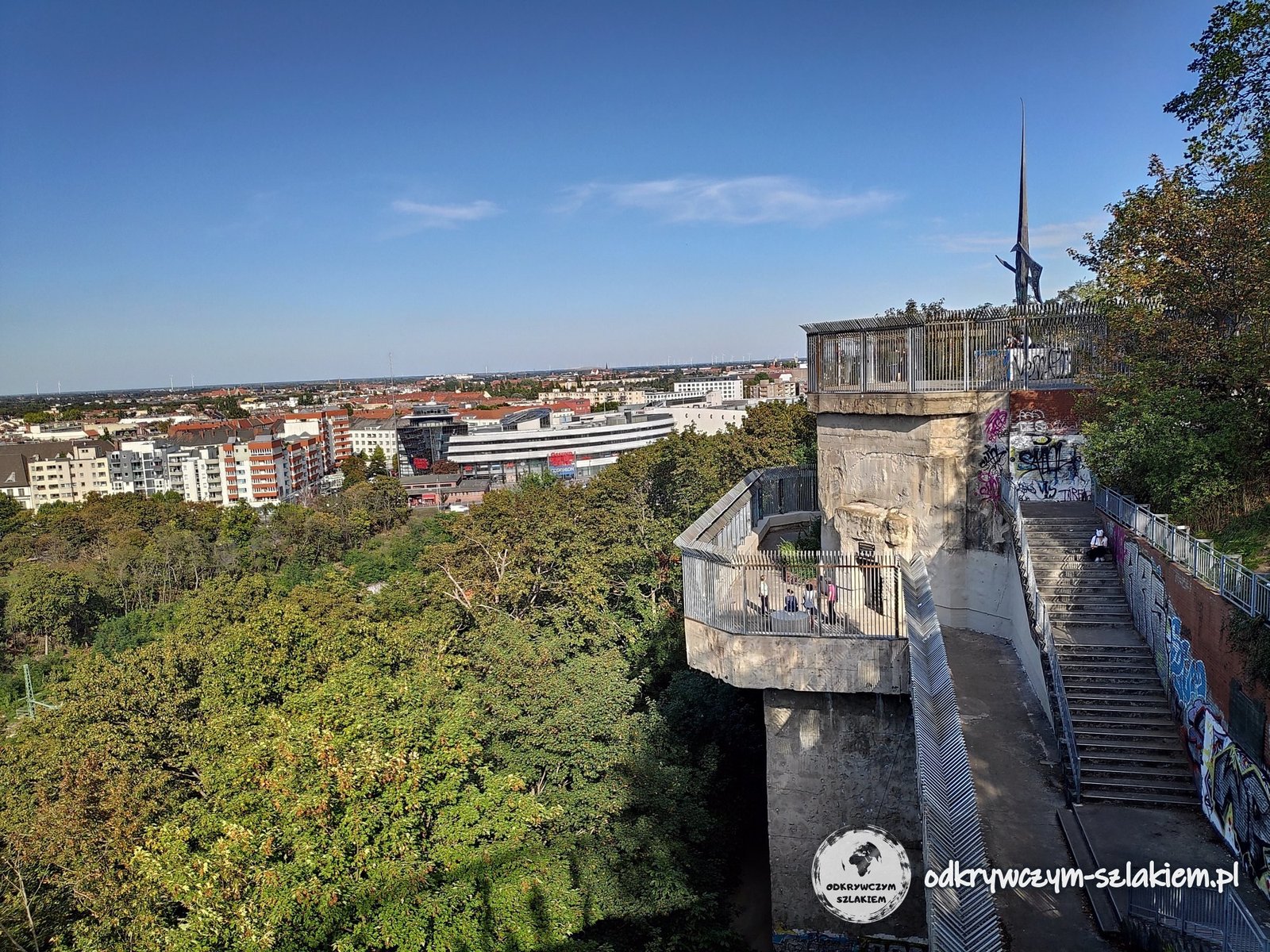
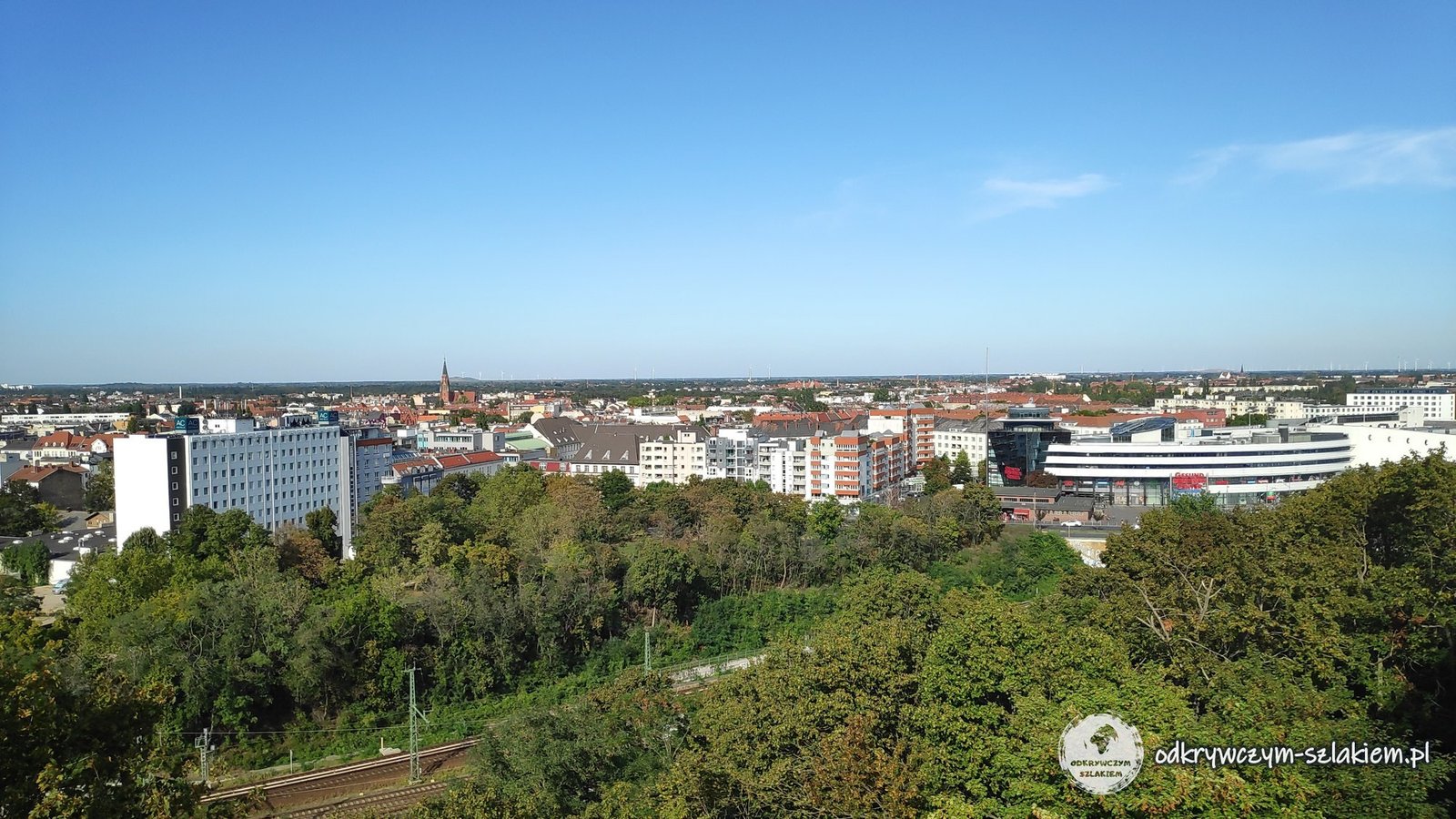
The other face of the park is the flak tower (Flakturm) from the Second World War. After the war it was partly blown up and covered with rubble, and a free viewing terrace was built on top. From there you can see Wedding and, in good weather, the TV Tower too. You can only go inside the bunker on a tour with the Berliner Unterwelten association.
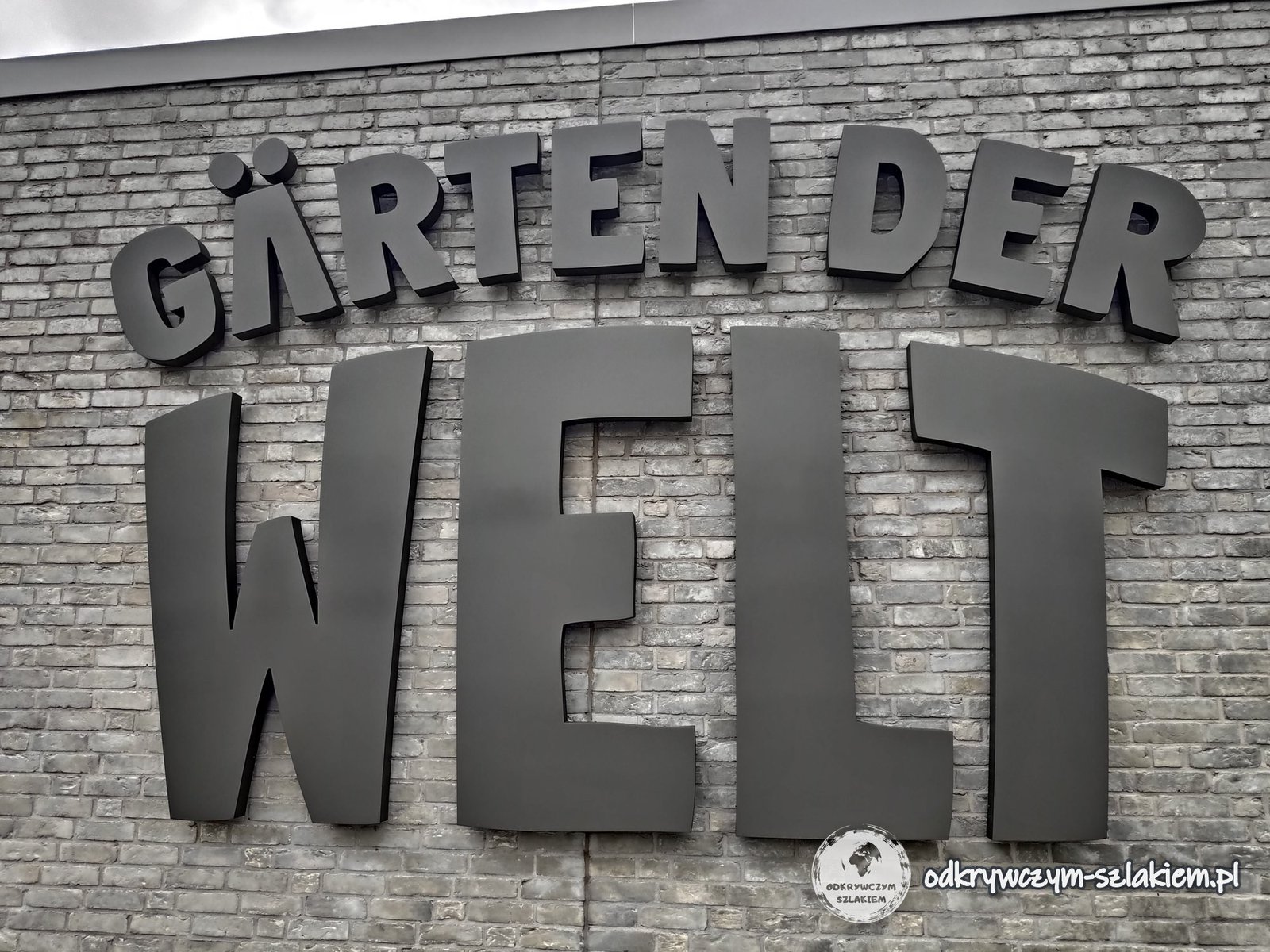
Gärten der Welt – gardens from all over the world in Marzahn
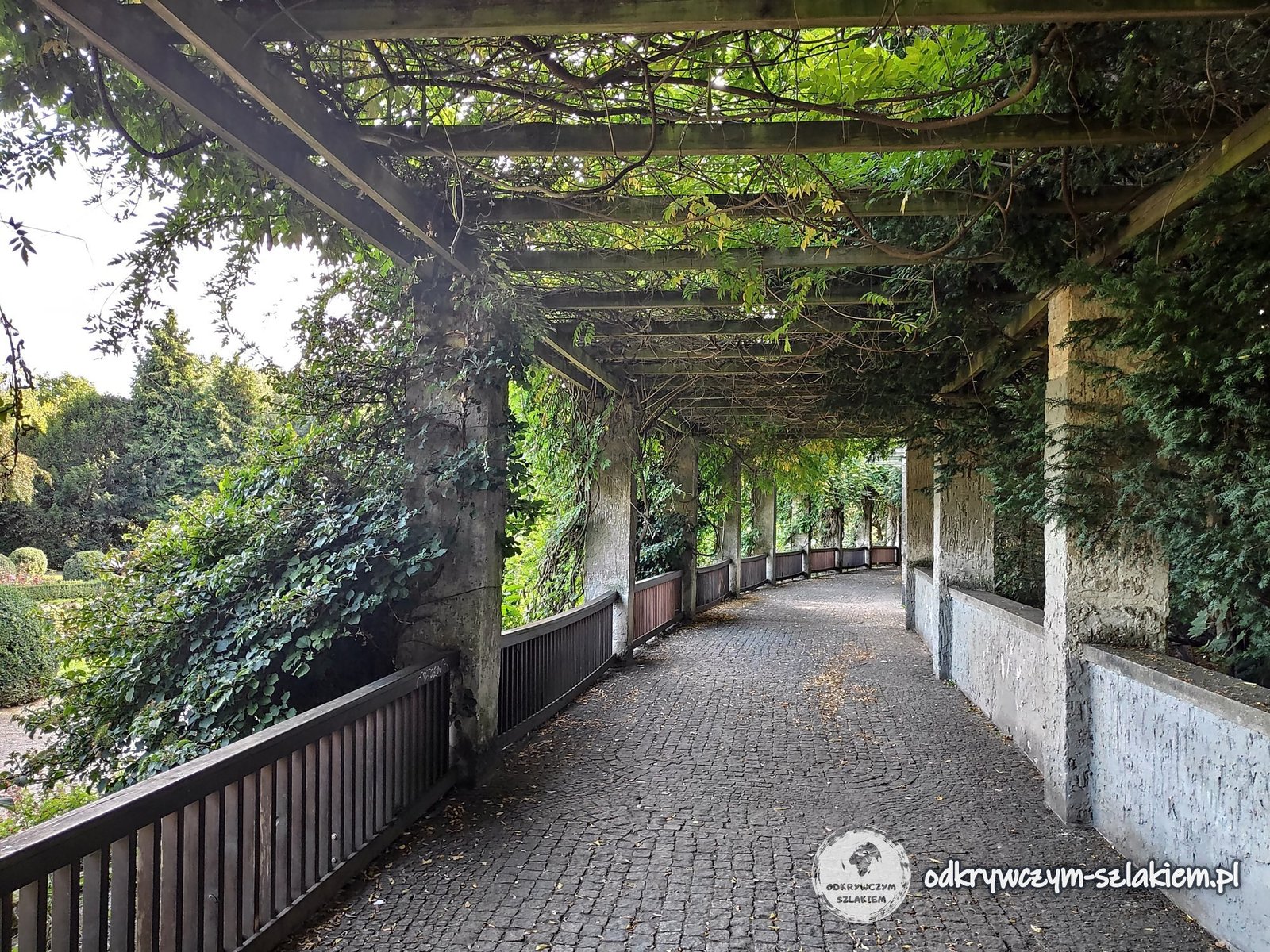
I went to the Gärten der Welt (“Gardens of the World”) in the Marzahn district in May 2022. A dozen or so themed gardens from different cultures have been brought together on one site – behind every hedge something different awaits.
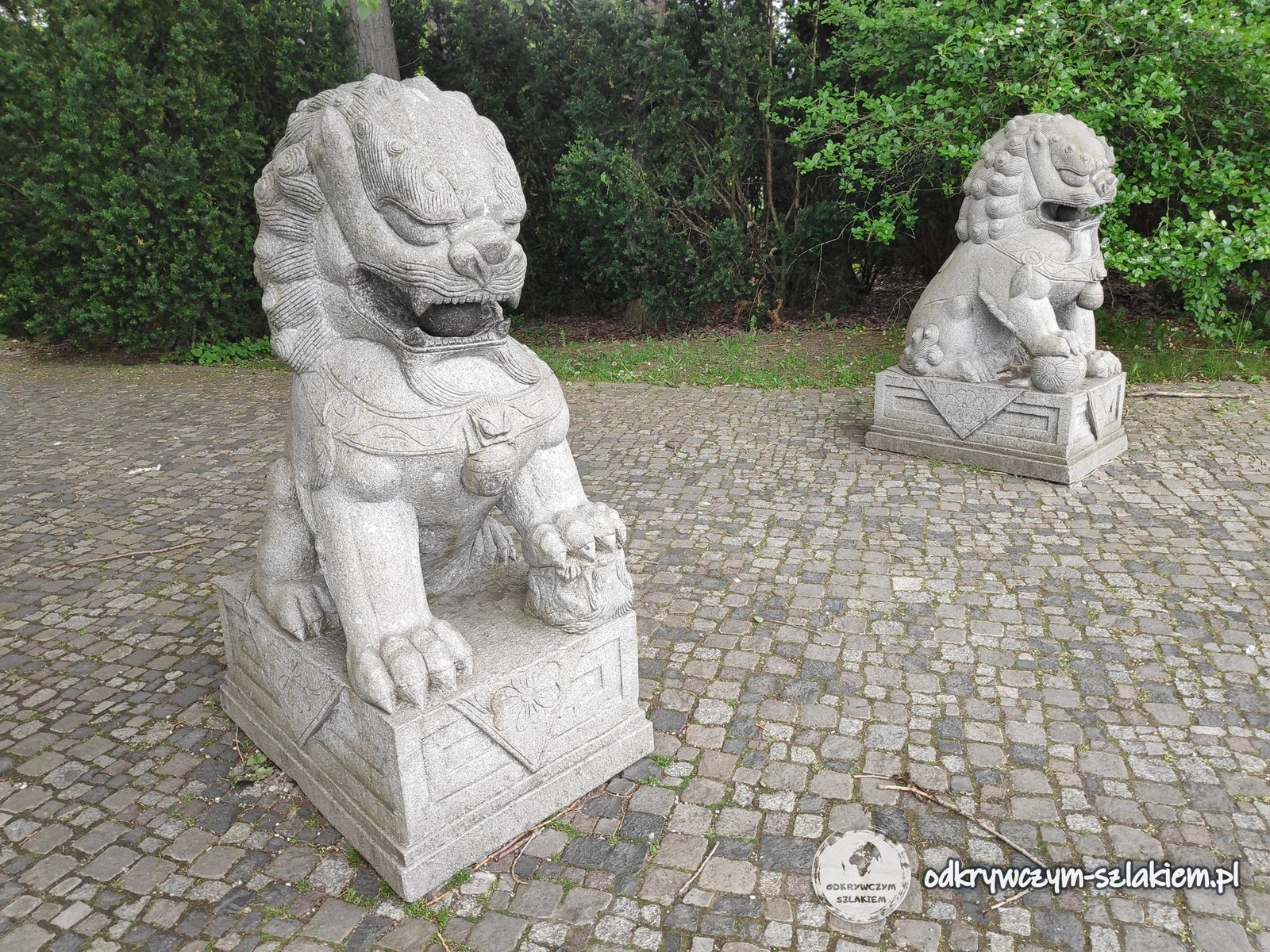
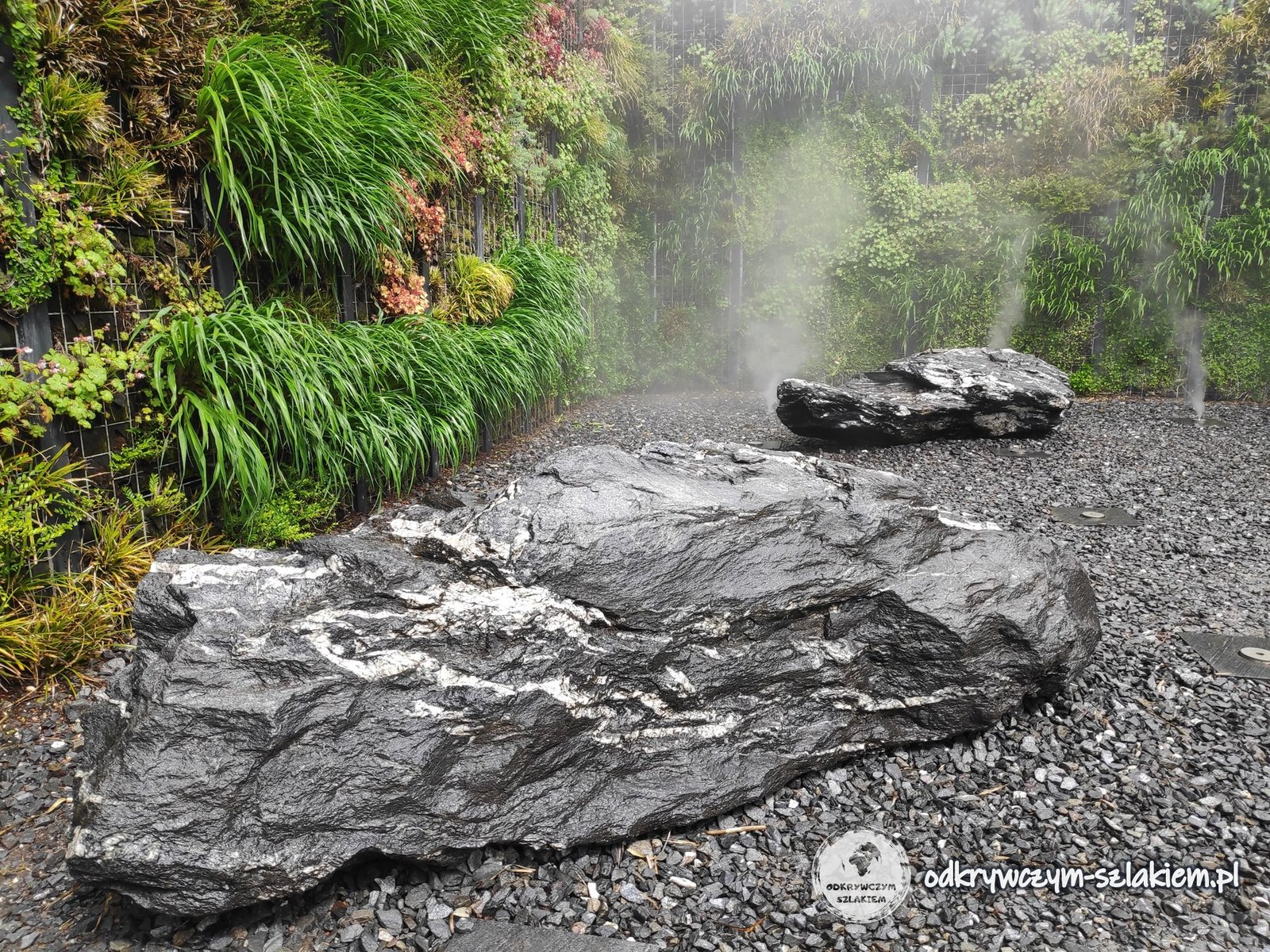
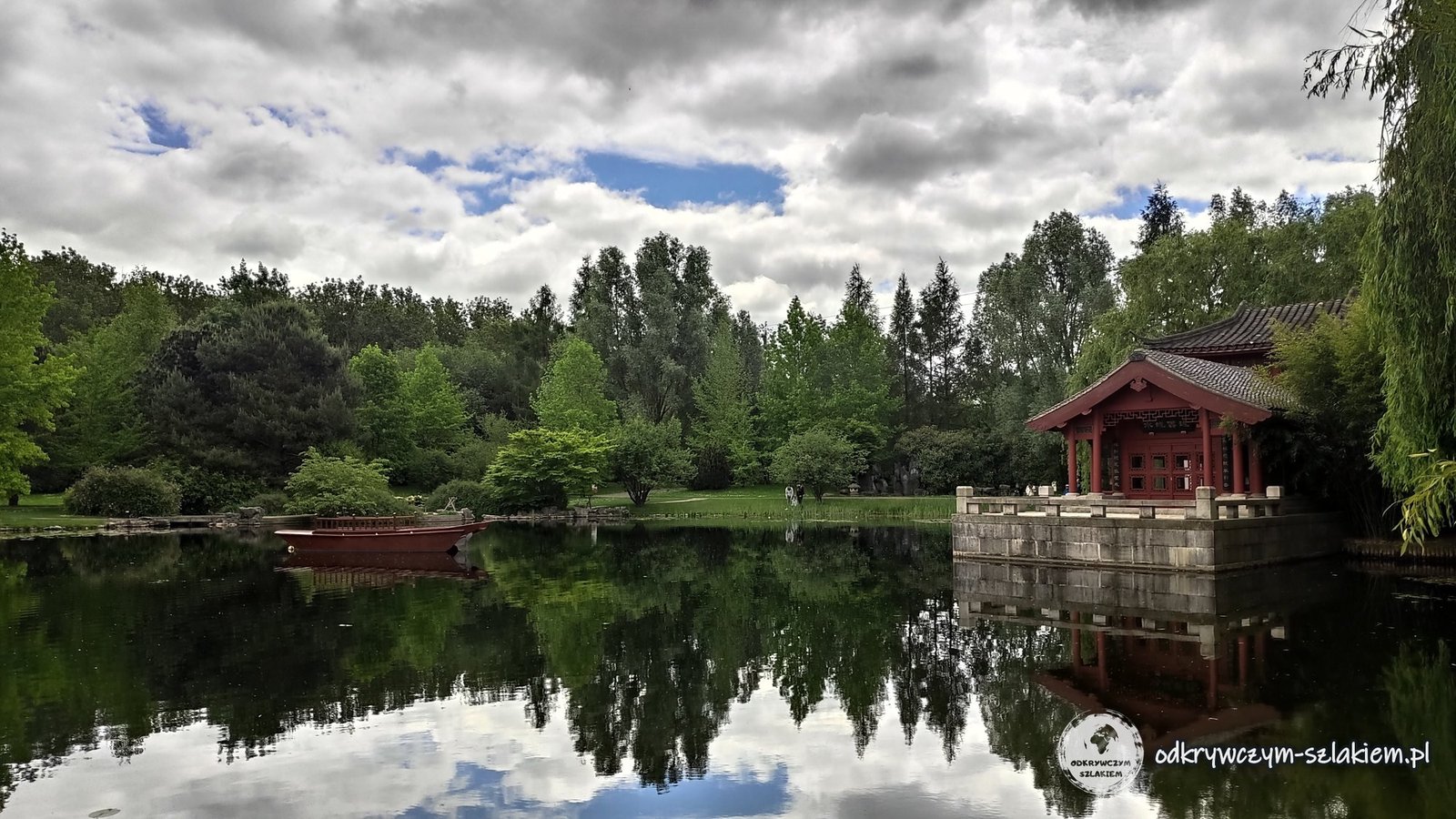
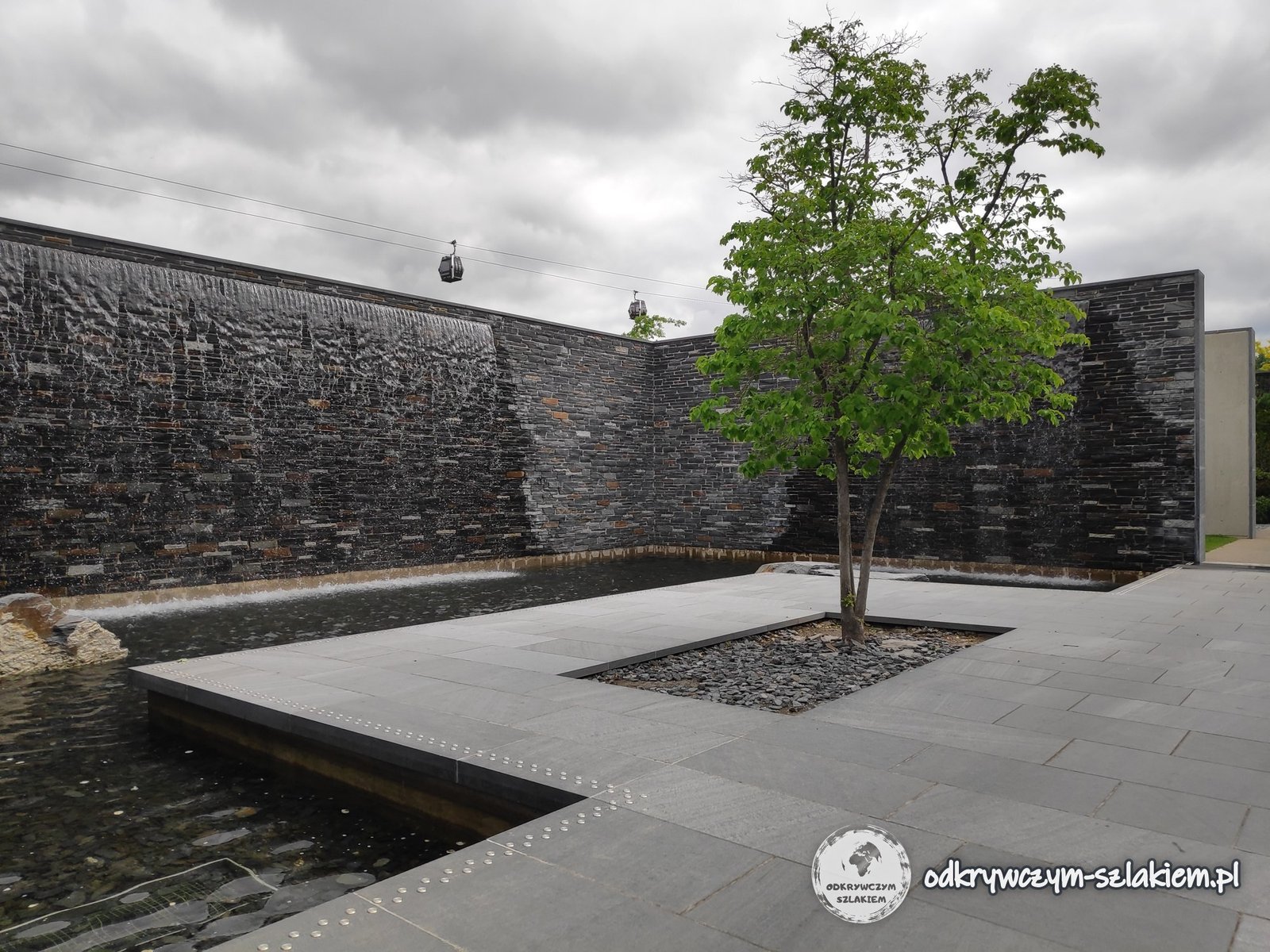
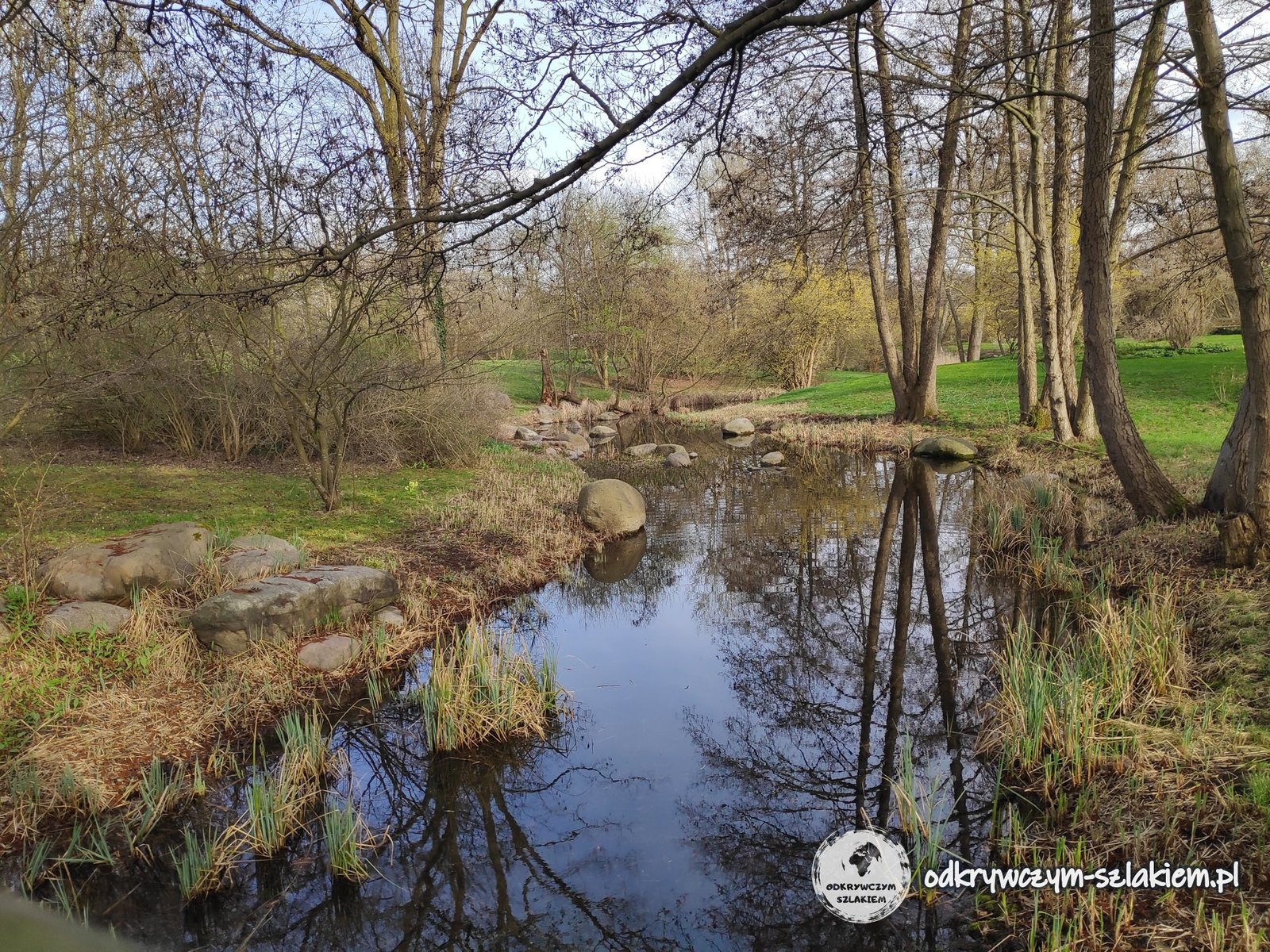
One of the largest is the Chinese garden with a pond and a tea pavilion. The Japanese garden, with a stream and stones, is calmer.
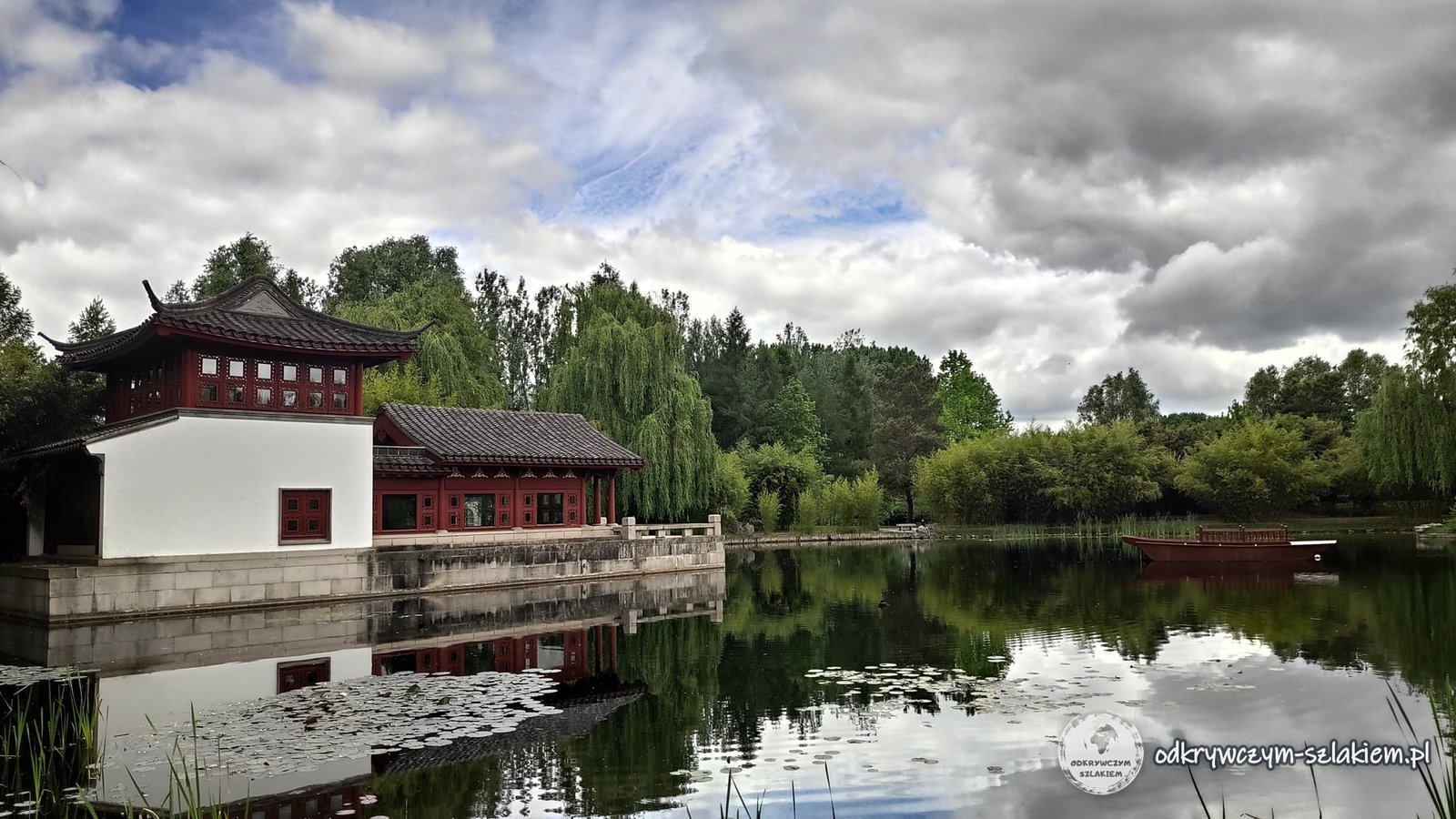
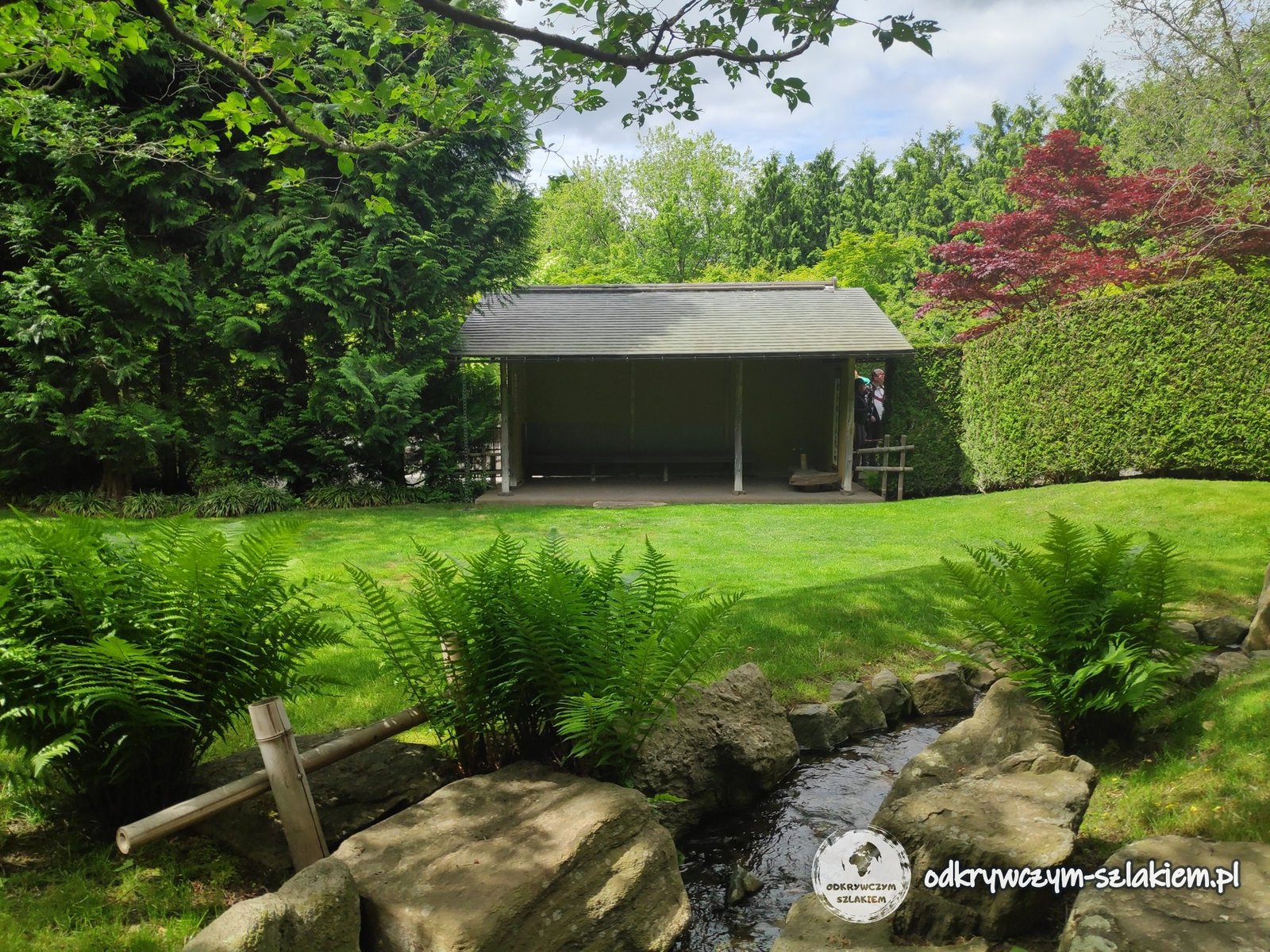
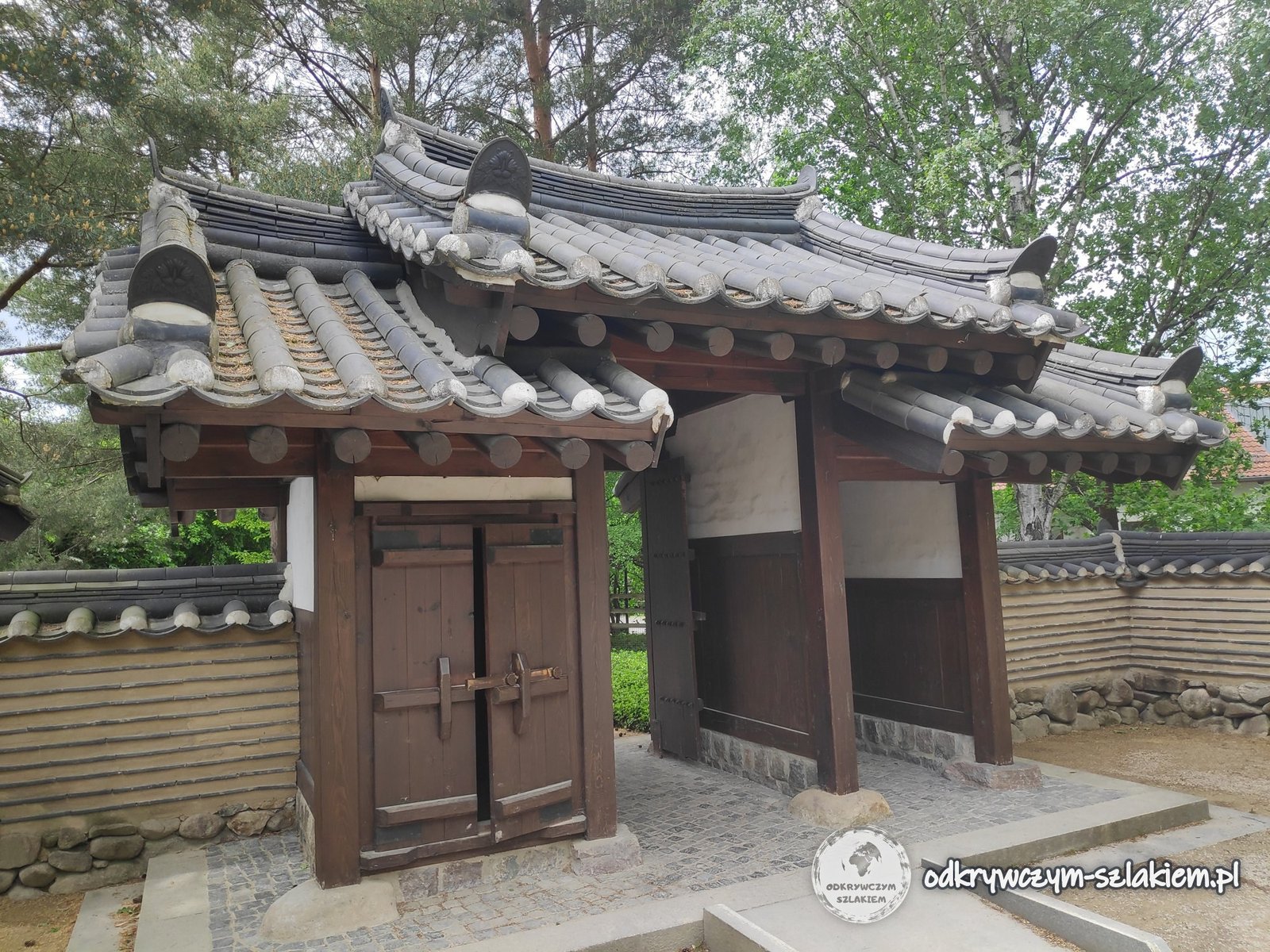
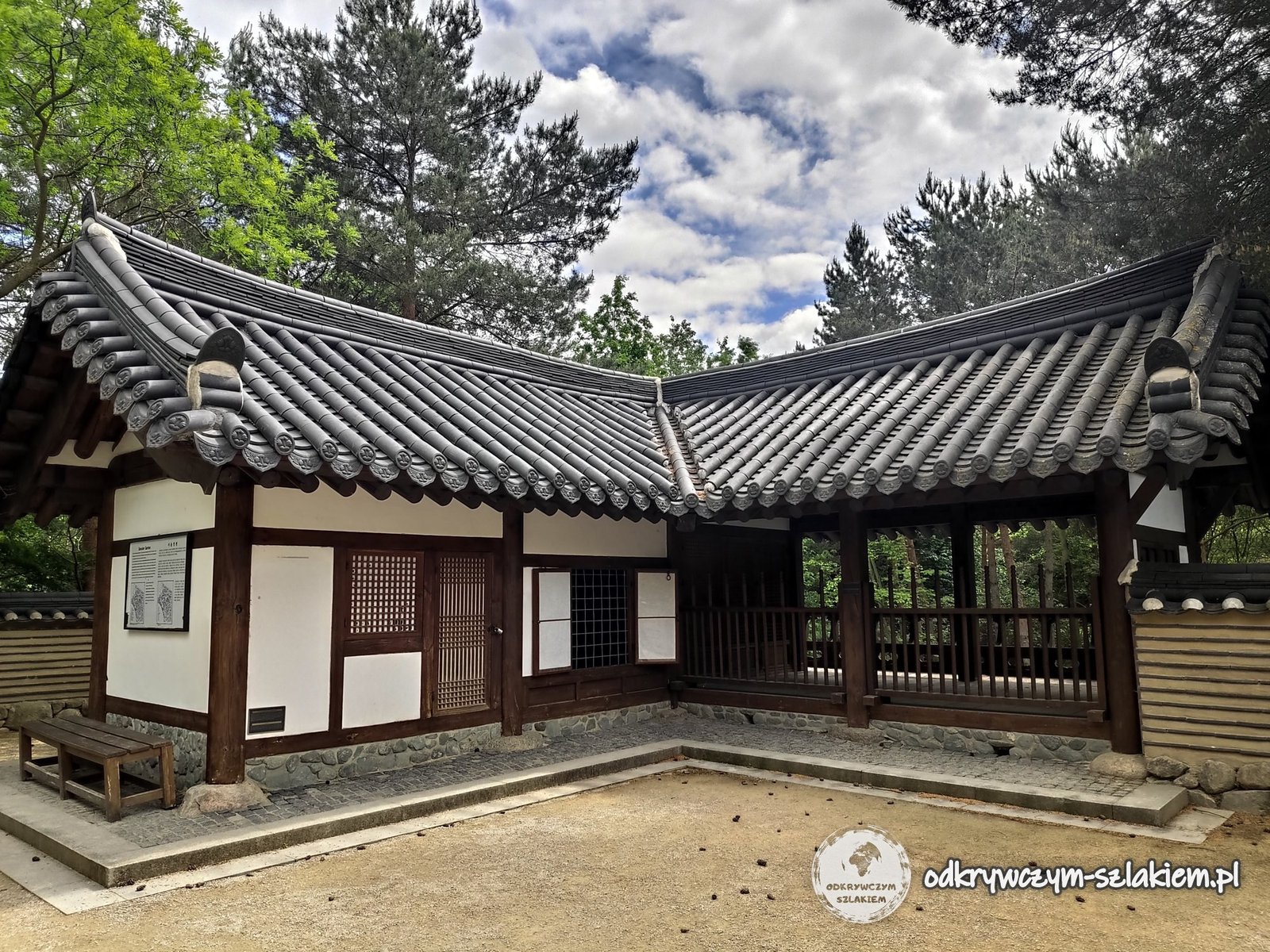
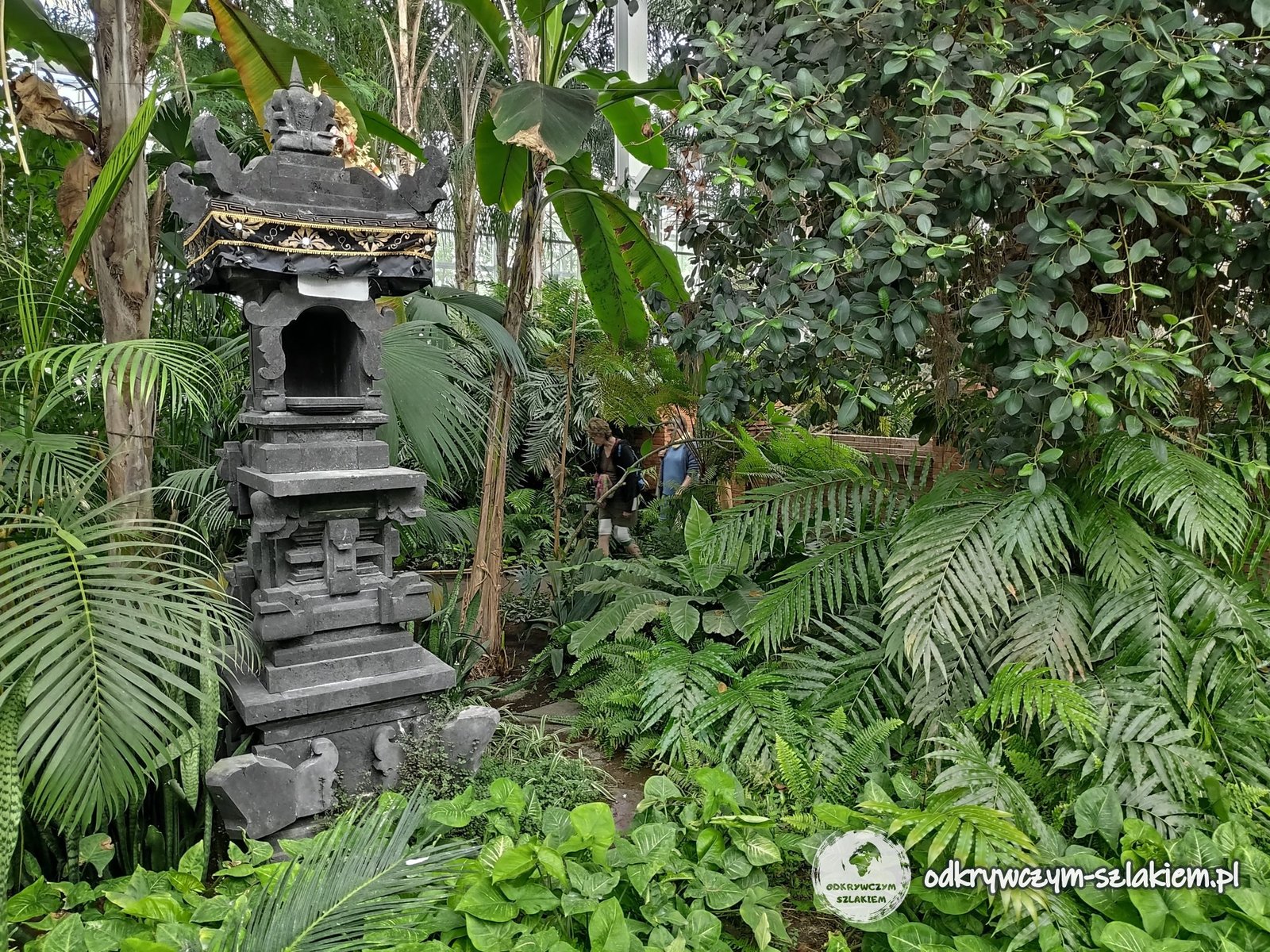
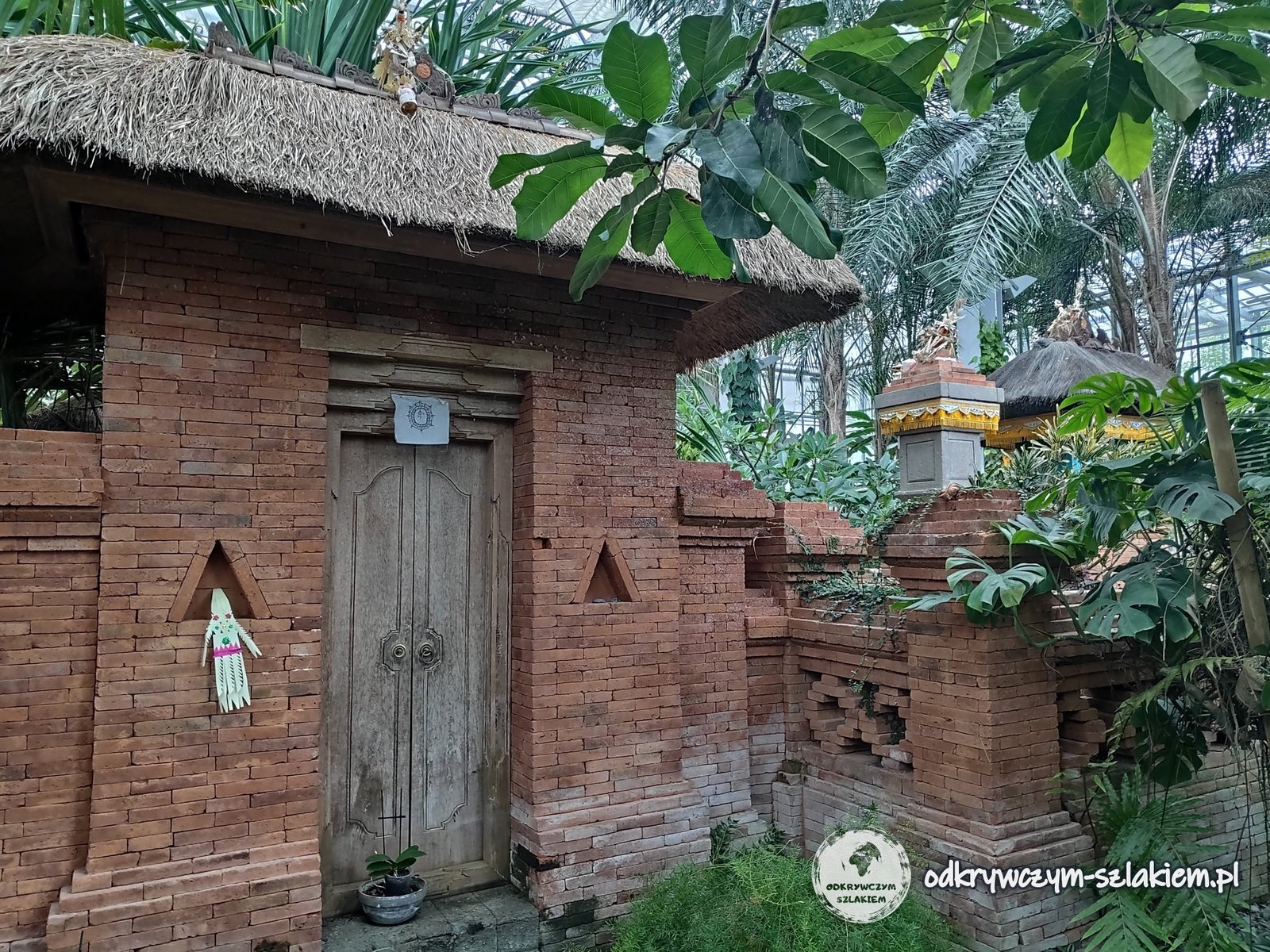
In the Korean garden (Seouler Garten) there are traditional gates and a house with characteristic roofs, and a Balinese garden with tropical plants and temple gates has been set up in a greenhouse.
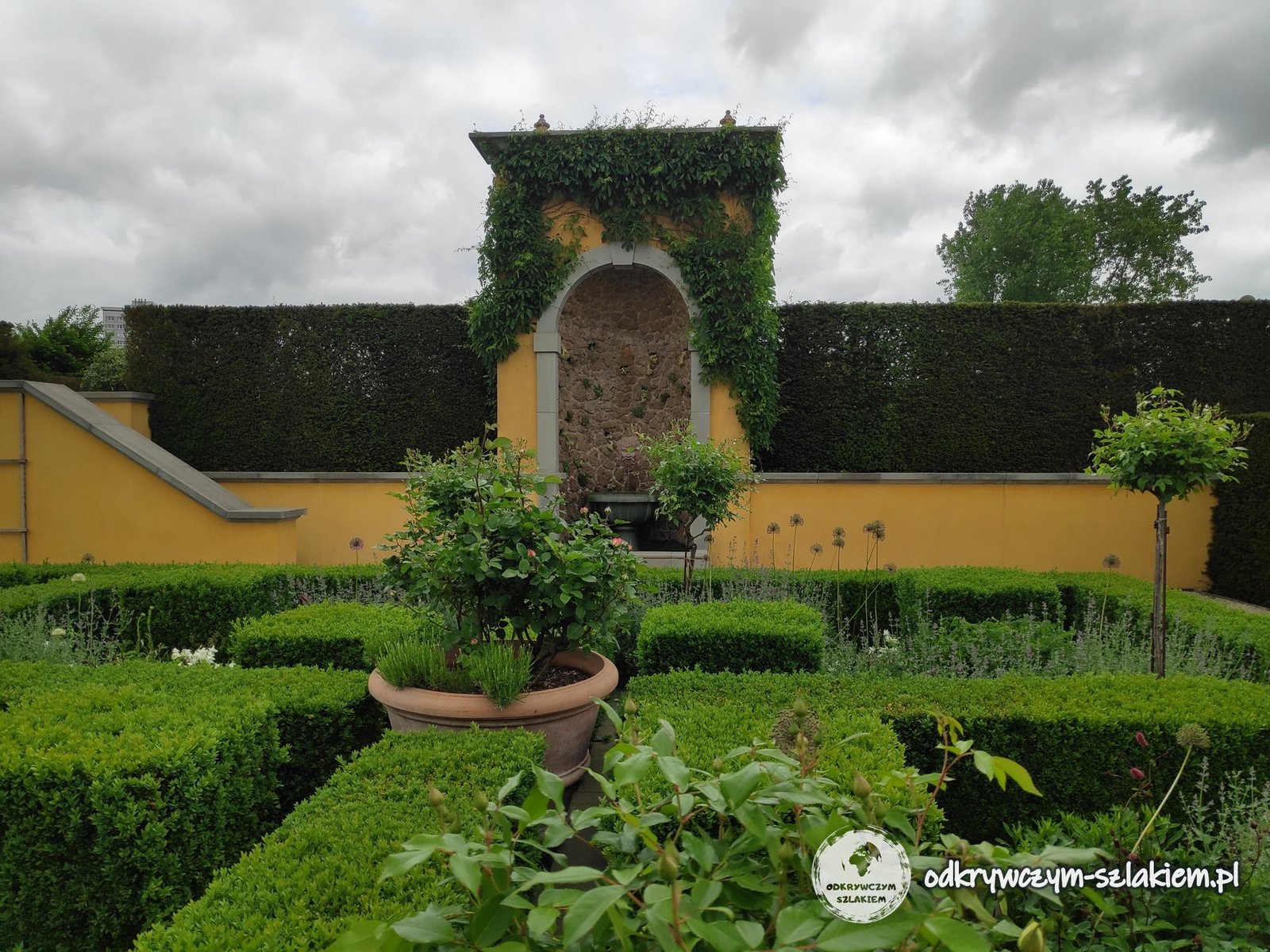
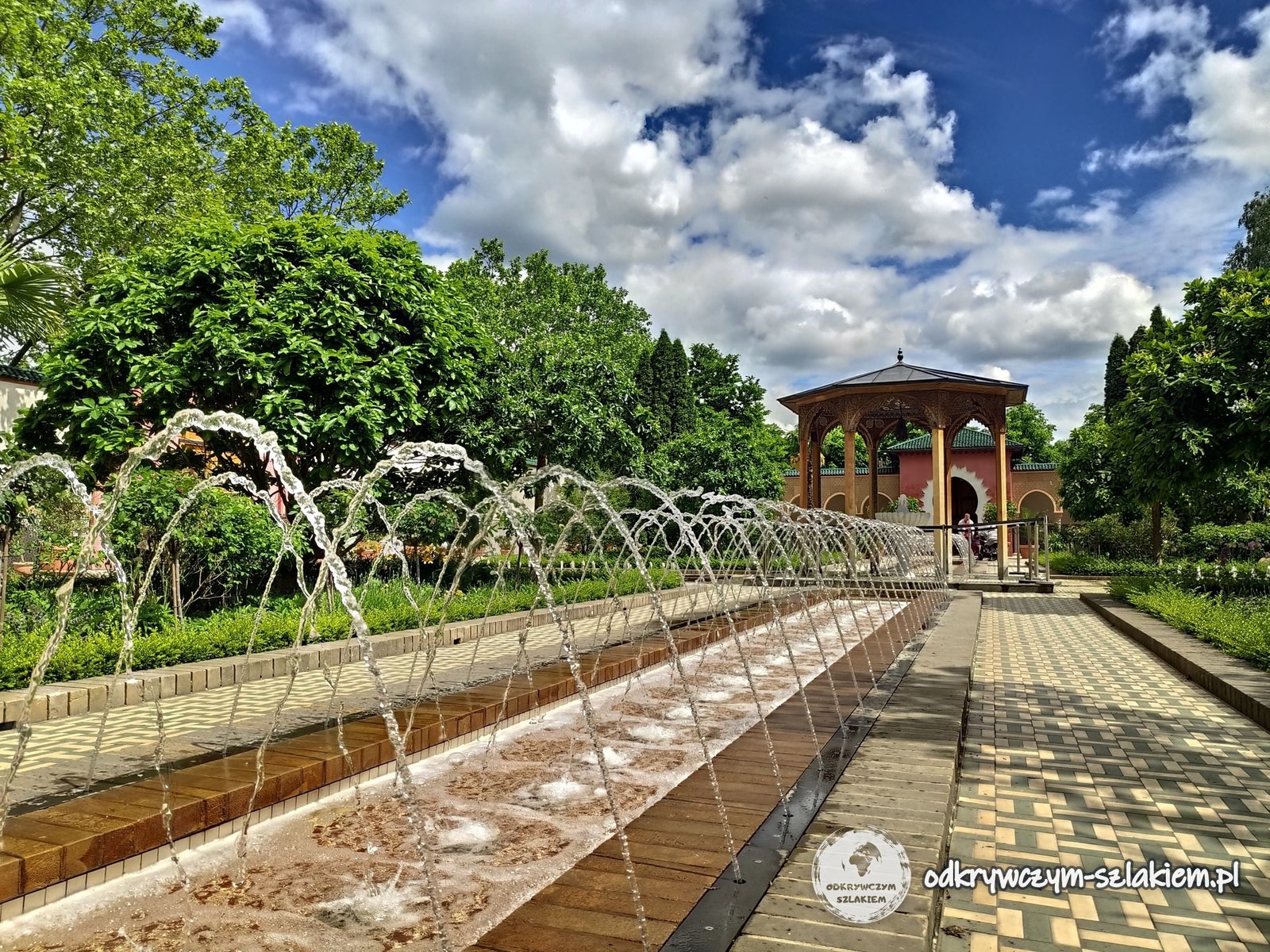
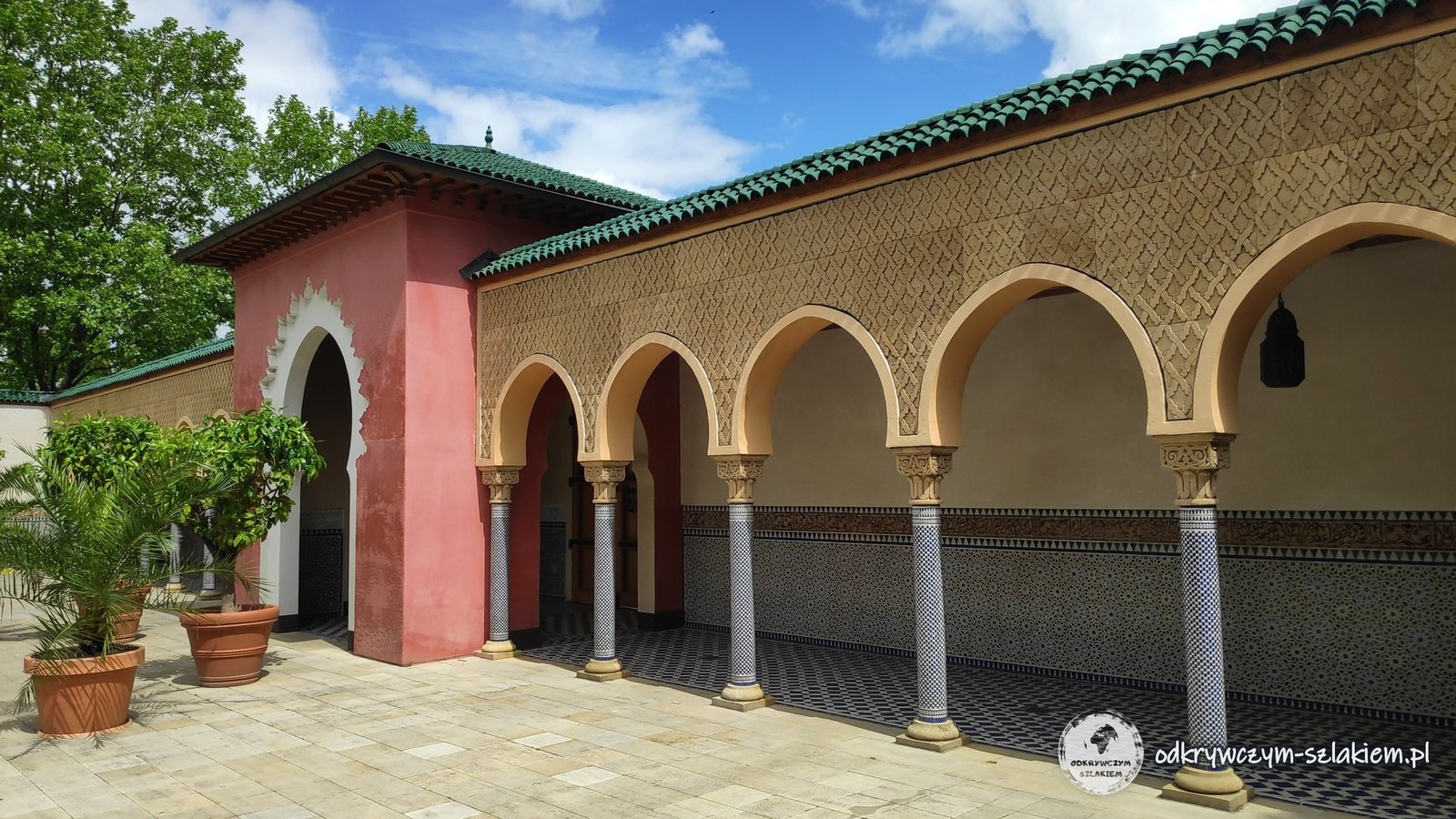
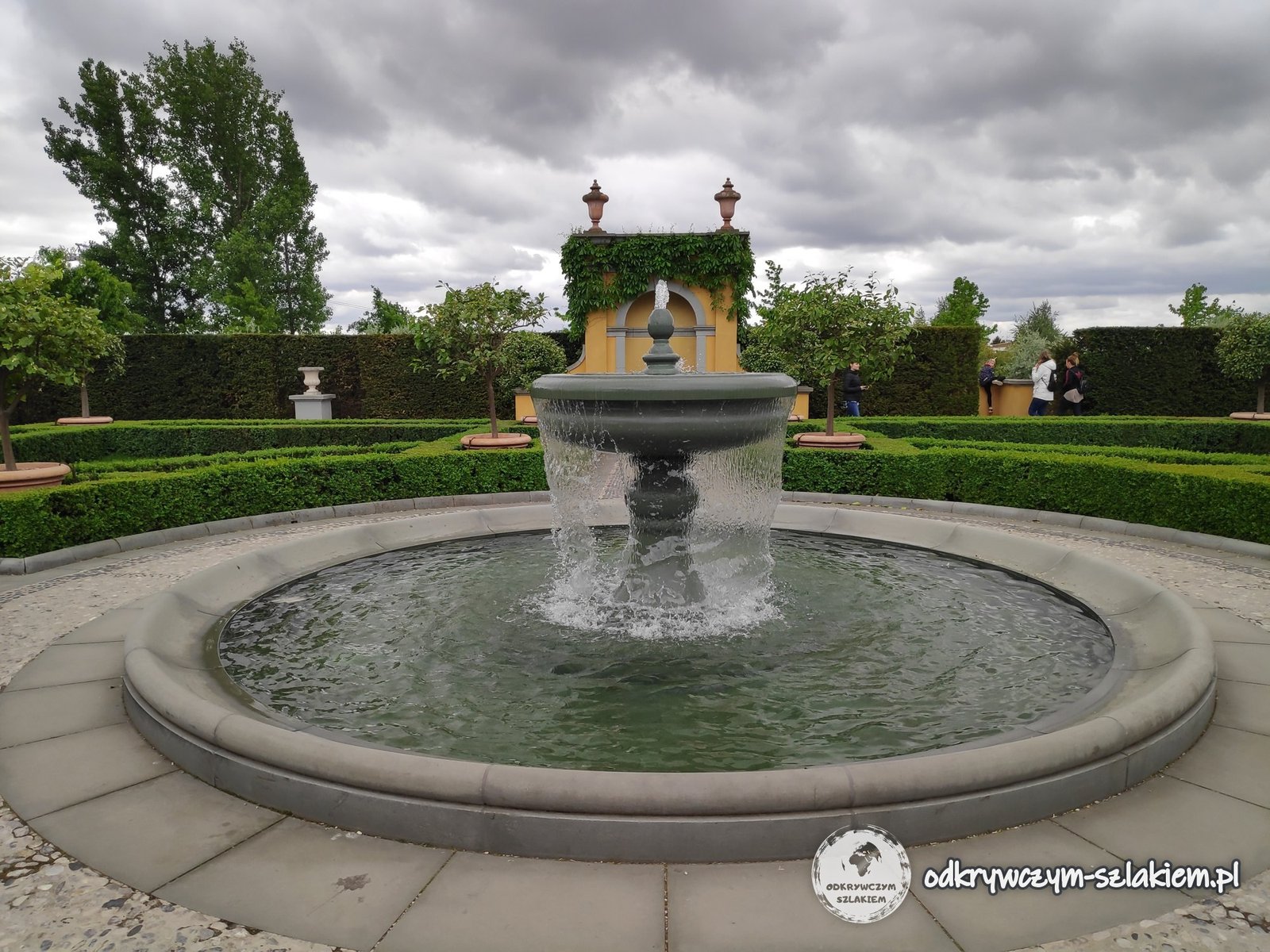
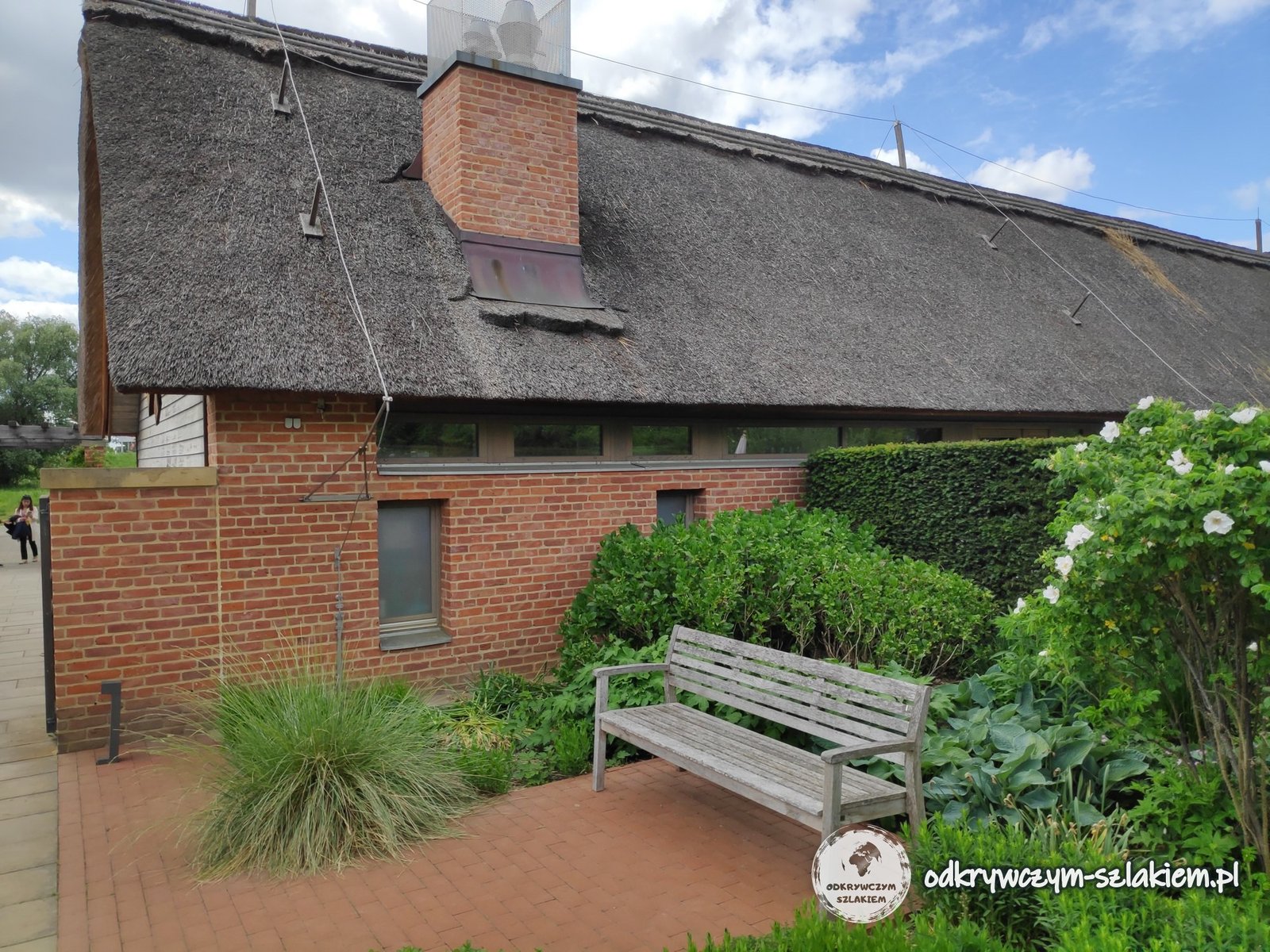
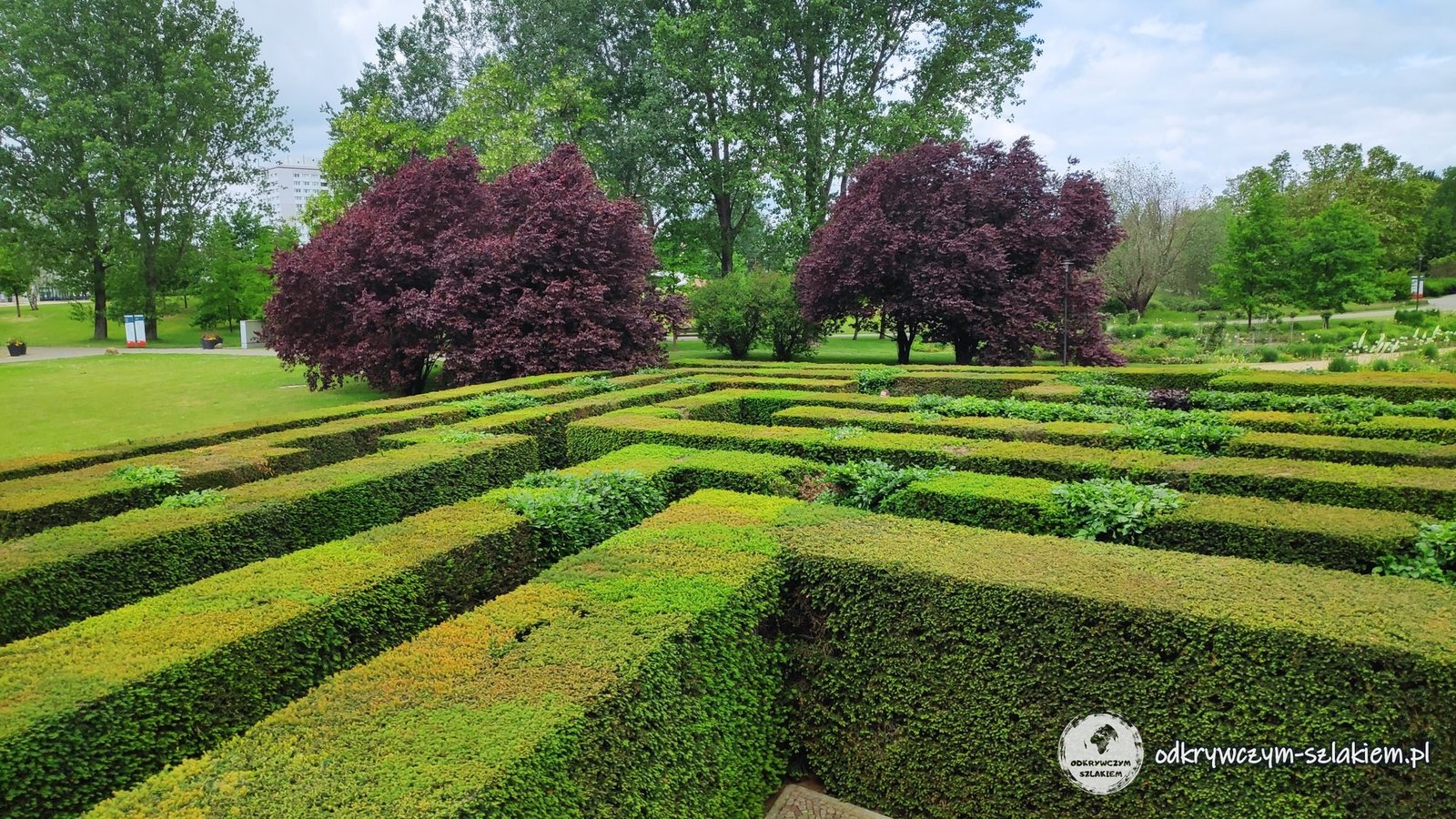
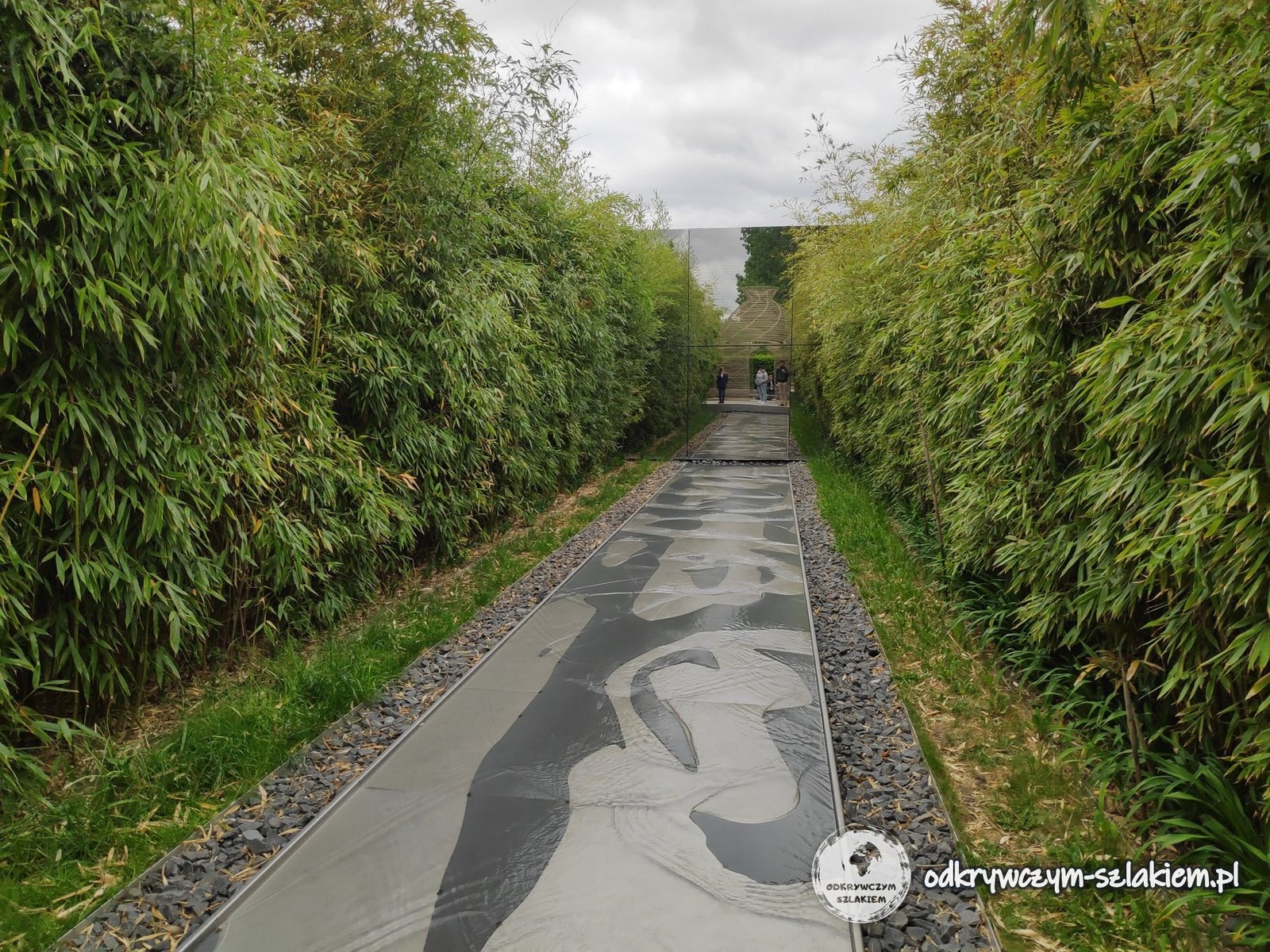
There is also an oriental garden with a long channel full of fountains and a tiled cloister. On top of that, an Italian Renaissance garden with a fountain, an English thatched house and a hedge maze.
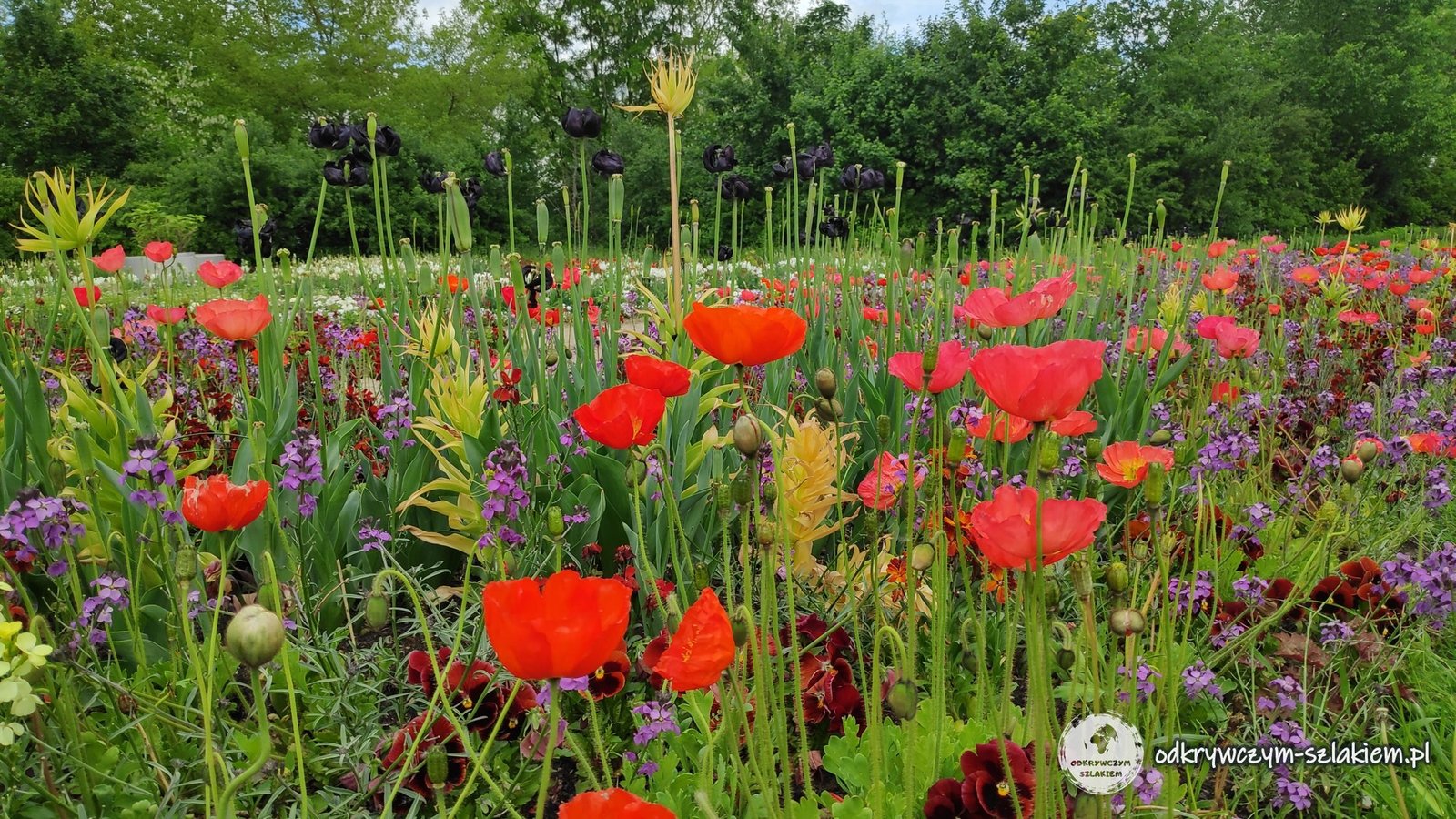
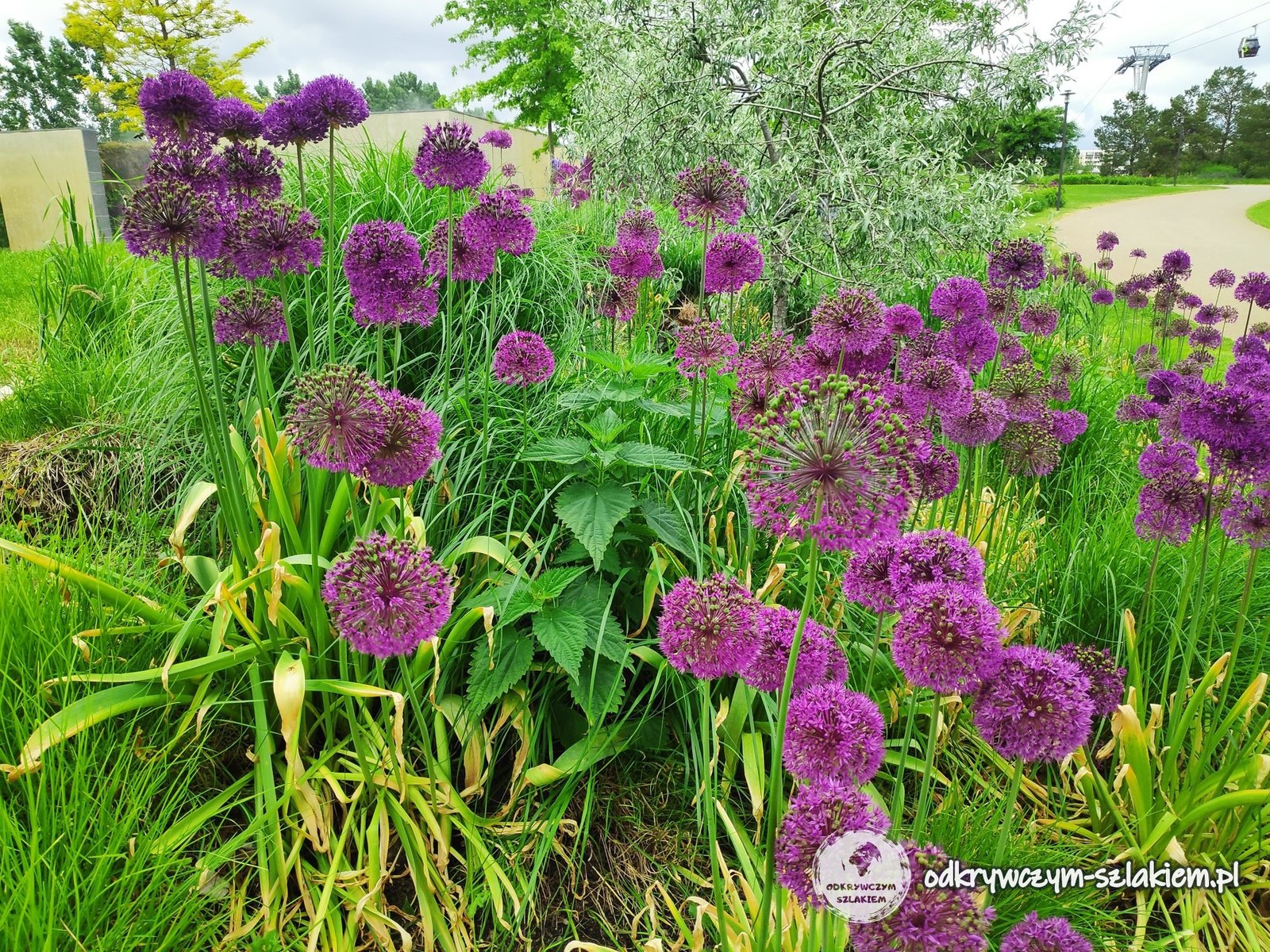
A cable car passes over the gardens. It was built for the IGA garden show in 2017 and leads up the Kienberg hill with its viewing platform. In May everything was in bloom as well: poppies, ornamental alliums and colourful meadows.
Britzer Garten – spring in Neukölln
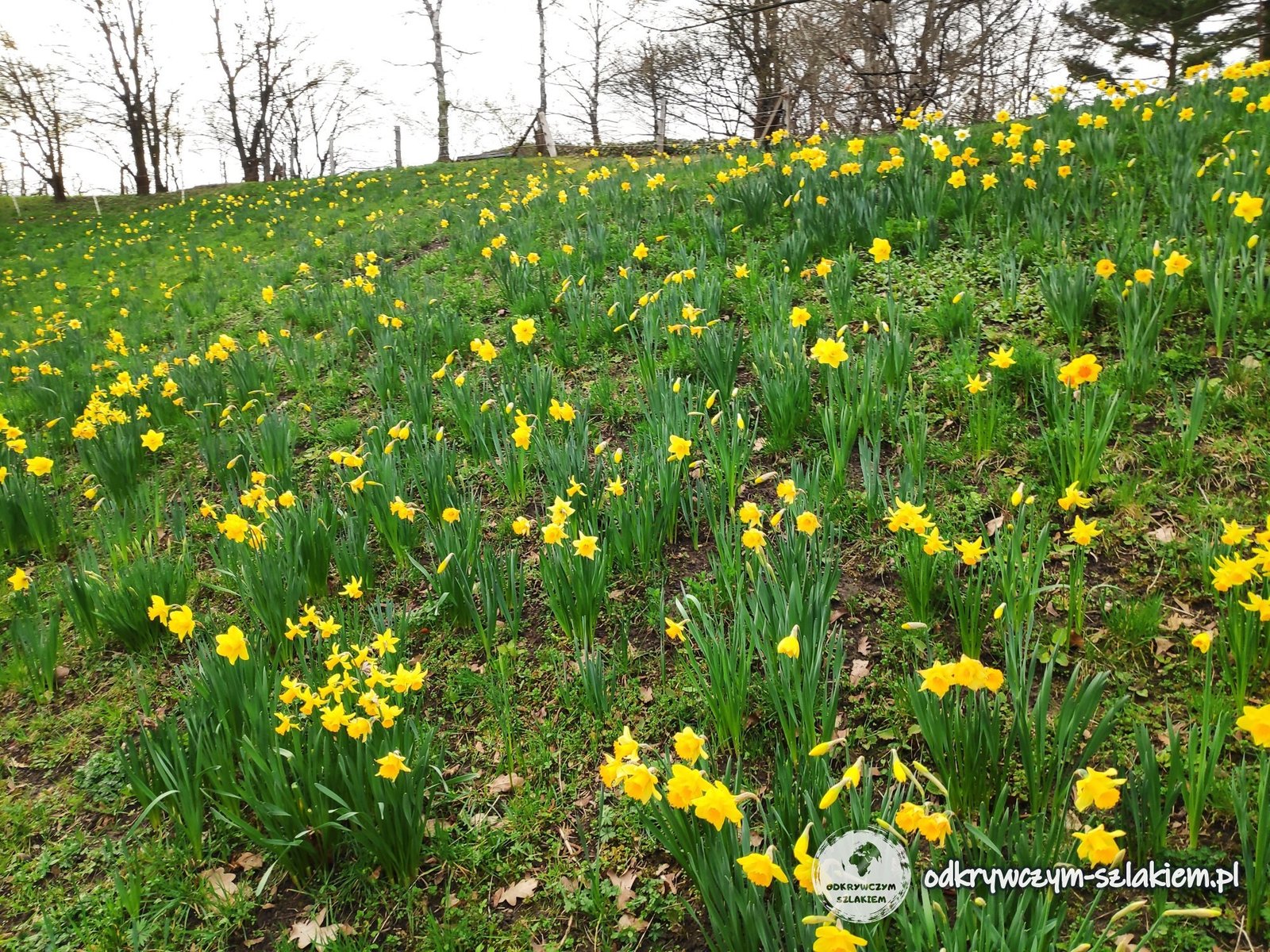
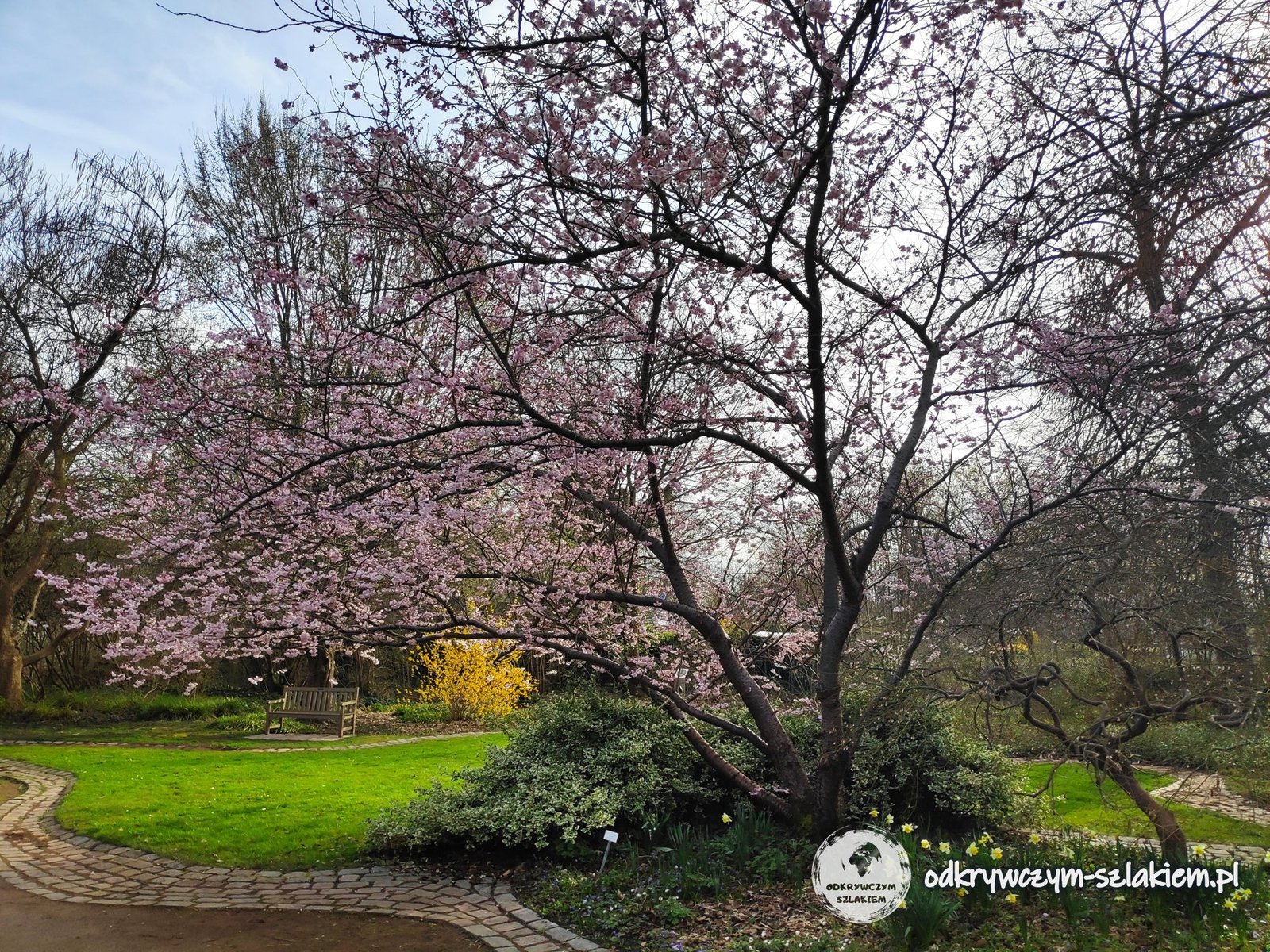
Britzer Garten in the south of Berlin was created for the Federal Garden Show in 1985. It covers about 90 hectares, with an artificial lake in the middle. I was here at the end of March 2023 – the trees were still bare, but the slopes were already yellow with daffodils, and the first trees were starting to blossom.
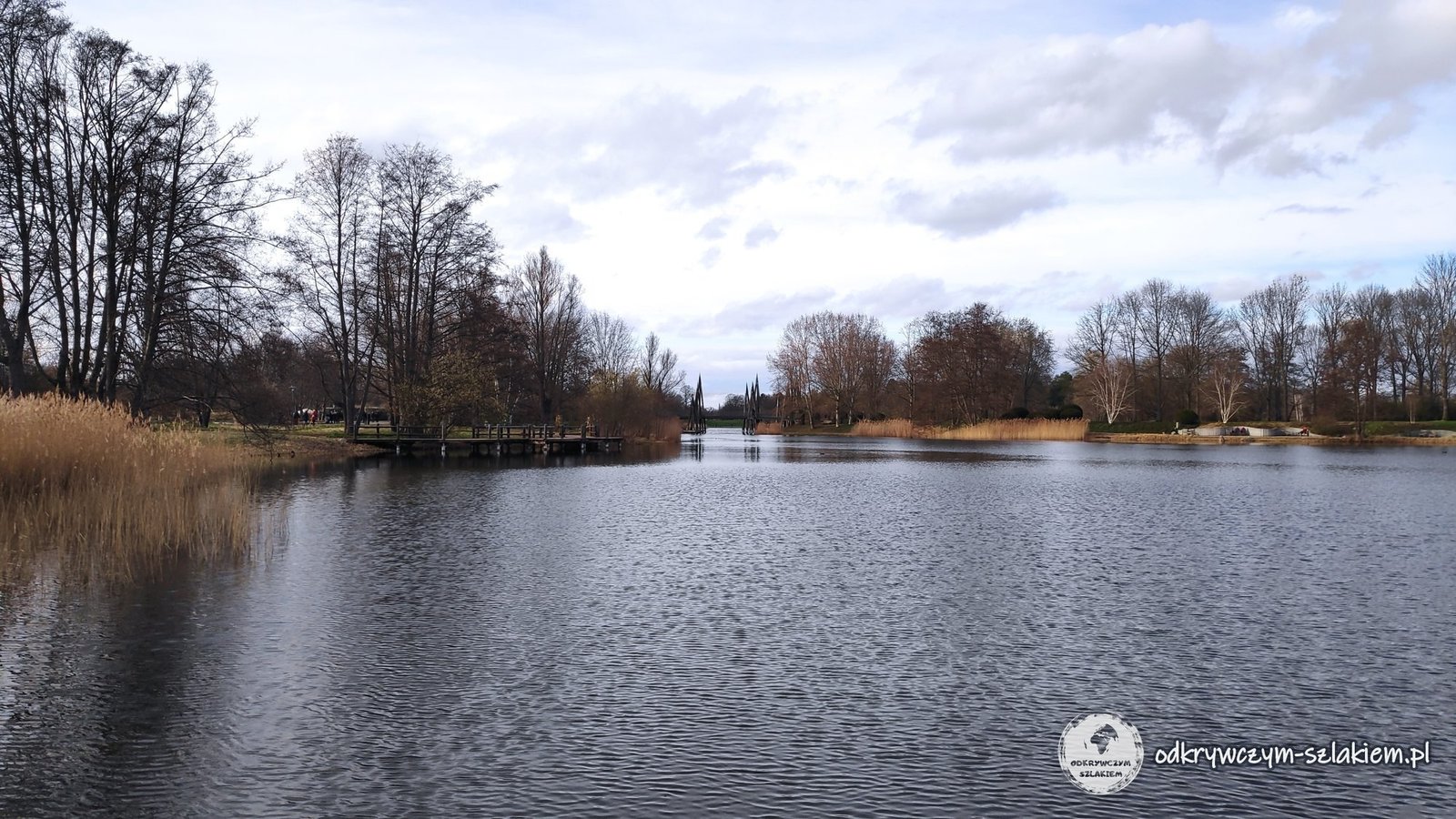
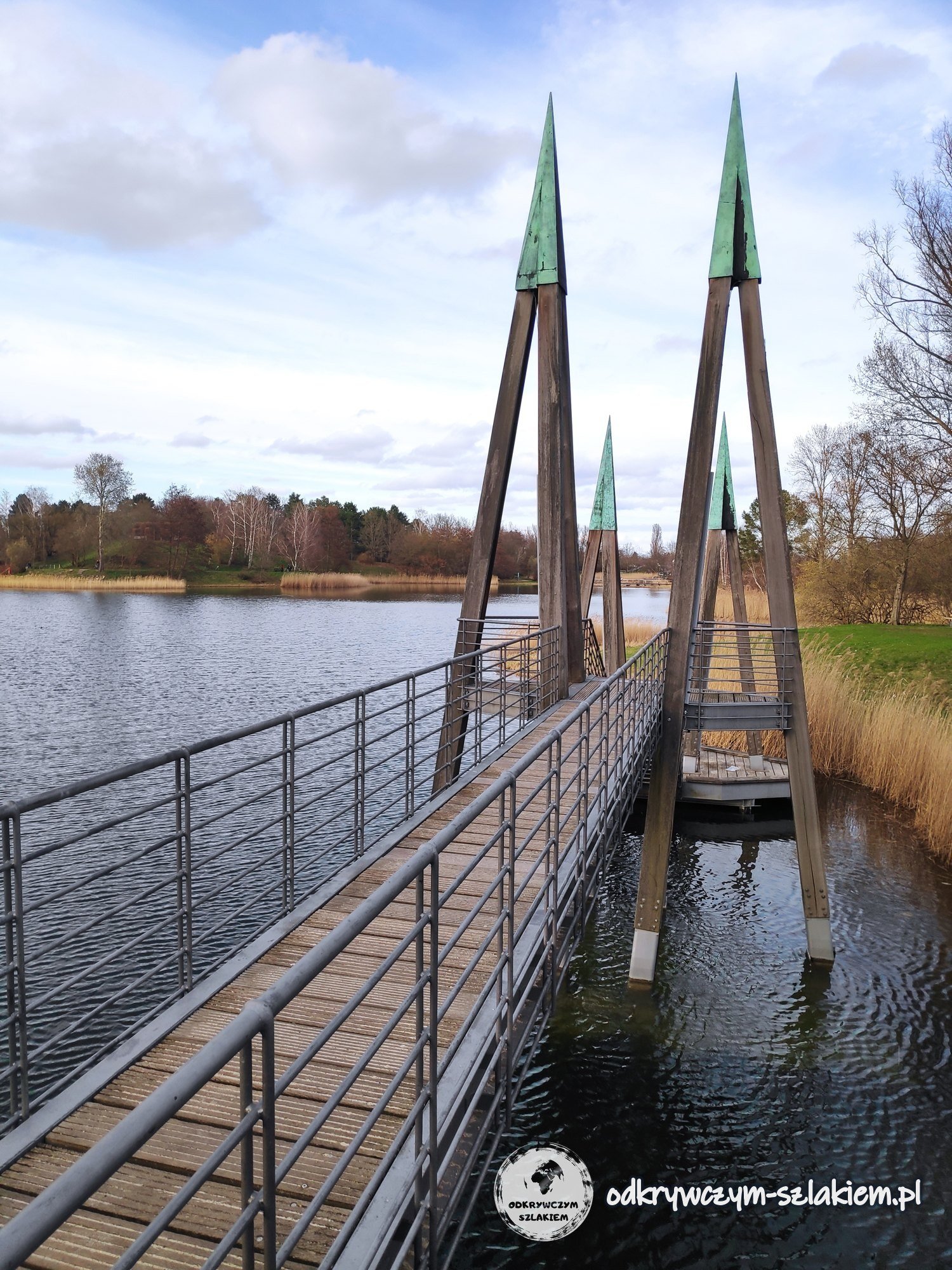
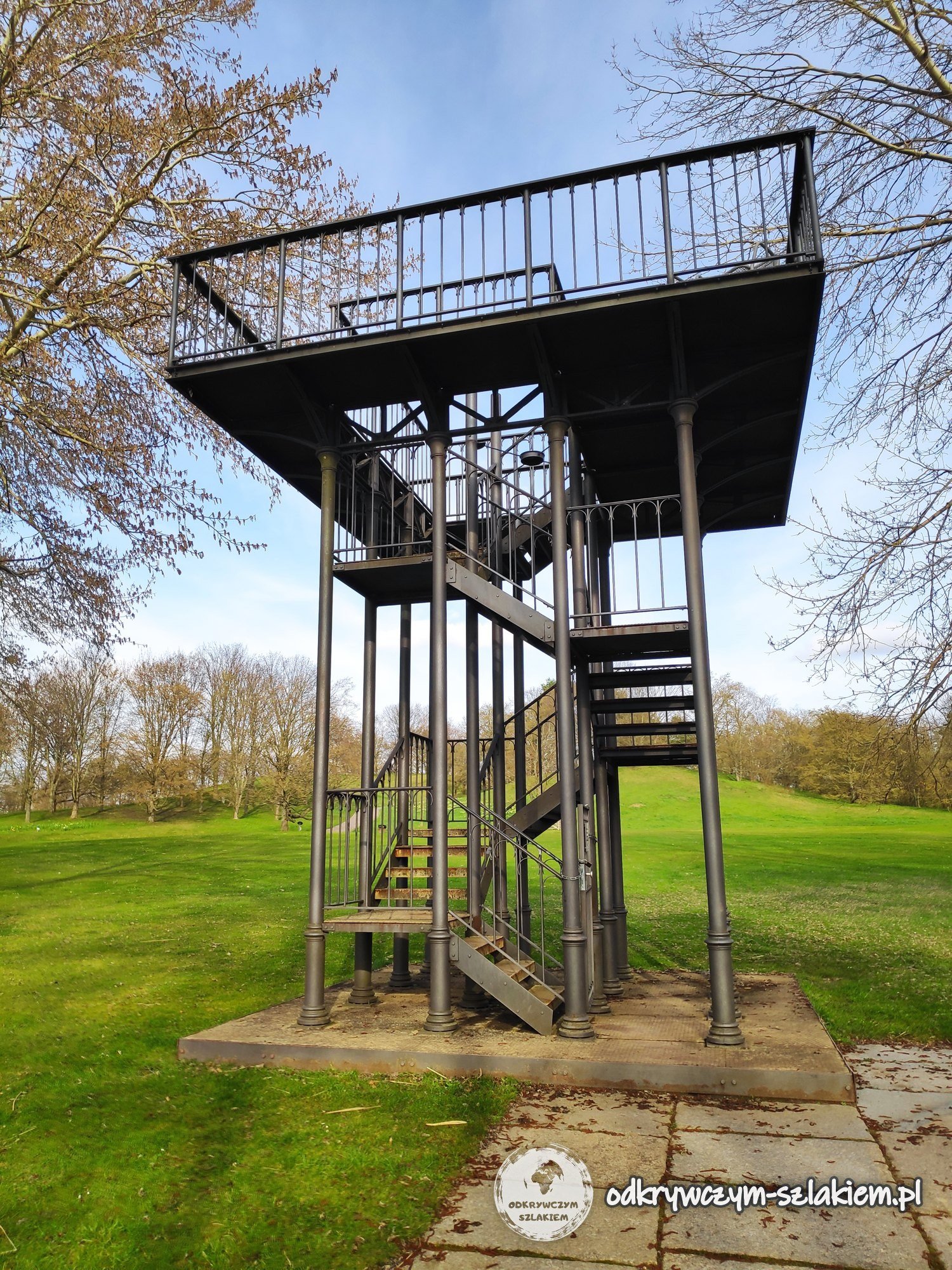
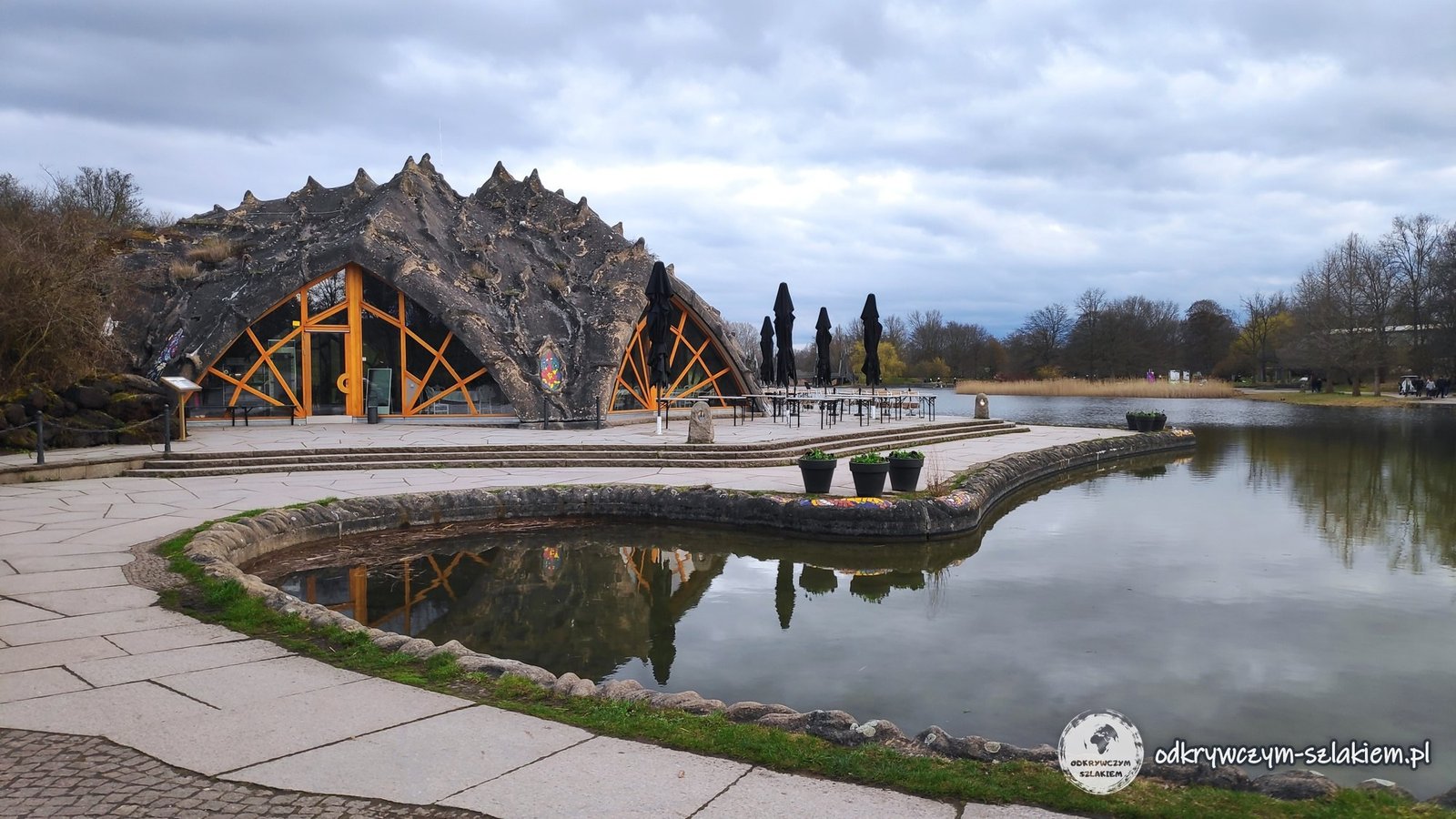
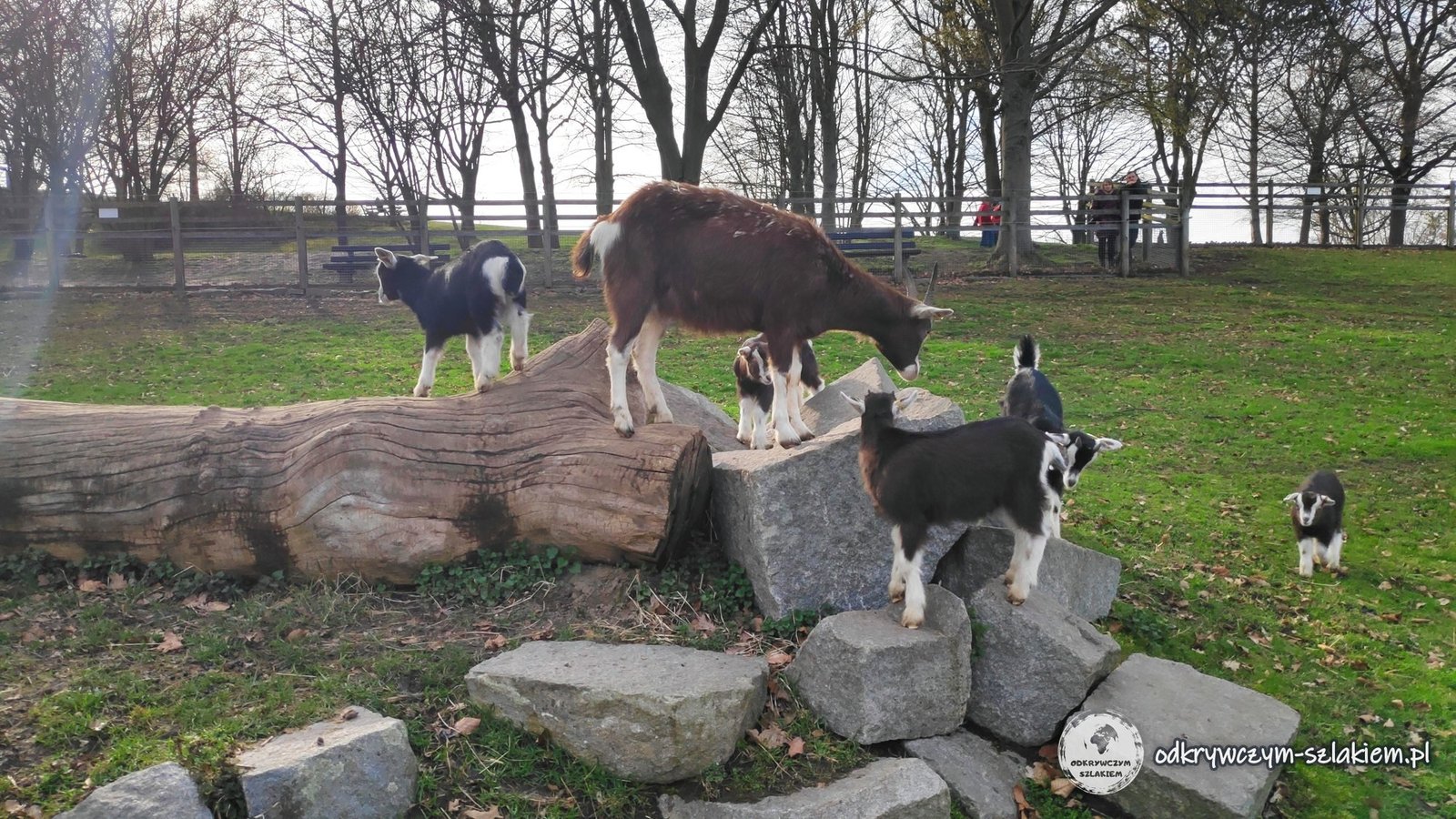
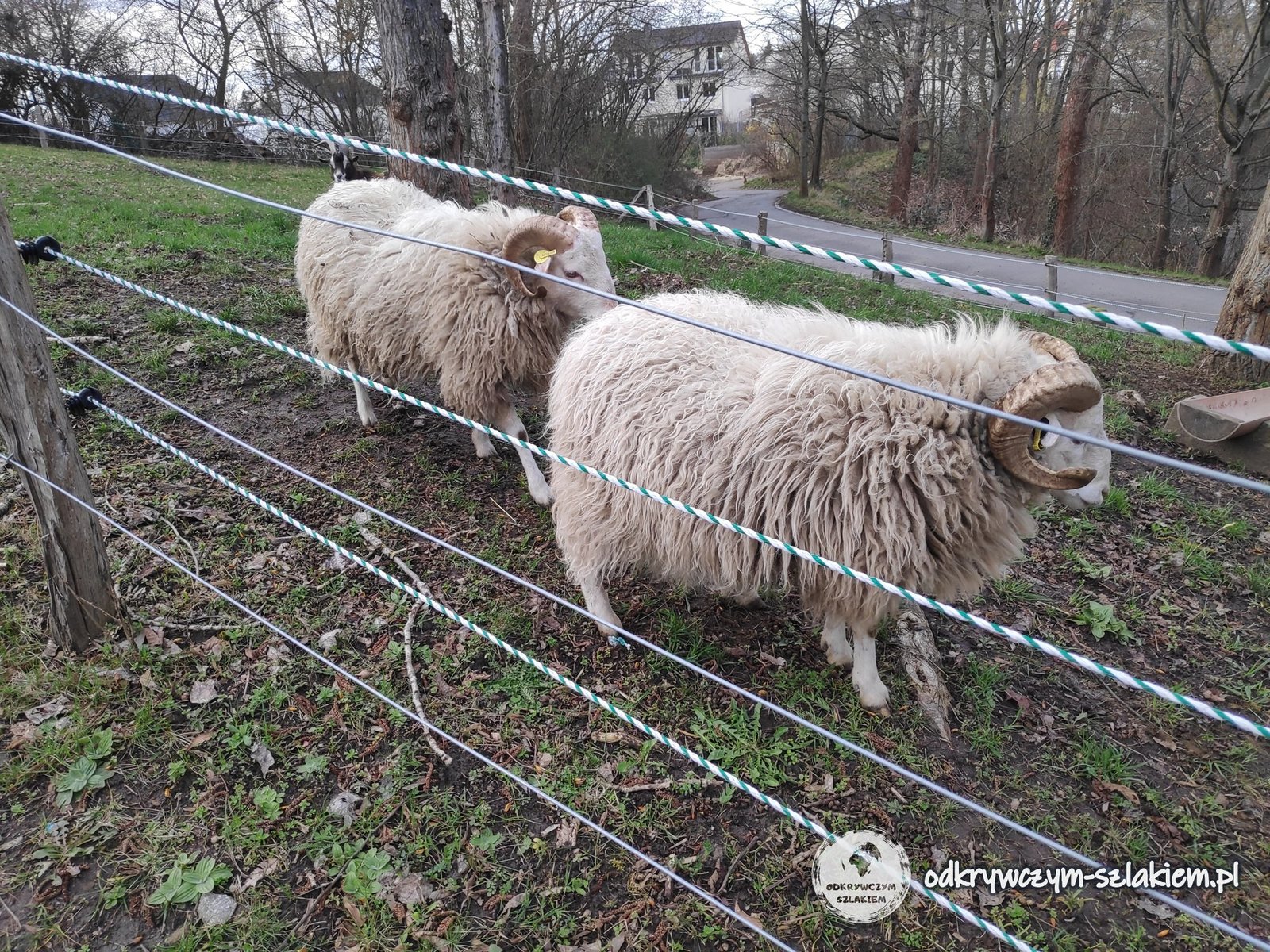
Paths, boardwalks and small bridges lead around the lake, there is a café by the water and an observation tower. A small train also runs through the park. Sheep and goats graze in the enclosures.
Blankenfelde-Pankow Botanical People’s Park
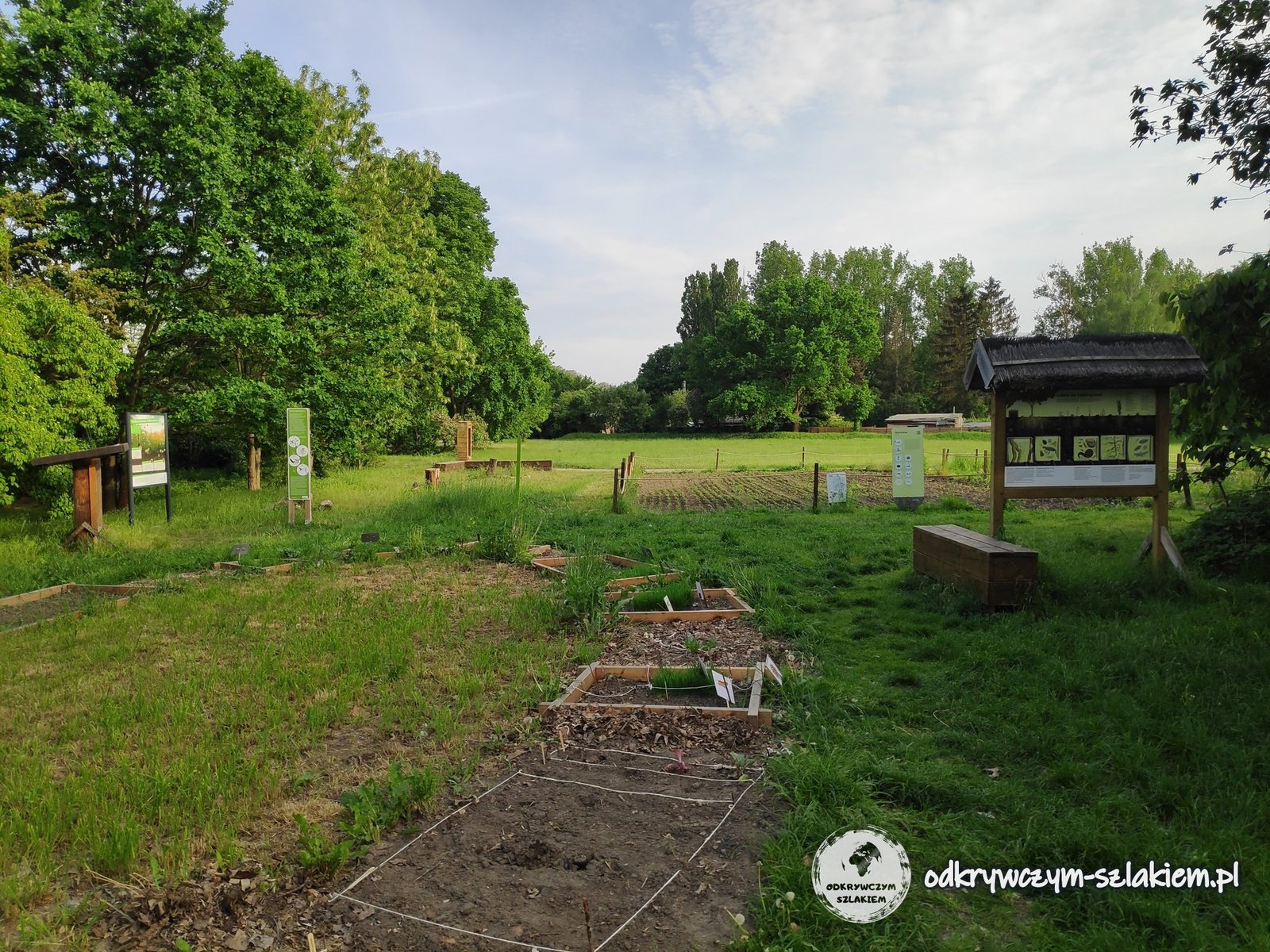
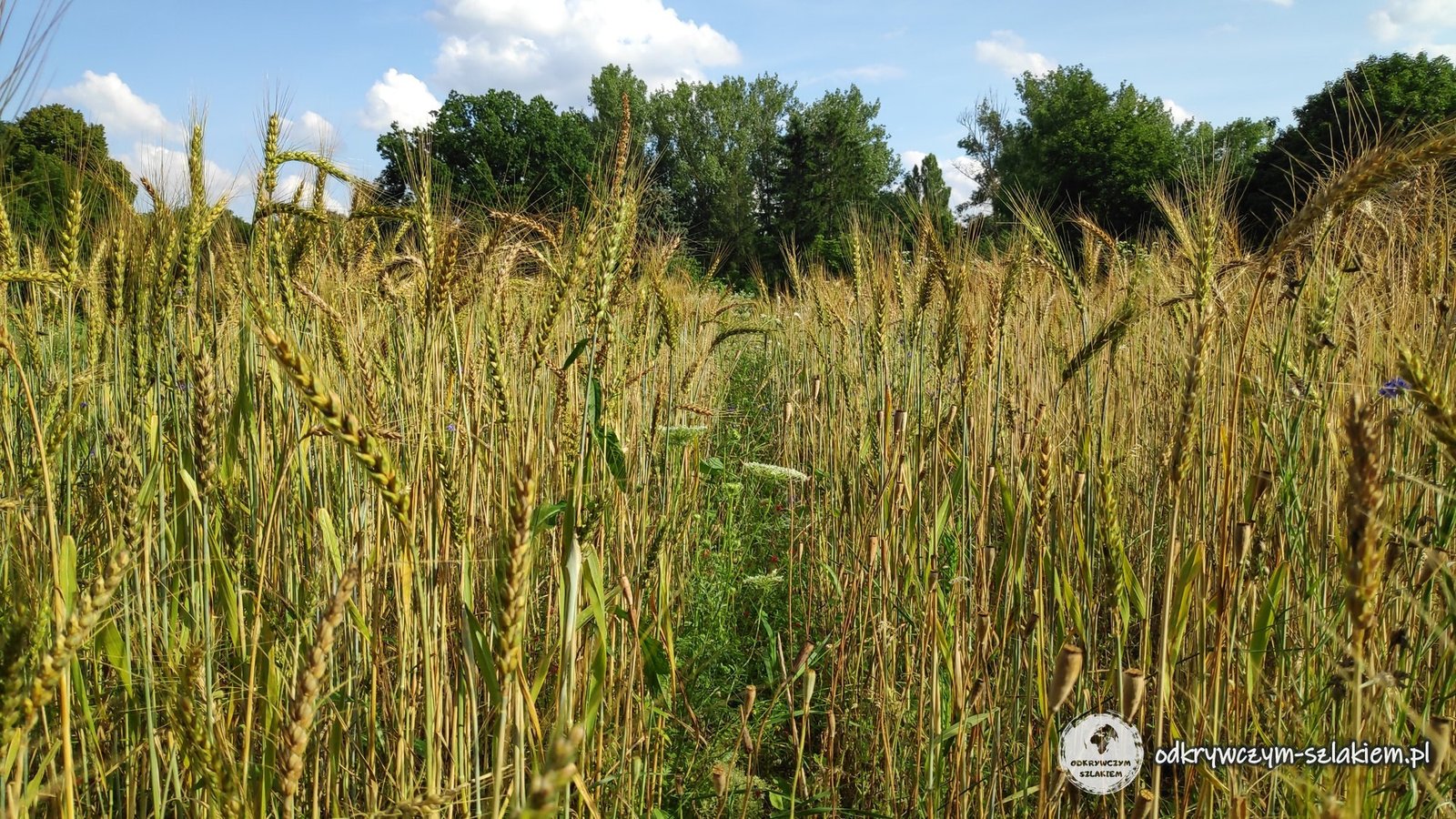
At the very north of Berlin, in Blankenfelde, lies the Botanical People’s Park (Botanischer Volkspark Blankenfelde-Pankow). I was here twice – in July 2021 and in May 2022. It is less well known than the Botanic Garden in Dahlem, but it has one big advantage: admission is free. The park grew out of a former school garden and to this day has plots of crops – cereals, vegetables and oil plants, with signs in German.
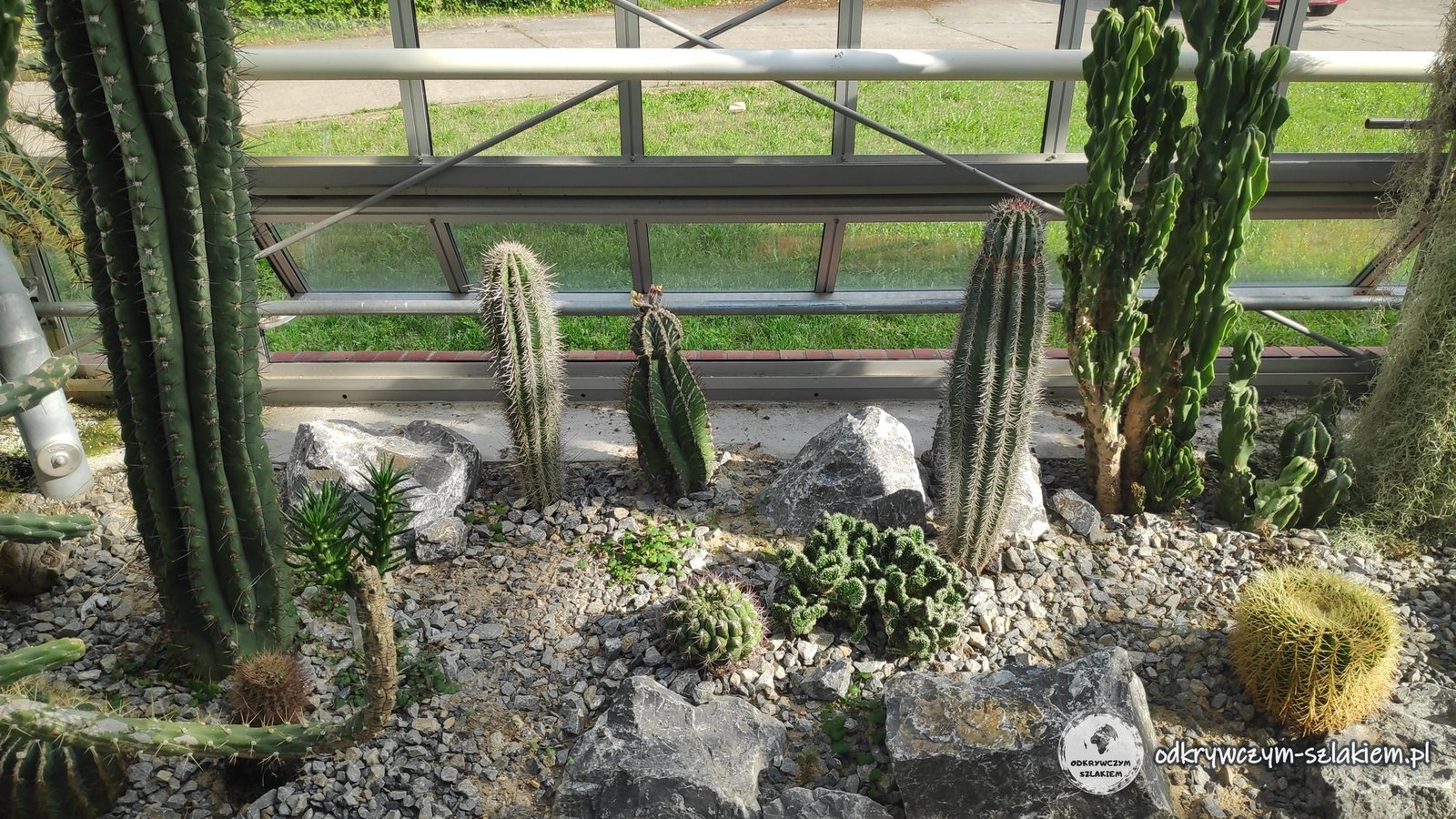
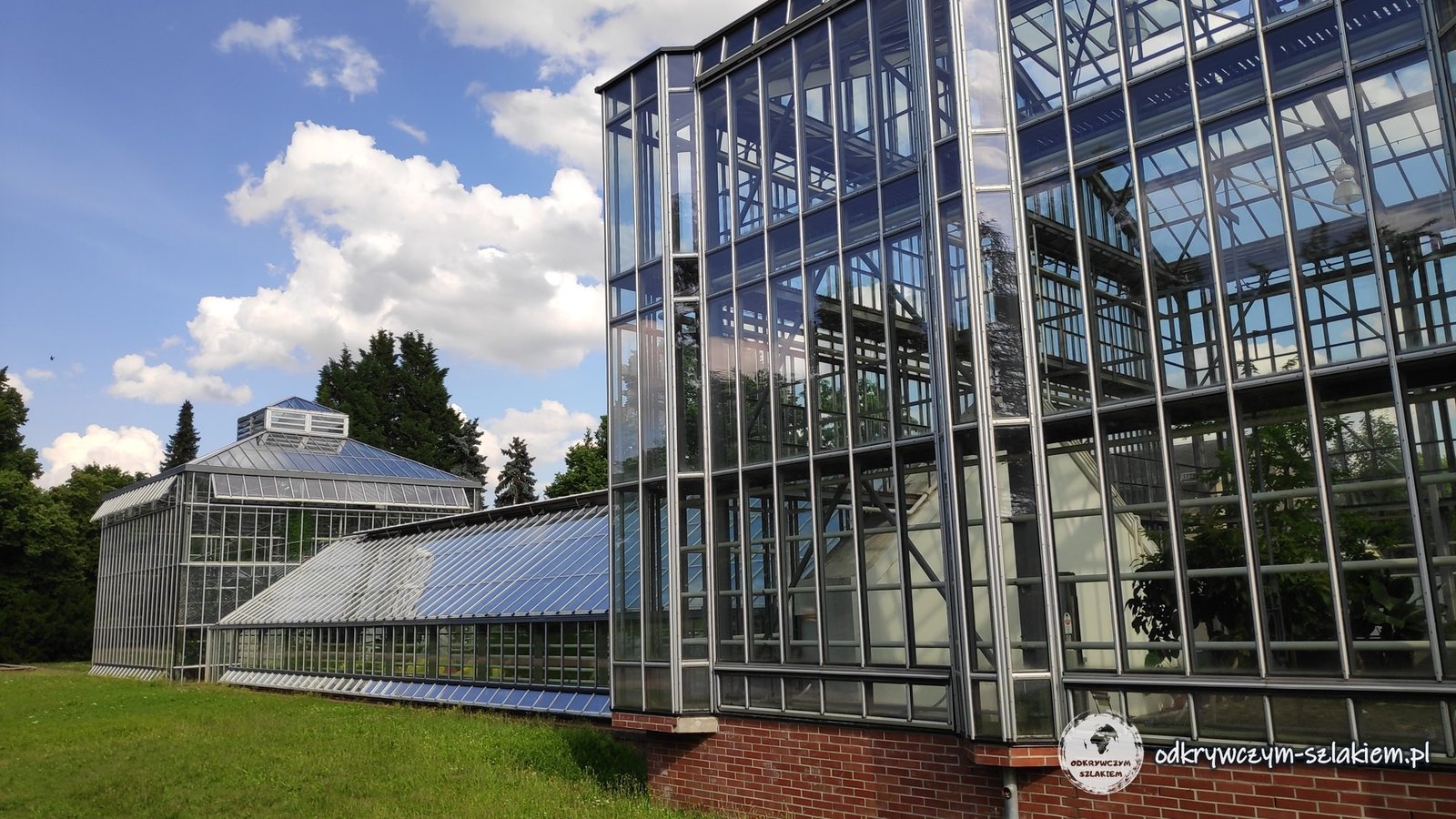
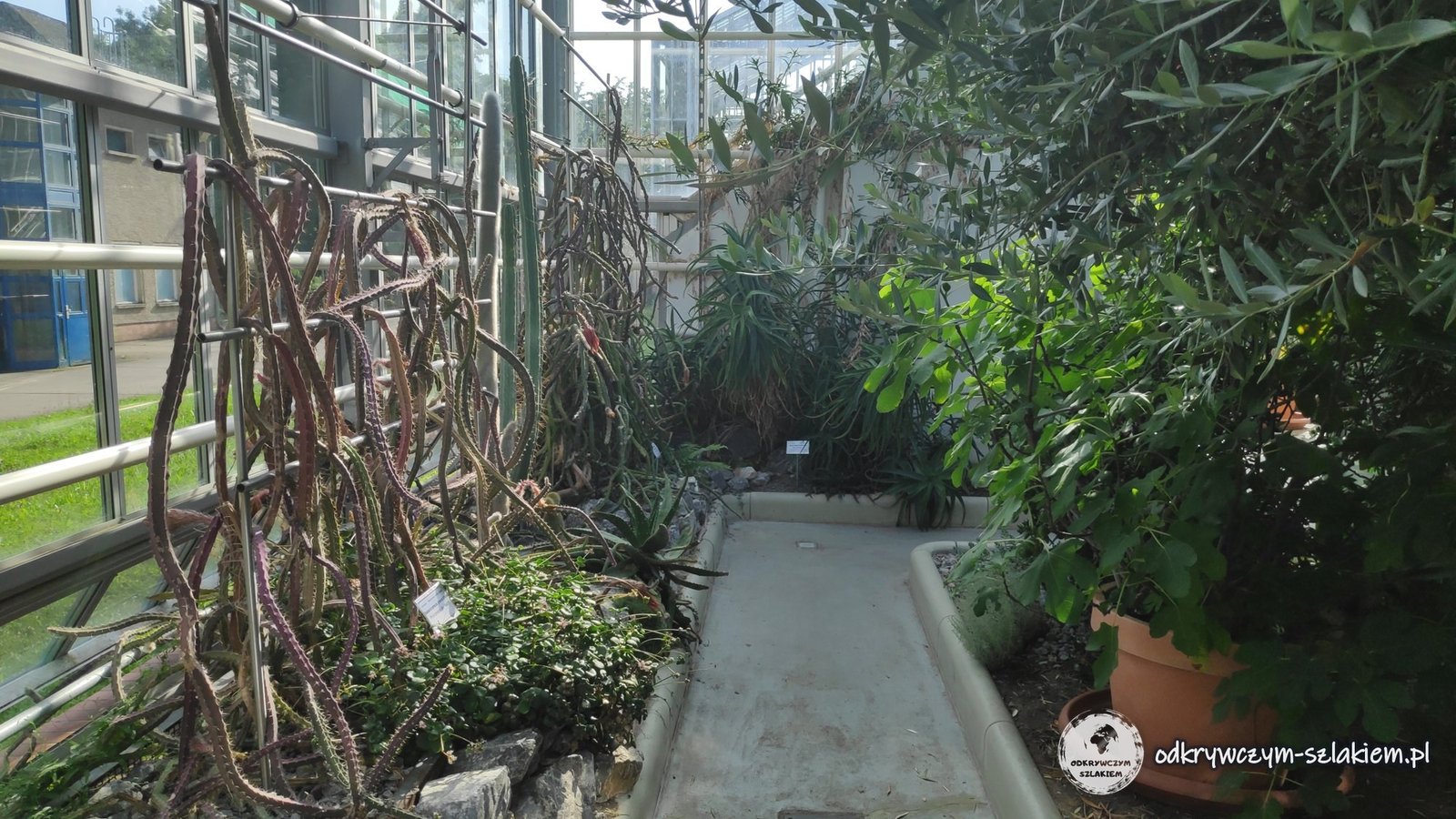
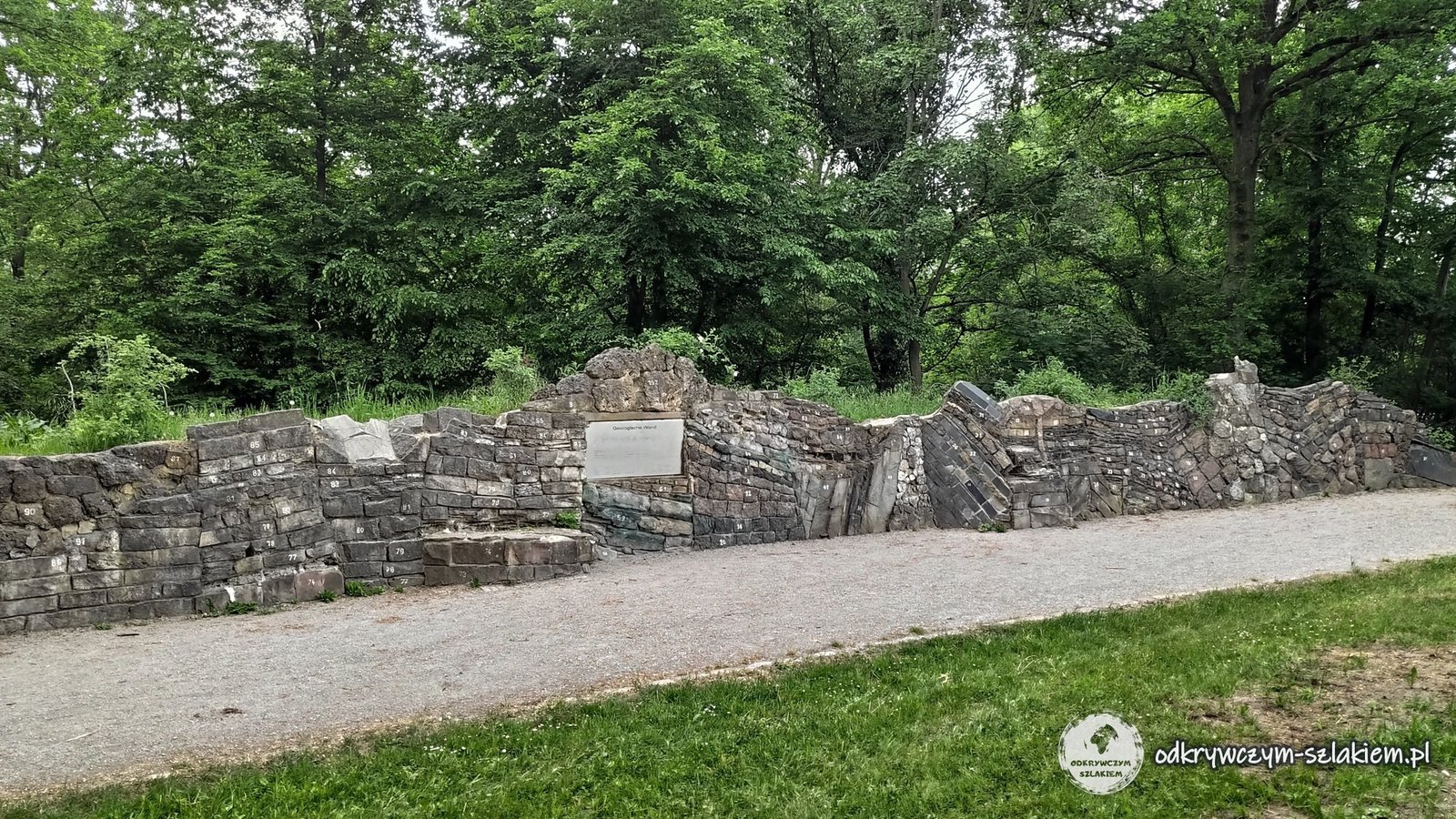
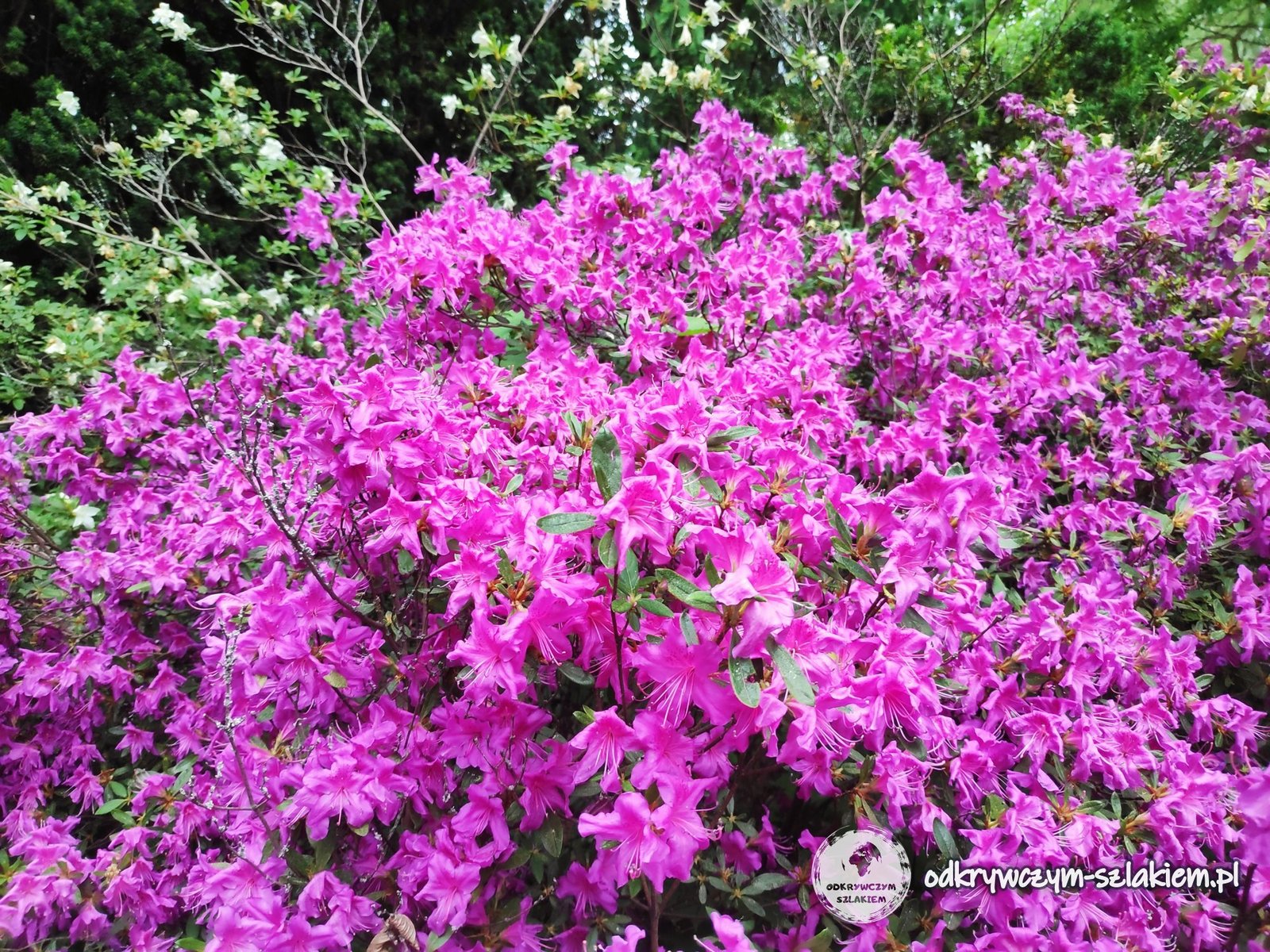
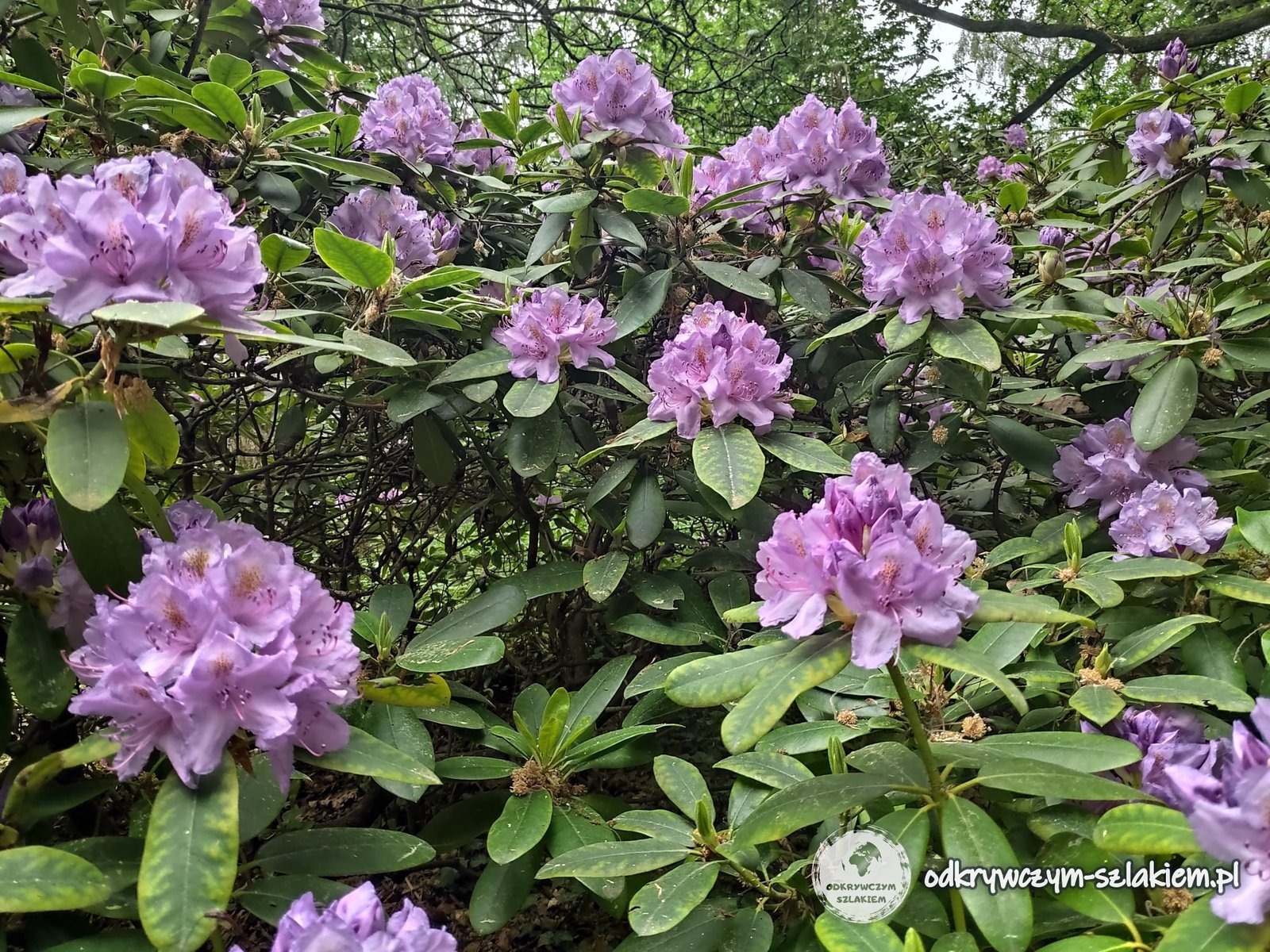
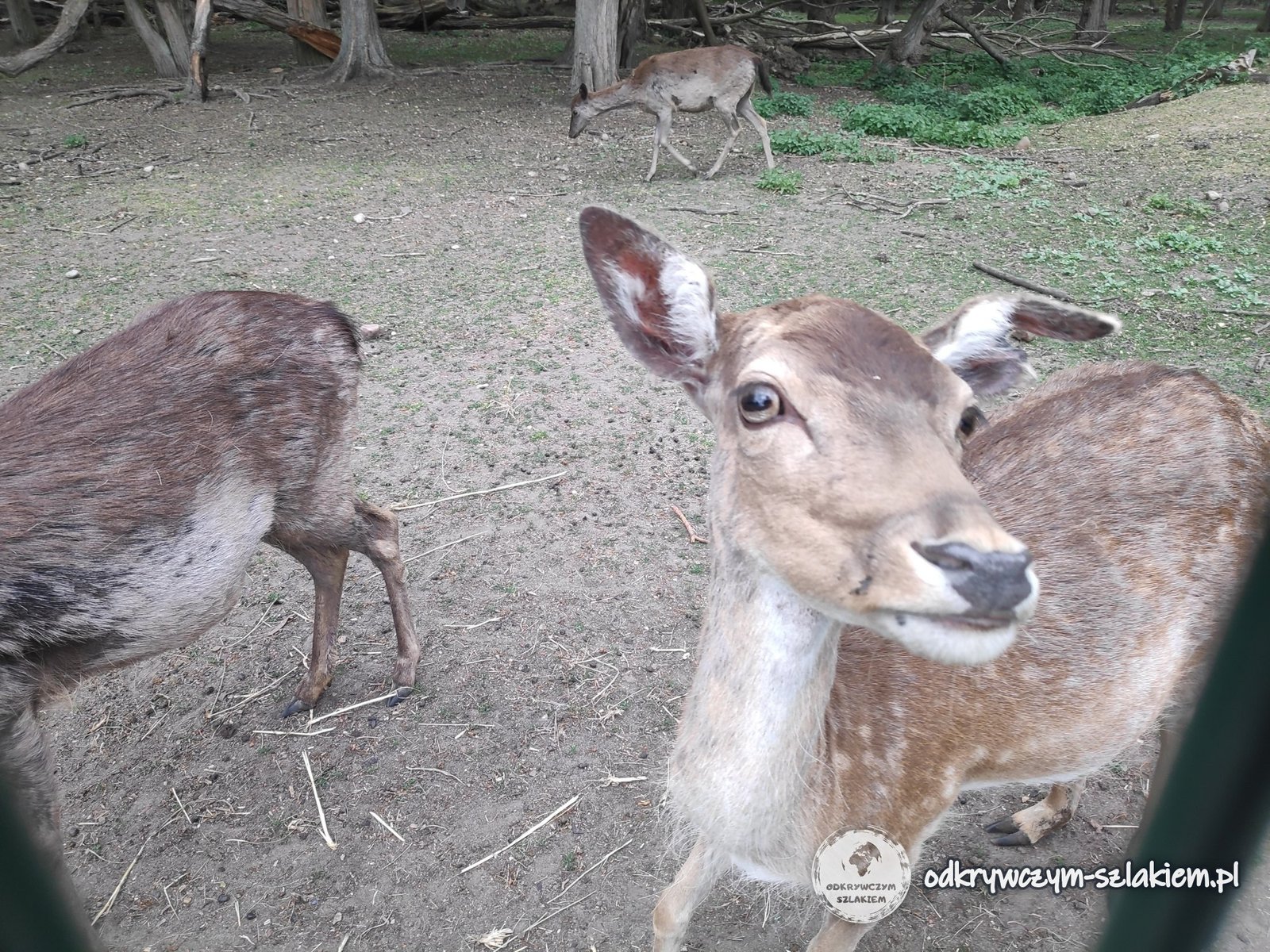
There are two tall greenhouses from 1928–1929, one of them with cacti, and a geological wall (Geologische Wand) showing a cross-section of rock layers from different regions. In May the flowering azaleas and rhododendrons looked prettiest, and fallow deer live in an enclosure at the edge of the park.
Grunewald – the Grunewaldsee and the hunting lodge
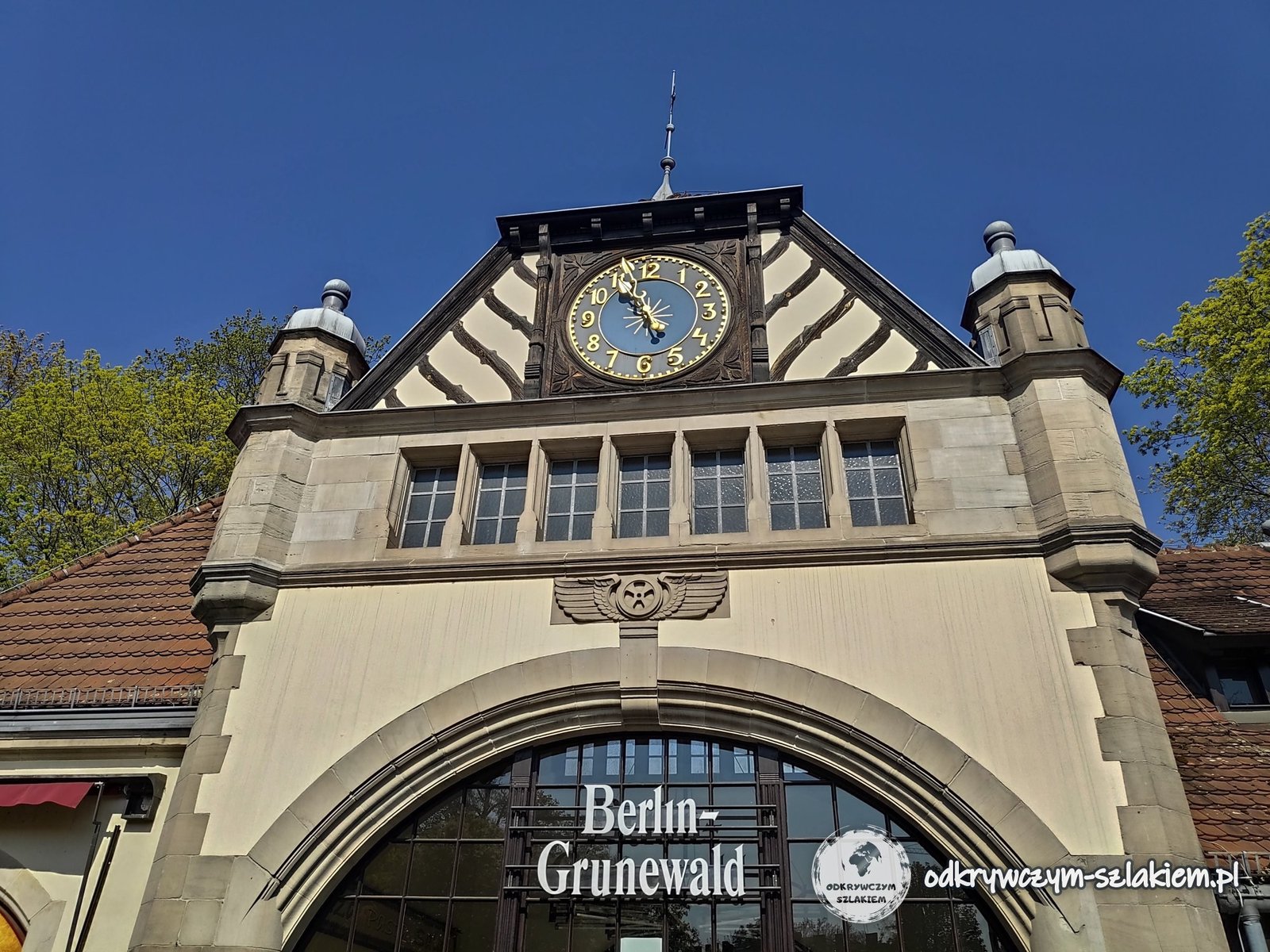
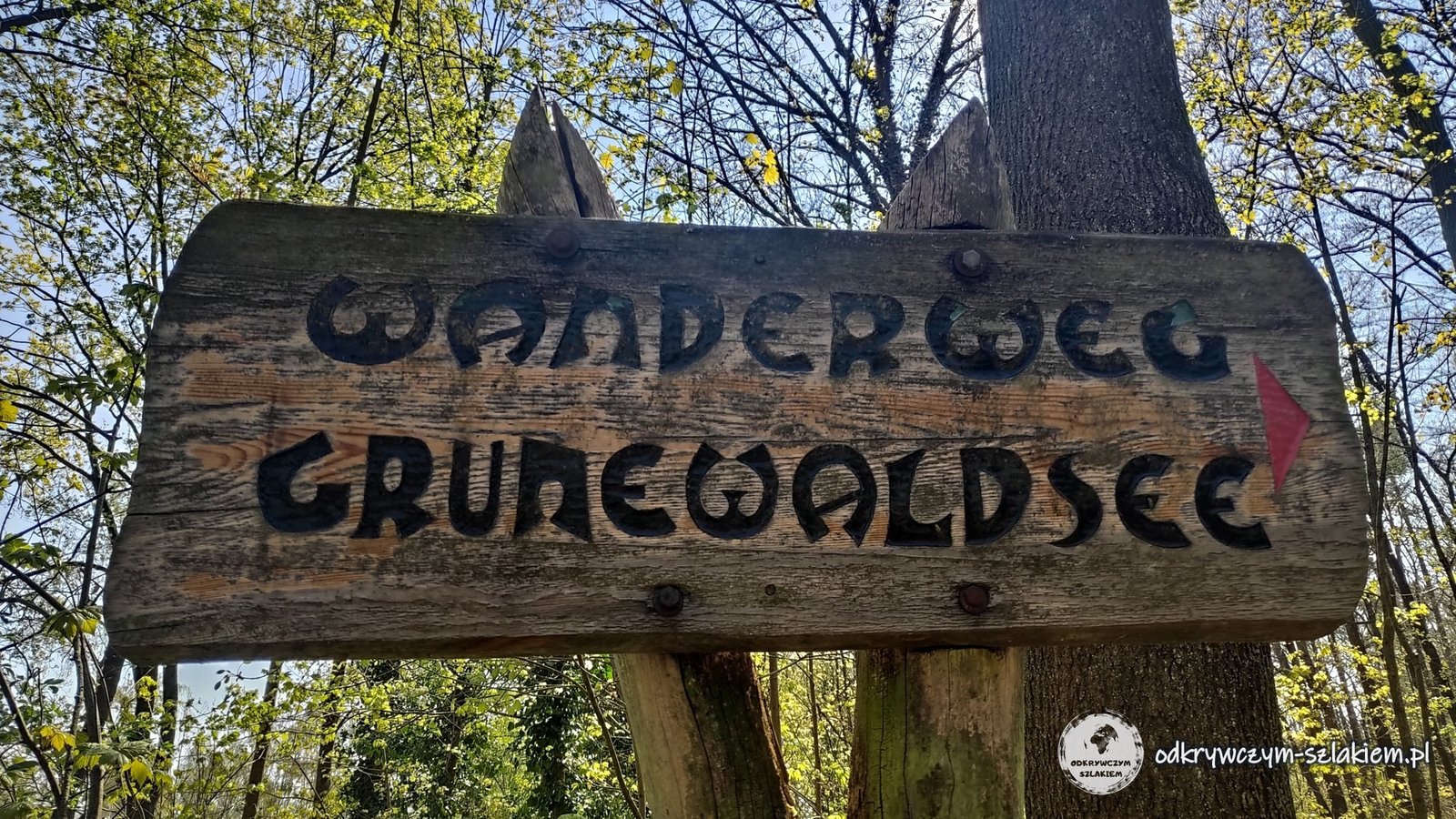
Grunewald is a large forest in the west of Berlin. The easiest way to get there is by S-Bahn to Grunewald station, from where you walk straight into the trees. In April 2022 I walked from here to the Grunewaldsee lake – a waymarked path leads around it.
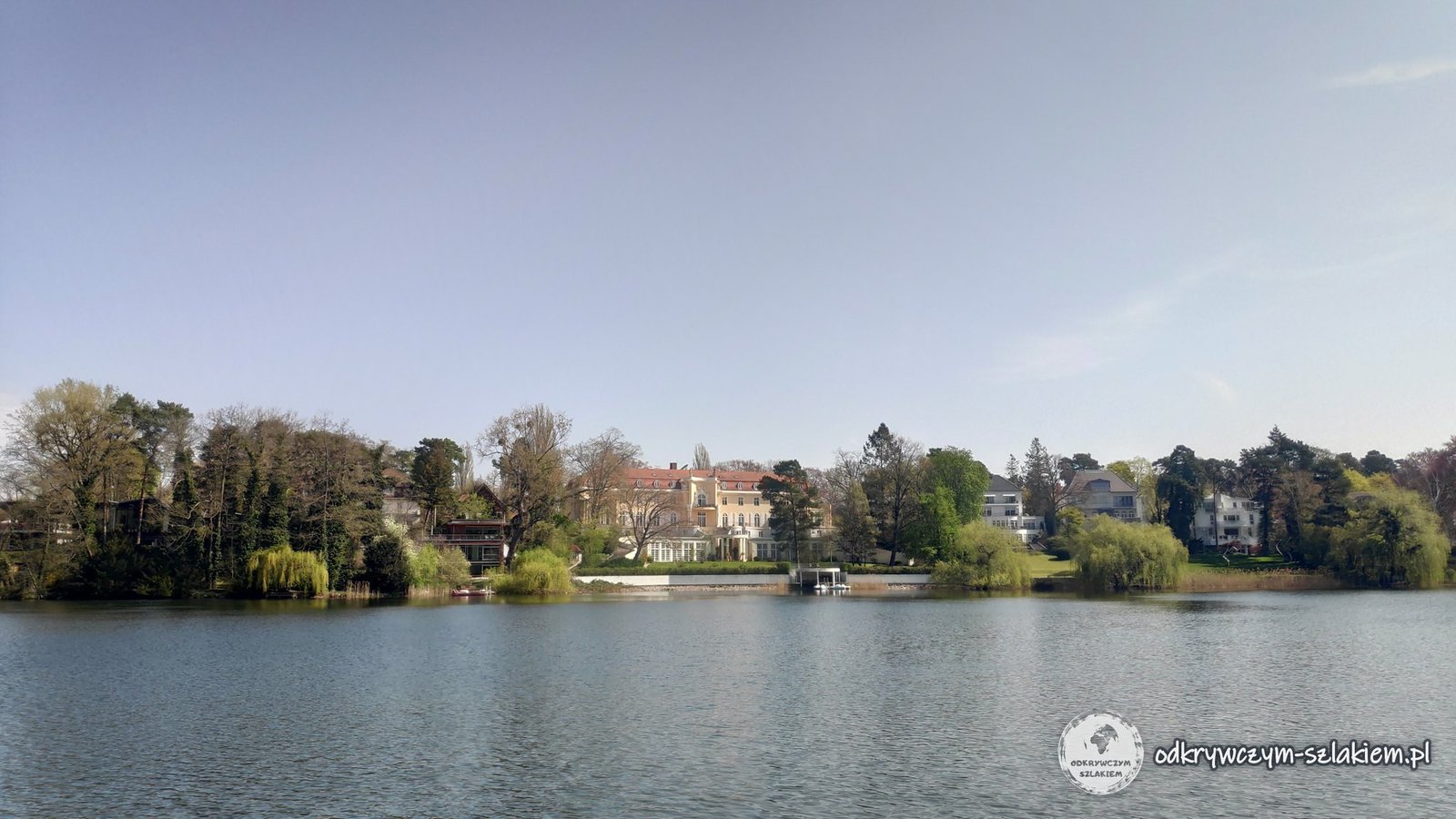
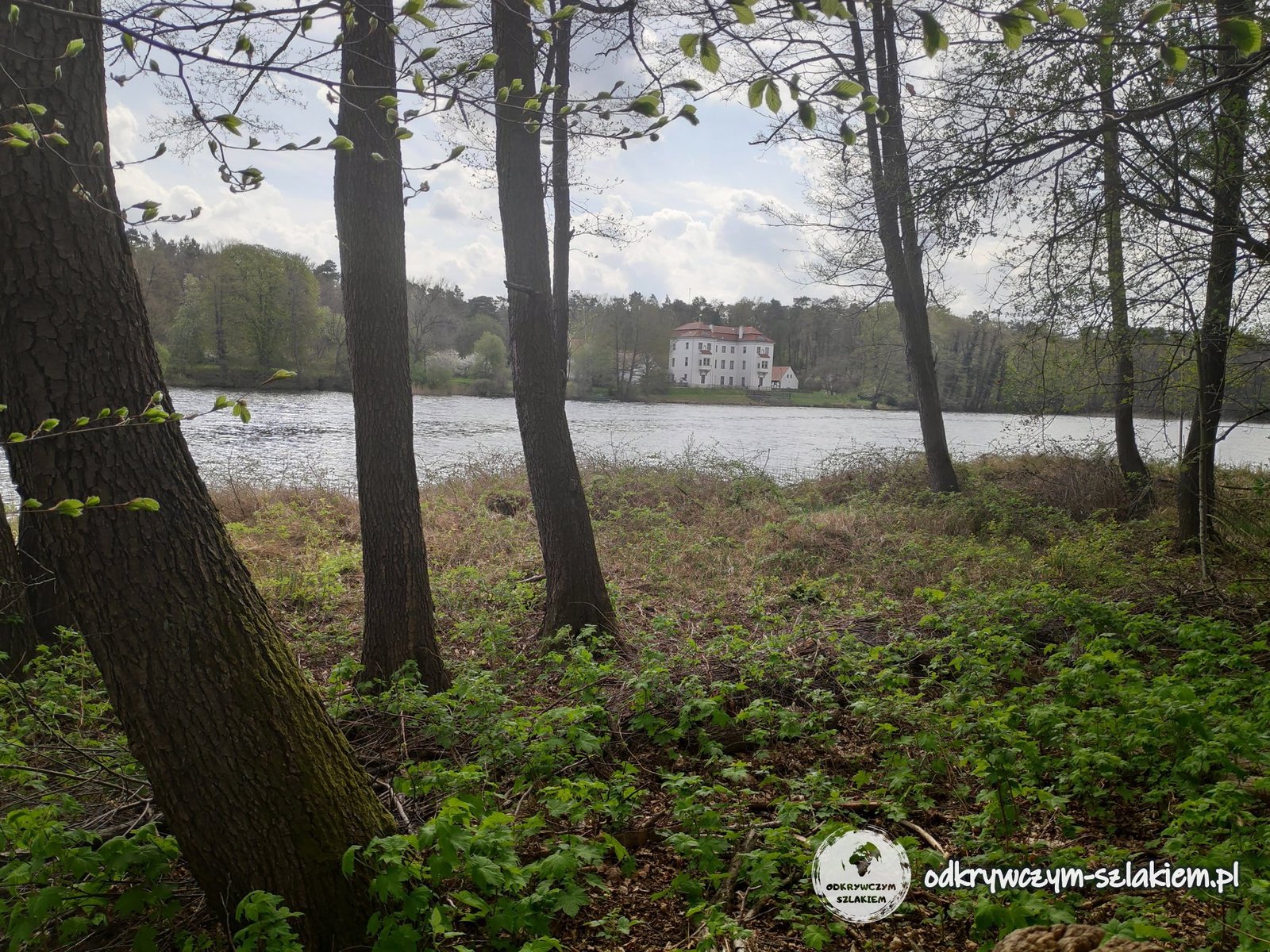
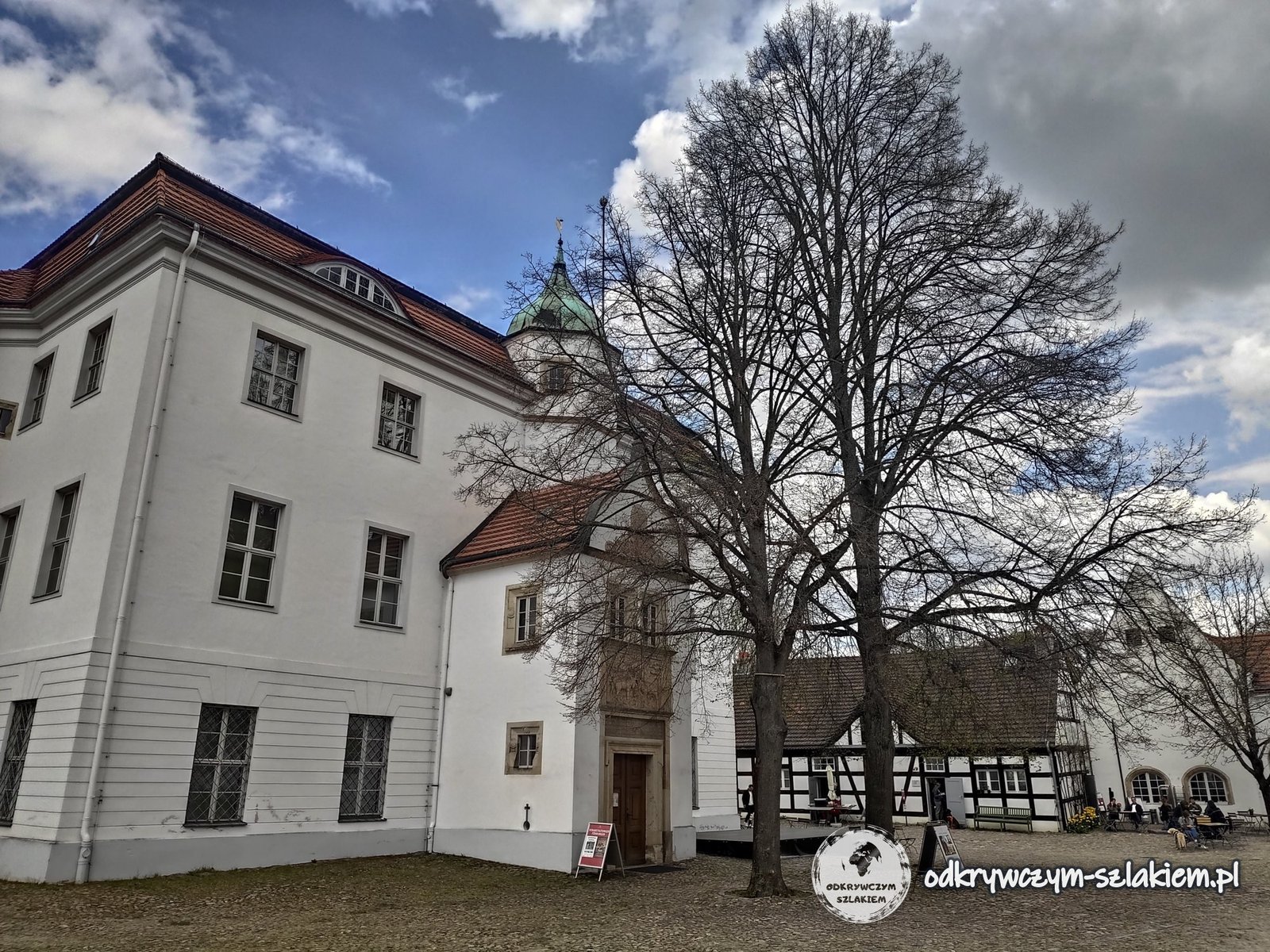
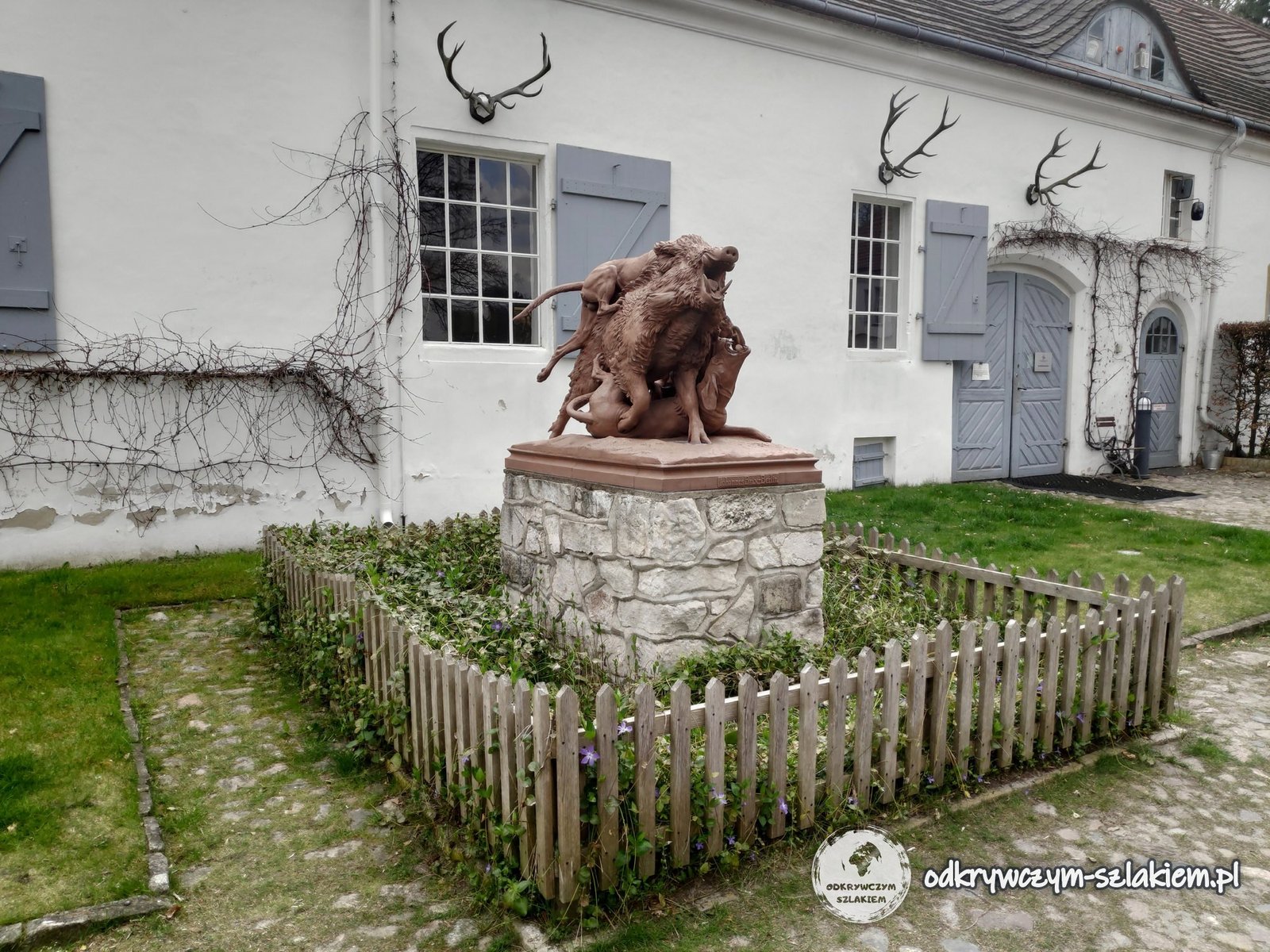
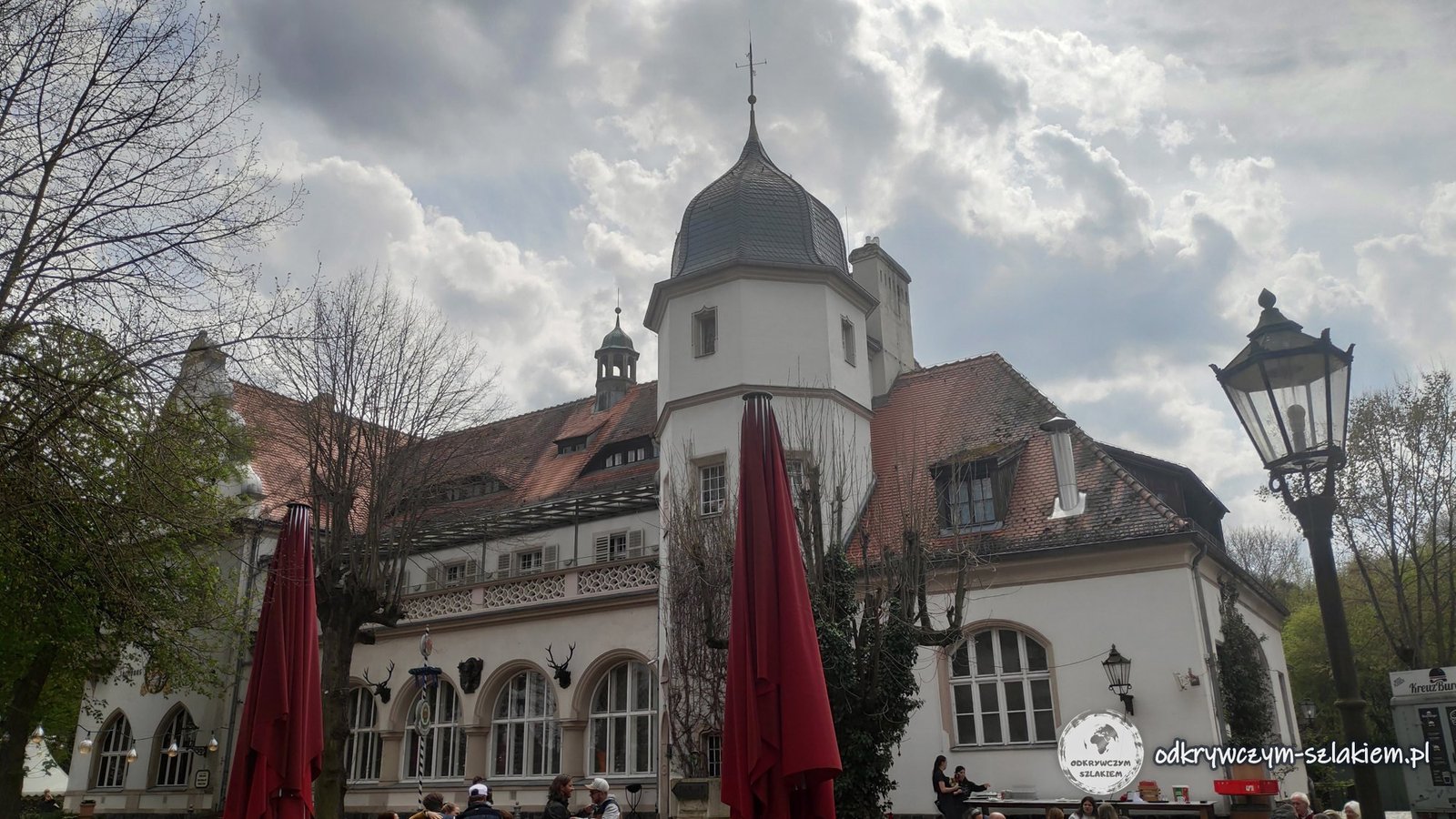
On the lakeshore stands the Grunewald Hunting Lodge (Jagdschloss Grunewald) from 1542 – the oldest surviving palace in Berlin. In the courtyard there is a sculpture with wild boars, and the walls are decorated with antlers. Nearby is the Forsthaus Paulsborn inn with a large garden – a good place for a break during a walk. I also walked in Grunewald in spring during the pandemic, which I mention in the post Berlin: what to see.
Forests and lakes in the north – Tegeler Forst, Tegeler See and Lübars
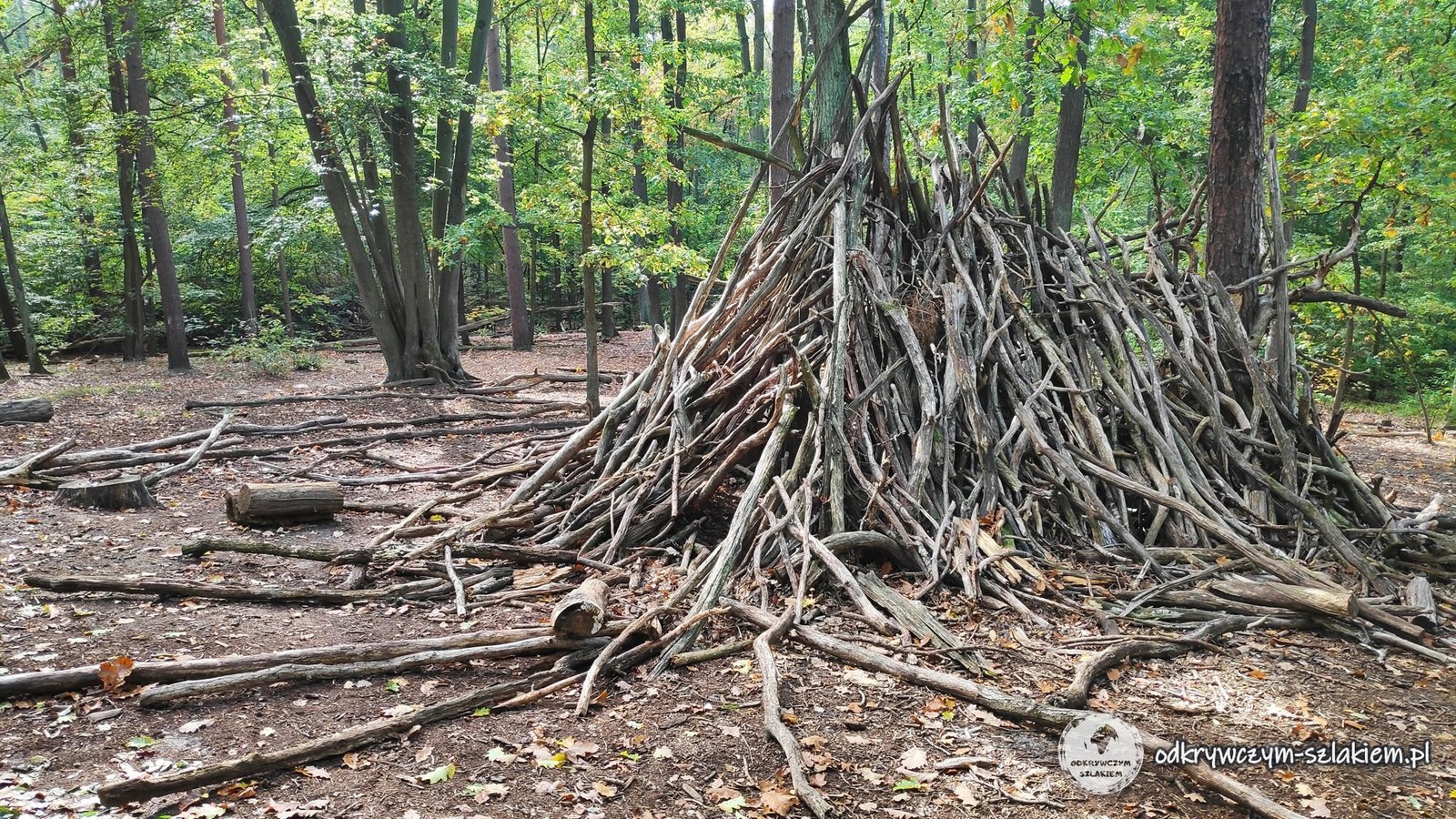
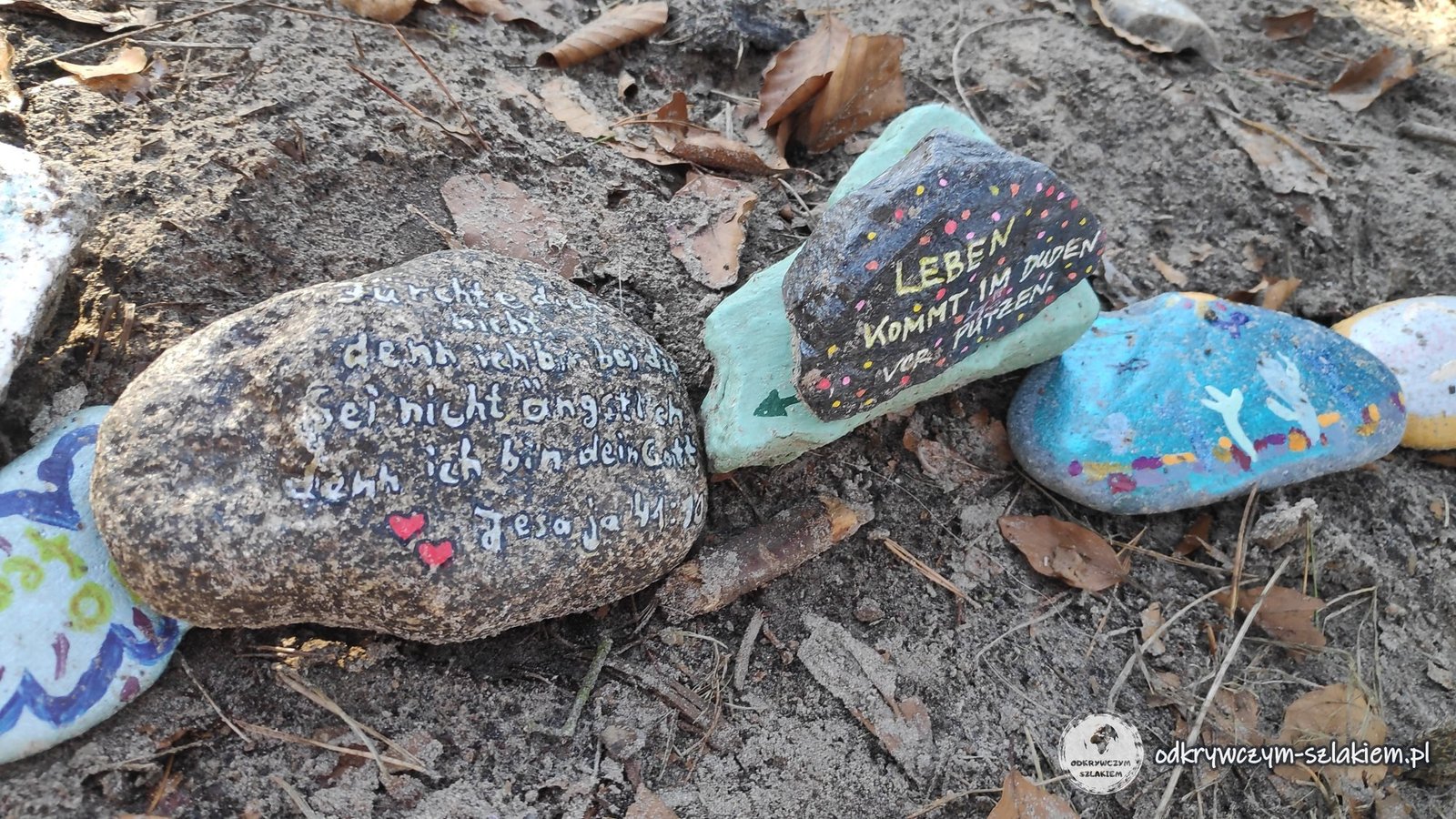
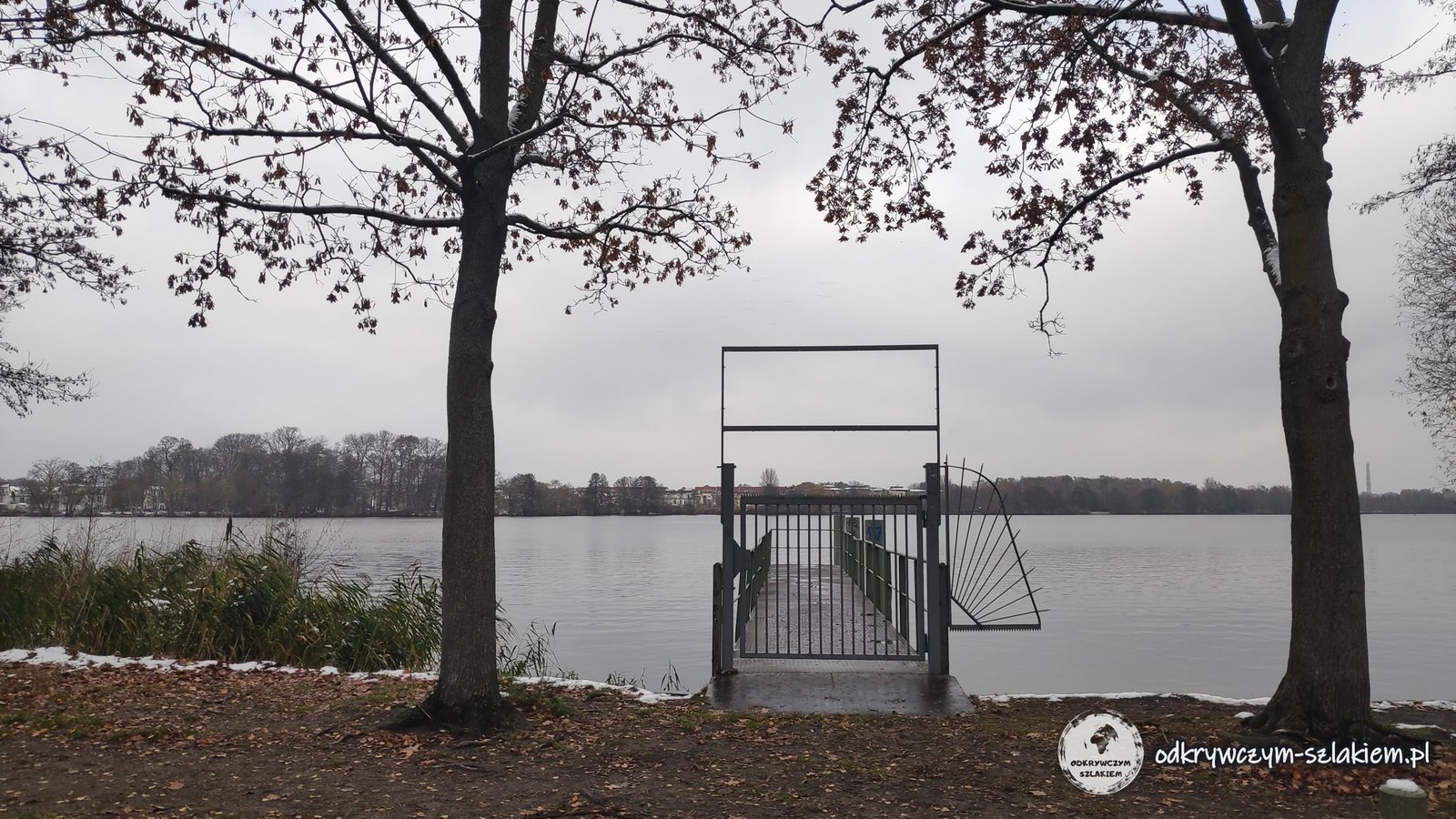
I also walked a lot in the northern part of Berlin. Tegeler Forst is a large forest of pines and beeches, where I went in every season – from the spring sunshine in April 2022 to the first snow in November of the same year. Along some of the paths, people lay out painted stones with drawings and inscriptions.
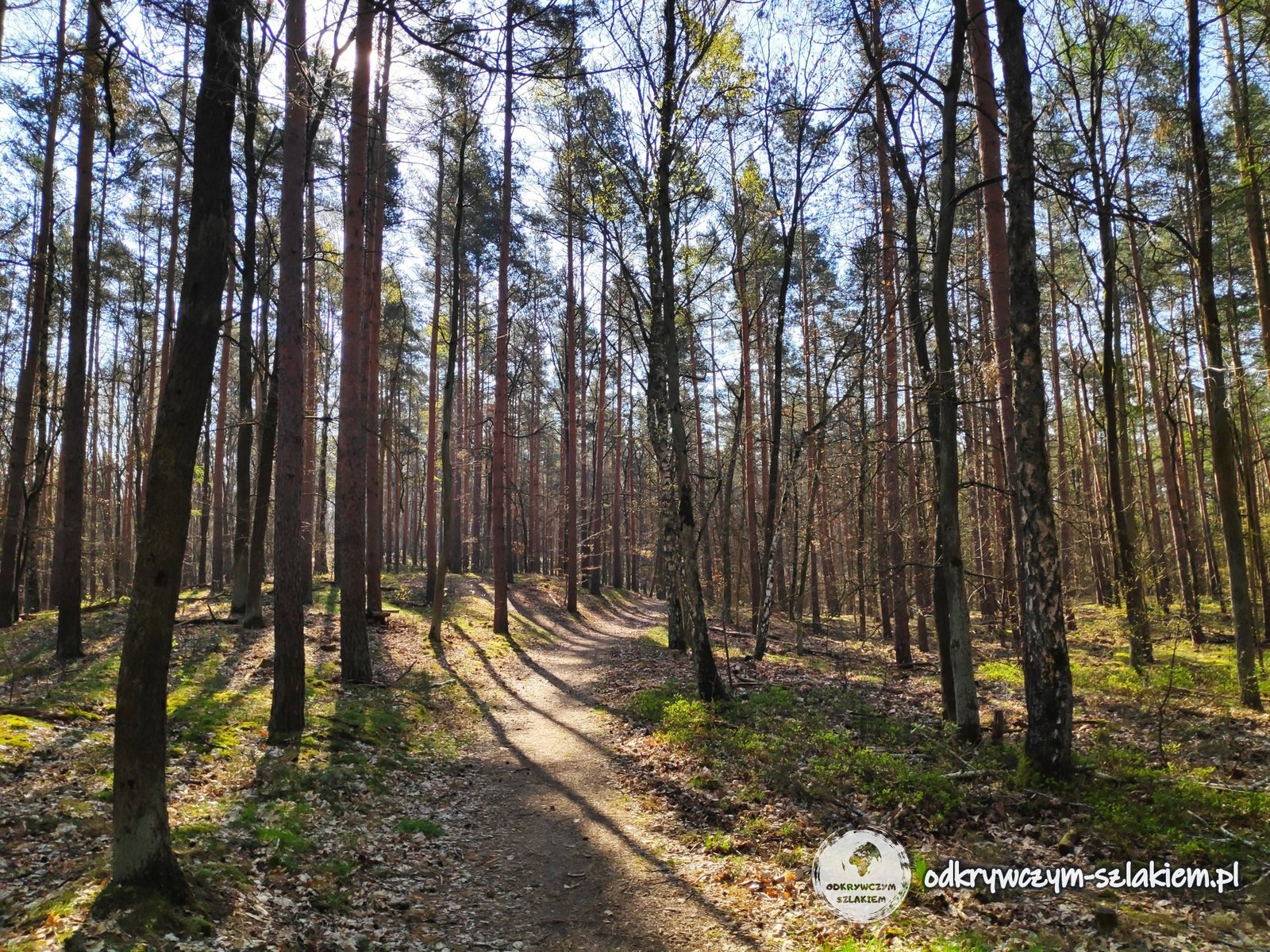
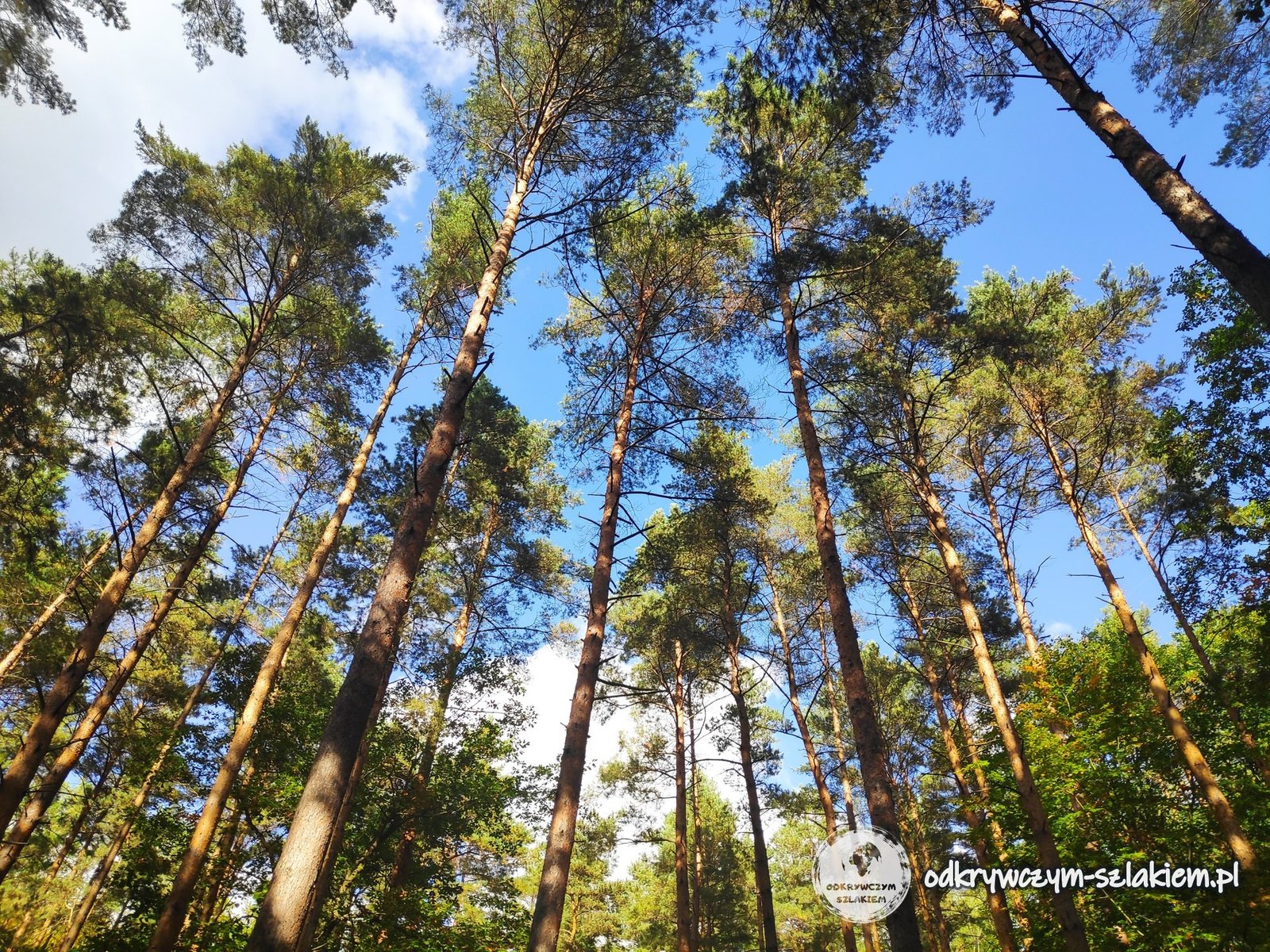
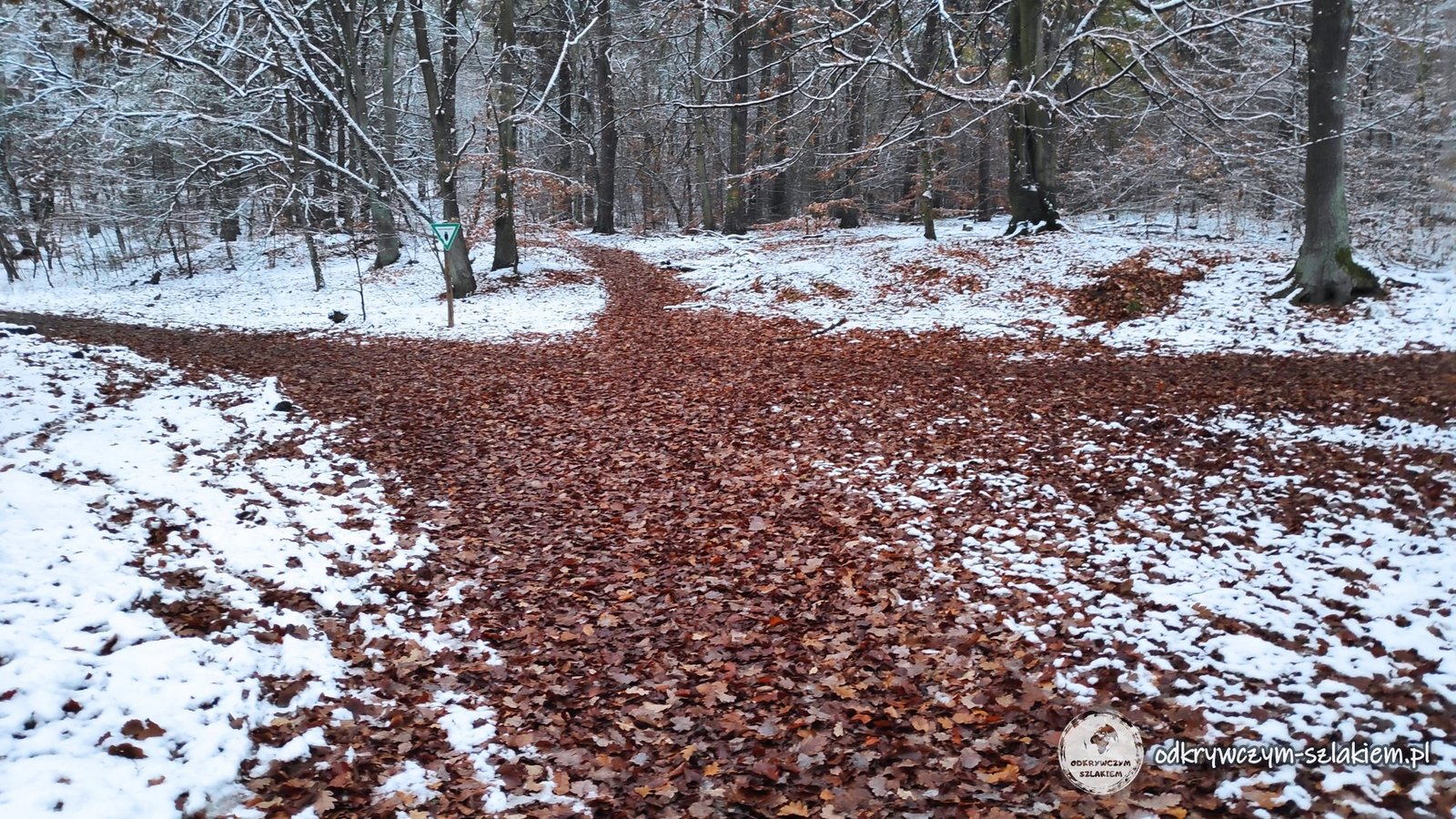
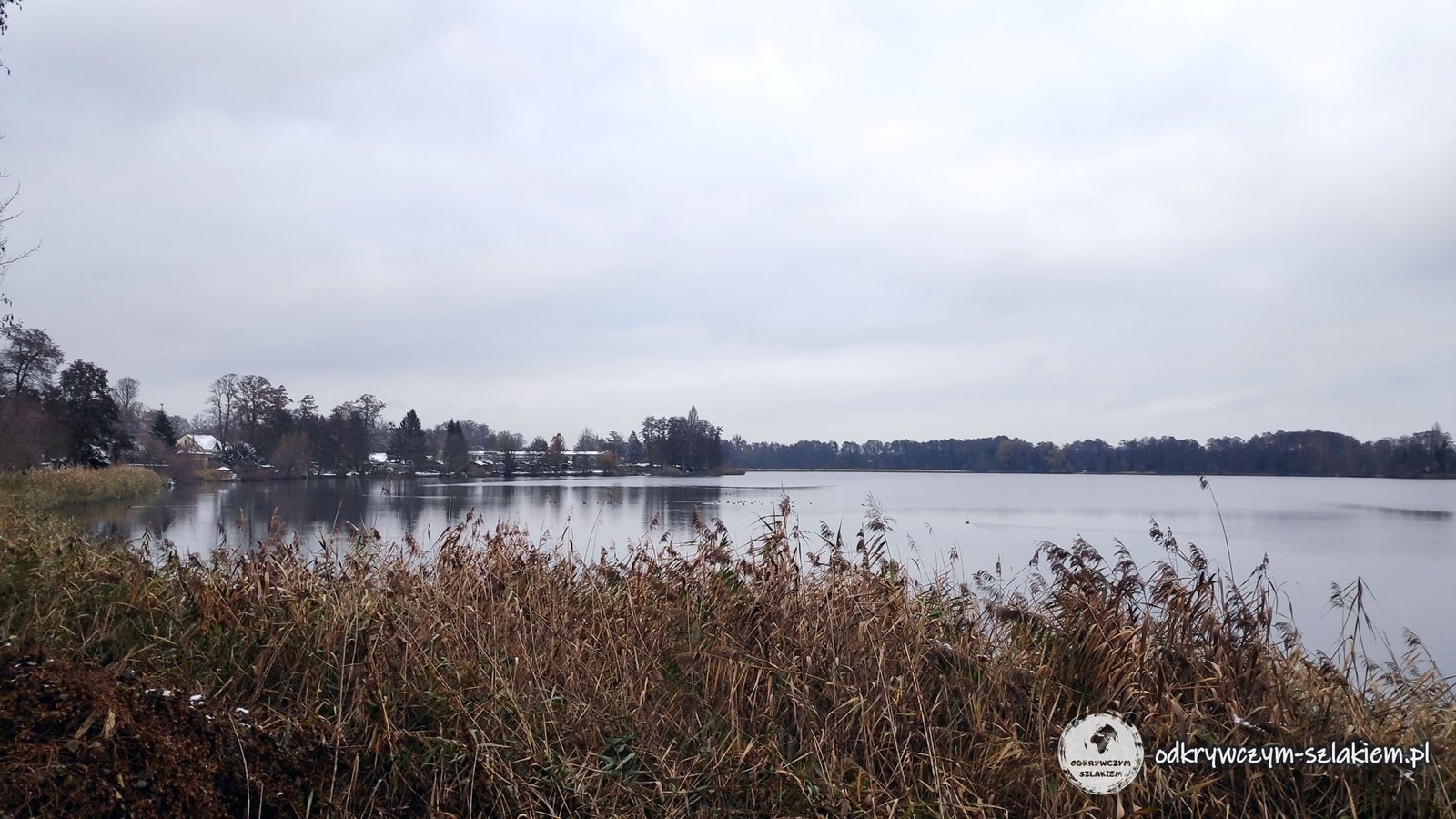
The forest is also home to the tallest tree in Berlin. According to a sign from 2022, it is a beech 43.15 m tall, planted in 1843. The forest reaches the Tegeler See, the second-largest lake in Berlin.

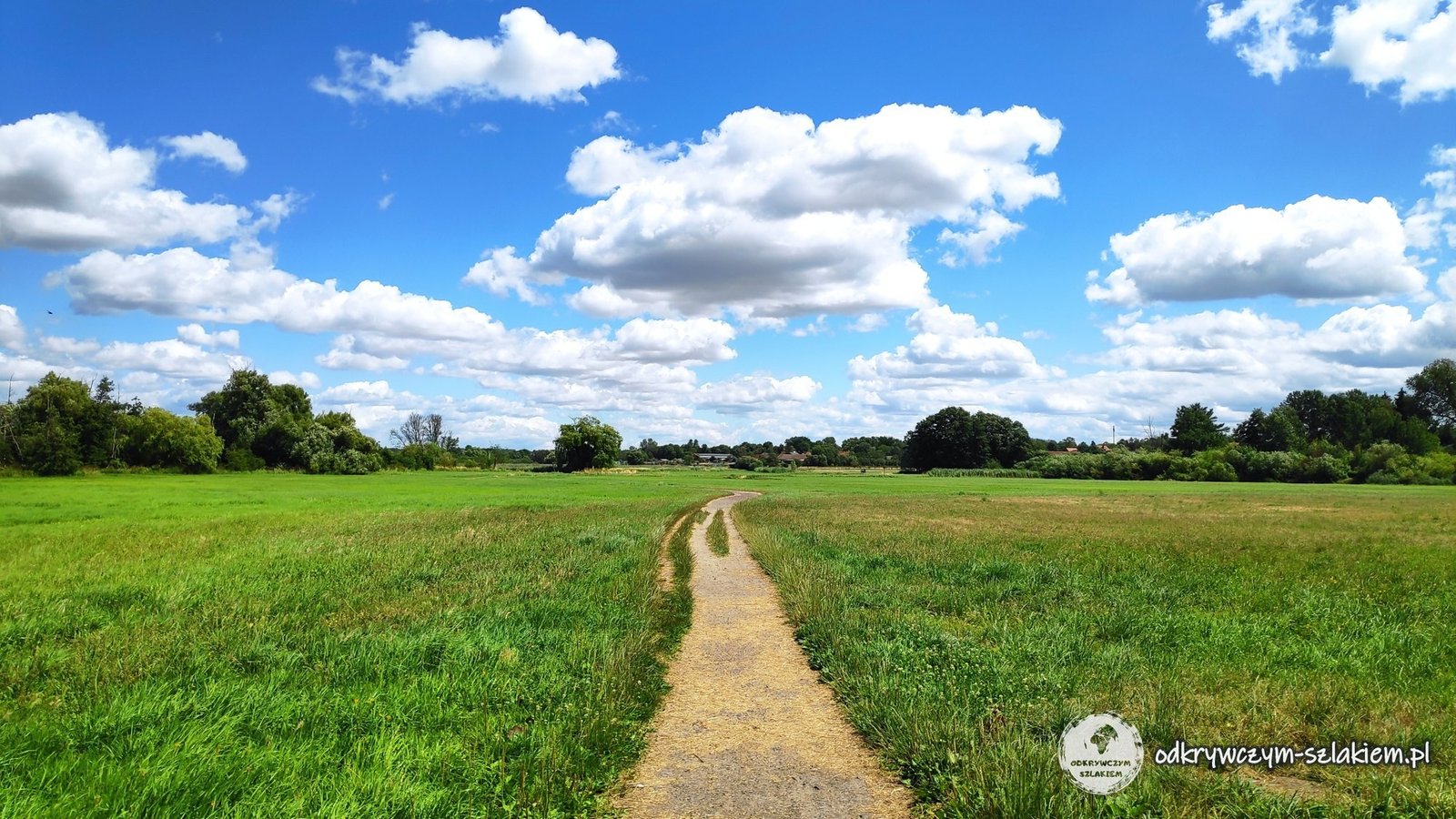
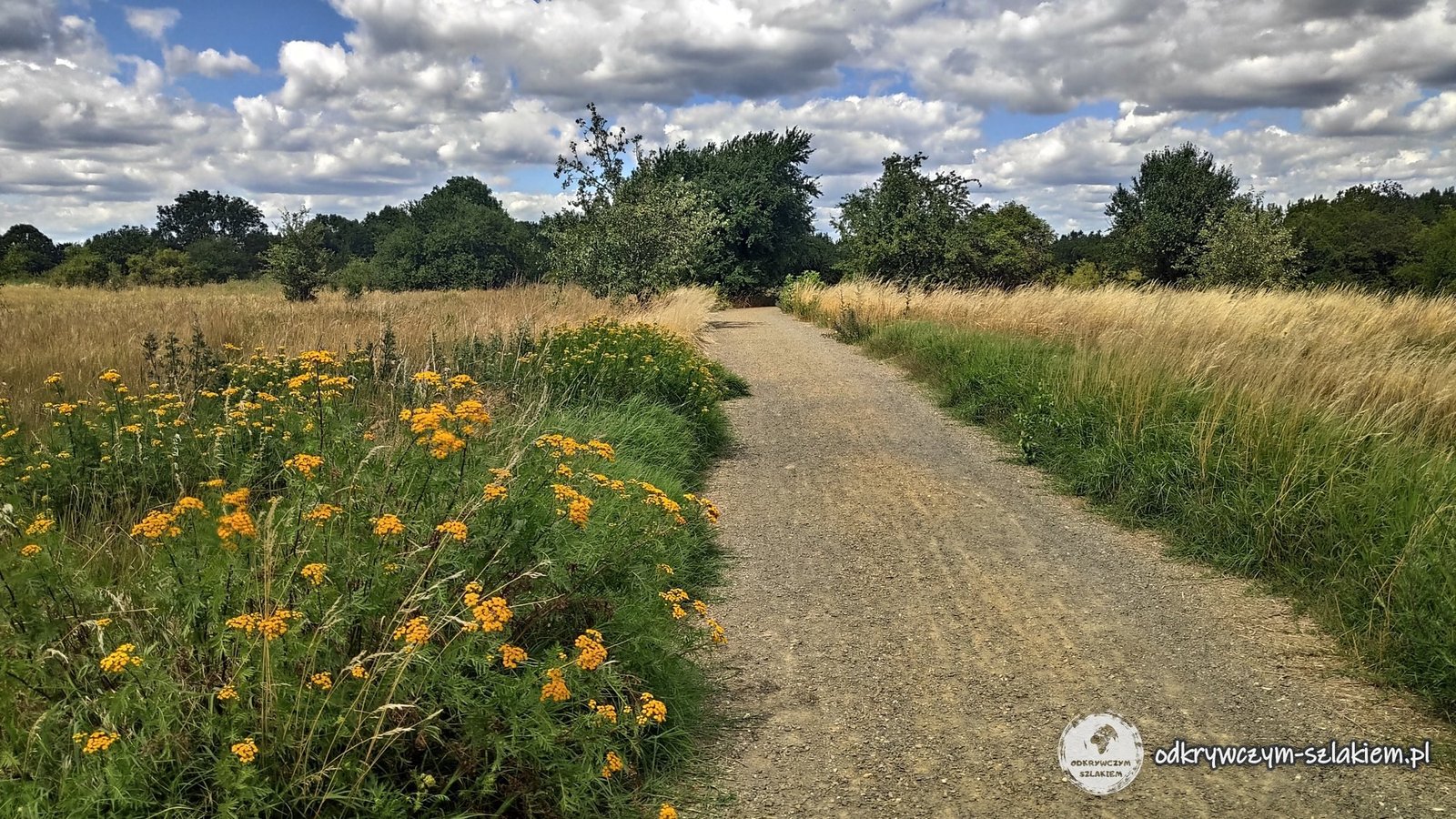
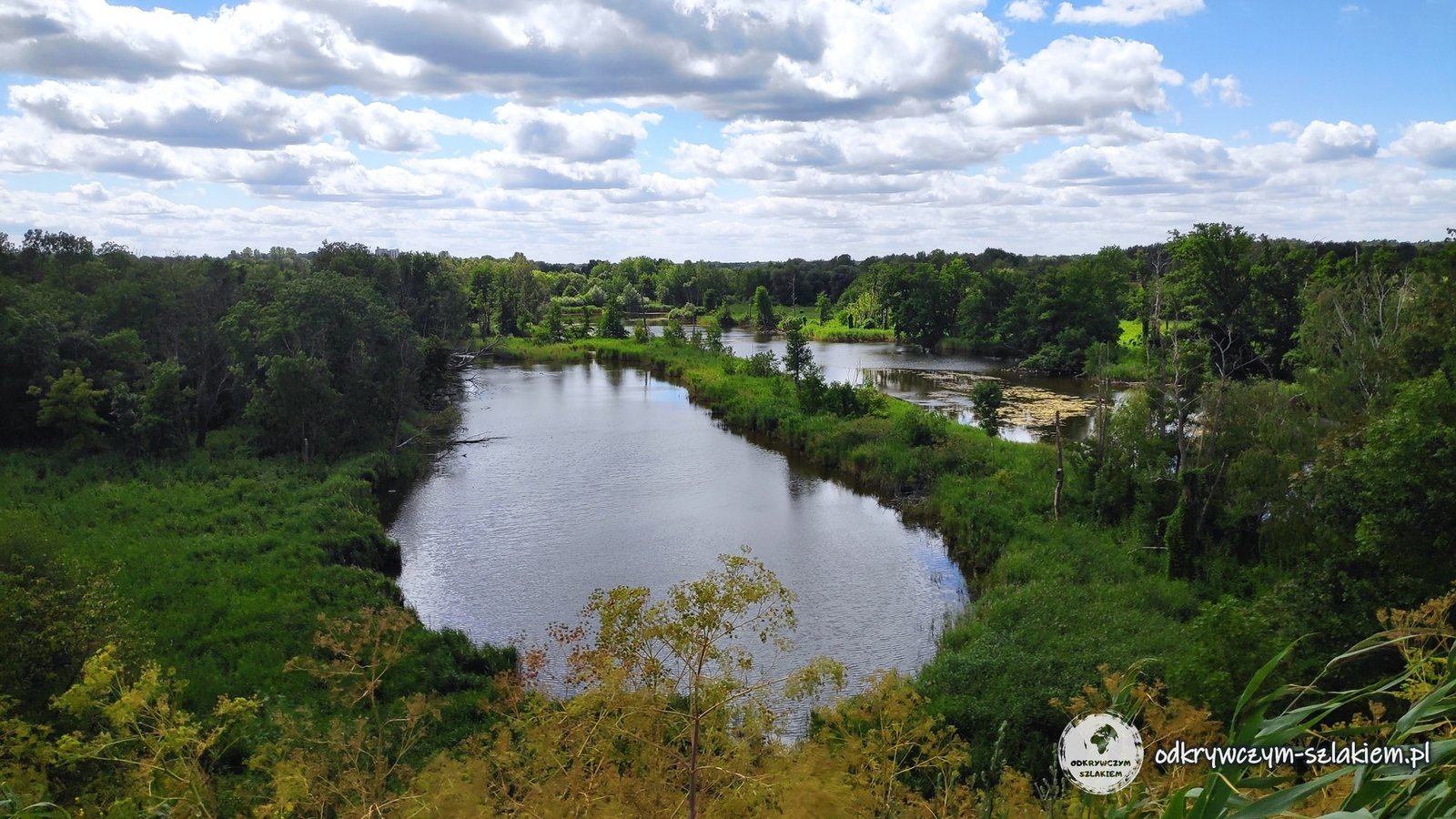
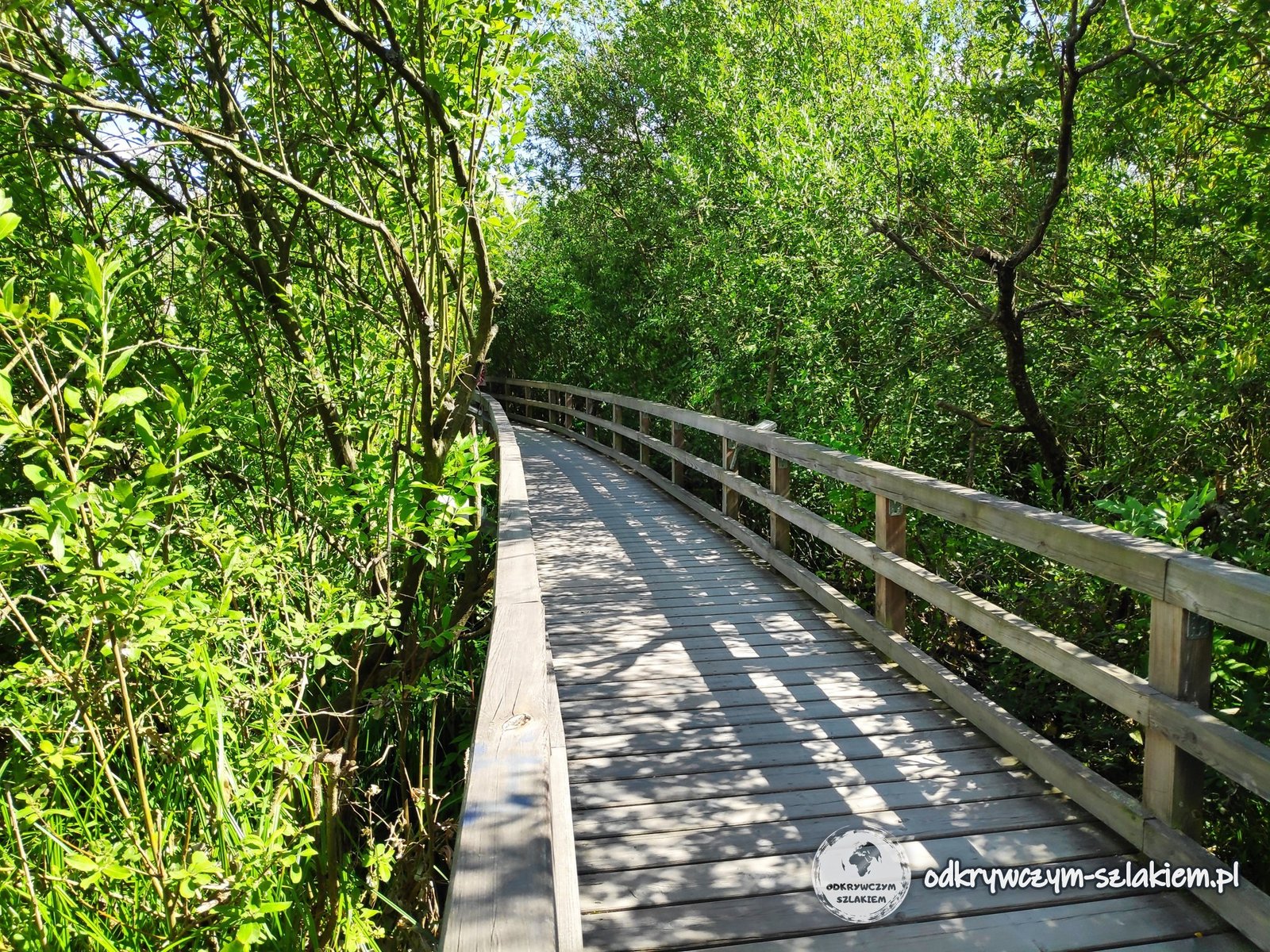
In summer it is worth going to Lübars – a former village on the northern edge of the city, where there are fields and meadows instead of blocks of flats. In July 2022 I walked through the valley of the Tegeler Fließ stream: paths among fields, ponds and wooden boardwalks across the marshes. It is still Berlin, even though it looks like the countryside.
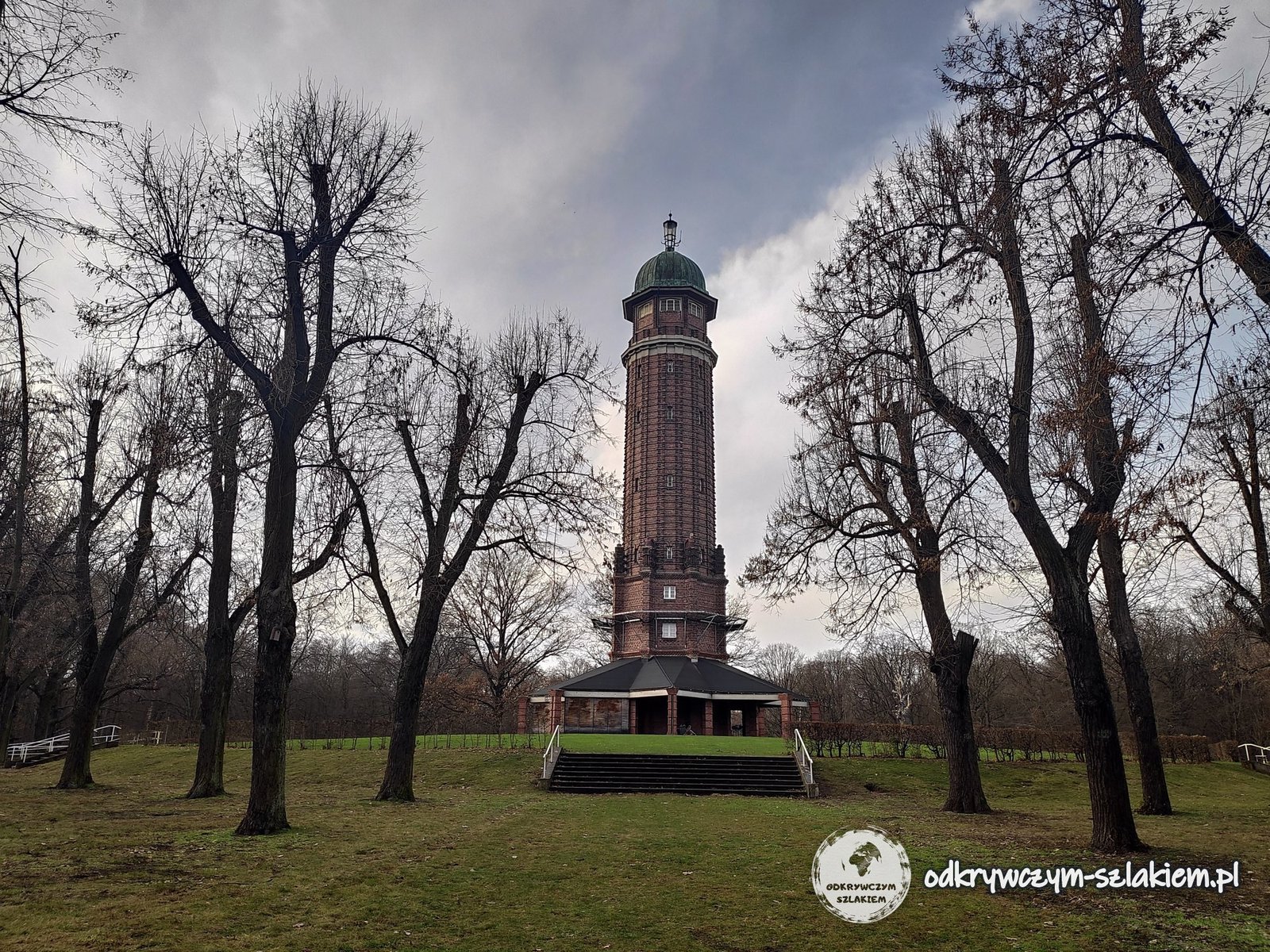
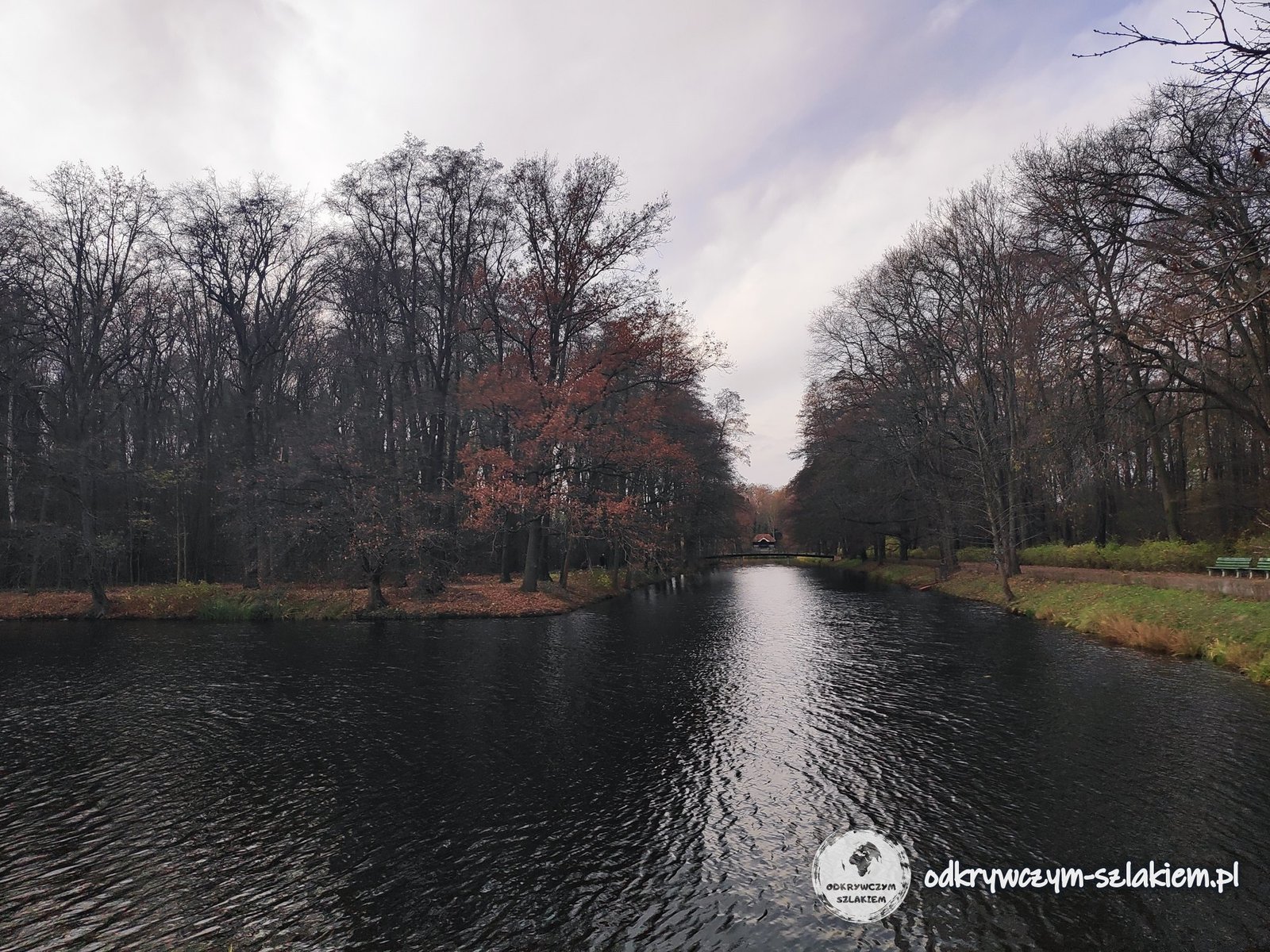
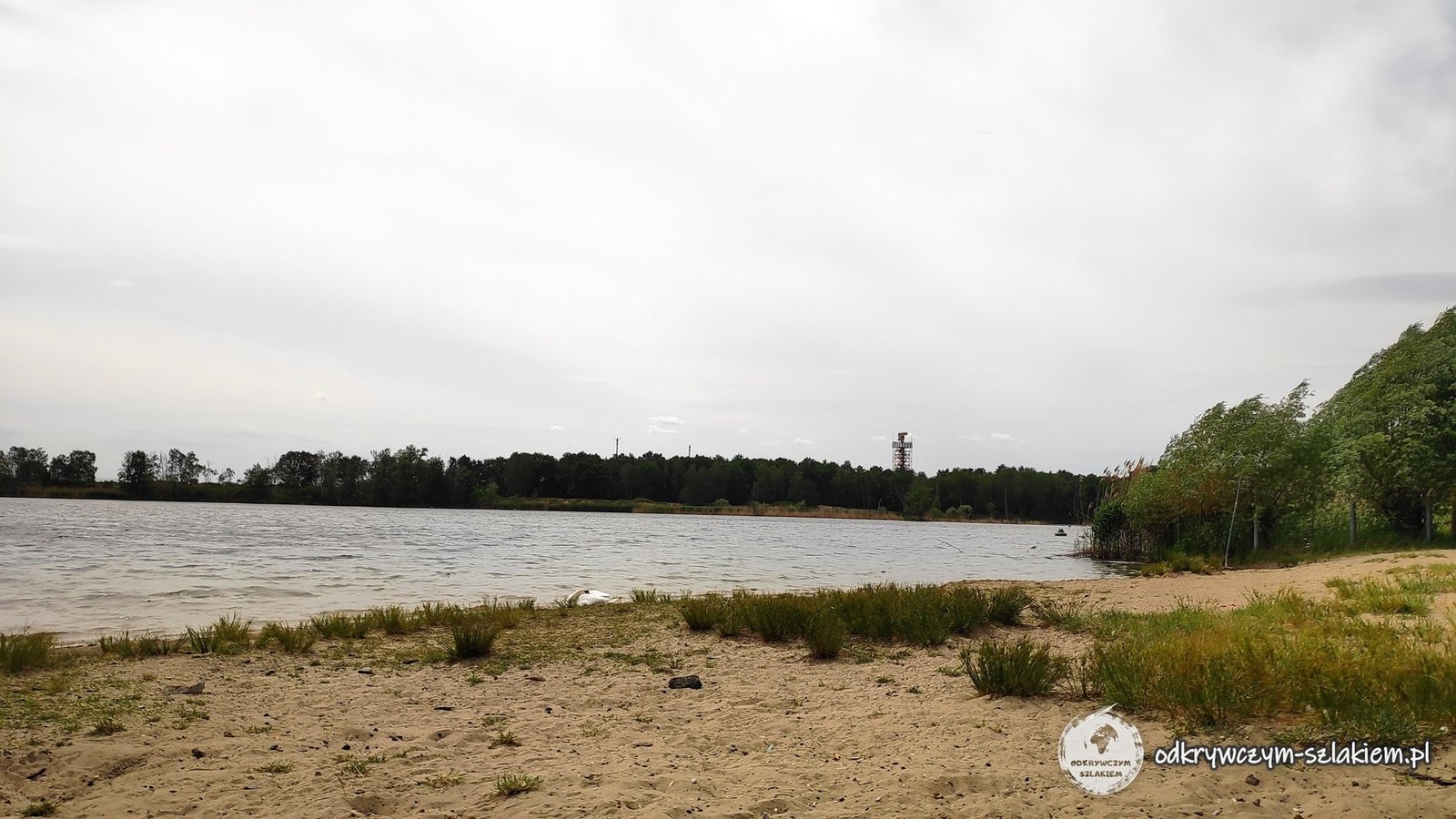
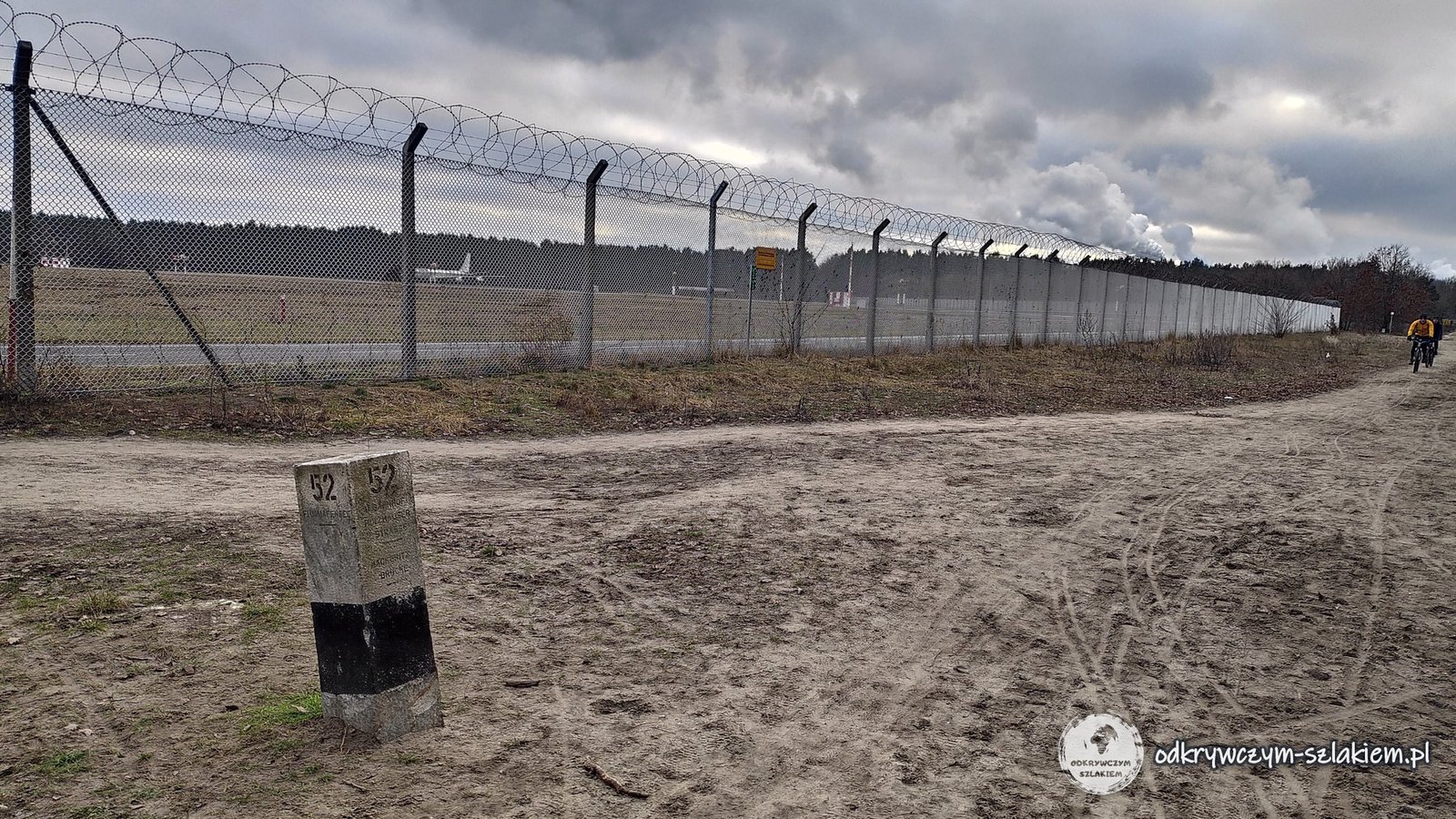
Closer by, I also visited Volkspark Jungfernheide with its water tower and canal, and Flughafensee lake with its sandy beach – in June 2020 quite a few people were swimming in it. In January 2021, two months after Tegel Airport closed, I walked there along its fence.
Practical information
- Free: Tiergarten, Viktoriapark, Volkspark Friedrichshain, Humboldthain (including the terrace on the tower), the Blankenfelde-Pankow Botanical People’s Park, Grunewald, Tegeler Forst and Lübars.
- Paid: Gärten der Welt (in summer 2026, €9 for adults, cable car extra), Britzer Garten, climbing the Victory Column and visiting the Grunewald Hunting Lodge. Prices change every season, so it is best to check them before you go.
- When: it is prettiest from April to June – in March and April the daffodils and trees are in bloom, in May the azaleas and rhododendrons. The waterfall in Viktoriapark only runs in the warmer months.
- Getting there: you can reach all of them by public transport within fare zone AB (Gärten der Welt and Lübars take the longest, about an hour from the centre). In the forests a map app comes in handy, because there are a great many paths.
- More Berlin: I have described the other sights in the posts Berlin: what to see and Berlin: museums, and a trip out of the city in the post about Potsdam and Wannsee.
Photo gallery