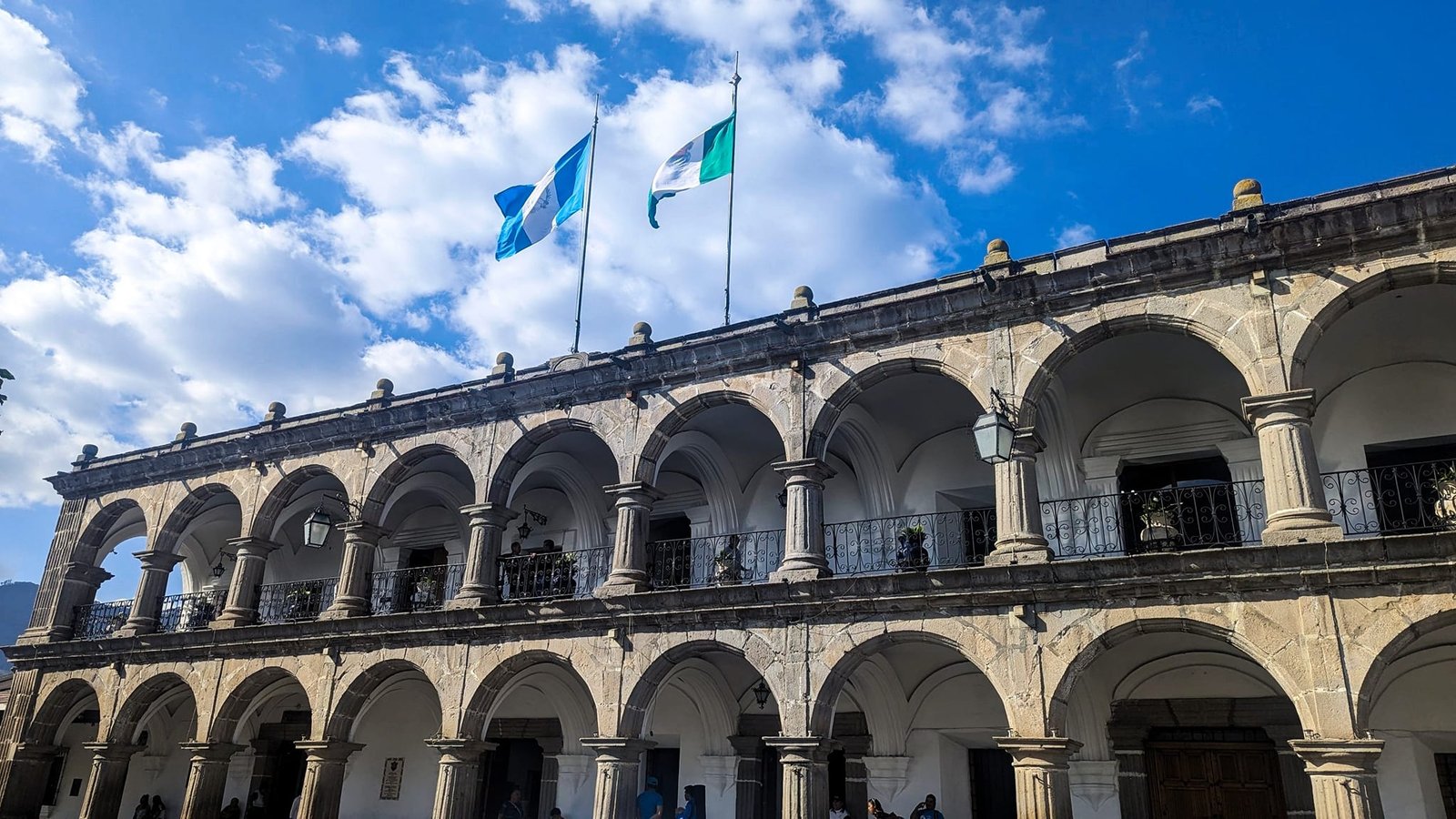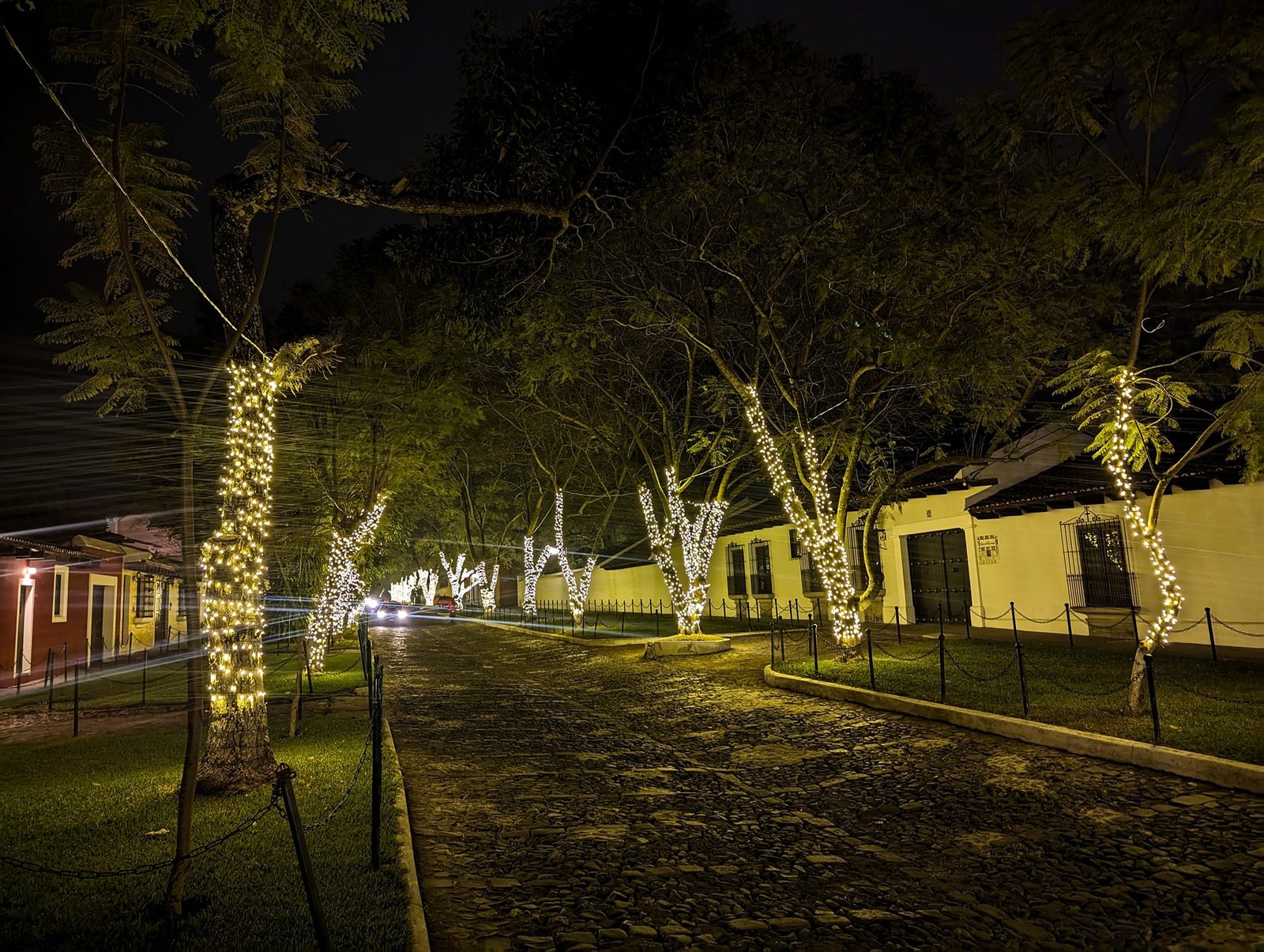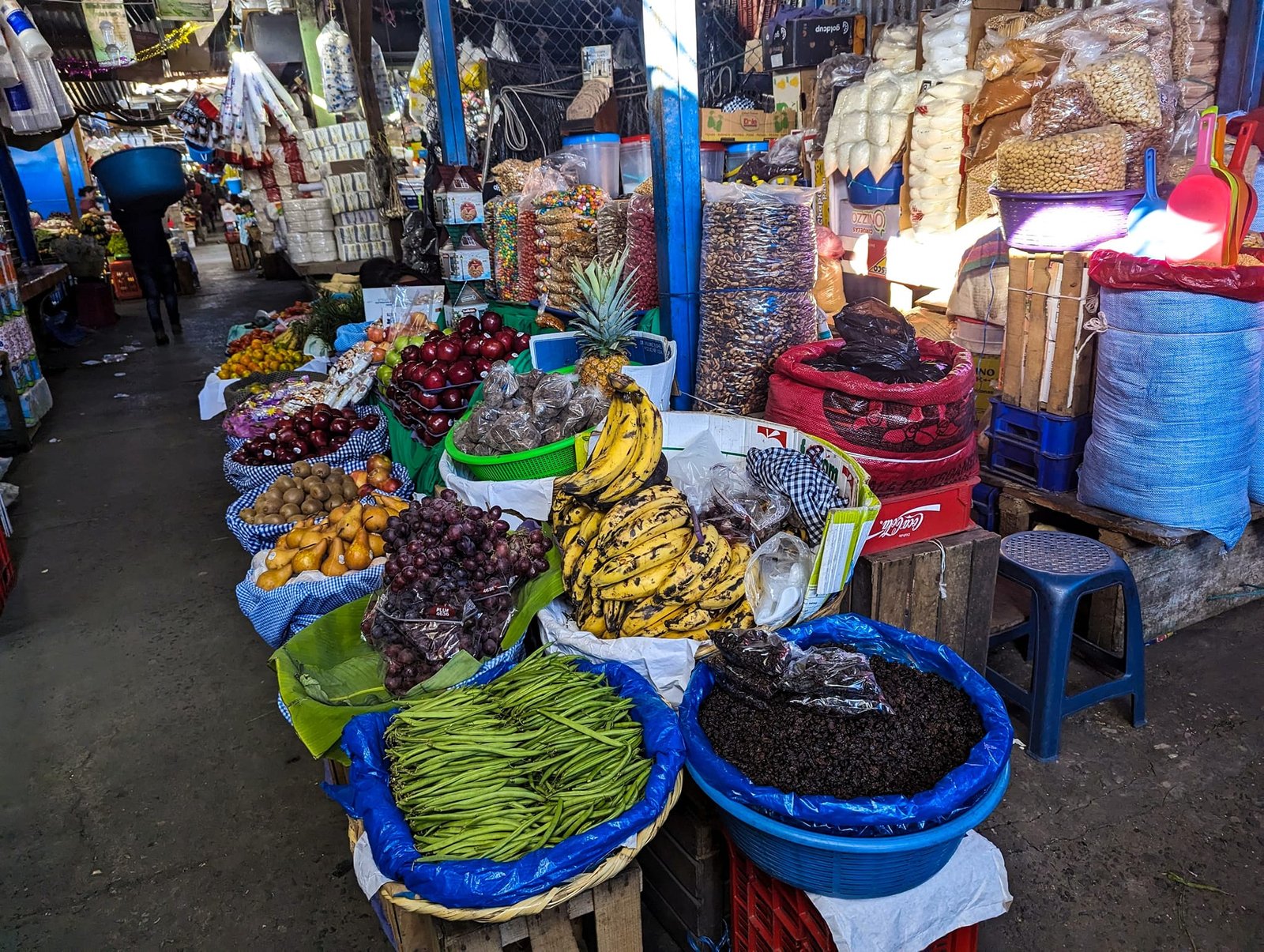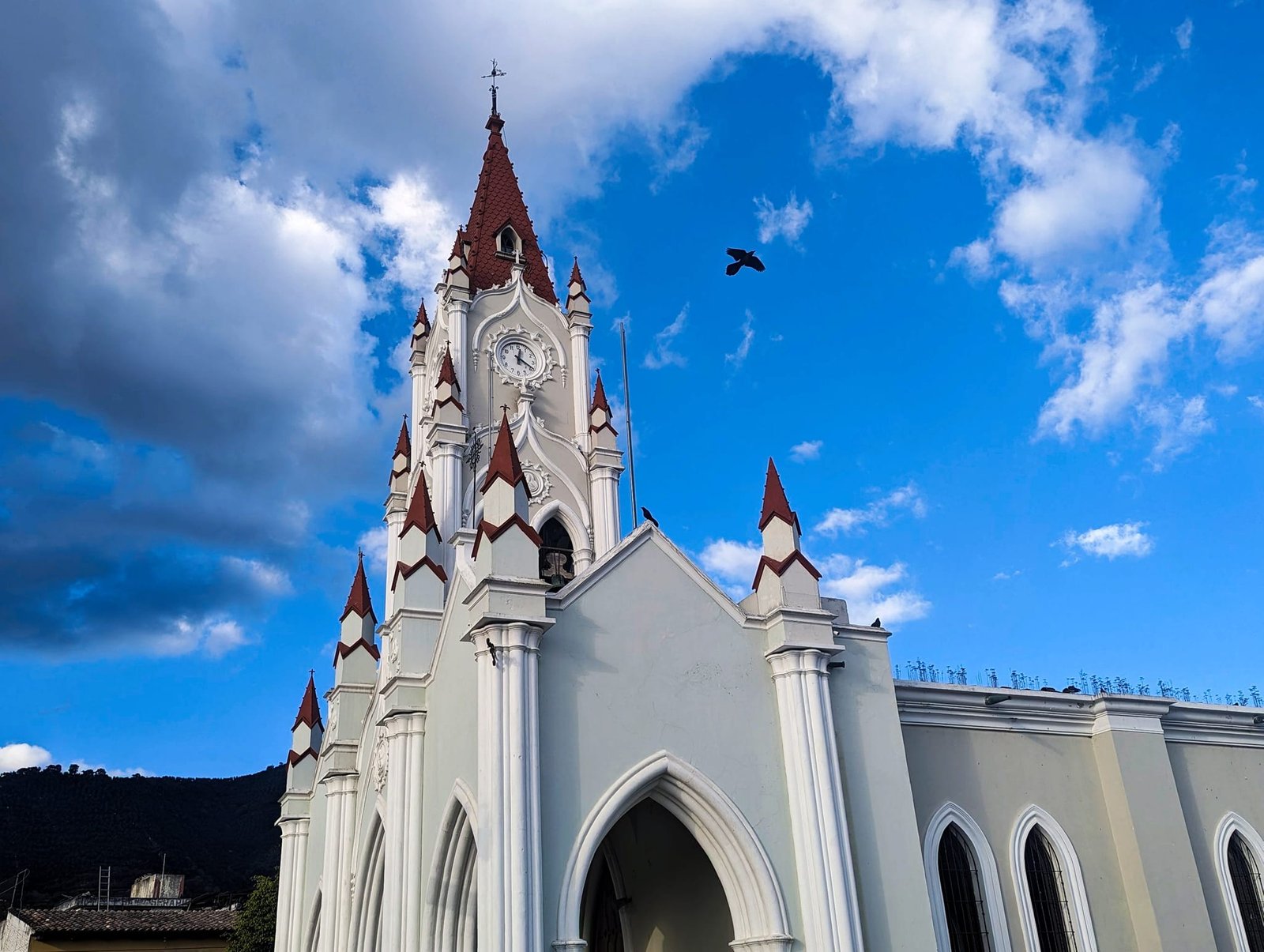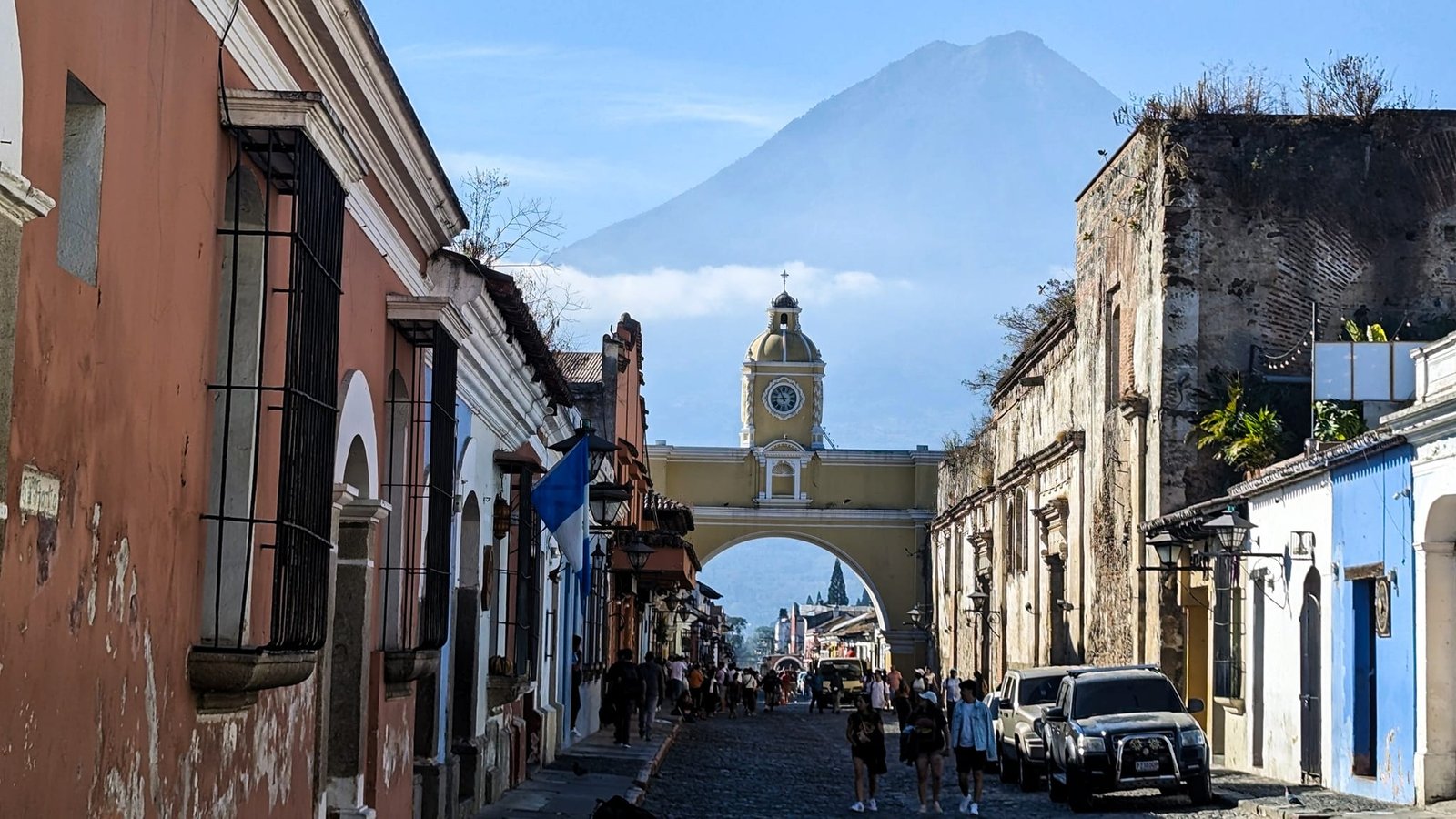
We reached Antigua Guatemala on Christmas Eve 2023 and stayed for more than a month. Right after Christmas we started an intensive Spanish course, which we extended from the planned four weeks to five. We lived with a Guatemalan family and spent our days studying Spanish, while afternoons and weekends were for colonial churches and ruins, views of the smoking Fuego volcano and trips out of town – to volcanoes and to the Pacific at El Paredón. Antigua is a well-known place to learn Spanish: there are at least 10 schools, the courses are relatively cheap and the lessons are private. Christmas in Antigua has its own post: Christmas in Latin America.
Table of contents
- The Spanish school – Antigüeña Spanish Academy
- Living with a Guatemalan family
- Culture classes – a Mayan wedding, maize and salsa
- Antigua – a colonial town among ruins
- Volcanoes above the town and our first earthquake
- The Finca La Azotea coffee plantation
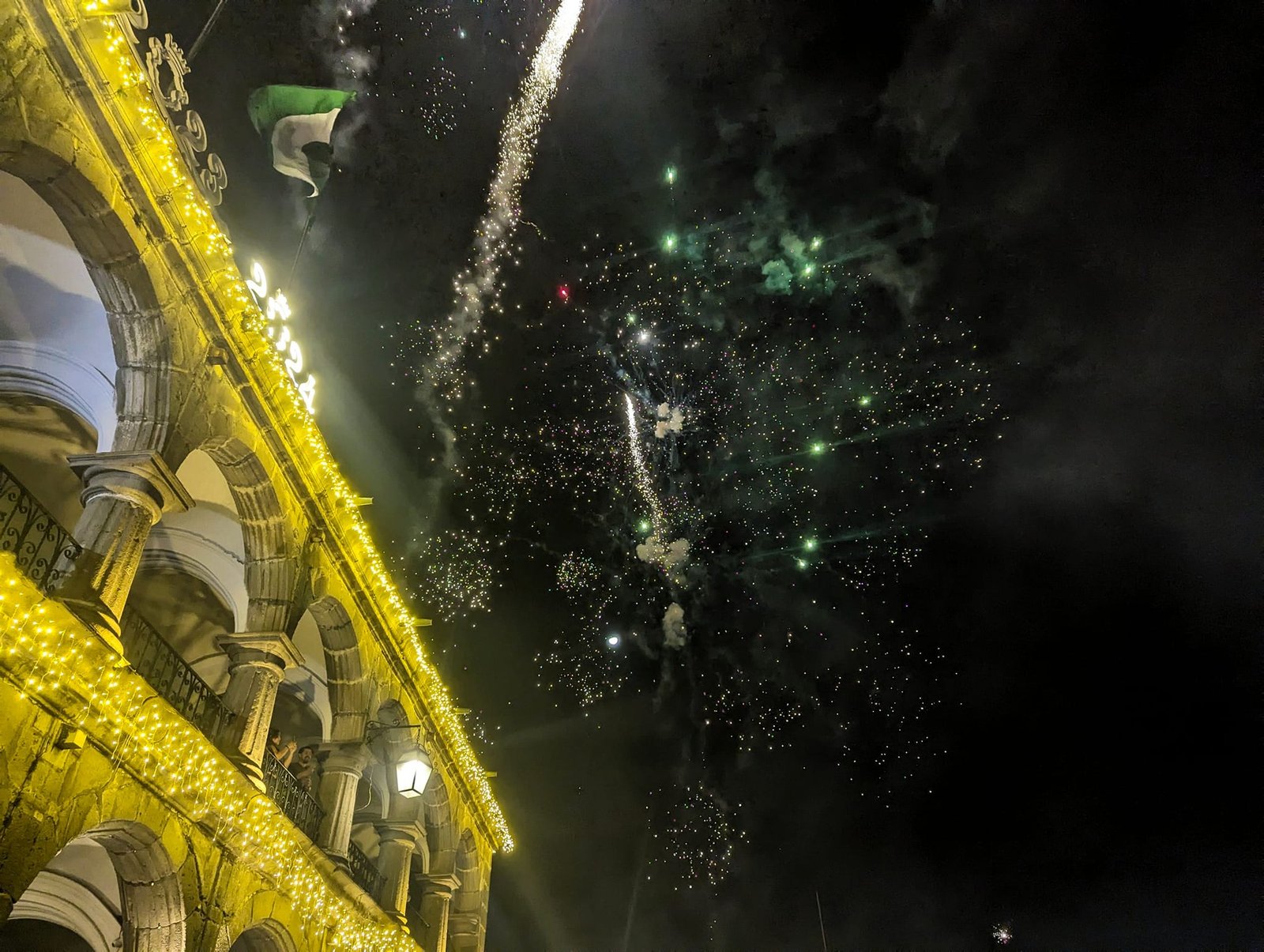
- New Year’s Eve and meeting other Poles
- El Paredón – black sand and Pacific waves
- Practical information
- Is it worth learning Spanish in Antigua?
The Spanish school – Antigüeña Spanish Academy
Before we arrived we knew only basic phrases. During two months in Mexico we somehow got by with Duolingo and a translation app, but we finally wanted to really talk to people. Before choosing a school I did some research, and only Antigüeña Spanish Academy offered lessons in pairs – two students per teacher. There are no group lessons here: you study one-to-one or in a pair (like us), and the level is adapted to the student – we started as beginners.
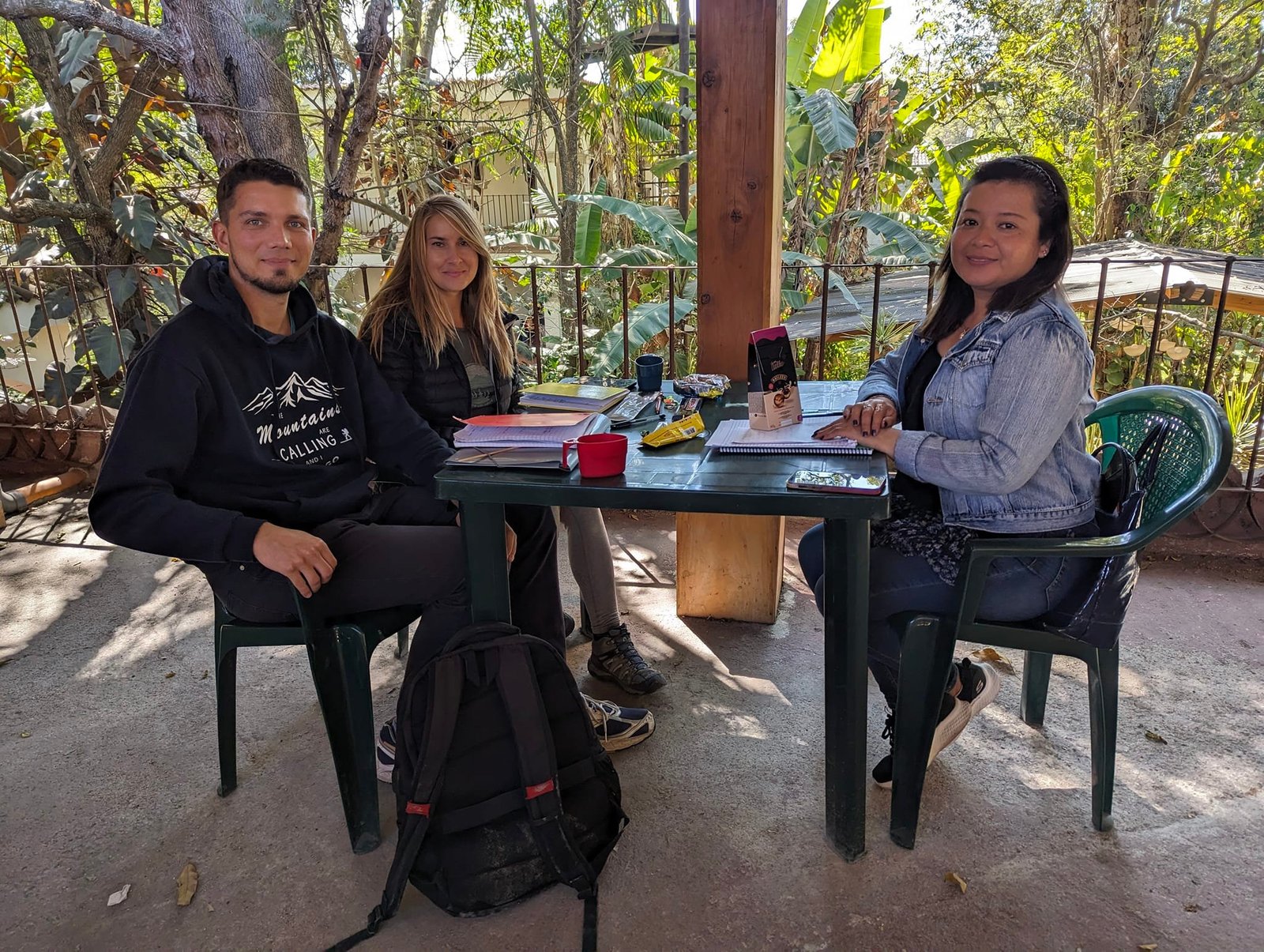
Lessons last 4 hours a day, Monday to Friday. In the first week we had afternoon classes (13:00–17:00), from the second week on we went in the mornings (8:00–12:00). Christmas Day and New Year’s Day fell on Mondays, and lessons missed on holidays are made up on Saturday. Four hours of lessons sounds like a part-time job, but with homework and conversations at meals it became a full-time one – sometimes our heads were steaming with Spanish. At the start of the fourth week we could already see a lot of progress, so we extended the course by one more week, to five in total.
After five weeks, starting almost from zero, we could already have simple conversations. It helps a lot that Guatemalans speak slowly and clearly – many of them use one of the roughly 20 Mayan languages in everyday life, and Spanish is their second language.
Living with a Guatemalan family
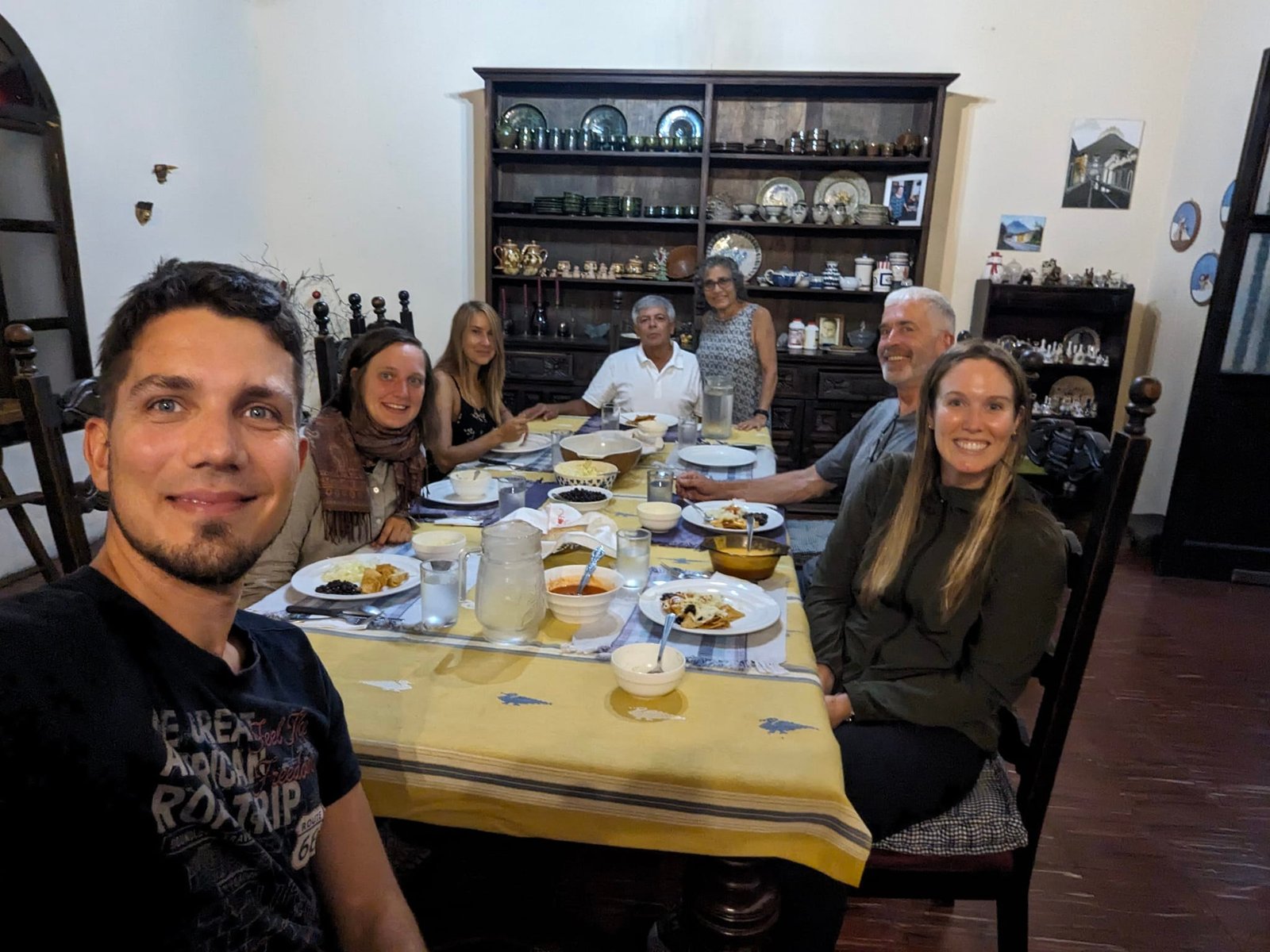
The school arranged our accommodation: we stayed with a Guatemalan family, together with other students. We got a large room with an (almost) private bathroom, and one floor up there was a terrace with a view of the volcanoes. Our hosts cooked three very good and perfectly filling meals a day – except on Sundays and holidays, and two on Saturdays. At the table everyone practised Spanish, so learning didn’t stop when the lessons did. We were very happy with the conditions.
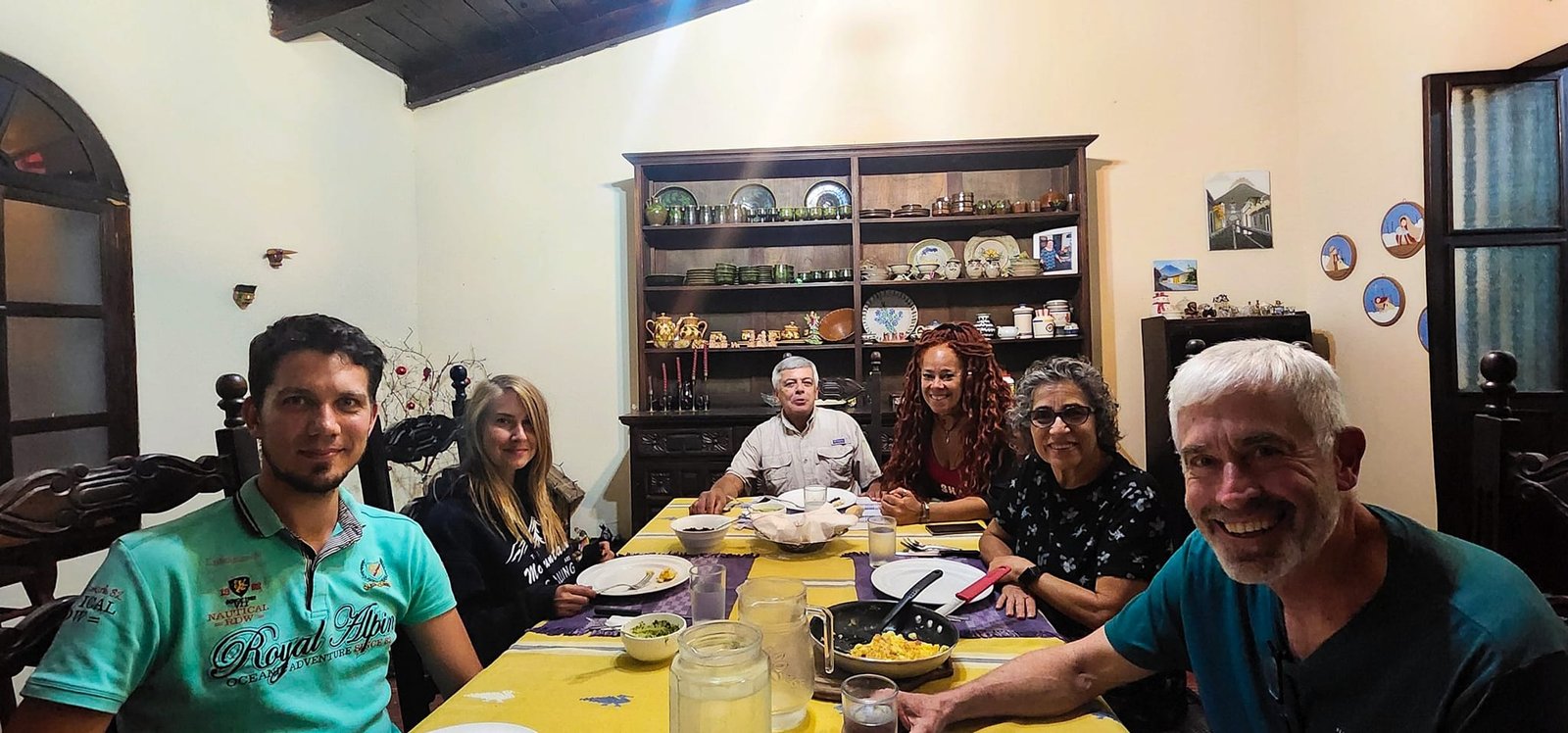
We quickly got used to a comfort that backpacking usually lacks: three meals a day, fast internet and no daily repacking of the backpack. We also spent Christmas Eve with our hosts, if only briefly; I describe what it was like in the post about Christmas in Antigua.
Culture classes – a Mayan wedding, maize and salsa
Once a week, on Thursdays, the school runs optional classes about Guatemalan culture – traditional dress, Easter celebrations or typical dishes. It’s a good chance to practise the language and meet other students. One time the topic was a Mayan wedding. The teacher asked us beforehand whether we wanted to play the bride and groom – we agreed, so in traditional dress we stood for a long time in the middle of the room as models, while the hosts talked about the wedding itself, the typical wedding dish and married life.
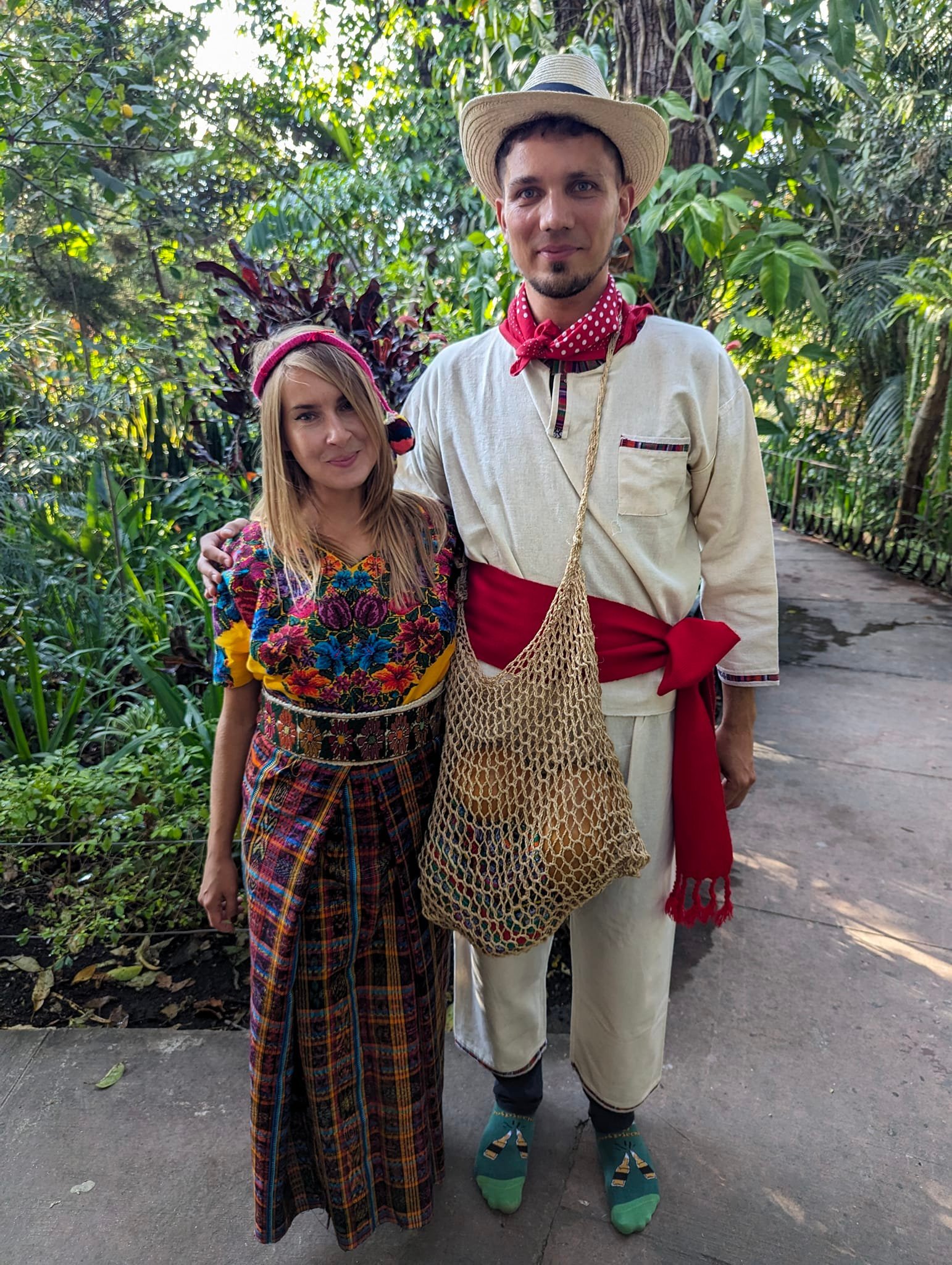
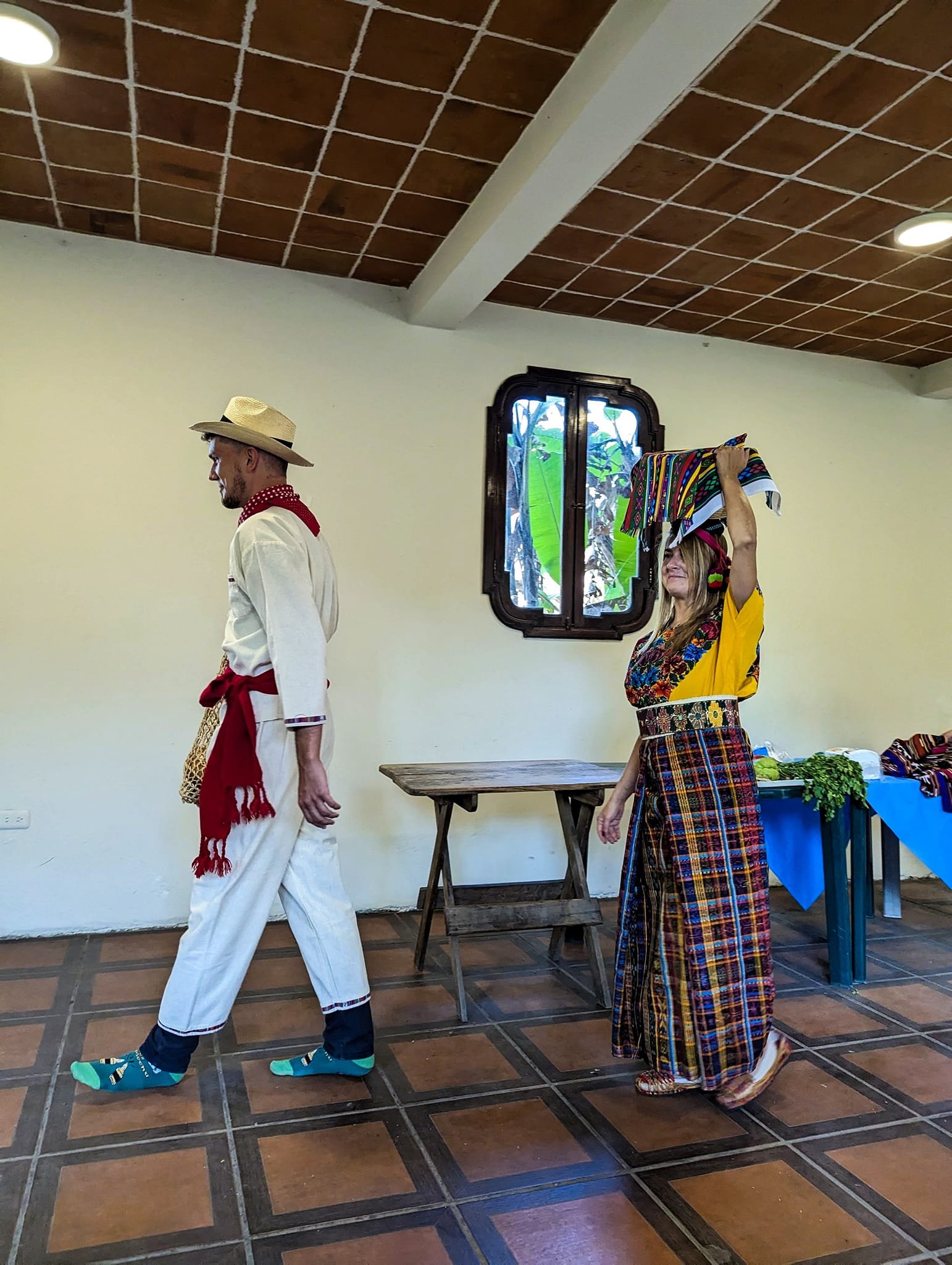
We also learned a lot about the traditional family: people marry as soon as they come of age, the wife moves in with her husband’s family, the husband works the land and the wife runs the household. In such a world, an independent thirty-year-old teacher is considered “strange”.
 7:06
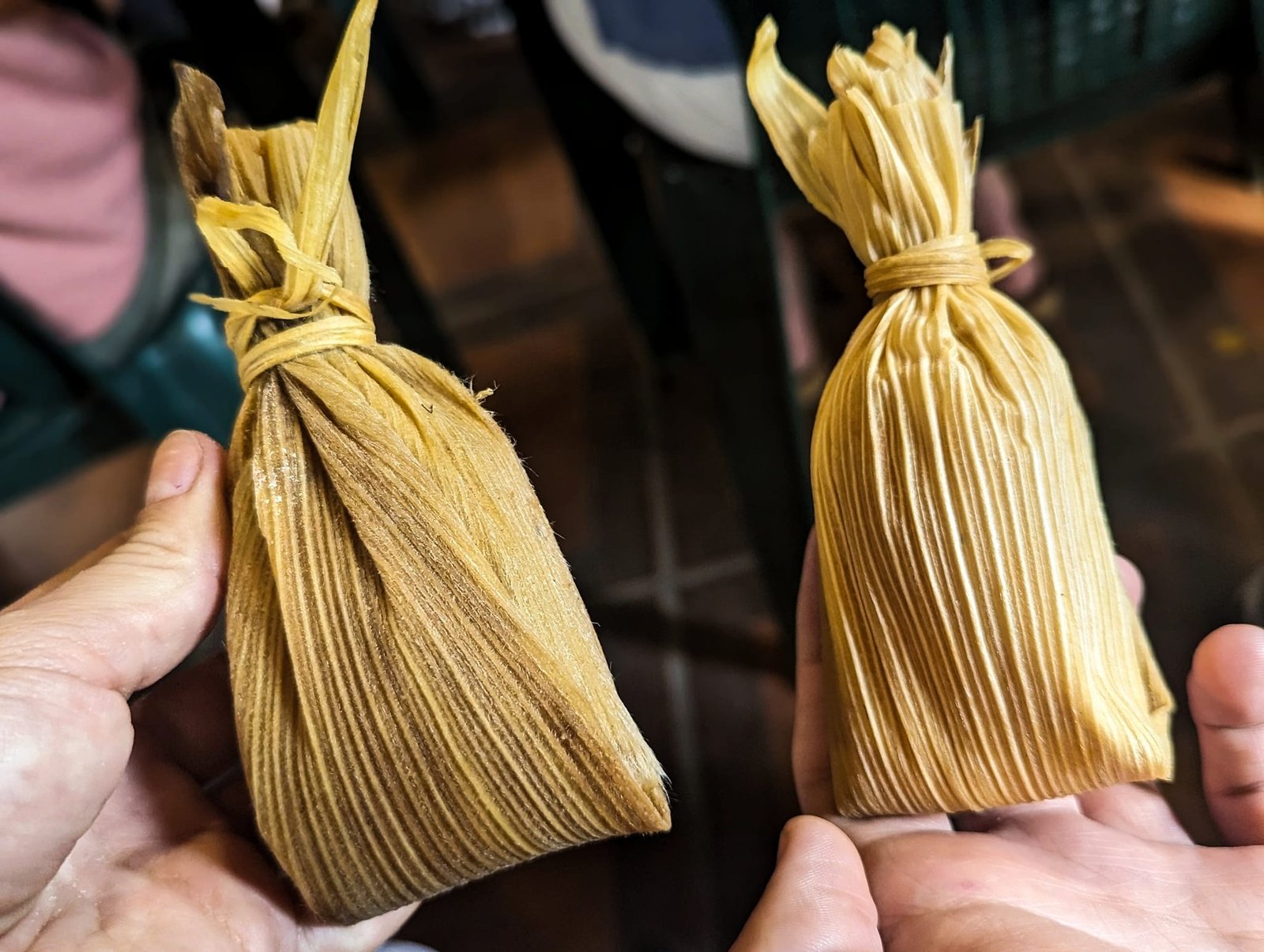
In another class we talked about maize – the most important ingredient of Guatemalan food, which even has its own festival here (13 August). There was also a tasting of typical Guatemalan sweets.
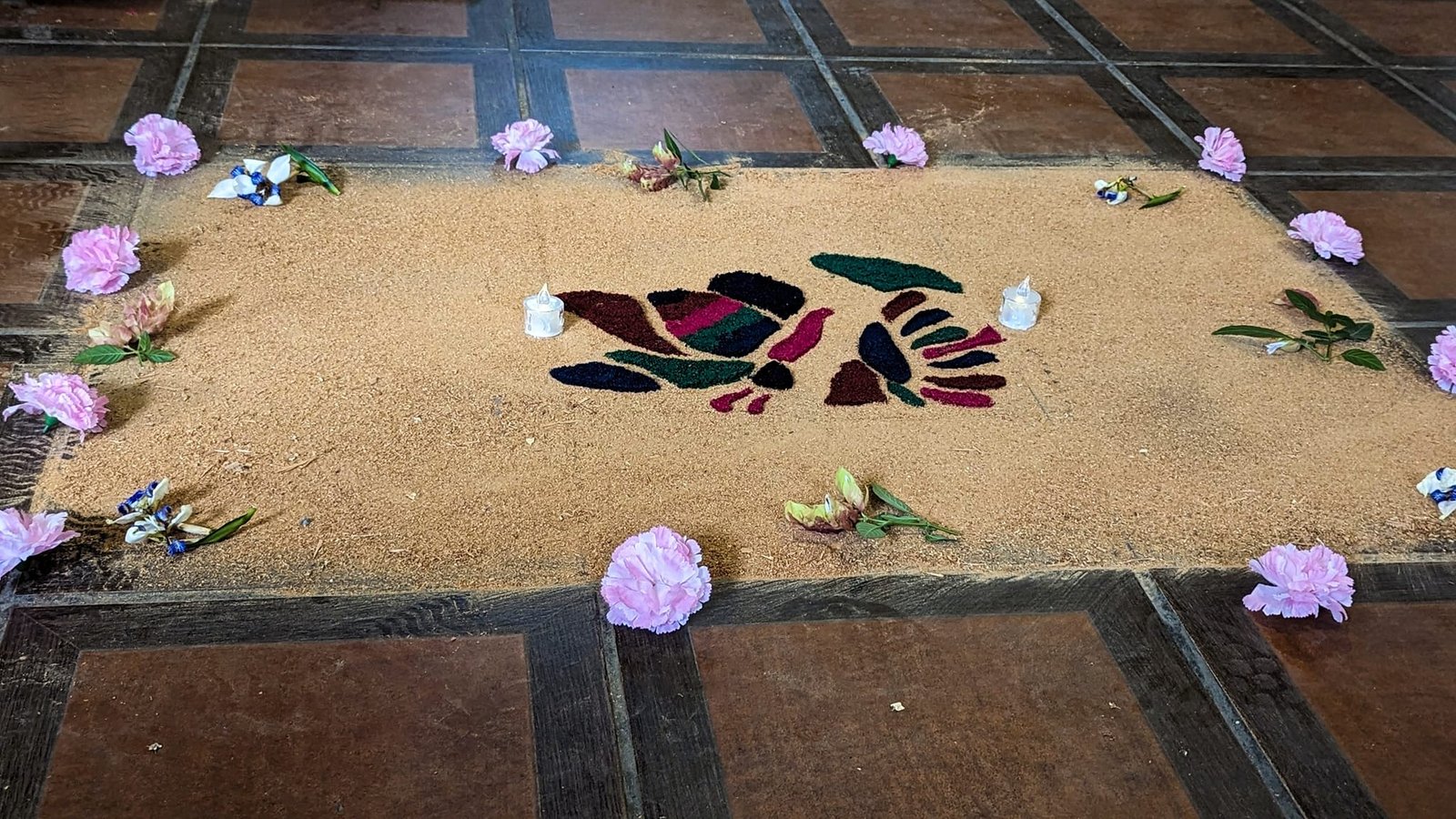
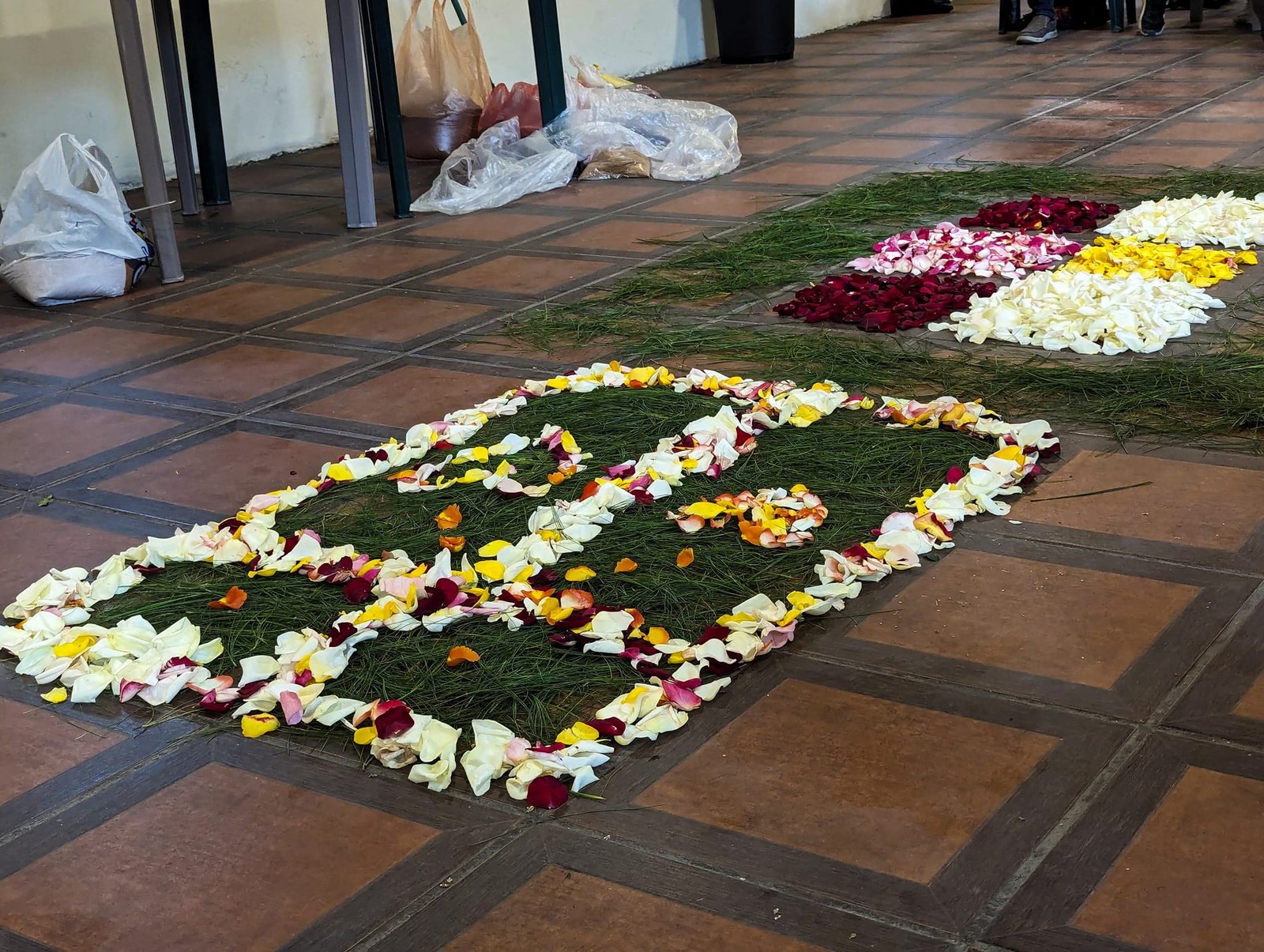
During the course we also came across colourful carpets made of sawdust and flower petals.
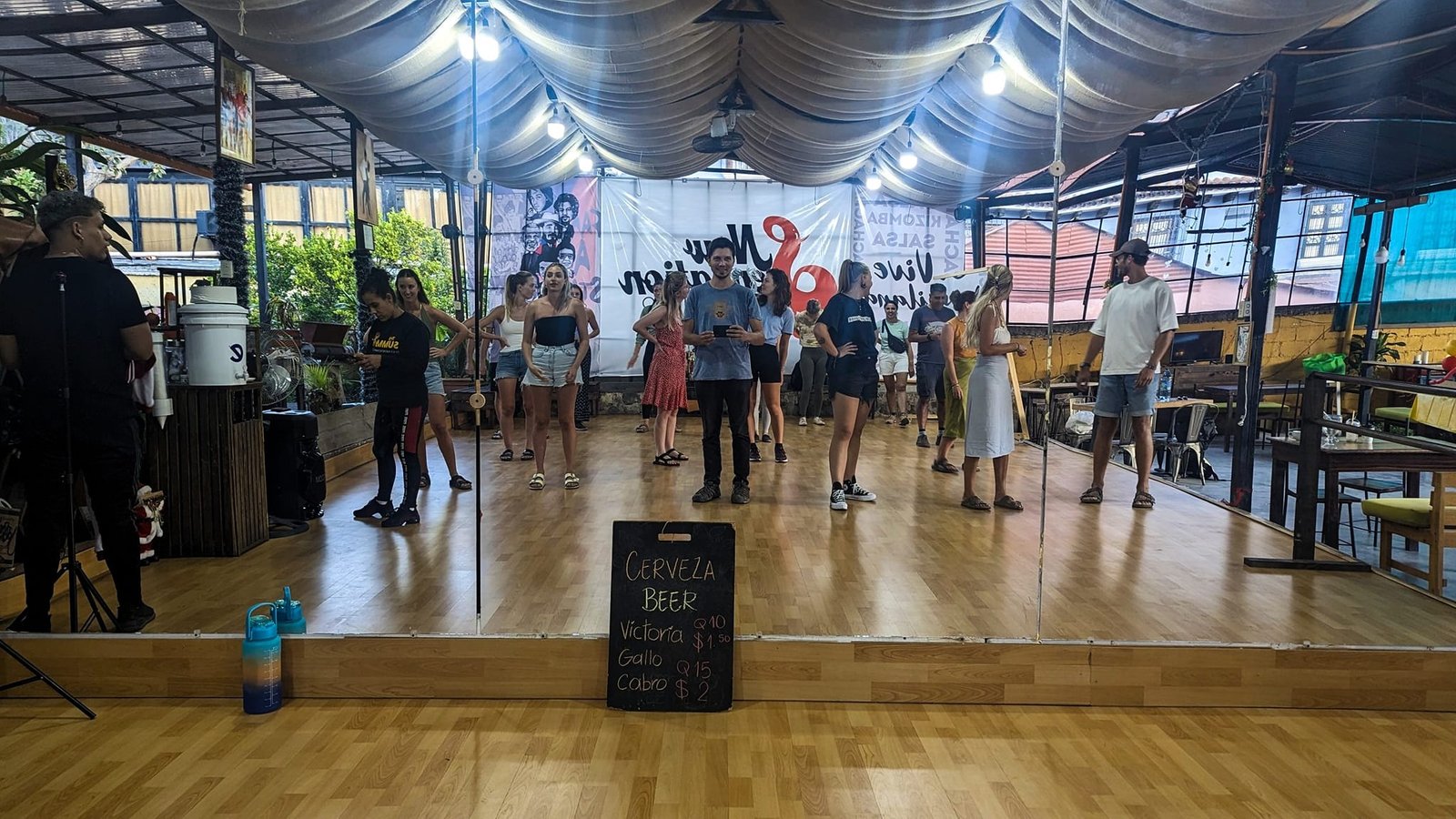
You can also go to free salsa classes – we gave it a try once.
Antigua – a colonial town among ruins
Antigua Guatemala, meaning “Old Guatemala”, was once the capital of the country. In 1773 the town was destroyed by a great earthquake, so the capital was moved to the newly founded Guatemala City (Nueva Guatemala – New Guatemala), which was supposed to be in a safer place. It didn’t quite work out, because strong earthquakes struck there too in 1917–1918. “Thanks” to these disasters, today you can see a huge number of ruined churches and monasteries in Antigua.
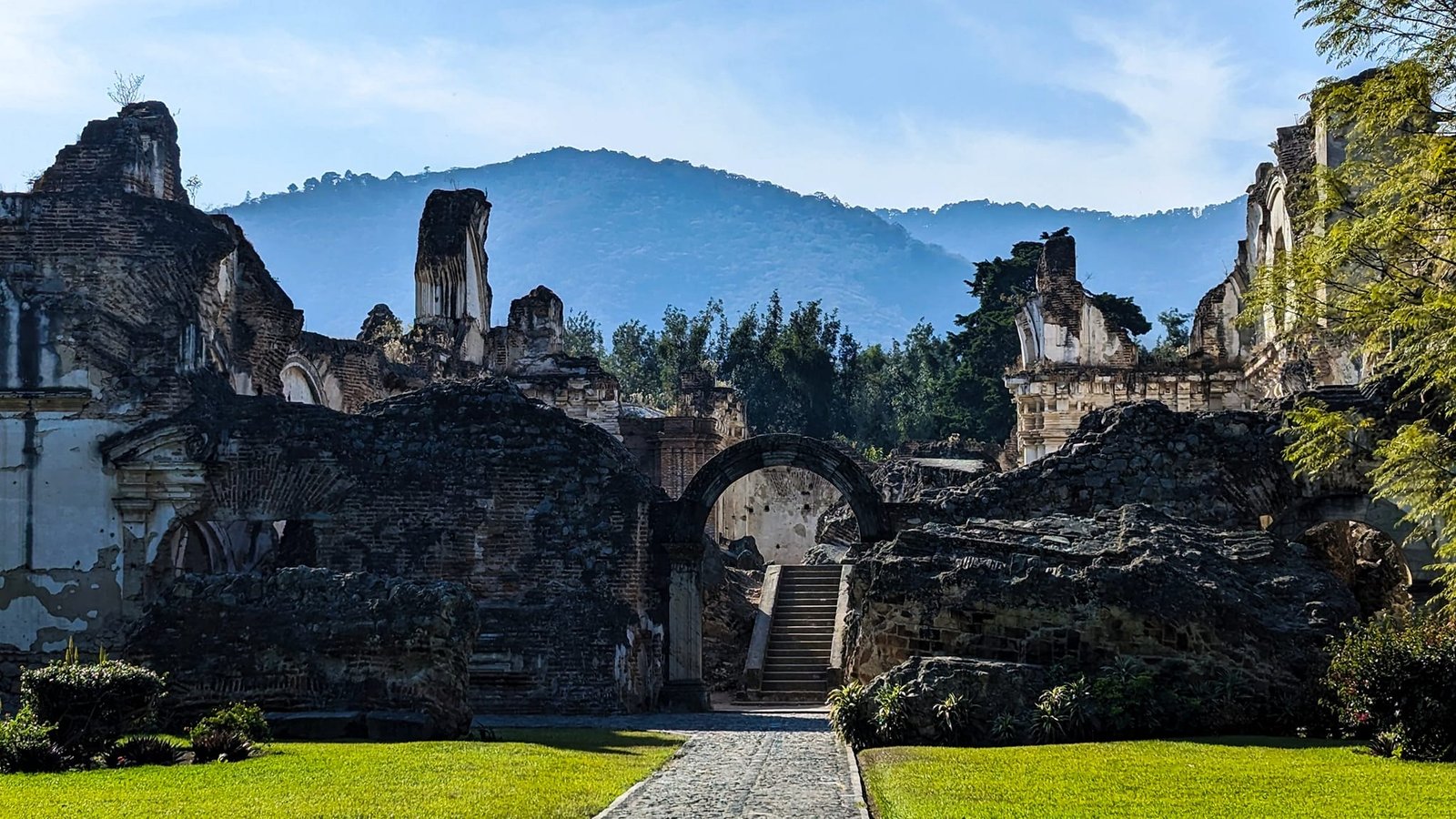
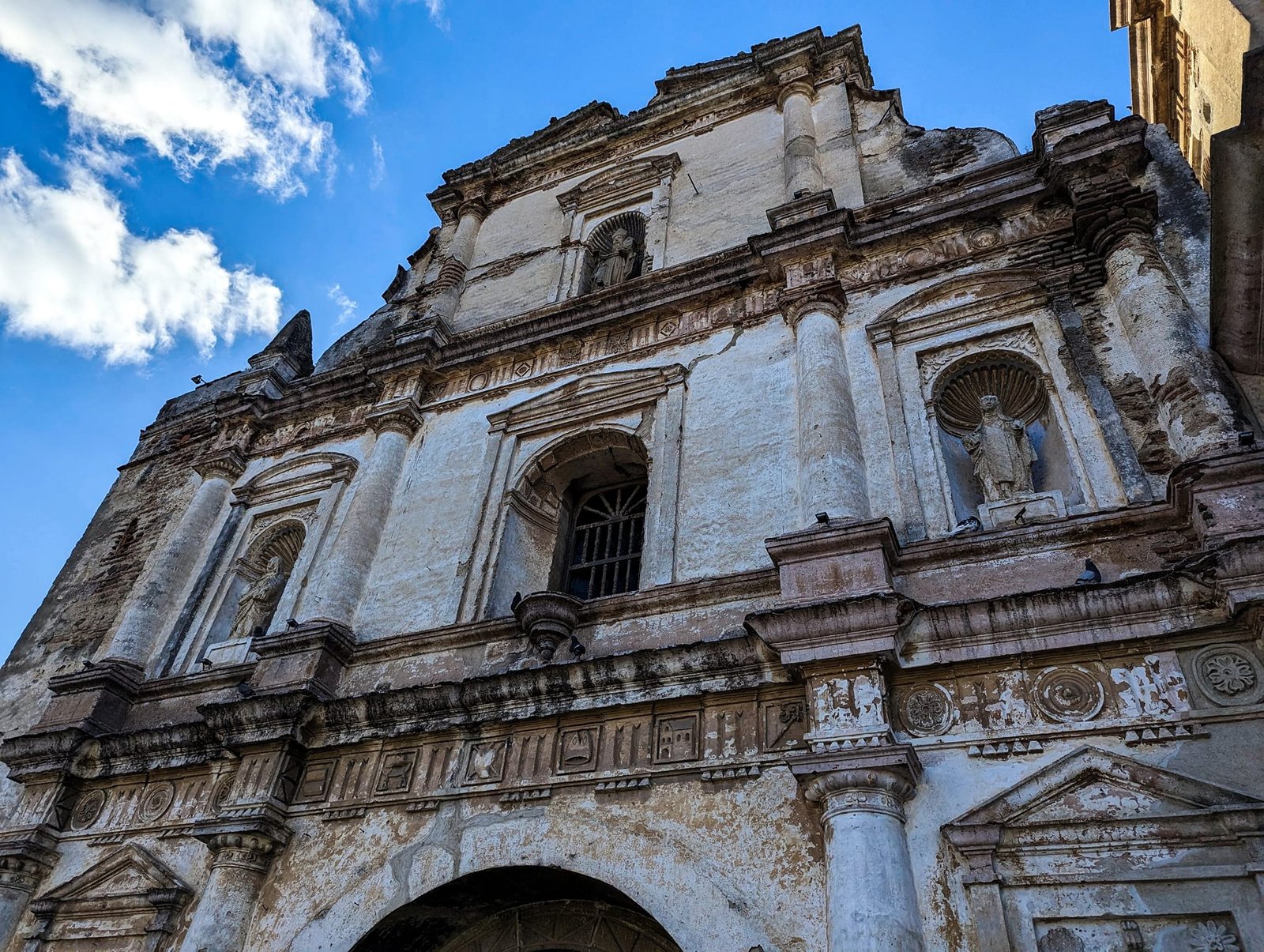
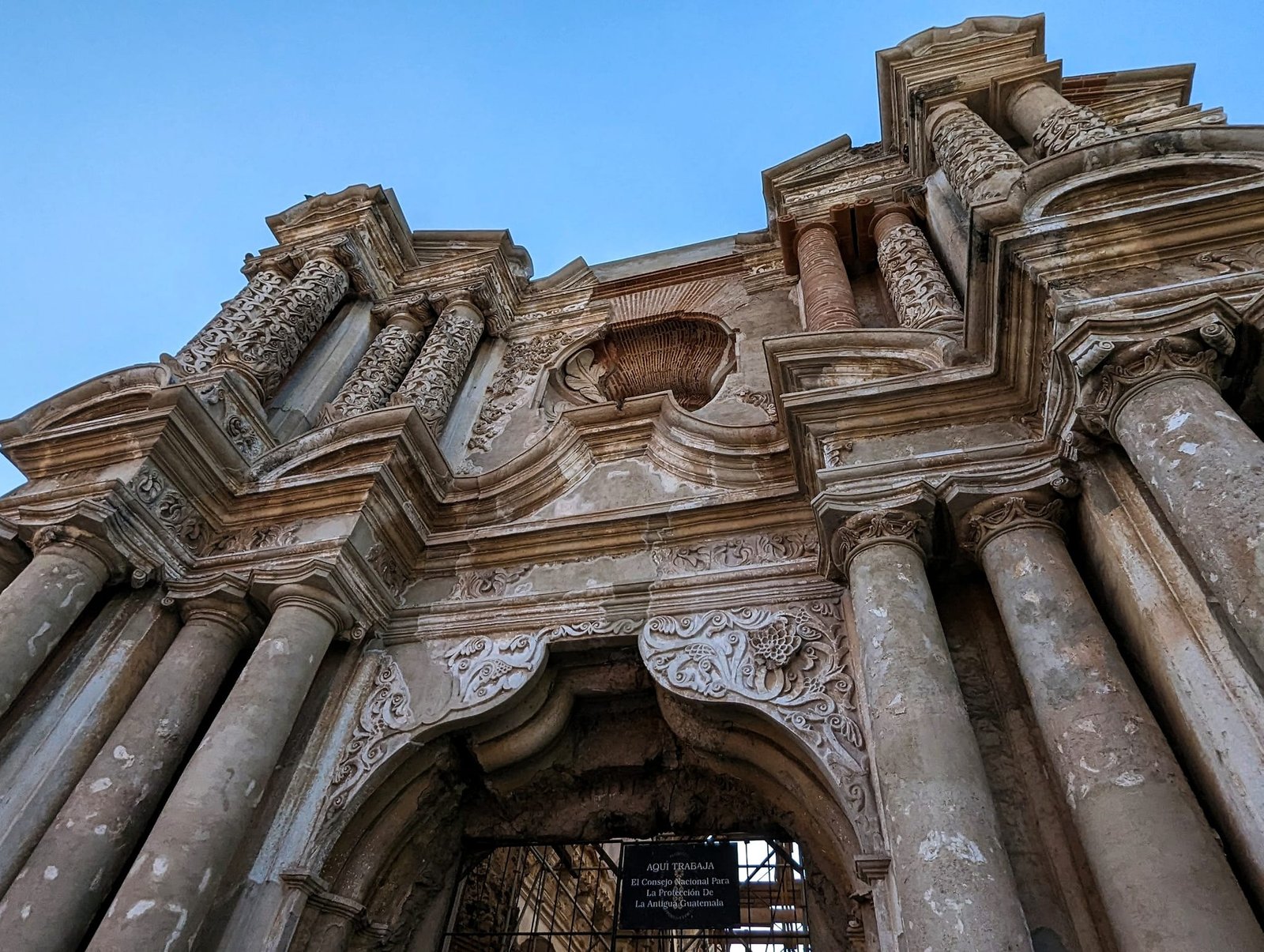
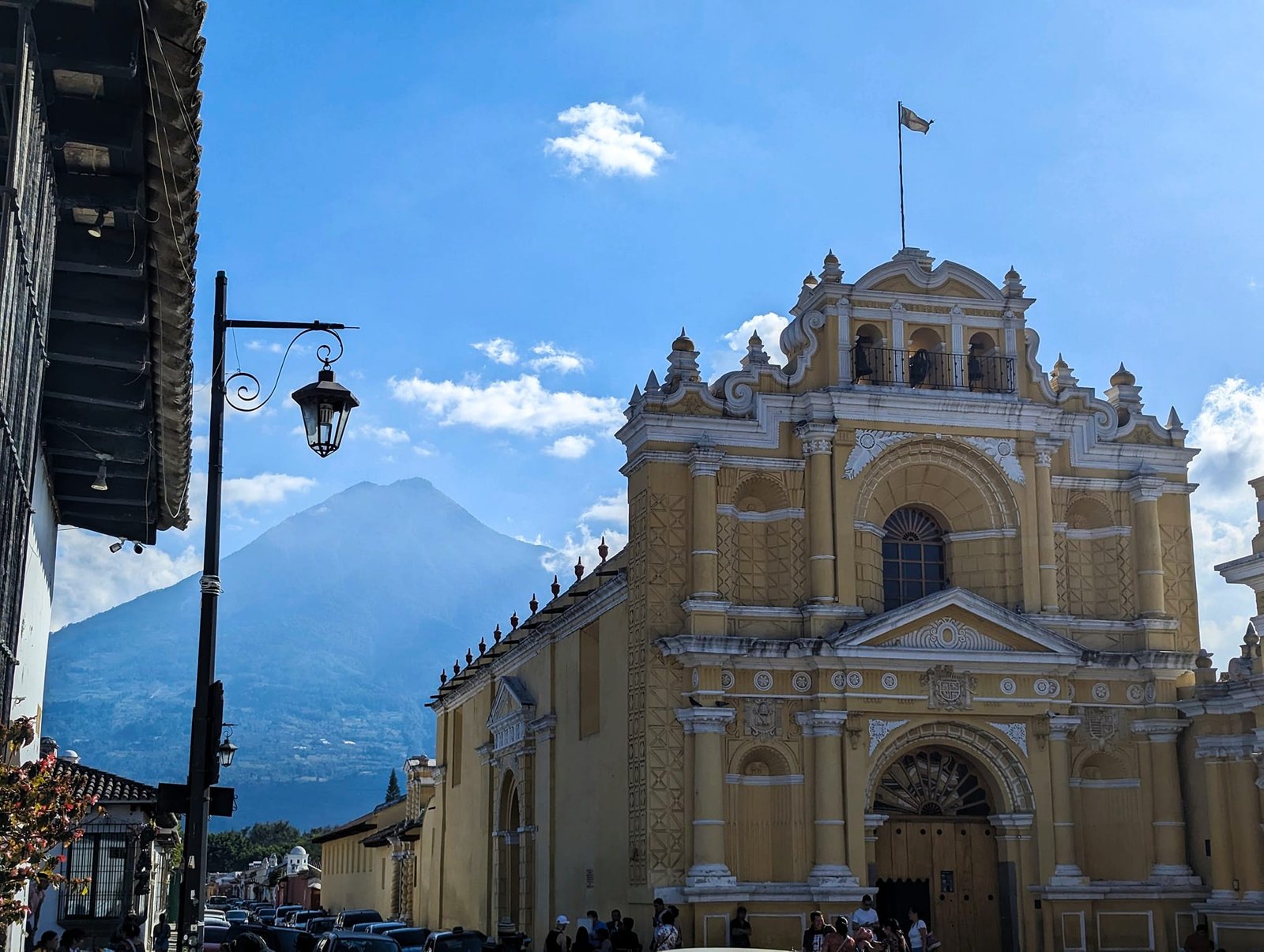
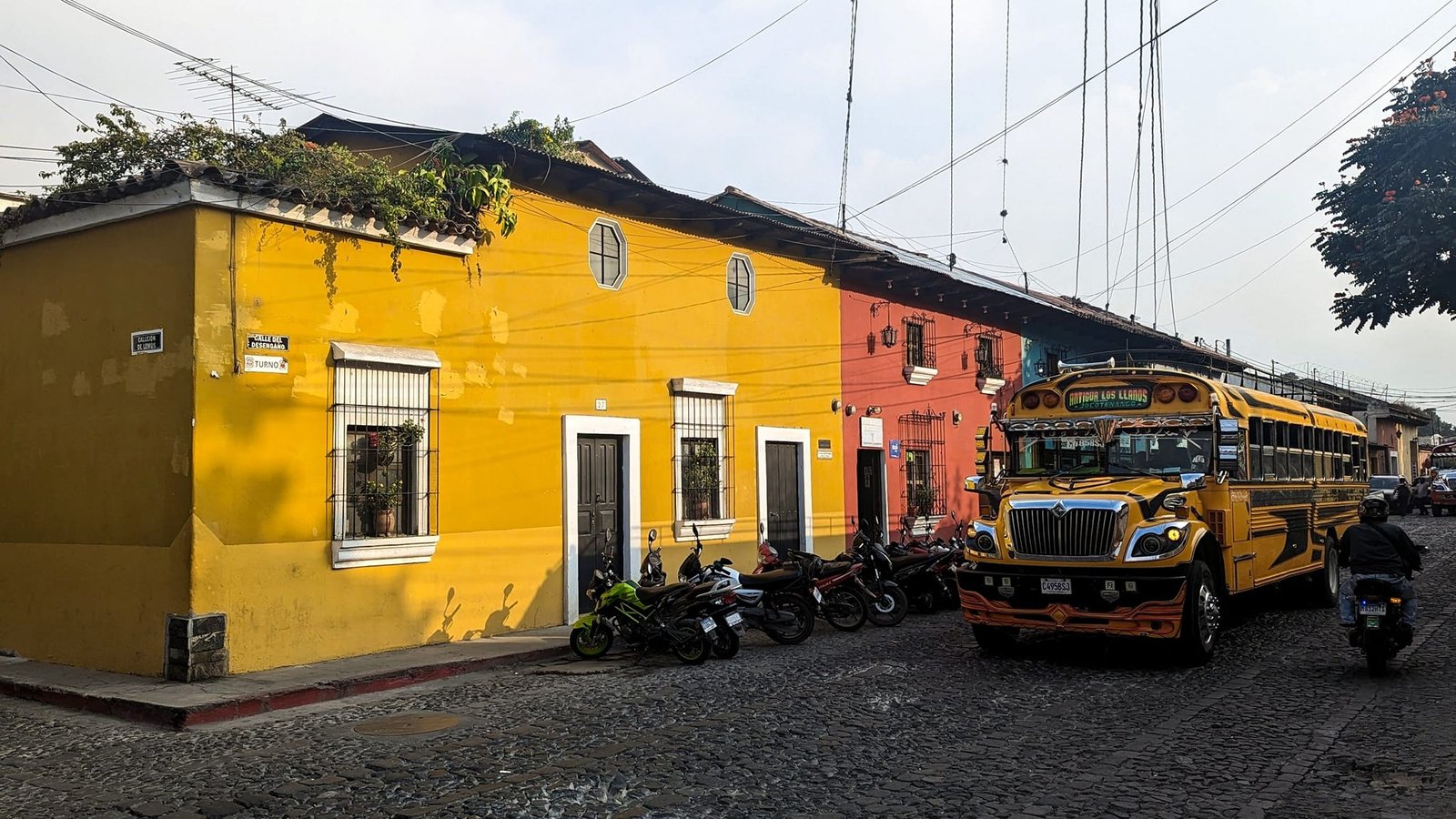
The architecture is colonial and low – houses are built on one floor, with courtyards, so that people can run outside quickly when the ground shakes. The town isn’t big, so there are limited ways to spend your free time, but it has a wonderful atmosphere: several beautiful churches, cobbled streets and volcanoes on the horizon.
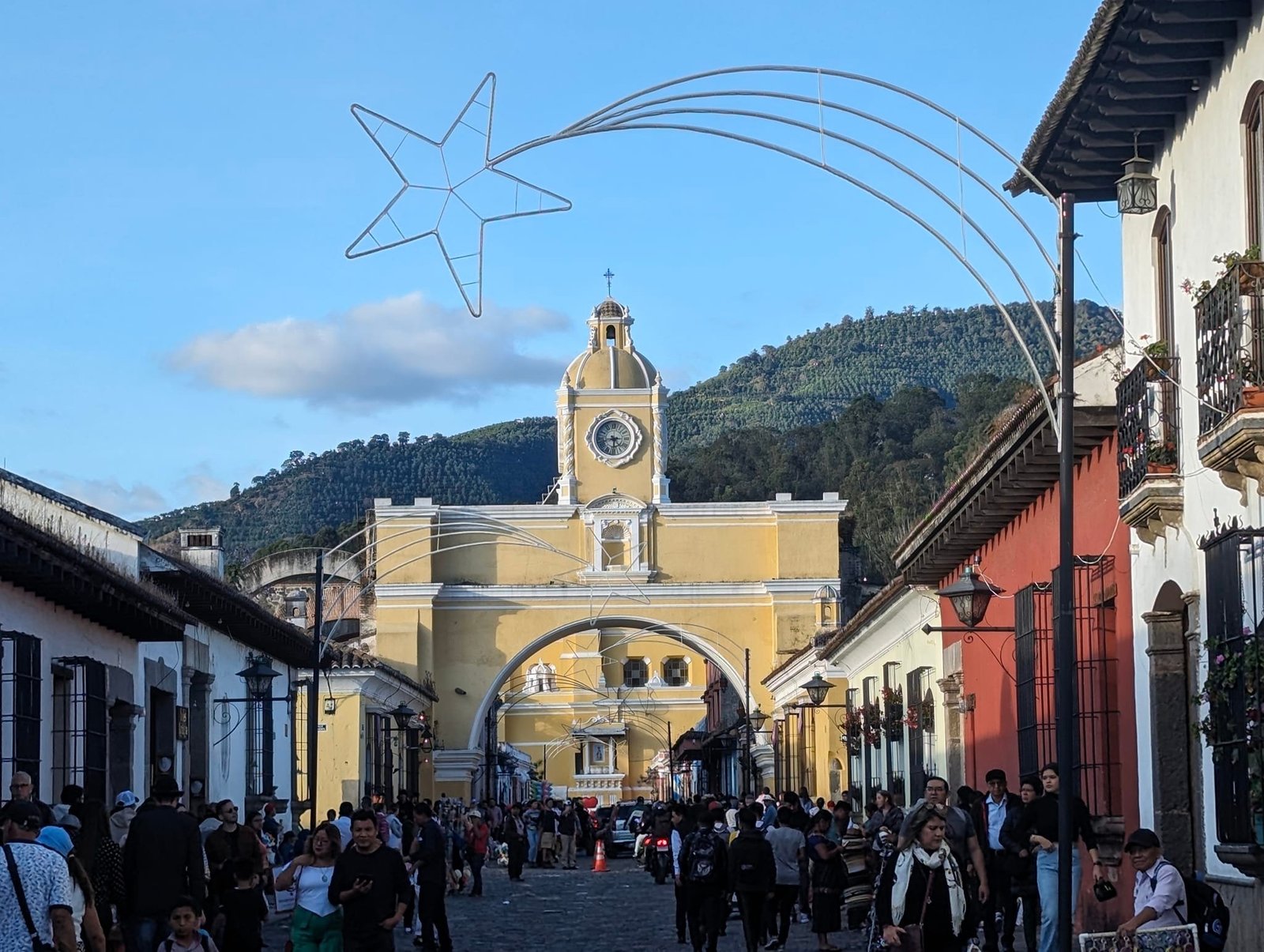
The symbol of Antigua is the distinctive Arco de Santa Catalina arch – decorated with a star at Christmas time and thronged with people out for a stroll.
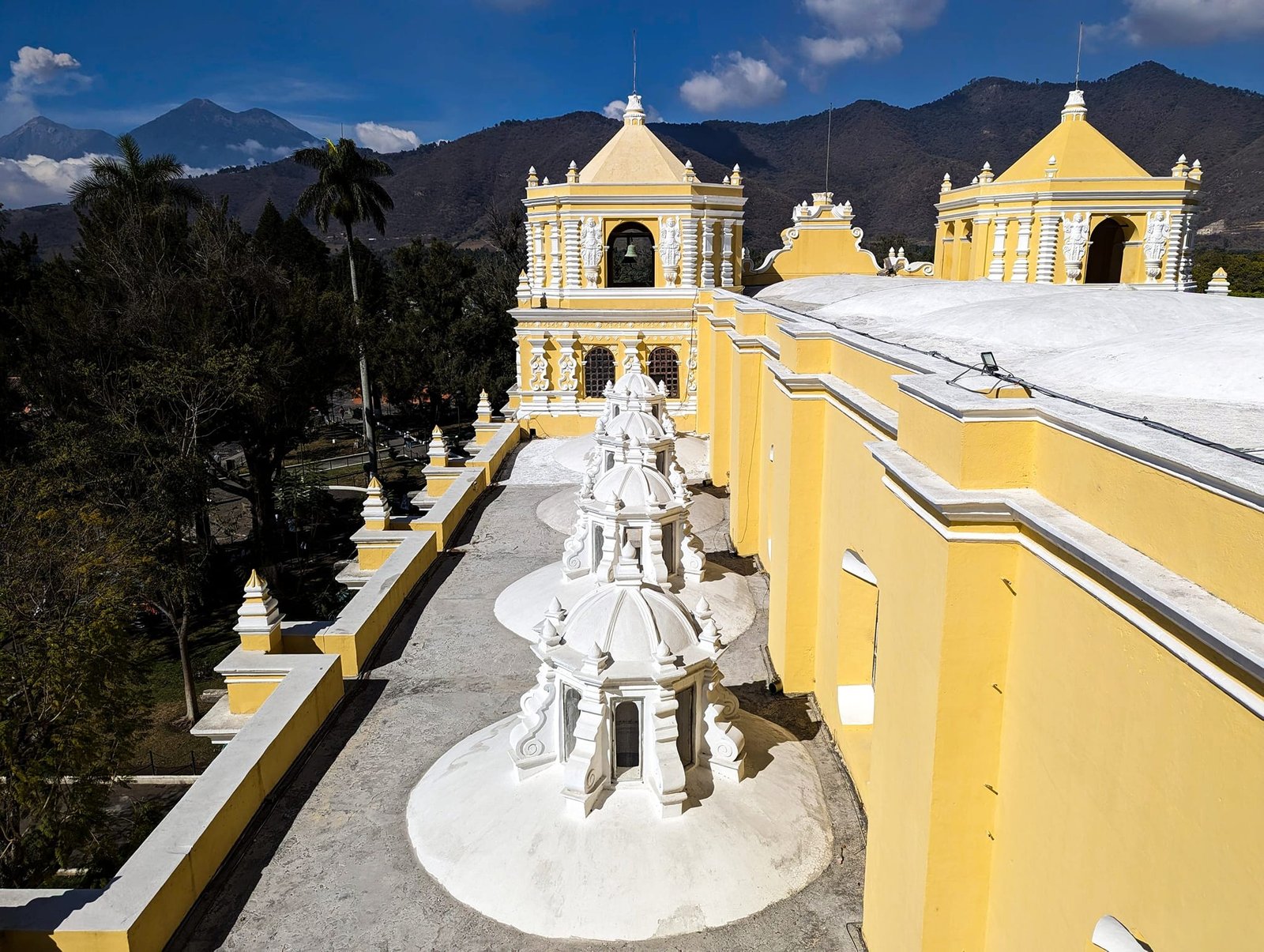
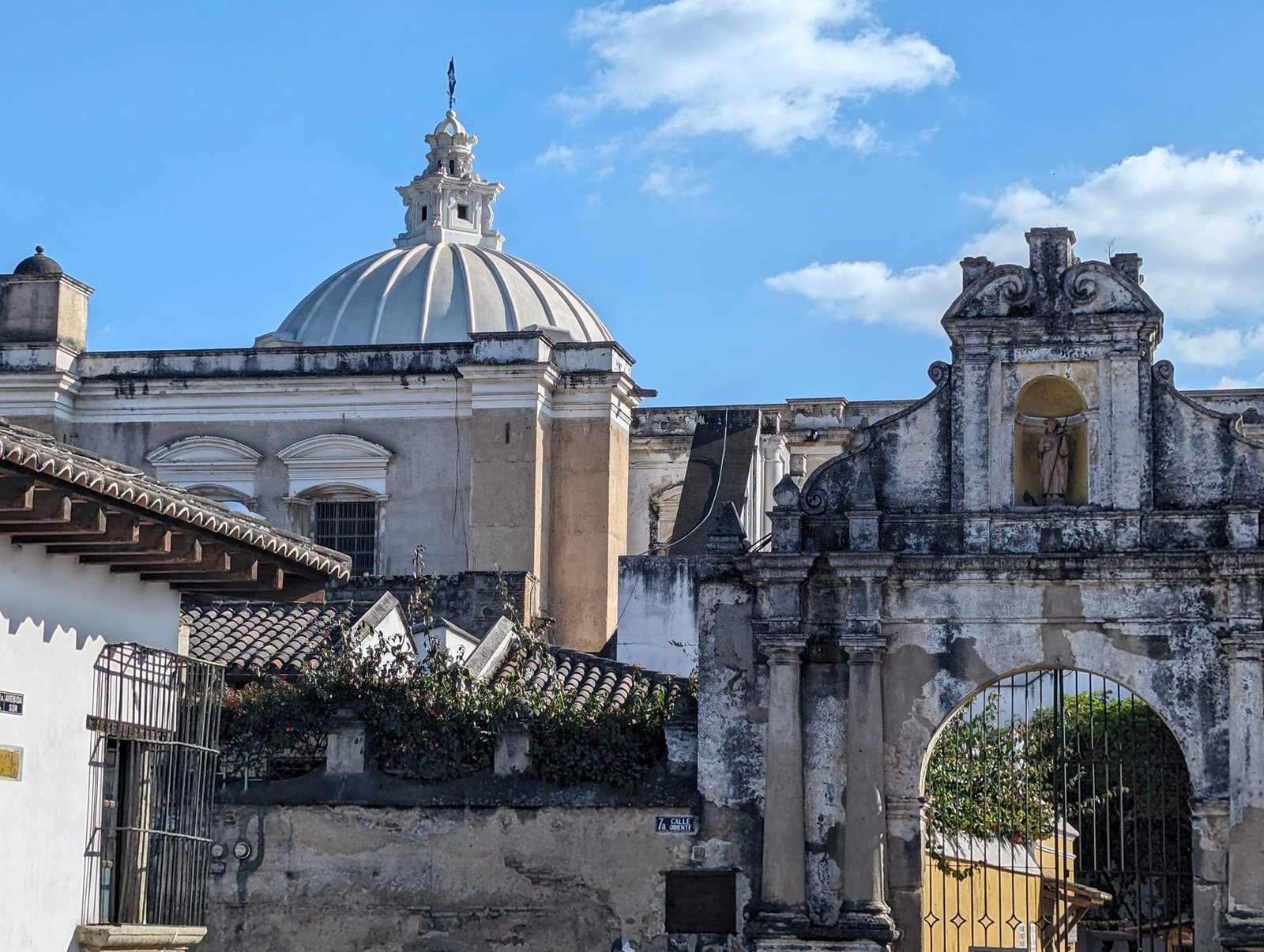
The most eye-catching church is the yellow, richly decorated La Merced. It is stunning both by day and at night, when a large cross lights up the square in front of it.
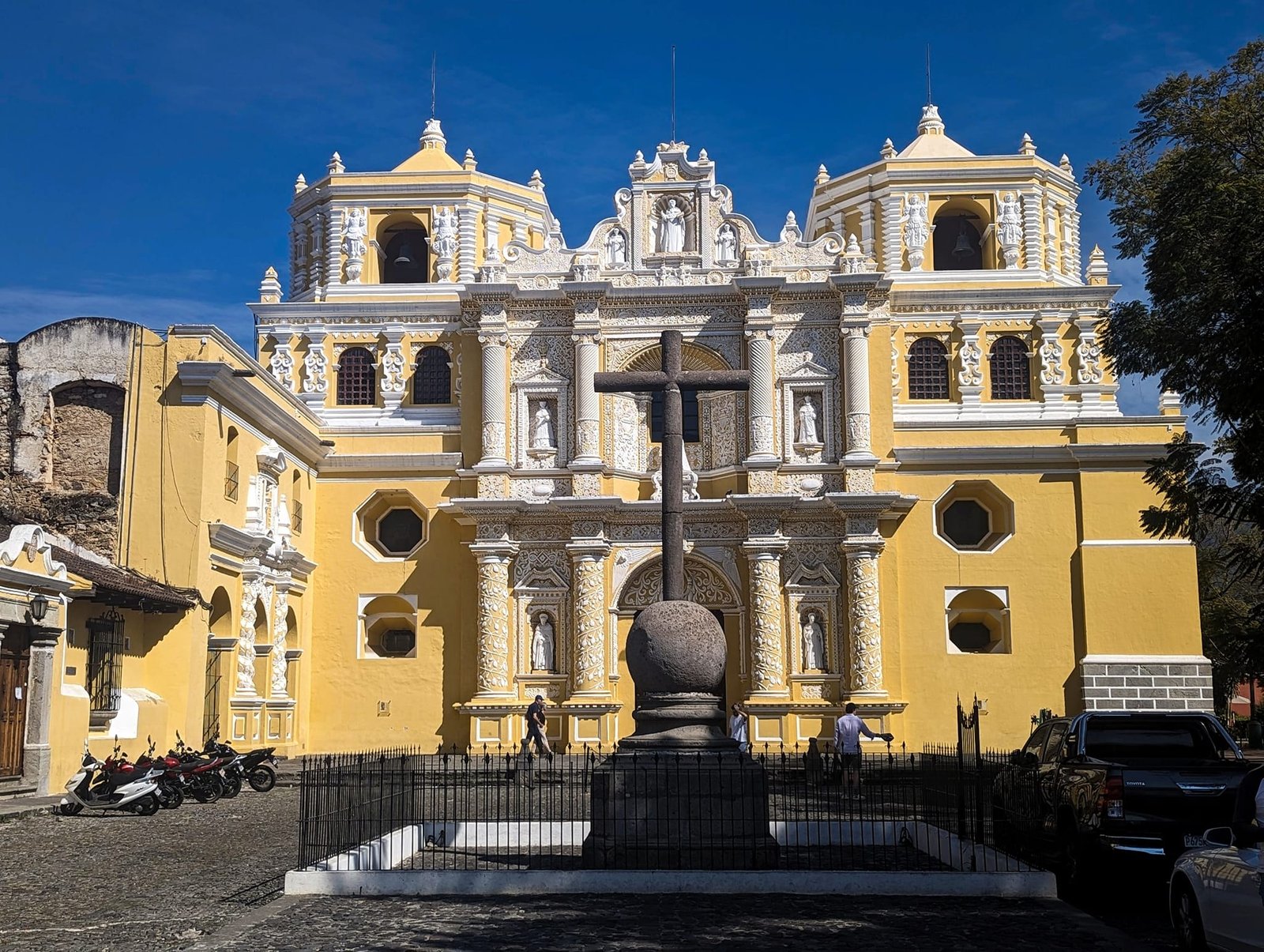
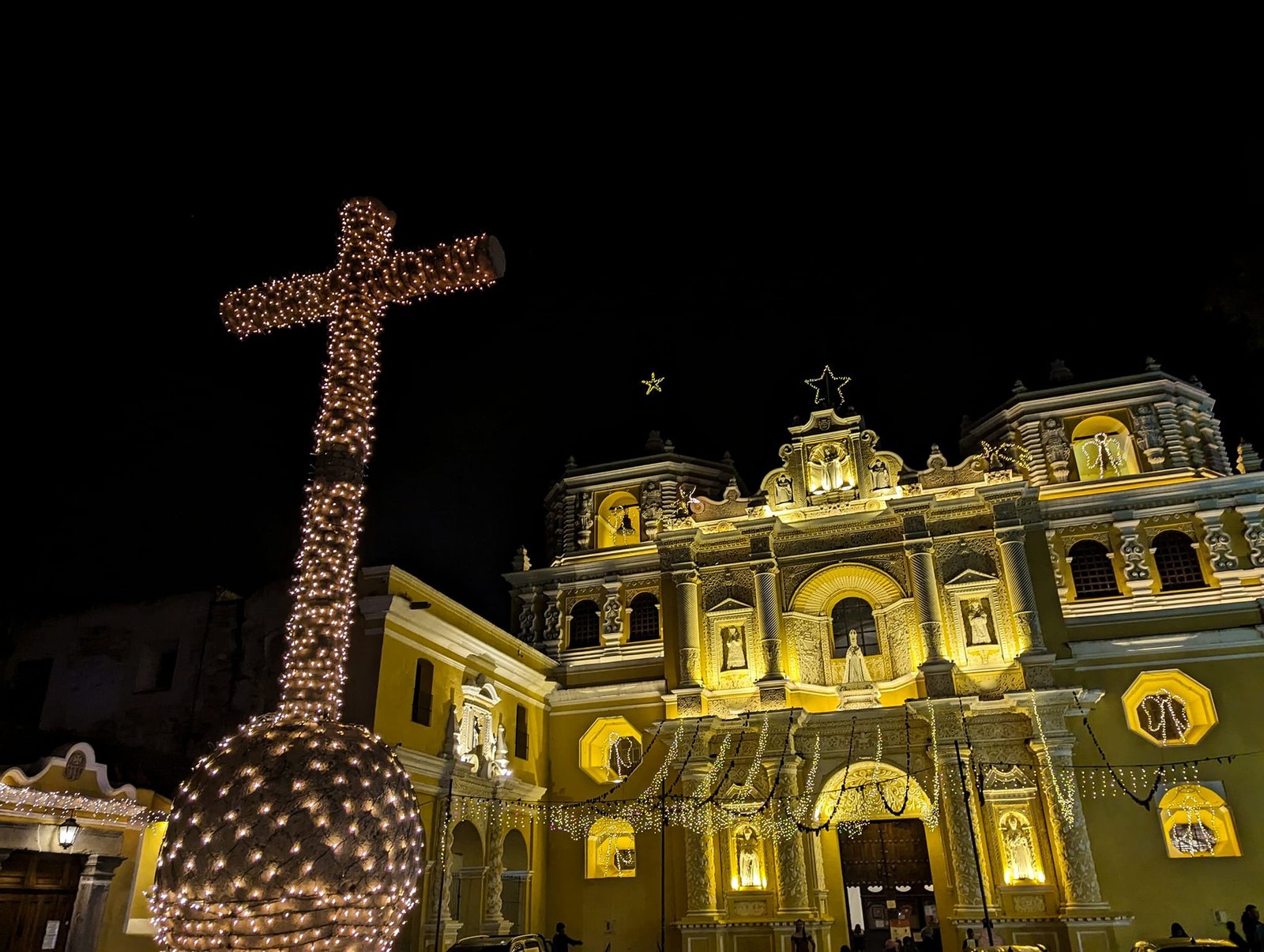
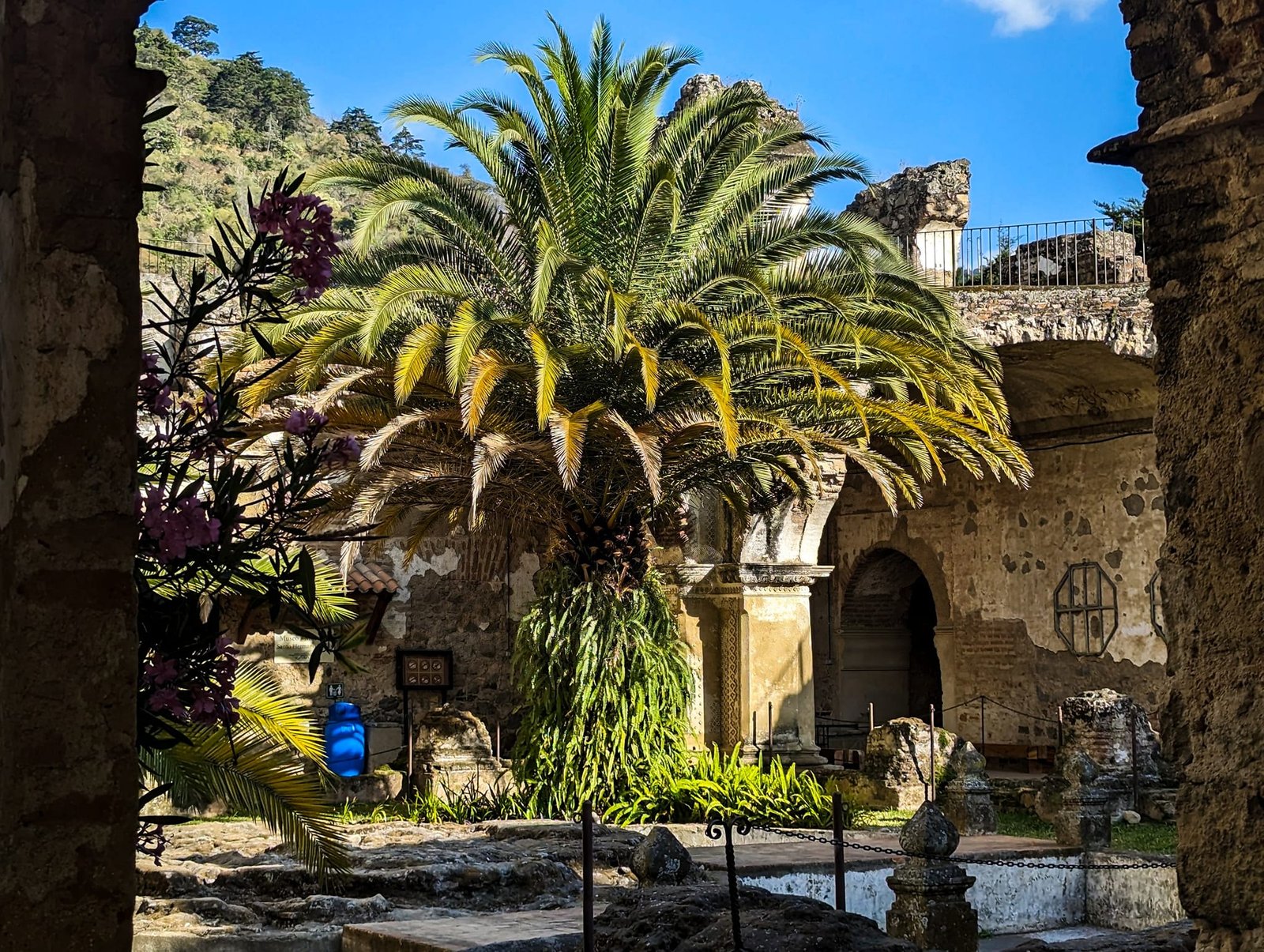
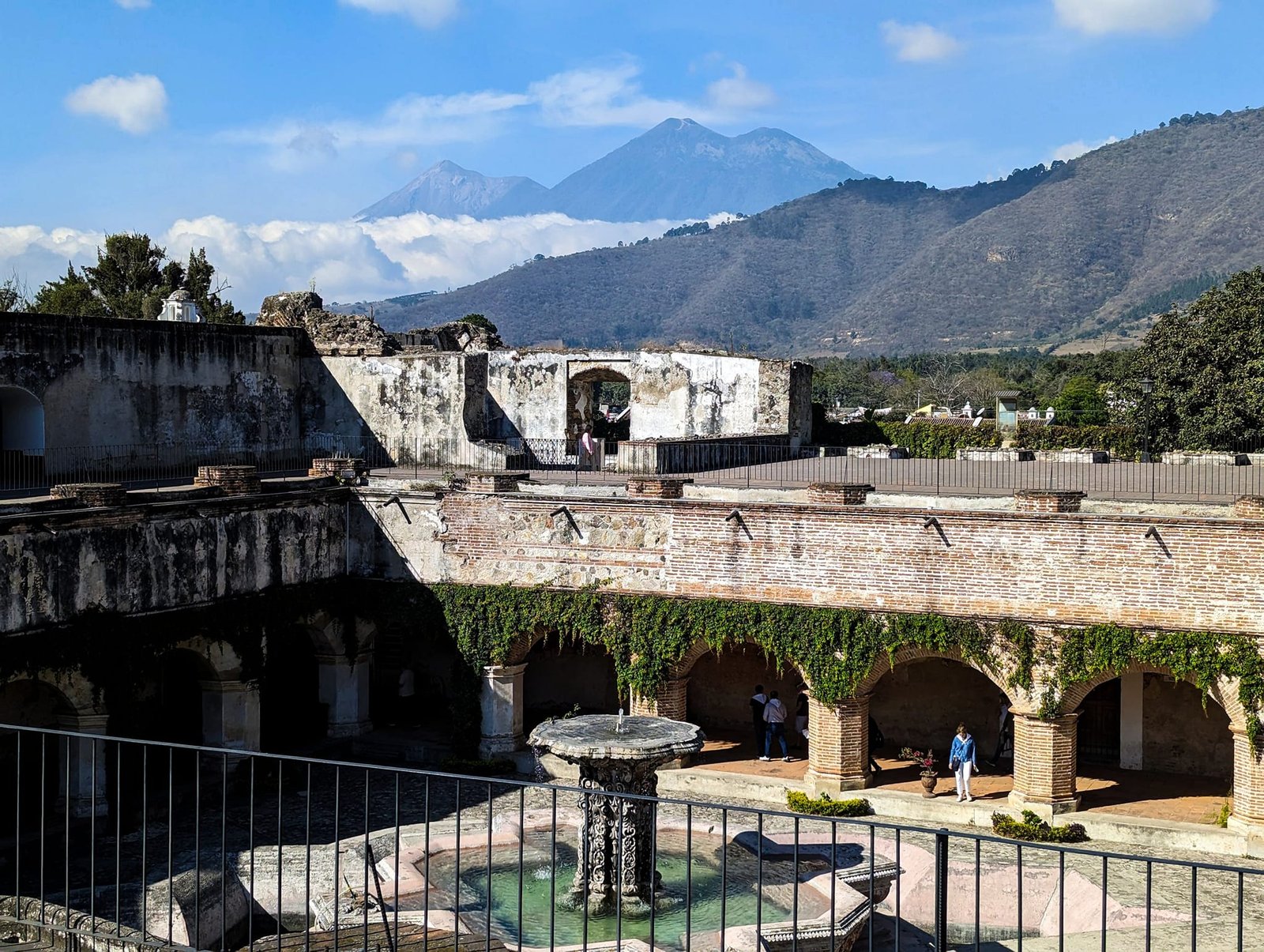
The last week flew by, because we were catching up on places that were so close but that we kept leaving “for later” – such as the ruins of the Convento de la Merced monastery right next to the church. From its upper terrace, above the cloisters and the fountain, you can see Fuego and Acatenango.
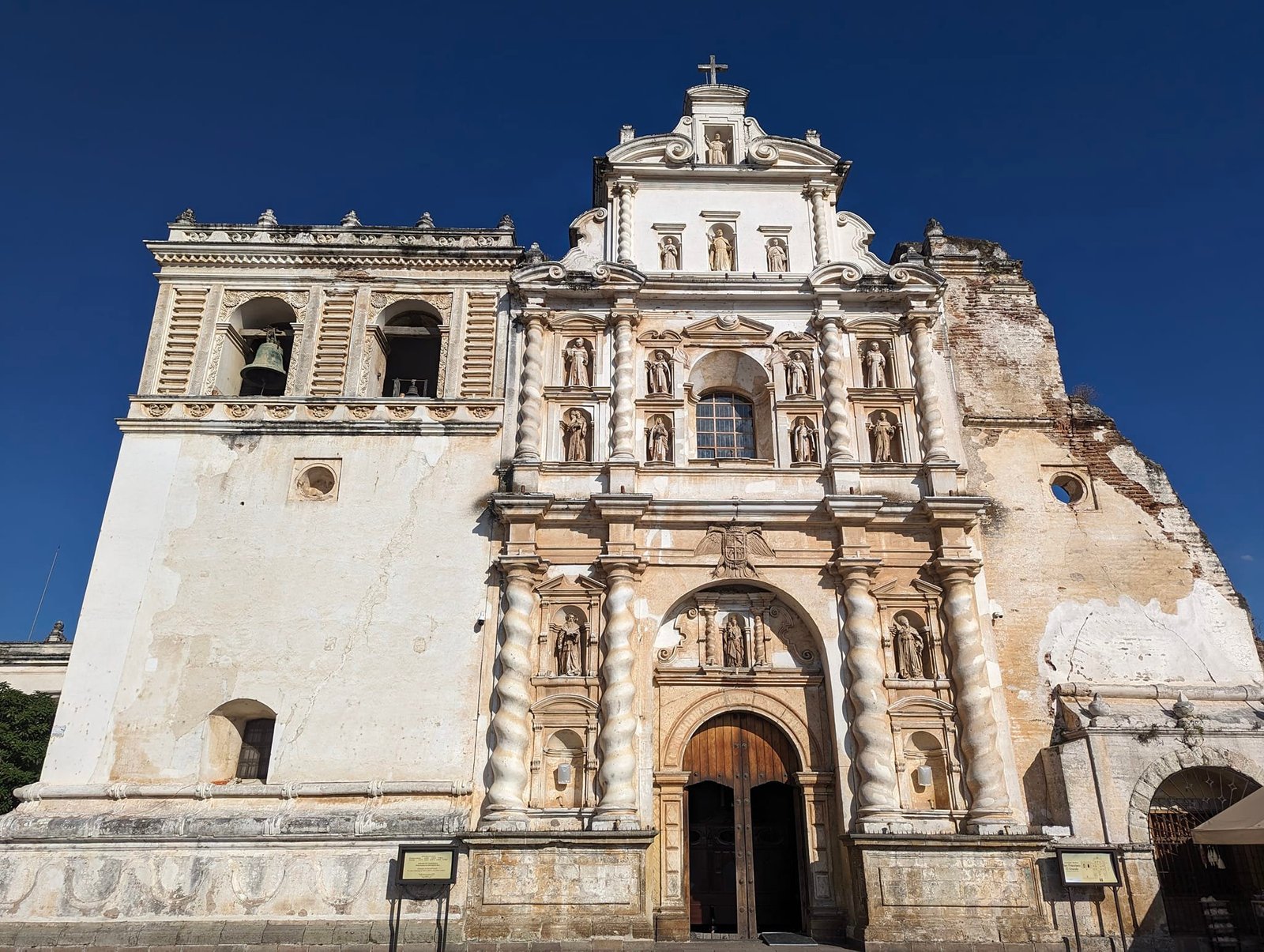
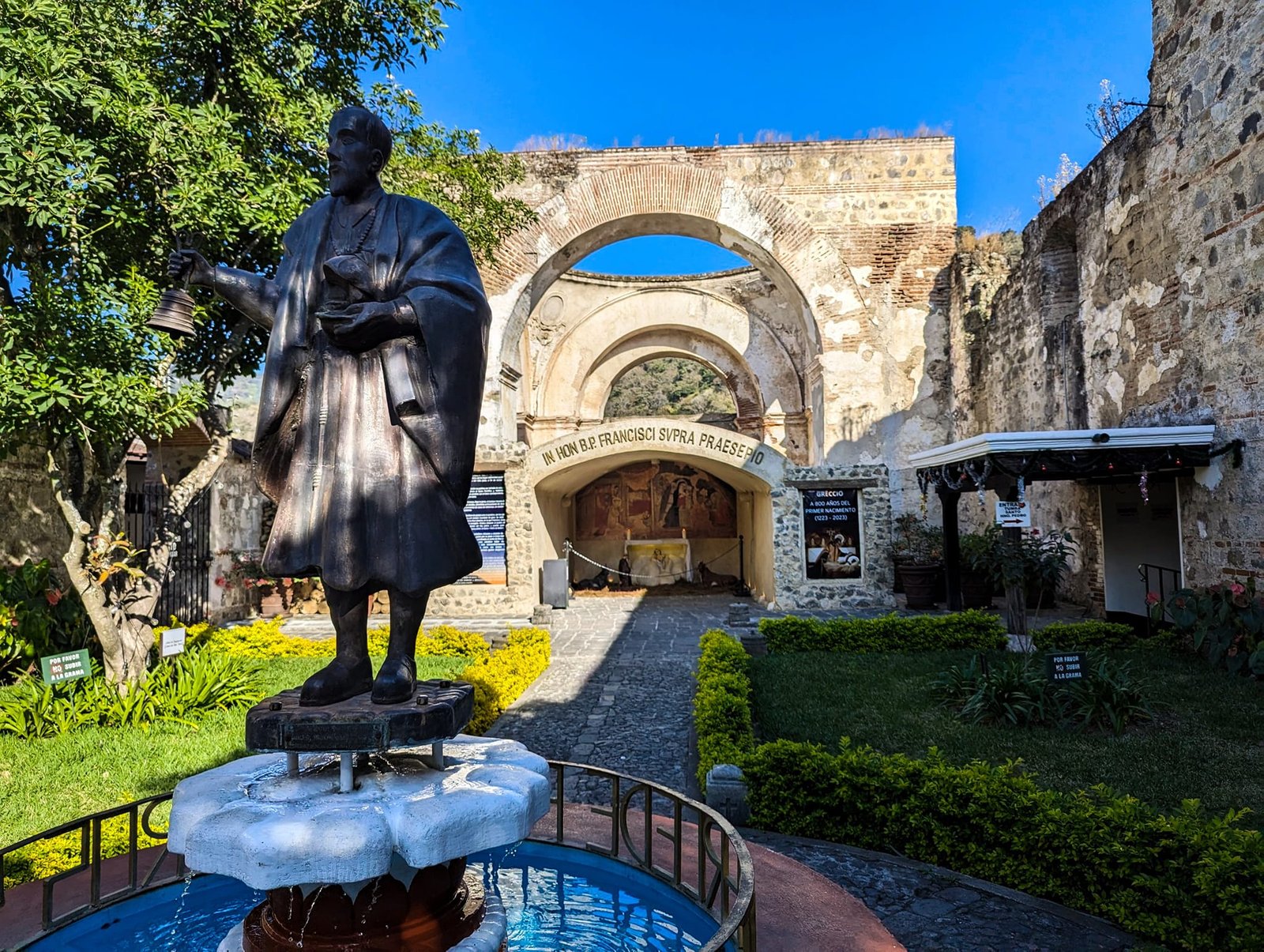
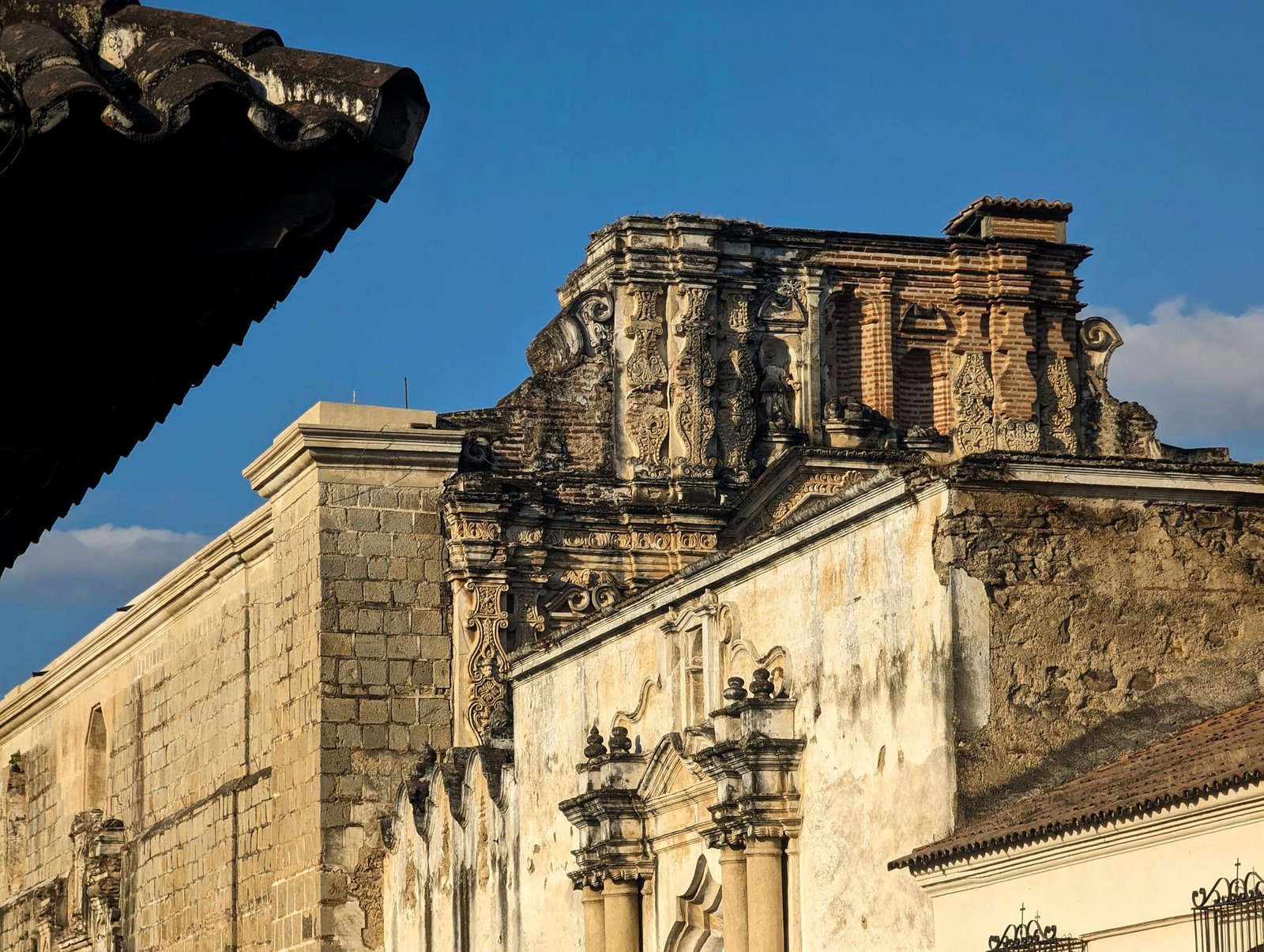
In Antigua there are ruins practically at every turn – cracked façades with statues of saints, collapsed vaults and courtyards overgrown with greenery.
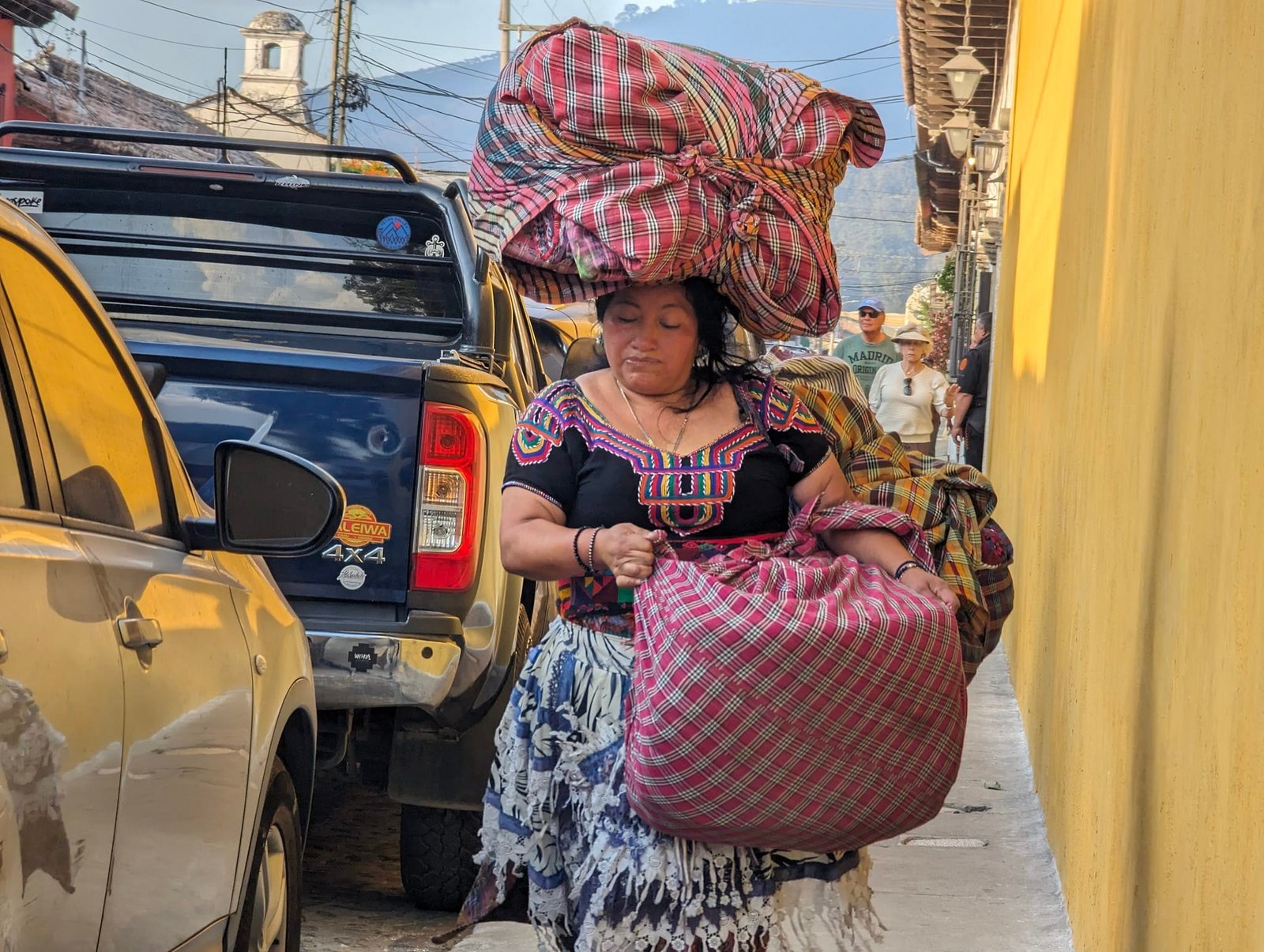
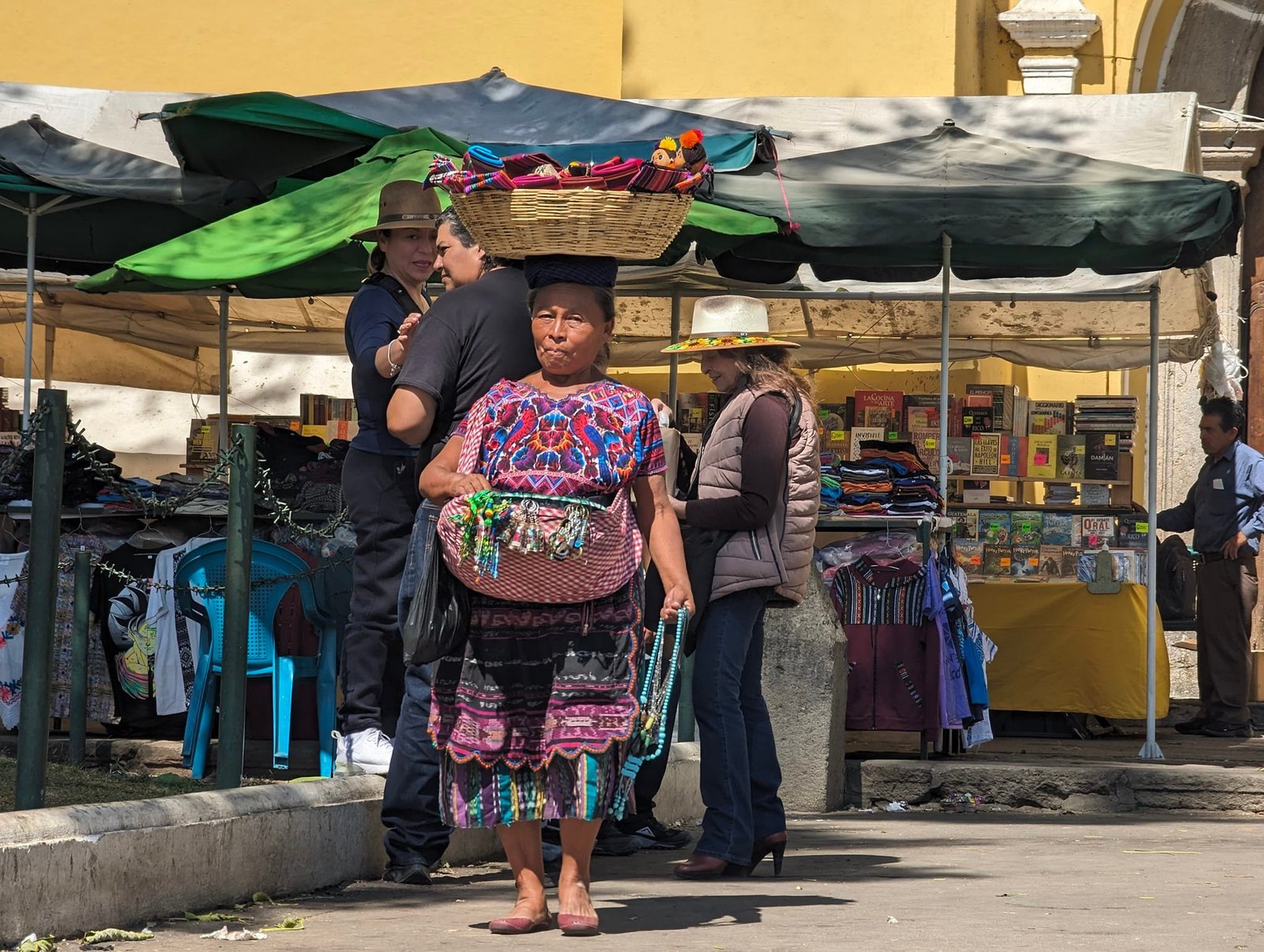
Today Antigua is not very Guatemalan – tourists have “taken it over”, so it’s expensive. Locals can’t afford to live here, so they commute to work every day. In the centre, though, you still pass women in traditional dress carrying bundles and baskets on their heads. Antigua is also probably the safest place in the country.
Our last days in Antigua and the sightseeing are shown in this video:
 9:12
Volcanoes above the town and our first earthquake
Three volcanoes rise around Antigua – Agua, Fuego and Acatenango – and they give the town its unique atmosphere. Fuego regularly puffs out clouds of smoke and ash, and its eruptions can be seen even from the town centre. During a break between lessons we watched them from a viewing terrace.
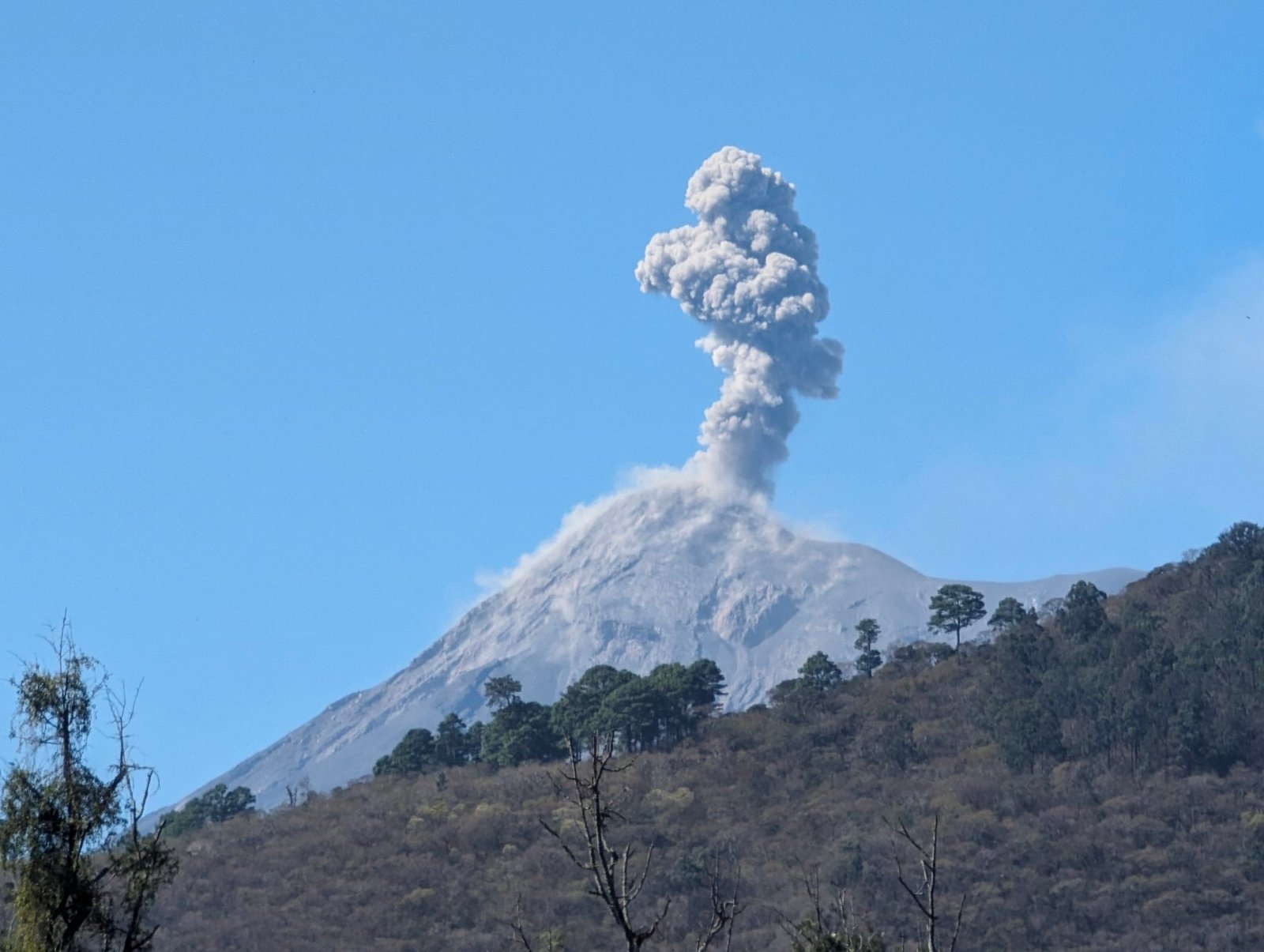
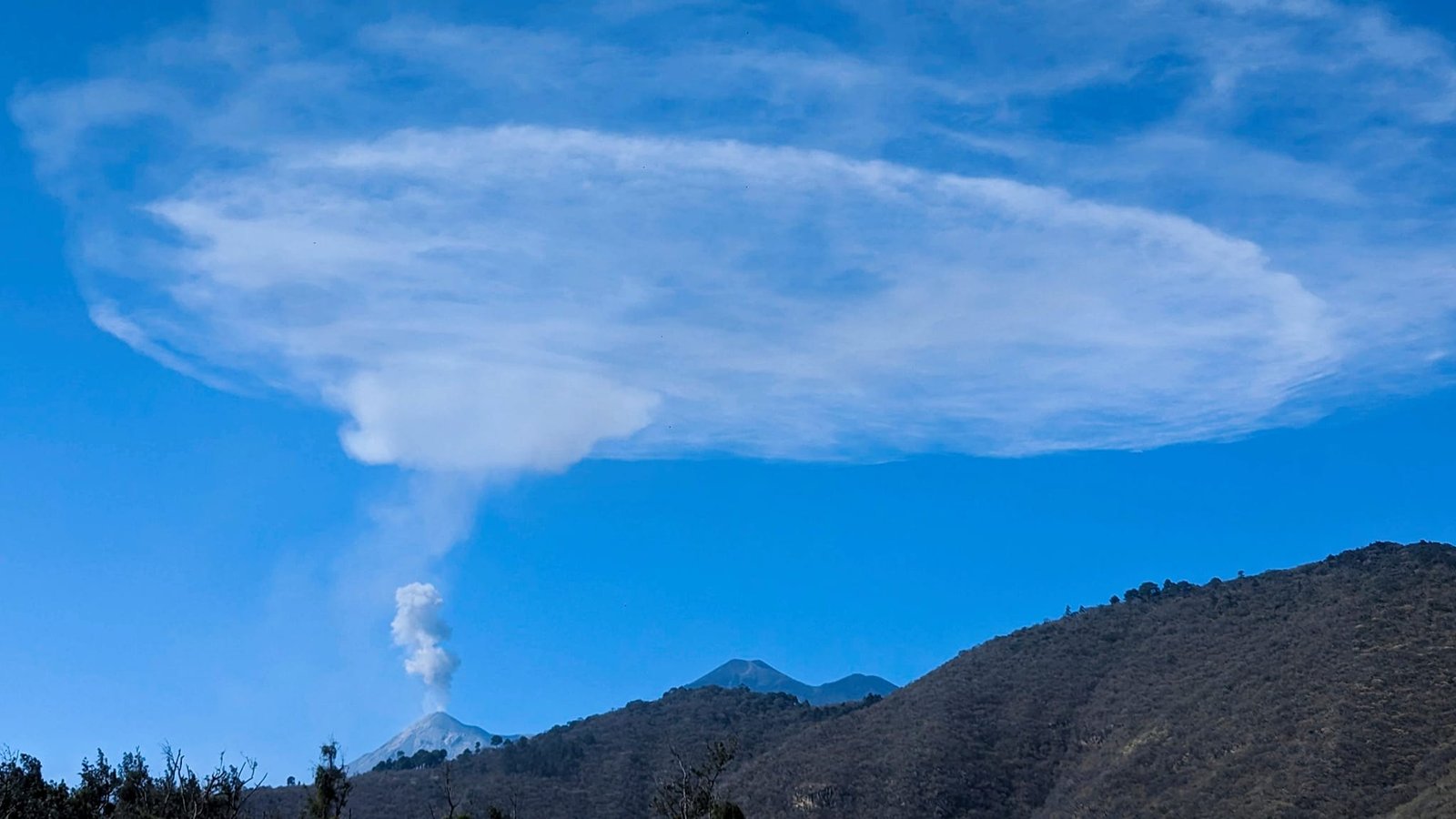
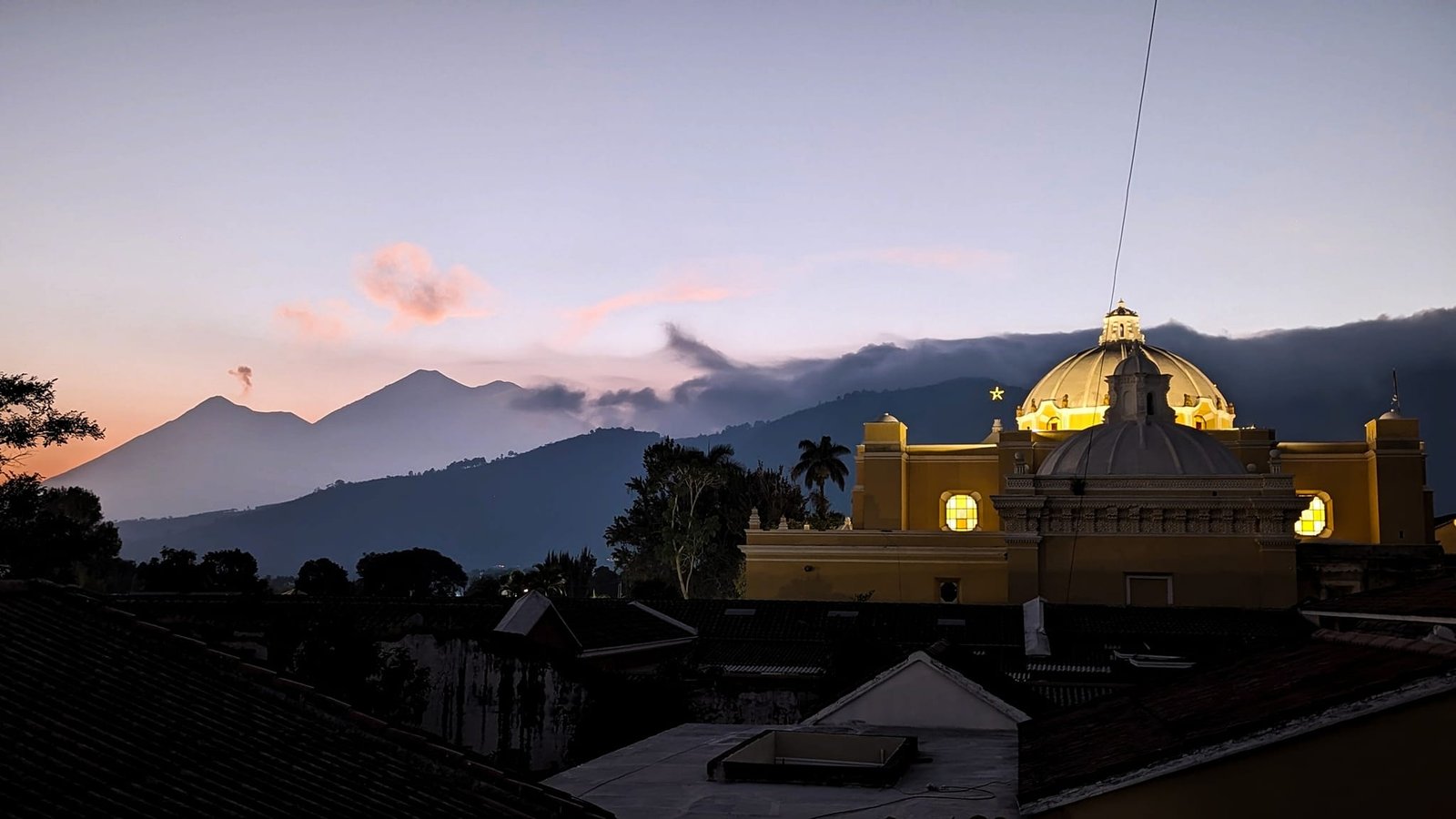
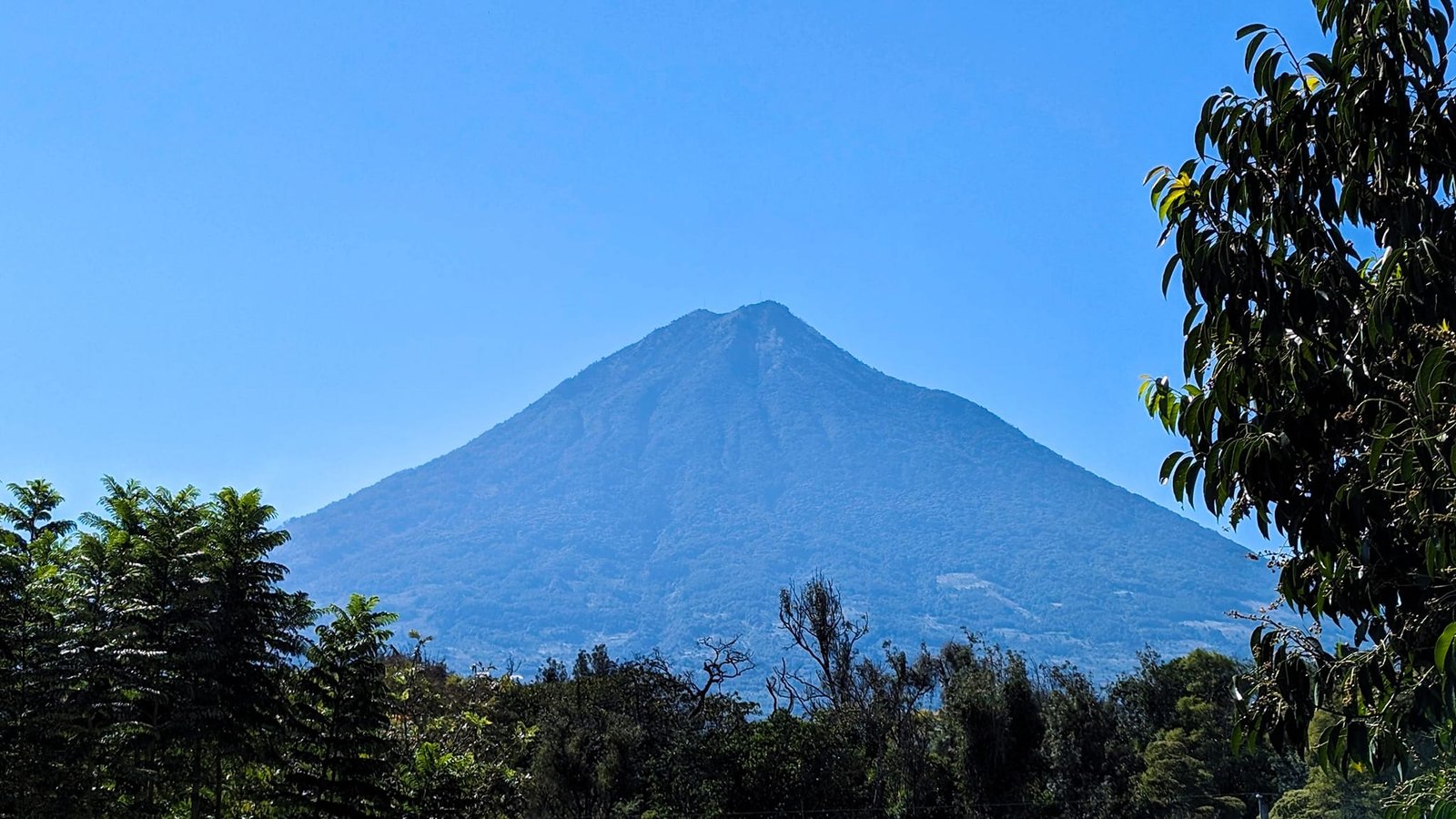
The cone of the Agua volcano towers over the town, visible from many streets and rooftops.
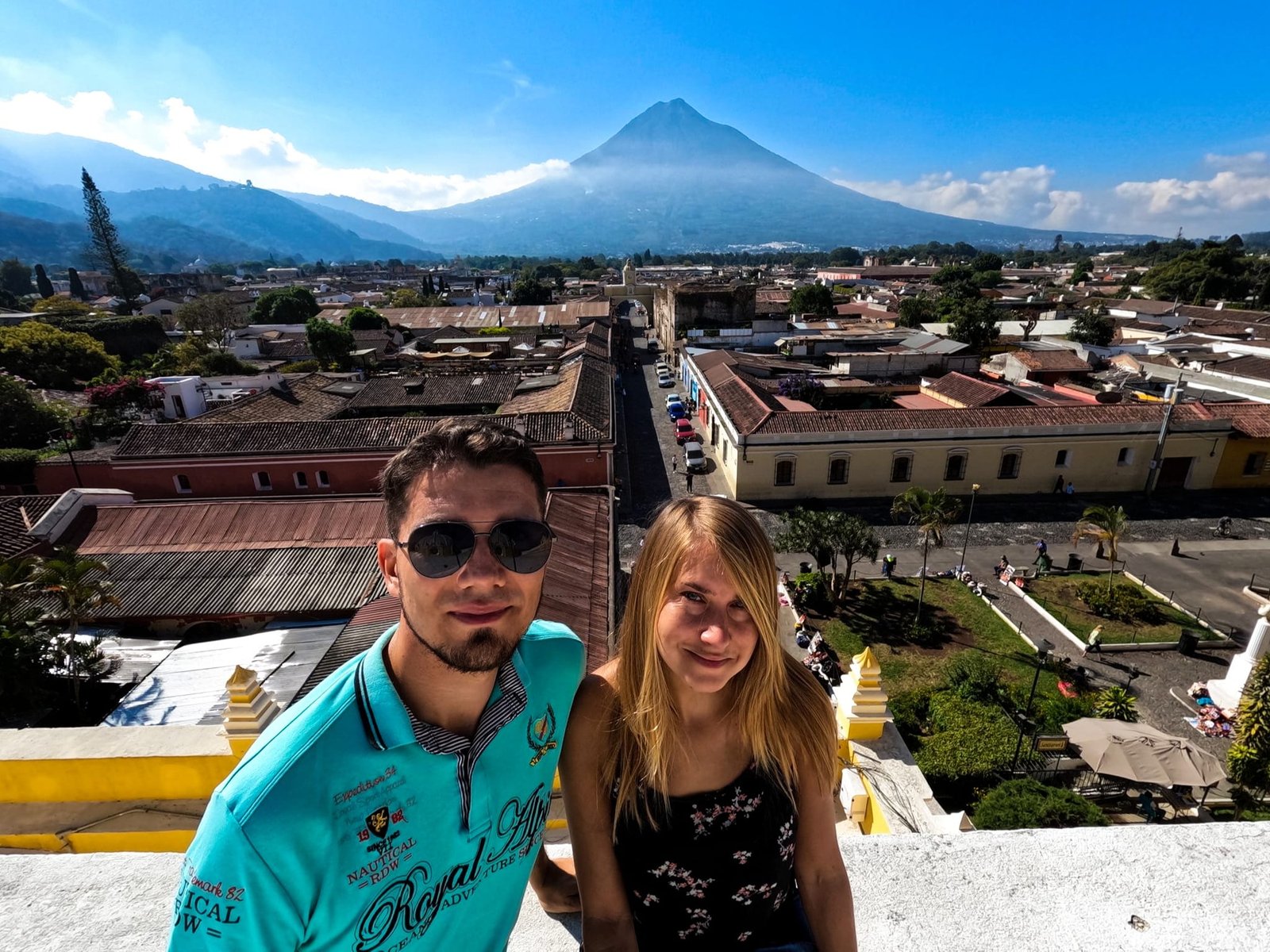
From Antigua we climbed two volcanoes: Pacaya on 7 January, and Acatenango with Alicja and Michał on 20–21 January, spending the night opposite the erupting Fuego. I describe both trips in the post Acatenango and Pacaya, and all the volcanoes we climbed in Guatemala in the overview Volcanoes of Guatemala.
The earth also showed us its other face. On the night before we left Antigua, at the end of January 2024, we experienced our first earthquake – magnitude 6.1. We were about 45 km from the epicentre, and the tremors were felt even in Mexico. Our hosts called everyone out into the courtyard, but of the six people in the house only two went out.
The Finca La Azotea coffee plantation
After classes we didn’t always have the energy or the will to go sightseeing, but once we walked to the Finca La Azotea coffee plantation. Red and green coffee cherries were ripening on the bushes, and beans were drying on a large yard – with mountains in the background.
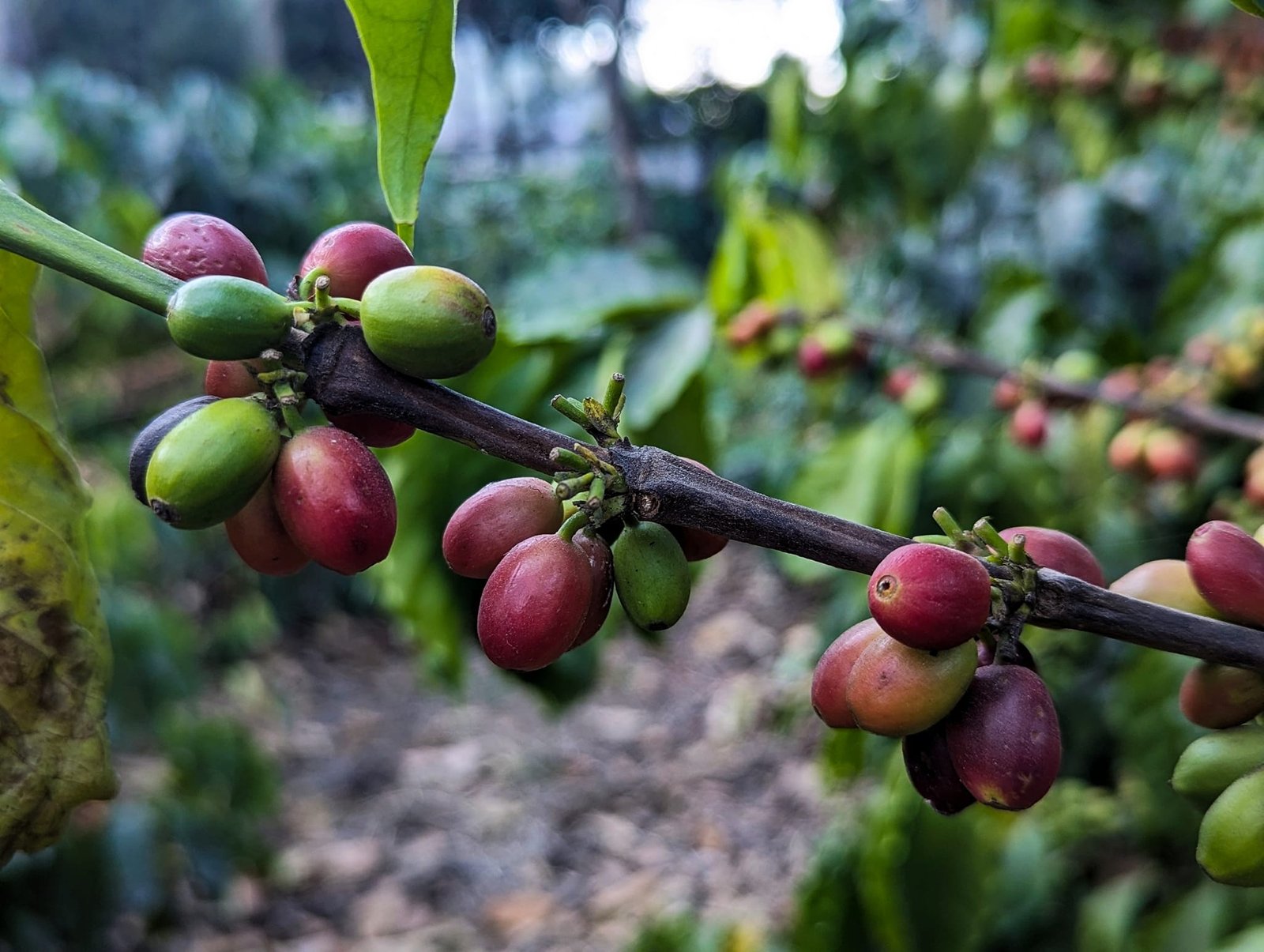
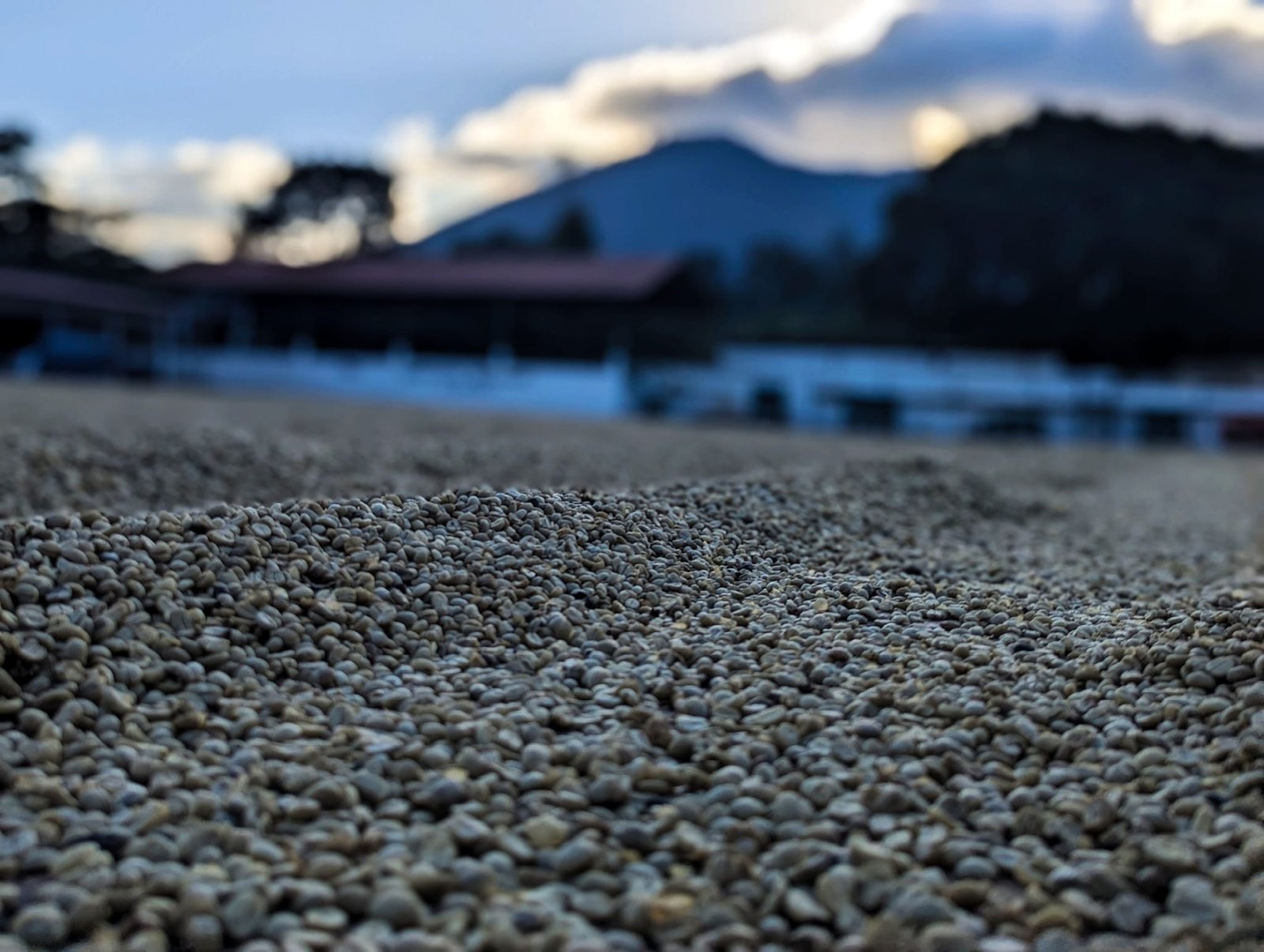
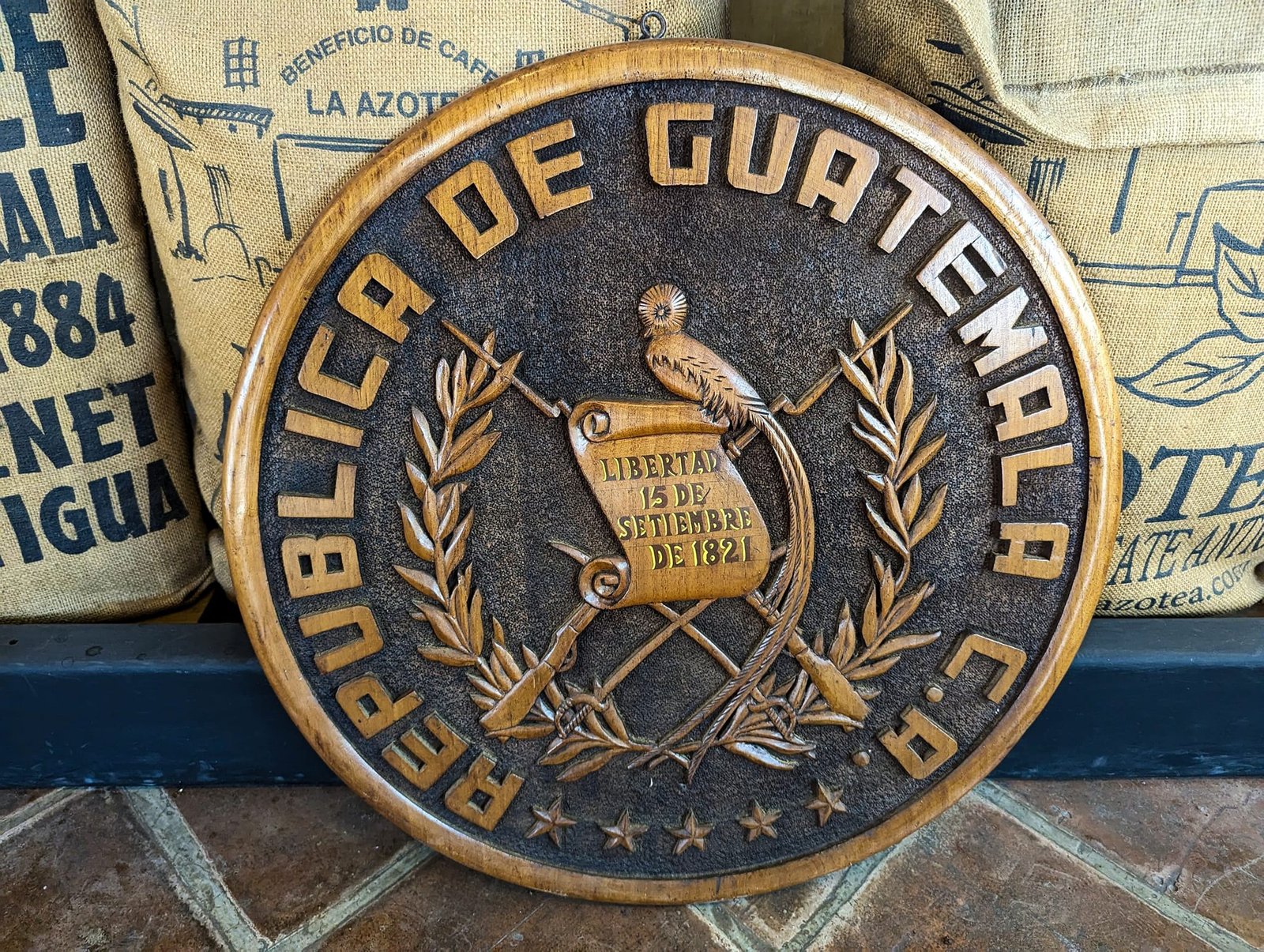
The plantation, the sweets tasting at school, the salsa class and the trip to El Paredón are shown in the second part of the Antigua video:
 7:19
New Year’s Eve and meeting other Poles
In Antigua we met quite a few people from Poland. We spent New Year’s Eve with Alicja and Michał, whom we had already met earlier in Bacalar in Mexico – a few weeks later we climbed Acatenango together.
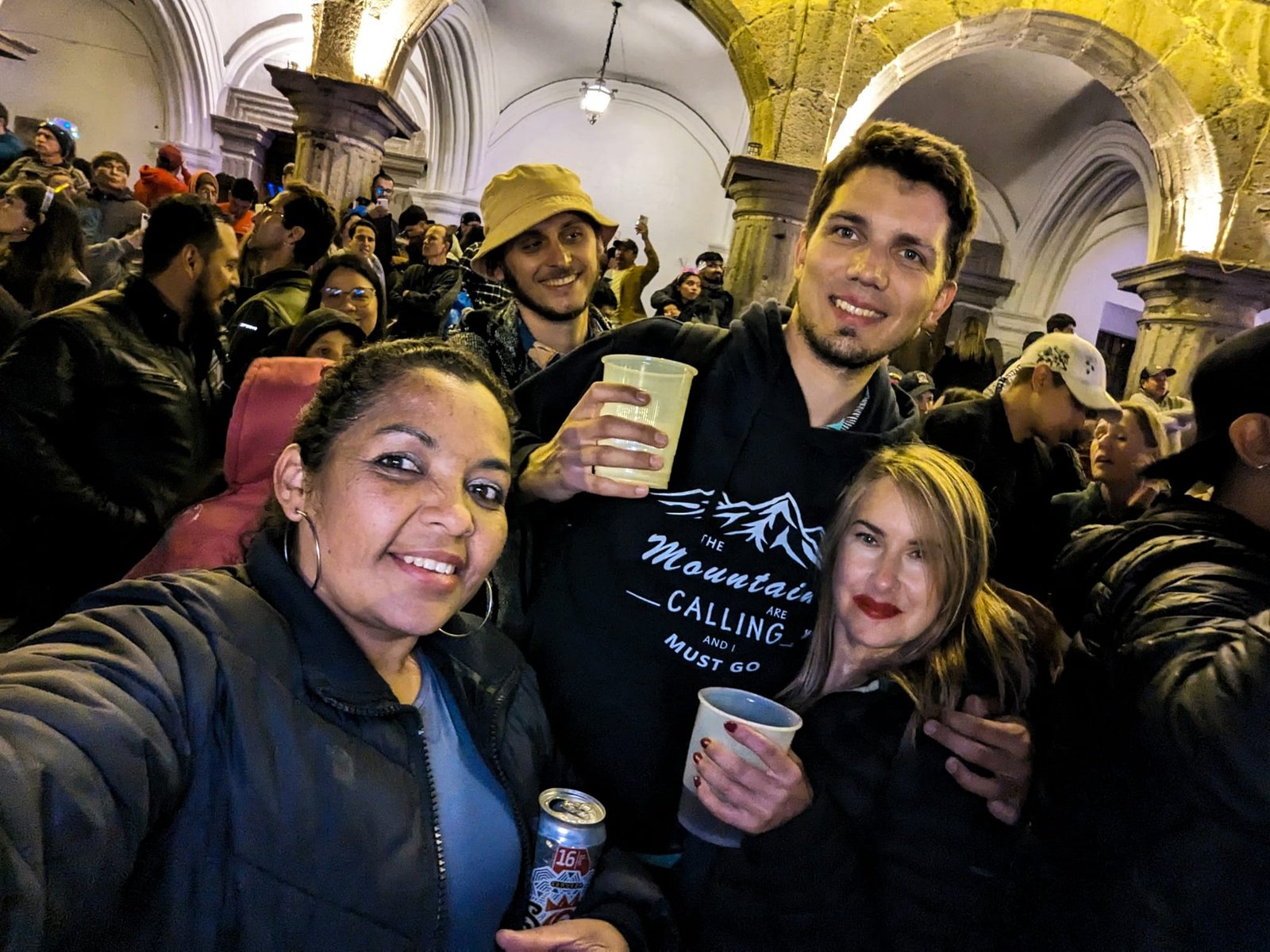
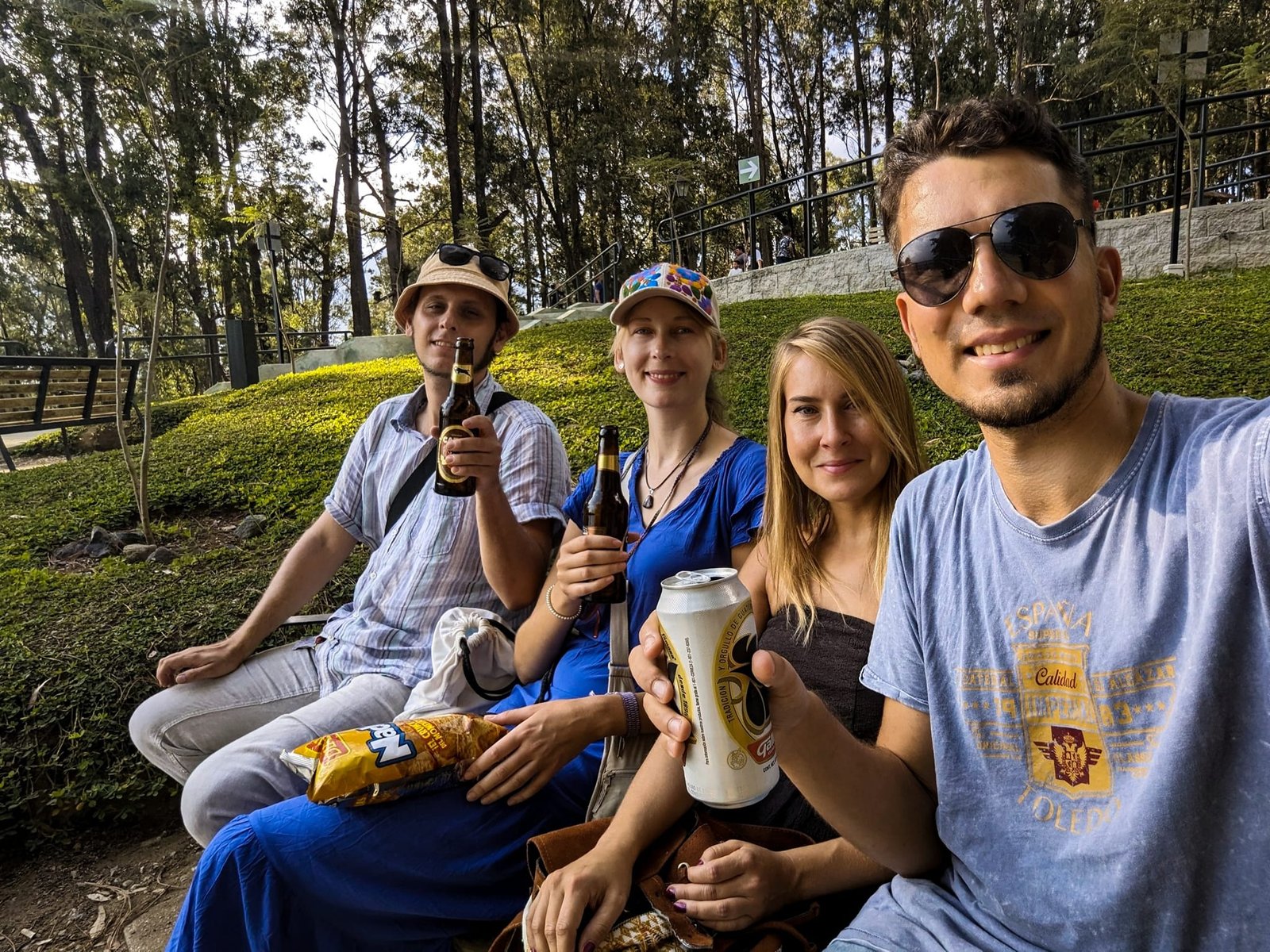
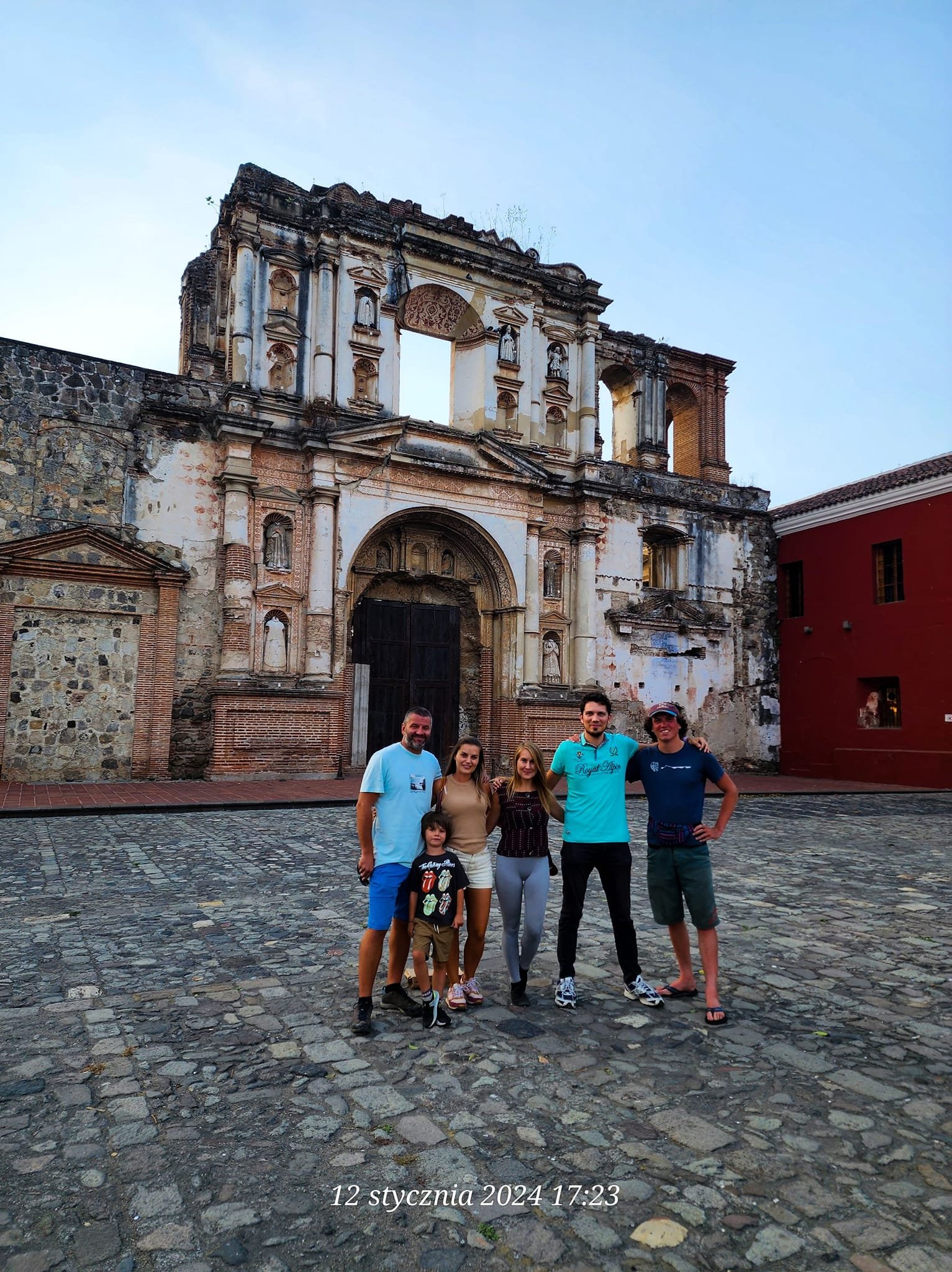
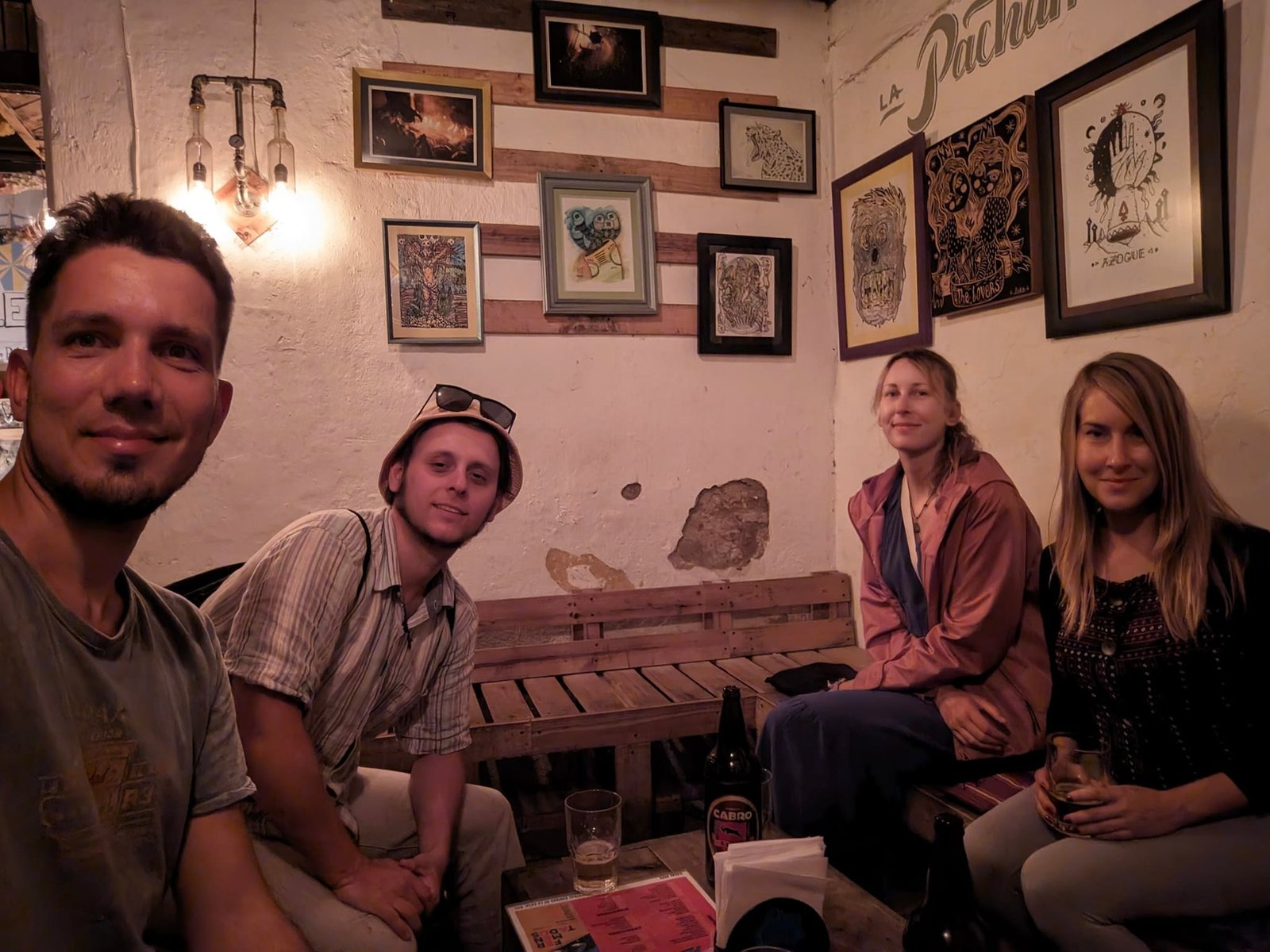
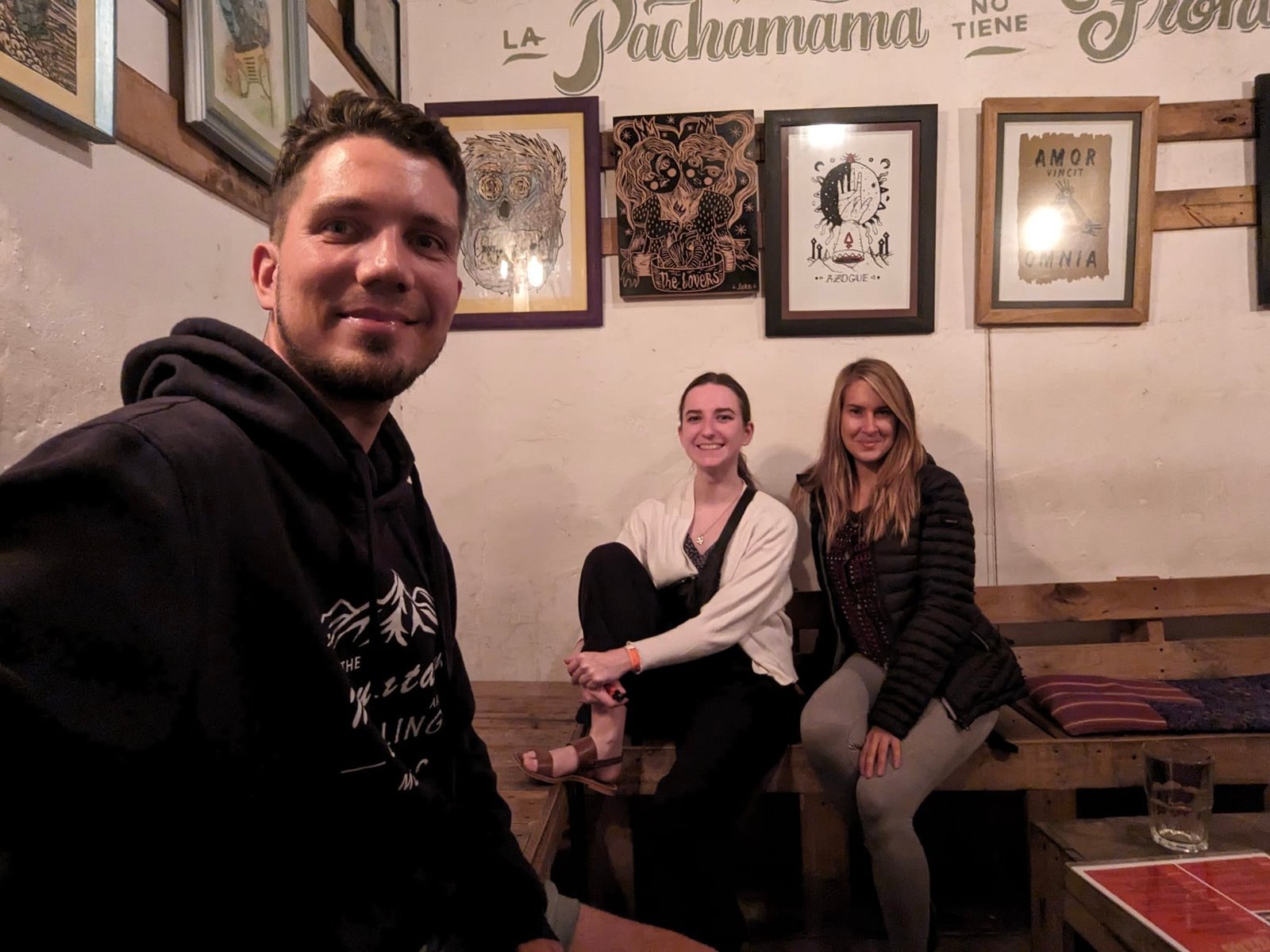
We also met up with Bartek, Laura and Dominik, and for the second time with Ewa, Aurélien and Gabriel, whom we had met earlier in Belize, and on top of that we got to know Zian. Towards the end of our stay we also saw Kinga.
El Paredón – black sand and Pacific waves
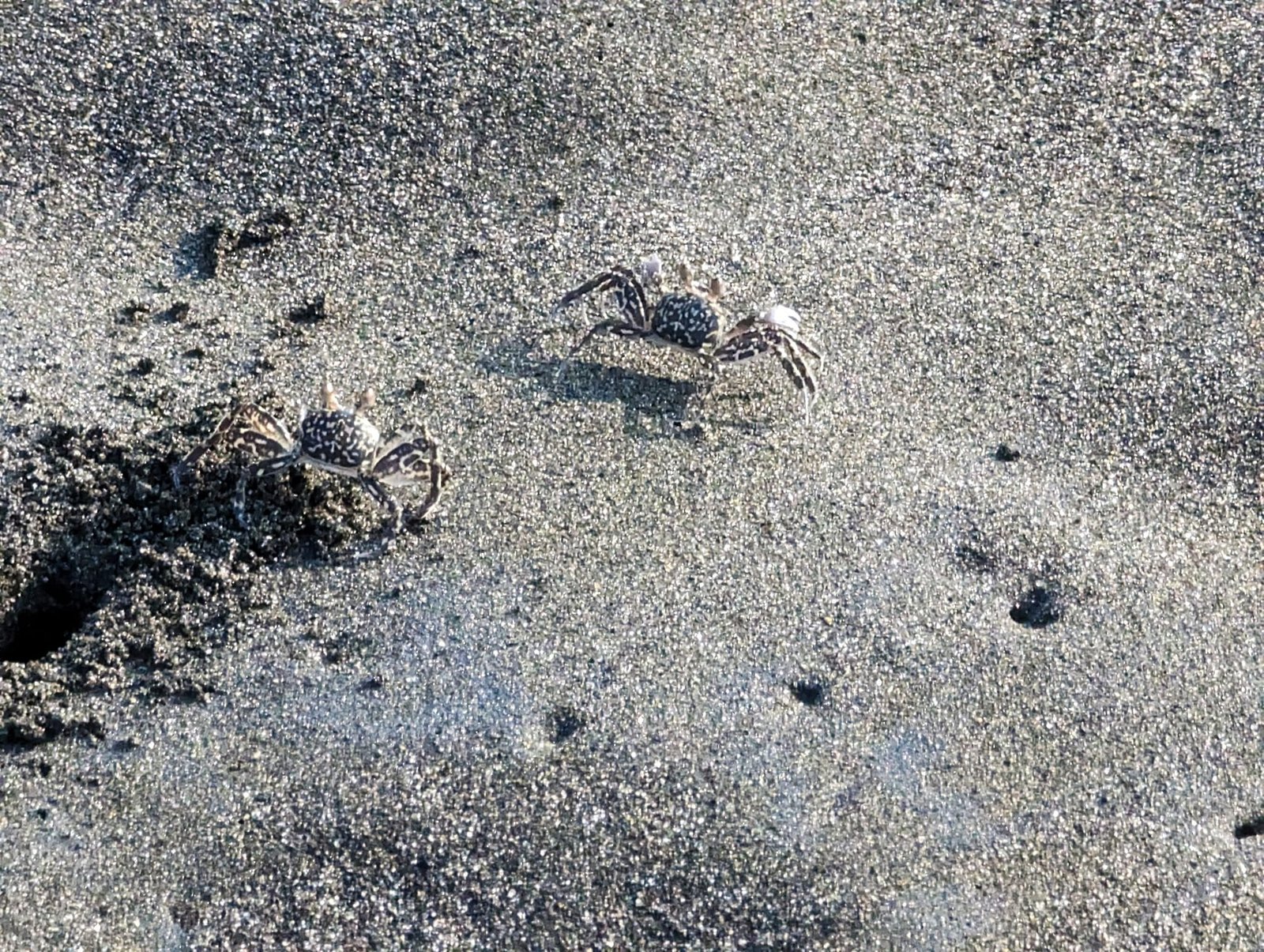
Guatemala’s beaches are volcanic – with black sand. On Sunday 14 January we rented a car and, together with Raquel, another student from our school, drove south from Antigua to the Pacific, to El Paredón. For that day the rental company had only one car left – a big Volkswagen Taos – and we could only pick it up at 8 a.m. Even so, it was cheaper than a return shuttle and much cheaper than a private transfer – more expensive than a chicken bus, but much faster. I hadn’t expected to drive a car at all on this trip, and yet it happened as early as Guatemala.
The road was good most of the way, but with lots of speed bumps. After dark not everywhere is lit, not all motorbikes have lights, and pedestrians even less so, so you have to be very careful. On top of that, Guatemalans drive recklessly and overtake whenever and wherever they like.
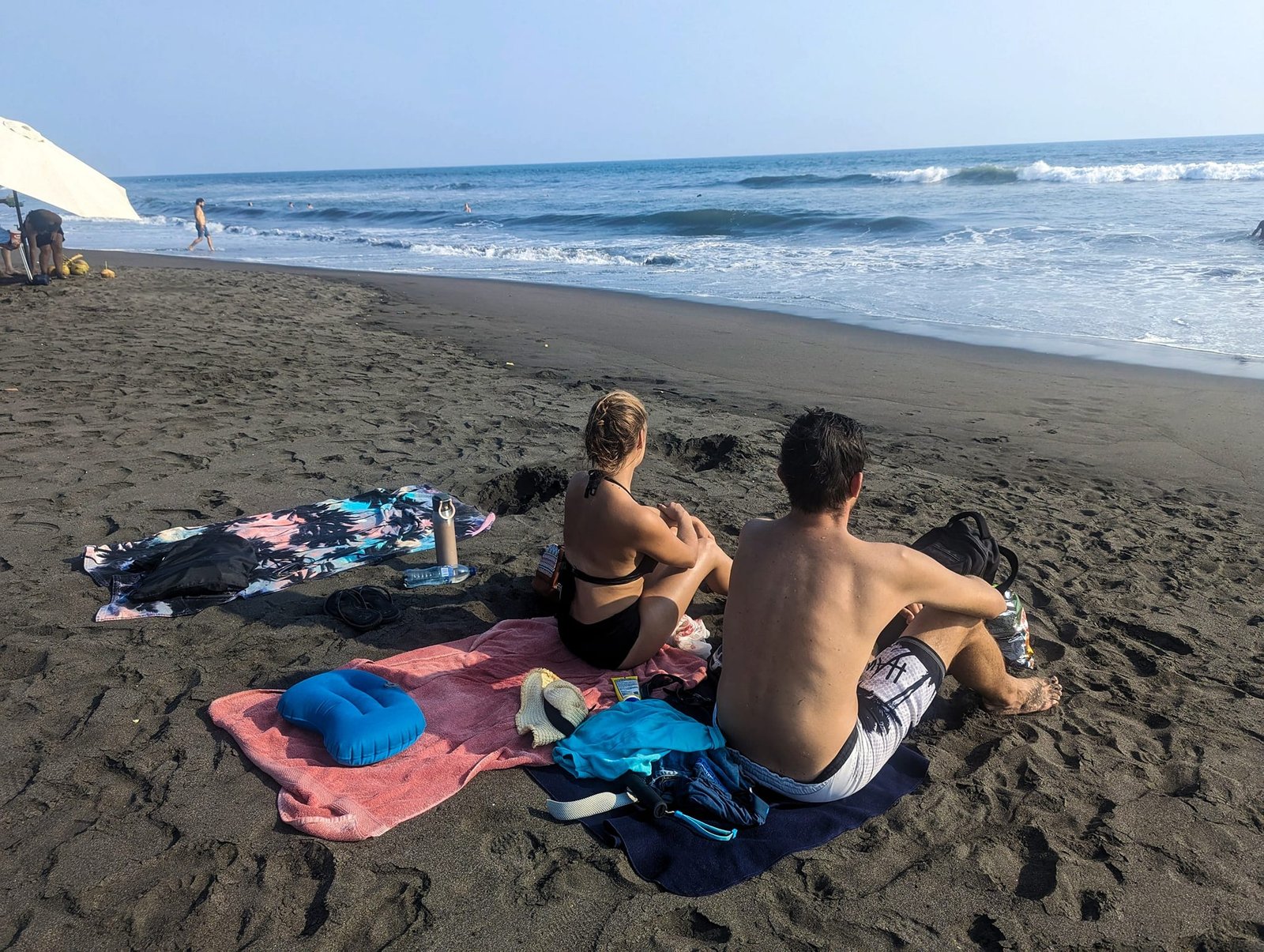
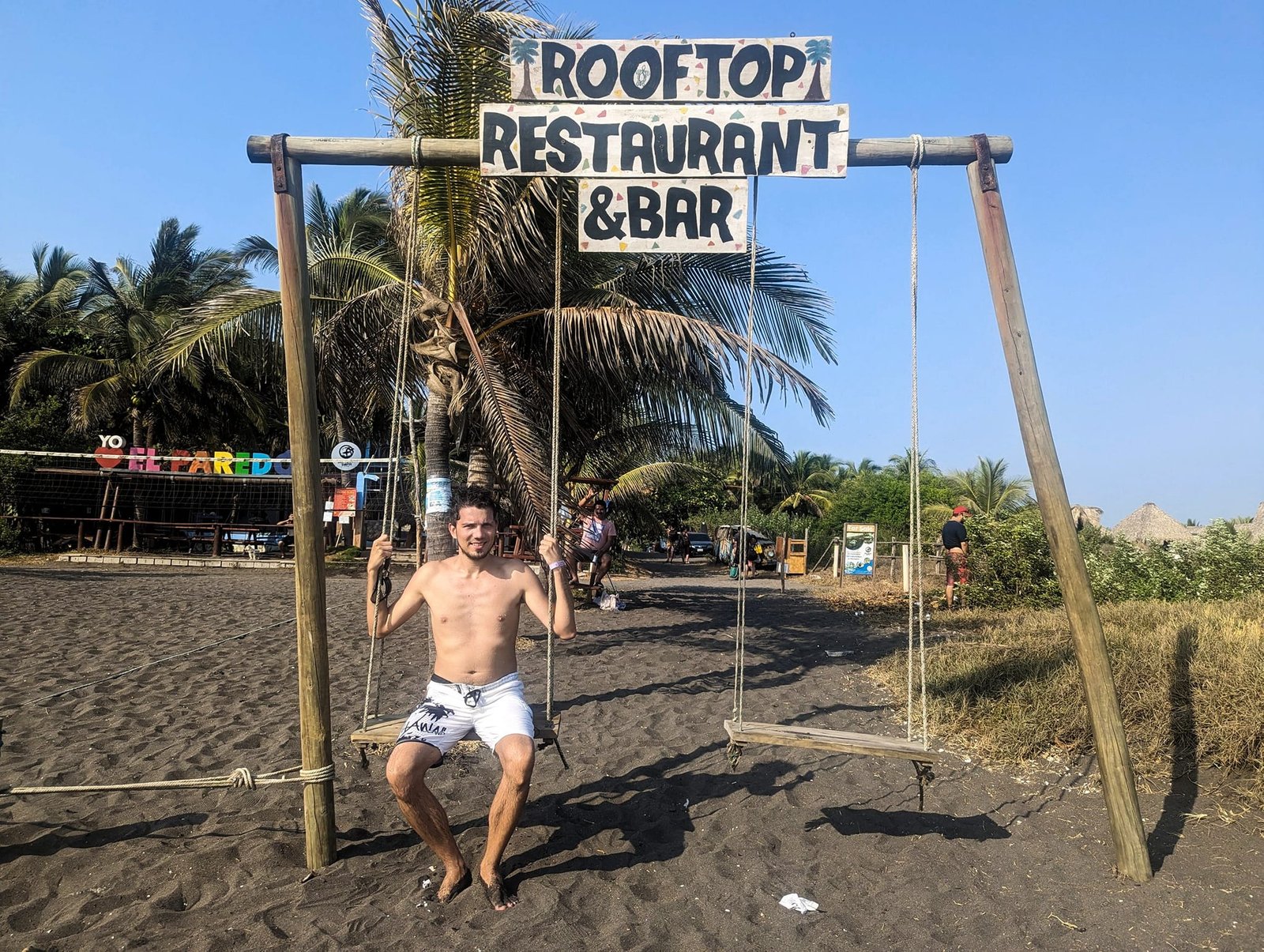
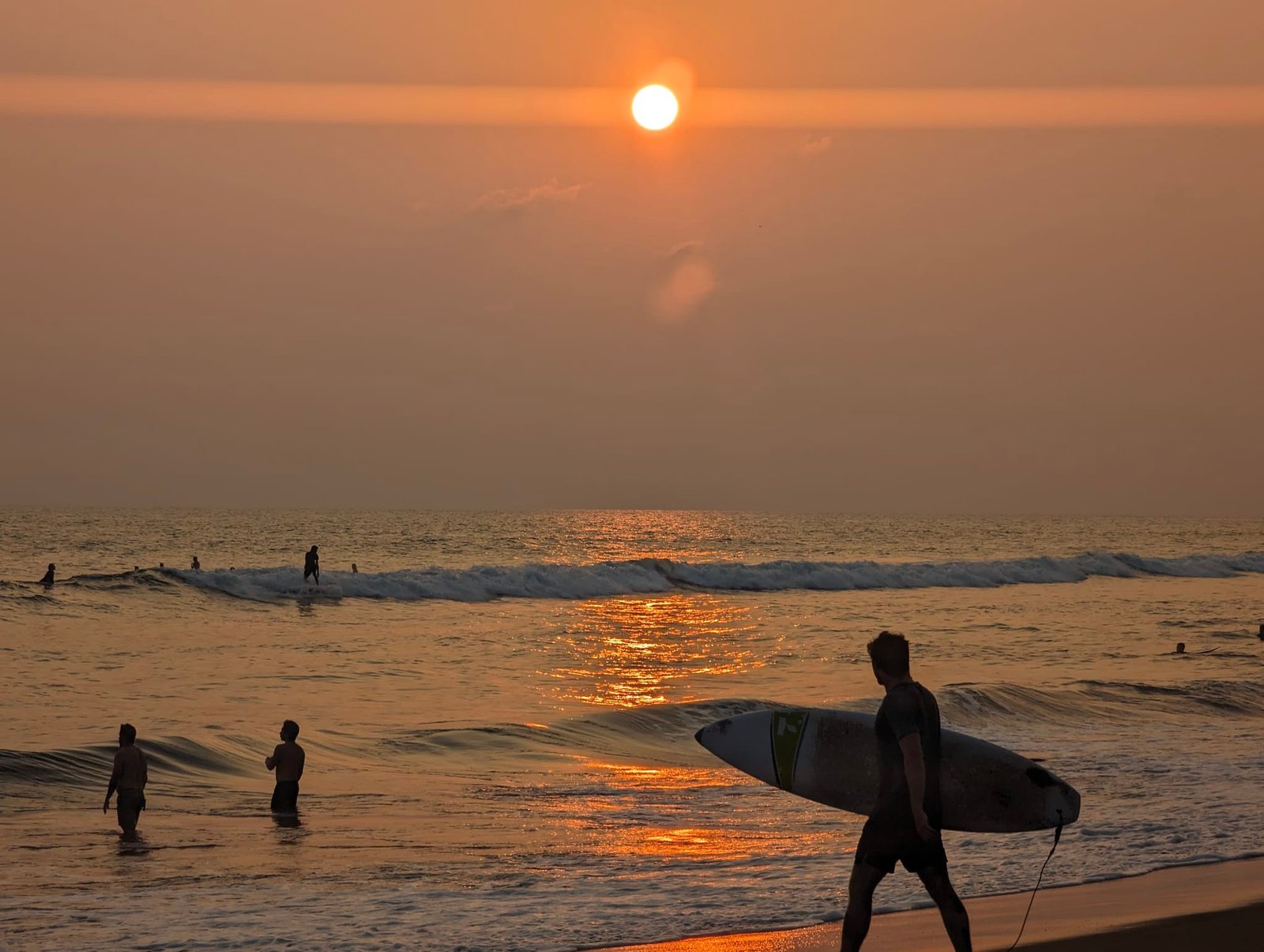
Once there – a great vibe: lots of sun, warm water and high waves. During the day there were few people on the beach, but quite a few surfers. A pity it was only for one day, but that’s all our time allowed.
From Antigua we went on to Lake Atitlán.
Practical information
- School – Antigüeña Spanish Academy: one-to-one or pair lessons, 4 hours a day, Monday to Friday; a course always starts on a Monday, and lessons that fall on a holiday are made up on Saturday. Book in advance, because at the last minute there may be no places left.
- Price (turn of 2023 and 2024) – 1820 Q (about €214) per person per week for the course, including a room with a family and three meals a day; internet costs an extra 50 Q (about €6) a week. You pay by the week – you can take a shorter course, even single days, but it doesn’t pay off: three days cost as much as a whole week.
- Currency – one quetzal was worth about €0.12, so prices are easy to convert.
- Cost of the stay – in Guatemala we spent on average about €23 per person per day without the course and about €30 with it (all expenses from entering to leaving the country, excluding flights). Antigua itself is expensive, but public buses are cheap and shuttles reasonably priced.
- ATMs (January 2024) – the withdrawal fee was 31 Q at Banco 5B and 32 Q at Banco Industrial, and BAC wouldn’t give us cash at all. The daily withdrawal limit is 2000 Q (5B, Banco Industrial), reportedly 3000 Q at BAC.
- Safety – Antigua is probably the safest town in the country, and in the whole of Guatemala we never once felt threatened. Robberies do happen, however, on the less popular Agua volcano right next to Antigua and on the Lower Mayan Trail at Lake Atitlán. Gangs operate in the capital – we were only there for a night and a change of buses in the safest district, Zona 10.
- Getting there – we came from Lanquín (Semuc Champey) on a direct shuttle bus that left at 8 a.m. From Antigua shuttle buses go to practically every tourist spot in the country.
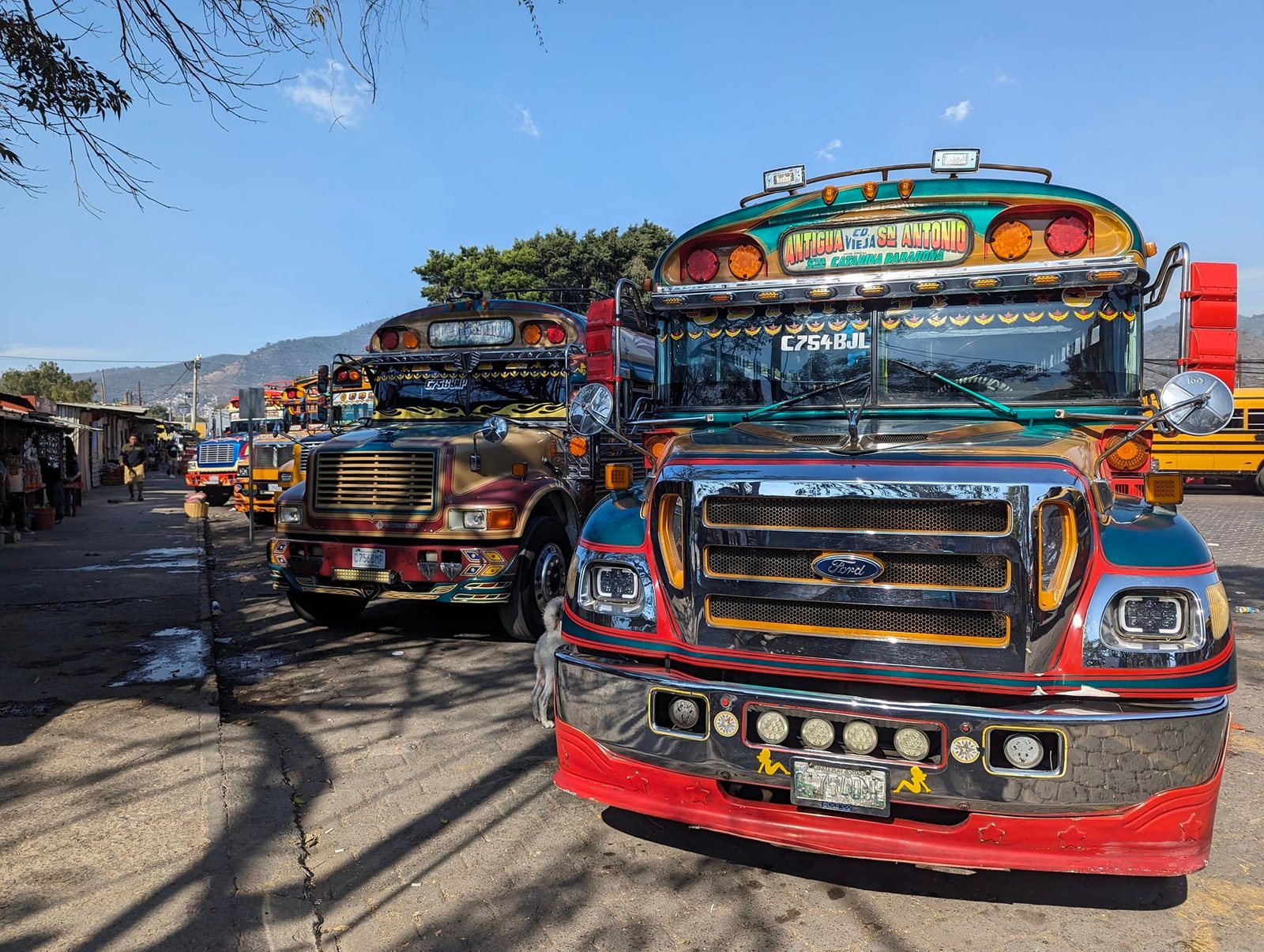
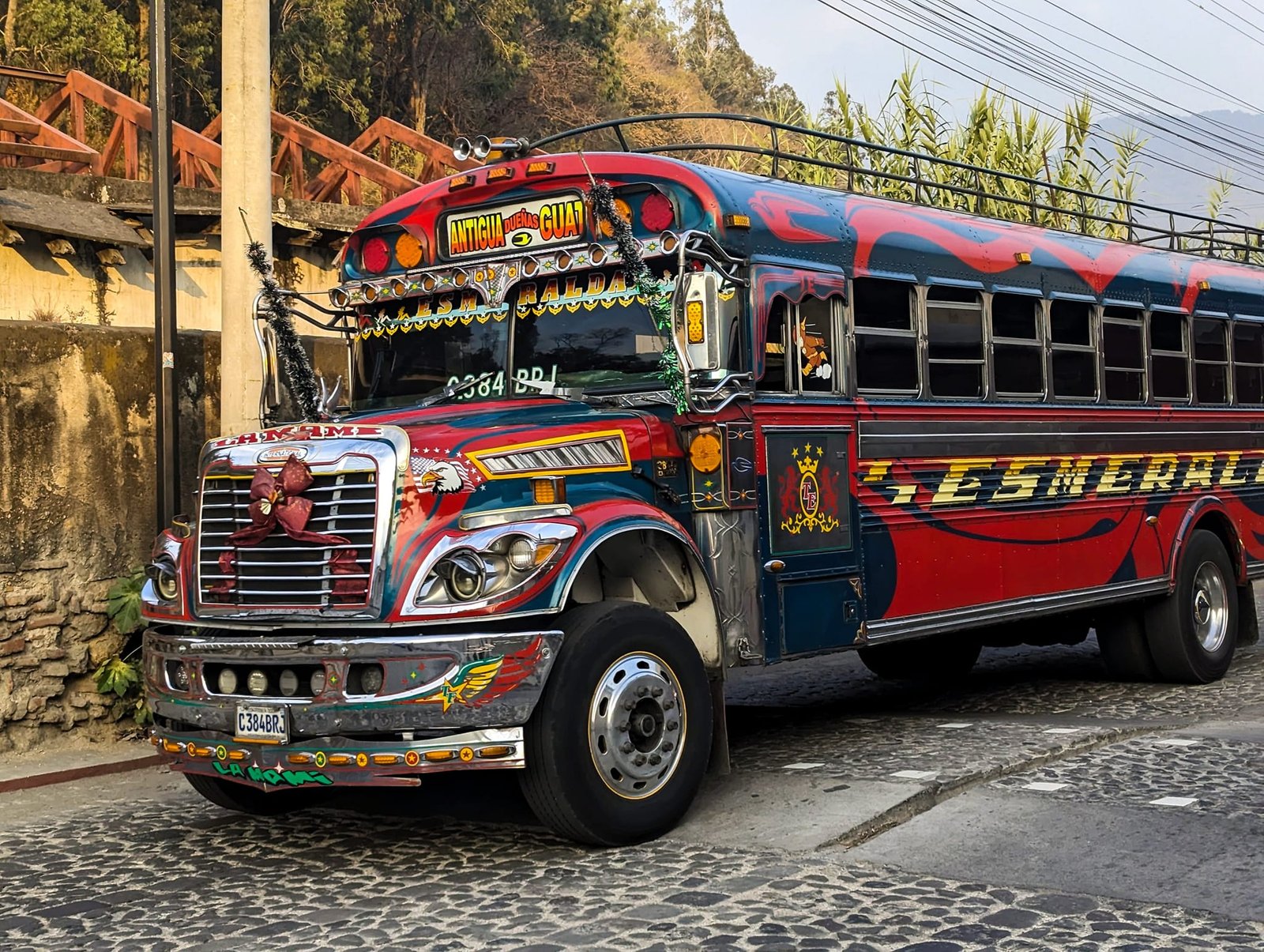
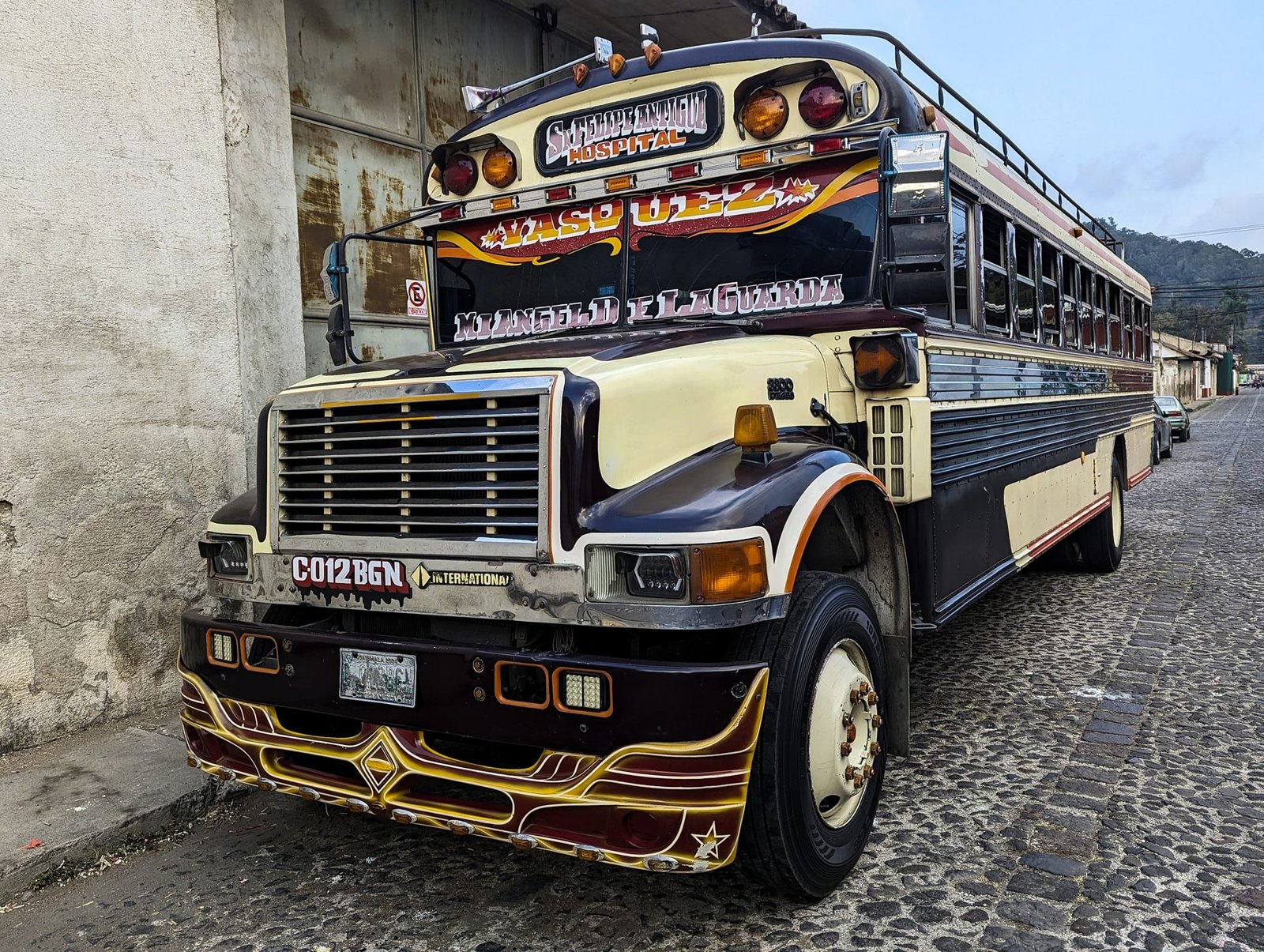
- Chicken buses – colourful, converted old American school buses – cheap public transport. They won’t leave until they are full; three people sit on school seats meant for two children, and the driver’s helper collects money by squeezing through the packed bus almost at ceiling level, and jumps onto the roof for luggage before the bus has even stopped.
- Car rental – a one-day rental to El Paredón came to about 27–30 USD per person (January 2024). At the Hertz rental office the excess in case of damage was up to 7000 Q, so what I’d fear most is a scratch in a car park. After dark you need to be especially careful.
Is it worth learning Spanish in Antigua?
Definitely yes. Five weeks in one place were a break from constantly moving on, although studying every day took a lot of effort. Thanks to the course, in the following countries of the trip we could make ourselves understood in Spanish – and in a region where you often can’t get by in English, that’s a huge difference. Guatemala exceeded our expectations and became our favourite country of the whole trip. Fun fact: on the diving course on Utila in Honduras, on the very first day two people told us they remembered us from the language school in Antigua.
Photo gallery