6:40











 6:57
 6:40
Sacramento is the capital of California. It offers many attractions, including lots of museums and a large number of theatres. During the great Gold Rush the city was an important economic hub and the western end of the first transcontinental railroad. That is exactly the atmosphere of the old part of the city, which is reminiscent of the Wild West. Strolling along the beautiful cobbled streets, looking at horse-drawn carriages, old buildings, wooden crates and whisky barrels, you really do feel like you’re in a western.
We visited Sacramento during the same week-long break from work in Yosemite as San Francisco – the fire had emptied the park and there was no work. Despite the short distance between the two cities, Sacramento was much warmer than chilly San Francisco.
Pioneers settled at Sutter’s Fort around 1841. The fort’s main building is the only surviving original structure in the reconstructed Sutter’s Fort State Historic Park. It was here, in 1848, that James Marshall met Sutter to show him the gold Marshall had found while building Sutter’s sawmill on the American River. After news of the Gold Rush spread, the fort was largely abandoned and fell into ruin. In 1891 the organisation The Native Sons of the Golden West bought the property and saved the monument from destruction. Repair work was completed in 1893. In 1947 the fort was handed over to California State Parks.
The fort was founded in 1839 by John Sutter as the farming and trading settlement of New Helvetia (Nueva Helvetia) in what was then the Mexican province of Alta California. In 1961 it was designated a National Historic Landmark.
The fort was the end point of the overland emigrant trail to California (California Trail) – members of the famous Donner Party, among others, arrived here. At least 80% of Sutter’s workforce were Native People from nearby villages. The park grounds also house the State Indian Museum, devoted to California’s Indigenous peoples. A ticket to the fort costs $5 for adults and $3 for youths aged 6–17, and children under 6 enter free; the fort is open daily 10:00–17:00 (as of 2026).
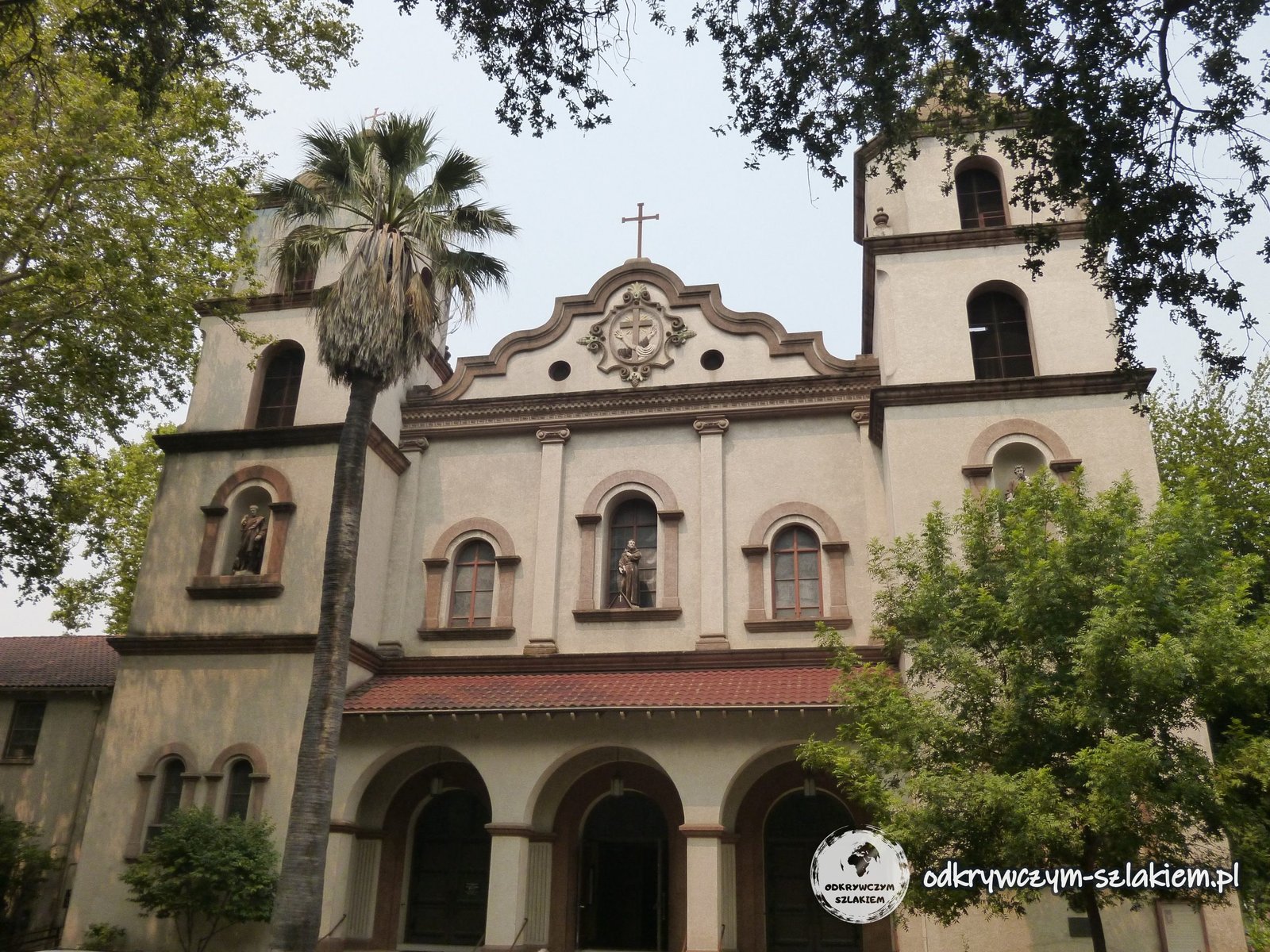
Right next to the fort, on the corner of 26th and K Streets, stands the St. Francis of Assisi church with its two bell towers. The parish was founded in 1894 by German Franciscans from St. Louis, and the present Mission Revival church, modelled on Mission Santa Barbara, was dedicated in 1910.
It is the oldest existing cemetery in Sacramento (from 1849). Many of these 19th-century graves belong to people who died during the cholera epidemic – in 1850 a mass grave for its victims was made here. Among others, John Augustus Sutter Jr. (1826–1897), the founder of Sacramento and son of the founder of the fort, is buried here. The cemetery is a listed monument and was designed to resemble a Victorian garden.
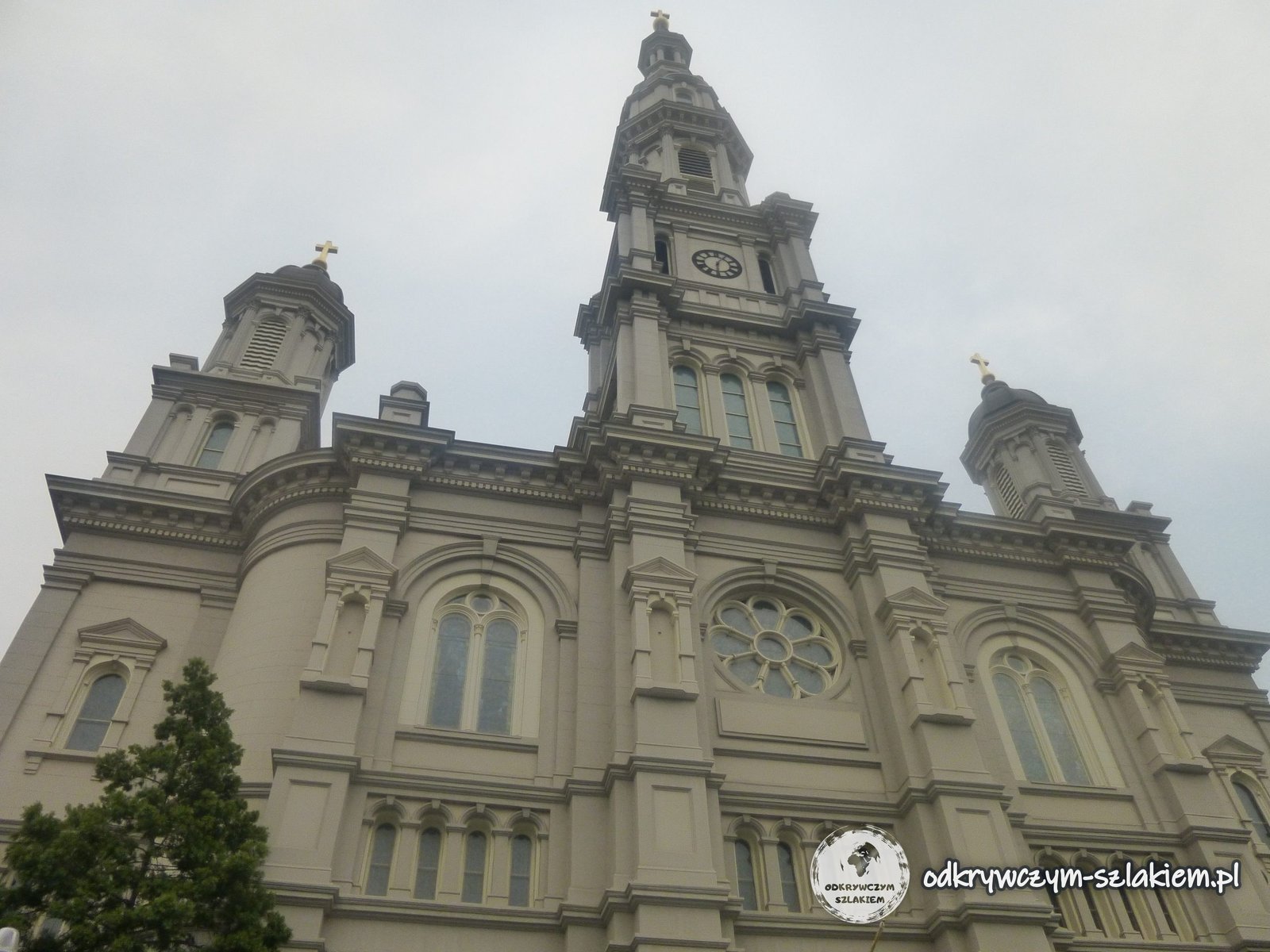
It is the most important Catholic church in the Diocese of Sacramento, the seat of the bishop and the largest historic cathedral on the West Coast of the United States (from 1889). The building was designed in the Neo-Renaissance style, inspired by Italian architecture.
The cathedral was built in 1887–1889 on the initiative of Patrick Manogue, the first bishop of Sacramento, who modelled it on the church of the Holy Trinity in Paris (La Trinité). It seats 1,400 people. The 34-metre interior dome was closed off for decades – it was reopened during the 2003–2005 renovation, when the stained-glass windows were also cleaned and decorative paintings were added to the walls and ceiling.
The park by the Capitol is quite large – it covers 40 acres and was laid out in a typical Victorian style, with long paths and varied plants. It has the World Peace Rose Garden. The park also has many memorials (the California Peace Officers’ Memorial, the Vietnam Veterans Memorial, the Thomas Starr King monument and the Pioneer Camellia Grove memorial stone).
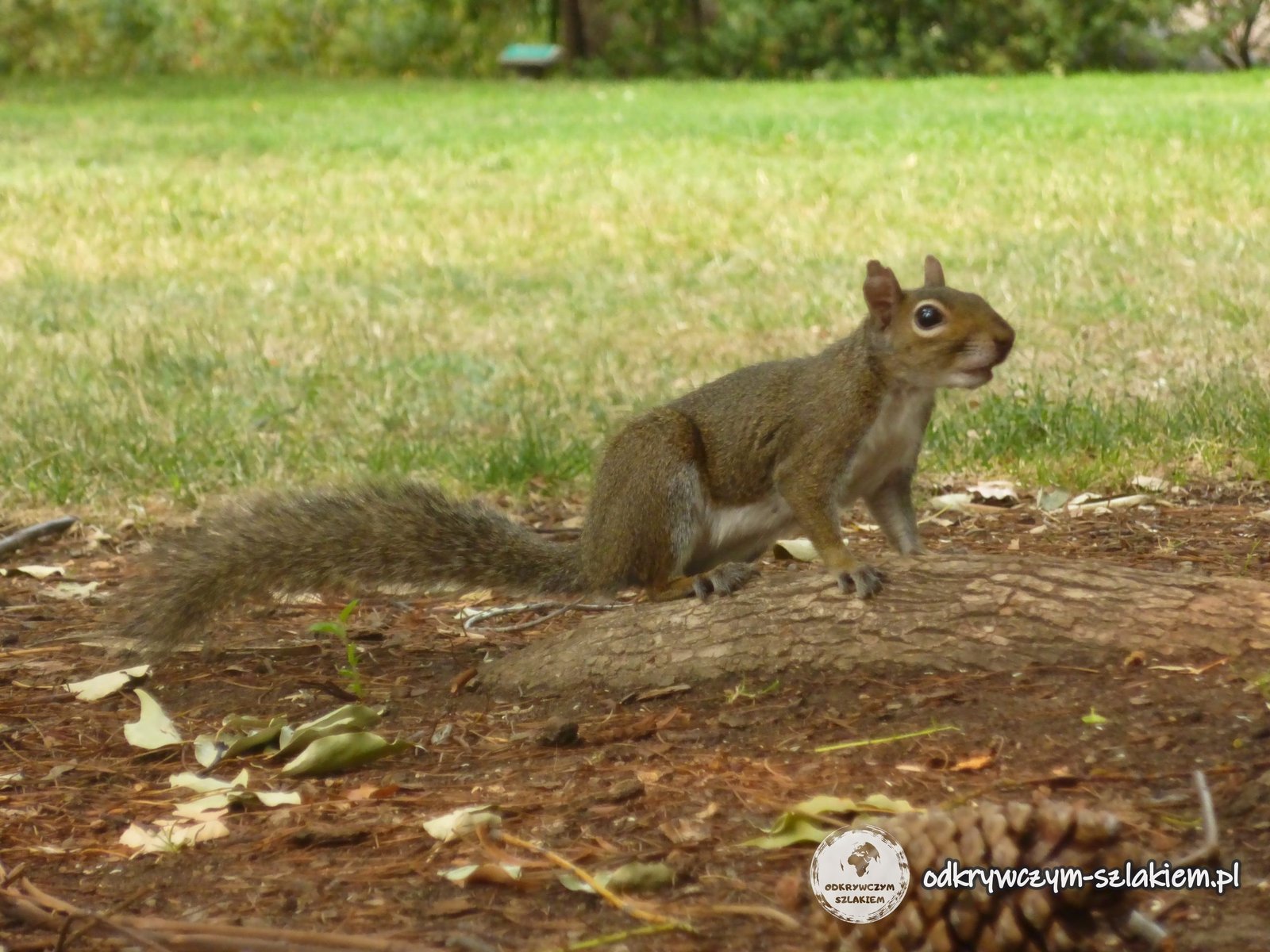
Roses were blooming by the fountain in the Rose Garden, and squirrels were running around the park lawns.
On the first evening we took a walk around the park. The illuminated California Vietnam Veterans Memorial was unveiled in December 1988 – its 22 black granite panels bear the names of 5,822 Californians who were killed or went missing in the Vietnam War, and its bronze figures and reliefs show the soldiers’ life. A few blocks away, on J Street, stands the Memorial Auditorium from 1927, built in memory of the veterans of the Spanish–American War and the First World War. Performers here have included the Beach Boys, the Rolling Stones and Metallica.
The building was built in the Neoclassical style; it stands at the western end of Capitol Park, surrounded by gardens and palm trees. It is the seat of the state legislature.
The building also houses an impressive museum, where you can see quite a few rooms, including the offices of former governors and the treasury. There are also free guided tours (about 45 minutes).
The Capitol was built in 1860–1874. The dome is 64 m high and is crowned by a gilded orb. In 1975–1982 the building underwent a thorough restoration combined with structural strengthening against earthquakes. Admission to the museum is free, but the Capitol is open only Monday to Friday, 9:00–17:00 – it is closed at weekends and on most public holidays (as of 2026). Guided tours start every hour from 10:00 to 16:00 (up to 35 people, sign up at the information desk in the ground-floor rotunda), and at the entrance you go through a metal detector and a bag X-ray.
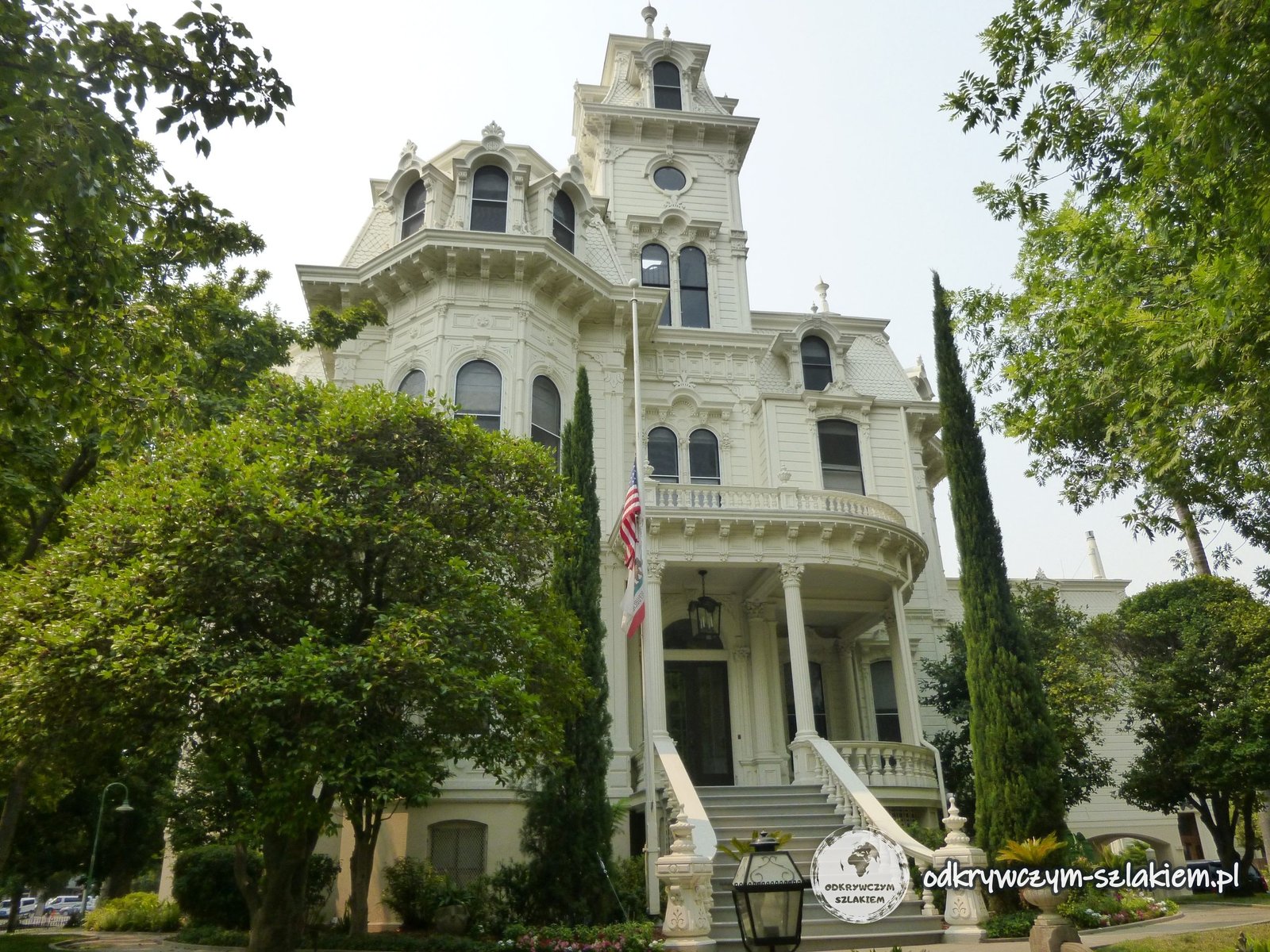
A few blocks north-east of the Capitol, on the corner of 16th and H Streets, stands the Governor’s Mansion – a Victorian residence from 1877, built for the merchant Albert Gallatin. In 1903 the state bought it for $32,500, and until 1967 it was home to the governors of California; the last of them was Ronald Reagan, who lived here for only a few months. Since 1970 the house has been a museum, although between 2015 and 2019 governors lived here again – Jerry Brown and, briefly, Gavin Newsom.
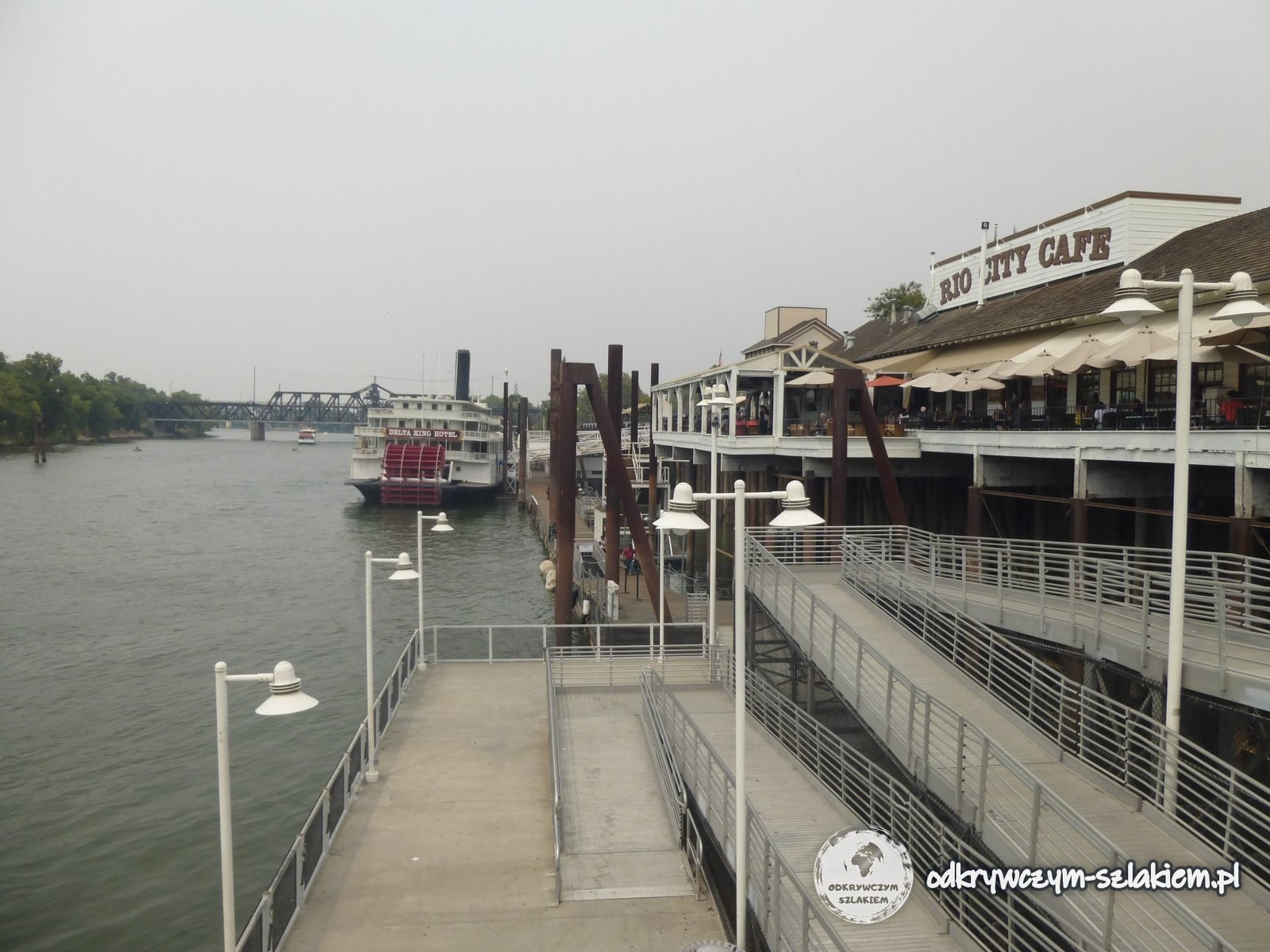
In this part of the city you will find the building of the oldest permanent theatre in California (Eagle Theatre) and the first seat of the state supreme court. You can also see architecture from the Gold Rush era (the district was restored in the 1960s) and the Big Four House – the building of the “Big Four”, the pioneers of the transcontinental railroad. Horses with carriages move along the cobbled streets, which gives the place a lot of charm. If you like, you can take a ride on a steam train or a boat trip on the river.
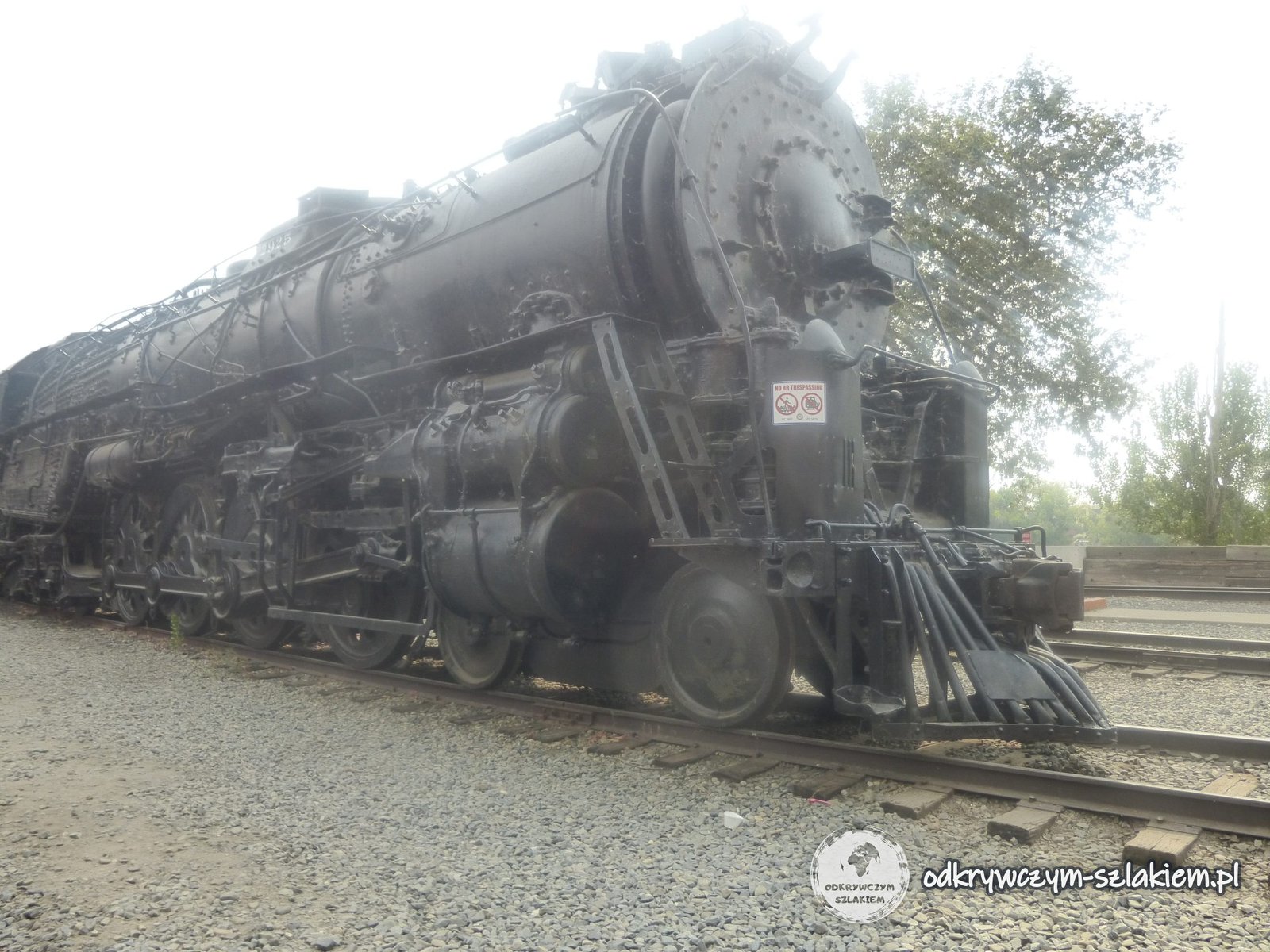
During the Gold Rush, steamers ran from the Old Sacramento waterfront down the river to San Francisco – the California Steam Navigation Co. sign is a reminder of that. Old steam locomotives and carriages stand by the tracks.
In the 1860s and 1870s, after repeated floods, the streets and buildings of Old Sacramento were raised – hollow spaces were left under the sidewalks, which can be seen on the one-hour Old Sacramento Underground tour (tickets $30 for adults and $25 for youths aged 6–17, as of 2026). From 1860 to 1861 the B.F. Hastings building at the corner of 2nd and J Streets housed the western terminus of the Pony Express – from here, mail for San Francisco continued by steamer.
The history of Sacramento is also linked to the railways. By Old Town there is the California State Railroad Museum, where you can admire historic locomotives, some dating from as early as 1862. You can also take a ride on a vintage train of the Sacramento Southern Railroad, which operated from 1909 to 1978.
The railroad museum is open daily 10:00–17:00 (last admission 16:30), and a ticket costs $12 for adults and $6 for youths aged 6–17 (as of 2026). Excursion trains leave from the Central Pacific Passenger Station at the corner of Front and J Streets – at weekends from April to mid-October, and from Memorial Day to Labor Day also on Fridays. The ride along the Sacramento River takes 45 minutes, and a Coach ticket costs $18 (youths $10).
On the corner of Front and K Streets stands the What Cheer House from 1853. It started out as a hotel, in 1855 it housed California state offices, and later it became a warehouse serving the river port. Since 1957 it has been a state landmark (California Historical Landmark No. 597).
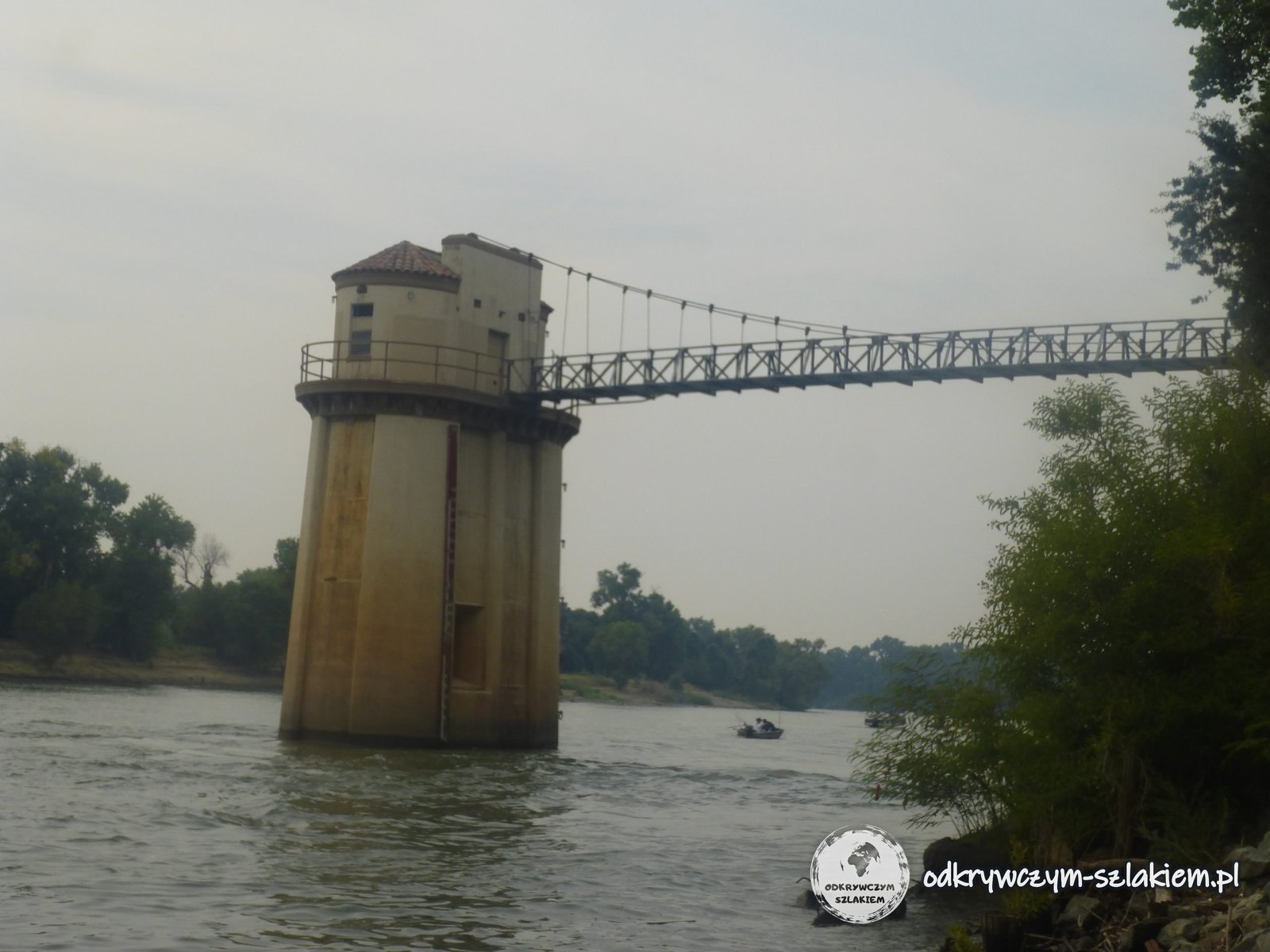
A little north of Old Sacramento, in the middle of the river, stands a tower linked to the bank by a suspension footbridge. It is the old water intake of the city’s filtration plant, built in 1921–1923 about 800 m downstream of the point where the American River flows into the Sacramento.
On 30 July we returned from Sacramento to Yosemite – the park was supposed to reopen “90%”. Because of the fire only one road from the west was open, and the free staff bus ran once a day from Sonora. We took public transport to Modesto, and from there an Uber (45 USD for two people) – and caught the bus at the last minute. There was as much smoke in the park as on the day we had left, and Yosemite looked like a ghost town: the tourists and some of the workers had already left. A few days later we were evacuated – I write about it in the post about working in Yosemite.
6:57Stay with me on the road – follow me wherever you like best.
Clicking loads the profiles from Facebook, Instagram and YouTube (they may set cookies).