In October 2009 I went on a trip to Denmark with my secondary school class. We spent a whole day in Copenhagen: from the Nyhavn canal, through Amalienborg palace with the changing of the guard, the Gefion Fountain and the Little Mermaid, to the Thorvaldsens Museum and City Hall Square. The post follows the places in the order we visited them, with practical tips at the end.
Table of contents
- Nyhavn
- Amalienborg and the Marble Church
- The Gefion Fountain and the Little Mermaid
- The Thorvaldsens Museum
- City Hall Square
- Practical information
Nyhavn
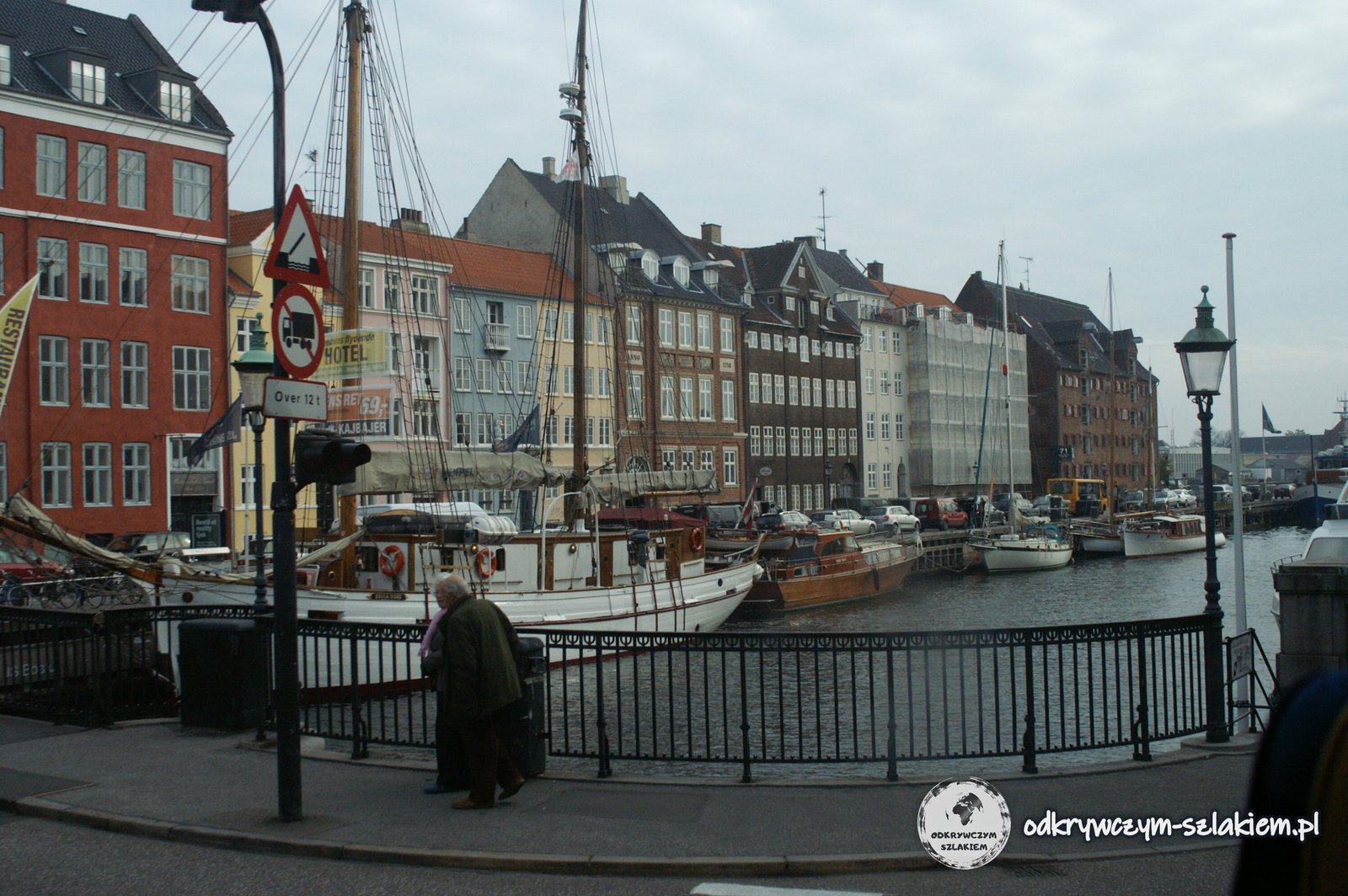
We travelled from Poland by coach and began sightseeing at Nyhavn – a harbour canal dug in 1670–1673. One side is lined with colourful 17th- and 18th-century houses, now mostly cafés and restaurants, and old wooden sailing ships are moored along the quay. Hans Christian Andersen lived here, among others – at numbers 20, 67 and 18.
Amalienborg and the Marble Church
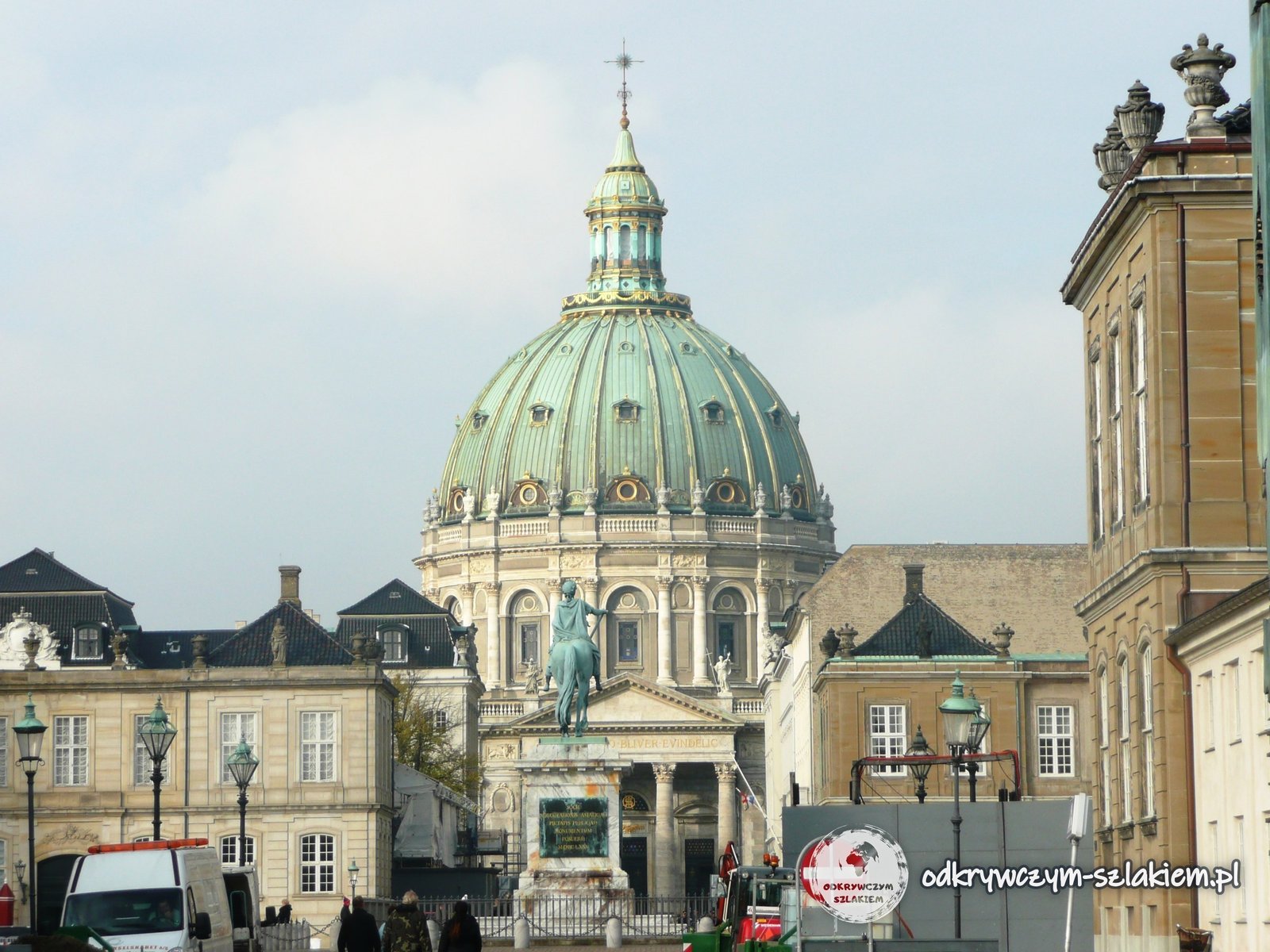
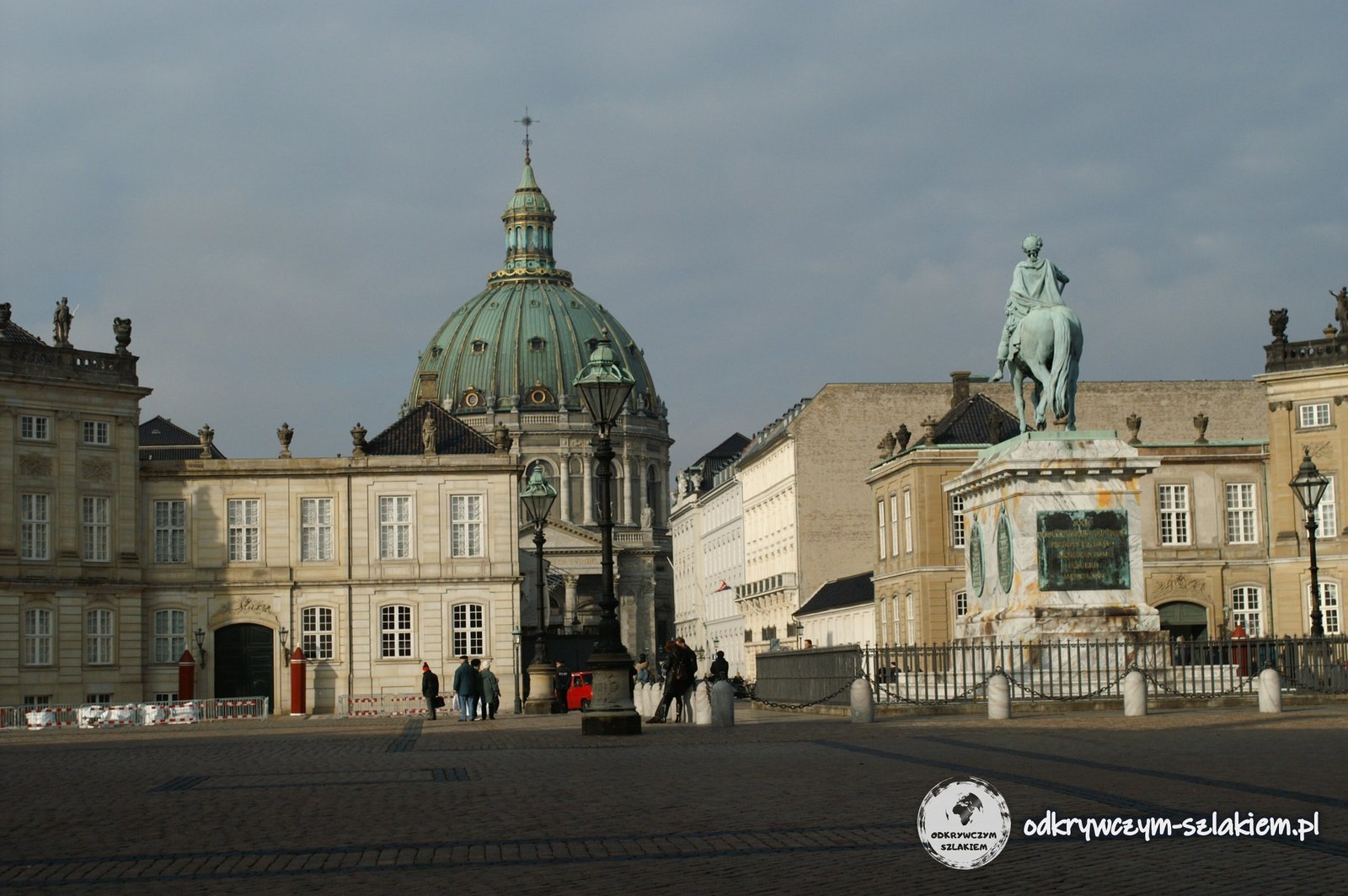
A few minutes’ walk from Nyhavn lies Amalienborg – the winter residence of the Danish royal family. It is four identical Rococo palaces from the mid-18th century arranged around an octagonal square, with an equestrian statue of King Frederick V in the middle. On the square’s axis rises the green dome of the Marble Church (Frederik’s Church) – begun in 1749 and only finished in 1894. Its dome spans about 31 m, one of the largest in Scandinavia.
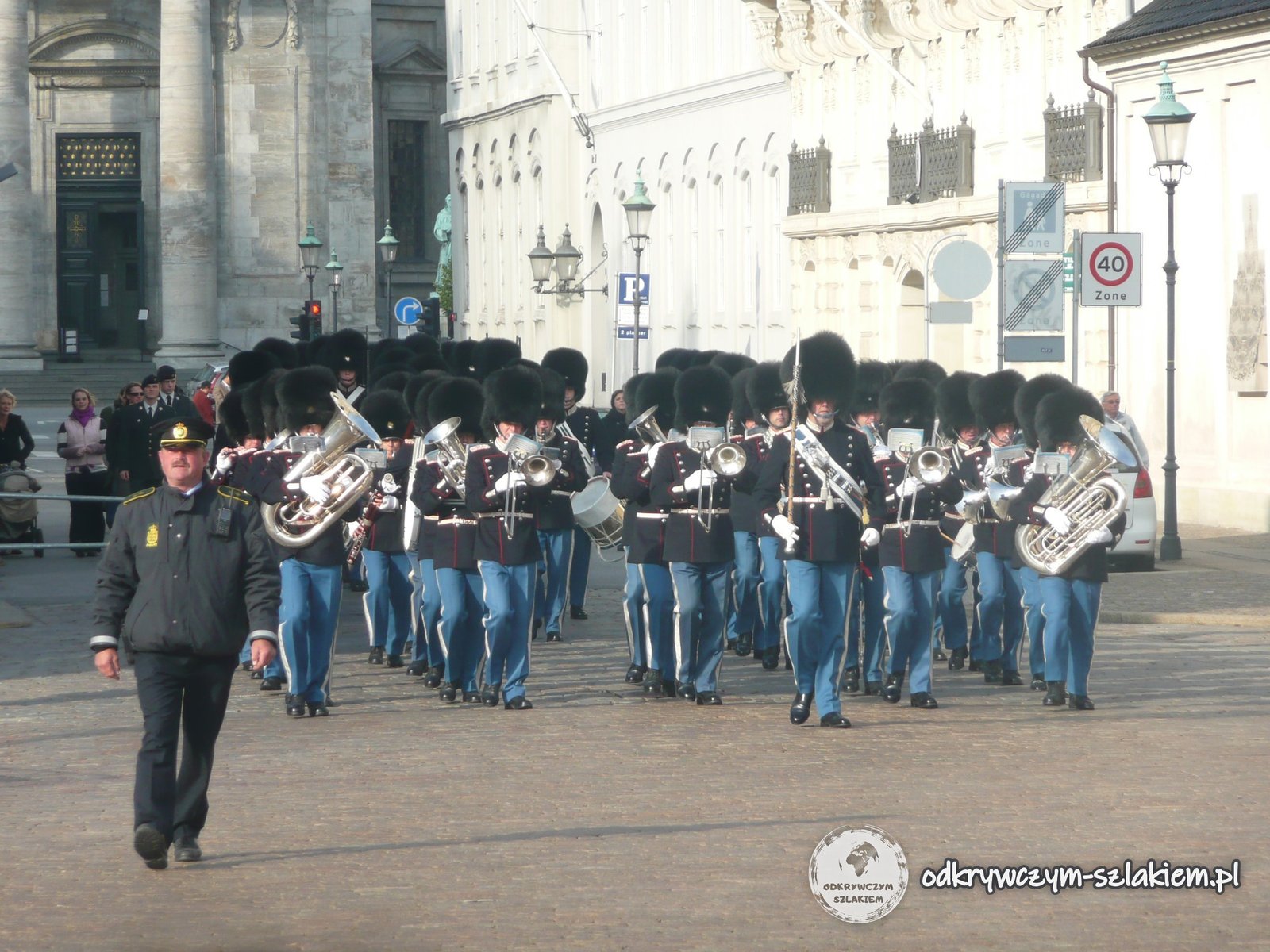
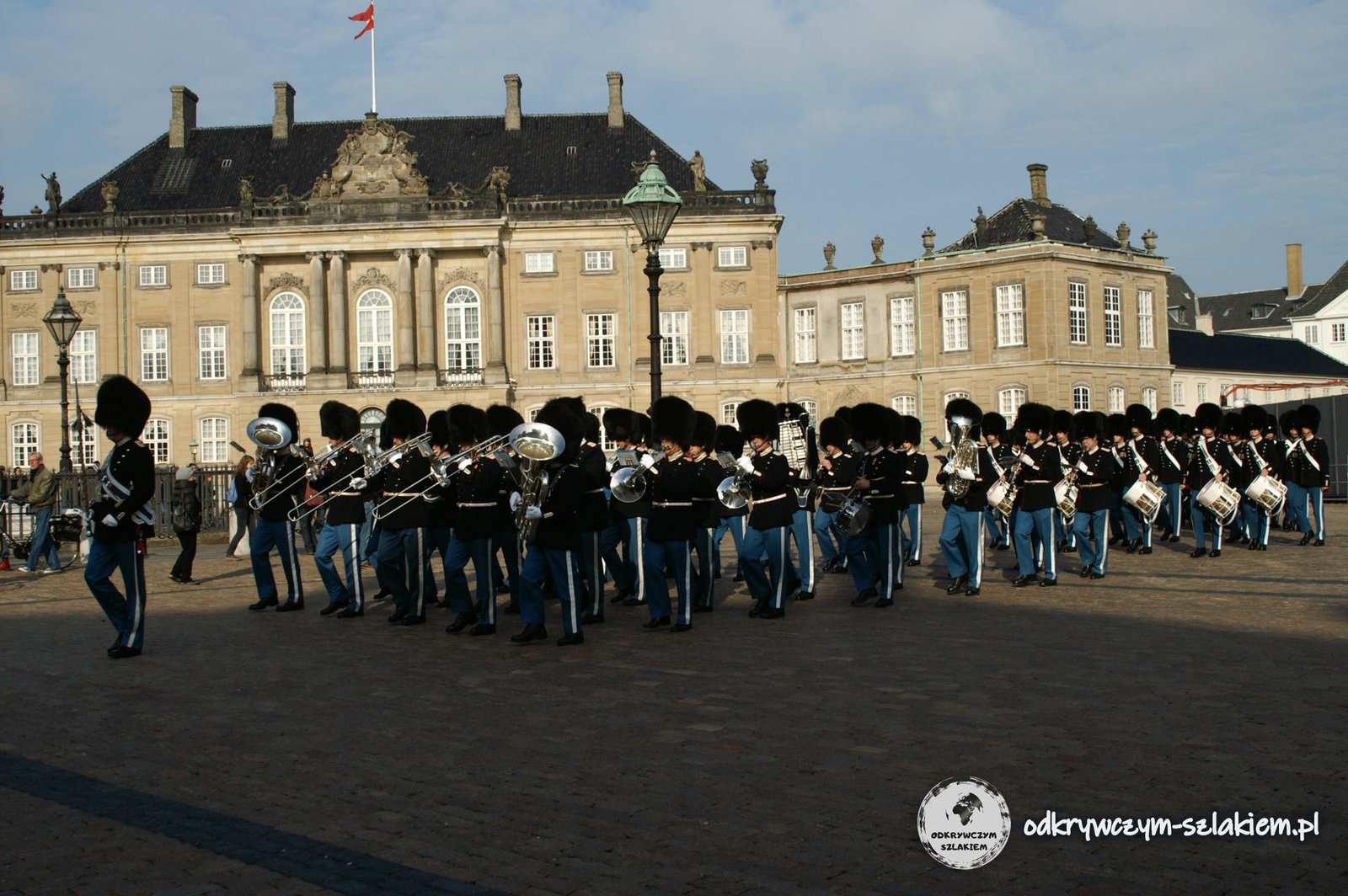
We caught the changing of the guard, which takes place every day at noon. Guards in black bearskin caps march to Amalienborg from Rosenborg Castle, and when the monarch is in residence a band marches with them – as it did that day.
The Gefion Fountain and the Little Mermaid
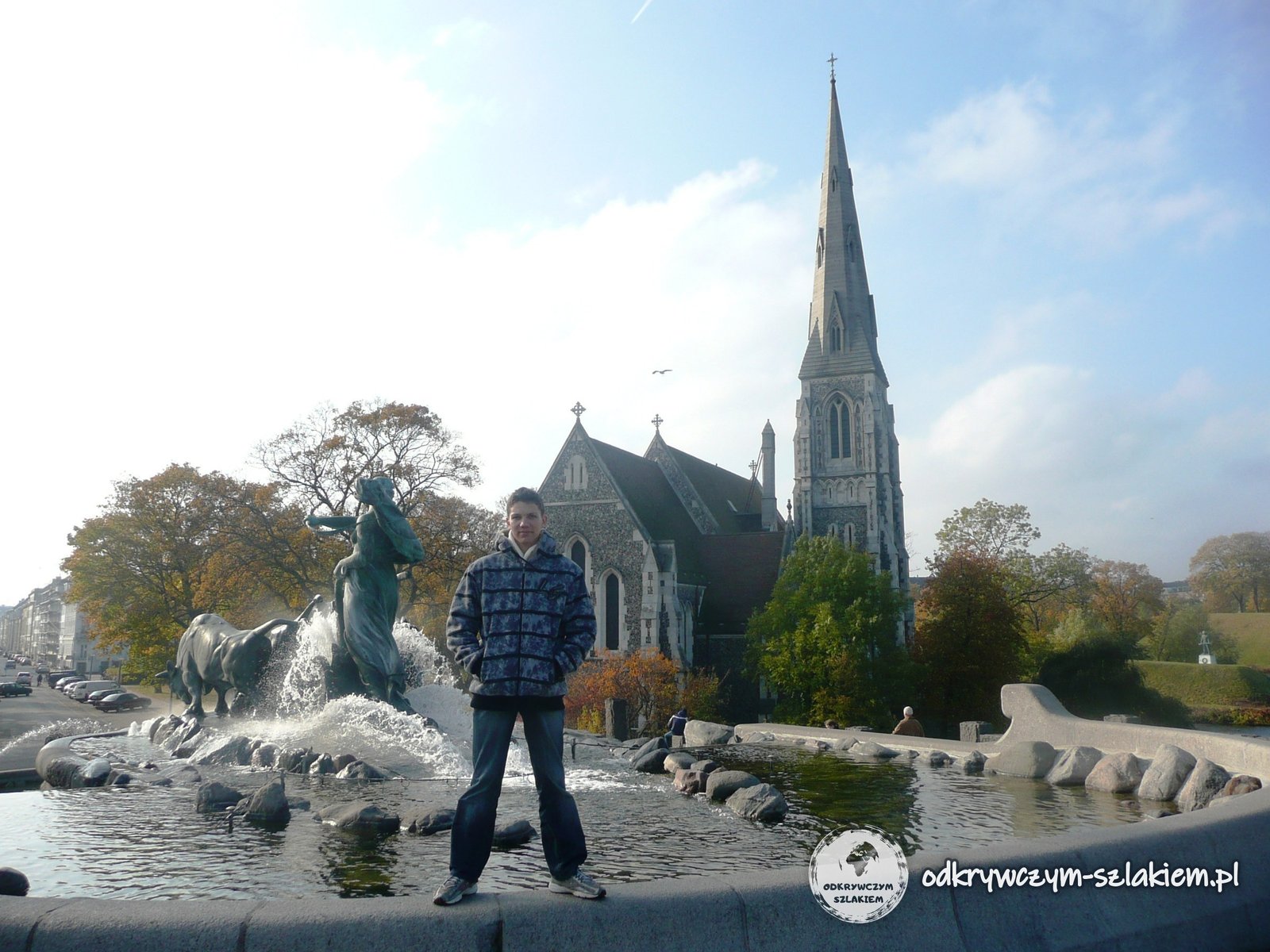
Next we walked north along the waterfront. The Gefion Fountain from 1908 shows the Norse goddess who, according to legend, turned her sons into oxen and ploughed out a piece of land with them – which became the island of Zealand, where Copenhagen lies. Right behind the fountain stands the neo-Gothic Anglican St Alban’s Church.
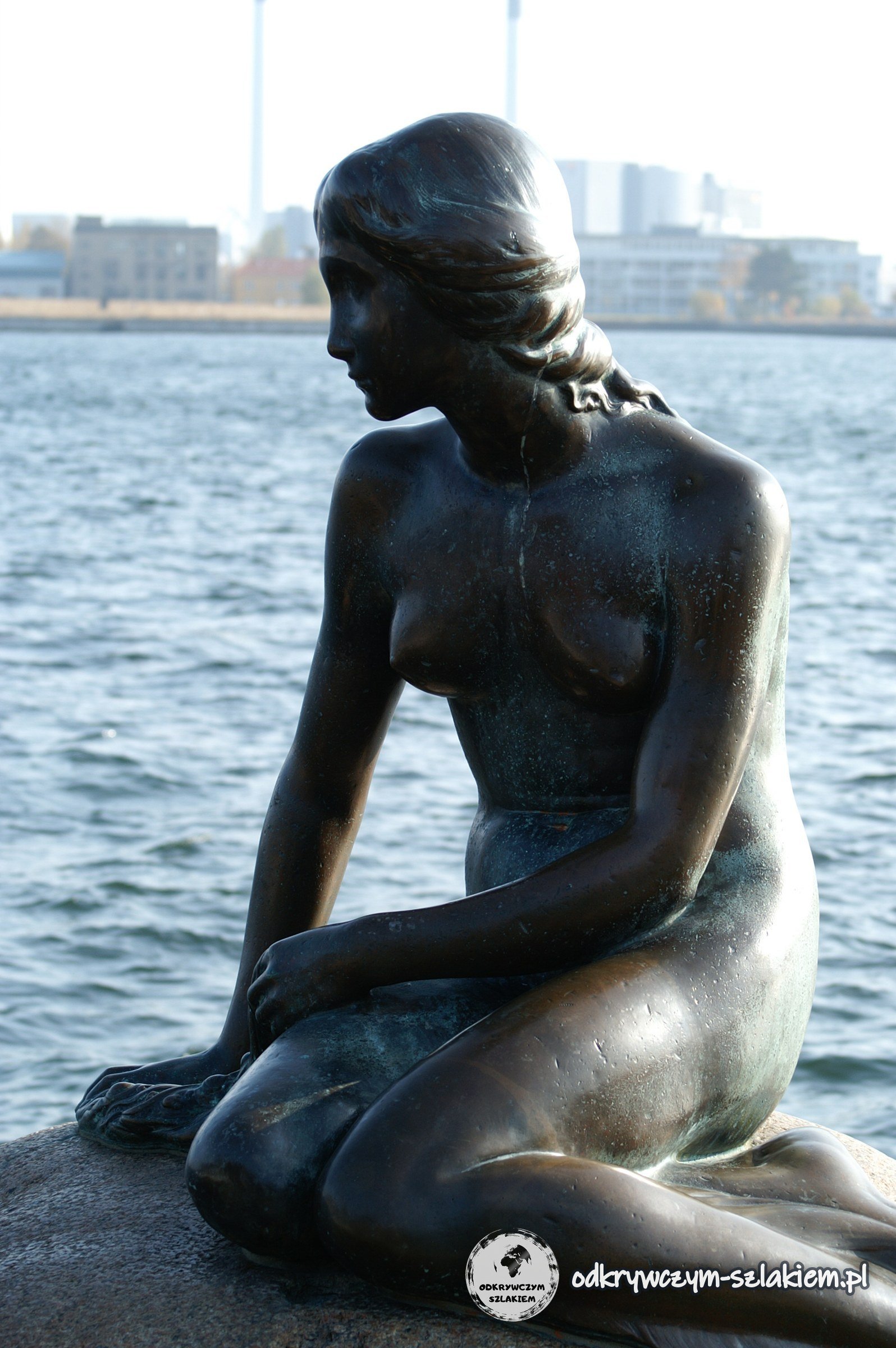
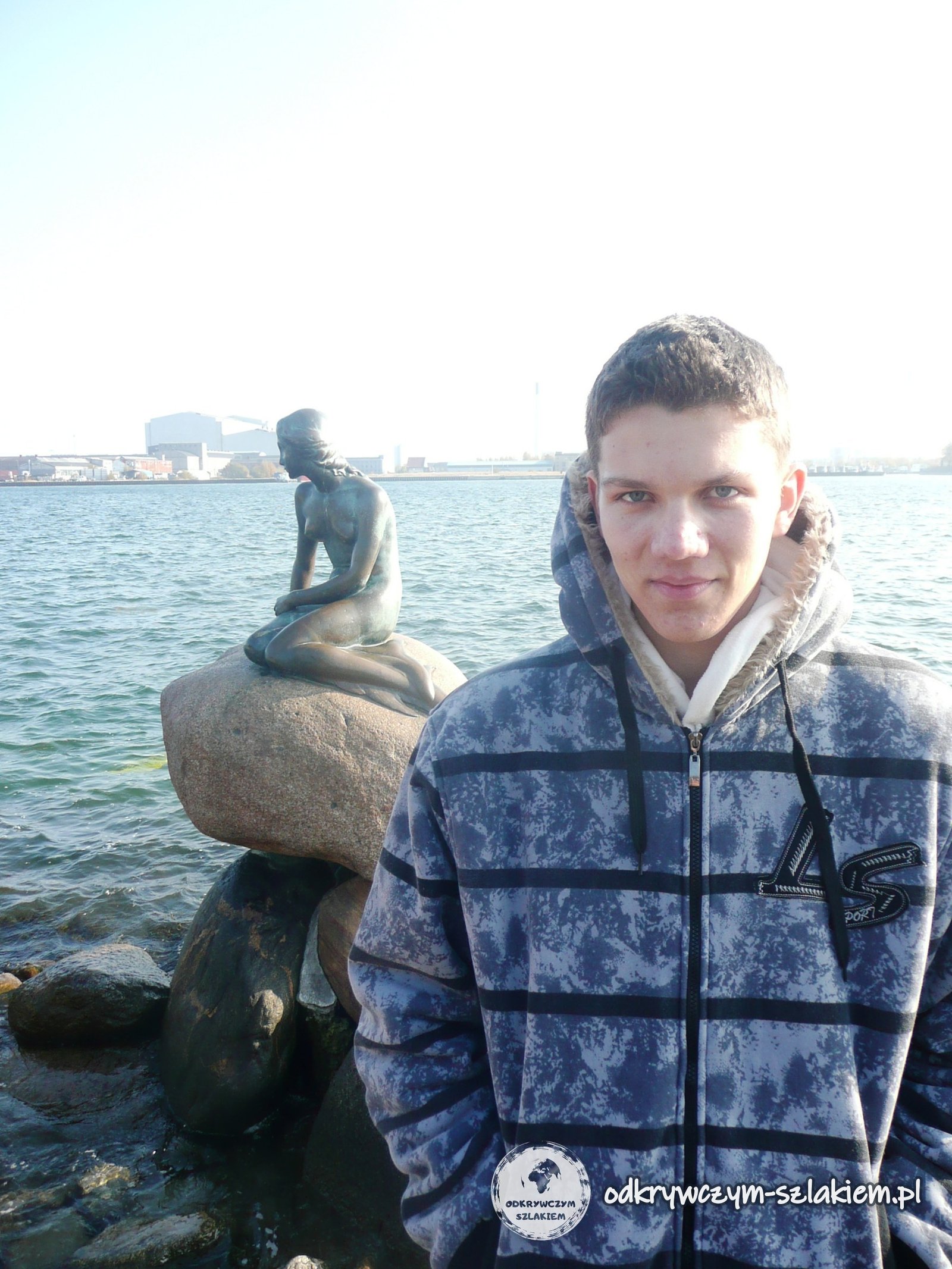
A little further on, on a rock by the shore, sits the Little Mermaid – a character from Andersen’s fairy tale. The bronze statue is by Edvard Eriksen and was unveiled in 1913. It is only about 1.25 m tall, so many people are surprised how small it is, and there is always a crowd of tourists around it.
The Thorvaldsens Museum
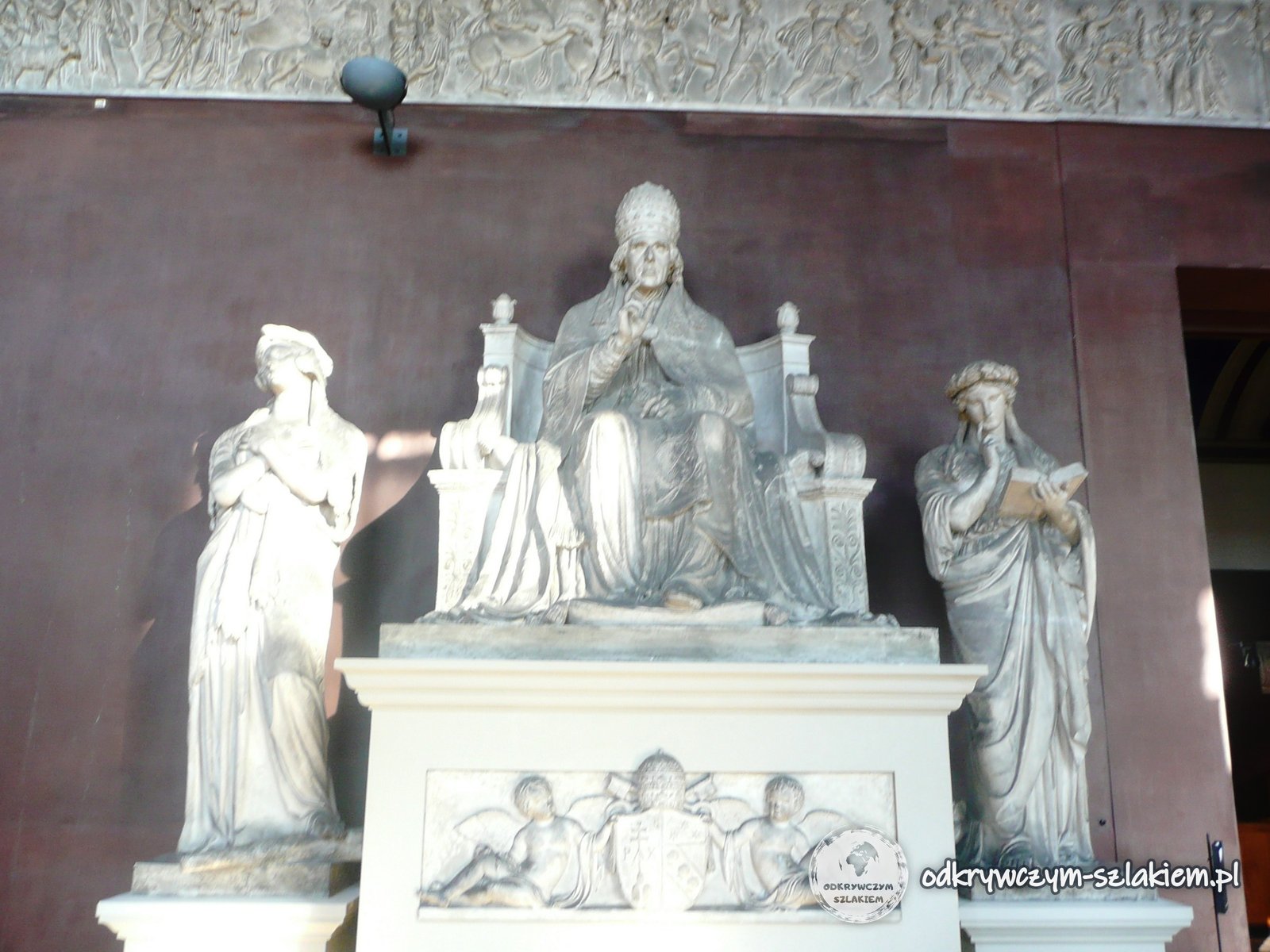
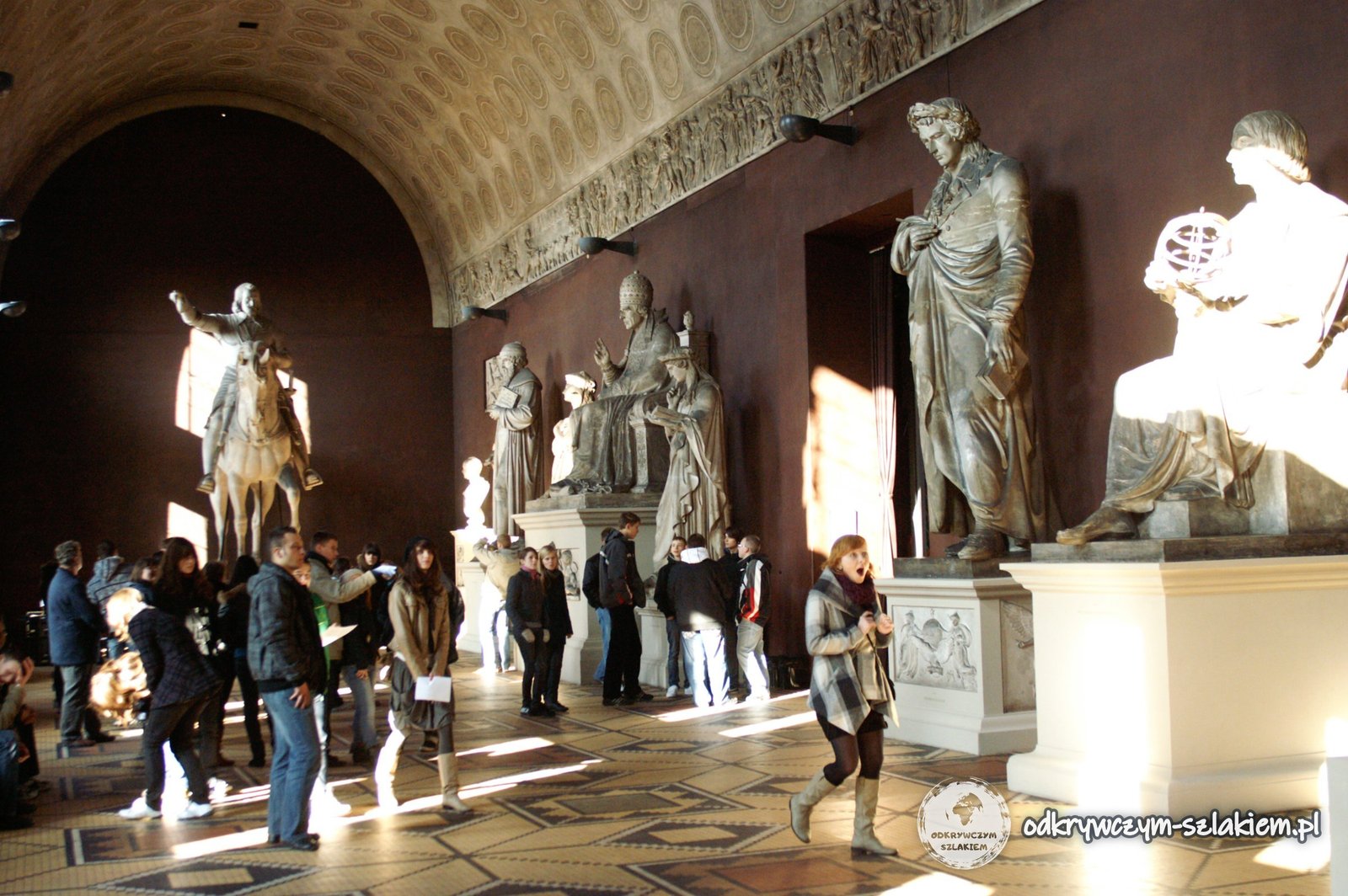
In the afternoon we went into the Thorvaldsens Museum next to Christiansborg Palace. Opened in 1848, it is the oldest museum building in Denmark and holds the works of the sculptor Bertel Thorvaldsen (1770–1844), who is buried in its courtyard. Among them are plaster models of his monuments from all over Europe – including the tomb of Pope Pius VII in St Peter’s Basilica in Rome.
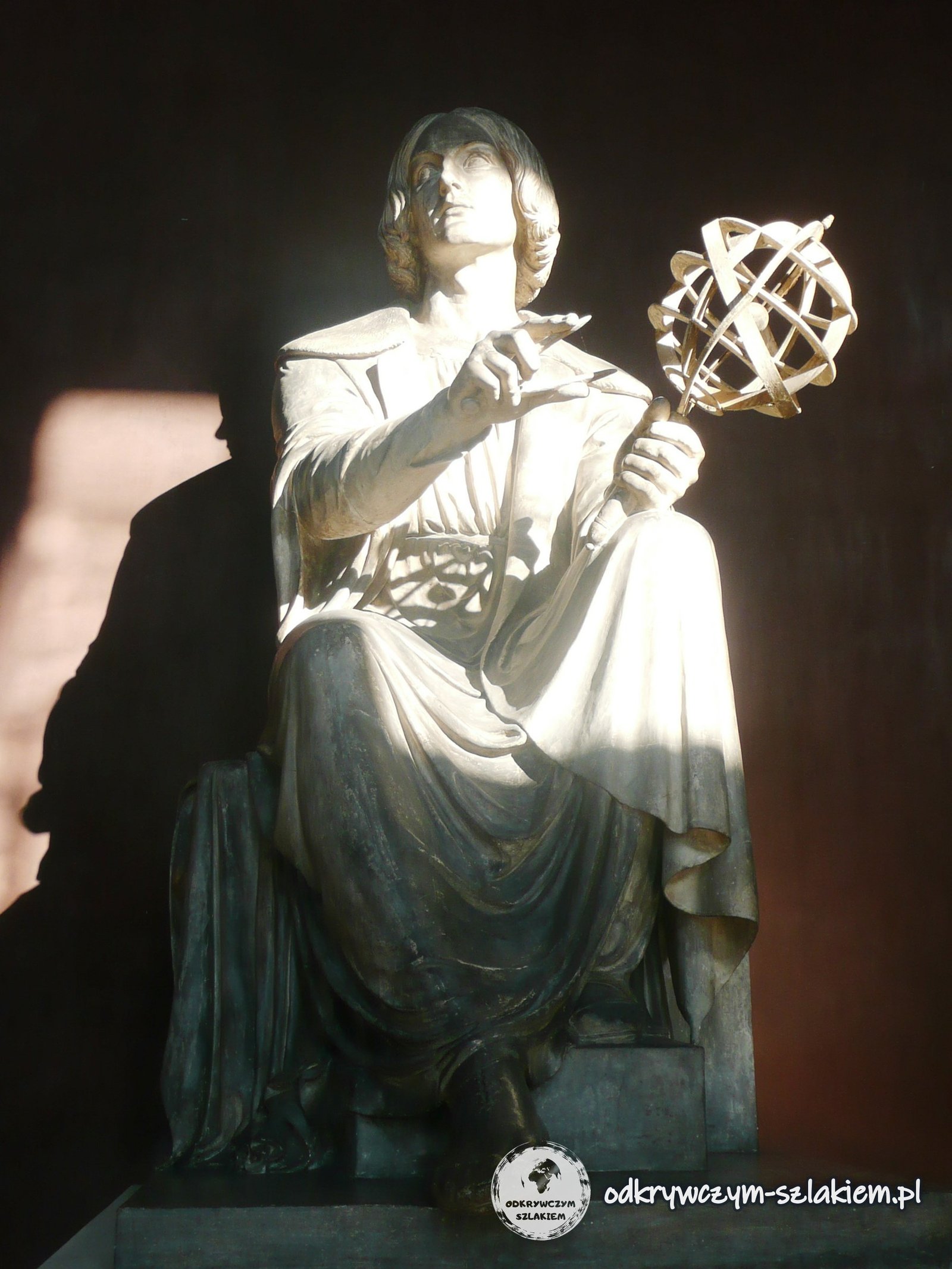
Here too is the model of the Nicolaus Copernicus monument with an armillary sphere – the same statue in bronze has stood in front of the Staszic Palace in Warsaw since 1830.
City Hall Square
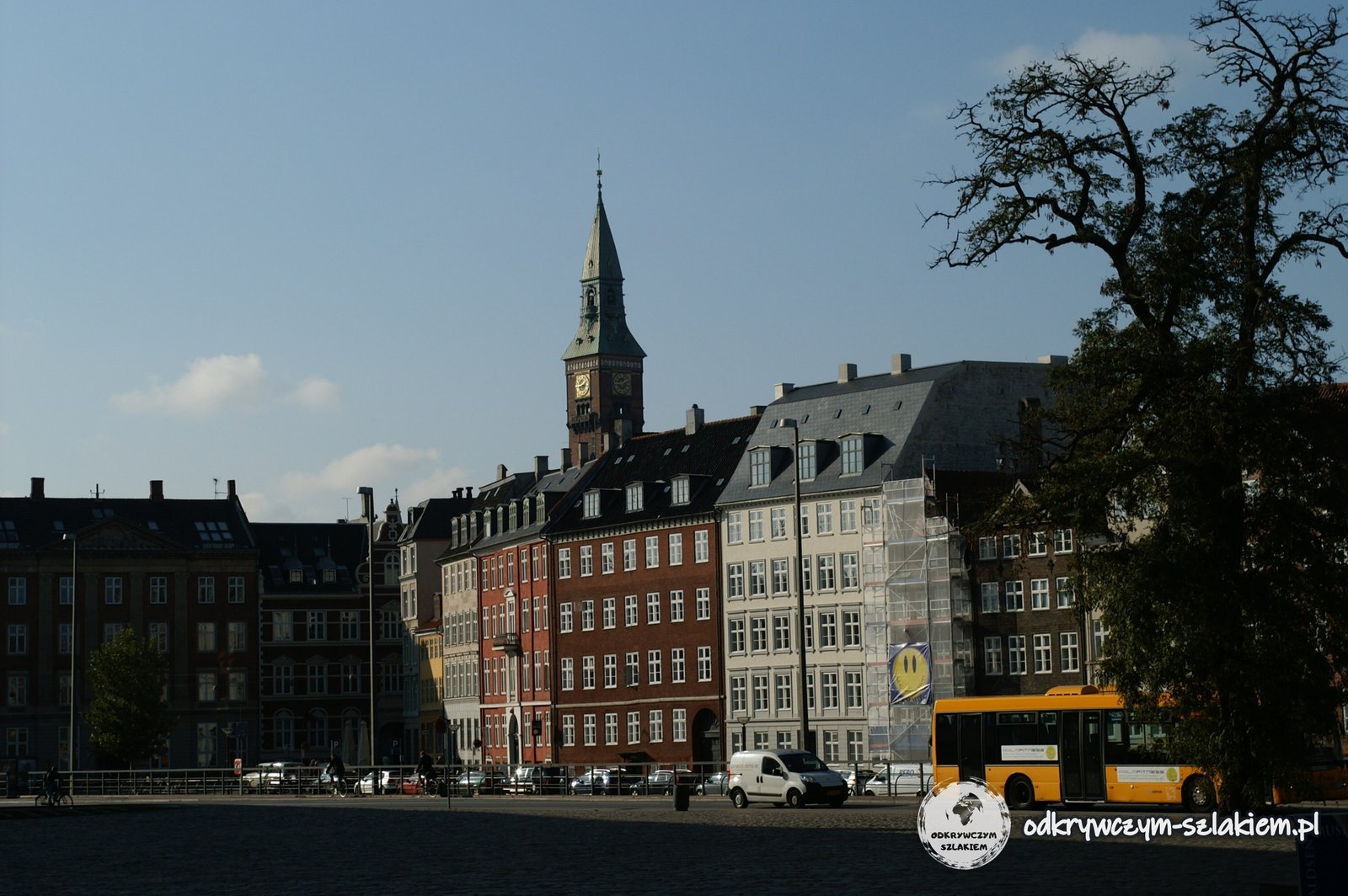
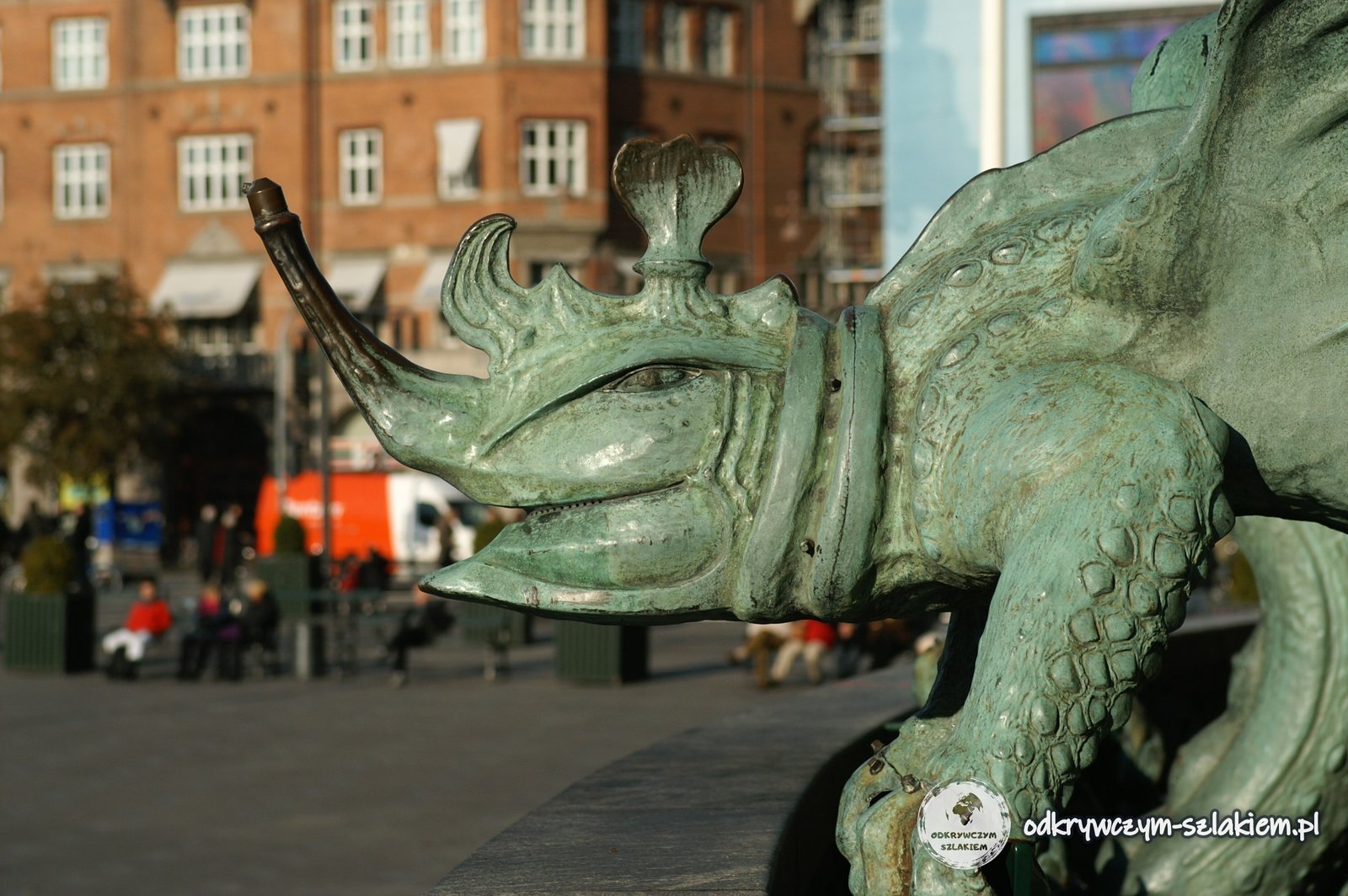
We ended the day in the centre, on City Hall Square (Rådhuspladsen). It is home to the Dragon Fountain, in which a bronze dragon fights a bull. It was designed by Joakim Skovgaard and Thorvald Bindesbøll and completed in 1923.
Practical information
- Walking route: Nyhavn, Amalienborg, the Gefion Fountain and the Little Mermaid lie on one route along the waterfront – about 2.5 km on foot.
- Changing of the guard: every day at 12:00 on Amalienborg square – come a few minutes early to get a good spot.
- Little Mermaid: early morning is the least crowded – during the day it gets busy around the statue.
- Currency: Denmark uses the Danish krone (DKK), but cards are accepted almost everywhere.