Valencia – Spain’s third-largest city – was our gateway to the Costa Blanca at the end of November 2022: we landed here and flew home from here. There wasn’t time for proper sightseeing, but a short walk on the day we arrived and an evening in the old town before our flight let us see the most important places.
Table of contents
Around the Estació del Nord station
We flew into Valencia on Wednesday, 23 November, together with Patrycja and Kuba (it was our first trip together). That day we only had time to walk around the area near the railway station and grab something to eat, because the same day we took the train to Alicante. Right next to the Modernista Estació del Nord station stands the bullring.
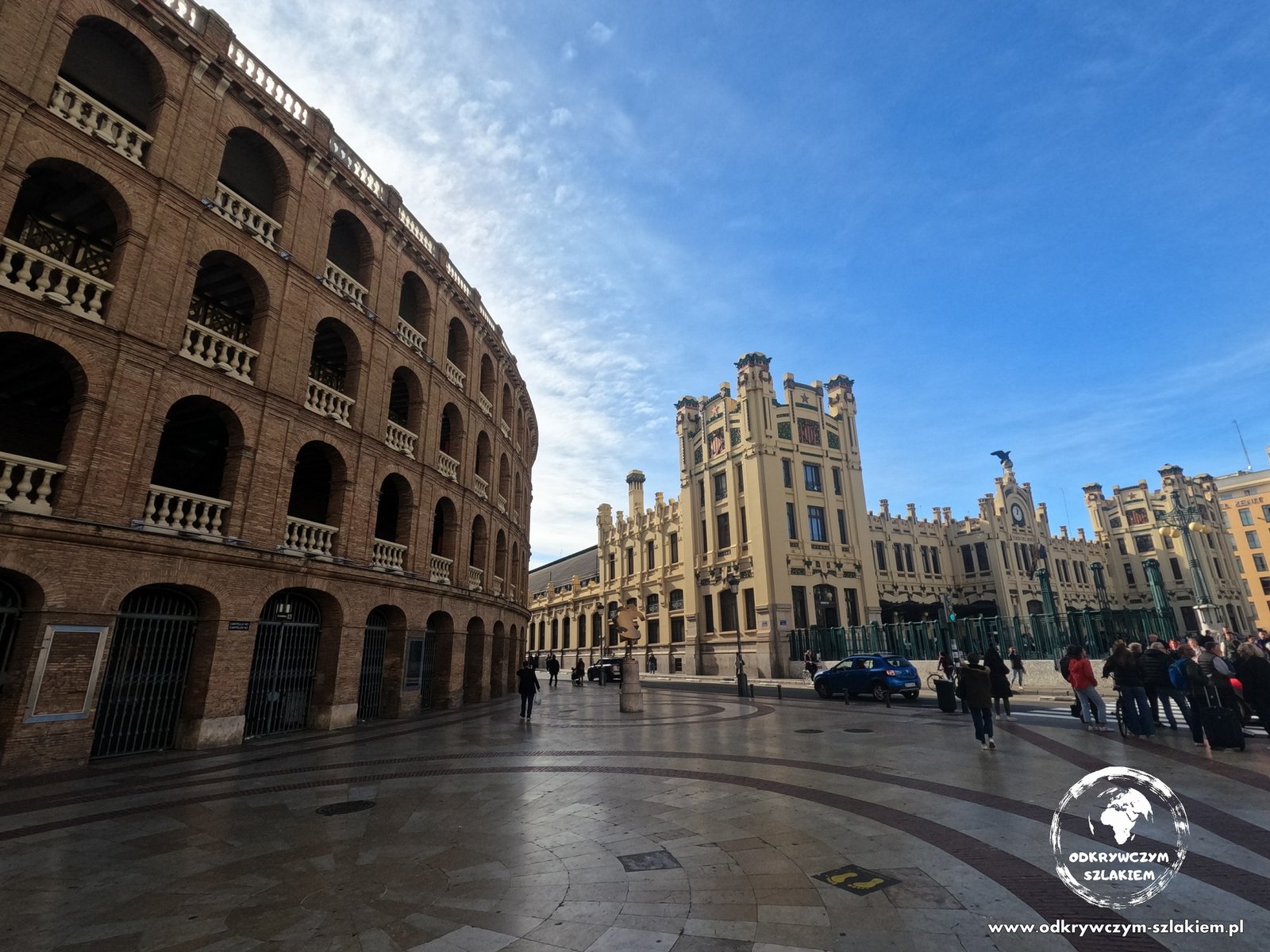
The station was designed by Demetrio Ribes in 1906 and opened in 1917. It is one of the finest buildings of Valencian modernism – the hall has wooden ticket windows, and the walls are decorated with mosaics, including wishes for a good journey in several languages.


The station’s façade is decorated with ceramic oranges and orange blossom – a nod to the orchards the region is famous for. The neighbouring bullring (Plaza de Toros) was built in 1850–1859 to a design by Sebastián Monleón; modelled on Roman amphitheatres, it is a 48-sided polygon with 384 arches. From the airport the easiest way here is the metro: lines 3 and 5 run to Xàtiva station, right next to the railway station, in about 20 minutes.
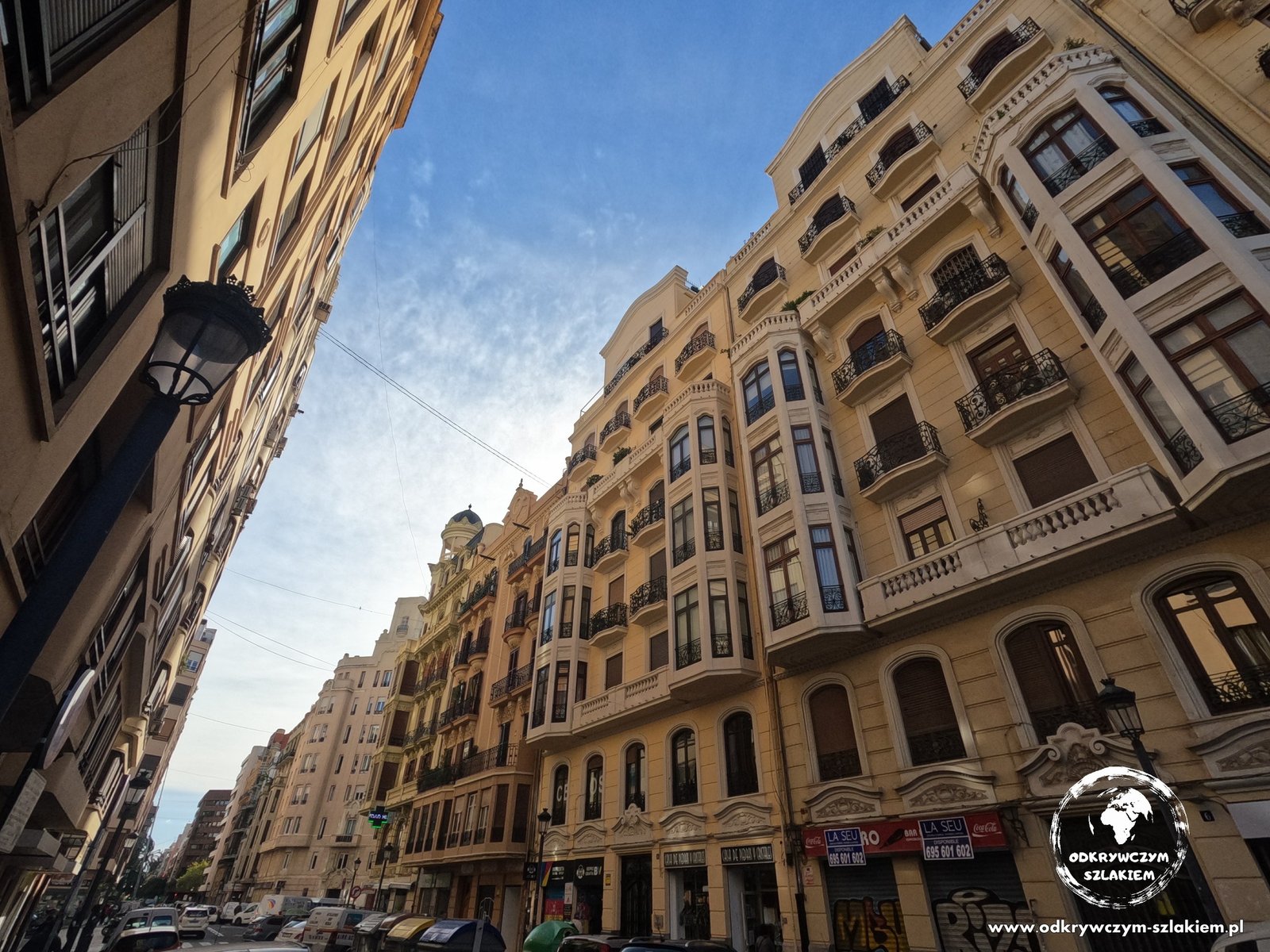
On the way, the grand townhouses and the orange trees lining the streets caught our eye.
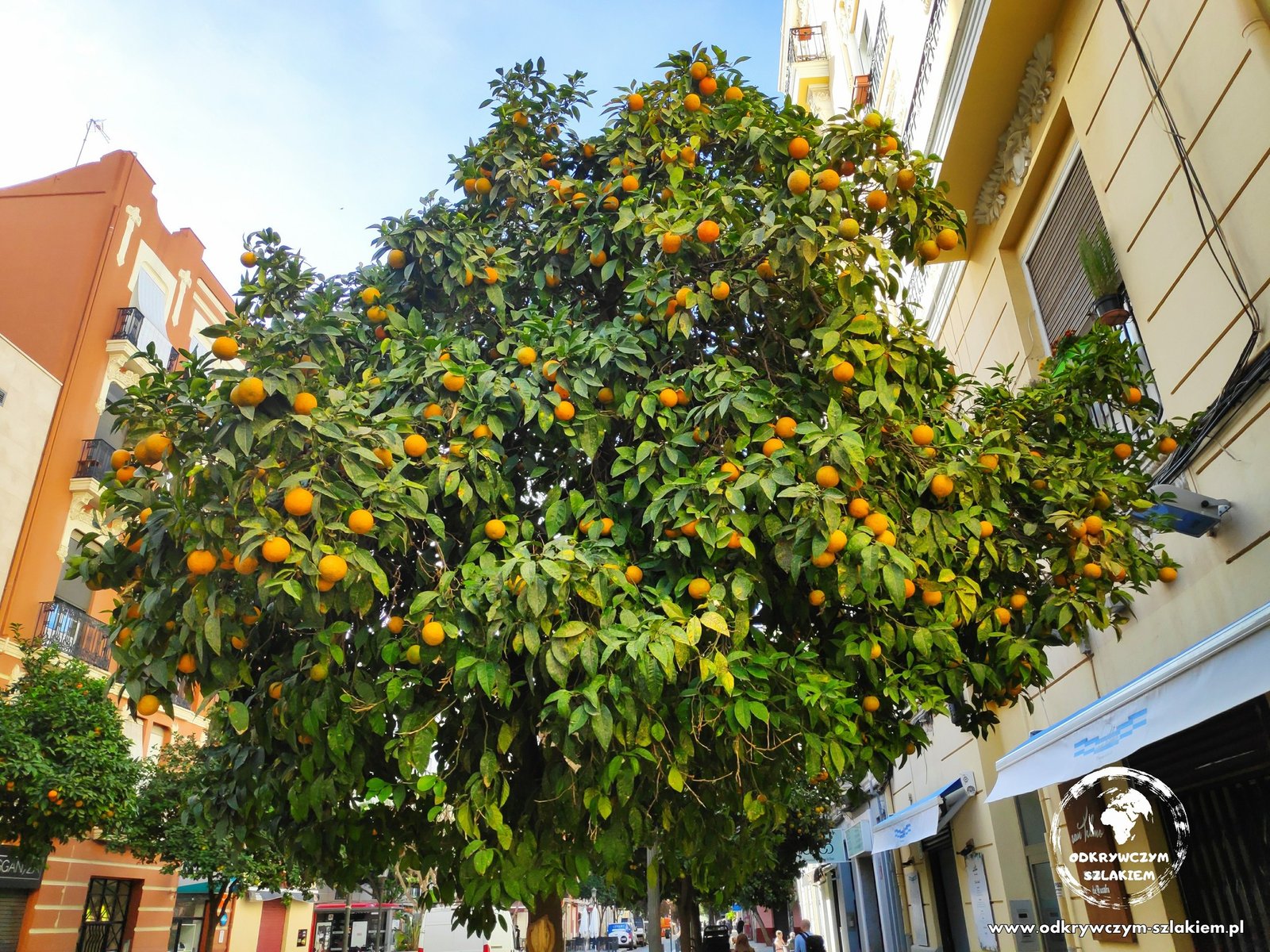
The trees along the streets are bitter oranges – purely ornamental, as their fruit is too sour and hard to eat. There are thousands of them in the city; the fruit is picked from December to March and turned into compost, and in spring the streets smell of orange blossom.


The old town in the evening
We came back to Valencia on Saturday, 26 November, visiting Guadalest on the way, so we saw the old town after dark. By chance we came across a parade with a band and people in costume. We started our walk in the town hall square, with the illuminated town hall and a fountain.


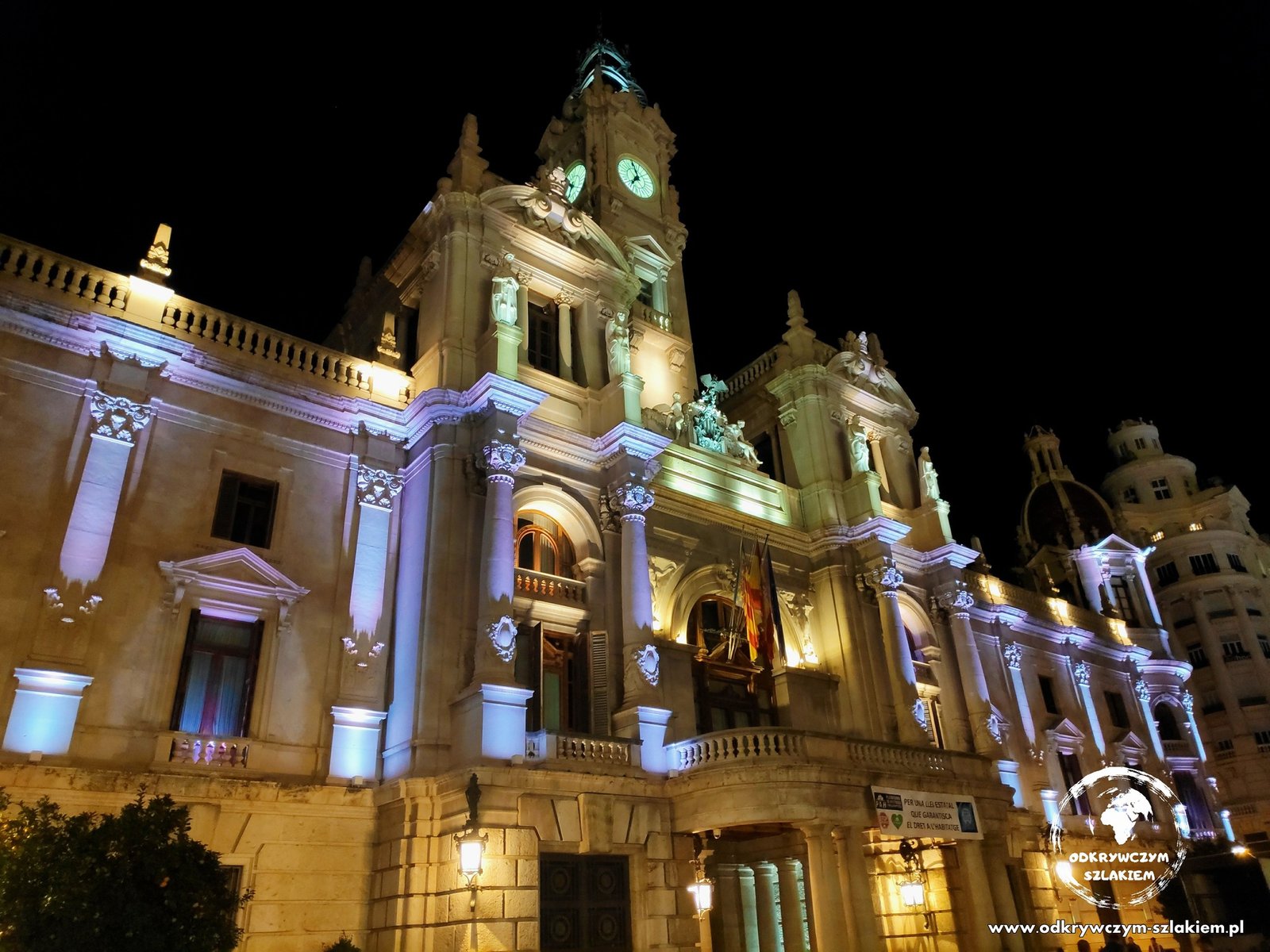
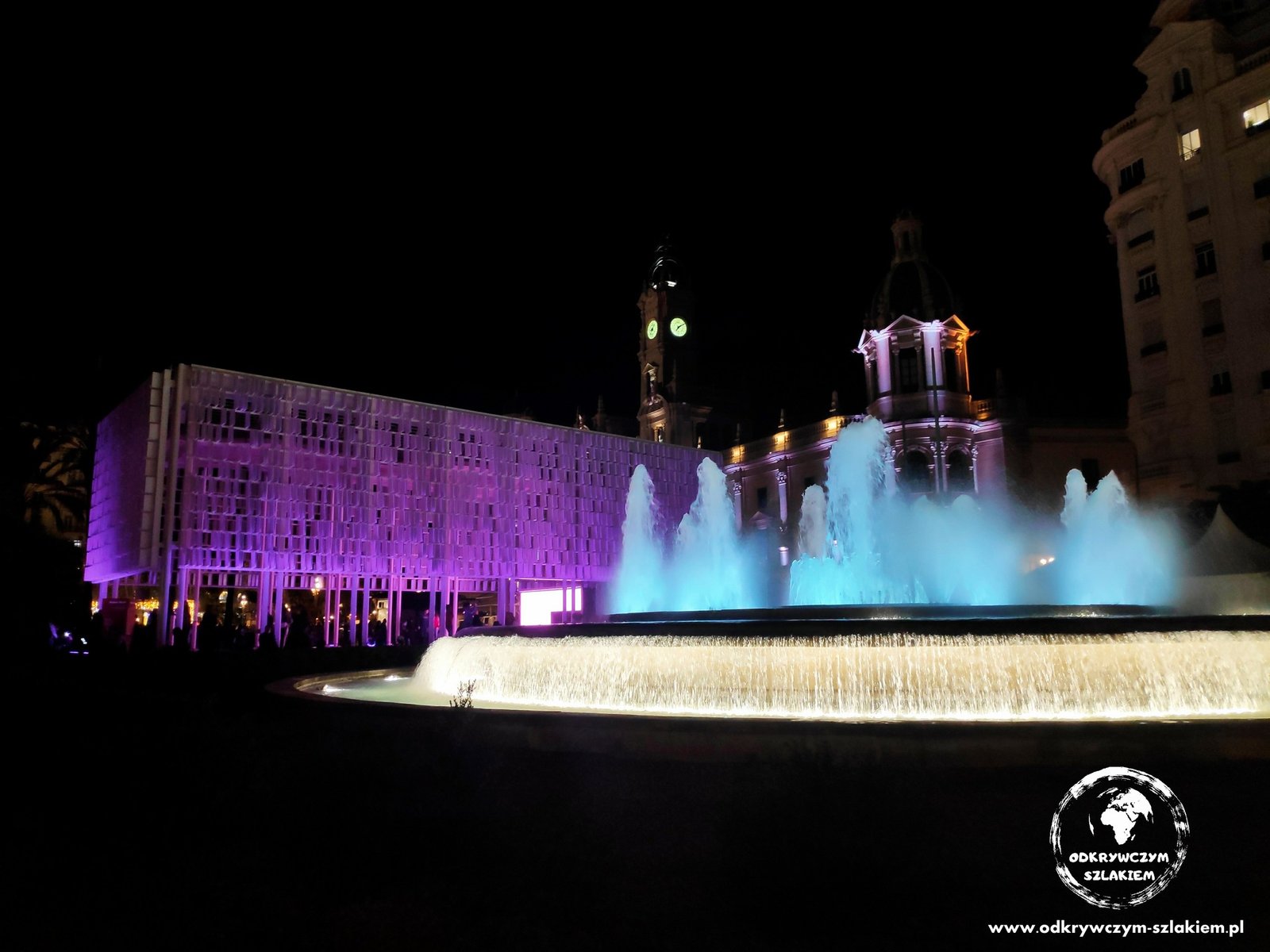
The town hall square (Plaza del Ayuntamiento) is the main stage of the Fallas festival, inscribed on UNESCO’s intangible heritage list in 2016. From 1 to 19 March, every day at 2 pm, the mascletà is set off here – a firecracker display lasting several minutes that reaches up to 120 decibels.
In the centre there is also a plaque commemorating the founding of Valencia CF on this spot – in March 1919, in the long-gone Bar Torino.

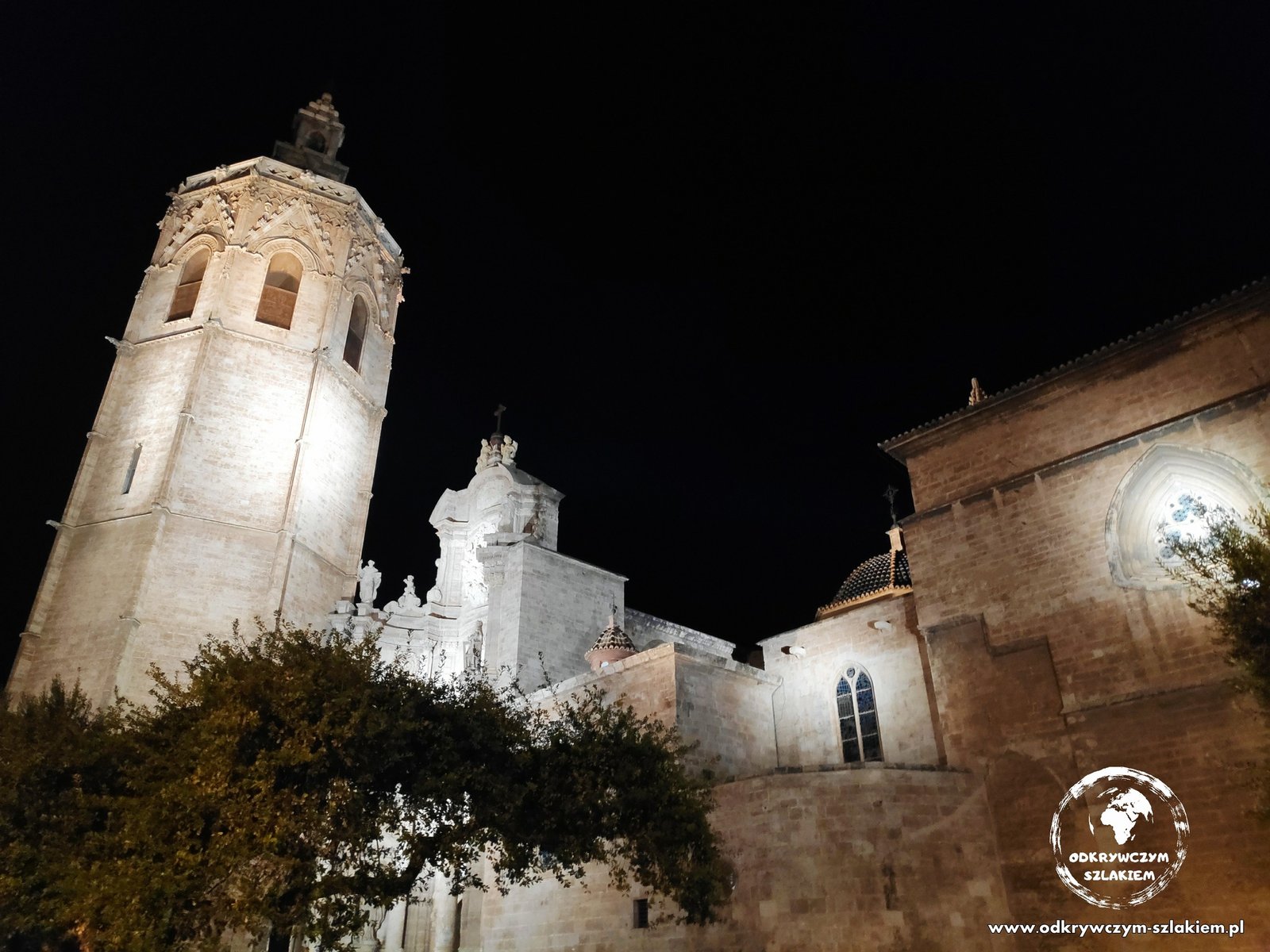
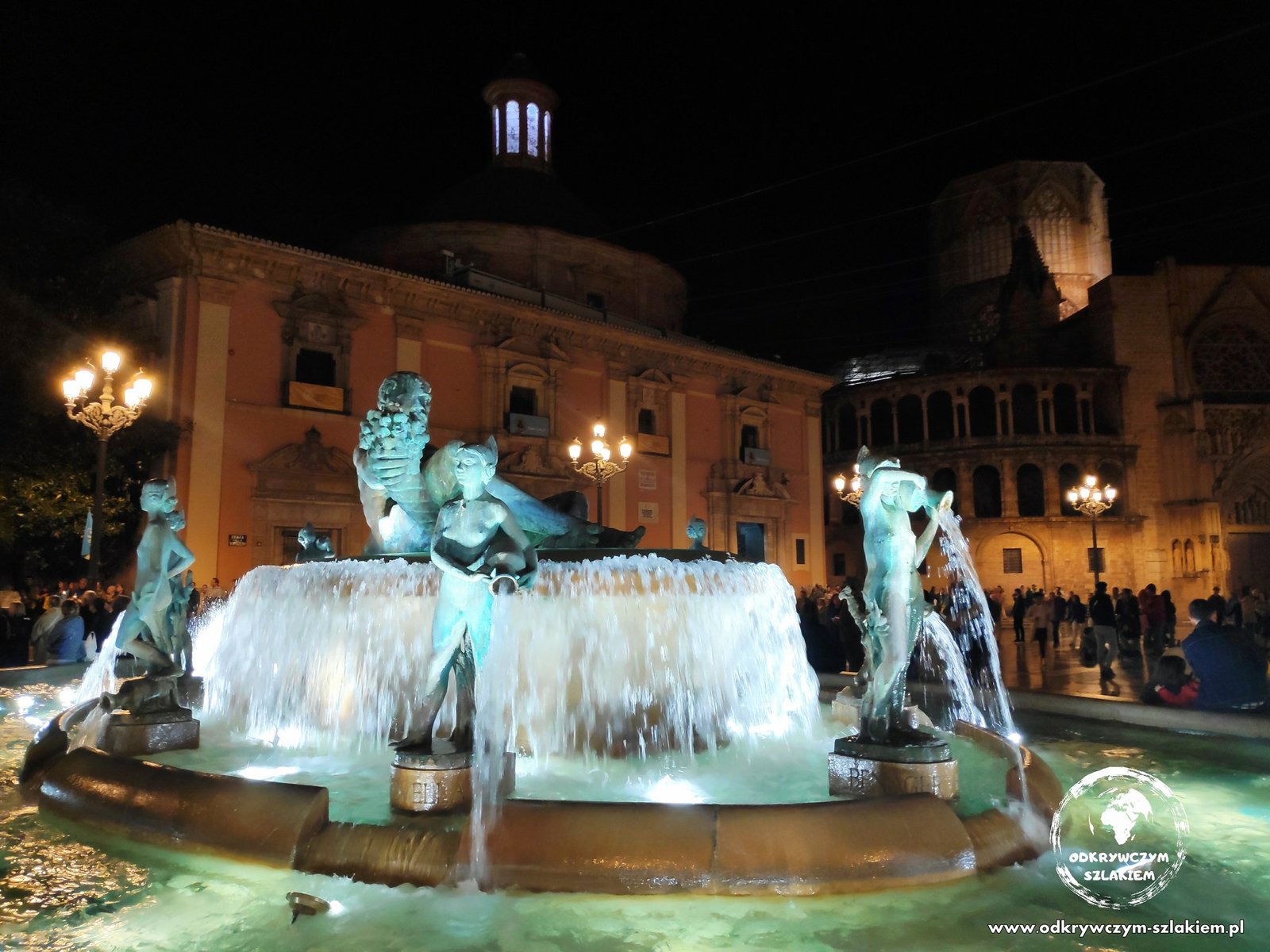
The heart of the old town is the cathedral (La Seu) – one of its chapels holds a chalice venerated as the Holy Grail. Right next to it, on the Plaça de la Mare de Déu, stands the Turia Fountain – the photo at the start of this post.
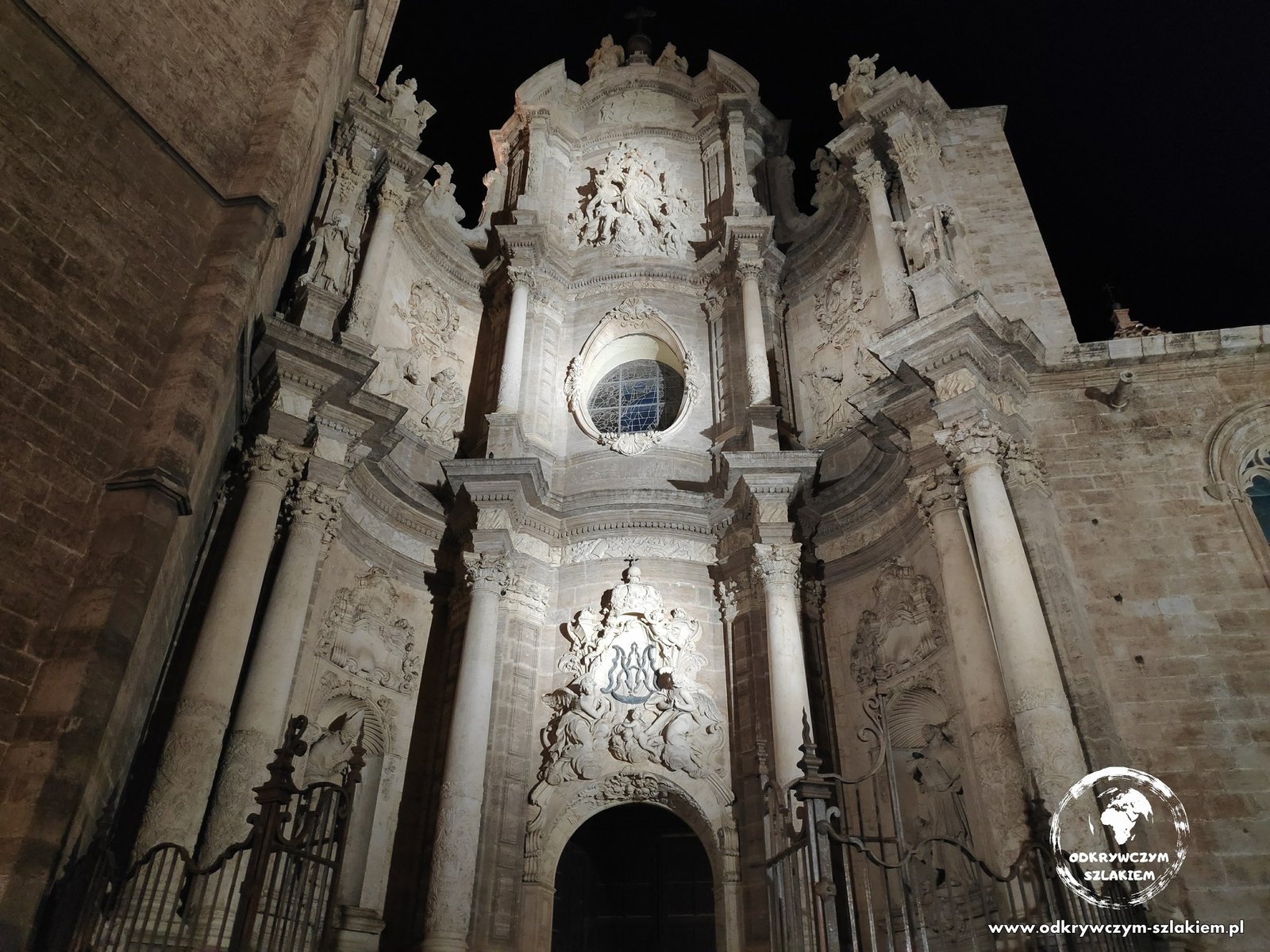
Every Thursday at noon, at the Gothic Apostles’ Door facing Plaça de la Mare de Déu, the Water Tribunal (Tribunal de las Aguas) meets – regarded as the oldest legal institution still working in Europe and inscribed on the UNESCO list in 2009. Eight farmers elected by the users of the irrigation canals settle disputes over water for the surrounding fields orally, in Valencian. A visit to the cathedral with the museum and an audio guide costs €12, and the climb up the Micalet bell tower €3 (official prices, as of 2026).
It’s also worth stopping by the Mercado Central – a huge Modernista market hall – and the Torres de Serranos, a medieval city gate with two massive towers.
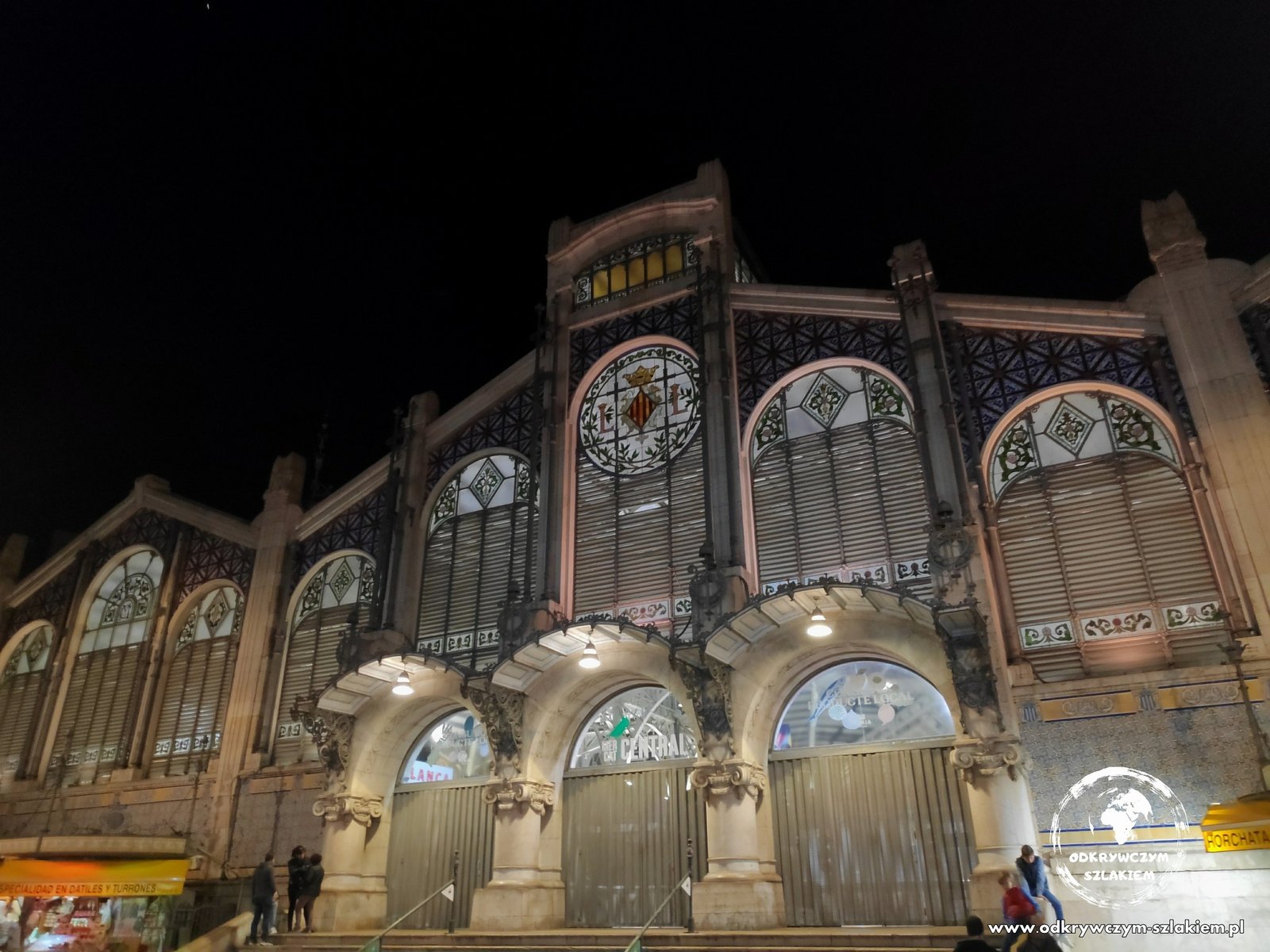
The market hall, opened in 1928, covers more than 8,000 m² and is open Monday to Saturday from 7:30 am to 3 pm – in the evening, as in the photo, you can only see it from outside. Across the street stands the Gothic silk exchange, La Lonja de la Seda, also a UNESCO World Heritage Site.
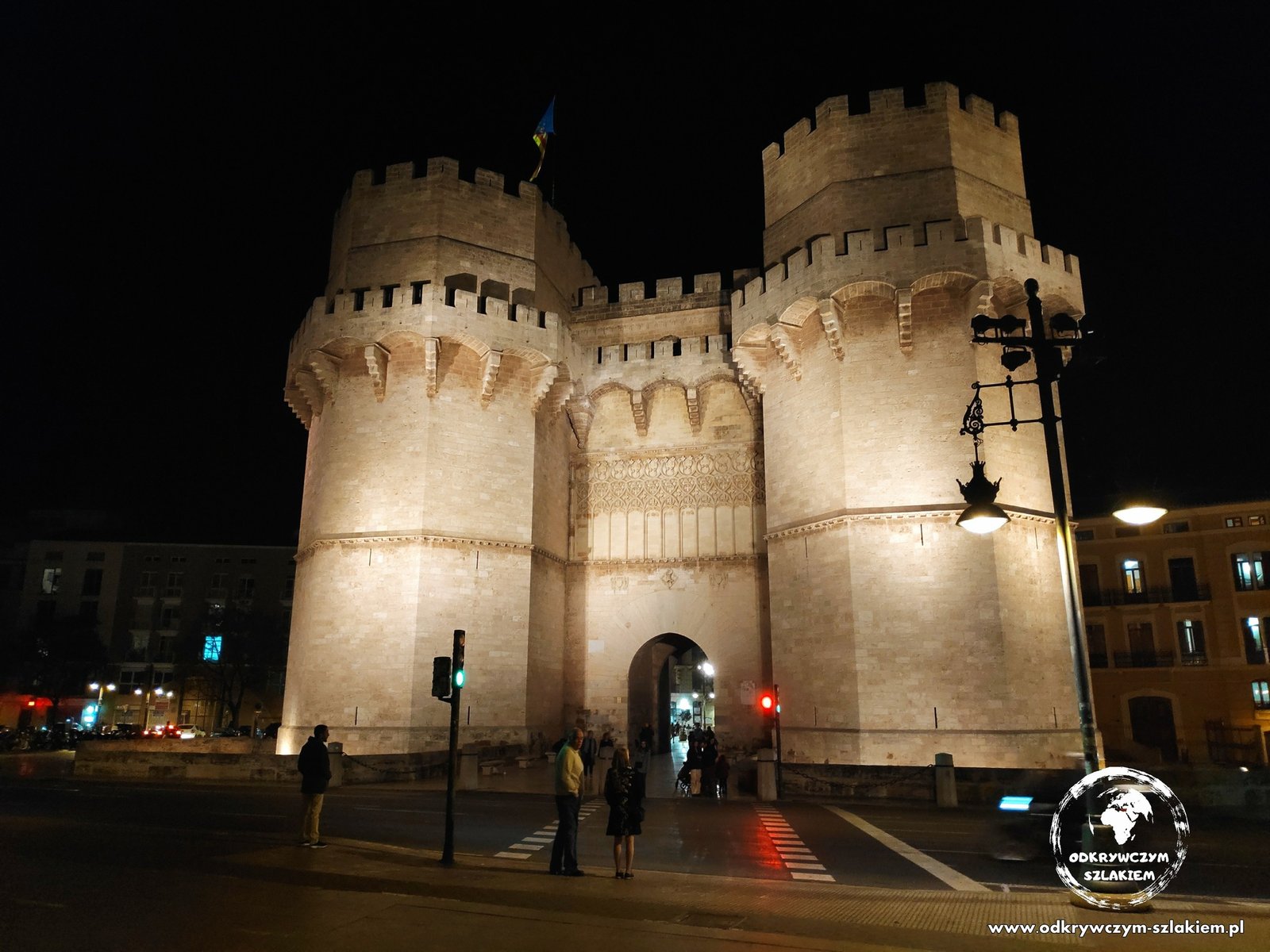
The gate was built in 1392–1398 by master builder Pere Balaguer. You can climb to the top of the towers for €2 (free on Sundays and public holidays, as of 2026) – from there you see the old town and the park laid out in the former bed of the Turia river.
On the way we also passed the baroque tower of the Santa Catalina church by Plaza de la Reina, and, opposite the Mercado Central, the richly decorated façade of the Santos Juanes church.


The narrowest building in Spain
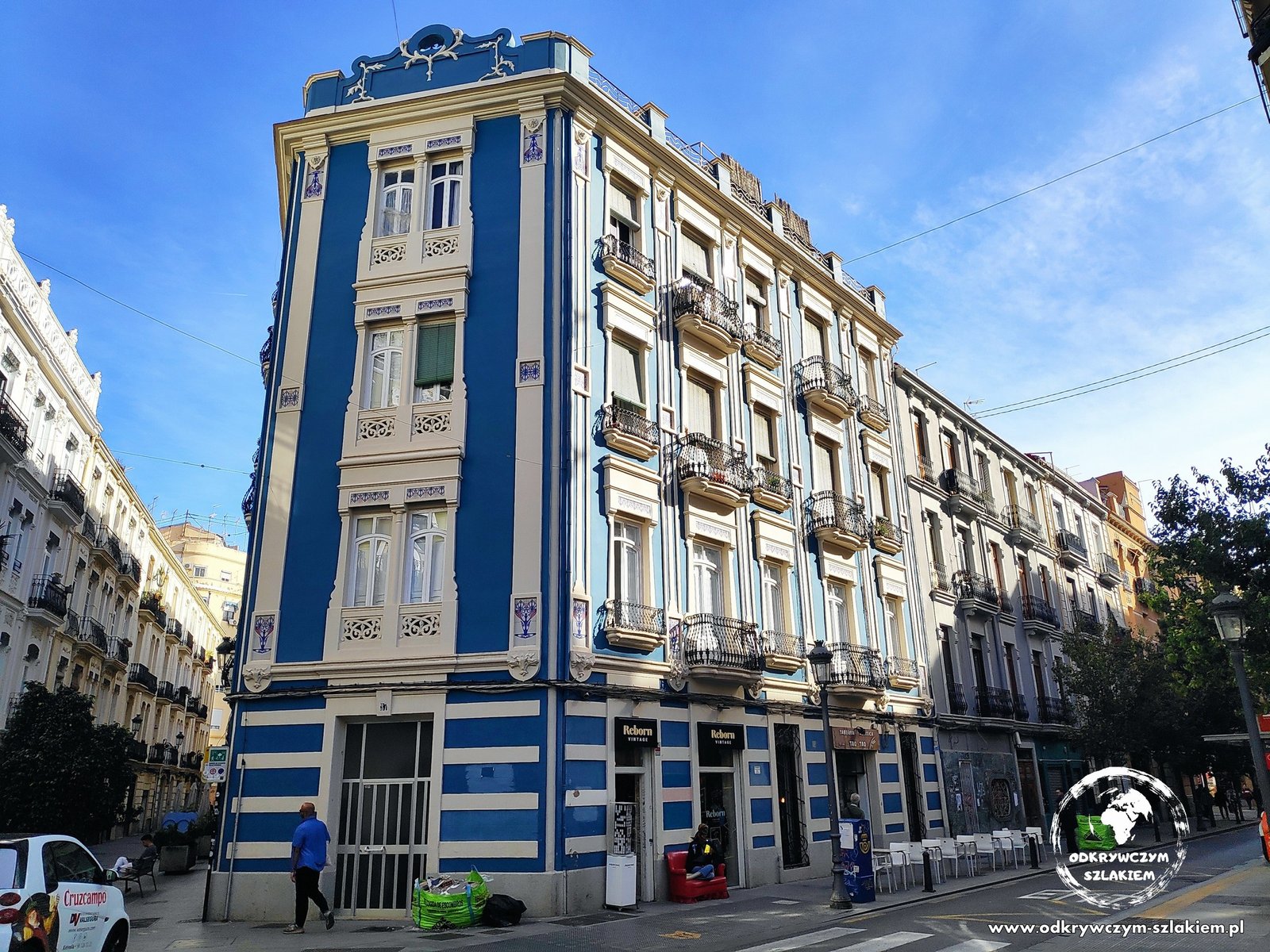
A fun fact to finish: Valencia is home to the narrowest building in Spain – La Finca más Estrecha is just 107 cm wide. From Valencia we flew home, and I write about the rest of the trip – the castle in Alicante and the Sierra del Cid mountains – in the posts about the Costa Blanca in winter and the trails around Alicante.
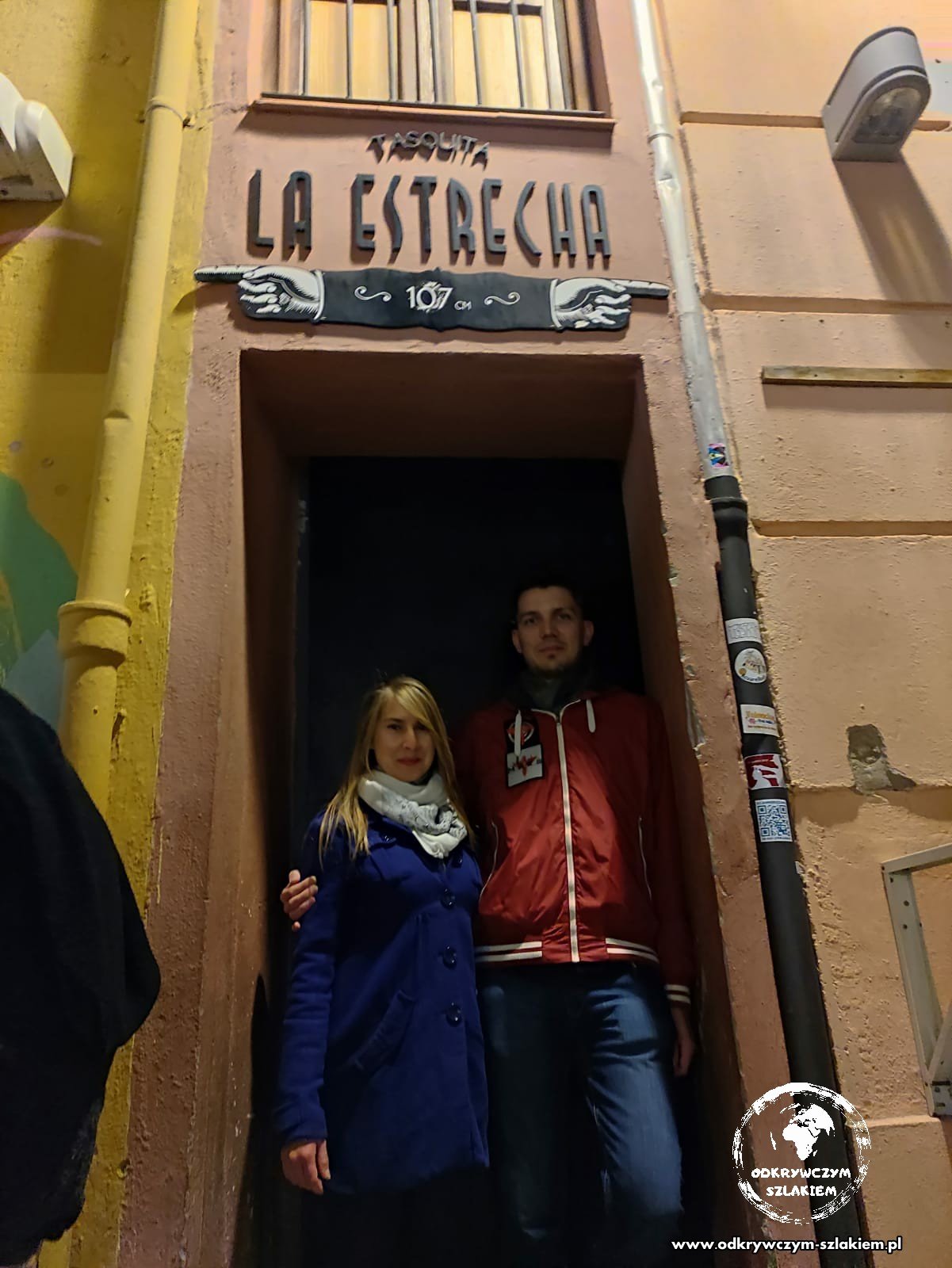
Photo gallery