We bought our flights to Mallorca at the beginning of January, and in March 2023 (7–13 March) the four of us – with Asia and Ania – spent a week on the island. We were not after a relaxing holiday but active sightseeing – in other words, the usual. There is a common belief that Mallorca is an island purely for lying on the beach and that there is nothing to see. Nothing could be further from the truth: we ran out of time to do everything we had planned. We did not take the boat to the islet of Dragonera with its nature reserve, and we did not walk several longer mountain trails. Below is what we managed to see – day by day.
Table of contents
- Day 1: Cala Millor and Puig de s’Agulla
- Day 2: the Hams caves, Dinosaurland and the east coast
- Day 3: s’Albufera, Alcúdia and Cap de Formentor
- Day 4: Mondragó park, Capocorp Vell and Llucmajor
- Day 5: Valldemossa and Esporles
- Day 6: by vintage train to Sóller and the Jardins d’Alfàbia
- Day 7: Palma de Mallorca
- Practical information – car, accommodation, weather and costs
Day 1: Cala Millor and Puig de s’Agulla
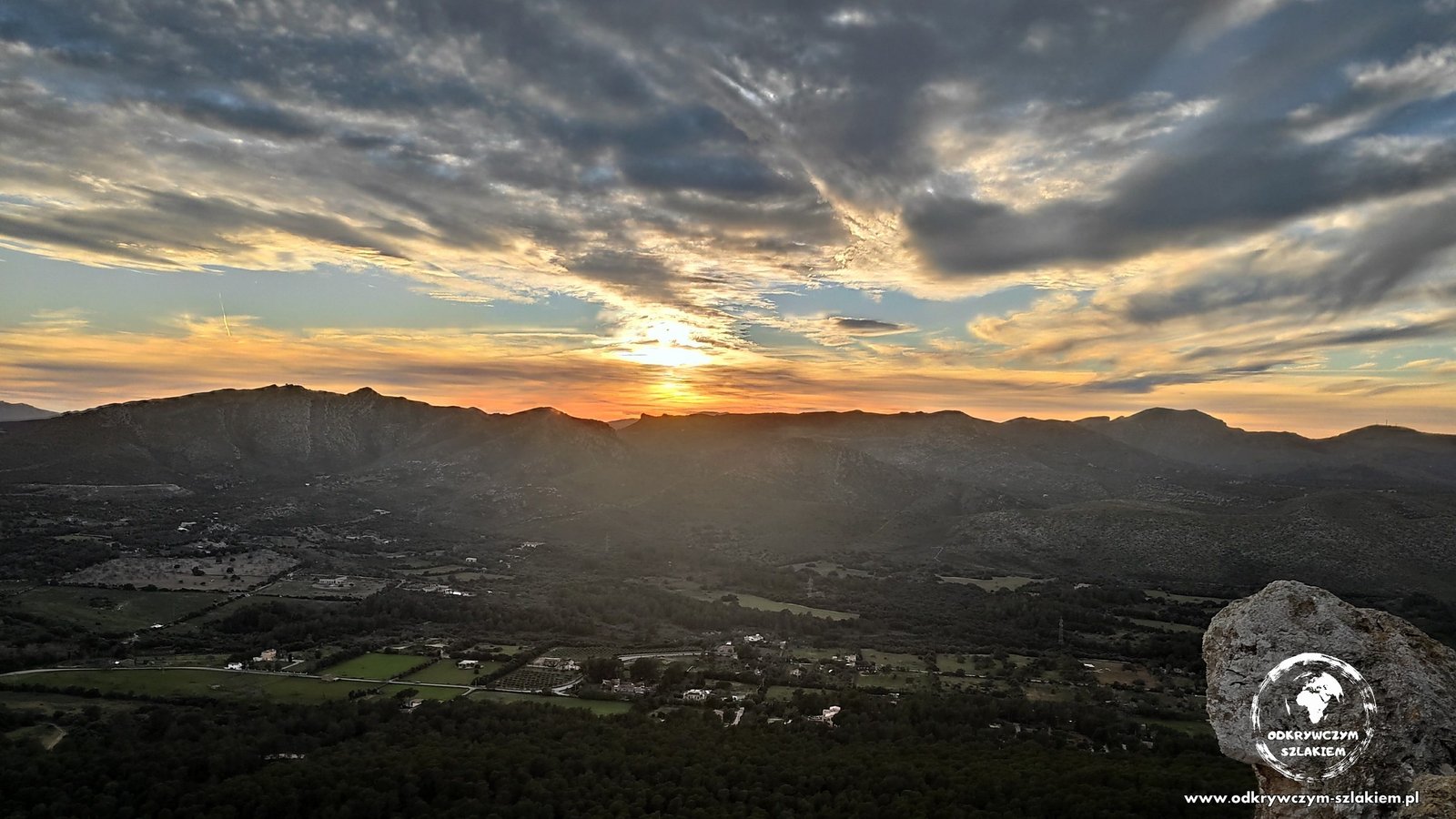
For the whole stay we lived in one apartment in Cala Millor, by the sea in the east of the island – with a beautiful view from the balcony. Distances on Mallorca are short, so one base was quite enough. After checking in we climbed the low (234 m) peak of Puig de s’Agulla, from where we admired the sunset.
Day 2: the Hams caves, Dinosaurland and the east coast
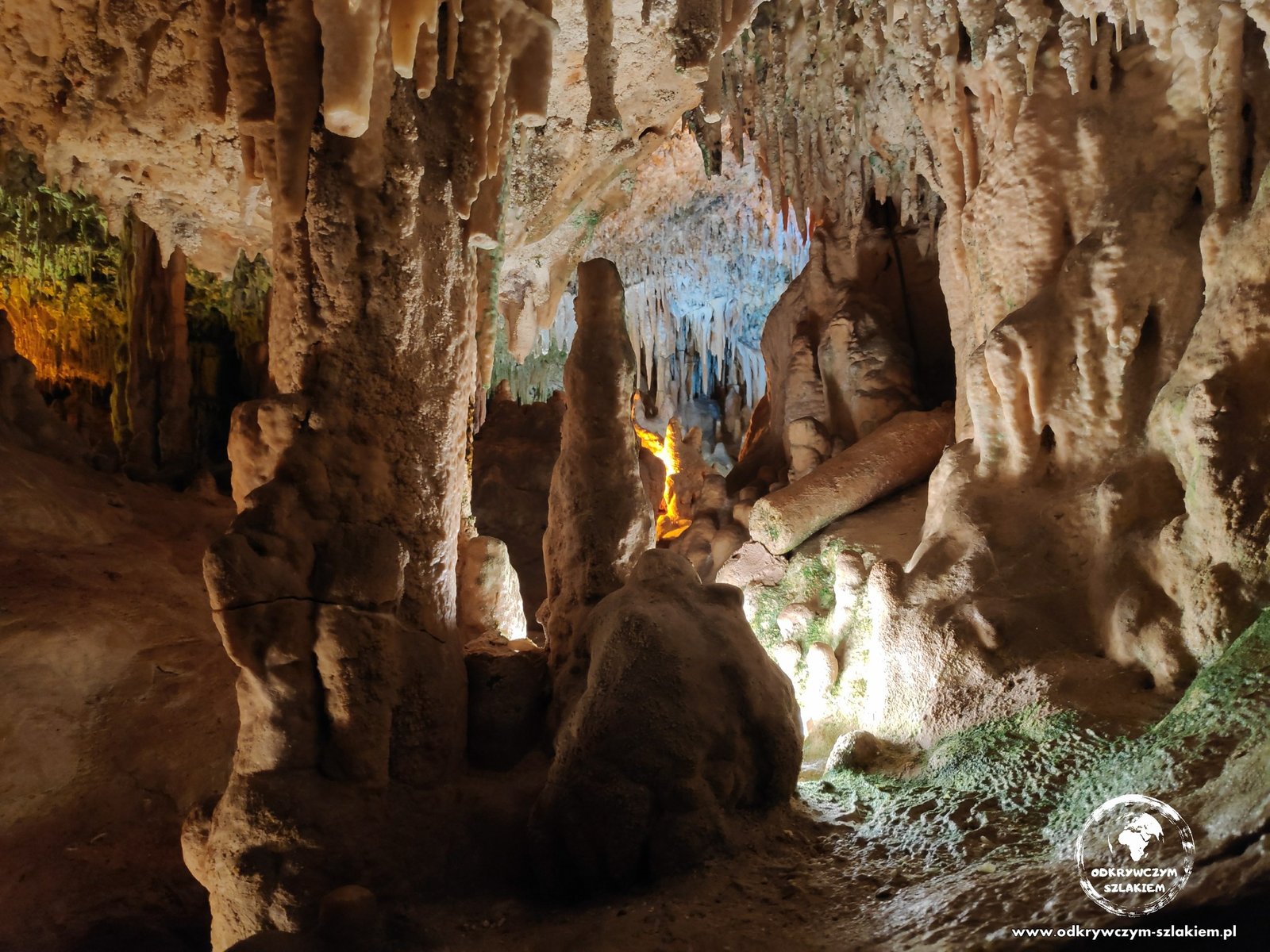
We spent the second day on the east coast. We started with a walk along the seafront to the castle with a defensive tower, Castell de la Punta de n’Amer, and then drove to the Coves dels Hams – a network of caves with illuminated dripstone formations.
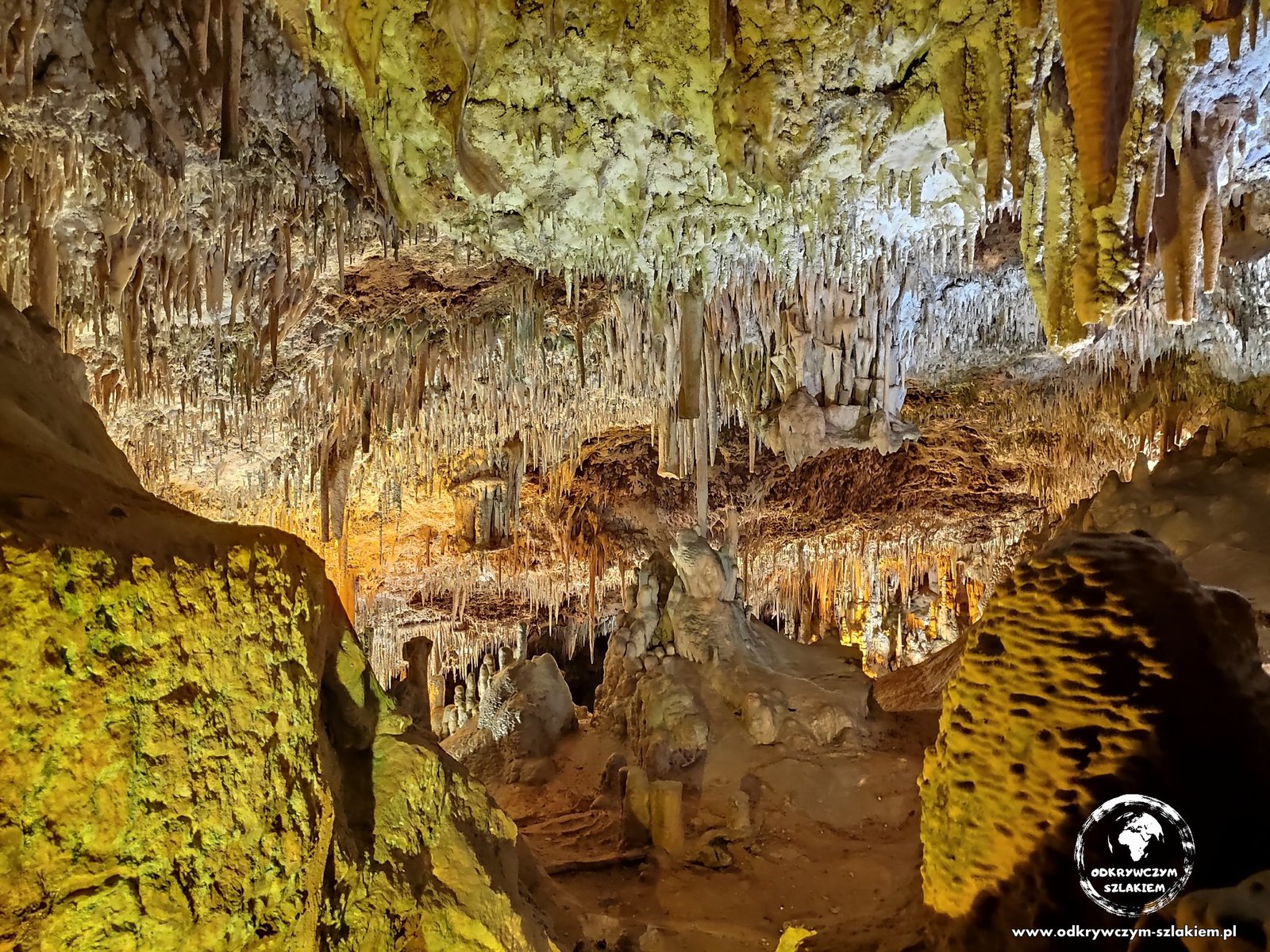
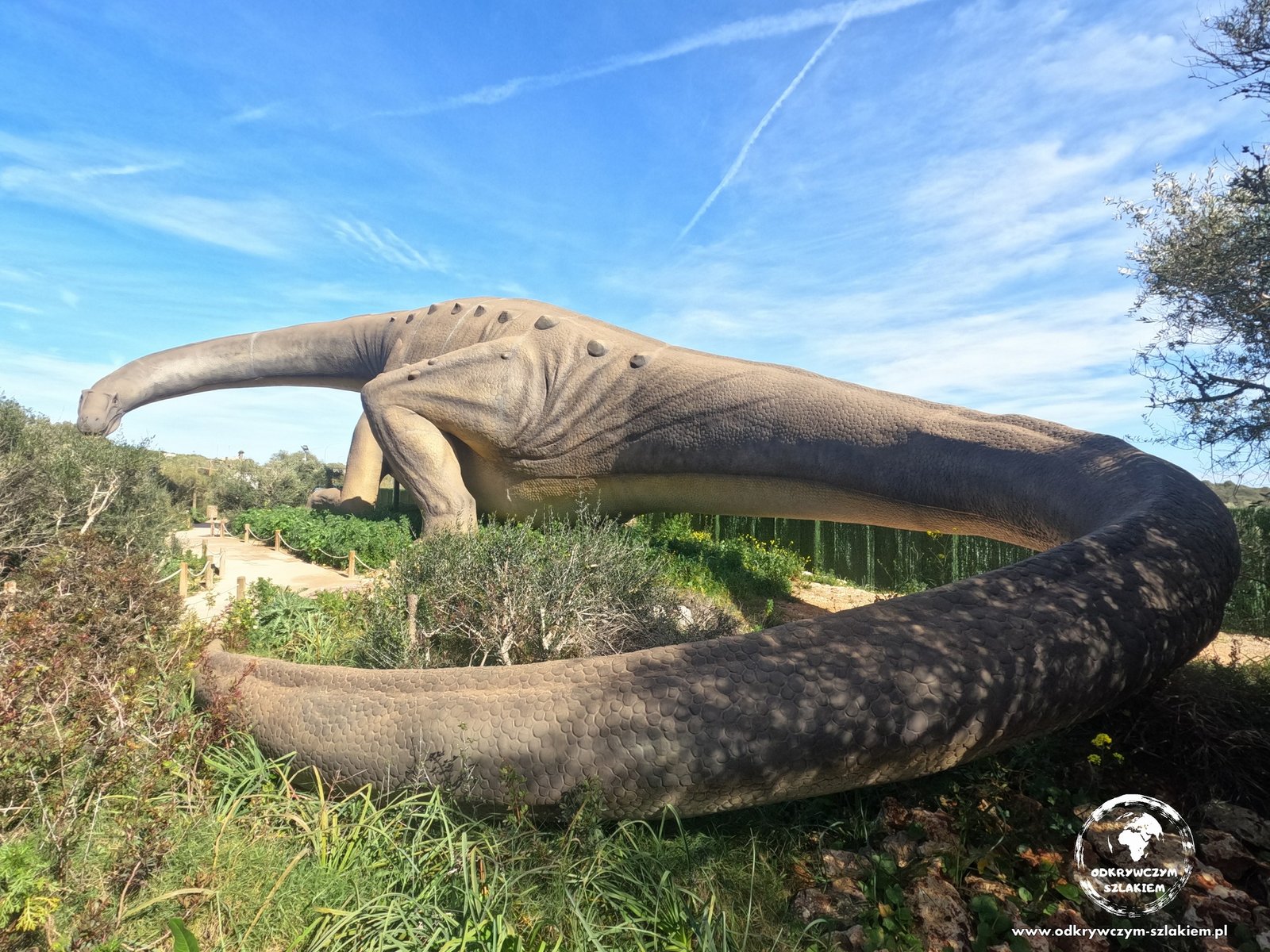
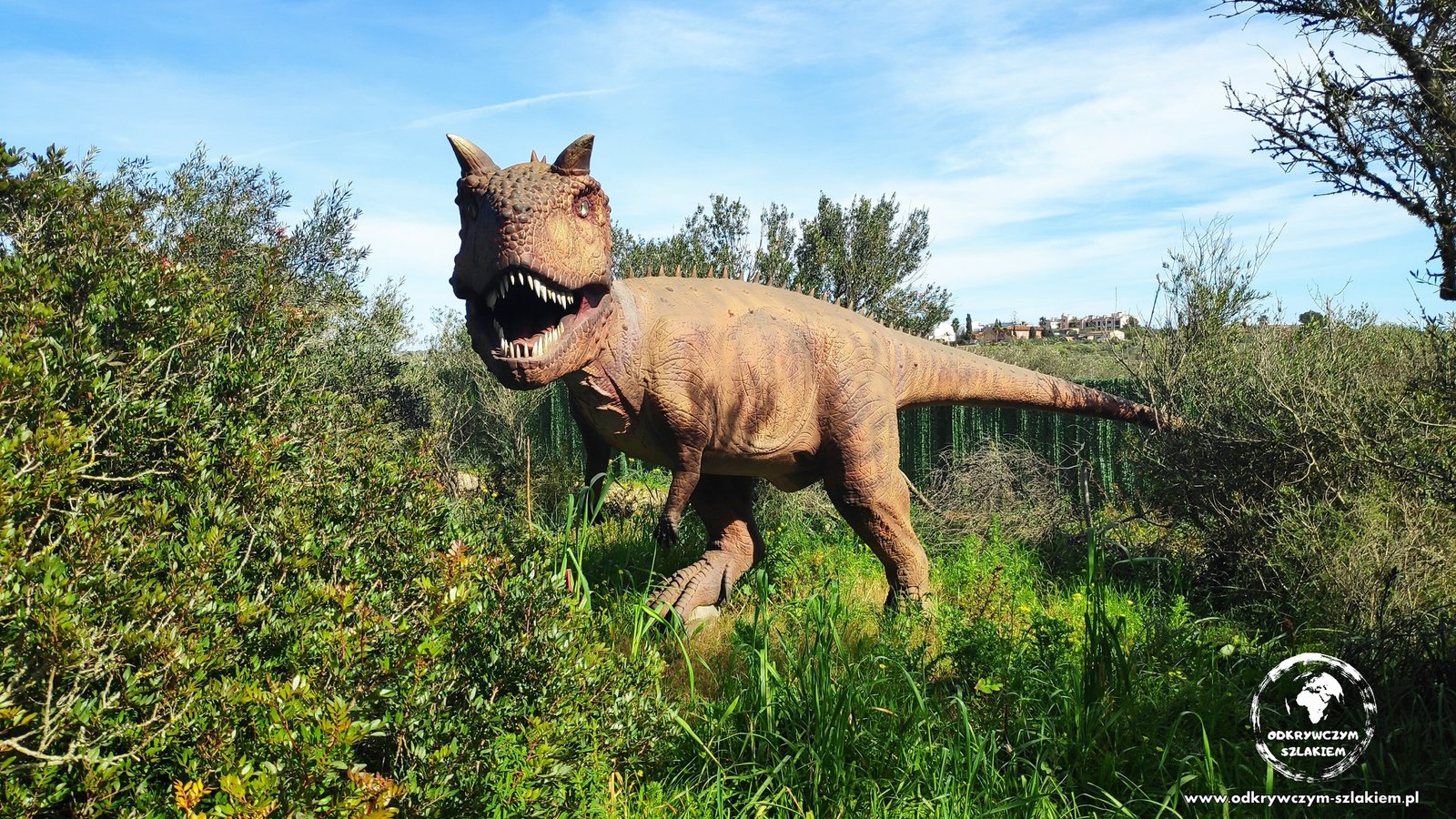
Next to the caves is Dinosaurland – a park with life-size dinosaur models, including a titanosaur, one of the largest land animals in history. The combined ticket for the caves and the park was good value: €23 for both, compared with €17 for a single entry.
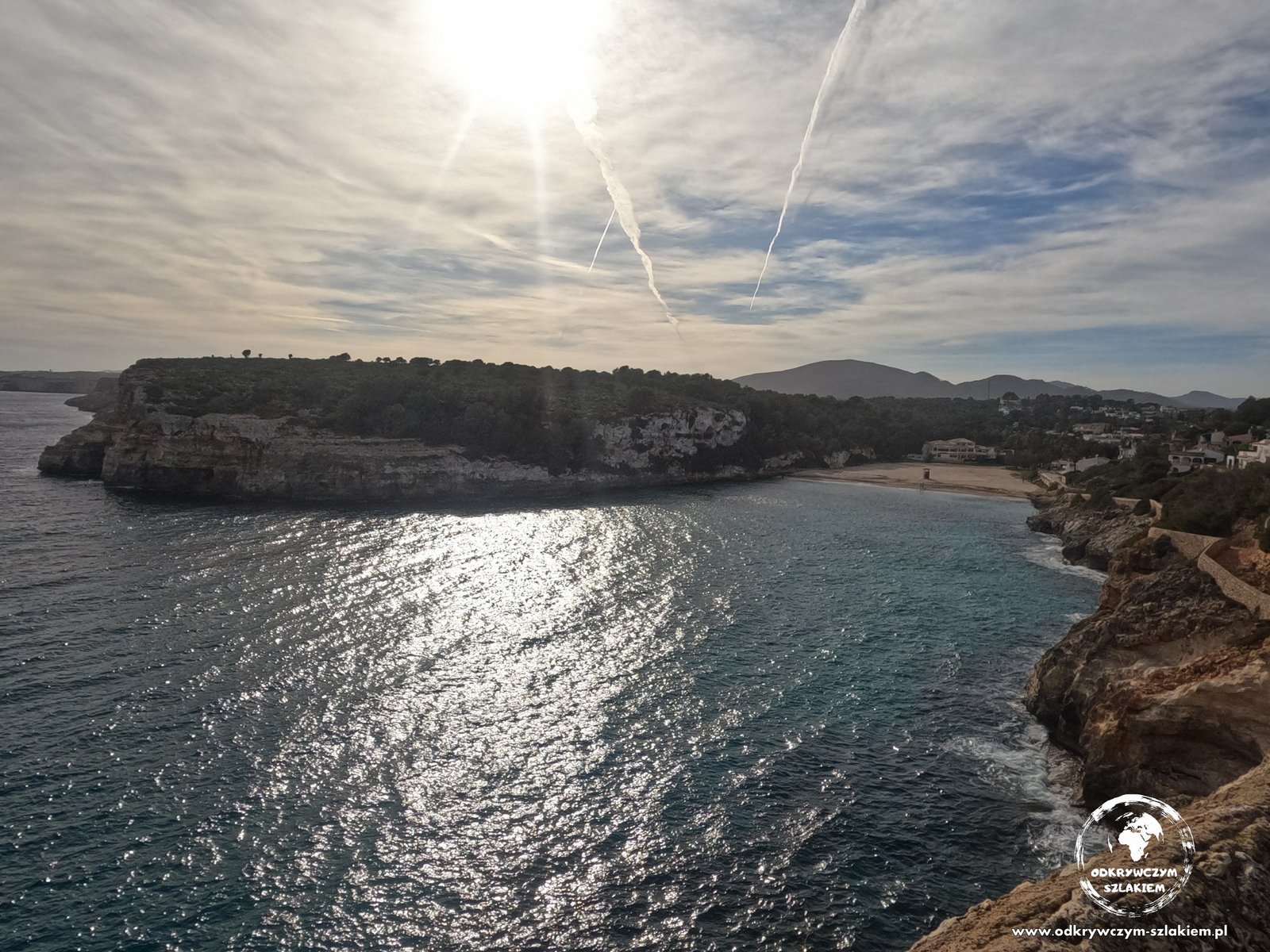
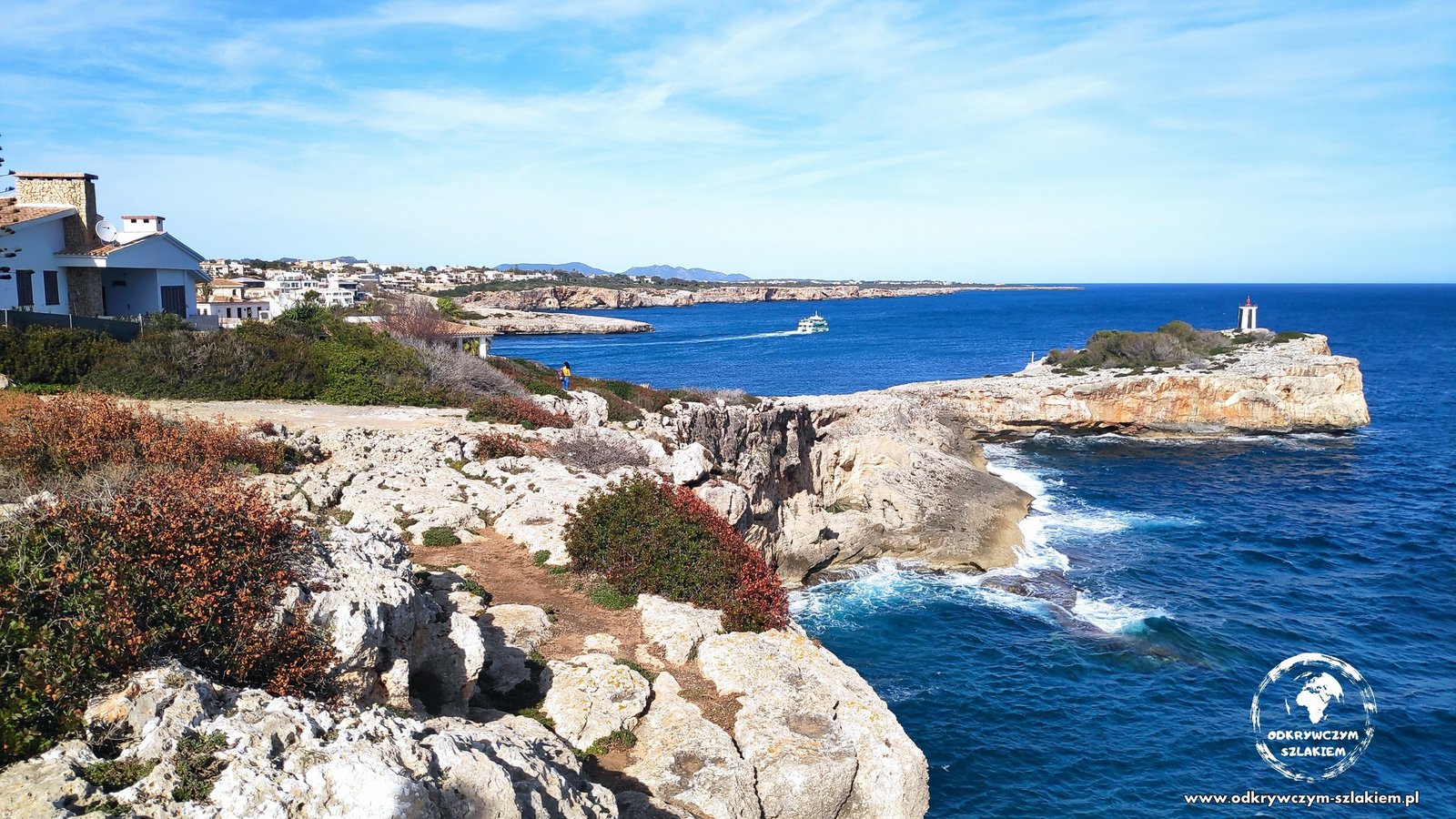
In the afternoon we walked along the shore by the pretty beach of Cala Estany d’en Mas and went to see the Torre del Serral dels Falcons – one of the many defensive towers that stand above the cliffs all around the island.
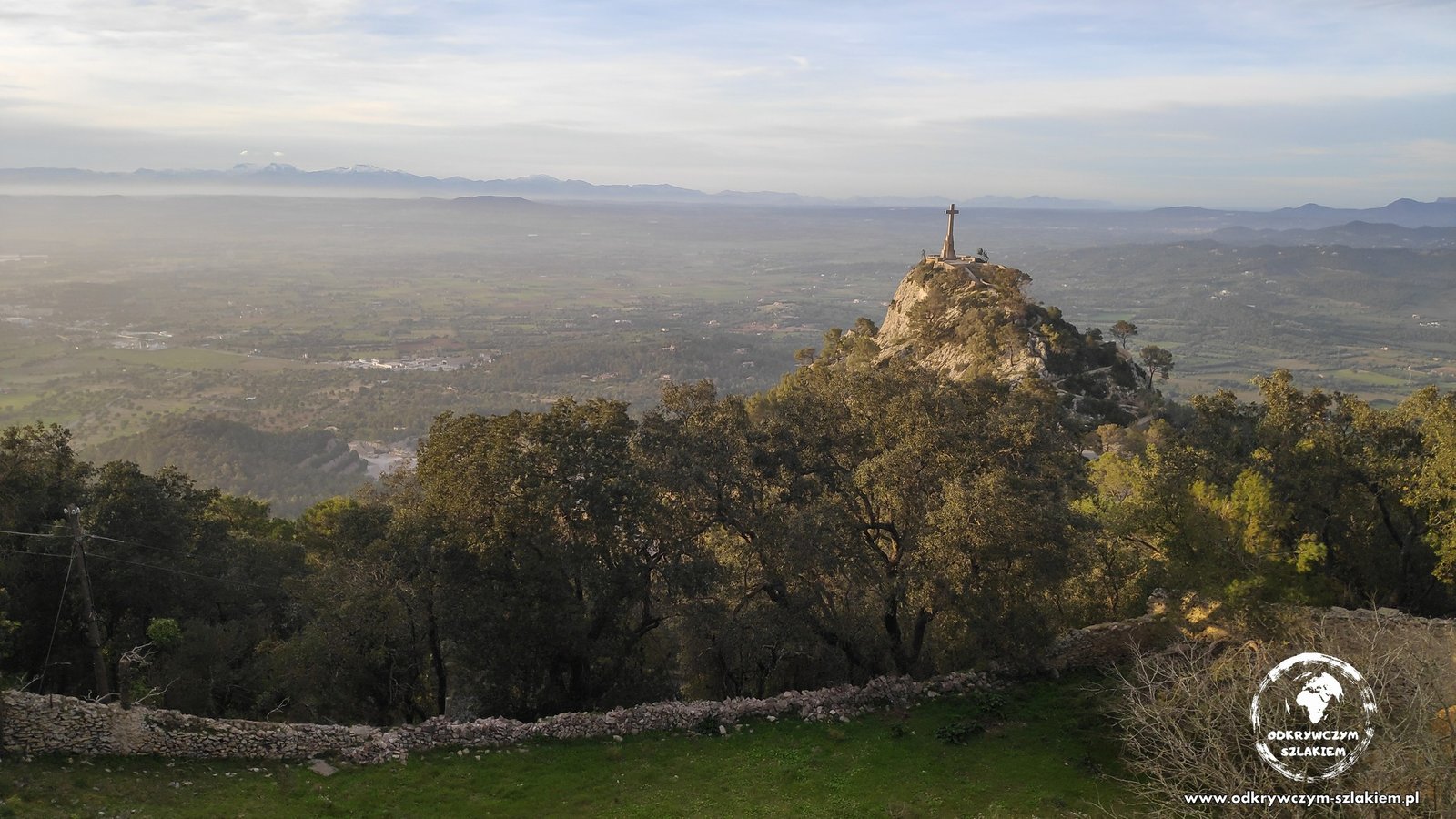
At the end of the day we drove up the hill of Sant Salvador (510 m) with a church and a former monastery, a statue of Christ and a huge cross. It is a perfect panoramic viewpoint over the whole area.
Day 3: s’Albufera, Alcúdia and Cap de Formentor
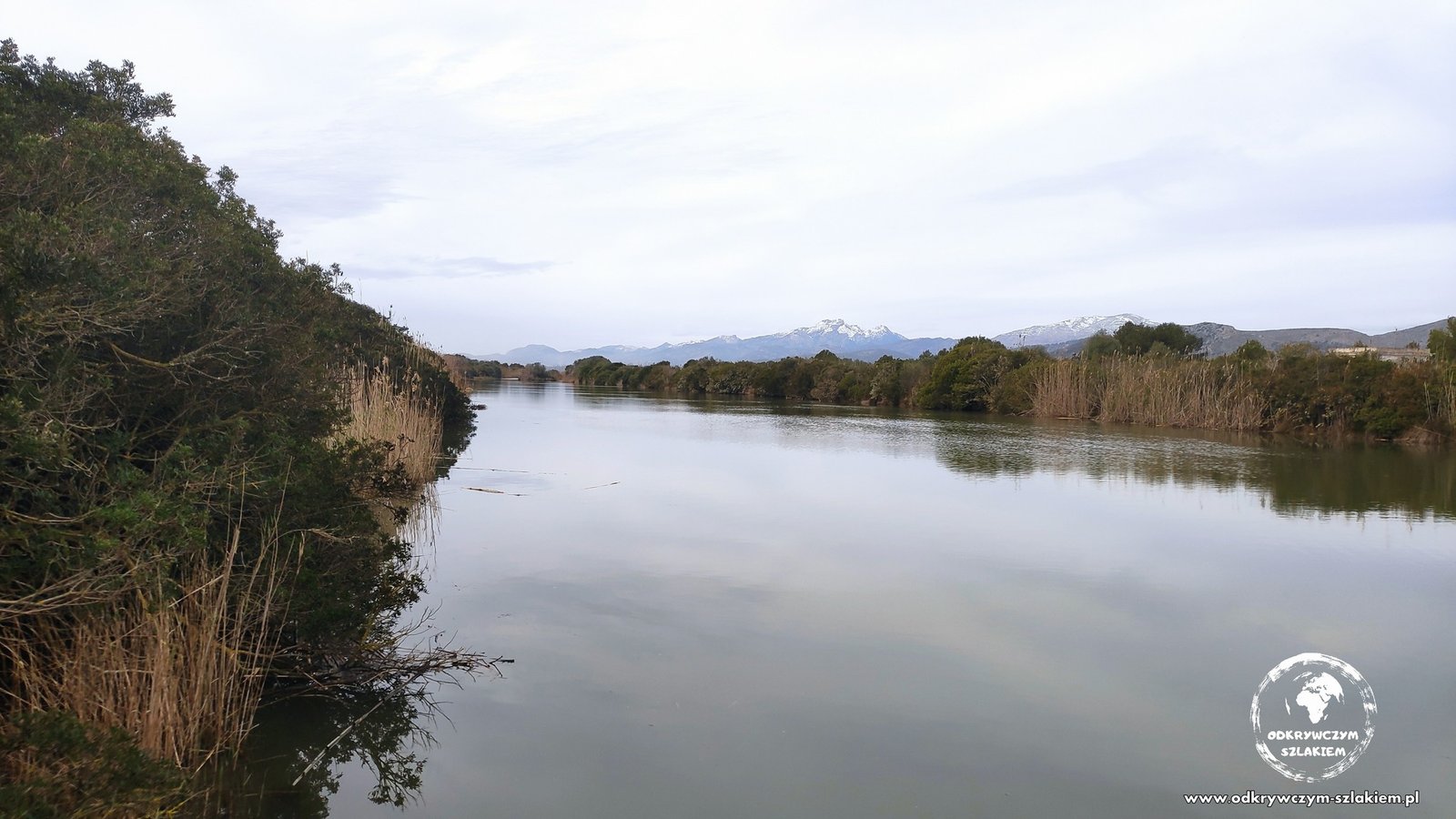
On the third day we headed to the north of the island. In the morning we walked around the s’Albufera nature park – a reserve with several trails along canals and wetlands and a huge number of birds, which you can watch from special hides.
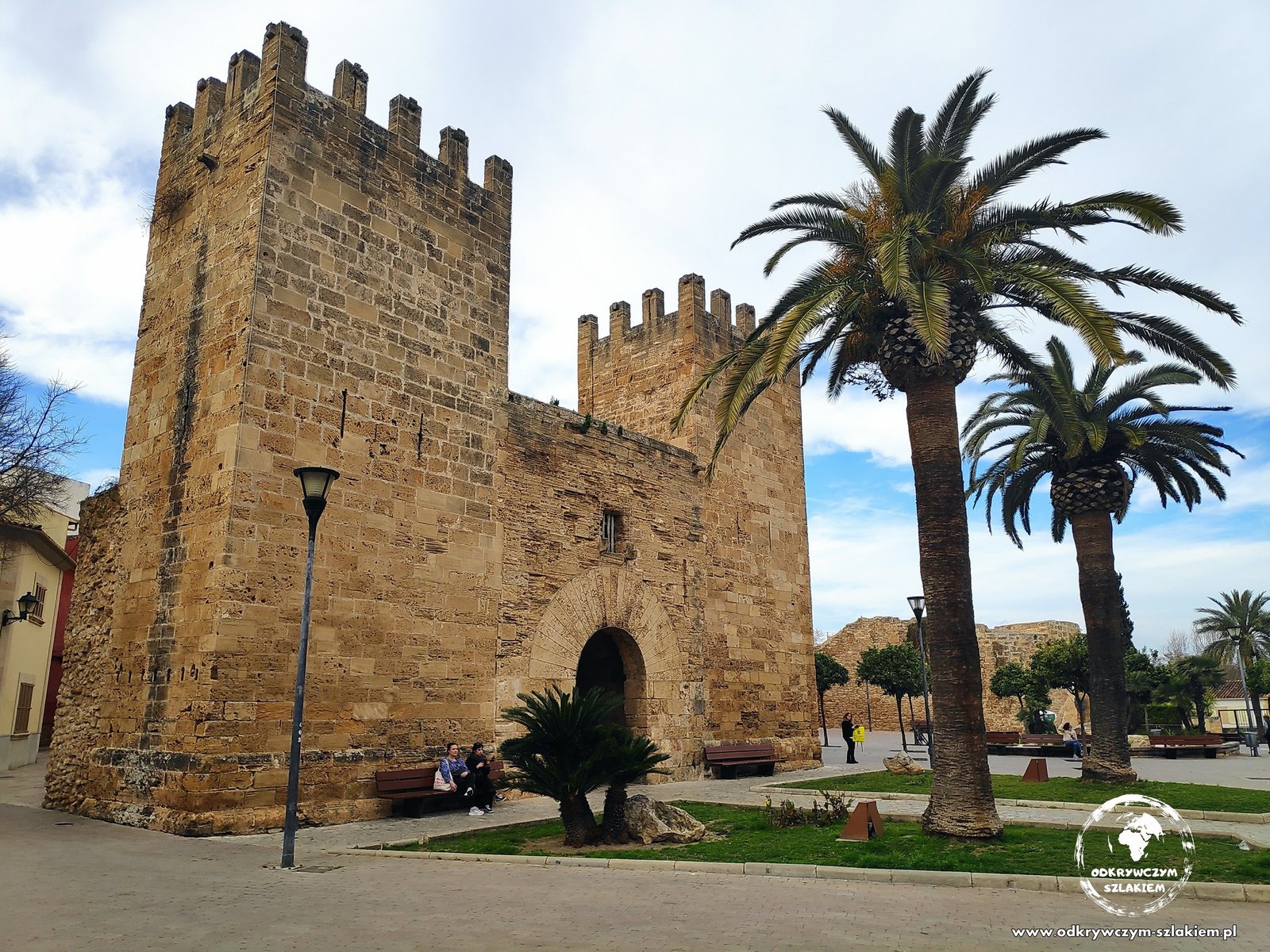
Next we stopped at Port d’Alcúdia, one of the best-known ports on the island (from here you can sail to Barcelona, among other places), and at Alcúdia – a town with medieval walls and gates.
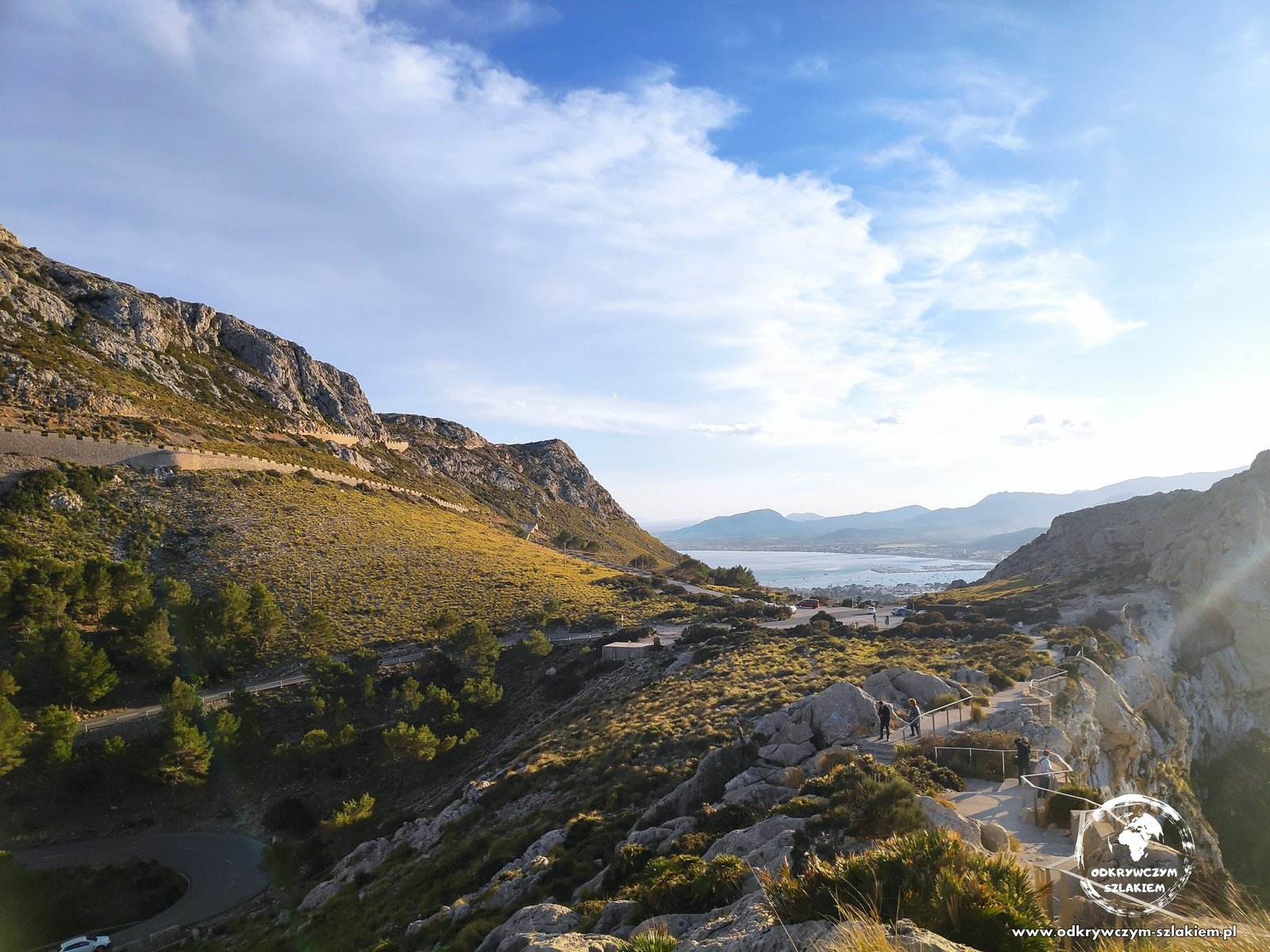
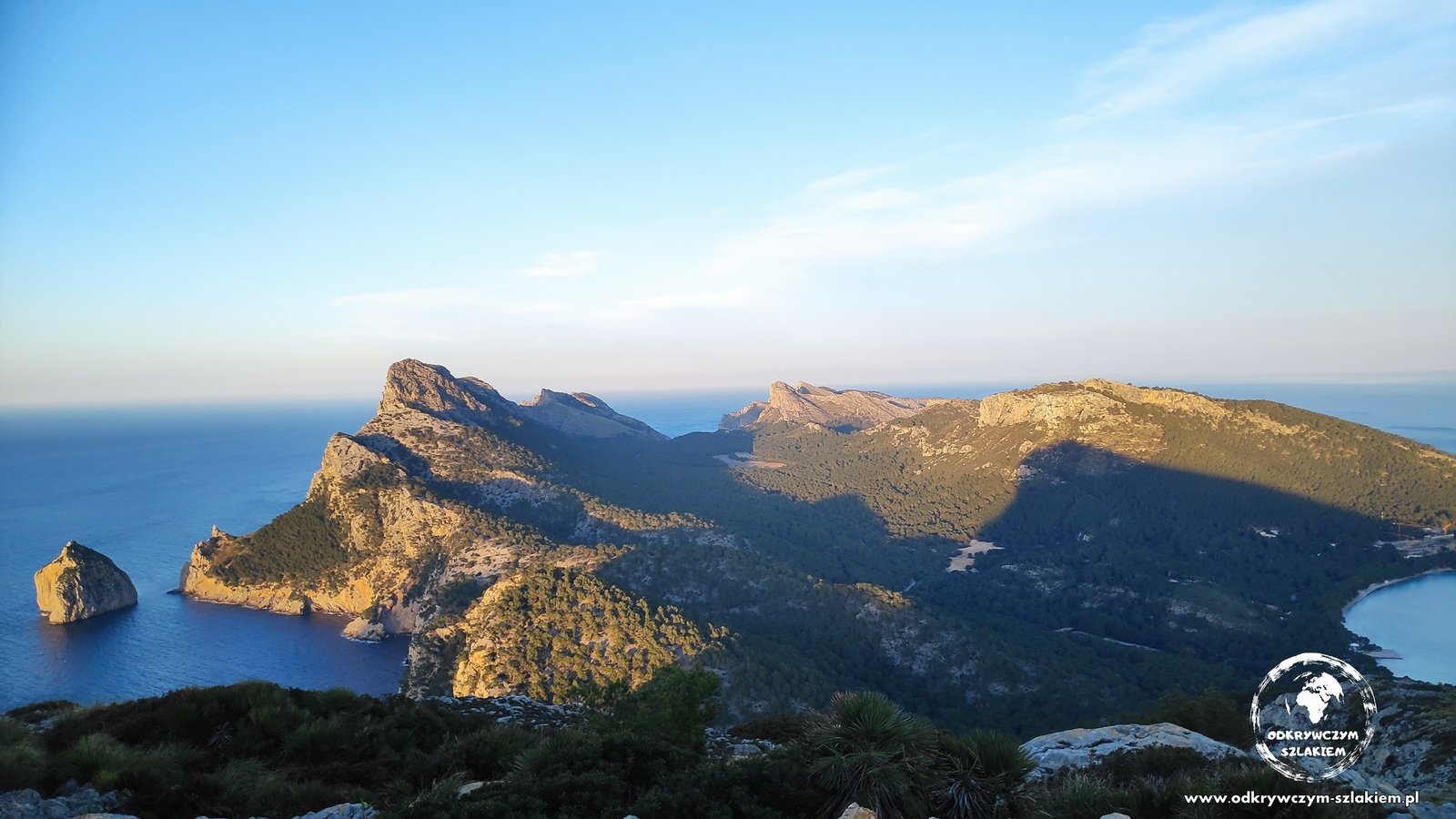
The afternoon belonged to Cap de Formentor – the cape that is the northernmost tip of Mallorca. A winding road leads here among high cliffs, and the views of the sea and the mountains are incredible.
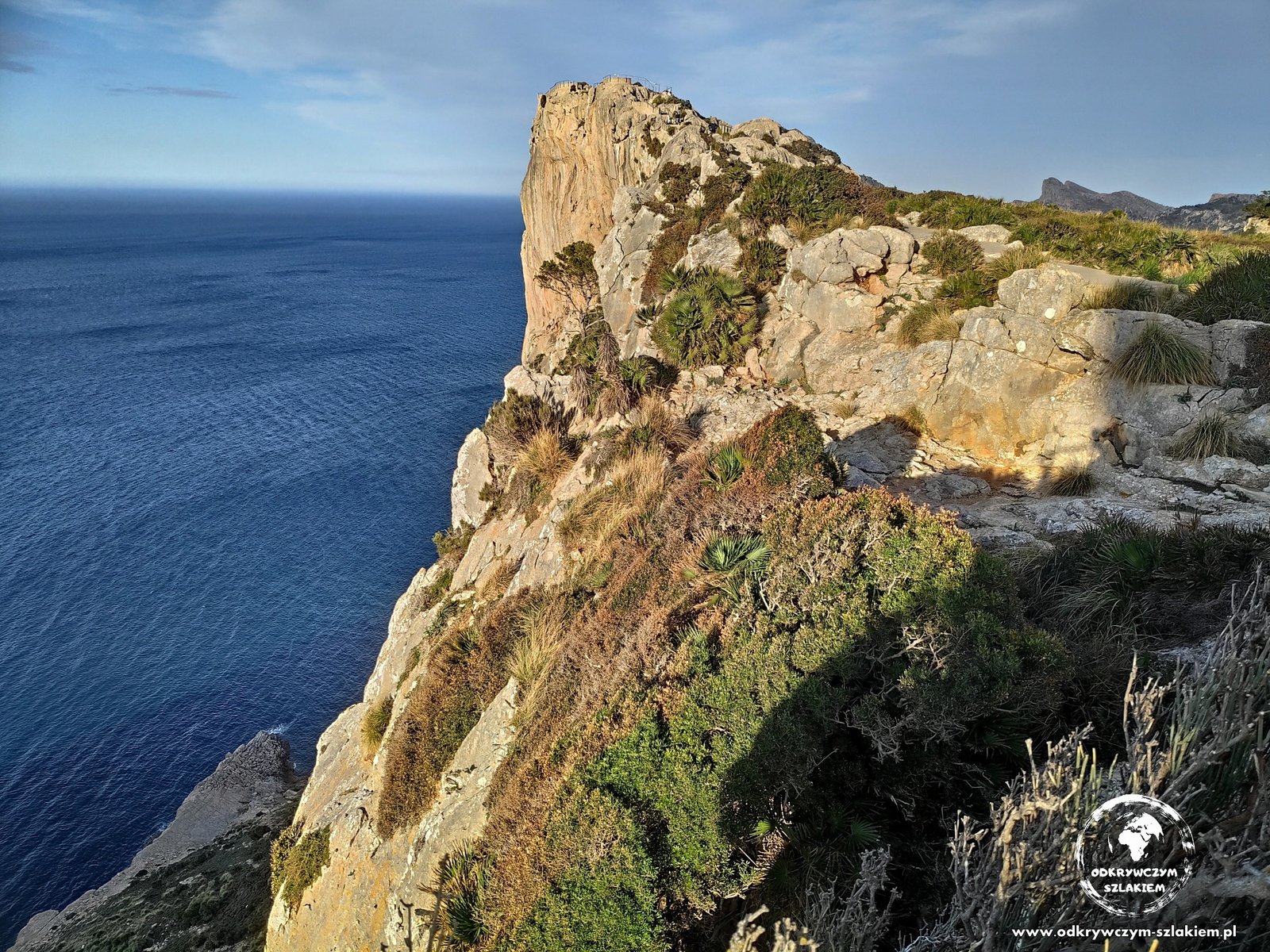
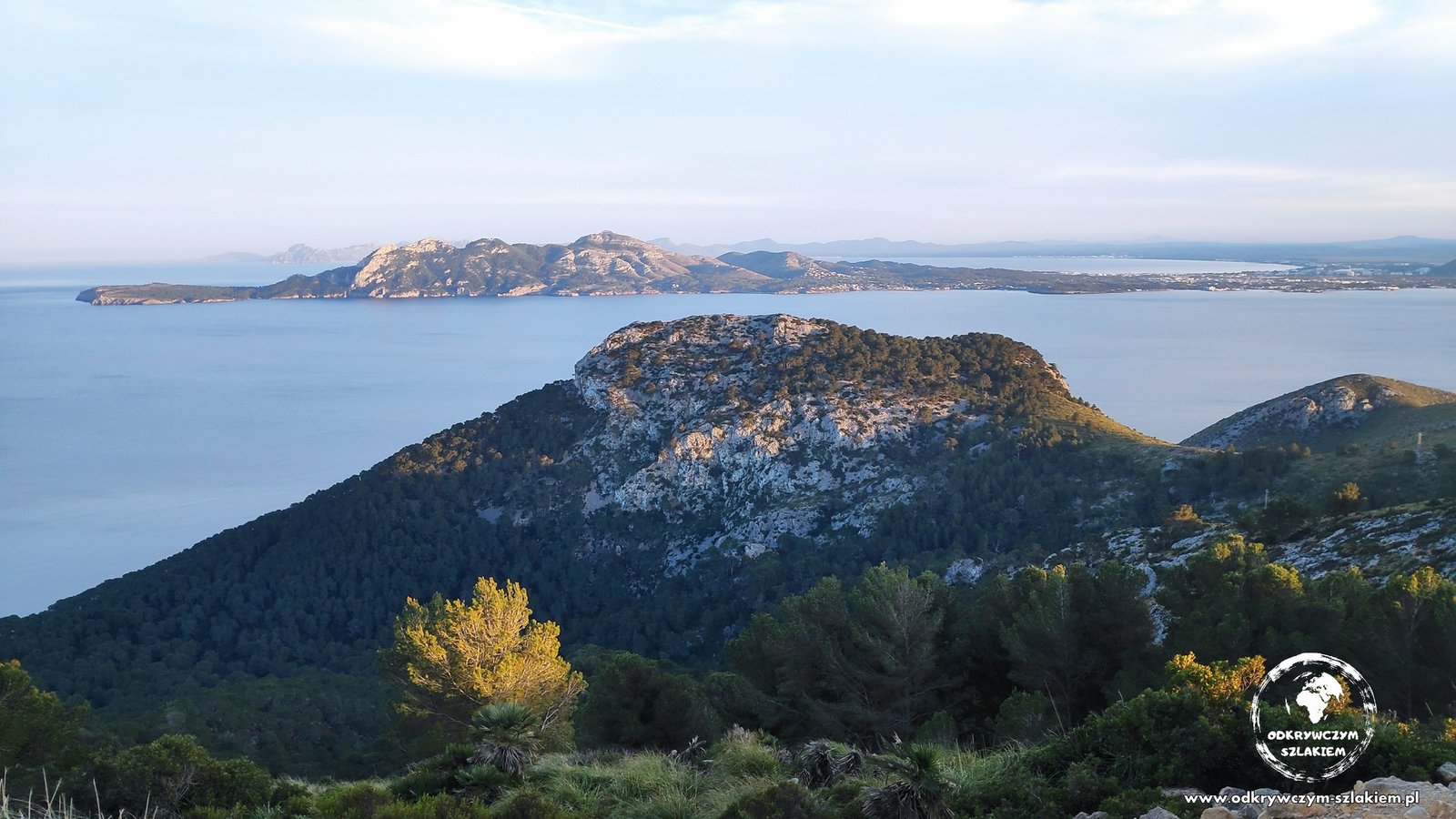
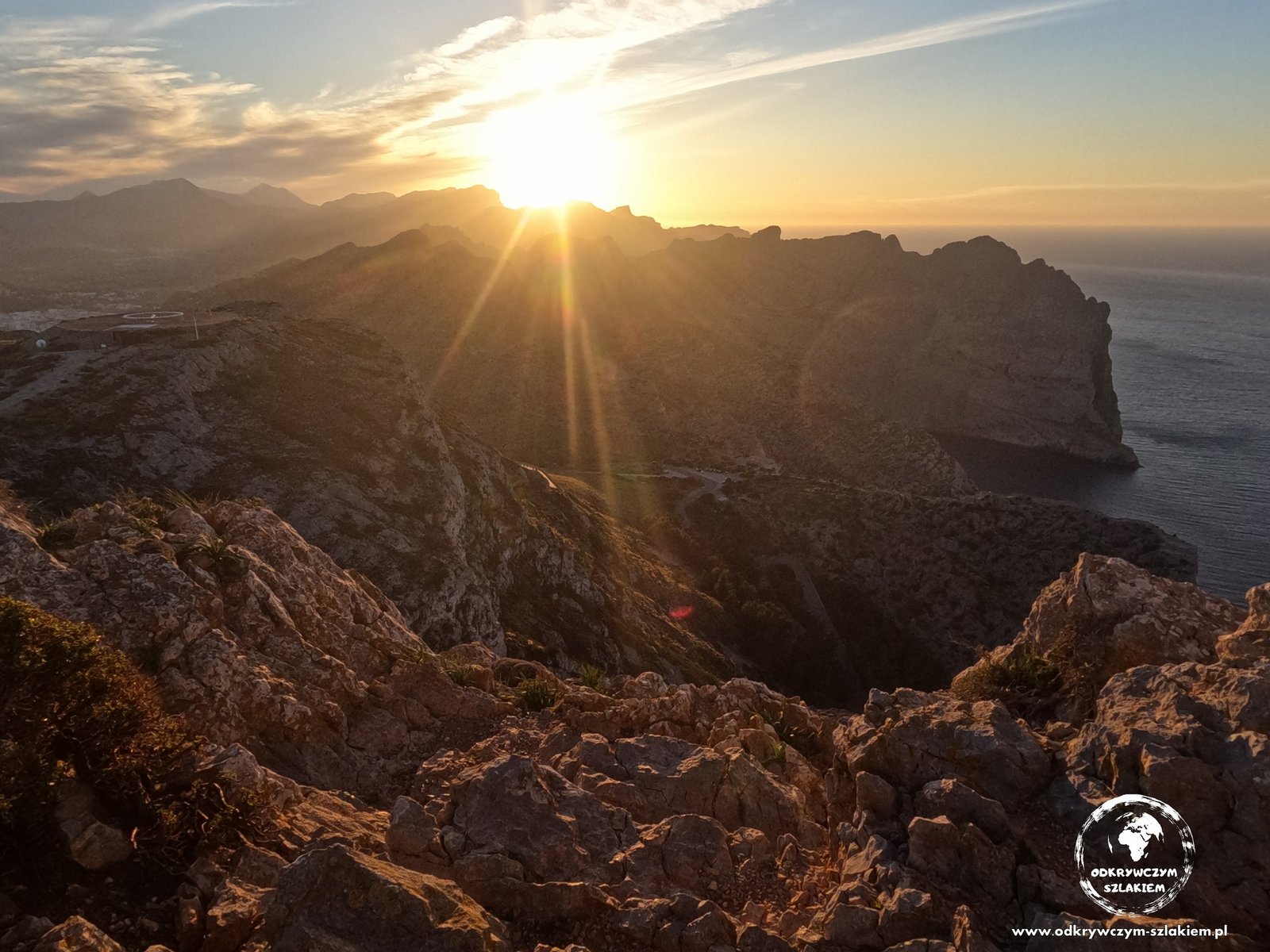
We watched the sunset from the Talaia d’Albercutx watchtower, high above the whole cape.
Day 4: Mondragó park, Capocorp Vell and Llucmajor
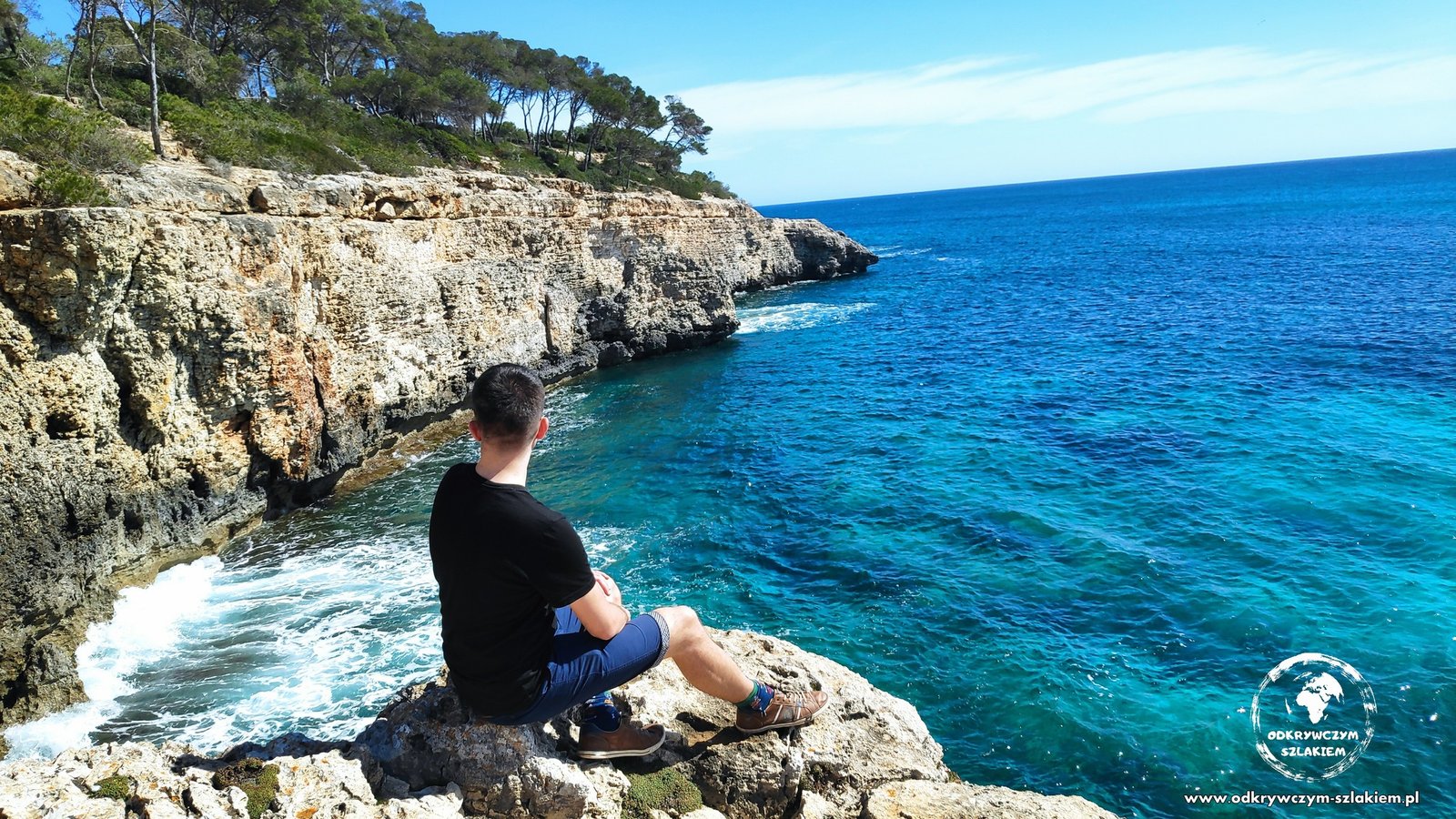
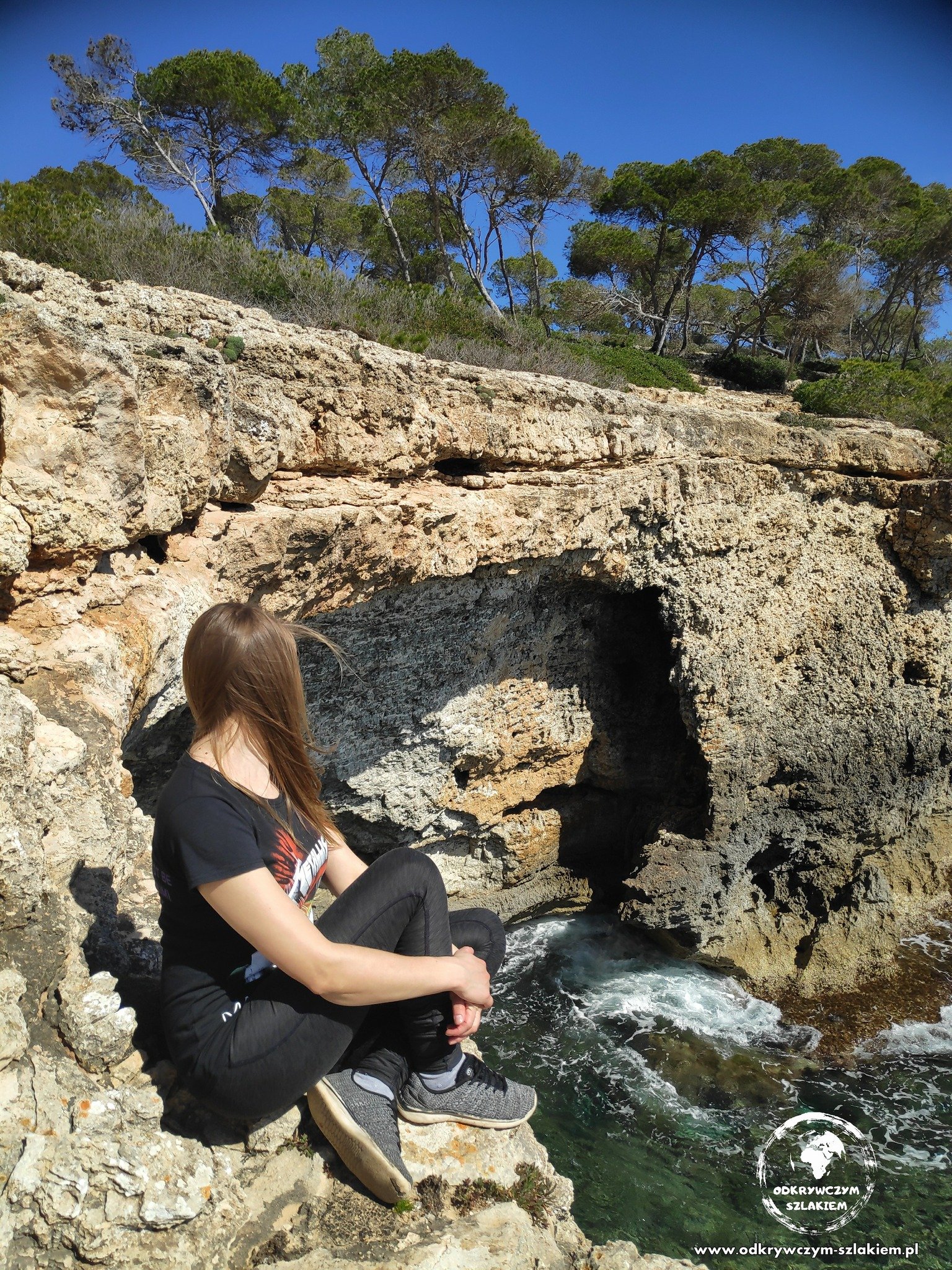
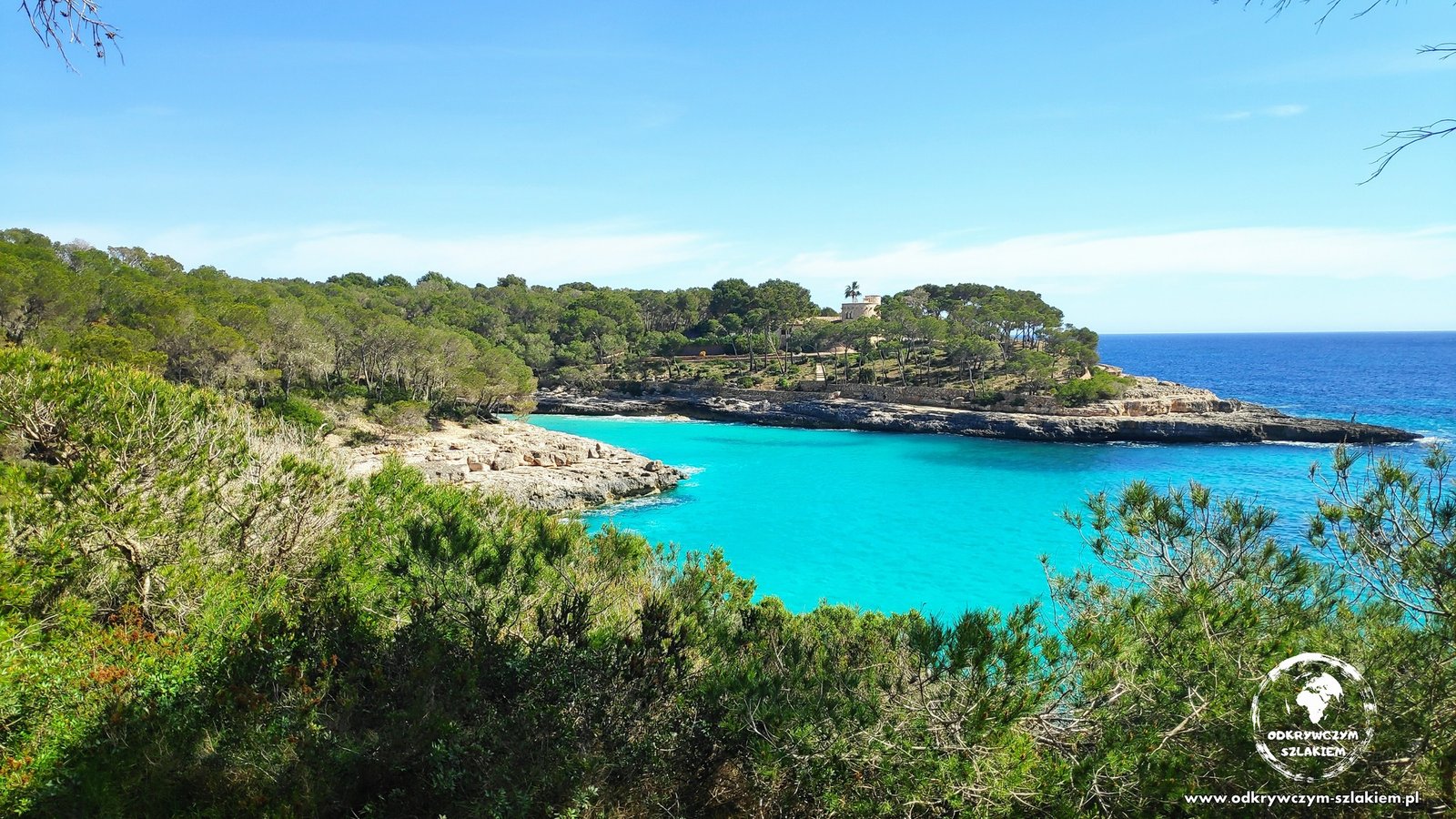
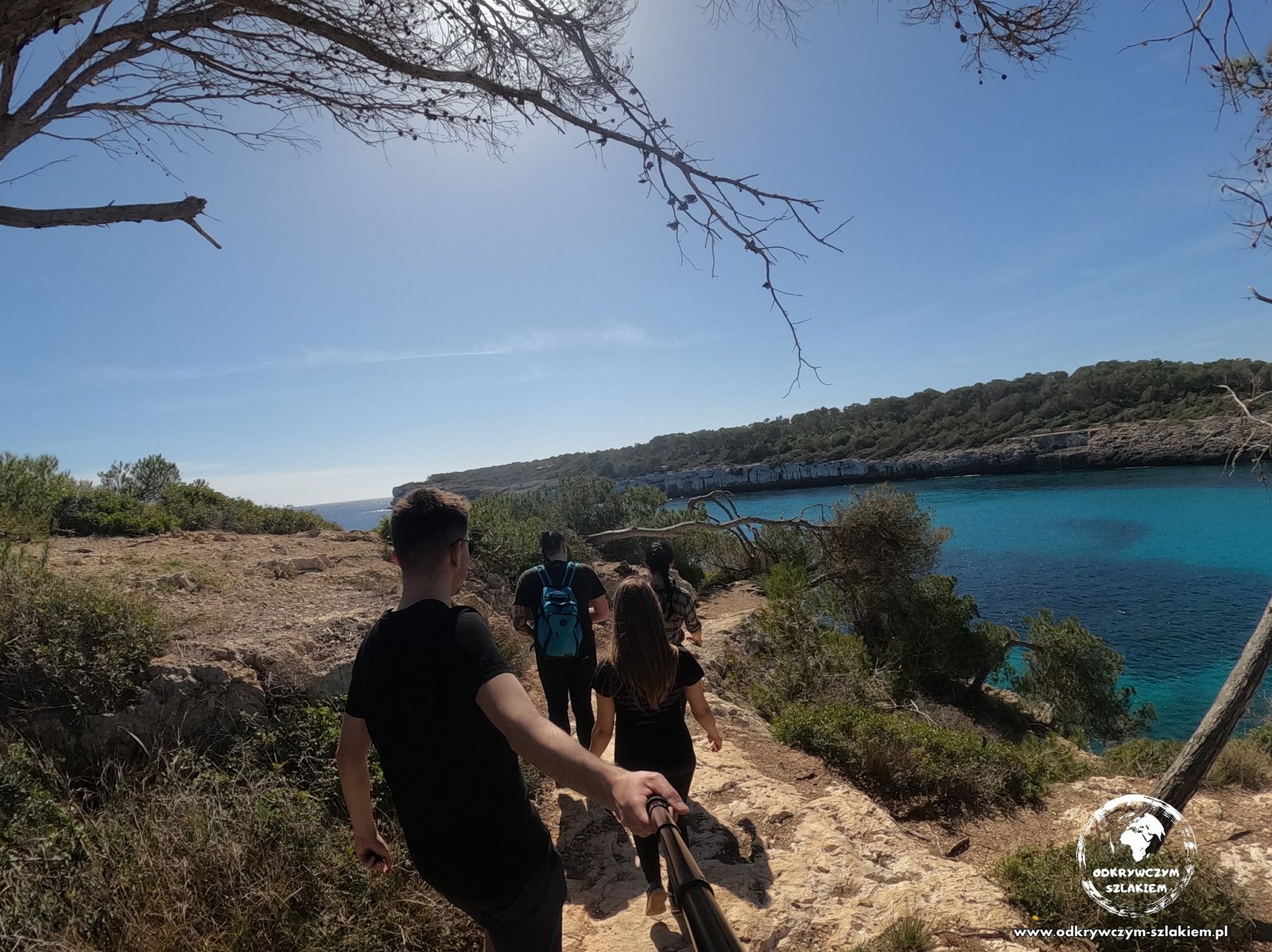
We started the fourth day in the Mondragó nature park on the south-east coast – with pretty beaches, cliffs, several footpaths and a promenade by the water. The water in the coves here is an amazing turquoise colour.
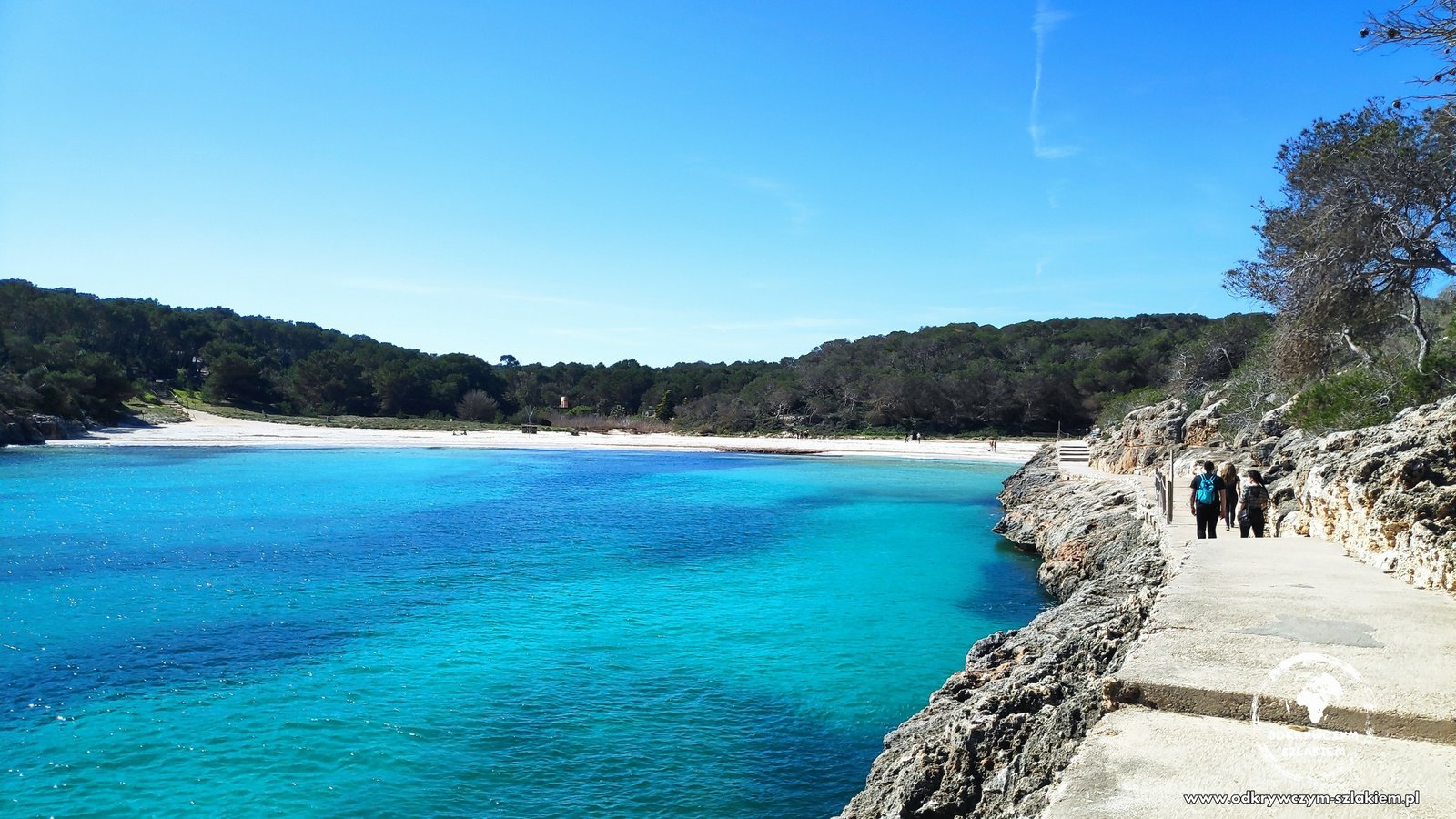
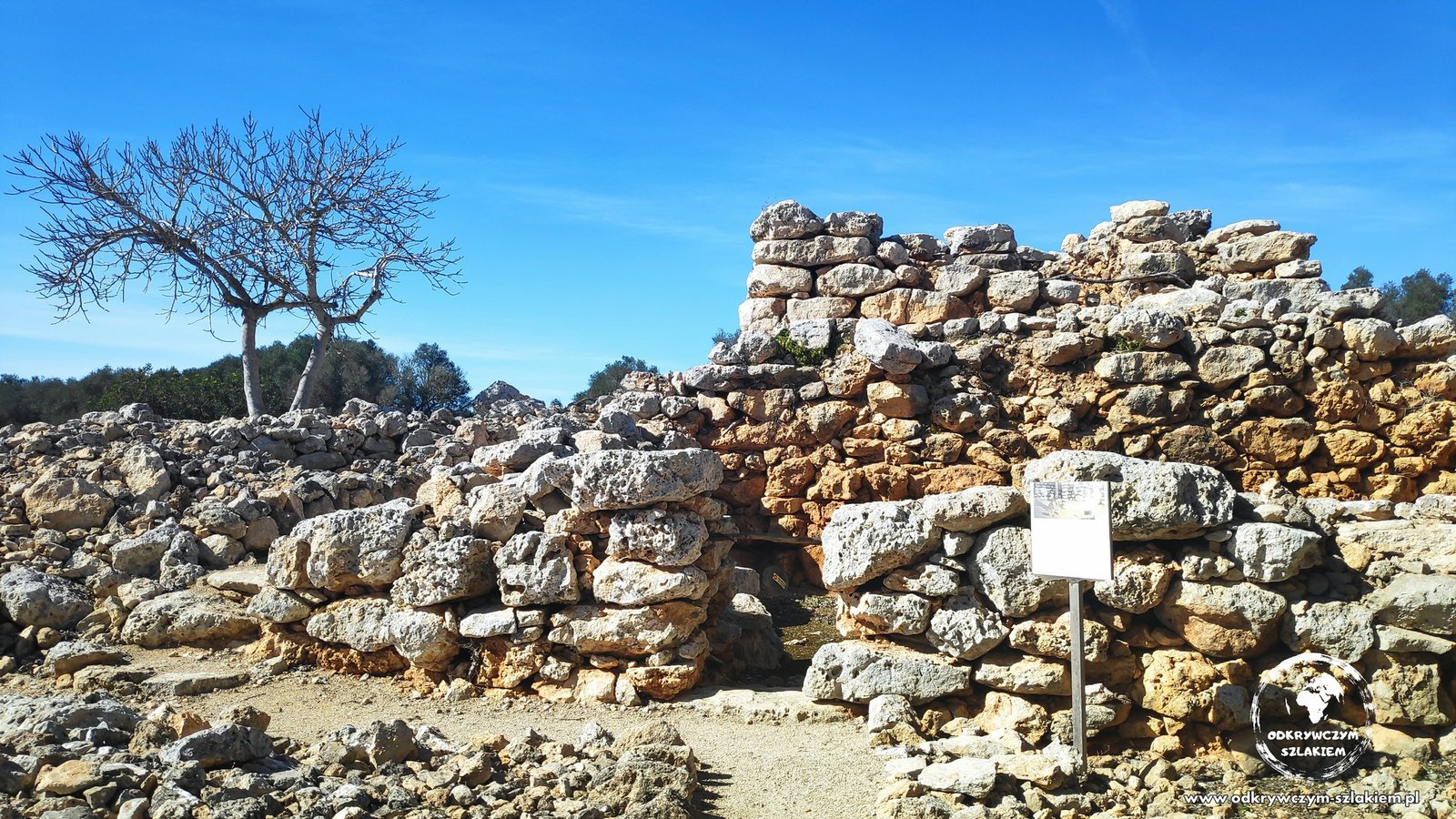
Then we drove to Capocorp Vell – one of the best-studied sites of the Talaiotic culture in the Balearic Islands (a prehistoric settlement with stone towers; entry €3). On the way we stopped at another watchtower above the cliffs, Torre de Cala Pi.
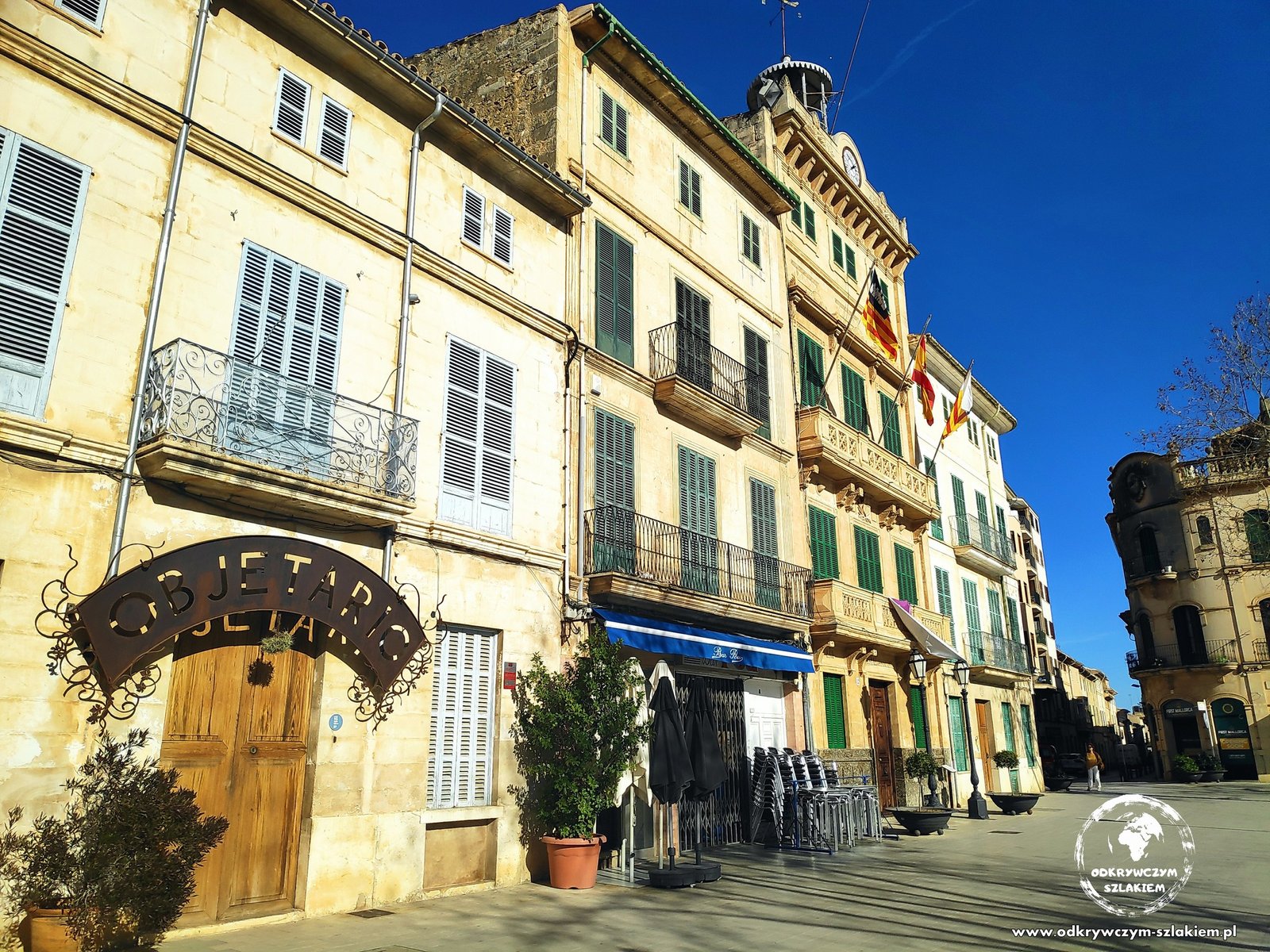
We ended the day in the charming little town of Llucmajor with its narrow streets, and on a hill with the Ermita de Sant Honorat monastery.
Day 5: Valldemossa and Esporles
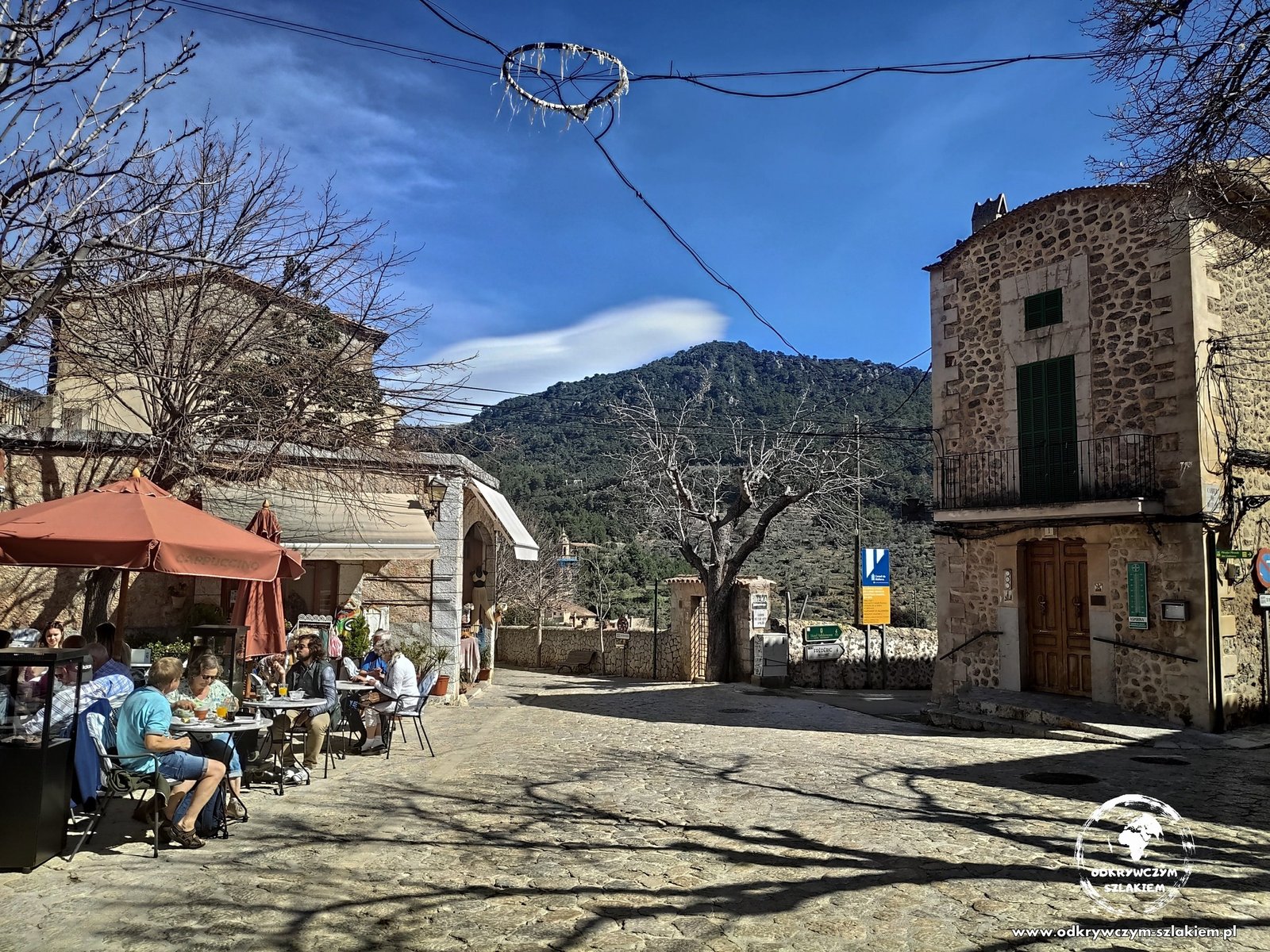
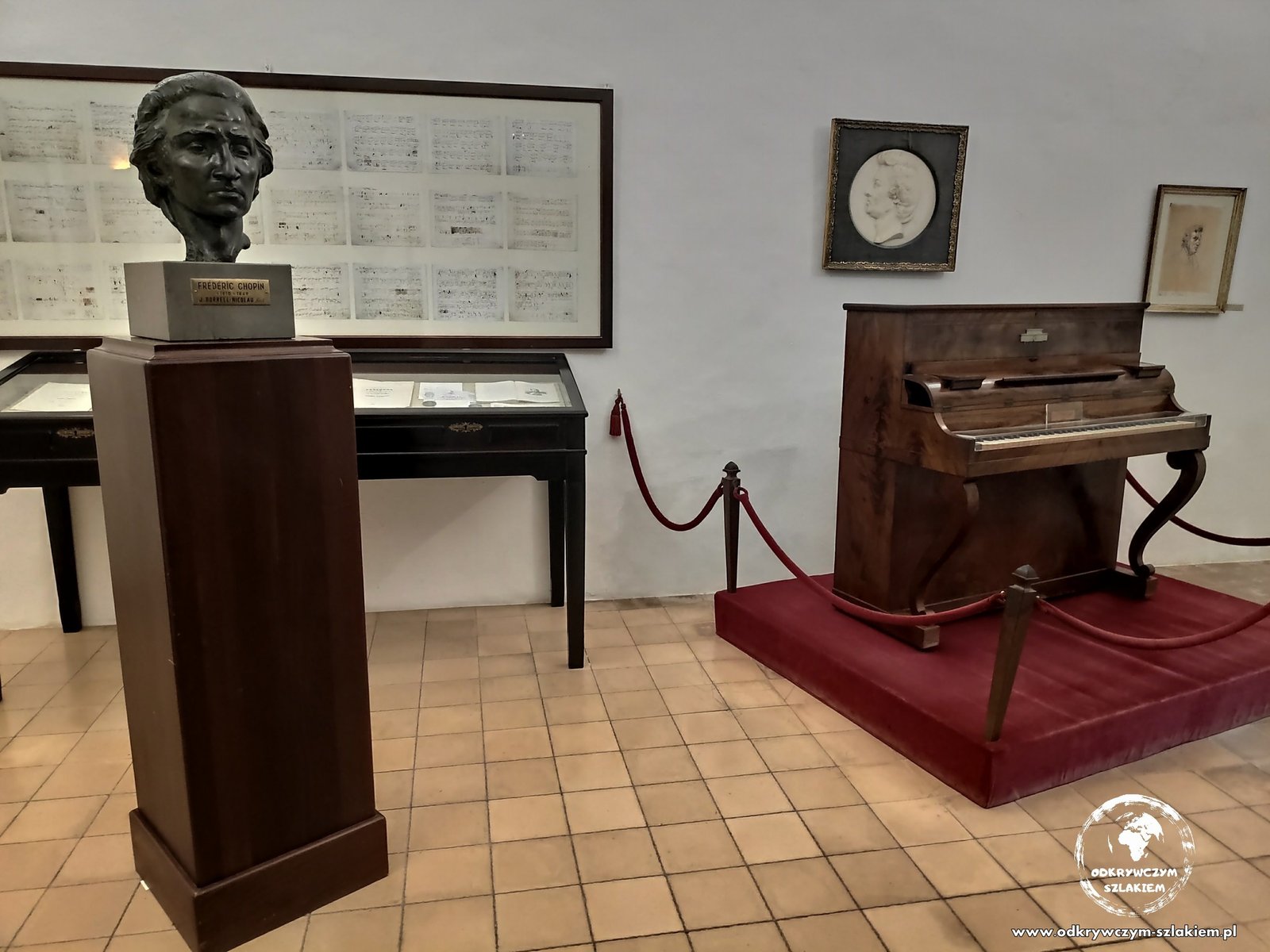
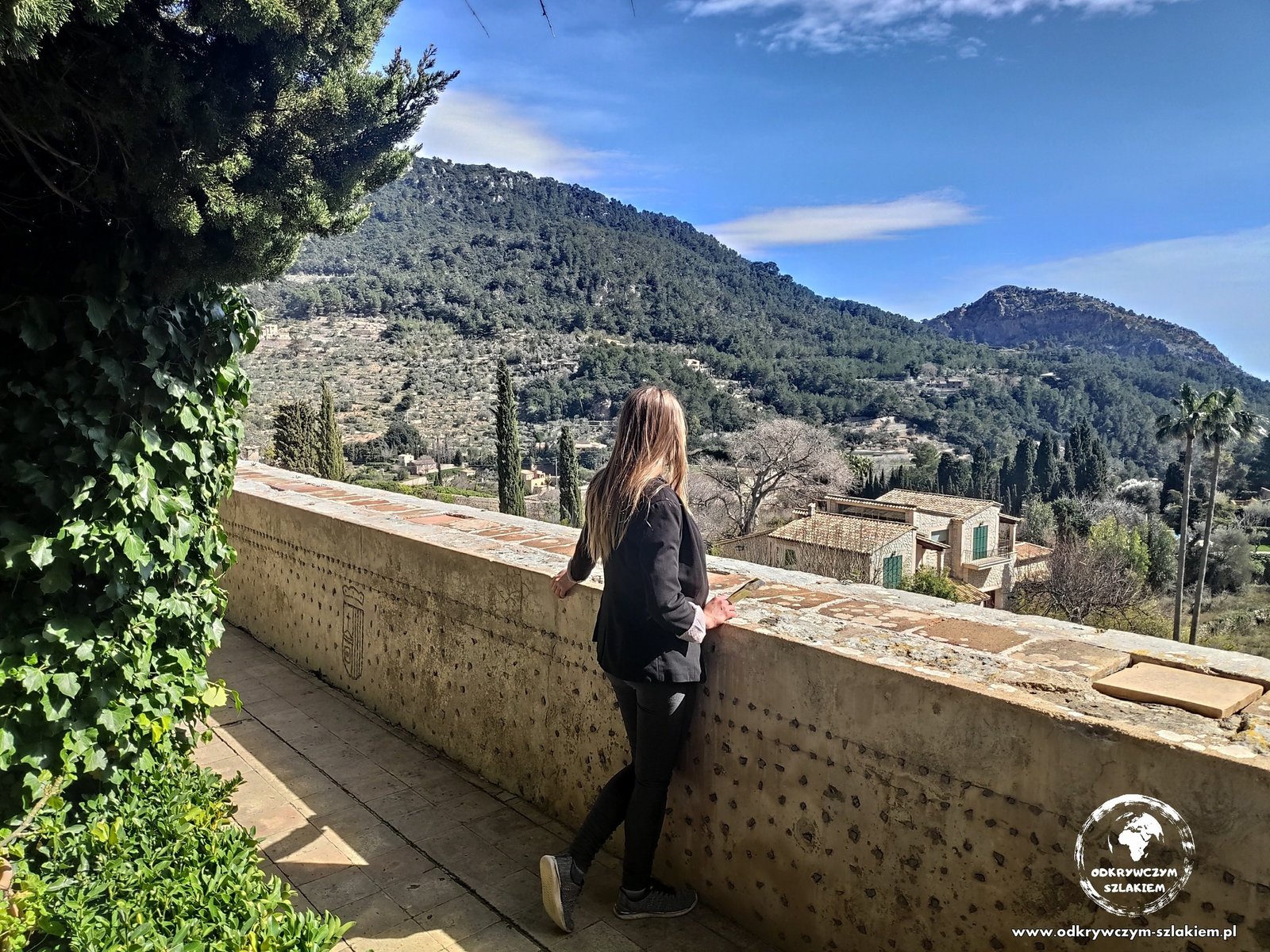
We spent the fifth day in the Serra de Tramuntana mountains. First we visited Valldemossa – a stone town whose Carthusian monastery was where Frédéric Chopin lived and composed. We paid €17 in total for two tickets to the museum in the monastery and the residence, and a short recital was an extra treat – a pianist played three pieces by Chopin.
In the afternoon we drove to Esporles – a town watched over by a statue of Jesus on a hill. We walked up to it along a trail.
Day 6: by vintage train to Sóller and the Jardins d’Alfàbia
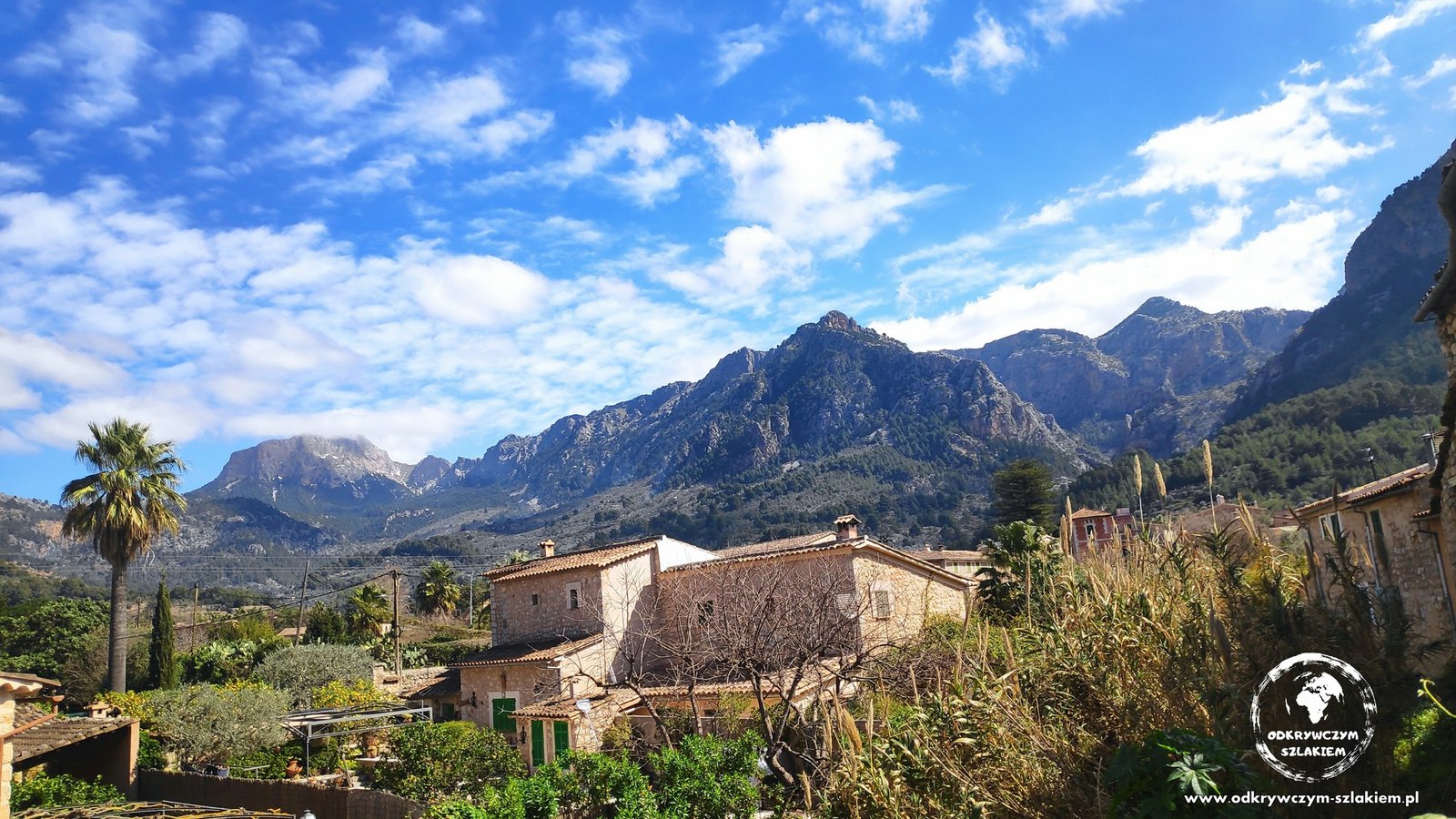
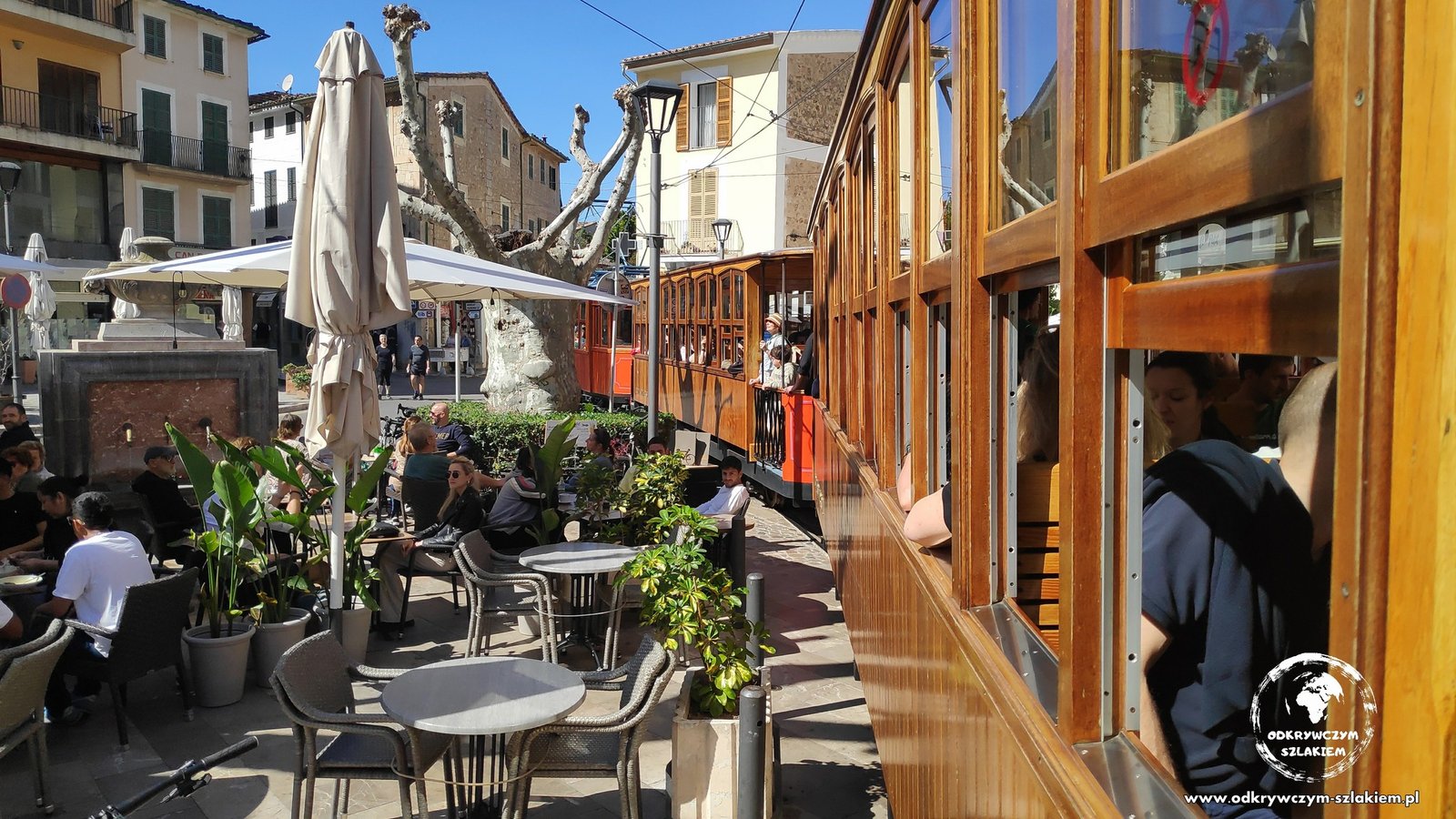
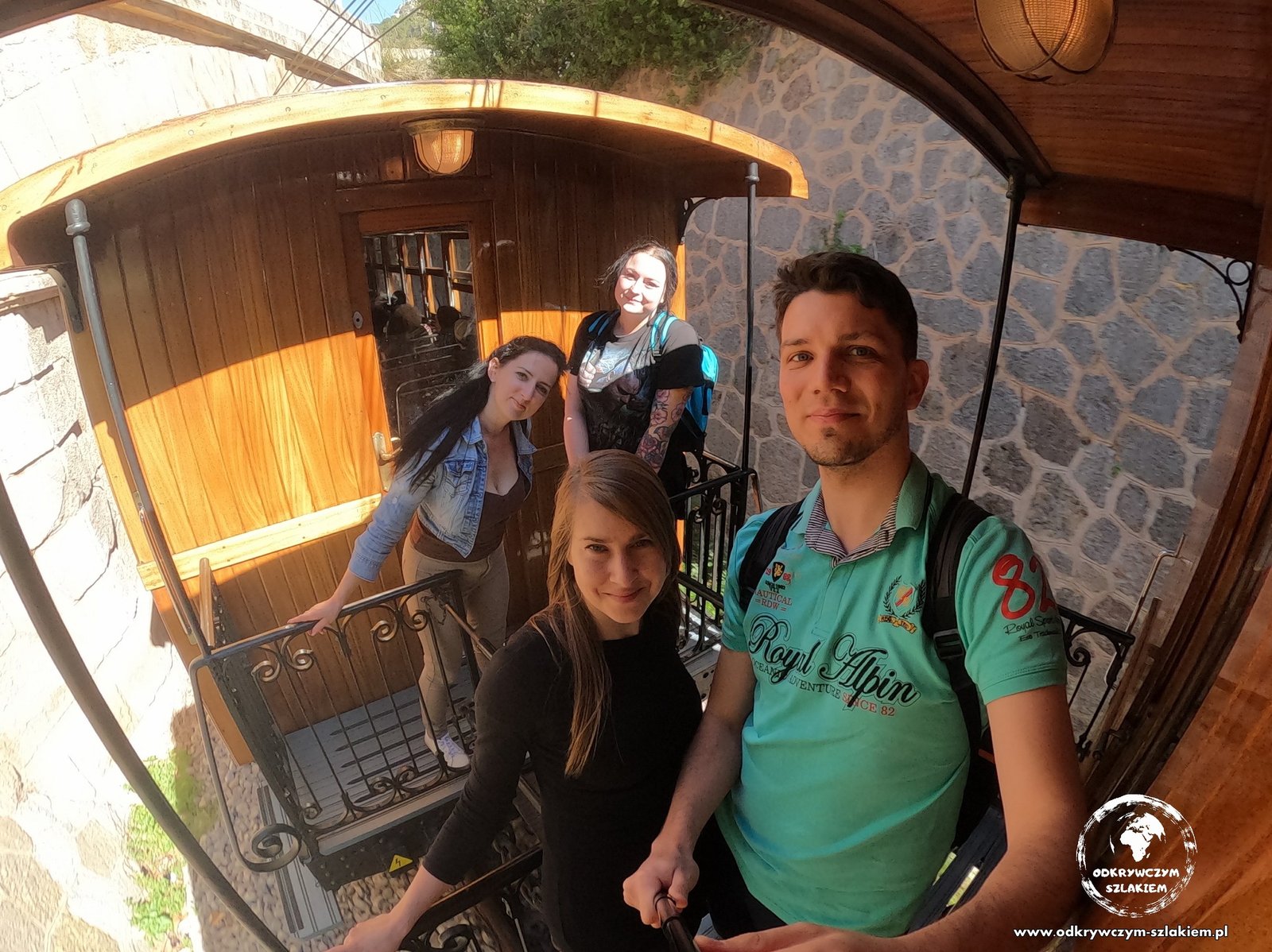
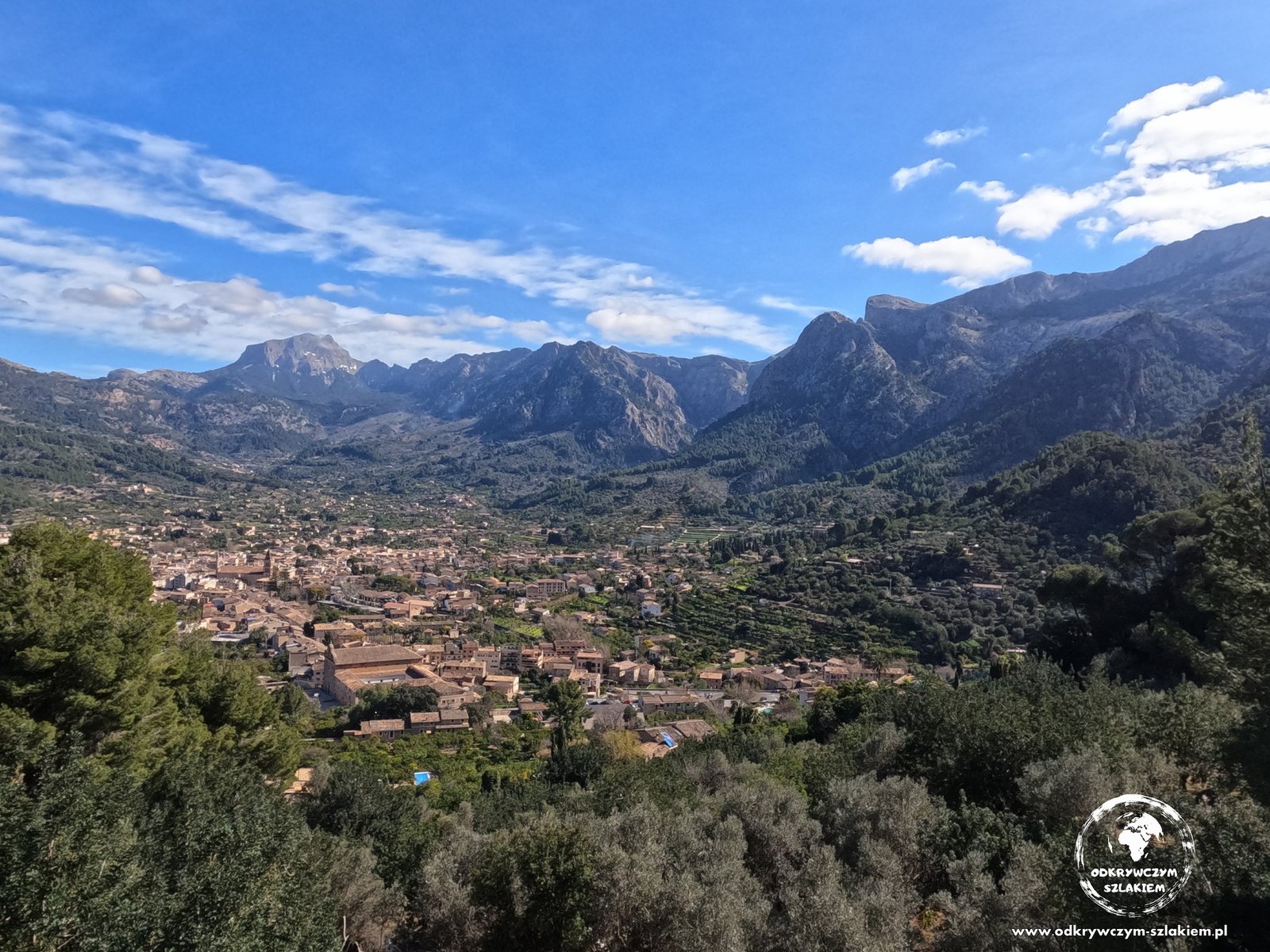
On the sixth day we took the vintage train from the village of Bunyola to Sóller (€15 return). The wooden carriages run through the mountains and tunnels, and from a viewpoint above the town you can see the whole Sóller valley.
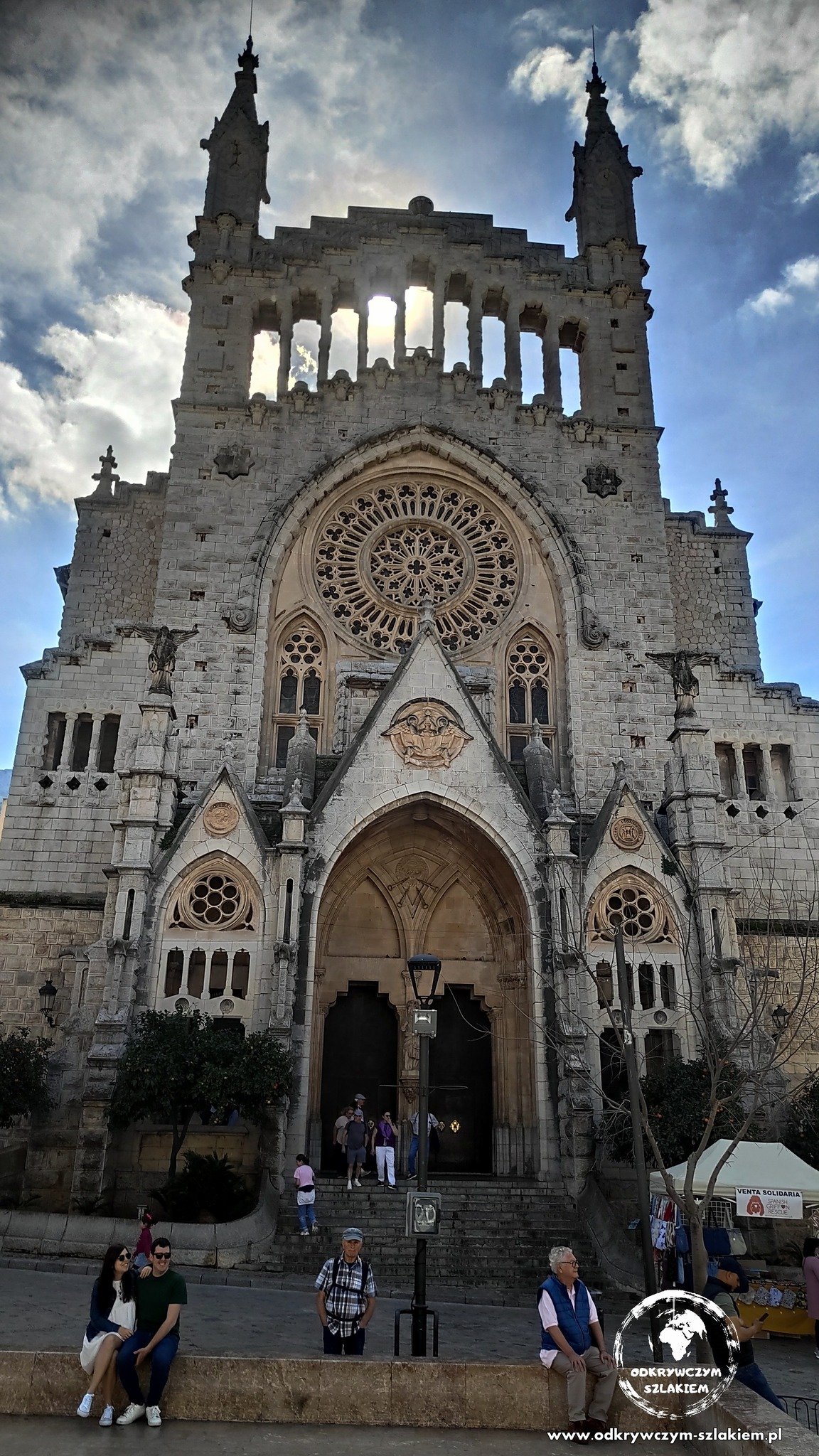
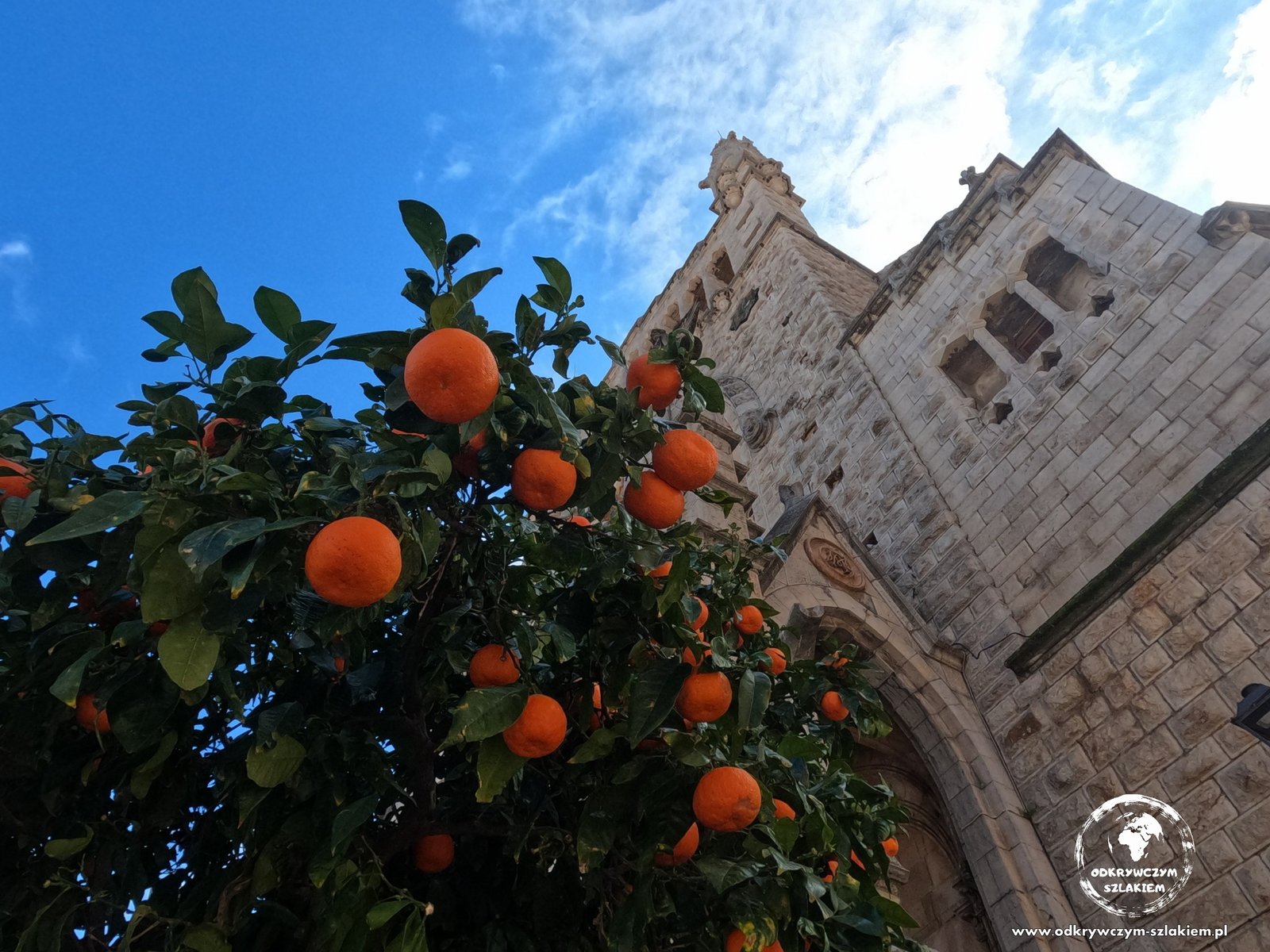
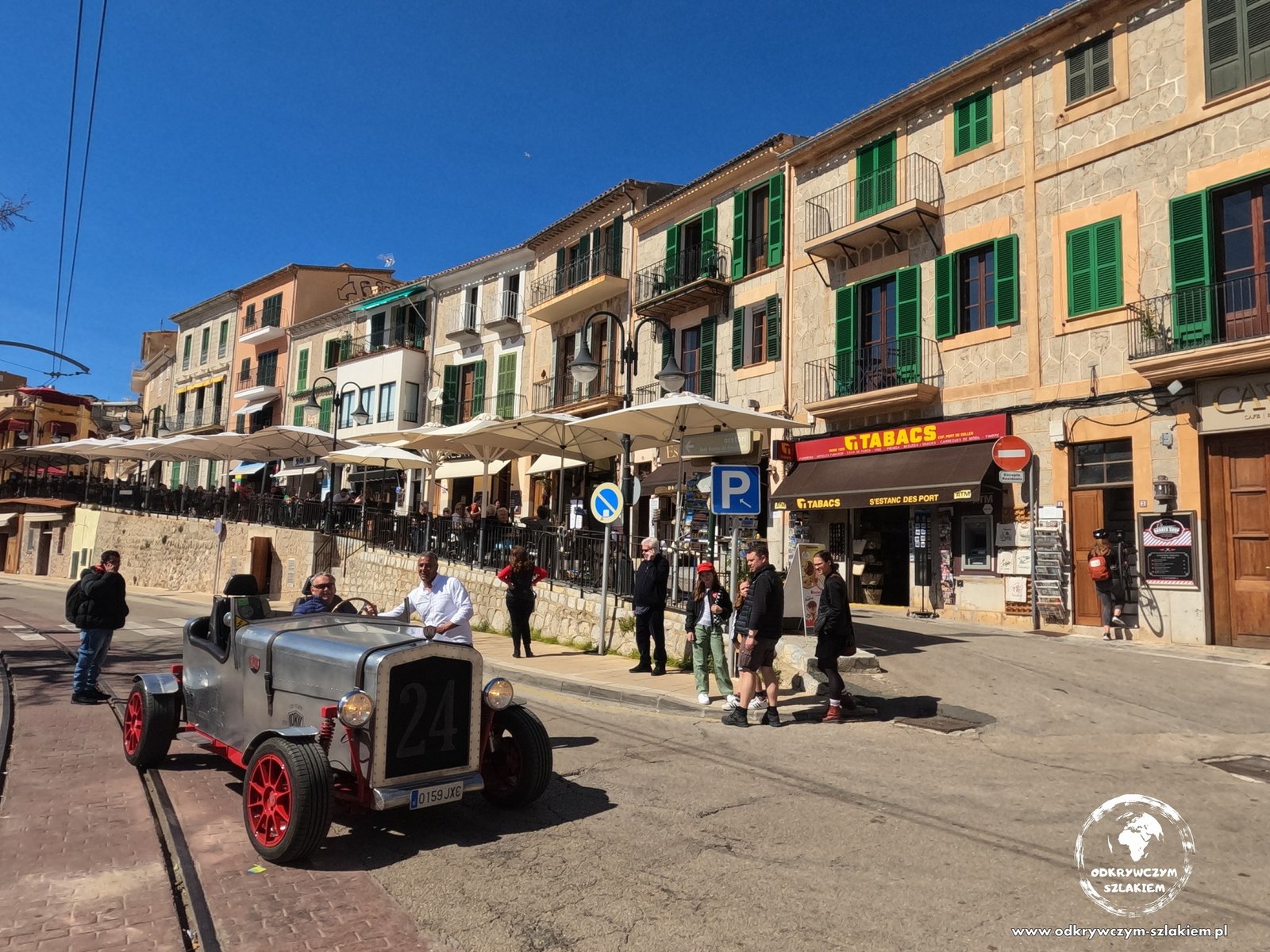
In the centre of Sóller stands the church of St Bartholomew, and all around grow lots of orange trees. From the town we took the historic tram down to the port (€8 one way).
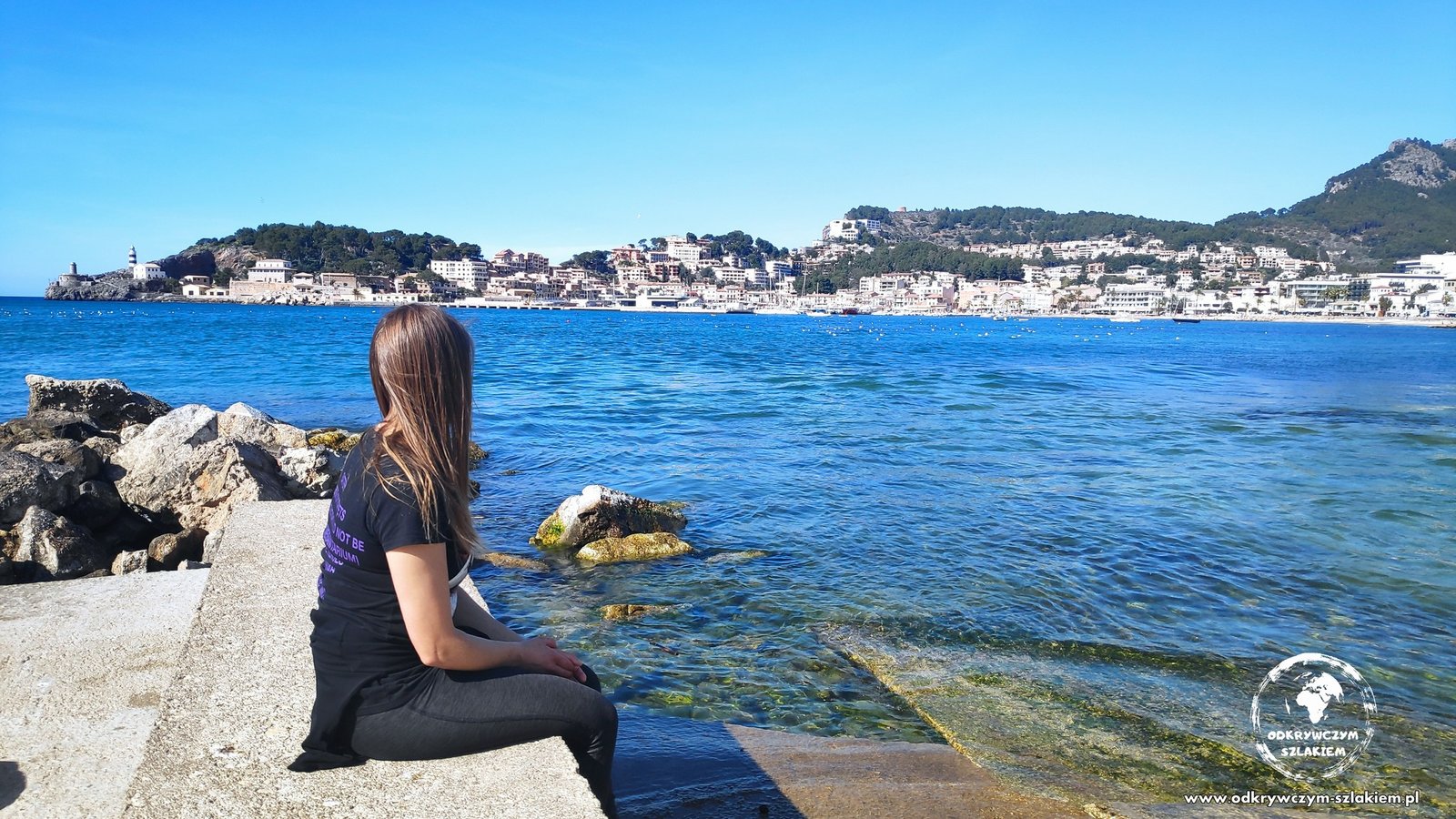
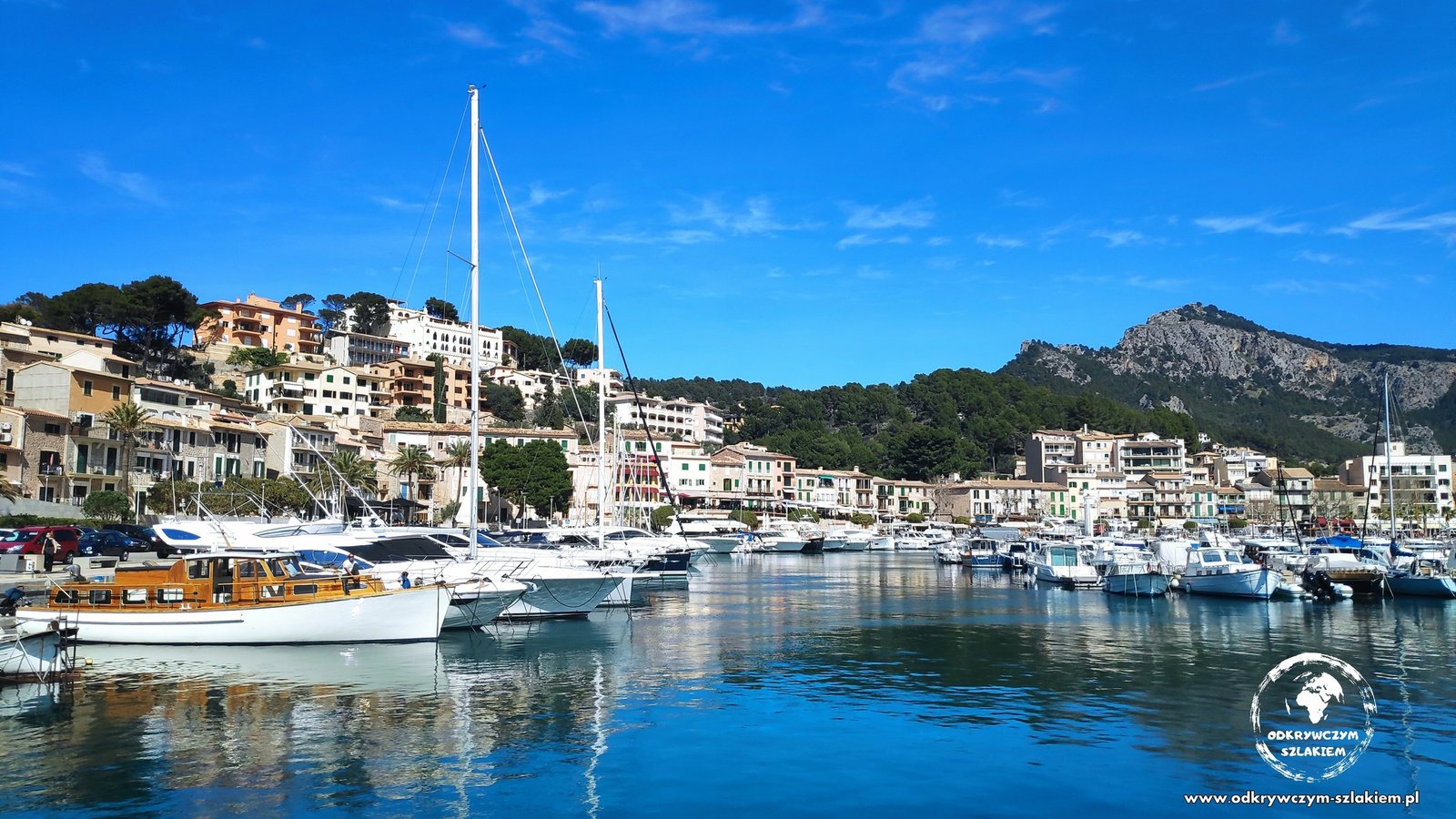
Port de Sóller lies on a bay surrounded by mountains – with yachts in the harbour and cafés along the waterfront.
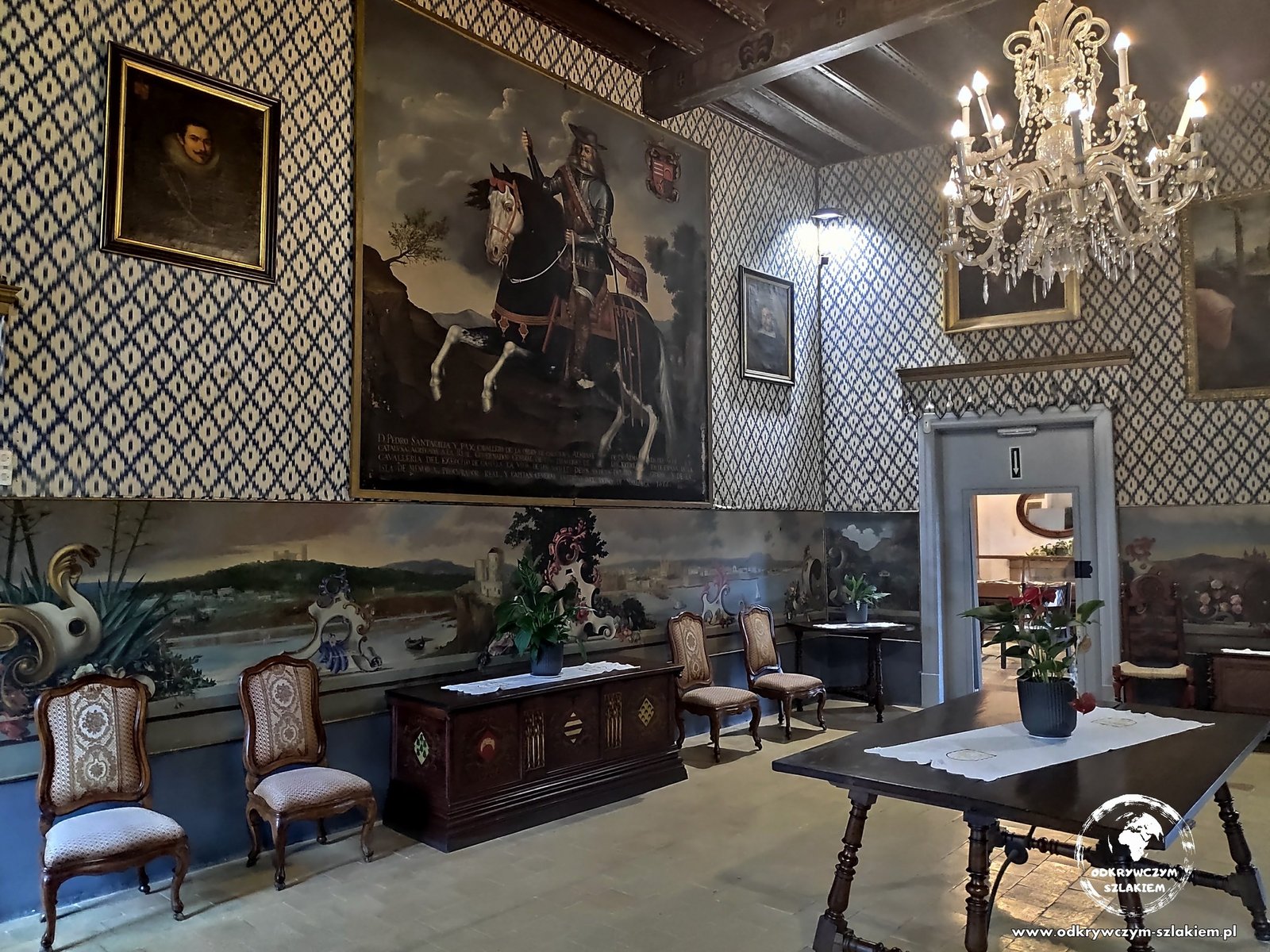
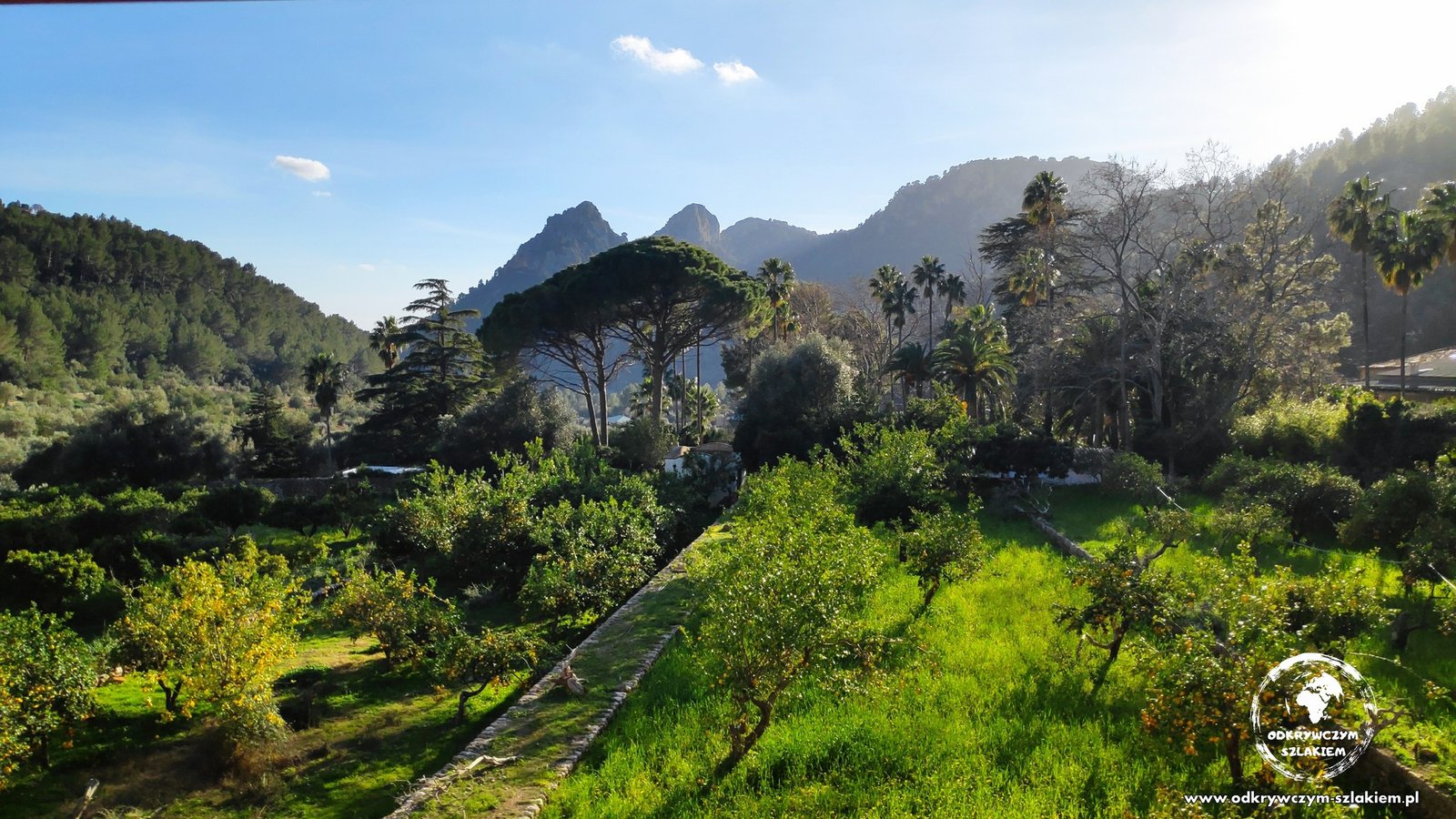
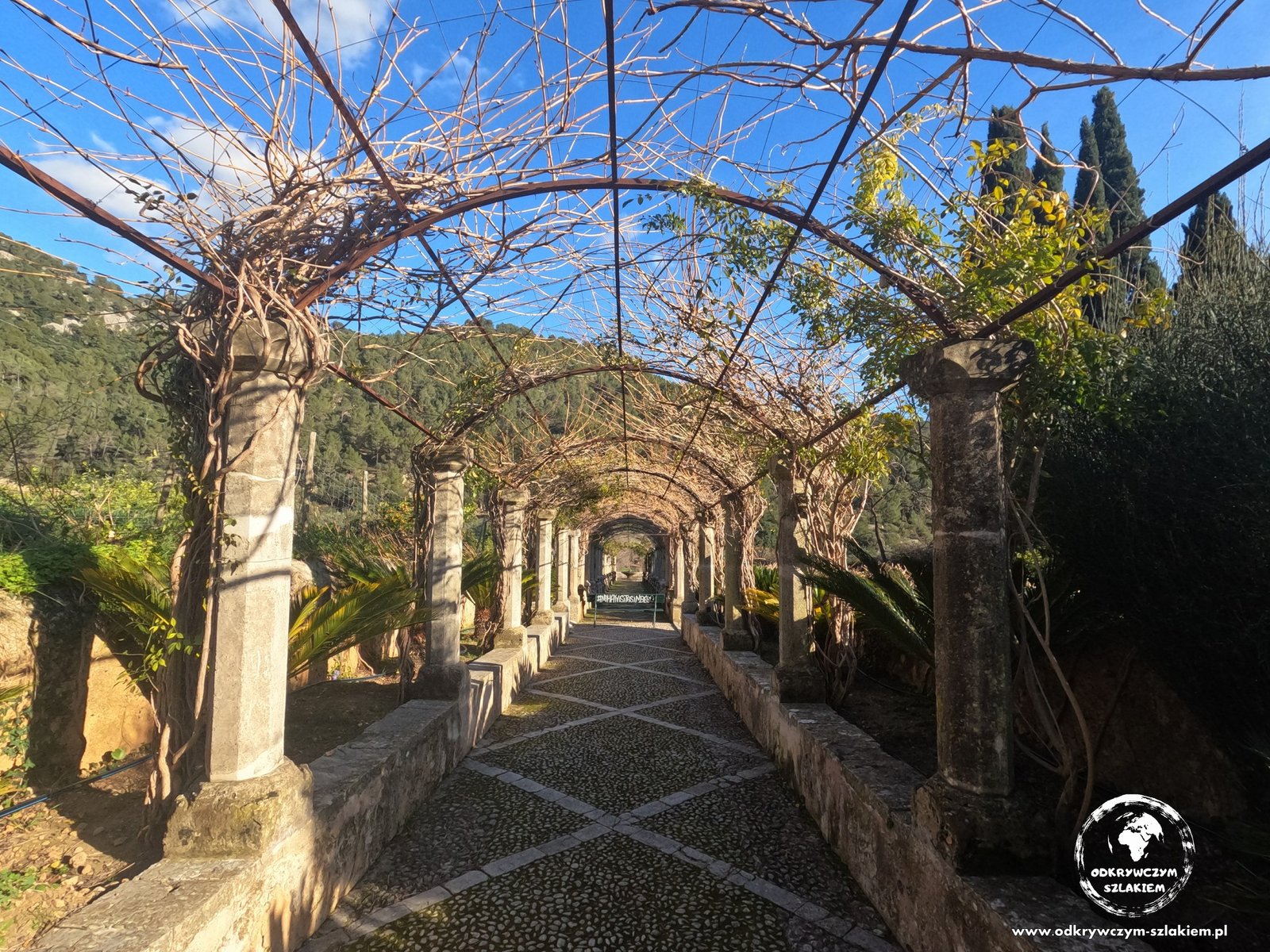
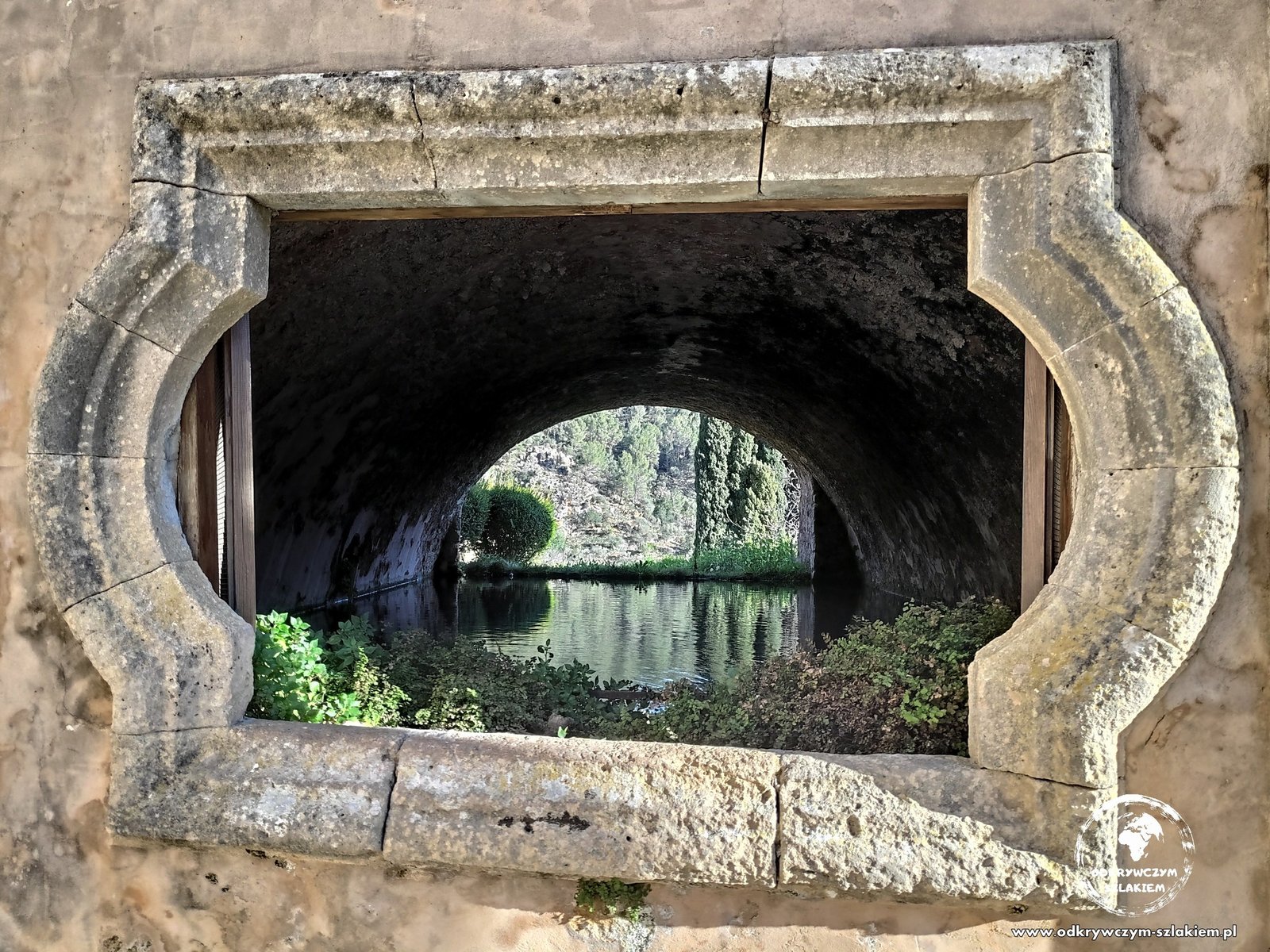
On the way back we visited the Jardins d’Alfàbia – a historic residence with gardens at the foot of the mountains (entry €8).
Day 7: Palma de Mallorca
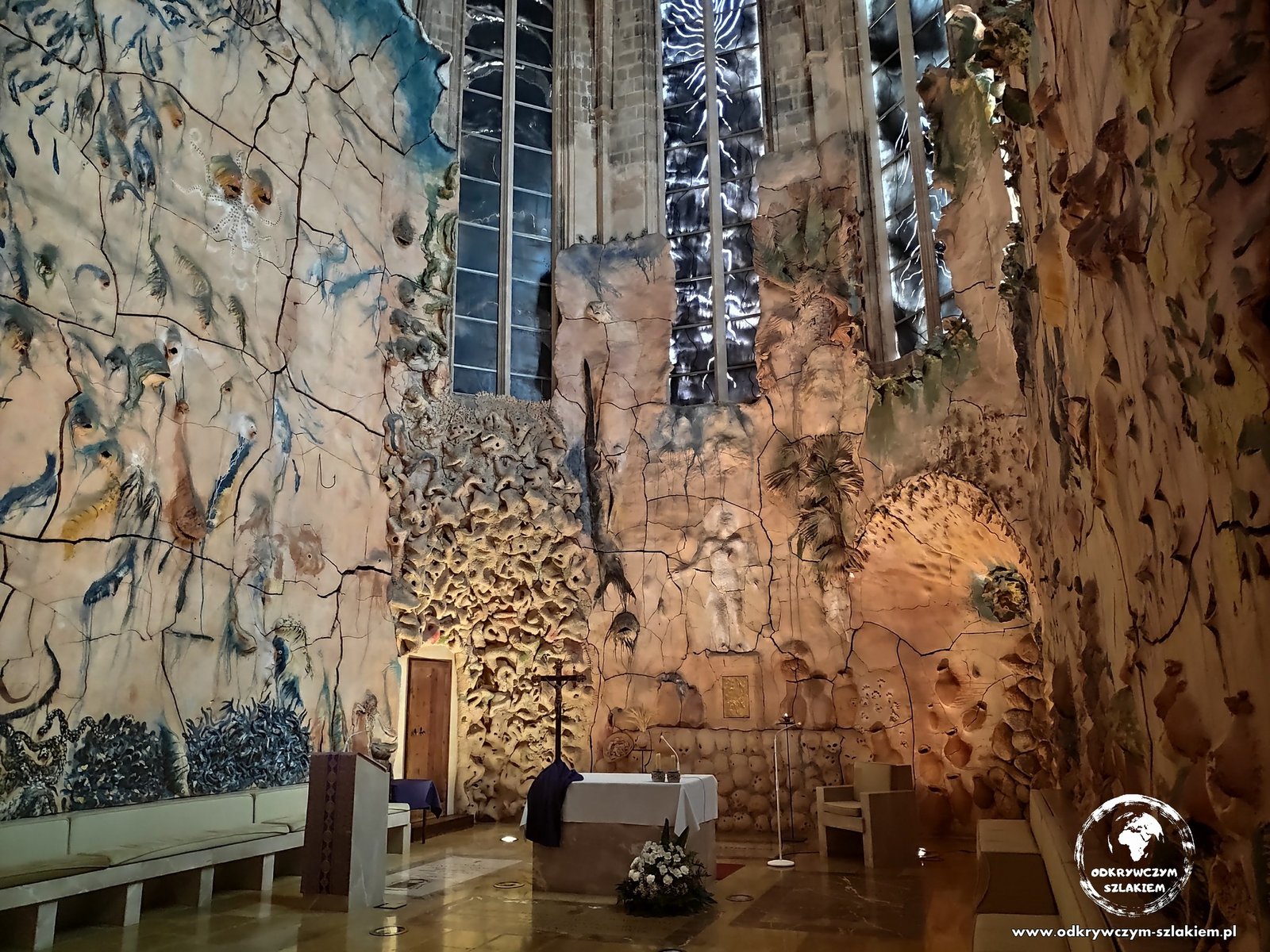
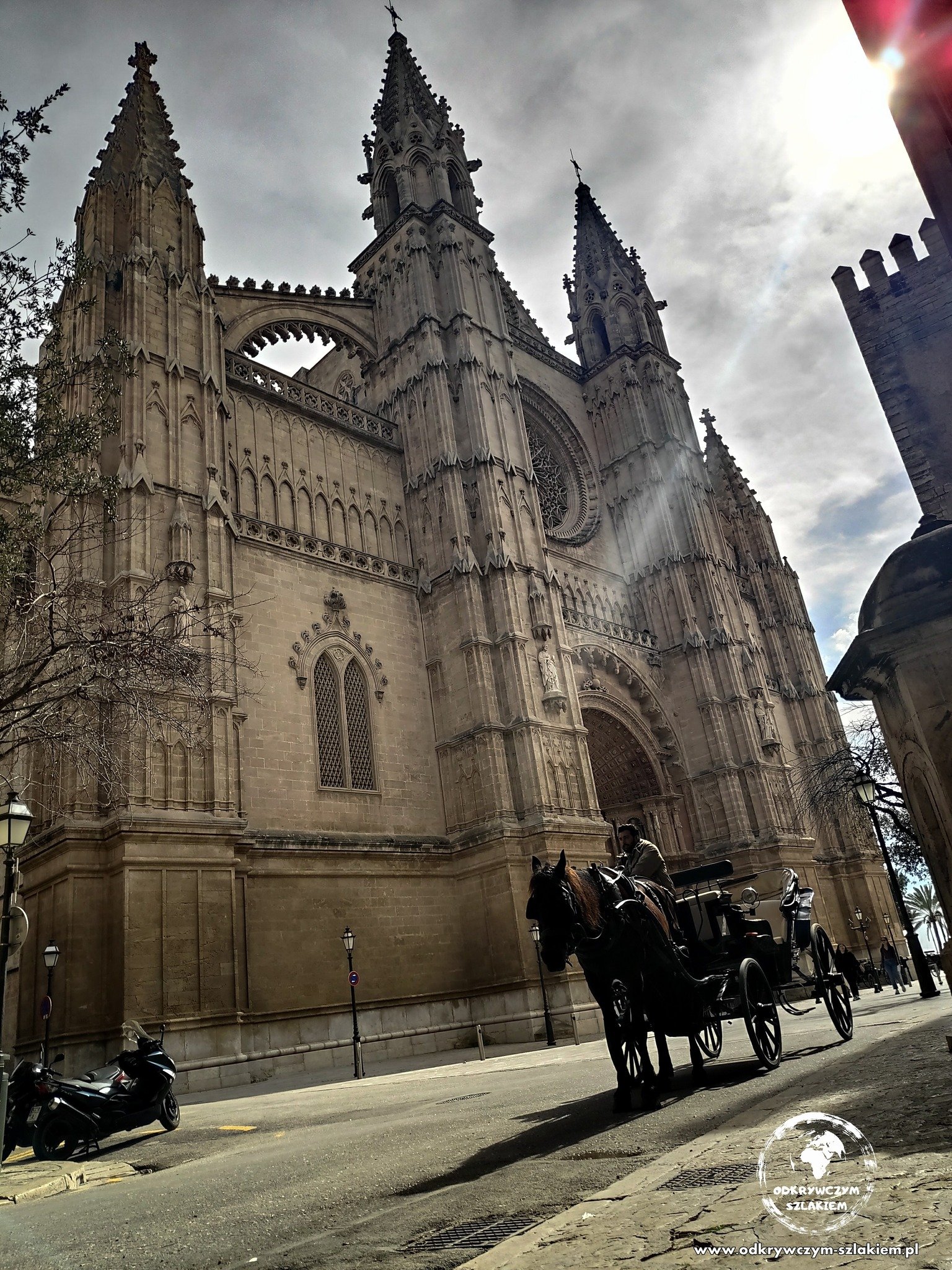
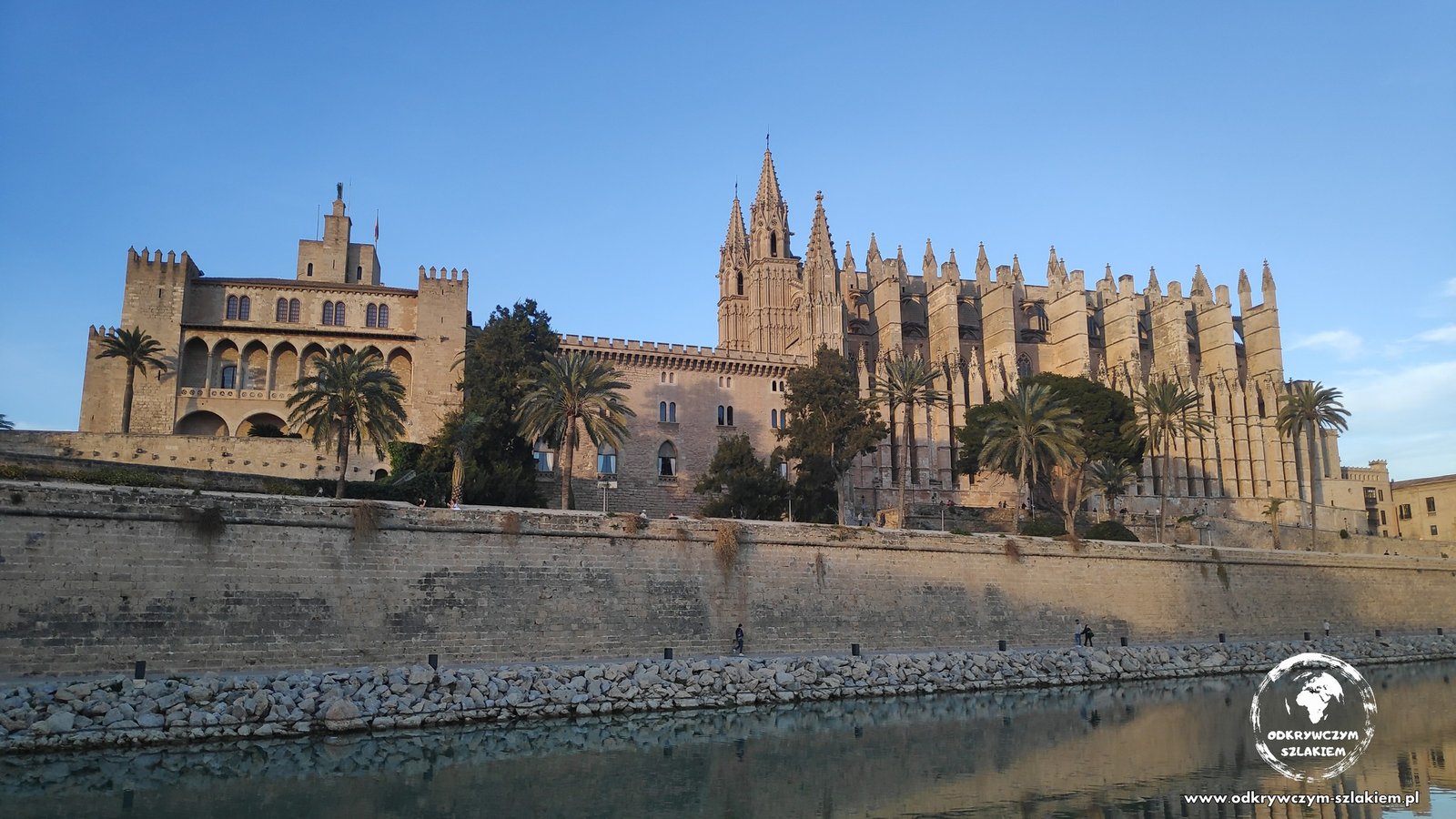
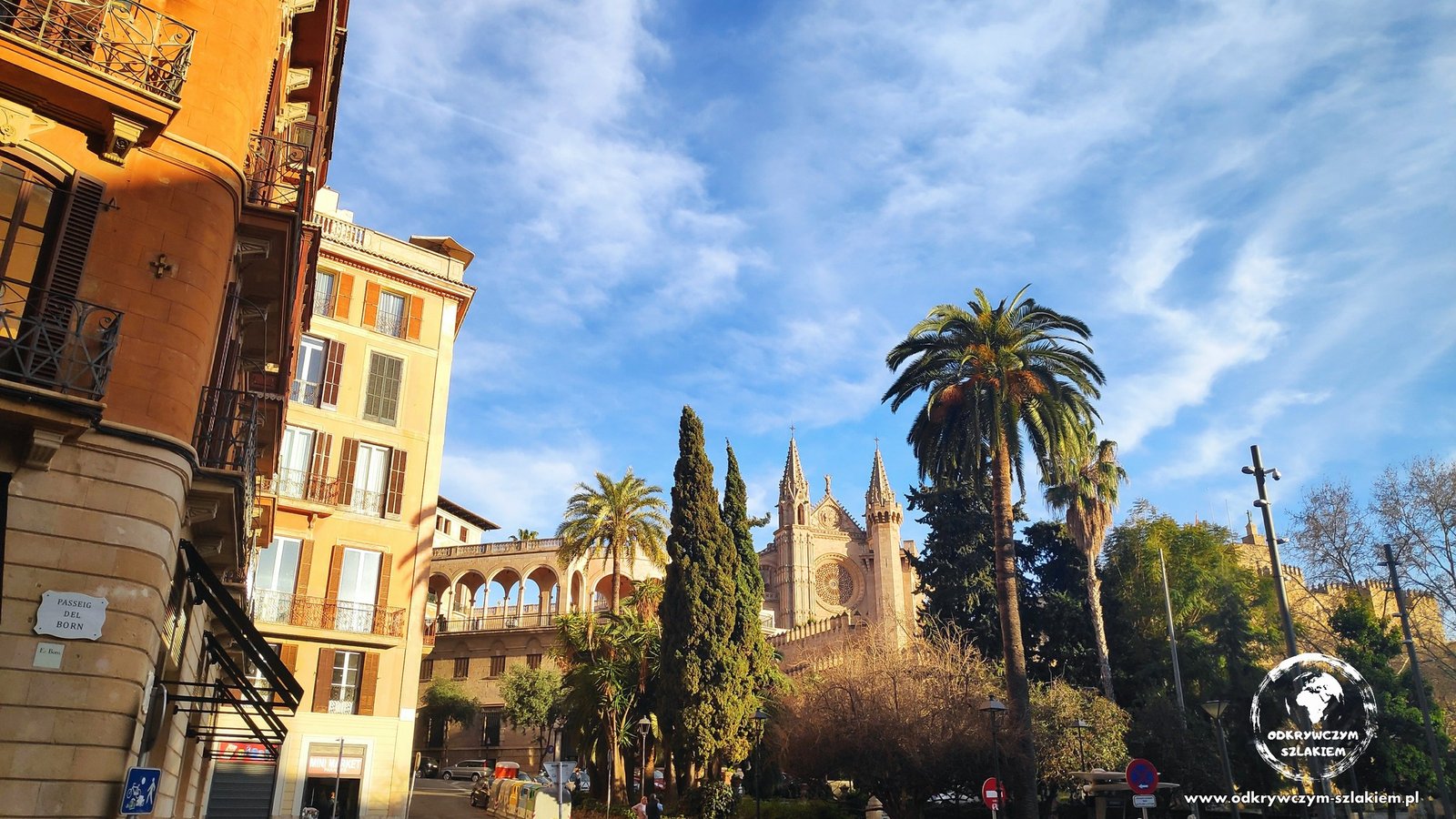
We devoted the last day to the island’s capital – Palma de Mallorca. The most important monument is the Gothic cathedral of La Seu towering over the sea, next to which stands the Almudaina Palace.
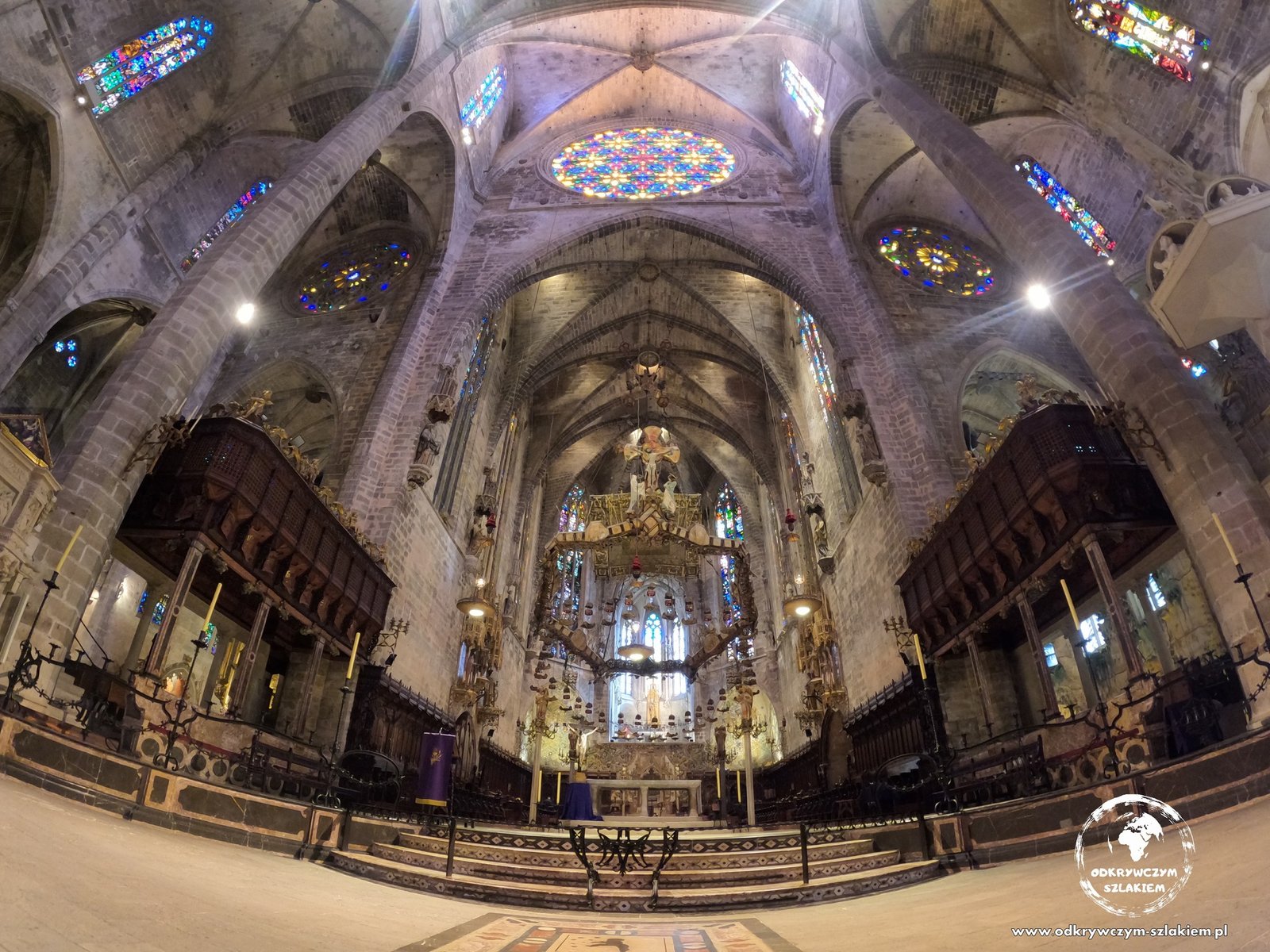
We paid €9 in total for entry to the cathedral and the museum of sacred art. We also visited the free modern art museum, Museu Fundació Joan March.
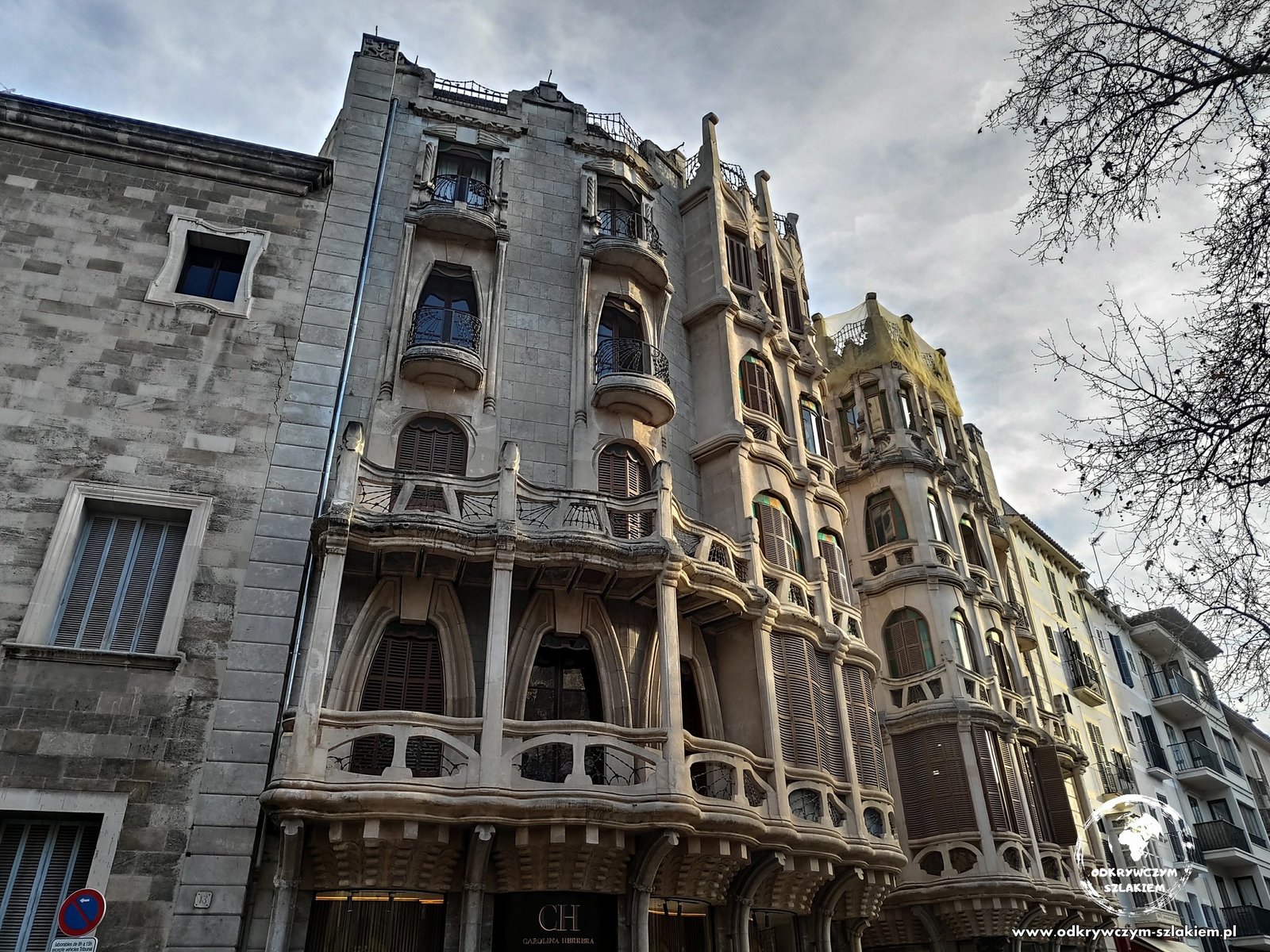
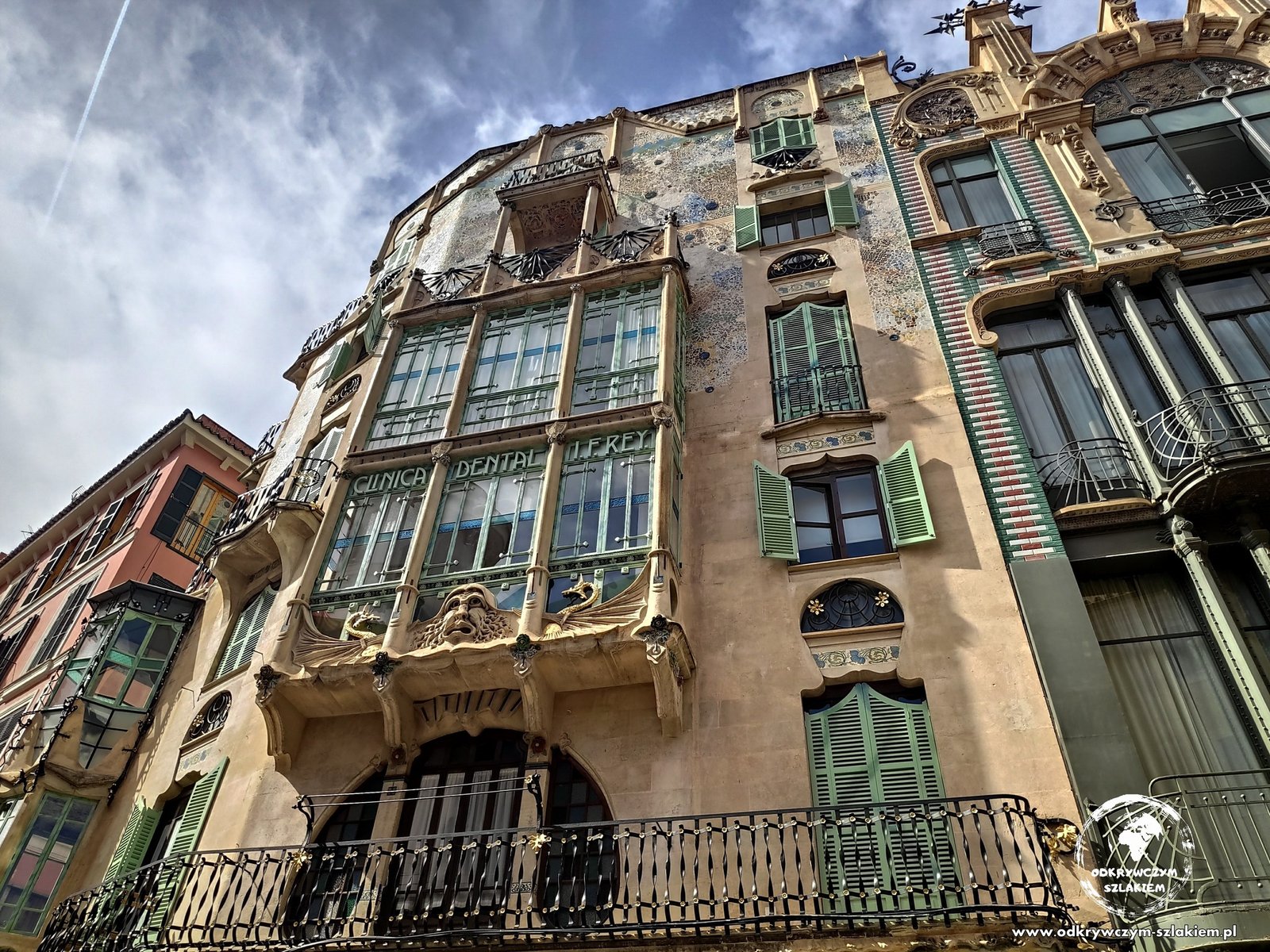
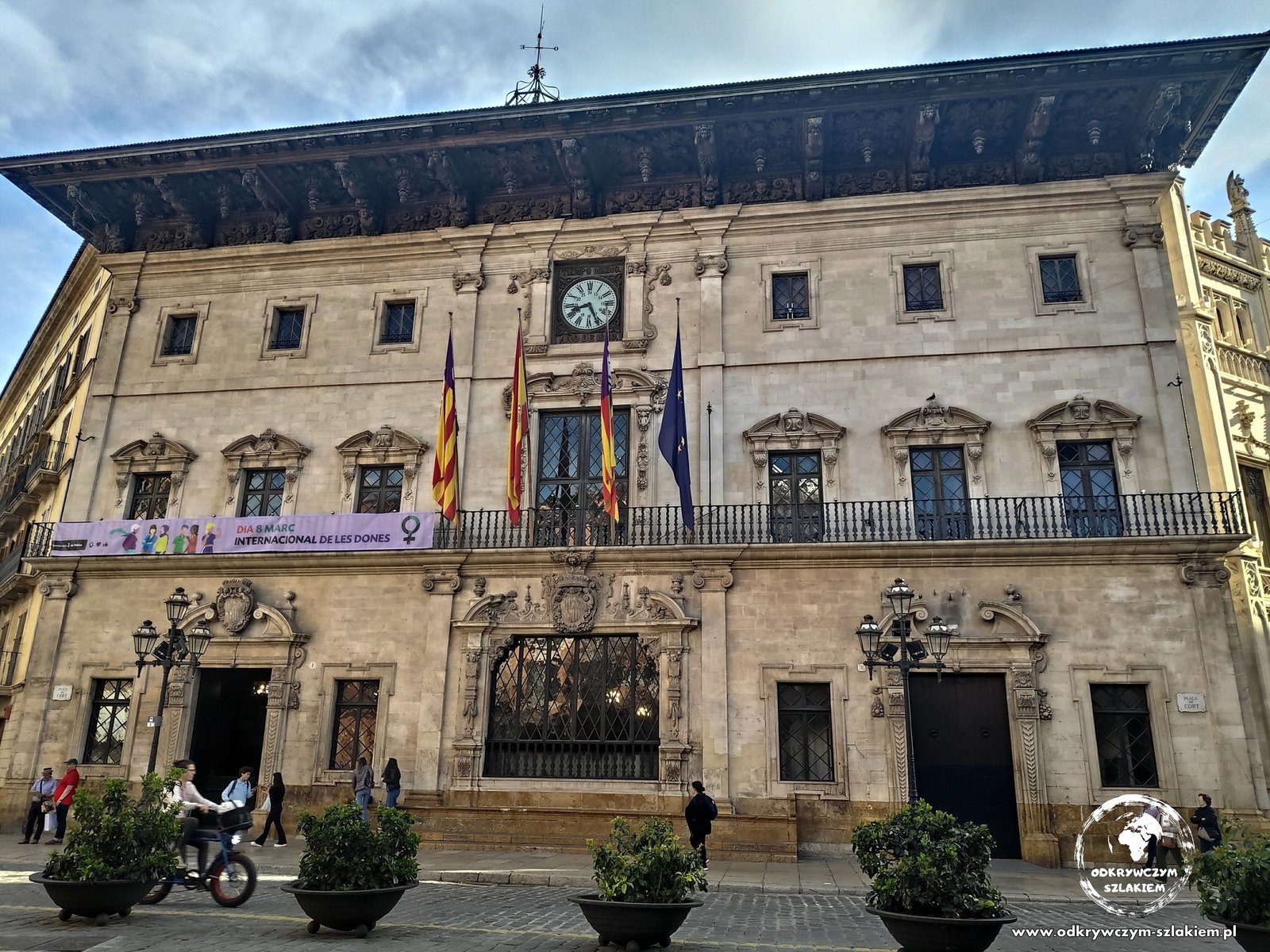
We spent the rest of the day wandering the streets of the old town – with its modernist townhouses and the town hall on Plaça de Cort – and watched the sunset from the pier.
Practical information – car, accommodation, weather and costs
- Car: to make the most of our time, we hired a car. In a week we drove about 900 km (on average about 130 km a day). Many roads are narrow and winding – driving takes longer and requires concentration.
- Accommodation: one apartment for the whole stay (Cala Millor) – cheap, with a sea view; distances on the island are so short that there is no need to change base.
- On foot: we walked about 50 km, i.e. about 7 km a day.
- Weather in March: top temperatures of 19–24°C, sunshine most of the time. We hit a good weather window – a week earlier it had even snowed.
- Costs: for a week we spent quite a lot – about €440 per person. The car and the accommodation cost the most, plus many paid attractions and regular meals out.
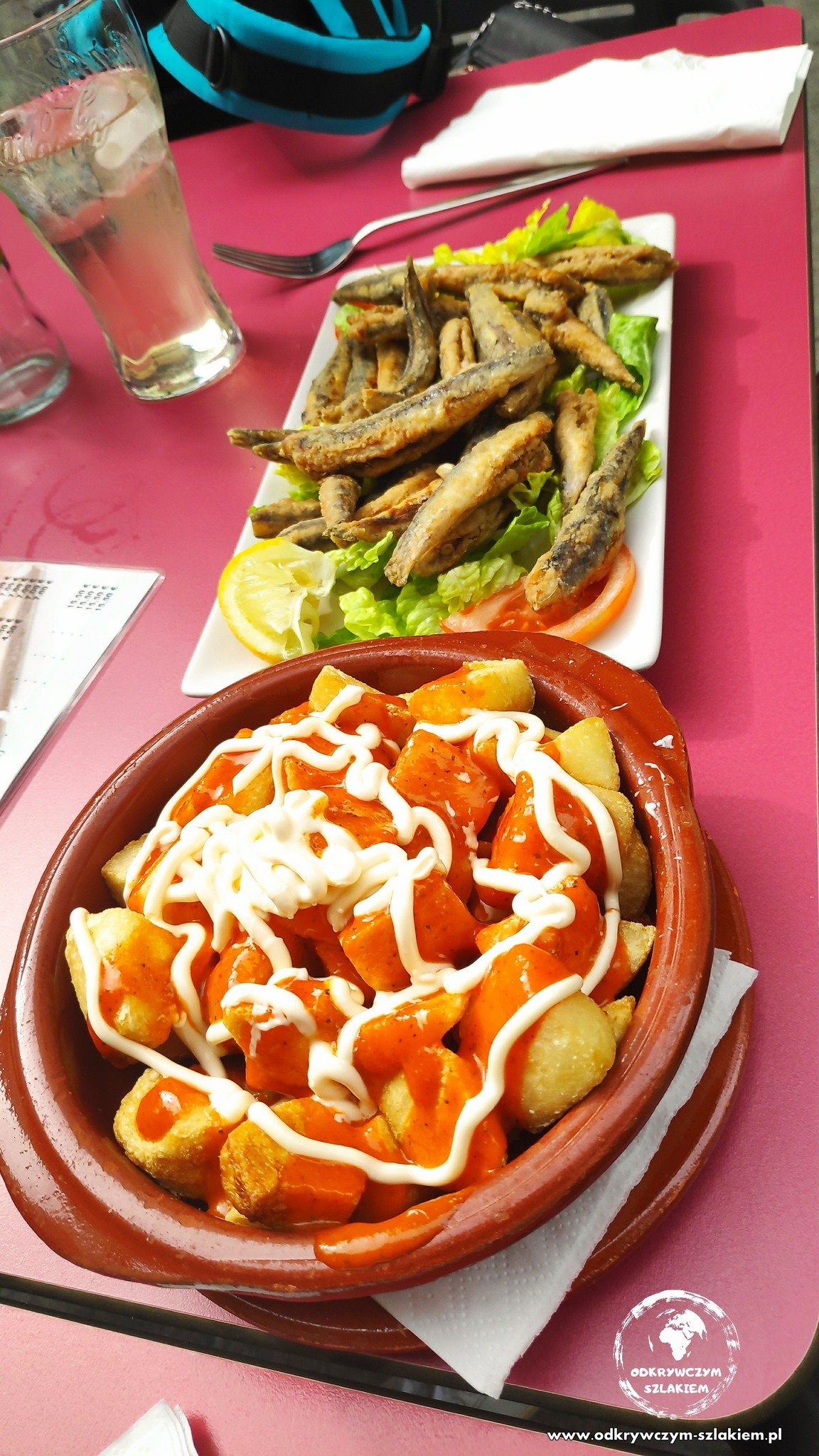
- Food: we tried several kinds of tapas; in the end we did not get round to eating paella.
- We were also lucky with the flight home – the day before there had been a strike at Berlin airport and all flights were cancelled.
A few weeks later we were in Spain again – in Barcelona and Tarragona and on the Costa Blanca.
Photo gallery