The Crown of Polish Mountains (Korona Gór Polski, KGP) is a list of 28 peaks – the highest summits of Poland’s individual mountain ranges, from Rysy (2,499 m) down to Łysica (612 m according to the Club). I have been collecting it since 28 July 2020, when I got the first stamp in my KGP booklet on the day I climbed Rysy. By May 2026 I had 7 peaks ticked off. Two more have to be repeated: Tarnica, because I climbed it in 2017, before I had the booklet, and Skrzyczne, which I reached by chairlift. In this post I explain what the Crown is, when an ascent counts under the Club’s rules and what controversies surround the list itself, and at the end I gather my own ascents – with dates, routes and links to the trip reports from each mountain.
Table of contents
- What the Crown of Polish Mountains is
- The list of 28 peaks
- When an ascent counts – the Club’s rules
- Controversies around the list
- My peaks – dates and routes
- Tarnica and Skrzyczne – to be repeated
- Practical information
What the Crown of Polish Mountains is
The Crown of Polish Mountains is both a list and a badge: each of the 28 mountain ranges in Poland has one peak on it – in principle the highest in the Polish part of the range. Sixteen of them are in the Sudetes and their foothills (Ślęża), eleven in the Carpathians and one – Łysica – in the Holy Cross Mountains. Together they add up to more than 30,000 metres of height.
The idea was presented in 1997 by Marek Więckowski and Wojciech Lewandowski in the June issue of the monthly “Poznaj swój kraj” (Get to Know Your Country). The aim was to take some pressure off the most popular mountains, such as the Tatras, and to encourage hikers to discover lesser-known ranges, their nature and history. The original list had 27 entries: the Ślęża Massif was not on it, the Bialskie Mountains were represented by Postawna and the Pieniny by Trzy Korony. The Crown was approved on 13 December 1997 at the meeting that started the Club of the Crown of Polish Mountains Conquerors (Klub Zdobywców Korony Gór Polski).
For almost 15 years the Club was under the patronage of “Poznaj swój kraj”, and since 2016 it has operated under its current name, based in Lublin. The name “Korona Gór Polski” is a registered trademark of the Club. According to its website (November 2026) the Club has more than 210,000 members, and nearly 12,000 people hold the title of KGP Conqueror. I am a member too – I already had my booklet in the Tatras in July 2020.
The list of 28 peaks
Below is the full list, starting with the highest peak. I give the heights from the Club’s list – other sources differ by up to a few metres (more on that in the part about controversies). The last column shows my status as of May 2026: ✓ – peak done, ↻ – to be repeated.
| Peak | Range | m | Status |
|---|---|---|---|
| Rysy | Tatras | 2499 | ✓ |
| Babia Góra | Beskid Żywiecki | 1725 | – |
| Śnieżka | Karkonosze (Giant Mountains) | 1603 | ✓ |
| Śnieżnik | Śnieżnik Massif | 1425 | – |
| Tarnica | Bieszczady | 1346 | ↻ |
| Turbacz | Gorce | 1310 | – |
| Radziejowa | Beskid Sądecki | 1262 | – |
| Skrzyczne | Silesian Beskids | 1257 | ↻ |
| Mogielica | Beskid Wyspowy | 1171 | – |
| Wysoka Kopa | Izera Mountains | 1126 | ✓ |
| Rudawiec | Bialskie Mountains | 1106 | – |
| Orlica | Orlickie Mountains | 1084 | – |
| Wysoka | Pieniny | 1050 | – |
| Wielka Sowa | Owl Mountains | 1015 | – |
| Lackowa | Beskid Niski | 997 | – |
| Kowadło | Golden Mountains | 989 | – |
| Jagodna | Bystrzyckie Mountains | 977 | – |
| Skalnik | Rudawy Janowickie | 945 | ✓ |
| Waligóra | Stone Mountains | 934 | – |
| Czupel | Beskid Mały | 930 | ✓ |
| Szczeliniec Wielki | Table Mountains | 919 | – |
| Lubomir | Beskid Makowski | 904 | – |
| Biskupia Kopa | Opawskie Mountains | 890 | – |
| Chełmiec | Wałbrzych Mountains | 851 | ✓ |
| Kłodzka Góra | Bardzkie Mountains | 757 | – |
| Skopiec | Kaczawskie Mountains | 721 | – |
| Ślęża | Ślęża Massif | 718 | – |
| Łysica | Holy Cross Mountains | 612 | ✓ |
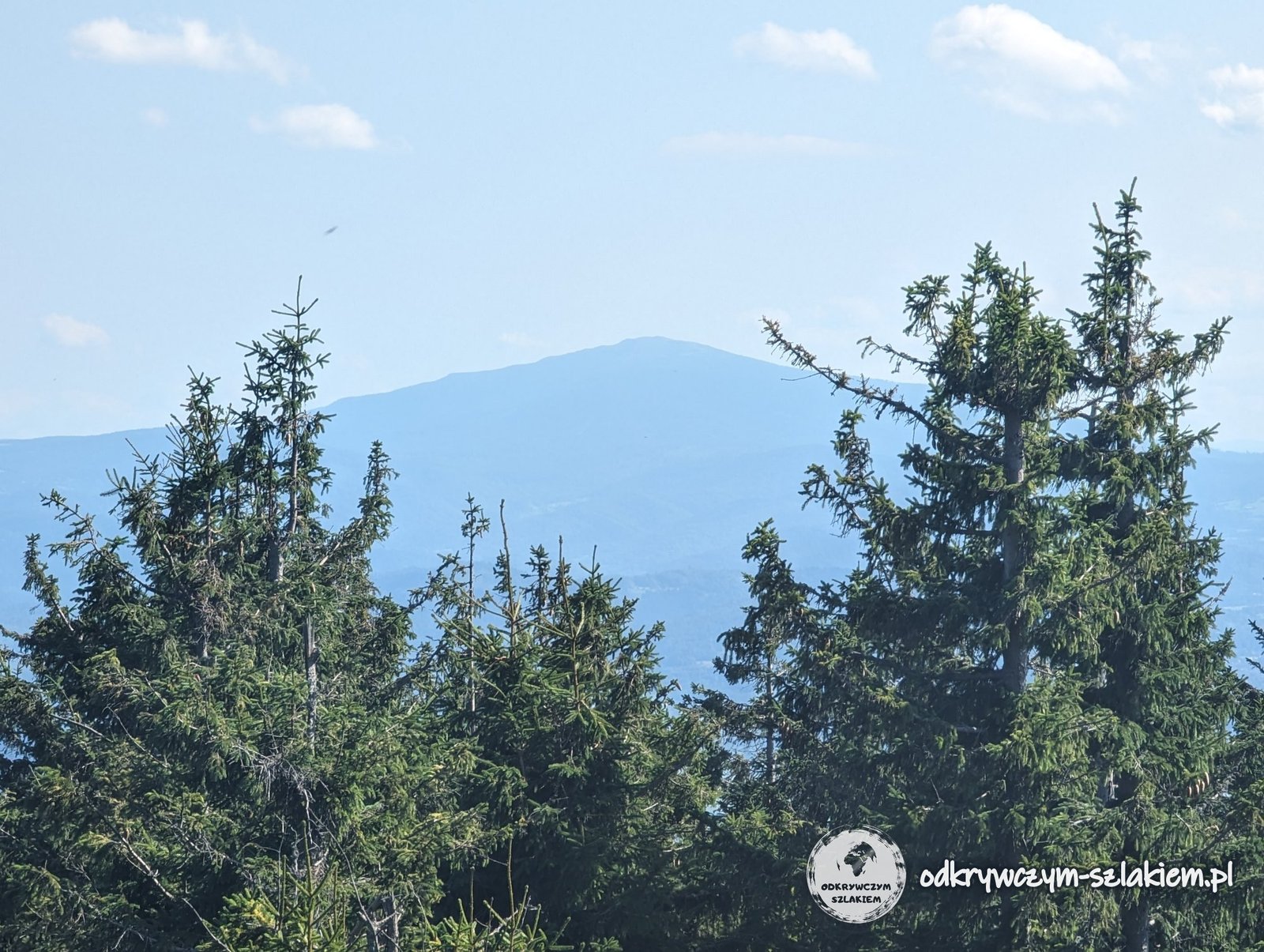
I have not yet climbed the second highest peak of the Crown, Babia Góra (1,725 m) – I have seen it from Skrzyczne.
When an ascent counts – the Club’s rules
The rules are set out in the Club’s regulations and in the answers to frequently asked questions on its website, kgp.info.pl. The main points (as of November 2026):
- Joining the Club: you submit a declaration and pay an entry fee. The Club then gives you the title of Candidate and sends you the KGP booklet with your registration date. You can join from the age of 7, and there are no membership fees.
- Only ascents after joining: the Lodge of Conquerors does not count ascents made before you joined the Club – only ascents from your registration date count.
- Under your own steam: the regulations speak of climbing the peaks “by the strength of your own muscles, in any way and at any time”. Usually on foot, but the Club also allows e.g. a bike or skis, if the rules on the given trail permit it. Riding up by cable car or car does not meet this condition.
- A photo from the summit: the main proof is a photo taken on the summit – a printed one, glued onto the page of that mountain in the booklet. It does not have to show a sign, but the place must be clearly recognisable, so a selfie counts too. You can climb Rysy from the Slovak side, but the photo has to be taken on the Polish summit.
- Stamp and date: each peak needs a date and a stamp – from the Club’s box on the summit or from a mountain hut, shop, tourist information point or another place nearby, and if there is none – from the nearest town or village. The stamp confirms that the ascent took place after you joined the Club. If getting one was truly impossible, an exact description of the route can replace it as an exception. A member of the Lodge met on the trail can also put in a stamp with a signature.
- Order and time: up to you. There is no time limit, and peaks can be climbed in winter and several in one day.
- Verification: after climbing all 28 peaks you sign up for verification by the Lodge of Conquerors – in person, on a club trip or by post (the Club announces the dates, and you do not send your booklet on your own). After a positive verification you receive a diploma, a personalised Conqueror’s badge and an ID card. The Crown can be officially completed at most 20 times.
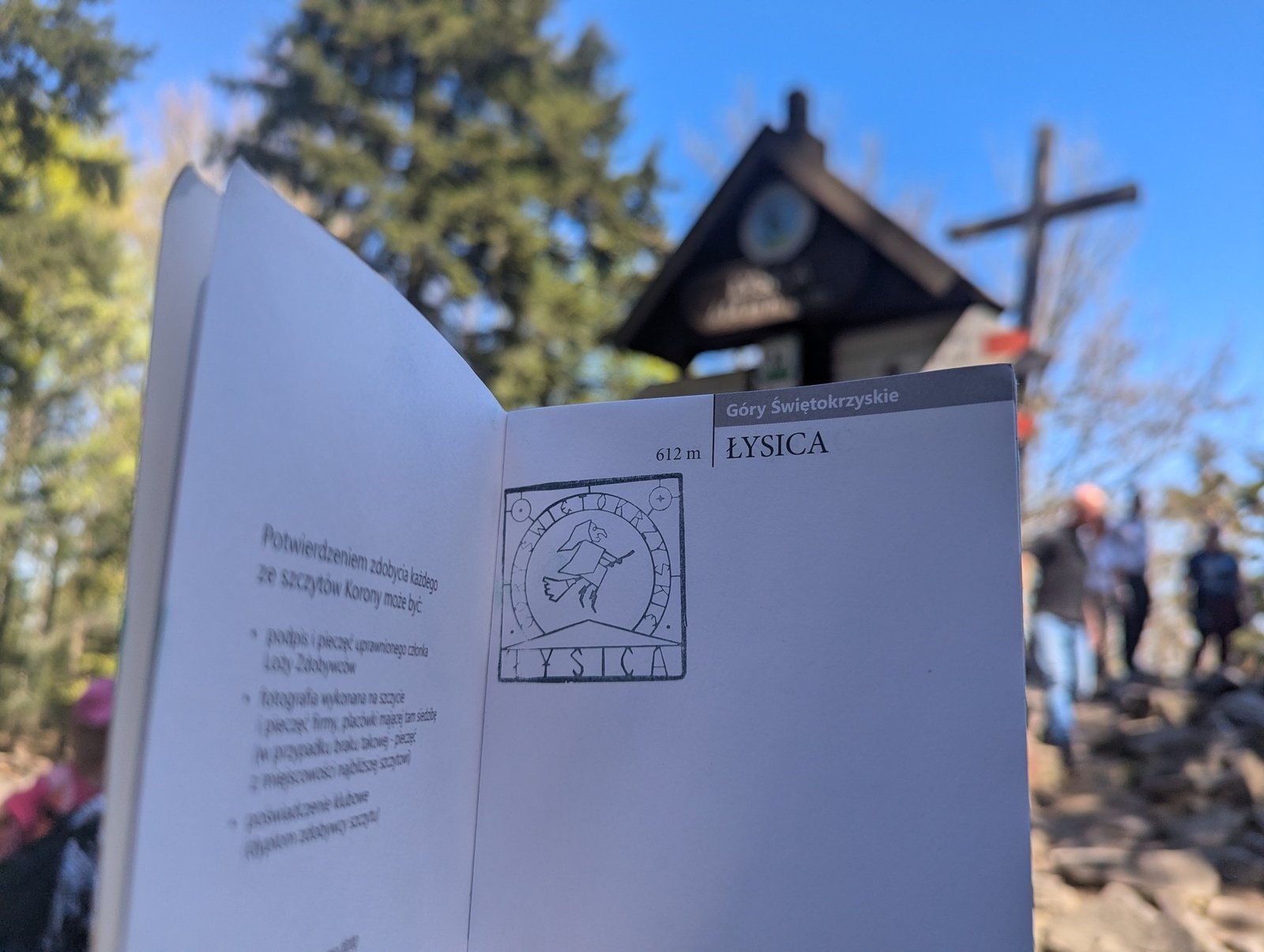
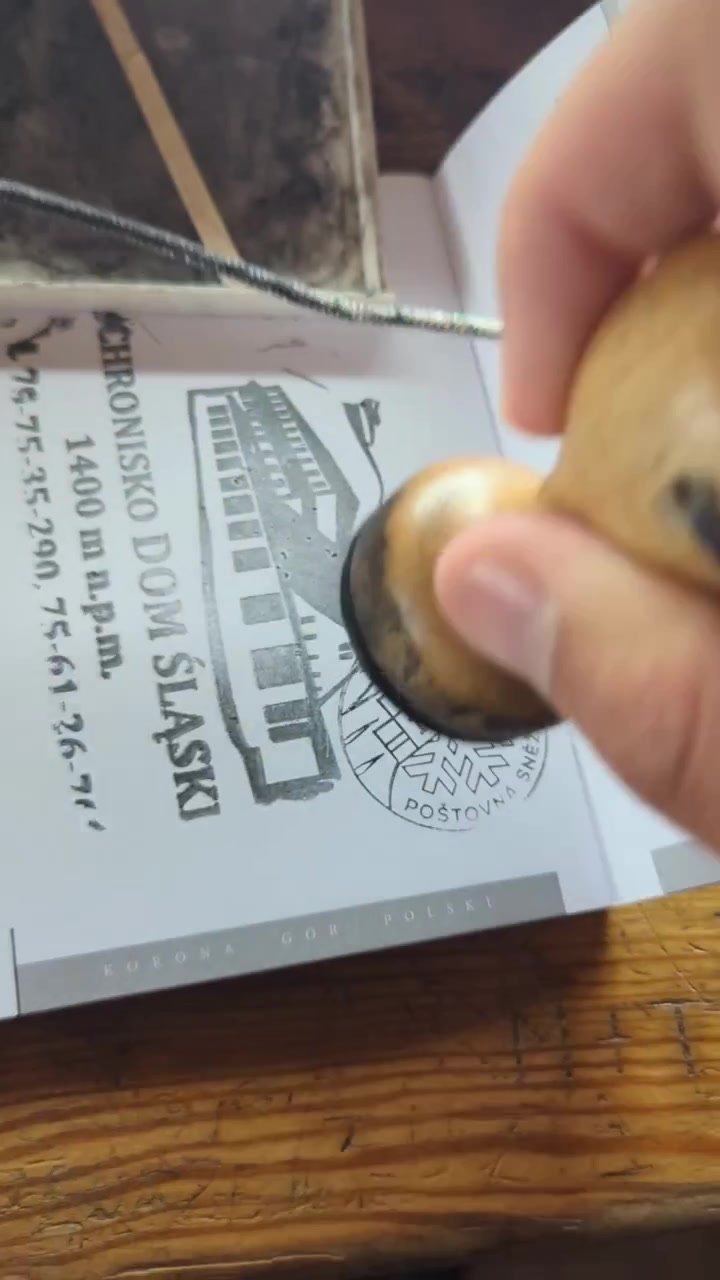
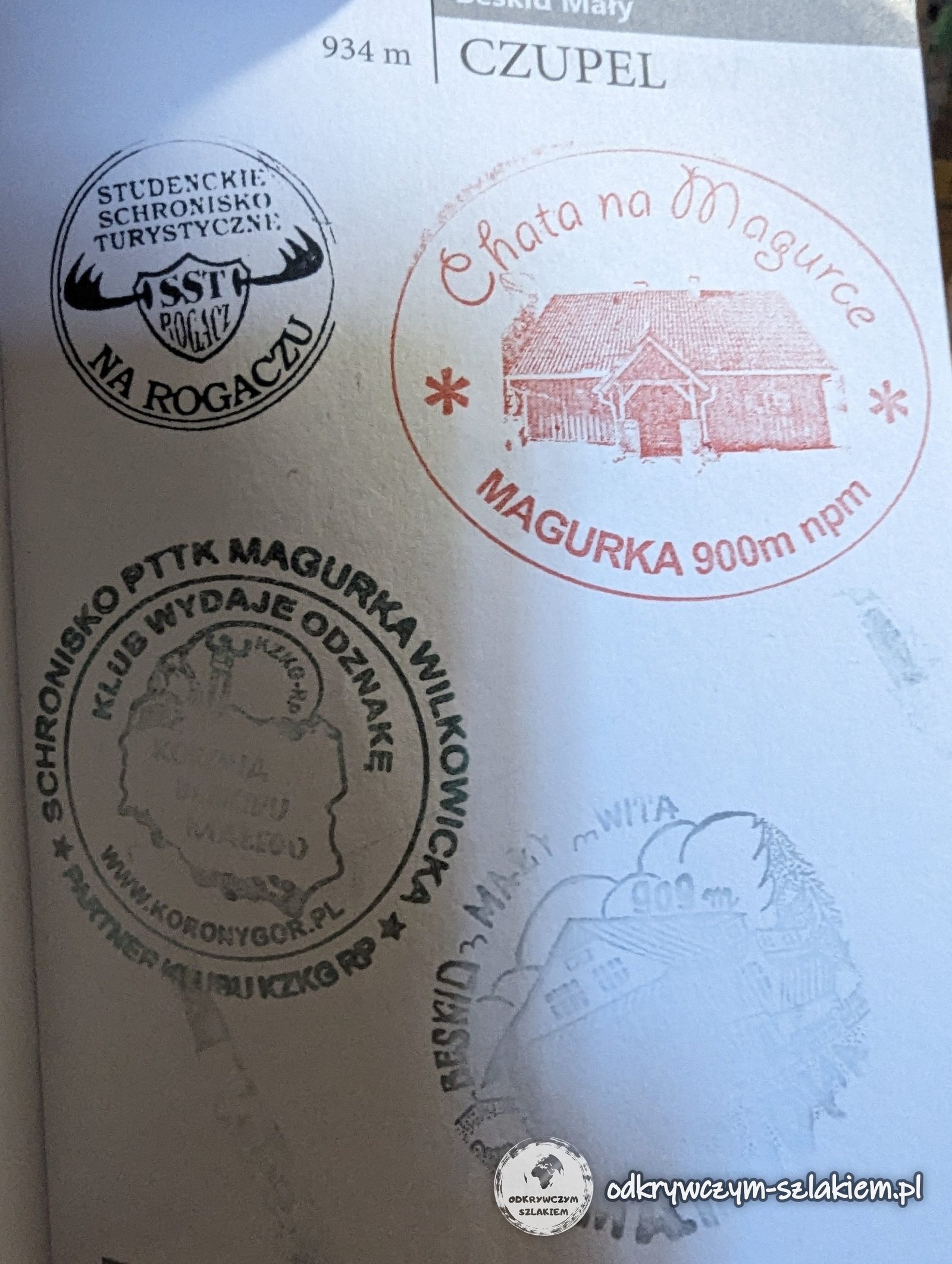
In practice, each peak therefore needs two things: a photo on the summit, ideally by the sign, and a stamp in the booklet – as on Czupel and Łysica.

Controversies around the list
The Crown is very popular, but the list itself has been disputed for years. The disputes are mainly about three things: how to divide the mountains into ranges, the heights of the peaks, and which ascents the Club recognises.
Dividing the mountains – the Tatras as one range
The authors of the Crown did not base it on the physical-geographical regionalisation of Jerzy Kondracki, the one most widely used in Poland. According to it, the Tatras are divided into the Western Tatras and the Eastern Tatras (the High and Belianske Tatras). The Crown has no such division – the whole Tatras are represented by Rysy, which lie in the High Tatras. Following Kondracki’s division, the Western Tatras would deserve a peak of their own – in their Polish part the highest is Starorobociański Wierch (2,176 m), on the border with Slovakia.
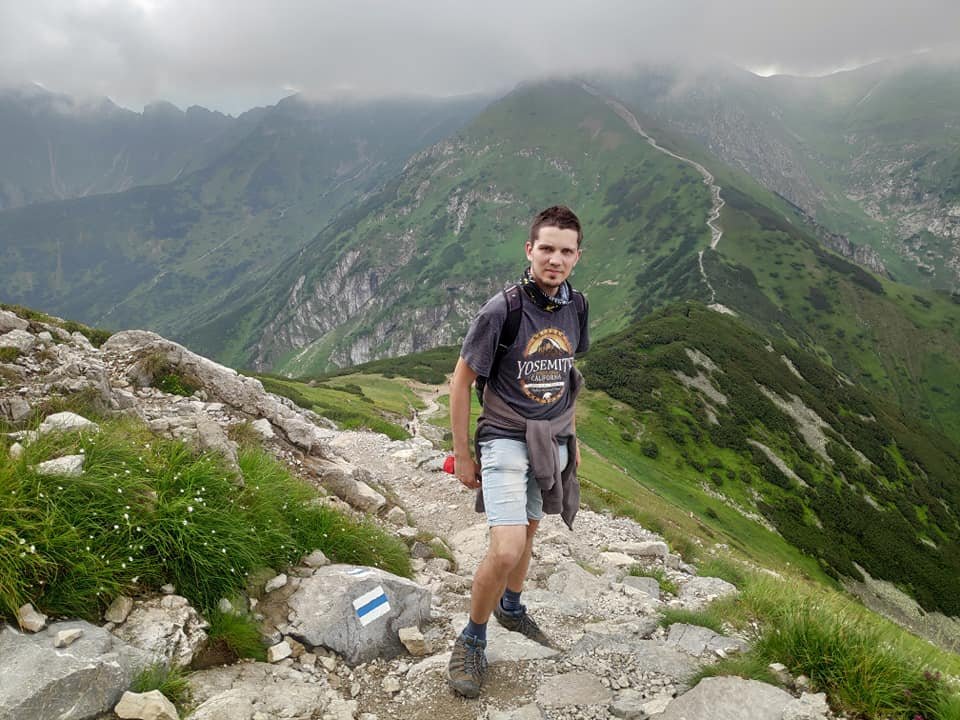
The Western Tatras include, among others, Giewont, which I climbed in July 2020, two days before Rysy.
There are more such cases:
- Bieszczady: of the Eastern Beskids, only the Bieszczady with Tarnica are in the Crown. The Sanok-Turka Mountains were left out; their highest point is Trohaniec or Jaworniki.
- Pieniny and the Spisz-Gubałówka Foothills: the Crown includes the Pieniny with Wysoka (1,050 m), but not the Spisz-Gubałówka Foothills with the higher Magura Witowska (1,232 m). On the first list the Pieniny were represented by Trzy Korony – the highest peak of the Central Pieniny (Okrąglica, 982 m). Wysoka lies in the Small Pieniny and is the highest peak of the whole Pieniny.
- Lubomir: in the Crown it is the highest peak of Beskid Makowski, but according to Kondracki’s regionalisation it belongs to Beskid Wyspowy – and then the highest in Beskid Makowski is Mędralowa. Yet Kondracki himself, in the 1977 edition, placed Lubomir in Beskid Makowski, and a new regionalisation from 2018 (Jerzy Solon and co-authors) again includes the Łysina and Lubomir range in Beskid Makowski.
- The Golden and Bialskie Mountains: the Bialskie Mountains are part of the Golden Mountains, so according to critics they should not have a separate peak. The highest summits of the Polish part of the Golden Mountains – Brusek or Postawna – have no marked trails, which is why the Golden Mountains are represented by Kowadło (989 m) and the Bialskie Mountains by Rudawiec (1,106 m).
- Holy Cross Mountains: they have two main ranges, but there is only one peak in the Crown – Łysica.
Peaks on the border
As many as 10 peaks of the Crown are border summits: Rysy, Babia Góra, Śnieżka, Śnieżnik, Rudawiec, Orlica, Wysoka, Lackowa, Kowadło and Biskupia Kopa. In several ranges the highest mountain lies across the border, so the Crown picks the highest point of the Polish part. The highest peak of the Tatras is Gerlach (2,655 m) in Slovakia, of Beskid Niski – Busov (1,002 m), also in Slovakia, and of the whole Bieszczady – Pikuj (1,408 m) in Ukraine, in the Eastern Bieszczady. Pikuj can be seen from Tarnica – they are about 33 km apart in a straight line.

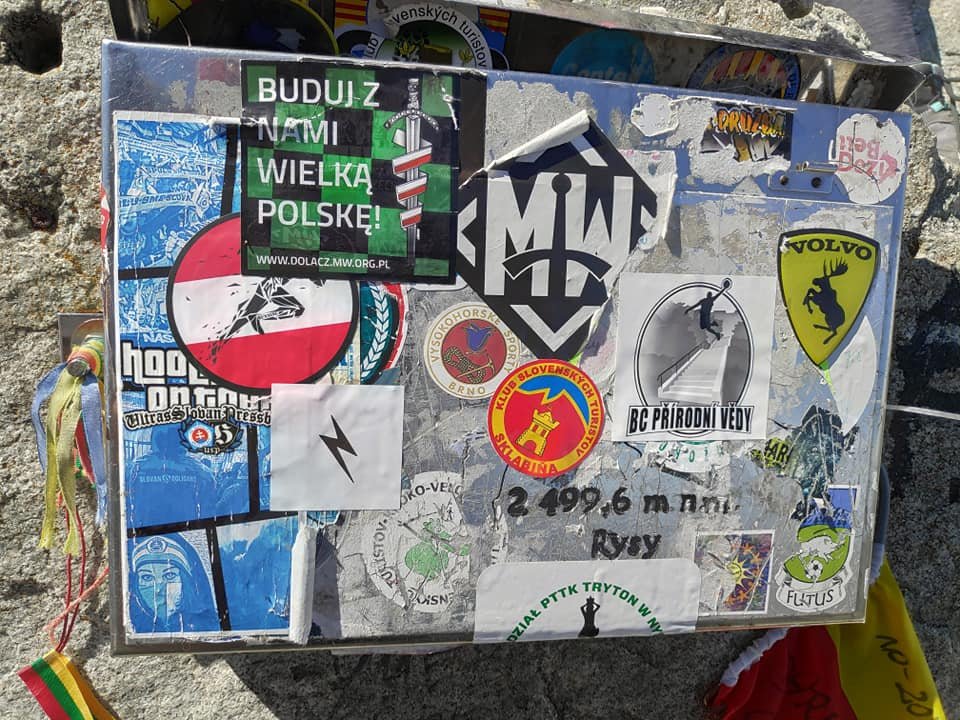
Rysy itself has two summits too. The Polish, north-western one is about 2,499 m, while the middle, Slovak one is higher. For years it was given as 2,503 m, but that figure comes from old Austrian surveys – newer ones give about 2,501 m. On Rysy we climbed both summits, and the sign on the Polish one said 2,499.6 m.
Heights and measurements
In several ranges newer measurements have shown that the highest summit is a different one from the one on the list:
- Chełmiec (Wałbrzych Mountains) – the survey point was on an 18-metre viewing tower, which is why Chełmiec was considered the highest in the range. Borowa (853 m) is higher.
- Kłodzka Góra (Bardzkie Mountains) – according to newer measurements, the nearby Szeroka Góra is higher.
- Jagodna (Bystrzyckie Mountains) – the highest is an unnamed summit of 985 m, wrongly labelled Sasanka on some maps.
- Skopiec (Kaczawskie Mountains) – according to new measurements it is 720.7 m, and Okole (725.3 m) is higher.
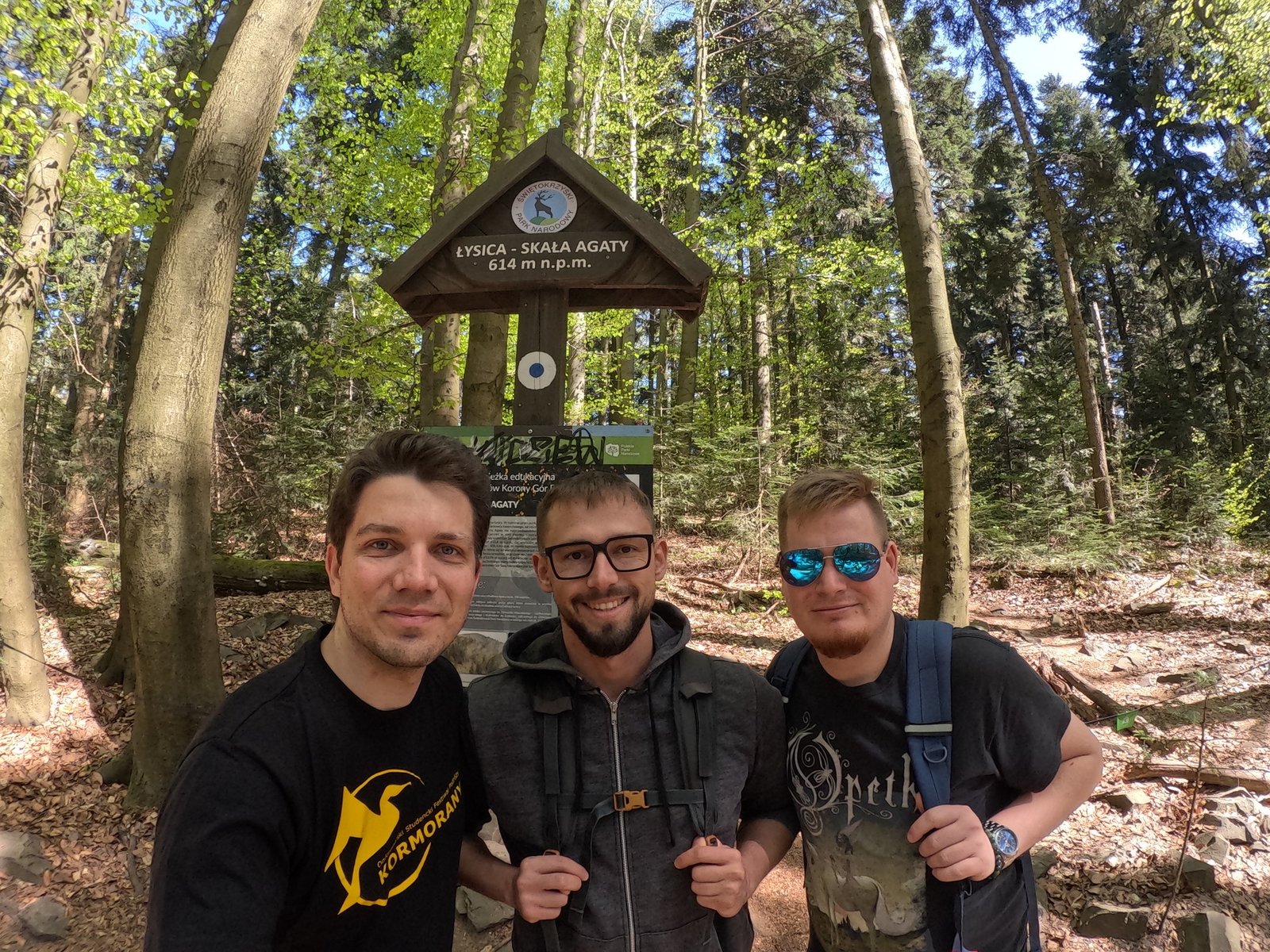
- Łysica – a 2019 survey showed that the eastern summit, Agata (613.96 m), is higher than Łysica (613.33 m). We took a souvenir photo by the “Łysica – Skała Agaty” sign.
- Skalnik (Rudawy Janowickie) – the highest point is Ostra Mała (945 m), the south-western summit of Skalnik.
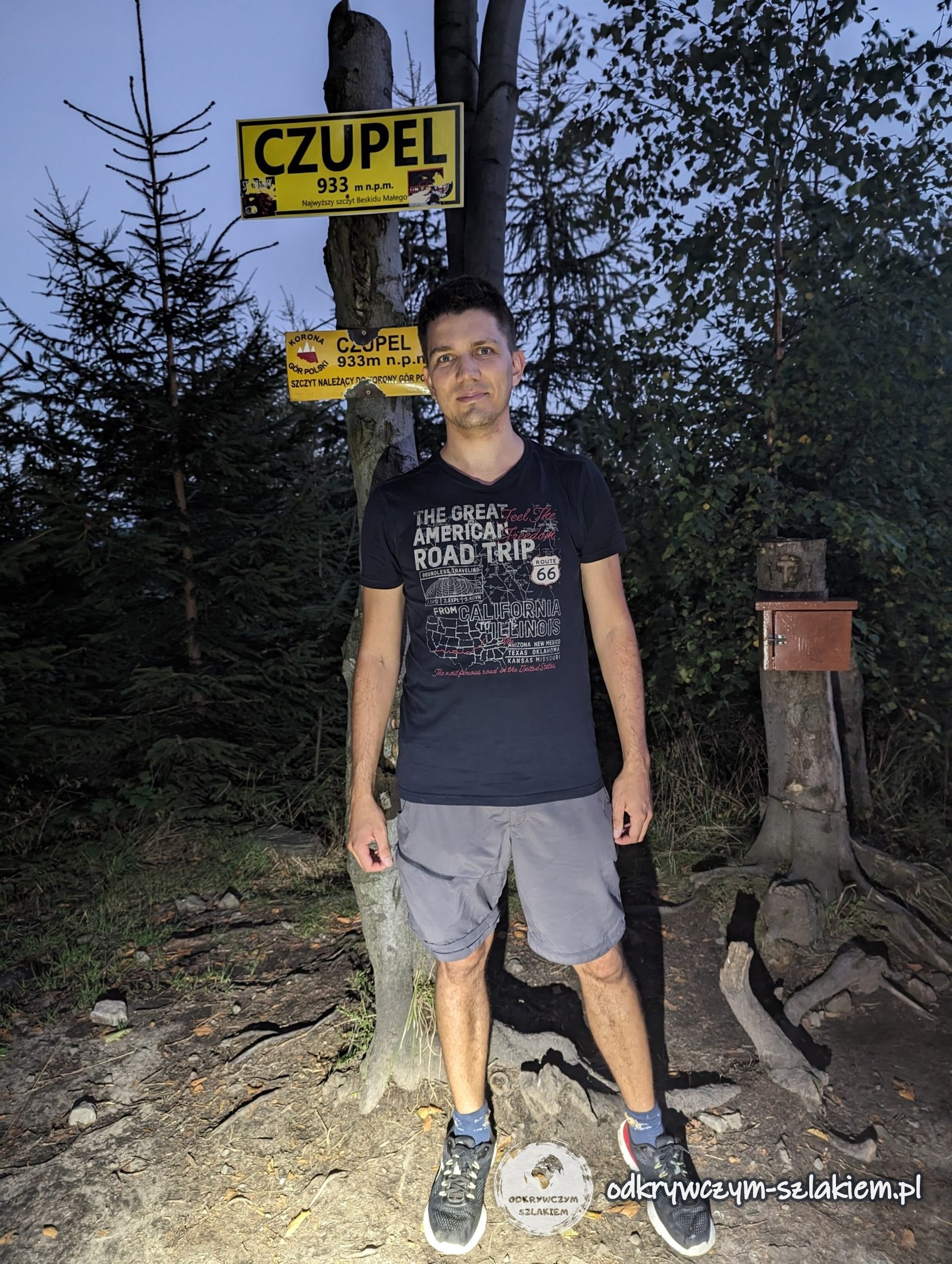
On top of that, different sources give different figures for the same mountains. The Club gives 612 m for Łysica, while the sign on the summit says 614 m. For Czupel – 930 m, while the sign says 933 m. For Kłodzka Góra – 757 m, while the Polish Wikipedia has 765 m; for Radziejowa – 1,262 m, while Wikipedia has 1,266 m. For years Śnieżka was 1,602 m, but that figure referred to a geodetic control point in the summit dome – the official height of the summit is 1,603.30 m. The Club, however, does not change the list after new measurements: it keeps the historical set of 28 peaks. So for the Crown it is Chełmiec that counts, not Borowa.
Ascents made before joining the Club
Another rule that draws criticism is that the Lodge does not recognise ascents made before joining the Club. Anyone who climbed all the peaks before getting the booklet will not get the Conqueror title until they climb them again. This applies to me as well – I was on Tarnica three years before my first KGP stamp (more below).
Other crowns
The KGP list is not the only one. The Crown of the Polish Sudetes – a badge of the Mountain Tourism Commission of the PTTK Wałbrzych branch – includes 31 peaks, one from each range of the Polish Sudetes, and in the Wałbrzych Mountains it has Borowa, not Chełmiec. The PTTK Wrocław branch, in turn, established the Diadem of Polish Mountains badge. There are also crowns on a world scale – the Seven Summits (Korona Ziemi) include Kilimanjaro, which I climbed via the Machame route.
My peaks – dates and routes
Below are all my ascents of Crown peaks described on the blog – including those that need repeating. The detailed trip reports are in separate posts.
| Peak | Date | From where and which way |
|---|---|---|
| Rysy | 28.07.2020 | from Palenica Białczańska via Morskie Oko and Czarny Staw, on the red trail with chains |
| Wysoka Kopa | 31.03.2022 | Main Sudetes Trail in winter: from Świeradów-Zdrój via Stóg Izerski to Szklarska Poręba (27 km) |
| Śnieżka | 14.06.2023 | along the Karkonosze ridge from the “Odrodzenie” hut, via Dom Śląski; descent to Karpacz |
| Skalnik | 15.06.2023 | Main Sudetes Trail from Karpacz to Leszczyniec (32 km) |
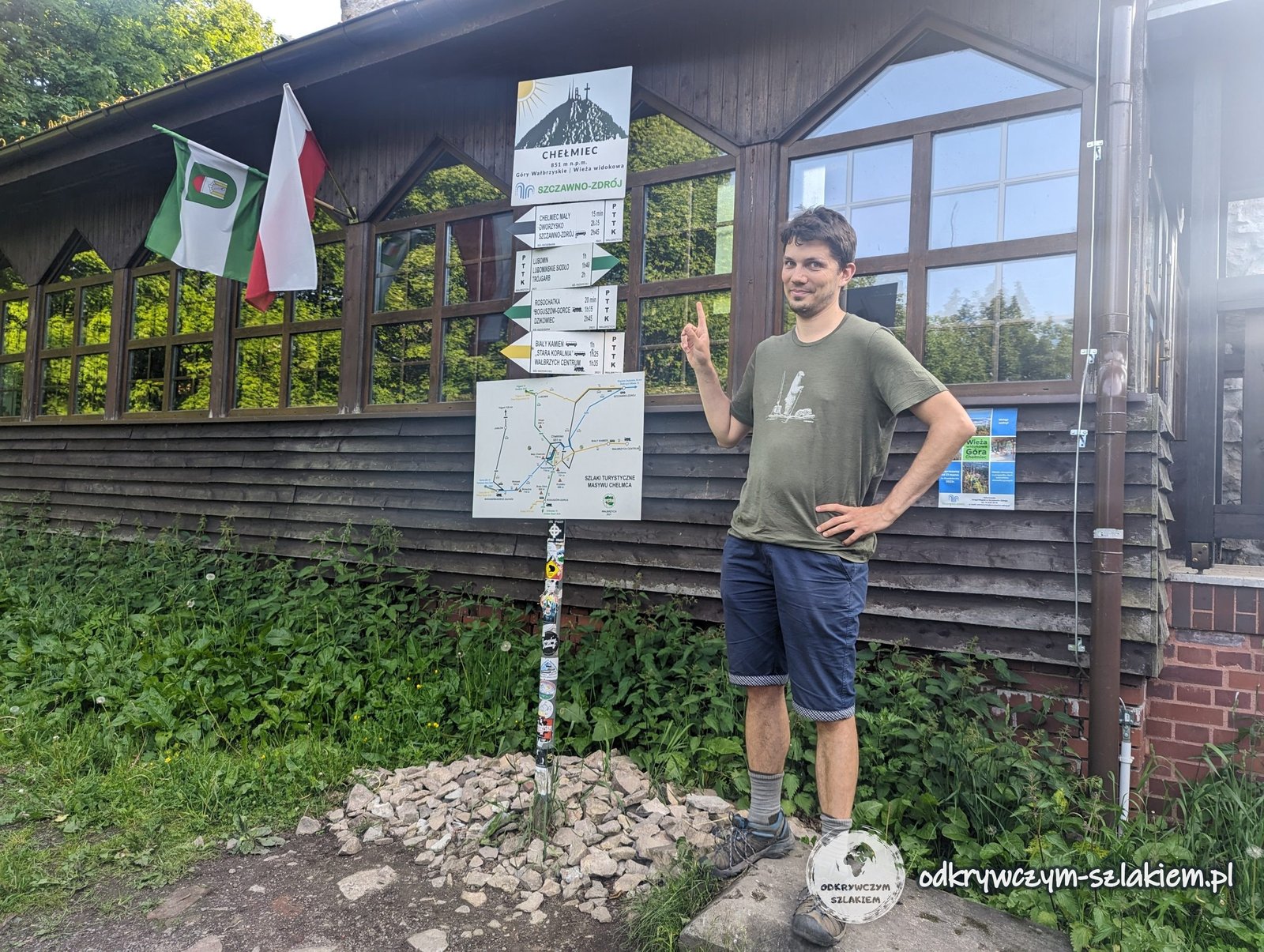
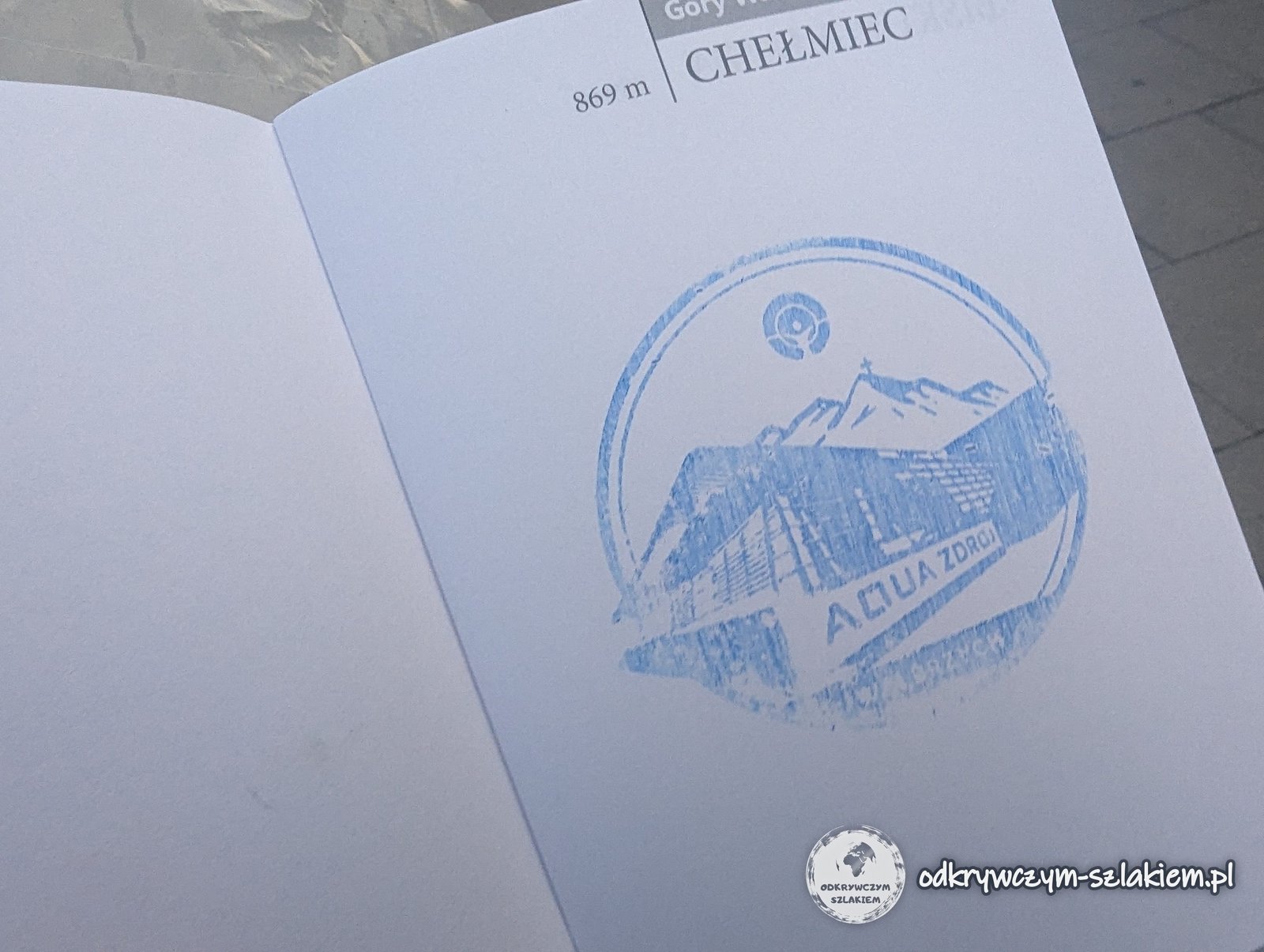
| Chełmiec | 18.06.2023 | last day on the Main Sudetes Trail, along the border and through forests to Wałbrzych |
| Czupel | 20.09.2023 | from Bielsko-Biała past the Na Rogaczu and Magurka Wilkowicka huts (approx. 17 km) |
| Łysica | 3.05.2026 | from Święta Katarzyna on the red trail (2.5 km) |
| Tarnica | 3.07.2017 | from Wołosate on the blue trail to Krygowski Pass, then the yellow one (9 km there and back) – to be repeated, as it was before the KGP booklet |
| Skrzyczne | 21.09.2023 | by chairlift from Szczyrk – to be repeated, as riding a lift does not count |
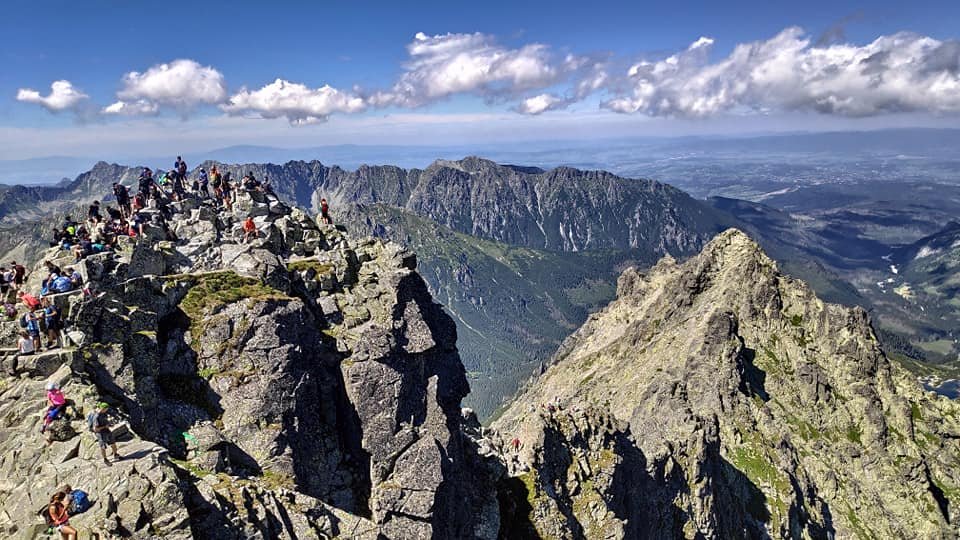
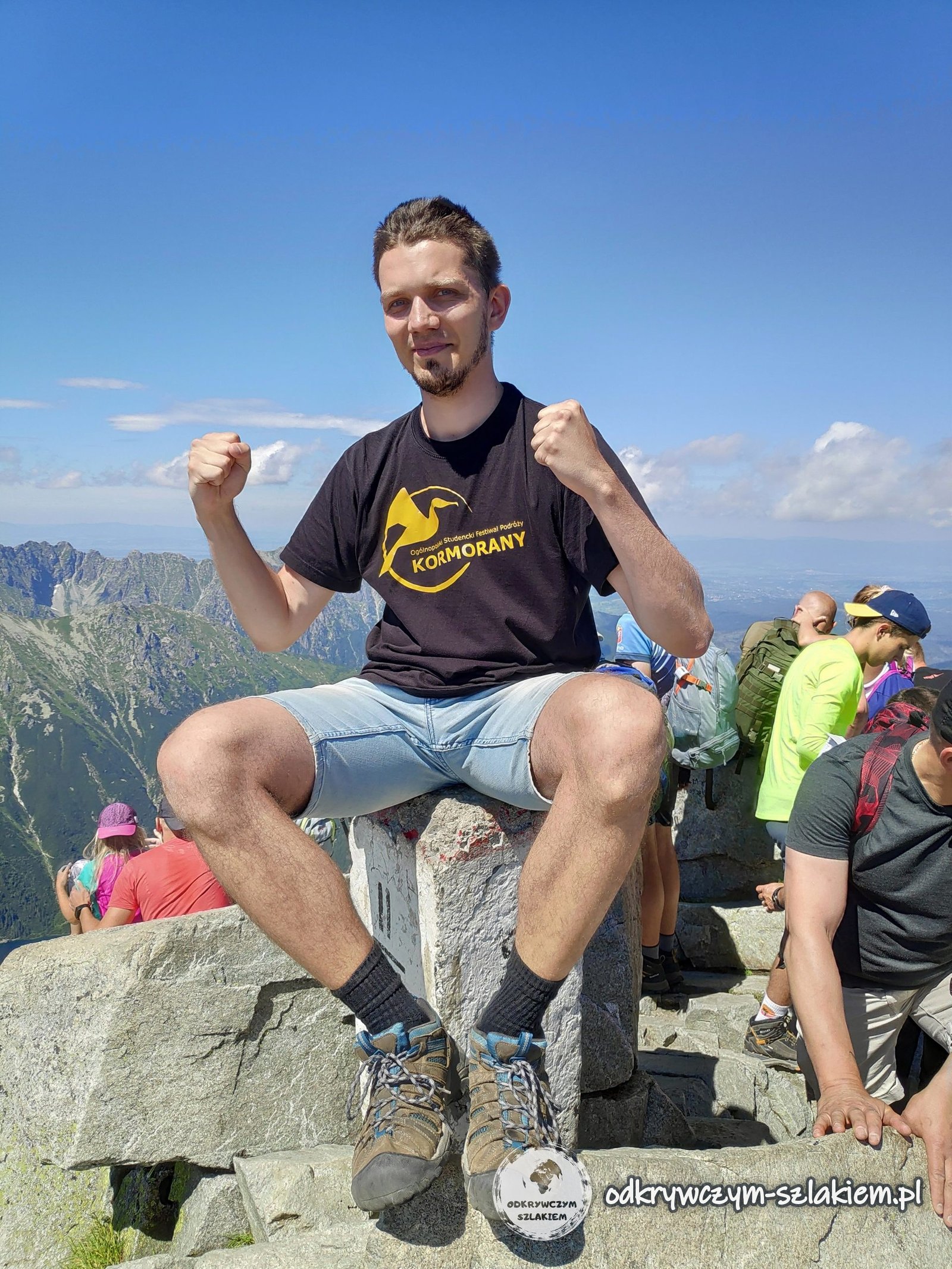
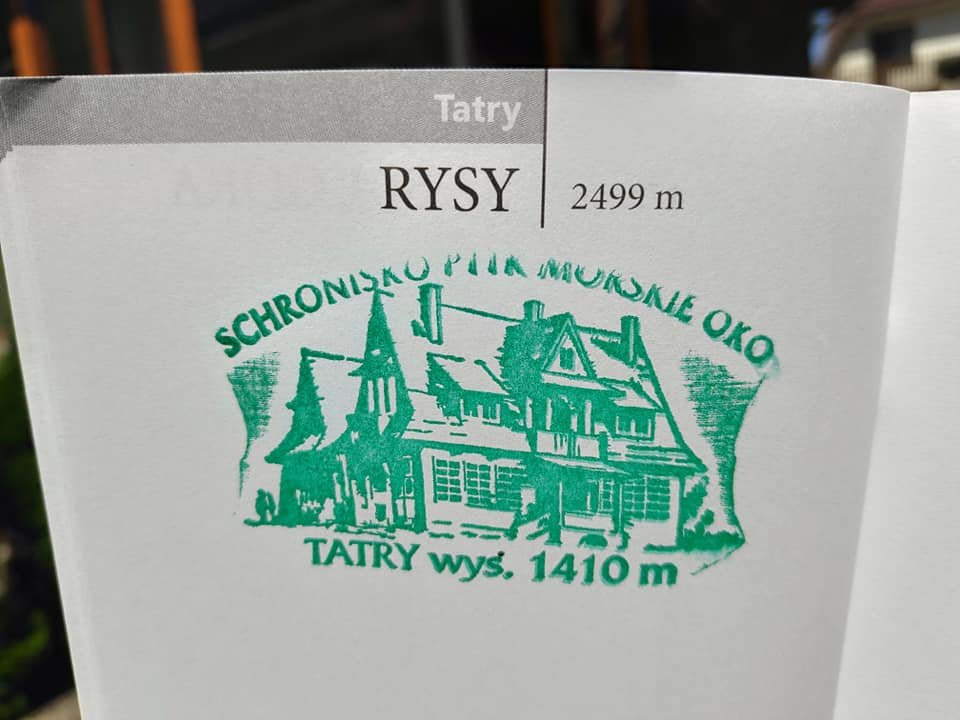
Rysy were the first peak in my booklet. We set off from Palenica Białczańska at 4:40, past Morskie Oko and Czarny Staw pod Rysami, and reached the summit between 1 and 2 pm – mainly because of the queues on the chains. We climbed both summits, the Polish and the Slovak one. That day, together with Karol, we started collecting the Crown, and we got our first stamp at the hut by Morskie Oko.
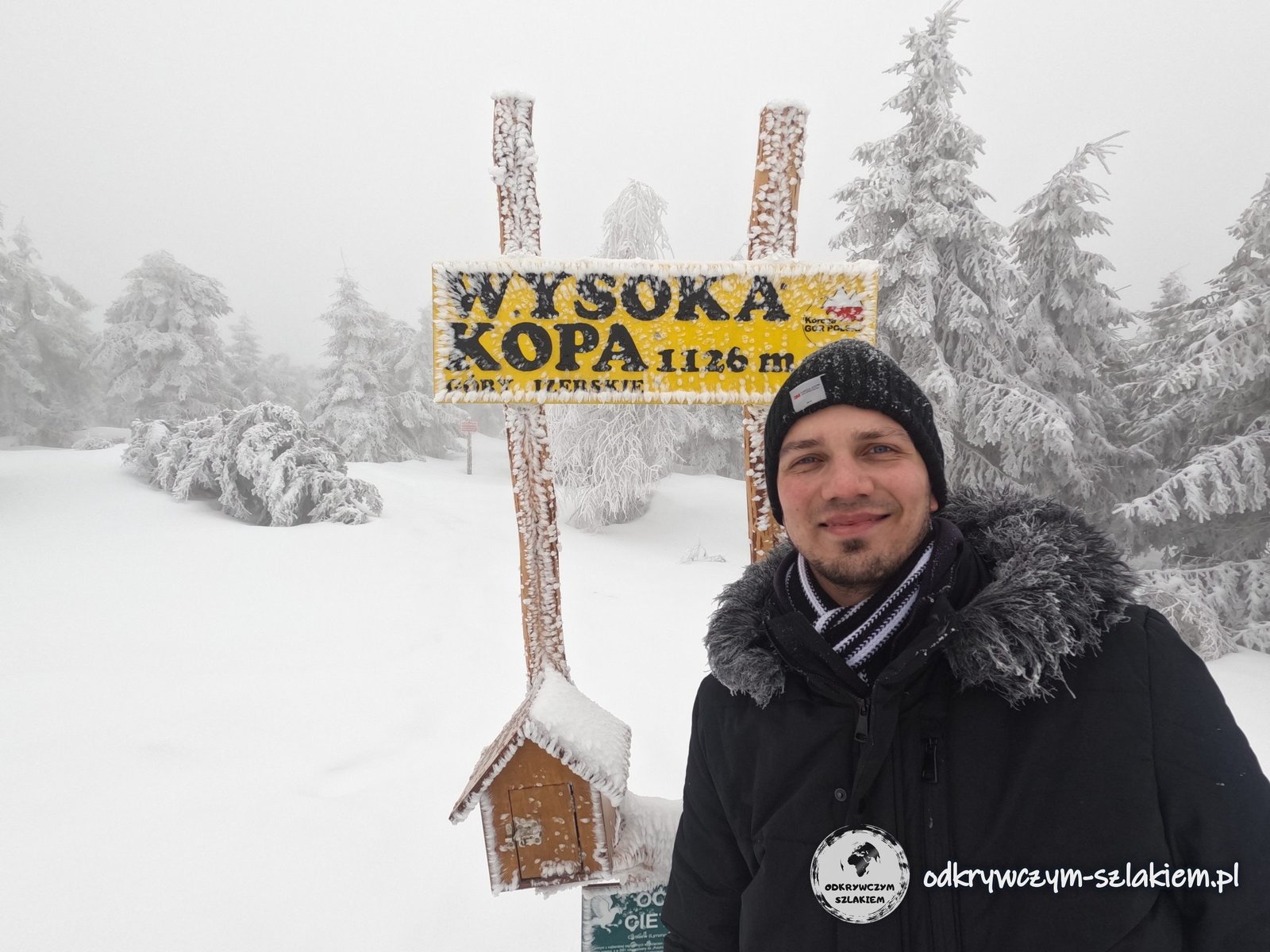
I climbed Wysoka Kopa on the Main Sudetes Trail in winter, with Wiktor and Karol: from Świeradów-Zdrój via Stóg Izerski and Polana Izerska, and beyond Wysoka Kopa via Wysoki Kamień to Szklarska Poręba – about 27 km in snow and fog. It was my second official stamp. We had planned Śnieżka for the following days, but a snowstorm below Szrenica turned us back.
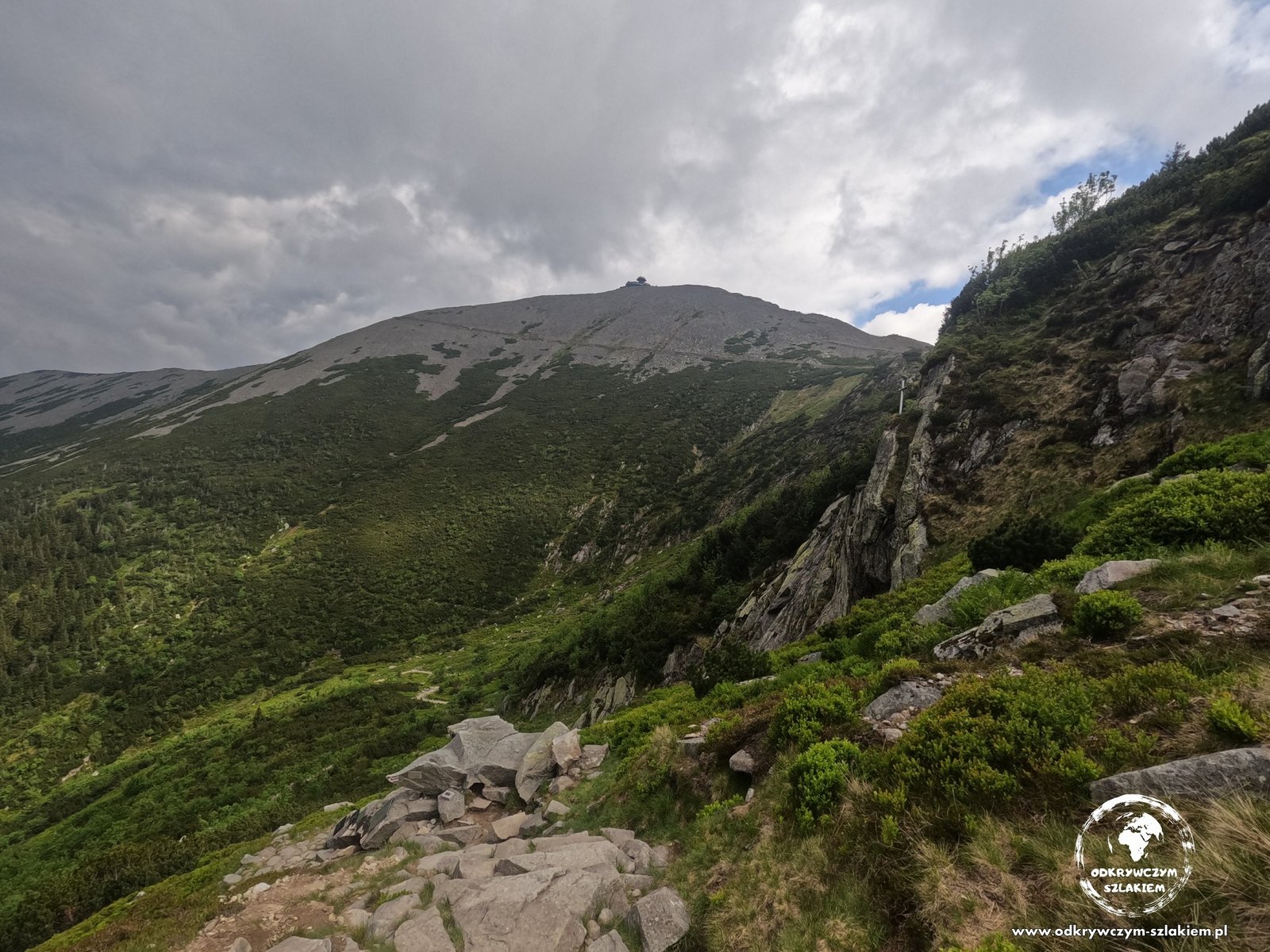
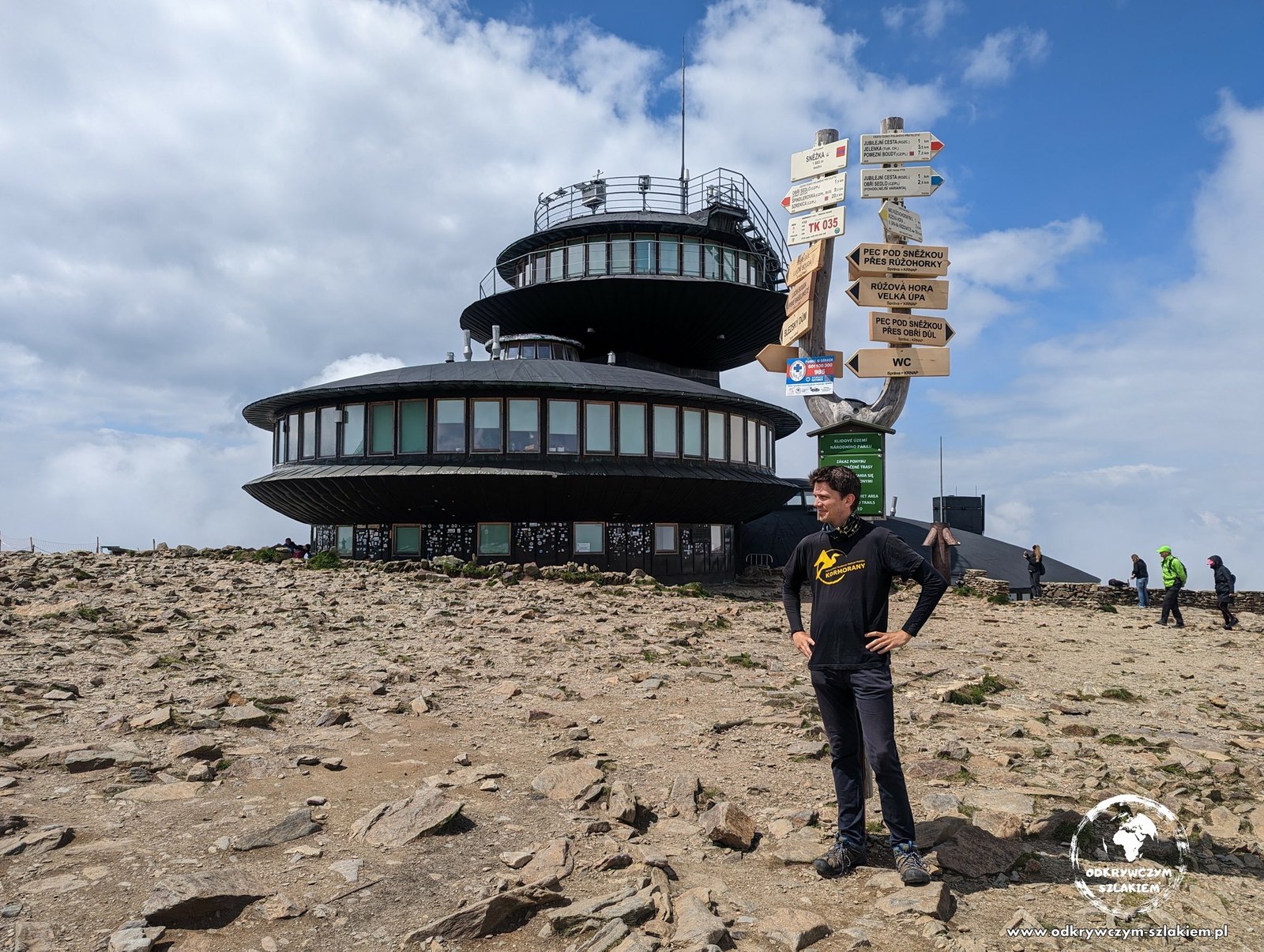
Śnieżka, Skalnik and Chełmiec came in June 2023, during six days on the Main Sudetes Trail from Szklarska Poręba to Wałbrzych (135 km), with Michał and Jarek. I had been on Śnieżka before, but before I had the booklet, so it only counted for the Crown in 2023. We climbed it along the Karkonosze ridge from the “Odrodzenie” hut on Karkonosze Pass, with the last stretch from the Dom Śląski hut. The fog lifted just as we stood on the summit. We descended on the red trail to Karpacz.
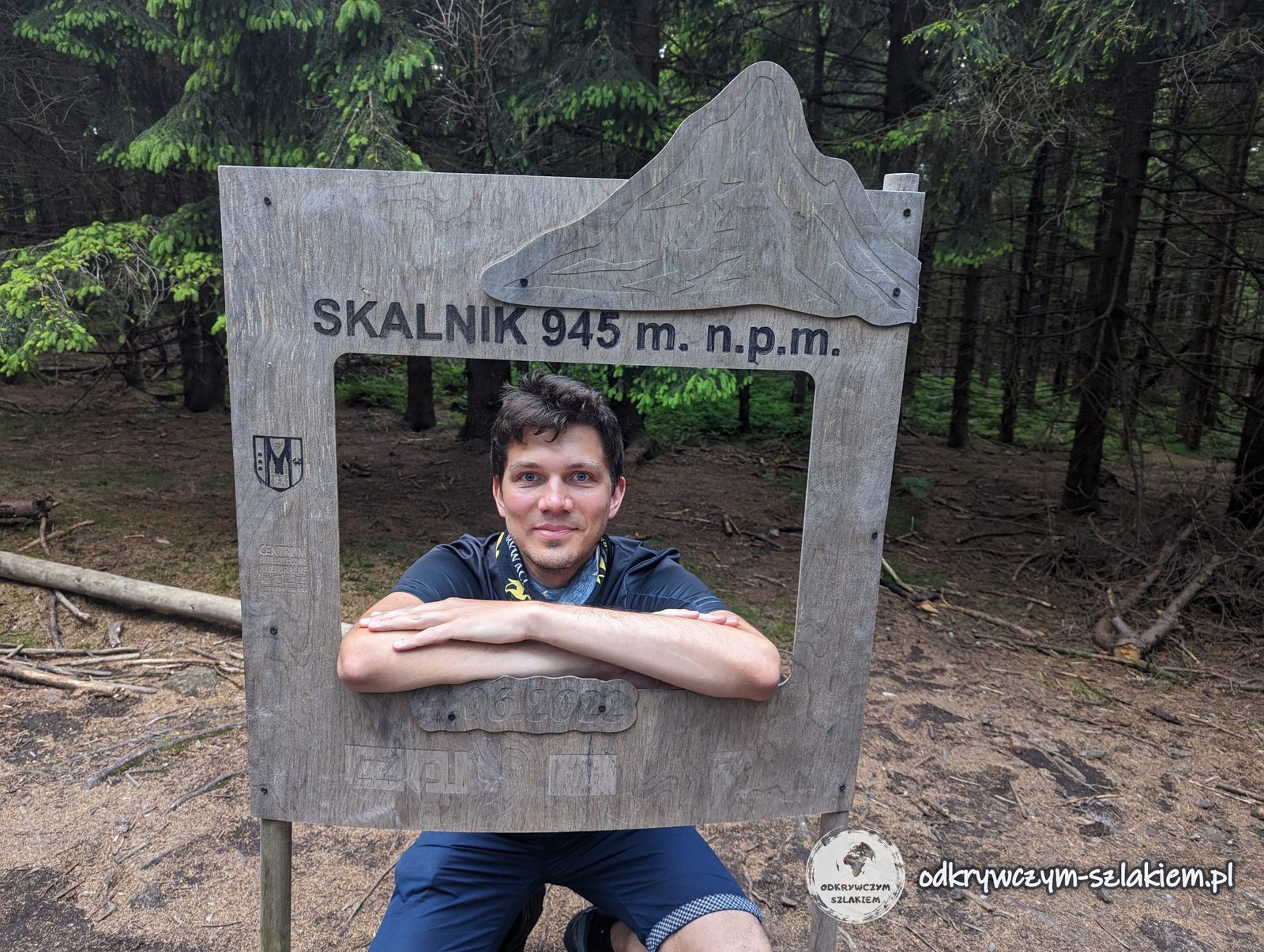
Skalnik fell on the longest day – about 32 km from Karpacz through the Rudawy Janowickie to Leszczyniec.
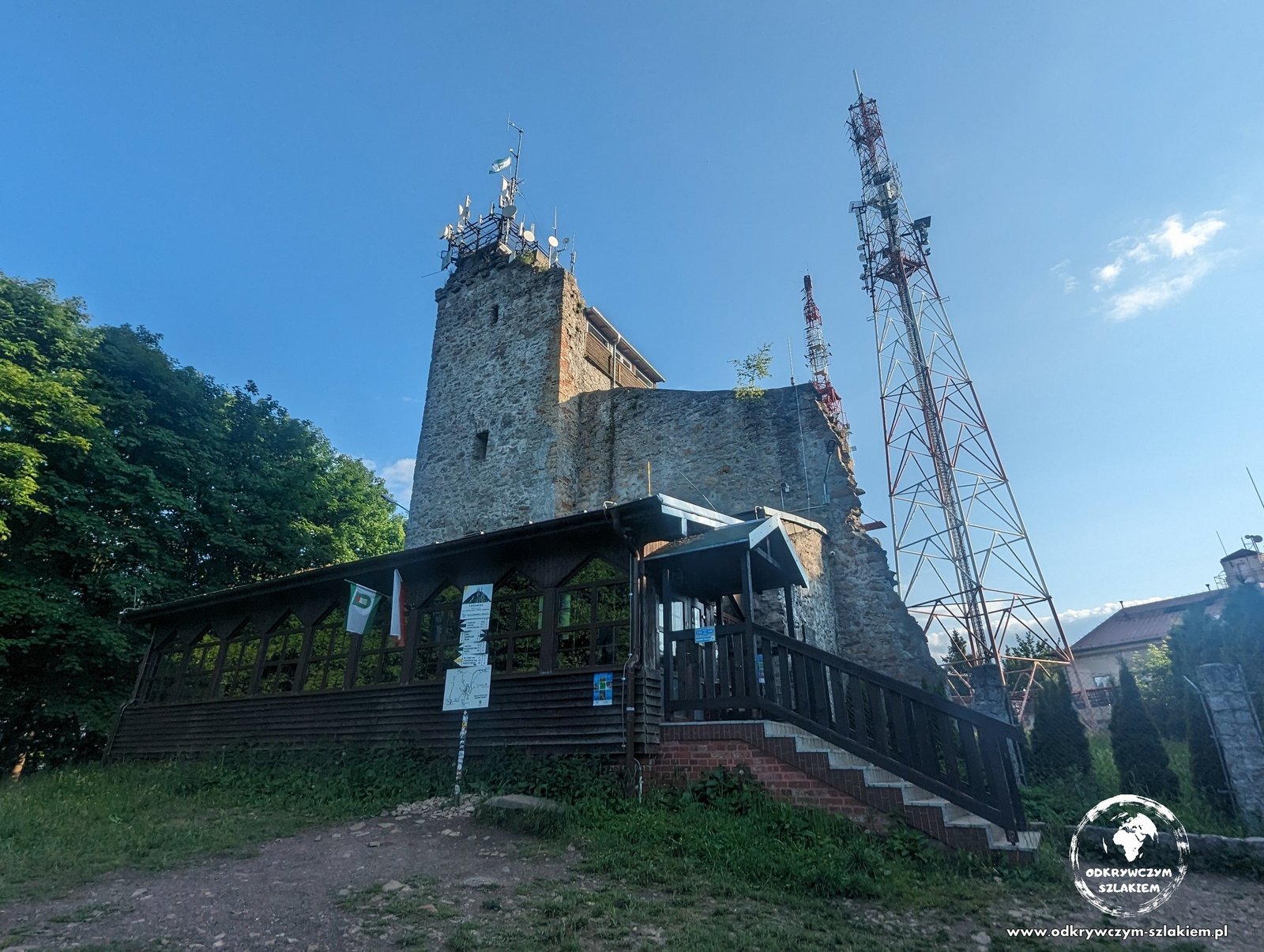
Chełmiec, with its viewing tower and mast above Wałbrzych, was the last peak before the descent into the town.
I climbed Czupel, the highest peak of Beskid Mały, from Bielsko-Biała, past the Na Rogaczu student hut and the PTTK hut on Magurka Wilkowicka. We set off late, so we reached the summit at dusk and walked down in the dark. The whole route was about 17 km, and I collected stamps for my booklet along the way.

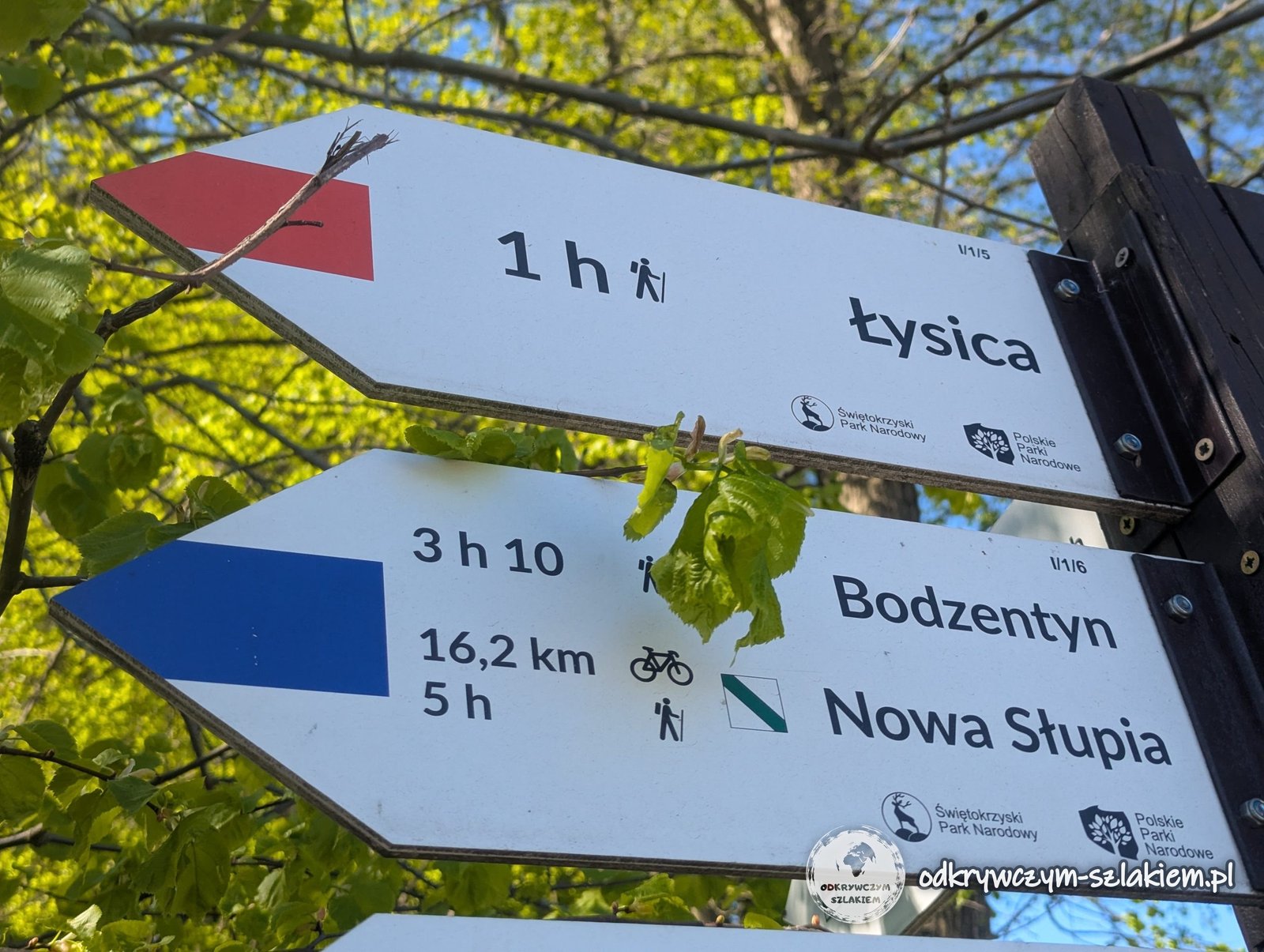
The latest peak ticked off is Łysica. We climbed it from Święta Katarzyna on the red trail – according to the Świętokrzyski National Park it is 2.5 km and about an hour’s walk, through the forest and up stone steps. I went with Łukasz and Mateusz, and I got my stamp by the cross on the summit.
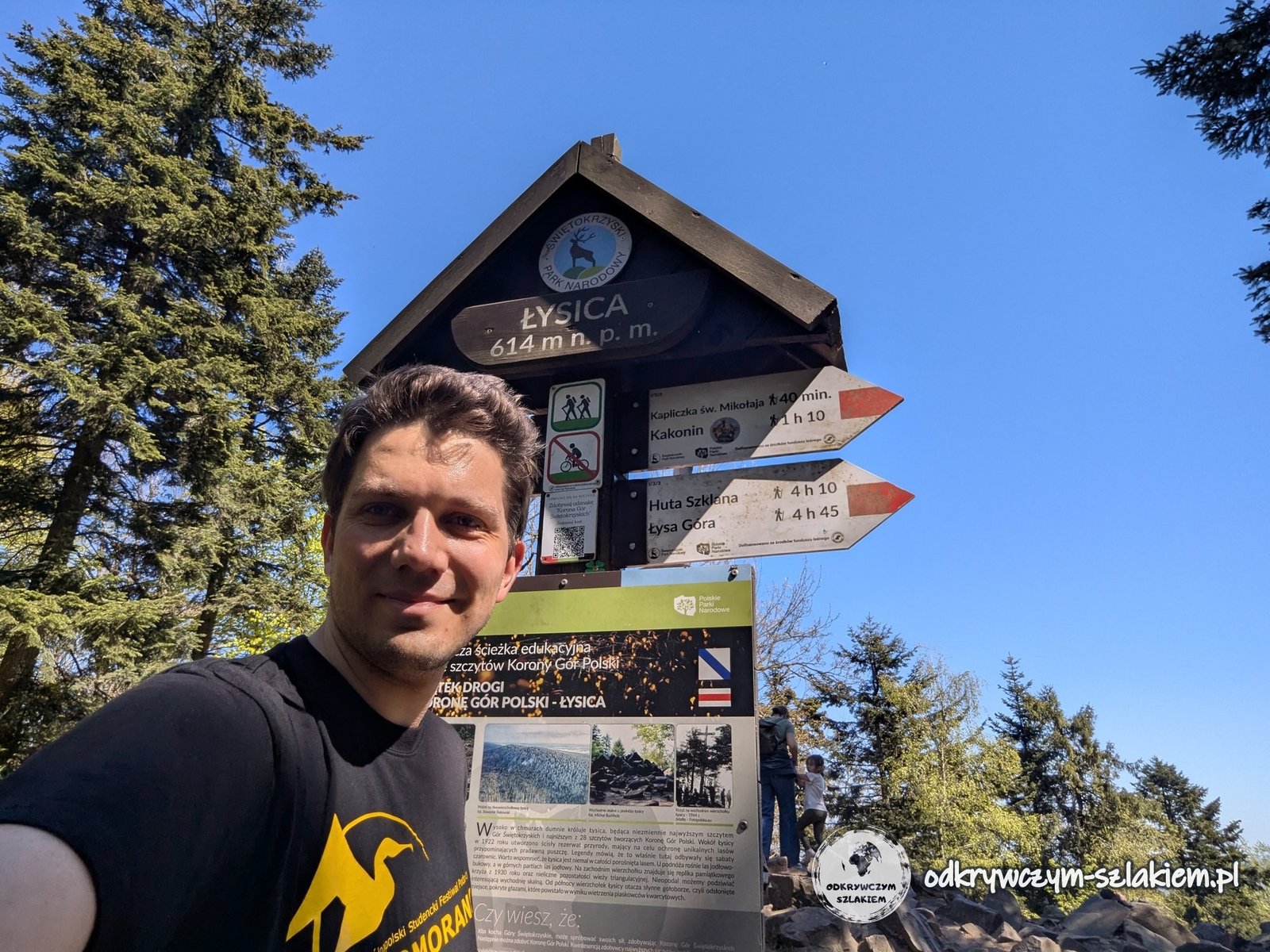
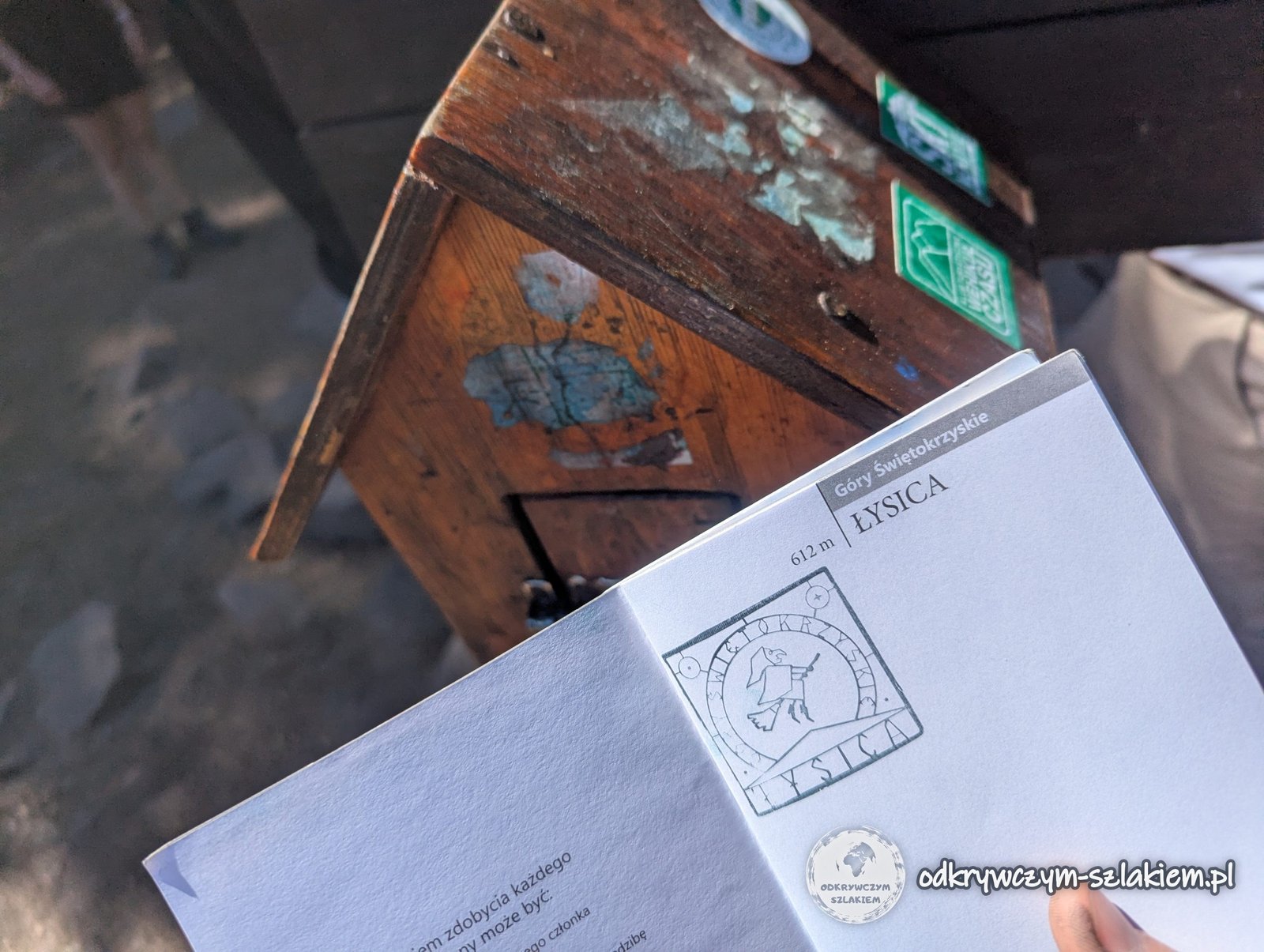
That makes 7 peaks done out of 28. I still need 21 for the full Crown: nineteen I have not been to and two to repeat.
Tarnica and Skrzyczne – to be repeated
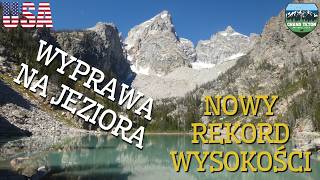
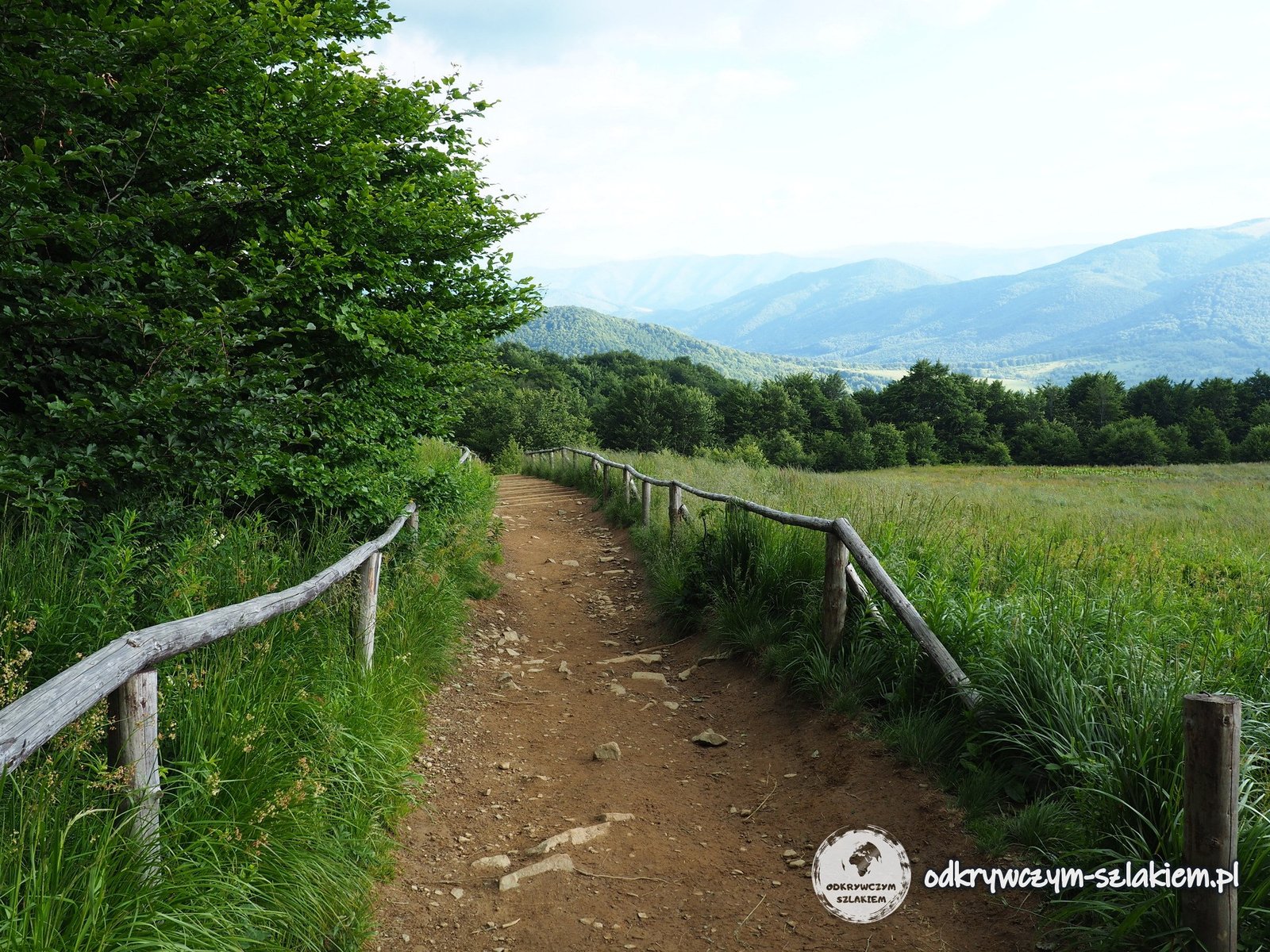
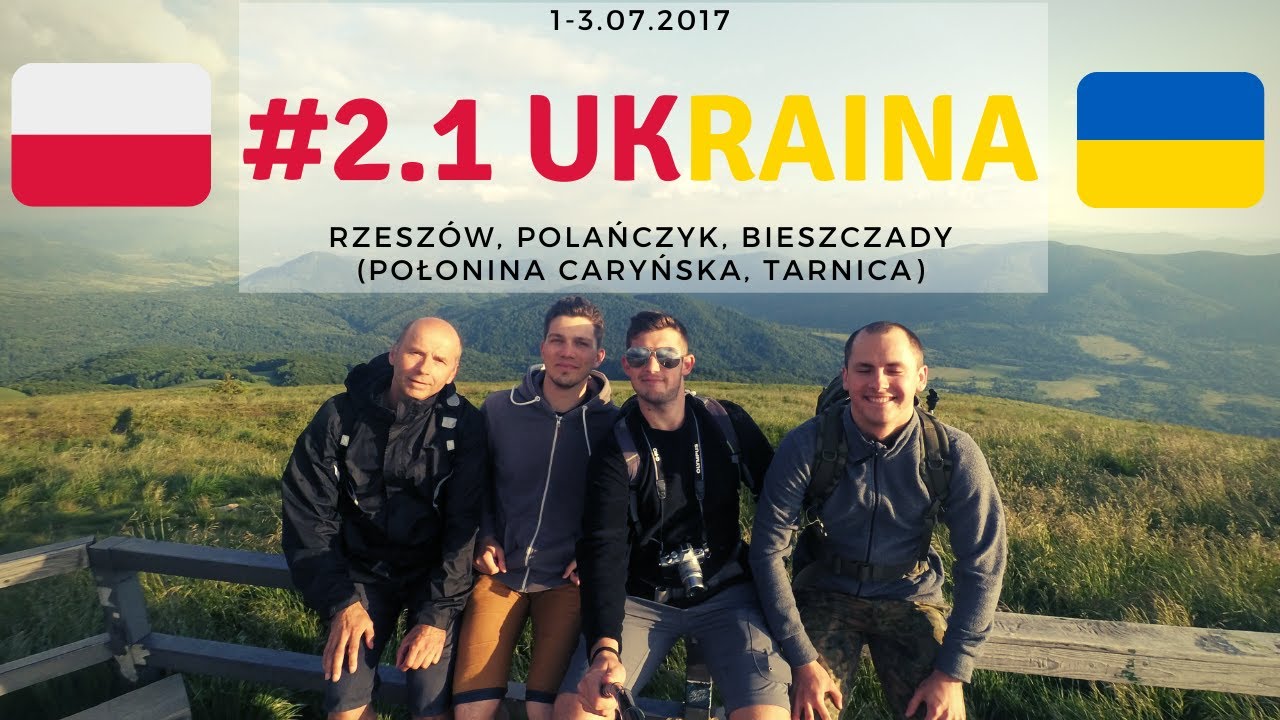
I climbed Tarnica (1,346 m), the highest peak of the Polish Bieszczady, on 3 July 2017, on the third day of the “Kierunek Ukraina” (Destination Ukraine) trip, with Michał and Wiktor. In the morning we walked across Połonina Caryńska, and in the afternoon we drove to Wołosate. From there we followed the blue trail to Krygowski Pass and then the yellow one – a short, steep climb – to the summit with its metal cross. We came back the same way: about 9 km in total, from 5 pm to 8:30 pm.

I was already collecting stamps back then – at the Kremenaros hut in Ustrzyki Górne and at the ticket office in Wołosate – but in an ordinary hiking booklet bought that same day. I did not have a KGP booklet yet, and the Club’s rules are clear here: the Lodge does not count ascents made before joining. Both places are on the Club’s list of stamp points for Tarnica. For Tarnica to count, I have to go there once again – this time with the KGP booklet, a photo from the summit and a stamp.

The climb up Tarnica is in the video from my vlog of that trip – from 6:58.
 8:57
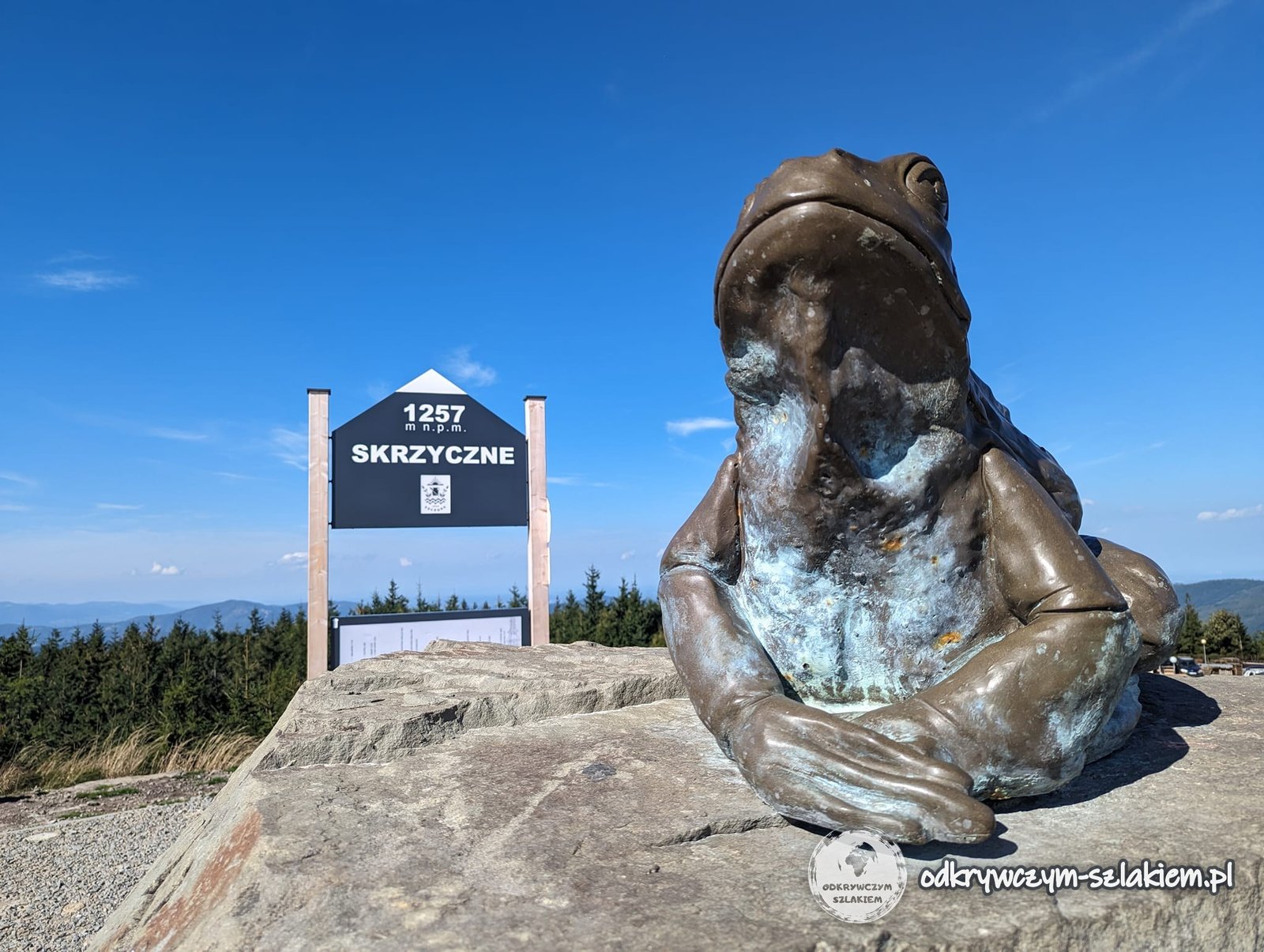
Skrzyczne (1,257 m), the highest peak of the Silesian Beskids, is a different problem. On 21 September 2023 I rode up it on the two-section chairlift from Szczyrk, changing at Hala Jaworzyna – we were in a hurry to get to Istebna and would not have had time otherwise. Riding a chairlift is not climbing “by the strength of your own muscles”, so Skrzyczne also has to be climbed again, under my own steam.


Practical information
- Joining the Club: via the kgp.info.pl website. The basic cost is 60 zł (approx. €14) – 40 zł entry fee, 5 zł for the booklet and 15 zł for postage (November 2026). The club badge costs extra. It is best to have the booklet before your first peak, because only ascents from your registration date count.
- On the summit: a photo on the top (ideally by the sign or a post) and a stamp with the date. The photo then has to be printed and glued into the booklet.
- Where to find stamps: some summits have Club stamp boxes – among others Skalnik, Czupel and Łysica, and on Chełmiec by the tower. On Wysoka Kopa the box stands by the red trail, about 400 m from the shelter, because the sign was moved to protect the black grouse. On Rysy, Skrzyczne and Tarnica there is no stamp on the summit itself – for Rysy you get it e.g. at the hut by Morskie Oko and at the Tatra National Park ticket office at Palenica Białczańska, for Skrzyczne at the PTTK Skrzyczne hut, and for Tarnica at the ticket office in Wołosate or at the Kremenaros hut. The Club keeps the full list of places on its website – it is worth checking that it is up to date before you go.
- Verification: after 28 peaks you sign up for verification by the Lodge of Conquerors (the Club announces the dates). The Conqueror’s insignia – diploma, badge and ID card – cost 43 zł (approx. €10) (November 2026). In doubtful cases the Club answers by e-mail: klub@kgp.info.pl.
- Club Mountain Card: optional, valid for the calendar year. In 2026 it costs 35 zł (approx. €8) and gives up to 20% off at selected places.
- Order and pace: up to you and without a time limit, so you can combine peaks on one trip – like Śnieżka, Skalnik and Chełmiec on the Main Sudetes Trail.
- More: reports from the ascents – Rysy from the Polish side, the Tatras in a week, the Main Sudetes Trail in winter and in summer, Czupel and Skrzyczne, the Holy Cross Mountains with Łysica and the Bieszczady with Tarnica.