Berlin doesn’t have as many palaces as neighbouring Potsdam, but a few of them are worth seeing – especially since some stand in large parks or by the water. In this post I have put together the palaces and castles I visited while living in Berlin: Charlottenburg Palace (Schloss Charlottenburg), the Spandau Citadel (Zitadelle Spandau), Glienicke Palace (Schloss Glienicke), Peacock Island (Pfaueninsel) with its little white castle and peacocks, Schönhausen Palace (Schloss Schönhausen) in Pankow and Köpenick Palace (Schloss Köpenick) with the Museum of Decorative Arts.
Table of contents
- Charlottenburg Palace
- Spandau Citadel and Old Town
- Glienicke Palace
- Peacock Island (Pfaueninsel)
- Schönhausen Palace and Bürgerpark Pankow
- Köpenick Palace and the old town
- Practical information
Charlottenburg Palace
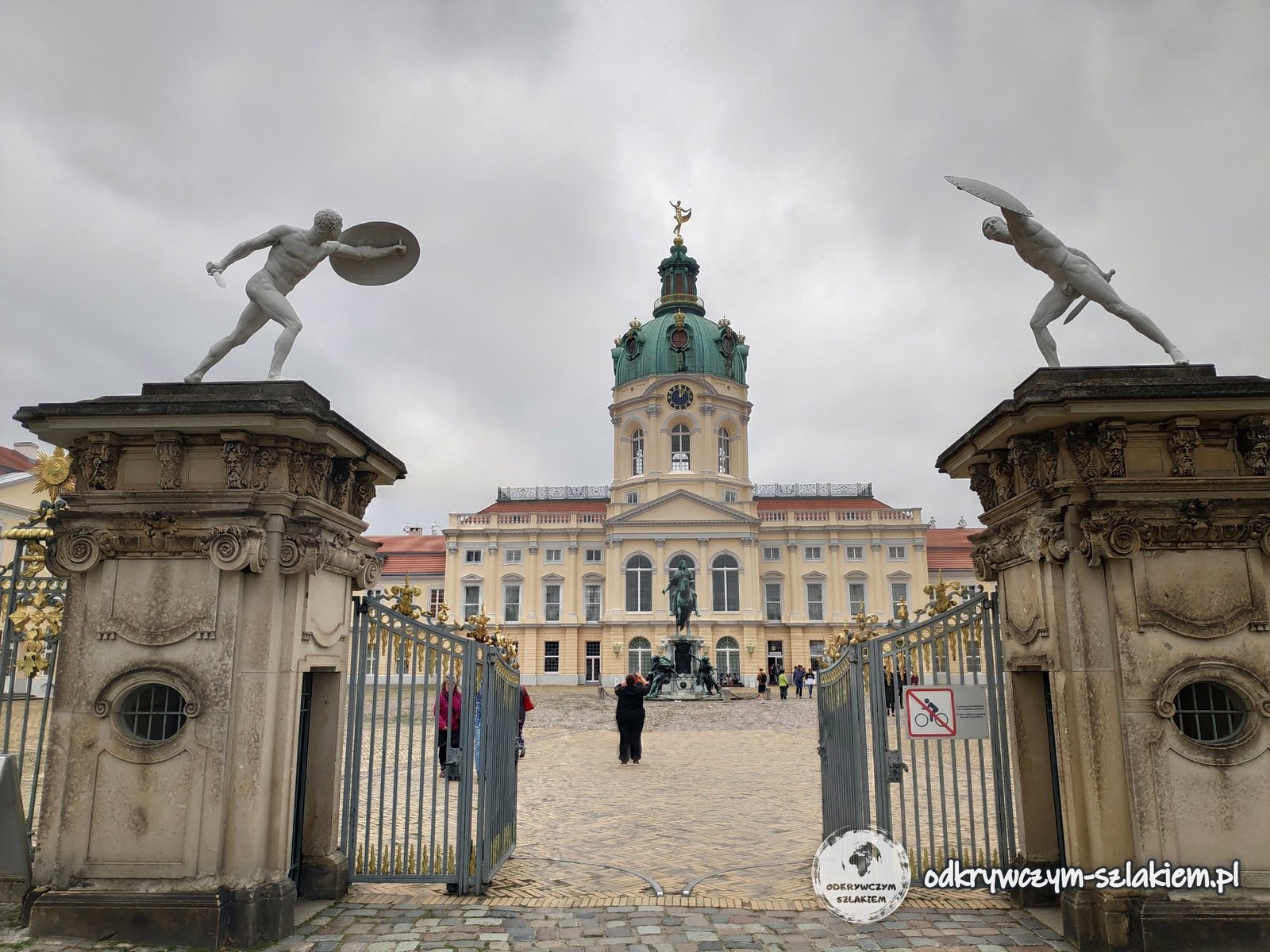
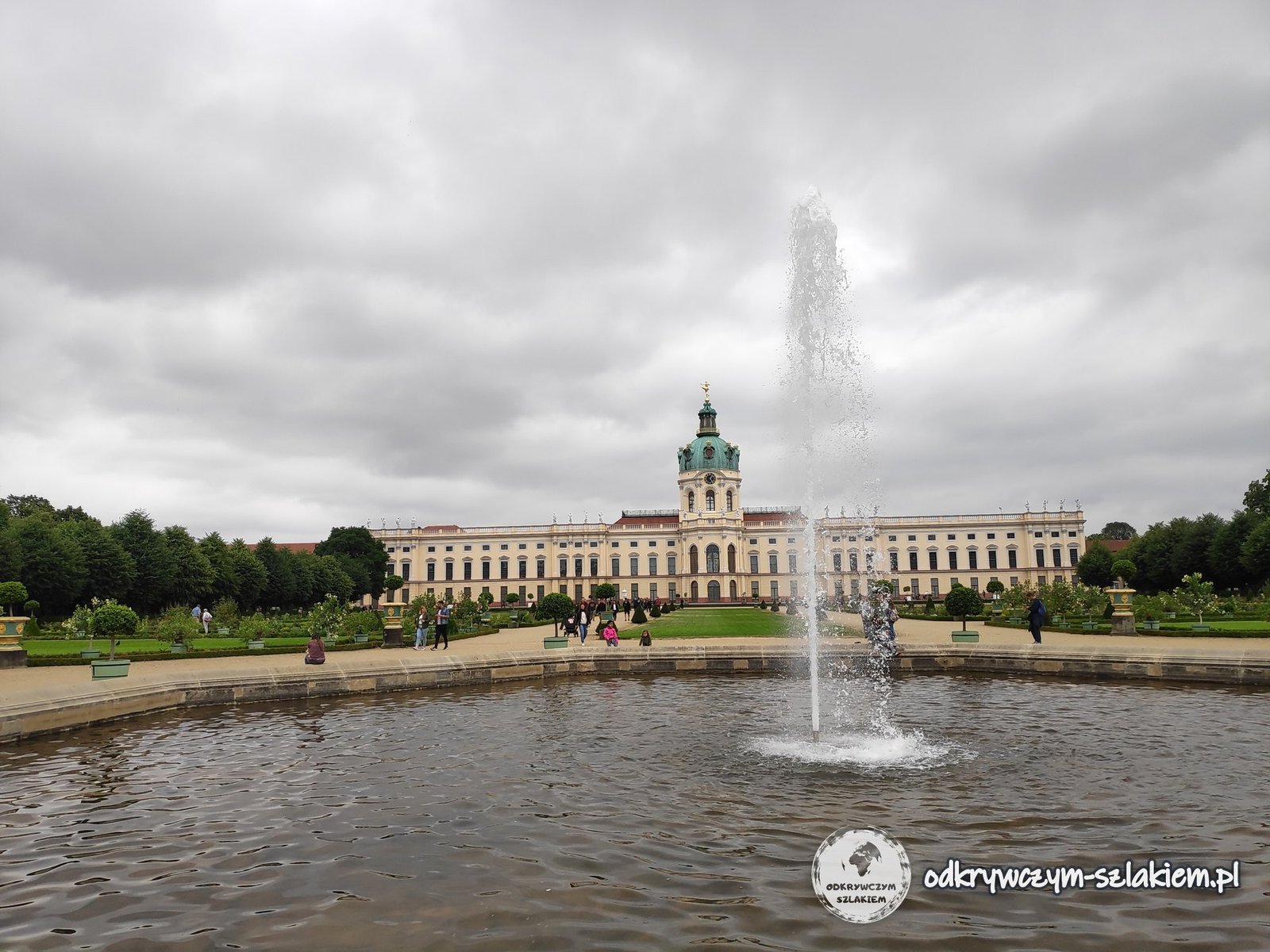
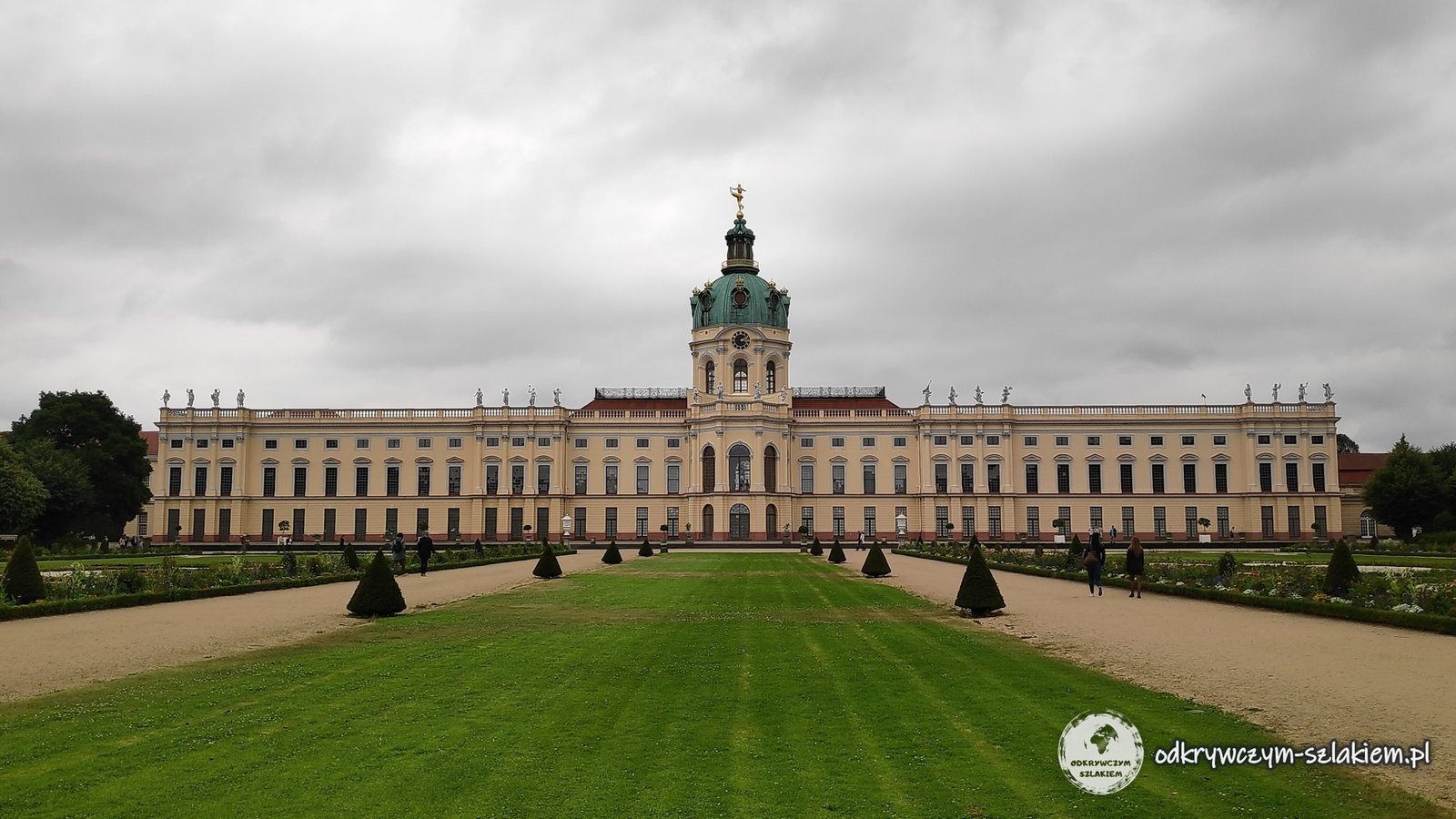
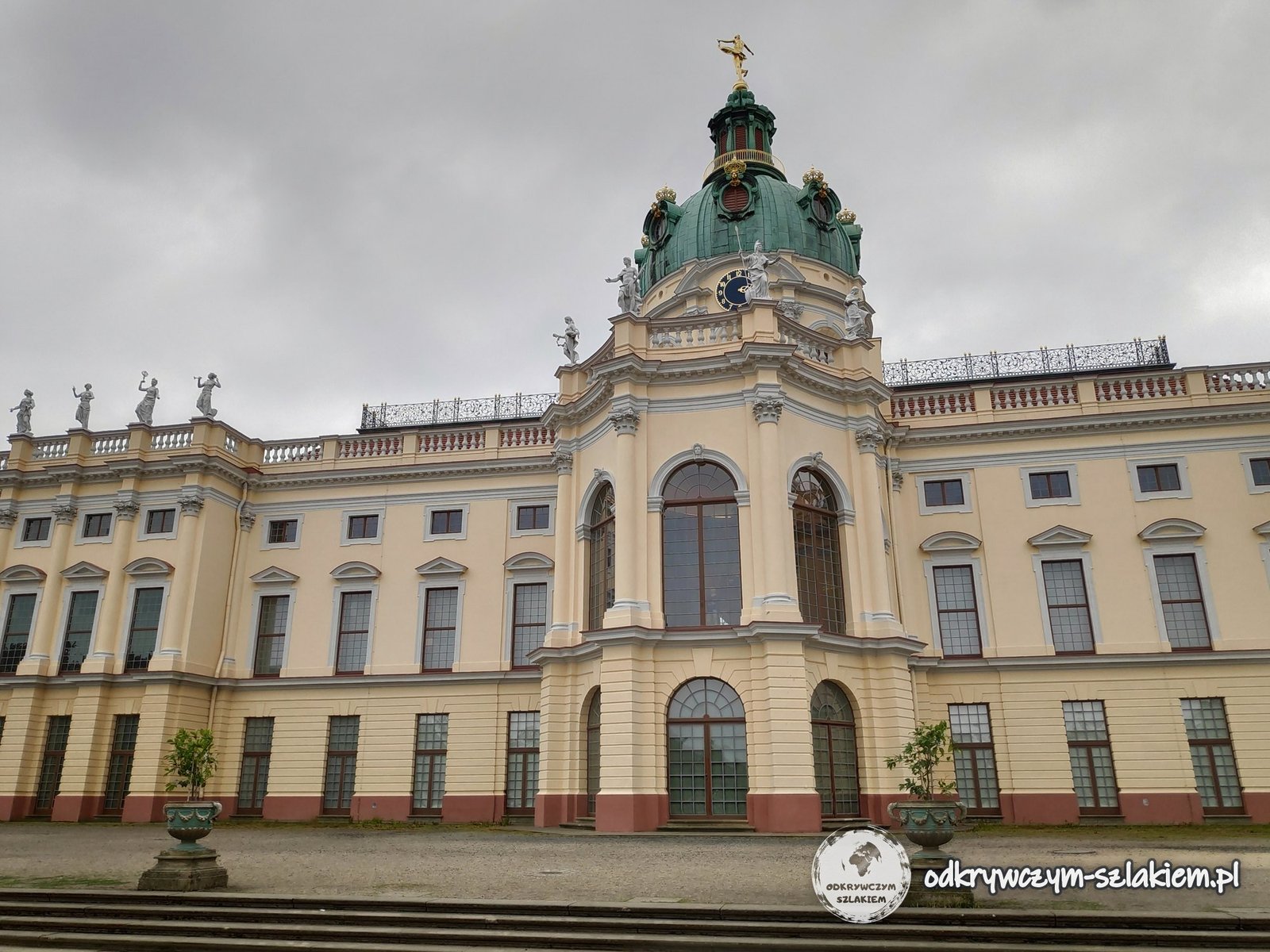
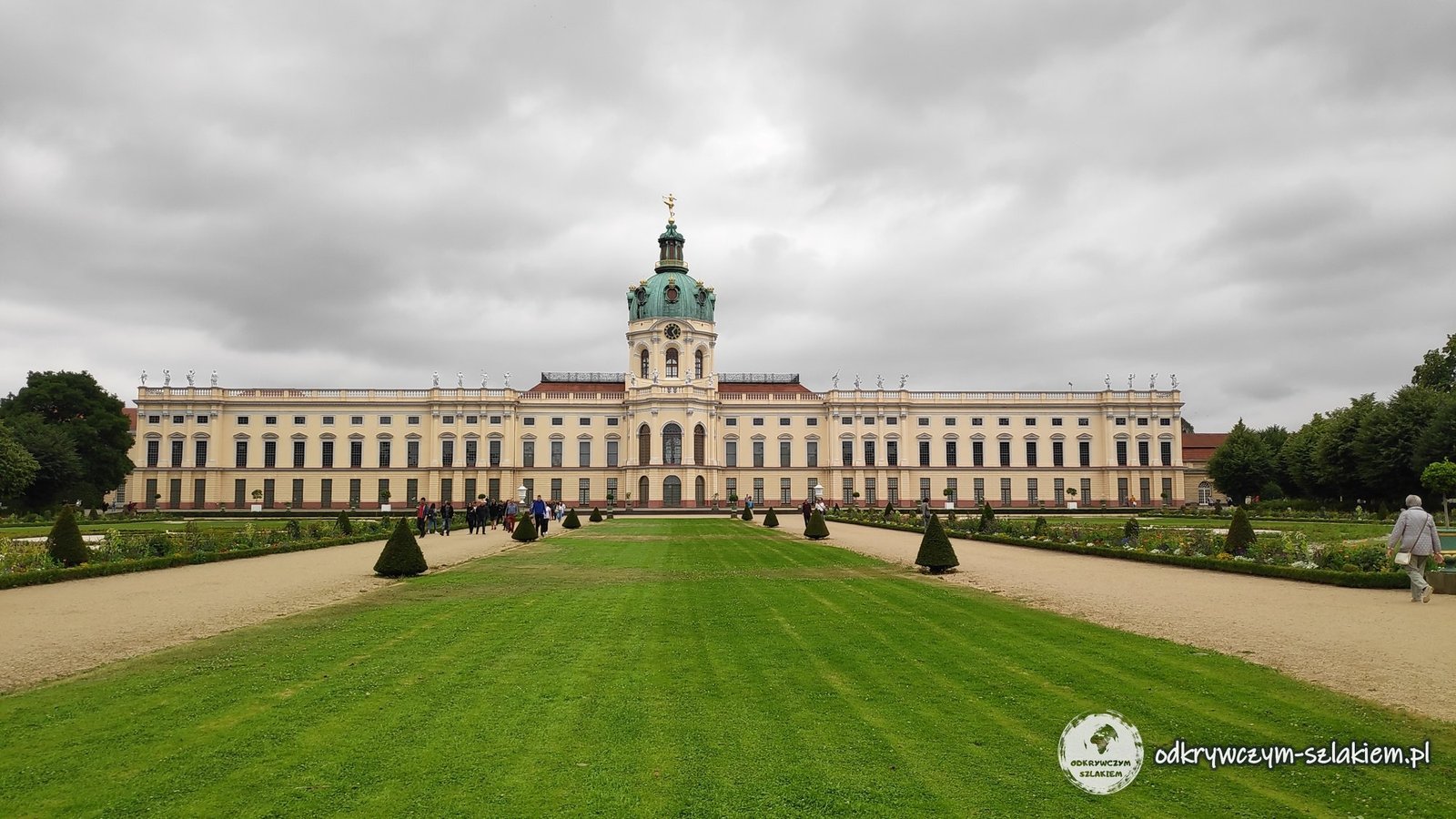
Charlottenburg Palace is the largest palace in Berlin. Construction began in 1695 as a small summer residence for Electress Sophie Charlotte, and after her death the palace and the whole area were named after her. Later Prussian kings kept extending it. I was here in July 2019. From the street you enter through a gate with statues of fencers into the courtyard in front of the main façade with its dome.
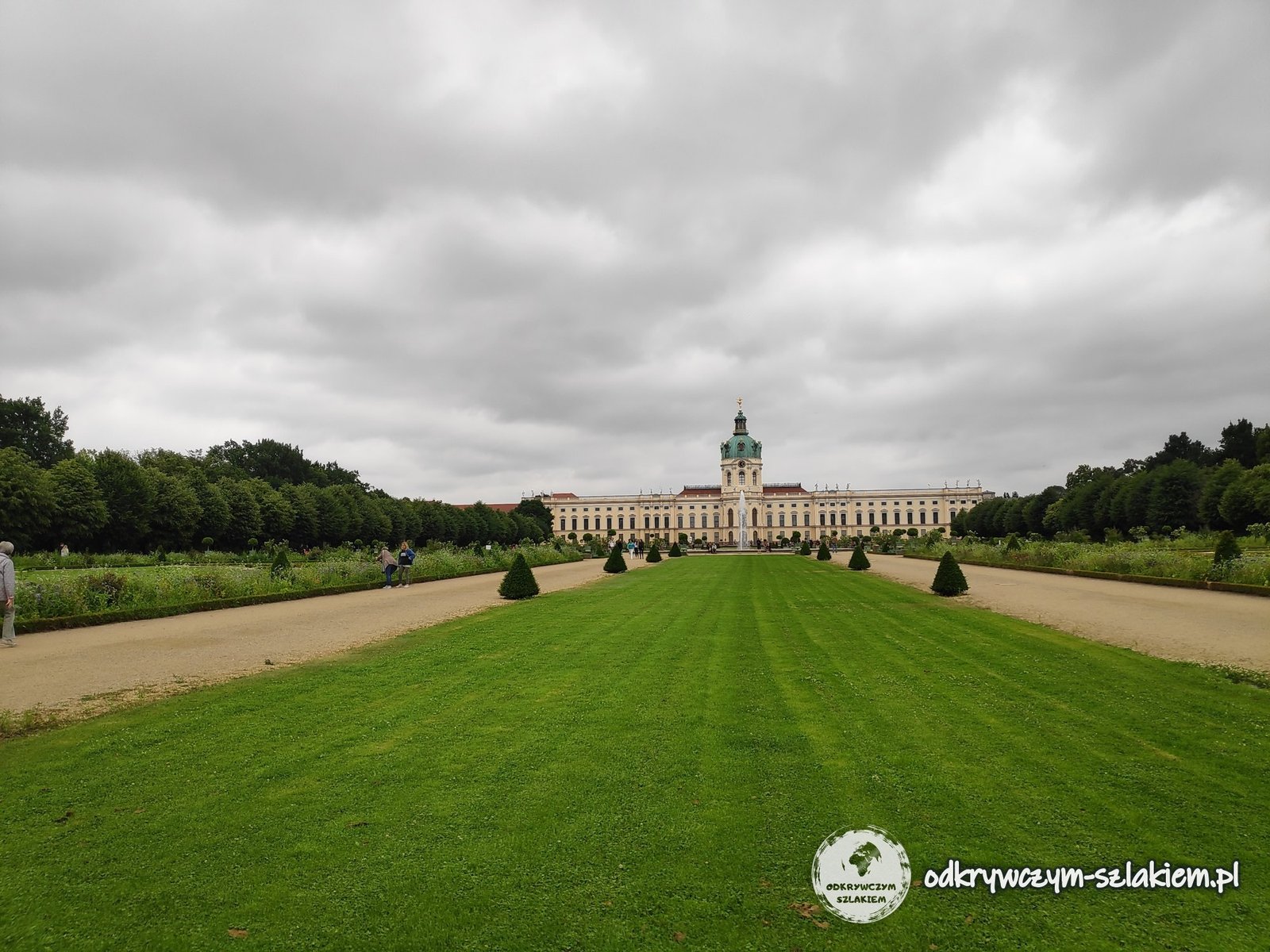
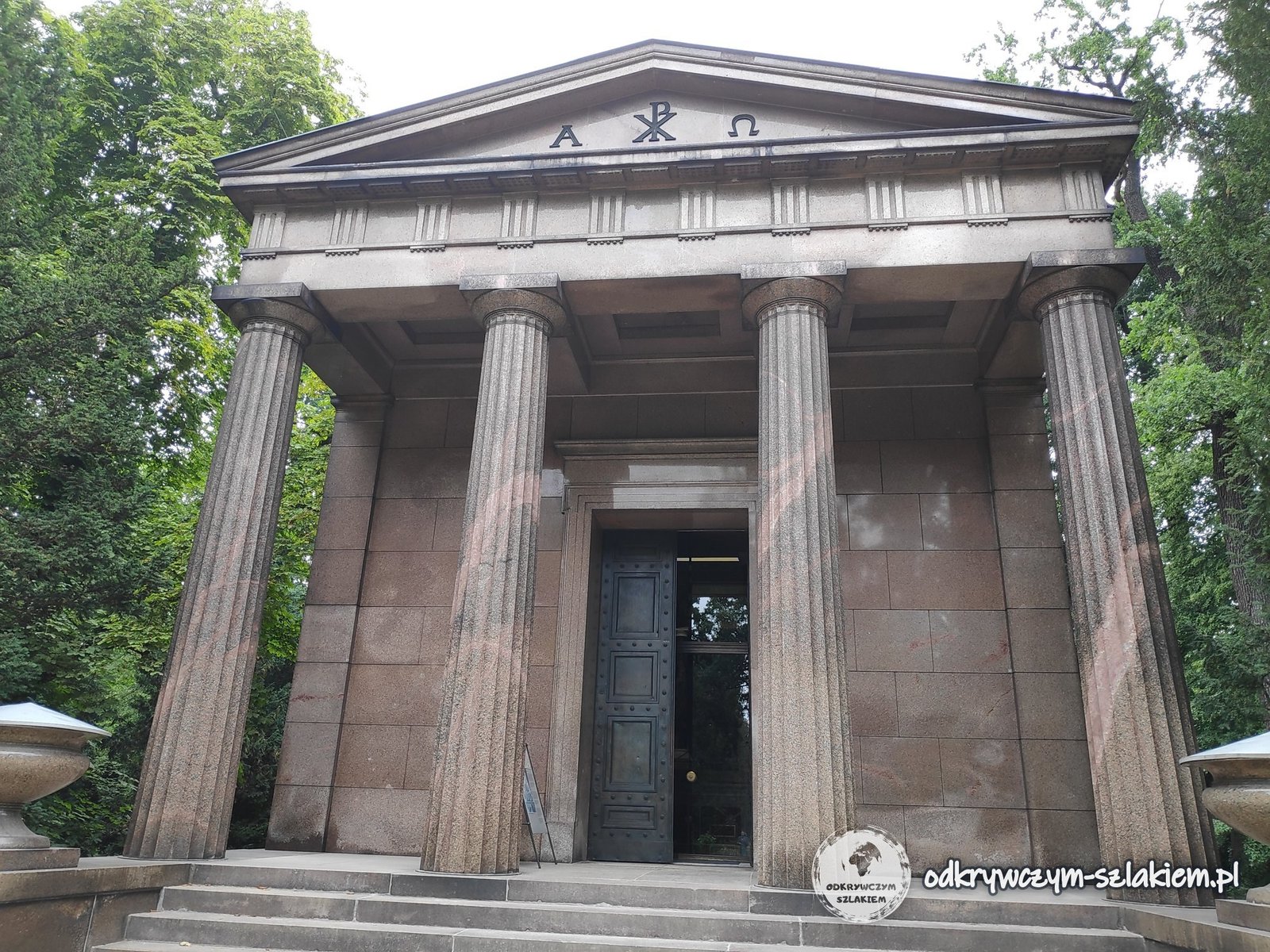
Behind the palace there is a large park – first a Baroque garden with lawns and a fountain, and further on a landscape park in the English style. Entry to the park is free; you only pay to visit the interiors. The park also has the Mausoleum, where Queen Louise, among others, is buried.
On the way from the centre, in the Tiergarten park, there is also Bellevue Palace (Schloss Bellevue) – a Neoclassical palace from the end of the 18th century, today the official residence of the German President. It can usually only be seen from the outside.
Spandau Citadel and Old Town
The same day I also went to the Spandau Citadel in the west of Berlin. It is a Renaissance fortress built between 1559 and 1594 on a star-shaped plan and surrounded by a moat. Inside stands the Julius Tower (Juliusturm) from the 13th century – considered the oldest building in Berlin. After the war with France in 1870–1871, the Reich’s war treasure was kept in it. Today the citadel houses museums and hosts concerts.
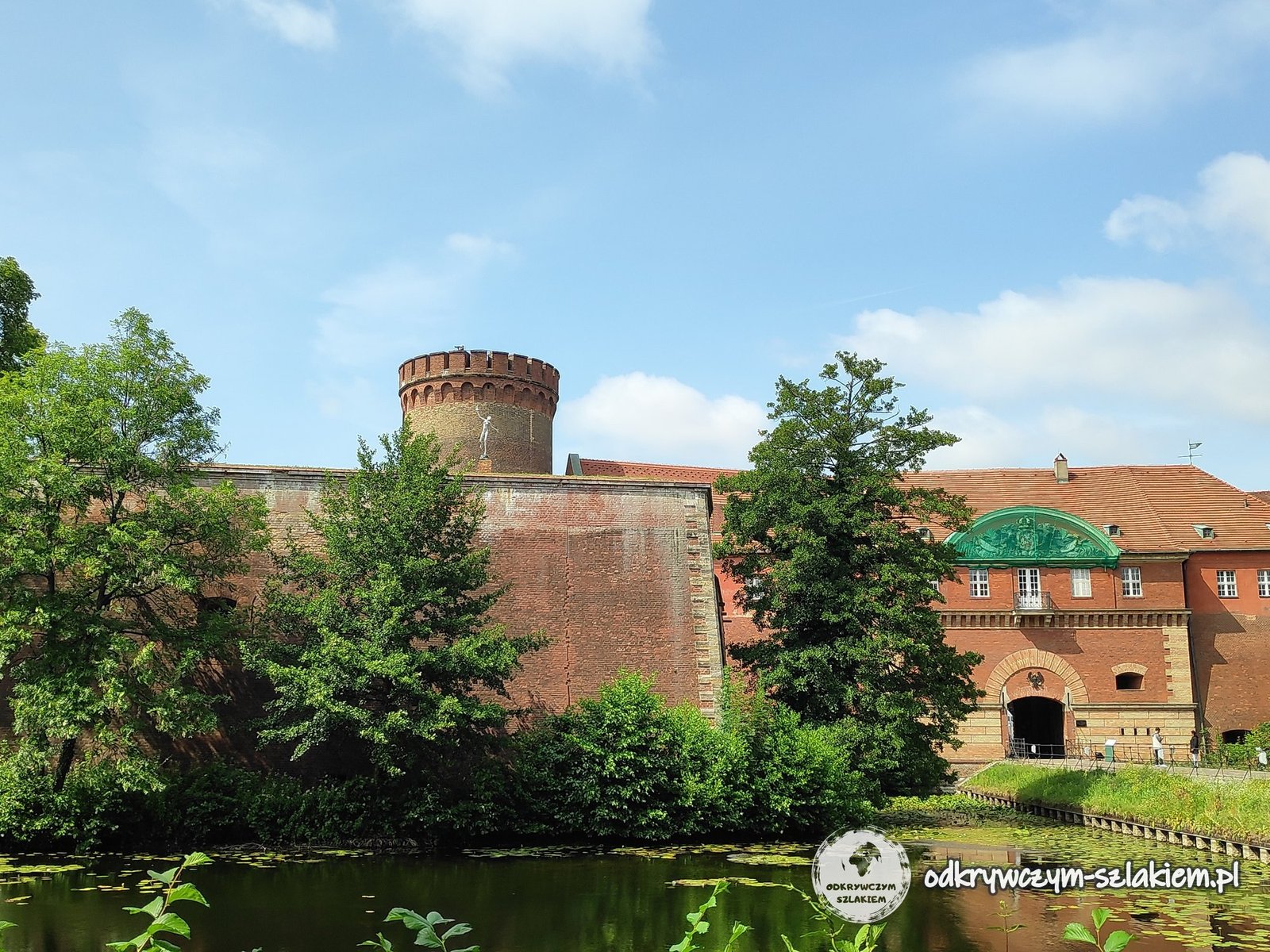
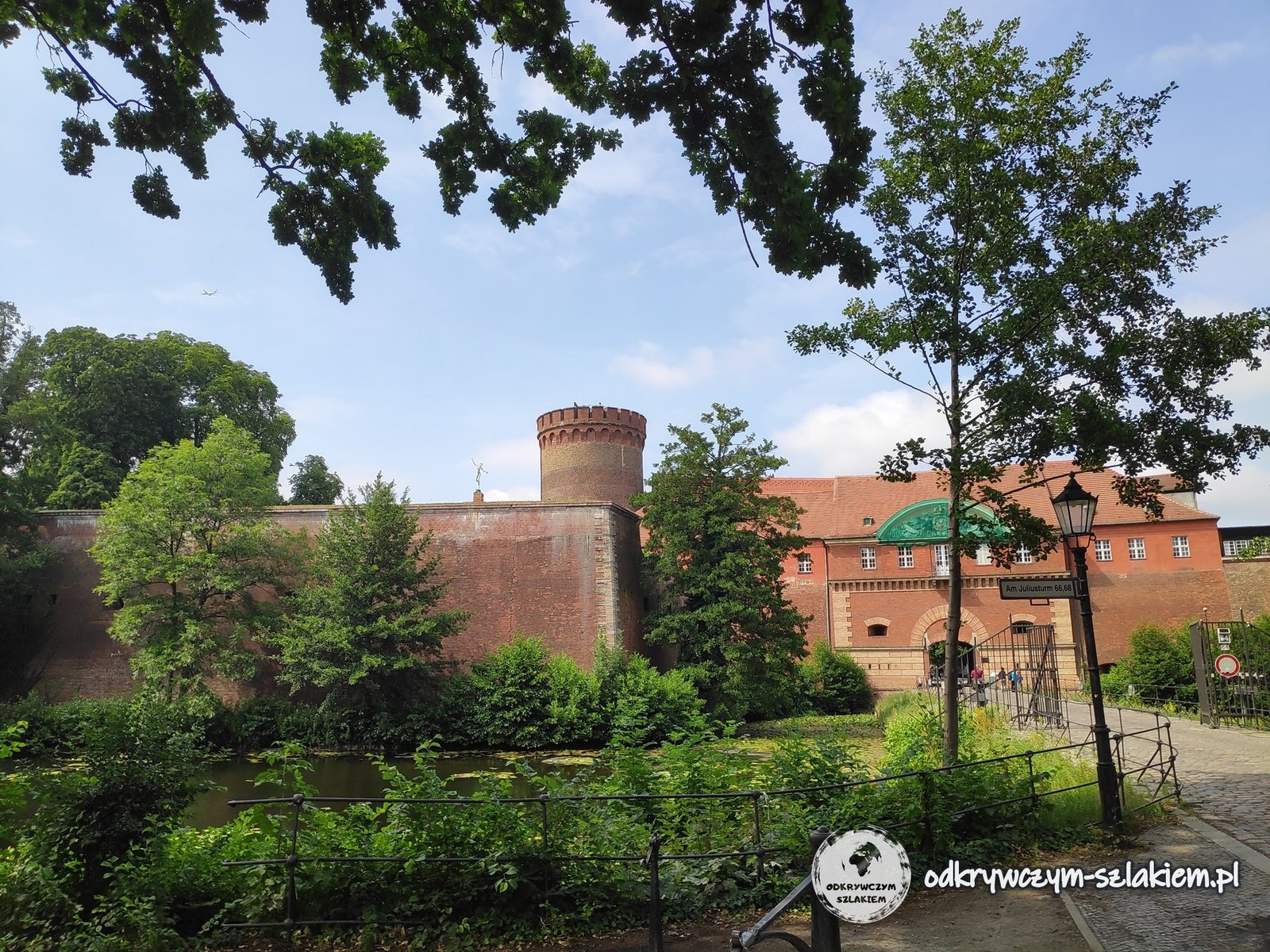
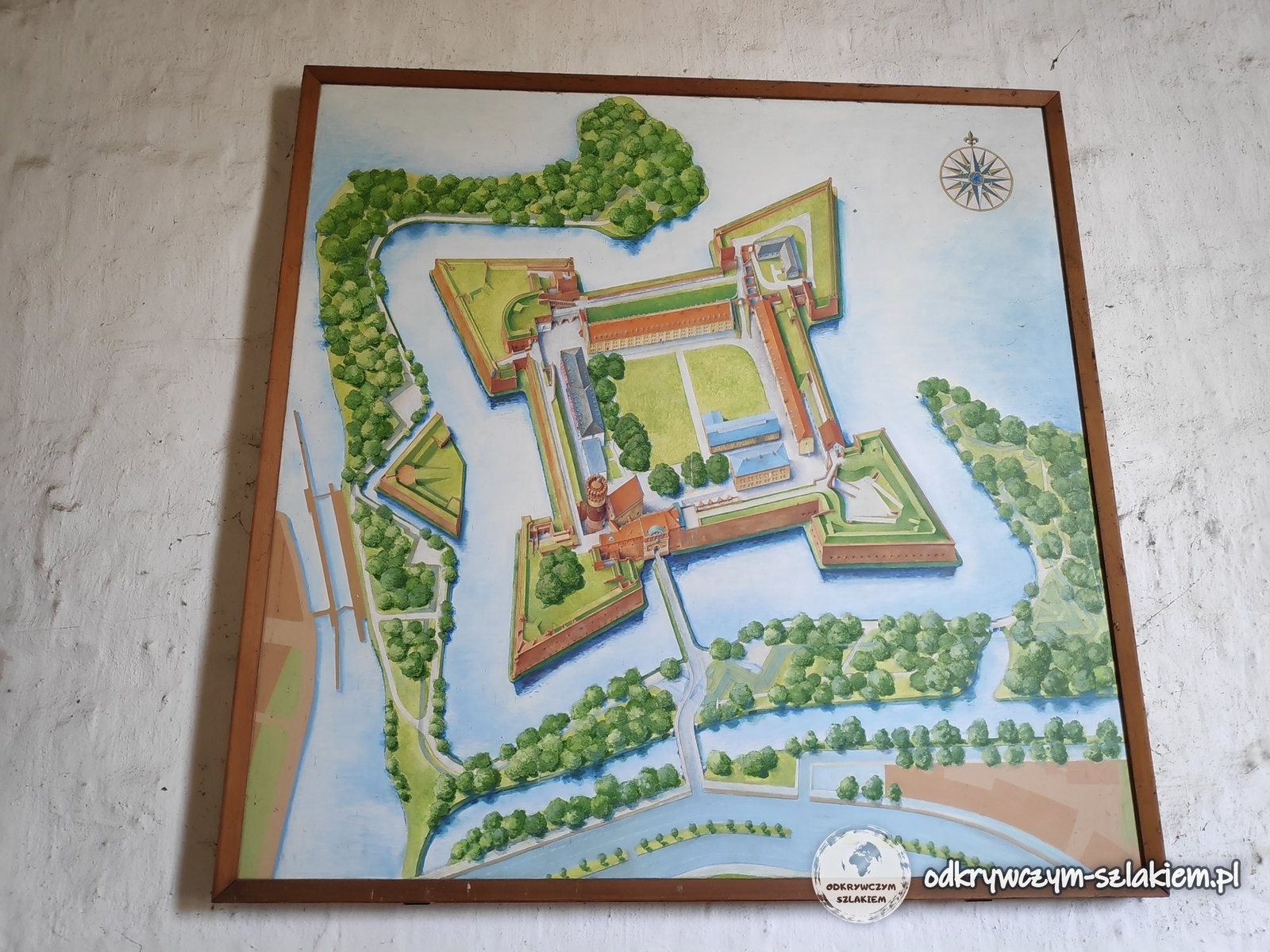
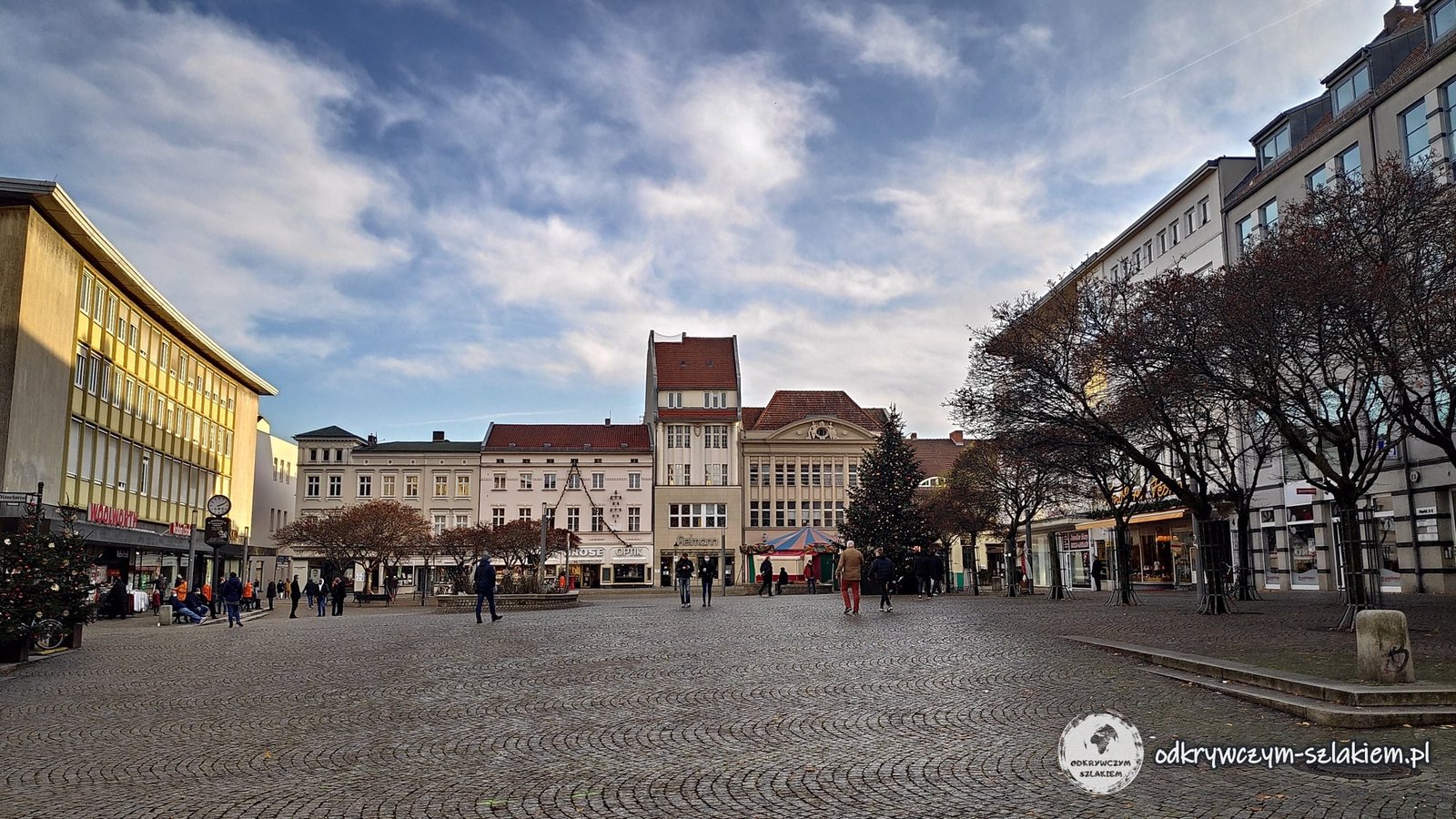
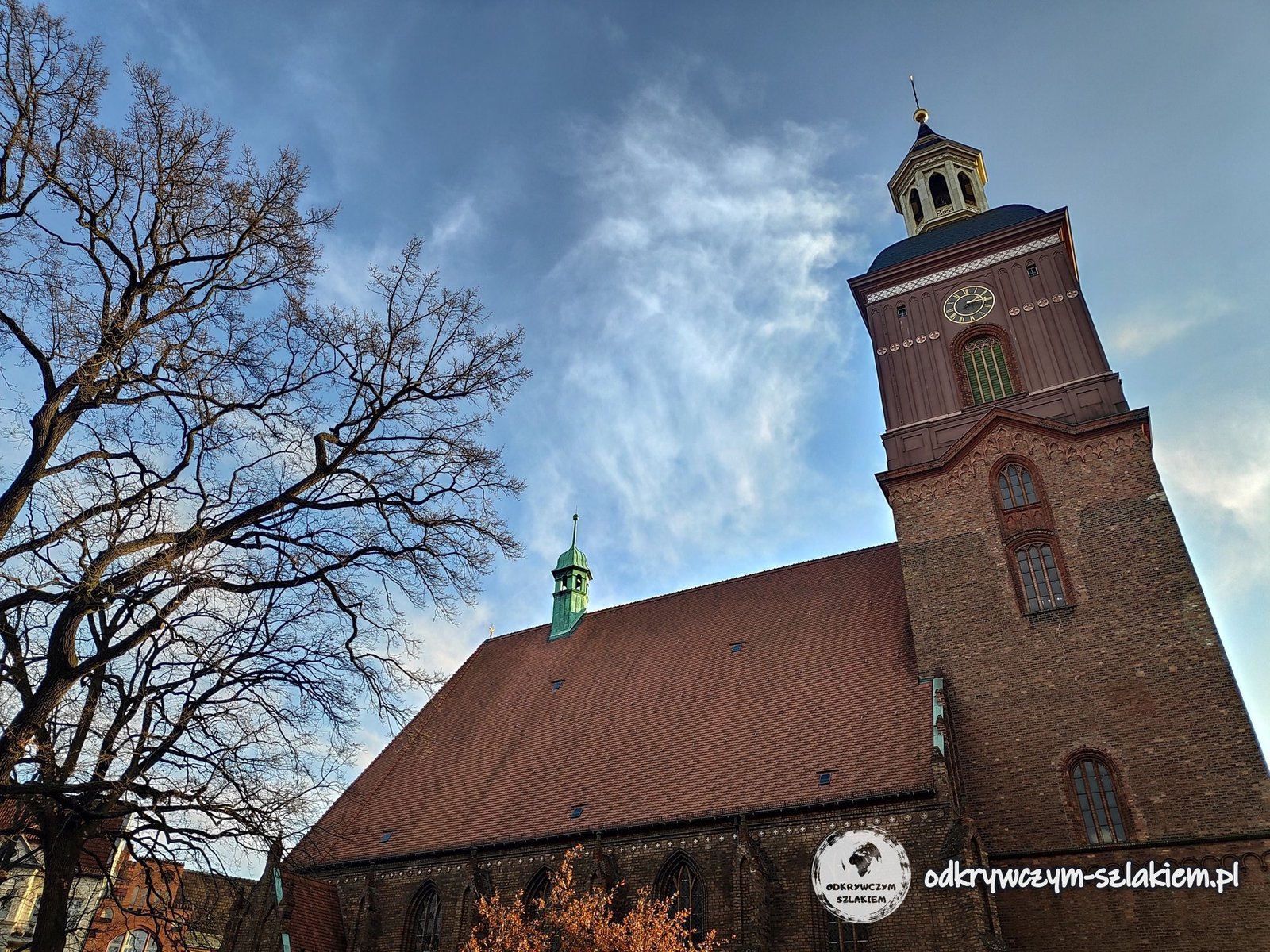
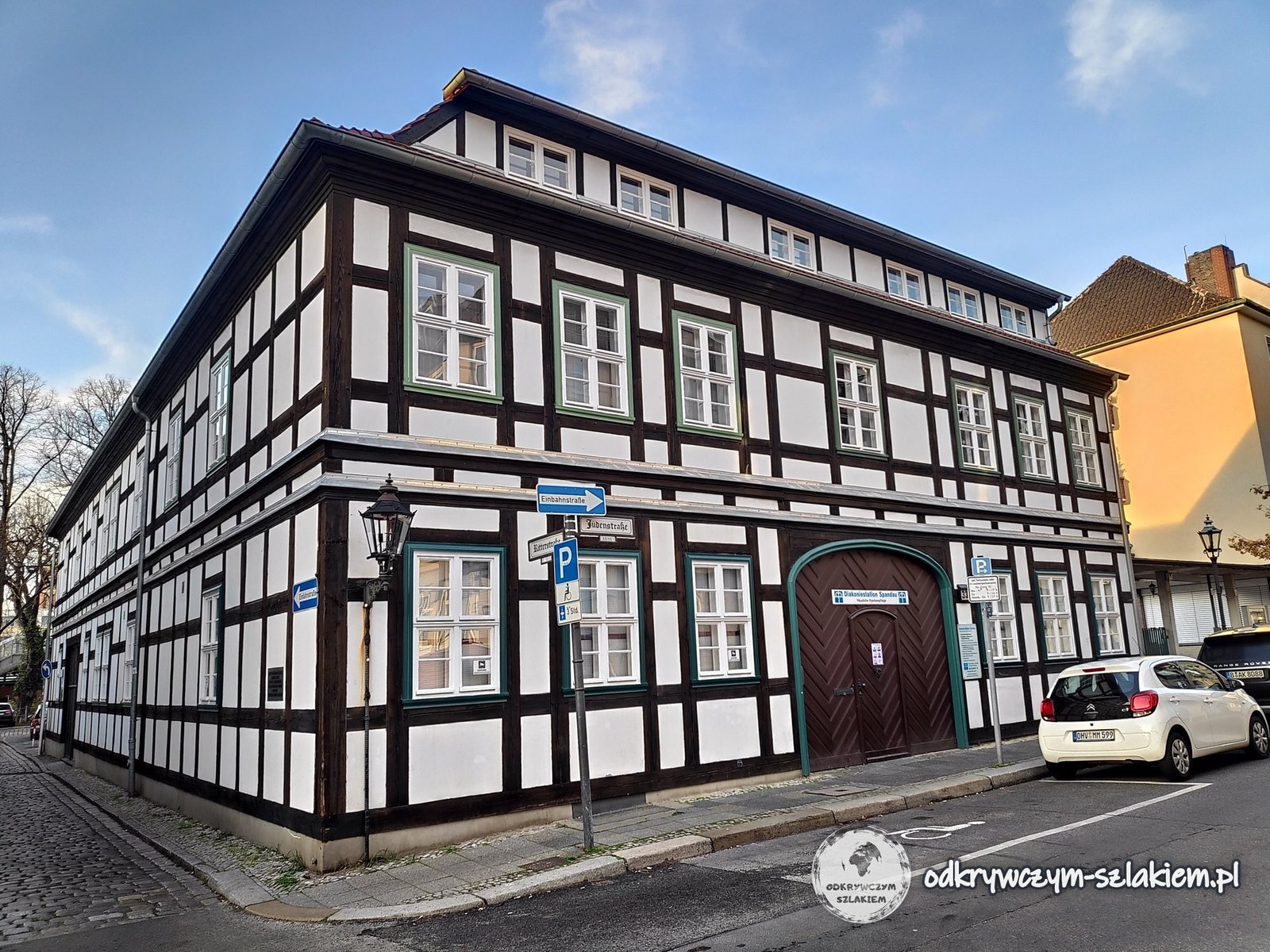
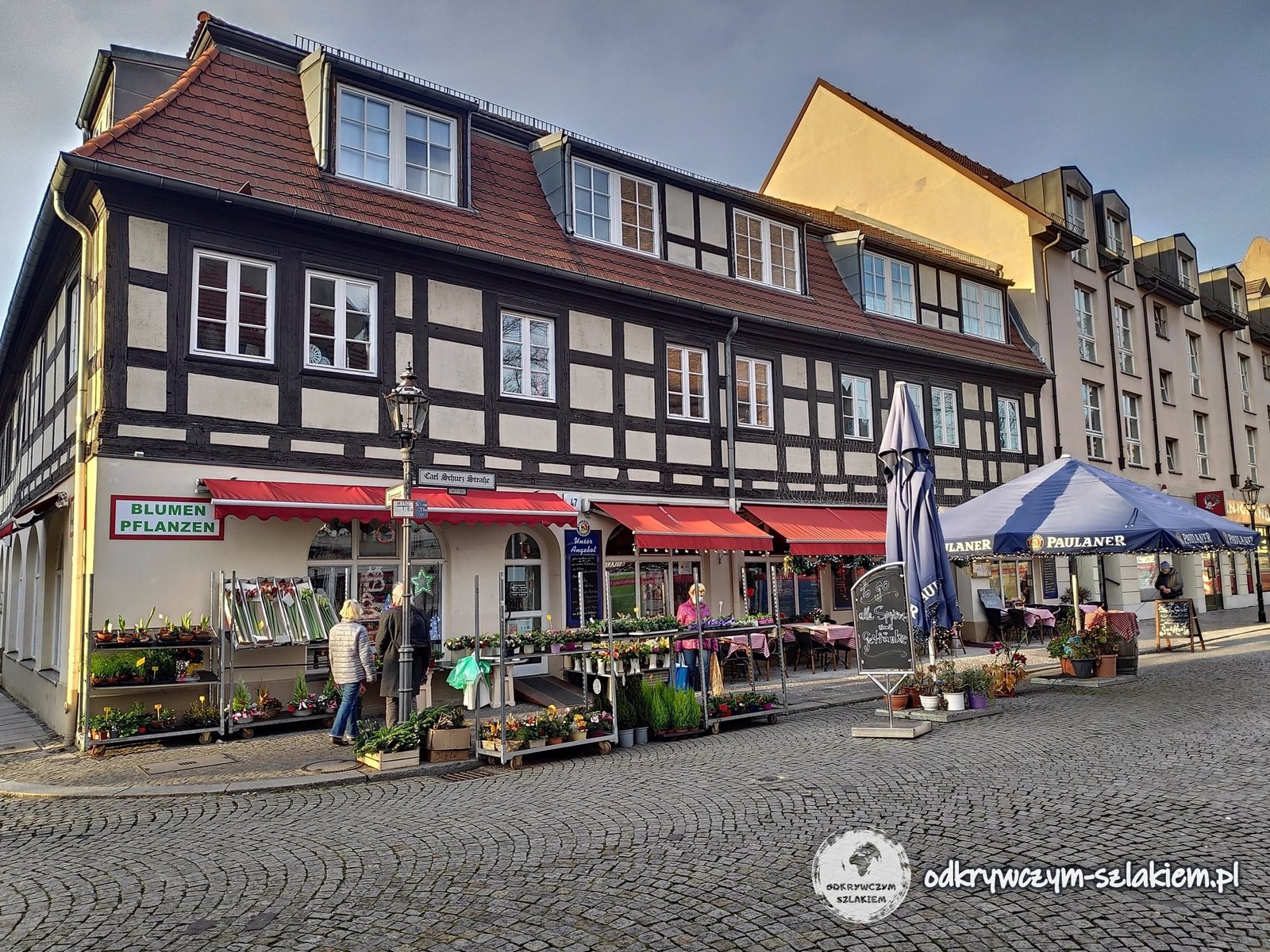
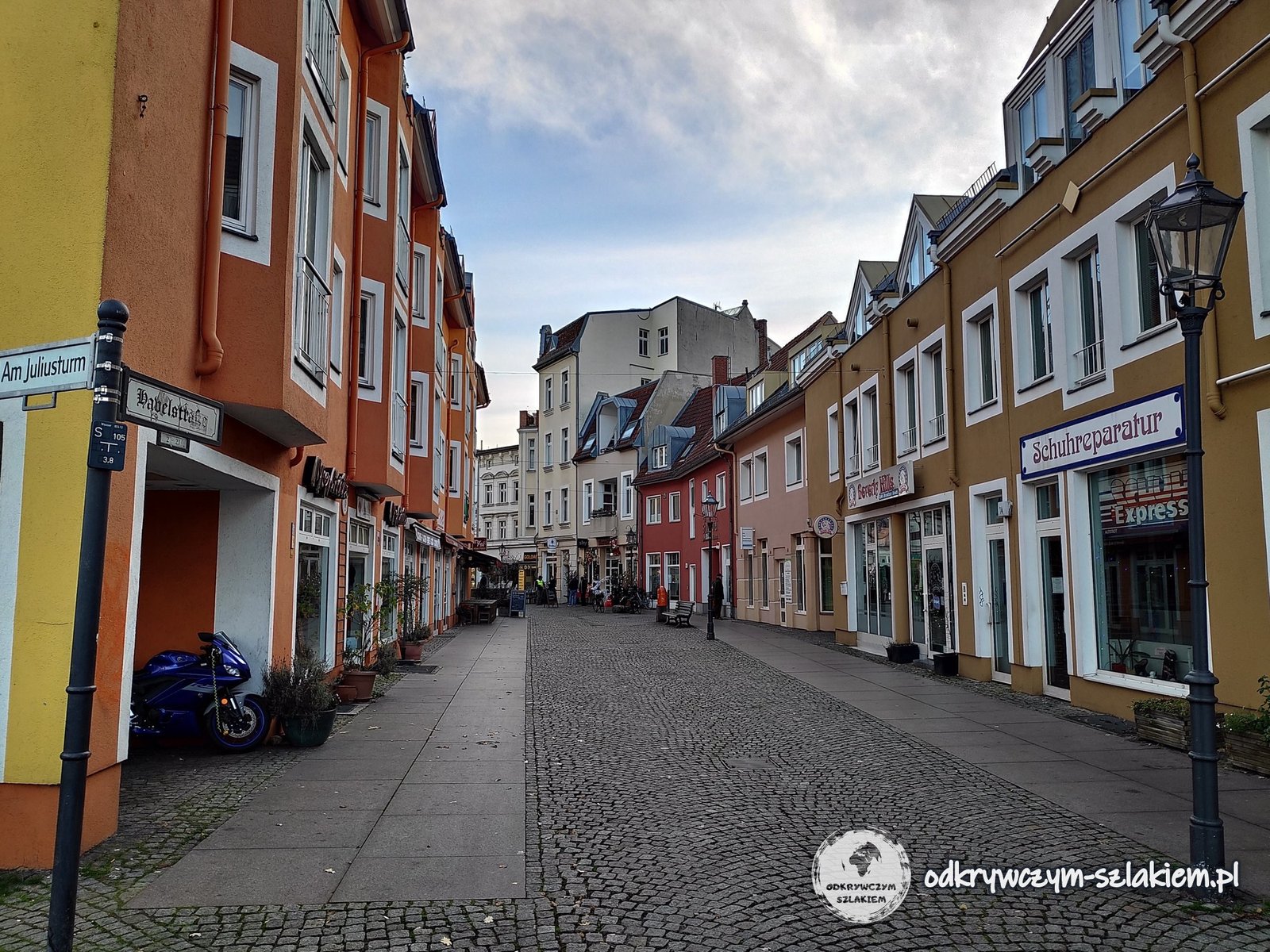
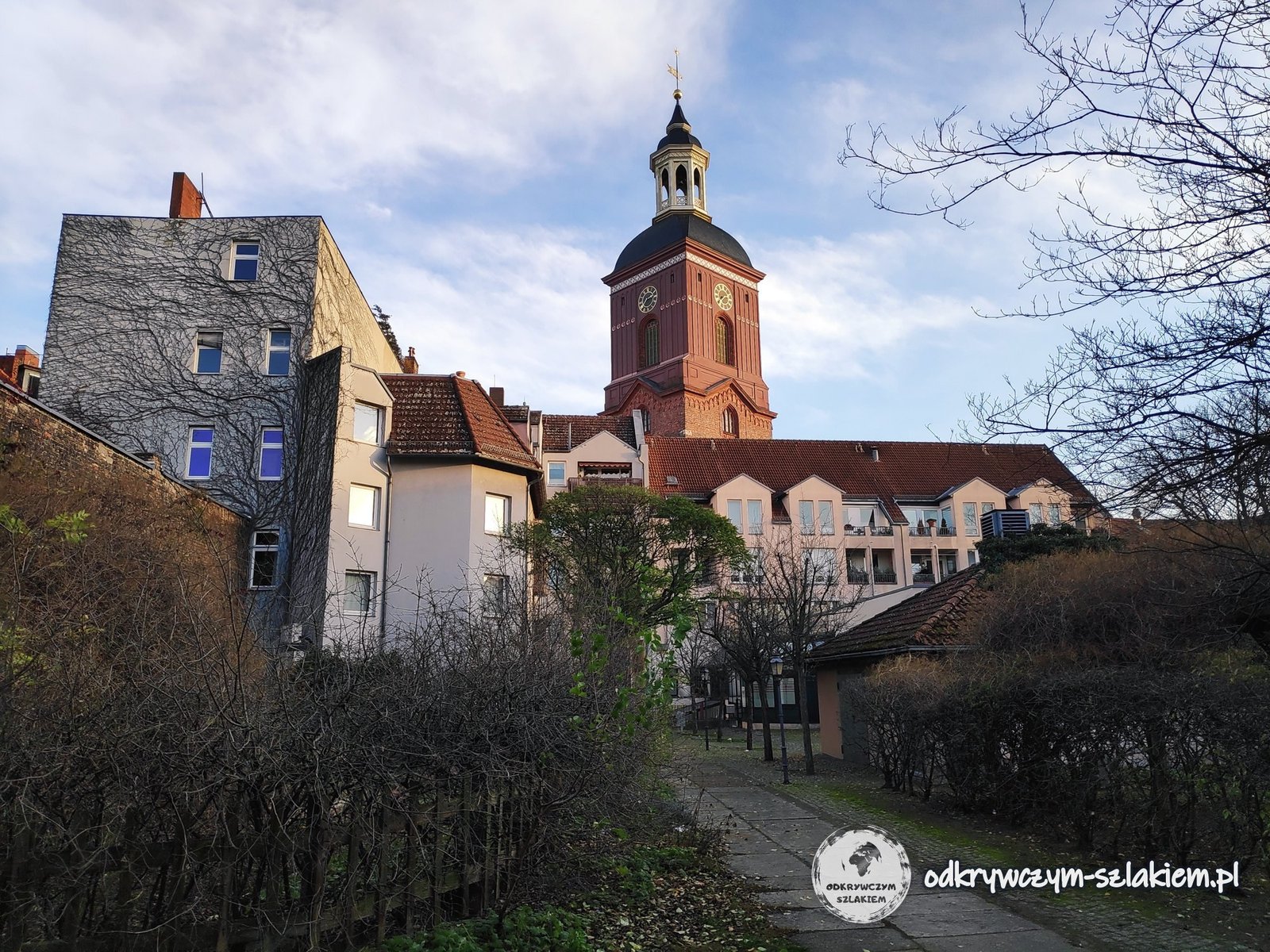
A walk of about fifteen minutes from the citadel takes you to the old town of Spandau, which was a separate town until 1920. I was here at the beginning of December 2020. In the centre stands the Gothic St Nicholas’ Church (St.-Nikolai-Kirche) with its brick tower, and around the market square and in the side streets there are half-timbered houses and colourful town houses.
Glienicke Palace
Glienicke Palace (Schloss Glienicke) stands at the very edge of Berlin, by the Glienicke Bridge (Glienicker Brücke) leading to Potsdam. In 1824 the estate was bought by Prince Carl of Prussia, and Karl Friedrich Schinkel rebuilt the old manor house as a palace in the style of an Italian villa. The park around it was designed by Peter Joseph Lenné. The palace and park are part of the same UNESCO listing as Peacock Island and the palaces of Potsdam. I was here in July 2021, on a sunny day.
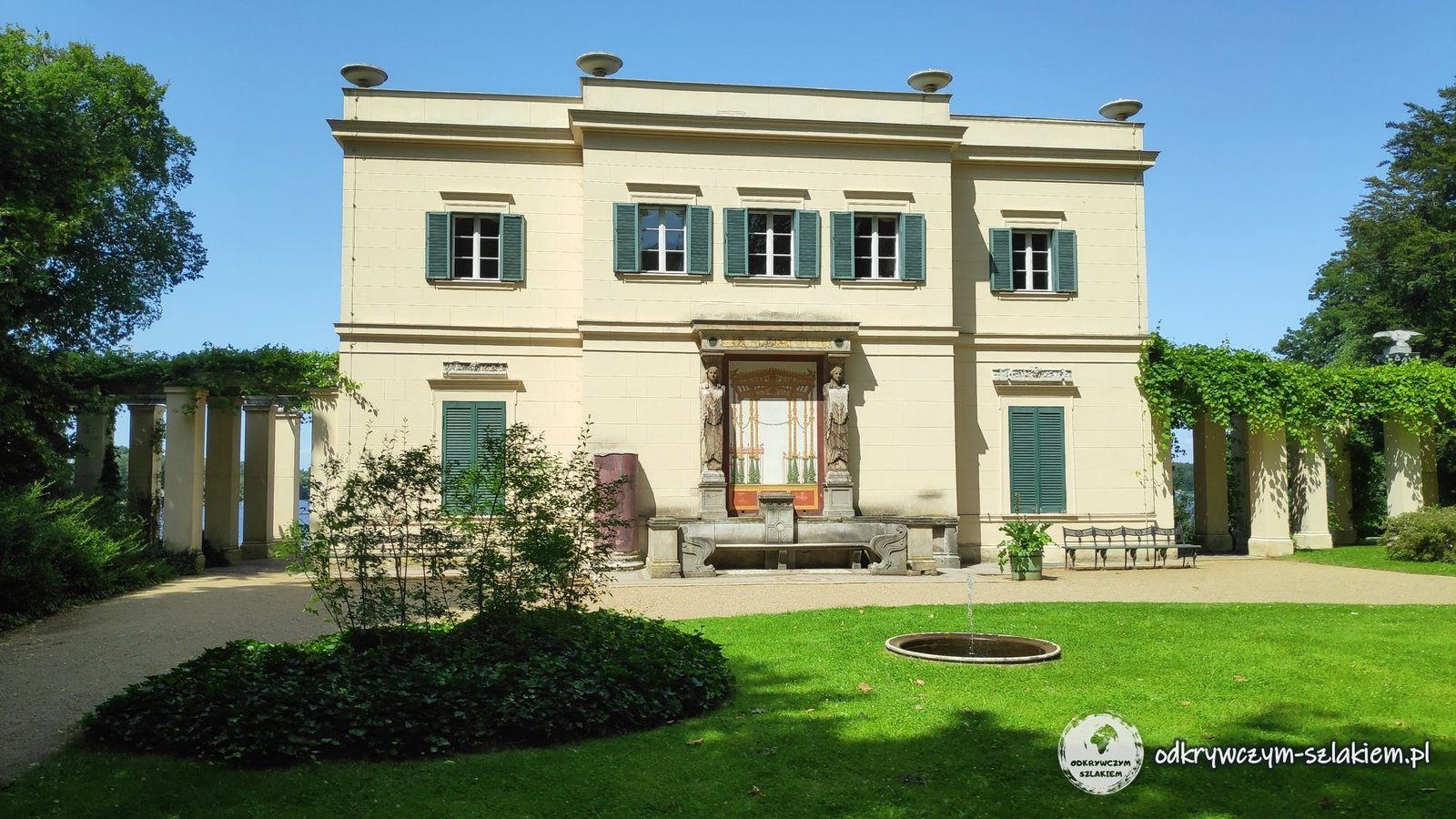
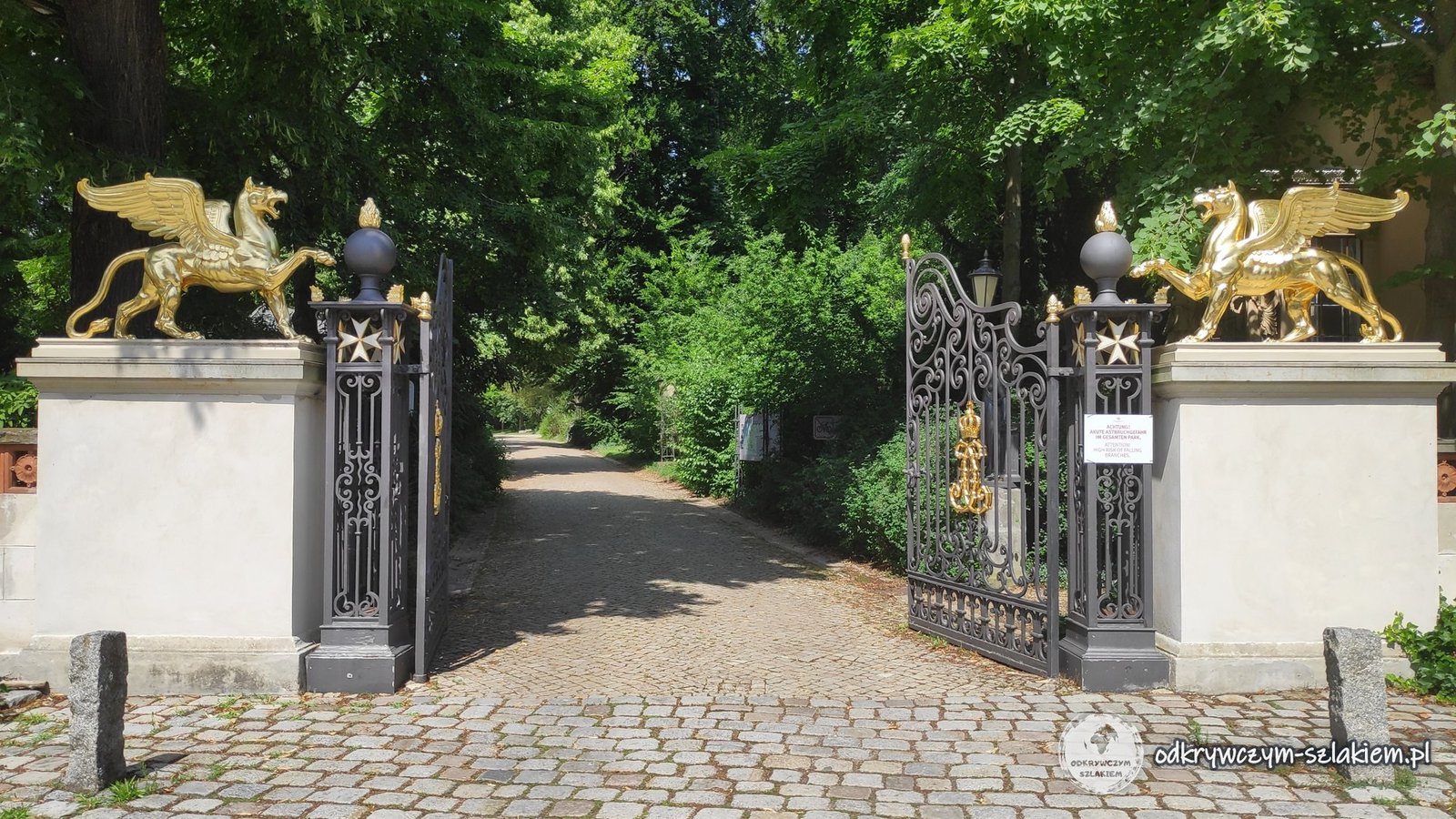
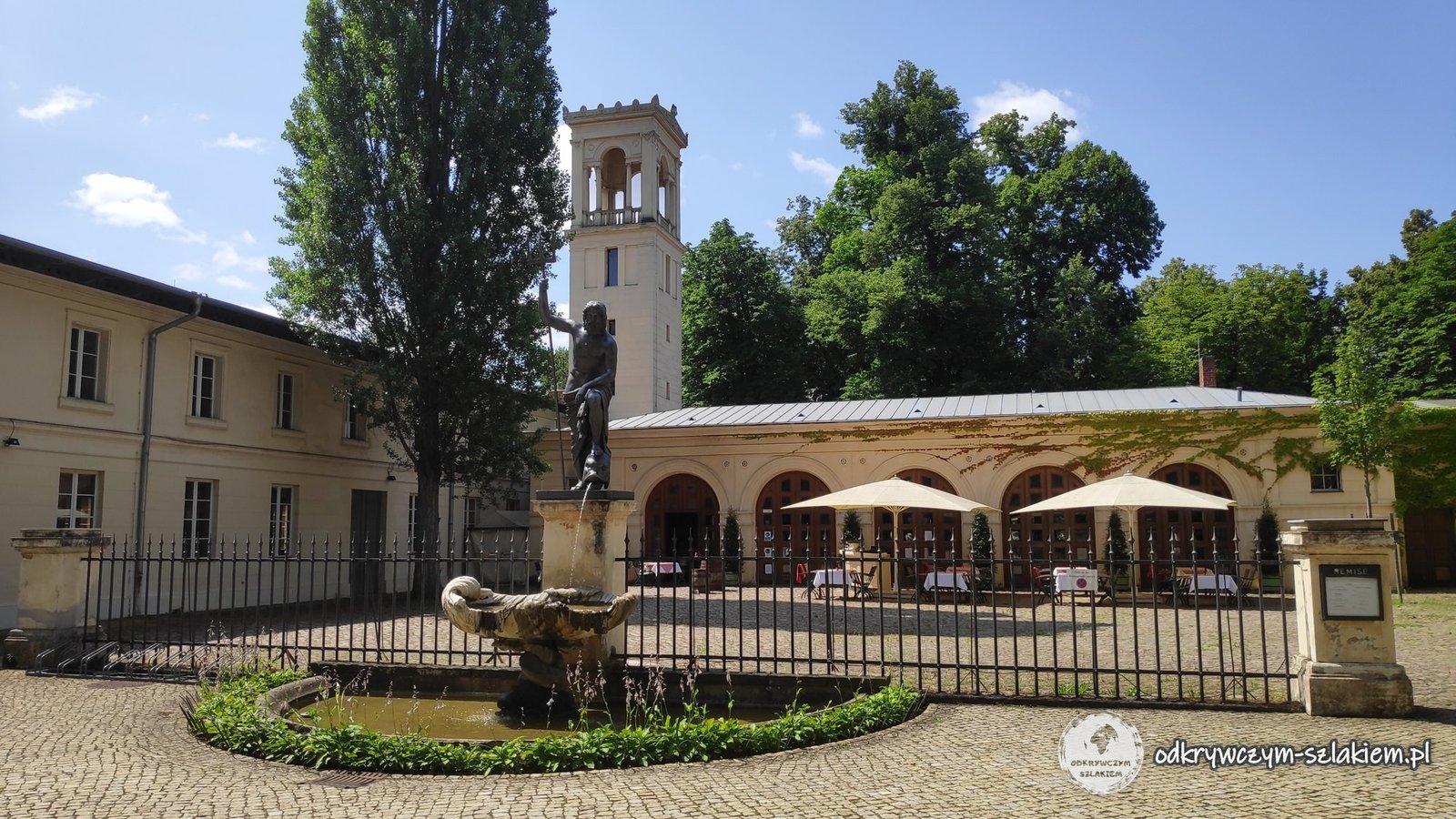
In the park, it is worth seeing the Lion Fountain (Löwenfontäne) with its gilded lions, the Casino (Kasino) with pergolas above the Havel and the round colonnaded pavilion right by the road, from which you can see the Glienicke Bridge. The Monastery Courtyard (Klosterhof) has a collection of fragments of old buildings, among others from Italy.
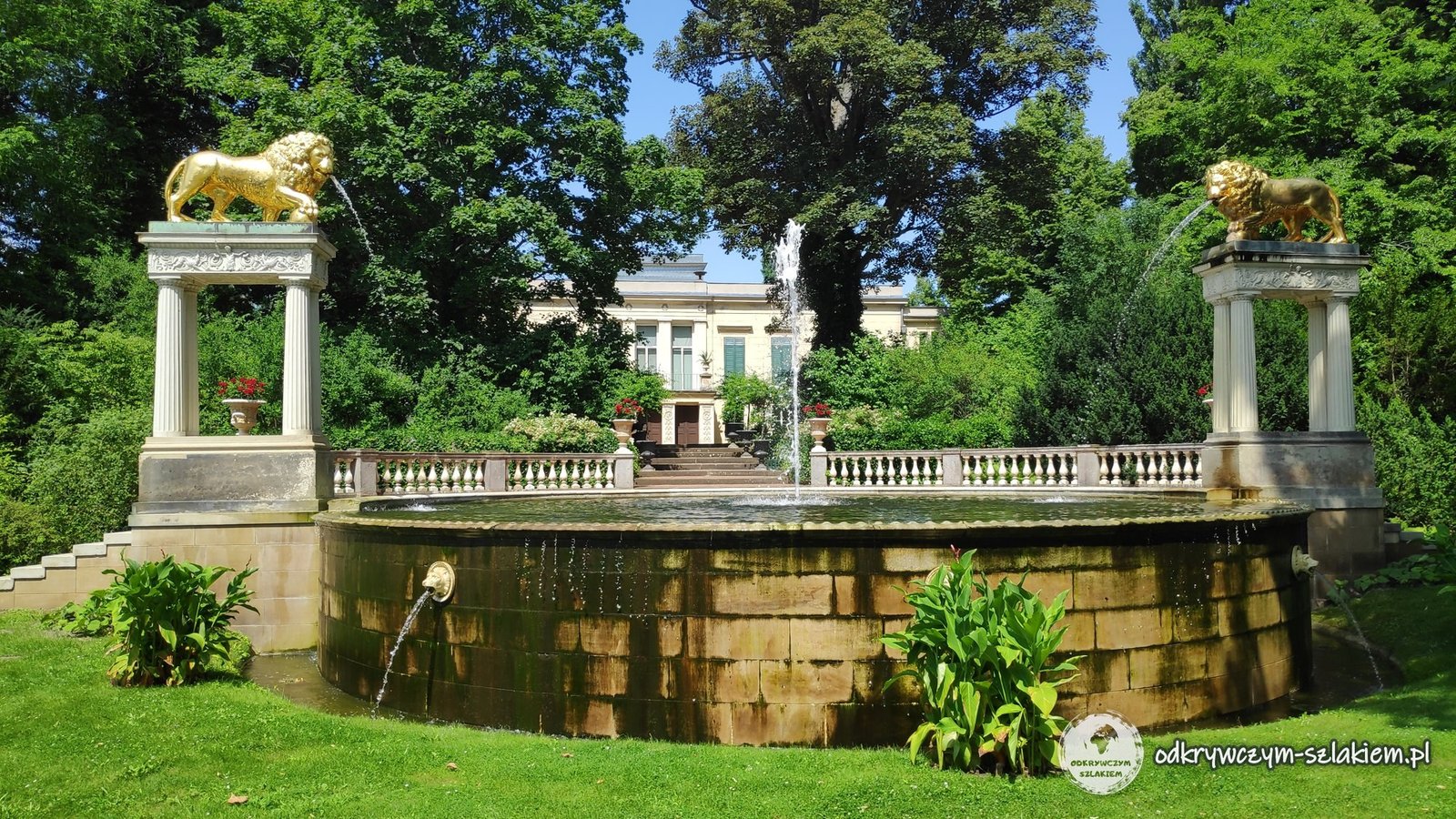
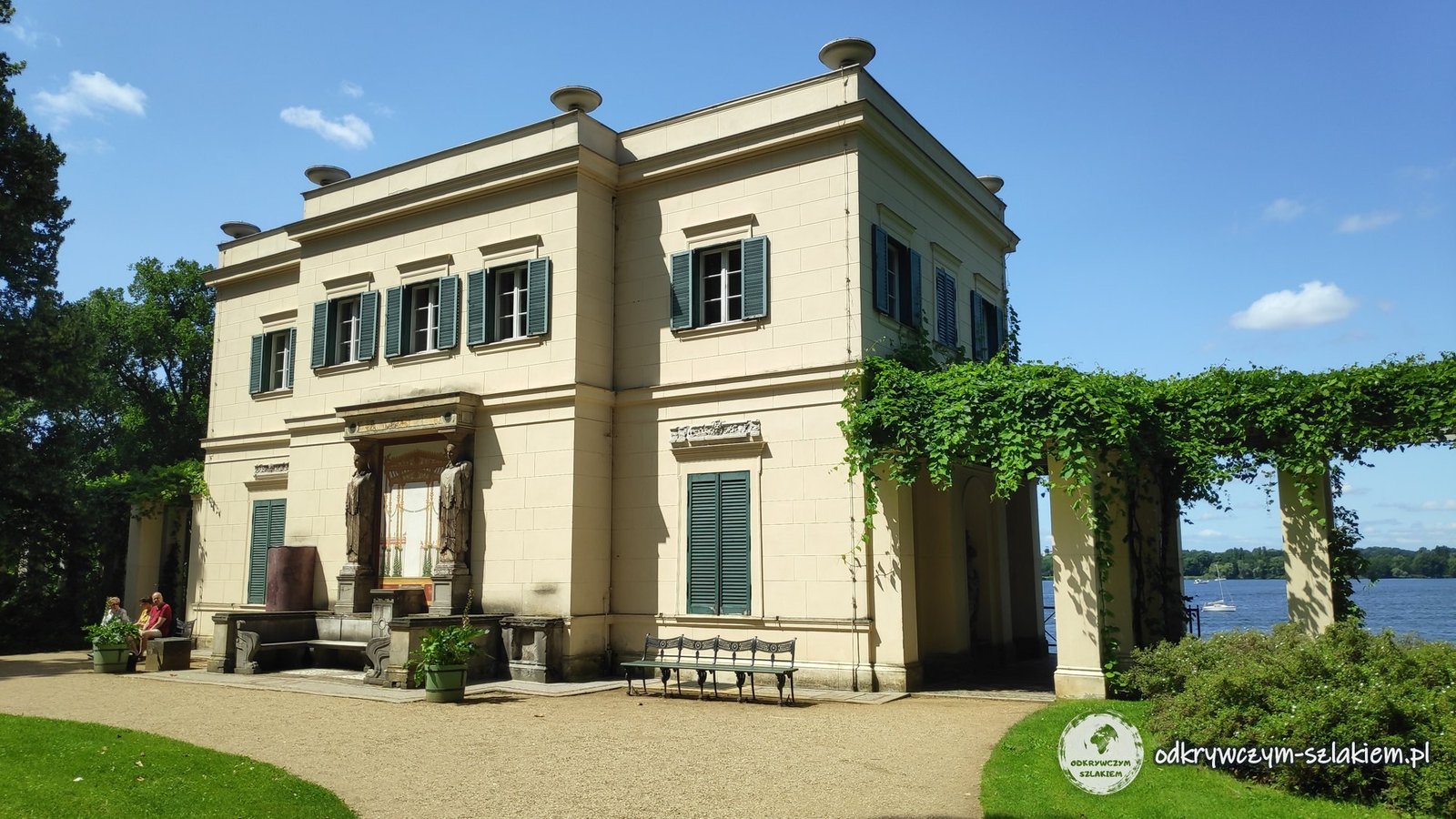
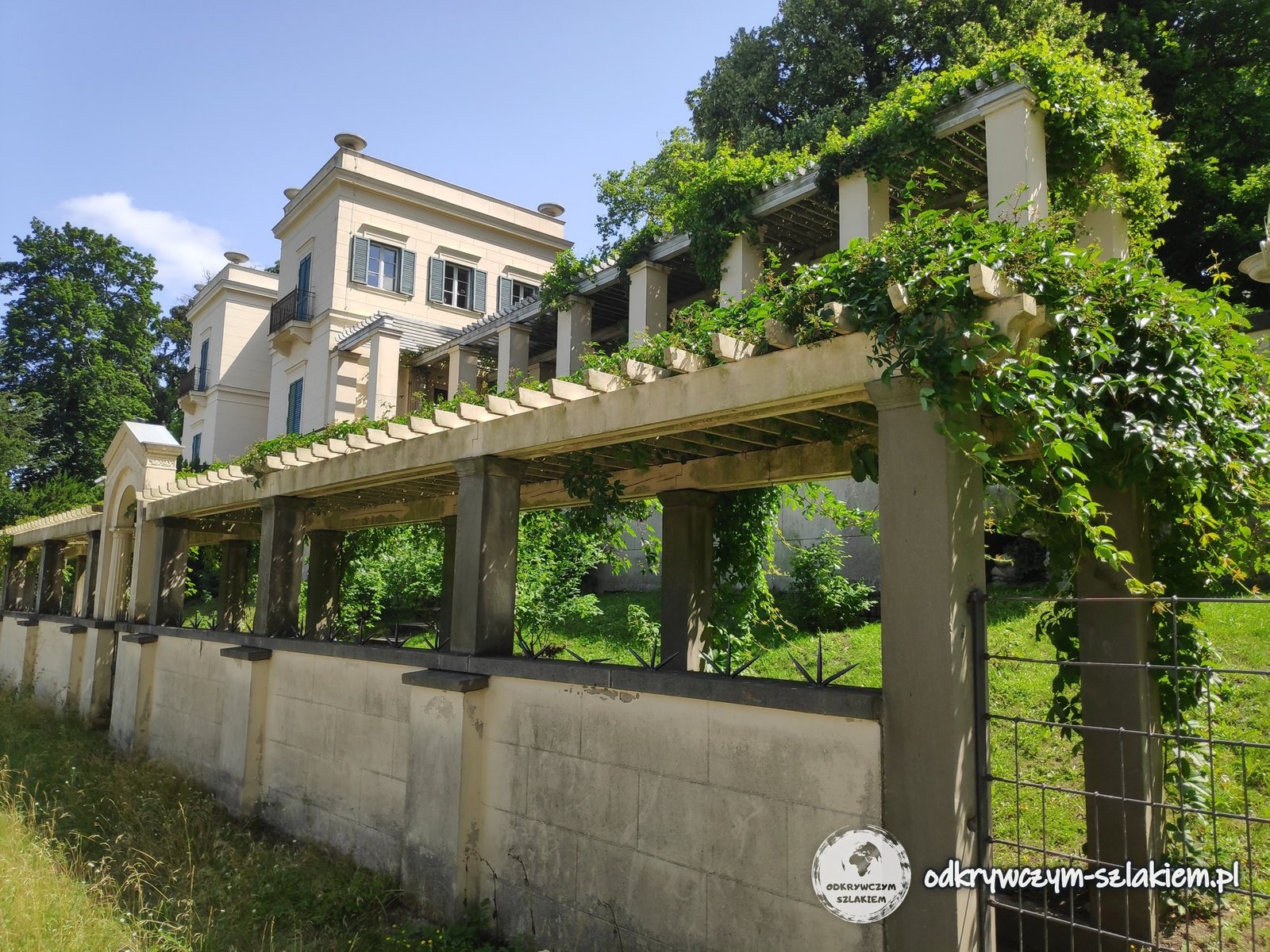
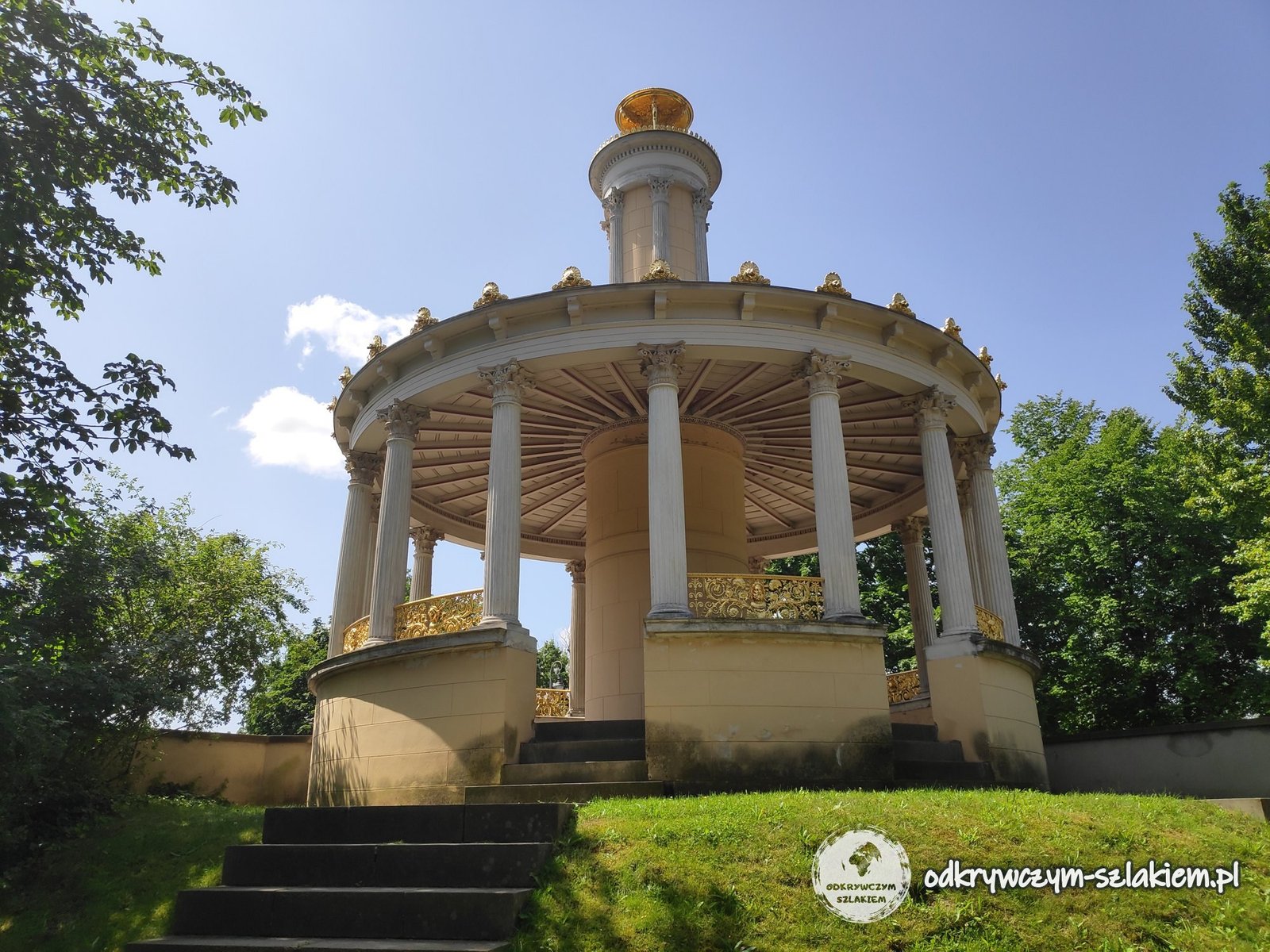
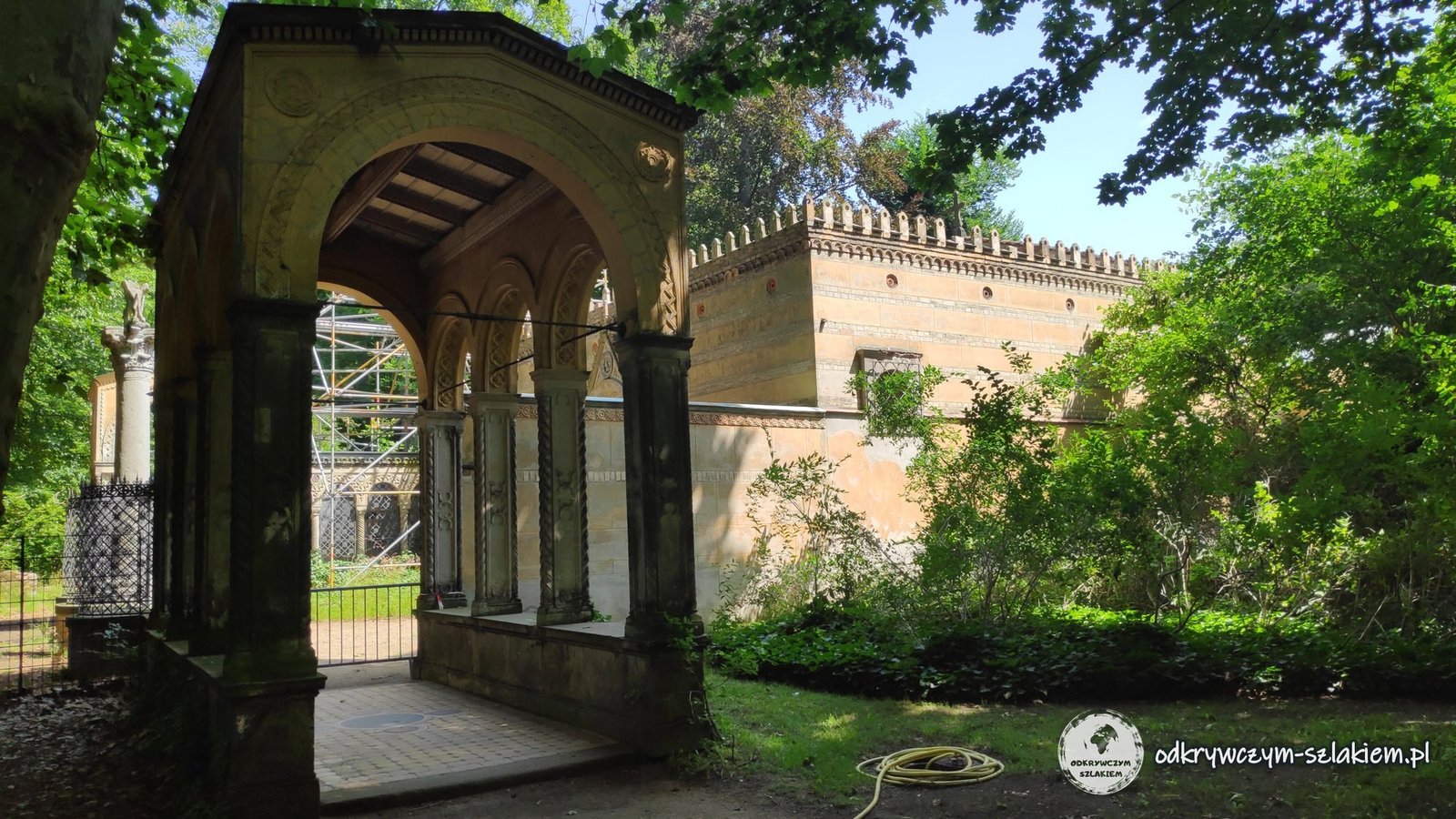
From Glienicke I walked on the same day over the Moritzberg hill to Babelsberg Park in Potsdam – I described this route in the post Potsdam and Wannsee.
Peacock Island (Pfaueninsel)
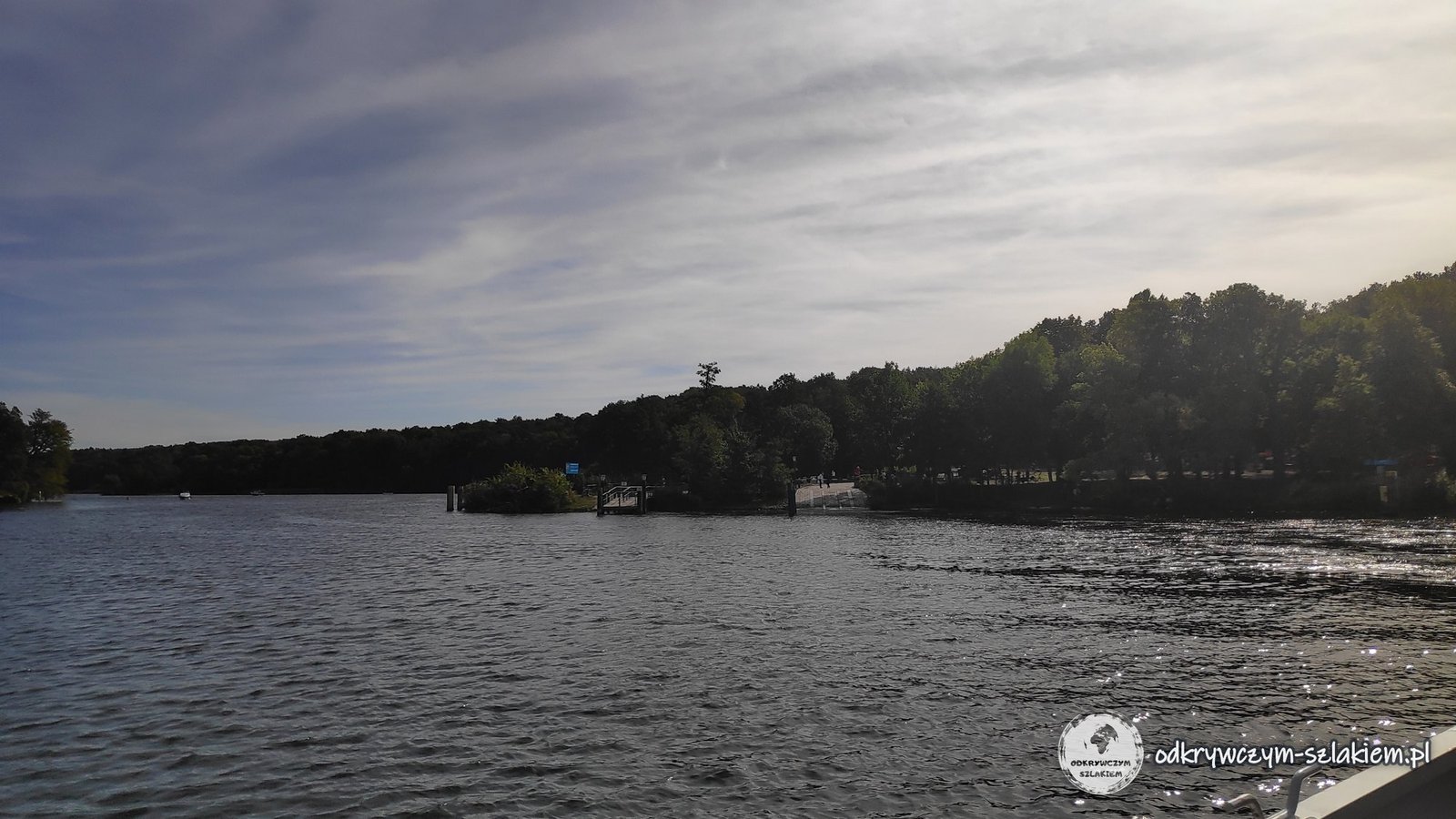
Peacock Island (Pfaueninsel) lies in the Havel river, at the very south-western edge of Berlin, not far from Wannsee. No bridge leads to the island – you get there on a small ferry that runs every few minutes. I was here in September 2020, on a sunny Saturday.
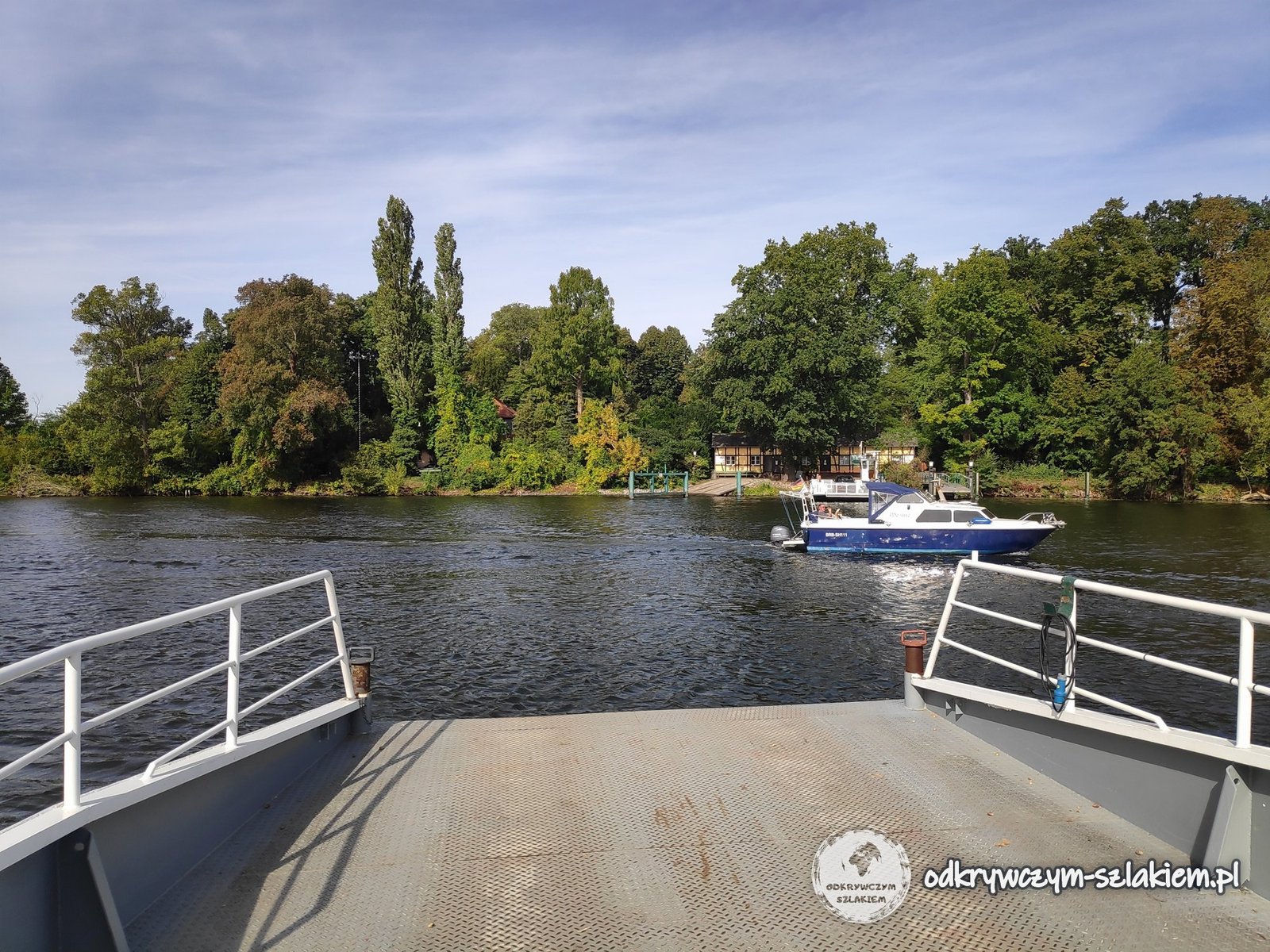
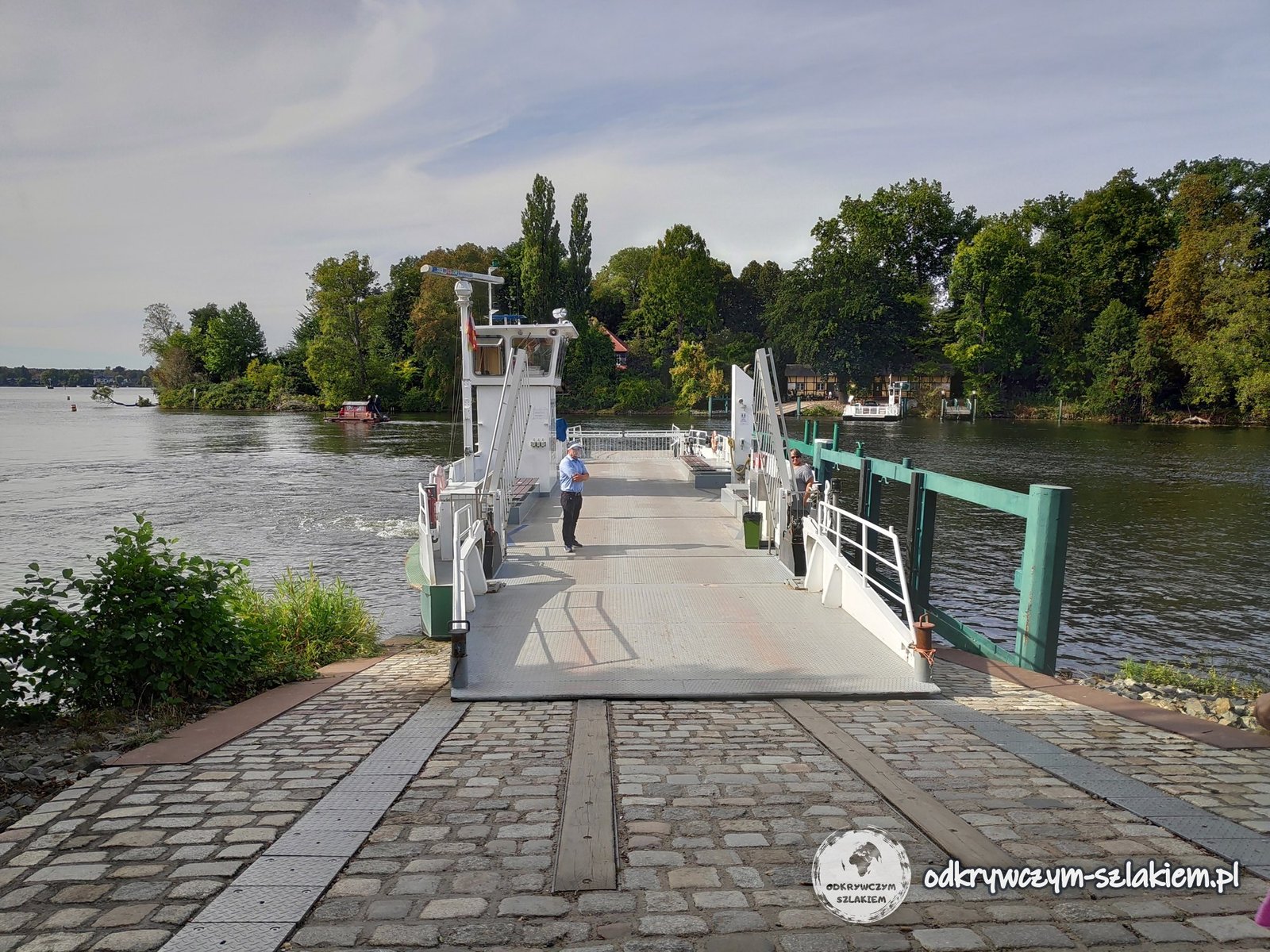
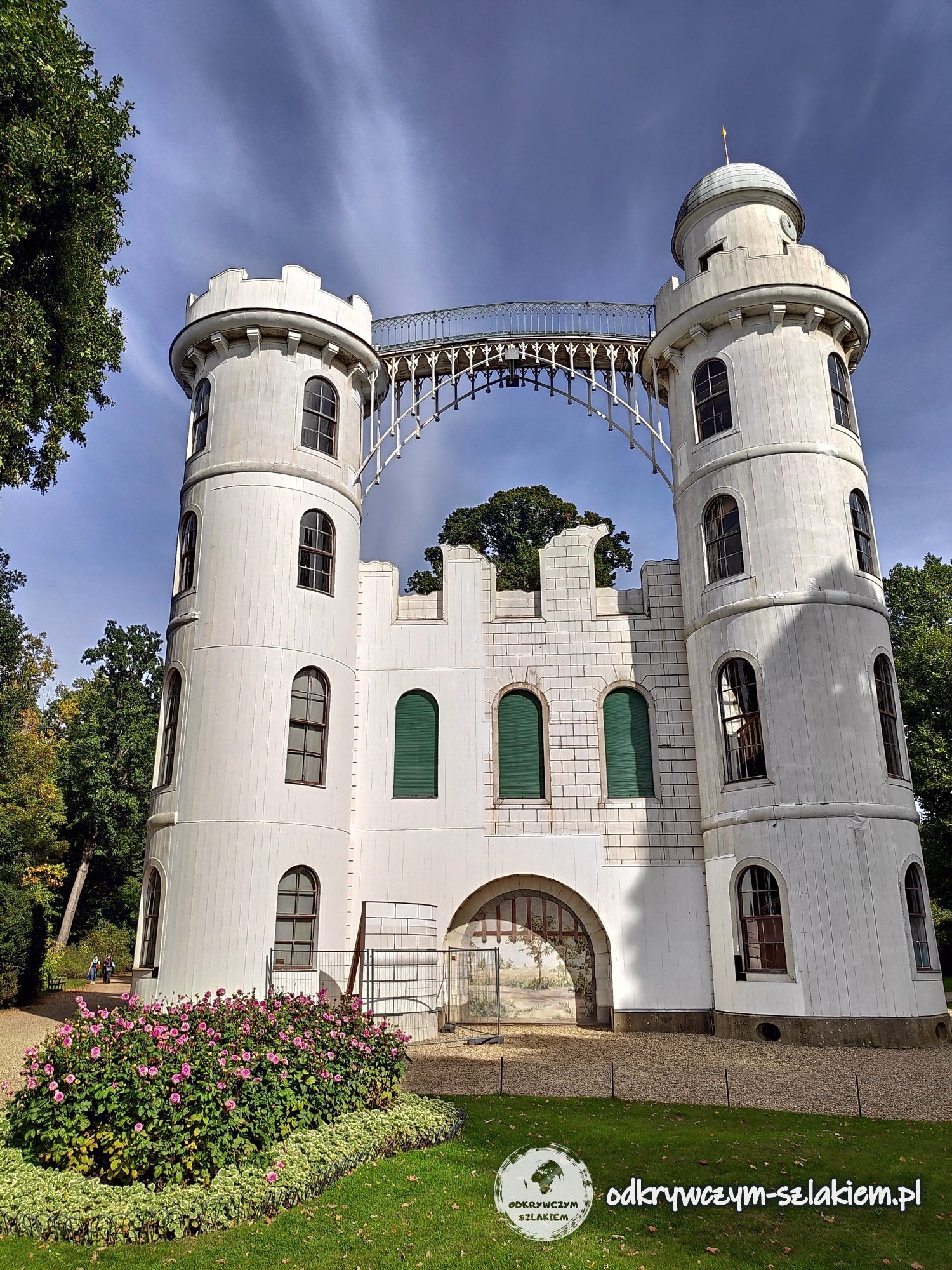
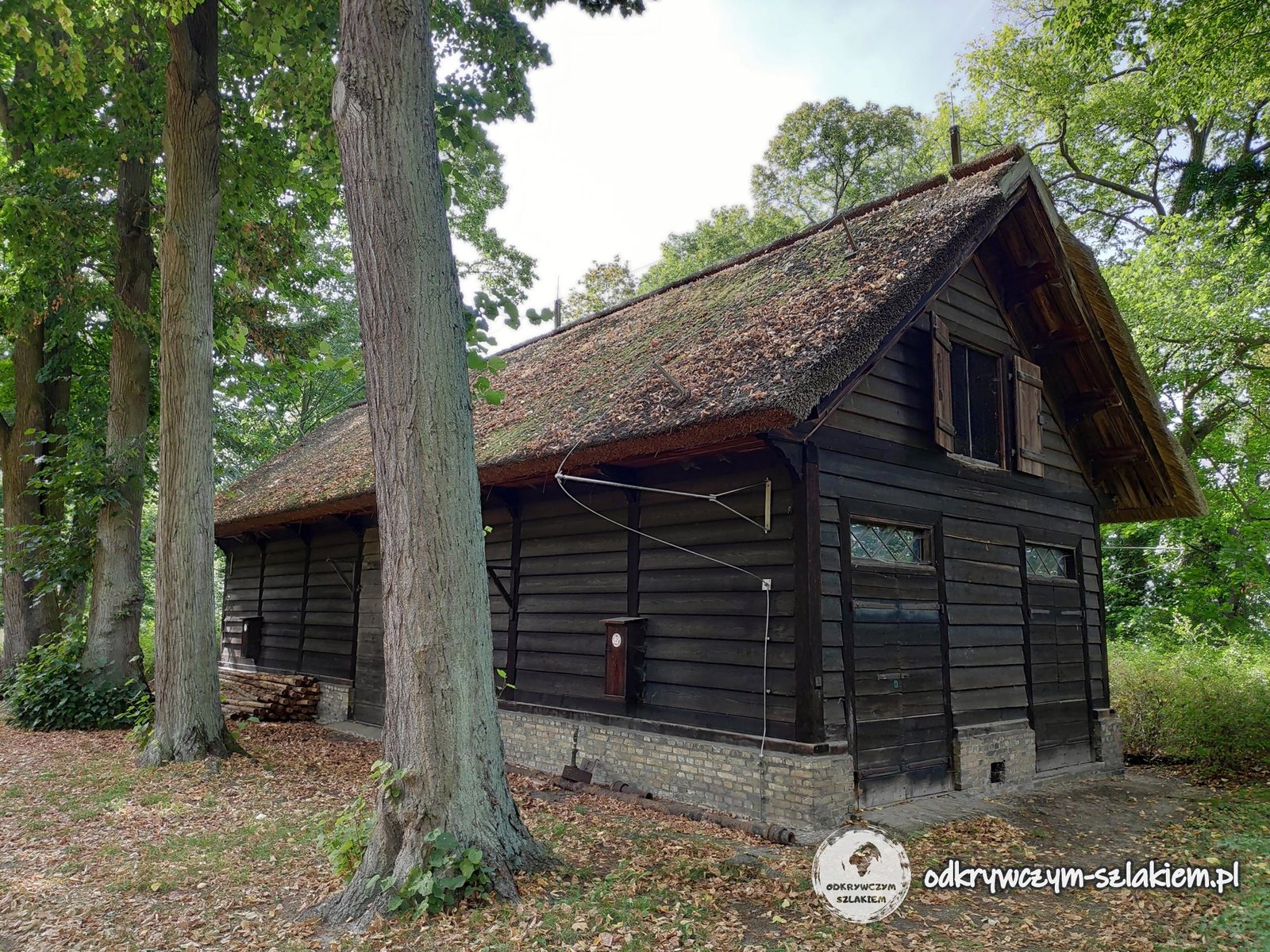
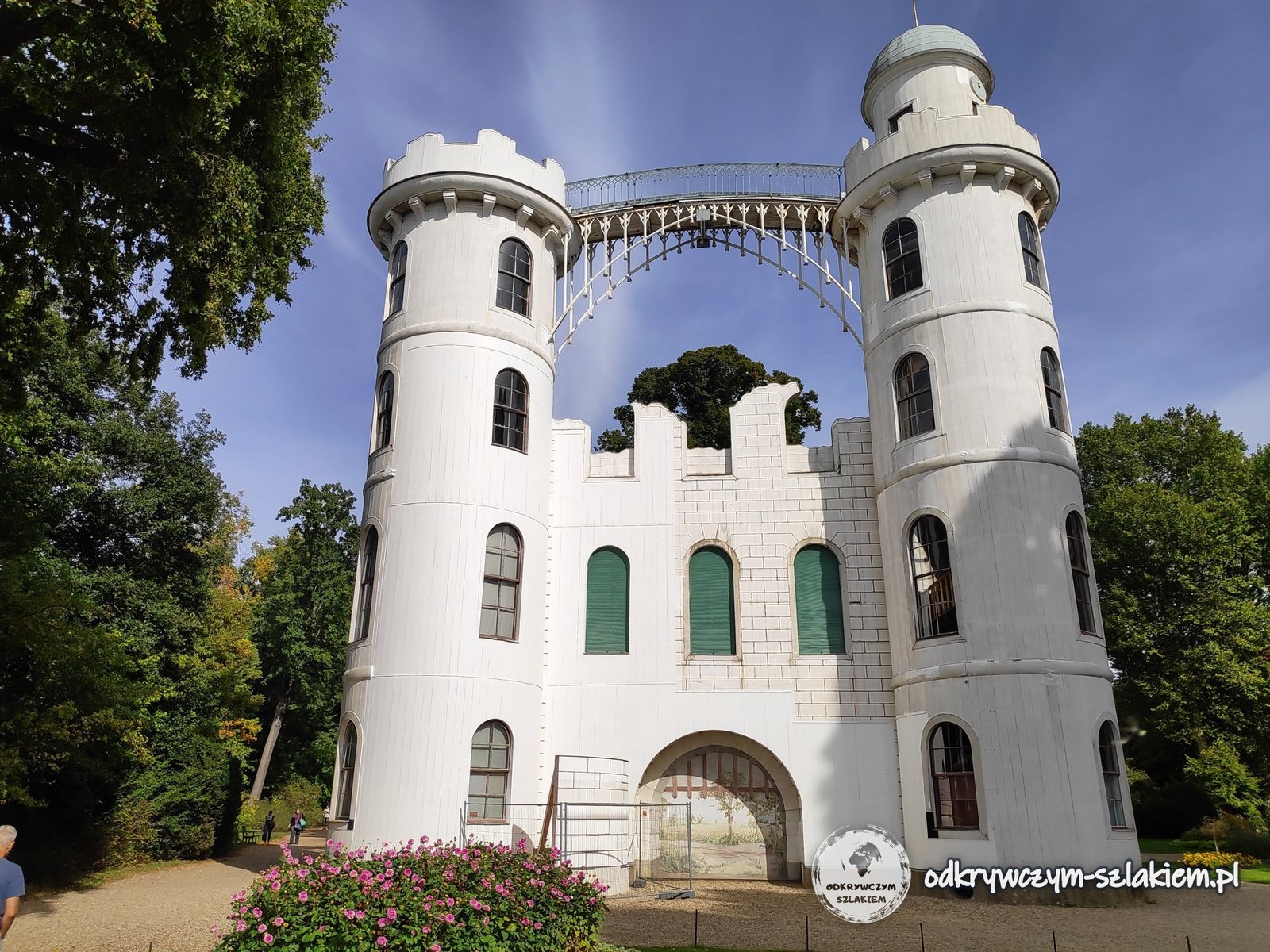
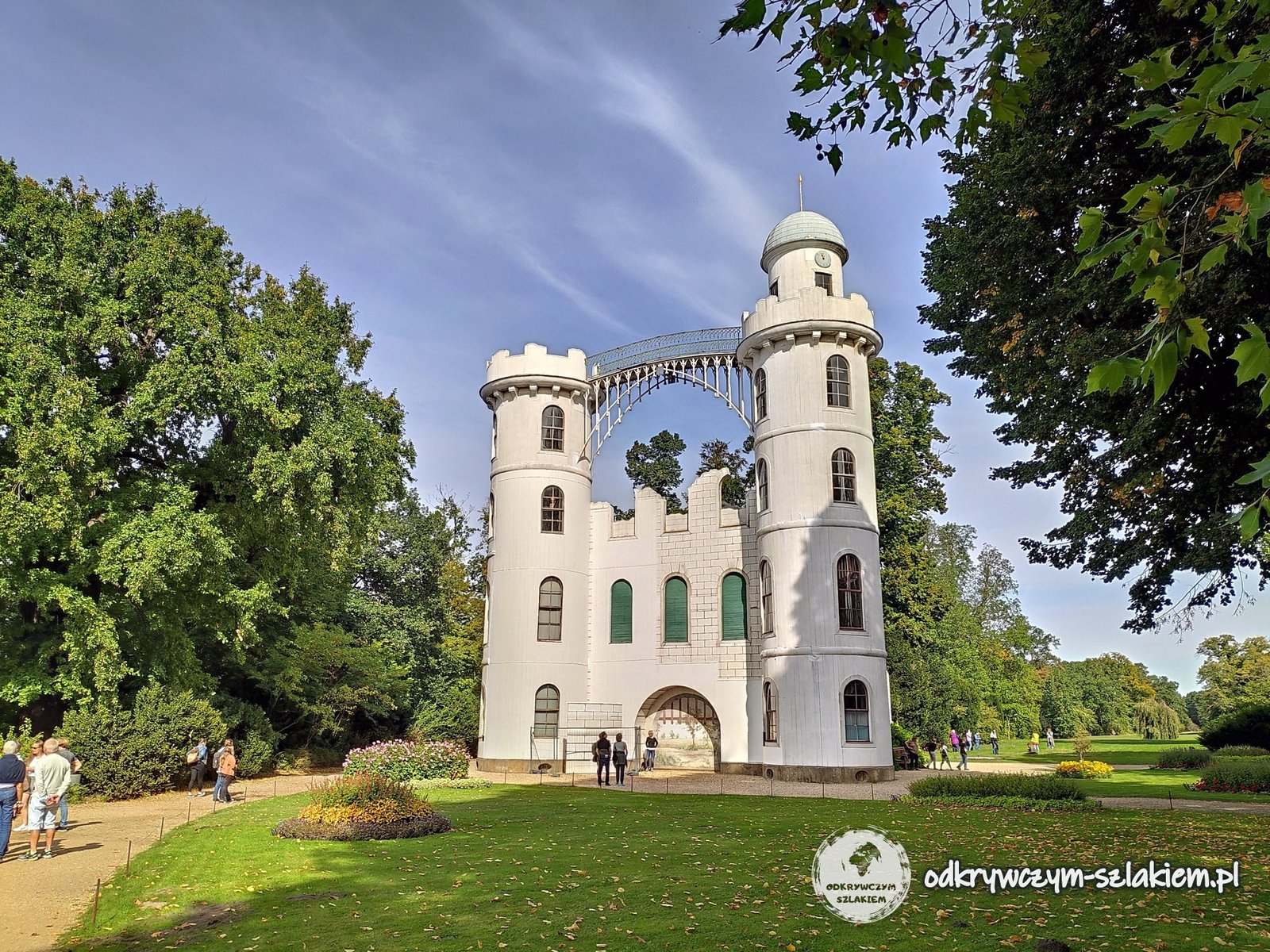
King Frederick William II bought the island in 1793 and built a little white castle on it for his mistress, Wilhelmine Enke. The building was deliberately designed to look like the ruin of a medieval castle – its two towers are linked by a cast-iron bridge. The Meierei, the former dairy, was built in a similar style and resembles the ruins of a Gothic monastery. In 1821 the park on the island was designed by Peter Joseph Lenné. The whole island is on the UNESCO World Heritage List together with the palaces and parks of Potsdam.
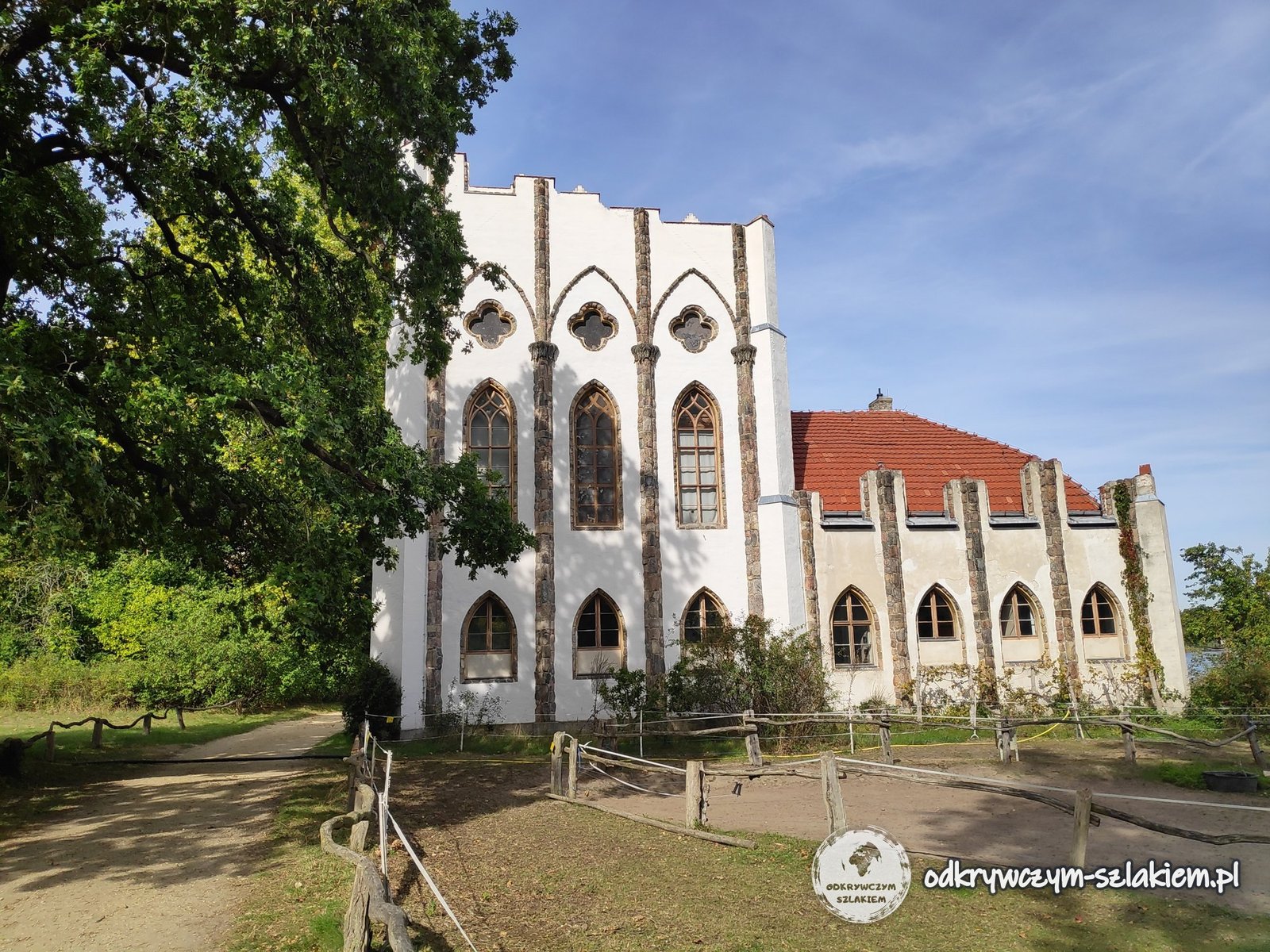
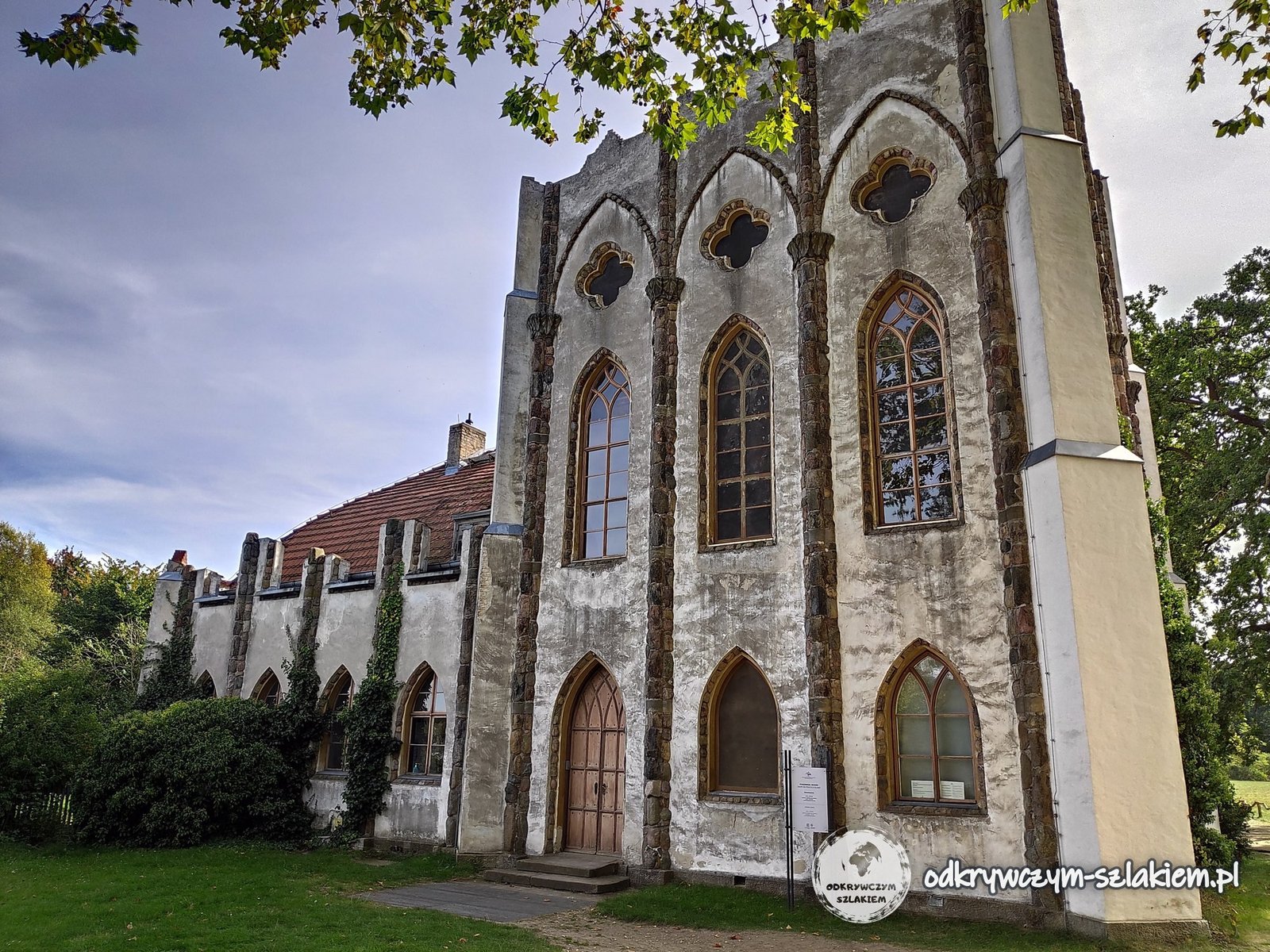
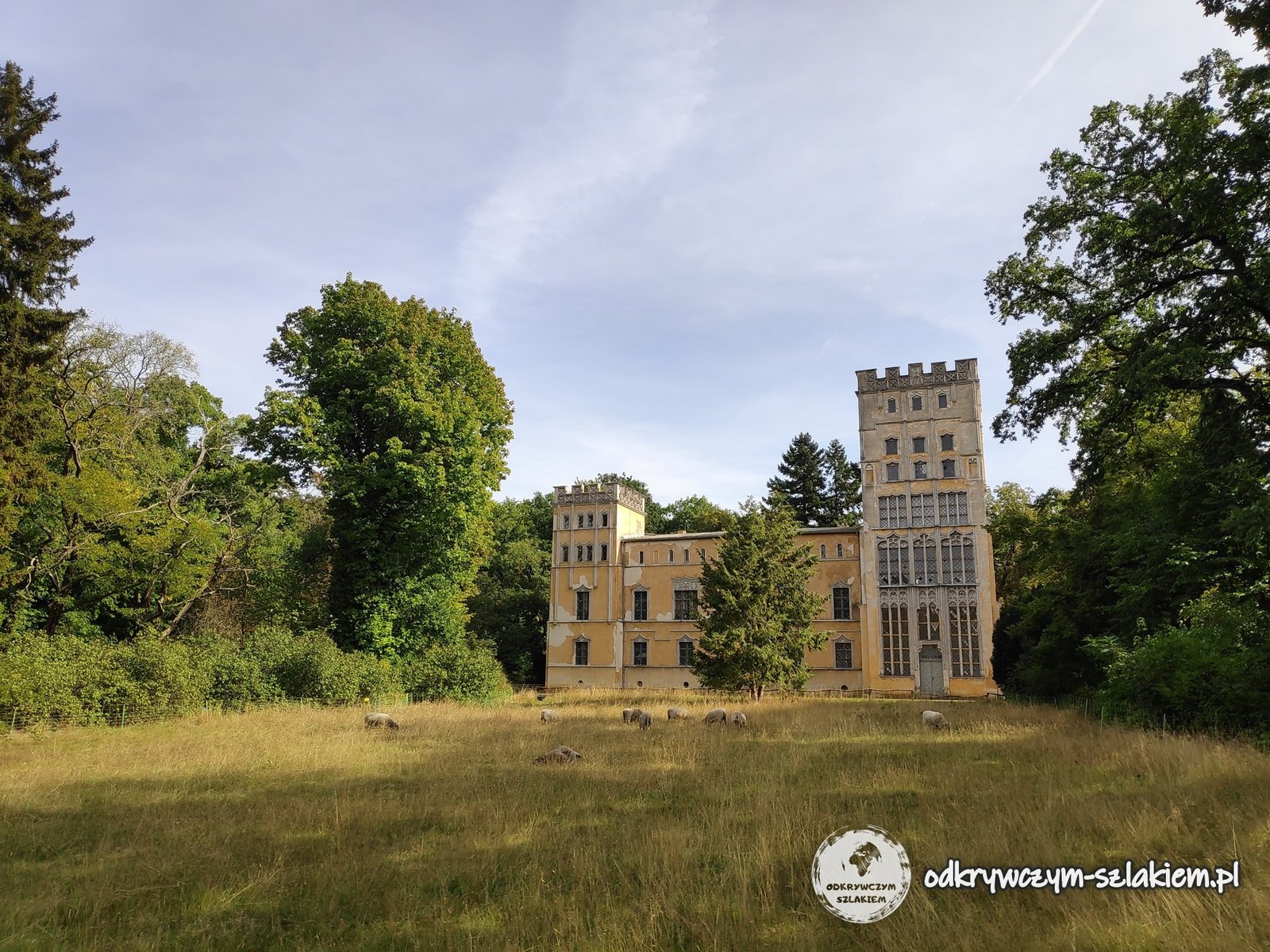
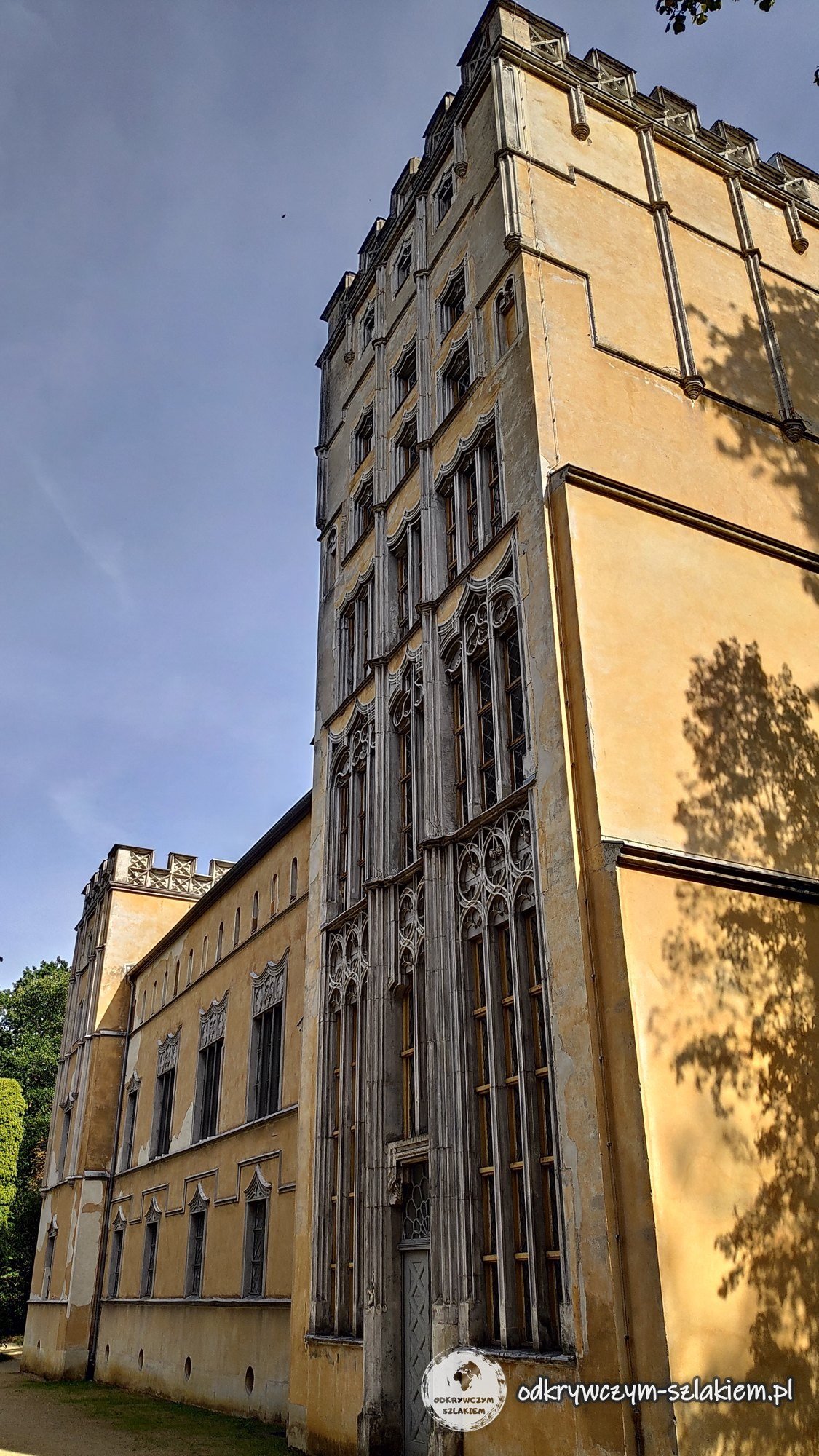
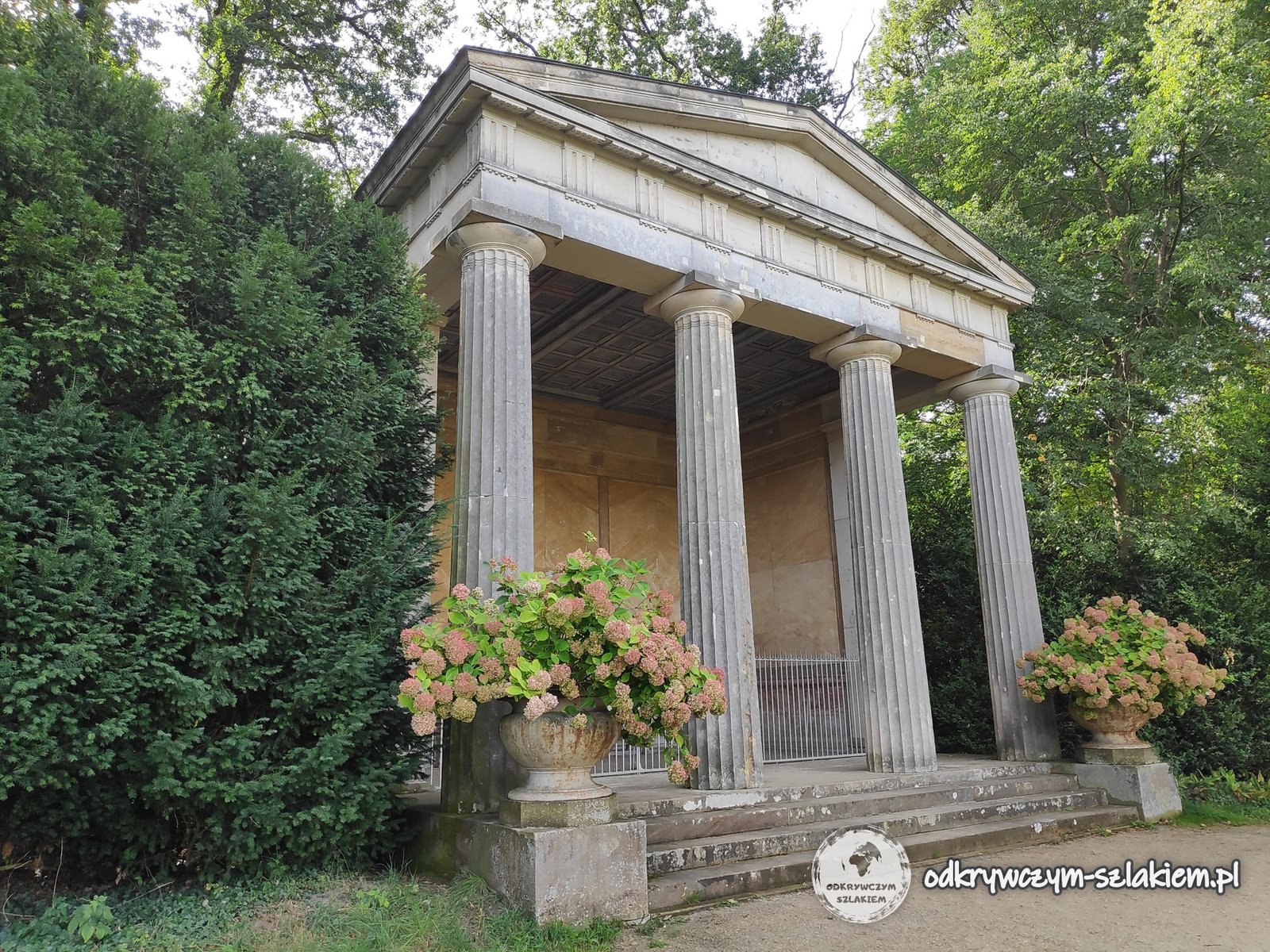
The island also has the neo-Gothic Kavaliershaus with a tall tower and the small Temple of Louise (Luisentempel) with columns.
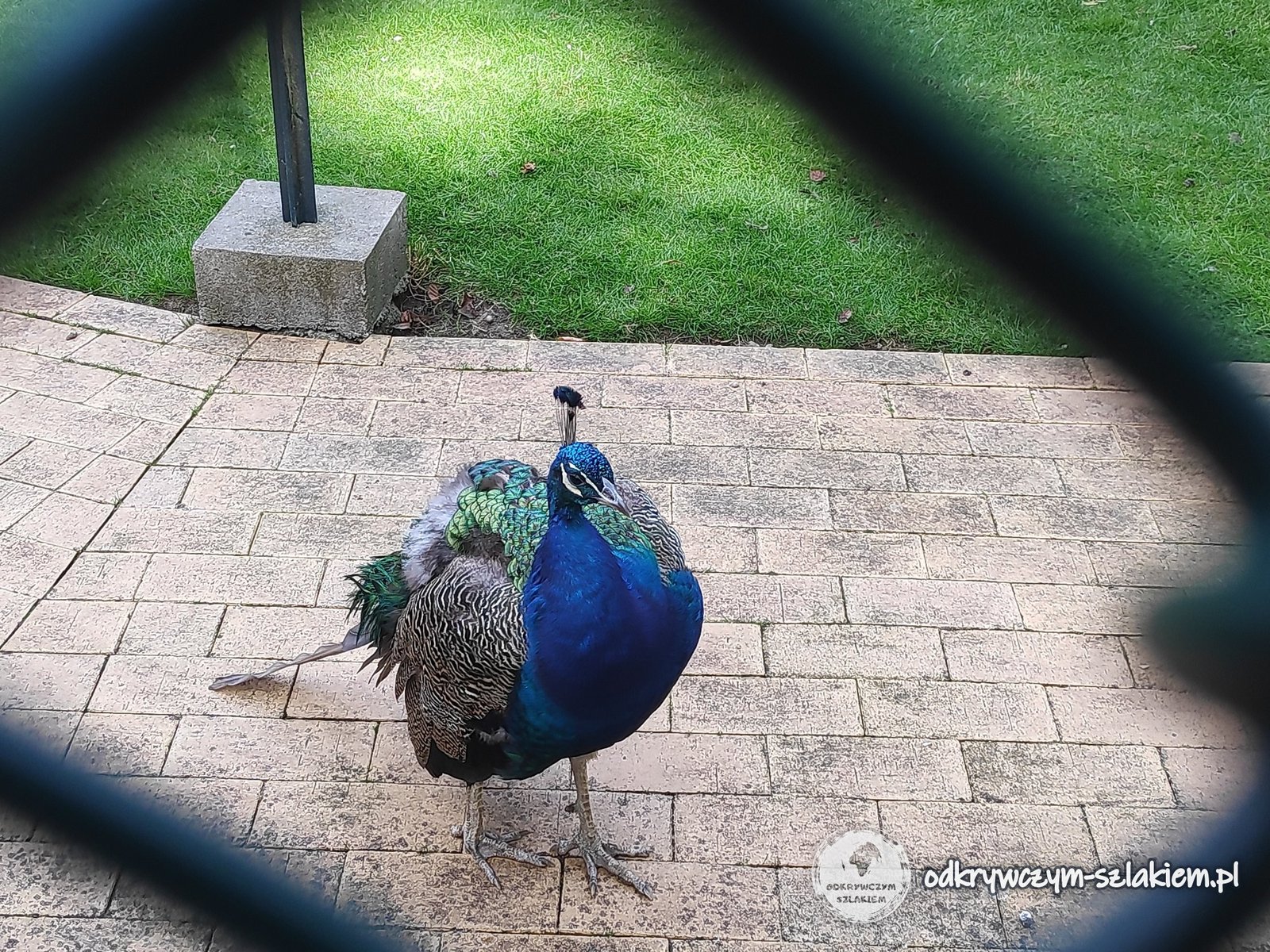
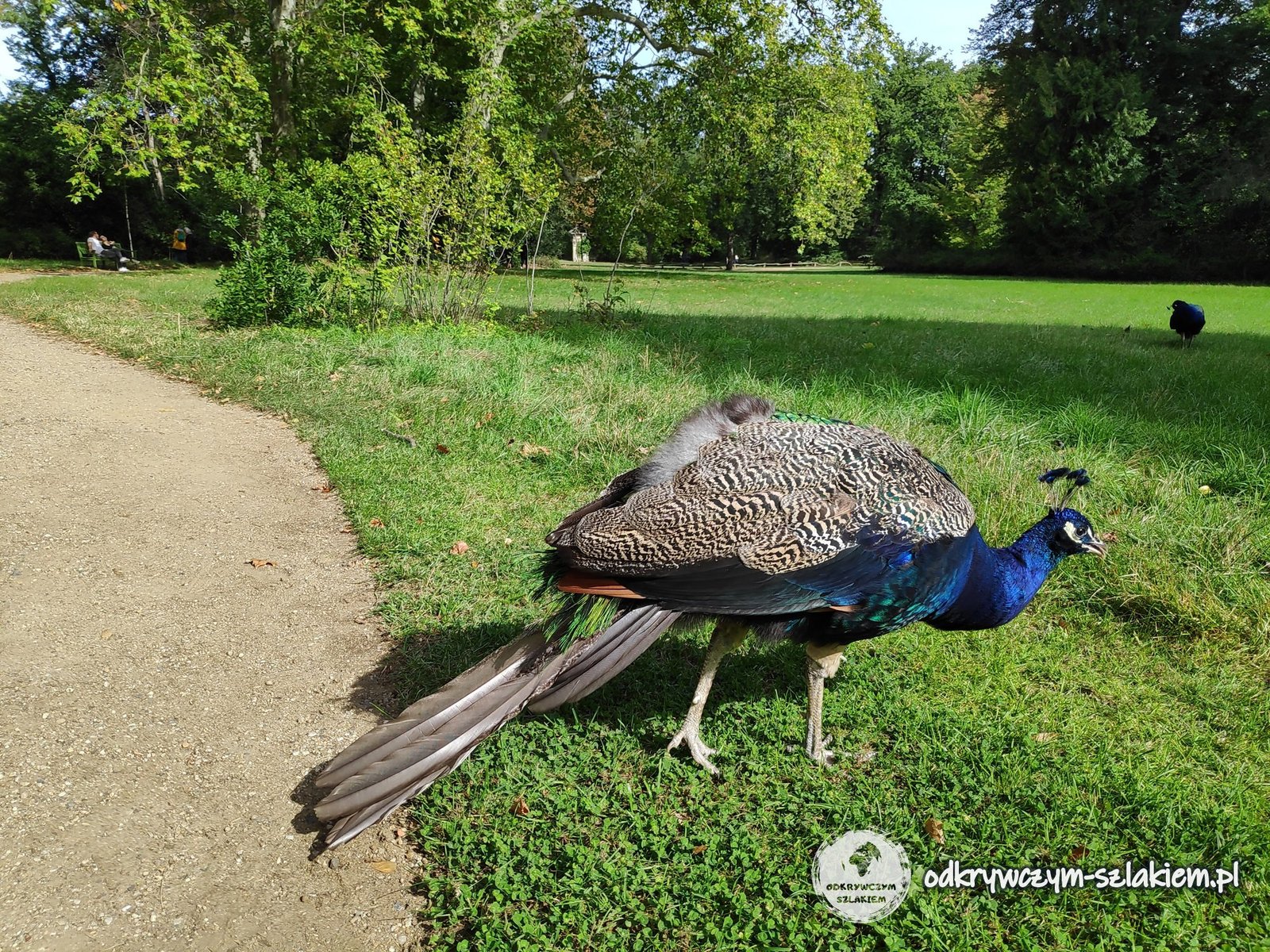
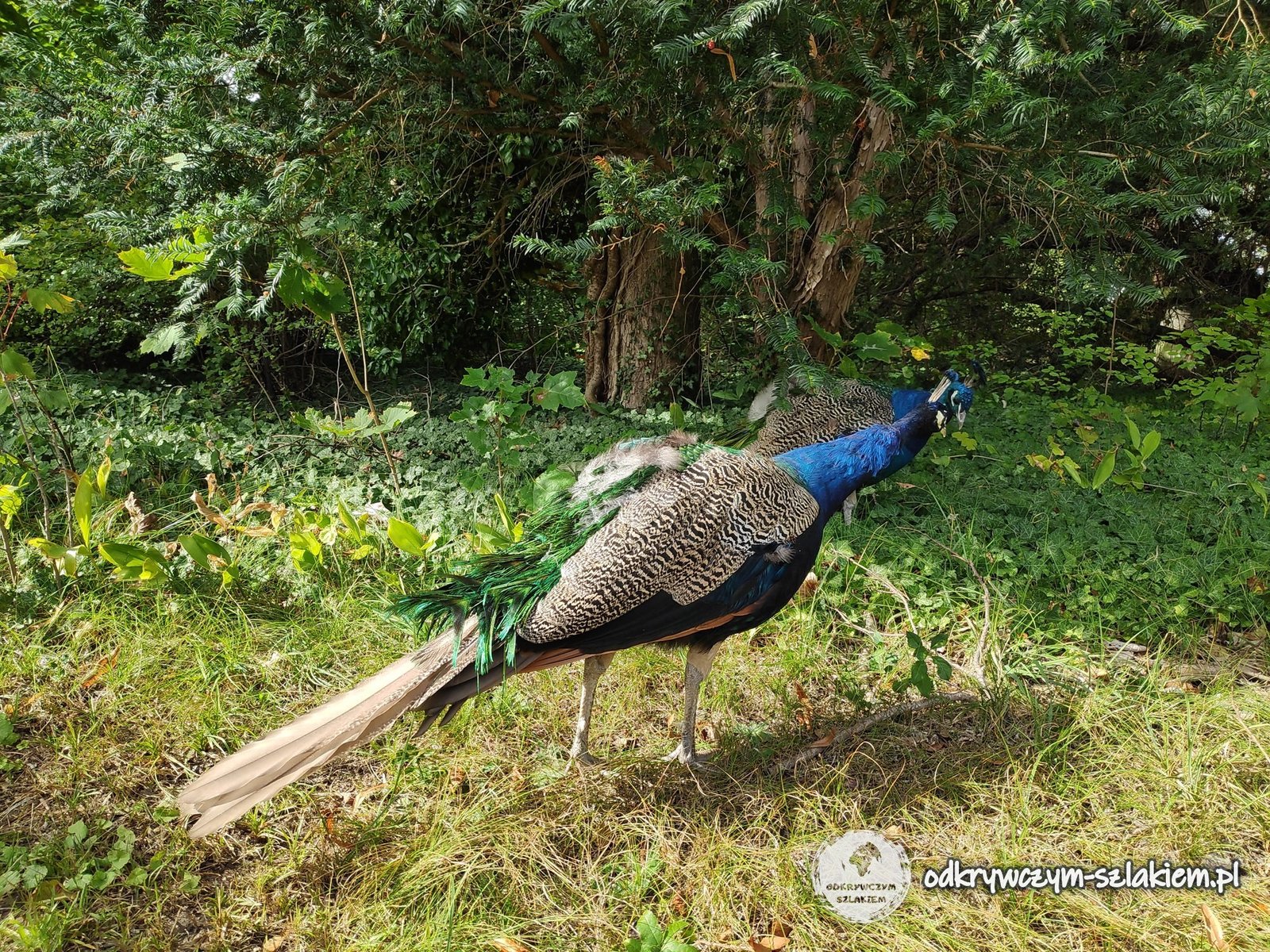
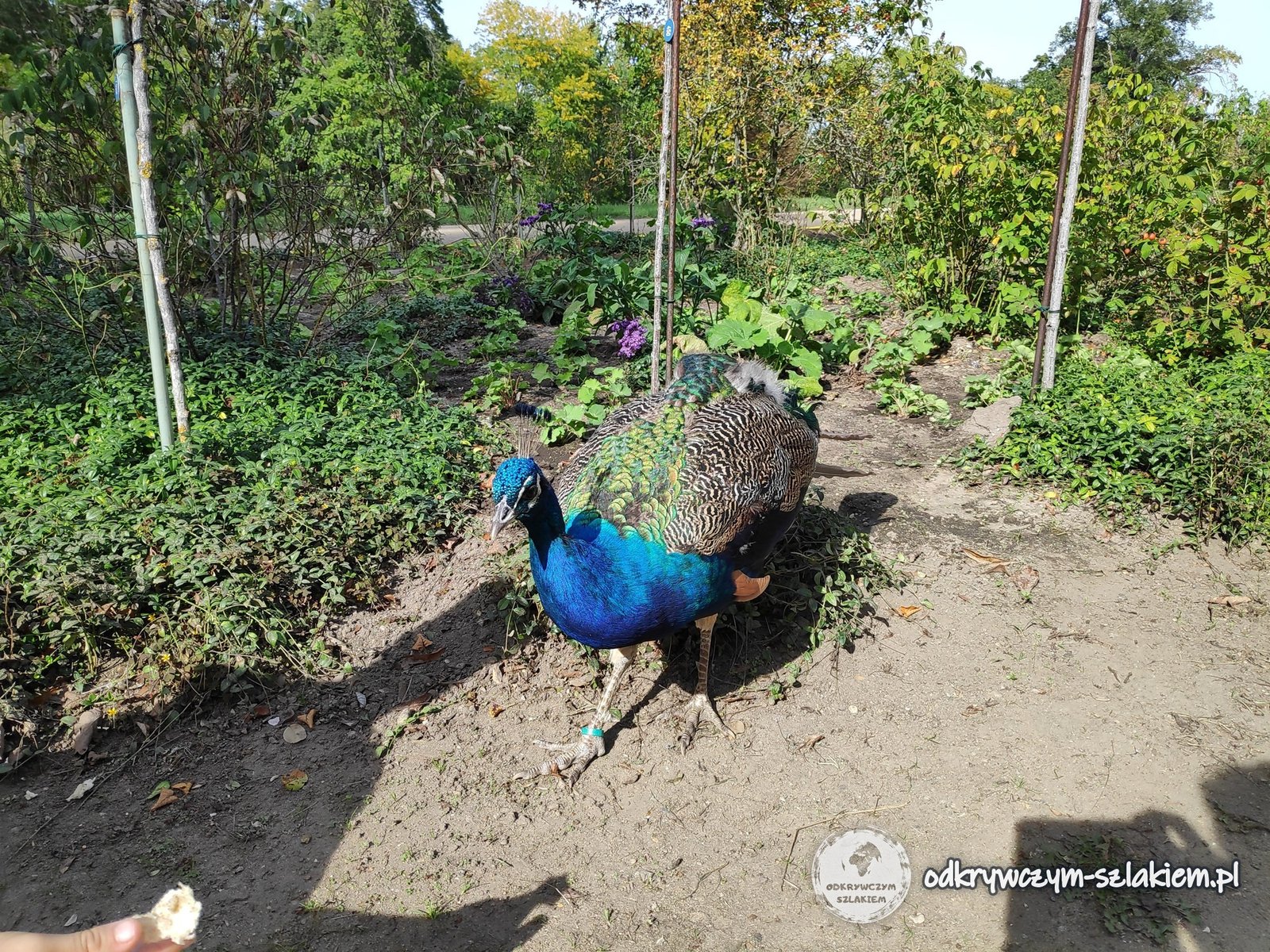
The island’s name is no coincidence – peacocks roam freely here. I came across them in several places: on the lawns, by the paths and in the bushes. Some of the birds also live in an aviary.
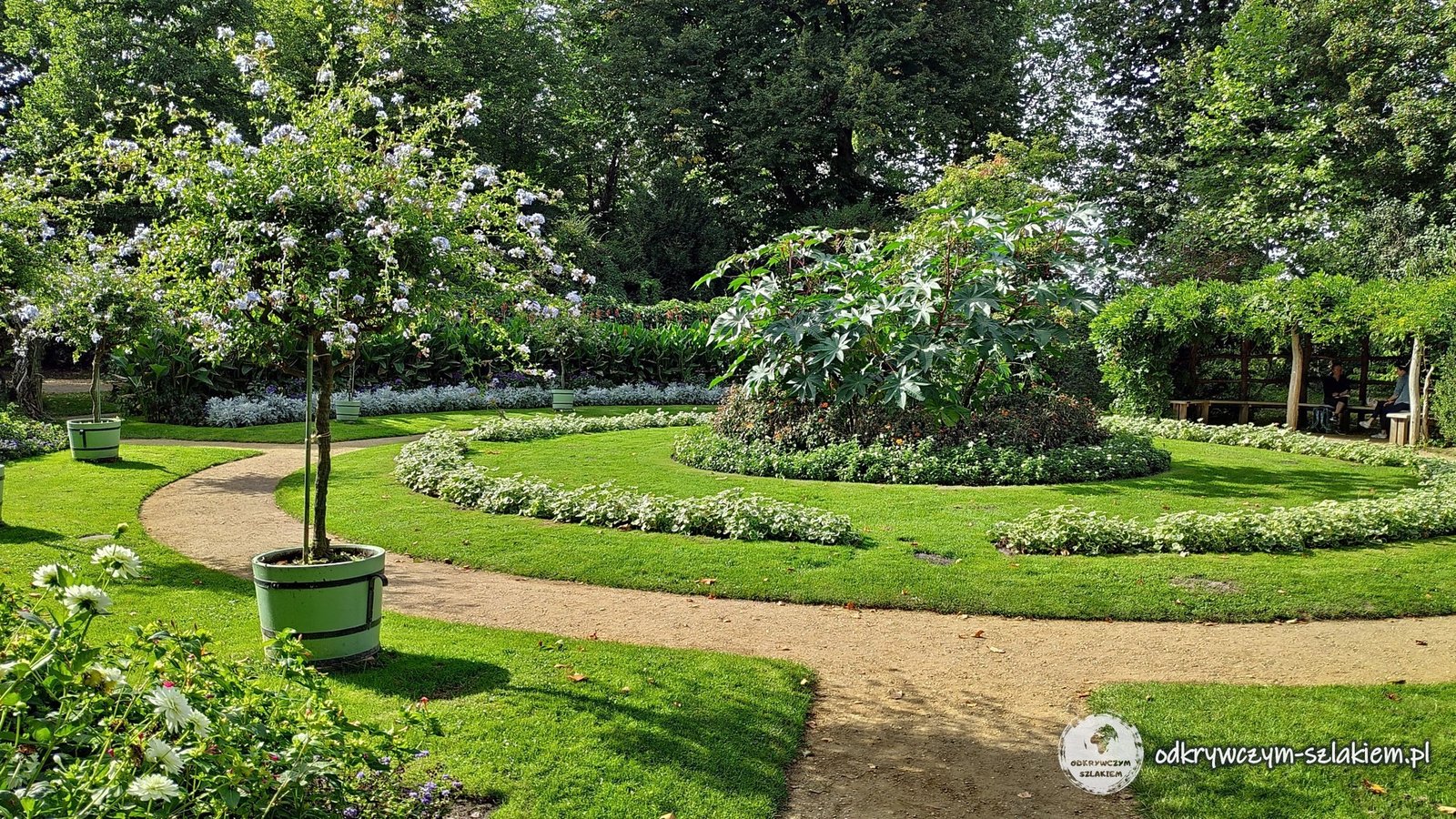
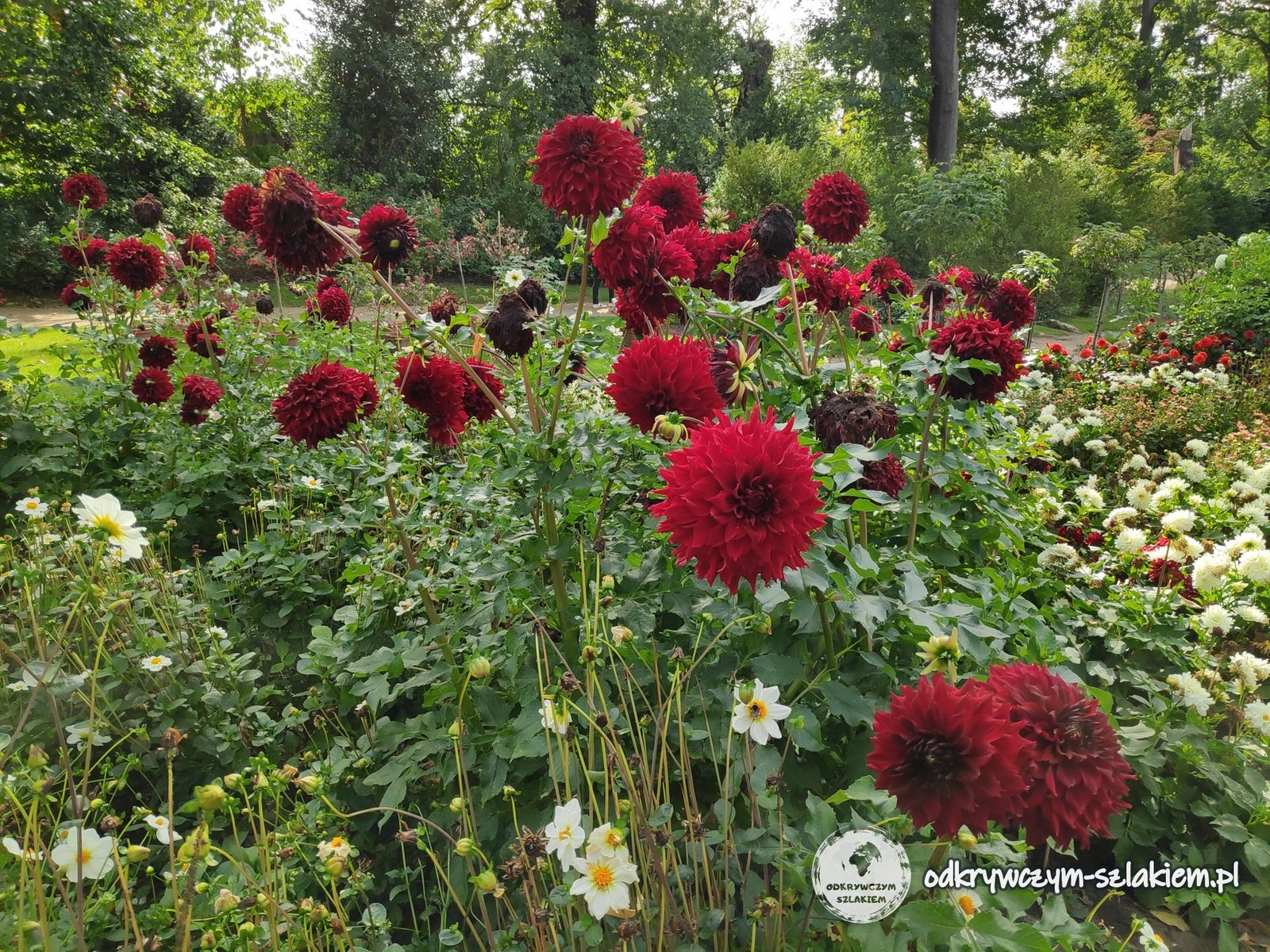
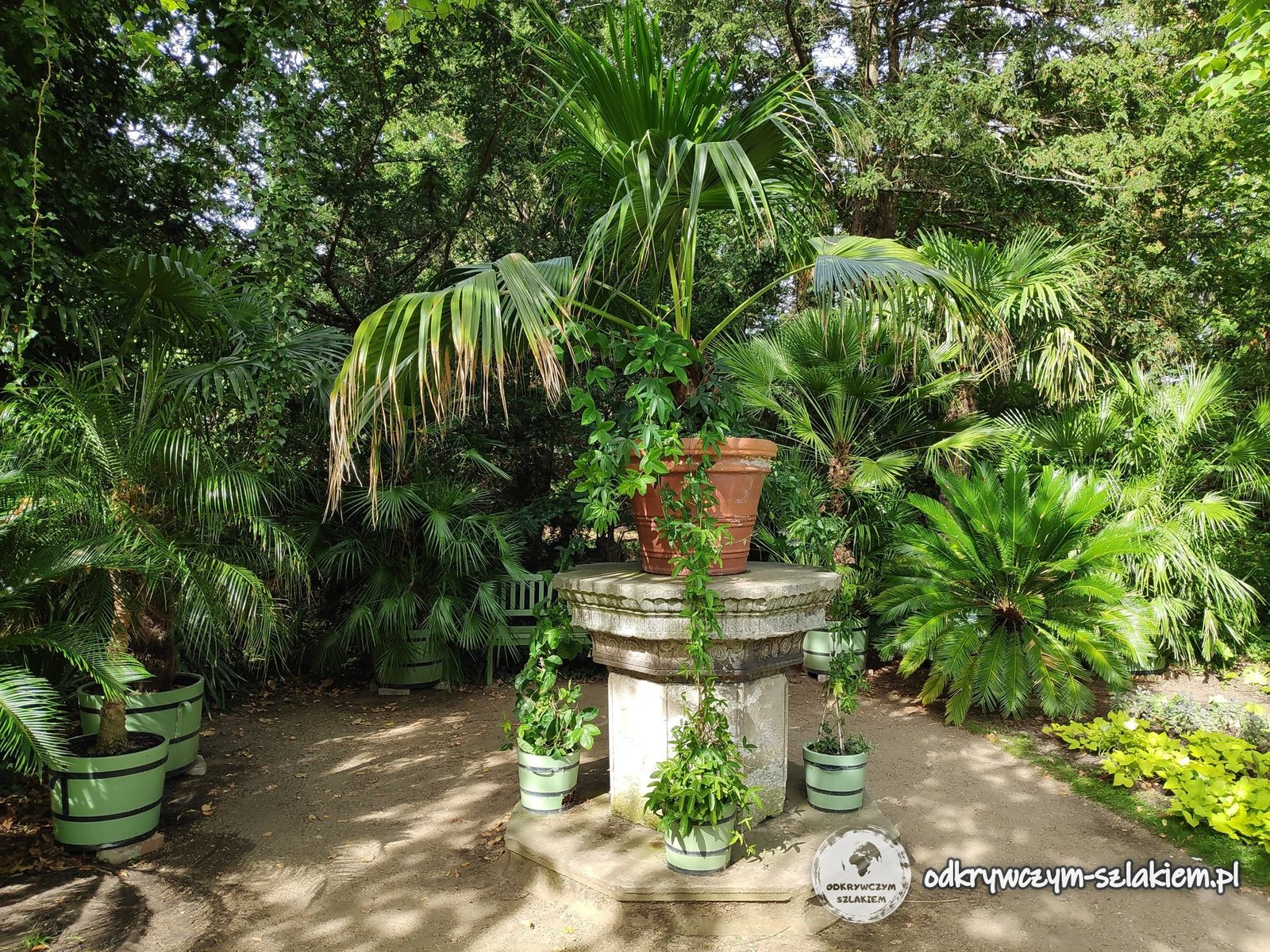
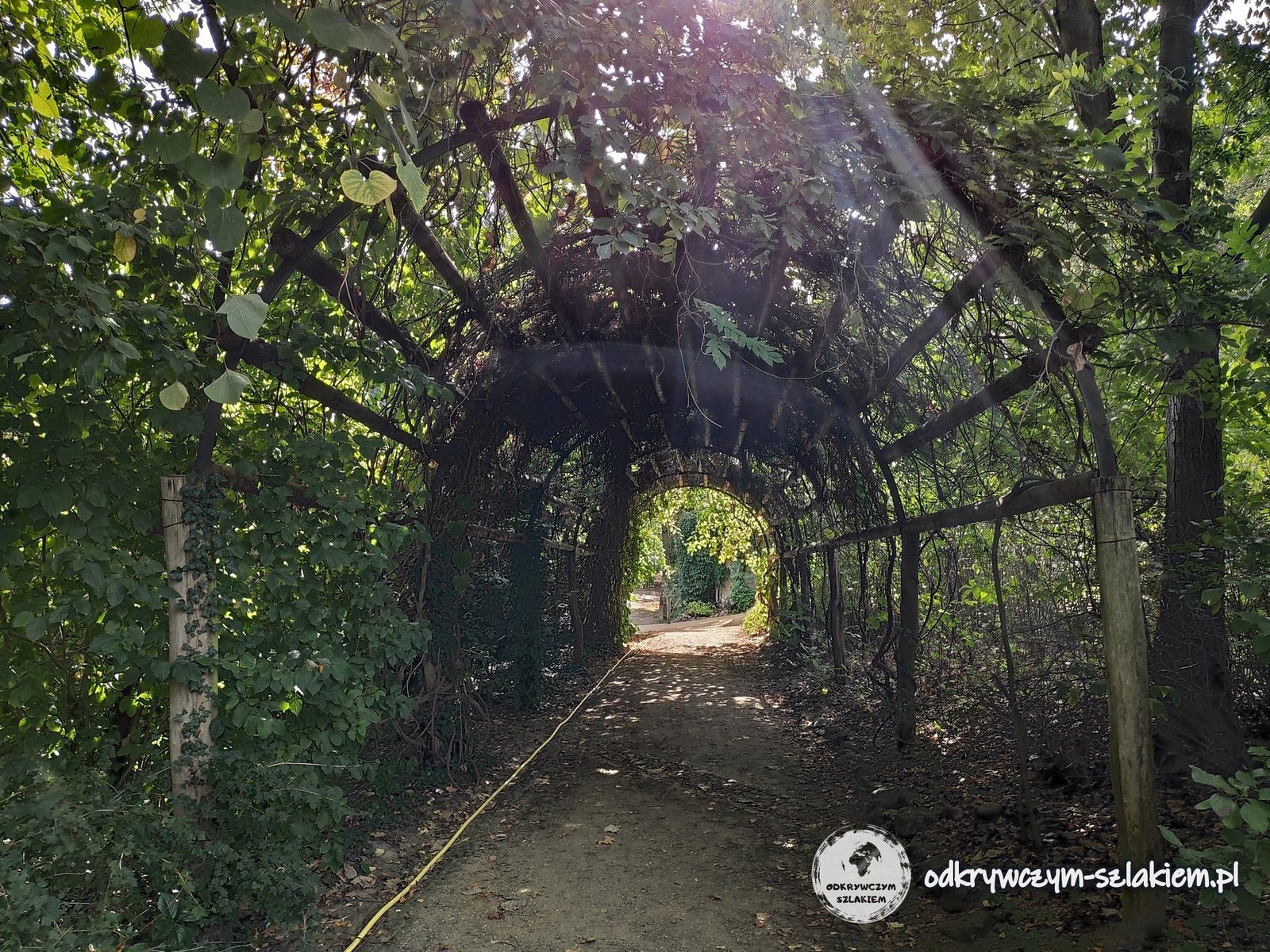
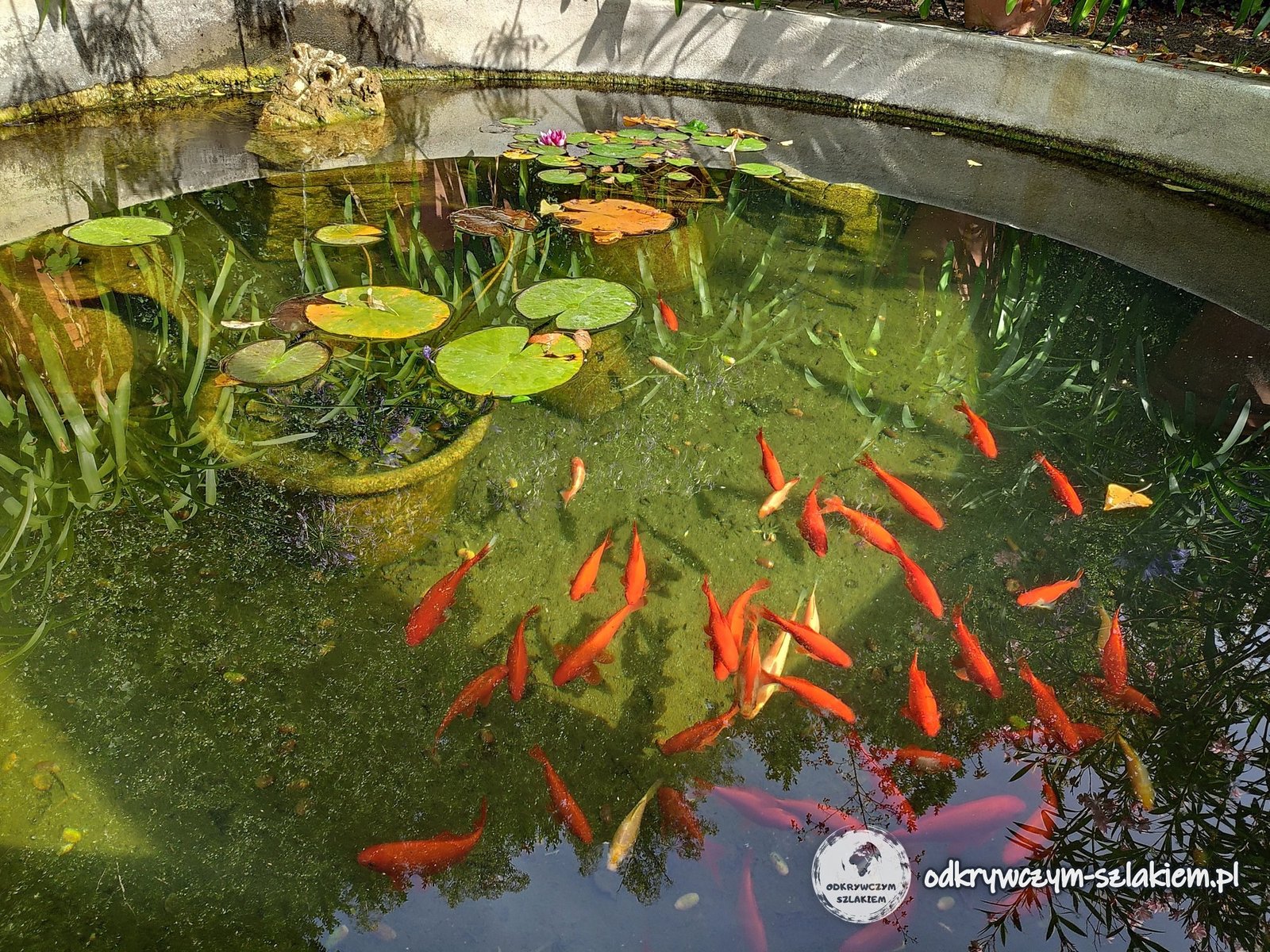
In September, roses and dahlias were still in bloom in the gardens. There are palms in pots, a tunnel of pergolas covered in greenery and a stone pool with goldfish.
Schönhausen Palace and Bürgerpark Pankow
Schönhausen Palace in the Pankow district is smaller and less known, but it has an interesting history. For several decades it was the home of Queen Elisabeth Christine, the wife of Frederick the Great. After the Second World War it was the seat of the GDR president Wilhelm Pieck, and later a GDR government guest house. At the turn of 1989 and 1990 the GDR Round Table held its meetings here. I was here at the end of August 2021.
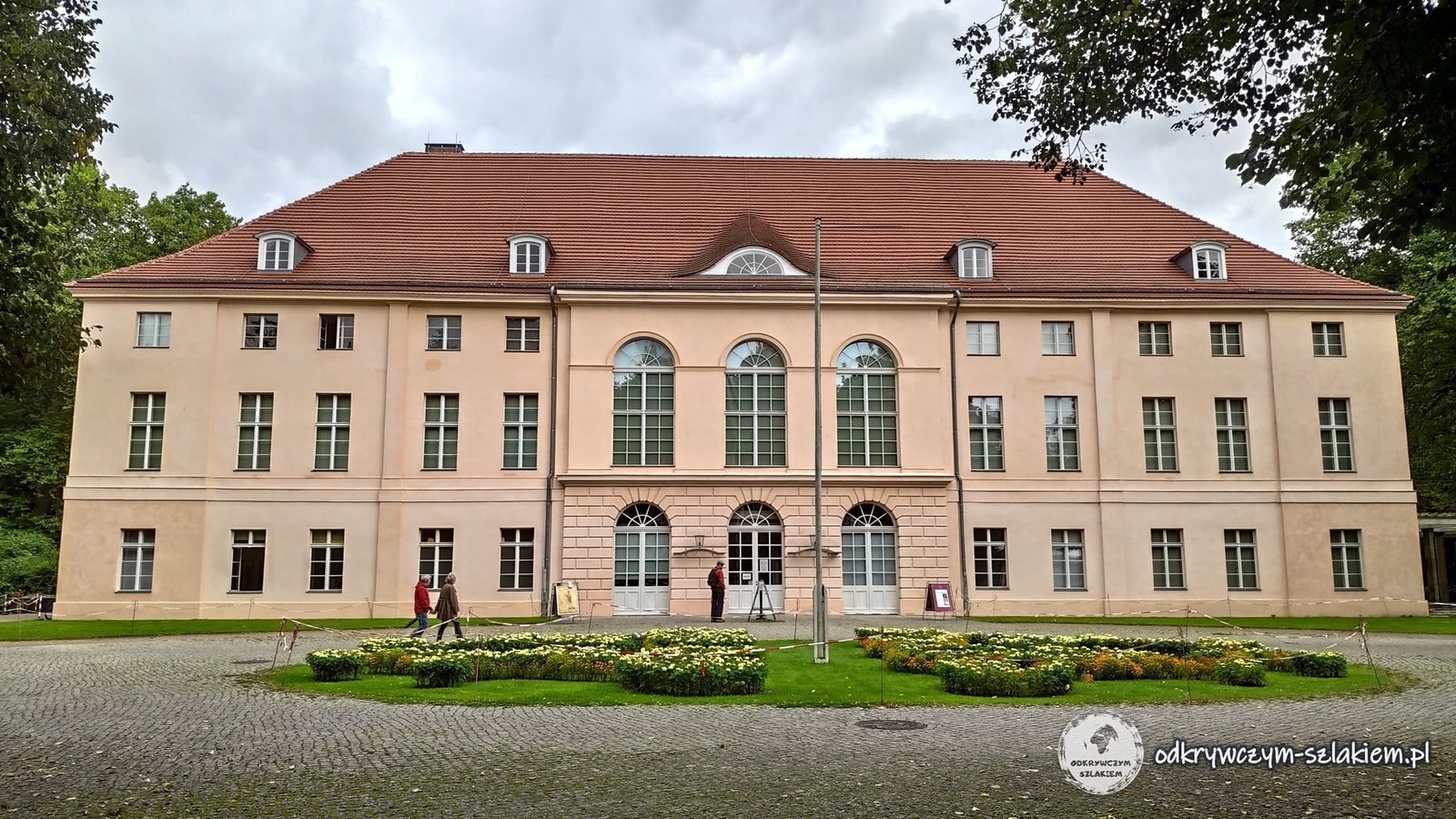
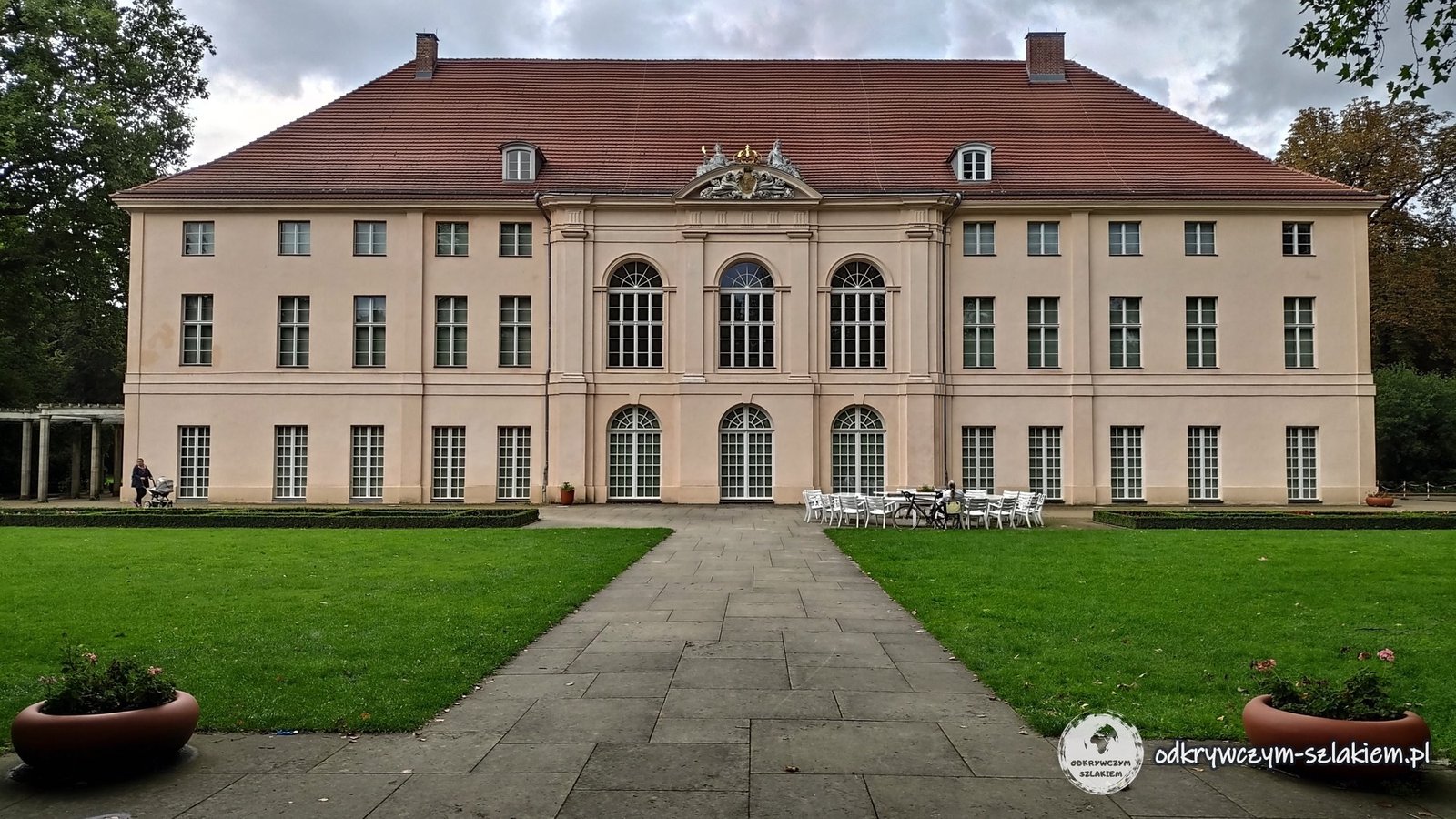
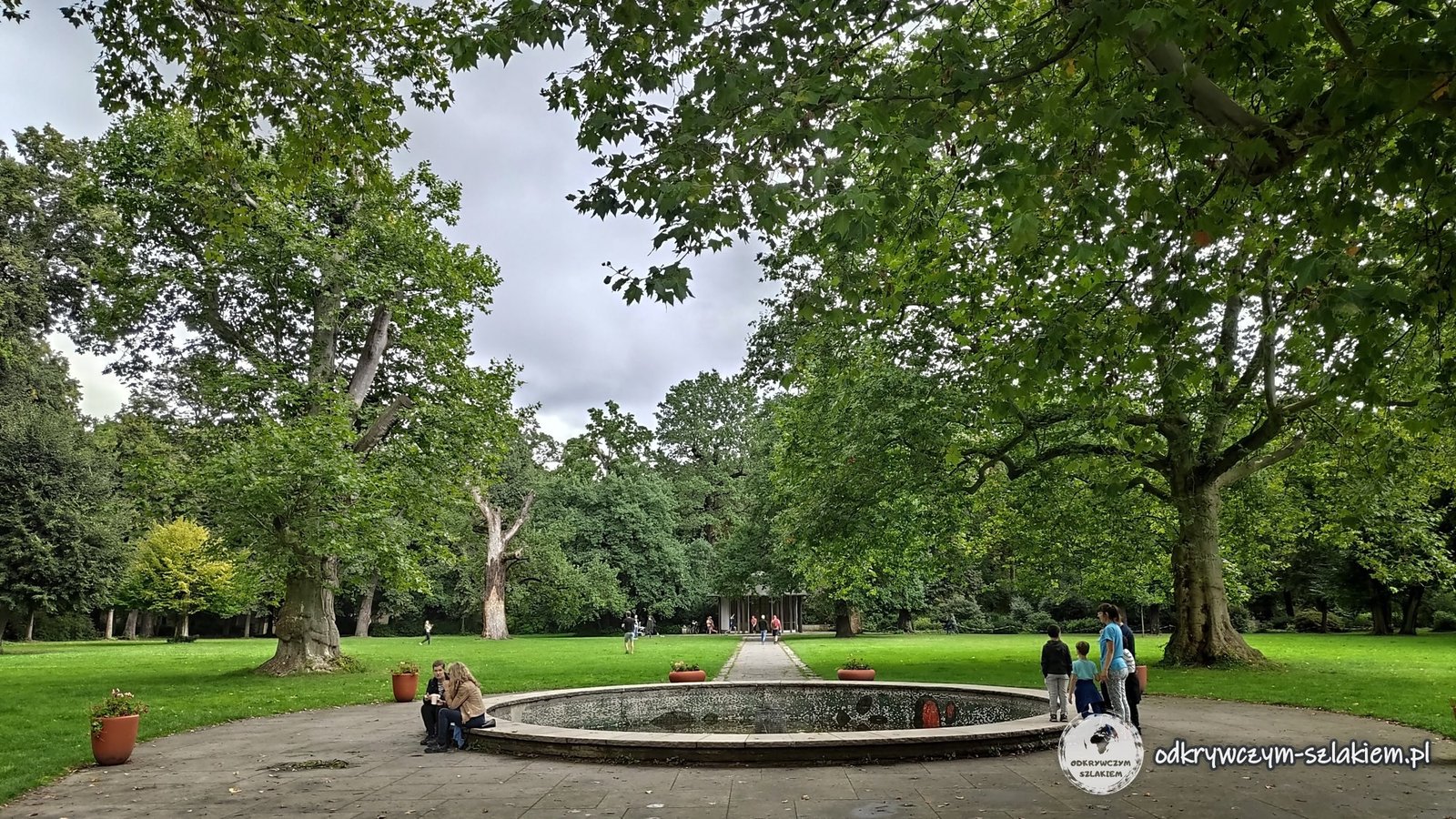
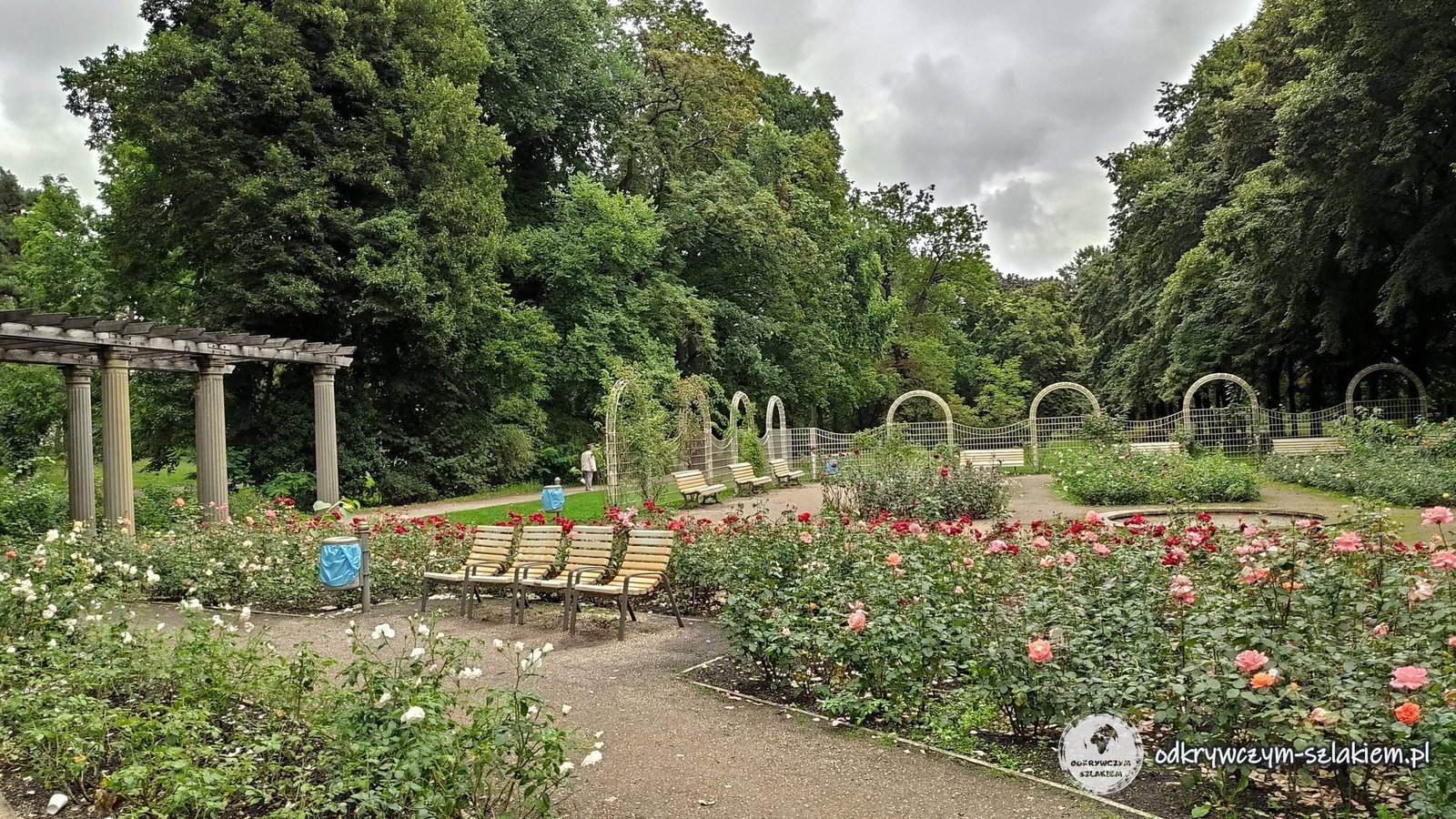
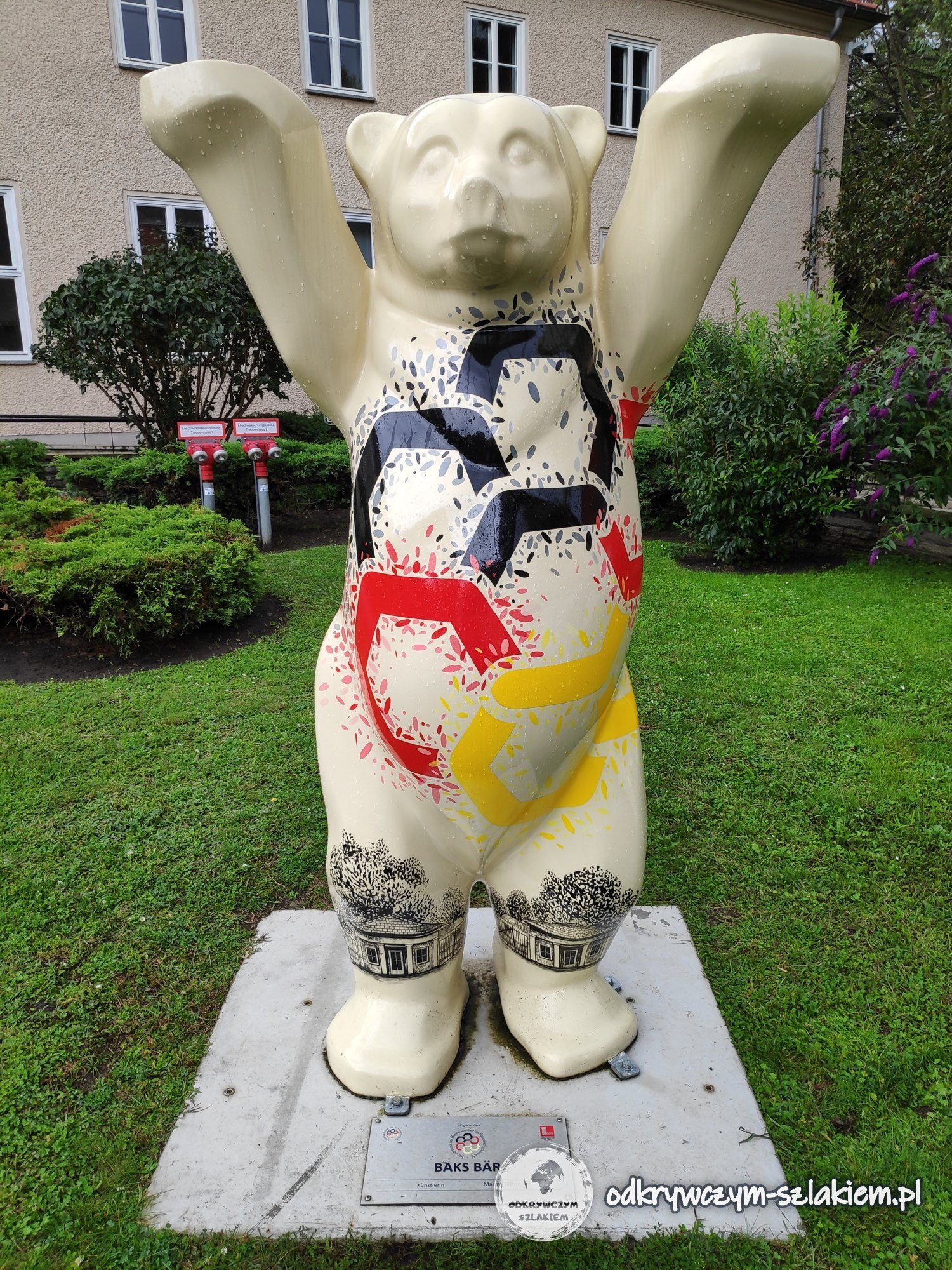
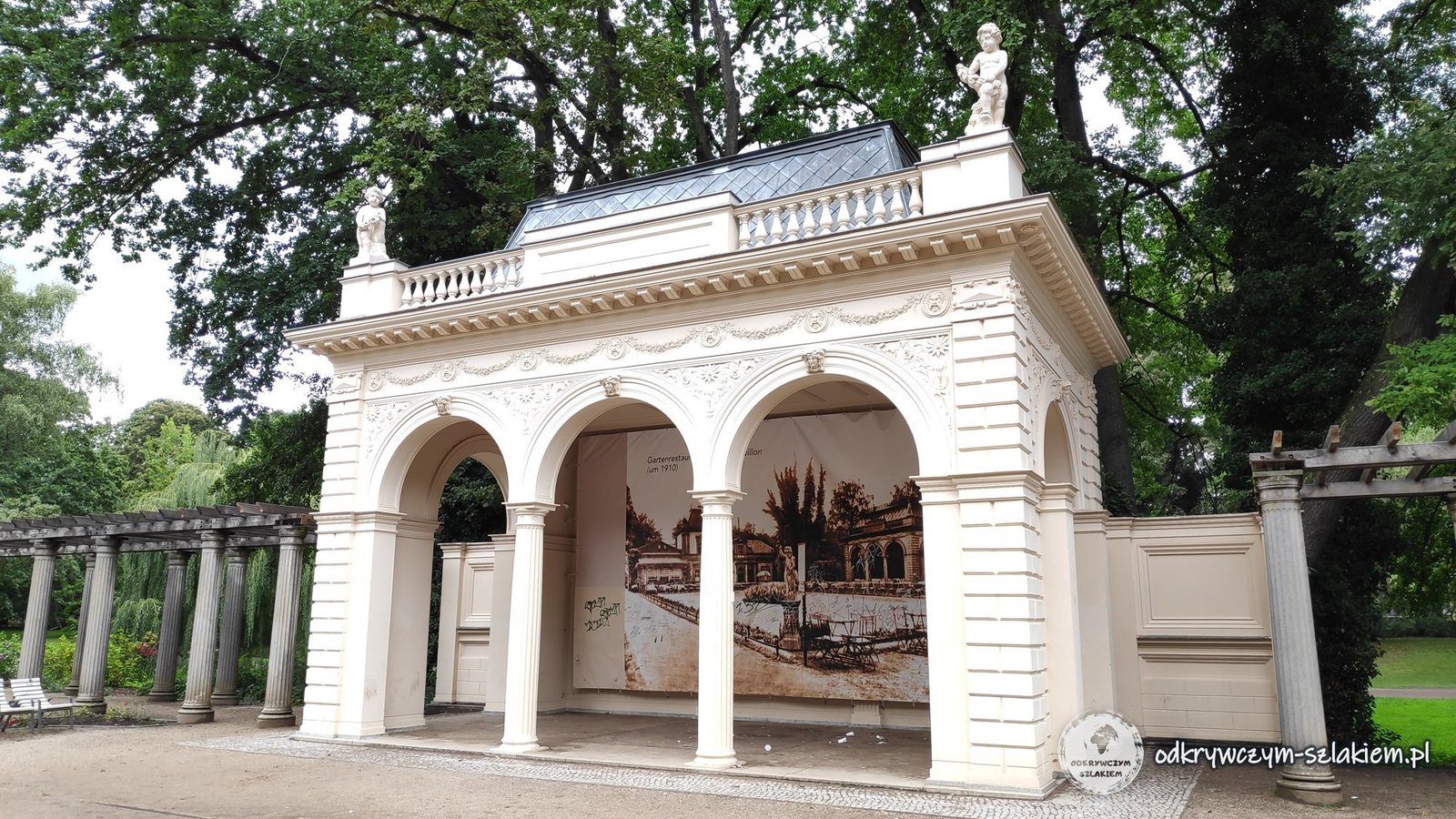
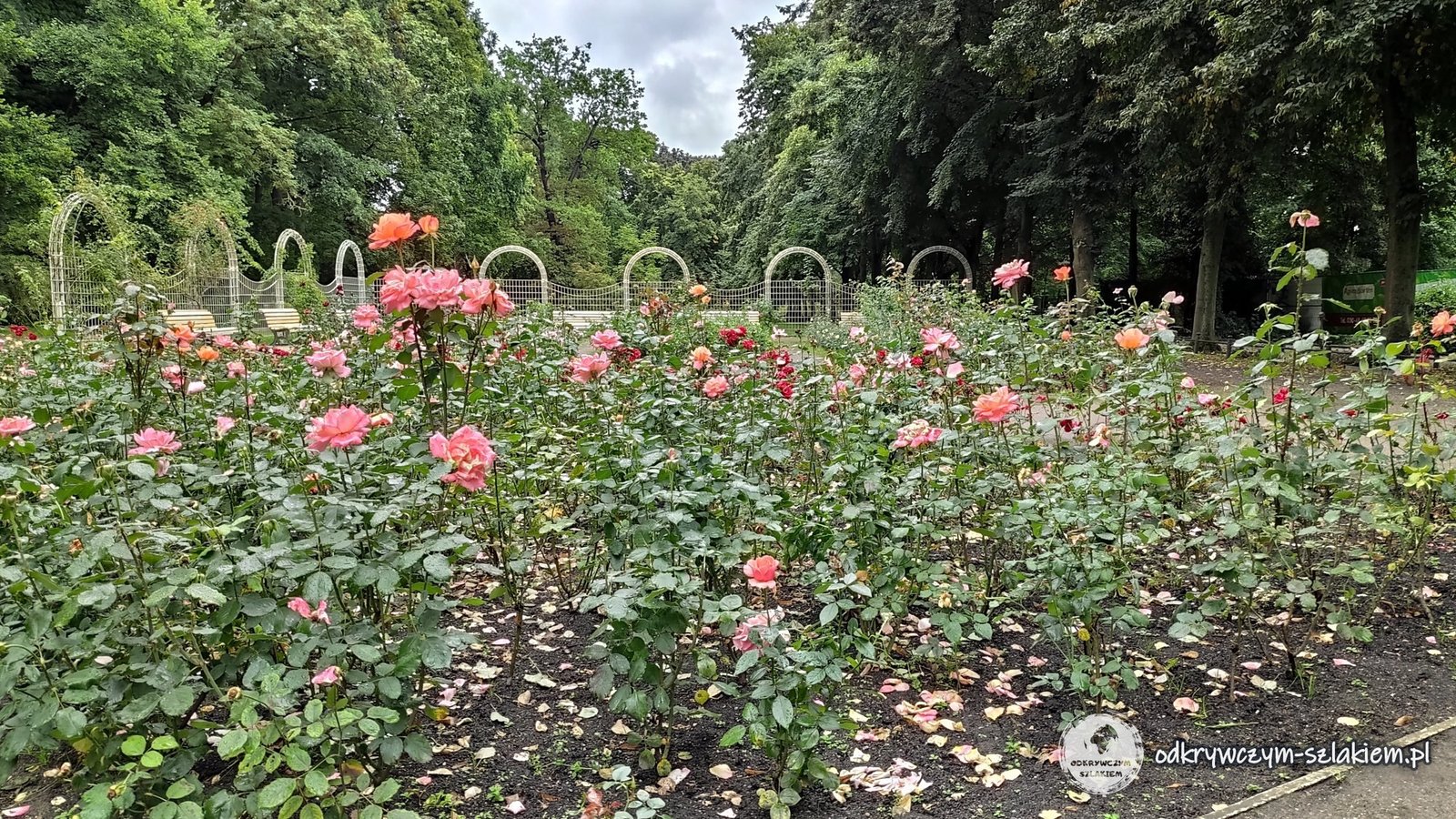
The palace is surrounded by a park, and in front of the entrance stands one of Berlin’s colourful bears (Buddy Bär). A few minutes’ walk away is Bürgerpark Pankow with a rose garden and a white pavilion.
Köpenick Palace and the old town
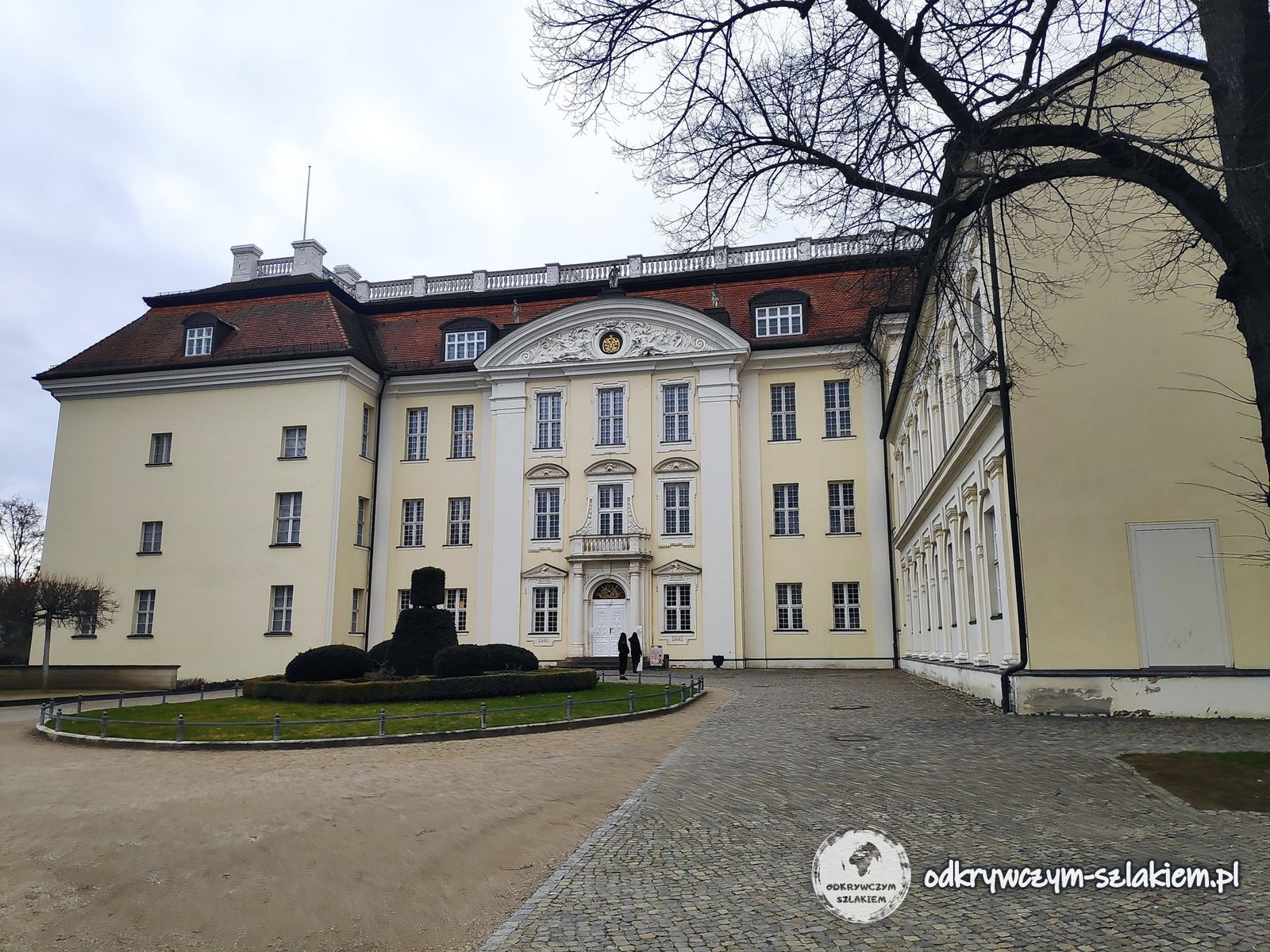
Köpenick Palace stands on an island where the Spree and the Dahme meet, in the south-east of Berlin. The current Baroque building dates from the end of the 17th century. I first saw it from the outside in August 2021, and in March 2023 I came back to visit the interiors.
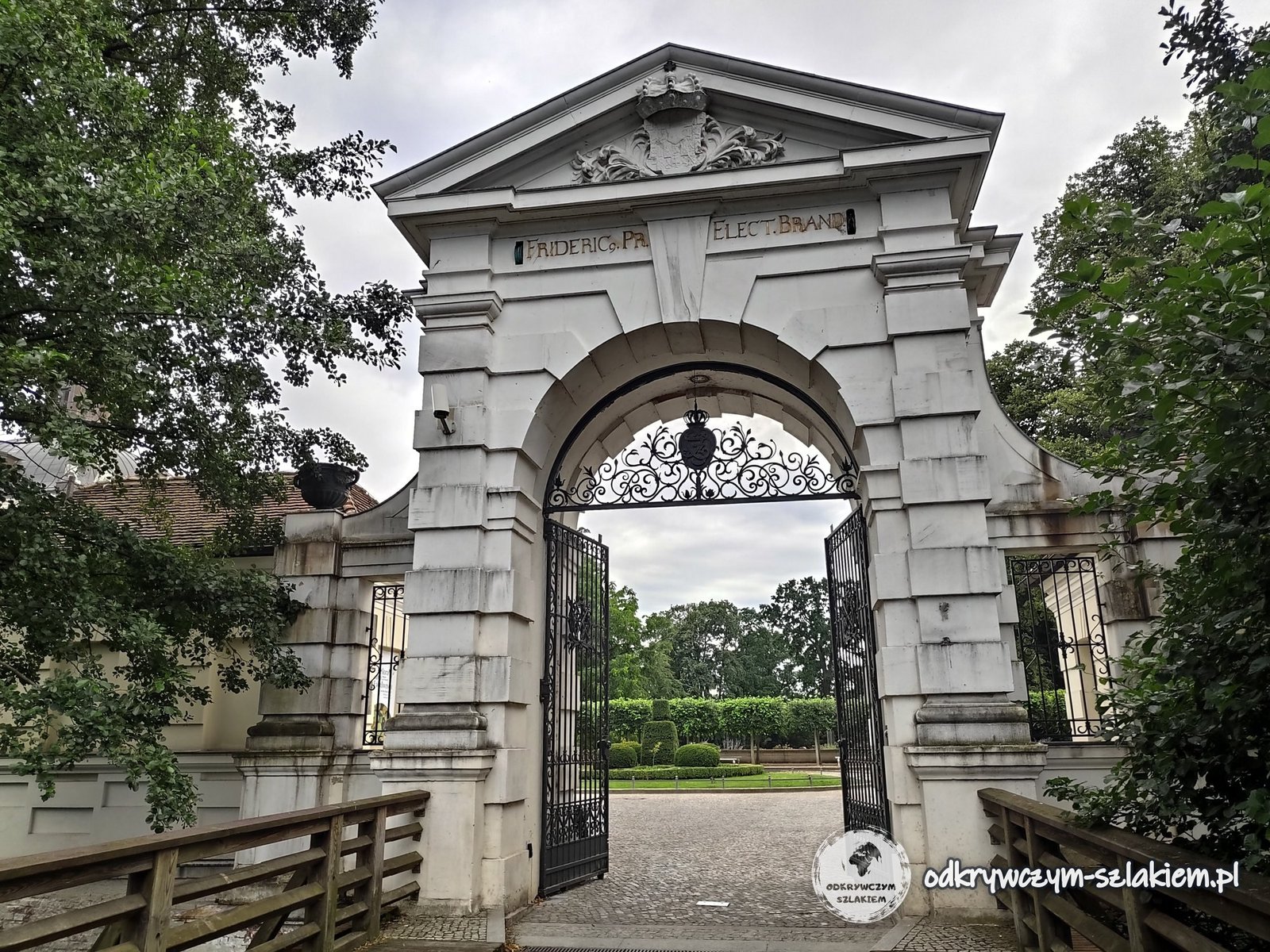
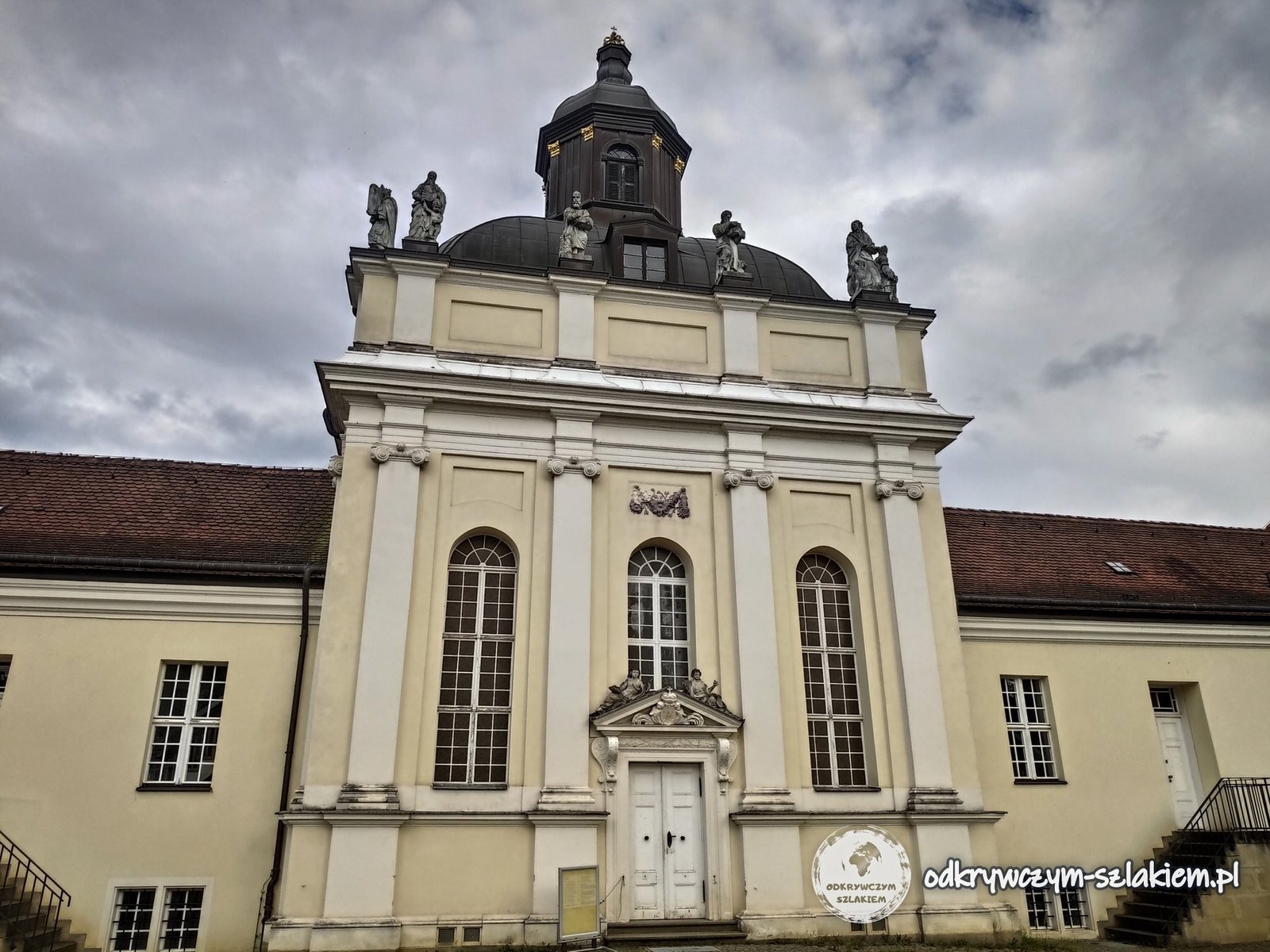
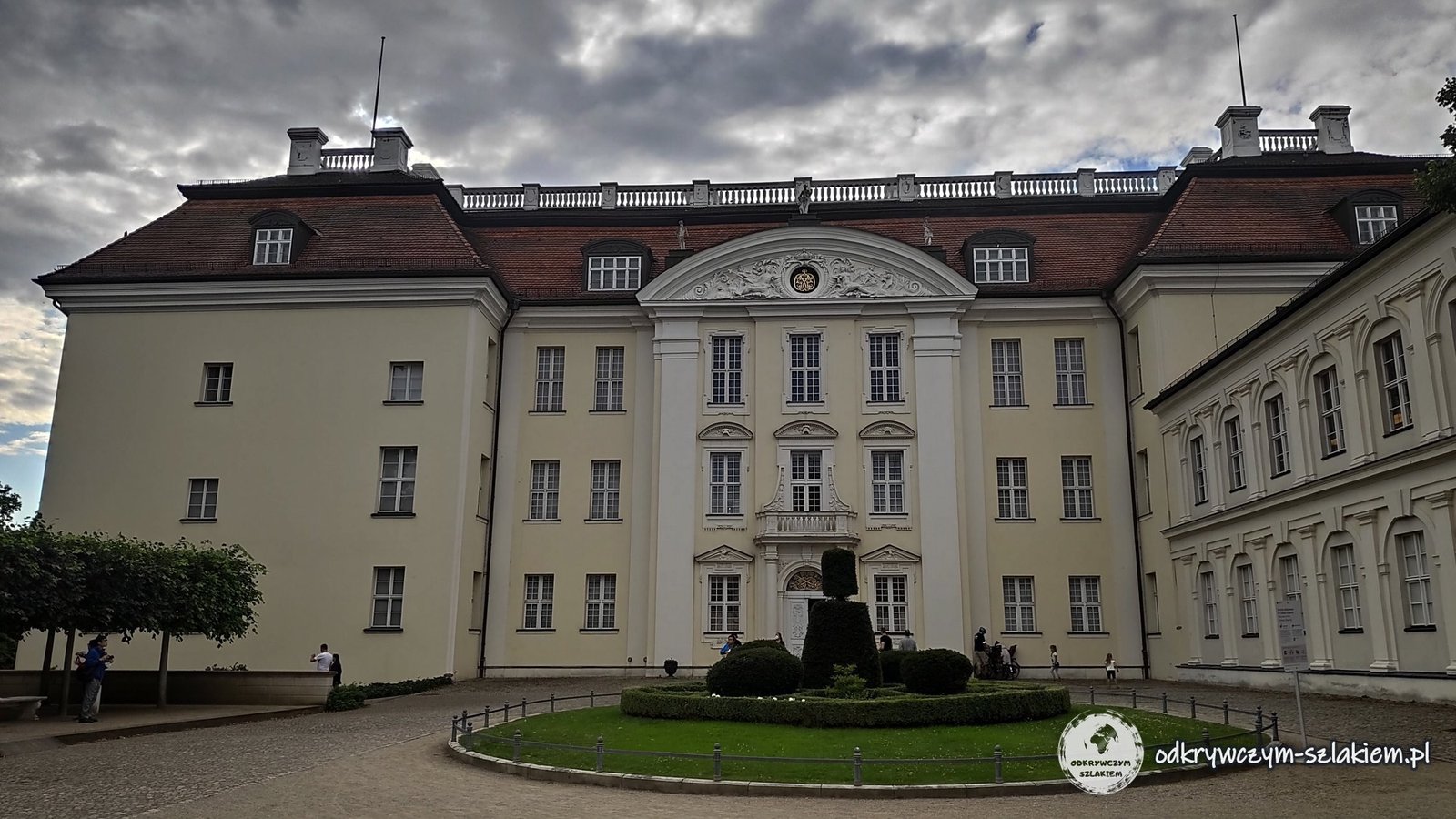
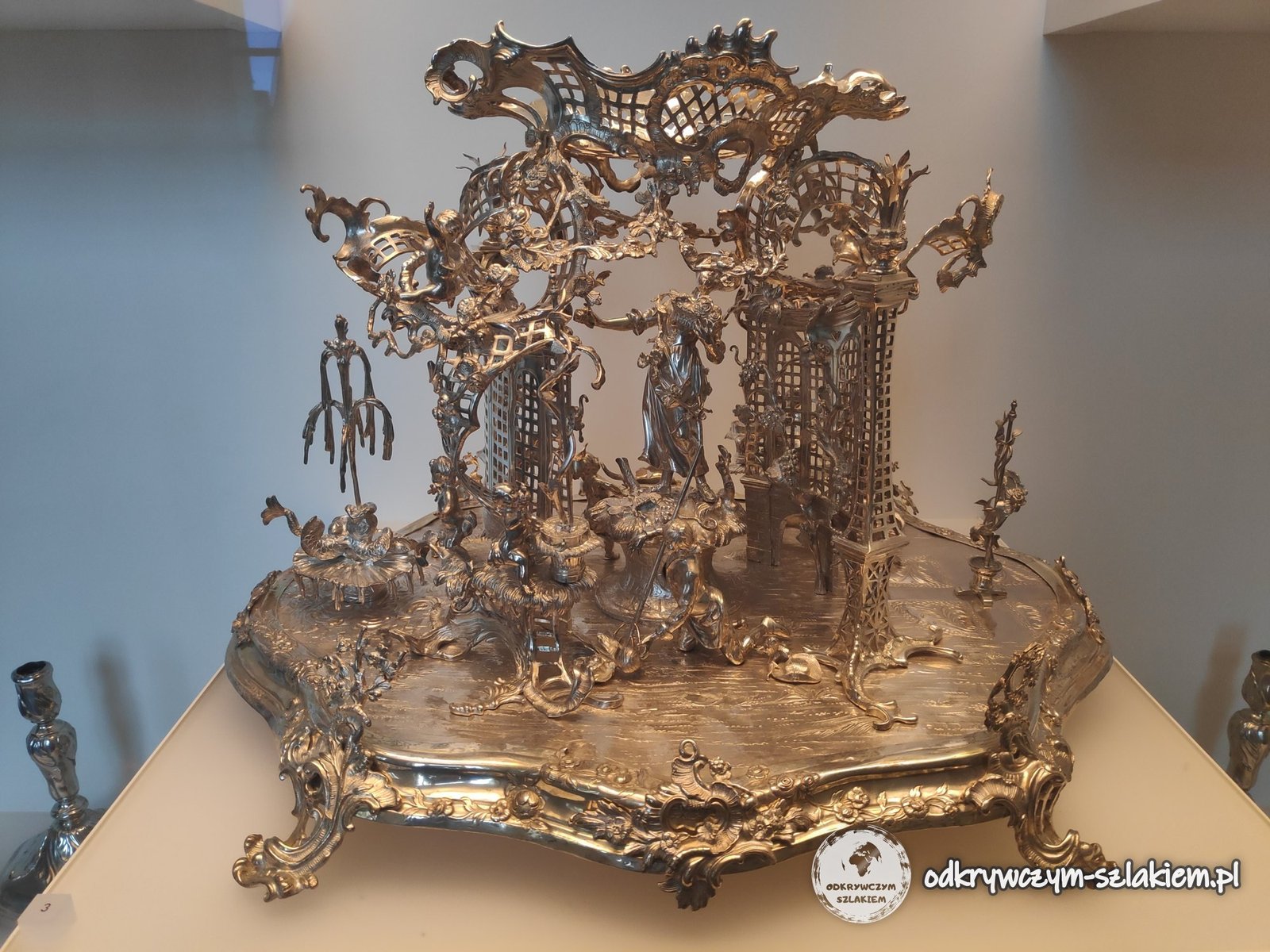
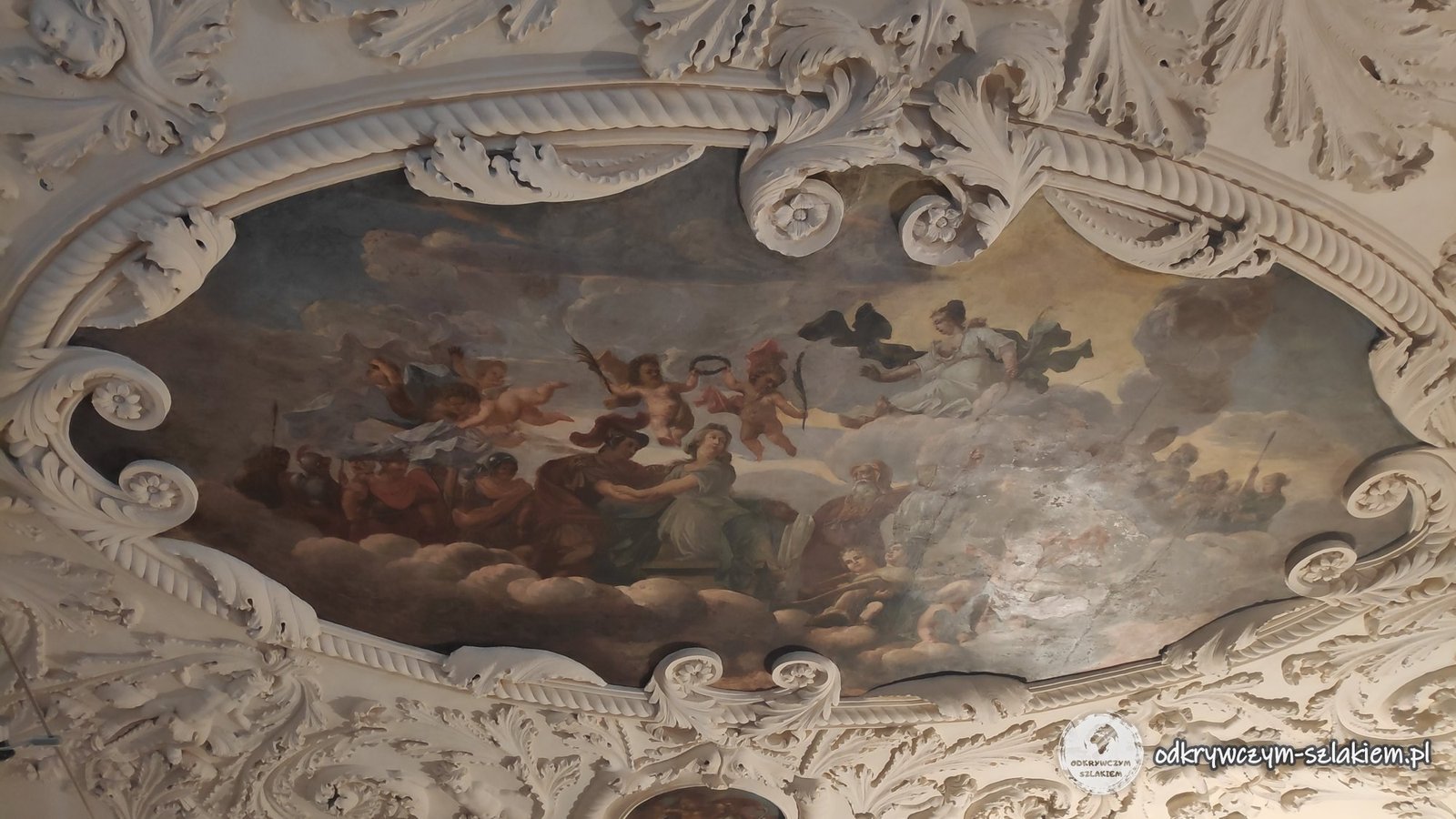
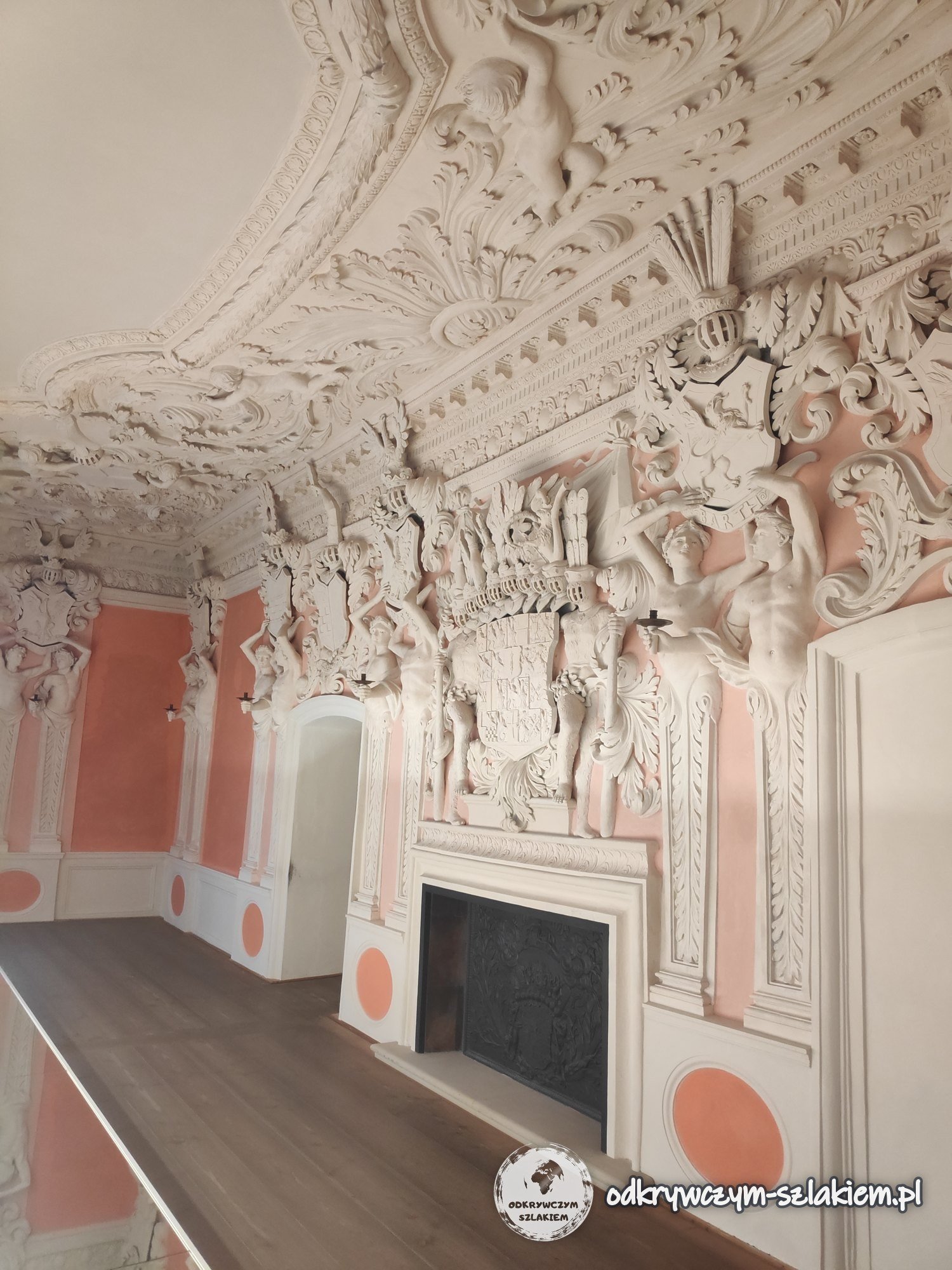
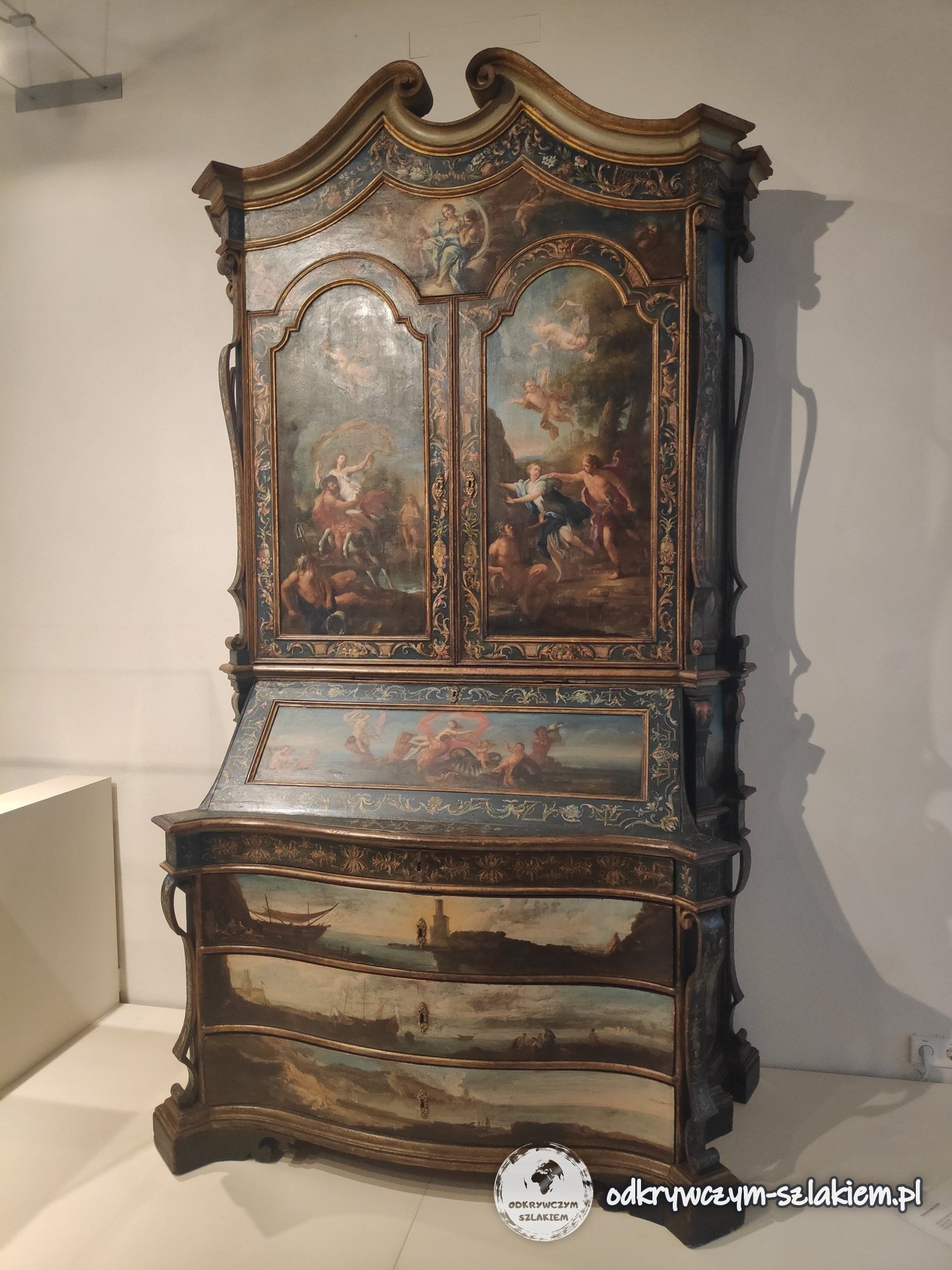
The palace houses part of the Museum of Decorative Arts (Kunstgewerbemuseum) – furniture, porcelain and silverware from the Renaissance to the Rococo. The most beautiful are the rooms with stucco decoration, the rooms panelled with inlaid wood and a huge sideboard with silver tableware. In 1730, in one of the palace halls, a court martial was held over the heir to the throne – the later Frederick the Great – and his friend Hans Hermann von Katte after their failed escape.
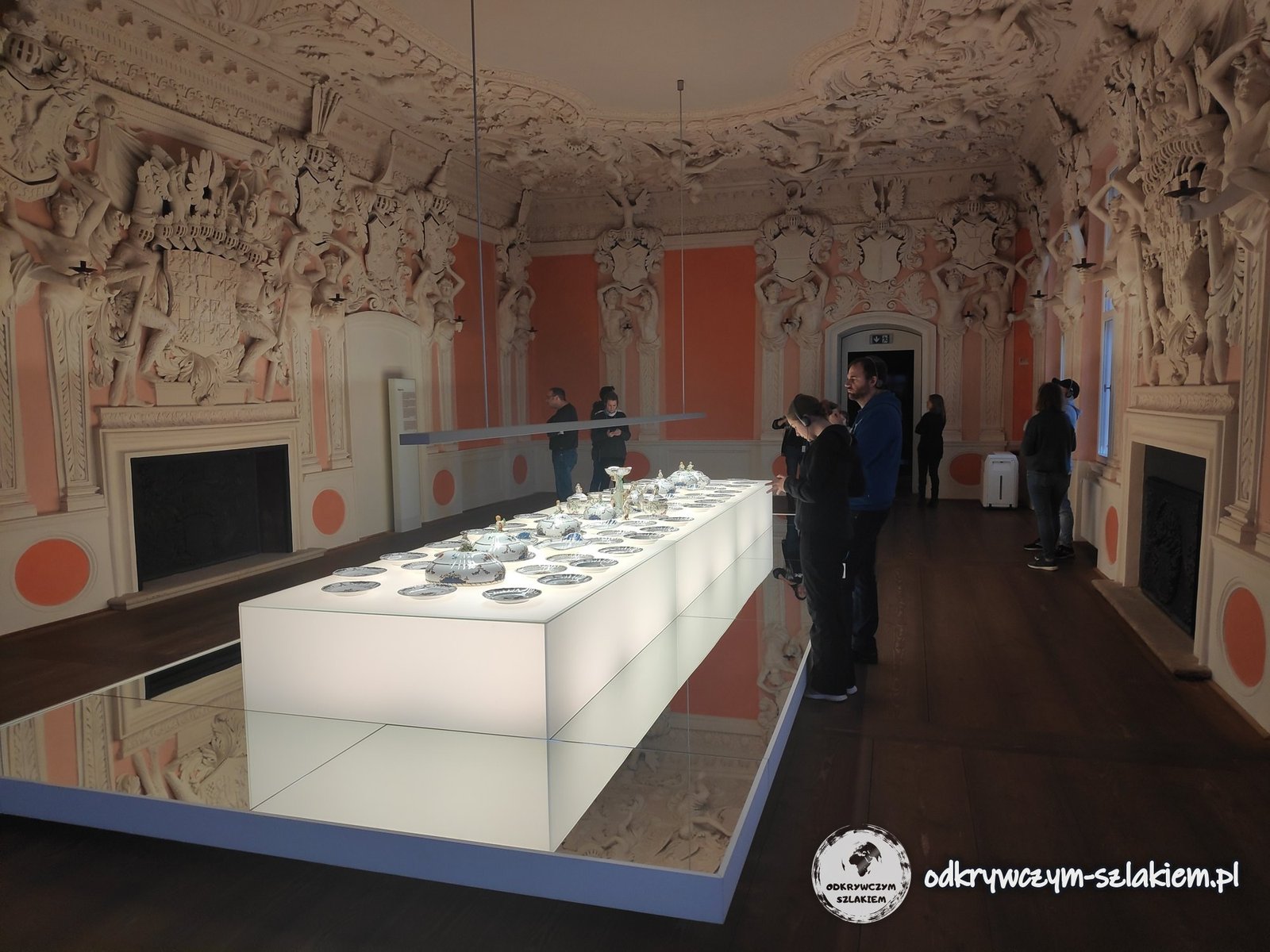
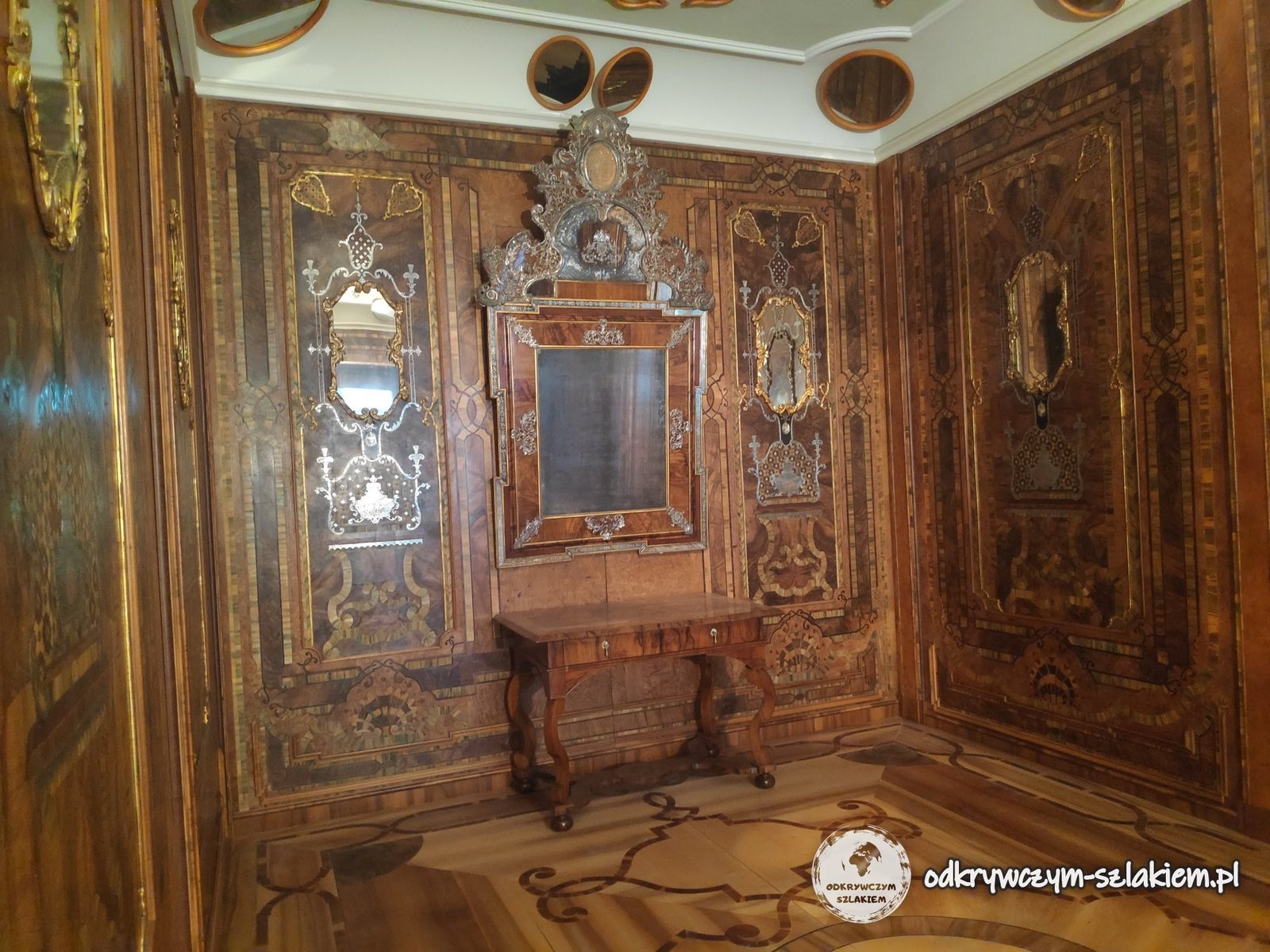
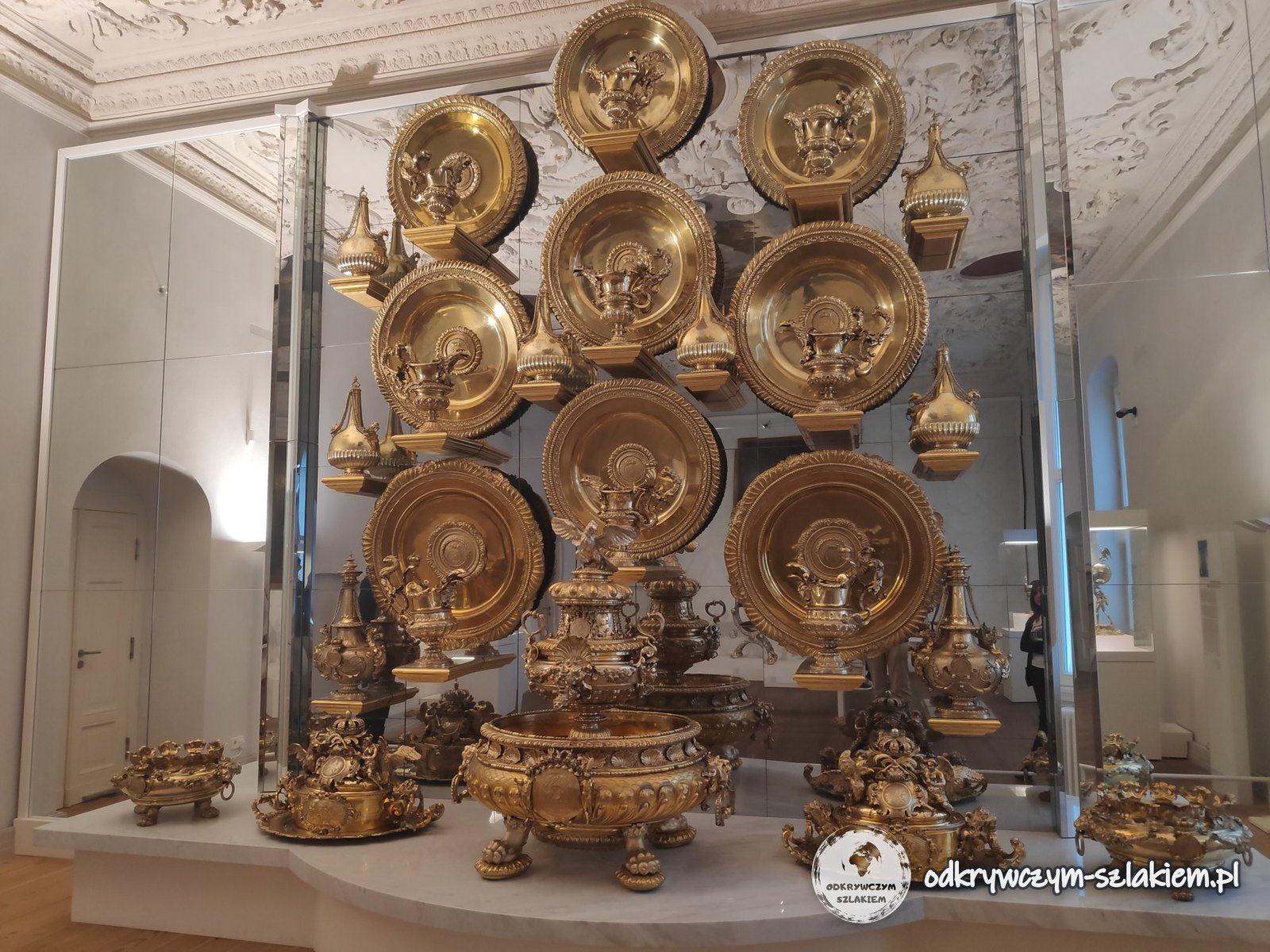
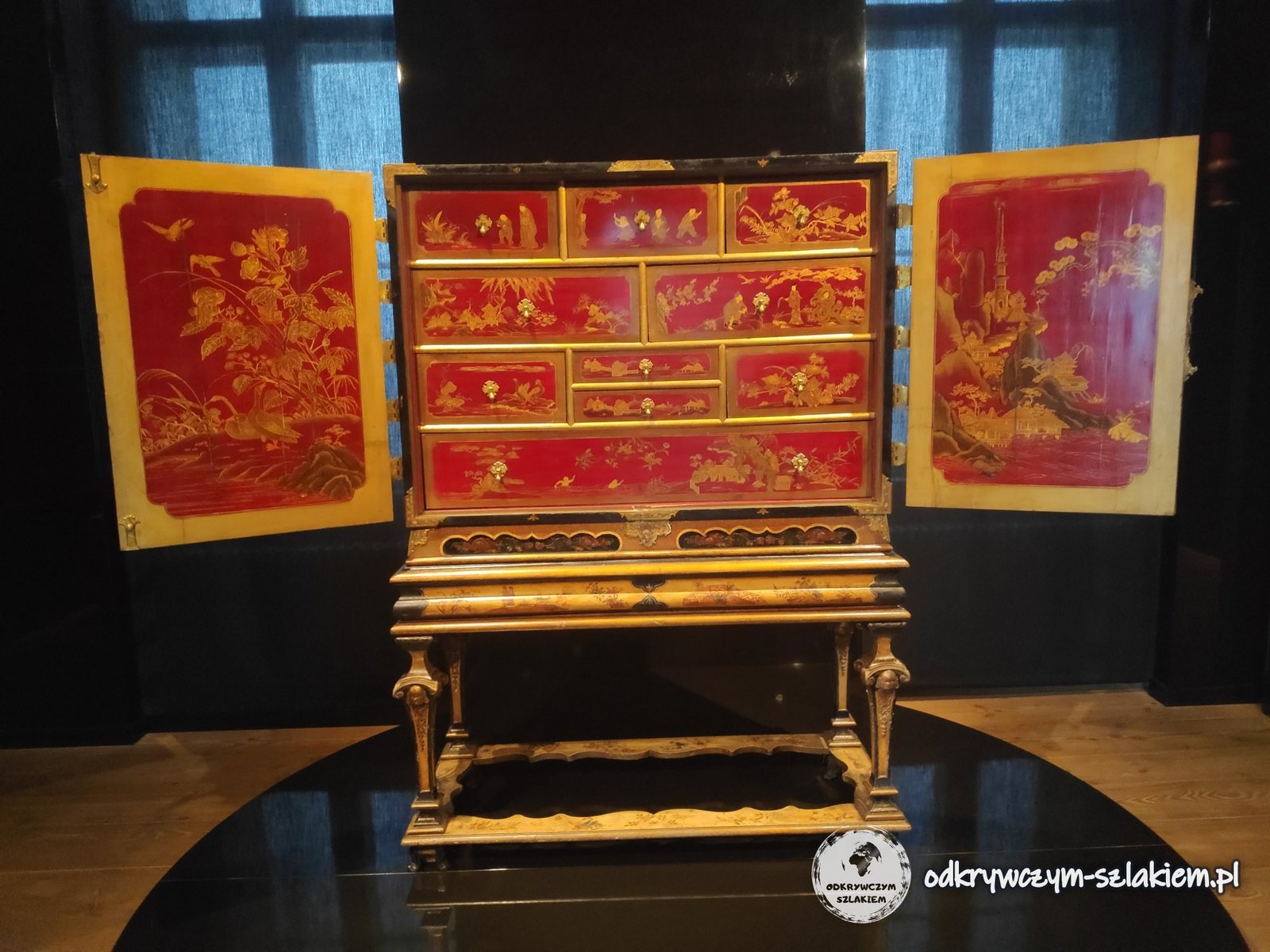
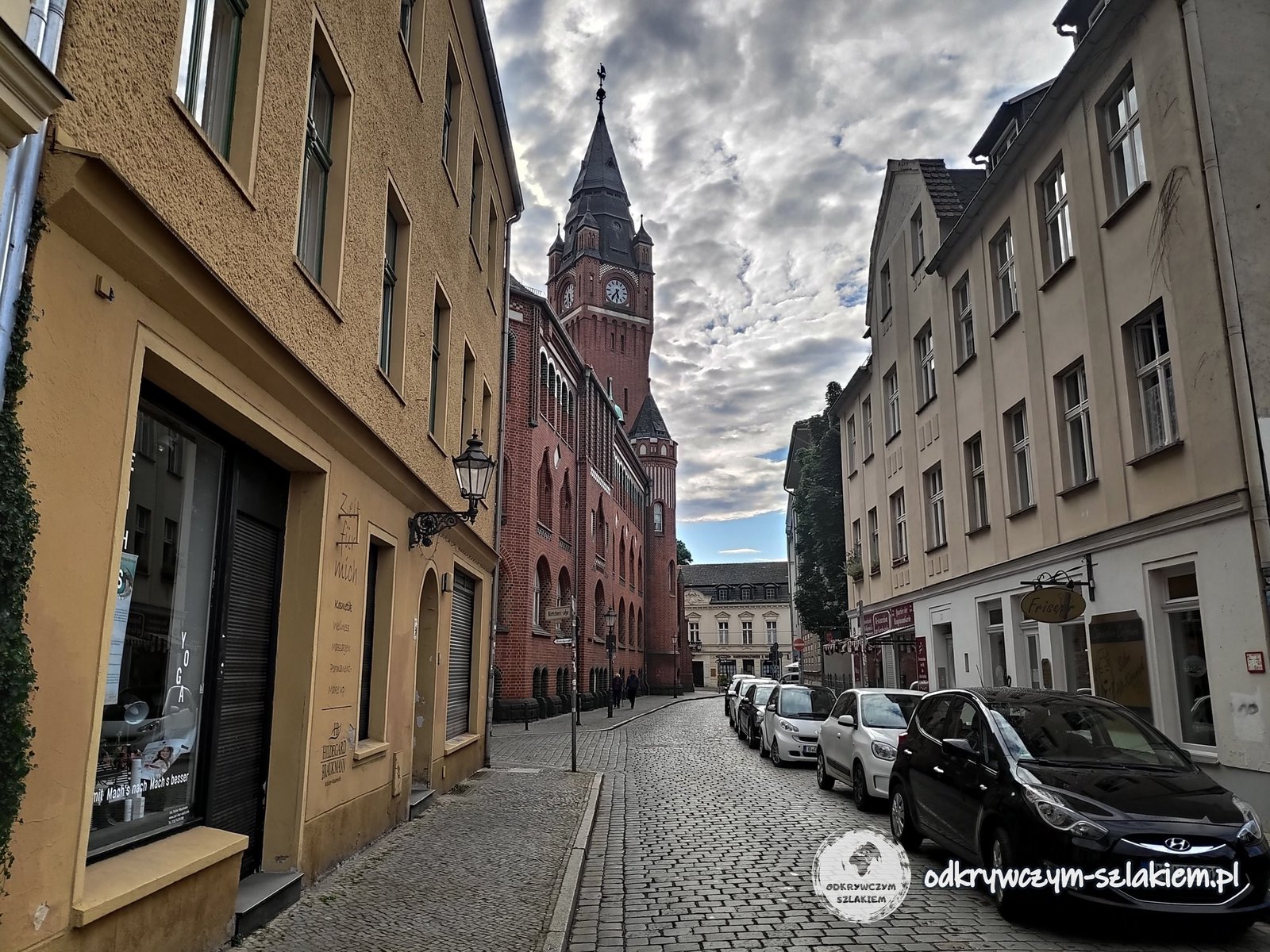
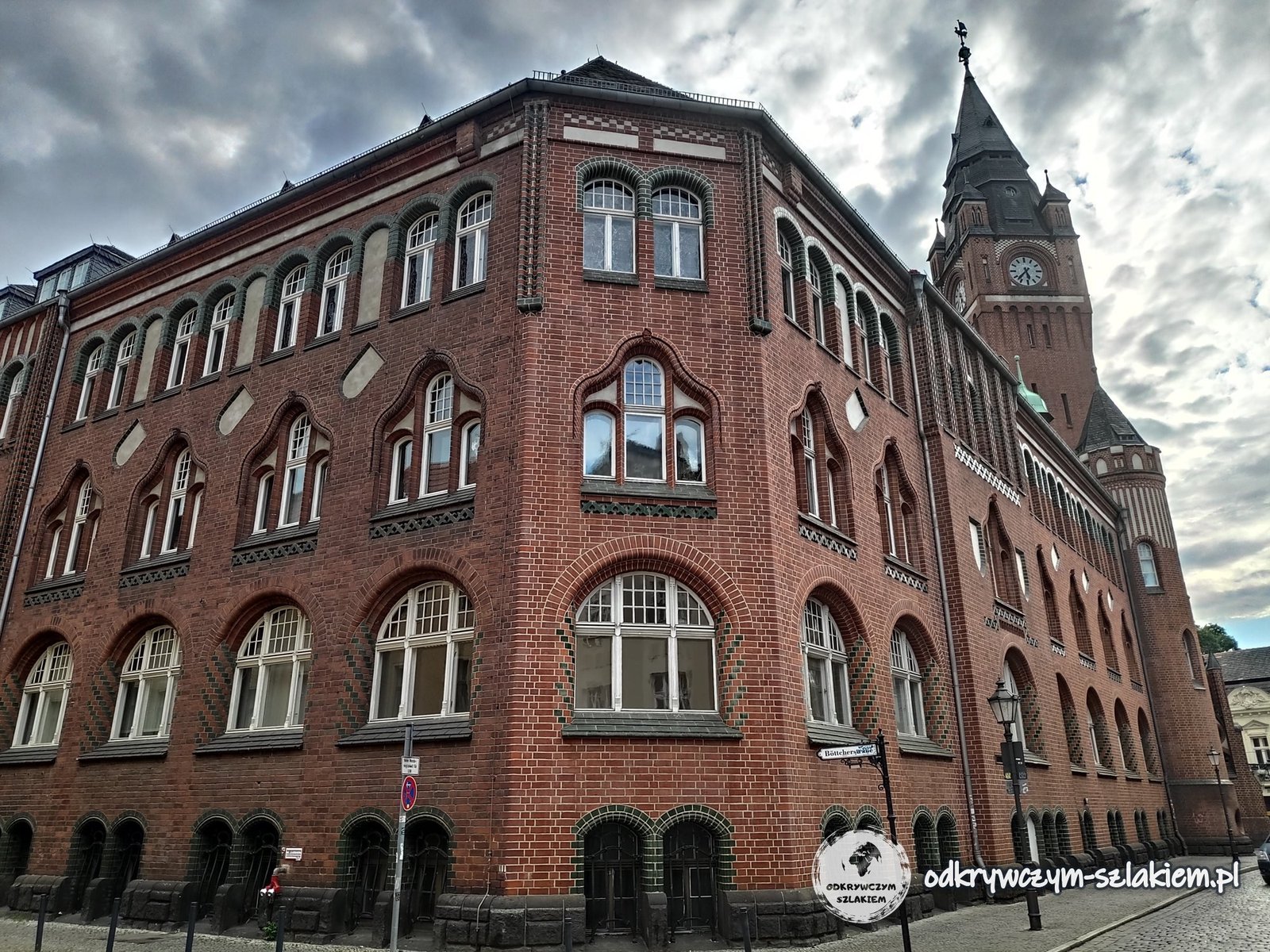
After the visit it is worth taking a walk around old Köpenick. The most important building is the brick town hall. It was here in 1906 that the shoemaker Wilhelm Voigt, dressed as a captain, took command of a group of soldiers, occupied the town hall and took the town treasury. The story of the “Captain of Köpenick” (Hauptmann von Köpenick) became very well known in Germany.
Practical information
- Free: the parks of Charlottenburg Palace and Schönhausen Palace, and Bürgerpark Pankow. You pay to visit the palace interiors, to enter the Spandau Citadel and Köpenick Palace, and for the ferry to Peacock Island.
- Peacock Island: dogs and bicycles are not allowed on the island, and smoking is forbidden. Take the S-Bahn to Wannsee station and then bus 218 to the ferry landing. There is a food kiosk by the meadow in the middle of the island.
- How to combine: Charlottenburg and Spandau are easy to see in one day, and Glienicke Palace and Peacock Island together with Wannsee. Schönhausen and Bürgerpark are next to each other in Pankow.
- Opening hours: many palaces are closed on Mondays, and some have shorter opening hours in winter – check them on the museums’ websites before your visit.
- More of Berlin: I described the rest of the city in the posts Berlin: what to see, Berlin: museums and Green Berlin.
Photo gallery