This is the second part of our August 2023 trip – after Porto, Galicia, the Picos de Europa and Bilbao (described in the first part of the story), it was time for the south of France. It was our first visit to France: via Bayonne and along the Pyrenees we got to Toulouse, then to Montpellier and to the Lac du Salagou, and from there – partly hitchhiking, partly by BlaBlaCar and Flixbus – we made our way back to Poland. At the end of the post there is a summary of how hitchhiking worked out in Spain and in France.
Table of contents
- From Bilbao to France – Bayonne and the Pyrenees
- Toulouse in the evening
- Montpellier in half a day
- The Lac du Salagou
- The way back – hitchhiking to near Lyon and via Freiburg
- Hitchhiking in Spain and France – our conclusions
- Practical information
From Bilbao to France – Bayonne and the Pyrenees
We got from Bilbao across the border to Bayonne by Flixbus in the morning – after hitchhiking had gone so badly for us in Spain, we did not want to risk losing another day.
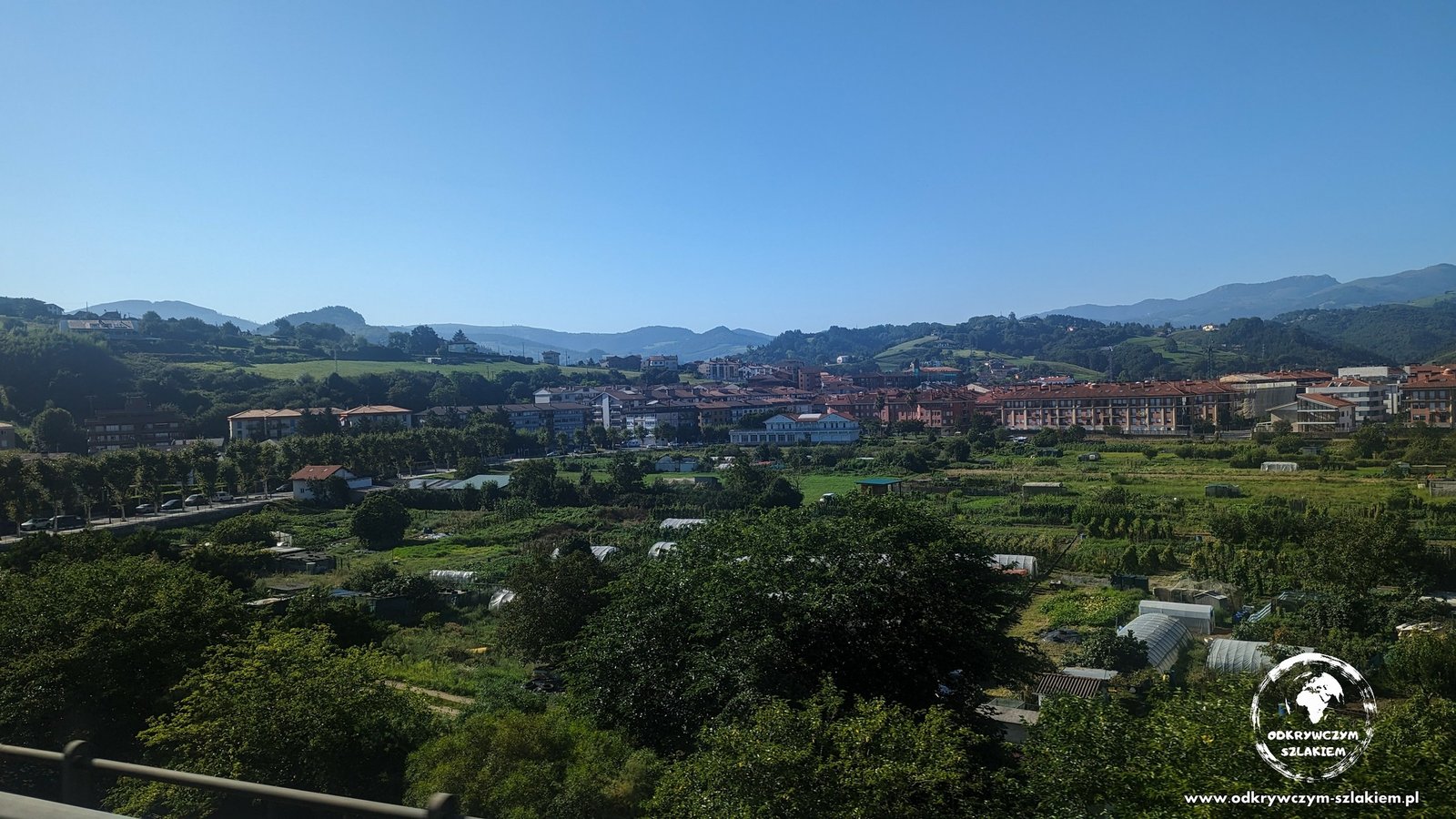
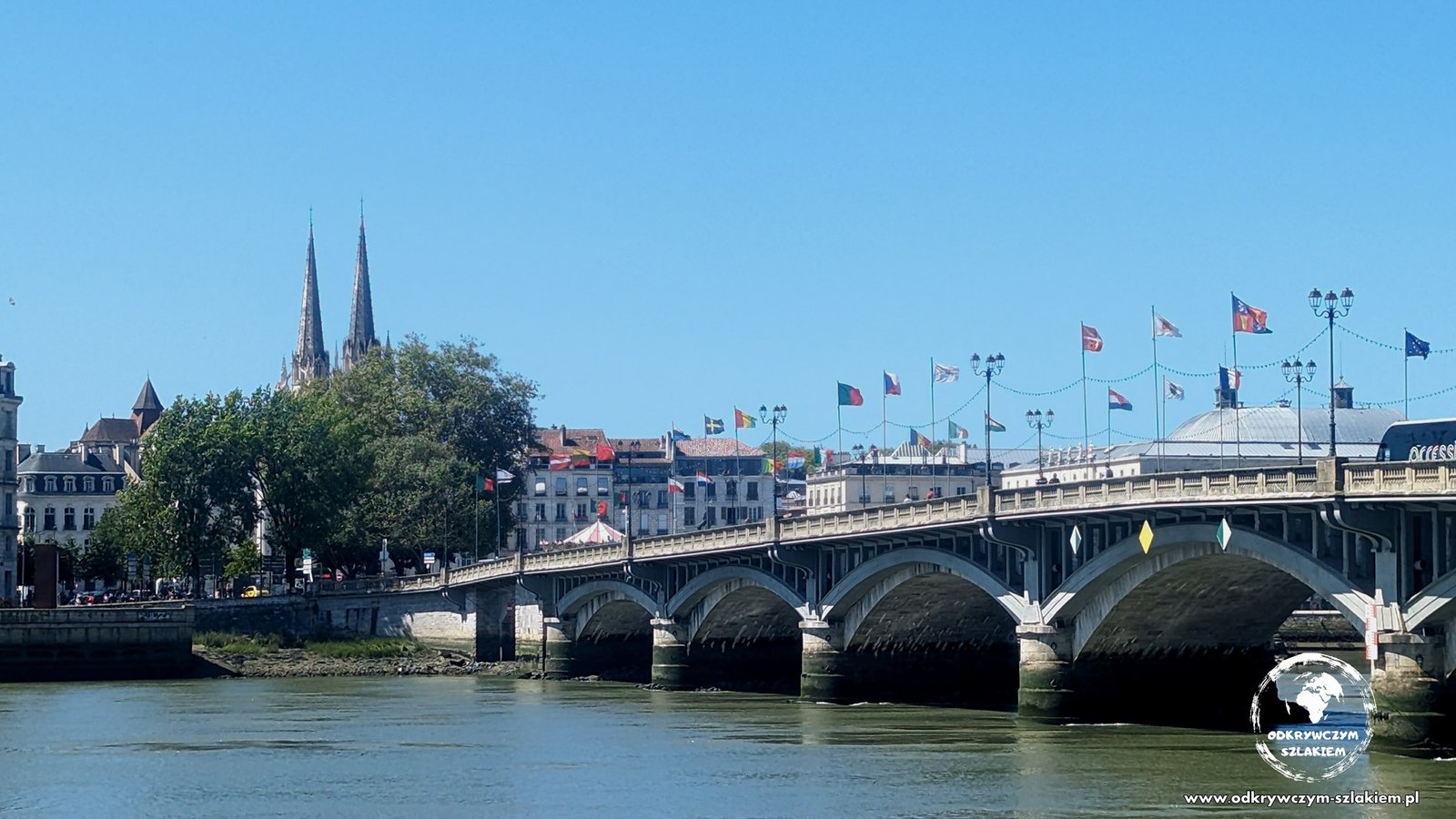
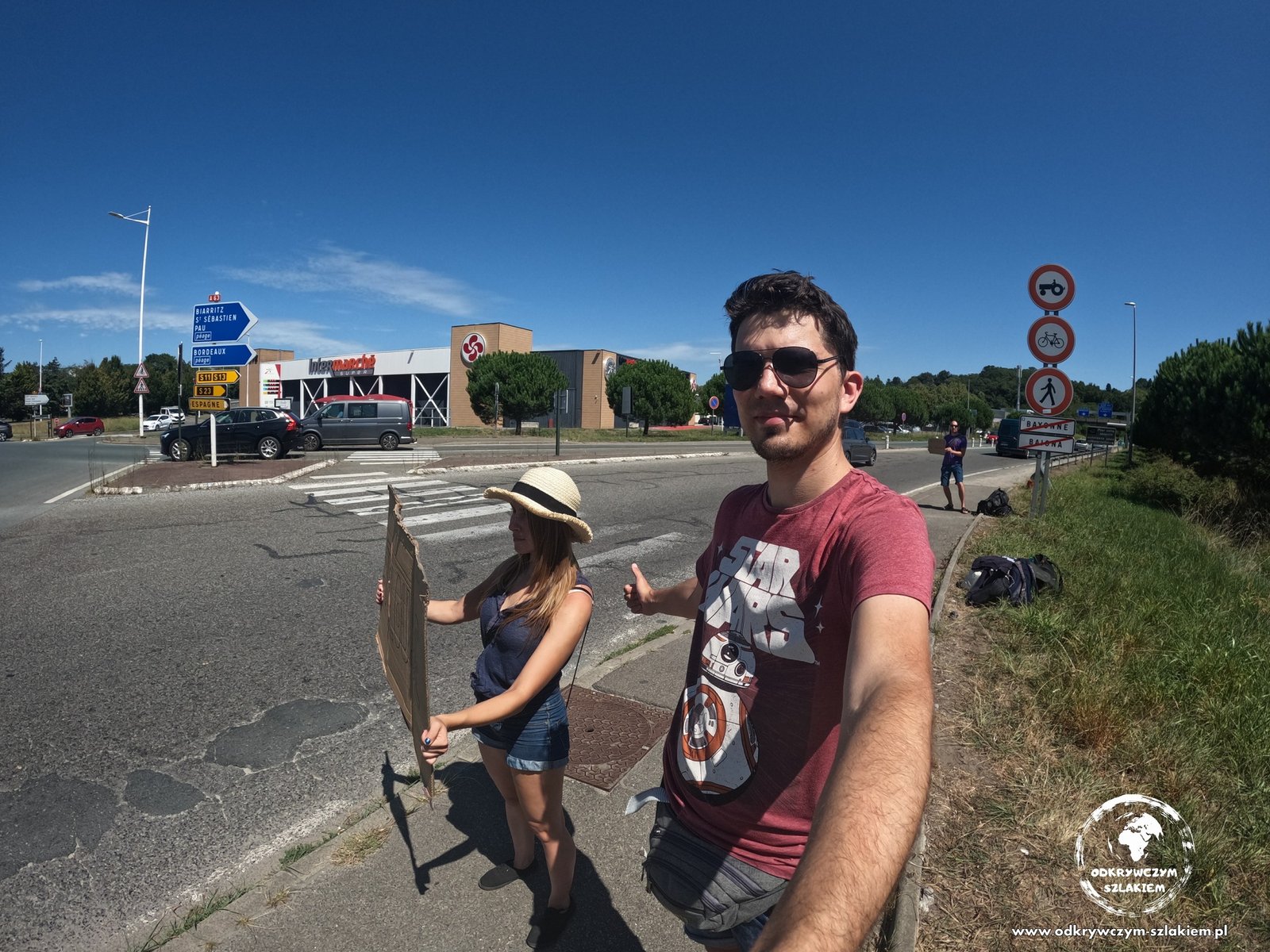
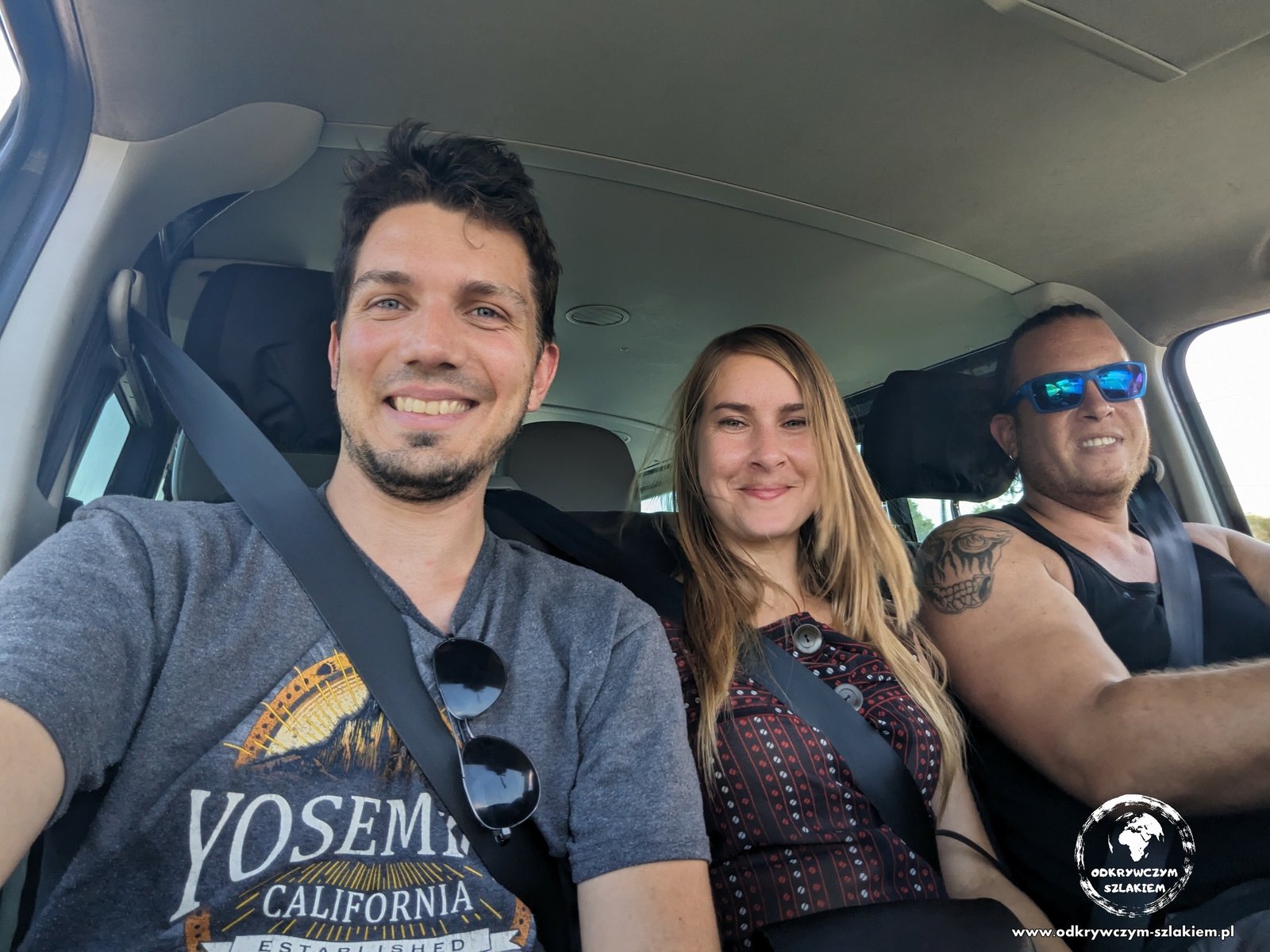
From Bayonne we set off towards Toulouse hitchhiking again, and this time it went much better: we got there in two rides, changing in Tarbes, driving along the Pyrenees.
Toulouse in the evening
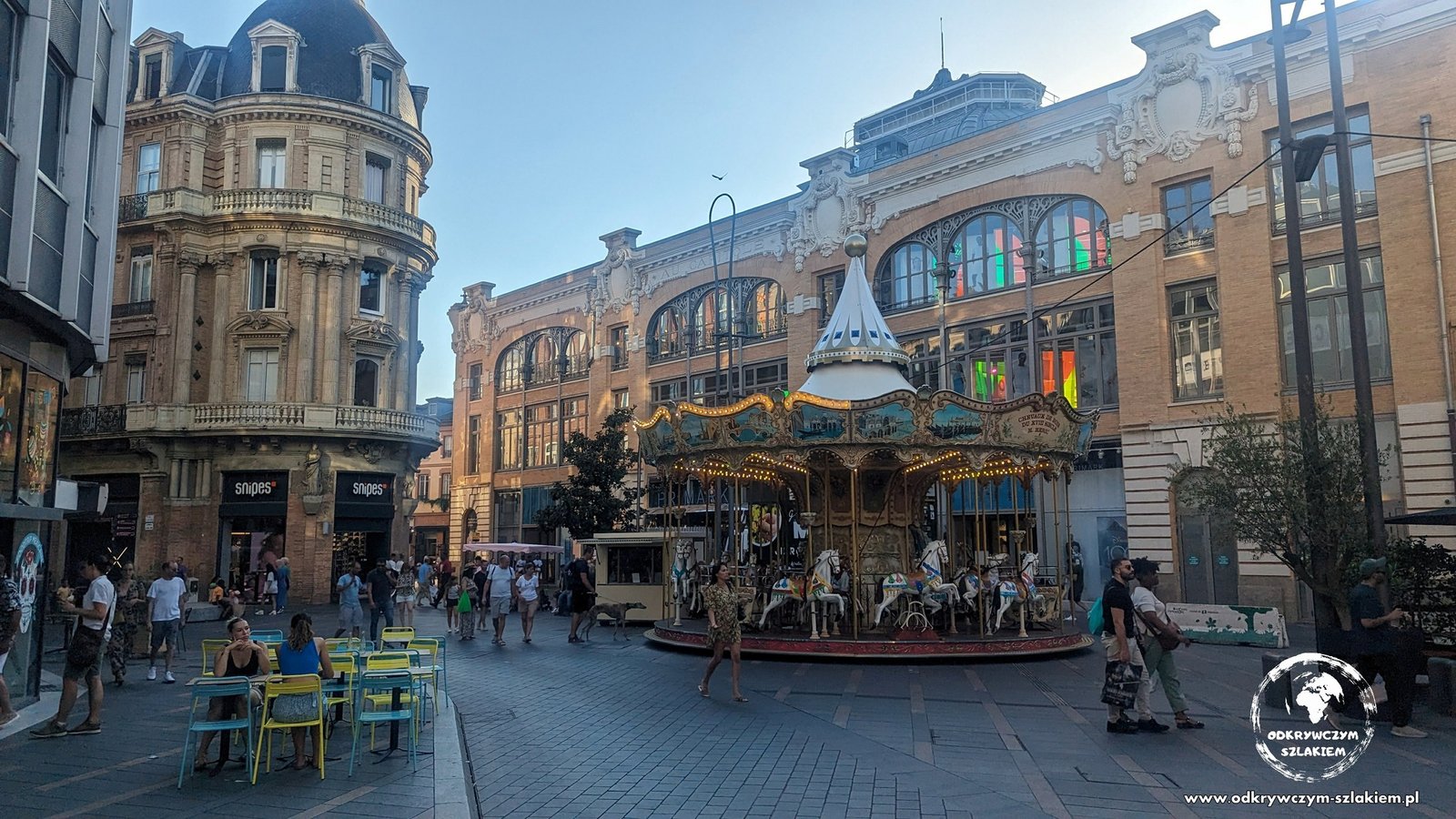
We reached Toulouse in the afternoon and explored the city in the evening – and that was enough to see most of the main sights. Toulouse is called the “pink city” because of its brick townhouses and churches, which take on a warm colour in the setting sun.
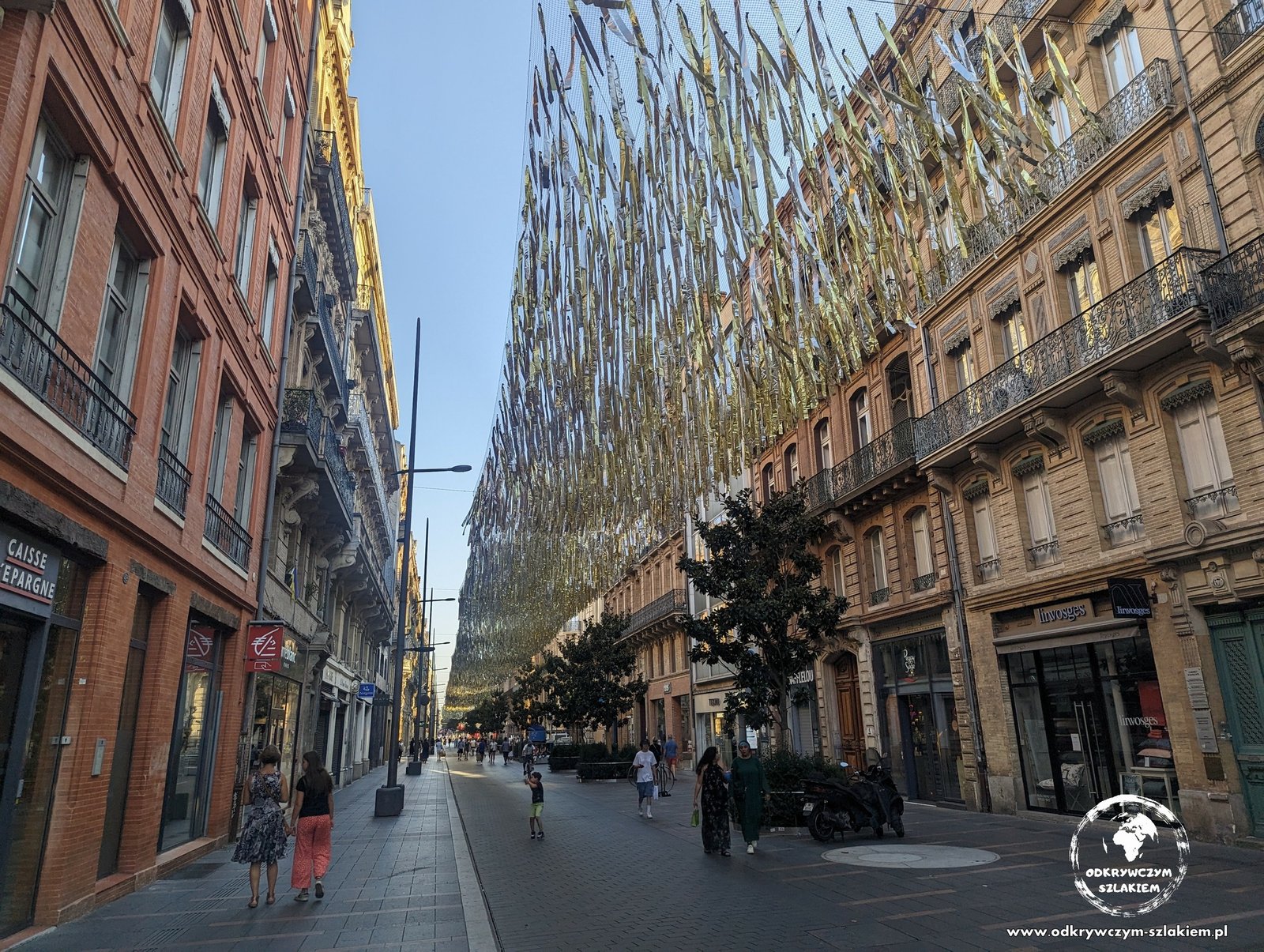
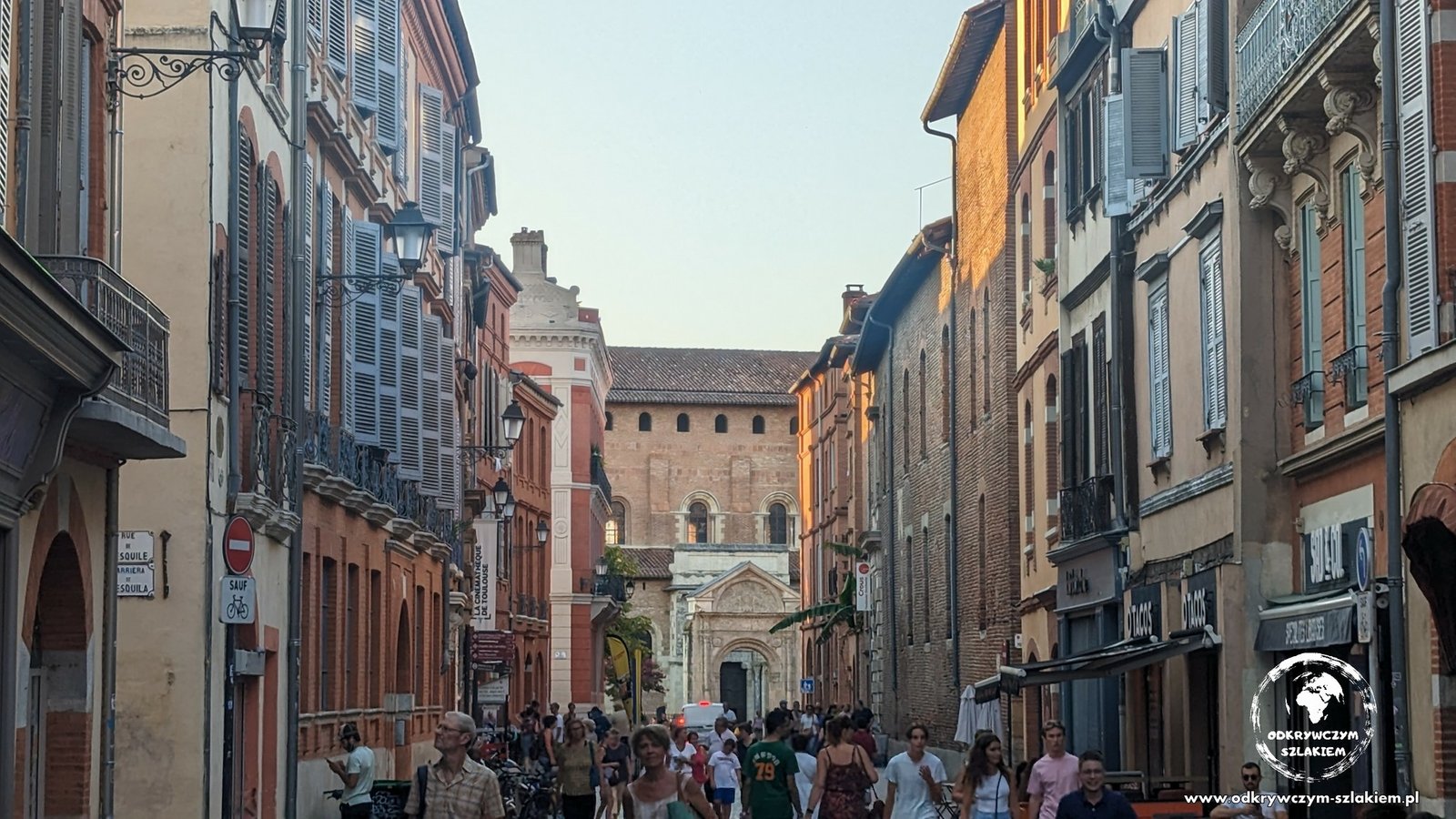
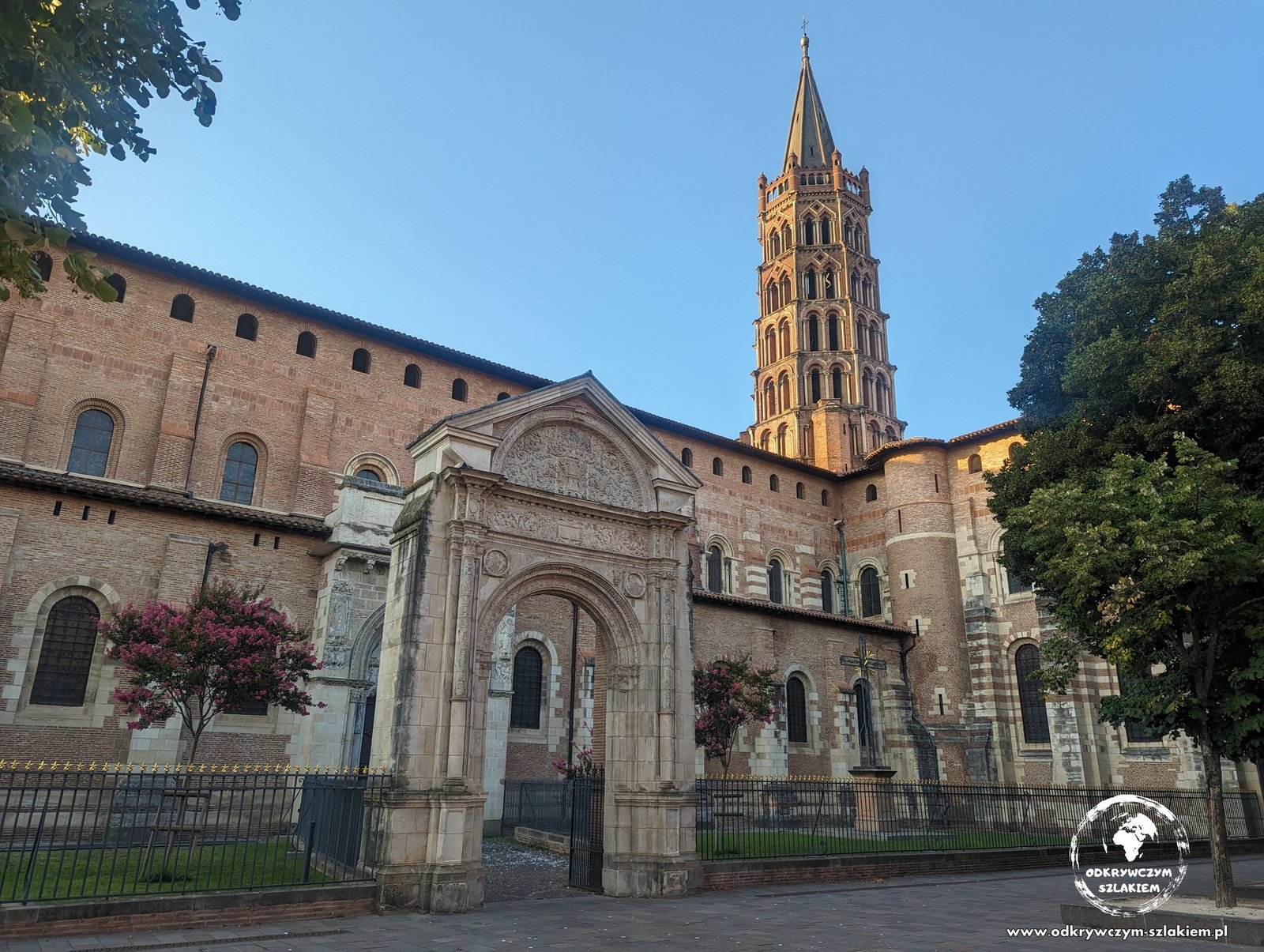
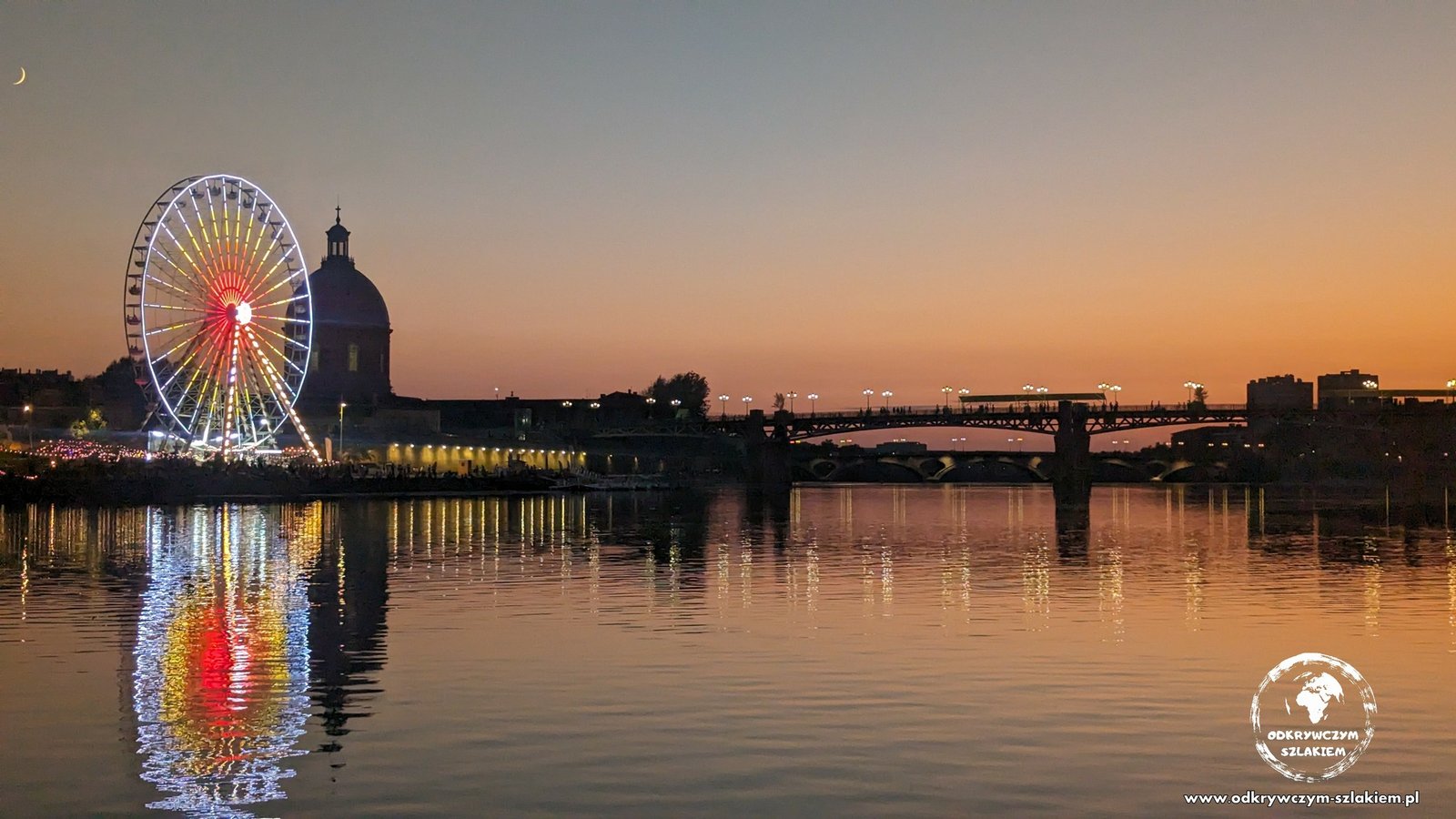
We ended the day by the Garonne, where a Ferris wheel was reflected in the water at sunset.
Montpellier in half a day
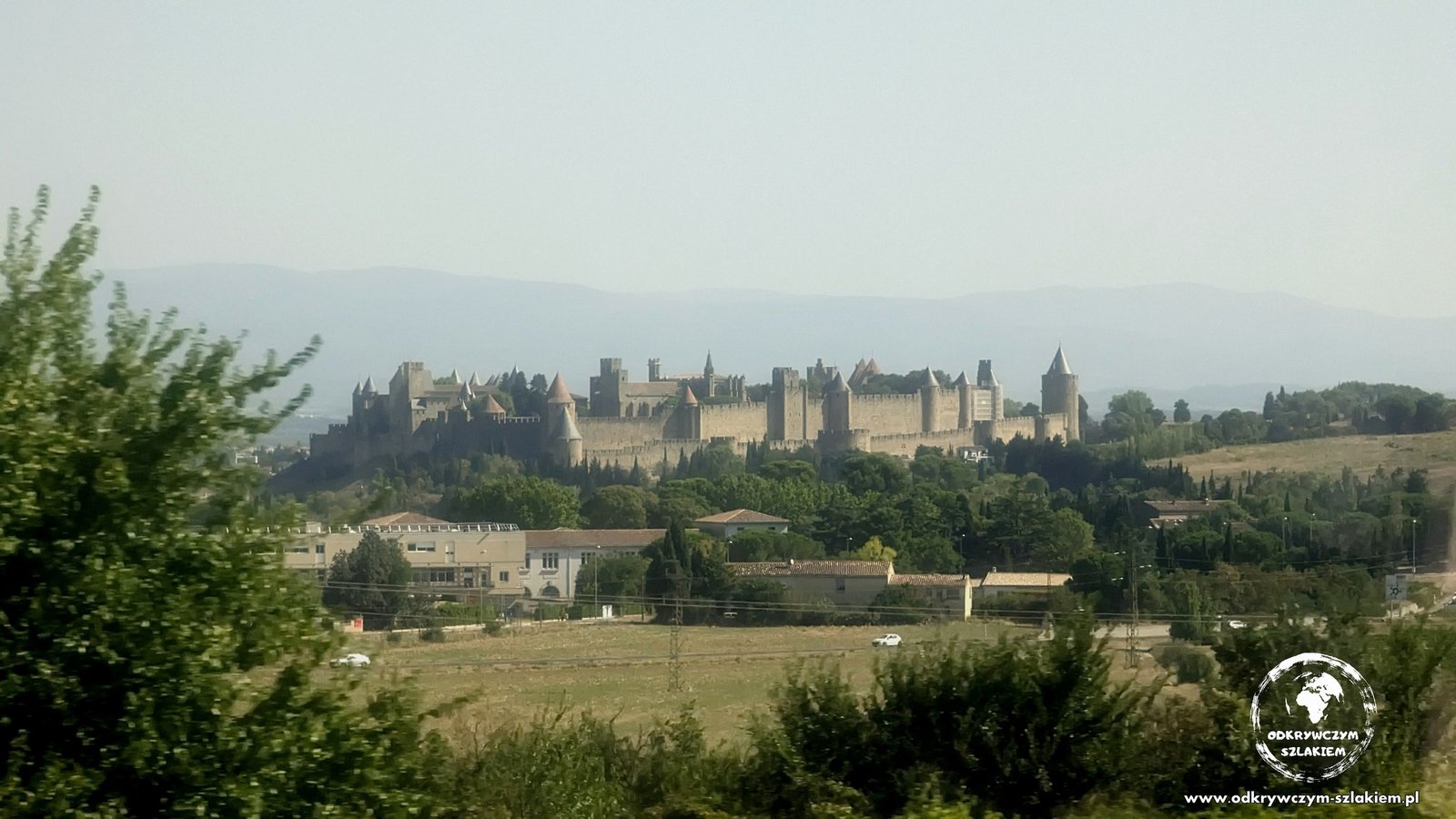
The next day we took a cheap connection to Montpellier. On the way we passed the famous medieval fortress of Carcassonne – unfortunately only from the window.
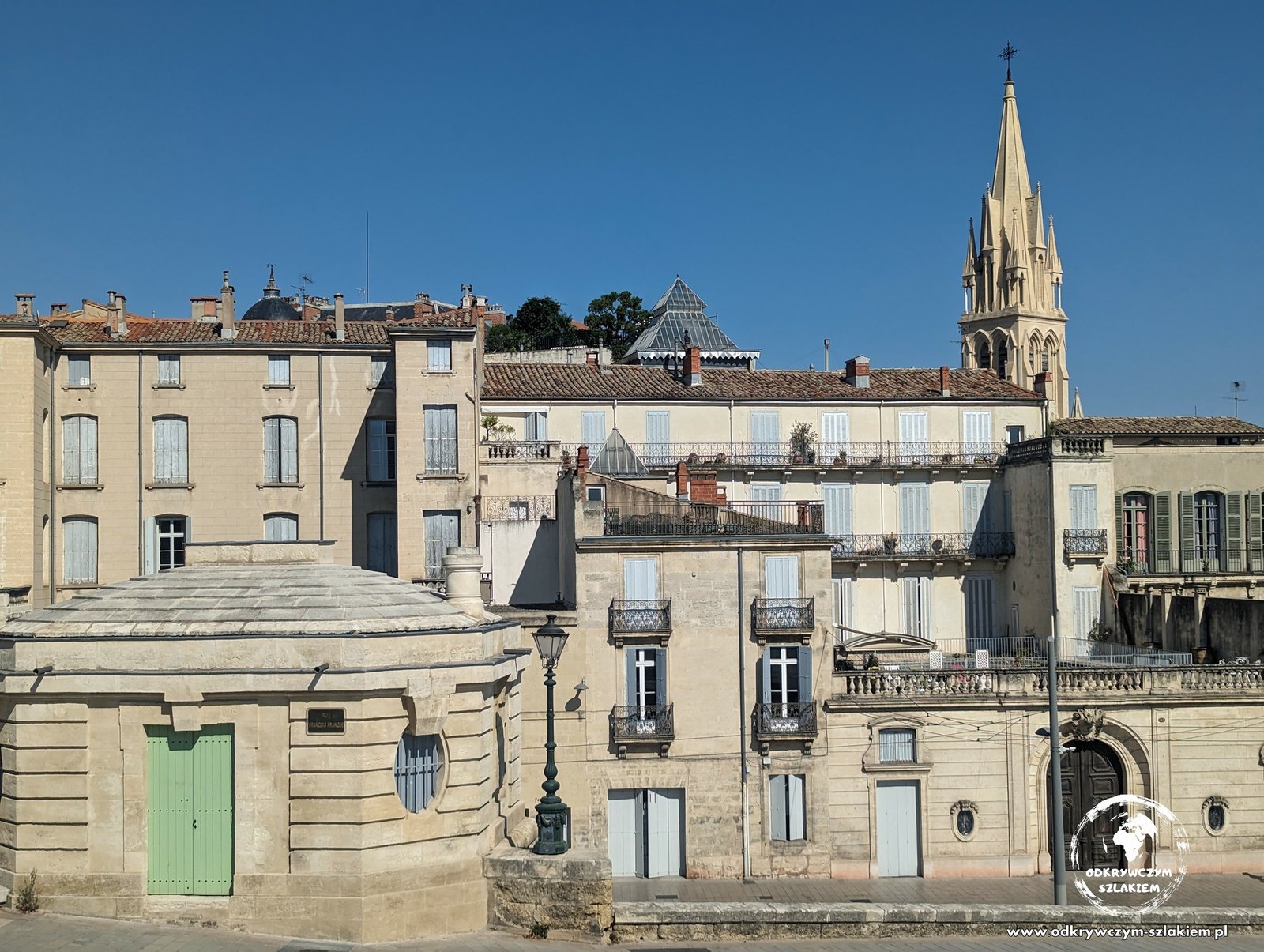
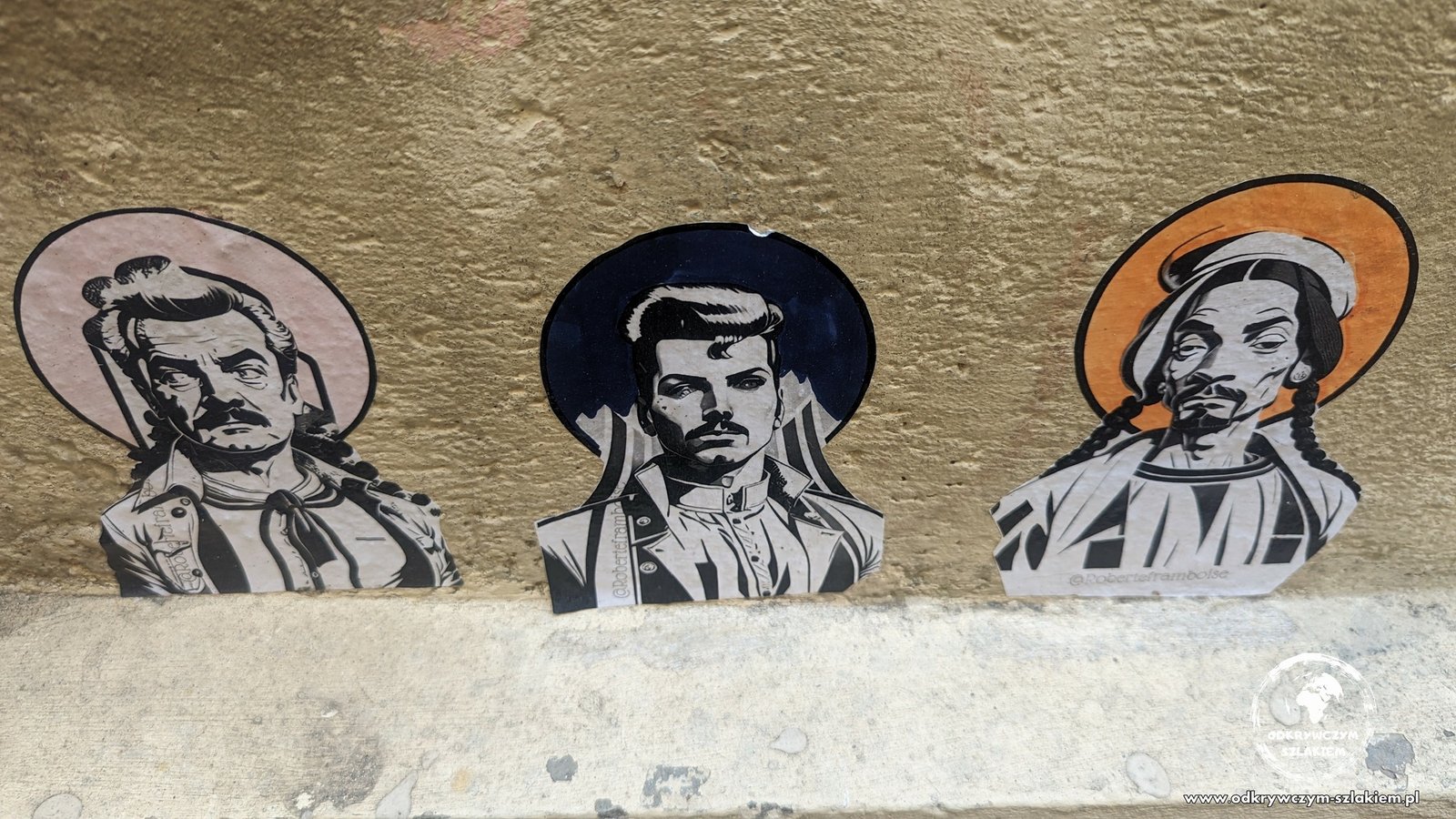
Once again we had only half a day for Montpellier. We started at the main square, Place de la Comédie, with the Fountain of the Three Graces, and in the old town we came across a funny mural showing famous people as saints.

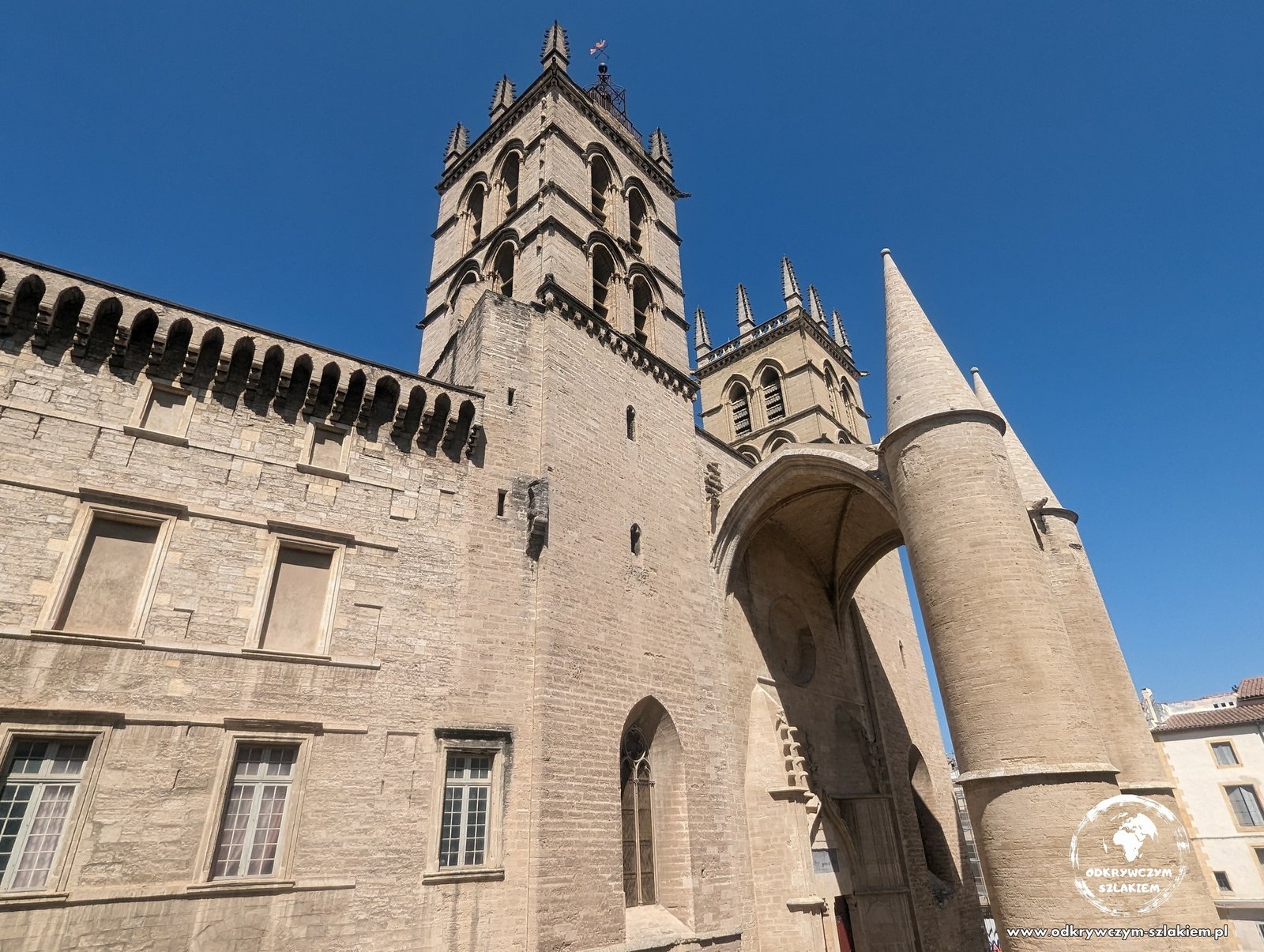
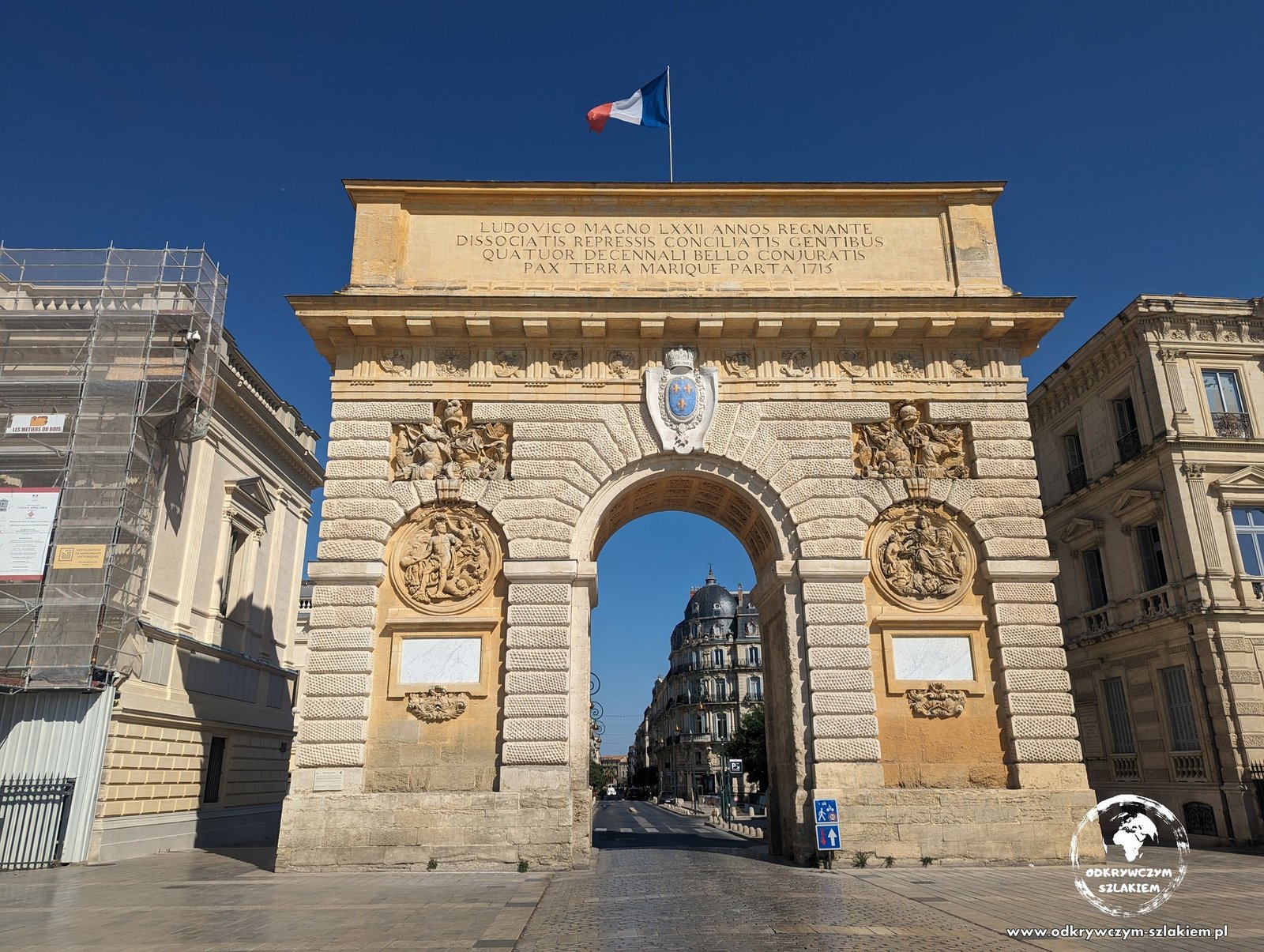
We also saw St Peter’s Cathedral with its distinctive entrance between two conical towers, and the Arc de Triomphe, beyond which begins the Promenade du Peyrou park – with an equestrian statue of Louis XIV, a neoclassical water pavilion and a view over the city’s rooftops.
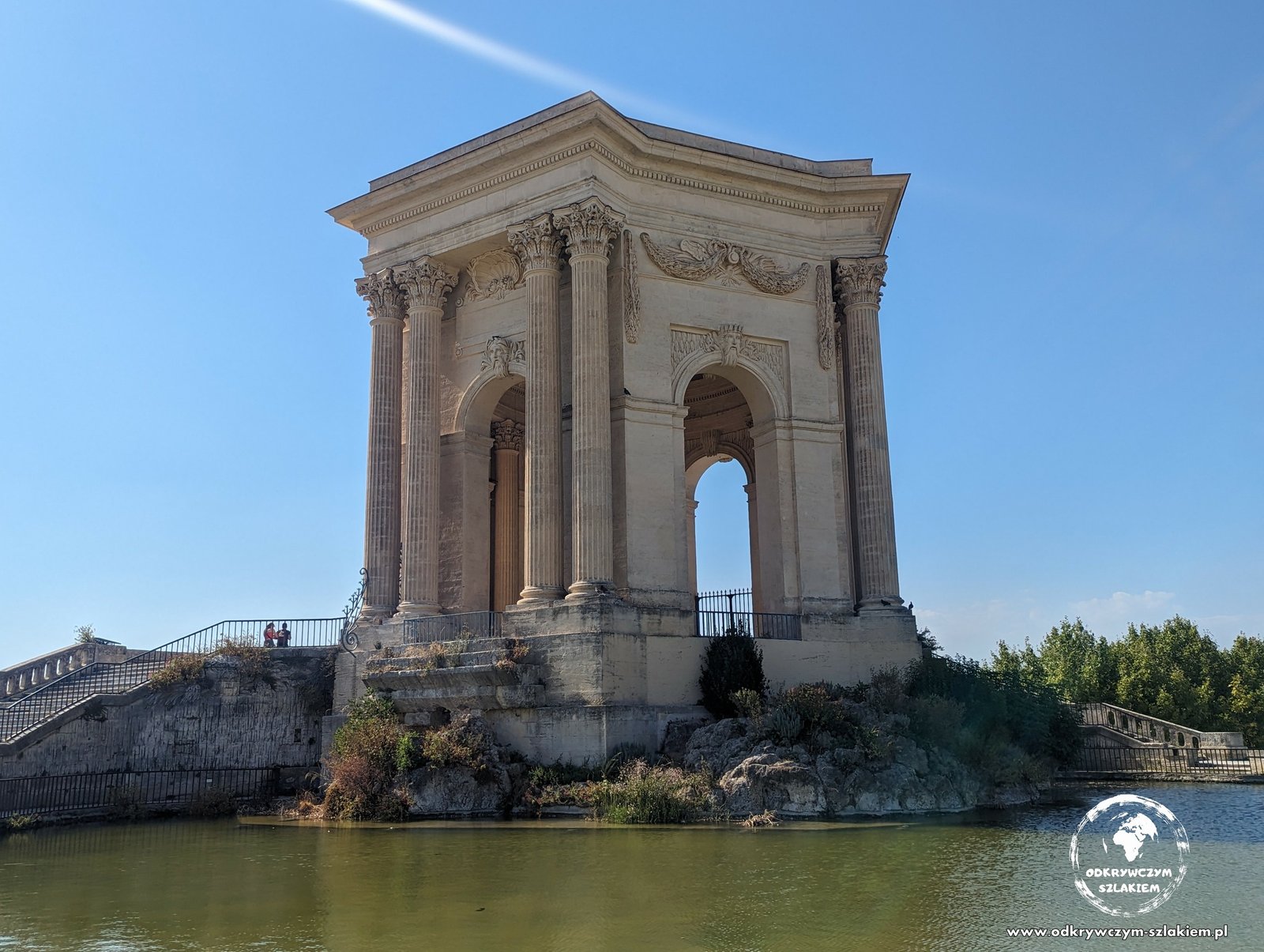
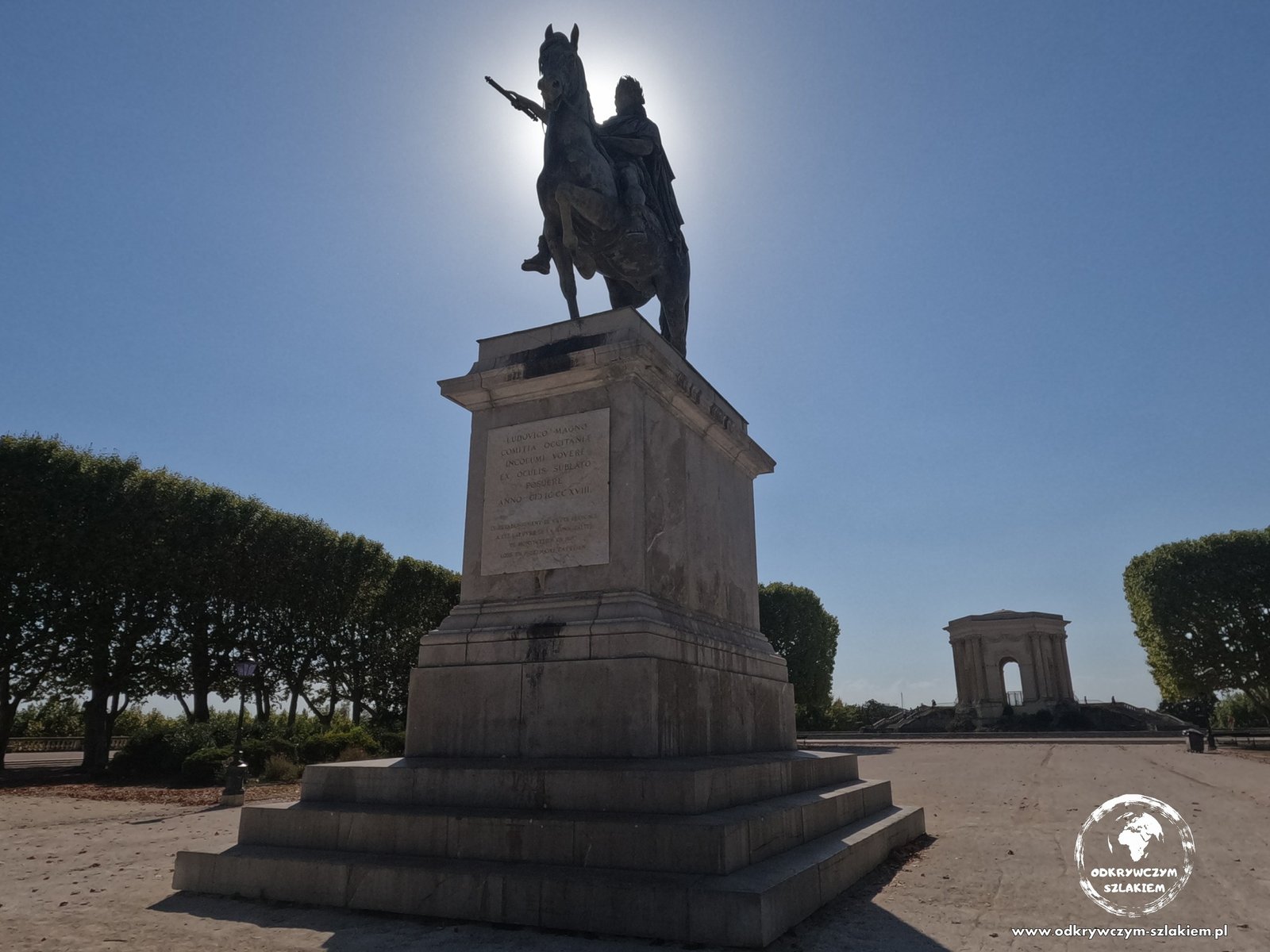
The Lac du Salagou
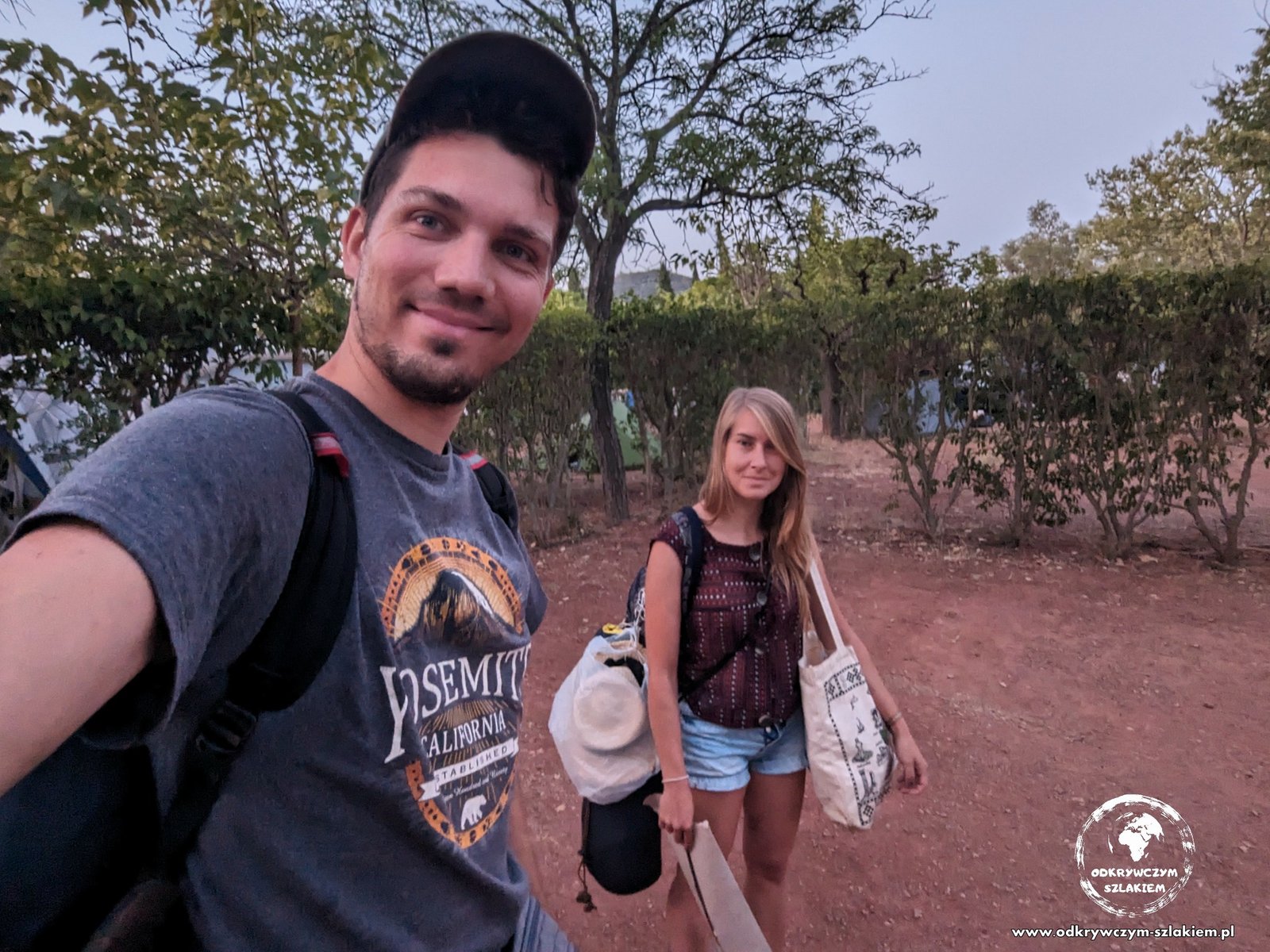
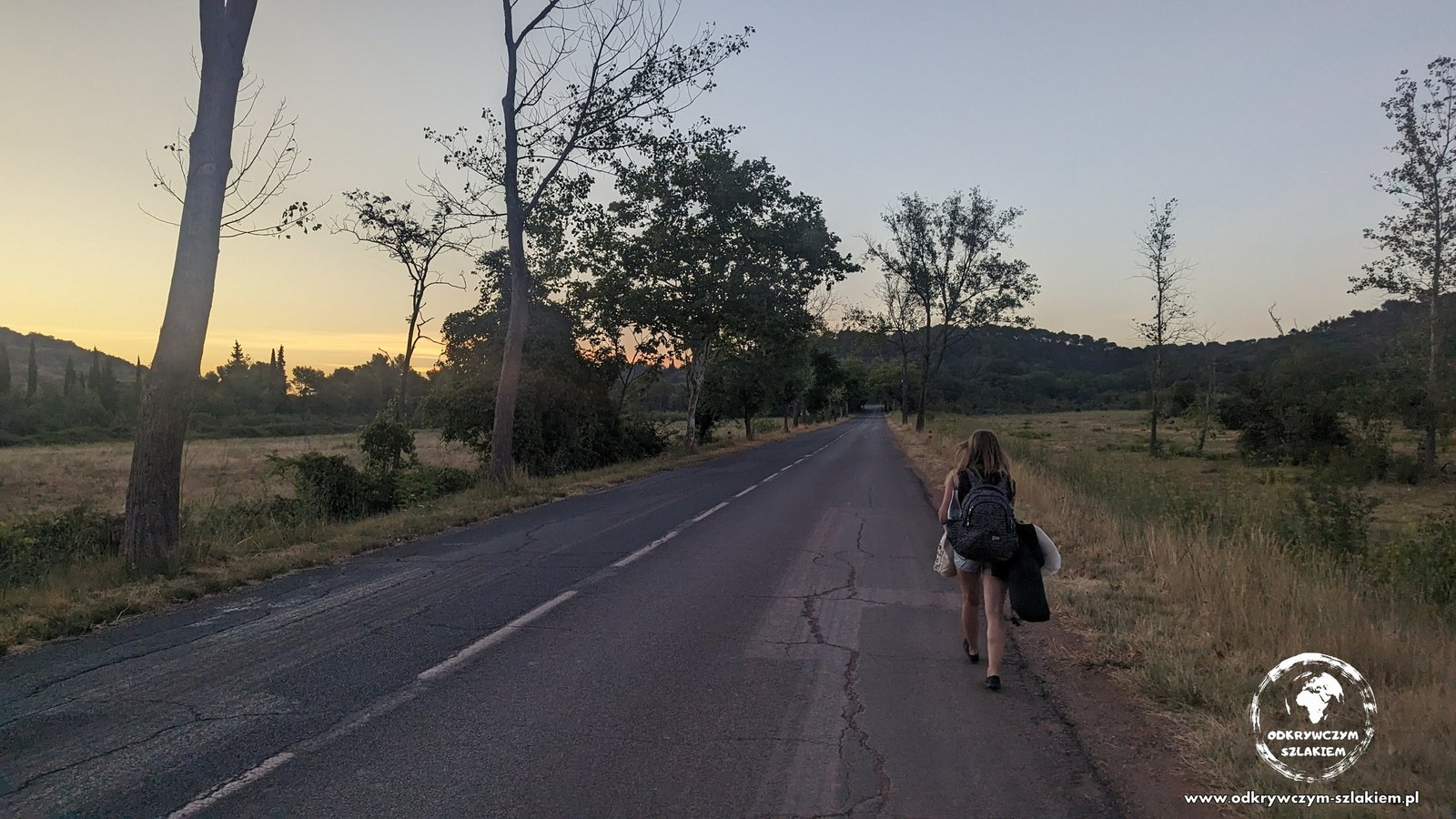
From Montpellier we headed towards the Lac du Salagou. From the station in Clermont-l’Hérault we still had an hour’s walk to the campsite – after sunset. The place turned out to be known mainly to the French; we hardly saw any foreigners.
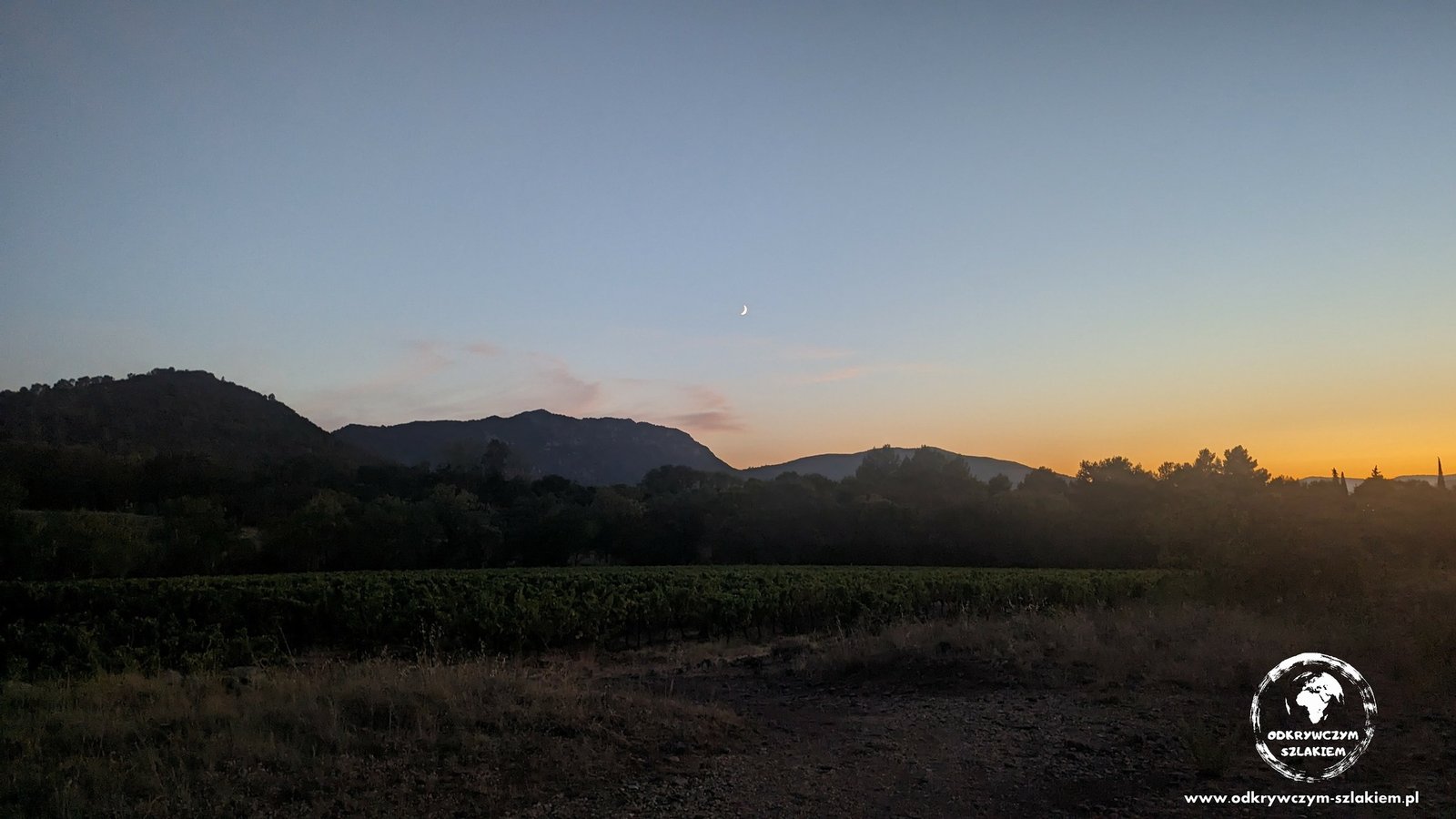
The campsite had four stars: a swimming pool, lots of organised activities and a bar with parties in the evenings, such as karaoke. Leaving the campsite, you walked straight down to the lake, surrounded by its characteristic red earth – all around there was silence, peace and beautiful views. It was the last stop of our trip.
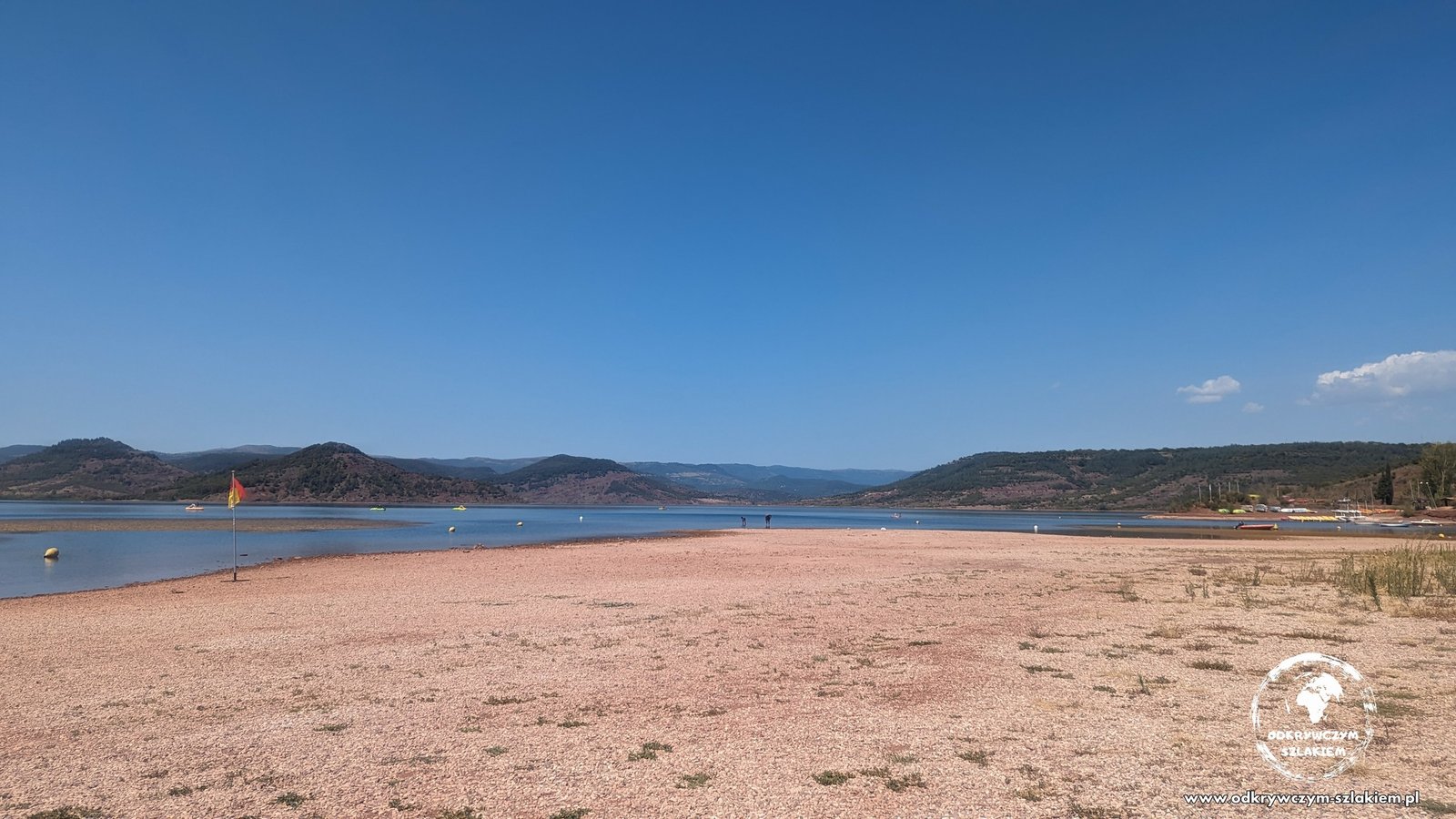
We left the campsite before dawn because we were short of time – we had to get to a music festival in Szczecinek, in Poland, on a set day.
The way back – hitchhiking to near Lyon and via Freiburg
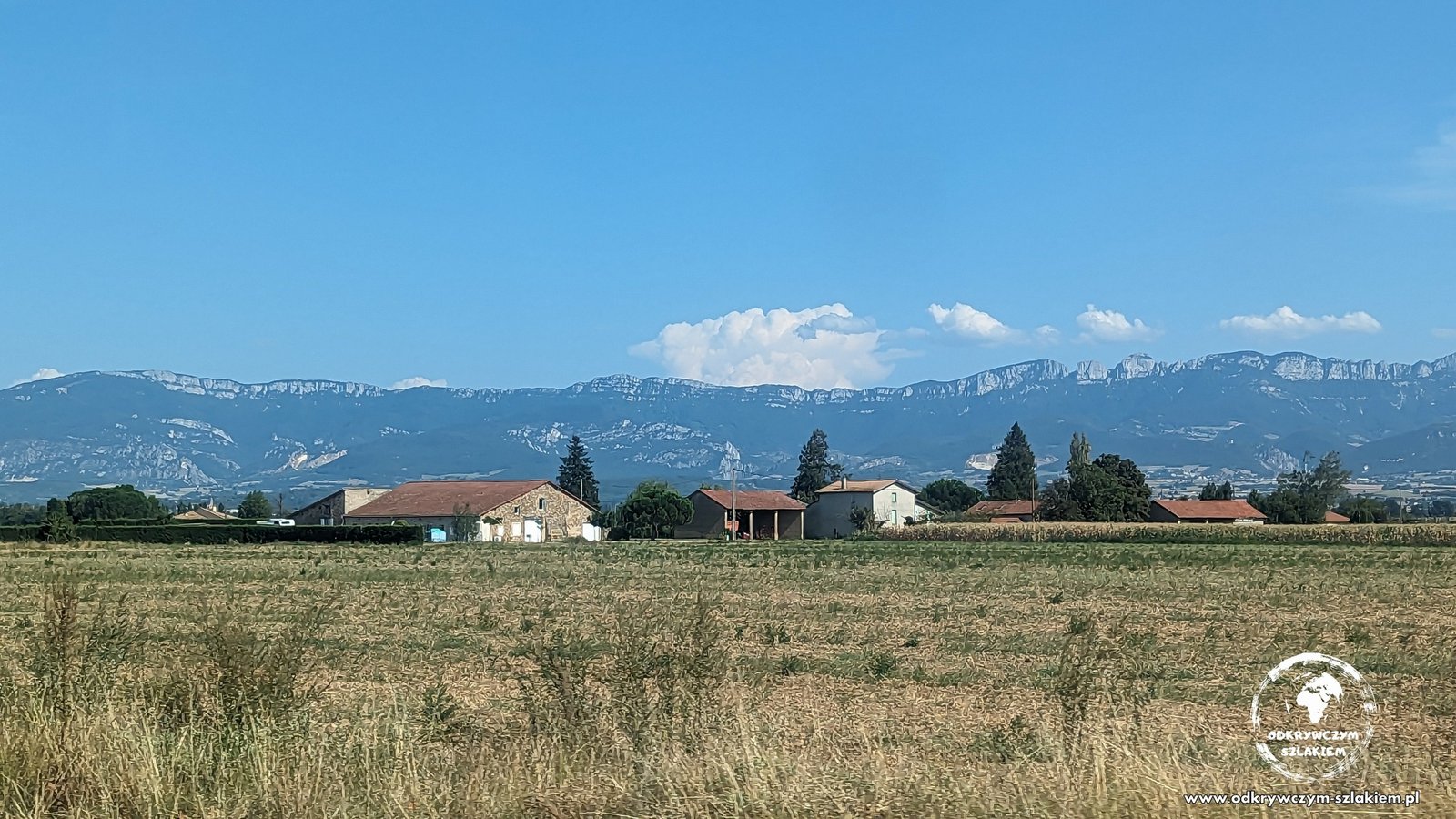
From Montpellier we hitchhiked again – first to Nîmes, then further north, almost to Lyon, driving along the mountains.
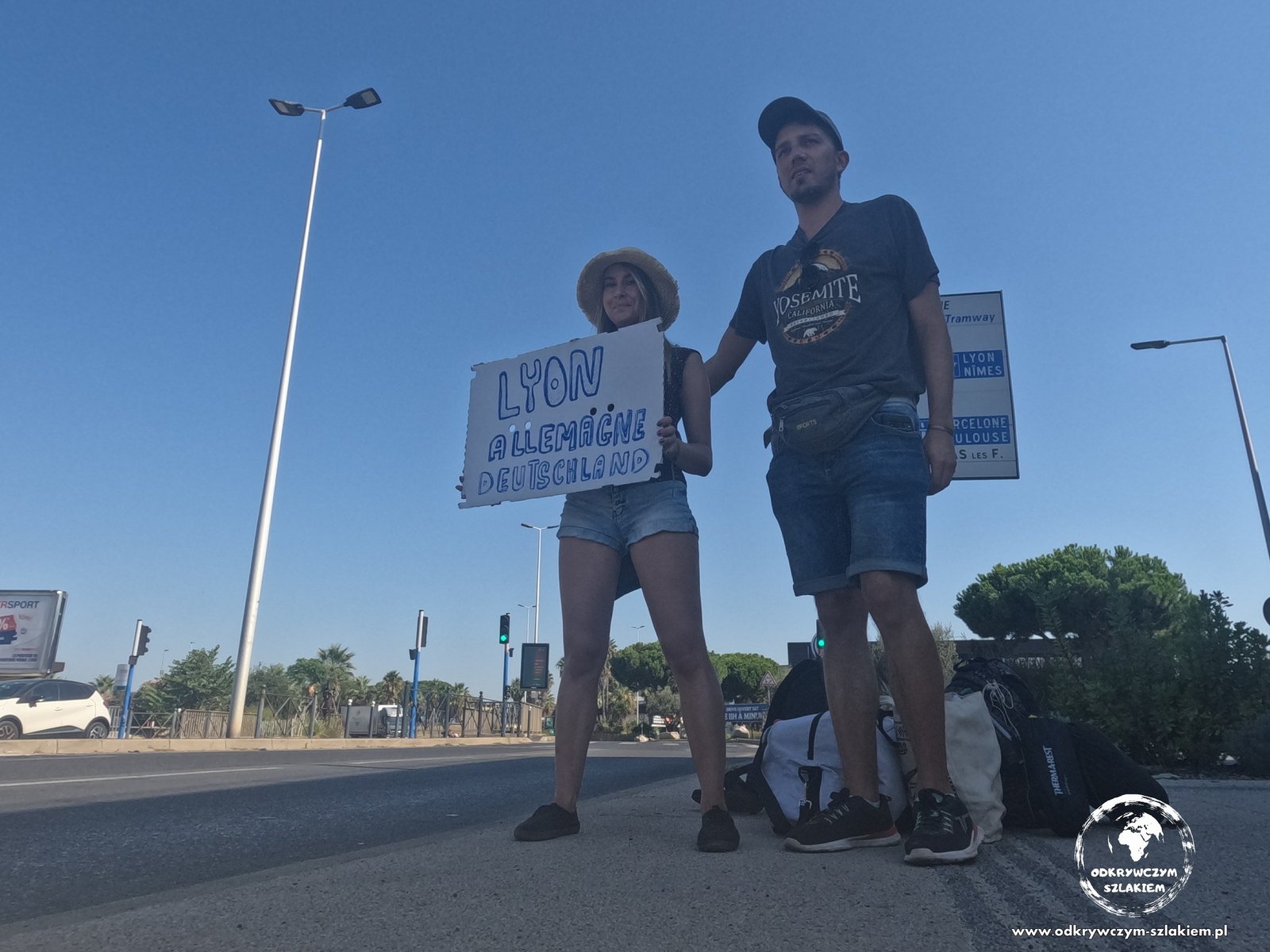
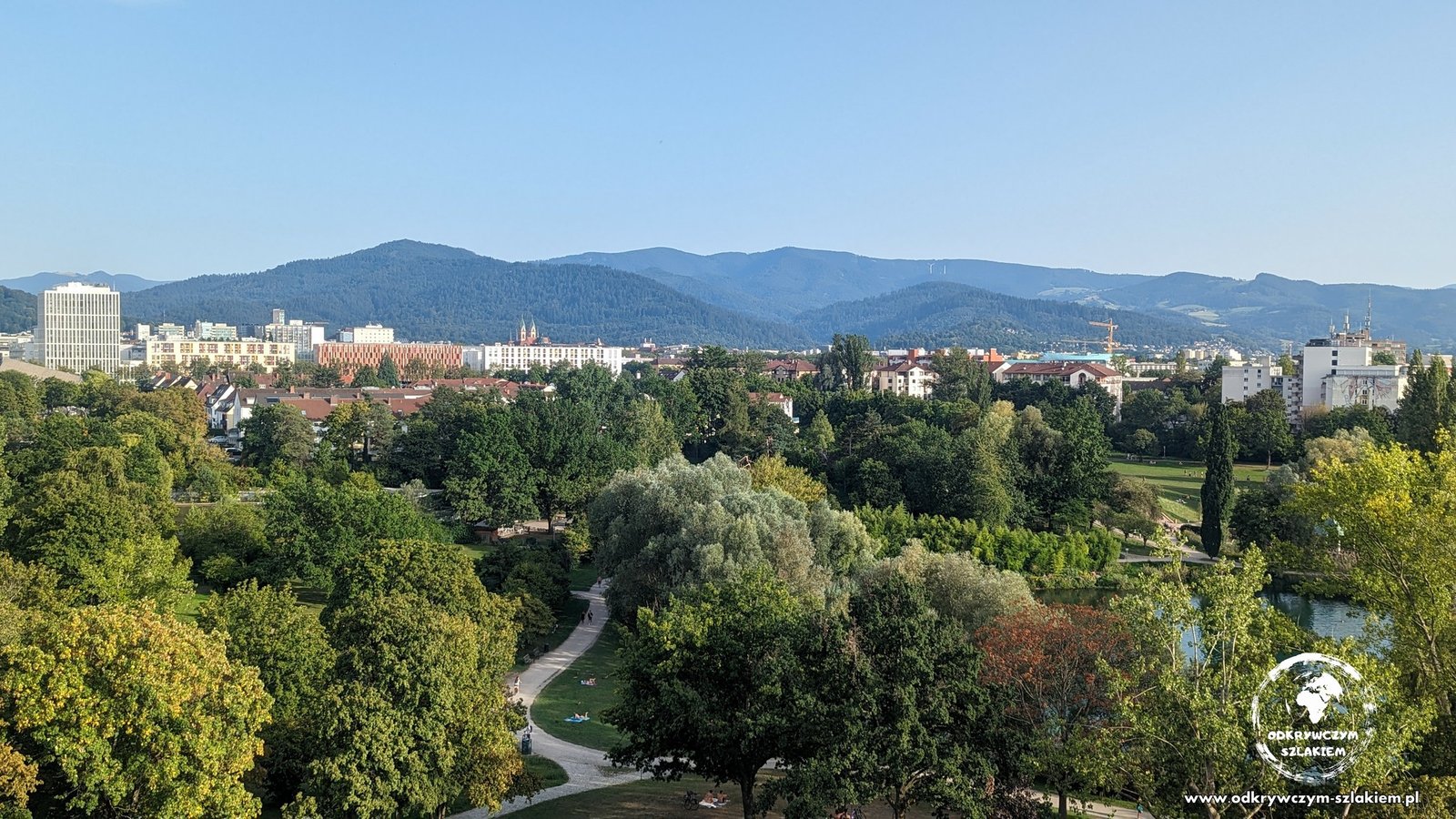
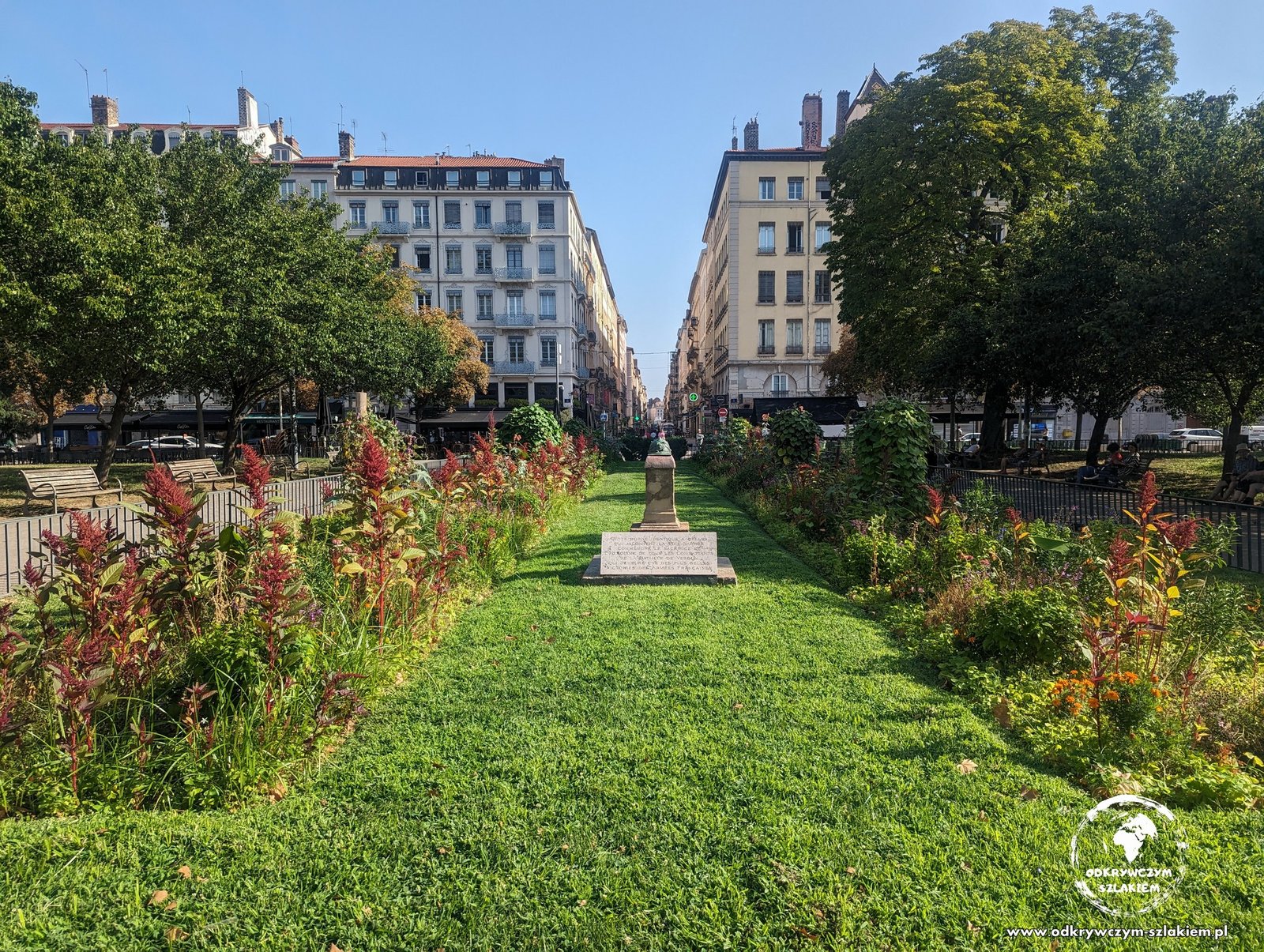
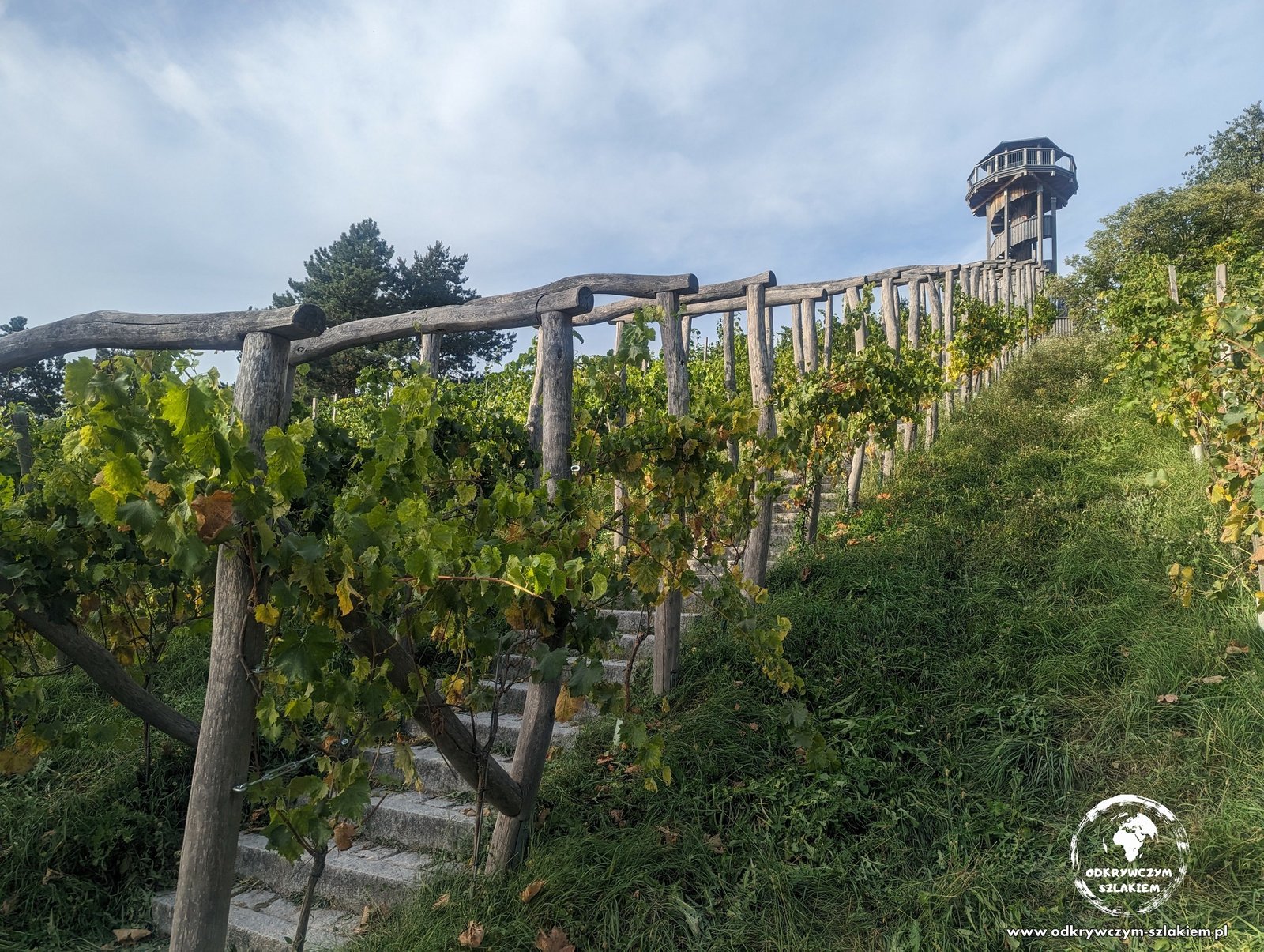
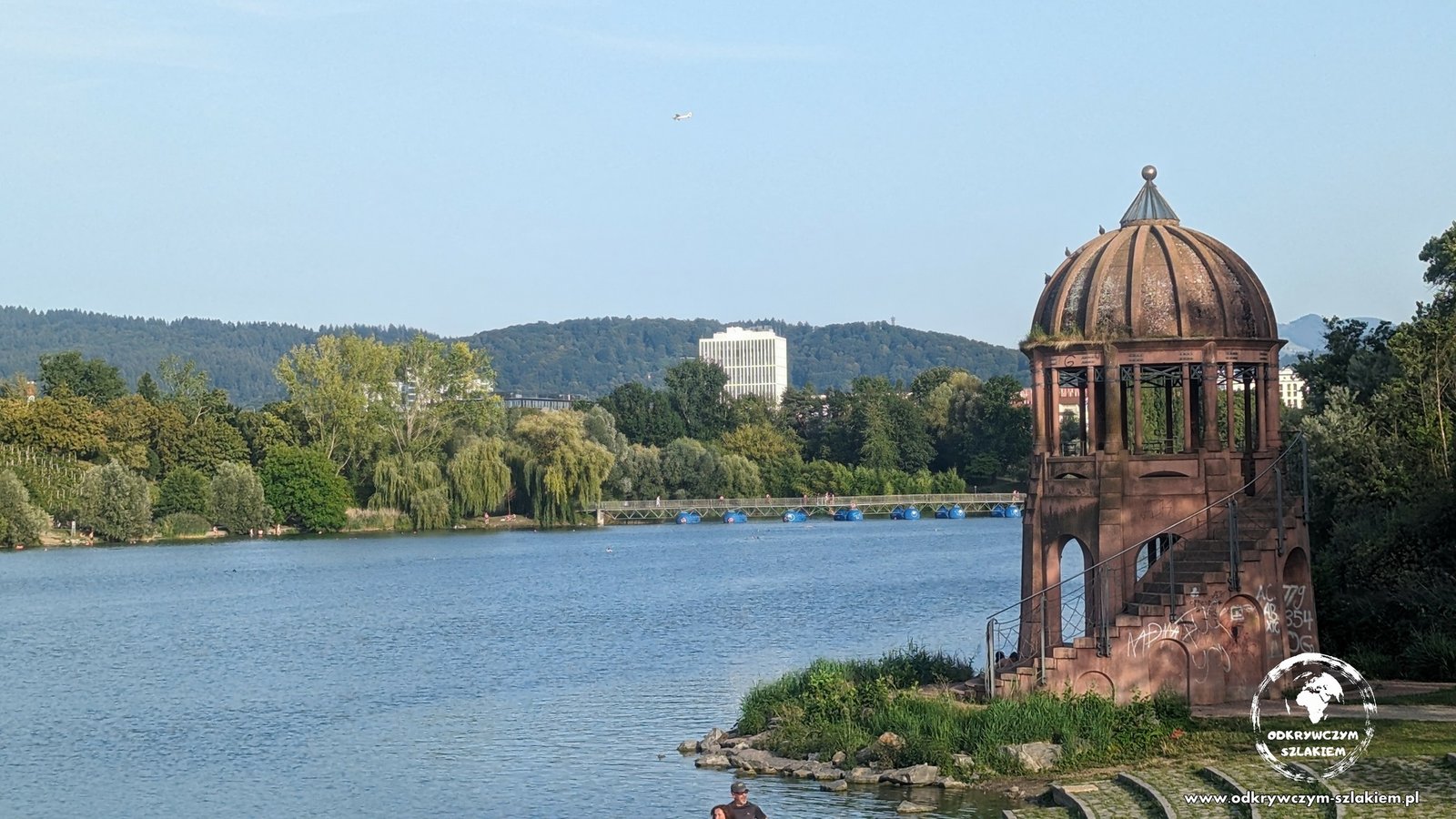
But when we got stuck for a long time at a motorway car park, we decided to continue by BlaBlaCar. The next morning we were at Perrache station in Lyon, from where we crossed the border to Freiburg im Breisgau in Germany. Before boarding the Flixbus to Poland, we rested in the Seepark by the lake.
Hitchhiking in Spain and France – our conclusions
We have been hitchhiking for years – from our trip to Ukraine in 2017 to the Kortowo Hitchhiking Rally – but in this respect this trip was exceptionally hard:
- Spain – hitchhiking turned out to be a flop. On the first day, leaving Portugal, we covered about 200 km; after that it only got worse and we lost loads of time, so in Spain we used paid transport. That, in turn, is poorly developed in the north of the country – a stretch of about 300 km took us a whole day, changing from bus to bus.
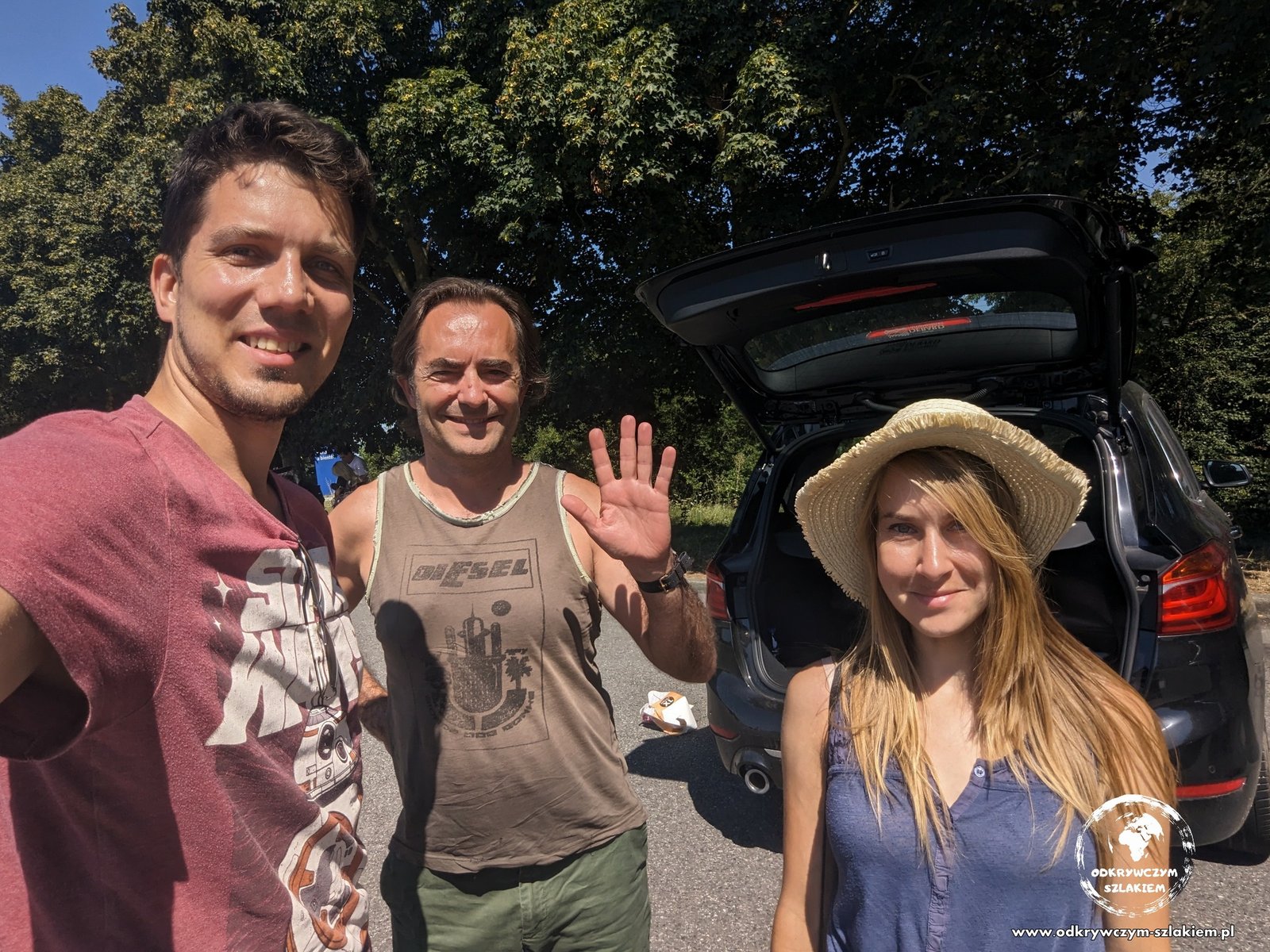
- France – much better, though not always easy either: from Bayonne to Toulouse we got there in two rides, from Montpellier almost to Lyon, but we were stuck for a long time at a motorway car park.
- Plan B – when you are short of time, it is worth having Flixbus and BlaBlaCar at hand; in Spain regional trains and buses came in handy too.
- Language – English is not widely spoken in Spain, and a bit more in France.
- Accommodation – we spent roughly half the nights in our tent (campsites and one night wild camping), once in a pilgrims’ hostel, and in Bilbao at Guillem’s.
We did not manage to see everything we had planned – there was no time for the French coast. But we had good weather for most of the trip.
Practical information
- Bilbao → Bayonne – Flixbus; then hitchhiking via Tarbes to Toulouse (about half a day).
- Toulouse → Montpellier – a cheap public transport connection; half a day is enough to see Montpellier.
- Lac du Salagou – from Montpellier to Clermont-l’Hérault, then about an hour on foot to the campsite. The four-star campsite cost €29 for a pitch for two people (August 2023).
- Weather – in August temperatures reached 40 degrees – in the heat you will need plenty of water and a hat, especially when hitchhiking.