In summer 2008 I was in Italy with my sister Kasia. We were staying by the sea in southern Tuscany and went to Rome for one day – from the Janiculum hill, through Castel Sant’Angelo and the Vatican, Piazza Navona, the Pantheon and the Trevi Fountain, to Trastevere, the Pyramid of Cestius and the Colosseum in the evening. A few days later we bathed in the hot springs of Saturnia. The post is arranged by place, with practical tips at the end.
Table of contents
- The Janiculum and Castel Sant’Angelo
- The Vatican: St Peter’s Square and Basilica
- Piazza Navona and the Pantheon
- The Trevi Fountain and the Altar of the Fatherland
- Campo de’ Fiori and Trastevere
- The Pyramid of Cestius and the Colosseum
- The hot springs of Saturnia
- Practical information
The Janiculum and Castel Sant’Angelo
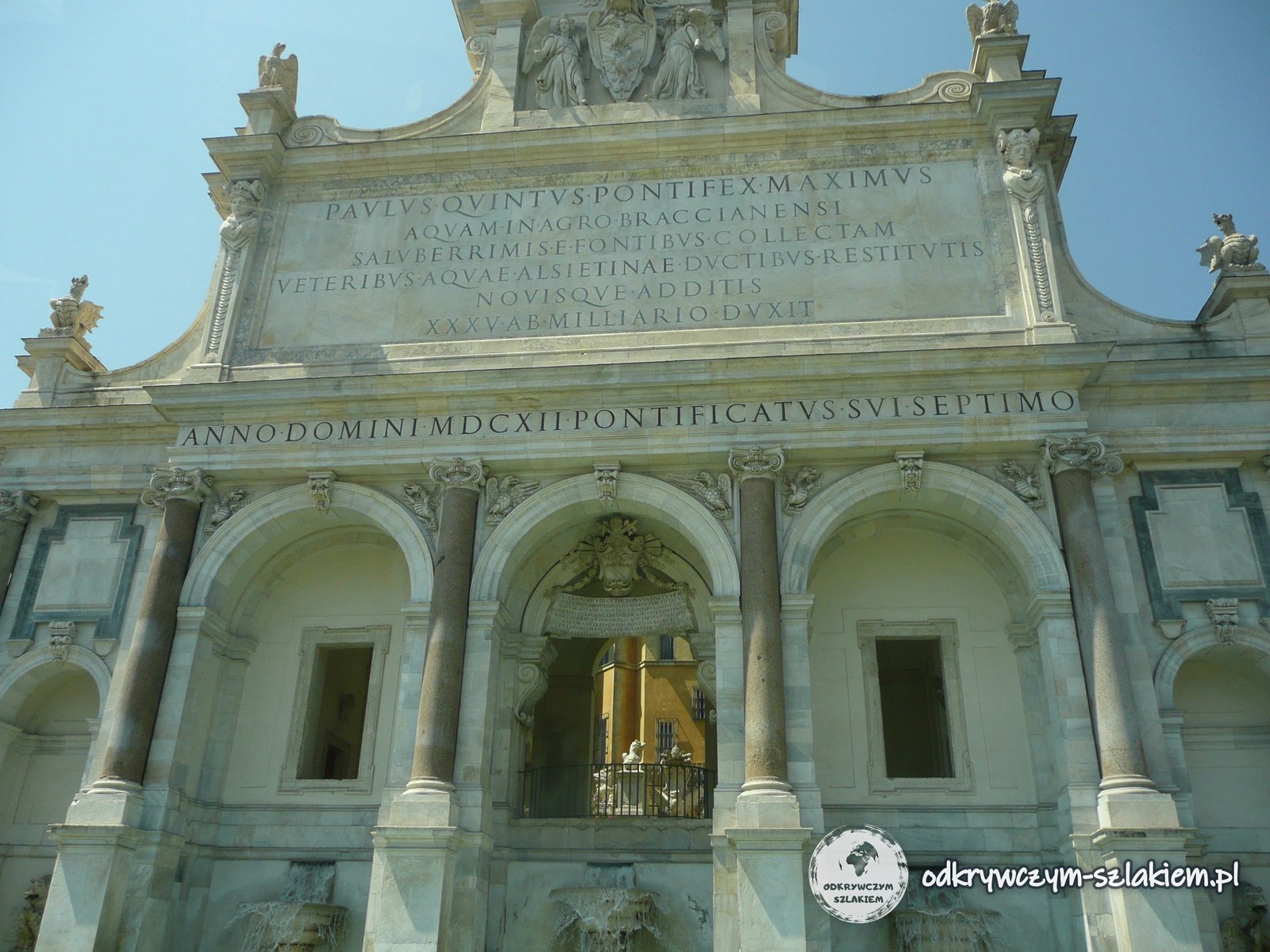
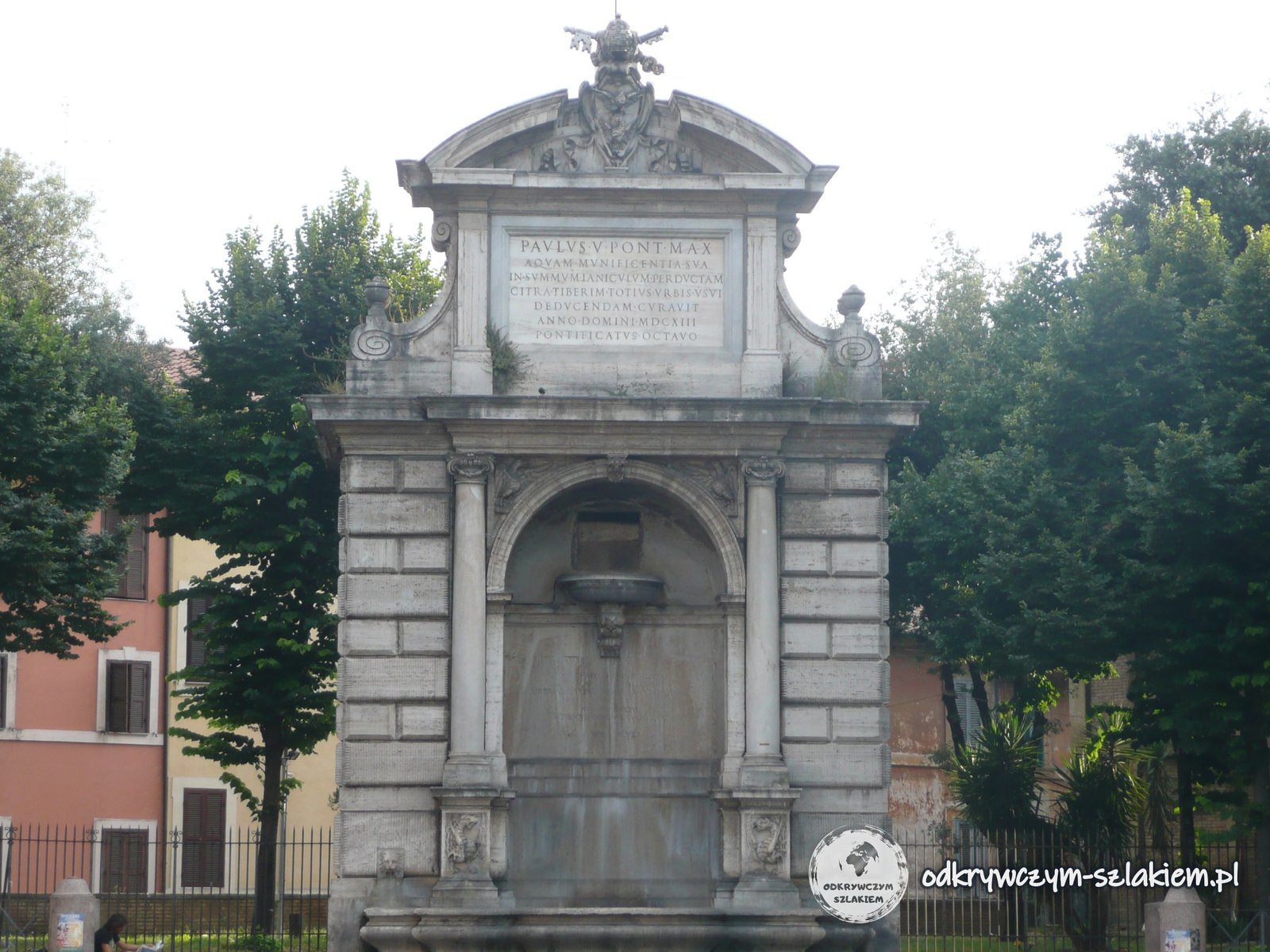
We entered Rome from the Janiculum hill, home to the Acqua Paola fountain from 1612. It was built by Pope Paul V at the end of a restored aqueduct – hence his name in the large inscription on the attic.
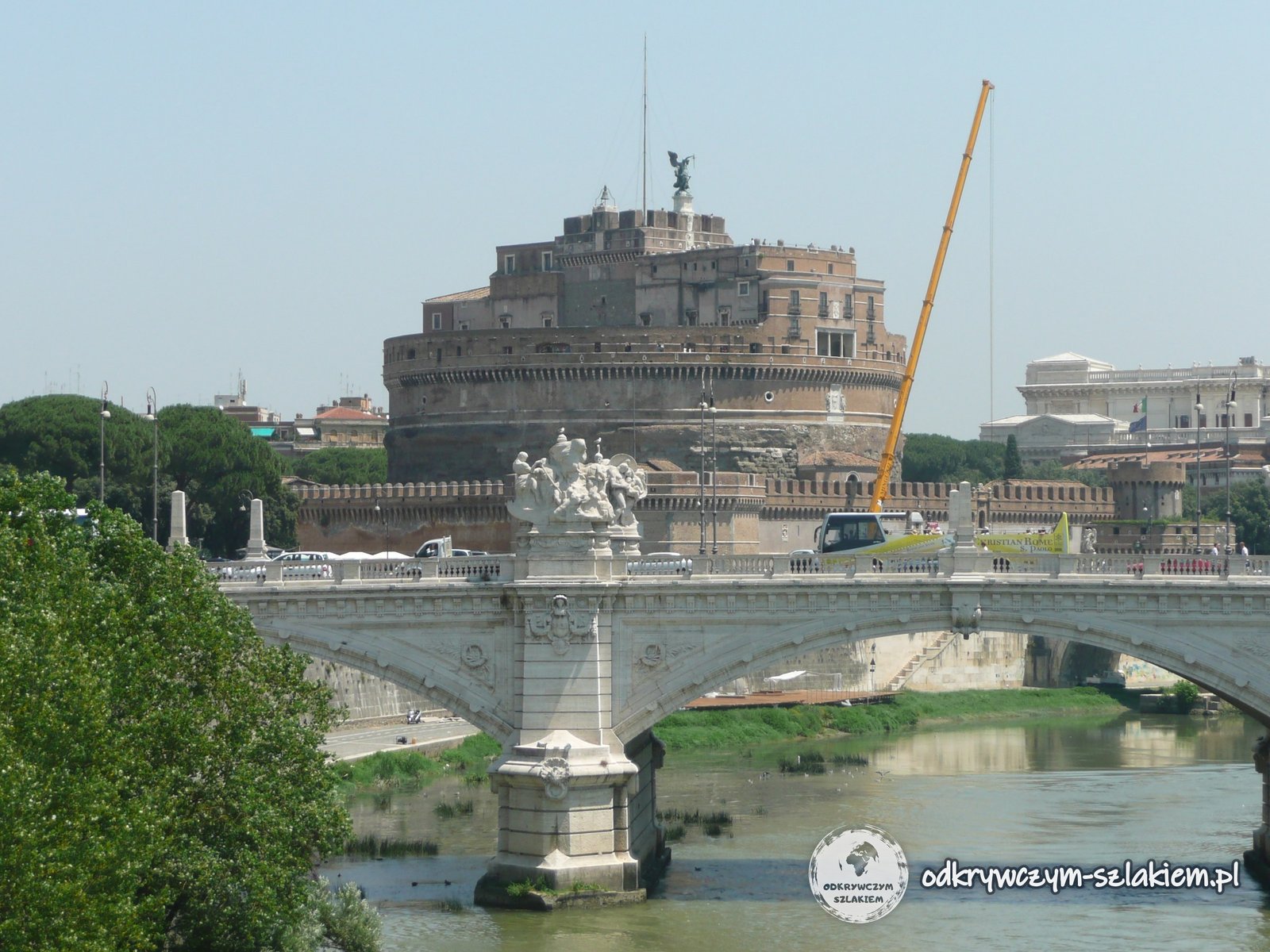
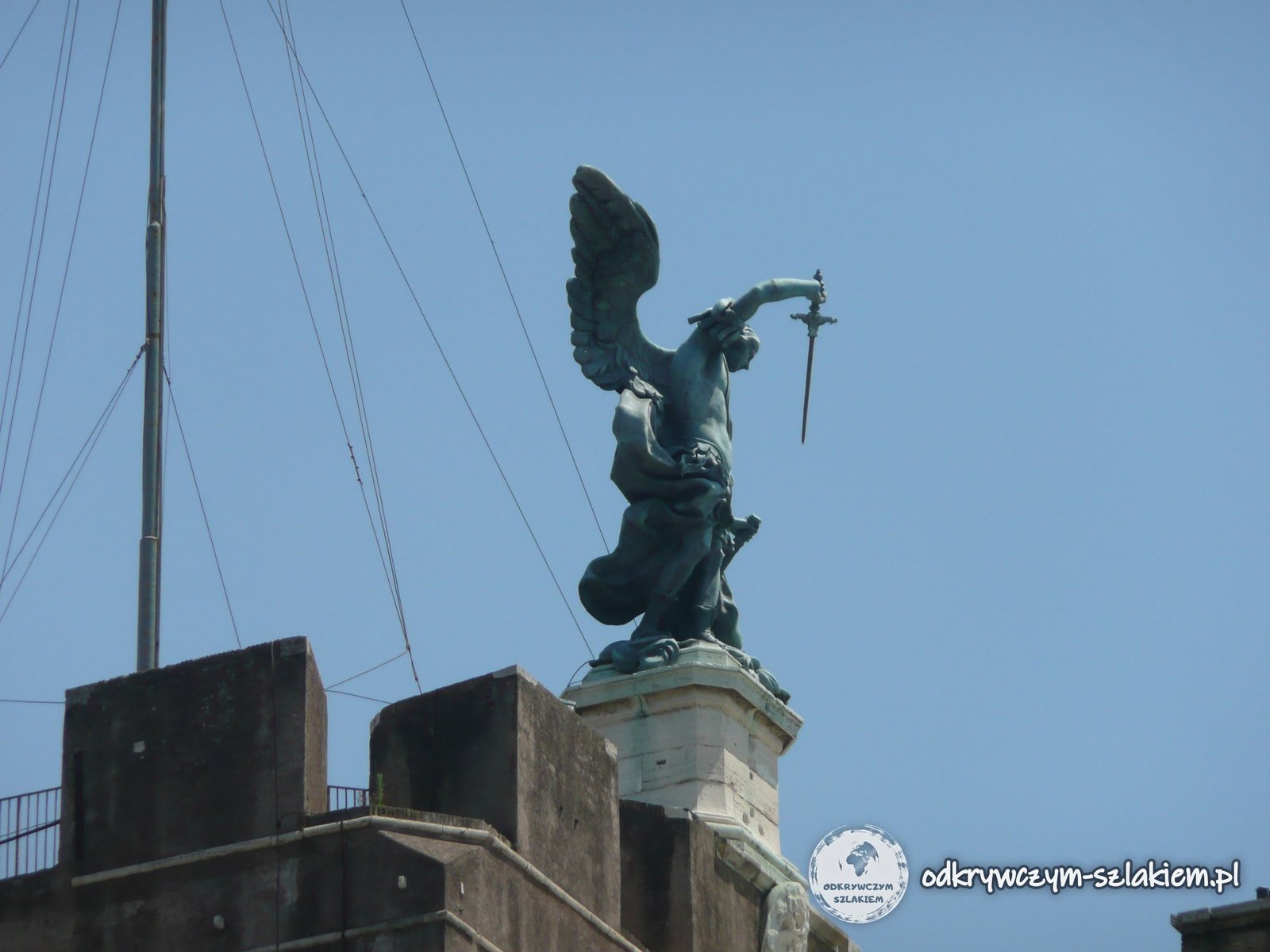
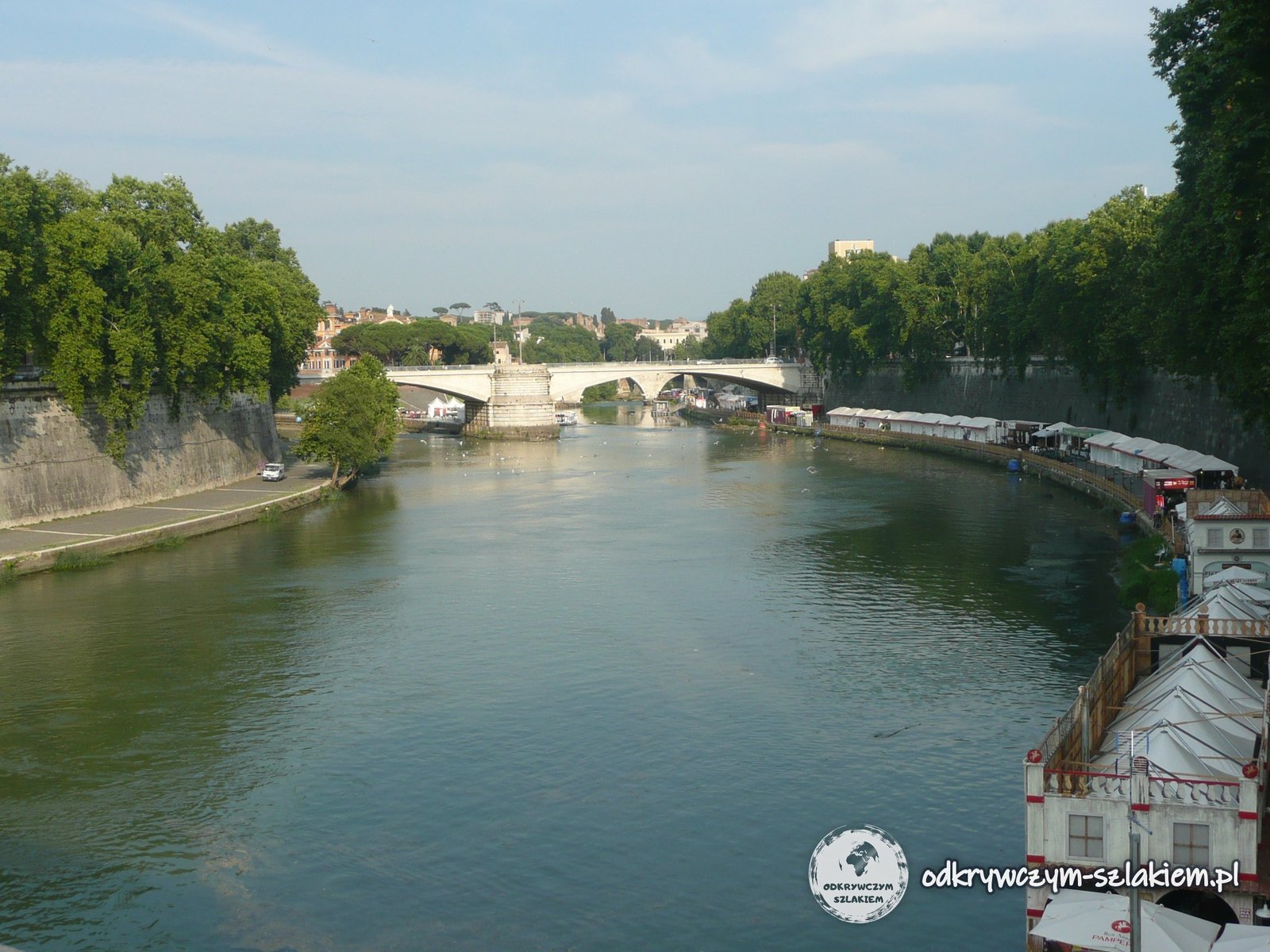
On the Tiber stands Castel Sant’Angelo – built in 123–139 as the mausoleum of Emperor Hadrian, later a papal fortress connected to the Vatican by a walled passage. On top stands a bronze Archangel Michael from 1753.
The Vatican: St Peter’s Square and Basilica
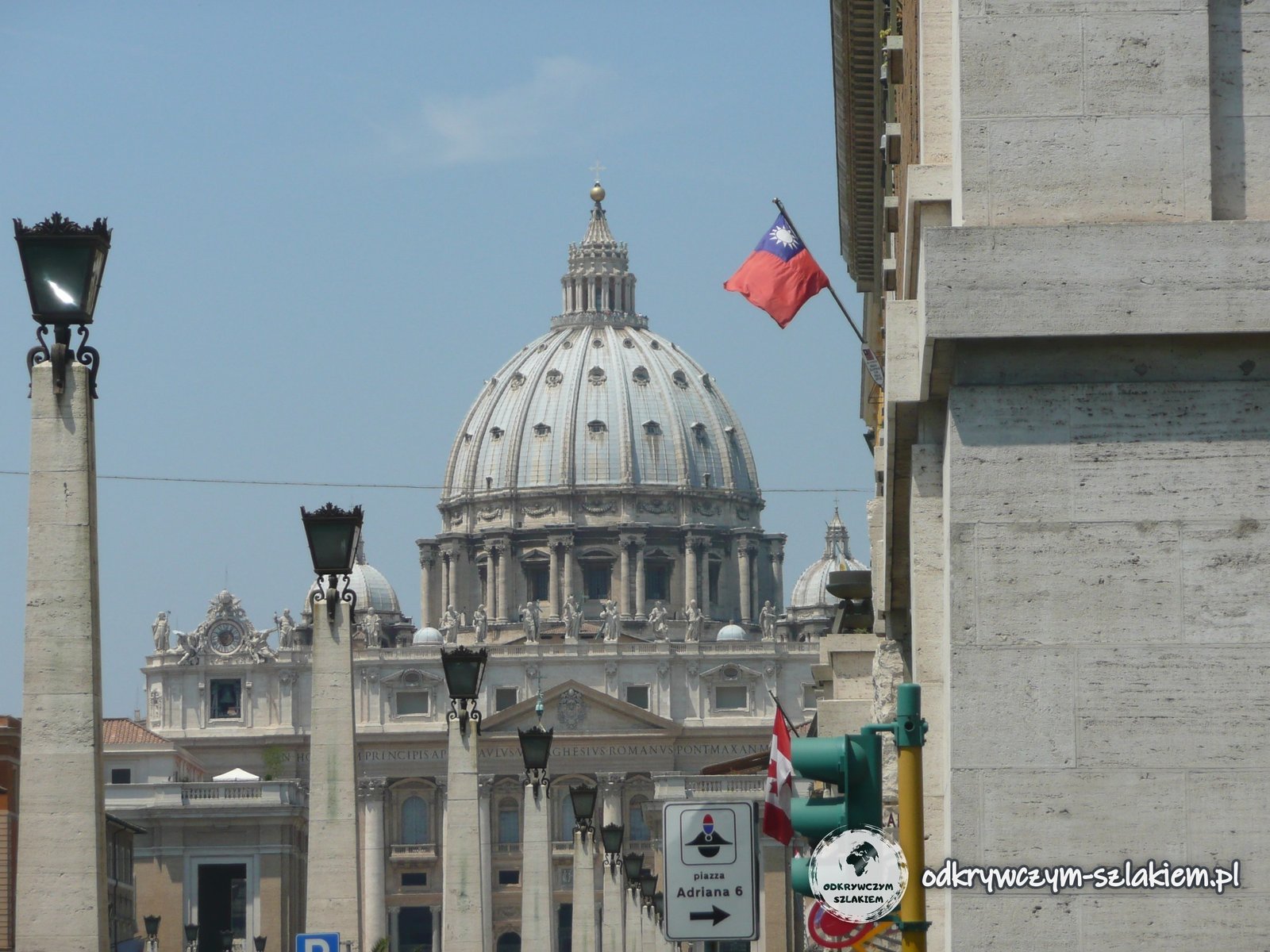
Wide Via della Conciliazione, cut through in 1936–1950, leads to the Vatican – the smallest state in the world, covering 0.44 km². At its end opens St Peter’s Square, designed by Bernini in 1656–1667: two semicircles of colonnade with 284 columns in four rows and an Egyptian obelisk in the middle.

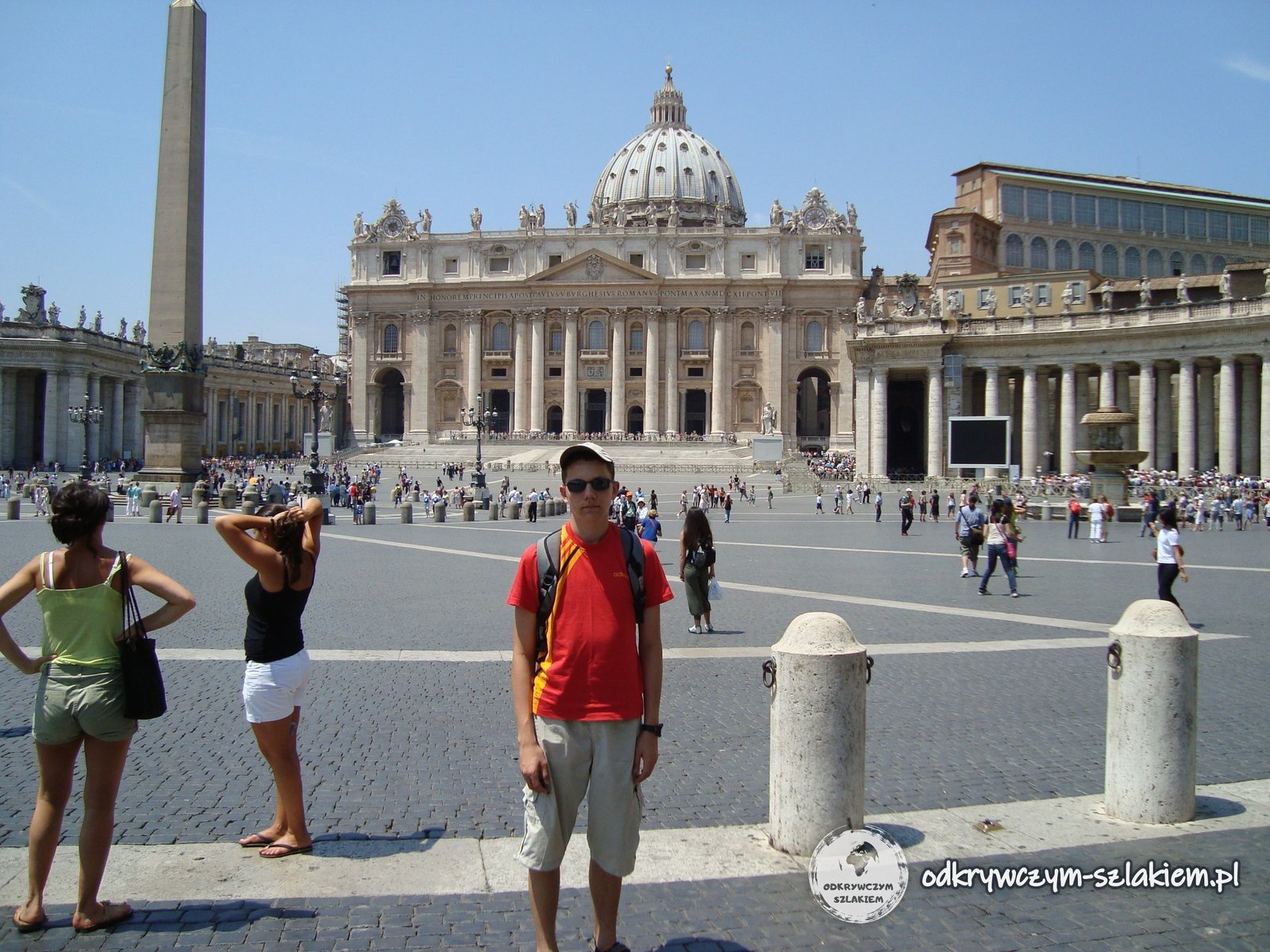
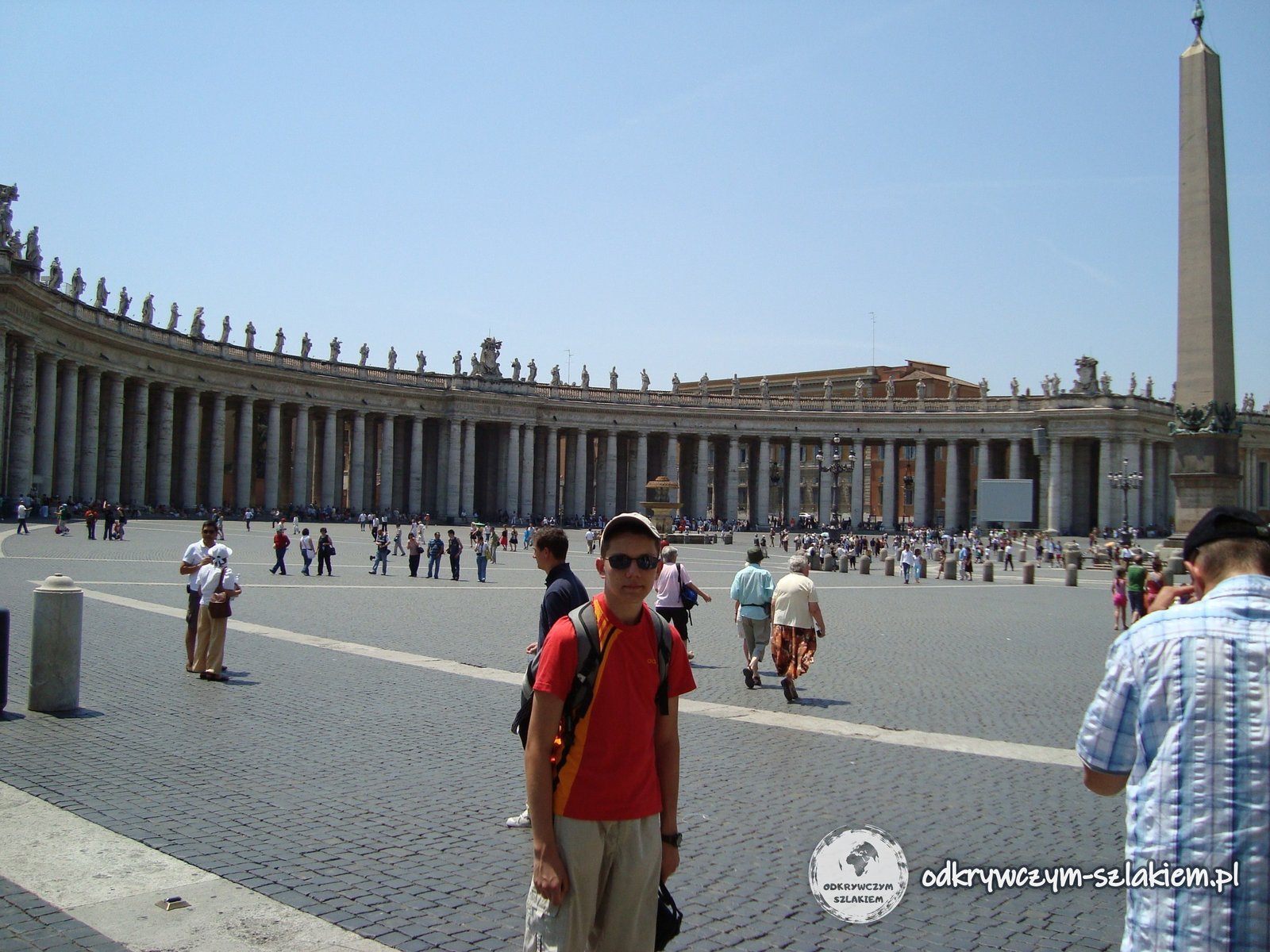
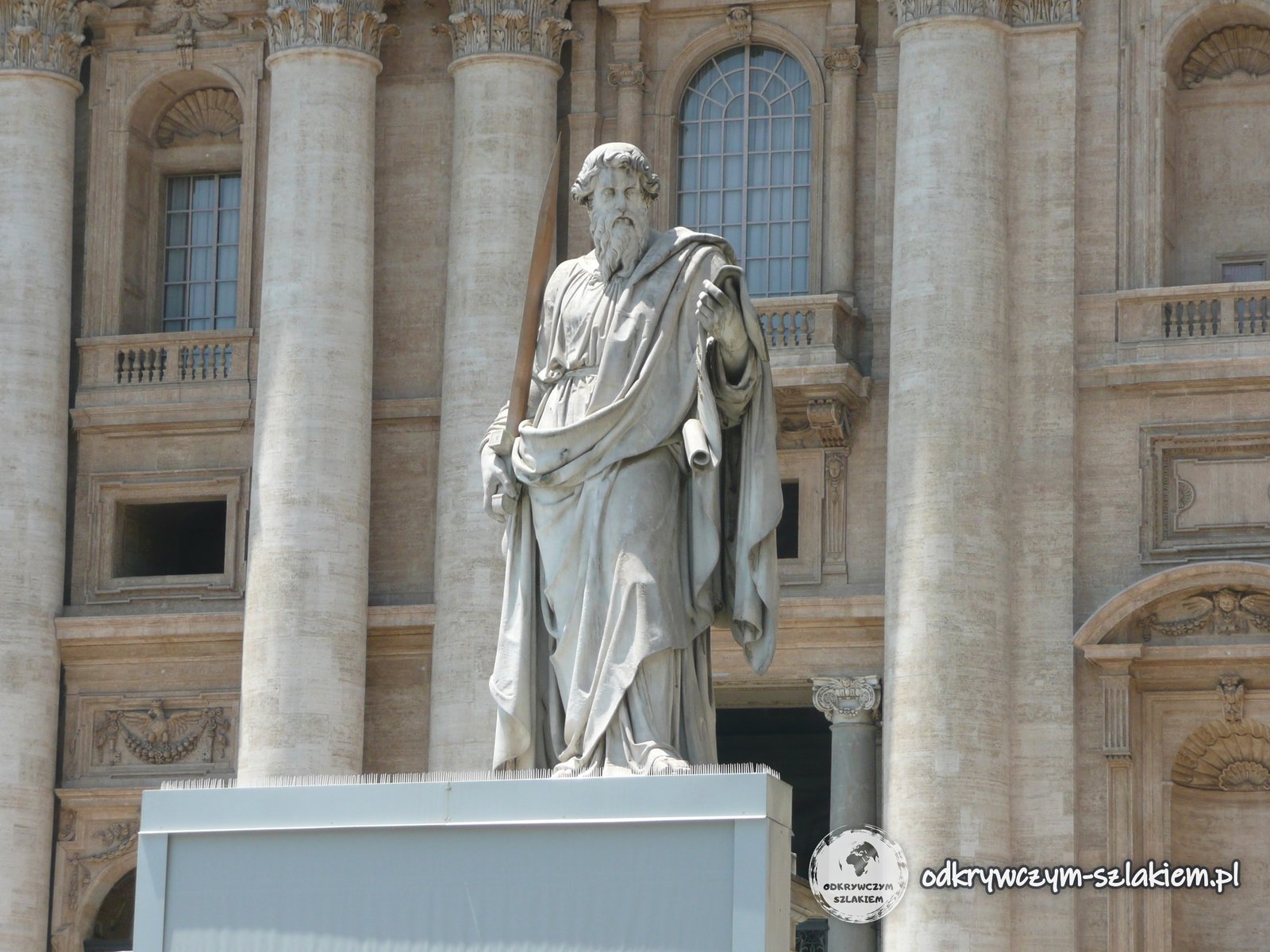
In front of the basilica stand statues of the apostles Peter and Paul – Paul holds a sword. The gates are guarded by the Swiss Guard, in service to the popes since 1506, in striped blue, red and yellow uniforms.

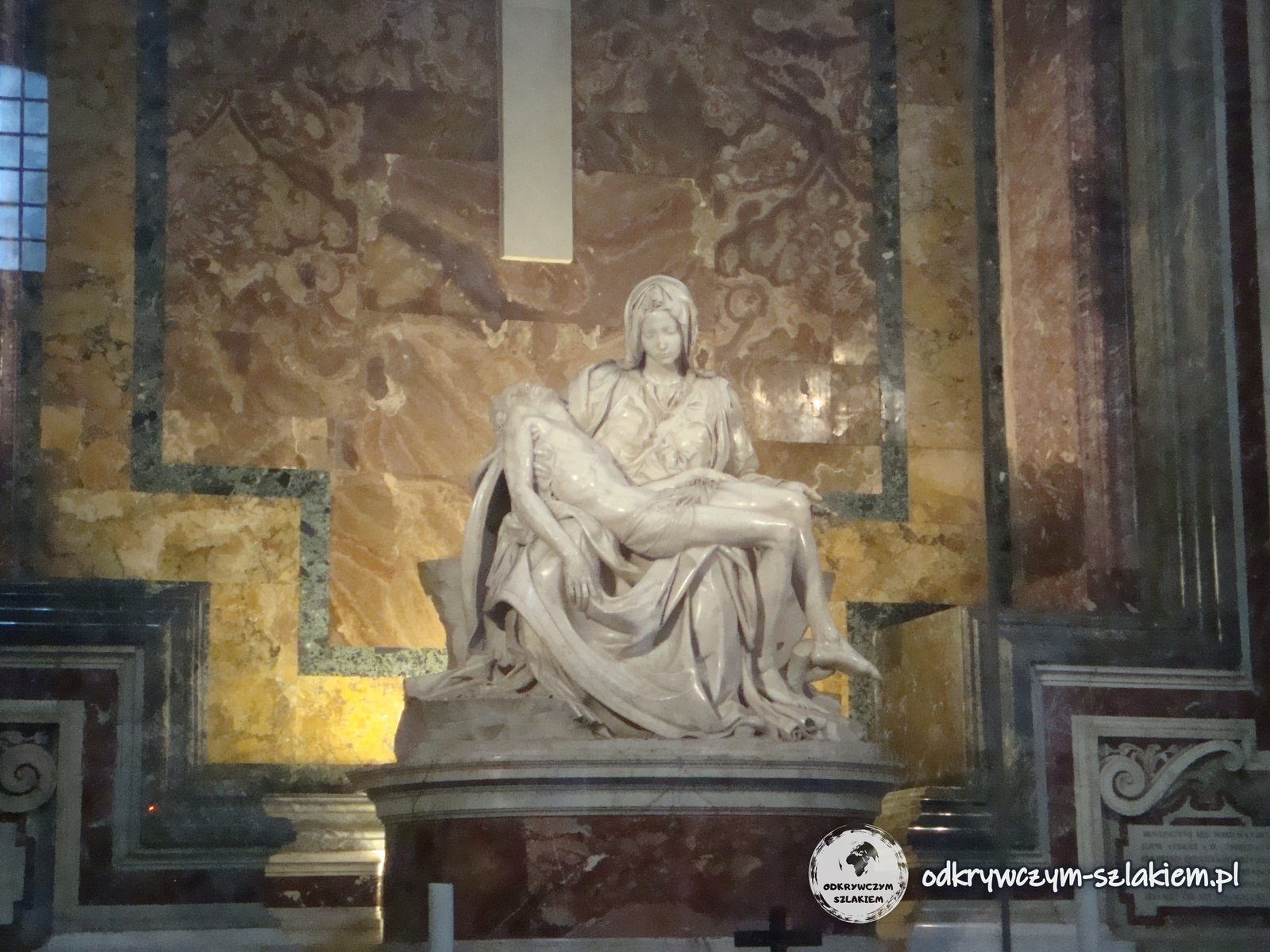
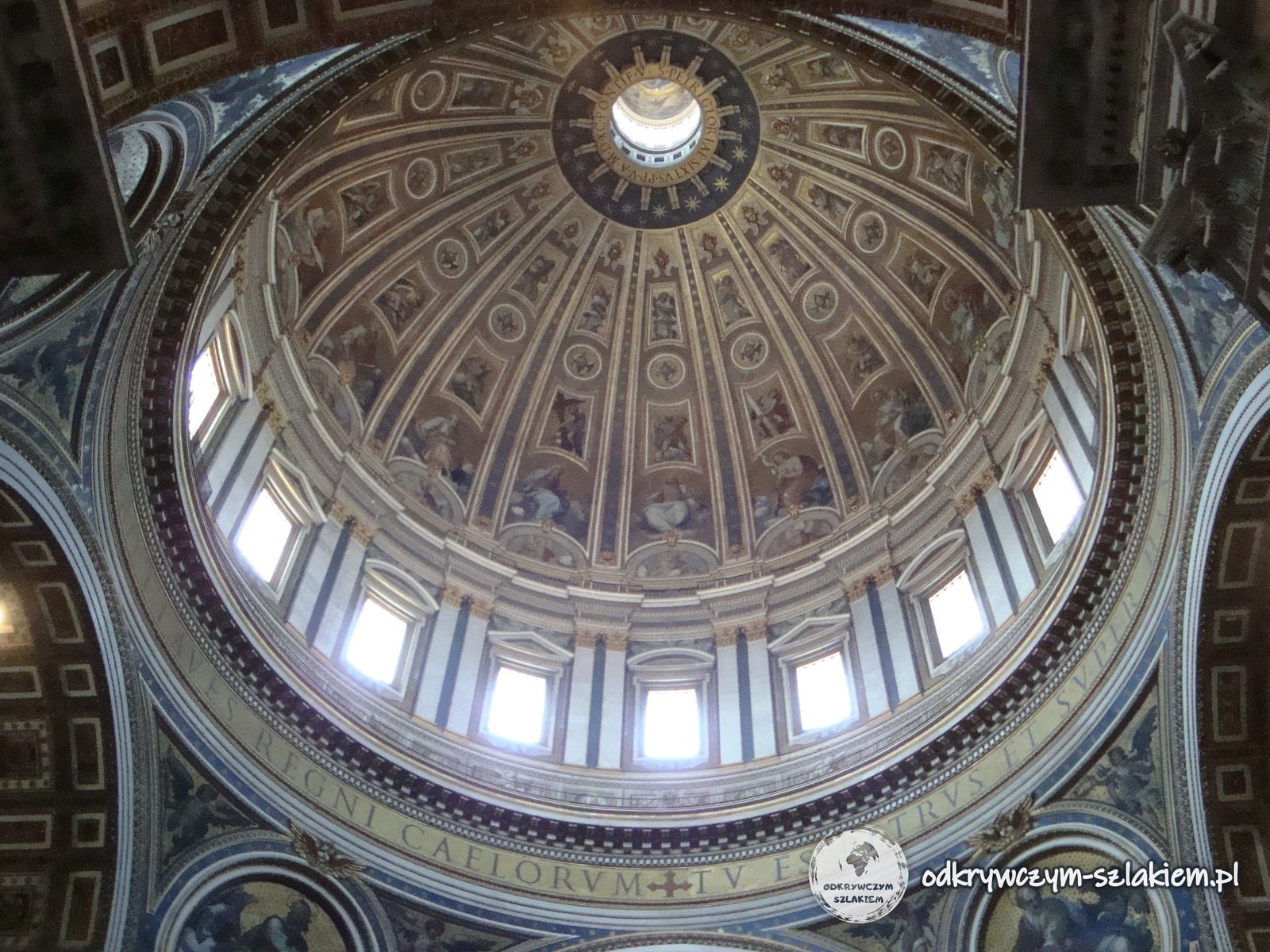
St Peter’s Basilica was built from 1506 to 1626, and its dome, designed by Michelangelo, rises to about 136 m. Just past the entrance, in the first chapel on the right, is the Pietà – the only work Michelangelo signed. Since an attack in 1972 it has stood behind glass.
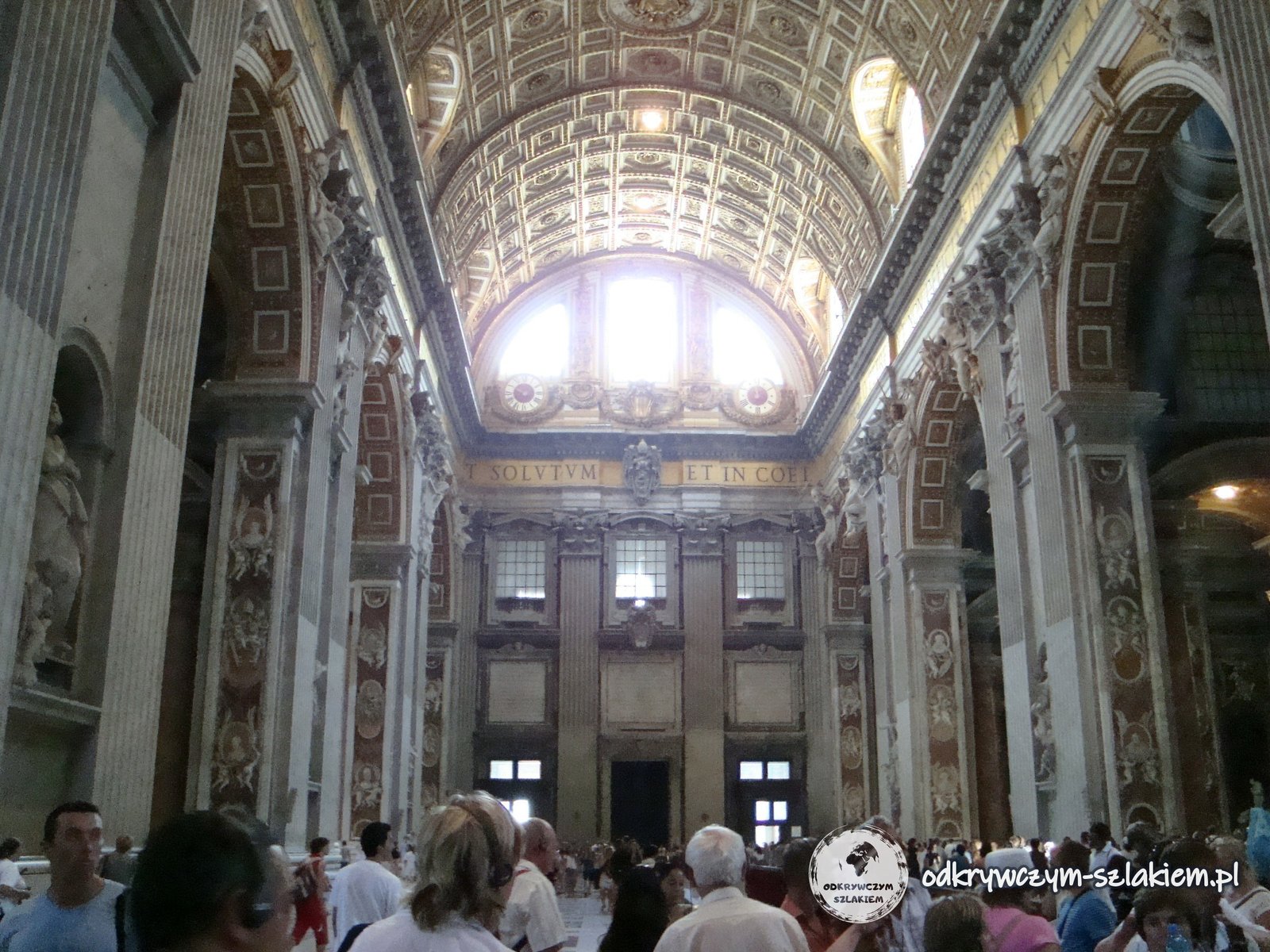
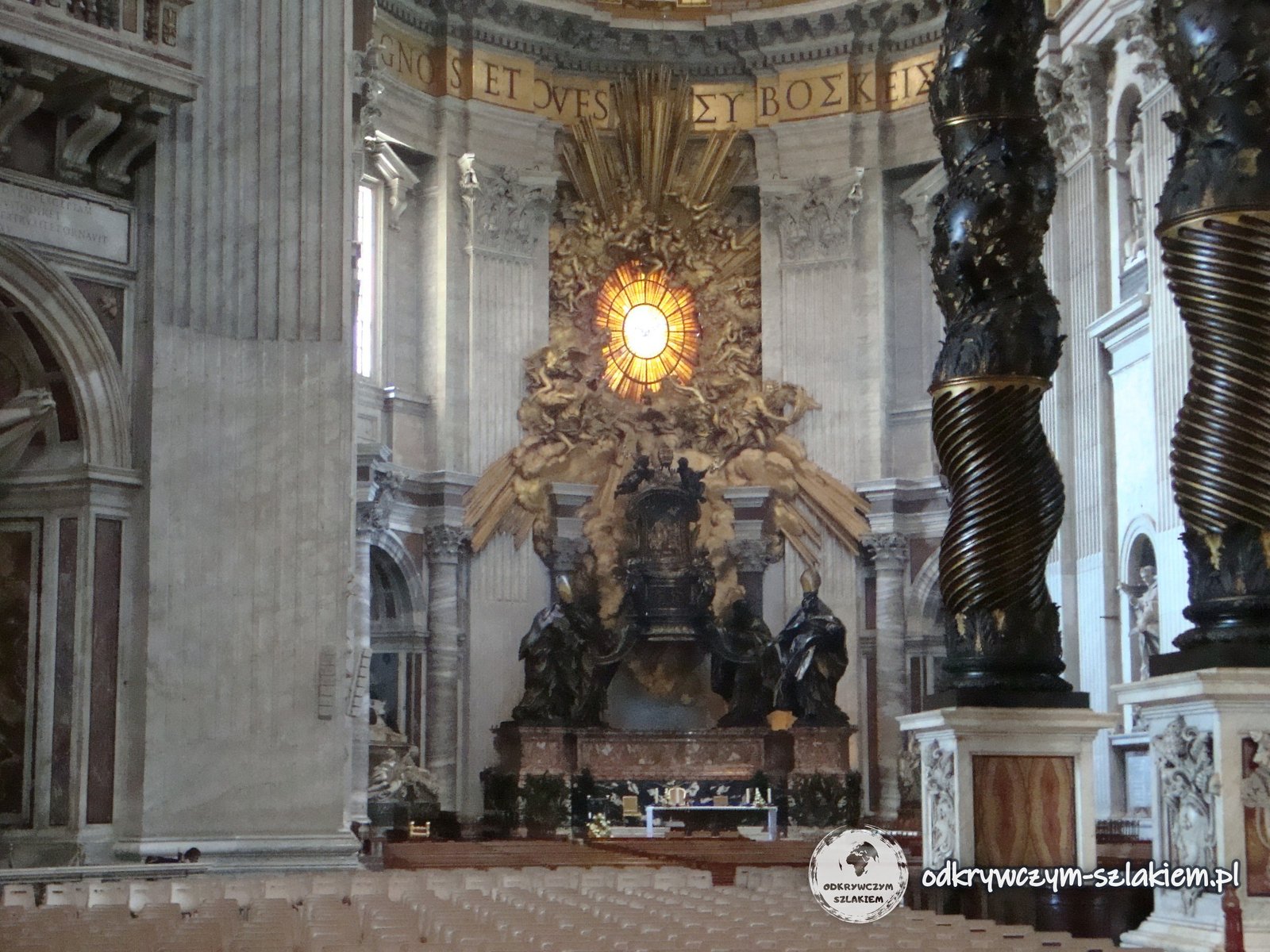
Above St Peter’s tomb stands Bernini’s bronze baldachin on twisted columns, and in the apse his Chair of St Peter with an alabaster window showing the dove of the Holy Spirit.
Piazza Navona and the Pantheon
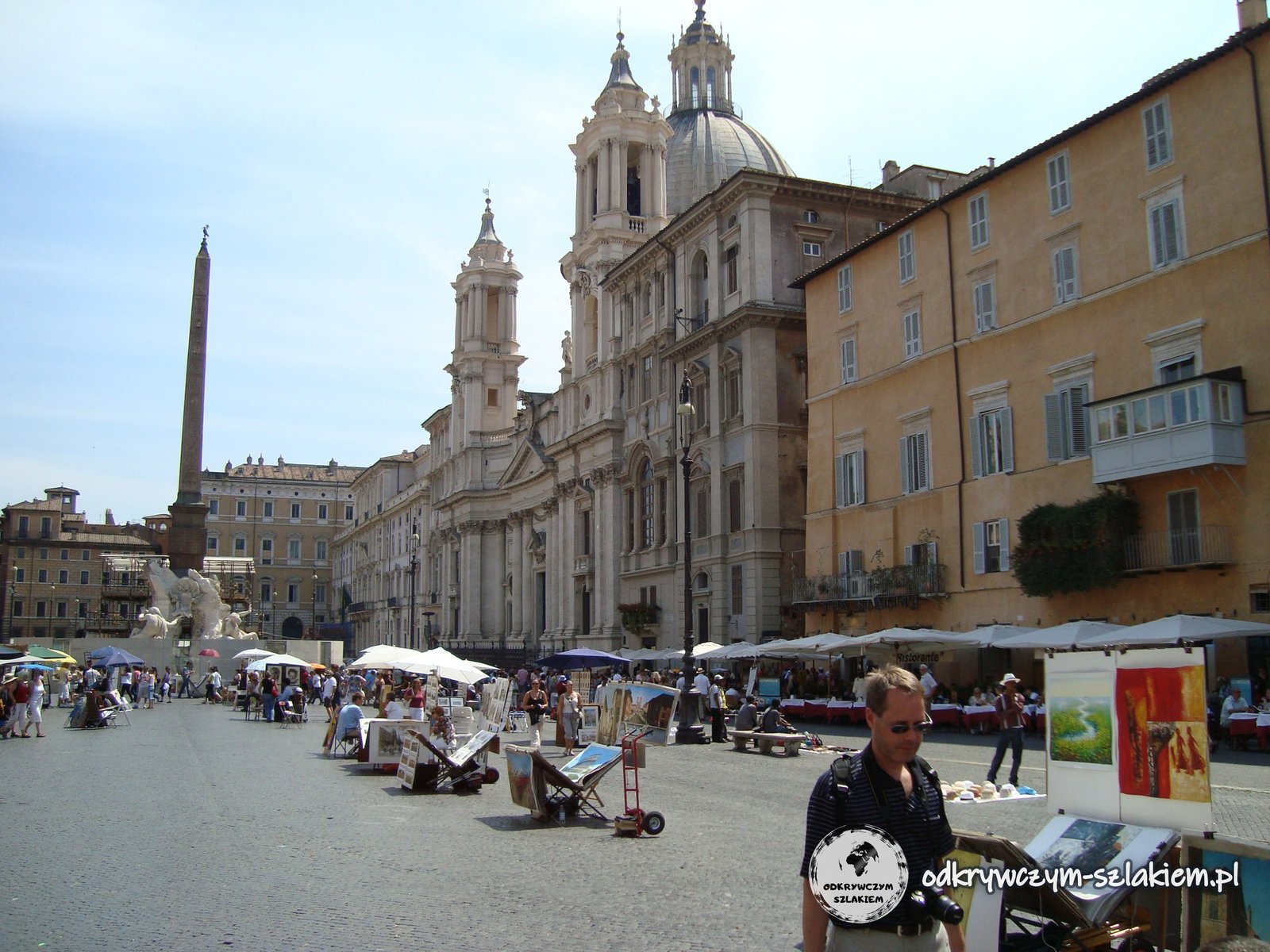
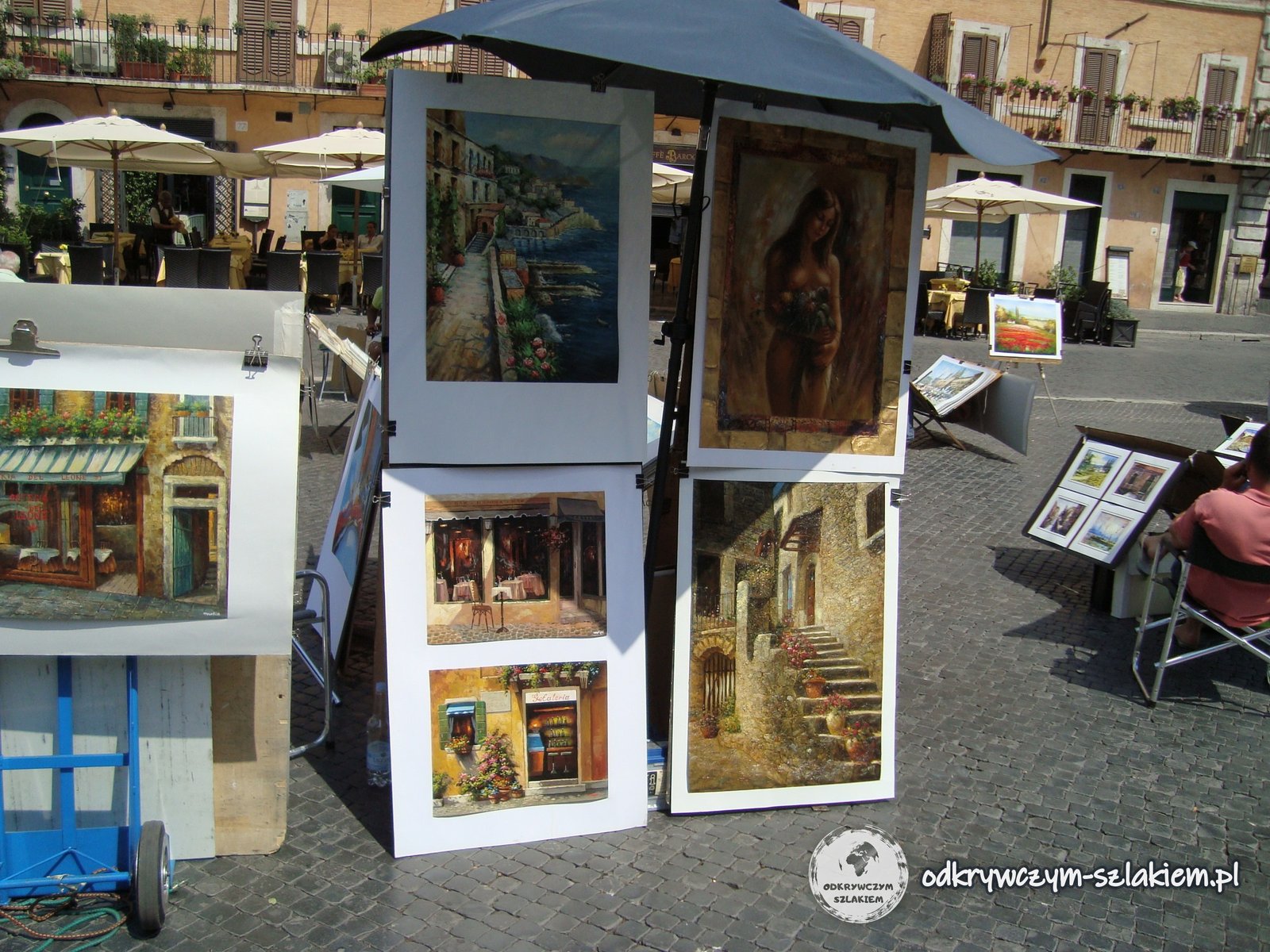
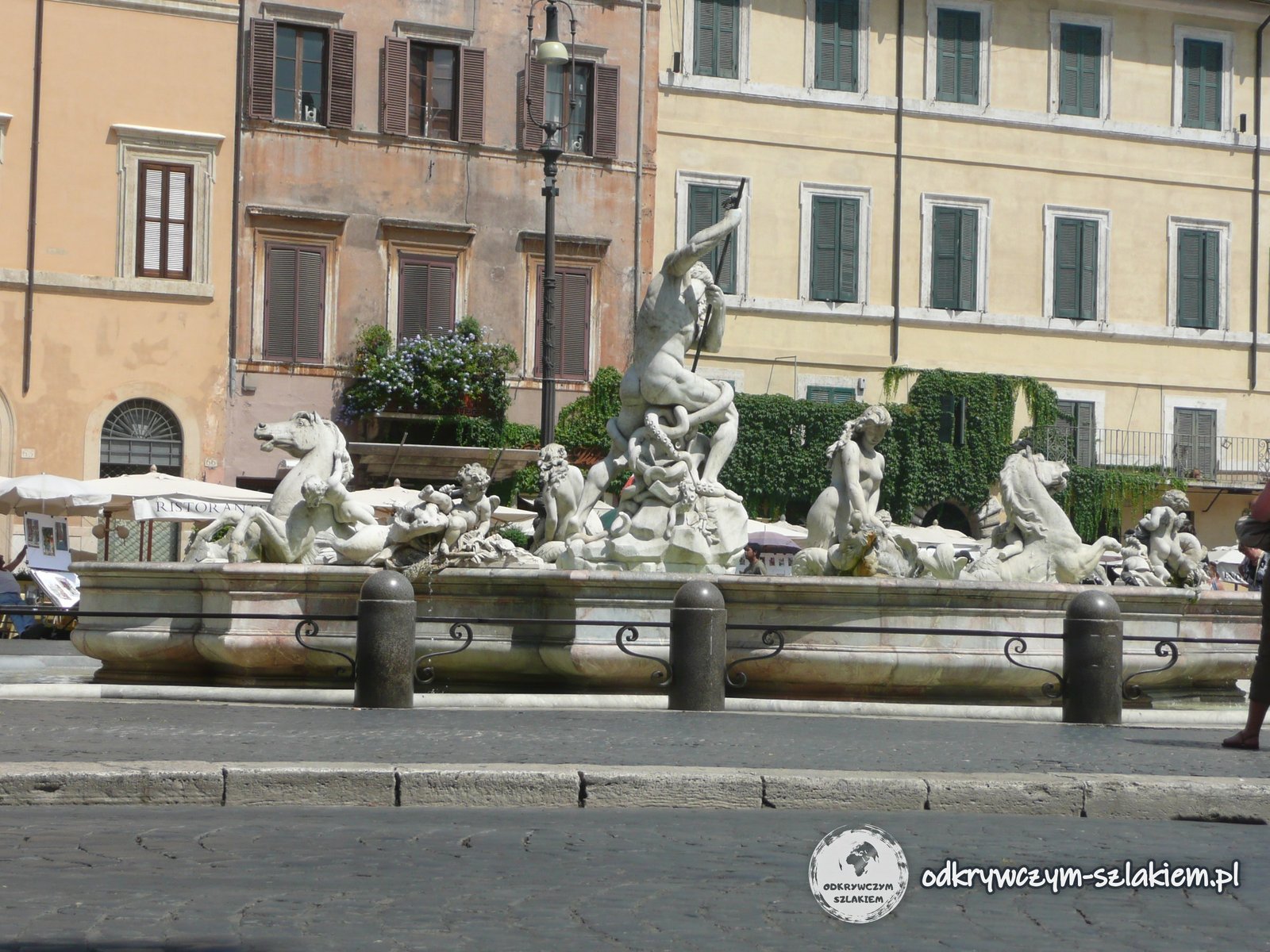
Piazza Navona is elongated because it was built on the site of the 1st-century Stadium of Domitian. In the middle stands Bernini’s Fountain of the Four Rivers with an obelisk, opposite Borromini’s church of Sant’Agnese in Agone, and at the north end the Fountain of Neptune – its statues of Neptune fighting an octopus were only added in 1878. Street painters display their work all around.
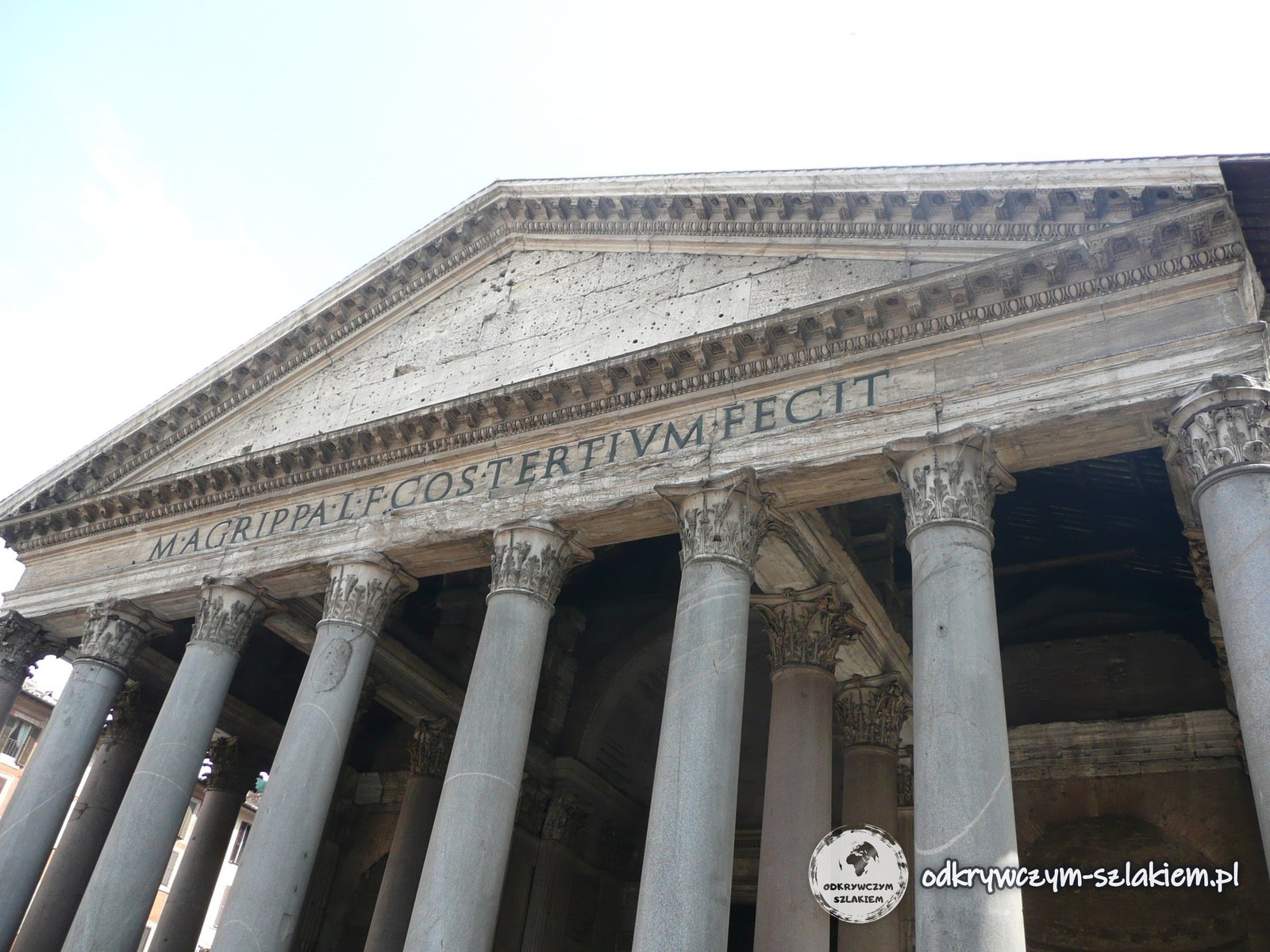
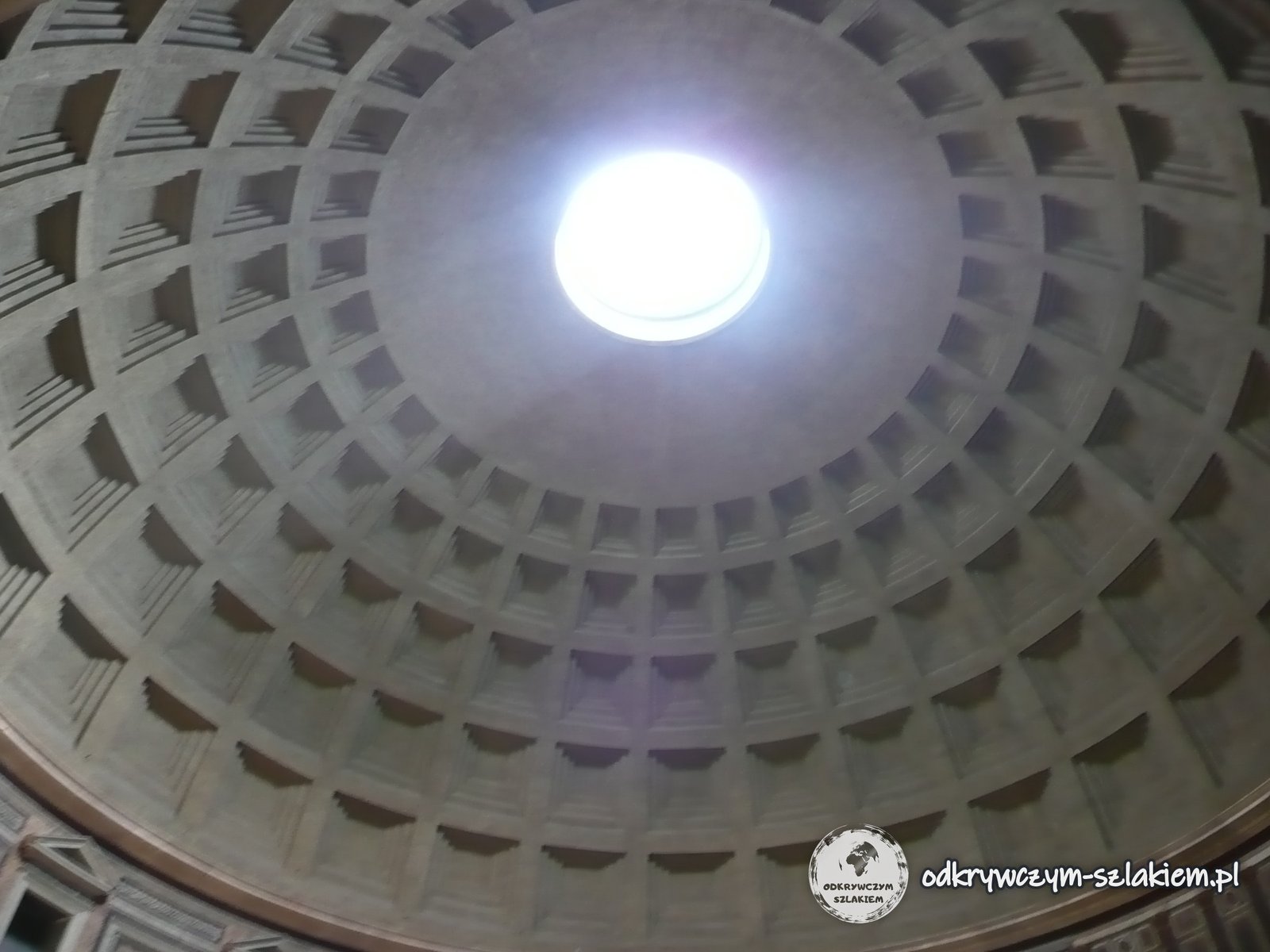
A few minutes away is the Pantheon. The inscription on the frieze says Agrippa built it, but the present temple was erected by Emperor Hadrian around 118–125. Its concrete dome, about 43 m across, is still the largest unreinforced dome in the world, and the only light comes through the oculus – a round opening about 9 m wide. Raphael, among others, is buried in the Pantheon.
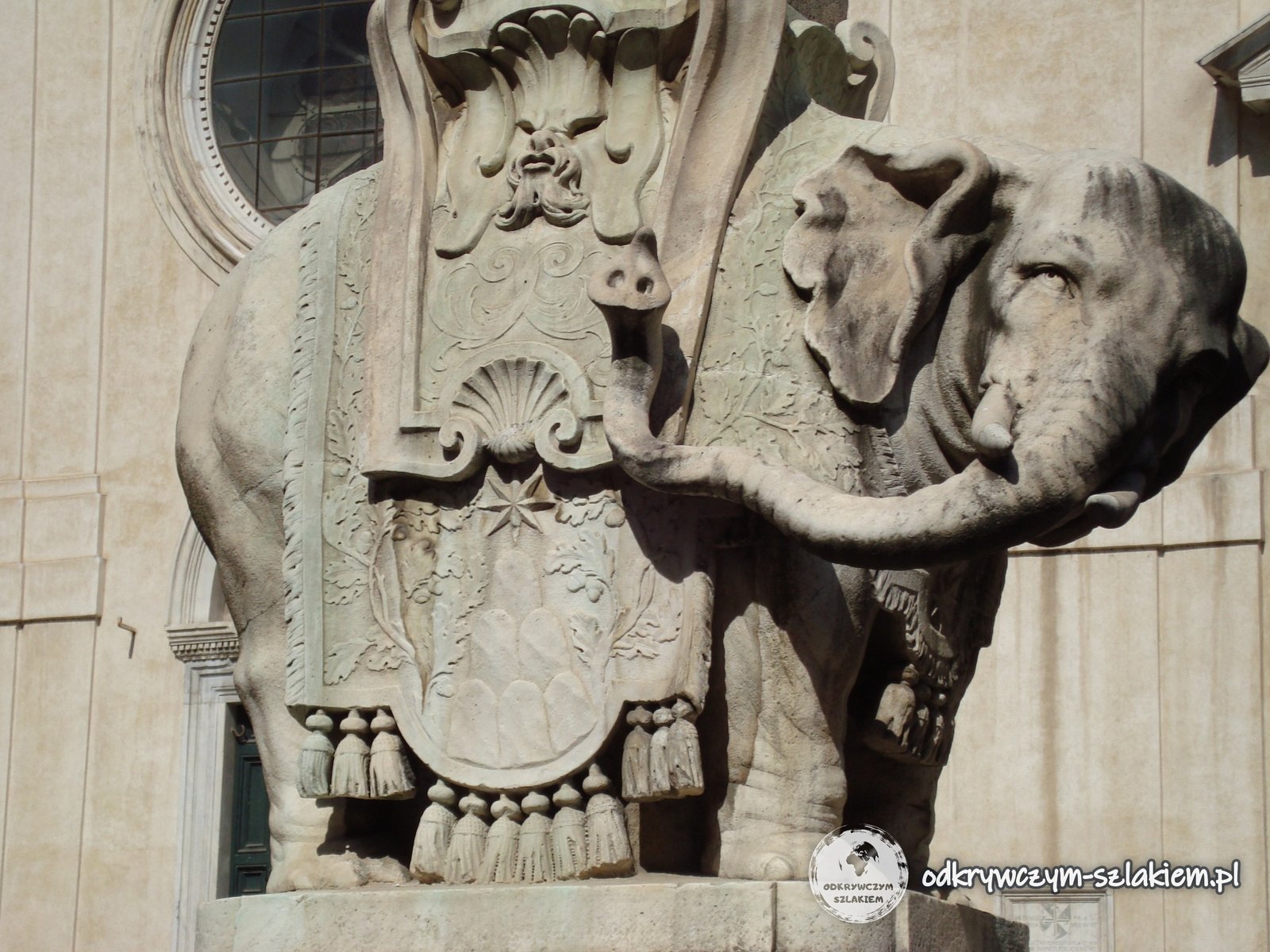
Nearby it is worth stopping at Piazza della Minerva, with a marble elephant carrying an obelisk, designed by Bernini in 1667, and at Piazza di Pietra, where eleven Corinthian columns of the 2nd-century Temple of Hadrian are built into the wall of a later building.

The Trevi Fountain and the Altar of the Fatherland
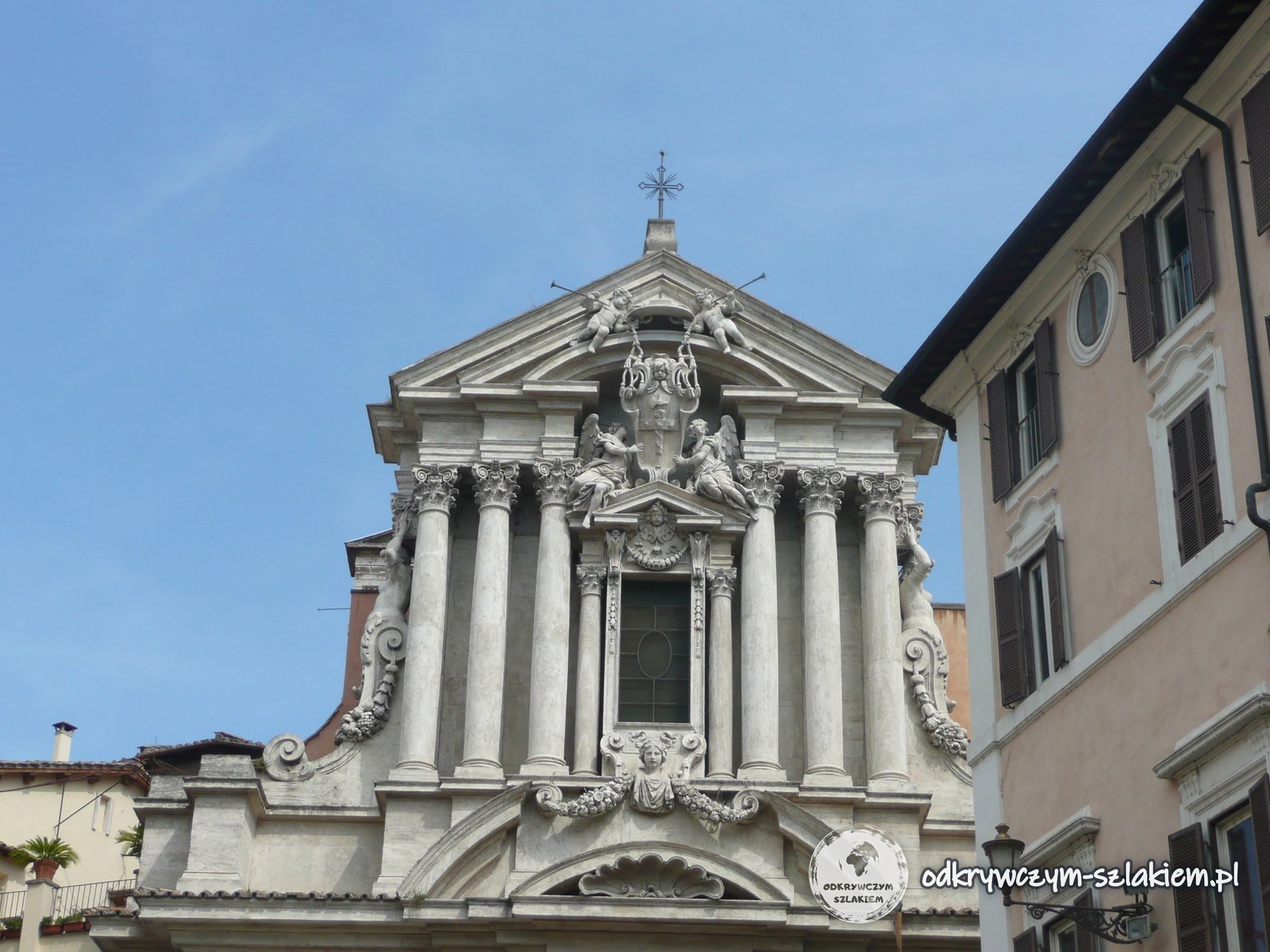
The Trevi Fountain, completed in 1762 to a design by Nicola Salvi, is about 26 m high and almost 50 m wide. In the middle stands Oceanus on a chariot drawn by sea horses. Custom says you throw a coin over your shoulder to make sure you come back to Rome. Opposite the fountain stands the Baroque church of Santi Vincenzo e Anastasio with a façade full of columns.

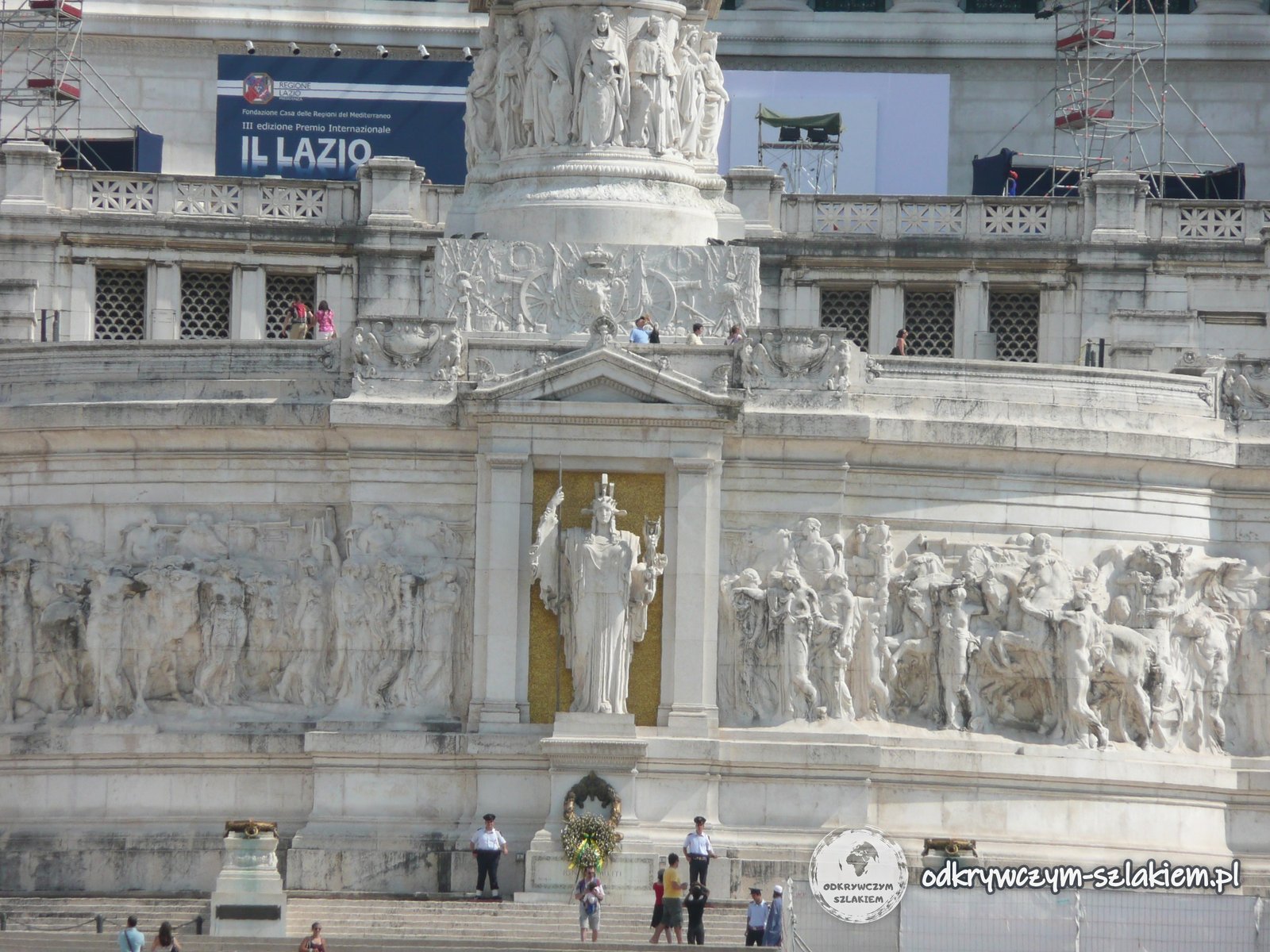
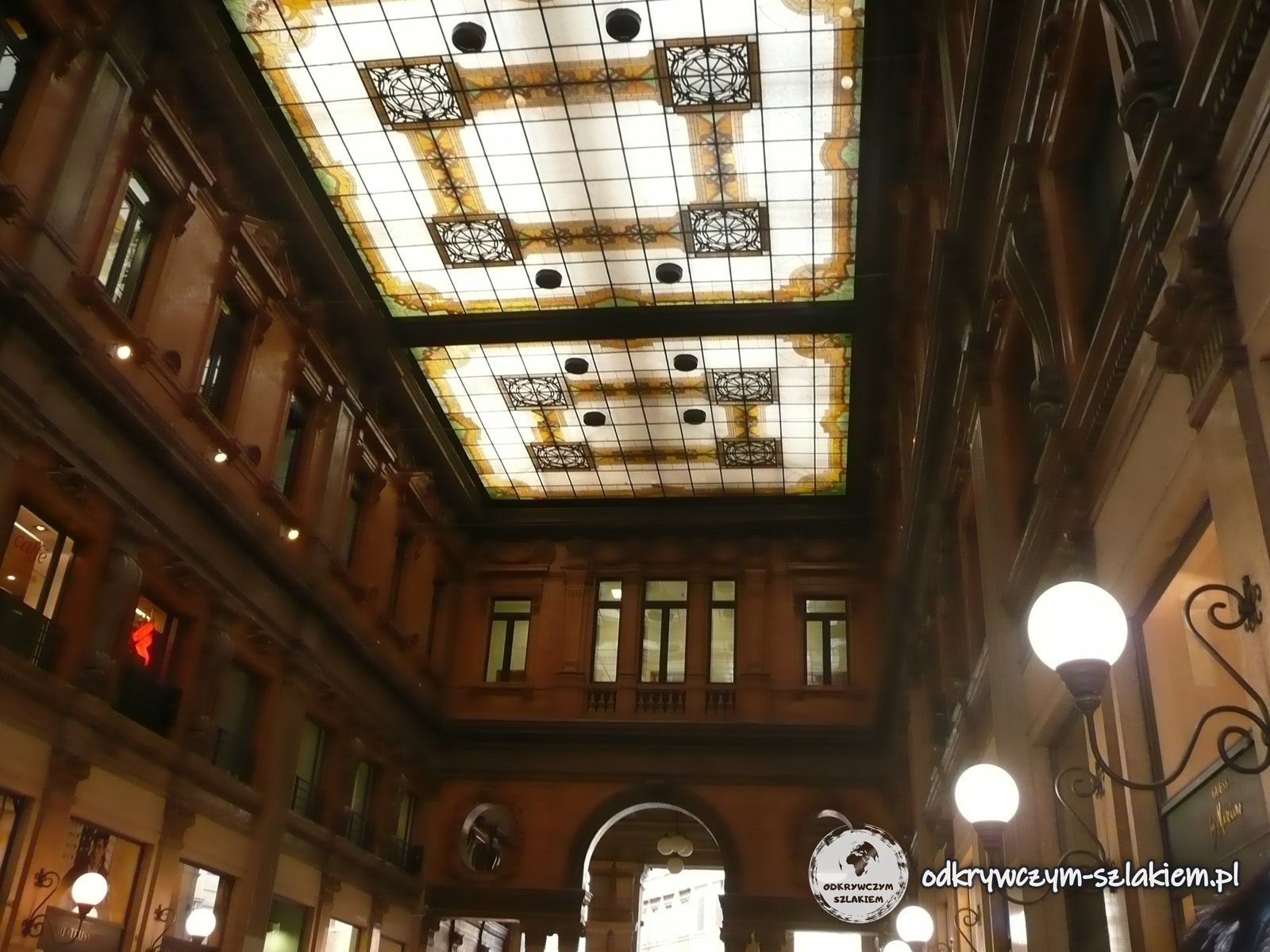
On Piazza Venezia stands the huge monument to King Victor Emmanuel II, known as the Vittoriano, with the Altar of the Fatherland and the Tomb of the Unknown Soldier. On Via del Corso, by the square with the Column of Marcus Aurelius, it is worth stepping into the Galleria Alberto Sordi from 1922, with its stained-glass skylight.
Campo de’ Fiori and Trastevere
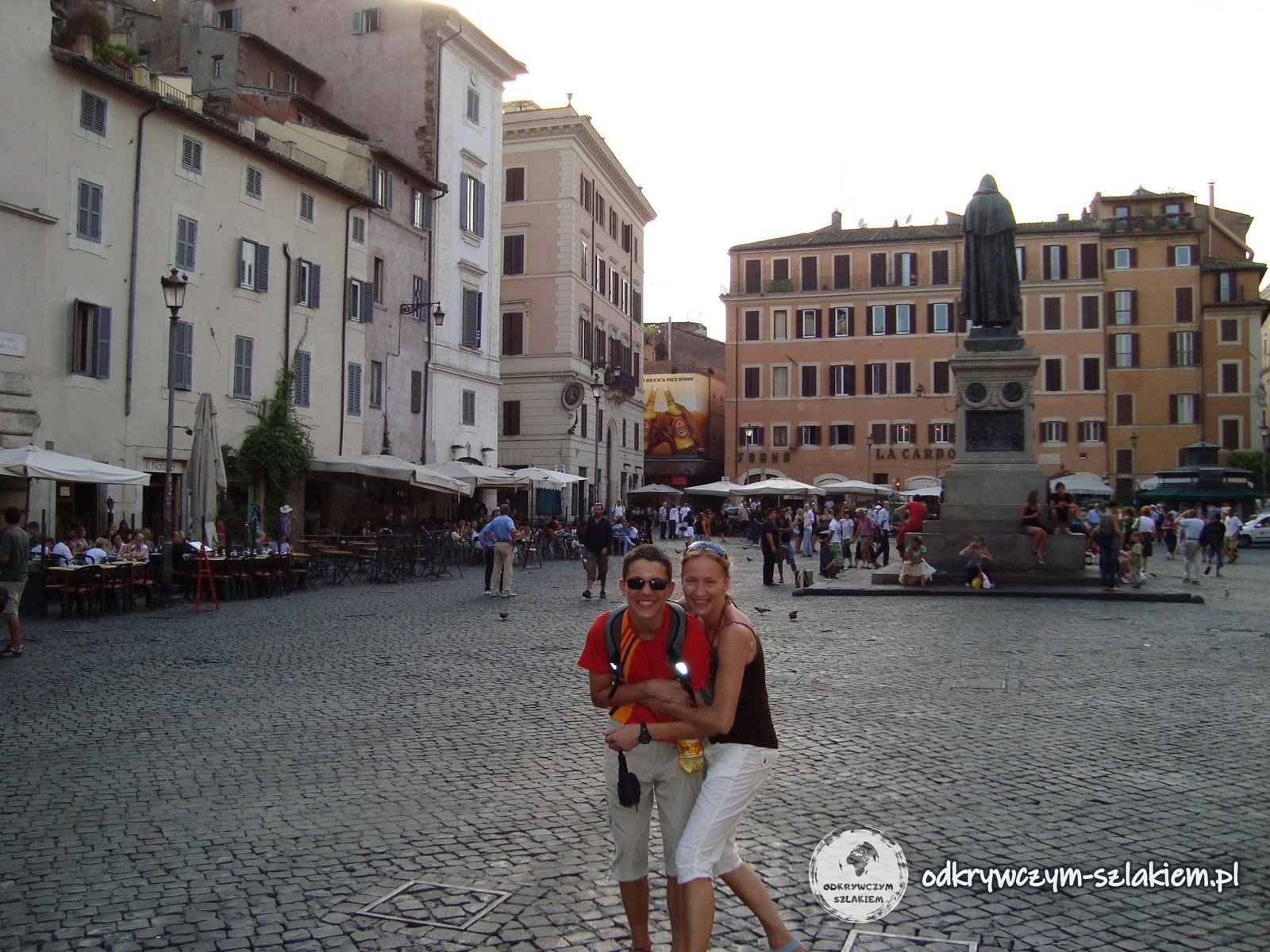
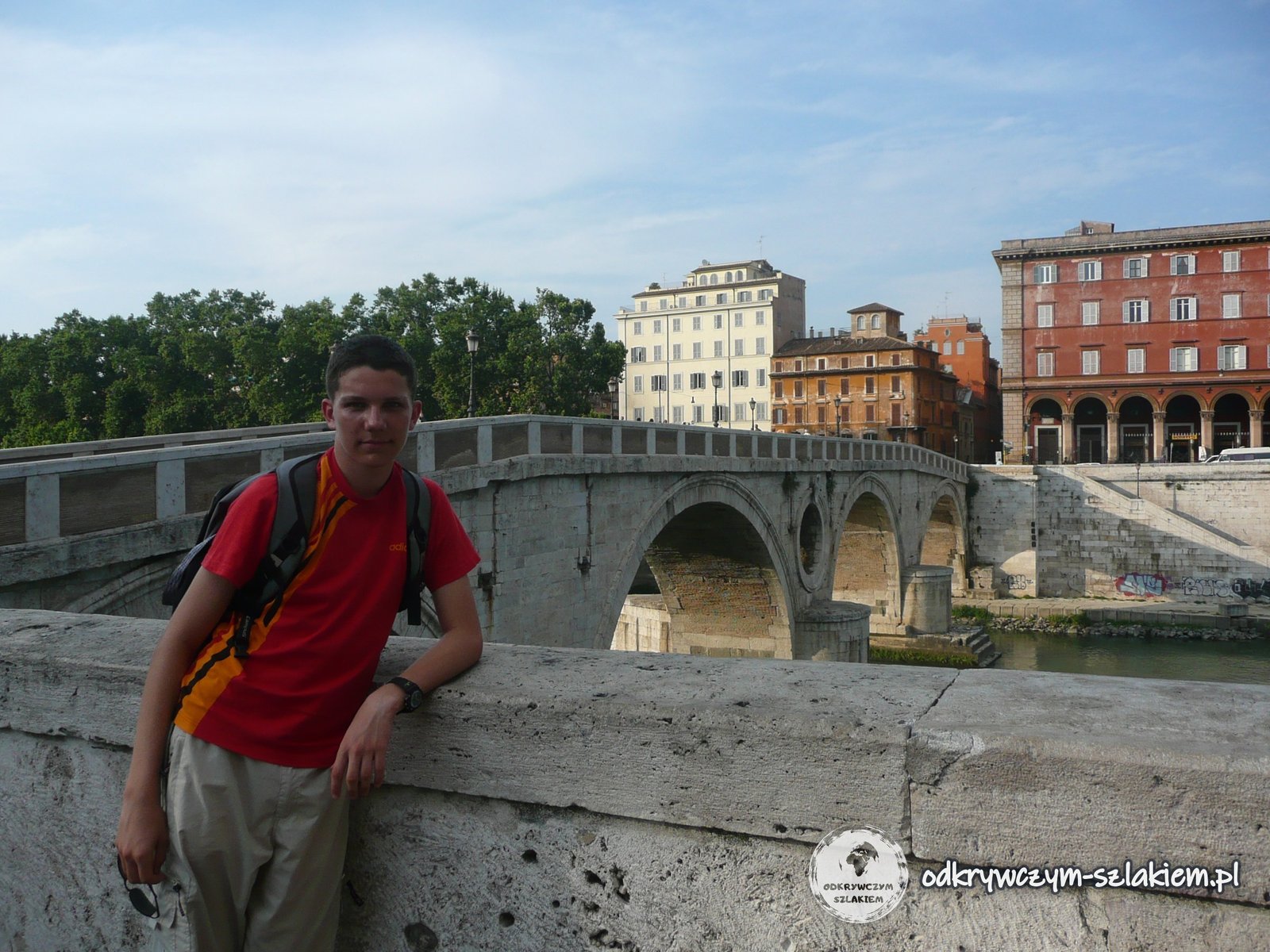
Towards evening we walked through Campo de’ Fiori – there is a market here in the morning, and in the middle stands the monument to Giordano Bruno, who was burned on this square in 1600. From here it is a short way to Ponte Sisto, a 15th-century stone bridge leading to Trastevere. On the other side, on Piazza Trilussa, stands a fountain from 1613, moved here in 1898.
The Pyramid of Cestius and the Colosseum
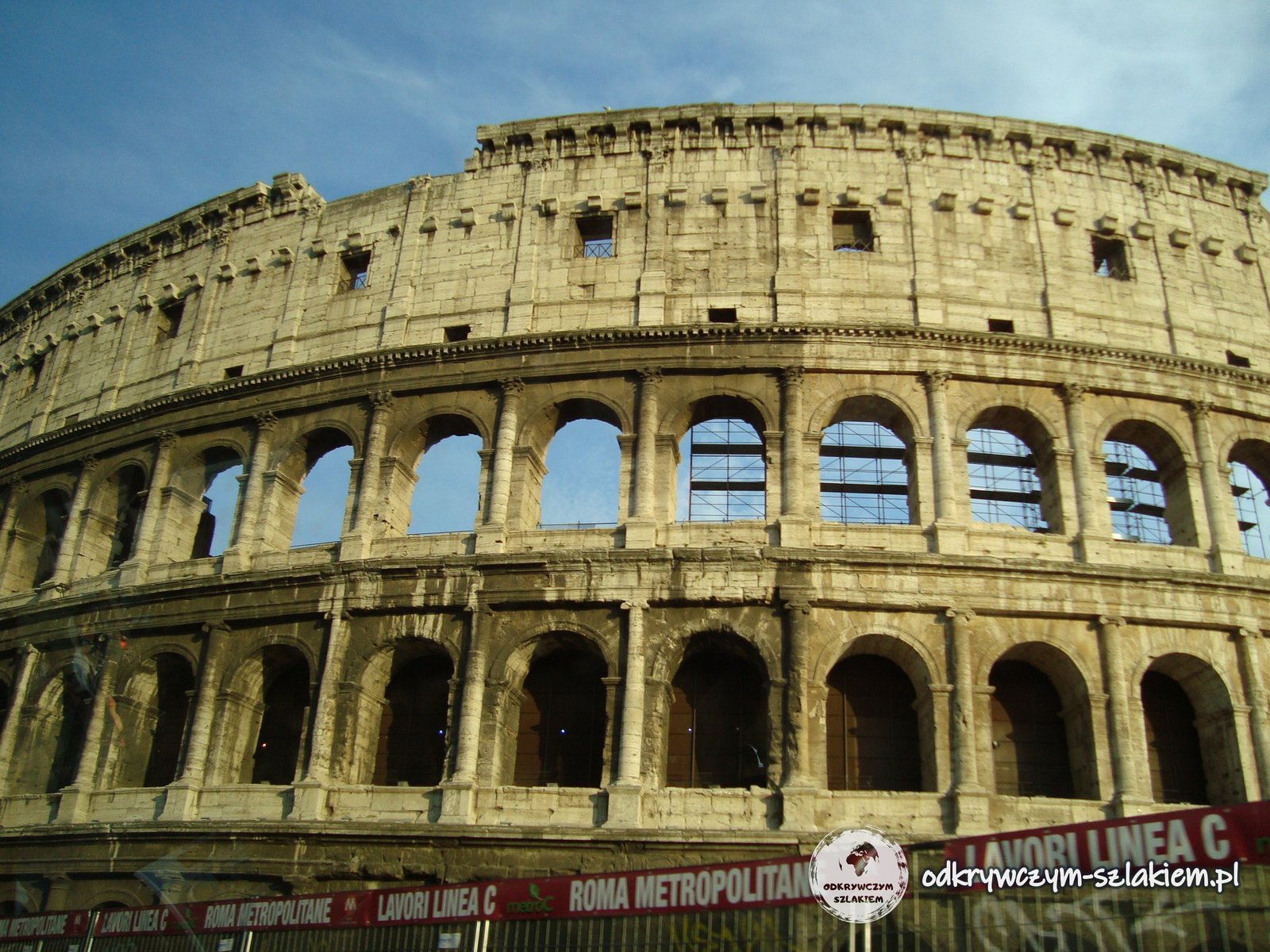
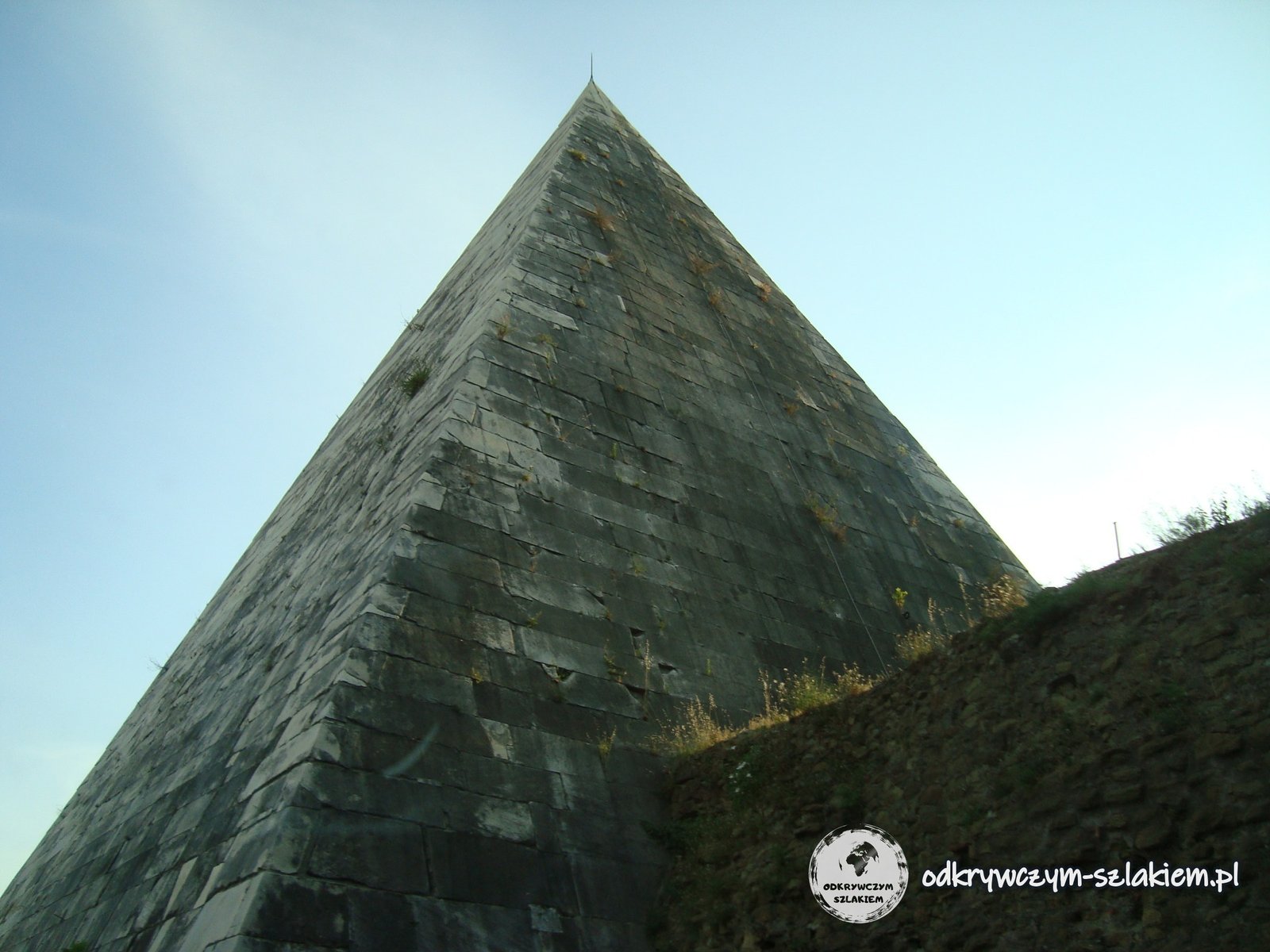
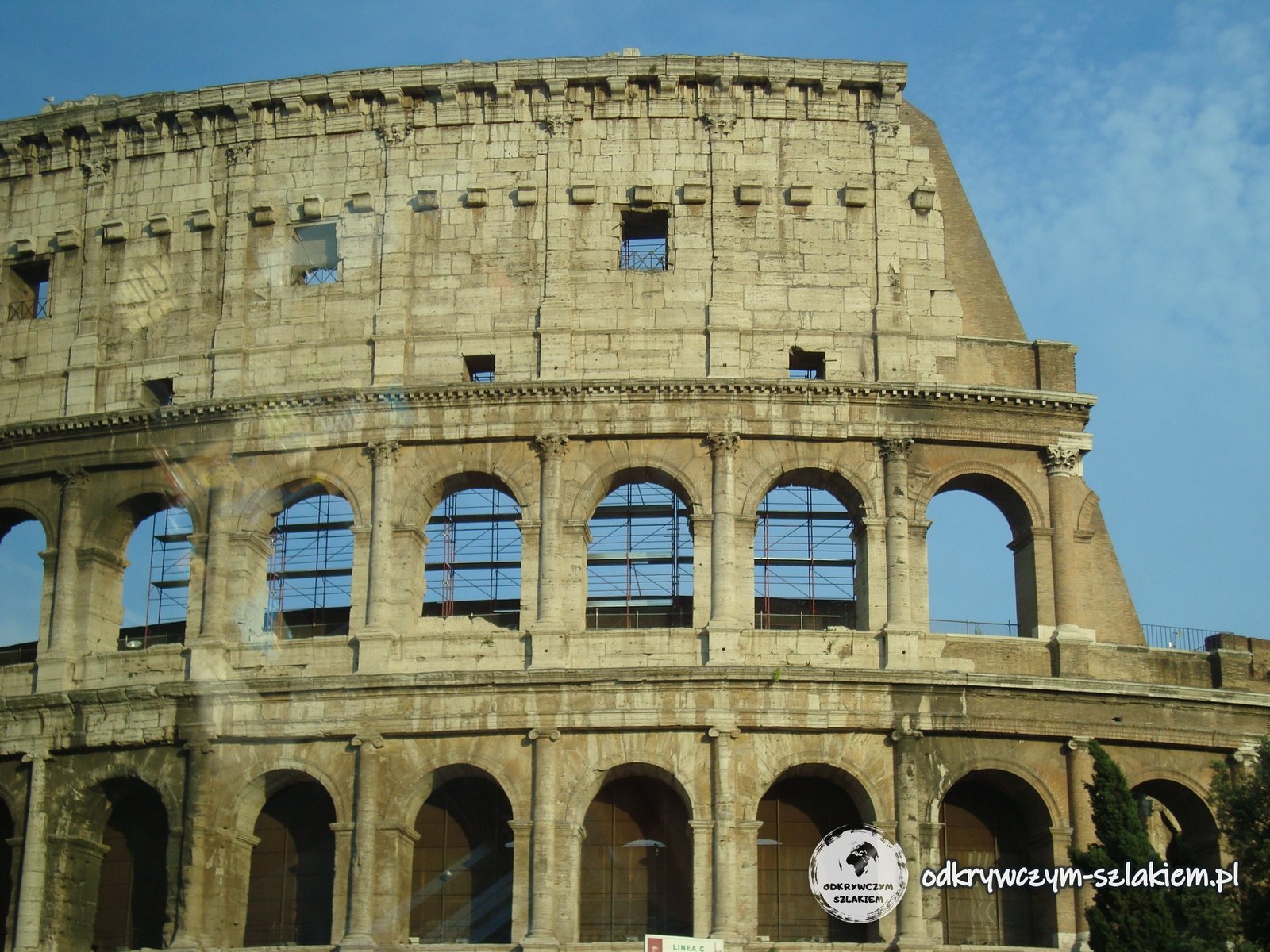
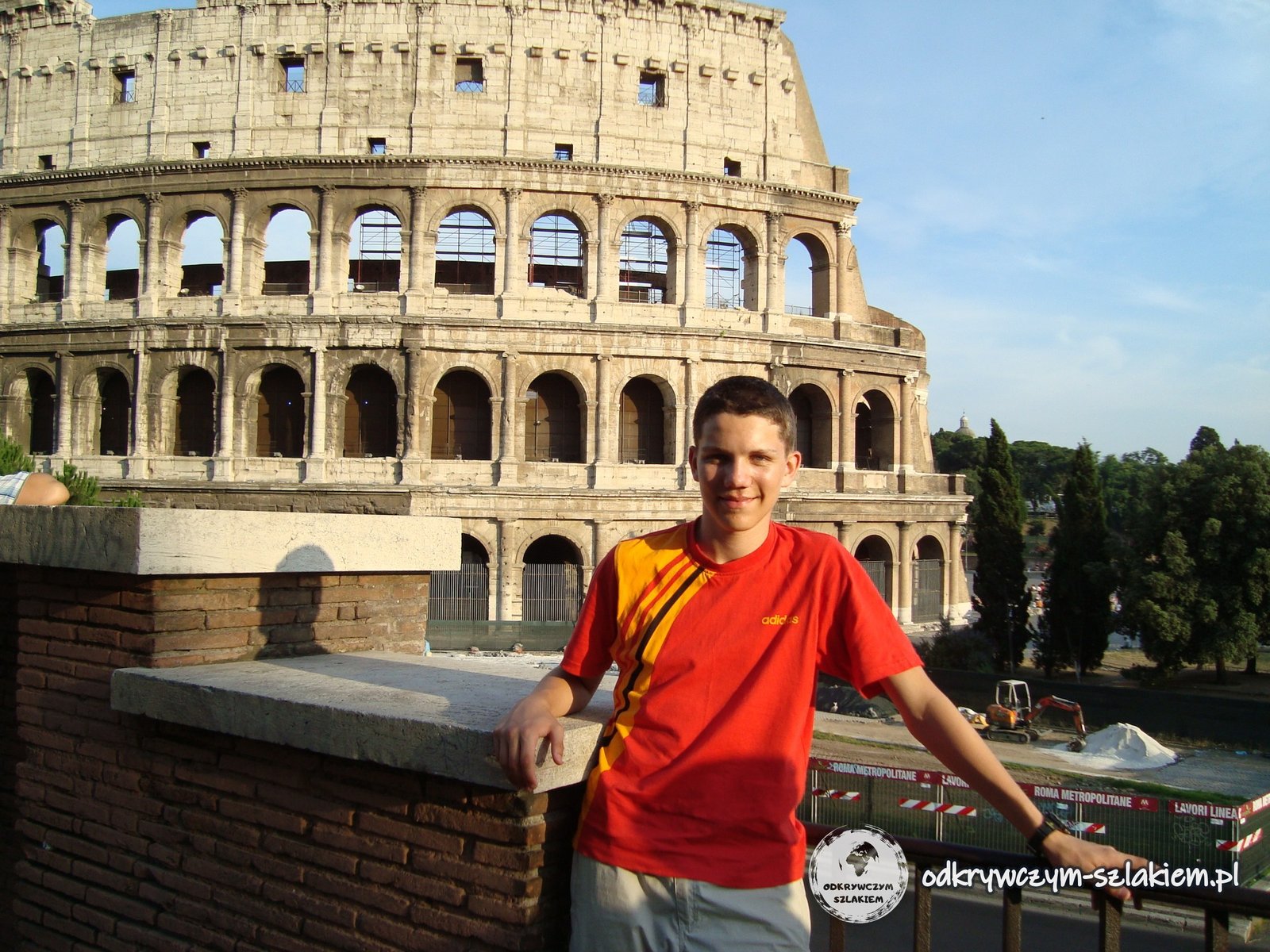
To end the day we drove to the Pyramid of Cestius – the tomb of a Roman official from about 18–12 BC, around 36 m high and later built into the Aurelian Walls – and then to the Colosseum. The Flavian Amphitheatre was built in 70–80 and held about 50,000 spectators. Next to it stands the Arch of Constantine from 315. In 2008 work on Metro Line C was already under way around it.

The hot springs of Saturnia
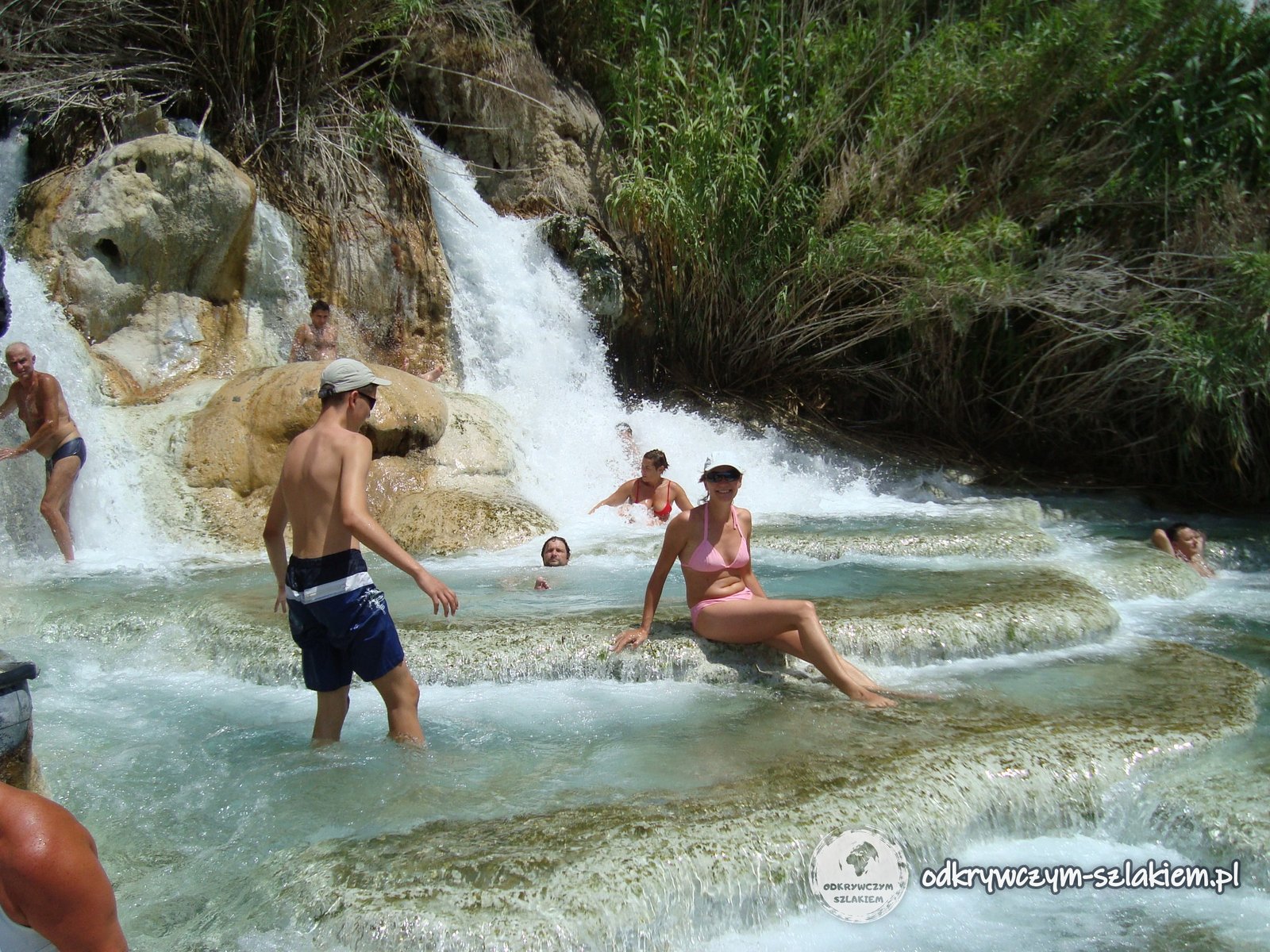
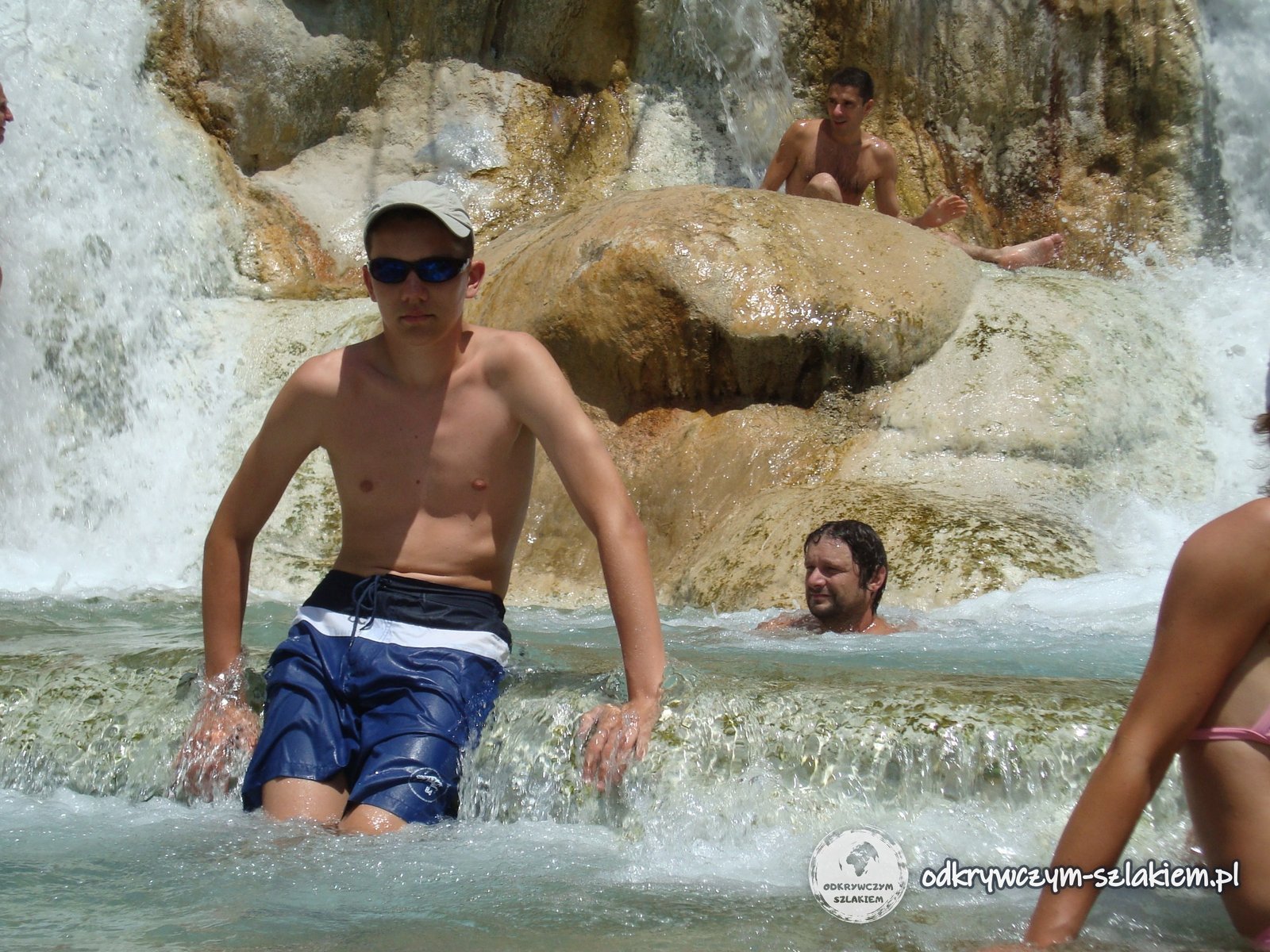
A few days later we went to Saturnia in southern Tuscany, near Manciano. Below an old mill, sulphurous water at about 37 °C cascades over limestone terraces – the Cascate del Mulino. Bathing is free and open around the clock, so in July there were plenty of people. You can sit under the stream of warm water falling from a ledge.

Practical information
- St Peter’s Basilica: entry is free, but there is a security check, and shoulders and knees must be covered.
- The centre on foot: Piazza Navona, the Pantheon and the Trevi Fountain are 10–20 minutes’ walk from one another.
- Colosseum: combined tickets with the Roman Forum and the Palatine are best bought online in advance.
- Water: Rome’s street fountains (nasoni) give free drinking water – in summer it is worth carrying a bottle.
- Saturnia: bathing at the Cascate del Mulino is free; the sulphur smell stays in swimwear for a long time, so take an old swimsuit.