In July 2006 I travelled with my sister to the Bay of Naples. We spent most of the time on the volcanic island of Ischia, and then saw the Solfatara crater, Pompeii, Vesuvius and Naples.
Table of contents
- Ischia – a volcanic island
- Lacco Ameno and the stone mushroom
- Monte Epomeo
- Sorgeto and Maronti beach
- Sant’Angelo
- The Castello Aragonese
- The Solfatara crater
- Pompeii
- Vesuvius
- Naples
- Practical information
Ischia – a volcanic island
Ischia covers about 46 km² and is the largest island in the Bay of Naples. In the 8th century BC the Greeks founded the settlement of Pithekoussai here, one of the oldest Greek colonies in the western Mediterranean. The island’s volcanic origin still shows in its hot springs and fumaroles.
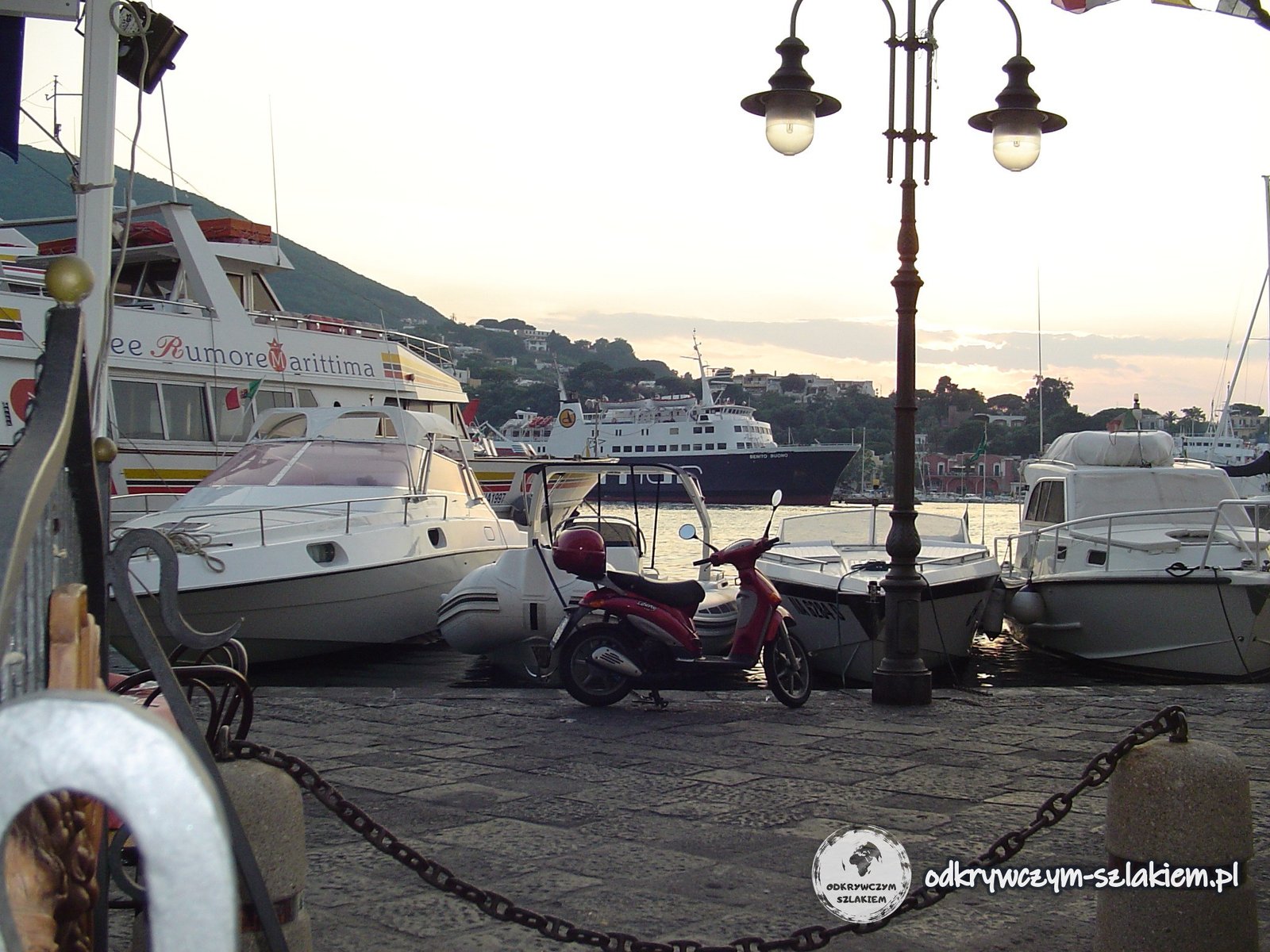
We reached the island by ferry on 12 July and stayed at the Dei Pini campsite for the whole visit. We got around Ischia in a small rented car with no bodywork, just a frame, which we called Pypcik.
Lacco Ameno and the stone mushroom
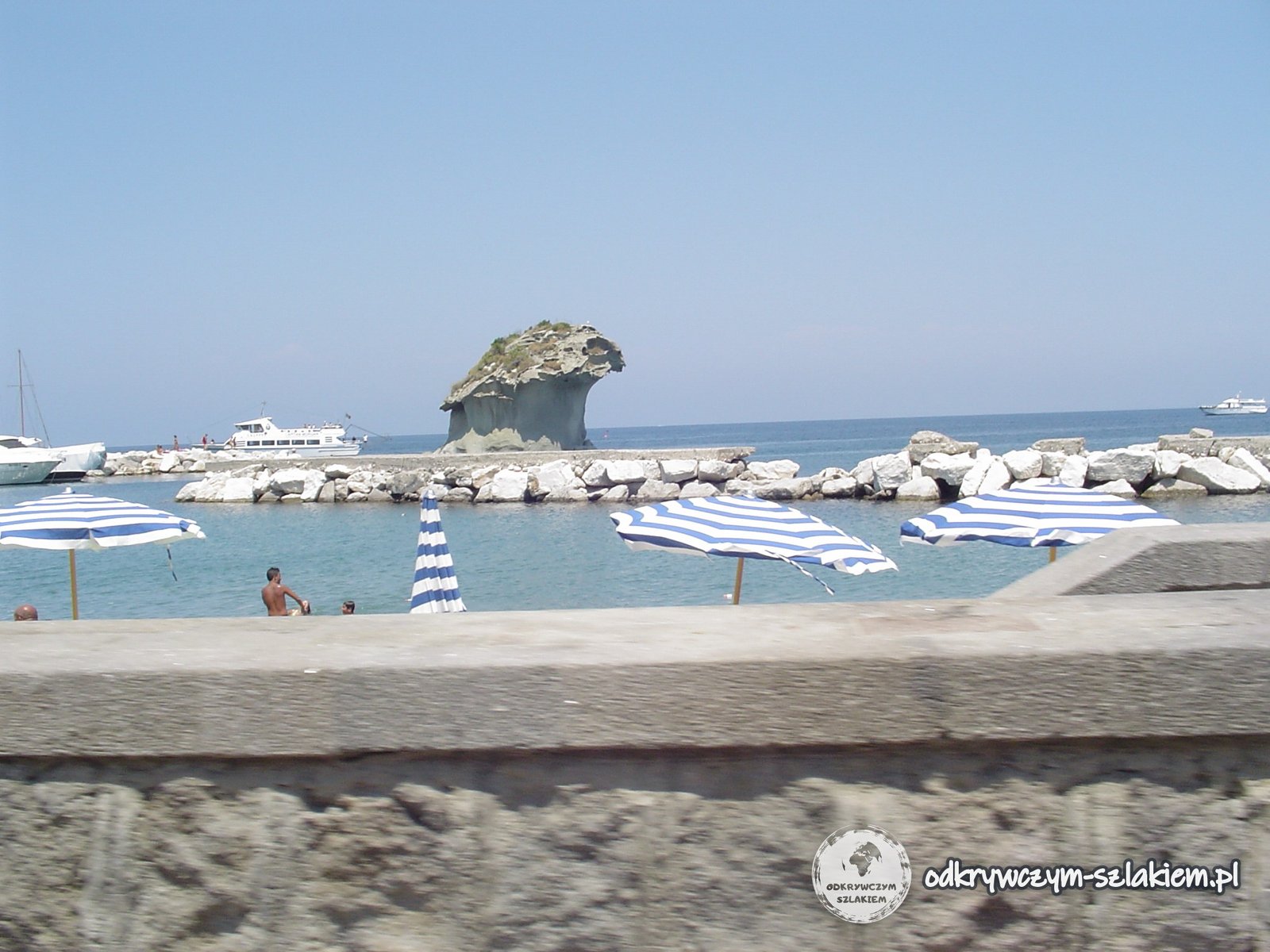
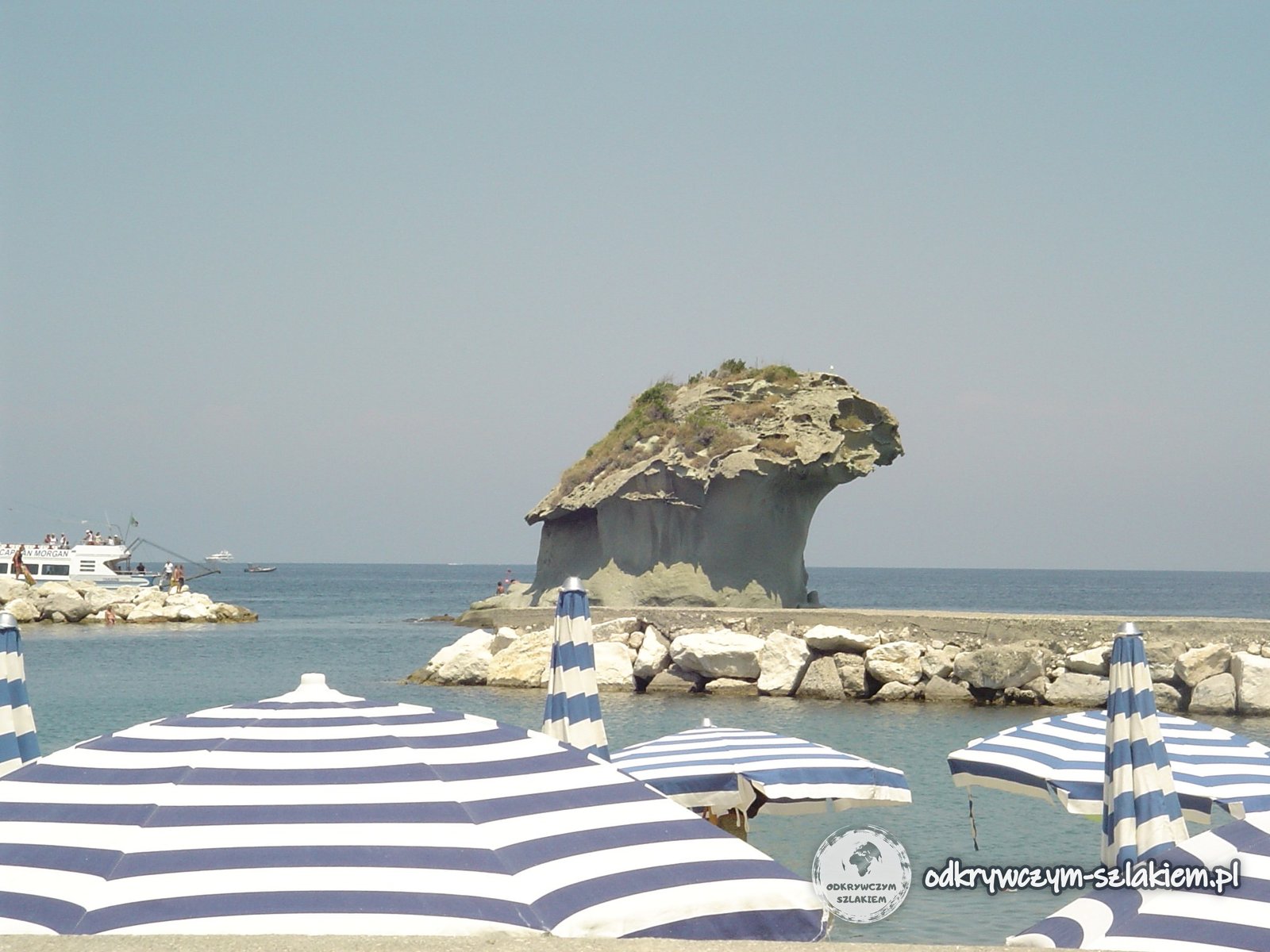
The symbol of Lacco Ameno is Il Fungo, “the mushroom” – a tuff rock about 10 m high standing in the sea right by the beach. It was shaped by erosion and the waves.
Monte Epomeo
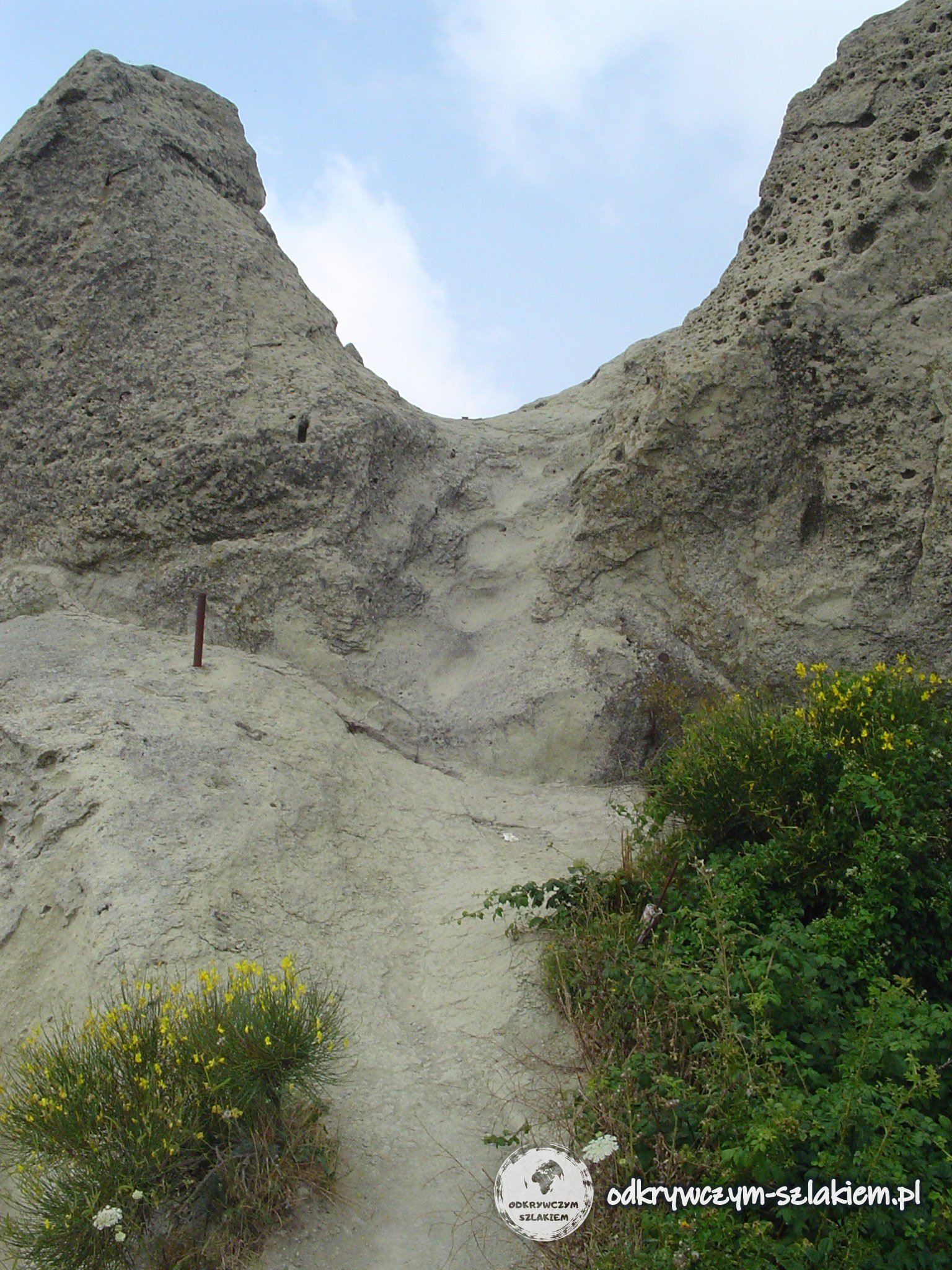
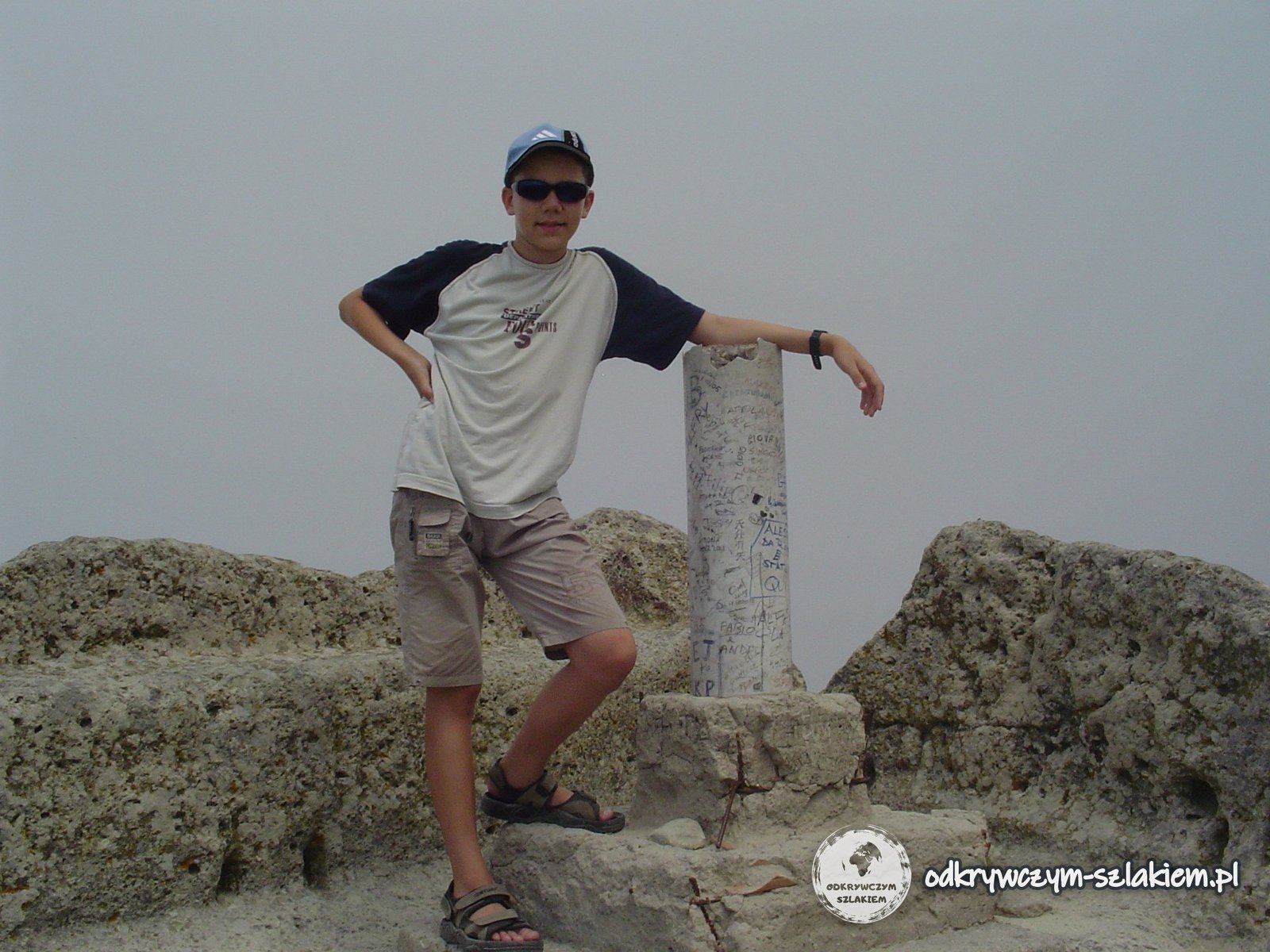
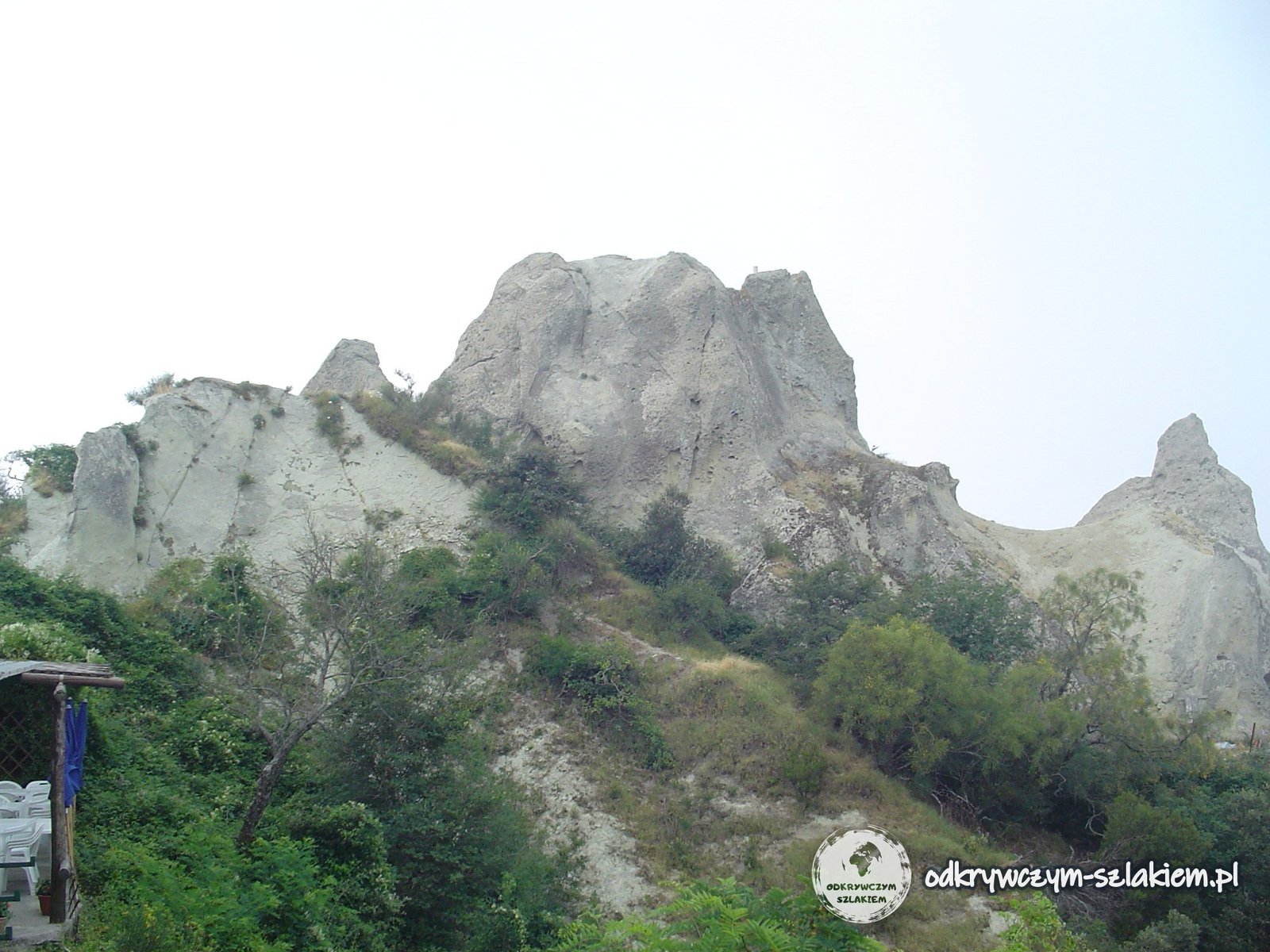
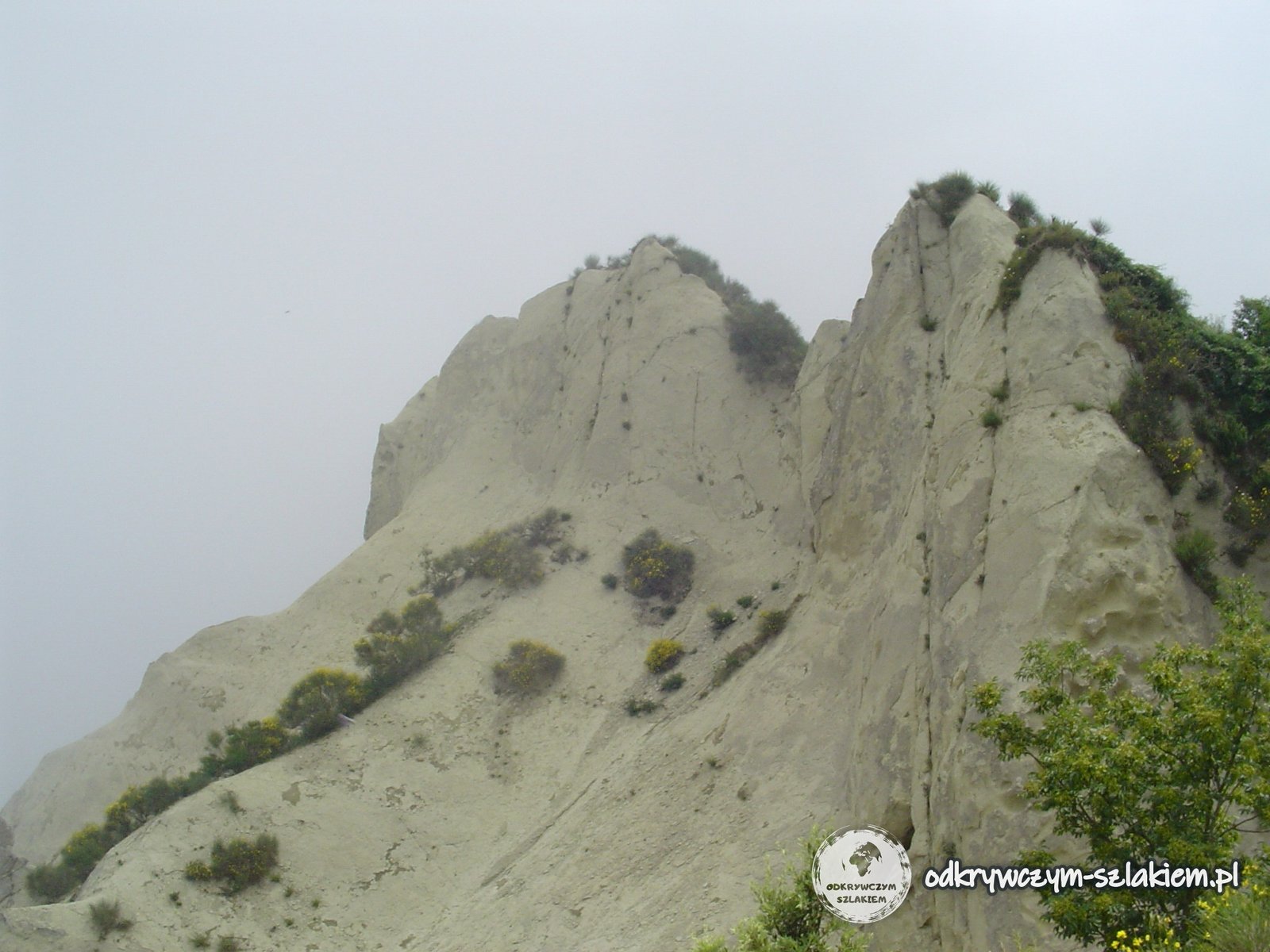
On 14 July we drove Pypcik up towards Monte Epomeo and continued on foot. It is the highest point of the island at 789 m. Despite its looks it is not a volcano: it is a block of seabed pushed up by magma, which is why it is made of greenish tuff. Unfortunately, because of the clouds, we could see nothing from the top.
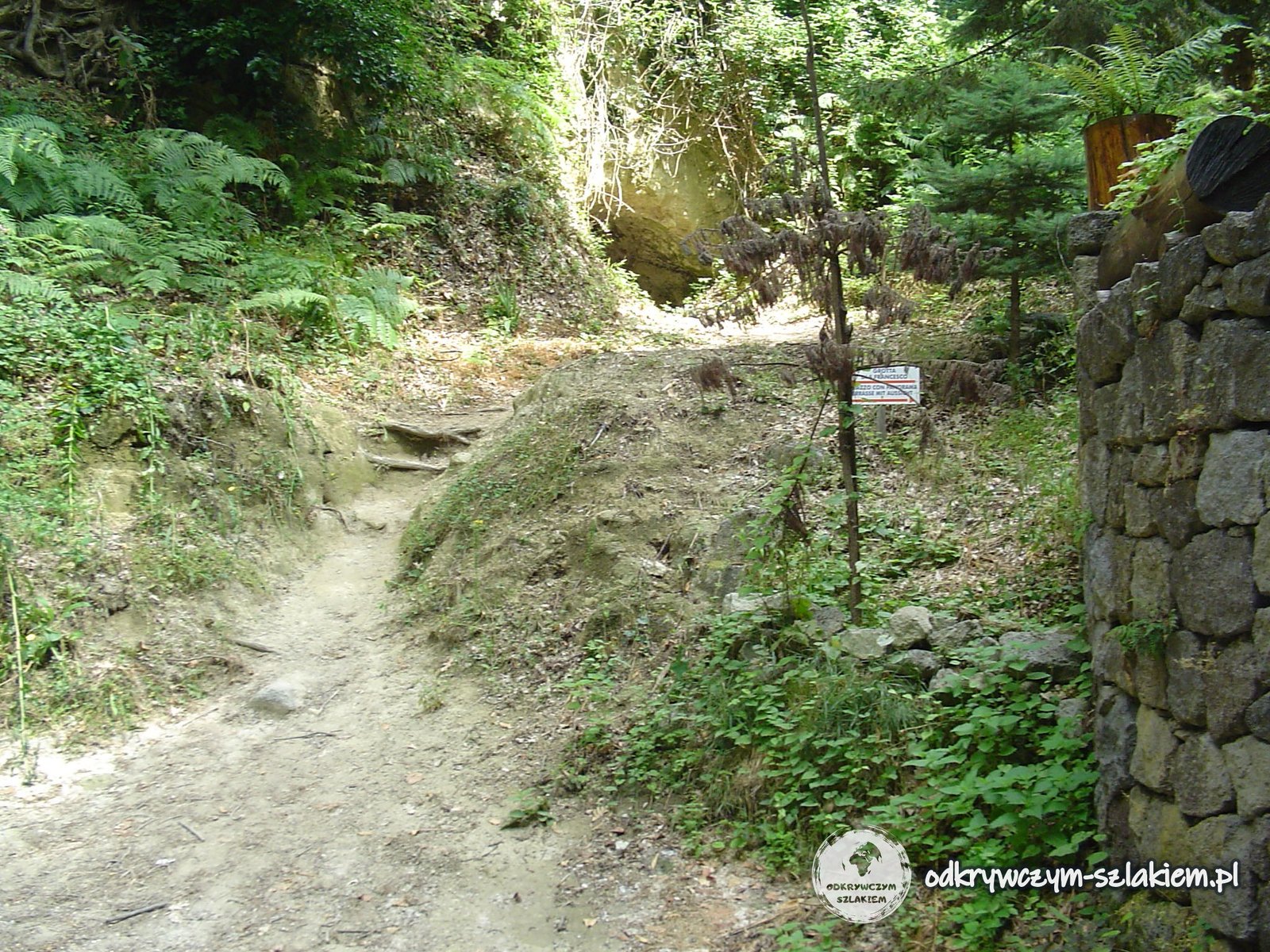
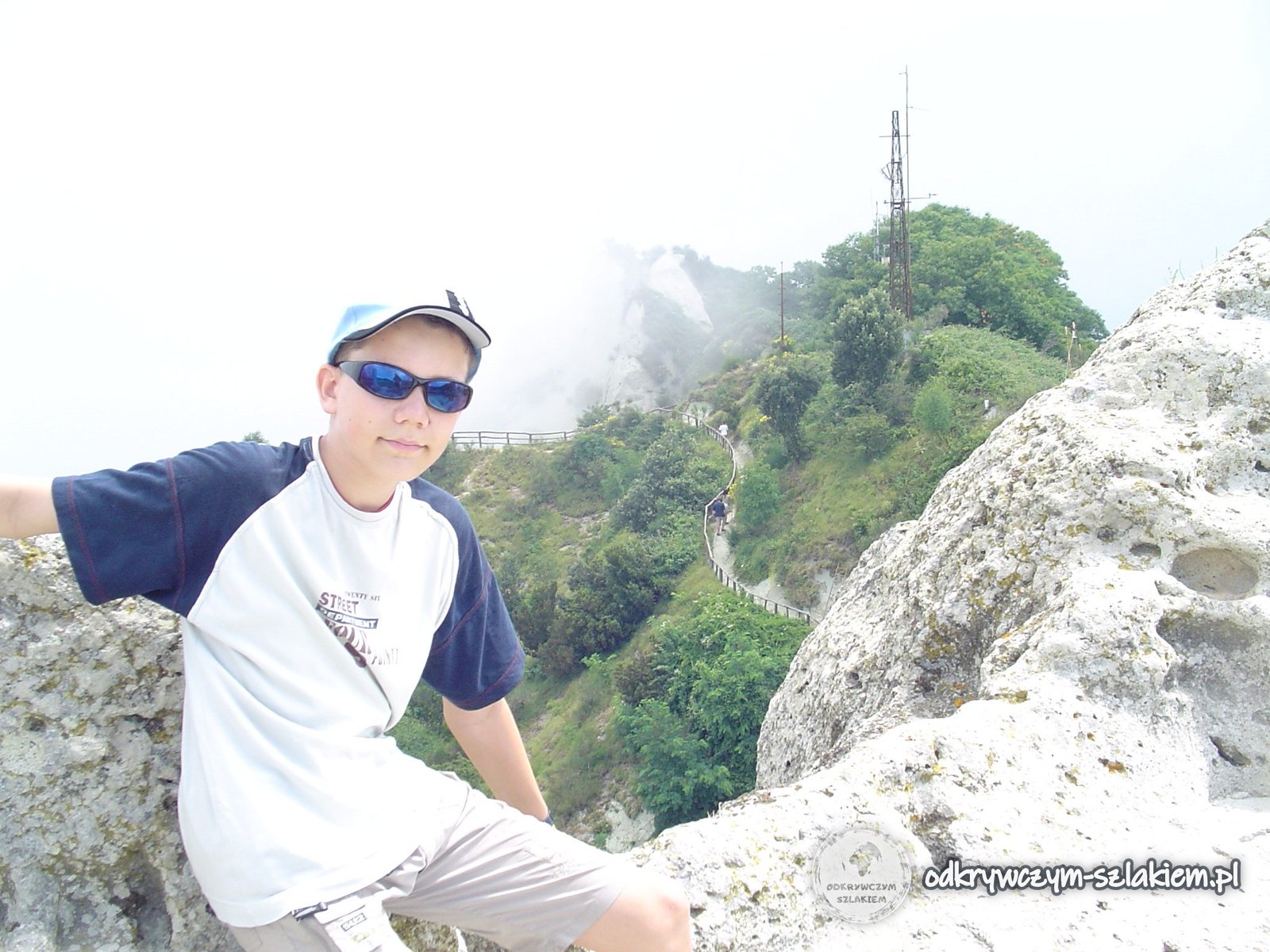
Near the top the trail runs through narrow passages between the rocks, and a stone post stands on the summit.
Sorgeto and Maronti beach
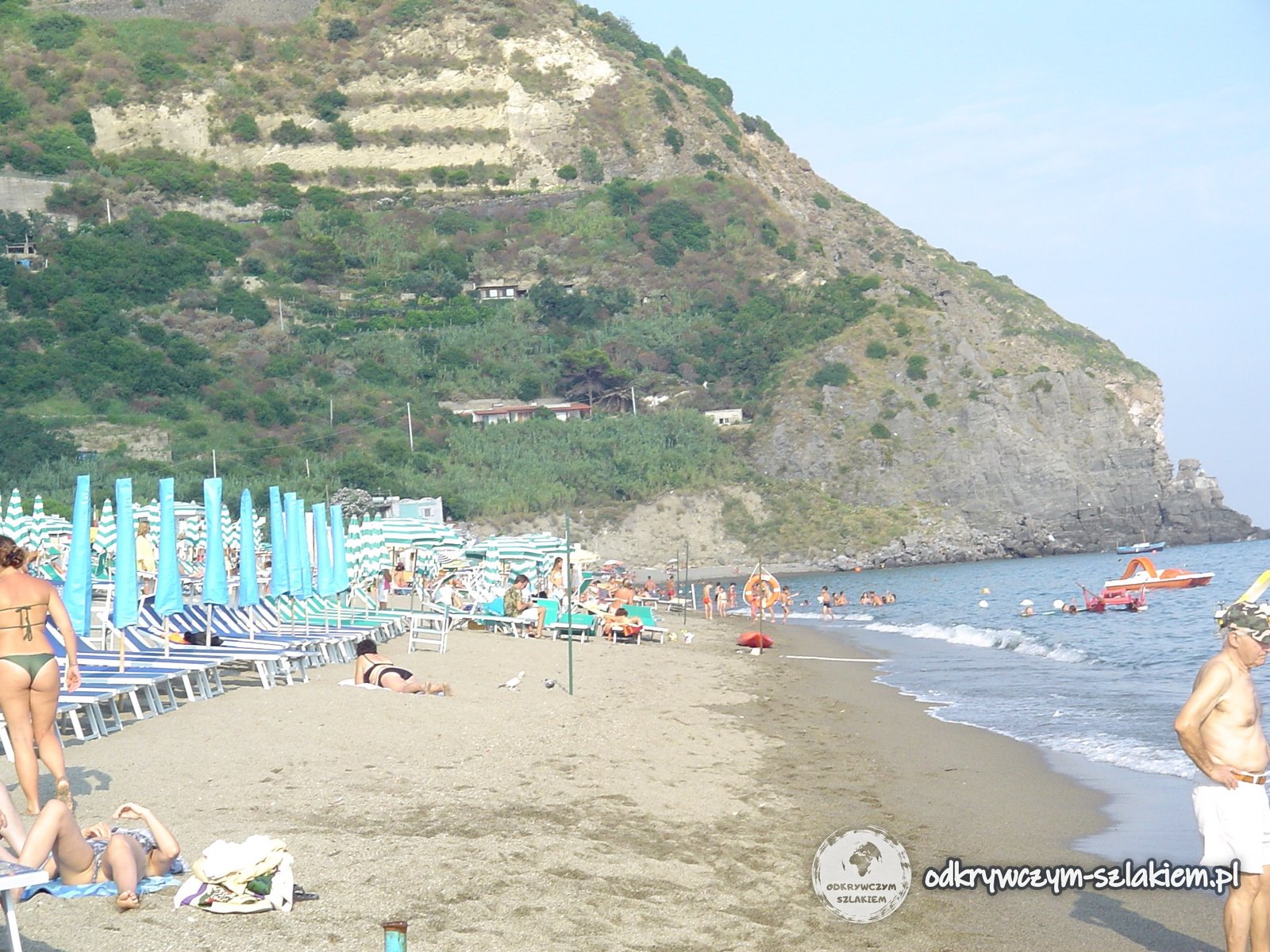
In the Sorgeto cove in the south-west of the island, hot spring water flows straight into the sea and mixes with it among the rocks. The same day we went to the Spiaggia dei Maronti – at about 3 km, the longest beach on Ischia.
Sant’Angelo
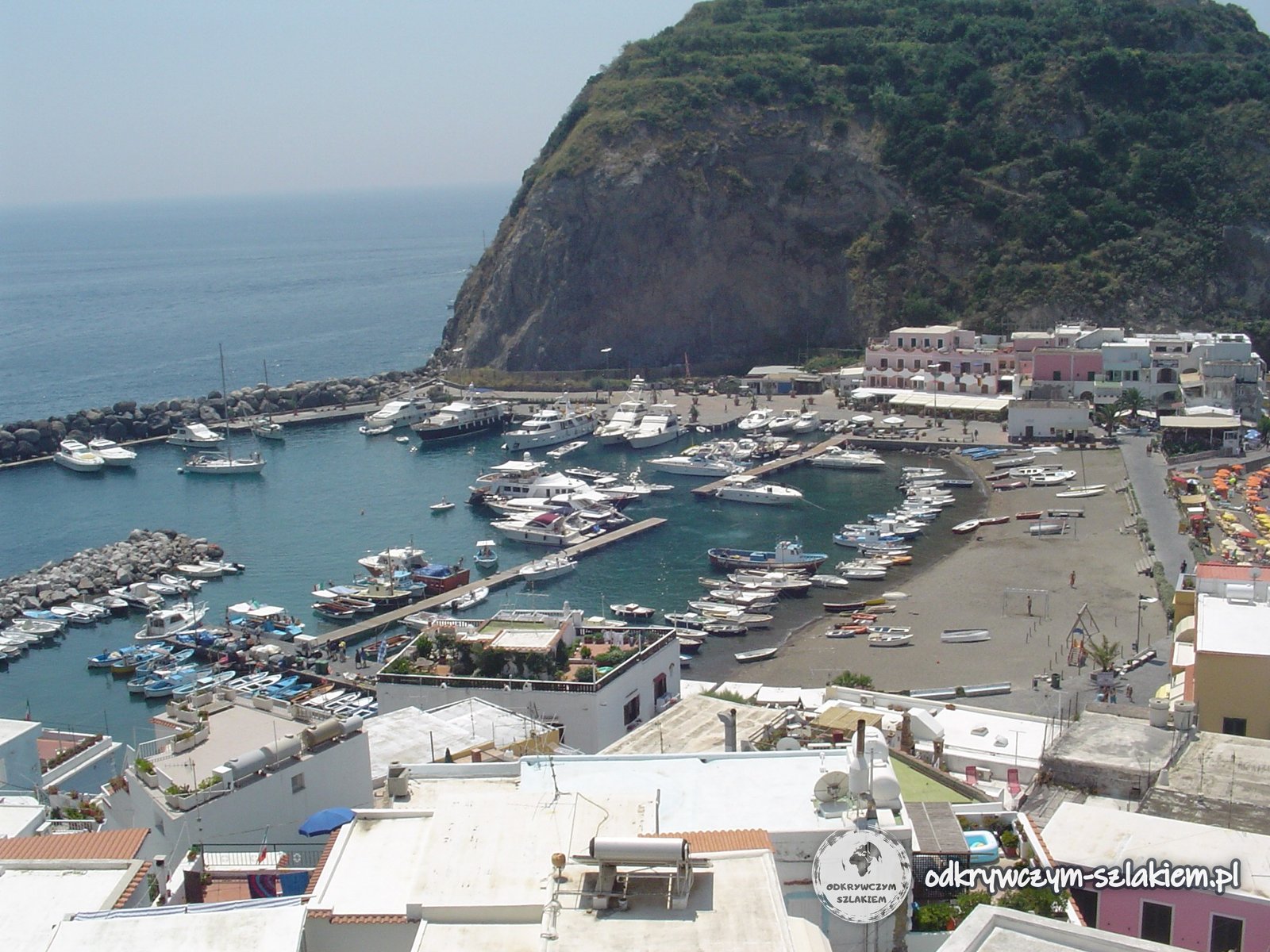
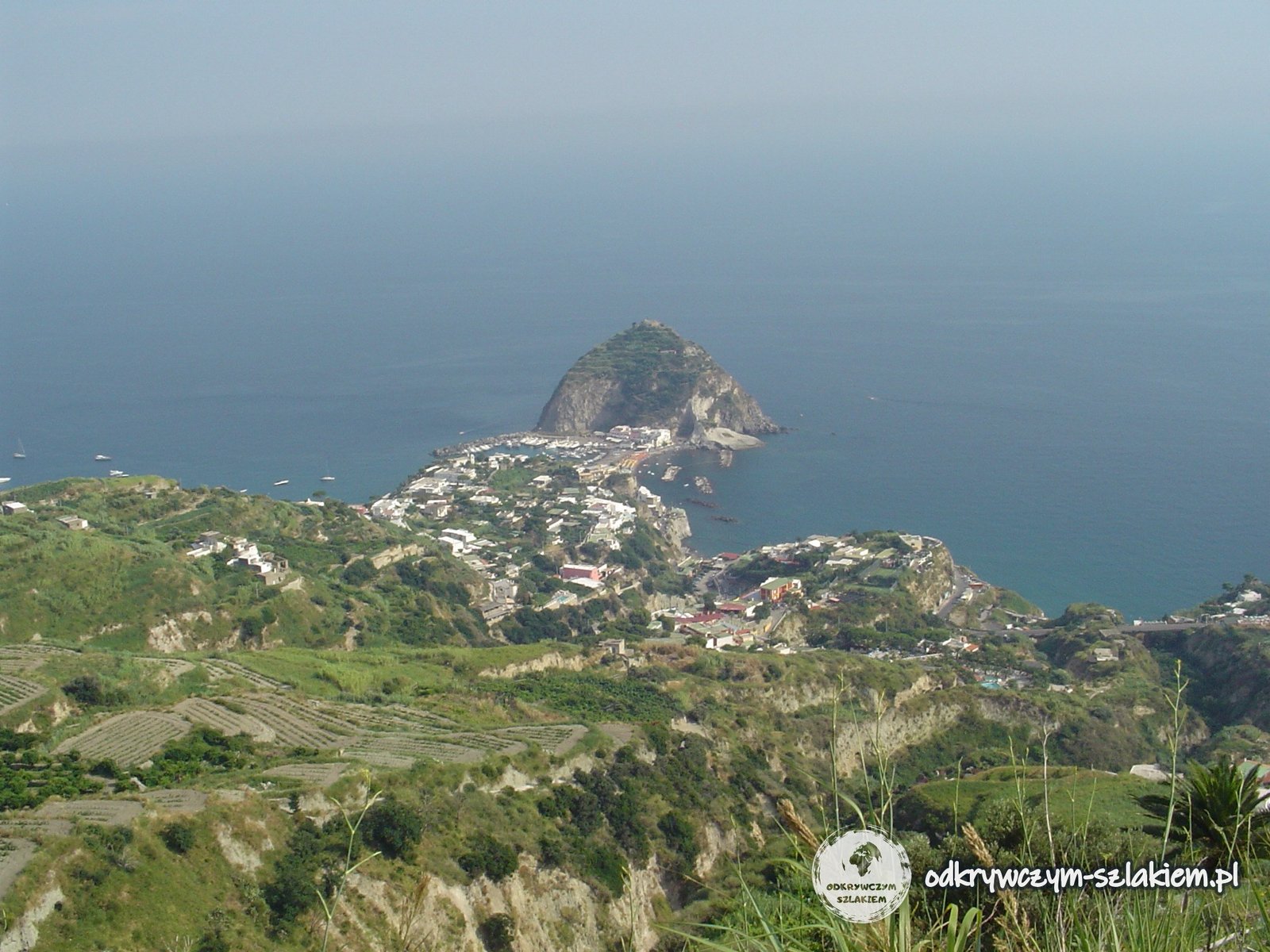
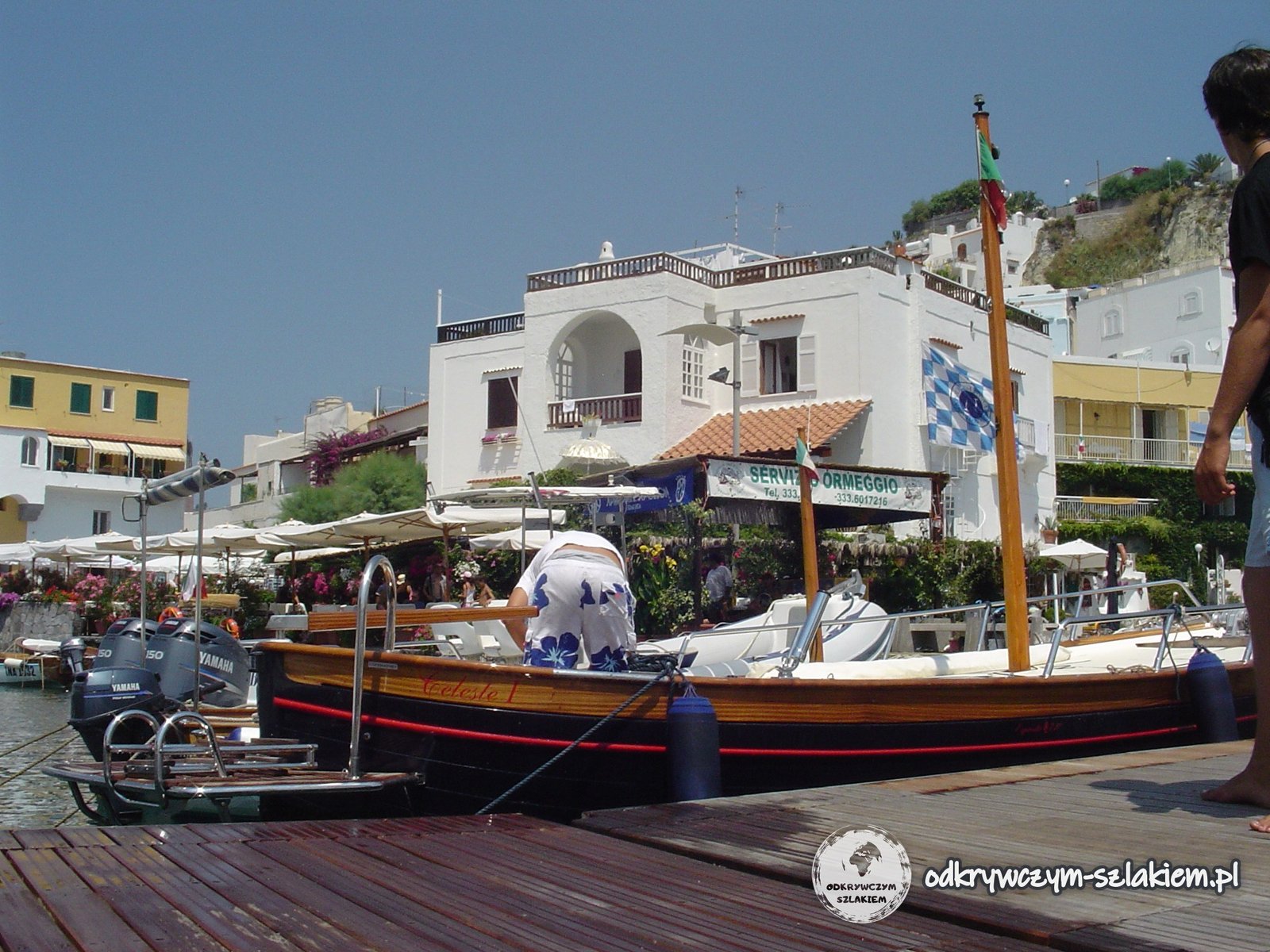
Sant’Angelo is a former fishing village at the southern tip of the island. Cars are not allowed into the centre, and a sandy isthmus links it to the islet where a tower once stood.
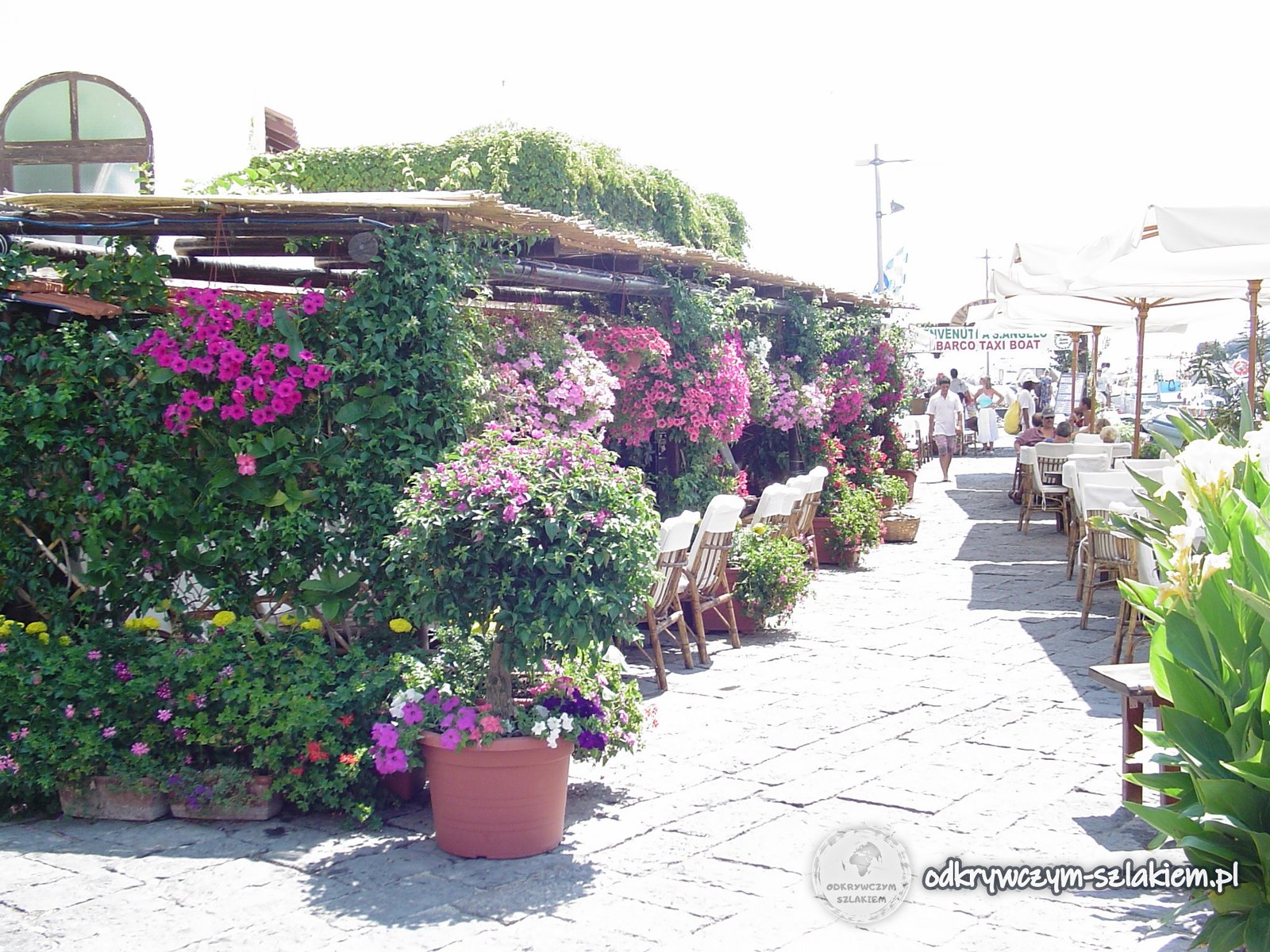
Close to the shore near the village there are fumaroles, where hot steam comes out of the ground. In Sant’Angelo we also had tiramisu at a restaurant on a lane above the harbour.
The Castello Aragonese
On 16 July we went to Ischia Ponte, where a causeway leads to the rock of the Castello Aragonese. The first fortress was built here as early as the 5th century BC, and the castle owes its present shape to Alfonso V of Aragon, who also had the stone causeway built in 1441.
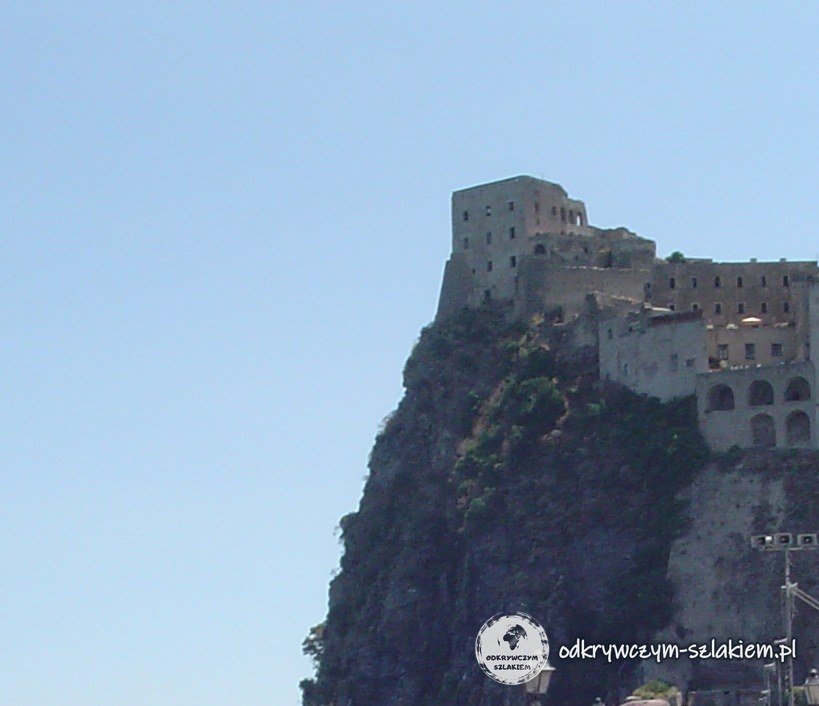
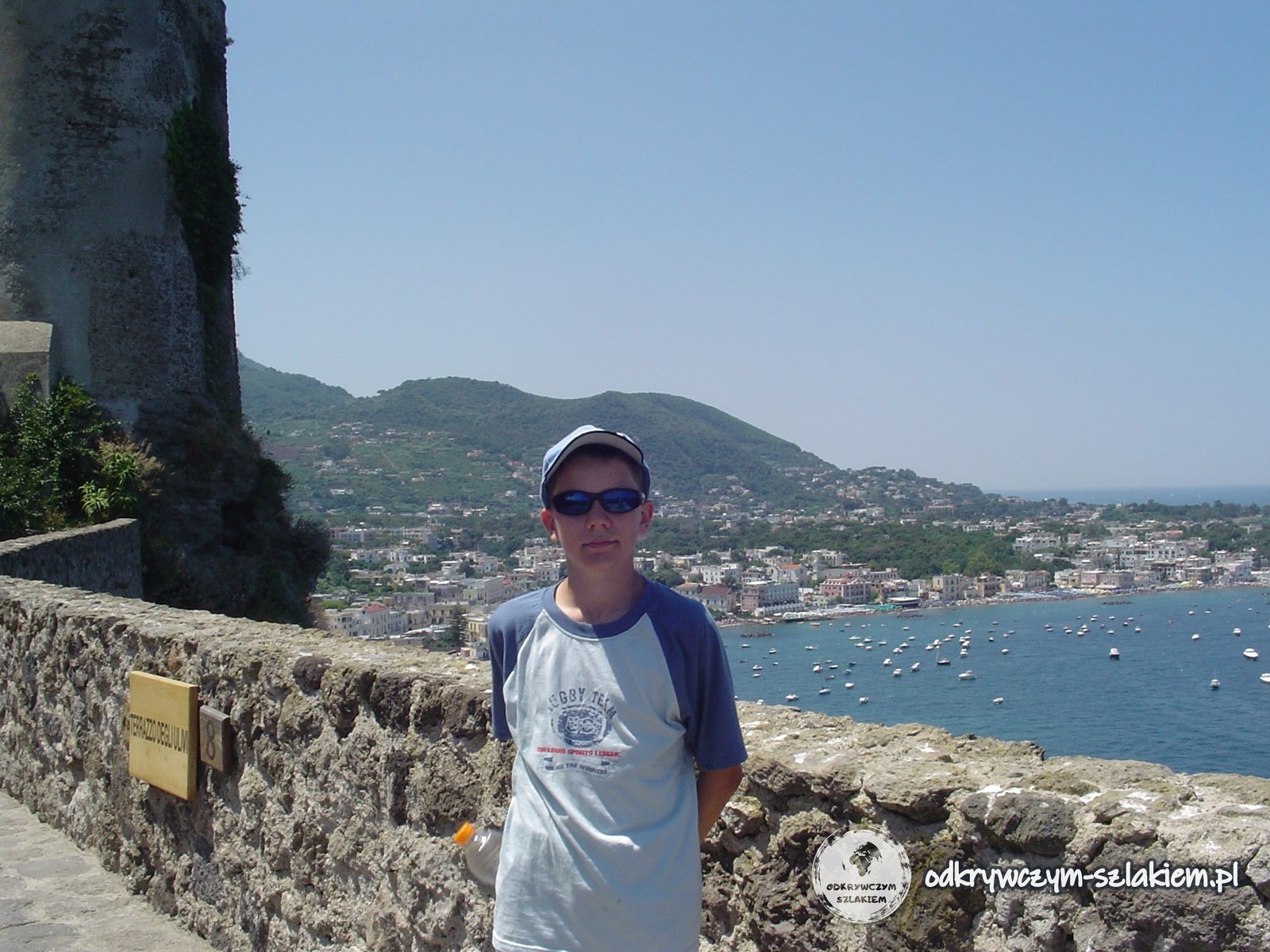
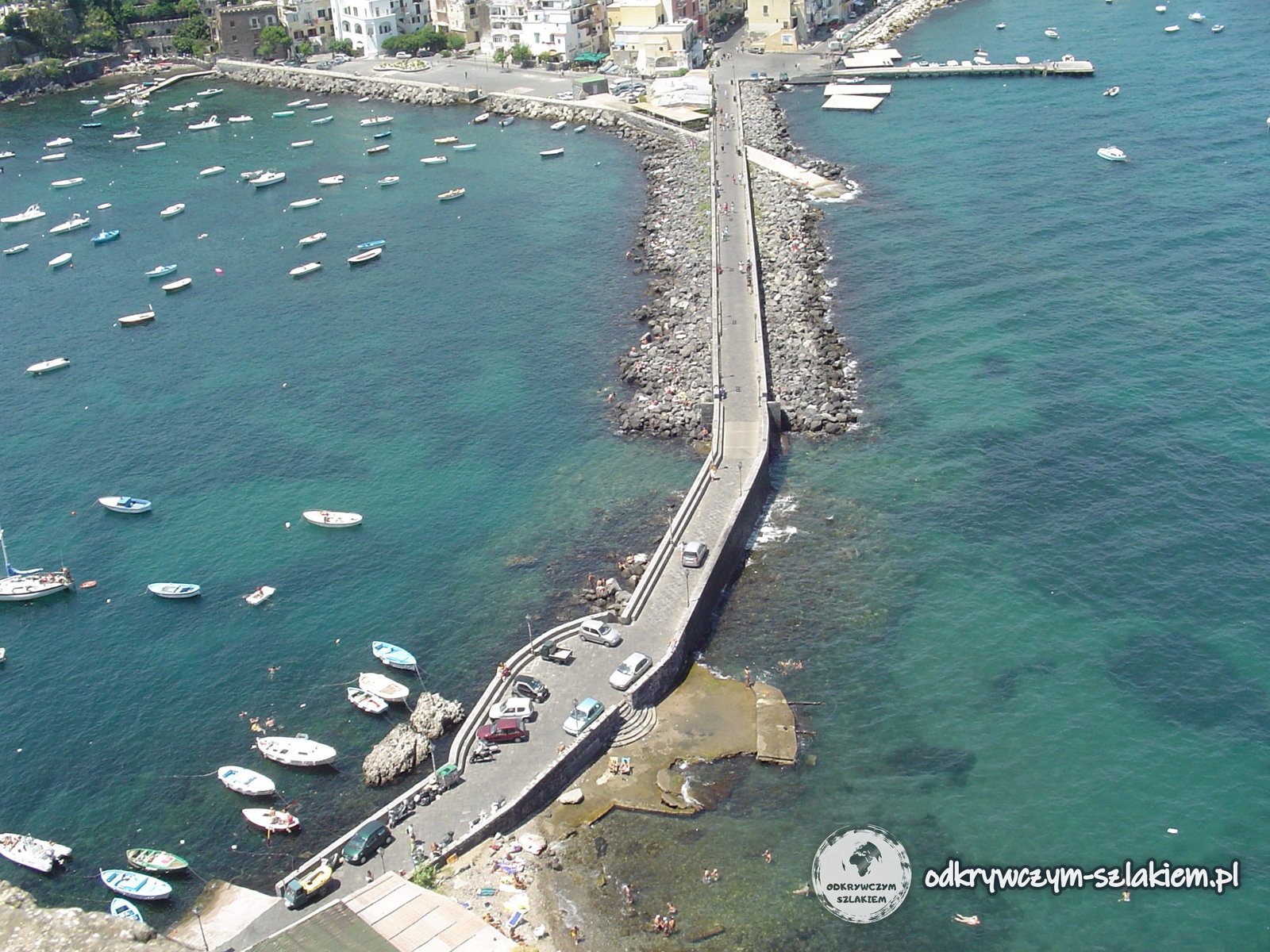
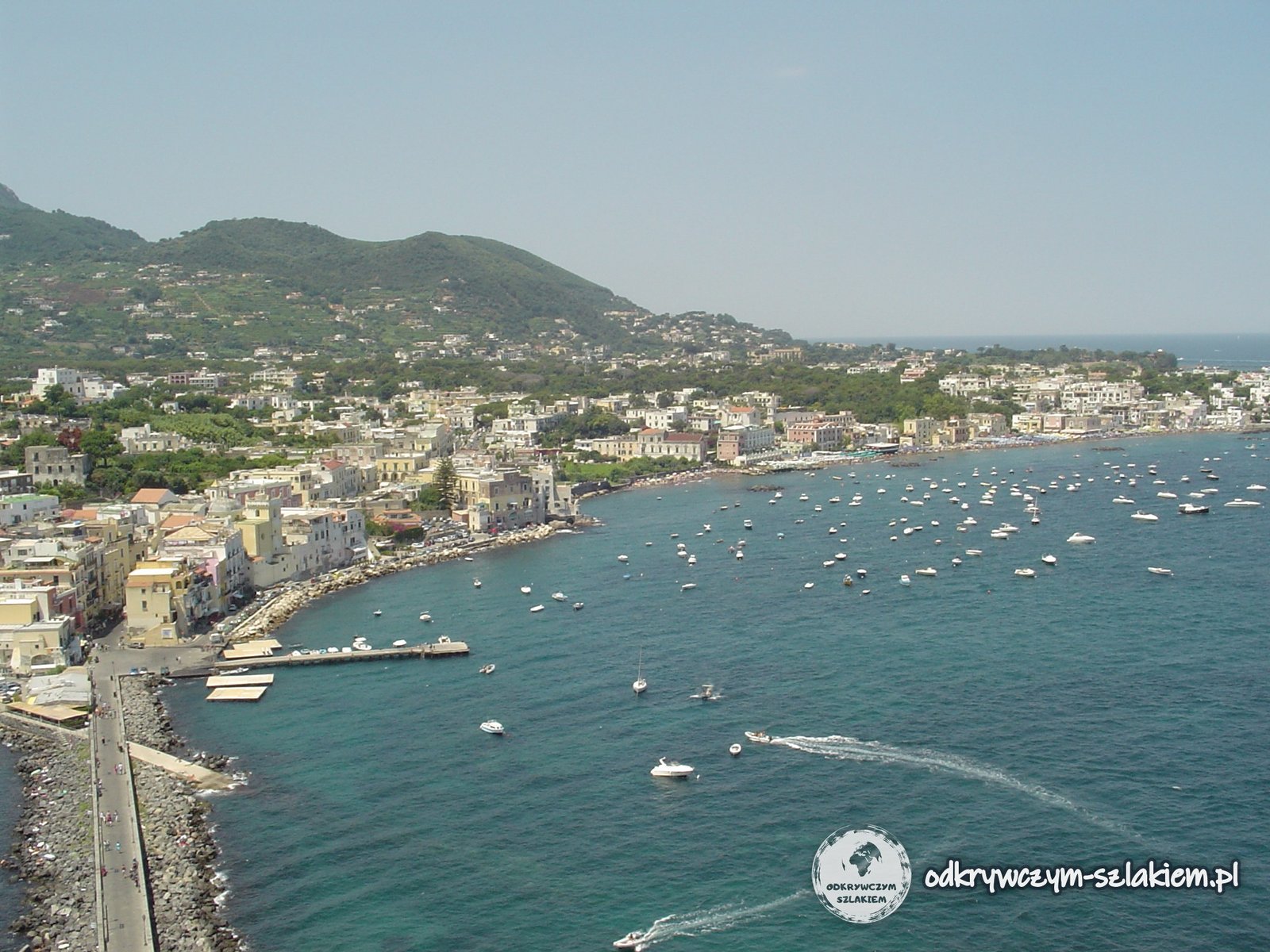
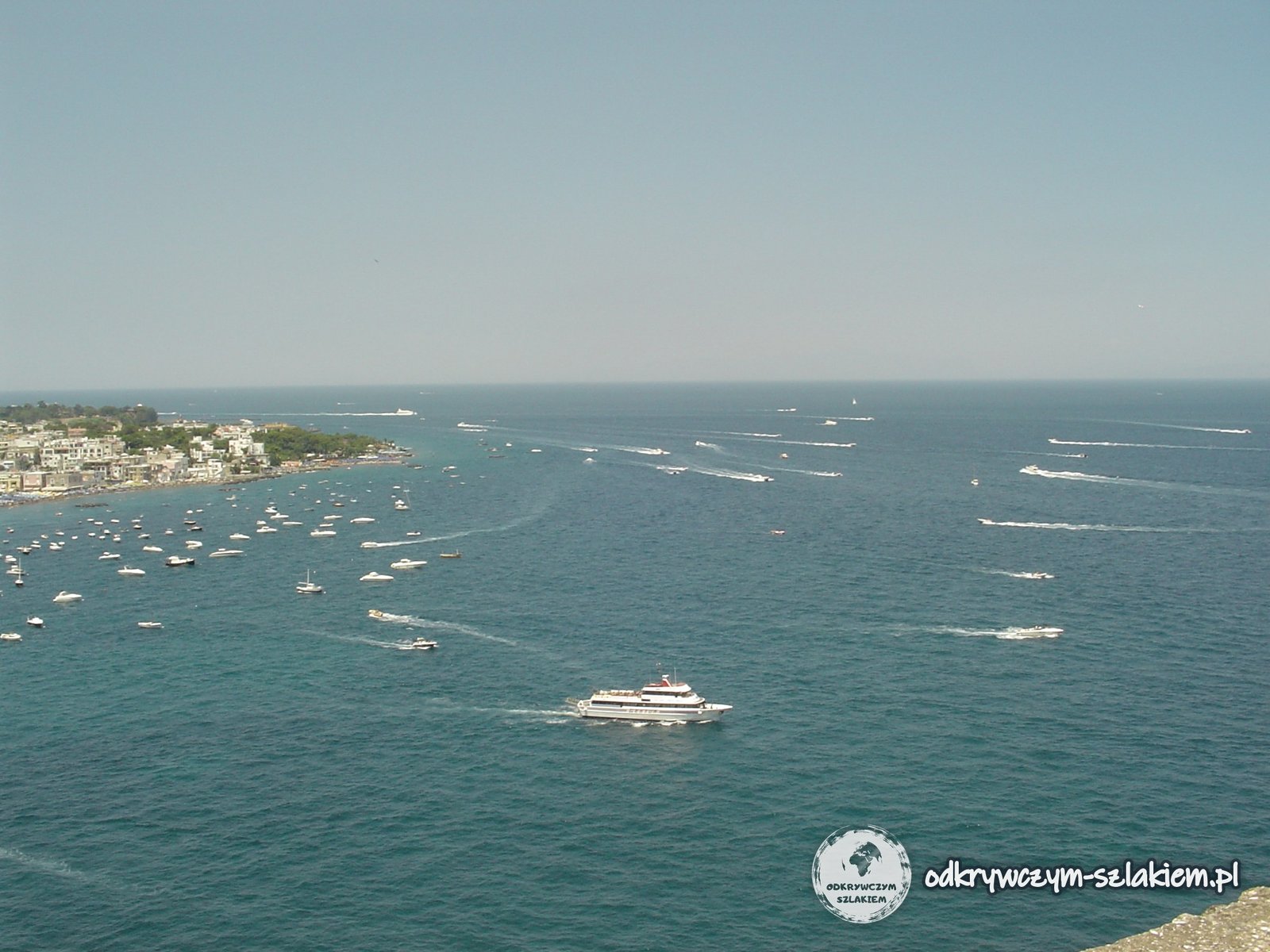
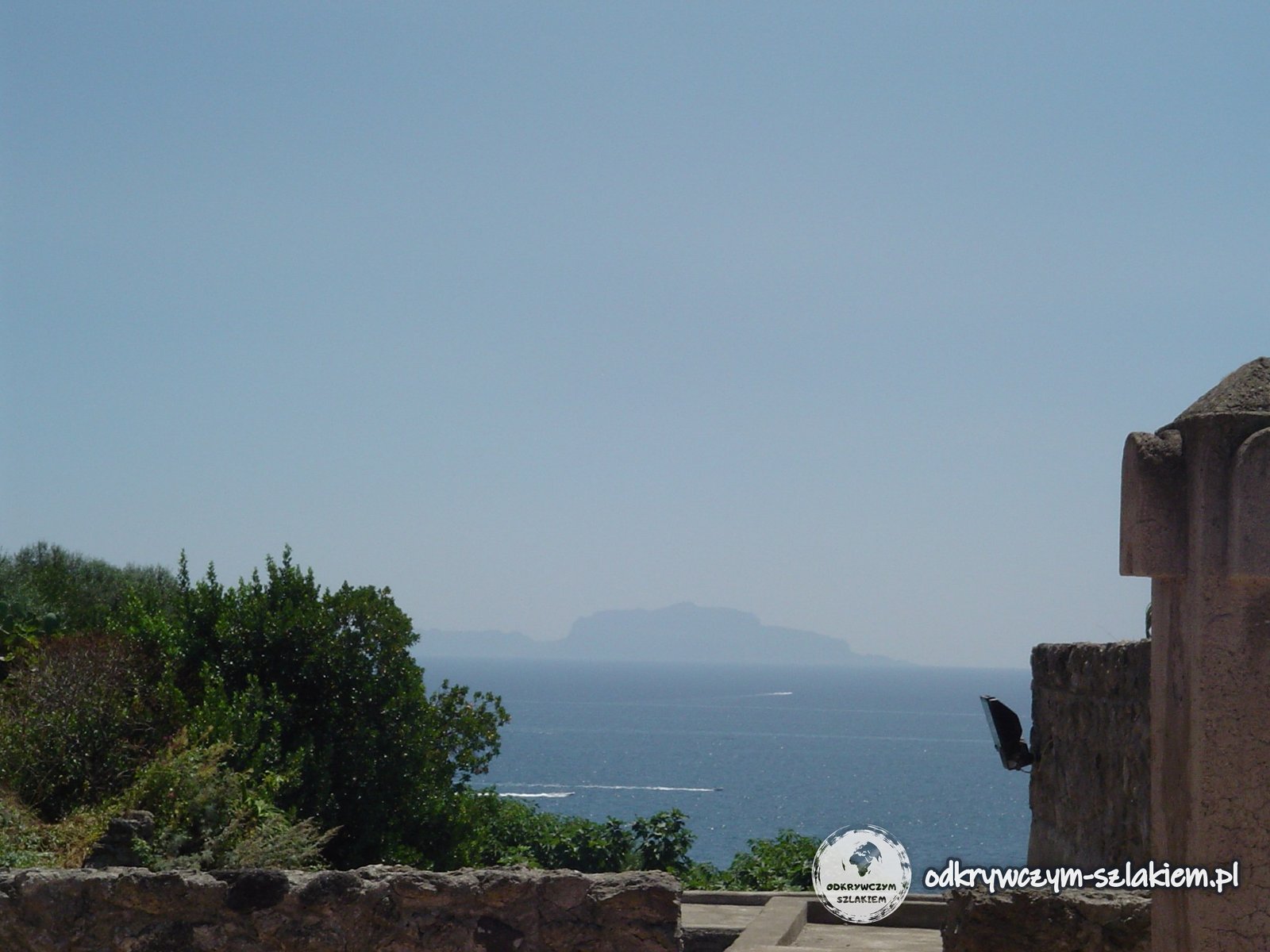
You go up through a tunnel carved into the rock. In the 16th century the poet Vittoria Colonna lived here, and in the 19th century the Bourbons turned the castle into a prison. A walk along the walls gives views of Ischia Ponte and, in good weather, of Capri too.
The Solfatara crater
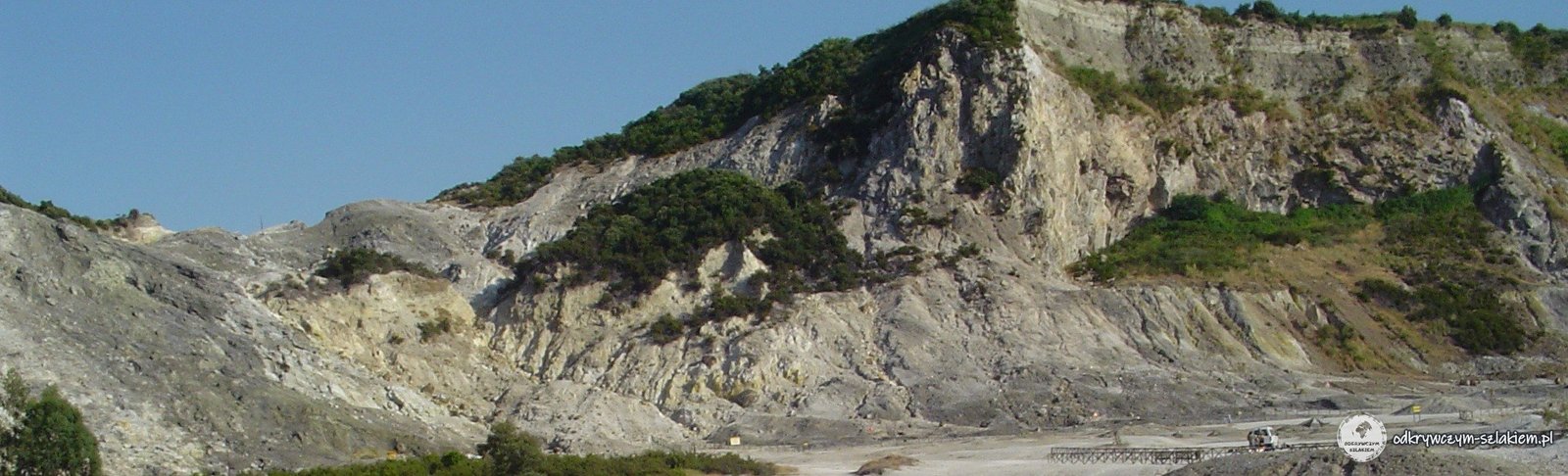
By 17 July we were back on the mainland, at the campsite next to the Solfatara in Pozzuoli. It is a shallow crater in the Phlegraean Fields, one of the most active volcanic areas in Europe, with sulphurous fumes rising from the ground.
Pompeii
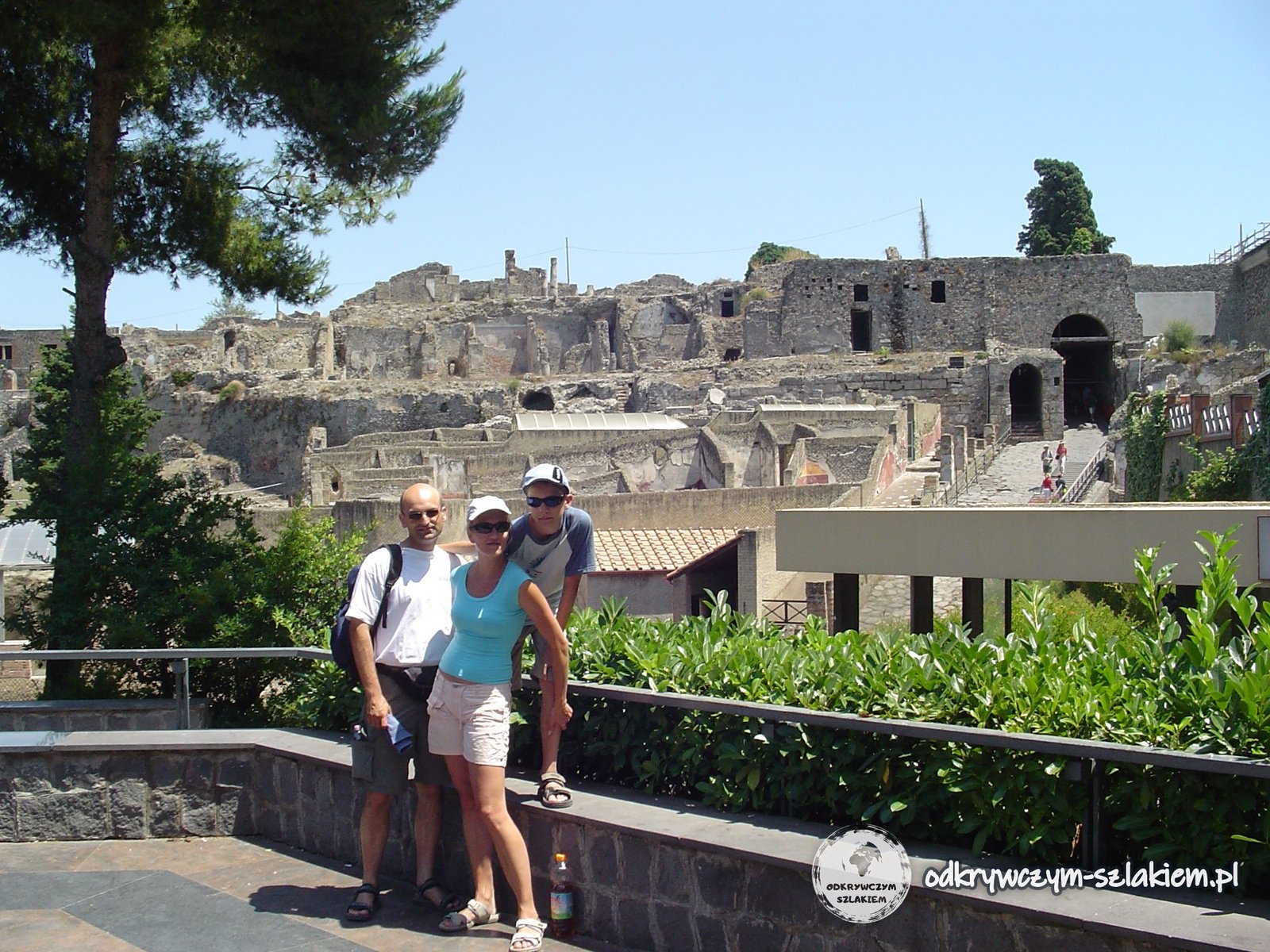
On 18 July we went to Pompeii. The city was buried during the eruption of Vesuvius in AD 79, which is why it survived so well. It has been on the UNESCO list since 1997.
Vesuvius
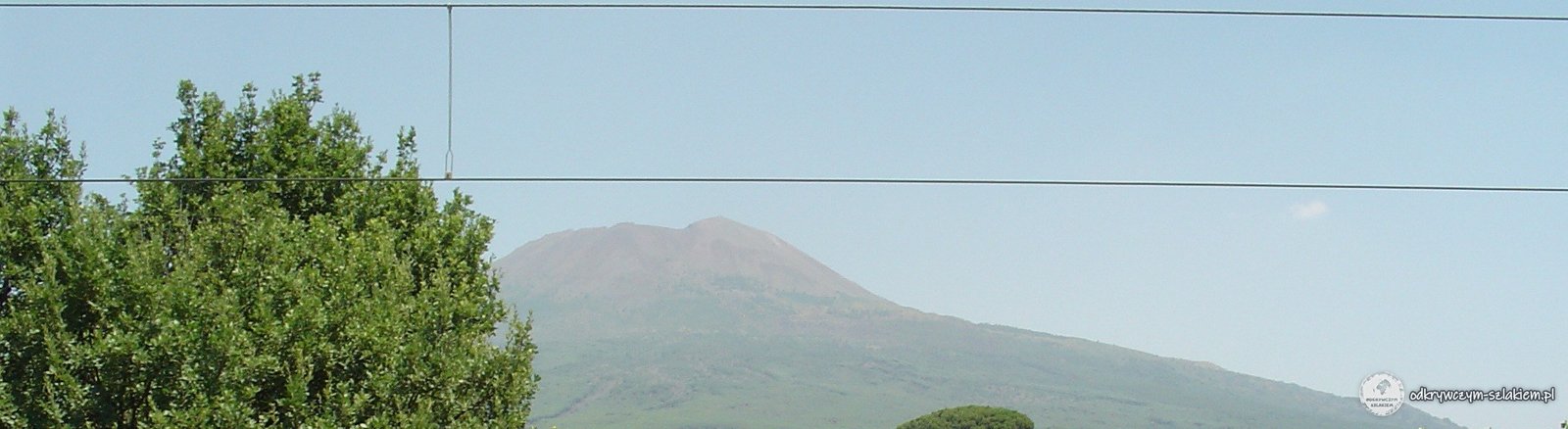
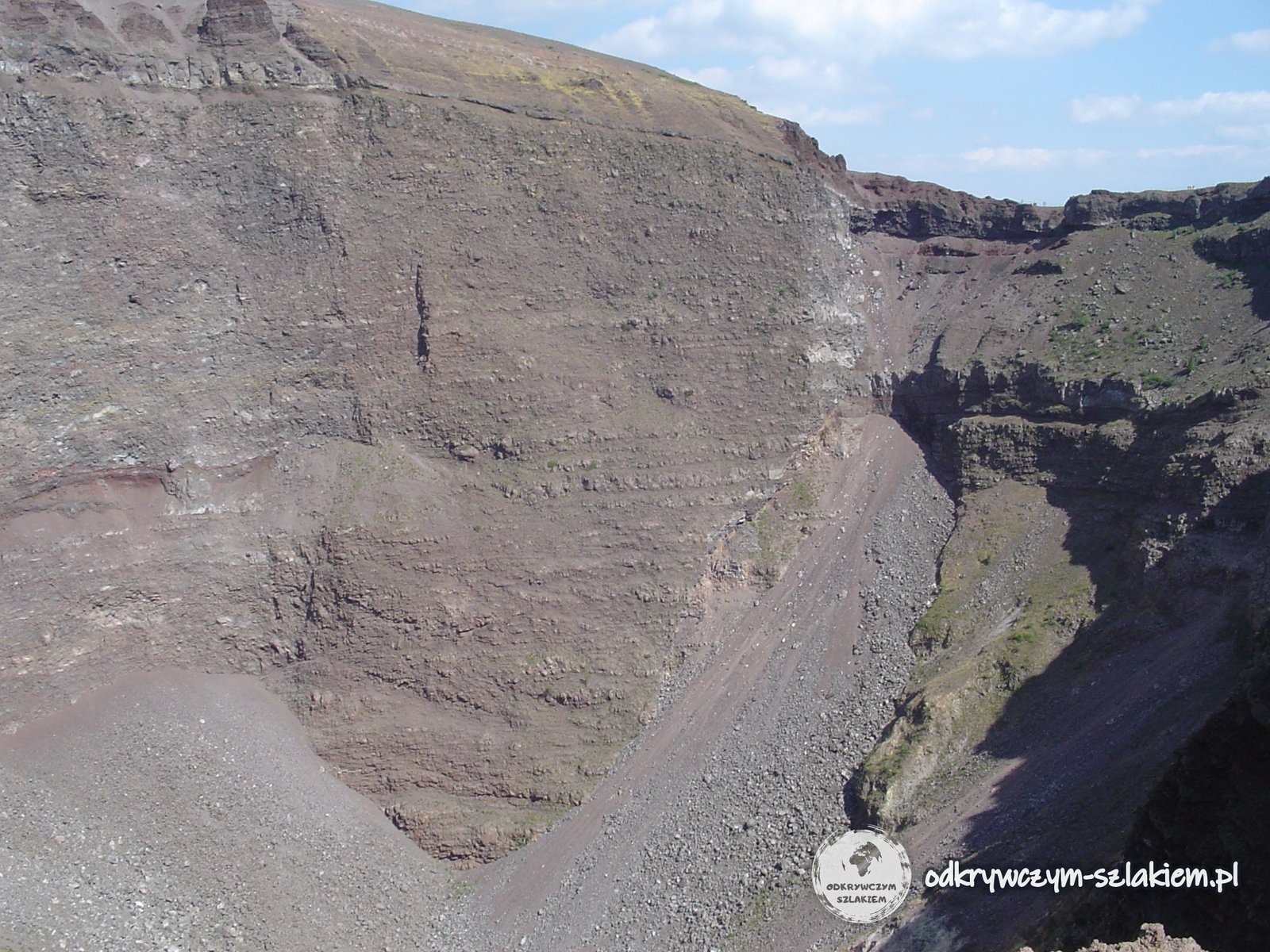
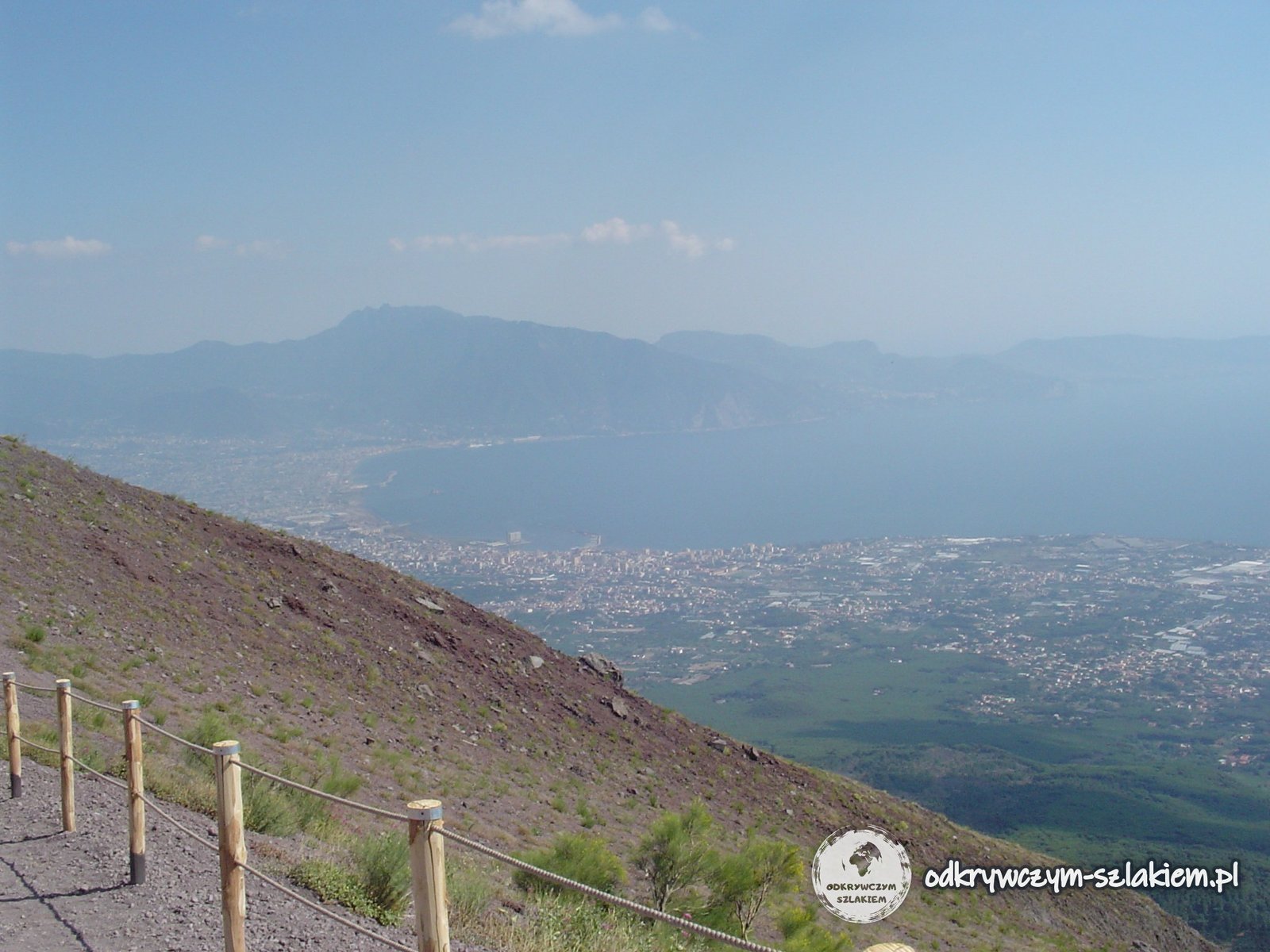
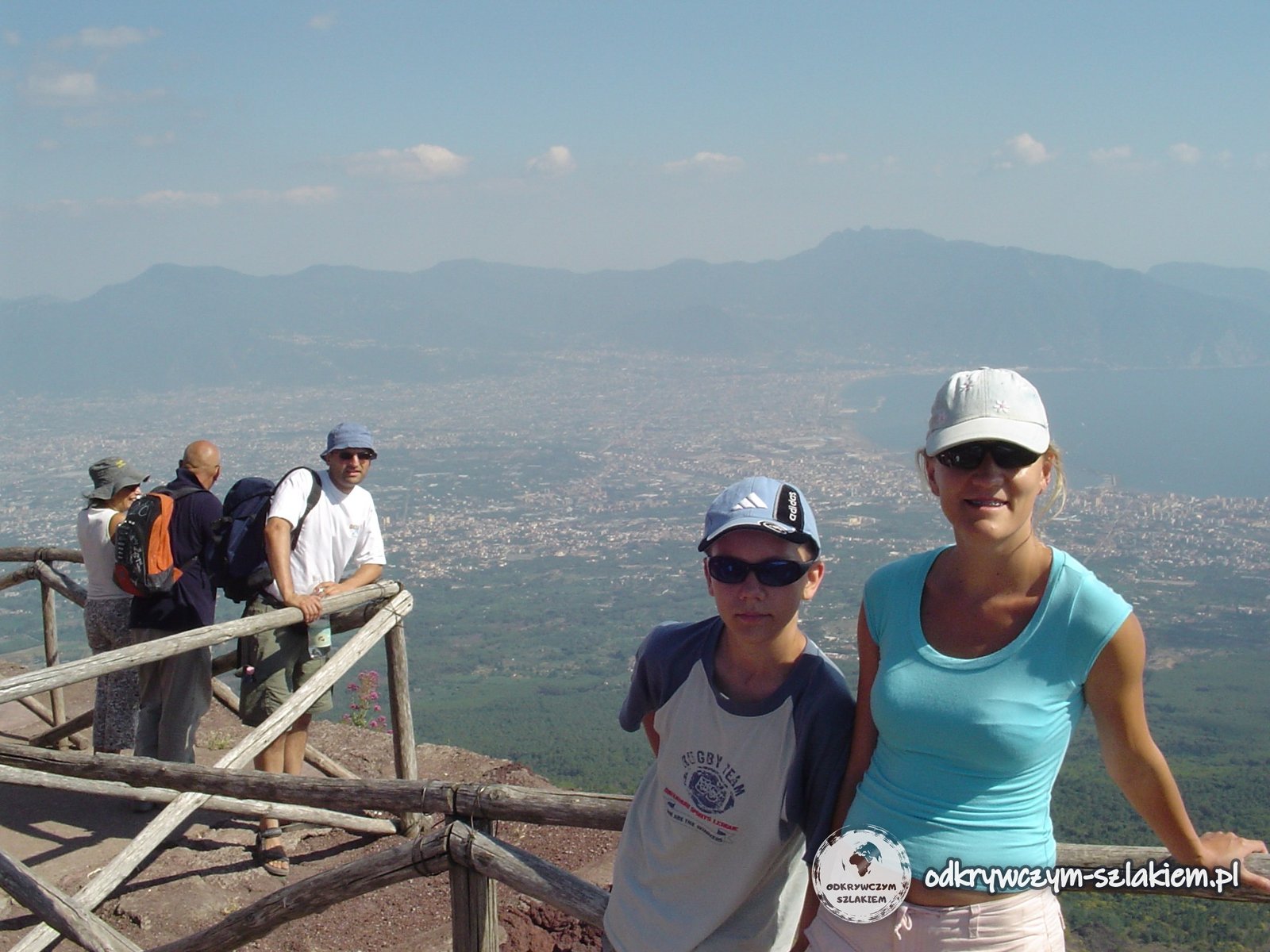
In the afternoon we went up Vesuvius (1,281 m), the only active volcano on the European mainland, and walked part of the way around the crater. It last erupted in 1944. From the path you can see Naples and the whole bay.
Naples
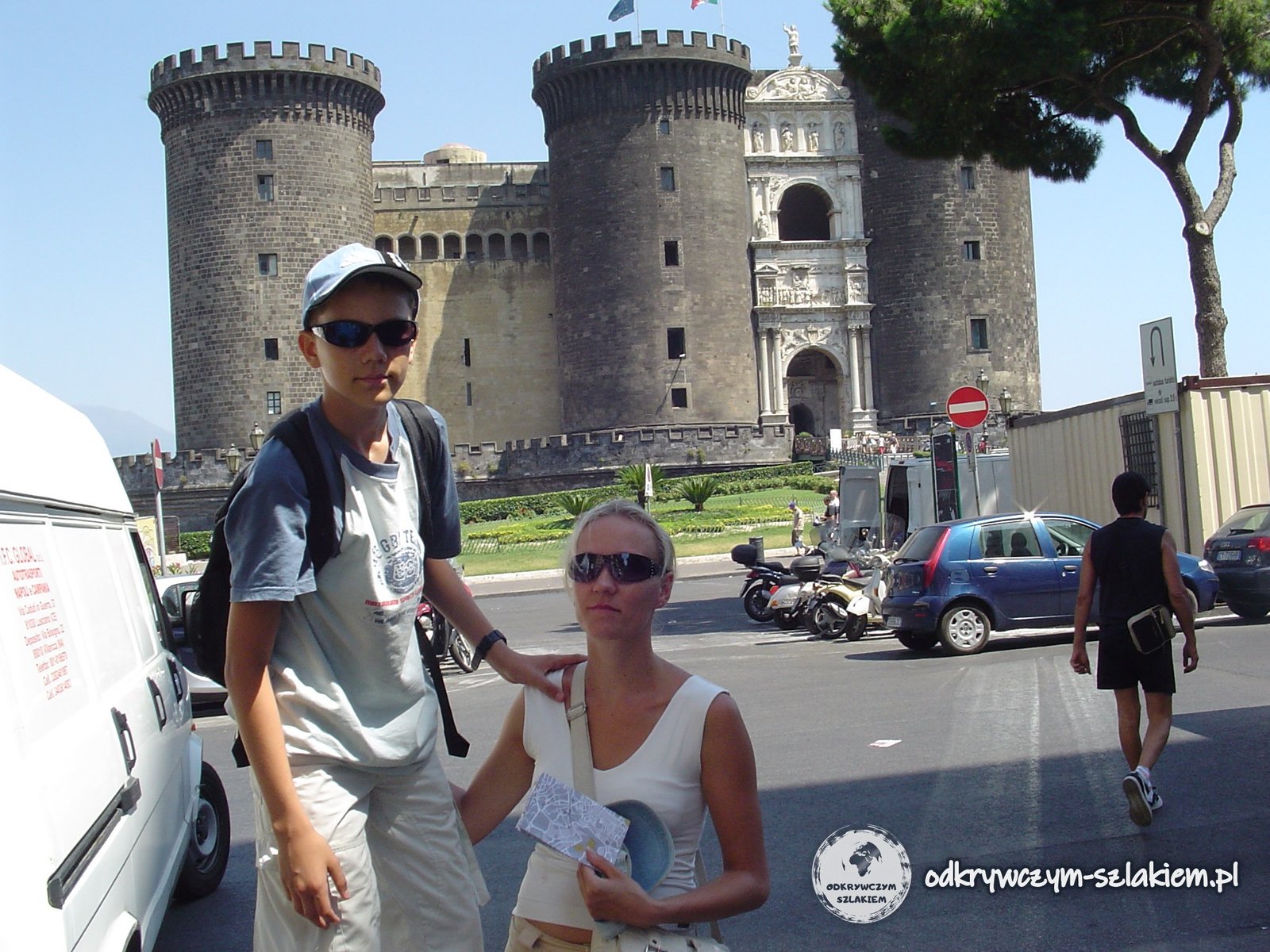
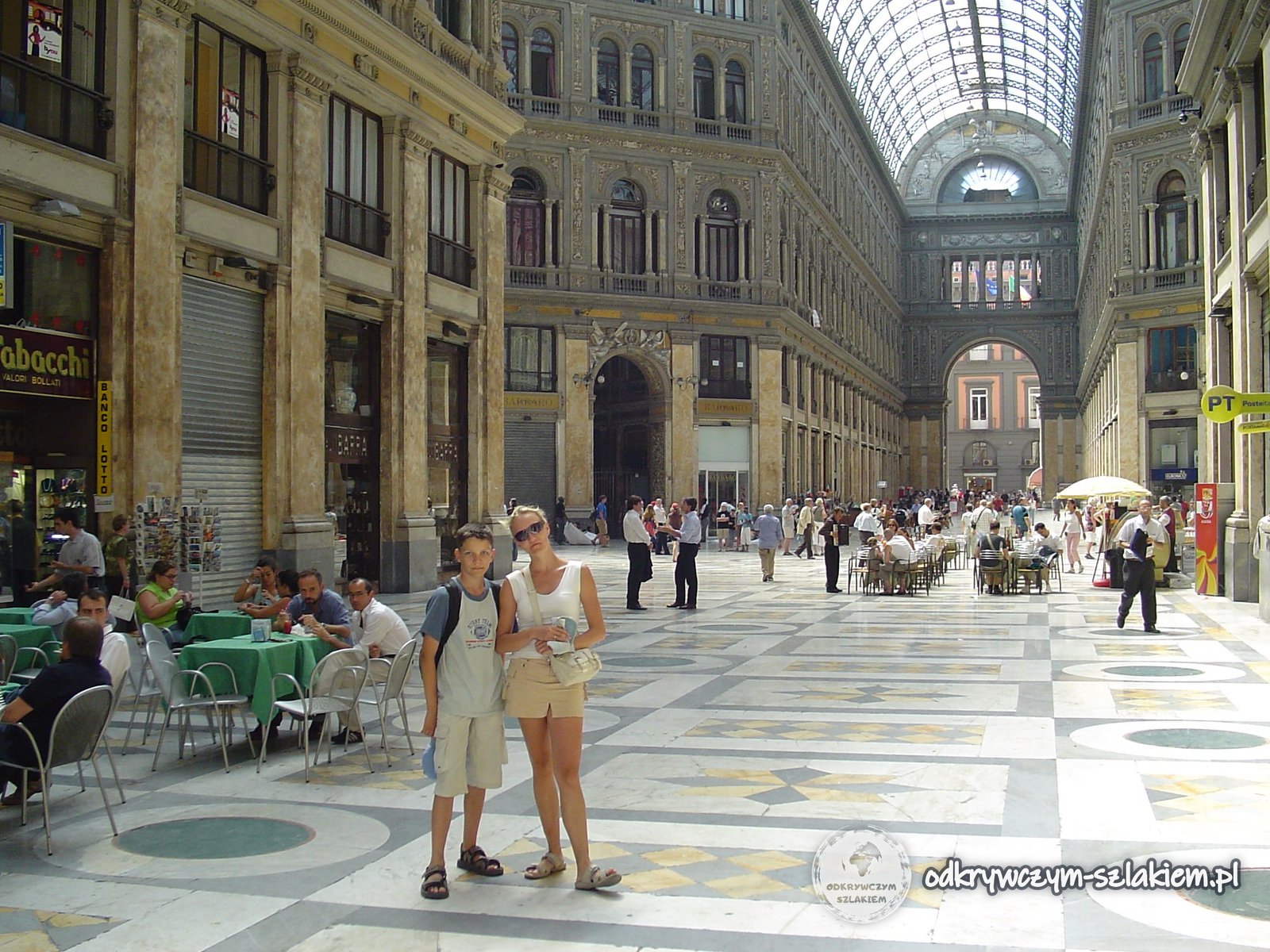
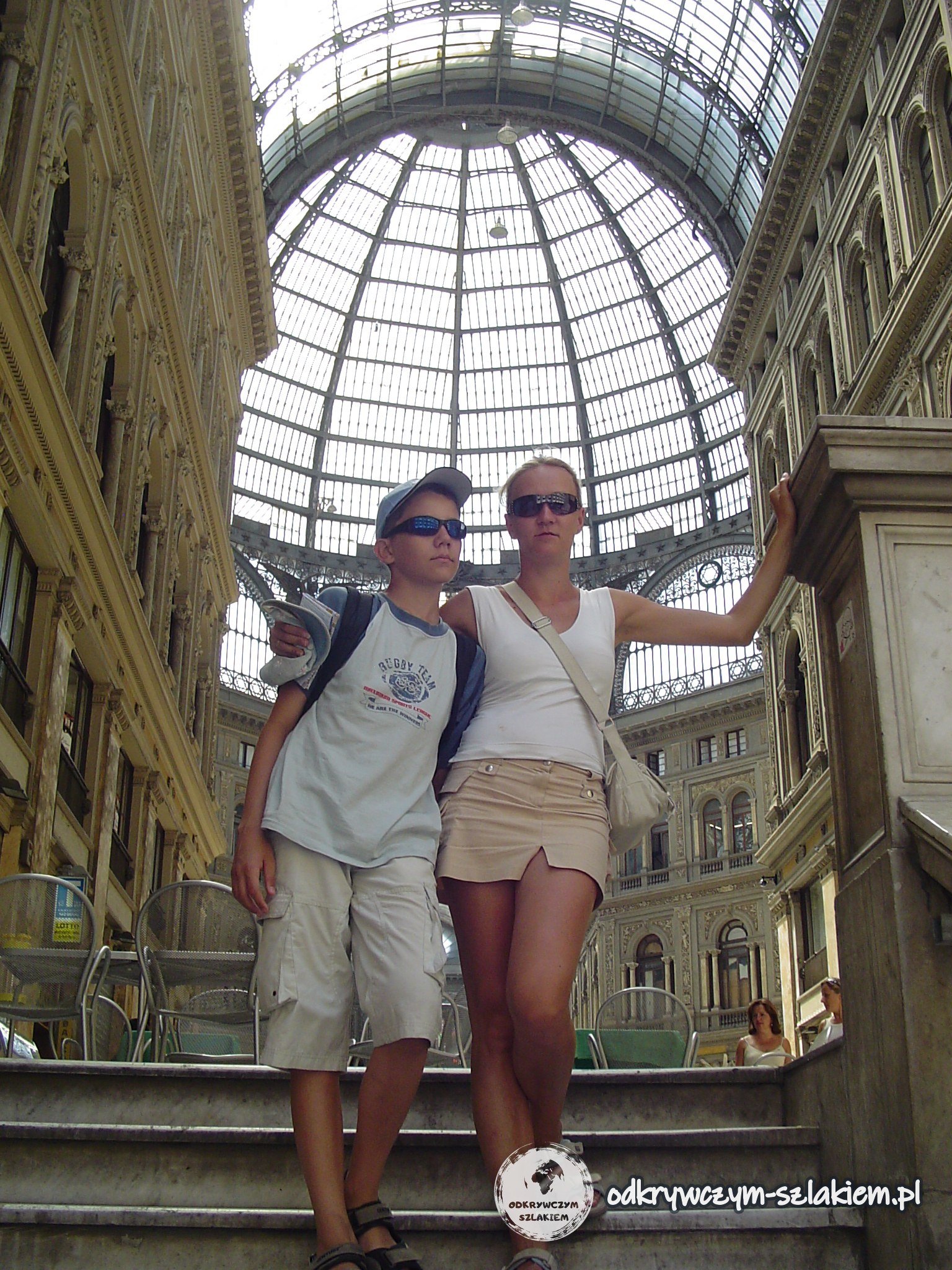
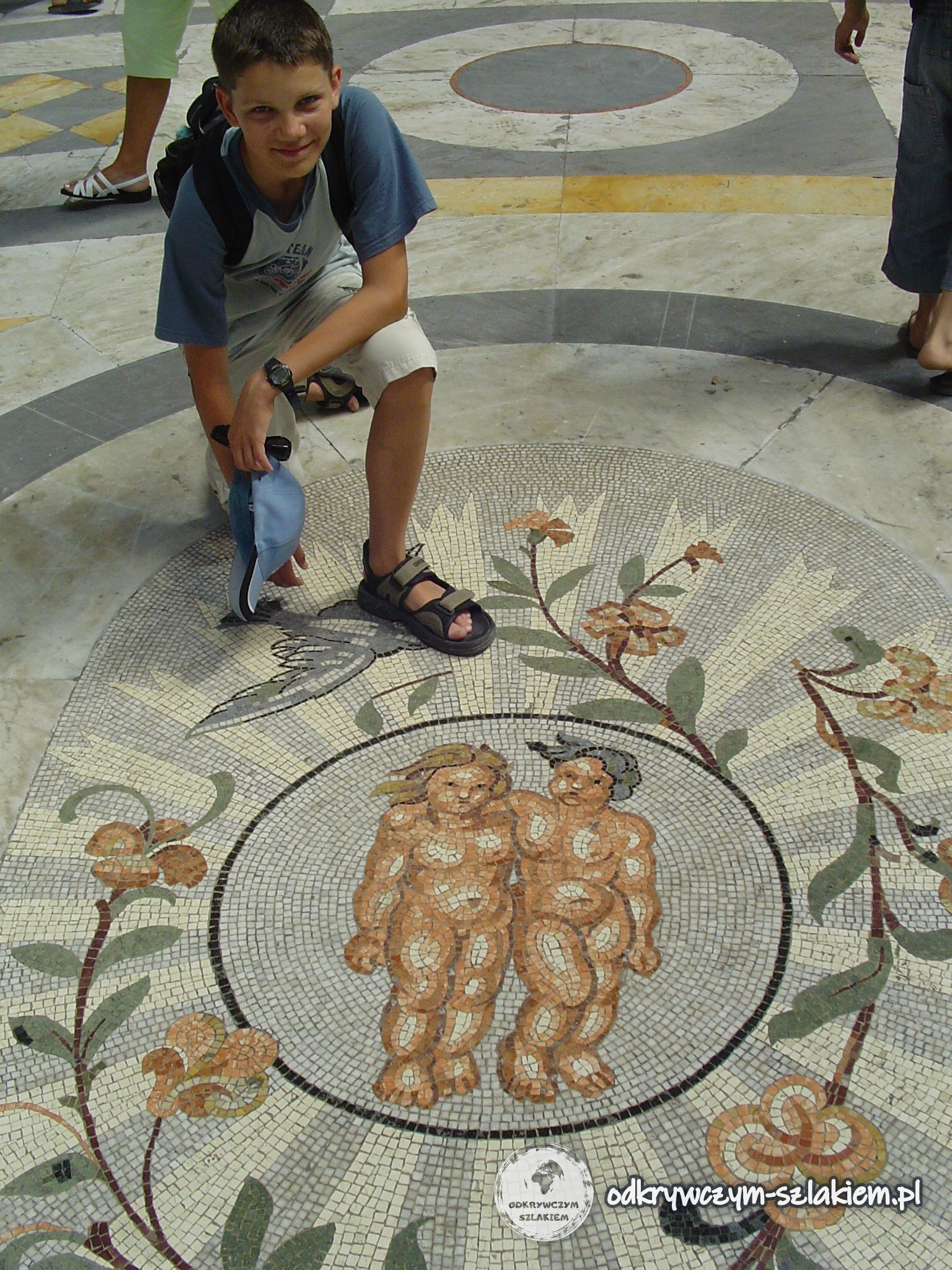
On 19 July we explored Naples, whose historic centre has been on the UNESCO list since 1995. We started at Castel Nuovo, the Angevin castle begun in 1279, and the nearby Galleria Umberto I. This arcade from 1887–1890 has a glass roof and dome and a floor with the signs of the zodiac.
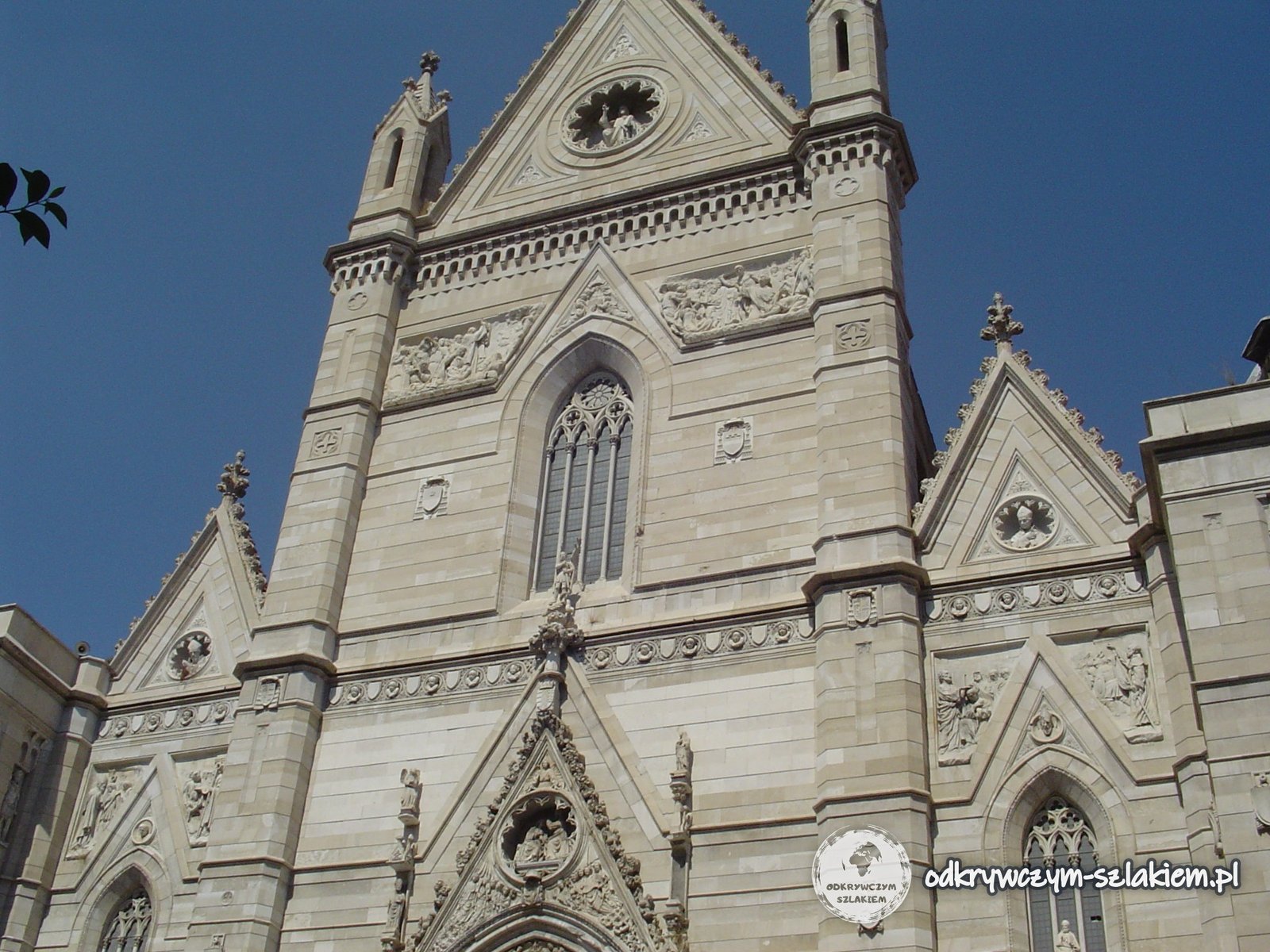
We also had pizza, since Naples is its home: the art of the Neapolitan pizzaiuolo has been on the UNESCO intangible heritage list since 2017. We ended at the cathedral, with its neo-Gothic façade from around 1900, which holds the relics of St Januarius, the city’s patron.
Practical information
- Getting to Ischia: ferries and hydrofoils run from Naples and Pozzuoli to Ischia Porto, Casamicciola and Forio.
- Solfatara: the crater has been closed to visitors since an accident in 2017; check before you go whether this has changed.
- Vesuvius: a road or shuttle takes you to a car park at about 1,000 m, and from there you walk to the crater. It is worth buying tickets online in advance.
- Pompeii and Vesuvius in one day: this can be done, but allow several hours for the ruins and arrive in the morning before the heat.