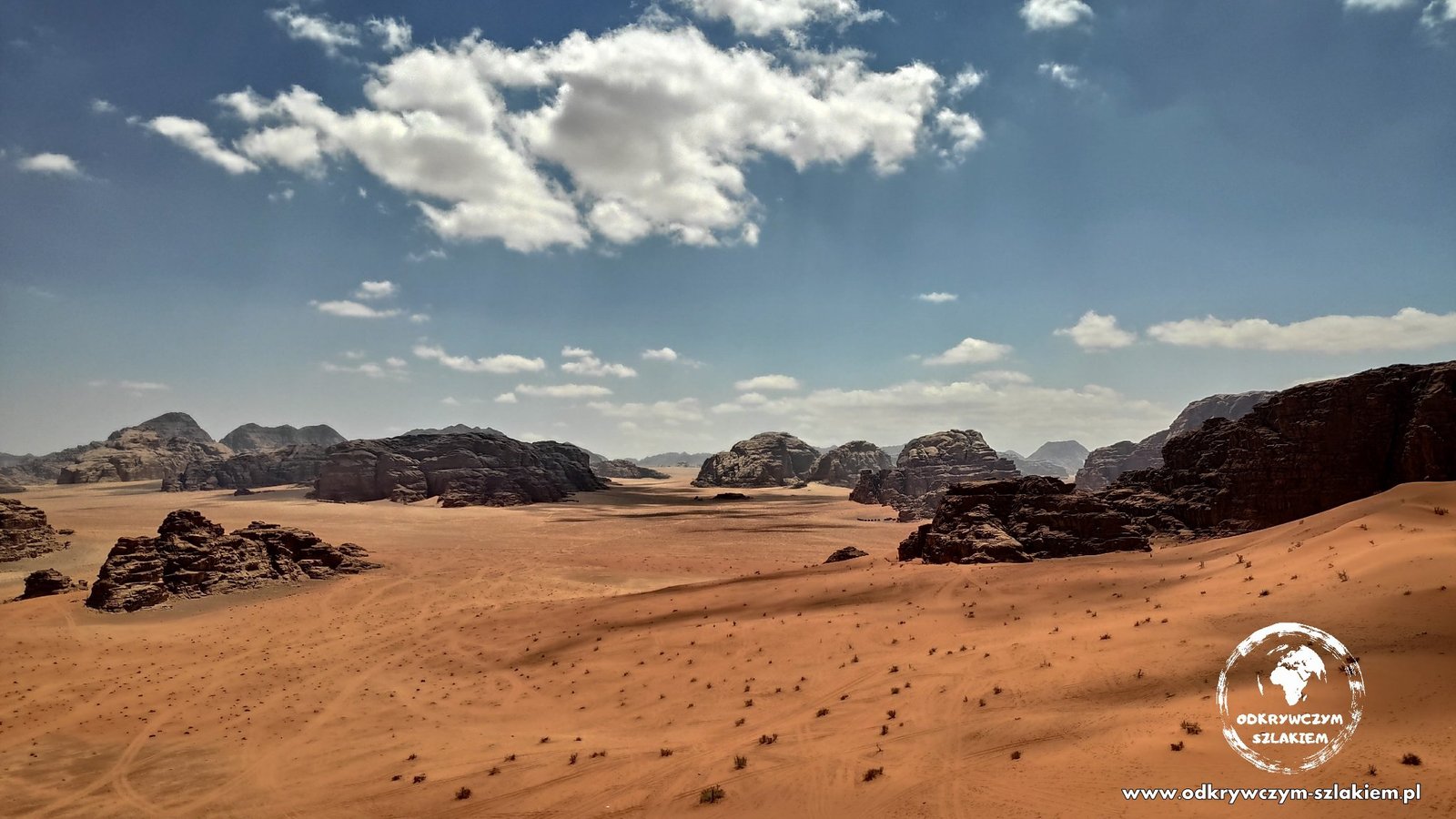
Jordan is a small country where ancient cities, crusader castles, river canyons, biblical sites and a red desert all fit along a short route. We spent a week there – from 19 to 26 March 2022, the three of us, with Ania. We had a rental car, visited 13 places and drove more than 1200 km. It was a very intense week, so here I describe the whole itinerary day by day along with practical information, while the two most important places have their own posts: Petra in one day and Wadi Rum – a night in the desert and a jeep tour.
Jordan has a rich history, and you can see it at every step. The Nabataeans (Petra), the Greeks and Romans (Jerash, Amman), the Byzantines (the mosaics in Madaba), the crusaders (the castles of Shobak and Al-Karak) and the Arabs all left their mark here. In the 6th–7th centuries it was a mostly Christian country; today more than 90% of the population is Muslim – worth keeping in mind when it comes to how you dress and behave in less touristy places.
Table of contents
- Itinerary for a week in Jordan
- Day 1: Aqaba
- Day 2: Petra
- Day 3: crusader castles, Dana Reserve and the Wadi Numeira canyon
- Day 4: Jerash – the Roman city of Gerasa
- Days 4–5: Amman
- Day 5: Qasr al-Abd and Mount Nebo
- Day 6: Madaba and Umm ar-Rasas
- Days 6–7: Wadi Rum
- Practical information
Itinerary for a week in Jordan
The plan was shaped by our flight times: we flew into and out of Aqaba in the south of the country. We did a loop from south to north and back:
- Day 1 (19 March) – Aqaba, in the evening a drive to Wadi Musa (two nights).
- Day 2 (20 March) – Petra: about 14 km on foot through the whole ancient city.
- Day 3 (21 March) – the “world’s smallest hotel”, Montreal Castle (Shobak), Dana Reserve, Al-Karak Castle, the Wadi Numeira canyon by the Dead Sea and a drive north to Jerash – 350 km by car that day.
- Day 4 (22 March) – the ruins of Gerasa in Jerash, then Amman: the King Abdullah I Mosque and an evening walk around the centre.
- Day 5 (23 March) – Amman: the Roman theatre and the citadel, the Qasr al-Abd palace, Mount Nebo, night in Madaba.
- Day 6 (24 March) – Madaba, Umm ar-Rasas and the drive (330 km) to Wadi Rum.
- Day 7 (25 March) – a full-day jeep tour of the Wadi Rum desert.
- Day 8 (26 March) – flight home from Aqaba.
The plan turned out to be optimal, but very tight – at some places we had to cut our visit short. If you can, set aside about 10 days for the same route. We also skipped some of the sights in the north of the country.
Day 1: Aqaba
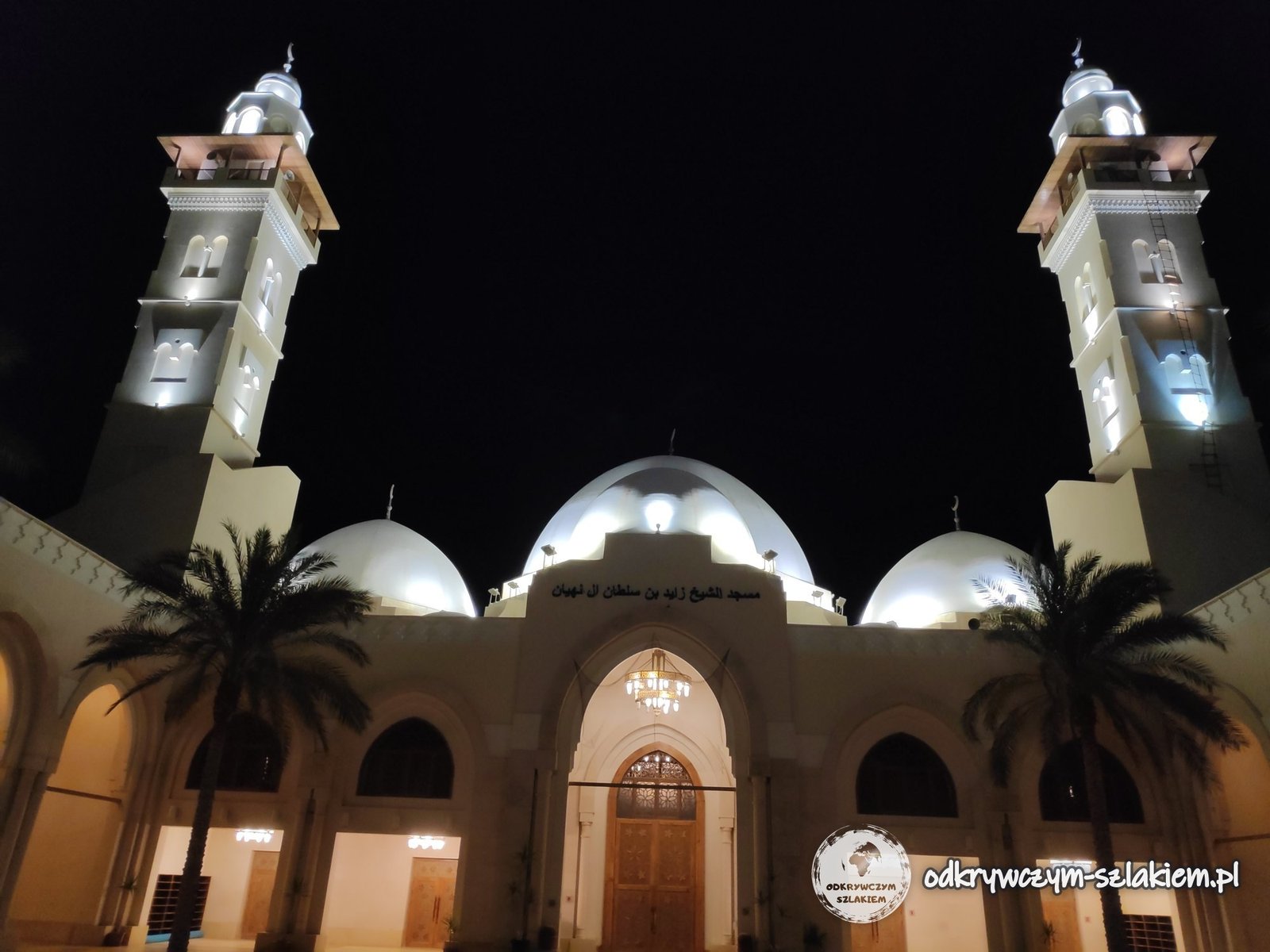
We flew from Berlin to Aqaba – Jordan’s only seaside city (on the Gulf of Aqaba in the Red Sea). Aqaba played a major role in the Arab Revolt of 1916–1918, whose aim was independence from the Ottoman Empire. Aqaba Fortress witnessed the revolt’s victory – next to it is the Arab Revolt Plaza with a very tall flagpole flying the flag of the Arab Revolt (it looks a lot like the flag of Jordan). We also looked into the Sheikh Zayed Mosque and the Sharif Hussein bin Ali Mosque.
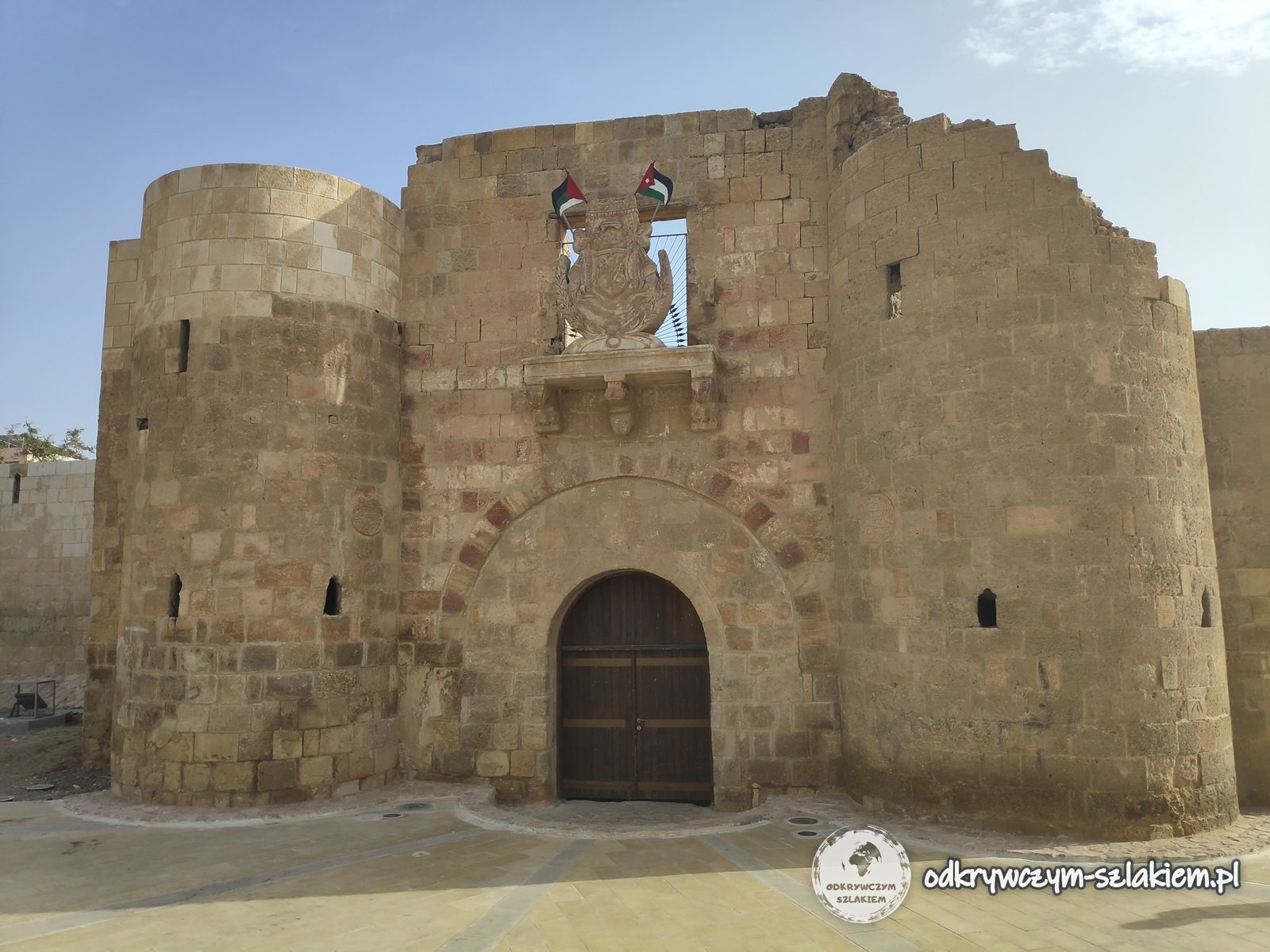
Aqaba is in a unique spot: from South Beach you can see Israeli Eilat and Egypt’s Sinai Peninsula across the gulf, and the Saudi Arabian border is only a few kilometres away. The city is famous for its beaches, snorkelling and diving. The public beaches, however, are mostly used by families with children – they are meeting places with designated barbecue areas, where bikinis are not welcome. If you want to sunbathe, choose a tourist beach such as the Berenice Beach Club.
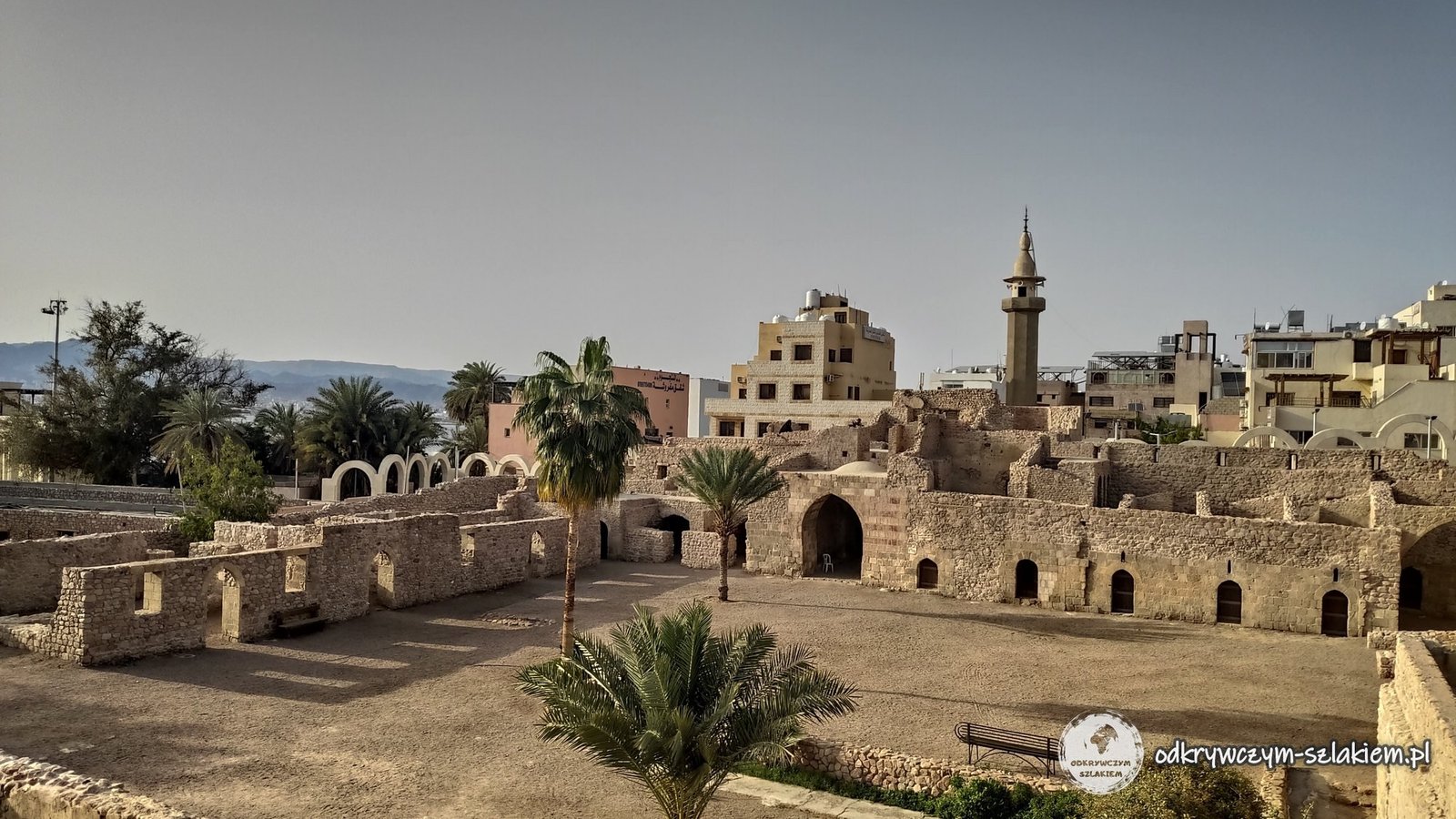
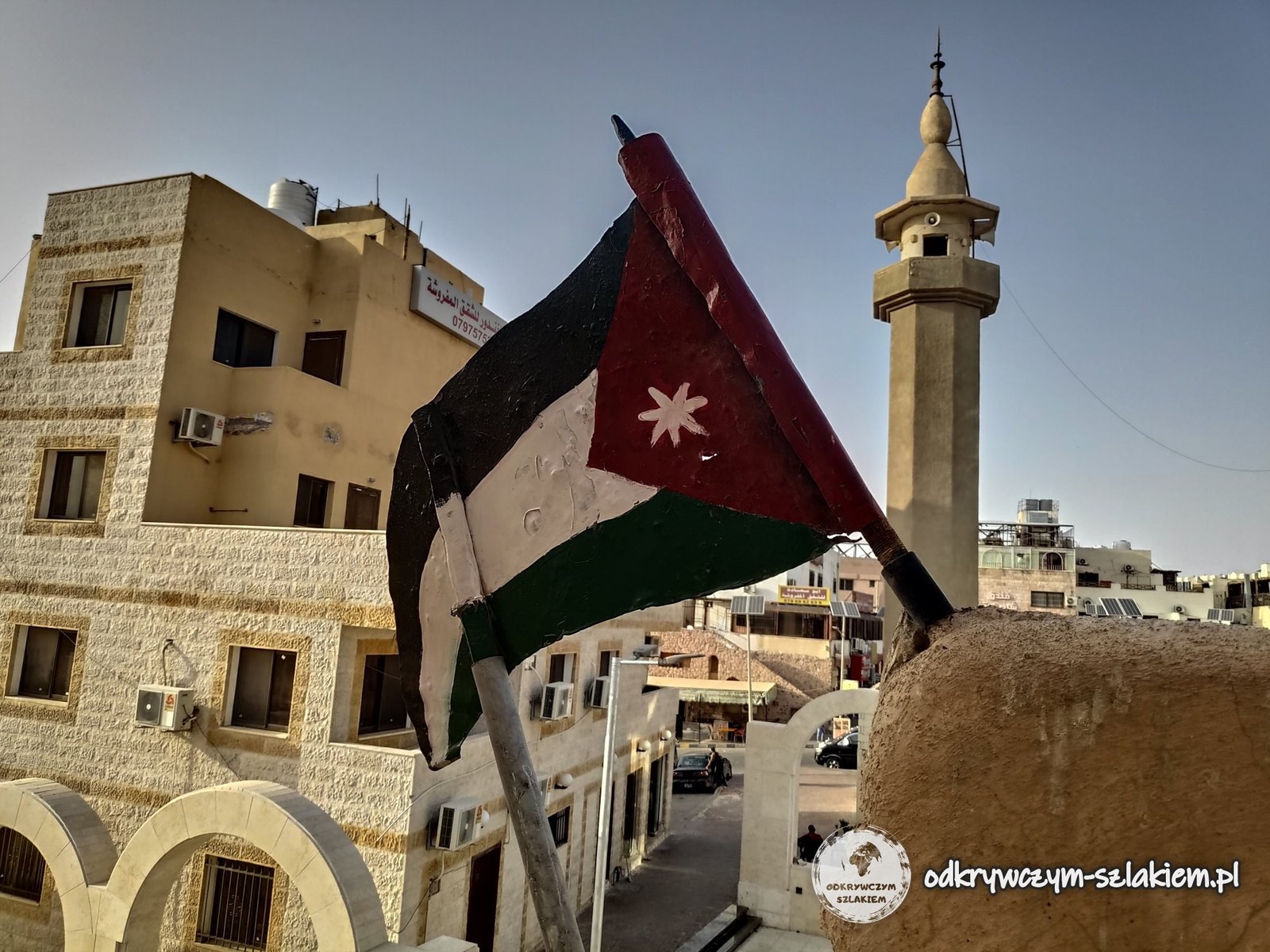
If the beach isn’t your priority (we were here in March), a few hours are enough for Aqaba. The city is a special economic zone, so alcohol and some foods are cheaper here than in the rest of the country. Aqaba is also the warmest place in Jordan – during our trip it was the only place where it was really warm. In the evening we drove on to Wadi Musa, where we spent our first two nights.
Day 2: Petra
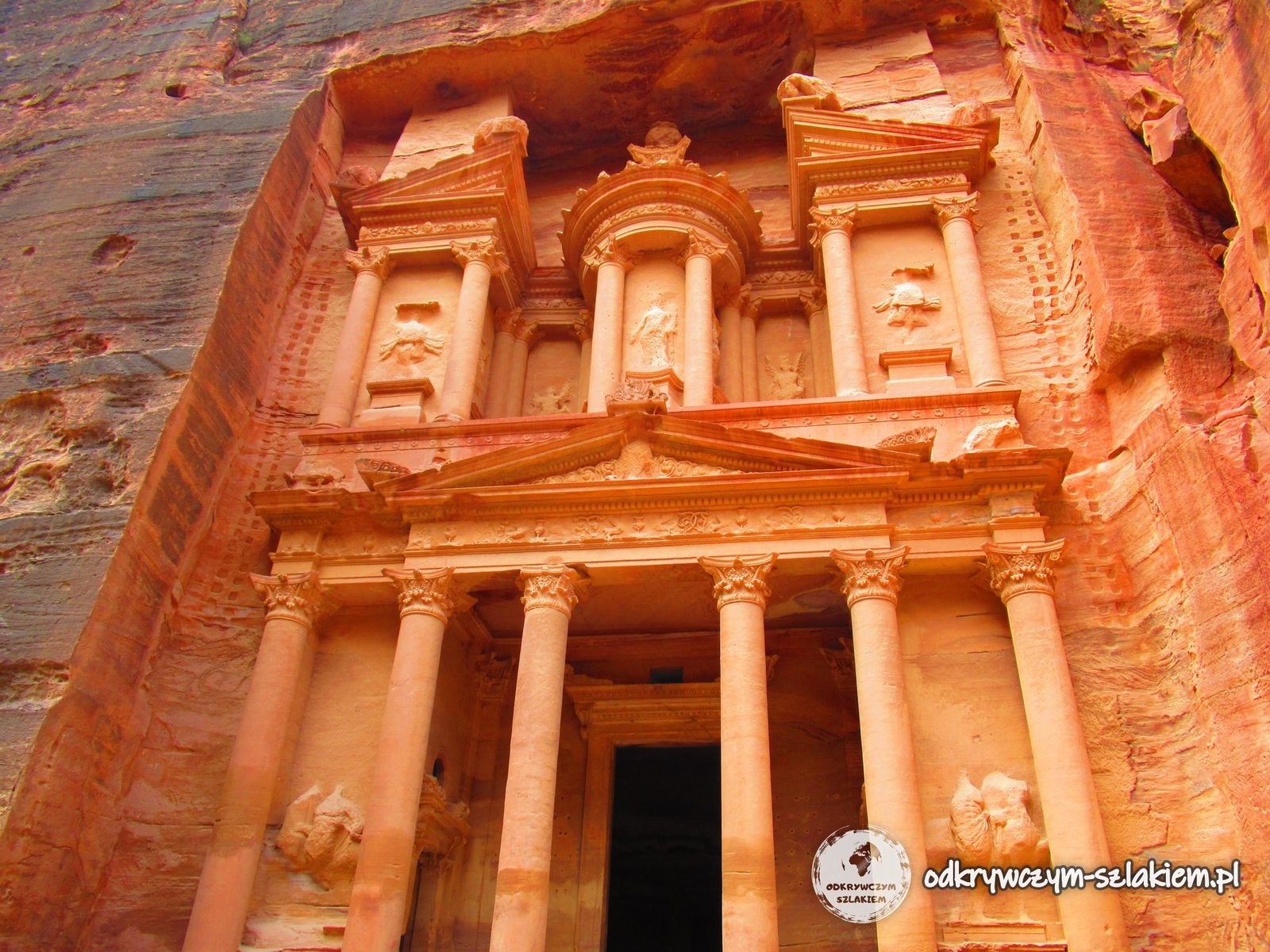
The name “Wadi Musa” probably doesn’t mean much to you, but this is where Petra is – the ancient rock-cut city of the Nabataeans and one of the New Seven Wonders of the World. Its best-known building, the Treasury (Al-Khazneh), played the Temple of the Holy Grail in the film “Indiana Jones and the Last Crusade”. That day we walked about 14 km: through the Siq gorge, past tombs, temples and the theatre, all the way to the Ad Deir Monastery. Unsurprisingly, Petra takes first place in Jordan for us. The whole route, the trails, prices and tips are in a separate post: Petra in one day – trails, the Treasury and the Ad Deir Monastery.
Day 3: crusader castles, Dana Reserve and the Wadi Numeira canyon
We had planned too many places for the third day, so we had to shorten our visit at each of them. We drove north along the King’s Highway and in the evening made it all the way to Jerash.
The “world’s smallest hotel” and Montreal Castle (Shobak)
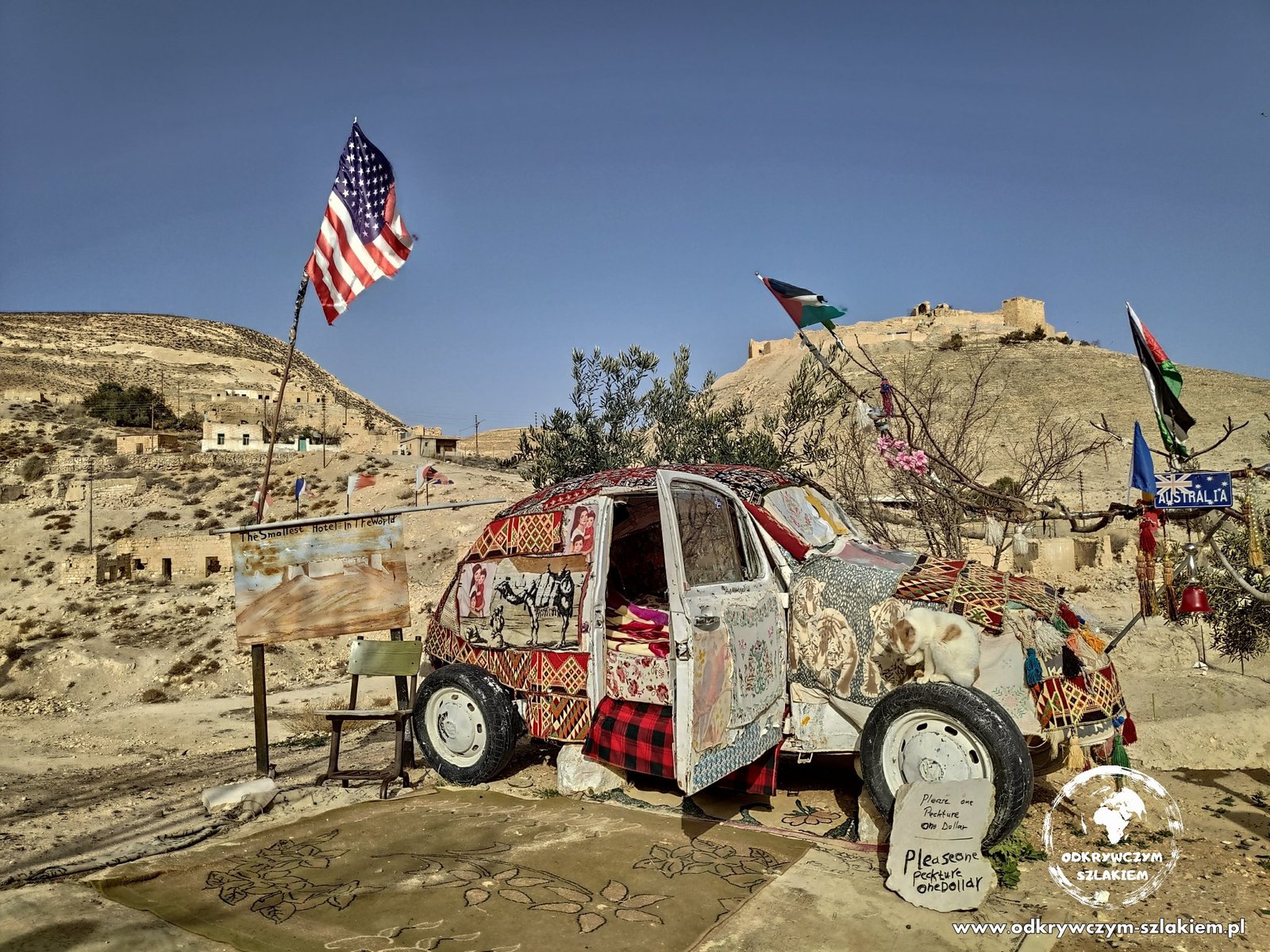
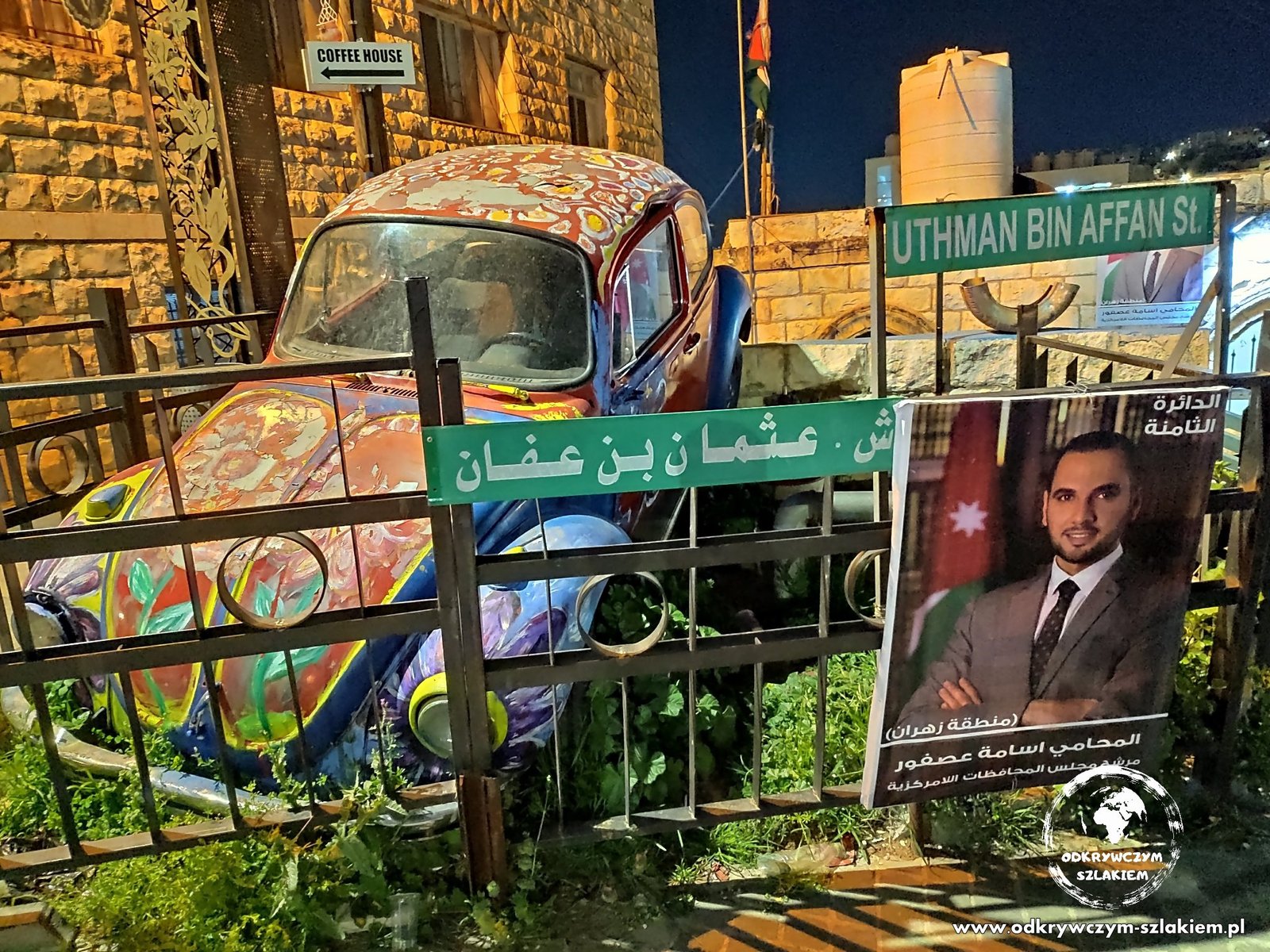
In the village of Al Jaya, opposite Montreal Castle, stands the so-called “world’s smallest hotel” – a colourfully decorated Volkswagen Beetle where up to two people can spend the night for a hefty sum (about 50 dinars). According to Guinness World Records the smallest hotel is actually in Germany, but this place has its charm. We only wanted to take a photo in front of the car and move on, but the owner invited us in for tea, told us all sorts of stories and showed us photos with famous people – he even had one with the King of Jordan.
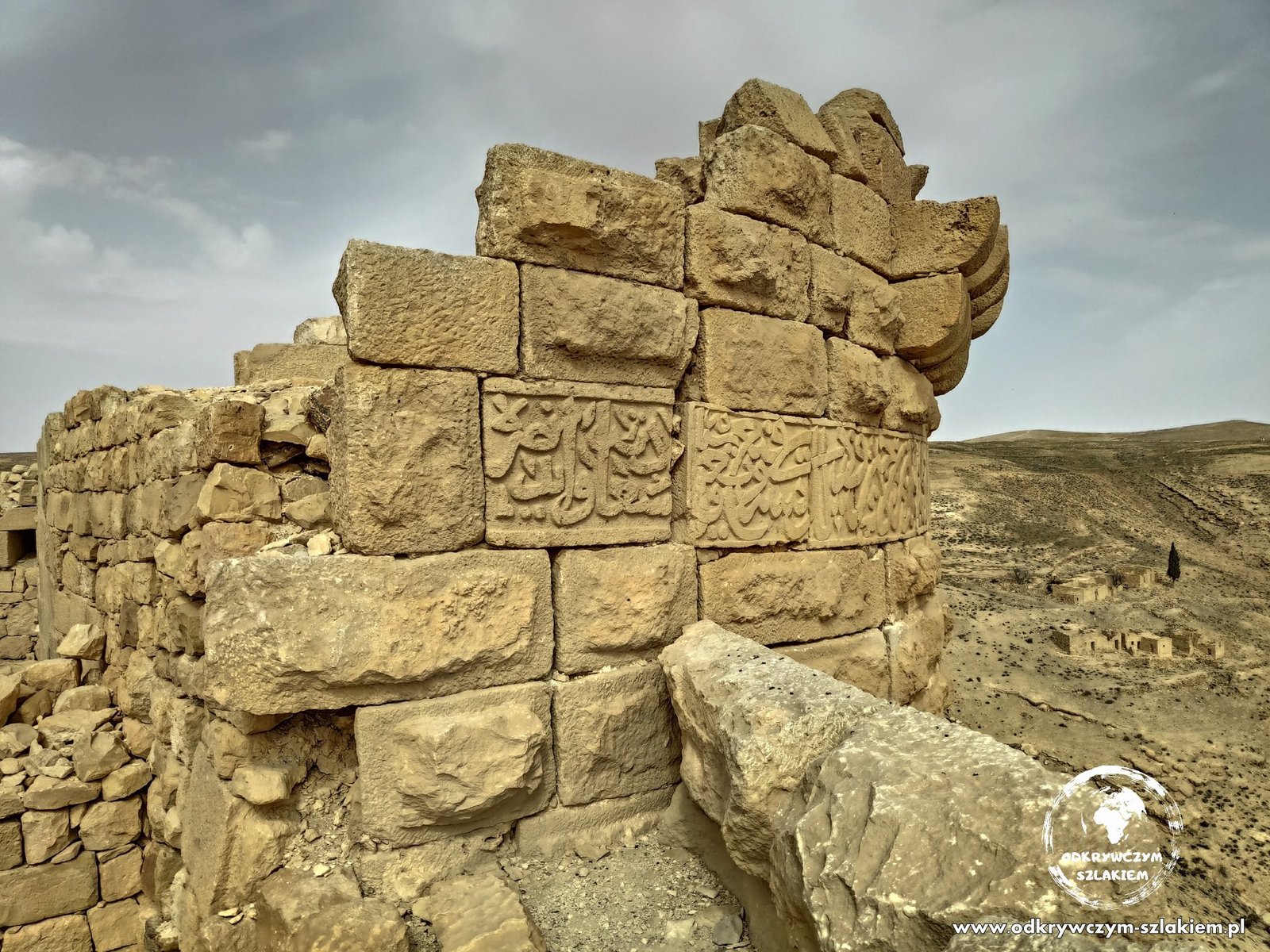
Montreal Castle (Shobak) was built by the crusaders in 1115, under King Baldwin I of Jerusalem – it is one of the oldest crusader castles in the region. It stands on a hill in a strategic location and served a defensive purpose. The walls, a tower, a gate and an underground passage have survived, and on the stones you can see early Islamic inscriptions from the time the Muslims took over the castle. A local “guide” showed us around the ruins – supposedly for free, but at the end, as often happens in Jordan, he held out his hand for money. The castle offers a beautiful view of the surrounding area.
Dana Biosphere Reserve
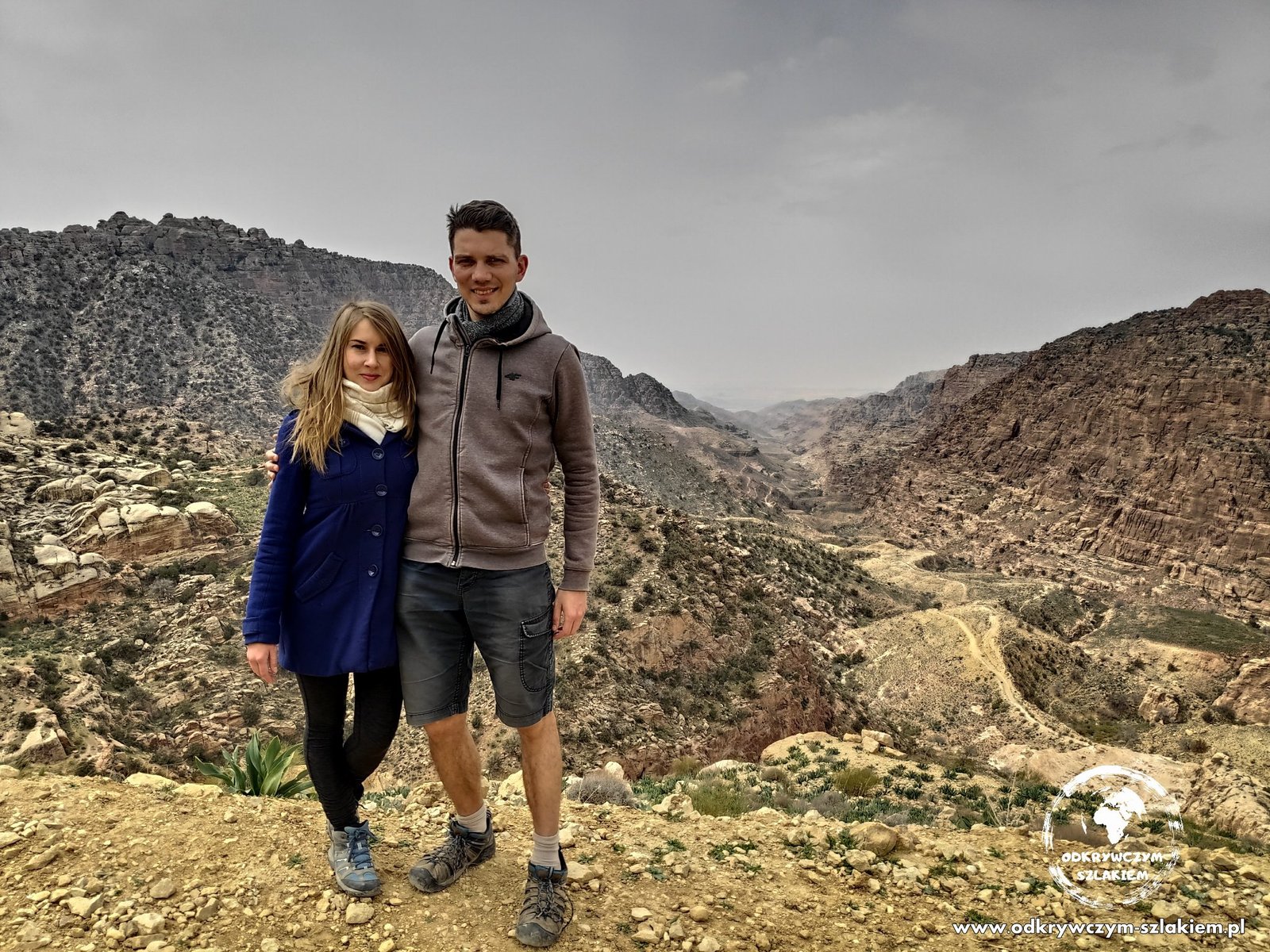
Dana Biosphere Reserve is the area with the greatest variety of climate zones in Jordan – it is home to more than 830 plant species, 215 bird species and 38 mammal species. From the village of Dana (about 1200 m above sea level) we walked about 3 km down the Wadi Dana trail towards the gorge – some 500 m down – and came back the same way, about 6 km in total. The green vegetation against the red and white rocks reminded me of Zion National Park in the USA. It’s a pity we had so little time – if you can, stay here for two days. A multi-day trail (more than 80 km) leads from the reserve all the way to Petra.
Al-Karak Castle
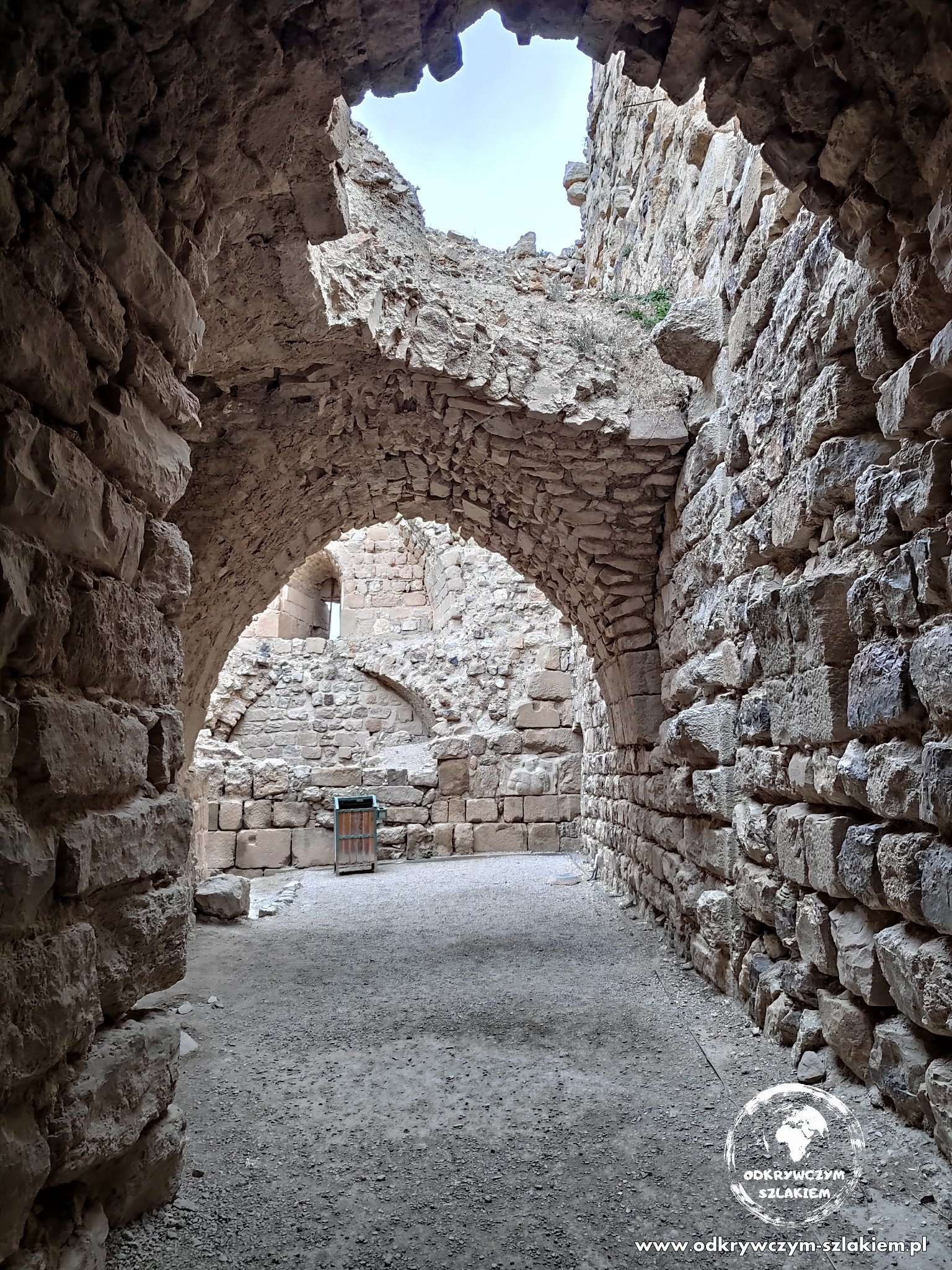
Another crusader castle, 12th-century Al-Karak, is similar to Montreal but bigger and better preserved – the extensive vaulted underground halls are especially impressive. The panorama from the walls alone makes it worth the trip.
Wadi Mujib
We also had Wadi Mujib on our list – a trail along a riverbed in a narrow canyon, similar to the famous Narrows in Zion National Park. Unfortunately we didn’t manage to hike it either in Zion or in Jordan: the Siq Trail in Wadi Mujib is only open in season (from 1 April), and we were there at the end of March. You walk through water, so you need shoes and clothes that can get wet. Entry cost 21 dinars (including a life jacket, among other things) and is not covered by the Jordan Pass.
The Wadi Numeira canyon
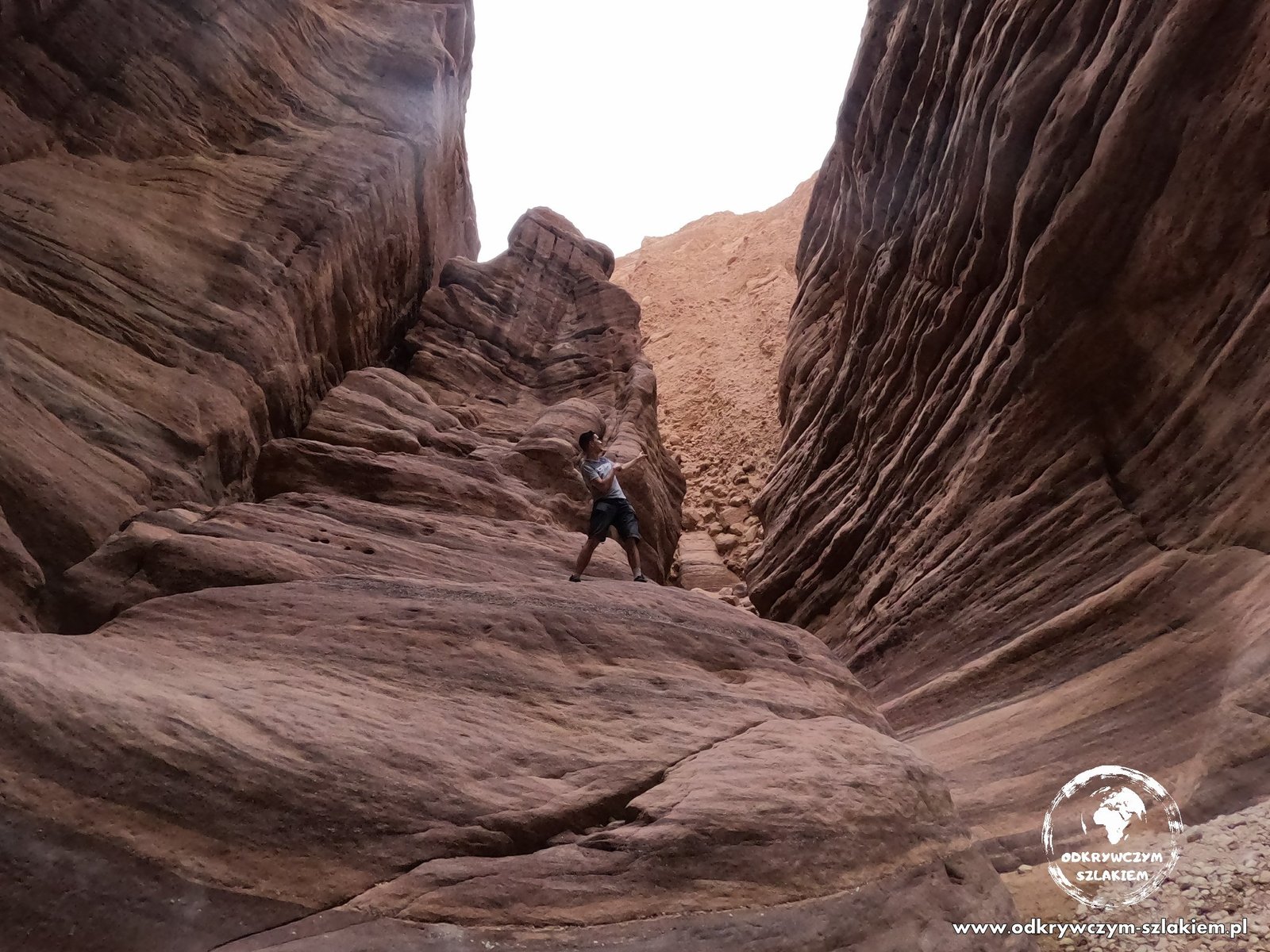
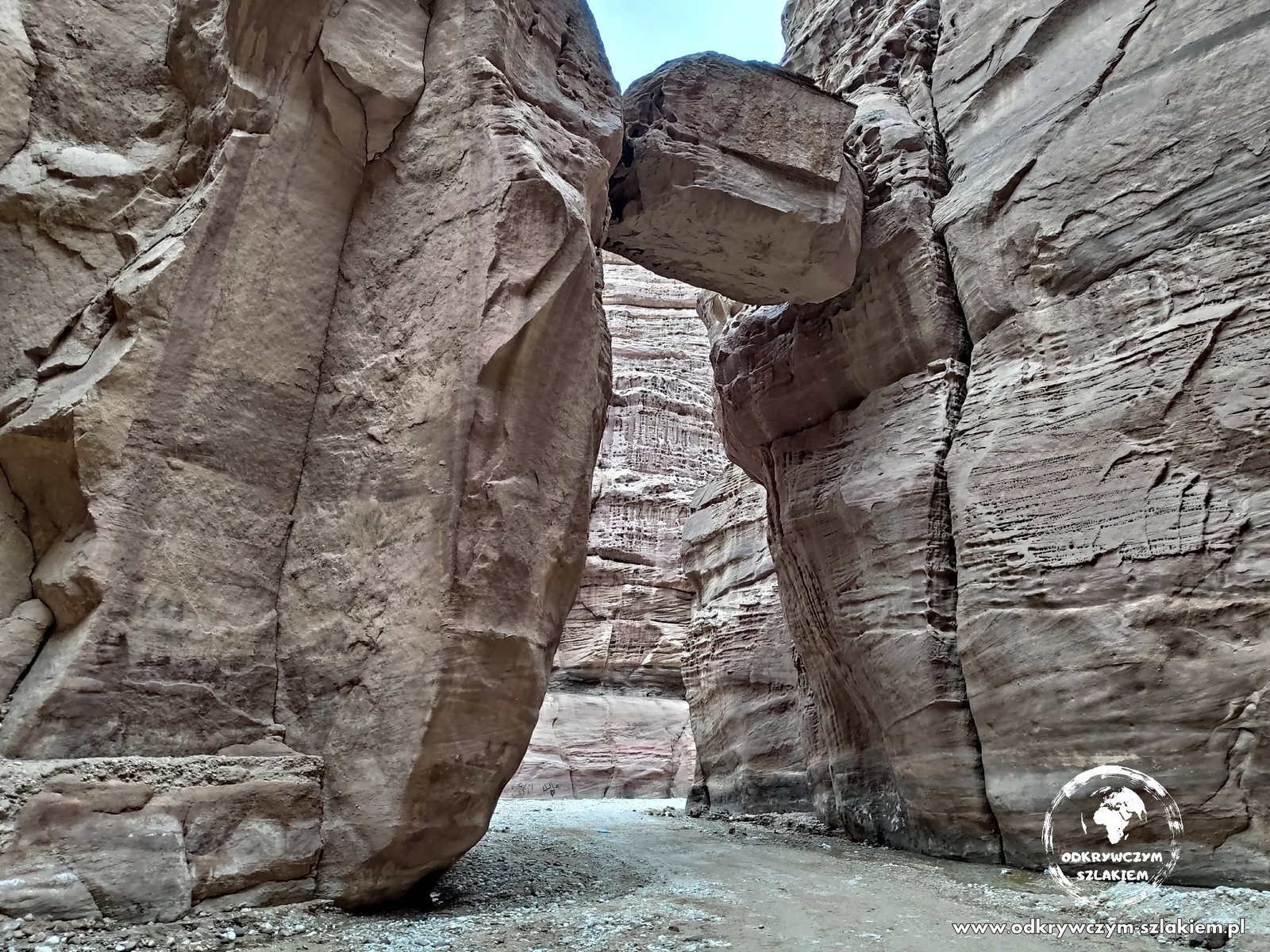
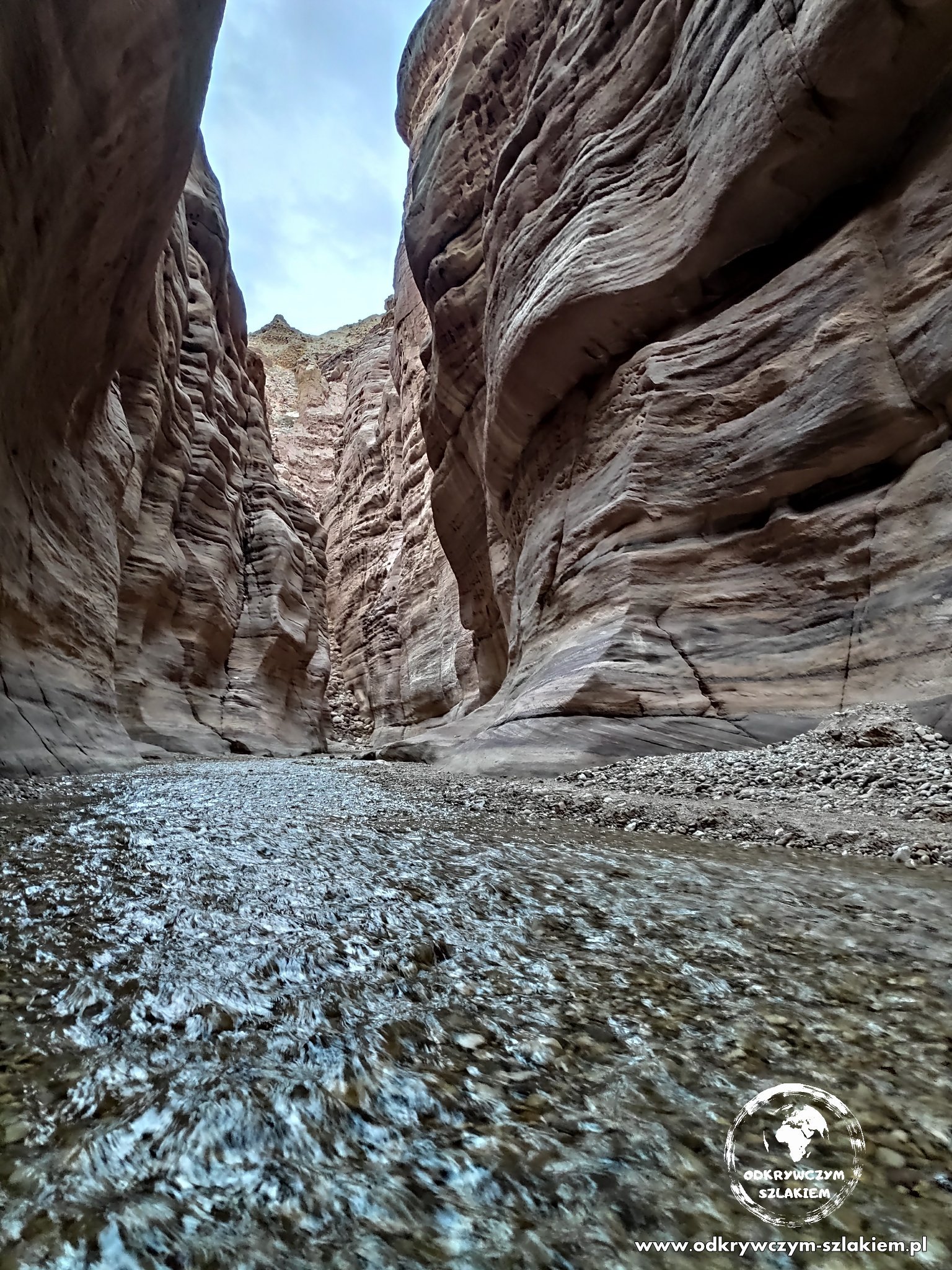
A great alternative is the nearby Wadi Numeira – a narrow canyon by the Dead Sea with a shallow river running through it. Entry is free and the place is far less touristy – we had it completely to ourselves. We had to hurry, though, to make it before sunset and not walk back in the dark. After about 2 km the sun went down and the riverbed started getting wider and wider, so we turned back. Our shoes were soaked anyway – for this route be sure to bring shoes and trousers that can get wet (wellies would work best).
The Dead Sea lies about 430 m below sea level – the lowest point on land in the world. Along the coastal road it’s worth stopping at the Wild Salt Shore, a shore covered in white salt. That day we still had the drive north to Jerash ahead of us – 350 km by car in total.
Day 4: Jerash – the Roman city of Gerasa
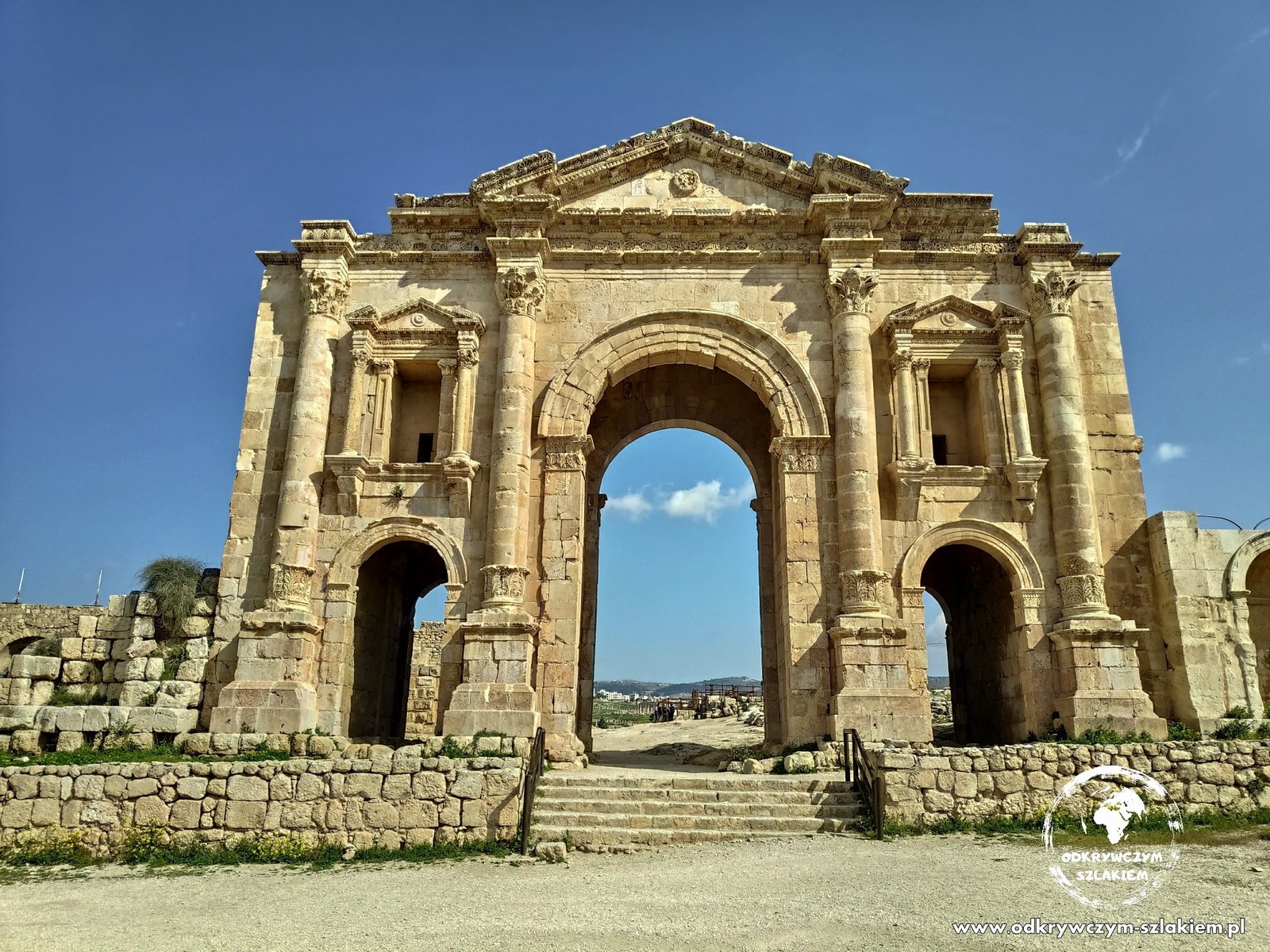
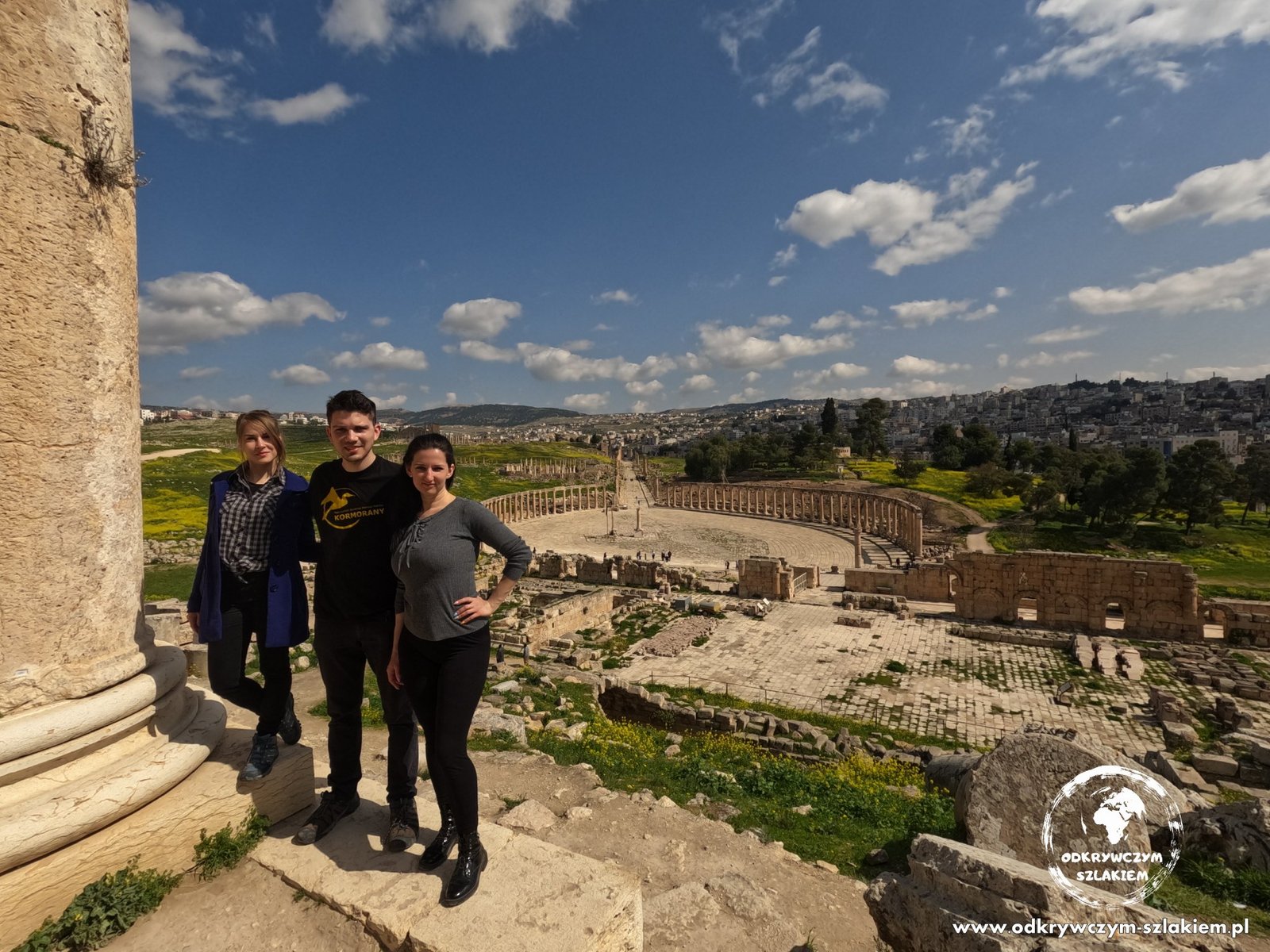
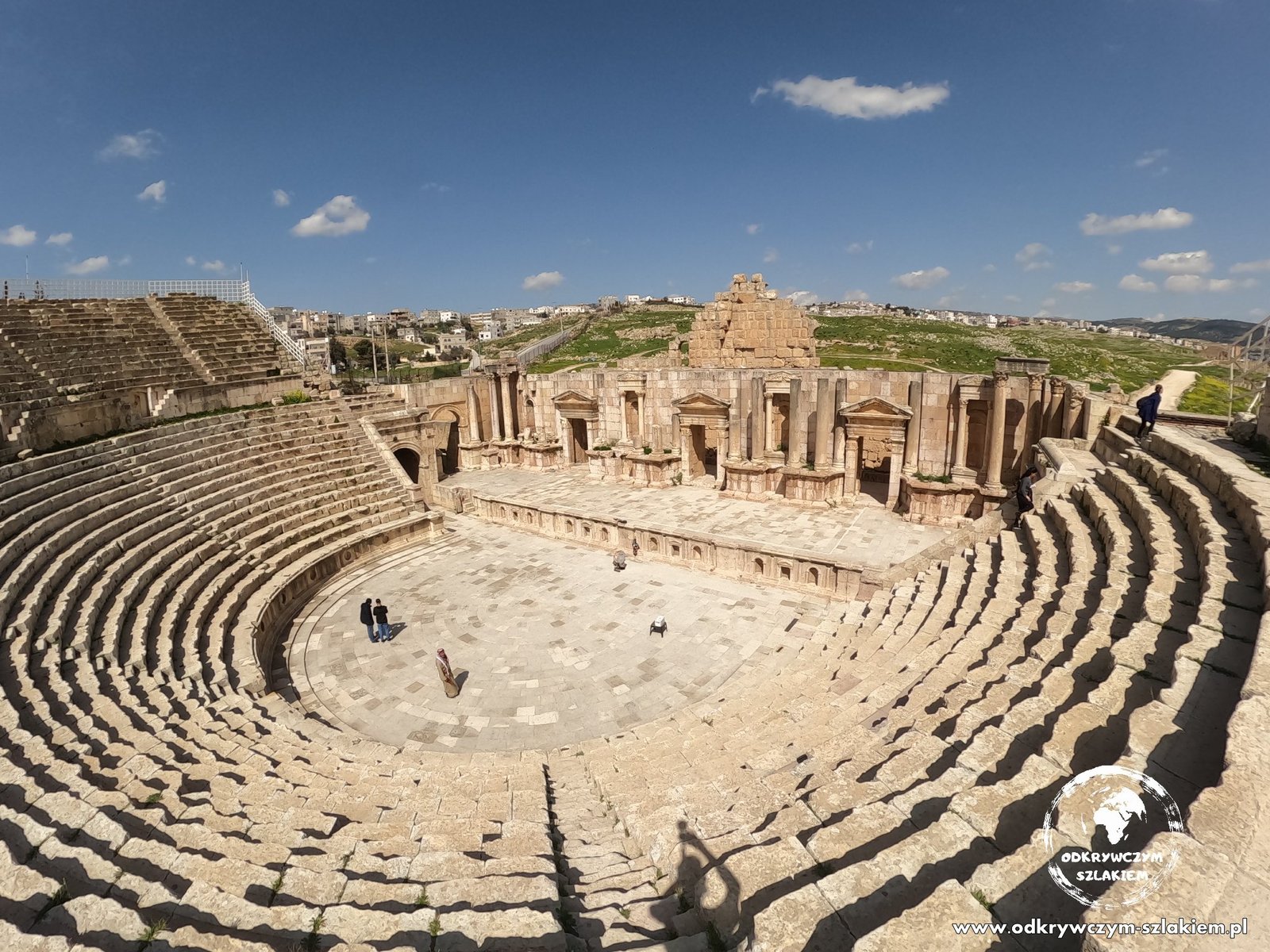
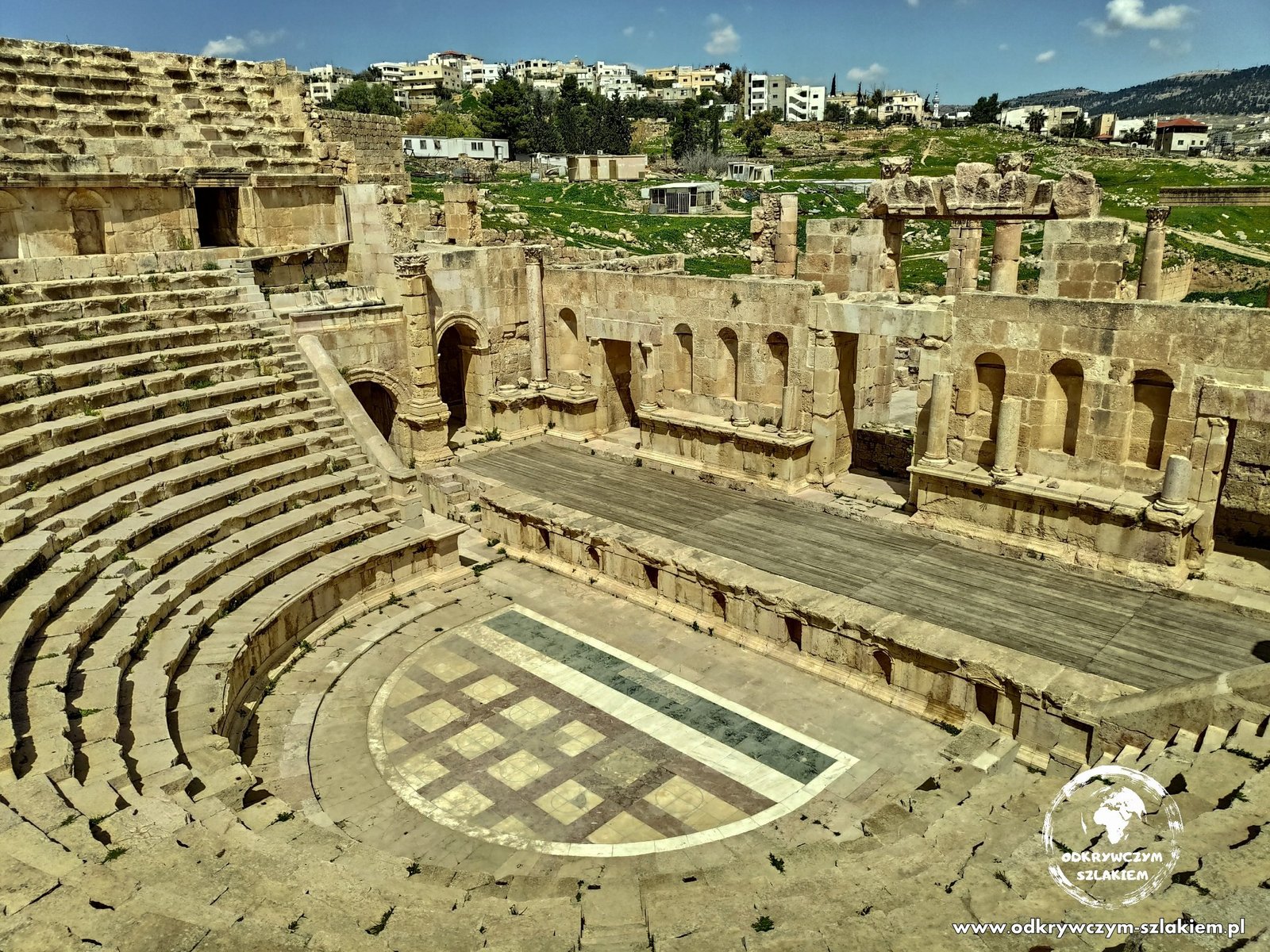
Jerash is home to the ruins of the ancient city of Gerasa, which over the centuries was under Greek, Roman, Byzantine and Arab rule. In the 8th century it was destroyed by an earthquake and the ruins lay buried under sand for centuries – which is why they are so well preserved. Gerasa is one of the best-preserved Roman cities in the world and definitely worth a visit. The visit starts at Hadrian’s Arch, built to honour the emperor’s visit in 129 AD.
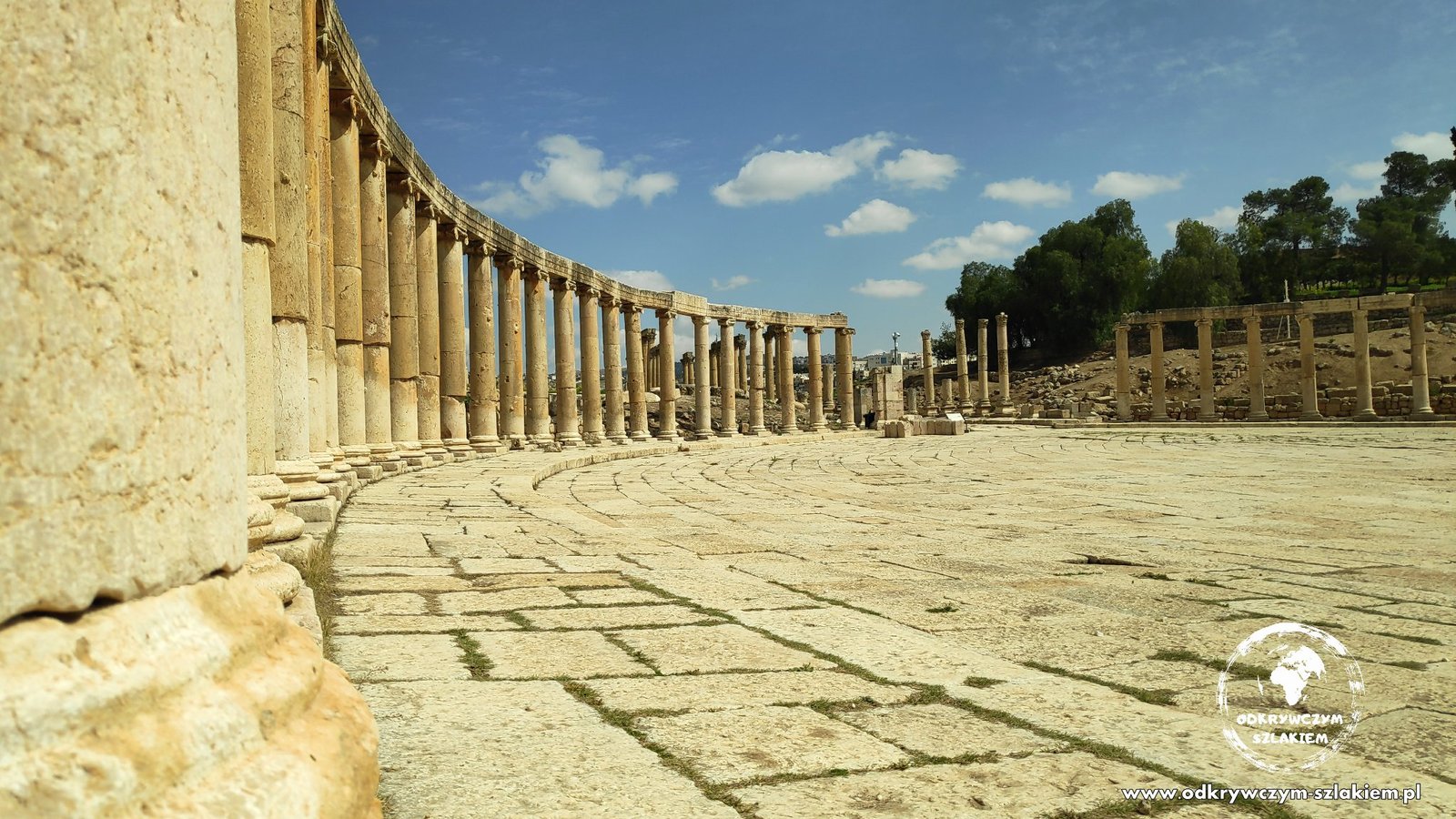
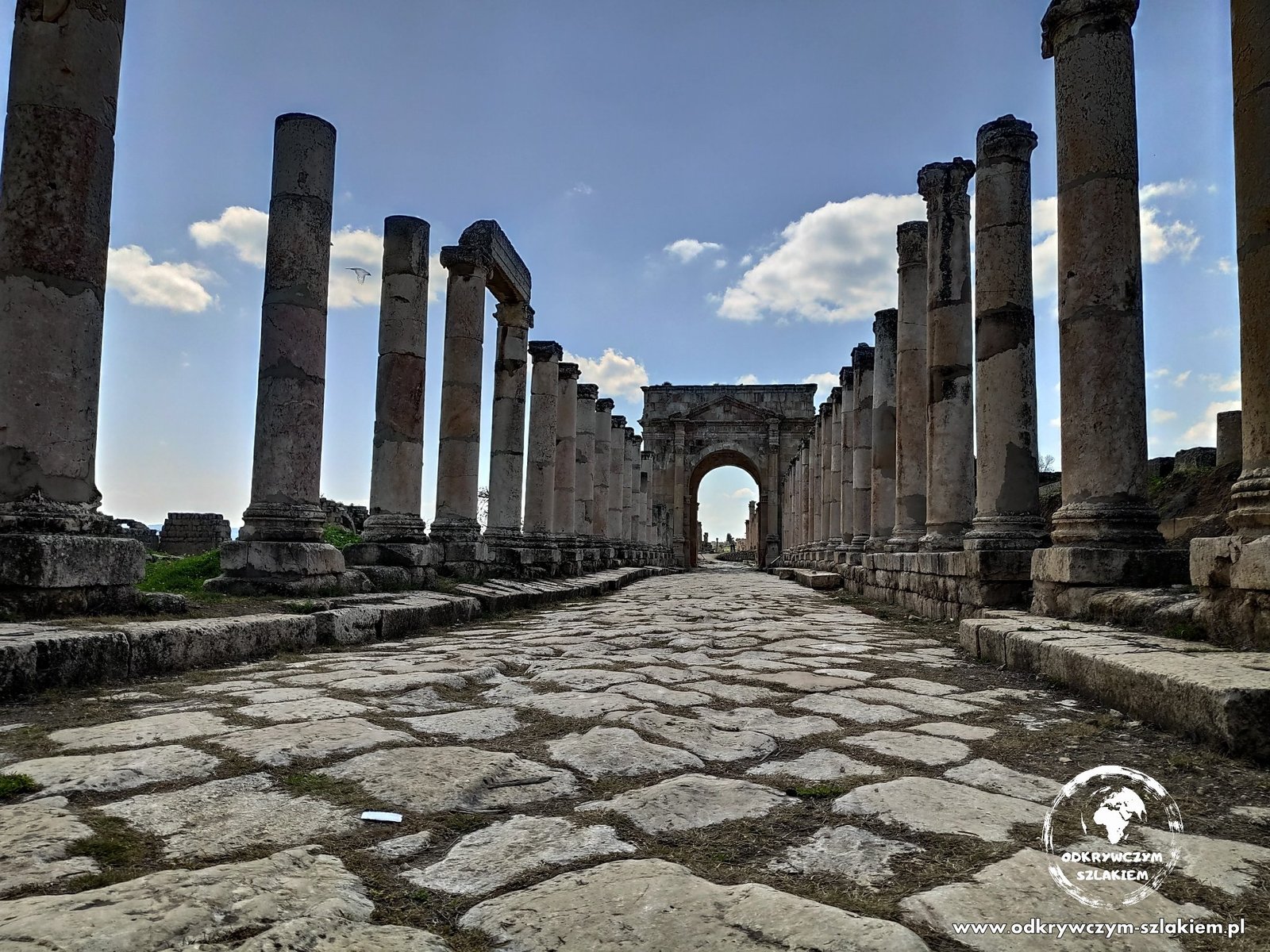
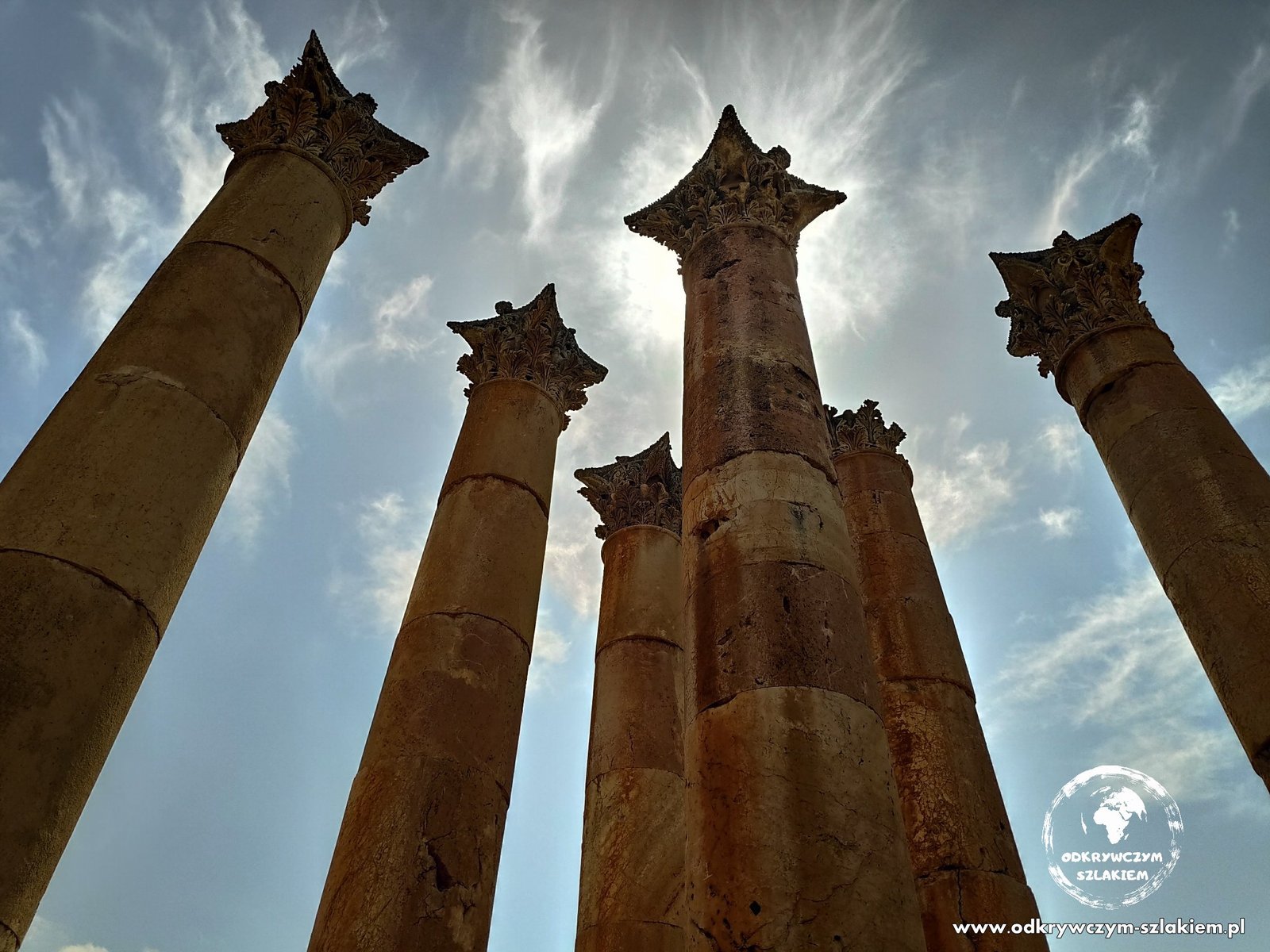
The complex is huge – among other things you’ll find the Oval Forum surrounded by a colonnade, the main street, Cardo Maximus, with its original paving, the temples of Zeus and Artemis, a hippodrome, Byzantine churches and two theatres – the South and the North Theatre. Our visit took about three hours; to see it at a relaxed pace, set aside half a day.
Days 4–5: Amman
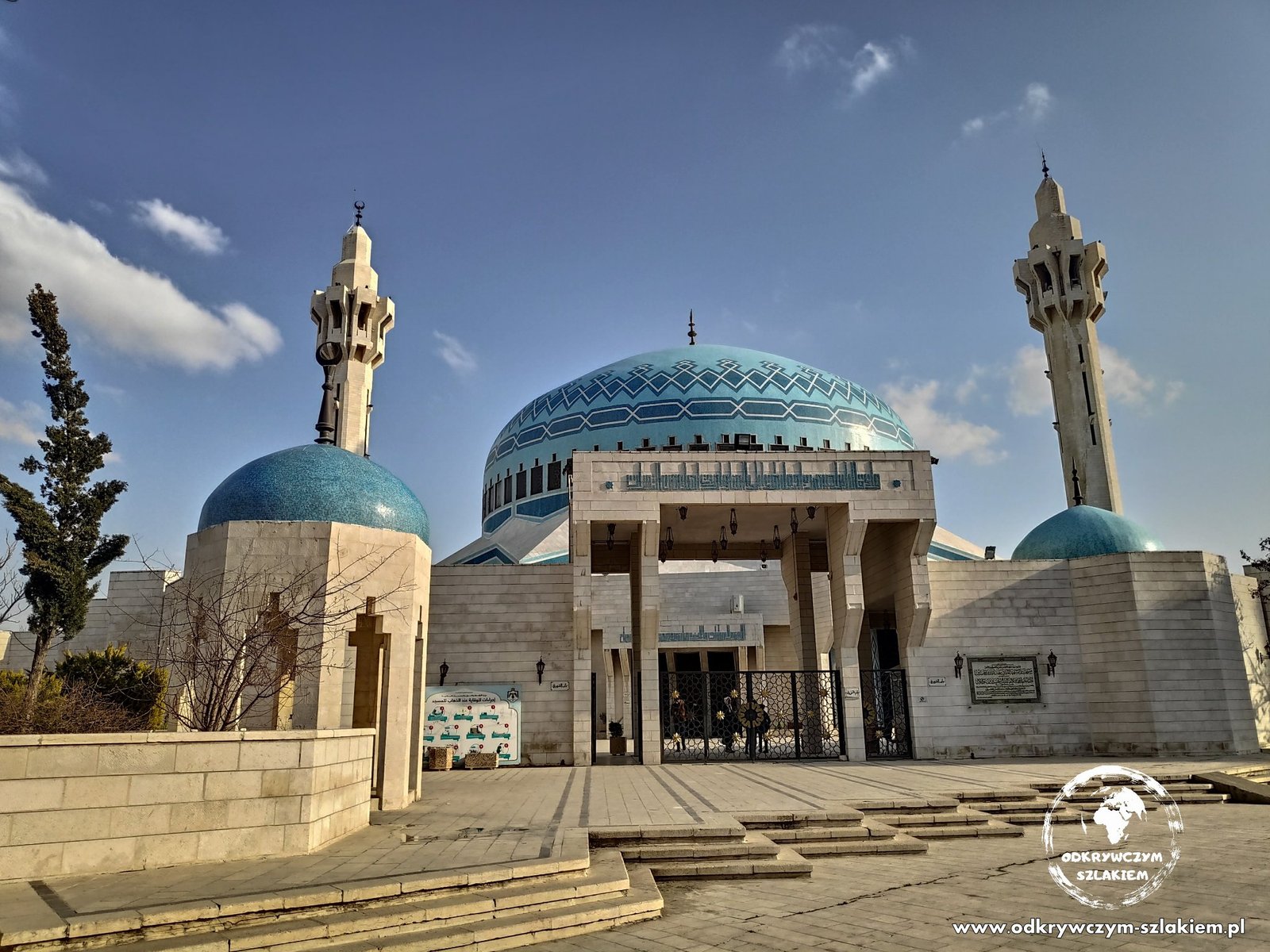
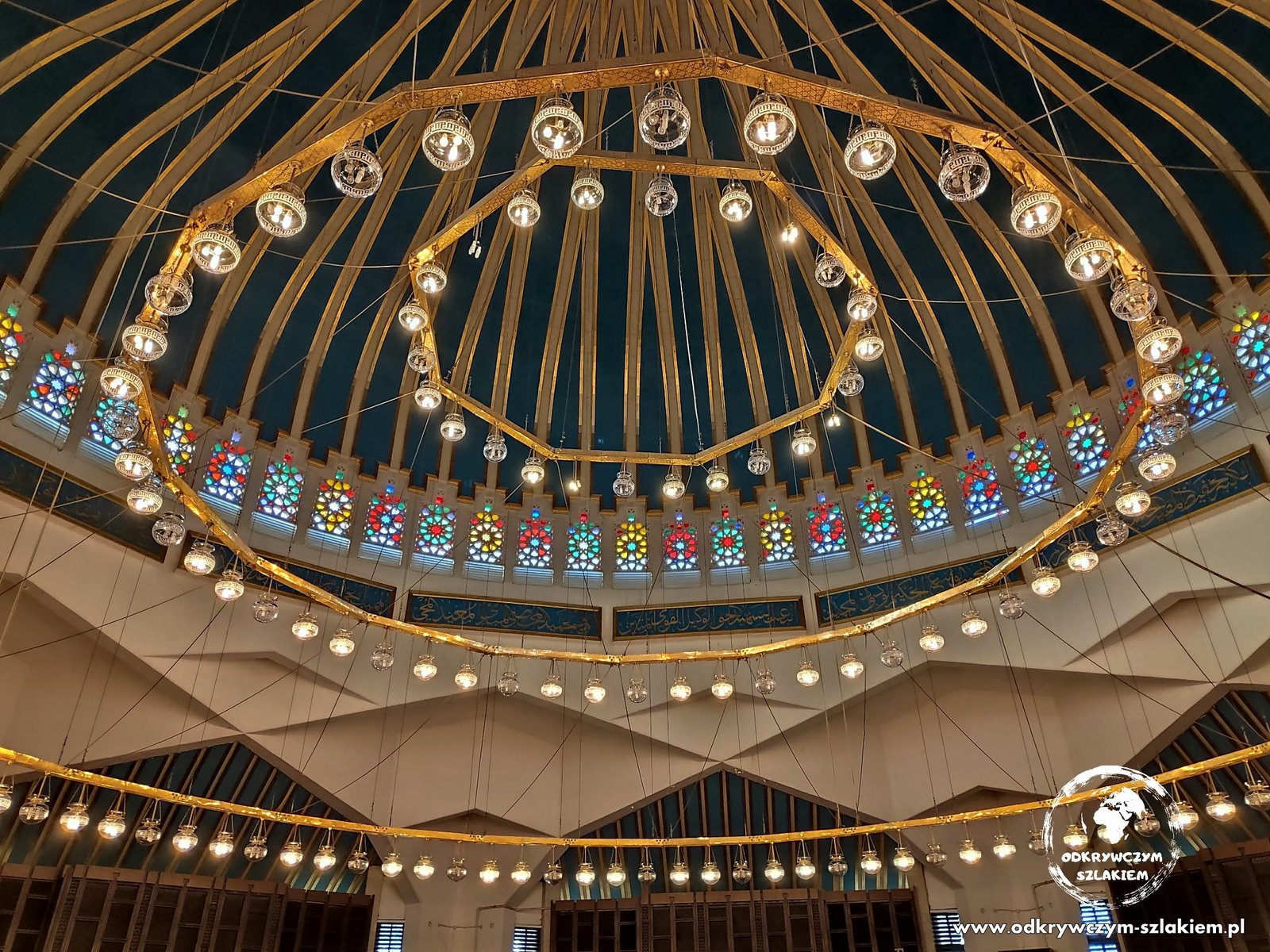
From Jerash to the Jordanian capital it’s about 50 km. We still had time to go into the King Abdullah I Mosque with its huge blue mosaic dome – the largest mosque we had seen so far. You can visit the inside outside prayer times; women must cover their heads with a scarf, which you can borrow there for free.
We saw Amman’s two most important sights the next morning. The 2nd-century Roman theatre holds about 6000 spectators, and next to it stands a smaller theatre – the odeon. On the hill above the centre lies the citadel (Jabal al-Qal’a) with the ruins of the Temple of Hercules and an Umayyad palace. The hill was fortified as early as the Bronze Age, and traces of settlement go back to the Neolithic – it is one of the longest continuously inhabited places in the world.
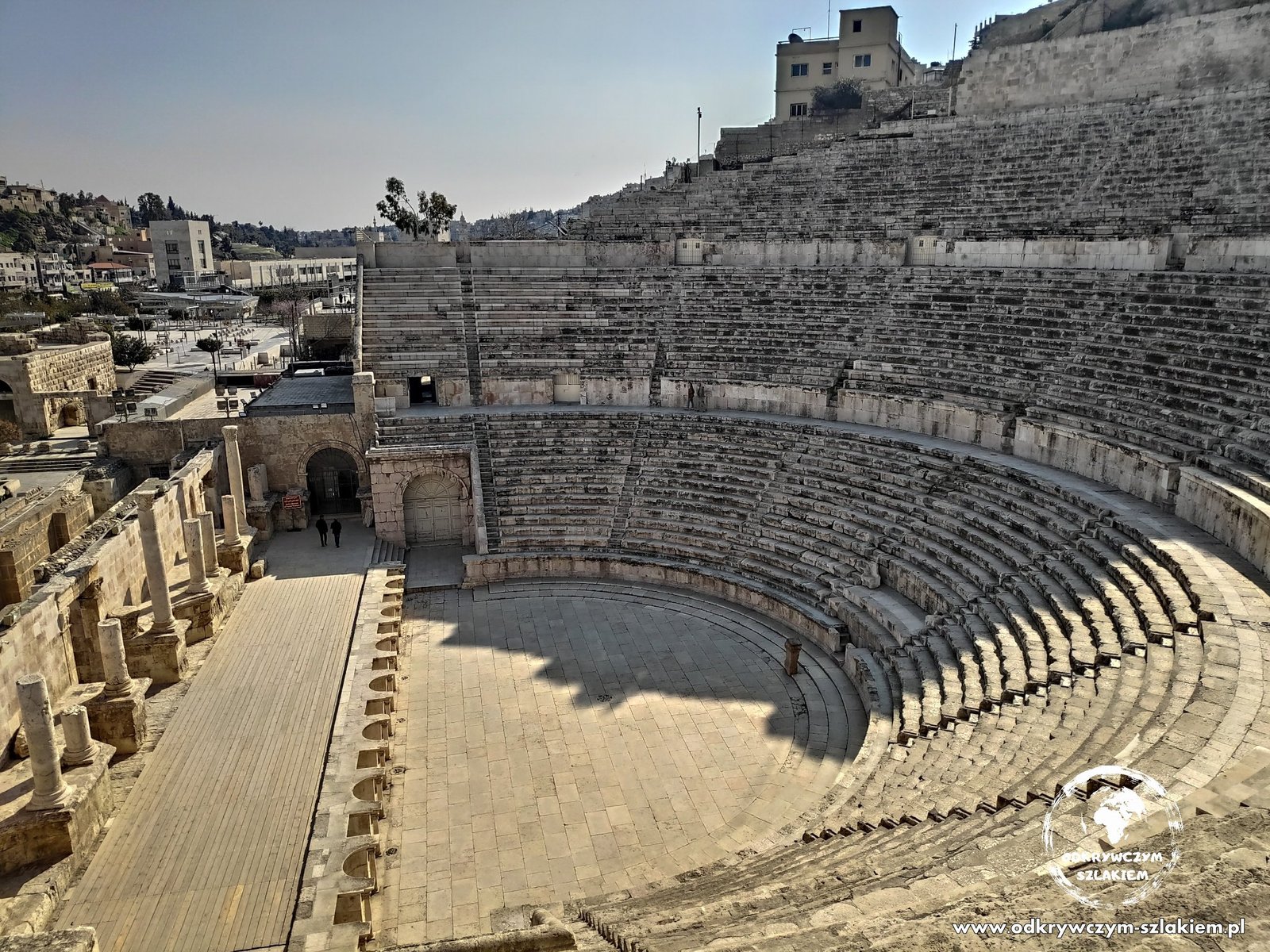
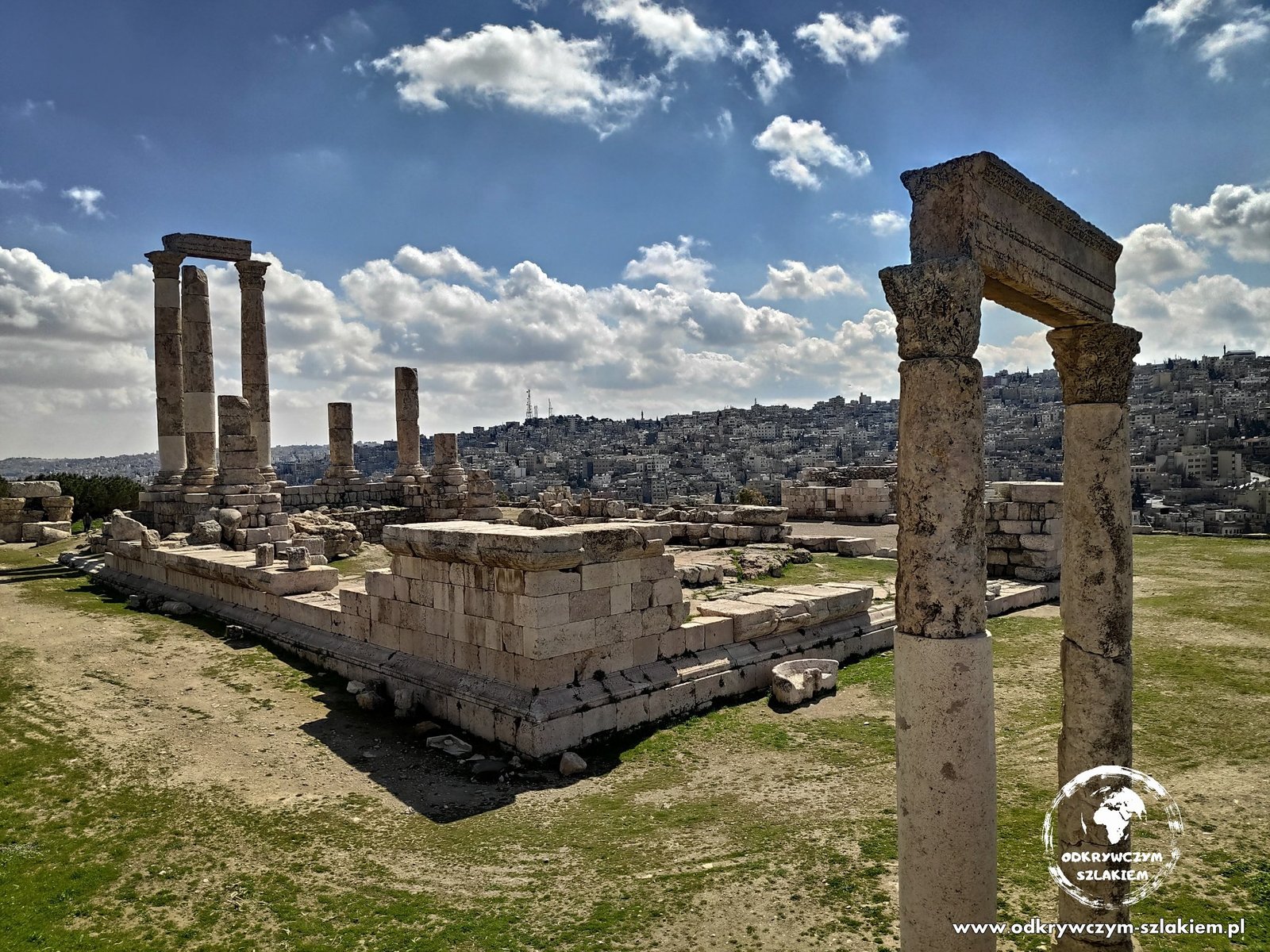
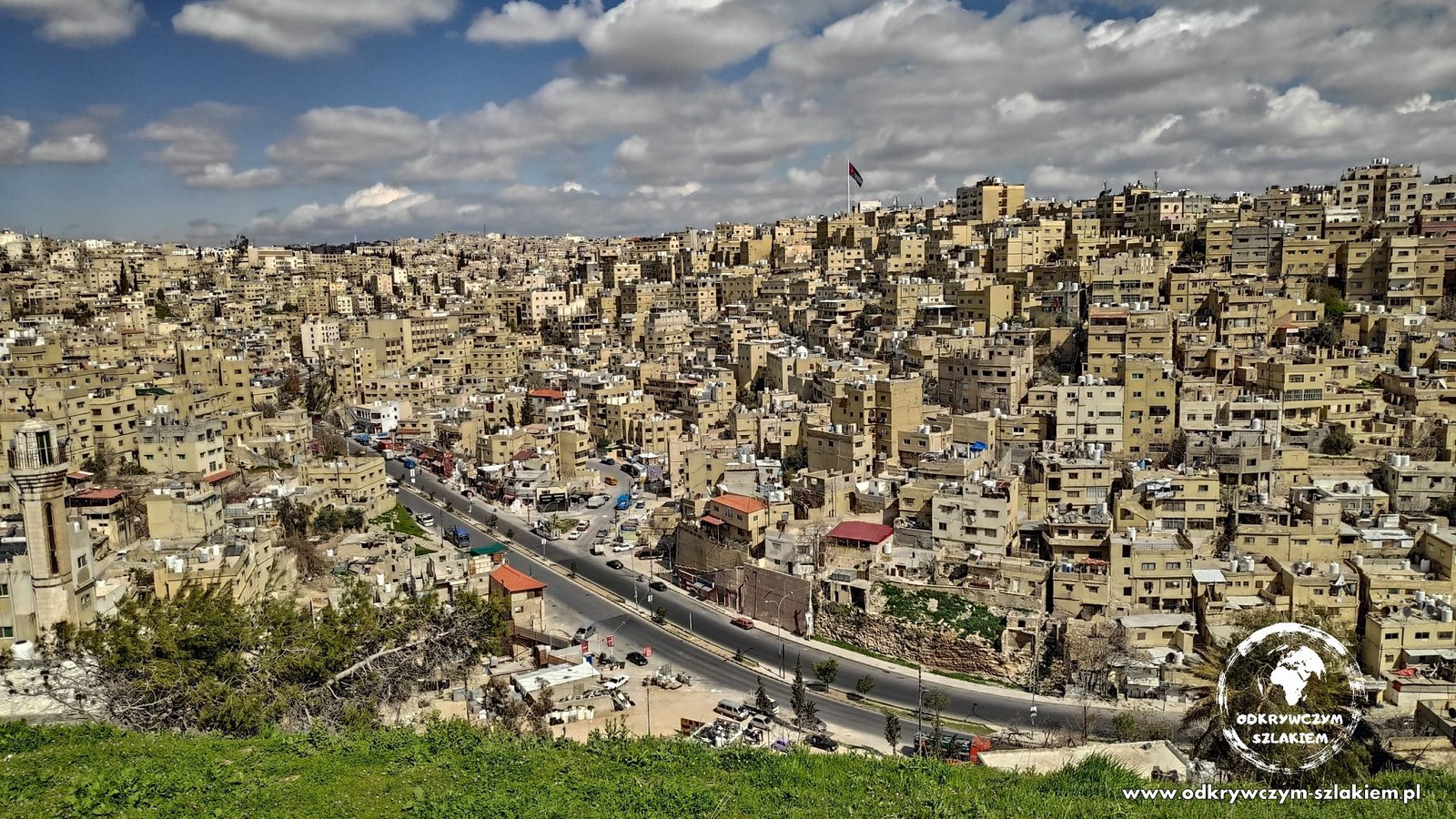
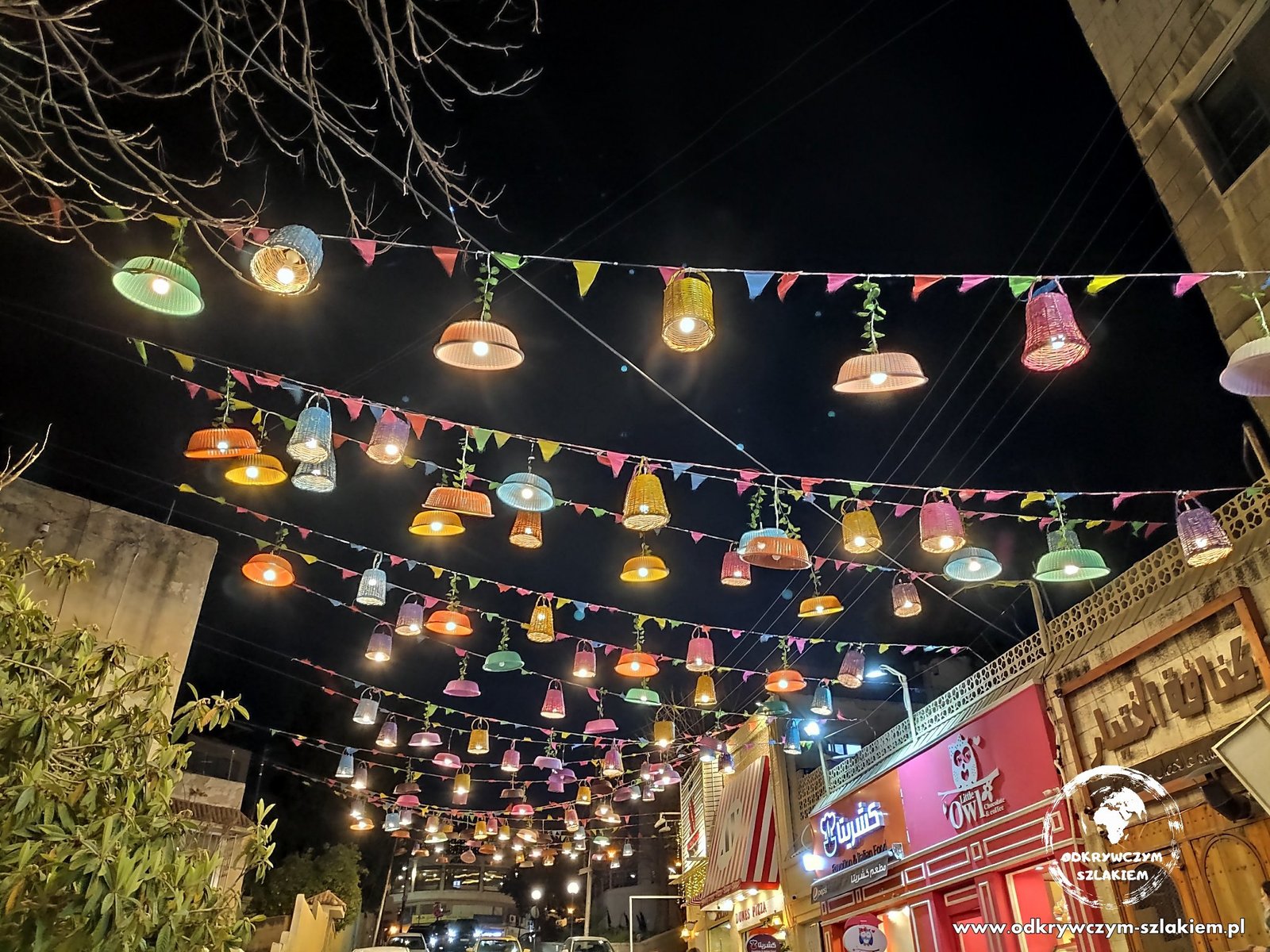
In the evening it’s worth strolling along Rainbow Street and the surrounding lanes – they’re full of bars, cafés and colourful lanterns, and things only get going after dark. With the Jordan Pass you can also get into the Jordan Folklore Museum, among others, for free. One day is enough to see the city itself.
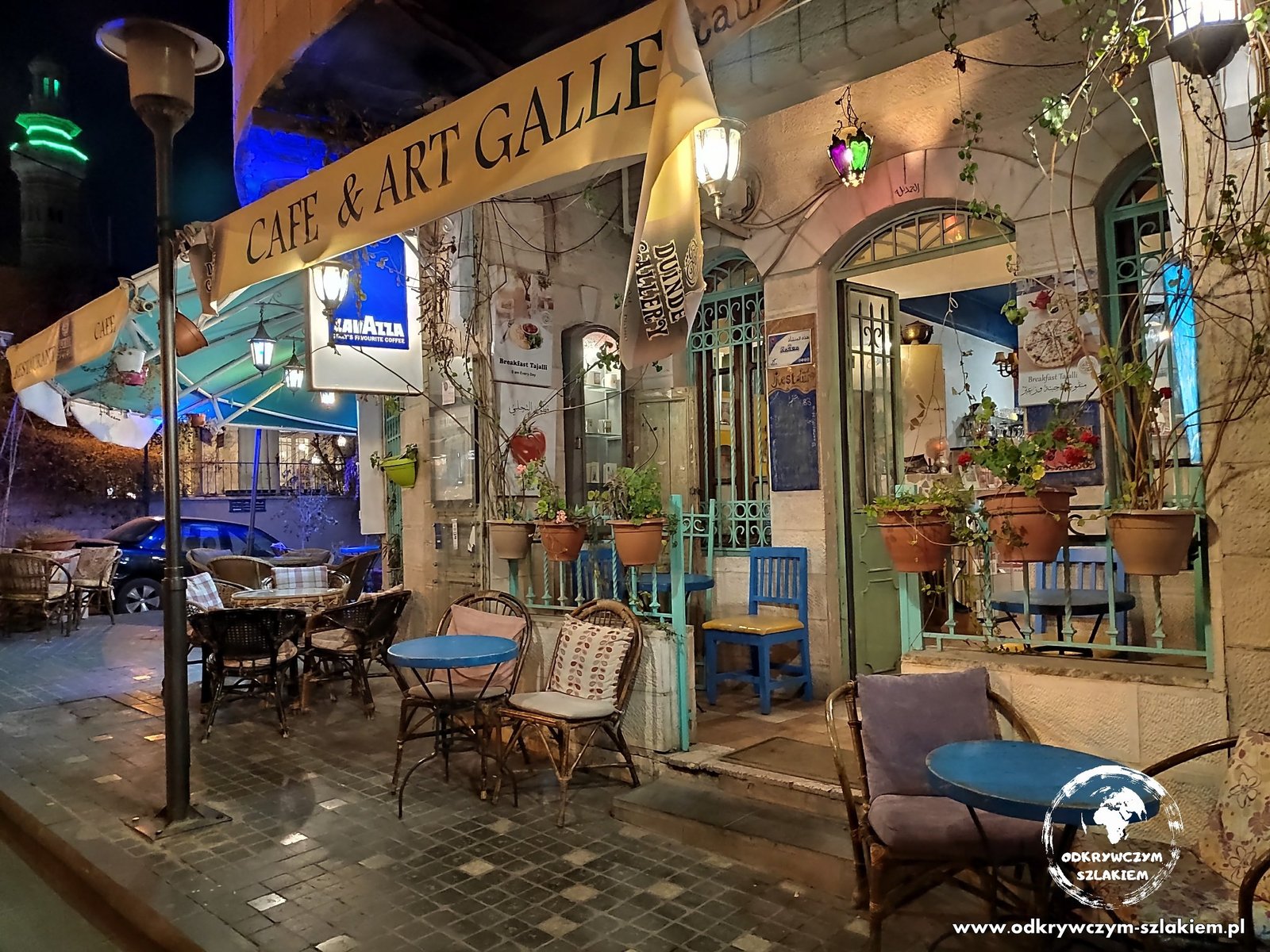
If you’re driving, be especially careful in Amman: traffic is heavy and the rules of the road are treated rather loosely. Choose your parking spots wisely, too.
Day 5: Qasr al-Abd and Mount Nebo
17 km from Amman, in the village of Iraq al-Amir, stands Qasr al-Abd – an unfinished Hellenistic palace from the 2nd century BC, with lions carved into its walls.
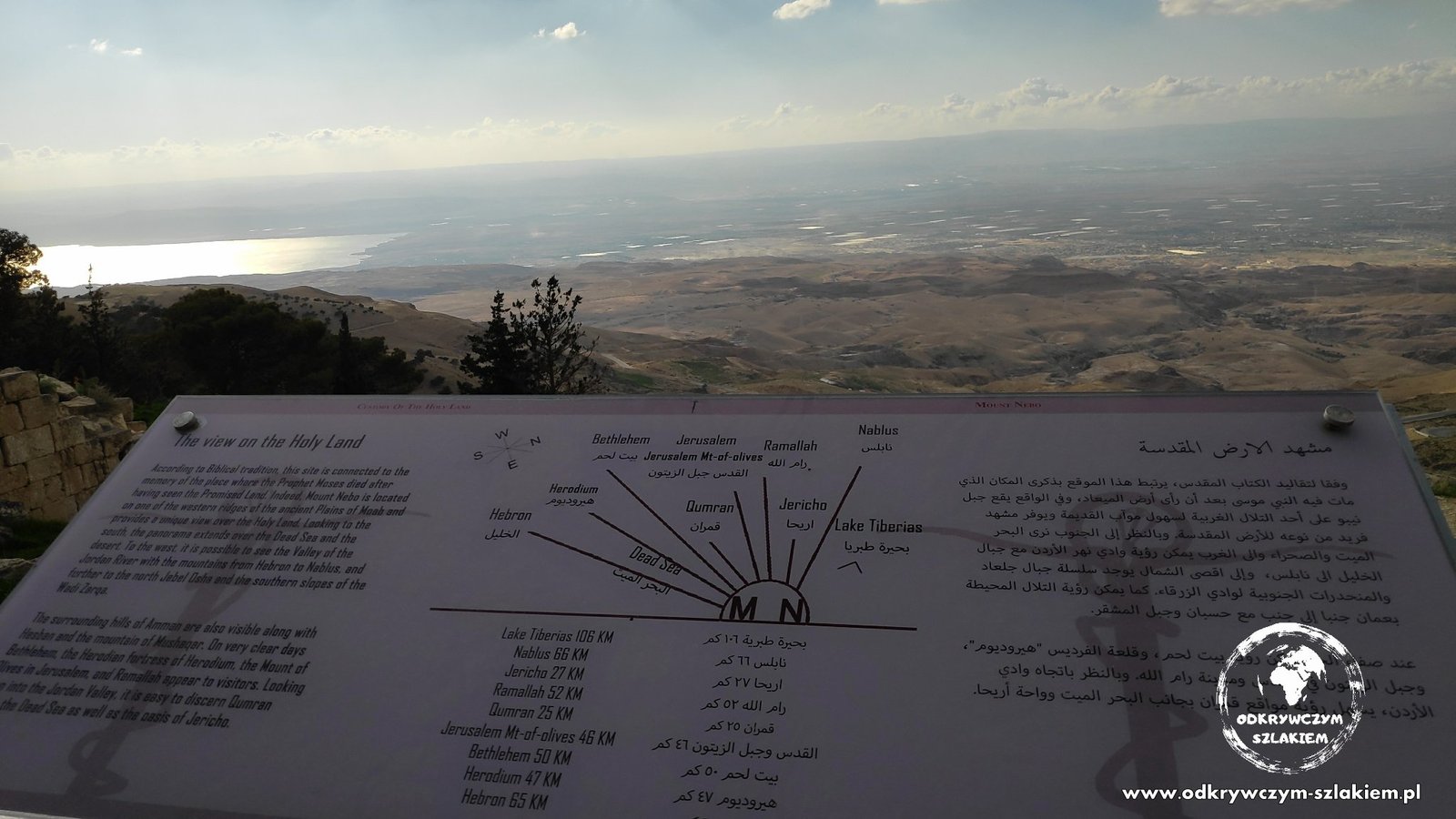
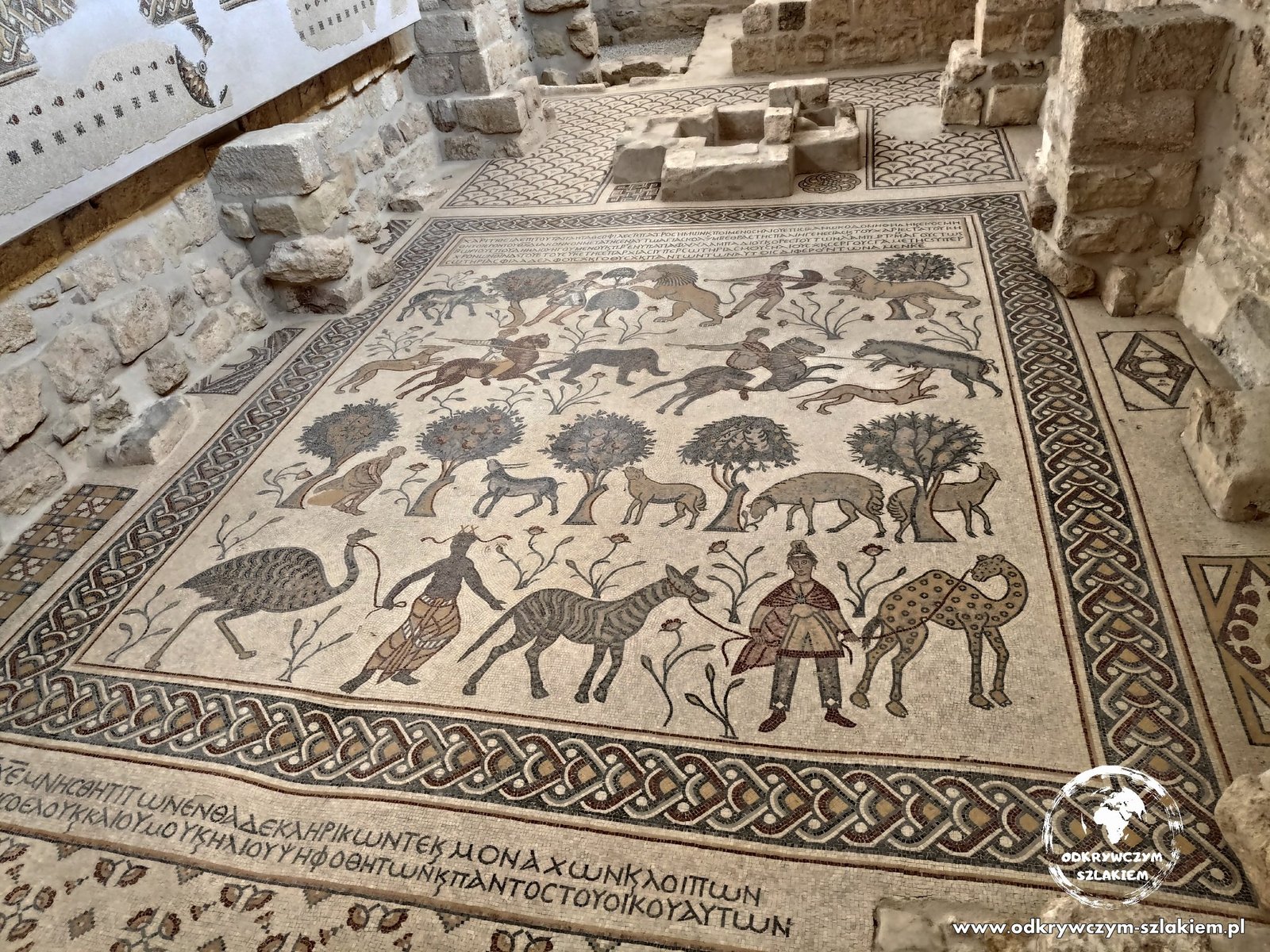
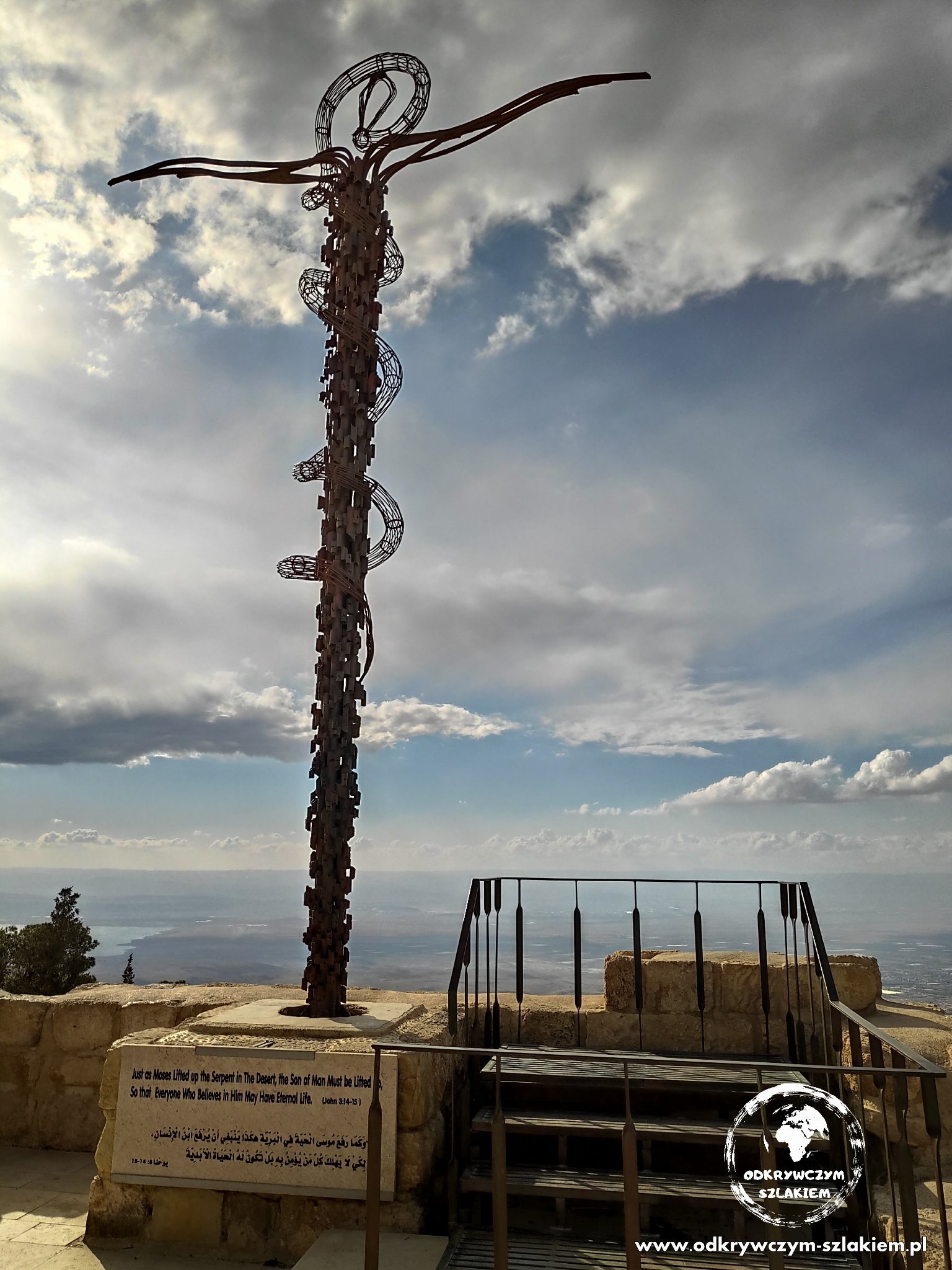
On the way to Madaba we stopped at Mount Nebo, from where, according to the Bible, Moses saw the Promised Land (and where he died). In the Byzantine Memorial of Moses you can admire mosaics, and in good weather you can see Jerusalem on the other side of the Jordan Valley. In 2000, during his pilgrimage, Pope John Paul II planted an olive tree here. At the top there is also a cross-shaped sculpture of the bronze serpent – a reference to the serpent that, according to the Bible, Moses lifted up in the desert. Our visit took about an hour and a half.
Day 6: Madaba and Umm ar-Rasas
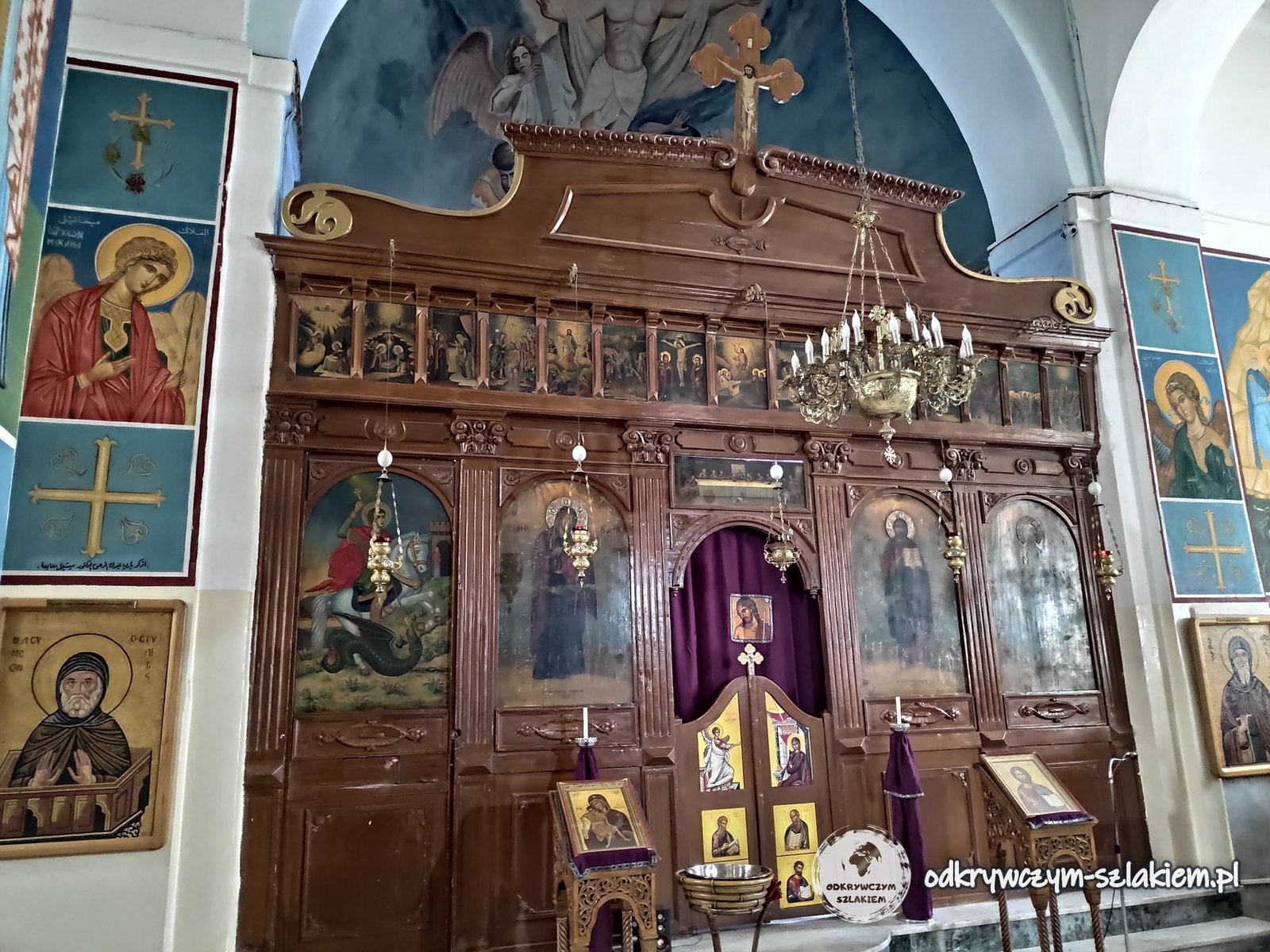
Madaba is famous for its Christian monuments, and the difference from the rest of Jordan is clear: a church stands next to a mosque, in the streets you see both Muslim women with covered heads and more casually dressed Christian women, and by chance we even came across a liquor shop (we really didn’t expect one). It’s worth starting at the Visitor Center, where you get a map and can watch a short film about the town.
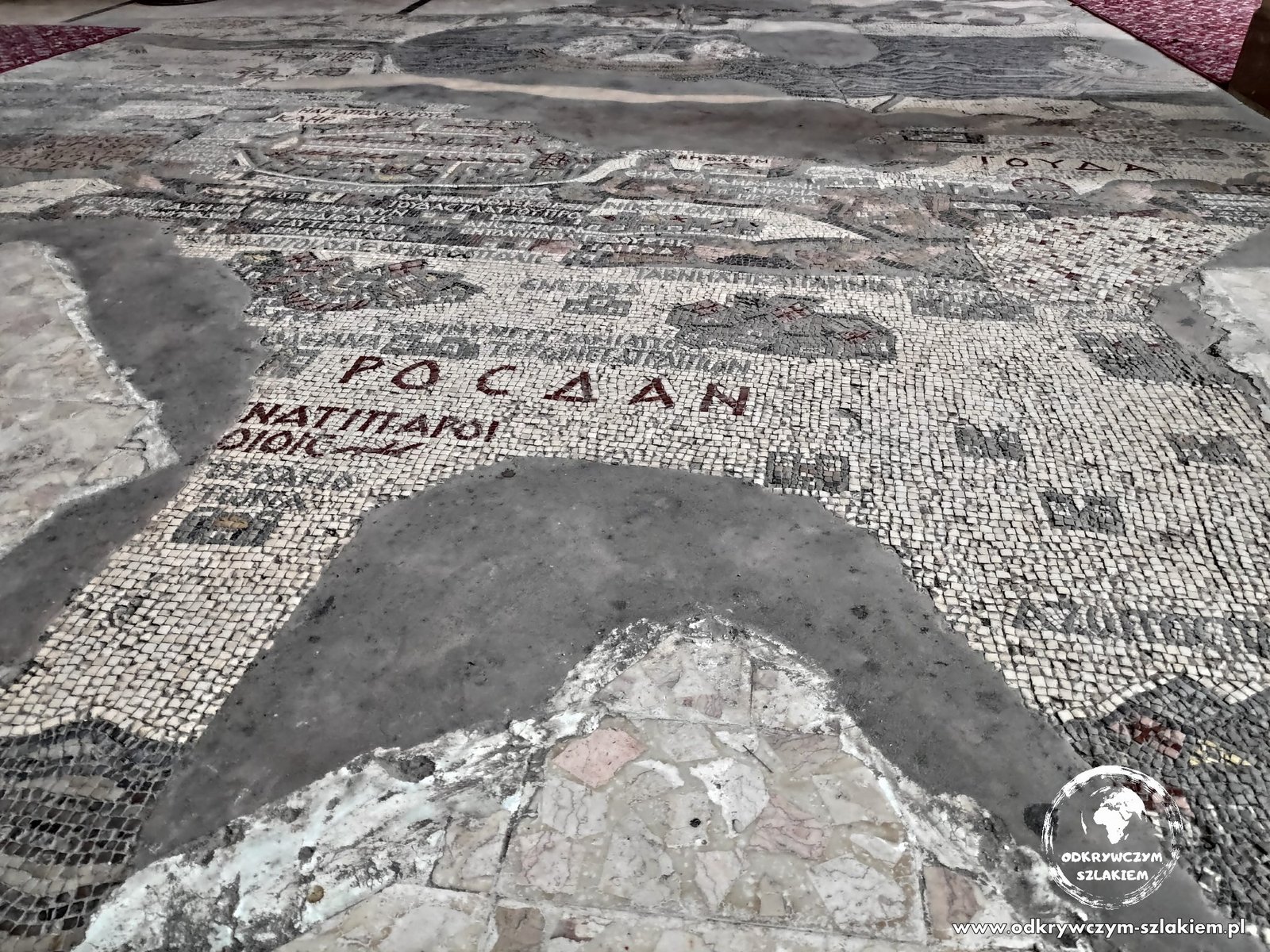
The best-known sight is the Madaba Map – a 6th-century mosaic in the Greek Orthodox Church of St George, the oldest surviving map of the Holy Land (it shows Jerusalem and the Dead Sea, among other places).
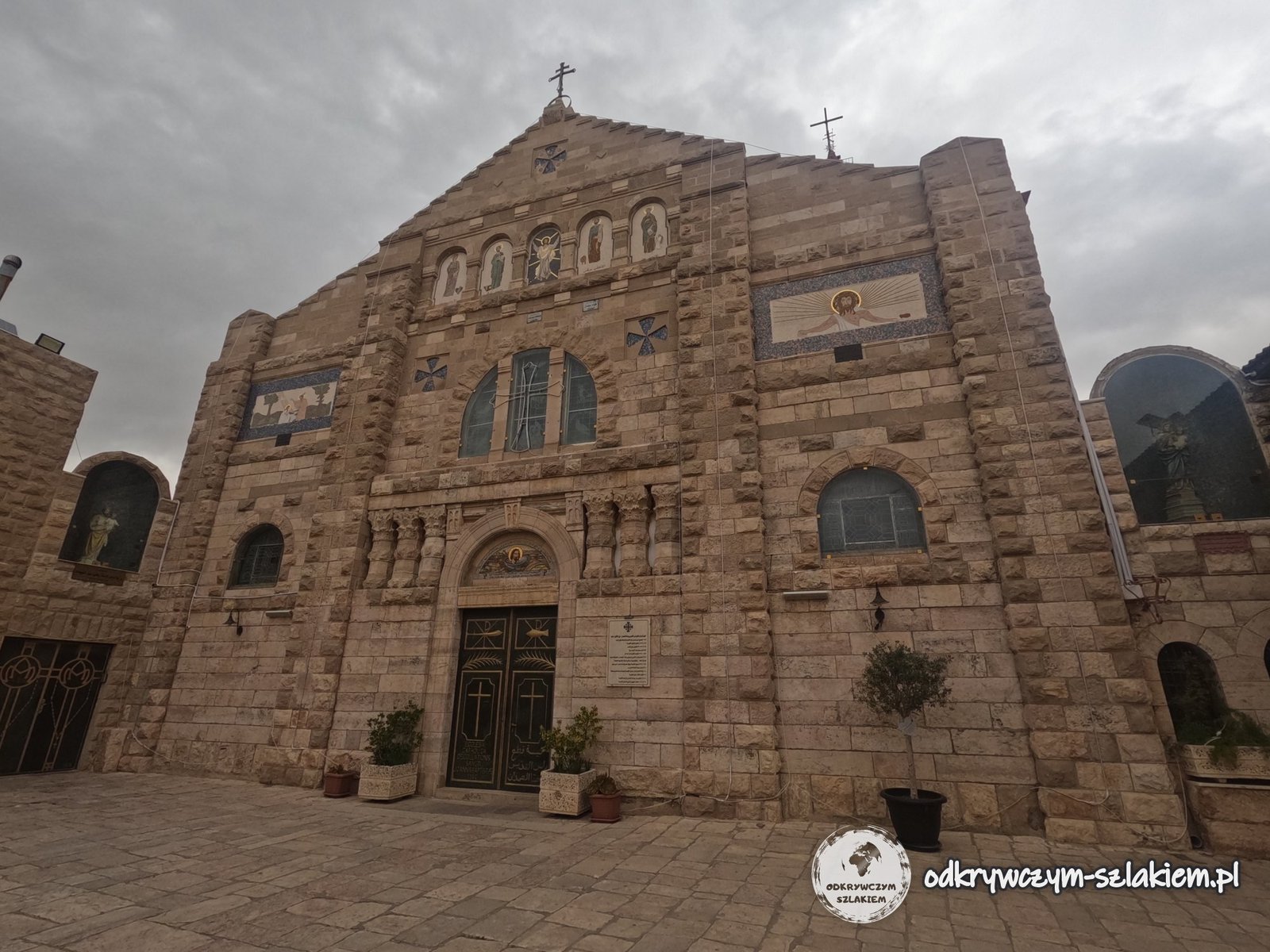
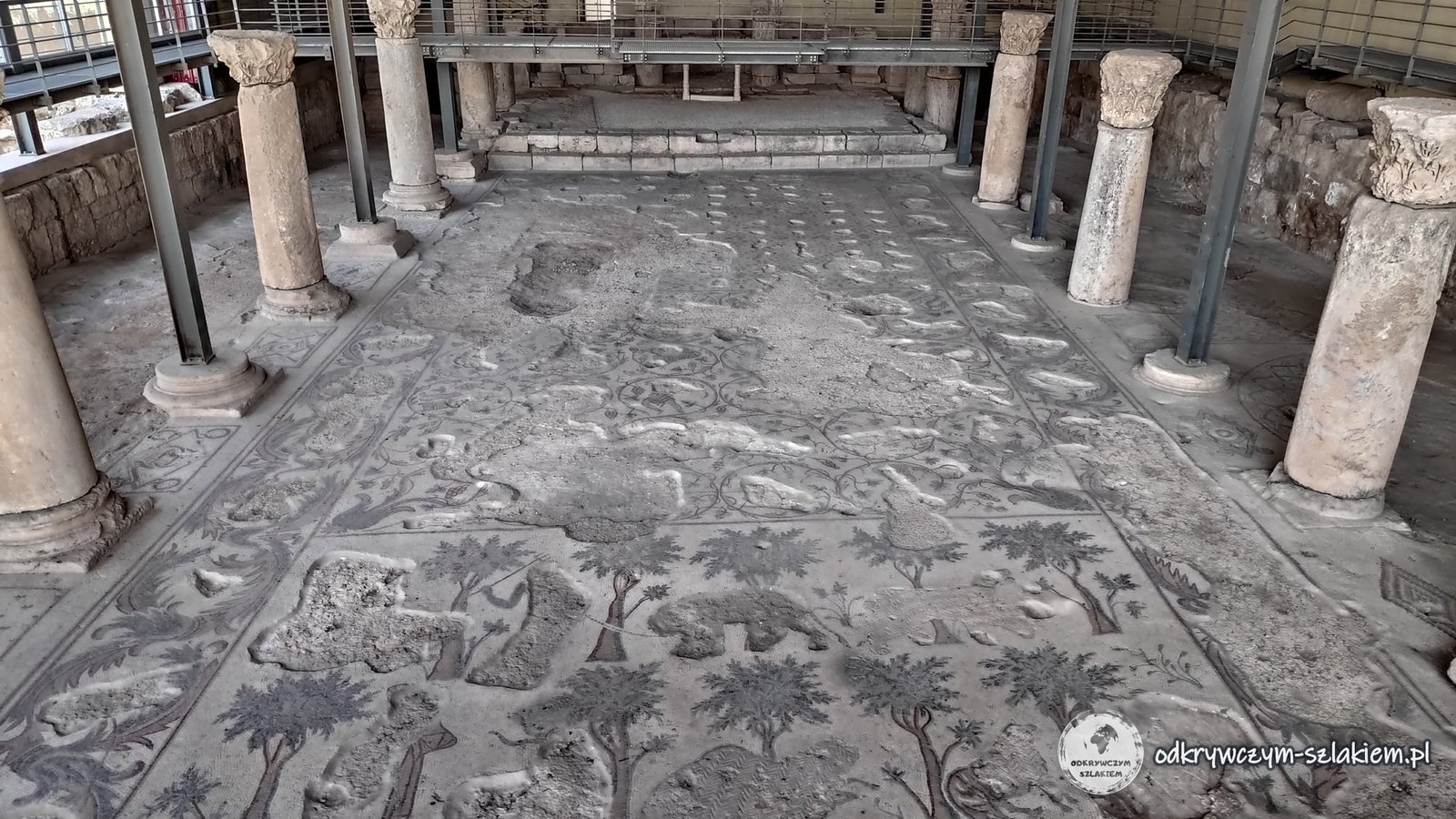
You can also see mosaics in the Madaba Archaeological Park (the remains of three Byzantine churches, about an hour’s visit) and in the Church of the Beheading of John the Baptist, where you can go down into the crypt and climb the tower with a viewpoint.
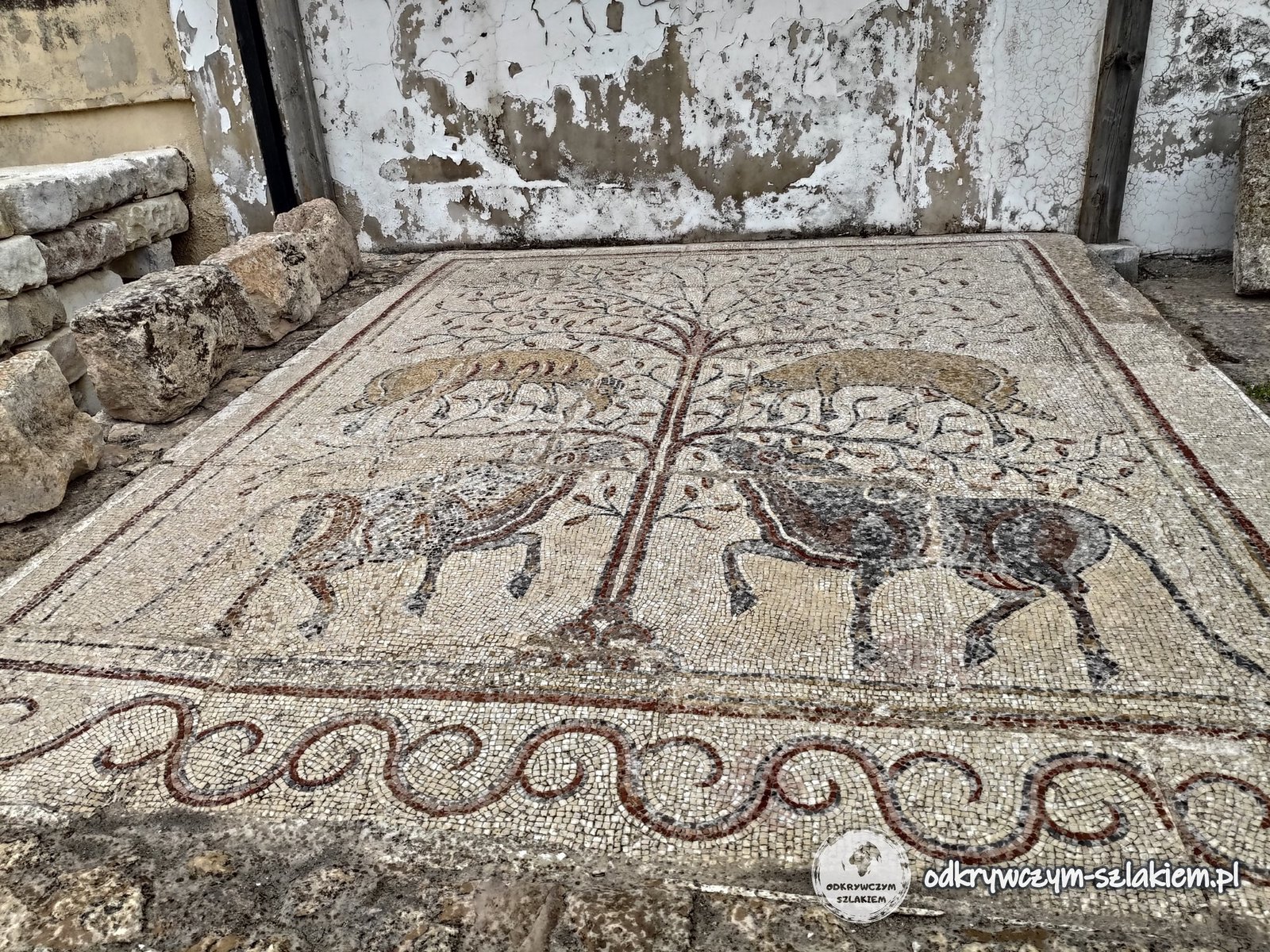
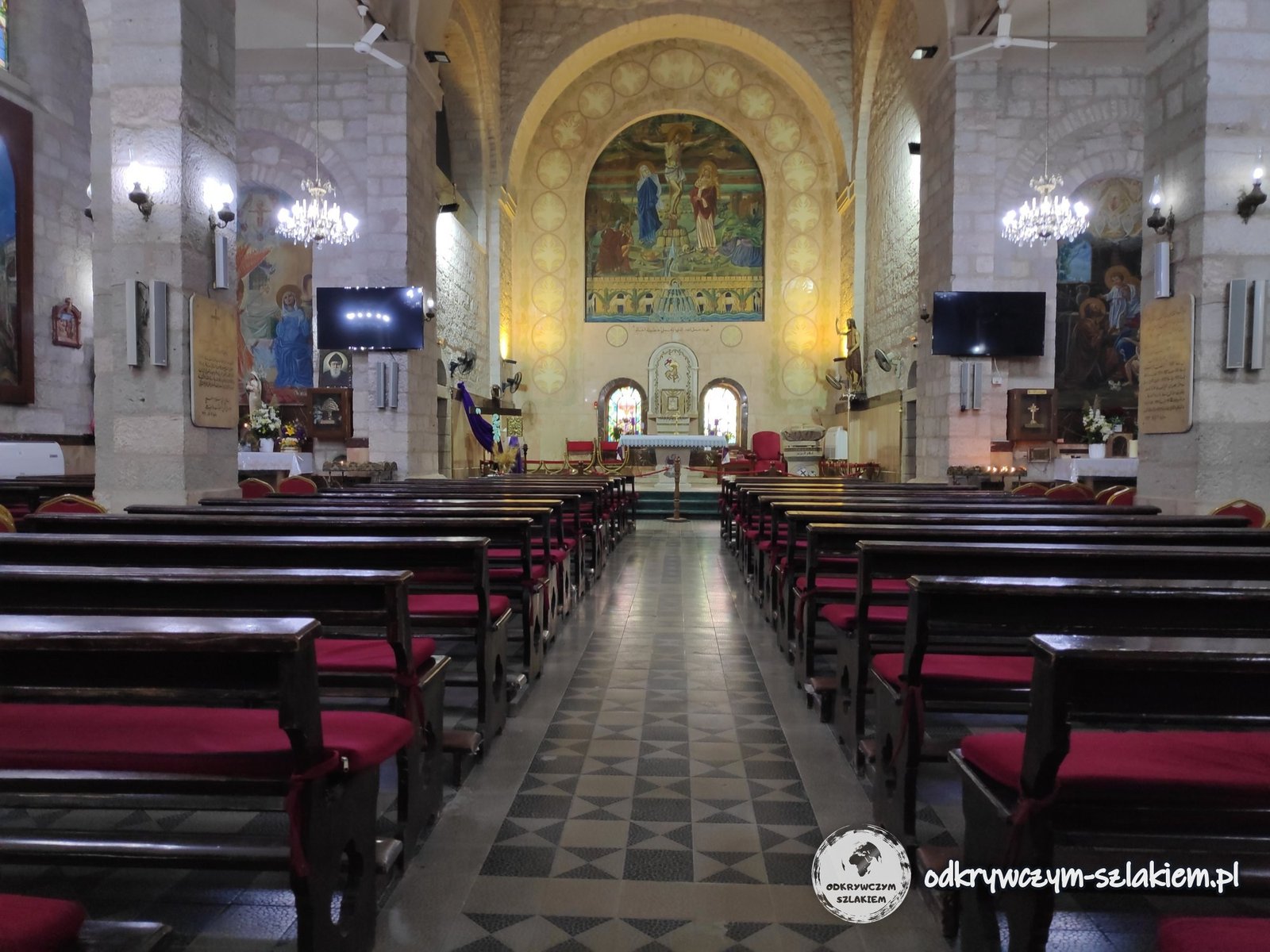
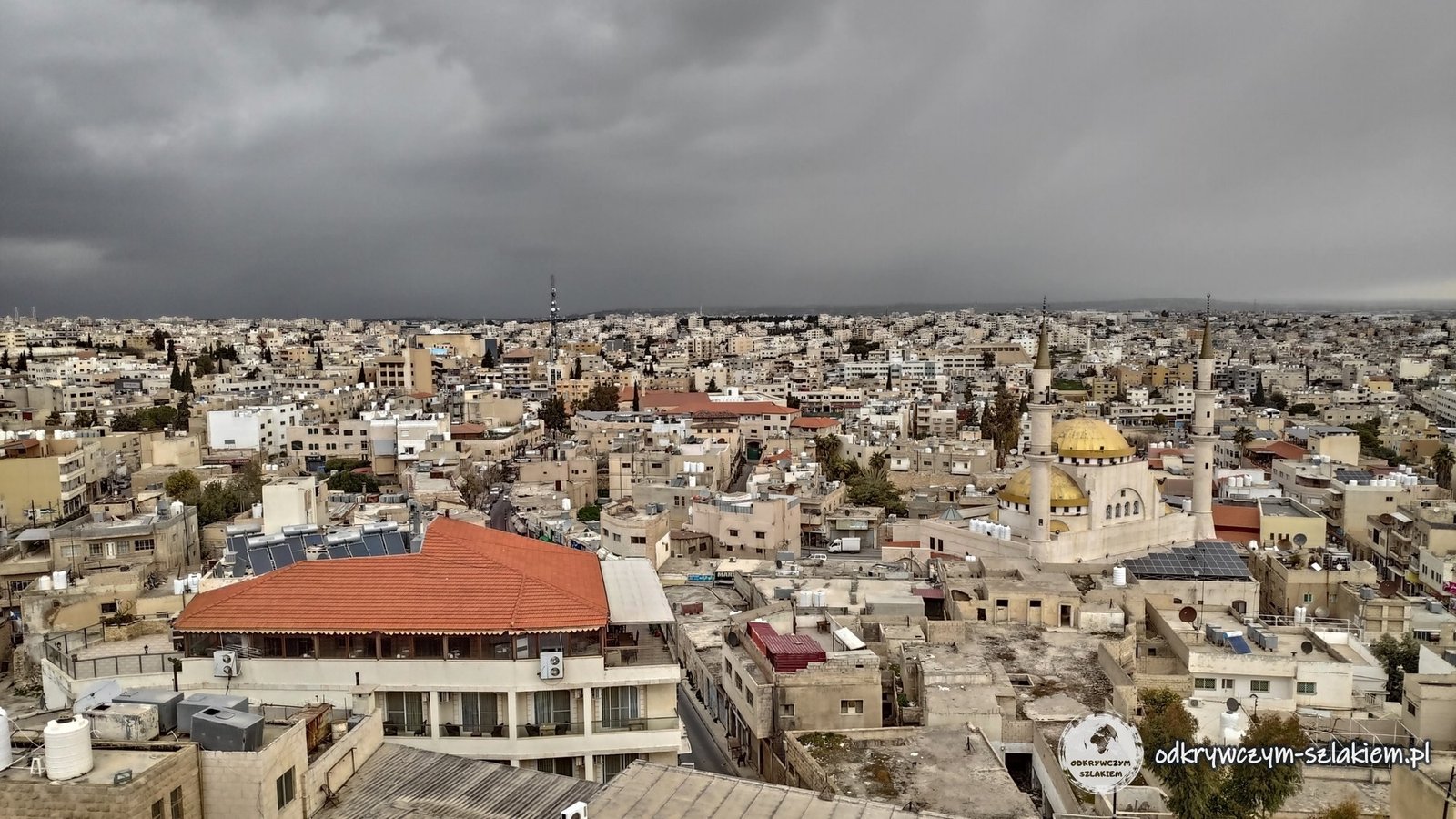
In one café we talked to local Christians – they told us that as recently as the mid-20th century Christians made up about 30% of Jordan’s population, while today, because of economic emigration and the influx of Muslims, they are only a few per cent.
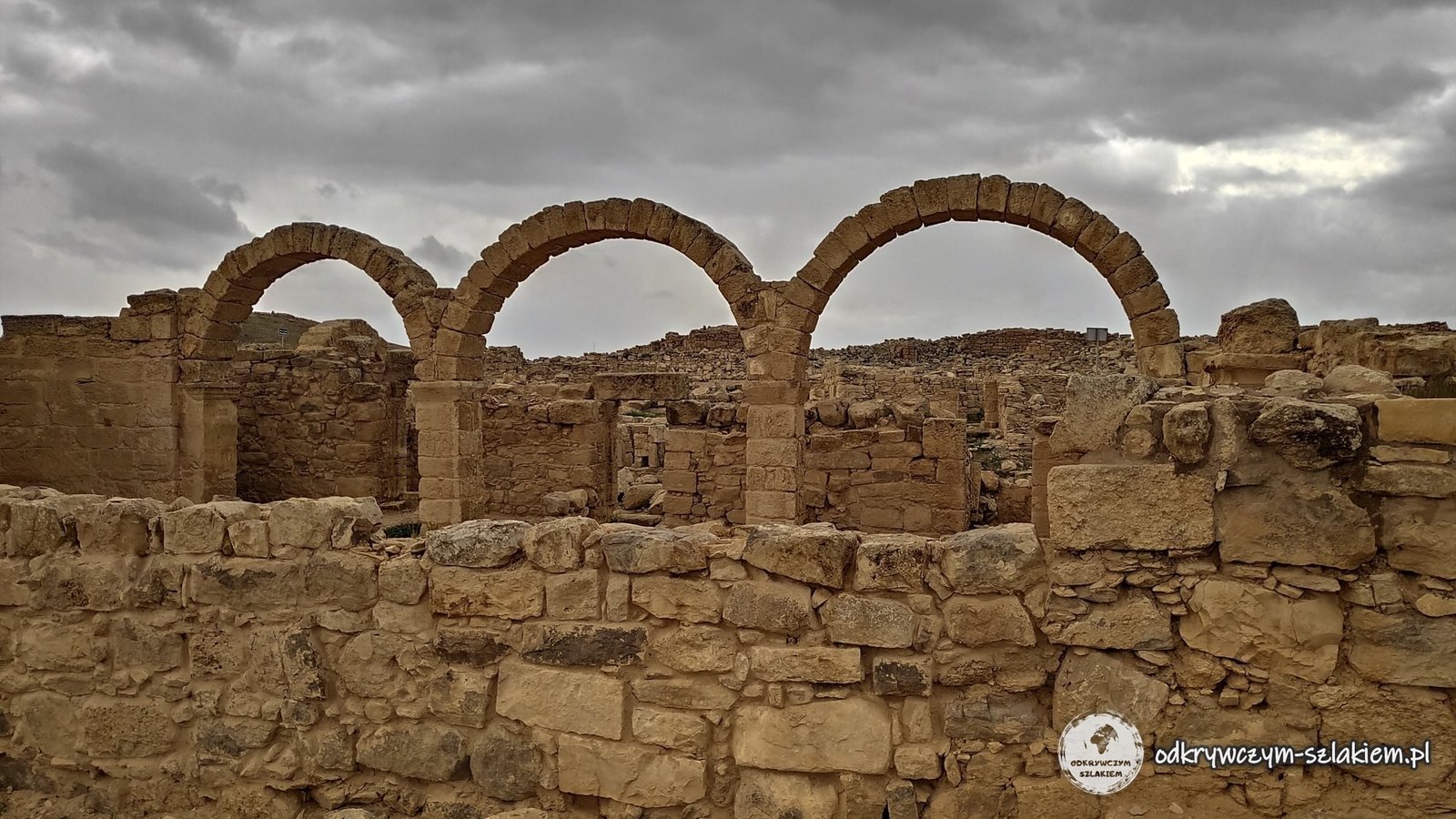
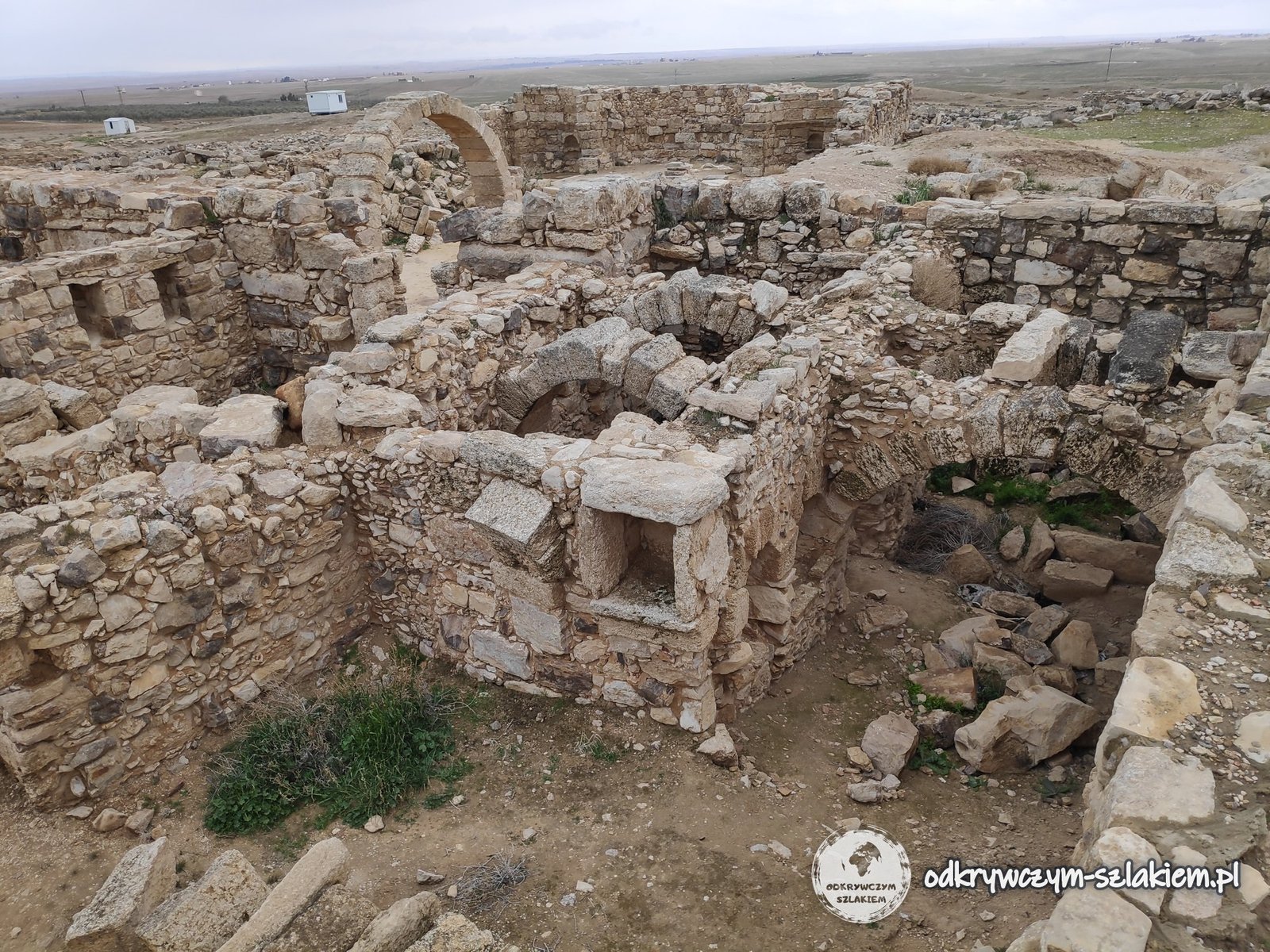
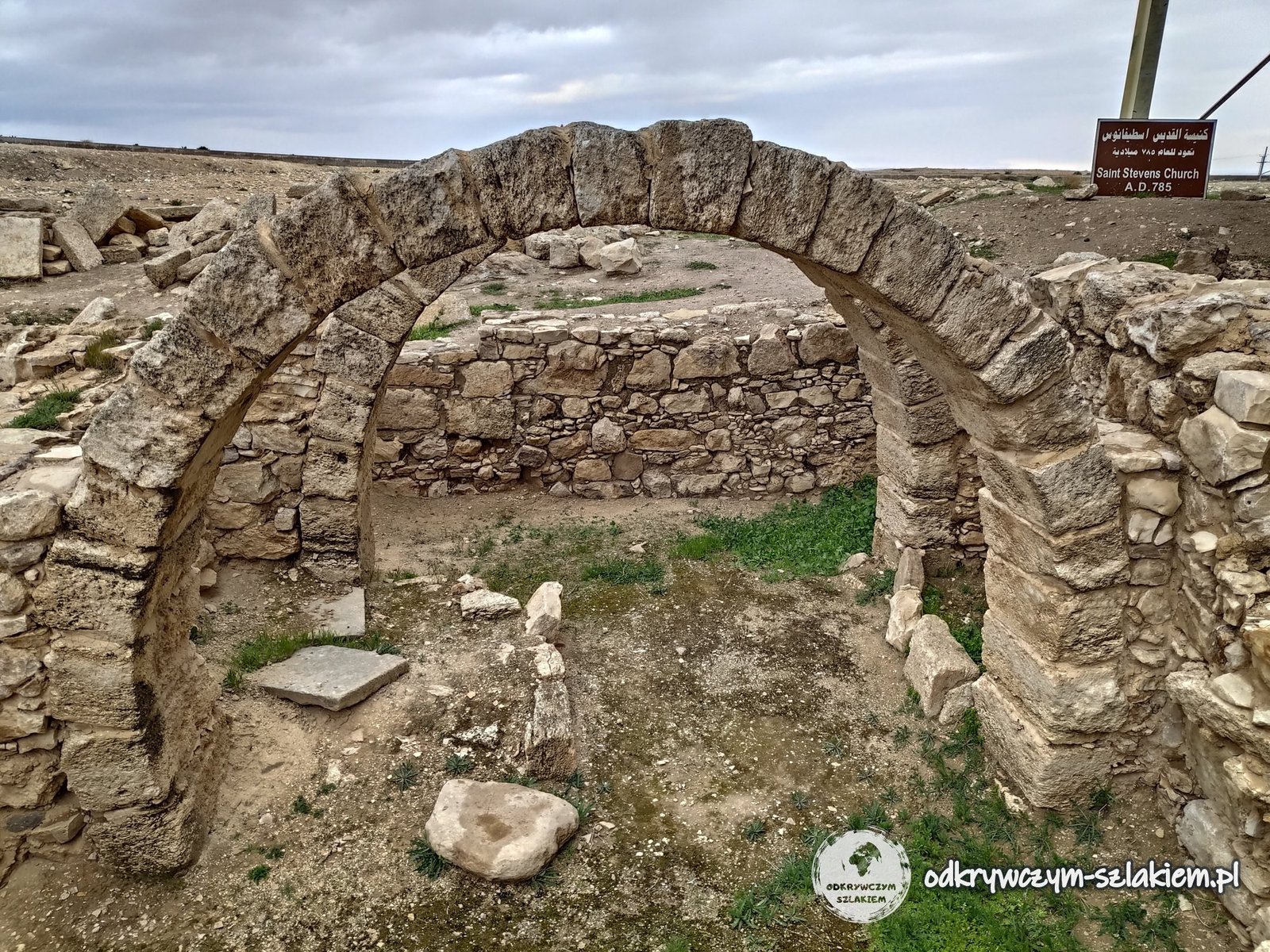
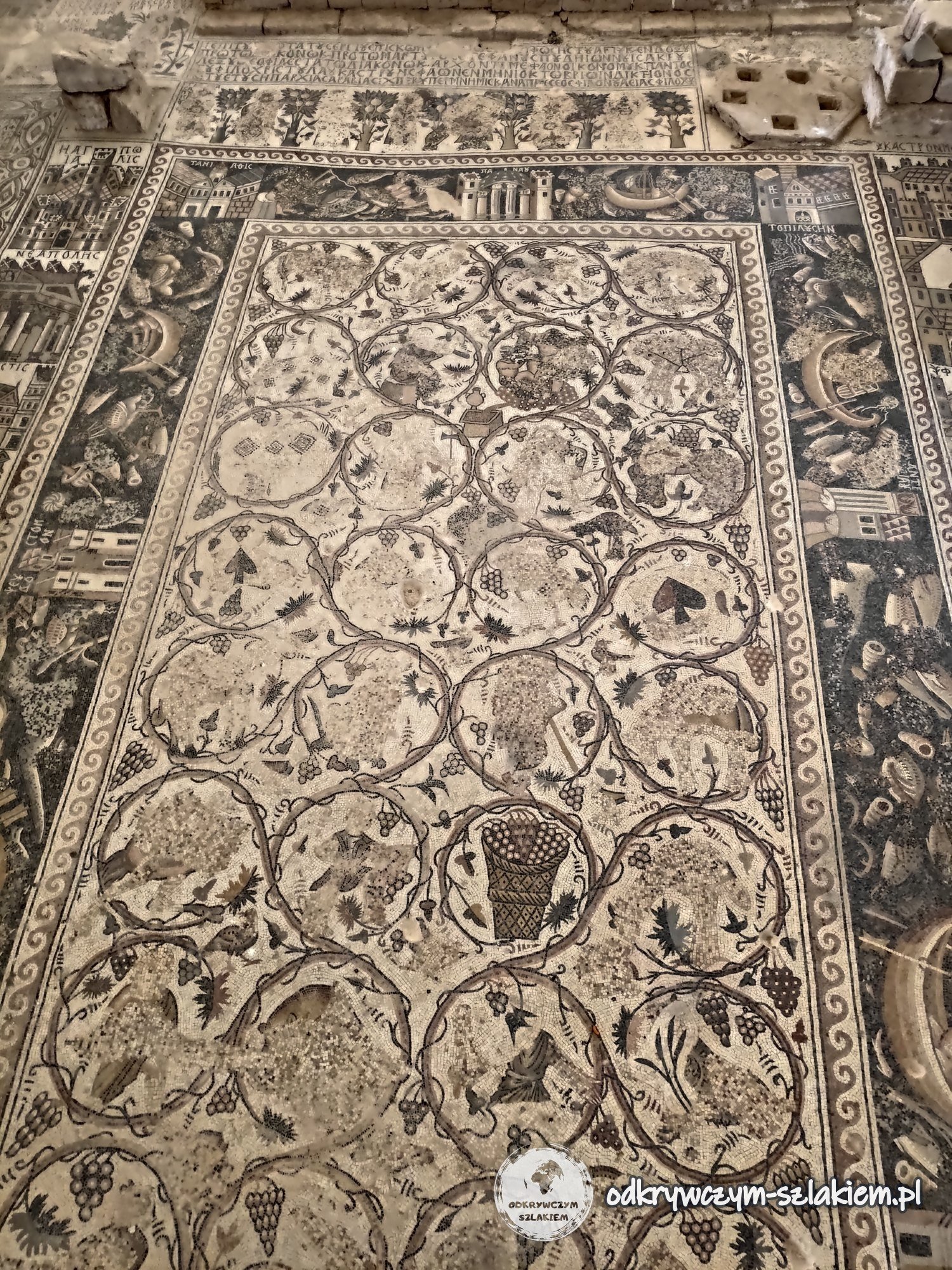
On the way south we visited Umm ar-Rasas – the biblical Mephaath, which, like Petra and Wadi Rum, is a UNESCO World Heritage Site. The ruins are not in the best condition, but beautiful mosaics have survived in the remains of the churches.
Days 6–7: Wadi Rum
After 330 km of driving (the last stretch in the rain) we reached Wadi Rum Village after dark, and from there we were taken to a camp deep in the desert. The next day we drove around canyons, dunes and rock bridges in an off-road vehicle with a guide – the red sand creates a Martian landscape here, where films such as “Dune”, “Star Wars” and “The Martian” were shot. The night at the camp, the tour and the conditions are described in a separate post: Wadi Rum – a night in the desert and a jeep tour.

Practical information
- Flights – Jordan has three international airports. We flew from Berlin to Aqaba, but from Poland the best connections are usually to Amman. We booked the tickets and the car well in advance.
- Car – with a week and so many places, renting a car was the best solution; we drove more than 1200 km. The roads are fine, but traffic in Amman is heavy and chaotic.
- Jordan Pass – the pass gives you entry to more than 40 sights across the country (including Petra, Jerash, Wadi Rum, the castles and the Amman citadel) and covers the cost of the visa if you stay in Jordan for at least three nights. There are three versions, differing in the number of days in Petra: 70 dinars (1 day), 75 (2 days) and 80 (3 days). Including the fee we paid about €93 per person – it’s expensive, but it quickly pays for itself. Prices from 2022.
- Weather – in March it is usually well above 20 degrees, but we caught a terrible weather front: even the Jordanians couldn’t remember such a cold March. Outside Aqaba it was in the low to mid teens at most, often windy and cloudy, and towards the end it rained. At night in the desert the temperature dropped to 2 degrees – bring warm clothes.
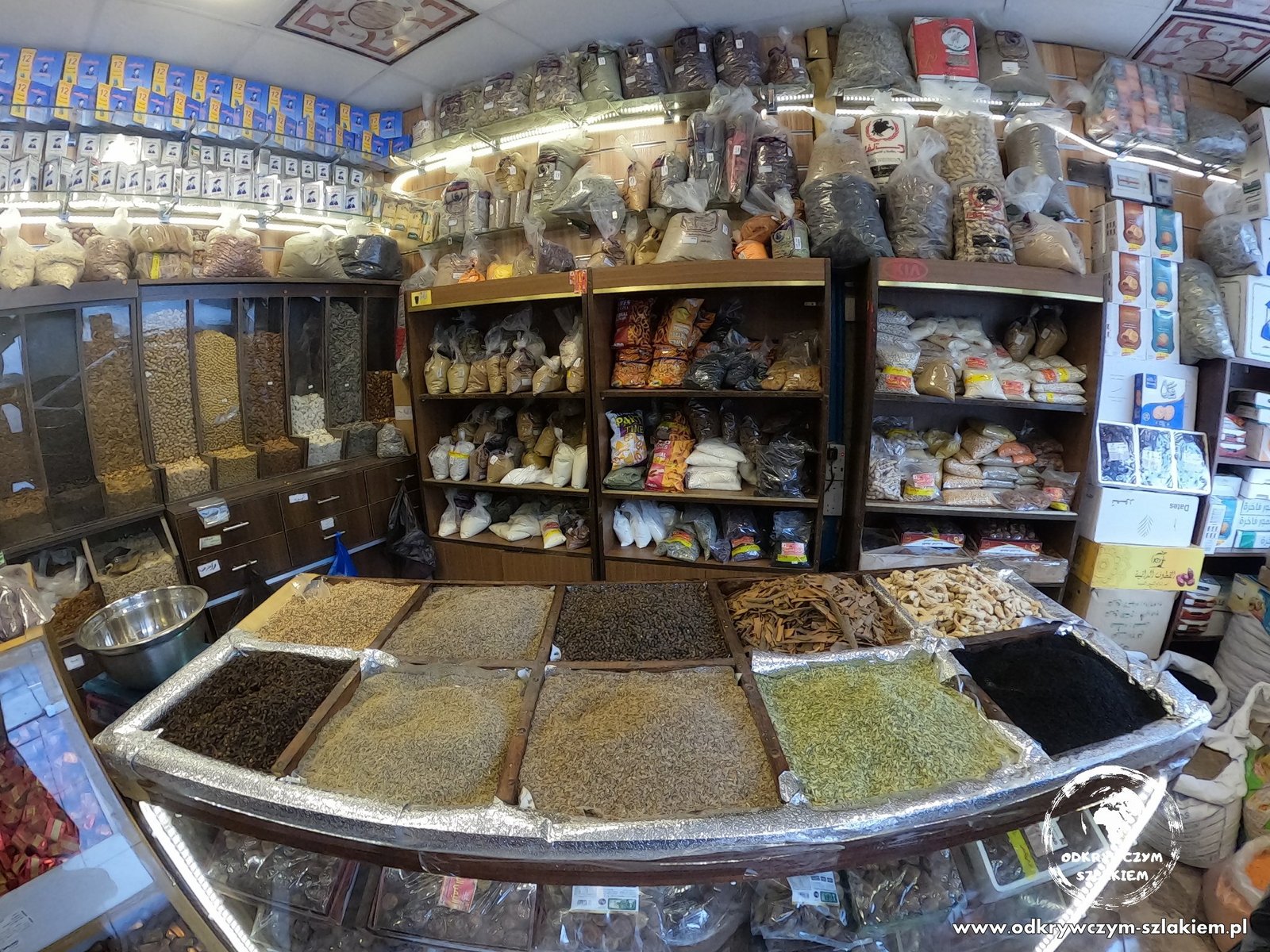
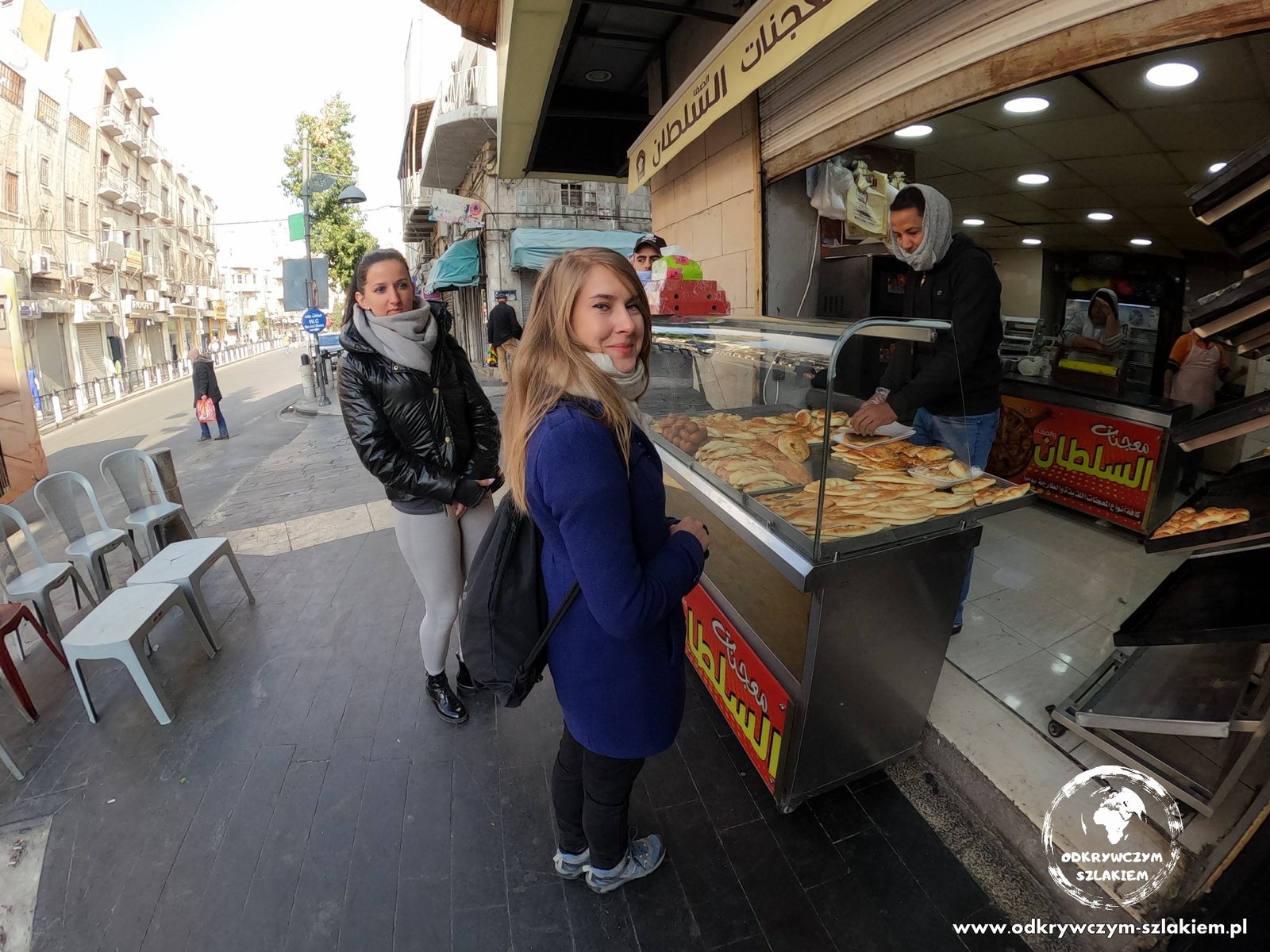
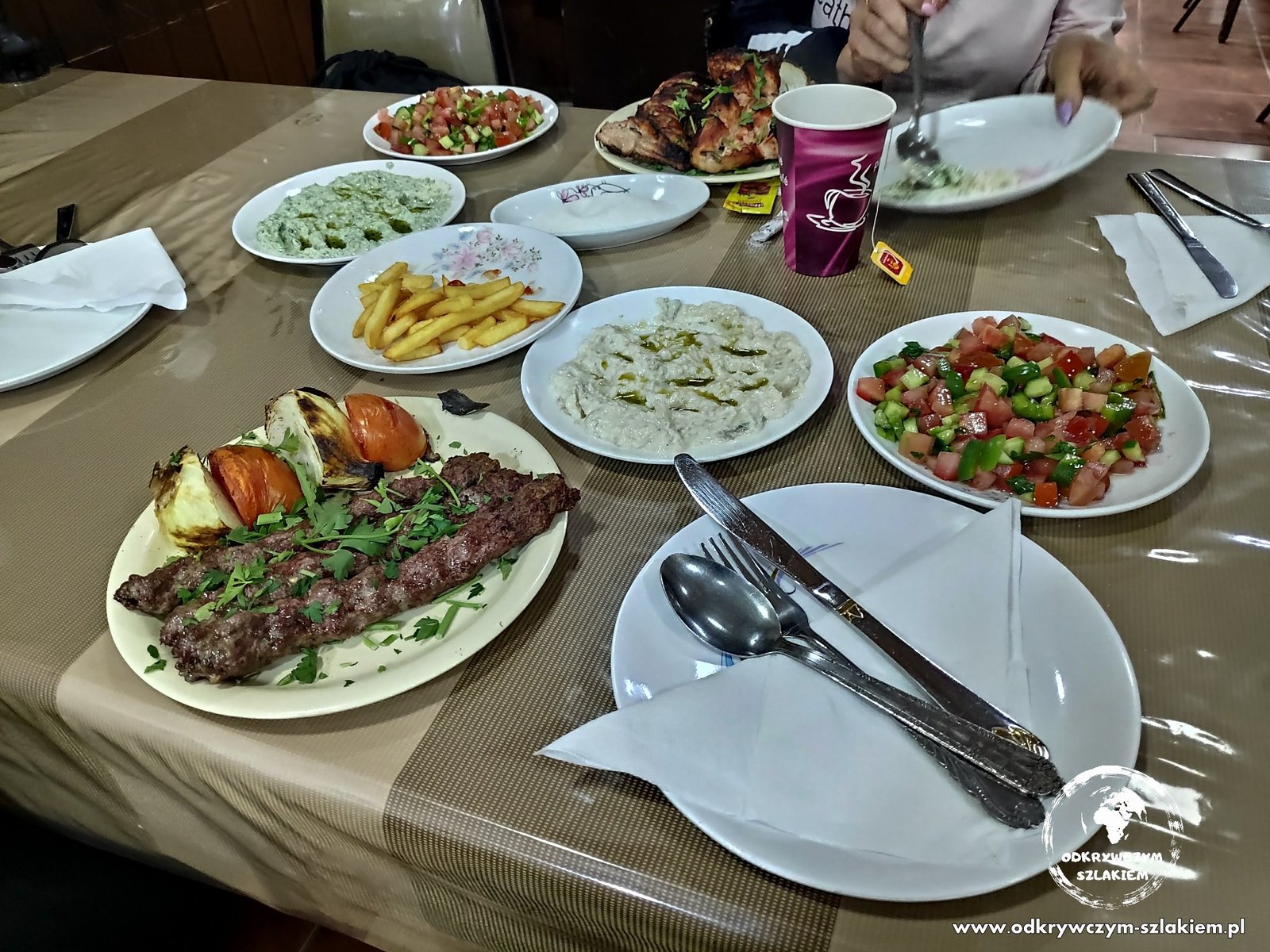
- Food – in local, non-touristy bakeries and eateries you can buy a lot of really good food for little money.
- People – Jordanians were very kind to us, although sometimes we weren’t sure whether they expected payment for their help – especially for “guiding” at sights we had already paid to enter. Petra can be pushy (vendors, donkey and carriage rides). Some things work on trust.
- Clothing – outside tourist beaches and big cities it’s a good idea to cover your shoulders and knees; women are given a headscarf in mosques.
To sum up – Jordan is a wonderful country with a lot to offer, and because of the pandemic there were noticeably fewer tourists than usual at the time. For a week, our plan was optimal, maybe even too intense.
Photo gallery