In August 2006 I spent almost two weeks on Crete with my parents. It was a package trip organised by a travel agency. Our hotel was in Rethymno, on the north coast of the island. From there we went to the Minoan palace at Knossos and took a day trip by ferry to Santorini.
Table of contents
- The old harbour and the beach in Rethymno
- The Fortezza – the Venetian fortress above the town
- The old town of Rethymno
- The Archaeological Museum
- Knossos – the palace of King Minos
- A day trip to Santorini by ferry
- Practical information
The old harbour and the beach in Rethymno
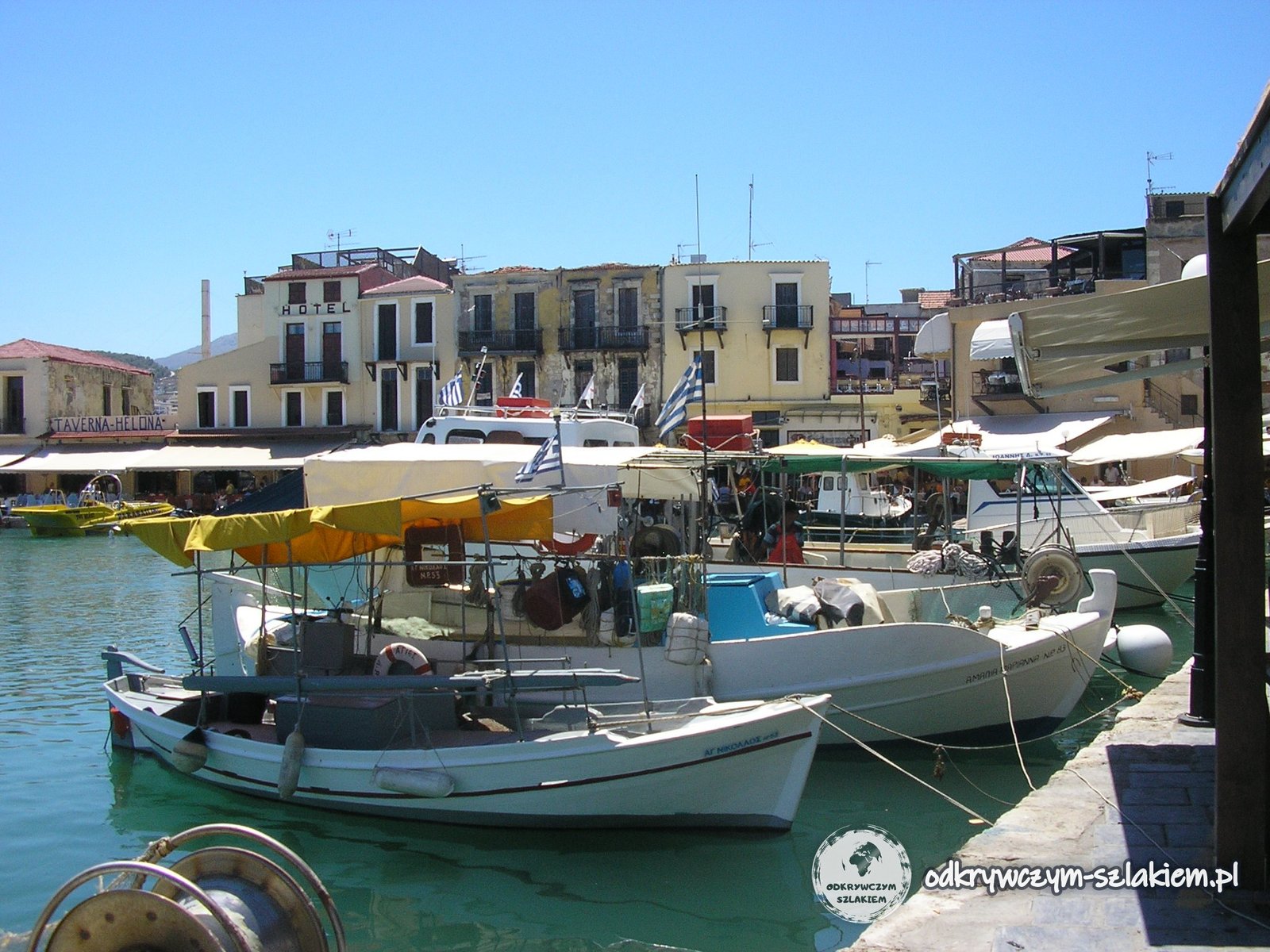
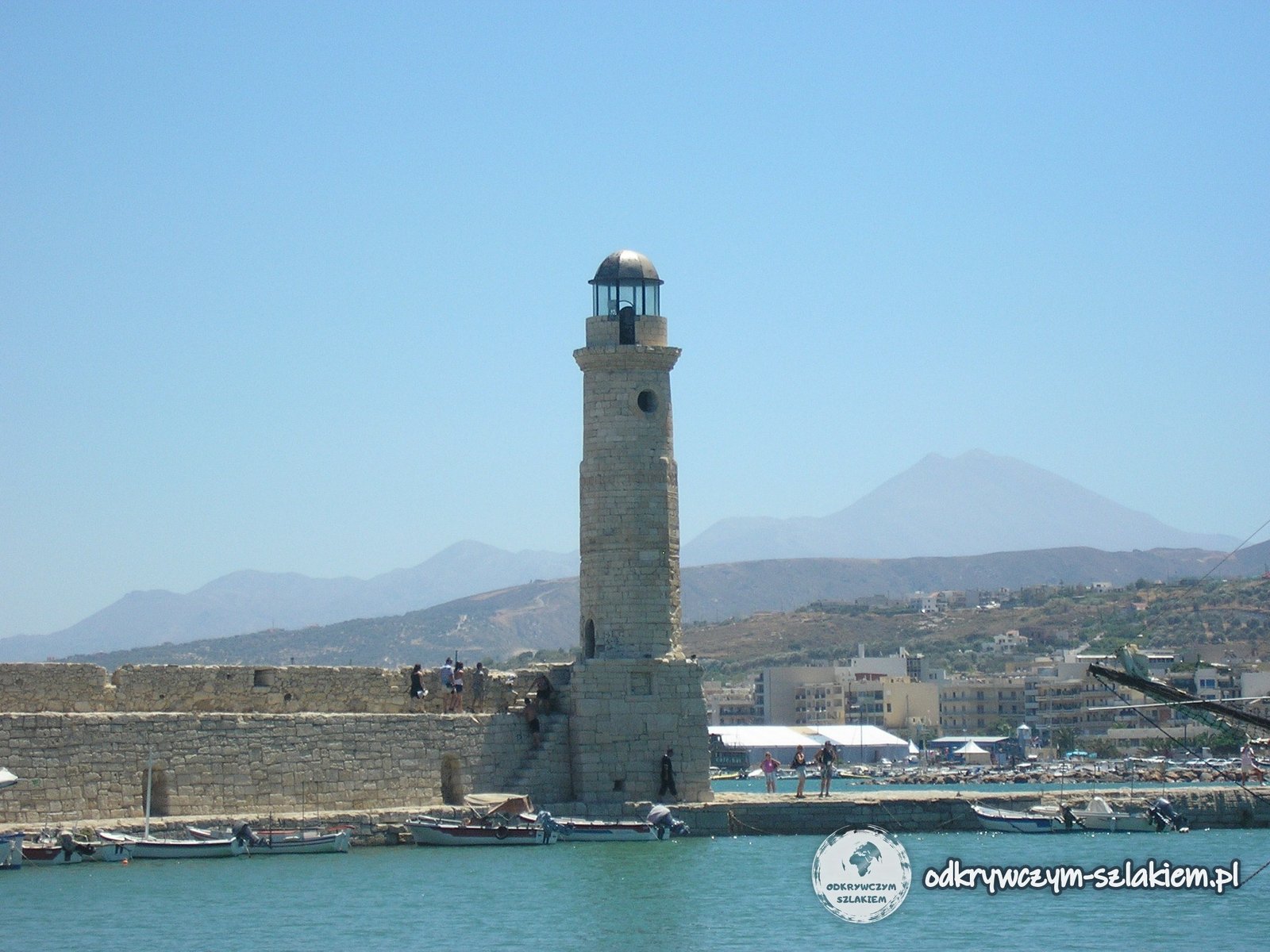
Rethymno is the third-largest town on Crete, between Heraklion and Chania. Its best-known spot is the small Venetian harbour surrounded by tavernas. At the end of the breakwater stands a stone lighthouse from the 19th century, when Crete was ruled by the Egyptians.
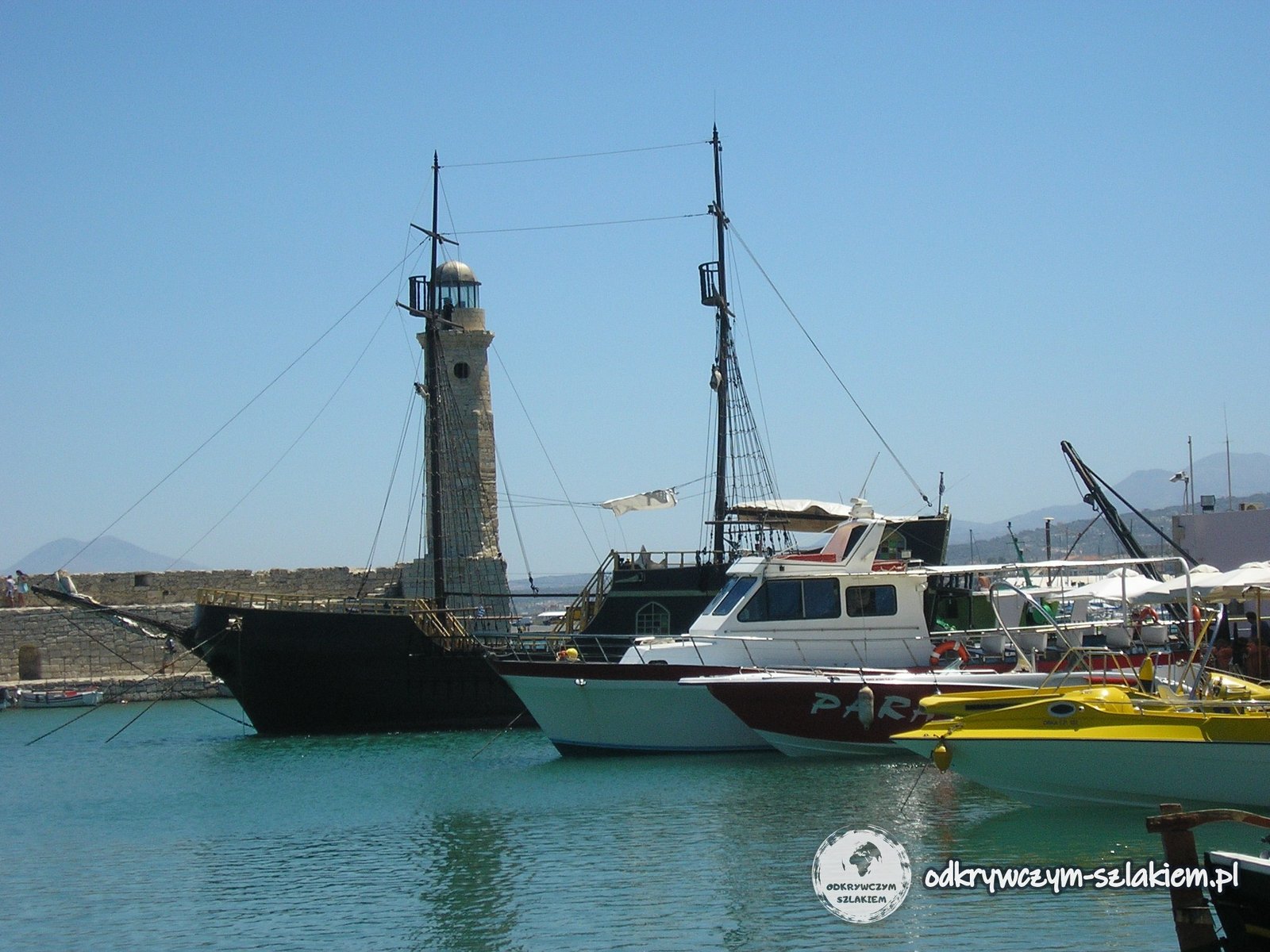
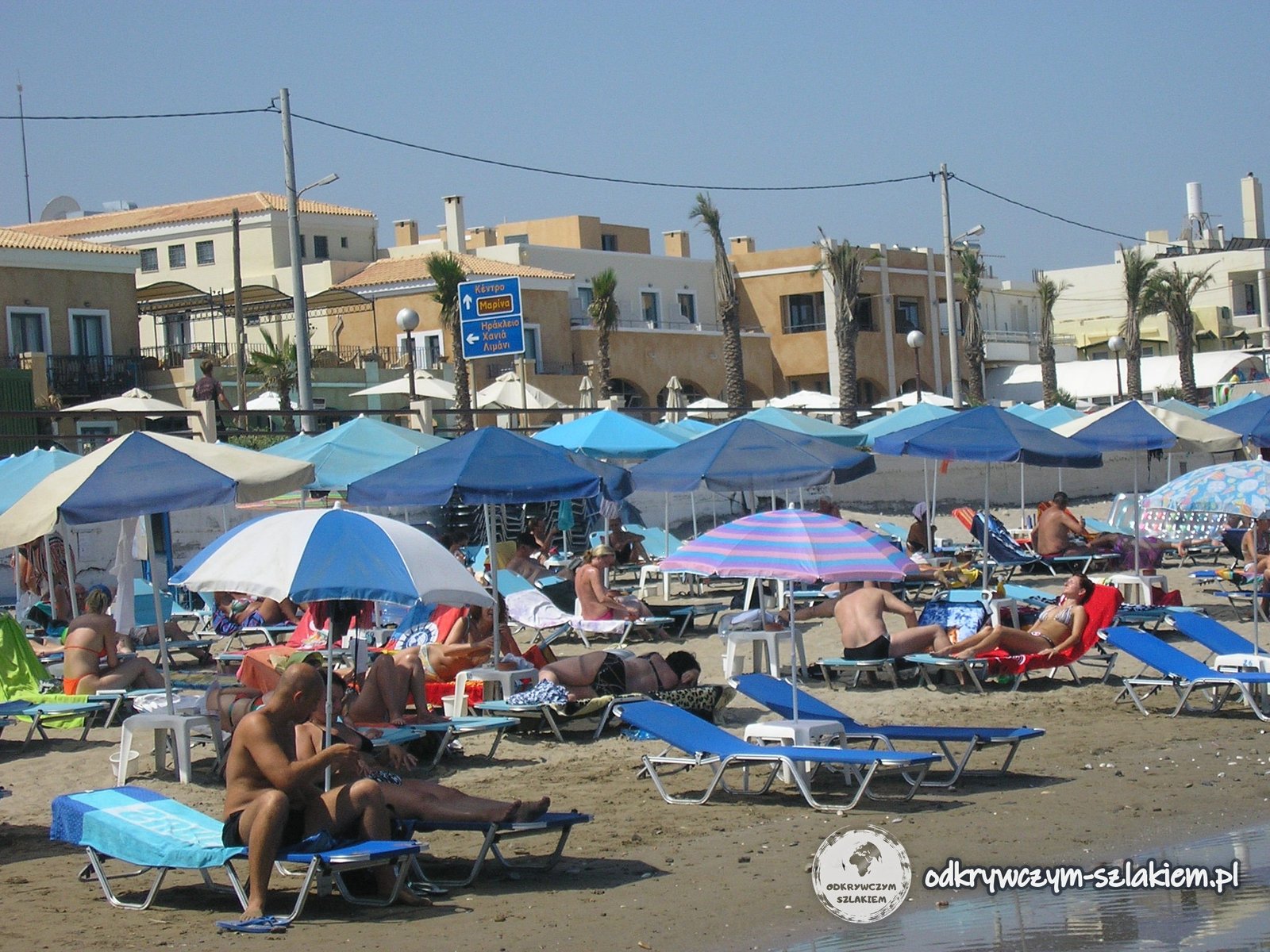
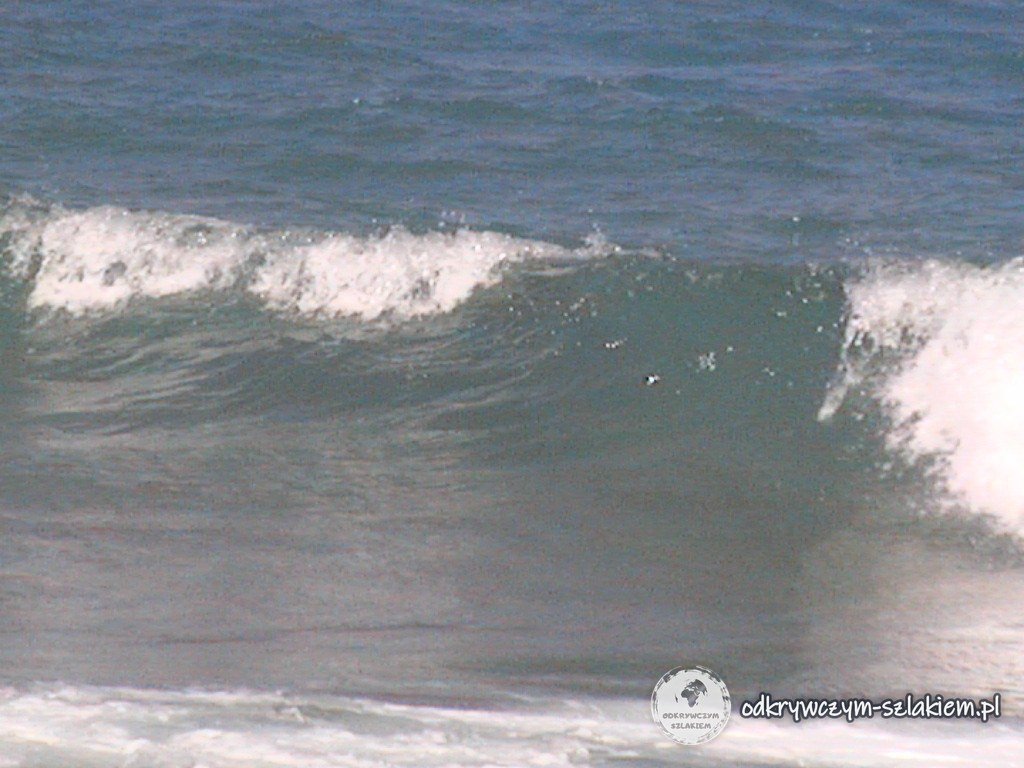
Right past the harbour begins a long sandy beach with a promenade, so the sea was close by. It was not always calm: some days brought high waves.
The Fortezza – the Venetian fortress above the town
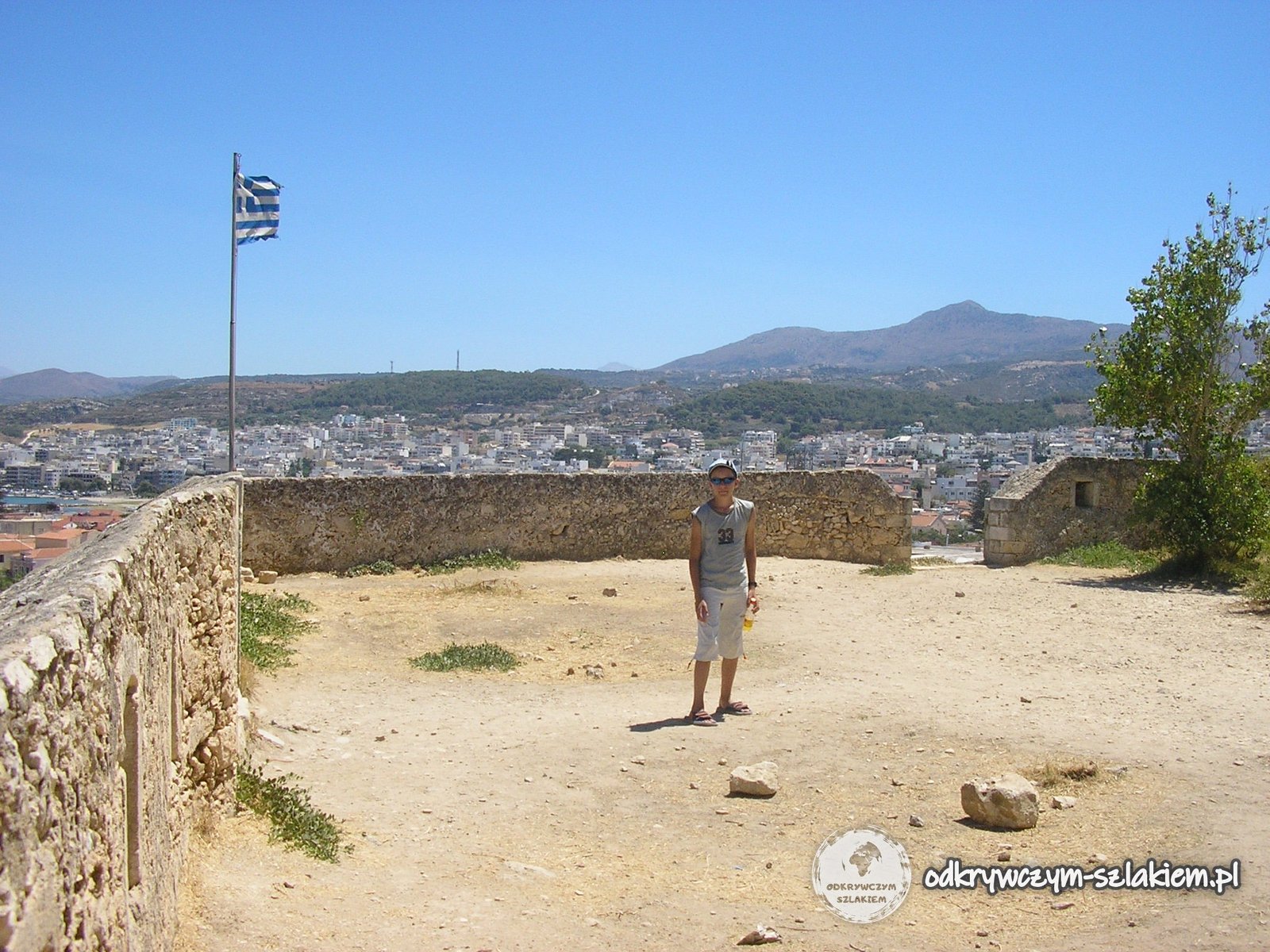
Above the town rises the Fortezza, a fortress built by the Venetians in 1573–1580. It did not save Rethymno, however: the Ottomans took it in 1646. From the walls you can see the whole town, and the mountains inland.
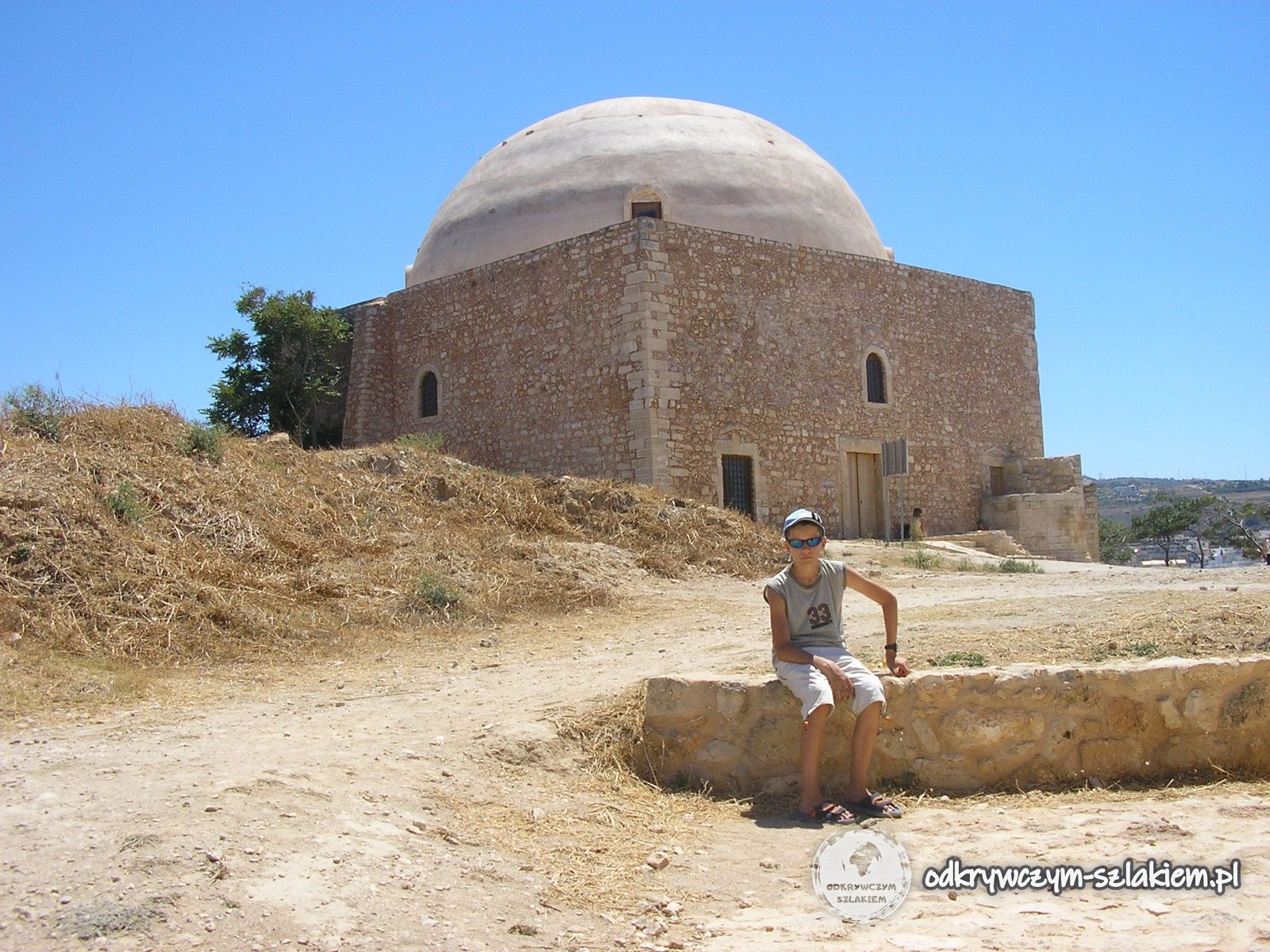
In the middle of the fortress stands the Sultan Ibrahim mosque with its large dome. It is the former Venetian cathedral of St Nicholas, converted by the Ottomans.
The old town of Rethymno
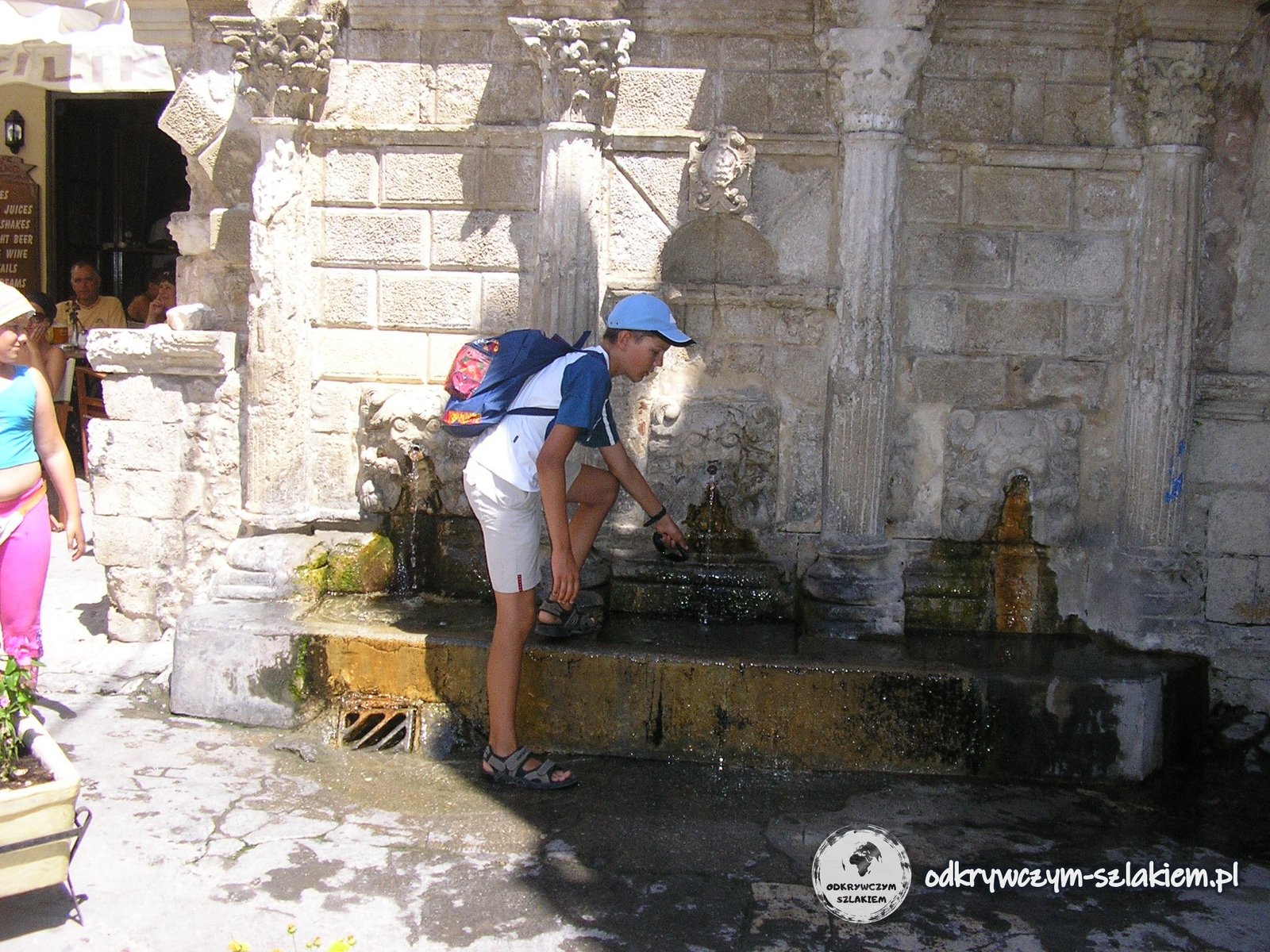
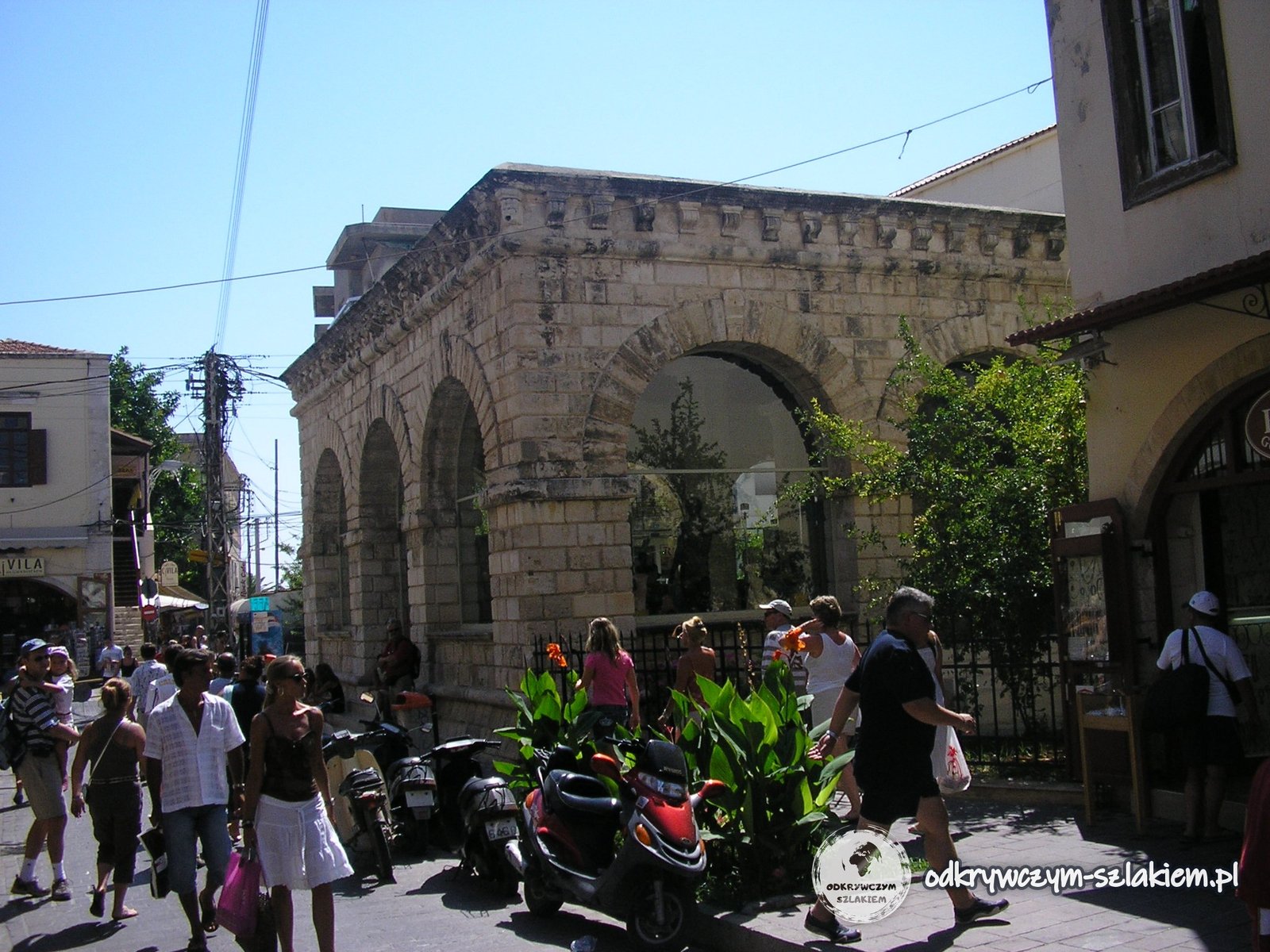
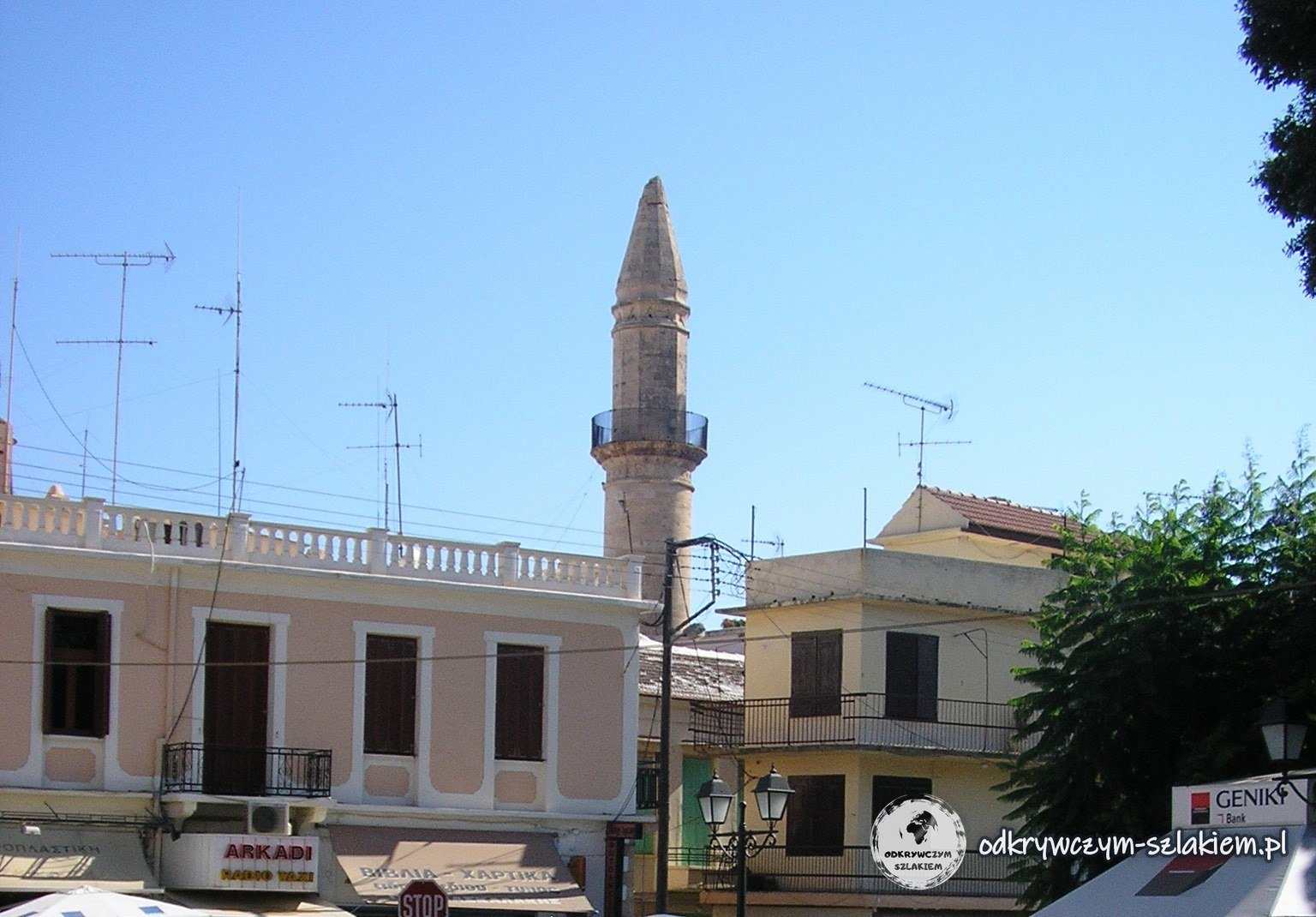
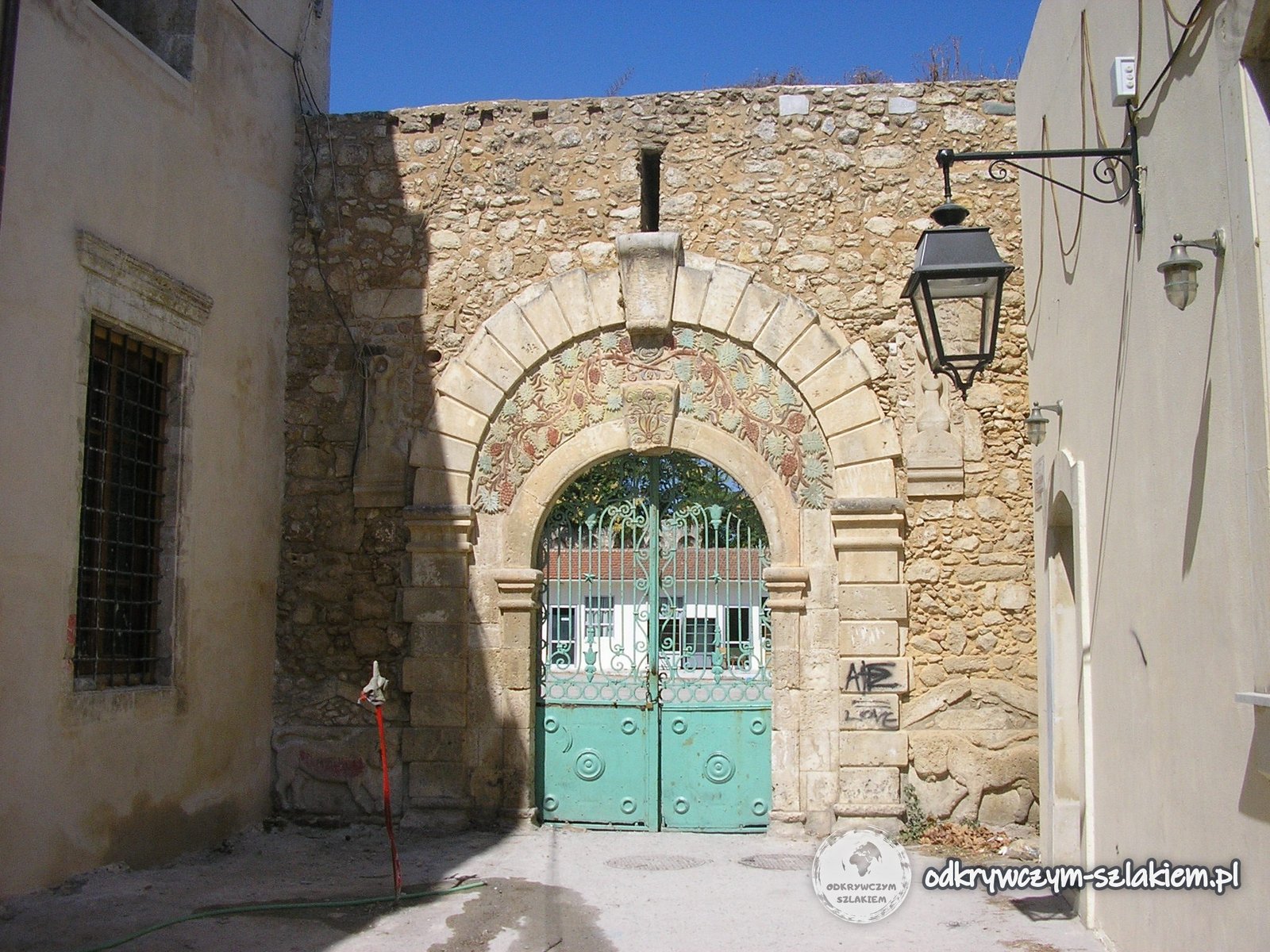
The old town mixes Venetian and Ottoman influences. Its best-known sights are the 17th-century Rimondi fountain, which still runs, and the Neratze mosque with its tall minaret.
The Archaeological Museum
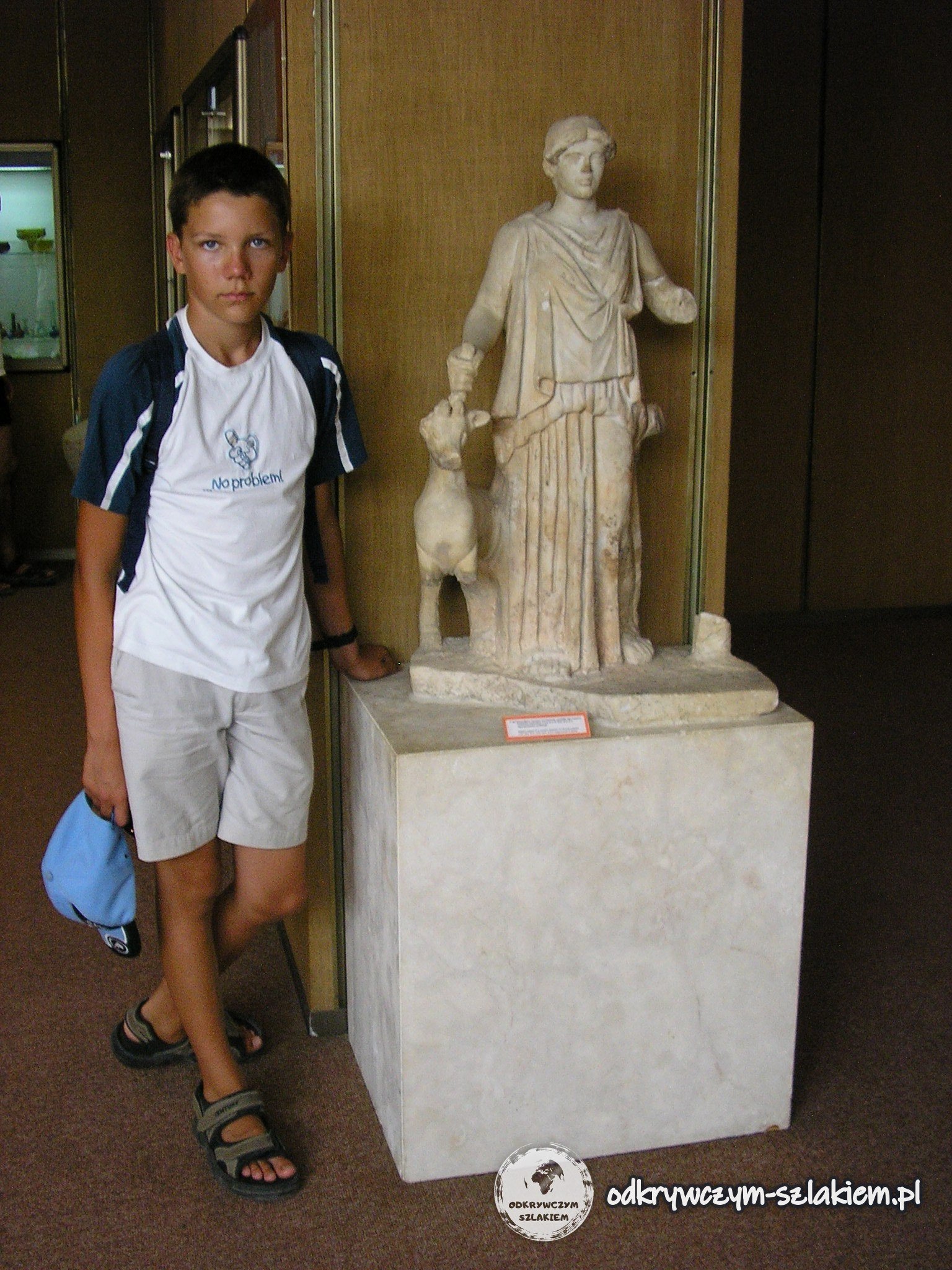
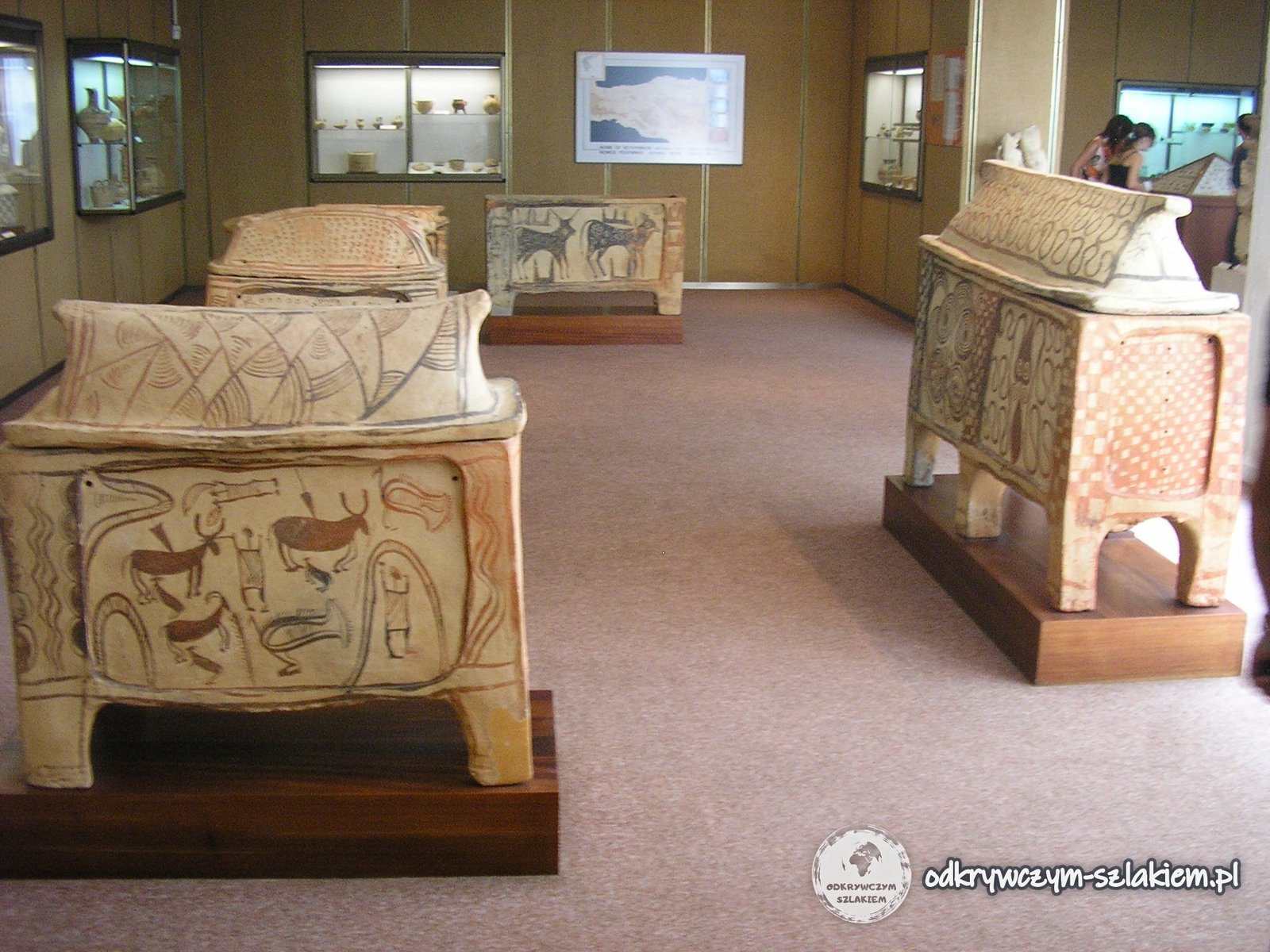
In Rethymno we also visited the Archaeological Museum. We saw Roman statues, large amphorae and stone sarcophagi with carved sides.

Knossos – the palace of King Minos
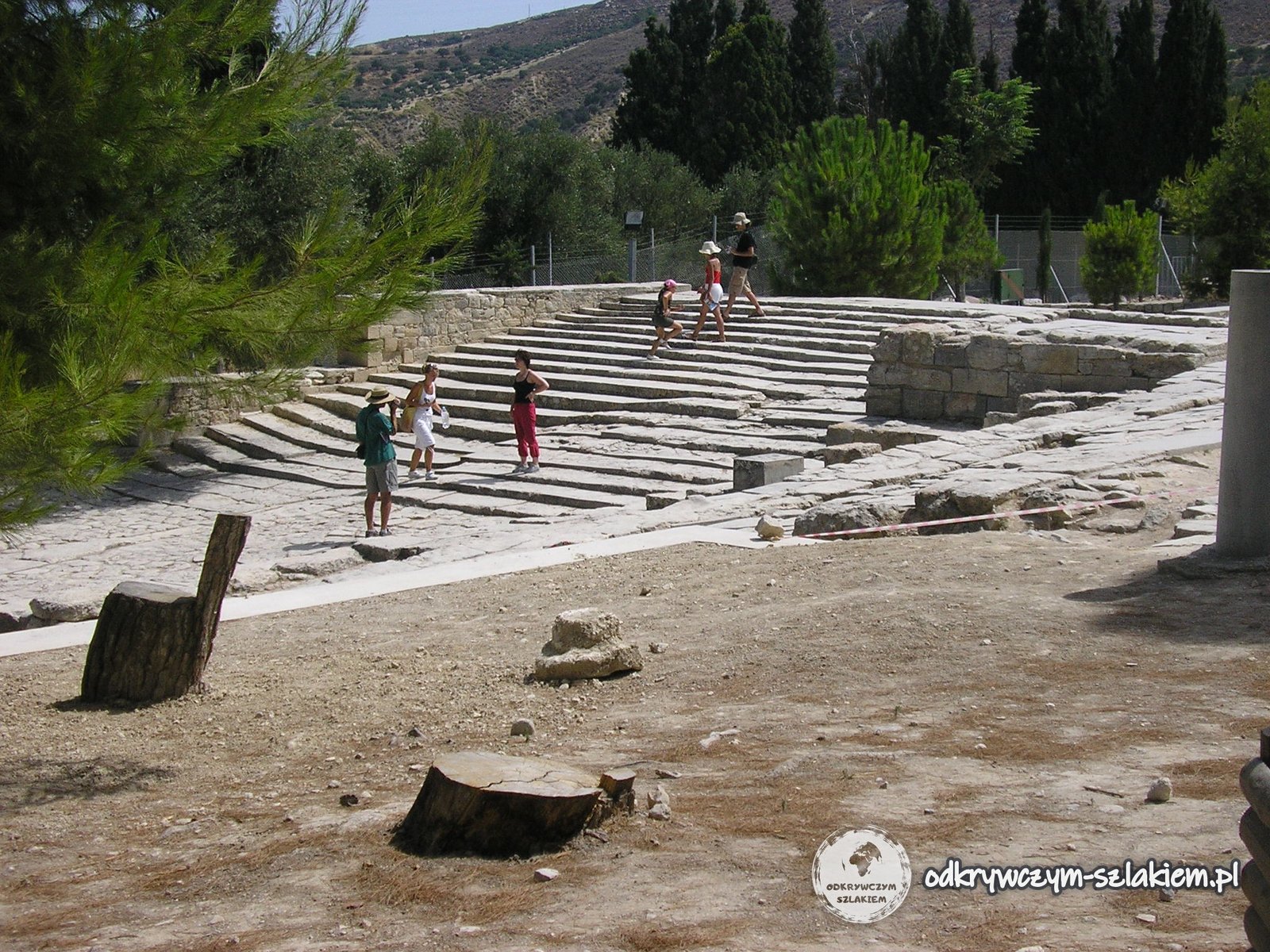
On 10 August we went to Knossos, a few kilometres from Heraklion. It is the largest palace of the Minoan civilisation and, according to myth, the seat of King Minos and the site of the labyrinth with the Minotaur. The first palace was built around 1900 BC.
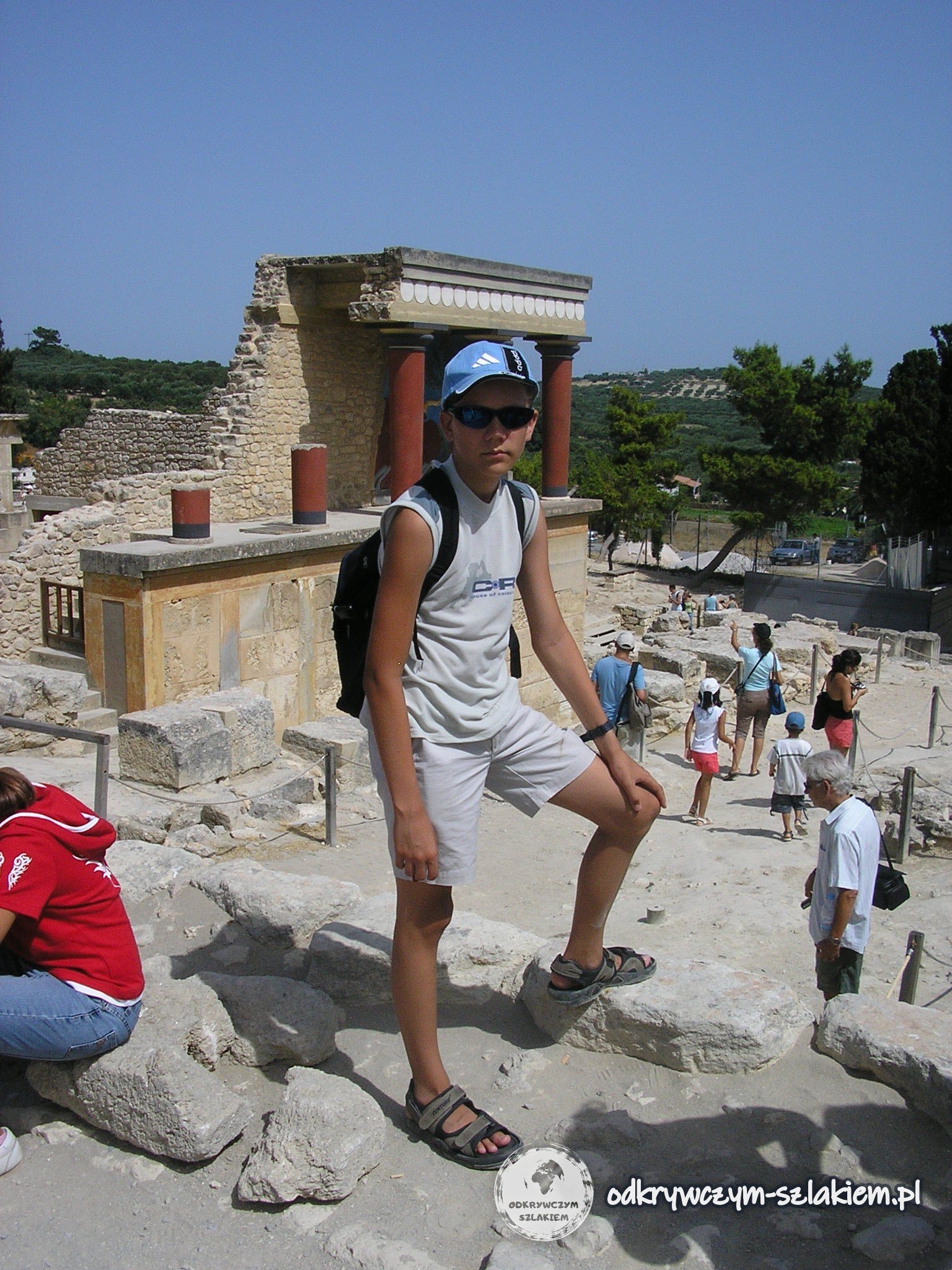
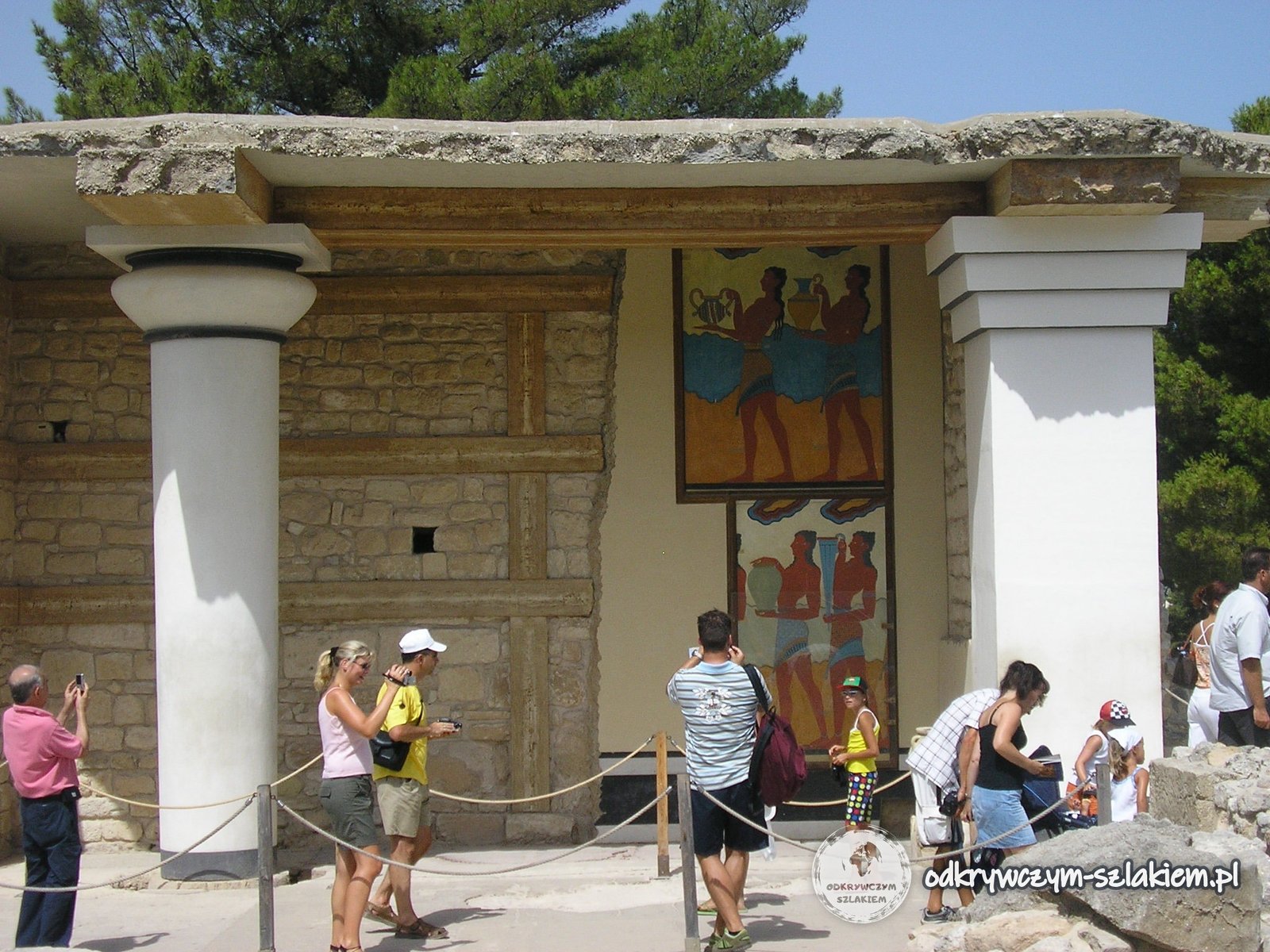
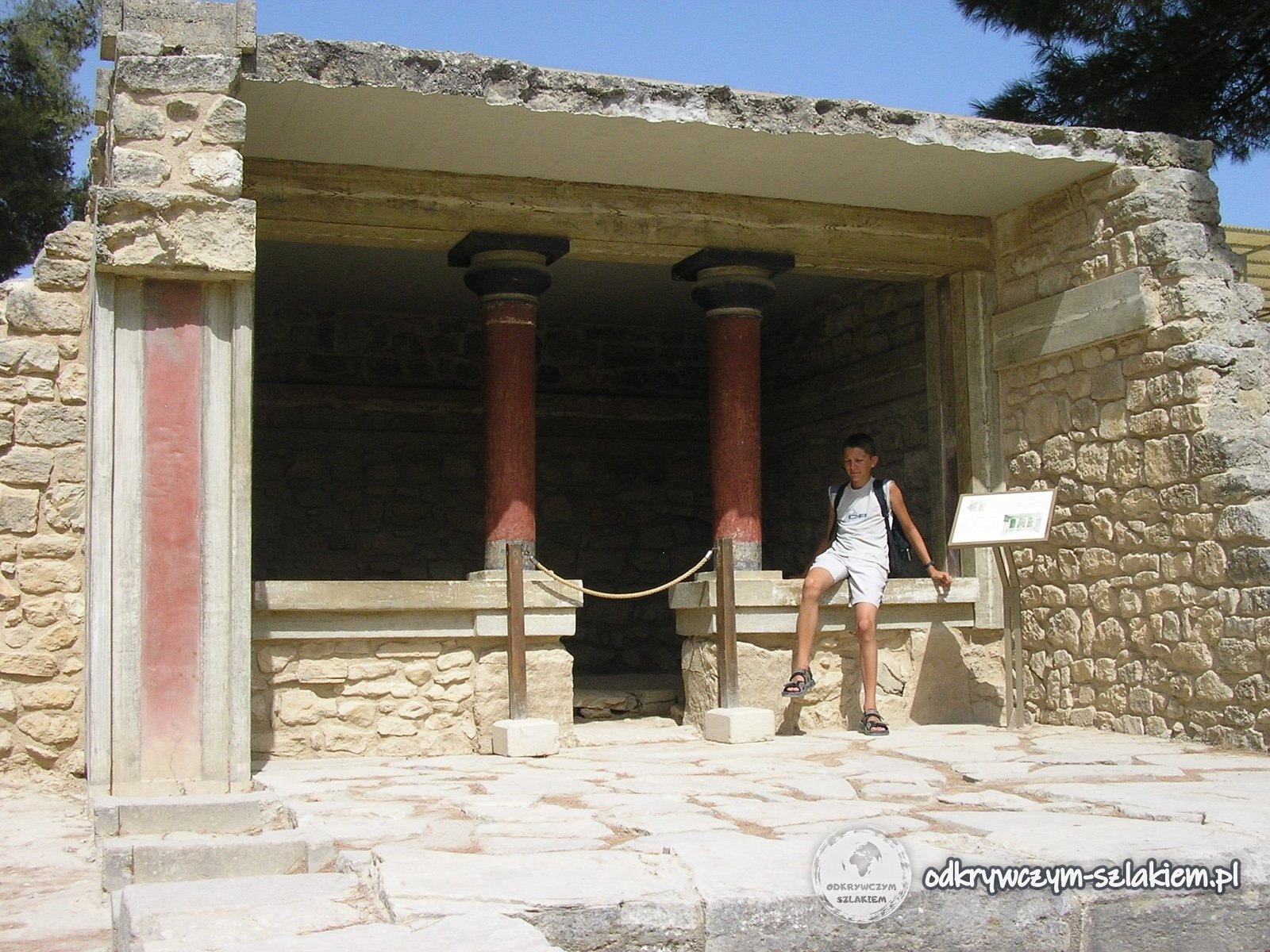
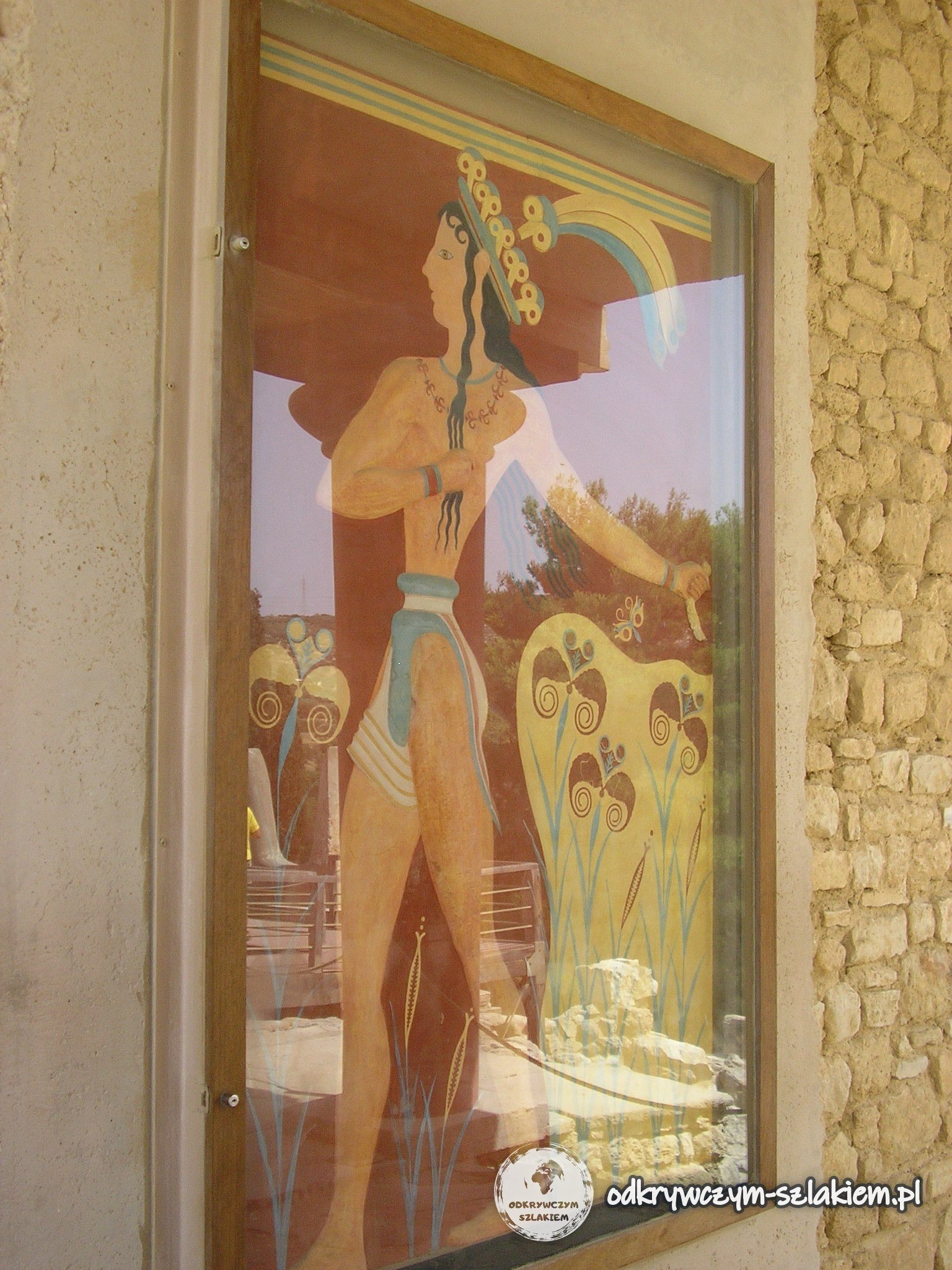
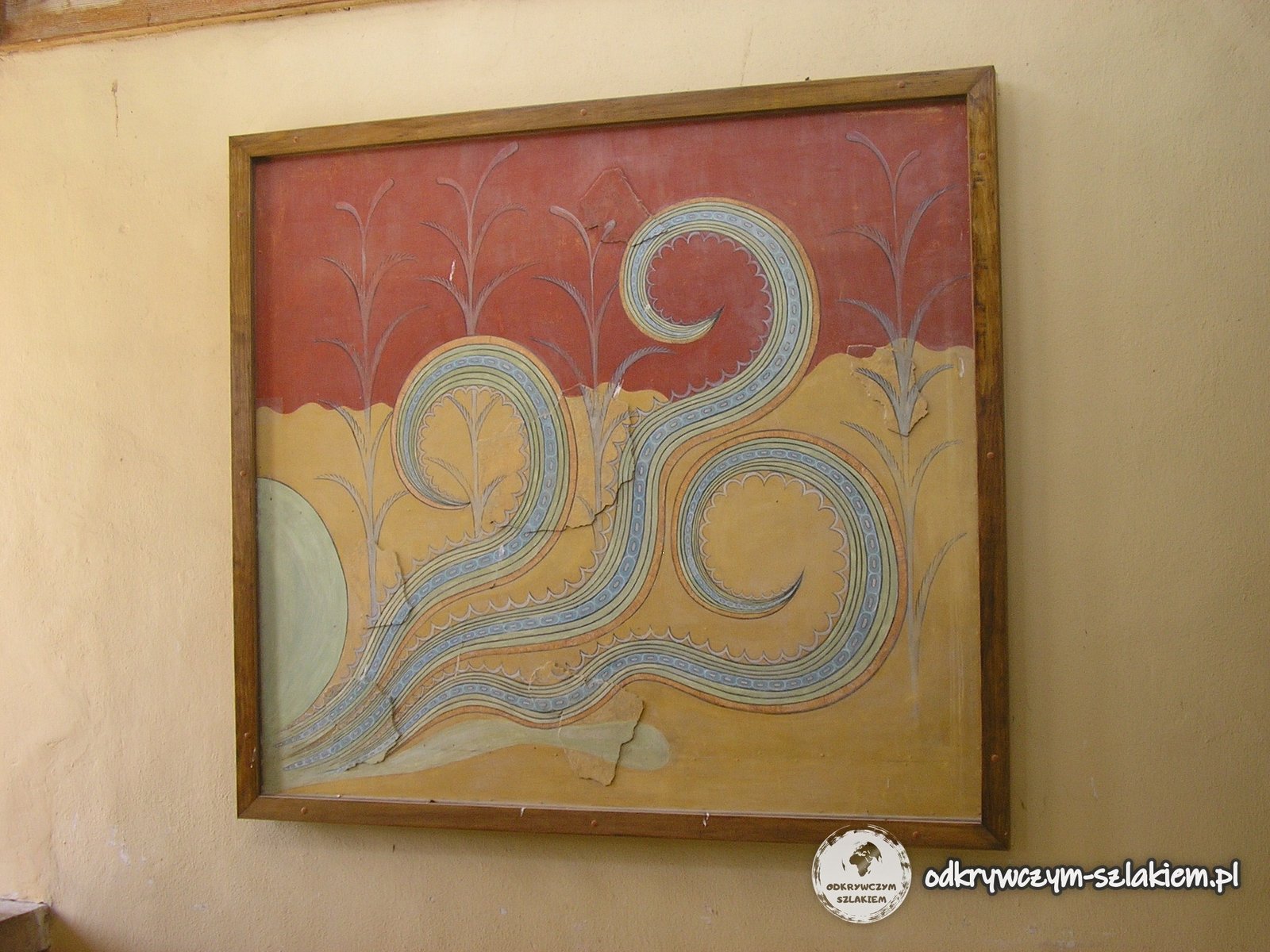
Part of what you see today is the work of Arthur Evans, who began excavating in 1900 and rebuilt sections of the palace in concrete, red columns included. The frescoes on the walls are copies; the originals are in the Archaeological Museum of Heraklion.

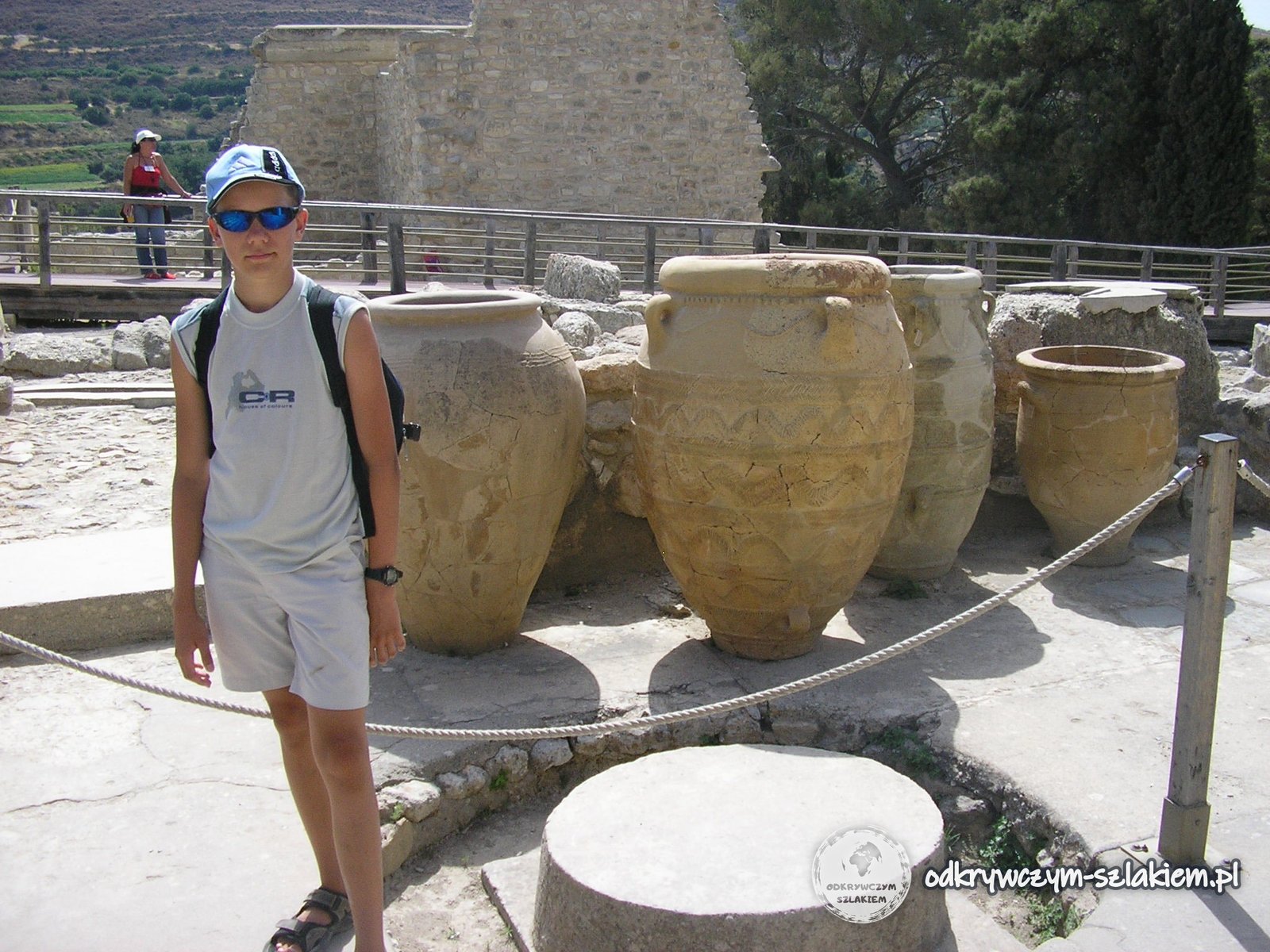
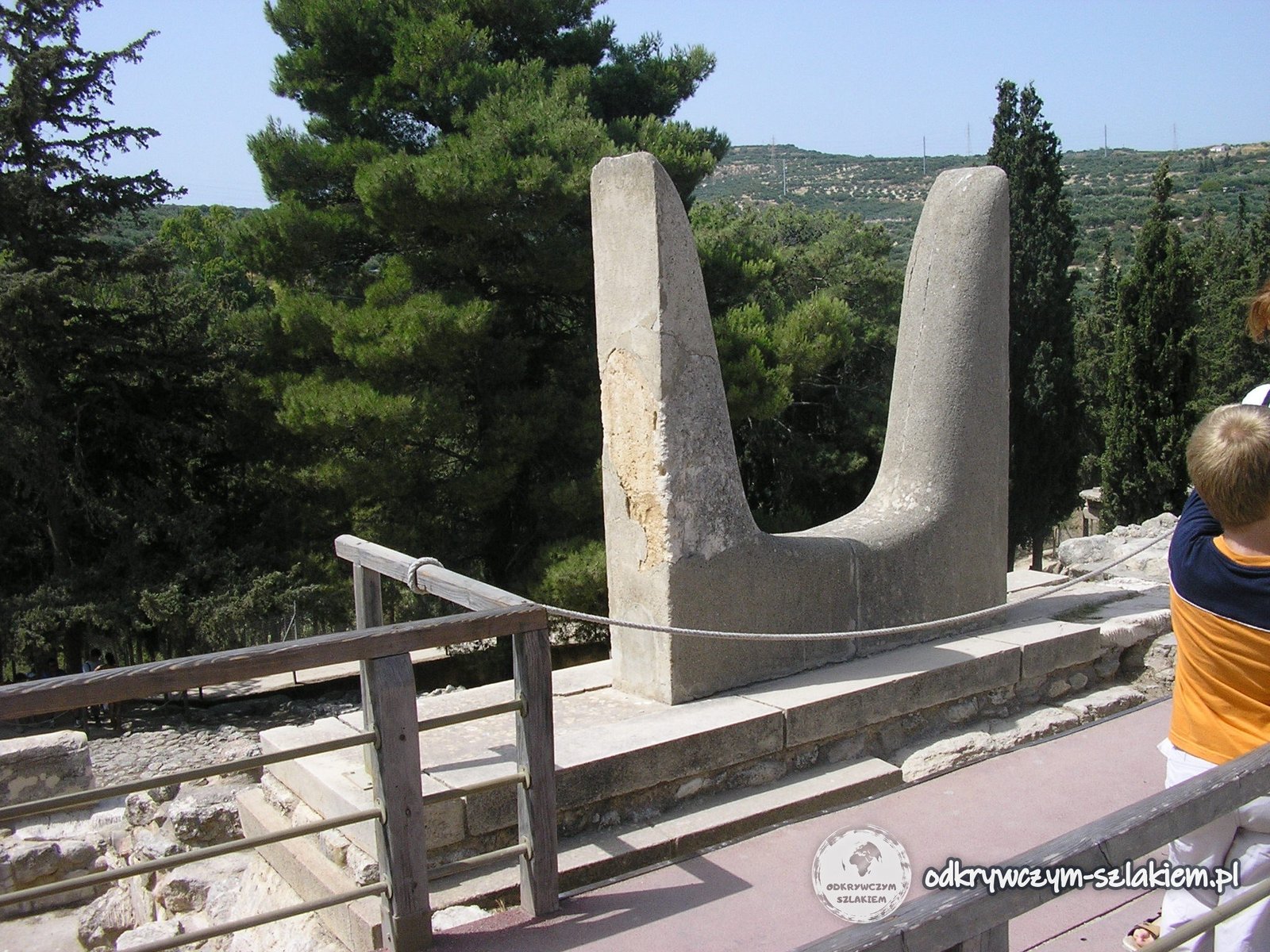
The palace storerooms hold huge clay pithoi once used for oil, wine and grain. Another symbol of Knossos is the stone horns of consecration.
A day trip to Santorini by ferry
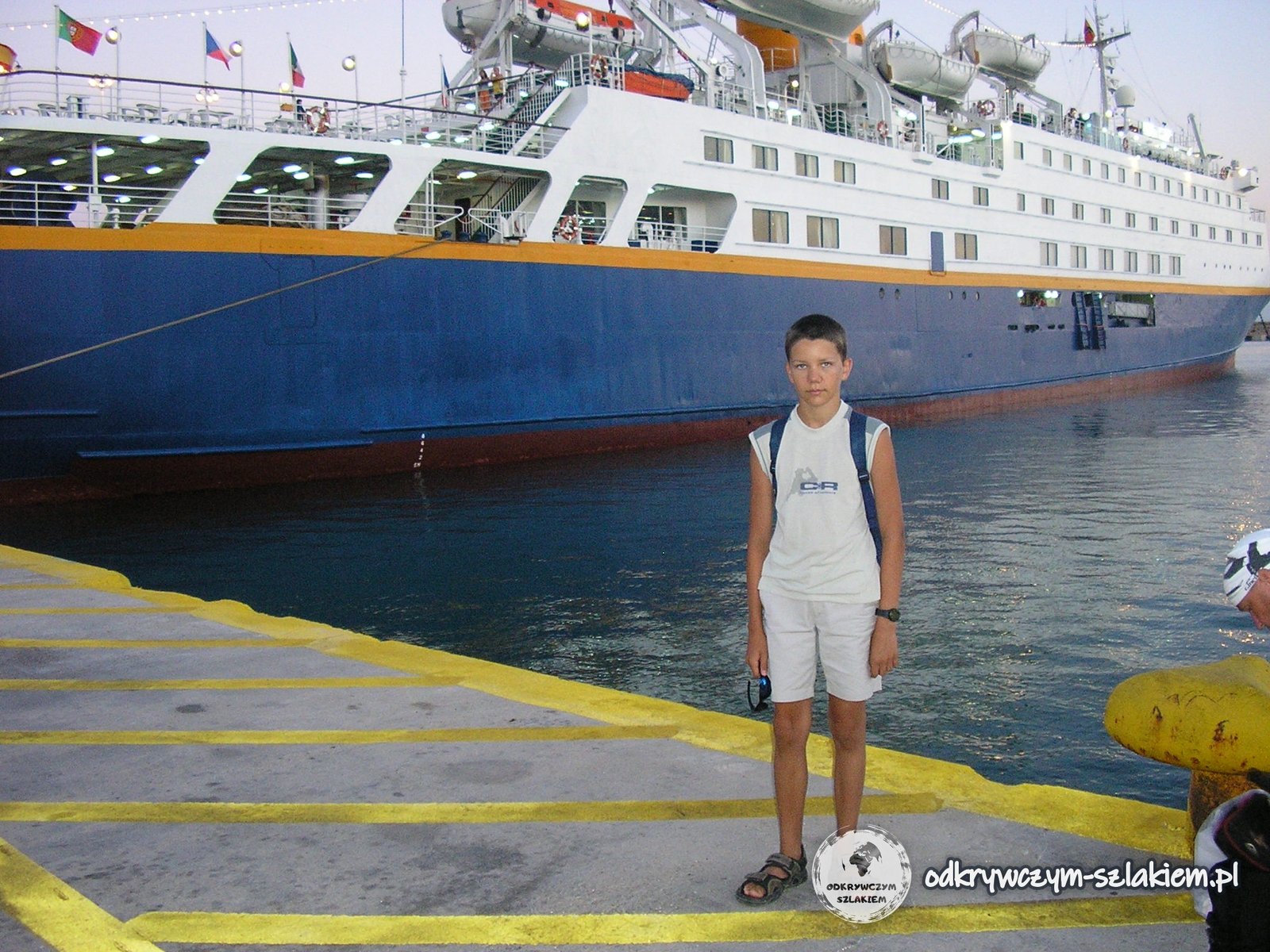
On 12 August we sailed from Rethymno to Santorini on the ferry Golden Prince. The island is what remains of a volcano that erupted around the 16th century BC. Its centre collapsed, forming a huge caldera flooded by the sea.
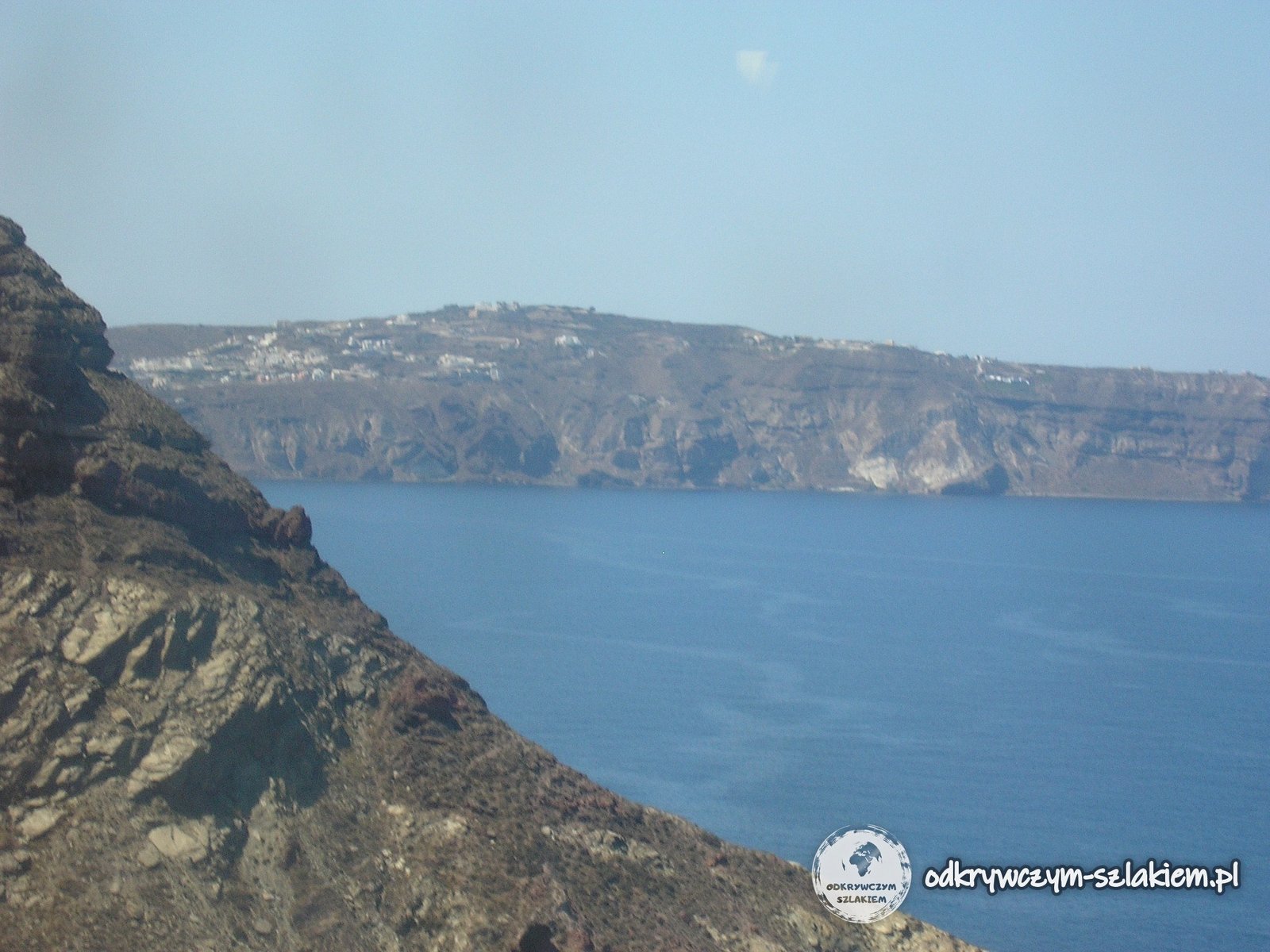
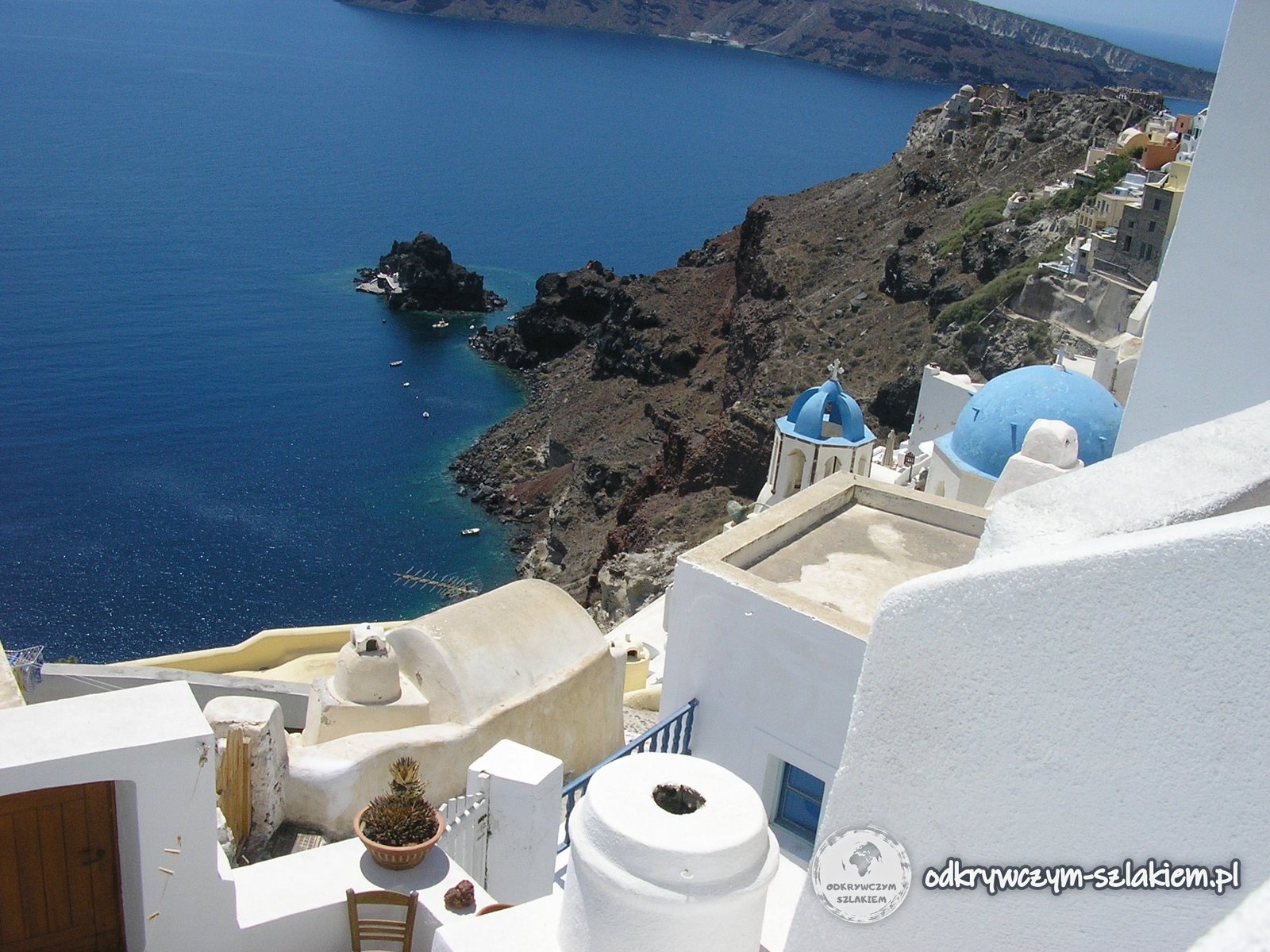
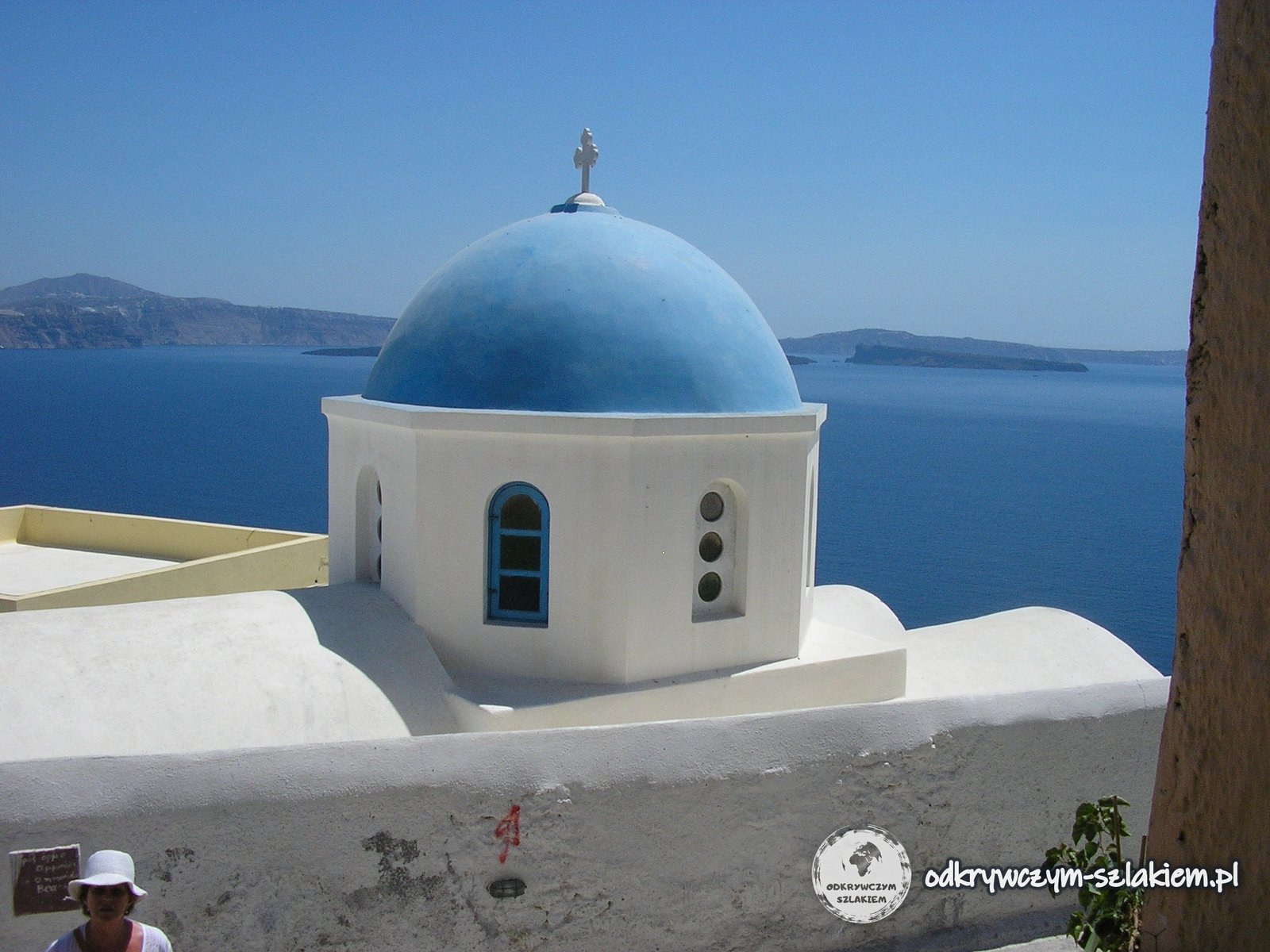
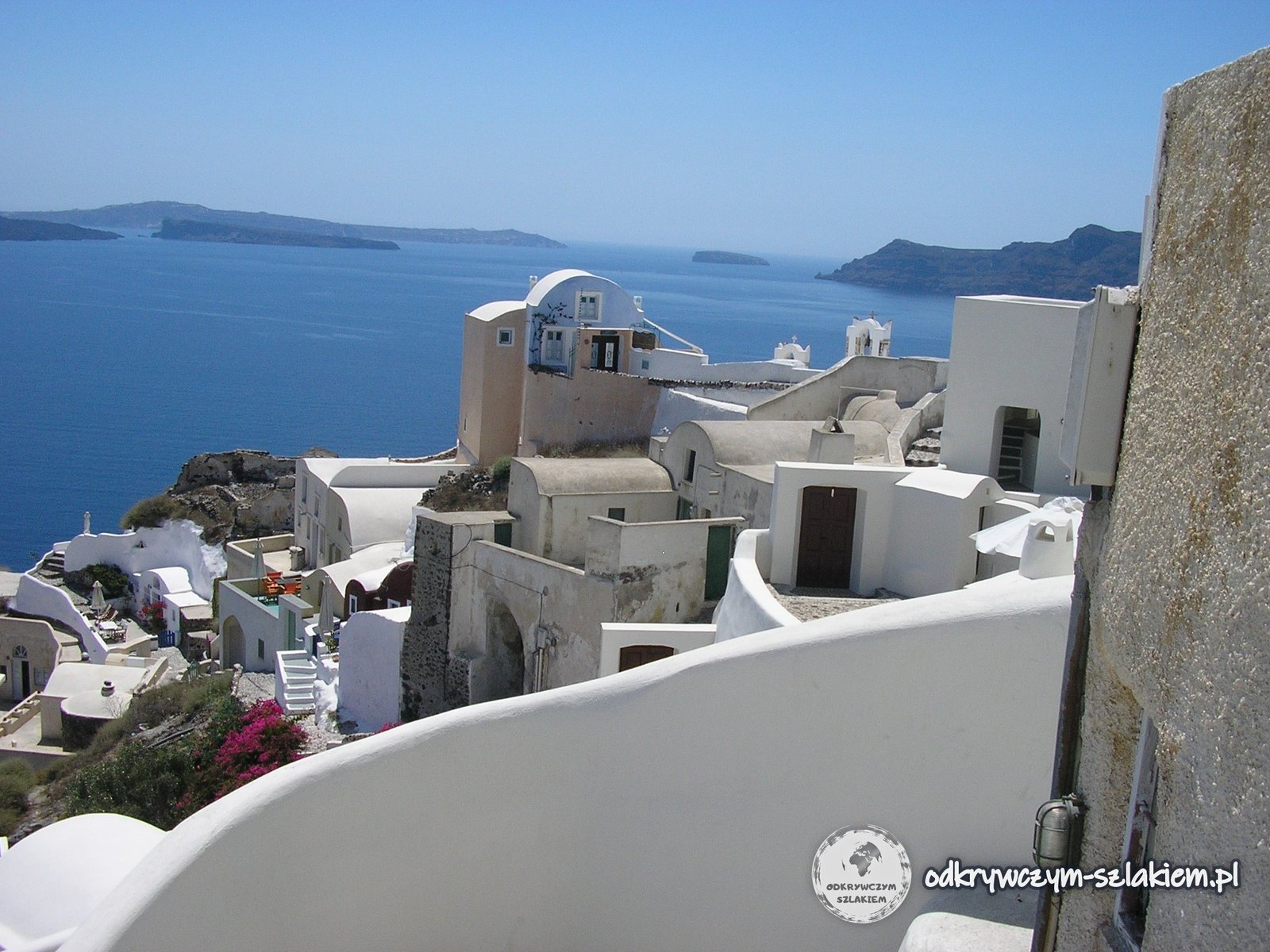
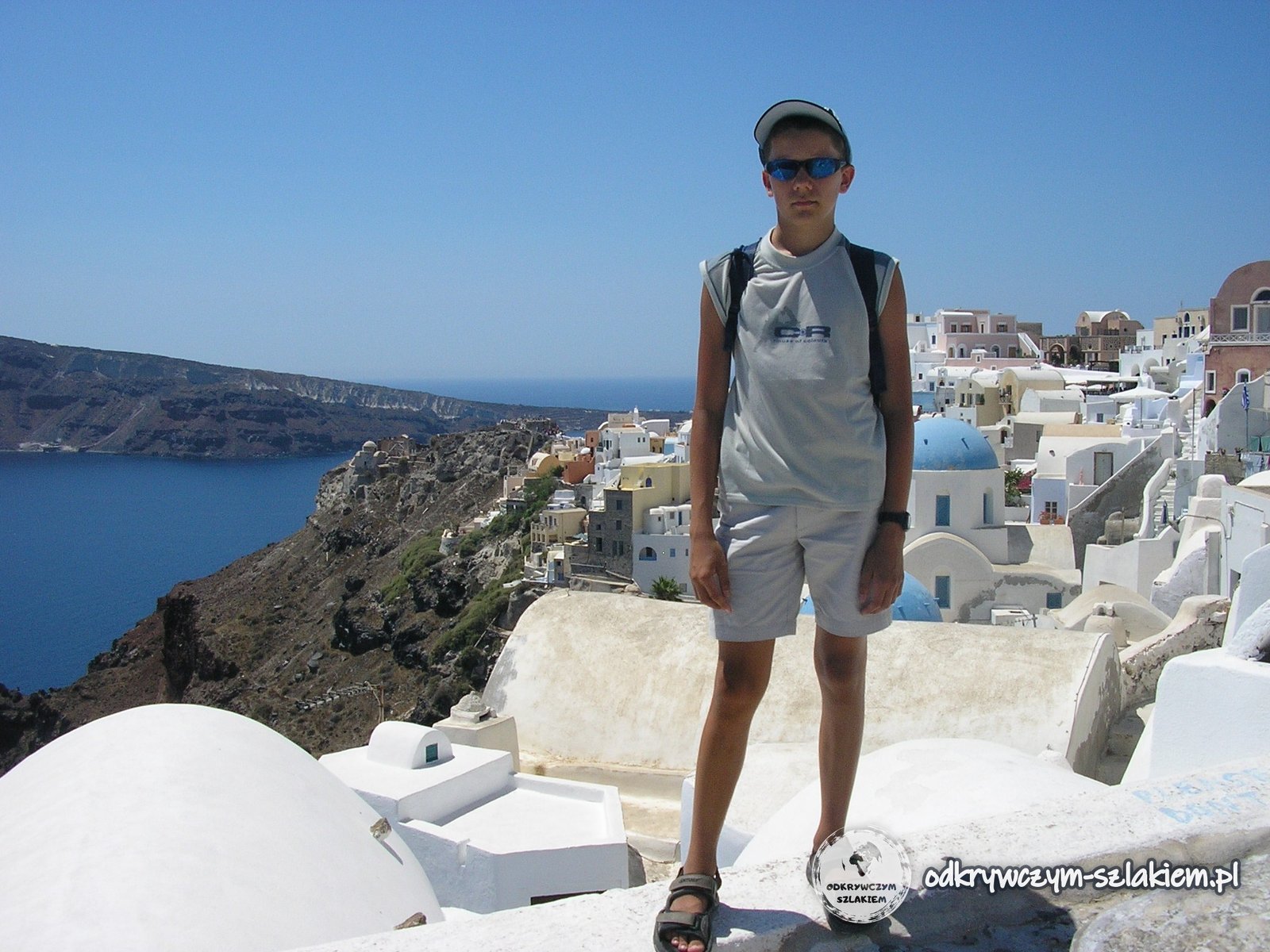
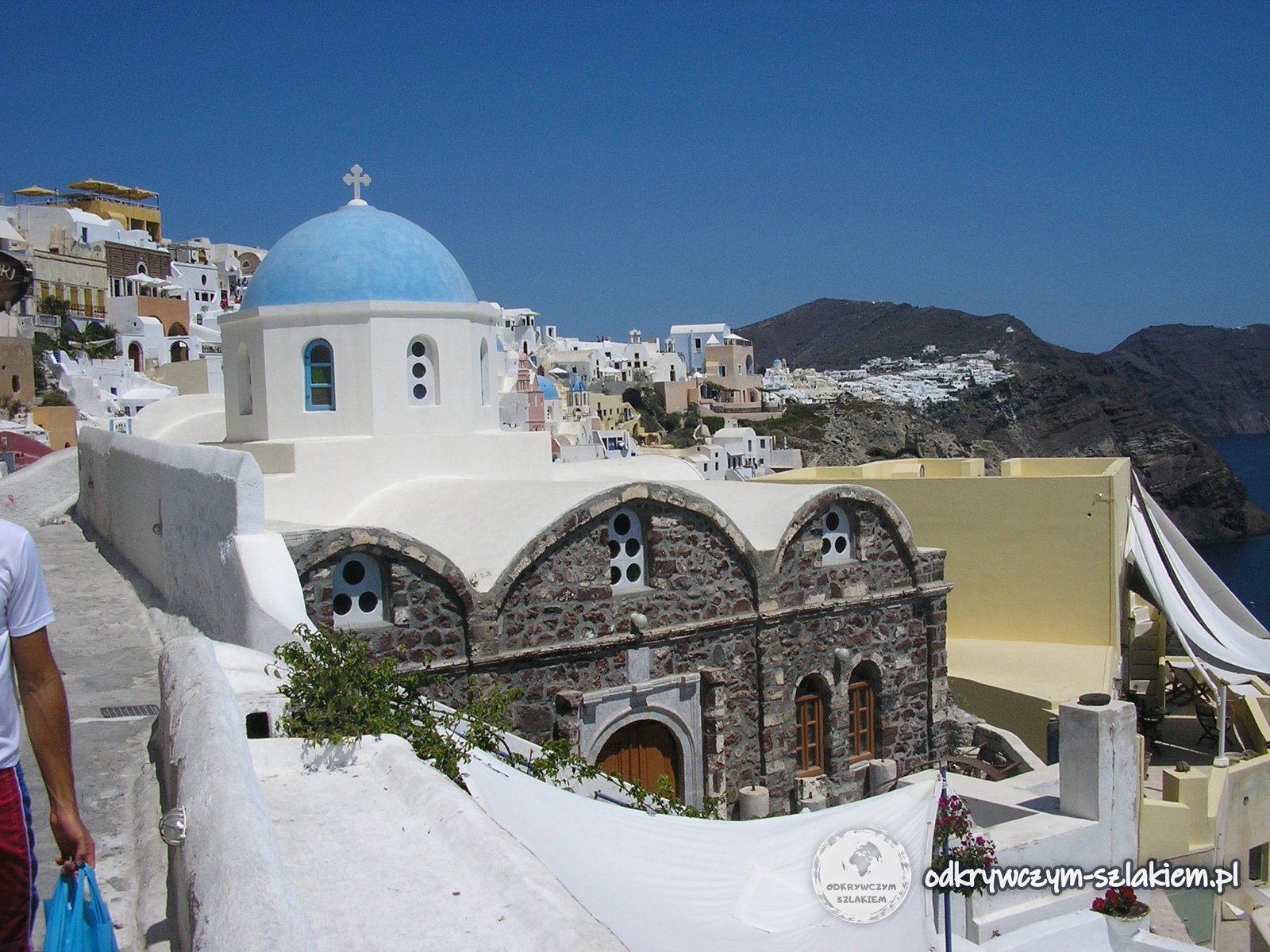
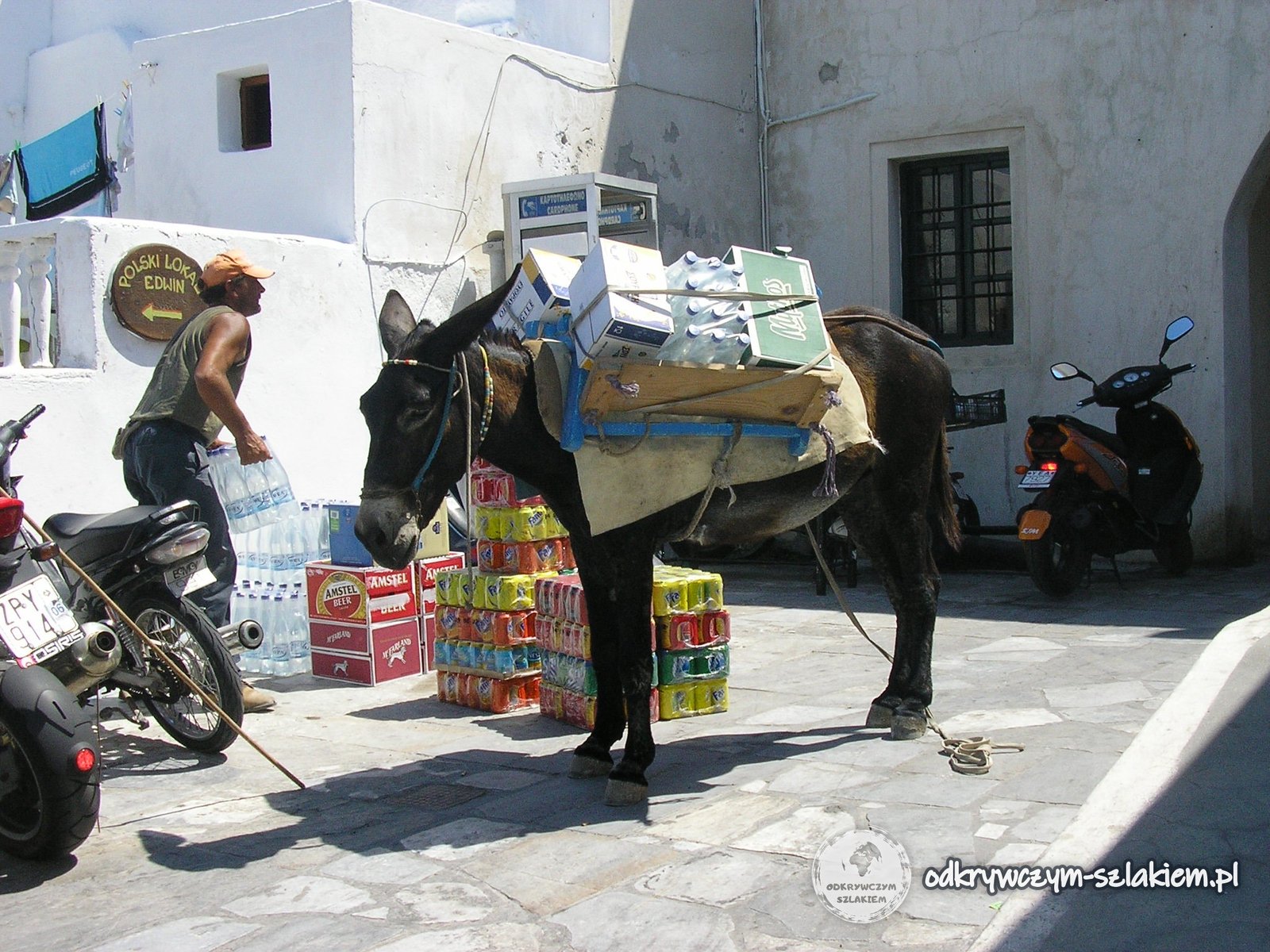
The best-known views are in Oia, at the northern tip of the island: white houses on the caldera slope and churches with blue domes. The lanes are narrow and full of steps, and donkeys still sometimes carry goods here.
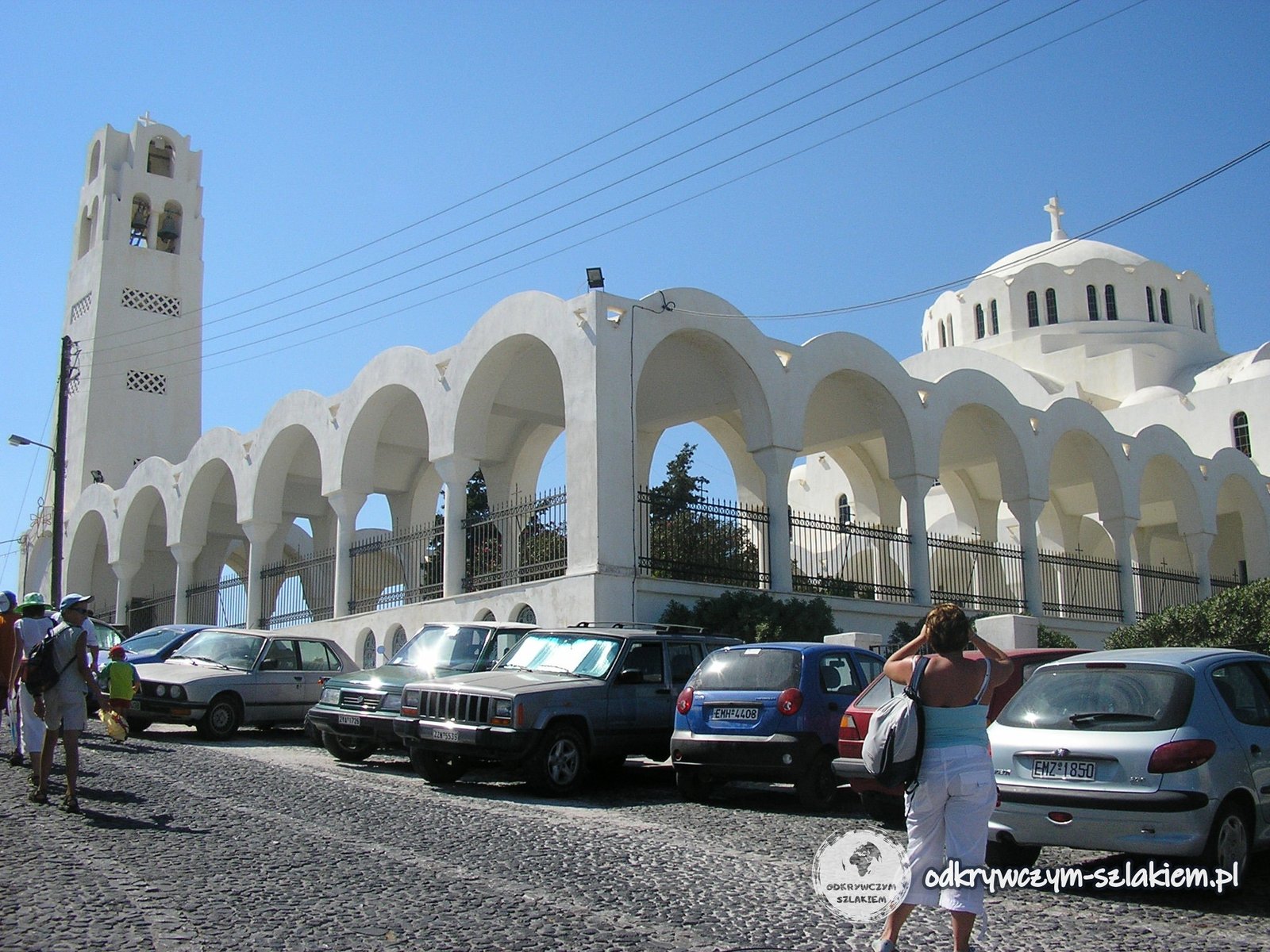
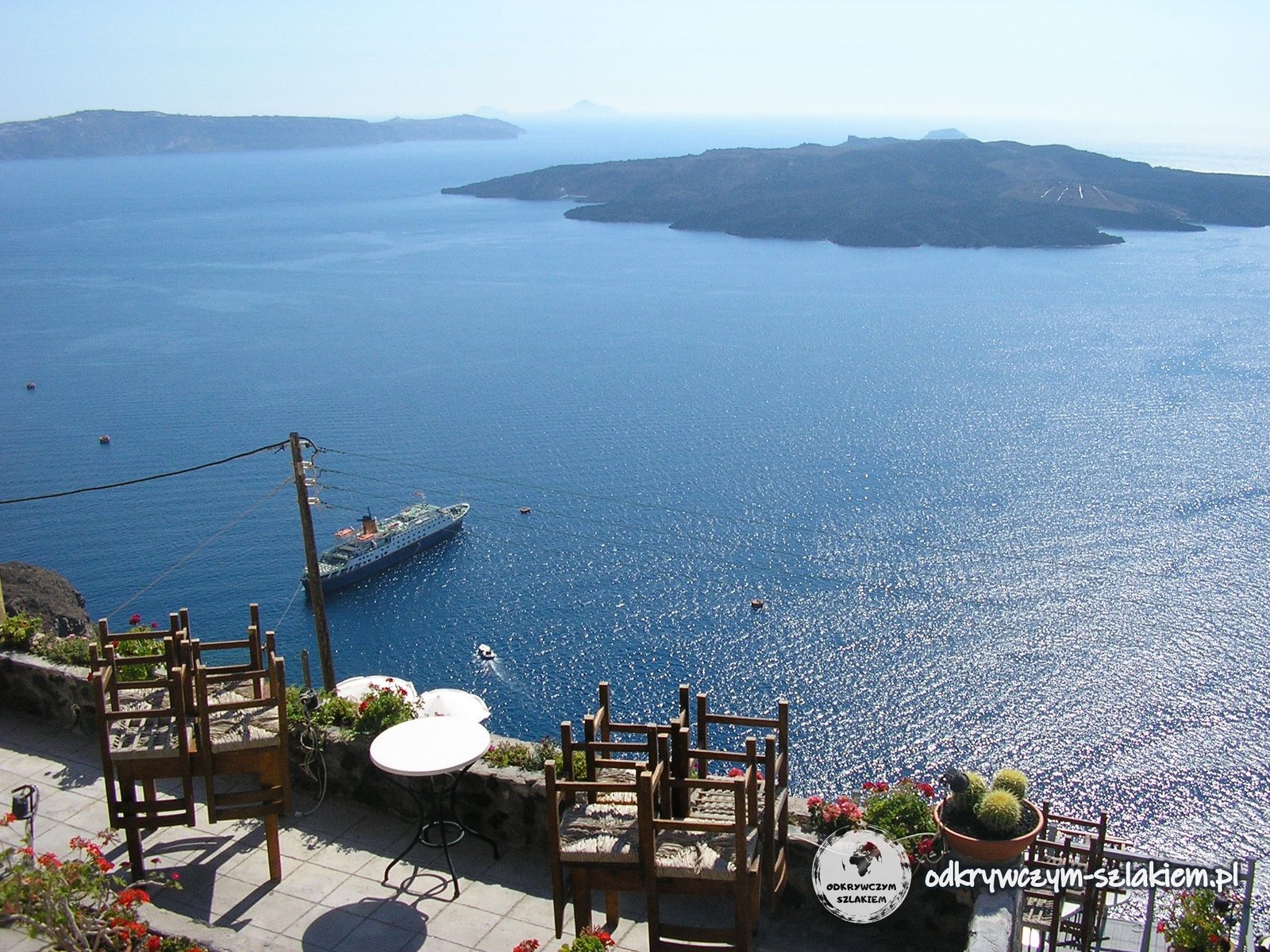
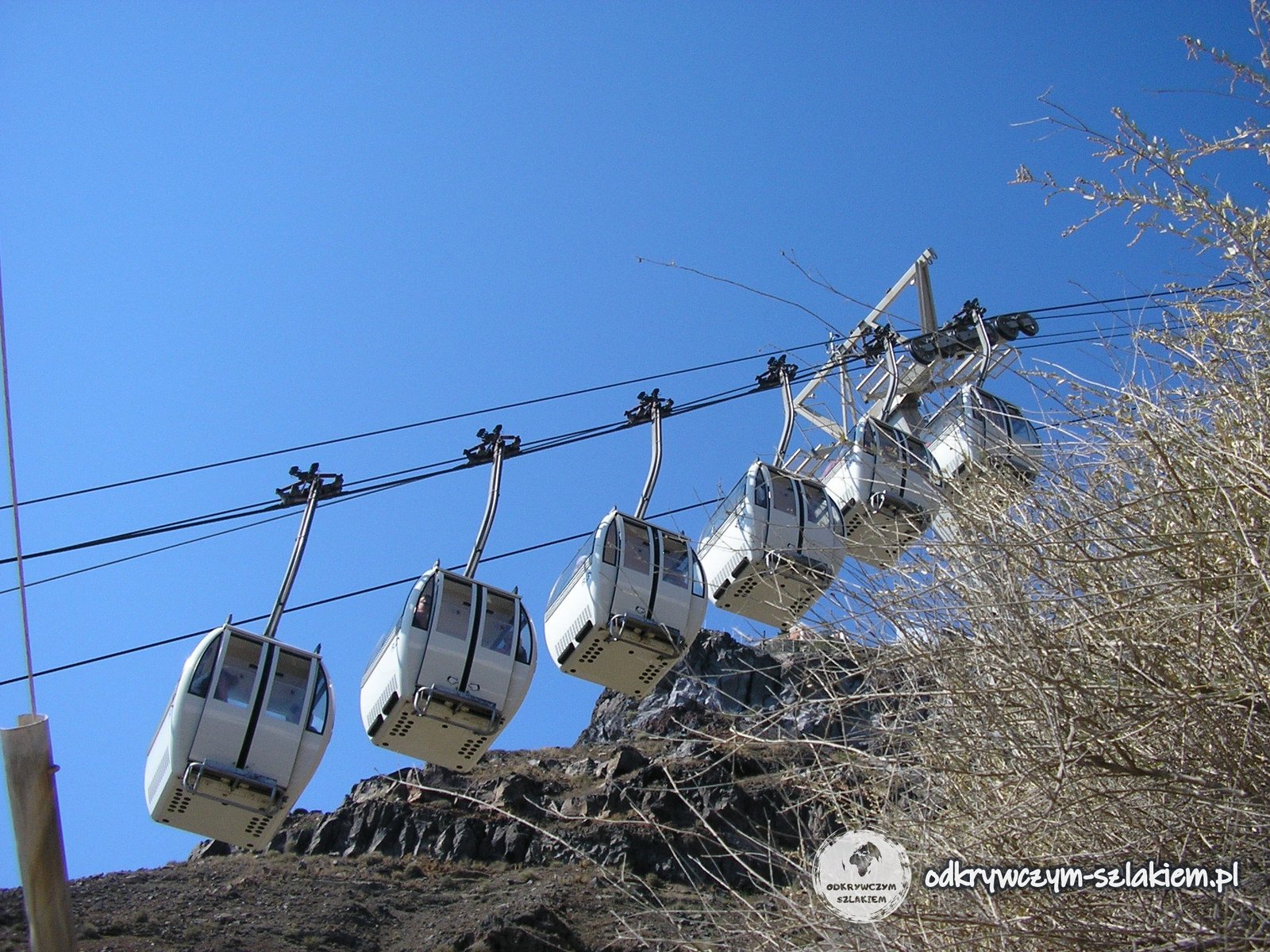
Then we went to Fira, the island’s capital, with its white-arcaded cathedral. From the terraces you can see Nea Kameni, a young volcanic islet in the middle of the caldera. A cable car and a stepped path lead down to the old port.

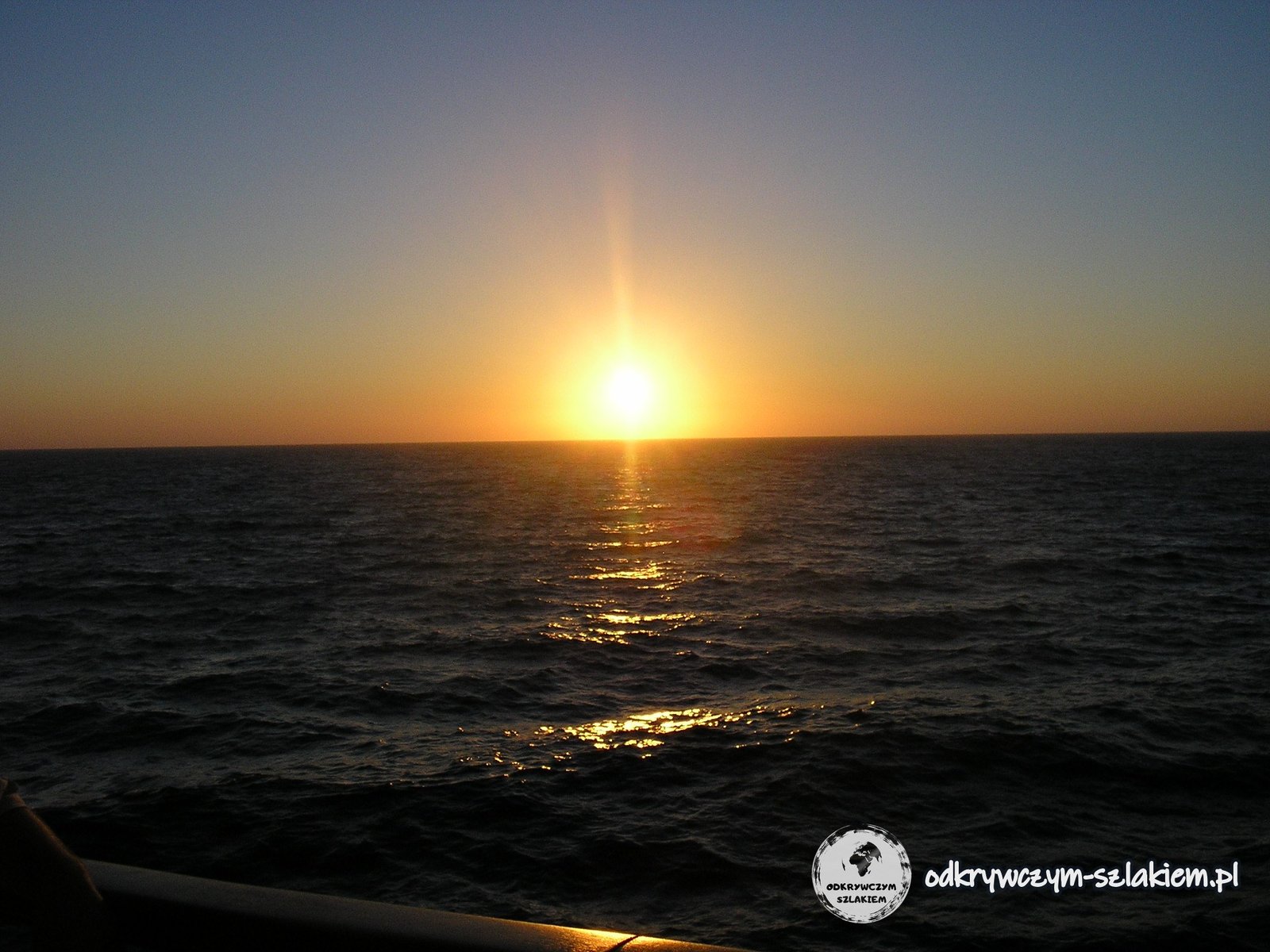
We returned to the ferry in the afternoon and on the way back to Crete watched the sunset over the sea.
Practical information
- Rethymno as a base: the beach, the old harbour and the fortress are all in one place, and the town lies midway along the north coast, between Heraklion and Chania.
- Knossos: the ruins lie in full sun, so in August take water and a hat. Check opening hours and prices before you go.
- Santorini from Crete: a day cruise lets you see Oia and Fira, but your time on the island is short. If you have longer, it is better to stay the night.