I flew to Greece in 2003 with my parents, around May. It was a package trip organised by a travel agency. It was my first journey by plane. Our base was the Olympic Riviera, and from there we got to know Mount Olympus, Meteora, Delphi, the Corinth Canal, Athens and Thermopylae.
Table of contents
- My first flight
- The Olympic Riviera and Paralia
- Mount Olympus and Platamon Castle
- Palaios Panteleimonas – Zorba’s mountain village
- Meteora – monasteries on the rocks
- Delphi
- By ferry to the Corinth Canal
- Athens
- Thermopylae
- Practical information
My first flight
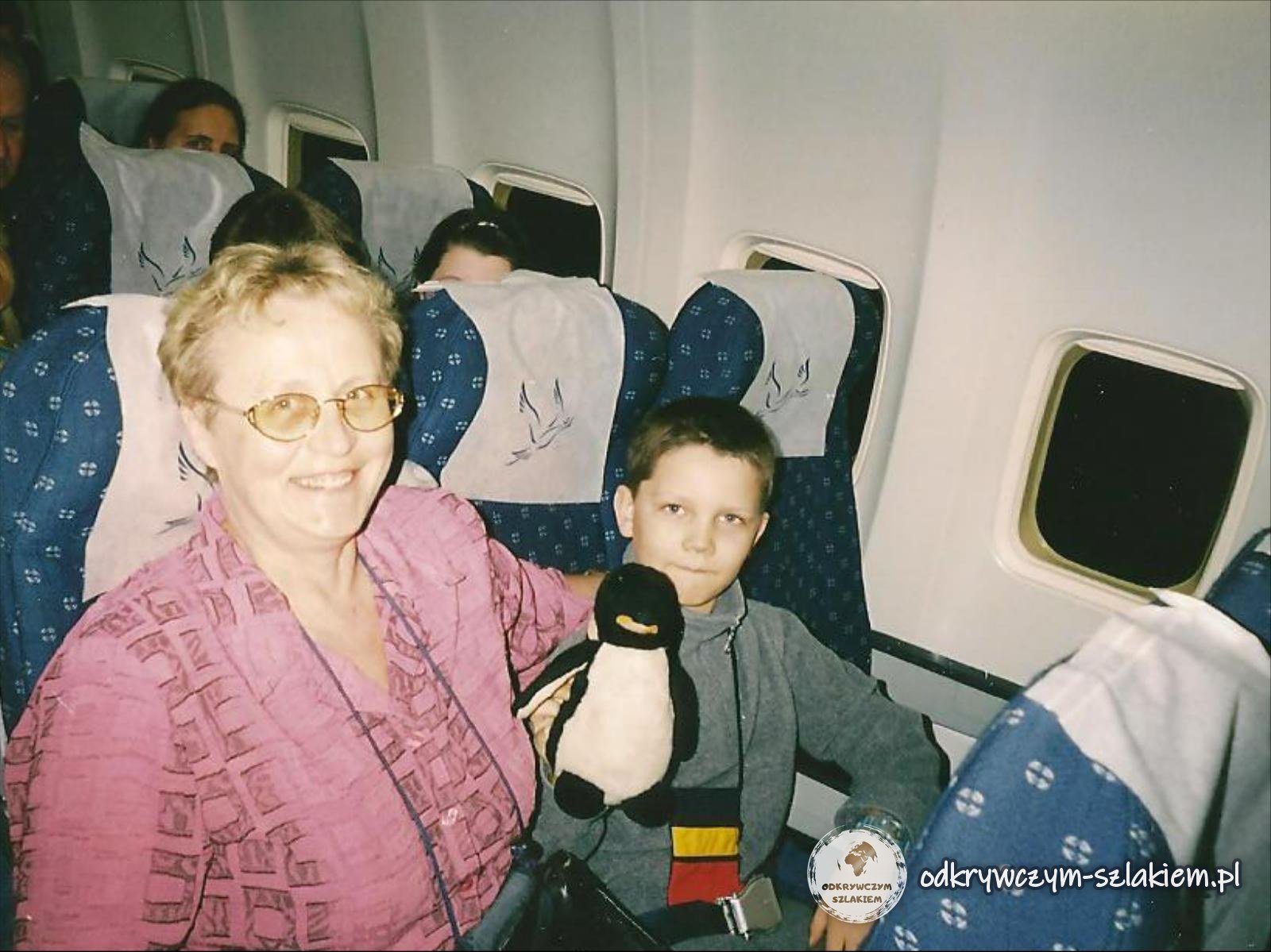
The flight to Greece was my first time on a plane.
The Olympic Riviera and Paralia
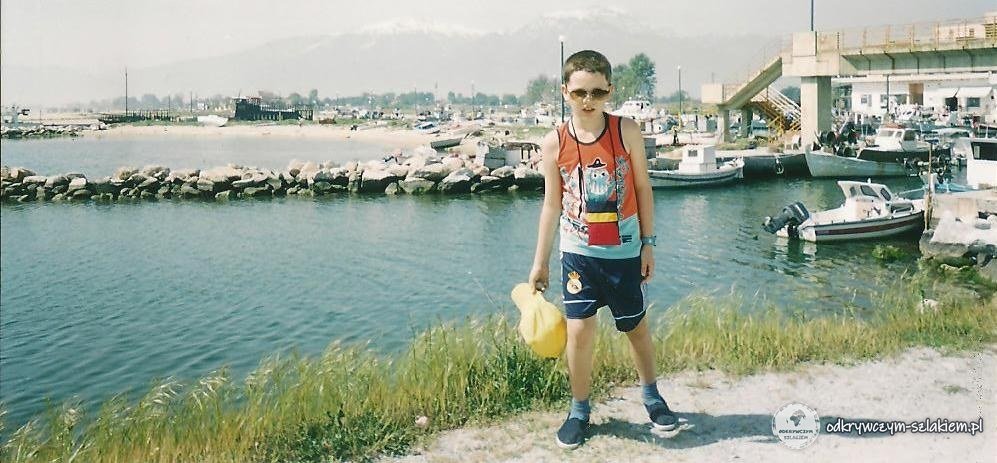
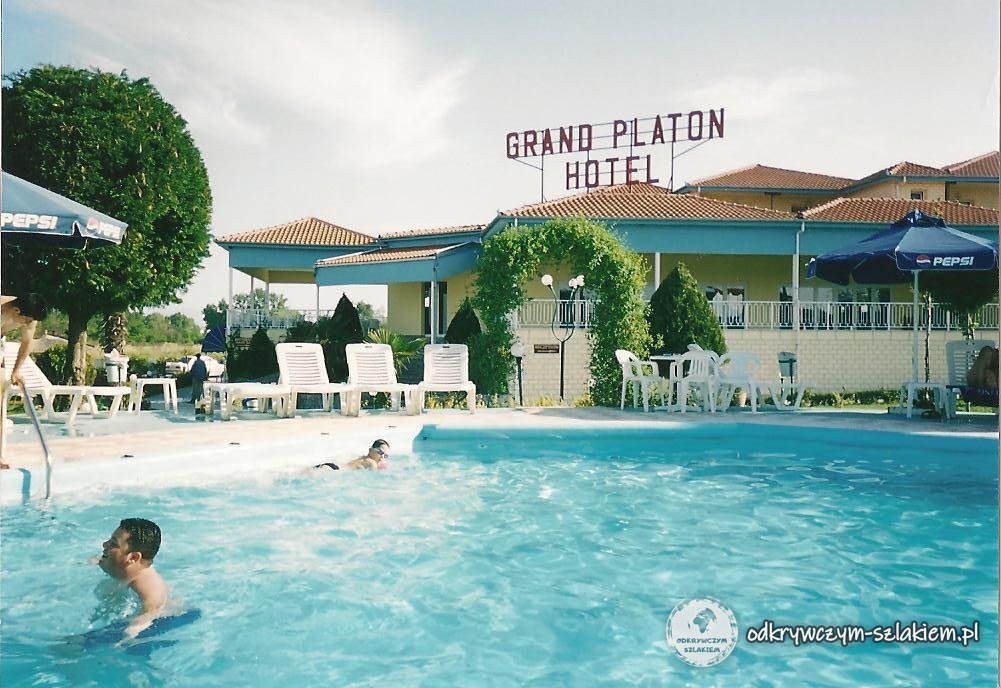
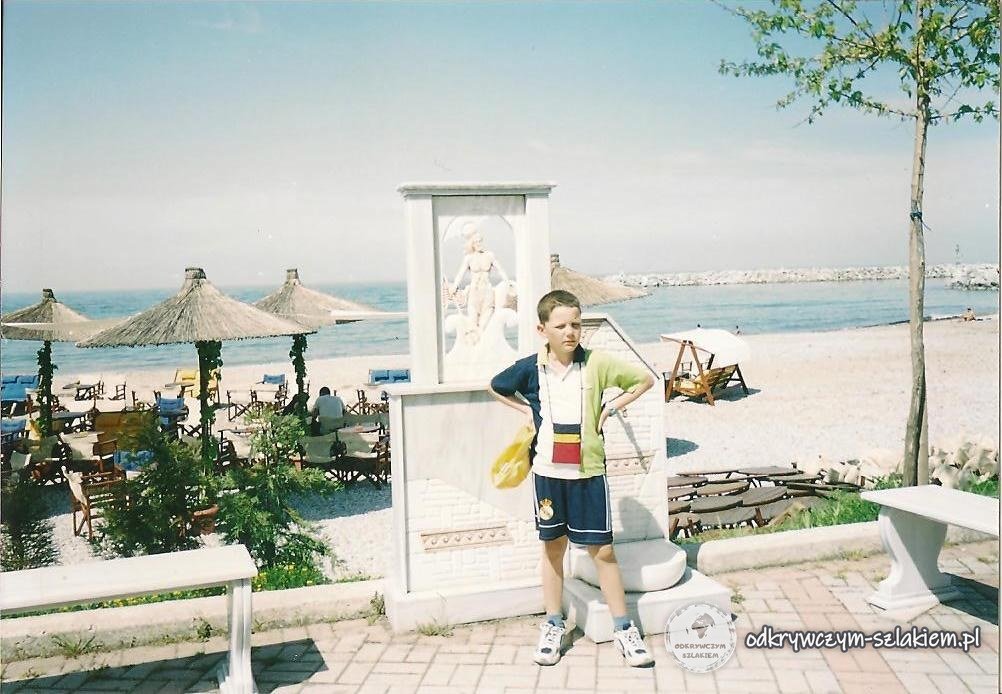
The Olympic Riviera is a stretch of coast on the Thermaic Gulf at the foot of Olympus, about an hour’s drive from Thessaloniki. Our base was Paralia Katerinis, where we stayed at the Grand Platon hotel. We walked along its wide sandy beach and seafront promenade, and set off from here on our excursions.
Mount Olympus and Platamon Castle
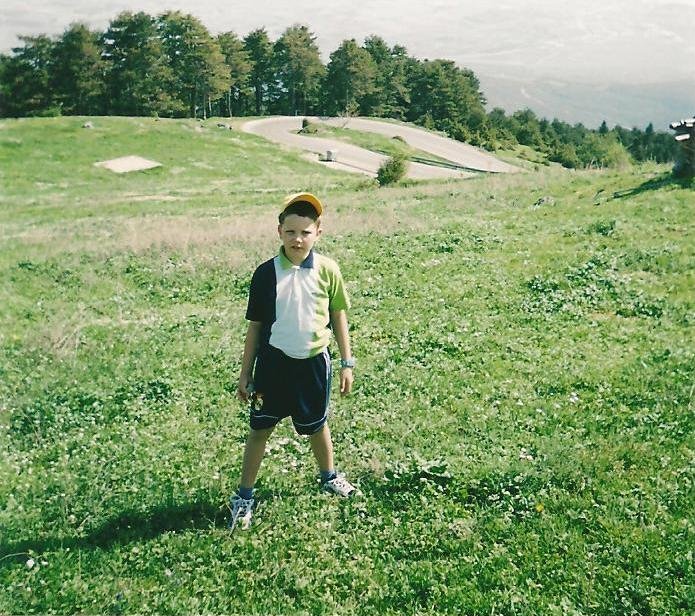
Olympus is the highest mountain in Greece – Mytikas peak reaches 2,917 m – and, in mythology, the home of the gods. We saw it from the east, from viewpoints in the national park. In my photos from that day there is still snow on the highest parts of the range.
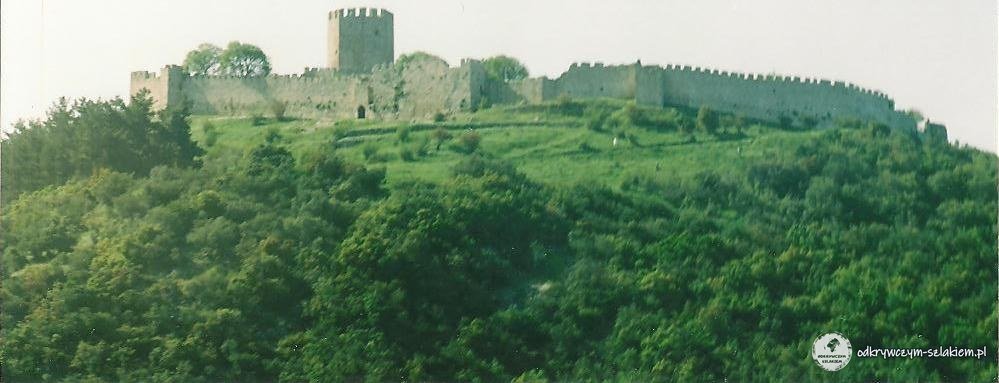
On a hill above the coast, at the southern end of the Riviera, stands Platamon Castle. It was built by the Crusaders in the early 13th century, and its tower can be seen from far away.
Palaios Panteleimonas – Zorba’s mountain village
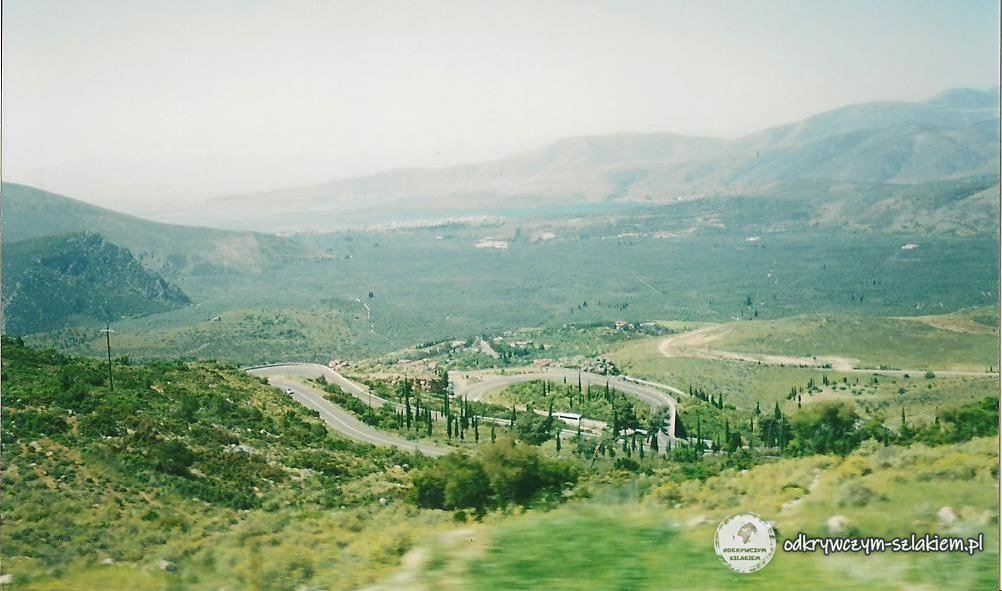
A winding road also took us up to the mountain village of Palaios Panteleimonas, labelled Zorba’s village on my photos. It has cobbled lanes, a stone spring and tavernas under a huge plane tree, and from the walls you can see the snow-capped peaks.


Meteora – monasteries on the rocks
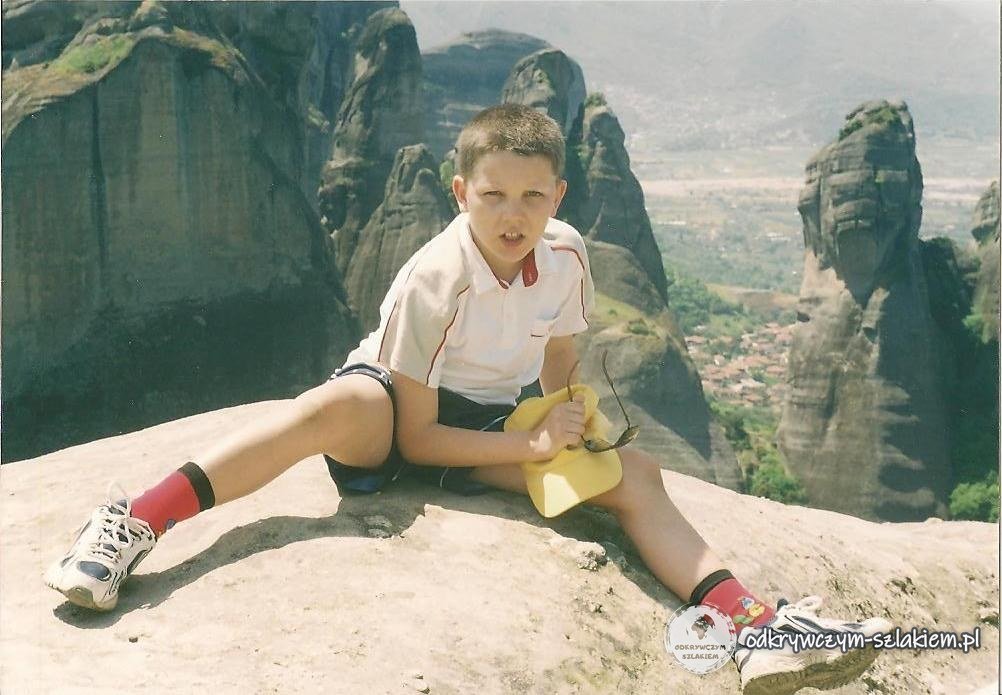
Meteora in Thessaly is a group of rock pillars on which monks built monasteries. Today six are active, and the whole area has been on the UNESCO list since 1988.
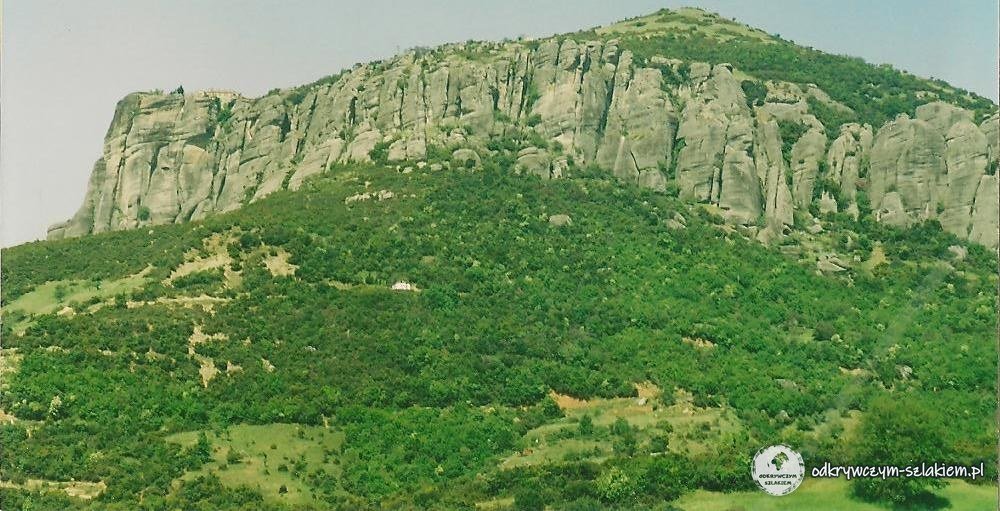
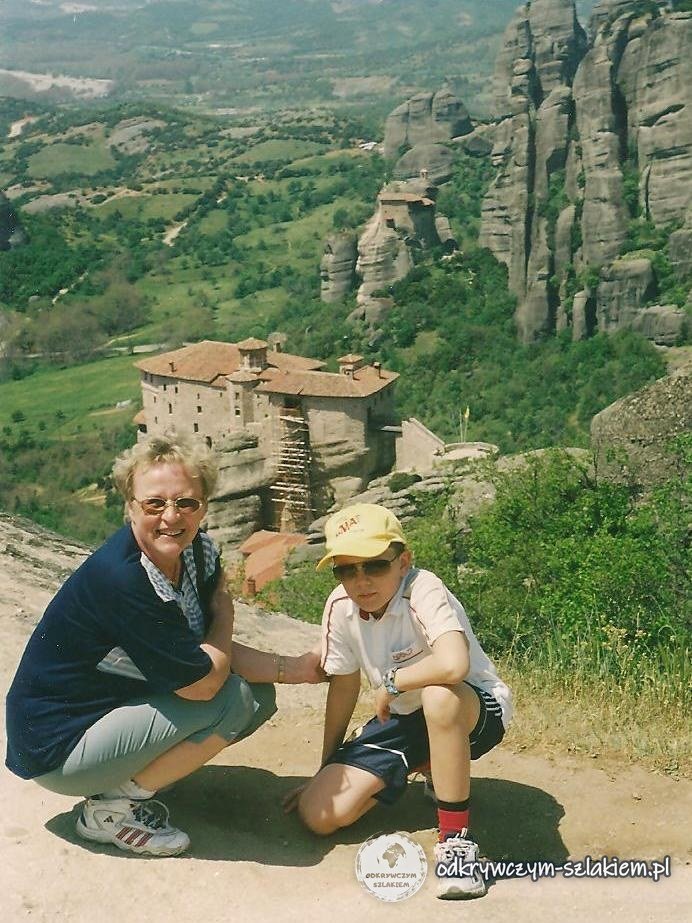
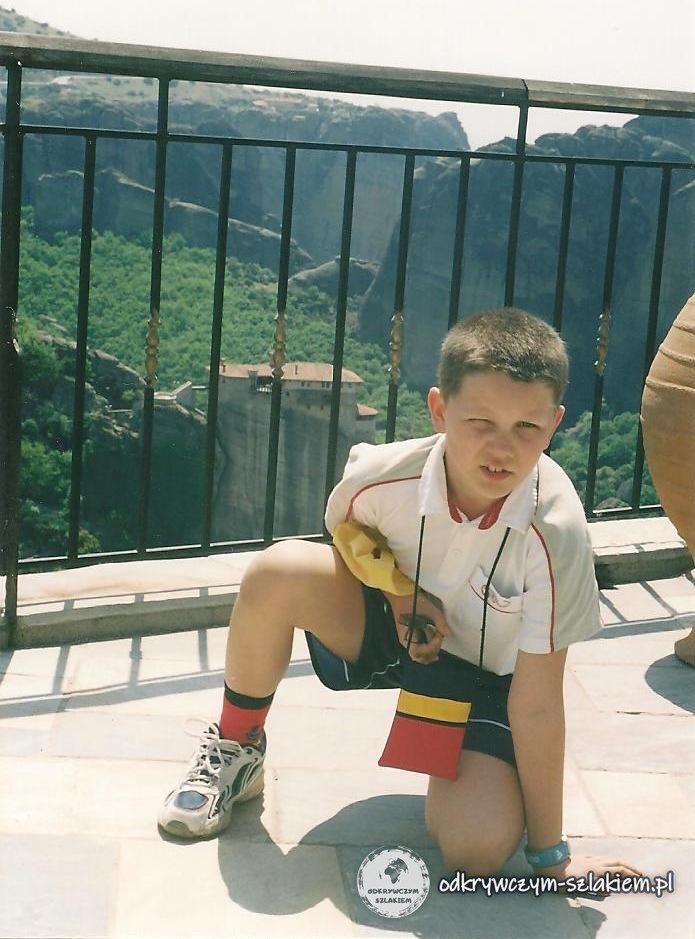
One of the monasteries best seen from the paths is Rousanou, squeezed onto the top of a narrow rock.

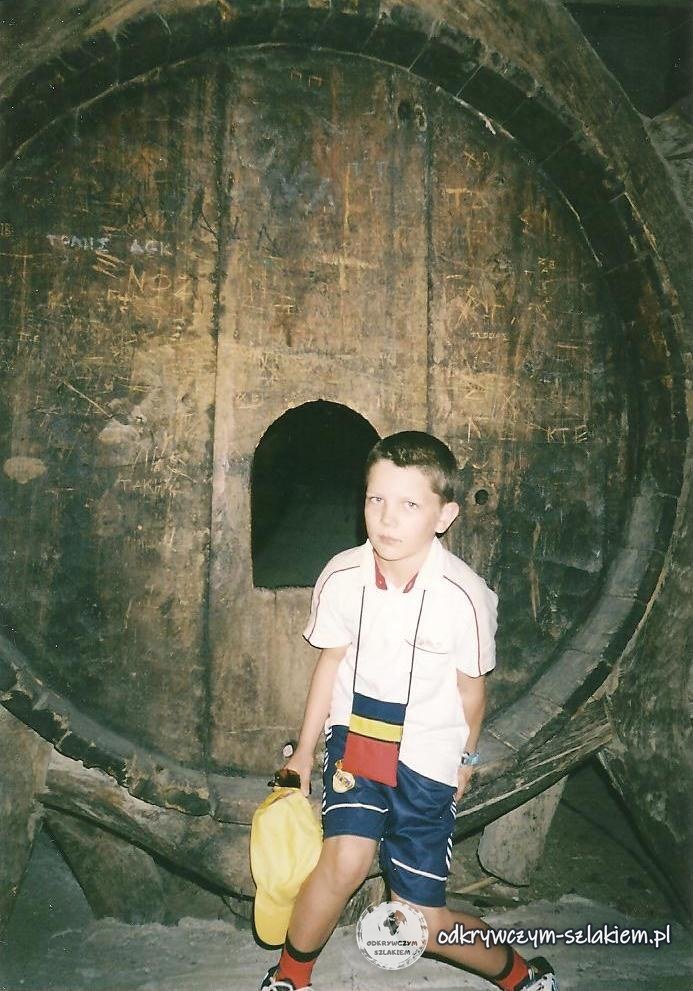
In one of the monasteries I stood by a huge barrel with a little door, which I could have fitted inside with no trouble.
Delphi
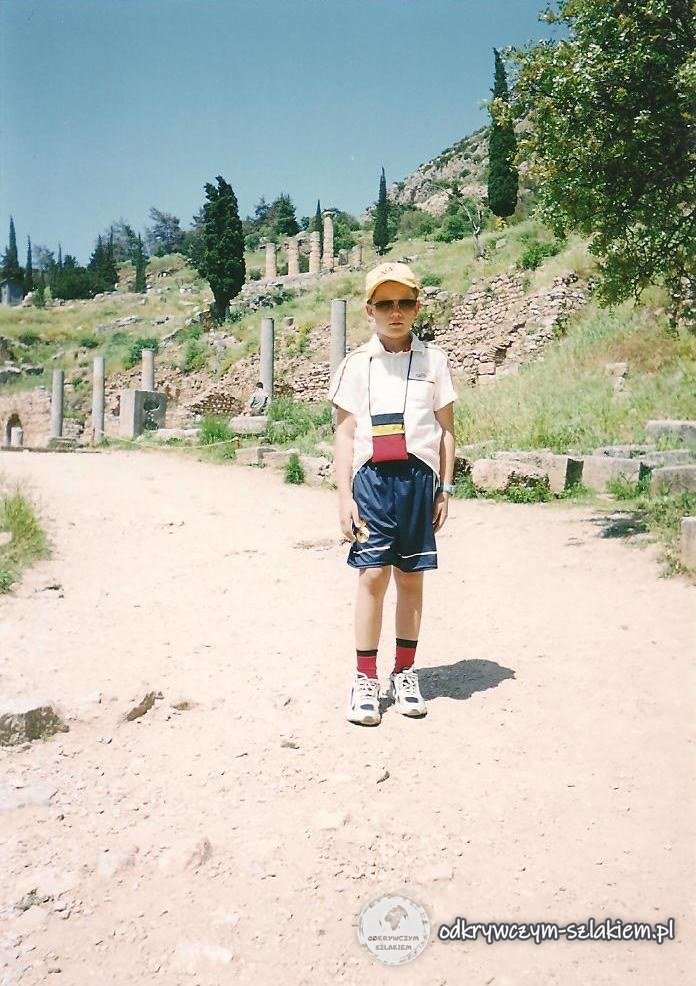
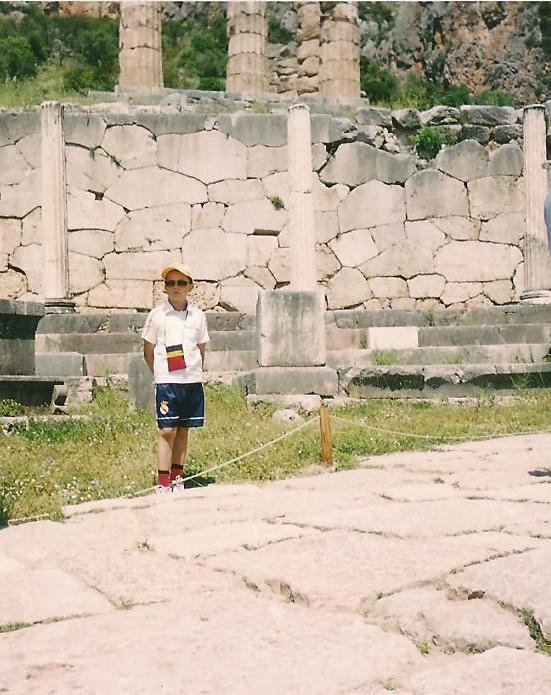
Delphi lies on the slopes of Parnassus. In antiquity it was home to the most famous Greek oracle, and the remains of the Sanctuary of Apollo have been on the UNESCO list since 1987. The Sacred Way leads uphill through the site.
By ferry to the Corinth Canal
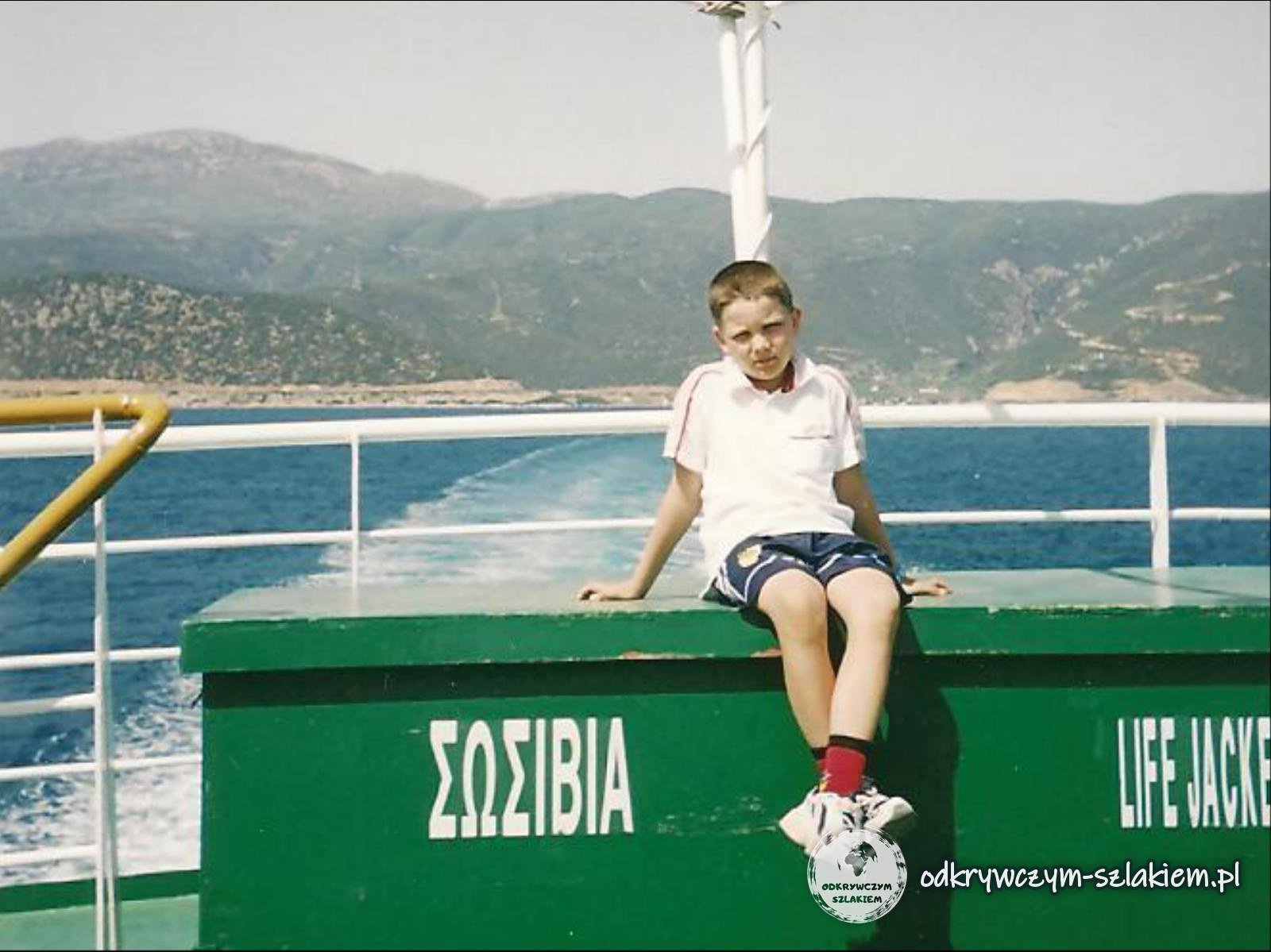
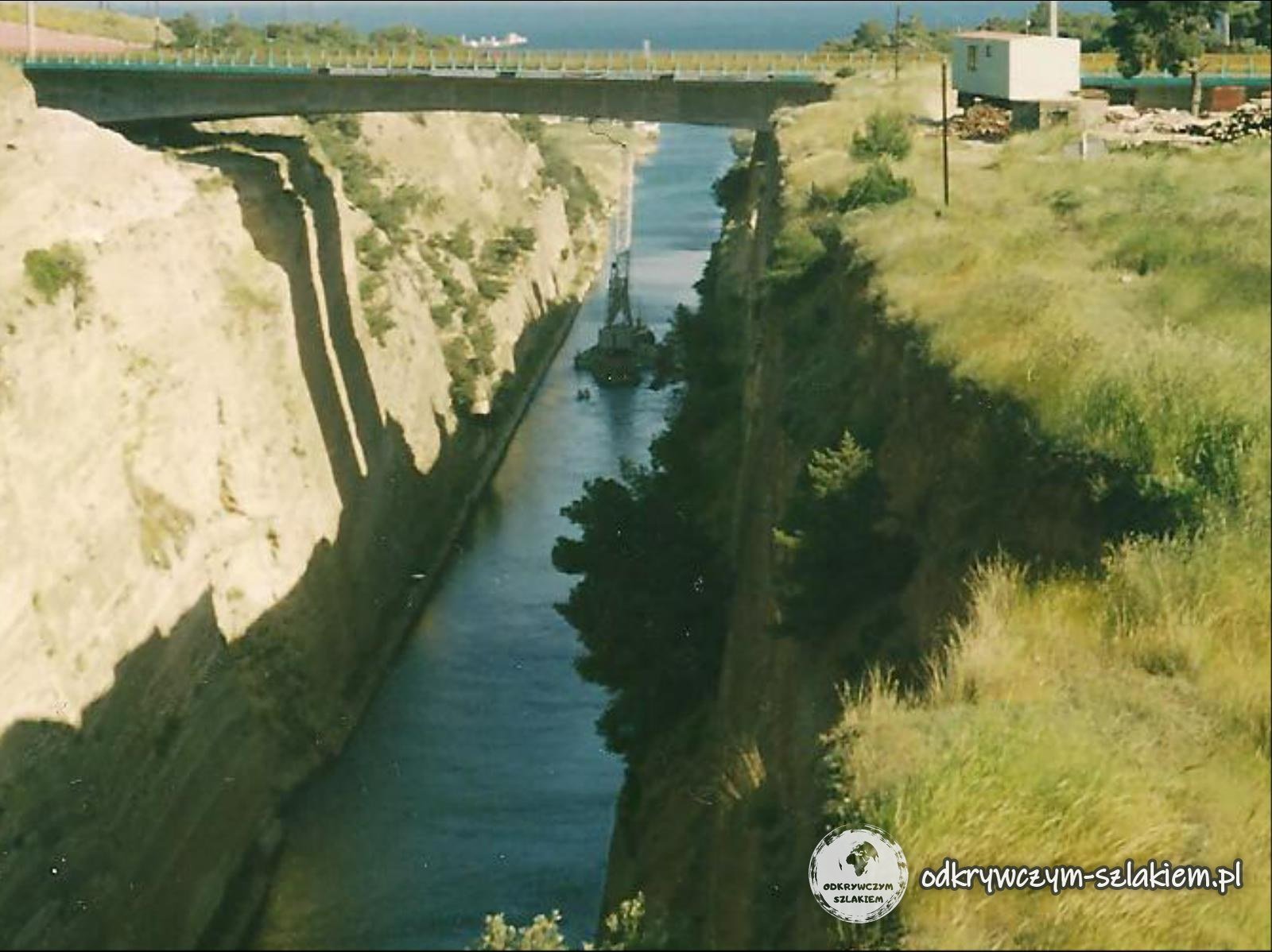
We covered part of the way by ferry. At the Corinth Canal we stopped on the bridge. The canal is about 6.3 km long, cuts through the isthmus between the Peloponnese and the rest of Greece, and opened in 1893. From above you can see clearly how narrow the cutting is and how steep its walls are.
Athens
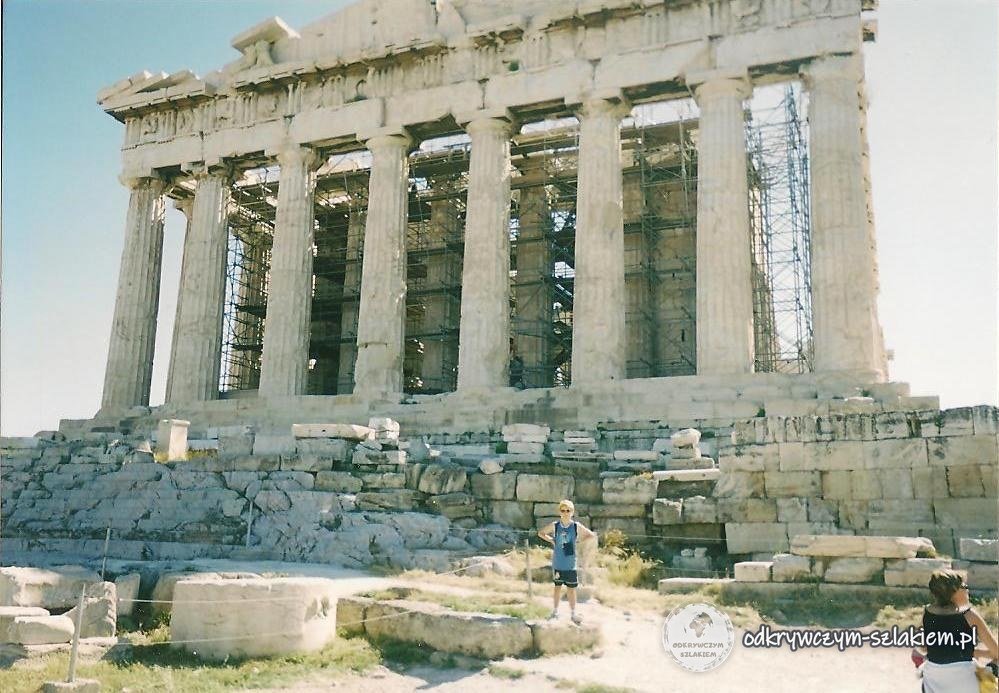
The main building on the Acropolis is the Parthenon, a temple of Athena from the 5th century BC. In 2003 it stood in scaffolding. From the hill you can see the Theatre of Dionysus at its foot.

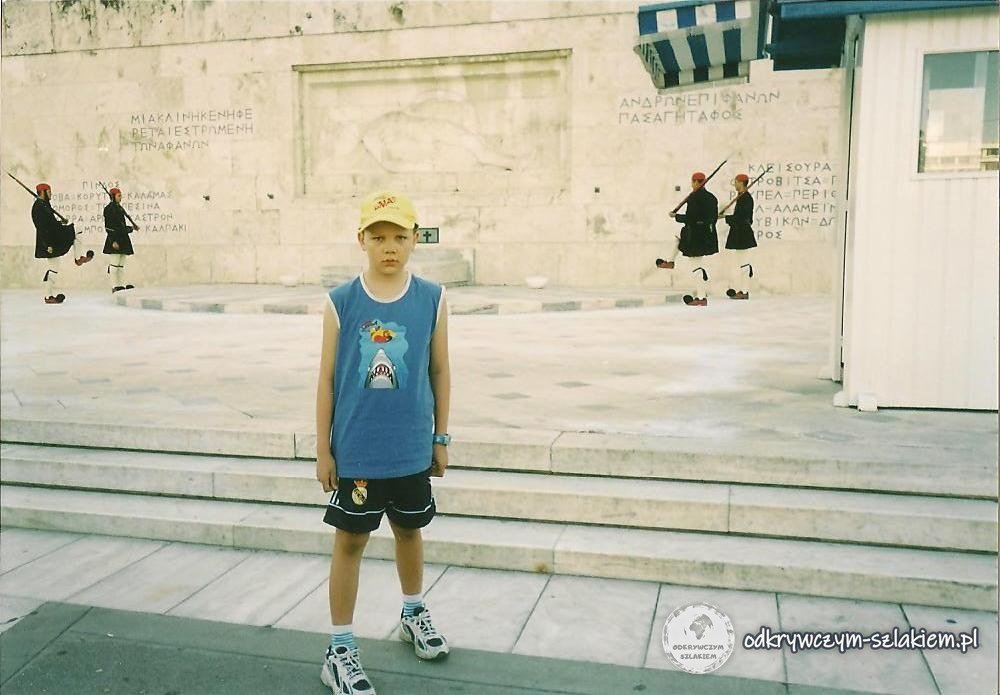
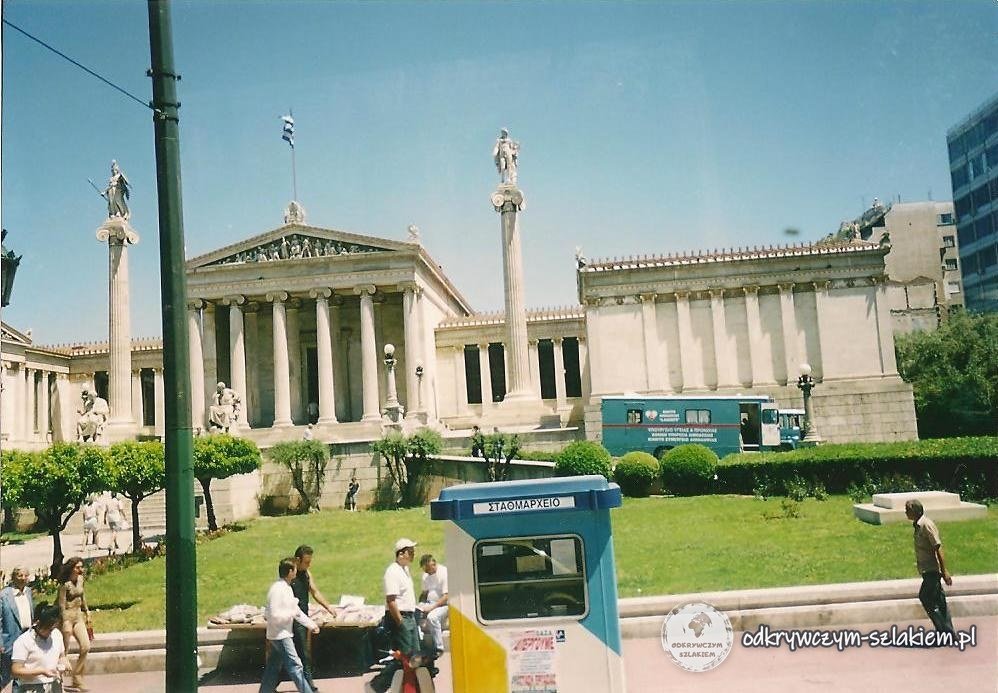
In the city centre, by Syntagma Square, stands the parliament, and in front of it the Tomb of the Unknown Soldier, guarded by evzones – guardsmen in traditional dress. Not far away is the neoclassical Academy of Athens.
Thermopylae
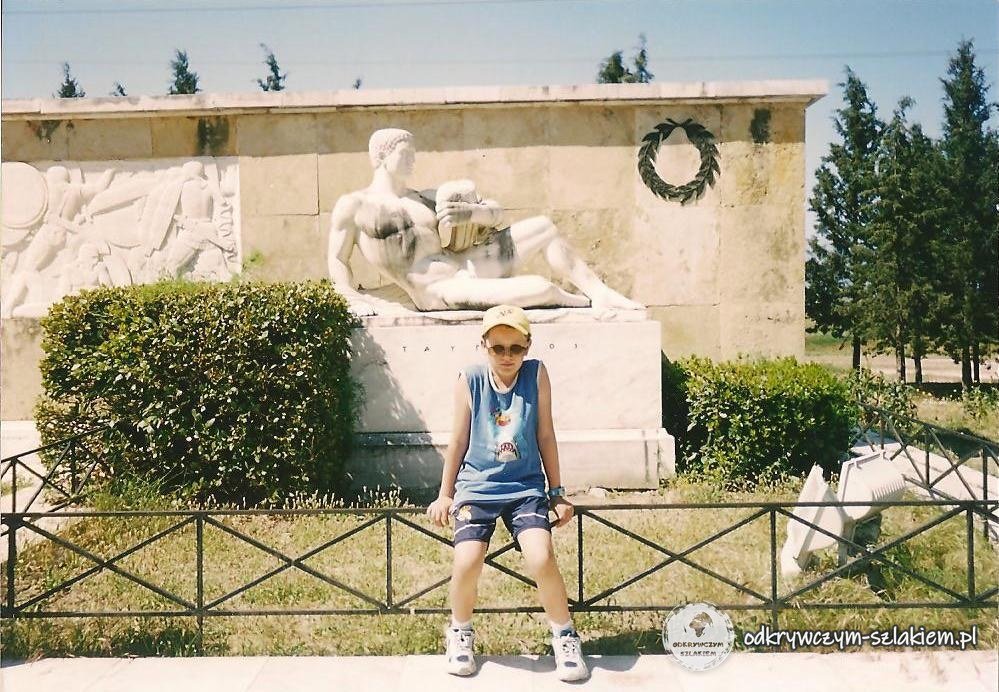
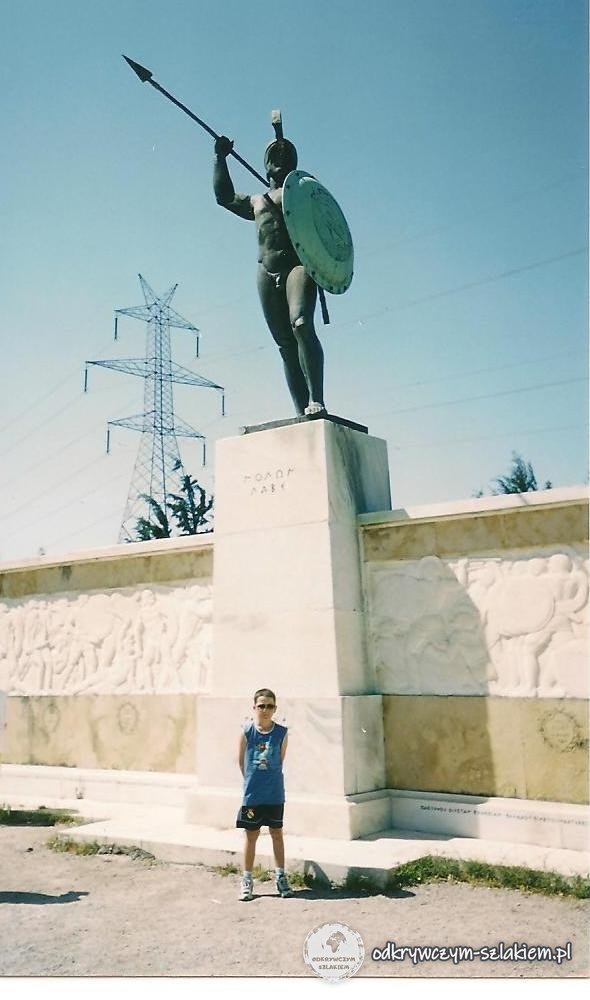
At Thermopylae in 480 BC the Spartan king Leonidas and his 300 Spartans stood up to the Persian army. Today a monument with a bronze statue of Leonidas stands by the road, the work of Vasos Falireas from 1955.
Practical information
- Getting there: the nearest major airport for the Olympic Riviera is Thessaloniki, about an hour’s drive away.
- Meteora: modest dress is required in the monasteries – shoulders and knees covered. Each monastery has a different closing day, so check the hours before you go.
- Acropolis: this is the busiest place in Athens – buy a timed ticket in advance.
- Corinth Canal: it is easiest to see from the bridge by the Athens–Corinth motorway, about an hour’s drive from Athens.