
In May 2011 I went on a school trip with my secondary school to Vilnius. In two days we saw, among other things, the Hill of Three Crosses, St Peter and St Paul’s Church, Rasos Cemetery, the Gate of Dawn, places linked to Mickiewicz and Słowacki and the cathedral, and on the second day the island castle in Trakai. The post is arranged by place, with practical tips at the end.
Table of contents
- The Hill of Three Crosses
- St Peter and St Paul’s Church in Antakalnis
- Rasos Cemetery
- The Gate of Dawn
- In the footsteps of Mickiewicz and Słowacki
- The cathedral and the Gediminas monument
- On the Neris – the Green Bridge and the new centre
- Trakai – the island castle
- Practical information
The Hill of Three Crosses
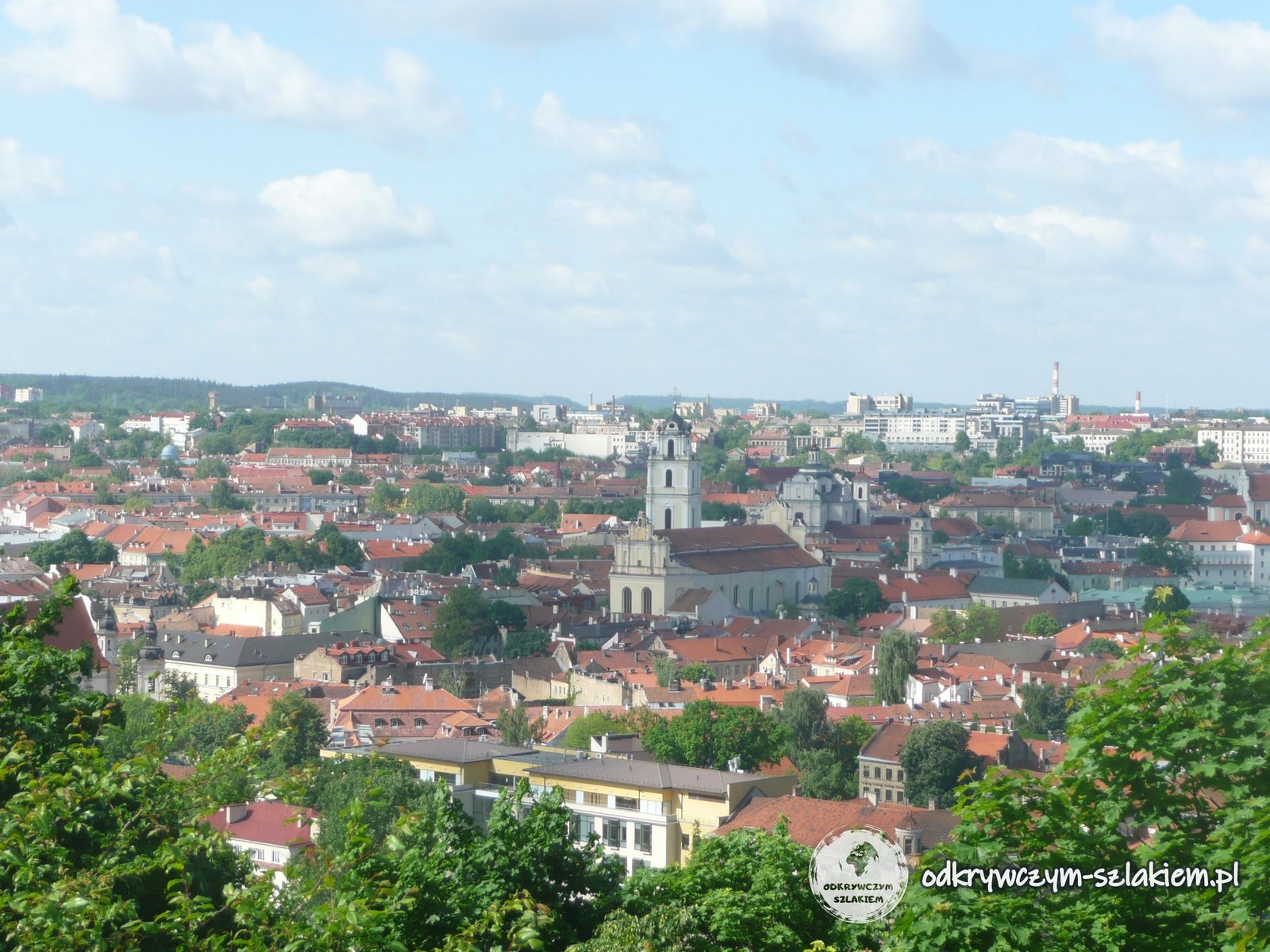
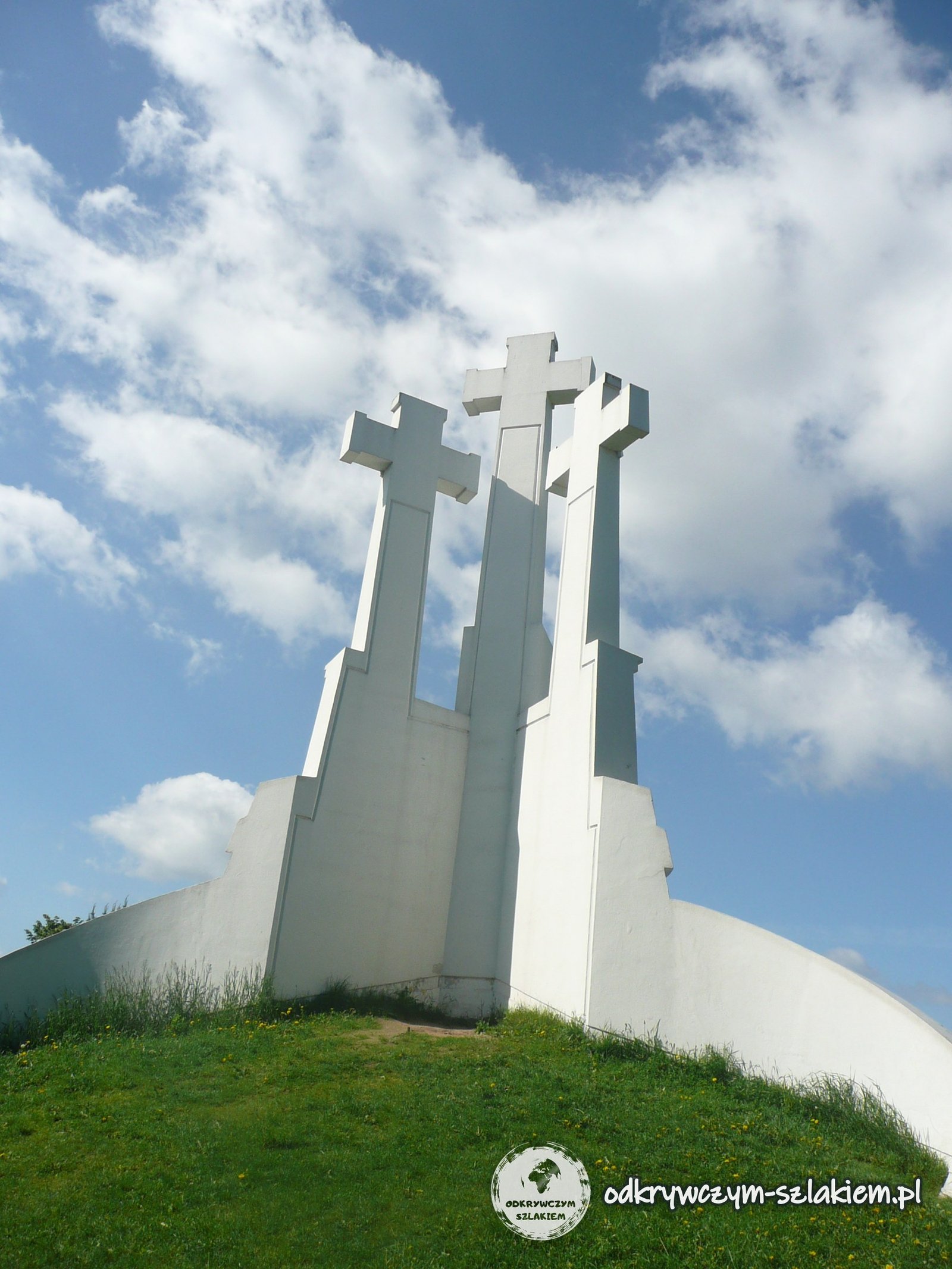
We began on the Hill of Three Crosses above the Old Town. Crosses have stood here since the 17th century, and the concrete monument was designed in 1916 by Antoni Wiwulski. In 1950 the Soviet authorities blew it up, and it was rebuilt in 1989. From the hill you can see the whole of Vilnius – the UNESCO-listed Old Town and the high-rises of the new centre.
St Peter and St Paul’s Church in Antakalnis
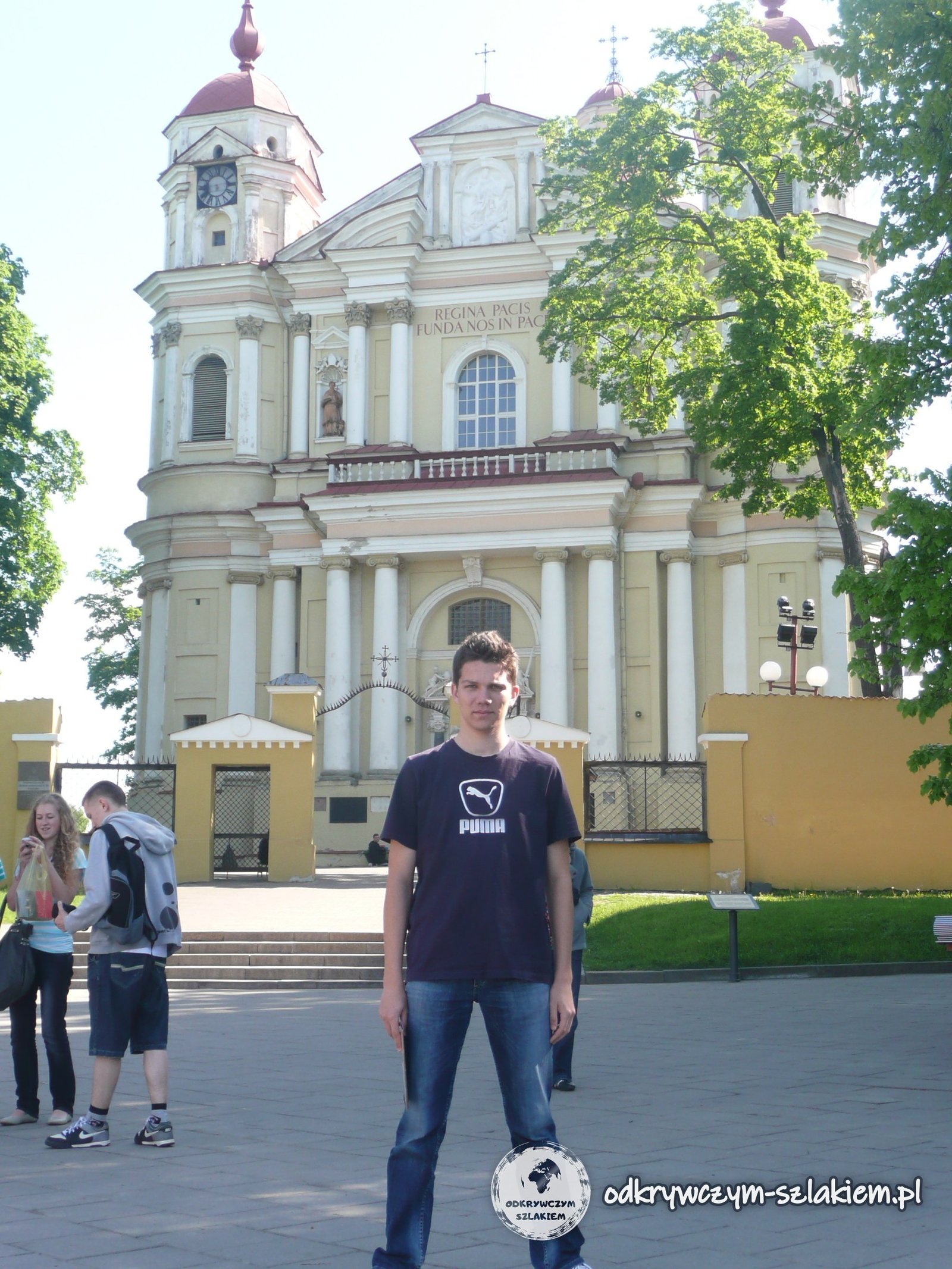
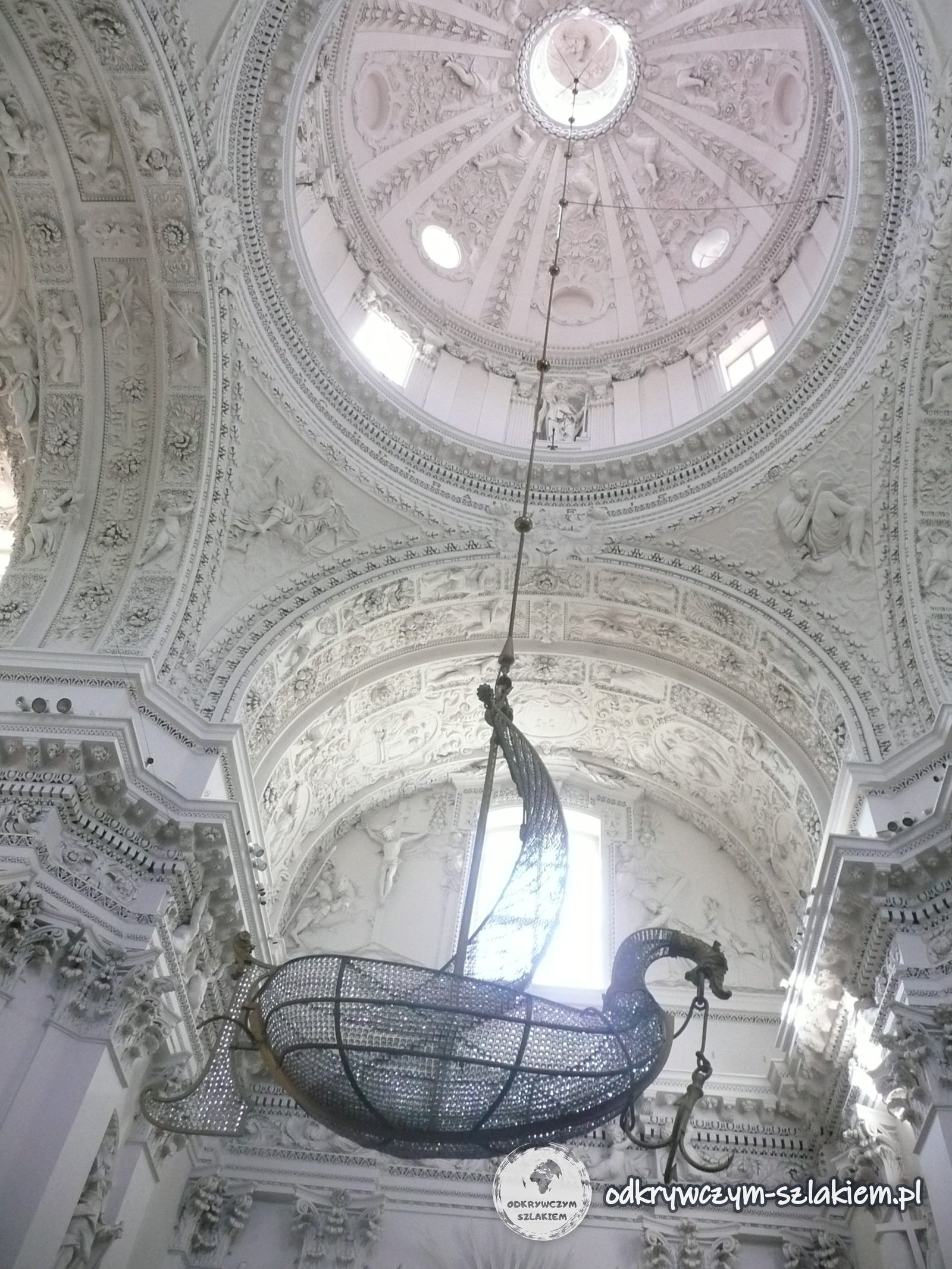
In Antakalnis stands the Baroque St Peter and St Paul’s Church, built in 1668–1701. It is fairly plain outside, but the interior is filled with more than 2,000 white stucco figures and ornaments – saints, angels, plants and biblical scenes.


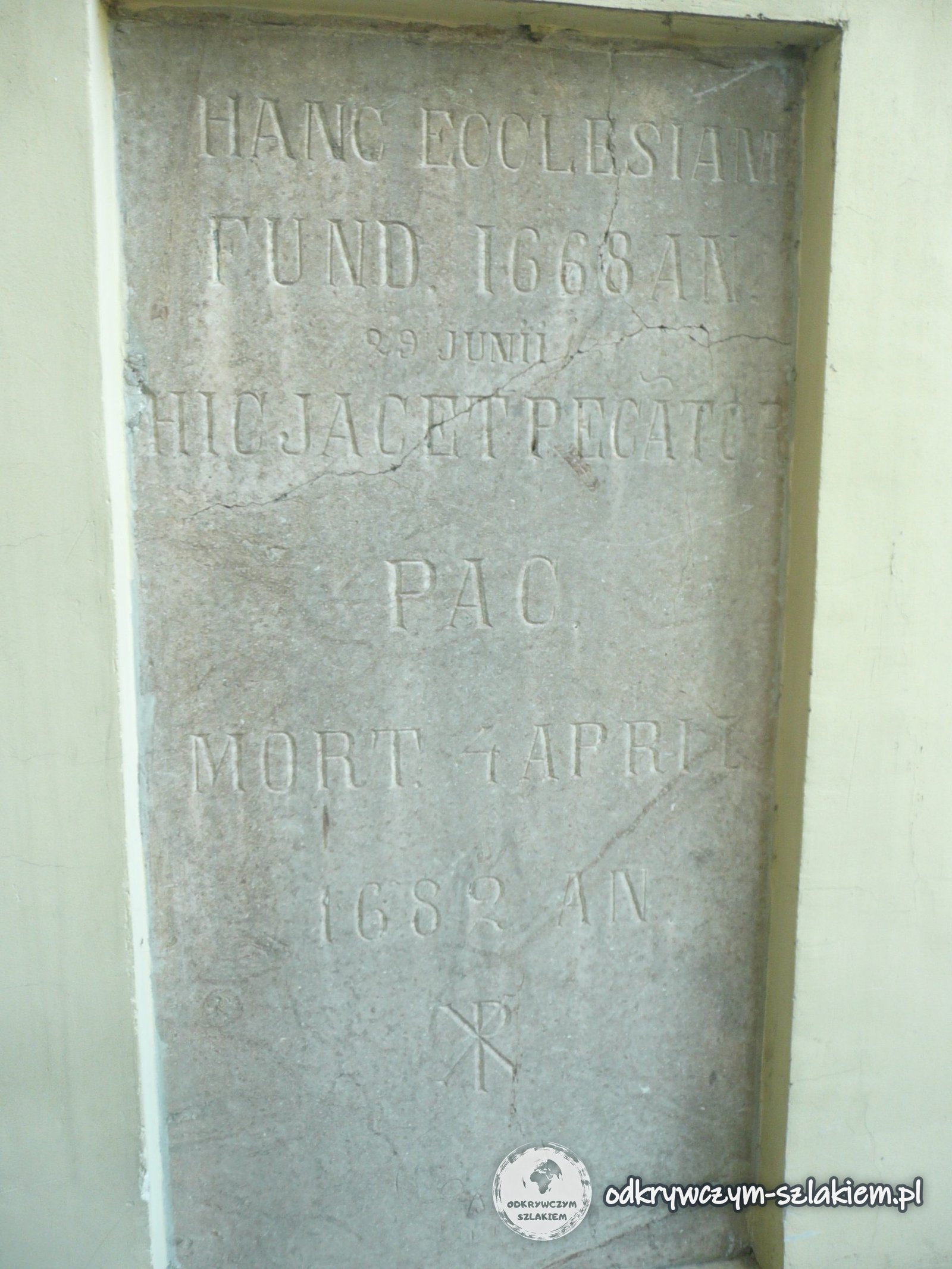
The church’s founder, Michał Kazimierz Pac, was buried beneath the threshold of the main entrance, under a slab inscribed “Hic jacet peccator” – “Here lies a sinner”. The slab was cracked by lightning and now hangs on the wall by the entrance; it bears the year the church was founded (1668) and the date of Pac’s death – 1 April 1682. Under the dome hangs a boat-shaped chandelier of brass and glass beads, made by craftsmen from Liepāja and installed in 1905. By the entrance there is also a stucco figure of Death with a scythe.
Rasos Cemetery
At Rasos Cemetery – one of the most important Polish burial grounds outside Poland – is the “Mother and the Heart of the Son” grave. In 1936 Józef Piłsudski’s heart was buried here in his mother’s grave, among soldiers who fell fighting for Vilnius. Among others, Euzebiusz Słowacki, Juliusz’s father, is buried here too.
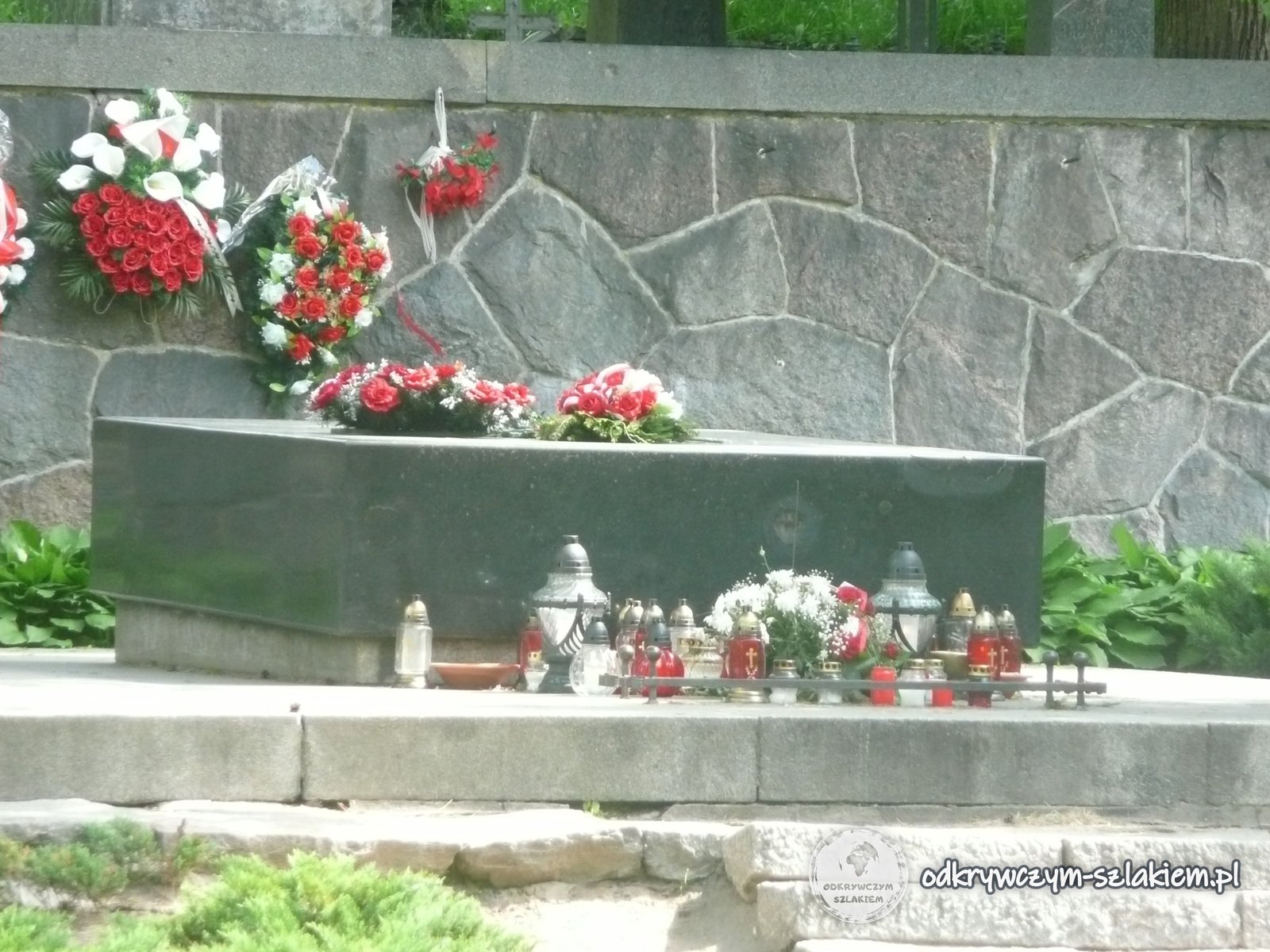
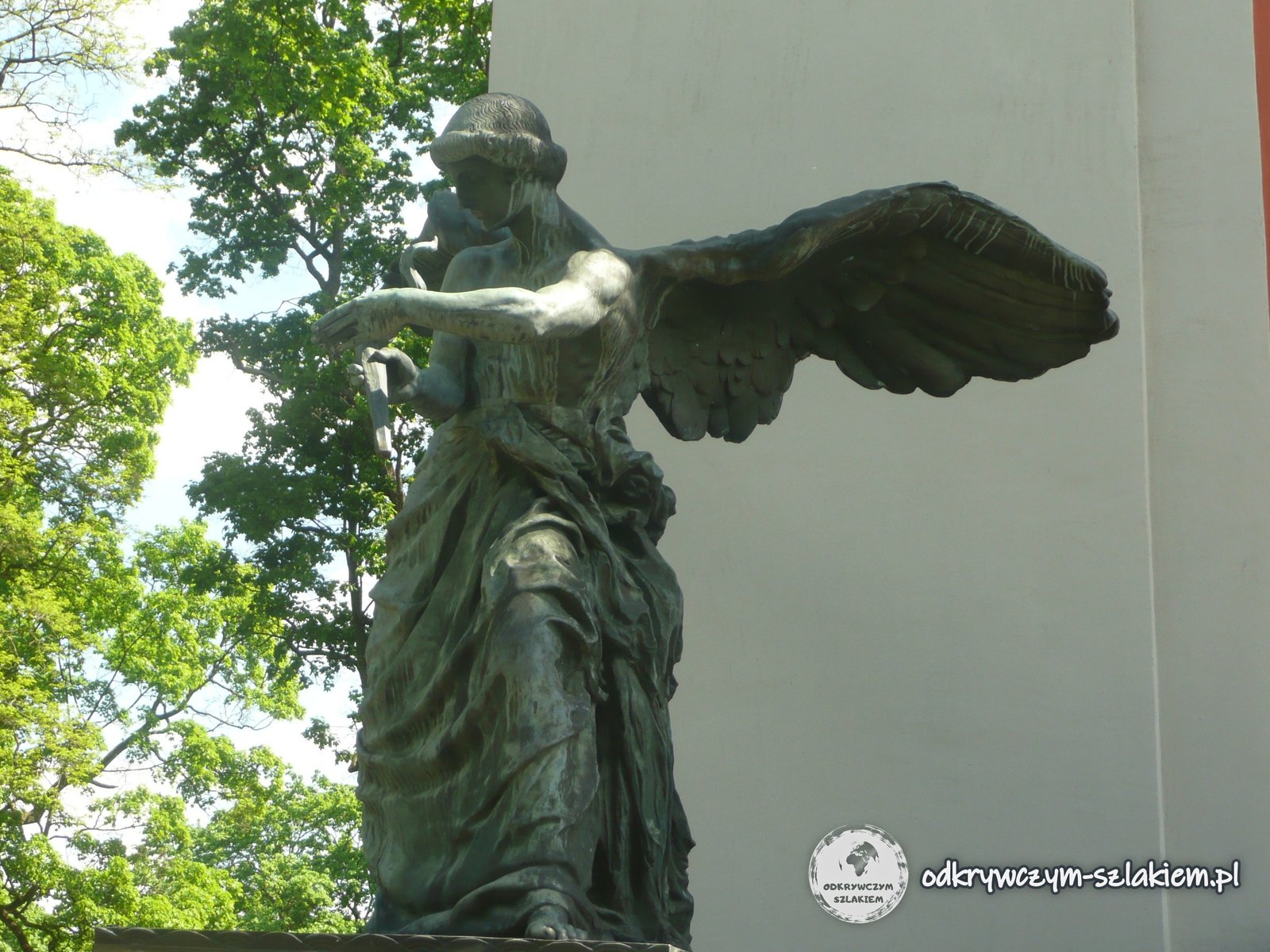
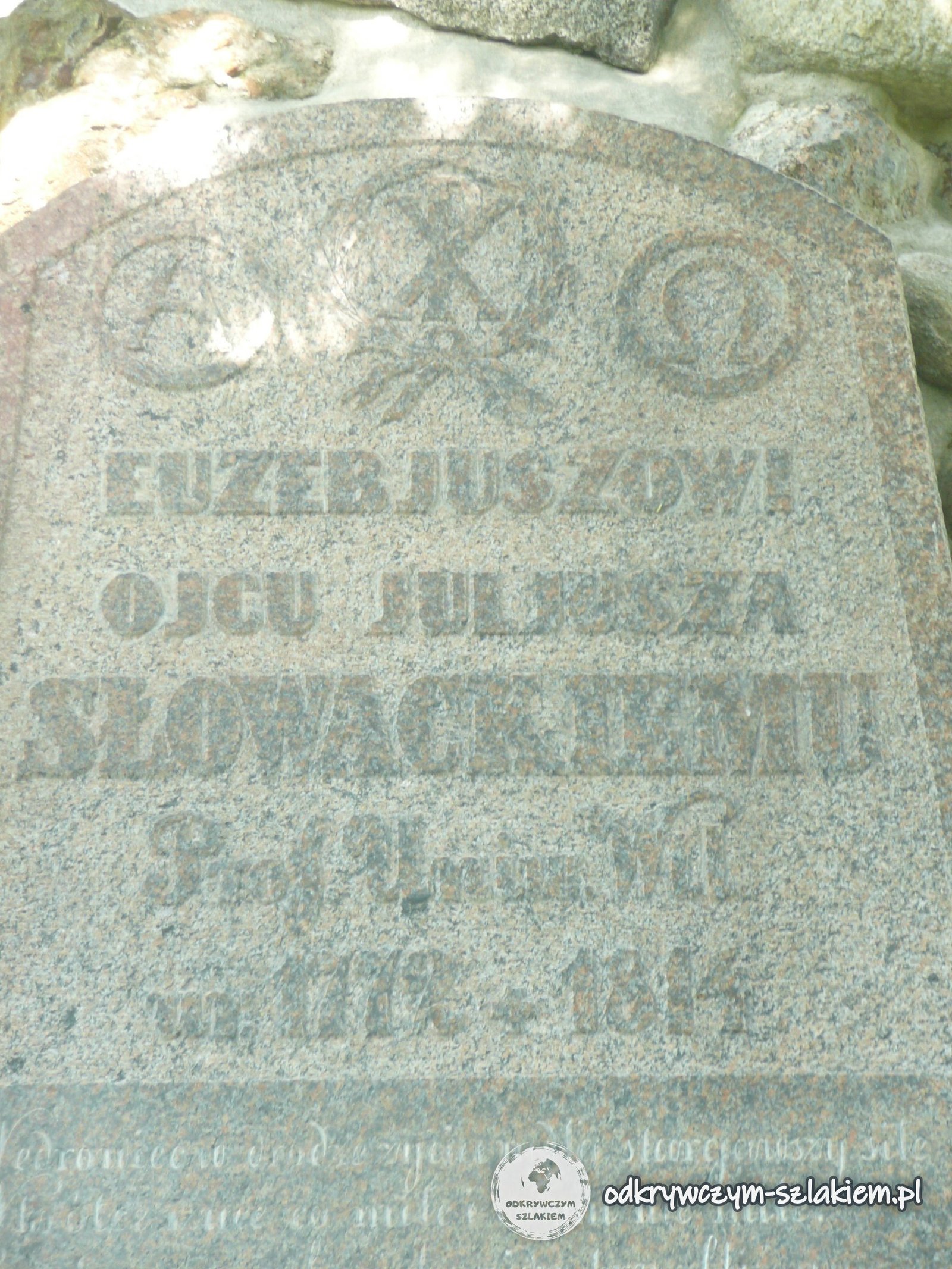
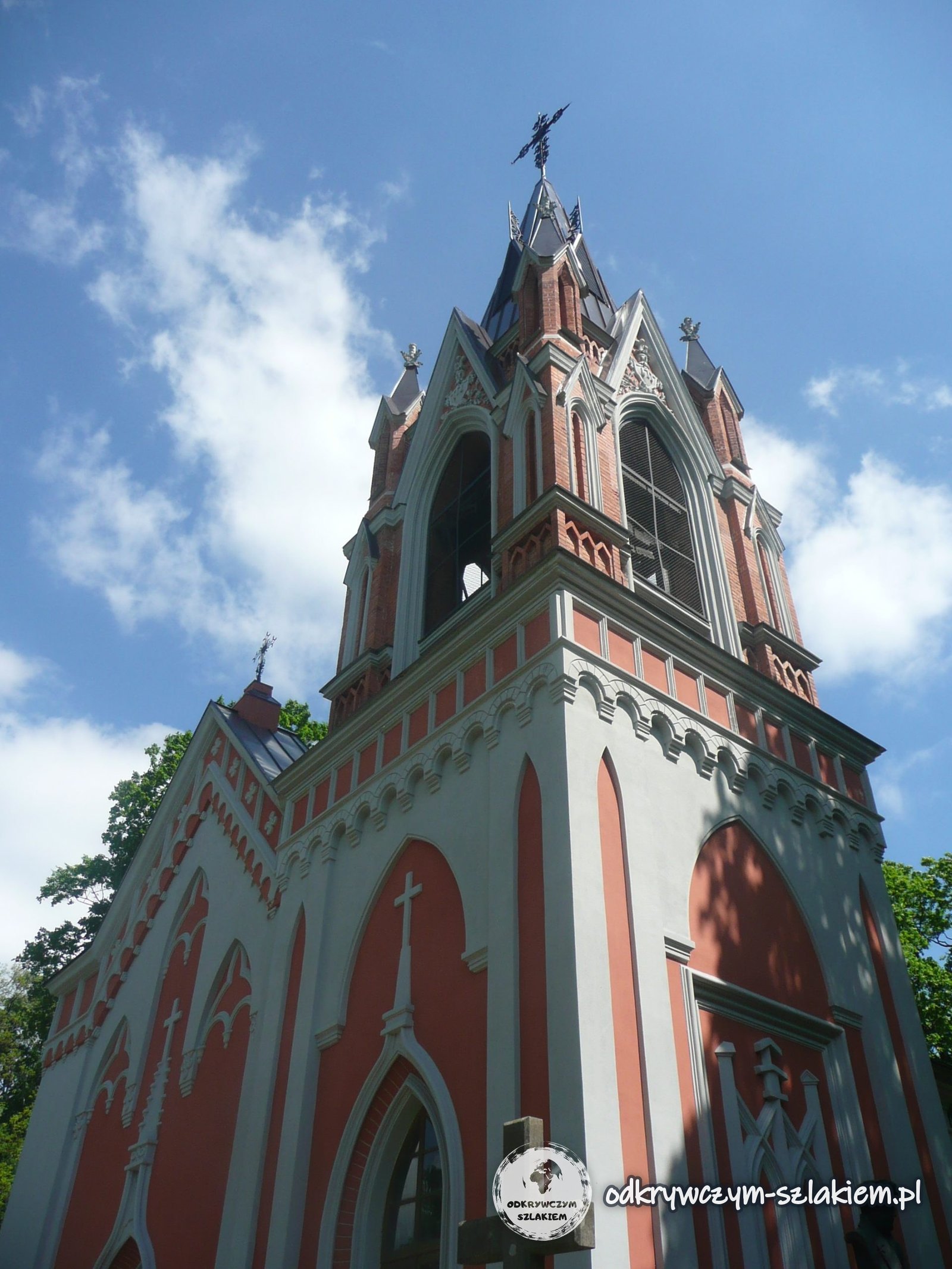
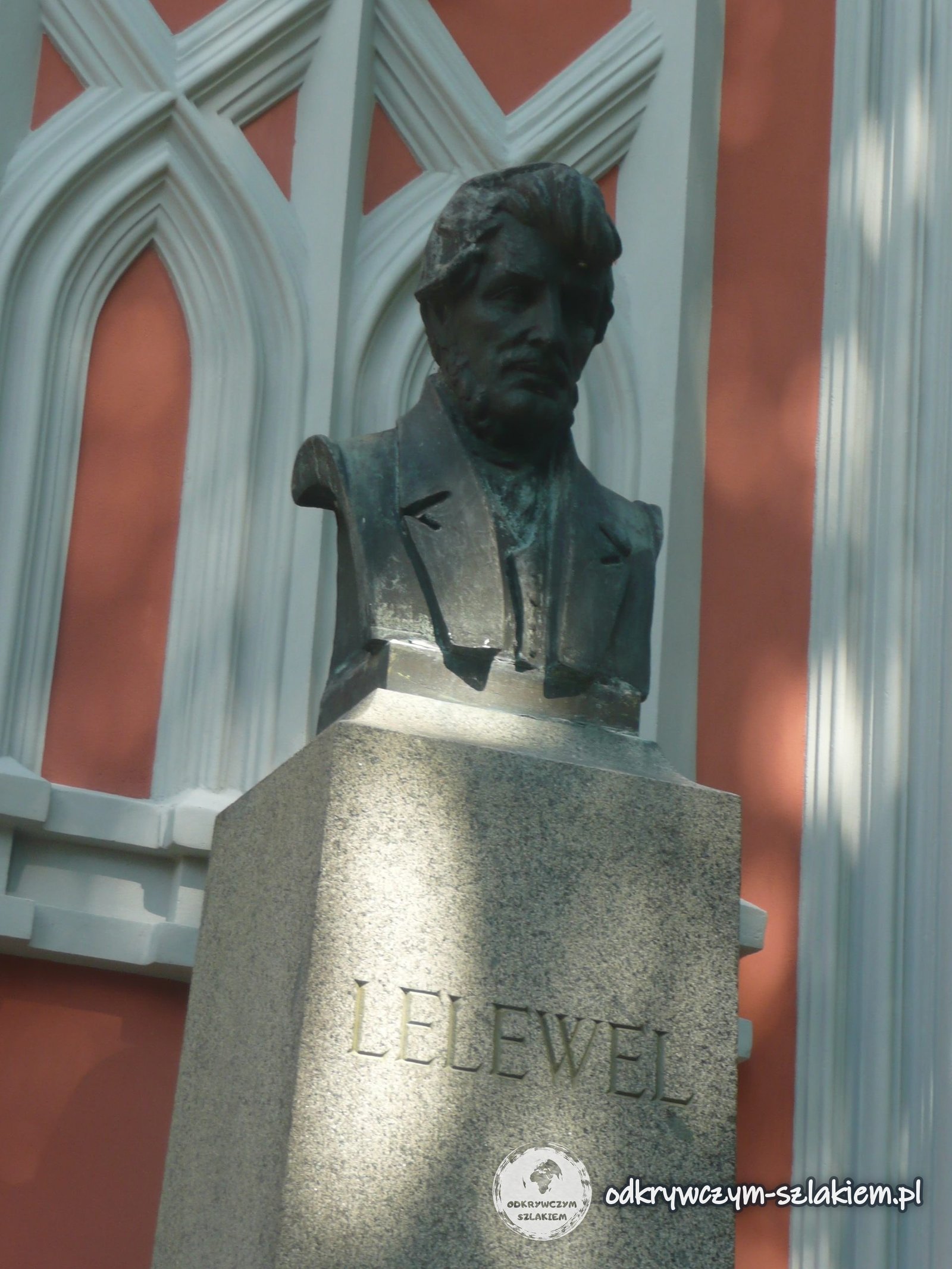
The cemetery is usually dated to 1769 and was consecrated in 1801. It covers 10.8 ha, and Sukilėlių Street divides it into an old and a new part. The neo-Gothic chapel was built in 1844–1850, and the bell tower was added in 1888. Among those buried here is the historian Joachim Lelewel – he died in Paris in 1861, and his remains were brought to Vilnius in 1929 for the 350th anniversary of Vilnius University. Rasos is also the resting place of the Lithuanian painter and composer Mikalojus Konstantinas Čiurlionis and of Jonas Basanavičius.
The Gate of Dawn
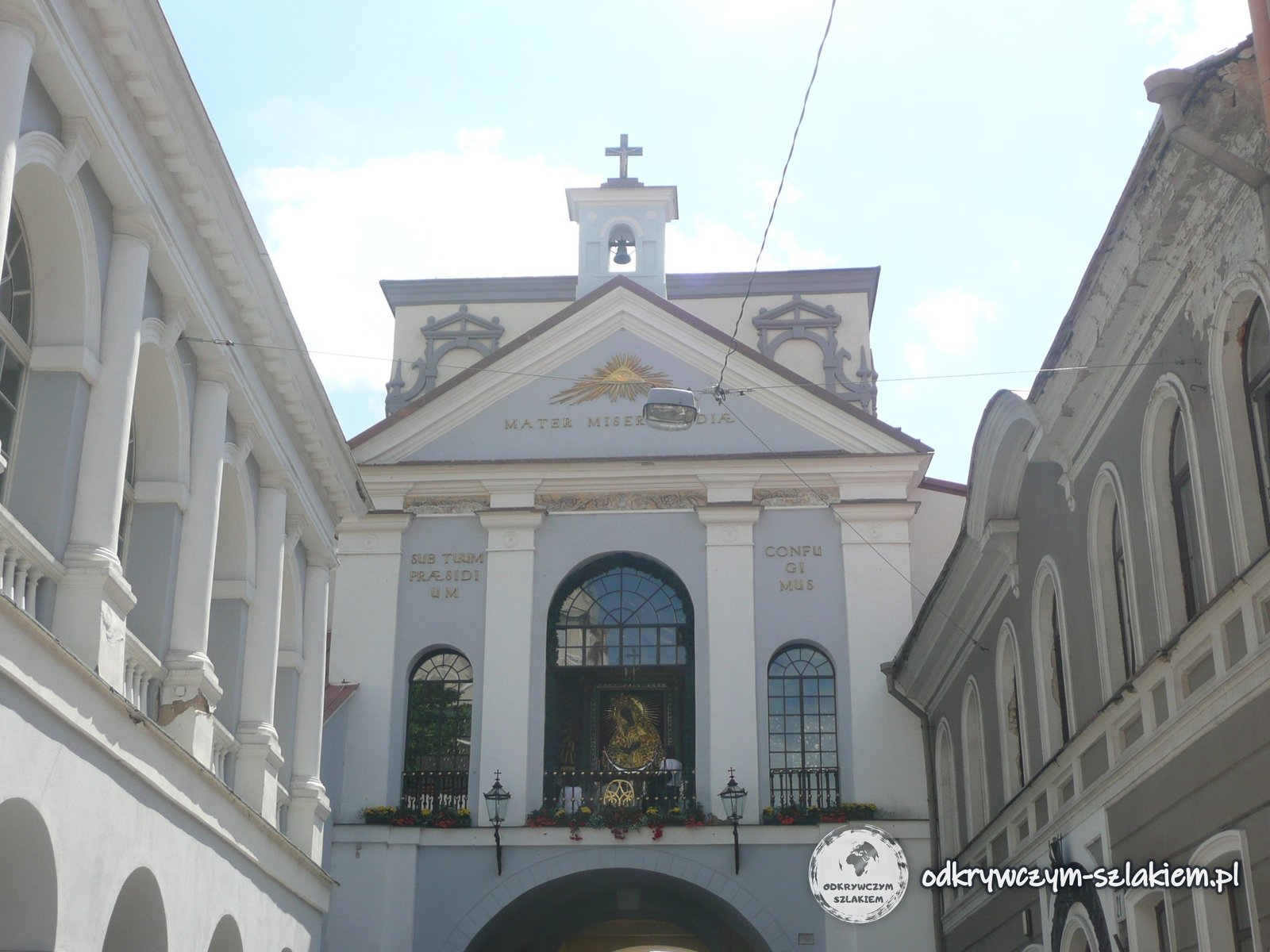
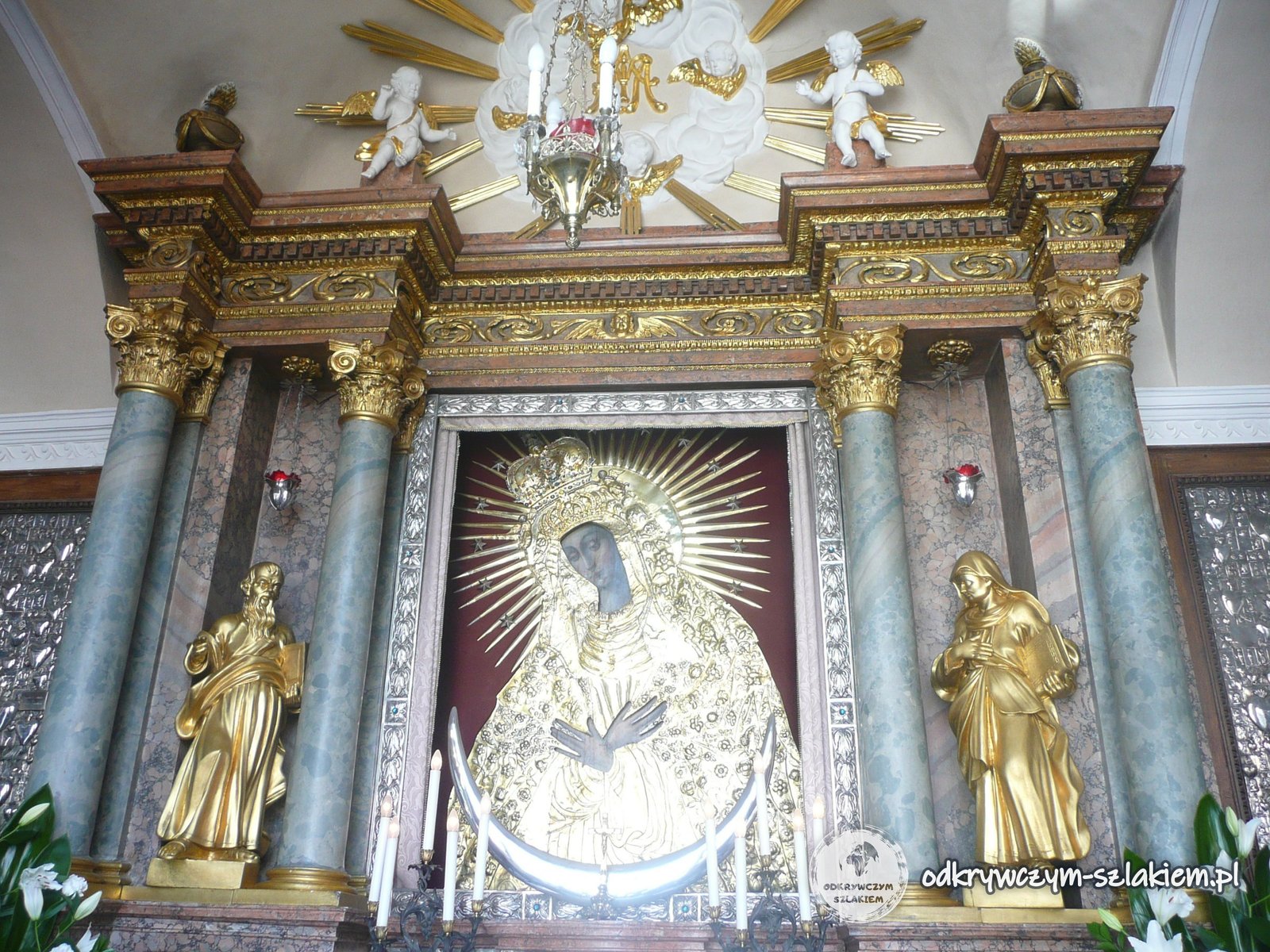
The Gate of Dawn is the only surviving gate of Vilnius’s old walls. In the chapel above the passage hangs the 17th-century icon of Our Lady of the Gate of Dawn, covered in gilded silver – the same one Mickiewicz invoked at the opening of “Pan Tadeusz”.
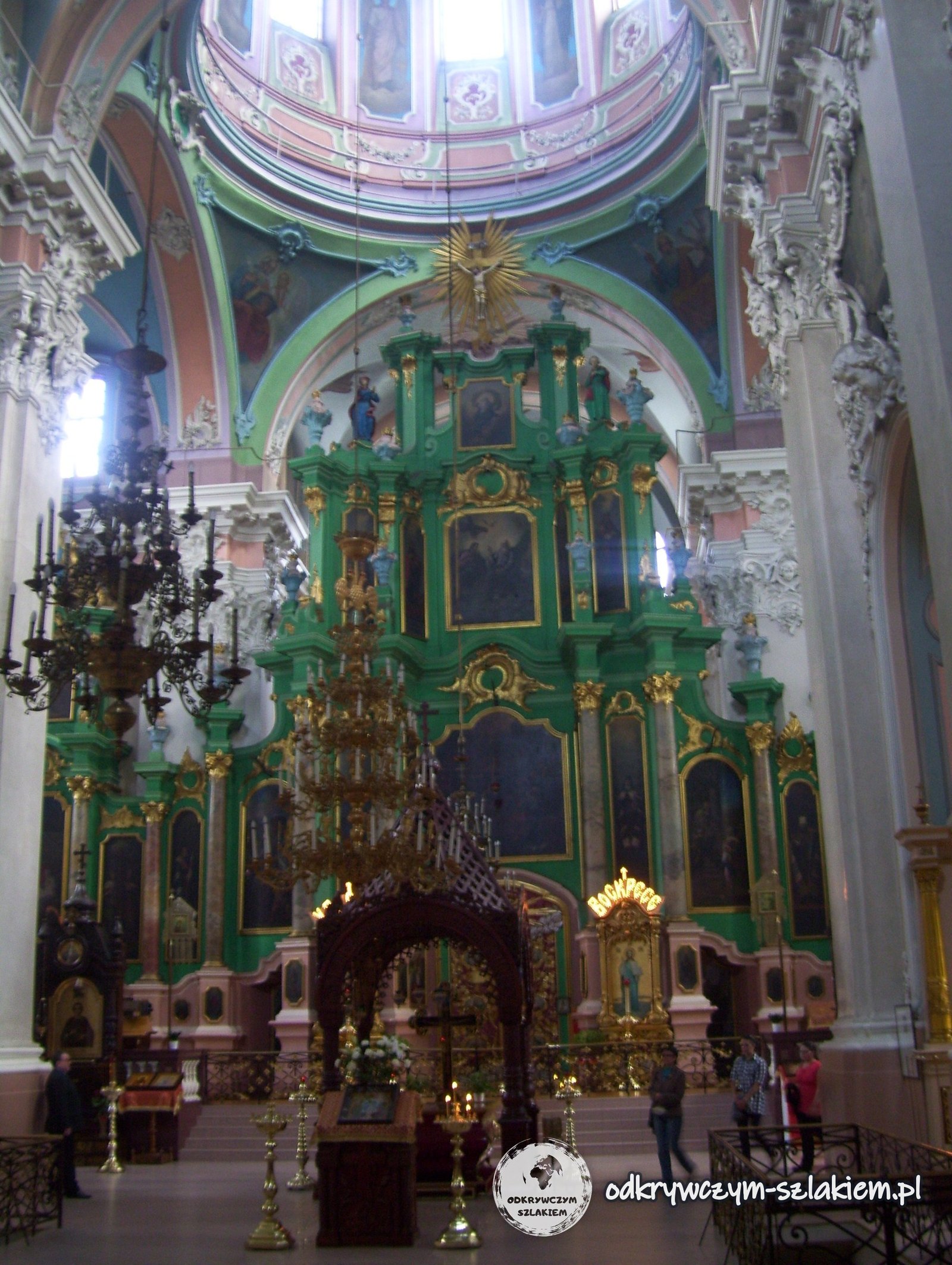
A few steps from the gate stands the 17th-century Orthodox Church of the Holy Spirit. Its Baroque interior stands out for its green iconostasis, and the relics of the three martyrs of Vilnius rest here.
The Gate of Dawn is also linked to the story of the “Jesus, I trust in You” image. It was painted in Vilnius in 1934 by Eugeniusz Kazimirowski under the guidance of Sister Faustina Kowalska and her confessor, Fr Michał Sopoćko. It was first shown in public right here, at the Gate of Dawn, on 26–28 April 1935. In Soviet times the painting was hidden away, and since 2005 it has hung above the altar of the Divine Mercy Sanctuary in Vilnius.
In the footsteps of Mickiewicz and Słowacki
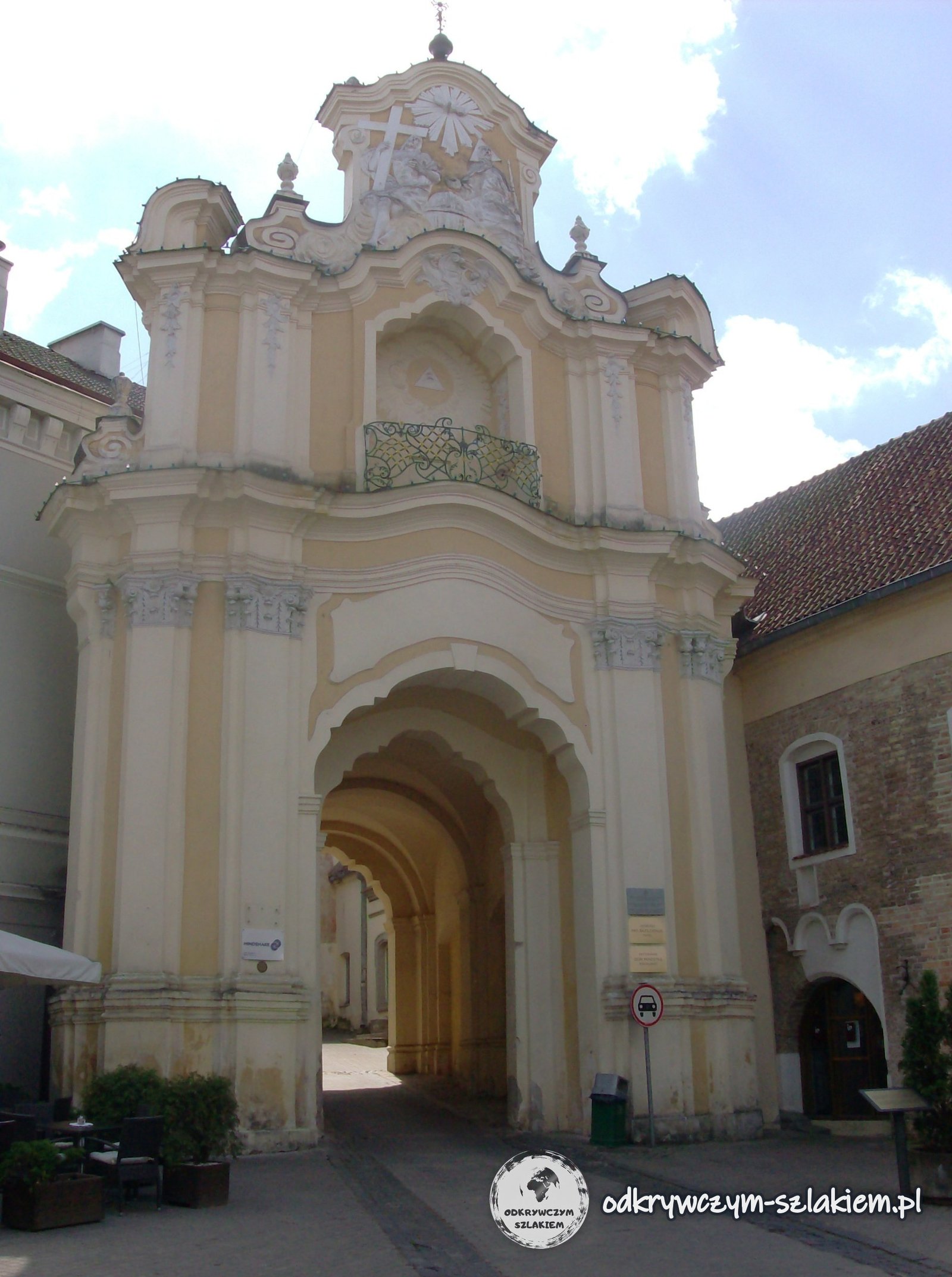
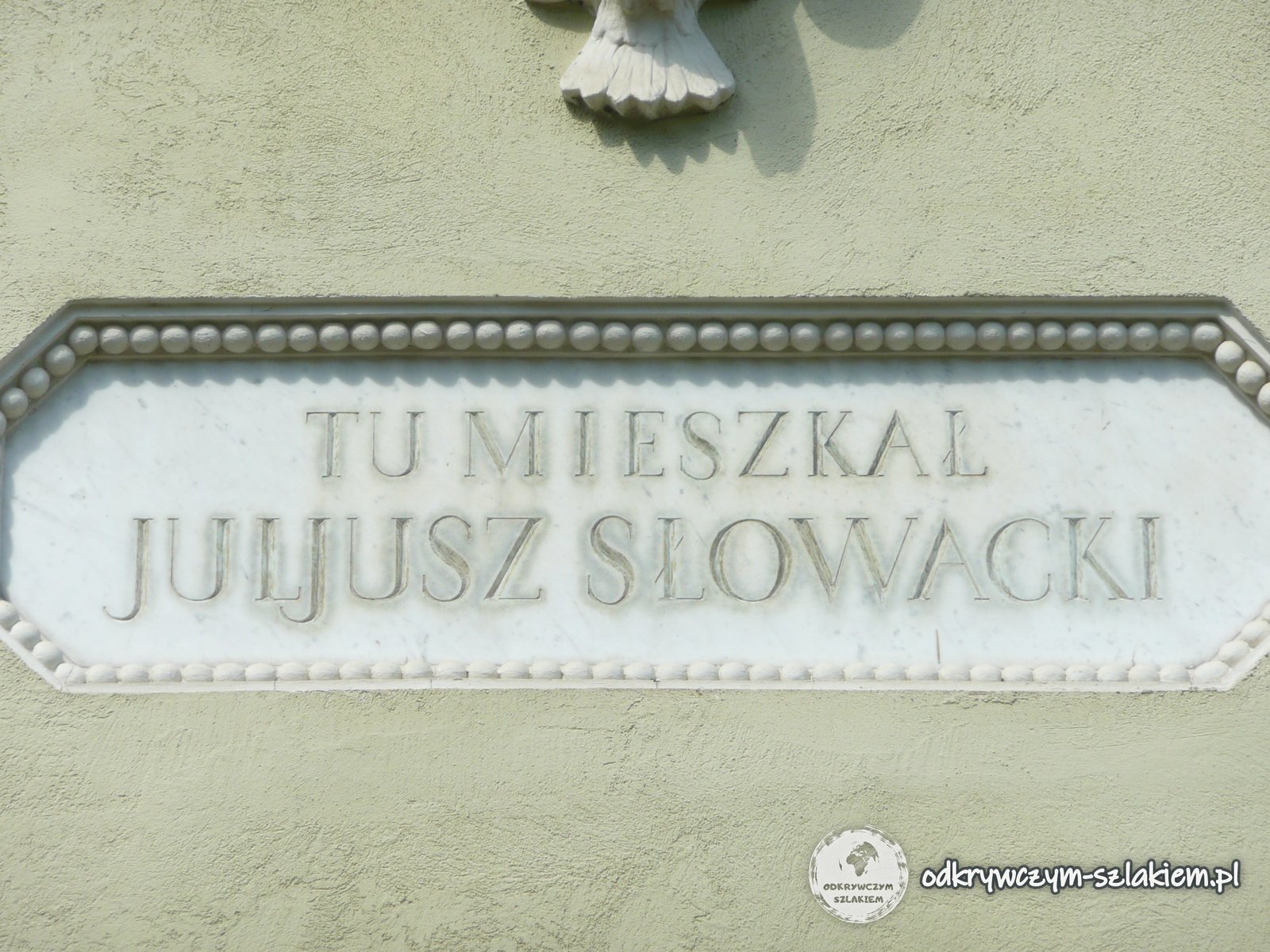
In Vilnius you come across traces of Polish poets at every step. The Rococo Basilian Gate leads into the courtyard of the former Basilian monastery, and on the monastery building there is a plaque: from October 1823 to April 1824 Adam Mickiewicz was imprisoned here with other Philomaths, and this is where Part III of “Forefathers’ Eve” is set. Nearby is a plaque reading “Juliusz Słowacki lived here”.
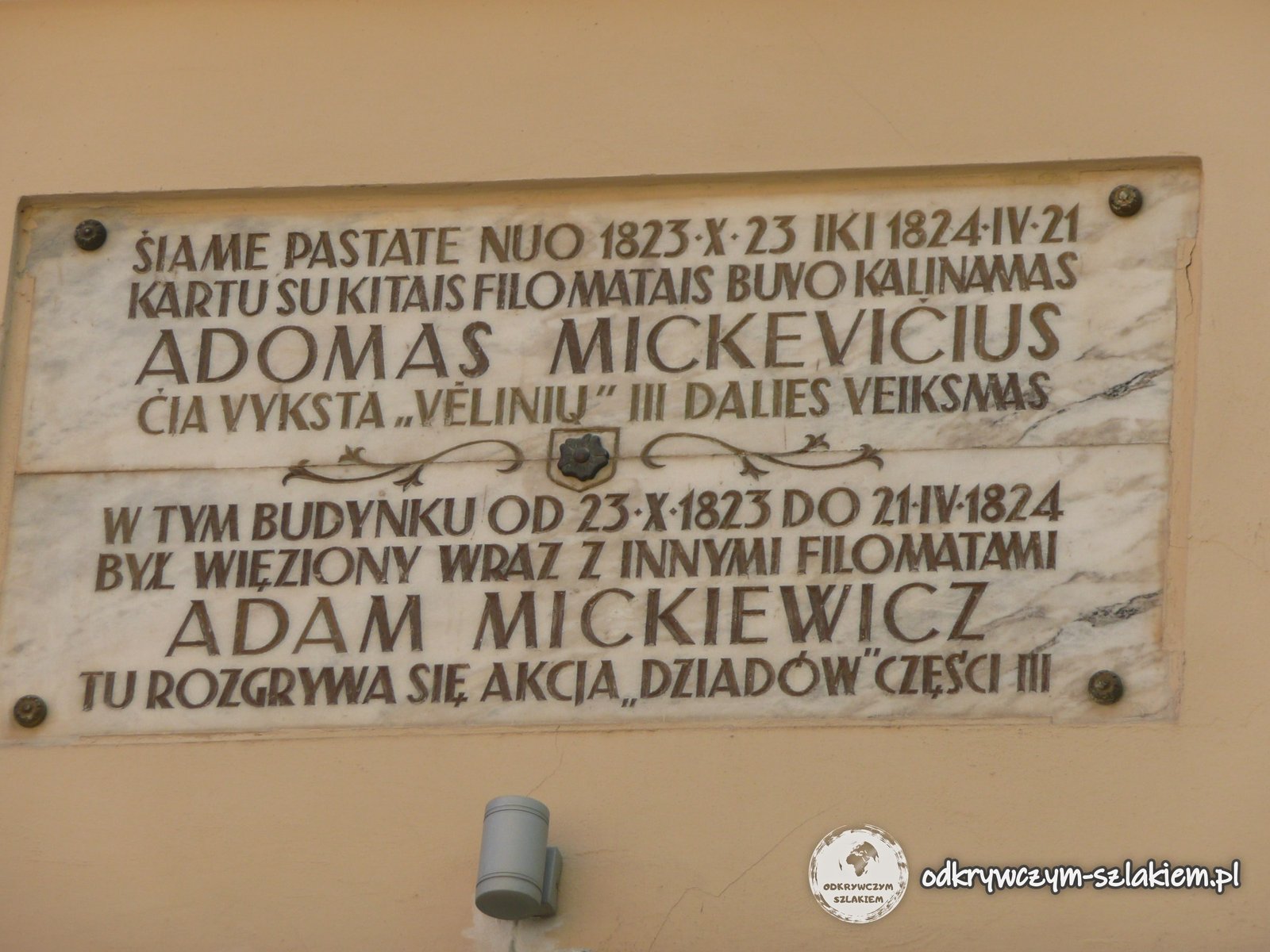
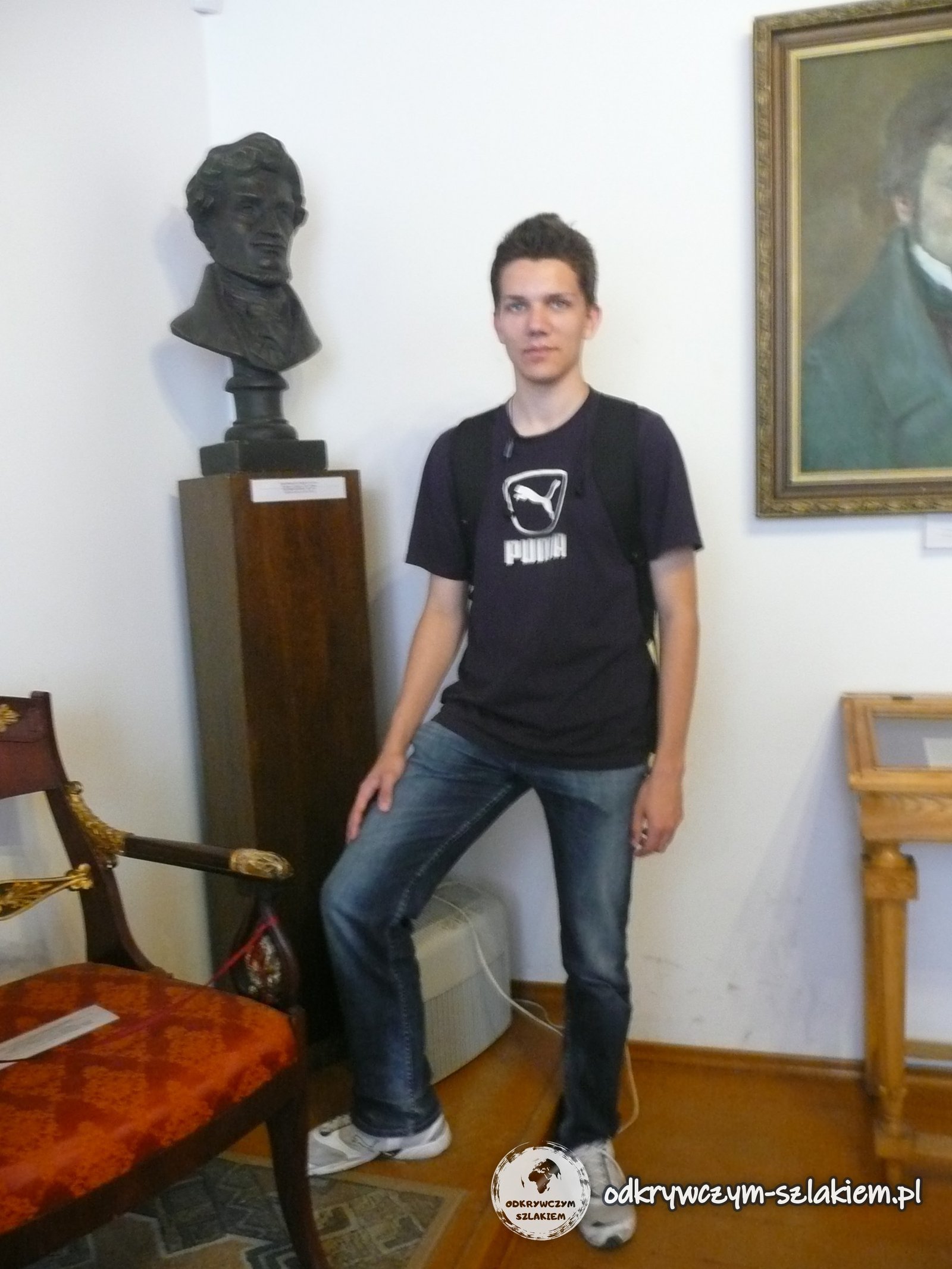
Inside the monastery you can visit the Cell of Konrad – the room where Mickiewicz was imprisoned in 1823–1824 during the trial of the Philomaths. Today it holds a small exhibition with a portrait and a bust of the poet.
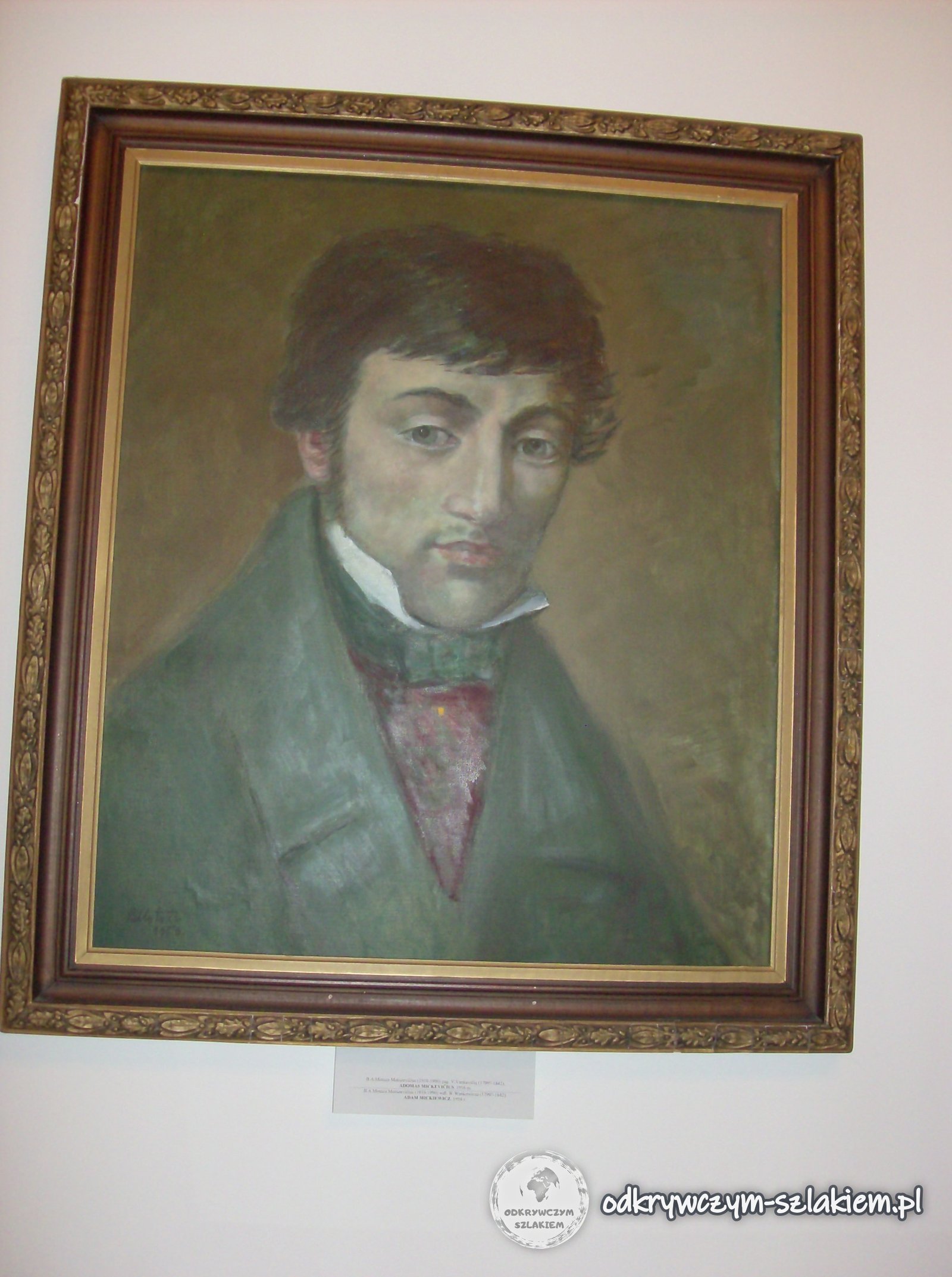
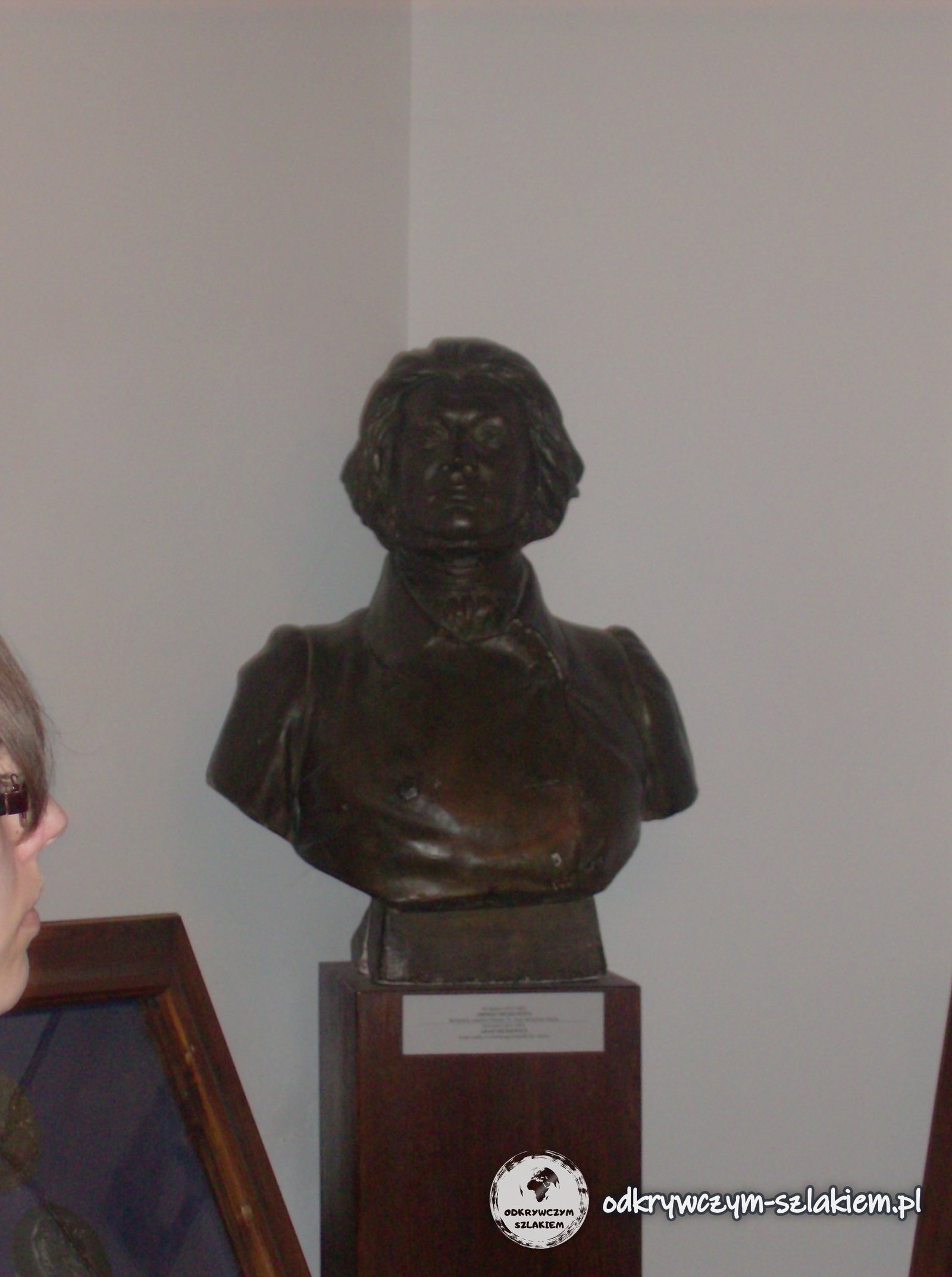
We also visited the Adam Mickiewicz Museum in the house where the poet lived in 1822 and wrote “Grażyna”. Its few rooms hold period furniture, manuscripts and portraits.
The cathedral and the Gediminas monument
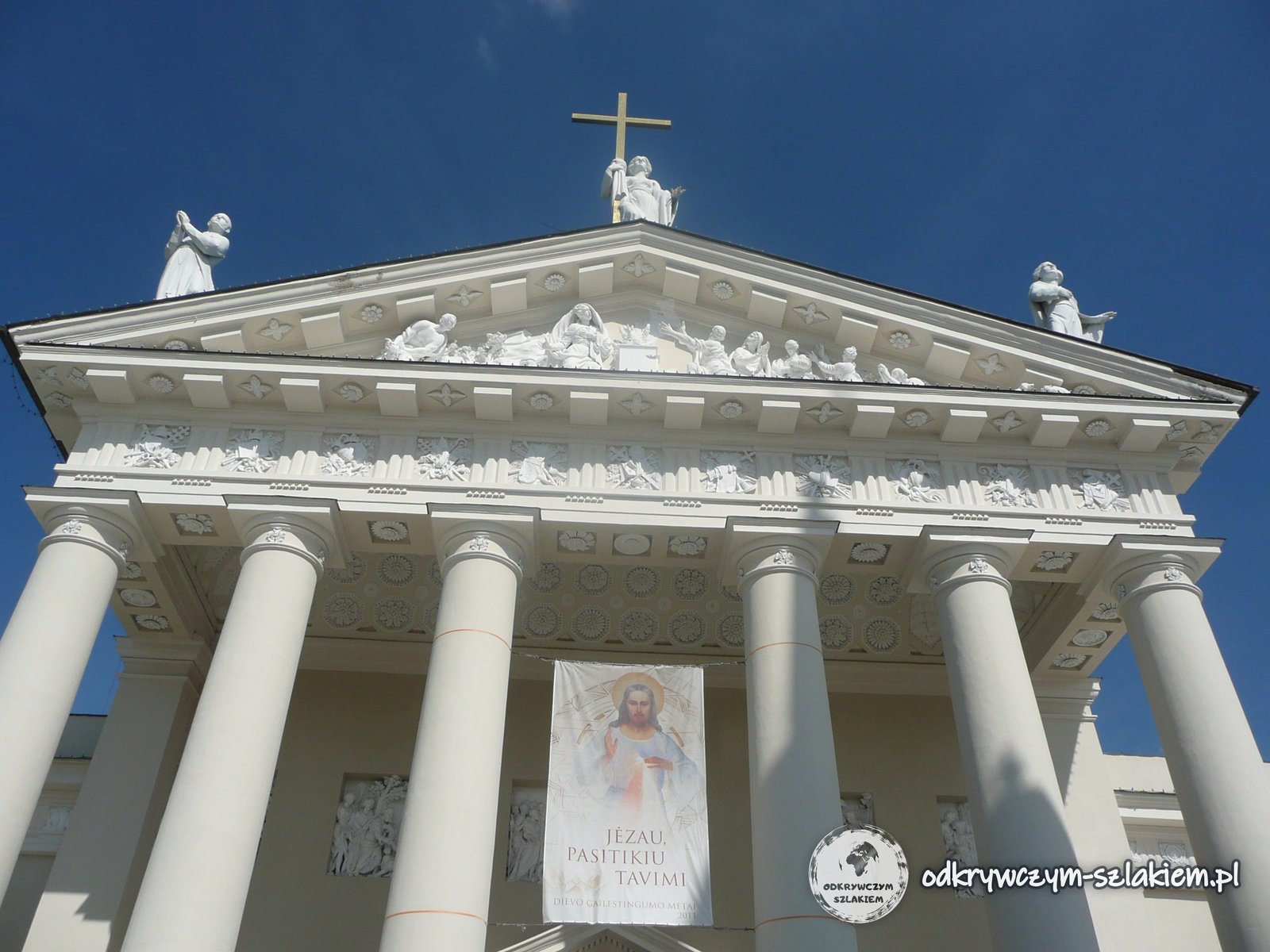
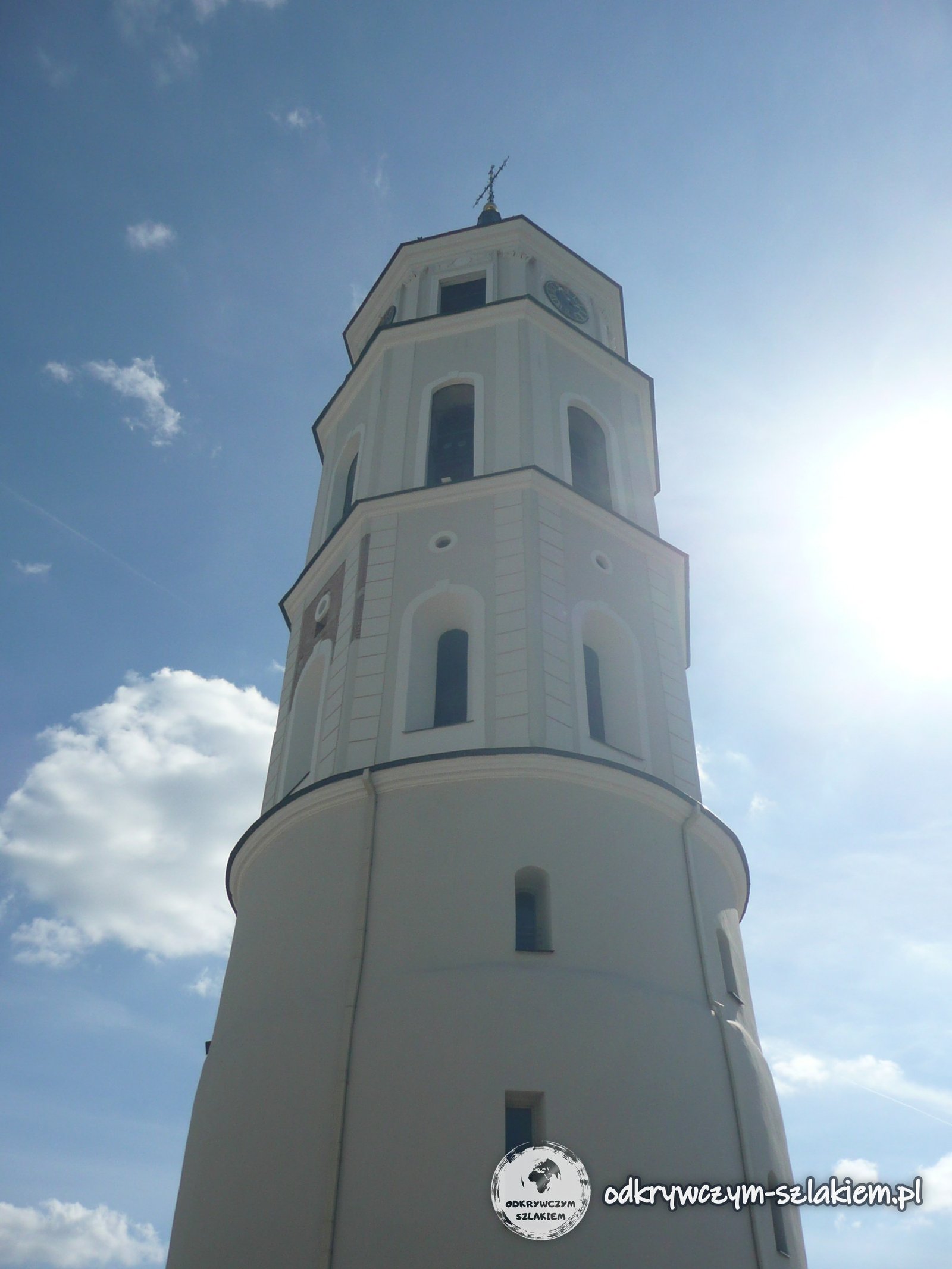
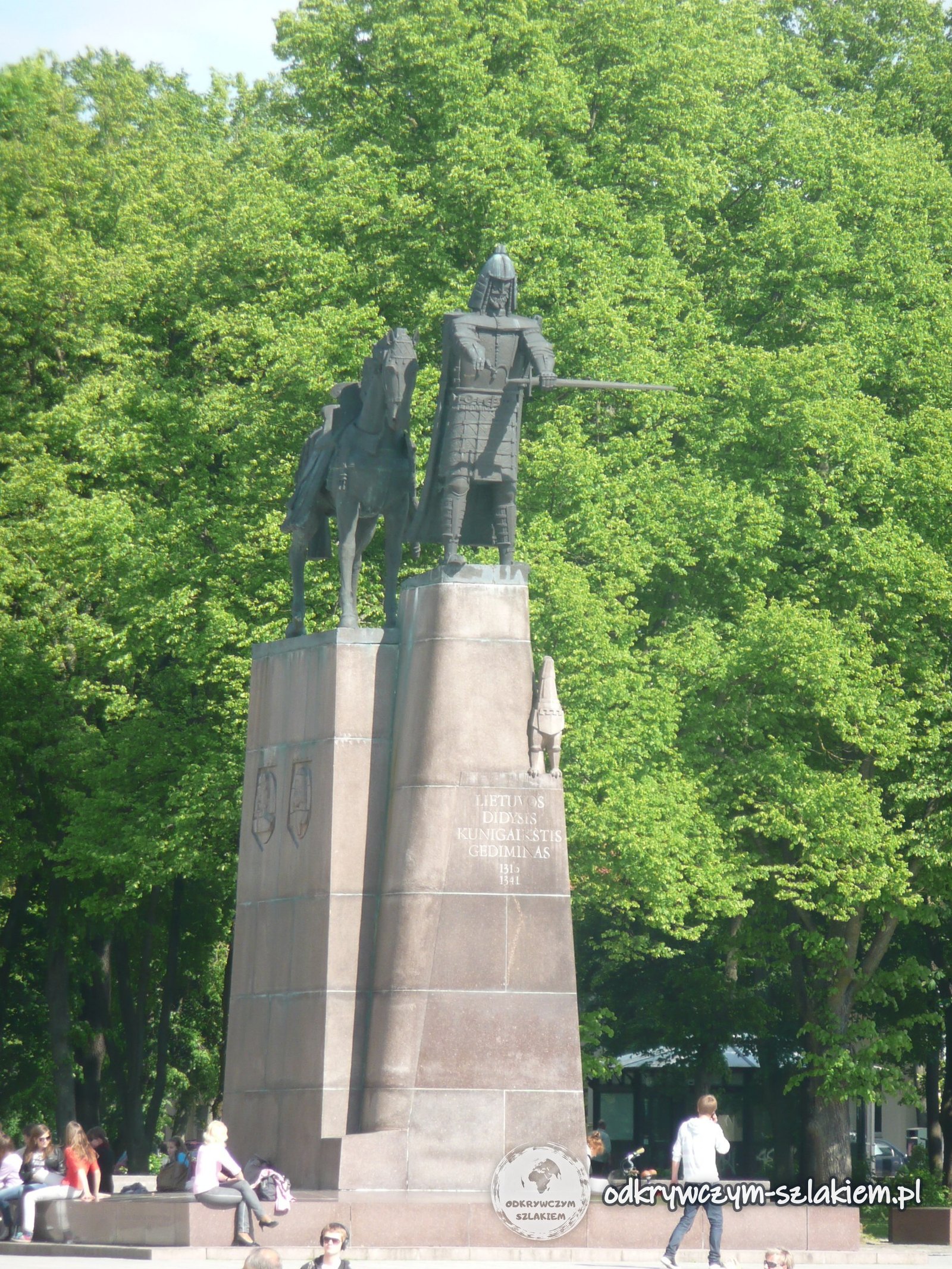
On Cathedral Square stands the classical Cathedral of St Stanislaus and St Ladislaus with a portico like a Greek temple, and next to it a free-standing bell tower. In front of the cathedral is the monument to Grand Duke Gediminas, the legendary founder of Vilnius.
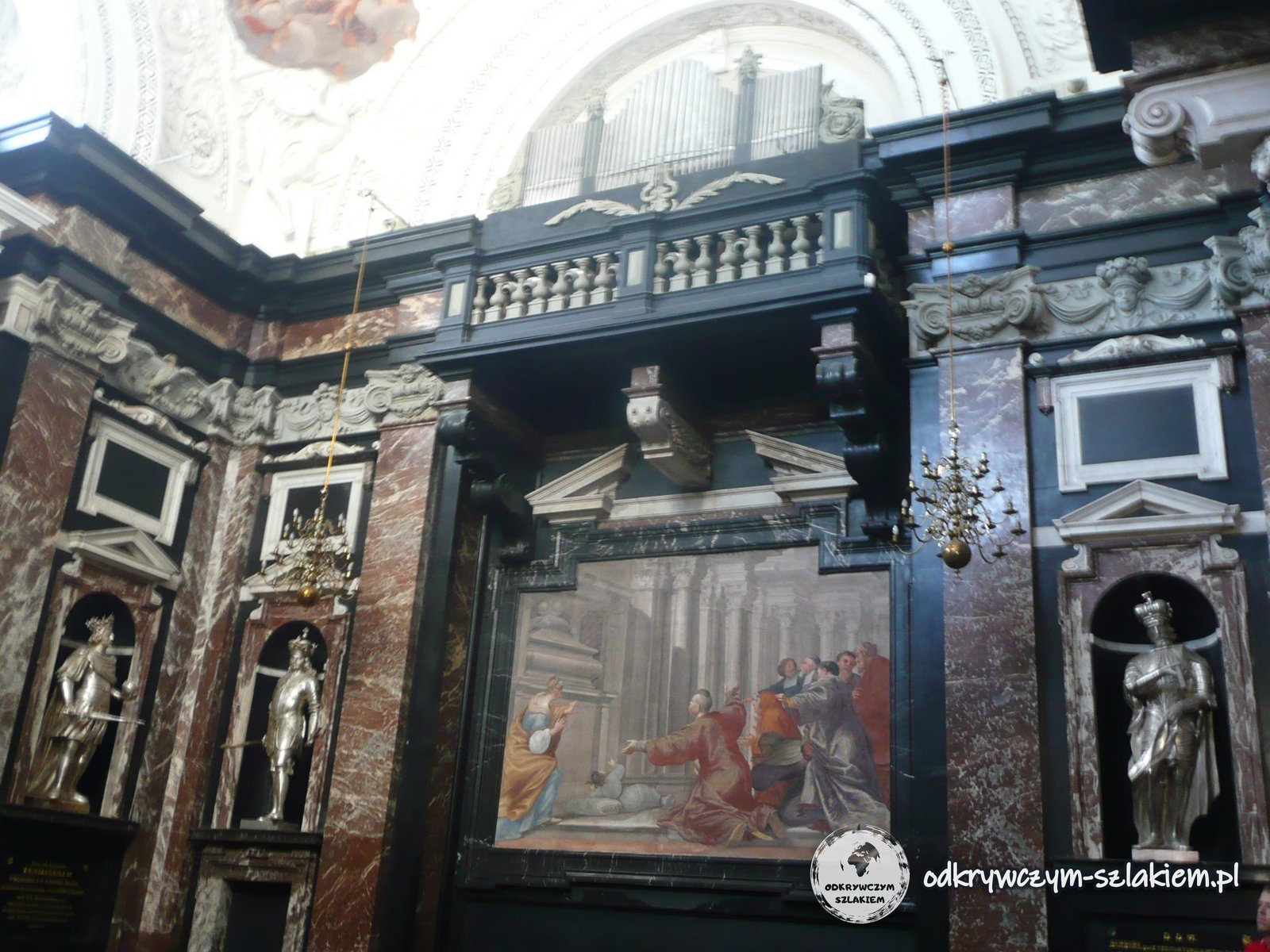
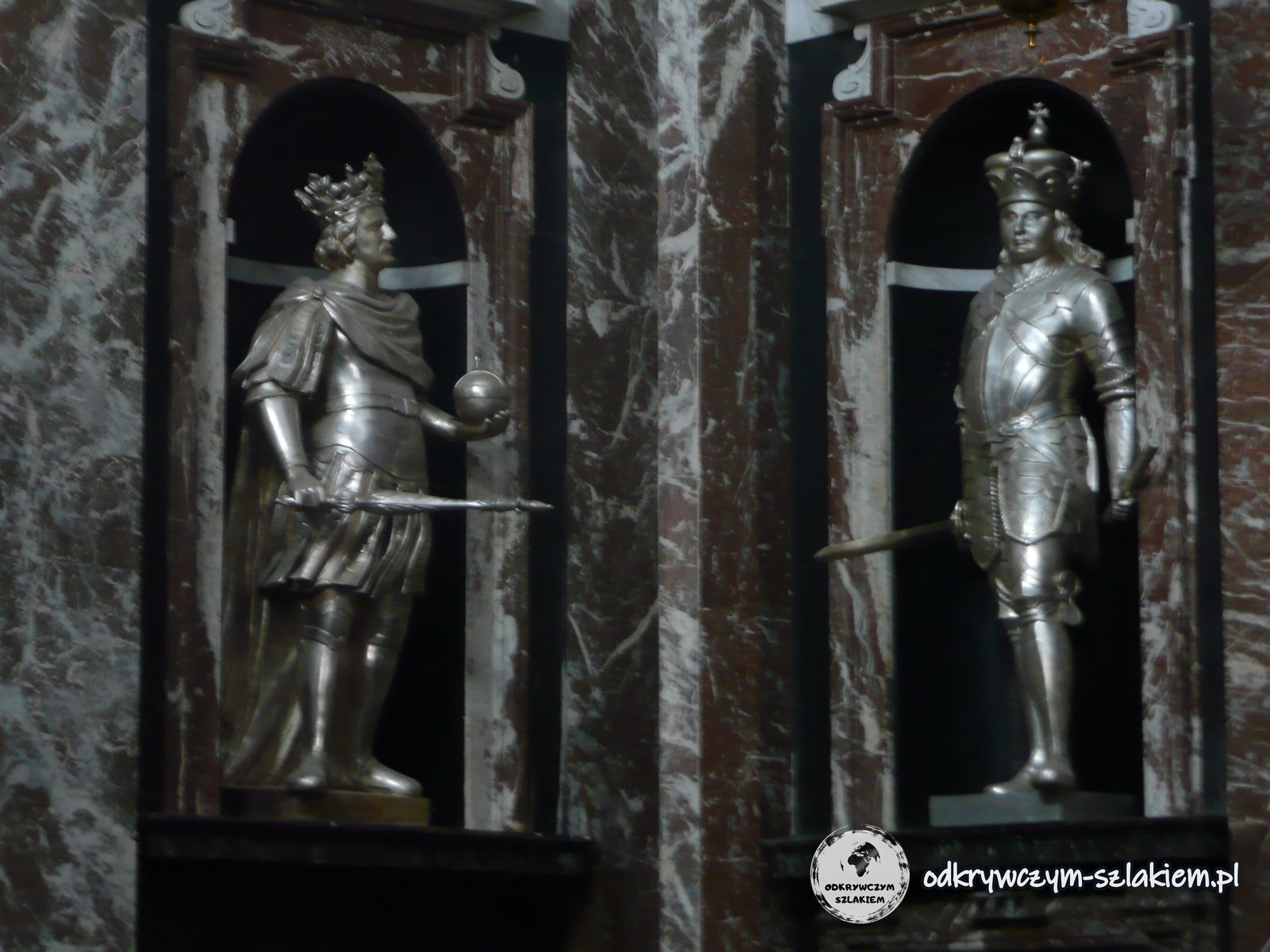
Inside the cathedral is the Baroque St Casimir’s Chapel, built in 1623–1636 to a design by the Italian Costante Tencalla. In 1636 the relics of the saintly prince were placed here. Marble niches in the corners hold eight silver-plated wooden statues of rulers, about 2.2 m tall – the earlier ones, of solid silver, were melted down during the Swedish Deluge. The walls are decorated with frescoes by Michelangelo Palloni from 1692, including the opening of St Casimir’s coffin.
Right behind the cathedral stands the Palace of the Grand Dukes of Lithuania. The Russians demolished it in 1801, and in the early 21st century it was rebuilt on its old foundations – today it houses a museum.

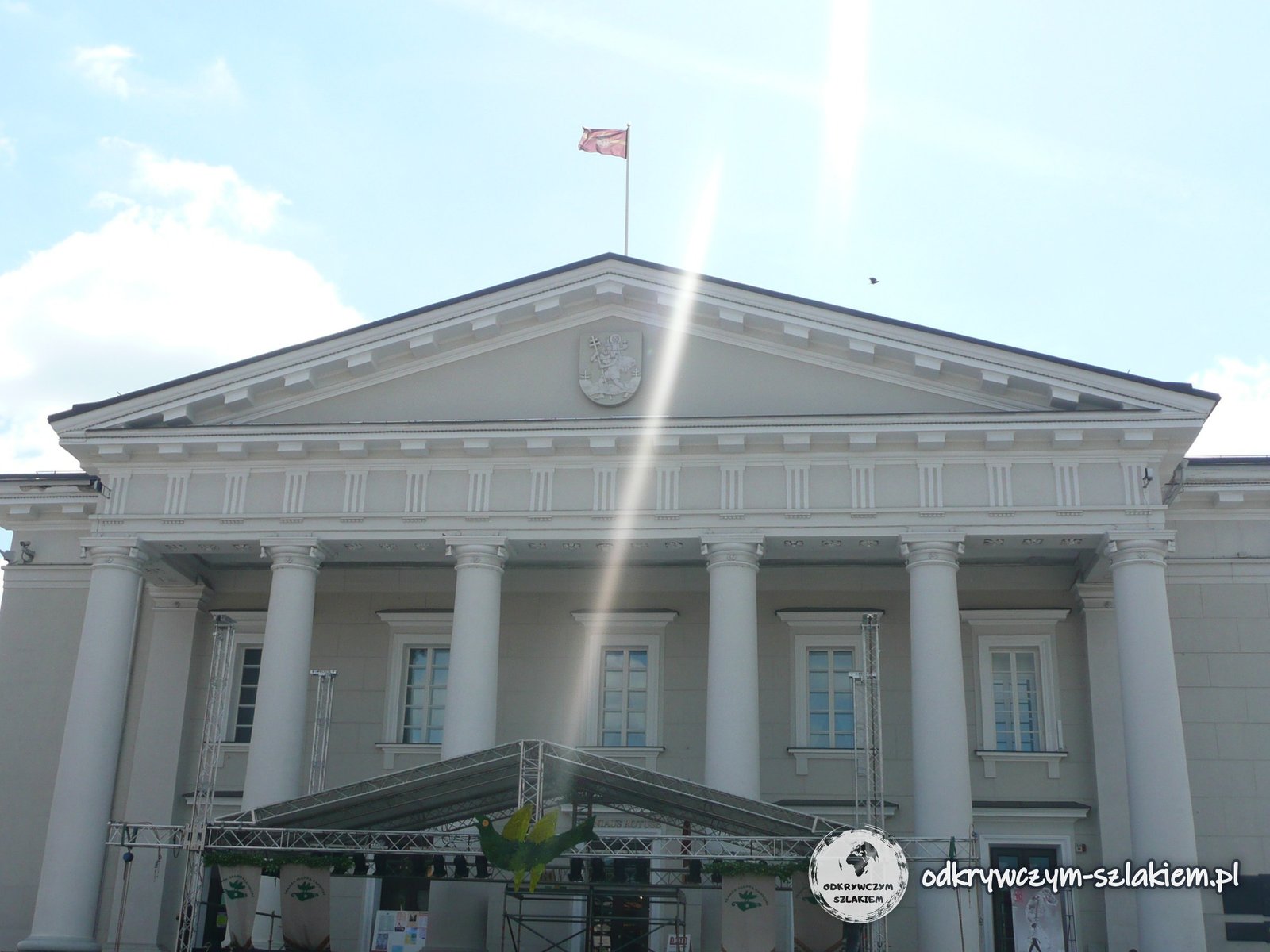
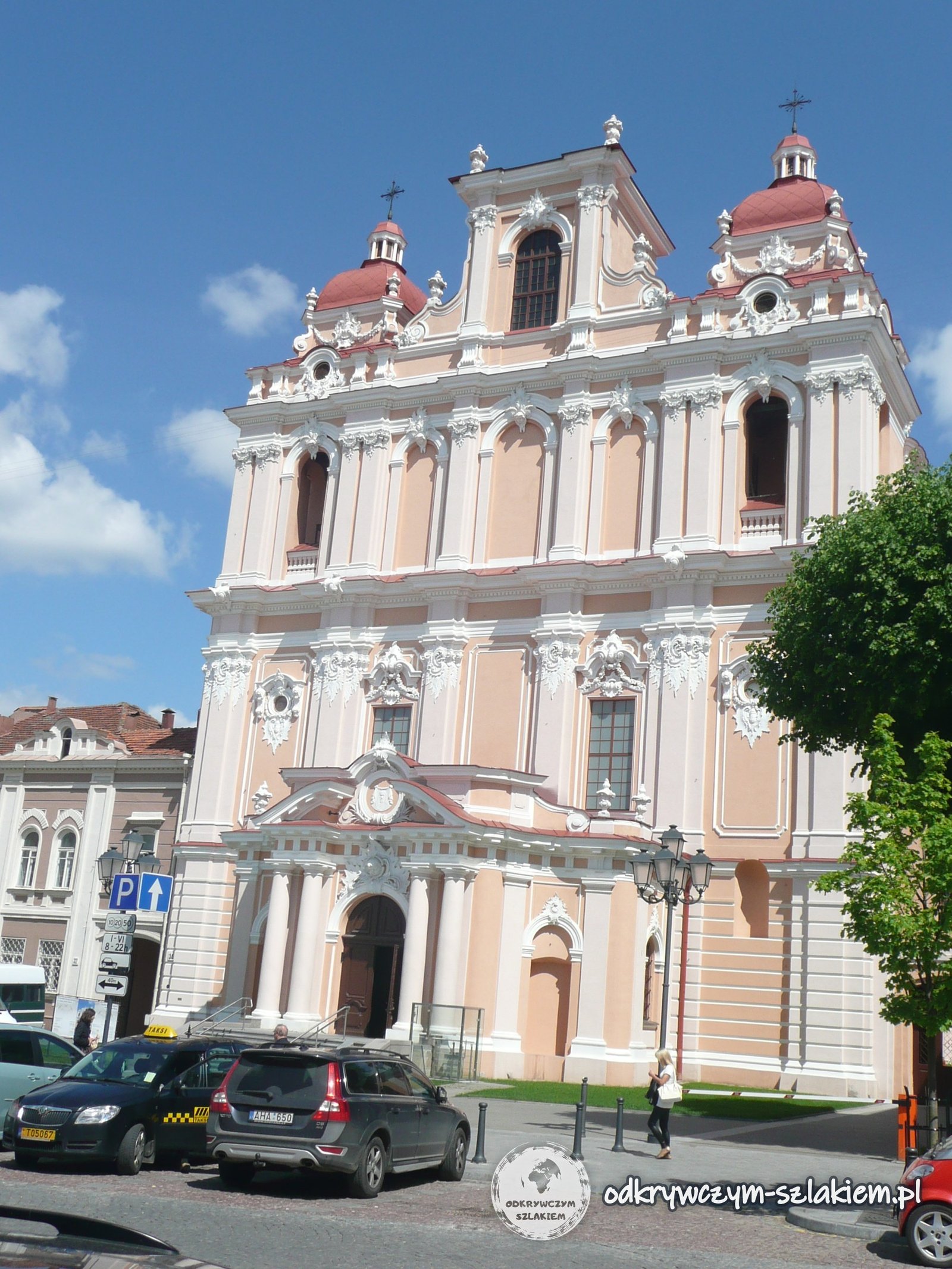
In the Old Town we also saw, among others, the classical town hall, rebuilt at the end of the 18th century by Laurynas Gucevičius, and the pink Baroque St Catherine’s Church. Above the roofs rises the bell tower of St John’s Church – about 68 m high, the tallest structure in the Old Town – at Vilnius University, founded in 1579 by Stephen Báthory.


On the Neris – the Green Bridge and the new centre
Beyond the Old Town flows the Neris. In 2011 the Green Bridge still carried four Soviet sculptures of workers, soldiers and students – they were removed in 2015. Across the river a new centre of high-rises has grown up, including the 148 m Europa Tower.
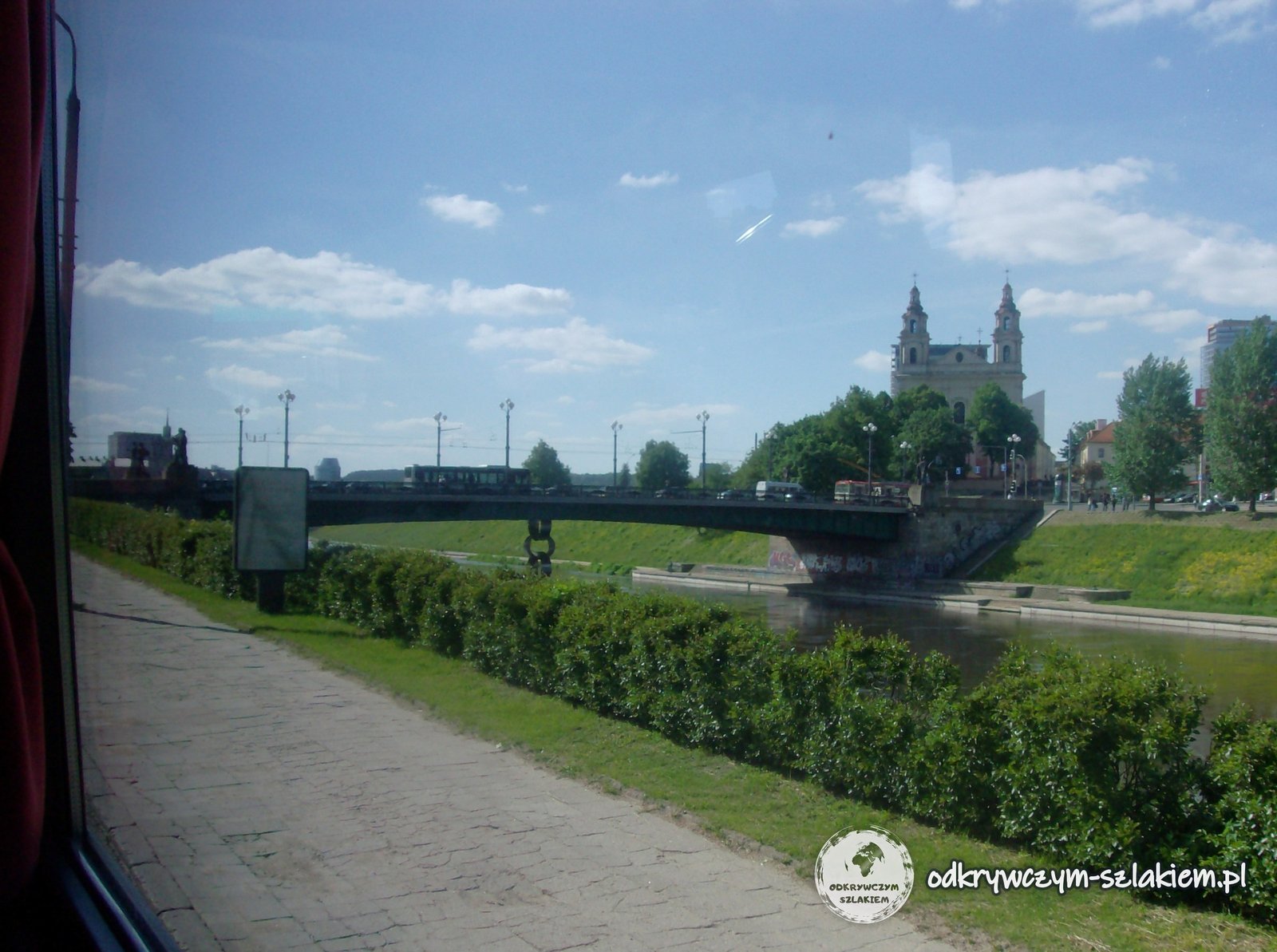
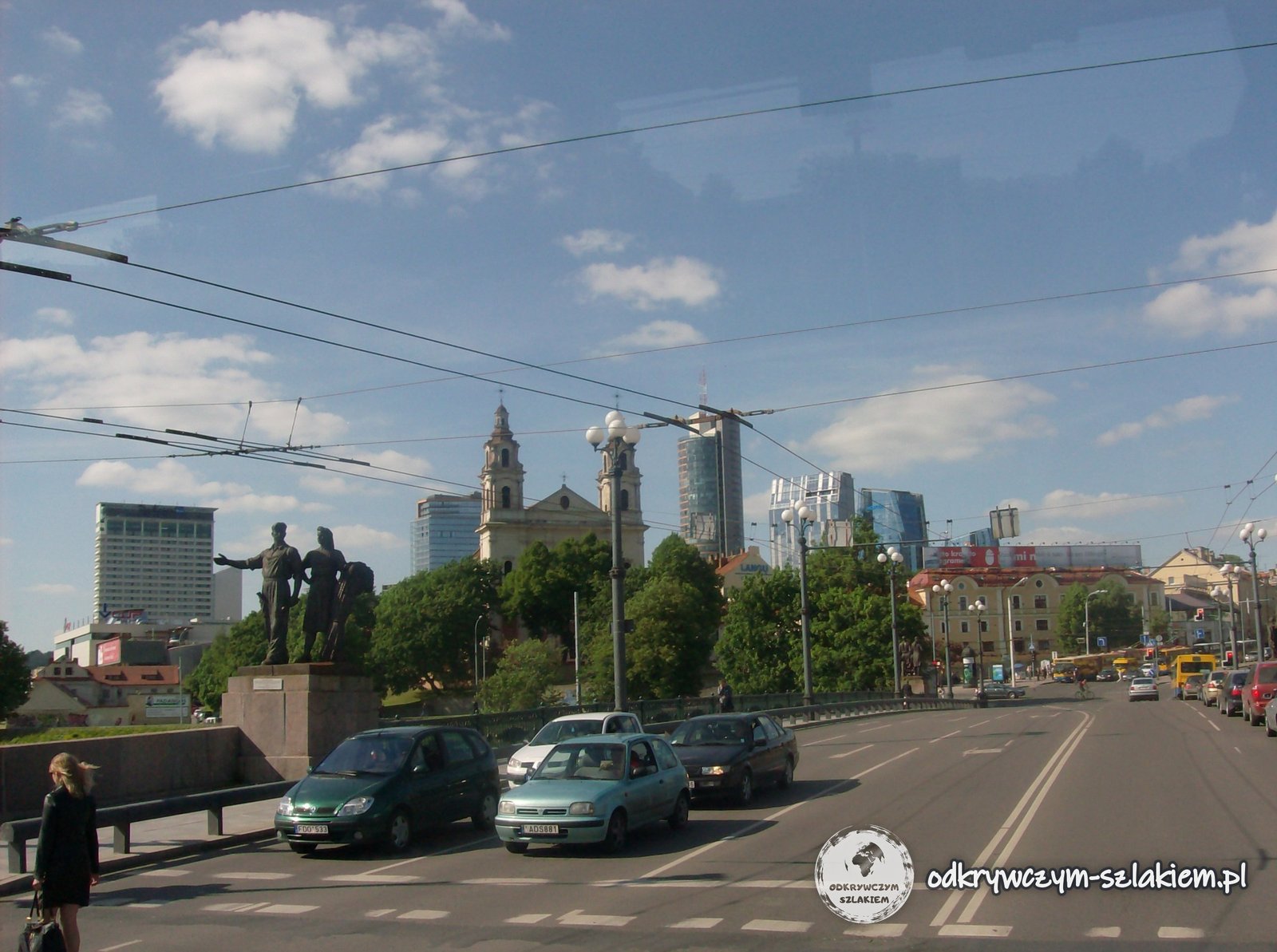
Trakai – the island castle
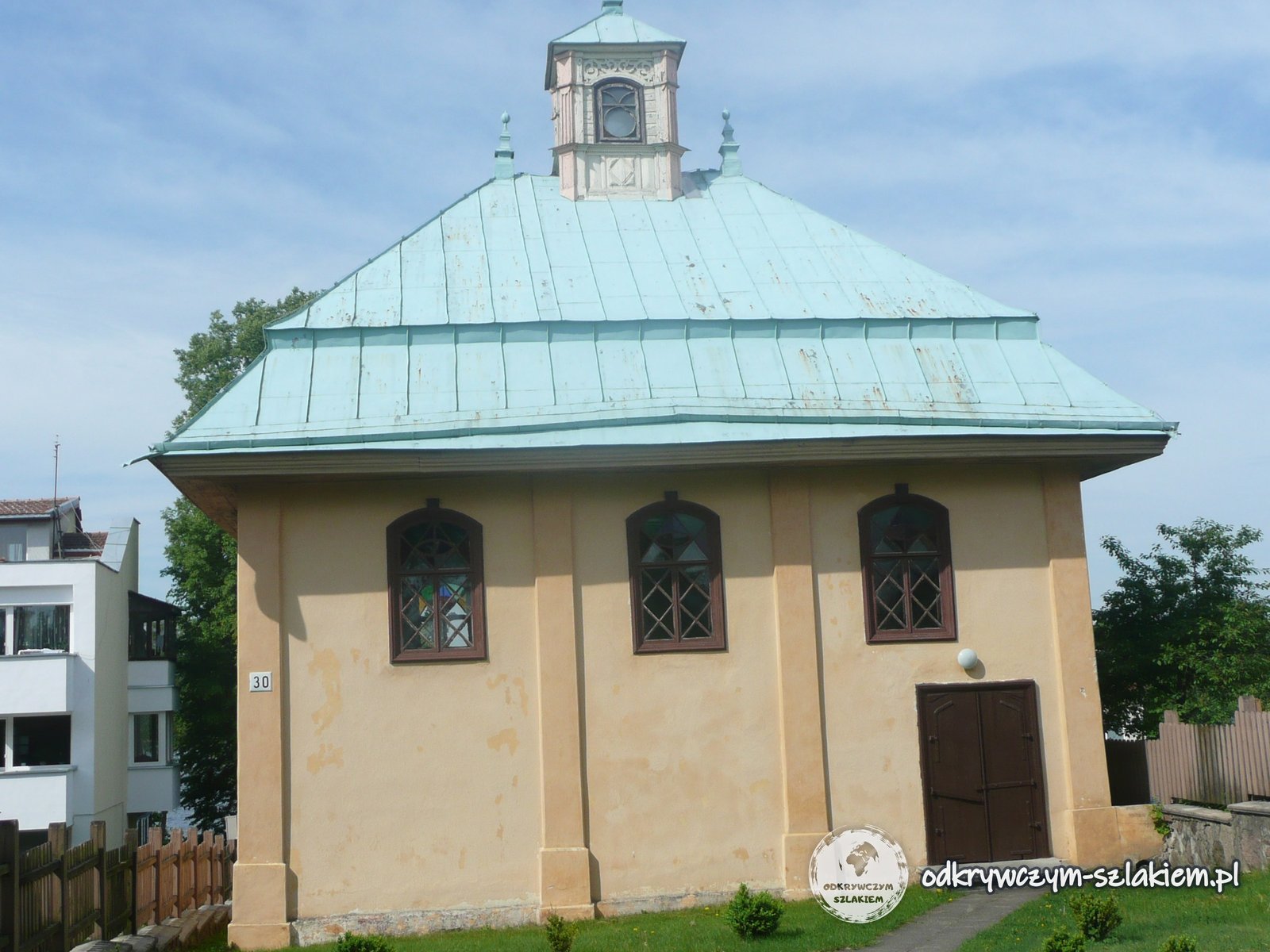
On the second day we went to Trakai, about 30 km from Vilnius. It is home to the Karaites, brought to Lithuania from Crimea by Grand Duke Vytautas – their house of prayer, the kenesa, stands in the town.

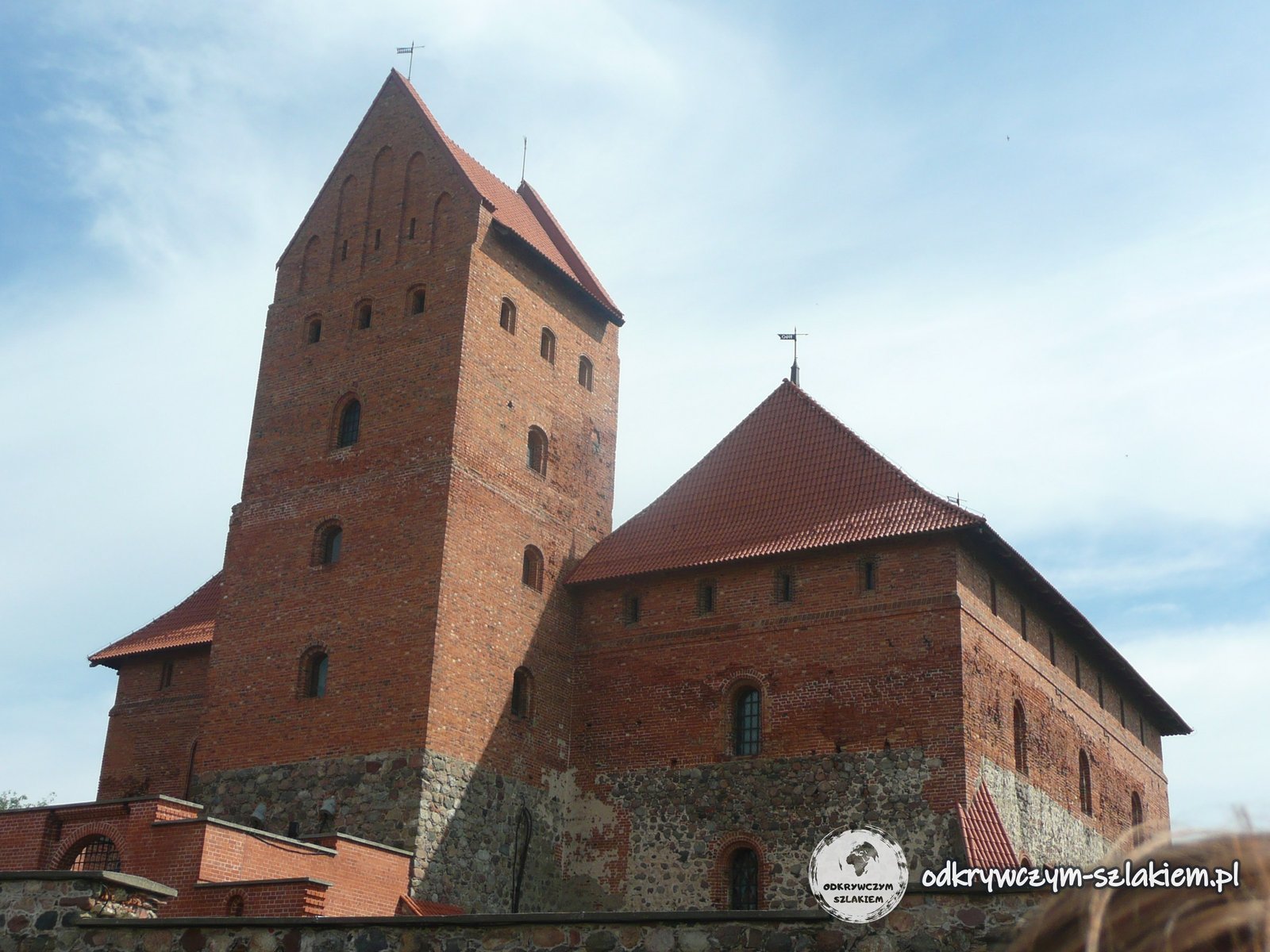
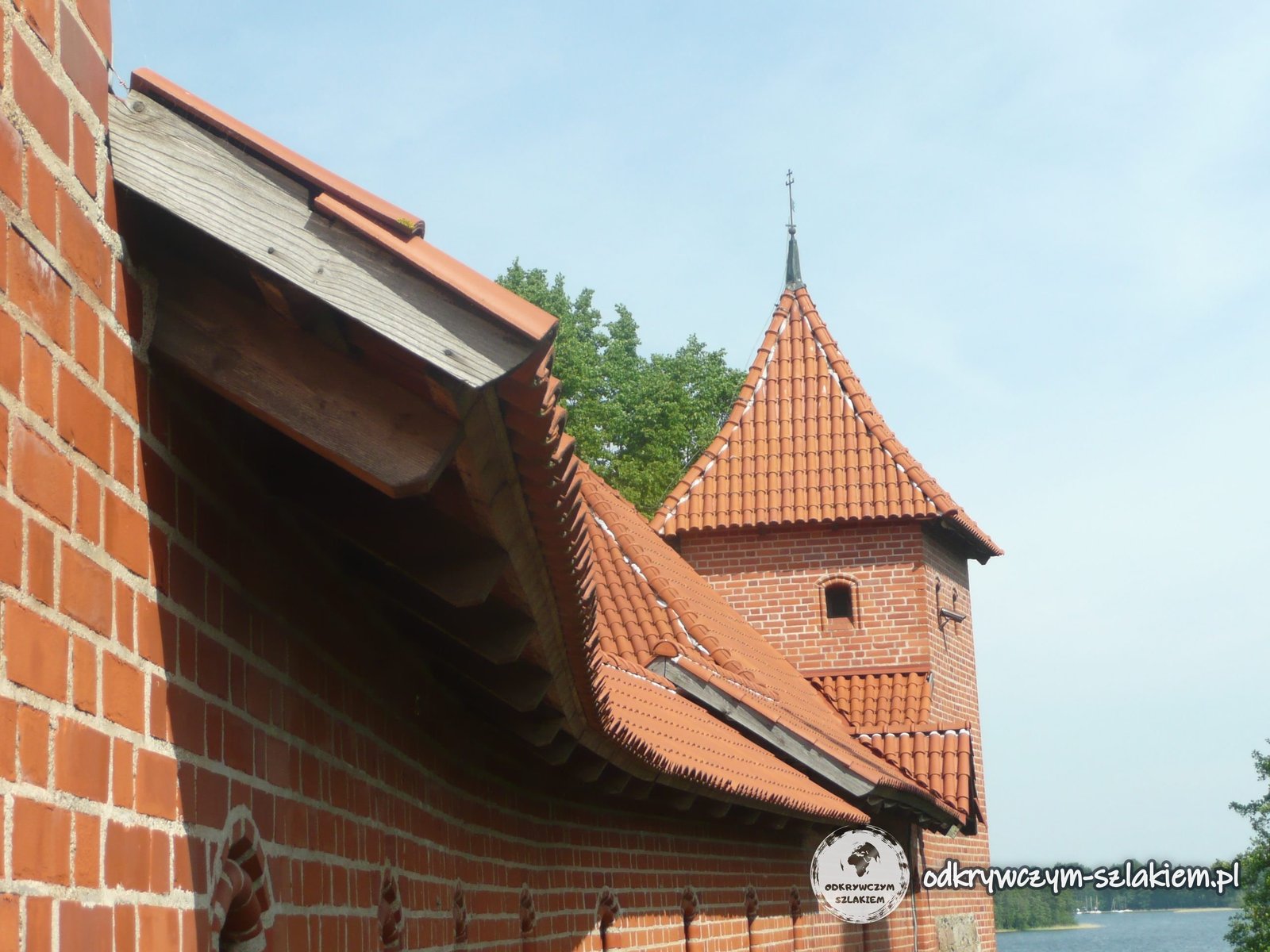
The main attraction is the Gothic island castle on Lake Galvė from the turn of the 14th and 15th centuries, once a seat of the Grand Dukes of Lithuania. It fell into ruin after the wars and was rebuilt in the 20th century. Inside there is a museum, and a model shows how the castle sits on its island.
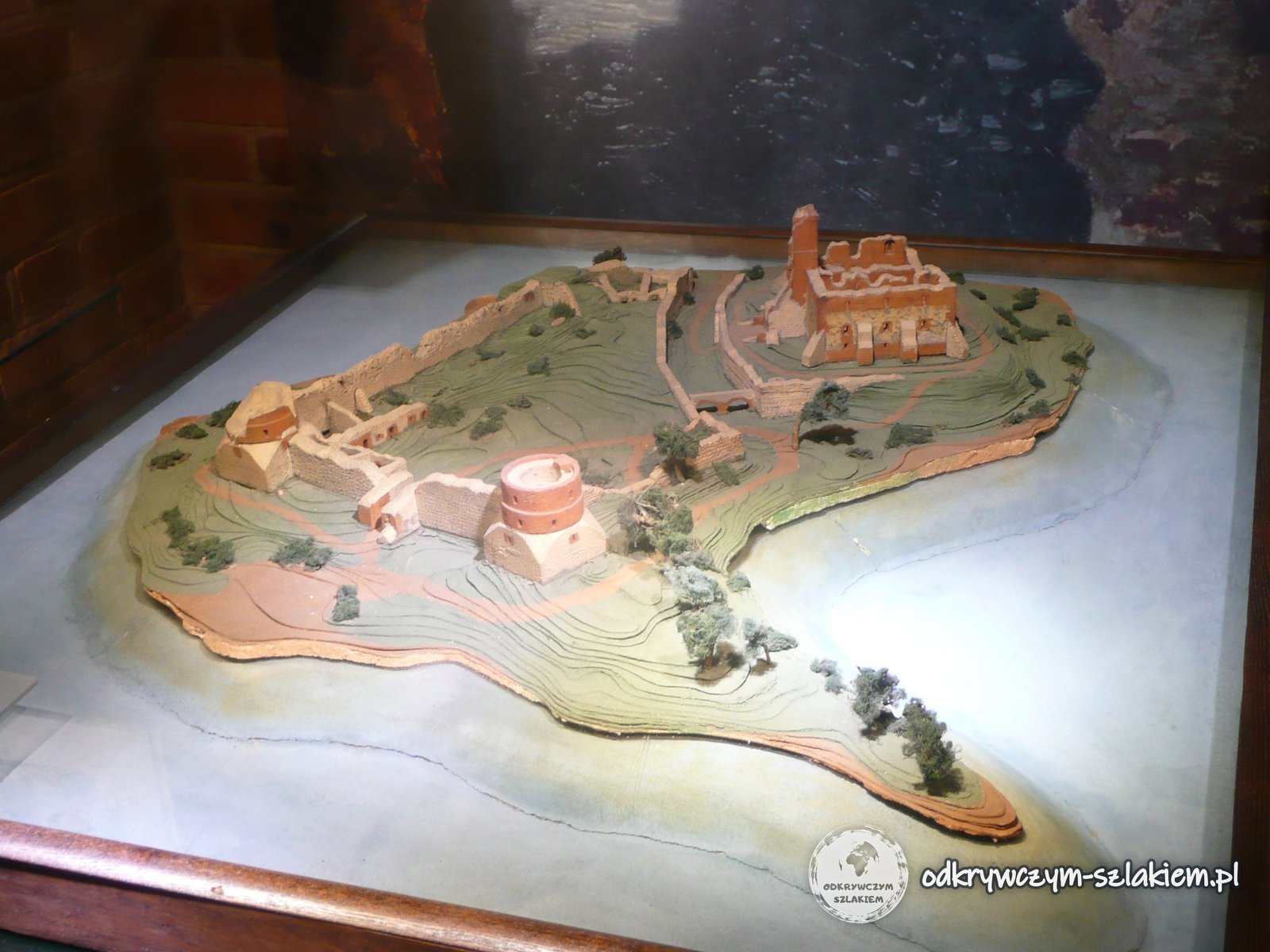
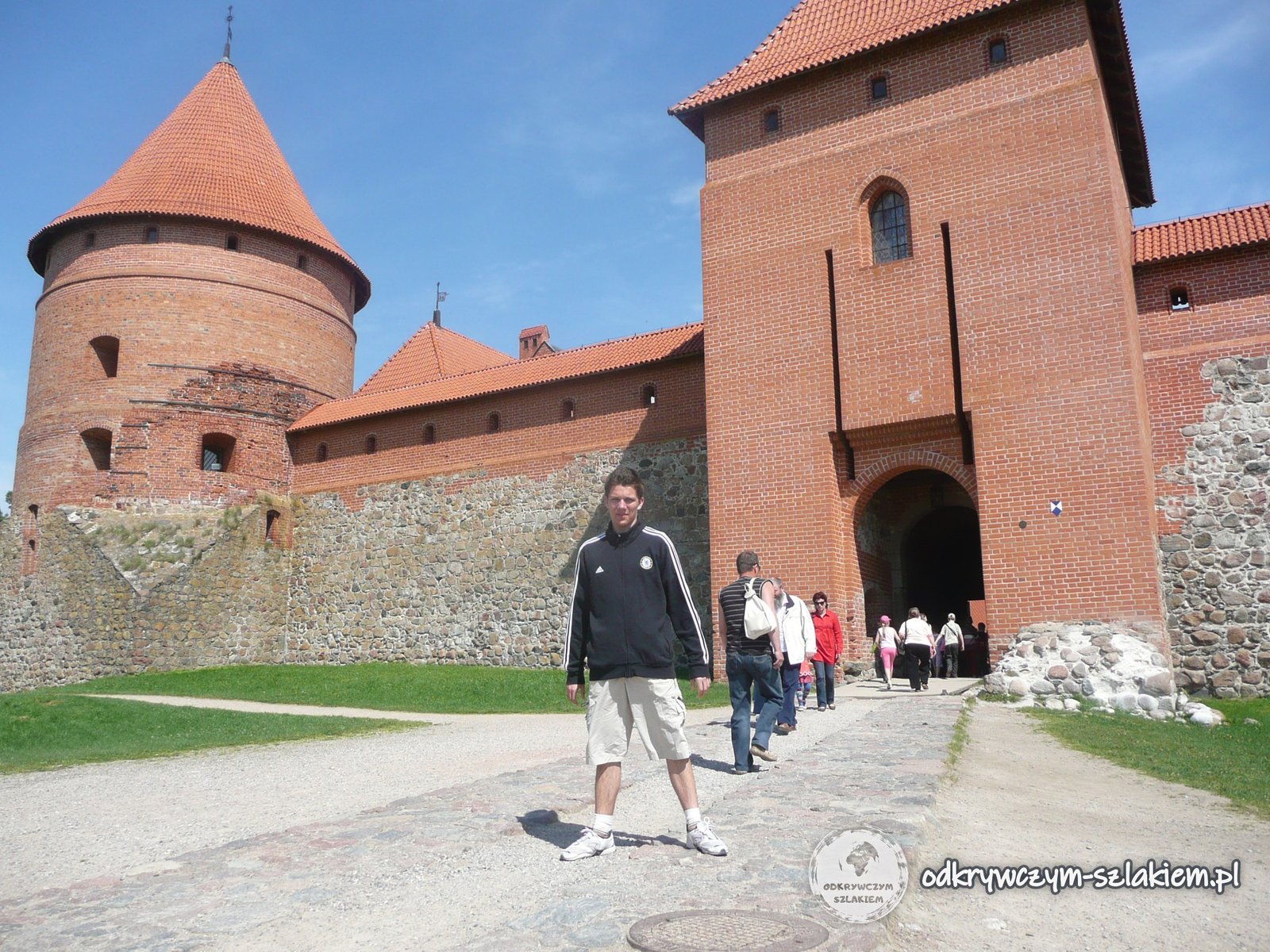
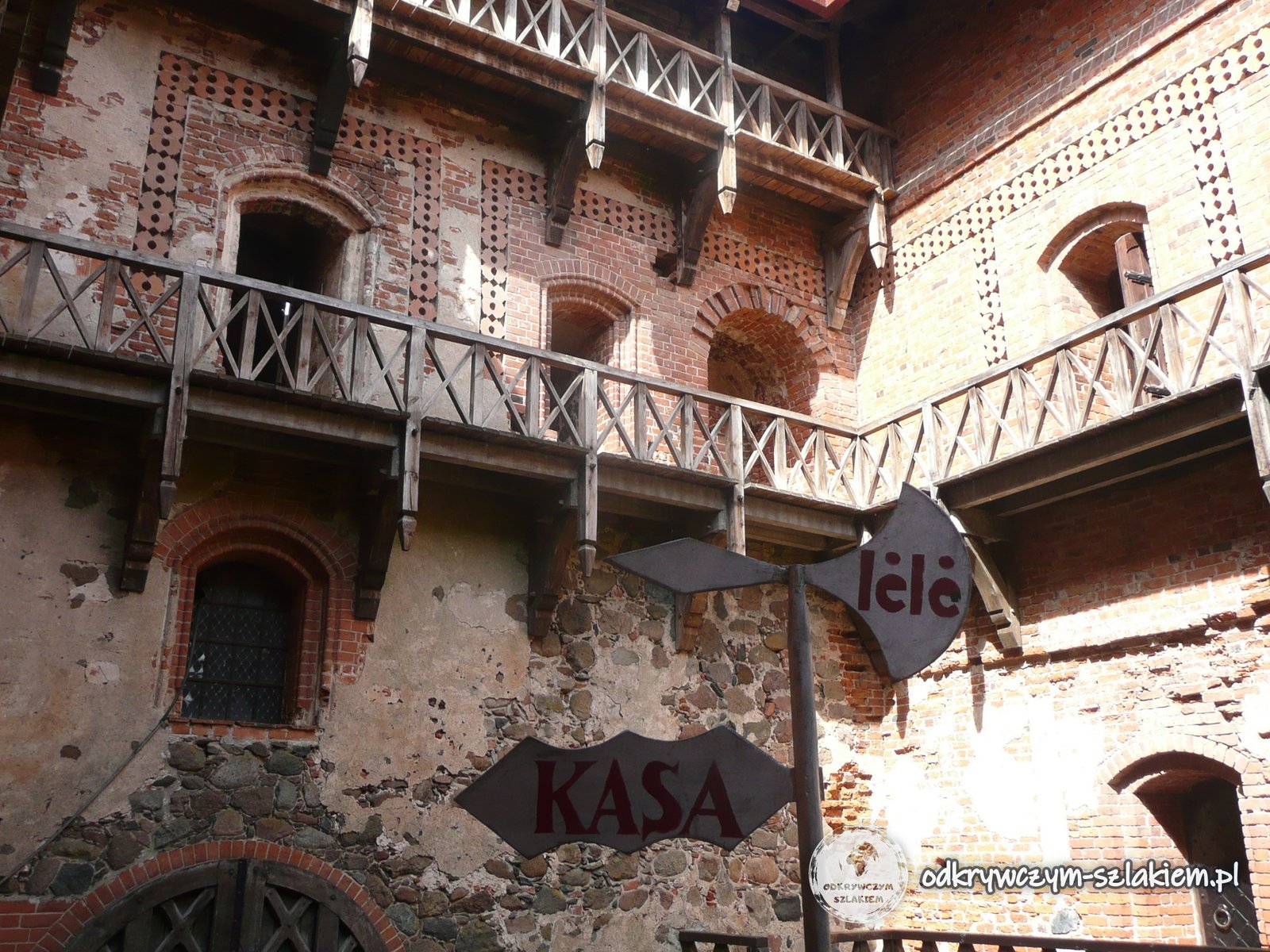
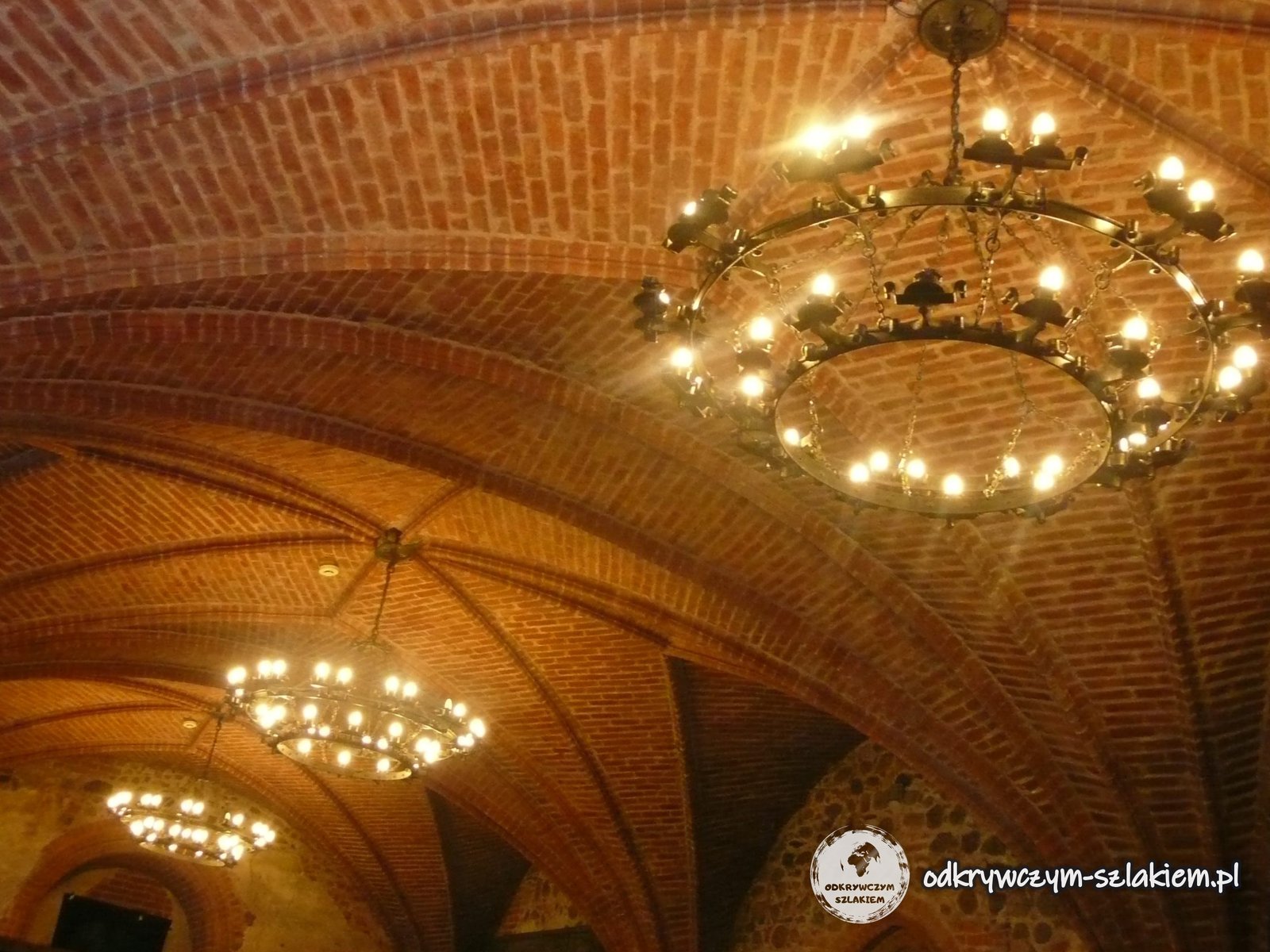
The castle has two parts: the outer bailey with its towers and the upper castle on a separate islet, linked to it by a bridge. You enter the upper castle courtyard through a gate with a portcullis, and wooden galleries run around its walls. Above the courtyard rises the brick keep.

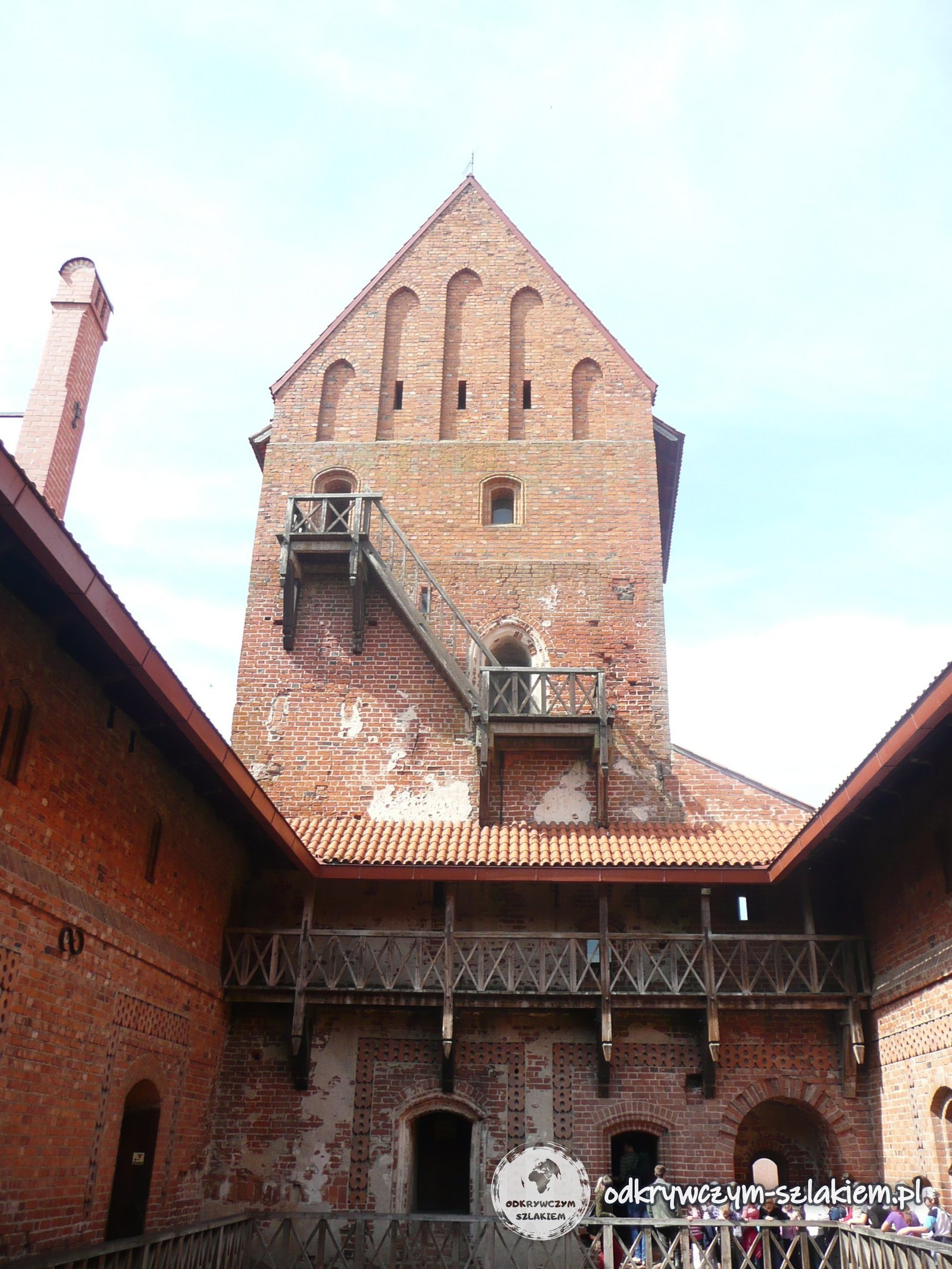
The castle was begun in the second half of the 14th century by Grand Duke Kęstutis on the largest of three islands in Lake Galvė, and the main works were completed under Vytautas around 1409. Vytautas died here in 1430. In the early 15th century the walls were thickened to 2.5 m, and the keep is about 35 m tall. The most important reconstruction work took place in 1951–1961.
Practical information
- Language: many people in the Vilnius region speak Polish, and there are Polish inscriptions at many sights and graves.
- Currency: Lithuania has used the euro since 2015.
- Electricity and sockets: type C and F sockets, 230 V, 50 Hz – plugs from Poland fit (type F differs from the Polish type E only in how it is earthed), as do other continental European plugs, so no adapter is needed.
- Trakai: about 30 km from Vilnius – around half an hour by bus or train. Get to the castle early in the morning, before the tour groups arrive.
- The Gate of Dawn: it is an active shrine – keep quiet and dress modestly in the chapel.
- Trakai Island Castle (as of 2026): a standard ticket costs €14 from April to September and €12 from October to March; reduced tickets (pupils, students, seniors) cost €7 and €6. A combined ticket for the island and peninsula castles costs €17, and a guided tour in English for a group of up to 25 people costs €50.


 Germany
 Poland