
The state of Oaxaca was once home to various ethnic groups, including the Zapotecs and the Mixtecs. Descendants of these ancient civilisations still live in the area and keep up their customs. Near the city of Oaxaca, their heritage has survived in the form of numerous ruins at Mitla and Monte Albán. Together with Hierve el Agua, they are among the main tourist attractions near the city. The region is also home to indigenous and Afro-Mexican communities.
From Puebla it took us over 5 hours to get here by bus, with no toilet and one stop – with food poisoning it was a fight for survival for me (it lasted a week; Patrycja was fine, even though we ate the same things). In the evening the bus station was full of migrants, which worried us – needlessly. Mexico is the main migration route to the USA, and for the migrants themselves the journey north, including on the “train of death”, is very dangerous. The city was already decorated for Día de Muertos two weeks before the holiday.
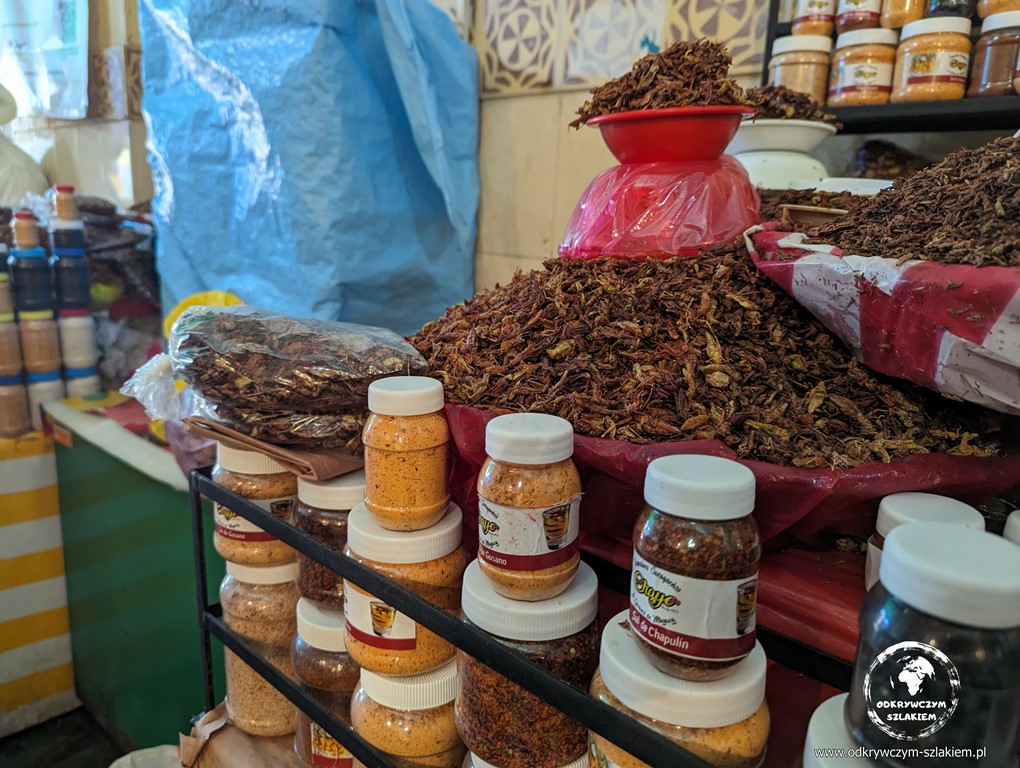
This is a food market. You can buy typical local products, for example:
At one stall I tried tejate – a drink made of corn flour and fermented cocoa; for me it tasted too strange. The market also has sights you need to get used to – like a pig’s head on the counter.
Mezcal rules here – it’s made from agave, but from the whole heart of the plant, not from its juice (tequila is made only from blue agave). The coloured kind was weaker, the clear kind stronger.
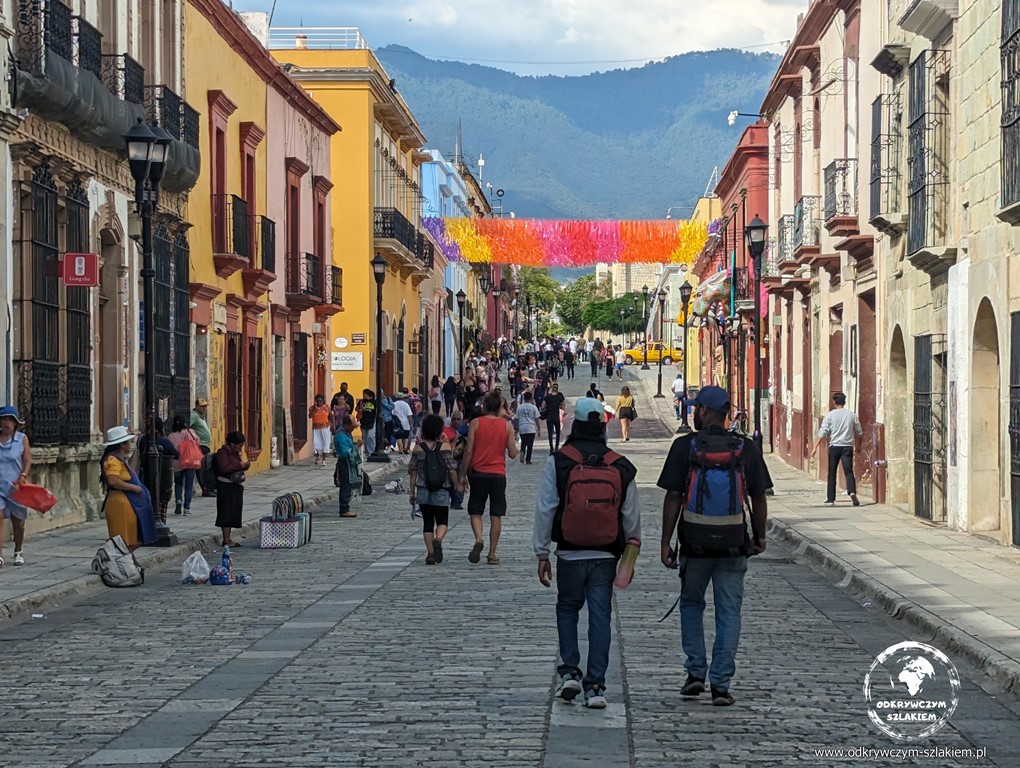
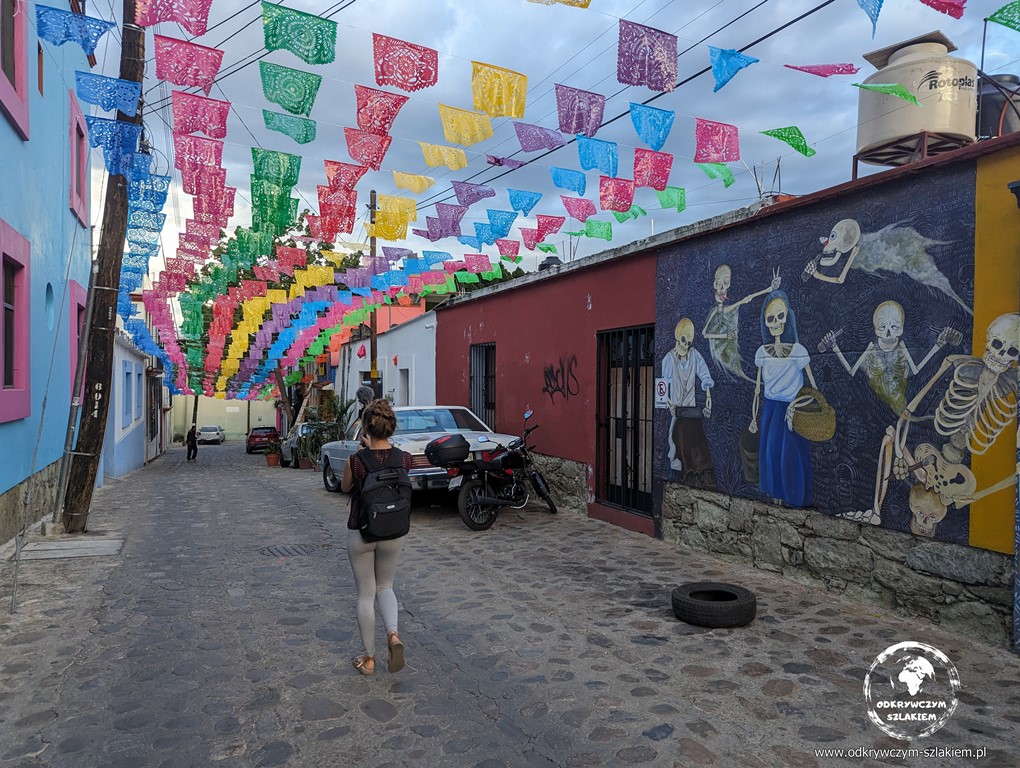
This is a street worth strolling along. What catches the eye are the mountains appearing between the buildings, and the skeletons in dresses placed in the windows. It has a nice atmosphere.
From Oaxaca on I also started “hunting” for photos of VW Beetles – you still see them often in Mexico.
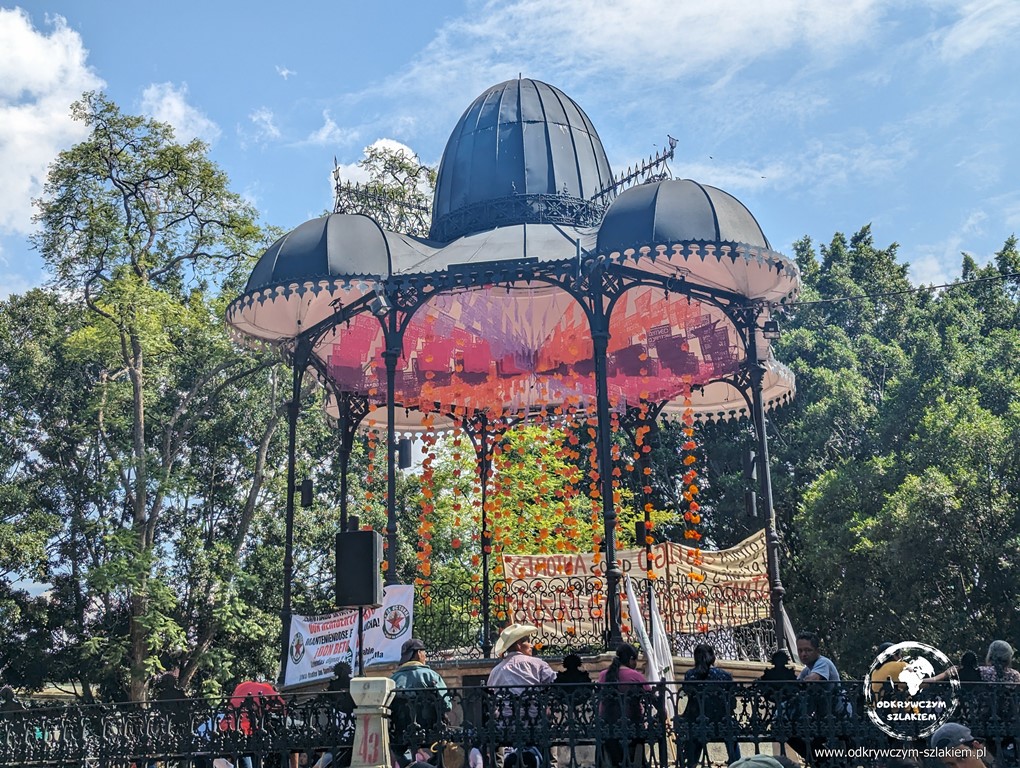
It is in the city centre. Throughout the colonial period the square had no paving or pavements, only a marble fountain, which is now its main ornament. Today it is an important spot in the city where holidays and festivals are held. It is also a meeting place for the locals. Next to it is the cathedral (Catedral Metropolitana de Oaxaca), which you can enter for free.
This is a pretty and interesting area. It has many murals with Mexican themes.
Here you can buy mainly bread. It’s worth walking around the market, but be careful not to knock over any of the rolls piled up in stacks. When I knocked a few over with my backpack, we had to buy them, which was fine with us until we found out how much they cost.
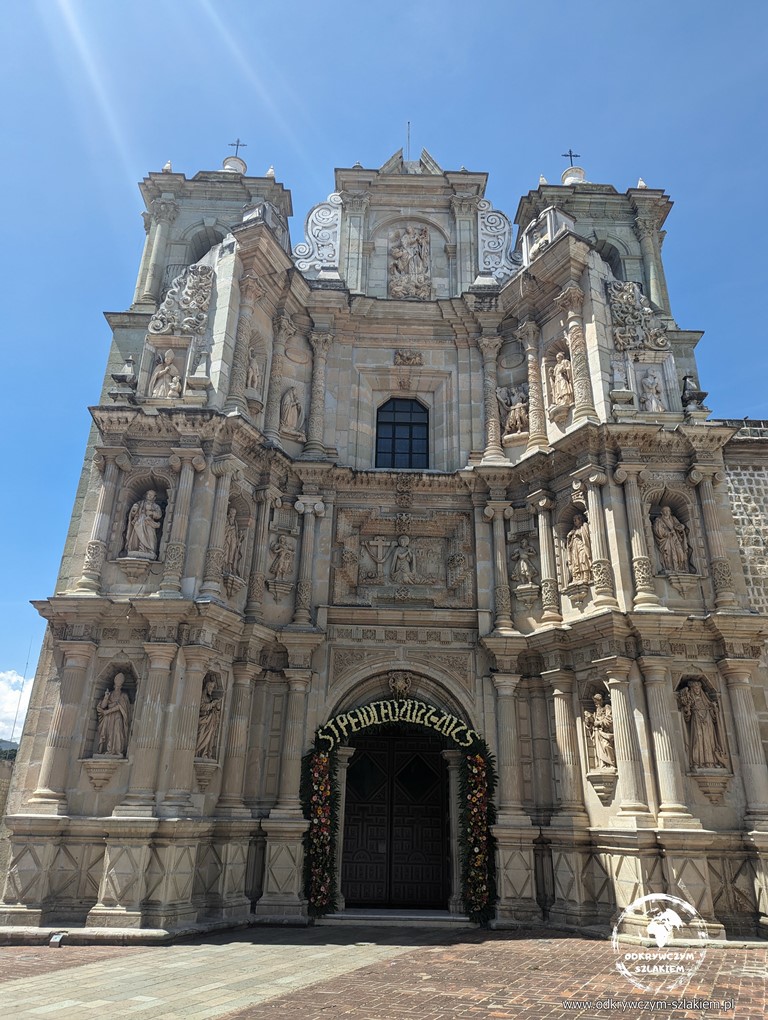
This is a Roman Catholic basilica built in the Baroque style. It is located in the city centre. It has been inscribed on the UNESCO World Heritage List. It’s really impressive.
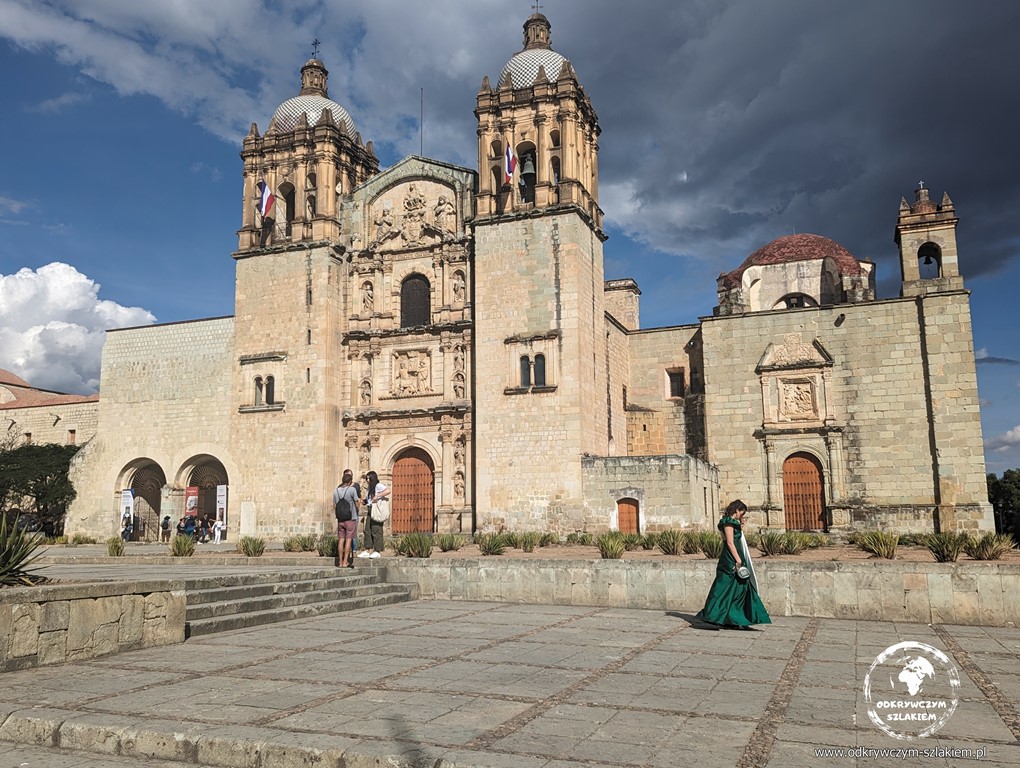
Like the basilica, this building is on the UNESCO World Heritage List. The Baroque church houses a museum collection. There is an entrance fee.
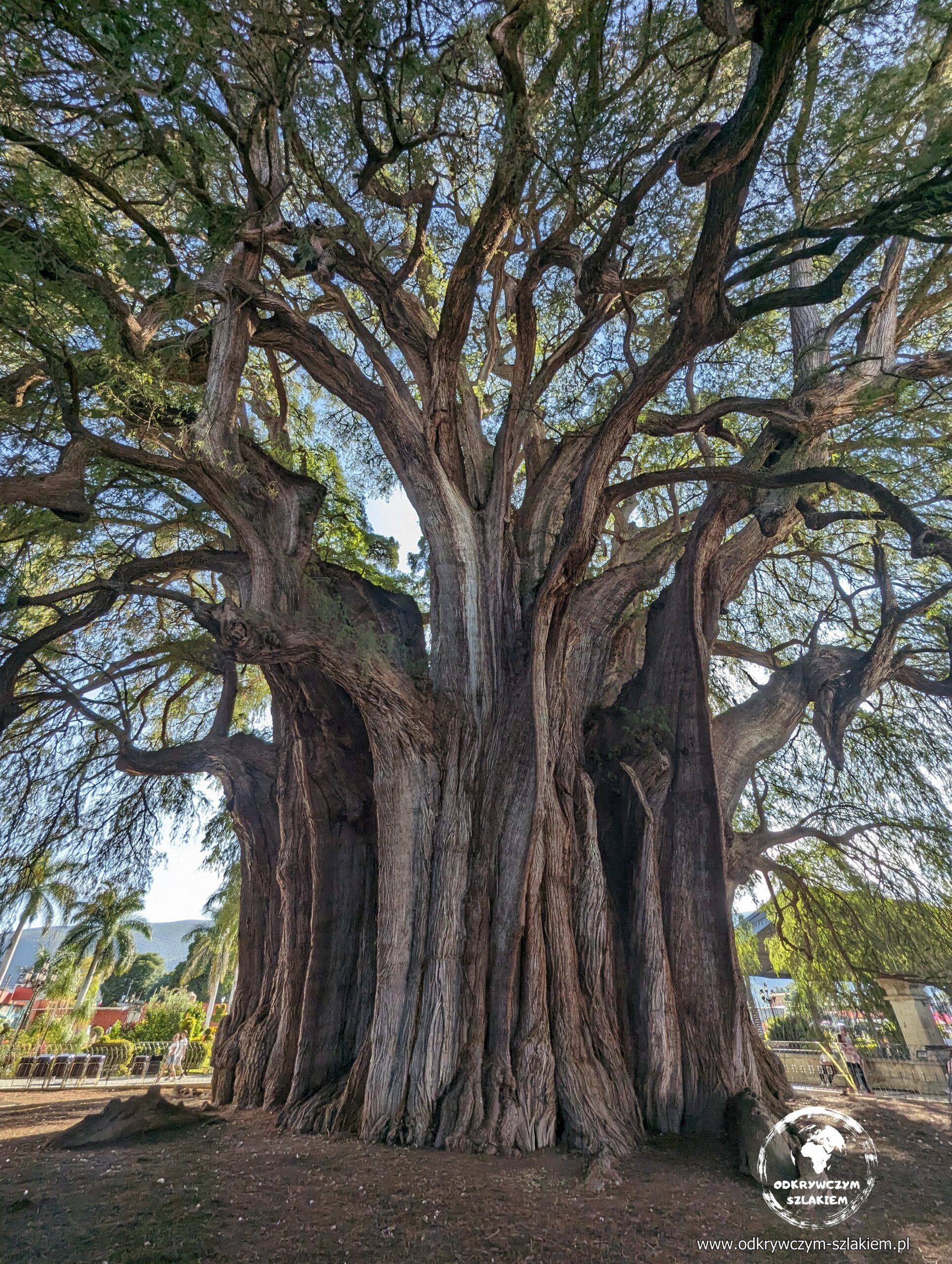
This is the widest tree in the world. To see it up close and to go into the little church, you have to pay 20 MXN (about €1.20). From the city of Oaxaca it’s only half an hour by colectivo. You can catch one at the central bus station. The ride costs 35 MXN (about €1.90).
Stay with me on the road – follow me wherever you like best.