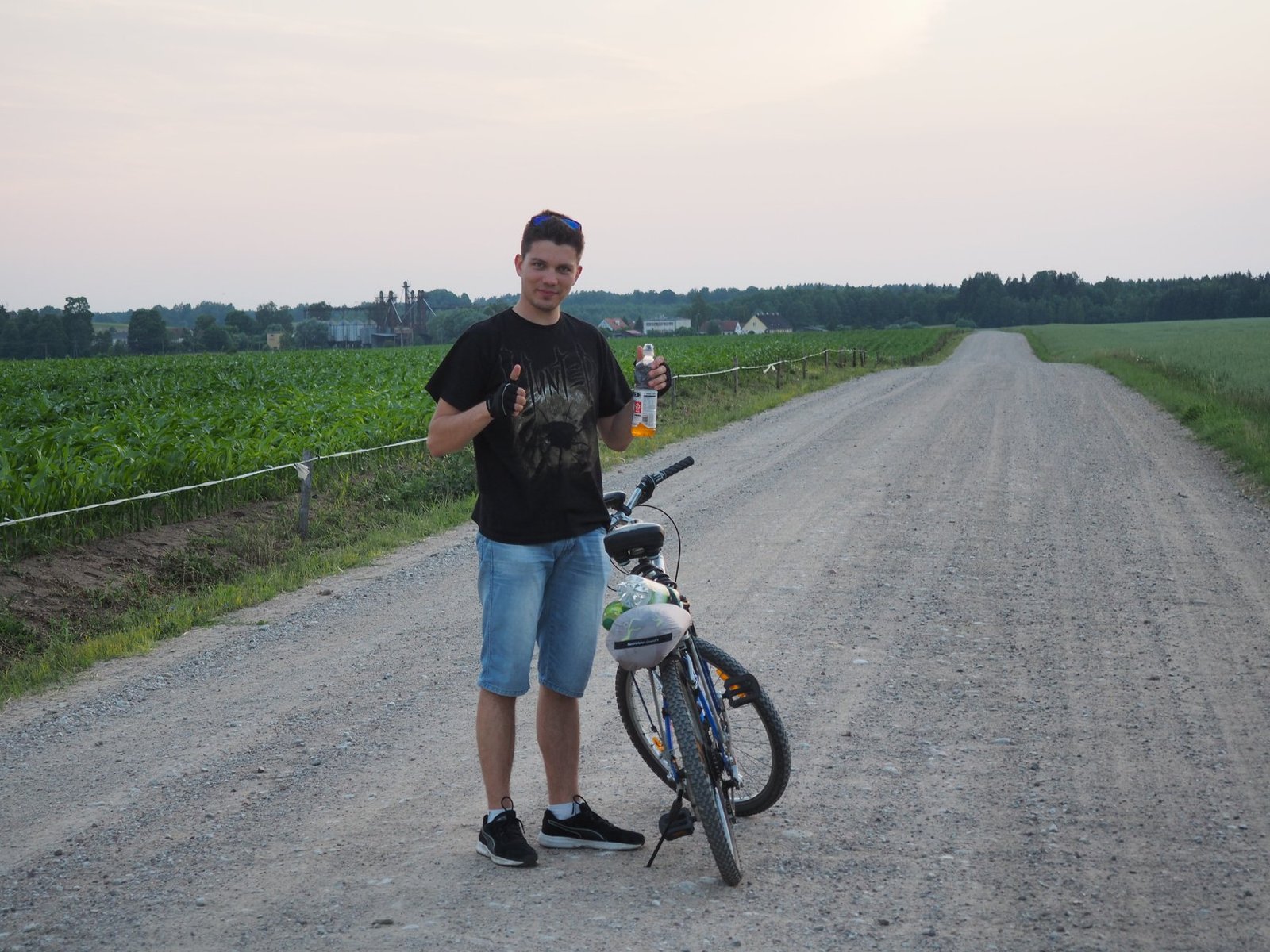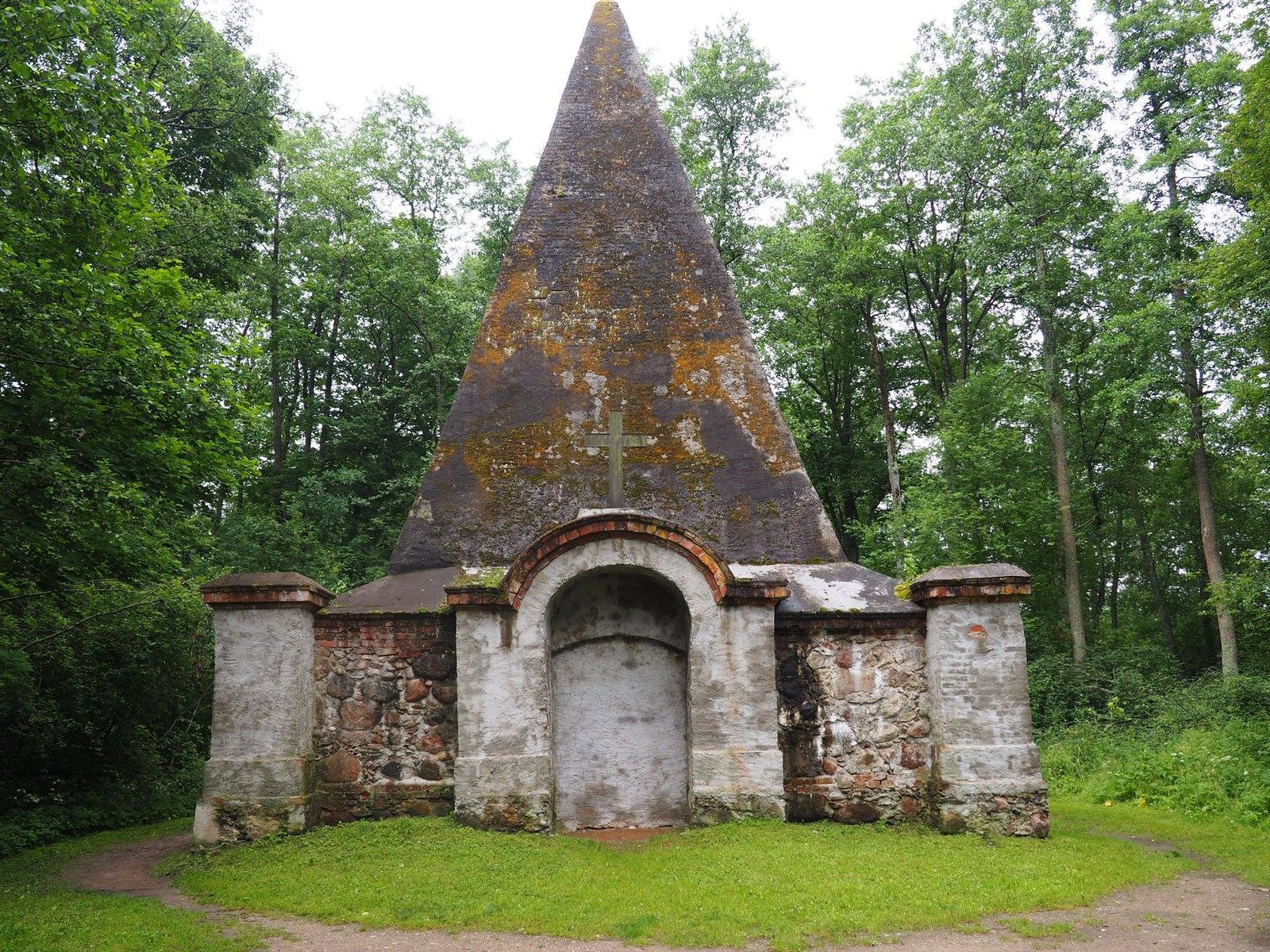
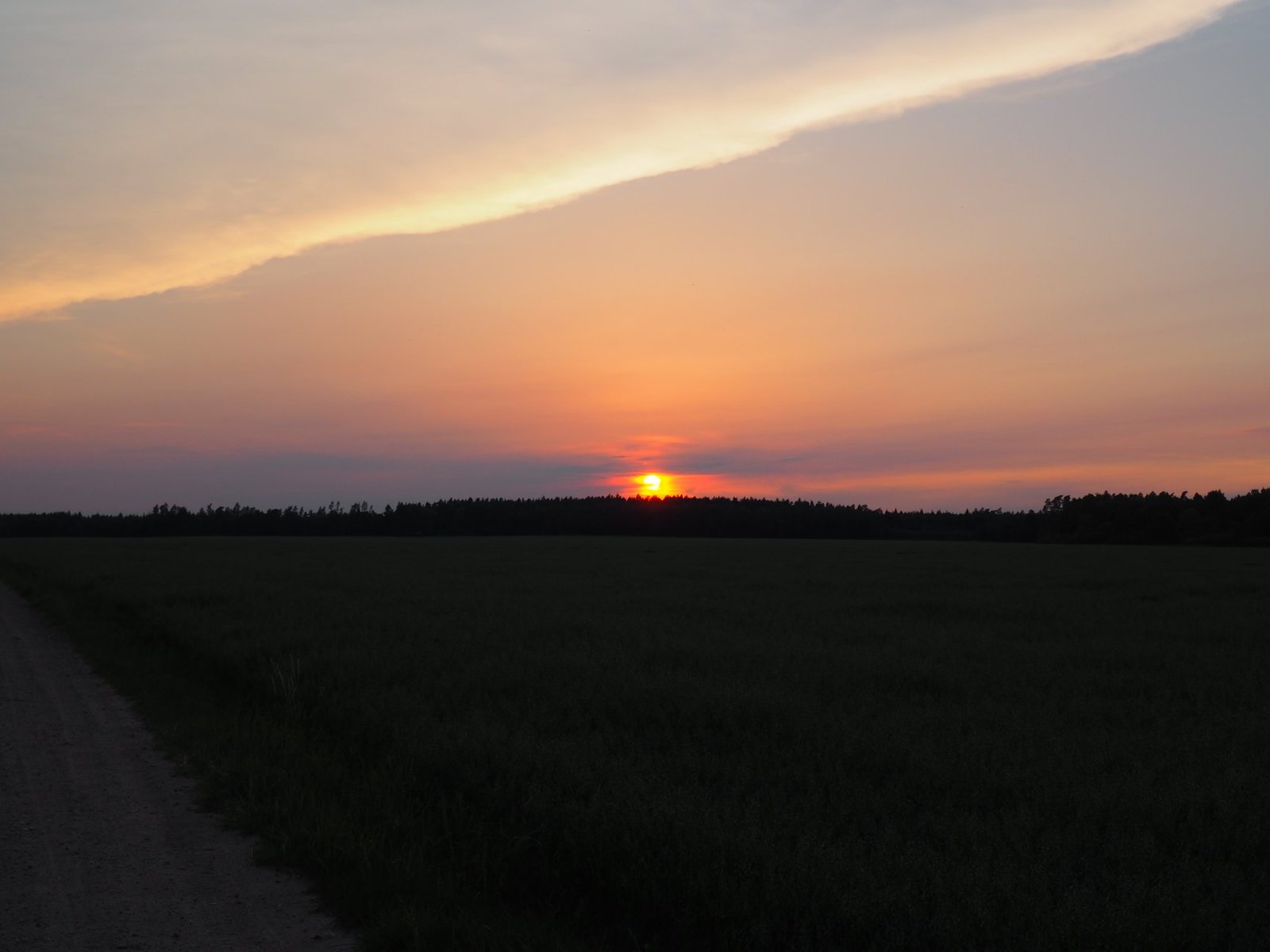
A pyramid in Masuria? Yes – in the small village of Rapa, near the border with the Kaliningrad Oblast, stands a real pyramid: the family tomb of the Prussian von Fahrenheid family. I had read a lot about it online and, as a sceptic and an enthusiast at the same time, I decided to see it with my own eyes. At the end of June 2017 (28–29 June) Michał and I went there on a two-day bike trip. We planned to see only the pyramid, but on the way we also came across a burial chapel with mummies and an abandoned manor house – plus flooded roads and a downpour. In two days we cycled about 112 km.
Table of contents
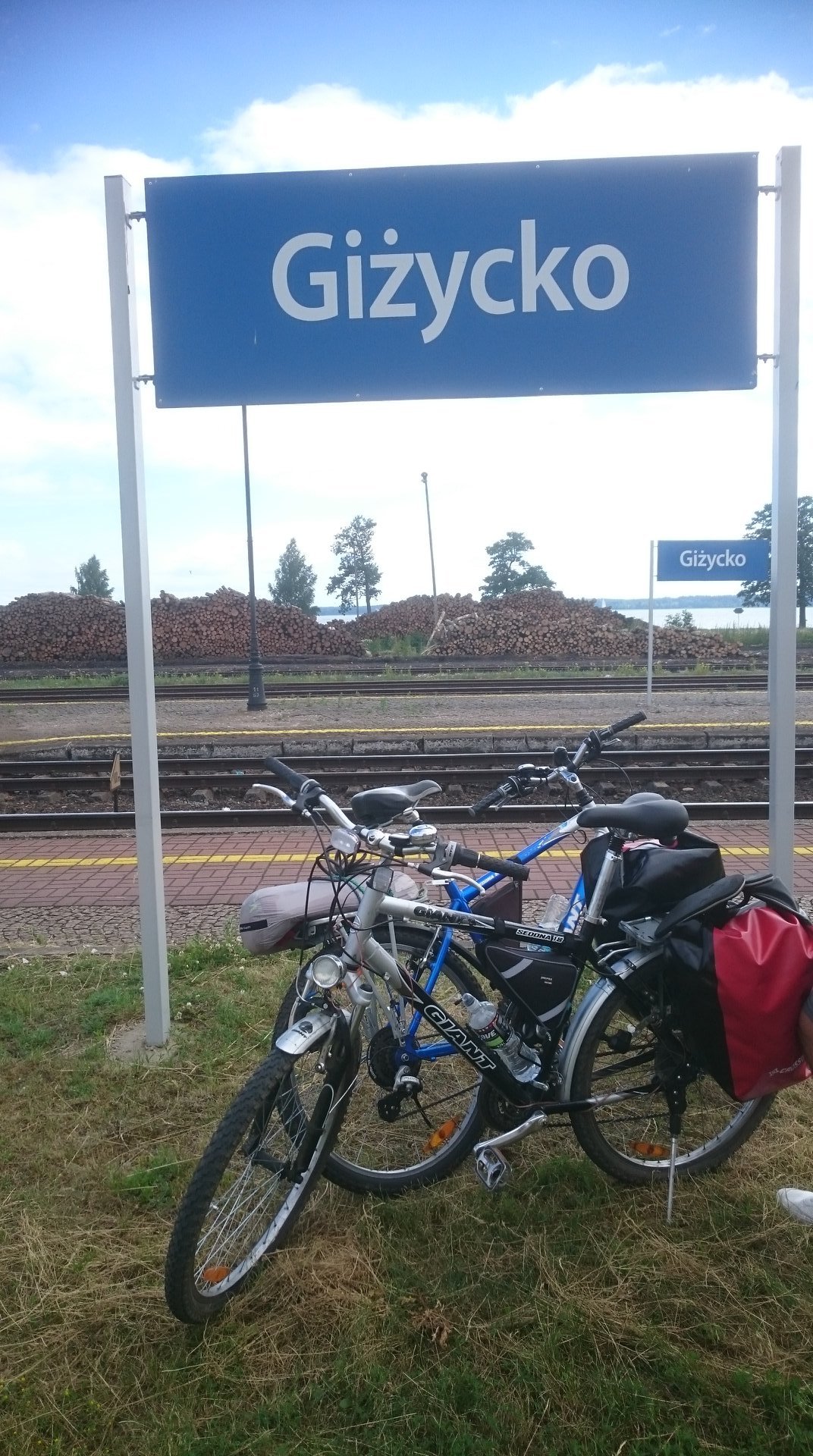
- By train to Giżycko and onto the bikes
- The burial chapel in Zakałcze – the “Steinert tomb”
- The Pyramid in Rapa
- A night in a tent
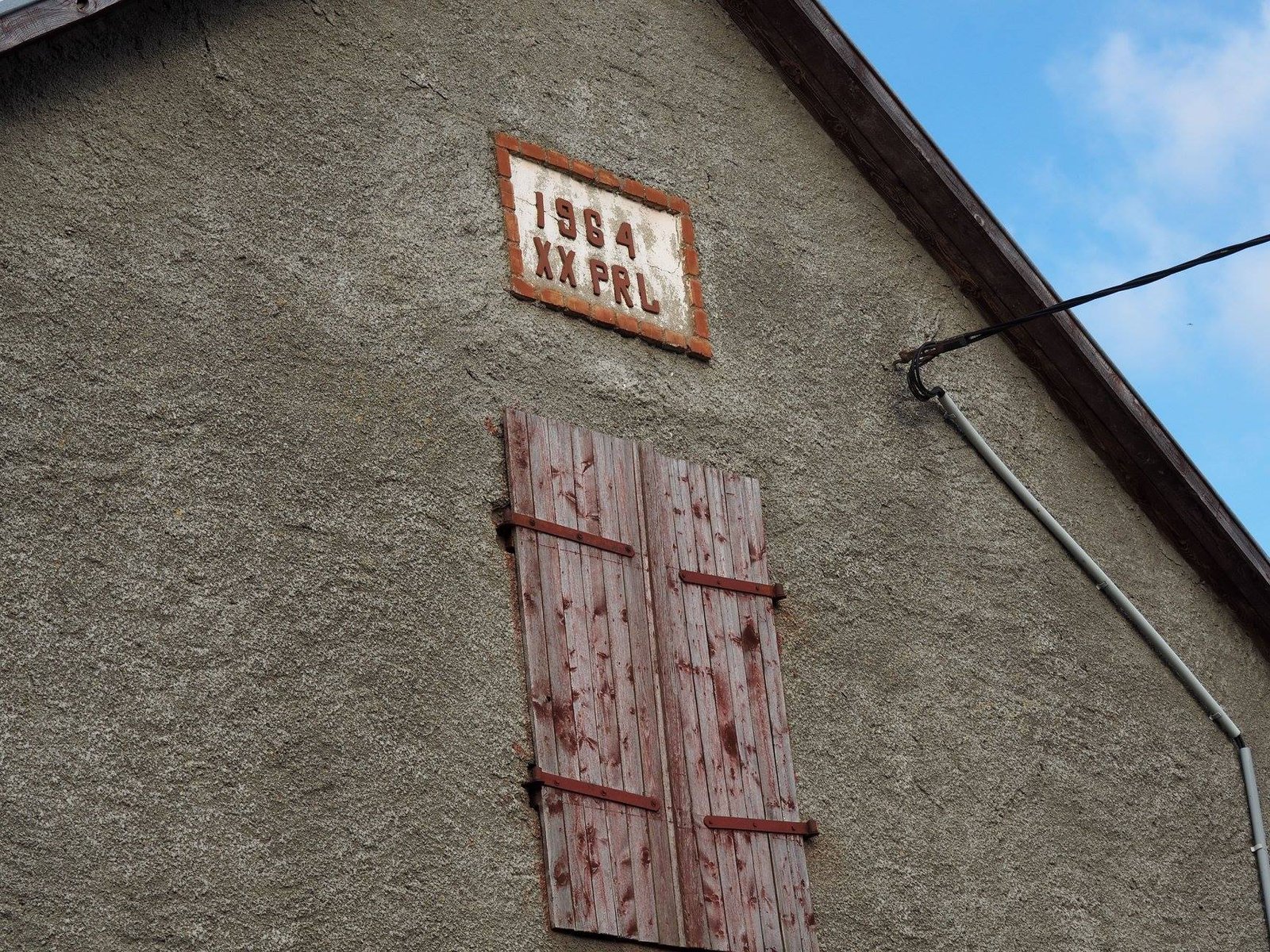
- An abandoned manor house on the way to Węgorzewo
- Węgorzewo and a downpour to finish
- Practical information
By train to Giżycko and onto the bikes
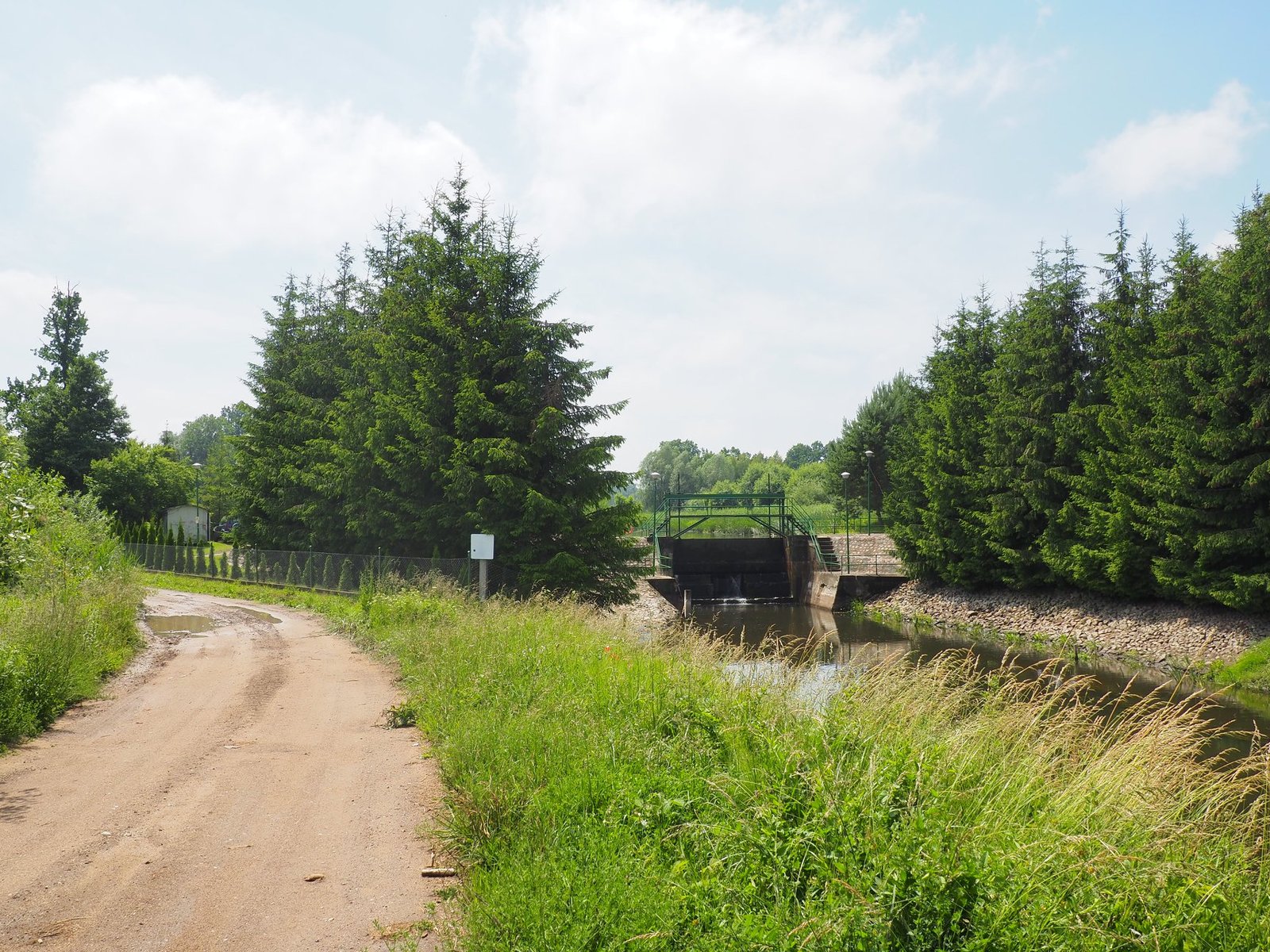
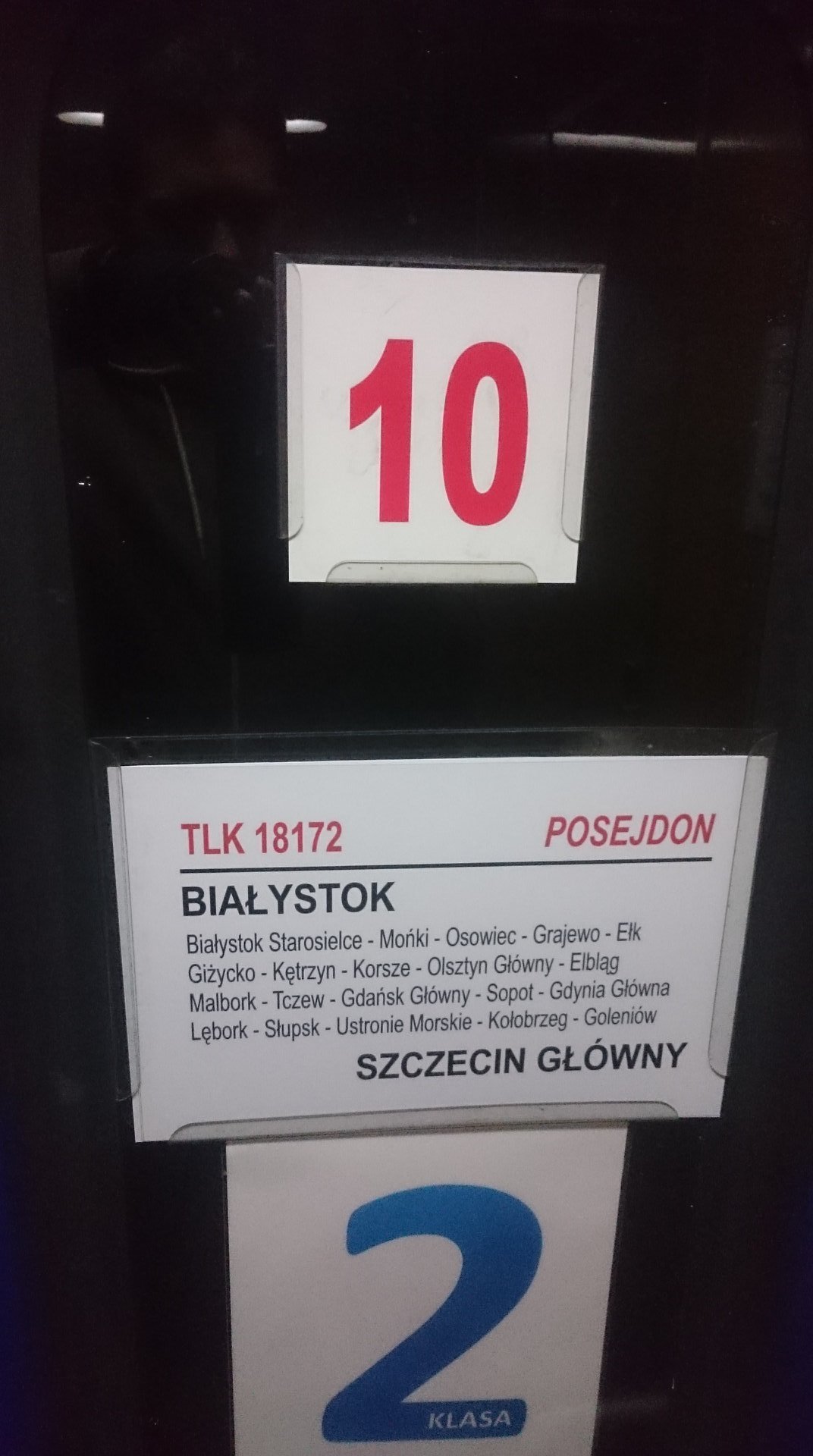
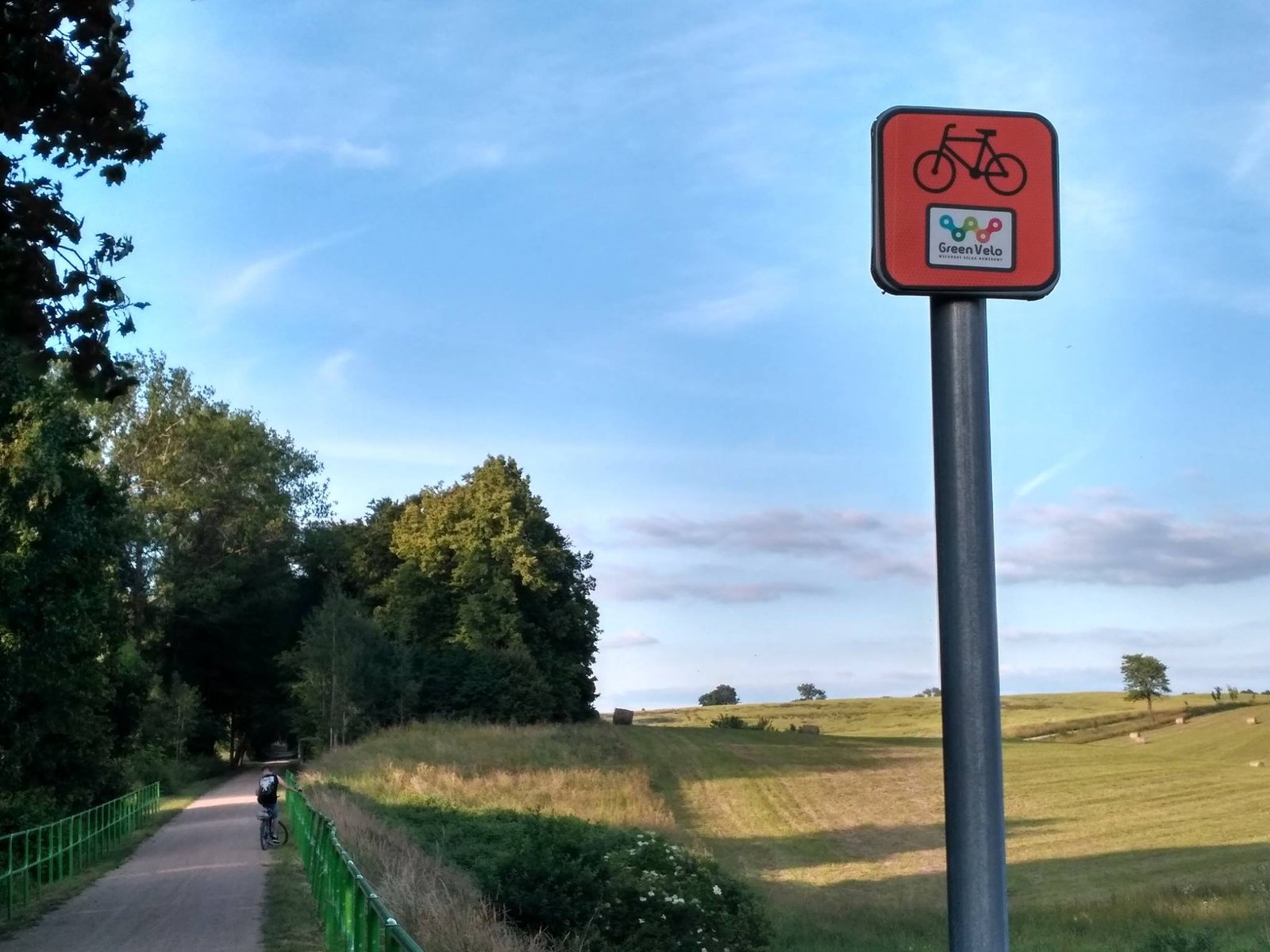
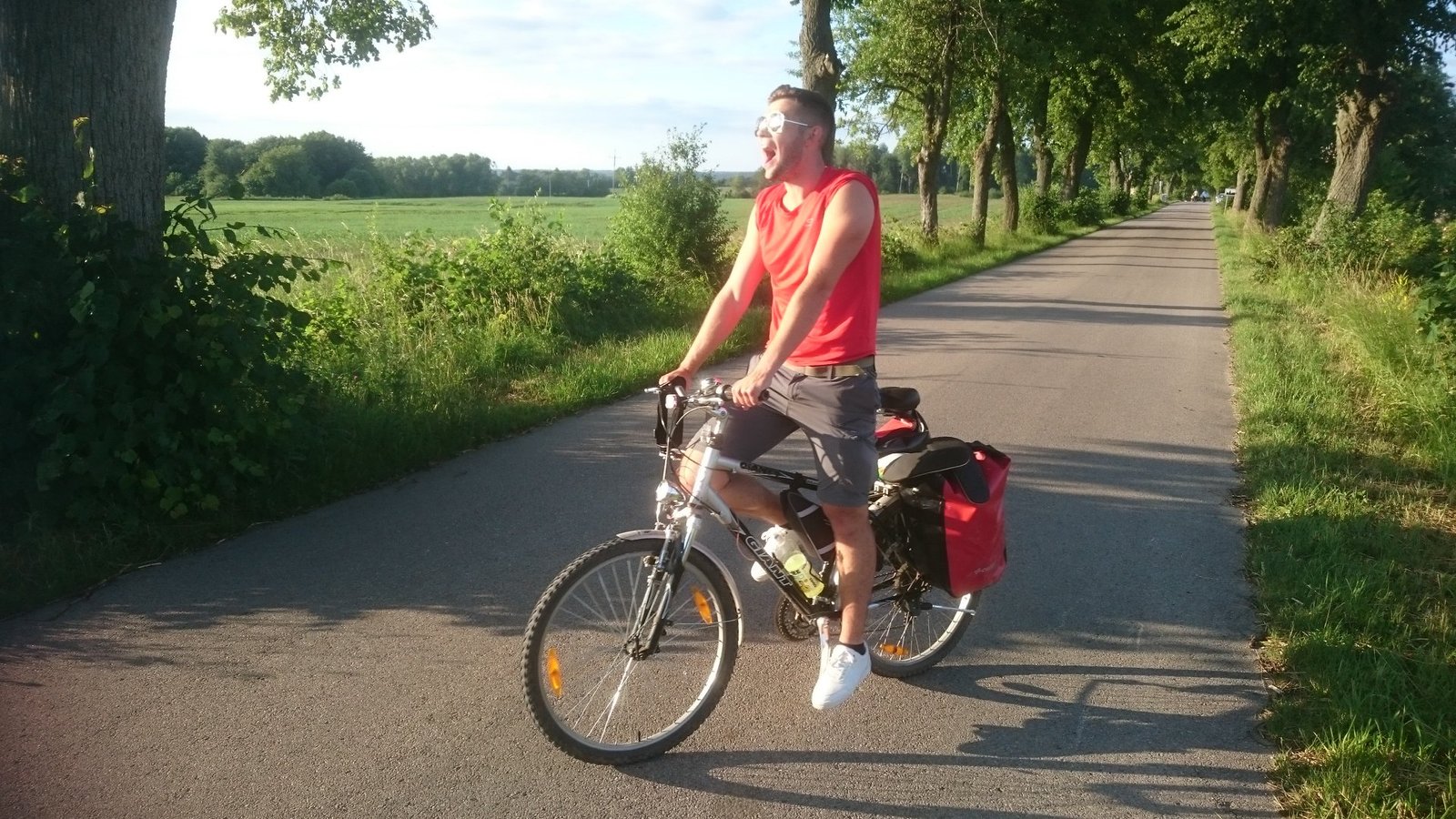
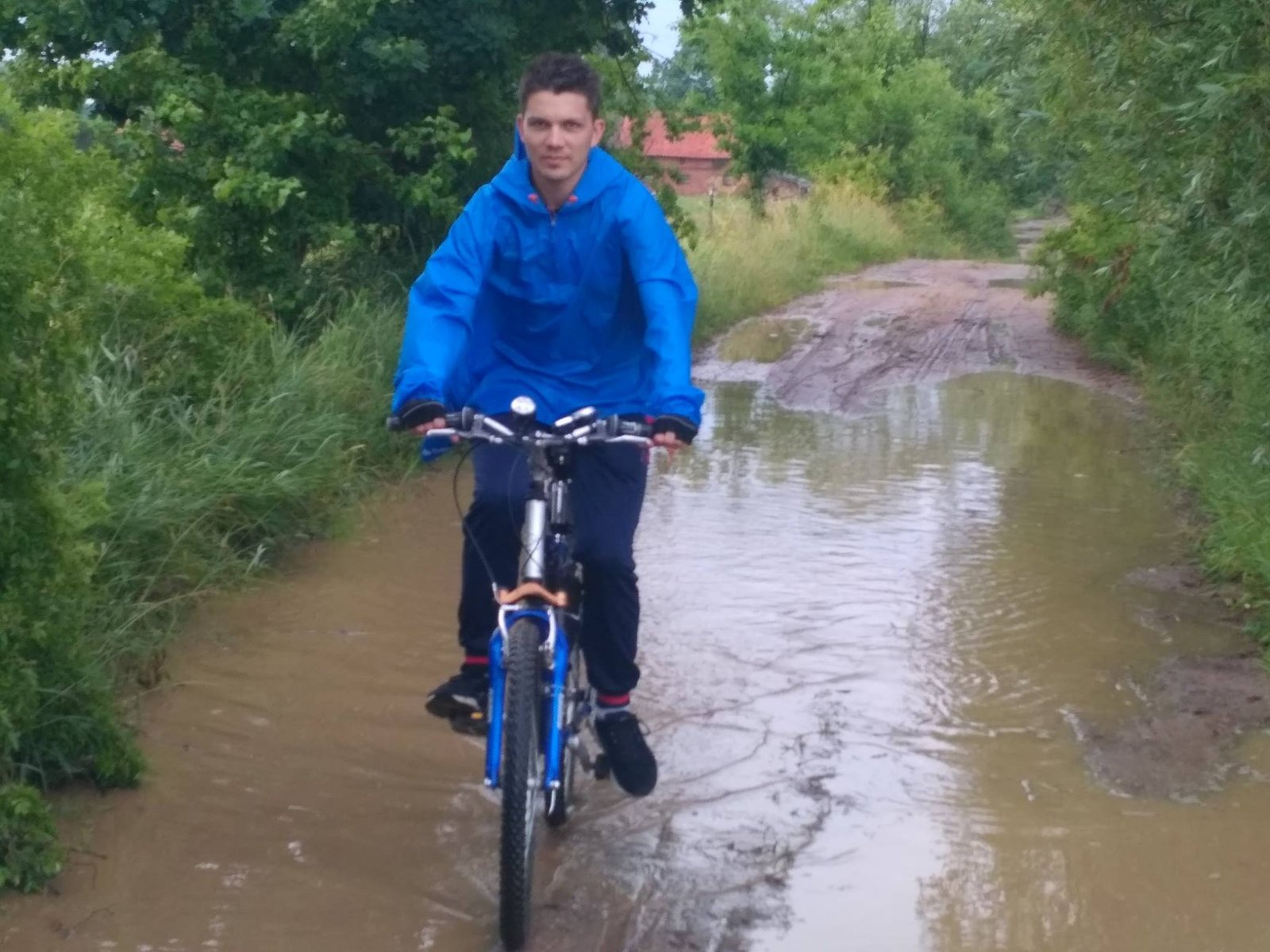
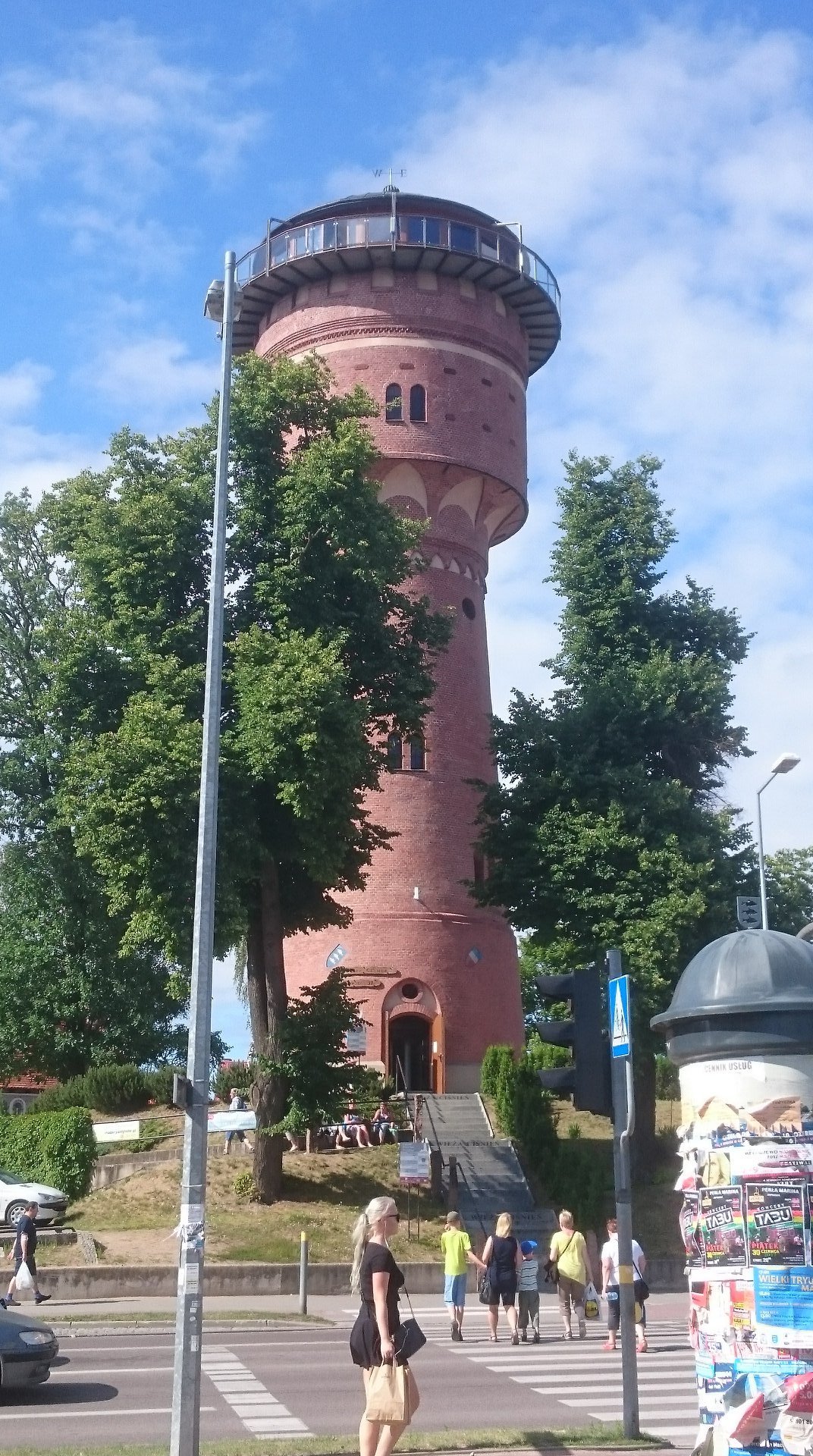
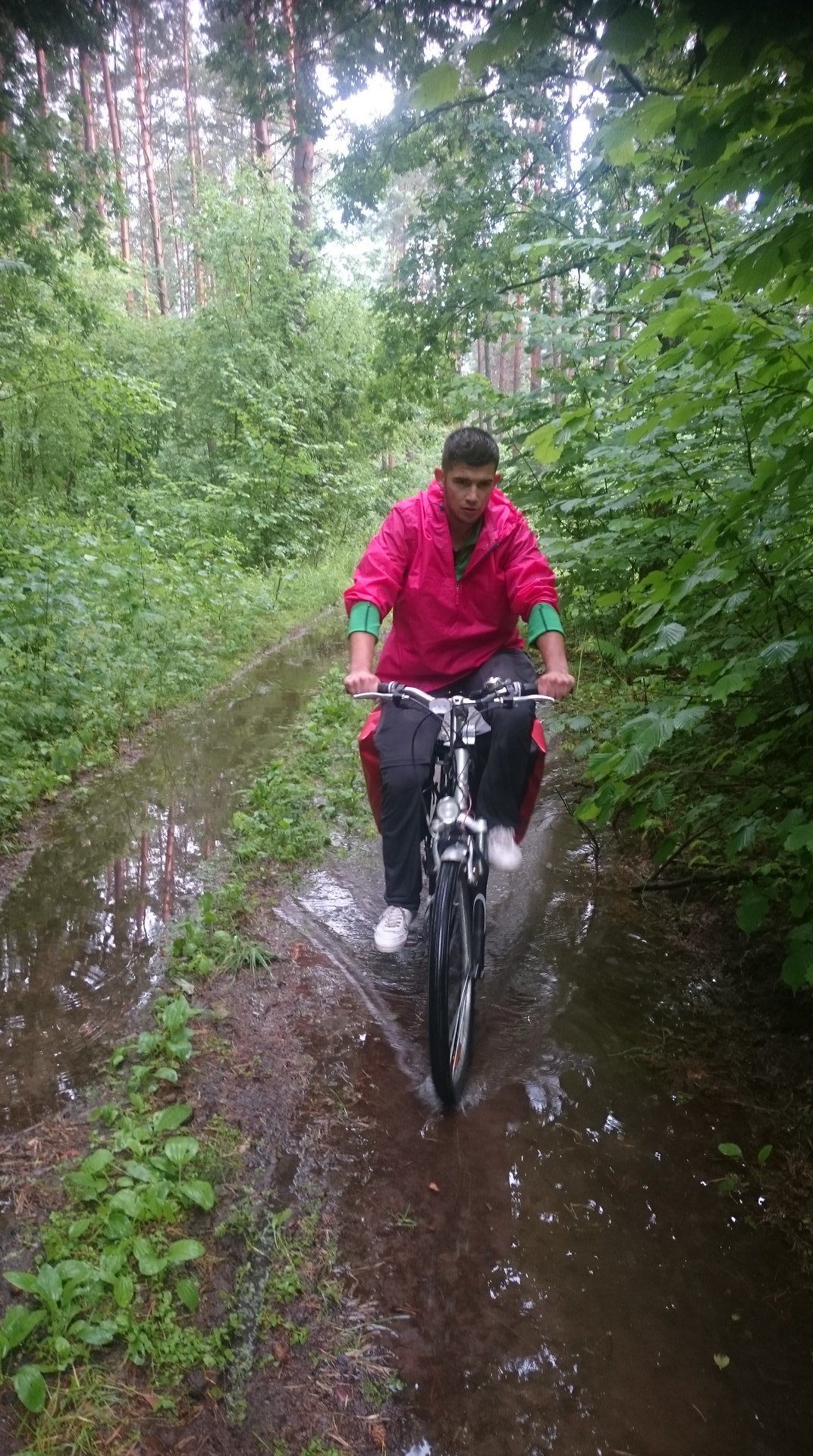
We decided that, time-wise, it would be best to take the train with our bikes from Olsztyn to Giżycko and set off east from there. The roads were all sorts – from excellent asphalt, through the paths of the Green Velo cycle route, to dirt tracks and puddles in the forests that we sometimes had to “swim” through.
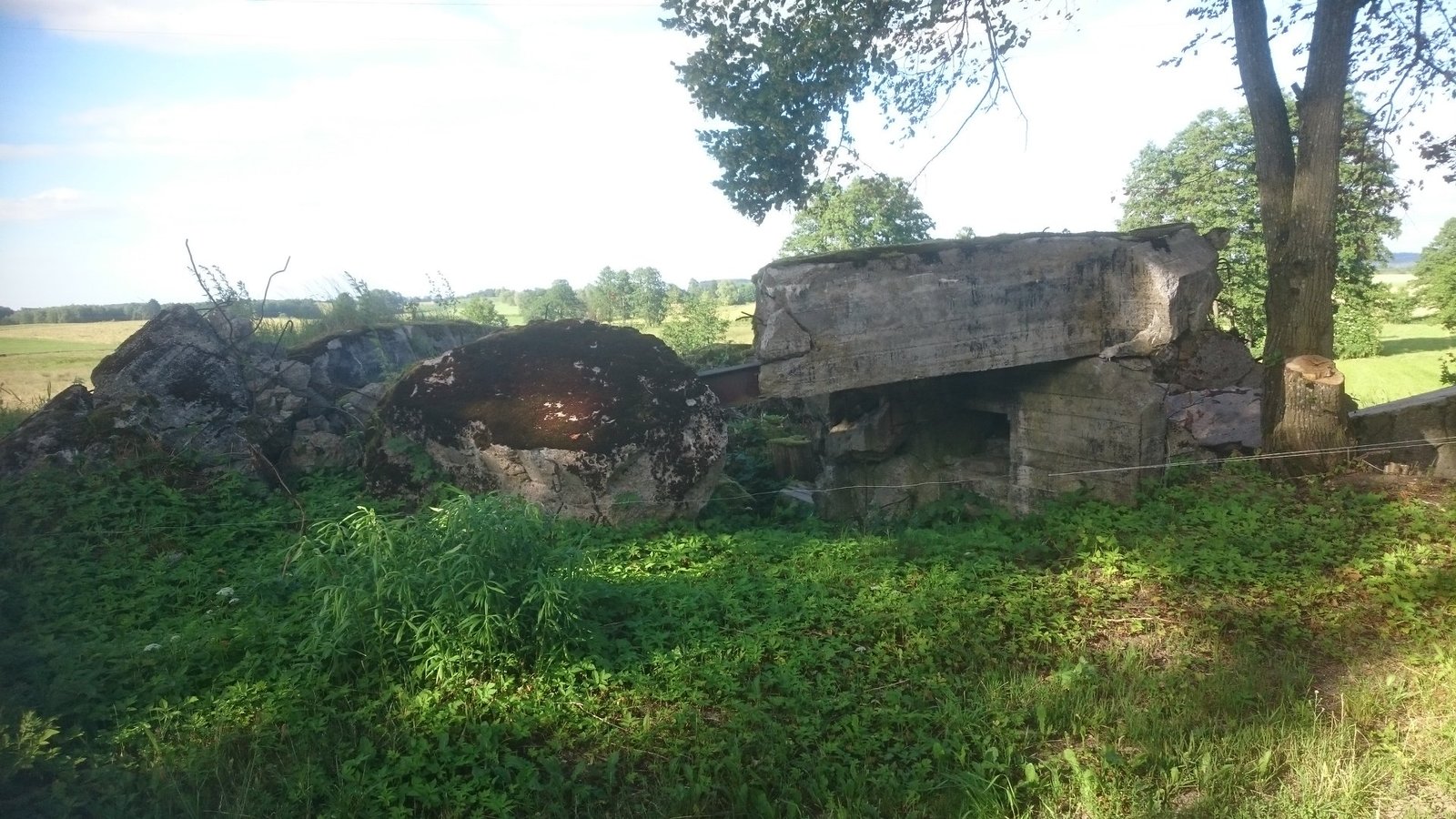
Our only regret is missing Heinrich Himmler’s field headquarters (Hochwald) in the forests near Pozezdrze – we rode past just a kilometre away from it.
The burial chapel in Zakałcze – the “Steinert tomb”
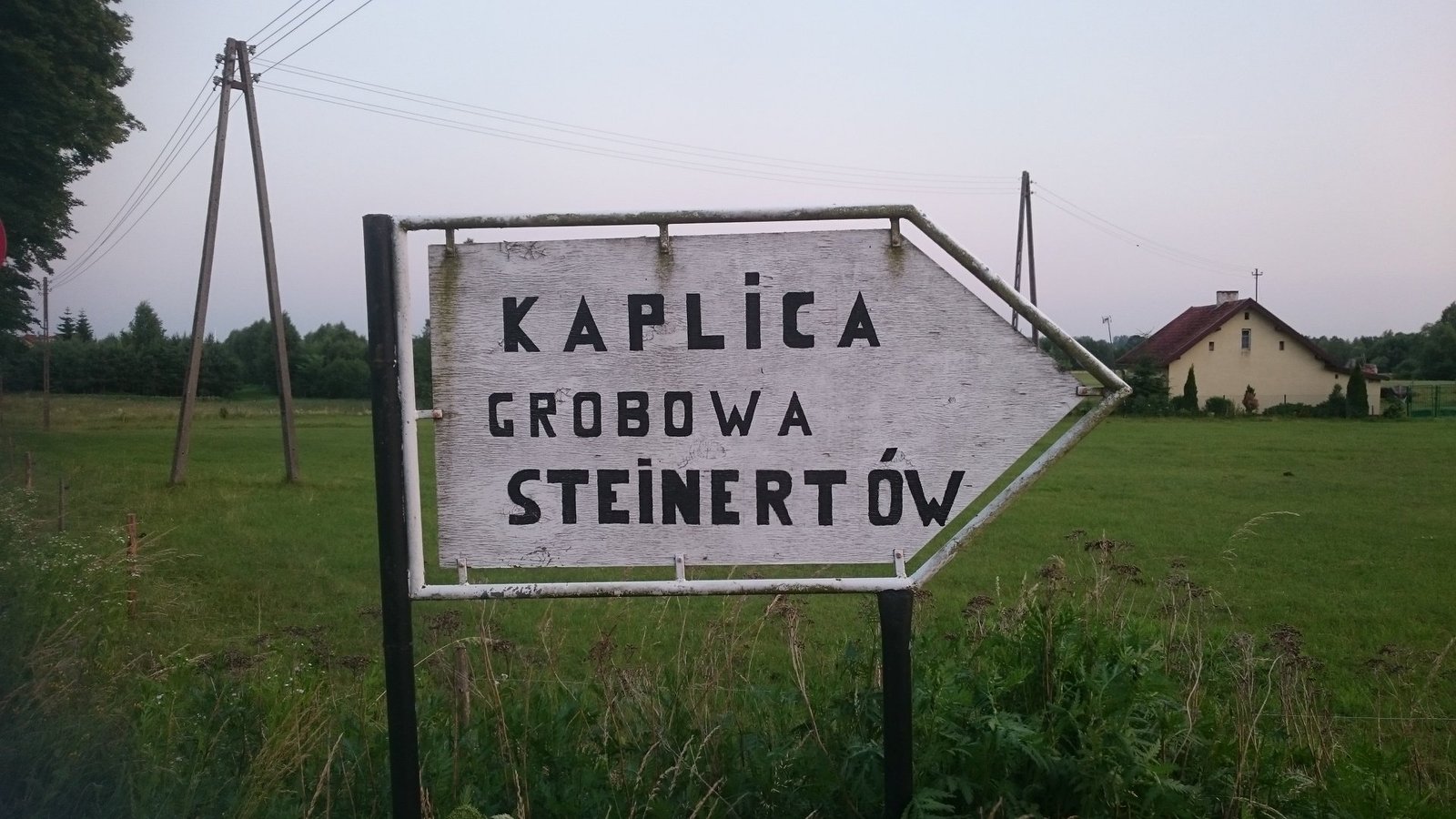
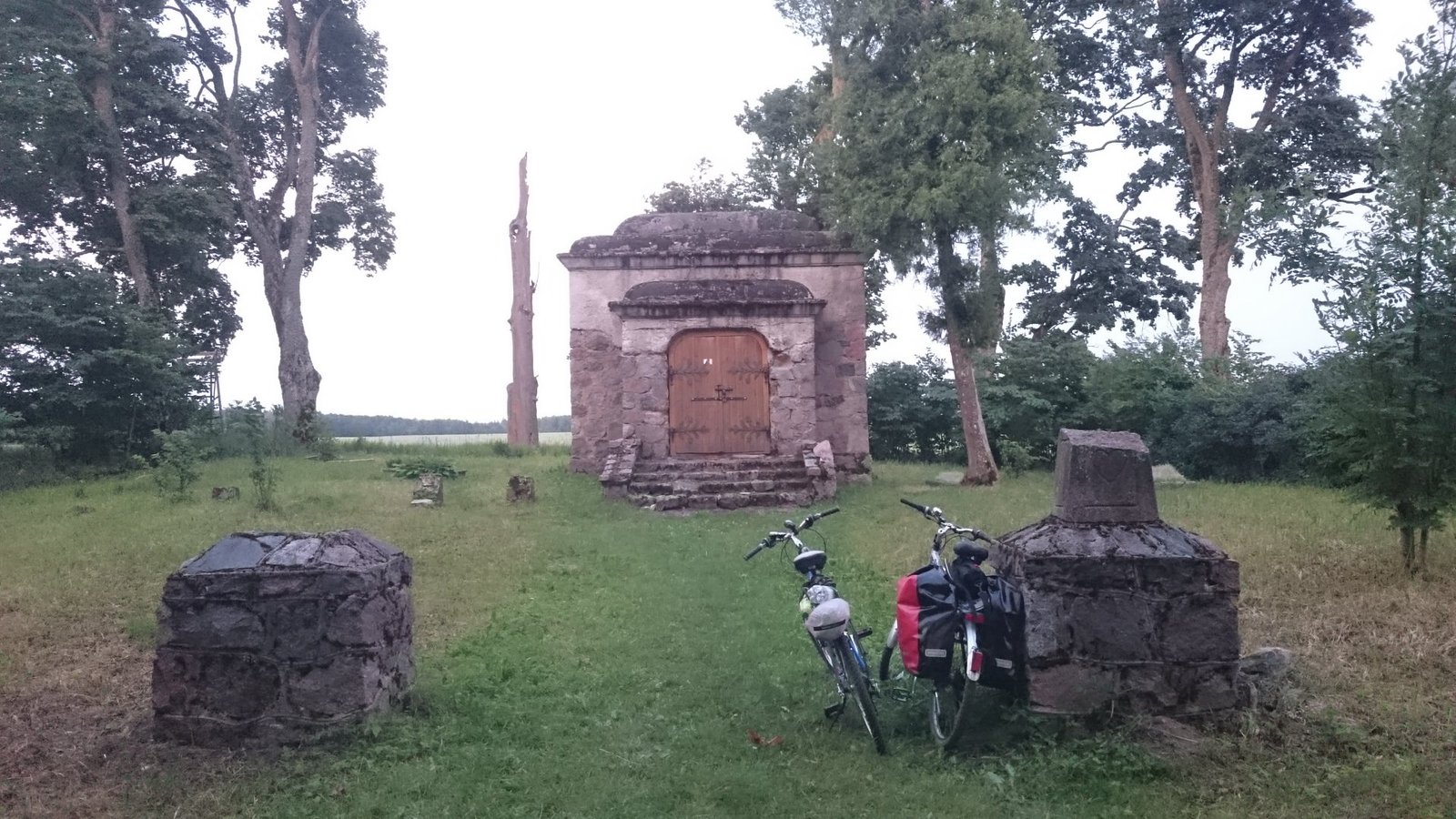
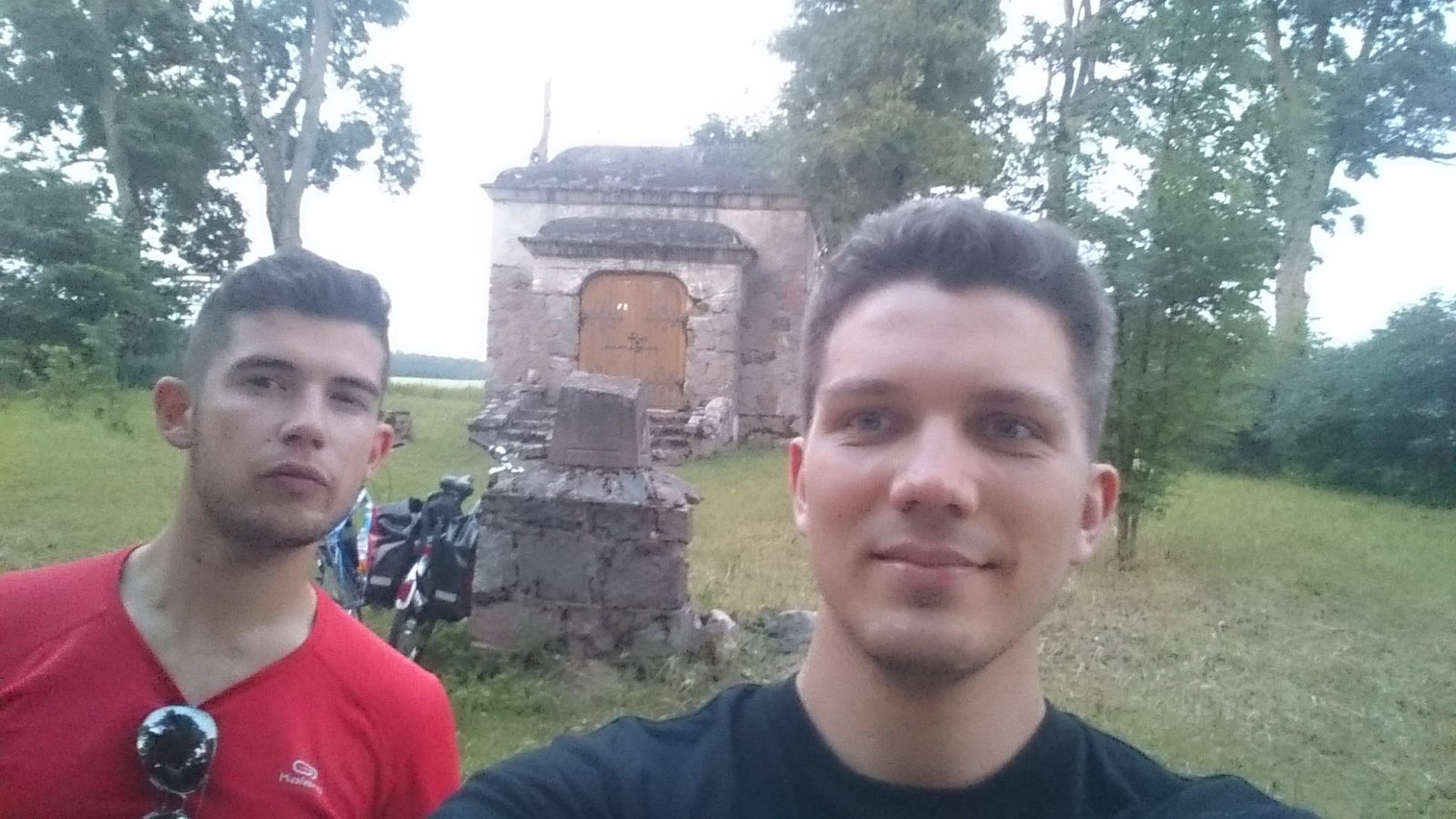
The first surprise was a small burial chapel with a crypt in Zakałcze Wielkie (Banie Mazurskie municipality), standing alone among the fields. The signpost calls it the Steinert burial chapel – after the family that owned the local estate. The crypt contains mummified remains. The history of the place is not entirely clear, though: newer research suggests they may be the remains of the Bark family, who bought the estate in 1917, and that the chapel itself was built in the 1920s rather than – as previously believed – in the mid-19th century.
The Pyramid in Rapa
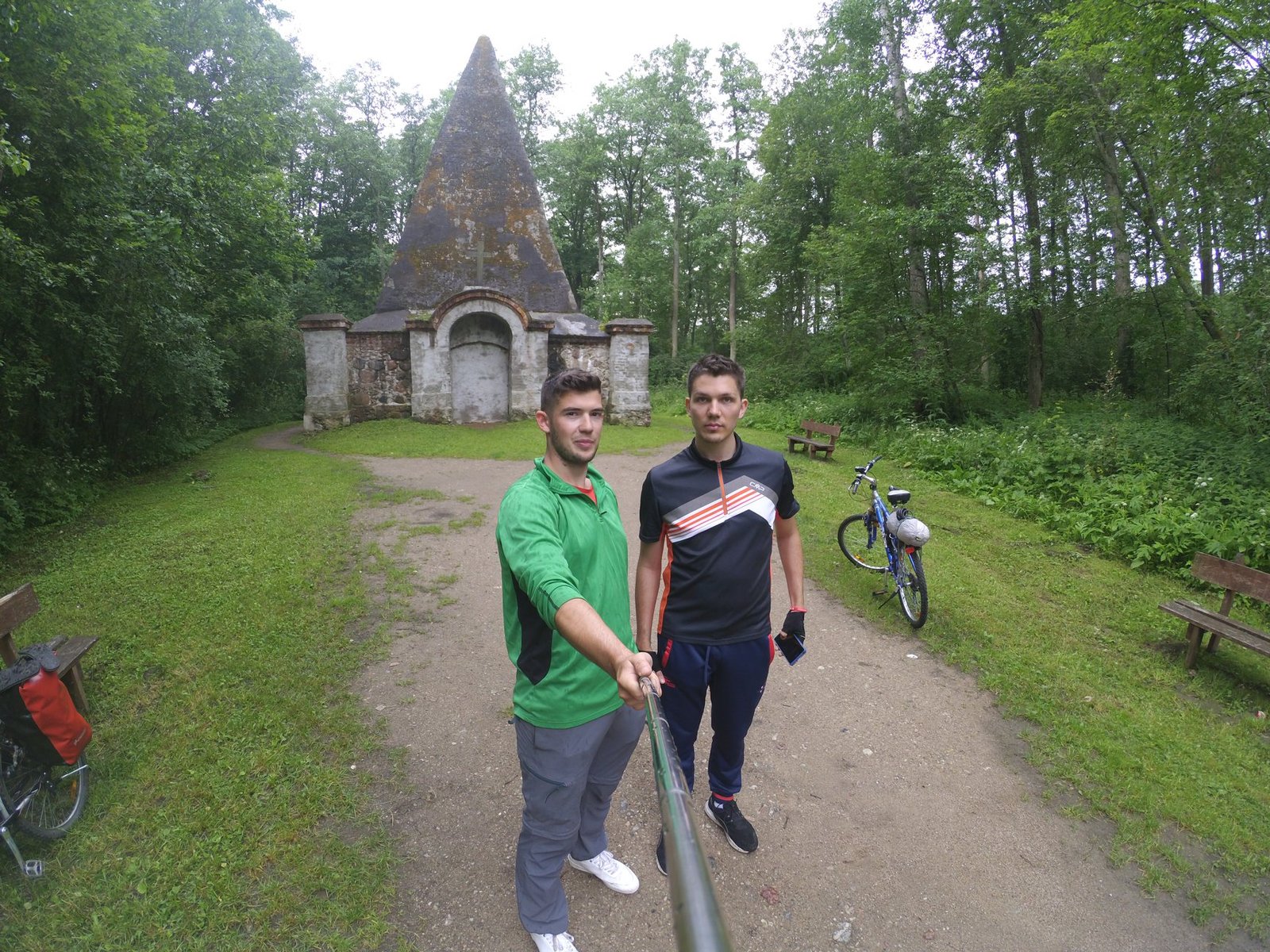
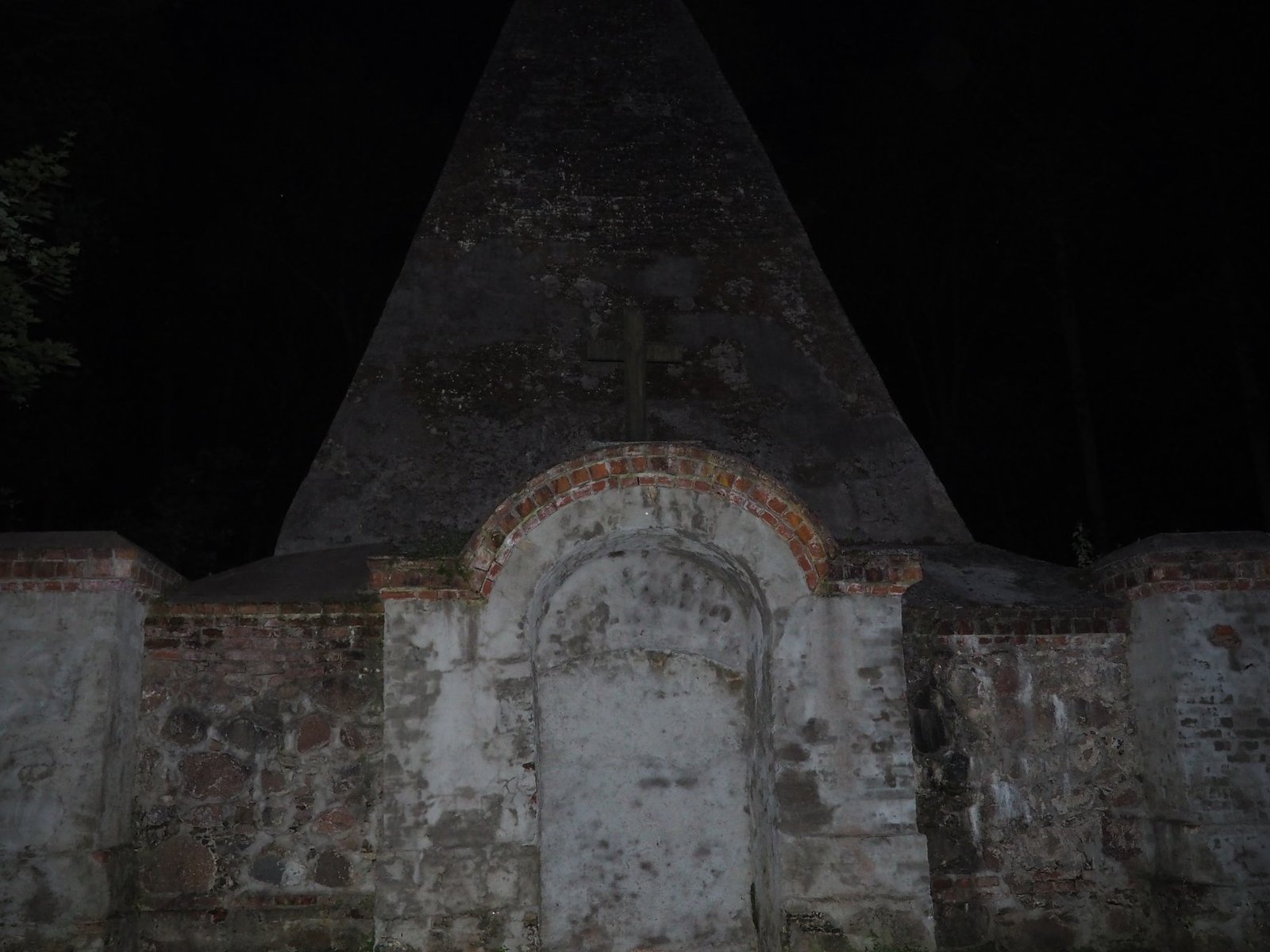
The main goal of the trip – the Pyramid in Rapa – stands in the woods at the edge of the village. It is the tomb of the von Fahrenheid family, built at the beginning of the 19th century (1811 is the date most often given). The idea came from Baron Friedrich von Fahrenheid, who was fascinated by Egyptology, then in fashion. The pyramid is about 15.9 m high, and its walls slope at an angle very close to that of the Great Pyramid of Giza. According to tradition, the baron’s little daughter, who died in 1811, was among those laid to rest here.
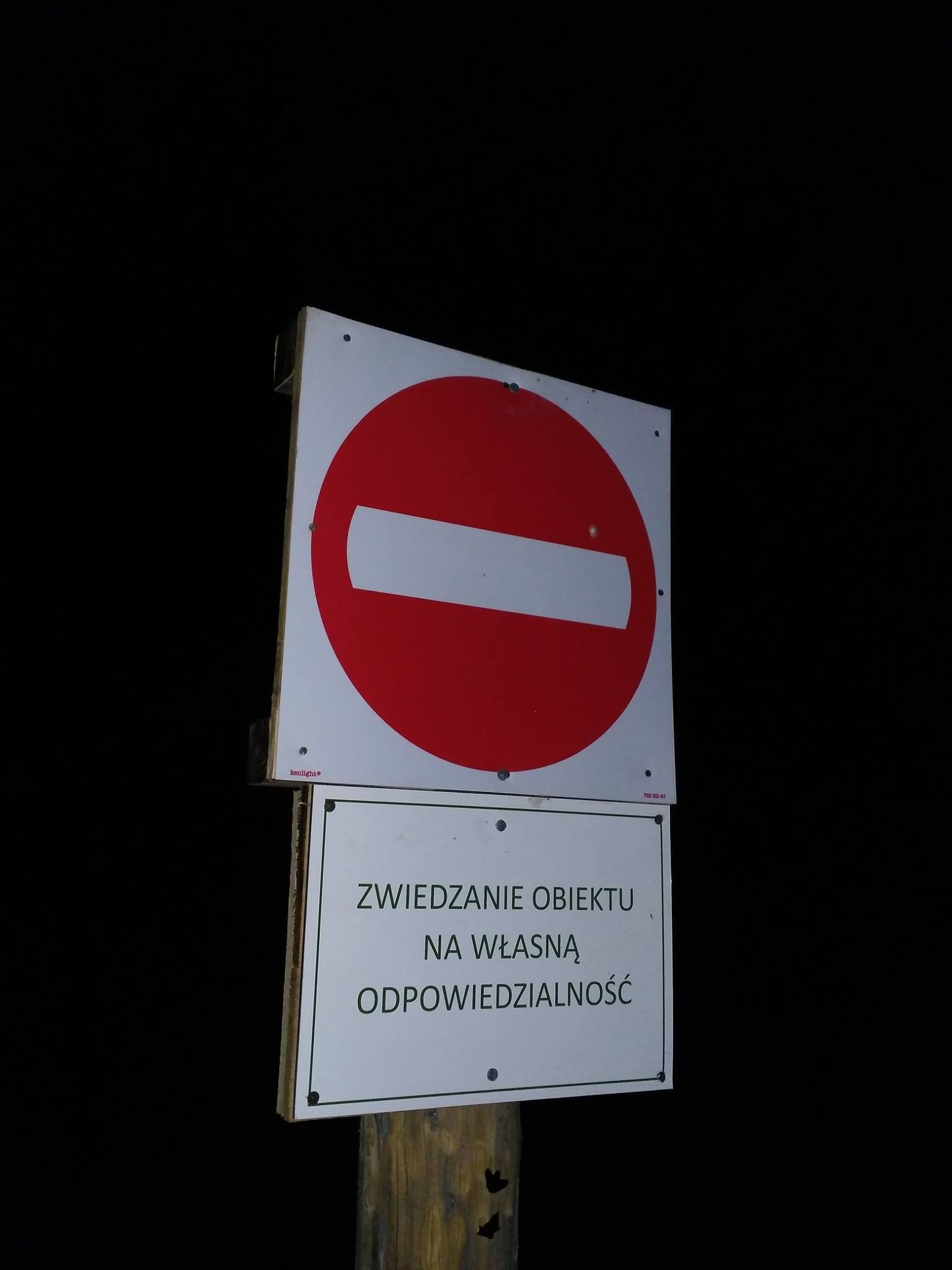
Many legends have grown up around the pyramid: the bodies laid in the tomb were said not to decompose, which was attributed to the “power” of the pyramid shape, and the place attracts seekers of unusual energies. After the war the tomb was looted. You can look inside – a sign at the entrance says you visit at your own risk.
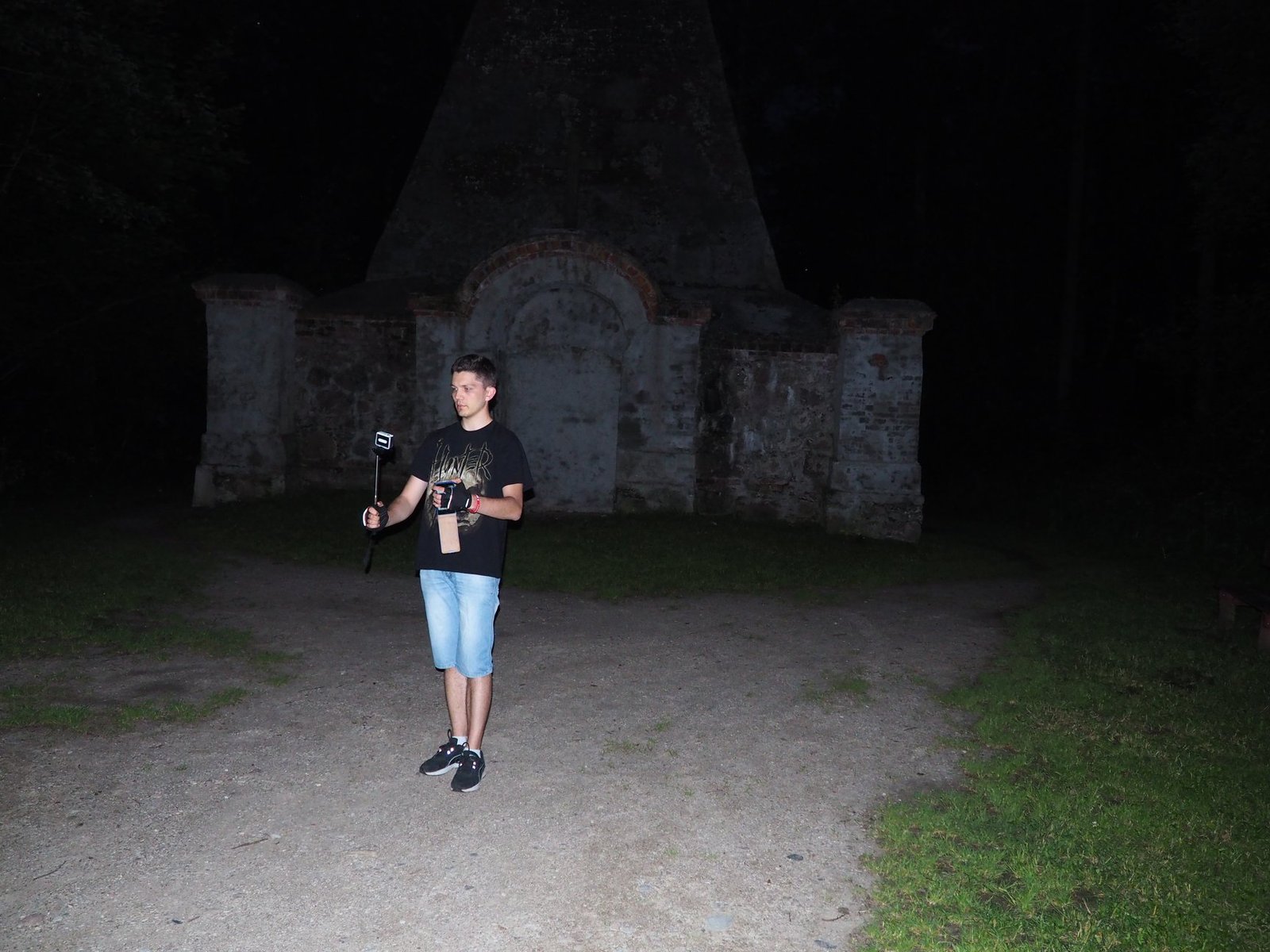
We were at the pyramid both by day and after dark – by torchlight it looked really mysterious.
I edited a video of the trip which, besides the footage, also includes the history and maps of the places we visited (the chapel from 1:17, the pyramid from 4:06, the abandoned manor from 8:37):
 13:28
A night in a tent
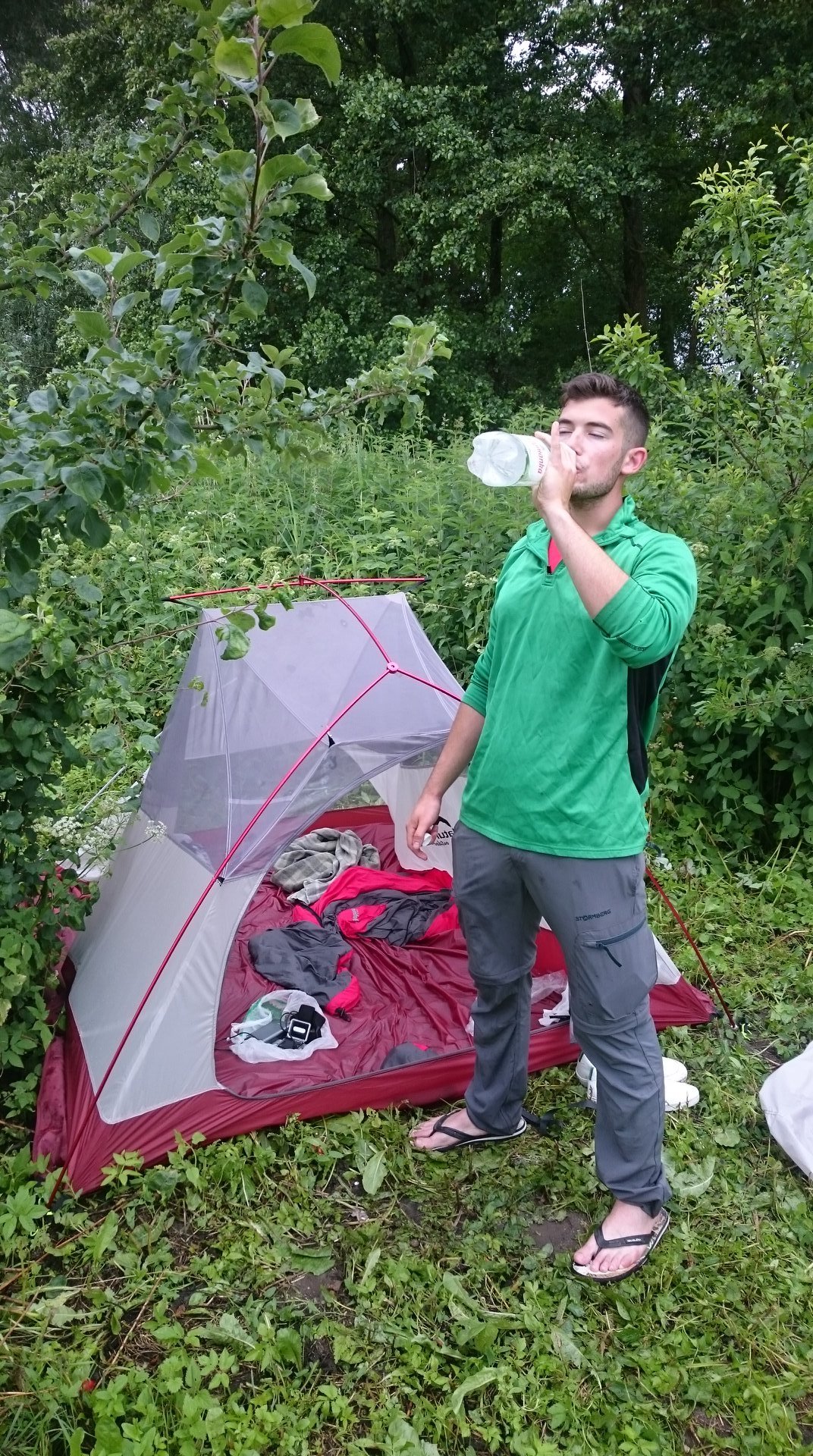
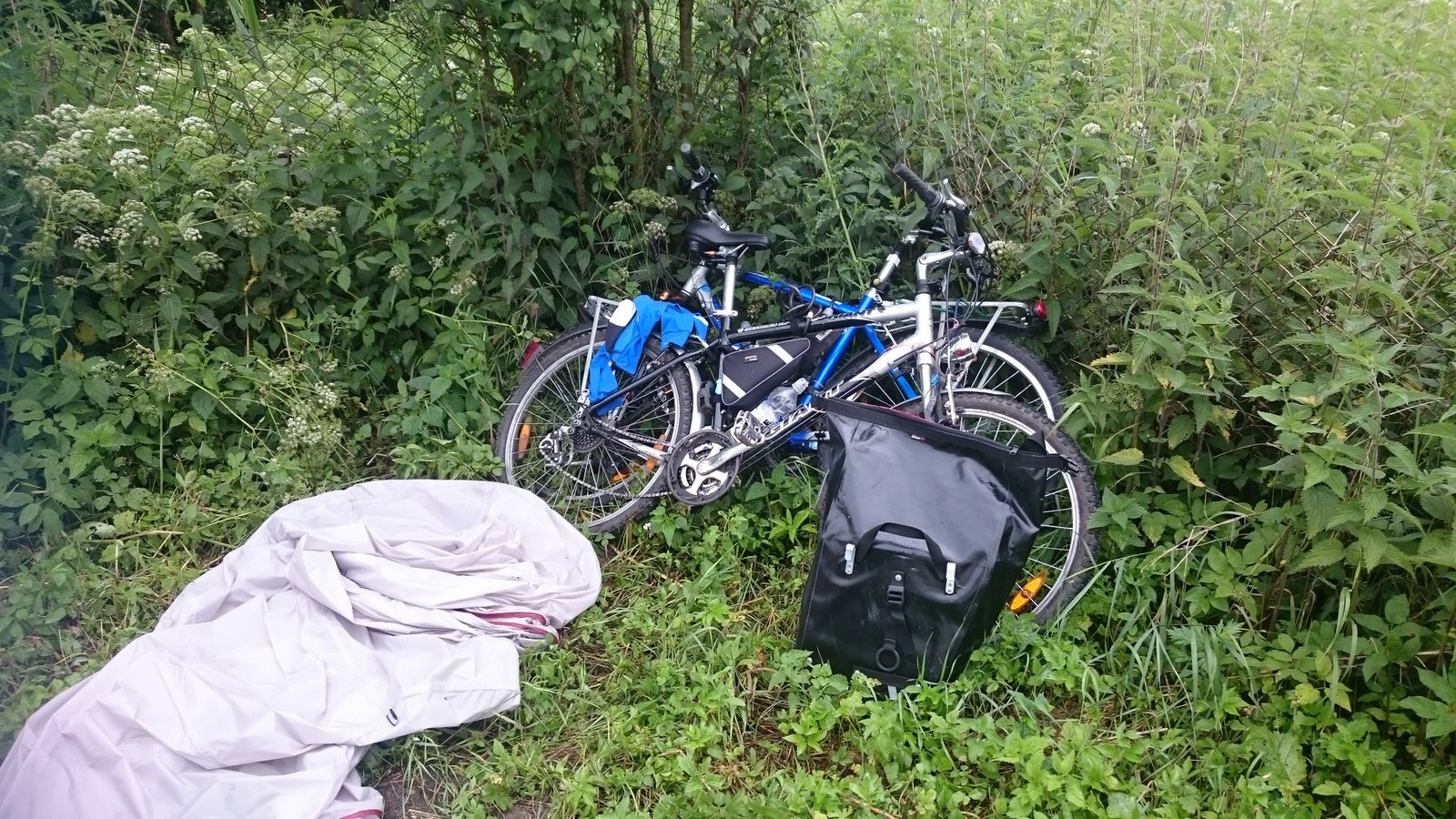
We spent the night in a tent, and in the morning – after a quick breakfast and packing the panniers – we set off again towards Węgorzewo.
An abandoned manor house on the way to Węgorzewo
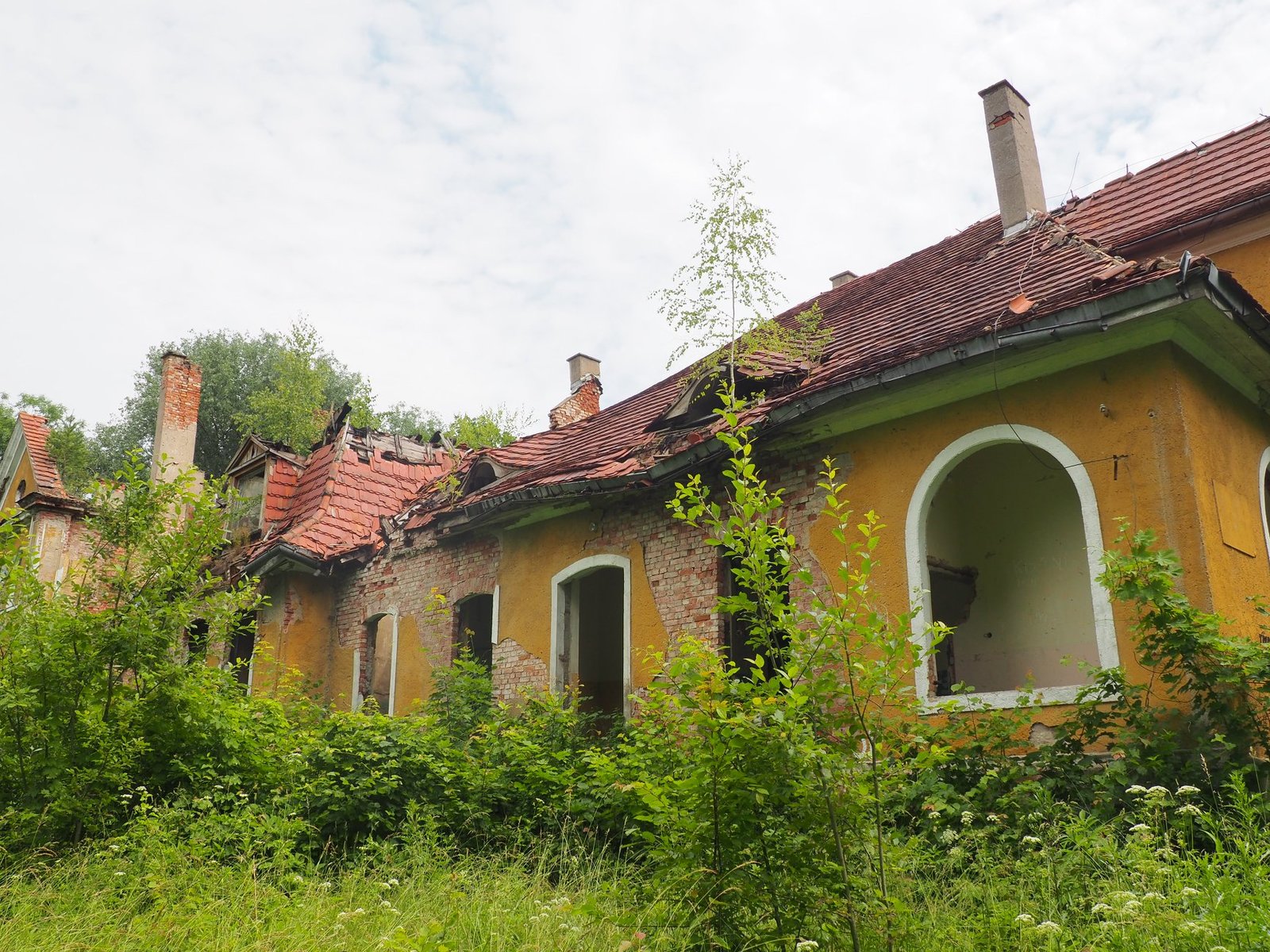
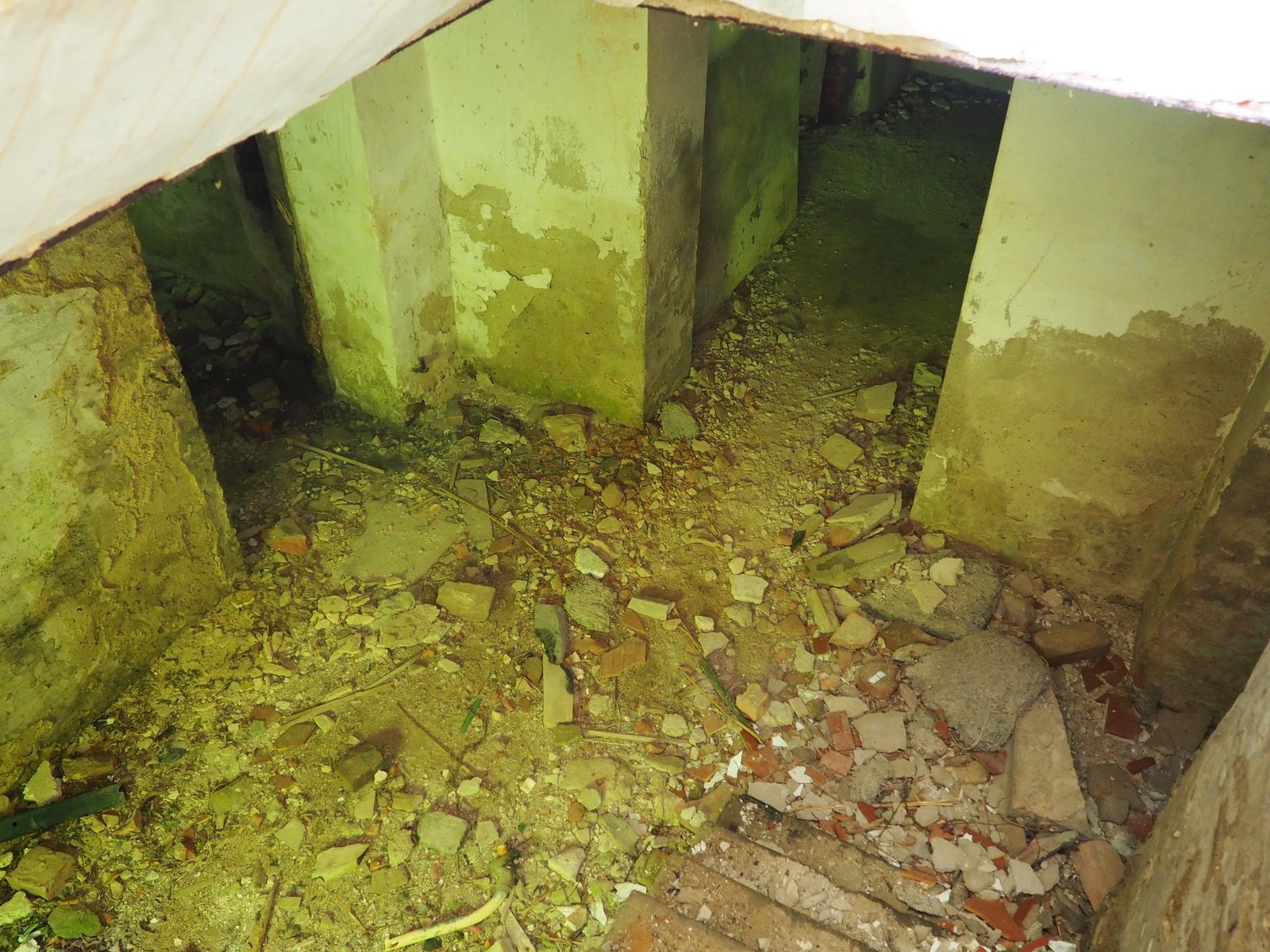
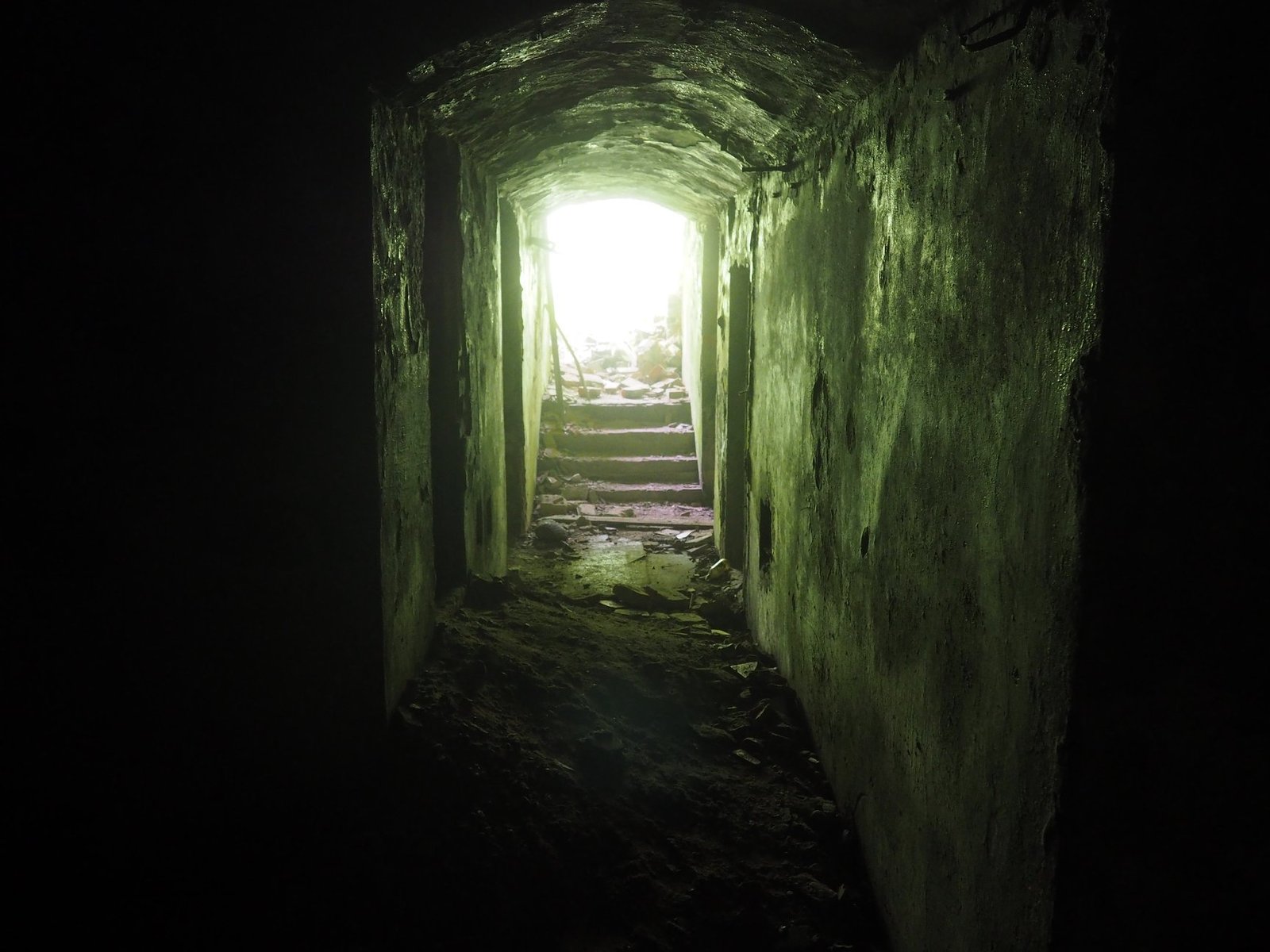
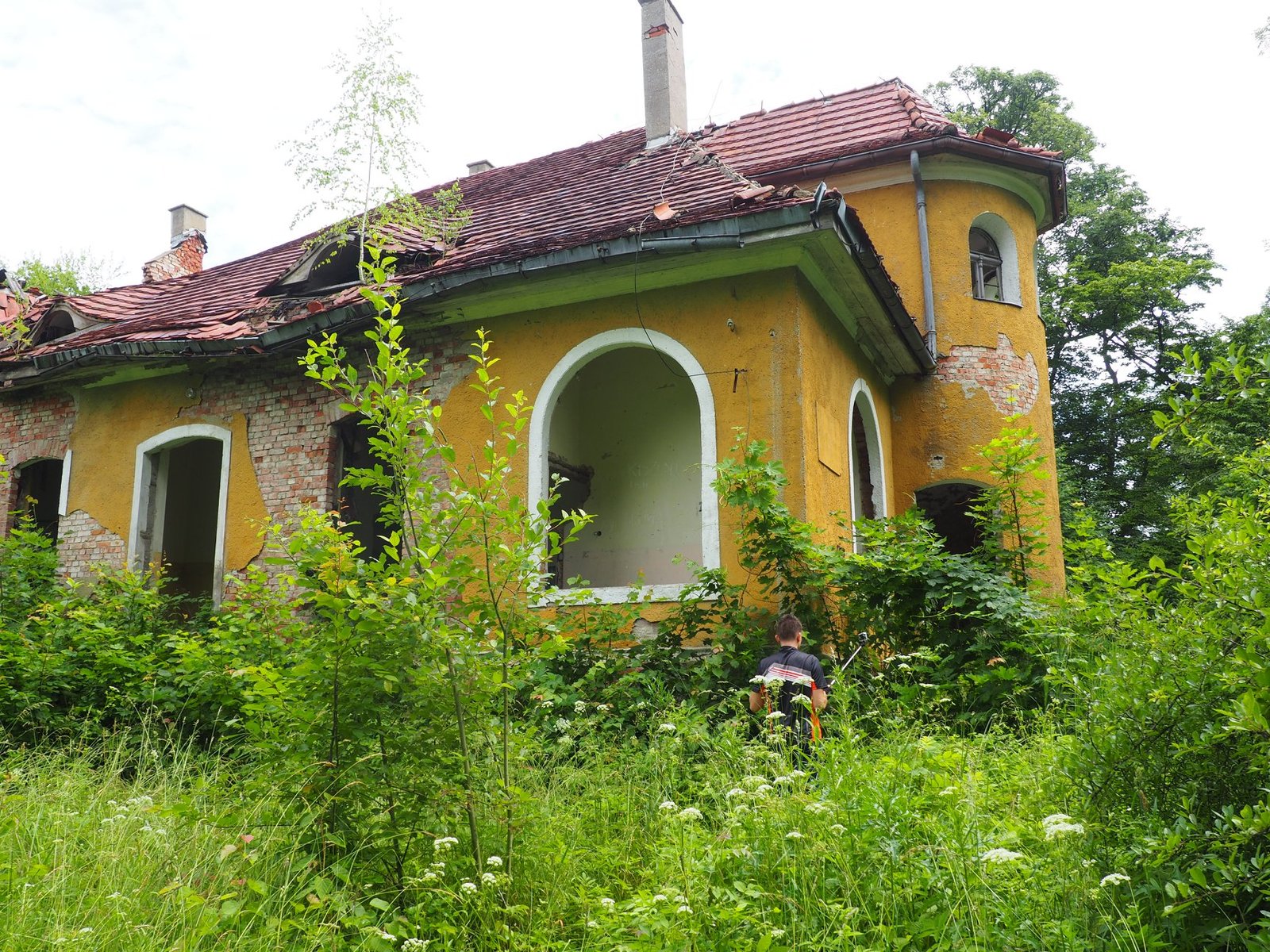
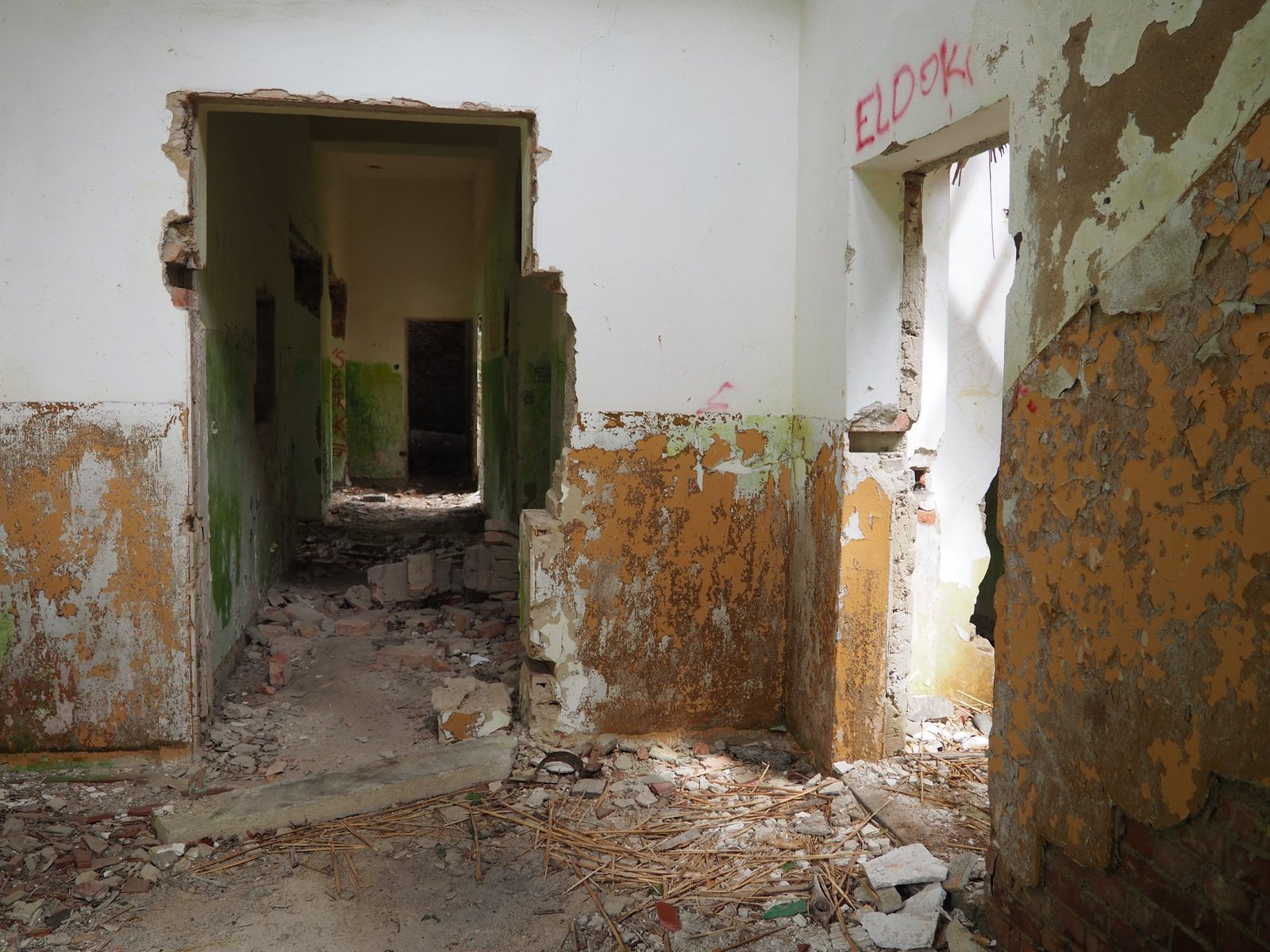
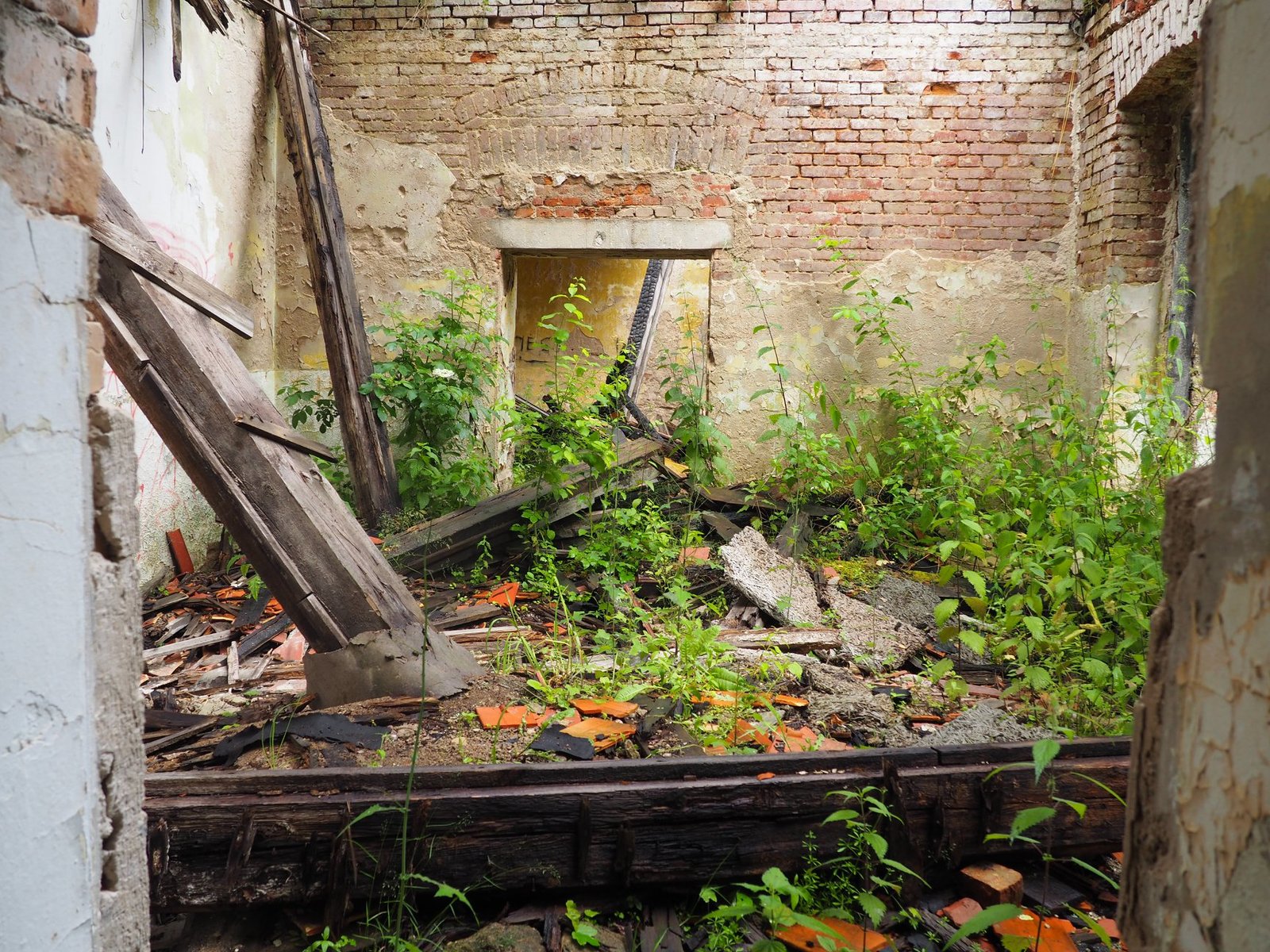
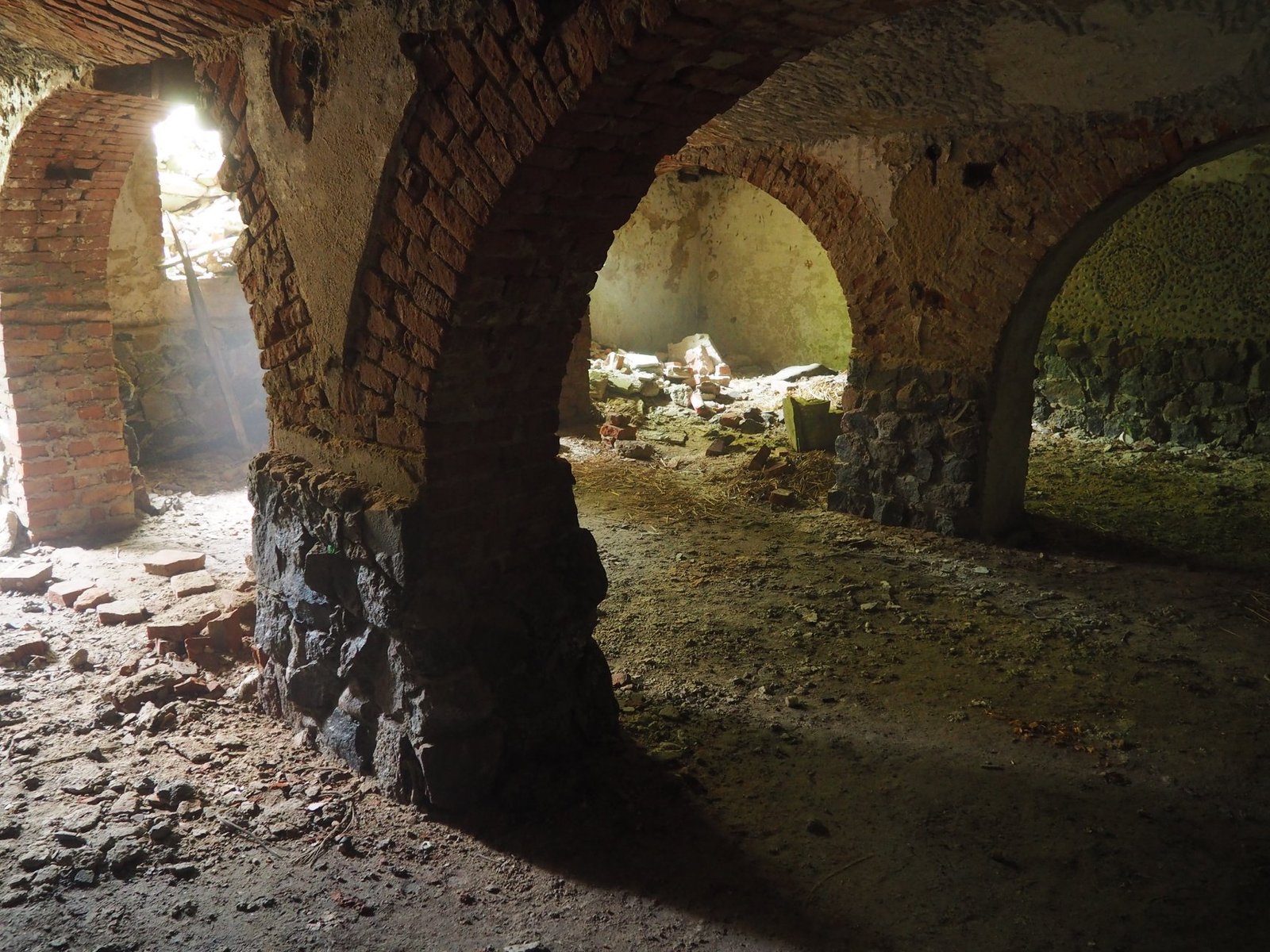
On the way to Węgorzewo we came across an abandoned manor house – a yellow, overgrown building with collapsed ceilings and peeling plaster. For me it was a kind of introduction to another type of travel that I later came to love – exploring abandoned places (urbex). Remember that such buildings can be in poor condition and belong to someone.
Węgorzewo and a downpour to finish
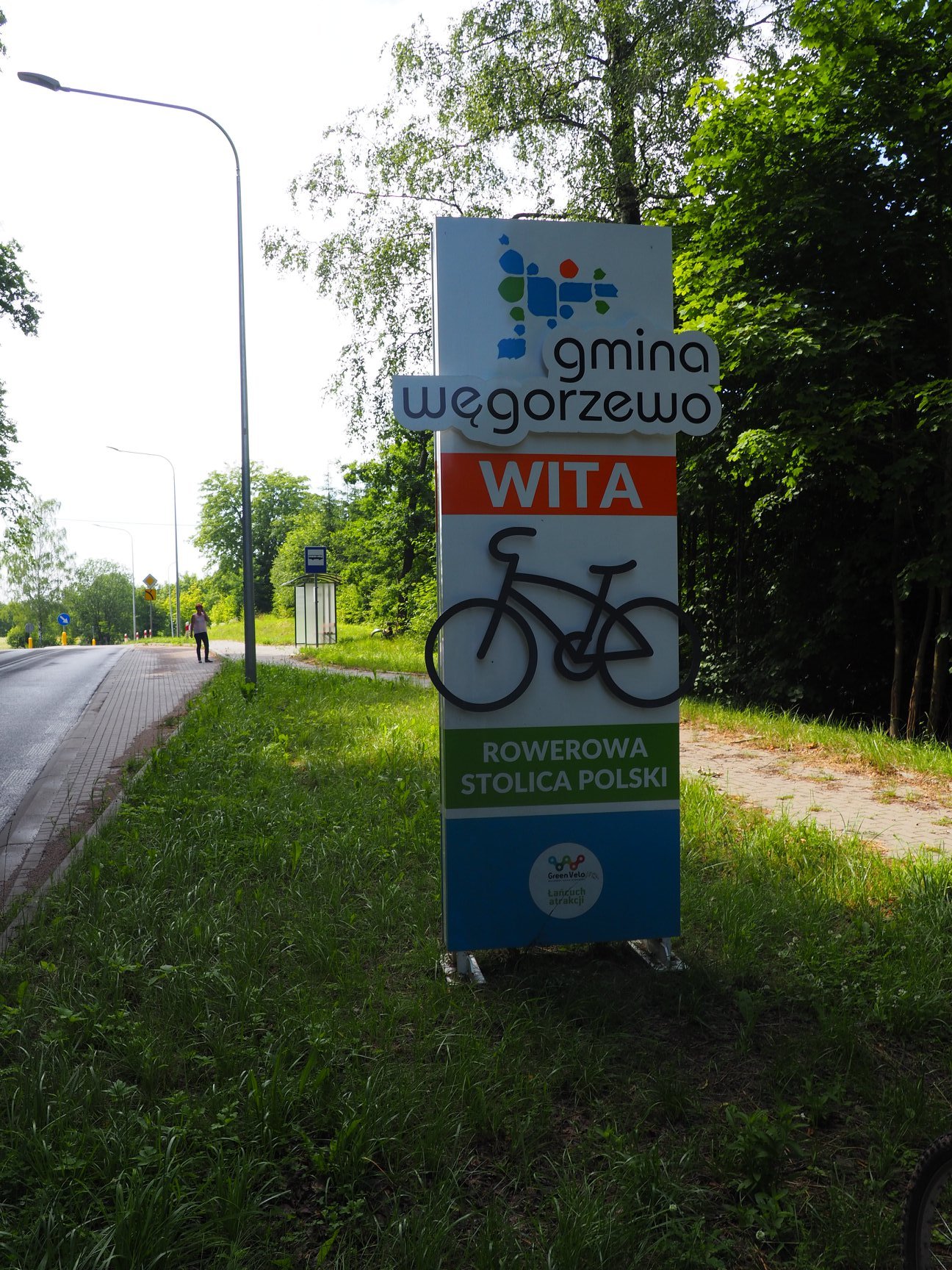
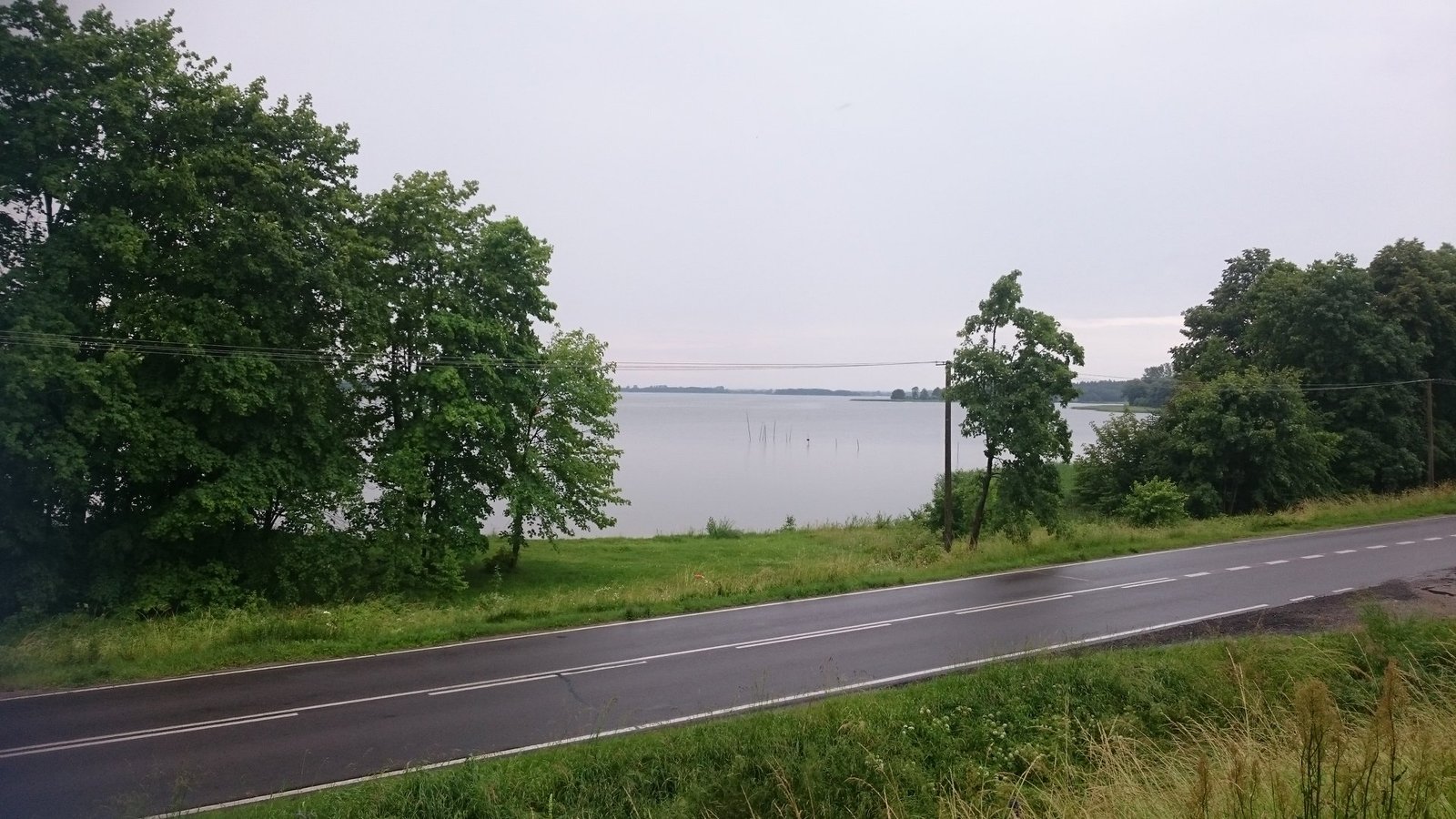
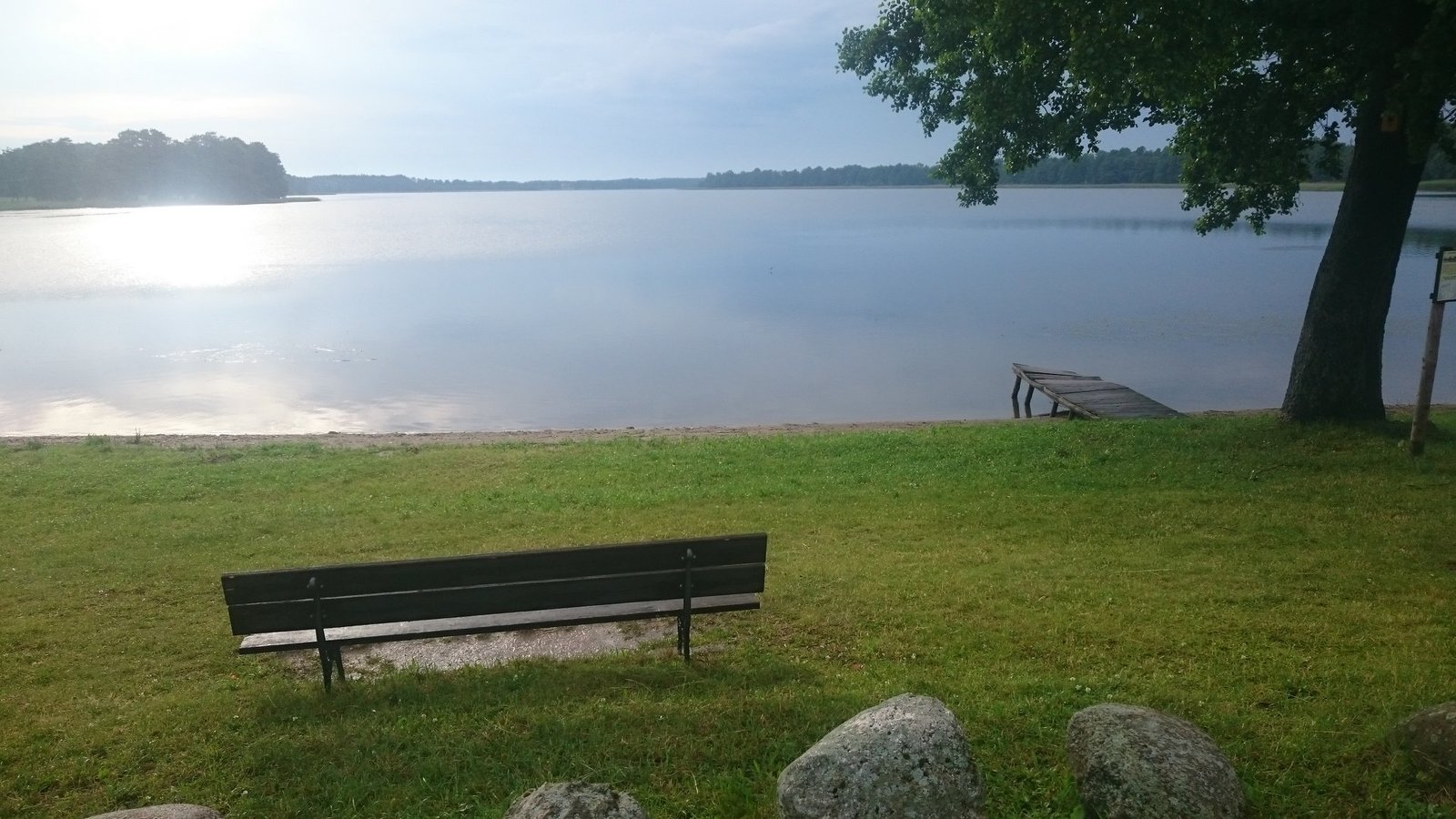
We reached Węgorzewo partly on roads along the lakes. There we were caught in a downpour – because of it we got back to Olsztyn several hours later than planned. There was no shortage of adventures and meetings with interesting people, but that’s exactly what the best bike trips are like.

Just two days after returning from Rapa, on 1 July 2017, Michał and I set off on another trip – through the Bieszczady Mountains to Ukraine (I summed up the whole trip in the post Ukraine 2017 in a nutshell).
Practical information
- Getting there – you can get to Giżycko by train with a bike (e.g. from Olsztyn and Białystok); from there it’s a few dozen kilometres to Rapa, partly on cycle routes. The pyramid is in Banie Mazurskie municipality, in Gołdap County.
- Green Velo – the longest cycle route in Poland (more than 2000 km through five provinces of eastern Poland) runs through Masuria, so it’s easy to plan a route on signposted roads.
- Admission – the pyramid stands in the woods, and in 2017 access was free; you visit the interior at your own risk.
- Surface – be prepared for dirt roads and puddles, especially after rain; a trekking or mountain bike and panniers instead of a backpack will come in handy.
- Weather – in Masuria summer storms arrive quickly; it’s worth having a rain jacket and a plan for sitting out a downpour.
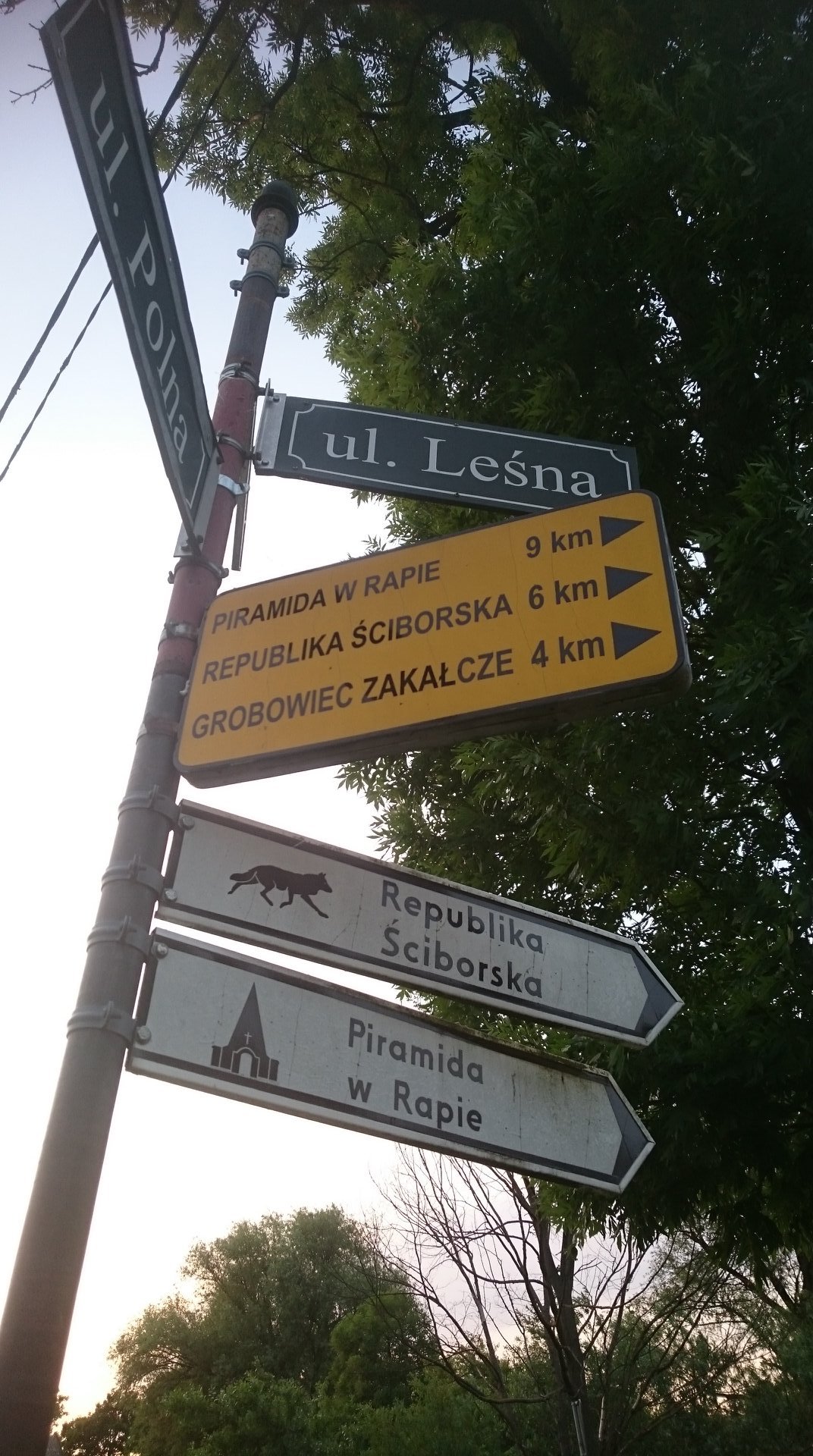
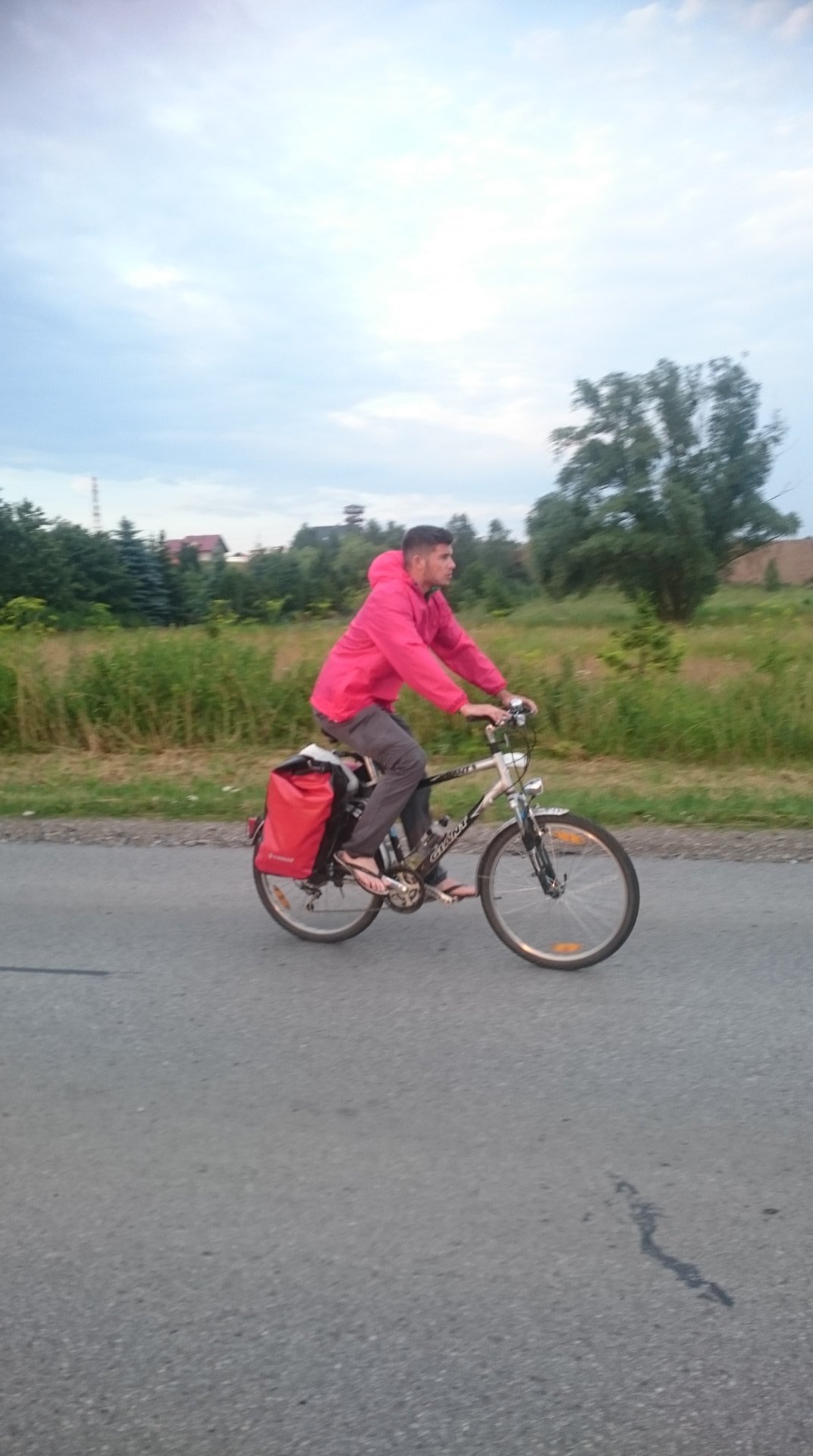
Photo gallery