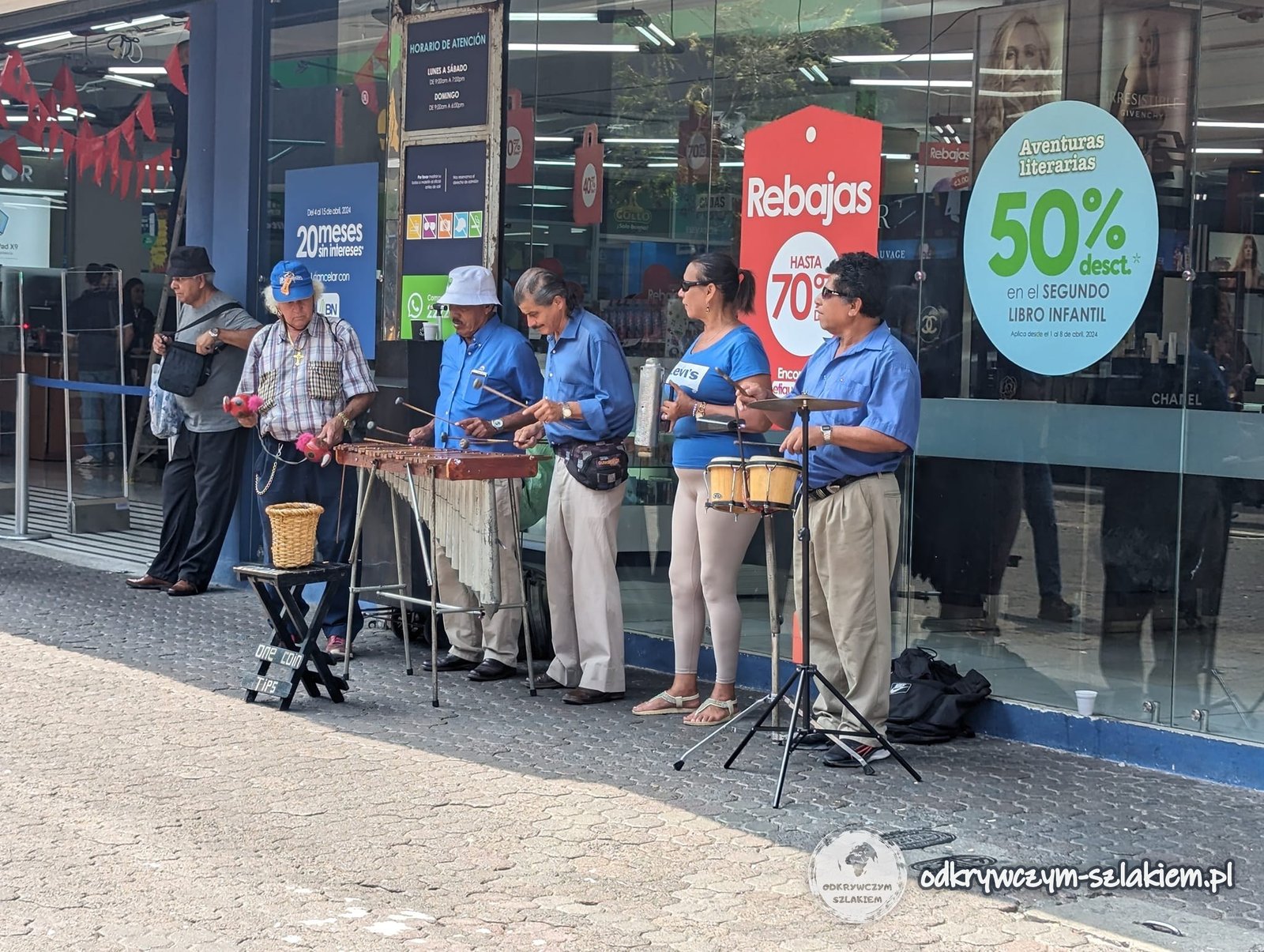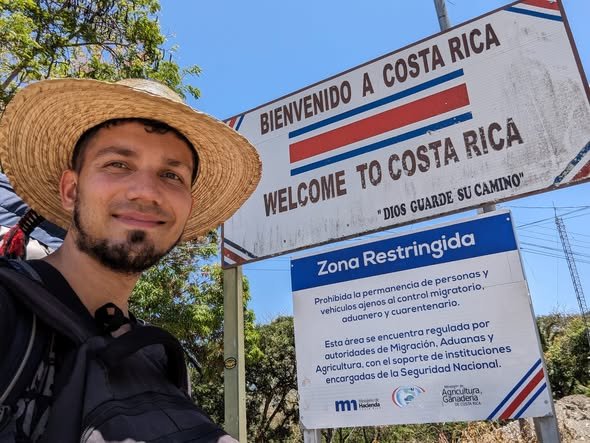
We entered Costa Rica on 1 April 2024 — and, to be honest, the start was strange. At the border we first queued for about an hour (you had to show proof that you would leave Costa Rica on a specific date), and then waited another two hours for a bus to Liberia. On top of that, when we arrived it turned out that our tent — strapped to the side of a backpack in the luggage hold — had disappeared: it either got lost or (more likely) someone helped themselves to it. It was ultralight, and so expensive; on the other hand it kept breaking and probably would not have lasted until the end of the trip anyway. Costa Rica is the most expensive country in Central America, so we planned only about a week here — but a week packed with cloud forests, volcanoes and loads of wildlife.
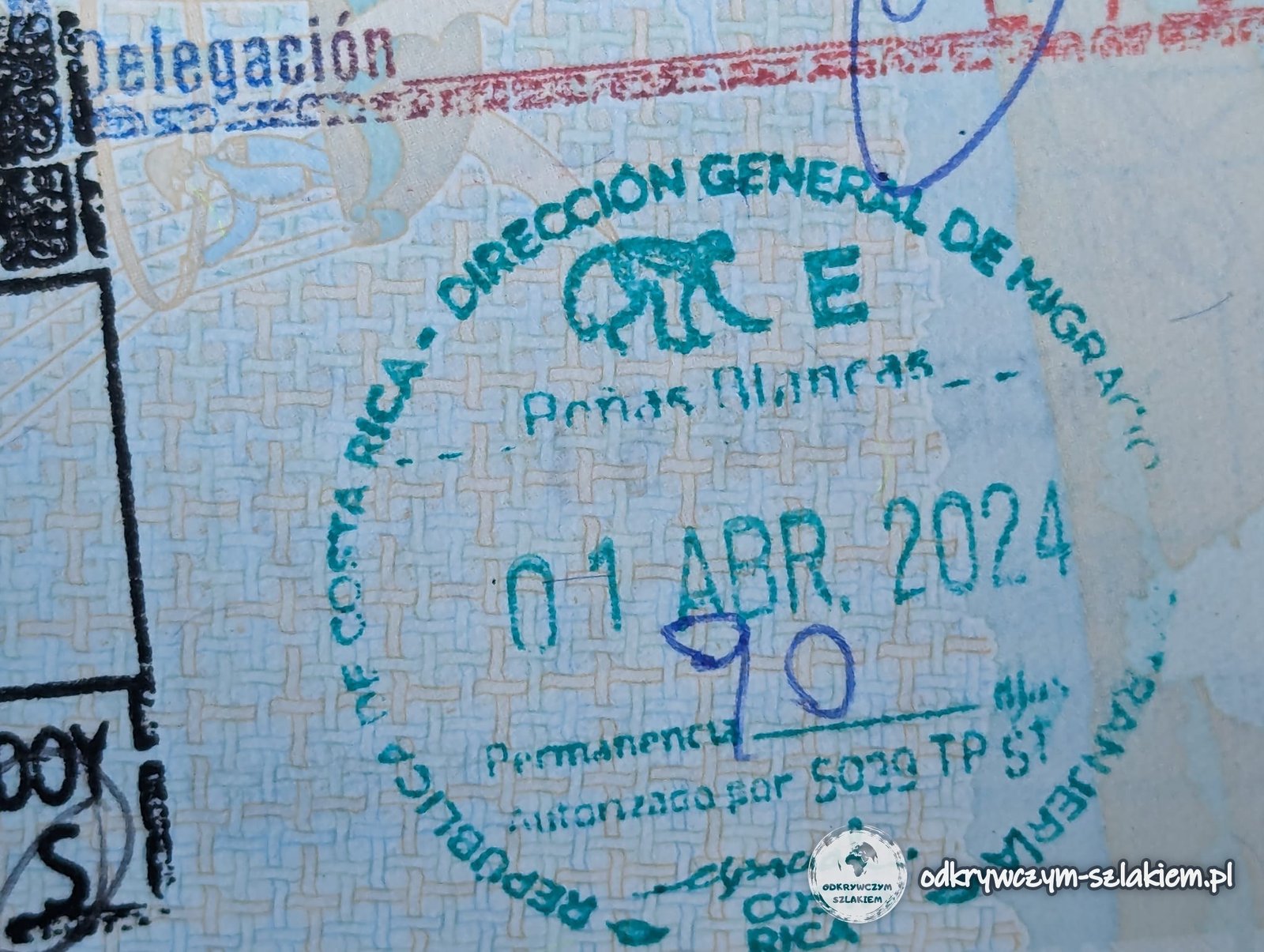
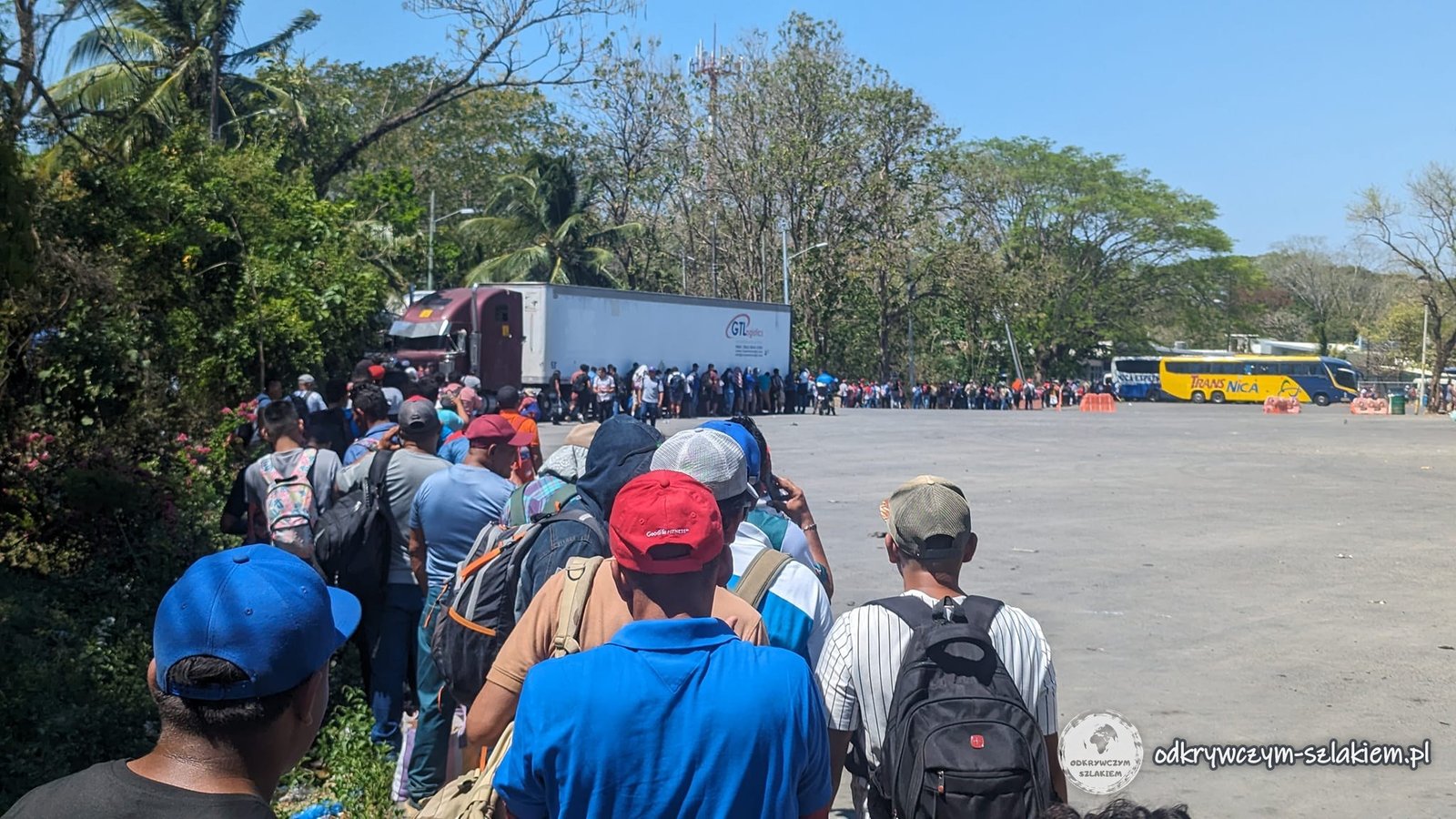
Table of contents
- San José and first impressions
- The Santa Elena cloud forests
- La Fortuna – sloths and Arenal Volcano
- Cahuita – a national park full of animals
San José and first impressions
Why Liberia first? We had had a GoPro (with accessories) sent to a hostel there — the previous one had broken, and it could not be shipped to either Honduras or Nicaragua. Because of Easter the parcel arrived late, then there was a problem with the delivery address, and in the end we managed to arrange a personal pick-up in San José, the capital. So that is where we headed.
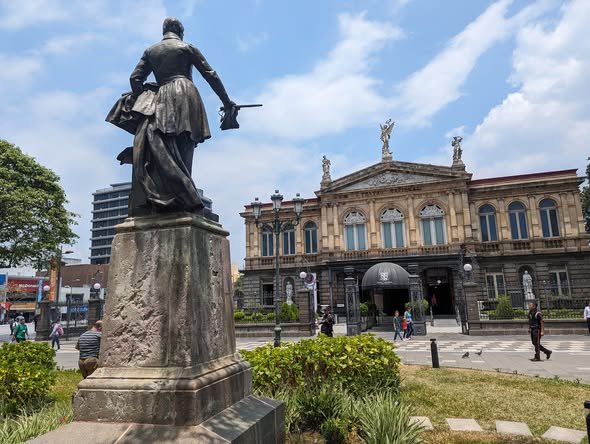
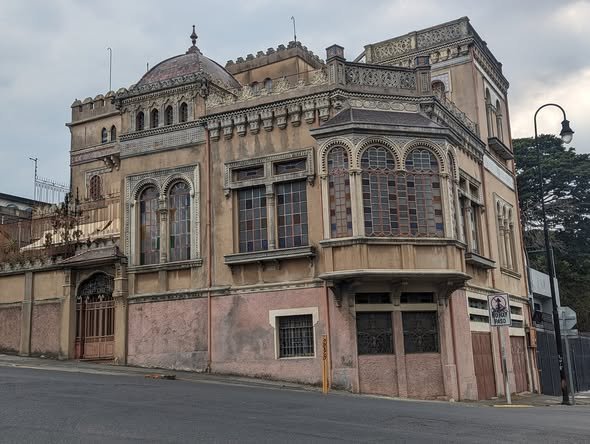
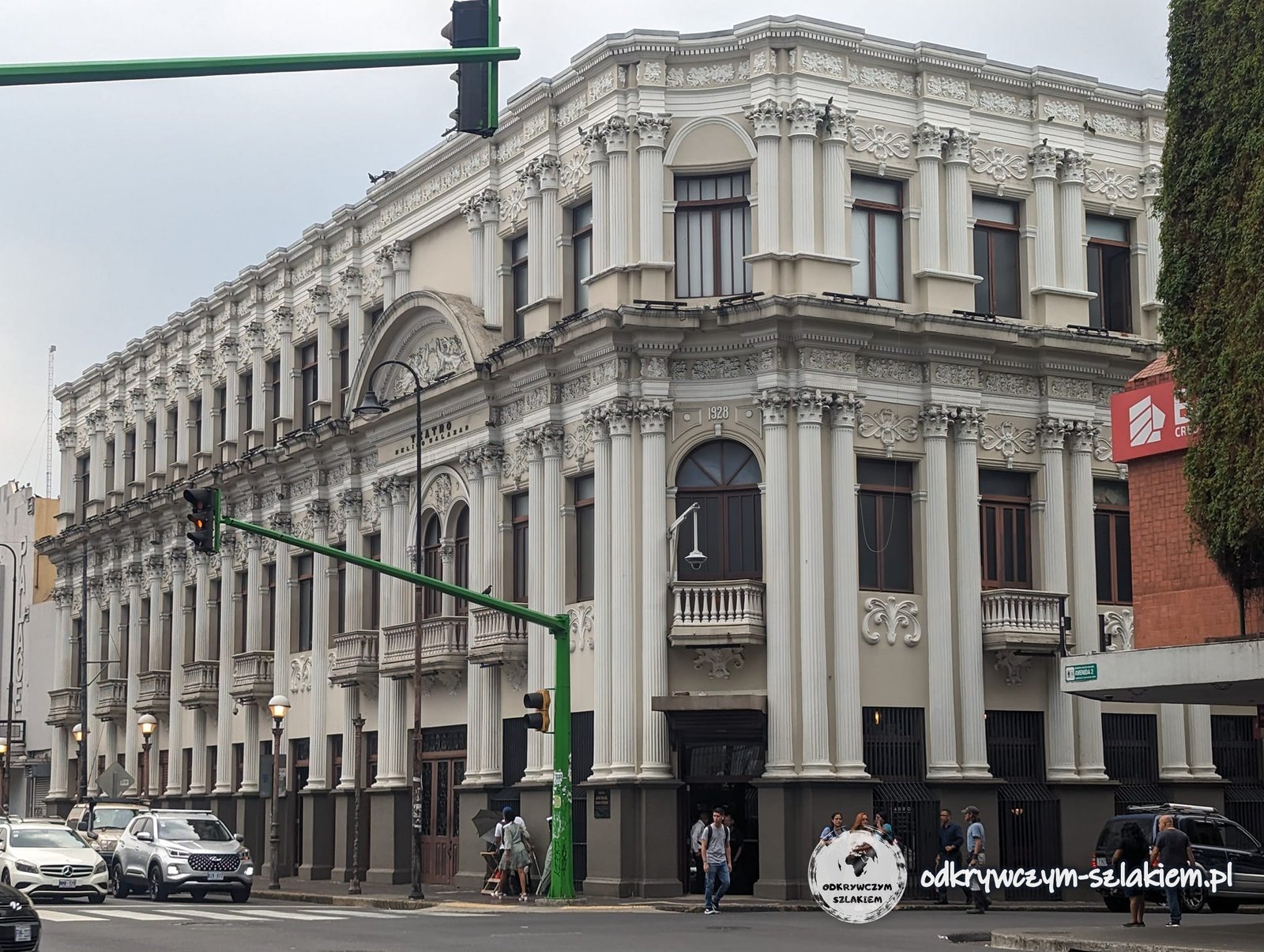
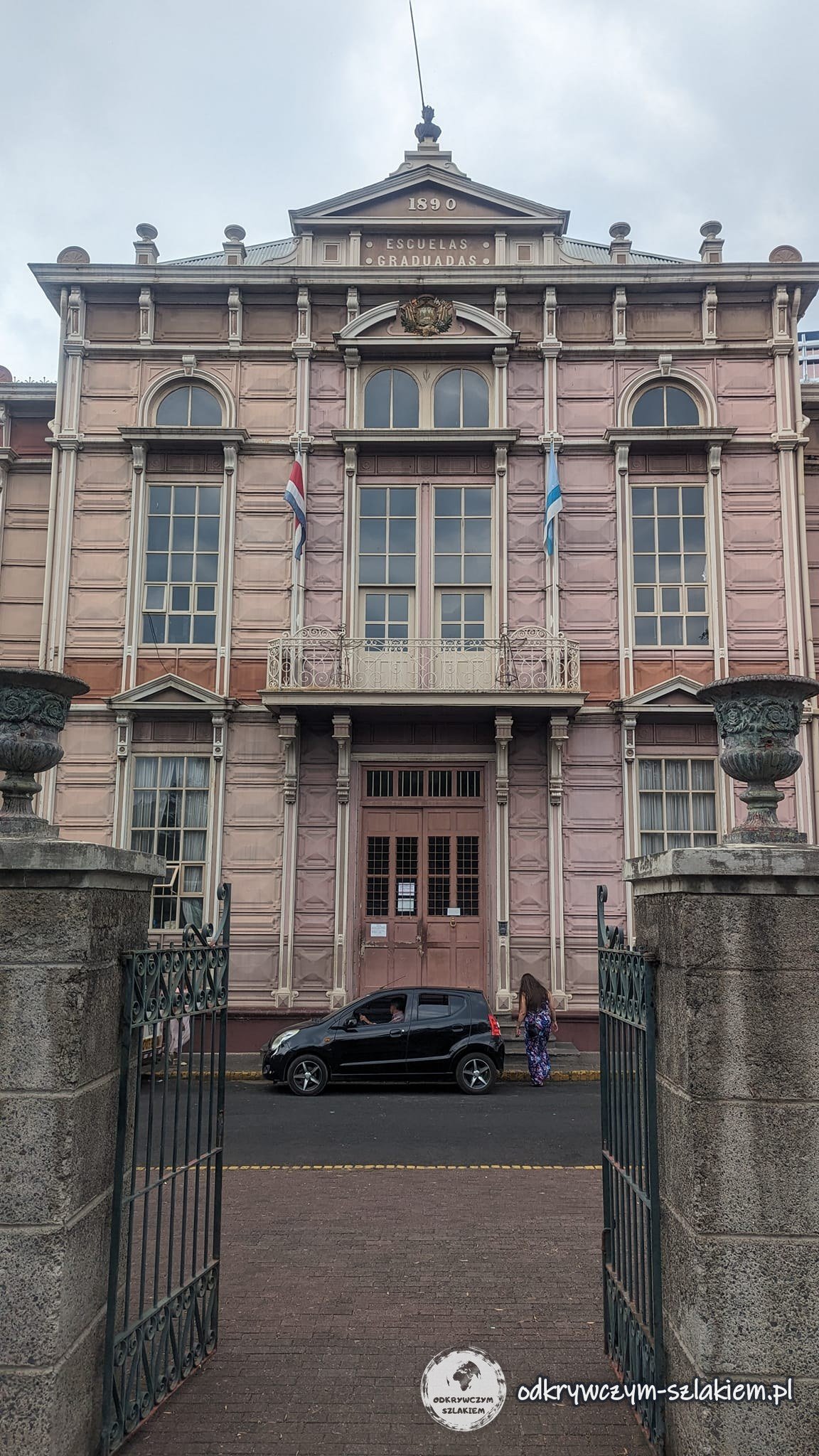
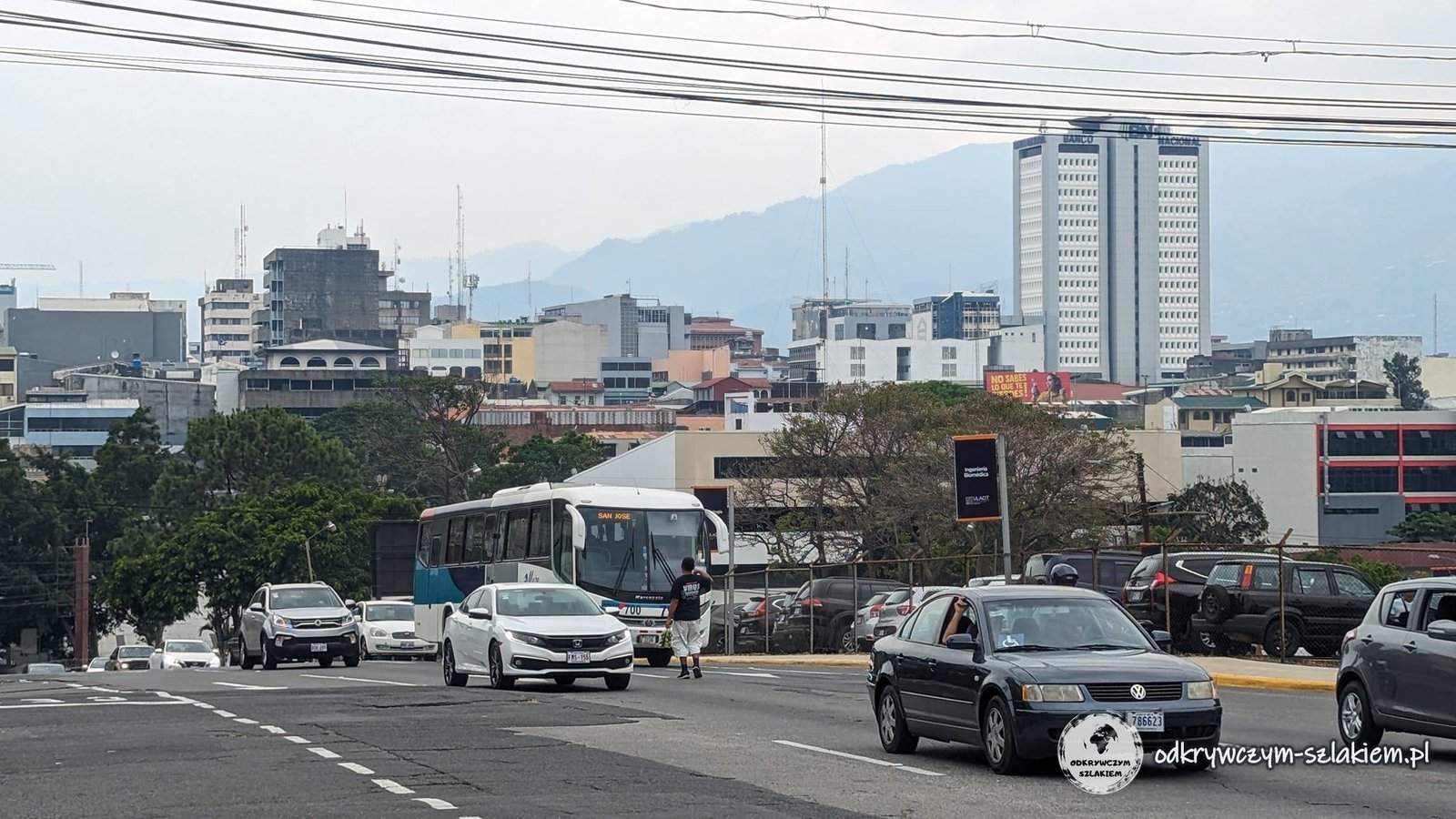
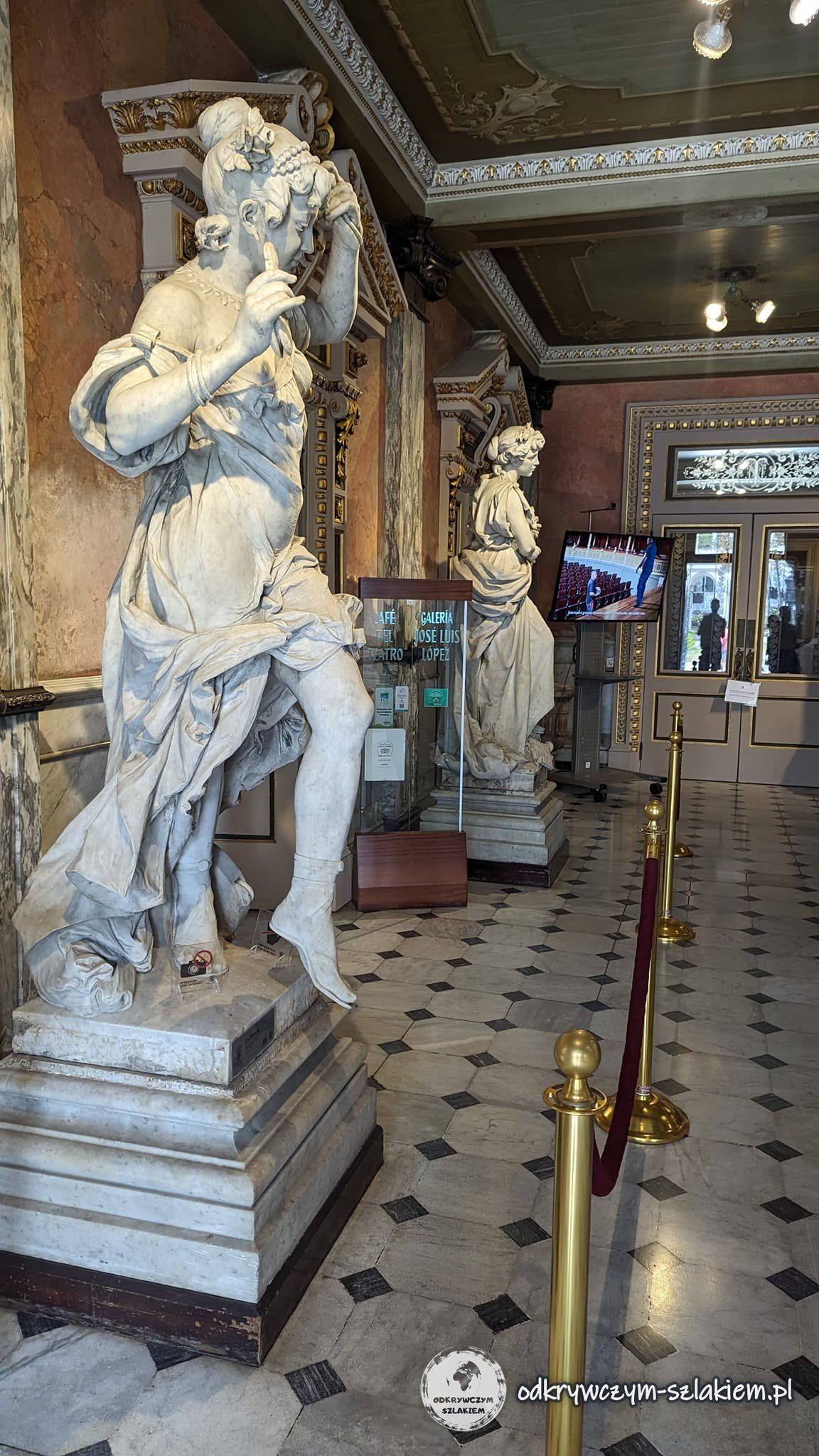
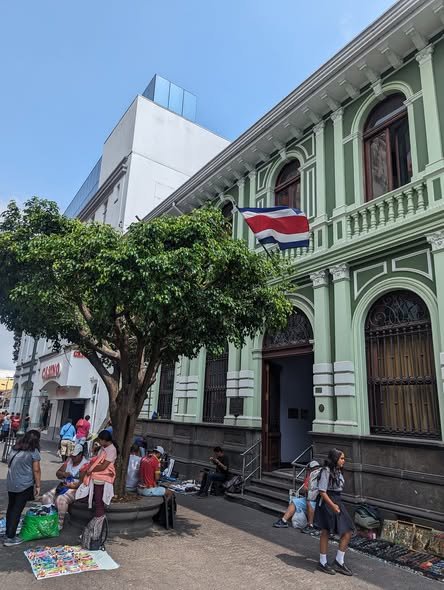
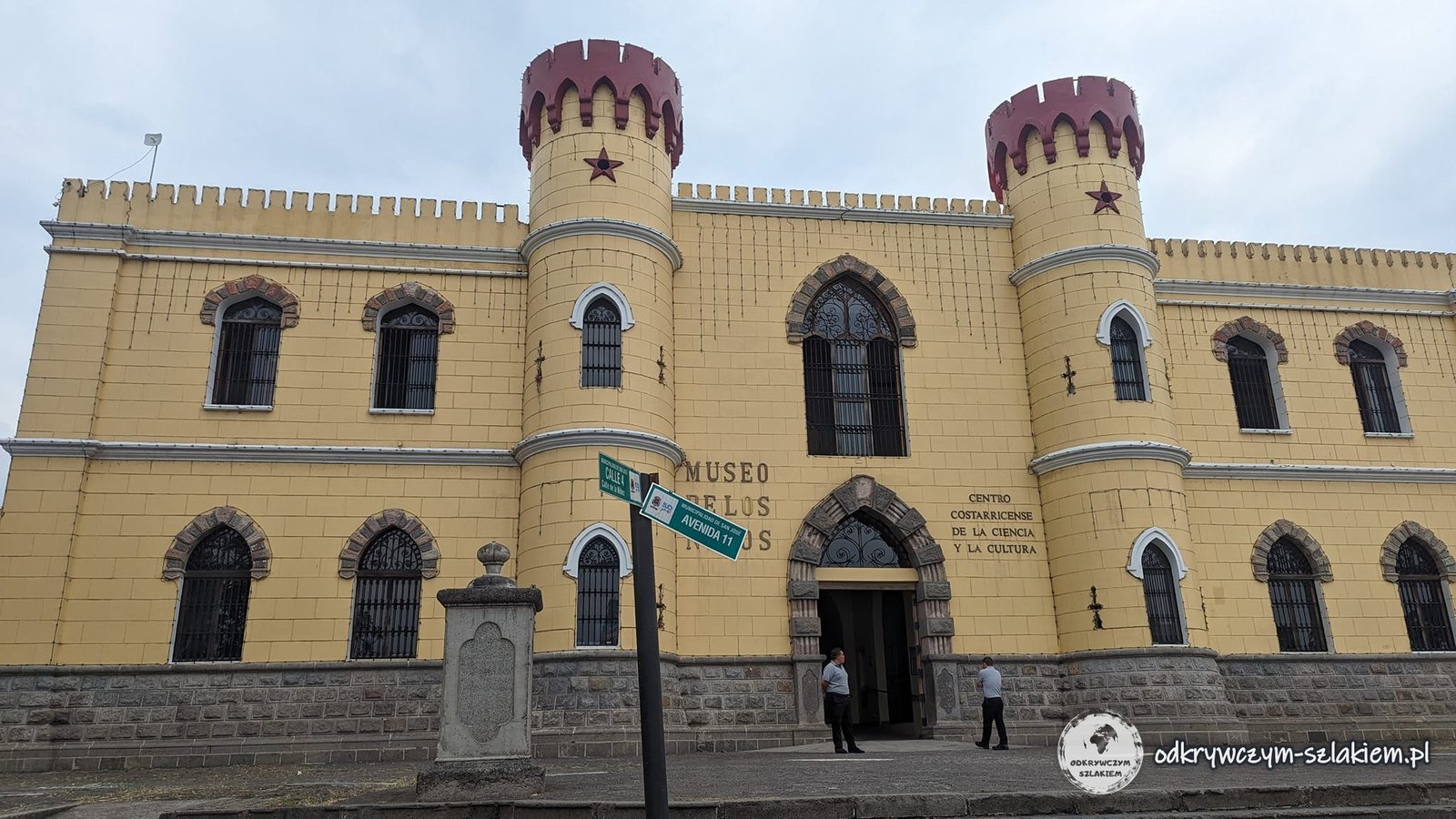
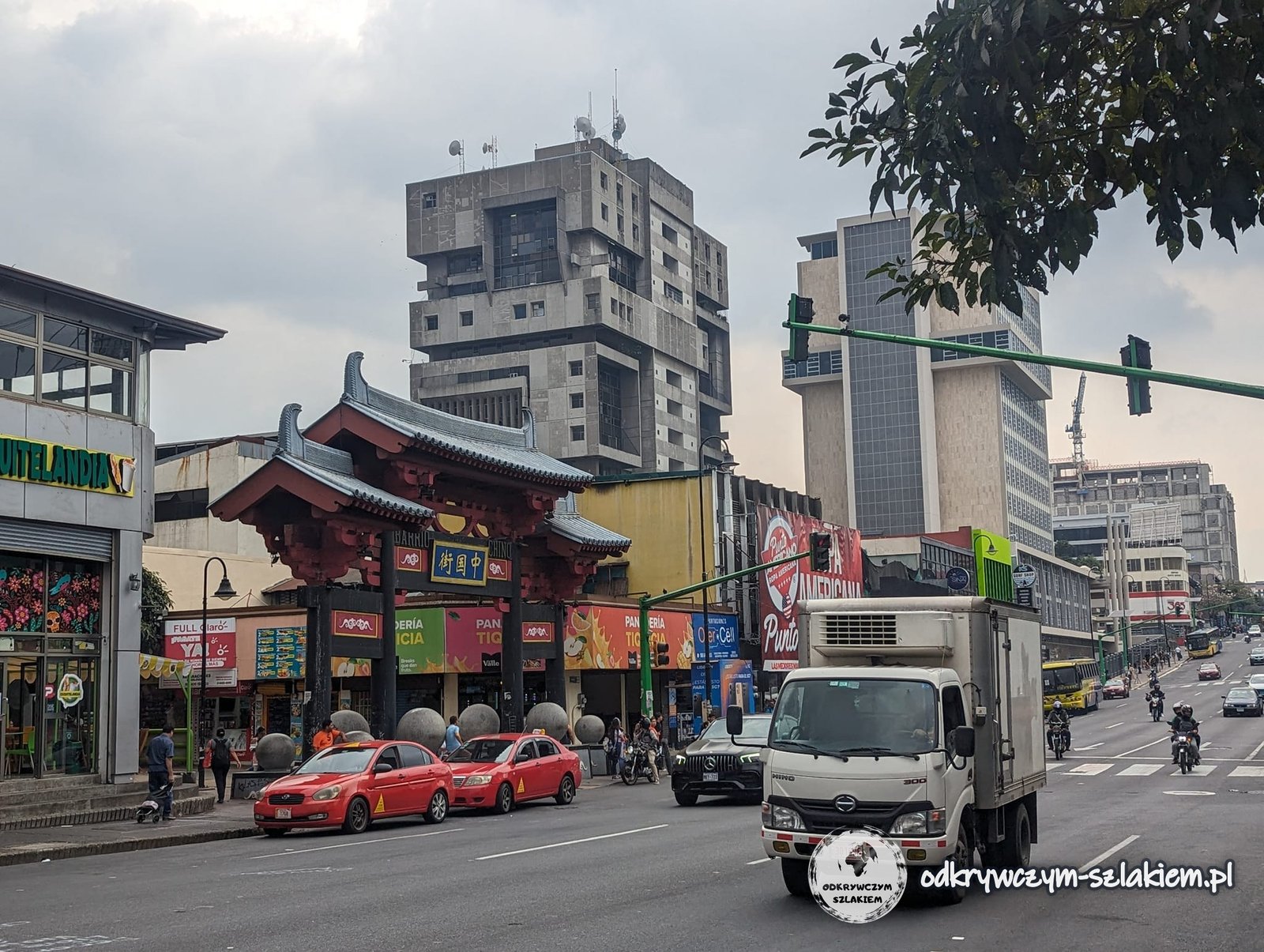
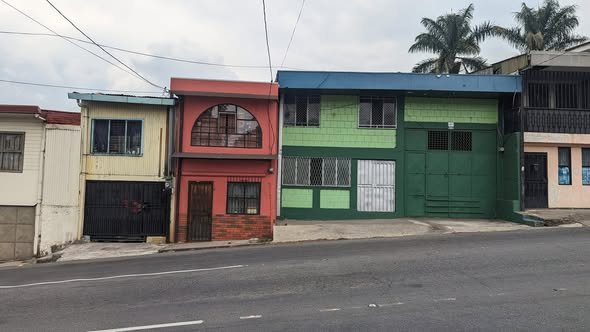
We set aside one day for sightseeing in the city. It is hard to find anything truly special here — San José is known for its cathedral and the National Theatre, and apart from that for a few parks, museums, distinctive brutalist buildings, pretty streets and churches. There are also quite a lot of homeless people, some clearly under the influence — one wanted me to give him my hat and then followed me for a while, shouting something. We saw several police interventions; there are a lot of police here — which is actually a plus, because we felt safe — and the streets are quite clean.
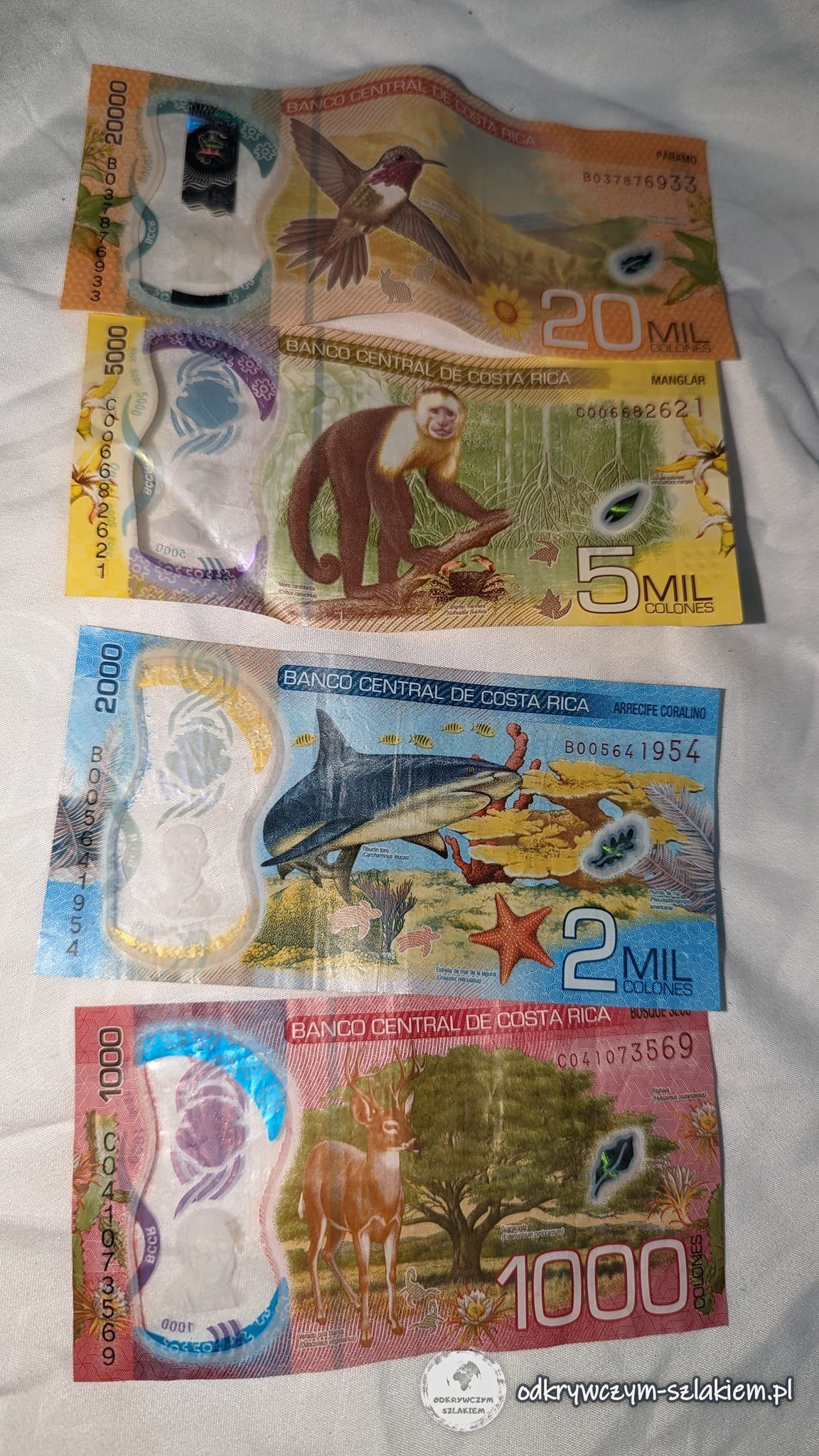
A word about prices: Costa Rica is by far the most expensive country in Central America — prices in shops can be twice as high as in the previous countries, and the same goes for attractions. Intercity buses are more professional (no more chicken buses), so they also cost more: Peñas Blancas–Liberia (1.5 h, US$4), Liberia–San José (5 h, US$10), San José–Monteverde (4 h, US$8). The local currency is the colón (about 500 colones to US$1; we converted to dollars for convenience). Altogether we spent on average about US$27 per person per day here — our most expensive country in the whole of Central America (as of April 2024).
In theory Costa Rica is the safest country in Central America and safer than all the ones we have planned in South America — and yet in our first two hotels someone from reception had to open the door for us; you could not just walk in.
The Santa Elena cloud forests
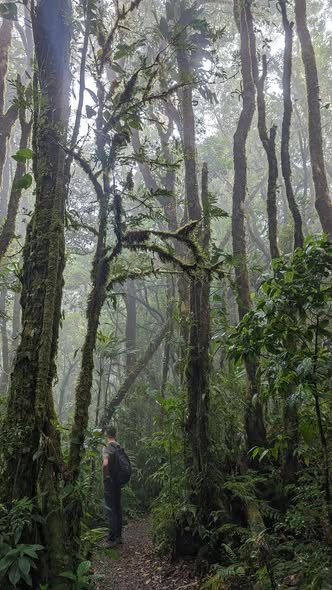
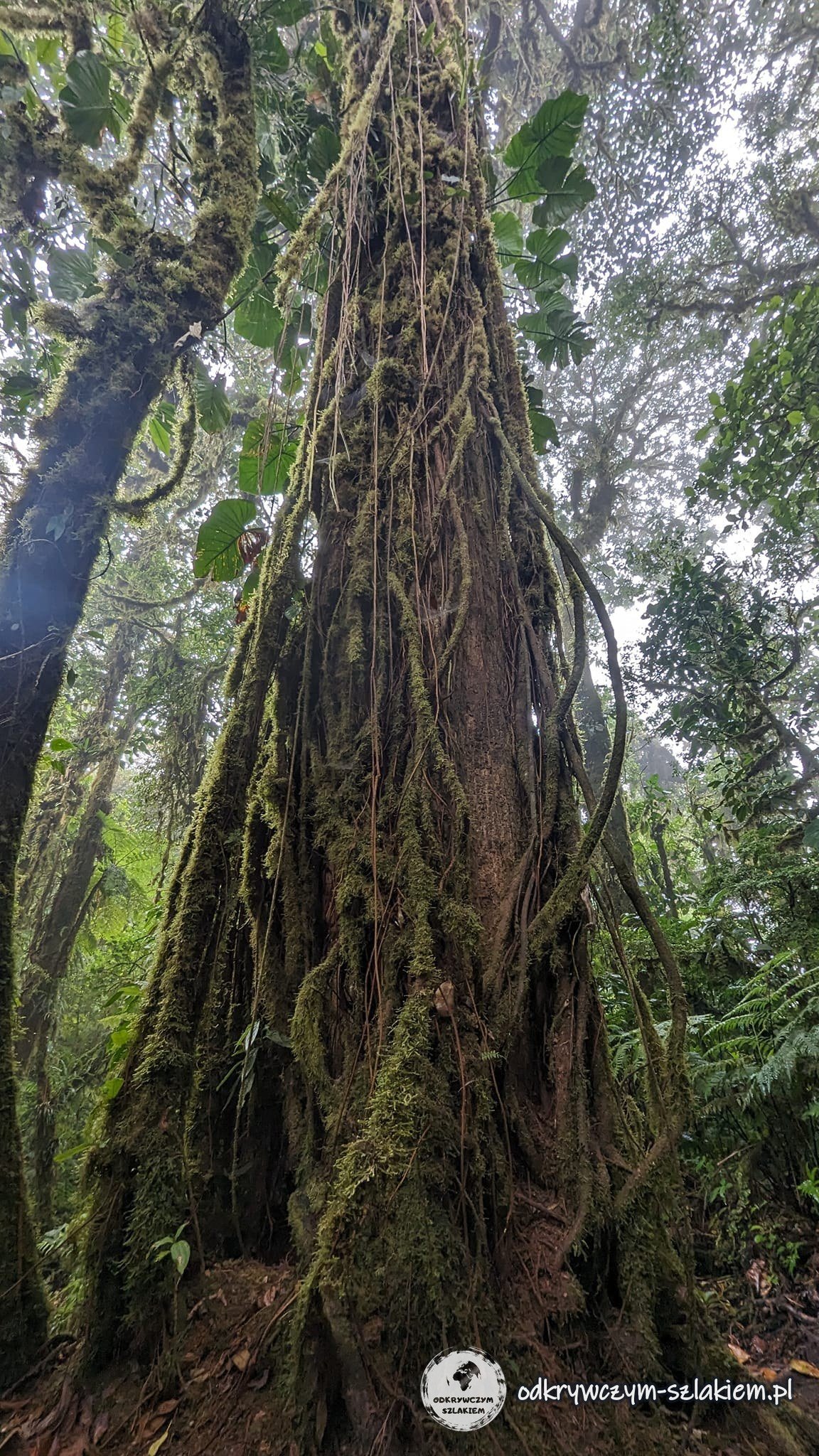
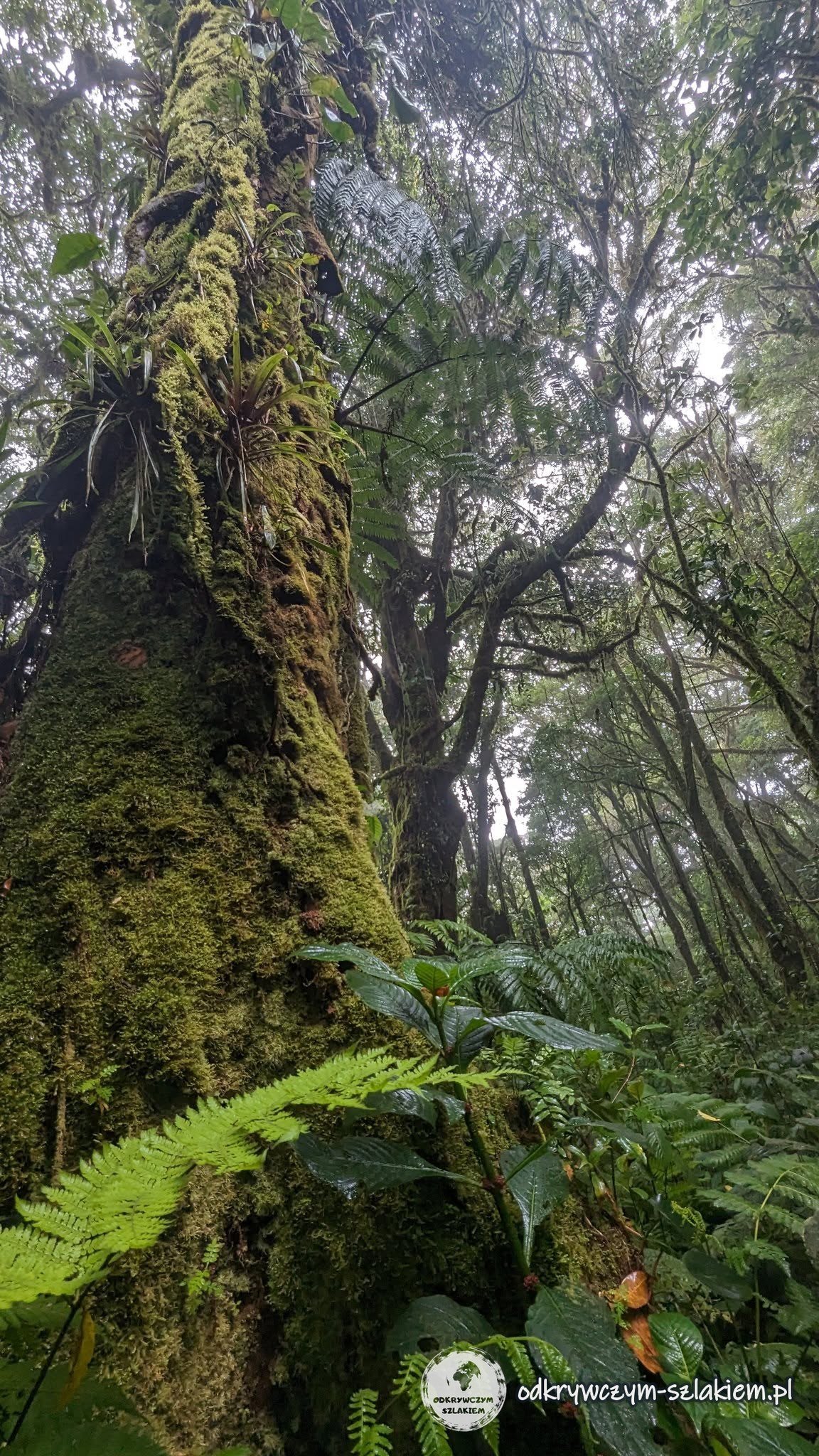
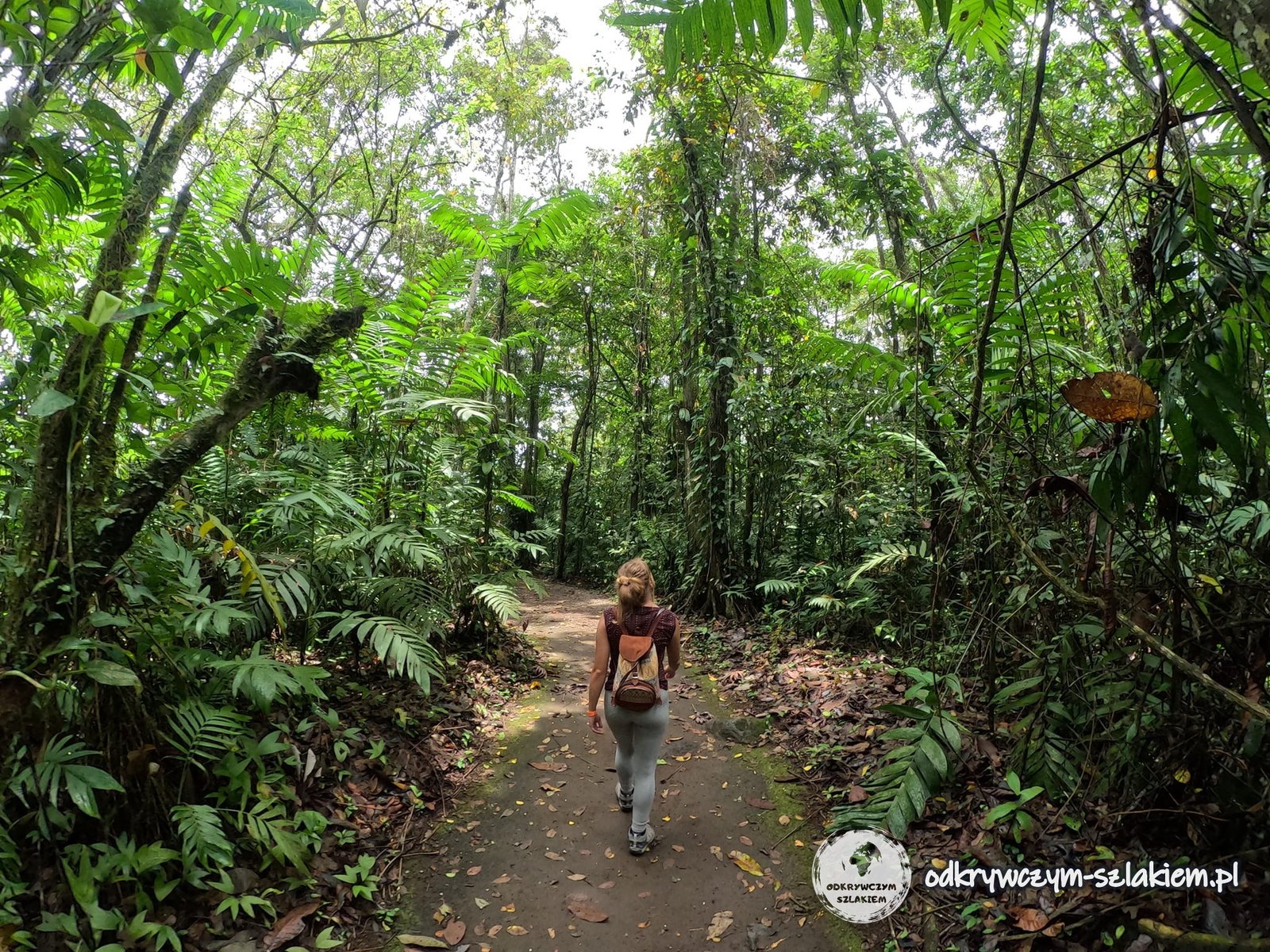
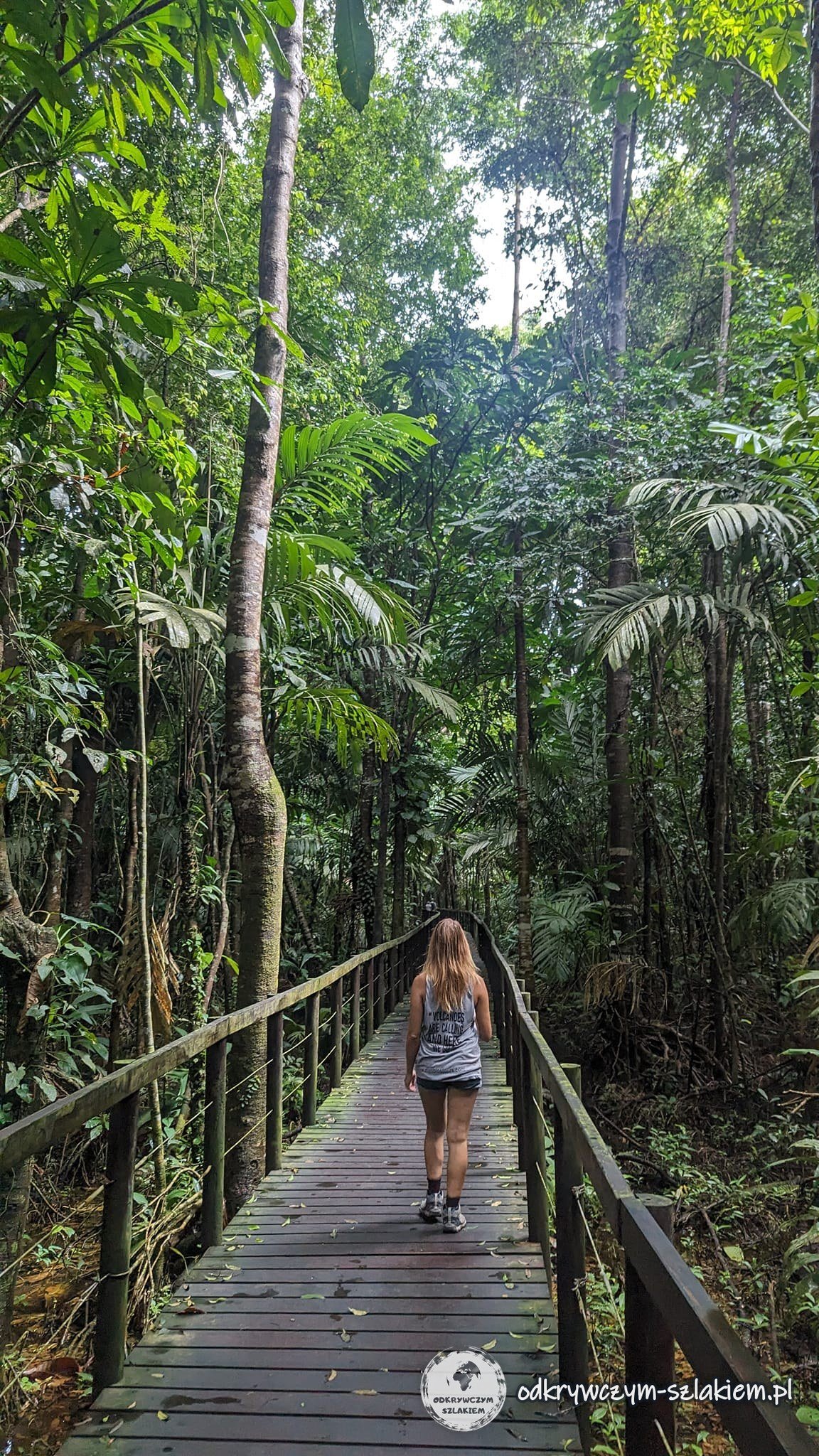
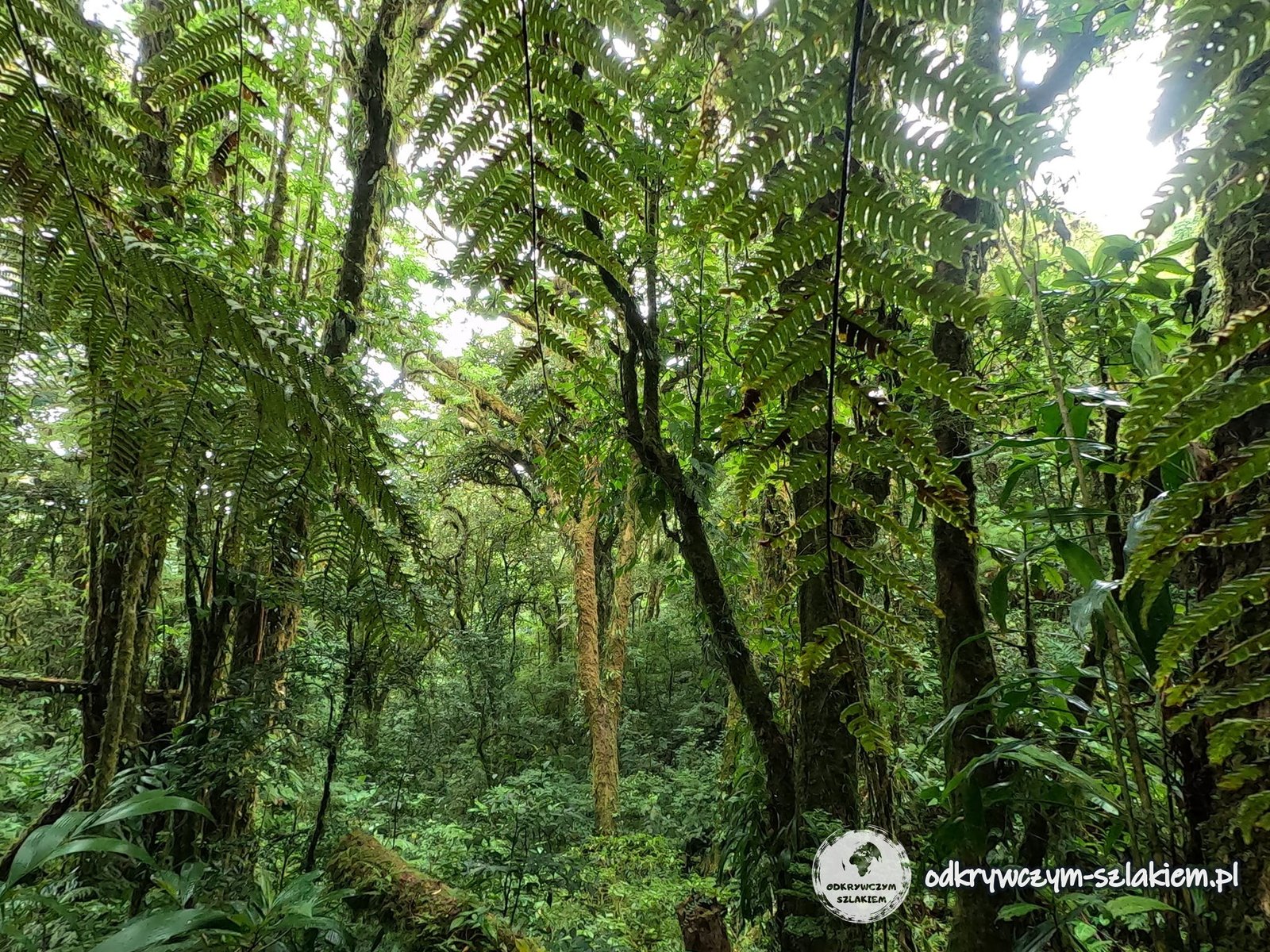
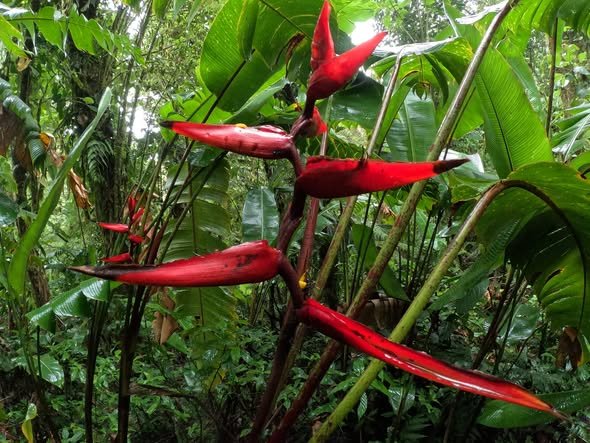
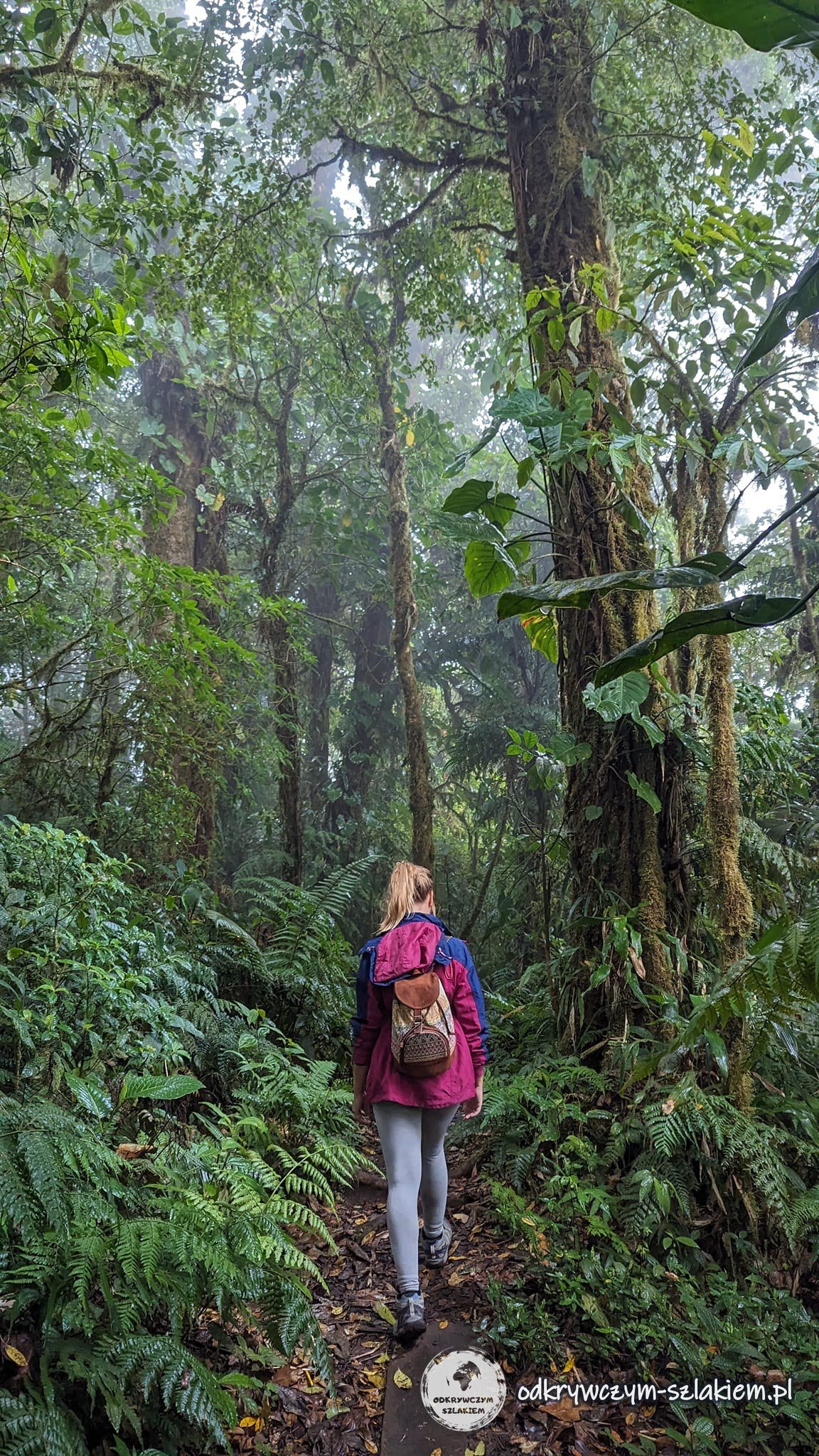
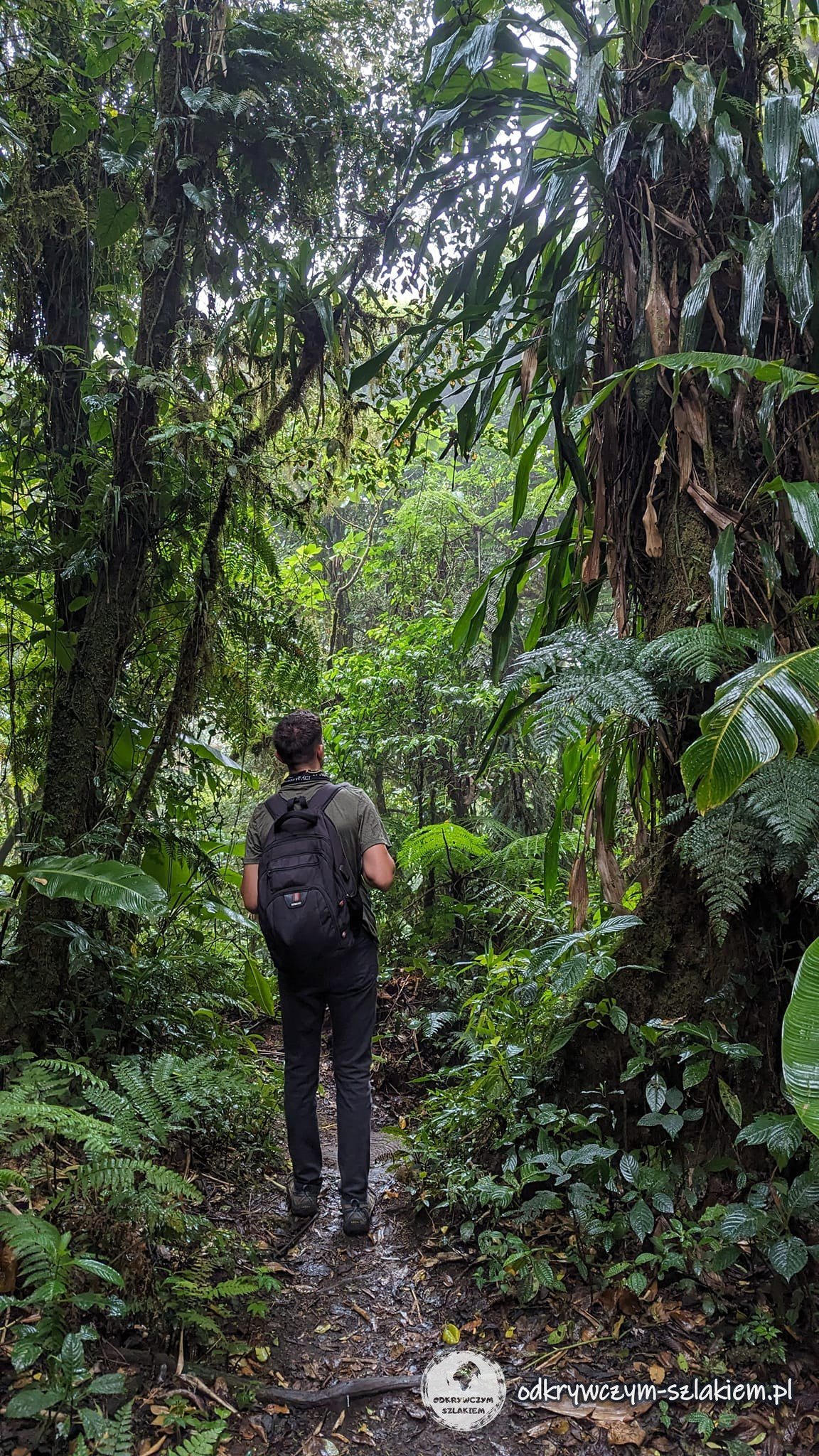
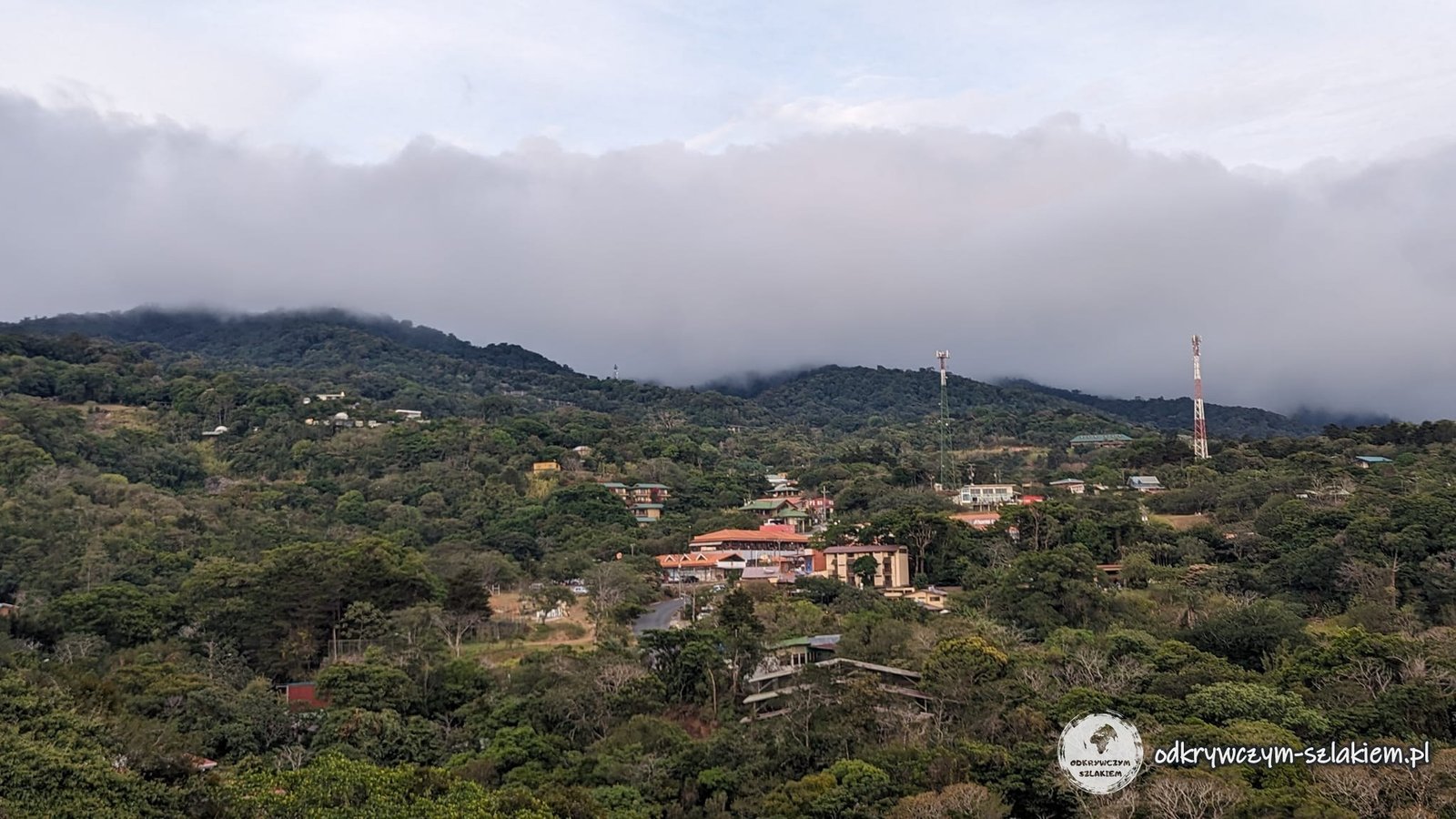
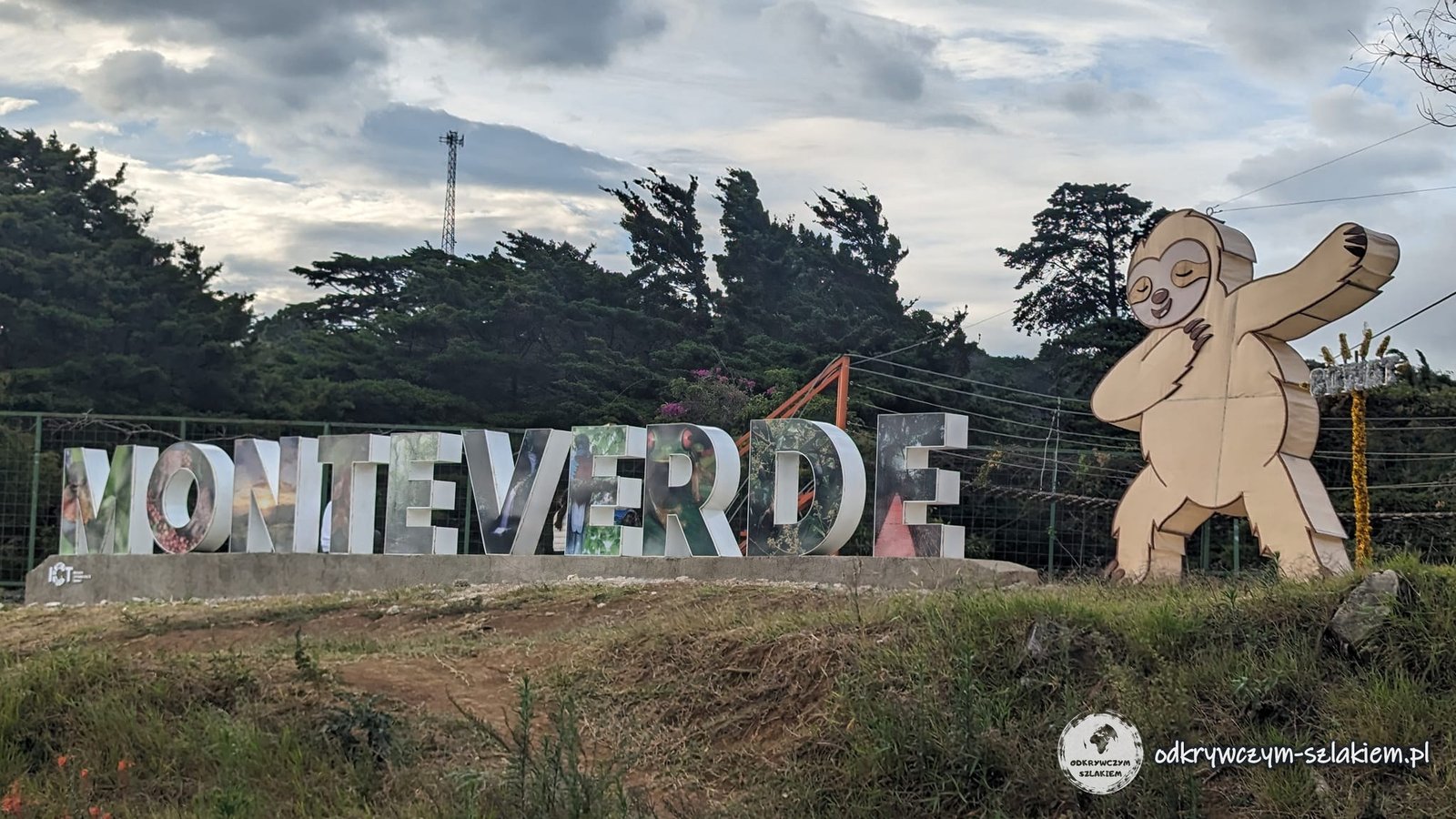
From the capital we moved to Santa Elena / Monteverde in the centre of the country, home to the famous cloud forests — and only about 1% of those are left in the world. As the name suggests, water vapour condenses here, forming mist and clouds, and with them an amazing atmosphere — cool and rainy most of the time. Apart from the lush vegetation you can spot animals here, but you have to look for them carefully and be lucky, because they tend to avoid places where tourists are. It is best to visit first thing in the morning (we arrived around nine, depending on the bus) or at night with a guide. We heard many animals, but all we managed to see were birds — including a quetzal — and insects.
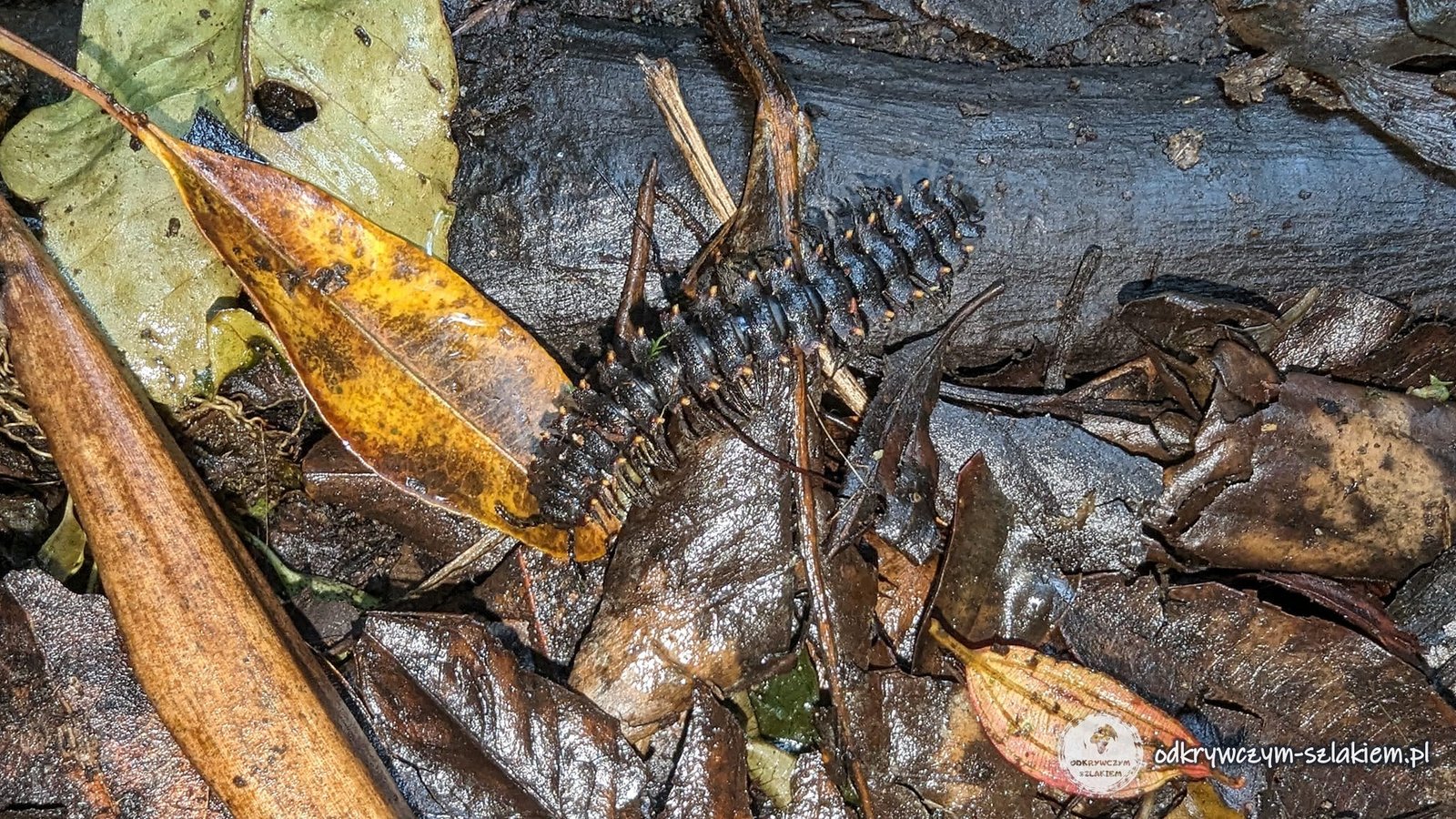
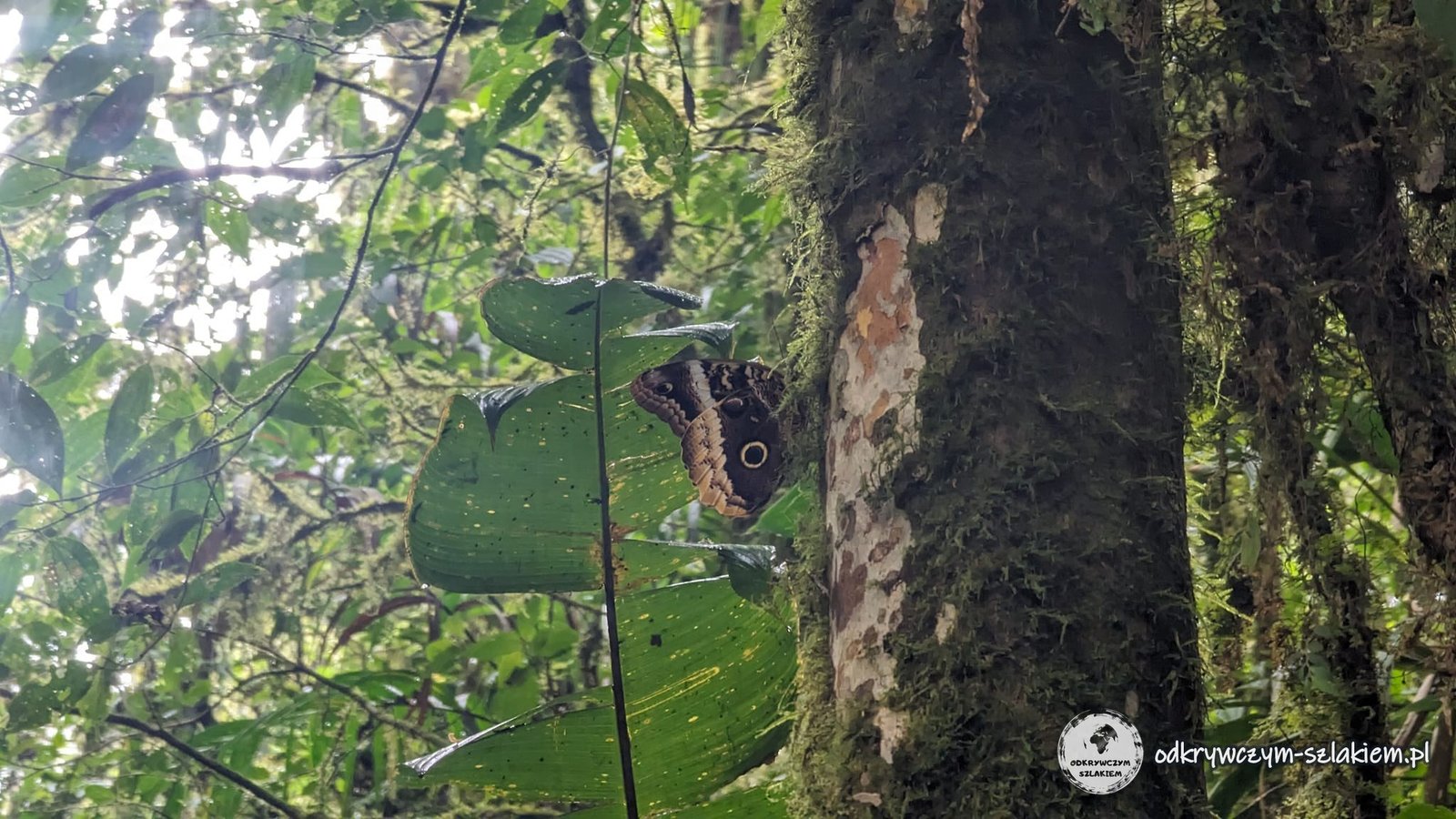
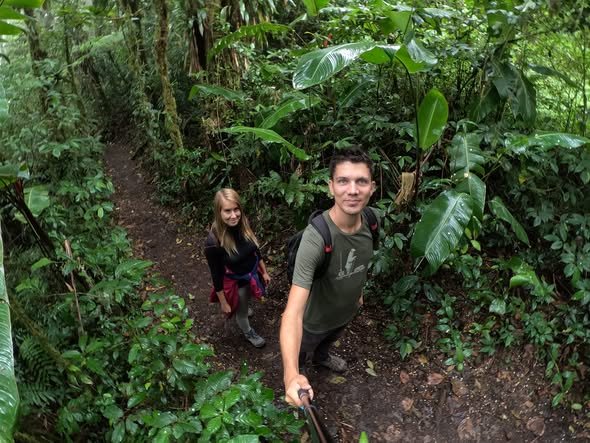
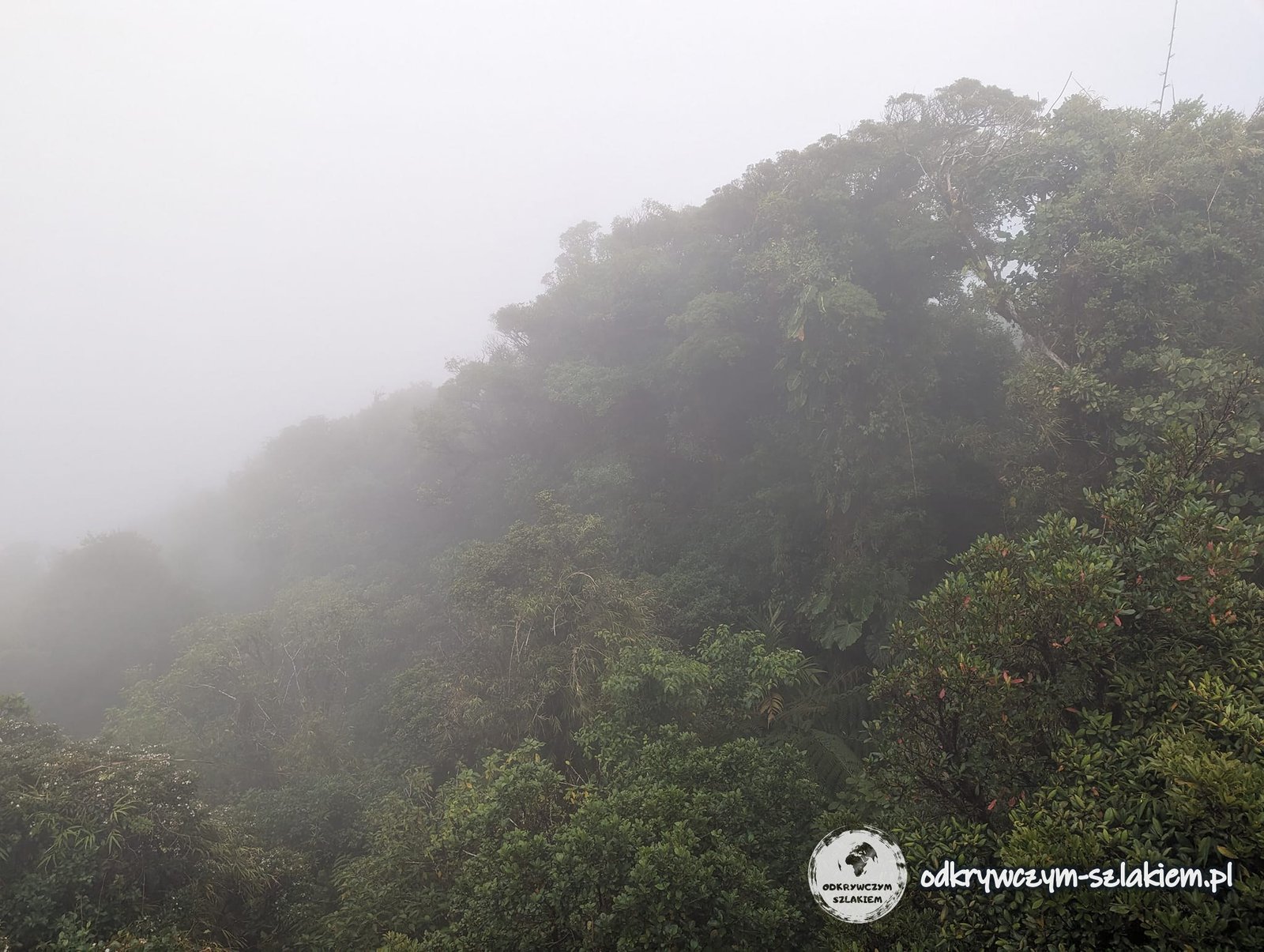
We chose the Bosque Nuboso Santa Elena reserve rather than the more popular Monteverde: it has more trails (we walked all of them, about 11 km) and fewer people, so more peace and quiet. We paid the equivalent of US$18 per person for the entrance. The fog was so thick that we could see nothing from the observation tower (in good weather you can see Arenal Volcano from it).
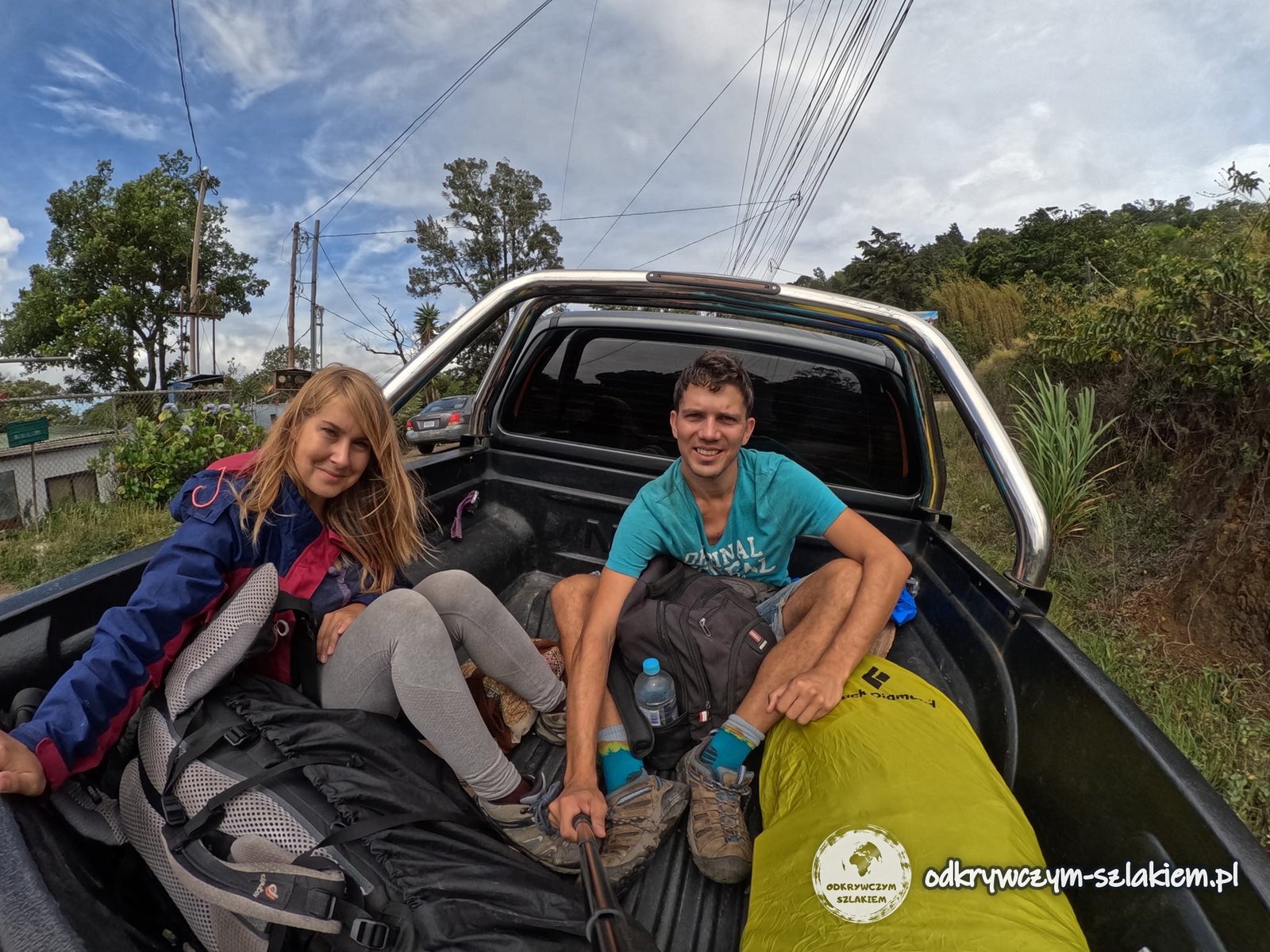
Getting from Santa Elena to La Fortuna turned into a small adventure: the shuttle driver did not check the updated list and did not pick us up from the hostel at 8 a.m. Luckily we hitched a ride to Tilarán, from where there was a direct bus — we paid US$6 each instead of 32, and on top of that we did not have to get up early and made it to the breakfast included in the room price. We highly recommend the place — Montefresco in Santa Elena: a double room works out at US$10 per person, which is very decent for Costa Rica (20 minutes’ walk from the centre, but you can live with that).
La Fortuna – sloths and Arenal Volcano
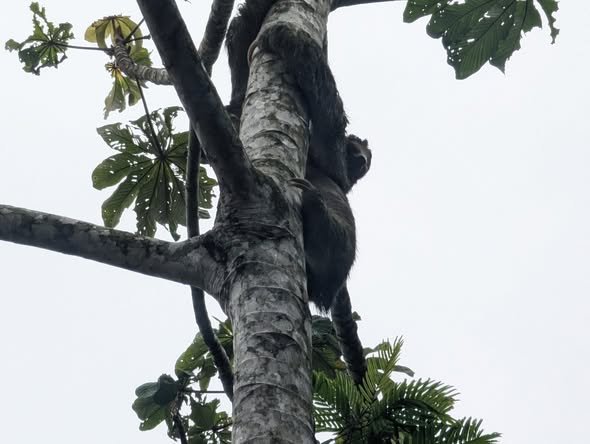
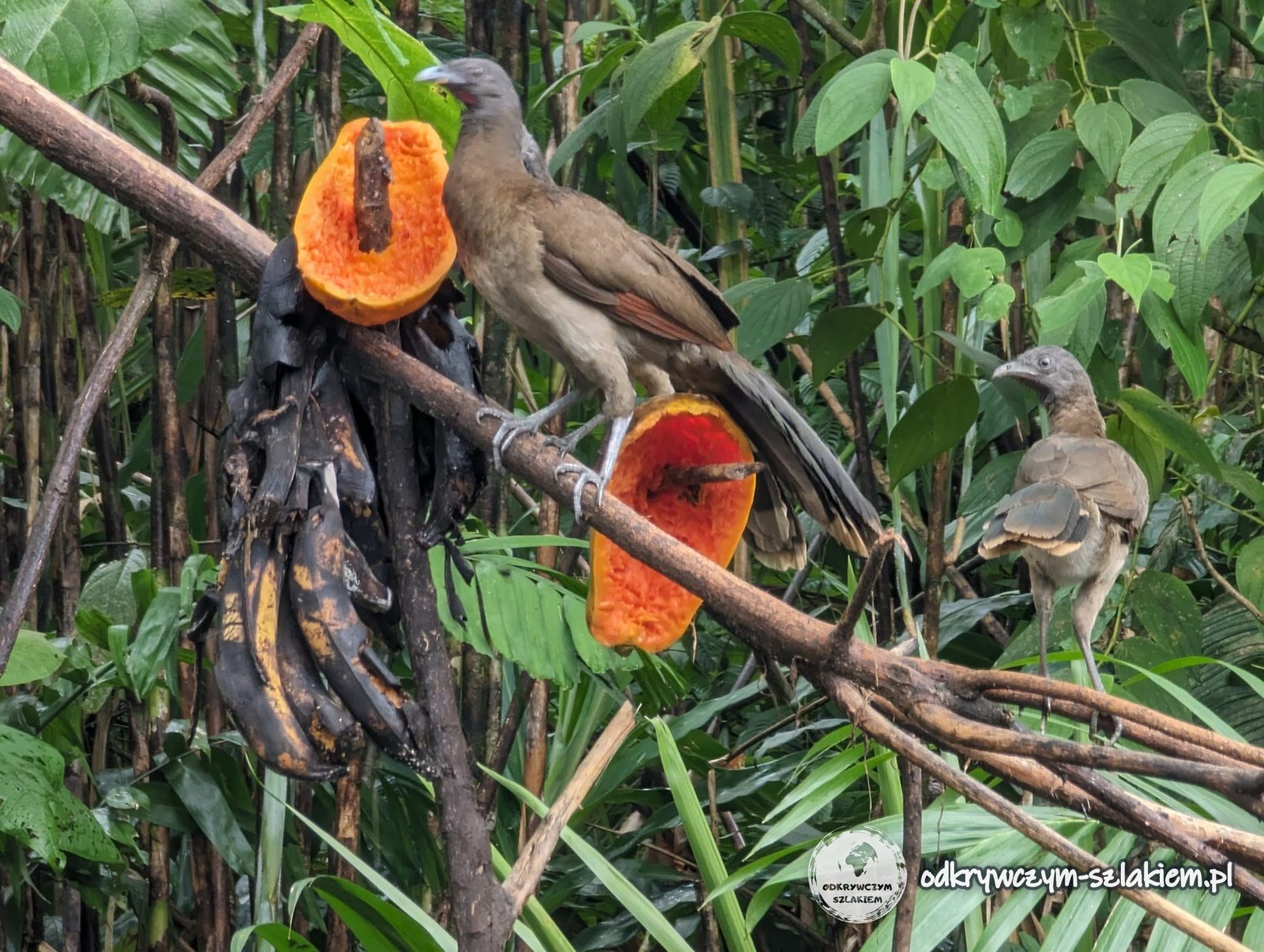
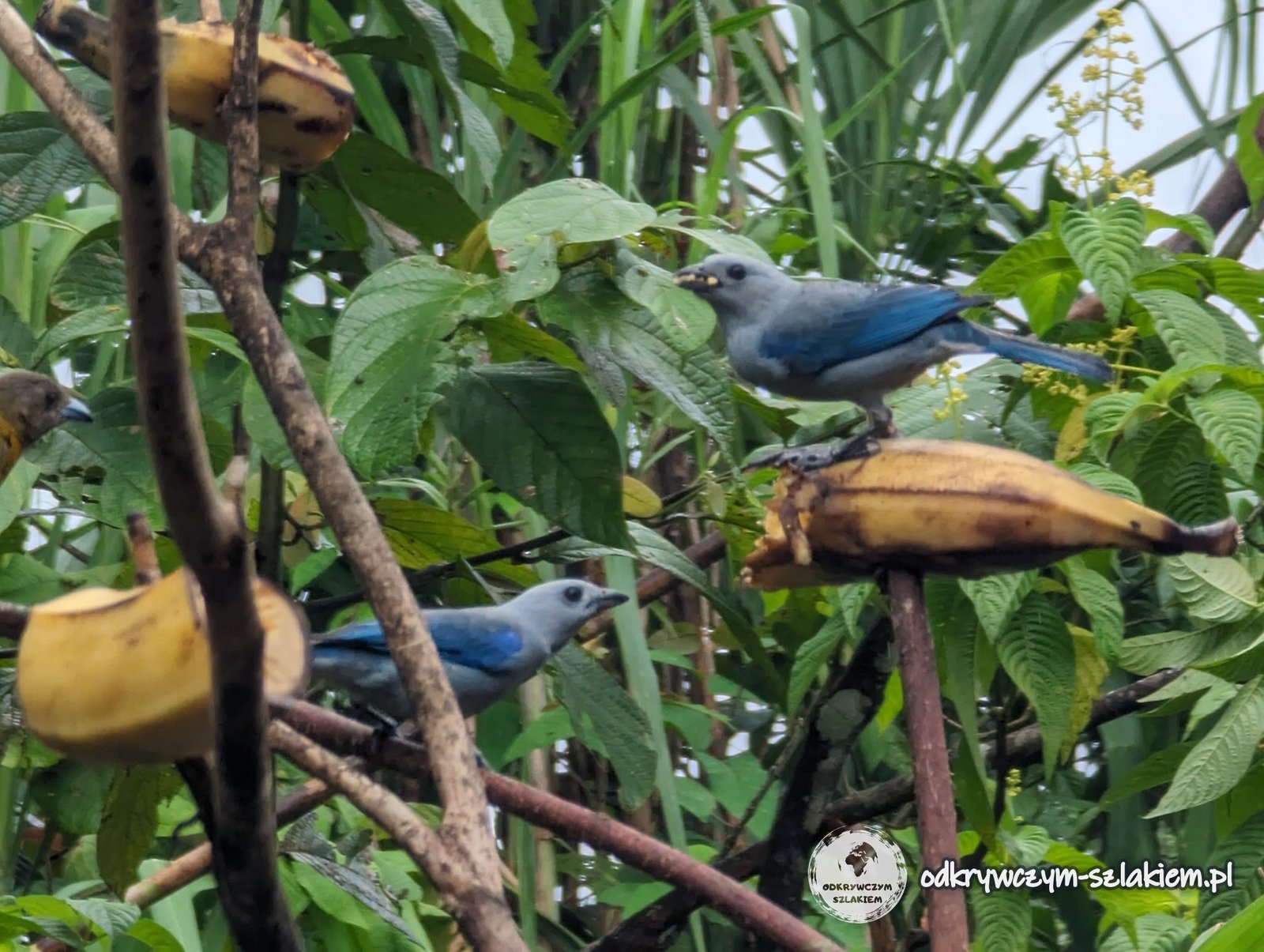
We came to La Fortuna on a mission to “hunt” for sloths — and there are loads of places around where you can watch them. To improve our chances we booked a guided tour of the Bogarín Trail for 8 a.m., but it had been pouring since the early hours, so we decided there was no point. In the end we turned up after ten and went without a guide — and just as well, because not only did we see two sloths (the first in our lives, one quite close up), we also paid three times less: US$17 instead of 56. We also saw lots of birds, especially the small, colourful ones lured by food at the trail entrance. We were happy, although the area is fairly small (about two hours’ worth), so you can feel the other tourists “breathing down your neck” the whole time — it is not as relaxed as in the Santa Elena cloud forest.
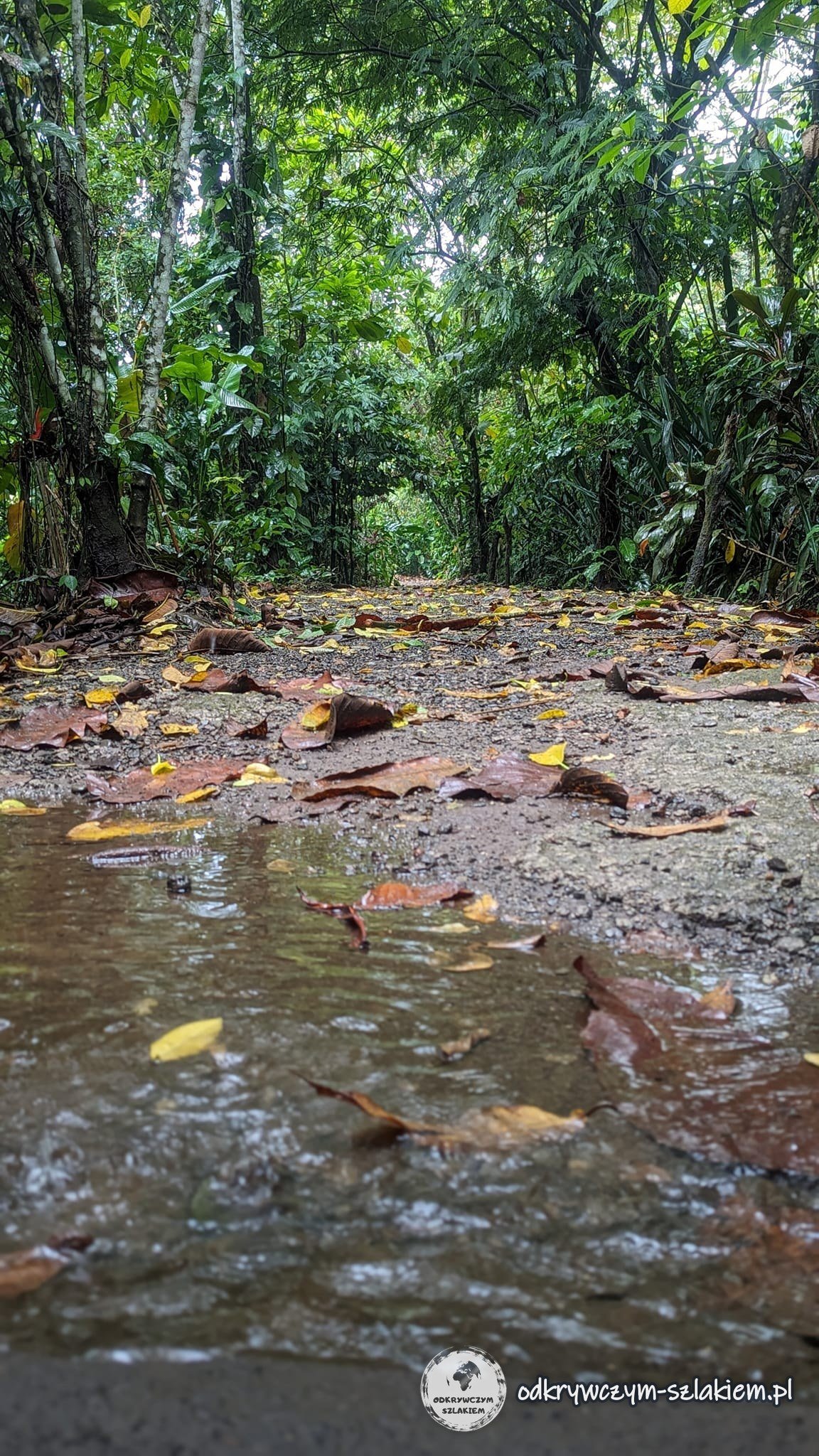
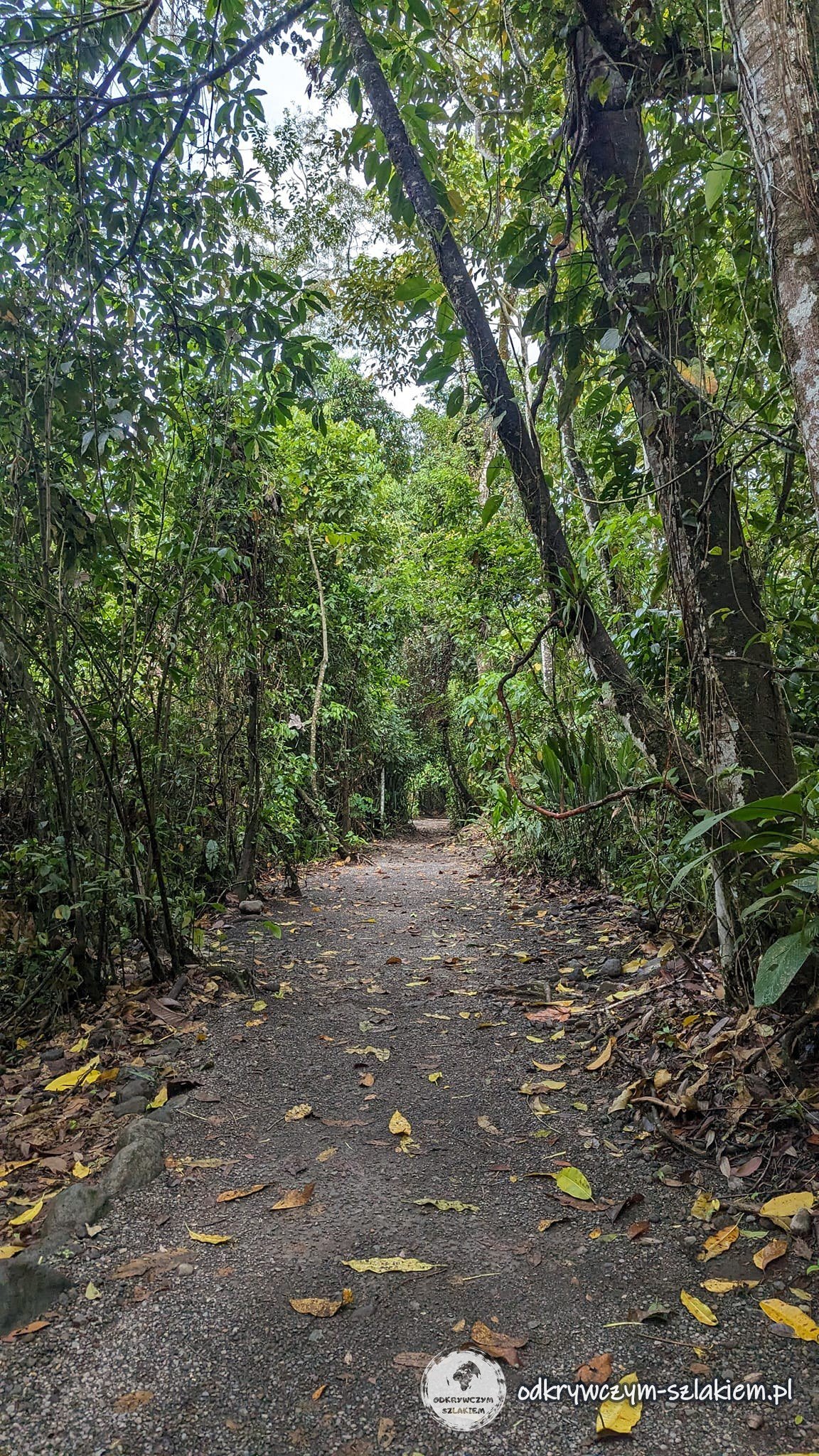
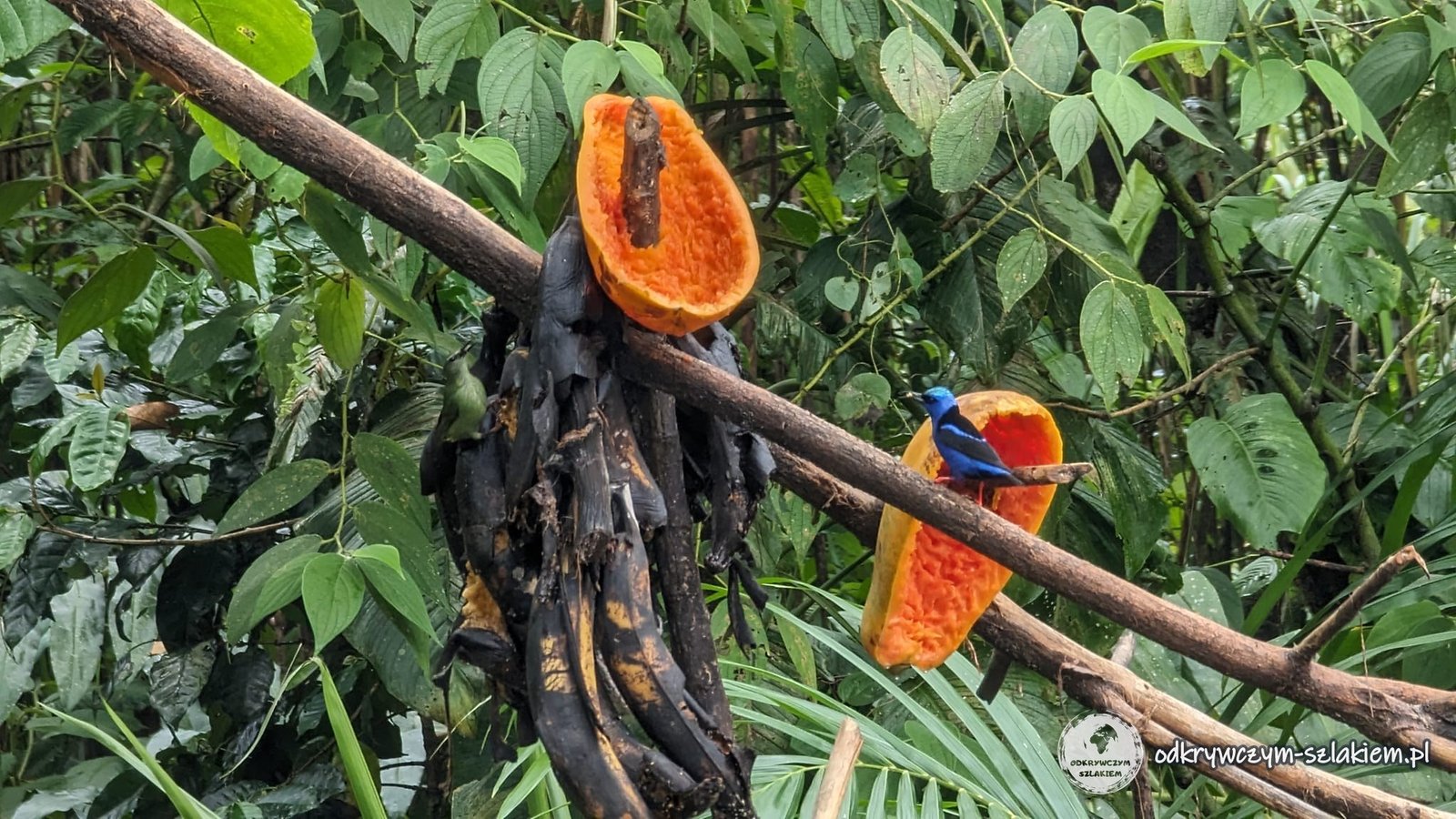
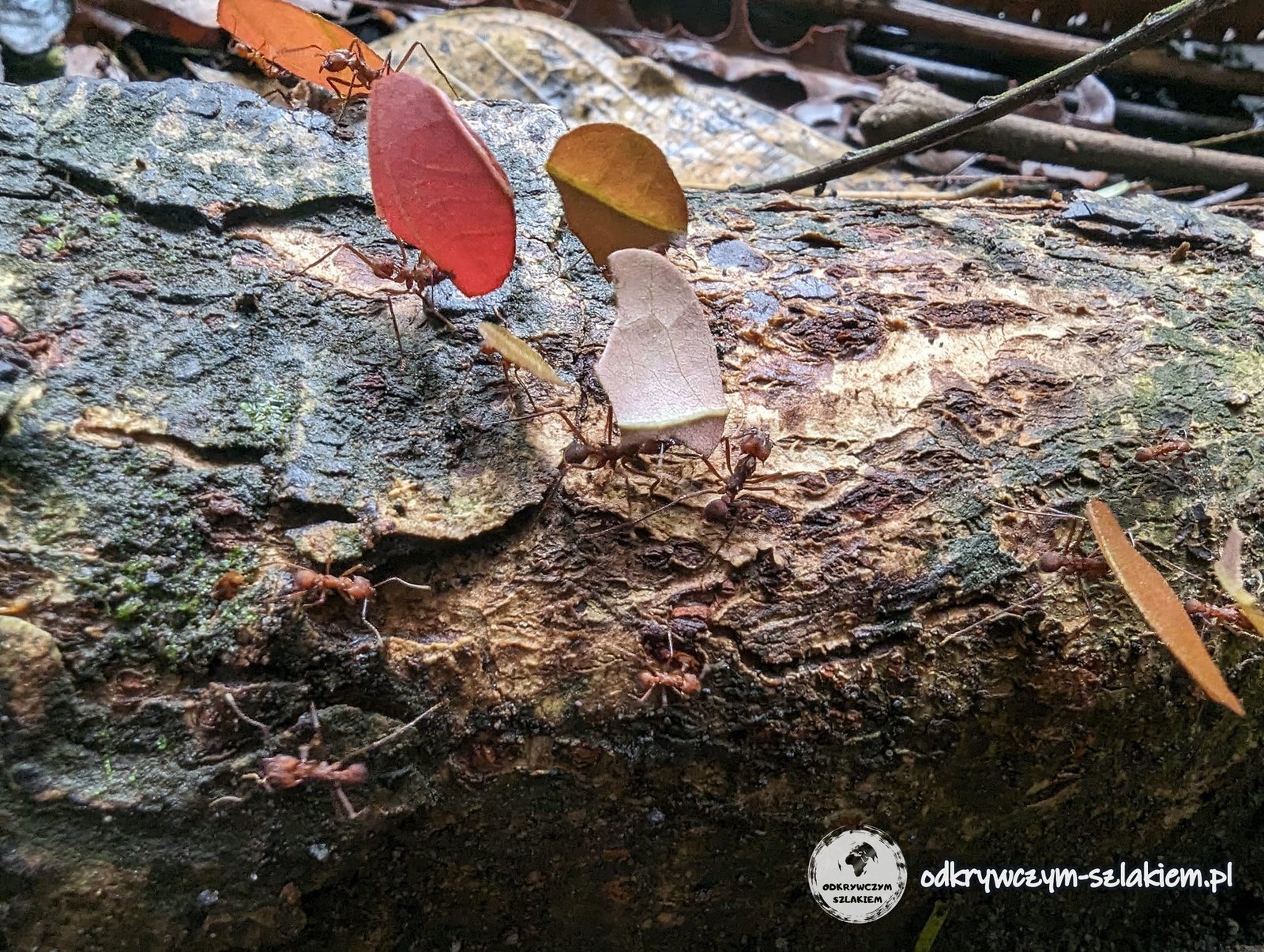
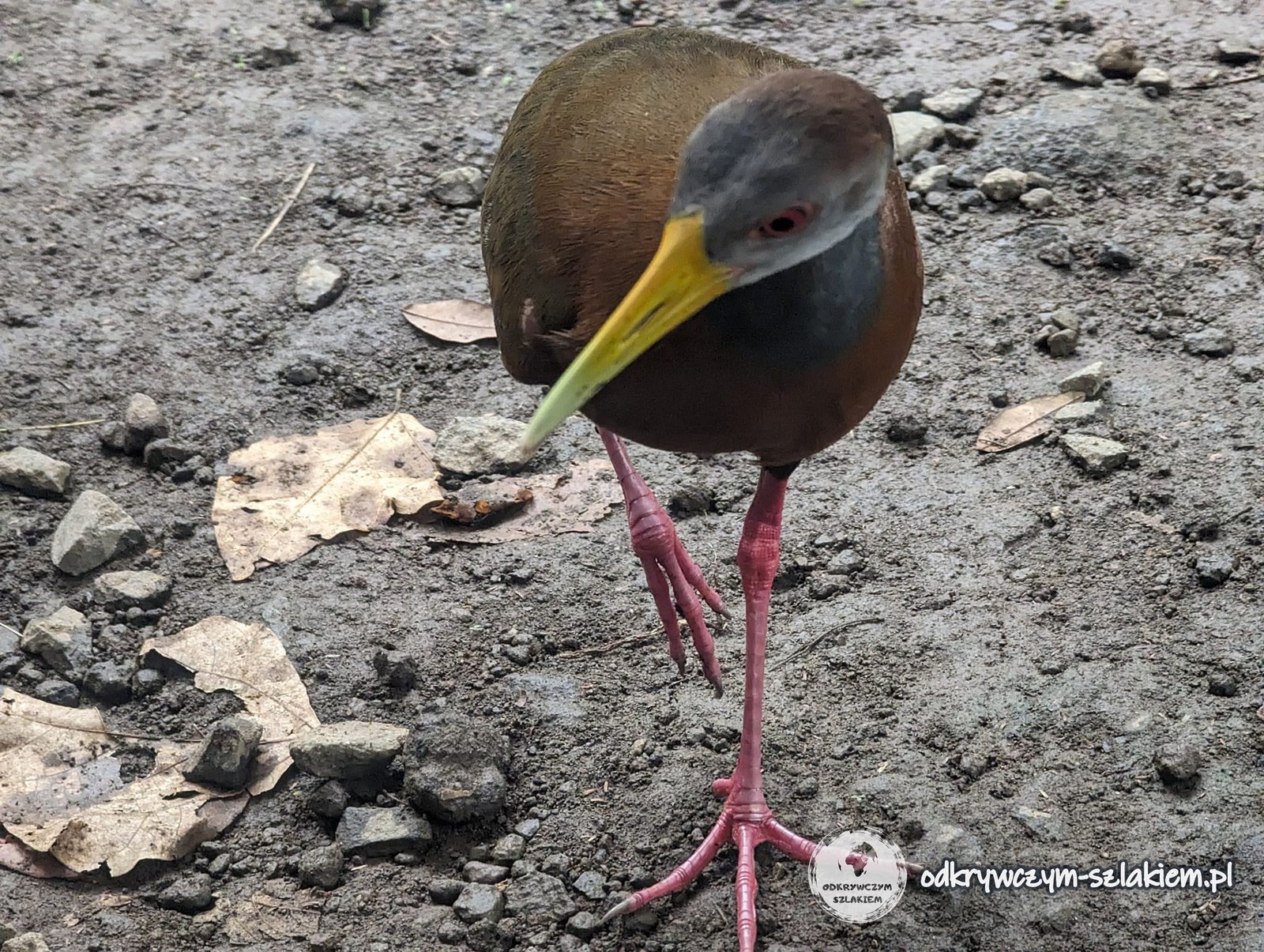
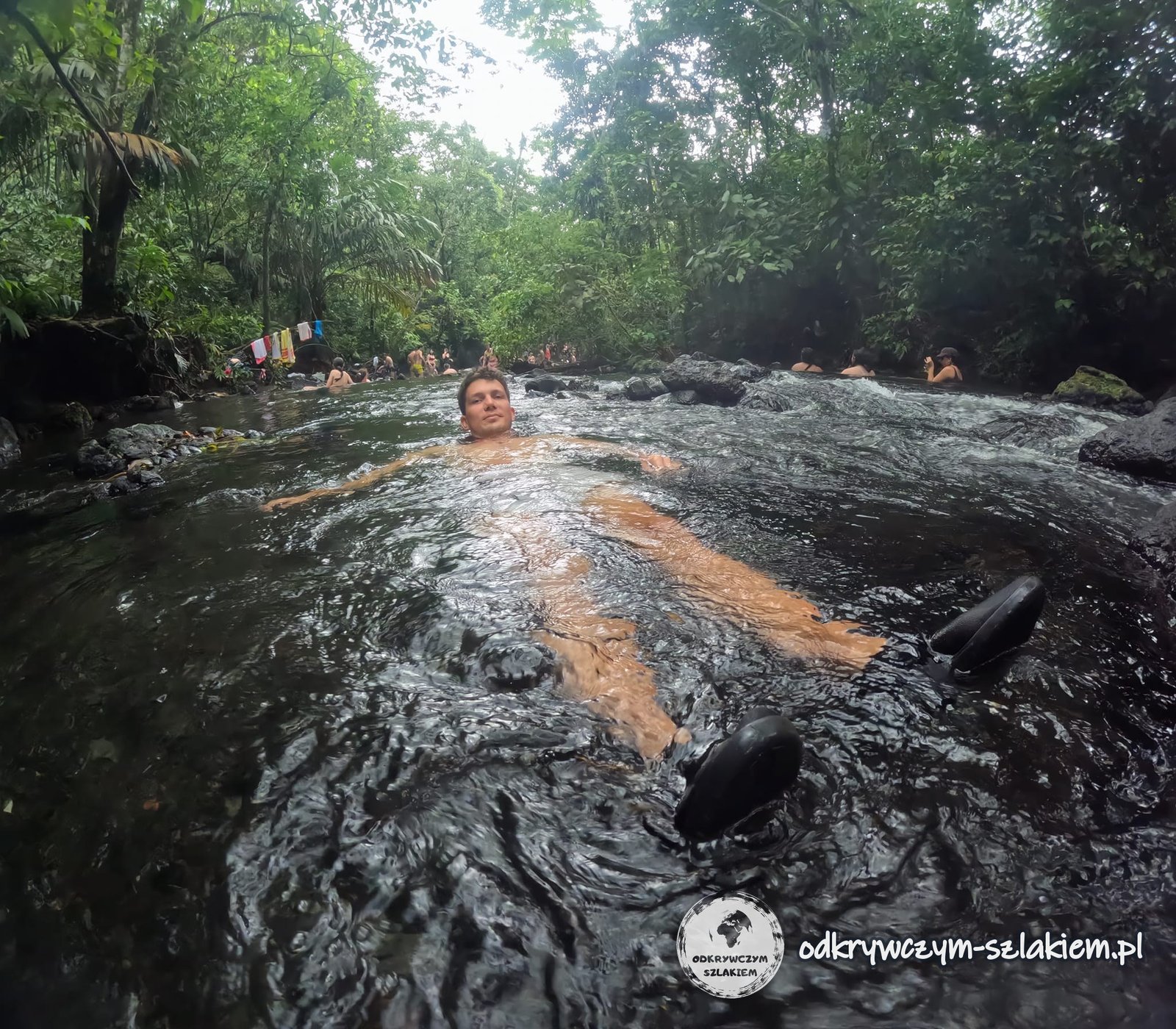
Nearby rises Costa Rica’s youngest (7,000 years old) and most active volcano — Arenal (1670 m). Unfortunately, because of the weather we did not manage to see it on any of our three days there, which is a shame. We did, however, enjoy its “benefits” and went to the El Choyín river with its hot spring: next to many expensive resorts there is a completely free spot, and that is the one we used — in the company of jumping monkeys and annoying rain.
For the first time in ages — not counting trips with friends — we slept in a dorm (luckily just a four-bed one). We usually find a private room for a similar price, but this time we would have had to pay double, and we had also started looking late — it came to US$8.50 per night. That is Costa Rica for you. Rio Danta Hostel — we recommend it: a well-equipped kitchen, clean bathrooms, and even a small gym and a basketball hoop.
Cahuita – a national park full of animals
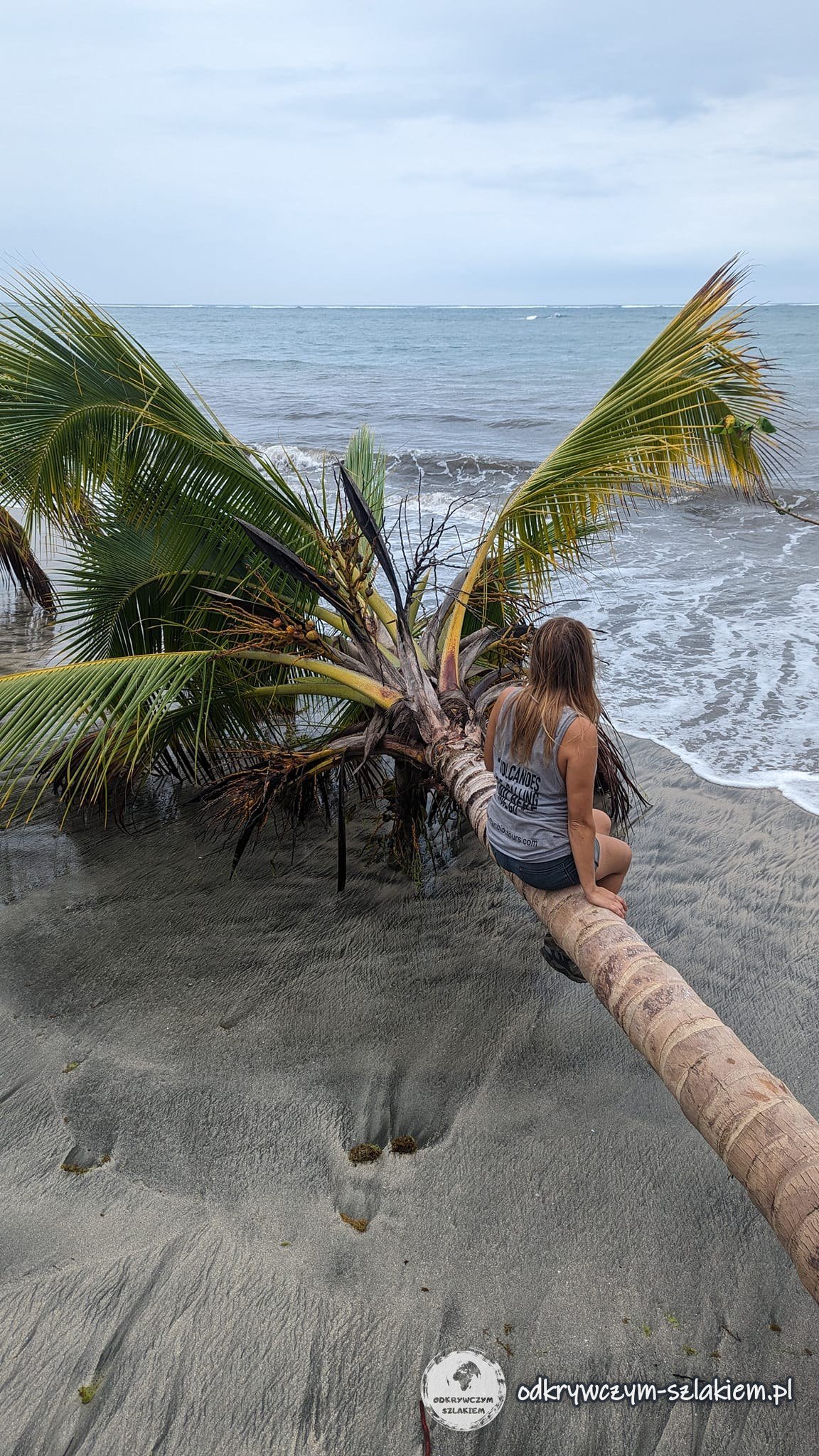
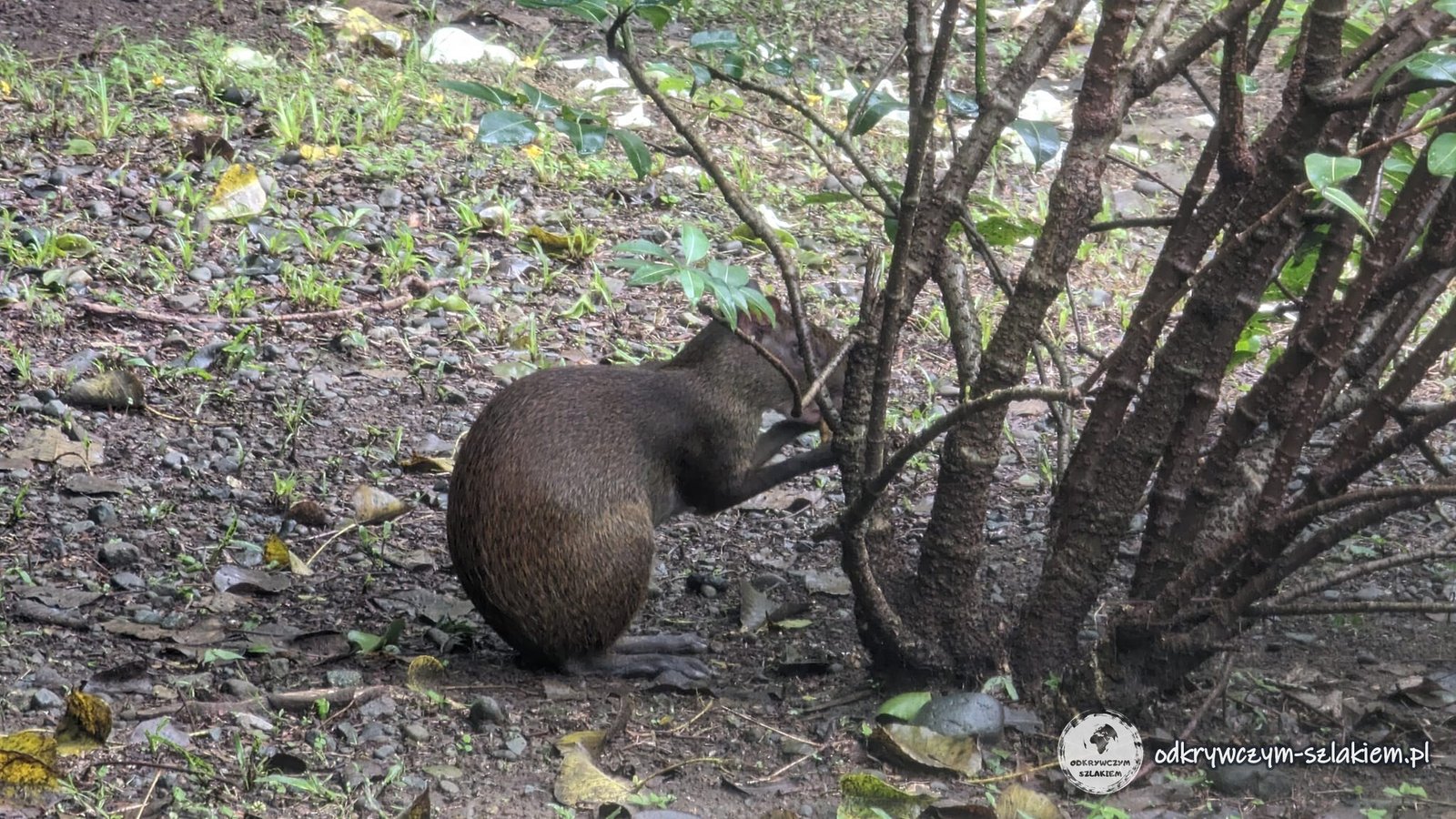
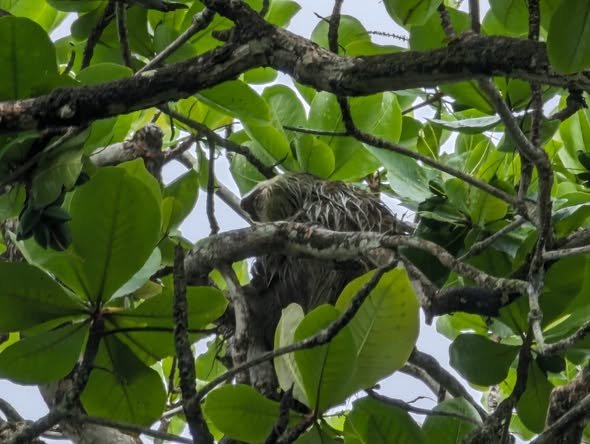
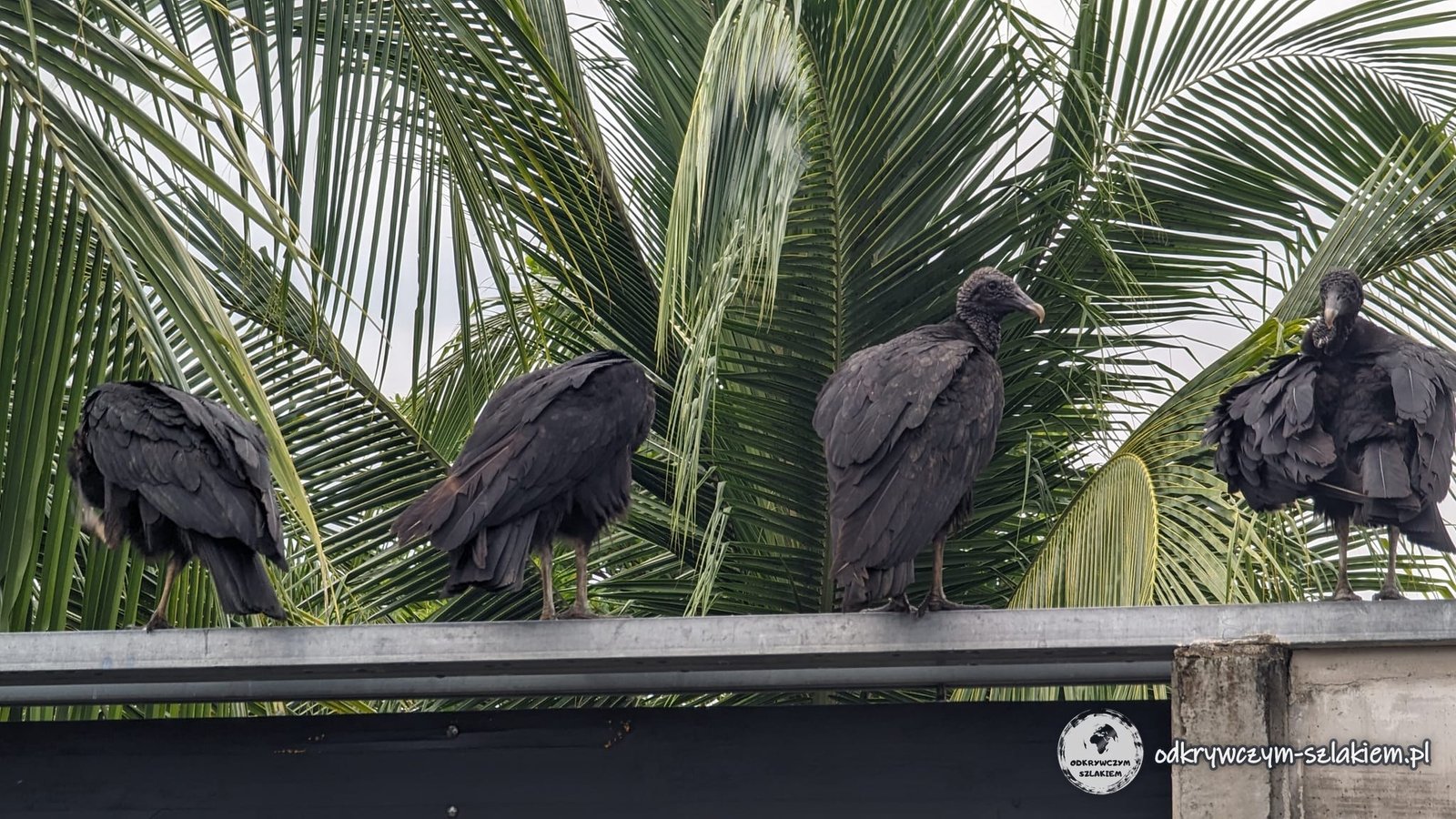
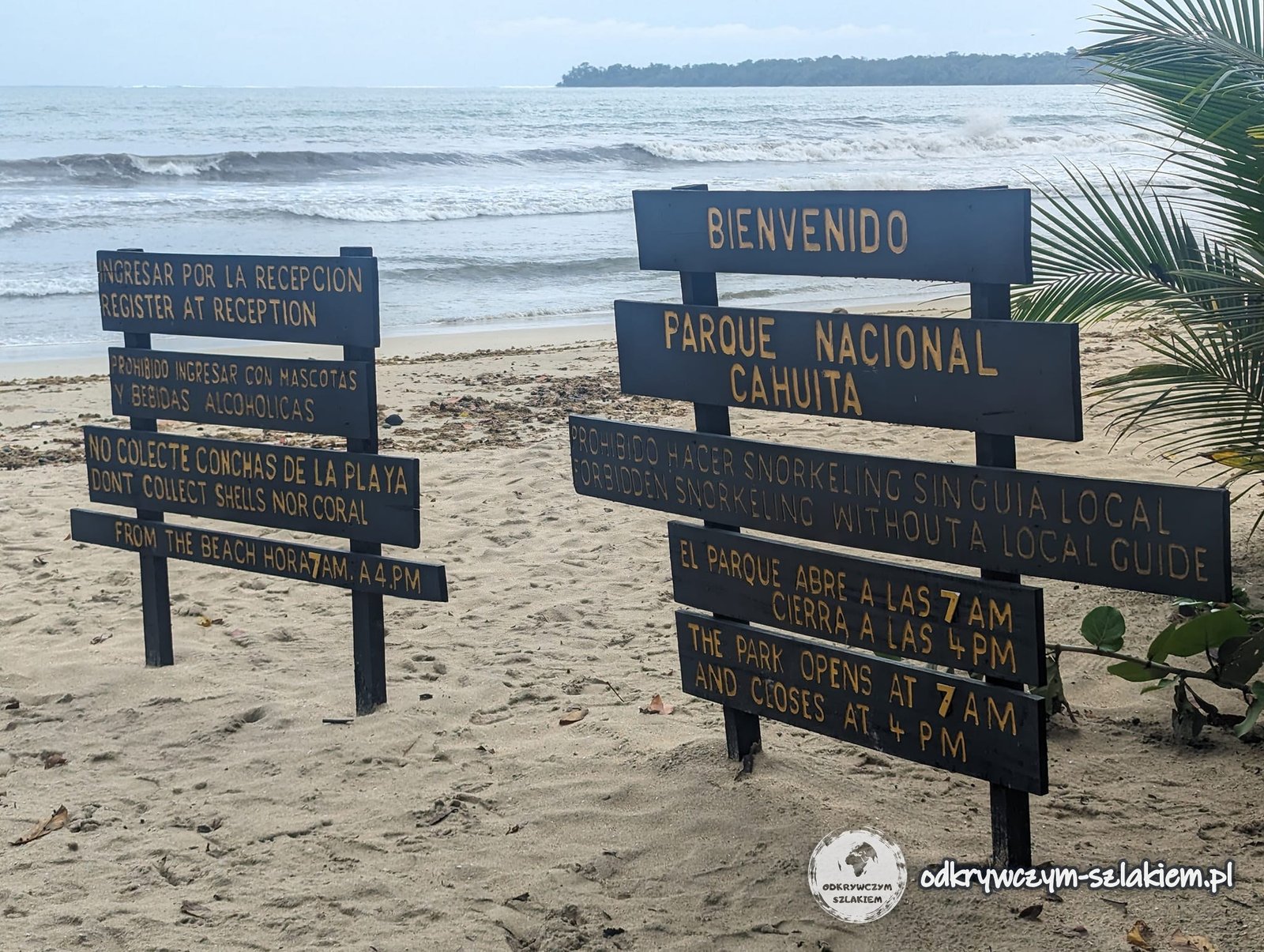
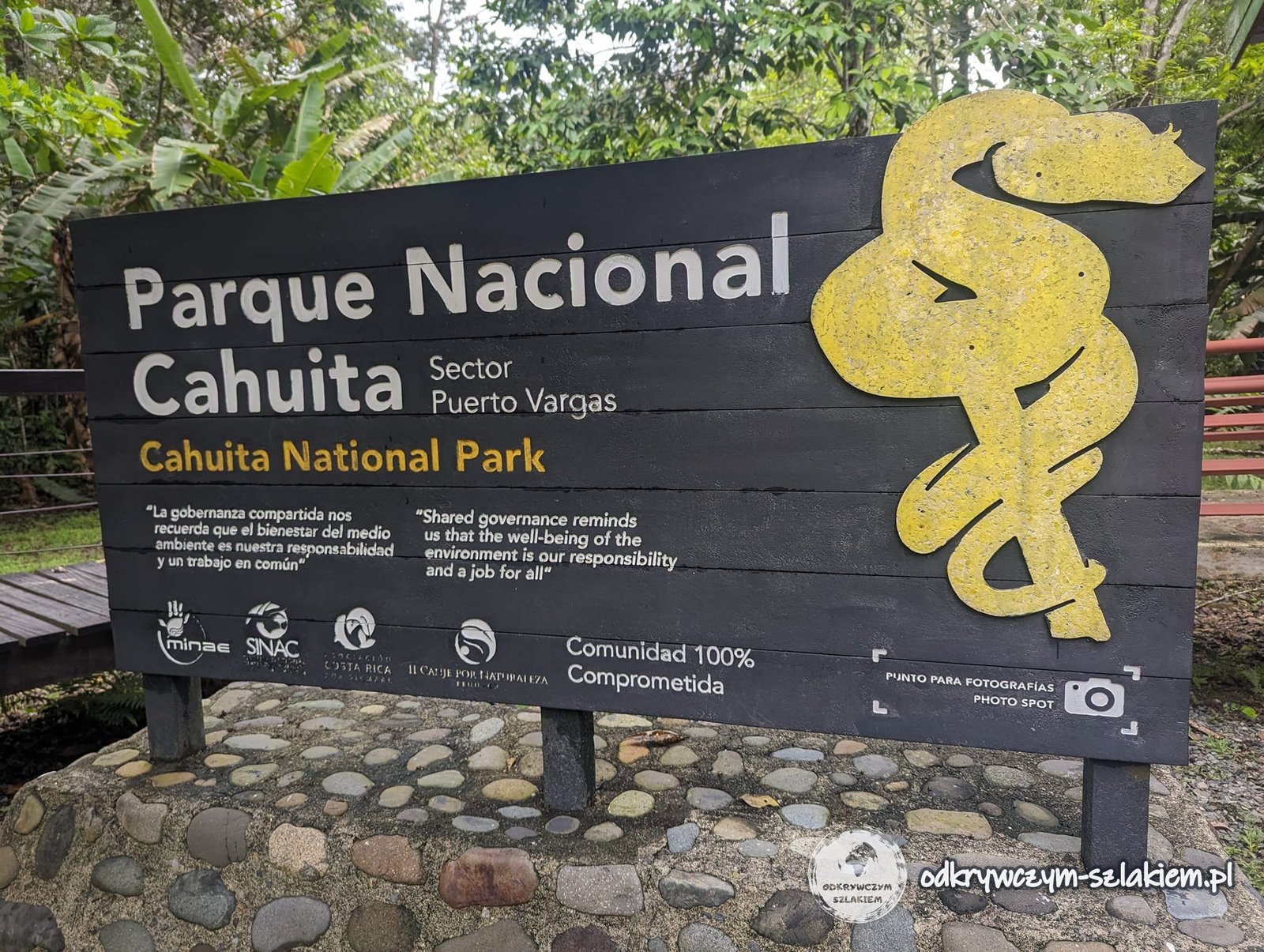
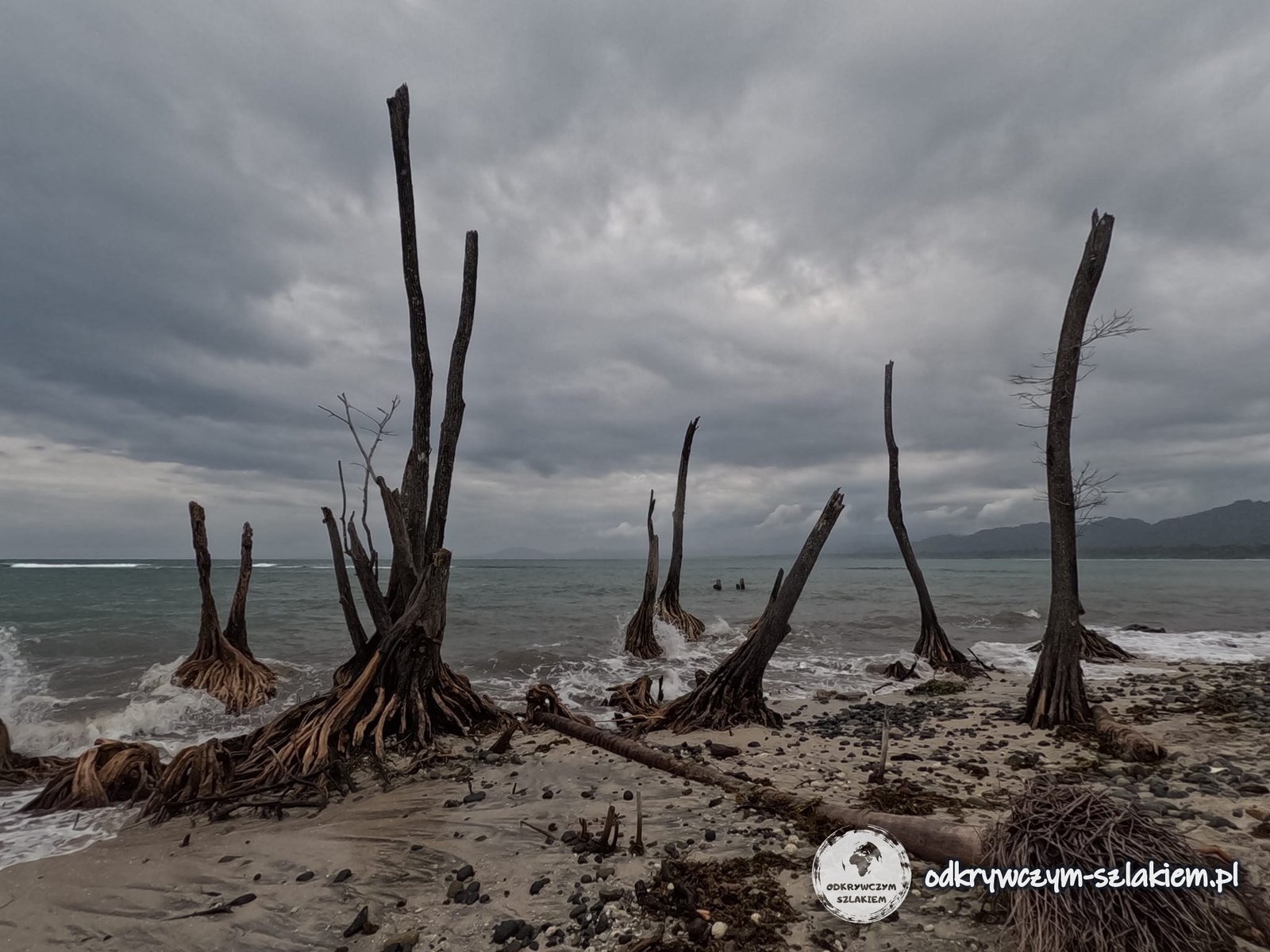
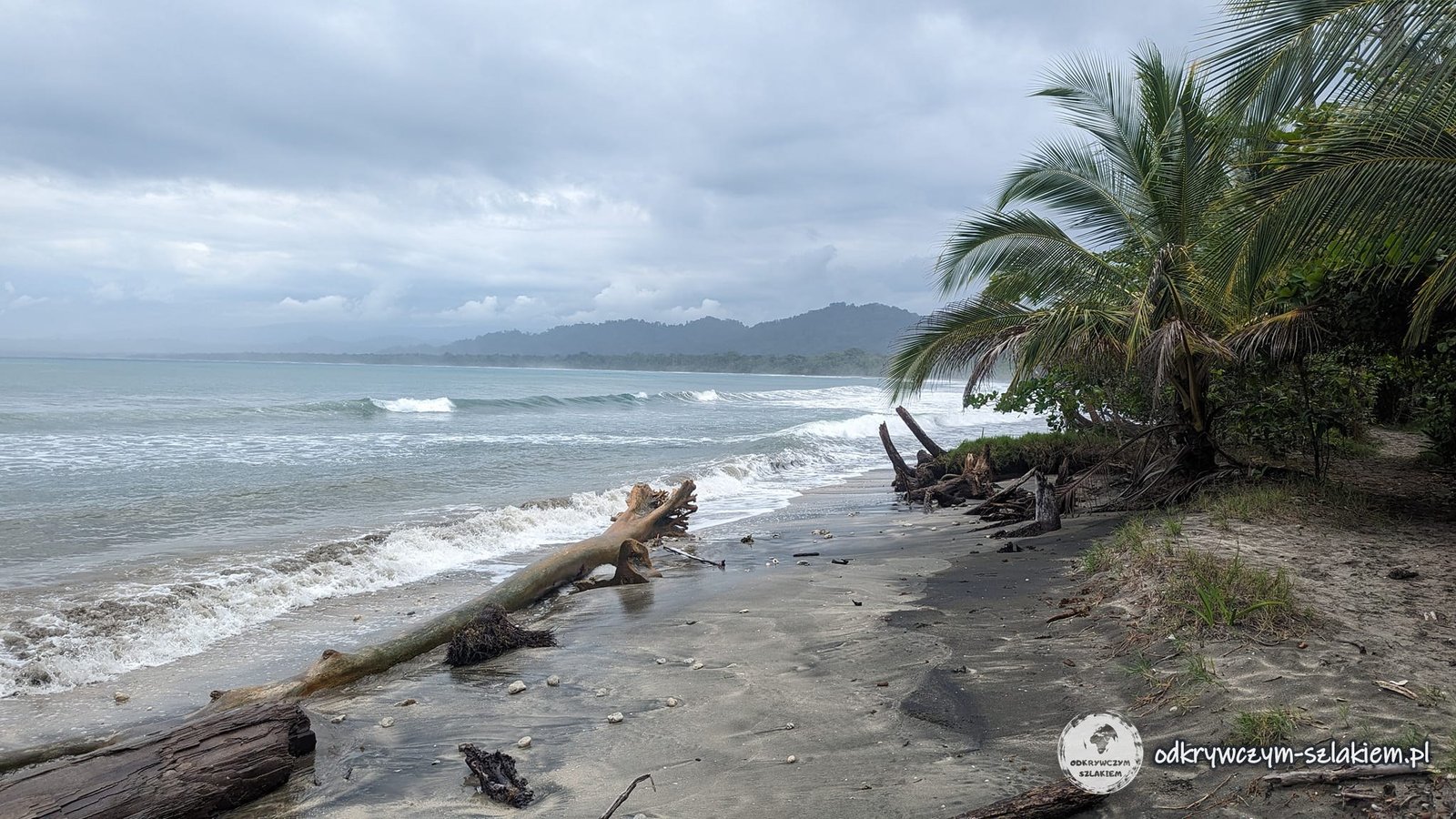
Cahuita on the Caribbean Sea, in the north-east of the country, was our last stop in Costa Rica (9–11 April 2024) — and mostly an “animal” chapter. Right next to the town lies a national park, which was the reason for our visit, and it turned out to be a great place for watching wildlife — even before we entered it. Agoutis ran around in front of our accommodation, two sloths hung in a nearby tree, and black vultures circled above the town.
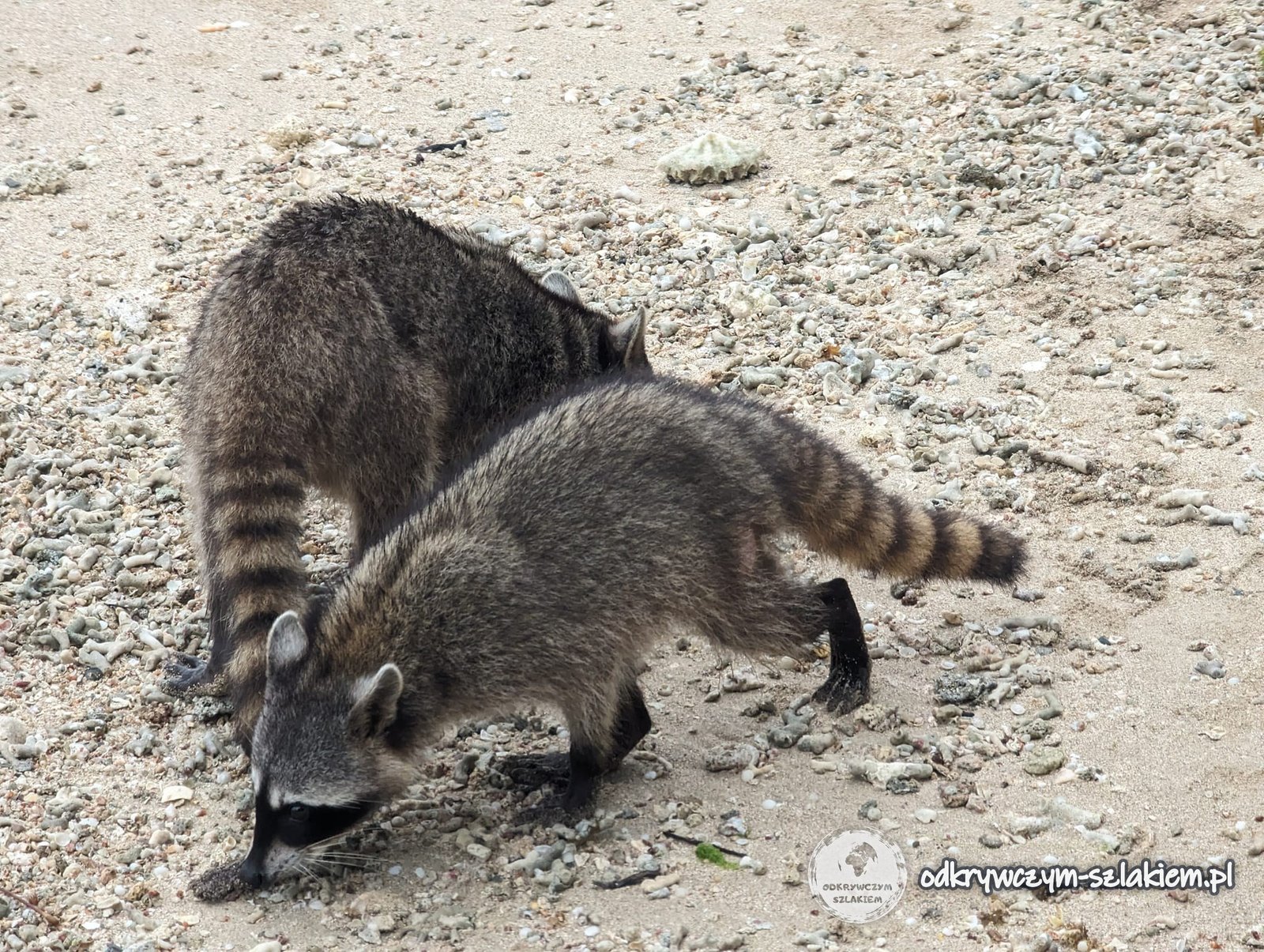
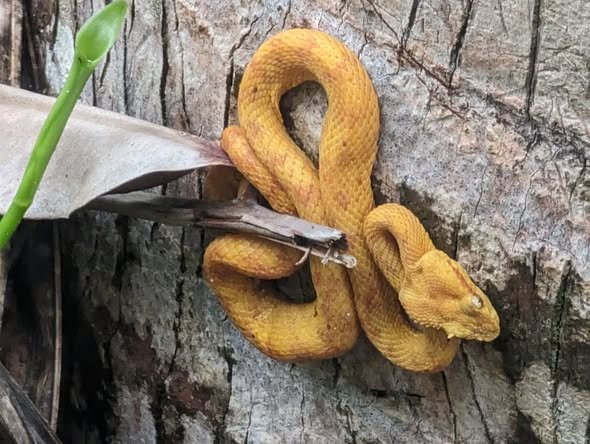
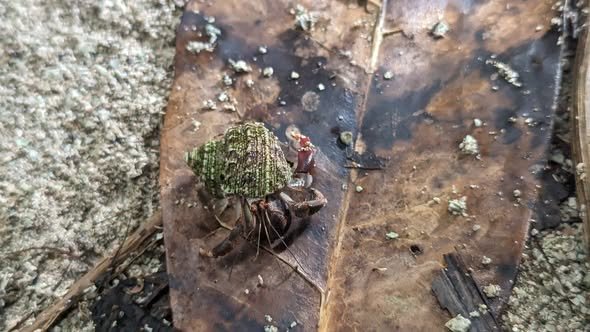
The park was even better. We watched monkeys (one very close up), two raccoons, a coati (we had seen our first one back in Tikal) and an eyelash viper — a yellow snake with a highly toxic venom, the only one that hunts birds in flight. The beach was full of hermit crabs, and a squirrel finally posed nicely for us (although we know squirrels all too well already). We also lay in wait for the tiny, brightly coloured, highly poisonous frogs, but despite crossing a large stretch of wetland we did not find a single one.
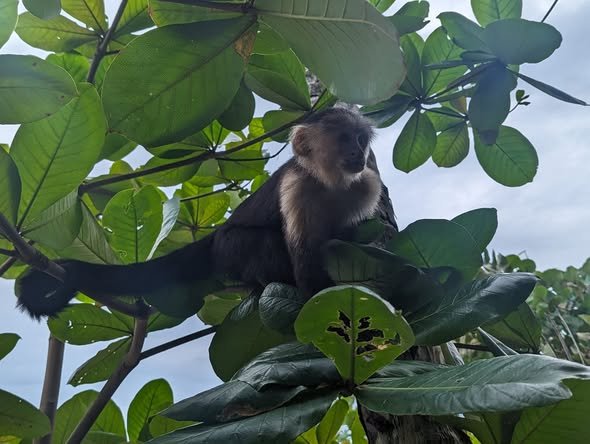
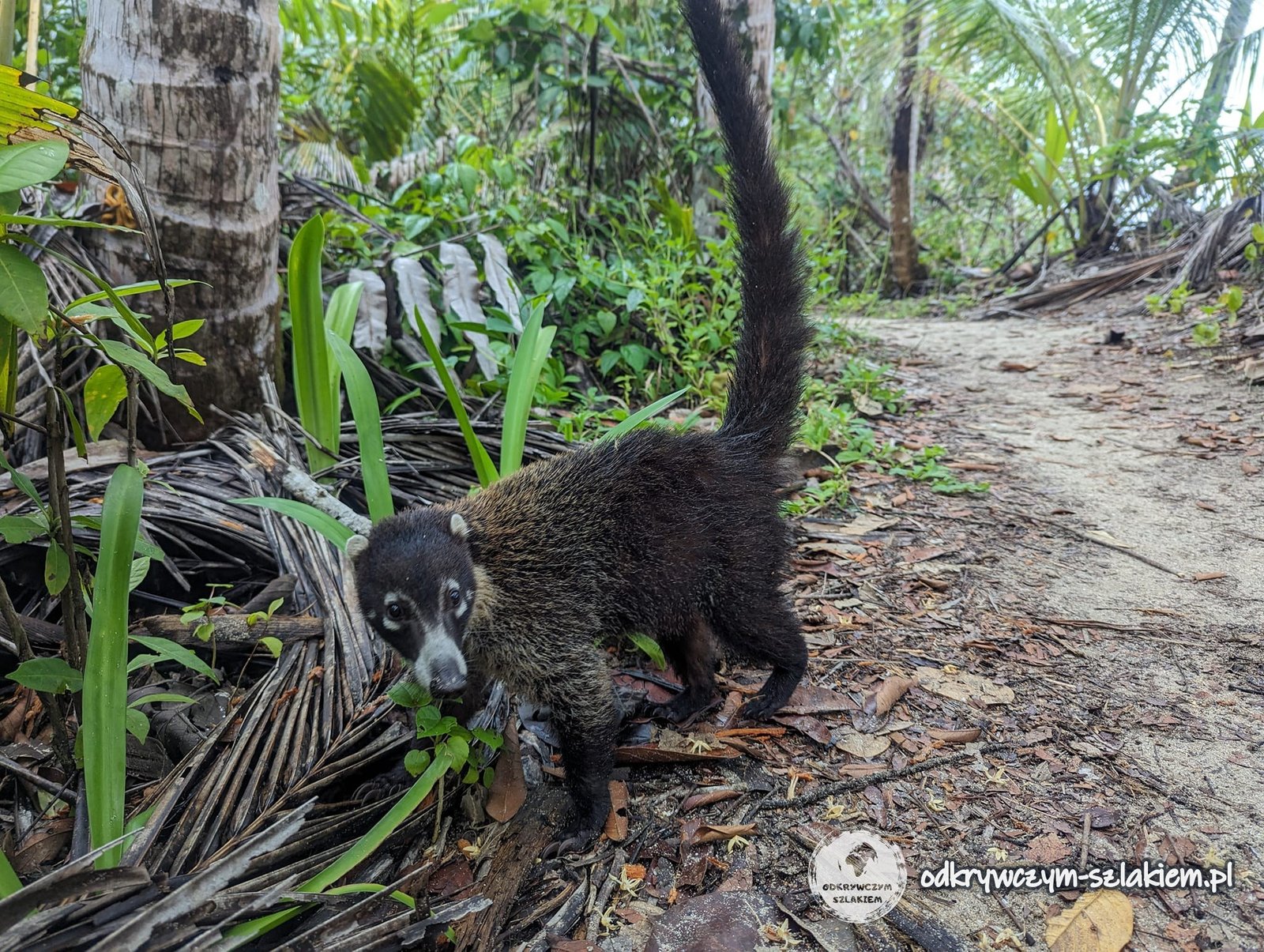
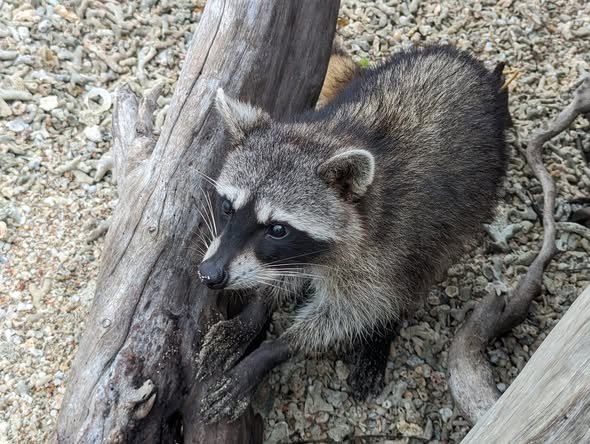
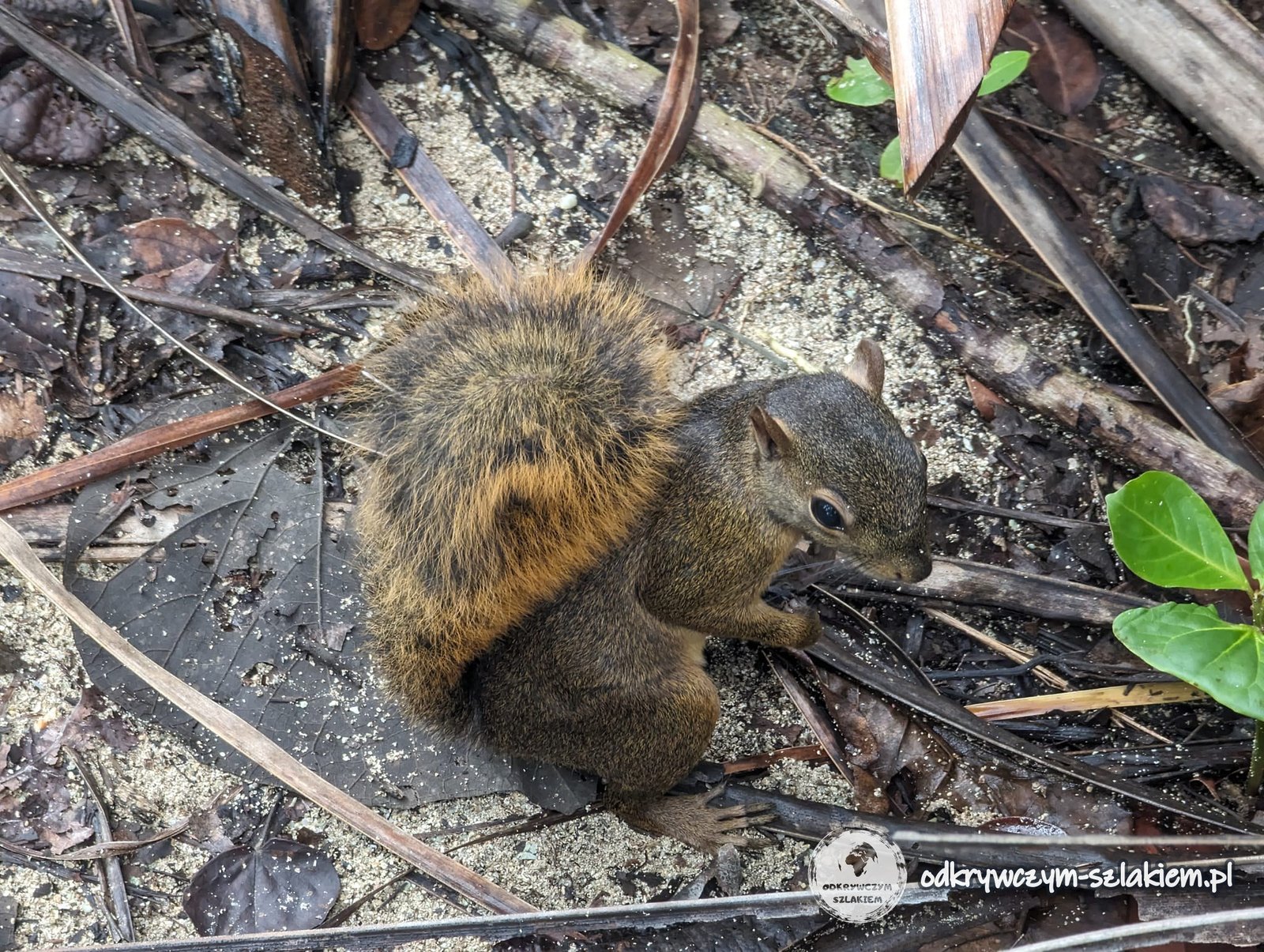
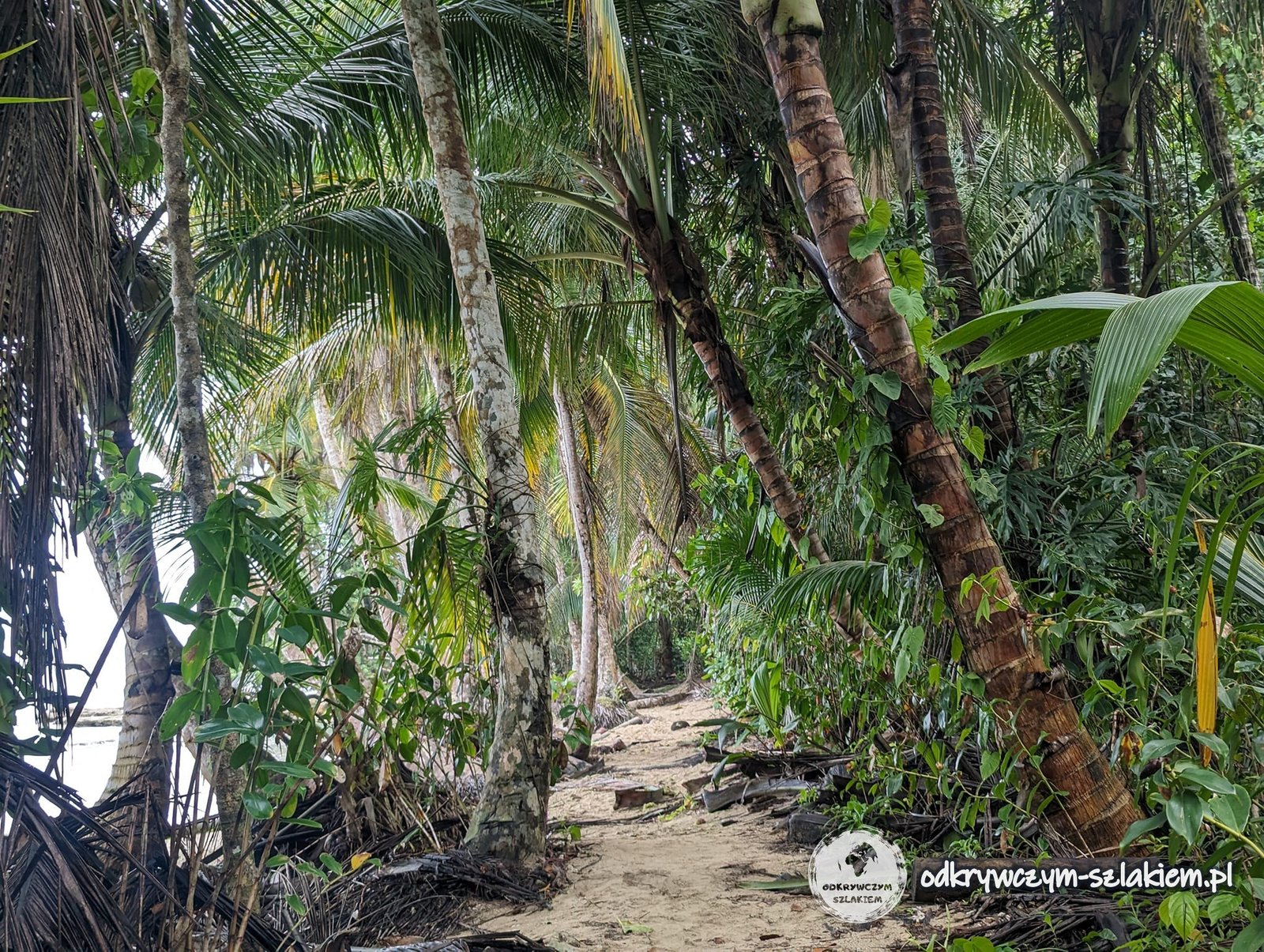
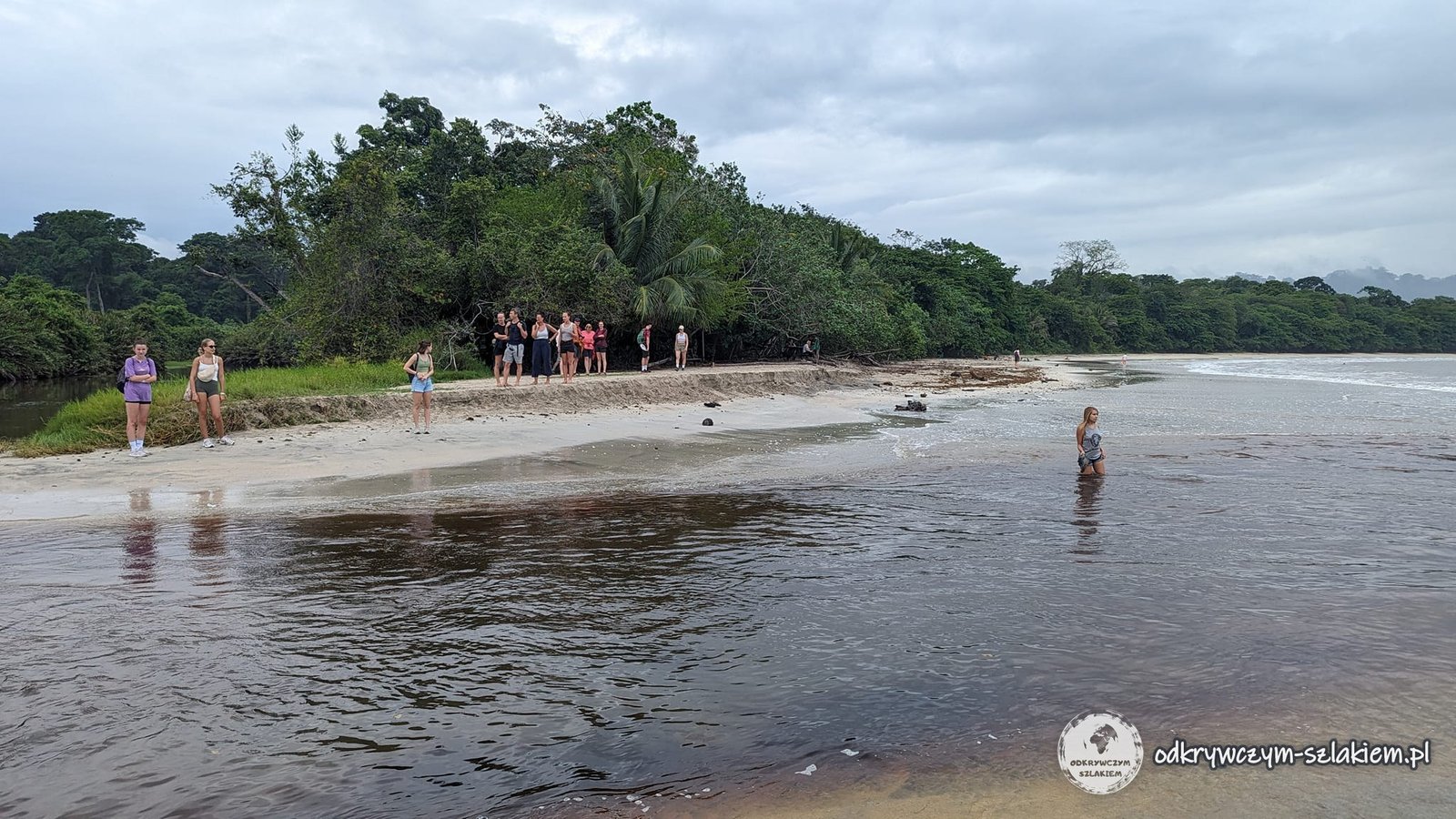
The trail is about 8 km long and for most of the way runs along the beach and the sea. If you enter from the beach side the fee is voluntary (a donation), while from the main street it is apparently compulsory (~US$6). At one point you have to wade across a channel about half a metre deep, where fresh water meets salt water. It had rained heavily (all the previous night and part of the morning), so we waited out the downpour and — as usual with us — set off some two hours later than planned; a shame, because the earlier you go, the better your chances of seeing a variety of wildlife. On the way back a kind tourist gave us a lift to the centre (4 km from the trail exit); shortly before that we came across a sad sight — a dead monkey on an electricity pole.
The journey itself from La Fortuna to Cahuita by public buses was quite a challenge (about 260 km by the shortest route). We had planned to hitchhike, but the risk of not getting there in time was too high, and we did not want to pay US$67 each for a shuttle — so we went with four changes (ruling out the connection via the capital). Instead of about six hours we spent eleven on the road (9:00–20:00); at times it was tight, once we had to change terminals a few minutes before departure, but everything worked out, and in total we paid US$20 per person. From here our next stops were in Panama.
Photo gallery