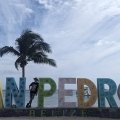
In 2022 I visited my sister, who lives on the Costa Blanca – the south-east coast of Spain – twice. In February I flew there alone for a week and a half, in “half holiday, half remote work” mode, with Torrevieja as my base (Patrycja couldn’t come because of work). At the end of November we came back together, with Kuba, for a few days in Alicante. Winter is a good time for such trips: in the sun and without wind you can walk around in short sleeves while in Poland and Germany the temperature hovers around zero.
In this post I’ve gathered the towns on the coast – Alicante, Benidorm, Torrevieja, Elche and Guadalest. I’ve described the trip to Cartagena and Murcia, the mountain trails around Alicante and an evening in Valencia separately.
In 2023 we came back twice more: in April for eight days (straight from Barcelona and Tarragona) and at the end of September, when I was on my own. New places from those visits – a trail in the Serra Gelada mountains, trips inland and Tabarca island – I’ve added in the relevant sections below.
Table of contents
- Alicante – Santa Bárbara Castle and the promenade
- Benidorm – skyscrapers, beaches and viewpoints
- Torrevieja and the pink lagoon
- Elche – the palm grove
- Guadalest – a castle above a turquoise lake
- Inland and to Tabarca island (2023)
- Santa Pola – the lighthouse and the salt flats (2026)
- Practical information
Alicante – Santa Bárbara Castle and the promenade
I first visited Alicante in February, after a hike in the Barranc de les Salines gorge. At that time my sister and I spent most of our time near the port. Two hills rise above the city – a castle stands on one of them, and I knew right away that I had to go up there.
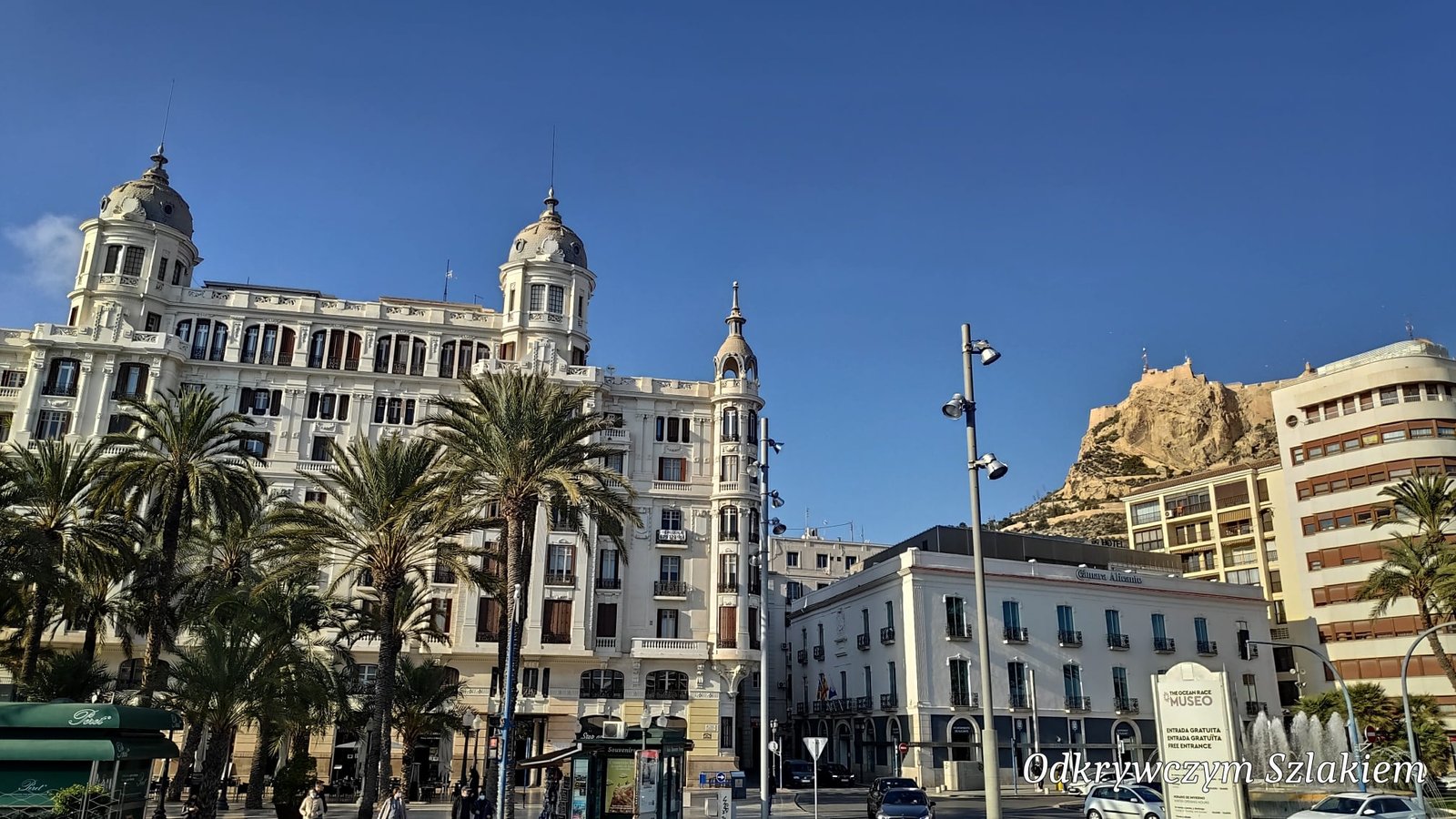
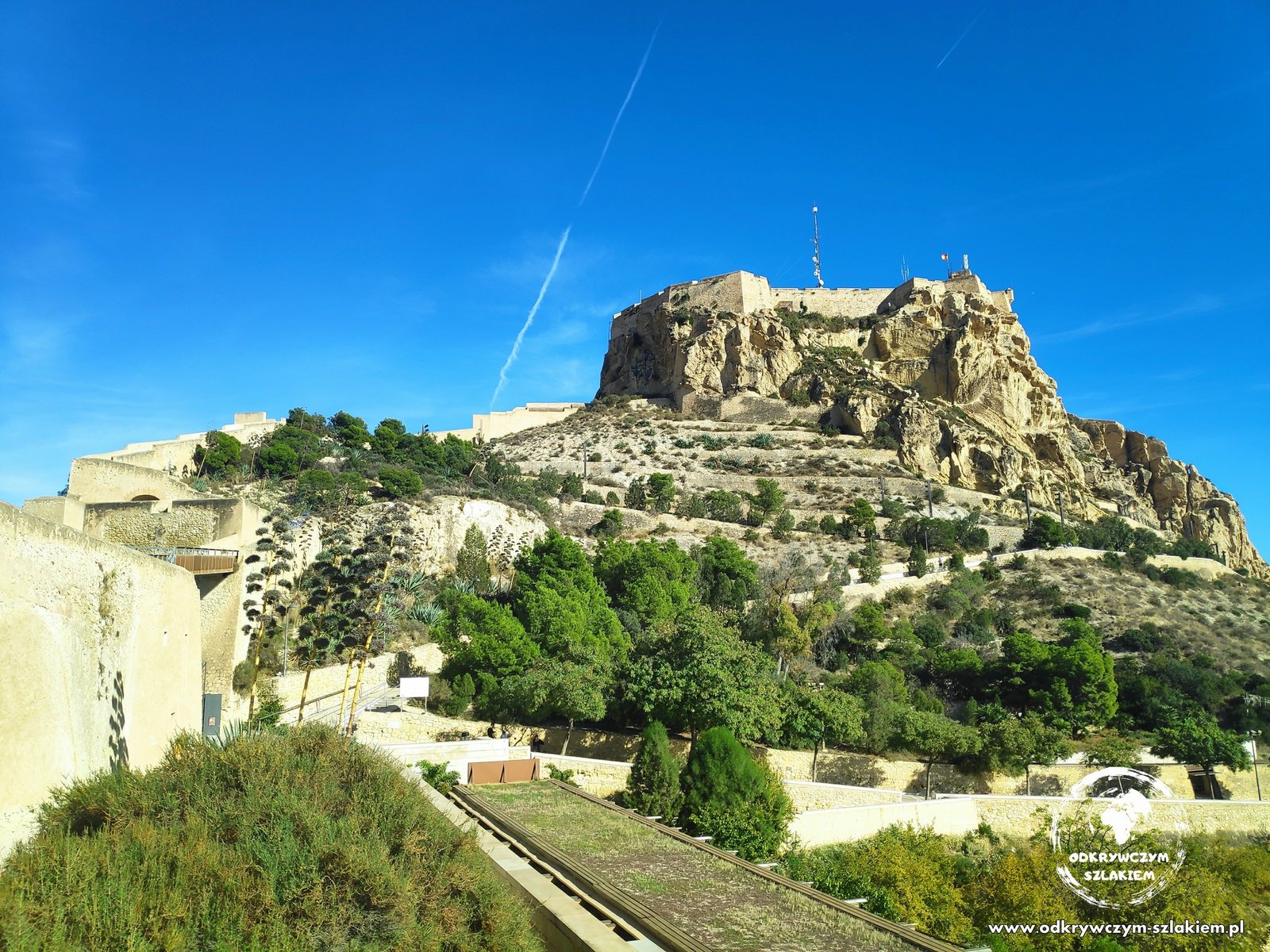
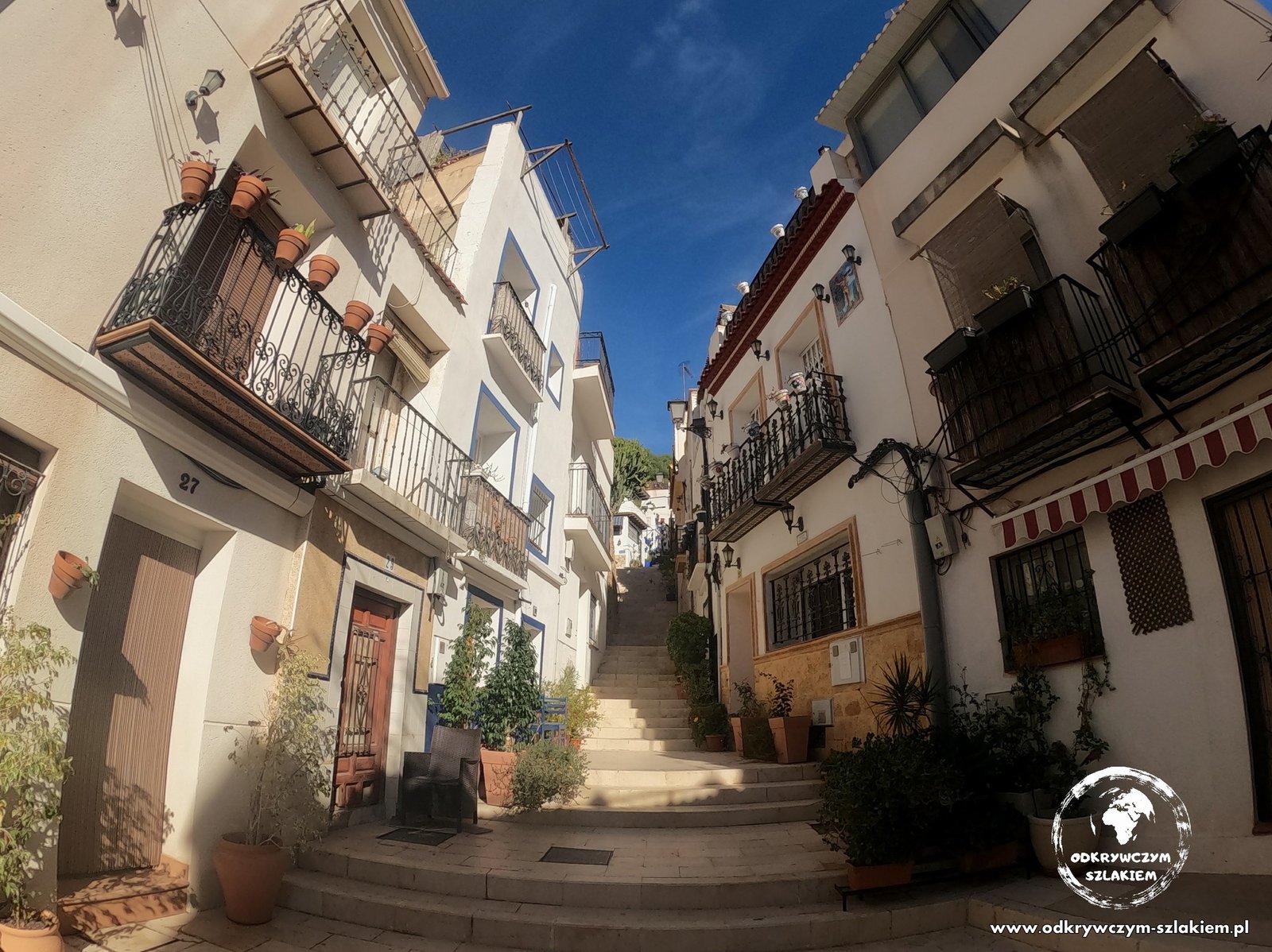
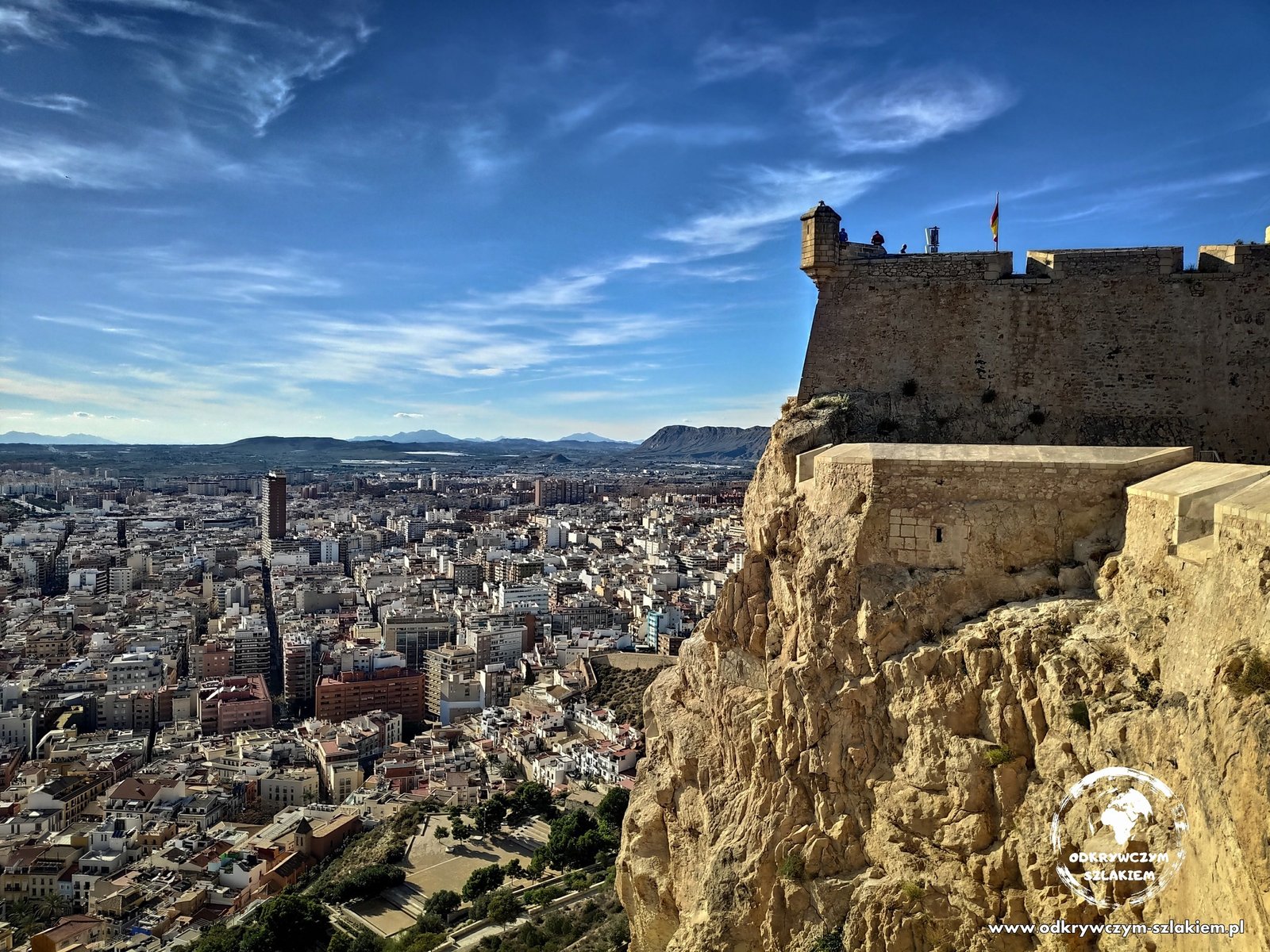
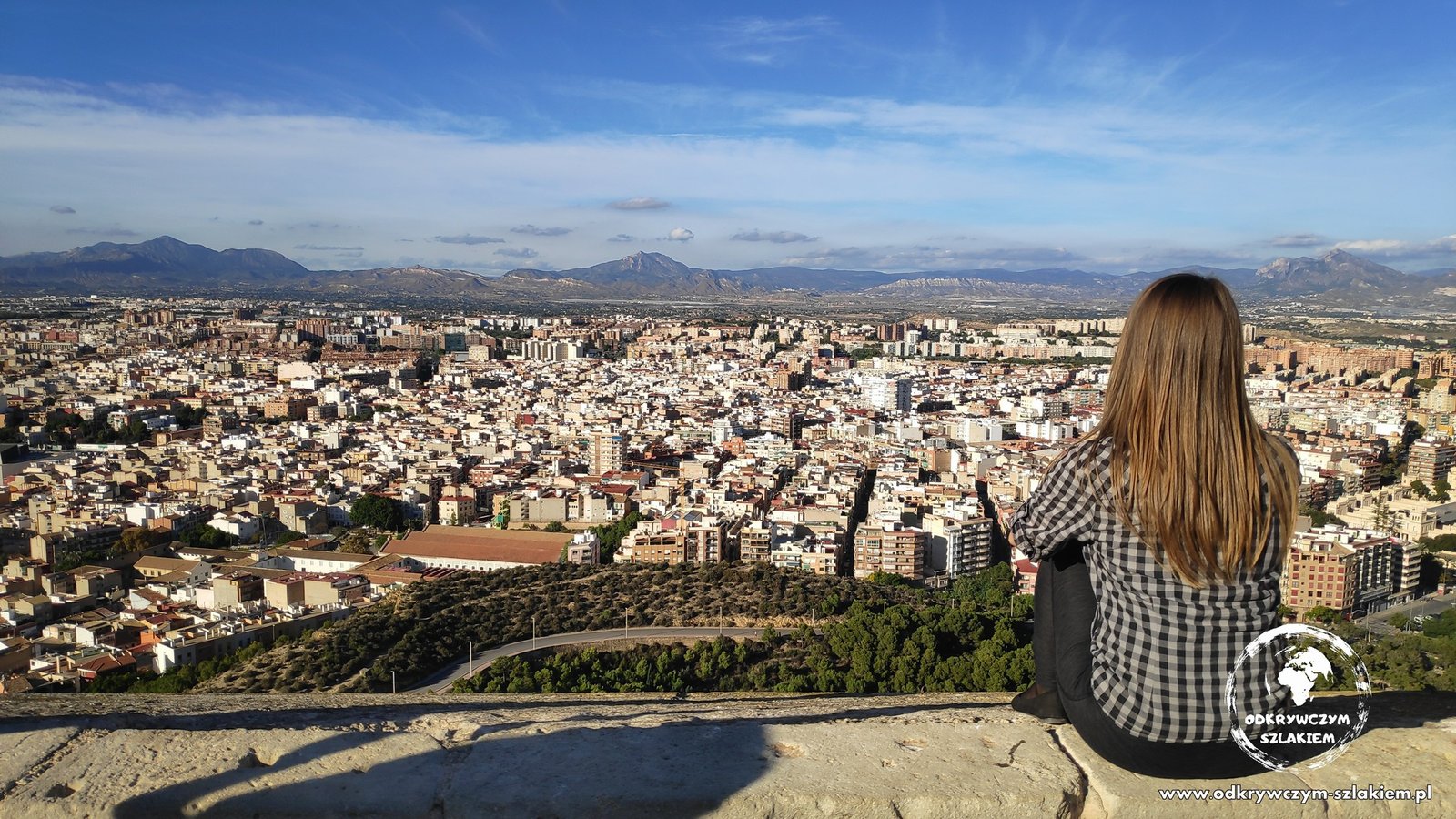
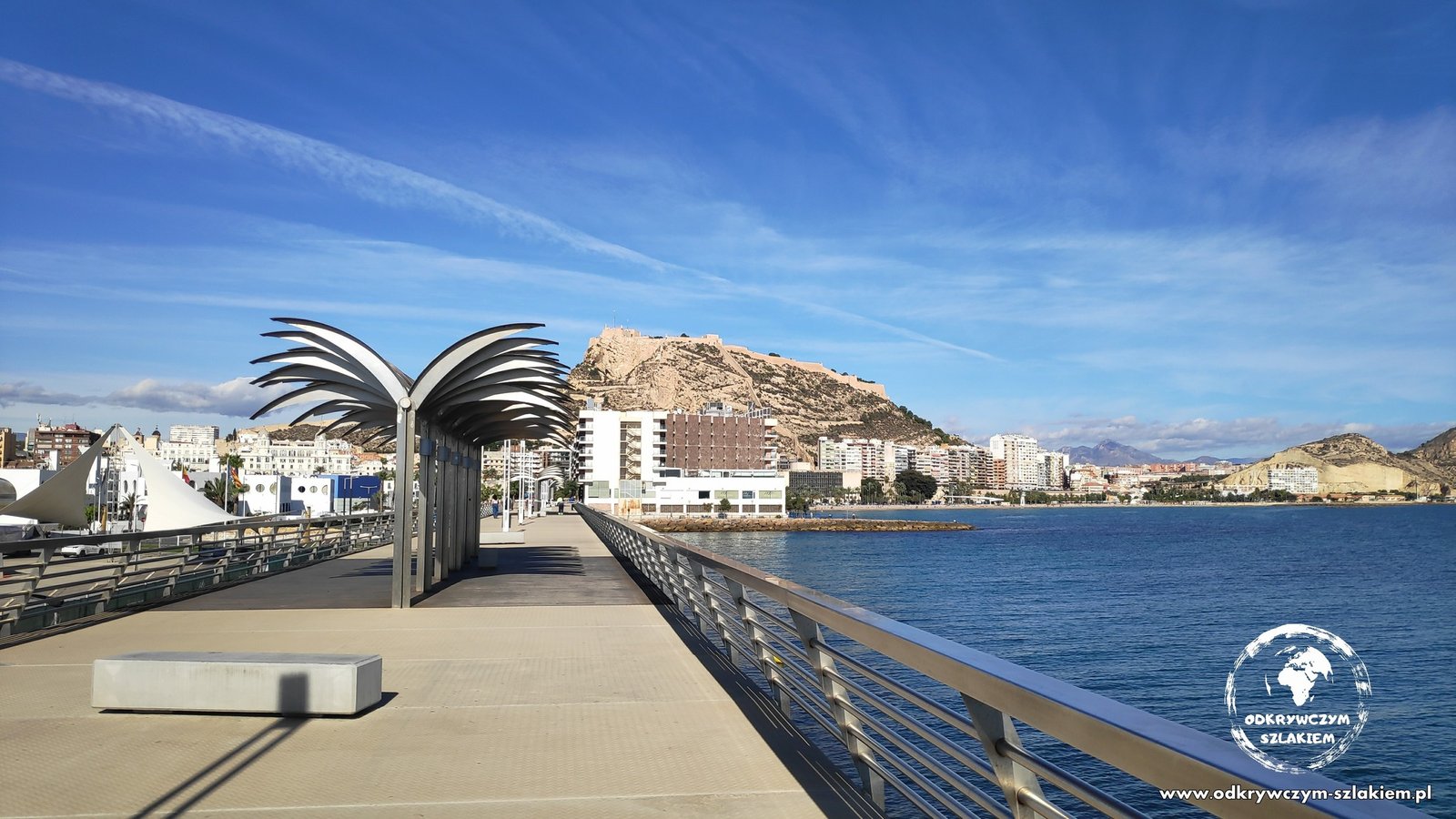
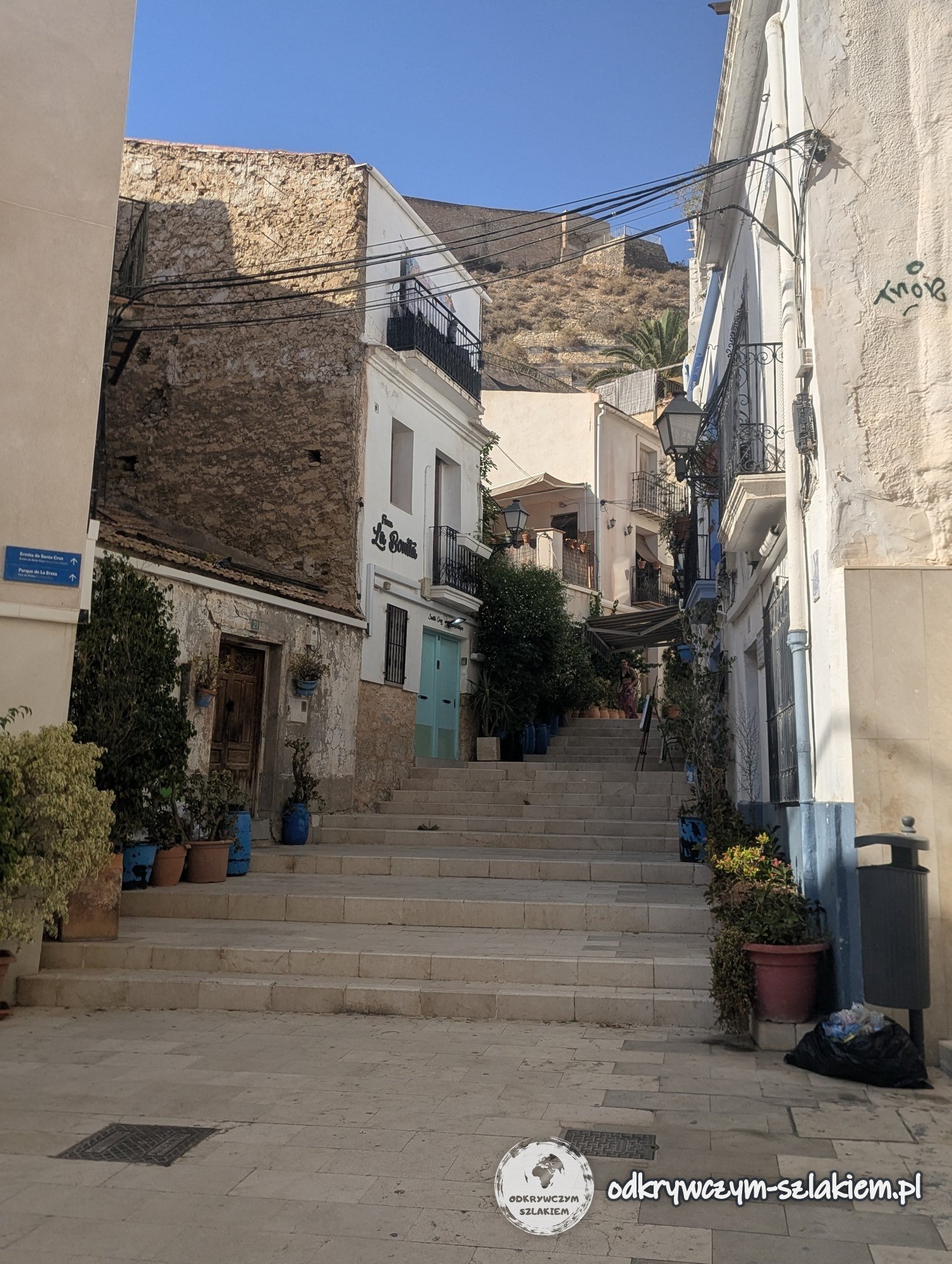
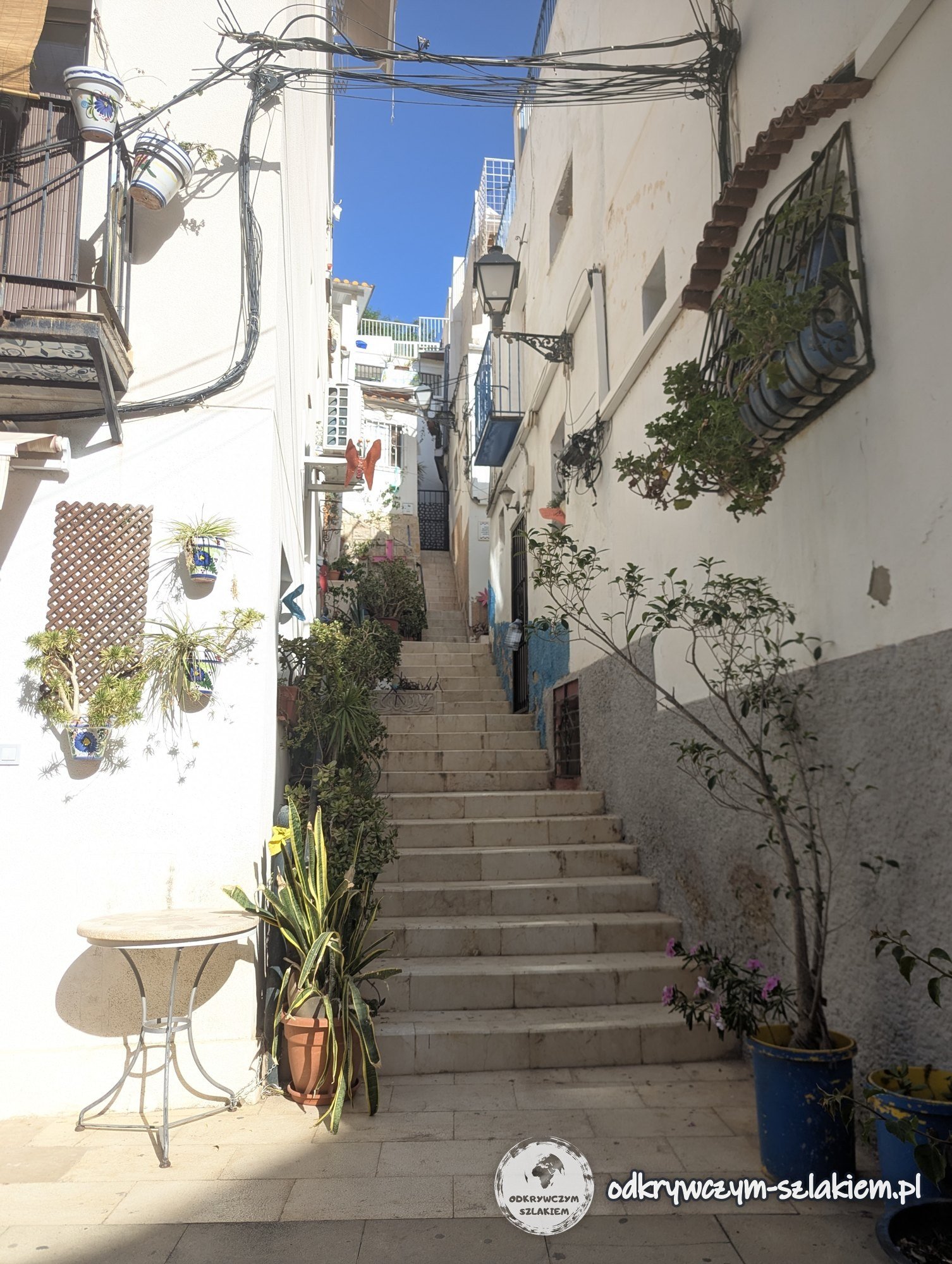
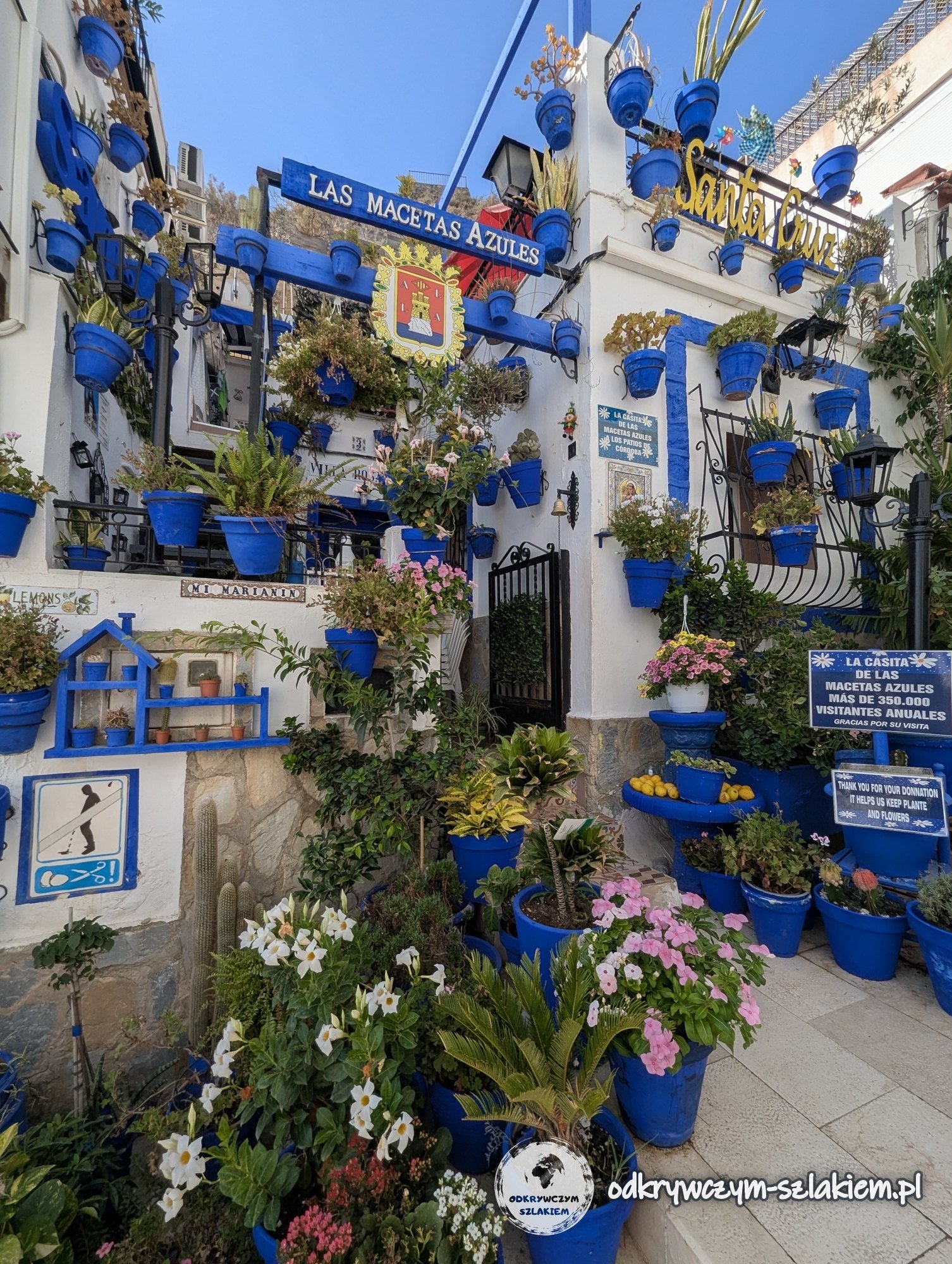
I managed it in November. Santa Bárbara Castle is Alicante’s main attraction – a fortress on a rocky hill with a beautiful view of the city, the port and the surrounding mountains. Visiting it is free. You can take a lift to the top, but we walked up – it takes about 40 minutes, and the way leads through the white, flower-filled lanes of the old Santa Cruz district.
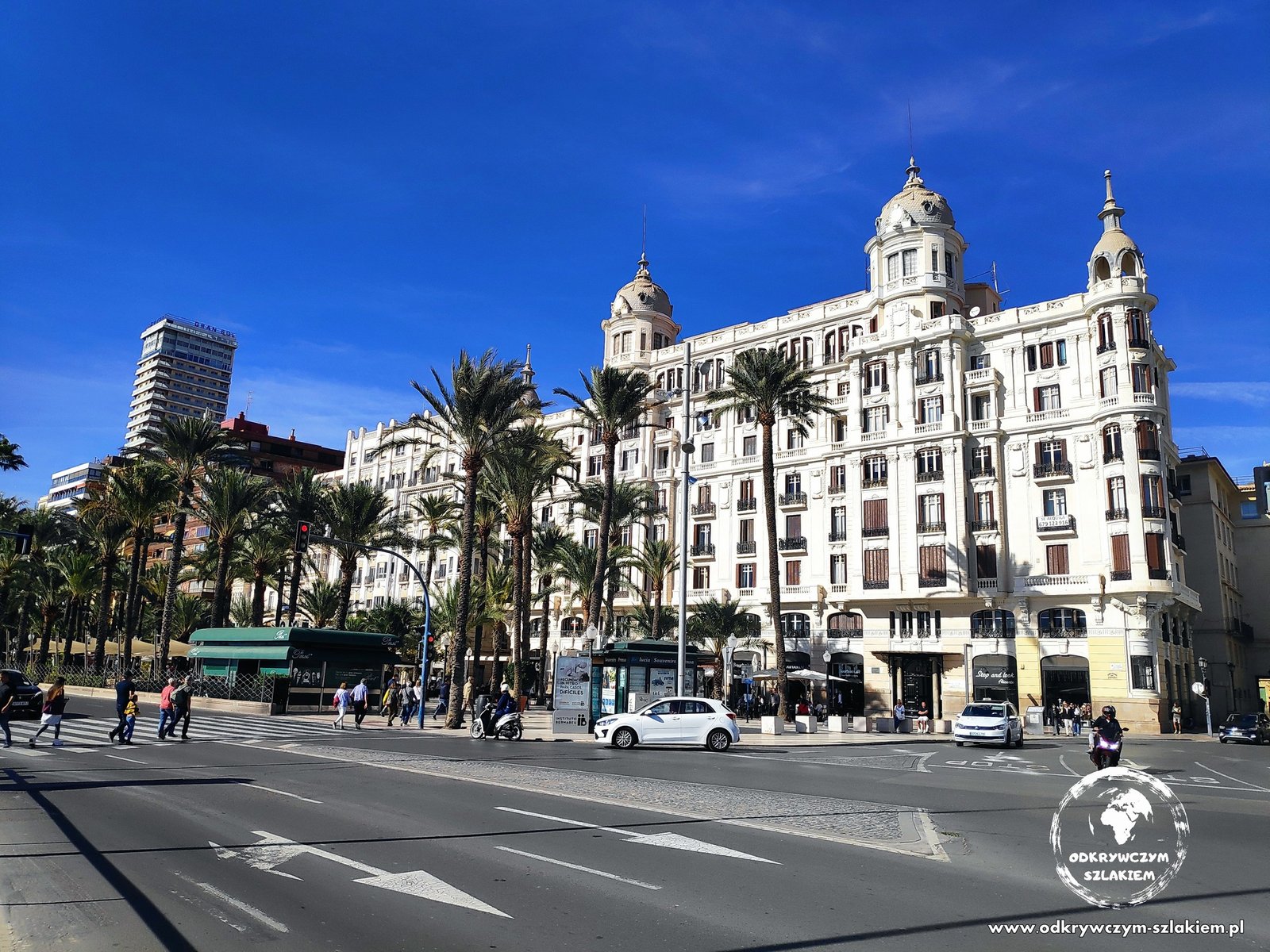
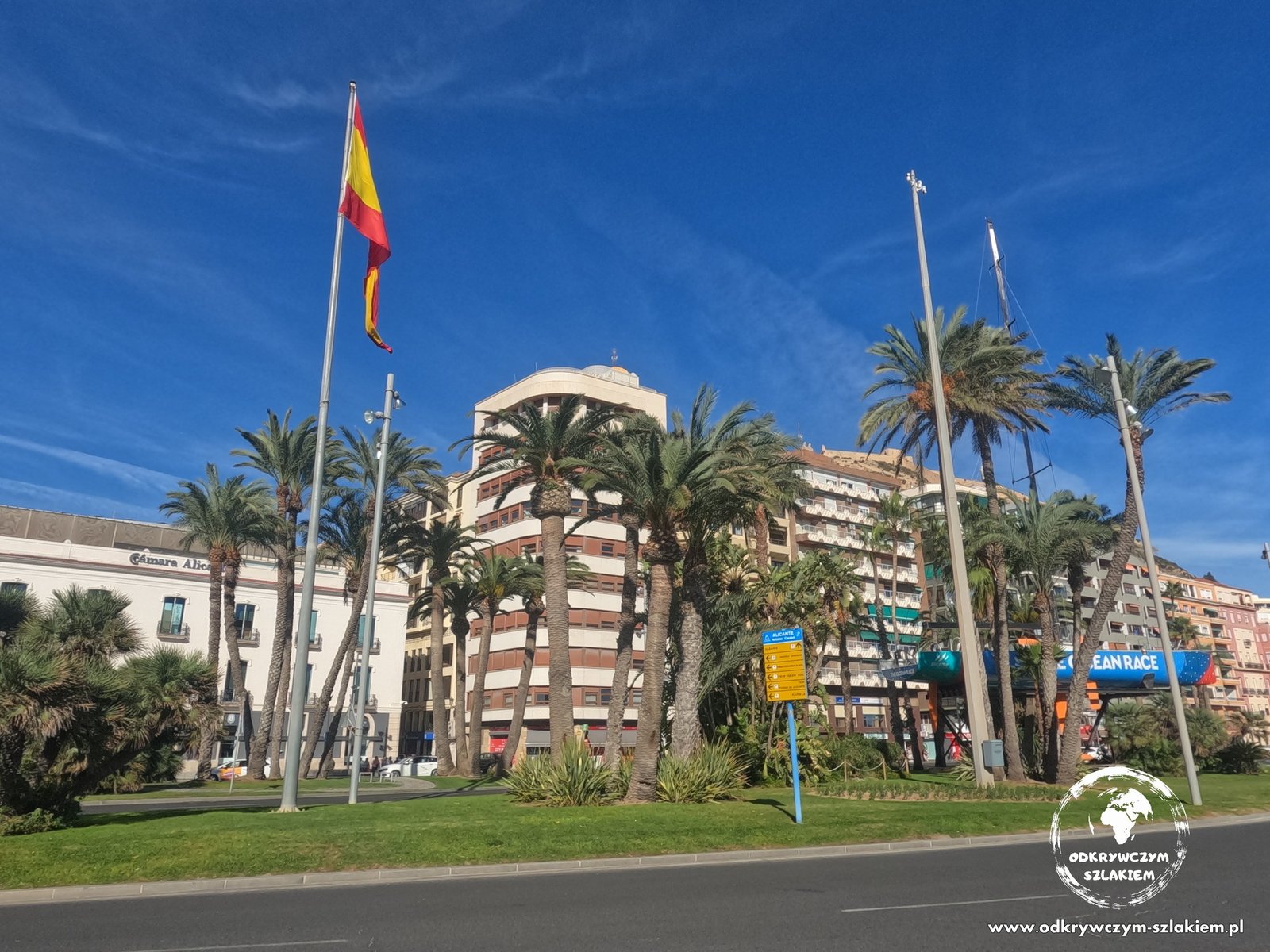
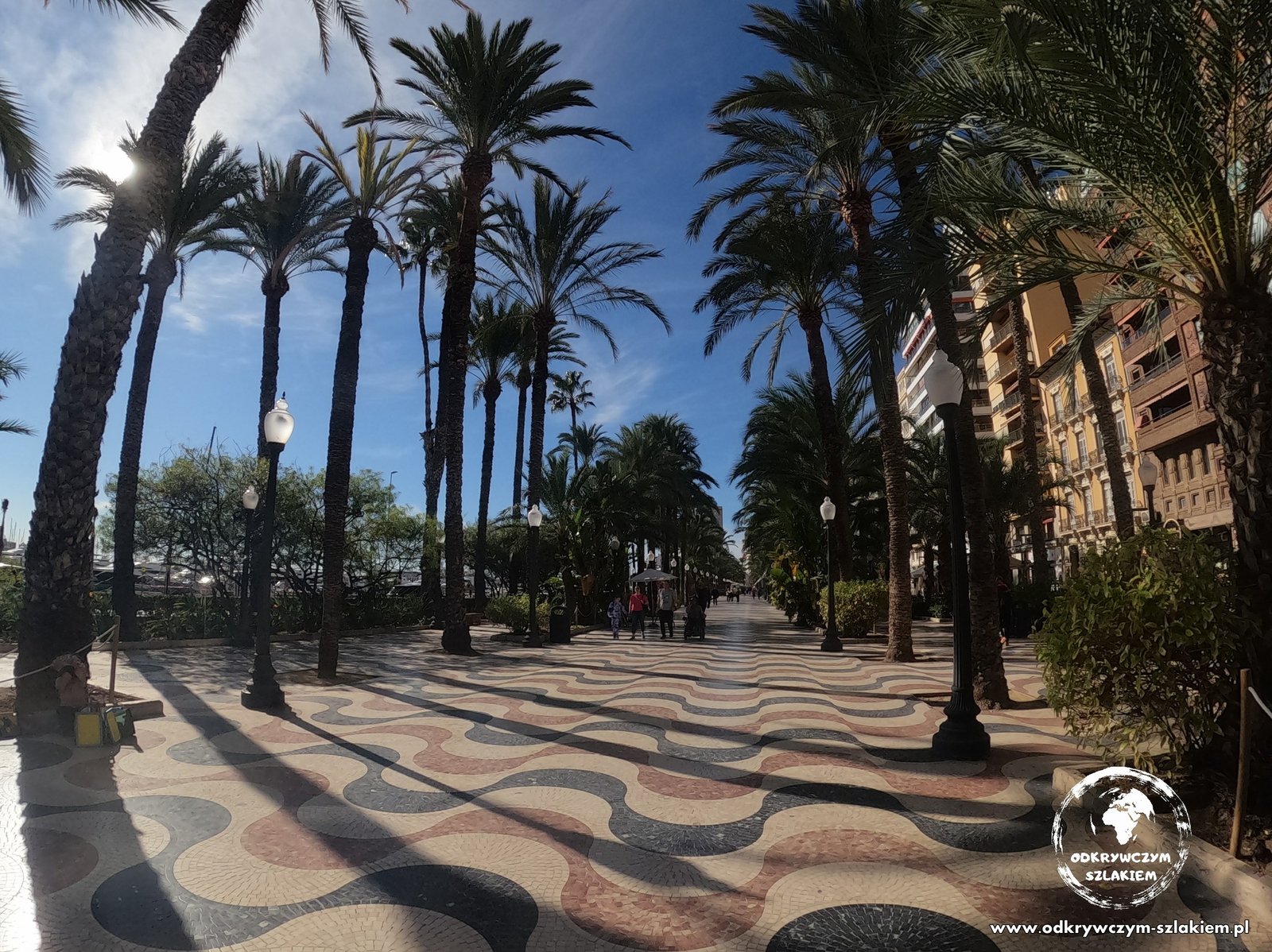
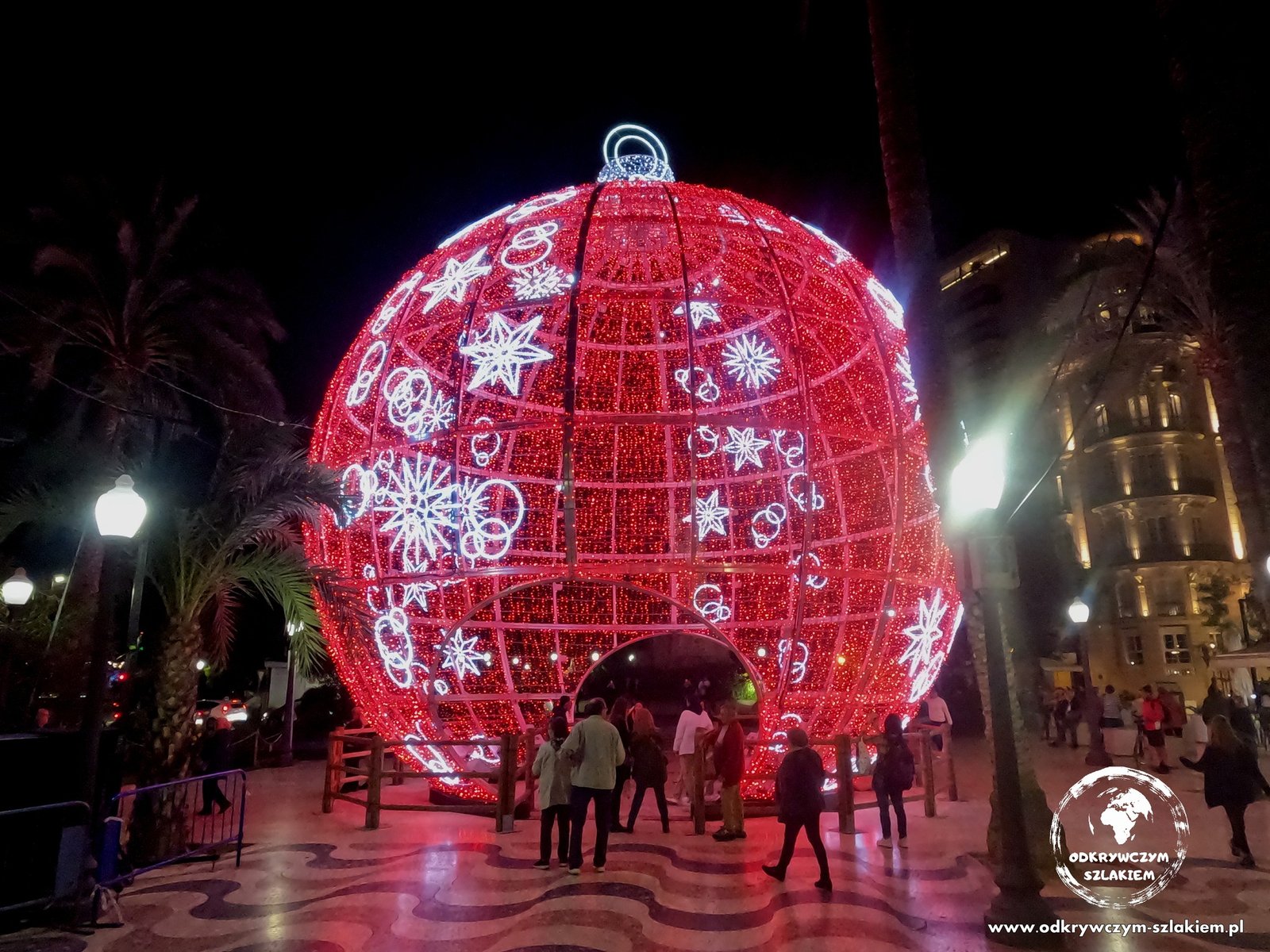
Down below it’s worth walking around the port area and along the main, roughly 500-metre promenade, the Explanada de España – paved with a distinctive wavy mosaic and lined with palm trees. At the end of November the city was already ready for Christmas: decorations were lit up in many places, and a giant bauble stood on the promenade.
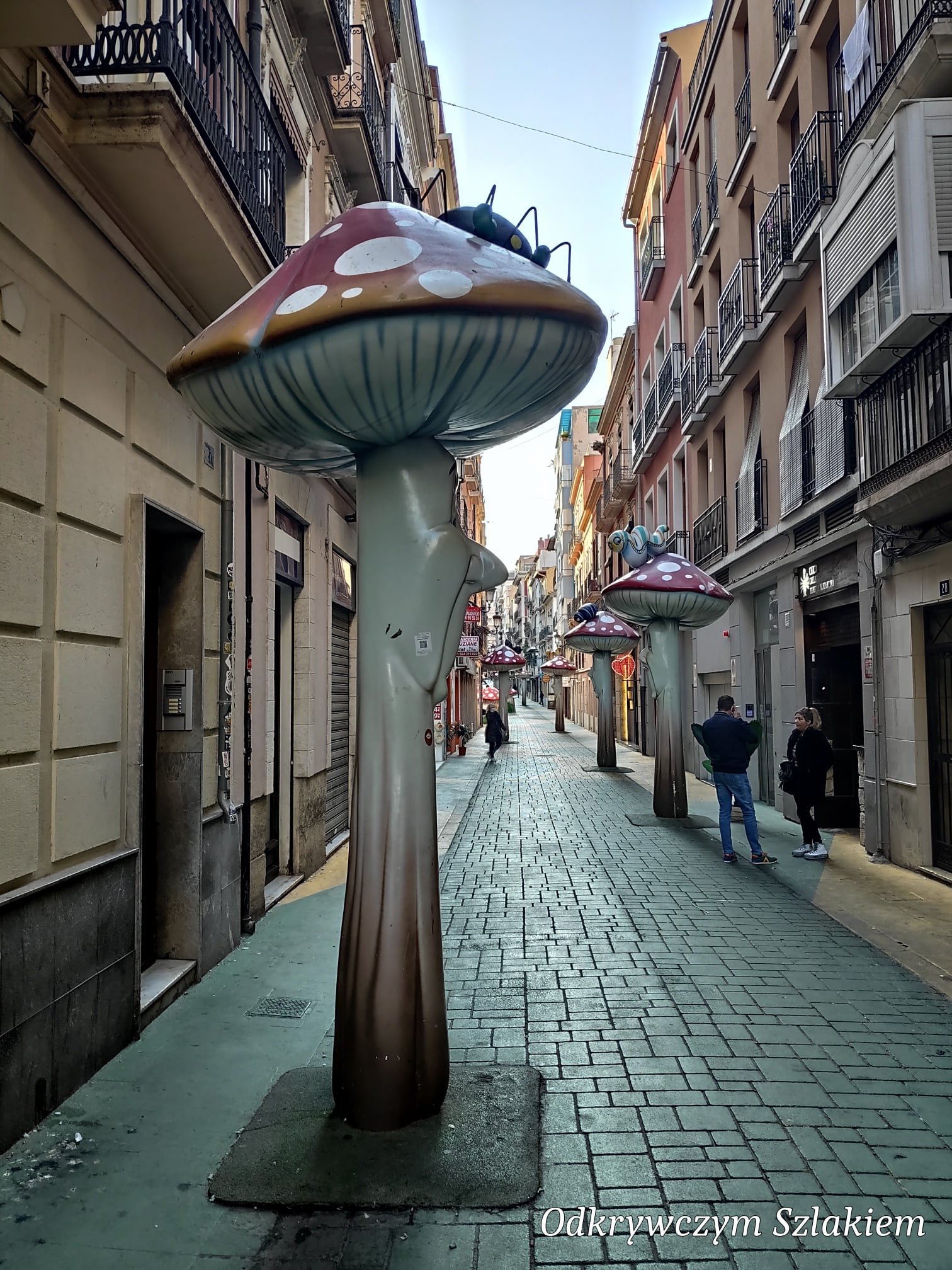
An interesting spot is the mushroom street (Carrer de las Setas) – a pedestrian street with huge mushroom sculptures. In the centre there are also a few nice squares, and from the Paseo del Volado pier there’s a good view of the castle. In general, though, the city has little greenery.
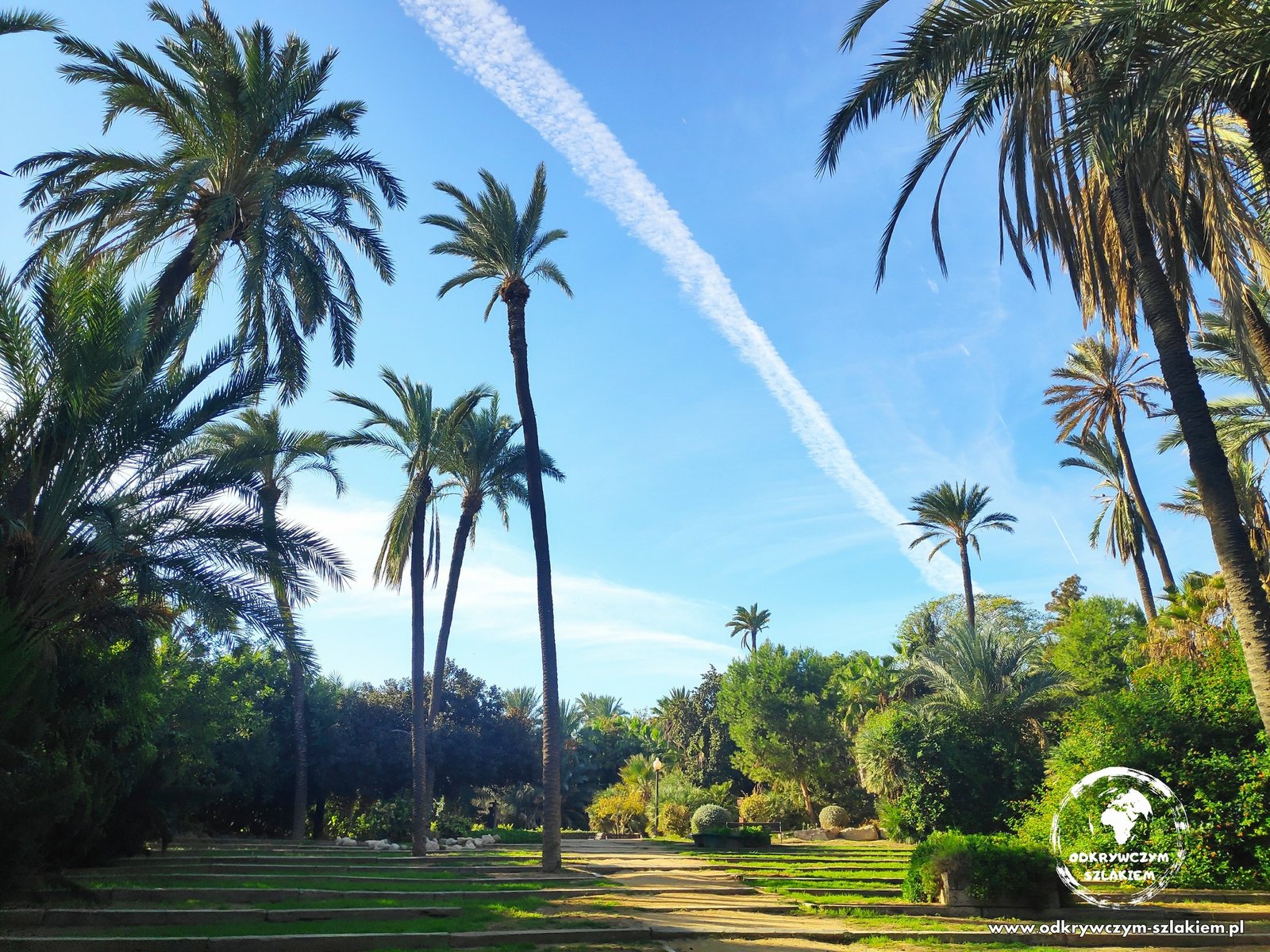
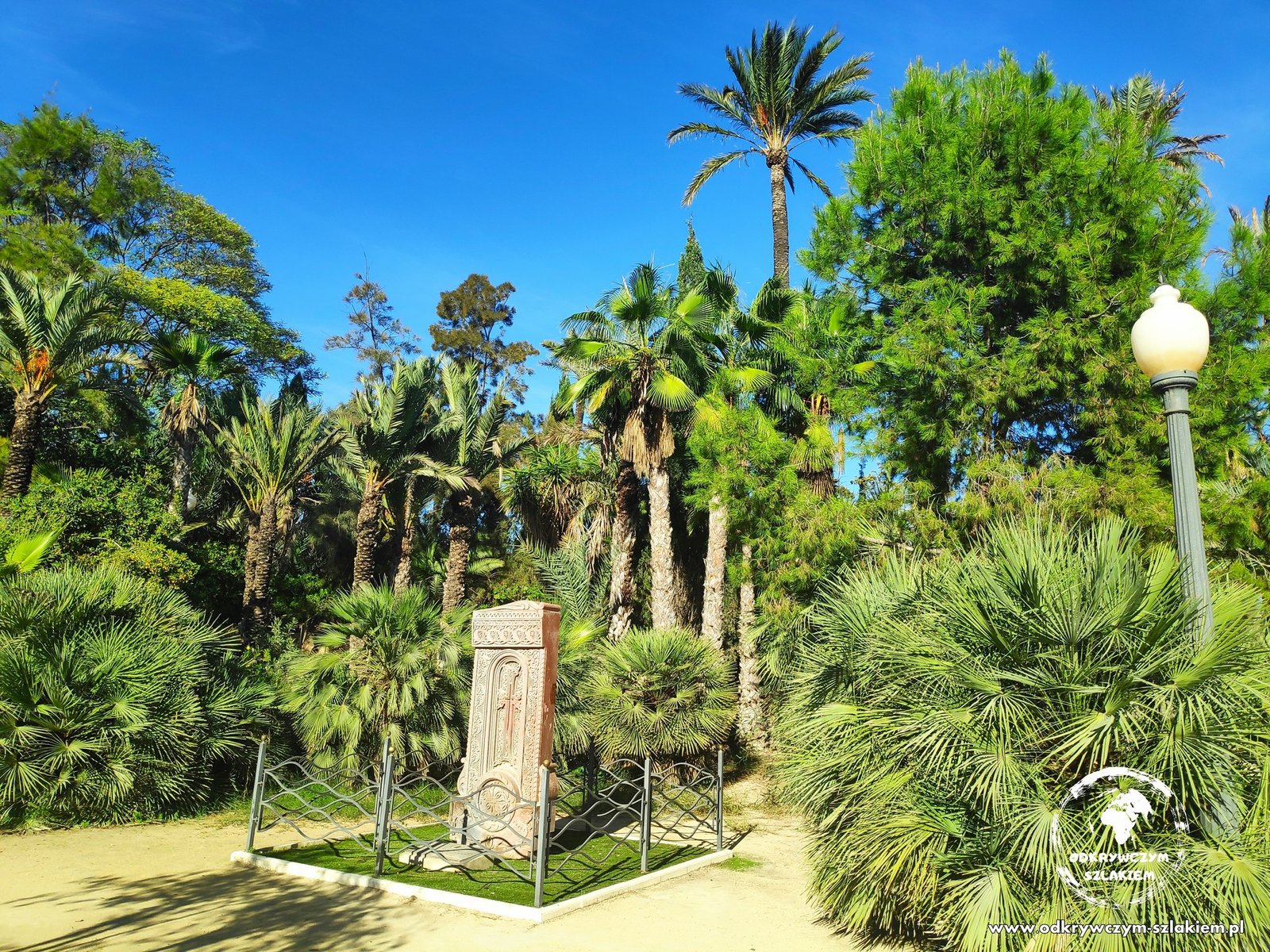
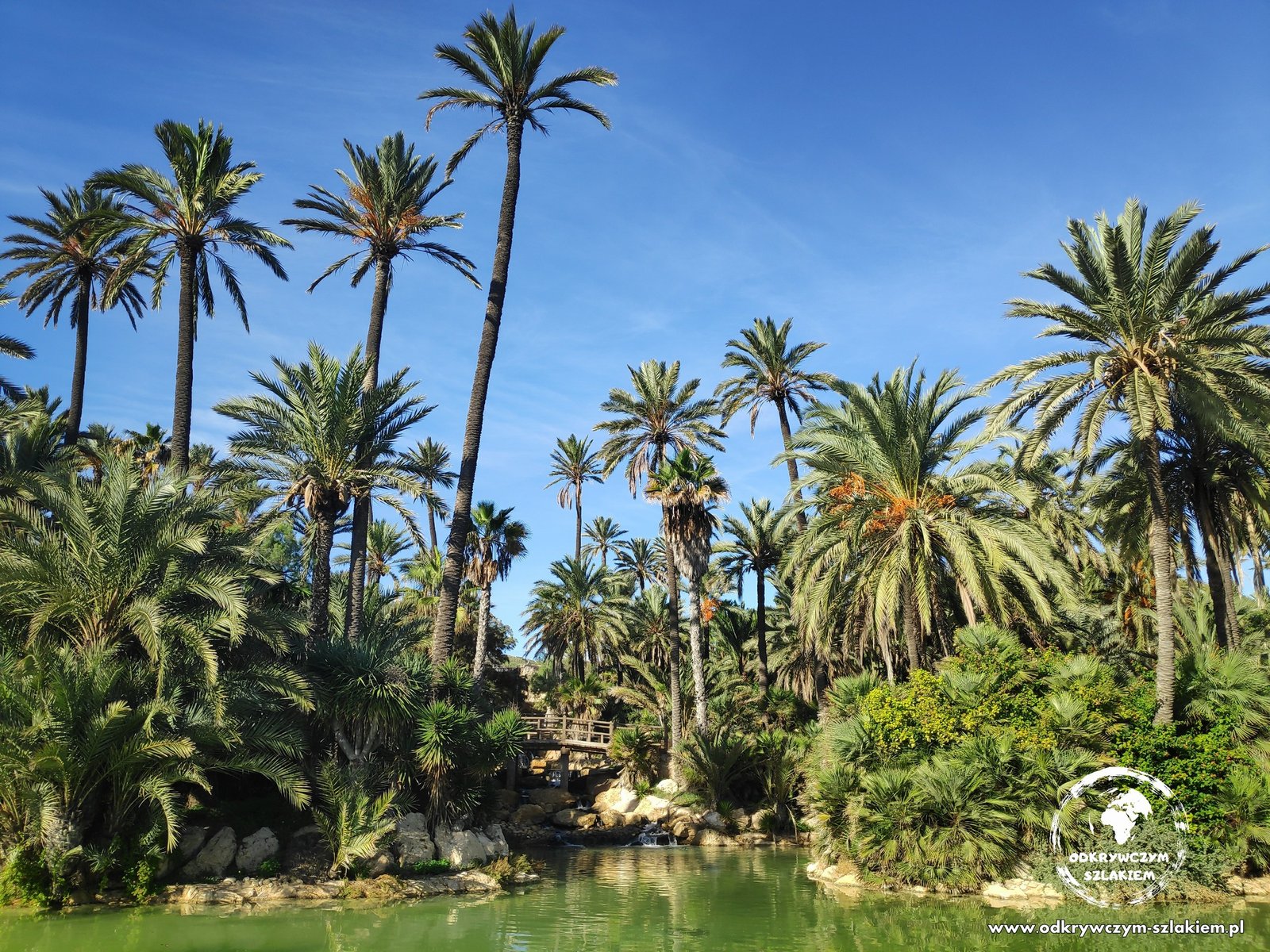
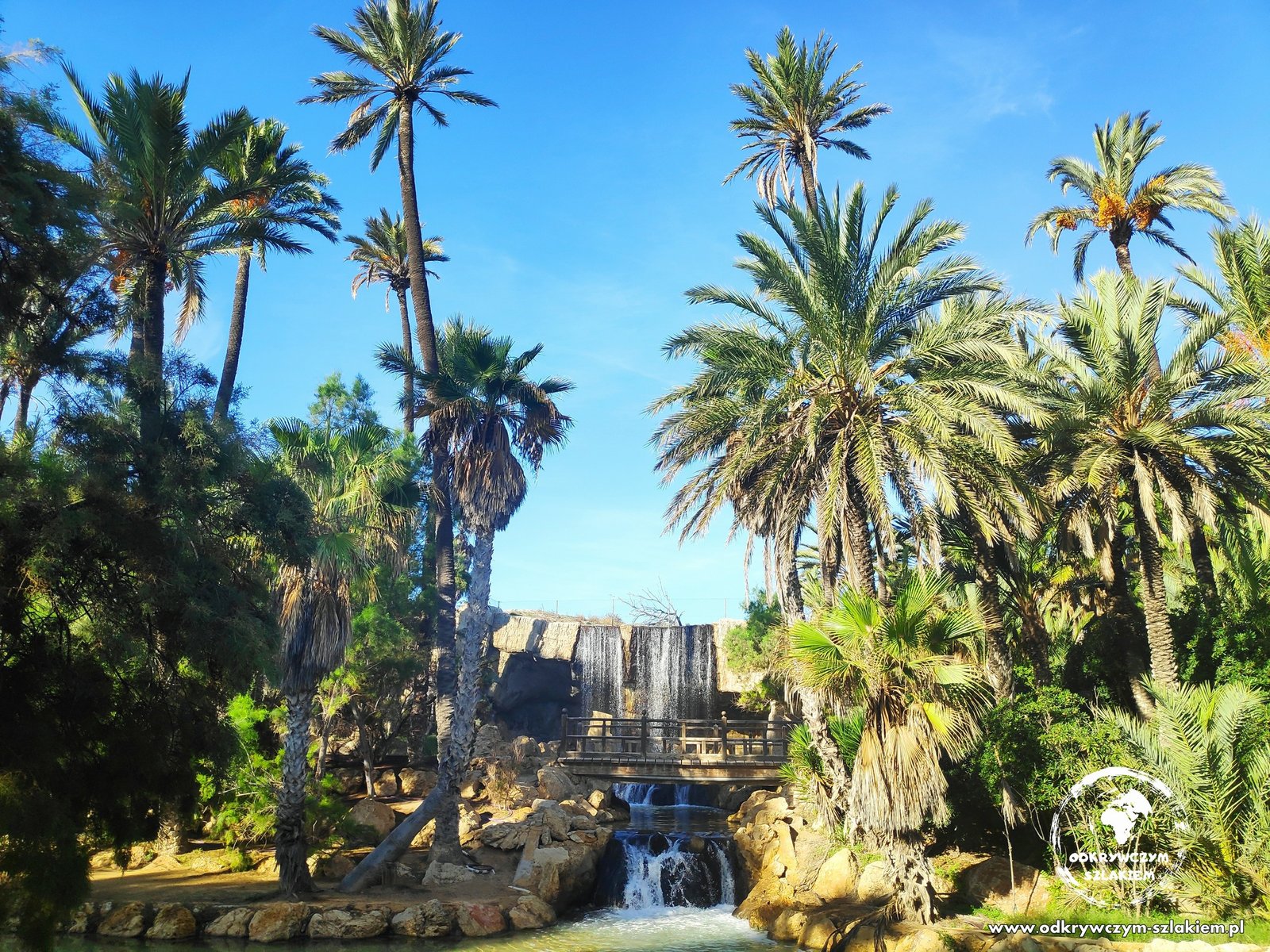
There’s no shortage of greenery, however, in El Palmeral park on the western edge of the city – among the tall palms there are ponds, streams and walking paths.
In the evenings it’s worth trying different tapas in the bars – for example at D’Tablas, which is relatively cheap and where you can keep choosing a new snack (as long as you get a free table).

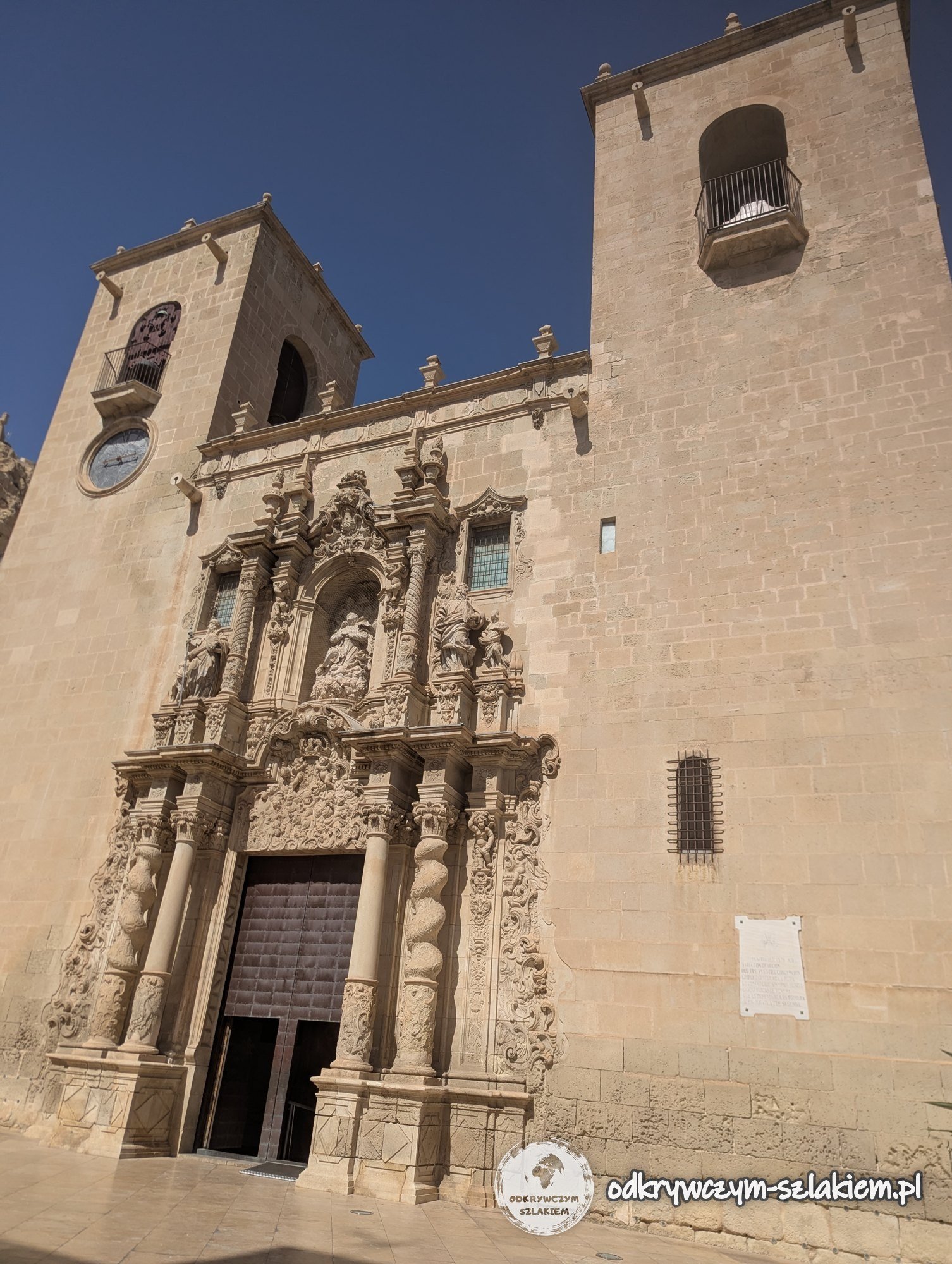
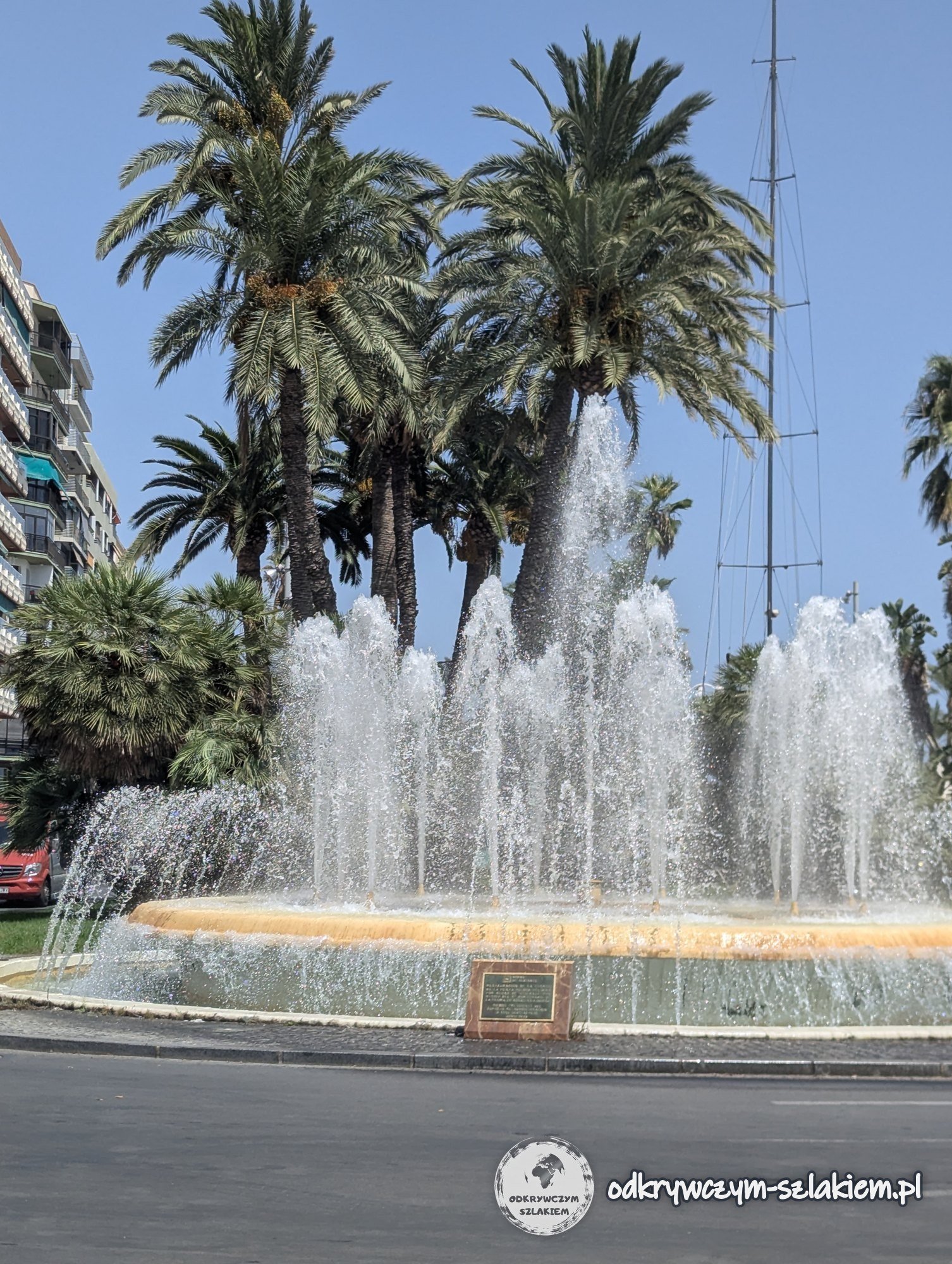
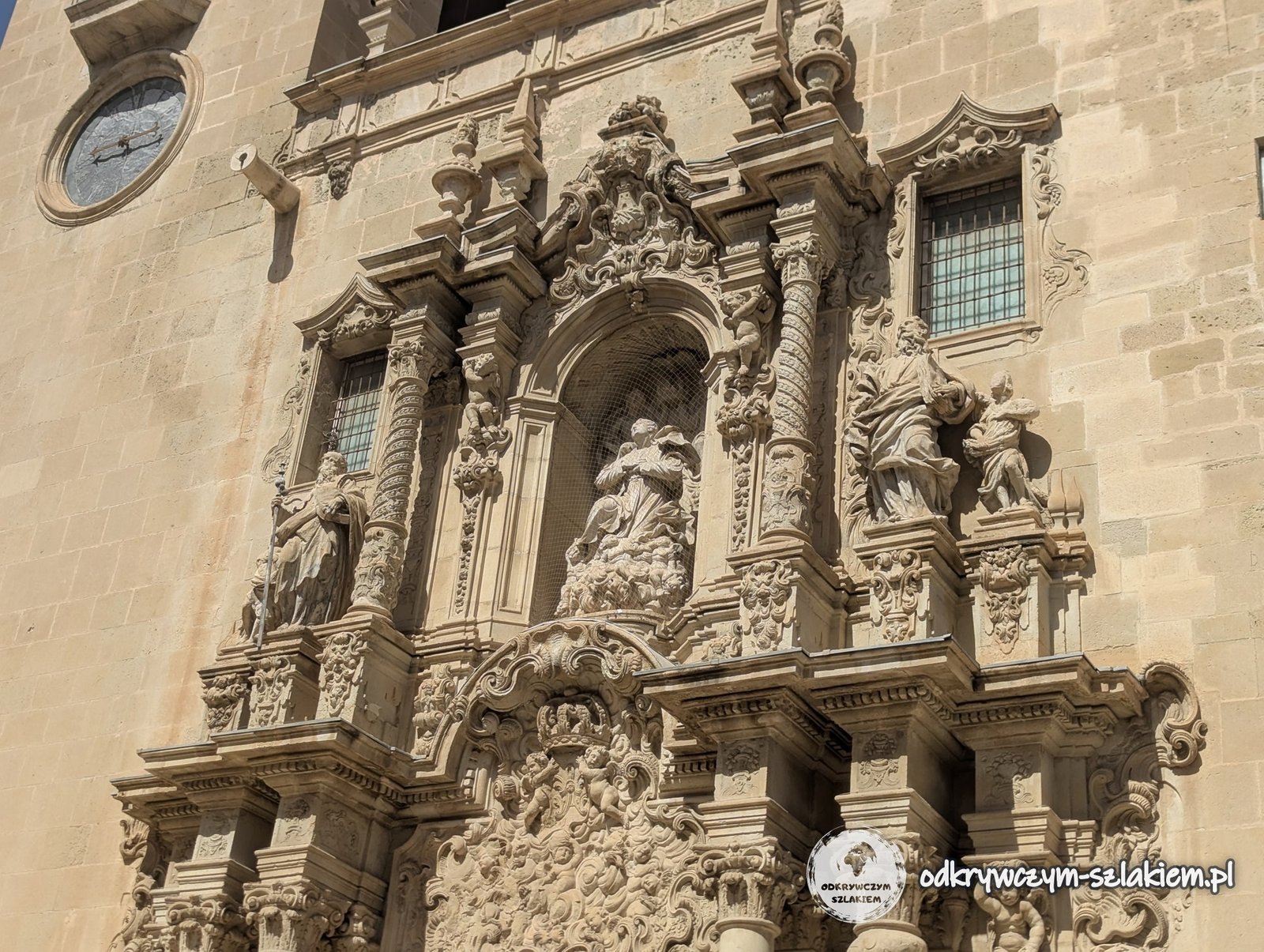
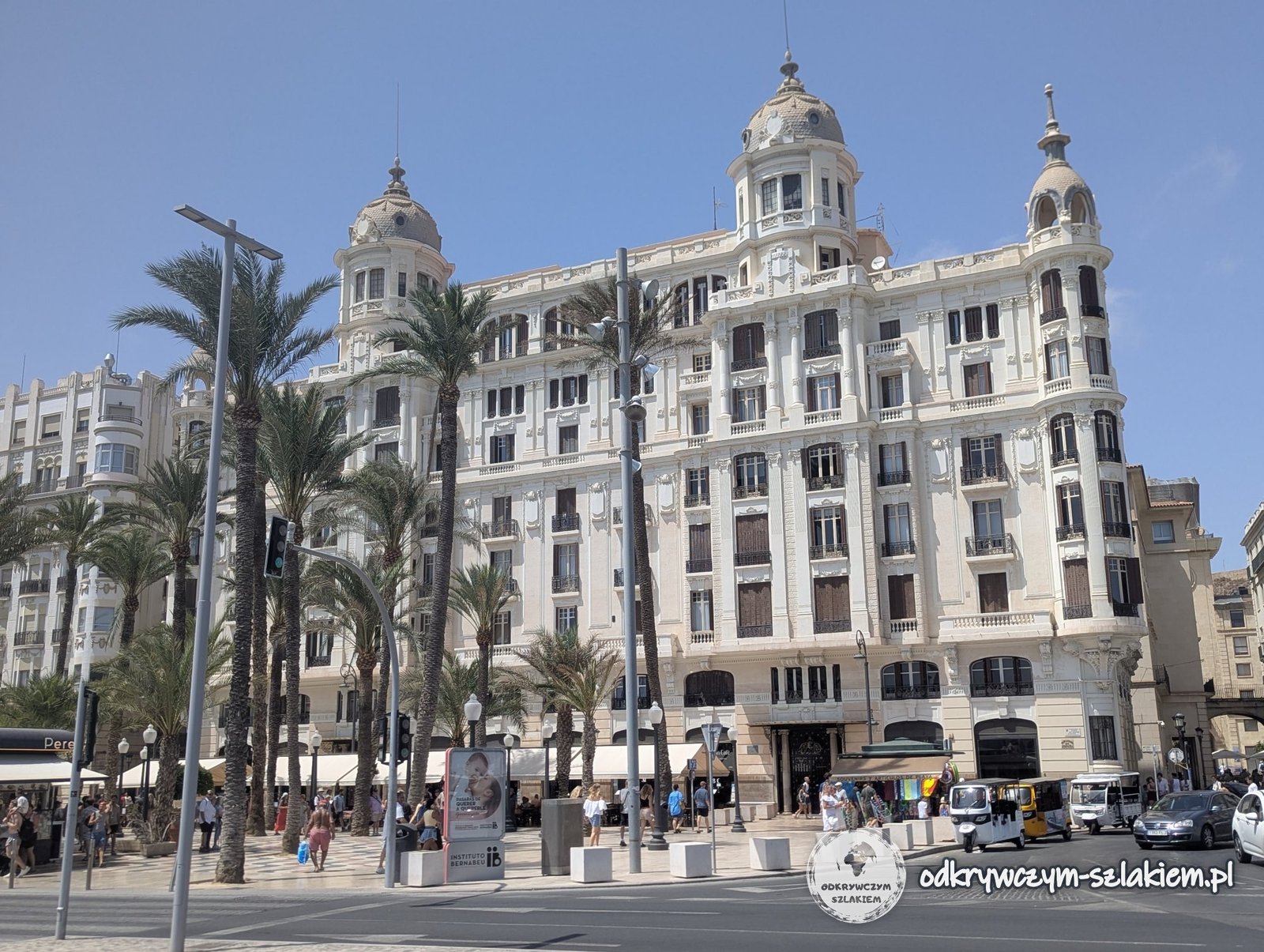
I returned to Alicante in August 2026, on my way to Valencia for the total solar eclipse. This time I saw more of the old town: the baroque façade of the Basilica of Santa María, the grand Casa Carbonell on the promenade and the fountain in Luceros Square.
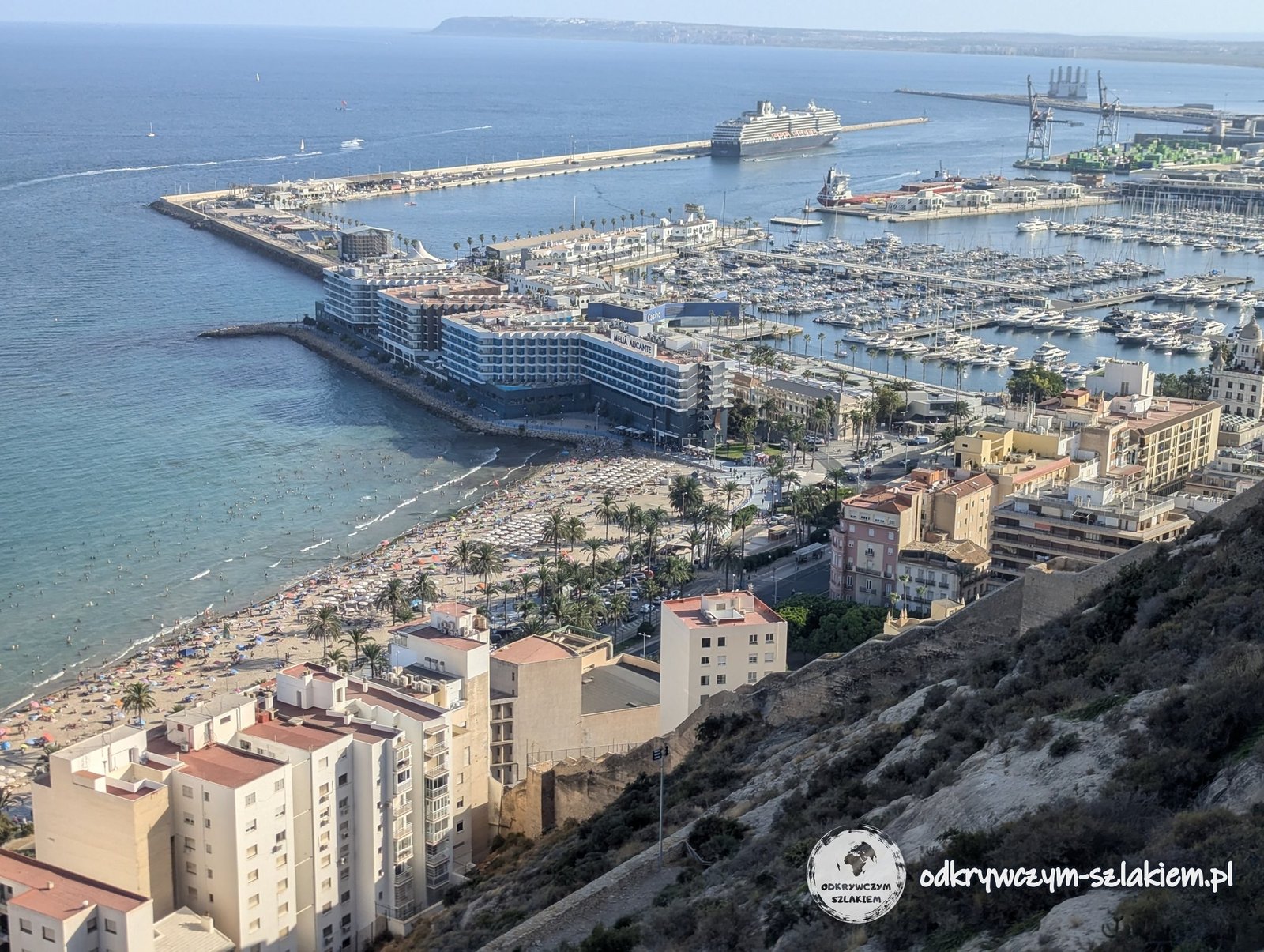
I walked up to the castle through the Santa Cruz district – narrow, steep lanes with white houses, stairs and lots of blue flower pots on the walls. From the castle walls you can see the port, the beaches, the whole city and the bullring, and inside the fortress there are halls with exhibitions.
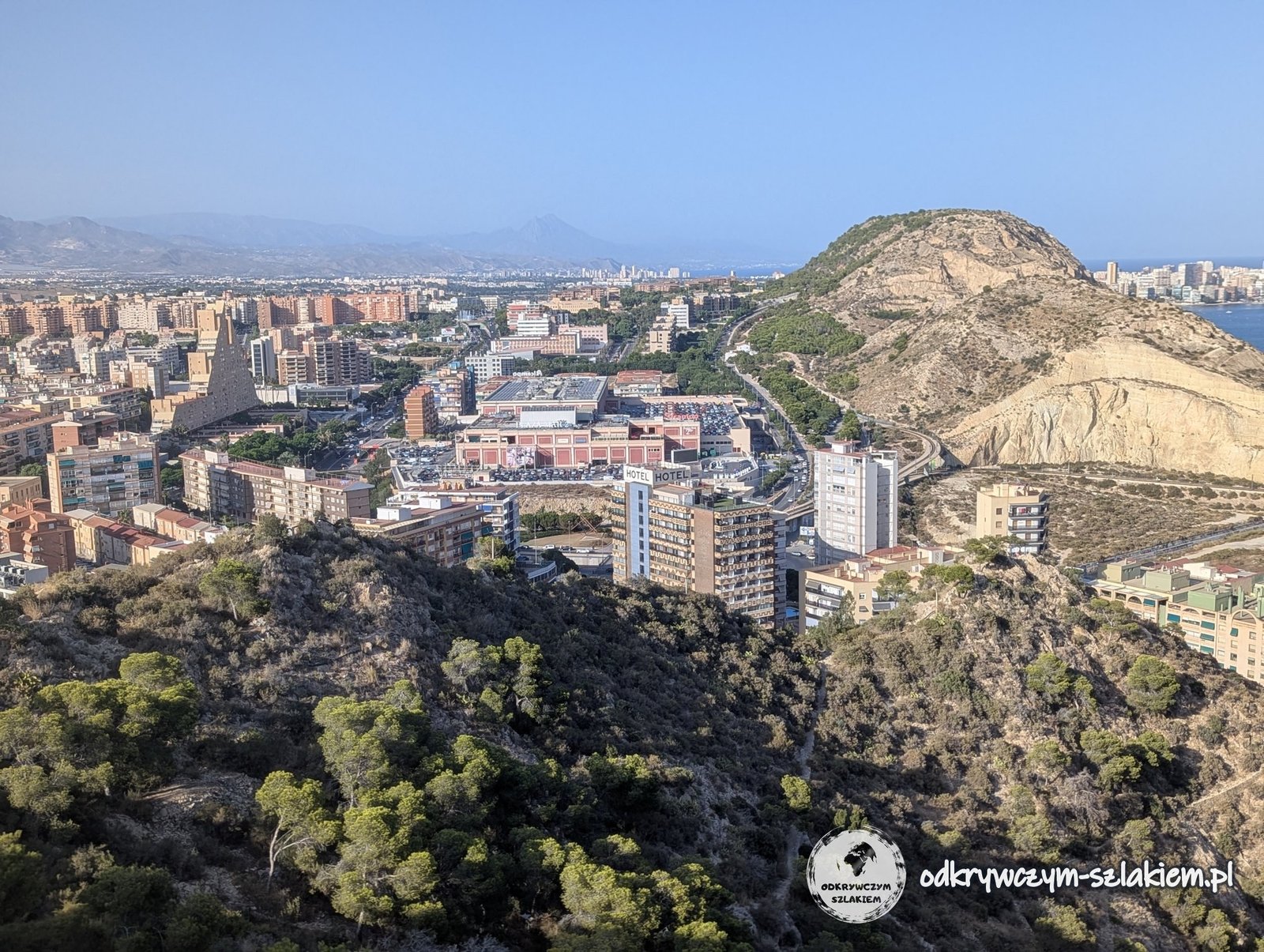
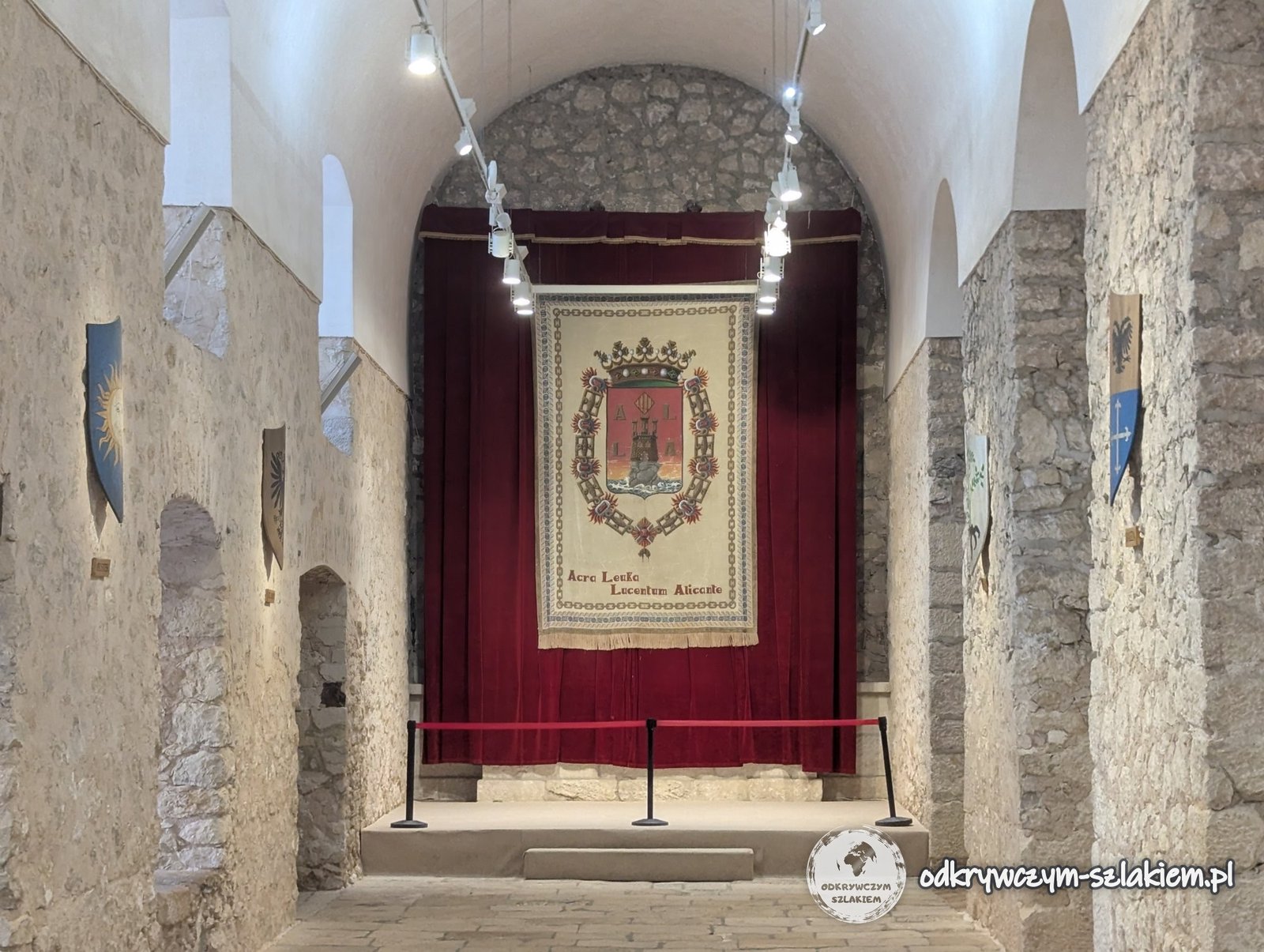
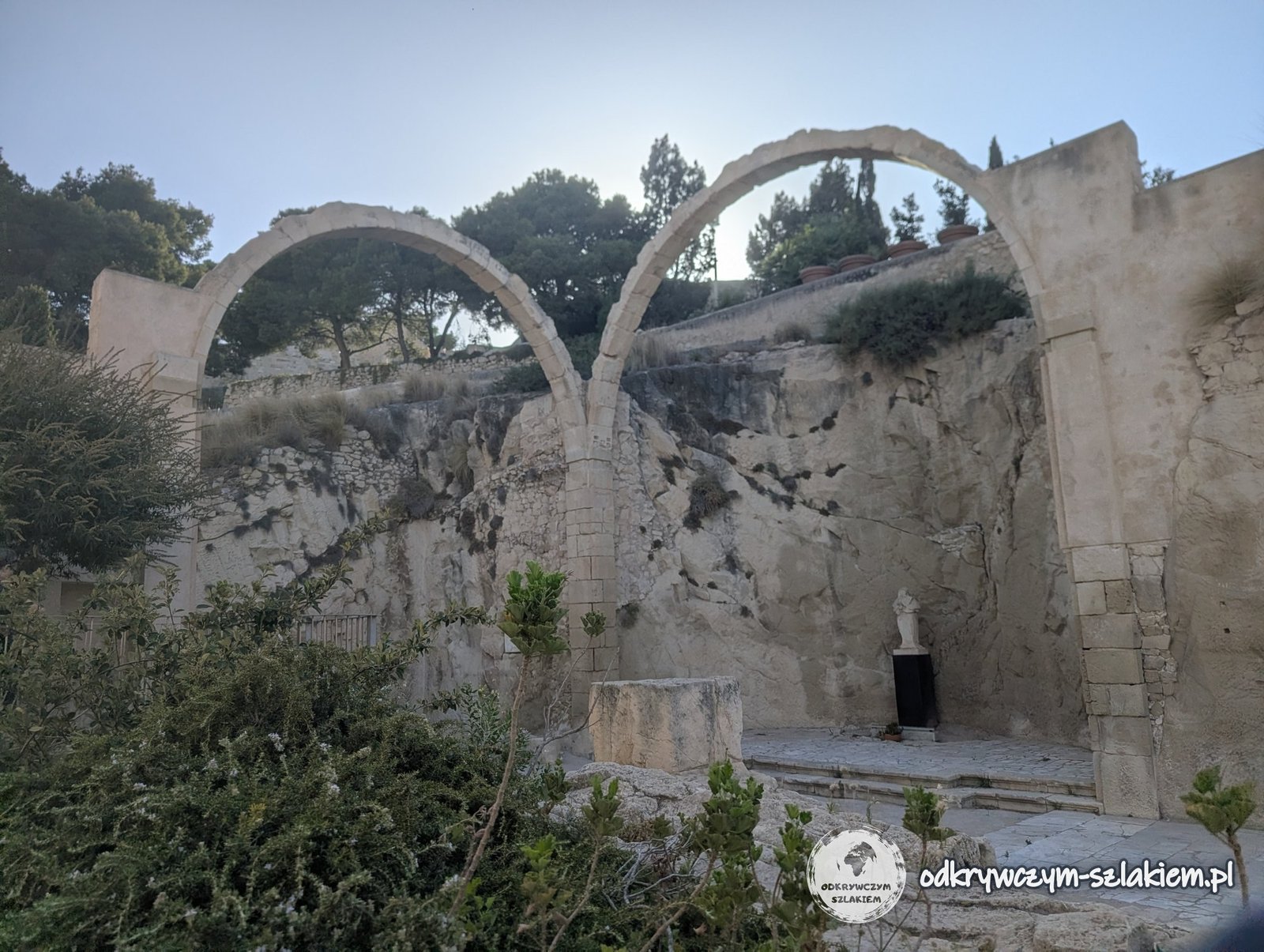
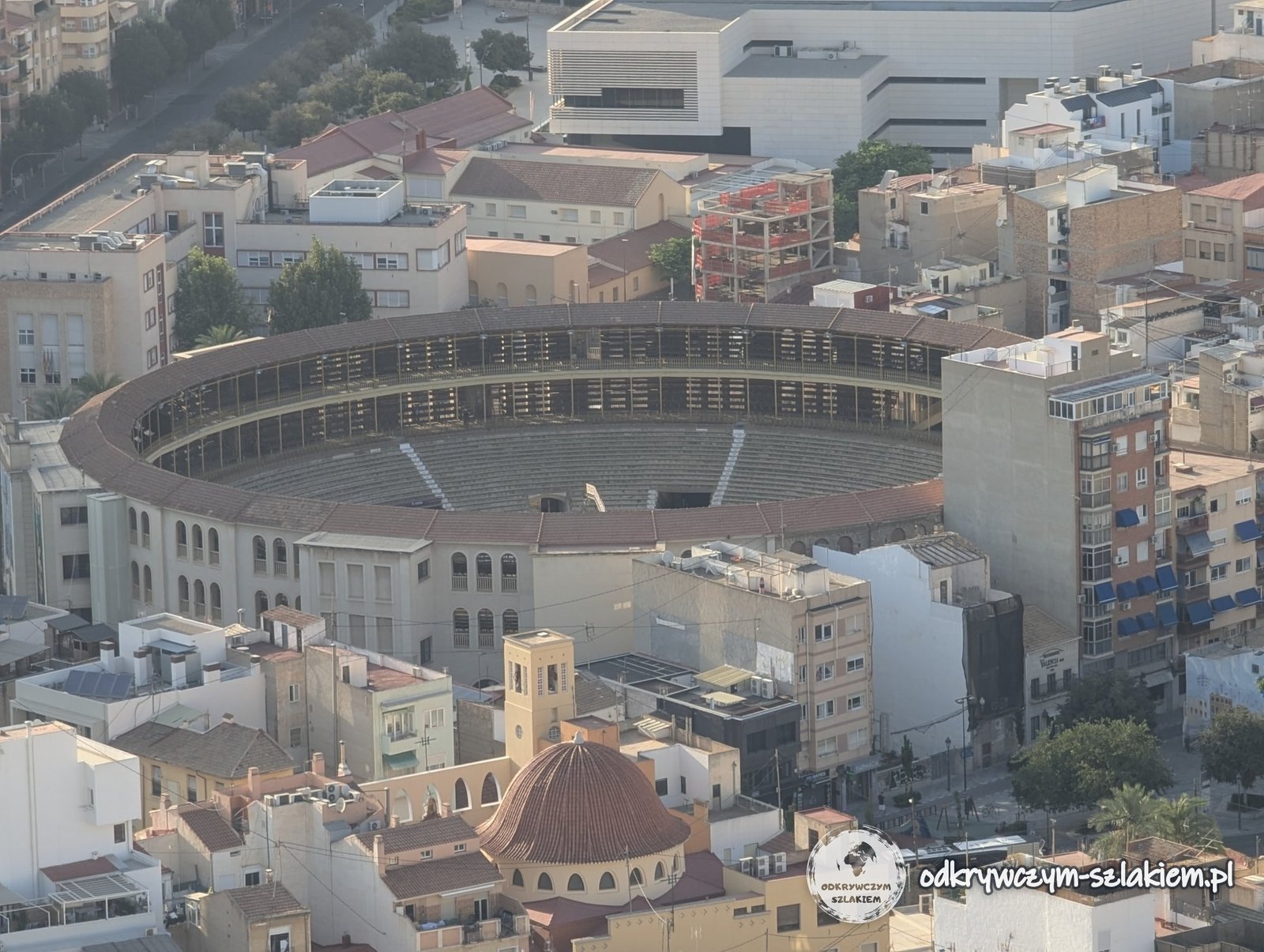
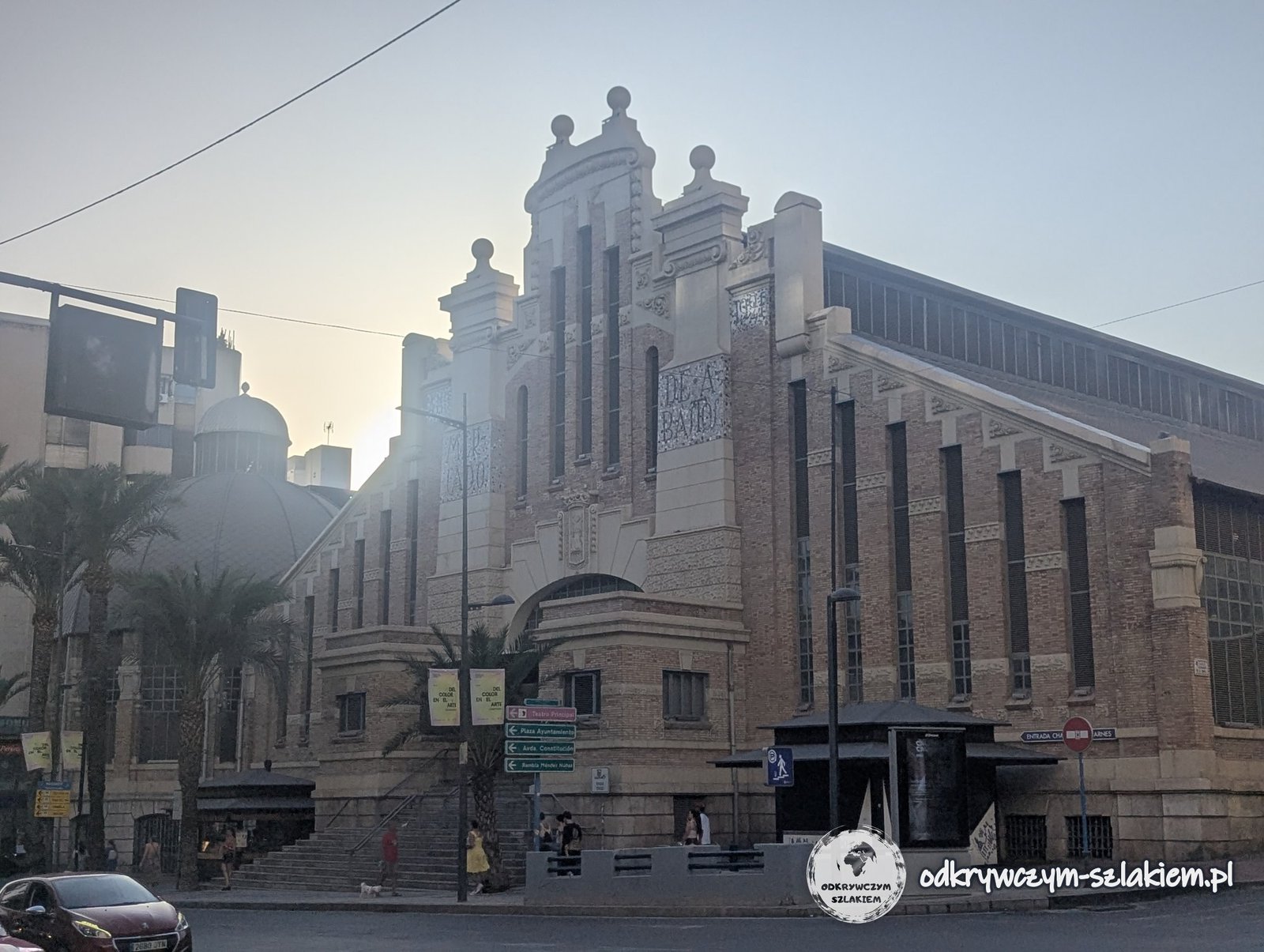
At the end of the day I also stopped by the Mercado Central – a market hall from the early 20th century.
Benidorm – skyscrapers, beaches and viewpoints
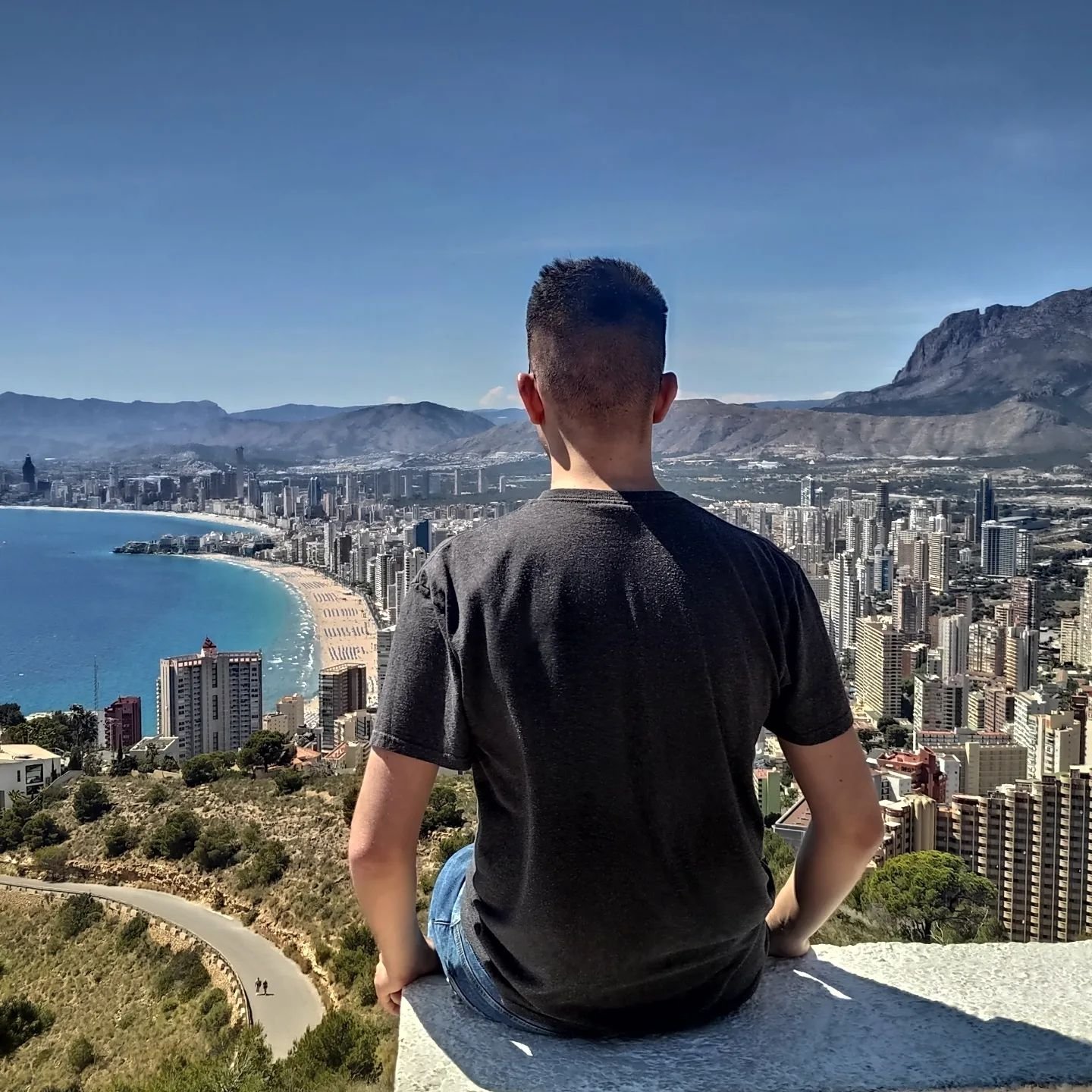
My sister and I spent a Tuesday in February in Benidorm – the old town, the seafront promenade, viewpoints and the beach. It’s a very touristy place: even in winter plenty of people stroll around here (though it’s nothing compared with summer), and you hear other languages more often than Spanish. The city’s trademark is the row of skyscrapers along the beach, with mountains in the background.
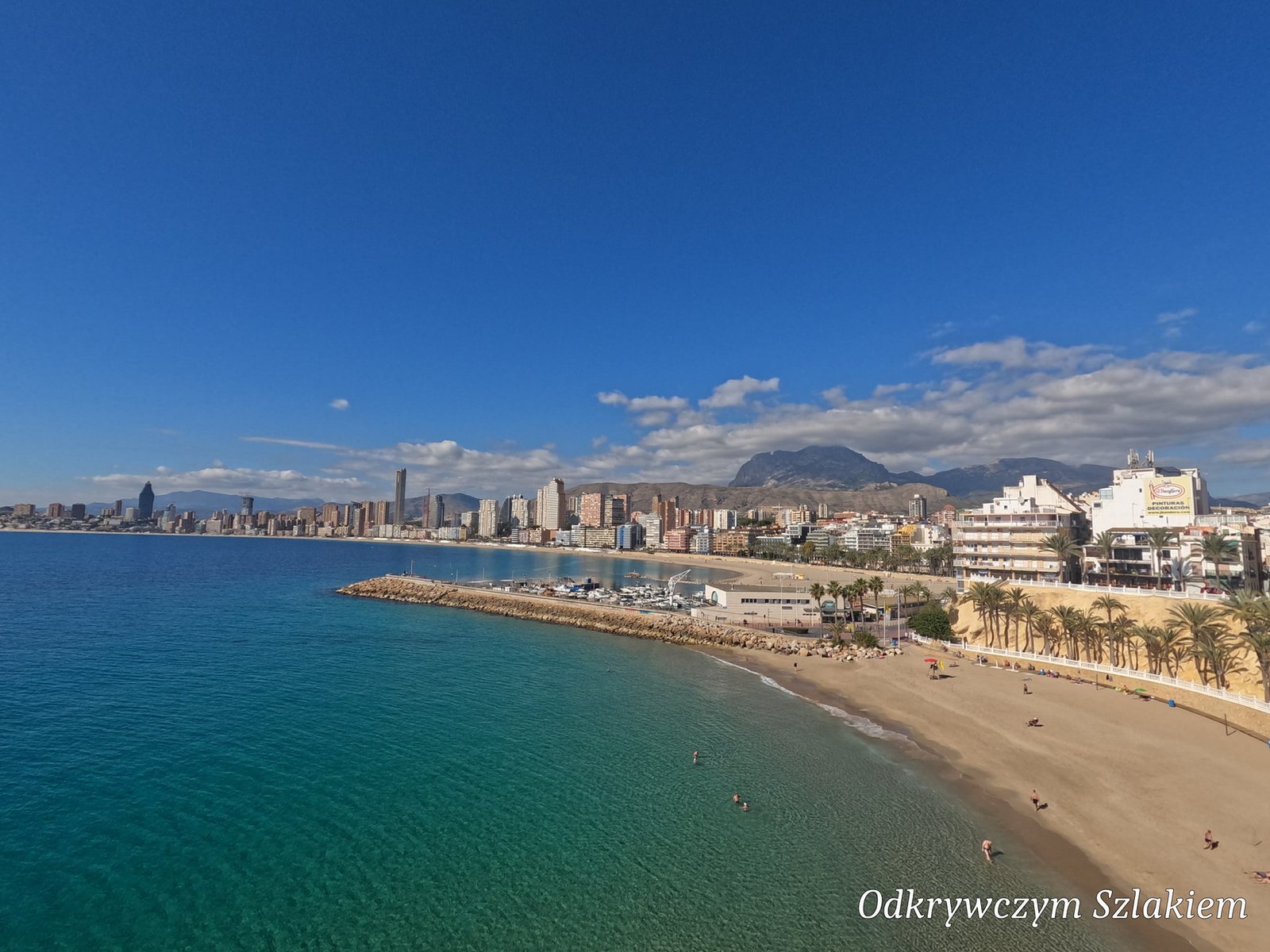
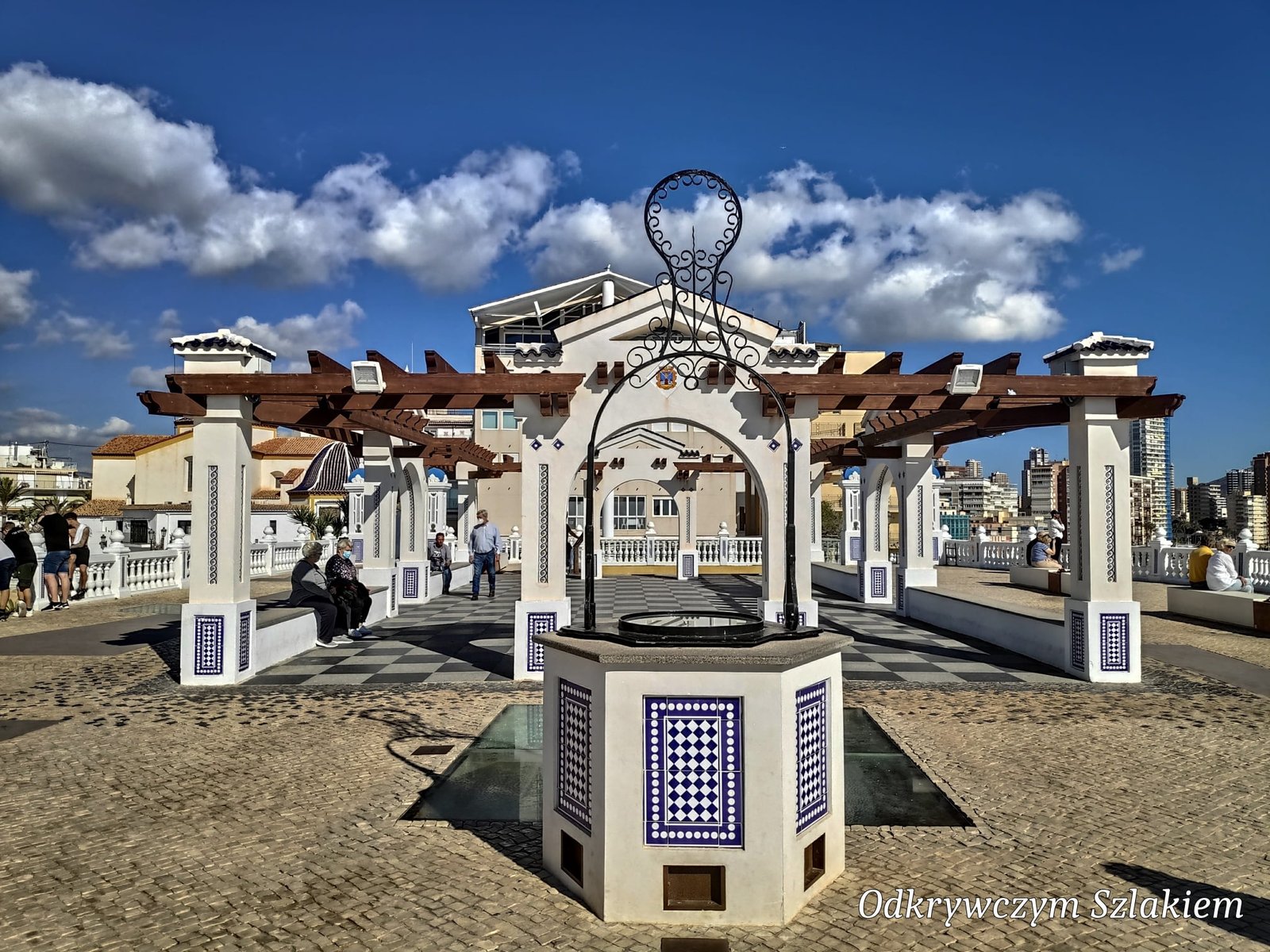
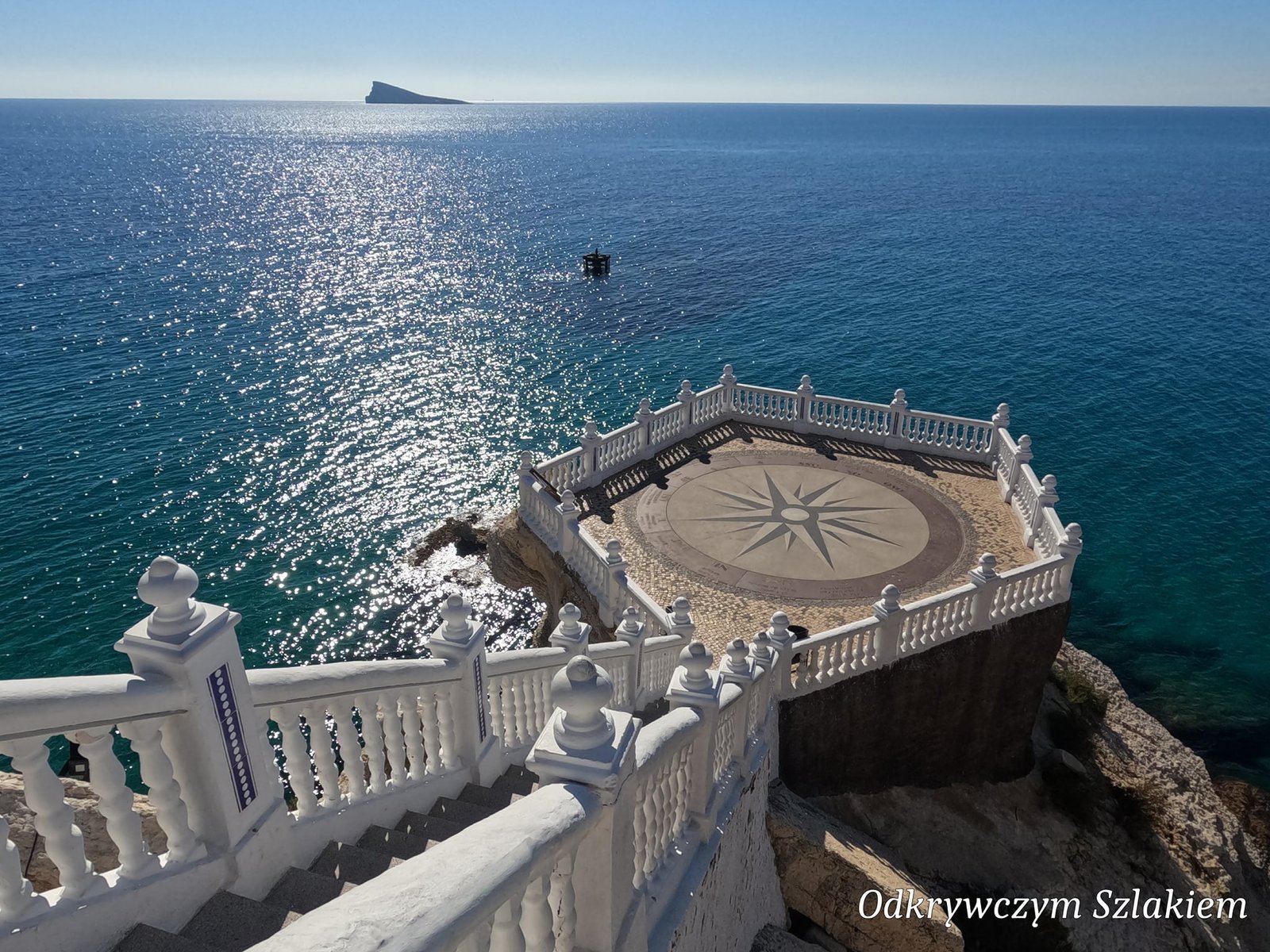
The best view of the beaches is from the Balcón del Mediterráneo terrace on the rocky headland of the old town – looking out over the sea and Benidorm Island. Nearby, it’s also worth stopping at the Punta de l’Escaleta viewpoint above a cove with turquoise water. Fun fact: we went to Benidorm twice on the same day.
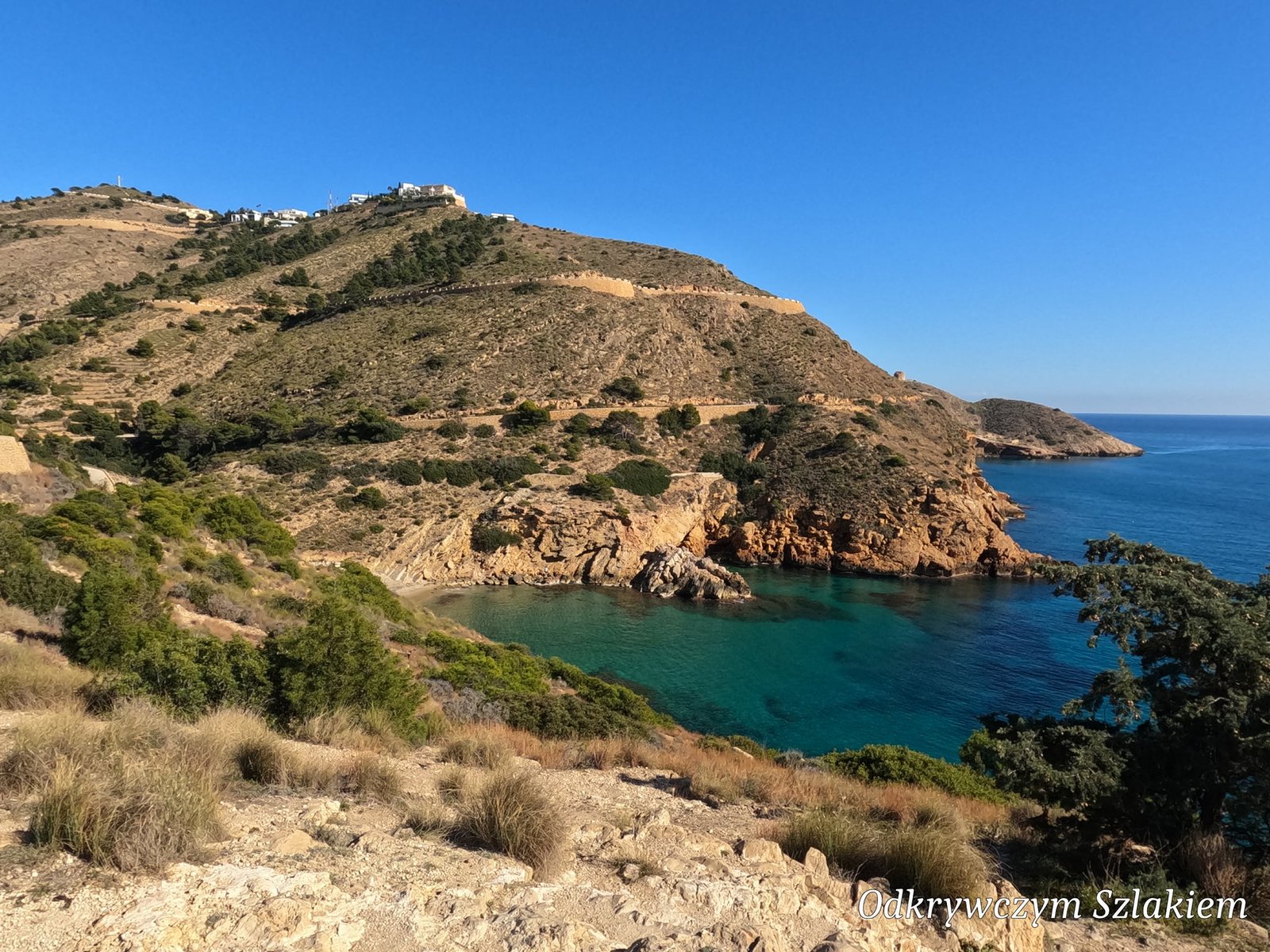
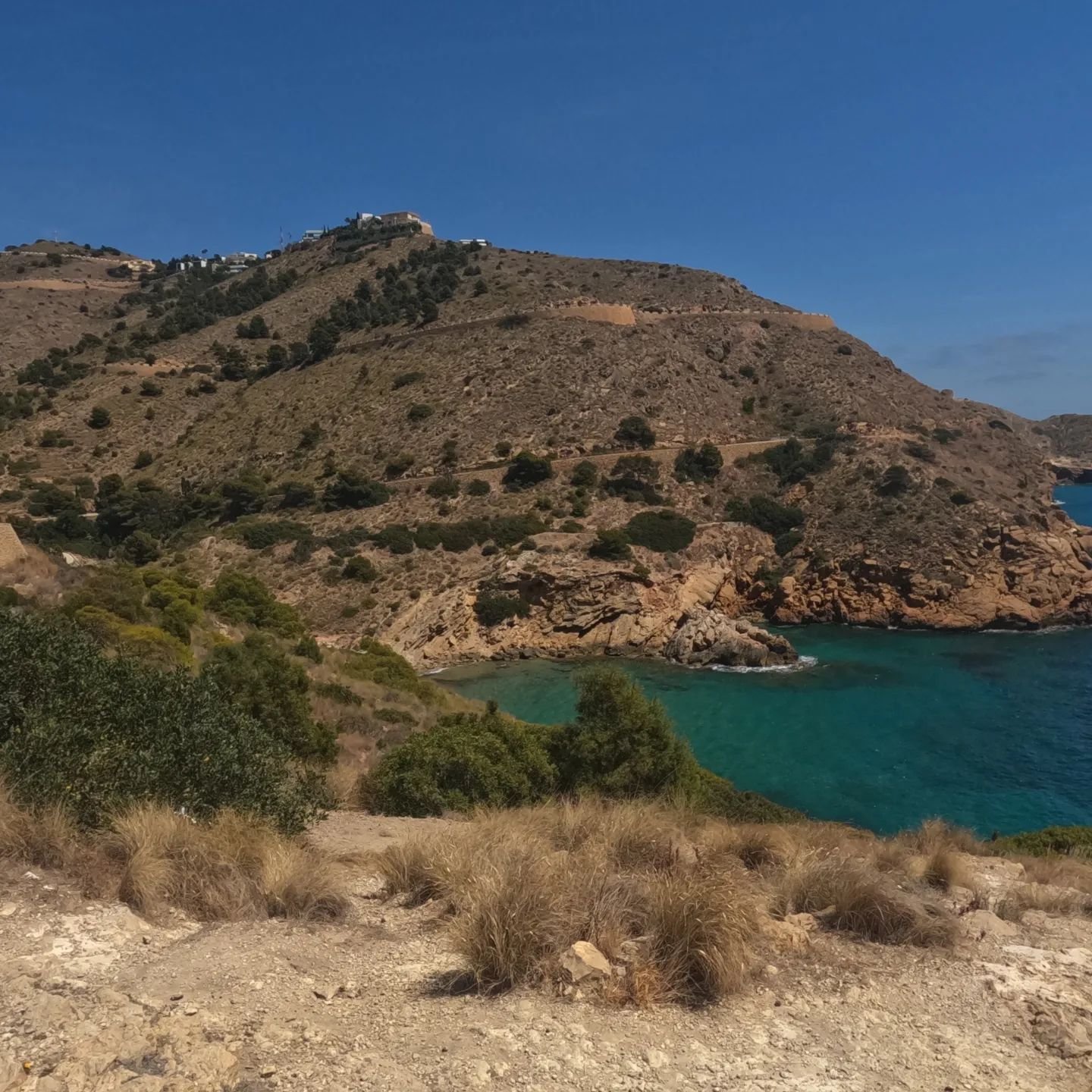
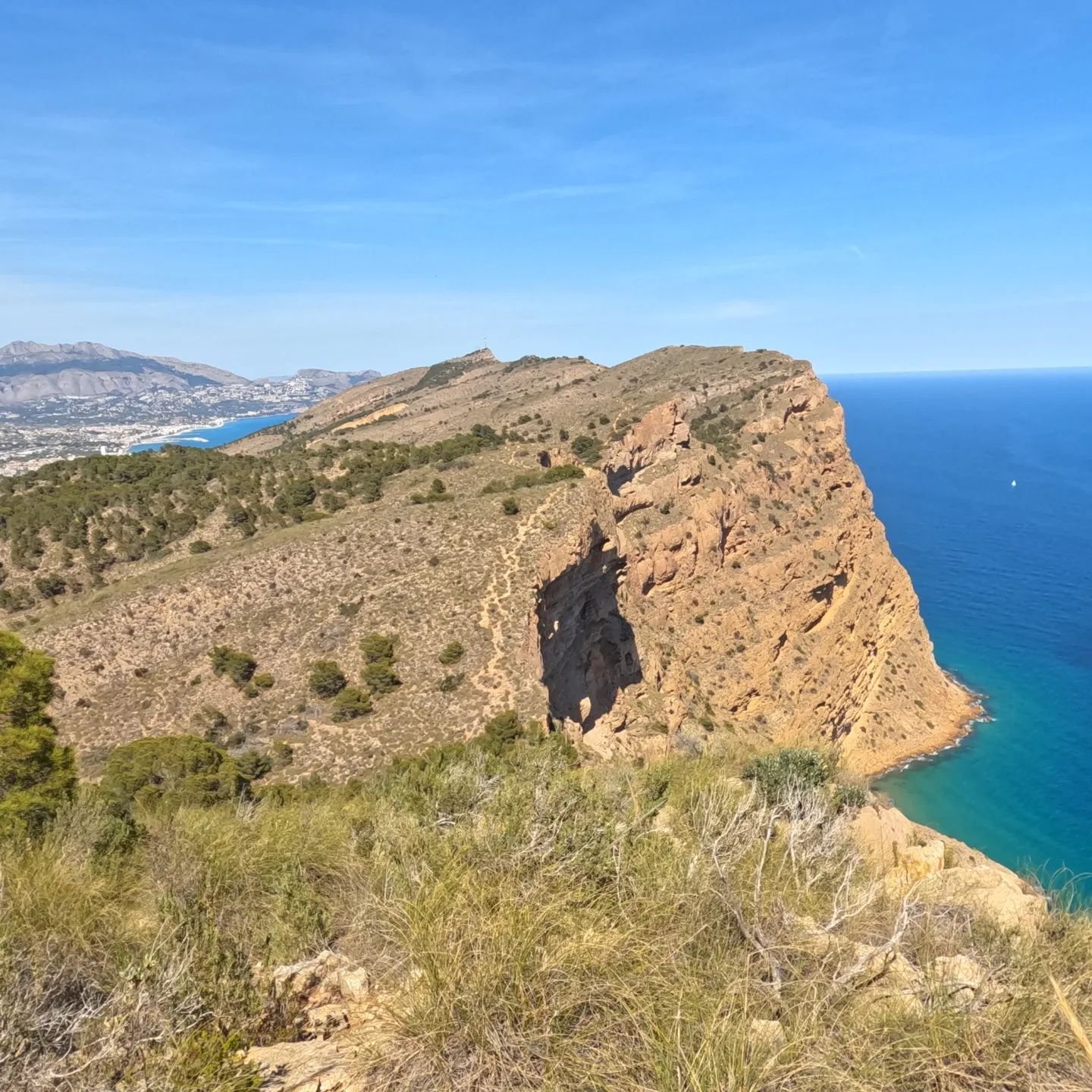
In April 2023 we returned to Benidorm, but this time instead of the promenade we chose a hike in the Serra Gelada – a range with high cliffs dropping into the sea just outside the city. It’s a really nice area for walking, with views of coves and the Benidorm skyline; because of limited time, though, we had to shorten the planned route. In April all the places by the water were already full.
Torrevieja and the pink lagoon
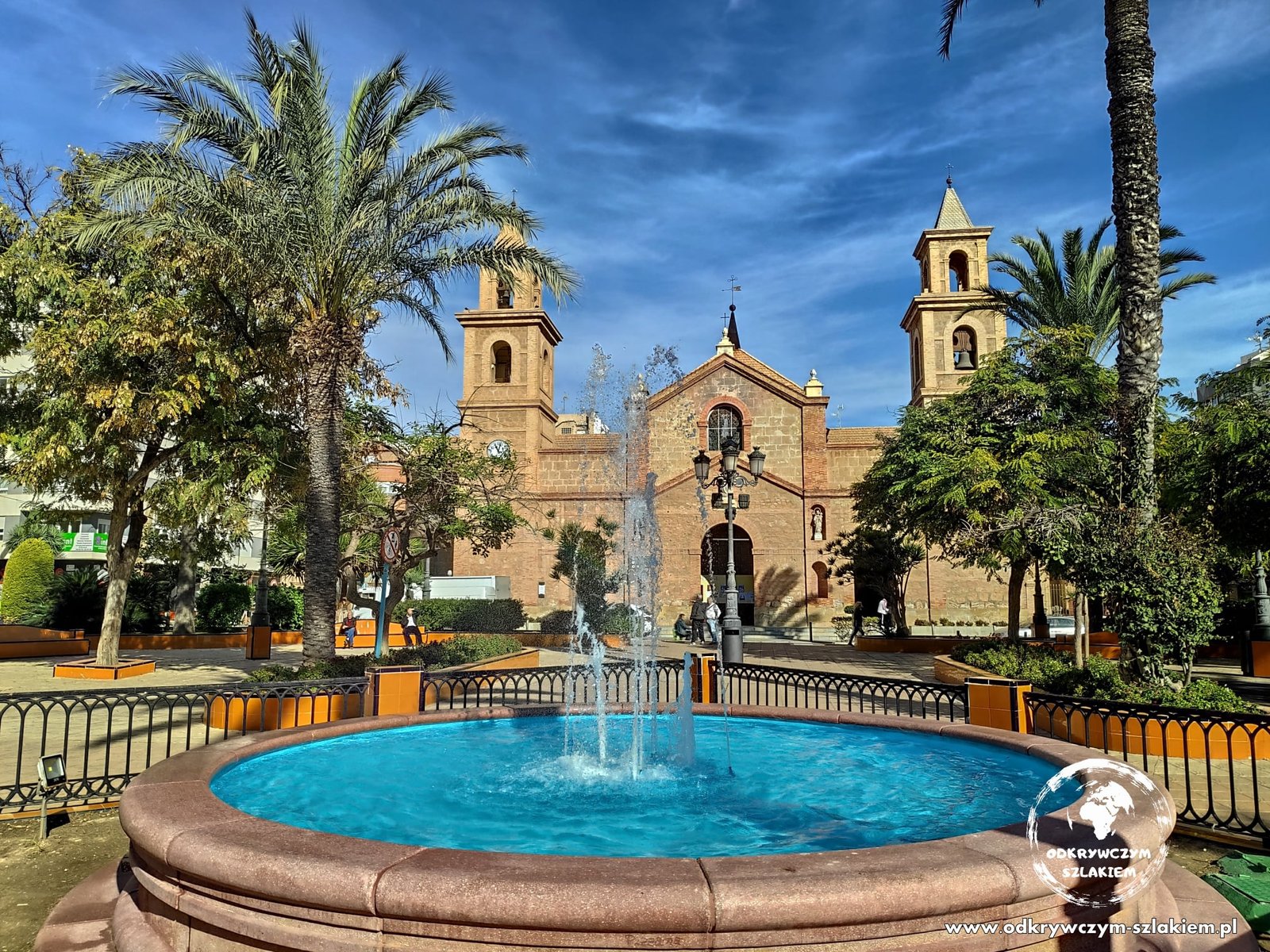
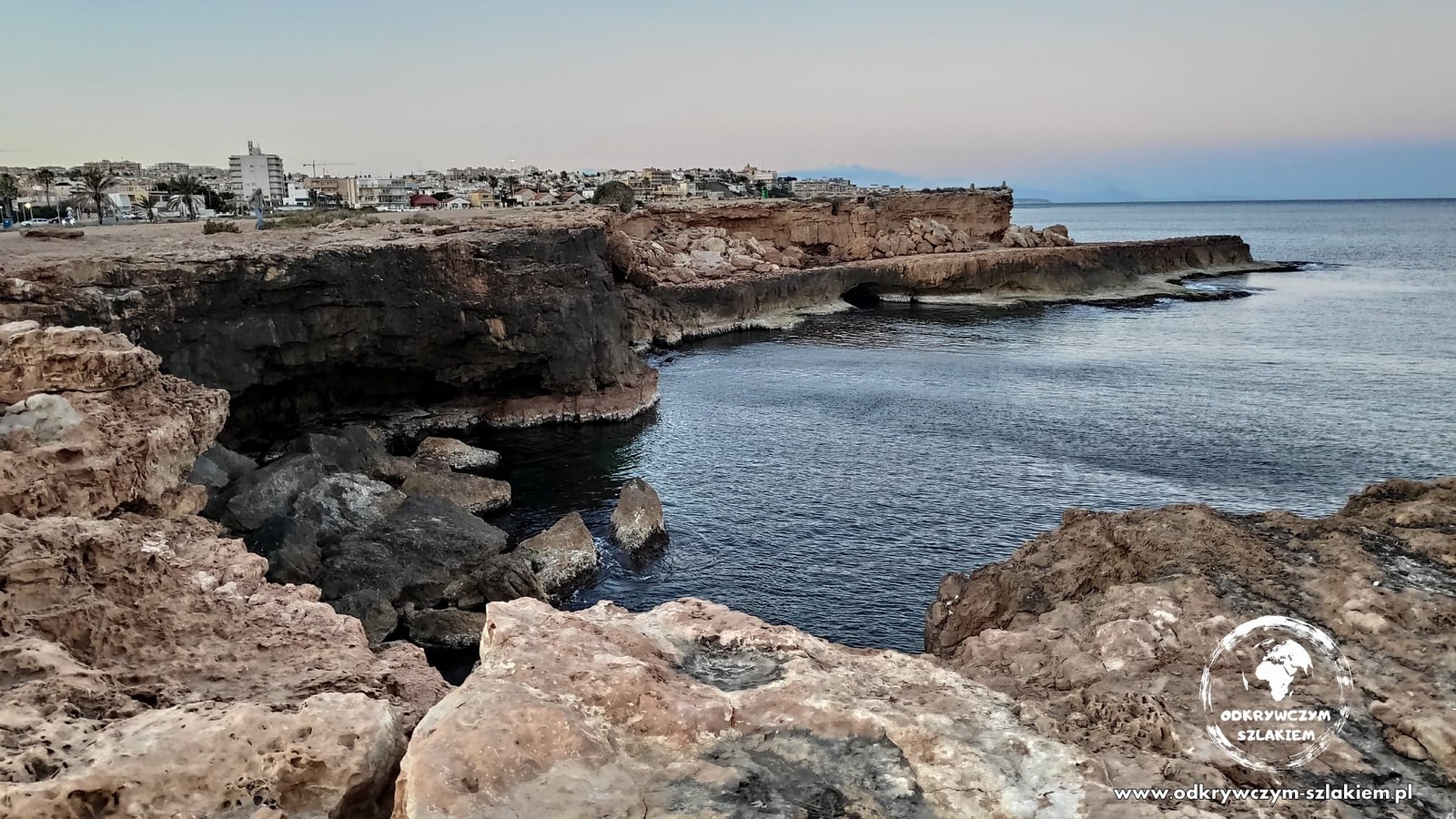
My base in February was Torrevieja. The name means “old tower” – probably after a fishermen’s watchtower that survived an earthquake in the first half of the 18th century. On the first Sunday we walked along the seafront promenade, ticking off the main sights, and on the days I worked remotely we walked in the evenings along the shore and the low rocky cliffs.

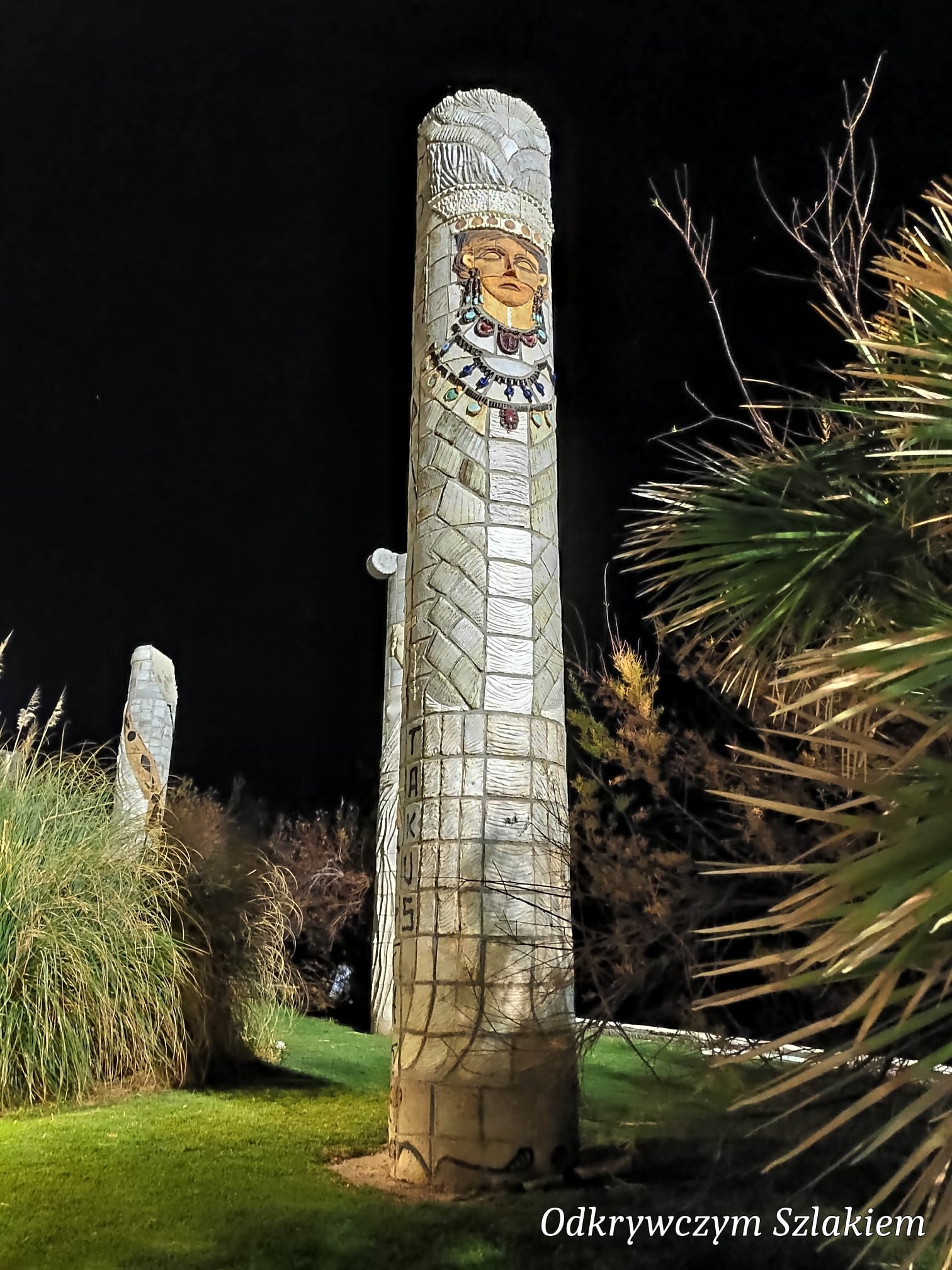
Torrevieja is one of Europe’s leading salt producers. Right next to the town lies the Laguna Salada de Torrevieja – a salt lake where salt is extracted, known for its pink water (thanks to the bacteria living in it). The colour is most beautiful in autumn, in sunny weather – in February what we mainly saw there was a beautiful sunset. The salt lakes around Torrevieja are protected as a nature park.
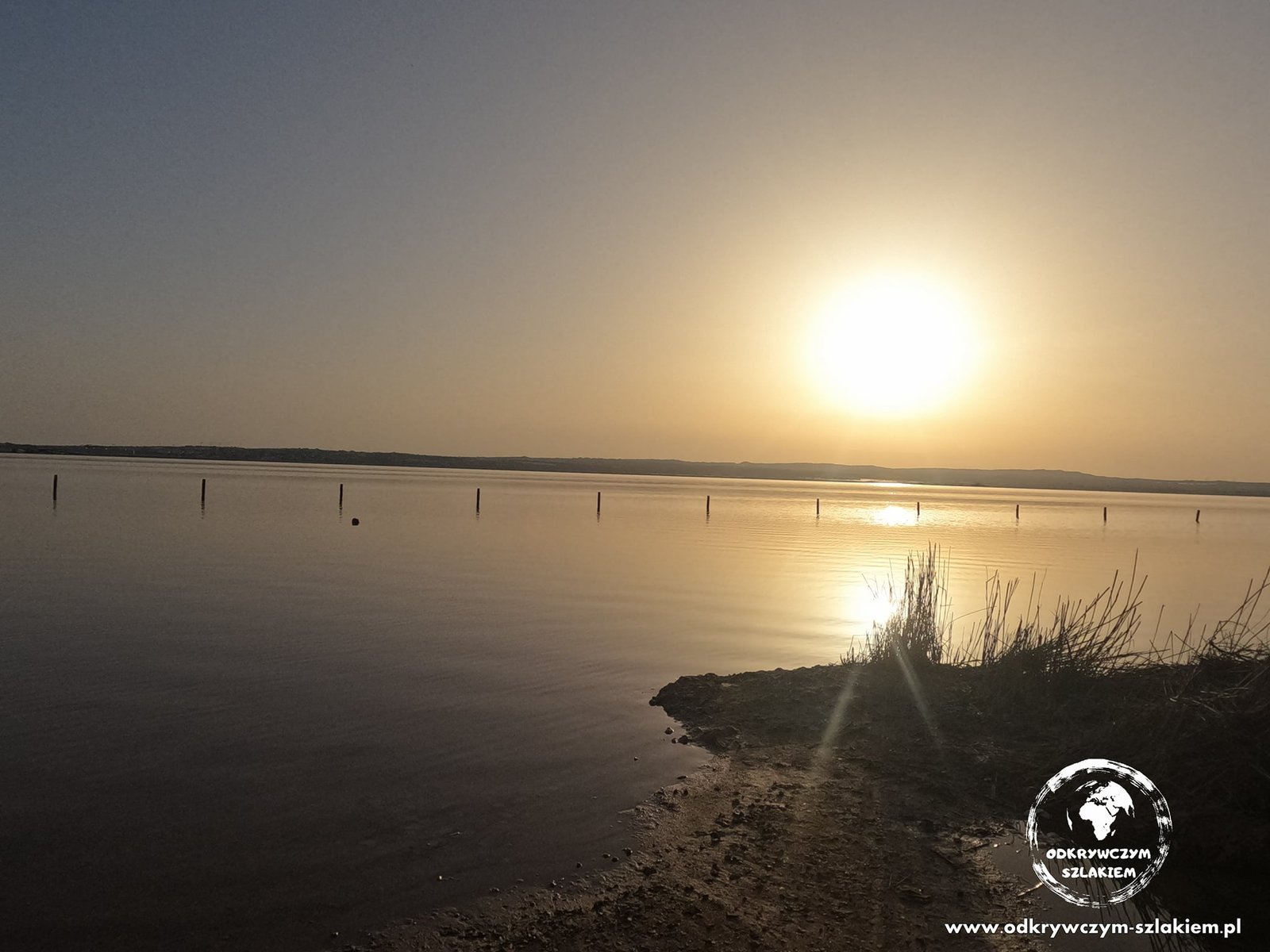
The same day, on the way back from Murcia, we also stopped at a viewpoint above the Embalse de la Pedrera reservoir and at the Castillo de San Miguel de Salinas castle.
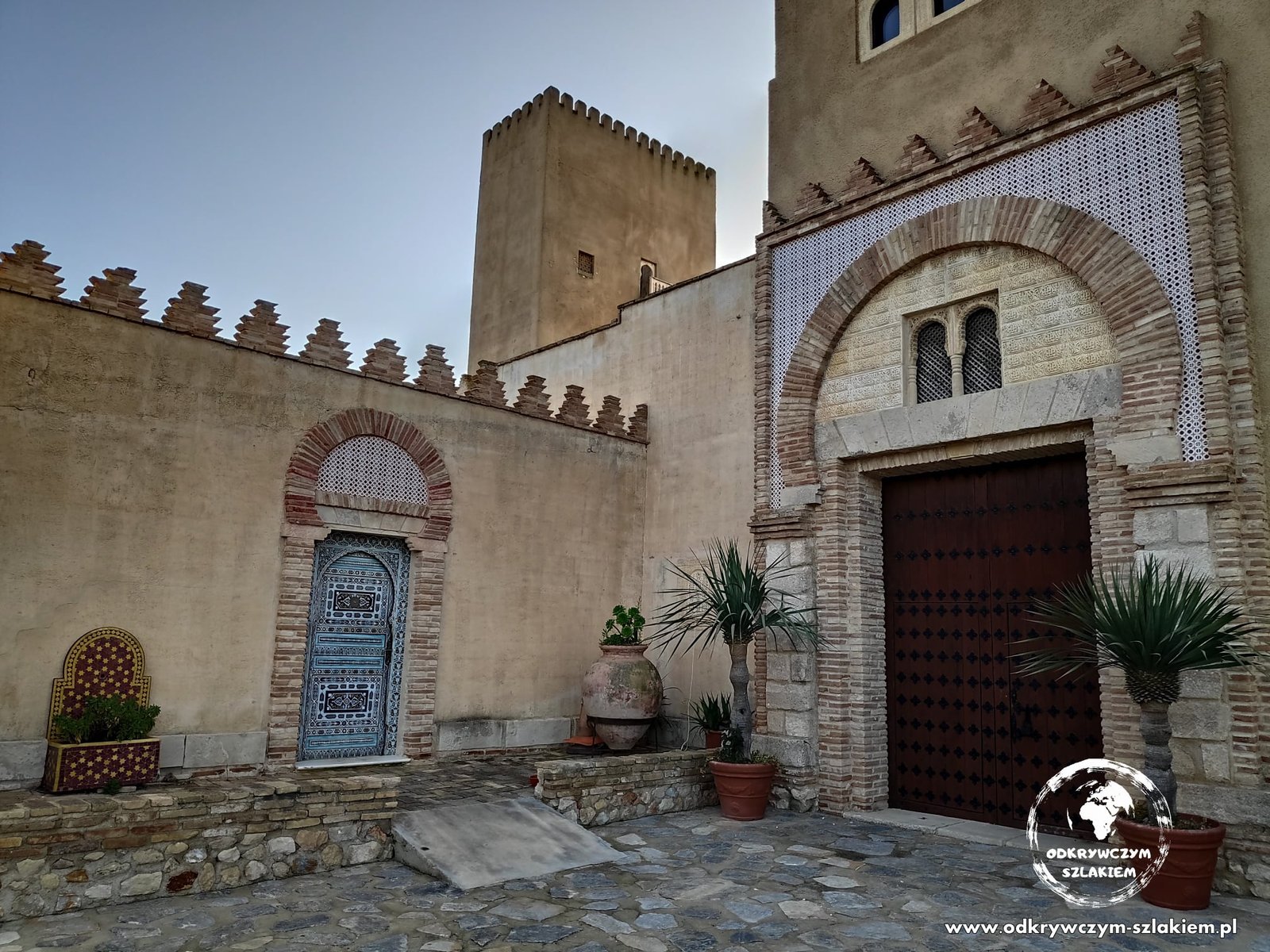
During our spring stay in 2023 (eight full days at my sister’s) we saw a few new places in Torrevieja: the Parc Jardí de les Nacions park with a lake full of wild birds and a scaled-down model of the European continent, and the shore of the second salt lake, the Laguna Salada de la Mata, in a nature reserve. The pink lagoon still didn’t have an intense colour then. It was warm, though – up to 28 °C – so we went to the beach twice and even went into the sea.
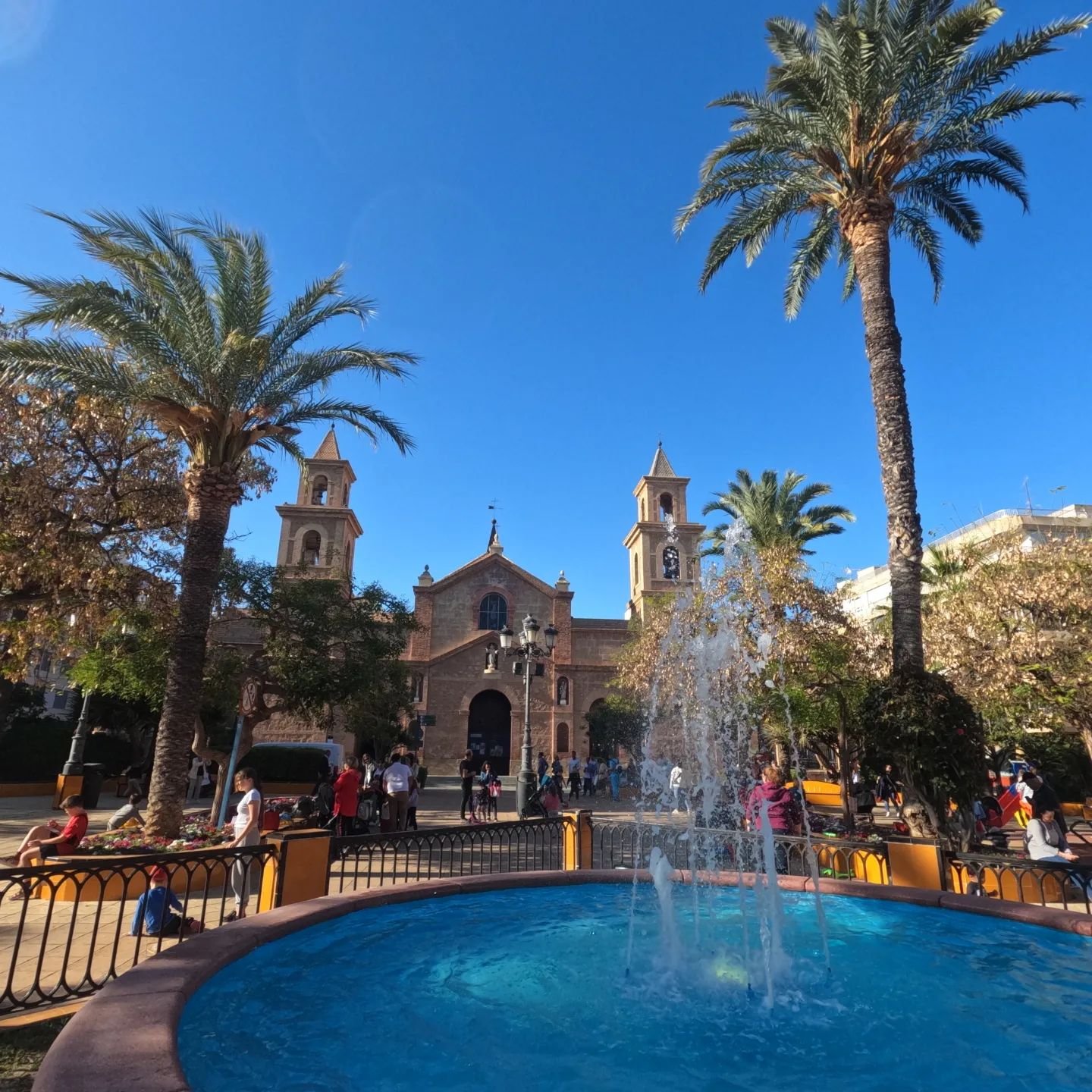
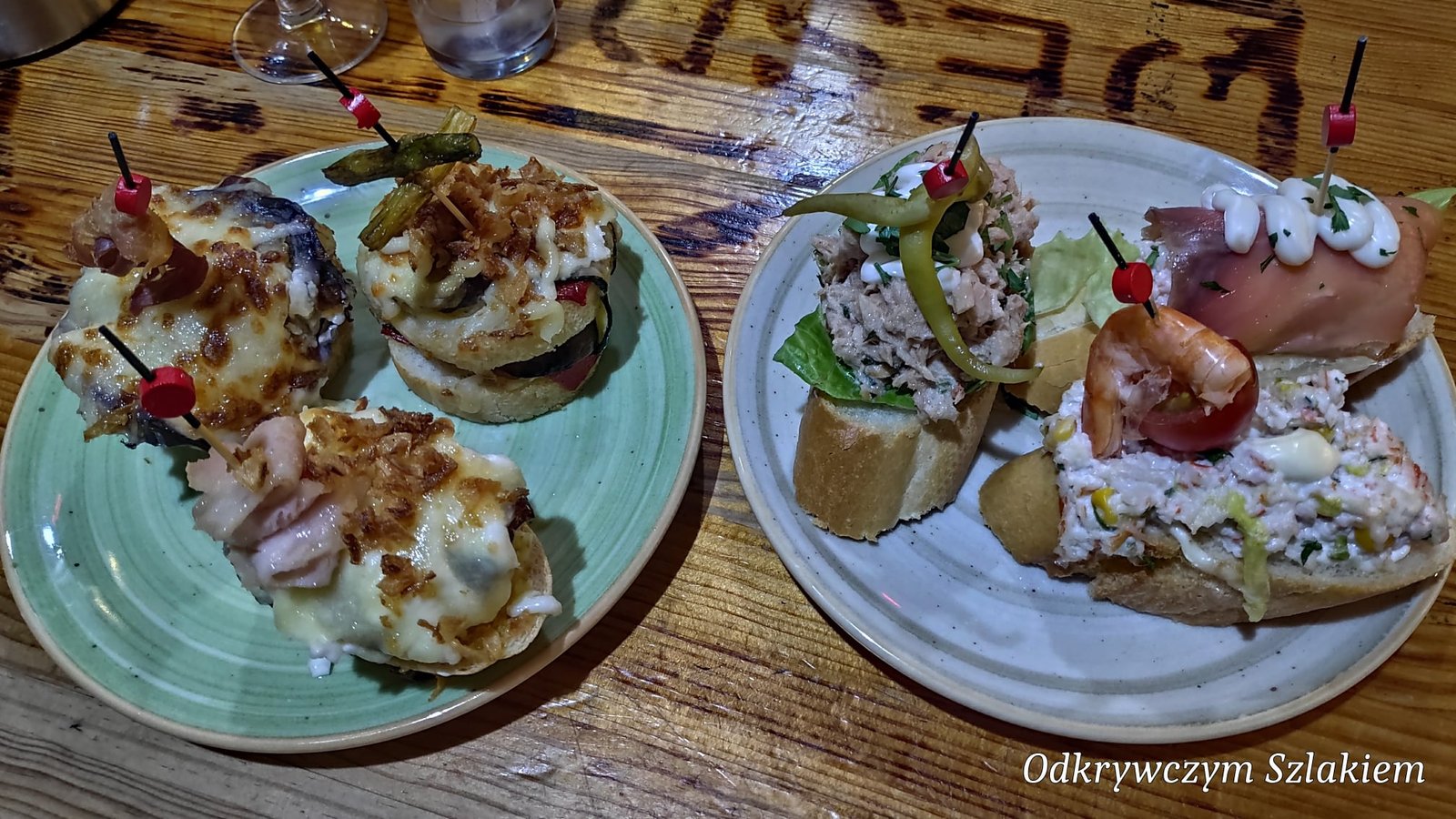
As for food, I’ll definitely remember the pinchos – small snacks on a piece of baguette, with a toothpick stuck through to hold the ingredients together.
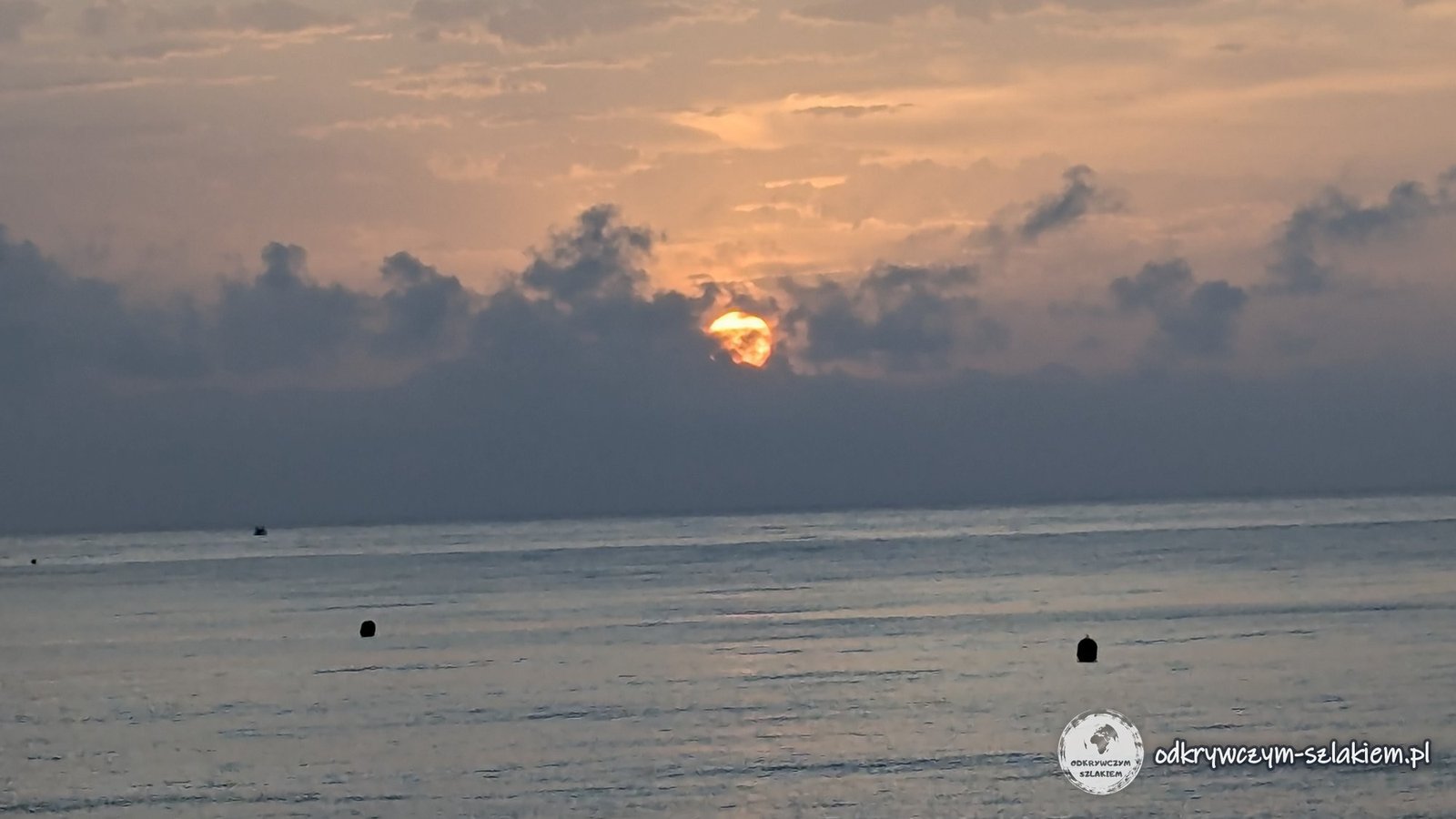
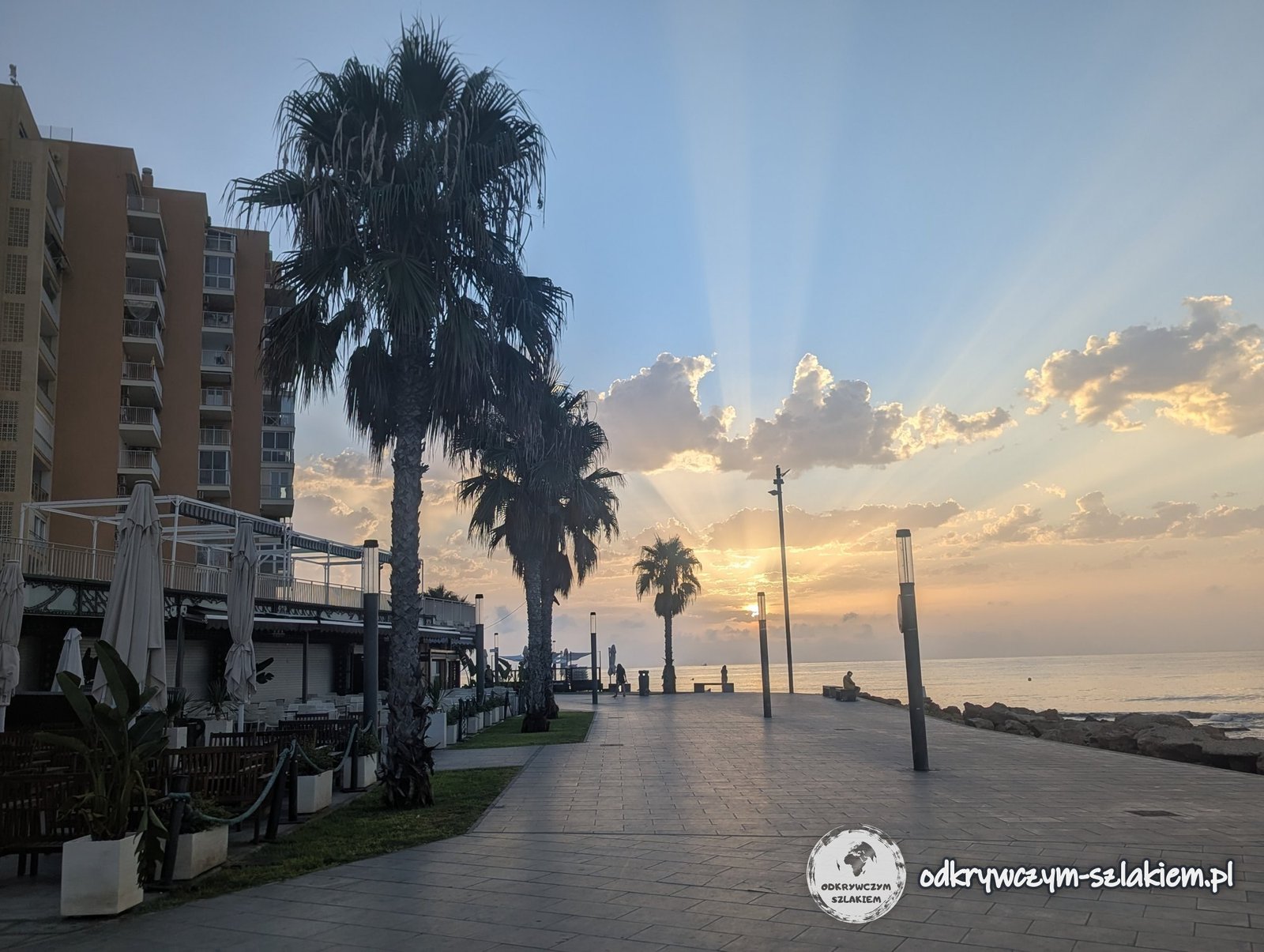
In August 2026 I was in Torrevieja a few days before the solar eclipse. Once I managed to see the sunrise over the sea from the seafront promenade.
Elche – the palm grove
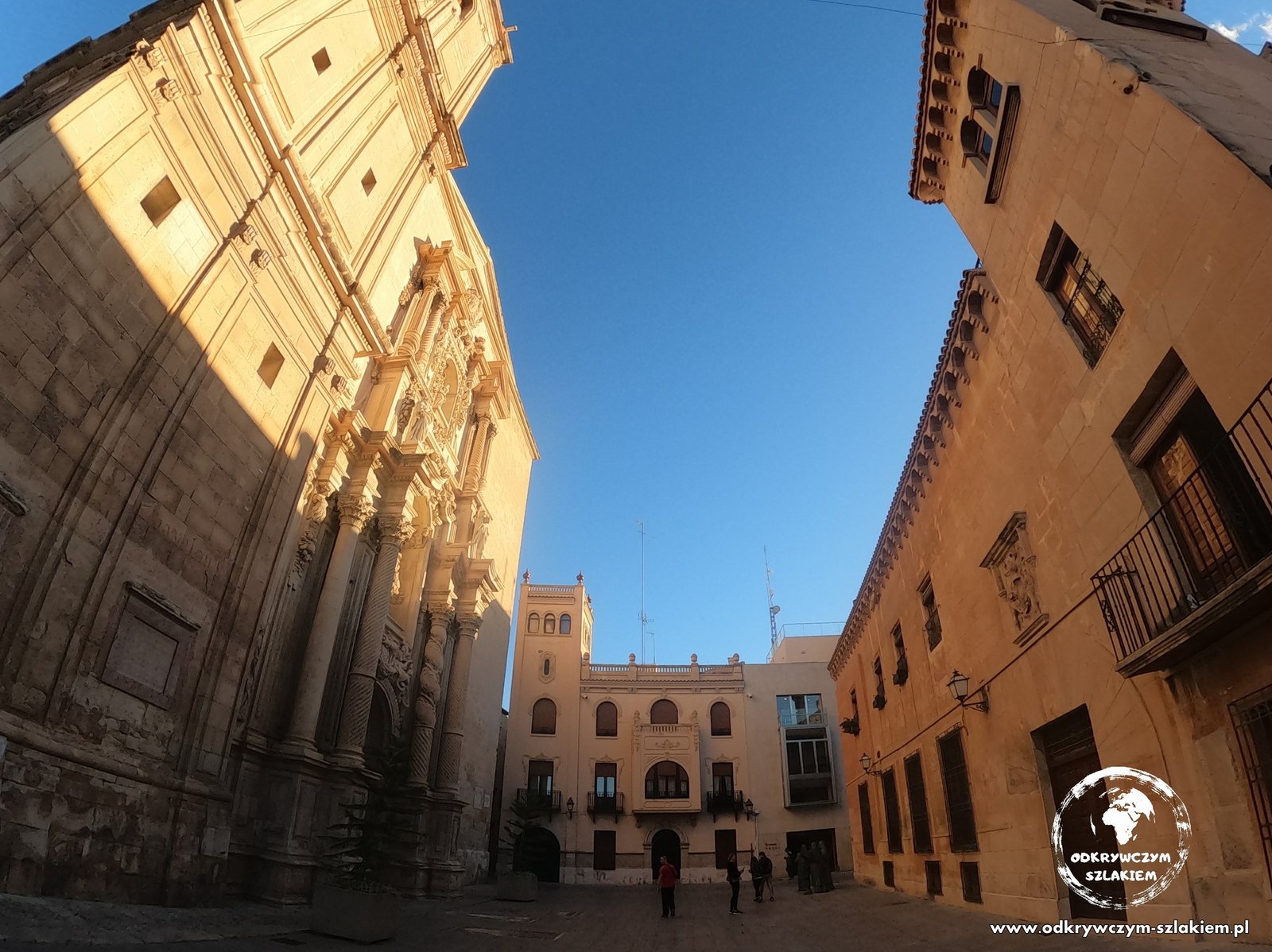
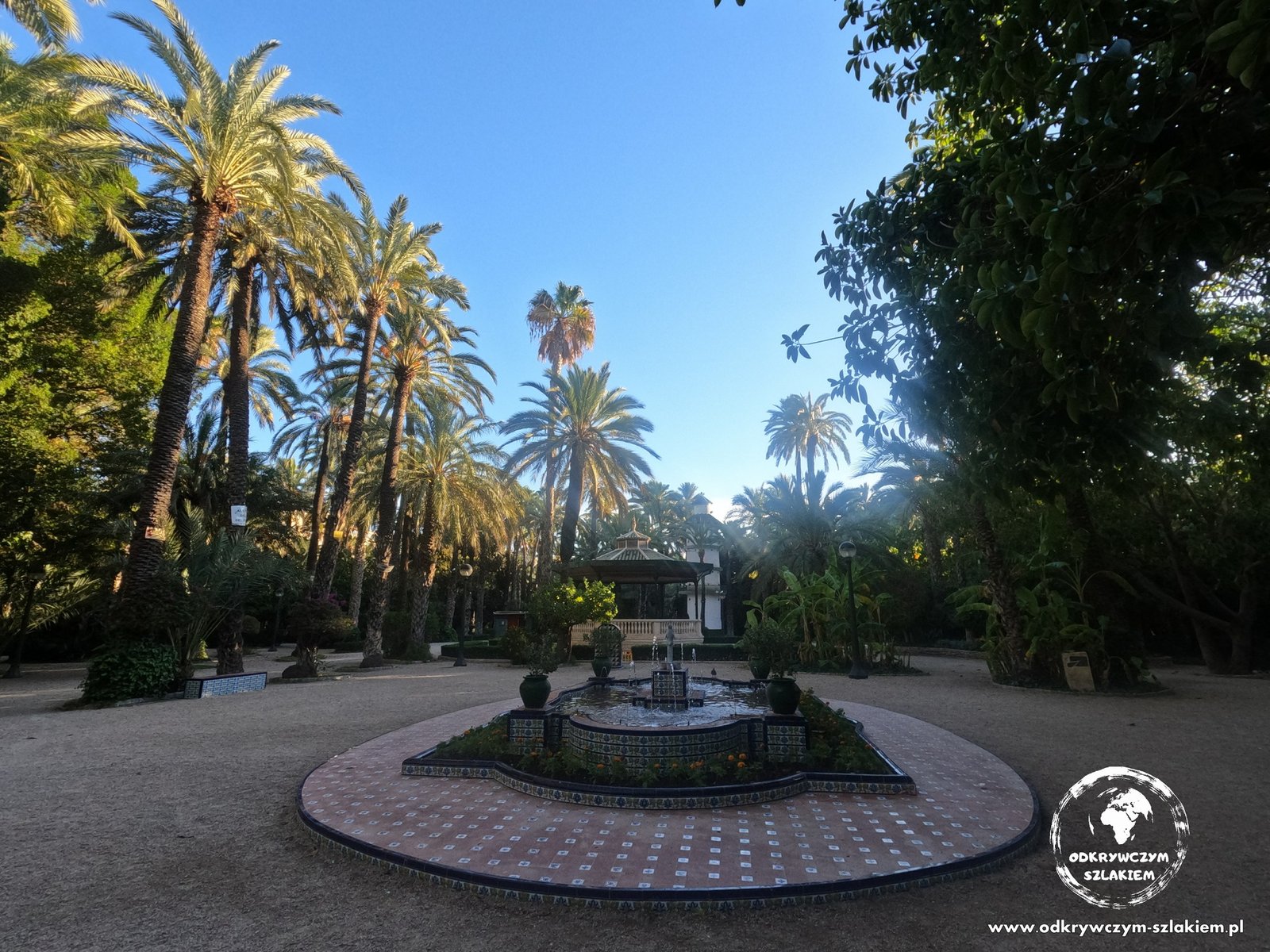
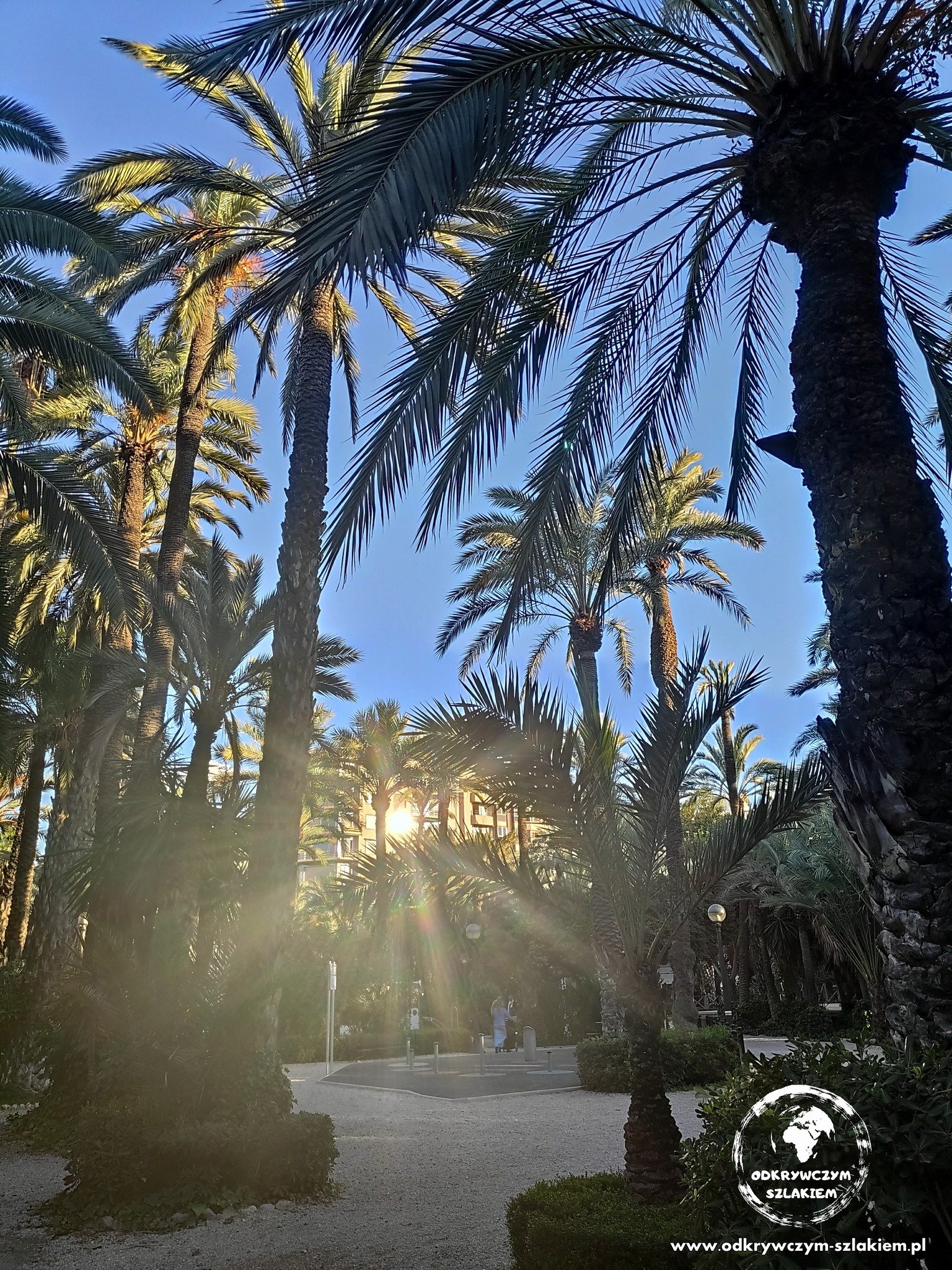
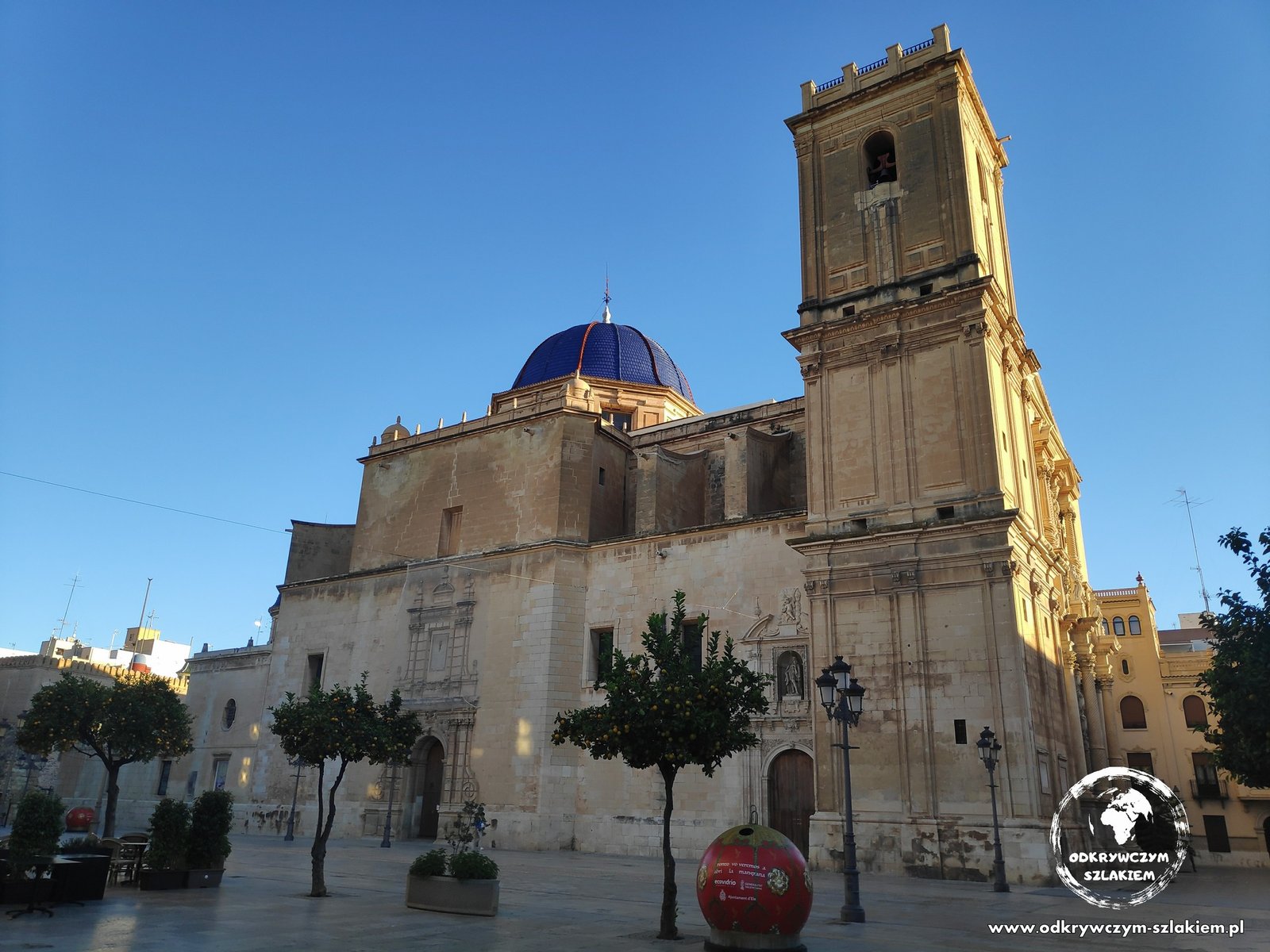
On a Friday in November, when my sister had a day off, after the trail in the Sierra del Cid mountains we still had time to visit Elche. The city is famous for its huge palm grove, a UNESCO World Heritage Site – palms grow here in parks, gardens and along the streets. There is also the old Palau d’Altamira palace, the Basilica of Santa María and – as in most Spanish towns – the town hall square.
Guadalest – a castle above a turquoise lake
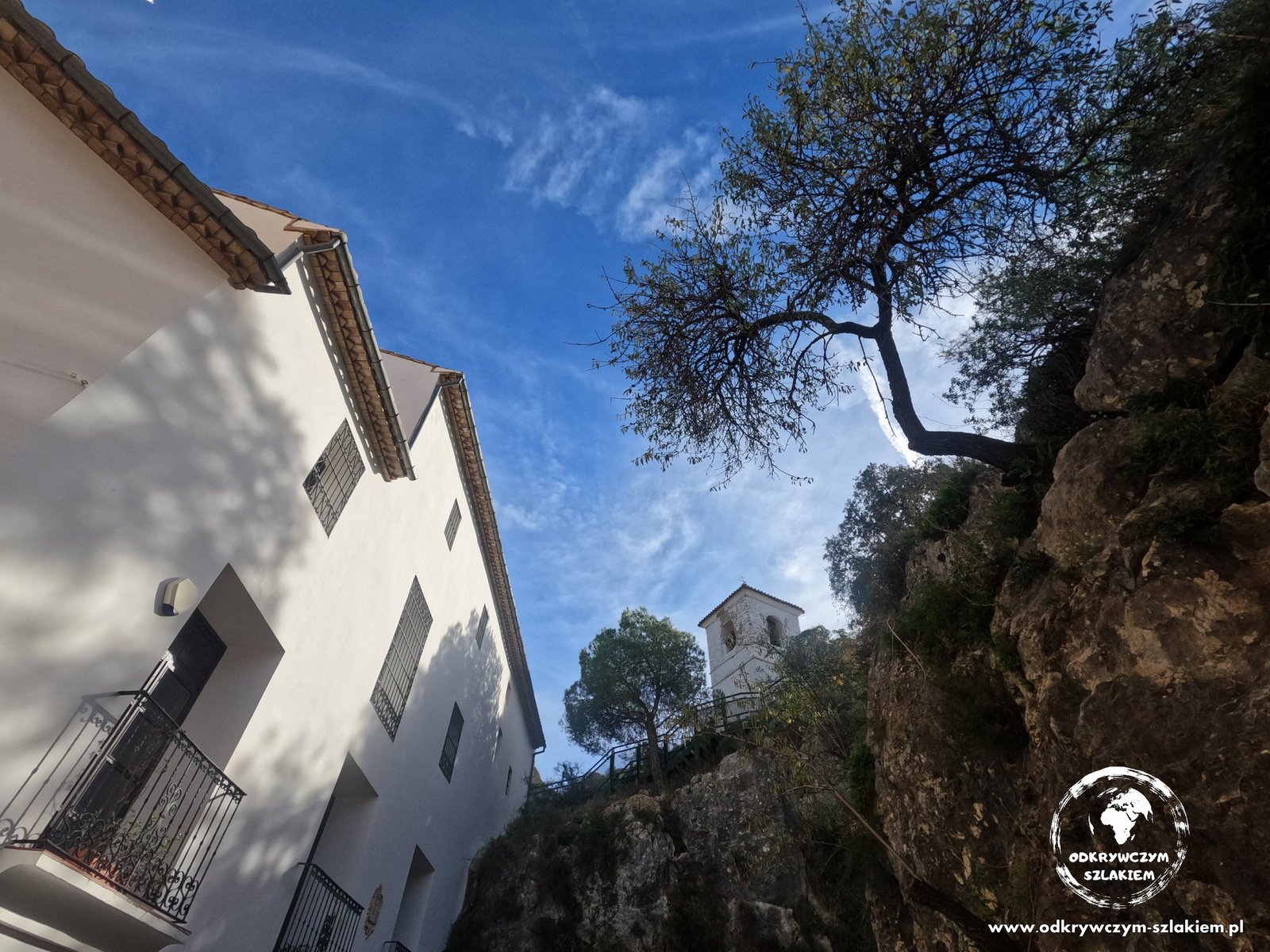
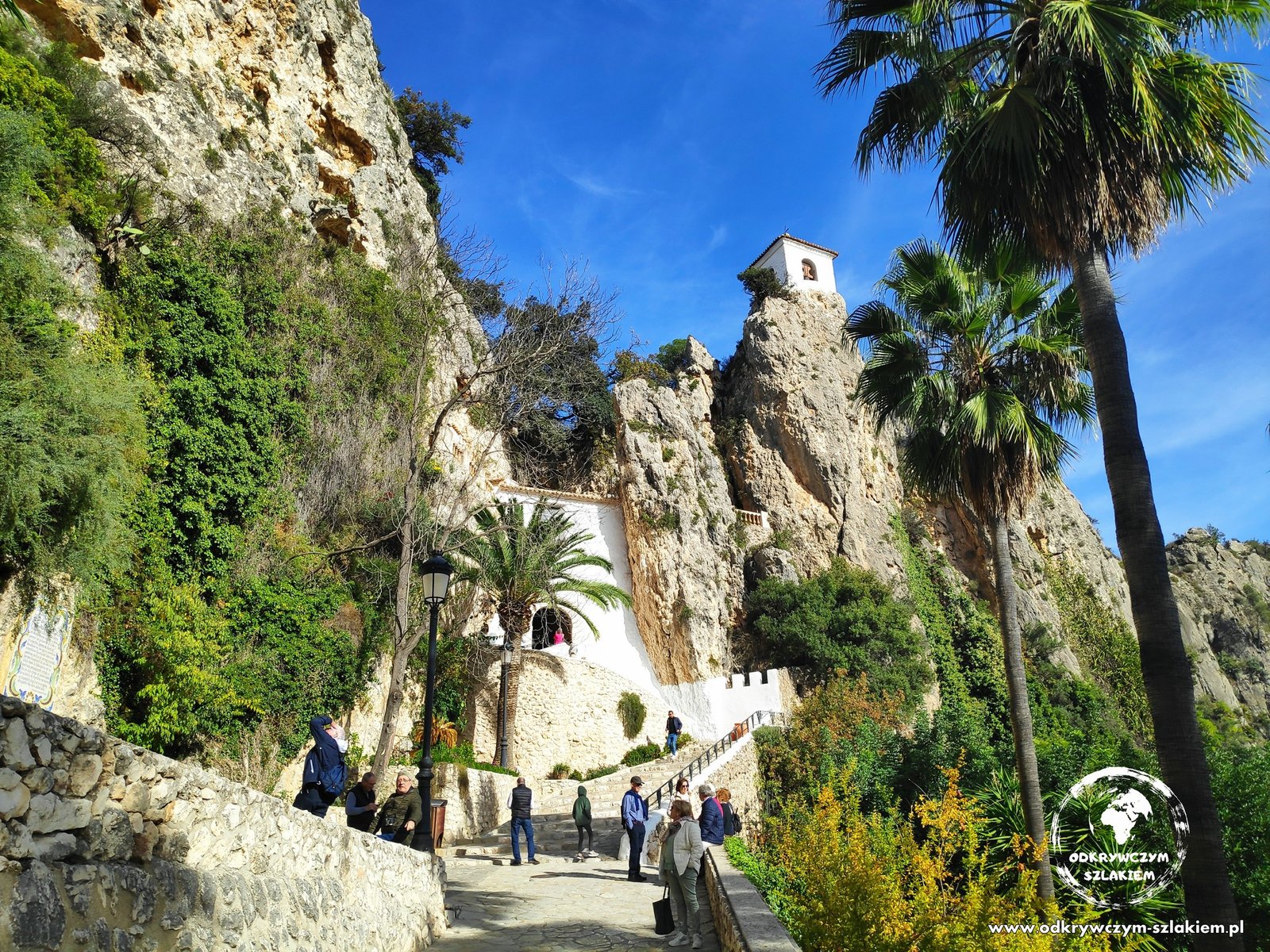
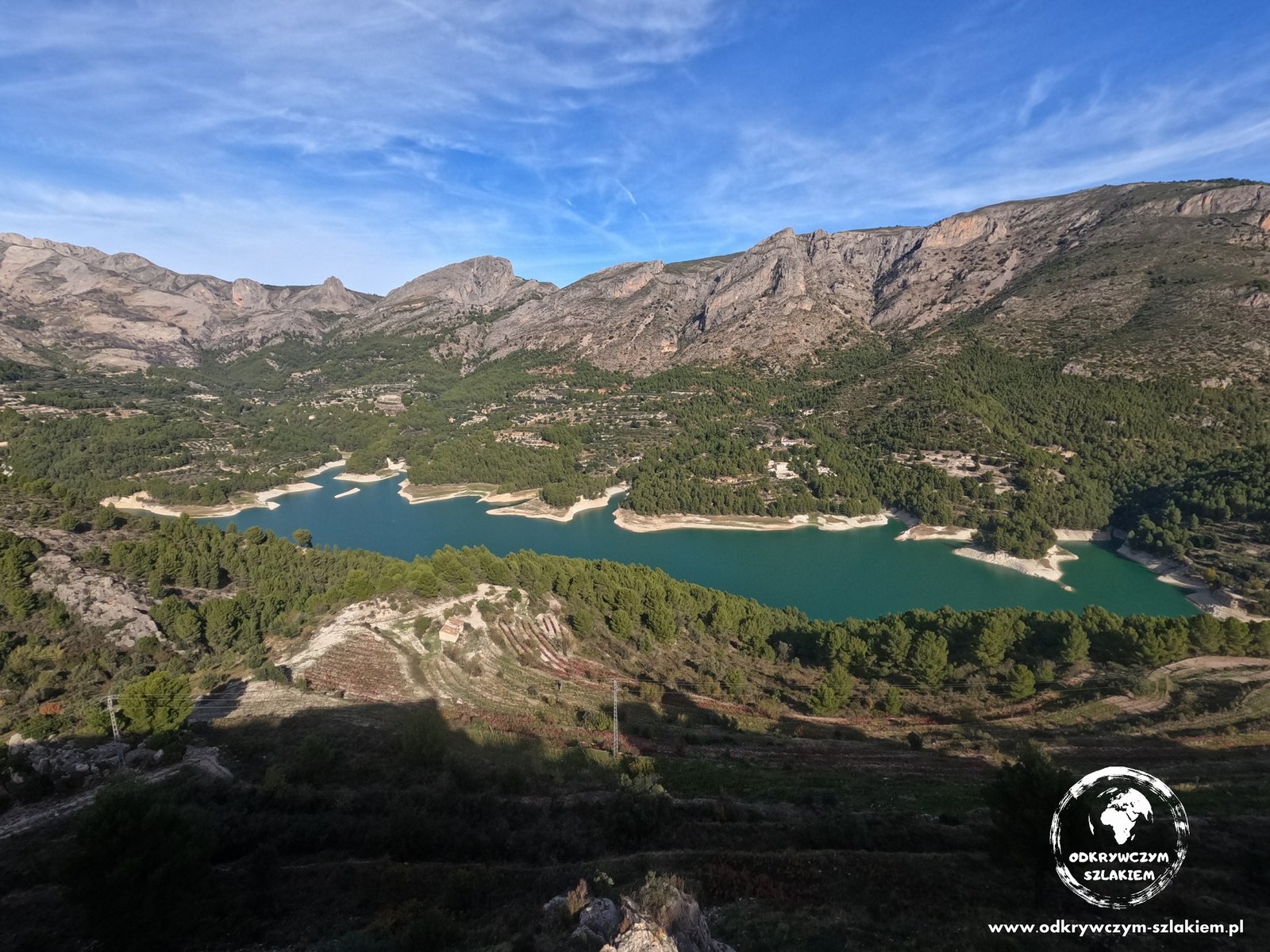
On Saturday the four of us set off towards Valencia, where we had our flight home. On the way we stopped in the small village of Guadalest, known above all for its 11th-century castle. You enter the old town and the castle through the Portal de San José gate, carved into the rock. From the top there’s a good view of the Embalse de Guadalest reservoir below – “almost” turquoise.
We spent the evening before our flight in the old town of Valencia.
Inland and to Tabarca island (2023)
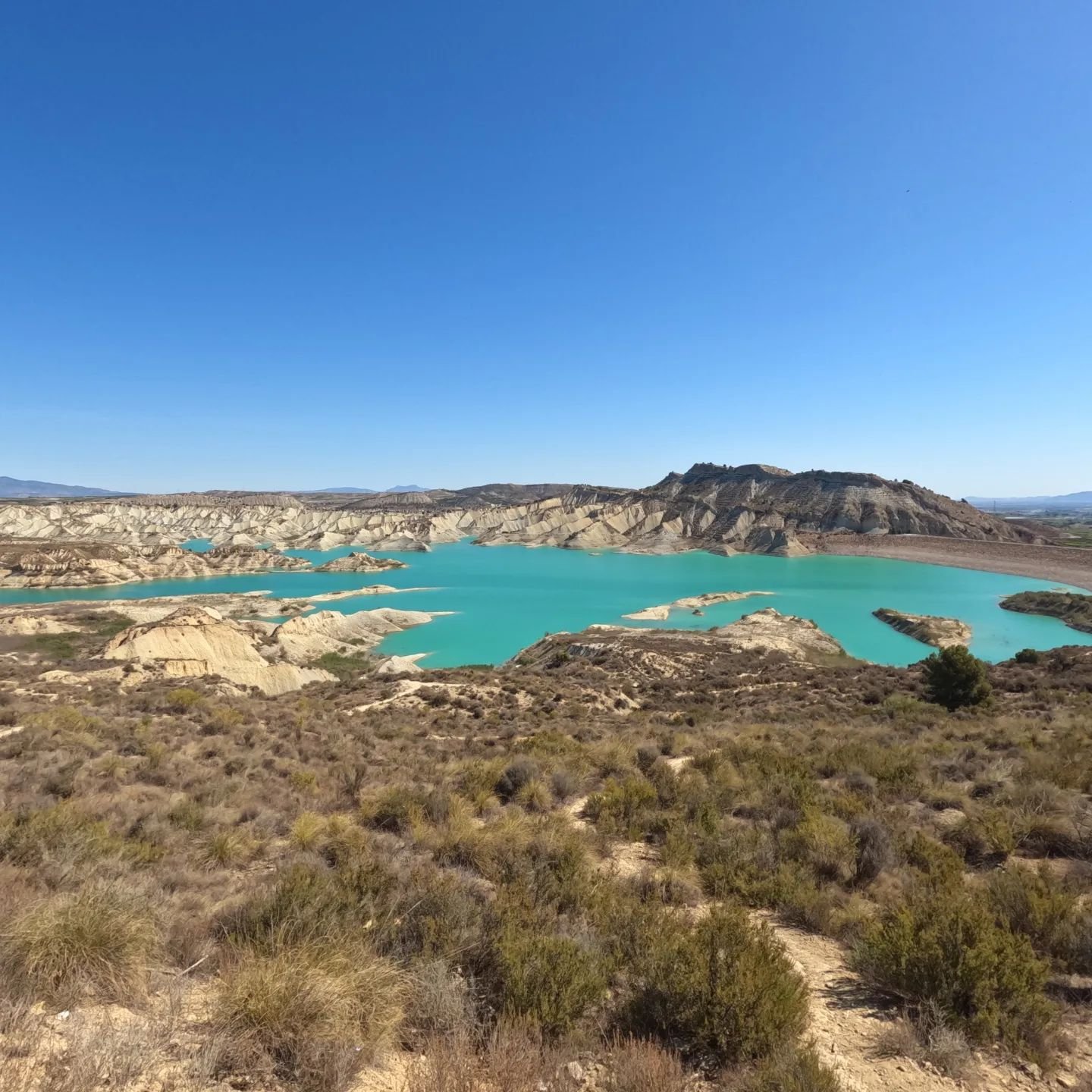
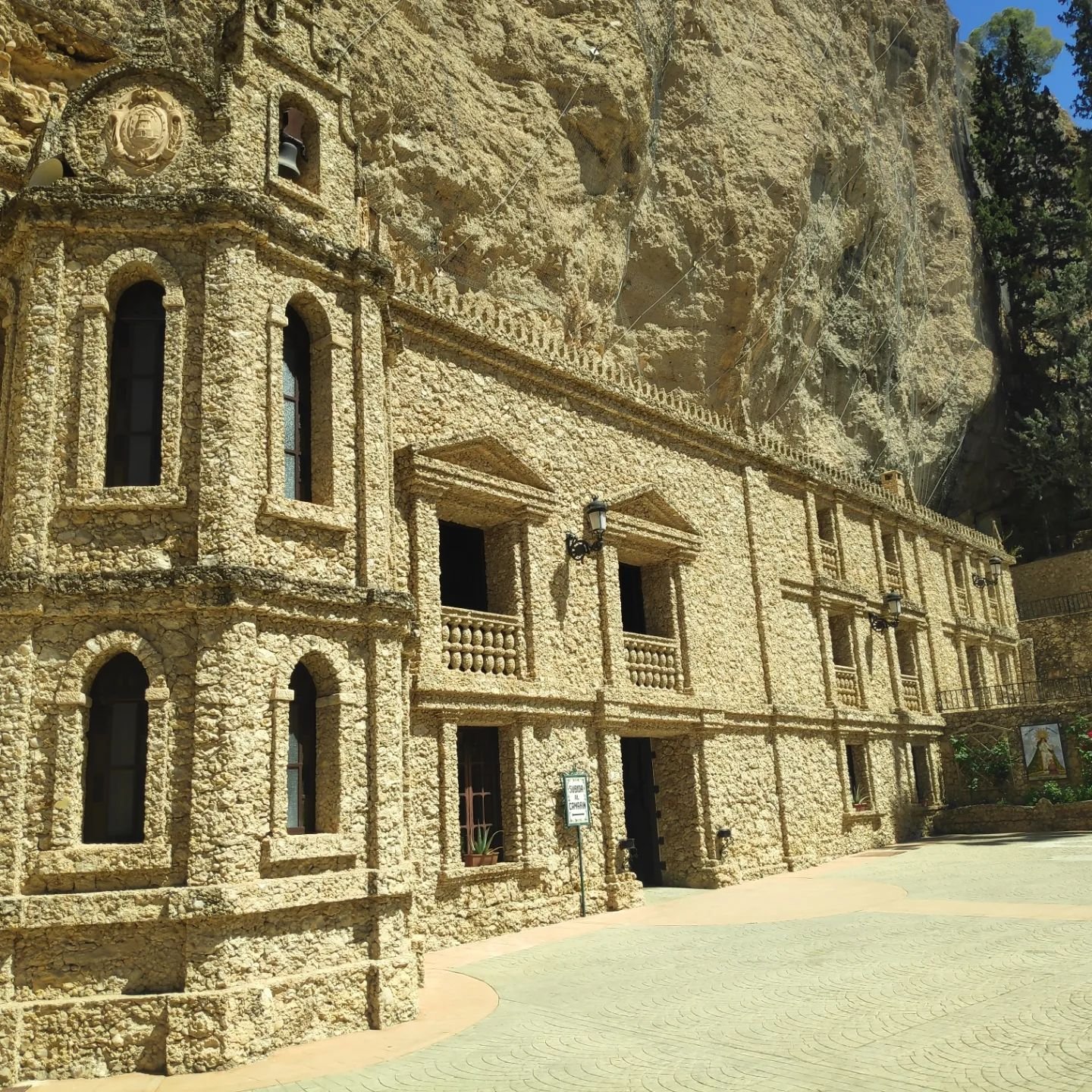
In spring 2023 we also made a few trips from Torrevieja to the surrounding area. We walked about 3 km along the promenade in San Pedro del Pinatar – with the Mar Menor lagoon on one side and mud baths on the other, overlooking the La Manga peninsula. Another day the four of us drove inland, already in the Murcia region: to the blue Embalse de Algeciras reservoir, to the Salto del Usero nature reserve and to the Virgen de la Esperanza sanctuary, built under a rock overhang.
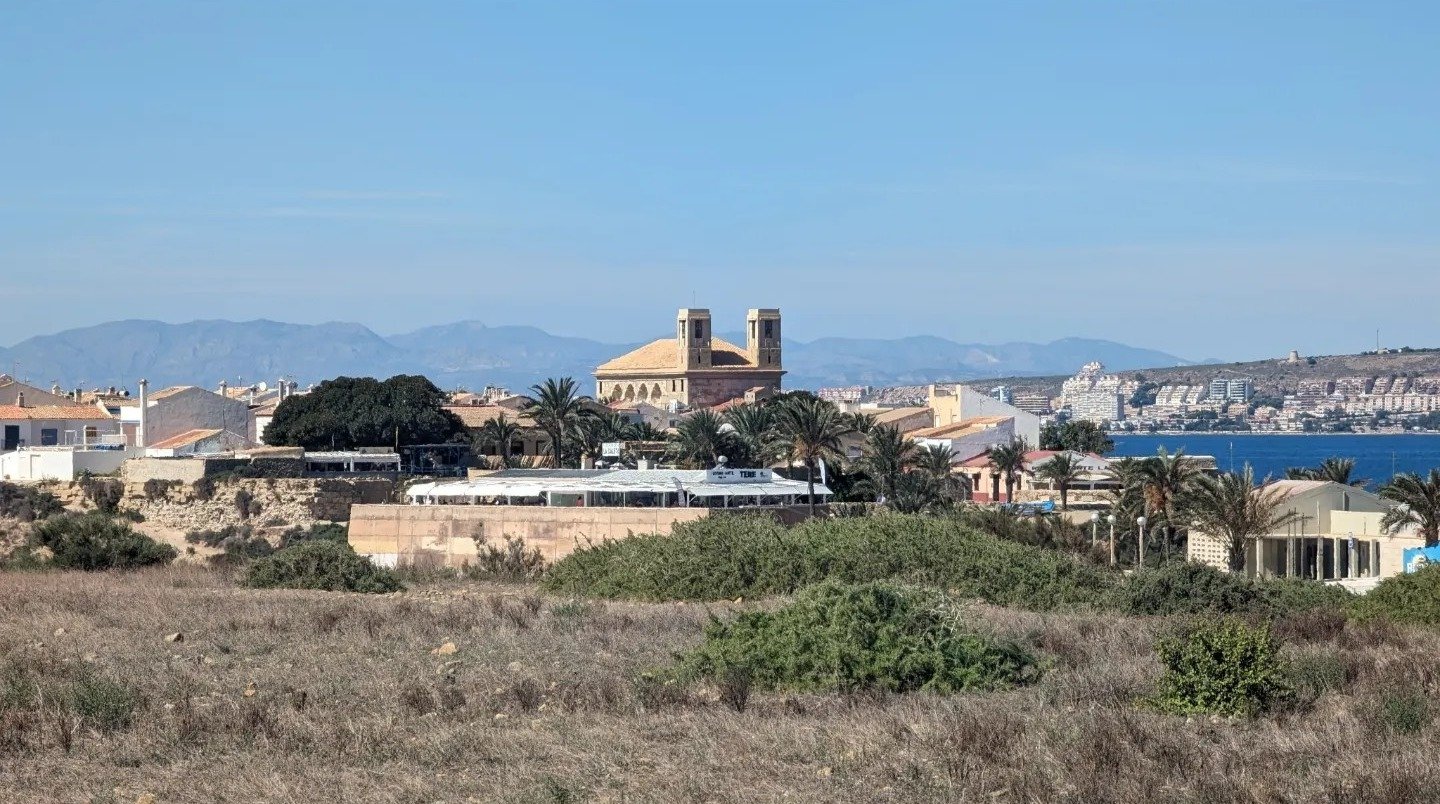
At the end of September 2023, the day before my flight, my sister and I took the boat to Tabarca – a small inhabited island off the Costa Blanca, with a nice view of Alicante and the mountains. On the same trip we also went to El Escorial, Segovia and Toledo for three days.
Santa Pola – the lighthouse and the salt flats (2026)
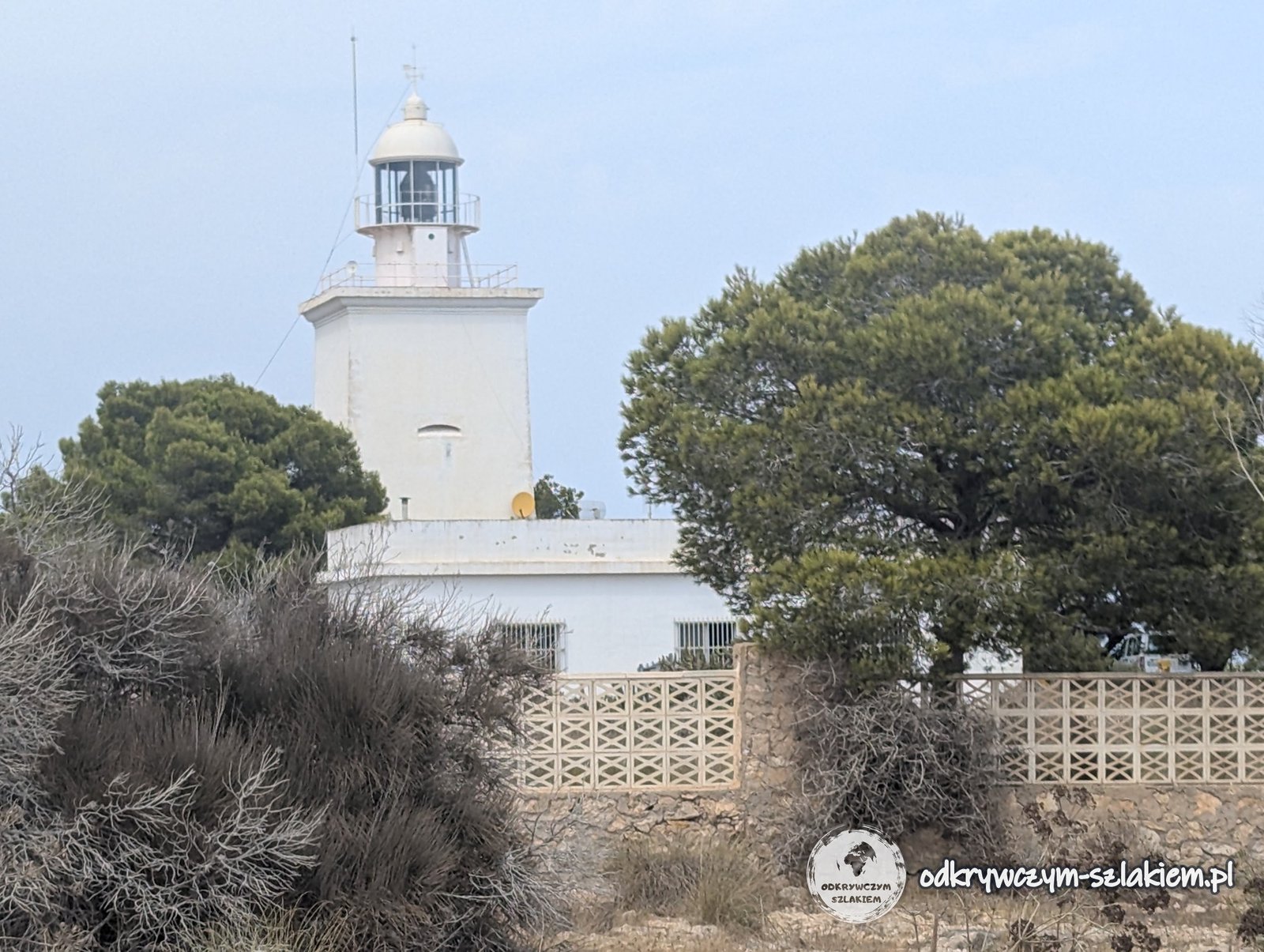
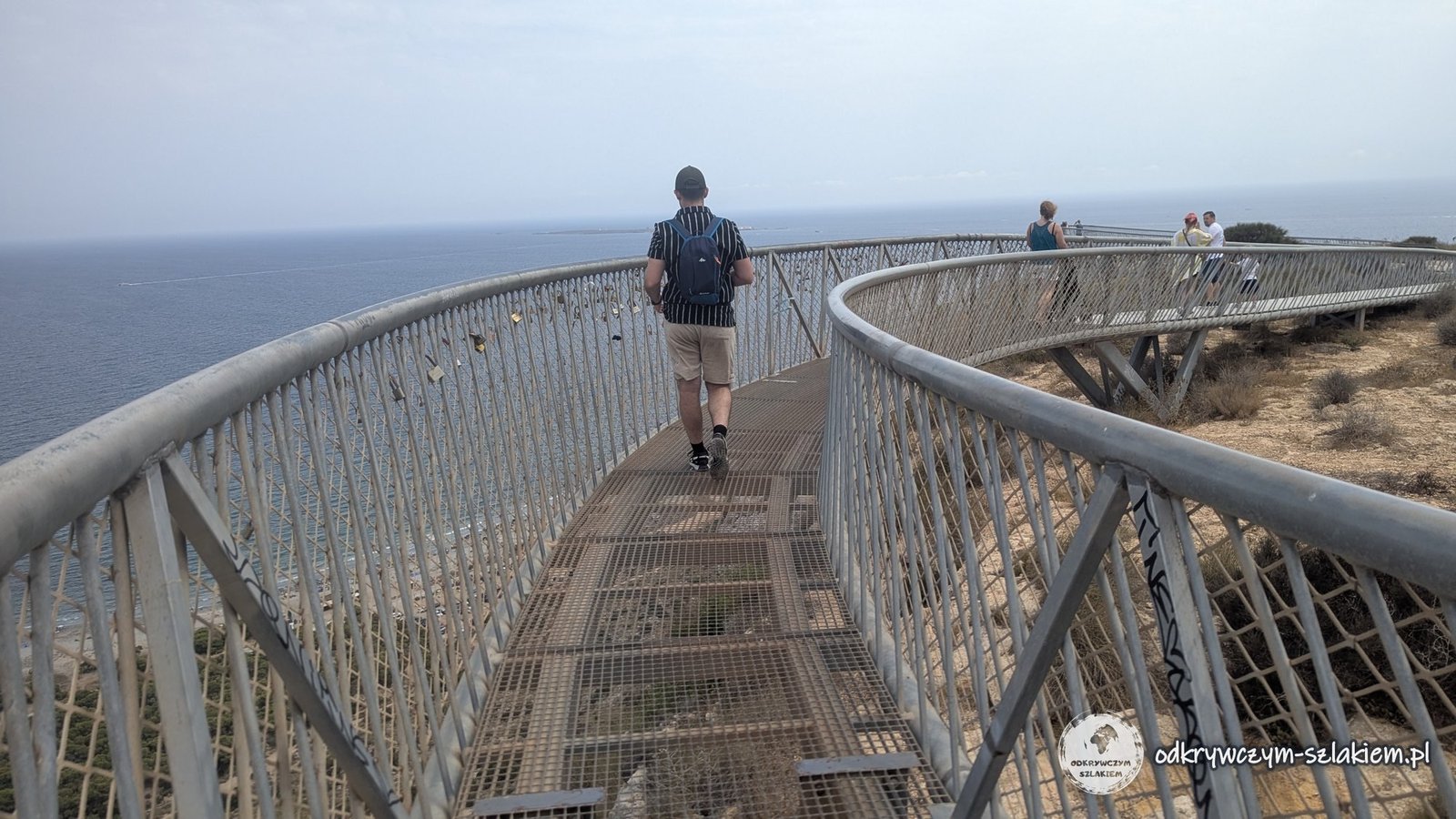
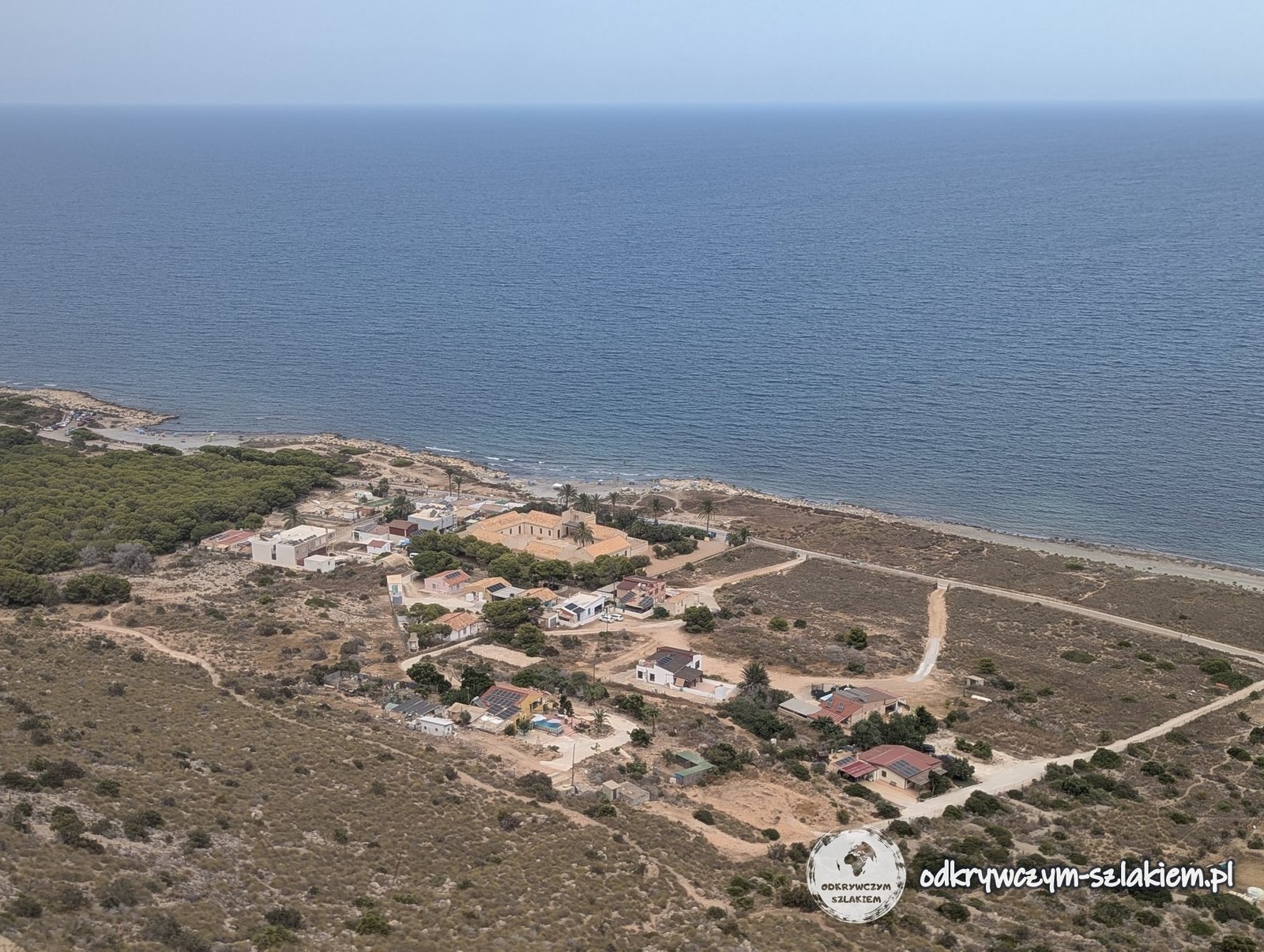
In August 2026 I also went to Santa Pola, between Torrevieja and Alicante. On the cape above the town stands a lighthouse, and next to it there’s a viewpoint with a walkway sticking out over the cliff. From there you can see the coast all the way to Alicante and Tabarca island.
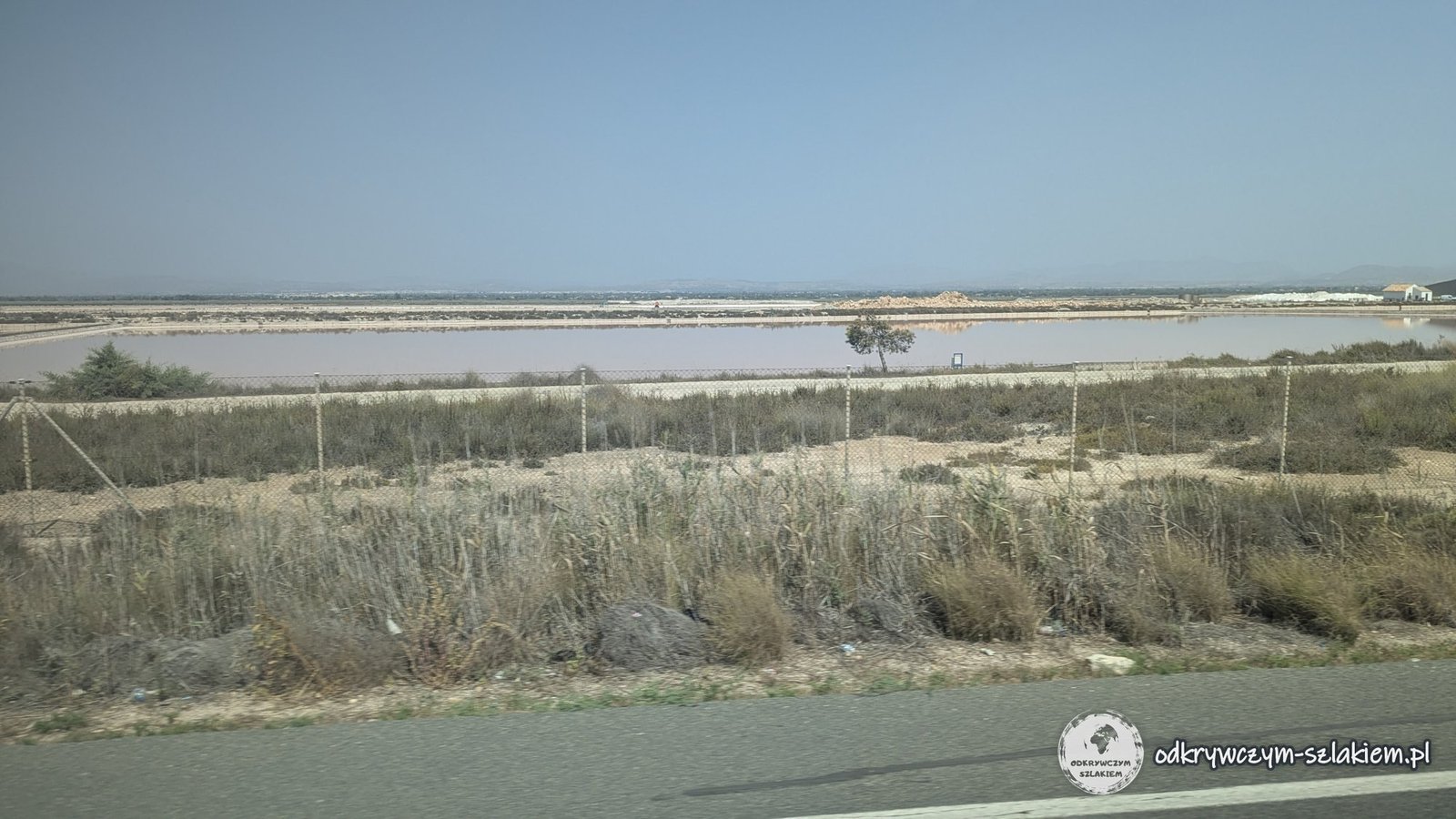
Along the road to Alicante stretch the Santa Pola salt flats – a nature park with pinkish ponds for evaporating salt, similar to the lagoon in Torrevieja.
Practical information
- Weather in winter: in February at most 16–17 °C, but in windless weather and full sun you could walk around in short sleeves; in November mostly sunny, just under 20 °C during the day. Evenings and wind can make it chilly, though.
- Getting there: in November we flew to Valencia and took the train to Alicante. To get around the area – to Benidorm, Elche or Guadalest – a car is the most convenient.
- Santa Bárbara Castle: free entry; about 40 minutes on foot from the centre, and there’s also a lift.
- Food: tapas and pinchos in bars are the easiest way to try lots of things for little money.
- Earlier, in winter 2020, we explored southern Spain – see the itinerary for Andalusia, Gibraltar and Tangier.
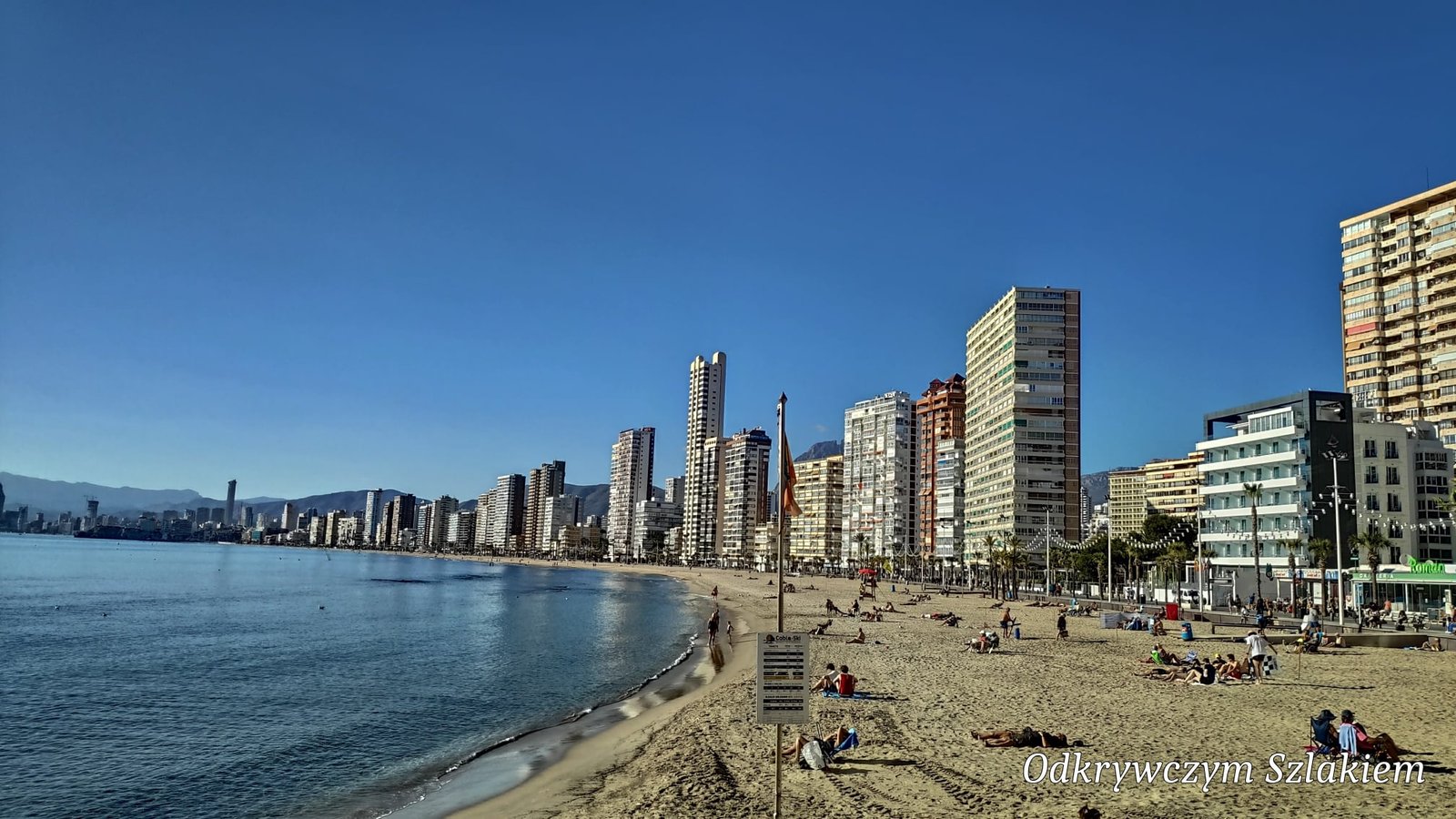
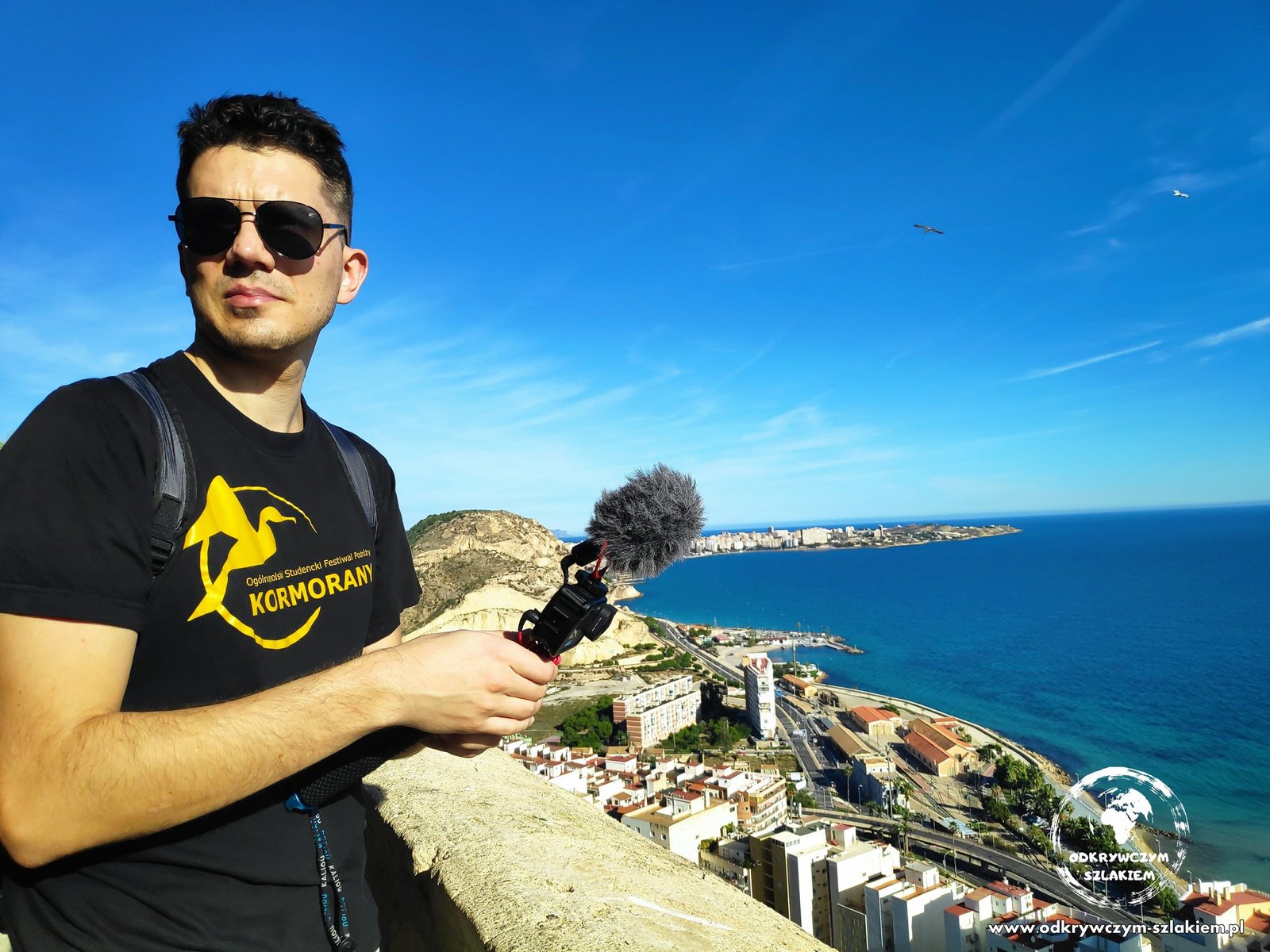
Photo gallery