In mid-April 2023 we went to visit Guillem (Will), whom we had met in 2018 on Work & Travel in Yosemite – he later studied in Berlin for a few years, and he comes from Tarragona in Catalonia. From there we popped over to Barcelona for not quite two days (13–14 April), and spent the next two (15–16 April) in Tarragona. Straight from there we moved on to the Costa Blanca.
Table of contents
- Barcelona, day 1: Ciutadella, Plaça de Catalunya and the Gothic Quarter
- Modernisme and Gaudí’s buildings
- Barcelona, day 2: Park Güell and Montjuïc
- Tarragona – Roman Tarraco and human towers
- Practical information
Barcelona, day 1: Ciutadella, Plaça de Catalunya and the Gothic Quarter
Barcelona is Spain’s second-largest city by population – you could easily spend a week exploring it, and we had less than two days. We started the first day at the historic Estació de França railway station, from where we walked along the Passeig de Lluís Companys promenade with its triumphal arch.
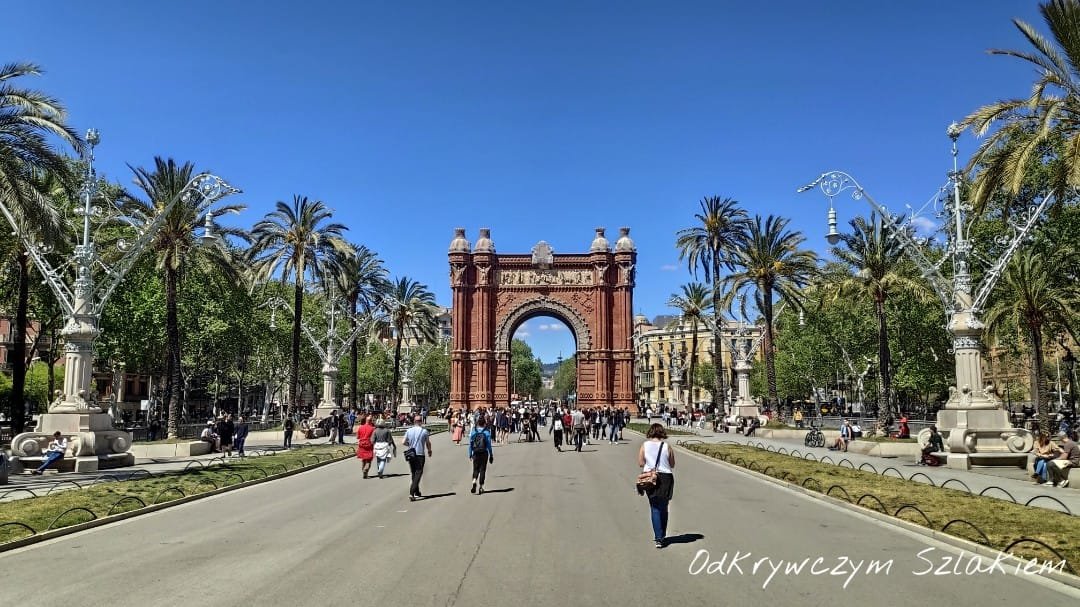
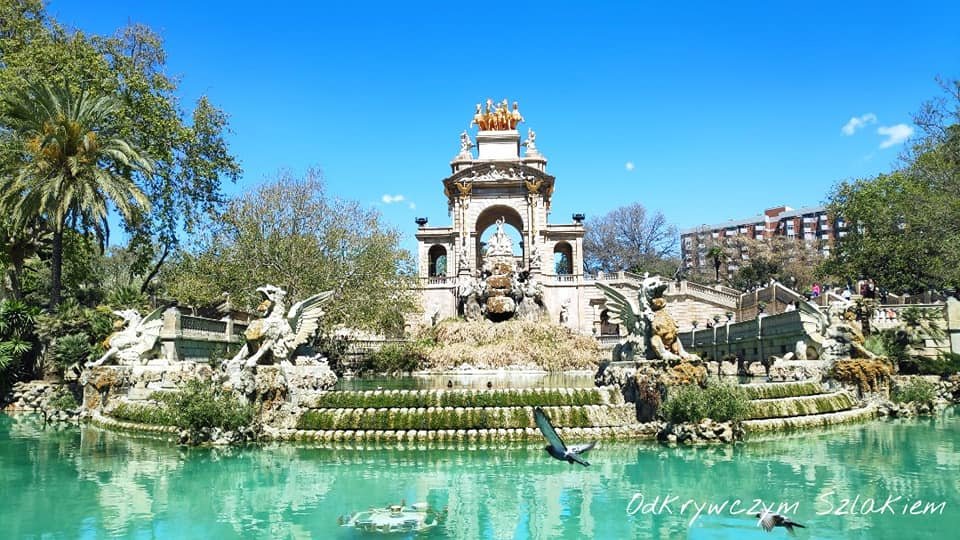
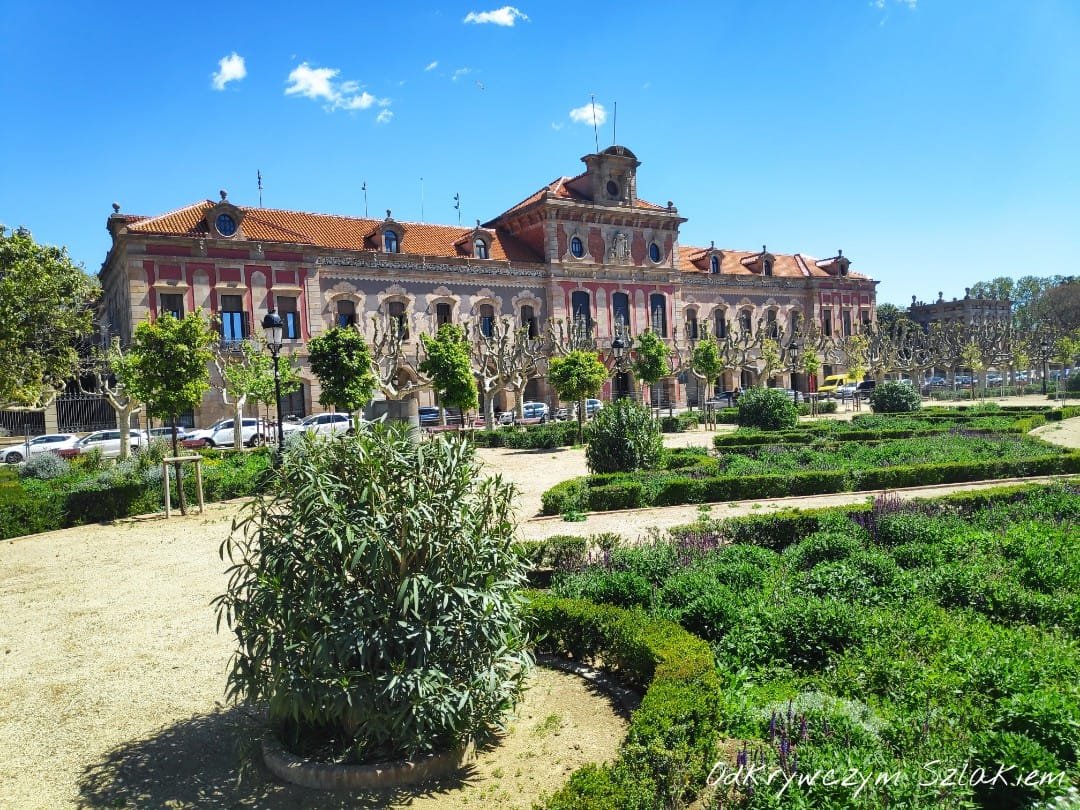
The promenade leads to Ciutadella Park – one of the nicest parks in Barcelona, with the monumental Cascada fountain and the Parliament of Catalonia building.
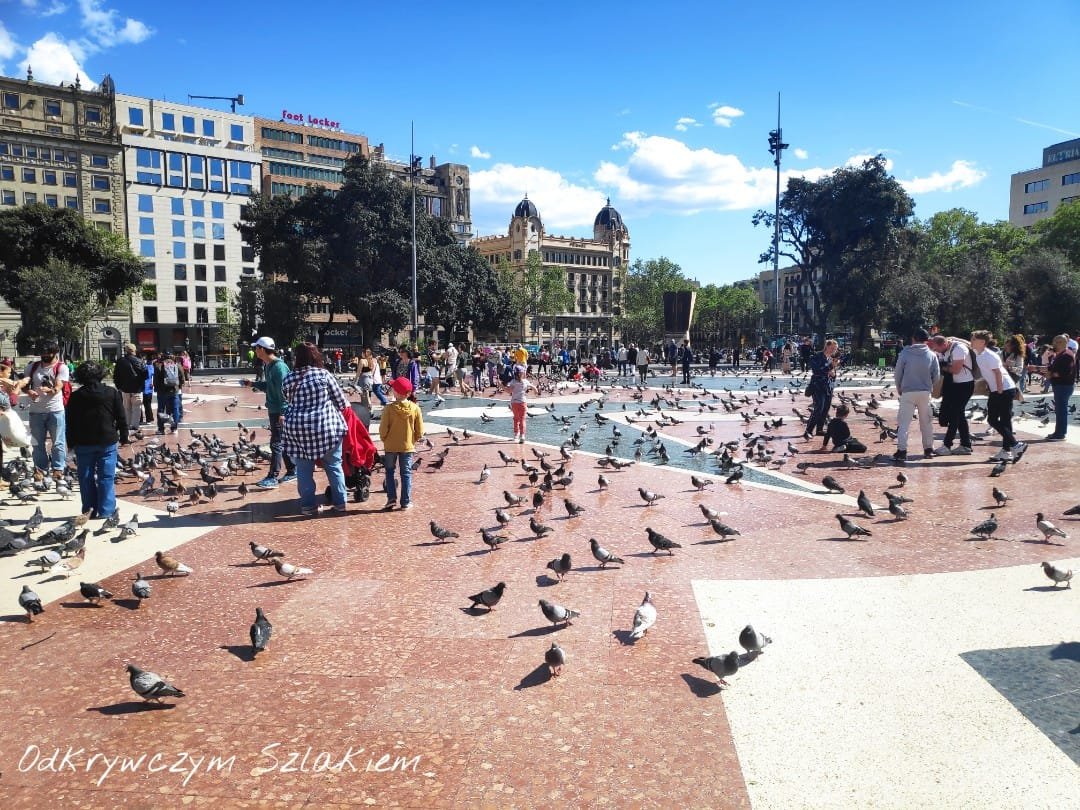
Next we walked to Plaça de Catalunya in the very centre of the city.
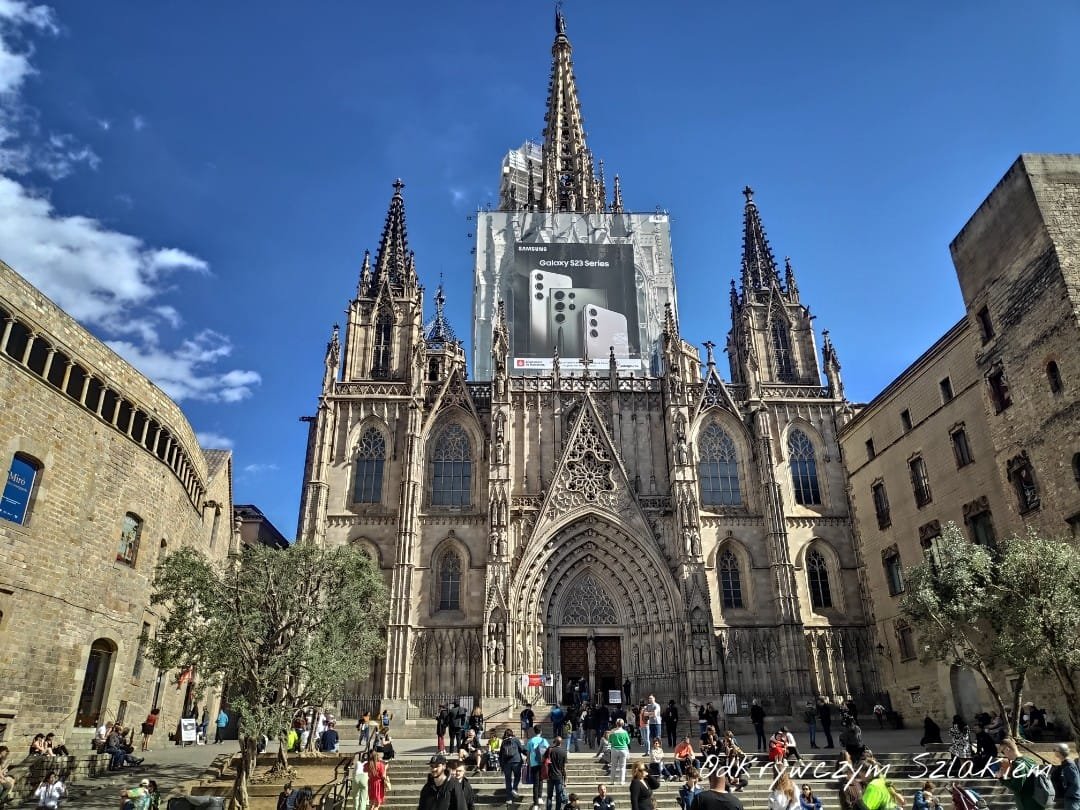
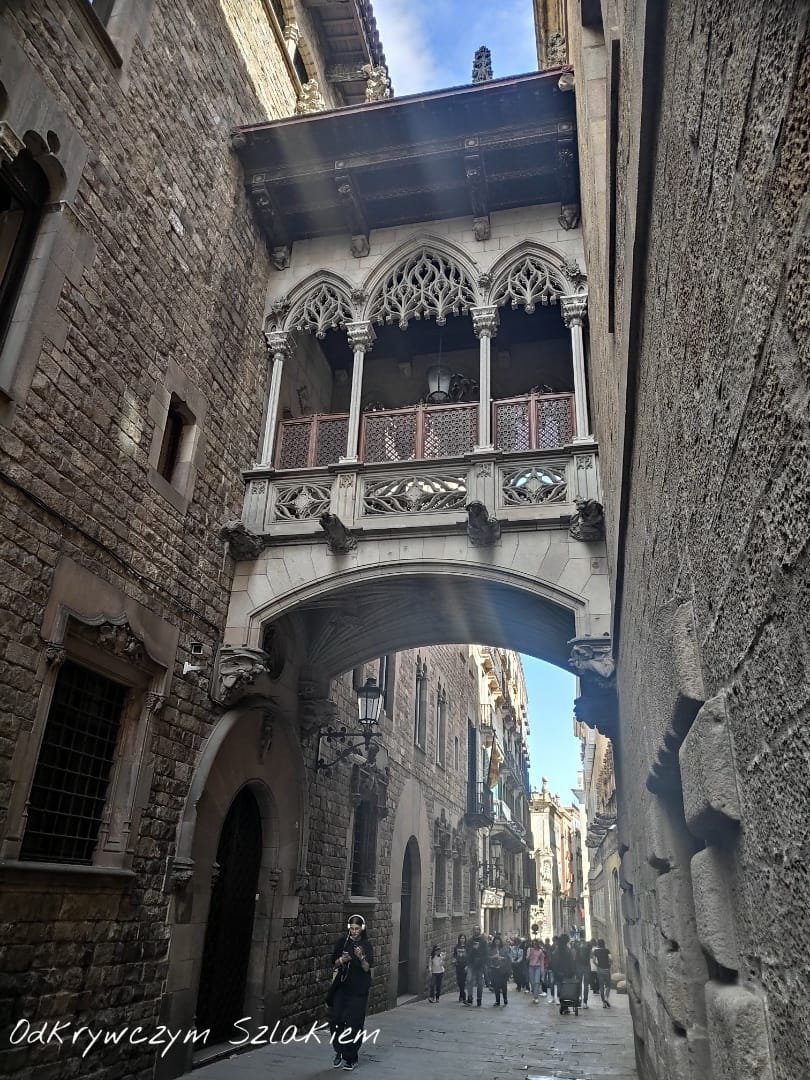
In the Gothic Quarter we saw the Gothic Cathedral of Saint Eulalia, built between the 13th and 15th centuries, and the charming Pont del Bisbe bridge connecting two buildings above a narrow lane.
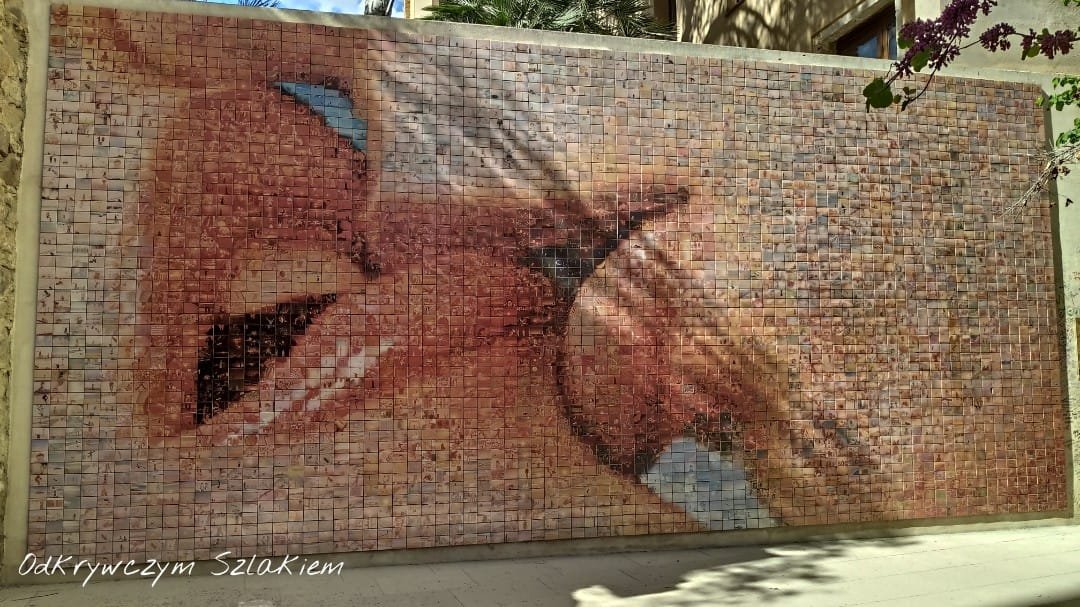
A curiosity is the mural “El Petó” (The Kiss) by Joan Fontcuberta – made of thousands of small photos of Barcelona’s residents, arranged so that from a distance they form the image of a kiss.
Modernisme and Gaudí’s buildings
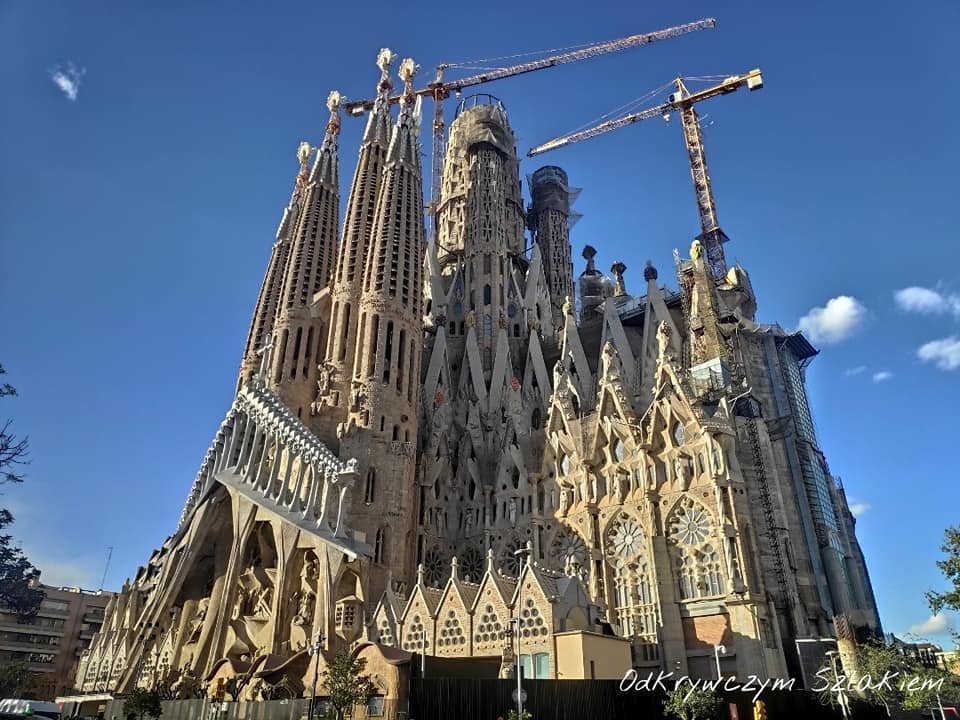
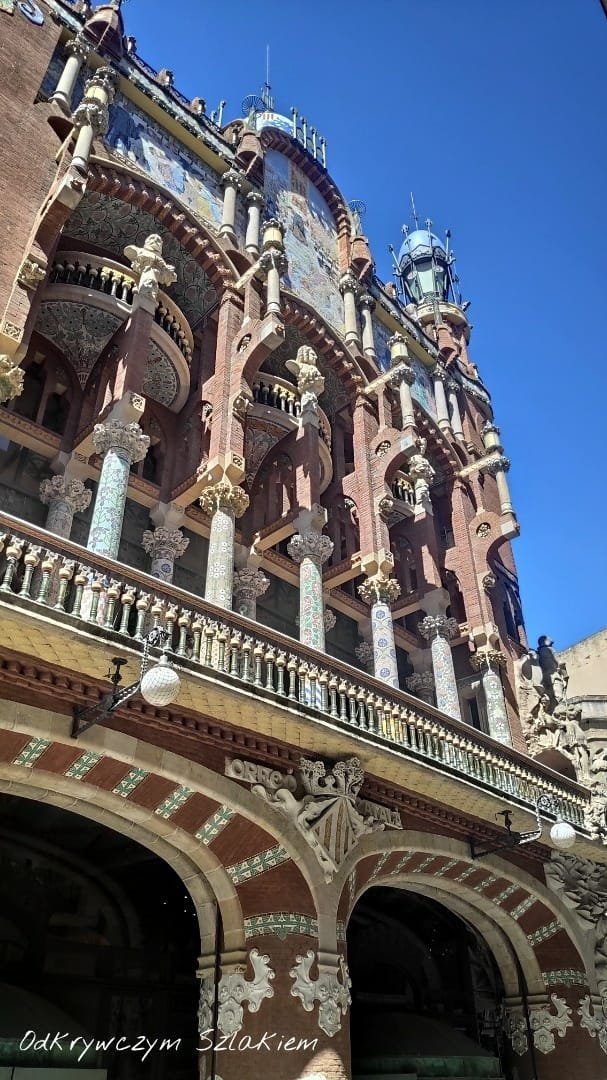
Barcelona is above all Catalan Modernisme – with its best-known architect, Antoni Gaudí. On the first day we saw the Sagrada Família basilica from the outside (the photo at the top of this post) – still under construction, with cranes above its towers. On the way we also passed the richly decorated Palau de la Música Catalana (designed by Lluís Domènech i Montaner).
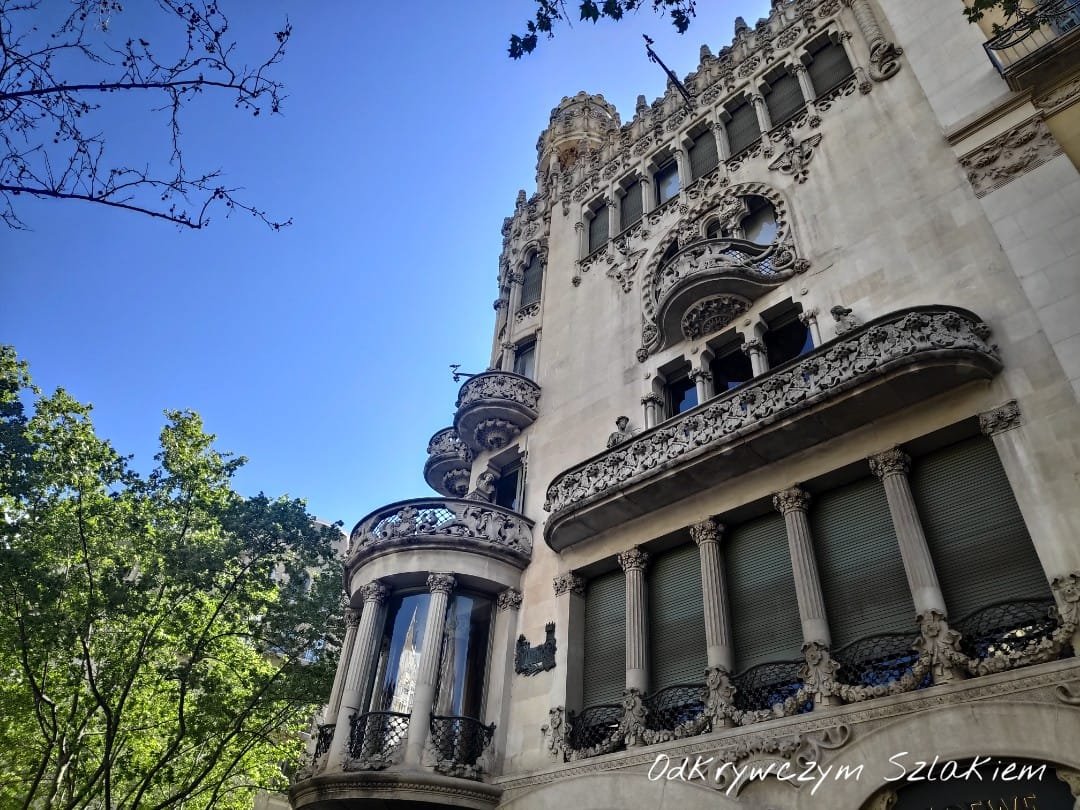
On the grand Passeig de Gràcia stand Gaudí’s Casa Batlló, with balconies that look like masks, and the neighbouring Casa Amatller, and a little further on – Casa Milà, known as La Pedrera, with its undulating stone façade.
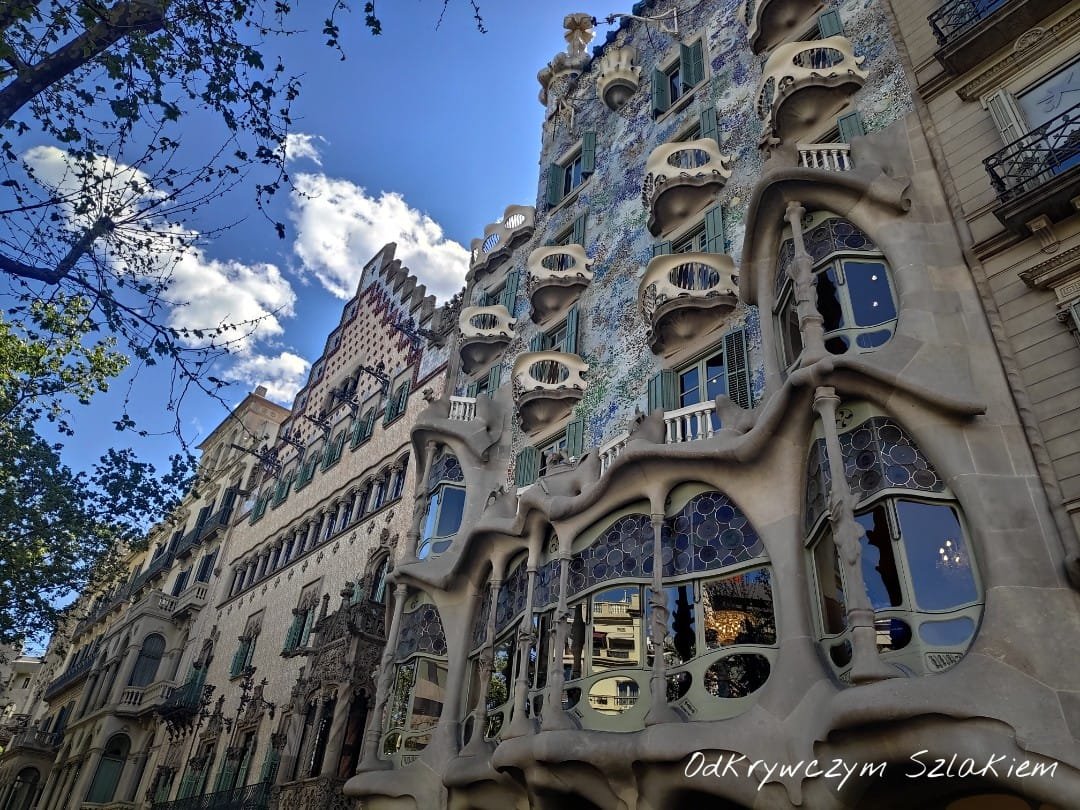
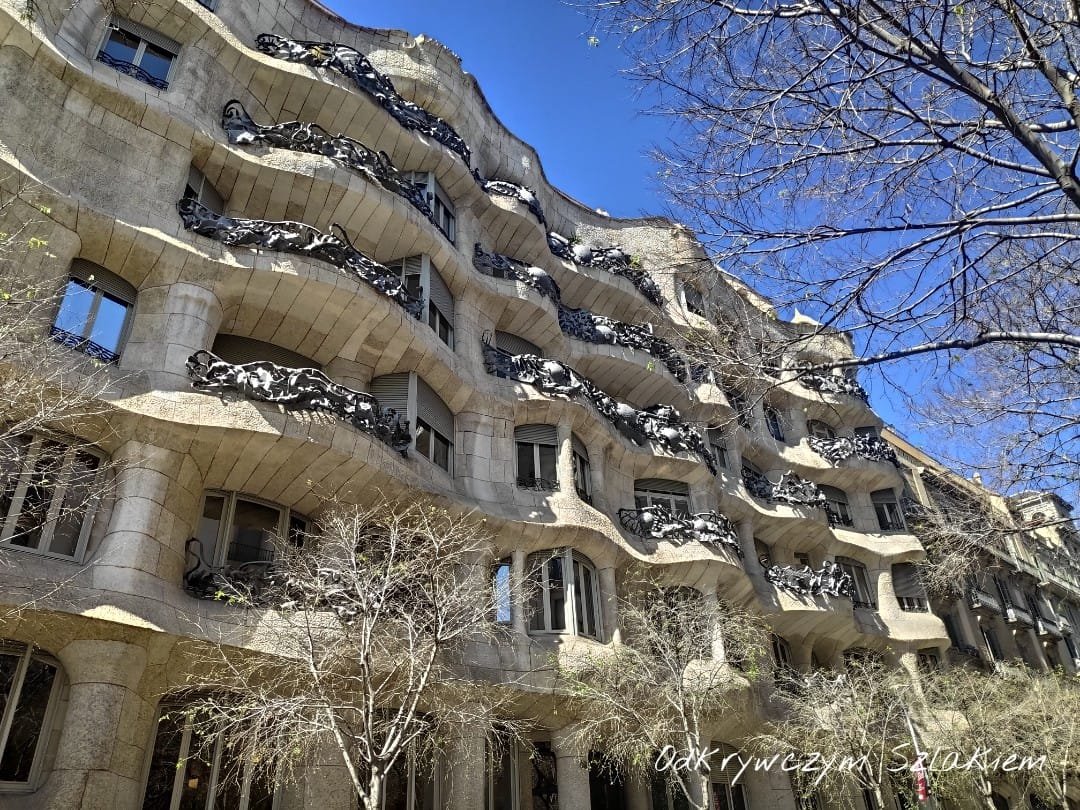
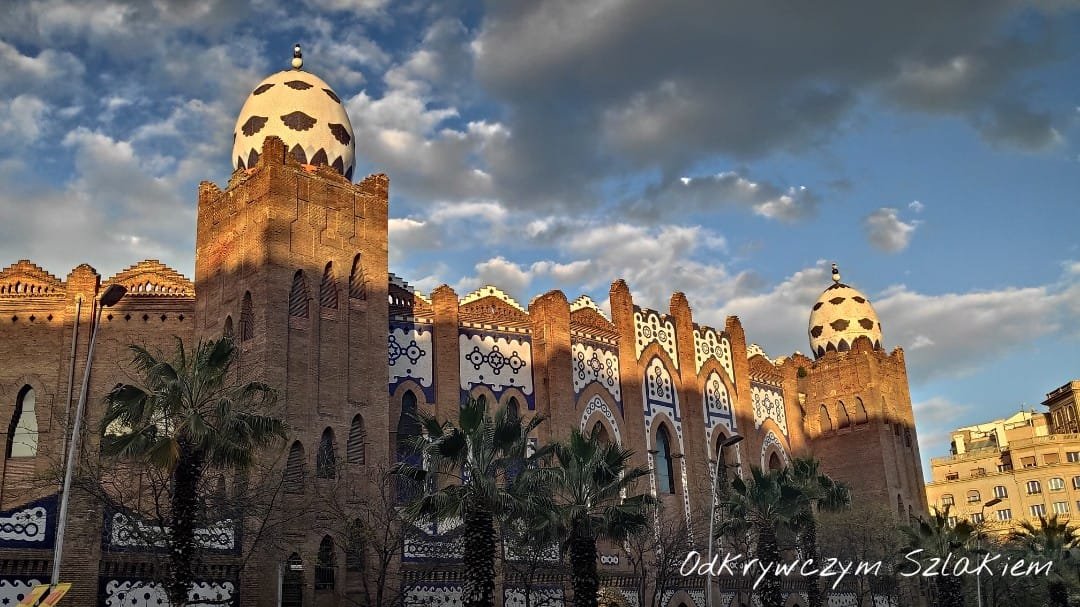
Among the interesting buildings we also remember La Monumental – a former bullring in the Neo-Mudéjar style; bullfights are no longer held in Catalonia.
Barcelona, day 2: Park Güell and Montjuïc
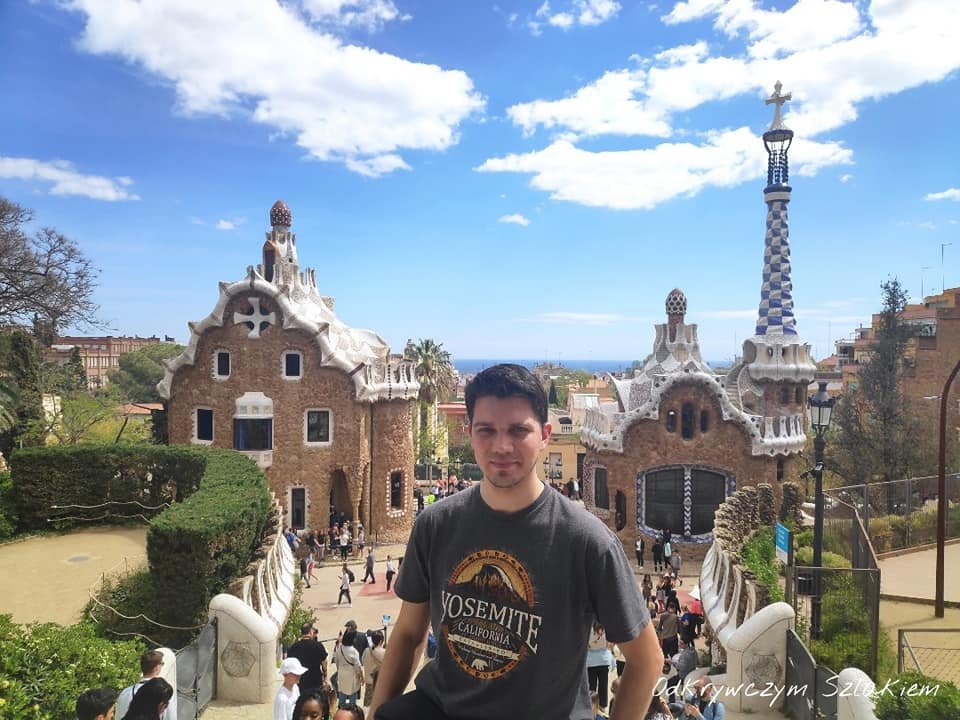
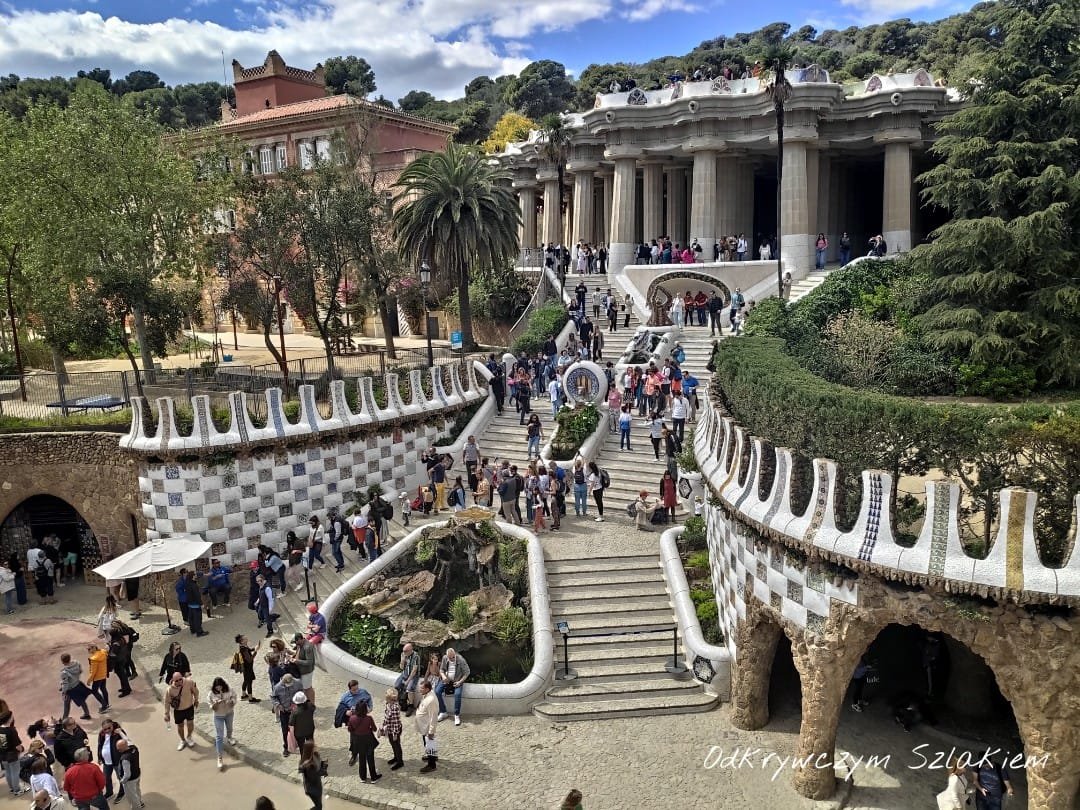
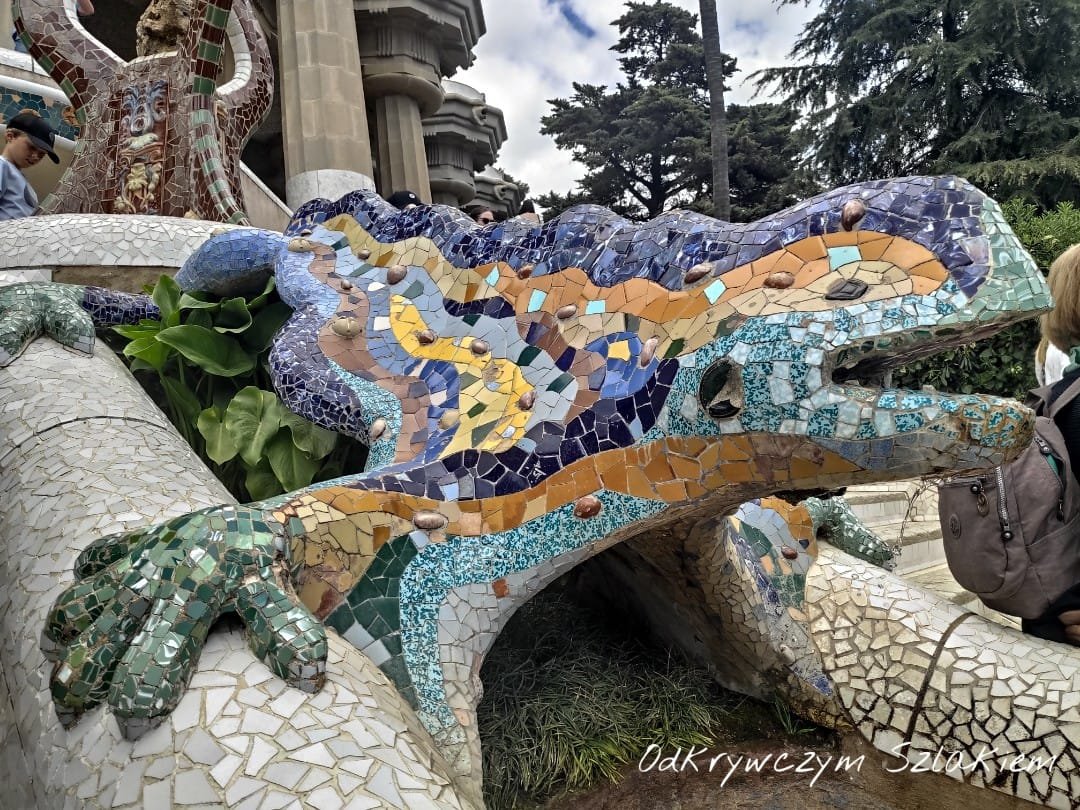
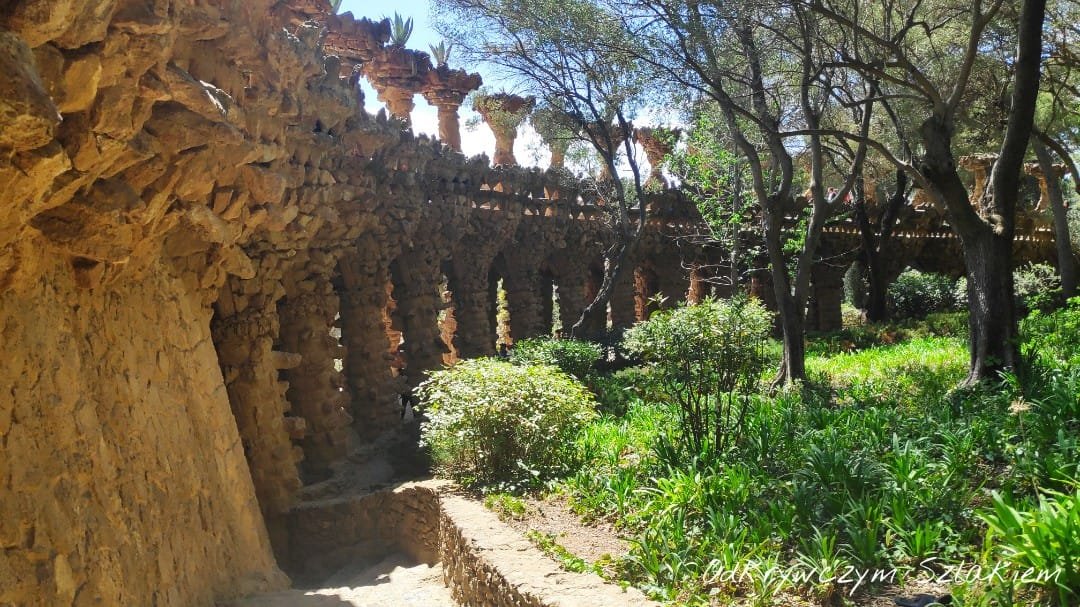
We started the second day in Park Güell, designed by Gaudí – a garden with interesting architectural features: a terrace with a colonnade, the mosaic salamander and stone porticoes. It is an unfinished housing estate project, of which fewer than five buildings were ever built. Entry is with a ticket for a specific time slot – because of a 40-minute delay on the train from Tarragona we only just made it.
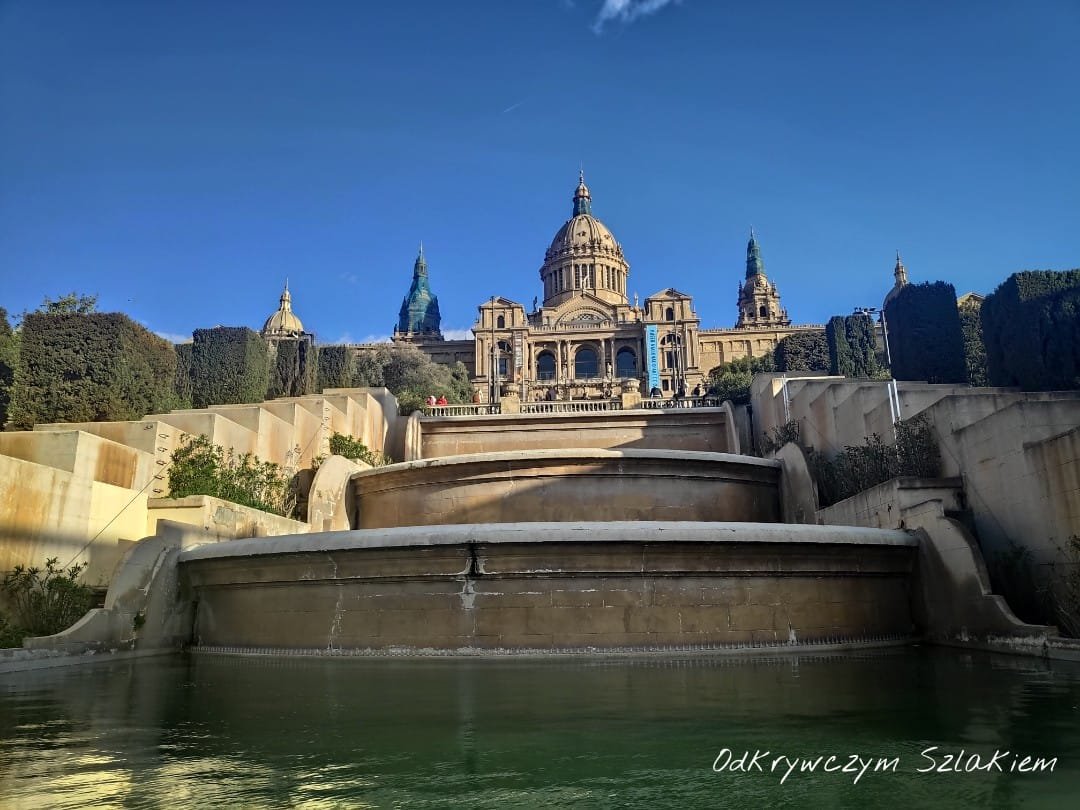
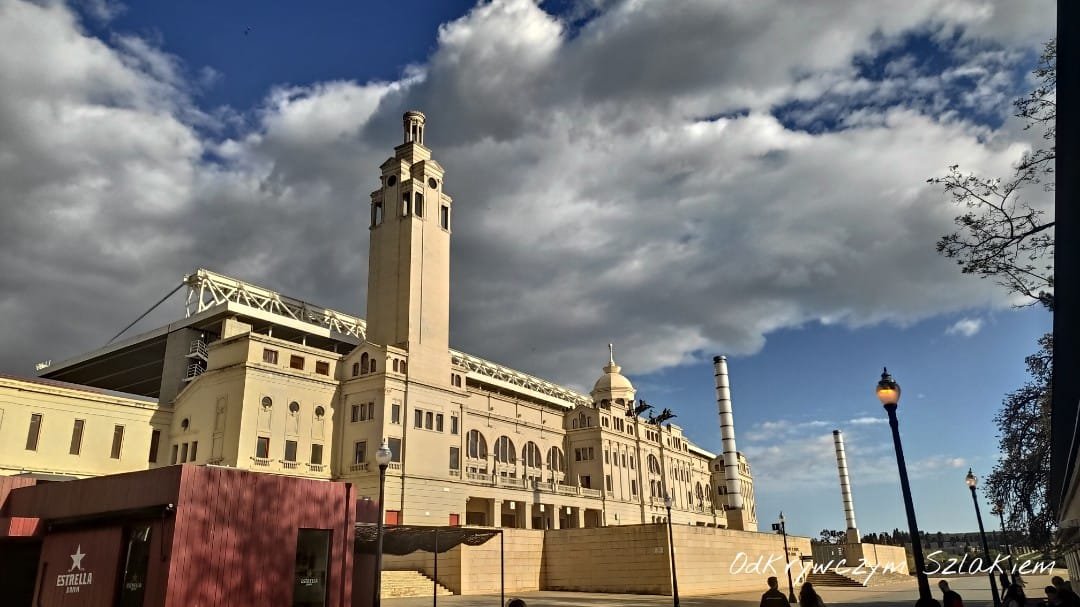
In the afternoon we went up Montjuïc hill – beautiful panoramas and the city’s history in one place. We saw the Olympic Stadium from the 1992 Games and (from the outside) the National Art Museum of Catalonia. Over the two days we walked about 25 km around Barcelona.
Tarragona – Roman Tarraco and human towers
It’s hard to believe, but in ancient times Tarragona (Roman Tarraco) was the capital of a province covering most of present-day Spain – hence our jokes about “Tarragona in its heyday”. Roman remains can be seen in many places, the most impressive being the amphitheatre right by the sea. On the first day Guillem showed us around the city, telling us about the history of the buildings and what the ancient city looked like.
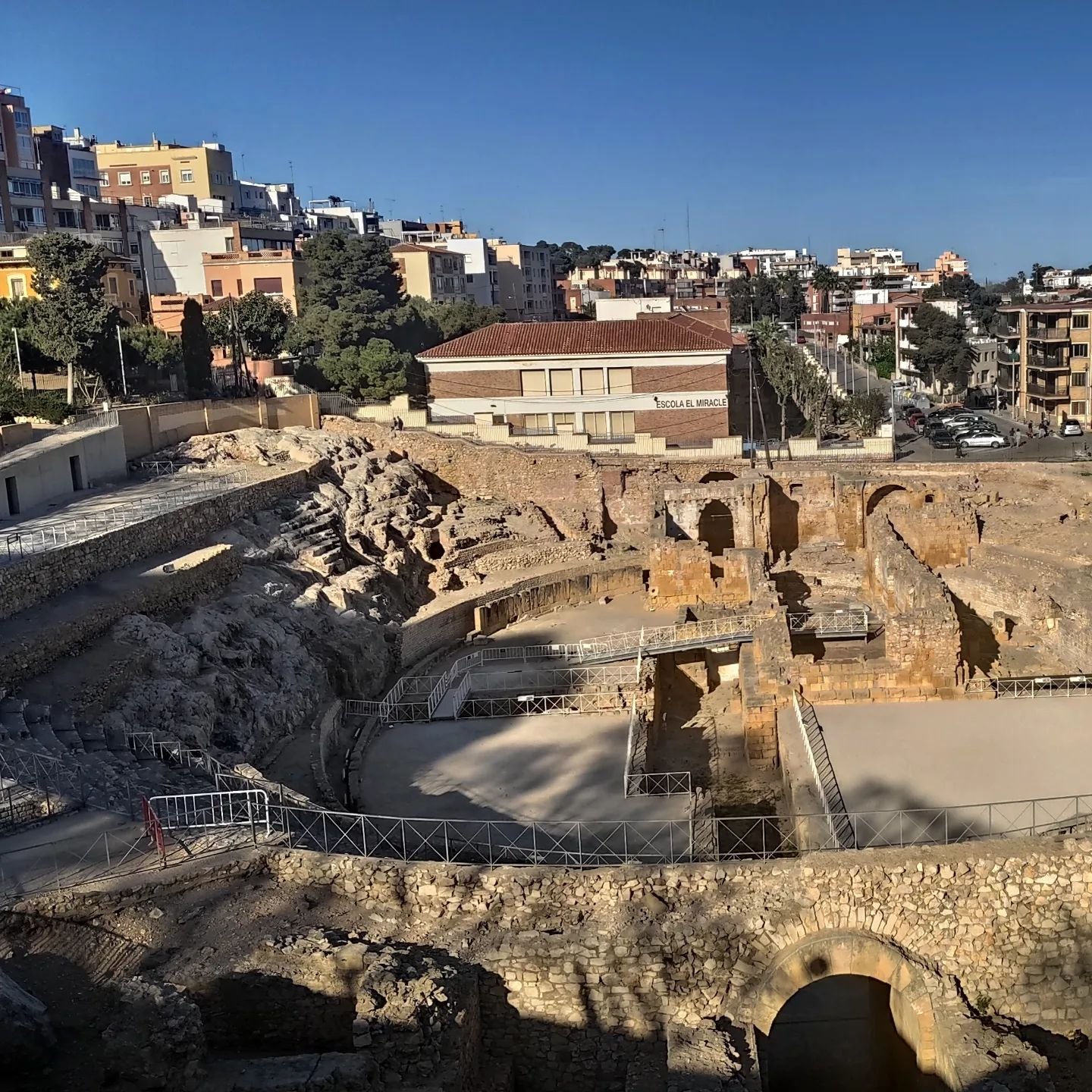
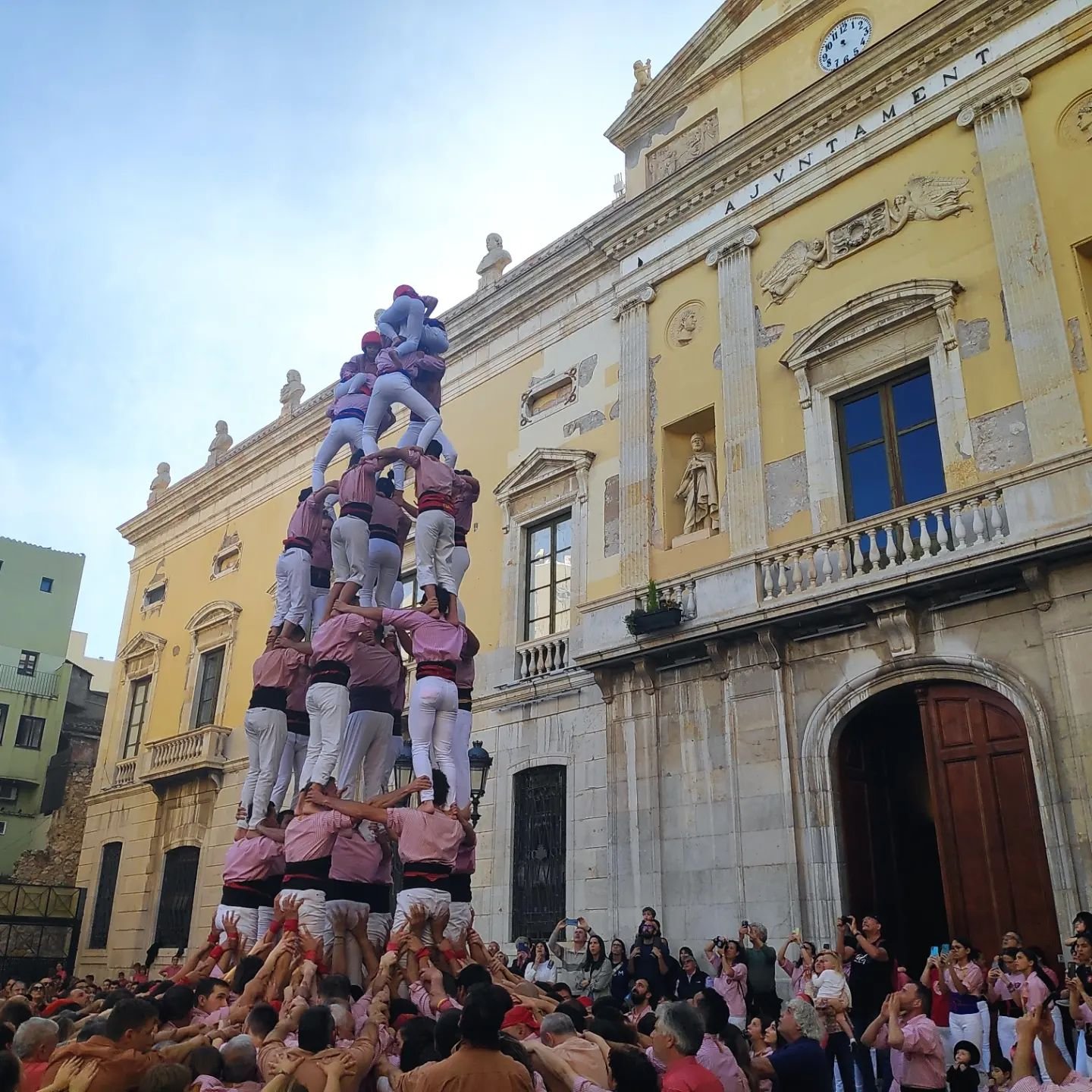
After the walk we stopped at a bar to try regional beers that are hard to find in an ordinary shop, and in the evening we watched a display of castells – building human towers, a tradition typical of Catalan towns, and of Tarragona in particular. The day ended with a barbecue at Guillem’s.
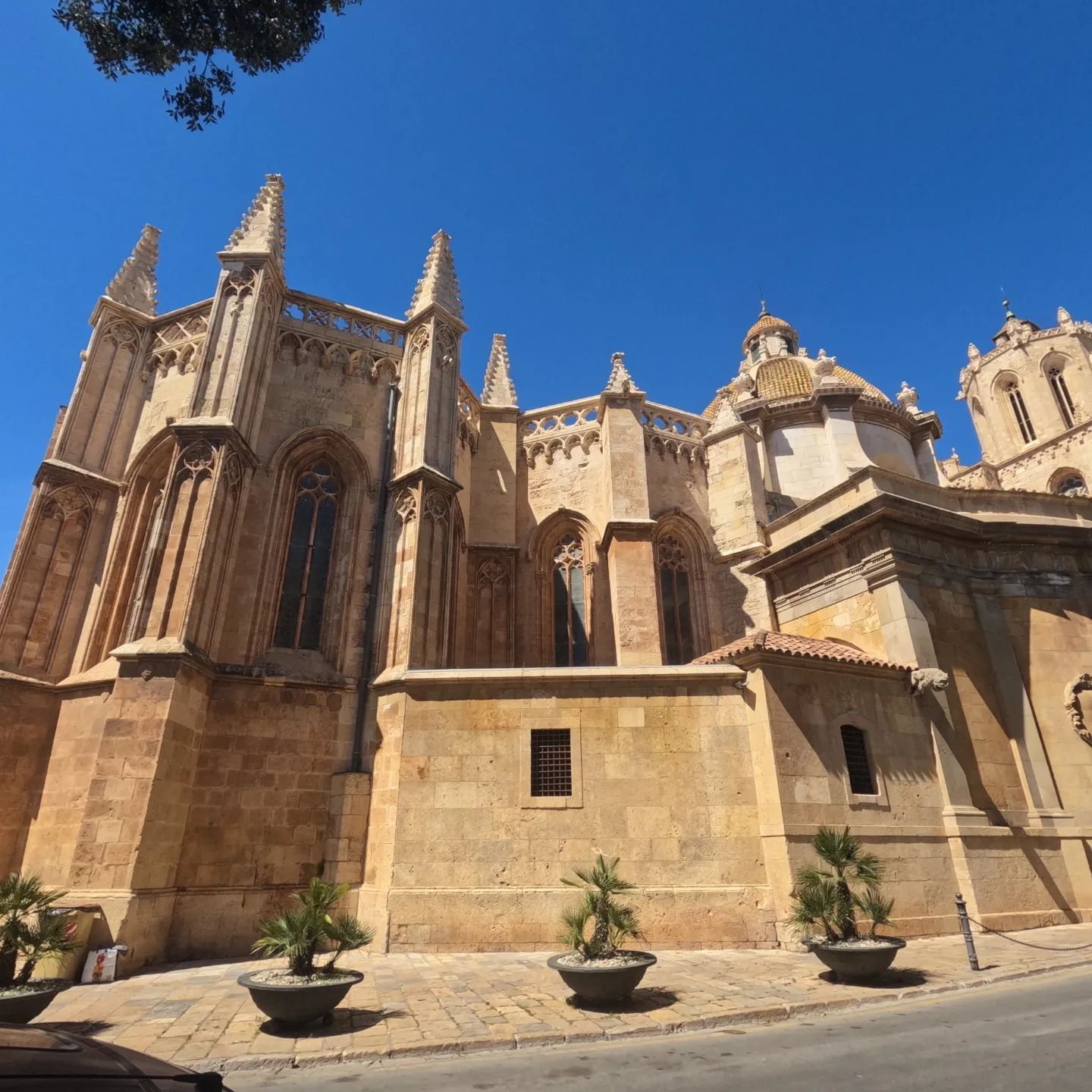
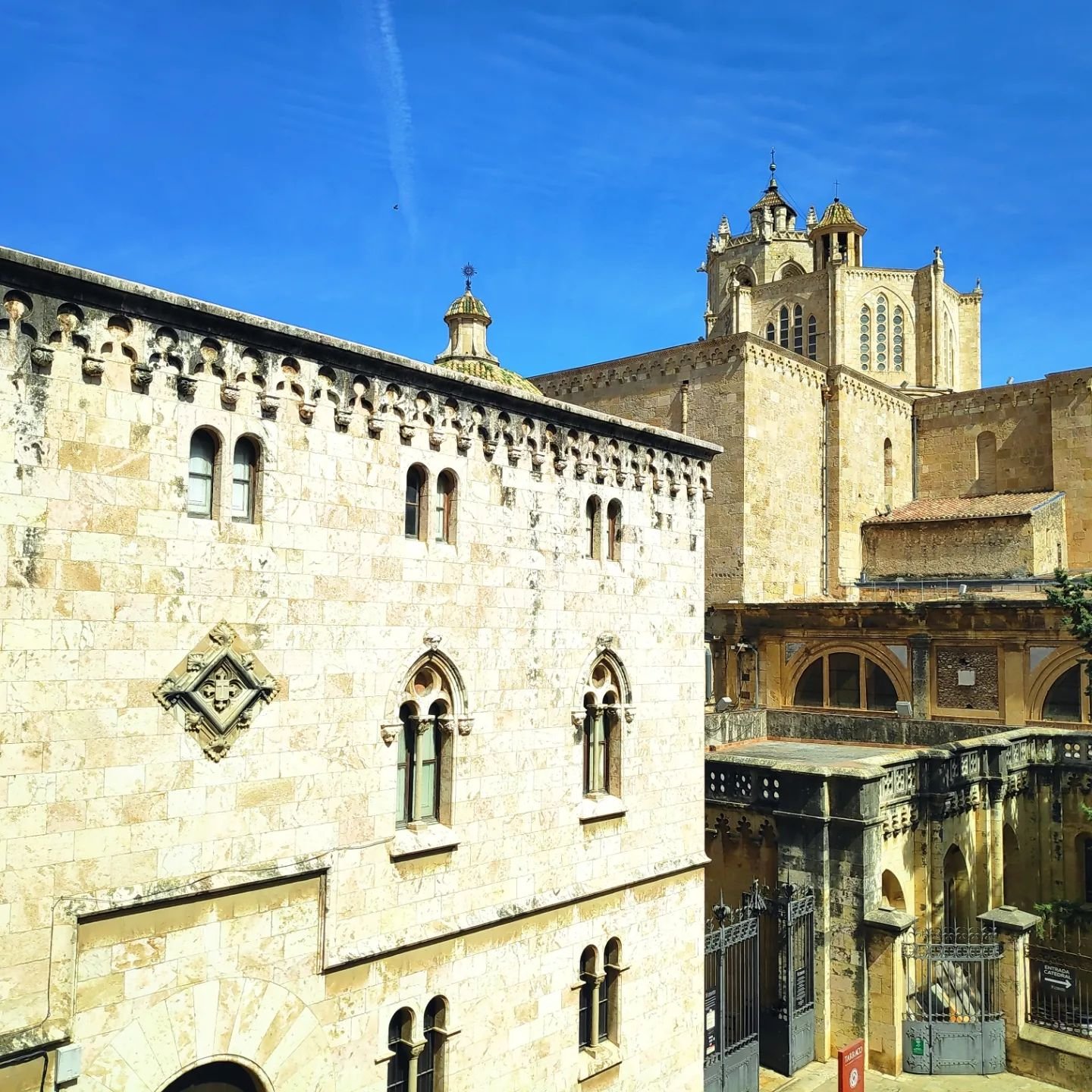
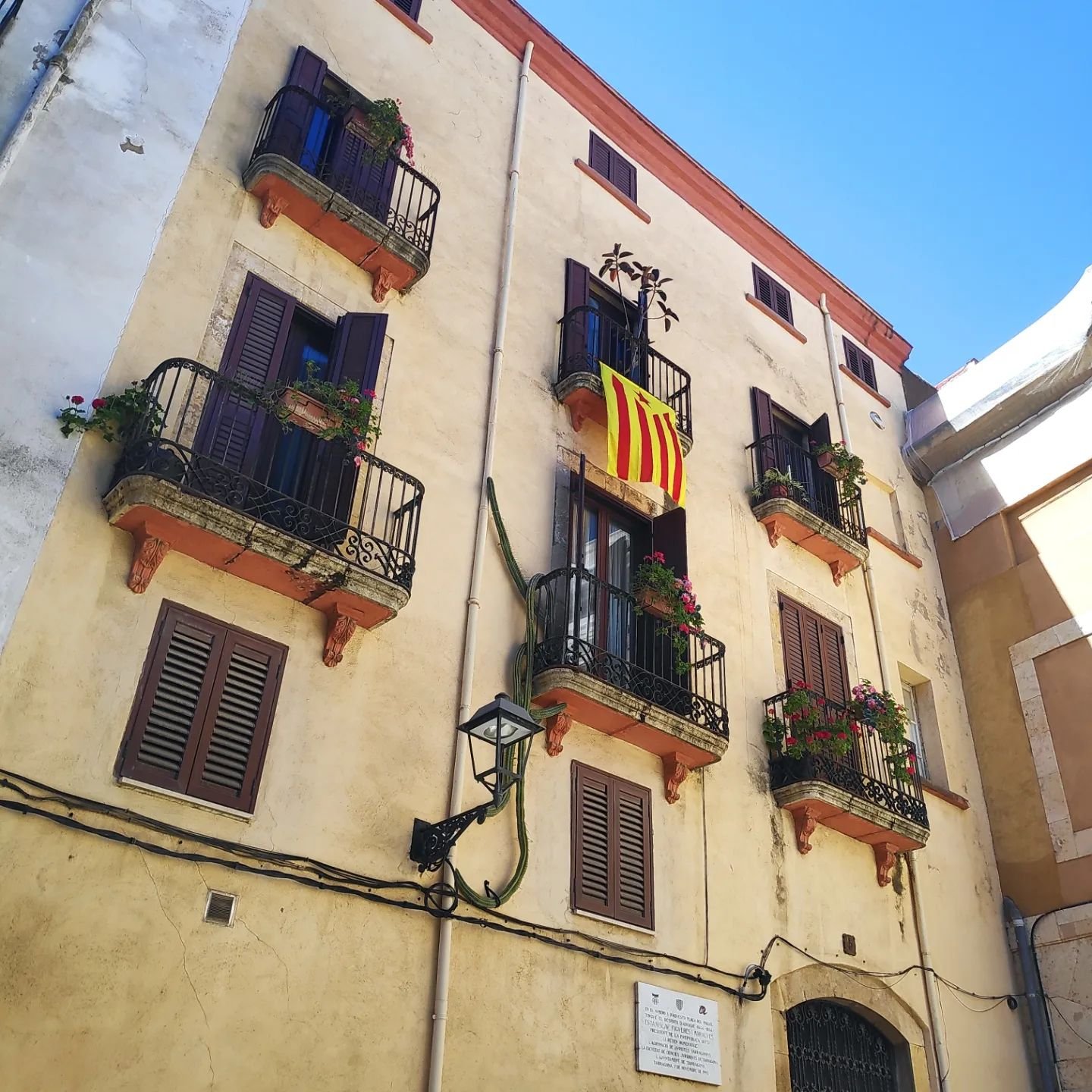
In the old town it’s worth stopping by the Romanesque-Gothic cathedral and strolling through the lanes lined with old houses, whose balconies are often hung with Catalan flags.
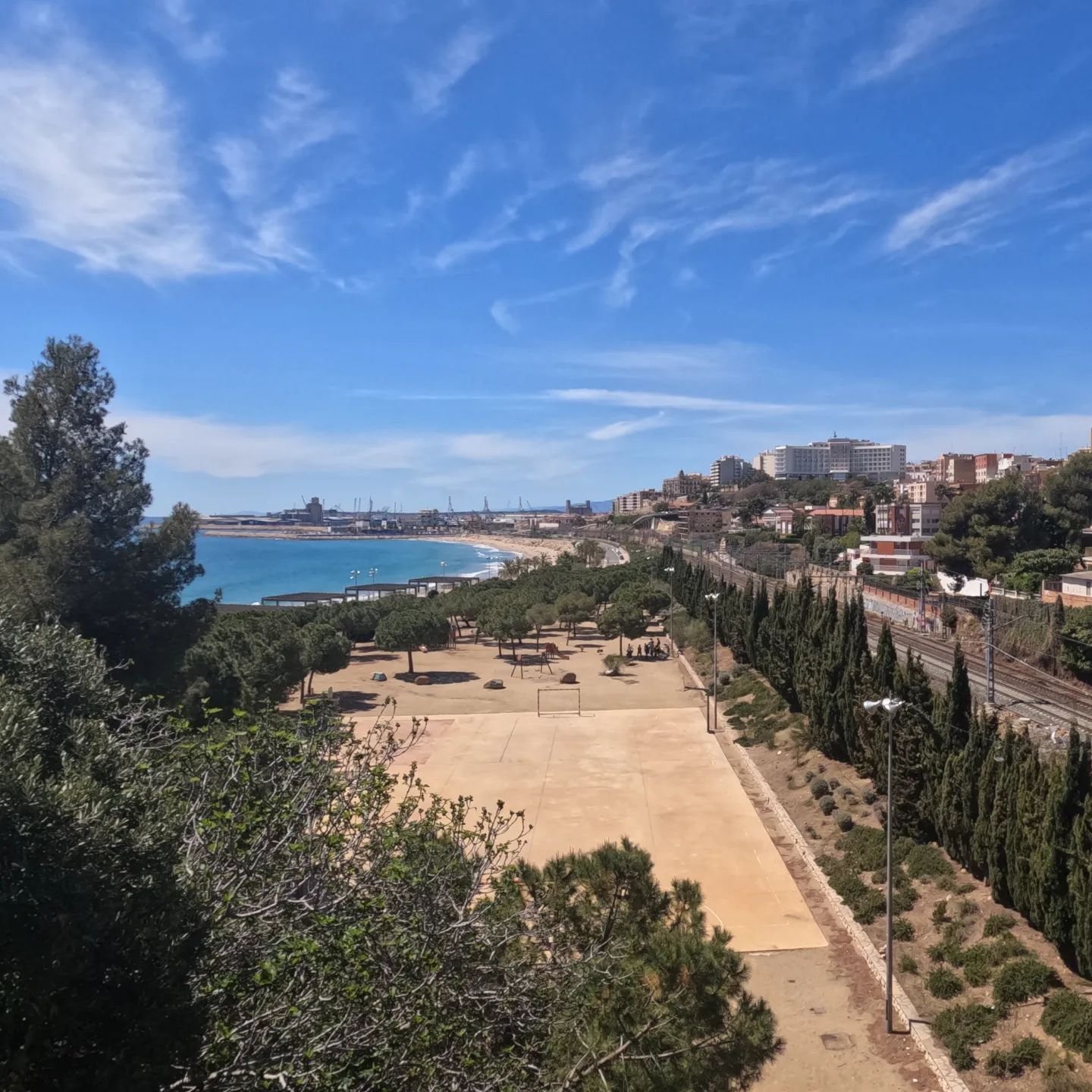
On the second day we took a long walk through the city, with a break on the beach and a view of the coast from the terraces above the sea.
Practical information
- Getting there from Tarragona: the regional train to Barcelona cost €7–8 one way, but punctuality varies – we had a 40-minute delay.
- Public transport in Barcelona: ticket prices are reasonable; the 10-journey ticket is the best value.
- Park Güell: tickets are for a specific time – it’s worth buying them in advance and leaving plenty of time to get there.
- Prices: Barcelona is expensive – both accommodation and most shops.
- Crowds: the city is beautiful and well worth a visit, but as with any big city it is very crowded, and the tourist sights are absolutely packed.