Skip to content Skip to sidebar Skip to footer
Place: North America  MexicoTravel year: 2023

A short introduction

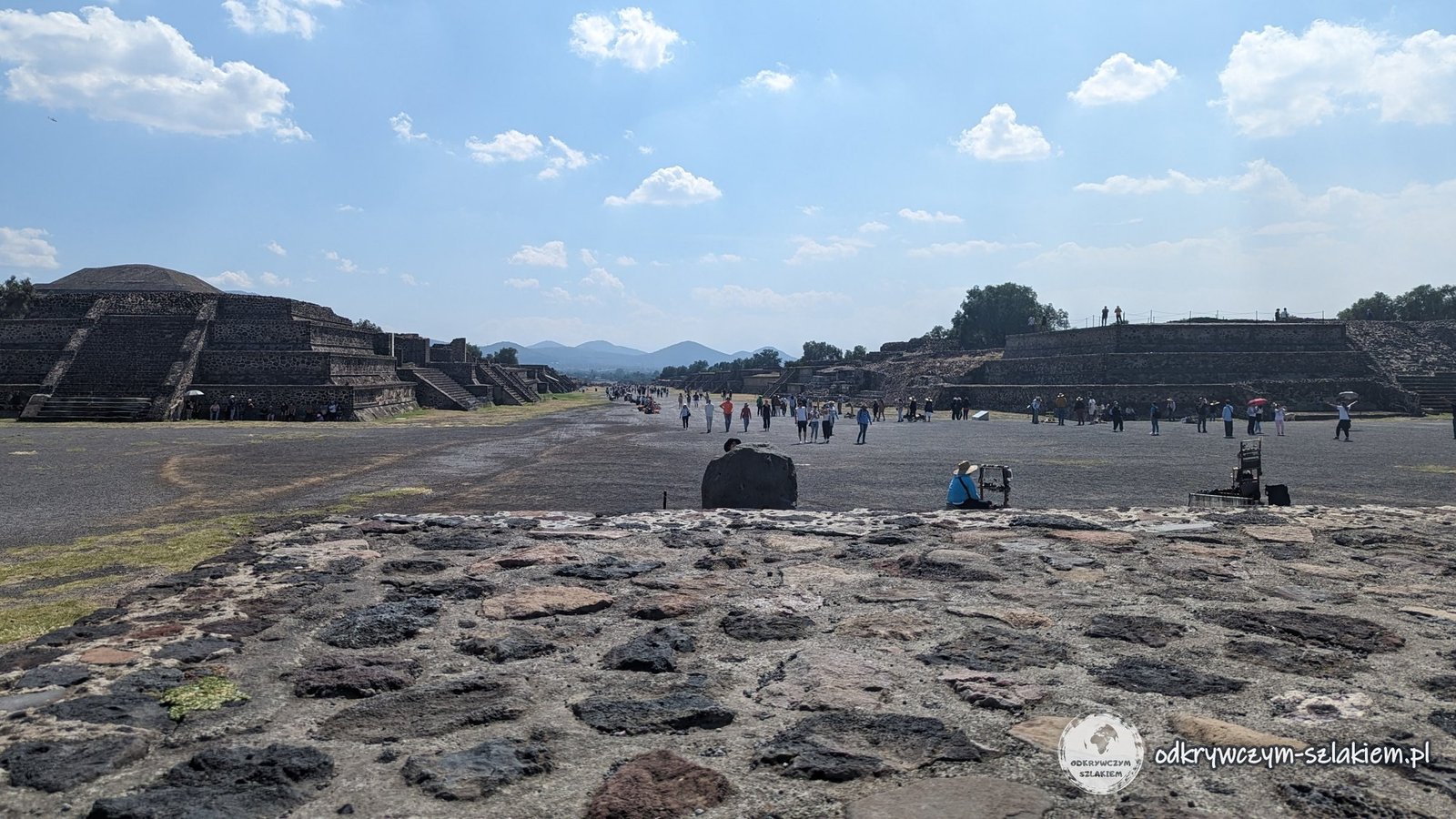
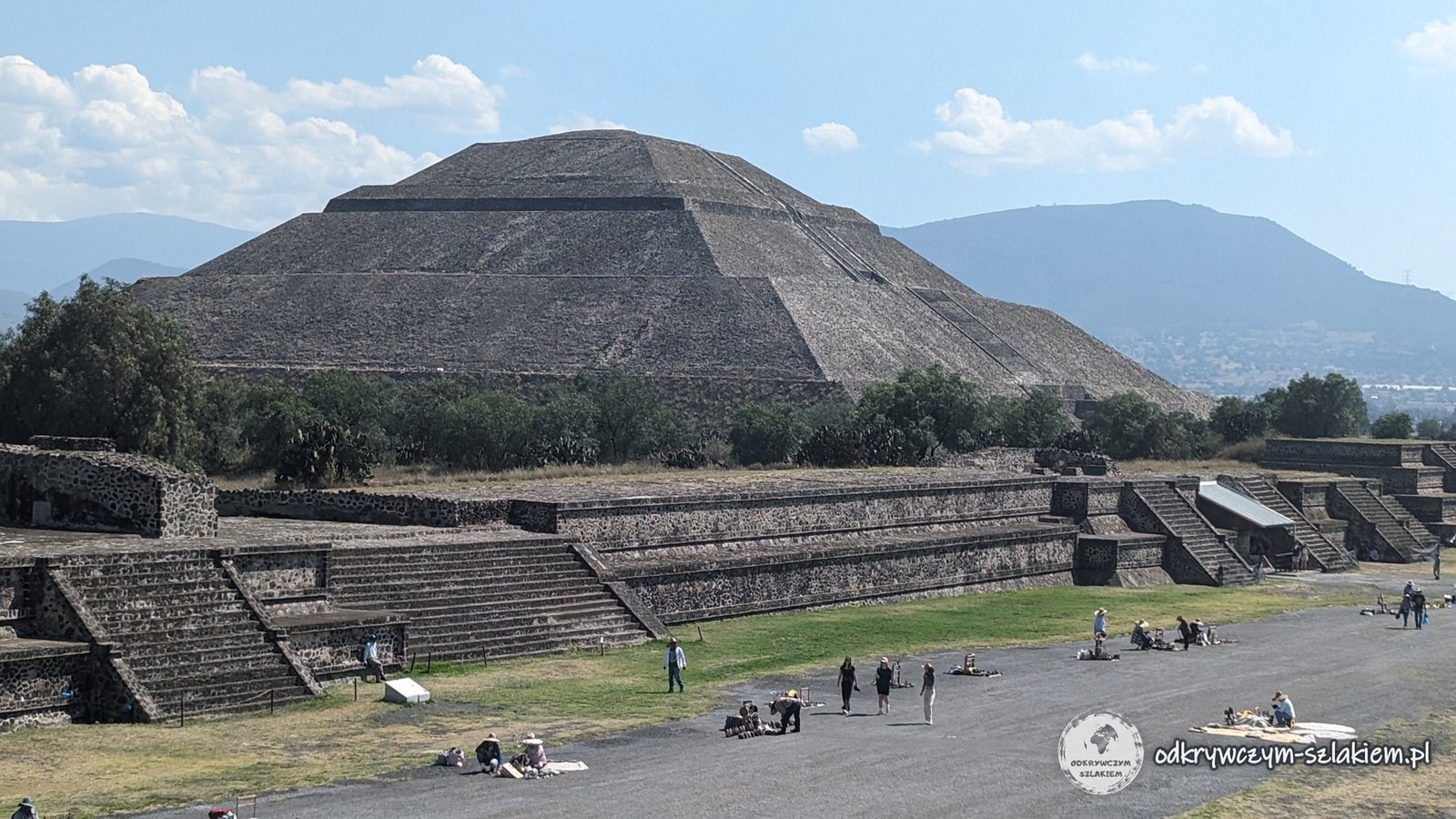
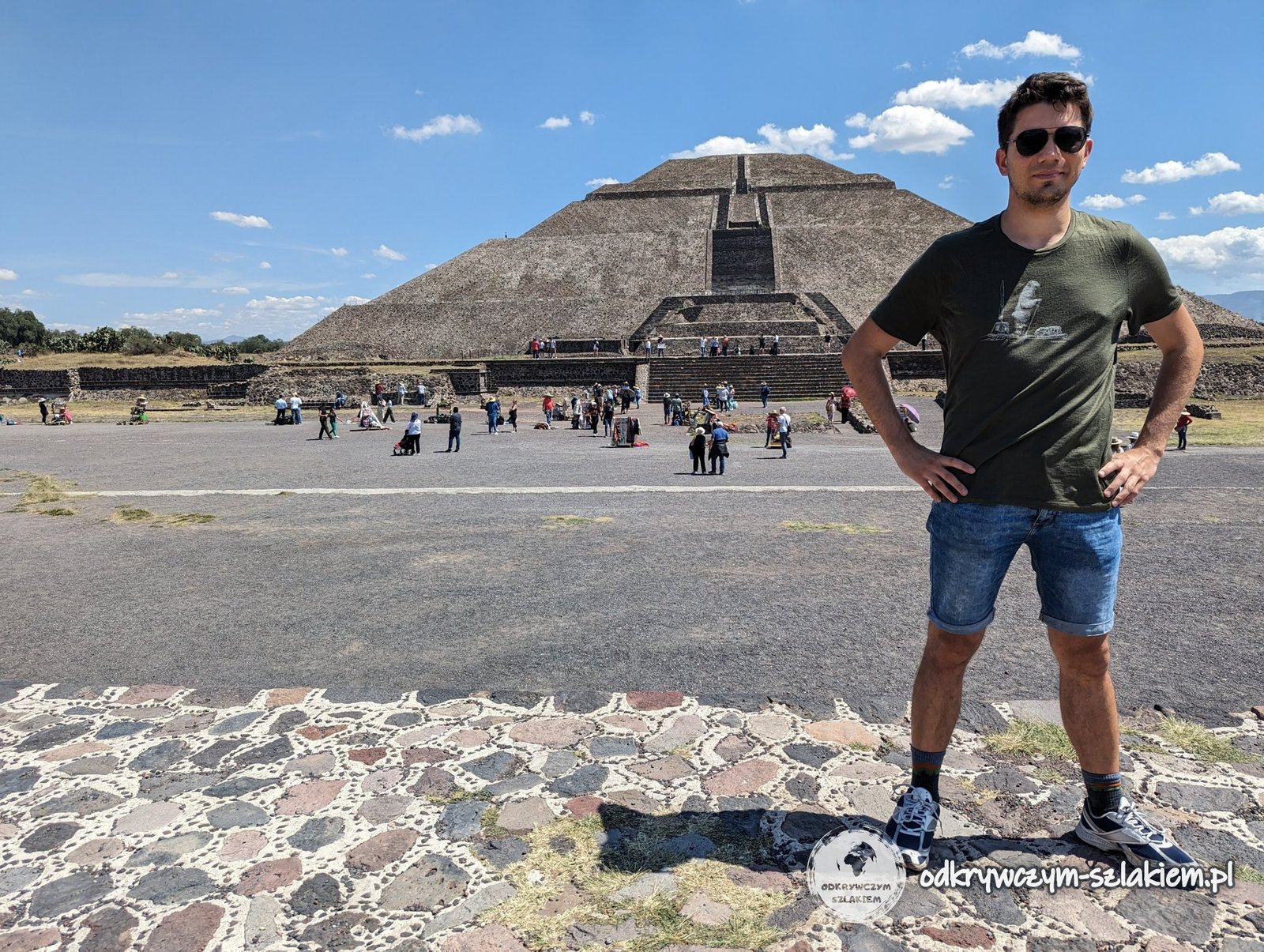
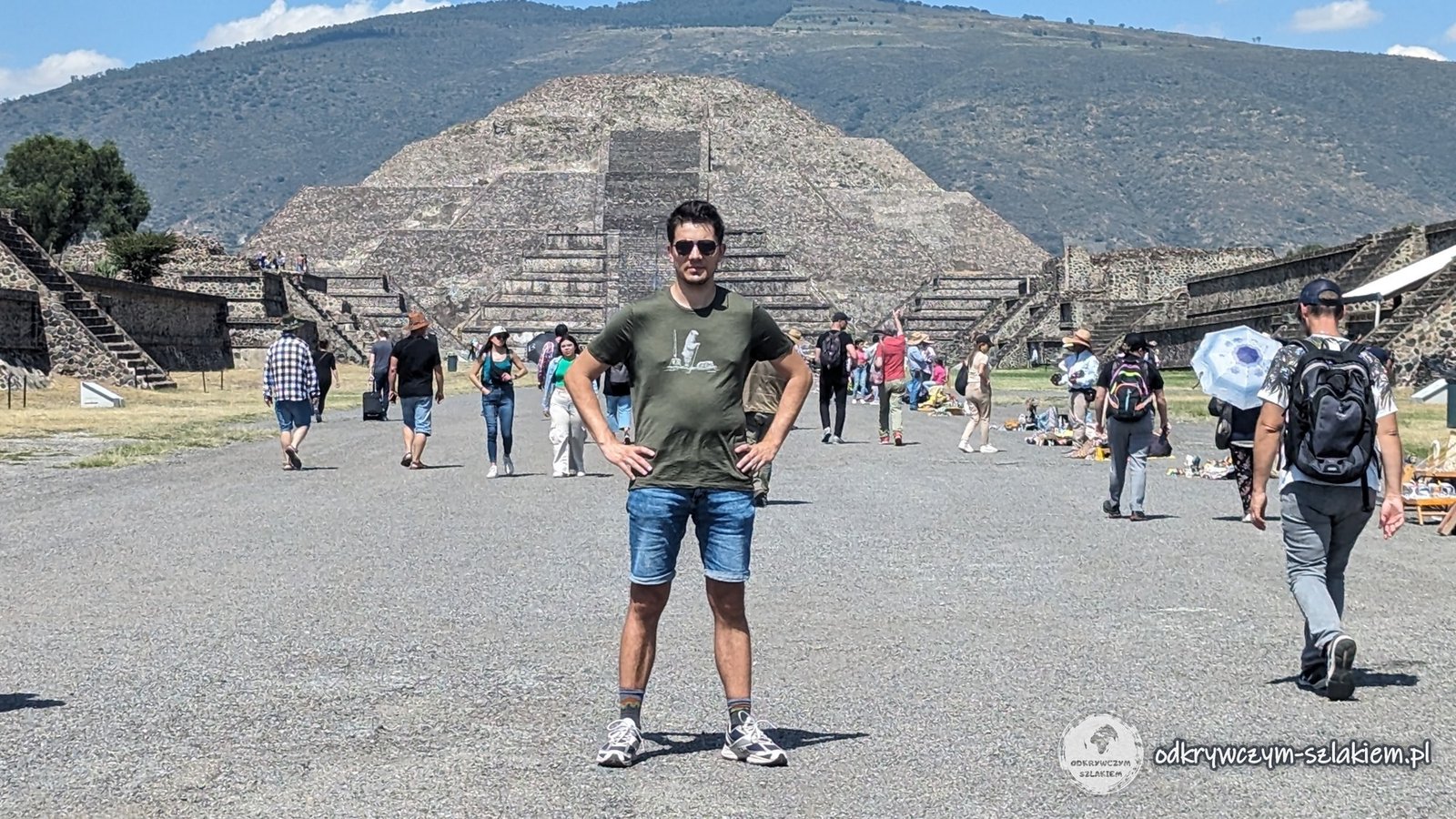
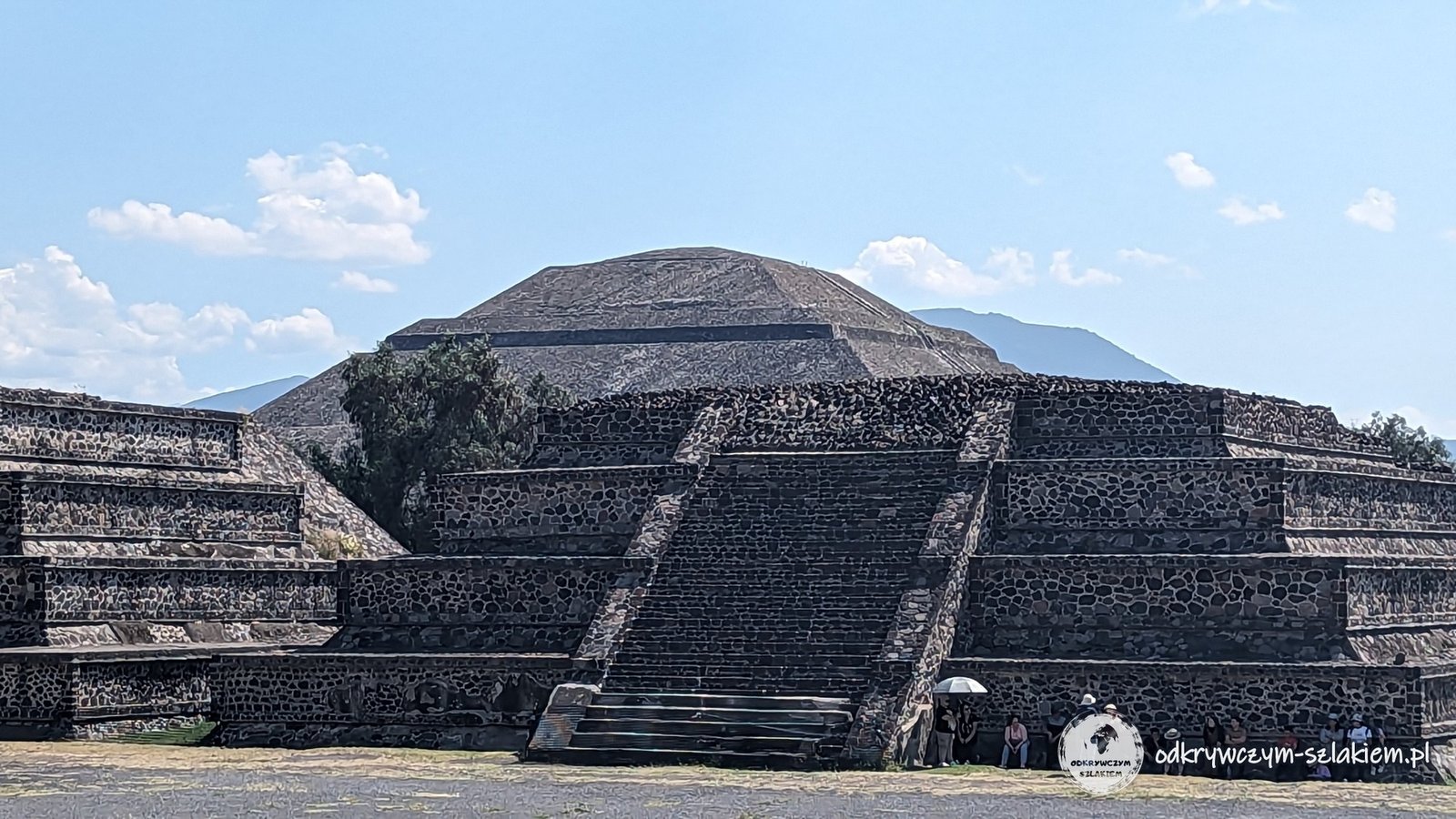
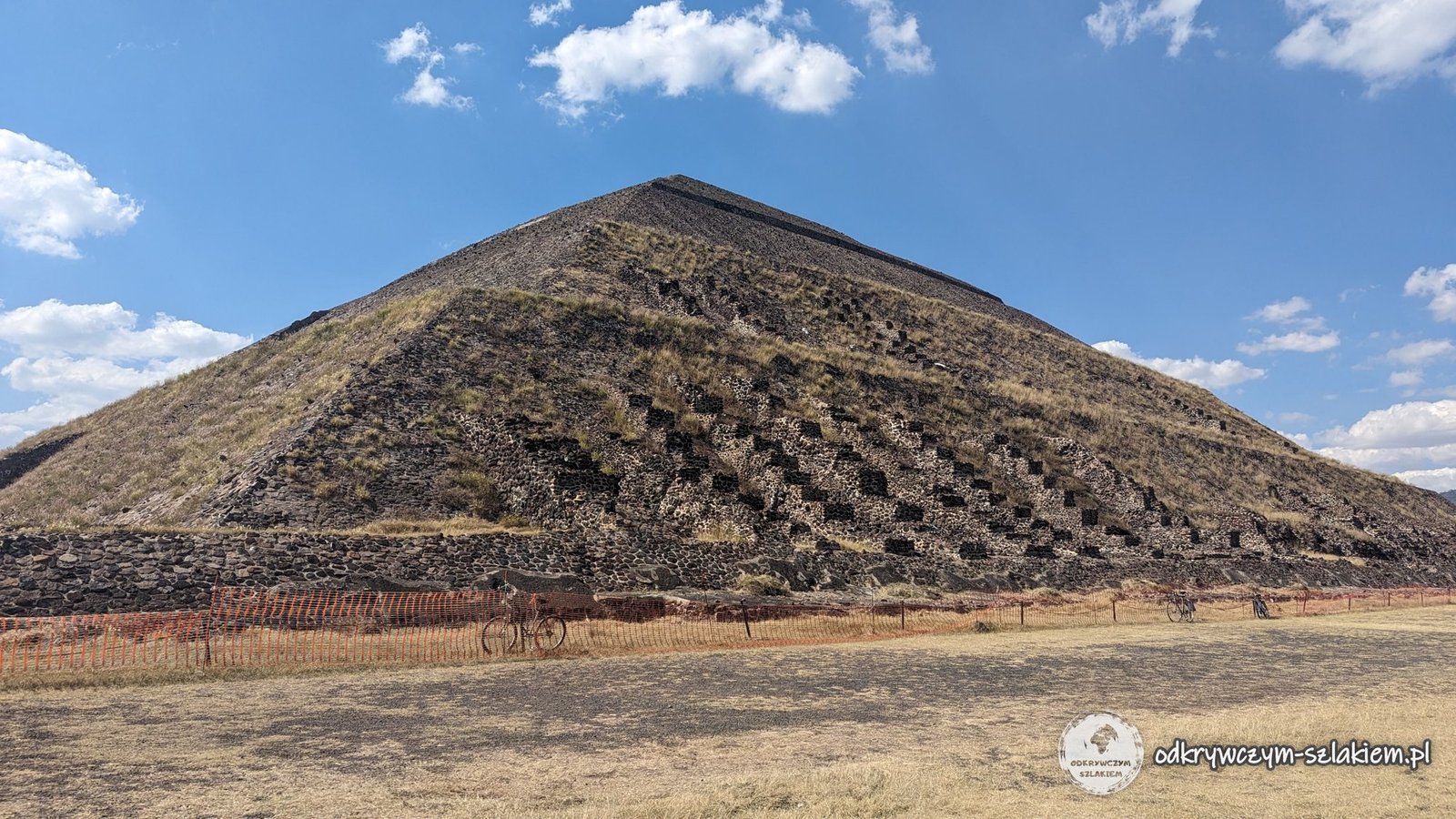
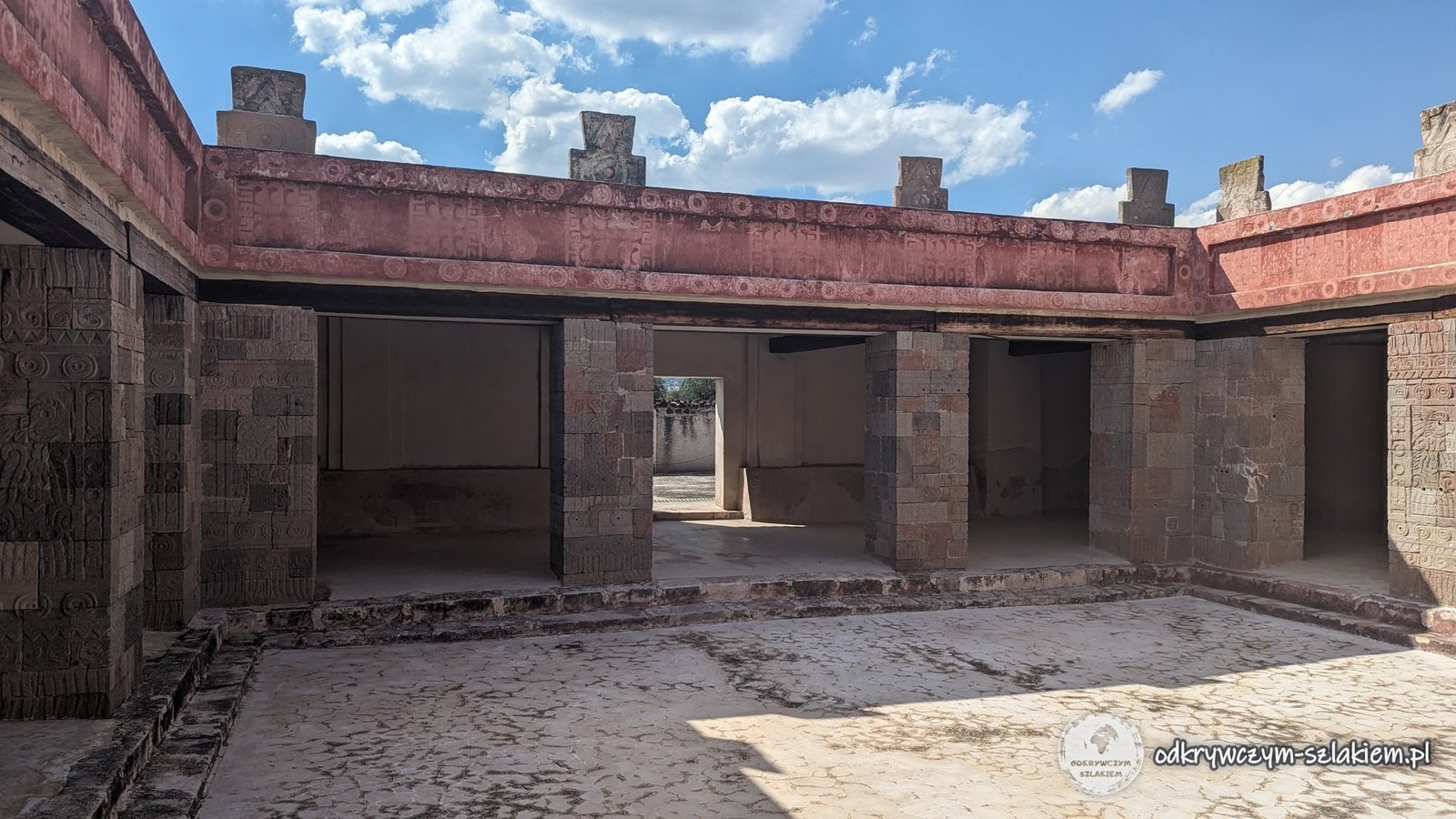
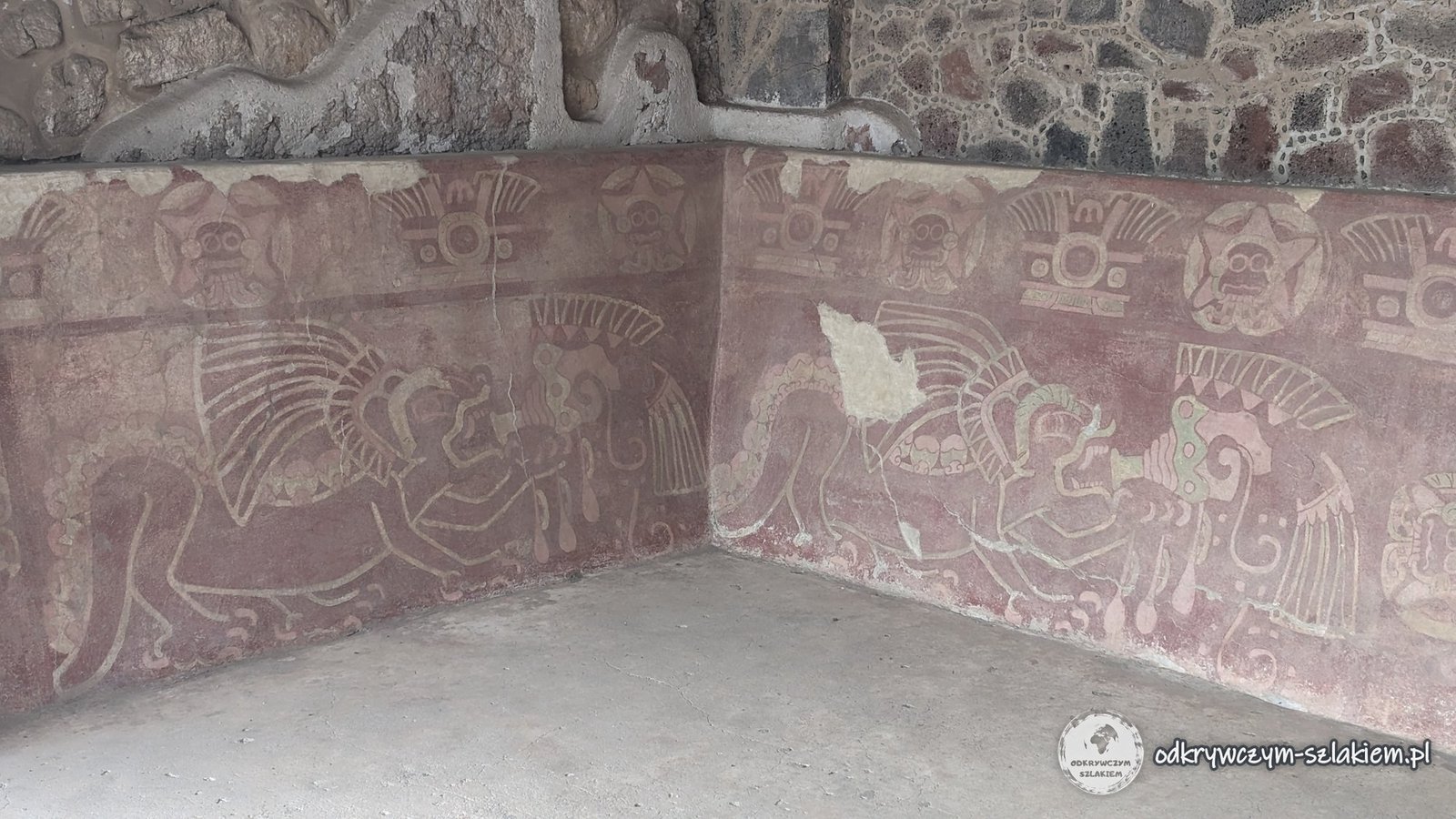
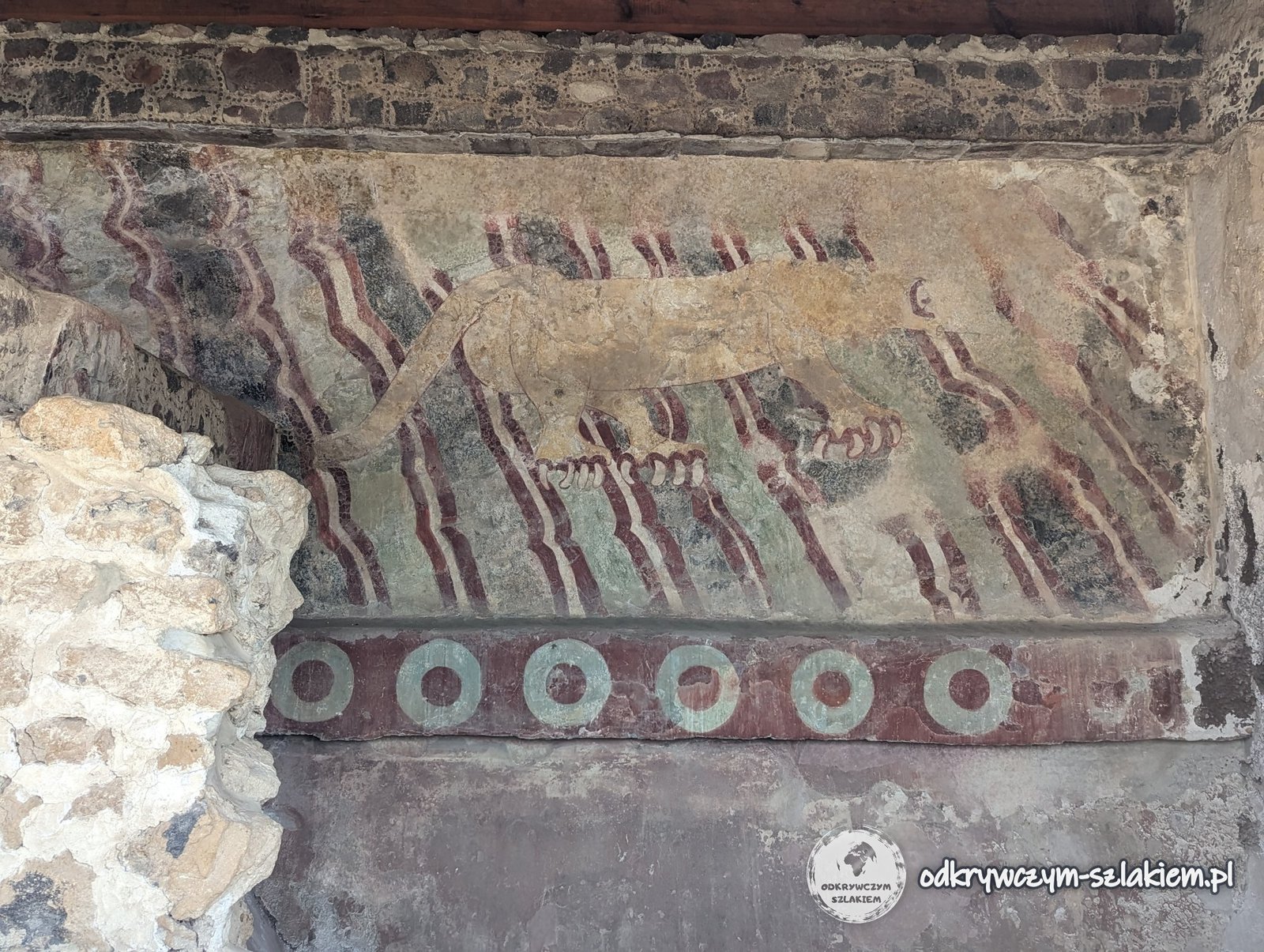
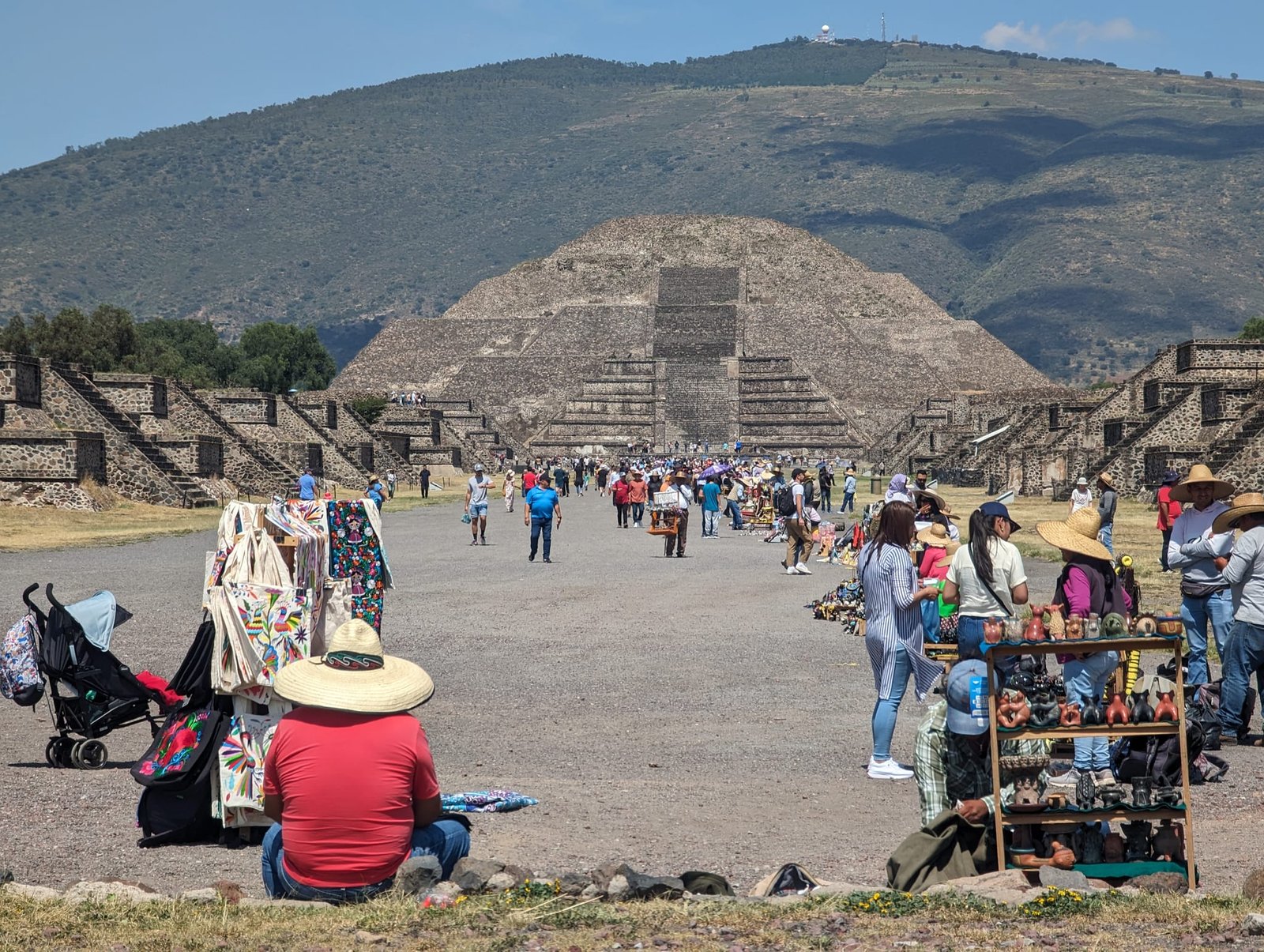
Teotihuacan is the ruins of an ancient city. A lot of it has survived, which is why the archaeological complex has become a well-known tourist attraction. You can see the Pyramid of the Sun and the Pyramid of the Moon, and between them runs the so-called Avenue of the Dead, lined with the remains of buildings that were tombs of sacrificial victims (a place of ritual burials). The site also includes, among other things, the ruins of the temple and palace of Quetzalpapálotl with murals on the walls. It is an undoubted must-see during a stay in Mexico’s capital (click here to see the article about Mexico City).

Teotihuacán is about an hour’s drive from the capital. Around the 5th century AD it was one of the largest cities in the world, and the Pyramids of the Sun and the Moon are among the largest pyramids in the world. We were here on 12 October 2023.

Historical outline

The city is thought to have been founded around the 2nd–1st century BC. Nobody knows who built it – the builders of Teotihuacán remain unknown. Its heyday fell in the 1st–6th centuries AD: around the 5th century it was one of the largest cities in the world, and its influence reached as far as the Maya cities. Later the city declined and was abandoned.
Several hundred years later the ruins were discovered by the Aztecs. They considered them sacred and named them Teotihuacán, which in the Nahuatl language means “the place where the gods are born”. And indeed, the gods played an incredibly huge role in Aztec culture, which is why the Aztecs are known mainly for their brutal sacrificial rites.
The Aztecs took over most of their knowledge – such as mathematics, astronomy, the calendar and writing – from the peoples who had lived in the area before them. But you have to give them credit: they were outstanding architects, building their capital Tenochtitlan (today’s Mexico City) on water (the area was once surrounded by lakes). They built bridges and viaducts and created farming islands.
This civilisation waged many wars and conquered northern and central Mesoamerica. At its peak, the imperial capital Tenochtitlan became one of the largest cities in the world. The conquered peoples had complete freedom of action, but the price of conquest was sacrificing members of the conquered peoples to the gods (especially prisoners of war).

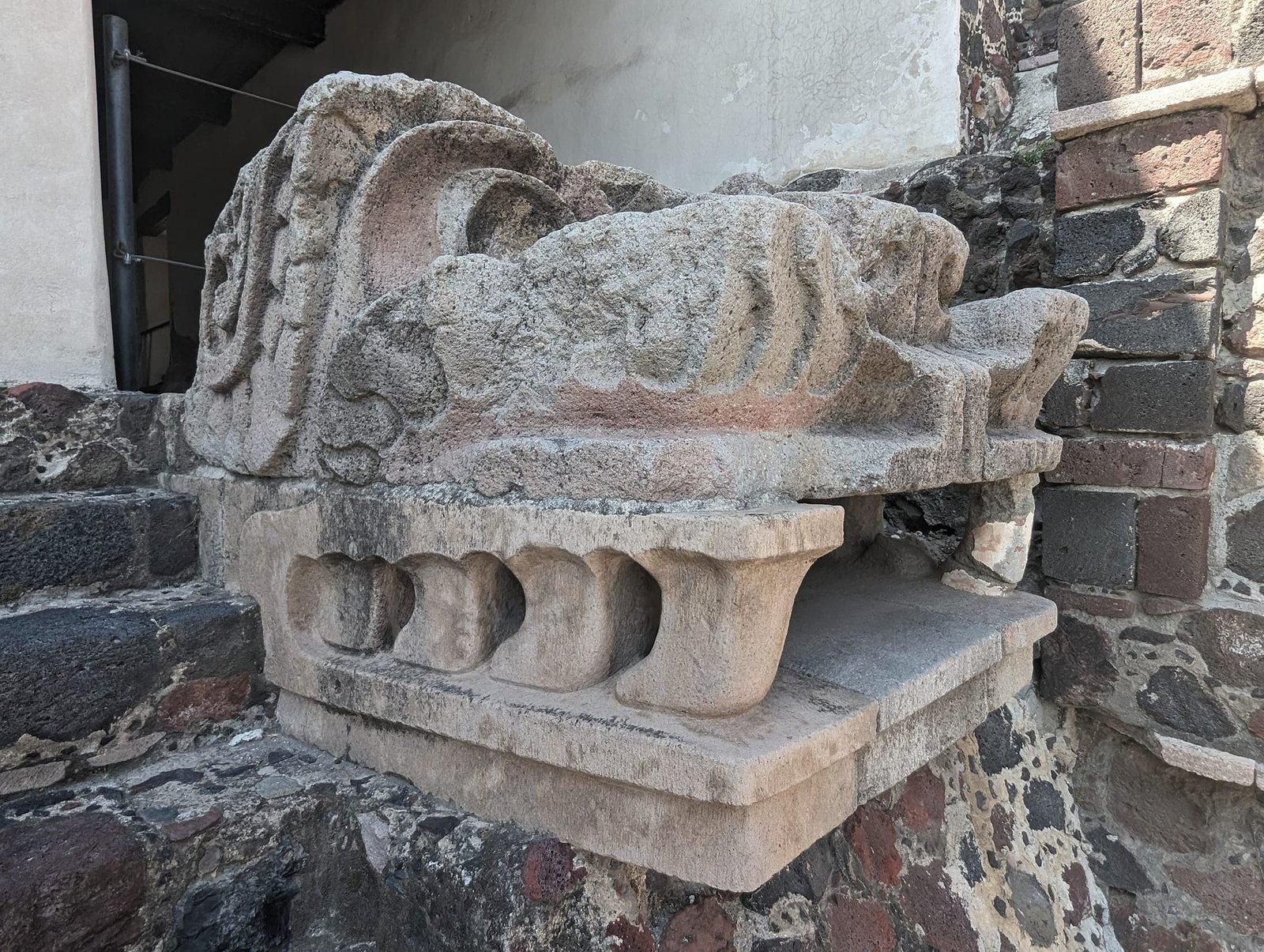
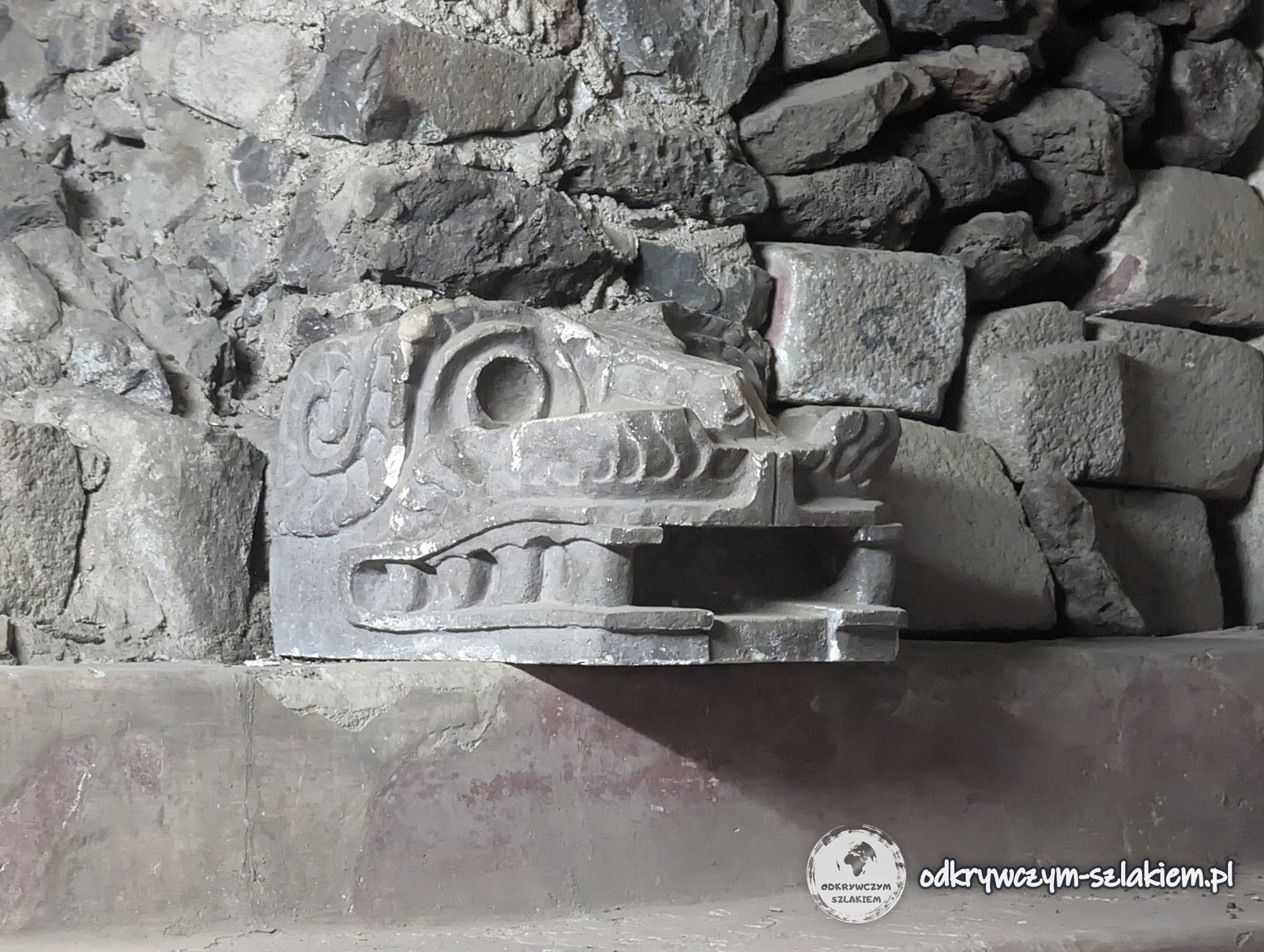
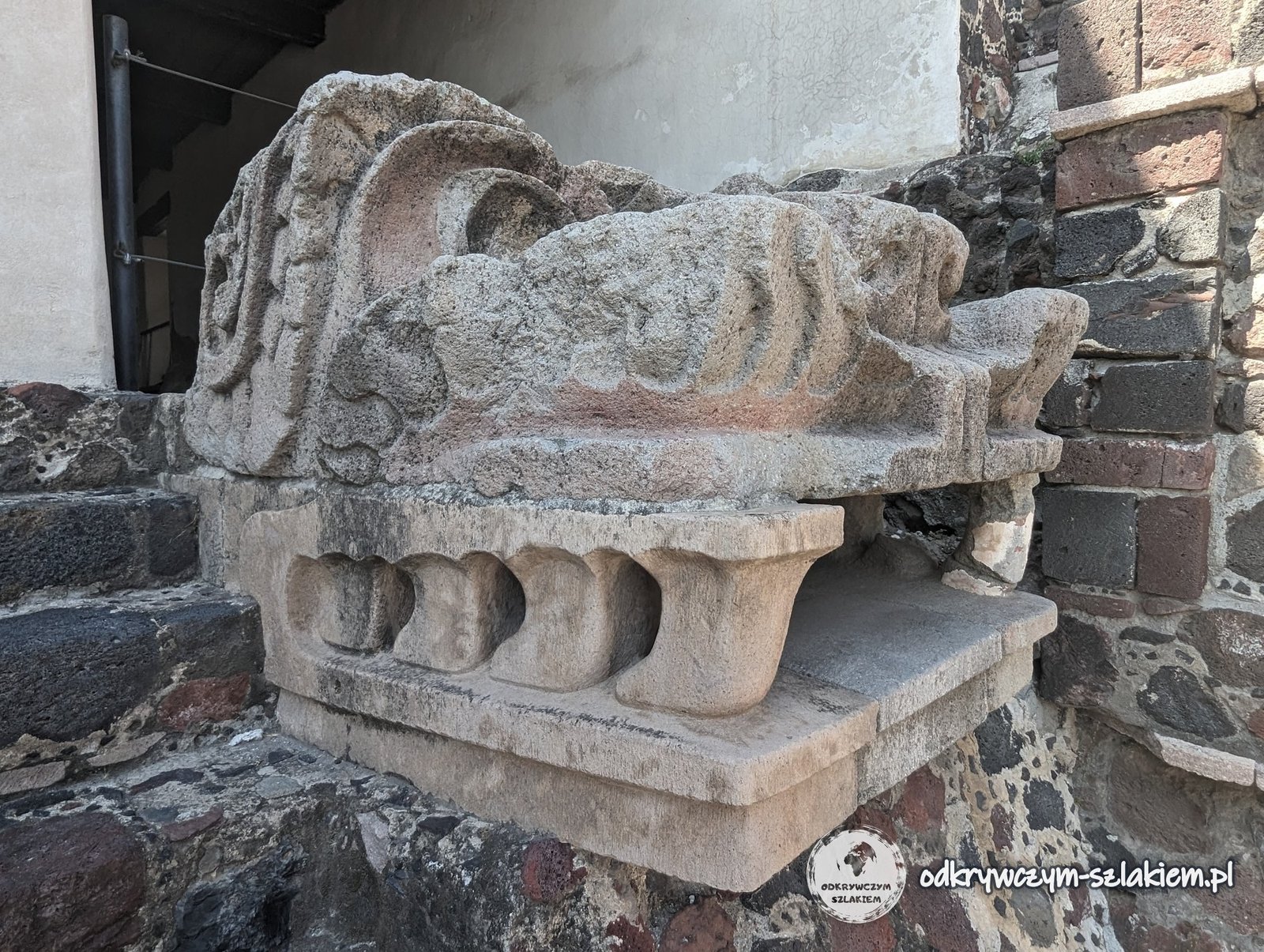
The most richly decorated building in Teotihuacán is the Temple of the Feathered Serpent (Quetzalcoatl) – stone serpent heads still protrude from its façade today.

Practical information

  • Getting there from Mexico City: by bus from the Autobuses del Norte station.
  • Buying a bus ticket: counter 8, cost: 60 MXN / about €3 one way
  • Admission: 90 MXN / about €5 (on site)
  • Before the pandemic you could climb the pyramids – now you can’t. On the other hand, admission is several times cheaper than at Chichén Itzá.
  • How long our visit took: 3 hours

At the foot of the Pyramid of the Moon there are souvenir stalls.

Did you enjoy this article?

Stay with me on the road – follow me wherever you like best.