Table of contents
- A short introduction
- Map
- Sightseeing
- Grand Casemates Square
- Moorish Castle
- City Under Siege Exhibition
- Military Heritage Centre
- Great Siege Tunnels
- Windsor Suspension Bridge
- Queen’s Gate / Charles V Wall
- Apes’ Den
- Skywalk Gibraltar
- Mediterranean Steps
- Lord Airey’s Battery / O’Hara’s Battery
- St Michael’s Cave
- The Pillars of Hercules
- King Fahd bin Abdulaziz Al Saud Mosque
- Europa Point
- Sikorski Memorial
- Practical information
A short introduction
Gibraltar is tiny, but it has a rich history and over the centuries it has belonged to various states. Today it is a British Overseas Territory of the United Kingdom, where the official language is English and the currency is the pound, but traffic drives on the right. In one day you can see most of the important places.

A large part of the territory is taken up by the Rock of Gibraltar, which towers over it and is its most distinctive landmark (426 m above sea level). This unique place is home to Barbary macaques – the only wild monkeys in Europe!
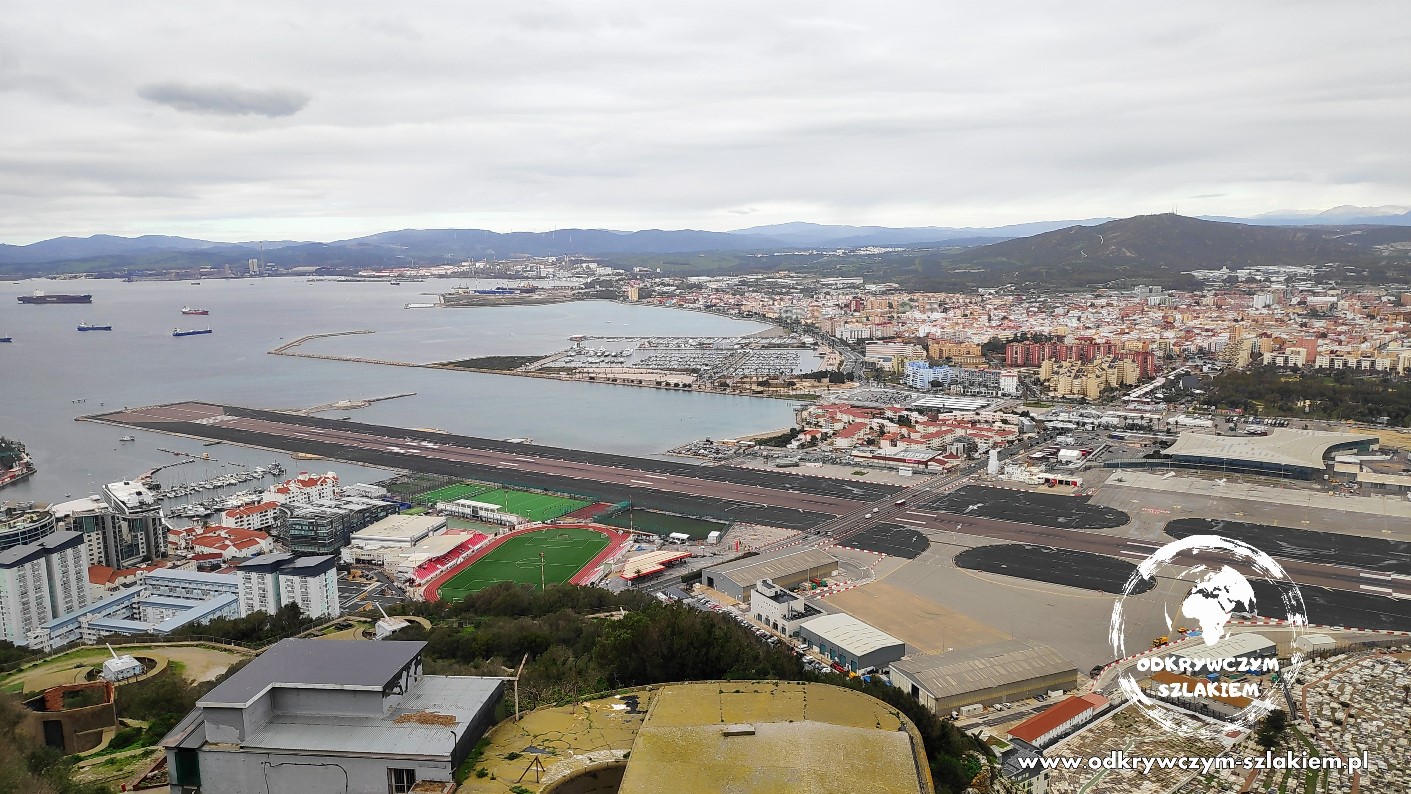
Because it’s so close (about 130 km), you can get to Gibraltar from Málaga in under 2 hours. If you come by car (as we did), I recommend parking on the Spanish side, in La Línea de la Concepción, and crossing the border on foot. You have to show your passport at the border crossing. Click here to read about parking.
Sightseeing map
Selected attractions:
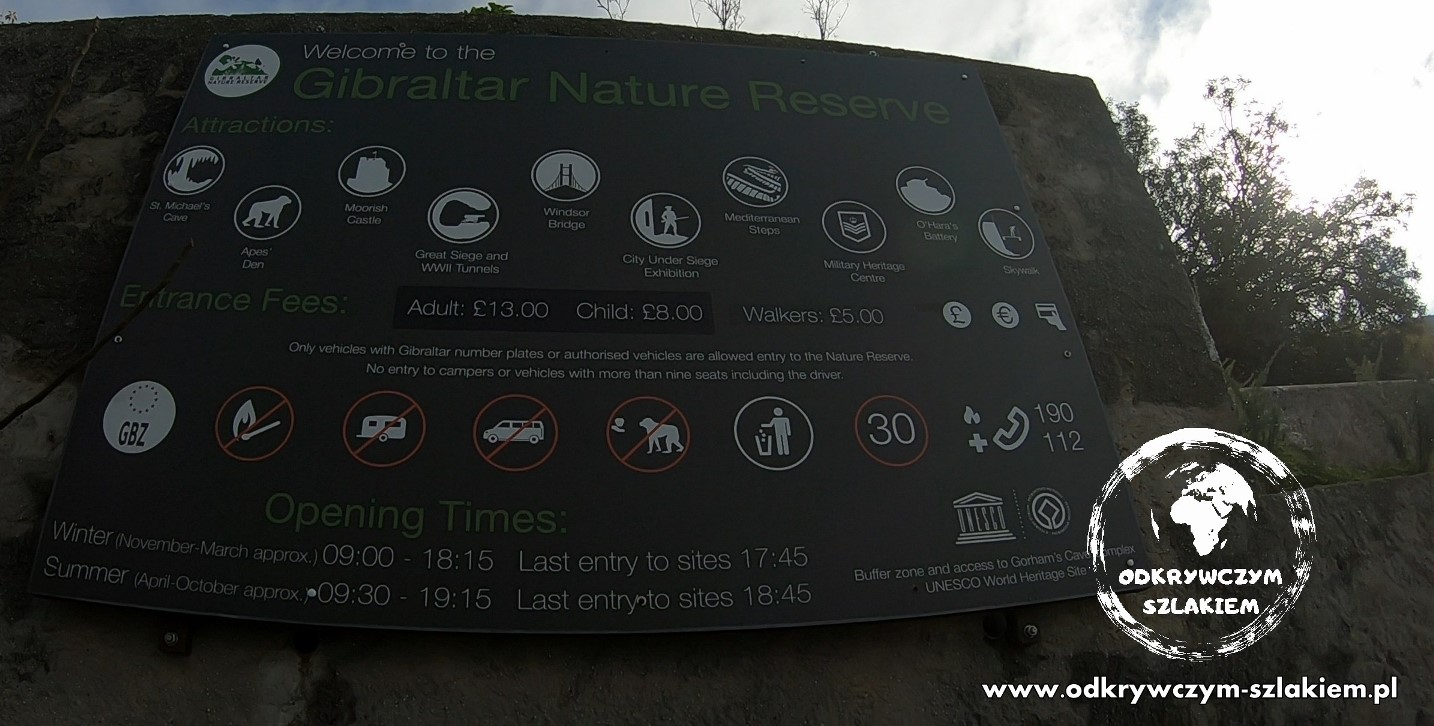
Most of the Rock of Gibraltar is taken up by the Upper Rock Nature Reserve. For £13 you can buy a ticket that covers entry and most of the attractions on the Rock. You’ll find the ticket offices right at the entrances to the reserve (for example at the Moorish Castle). Unfortunately, the World War II Tunnels cost extra.
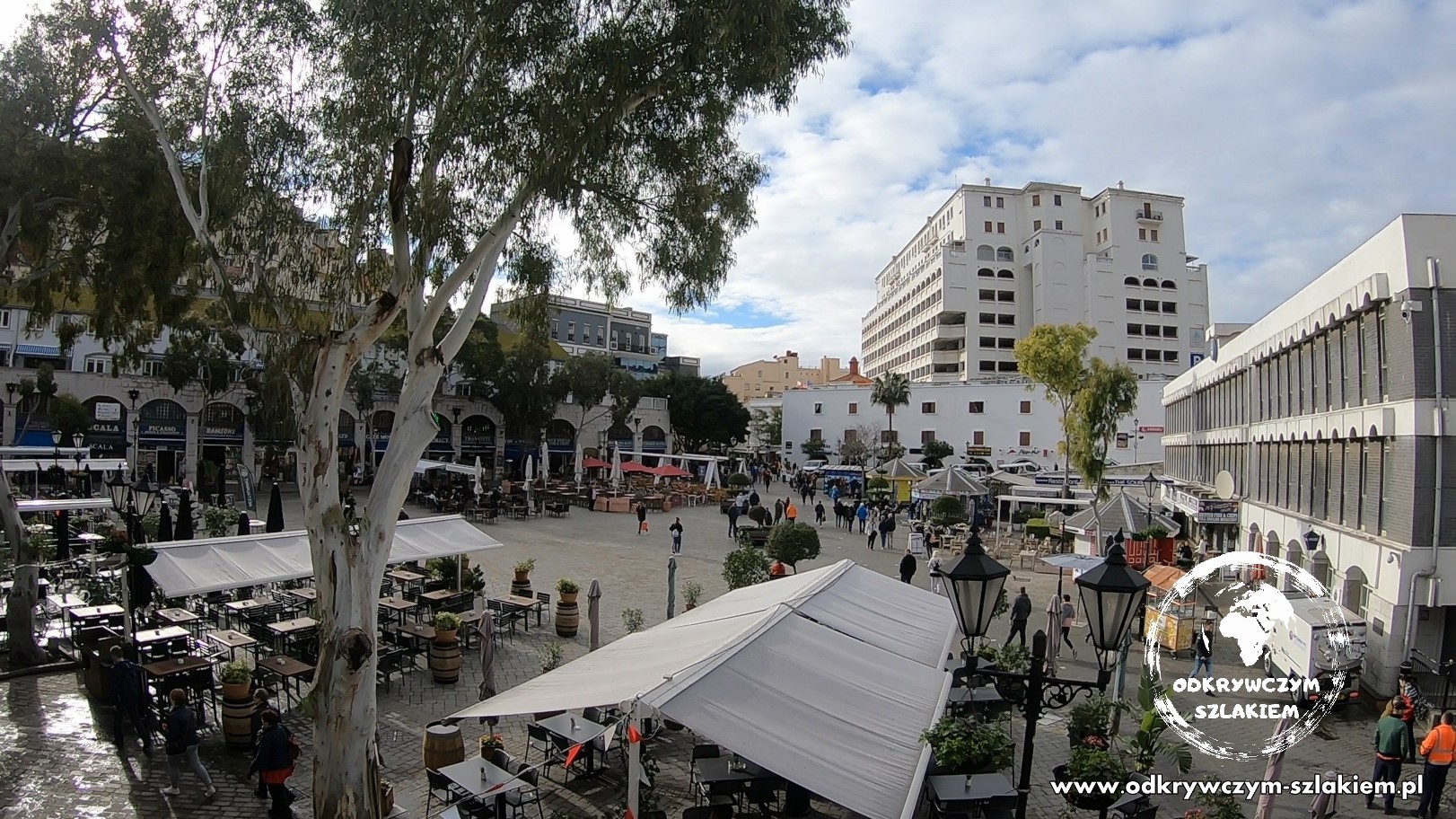
Grand Casemates Square
The Casemates – a square in the town centre, the hub of Gibraltar’s shopping and social life. We passed it on our way up the Rock on foot, heading for the Moorish Castle.
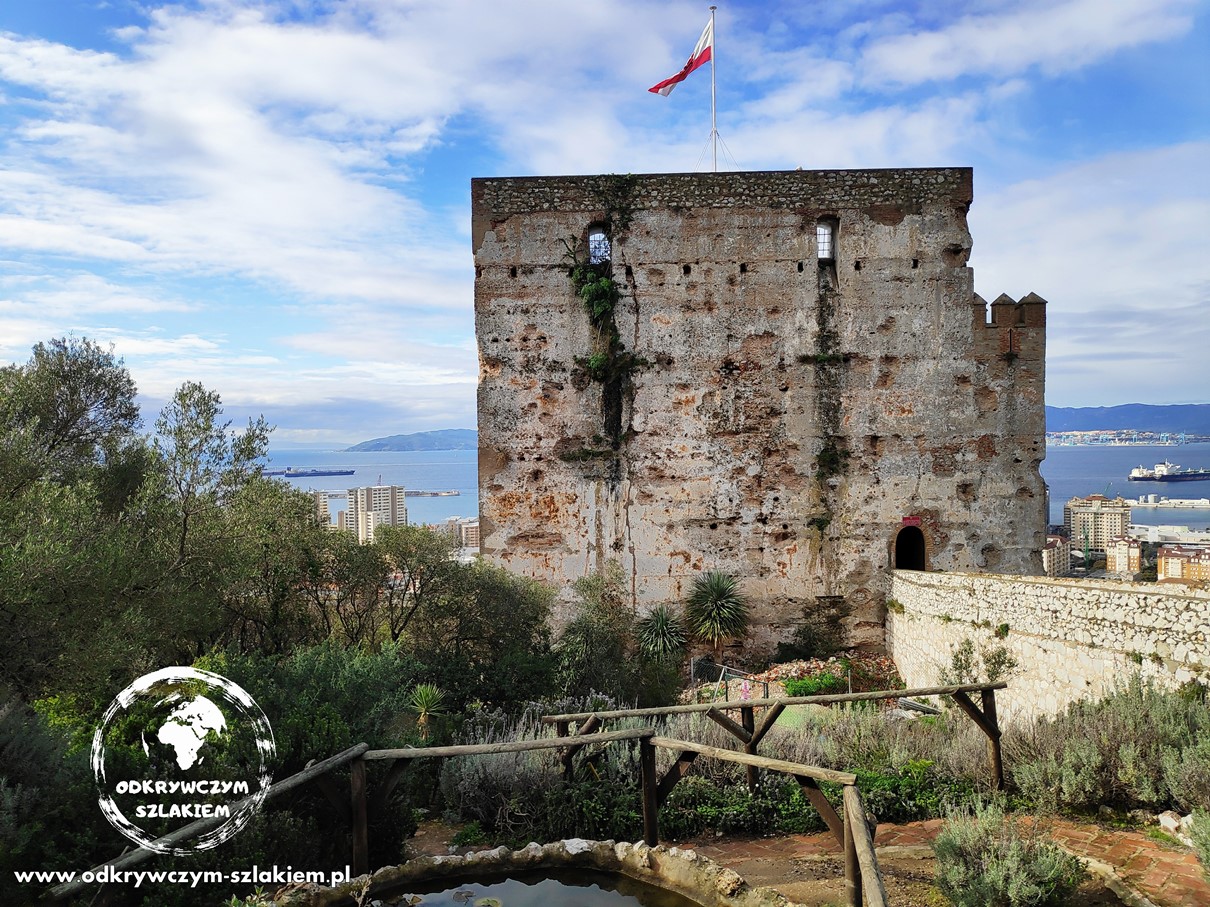
Moorish Castle
The Moorish Castle, whose fortifications date back to 1160, while the tower was built in 1333, when the Moors took Gibraltar back from the Spanish.
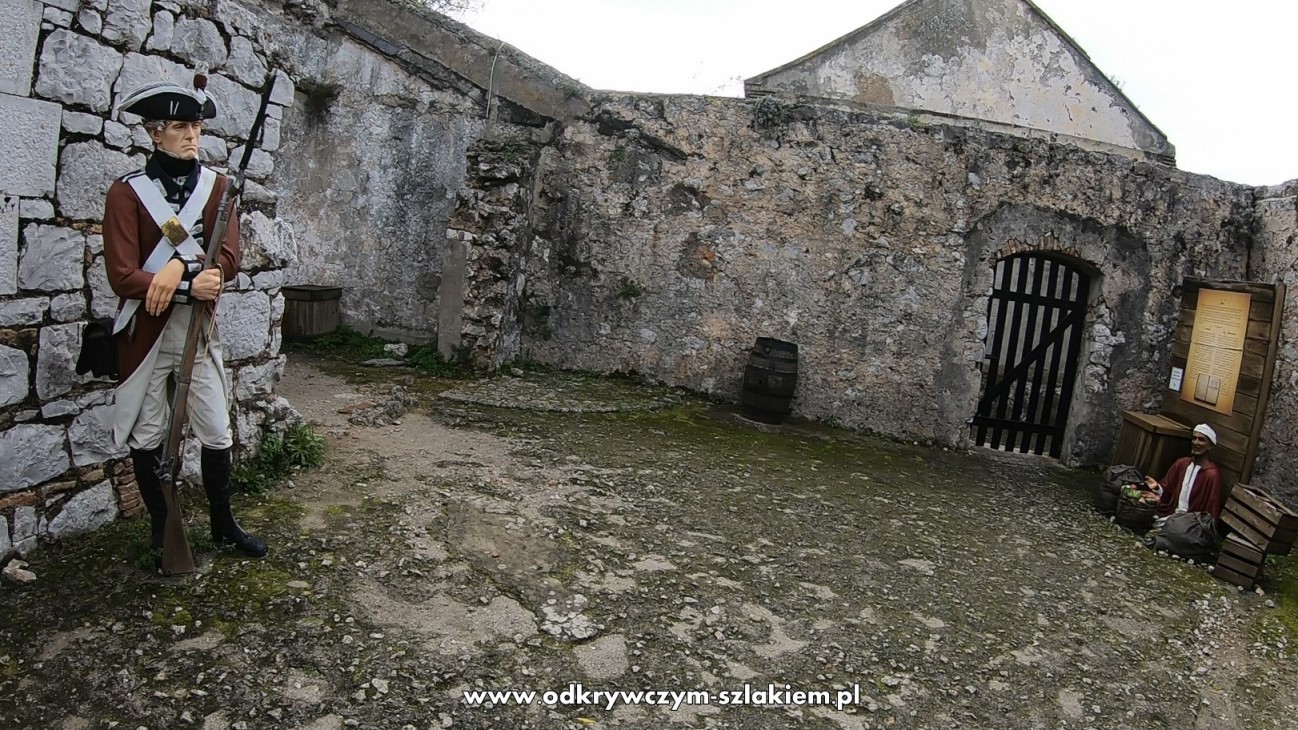
City Under Siege Exhibition
The “Gibraltar – A City Under Siege” exhibition, housed in what is probably one of the first buildings from the British period. The oldest drawing on its walls is dated 1726.
Military Heritage Centre
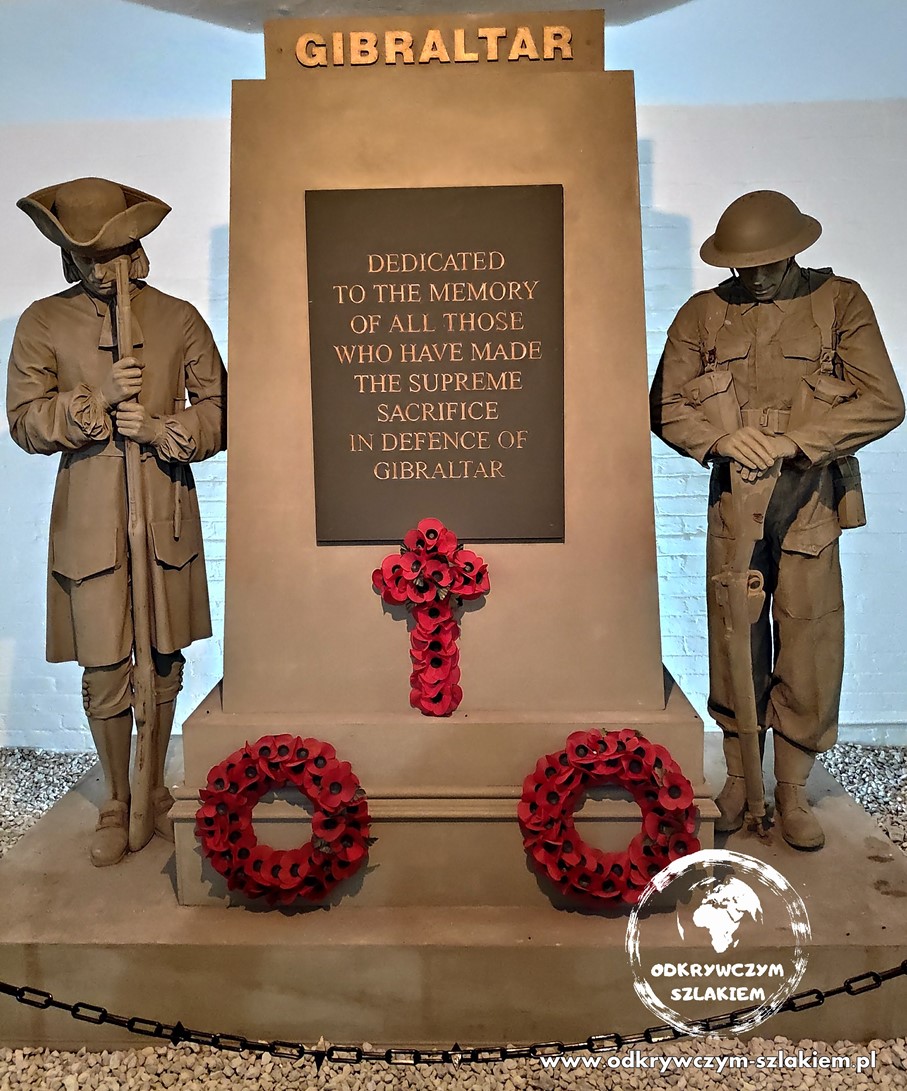
The Military Heritage Centre – located in Princess Caroline’s Battery. It holds military artefacts and a memorial to those who died defending Gibraltar.
Great Siege Tunnels
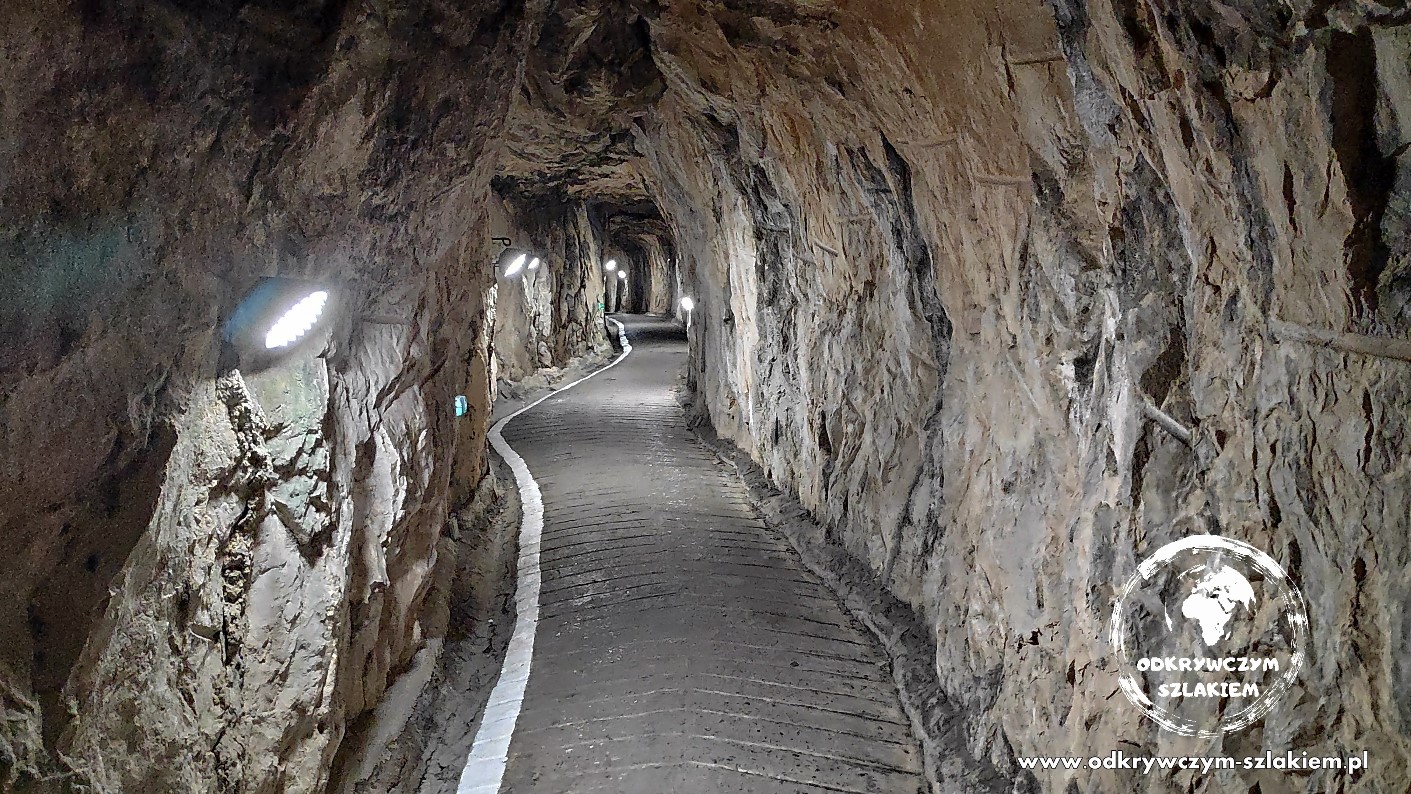
The Great Siege Tunnels – an astonishing defence system designed during the Great Siege of Gibraltar (1779 – 1783), when British forces together with Hanoverian troops held out against an attack by the Spanish and French and eventually won. The tunnels were dug with the simplest tools and gunpowder.
Windsor Suspension Bridge
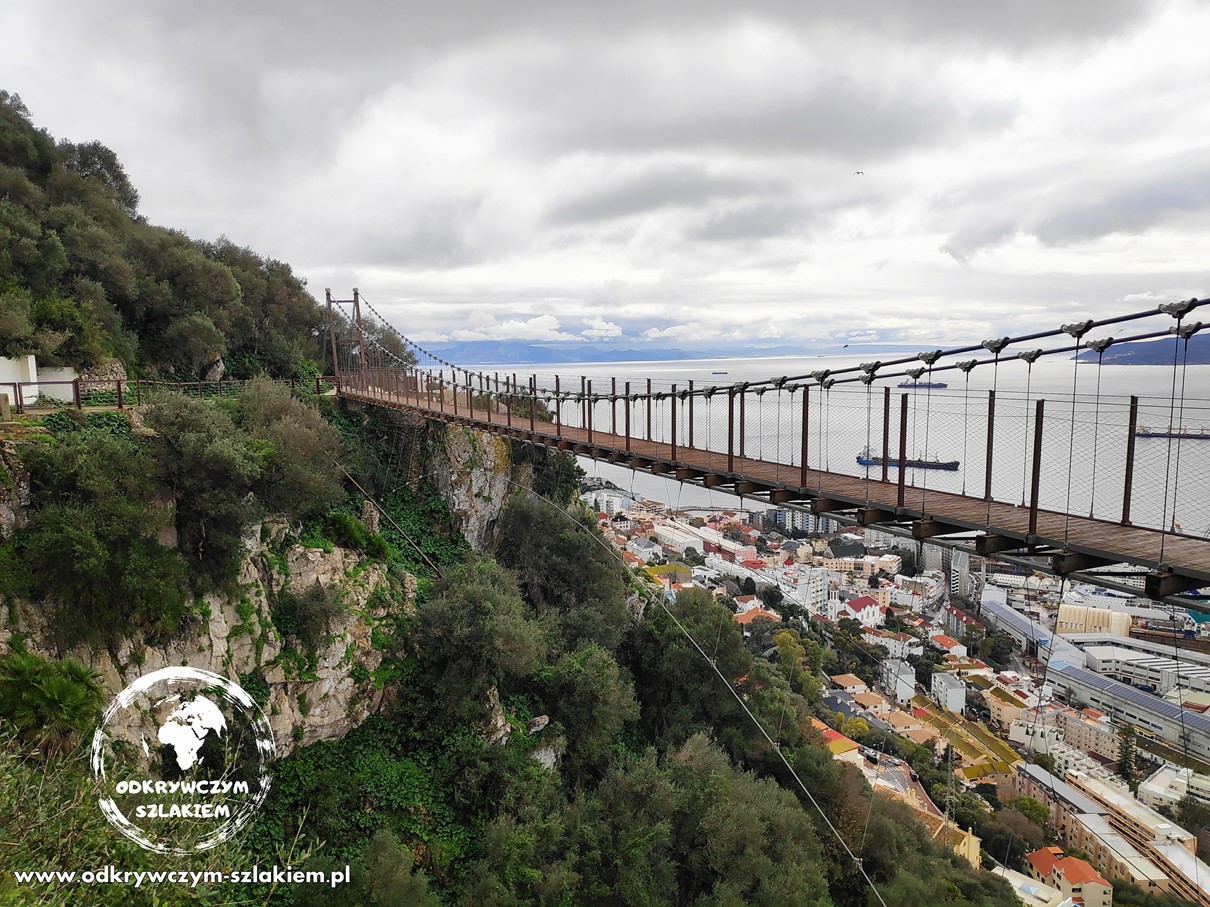
The Windsor Bridge – a 71 m long rope bridge hanging over a 50-metre drop. This attraction will surely appeal to thrill-seekers.
Queen’s Gate /Charles V Wall
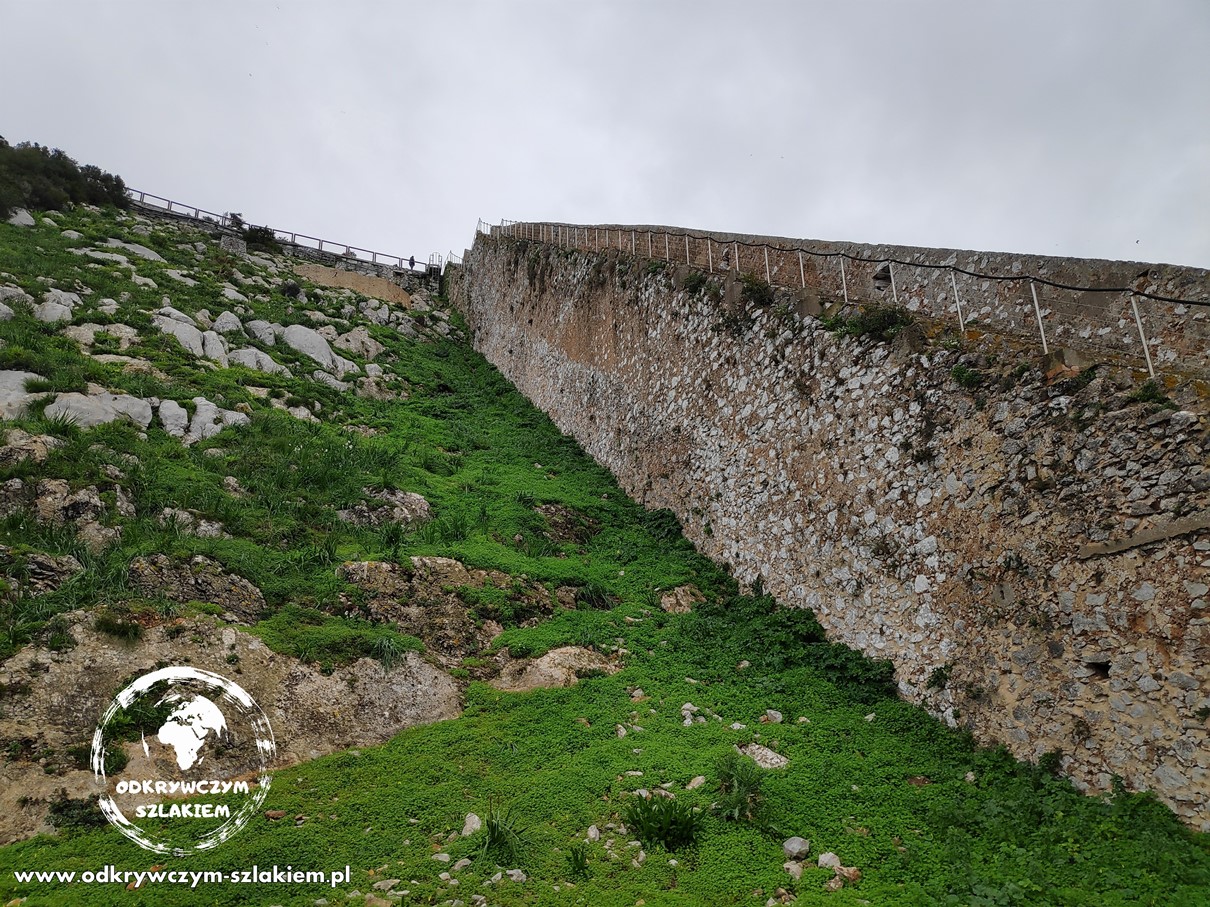
The gate (Queen’s Gate) was created by breaking through the Charles V Wall around 1790 (today it marks the start of the wall). The defensive wall itself is much older and was built in 1540 on the orders of Philip II of Habsburg. At one time it ran all the way from the harbour (South Bastion).
Apes' Den
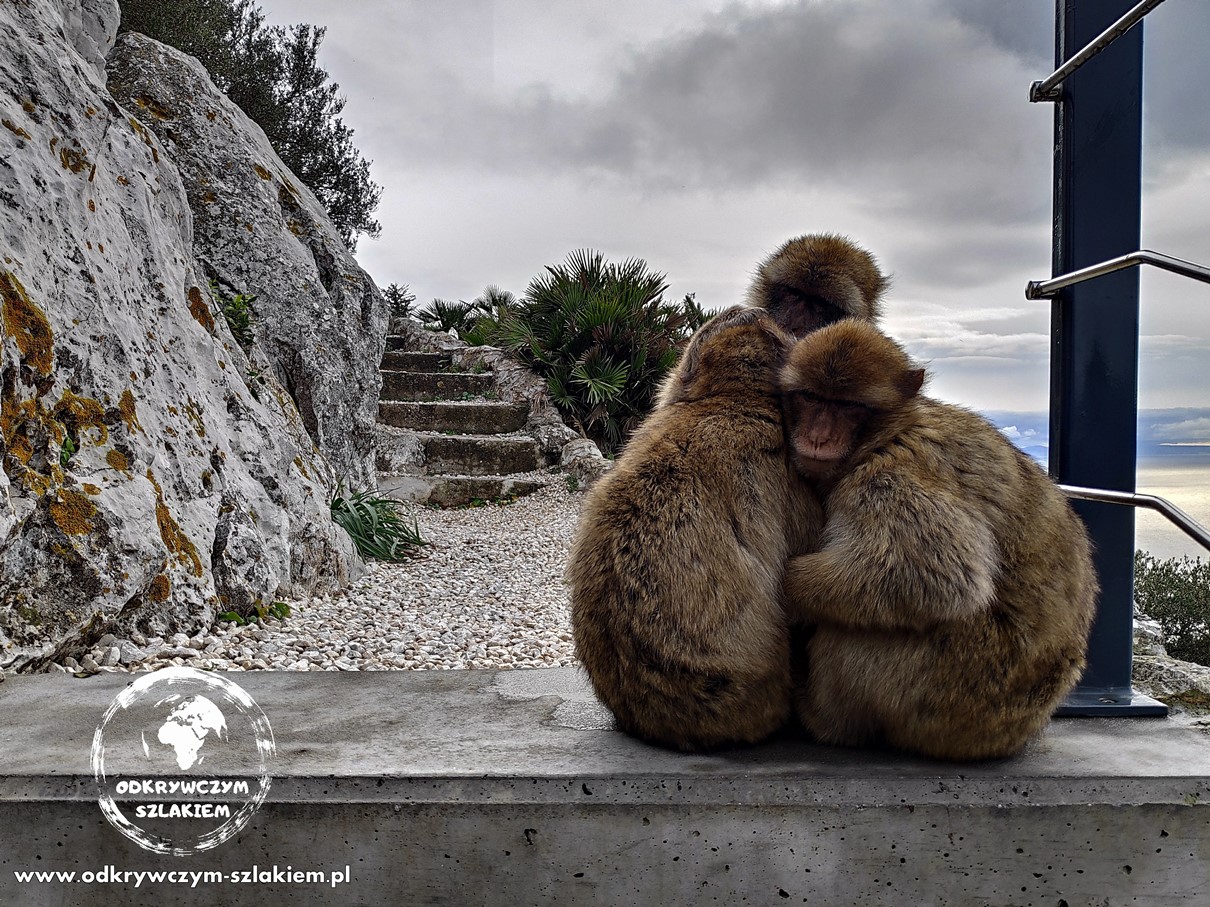
The Apes’ Den – the monkeys’ hideout, home to the largest population of macaques on the Rock (about 500 in Gibraltar in total). It is next to Queen’s Gate.
Skywalk
This is a viewpoint with a glass floor. It offers breathtaking views (you can see the horizon from 340 metres above sea level) taking in three countries and two continents, as well as scenic trails to other wonderful places in the Upper Rock Nature Reserve.
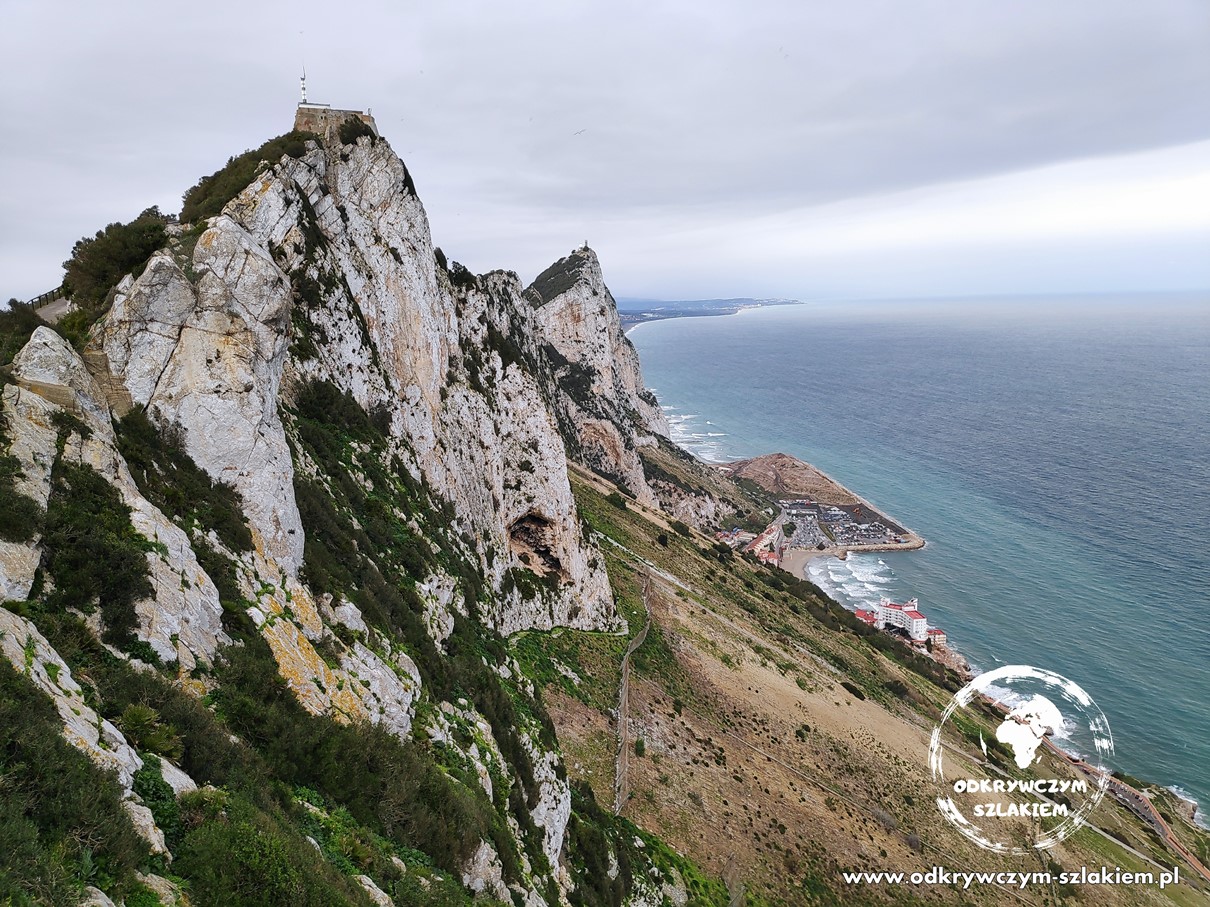
Mediterranean Steps
The Mediterranean Steps were built as part of a military communication system created by the British to give access to their various defensive posts at the southern end of the Rock. At the highest point of the steps there are two 9.2-inch guns of Lord Airey’s Battery and O’Hara’s Battery. Today it is a nature trail.
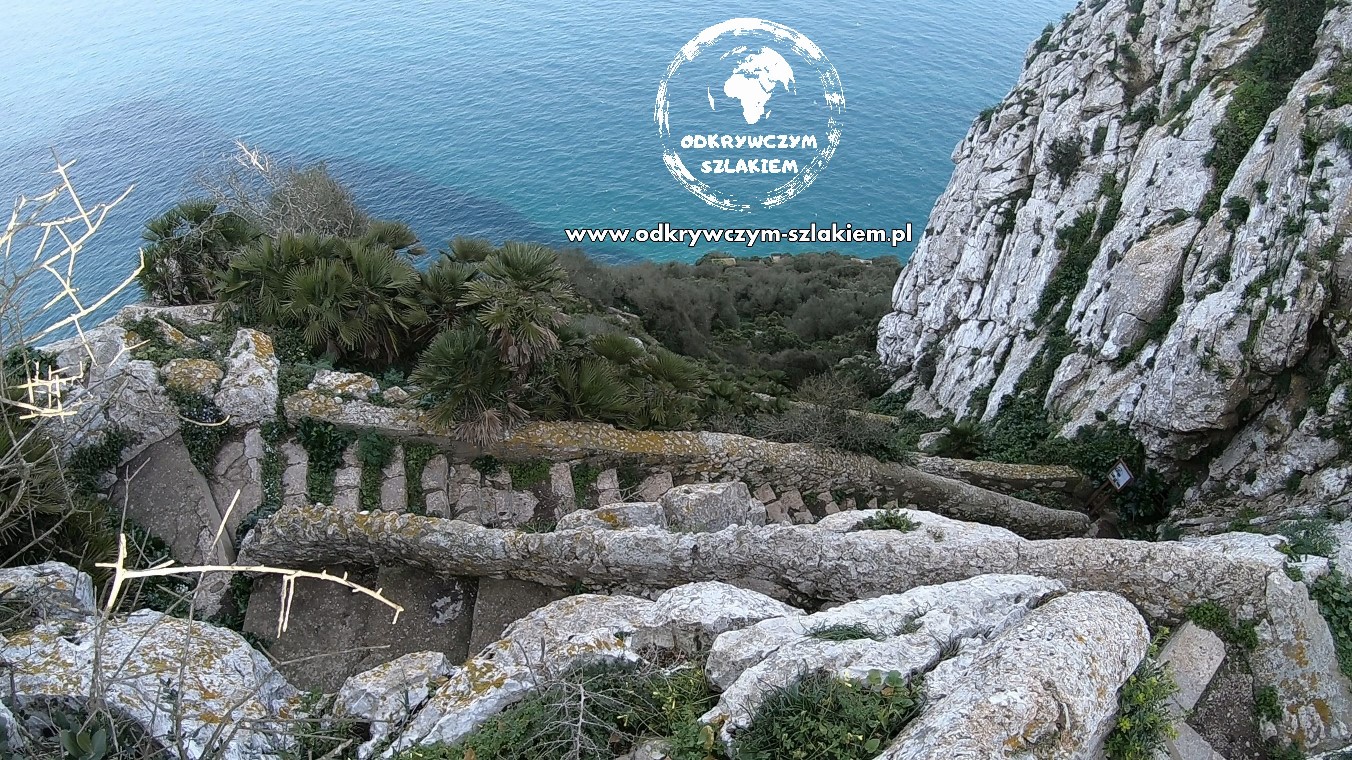
Lord Airey's Battery / O’Hara's Battery
Artillery batteries at the highest point of the Rock of Gibraltar, near the southern end of the Upper Rock Nature Reserve. There are many similar places all over the reserve.
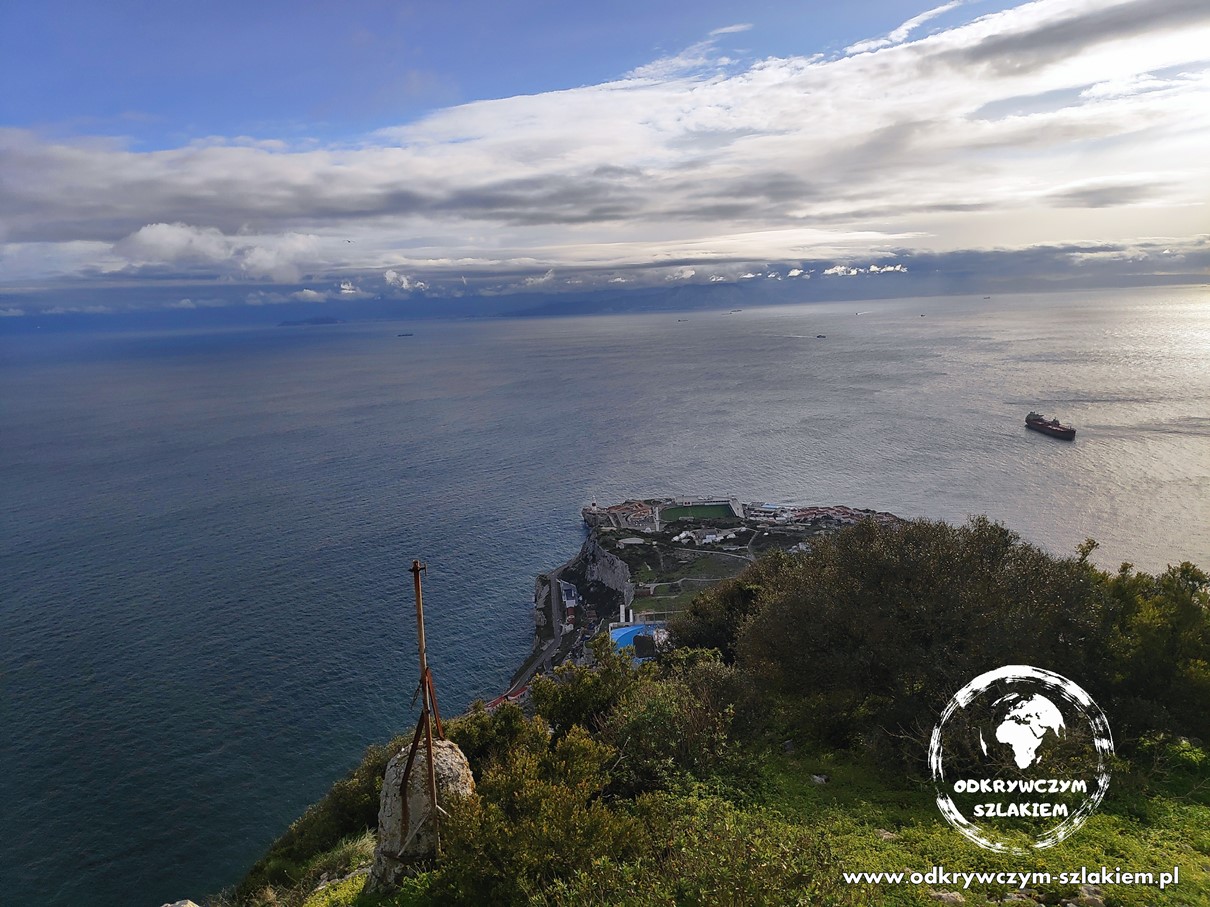
St Michael’s Cave
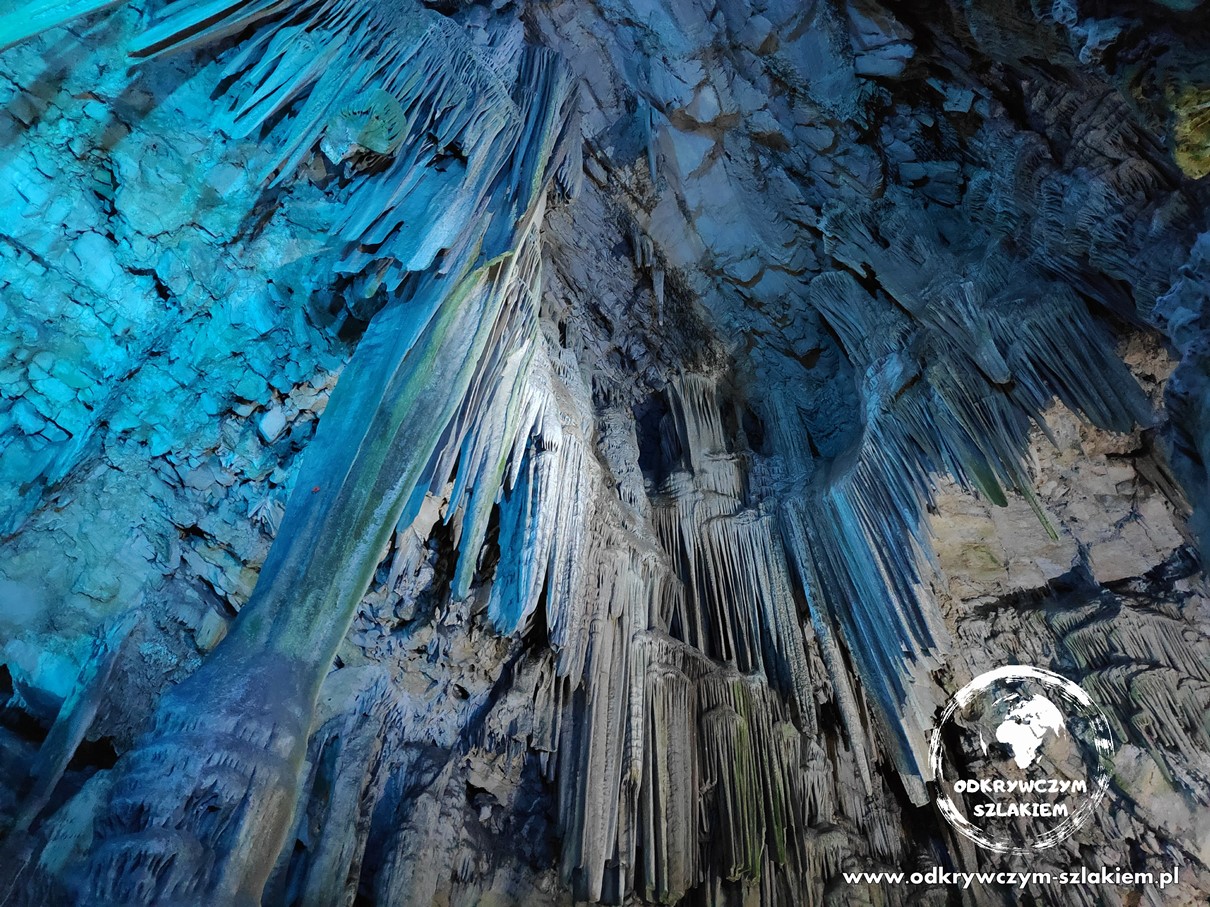
Caves with small lakes, tunnels and beautifully lit giant stalactites, columns and stalagmites. There is also a concert hall.
The Pillars of Hercules
The Pillars of Hercules – the point that marked the edge of the world known at the time.

King Fahd bin Abdulaziz Al Saud Mosque
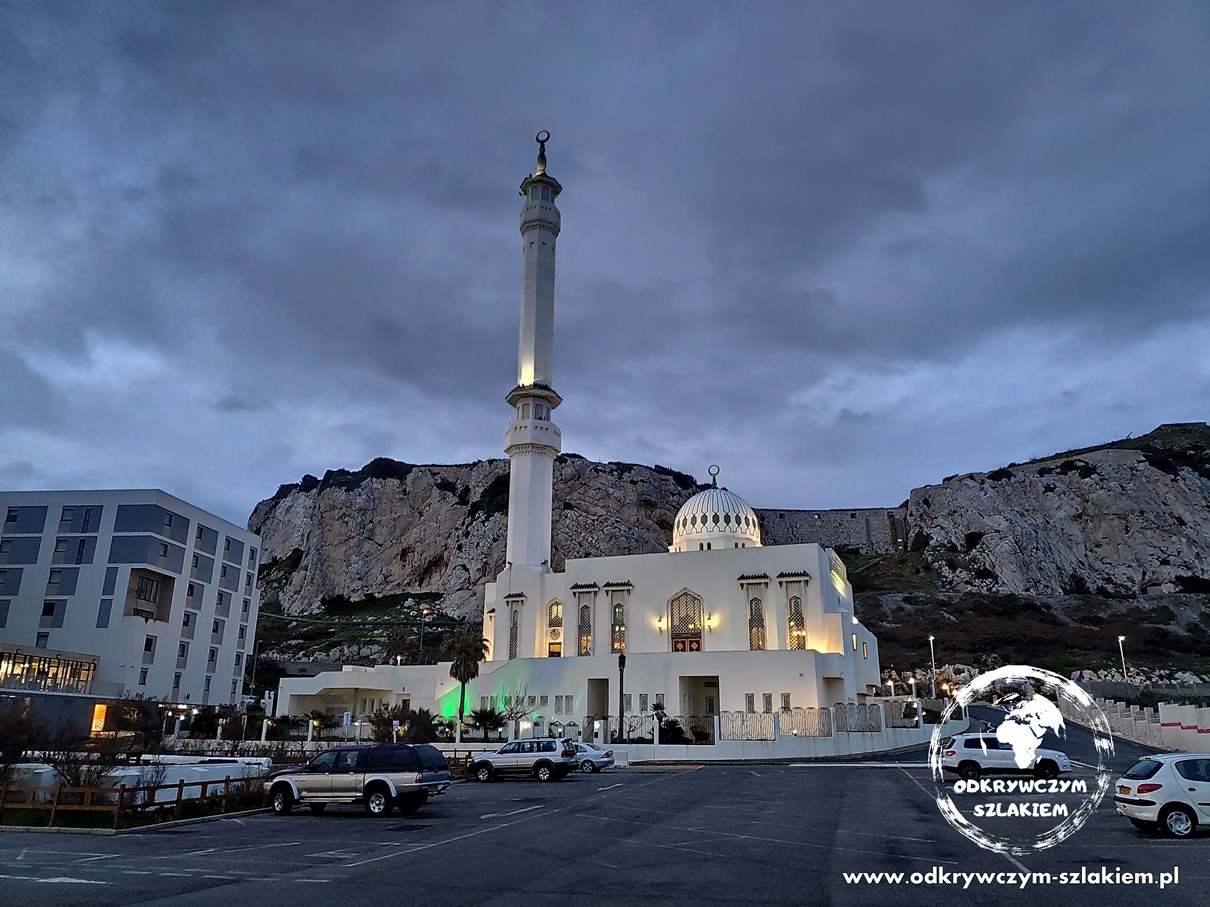
A mosque opened in 1997, a gift from King Fahd of Saudi Arabia. It stands at Europa Point.
Europa Point
The southernmost point of Gibraltar. It’s often wrongly thought to be the southernmost point of Europe as a whole, but it isn’t (that’s Punta Marroquí in Spain).
Sikorski Memorial
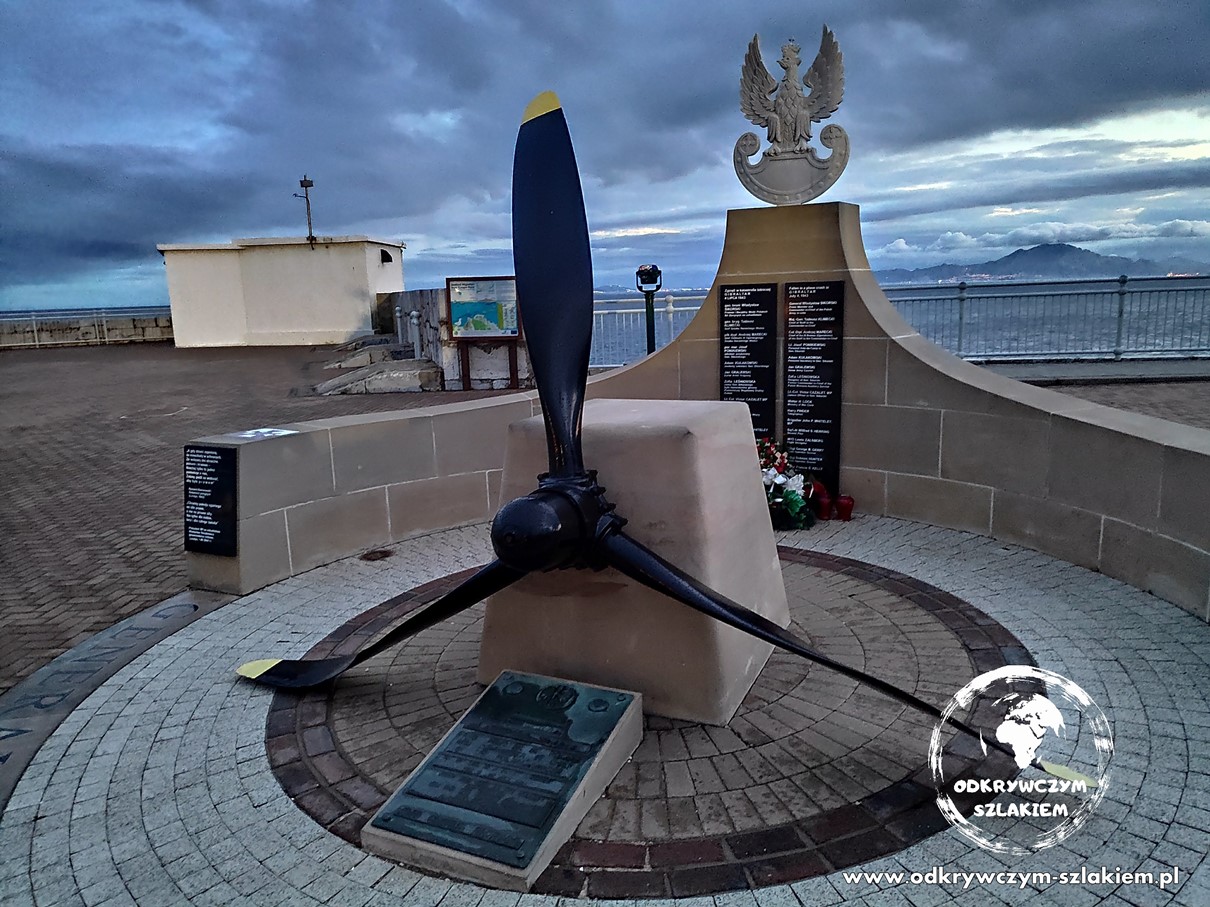
At Europa Point there is a memorial to General Władysław Sikorski, Poland’s wartime Prime Minister and Commander-in-Chief, and to the people who died with him in the plane crash in Gibraltar on 4 July 1943, shortly after take-off.
You’ll find Visit Gibraltar‘s Polish-language guide to all the attractions here. This post only describes the ones we saw ourselves.
Practical information:
- Gibraltar is easy to explore on foot.
- If you arrive early in the morning, you can see the most important places in one day.
- Higher up, watch out for the monkeys, which steal more than just food.
- It’s best to leave your car before crossing the border (in Spain).
- Traffic in Gibraltar drives on the right.
- It’s best to change money into pounds beforehand.
- Bring your passport.
- The attractions that give the biggest adrenaline rush, especially if you’re afraid of heights, are the walk across the Windsor Bridge and the beautiful views from the Skywalk.
Parking
Before our trip I read online that you can park for free along Av. Príncipe de Asturias (e.g. by Burger King and McDonald’s), right in front of the border. This information is out of date, because it’s now a paid parking zone (blue lines). If you want to see where we parked for free, look at the map below (C. Montserrat street). We had to walk a bit, but it was worth it.