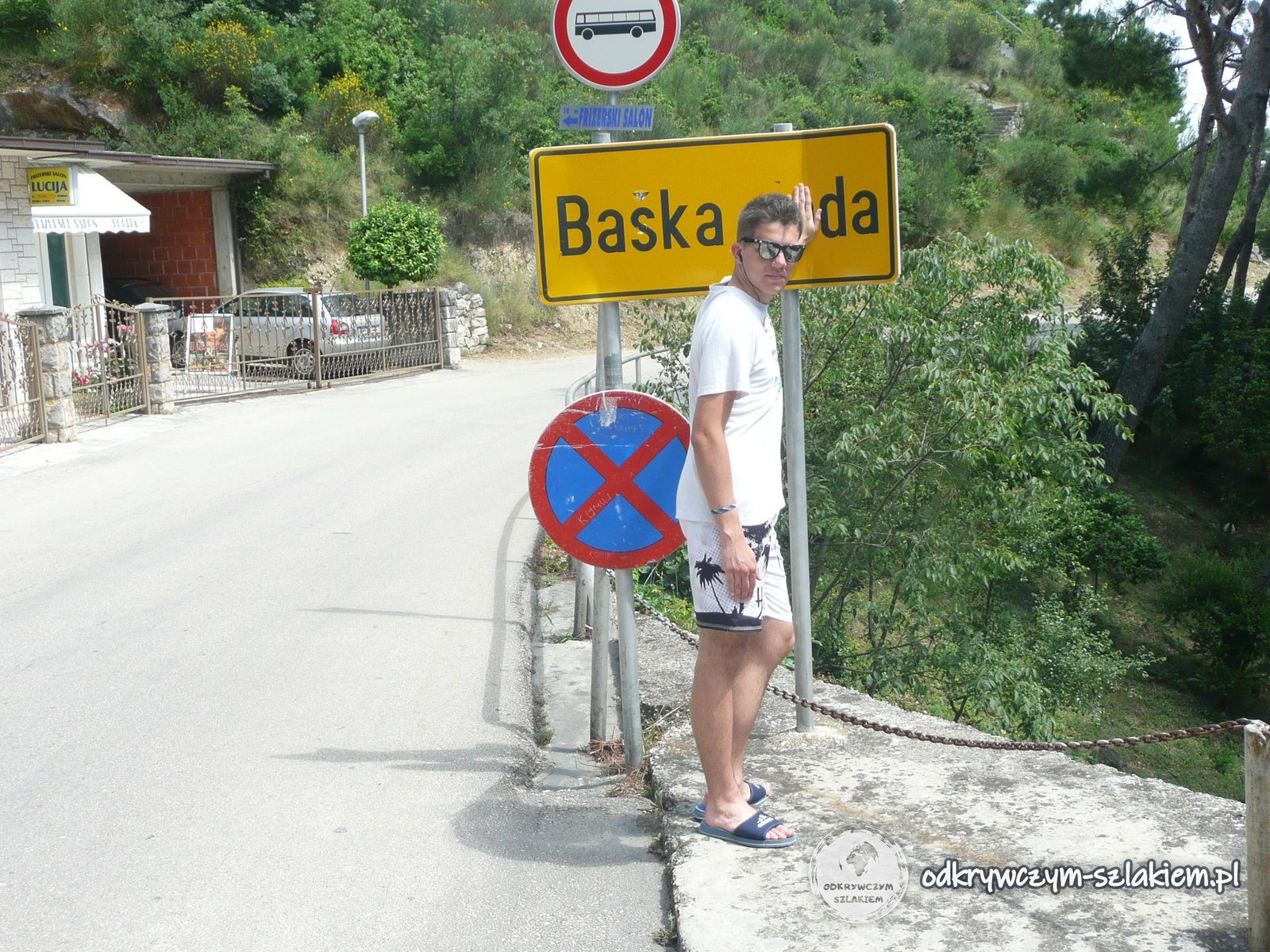
In June 2012 I went with my parents on a coach tour from Poland to Croatia. We left Warsaw during Euro 2012 and stayed in Baška Voda on the Makarska Riviera. From there we went on trips to Dubrovnik, to Šibenik and Krka National Park, and to Split and Trogir. The post is arranged by place, with practical tips at the end.
Table of contents
- By coach from Poland to the Adriatic
- Baška Voda – our base on the Makarska Riviera
- The Neretva delta and the walls of Ston
- Dubrovnik
- Šibenik – St James’s Cathedral
- Krka National Park
- Split – Diocletian’s Palace
- Trogir
- Practical information
By coach from Poland to the Adriatic
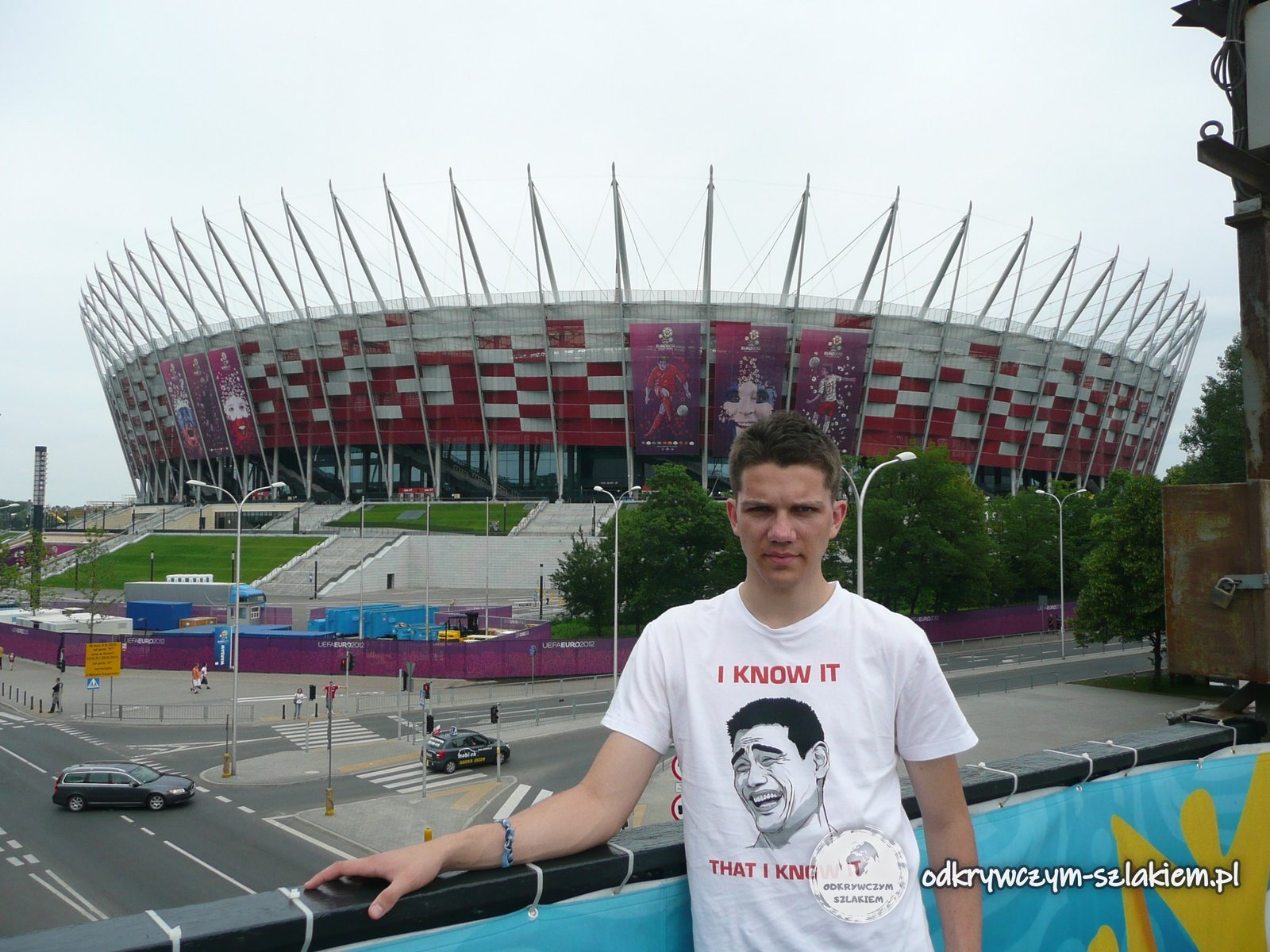
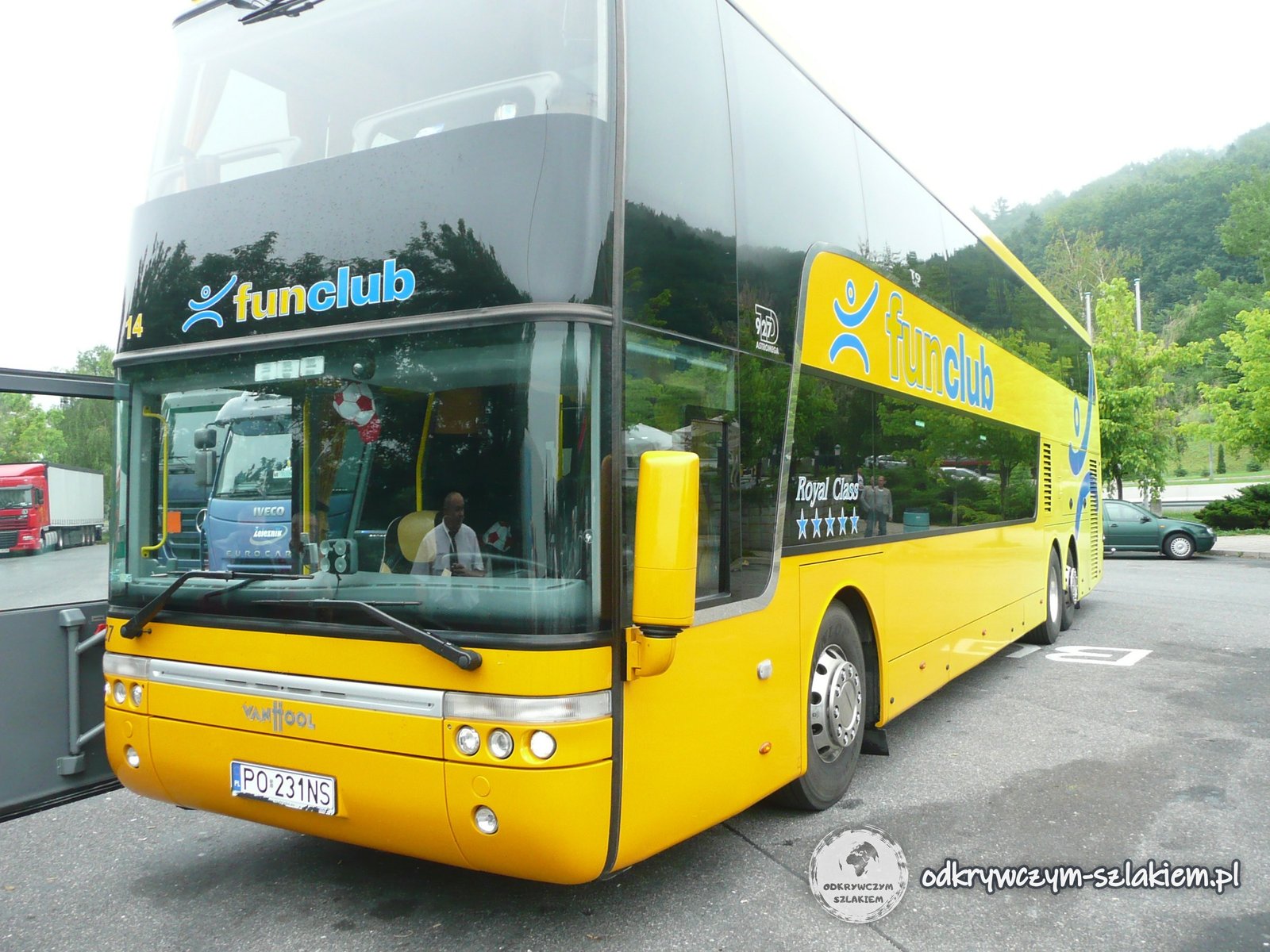
The tour began in Warsaw on 9 June 2012, the day after Euro 2012 opened – before we left I still managed to see the National Stadium decked out for the tournament. Then came the tour company’s double-decker coach and a night drive south.
The next afternoon we caught our first sight of the Adriatic from the coastal road – a rocky shore and turquoise water.

Baška Voda – our base on the Makarska Riviera
We stayed in Baška Voda, a small town on the Makarska Riviera between Split and Makarska. Long pebble beaches with clear, turquoise water stretch below the steep Biokovo massif, whose highest peak, Sveti Jure, is 1,762 m high.
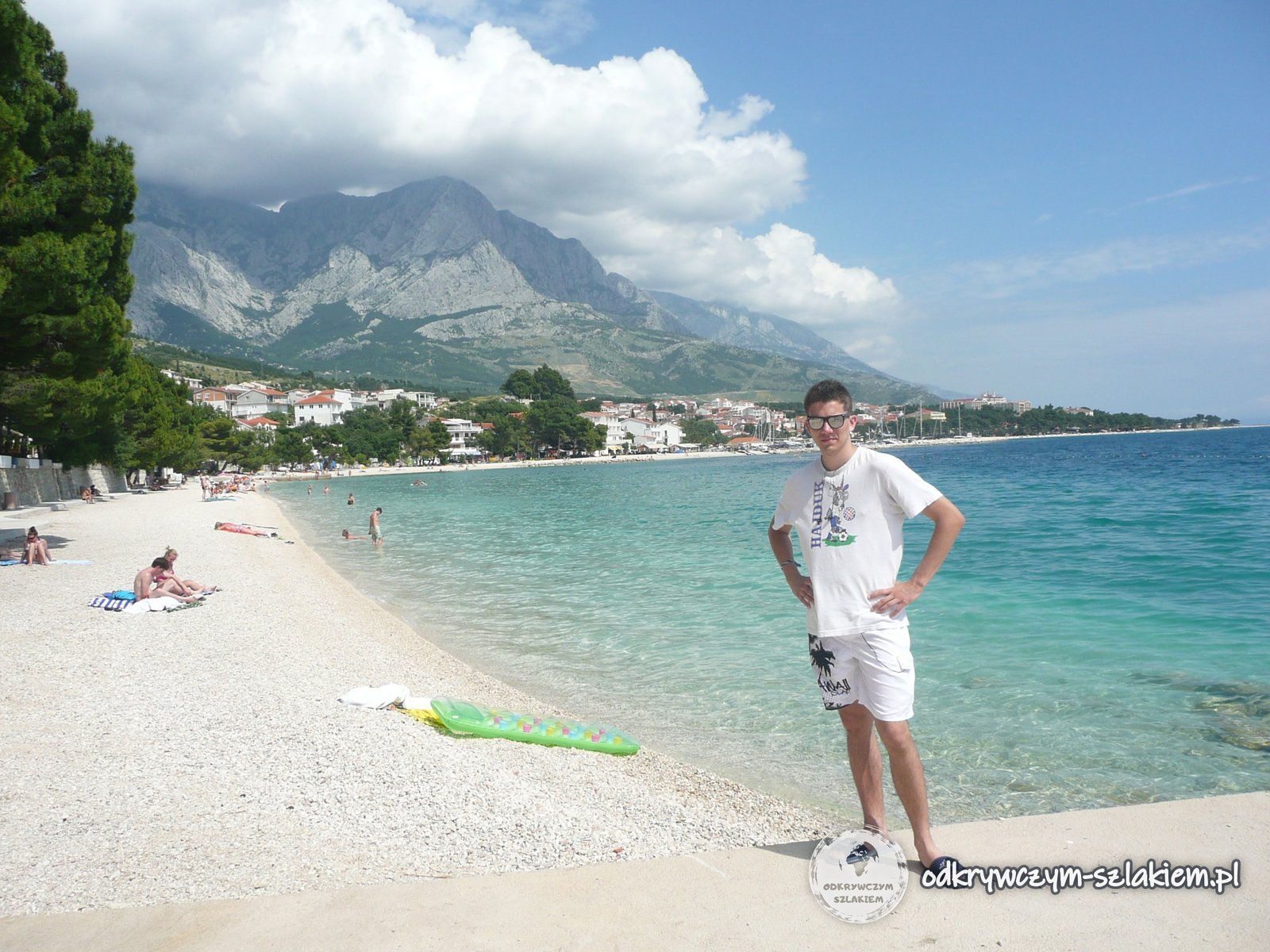
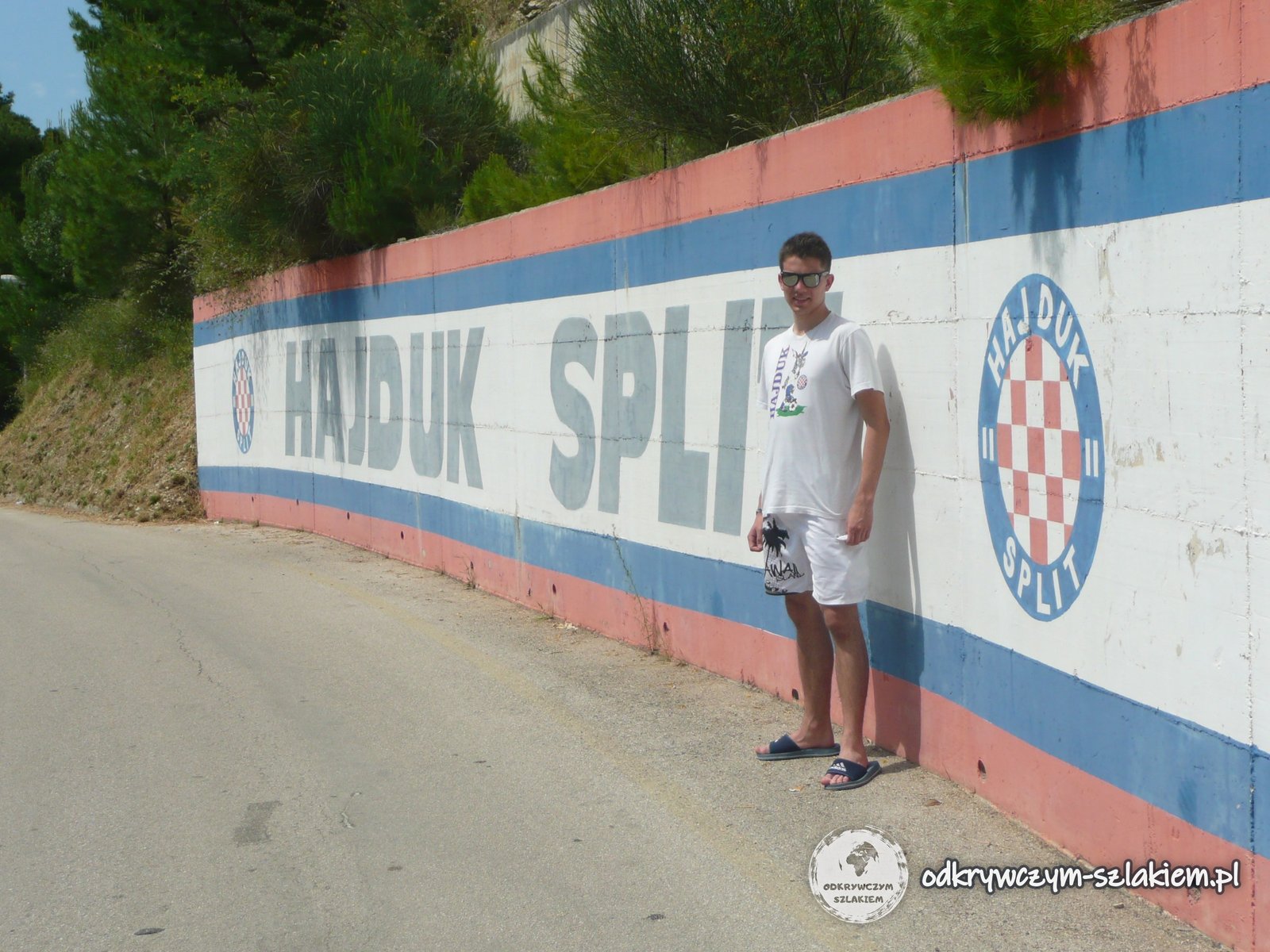
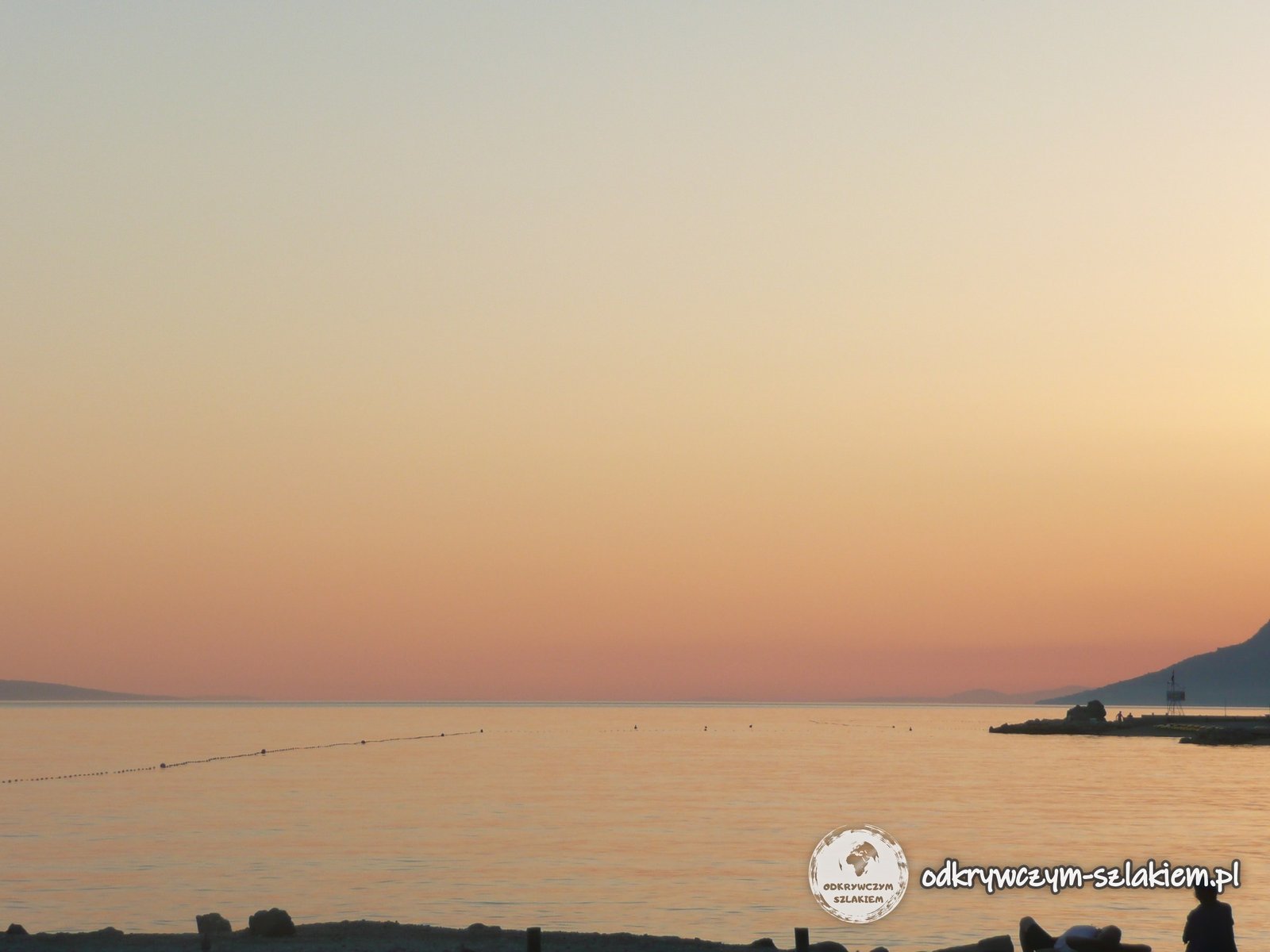
The walls along the road are painted in the colours of Hajduk Split, Dalmatia’s most popular football club. We spent the evenings on the promenade and by the sea.
The Neretva delta and the walls of Ston
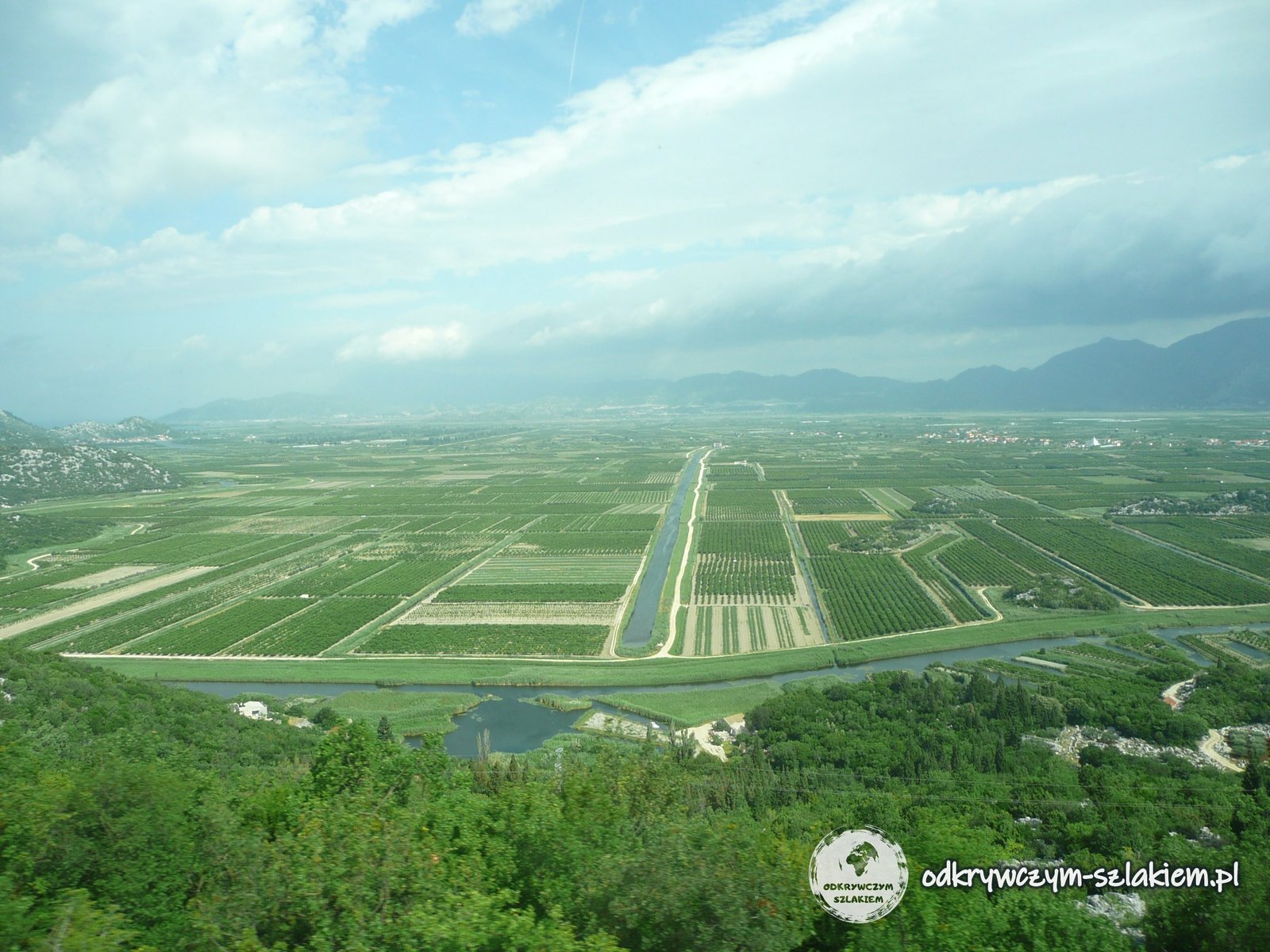
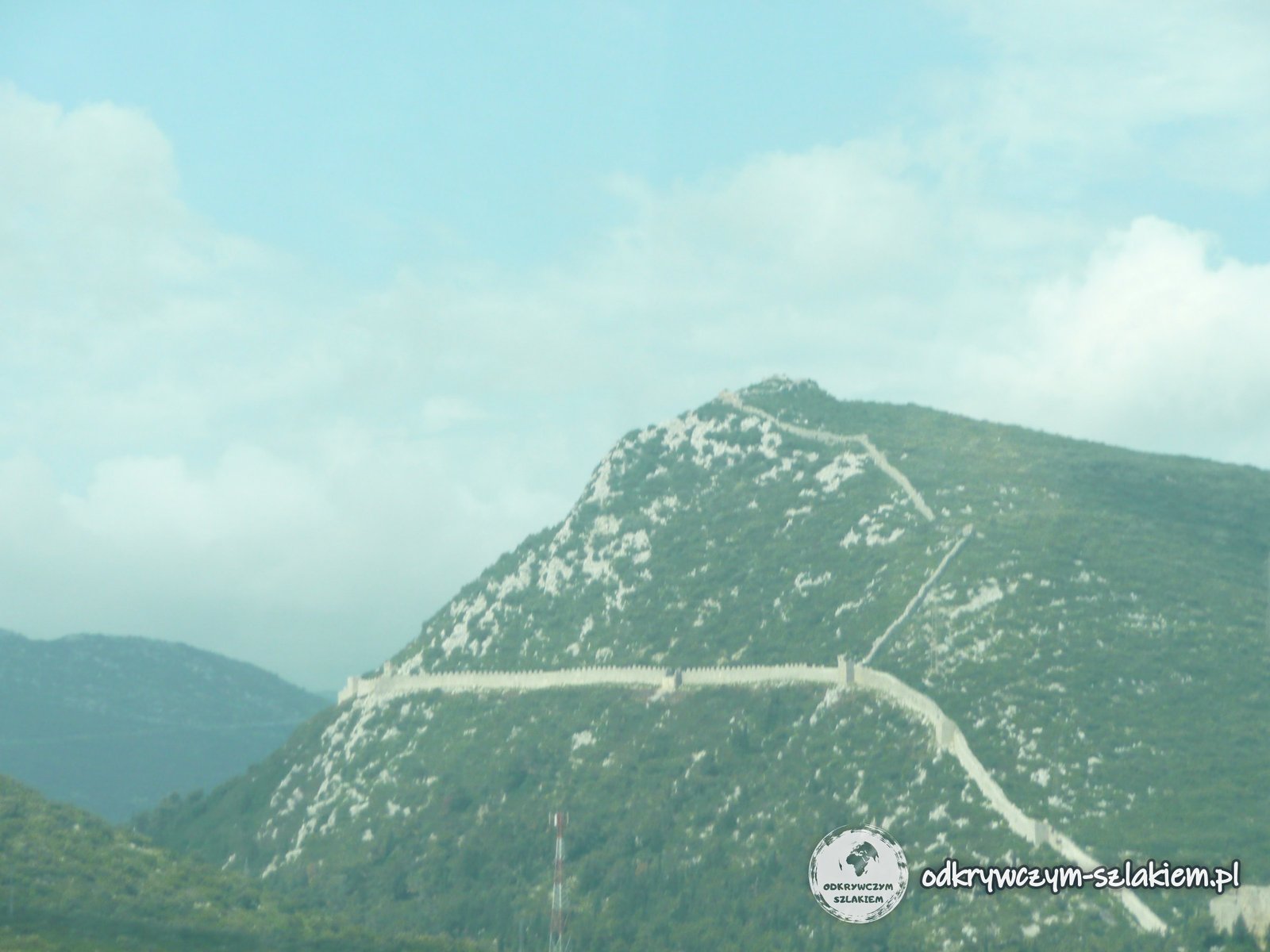
On the way to Dubrovnik you cross the Neretva delta – a flat valley criss-crossed by canals where, among other things, mandarins are grown. Further on, at the entrance to the Pelješac peninsula, you can see the walls of Ston – medieval fortifications of the Republic of Ragusa that run along the hilltops and are among the longest defensive walls in Europe.
Dubrovnik
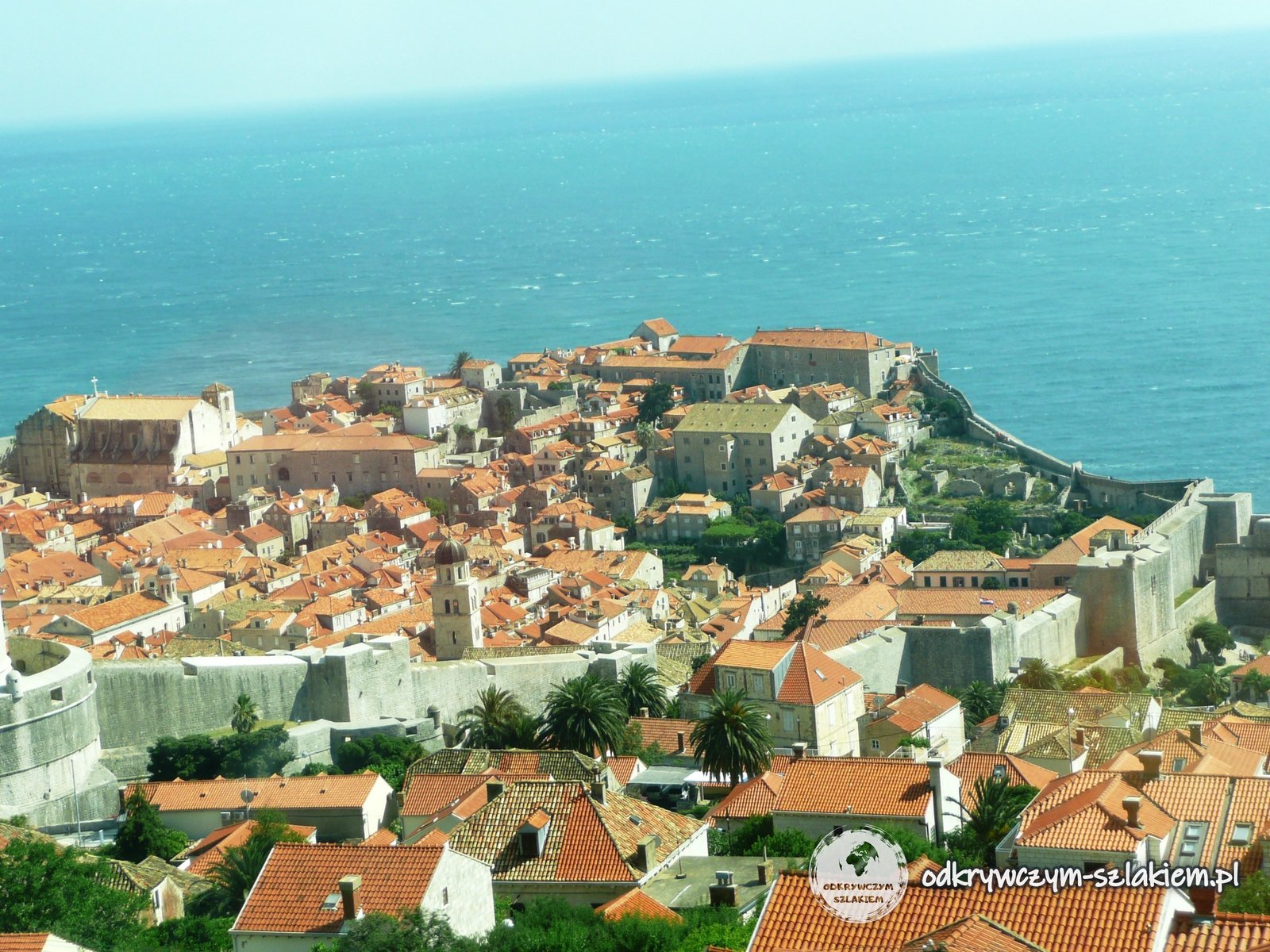
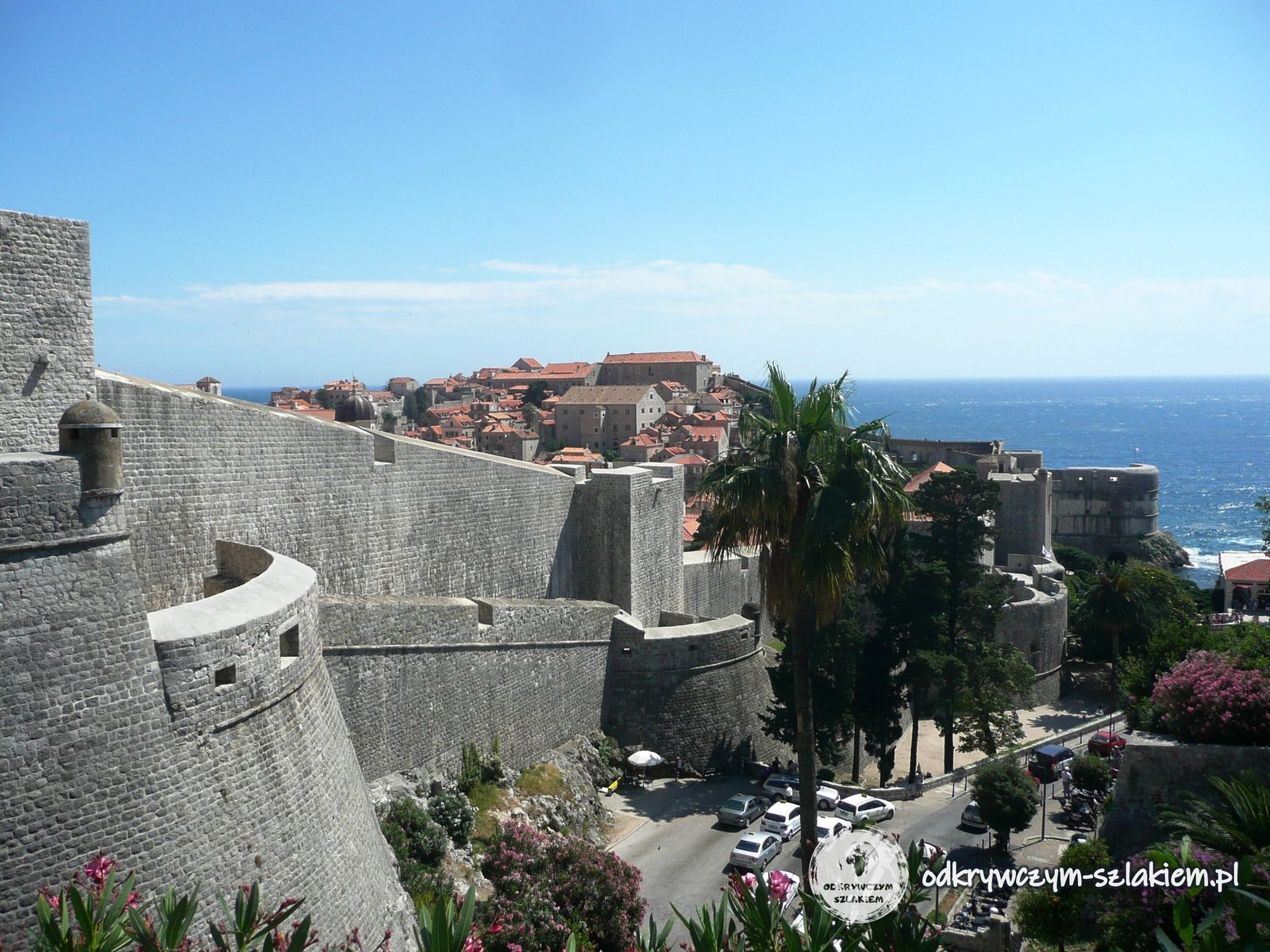
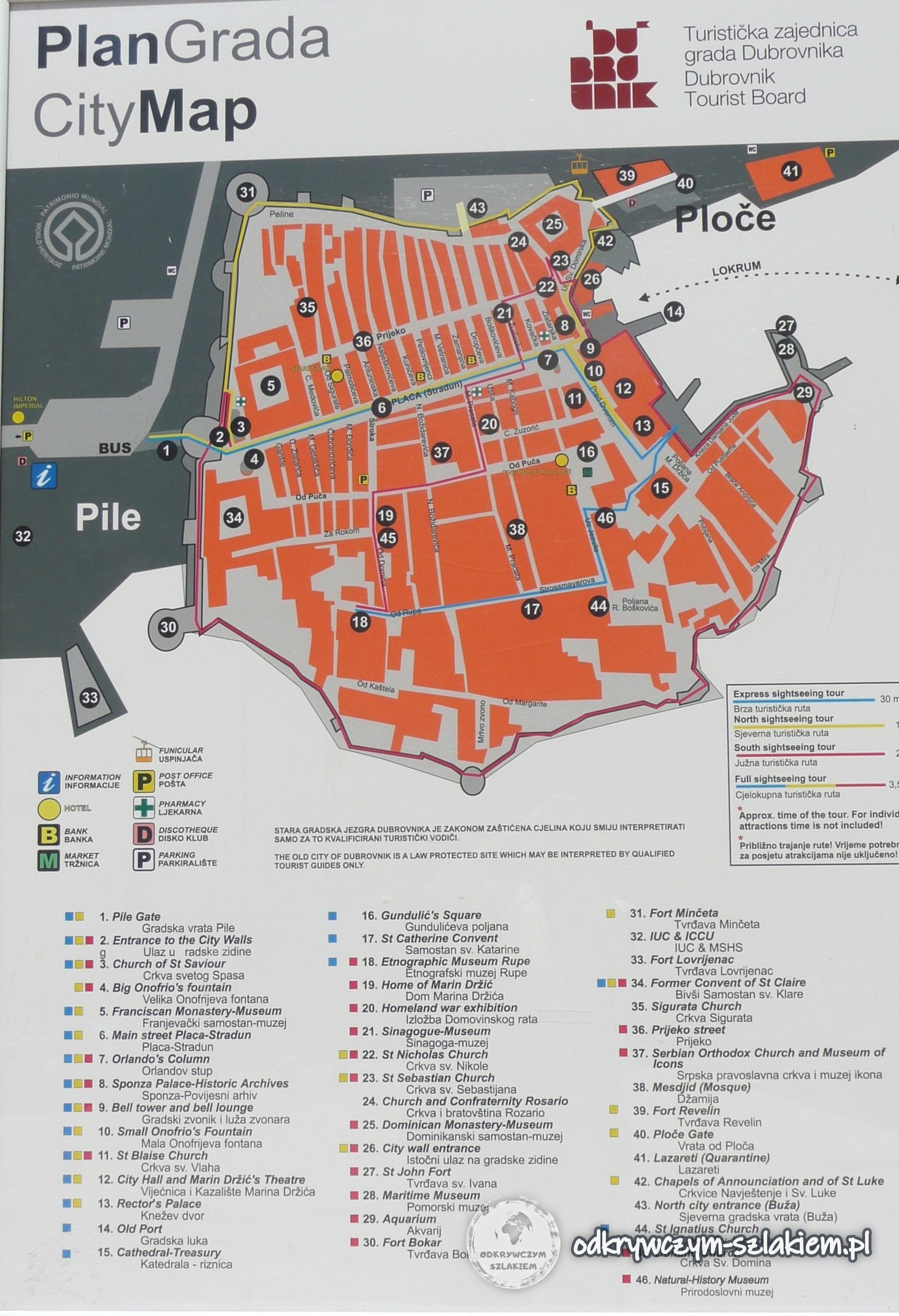
Dubrovnik was the capital of the former Republic of Ragusa, and its Old Town has been on the UNESCO list since 1979. It is entirely surrounded by walls almost 2 km long. You enter through the Pile Gate. Just inside stand the 15th-century Large Onofrio Fountain and the Franciscan monastery with one of the oldest still-working pharmacies in Europe. From there the main street, the Stradun, leads to Luža Square with Orlando’s Column, the Sponza Palace and the church of St Blaise, the city’s patron. Next to it is the Rector’s Palace, the seat of the republic’s former government, and behind it the cathedral and the old harbour.
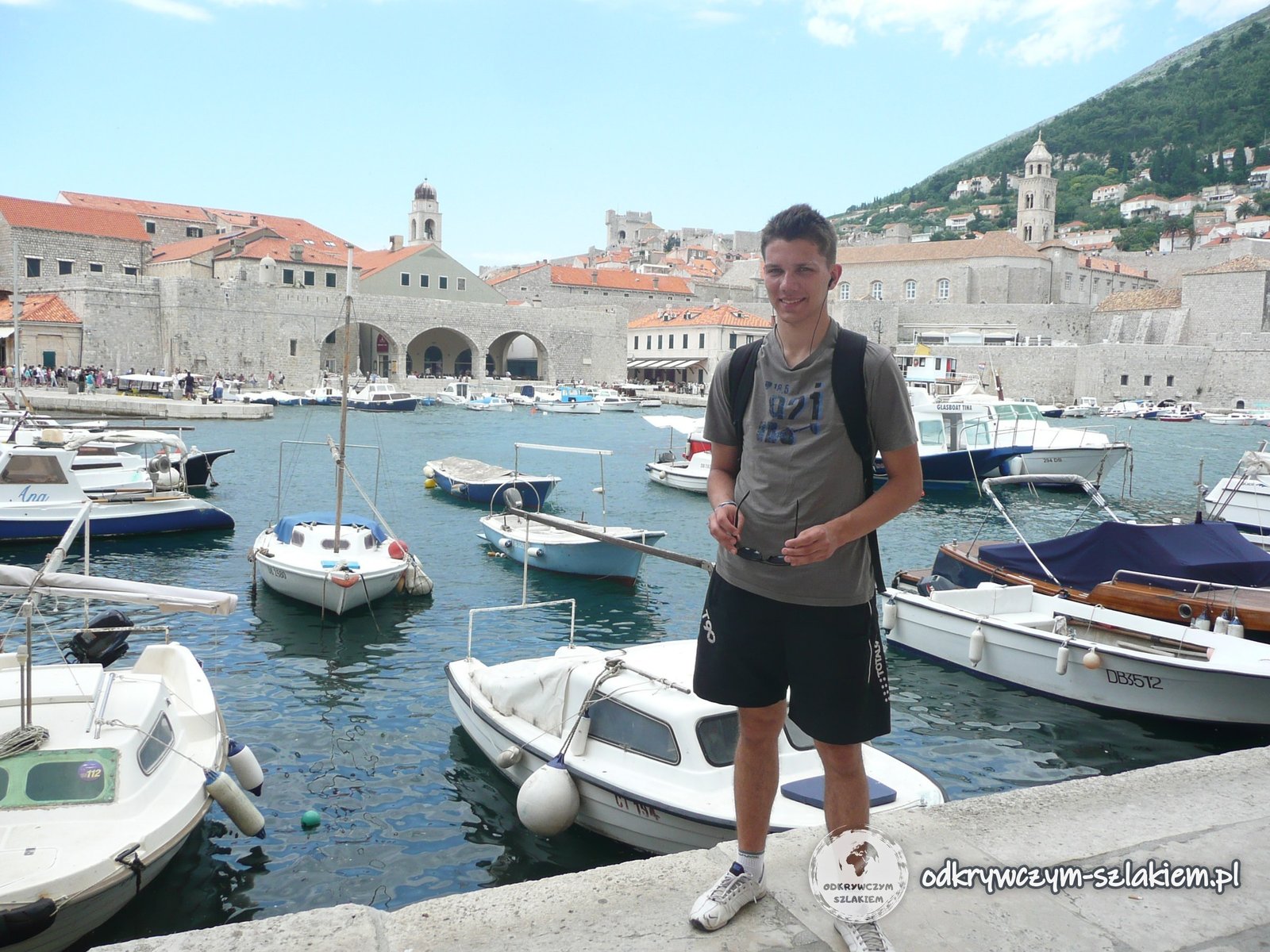
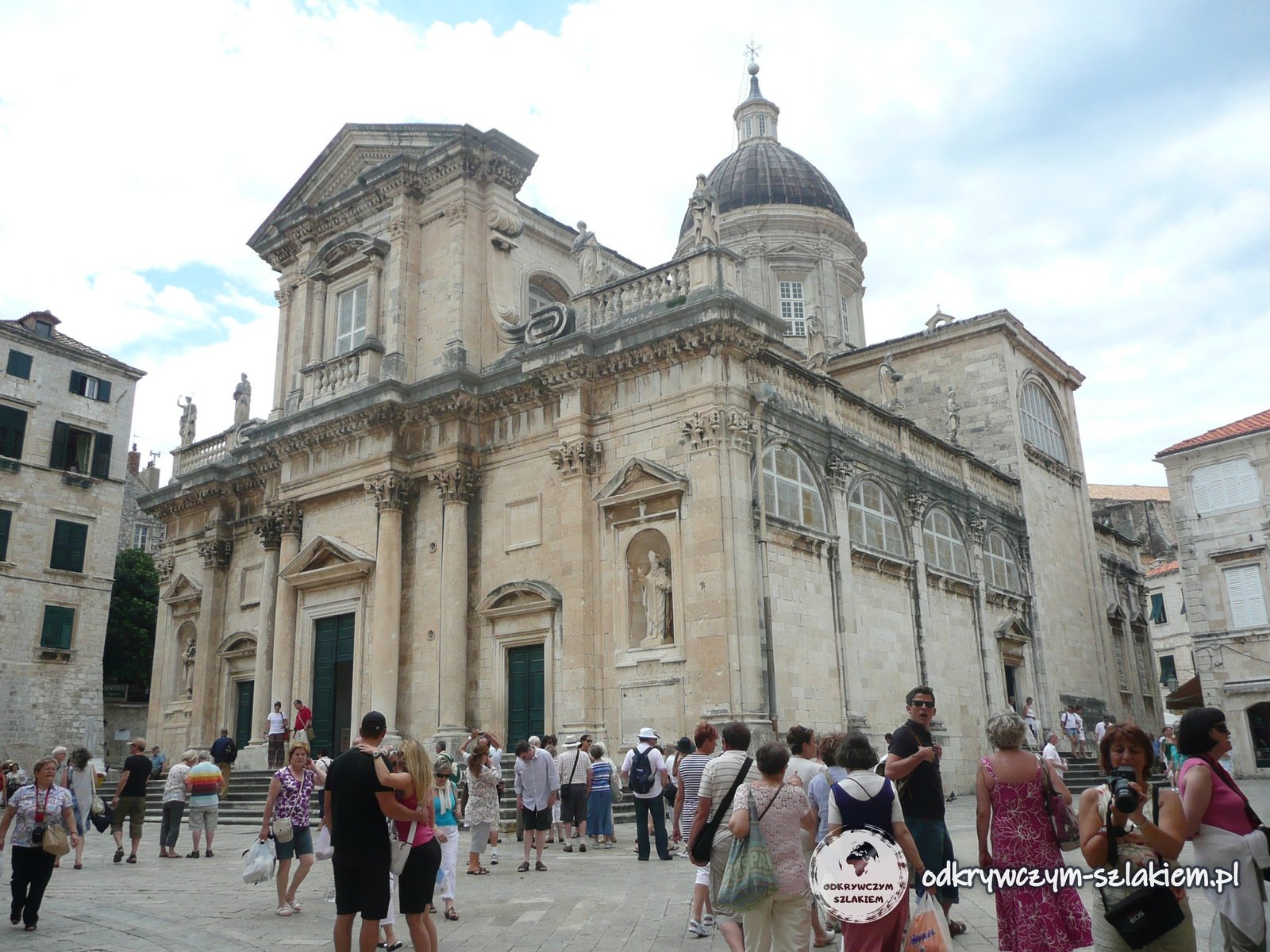
By Luža Square stands the Baroque Cathedral of the Assumption with its treasury, and next to the Rector’s Palace you come out onto the old harbour, with a view of the walls from the sea side.

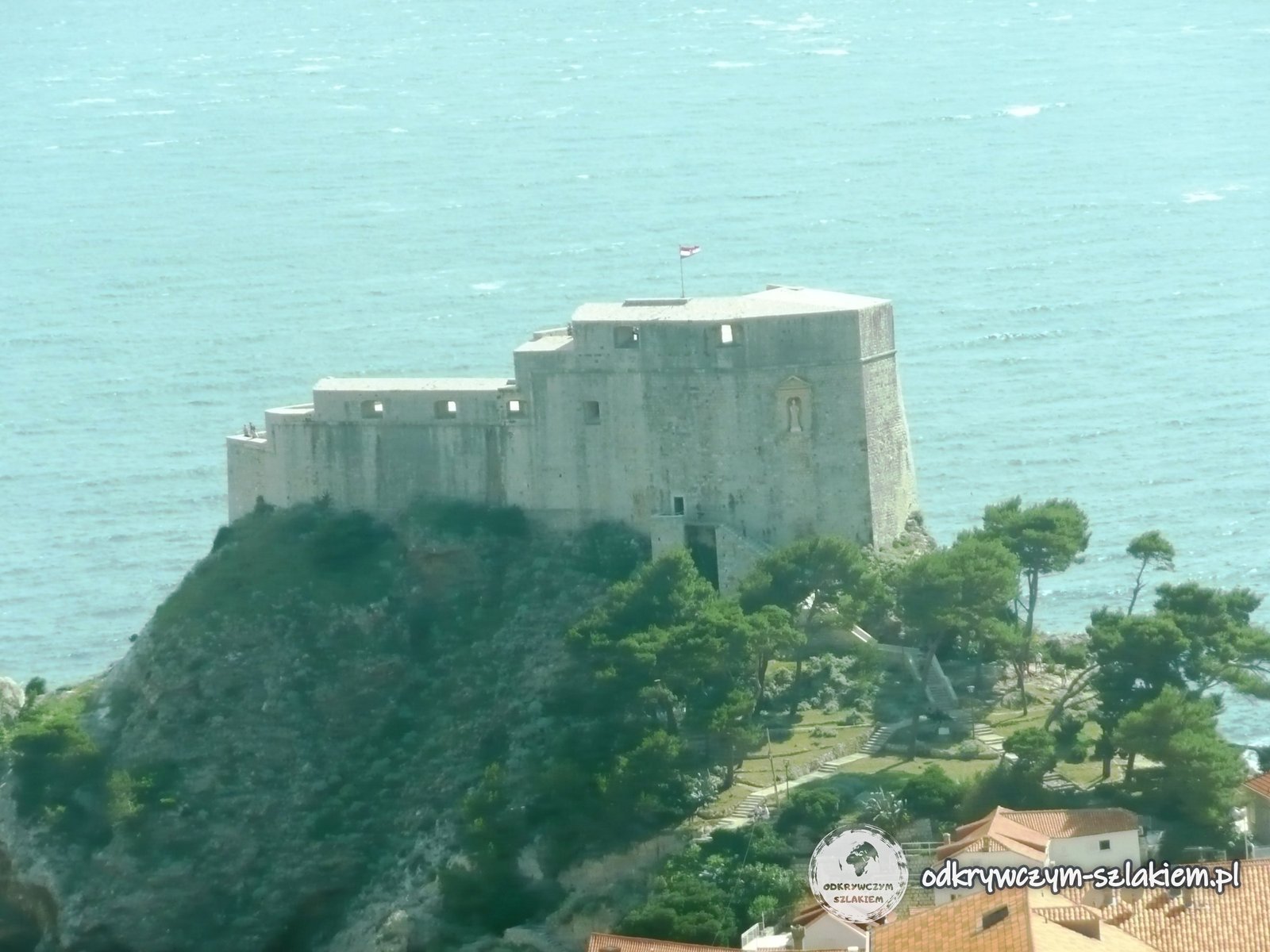
Outside the walls, on a rock about 37 m high, stands Fort Lovrijenac, which guarded the city from both the sea and the land. The highest point of the walls is the round Minčeta Tower, and boats run from the old harbour to the island of Lokrum.
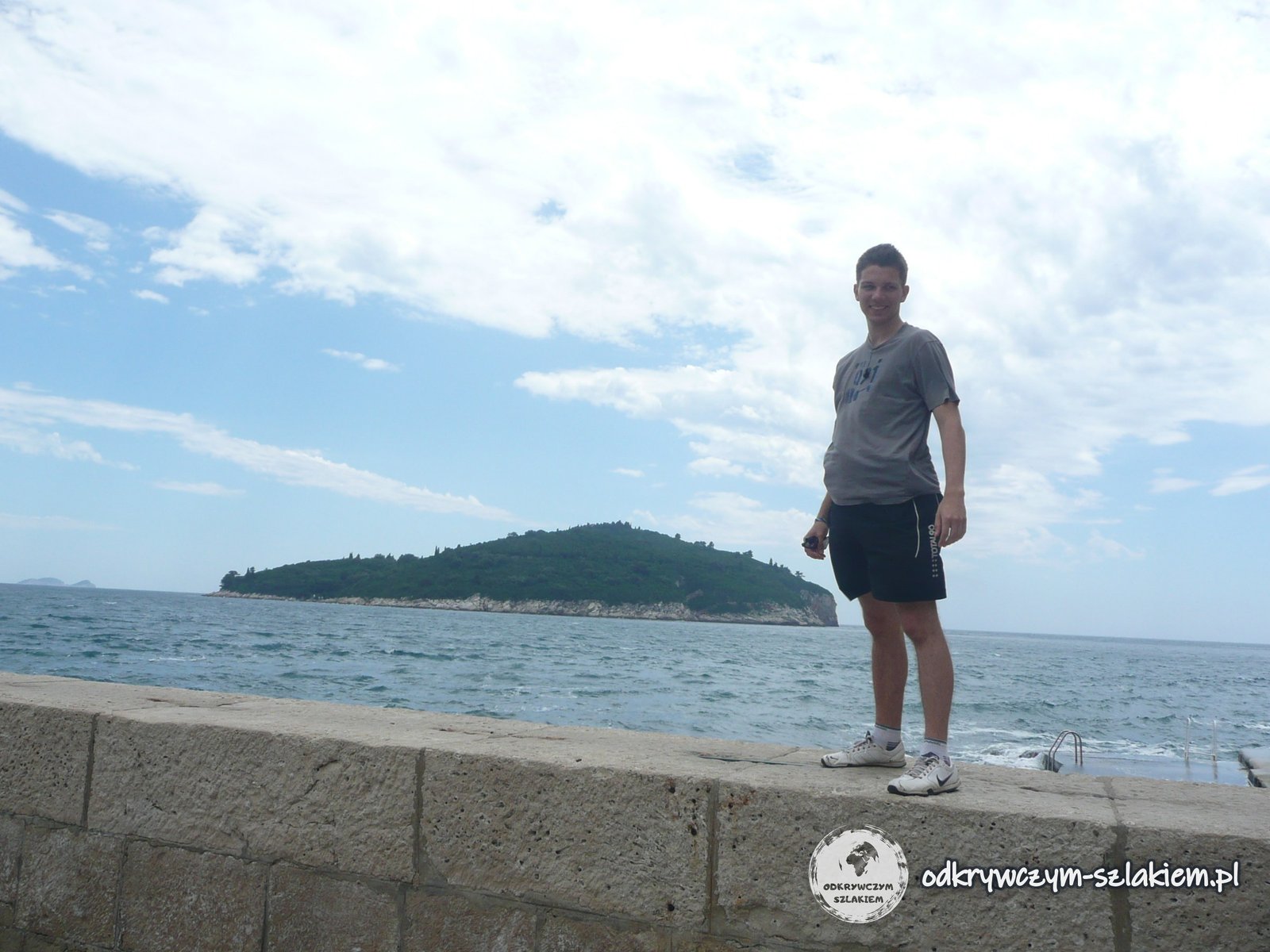
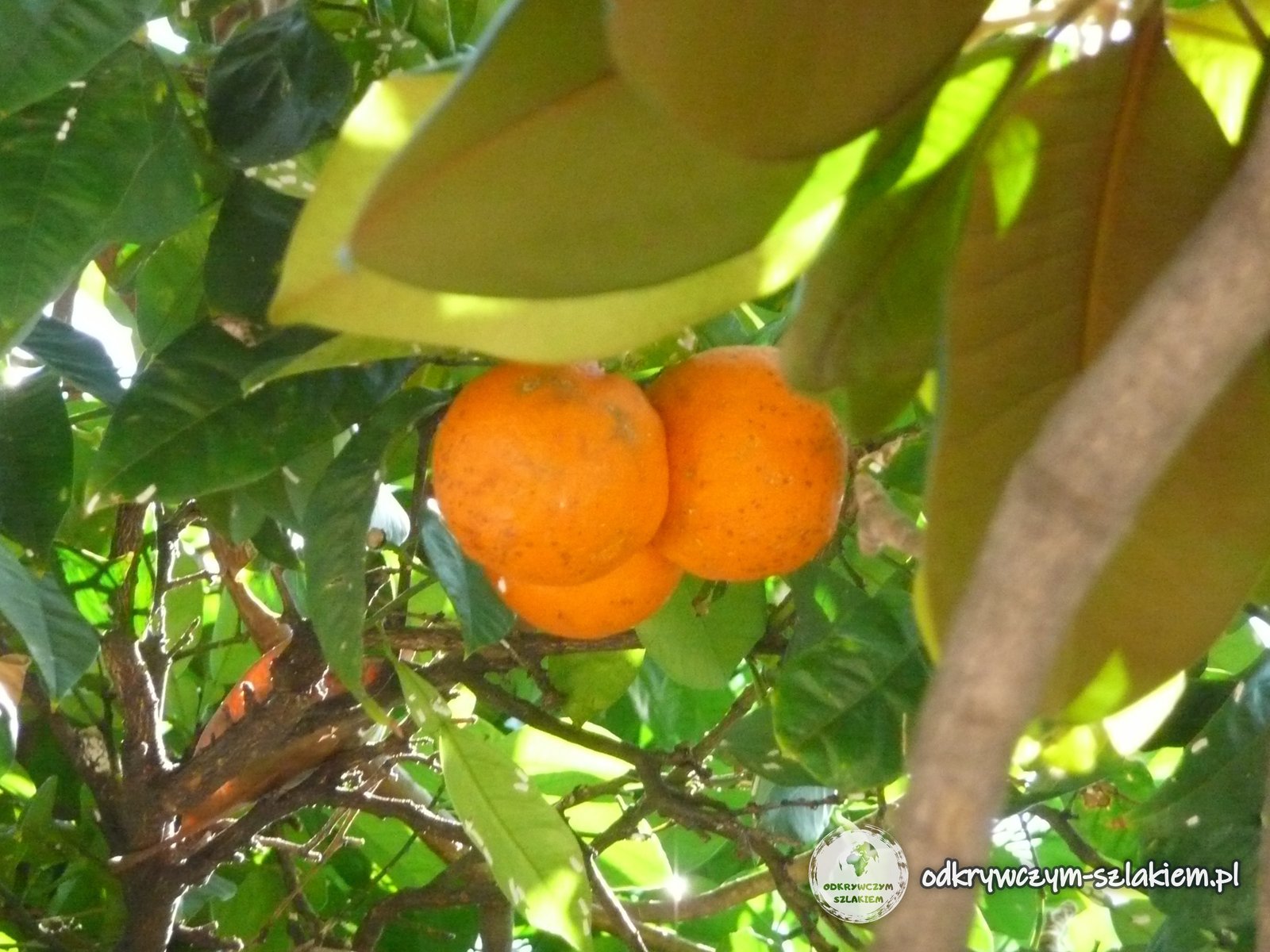
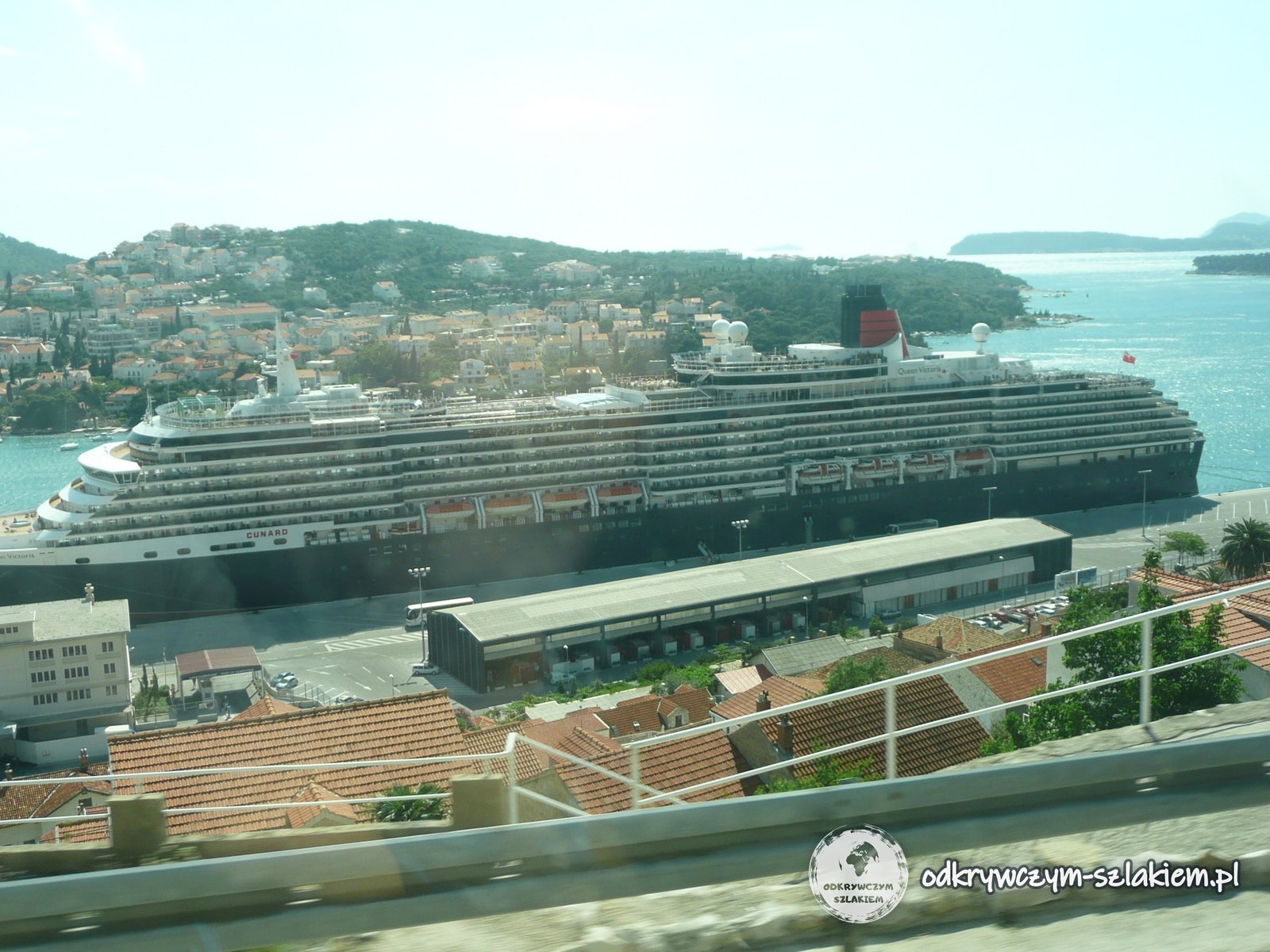
The finest view of the whole Old Town is from above – from the road above the city you can see the red roofs ringed by walls and the sea all around. Mandarin and orange trees grow by the walls, and huge cruise ships moor in Gruž harbour.
Šibenik – St James’s Cathedral
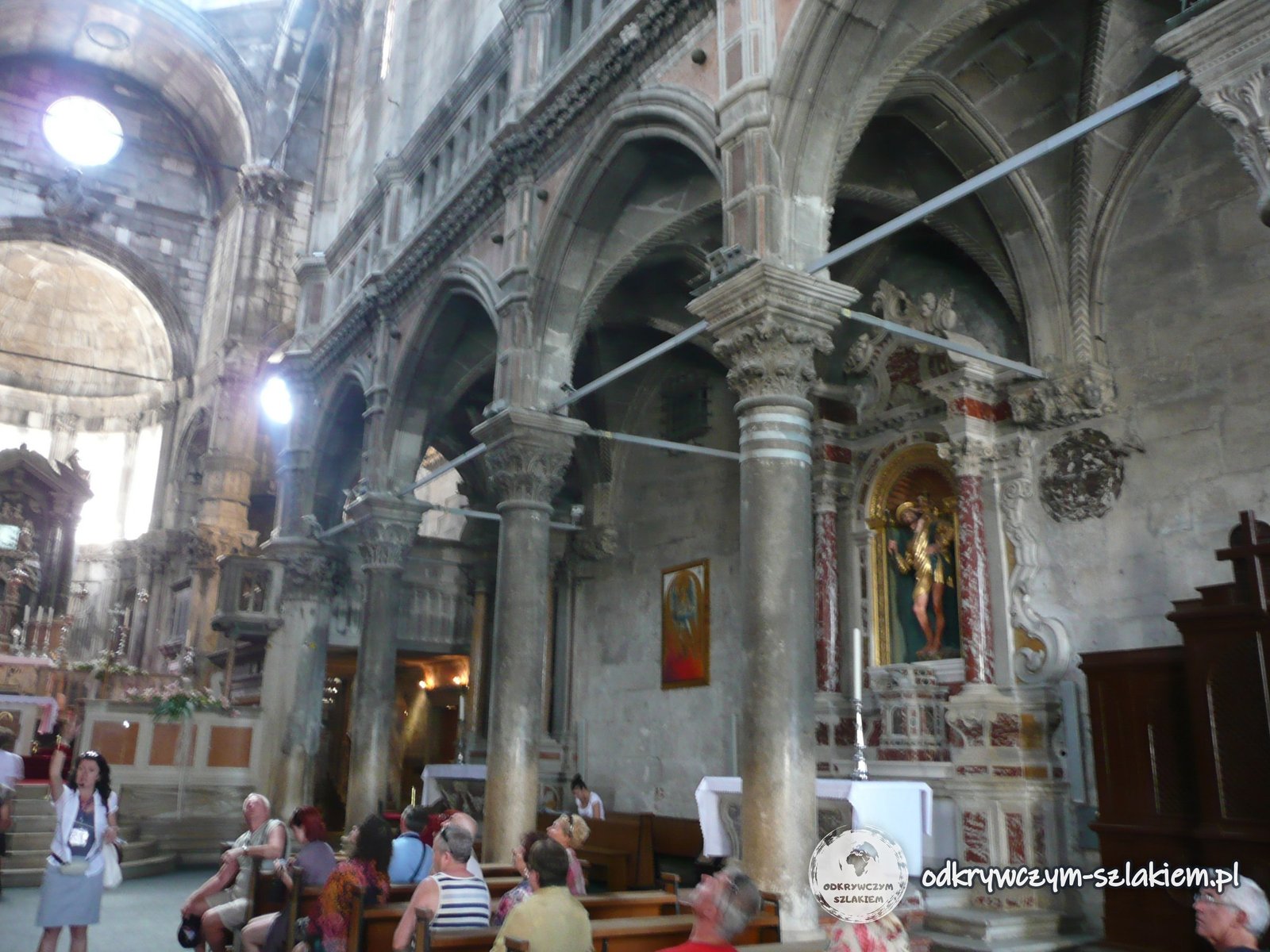
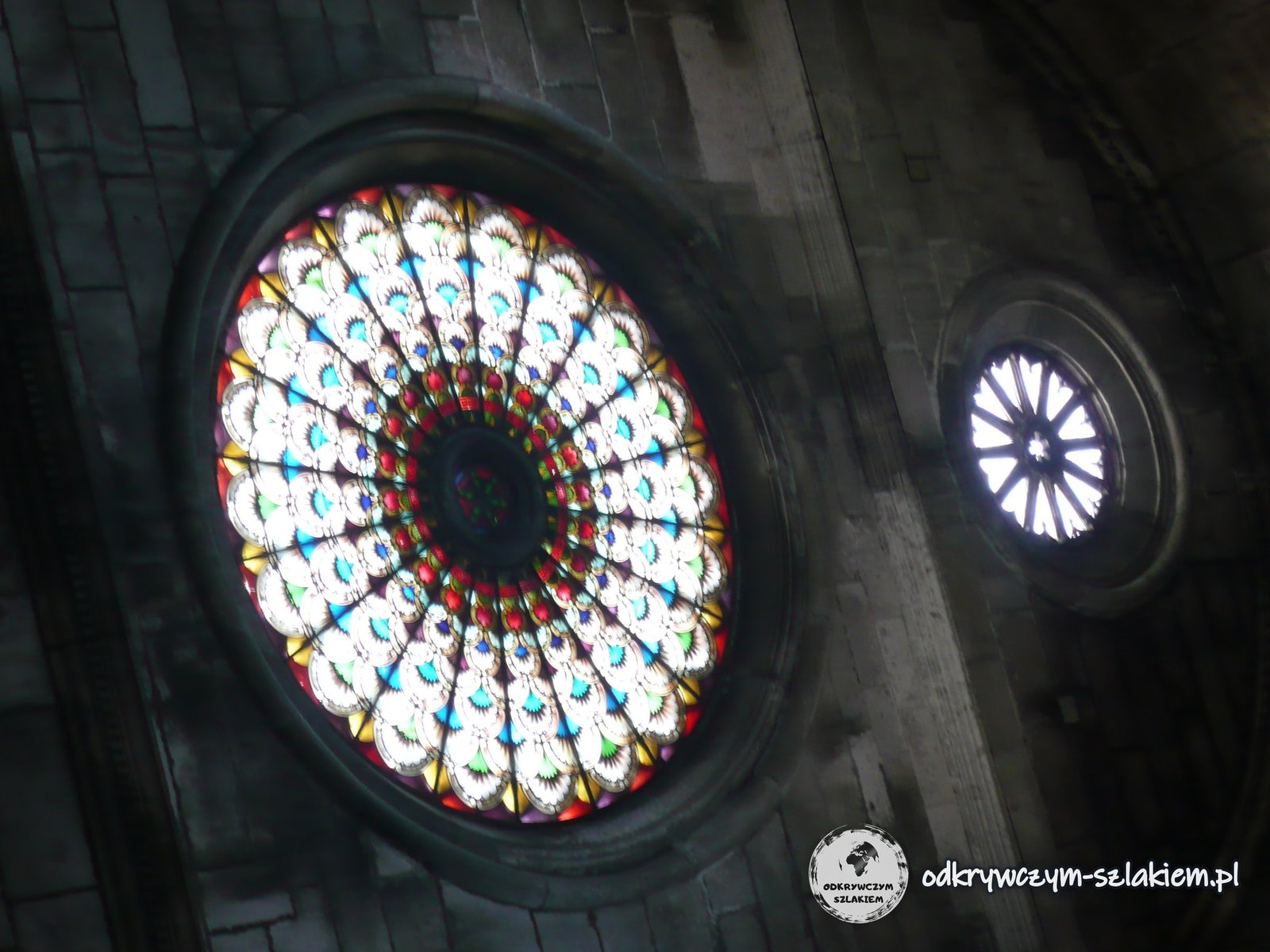
In Šibenik we visited St James’s Cathedral, built in 1431–1536 and listed by UNESCO. It is unusual because it was built entirely of stone – the vault and the dome too. Much of it was designed by Juraj Dalmatinac, and the outer wall of the apse carries a frieze of dozens of stone heads.
Krka National Park
The same day we went to Krka National Park. Its main attraction is Skradinski buk – a series of limestone steps down which the river cascades into a wide pool. Wooden boardwalks run along the water, and old watermills stand by the path.
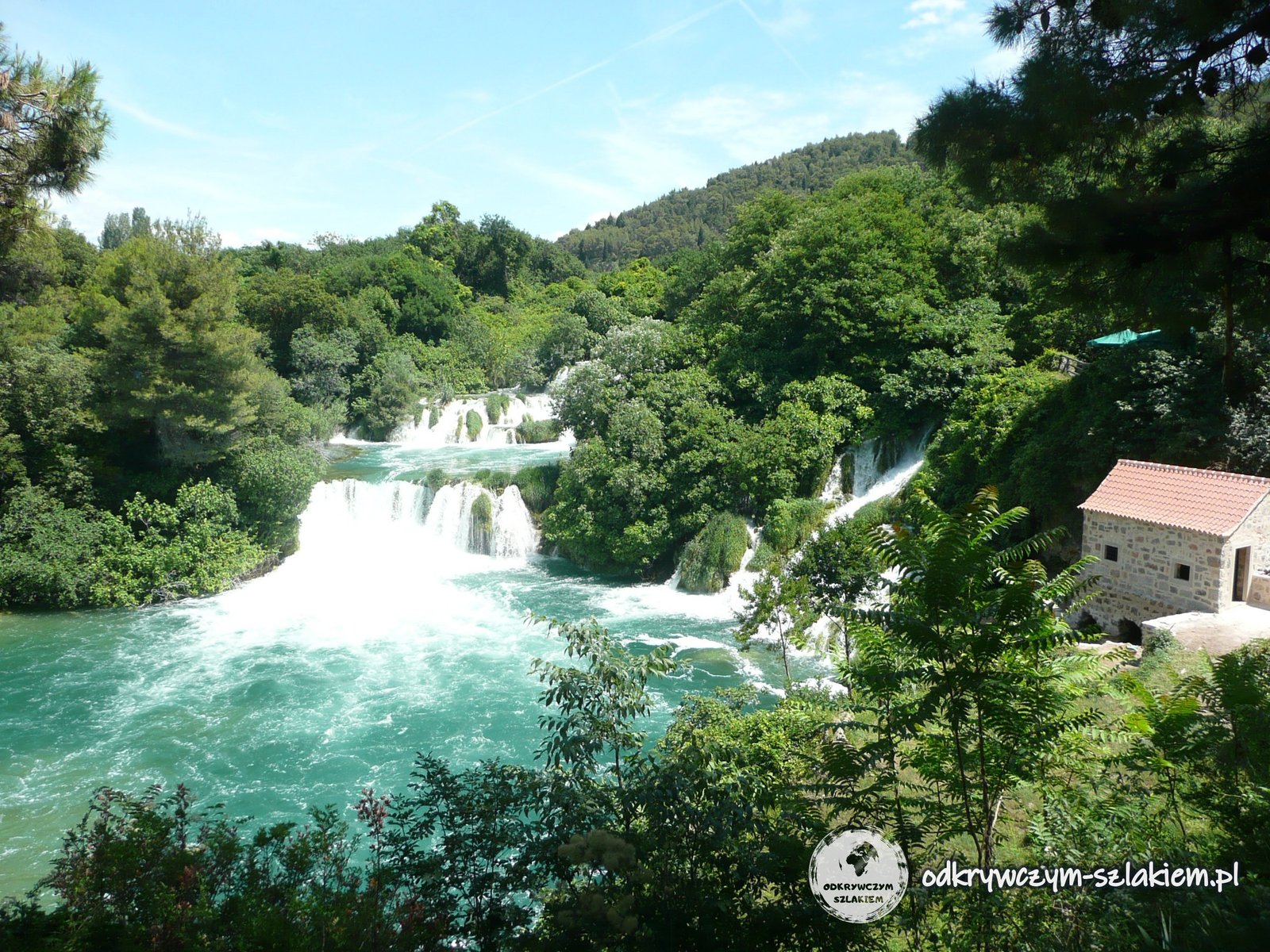
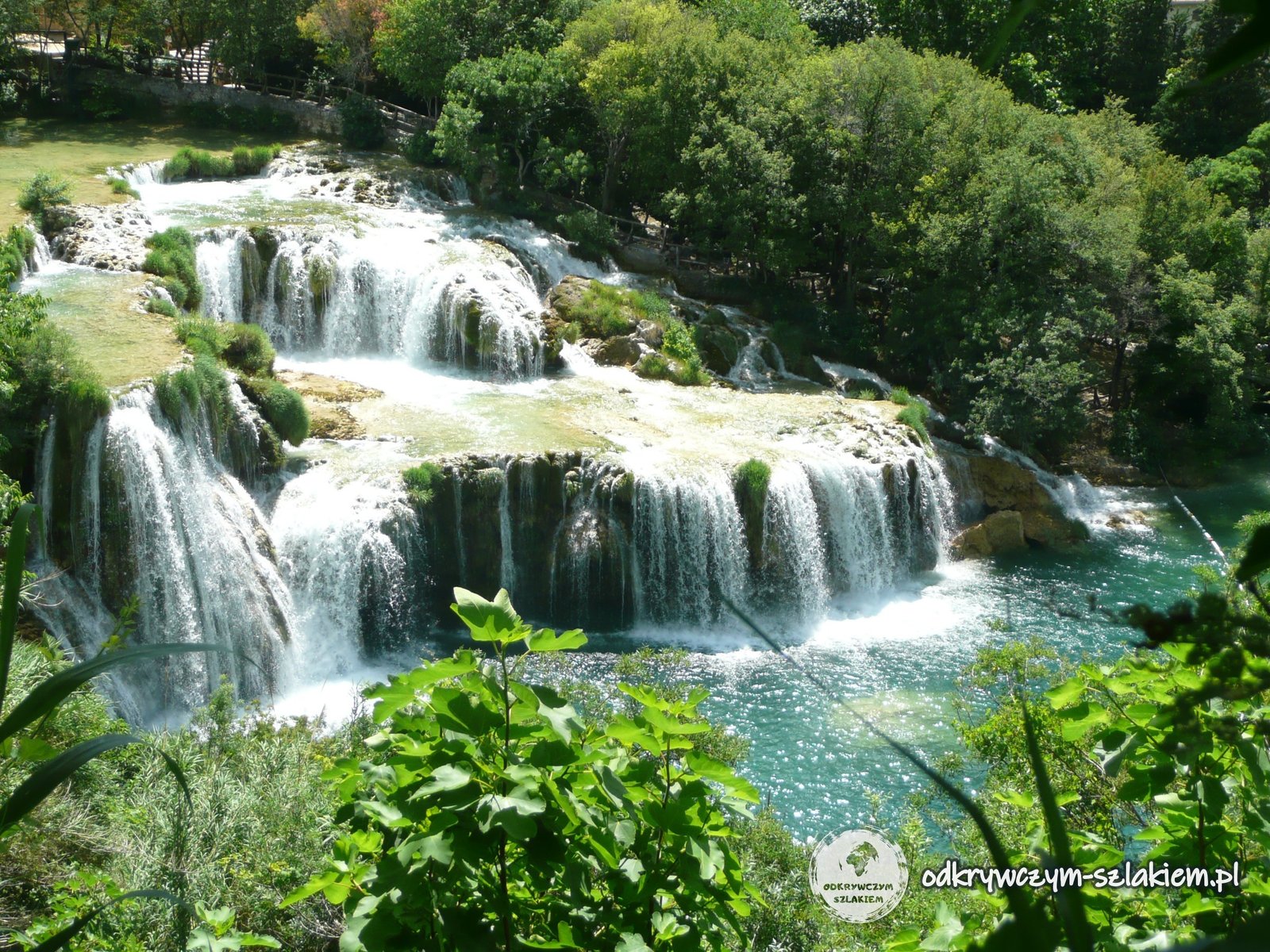
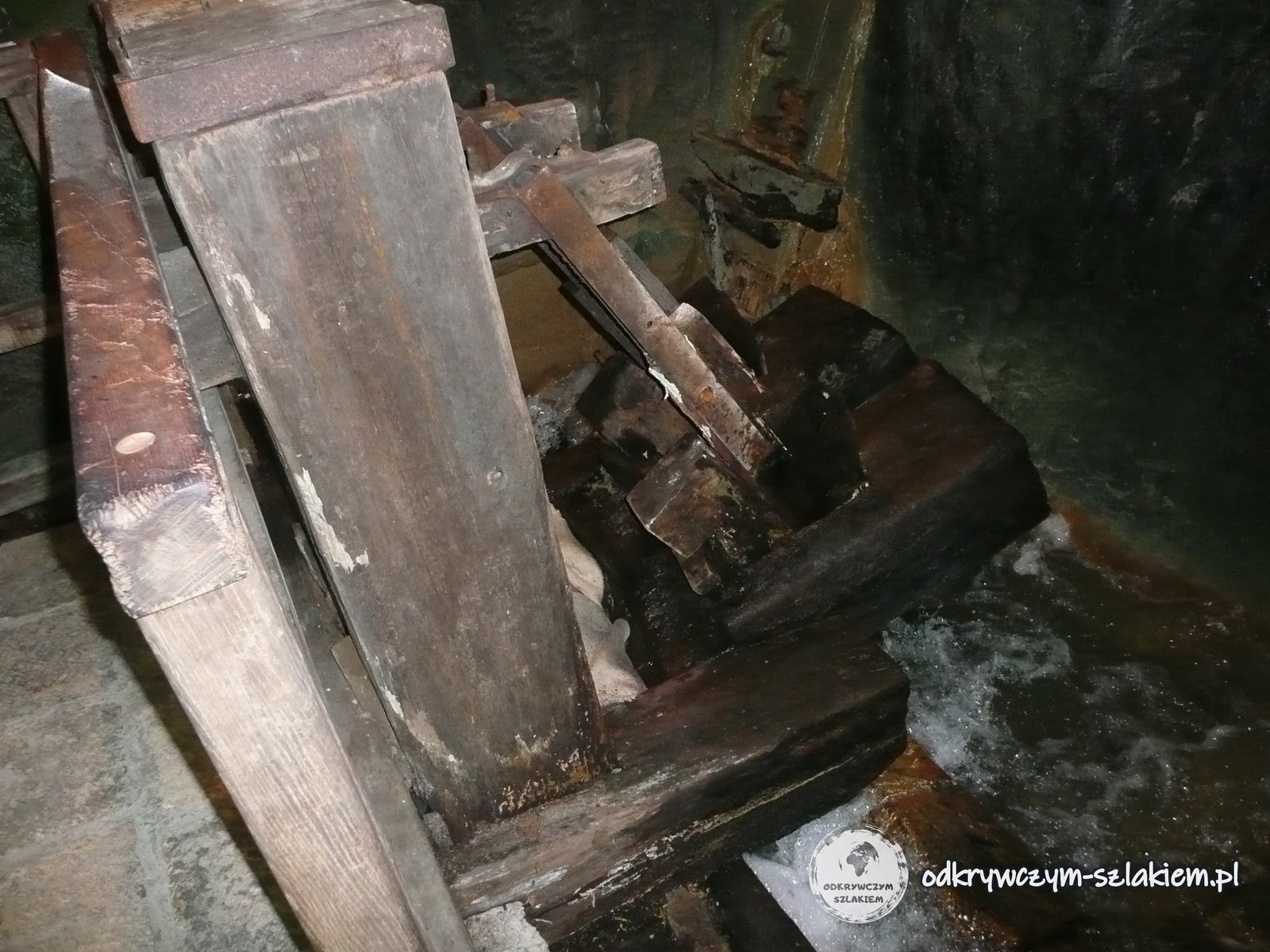
Skradinski buk has 17 cascades over about 800 m, with a drop of about 46 m between the first and the last step. In the restored mills and fulling mills by the waterfall you can see how grain used to be ground and cloth felted here.
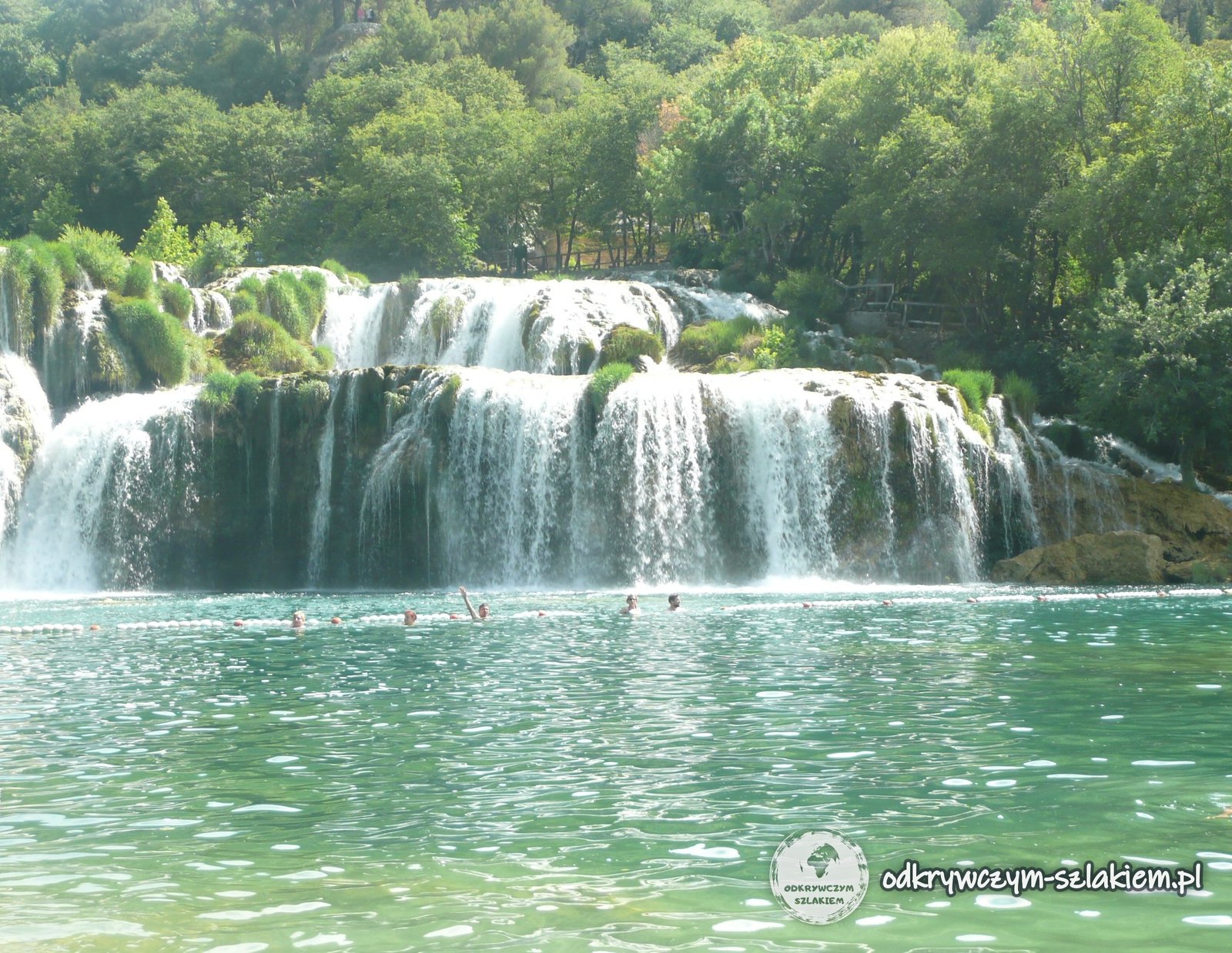
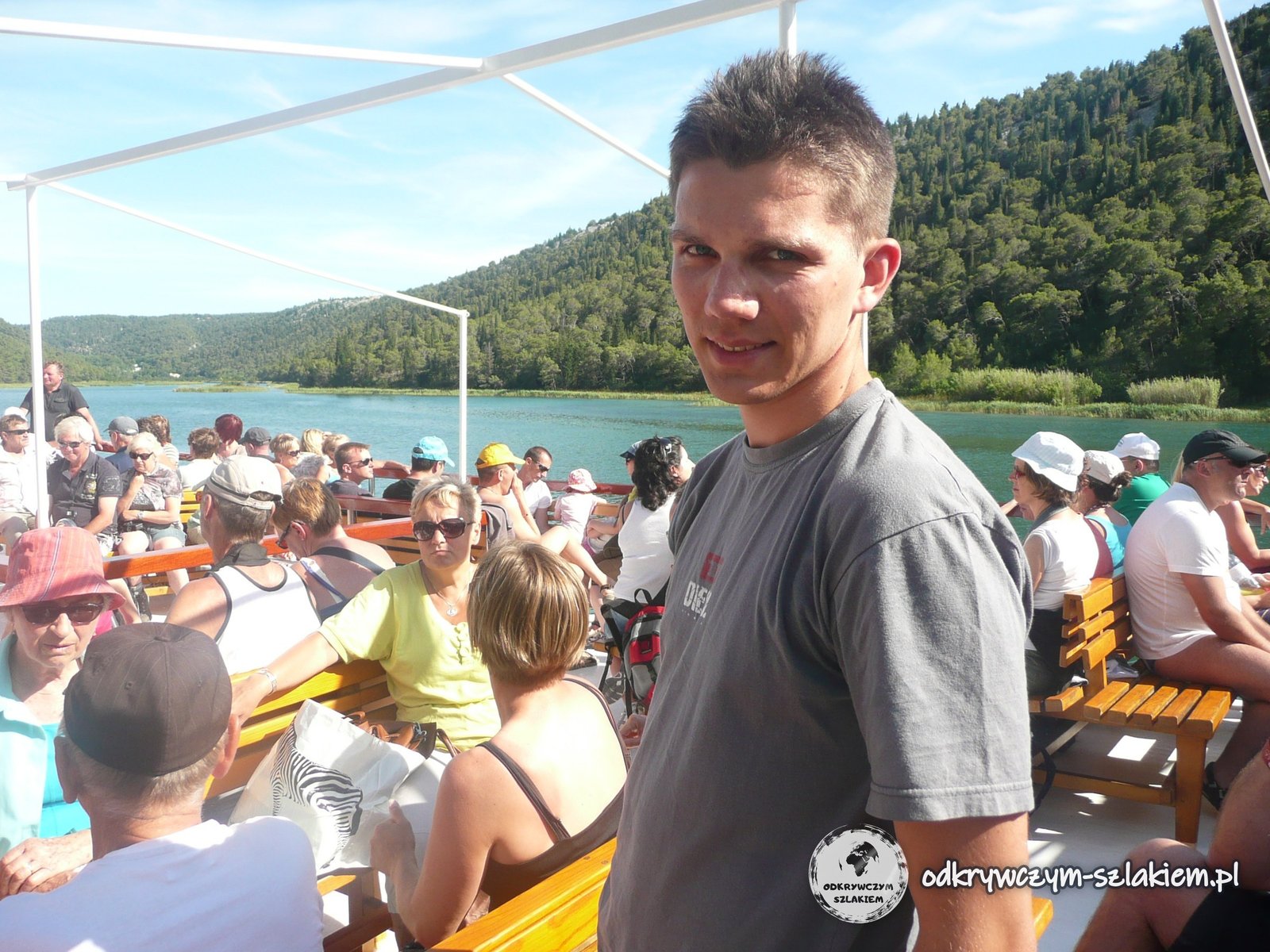
In 2012 you could still swim below the waterfall – since 2021 swimming has been banned here. We travelled to and from the park by boat from the town of Skradin.
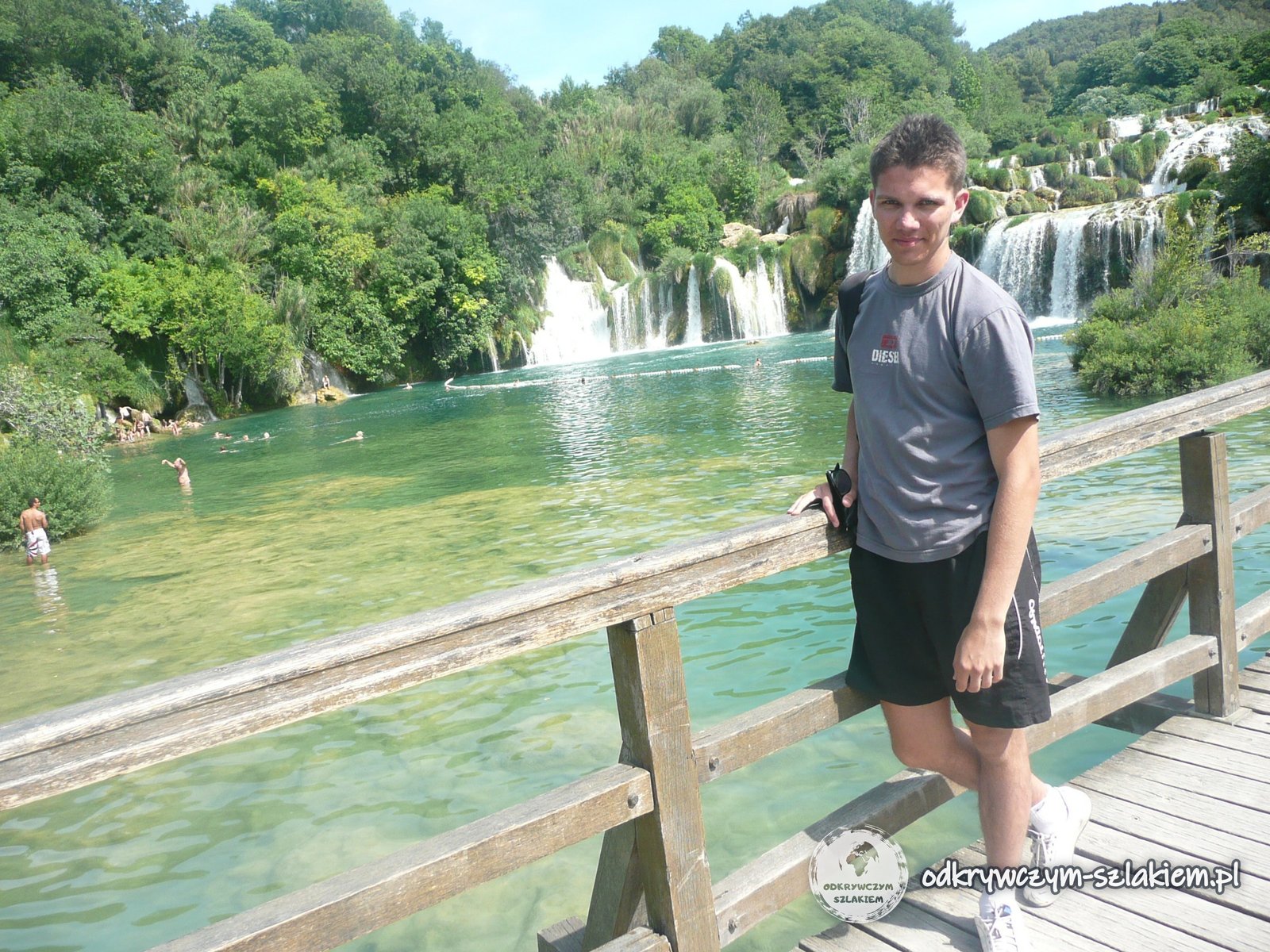

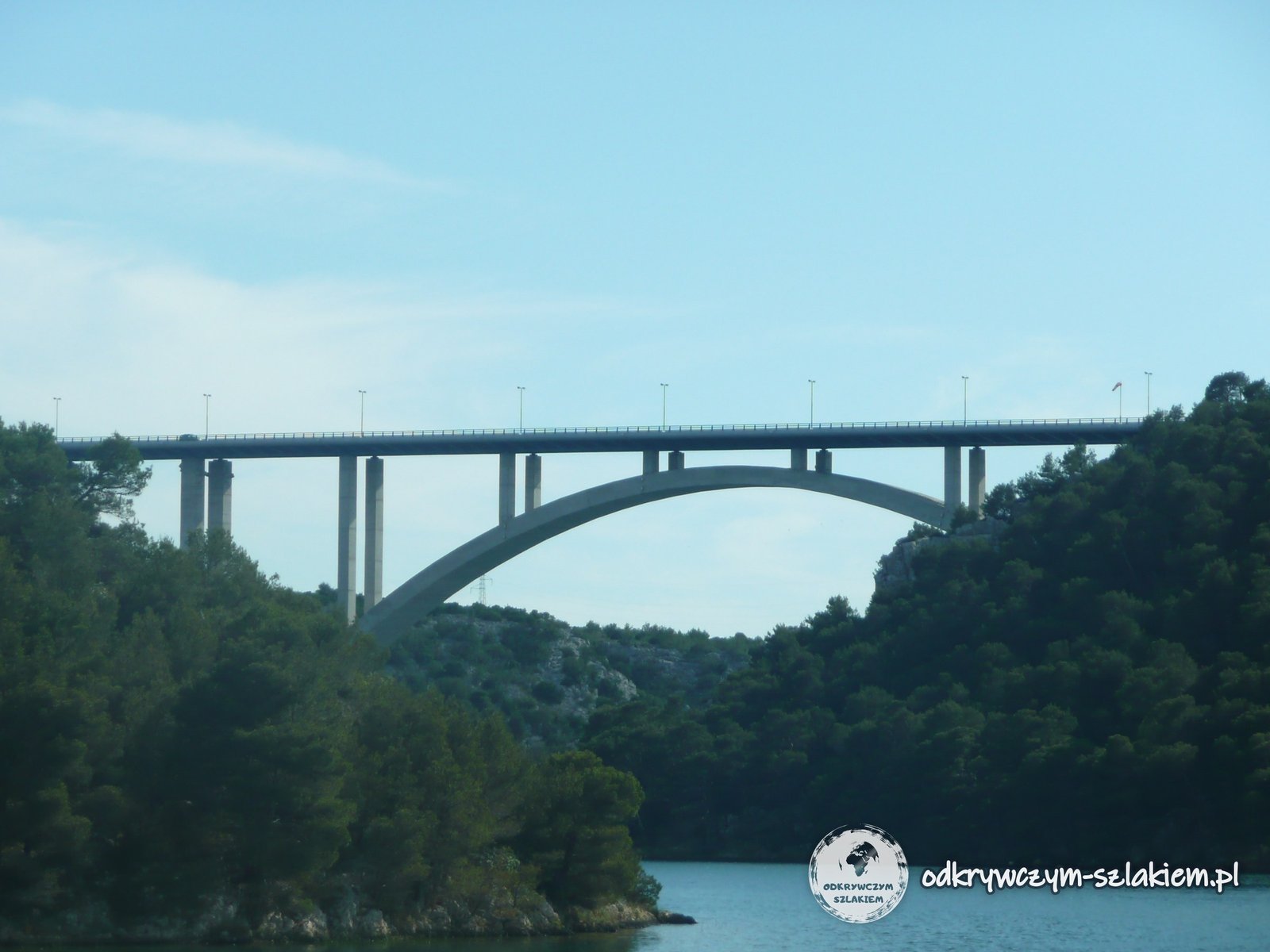
The boat trip from Skradin to the waterfall takes about half an hour. On the way the boat passes under the arched bridge of the A1 motorway, spanning high above the Krka canyon.
Split – Diocletian’s Palace
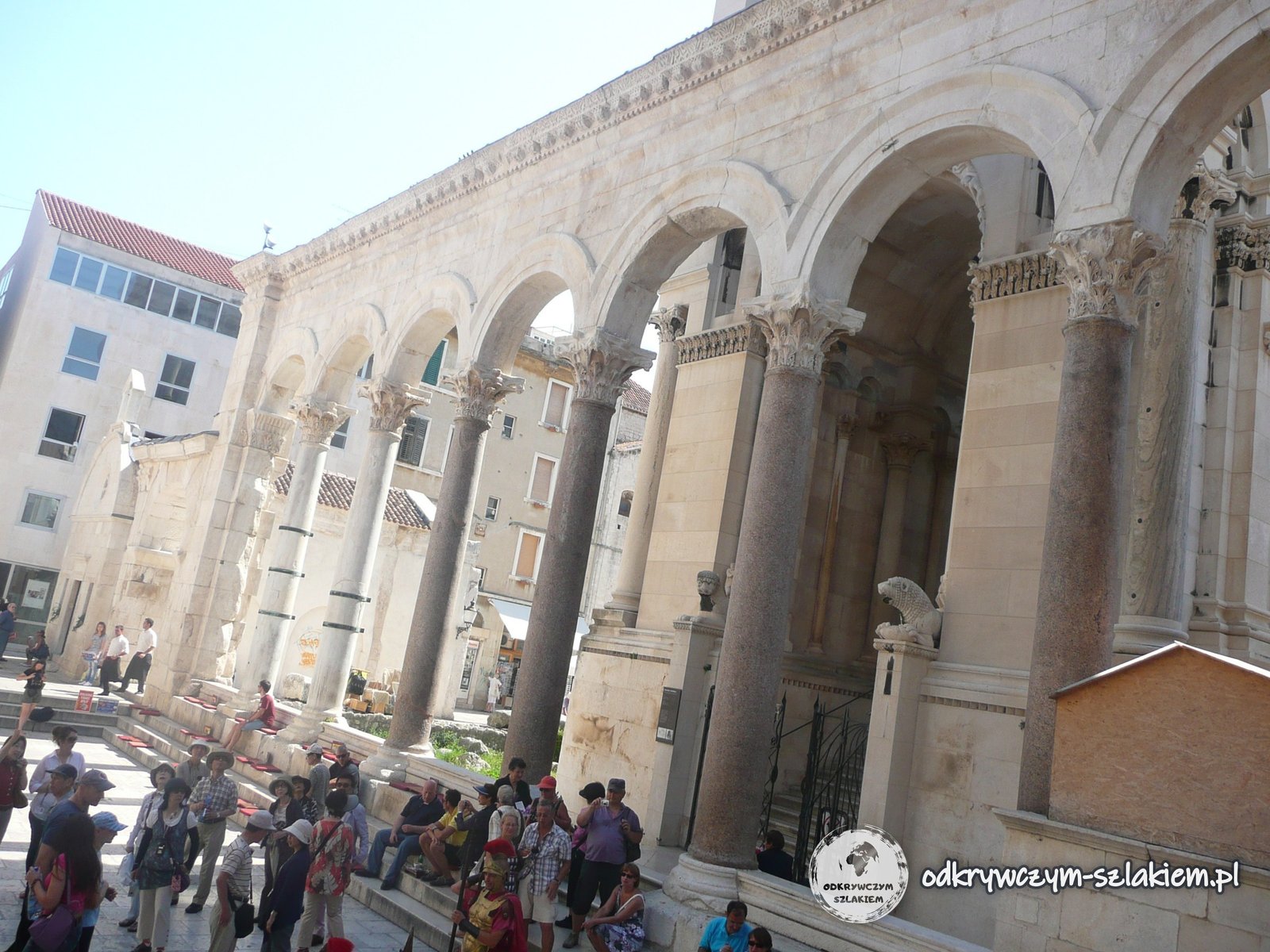
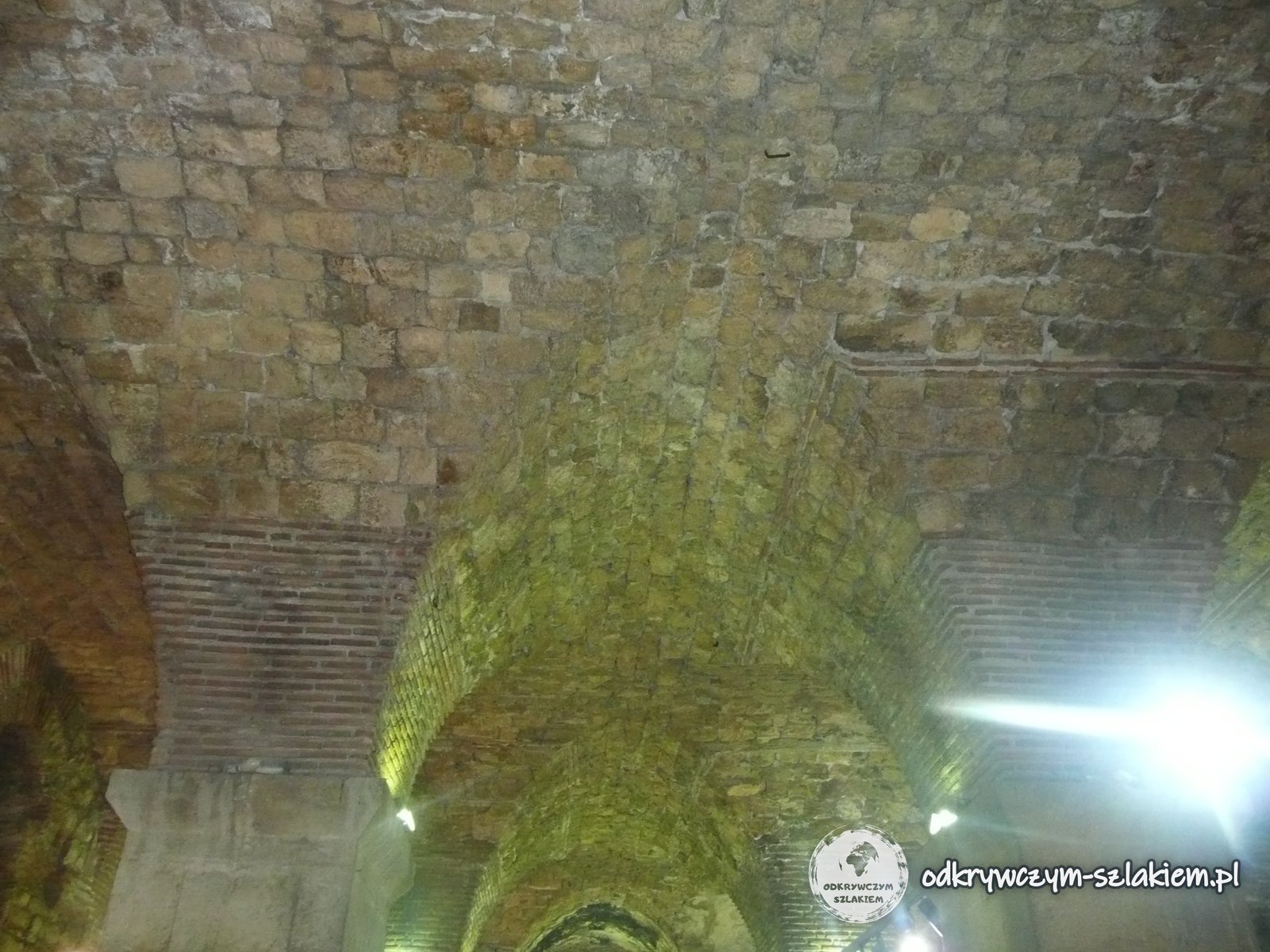
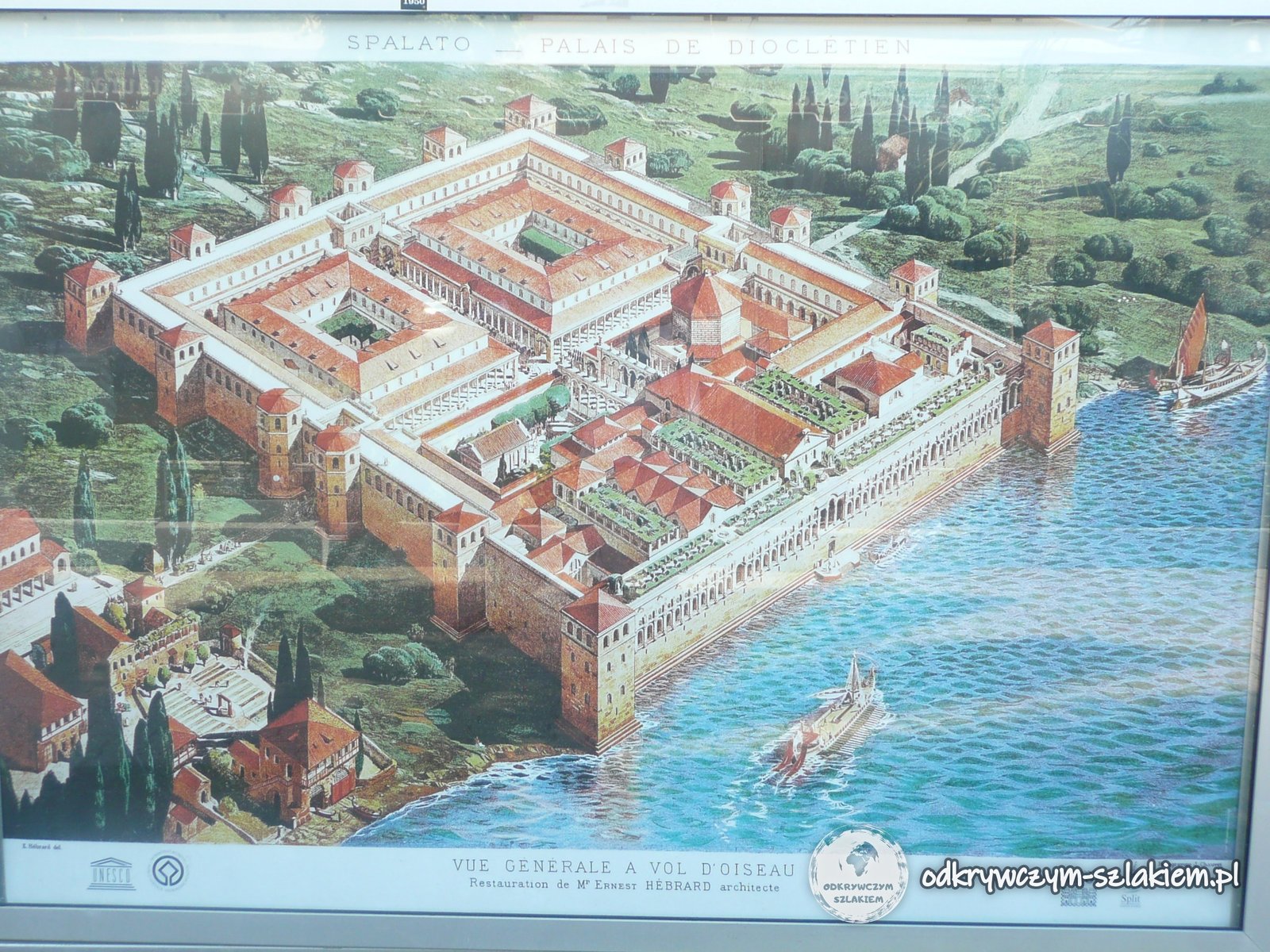
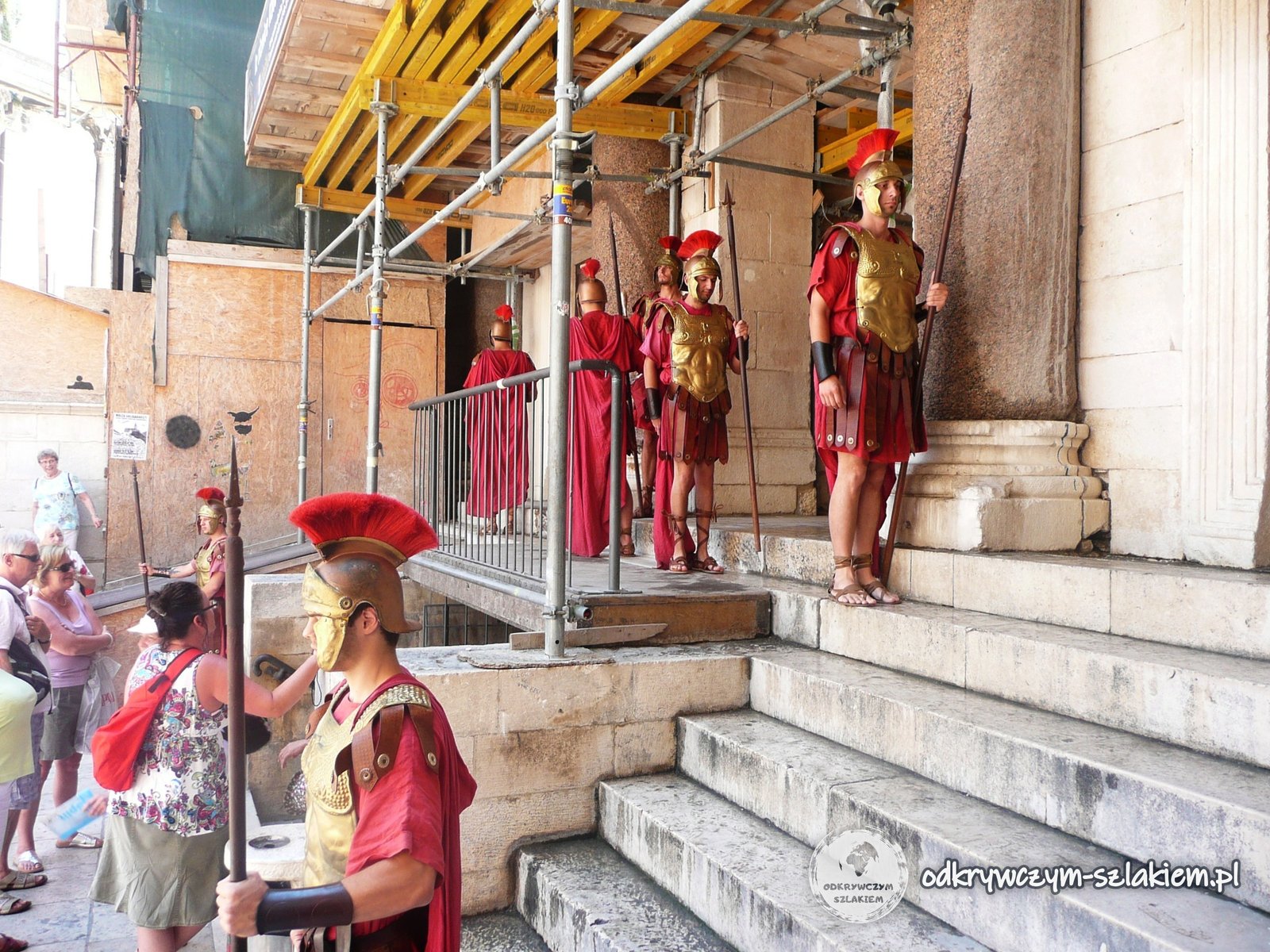
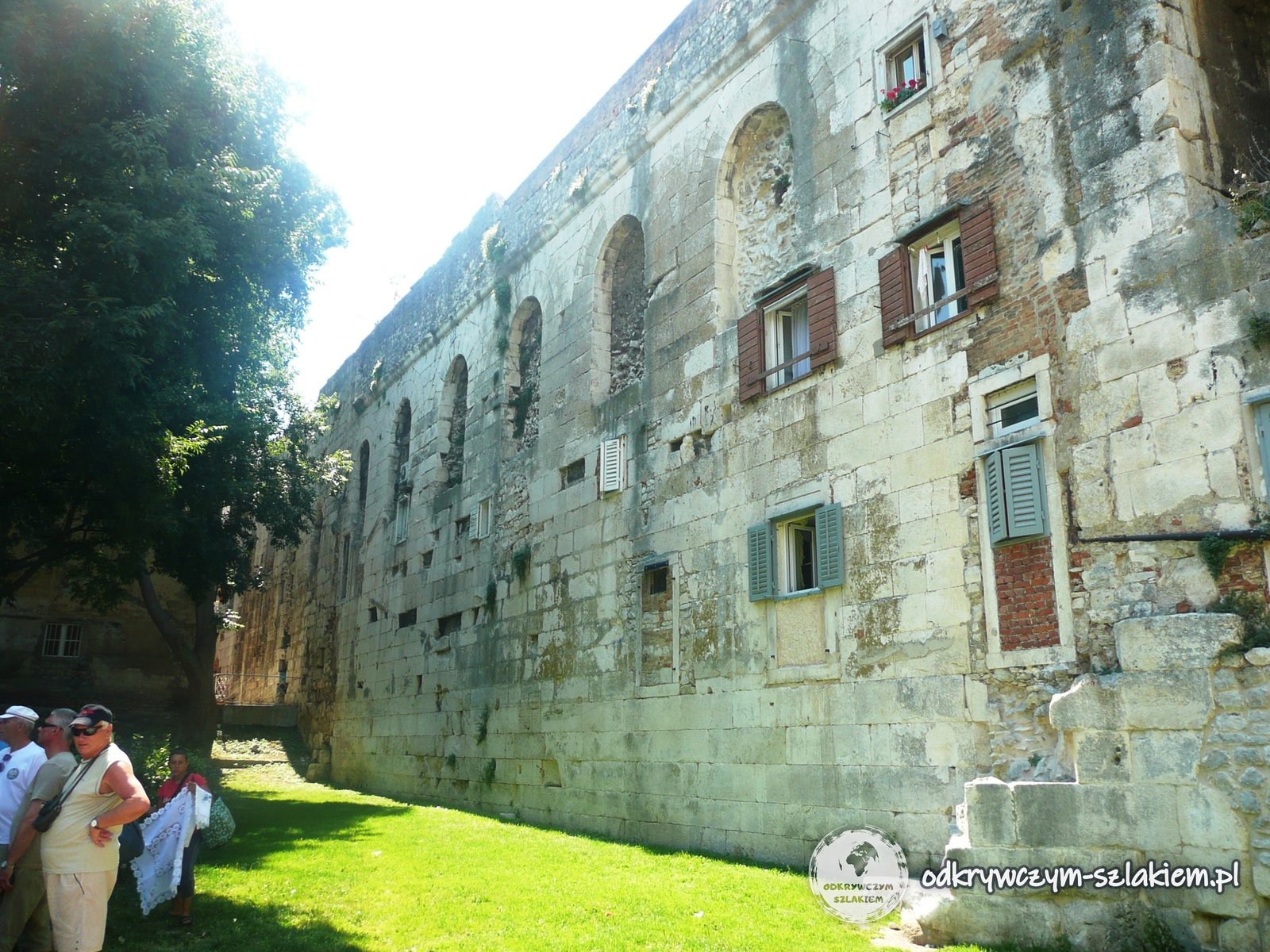
The Old Town of Split grew up inside the walls of Diocletian’s Palace, which the Roman emperor built around the turn of the 3rd and 4th centuries as his retirement residence. At its heart is the Peristyle – a colonnade where actors dressed as Roman legionaries pose for photos. Beneath the palace, vaulted substructures survive, now home to a souvenir market.
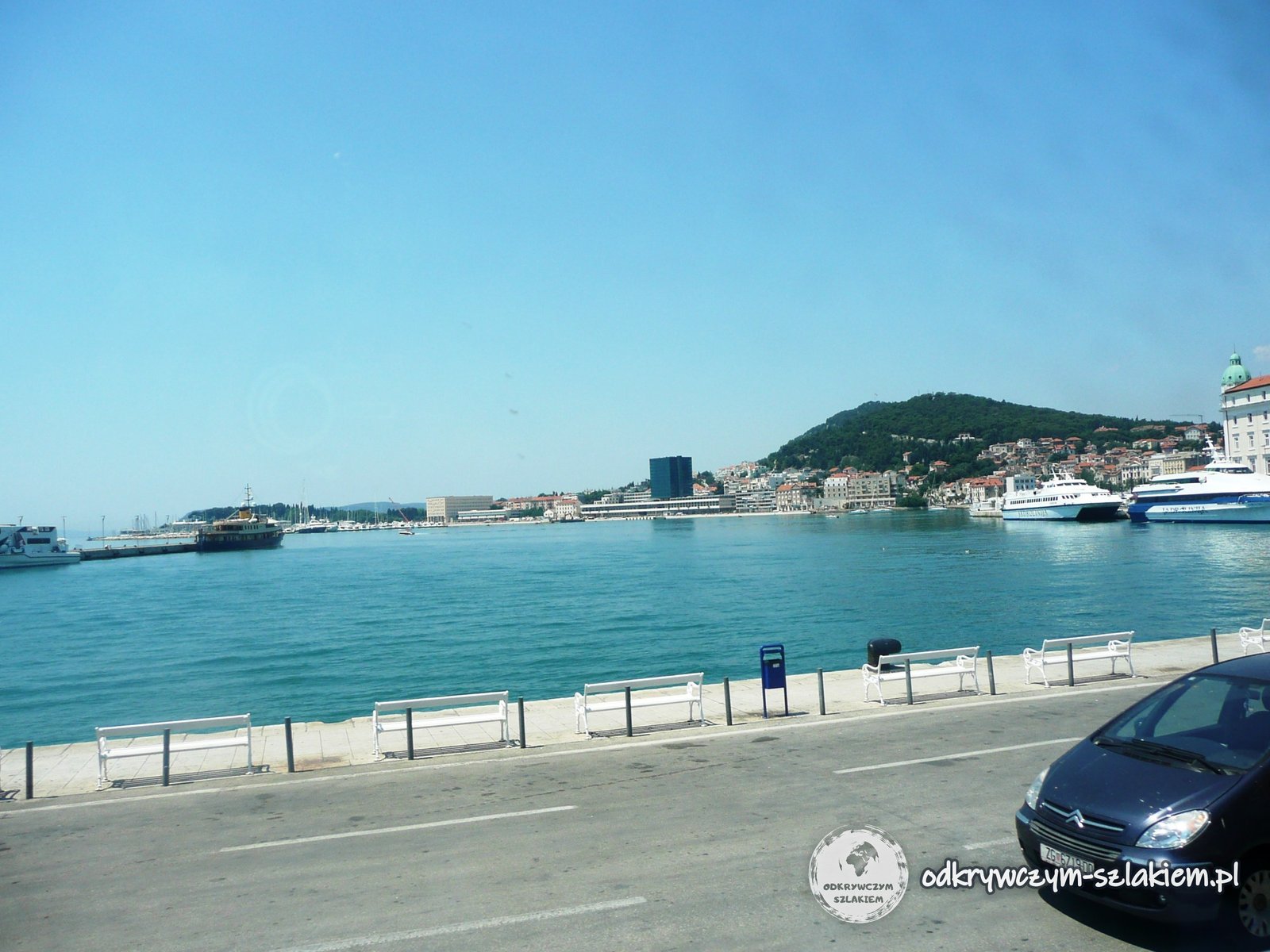
The reconstruction board shows clearly that the palace was really a fortified rectangle right by the sea, roughly 215 × 180 m. Along the seafront today runs the Riva – a waterfront promenade where ferries to the islands moor.
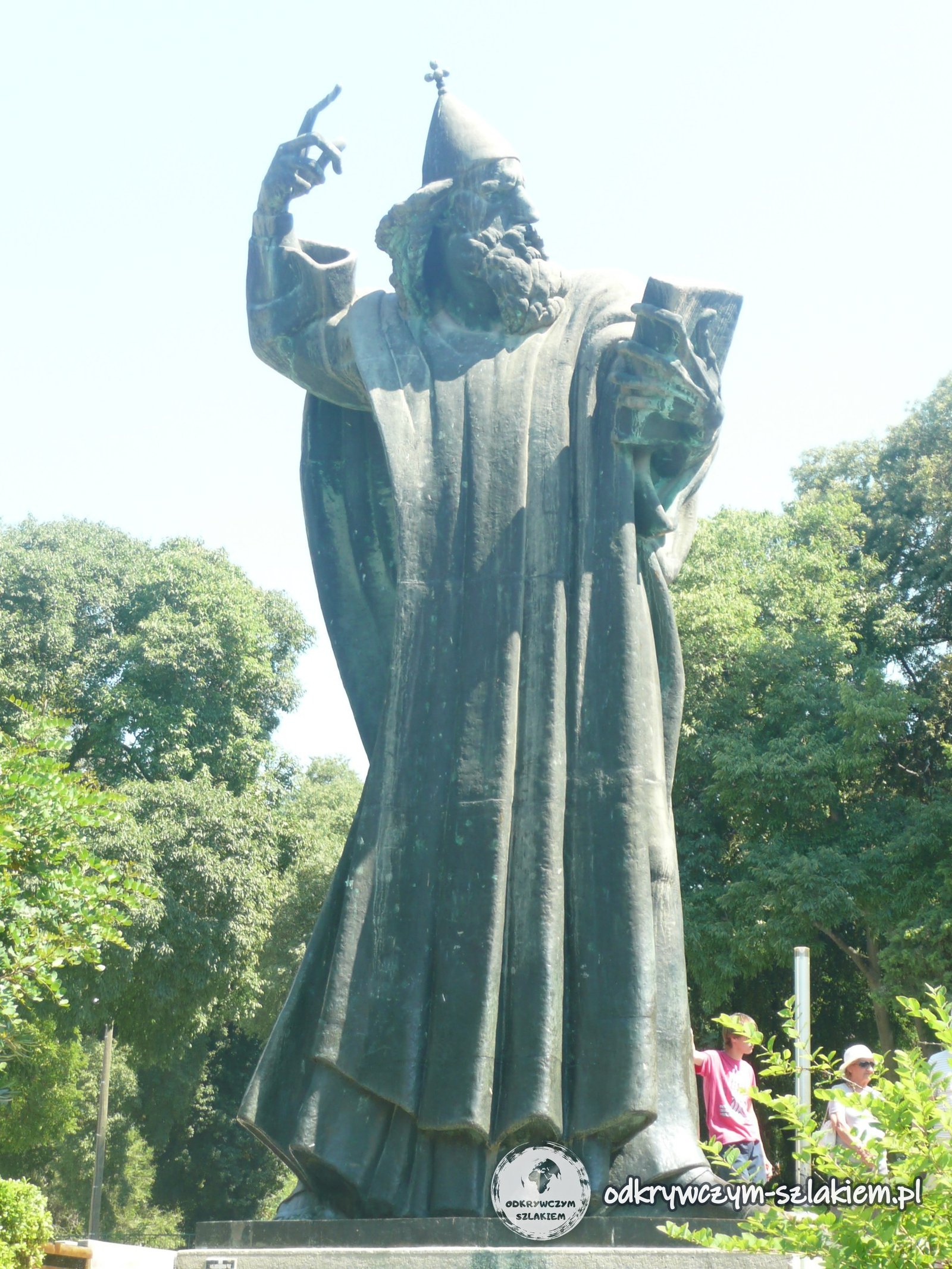
On the steps by the Peristyle, “Roman legionaries” act out scenes for tourists. Behind the palace’s northern walls, by the Golden Gate, stands Ivan Meštrović’s huge statue of Gregory of Nin – a medieval bishop who defended the liturgy in the Croatian language. His big toe is rubbed shiny, because touching it is said to bring luck.
Trogir
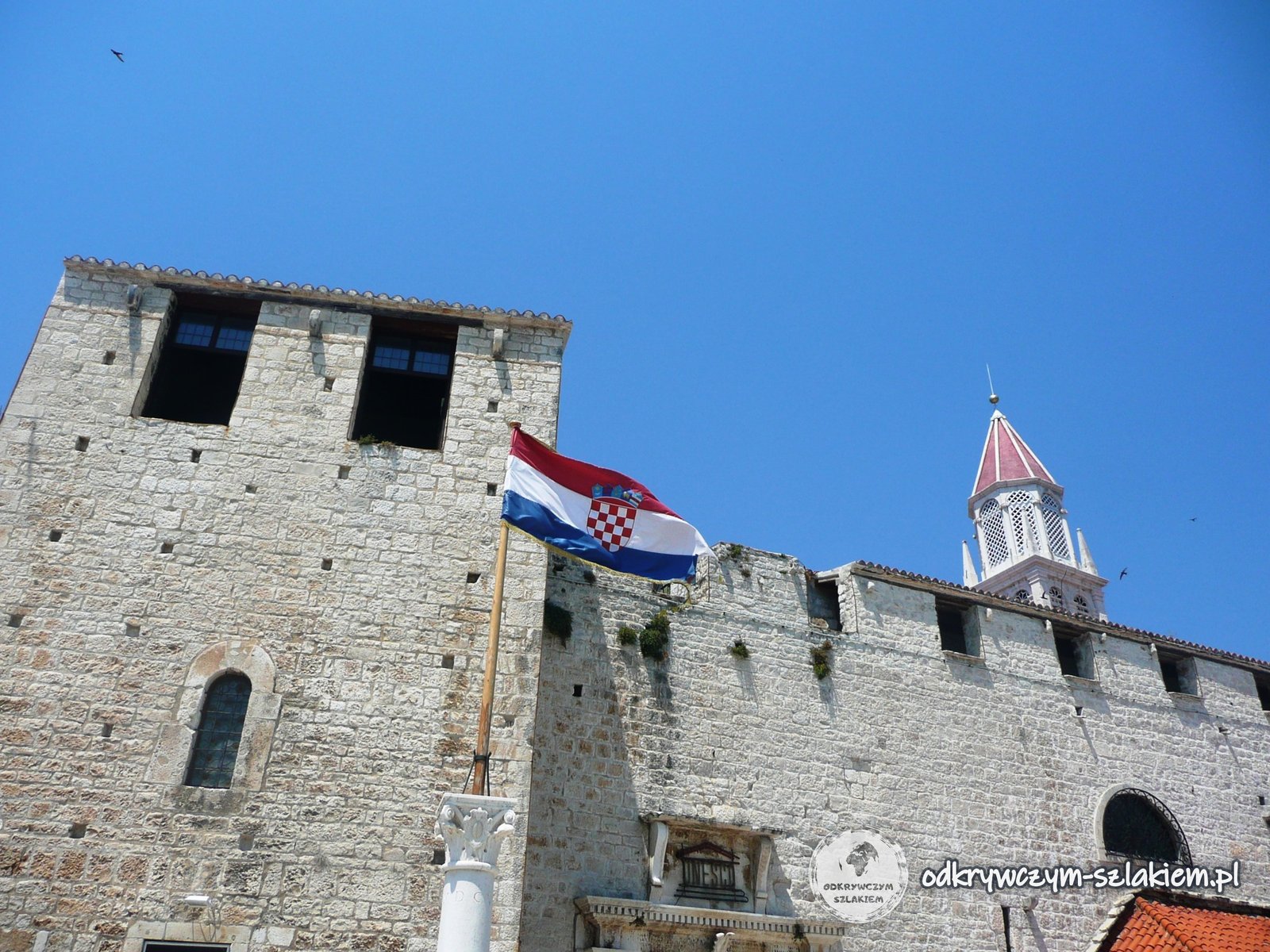
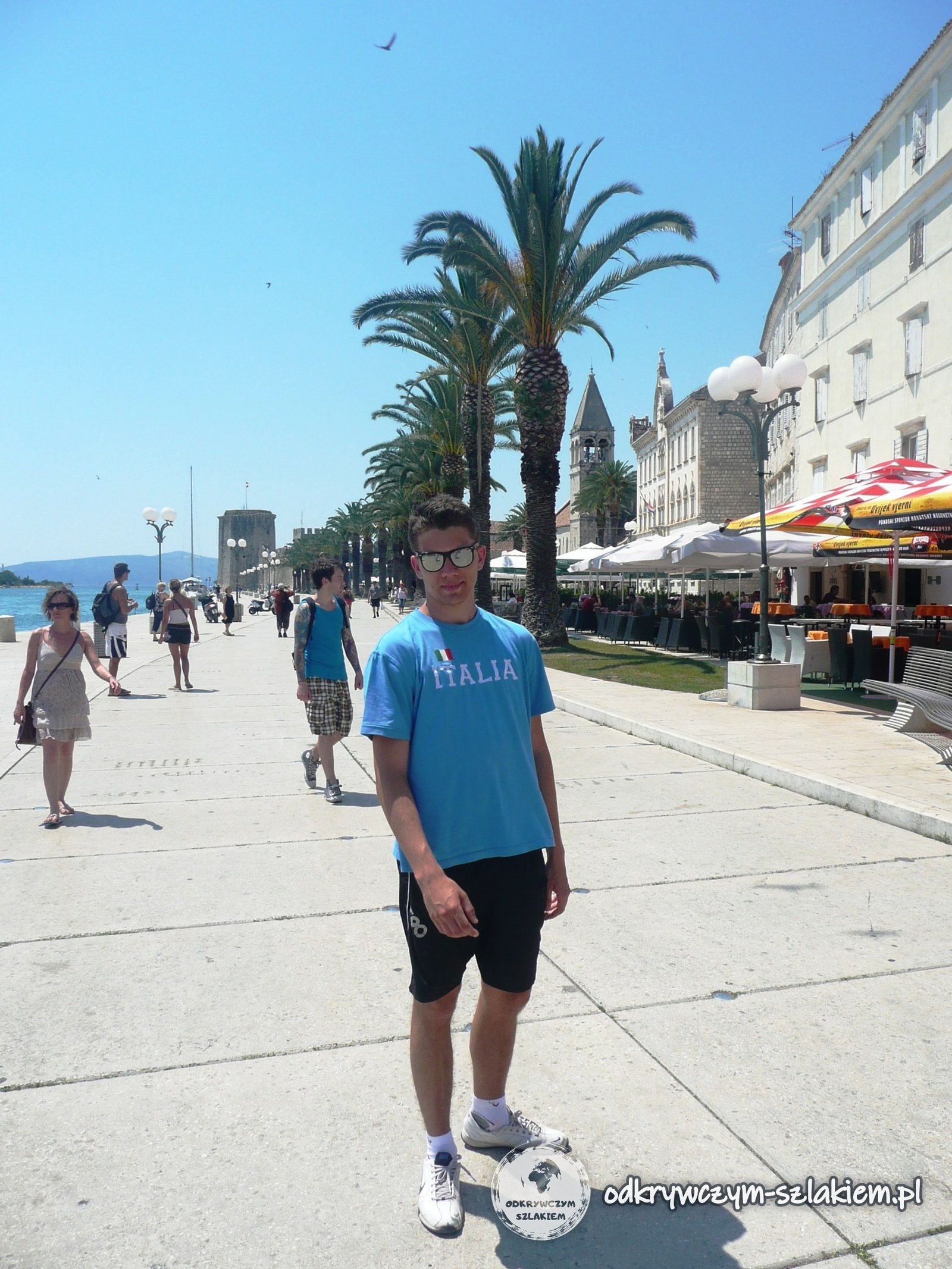
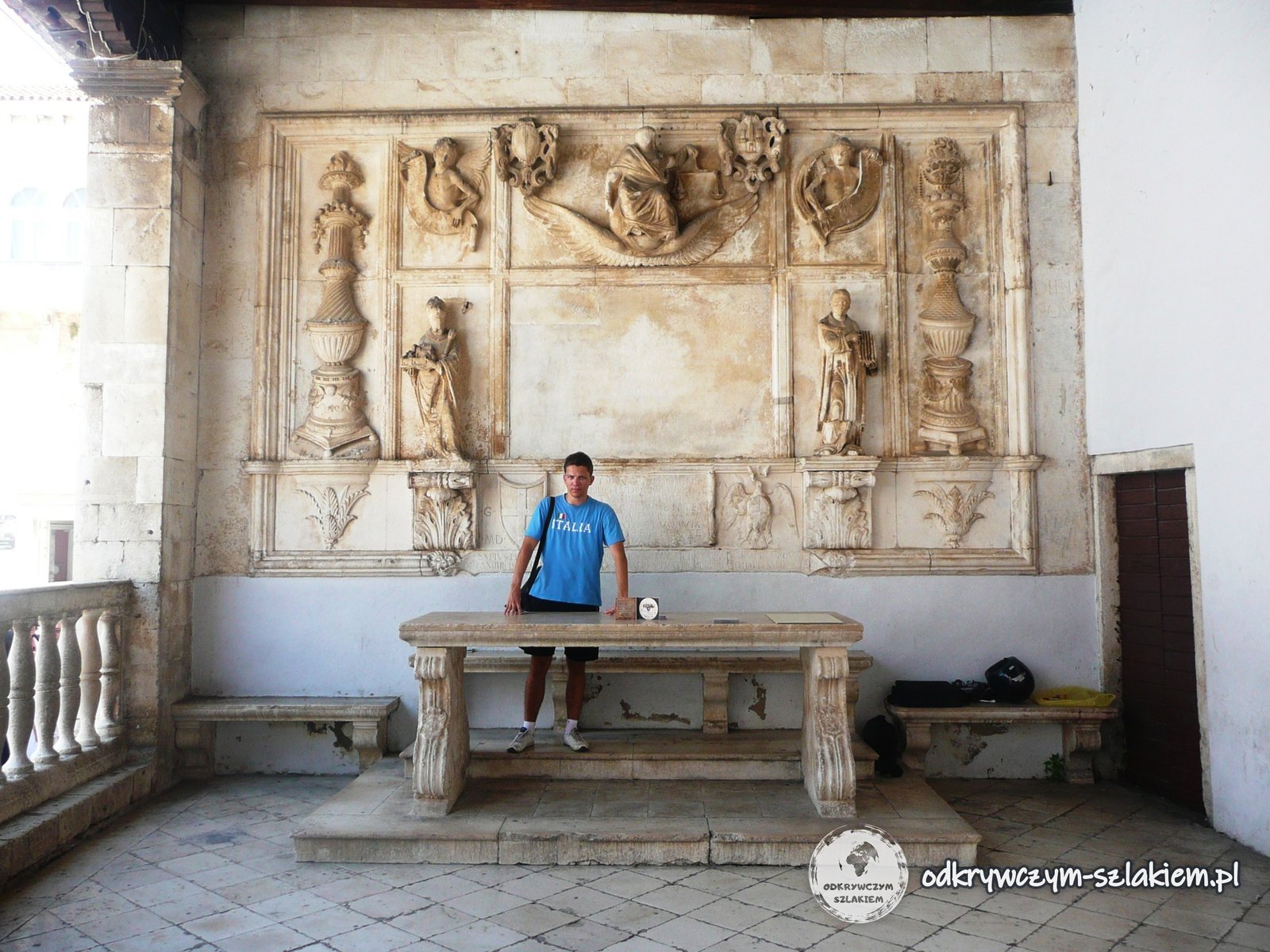
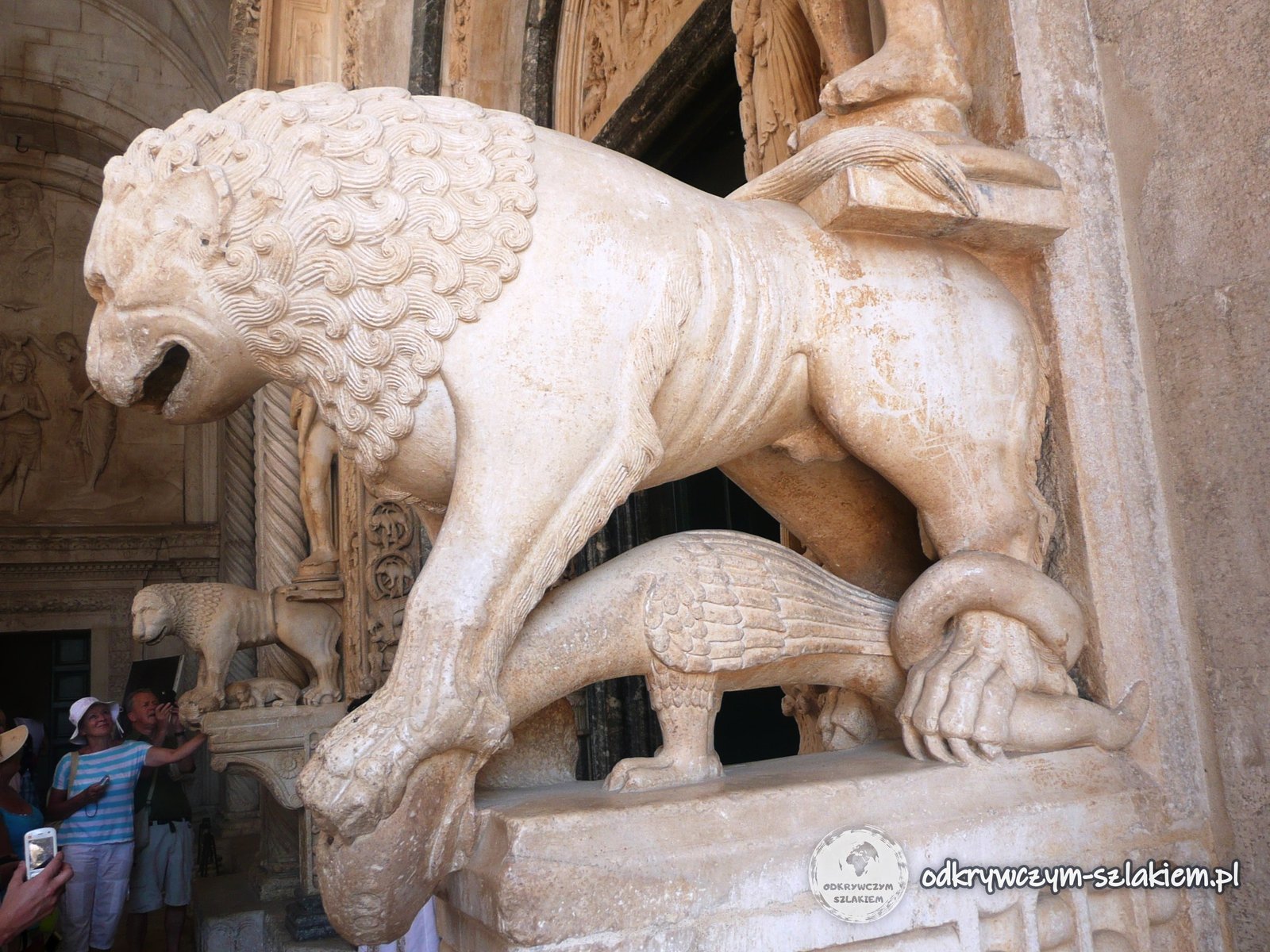
A few dozen kilometres from Split lies Trogir – a little town on a small island whose Old Town is also on the UNESCO list. Its best-known sight is St Lawrence’s Cathedral with the Romanesque portal by Master Radovan, and at the tip of the island stands the 15th-century Kamerlengo Fortress. By the main square we looked into the town loggia with its stone reliefs.
Above the cathedral rises a Gothic-Renaissance bell tower, and inside it is worth looking into the 15th-century Renaissance Chapel of Blessed John of Trogir, with its coffered vault and statues of saints.

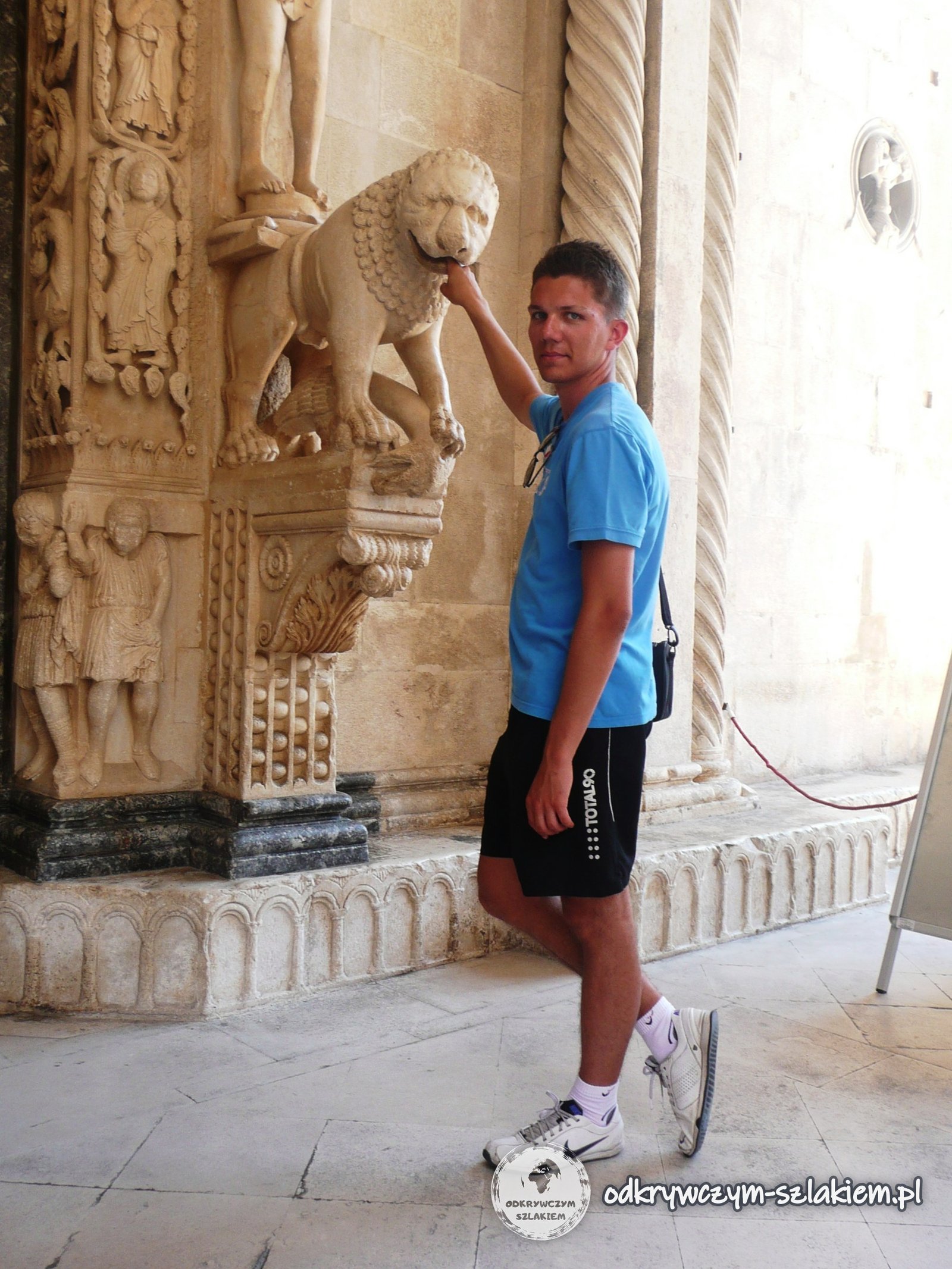

The cathedral portal is guarded by Romanesque lions from the 13th century, and the Old Town itself sits on an islet linked by bridges to the mainland and to the island of Čiovo.

Practical information
- By coach from Poland: it is about 1,500 km from Warsaw to the Adriatic – over a day on the road, usually with a night on the coach. In return, day trips are easy to organise from a single base.
- Makarska Riviera: a good base for trips – Split is about 40 km away, Dubrovnik about 150 km, and Šibenik and Krka about 120 km.
- Krka: swimming below Skradinski buk has been banned since 2021. You can reach the waterfall by boat from Skradin.
- Dubrovnik: it is very crowded in summer, especially when cruise ships are in port – it is best to go early in the morning or in the evening.