









 4:13
 5:16
 8:38
 7:05

San Francisco is a Californian city and county on the Pacific Ocean. It owes its unique character and peculiar climate precisely to the ocean. However, it is one of the few Californian cities with a beach (if not the only one) where, because of the fog and wind, you’re unlikely to enjoy sunbathing and swimming. So is San Francisco rightly called by some one of the most beautiful cities in America?
We went to San Francisco in the summer of 2018, while working in Yosemite on a Work & Travel programme. A wildfire had emptied the park at the time and there was no work, so we used the week-long break for a trip: from Yosemite to San Francisco, then on to Sacramento and back to the park – 916 km in total by public transport.
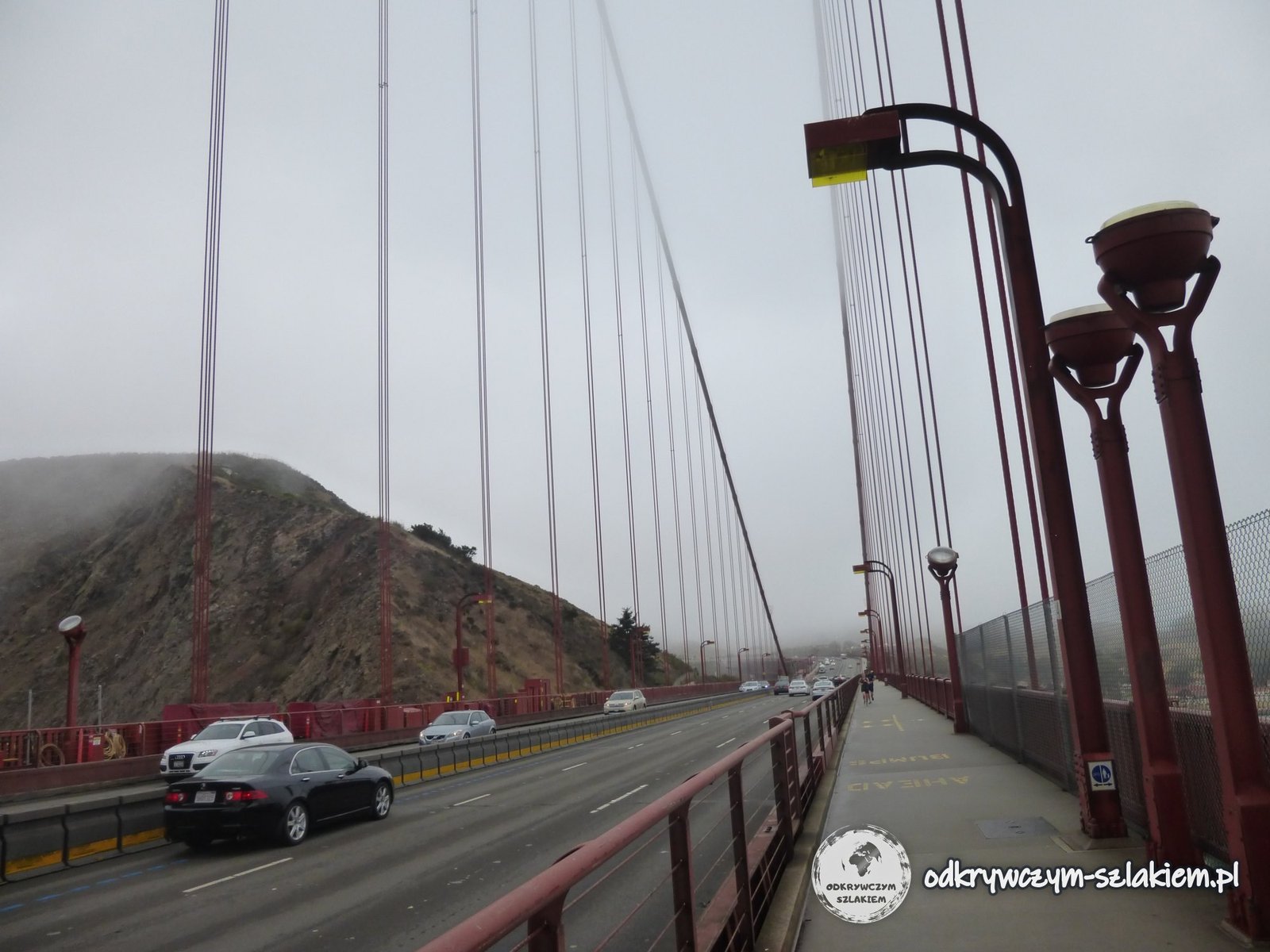
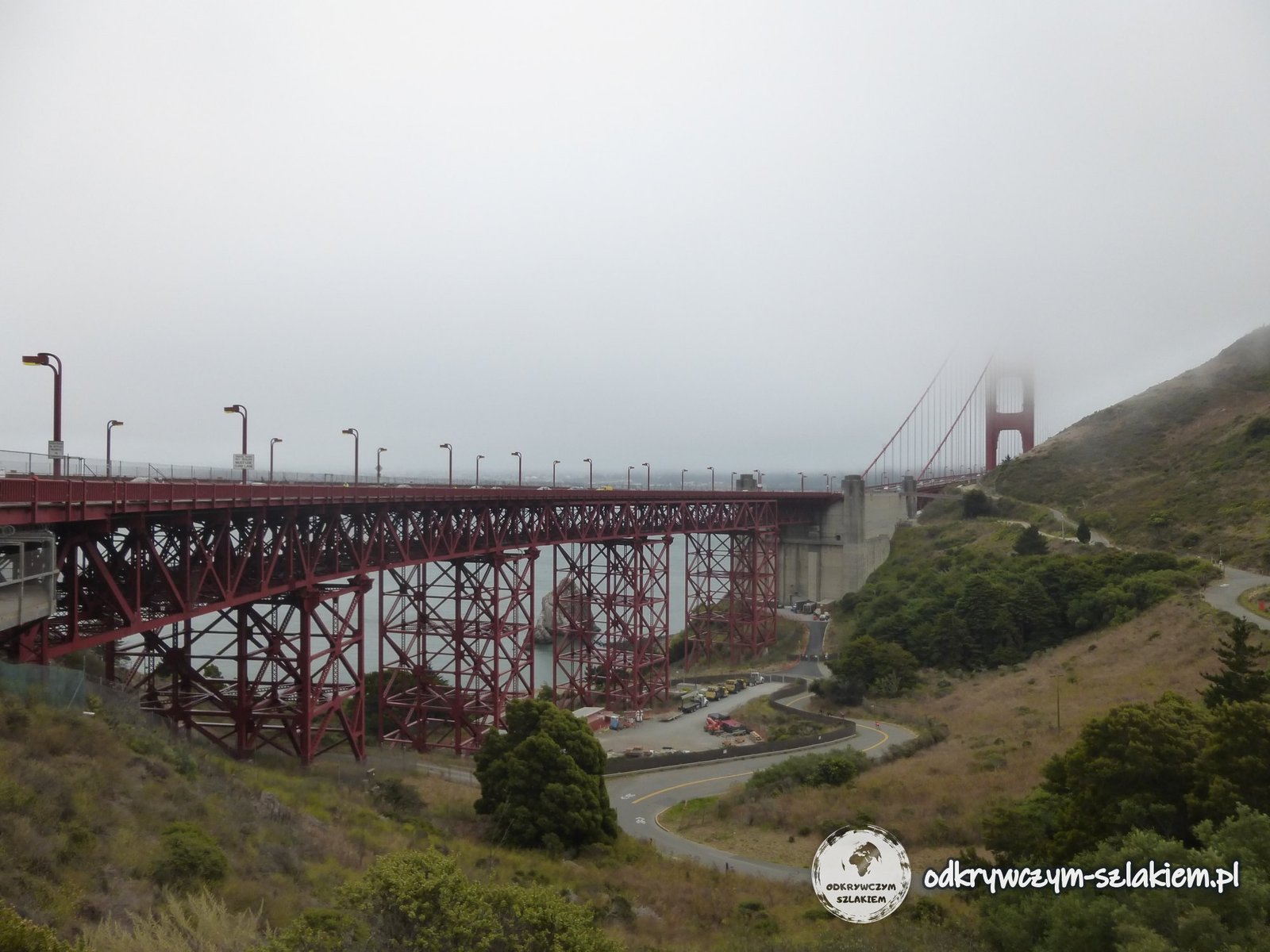
The icon of San Francisco and one of the city’s main attractions. It’s worth walking its whole length to the other side.
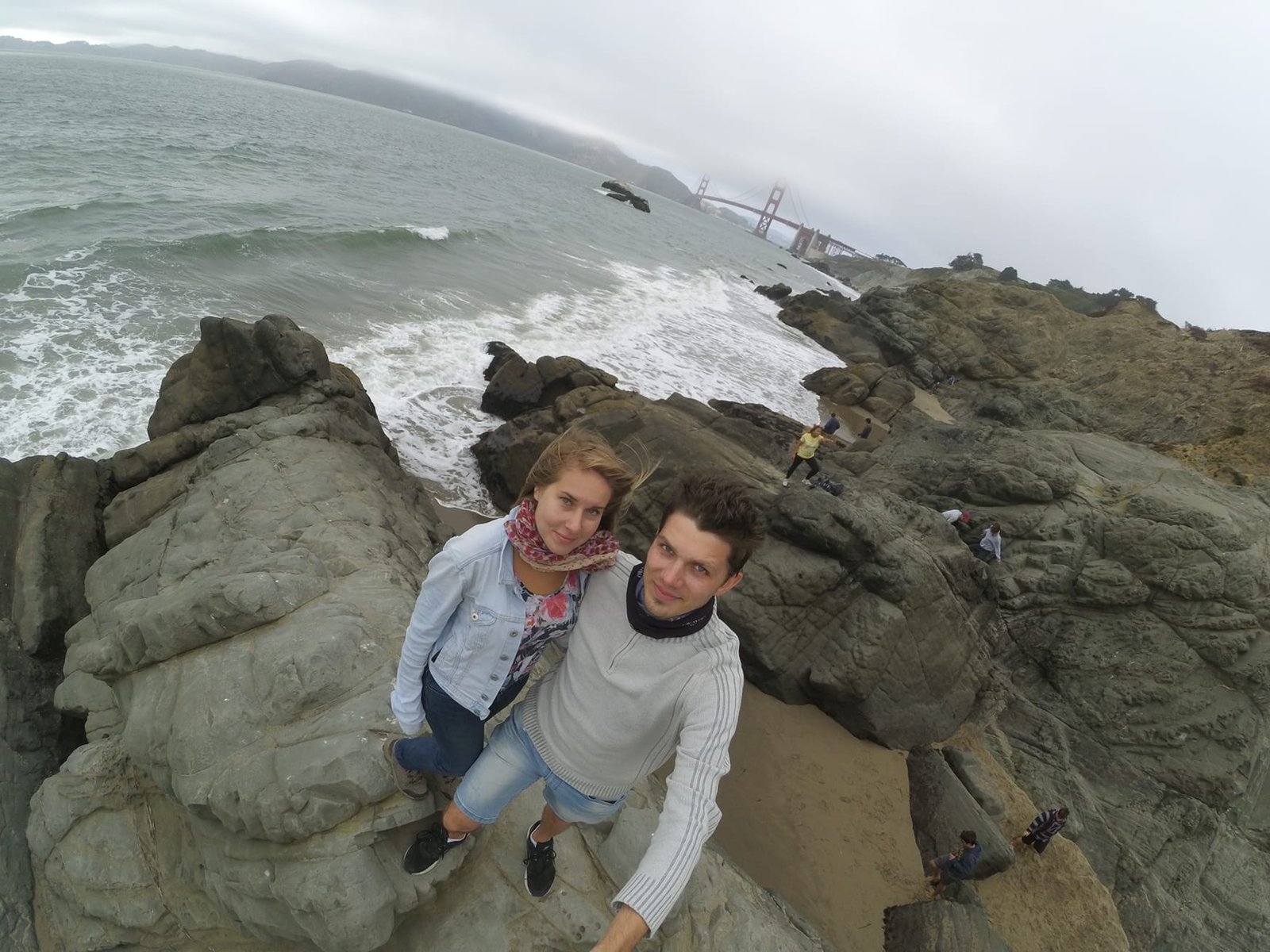
The bridge can be seen well from Baker Beach. If the weather is good, you can spend some time by the water.
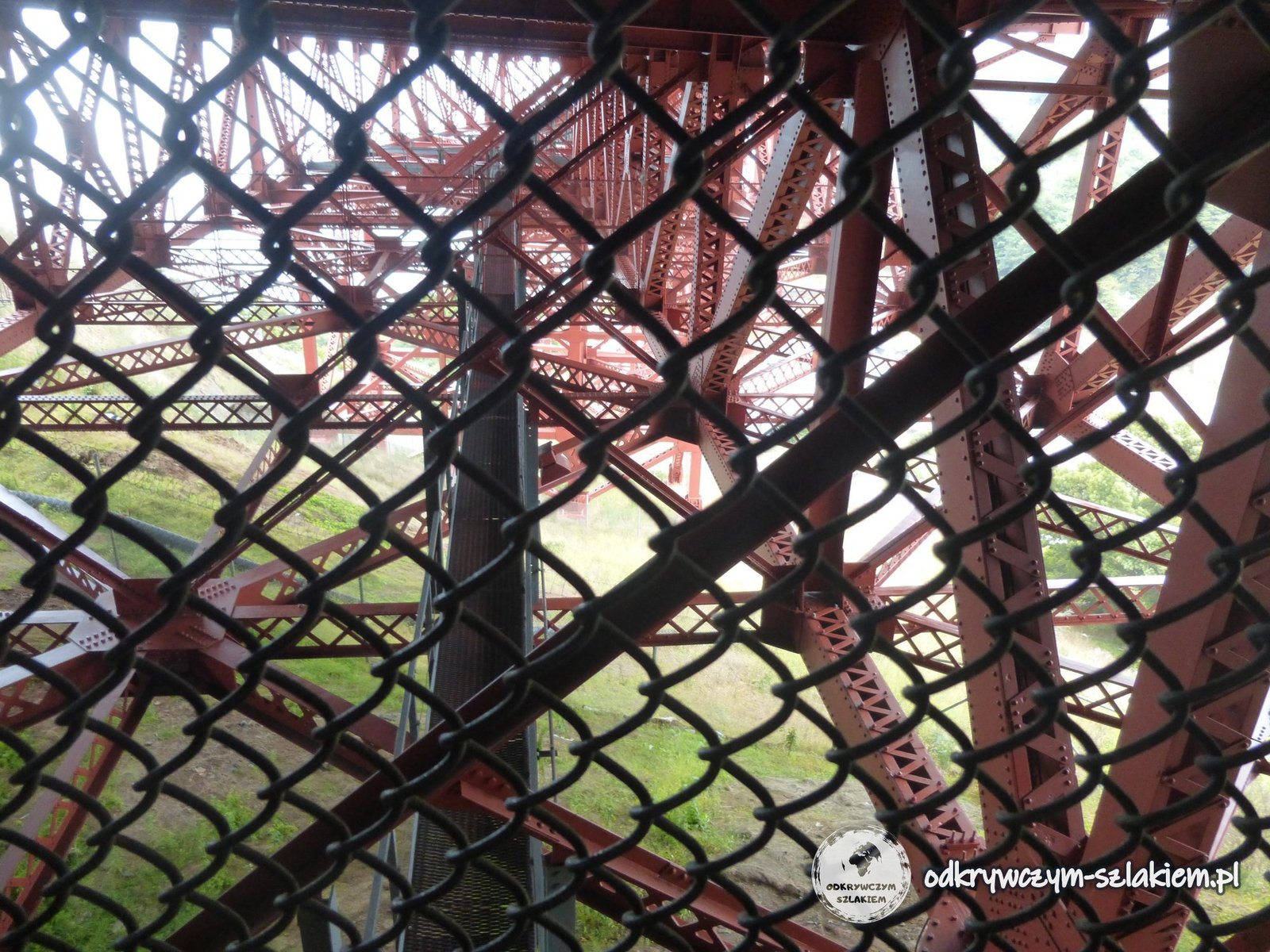
The structure is 2.7 km long and hangs on steel cables supported by two 218 m high towers. It has already survived several earthquakes. The bridge was designed by Joseph Strauss, whose statue stands at the southern approach. It opened in 1937.
Since its opening, between 1,300 and 2,000 people have jumped from the bridge to commit suicide. That is why a net has been installed along it and signs put up about where to get psychological help.
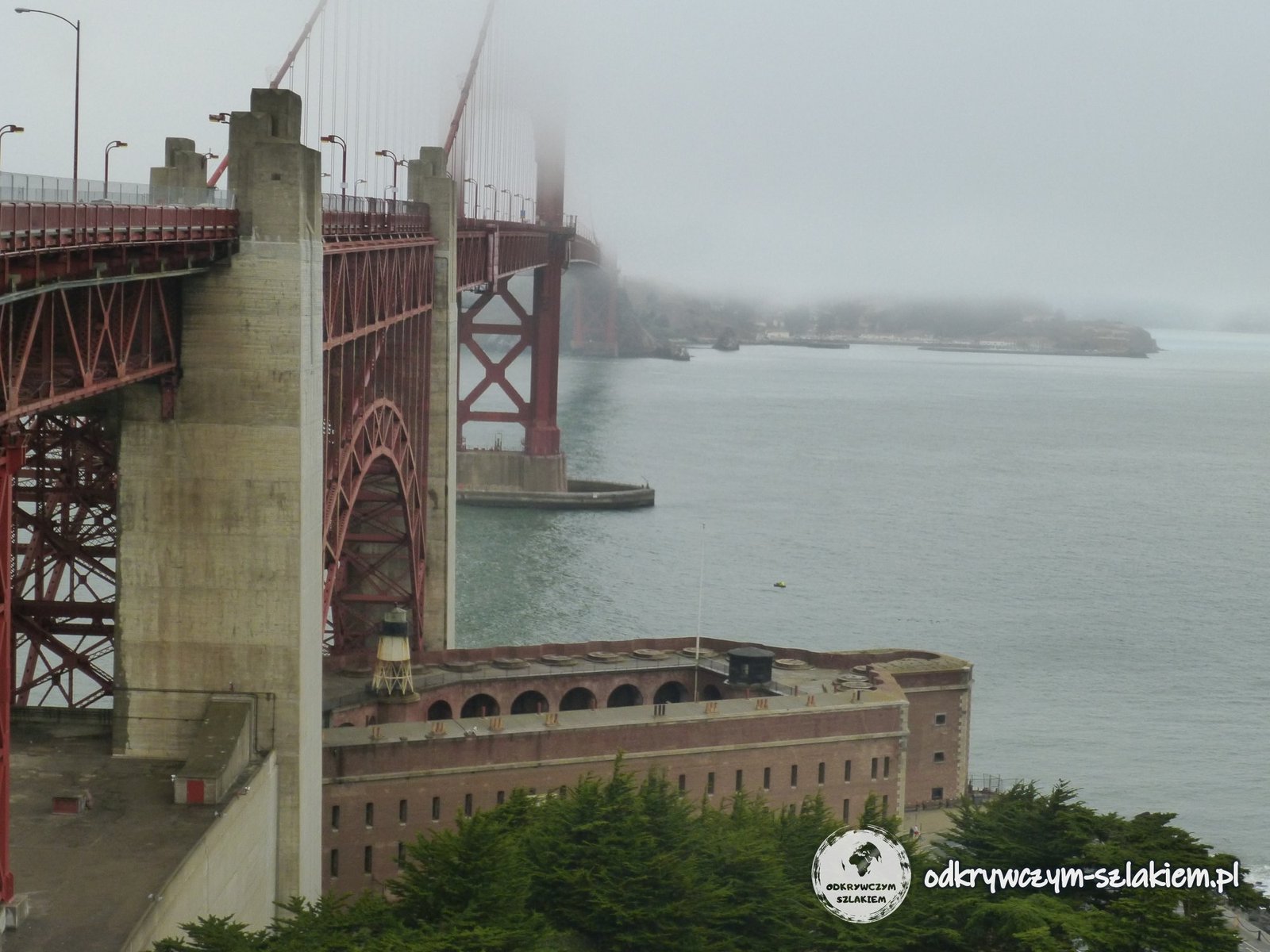
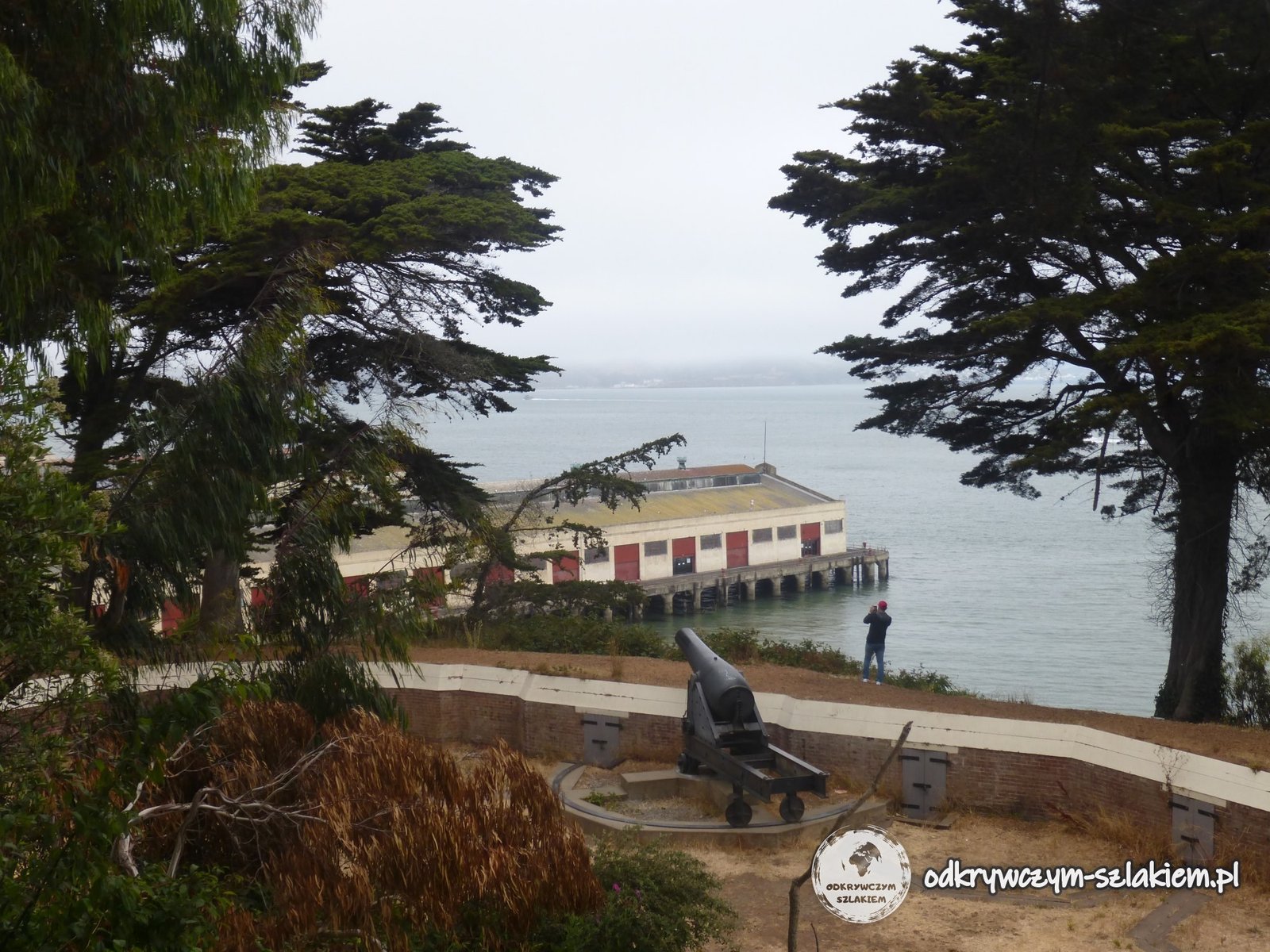
Battery Spencer is an old military bunker. At the beginning of the 20th century it was one of the main defence points of San Francisco Bay. It had many guns, and the buildings housed generators and shells, among other things. It was used on and off until the Second World War.
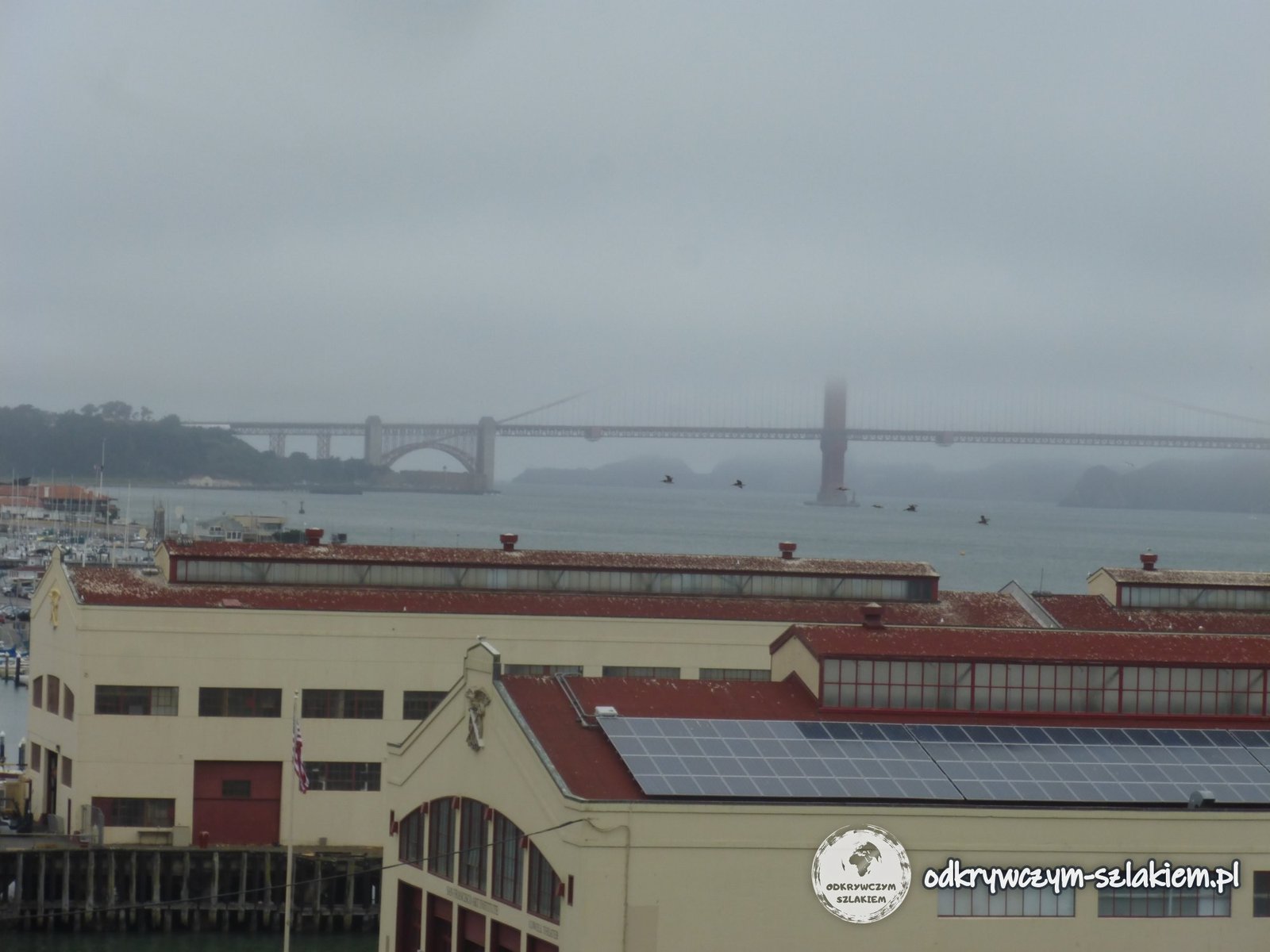
There is also a viewpoint here with a view of the Golden Gate Bridge. Unfortunately, the weather doesn’t always let you admire it.
A board at Battery Spencer explains where the fog comes from: in summer the hot air over California’s Central Valley rises and sucks cool, moist ocean air in through the Golden Gate strait – a “sea of fog” pours through the gap and spreads out over the hills. It usually comes with a strong wind – San Francisco’s natural air conditioning.
You can get there by the 76X bus or by car, but because of the lack of parking that isn’t a good idea. One of the more sensible car parks is at Golden Gate Bridge Vista Point.
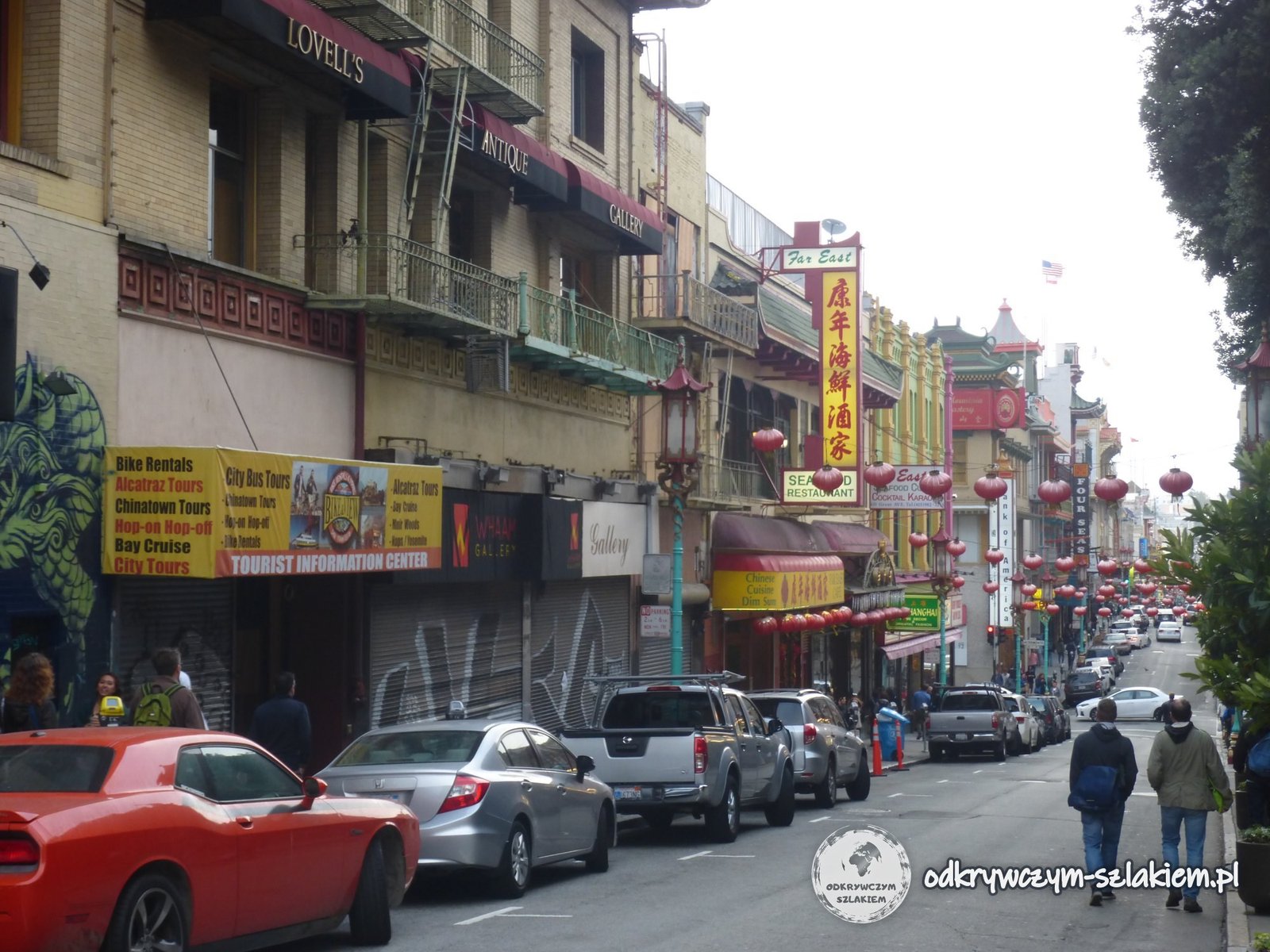
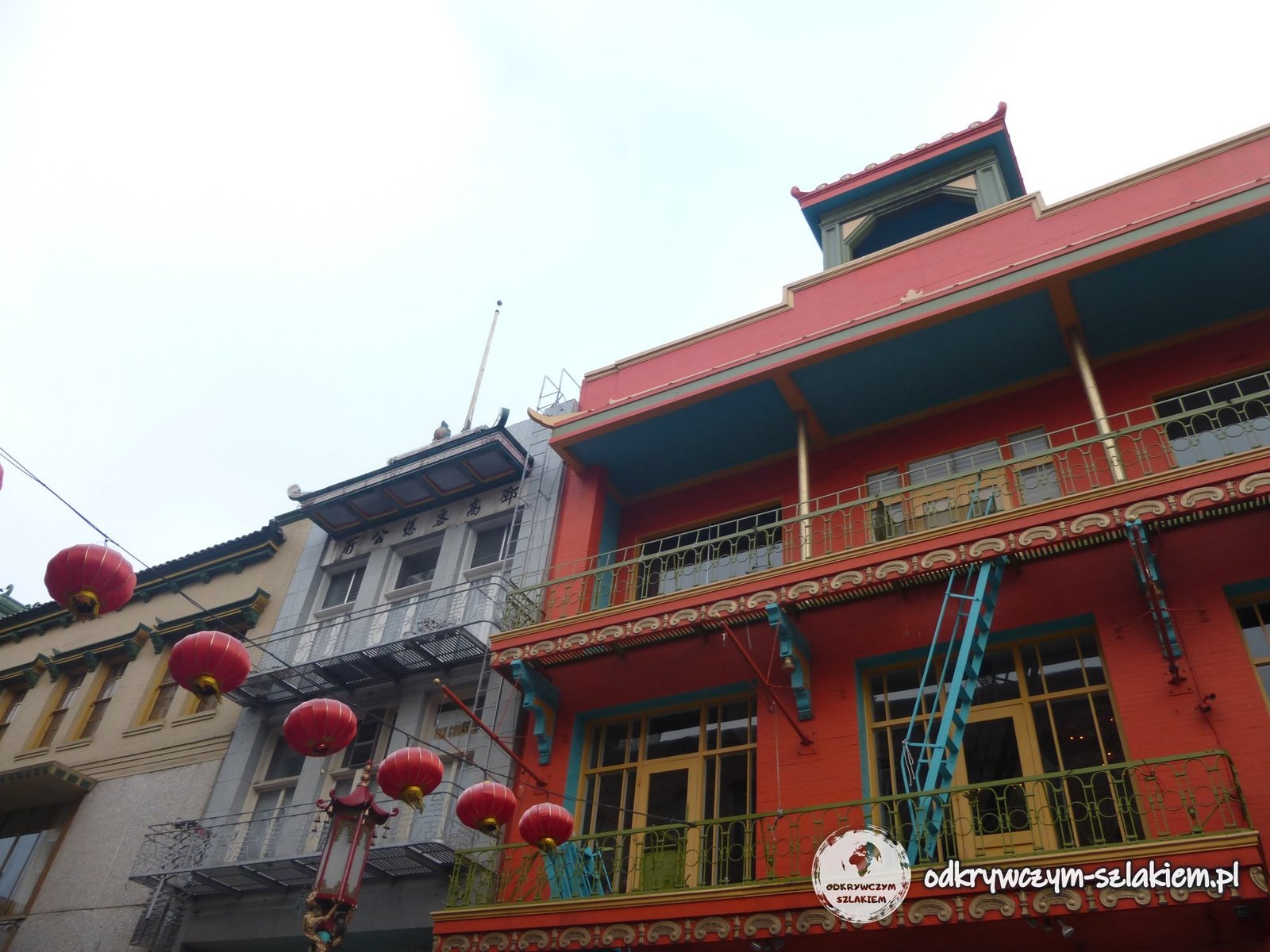
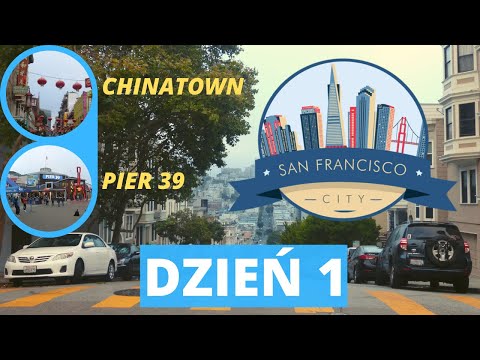
The Chinese part of the city, where you can eat at a reasonable price. It is the oldest Chinatown in North America. Since it was founded in 1848 it has been an important historical and cultural centre for Chinese immigrants.
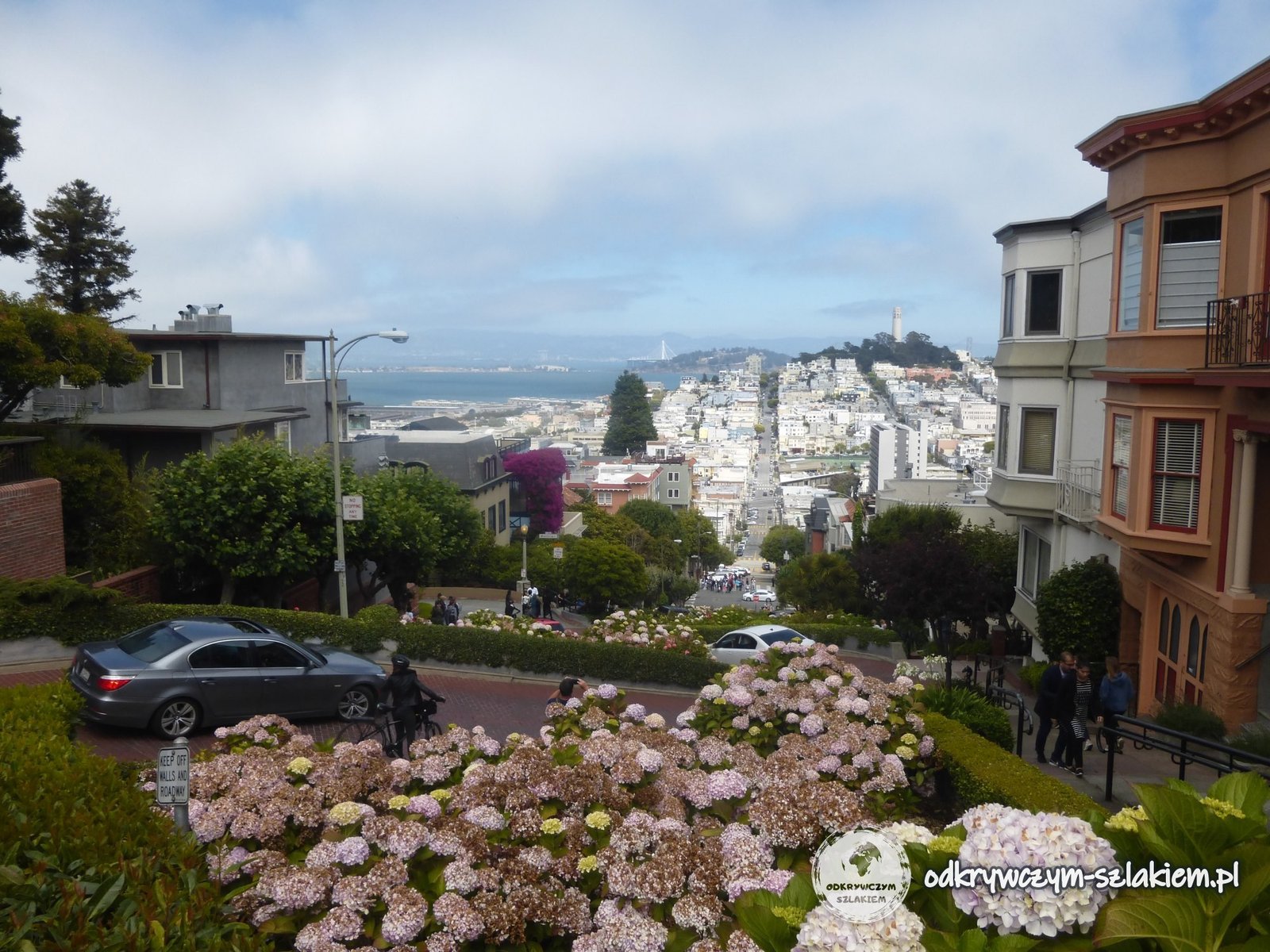
A very famous narrow and winding street. Lombard Street is known for the stretch in Russian Hill between Hyde and Leavenworth Streets, where eight sharp bends make it the crookedest street in the world – the roadway has eight hairpin turns. The project was born in 1922 out of the need to reduce the gradient of the road, which was then 27% and made driving down it seriously dangerous. Since the switchbacks were built, the gradient has been 16%
It’s worth climbing to the top mainly for the view. From the highest point of the street you can admire a beautiful panorama of the city.
There are 12 residential buildings on this stretch, for which it is the only access road. Traffic is one-way (eastbound only, downhill) and the speed limit is 8 km/h.
Unfortunately, the traffic is constantly blocked by tourists taking photos.
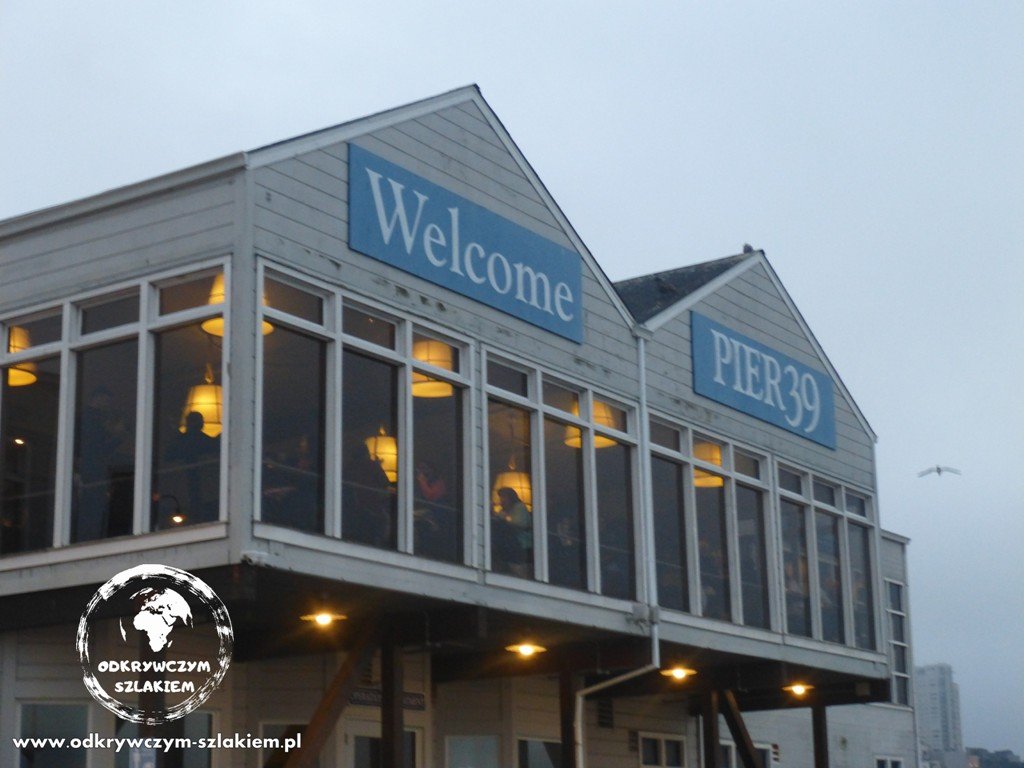
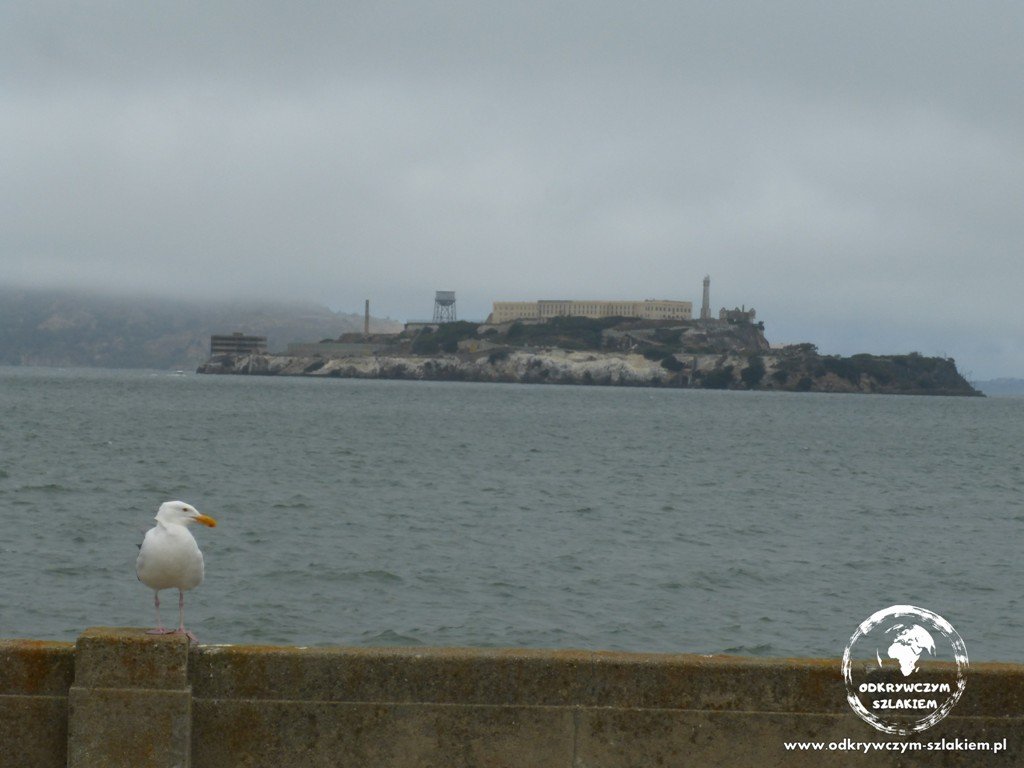
It is mainly a shopping centre on a pier. One of the tourist attractions here are the sea lions, which with a bit of luck you can see from the shore. We managed to see one of them. From the shore you also have a great view of Alcatraz. Apart from that, there are lots of wooden, interestingly styled buildings to admire.
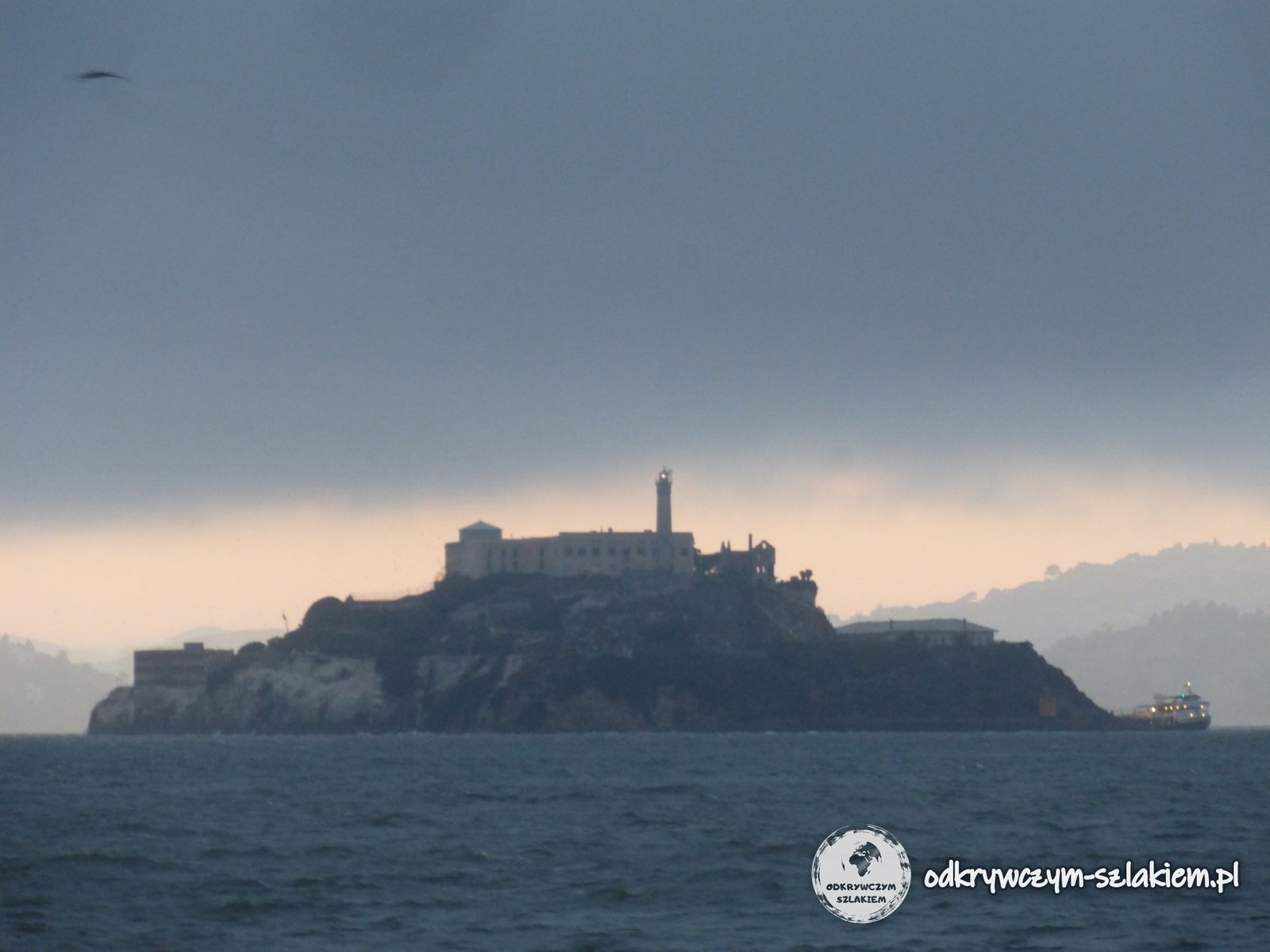
Alcatraz was a maximum-security prison in the 20th century. You can visit the island as long as you book tickets in advance (prices from $41).
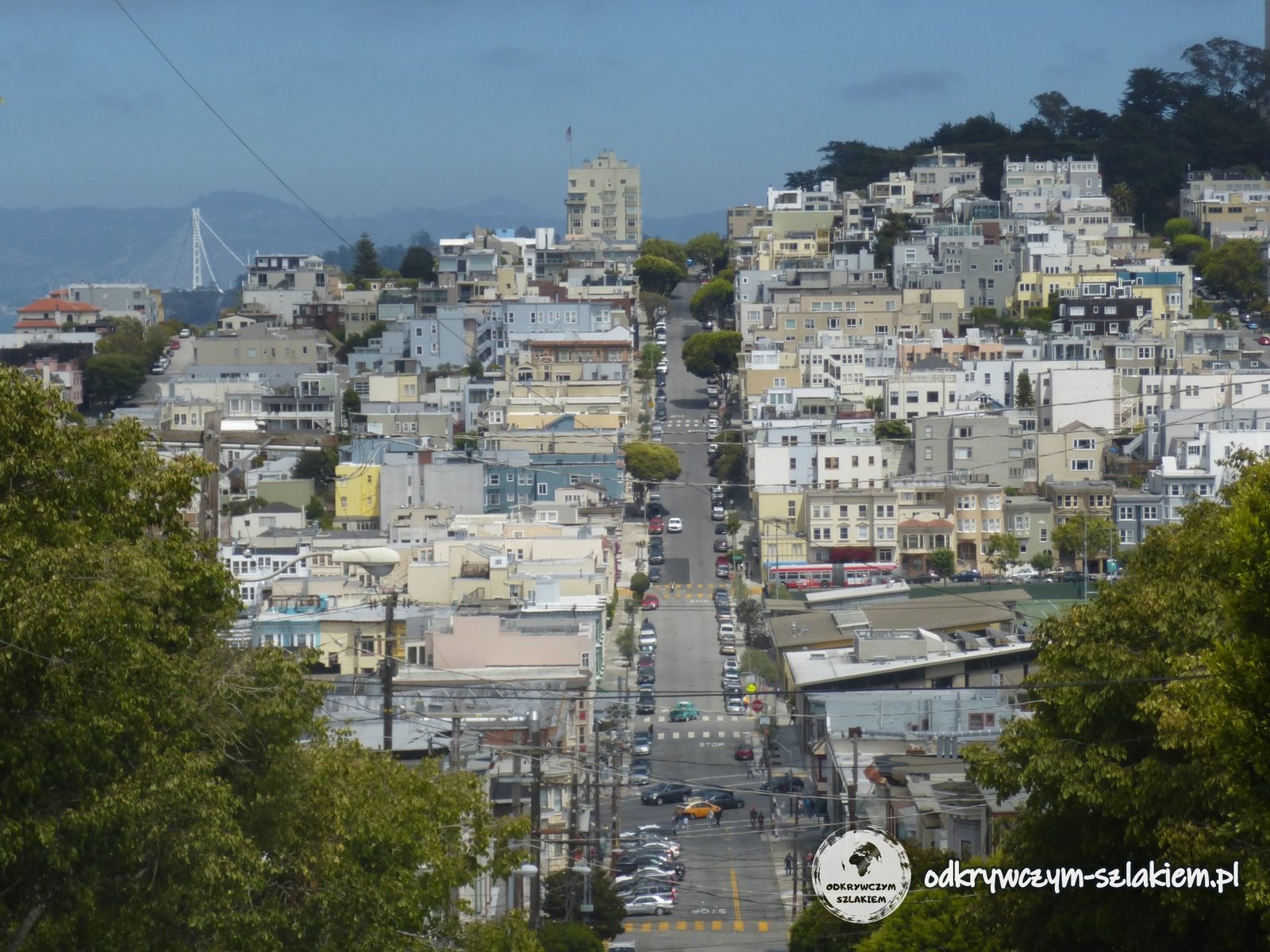
It’s worth taking a walk to the north-east of the city (the North Beach district) – along the waterfront you pass lots of charming streets at different heights, which creates an amazing panorama of the city. Walking around San Francisco, you notice that you are constantly going uphill or downhill.
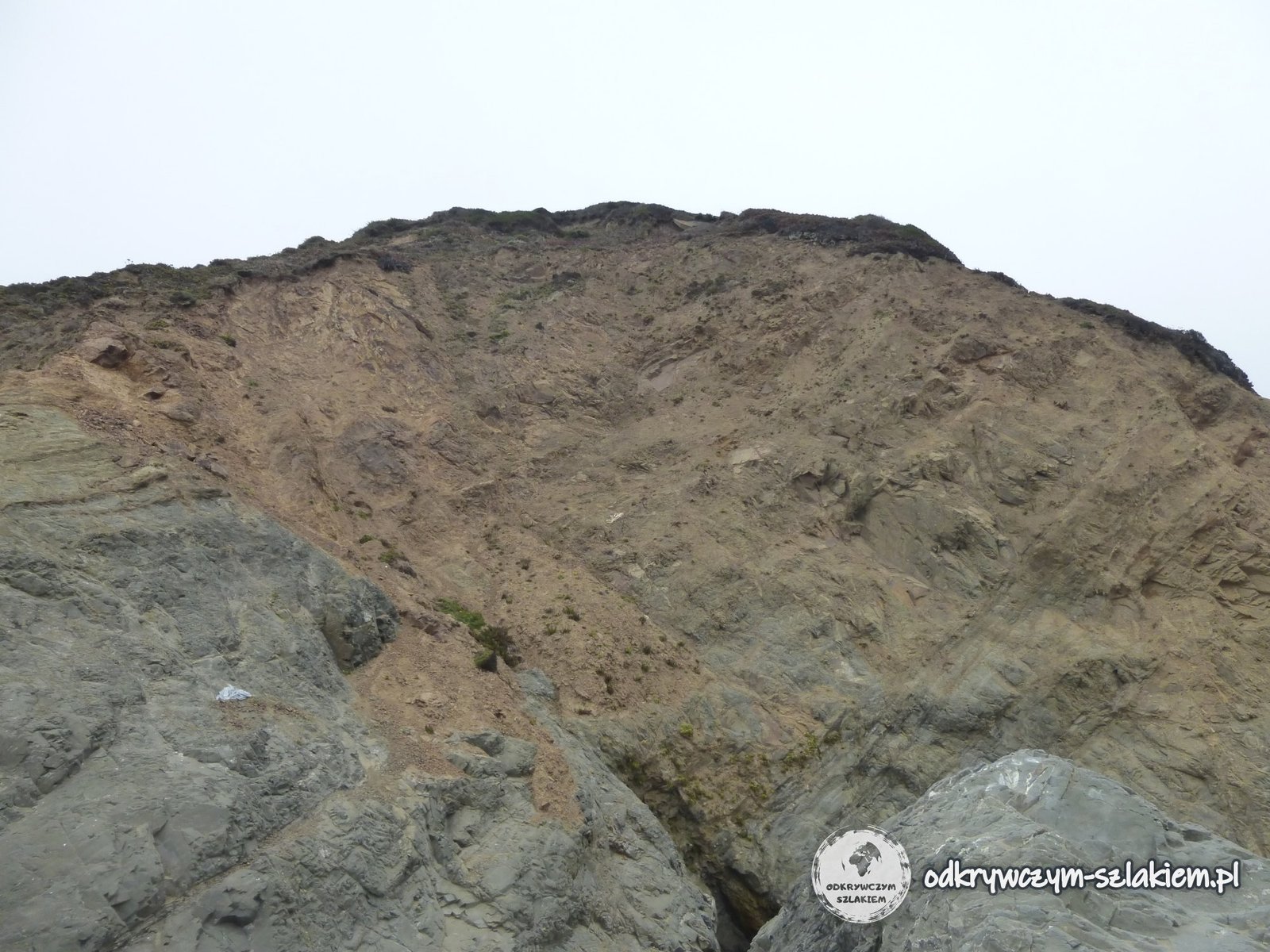
It is about 800 m long. Along the Pacific coast near Baker Beach you can admire high cliffs. It’s a good viewpoint for the Golden Gate Bridge. The northern part of the beach is visited mainly by nudists. One fatal shark attack has been recorded here (in 1959).
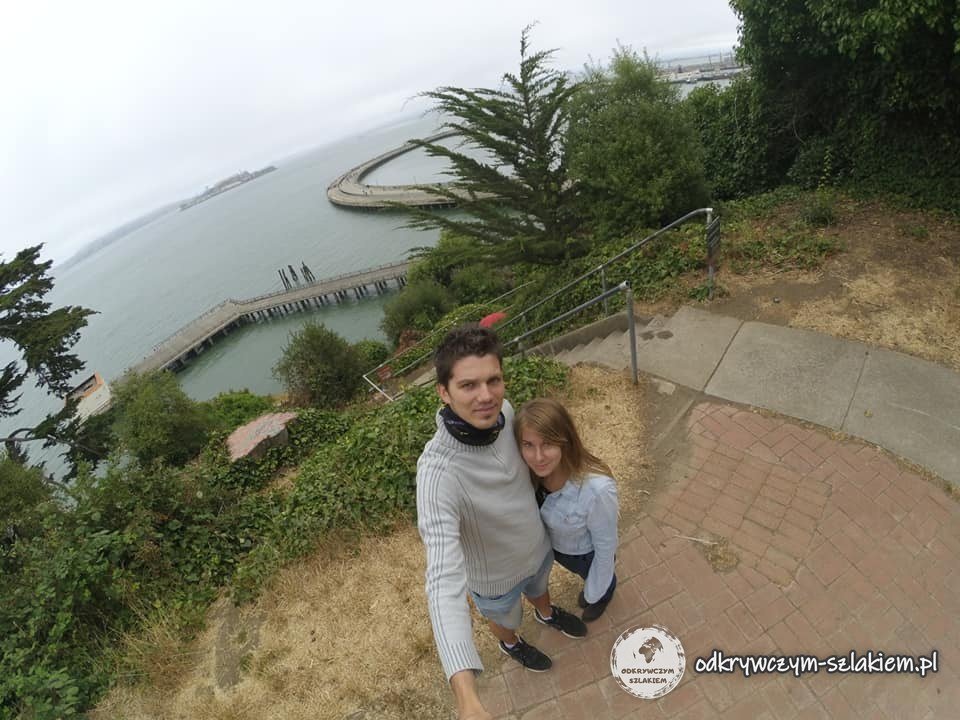
Aquatic Park Pier is an old pier with a good view of Alcatraz and the northern part of the city. From there we also managed to watch sea lions swimming. Walking further through the San Francisco Maritime National Historical Park, we came to another pier – Hyde Street Pier, where we could go aboard a houseboat from the end of the 19th century and, next to it, see a ship’s wheel and a steam donkey, which was used as a winch.
Better not to sleep in a tent! If you really have to go with a tent (e.g. because accommodation is too expensive), book a pitch at a campsite in advance and be sure to take warm clothes and a good sleeping bag, or check the weather forecast beforehand :)! You’ll find out from the description below why San Francisco is so unfriendly to tent camping.
On the first day, because it was late, we pitched our tent near the attractions we were visiting. The next day we found out that you can only pitch a tent in specially designated places (a campsite or campground).
The following day, towards evening, we decided to find a campsite so we could pitch our tent completely legally. The first one we got to was already 100% full until the following week. Some time later it turned out that there was no space at the next campsite either. A very important thing we learned is that you can’t get a pitch without sending an application in advance. The approval process itself can take up to several days. So once again we wild camped. Luckily we found a great spot – close to the bridge and sheltered on every side (nobody could see us, and the trees protected us from the wind). I can’t remember another time in my life when I was as cold as I was that night. Because of the heat we had experienced in California, we weren’t prepared for the conditions in San Francisco.
Weather: the cold California Current brings mild temperatures with a small annual range, while the meeting of cold air masses from the ocean and warm ones from the land produces fog. So during our stay the temperature was about 13 degrees, there was a strong wind and it rained. I think the Mark Twain quote describing San Francisco is pretty accurate
Luggage: there is a left-luggage office at 474 Columbus Ave – we left one backpack there (5 USD a day) and went sightseeing with the other. A single bus ticket cost 2.75 USD. From Fresno we took the train to Emeryville and then a bus (about 4 hours), and to Sacramento a bus took about 2 hours. It was almost 20 degrees warmer there and we were back in short sleeves!
“The coldest winter I ever spent was a summer in San Francisco”
~Mark Twain
4:135:168:387:05Stay with me on the road – follow me wherever you like best.