In September 2021 we went on our first holiday of the year – eight full days in Turkey, from 18 to 25 September, the three of us with Ania. Our base was Antalya, the largest city on the Turkish Riviera. From there we travelled to ancient cities – Perge, Aspendos and Phaselis – and for the two most distant sights, Cappadocia and Pamukkale, we joined organised tours. For me it was my third visit to Turkey – I came back after 14 years. I already knew some of the places, but after so long I experienced them completely differently.
Table of contents
- Antalya – Konyaaltı beach, the old town and Hadrian’s Gate
- The Düden waterfalls – lower and upper
- The Tünektepe cable car – Antalya from above
- Perge and Aspendos – ancient Pamphylia
- Phaselis – ruins above a paradise bay
- Cappadocia – an underground city, fairy chimneys and Zelve
- Konya – the dervish lodge and the tomb of Mevlana
- Pamukkale and Hierapolis
- Lake Salda – the “Turkish Maldives”
- Turkish cuisine
- Practical information – prices, tours, weather
Antalya – Konyaaltı beach, the old town and Hadrian’s Gate
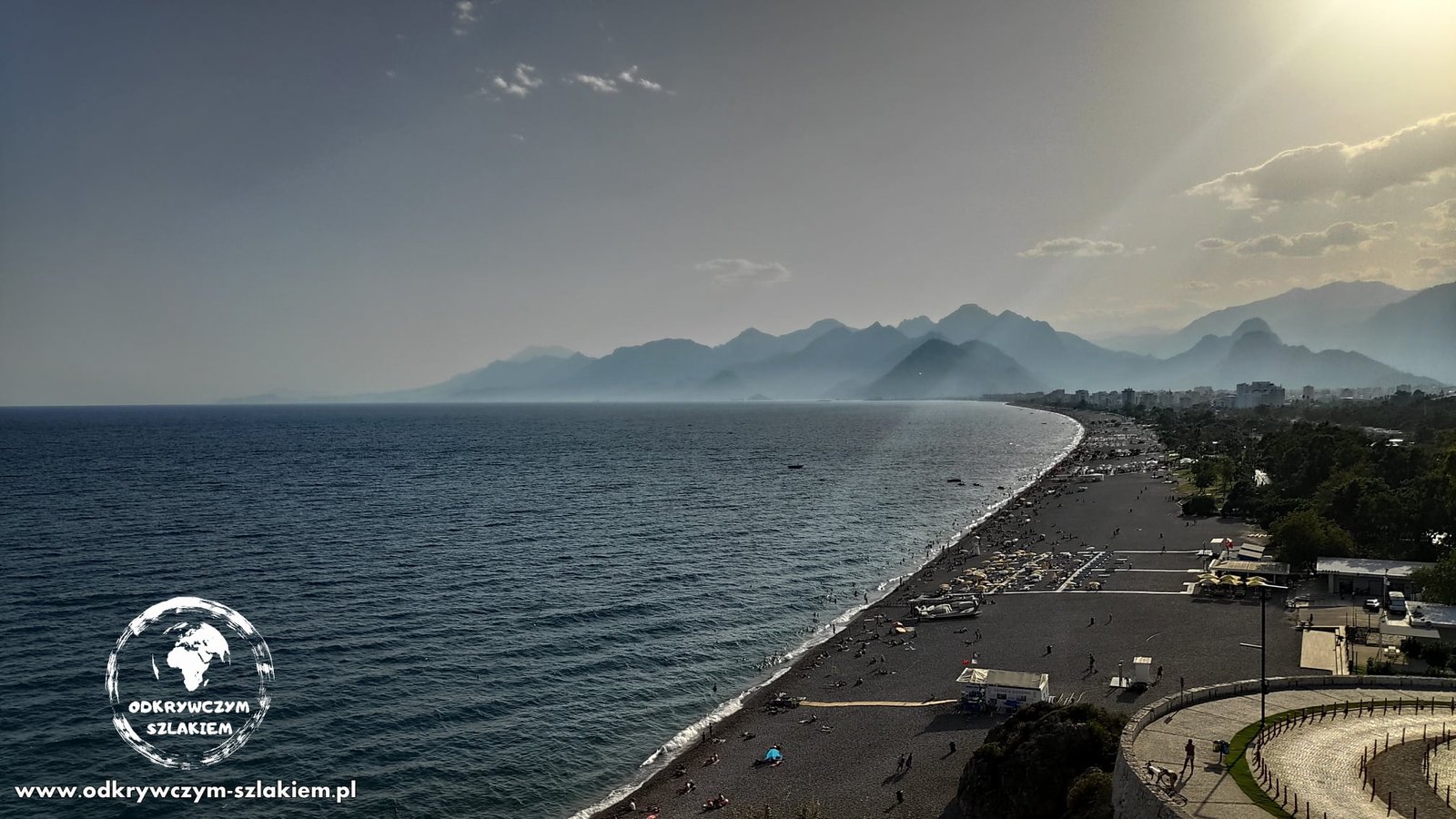
Antalya is a big, modern city where you can see the influence of European culture at every turn. West of the centre stretches the long pebble beach of Konyaaltı, with the Taurus Mountains in the background – this is where we started our holiday on the first evening (the photo at the top of the post). It was still very warm – over 30 degrees – and the sea was as warm as 28 degrees, so we went swimming several times.
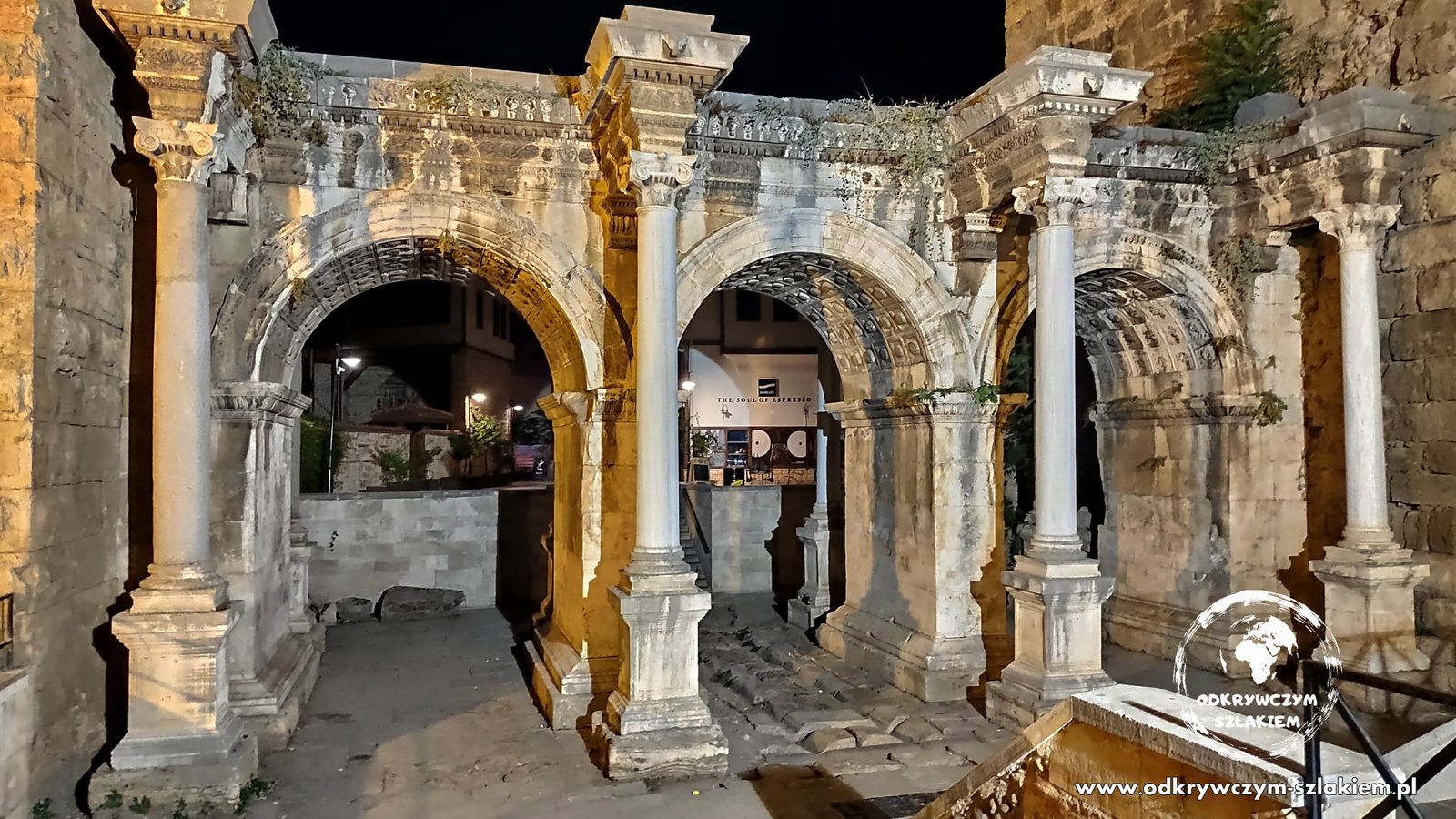
The most interesting part of the city is the old town (Kaleiçi) with its harbour, where remains from Roman times have survived. You enter it through Hadrian’s Gate – a marble arch with three passages, built in honour of Emperor Hadrian, who visited the city in 130 AD. I captured it before dawn, on the way to the Cappadocia tour.
The Düden waterfalls – lower and upper
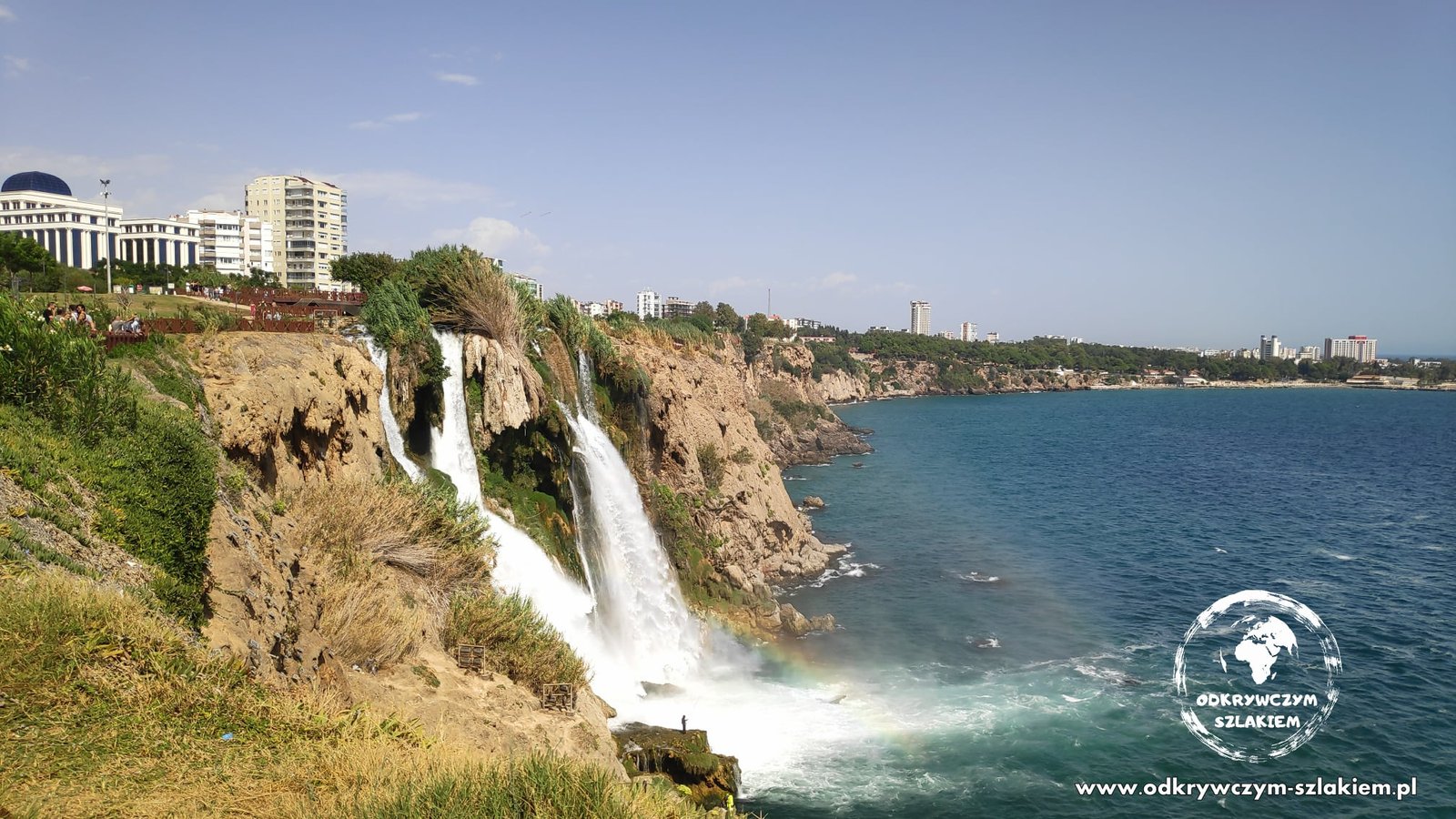
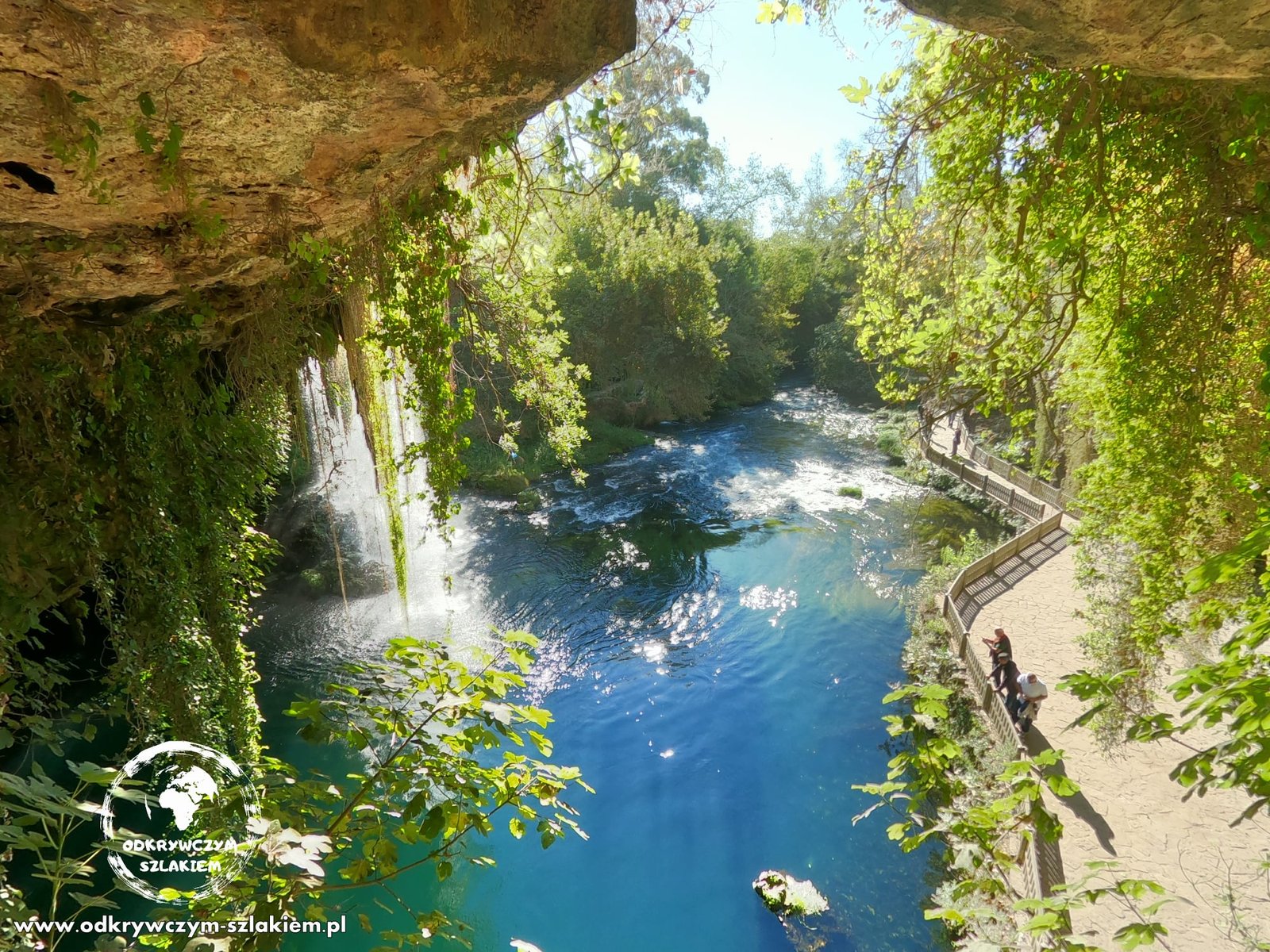
In Antalya there are two parts of the Düden waterfall, quite far apart. The lower waterfall drops from a high cliff straight into the Mediterranean – it’s best seen from the park on the shore, and when the sun is out a rainbow appears above the water.
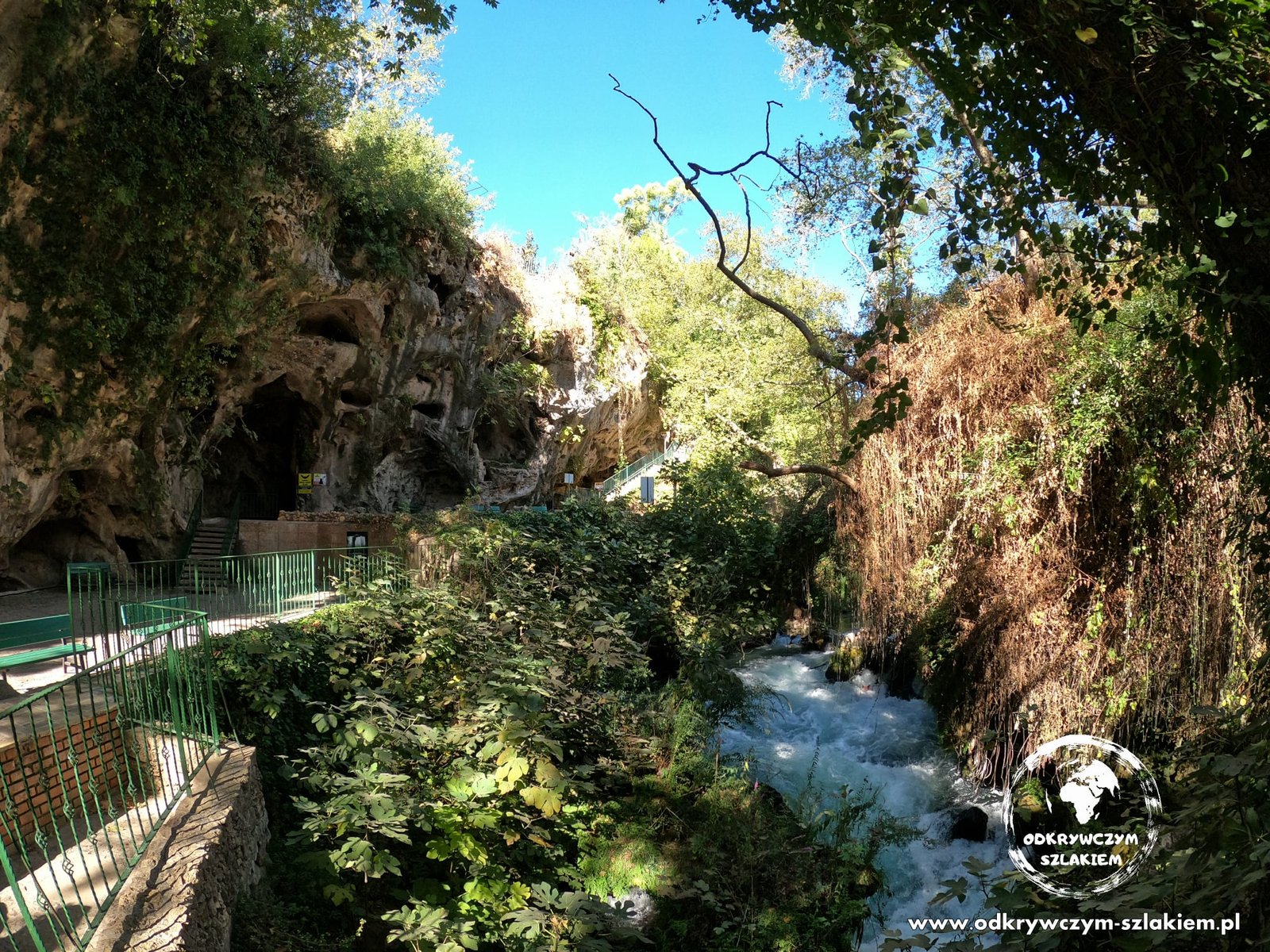
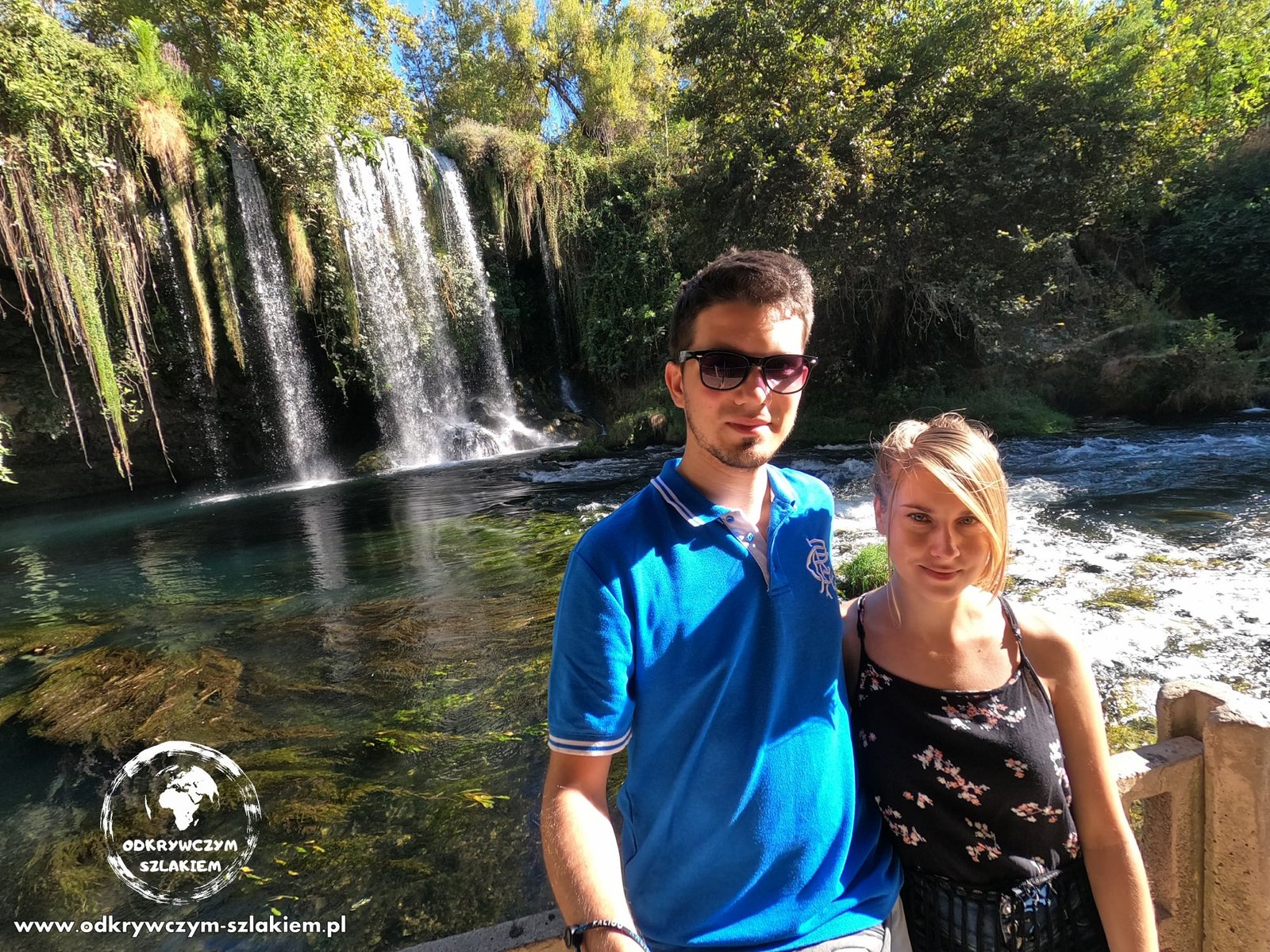
The upper waterfall lies inland, in a park on the northern outskirts of the city. The river flows from here, and right by the waterfall there are caves – from one of them you can look at the falling water from the inside.
The Tünektepe cable car – Antalya from above
It’s worth going to the other, western end of the city, where the Tünektepe cable car goes up to a viewpoint at about 600 m. The ticket is cheap, but you have to expect a long wait. On the way up you can already see the Taurus Mountains, and from the top – the coast and the whole city above the bay.
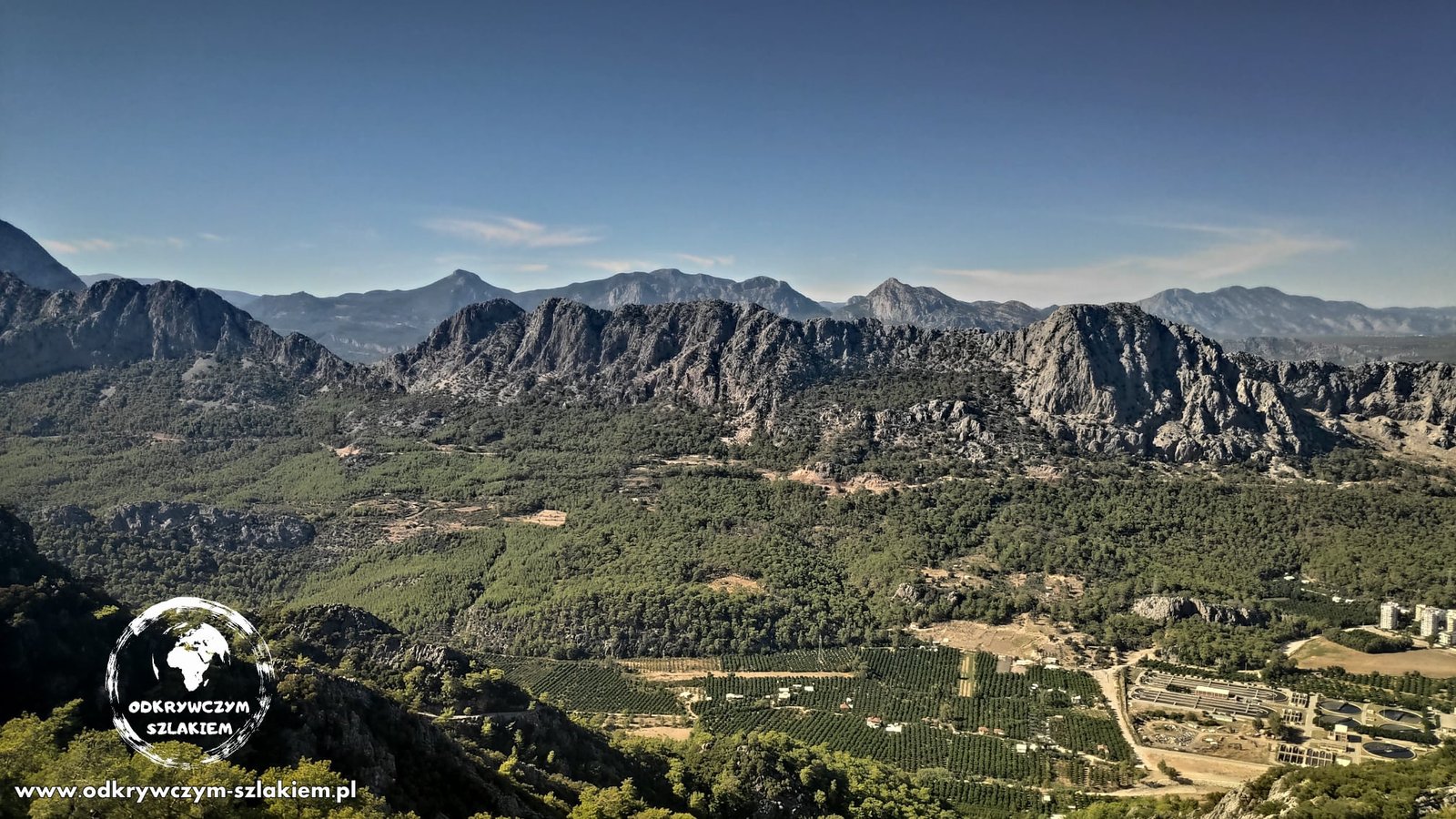
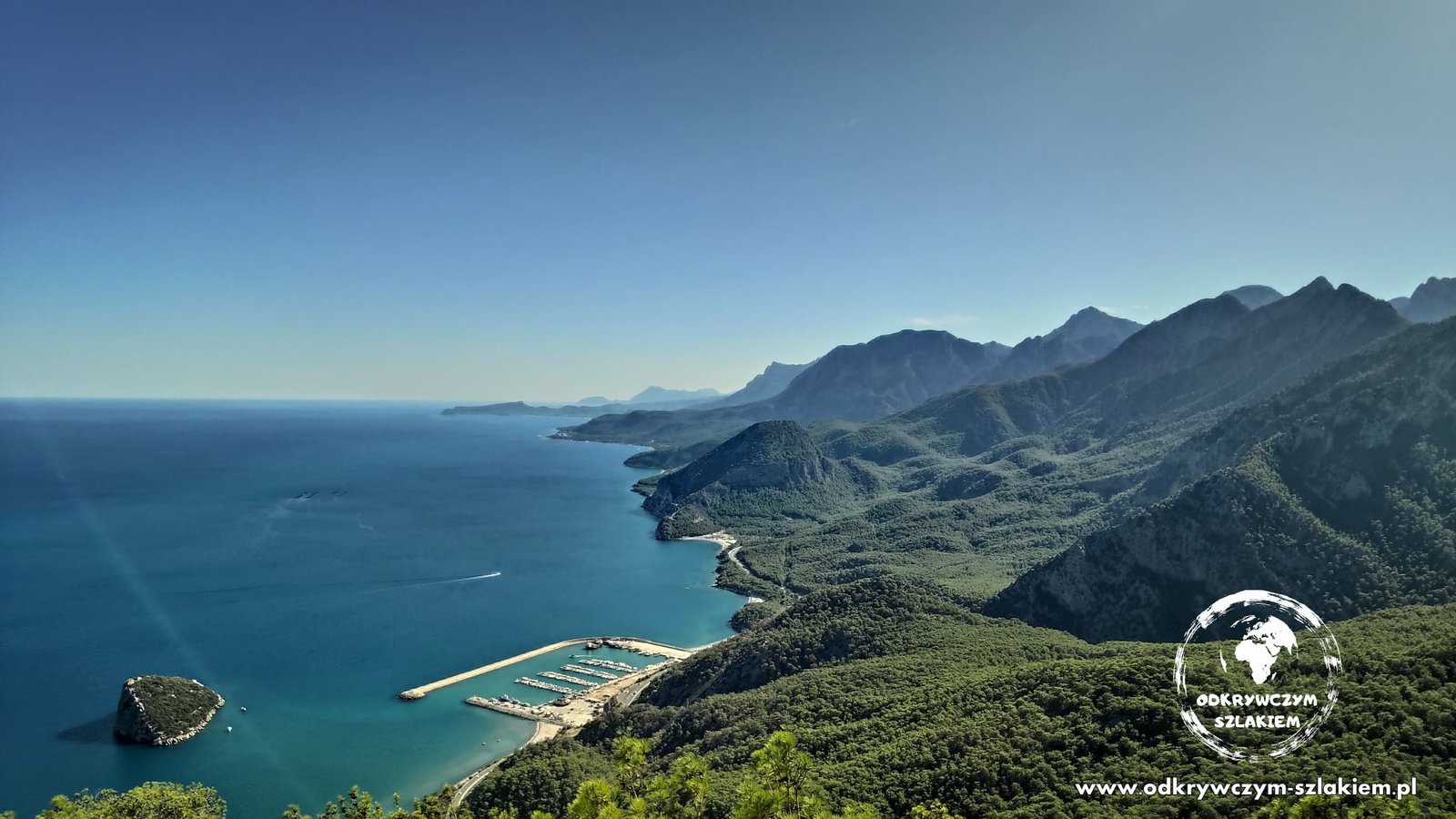
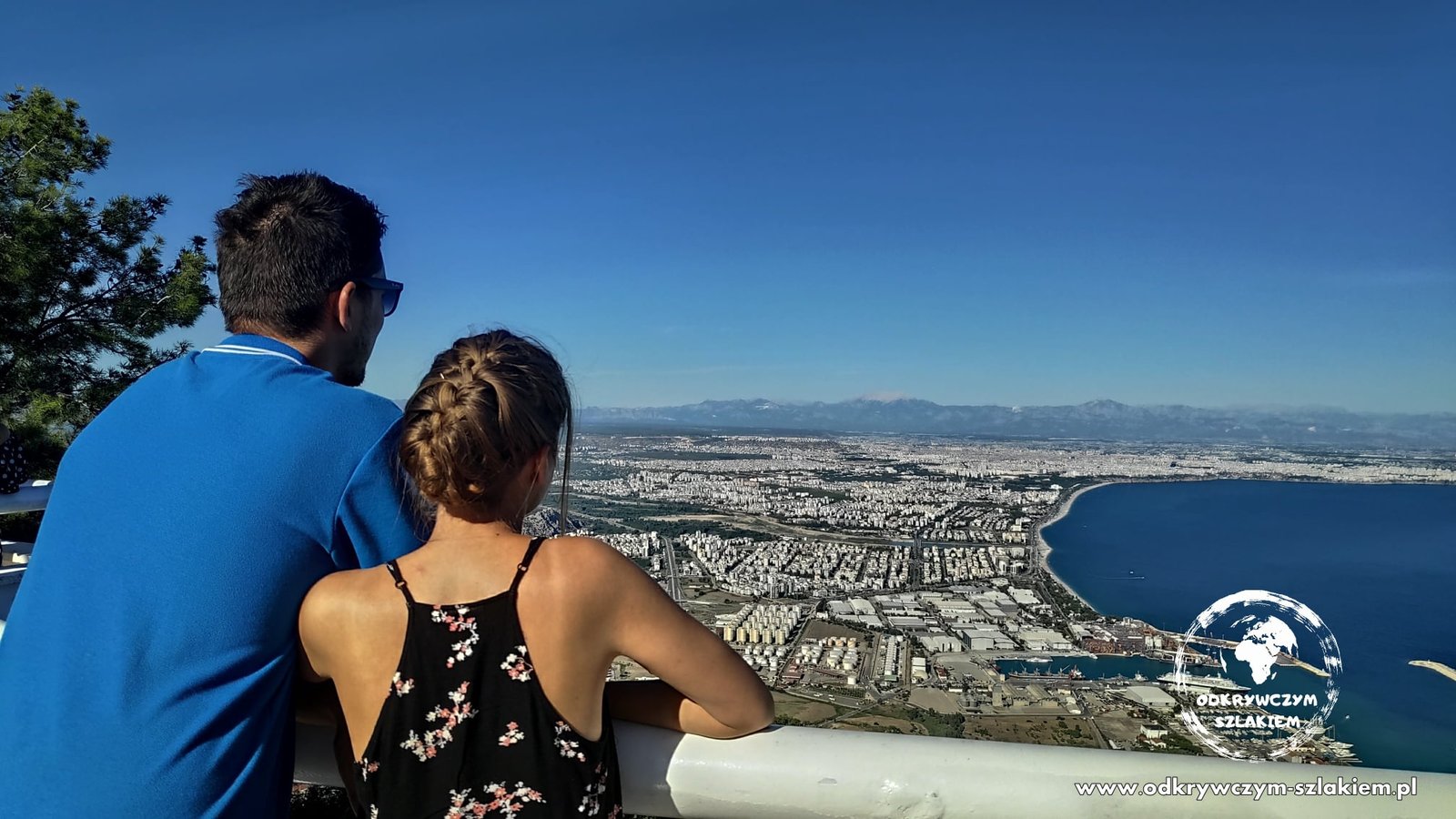
Originally we had planned to take the more expensive cable car up to the summit of Tahtalı Dağı (2365 m above sea level), but we gave up because of poor visibility.
Perge and Aspendos – ancient Pamphylia
There are many ancient cities around Antalya. Turkey alone has more remains of ancient Greece and Rome than those two countries put together – and often in better condition. In one day we visited two of them. Perge was the most important city of ancient Pamphylia – we walked down the main colonnaded street with its arches and then sat down in the ruins of the theatre.
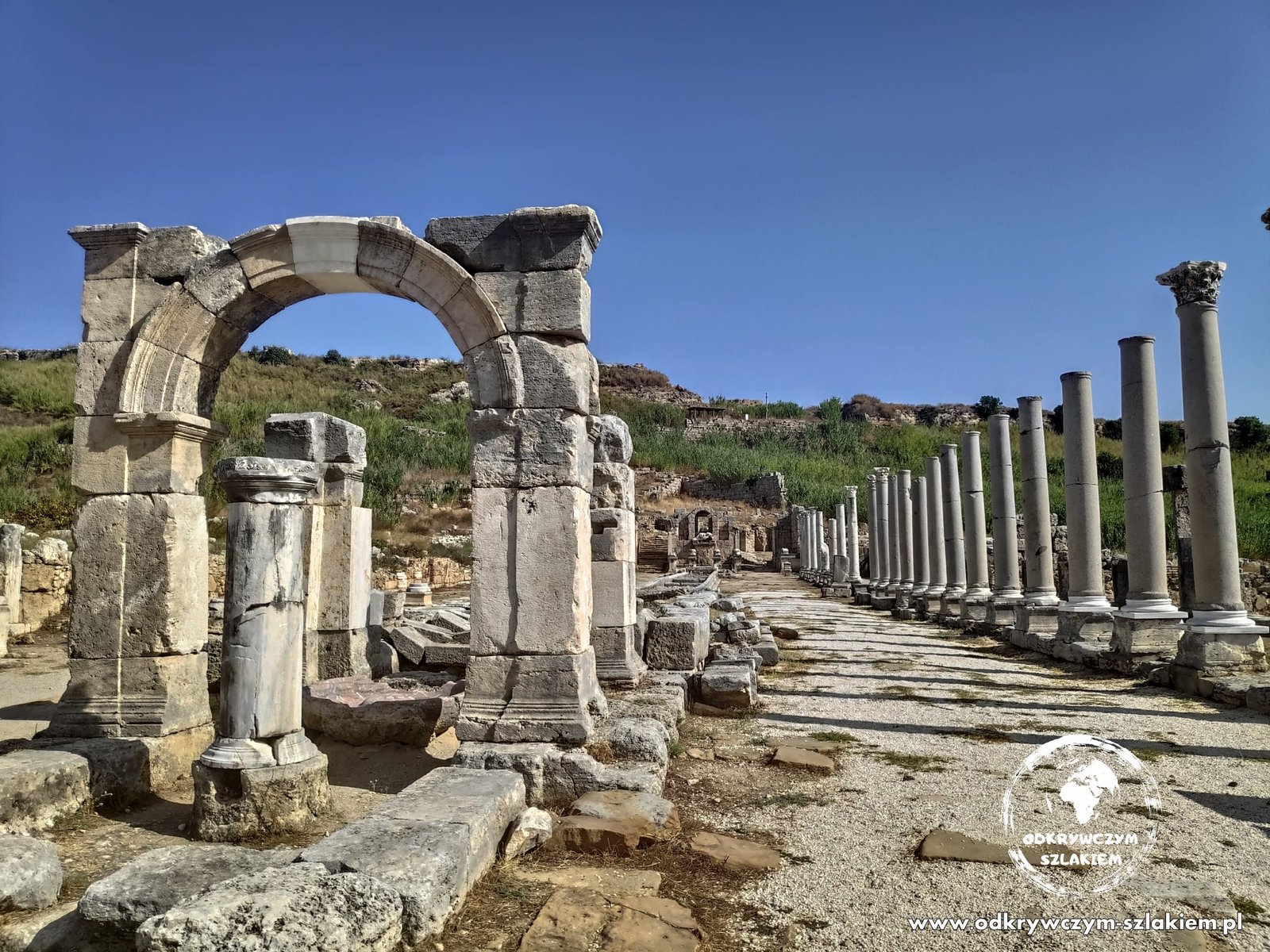
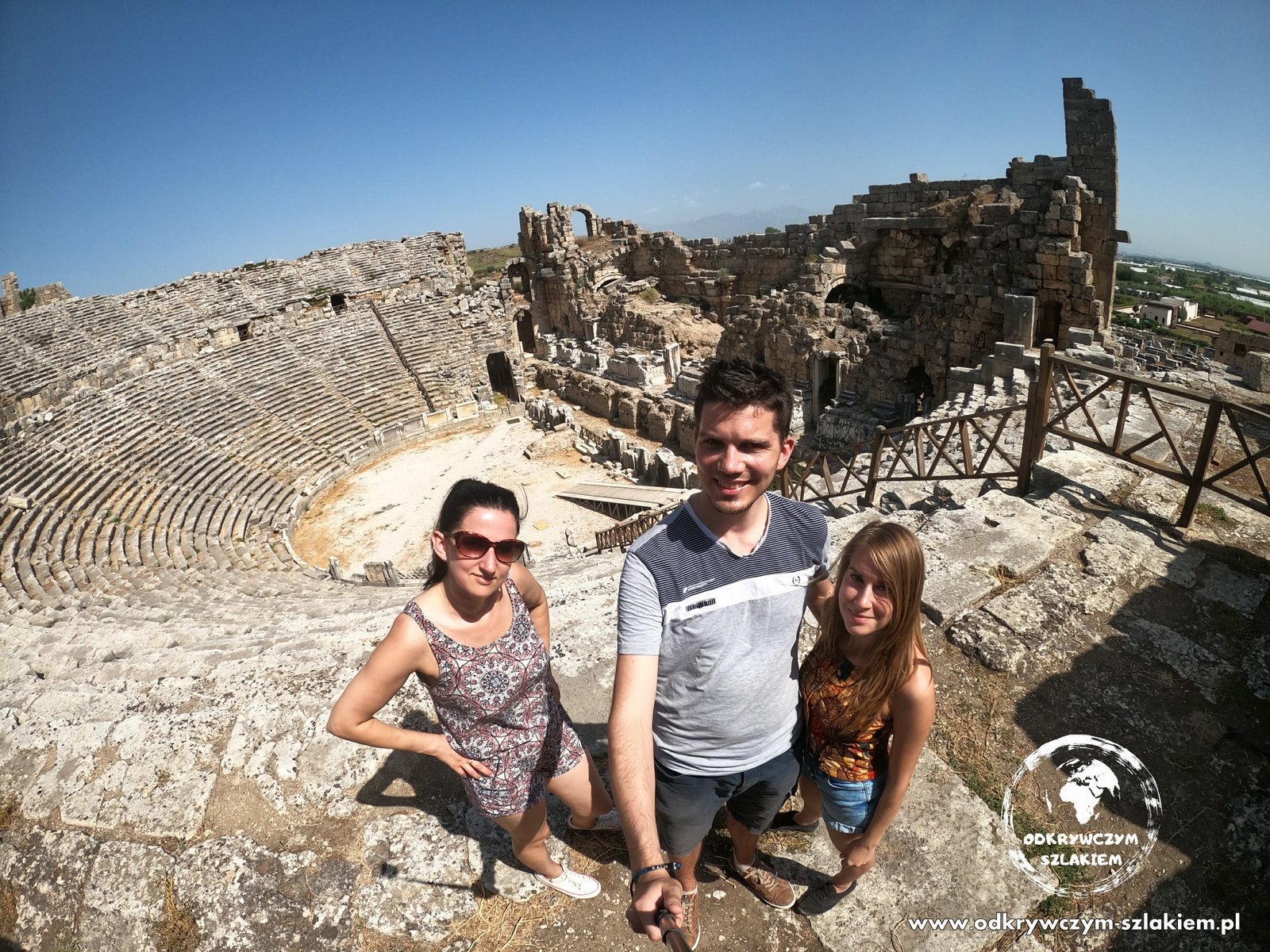
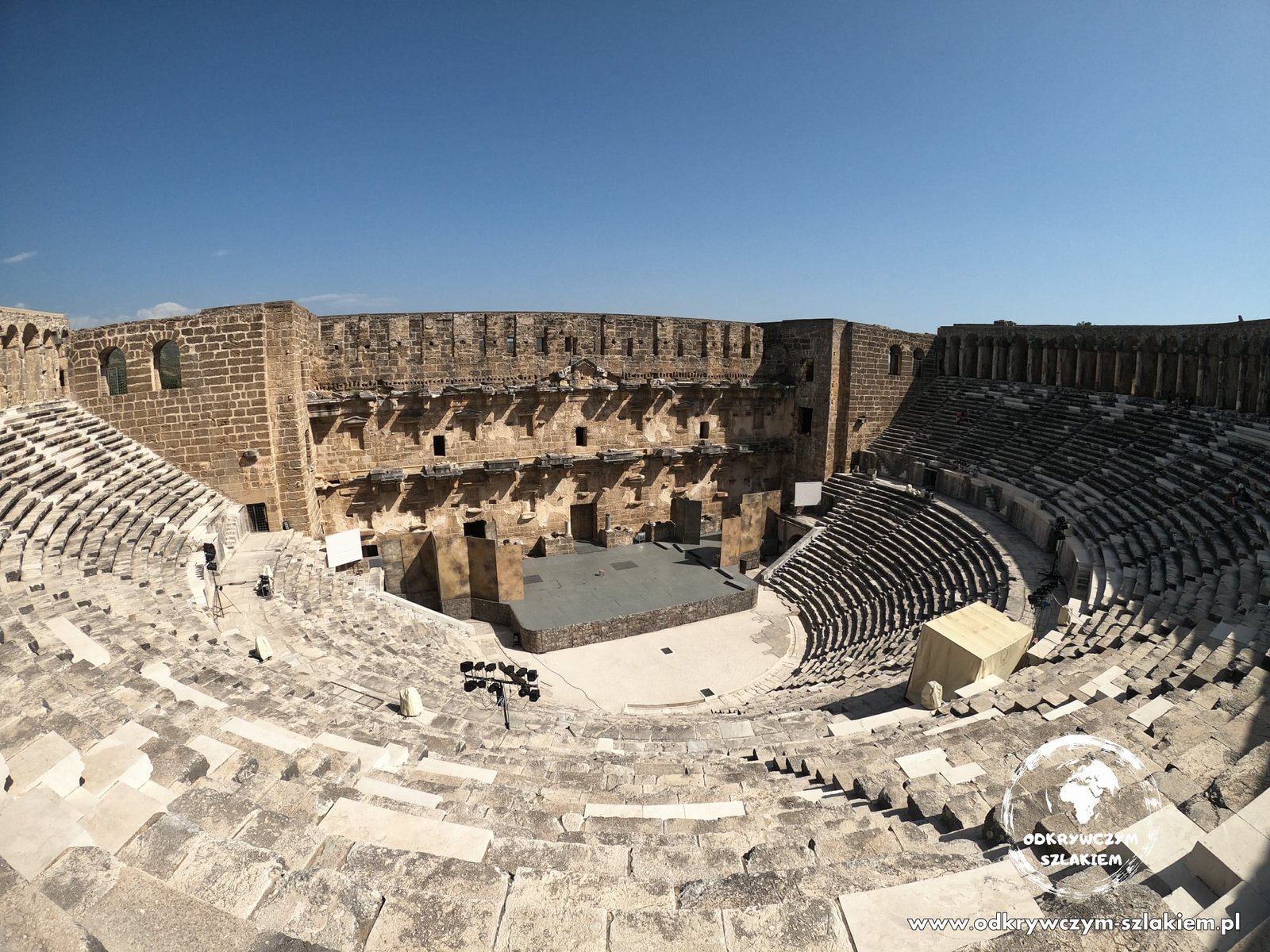
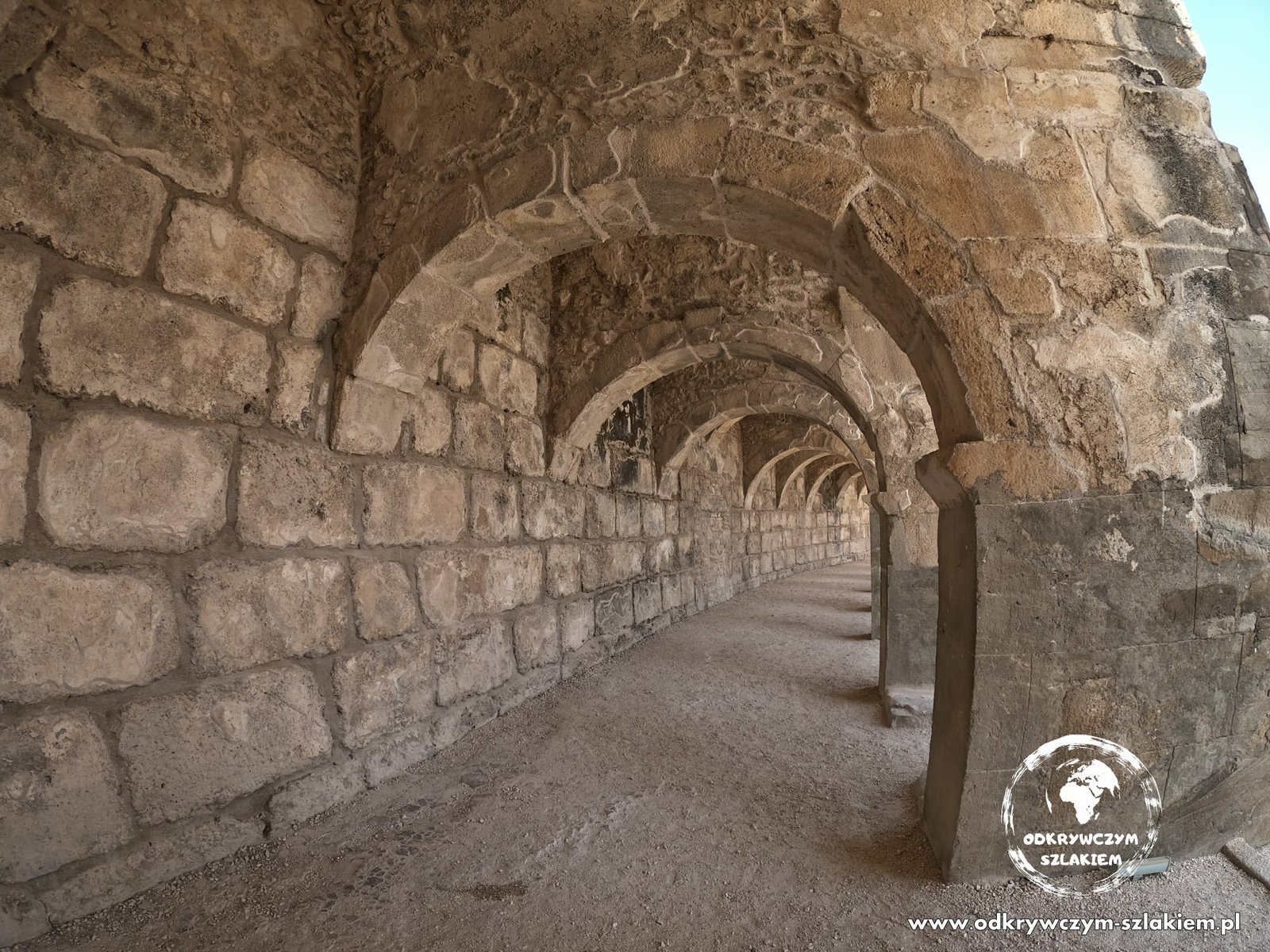
Aspendos has the best-preserved ancient theatre – a Roman building from the 2nd century AD, with a complete auditorium and an almost intact stage building. Concerts are even held there. Unfortunately the rest of the city’s ruins were closed to visitors – Turkey was still under a fire alert after the summer wildfires (there were fires near Manavgat, not far from Alanya, among other places). For the same reason we had to give up on ancient Termessos.
Phaselis – ruins above a paradise bay
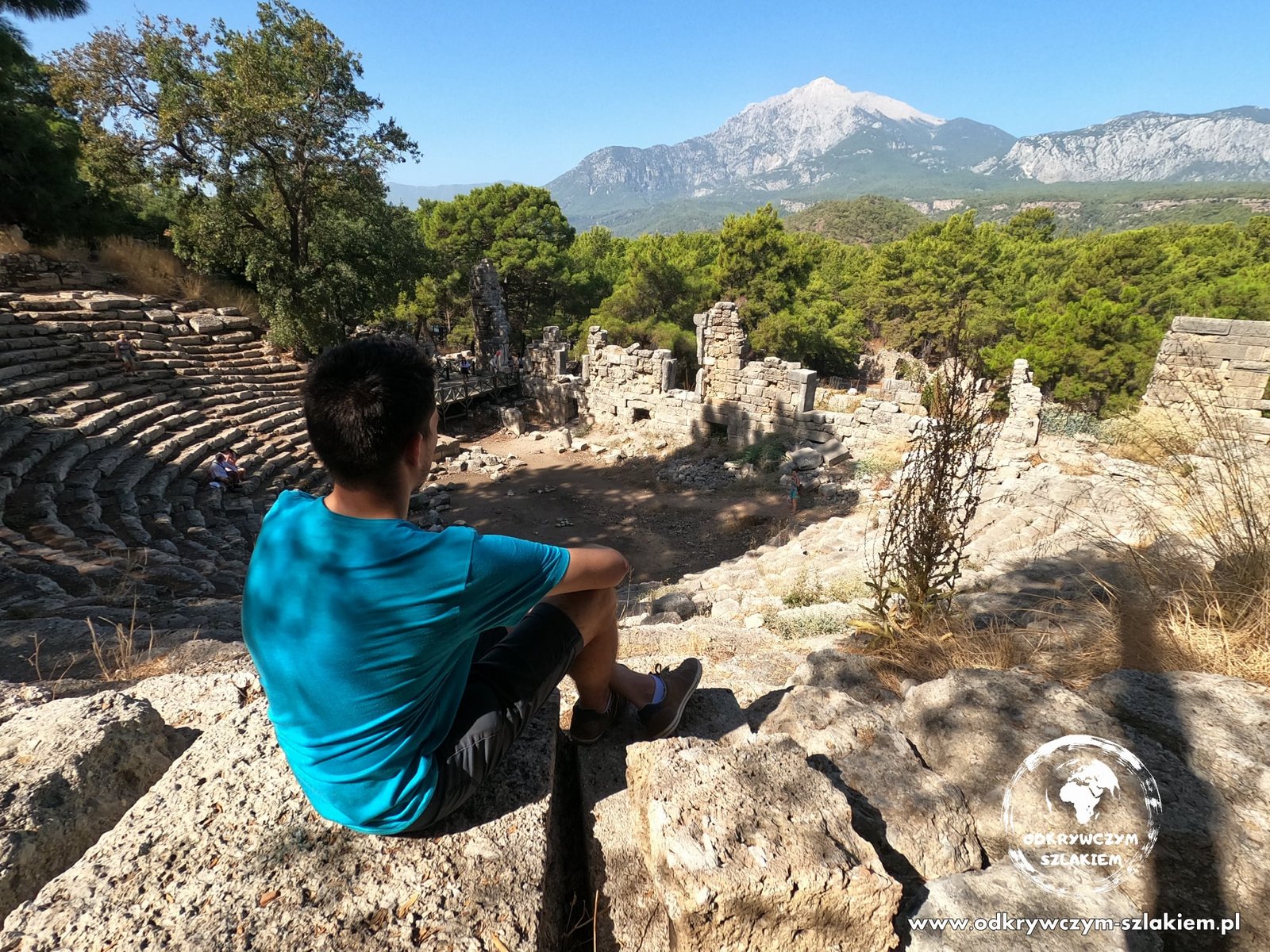
Phaselis is an ancient port city south of Antalya, hidden in a pine forest between three bays. Between the ruins – including a small theatre – you can see the summit of Tahtalı Dağı.
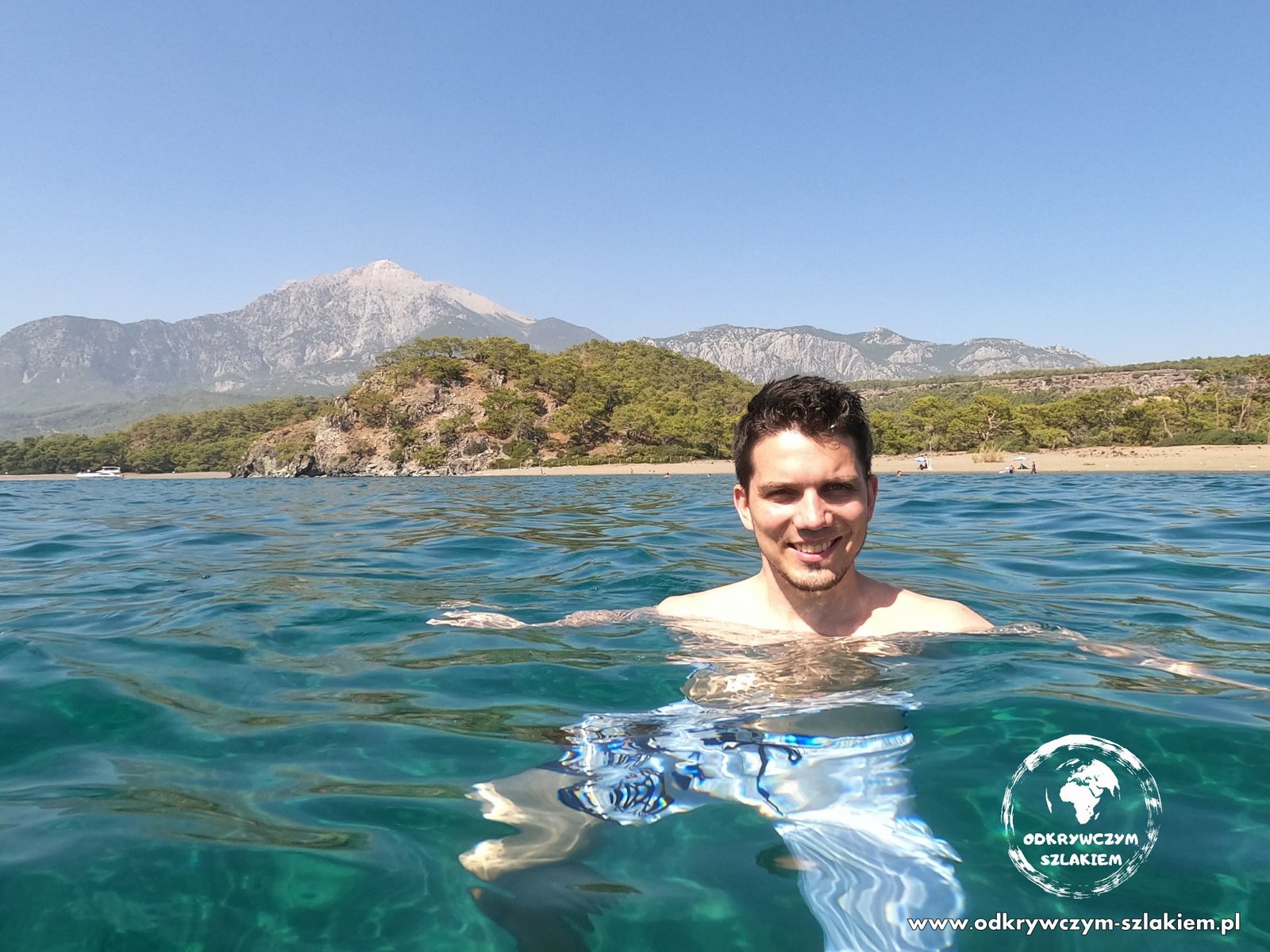
The greatest asset of Phaselis, however, is its beach in idyllic surroundings: swimming in clear water with a view of the mountains is something we didn’t expect in an ancient city.
Cappadocia – an underground city, fairy chimneys and Zelve
We don’t usually do this, but this time we went on two organised tours – to Cappadocia and to Pamukkale. Our schedule was tight, and this way we could make good use of our time at a cost comparable to going on our own (if not lower). We set off from Antalya on the two-day Cappadocia tour before dawn.
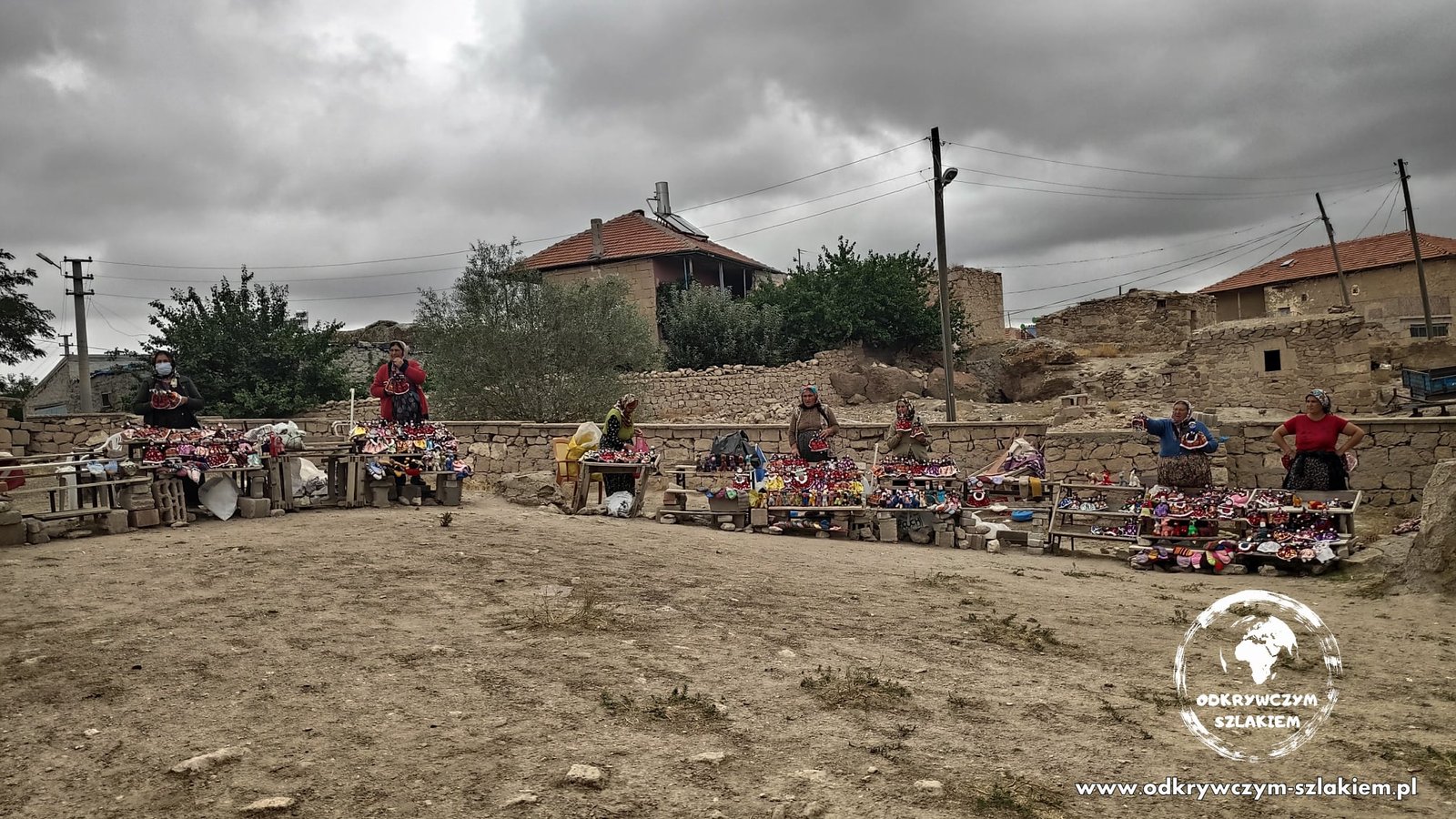
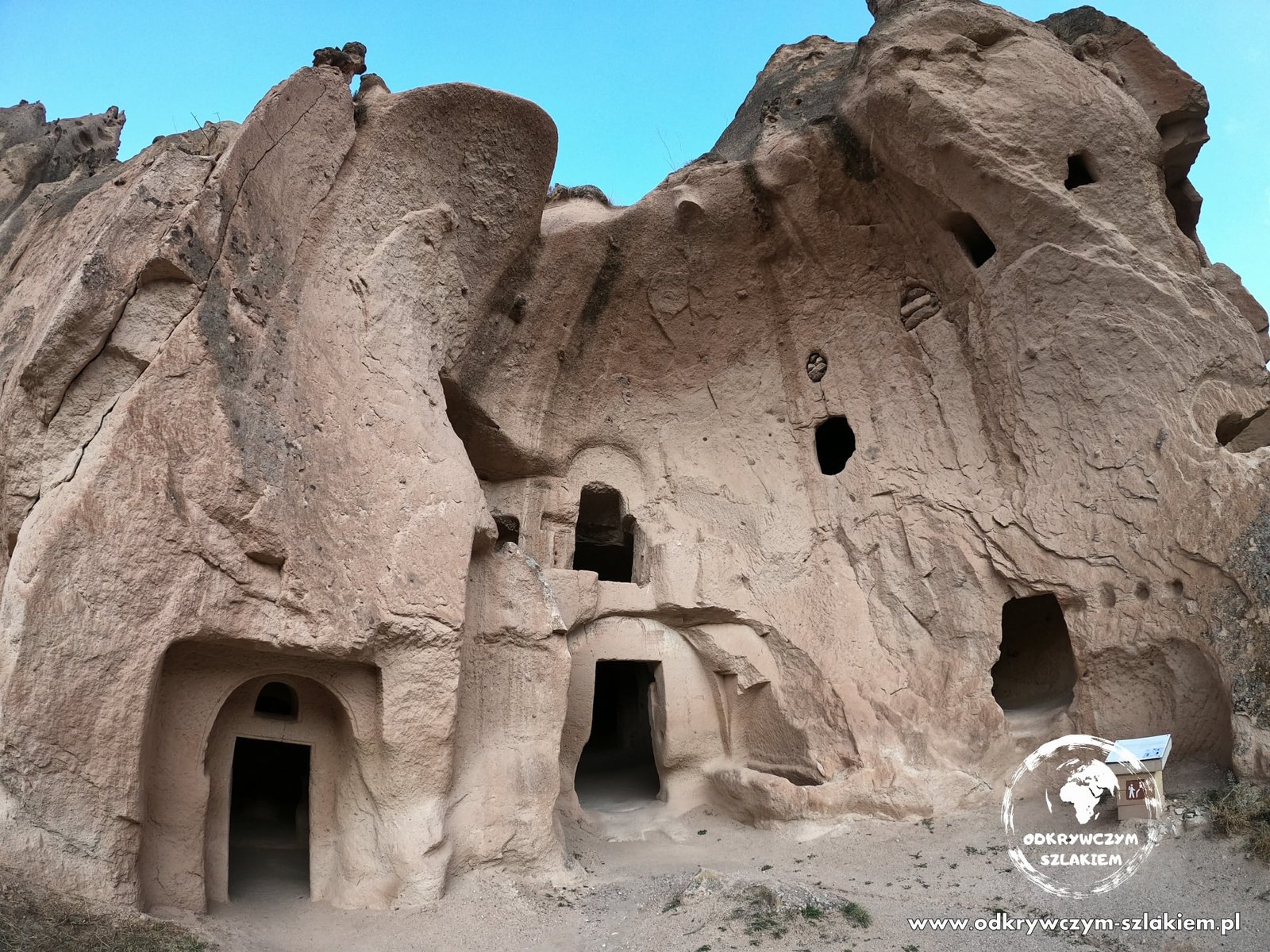
Cappadocia is Turkey’s top attraction – a region known for rock formations shaped from volcanic tuff and for houses and churches carved into the rock. There are a great many valleys here, all fairly similar – to see them all you would need to spend quite a few days. There are also several underground cities; we went down into the one at Derinkuyu, which reaches several dozen metres underground. Souvenir stalls wait at the entrance.
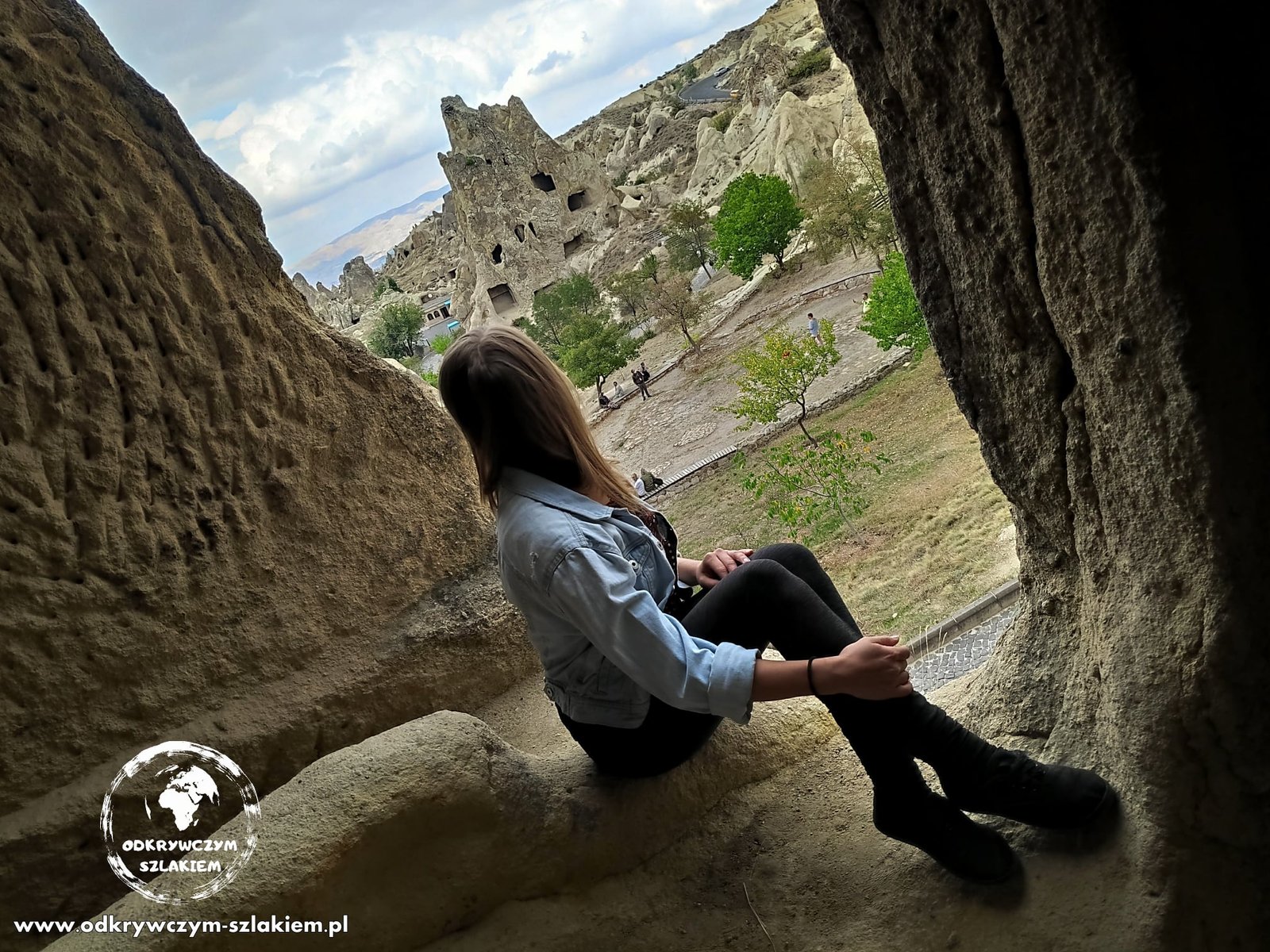
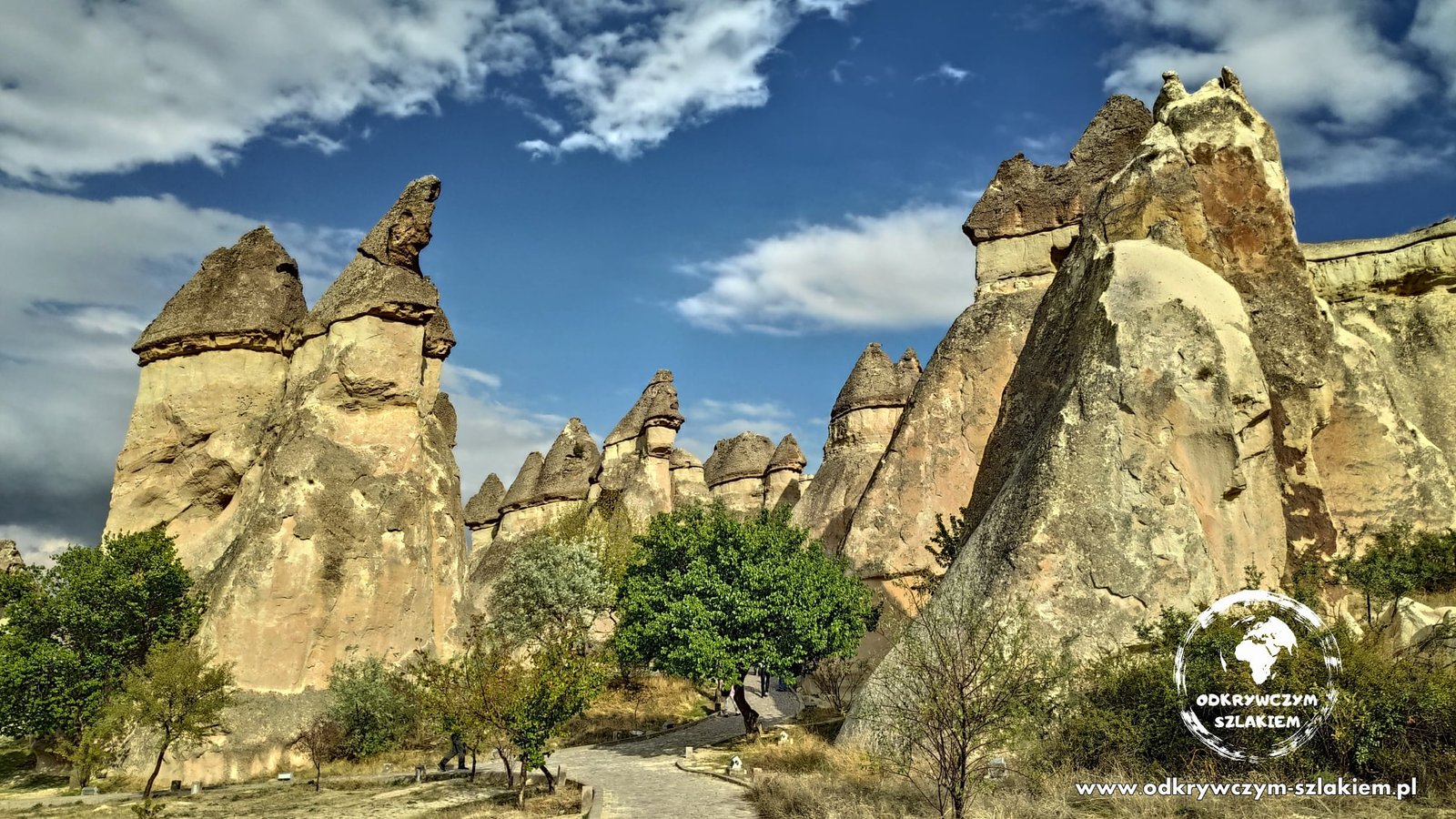
The most characteristic sights are the fairy chimneys – tuff cones with darker “caps” on top, as in the Valley of the Chimneys.
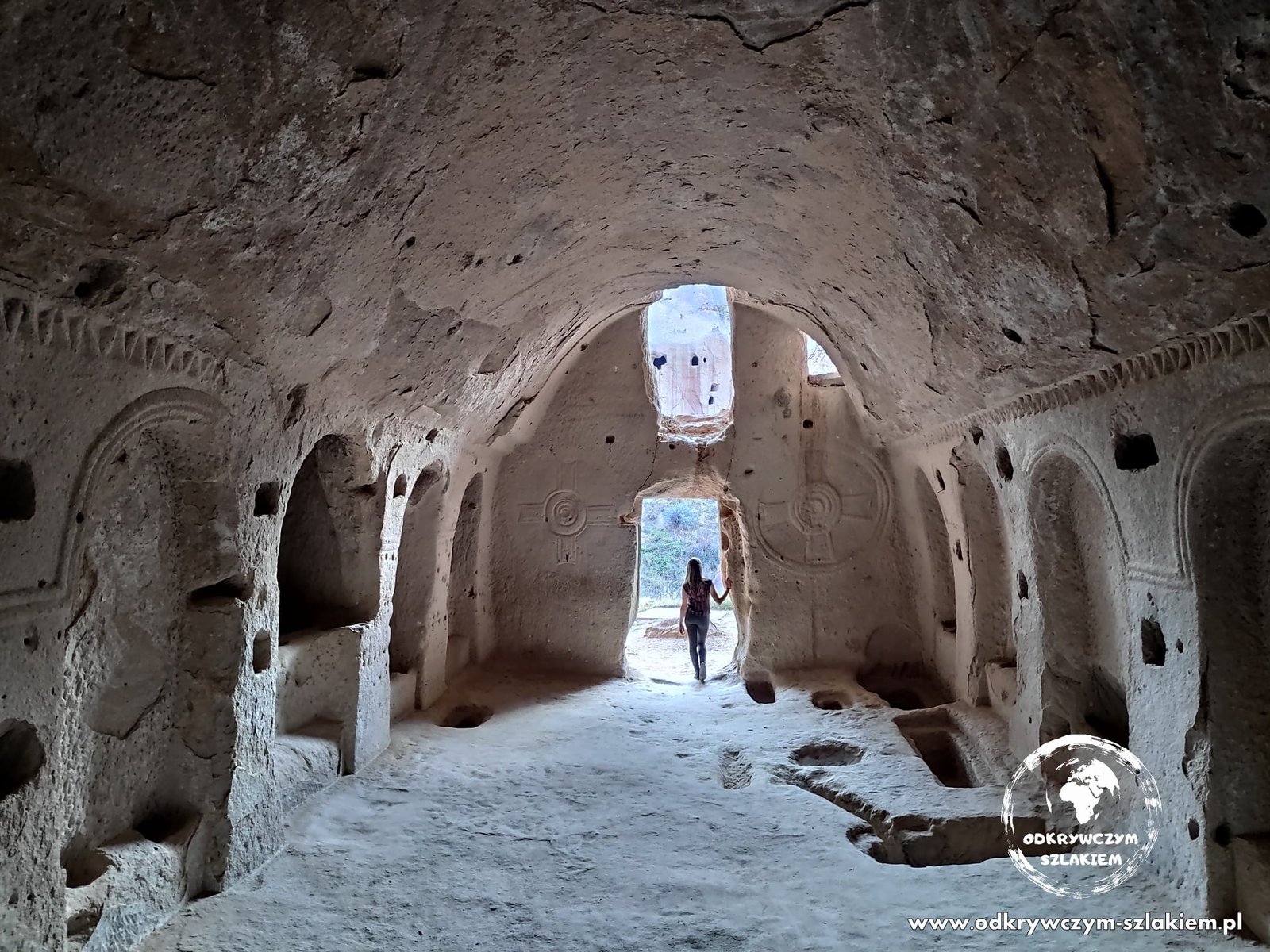
In Zelve we explored a former settlement carved into the rock – with homes, churches and places of worship, still inhabited in the 20th century.
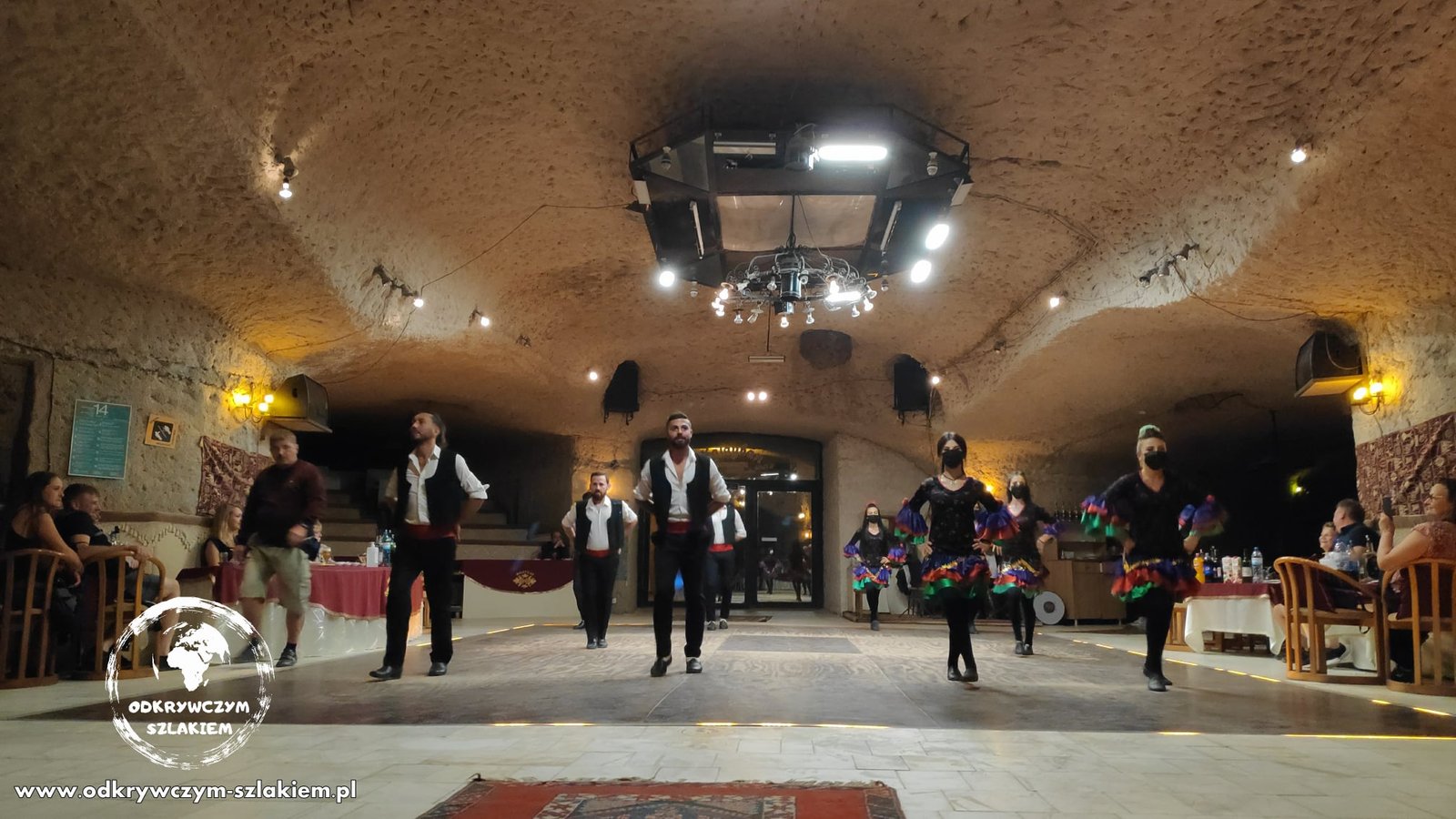
At the end of the first day we took part in a “Cappadocian evening” near Uçhisar – a show by local performers at well-laden tables. The next morning we looked out over Pigeon Valley with the rock Uçhisar Castle in the background.
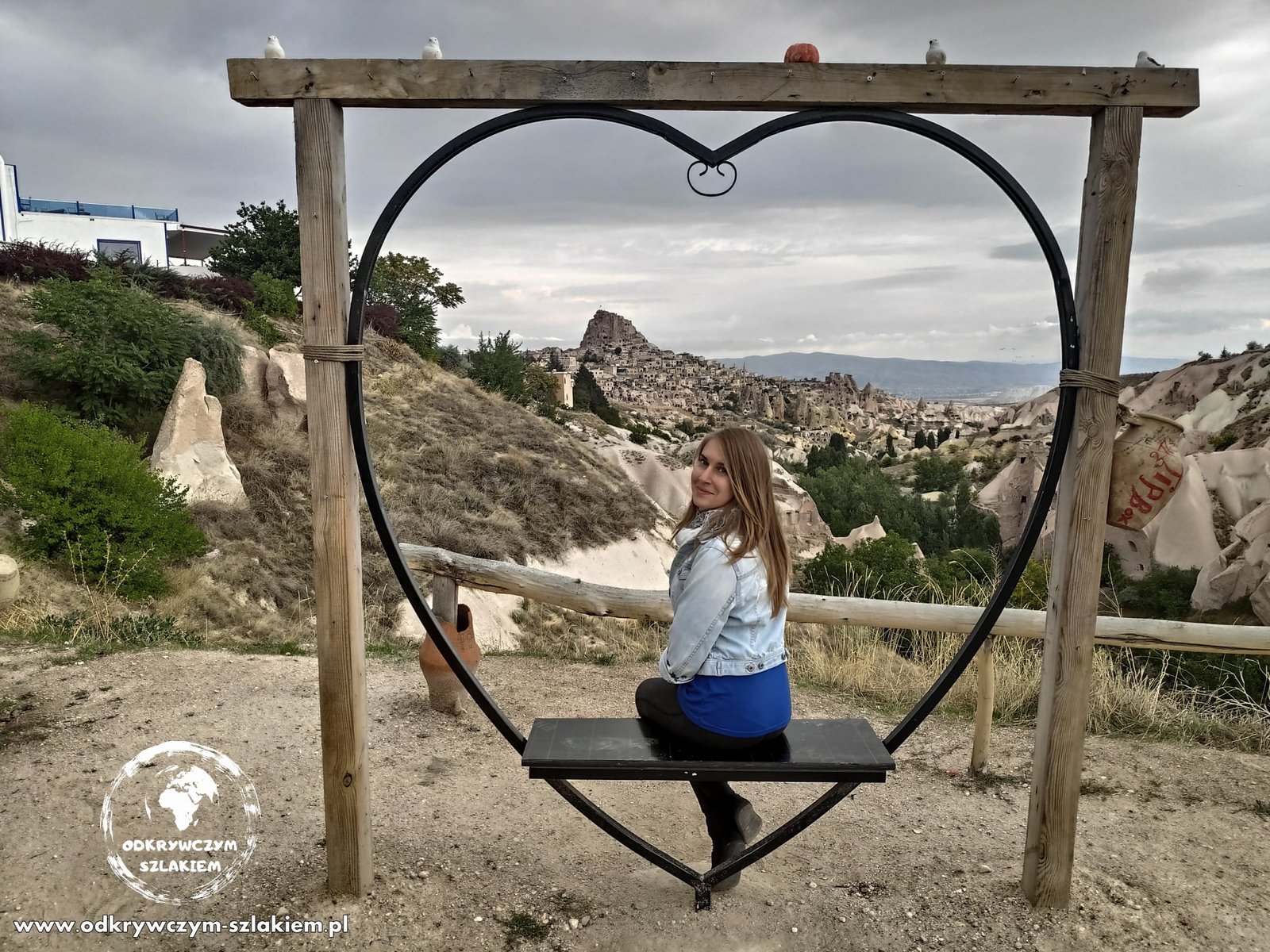
Cappadocia lies at over 1000 m above sea level, so the climate here is completely different from the coast. A cold spell had just arrived and autumn was beginning, but in the end the weather was bearable – a little over ten degrees.
Konya – the dervish lodge and the tomb of Mevlana
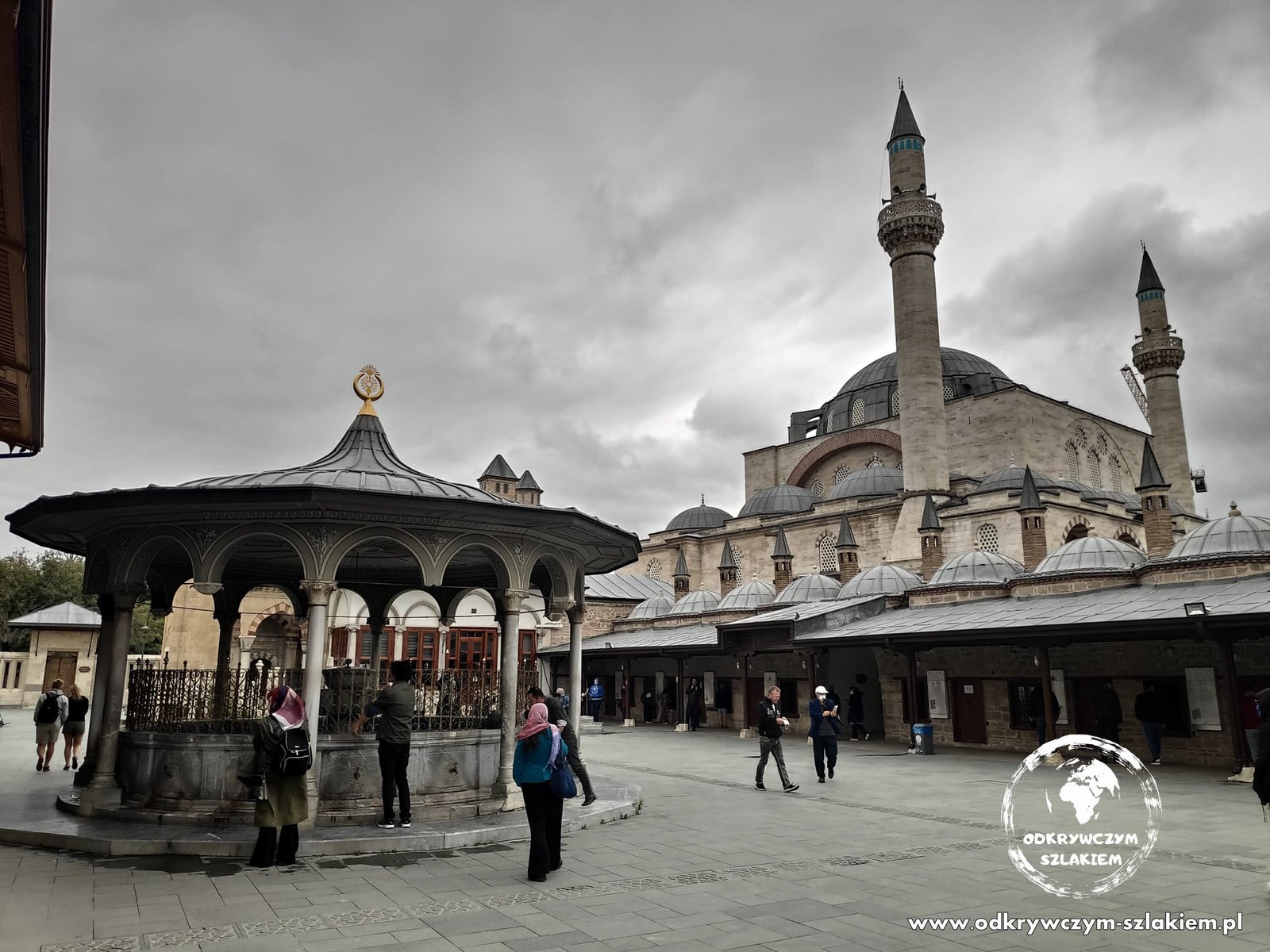
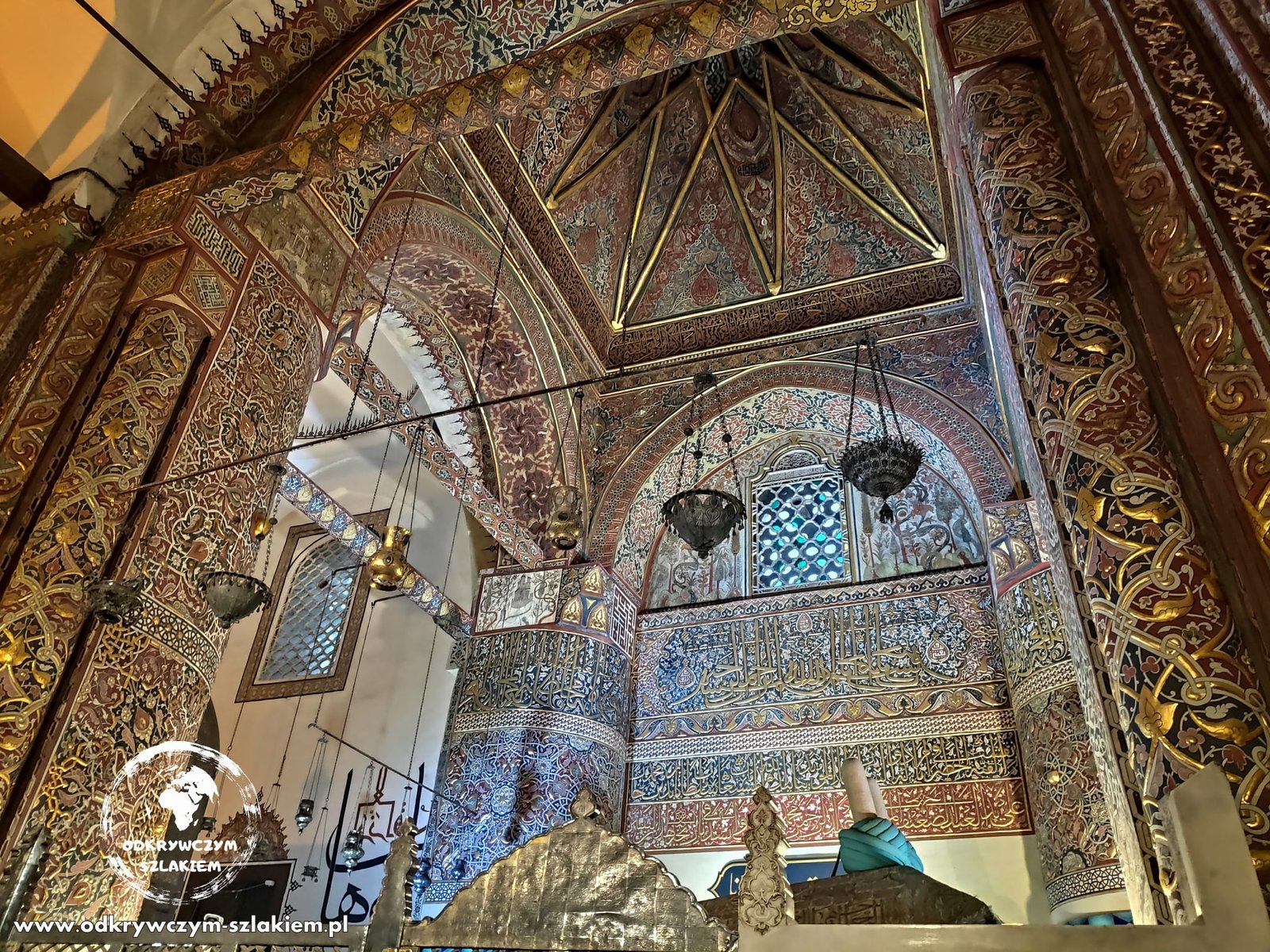
On the way back from Cappadocia we stopped in Konya, at the dervish lodge (today the Mevlana Museum). Under the green dome lies the tomb of Mevlana (Rumi) – the 13th-century poet and mystic from whom the order of whirling dervishes originates. The place is popular not only with tourists but above all with Muslims.
Pamukkale and Hierapolis
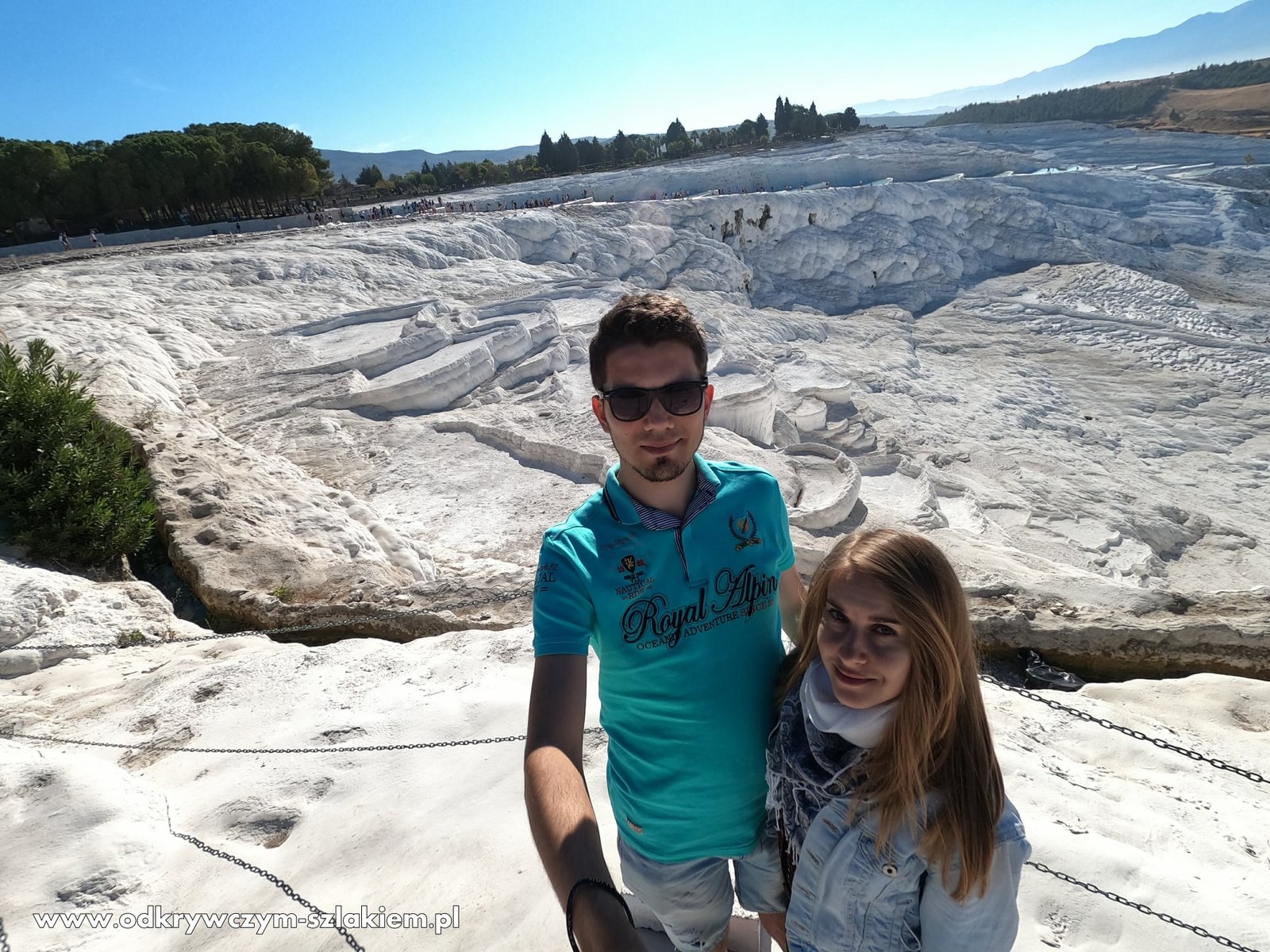
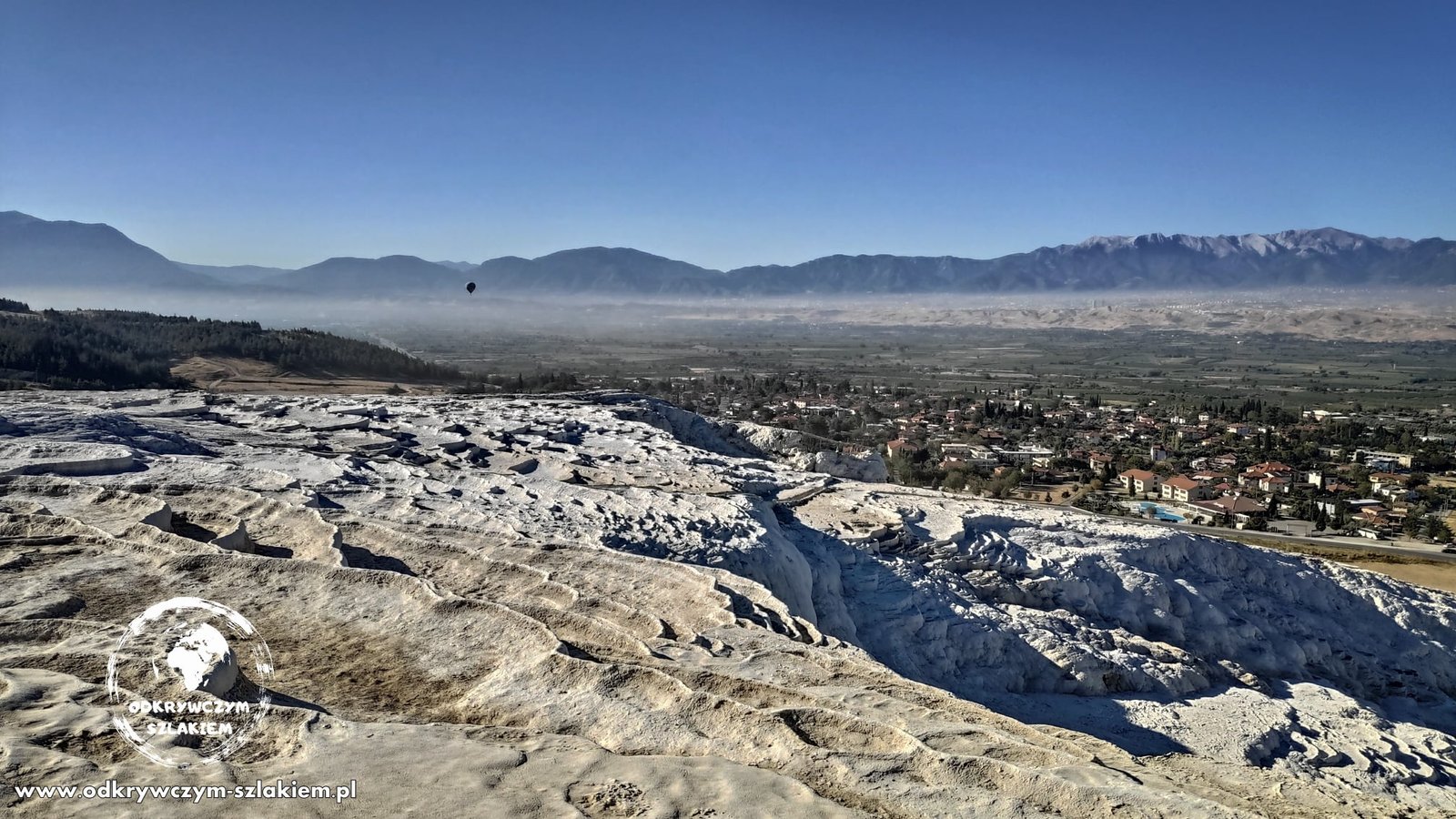
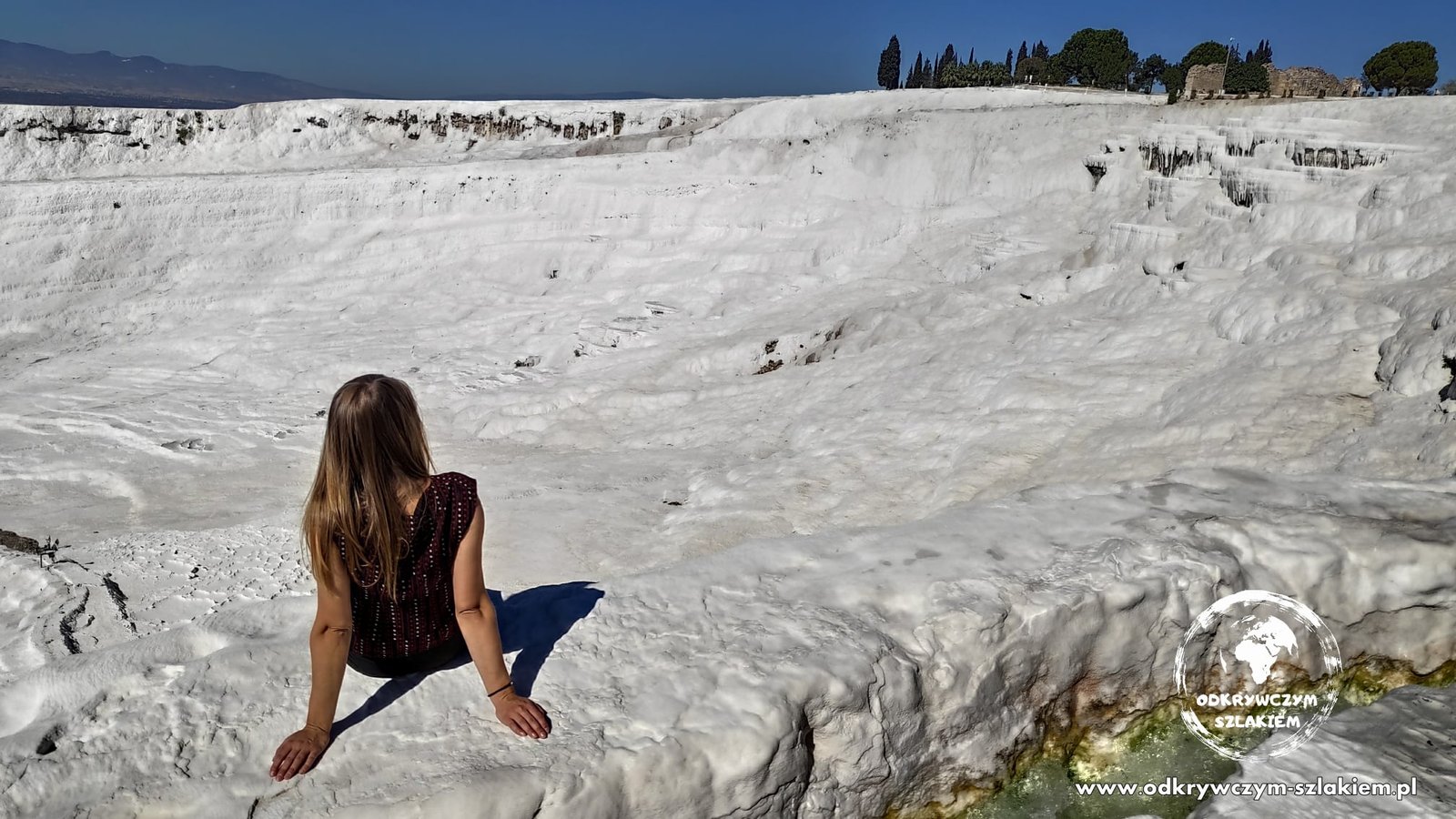
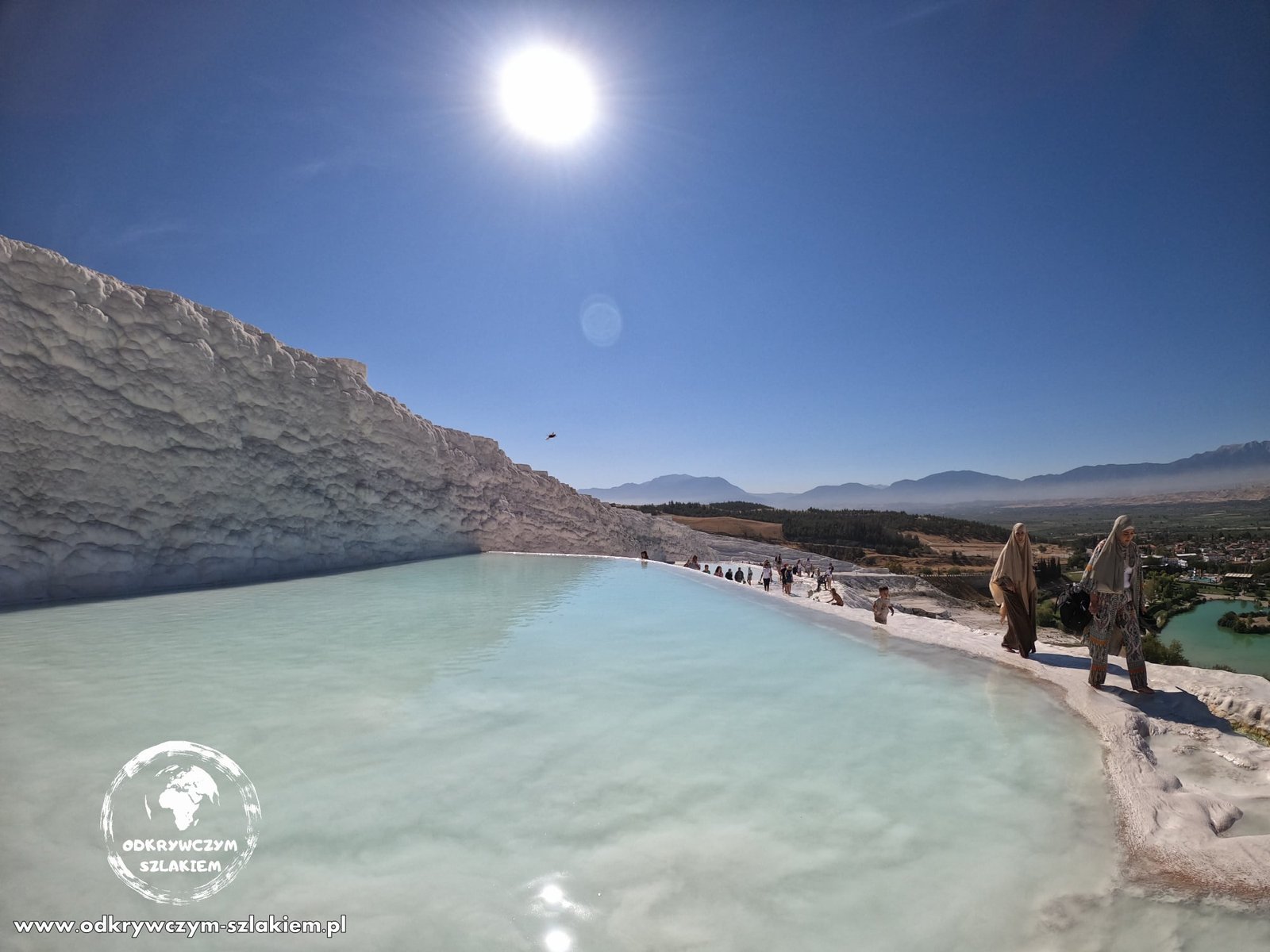
On the second organised tour we went to Pamukkale (“cotton castle”). The place is famous for its limestone terraces – travertines down which warm water from thermal springs flows. We later saw similar, though much smaller, petrified waterfalls in Mexico – at Hierve el Agua.
The backdrop to the terraces is the ancient city of Hierapolis. It didn’t play a big role in history, but a theatre and an extensive necropolis have survived here. Pamukkale together with Hierapolis is a UNESCO World Heritage Site.
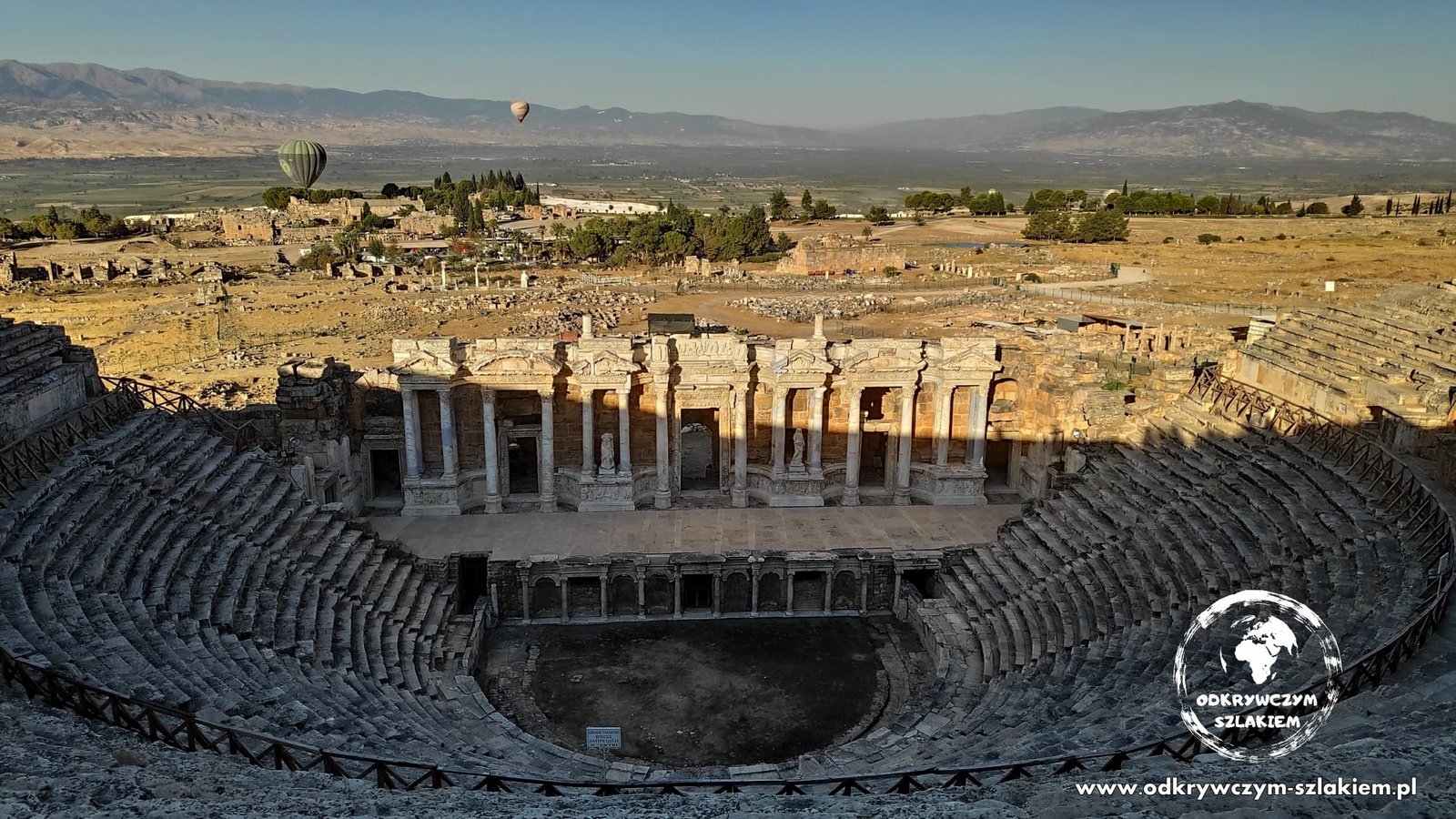
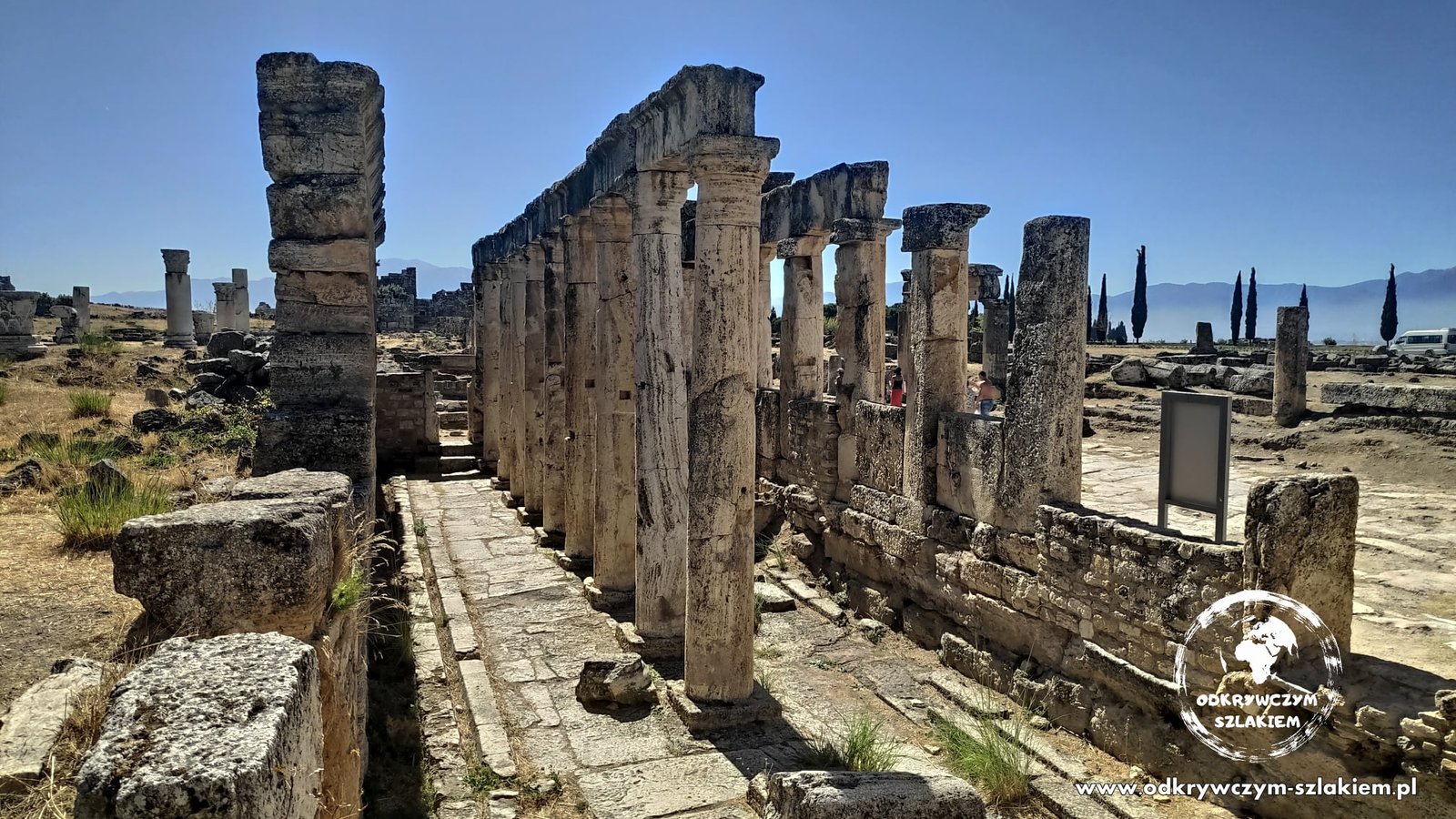
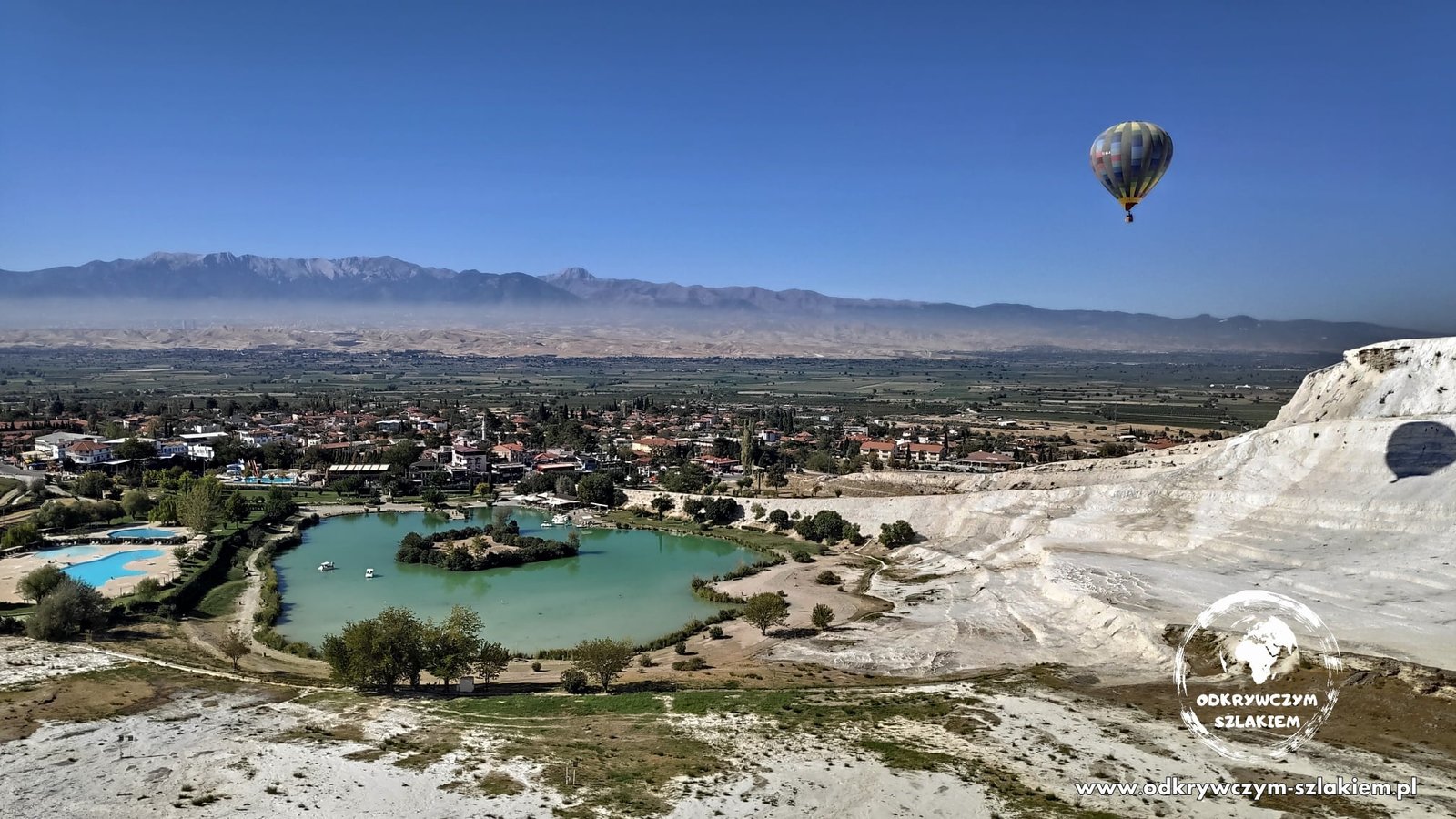
To protect the site, some of the terraces are closed to visitors. On the others you walk barefoot – halfway down the slope there are pools of blue water, and from the top you can see a lake, the village of Pamukkale and Denizli in the distance.
Lake Salda – the “Turkish Maldives”
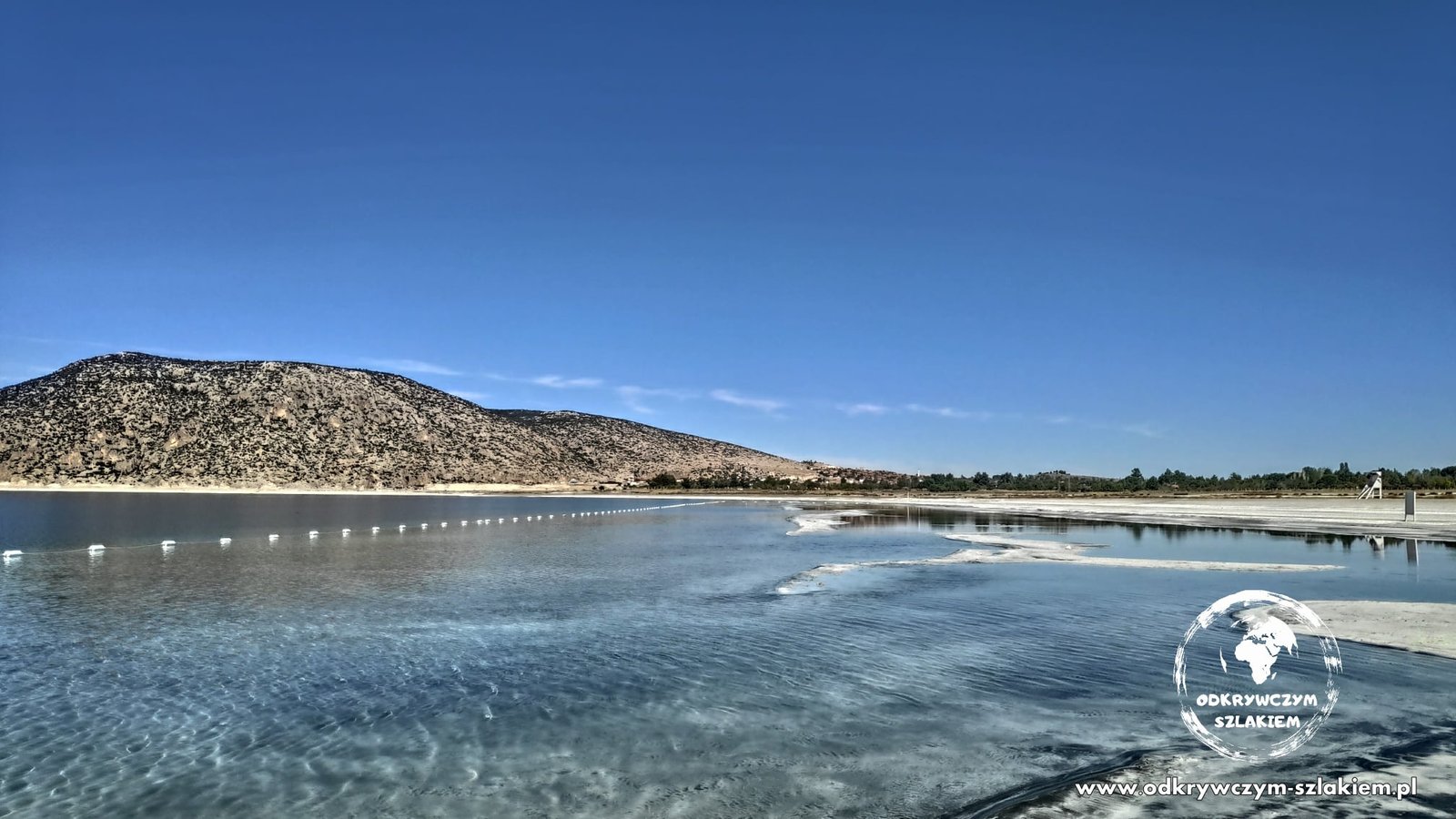
On the way back from Pamukkale we stopped at the crater lake Salda, called the “Turkish Maldives” because of its azure water and the white sand along the shore. Fun fact: NASA scientists compared its sediments to those in Jezero crater on Mars.
Turkish cuisine
We tried to eat local food as often as possible, but many restaurants were geared towards tourists and served what we already know well. Turkish dishes are mainly meat – vegetarians have little choice, and others may get bored of it after a while. A plate of vegetables often comes with the dish, included in the price.
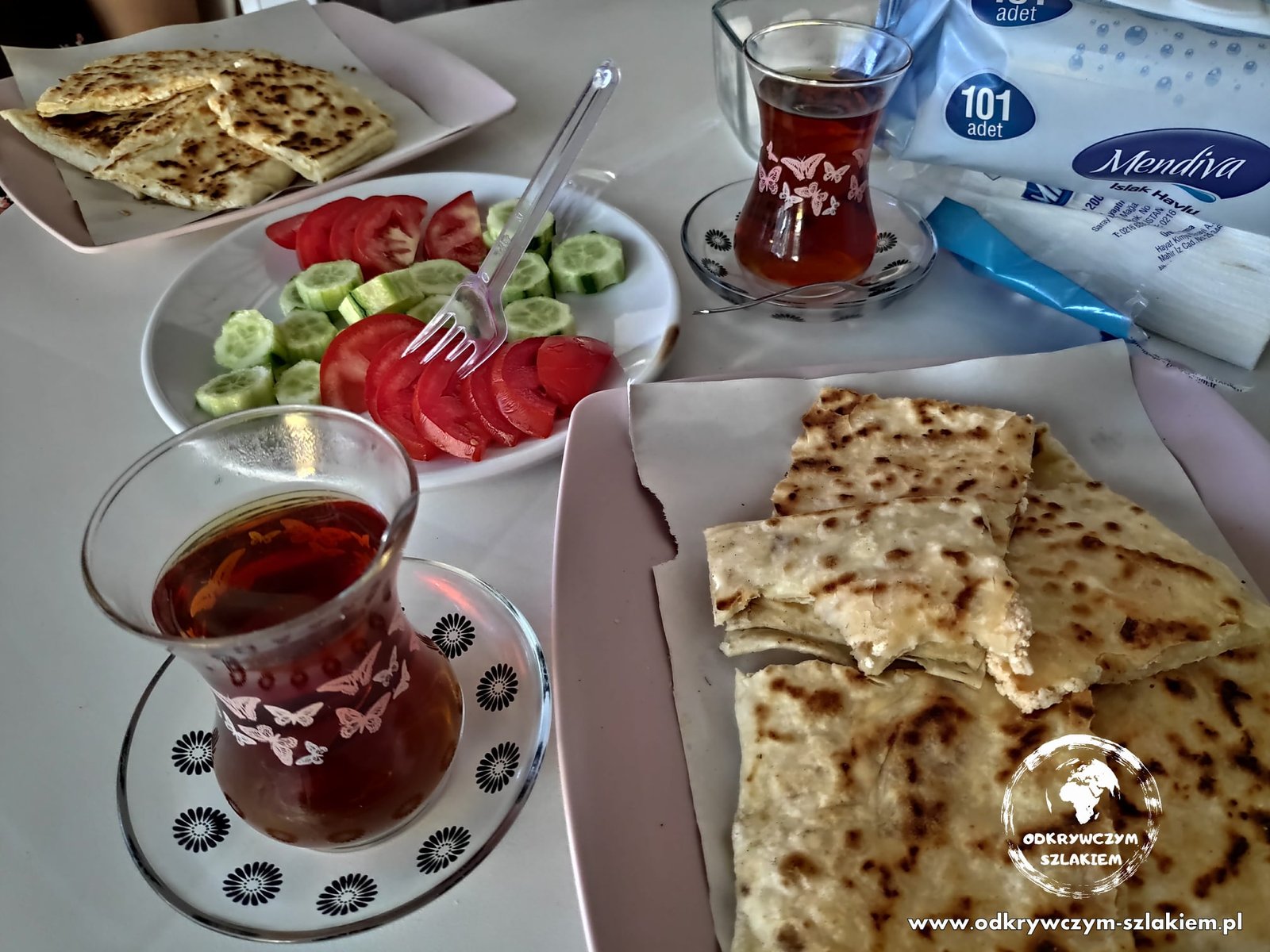
We regularly popped into bakeries, where pastries with spinach, cheese, minced meat and olives reigned supreme. Particularly interesting were pide (a flatbread with filling on top) and gözleme (a stuffed flatbread) – best with Turkish tea.
Practical information – prices, tours, weather
- Currency and prices – the currency is the Turkish lira, whose exchange rate was very weak, so it’s cheap for Europeans: you pay little for a meal out, shopping or public transport. The exception is beer – at least about €1.50 in a shop (2021).
- Language – despite Antalya’s European character, quite a lot of Turks don’t speak any foreign language.
- The muezzin at 5 a.m. – what bothered us most was the daily wake-up call when the muezzin called from the mosque to prayer. Earplugs come in handy.
- Organised tours – the tours to Cappadocia (2 days, with Konya) and Pamukkale (1 day, with Lake Salda) cost about the same as going on our own and allowed us to fit everything into a week. Downsides: with so many places there is little time for each, and we ended up with some grumbling fellow travellers.
- Weather – in the second half of September it was over 30°C on the coast, and the sea was up to 28°C. In Cappadocia and Konya (over 1000 m above sea level) – only a little over ten degrees.
- Wildfires – after the summer fires some archaeological sites (the ruins of Aspendos apart from the theatre, Termessos) were closed. It’s worth checking this before you go.
Turkey is such a big country that you would need to come back several more times – and we still have Termessos and the summit of Tahtalı Dağı, among others, on our list.