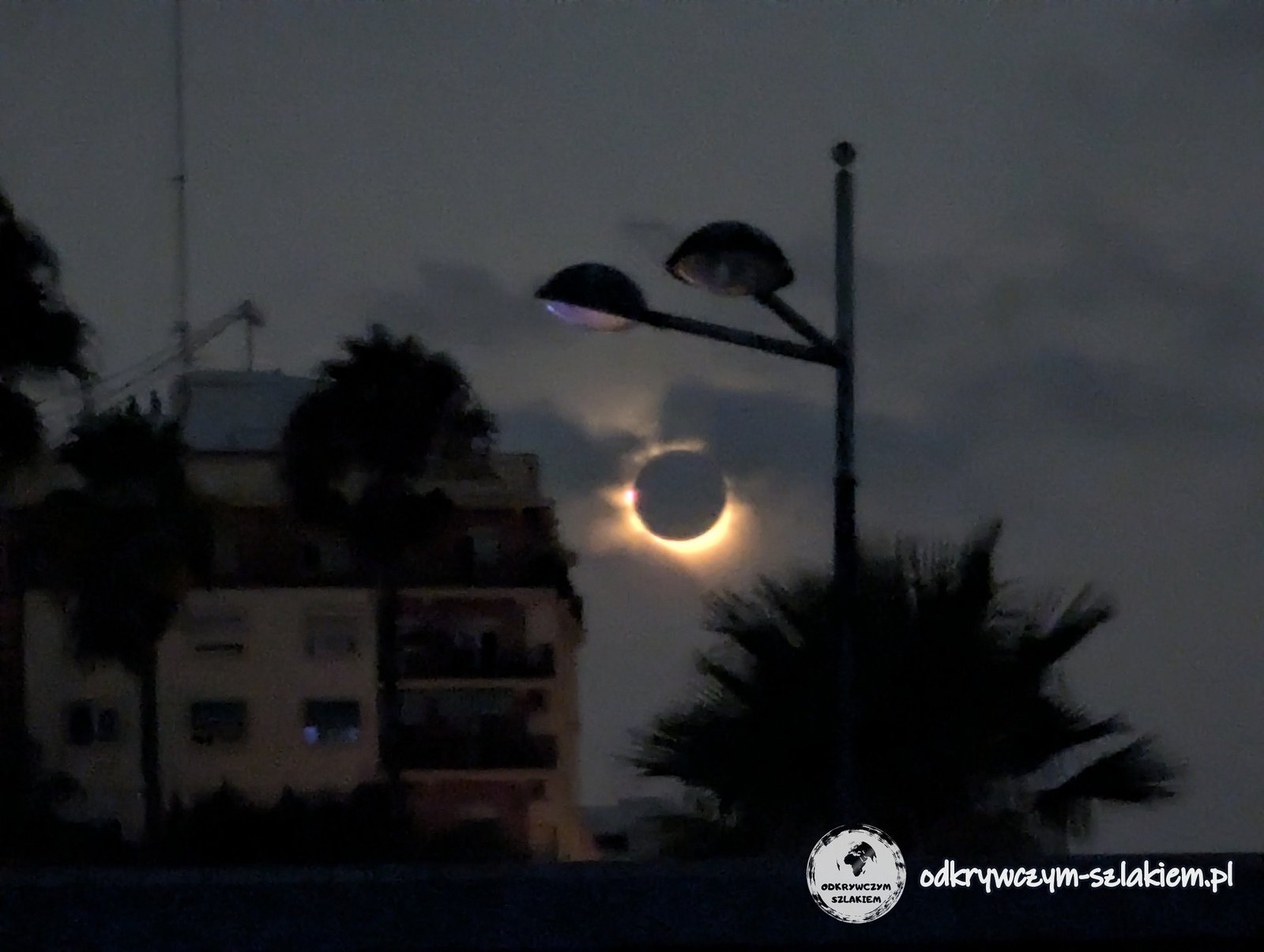
I went to Valencia in August 2026 for one reason: a total solar eclipse. On 12 August 2026 the path of totality crossed Spain – from Galicia and Asturias, through Castile and Aragon, all the way to Valencia and the Balearic Islands. It was the first total eclipse visible from mainland Spain since 1905. Valencia lay at the very edge of the path, and the eclipse came just before sunset. After the eclipse I stayed in the city for three more days – City Hall, La Lonja, the cathedral on the feast of the Assumption, the Mestalla stadium and the City of Arts and Sciences. Earlier, in 2022, I had spent only one evening in Valencia – I described it in the post Valencia in the evening.
Table of contents
- Total solar eclipse – 12 August 2026
- Malvarrosa beach, the port and murals
- Valencia by night – City Hall Square, the cathedral and Torres de Serranos
- City Hall and the Salón de Cristal
- North Station, the bullring and modernist buildings
- Mercado Central, La Lonja and Torres de Quart
- The cathedral on 15 August – Dormition of the Virgin and the Holy Chalice
- Turia Gardens and Jardines del Real
- Mestalla stadium
- City of Arts and Sciences
- Practical information
Total solar eclipse – 12 August 2026
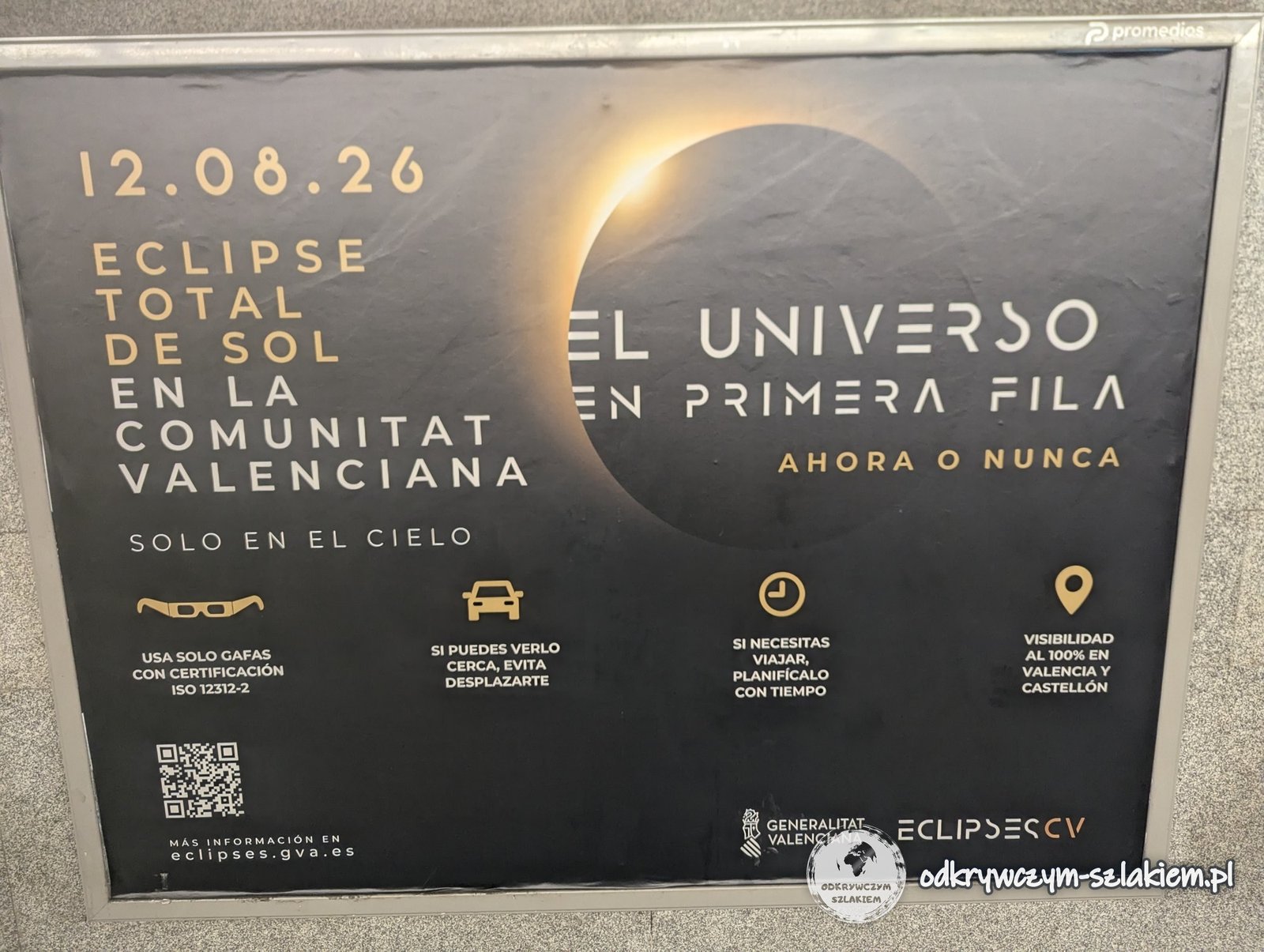
I arrived in Valencia on the day of the eclipse. There were posters all over the city, and the regional authorities had set up official viewing spots, including Malvarrosa beach. In Valencia the partial eclipse began at about 19:38, totality came at about 20:32 and lasted less than a minute, and the whole event ended practically at sunset. The Sun was already very low by then – a few degrees above the horizon – so what mattered was a view to the west without buildings and trees.
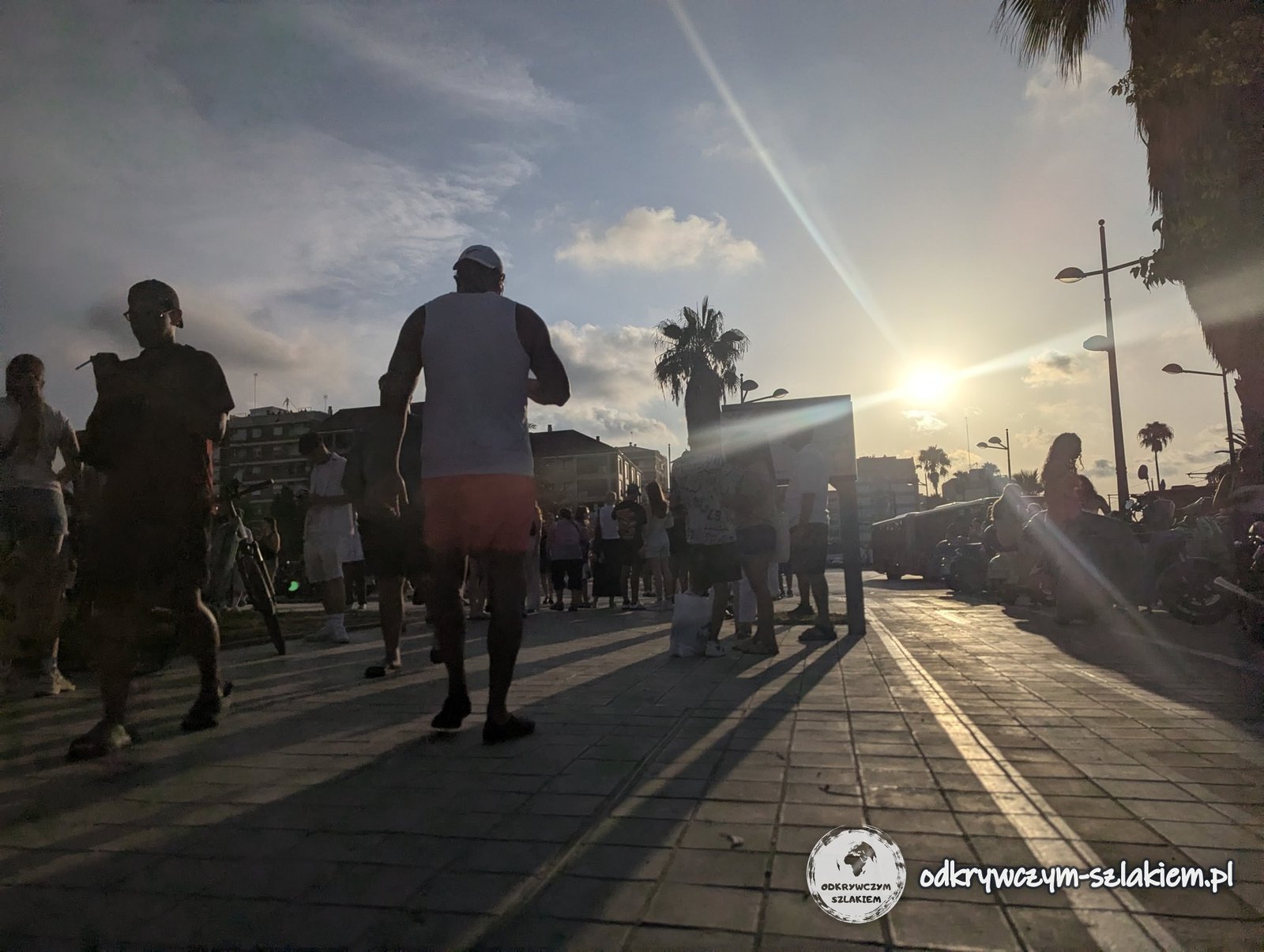
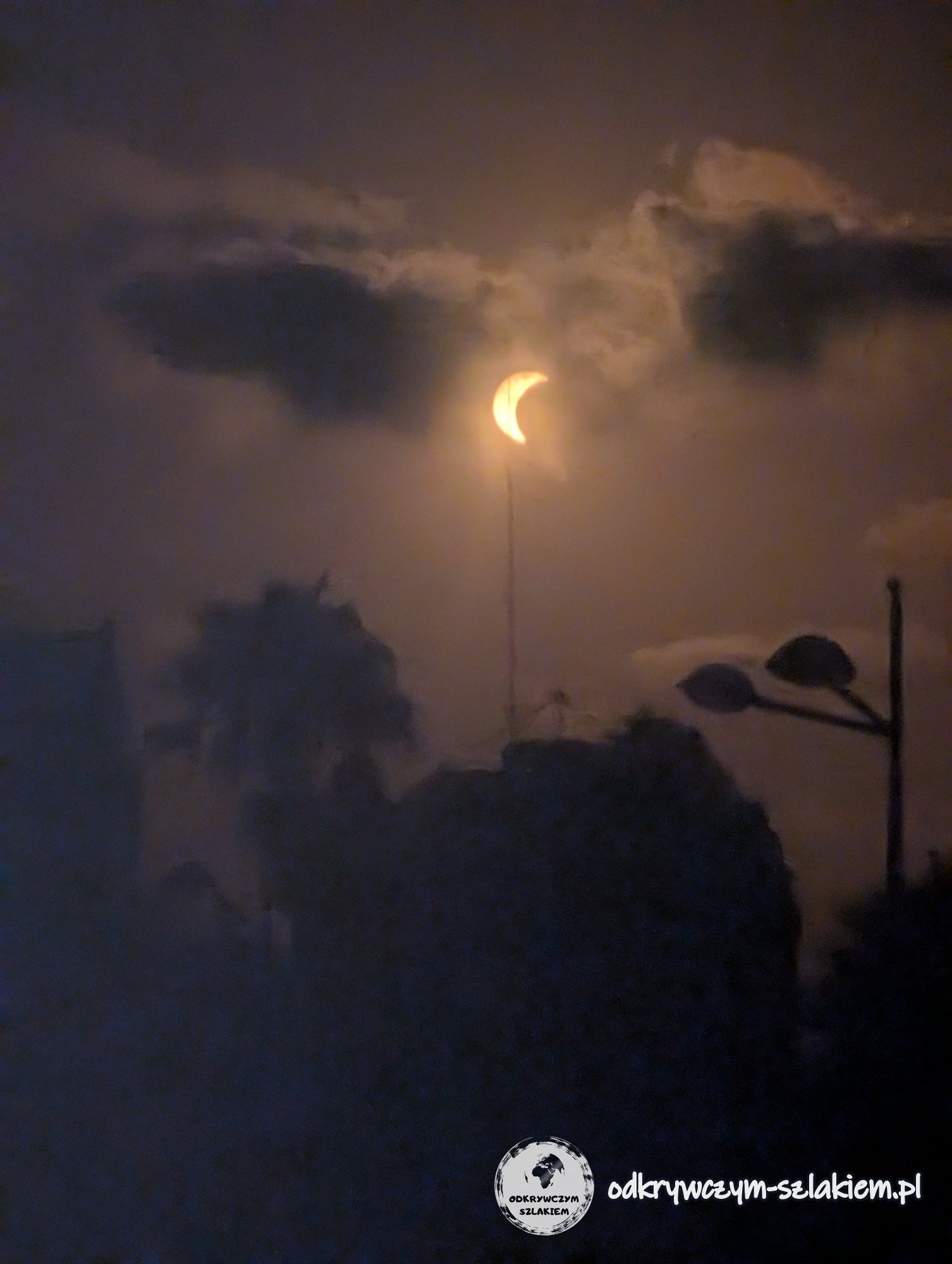
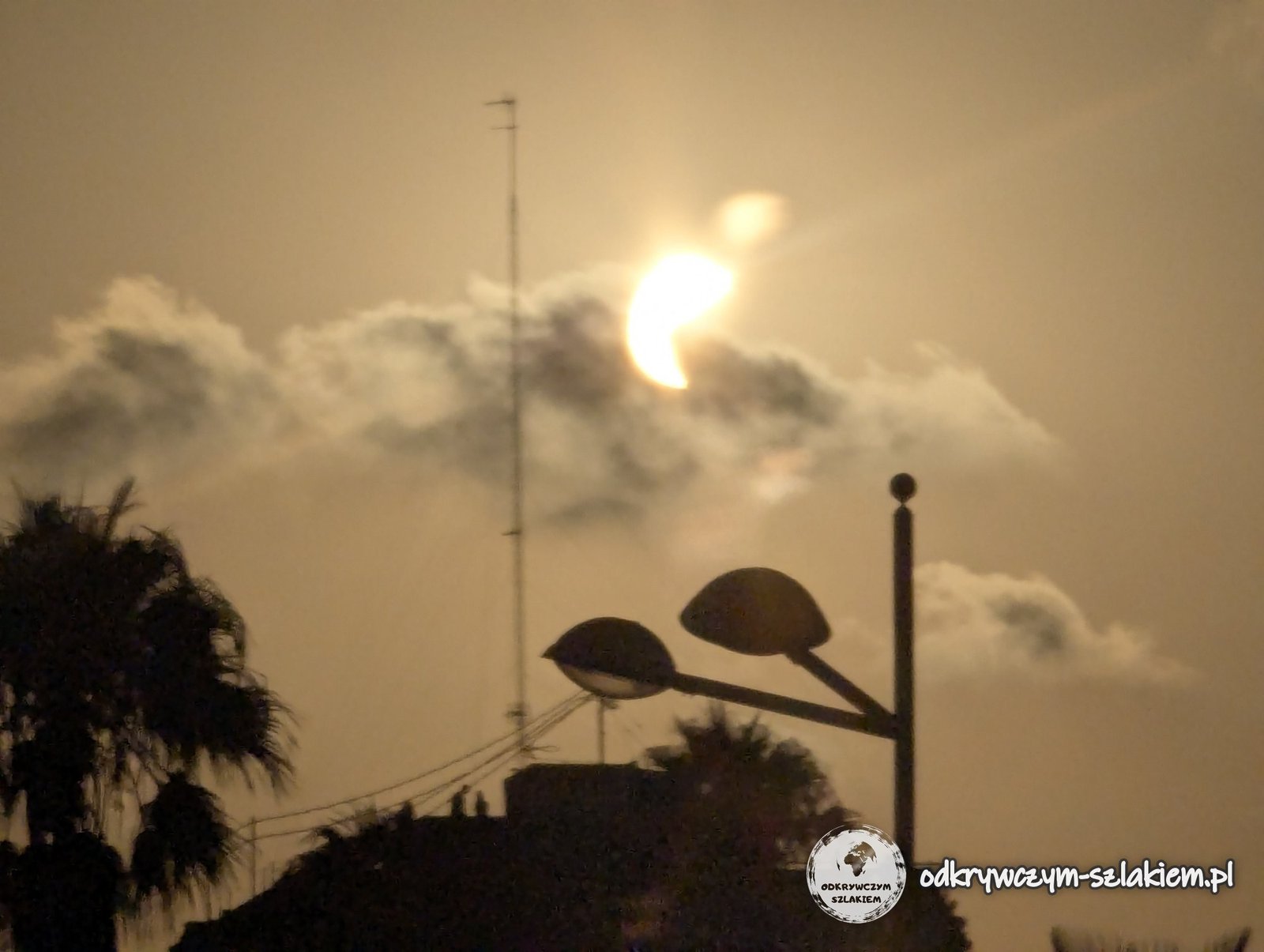
I watched the eclipse from a street in the Cabanyal district, close to the beach, together with a crowd of people in solar viewing glasses. For most of the time the sky was partly cloudy – the Sun kept hiding behind the clouds, and the crescent grew thinner and thinner.
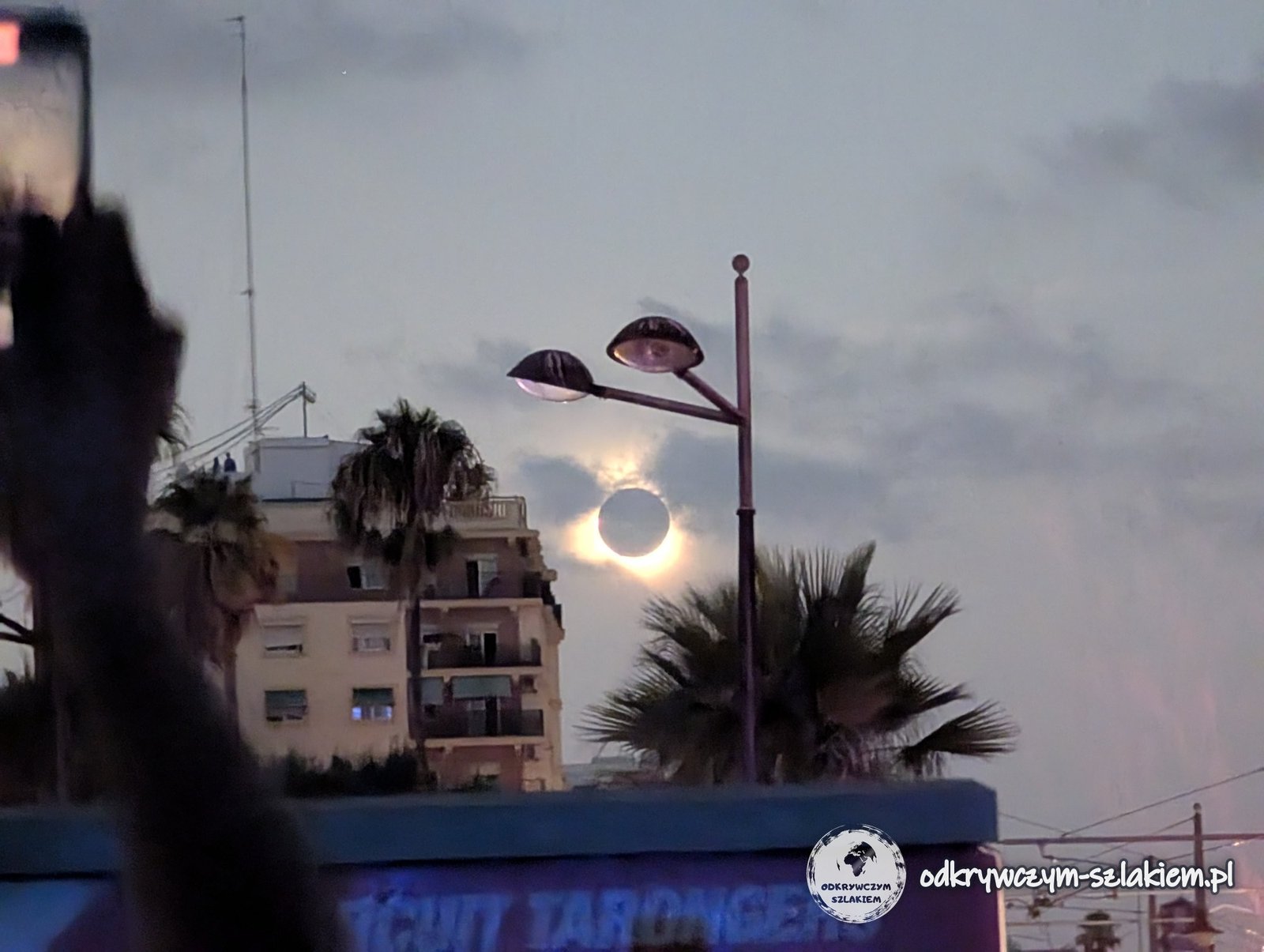
At 20:32 it went dark for several dozen seconds, and the solar corona appeared around the covered Sun. Just then the Sun came out from behind the clouds.
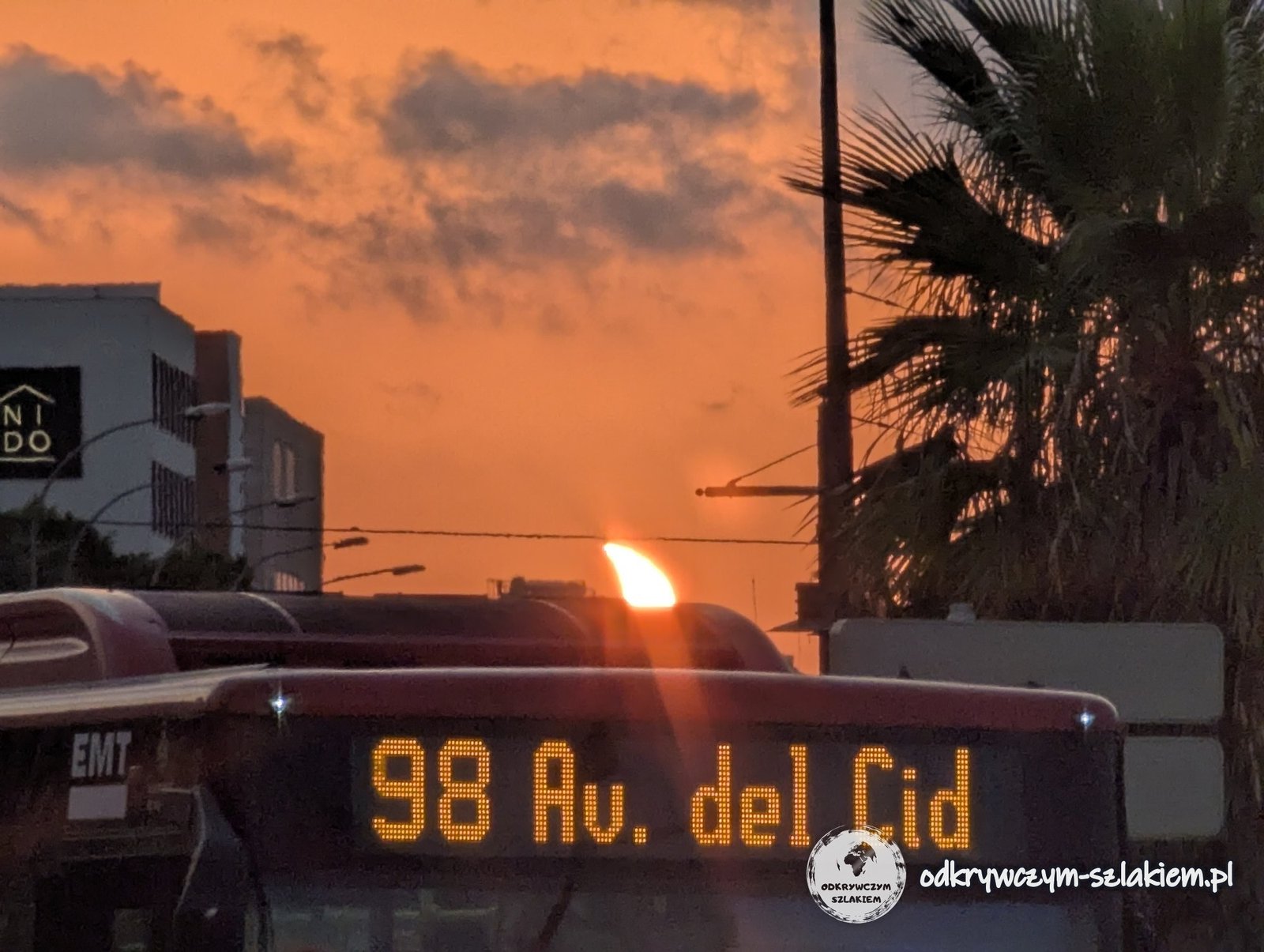
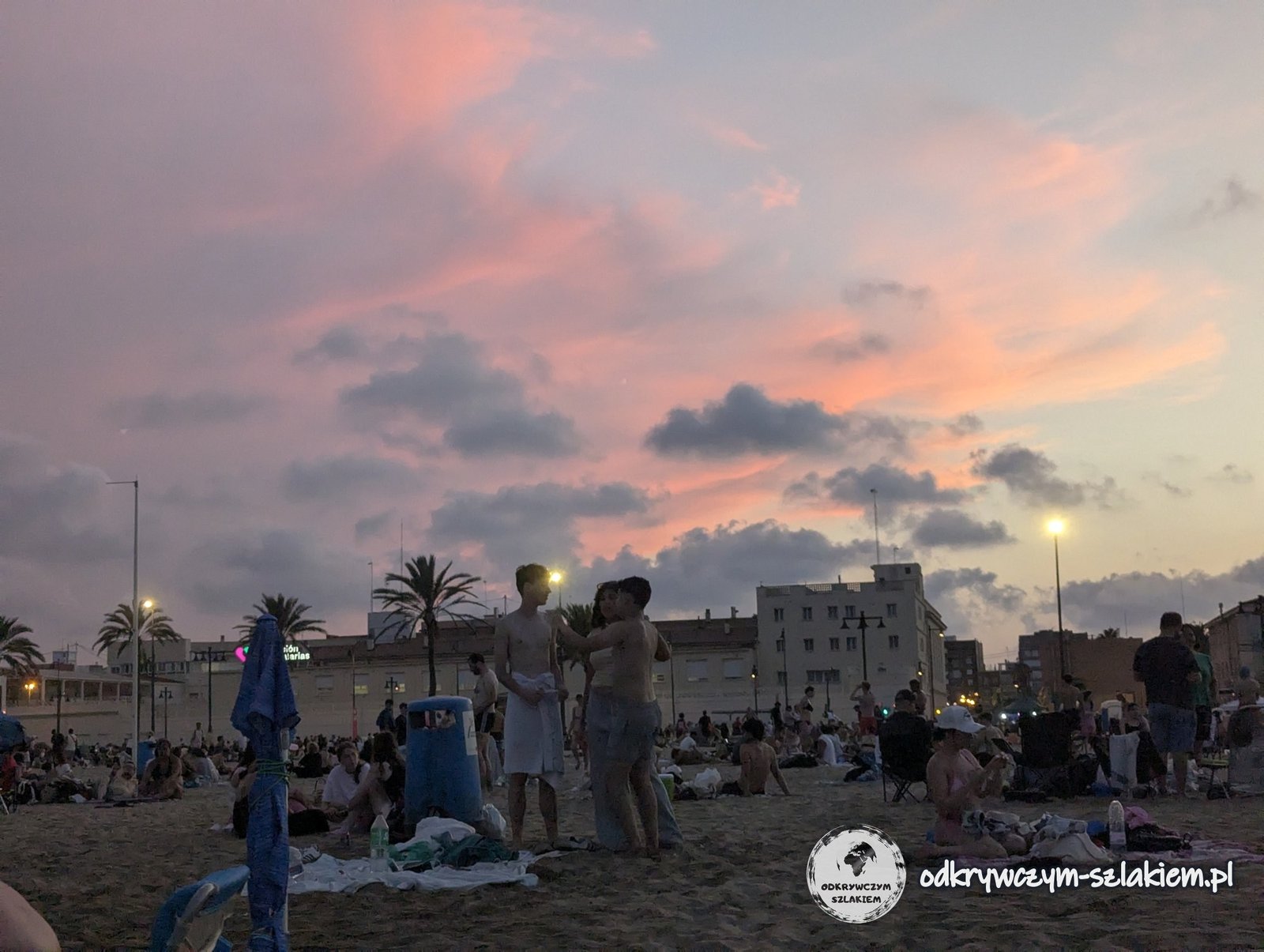
After the eclipse the Sun set behind the buildings, the sky turned red and pink, and the crowd slowly drifted off towards the beach and the stops.

Malvarrosa beach, the port and murals
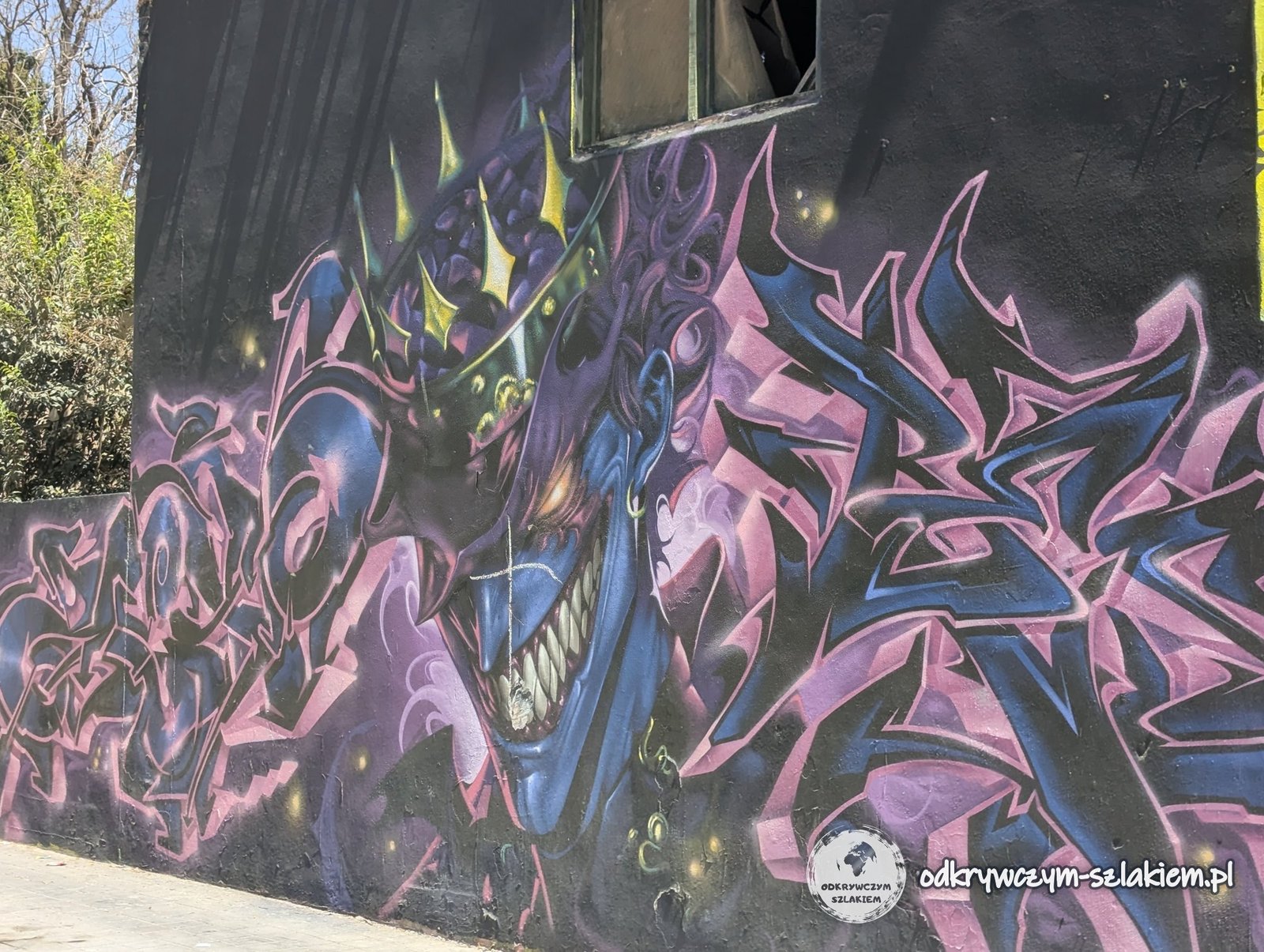
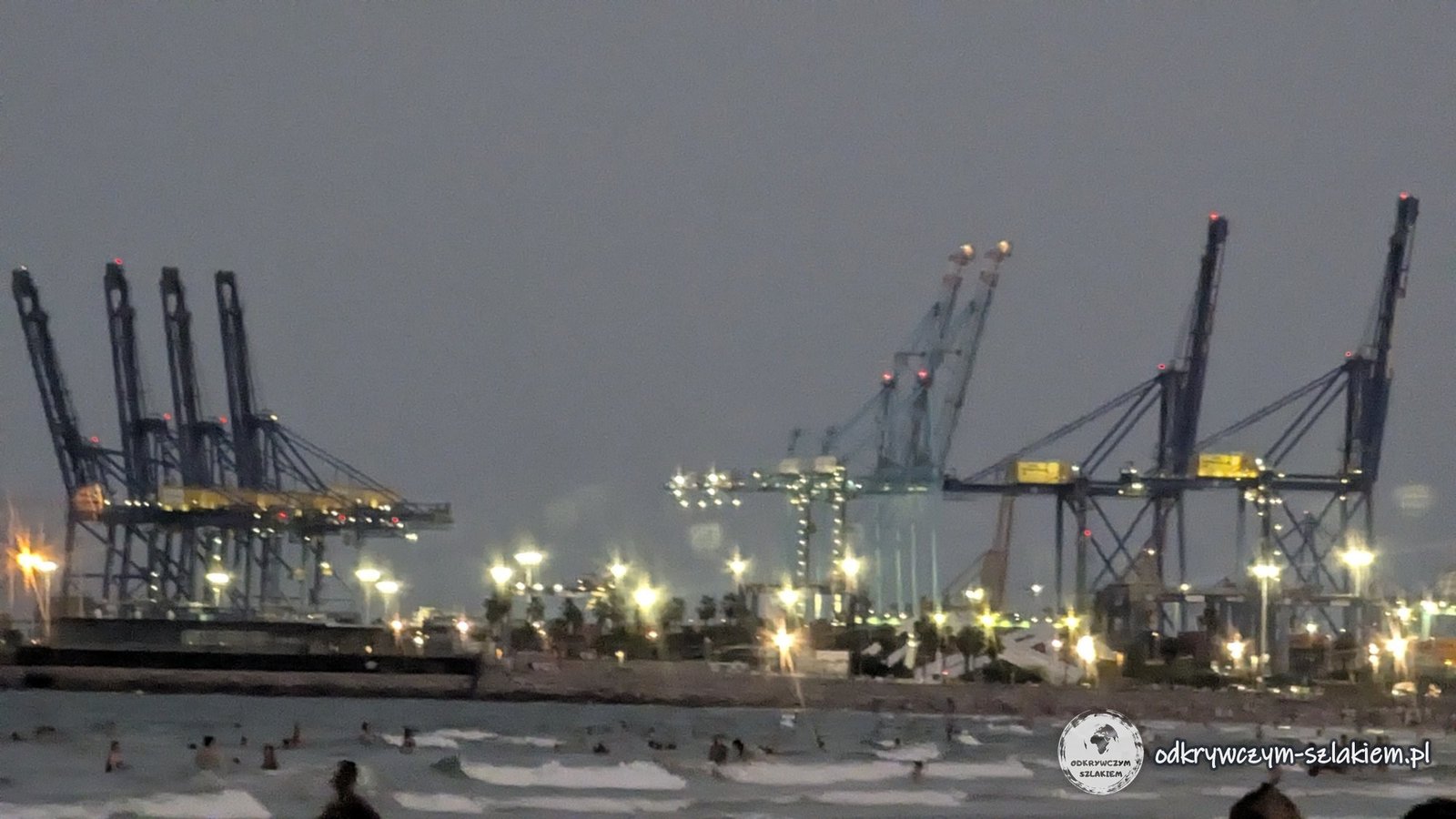
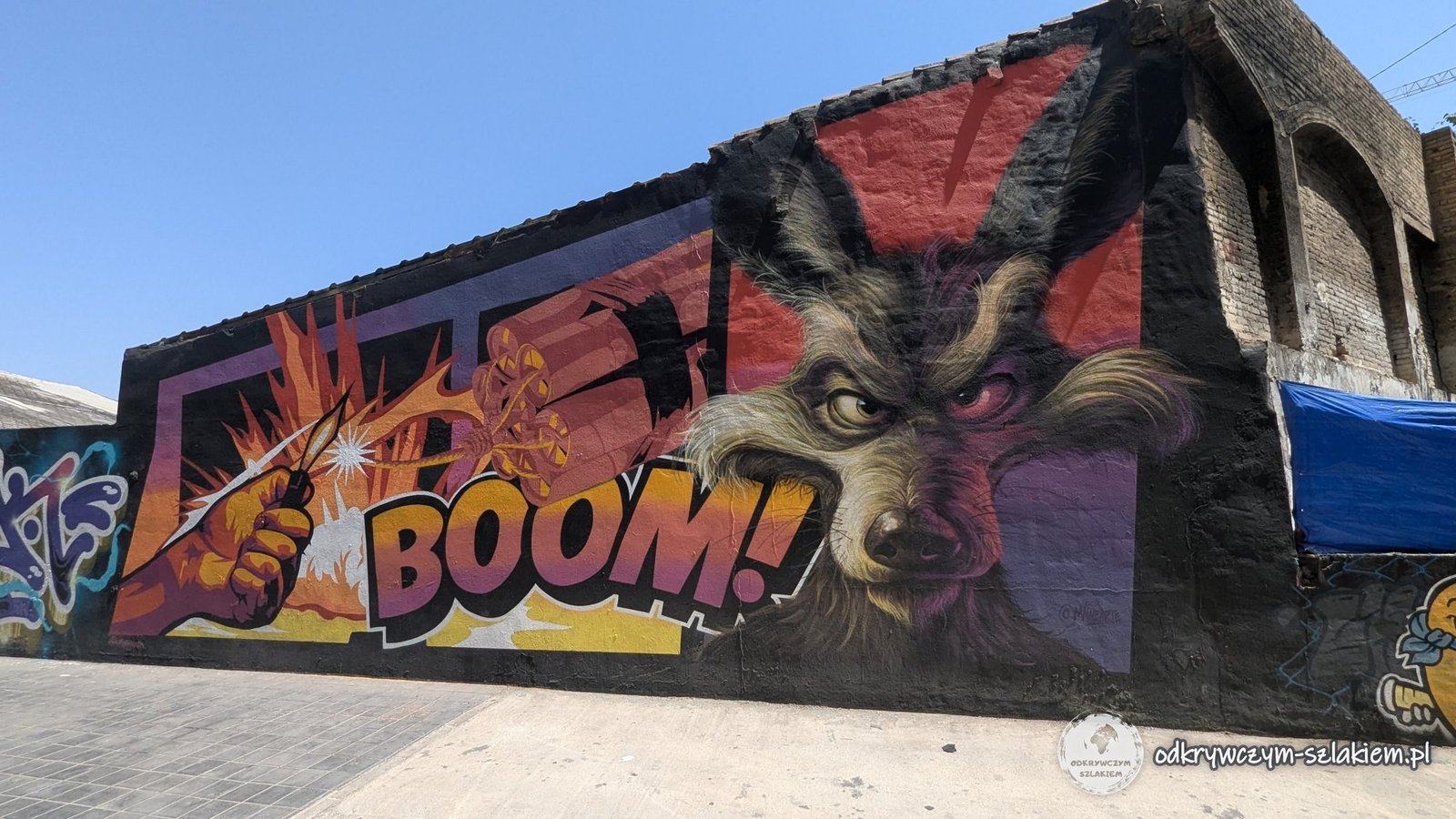
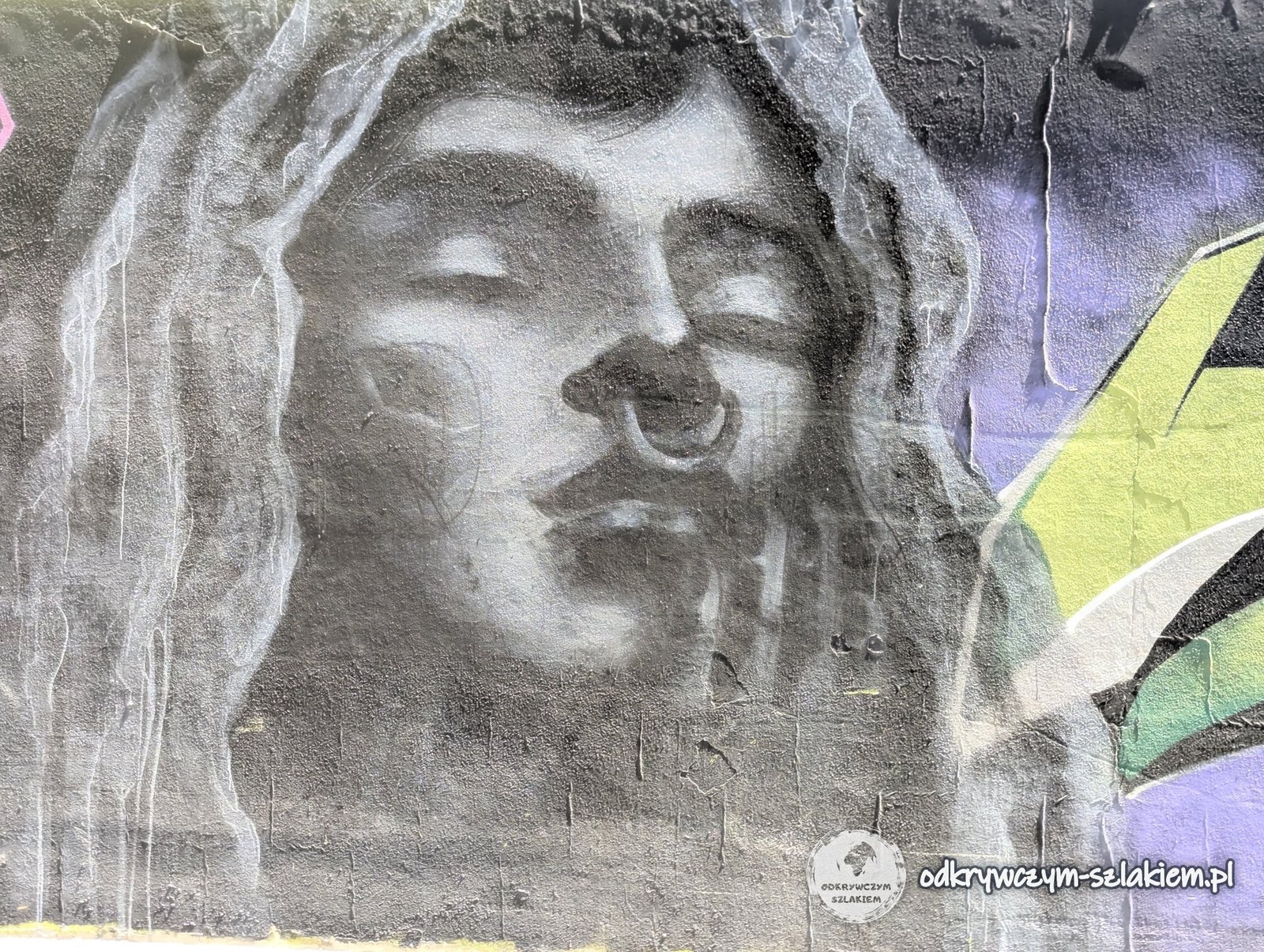
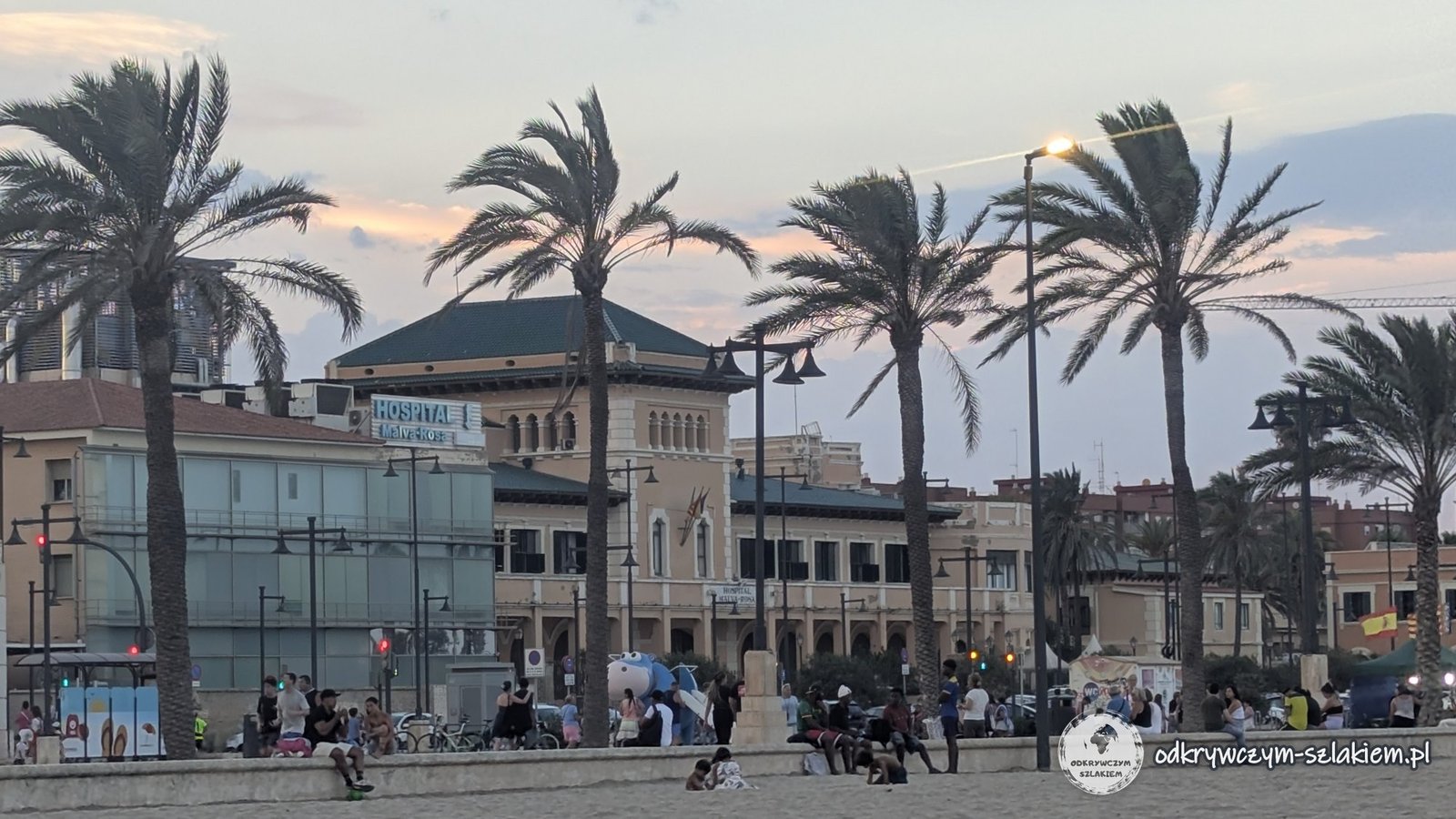
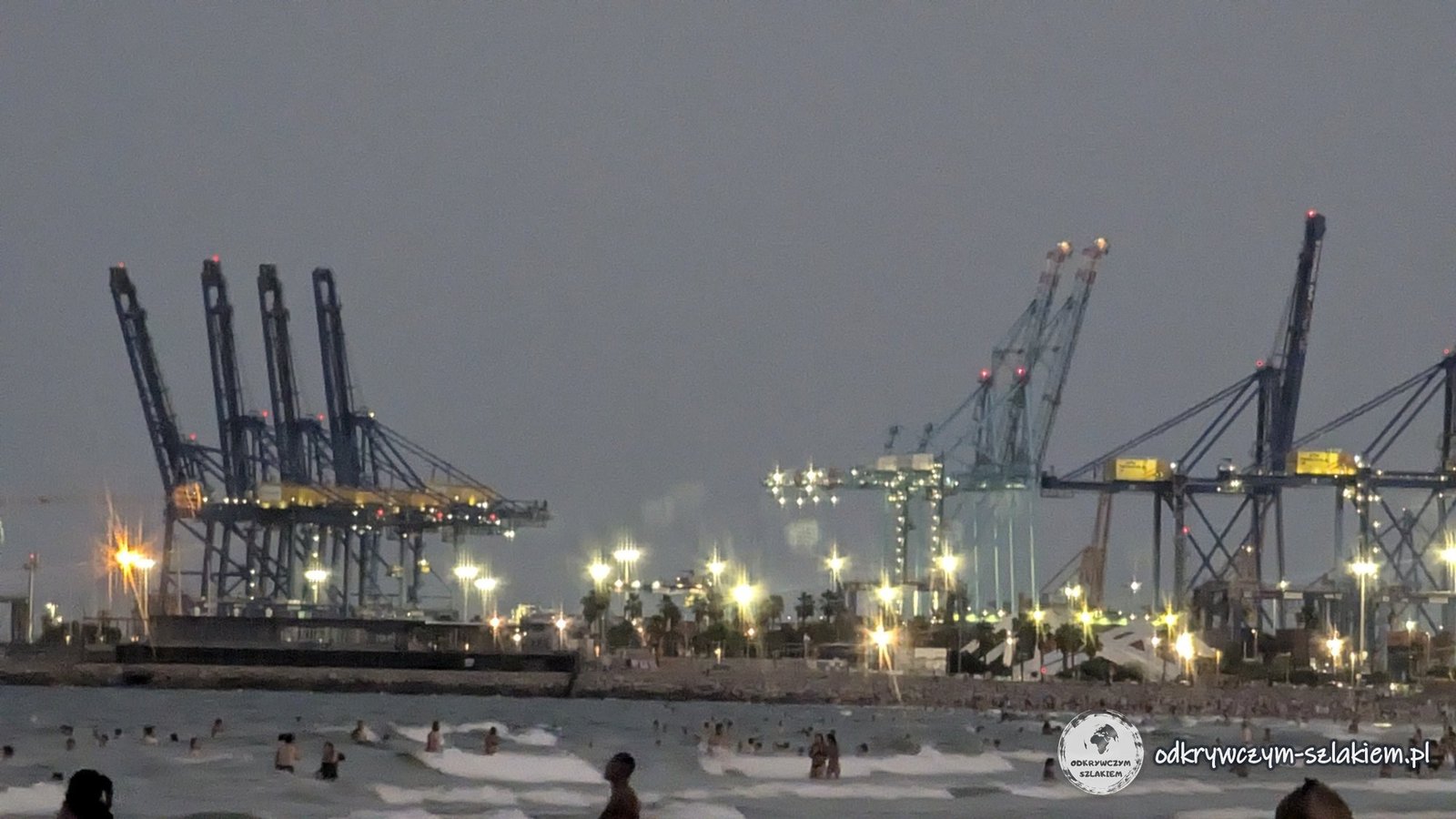
The next day I looked at a few large murals in the north of the city, and in the evening I went to Malvarrosa beach. A promenade with palm trees and restaurants runs along the wide, sandy beach, and at its southern end you can see the cranes of the port.

Valencia by night – City Hall Square, the cathedral and Torres de Serranos
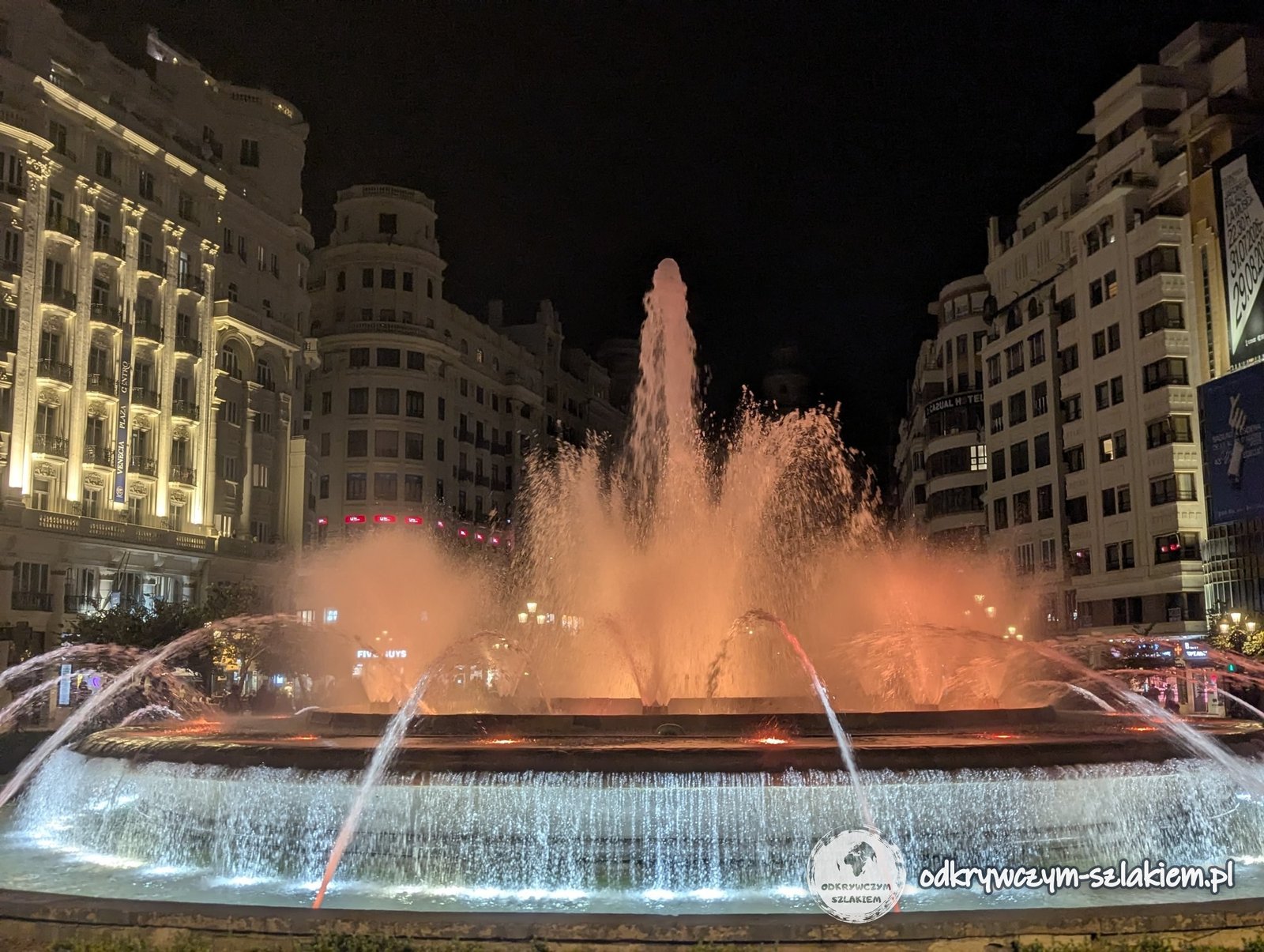
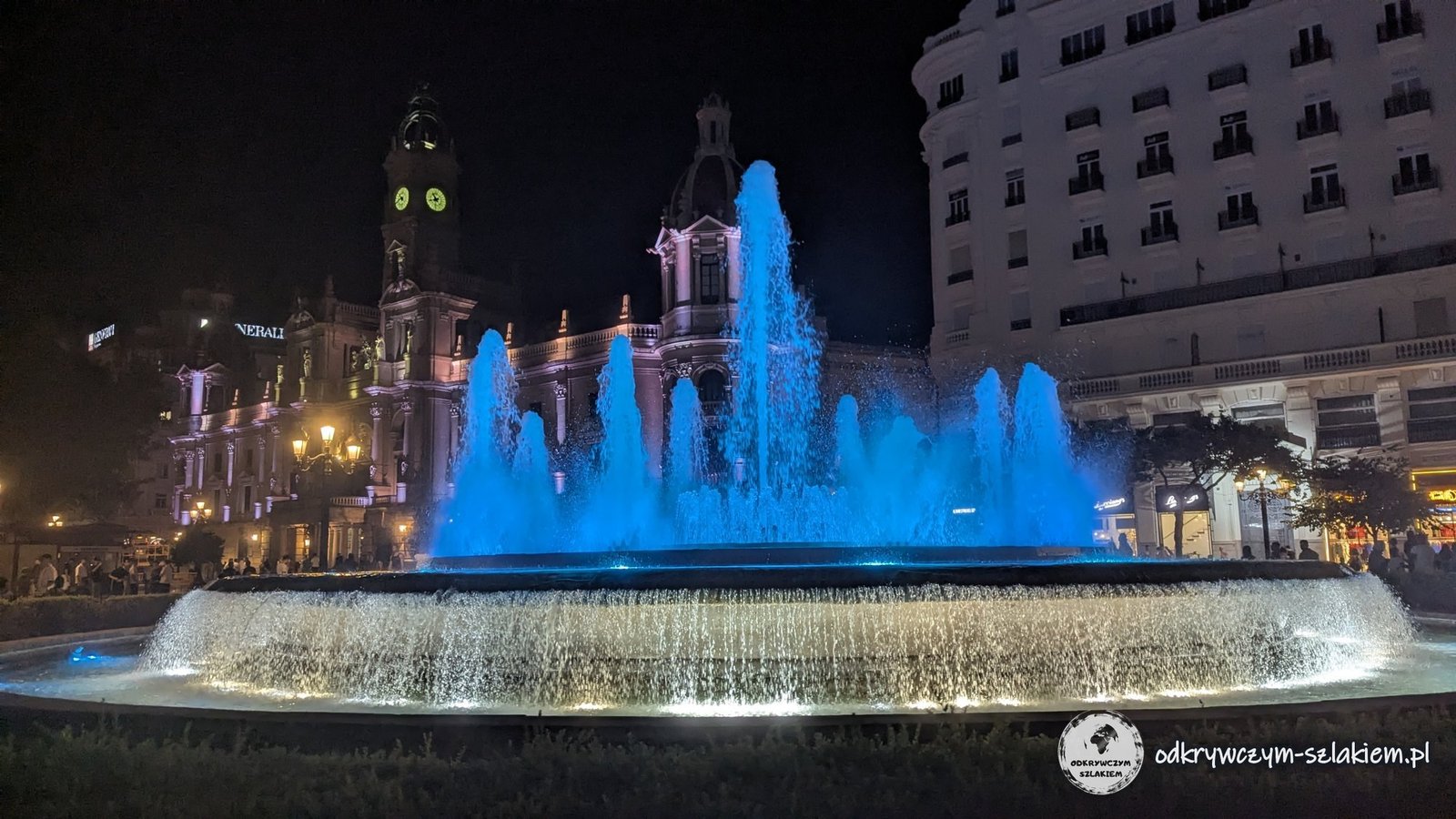
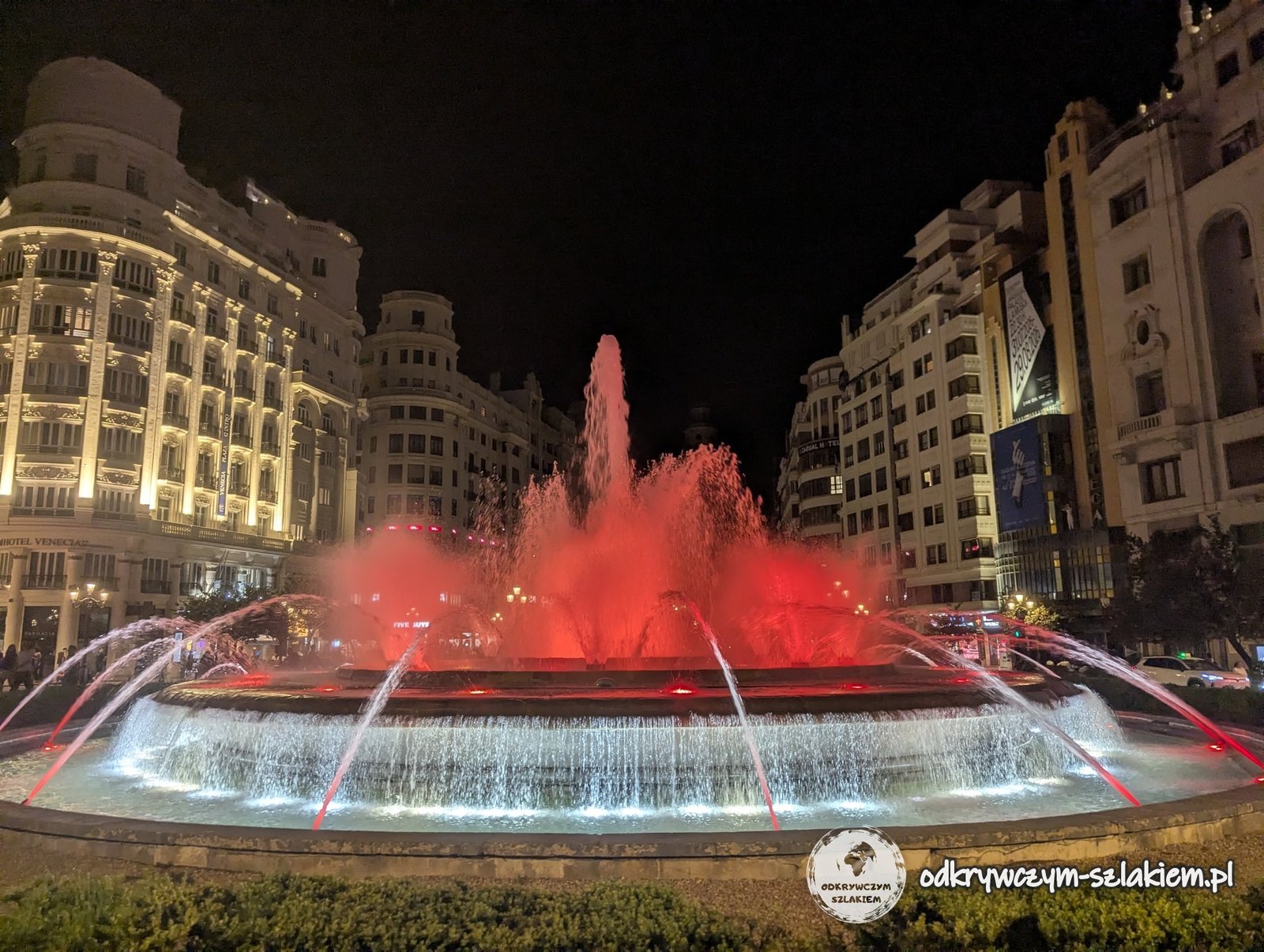
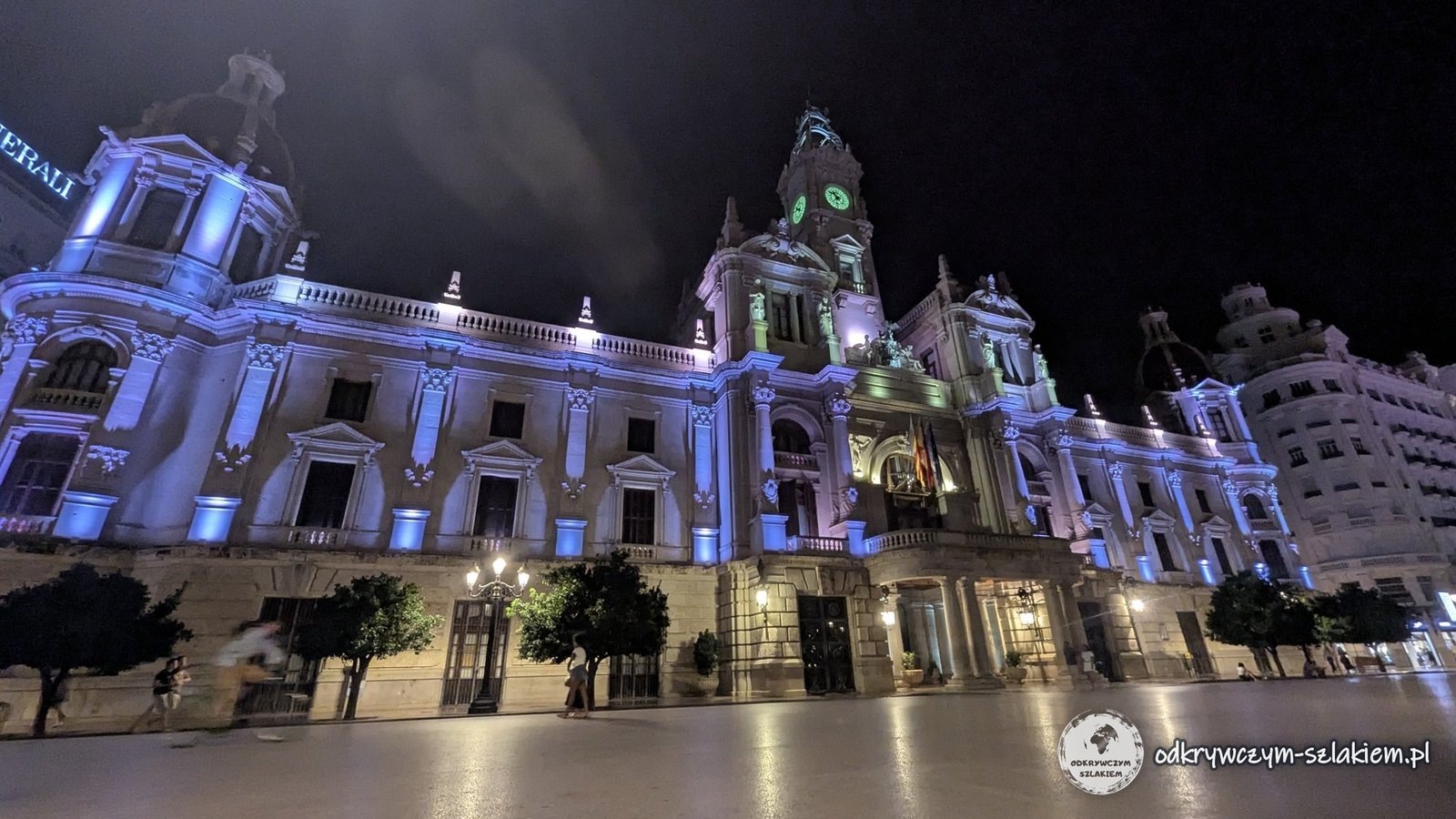
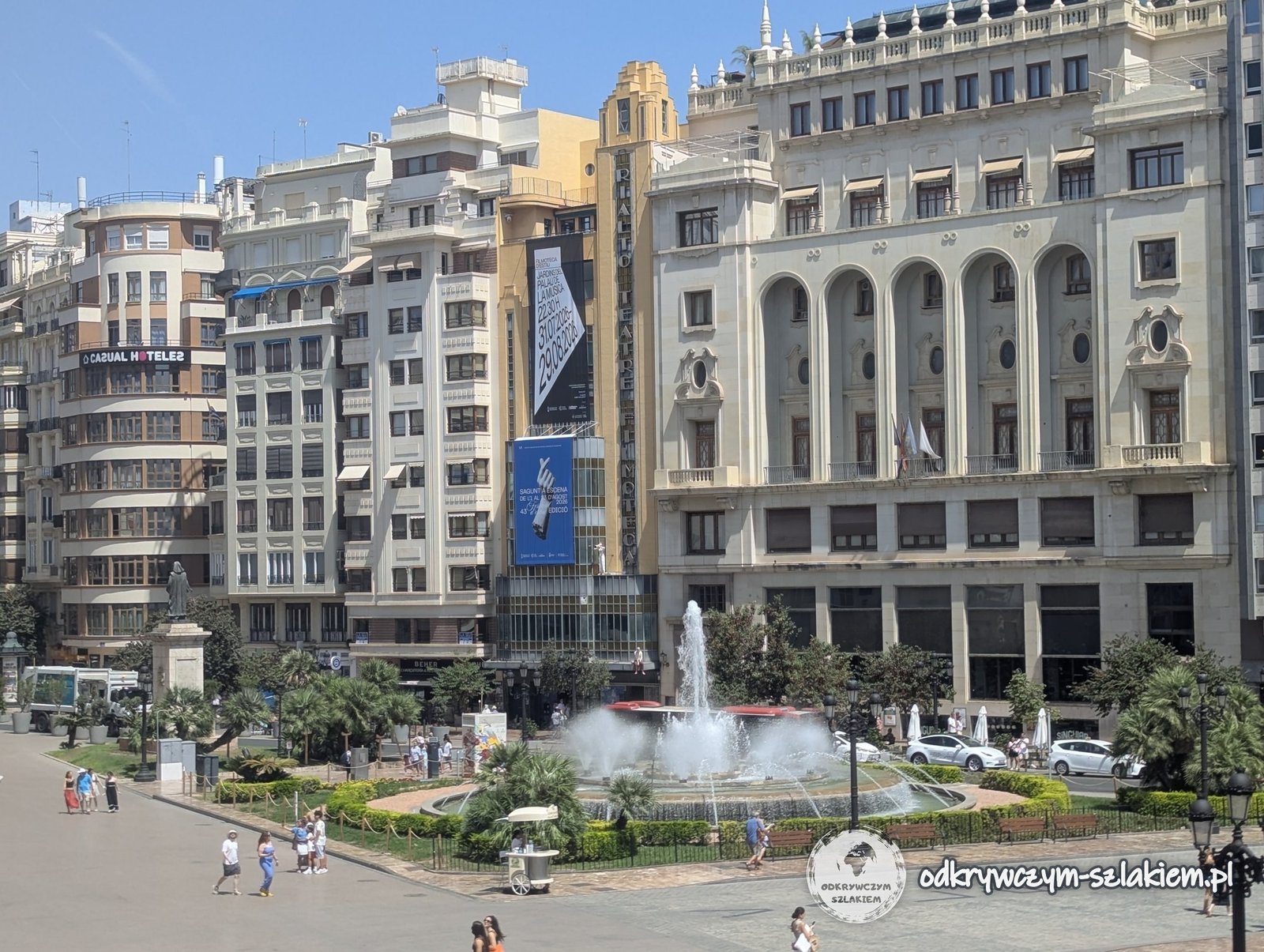
In the evening it is worth taking a walk around the centre. On Plaza del Ayuntamiento there is a large fountain that changes colour at night, with the illuminated City Hall behind it.
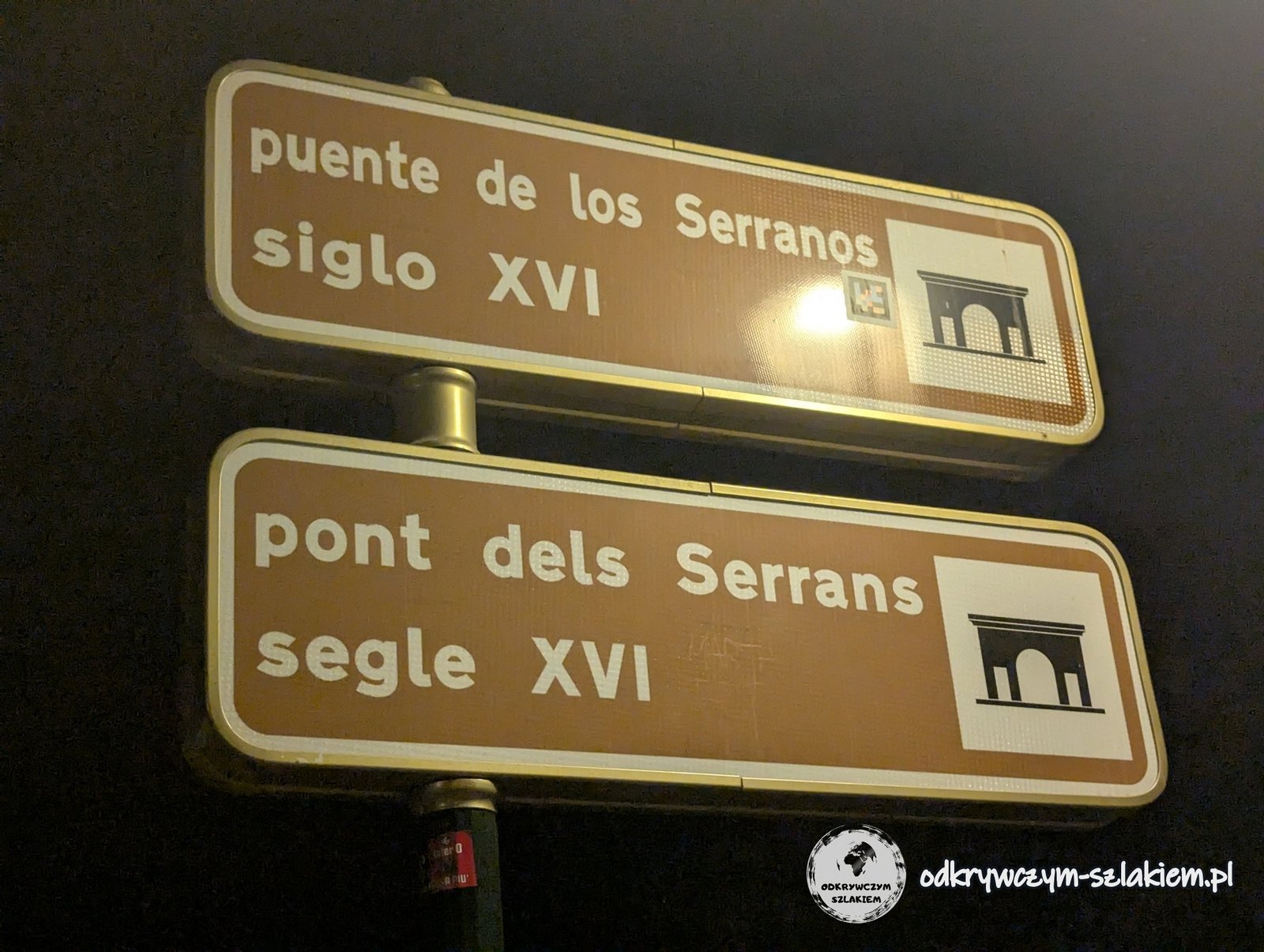
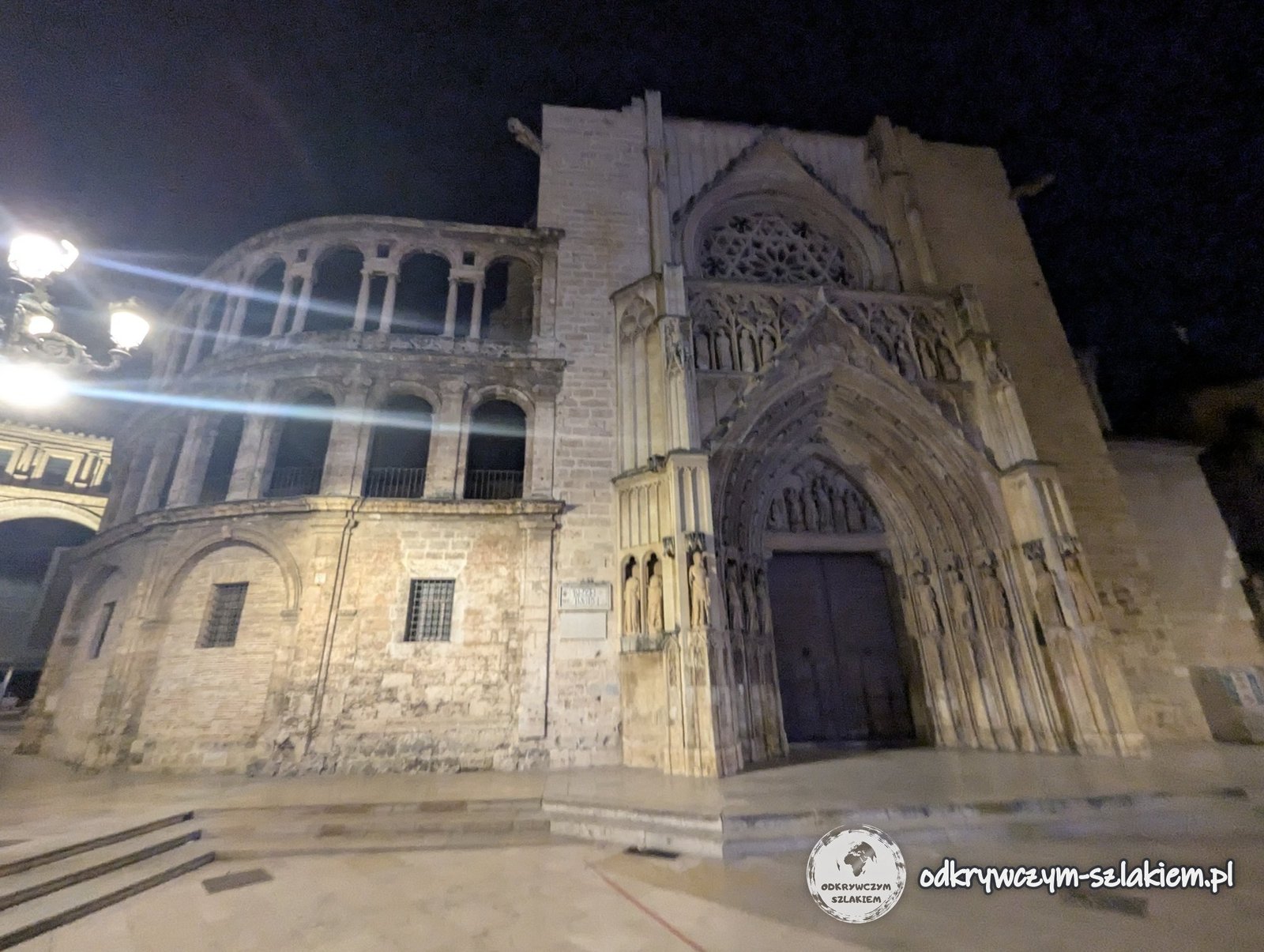
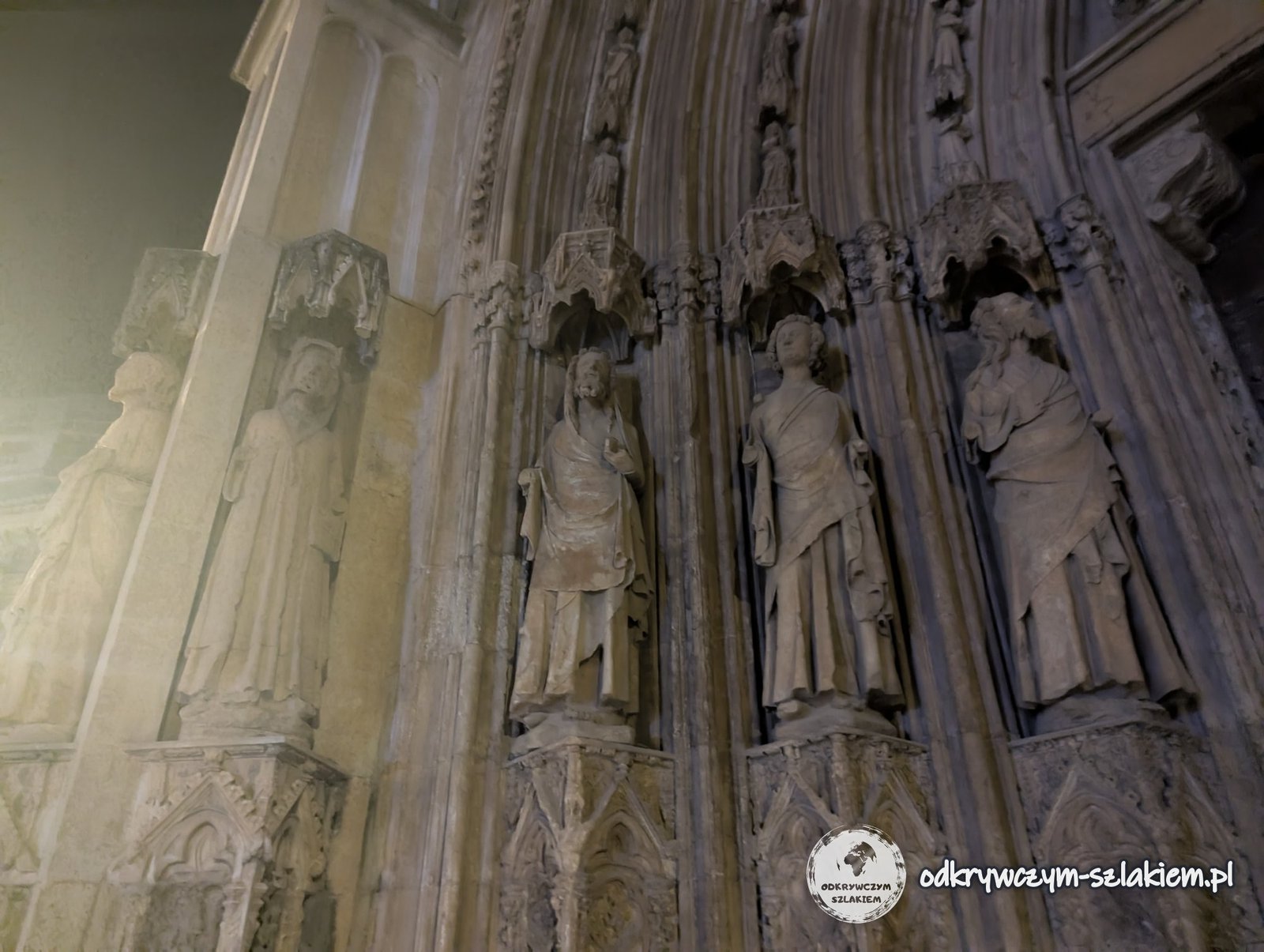
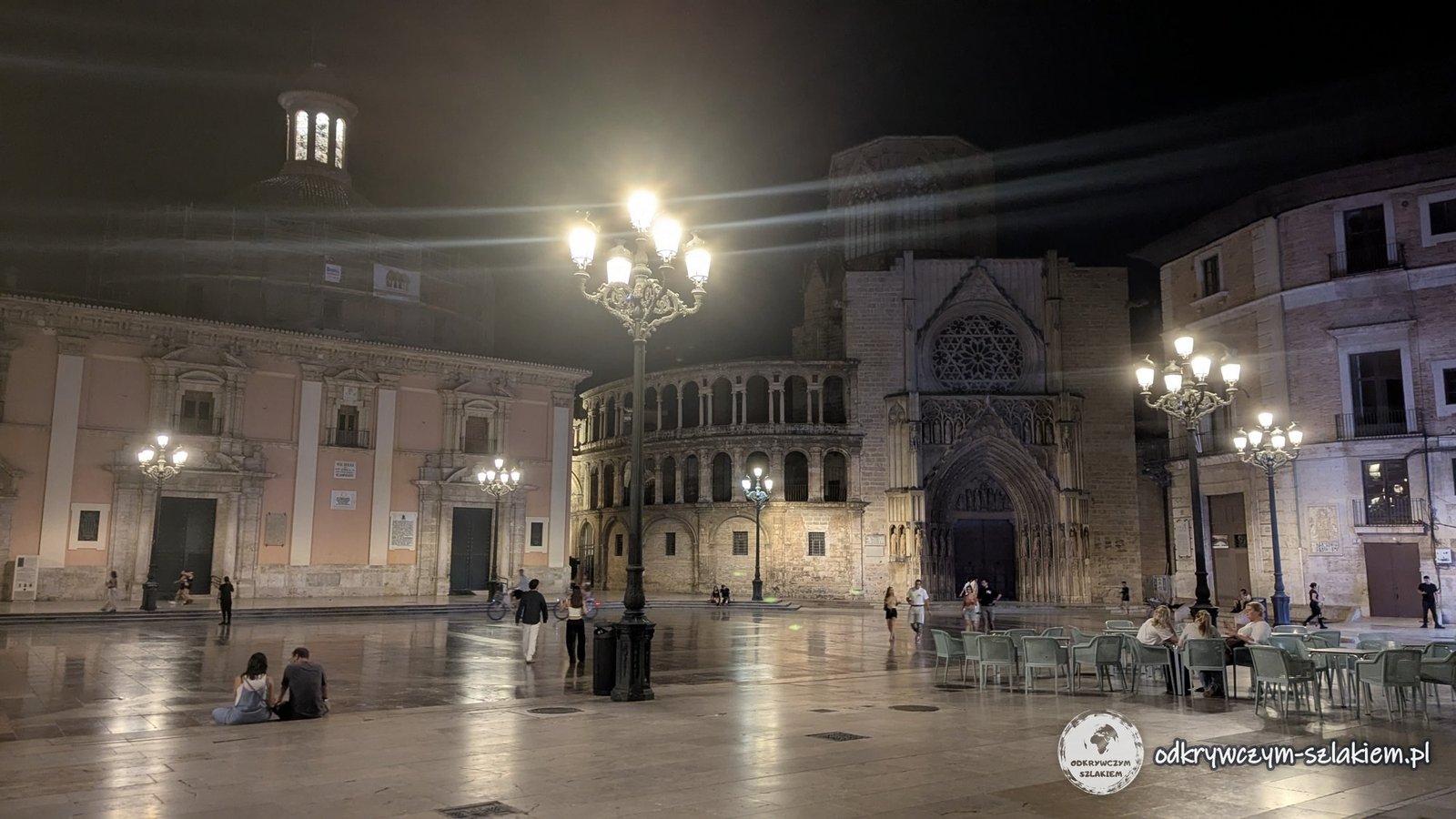
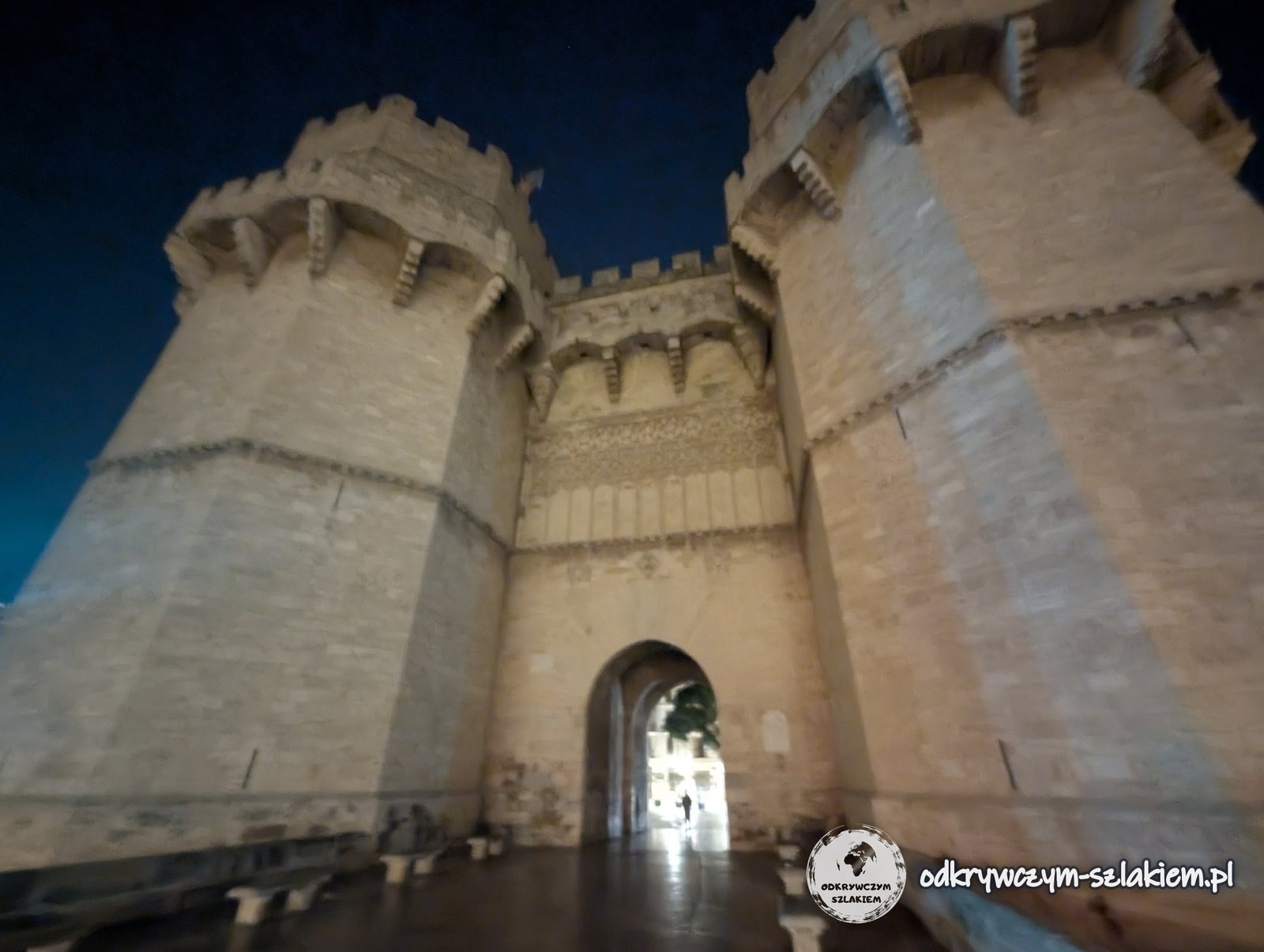
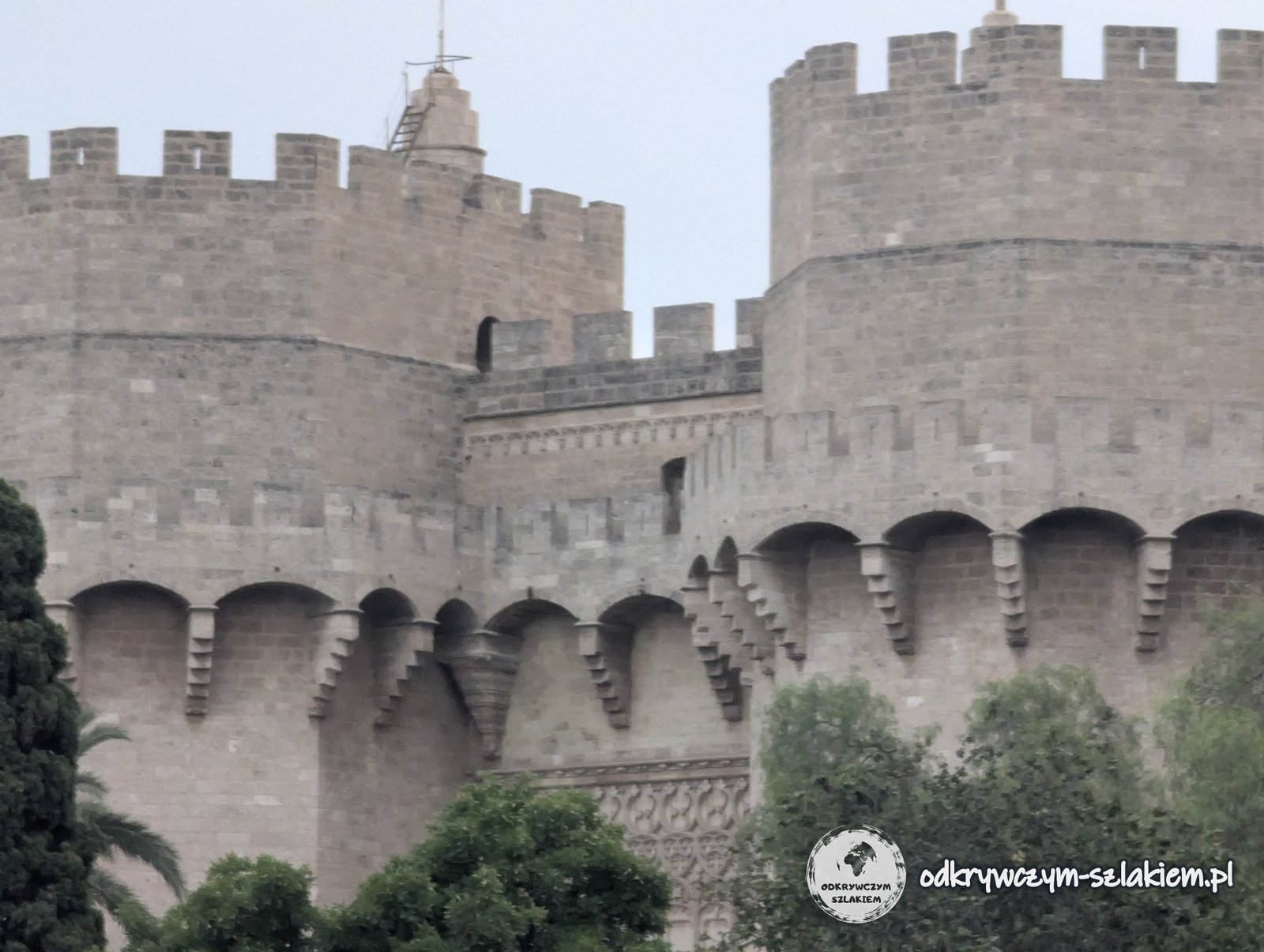
Further on there is the cathedral with its Gothic Apostles’ Door, Plaza de la Virgen, empty at that hour, and the medieval Torres de Serranos gate from the 14th century, next to which a 16th-century bridge crosses the bed of the Turia.
City Hall and the Salón de Cristal
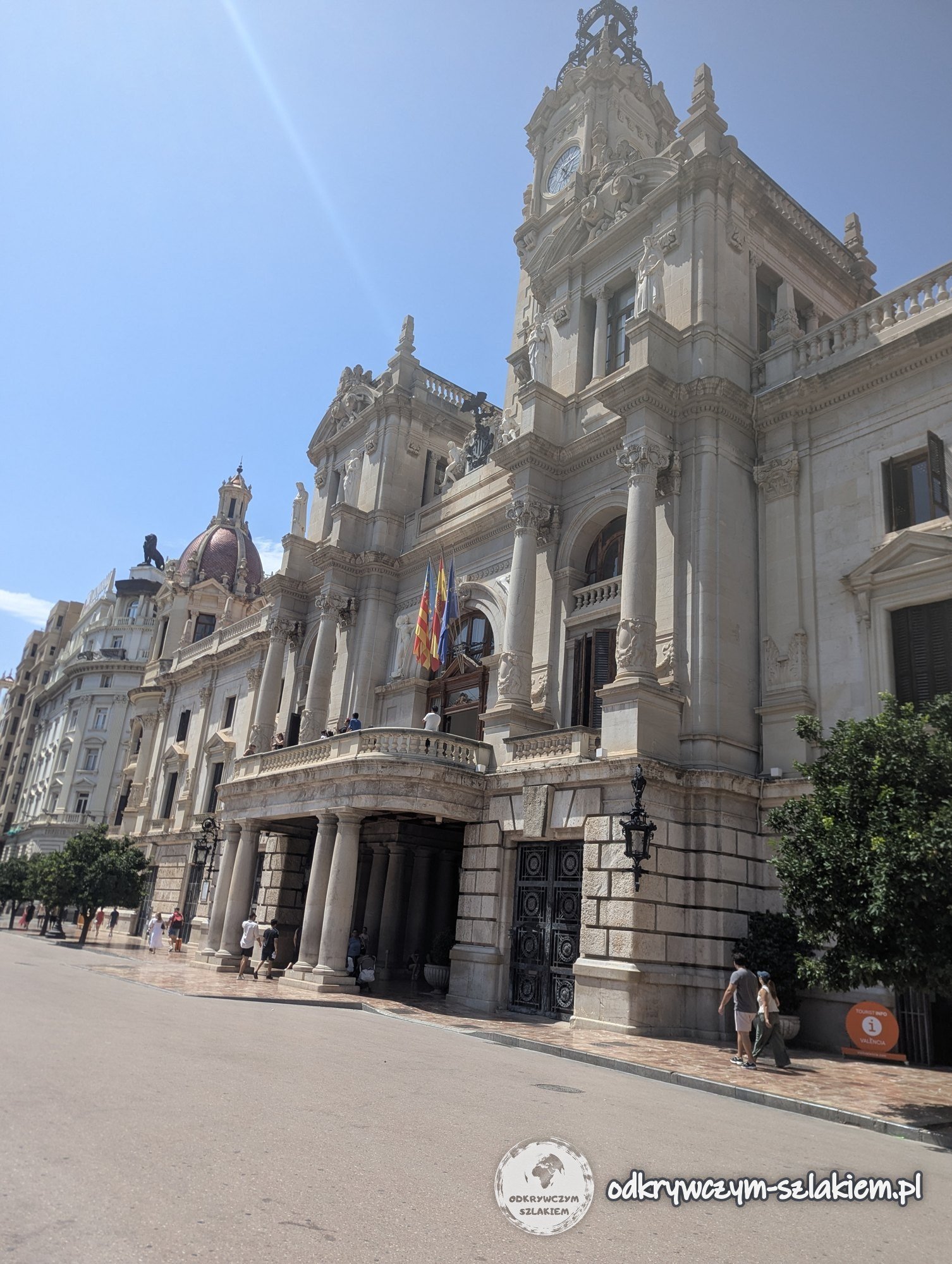
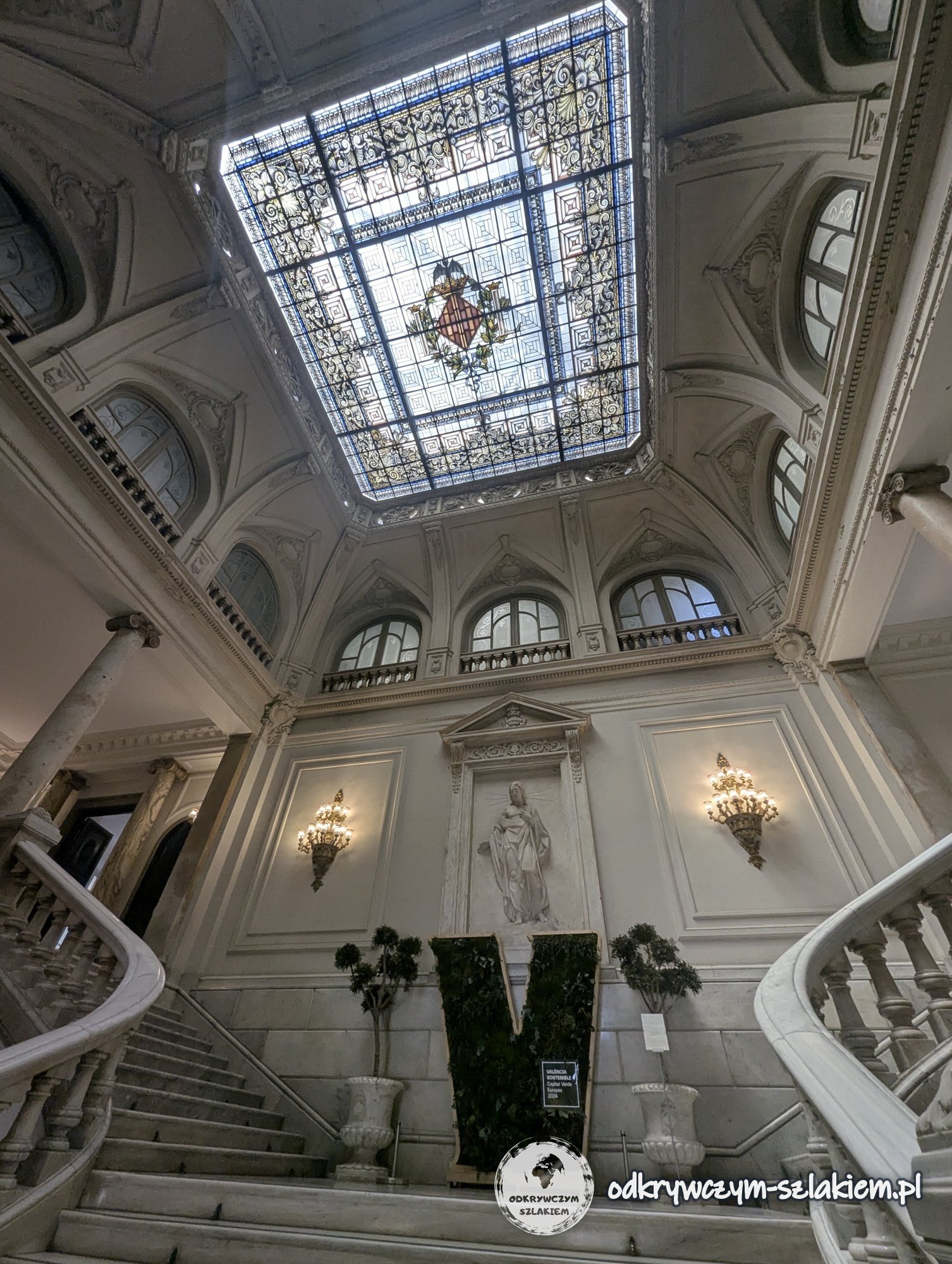
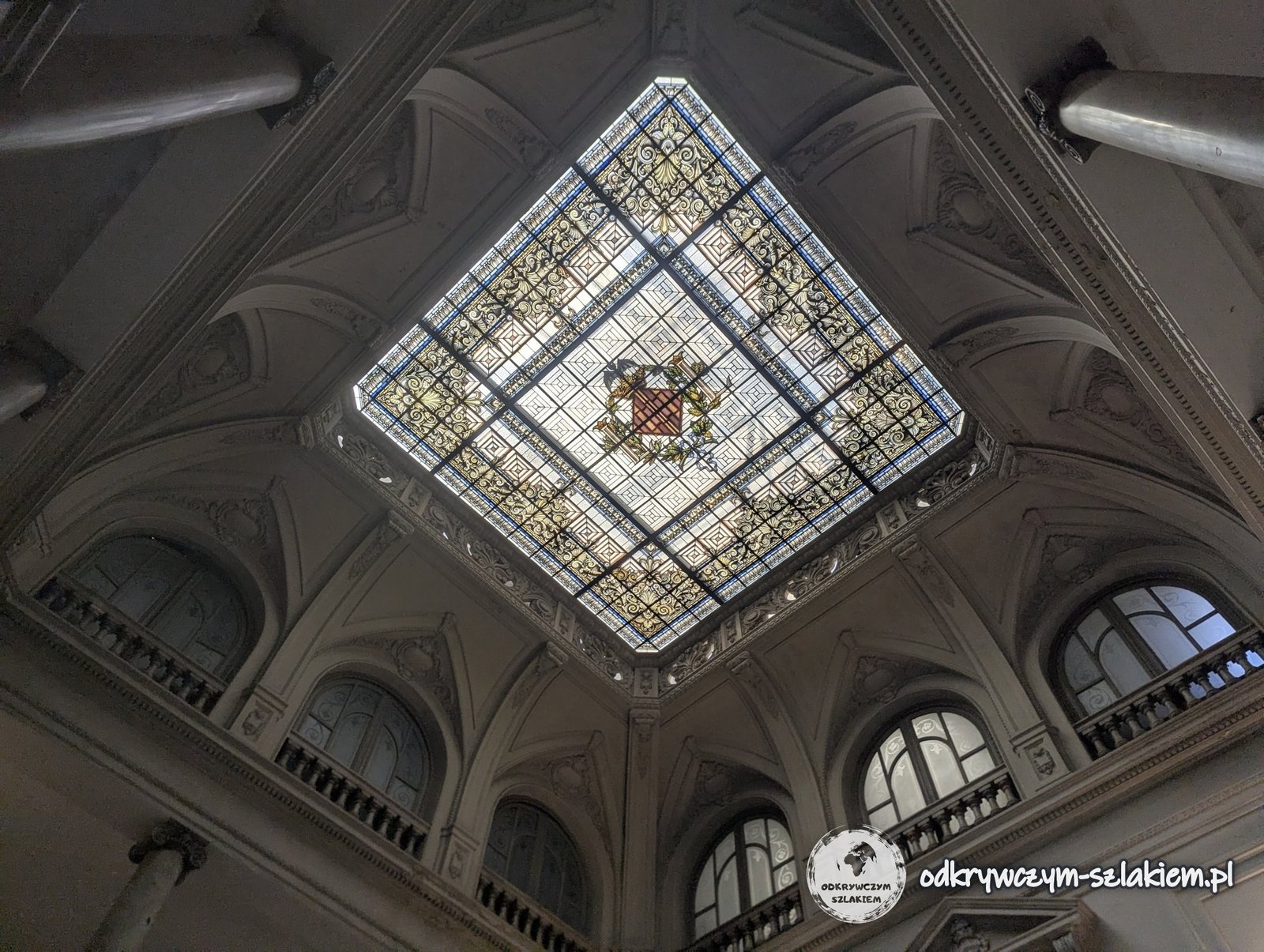
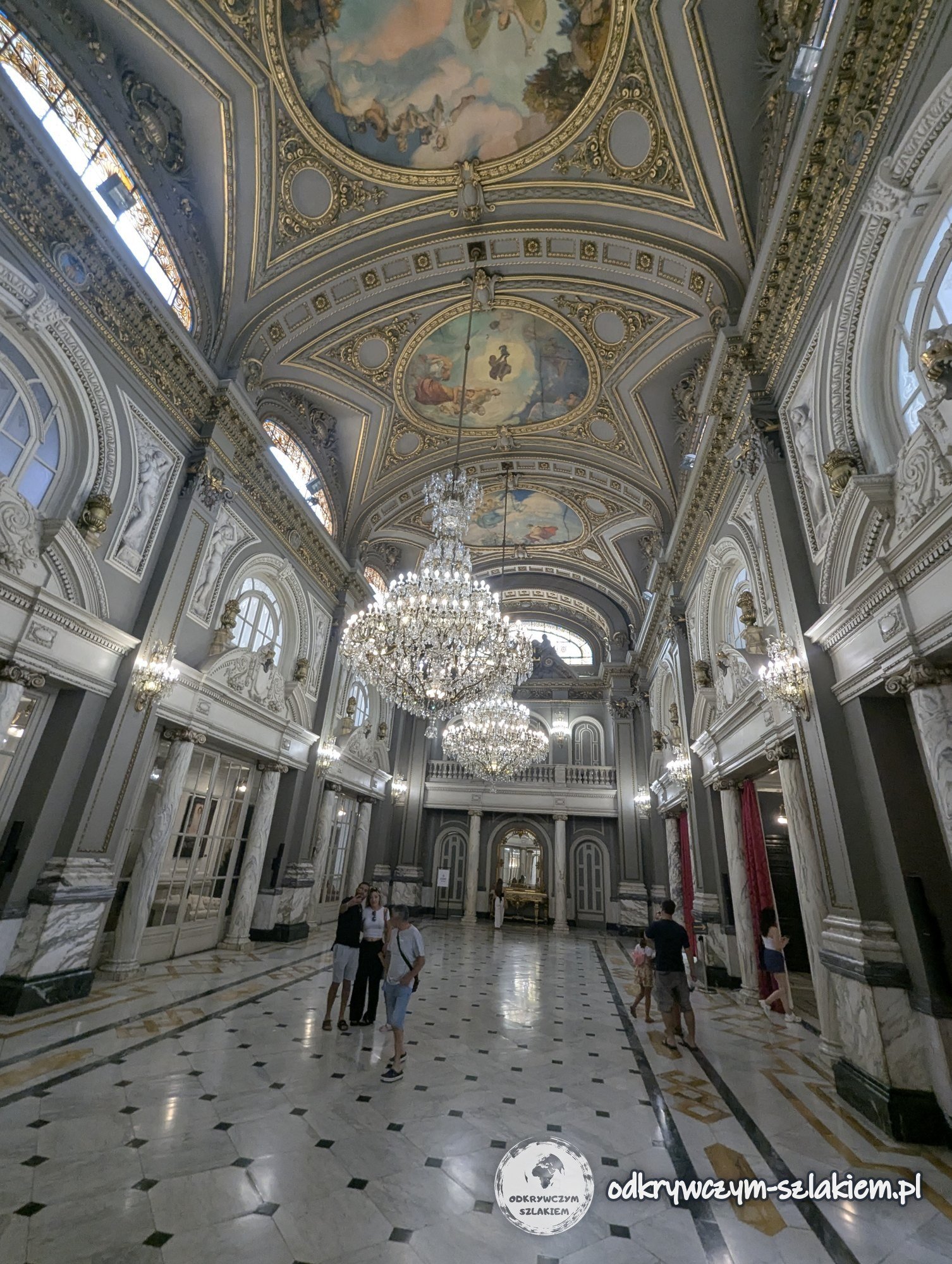
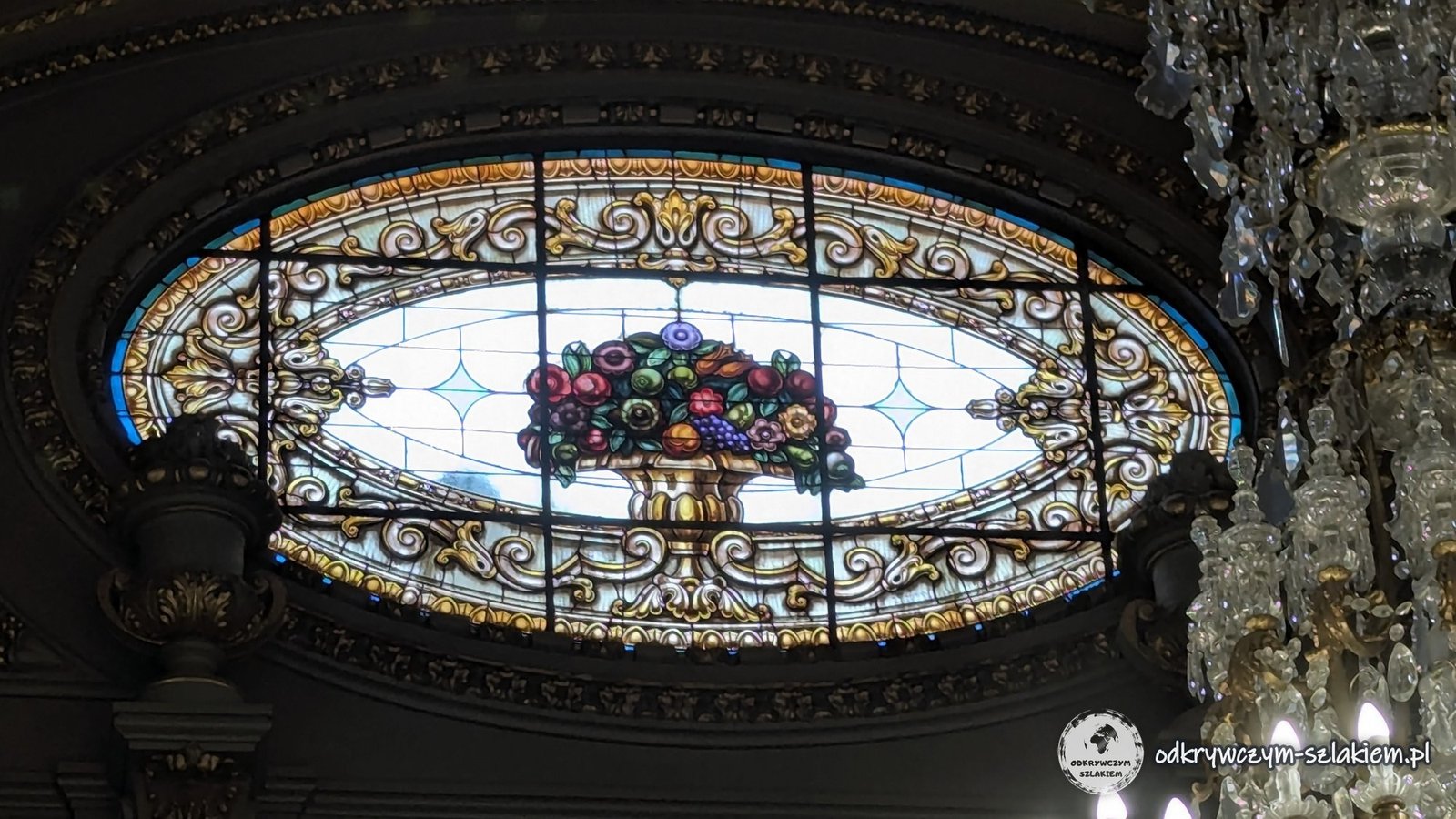
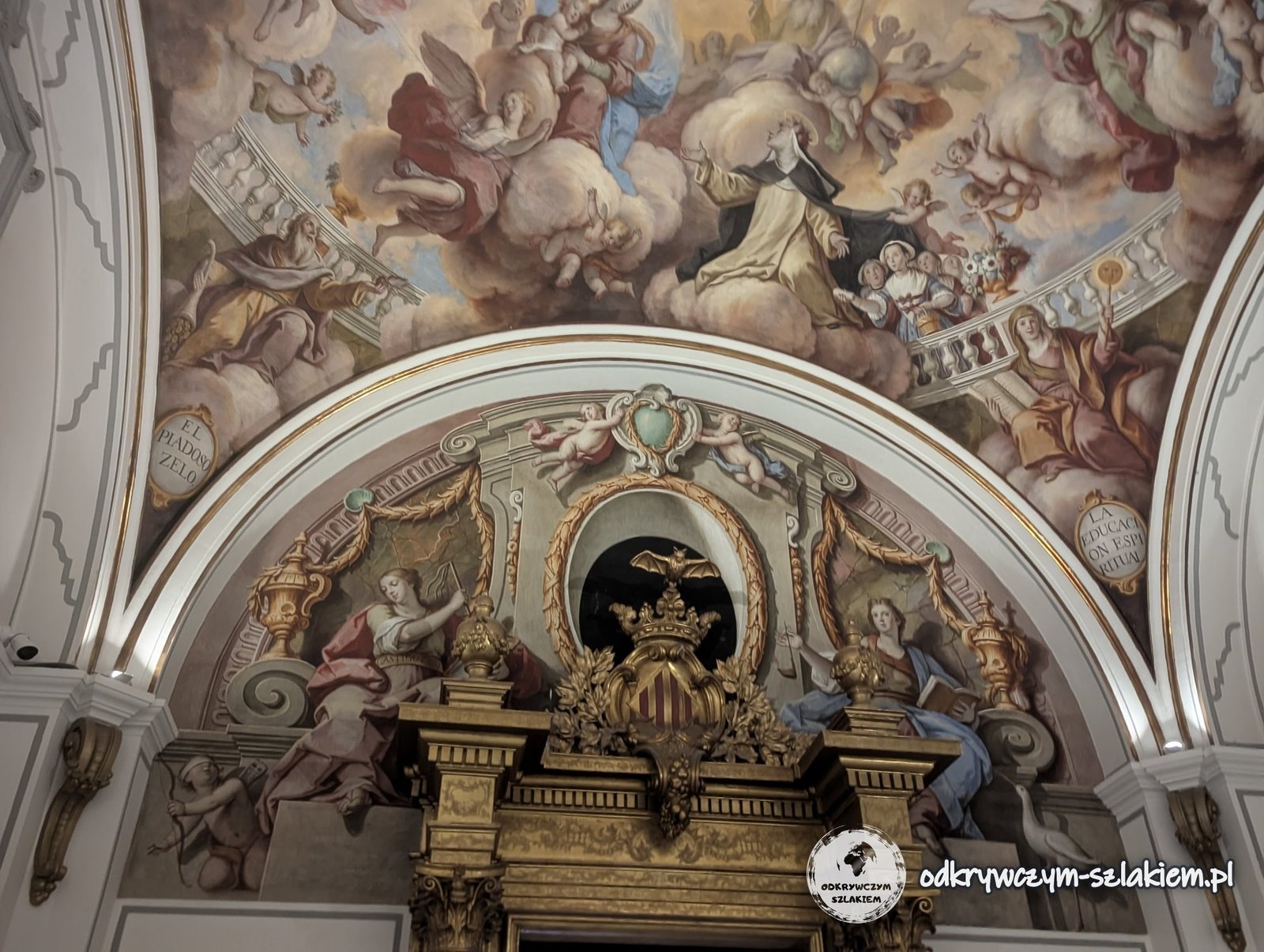
On 14 August I started with City Hall (Ajuntament de València). You can go into the state rooms and see the staircase with its stained-glass skylight and the Salón de Cristal – a hall with huge crystal chandeliers. The building also has a small city history museum, with, among other things, the coat of arms of Valencia topped by a bat, and from the balcony you can see the whole City Hall Square.


North Station, the bullring and modernist buildings
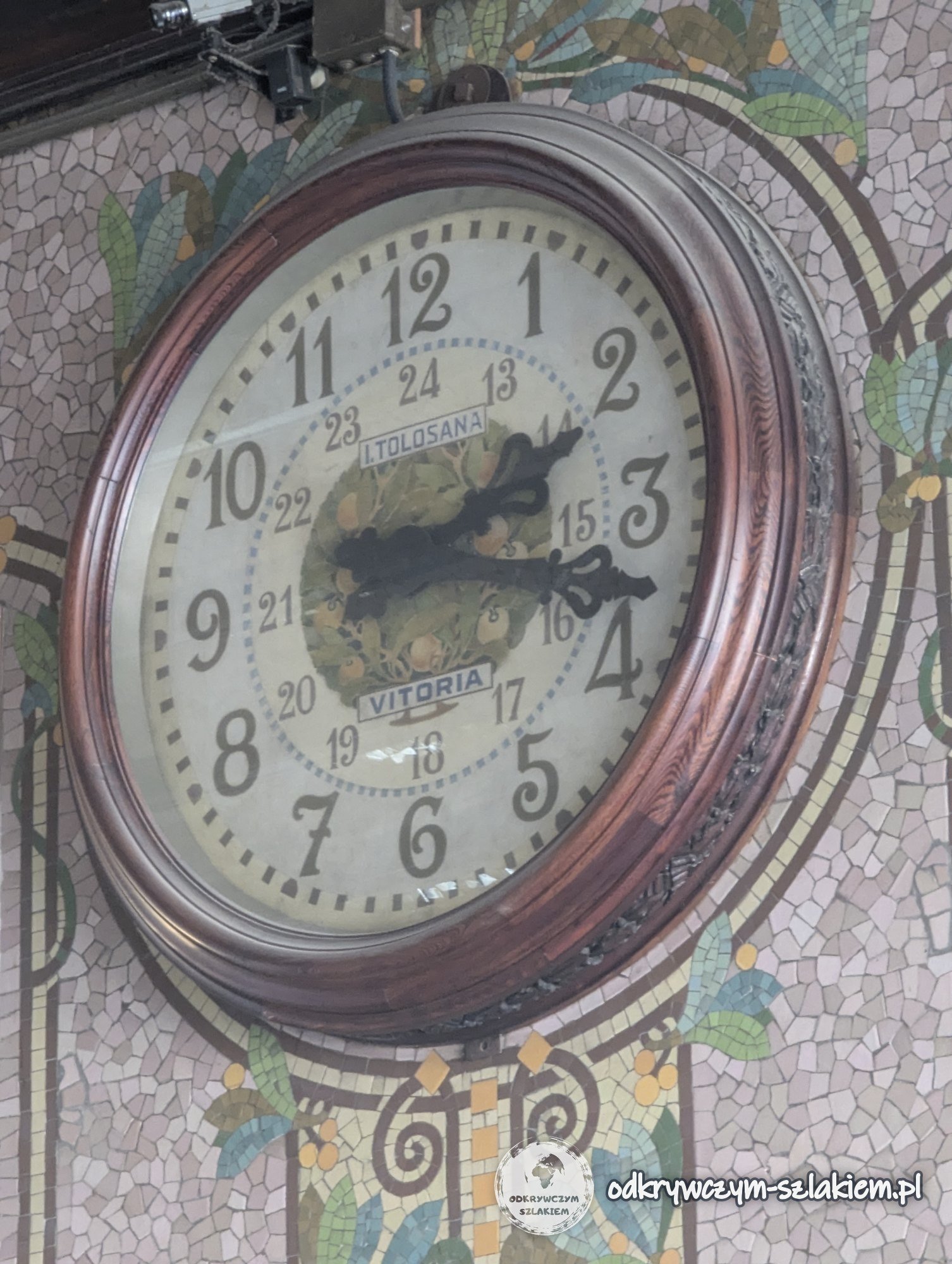
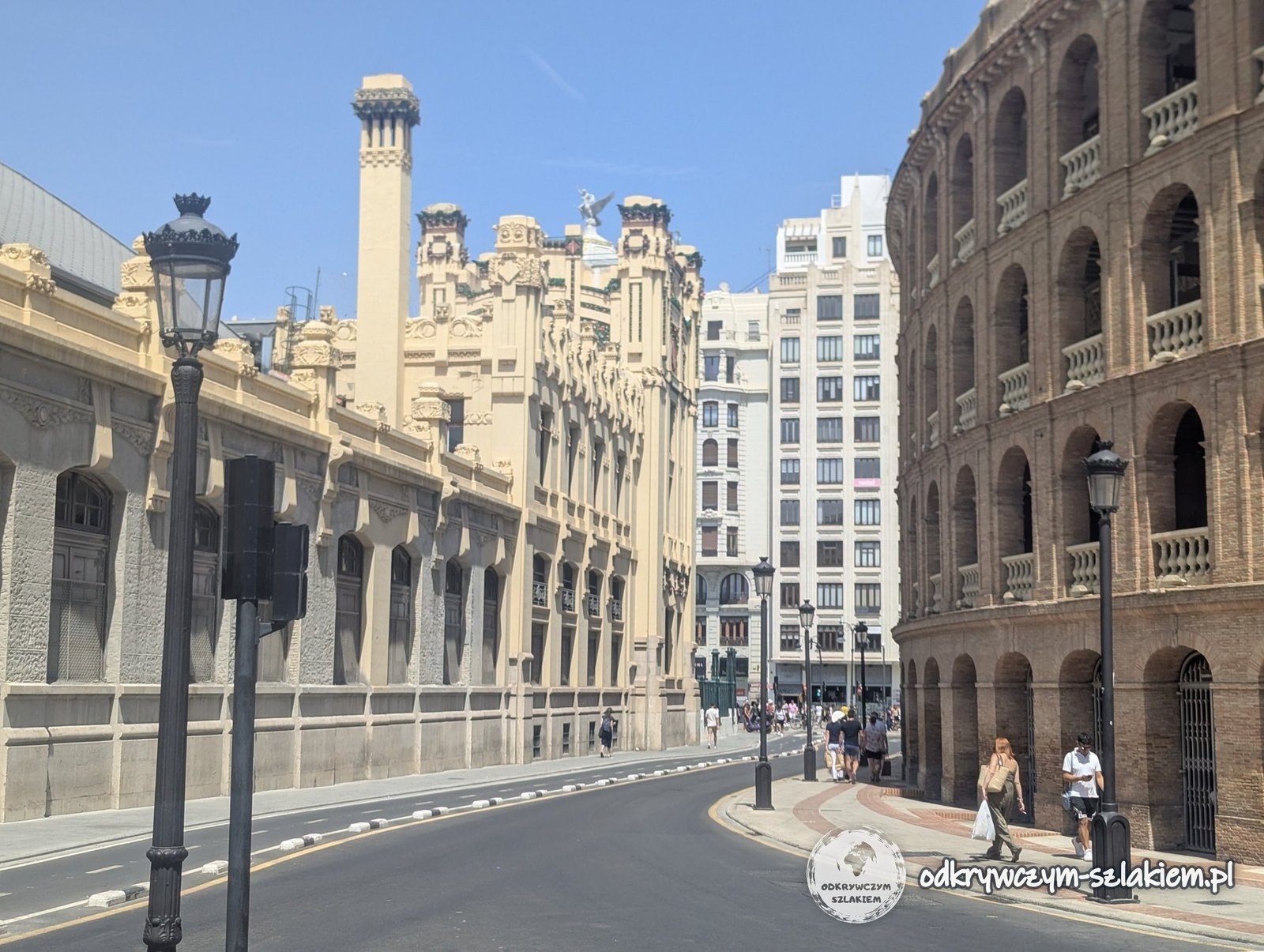
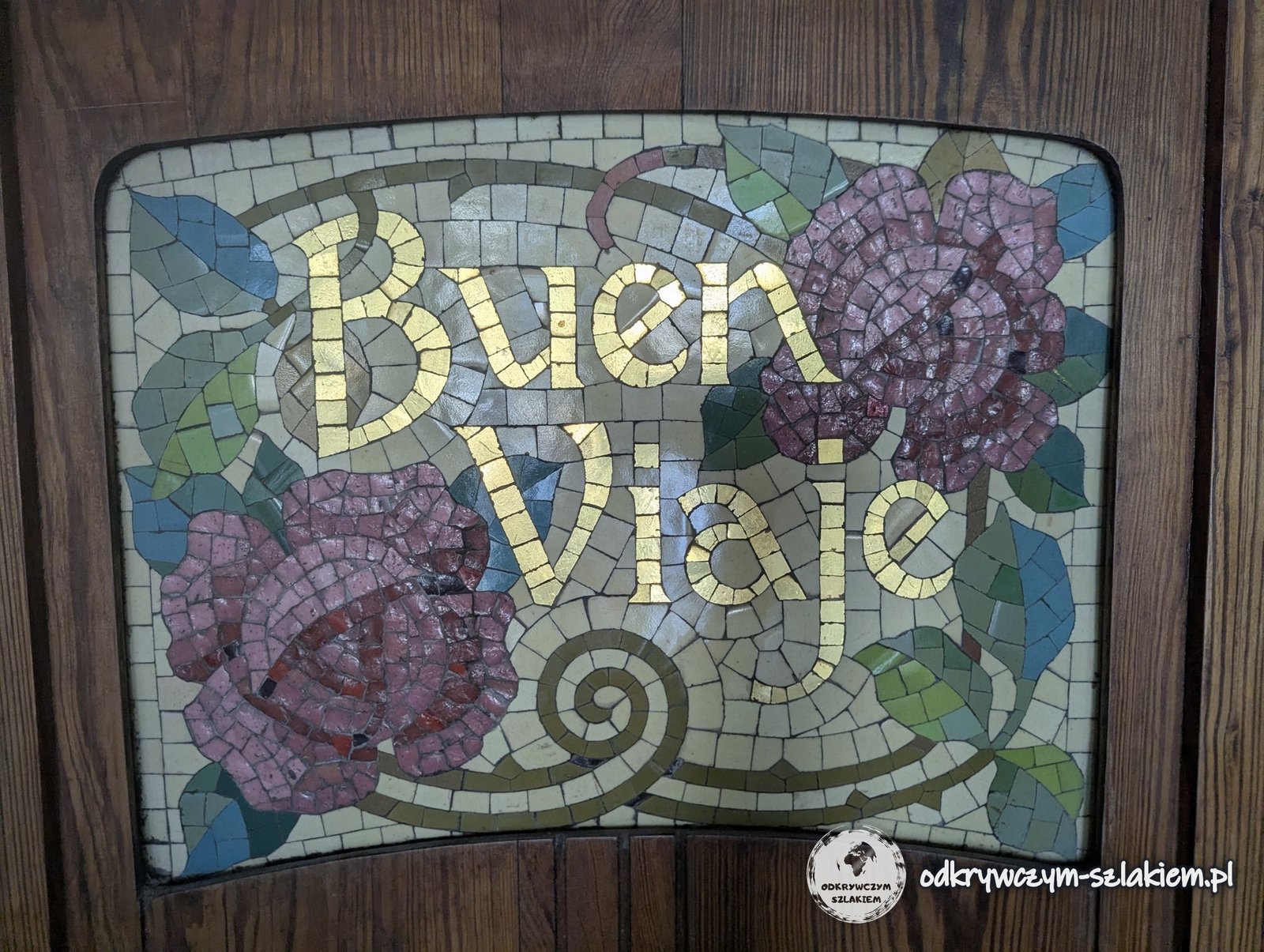
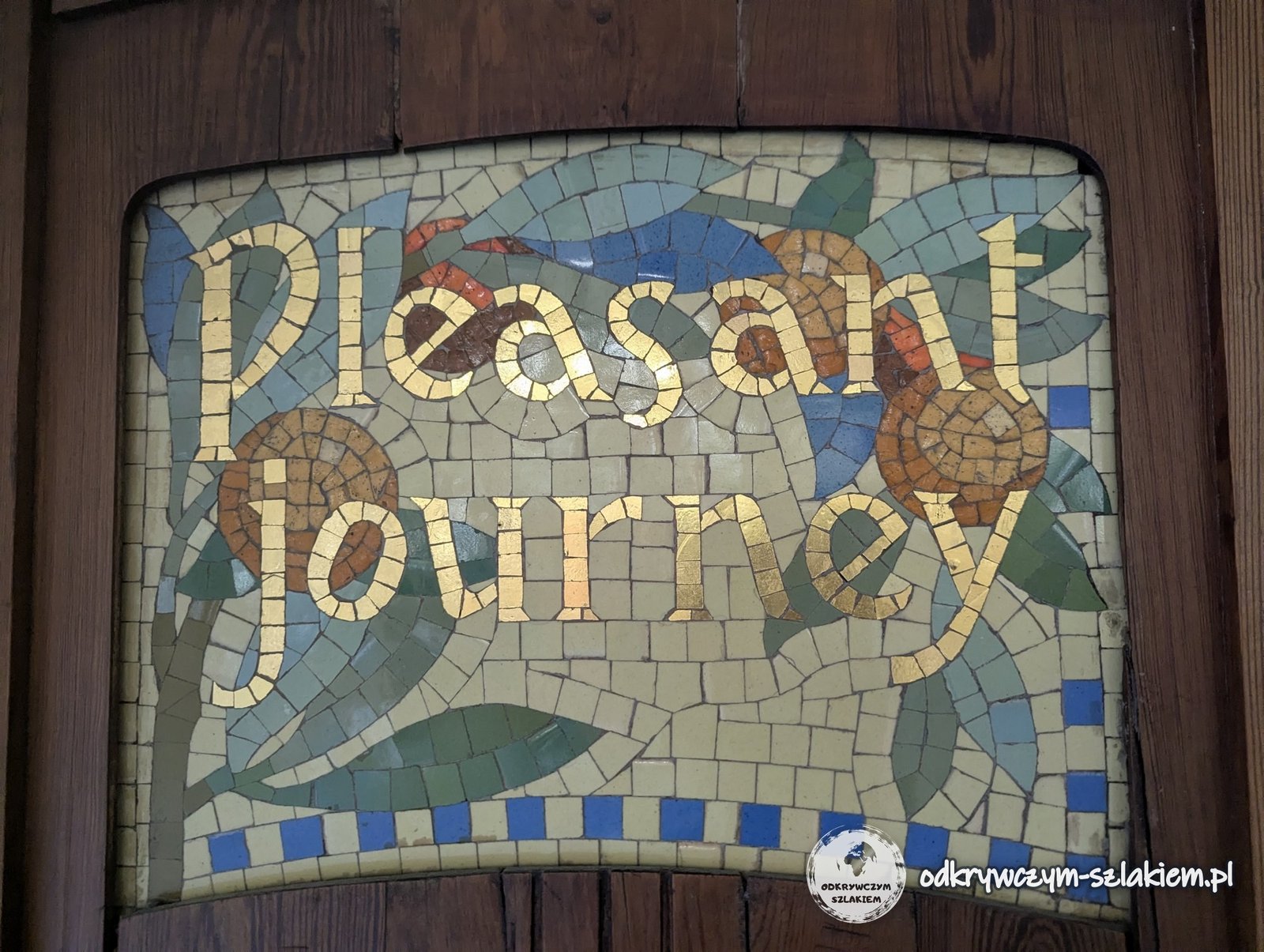
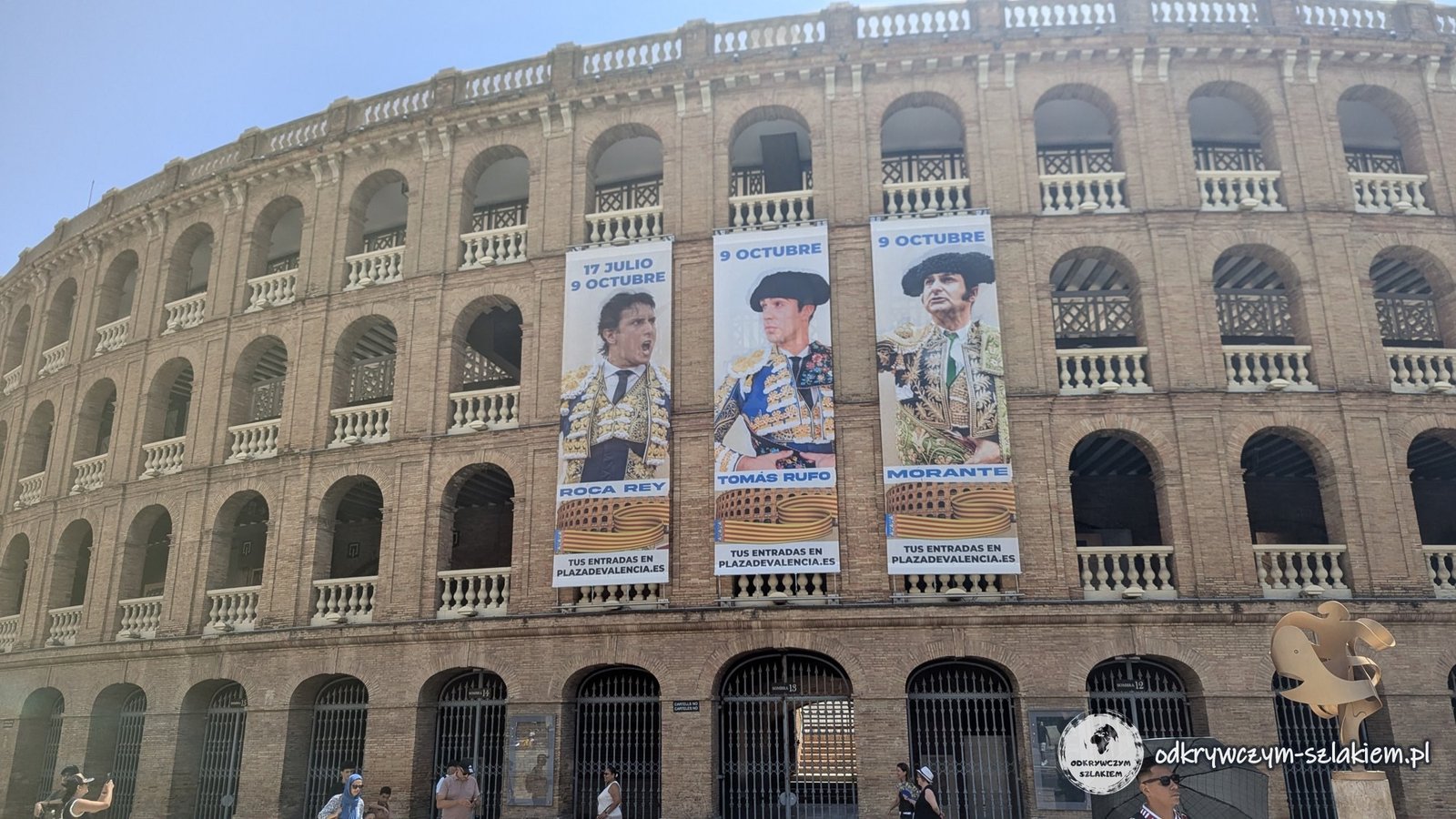
A few minutes from City Hall stands the modernist Estació del Nord railway station from 1917. In the hall there are mosaics wishing travellers a good journey in many languages – “Buen viaje”, “Pleasant journey” and others. Right next to it is the bullring (Plaza de toros), which looks like a Roman colosseum.
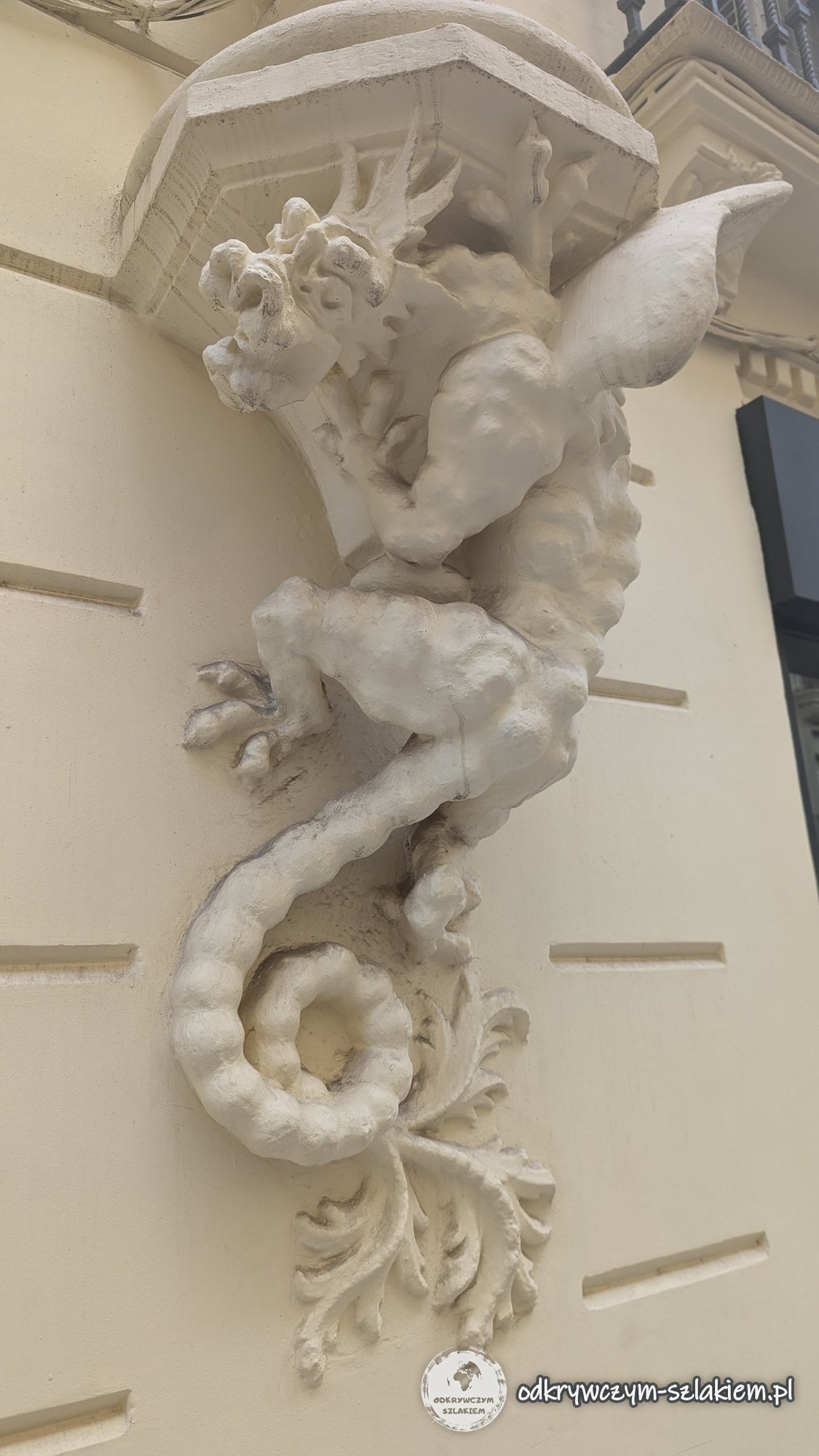
In the Eixample district it is worth walking with your head up – the buildings have richly decorated facades, and one of them has carved dragons. The most beautiful building in the district is the modernist market hall Mercado de Colón, which now houses cafés and restaurants. Finally I walked to the Sea Gate (Puerta del Mar).

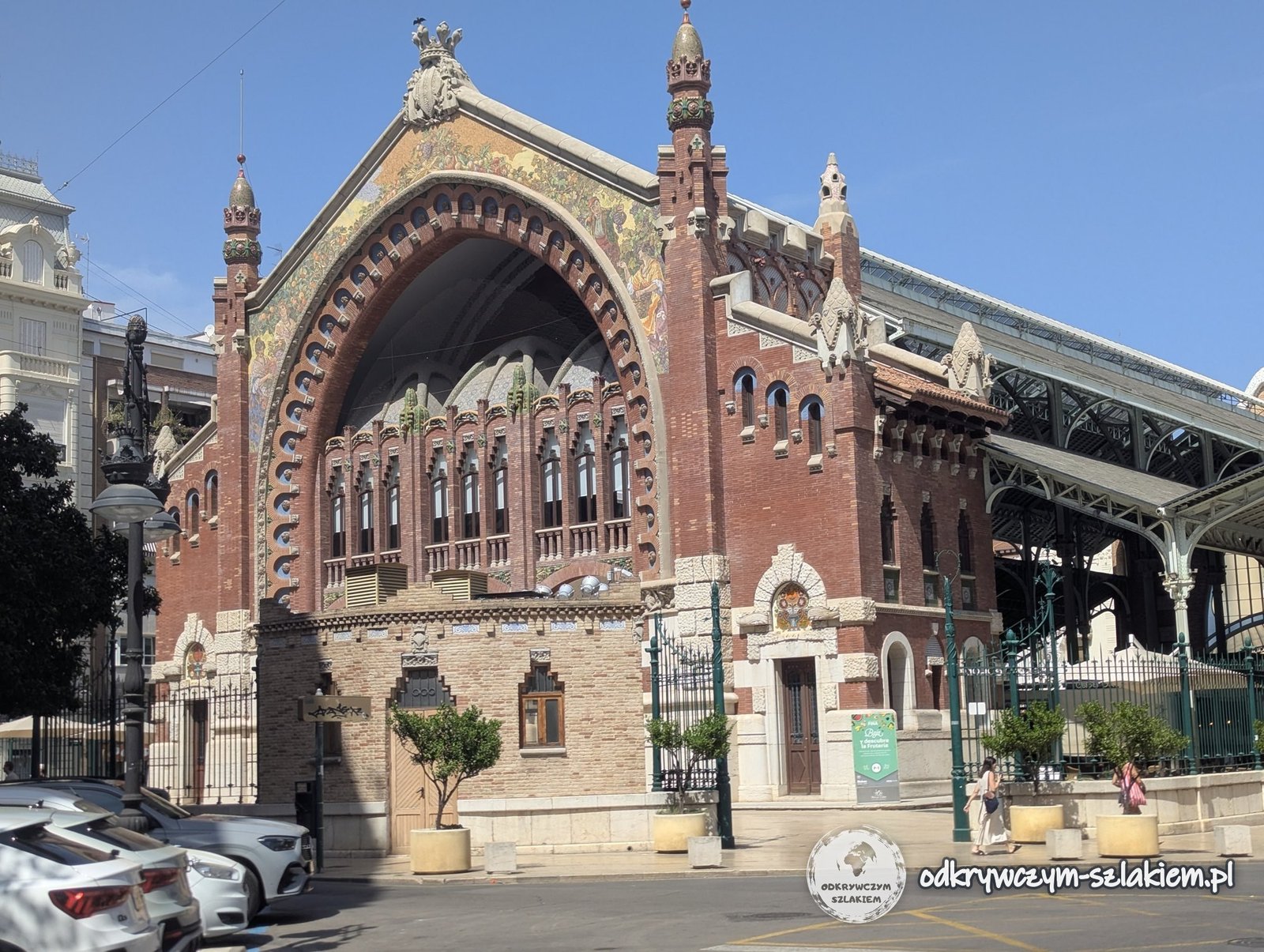
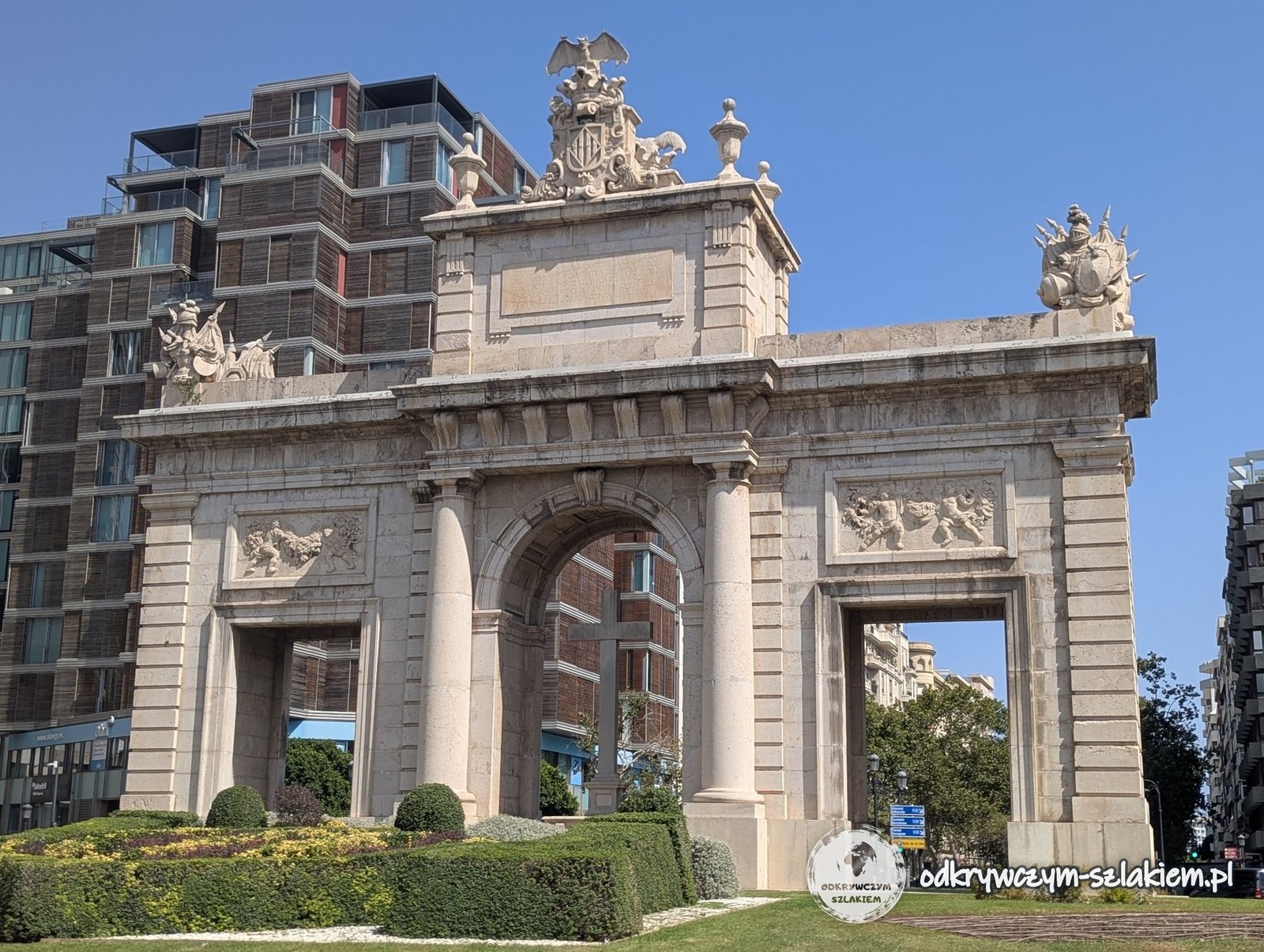
Mercado Central, La Lonja and Torres de Quart
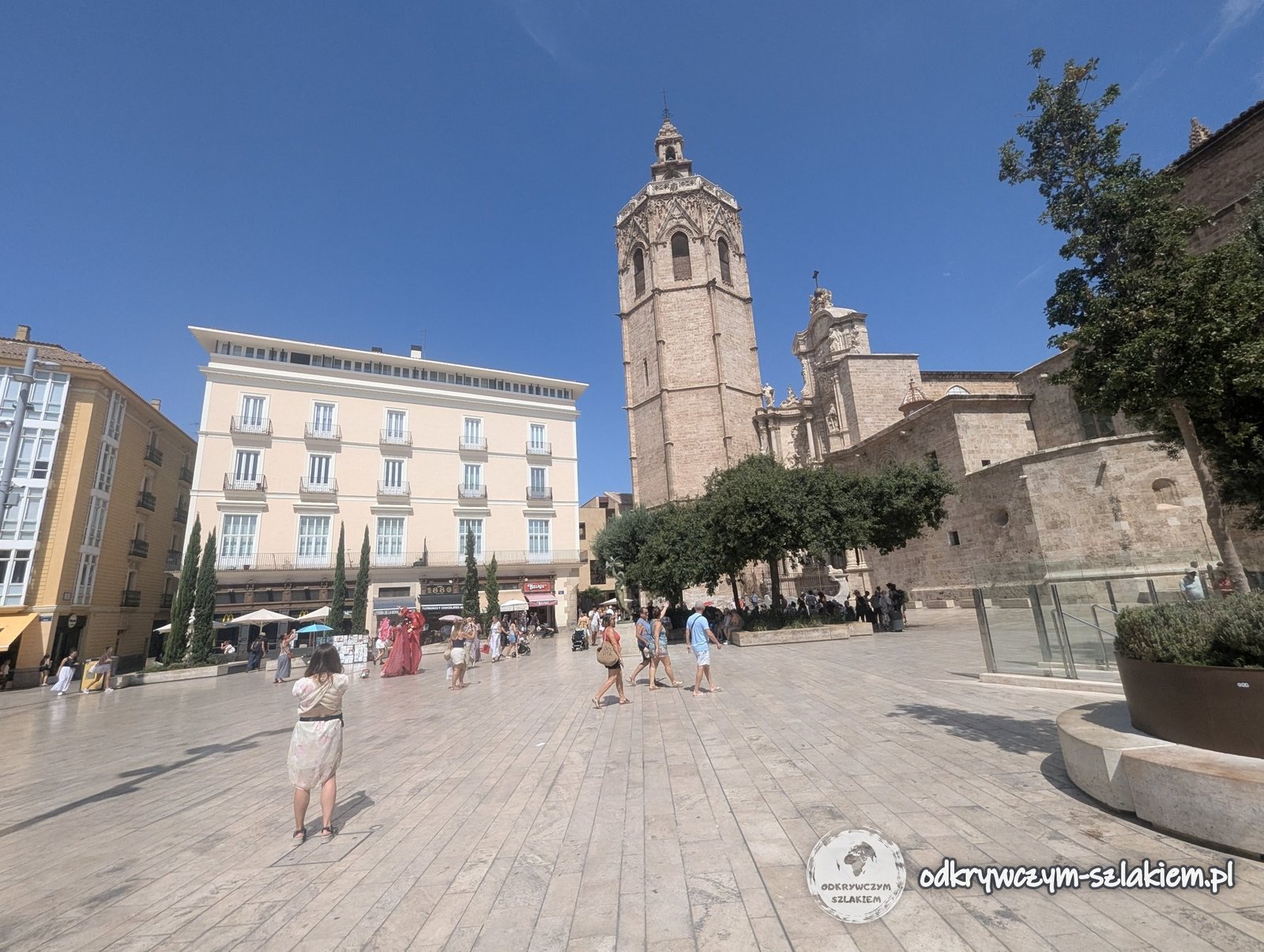
In the afternoon I went back to the old town. On Plaza de la Reina stands the cathedral bell tower, the Miguelete, and next to it one of the oldest horchata bars in the city – Horchatería de Santa Catalina, where you can try horchata, a drink made from tiger nuts that is typical of Valencia.
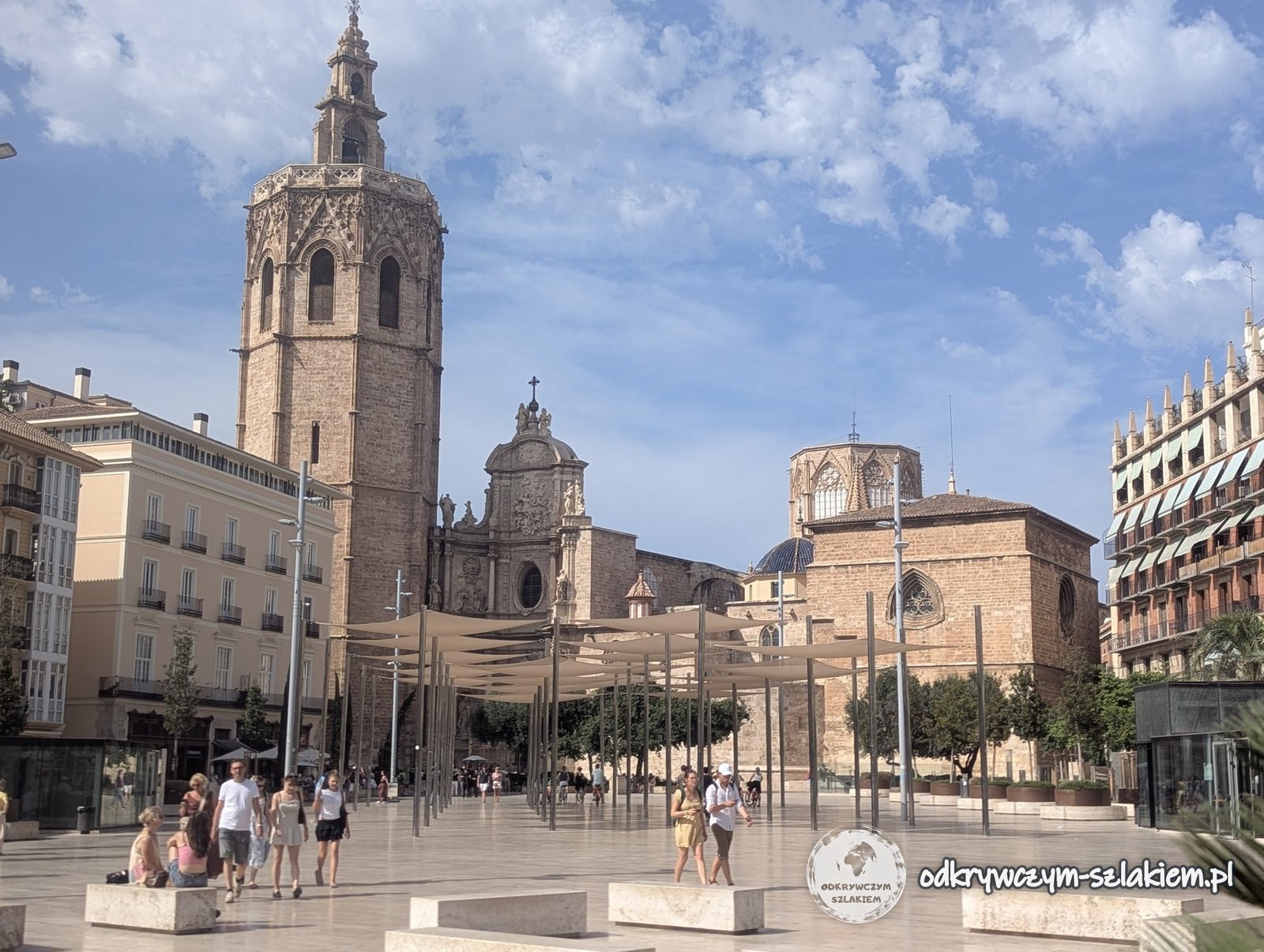
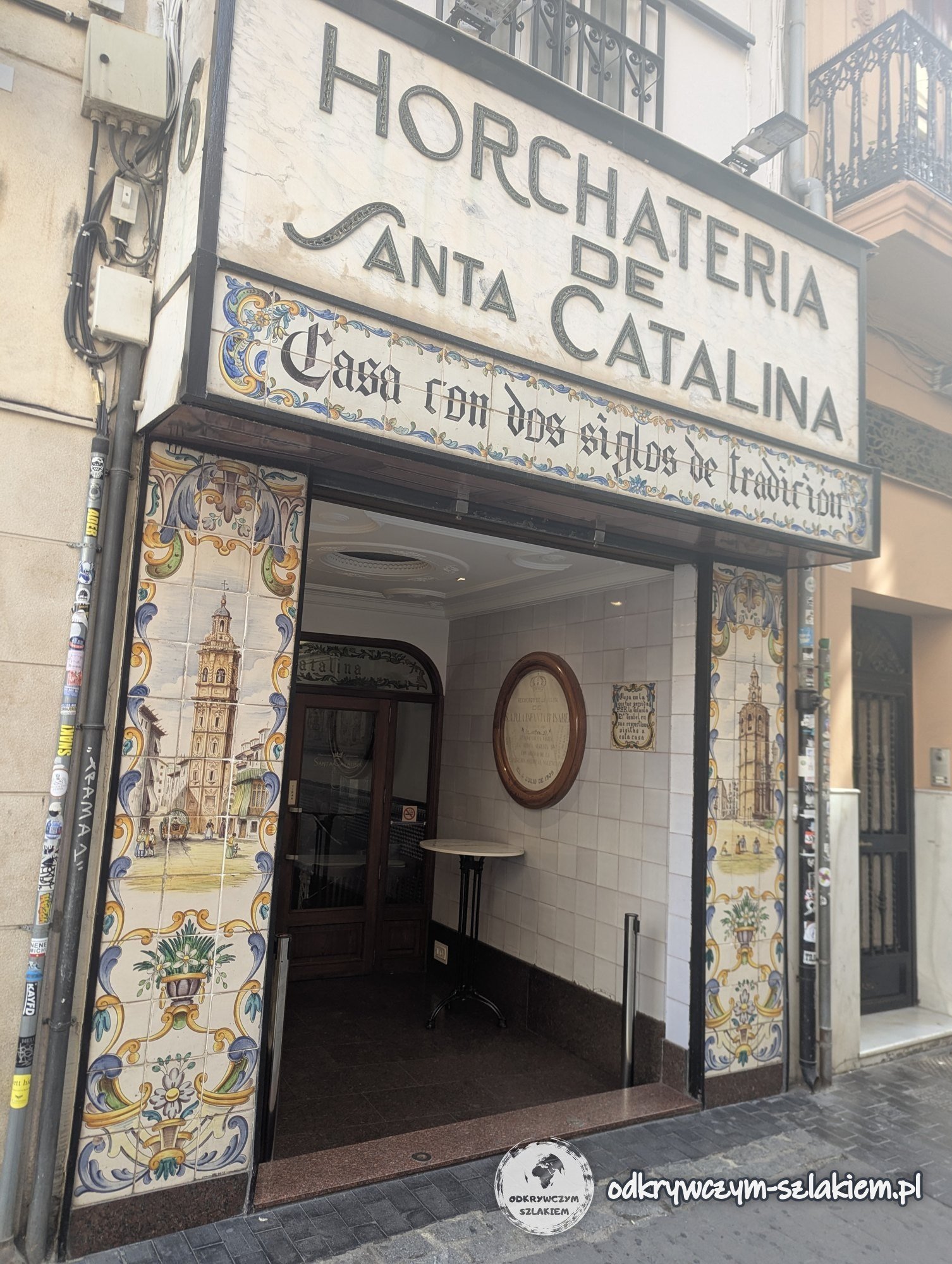
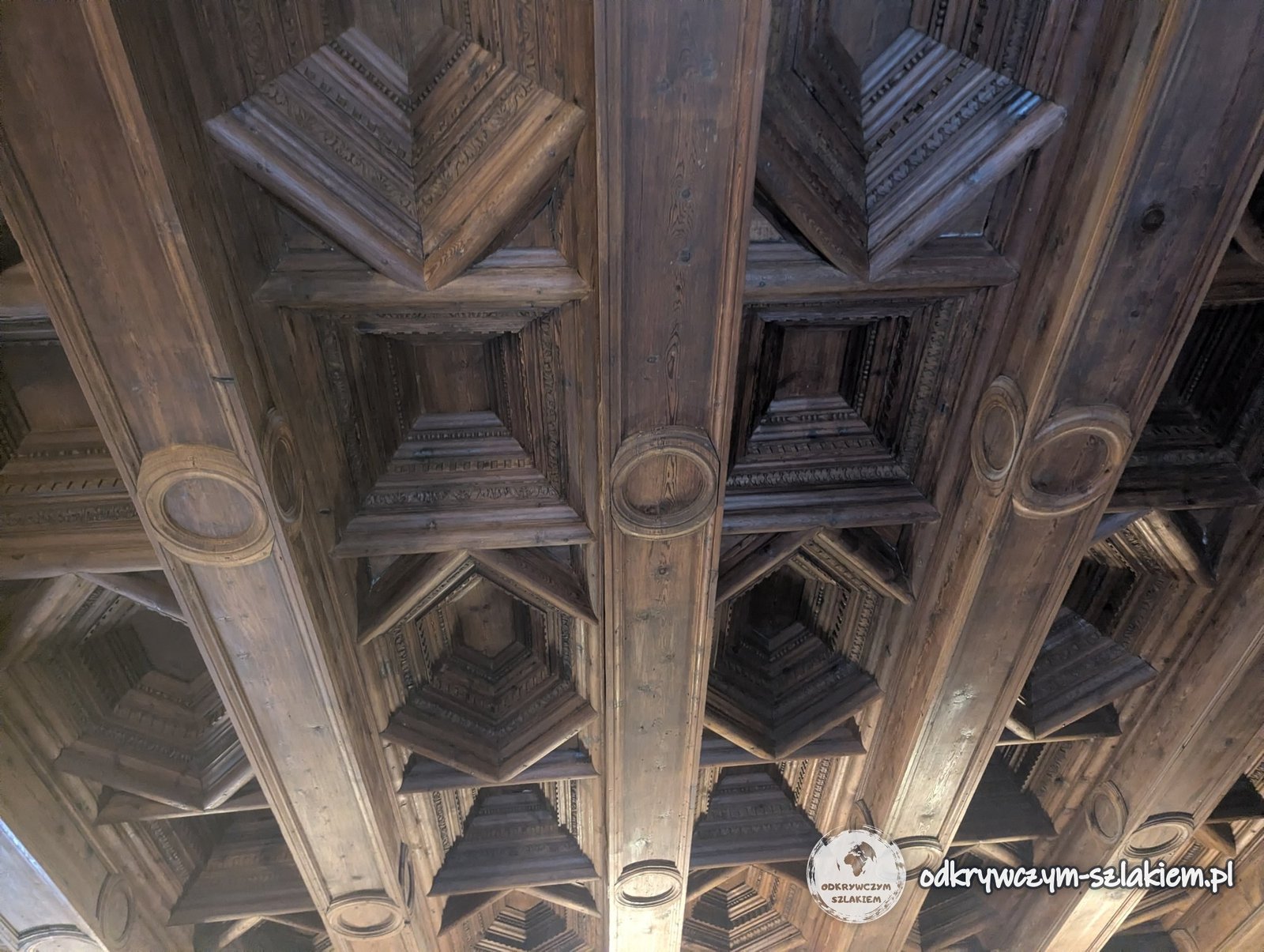
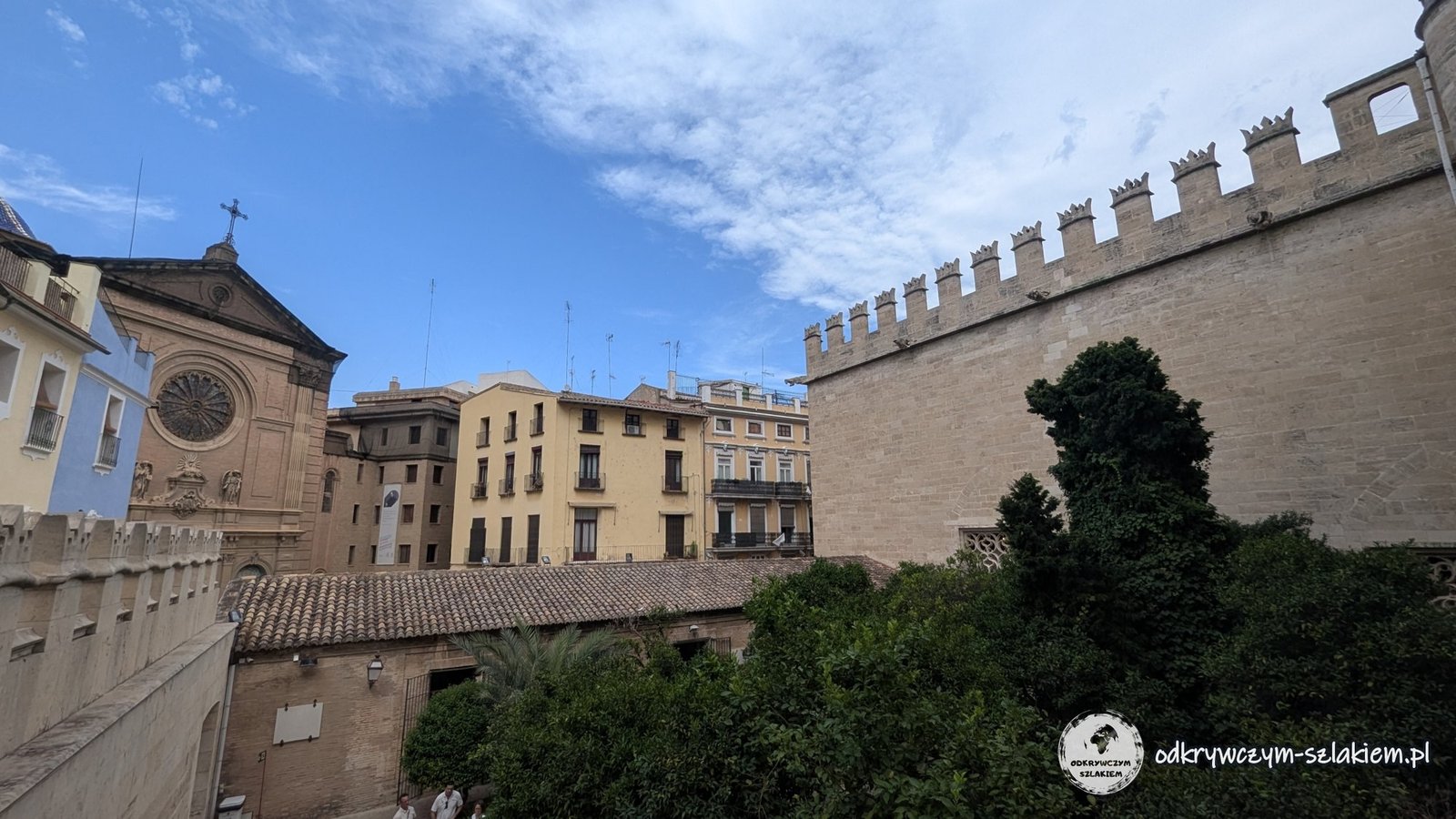
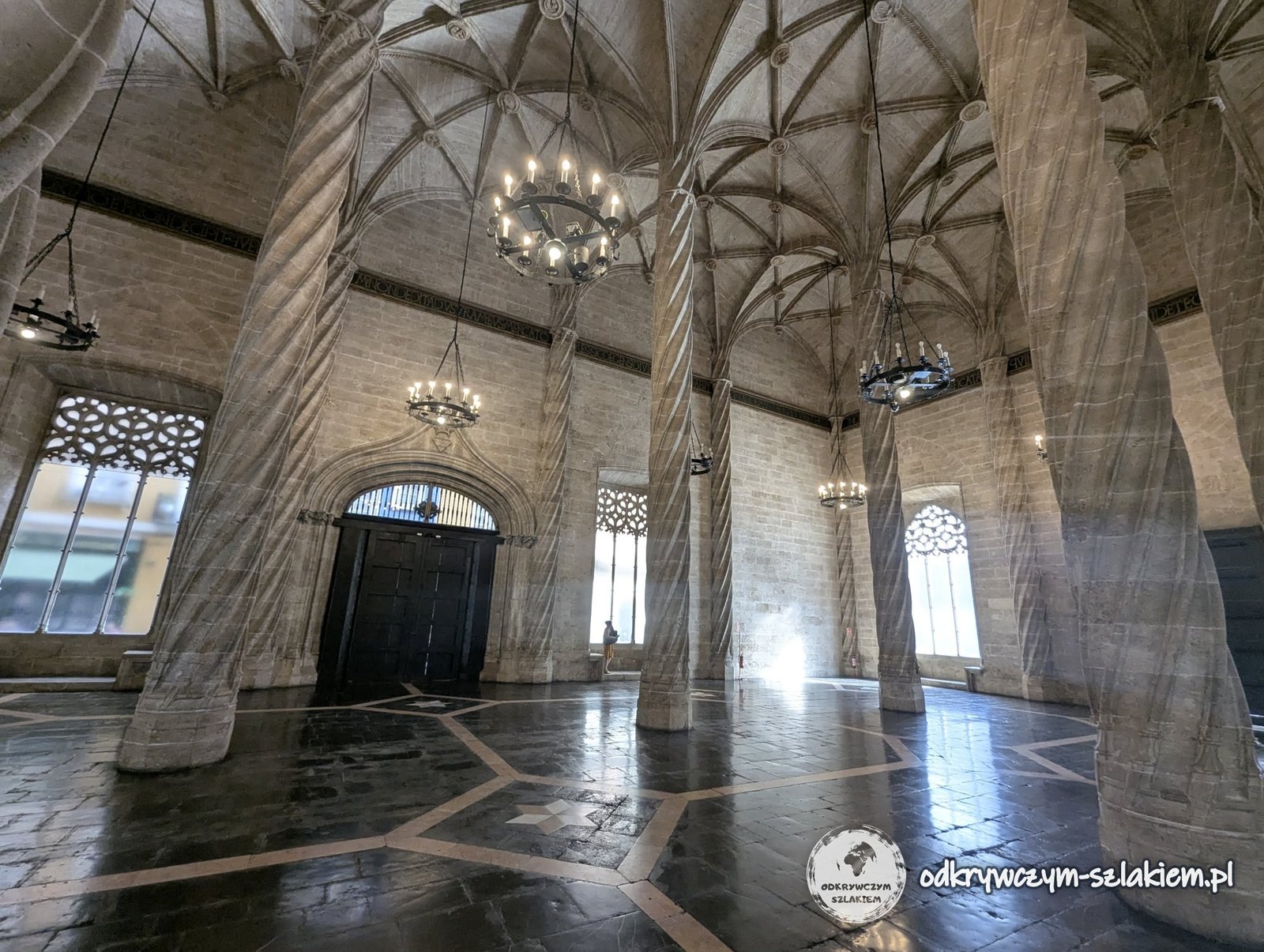
Next comes the Mercado Central – a large market hall with domes – and opposite it the Gothic Silk Exchange (Lonja de la Seda) from the 15th century, listed by UNESCO in 1996. The best-known part is the Hall of Columns with its spiral columns, but it is also worth looking into the hall with the carved wooden ceiling and the courtyard with orange trees.
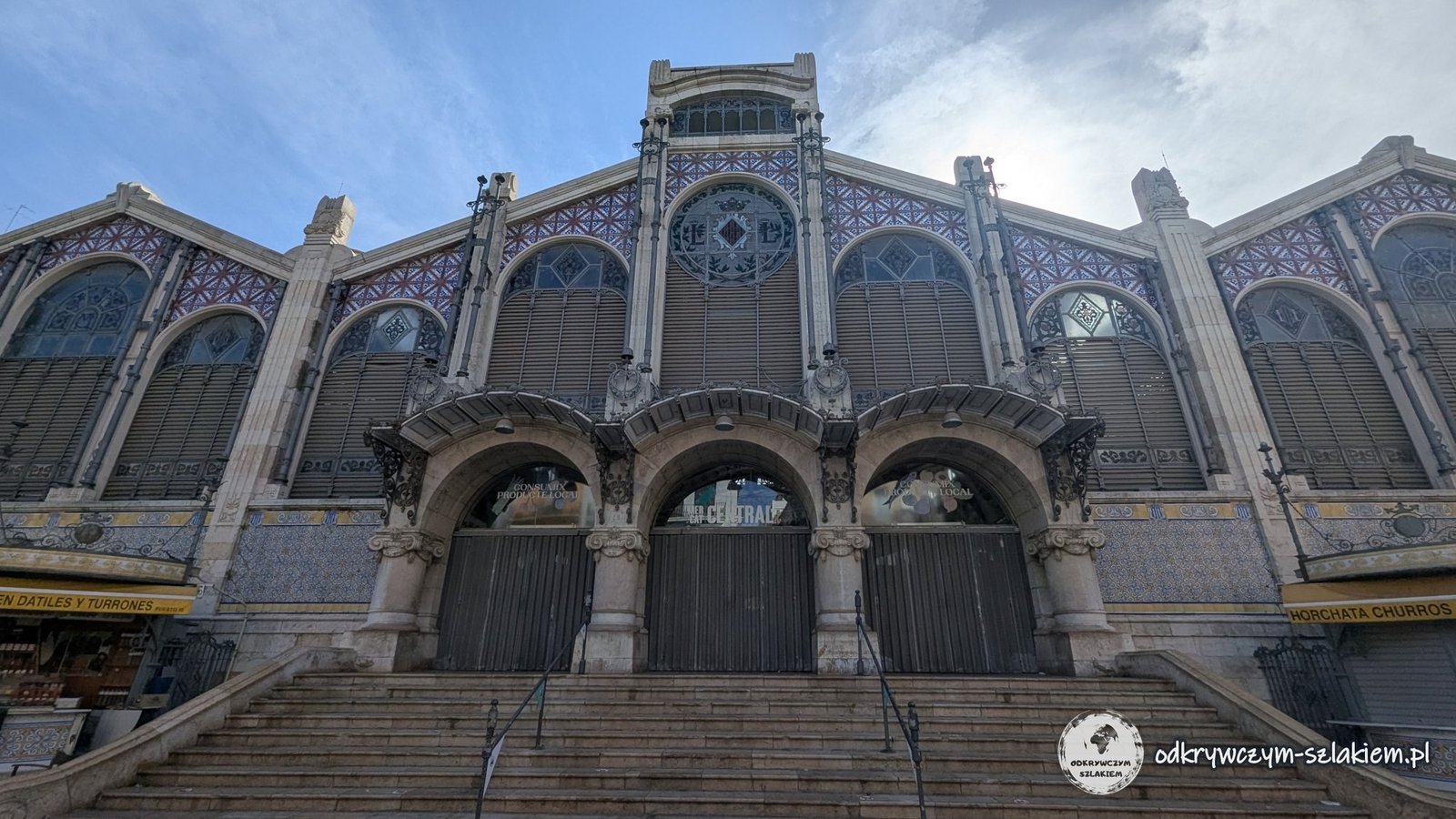
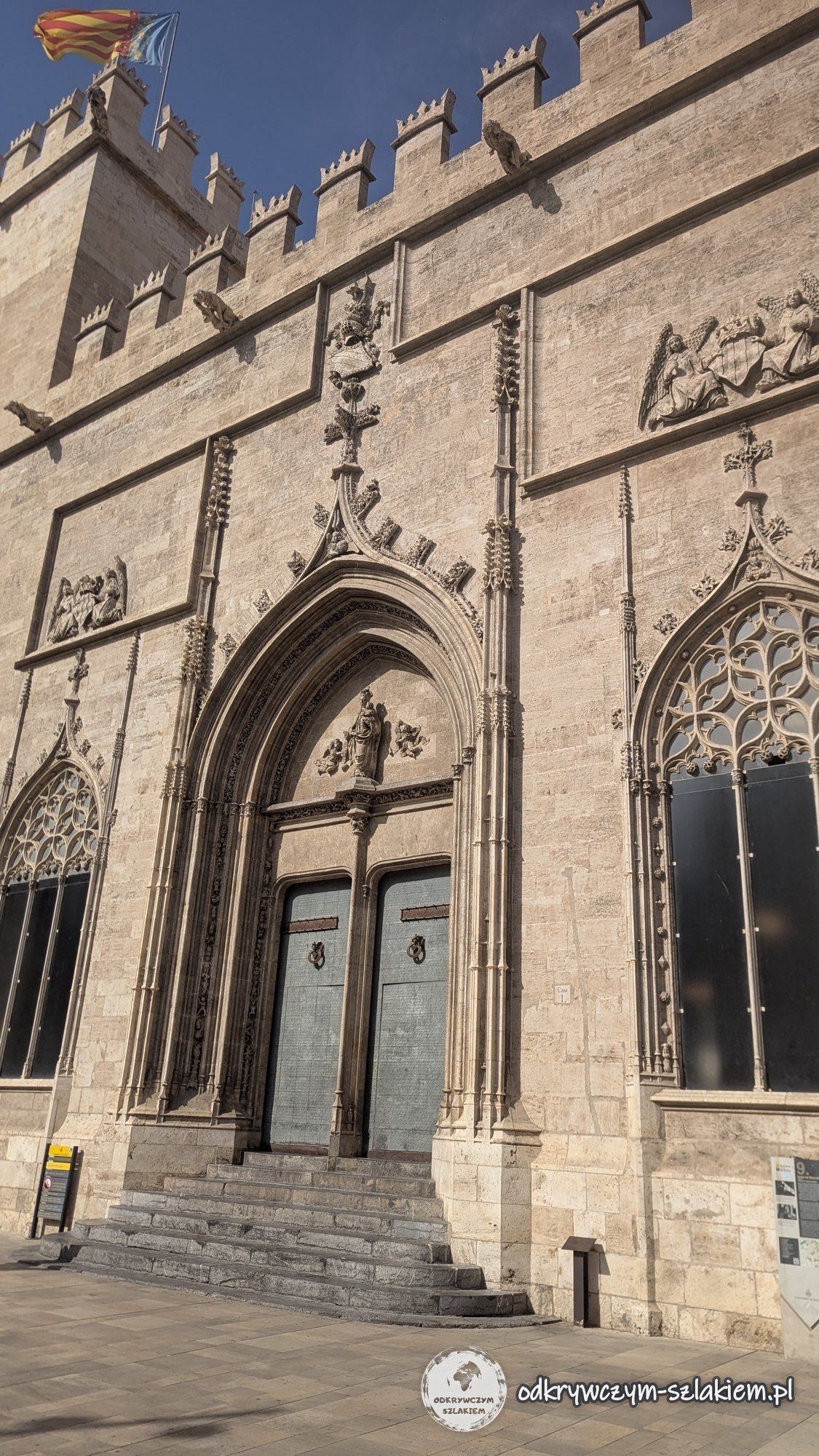
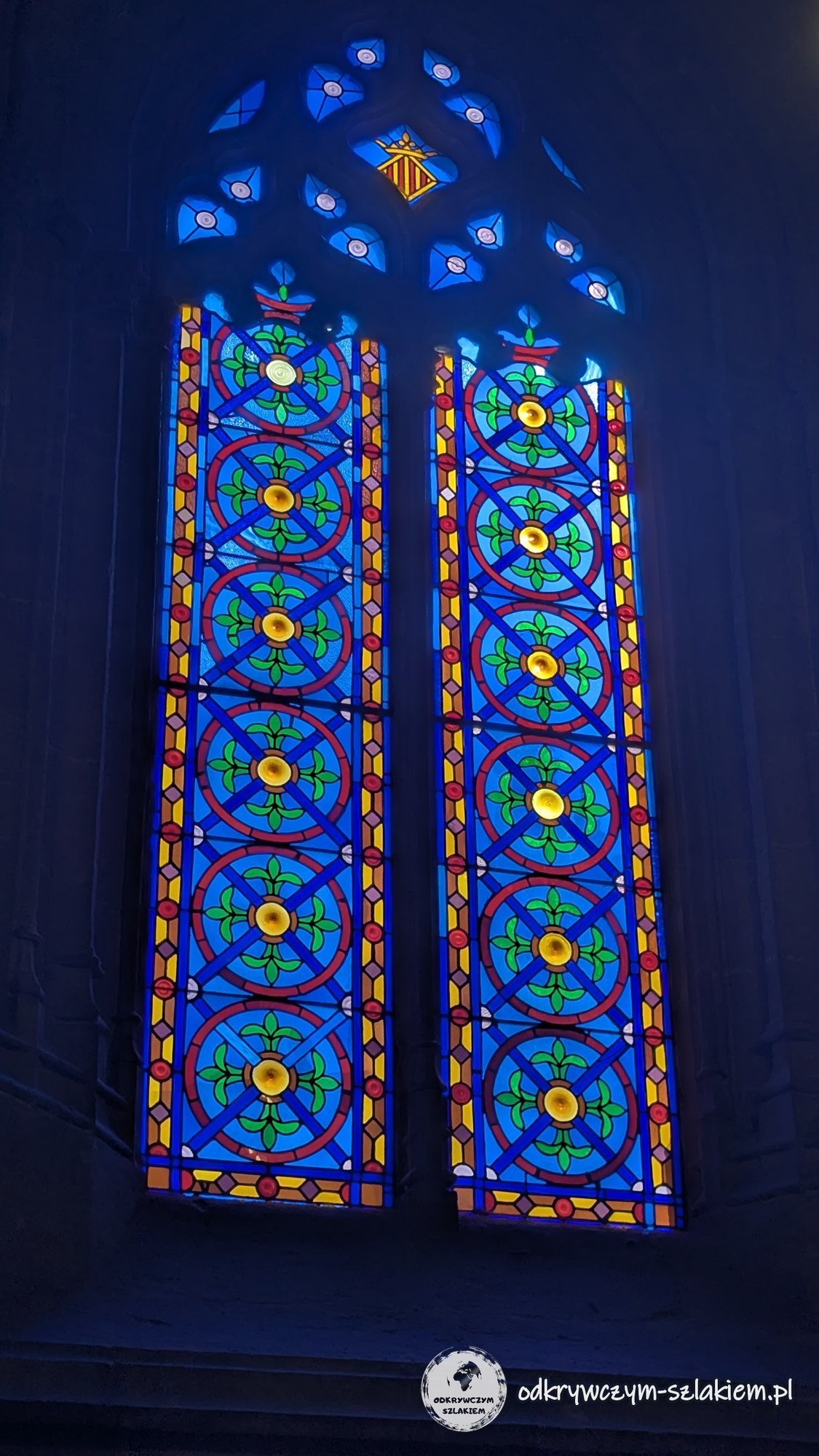
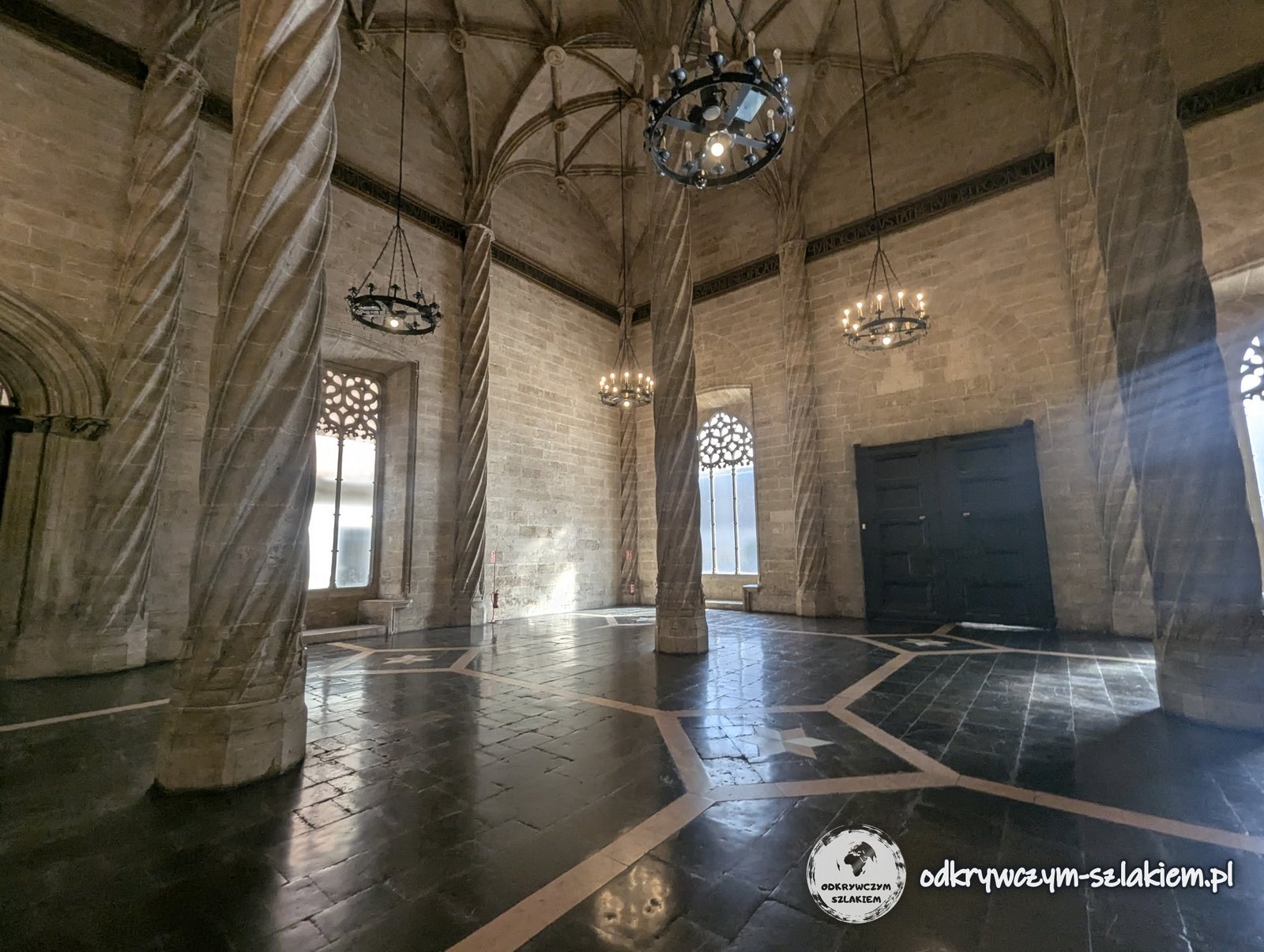
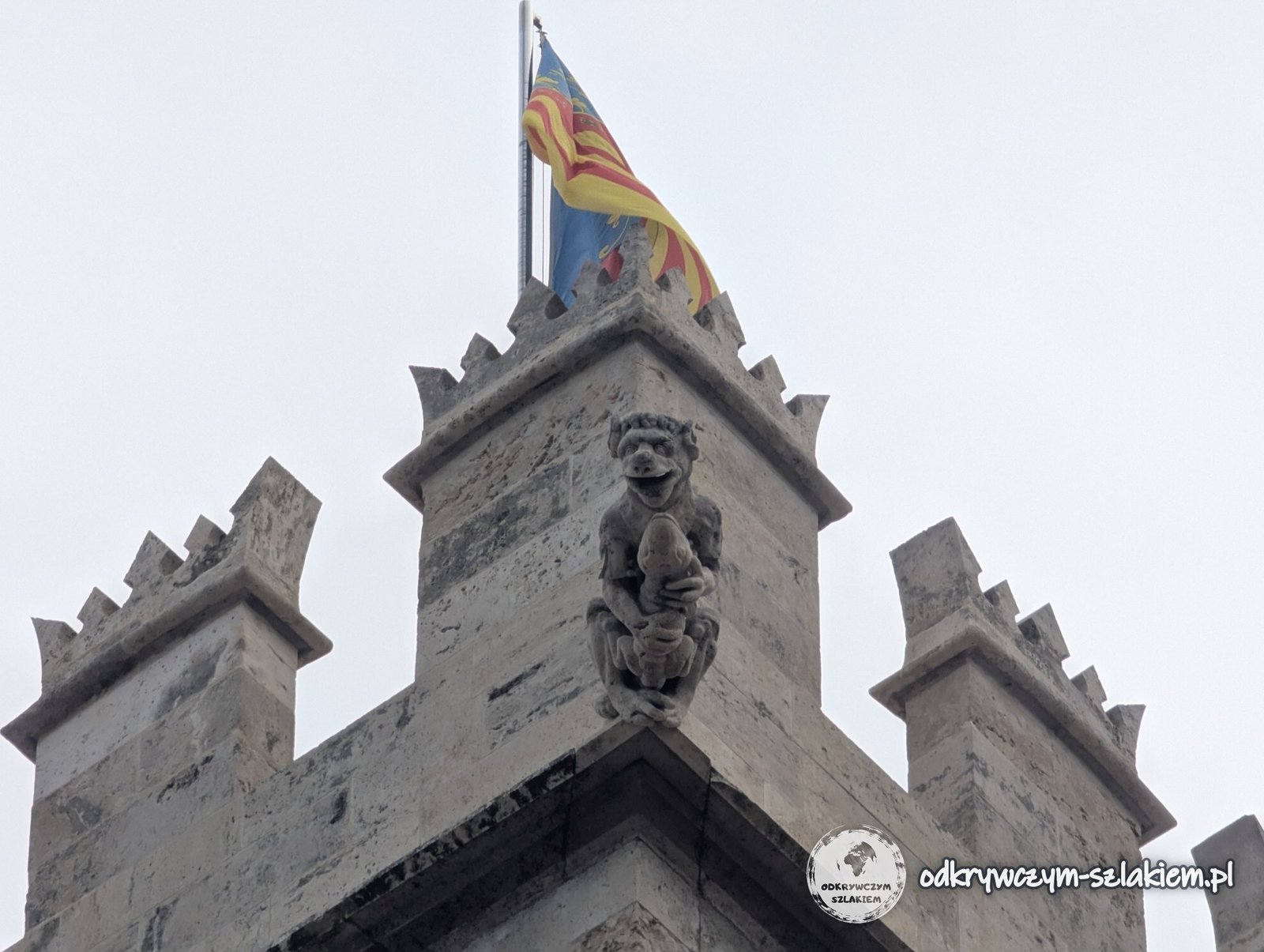
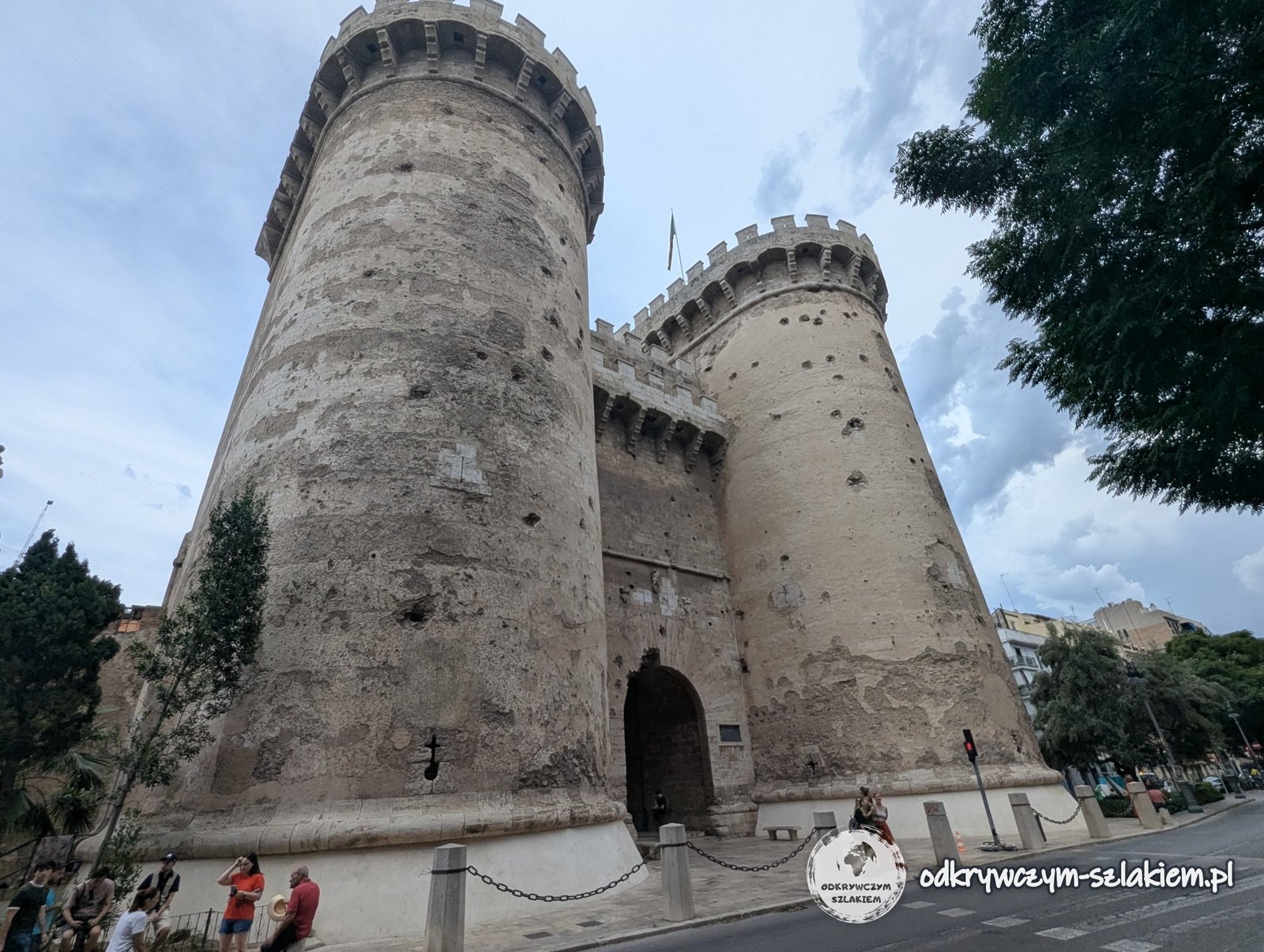
I finished the walk at the second surviving city gate – Torres de Quart from the 15th century. Marks left by cannonballs can still be seen on its walls.
The cathedral on 15 August – Dormition of the Virgin and the Holy Chalice
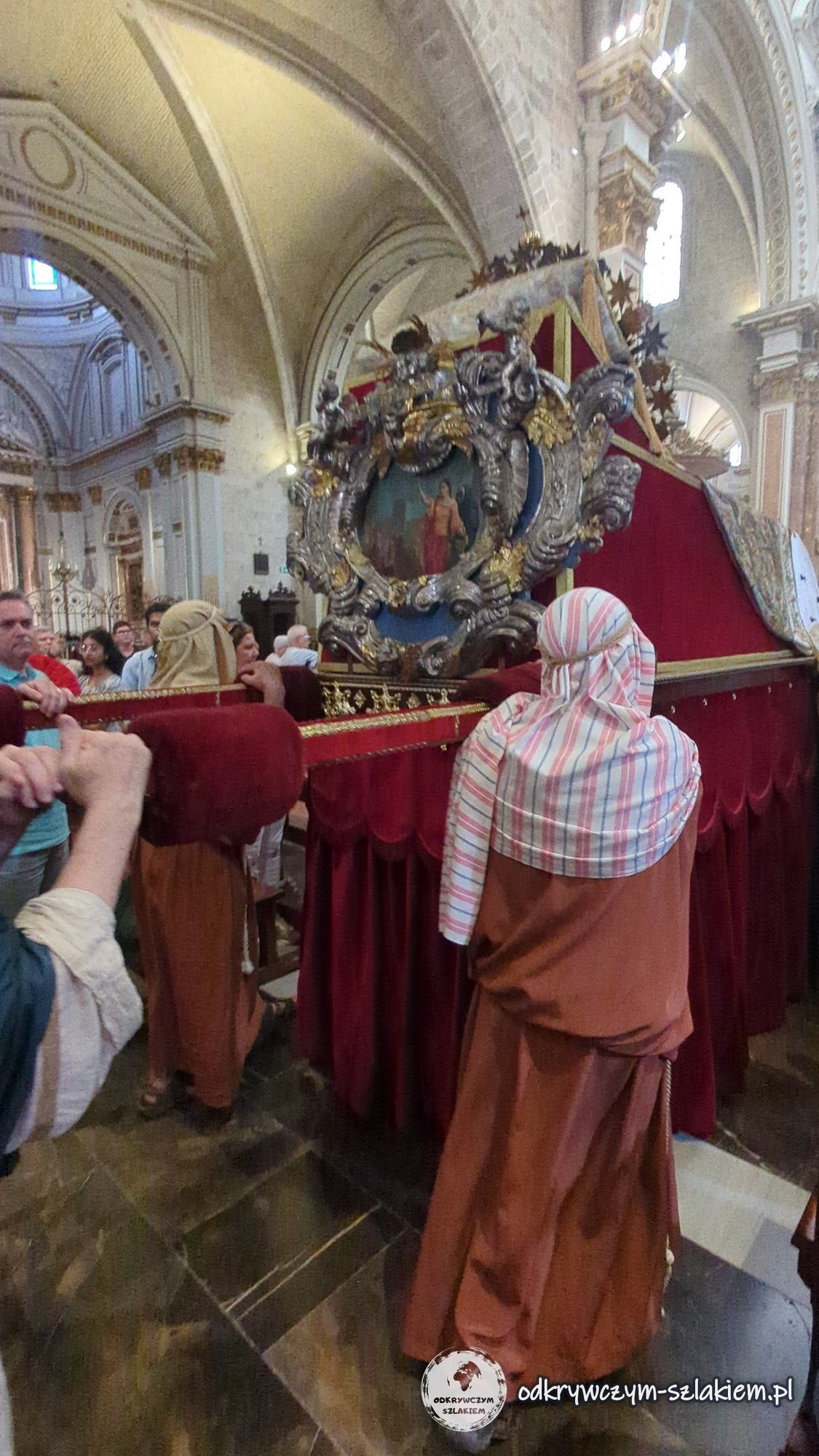
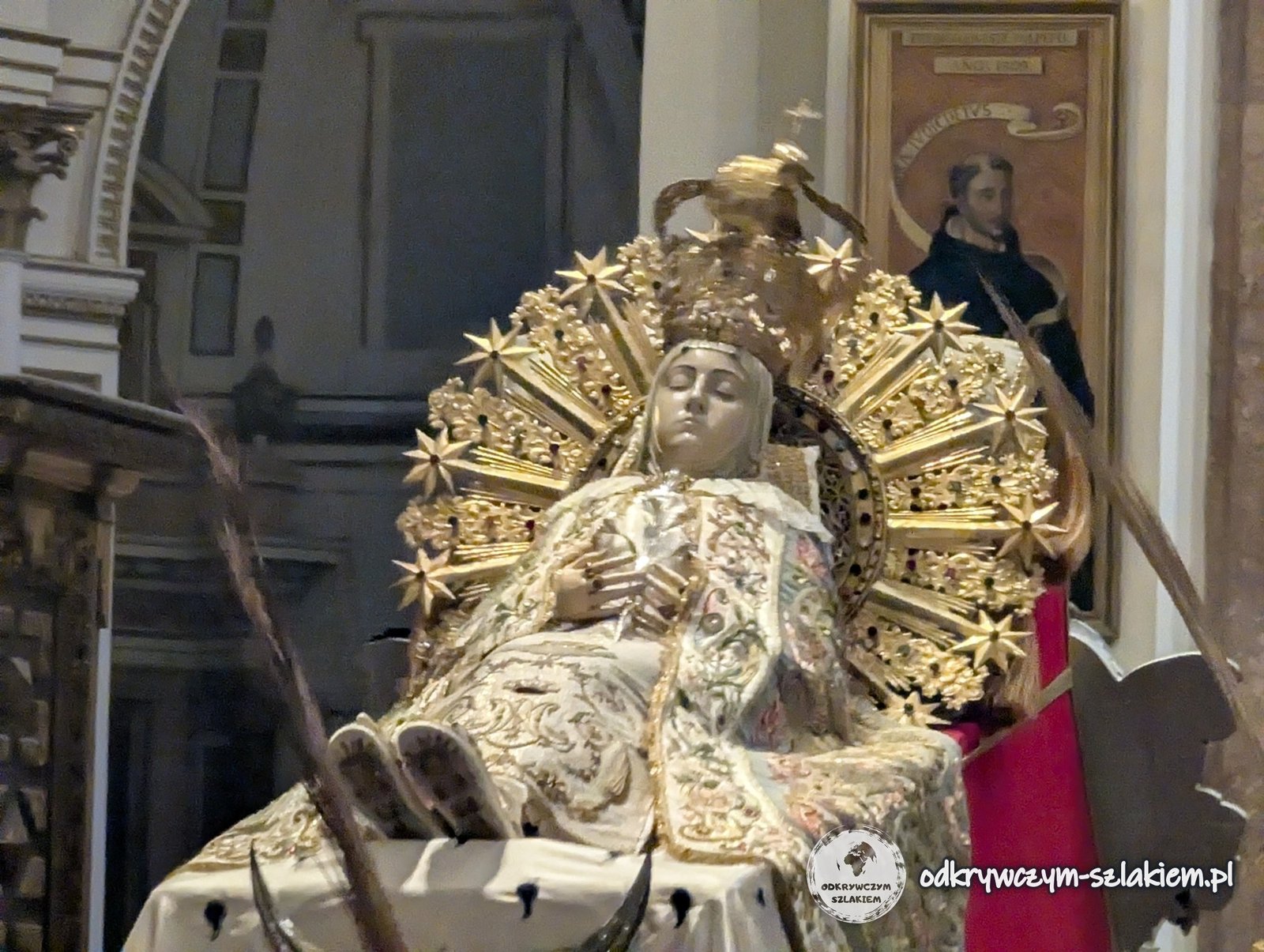
On the morning of 15 August I went to the cathedral. I happened upon the feast of the Assumption – a reclining figure of the Dormition of the Virgin was being carried into the cathedral by men dressed as the twelve apostles. It is one of the oldest religious traditions in Valencia, and in the evening the figure returns to its chapel in a procession.
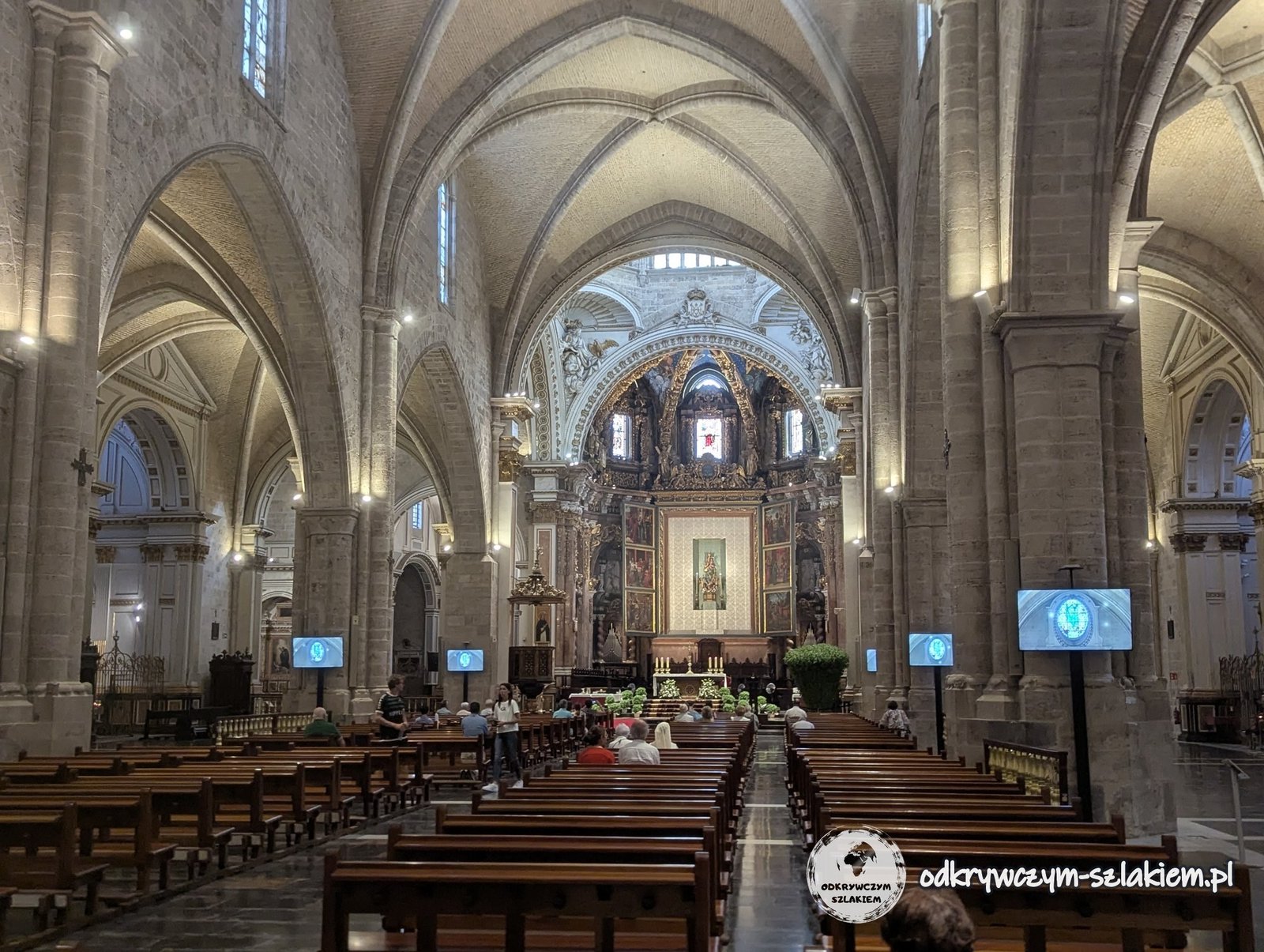
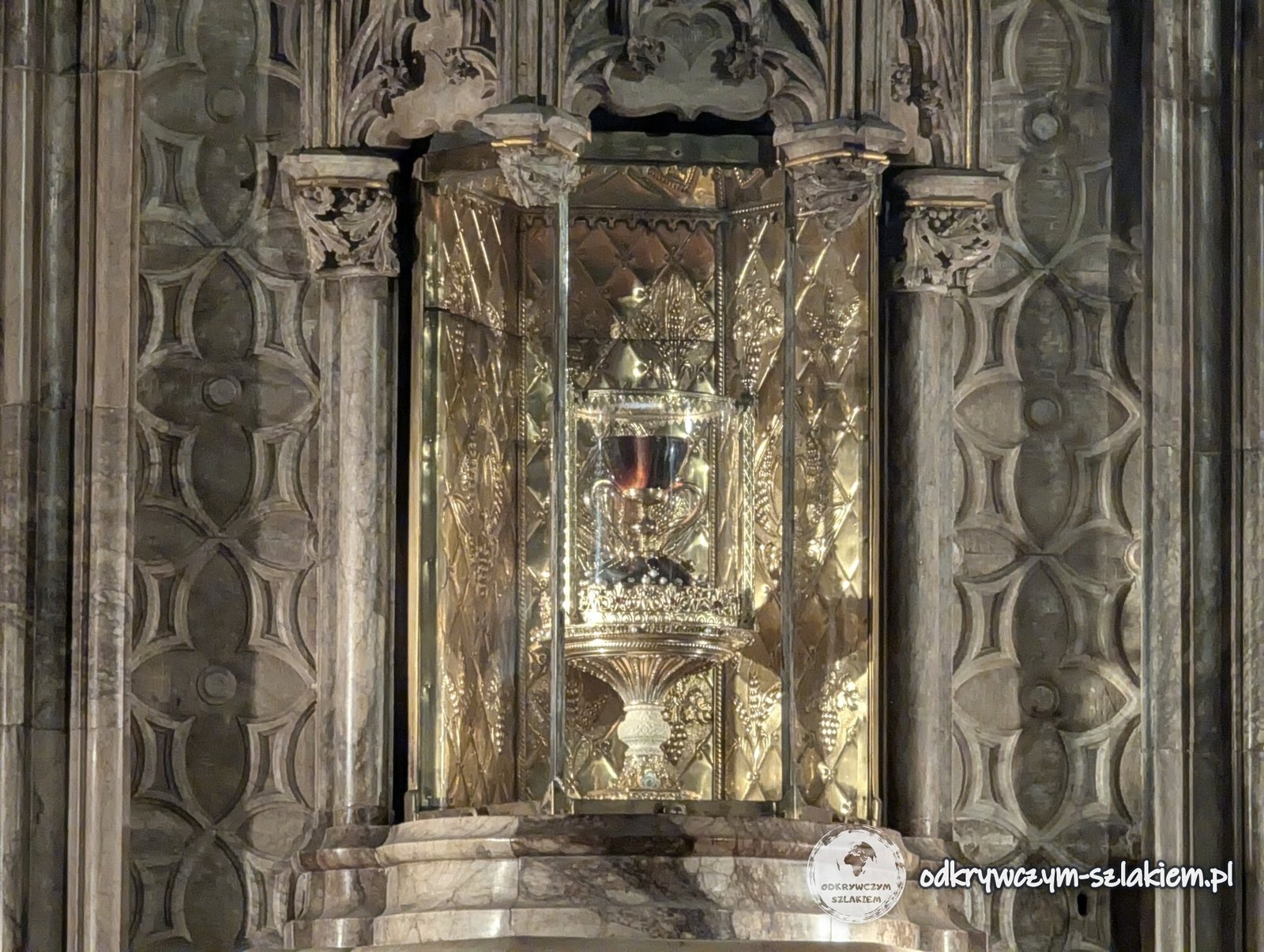
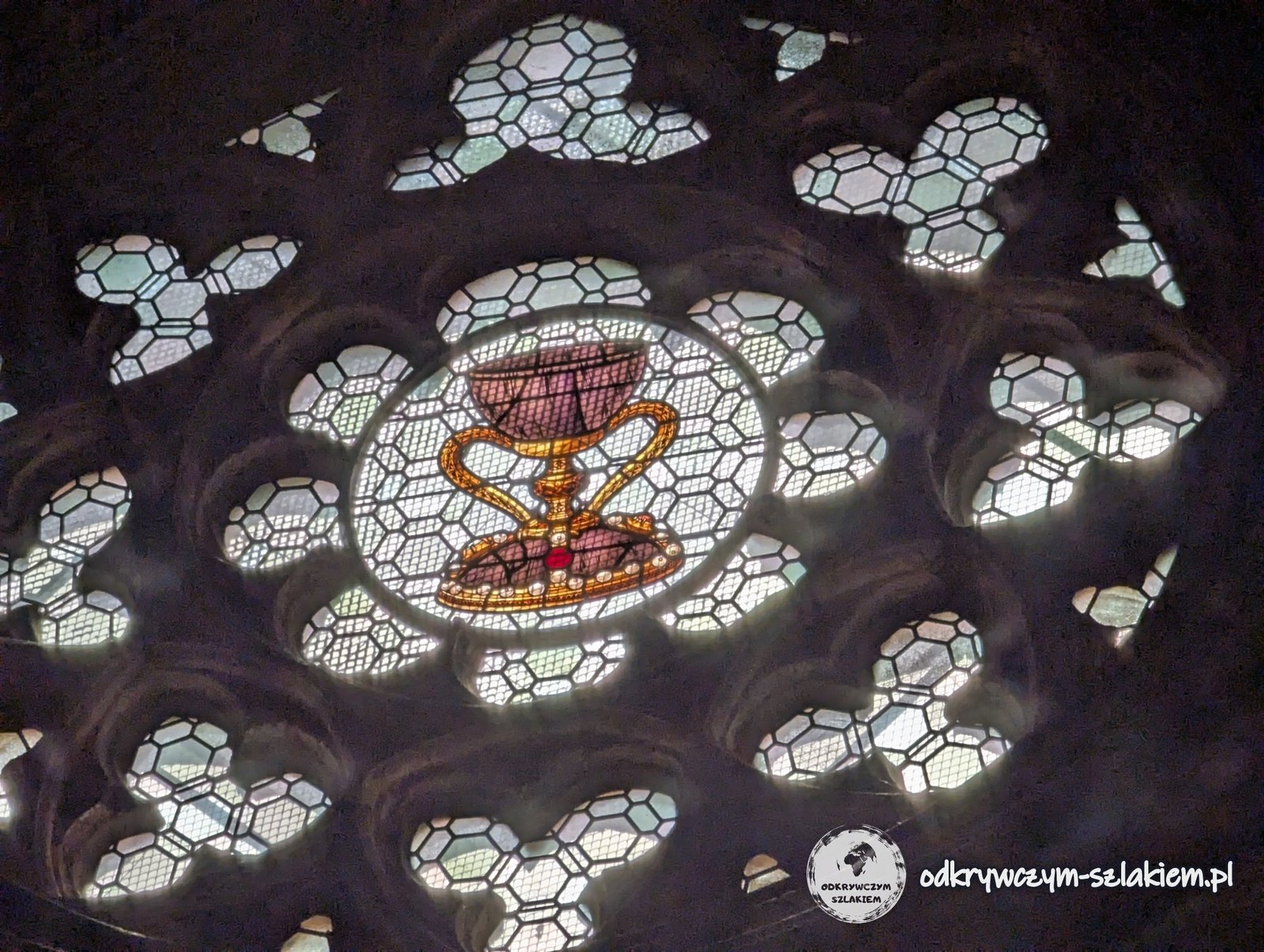
After mass I visited the cathedral. The most important place is the Gothic Chapel of the Holy Chalice – according to tradition, the chalice kept there is the Holy Grail, from which Jesus drank at the Last Supper. It is also worth looking up at the Gothic dome and the rose window.

Turia Gardens and Jardines del Real
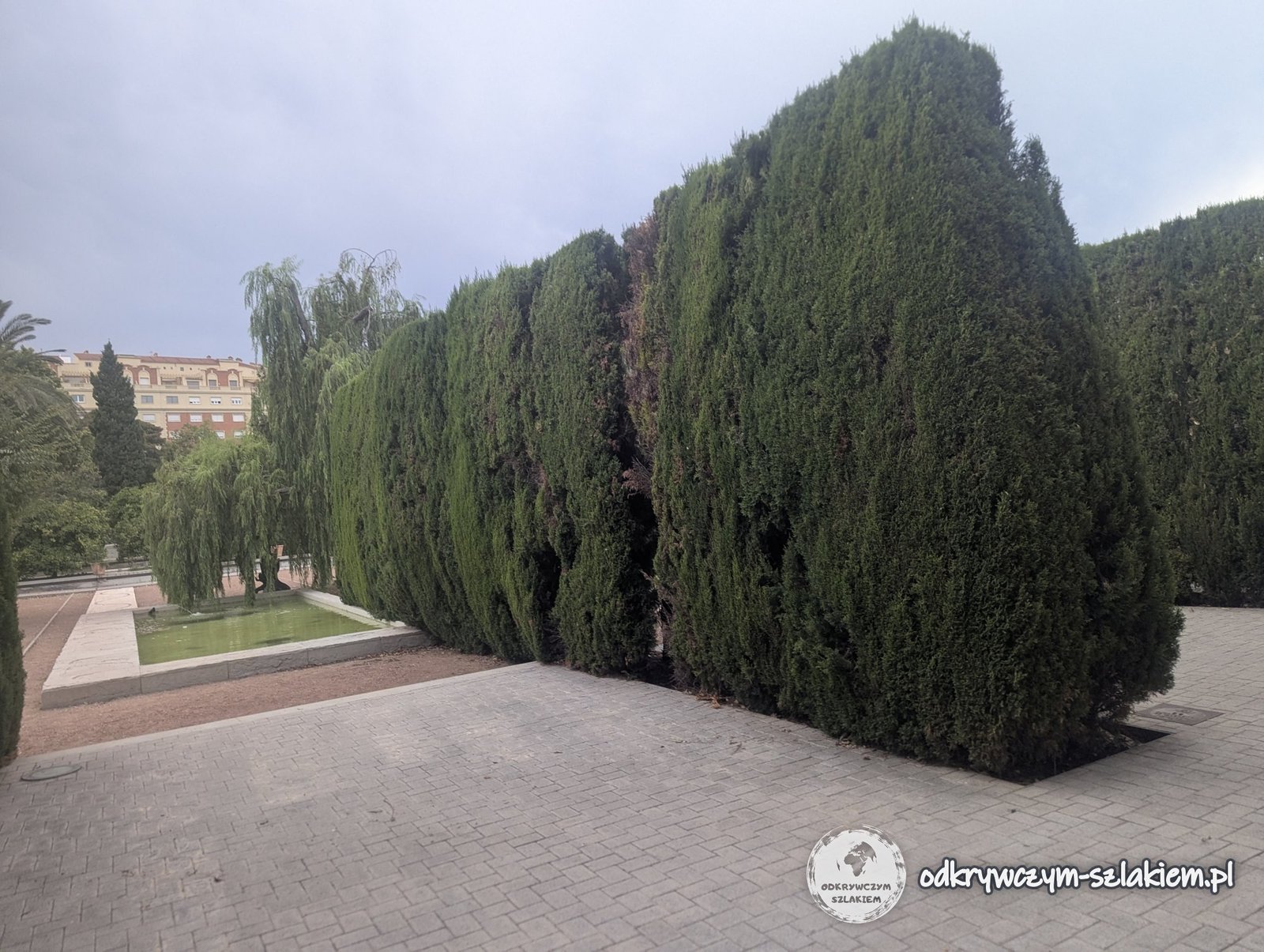
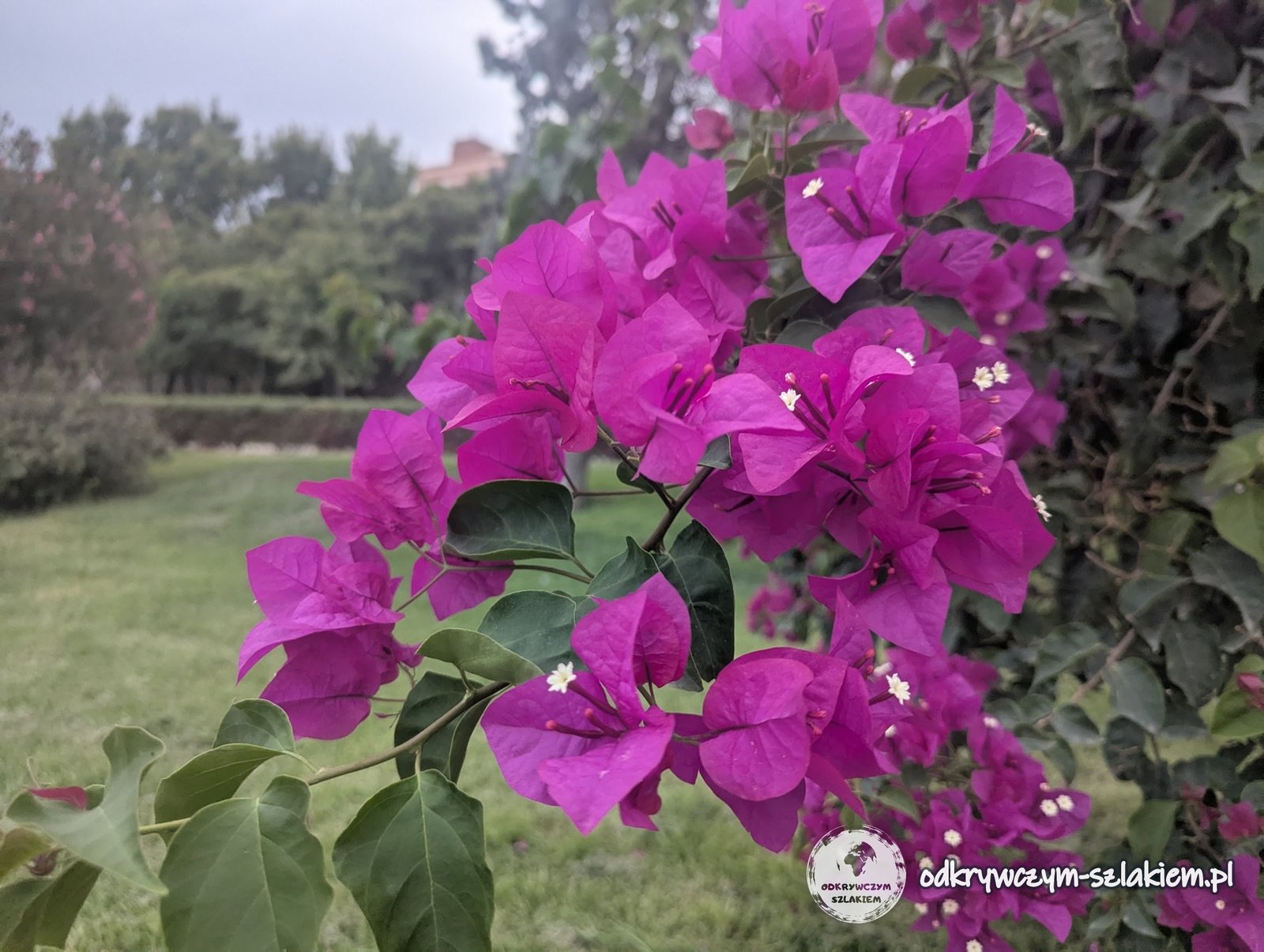
The Turia Gardens (Jardí del Túria) run through the whole city – a park laid out in the former bed of the river, which was diverted outside the city after the great flood of 1957. There are avenues of cypresses, huge trees and flowering bougainvillea, and along the way more bridges and the Palau de la Música.
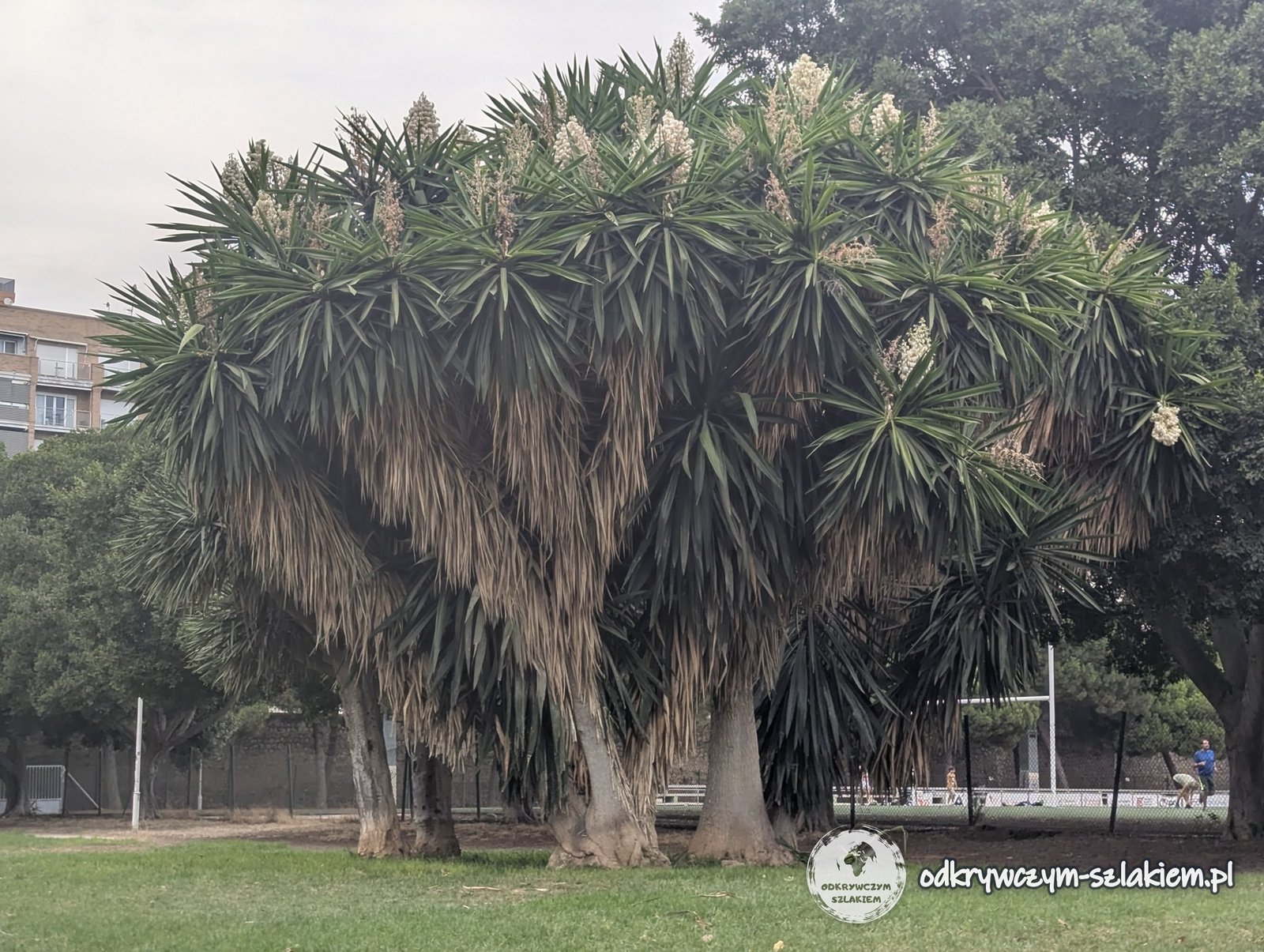

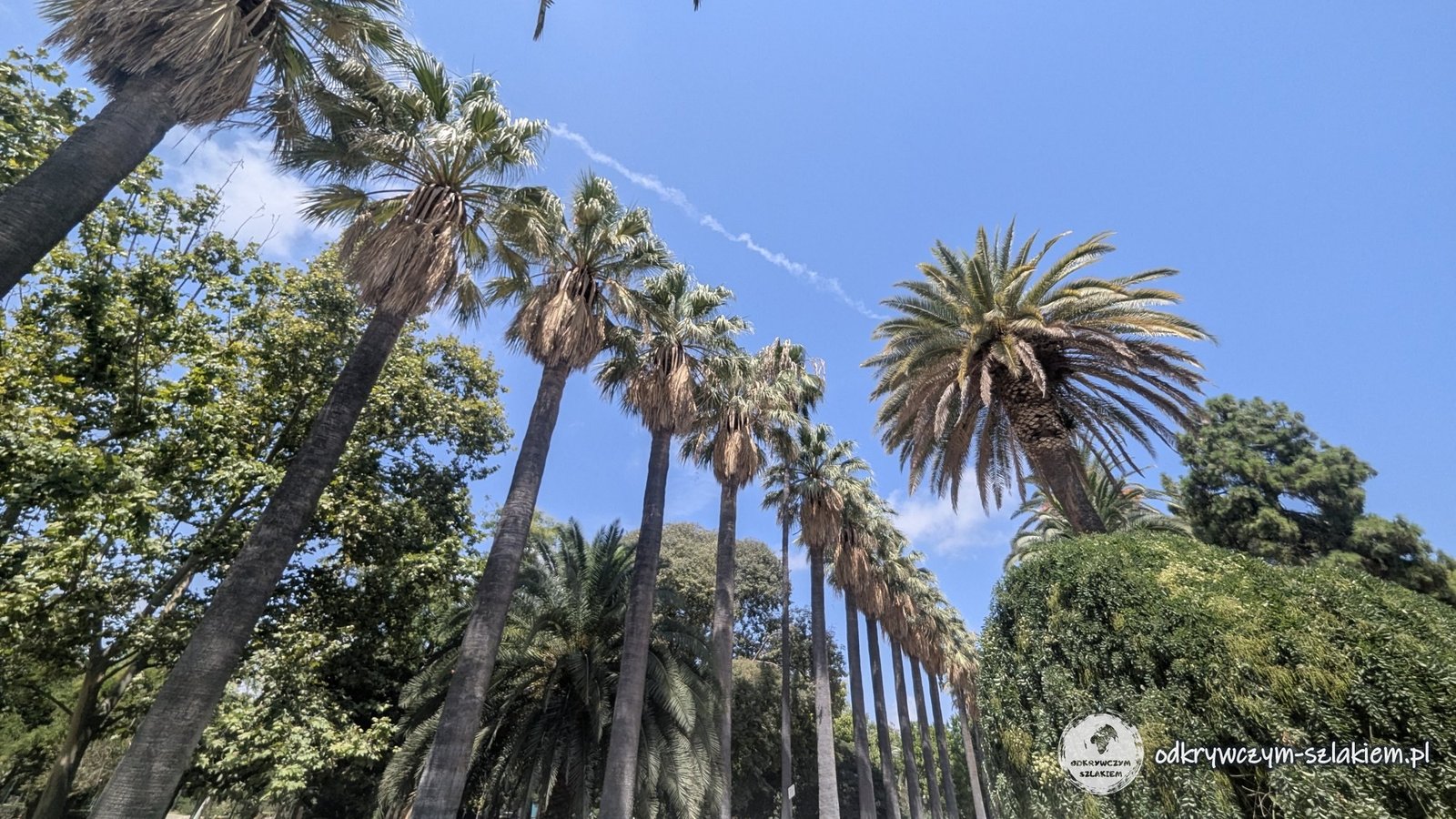
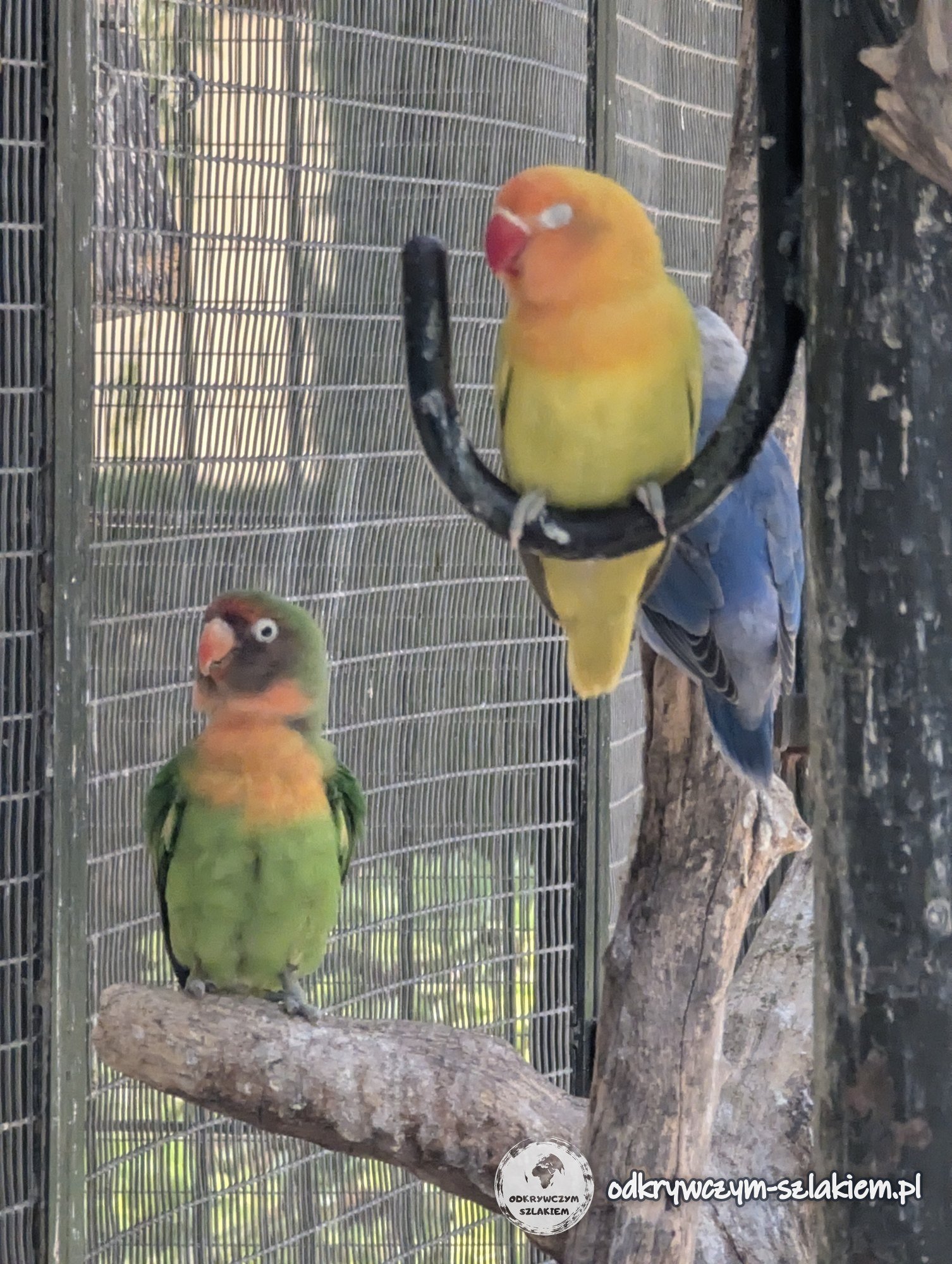
Next to the riverbed lie the Jardines del Real, known as Viveros – a park with long avenues of palm trees and aviaries with birds. On the lawns you can also see wild green parrots.
Mestalla stadium
In the afternoon I went on a tour of the Mestalla stadium (Mestalla Forever Tour). Valencia CF has played here since 1923, and the stands are so steep that the fans sit very close to the pitch. The tour takes you to the stands, the museum with trophies and historic shirts, the press room and the dressing room, and finally onto the pitch itself and the substitutes’ bench.
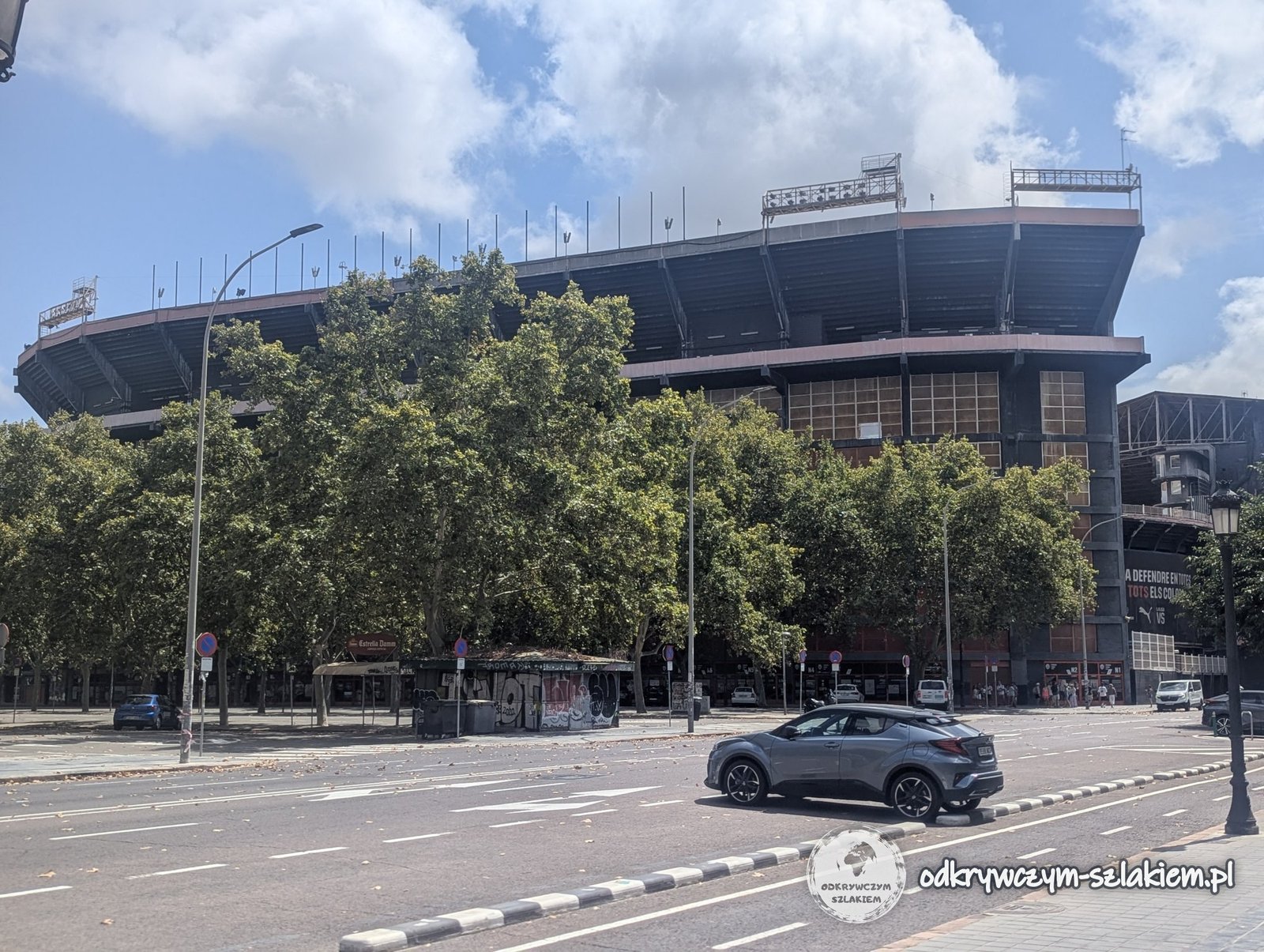
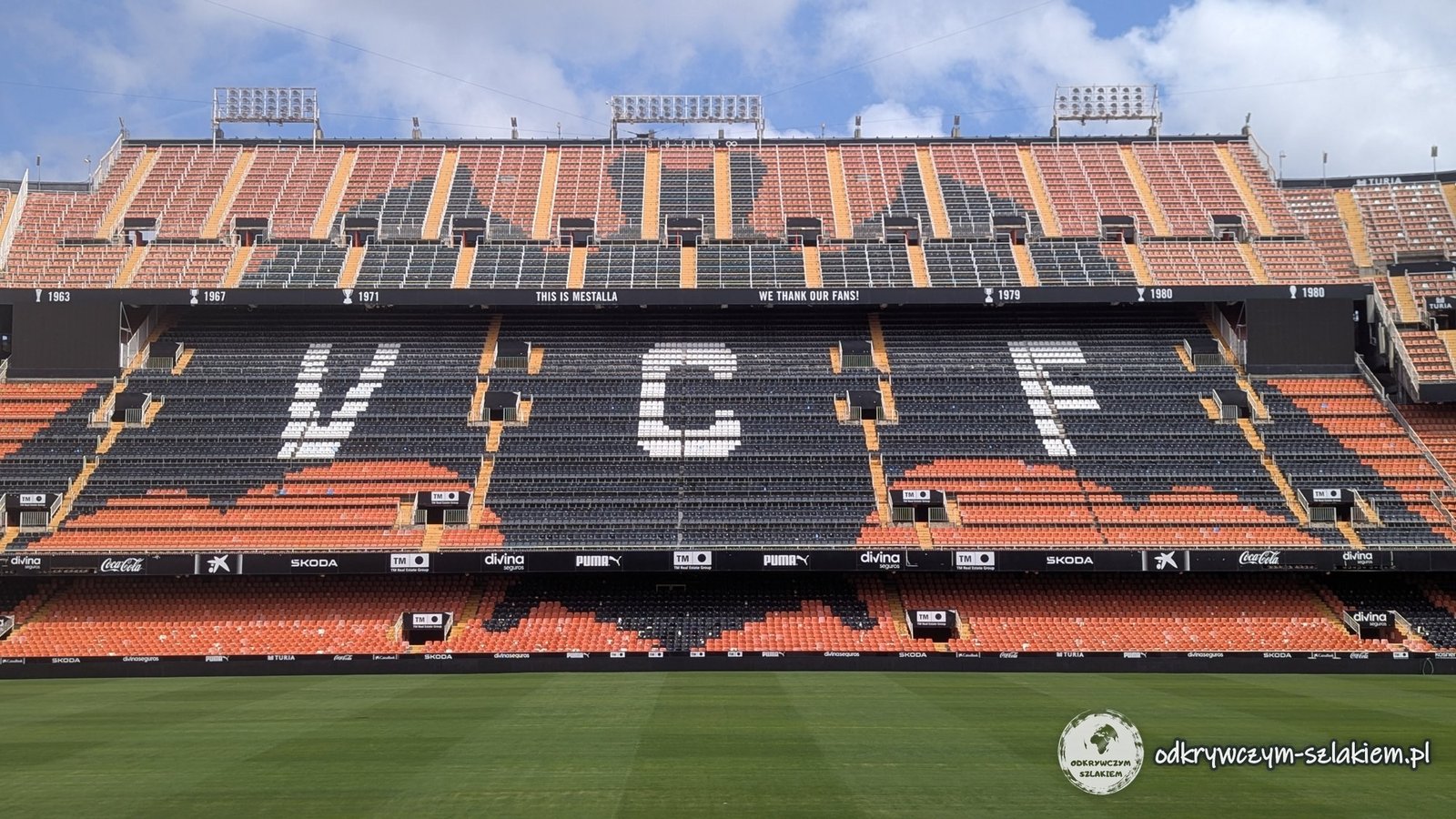


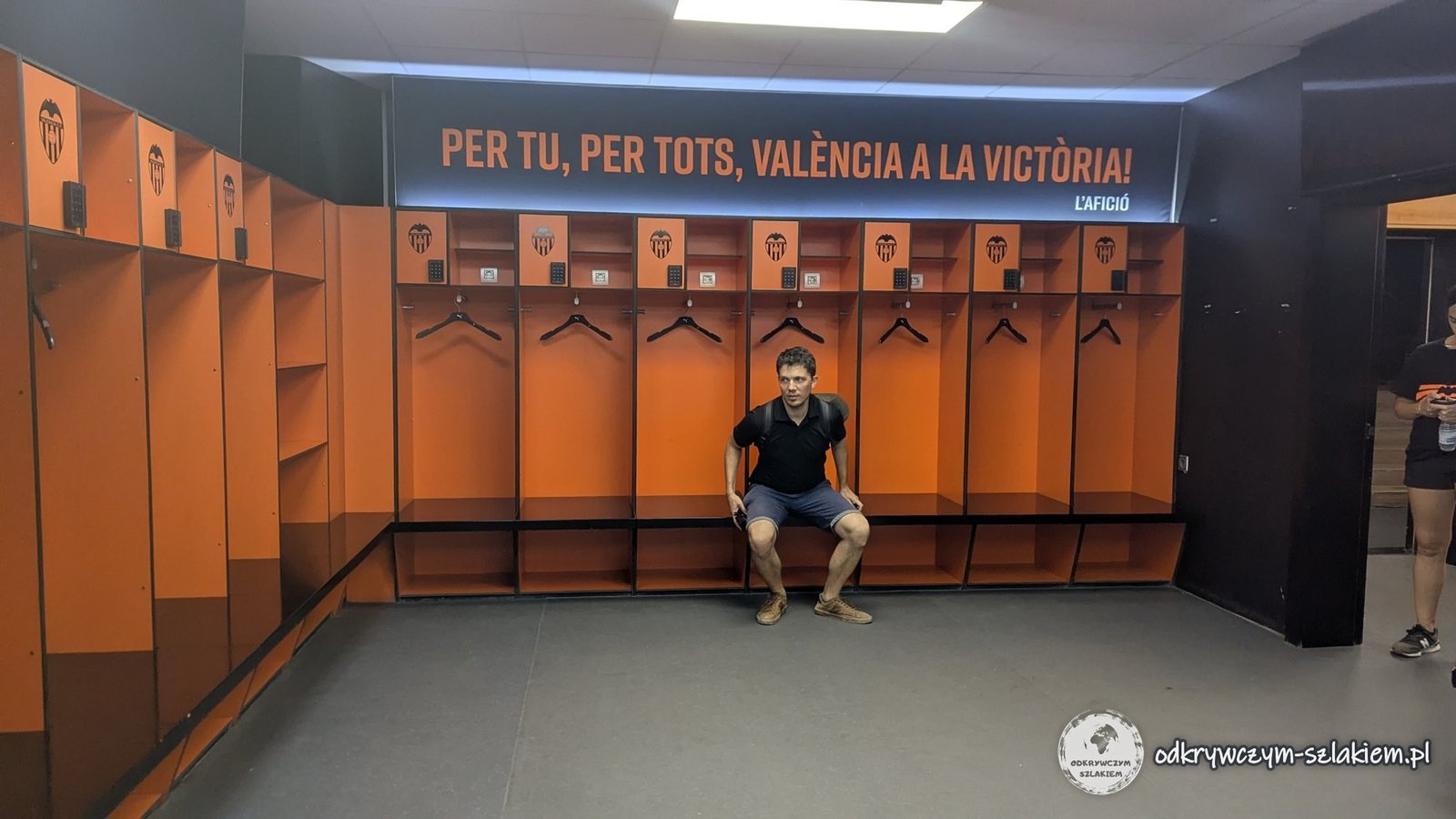
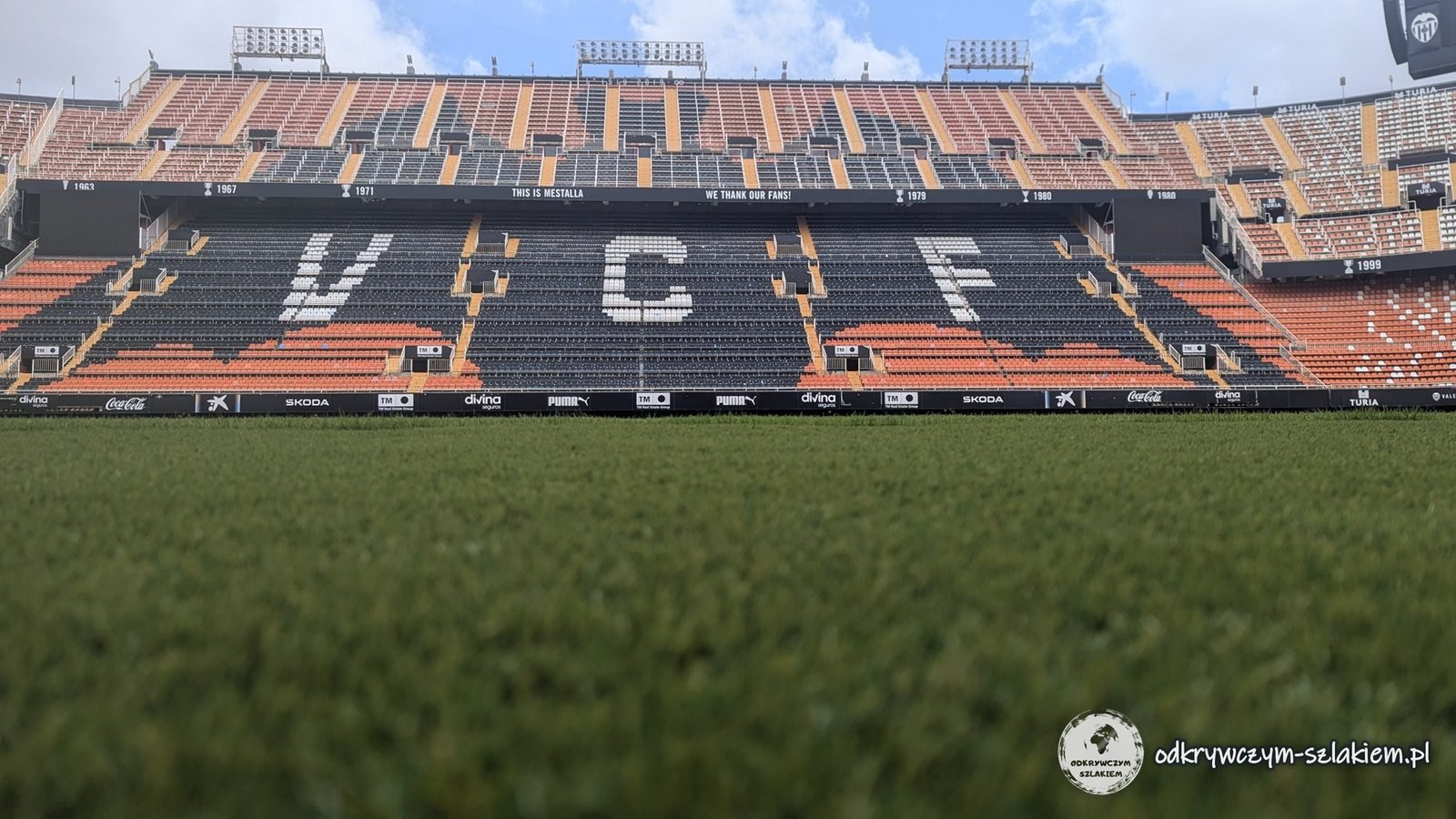
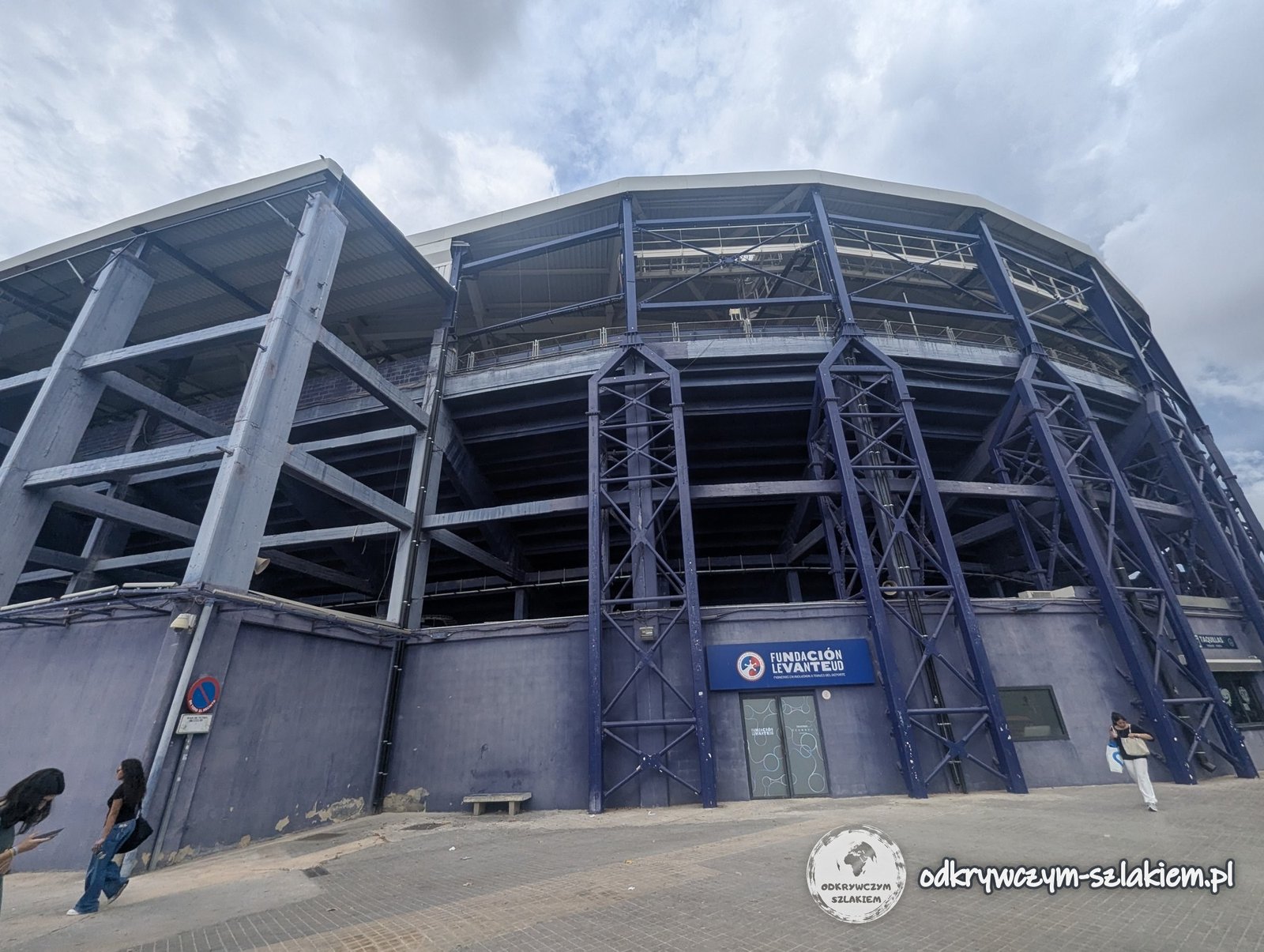
While I was at it, I also went to see the stadium of the city’s other club – Levante UD (Ciutat de València).
City of Arts and Sciences
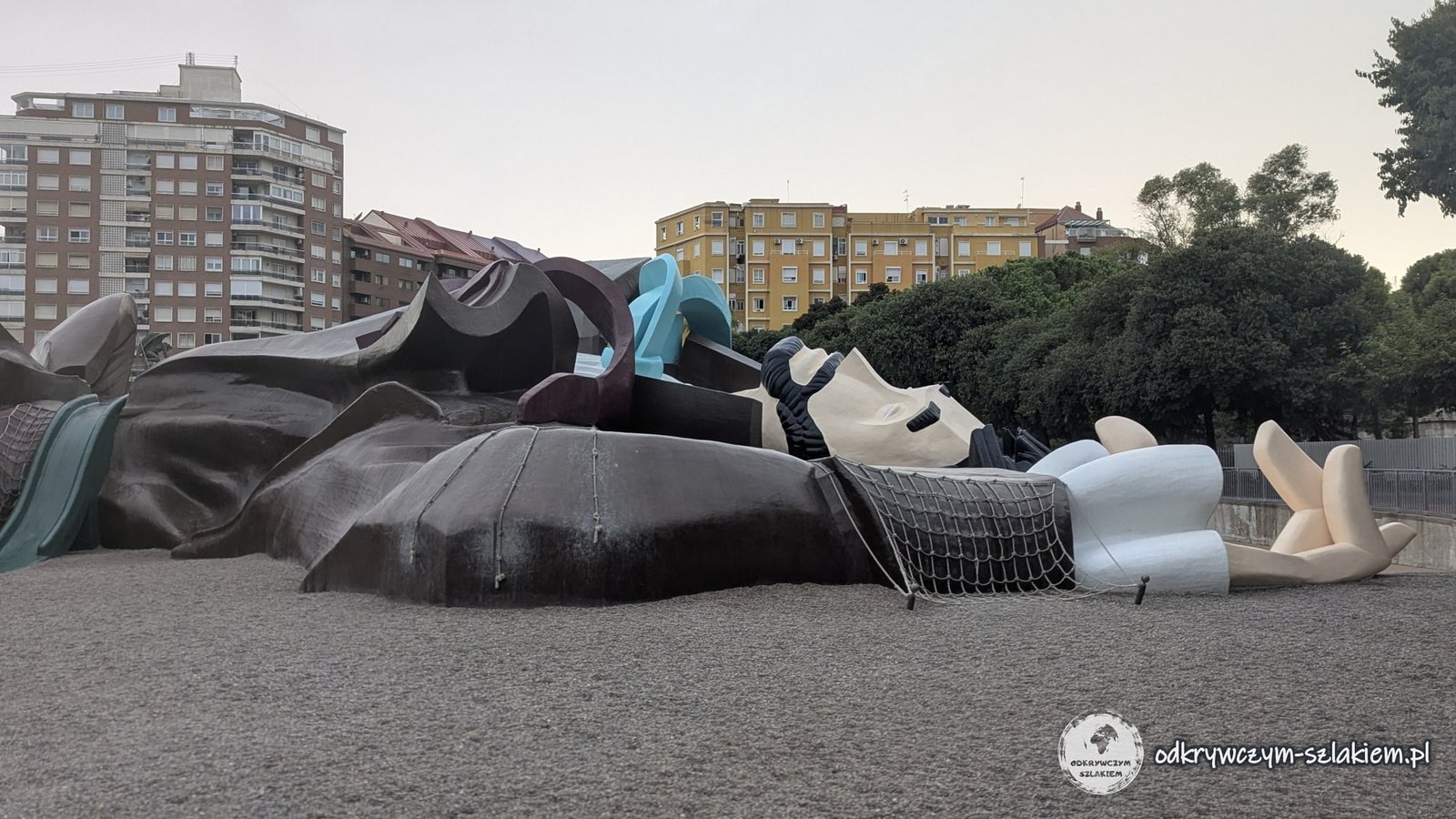
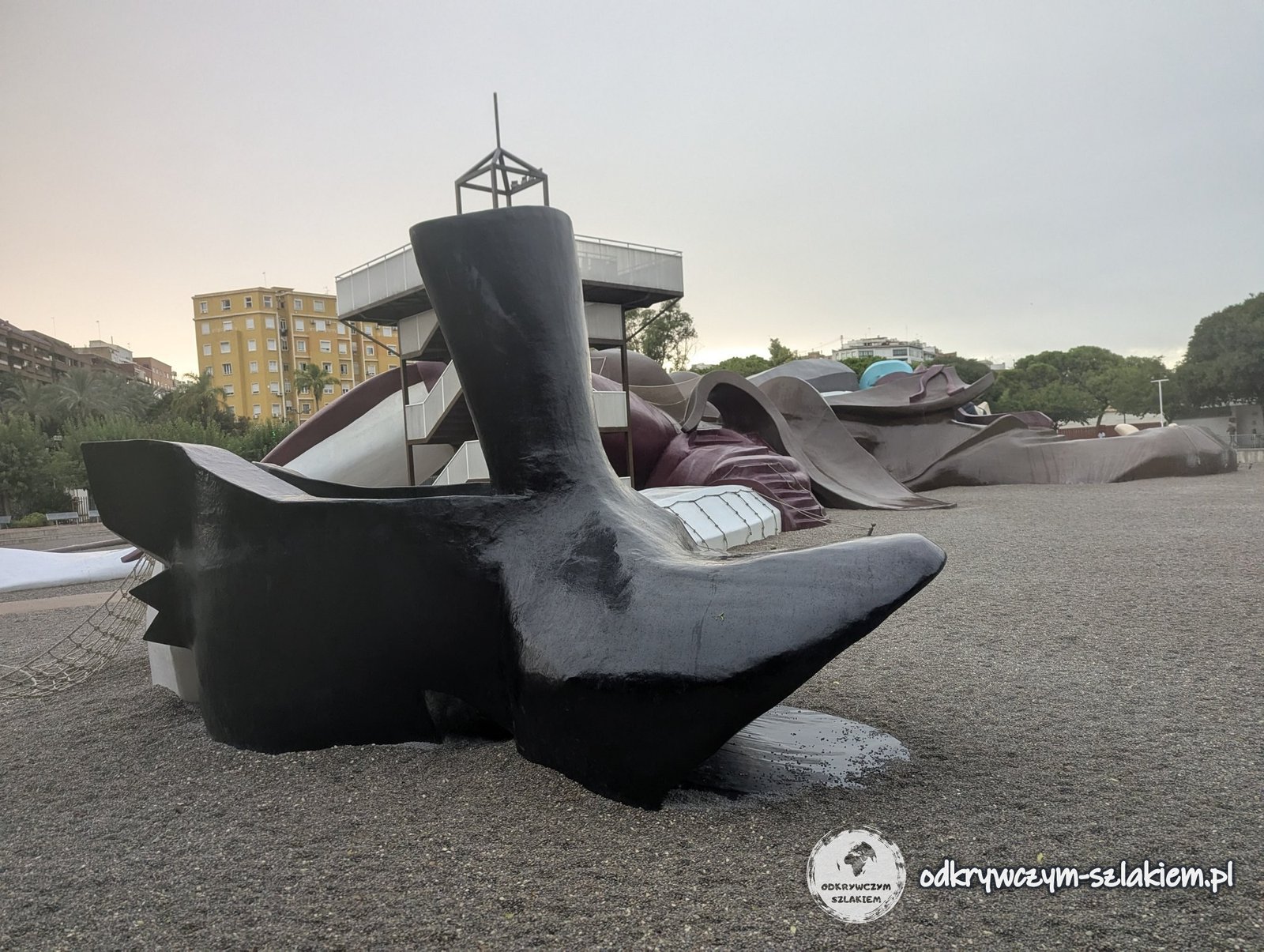
In the evening I walked south through the Turia Gardens. On the way there is Gulliver Park – a playground in the shape of a lying Gulliver that you can climb on and slide down.
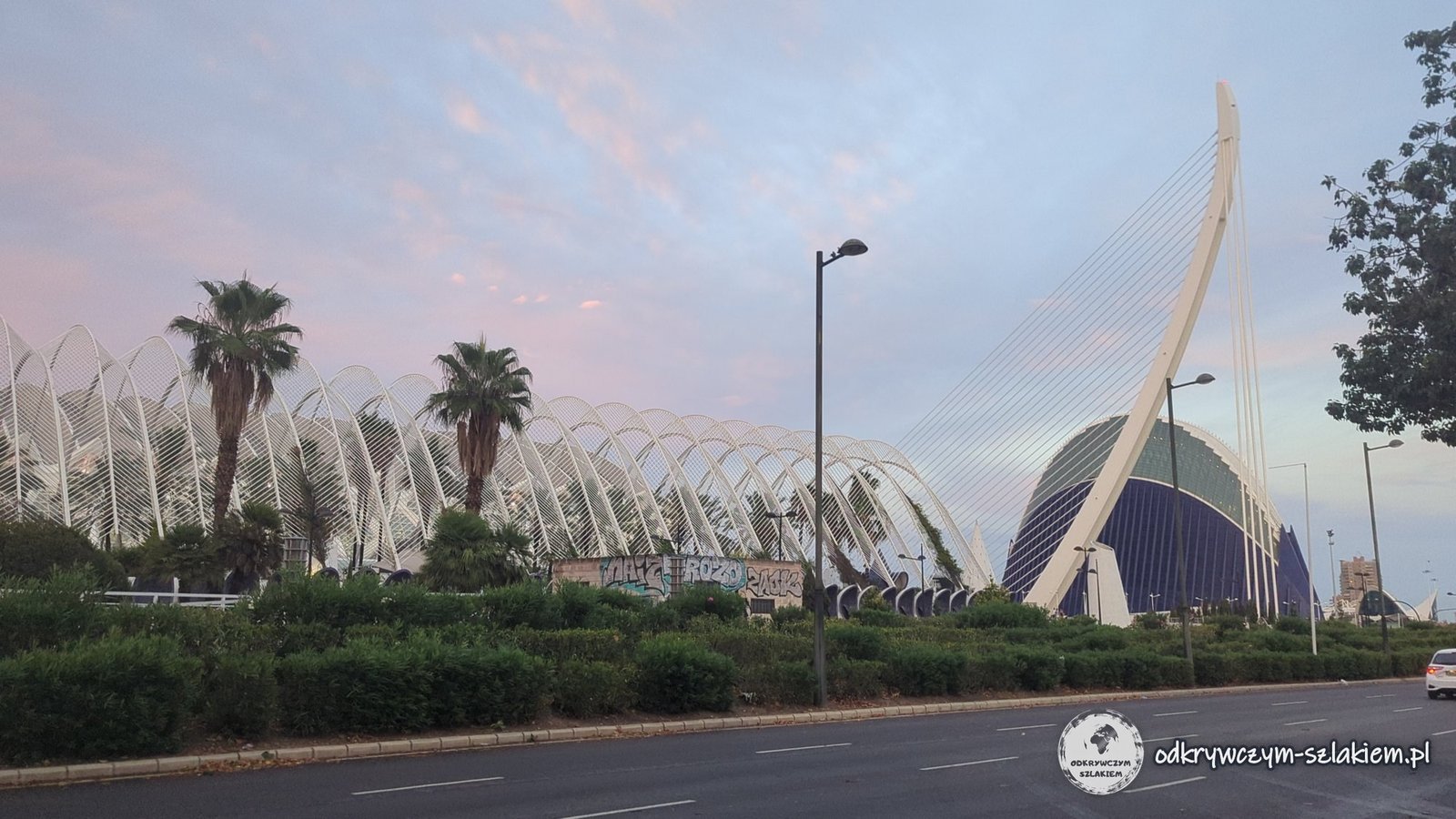
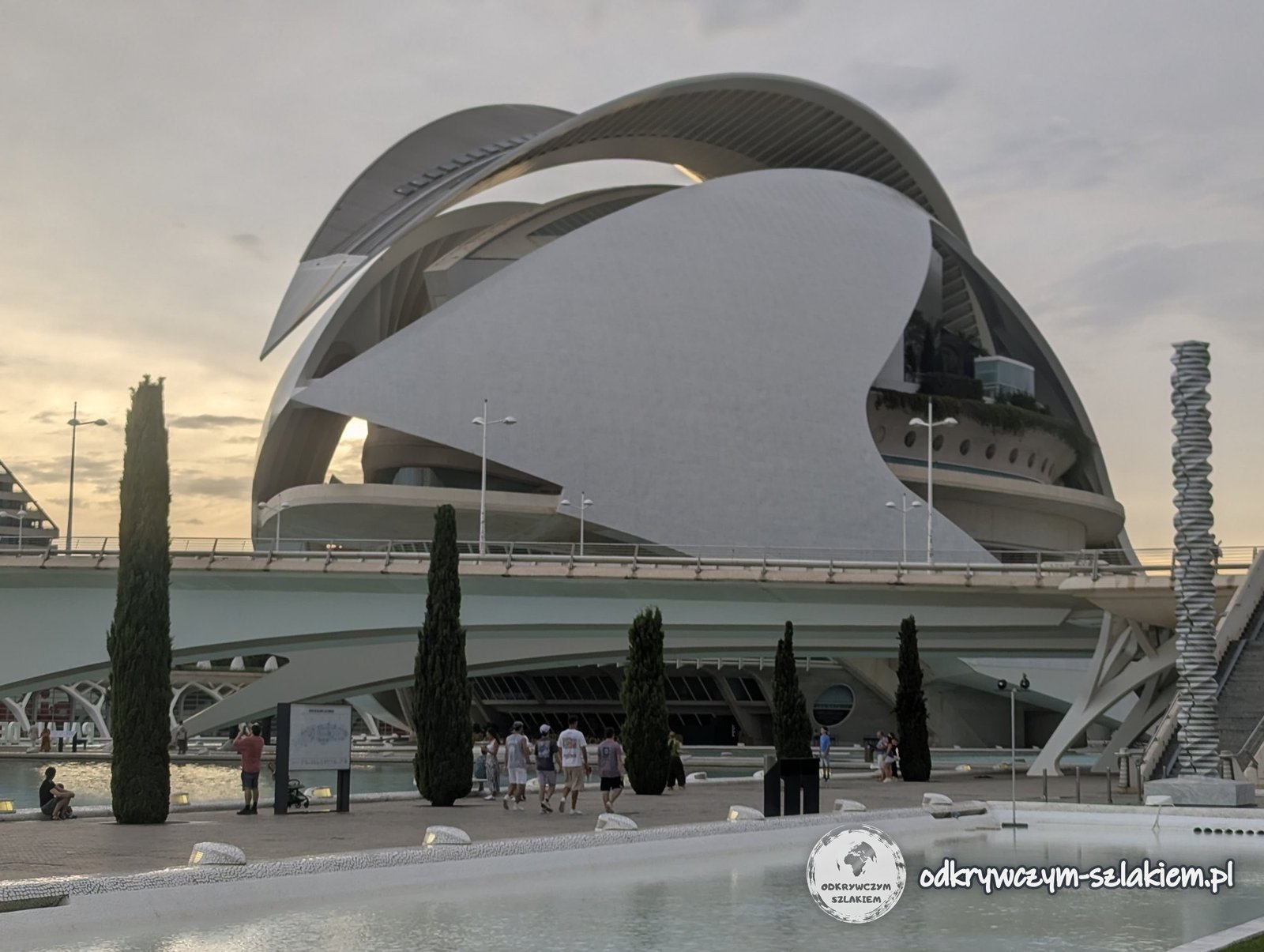
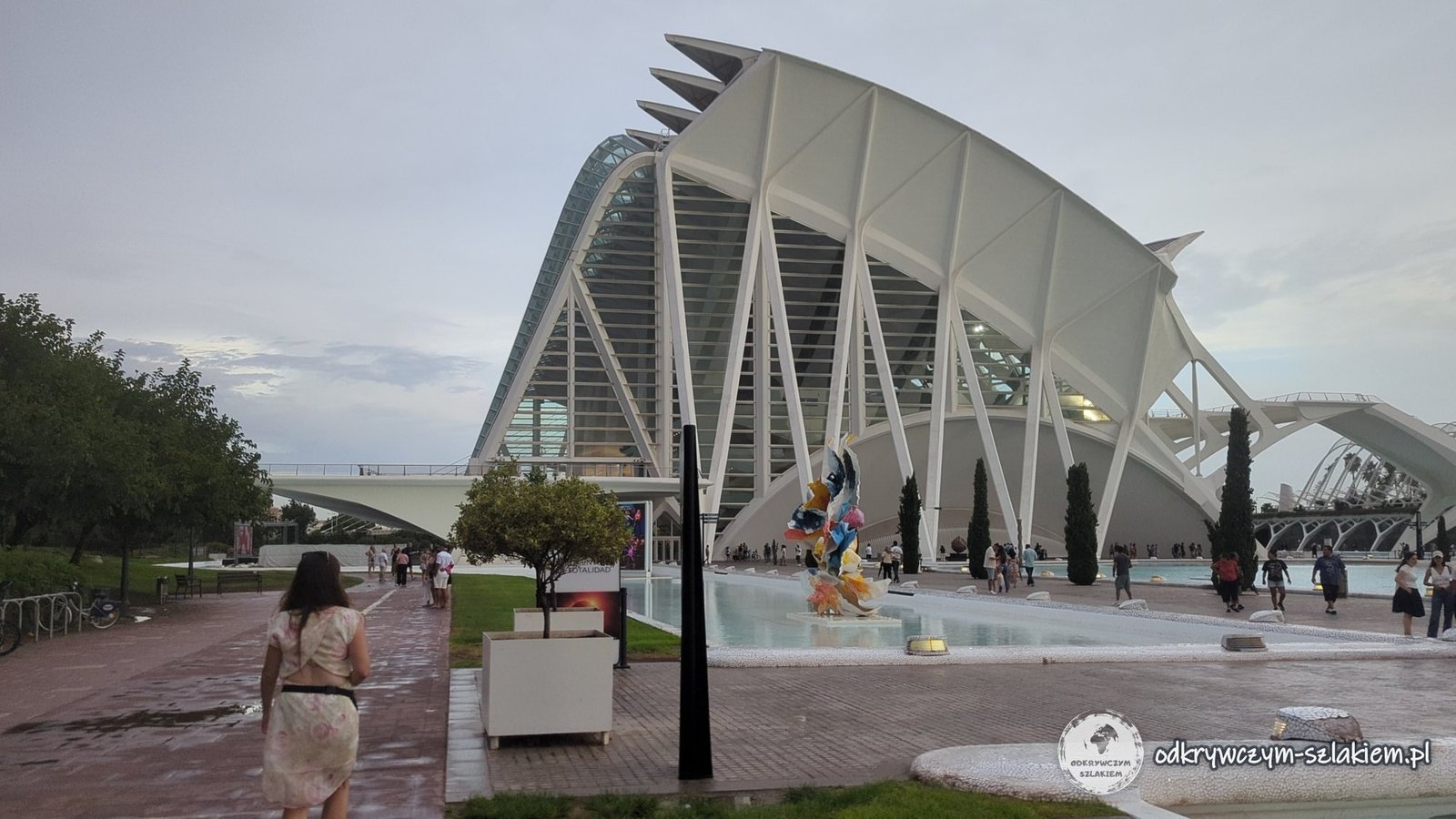
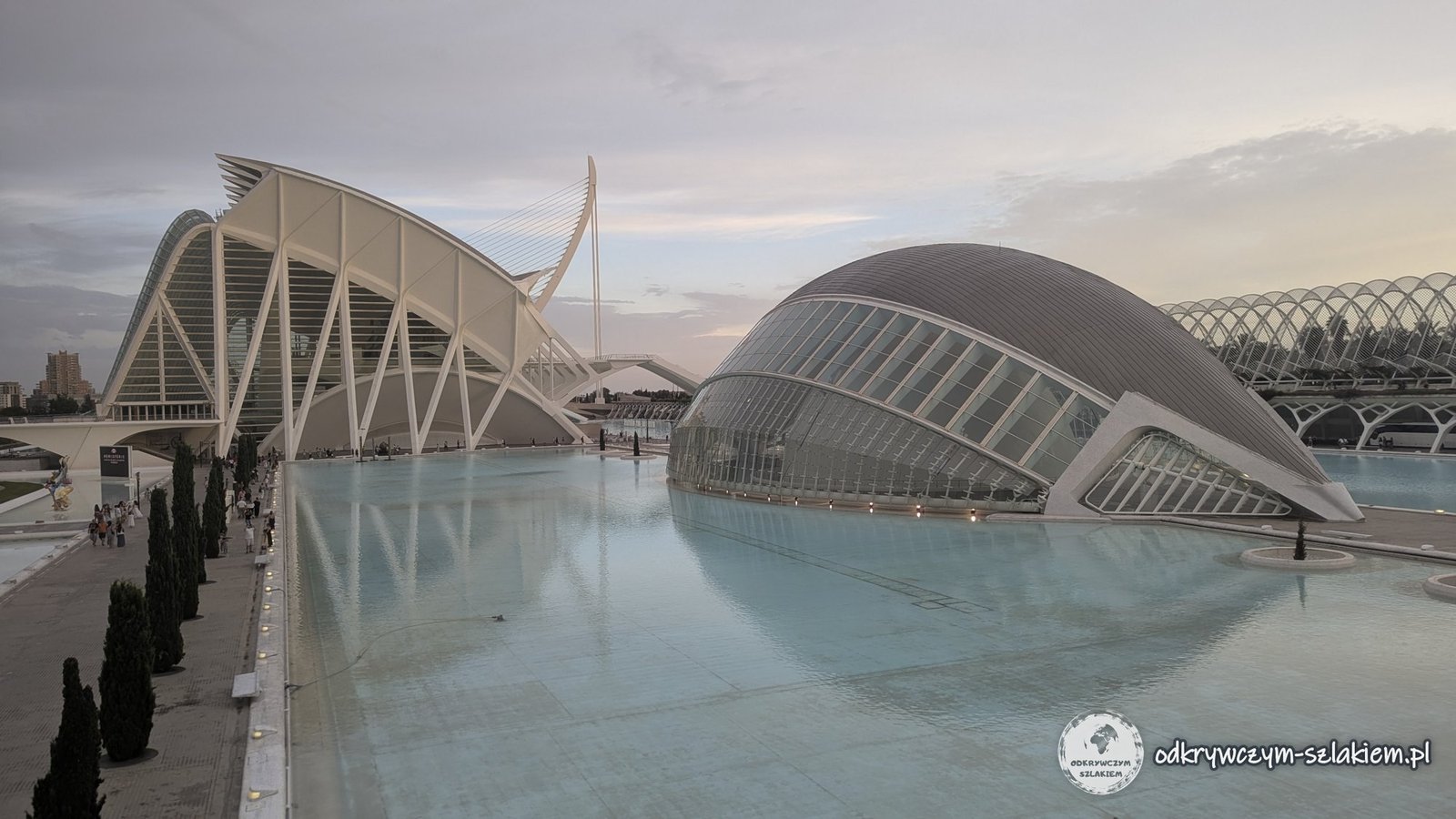
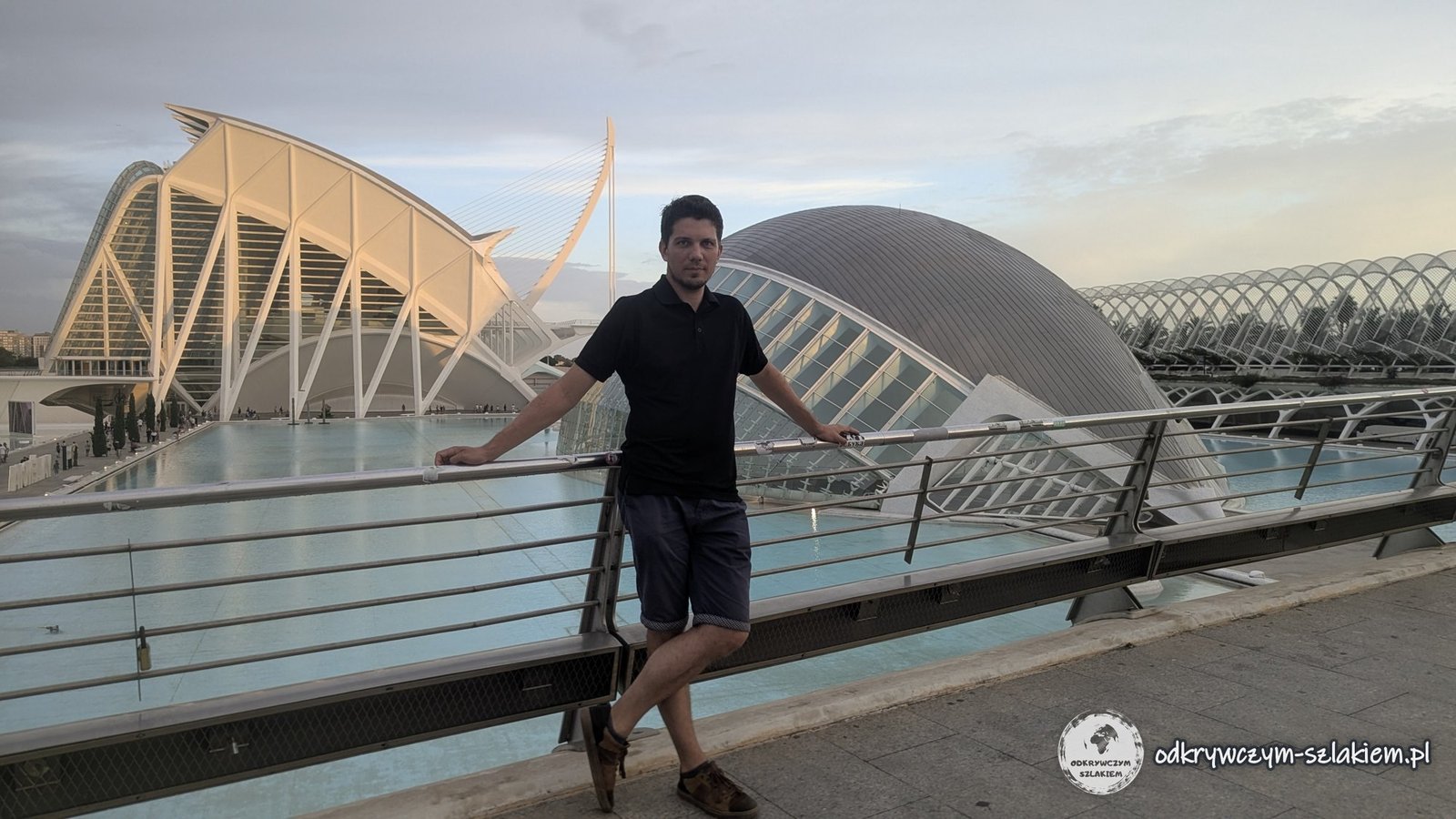
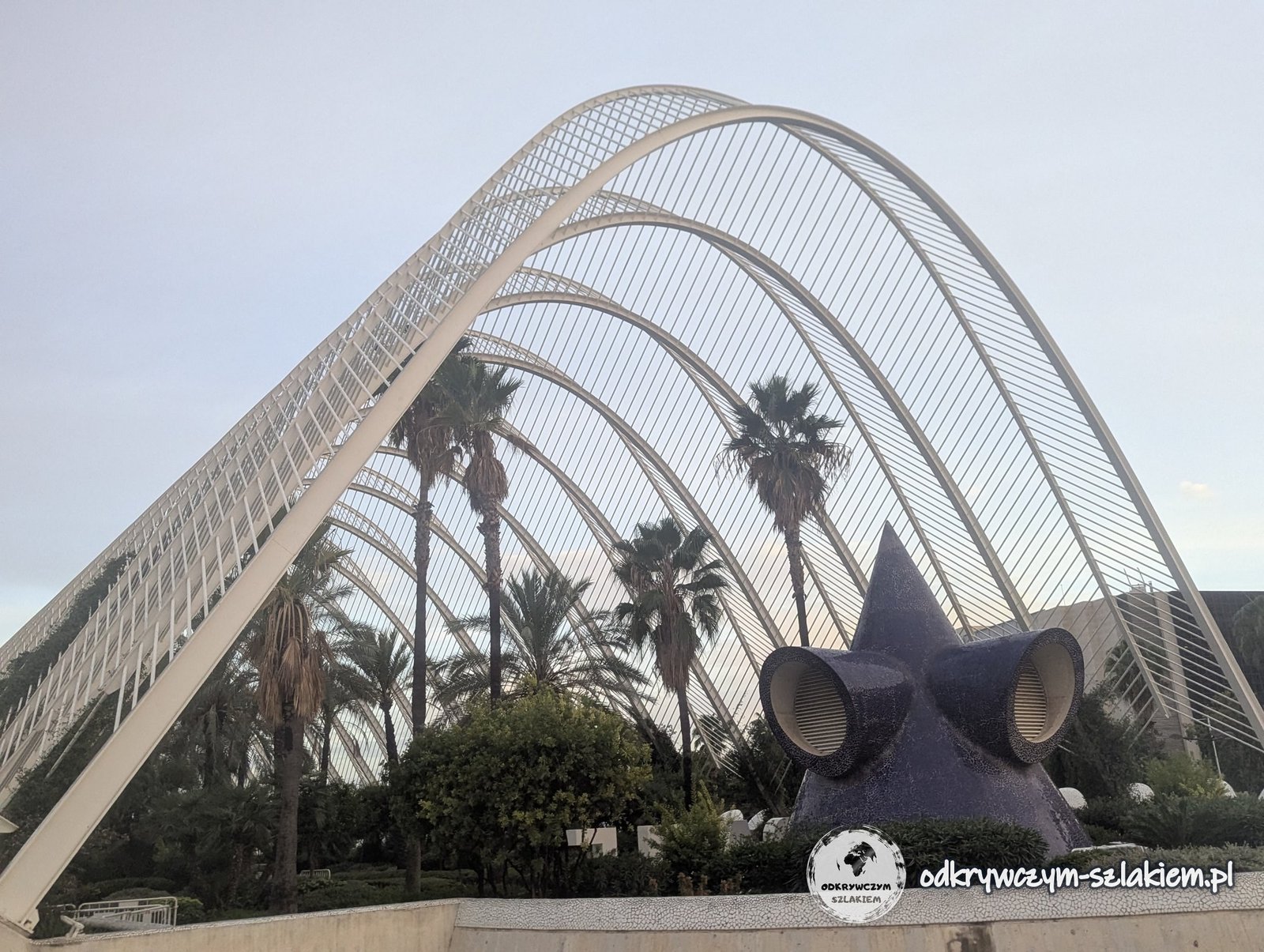
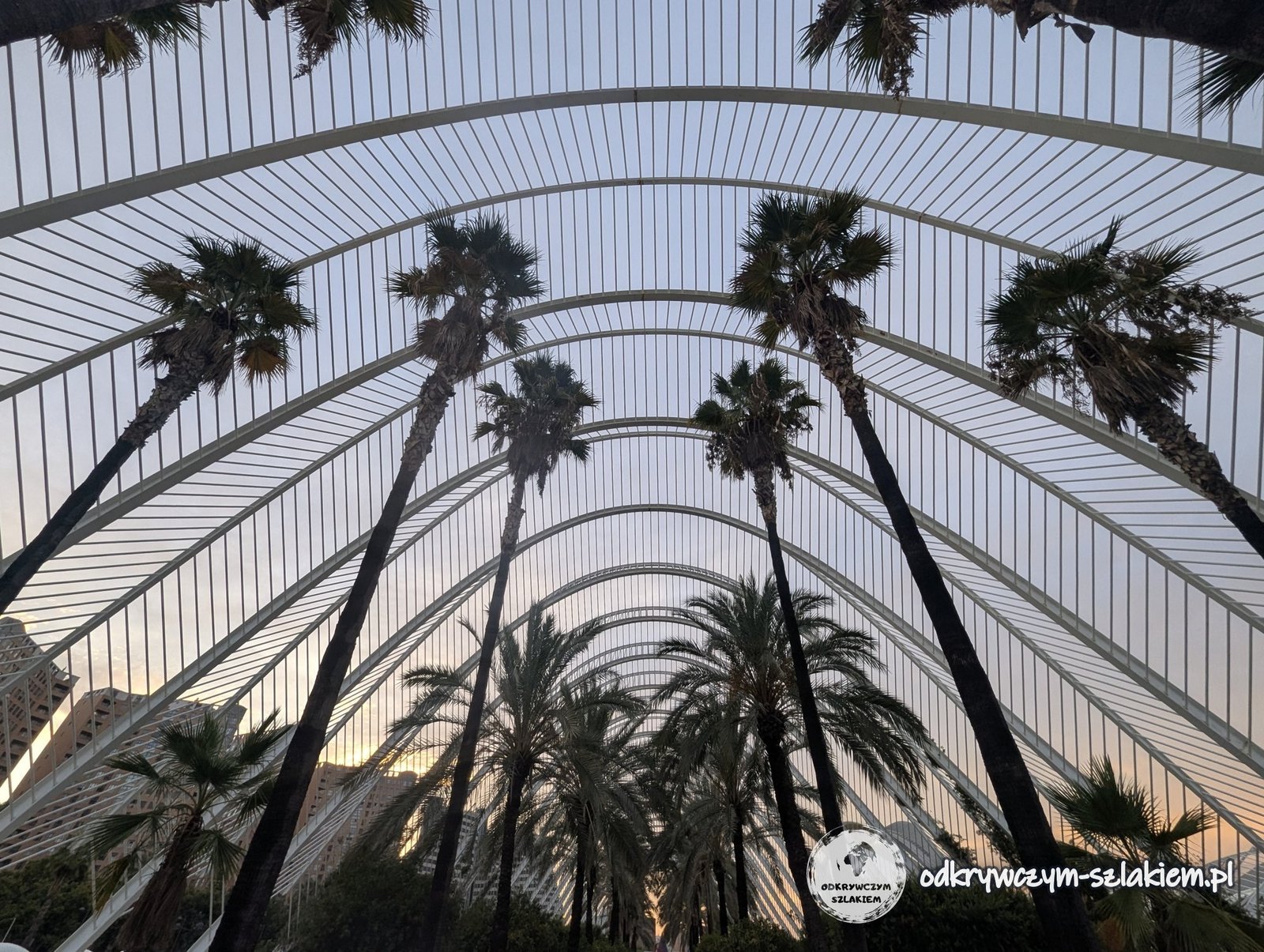
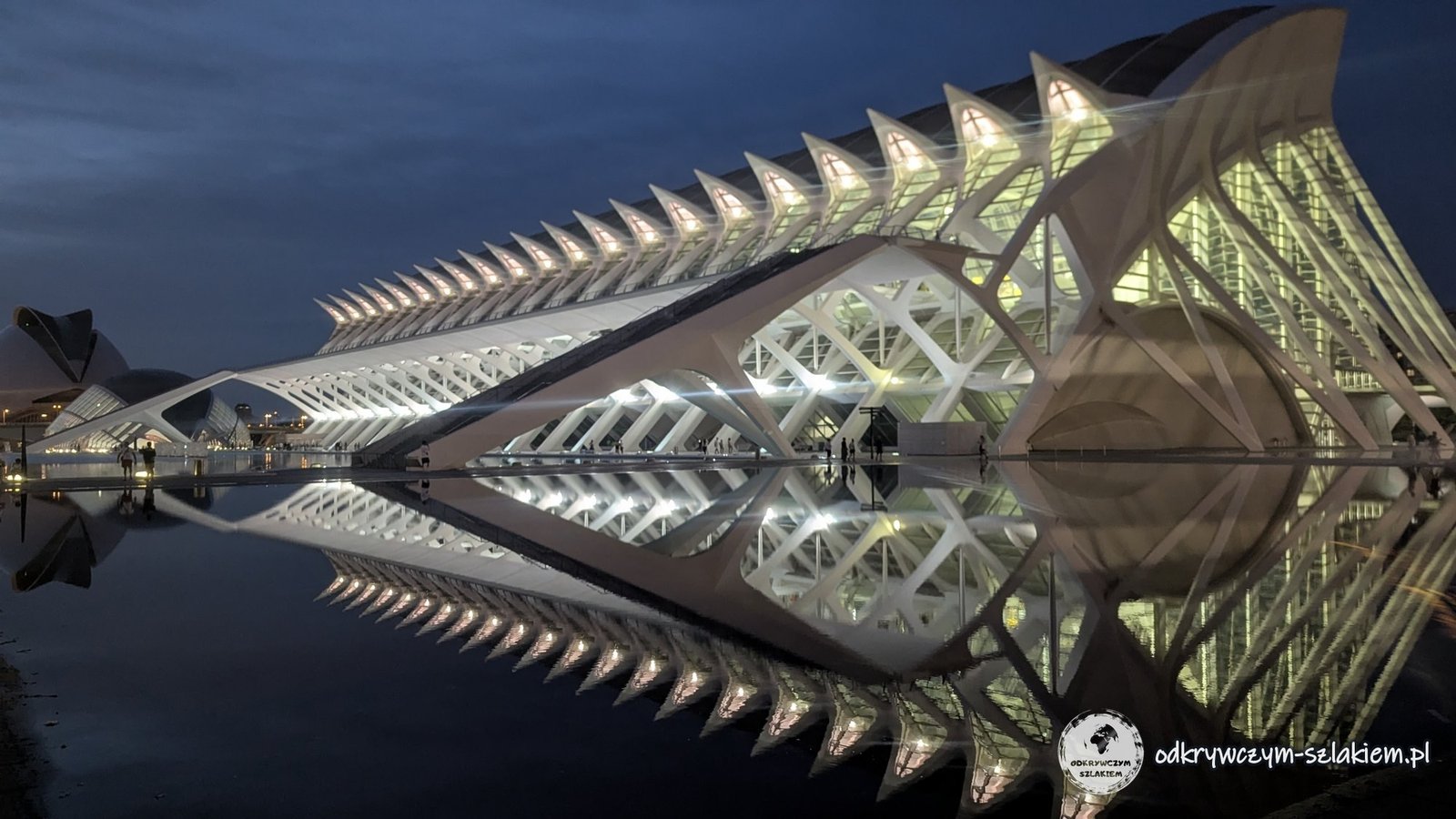
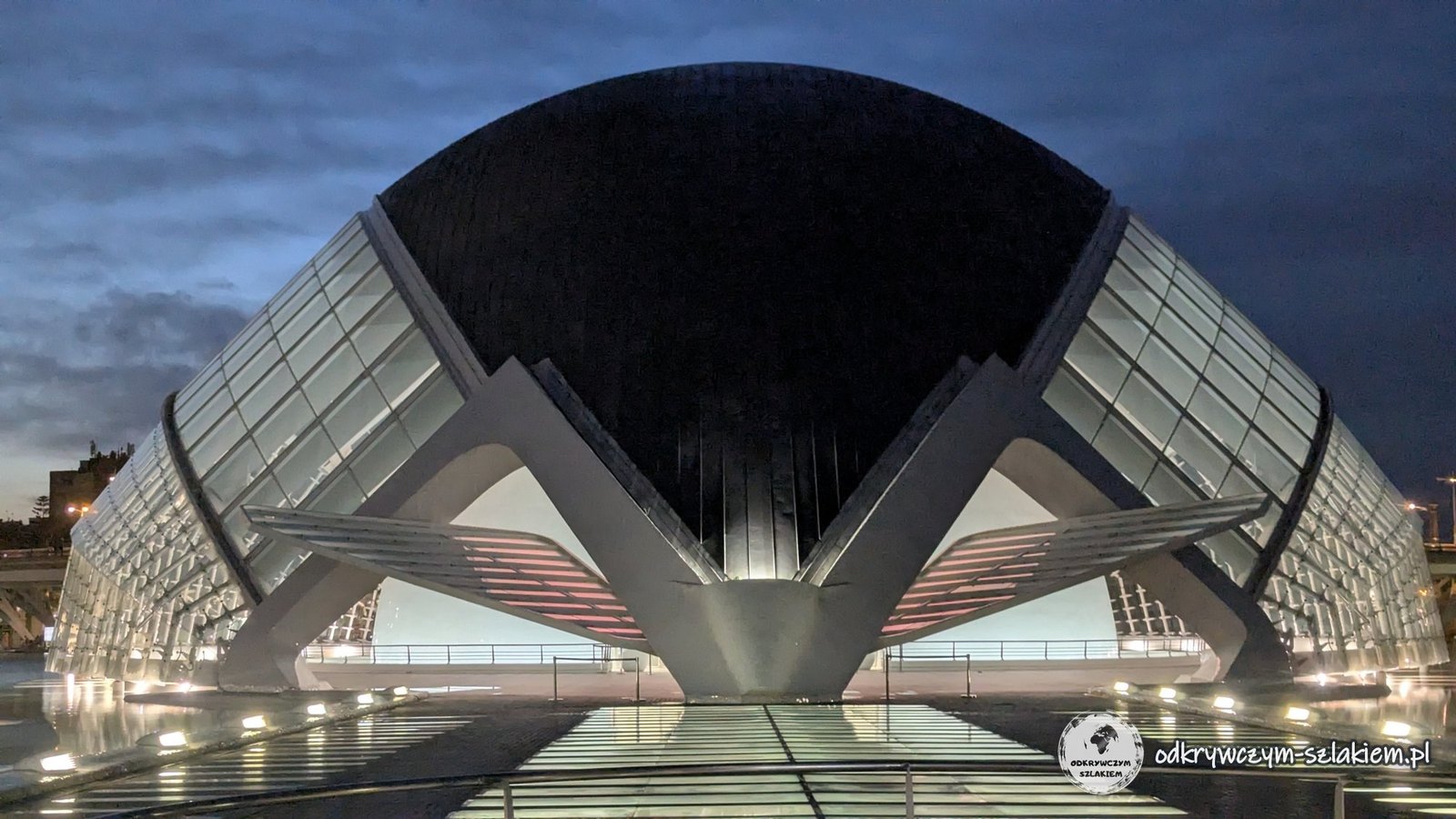
At the end of the riverbed stands the City of Arts and Sciences (Ciutat de les Arts i les Ciències) – a complex of futuristic buildings designed mainly by Santiago Calatrava and opened from 1998 onwards: the Palau de les Arts opera house, the eye-shaped Hemisfèric cinema, the Science Museum, the L’Umbracle garden under white arches and the Oceanogràfic. It is best to come here before sunset and stay until dark, when the buildings are lit up and reflected in the water.
Practical information
- Eclipses: the next total solar eclipse visible from Spain will be on 2 August 2027 (in the south of the country), and on 26 January 2028 there will be an annular eclipse. You need certified glasses to watch – without them you can only look during totality.
- Free: the Turia Gardens, Gulliver Park, Jardines del Real, the hall of the Estació del Nord and the grounds of the City of Arts and Sciences from the outside.
- Paid: among others La Lonja, the cathedral with the Chapel of the Holy Chalice (outside mass times), the Mestalla stadium tour and the interiors of the City of Arts and Sciences buildings. Prices change every season, so check them on the venues’ websites.
- Getting around: the centre is best explored on foot, a tram goes to Malvarrosa beach and Cabanyal, and the metro runs from the airport to the centre.
- Heat: in August Valencia reaches about 30–35°C during the day – it is best to sightsee in the morning and evening and to hide in museums and churches in the middle of the day.
- More of Spain: Valencia in the evening (2022) and posts from the Costa Blanca.
Photo gallery