We spent 16 full days in Iceland (from 23 June to 10 July 2022) – five of us (with Patrycja, Michał, the other Patrycja and Wiktor), in a rented 4×4 and mostly in a tent. Iceland has a reputation as a country where “even cheap is expensive”, but with sensible planning you can explore it without ruining your budget. Below is everything that will come in handy when organising a trip like this: the car, accommodation, food, the weather and hot springs where you can bathe for free. The route itself and the sights region by region are described in the post Iceland: a 16-day route around the island.
Table of contents
- The 4×4 and the roads
- Accommodation – campsites and cabins
- Food, shopping and alcohol
- The weather and the midnight sun
- Hot springs – free instead of pricey lagoons
- Nature, people and fun facts
The 4×4 and the roads
We bought our flights well in advance – back in the autumn of the previous year – and booked a 4×4 at about the same time. The rental itself was fairly expensive: about €90 a day (cheaper if you book far ahead). On top of that came high fuel consumption, especially on winding, bumpy gravel roads. Split between five people, though, the costs were manageable.
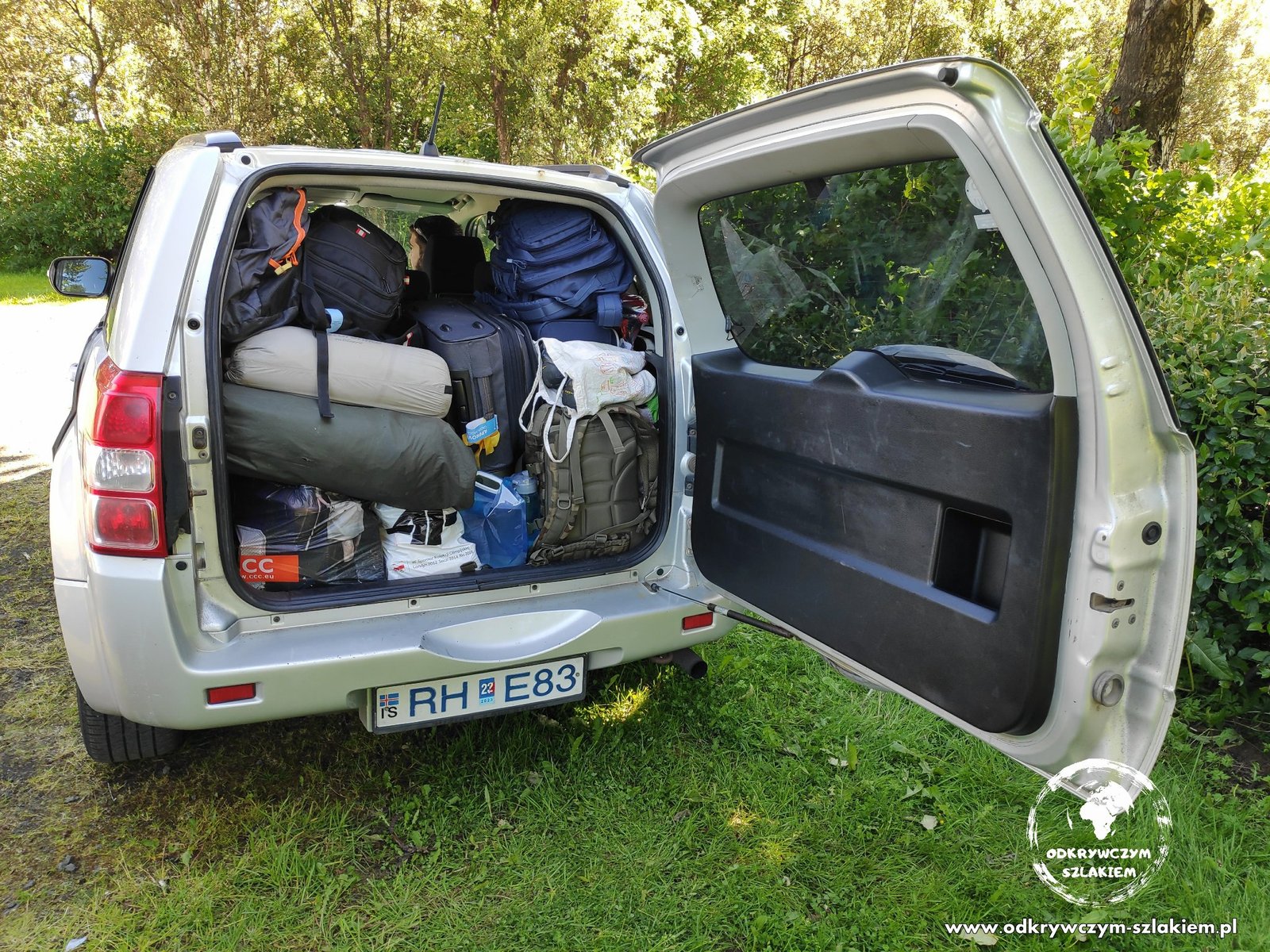
In total we drove 3187 km – on average just under 200 km a day. We took turns at the wheel every day, so nobody got worn out. A daily ritual, on the other hand, was cramming all our things into the boot – and sometimes it looked worse than in the photo.
The tarmac roads are in very good condition, but many kilometres are still gravel. You also need to remember that the roads into the interior of the island (the so-called Highlands) are closed out of season, and when they open depends on the weather in a given year. In 2022 the snow lingered exceptionally long, and because of that we couldn’t reach Landmannalaugar, the place we cared about most.
Accommodation – campsites and cabins
We planned to spend as many nights as possible at campsites – a much cheaper option and a very popular one in Iceland. On average we paid about €15 per person. We spent the first night at a campsite in Reykjavík, and in total we slept in the tent 10 times.

Many campsites are really well equipped – with a kitchen, bathrooms with showers, a washing-up area, sometimes even a laundry and a drying room. But there are also some that only have a basic toilet and coin-operated showers (for 5 minutes), yet cost hardly any less – so it’s worth doing some research beforehand. Mostly we had everything we needed; only a few times were we missing a kitchen, a laundry or proper showers.
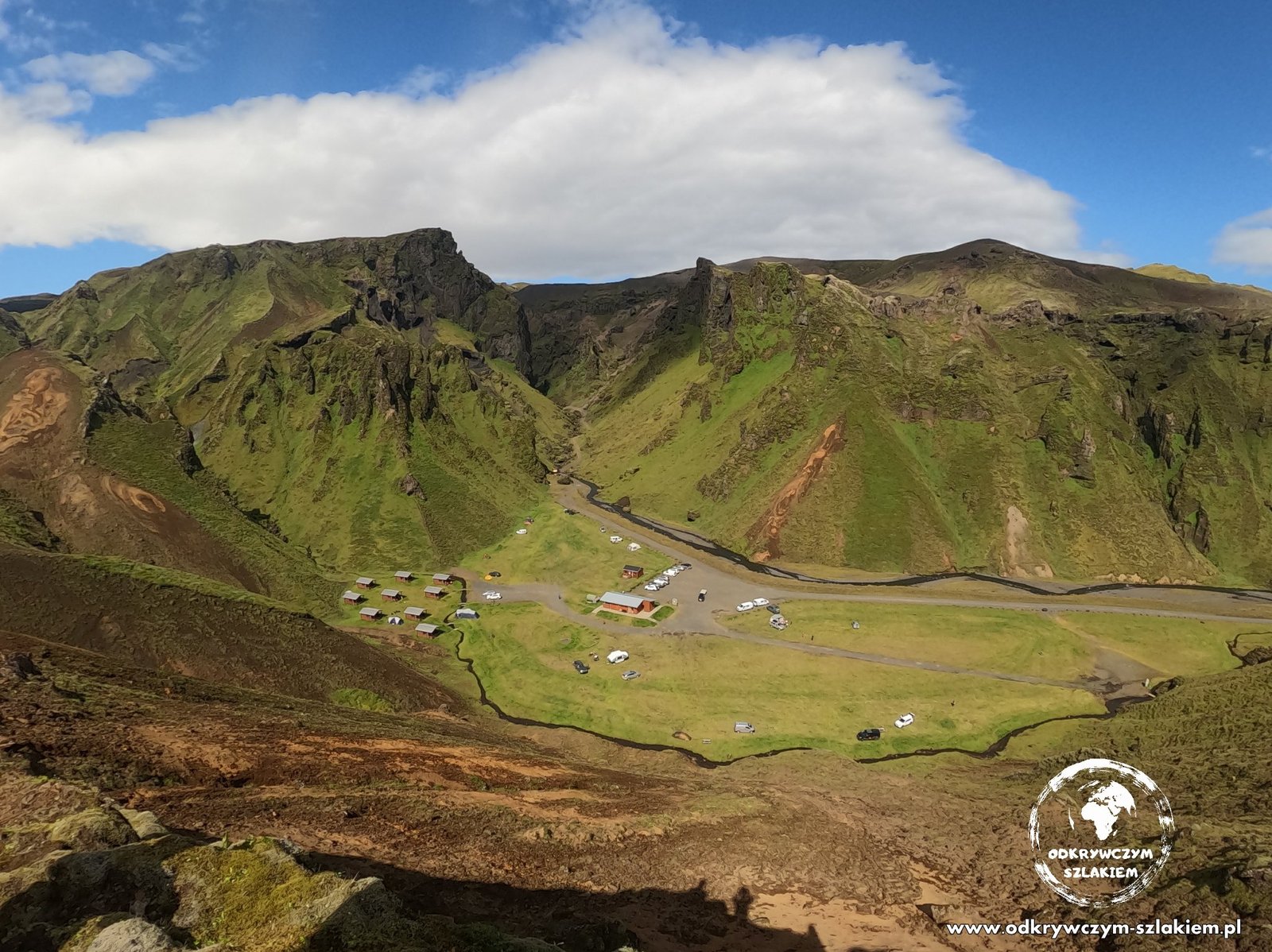
The campsite we remember best is Þakgil – the road to it is rough, but the scenery around it is picturesque and the kitchen is in a cave. The Skógar campsite was the most poorly equipped, but right next to it the Skógafoss waterfall plunges down.
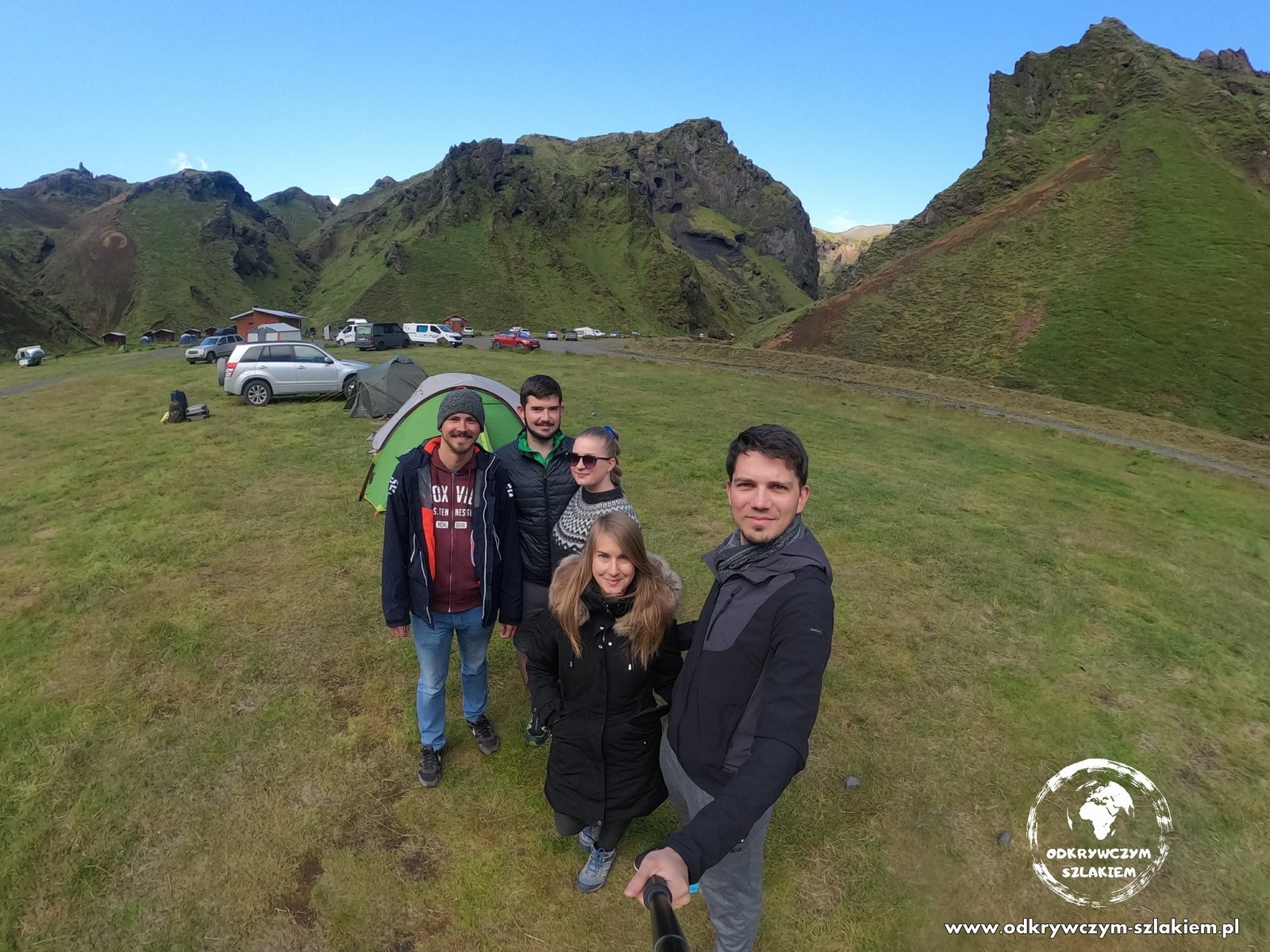
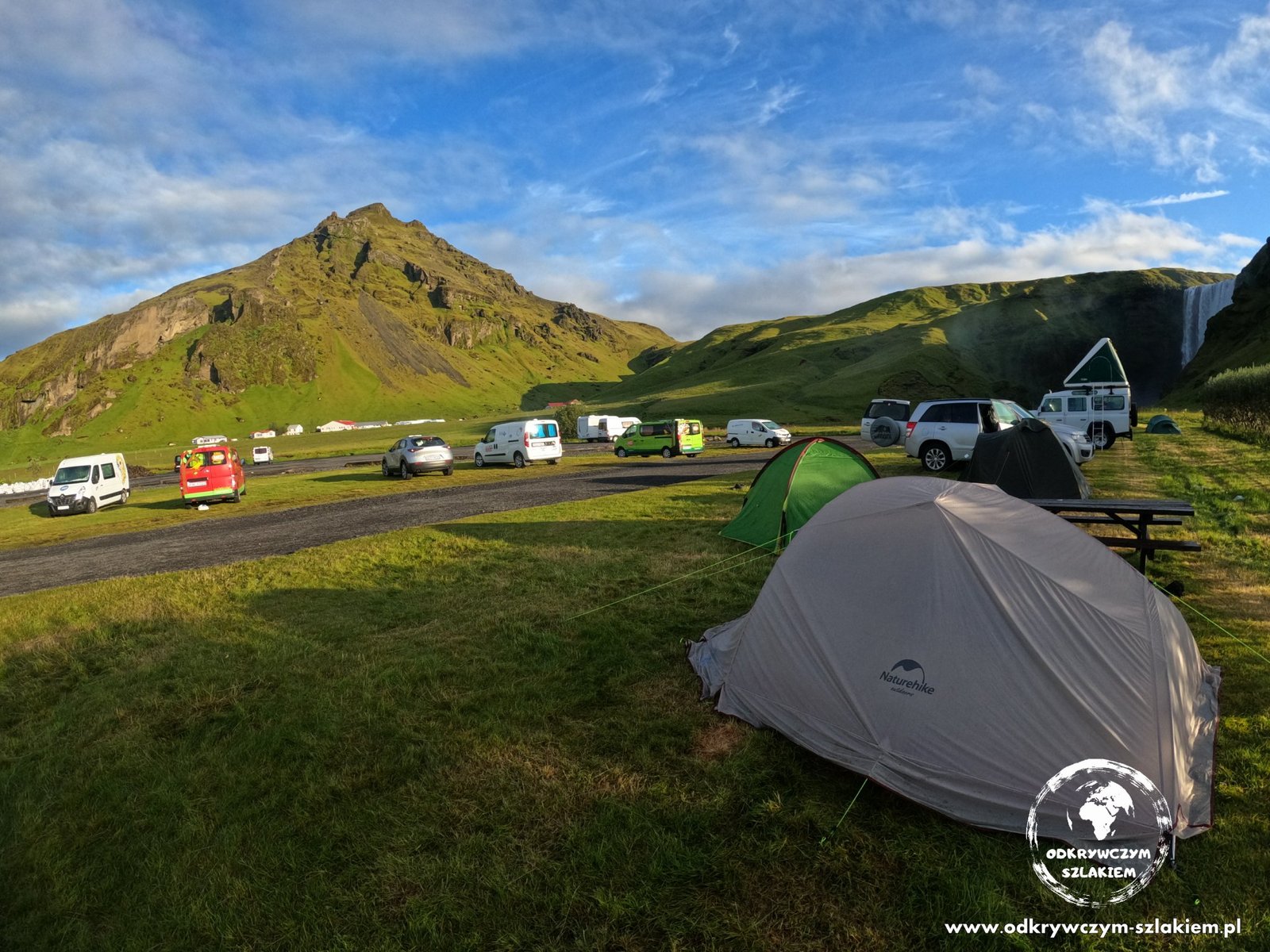
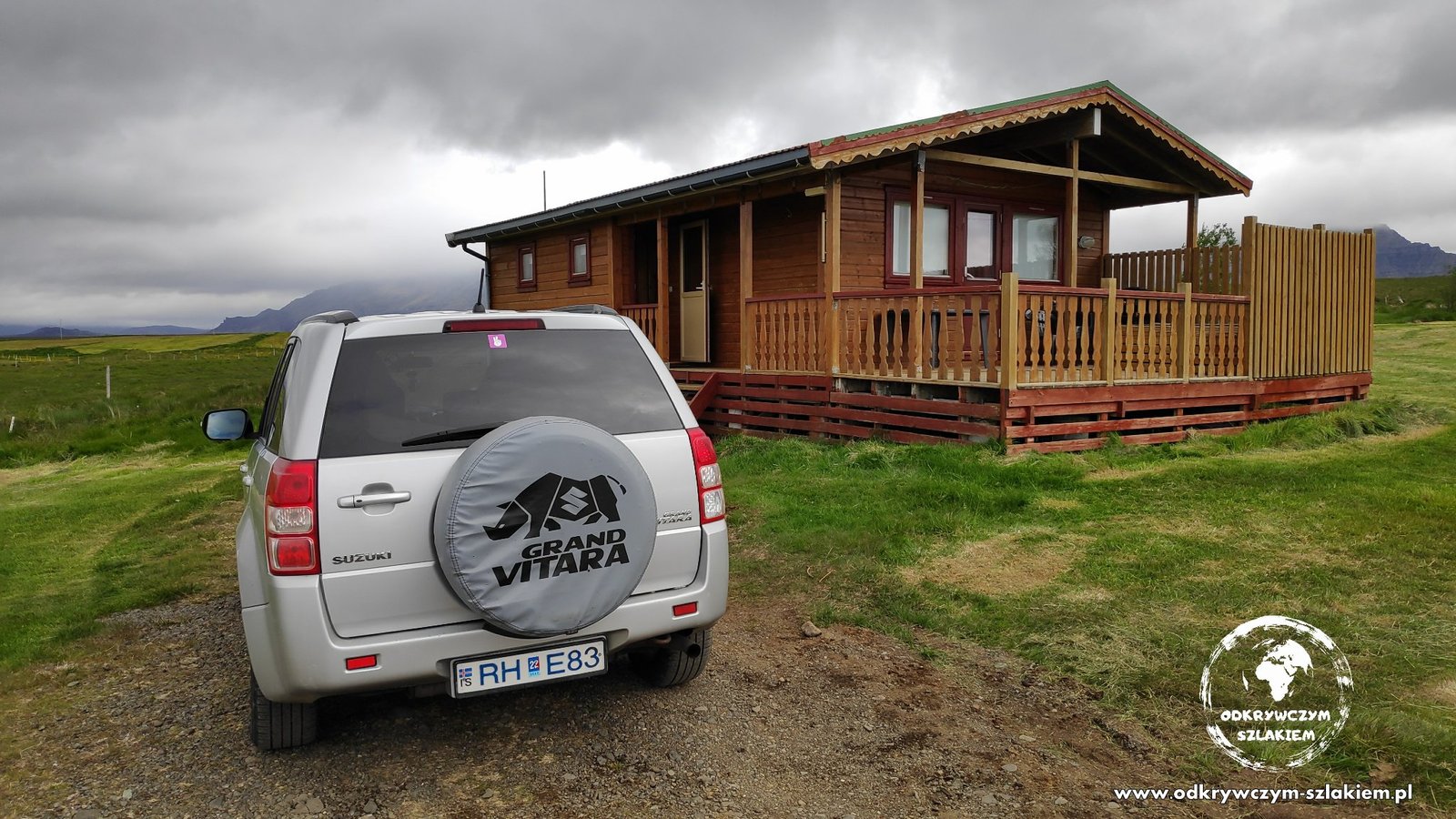
Before arriving we had booked three nights indoors, and in the end there were five: three times a cabin, twice a dorm room just for us. We chose the cheapest options – once we managed to book an elegant place on the same day for the price of a campsite, and the most expensive cost €38 per person per night. An evening under a roof was always a nice treat: no need to set up the gear, and we could spend the time in the warm, whatever the weather. Once we ended up in a hut from the early 20th century where the voltage was so low that we had to wait ages for the electric cooker – and once it even tripped the fuses.
Food, shopping and alcohol
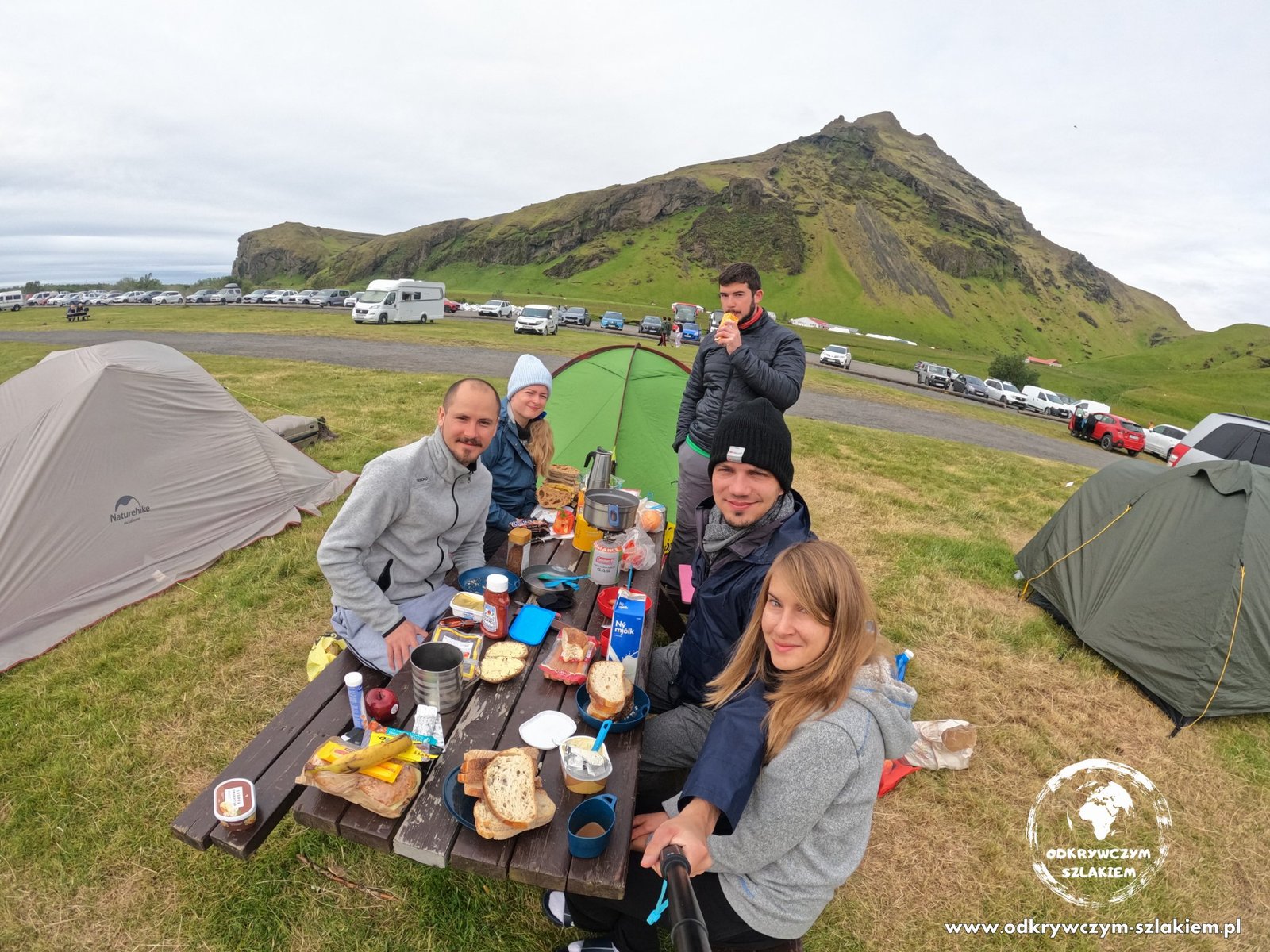
Most of the time we cooked for ourselves – with groceries from the supermarket (usually the Bonus chain), in campsite kitchens, in the cabins or outside at picnic tables, on our own camping stoves.
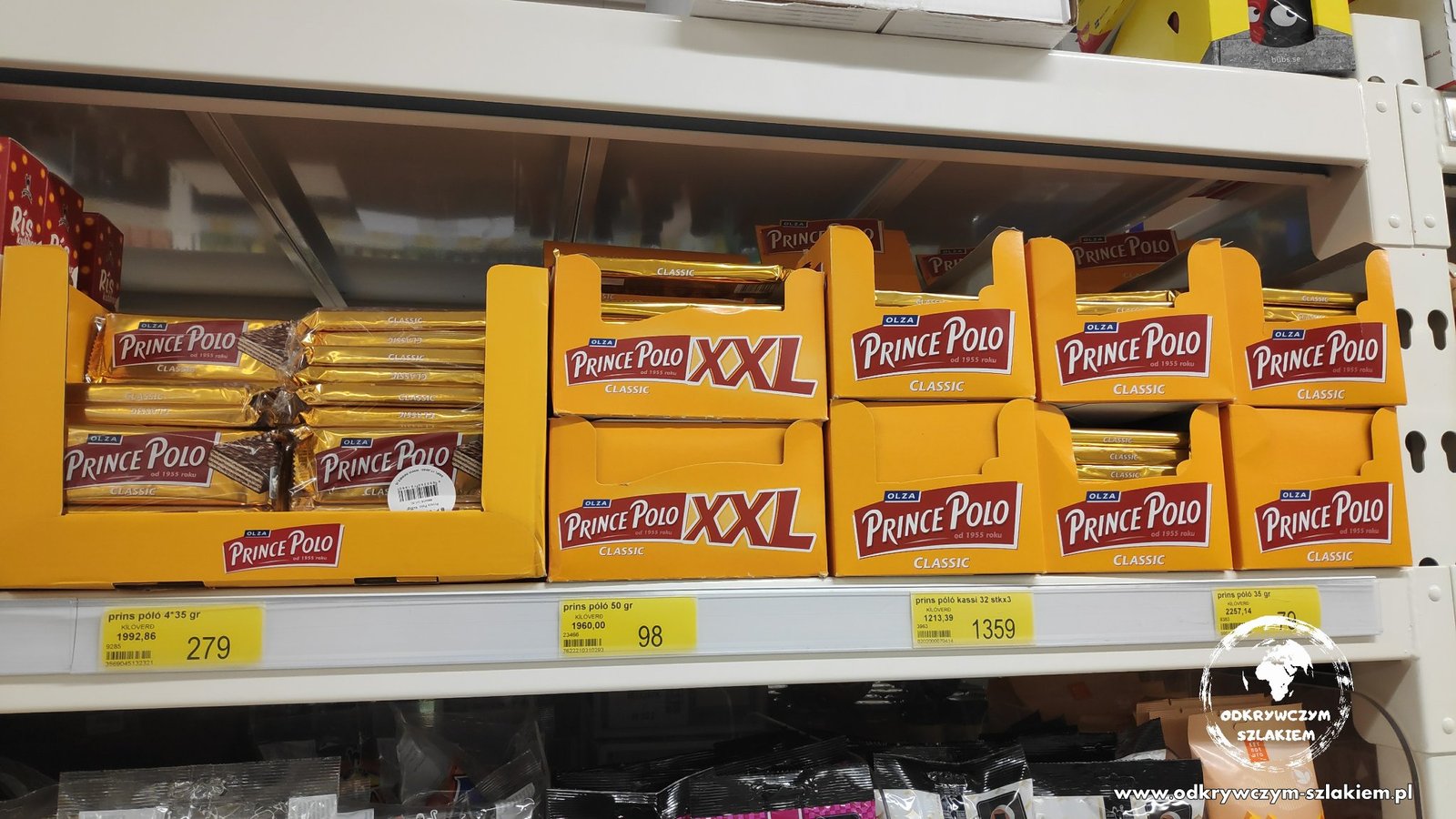
A useful custom: before flying home, many people leave food and other things at campsites (especially near the airport) for anyone who wants them. Thanks to this we never once had to buy gas for the stove and saved a bit on food – and before our own flight we left what we had left for others. Fun fact: Icelanders love the Polish Prince Polo chocolate wafer, so you can easily buy it and other Polish sweets in many shops.
Alcohol can only be bought in the state-run Vínbúðin shops and it’s very expensive – the most basic half-litre beer cost €2–3. Of course we couldn’t resist trying beers from Icelandic breweries. When you arrive, you can bring in a small amount of alcohol duty-free – it’s worth checking the current limits before you fly.
The weather and the midnight sun
We all agreed that Icelandic weather isn’t among the most pleasant. A strong wind blew regularly, the temperature didn’t exceed 16 degrees (it was usually 10–12), and at night it dropped to just a few degrees. We were fairly lucky with the rain – it only rained harder and longer towards the end of the trip. Full sunshine was rare, cloud was more common, and conditions changed very quickly. One Icelander told us that the weather should be a bit better at this time of year.
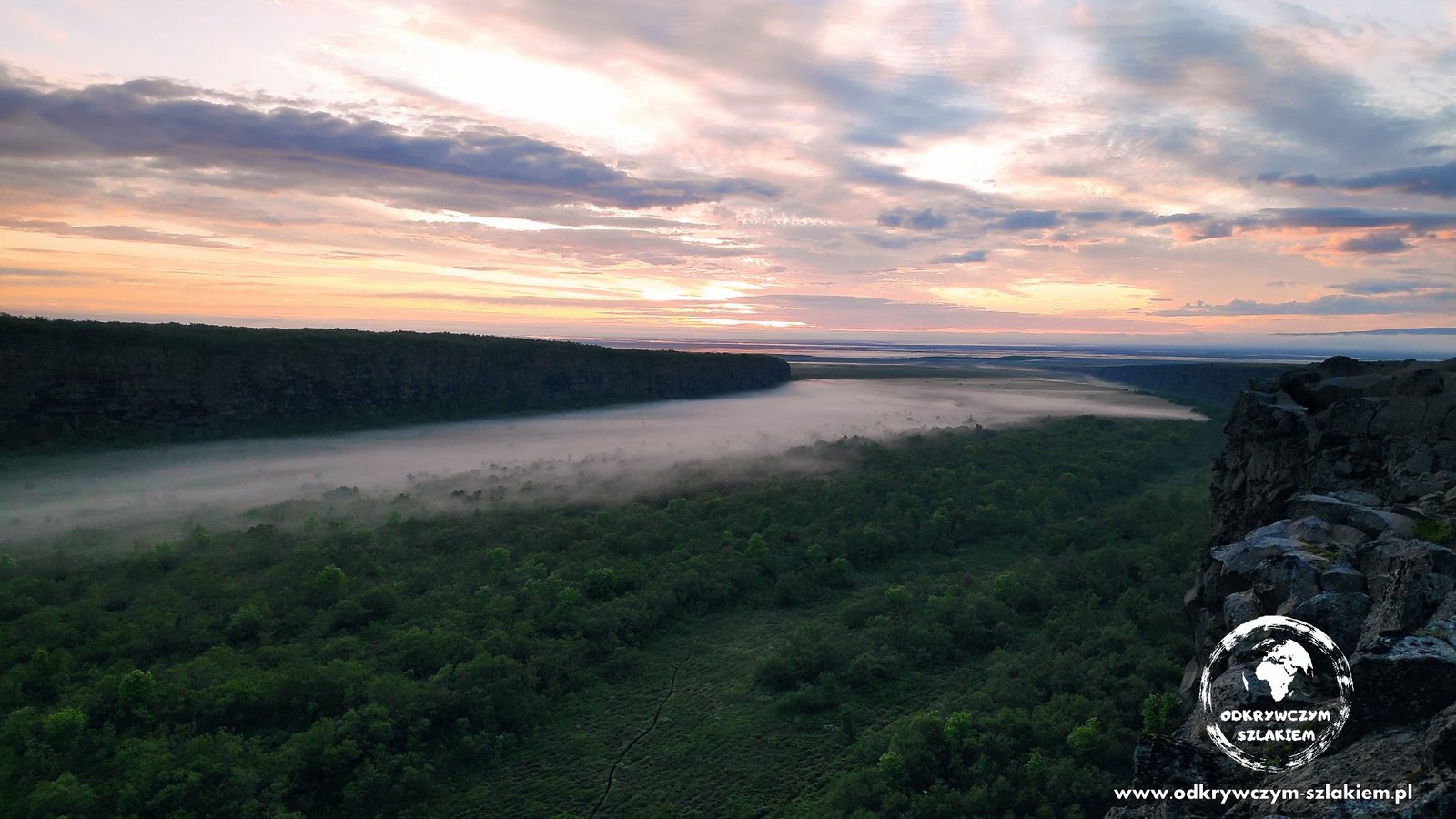
In summer, on the other hand, you can experience the midnight sun. The sun set around midnight and rose around 3 “at night”. At the beginning of the trip we didn’t notice it getting any darker after sunset at all – by the end, we did.
Hot springs – free instead of pricey lagoons
Iceland has several paid hot-water “lagoons”. We went to the Mývatn Nature Baths (entry €42) – a lesser-known and much cheaper alternative to the Blue Lagoon. Honestly? It was fine, but nothing special. We think it’s better to make use of the many free springs Iceland has to offer.
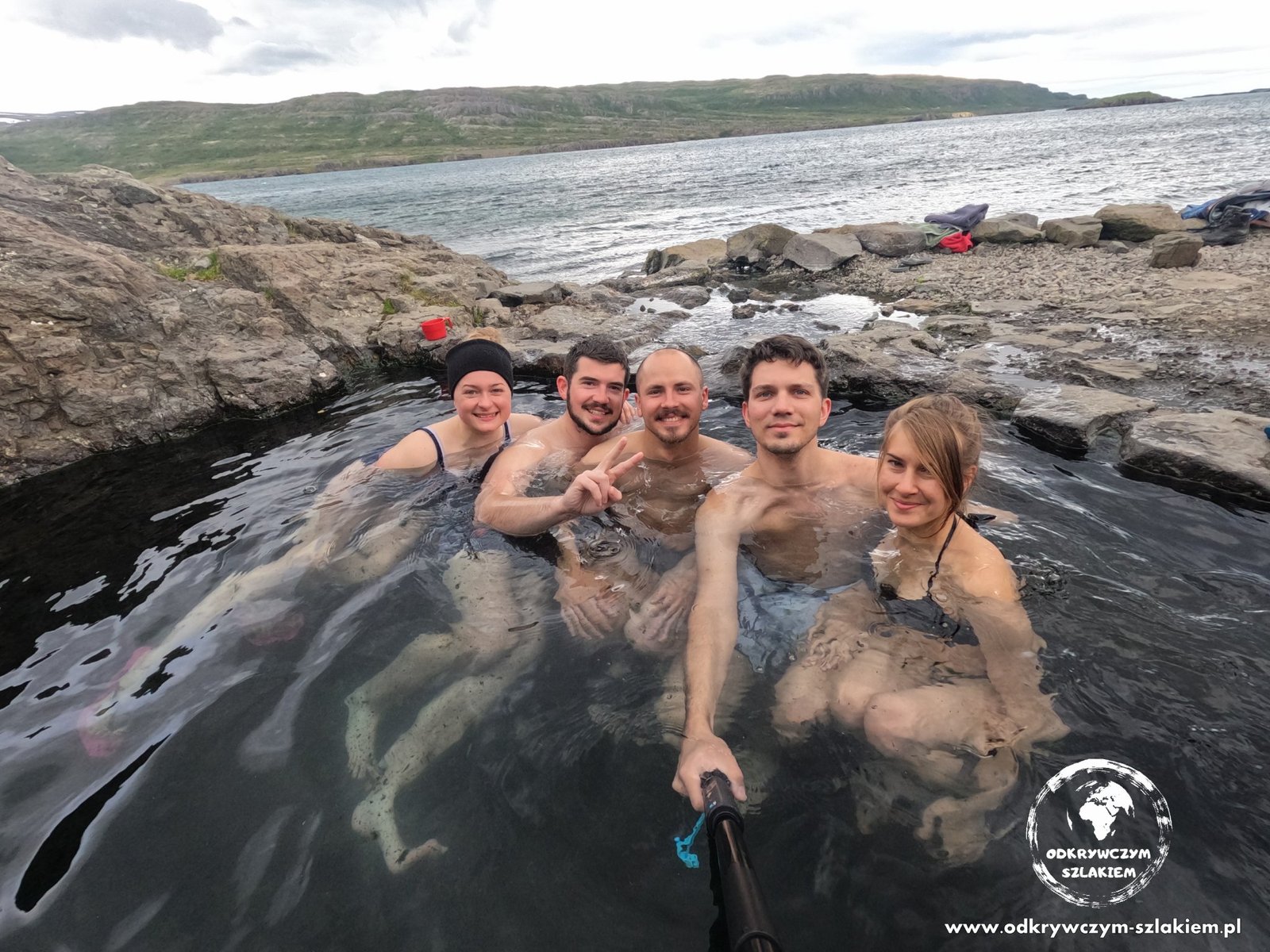
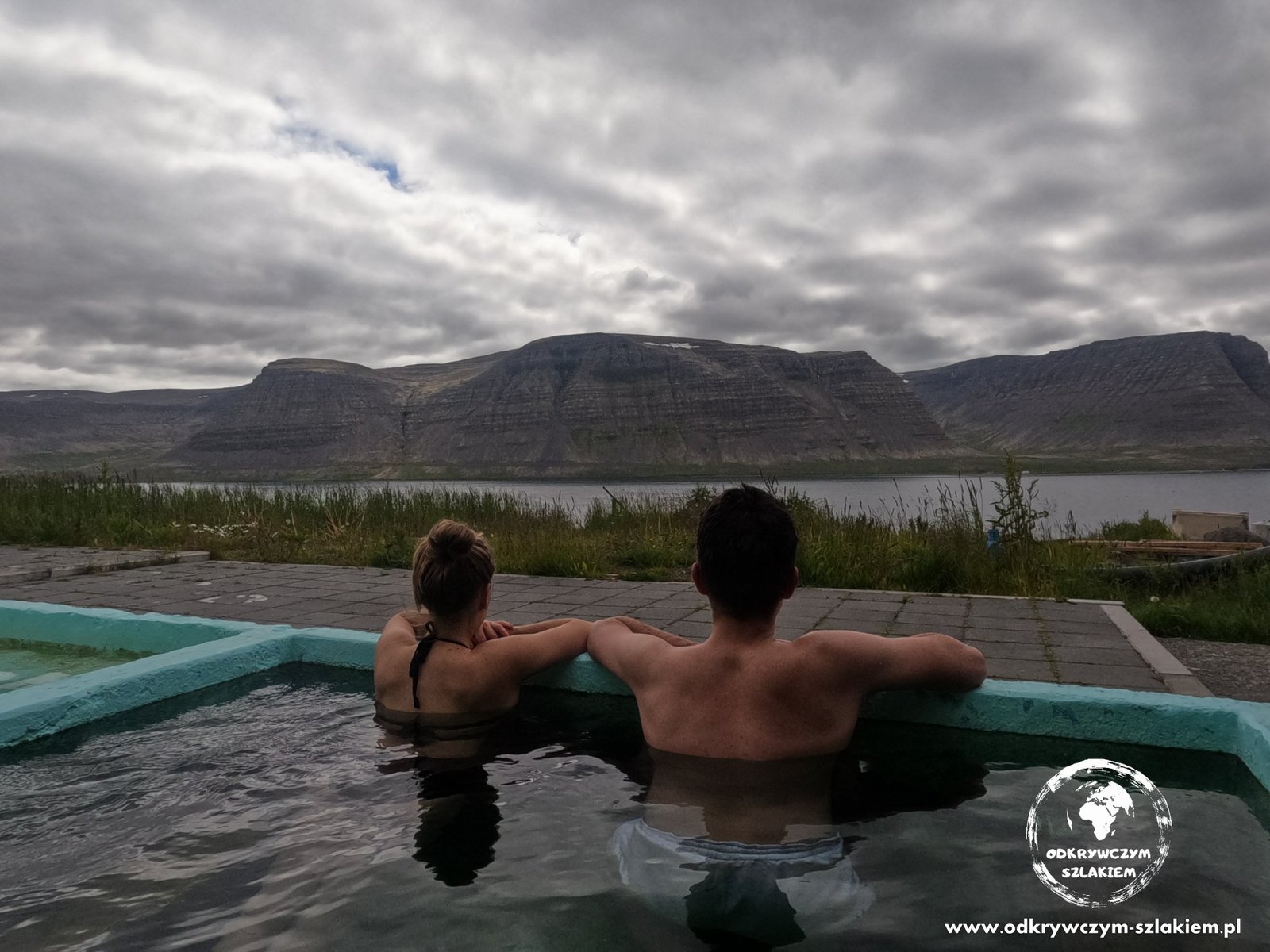
Our first (and free) hot spring was Hellulaug – a stone pool right by a fjord in the Westfjords. Also in the Westfjords there’s another free spring, Pollurinn, very well kept, too, with a view of the mountains.
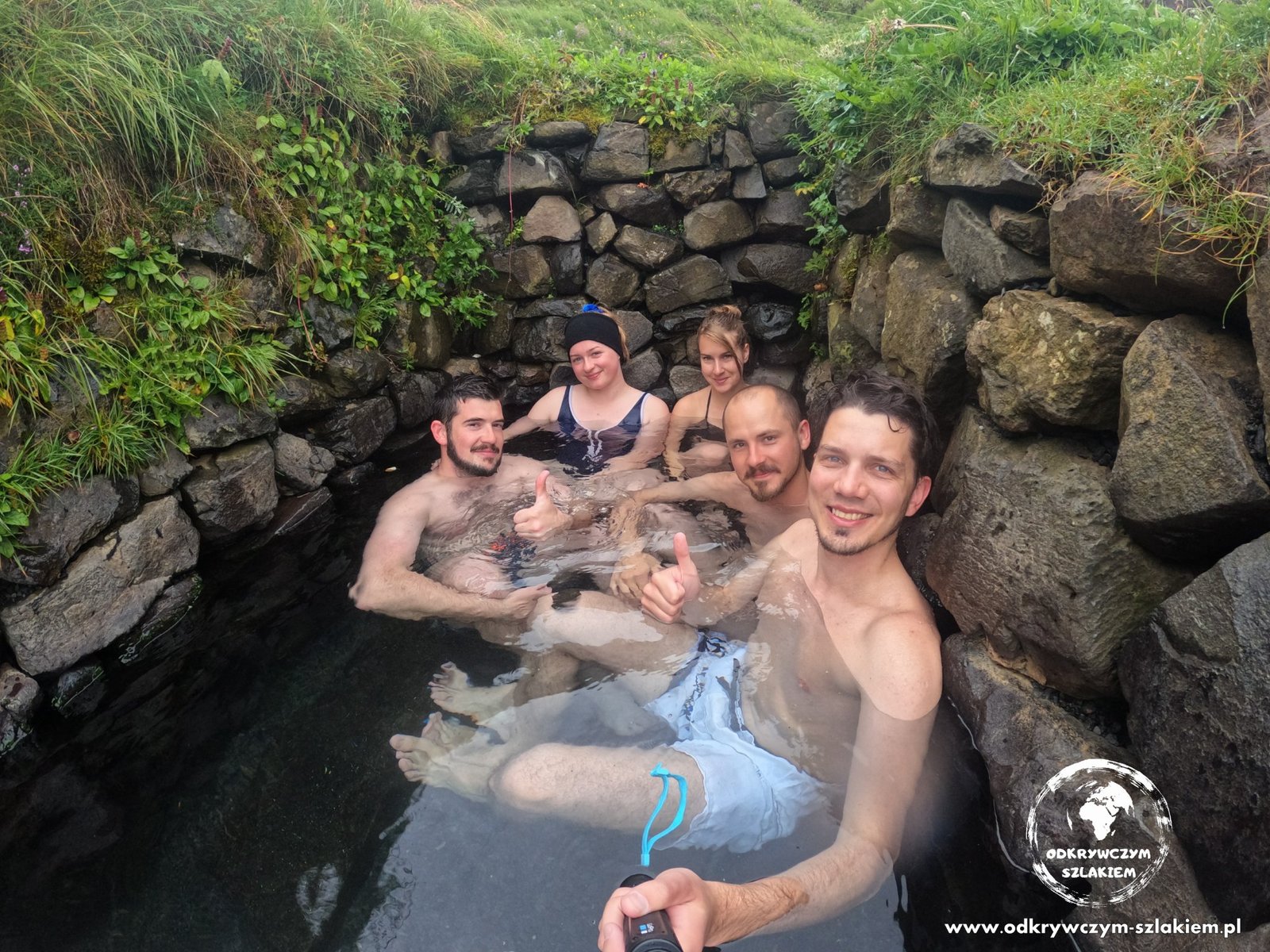
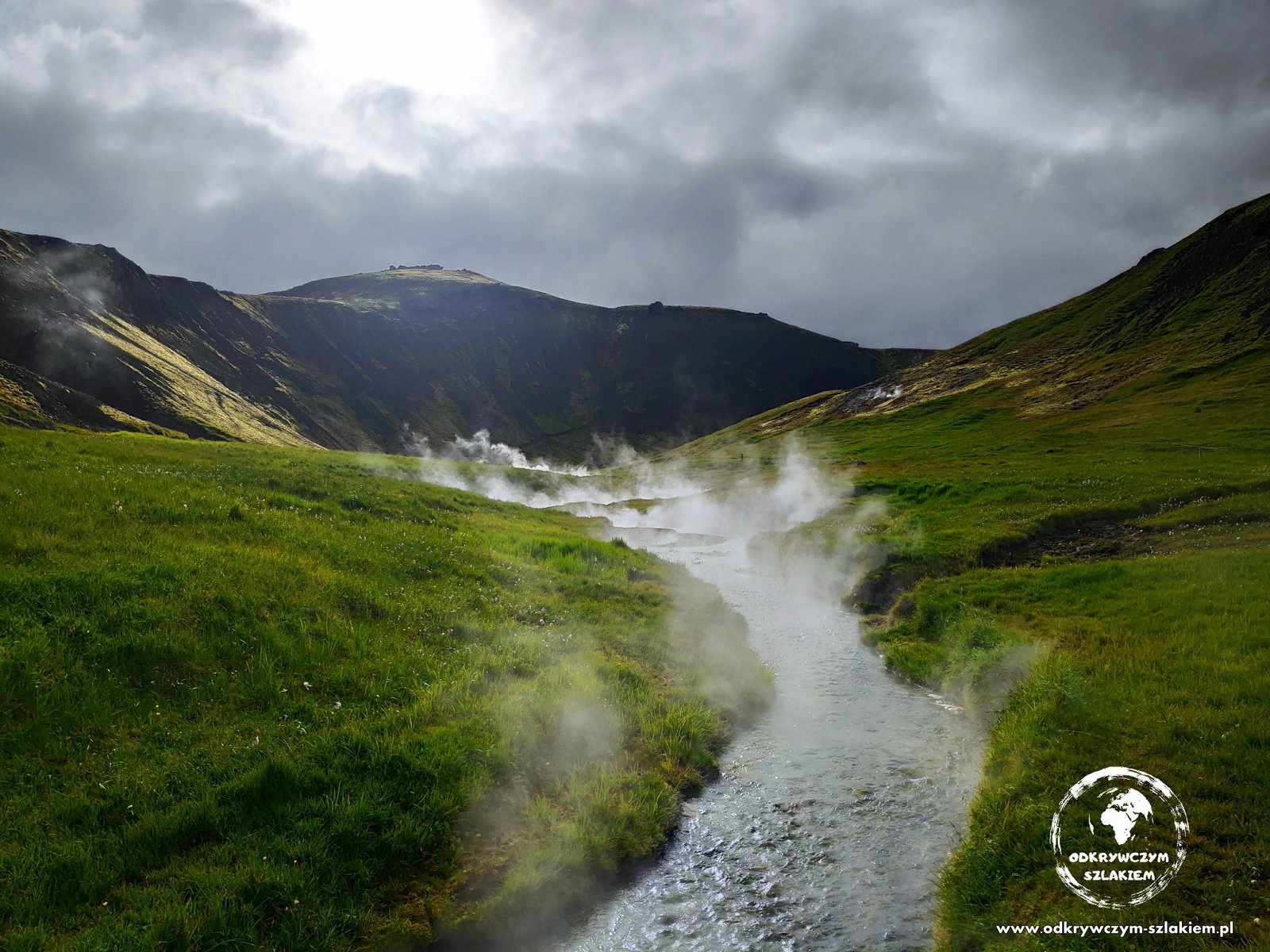
Near the Golden Circle we bathed in the stone spring of Hrunalaug, and an approximately 3-kilometre path leads to the hot river in the Reykjadalur valley – you sit in warm water flowing through a green valley.
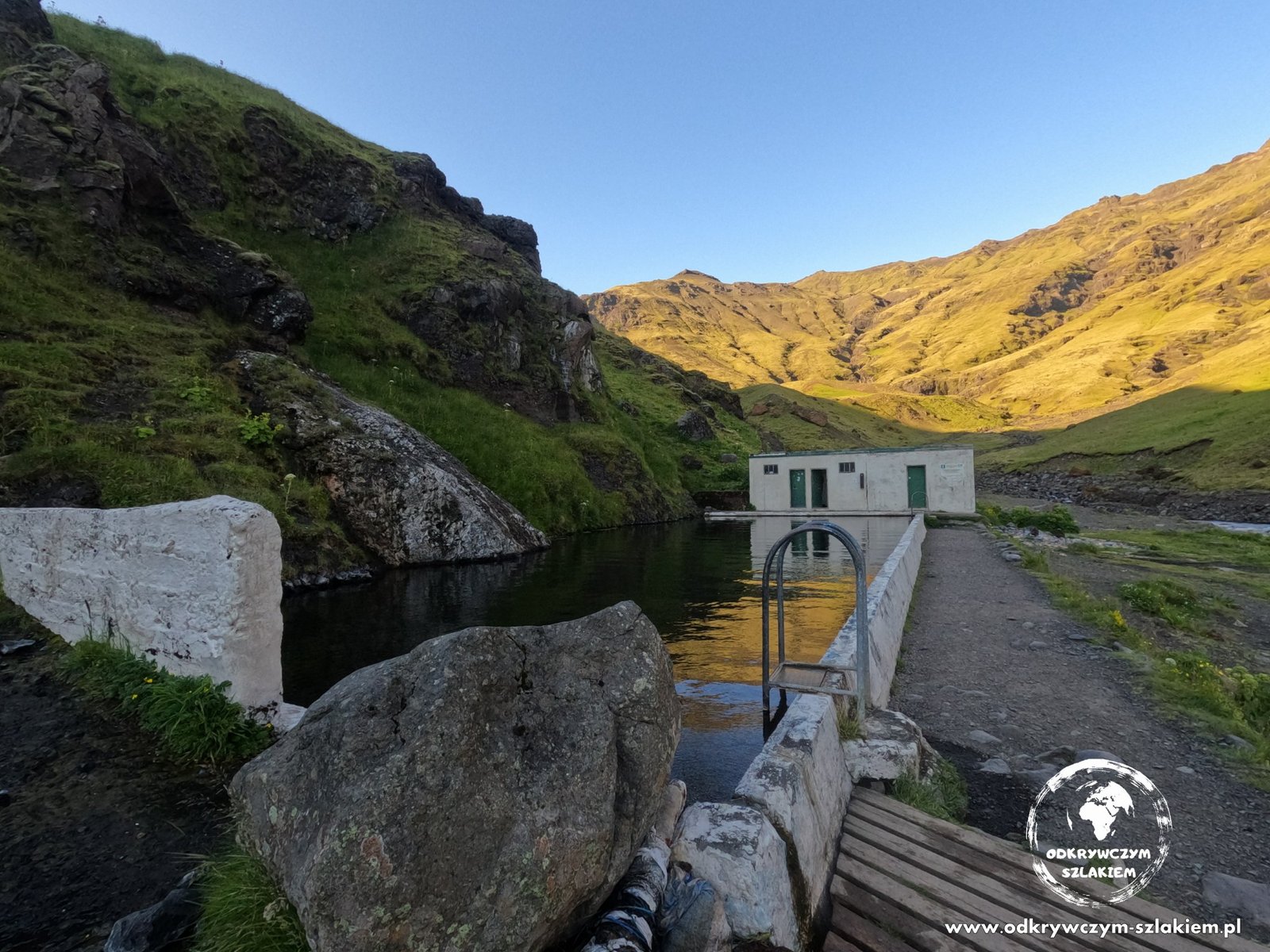
We don’t recommend, however, the popular abandoned pool of Seljavallalaug in the south of the island – the water was supposed to be warm, but it was only warm in one corner, where hot water trickled in through a narrow stream.
Nature, people and fun facts
- Nature – the vegetation is very sparse, but you can’t miss the purple lupins that grow all over the country. The largest group of animals is birds – among others we saw puffins, as well as seals. We didn’t manage to see any Arctic foxes (they live mainly in the more remote parts of the country) or whales (special boat trips are run to watch them).
- Midges – in the north-east of the country the flies were really annoying. A head net would have helped, although hardly anyone wore one.
- People – we had little contact with Icelanders, mostly with tourists at the campsites. Every year about 6 times more tourists come here than the country has inhabitants; about 2/5 of the population lives in the capital, and about 3/5 in the whole capital region. The largest ethnic group after Icelanders is… Poles (about 6%), so in many places signs are also in Polish. We spent one evening in the south of the island at a hostel where Siódmy w Świecie was working – a Polish traveller we had met in 2019 at the OSFP Kormorany travel festival in Poland (he talked there about volunteering in Asia, and we talked about working in the USA).
- Films – Iceland has been a filming location for “Game of Thrones”, “Interstellar”, “Star Wars”, “Tomb Raider”, “Batman” and “Star Trek”, among others.
- Tectonic plates – Iceland lies on the boundary between the Eurasian and North American plates; in two places we visited (Þingvellir and Reykjanes) you can see this boundary with the naked eye.
- Language – we’re unlikely ever to learn Icelandic. As a farewell, at Keflavík airport, Michał – aka Misza (“Where is Misza?”) – and I recorded a short video, a sequel to our classic from Hungary: we try to read a few Icelandic signs.
During the trip we had neither the time nor the energy to post updates as we went – it was an intense journey, so when we reached our place for the night we wanted to rest, and on the road we preferred to soak up the views. Iceland wasn’t easy, but it will certainly stay with us for a long time.